
Home Blog Page 691

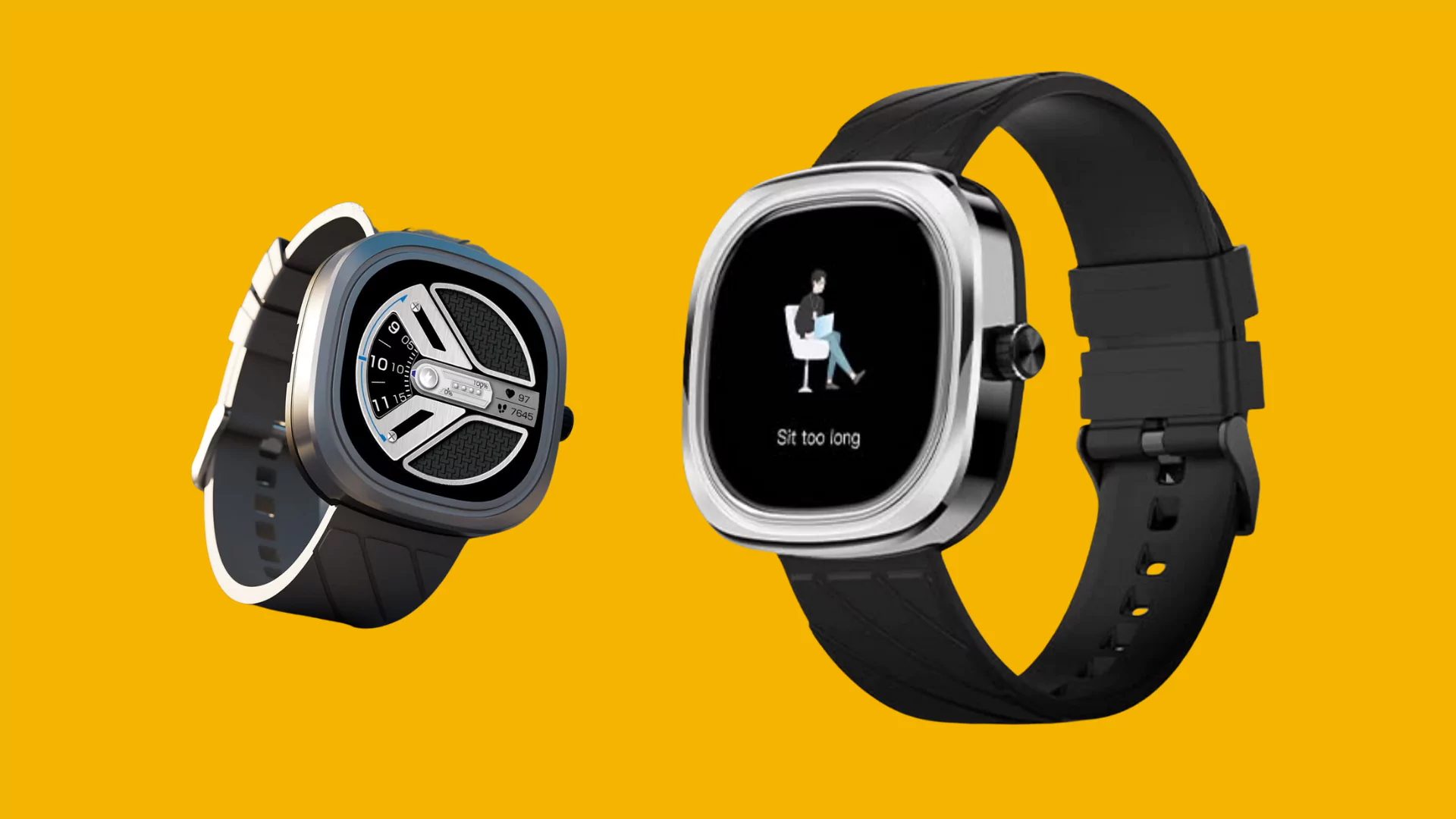
Xiaomi Watch 2 Pro Announced with Snapdragon W5+ Gen 1 chipset, 1.43-inch AMOLED panel; Xiaomi Smart Band 8 Also Revealed

0

Highlights

  • Xiaomi Watch 2 Pro offers two connectivity variants and two elegant color options.
  • Smart Band 8 makes its global debut, available in Black and White.
  • Xiaomi Watch 2 Pro features a 1.43-inch AMOLED display with a 466×466 resolution.
  • Smart Band 8 offers up to 16 days of battery life and supports Always on Display.

In a significant move to dominate the wearable technology space, Xiaomi has officially announced the Xiaomi Watch 2 Pro along with the global release of the Xiaomi Smart Band 8.

Initially introduced in China, the Xiaomi Smart Band 8 is now reaching European shores, which is likely to broaden the company’s ever-increasing global footprint.

Xiaomi Watch 2 Pro: Pricing and Available Variants

The Xiaomi Watch 2 Pro is hitting the market with two major connectivity options—Bluetooth and e-SIM.

The Bluetooth variant of the Xiaomi Watch 2 Pro is priced at EUR 269 (approximately Rs. 24,000), whereas the e-SIM model is slightly more expensive, retailing at EUR 329 (approximately Rs. 28,000).

Customers can choose between two elegant colour schemes—Black Case with Black Fluororubber Strap or Silver Case with Brown Leather Strap.

Key Specs: Xiaomi Watch 2 Pro

  • 1.43-inch AMOLED display, 466×466 resolution
  • Qualcomm Snapdragon W5+ Gen 1 chipset
  • 2GB RAM, 32GB storage
  • Up to 65 hours battery life (Bluetooth), 55 hours (e-SIM)
  • Supports NFC, Bluetooth 5.2, dual-band GNSS

Xiaomi Watch 2 Pro: Detailed Features and Specifications

One of the major highlights of the Xiaomi Watch 2 Pro is its 1.43-inch AMOLED display, boasting a resolution of 466×466 pixels.

This ensures crisp visuals whether you’re checking notifications, monitoring health metrics, or navigating through the interface.

The device is also touted to be impressively fast, thanks to the Qualcomm Snapdragon W5+ Gen 1 chipset, coupled with 2GB of RAM and 32GB of onboard storage.

With these specs, the Xiaomi Watch 2 Pro promises a seamless and highly responsive user experience.

Battery and Charging

Battery life is an important criterion for wearable devices, and the Xiaomi Watch 2 Pro doesn’t disappoint.

The smartwatch offers up to 65 hours of battery life in its Bluetooth variant and up to 55 hours in its e-SIM model.
Charging the device is efficient, as it reaches 100 percent in just 85 minutes.

Connectivity Options and Sensors in Xiaomi Watch 2 Pro

The Xiaomi Watch 2 Pro’s connectivity suite is comprehensive, featuring NFC, Bluetooth 5.2, and dual-band GNSS.

Moreover, a plethora of sensors like an accelerometer, barometer, gyroscope, and even a bioelectrical impedance sensor for estimating body composition are present.

Xiaomi Smart Band 8 Goes Global

Xiaomi Smart Band 8
Xiaomi Smart Band 8

Turning our focus to the Xiaomi Smart Band 8, the fitness tracker has now made its global debut at EUR 39.9 (approximately Rs. 3,500).
It is available in Black and White color options.

Key Specs: Xiaomi Smart Band 8

  • 1.62-inch AMOLED screen, 490×192 px resolution
  • Always on Display support
  • Peak brightness of up to 600 nits
  • 16 days of battery life (typical), 6 days (AOD on)

Features of Xiaomi Smart Band 8

The Smart Band 8’s screen is a 1.62-inch AMOLED display with a resolution of 490 x 192 pixels. This device supports Always on Display functionality and offers a peak brightness level of 600 nits.

Battery life is another strong suit, rated at 16 days under typical usage and 6 days with the Always on Display activated.
Charging time is equally convenient, with a full charge achievable in just one hour.

Conclusion

With the introduction of the Xiaomi Watch 2 Pro and the global release of the Xiaomi Smart Band 8, Xiaomi aims to meet diverse user needs, from premium to budget-friendly options.

Both wearables come packed with features that promise to deliver a comprehensive user experience.

The Xiaomi Watch 2 Pro, in particular, showcases the company’s technological prowess with its array of advanced features and specifications.

FAQs

Ques) What are the connectivity options available for Xiaomi Watch 2 Pro?

The Xiaomi Watch 2 Pro is available in two connectivity options: Bluetooth and e-SIM.

Ques) What are the colour options for Xiaomi Watch 2 Pro and Smart Band 8?

The Xiaomi Watch 2 Pro comes in Black Case with Black Fluororubber Strap and Silver Case with Brown Leather Strap. Smart Band 8 is offered in Black and White.

Ques) What is the battery life of Xiaomi Watch 2 Pro?

The Xiaomi Watch 2 Pro offers up to 65 hours of battery life for its Bluetooth variant and up to 55 hours for the e-SIM variant.

Ques) What are the new features in Xiaomi Smart Band 8?

The Xiaomi Smart Band 8 supports Always on Display, offers up to 16 days of battery life, and comes with multiple strap options including leather, nylon, and metal.

Also Read: Xiaomi Watch 2 Pro: Leaked Specs Show AMOLED Display, Rotating Dial, and, More

Also Read: Xiaomi Smart Band 8 Listed on NRRA Korea Certification with Leaked Live Images: Reveals Design, Sensors & More

OnePlus Ace 3 Specifications Leaked: Launch Expected Soon with OnePlus 12 5G in China
0
OnePlus Ace 3 Specifications Leaked

HIGHLIGHTS

* OnePlus will launch the next Ace smartphone along with the OnePlus 12 5G in China.
* The smartphone will be launched in the global markets under the OnePlus 12R moniker.
* OnePlus Ace 3 should feature Snapdragon 8 Gen 2 SoC.

OnePlus confirmed the launch of the OnePlus Open smartphone which will come as OnePlus’s first foldable device.

It also confirmed to debut OnePlus Pad Go in India in October.
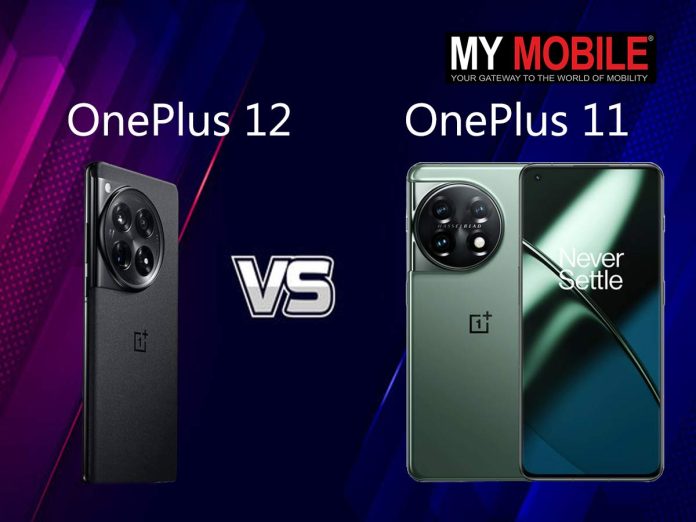
The upcoming OnePlus Pad Go was tipped to come along with the OnePlus 12 5G and OnePlus 12R smartphones in January 2024 in the global markets.

OnePlus will rebrand the OnePlus Ace 3 smartphone launching in China for the international markets under the OnePlus 12R moniker.

OnePlus is said to debut the Ace 3 smartphone in China along with the OnePlus 12 5G in November 2023.
OnePlus previously rebranded the OnePlus Ace 2 smartphone under the OnePlus 11R moniker in the global markets, including India.

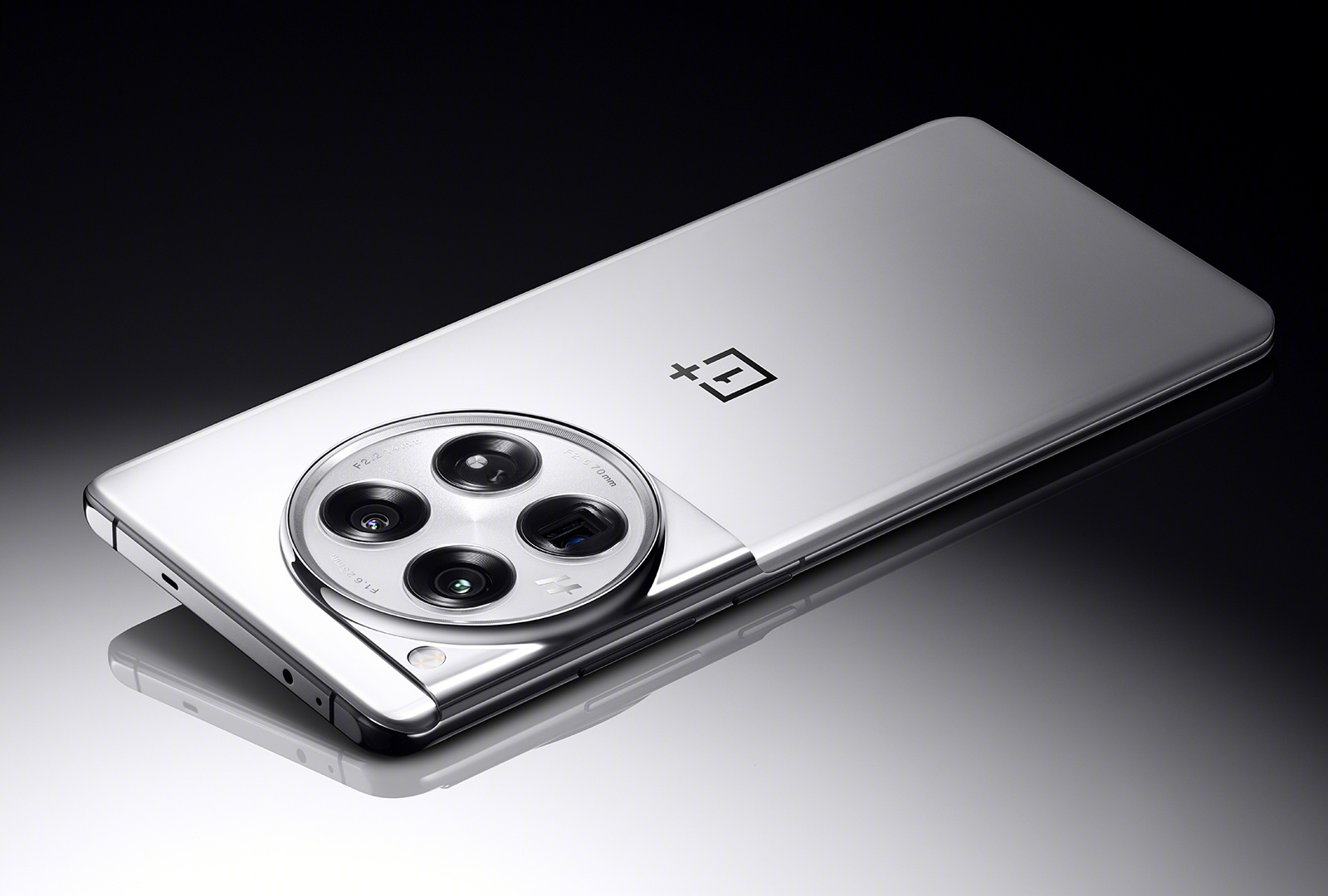
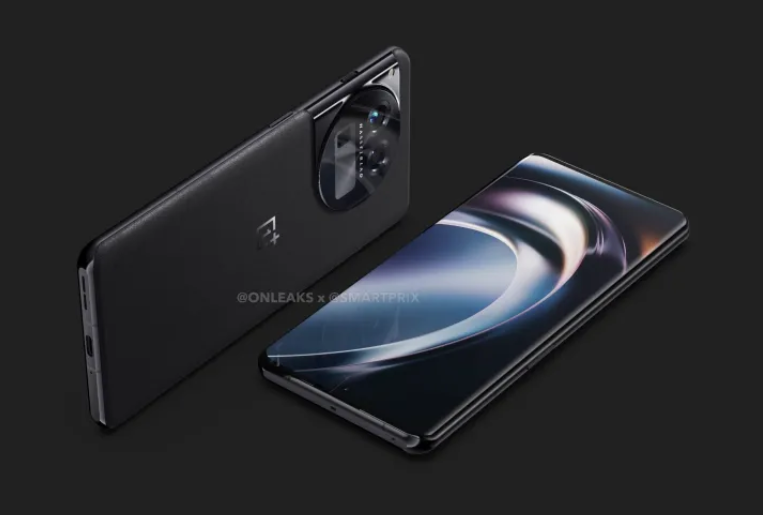
OnePlus should launch the OnePlus 12 flagship phone by the end of this year in China.
There are chances that the brand will launch a new Ace-branded phone dubbed the OnePlus Ace 3 in October or November in China or along with the OnePlus 12 in December.

Digital Chat Station leaked the specifications of an upcoming OnePlus flagship phone for the Chinese market.
A Weibo post released by the leaker today confirms that the said device will have the OnePlus Ace 3 moniker.
Some of the key specifications of the device were also leaked .

OnePlus Ace 3 Expected Specifications

OnePlus Ace 3 Expected Specifications

The tipster announced key specifications of the upcoming Ace 3 smartphone through the same post on Weibo.
The tipster confirms that the smartphone with feature Qualcomm Snapdragon 8 Gen 2 SoC, built on TSMC’s 4nm process.

The upcoming OnePlus Ace 3 will be the third OnePlus smartphone to debut with Qualcomm’s current-gen flagship chipset.

The smartphone will run on Color OS 14 based on Android 14 out of the box in China. The global units of the device will ship the newly announced Oxygen OS 14.

The tipster claims that OnePlus will equip its upcoming Ace smartphone with a metal frame.
OnePlus is also likely to equip the device with an IP68 rating owing to the current industry trends.

OnePlus equipped the Ace 2 Pro smartphone with wet-hand technology for the screens to work while using with wet hands.
Xiaomi went ahead to debut its Redmi Note 13 Pro+ smartphone with both wet-hand technology and IP68 rating.

According to the tipster the Ace 3 will come with a metal middle frame and a 5,500mAh battery that supports 100W charging.
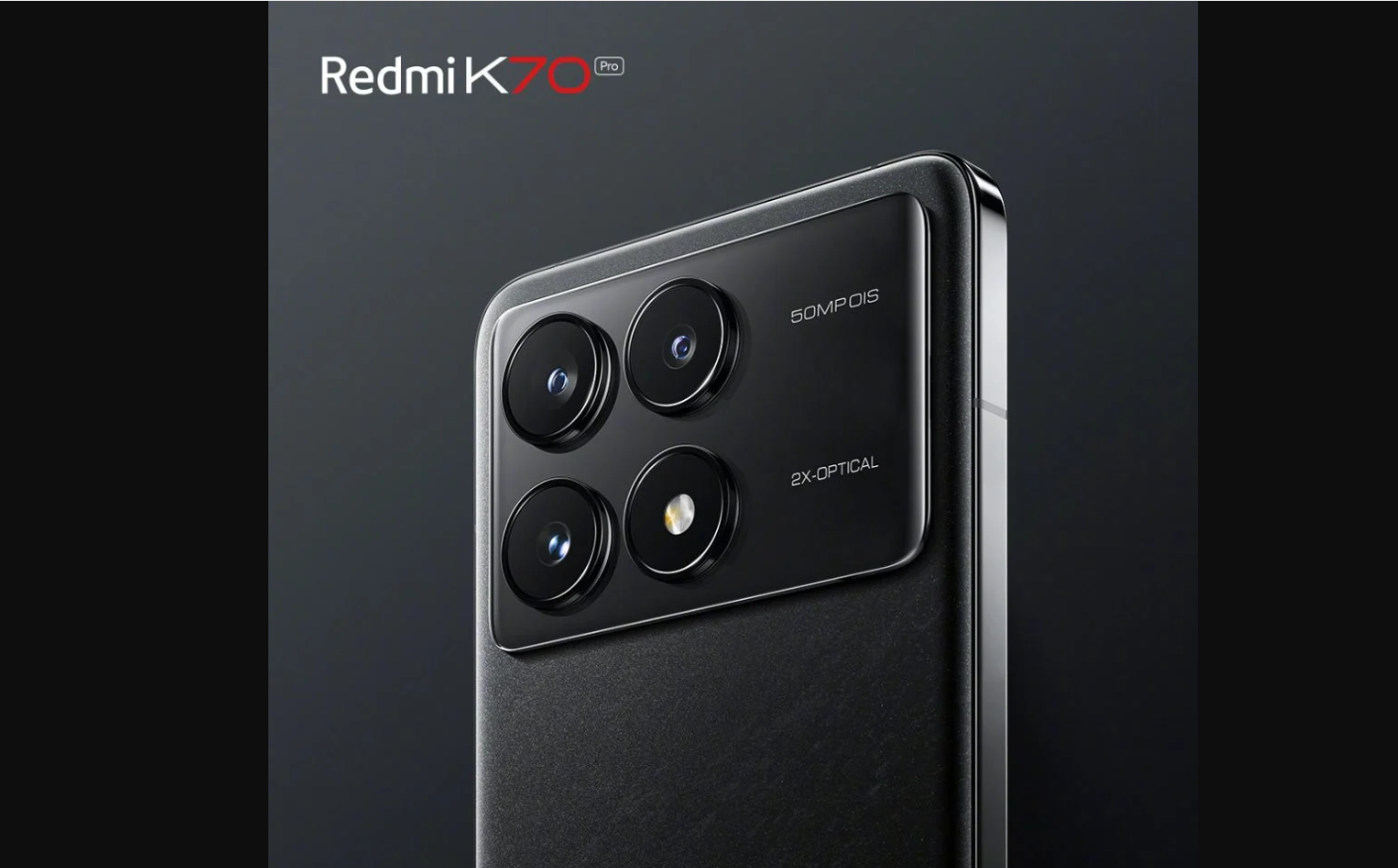
Its rear camera setup will include a Sony IMX709 telephoto camera with 2x optical zoom.

OnePlus Ace 3 Specifications Leaked

His previous leak stated that the Ace 3 will arrive with a 6.74-inch OLED display with curved edges.

It will offer a 1.5K resolution, a 120Hz refresh rate, and support high-frequency dimming.

Its rear camera setup will include a Sony IMX890 50-megapixel main camera, an OmniVision OV8D10 8-megapixel ultra-wide lens, and a 32-megapixel telephoto camera.

While the RAM and storage configurations are not known yet, it may arrive with up to 16 GB or 24 GB of LPDDR5x RAM and 512 GB or 1 TB of UFS 4.0 storage.

The OnePlus Ace 3 is expected to have a release outside of China, with India being a destination.
Most likely it will be rebranded as the OnePlus 12R when marketed outside of China.

OnePlus Ace 3 Key Specs

GENERAL

Sim Type Dual Sim, GSM+GSM
Dual Sim Yes
Sim Size Nano SIM
Device Type Smartphone
Release Date January 07, 2024 (Expected)

DESIGN

Colors Galactic Silver, Sonic Black

DISPLAY

Type Color AMOLED Screen (1B Colors)
Touch Yes, 480 Hz Touch Sampling Rate
Size 6.74 inches, 1240 x 2772 pixels, 120 Hz
Aspect Ratio 20.1:9
PPI ~ 451 PPI
Screen to Body Ratio ~ 90%
Glass Type Corning Gorilla Glass Victus
Features 1650nit Peak Brightness, 600nits Brightness, 1440Hz high-frequency PWM dimming, eye protection mode, screen color mode
Notch Yes, Punch Hole

MEMORY

RAM 8 GB
Storage 128 GB
Storage Type UFS 3.1
Card Slot No

CONNECTIVITY

GPRS Yes
EDGE Yes
3G Yes
4G Yes
5G Yes
5G Bands n1/n3/n5/n8/n28A/n40/n41/n77/n78
VoLTE Yes, Dual Stand-By
Wifi Yes, with wifi-hotspot
Wifi Version Wi-Fi 6 (802.11 a/b/g/n/ac/ax), Dual Band
Bluetooth Yes, v5.3, SBC & aptX HD & LDAC & AAC
USB Yes, USB-C v2.0
USB Features USB on-the-go, USB Charging
IR Blaster Yes

EXTRA

GPS Yes, with dual-band A-GPS, GLONASS, GALILEO, BDS
Fingerprint Sensor Yes, In Display
Face Unlock Yes
Sensors accelerometer, gyro, proximity, compass, color spectrum
3.5mm Headphone Jack No
Extra NFC
Extra Features Support Dolby Atmos, Stereo dual speakers

CAMERA

Rear Camera 50 MP (Wide Angle)
8 MP (Ultra Wide)
32 MP (Telephoto) with autofocus
Features 2x optical zoom, Nightscape, Ultra HDR, Smart Scene Recognition, Portrait Mode, Pro Mode, Panorama, Tilt-Shift mode, Long Exposure, Dual-View Video, Retouch, Movie Mode, Raw file, Filters, Super Stable, Video Nightscape, Video HDR, Video Portrait, Focus Tracking, Timelapse, Macro mode
Video Recording 4K @ 30 fps UHD, 1080p @ 30 fps FHD
Flash Yes, LED
Front Camera Punch Hole 16 MP f/2.4 (Wide Angle) with Screen Flash
Front Video Recording 1080p @ 30 fps FHD

TECHNICAL

OS Android v14
Custom UI OxygenOS 14
Chipset Qualcomm Snapdragon 8 Gen2
CPU 3.2 GHz, Octa Core Processor
Core Details 1x Cortex-X3@ 3.2GHz & 4x Cortex-A715@ 2.8GHz & 3x Cortex-A510@2.0 GHz
GPU Adreno 740
Java No
Browser Yes

MULTIMEDIA

Email Yes
Music MP3, AAC, APE, AMR, WAV, MID, OGG, FLAC, WMA
Video AVI, 3GP, MP4, WMV, MKV, MOV, ASF, FLV
FM Radio No
Document Reader Yes

BATTERY

Type Non-Removable Battery
Size 5500 mAh, Li-Po Battery
Fast Charging Yes, 100W Fast Charging

FAQs

1) How is display specifications of OnePlus Ace 3 expected to be ?

Ans) As per tipster DCS, this upcoming OnePlus Ace 3 could come with a 6.74-inch OLED screen with curved edges, punch-hole, 120Hz refresh rate, 1.5K resolution, and PWM dimming support.

2) How is the cameras of OnePlus ace 3 expected to be ?

Ans) The main camera setup on the OnePlus Ace 3 or OnePlus 12R could be a 50MP Sony IMX890 sensor. This could be accompanied by an 8MP ultrawide OmniVision OV8D10 lens and a 32MP Sony IMX709 telephoto shooter with up to 2x optical zoom. The front camera could be a 16MP selfie snapper.

3) How is the battery of OnePlus ace 3 expected to be ?

Ans) The phone could be relying on a 5,500mAh battery to stay on backed by a stupid-fast 100W charging support.

Also Read: OnePlus’ first Premium foldable Phone, OnePlus Open, launching globally on August 29th

Also Read: OnePlus Open Leaks Suggest Longevity of 10 Years with 100 Folds Daily

Dell Inspiron 14 Review: A Versatile Offering for Working Professionals

0

Highlights

  • Sleek and portable design ideal for professionals
  • Multiple connectivity options including Thunderbolt 4.0
  • 14-inch display with a 16:10 aspect ratio for better content consumption
  • Powered by Intel’s 13th-gen i7 processor for smooth multitasking

Navigating the maze of laptop options can be a daunting task, and finding the right balance between affordability and functionality is often challenging.
Enter the Dell Inspiron 14, a laptop geared towards professional users and students.

Priced at Rs 84,489 for the variant we reviewed, it promises an array of features to make your everyday computing experience smooth.

In this in-depth review, we dissect what the Dell Inspiron 14 has to offer and whether it stands up to its claims.

Verdict

Dell Inspiron 14 Review:
Dell Inspiron 14 Review: Verdict

The Dell Inspiron 14 is a reliable laptop suitable for everyday professional tasks.
For its price of Rs 84,489, it generally meets expectations but has limitations in specific areas like display brightness, being scratch-prone, and graphics performance.

Pros and Cons

Pros Cons
Decent performance Susceptible to scratches
Durable hinge design Limited outdoor visibility
Good Keyboard Can’t handle heavy graphical load
Portable

Key Specs

Dell Inspiron 14 Review: Key Specs
  • Processor: Intel 13th-gen i7-1355U SoC
  • RAM: 16GB LPDDR5
  • Storage: 512GB PCIe NVMe SSD
  • Display: 14-inch panel with a 16:10 aspect ratio
  • Battery: 54Whr
  • Ports: USB Type-C with Thunderbolt 4.0, two USB 3.2 Gen 1 Type-A, HDMI 1.4, SD card reader, 3.5mm headphone jack
  • Wireless: WiFi 6E and Bluetooth 5

Dell Inspiron 14: Build, Design, and Connectivity

Dell Inspiron 14 Review:
Dell Inspiron 14 Review: Design

The Dell Inspiron 14 offers a minimalistic design language, complemented by its portability.
Weighing in at 1.5kg
, the device is well-suited for professional everyday use.

Constructed with a plastic unibody, the laptop is prone to scratches—our review unit displayed scratches.
However, the hinge design is solid, holding the lid steady without any wobble.

The device features an opening angle of 135 degrees, adding to its ease of use.
Despite its susceptibility to cosmetic wear, the laptop is well-constructed overall.
Additionally, the grey colour scheme that flows across the chassis, palm rest, and lid adds a sophisticated touch to the design.

In terms of ports and connectivity, the Dell Inspiron 14 is well-equipped.

It features a single USB Type-C port that also supports Intel Thunderbolt 4.0, allowing for fast data transfer and charging capabilities.

In addition, there are two USB 3.2 Gen 1 Type-A slots, suitable for a range of peripheral devices.

The laptop also includes an SD card reader for easy media access, along with an HDMI 1.4 slot for external display connections.

For audio needs, a 3.5mm headphone jack is available.

For user authentication, the Inspiron 14 offers multiple options.

There’s a webcam located at the top of the display that can be used for facial recognition.
However, for a more secure and quicker method of authentication, a fingerprint reader is integrated into the power button.

On the wireless front, the device supports WiFi 6E, offering faster and more reliable internet connectivity.

It also features Bluetooth 5, providing robust wireless connections with various devices.

Dell Inspiron 14: Display

Dell Inspiron 14 Review:
Dell Inspiron 14 Review: Display

The Dell Inspiron 14 features a 14-inch display panel with a 16:10 aspect ratio, which is generally favourable for various content and media consumption activities.

However, the screen’s brightness maxes out at 250 nits, making it less than ideal for outdoor use in sunny conditions.

While the anti-glare coating helps in reducing reflections, it does slightly affect colour accuracy.
This shouldn’t pose a problem for standard office tasks but might be noticeable during media playback or graphic-intensive work.

The device’s slim bezels enhance the overall viewing experience and contribute to a more modern aesthetic.

Additionally, the hinge design slightly elevates the chassis, providing a more ergonomic viewing angle.
While the display is sufficient for general use, its limitations become evident when used in bright outdoor settings.

Dell Inspiron 14: Keyboard and Trackpad

Dell Inspiron 14 Review: Key Specs
Dell Inspiron 14 Review: Keyboard

When it comes to the typing experience, the Dell Inspiron 14 is equipped with a standard chiclet-style keyboard that uses scissor-switch mechanisms.

The key travel is shallow but delivers responsive feedback, making it suitable for extended typing sessions.

For context, this review was typed on the laptop, and the experience has been satisfactory.

The keyboard also features three-level backlighting, which proves useful in low-light scenarios.

The keys are well-spaced, easing the learning curve for new users.
The trackpad is adequately sized for the device and responds well with minimal latency.

For those who prefer using an external mouse, the laptop’s rich I/O options make it convenient to connect various peripherals, ensuring that this will be fine for most users.

Dell Inspiron 14: Performance

1
2
3
4
1 2 3 4

The Dell Inspiron 14 unit we reviewed is powered by Intel’s 13th-gen i7-1355U SoC, which performs adequately for the laptop’s intended tasks.
Though not as potent as the H-series lineup, this processor boasts a maximum clock speed of up to 5GHz.

This makes it well-suited for running various productivity applications, like Microsoft’s Office Suite or Google Chrome, simultaneously.

Benchmark scores provide further insights into the machine’s capabilities.
On Geekbench 6, the laptop achieved a multi-core score of 8,845.

Meanwhile, the new Cinebench 2024 multi-core score came in at 433, which is in line with what one would expect from this particular processor.

However, if you have heavy graphical requirements, this machine may fall short.
It comes with an integrated Iris Xe graphics card, which can manage some light gaming at low settings when plugged in but is not designed for extended gaming sessions.

In terms of system speed, we found that the laptop boots up fairly quickly.

Its 16GB of LPDDR5 RAM provides sufficient memory to run multiple background applications without issue.

Storage-wise, you get a 512GB PCIe NVMe SSD that offers read and write speeds of 3,648 MB/s and 2,179 MB/s, respectively.

Dell Inspiron 14: Audio and Battery

Dell Inspiron 14 Review: Key Specs
Dell Inspiron 14 Review: Battery

The Dell Inspiron 14 features a dual-speaker setup tuned by Waves MaxxAudio Pro.

While the audio quality is above average for this laptop’s price range, better laptop speakers are available in the market.

The audio output is satisfactory for closed-room settings with minimal ambient noise.
As for the webcam, it provides 1080p video output.
While adequate for video conferencing, the image quality is not particularly impressive.

The laptop has a 54Whr battery, which may not boast the highest capacity but is in line with the hardware’s energy requirements.

In our testing, on battery power, the laptop provides approximately 6 hours of screen-on time, which is acceptable for most use cases.
Charging is facilitated by a 65W AC adapter, which replenishes the laptop’s battery in roughly 2 hours.

Final Verdict

Dell Inspiron 14 Review: Key Specs
Dell Inspiron 14 Review: Final Verdict

The Dell Inspiron 14 is a compelling package that strikes a balance between performance and everyday usability.

While the laptop generally delivers on its promise of functionality and ease of use, there are areas where it could improve, such as outdoor display visibility and graphical capabilities.

Given its price point of Rs 84,489 for the Intel i7 variant, it offers a reasonable value proposition but is not without its limitations.

If you’re seeking an all-rounder for office work or educational purposes, this could be a worthy consideration.

However, if you have specific needs like high-quality outdoor visibility or extensive graphic capabilities, you may need to look elsewhere.

My Mobile Rating

Build and design– 4/5

Display – 3.5/5

Keyboard and trackpad– 3/5

Connectivity options – 3.5/5

Performance– 3,5/5

Battery– 3/5

Overall – 3.5/5

FAQs

Ques) What are the main features of the Dell Inspiron 14?

The Dell Inspiron 14 comes with a 14-inch 16:10 aspect ratio display, a range of ports including Thunderbolt 4.0, and is powered by a 13th-gen Intel i7 processor.

Ques) Is the Dell Inspiron 14 suitable for outdoor use?

The device has a maximum screen brightness of 250 nits, which may make it challenging to use in bright, outdoor conditions.

Ques) How is the typing experience on the Dell Inspiron 14?

The laptop features a standard chiclet-style keyboard with scissor-switch mechanisms. The key travel is shallow but responsive, suitable for extended typing sessions.

Ques) What is the battery life like on the Dell Inspiron 14?

The laptop comes with a 54Whr battery and provides approximately 6 hours of screen-on time, which should be sufficient for most everyday tasks.

Also Read: Dell Inspiron 14, Inspiron 14 2-in-1 laptops with Intel Core processors, ExpressCharge support launched in India: Price, Specifications & Availability

Also Read: Dell Technologies launches its thinnest and lightest laptop

Also Read: Dell’s XPS 13 Plus arrives in India

Wings Nuvobook Laptop Series Price Revealed Ahead of launch on October 1st Available on Flipkart

0

Highlights

* Wings reveals the price of its Nuvobook laptop series ahead of launch on October 1.
* Wings Nuvobook laptop series will be available on Flipkart.
* Wings Nuvobook laptop series comprises of S1, S2, V1, and Pro models.

Wings enters the laptop category with the launch of Nuvobook series on Flipkart, India’s homegrown e-commerce marketplace.

The models, namely S1, S2, V1 and Pro will be on sale and available to purchase starting 1st Oct 2023, onFlipkart.

This will make Wings the first Indian D2C brand in the laptops category, a space typically known to be occupied by legacy global players.

Wings Nuvobook Laptop

The core messaging for the Nuvobook launch campaign, titled #BuiltforNewIndia, is a nod to the laptops being built for young Indians with sleek and vibrant designs coupled with specs ideal for every use case – be it general productivity, entertainment, creative pursuits or gaming.

Wings recently launched Wings Elevate, a Bluetooth neckband, priced at Rs 1,399. Available on Amazon India as well as offline retail stores, it offers 10 hours of battery life, splash-proof build, Bluetooth 5.0, and more.
Wings Elevate can be bought in Black, Grey and Teal colour options.

Wings Nuvobook Laptops: Price In India, Availability

Wings Nuvobook Laptops:
Wings Nuvobook Laptops: Colours

Wings Nuvobook S1 is priced at Rs 27,990.
It is powered by Intel Core i3, coupled with 8GB RAM and 256GB storage.

Nuvobook S2 with Intel core i3, 8GB RAM, and 512GB storage can be bought at Rs 29,990.

Wings Nuvobook V1 is powered by Intel Core i5. Priced at Rs 34,990, it comes with 8GB RAM and 512GB storage.

The Nuvobook Pro, which is backed by Intel core i7, is the most premium of the series and it will be available at Rs 46,990.
It comes with 16GB RAM and 512GB storage.

The base models, namely S1, S2, V1 are priced and built in accordance with the needs of  first time buyers, school/college students, and young working professionals.

Wings Nuvobook Laptops: Features
Wings Nuvobook Laptops: Battery

The Pro offers more premium specs ideal for extensive content creation, entry level gaming at a relatively cheaper price compared to similarly built laptops in its segment.

All models are powered by Intel Core processors ranging from i3 to i7  with the configuration and pricing for the models as follows:

Nuvobook S1: Intel® Core™ i3 + 8 GB RAM + 256 GB SSD =  ₹27990
Nuvobook S2: Intel® Core™ i3 + 8 GB RAM + 512 GB SSD = ₹29990
Nuvobook V1: Intel® Core™ i5 + 8 GB RAM + 512 GB SSD = ₹34990
Nuvobook Pro: Intel® Core™ i7 + 16 GB RAM + 512 GB SSD = ₹ 46990

The brand states that the pricing is built keeping affordability for the Indian youth in mind without any compromise on product quality.

This is in alignment with the strategy to be a viable option for the Indian consumer, placed in between the more expensive legacy players in the segment and the cheaper sub 20K brands.

Wings Nuvobook Laptops: Features And Specs

Wings Nuvobook Laptops: Features

The laptops possess a thin and lightweight aluminium alloy metal body with a Full HD IPS Display 15.6” screens for the S1, S2, V1 and 14” screens for the Pro model.
The display also boasts of specs upto 300 nits brightness and 100% sRGB.

All models are equipped with a 4825 Mah battery ensures the laptop lasts for upto 10 hours and 65-W fast charging enables 60% charge in 1 hour.

Built-in quad speakers with proprietary Wings Signature Maxx audio ensure high quality sound for all of one’s entertainment needs.

With Windows 11 Home baked in to complement the aforementioned features, the Nuvobook series is perfect for every use case be it – productivity, creation, entertainment.

Wings Nuvobook Laptops: Features
Wings Nuvobook Laptops: Specs

Faqs

1) How is the battery life of Wings Nuvobook Laptop Series ?

Ans) All models of Wings Nuvobook Laptop Series are equipped with a 4825 Mah battery ensures the laptop lasts for upto 10 hours and 65-W fast charging enables 60% charge in 1 hour.

2) How is the design & display of Wings Nuvobook Laptop Series ?

Ans) The laptops possess a thin and lightweight aluminium alloy metal body with a Full HD IPS Display – 15.6” screens for the S1, S2, V1 and 14” screens for the Pro model.
The display also boasts of specs upto 300 nits brightness and 100% sRGB.

3) What is the price of Wings Nuvobook Laptop Base Models ?

Ans) The base models, namely S1, S2, V1 are priced and built in accordance with the needs of  first time buyers, school/college students, and young working professionals.
Wings Nuvobook S1 is priced at Rs 27,990.

It is powered by Intel Core i3, coupled with 8GB RAM and 256GB storage.
Nuvobook S2 with Intel core i3, 8GB RAM, and 512GB storage can be bought at Rs 29,990.
Wings Nuvobook V1 is powered by Intel Core i5. Priced at Rs 34,990, it comes with 8GB RAM and 512GB storage.

Also Read: Wings Prime Smartwatch Review – An Affordable Made-In-India Smartwatch To Watch Out For

Also Read: Wings Phantom 380 Review – The best ANC, Quad ENC Mic & Sync Appt Support Wireless Earbuds Bluetooth Headsets

Motorola Edge 40 Neo vs Realme 11 5G: Gaming on a Budget? Who Does It Better?

0
Motorola Edge 40 Neo vs Realme 11 5G

Highlight

  • Motorola Edge 40 Neo and Realme 11 5G offer smartphones with impressive features, making them excellent choices for budget-conscious gamers.
  • Both the Motorola Edge 40 Neo and the Realme 11 5G fall within the same price category, catering to the under 20k segment, making them accessible choices for budget-conscious consumers.

The under-20k smartphone segment is a battleground for affordability and functionality.

The segment is particularly famous among young gamers because it offers affordable devices with strong performance, high refresh rates, large batteries, and gaming-specific features.

With a recent launch, two contenders seem to have emerged to cater to budget-conscious gamers: the Motorola Edge 40 Neo 5G and the Realme 11 5G.
Let’s understand how.

In this detailed comparison, we’ll delve into their key features, performance, design, and more to determine which reigns supreme for gaming on a budget.
But before we do that, here’s a quick look at both devices’ key features to start with.

Motorola Edge 40 Neo VS Realme 11 – Key Feature Comparison

m2
m1
m2 m1
Motorola Edge 40 Neo 5G – Key Features Realme 11 5G – Key Features
●     6.55-inch pOLED FHD+ 144Hz Curved Display

●     MediaTek Dimensity 7030 (6nm) chipset

●     8GB / 12GB LPDDR4X RAM

●     128GB / 256GB UFS2.2 Internal Storage

●     50 MP + 13 MP Rear Camera

●     32 MP Front Camera

●     5000mAh battery capacity

●     68W TurboPower™ charging

●     Android 13

●     Dolby Atmos Dual stereo speakers

●     6.72-inch 120Hz IPS LCD Dynamic Display

●     MediaTek Dimensity 6100 (6nm) Chipset

●     6GB / 8GB LPDDR4X RAM

●     128GB/ 256GB UFS 2.2 Internal Storage

●     108 MP + 2 MP Rear Camera

●     16 MP Front Camera

●     5000mAh Battery Capacity

●     67W SUPERVOOC Charging

●     Android 13

Motorola Edge 40 Neo VS Realme 11 – Pitting Curved pOLED Against Dynamic IPS LCD Display

Screenshot-2023-09-27-095341
image00007-7
Screenshot-2023-09-27-095341 image00007-7

When we consider smartphones for gaming, displays play an instrumental role. So, the first battle for these gaming-centric smartphones is their display technology.

Overview Motorola Edge 40 Neo Realme 11
Size 6.55-inch pOLED FHD+  6.72-inch IPS LCD Dynamic
Resolution 1080 x 2400 pixels 1080 x 2400 pixels
Aspect Ratio 20:9 20:9
Bezels Yes, with Punch-hole Yes, with Punch-hole
Brightness 1300nits 680 nits
Colour Reproduction 1B Colors 16M Colours
Screen-to-body % 90.26 % 86.58 %


The Motorola Edge 40 Neo 5G sports a 6.55-inch pOLED FHD+ panel with a stunning 144Hz refresh rate.

This curved display promises vibrant colours, deep blacks, and smooth visuals, making it an enticing option for gamers who crave eye-catching graphics.

On the other hand, the Realme 11 5G features a 6.72-inch IPS LCD Dynamic Display with a commendable 120Hz refresh rate.

While it may not match the Edge 40 Neo’s pOLED brilliance, it still delivers a smooth and responsive gaming experience with its high refresh rate.

The winner in this category depends on personal preference.
If you prioritise vivid colours and deep blacks, the Edge 40 Neo’s pOLED display might be your choice.

However, the Realme 11 5G offers a slightly larger screen and a fast refresh rate, catering to those who prefer smoother gameplay.

Motorola Edge 40 Neo VS Realme 11 – Performance via MediaTek Dimensity Duel and Supporting Tech

b1
b2
b1 b2

Both smartphones Motorola Edge 40 Neo and Realme 11 come equipped with MediaTek chipsets designed to handle gaming and multitasking with finesse.

Overview Motorola Edge 40 Neo Realme 11
Chipset MediaTek Dimensity 7030 MediaTek Dimensity 6100 Plus
No of Cores 8 (Octa Core)             8 (Octa Core)
CPU 2.5GHz, Dual-core, Cortex A78

2GHz, Hexa Core, Cortex A55

2.2GHz, Dual-core, Cortex A76

2GHz, Hexa Core, Cortex A55

Architecture 64-bit 64-bit
Fabrication 6nm 6nm
RAM 8GB / 12 GB 6GB / 8 GB
RAM Type LPDDR4X LPDDR4X
Graphics Mali-G610 MC3  Mali-G57 MC2

The Edge 40 Neo boasts the MediaTek Dimensity 7030, built on the 6nm process.

Motorola claims this to be the world’s first smartphone to harness the power of this advanced 6nm chipset.
This chipset is paired with either 8GB or 12GB of LPDDR4X RAM depending on the variant, ensuring snappy performance even during resource-intensive tasks.

Realme 11, on the other hand, packs the MediaTek Dimensity 6100, also manufactured on the 6nm process.
While it’s a capable chipset, it comes with a choice of 6GB or 8GB LPDDR4X RAM variants.

This means Realme 11 with small RAM sizes might not be as future-proof as the Edge 40 Neo when it comes to handling demanding games and apps.

When it comes to internal storage, both phones offer generous options.
The Edge 40 Neo provides either 128GB or 256GB of UFS 2.2 storage, ensuring ample space for your games, apps, and multimedia.
Realme’s 11 5G, meanwhile, matches its rival with 128GB or 256GB of UFS 2.2 storage.

Moreover, both phones run on Android 13, offering a modern and up-to-date software experience.
Motorola and Realme have customized their respective user interfaces to enhance the overall user experience.

In raw processing power, the Edge 40 Neo holds a slight advantage, making it a better choice for gamers who demand top-tier performance from their devices.
However, the Realme 11 5G’s performance should suffice for most users, especially considering its more budget-friendly price tag.

Motorola Edge 40 Neo VS Realme 11 – Battery Life Equally Impresses

20230924_084731-1
image00002-6
20230924_084731-1 image00002-6

If you are a gamer, the battery life of your smartphone would be one of the key features for you.

Both the Motorola Edge 40 Neo and the Realme 11 5G are equipped with substantial 5000mAh battery capacities, ensuring that you won’t run out of juice during long gaming sessions.

Additionally, both devices support fast charging technology.

The Edge 40 Neo boasts 68W TurboPower™ charging, which promises rapid replenishment of your battery, getting you back into the game quickly.

Realme counters with 67W SUPERVOOC charging, offering similar fast charging speeds.
In practical terms, the difference between these charging speeds is minimal, so users can expect to enjoy quick top-ups with either phone.

We believe battery life is one aspect that should not be a deciding factor between these two smartphones.
Both devices offer impressive endurance and fast charging capabilities.

Motorola Edge 40 Neo VS Realme 11 – Audio: Dolby Atmos vs. Standard Audio

20230923_153747-1920x864-1
image00010-3
20230923_153747-1920x864-1 image00010-3

Audio quality can significantly impact your gaming experience, especially when playing games that rely on immersive soundscapes.
The Motorola Edge 40 Neo offers Dolby Atmos support and dual stereo speakers, promising a more immersive and dynamic audio experience.

In contrast, the Realme 11 5G features standard audio without any specific audio enhancements mentioned in its key features.
While it’s likely to offer decent audio quality, it might not match the audio experience delivered by the Edge 40 Neo.

For gamers who prioritize audio quality, the Edge 40 Neo’s Dolby Atmos support and dual stereo speakers make it a more appealing choice.

Motorola Edge 40 Neo VS Realme 11 – Camera: Megapixels vs. Versatility

20230924_084649-1920x864-1
image00001-6-1
20230924_084649-1920x864-1 image00001-6-1

While we are comparing both devices primarily on their merit to be the better gaming phone, they also come equipped with capable camera systems.

The Edge 40 Neo features a 50MP AI camera with OIS and a 13MP ultra-wide camera, complemented by a 32MP front camera.
This setup promises decent photography and video recording capabilities, although it might not compete with flagship camera systems.

The Realme 11 5G takes a different approach with a massive 108MP primary camera and a 2MP depth sensor, along with a 16MP front camera.

In terms of raw megapixels, the Realme outshines the Motorola.

However, more megapixels don’t necessarily translate to better image quality, especially in challenging lighting conditions.

Ultimately, the camera choice depends on your priorities. If you value high-resolution photos and detailed shots, the Realme 11 5G is the clear winner.

But for those who seek a balanced camera setup and don’t prioritize photography as much, the Edge 40 Neo’s camera system should suffice.

Motorola Edge 40 Neo VS Realme 11 – Design: A Matter of Aesthetics

image00009-4
img1
image00009-4 img1

How much would you care about how your gaming phone looks?

Design is a subjective aspect of smartphones, and what appeals to one person may not to another. Still, a comparison when it comes to overall appearance is inevitable when it comes to smartphones.

Both the Edge 40 Neo and the Realme 11 5G offer attractive designs, but they take different approaches.

The Edge 40 Neo features a curved display that wraps around the edges of the device, giving it a futuristic and premium feel.
The vegan leather back with a minimalistic camera module adds to its overall aesthetics.

On the contrary, the Realme 11 5G opts for a more traditional design with a flat display and flat edges.
The metallic shimmery rear panel looks nice from the edges and offers an overall clean and practical design.

Conclusion: Choosing Between Motorola Edge 40 Neo vs Realme 11 5G: Gaming on a Budget? Who Does It Better?

7-47
Realme-11-5G-1-1
7-47 Realme-11-5G-1-1

In Motorola Edge 40 Neo 5G Vs Realme 11 5G, both smartphones offer compelling features for budget-conscious gamers.
Ultimately, the choice between these two devices comes down to your specific priorities.

The Edge 40 Neo excels in display technology, processing power, and audio quality, making it a strong contender for those who prioritize gaming performance and multimedia consumption.

On the other hand, the Realme 11 5G stands out with its high-resolution camera, slightly larger display, and an equally impressive battery life and charging speed.

If photography and a larger screen are more important to you, this smartphone might be the better choice.

FAQs

Q1. How does the Realme 11 5G’s battery life hold up during extended gaming sessions, and does it support fast charging?

Answer: The Realme 11 5G is equipped with a substantial 5000mAh battery capacity, ensuring it can handle long gaming sessions. It also supports 67W SUPERVOOC charging for quick battery replenishment.

Q2. How is the speaker of Motorola Edge 40 Neo?

Answer: The Motorola Edge 40 Neo is equipped with Dolby Atmos support and dual stereo speakers. Dolby Atmos technology delivers immersive and dynamic audio, enhancing the overall sound quality for gaming and multimedia.

Q3. Is the Realme 11 5G camera good?

Answer: The Realme 11 5G’s camera system features a massive 108MP primary camera. This high-resolution sensor allows for detailed and sharp photos, making it an excellent choice for photography enthusiasts.

Q4. What is the main difference between the Motorola Edge 40 Neo and the Realme 11 5G in terms of display technology?

Answer: The Motorola Edge 40 Neo features a 6.55-inch pOLED FHD+ display with a 144Hz refresh rate, while the Realme 11 5G offers a 6.72-inch IPS LCD Dynamic Display with a 120Hz refresh rate.

Also Read: Motorola Edge 40 Neo Review – A Good Looking 5G Phone for Under 25K Segment

Also Read: Realme 11 5G Review: Elegant Design, Powerful camera

Also Read: Realme 11 5G vs Realme 11x 5G: Unveiling All The Key Differences

iQOO 12 Specs Emerge: New Details on Telephoto Lens and More

0
iQOO 12

Highlights

  • Flat 2K display with minimized bezels according to tipster Digital Chat Station.
  • 50MP OV50H sensor paired with a mid-range telephoto lens.
  • Operating on Android 14 with the Origin OS 4.0 interface.
  • Battery support for 100W fast charging.

The iQOO 12, expected to launch by the end of the year, has been creating ripples in the smartphone market, especially with the rumours surrounding its camera setup featuring a mid-range telephoto lens.

Tipster Digital Chat Station has provided key insights into the specs, which include a flat 2K display that aims to offer a high-quality visual experience.

In addition to this, the phone is said to abandon the plastic bracket, opting instead for a sleeker, more compact design.
Minimized bezels are expected, and a robust metal central frame will be in place to enhance the structural strength of the device.

Camera Specifications

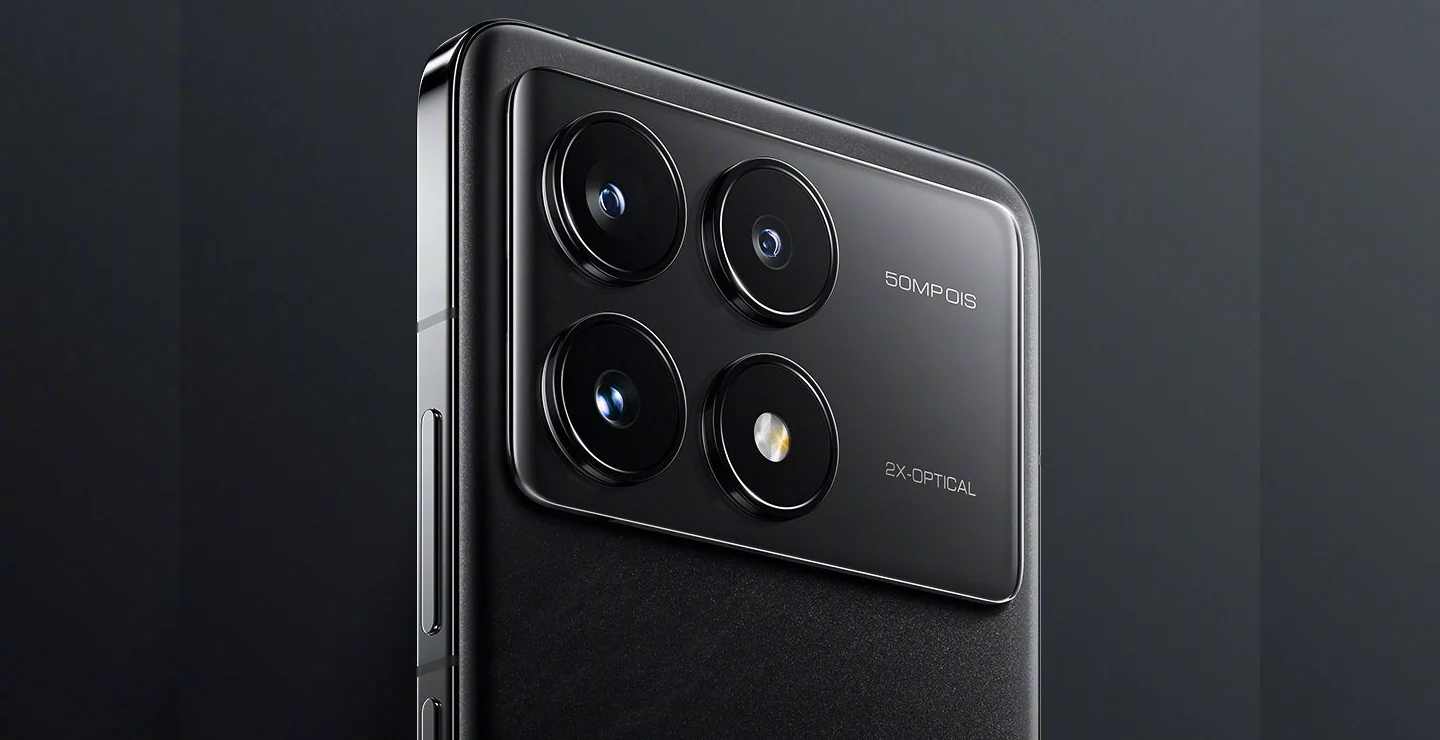
The camera features have caught significant attention, especially the expected 50MP OV50H sensor.

iQOO 12 Specs Emerge

Paired with it is the much-anticipated iQOO 12 telephoto lens, although exact details about the telephoto capabilities are not disclosed yet.
The imaging setup is also said to get a boost with the inclusion of a Vivo V-series imaging chip.

Battery, Software, and Launch Details
The device is expected to run on Android 14, layered with Origin OS 4.0 for an enhanced user experience.

A large battery with 100W fast charging support is also among the device’s rumoured specs.
For those eager to get their hands on this device featuring the iQOO 12 telephoto lens, the wait won’t be long as the series is expected to launch in December this year.

FAQs

What are the display specifications of the iQOO 12?

A flat 2K display with minimized bezels is expected.

What are the camera features, particularly concerning the iQOO 12 telephoto lens?

The device is rumoured to feature a 50MP OV50H primary sensor and a mid-range telephoto lens, likely enhancing zoom capabilities.

What are the battery and software features?

A large battery with 100W fast charging is expected, and the device will operate on Android 14 with Origin OS 4.0 for an improved user experience.

When is the iQOO 12 expected to launch?

The iQOO 12 series is expected to debut in December this year.

ASUS ROG Phone 8 Ultimate Geekbench Listing Spotted: Hardware and Features Revealed

0
ASUS ROG Phone 8 Ultimate

Highlights

  • ASUS ROG Phone 8 Ultimate appears on Geekbench.
  • Listing shows Qualcomm Snapdragon 8 Gen 3 SoC.
  • Device to run on Android 14 with 16GB RAM.
  • Scores 2,213 in single-core, 7,408 in multi-core tests.

The ASUS ROG Phone 8 Ultimate has made an appearance on Geekbench, providing some valuable insights into what could be ASUS’ next flagship gaming smartphone.

The Asus ROG Phone 8 Geekbench listing gives us an early glimpse into its hardware capabilities.

Hardware Details from Geekbench

According to the Geekbench listing, the phone carries the model number ASUS_AI2401_A.
It features an octa-core processor with a 1+5+2 CPU architecture.

ASUS ROG Phone 8 Ultimate
ASUS ROG Phone 8 Ultimate: Geekbench

This is speculated to be the Qualcomm Snapdragon 8 Gen 3 SoC, set for launch next month.
The Asus ROG Phone 8 geekbench data also reveals a score of 2,213 points in the single-core test and 7,408 points in the multi-core test.

Software and Memory

Per usual the device is expected to run on Android 14 out of the box.
Alongside this, the phone will feature at least one variant with 16GB of RAM.
These details from the Asus ROG Phone 8 Geekbench listing align well with expectations for a premium gaming smartphone.

Launch Timeline and Additional Models

While the launch of the ROG Phone 8 lineup is still some time away, the ASUS_AI2401_A model number is also associated with the vanilla ROG Phone 8.

The possible implication is that more than one phone in the series might feature the same chipset.
ASUS is expected to launch these devices in the first half of next year, following the precedent set by the ROG Phone 7 series, which launched in April of the current year.

What to Expect Next

Although finer details like design, specs, and pricing are not yet available, the Asus ROG Phone 8 Geekbench listing serves as an important preliminary source of information.

Given that the chipset is launching next month and the phone itself is expected in the first half of next year, further updates are eagerly awaited.

FAQs

Ques) What does the ASUS ROG Phone 8 Ultimate Geekbench listing reveal about the processor?

The Geekbench listing indicates the phone will feature an octa-core processor with a 1+5+2 CPU architecture, speculated to be the upcoming Qualcomm Snapdragon 8 Gen 3 SoC.

Ques) What operating system will the ASUS ROG Phone 8 Ultimate run on?

According to the Geekbench listing, the device will run on Android 14 out of the box.

Ques) What are the Geekbench scores for the ASUS ROG Phone 8 Ultimate?

The phone scored 2,213 points in the single-core test and 7,408 points in the multi-core test, indicating high-performance capabilities.

Ques) When is the ASUS ROG Phone 8 Ultimate expected to launch?

While there is no official confirmation, ASUS is expected to launch the ROG Phone 8 series in the first half of next year.

Also Read: ASUS ROG Phone 7 Latest Gaming Smartphone launching in India on April 13th: Launch Details & Specifications

Also Read: ASUS ROG Phone 7 India variant spotted on Geekbench with Snapdragon 8 Gen 2 & 16GB of RAM

Also Read: ASUS ROG Phone 7 series Launch Timeline, Model Numbers & Key Specifications Leaked

OpenAI’s DALL-E 3: The Next-Generation Text-to-Image AI Tool and Why It’s Gaining Popularity

0
OpenAI's DALL-E 3

Highlights

  • OpenAI’s DALL-E 3 offers enhanced text-to-image generation capabilities, surpassing its predecessor, DALL-E 2.
  • The new version is designed to better understand nuanced text descriptions for more accurate image creation.
  • Available as a research preview, DALL-E 3 is accessible to ChatGPT Plus and Enterprise customers from early October.

OpenAI introduced DALL-E 3, the latest iteration of its text-to-image generation technology, on 20th September.

It is safe to say that the company behind the Chat GPT3, has again taken the world of generative AI by storm.

Unlike its predecessor DALL-E 2, OpenAI DALL-E 3 aims for a more nuanced interpretation of text descriptions, aiming to create images that are precise and faithful to the input it receives.

Better Understanding of Text Descriptions

OpenAI DALL-E 3’s primary advantage is its refined capacity to comprehend complex text descriptions and produce corresponding images with higher accuracy.

Past versions sometimes omitted words or nuances, leading to less precise imagery.
In contrast, OpenAI DALL-E 3 focuses on translating even the subtlest elements from a text description into the generated image, promising a more reliable outcome.

Availability and Ethical Safeguards

DALL-E 3 Generative AI

Currently, in its research preview stage, DALL-E 3 will be accessible to ChatGPT Plus and Enterprise customers beginning in early October.

The widespread accessibility means it can reach a broader audience, increasing its popularity among both casual users and businesses.

Amidst the technological advancements, OpenAI has integrated ethical considerations into DALL-E 3.

The tool has built-in restrictions against generating violent, adult, or hateful content.
Furthermore, OpenAI DALL-E 3 disallows the creation of images featuring public figures by name and will not mimic the styles of living artists, thereby attempting to tackle complex ethical dimensions.

Copyright Considerations and Competition

In the evolving landscape of AI-generated art, OpenAI DALL-E 3 allows creators to exclude their work from being used in future training iterations.

This move comes after a Washington D.C. court ruled that art created by AI without human input is not subject to copyright under U.S. law.

While OpenAI’s DALL-E 3 is making strides in image generation, it’s not without competitors.

Companies like Alibaba’s Tongyi Wanxiang, Midjourney, and Stability AI are also enhancing their image generation models, setting the stage for a competitive market landscape.

It remains to be seen whether DALL-E 3 is going to be the default choice for AI-based art generation.

Why Is OpenAI DALL-E 3 Becoming Popular?

DALL-E 3

The tool’s ability to create highly accurate and nuanced images from text descriptions has set new standards in the field of AI-generated imagery.

Coupled with its forthcoming availability to ChatGPT Plus and Enterprise customers, OpenAI DALL-E 3’s reach is expanding, contributing to its rising popularity.
Its ethical and copyright safeguards also make it a responsible tool in the rapidly evolving tech landscape.

DALL-E 3: The Future?

As OpenAI’s DALL-E 3 currently stands in a research preview phase, the future holds great promise for advancements in text-to-image generation.

Its aim to produce more accurate and nuanced images based on text descriptions will likely pave the way for a broader range of applications, from content creation to specialised simulations.

DALL-E 3 Text-to-Image

FAQs

Ques) What makes OpenAI’s DALL-E 3 different from its predecessor?

OpenAI’s DALL-E 3 aims to better grasp the nuances in text descriptions to create more precise and imaginative images, addressing a key shortcoming of DALL-E 2.

Ques) When will OpenAI’s DALL-E 3 be available to the public?

The new DALL-E 3 is currently in research preview but will be accessible to ChatGPT Plus and Enterprise customers starting in early October.

Ques) What safeguards has OpenAI put in place for DALL-E 3?

OpenAI has implemented additional safety features to restrict the tool from generating violent, adult, or hateful content, and to prevent requests for images of public figures by name.

Ques) Can images created by OpenAI’s DALL-E 3 be copyrighted?

According to a recent Washington D.C. court ruling, AI-created art without human input cannot be copyrighted under U.S. law, raising questions about the copyright status of images generated by DALL-E 3.

Also Read: ChatGPT’s OpenAI Seeks Talent: Comprehensive Guide to Job Roles, Skills, and Salaries

Also Read: What is WormGPT? How is it Different from ChatGPT?

Also Read: ChatGPT 4 Can Now Identify and Describe Faces, Raising Concerns About AI’s Power

Vivo V29 Series Launch: Here Is When The Lineup Will Officially Be Revealed in India

0
Vivo V29 Series

Highlights

  • Vivo officially confirms V29 Series India launch date for October 4, 2023.
  • Vivo V29 Pro to feature advanced Sony camera sensors, including IMX663 and IMX766.
  • Global edition of Vivo V29 to runs on Qualcomm Snapdragon 778G SoC and Android 13-based Funtouch OS.

After much speculation and anticipation, Vivo has officially confirmed the launch date for the Vivo V29 Series.

The smartphone lineup is set to make its debut on October 4, 2023, as per the announcement made on Vivo’s official X account.

Vivo V29 India Launch: Date and Time Details

The official announcement was made through a post that reads, “The word is out! The #TheMasterpiece vivo V29 Series is launching on 04-10-2023 at 12 p.m.”

The device, as mentioned in previous reports, will be sold exclusively on Flipkart and Vivo’s brick-and-mortar stores across the country.

Vivo V29 and V29 Pro: Design and Aesthetics

The upcoming Vivo V29 series launch is expected to feature a 3D particle design with dimensions of 7.46mm thickness and a weight of 186g.
The smartphones will be available in three color options: Himalayan Blue, Majestic Red, and Space Black.

Vivo V29 Series: Possible Camera Capabilities

The Vivo V29 Pro model is likely to come equipped with a Sony IMX663 sensor, aimed at portrait photography.

It may also feature a 12MP ultrawide shooter and a primary 50MP Sony IMX766 sensor, which will include features like Night Portraits with Aura Light and Wedding Style Portrait for bokeh effects.

On the other hand, the standard Vivo V29 is expected to have a primary 50MP ISOCELL GN5 sensor from Samsung, accompanied by an 8MP ultrawide lens and a 2MP depth sensor.
Both models are anticipated to come with a 50MP front-facing camera.

Vivo V29 India Launch

Vivo V29 Series: Expected Display Features

The display is expected to be one of the highlighted features of this series.
The Pro model could feature a curved screen, whereas the global Vivo V29 will likely have a 6.78-inch AMOLED display with a 120Hz refresh rate, 1.5K resolution, and HDR10+ support.

Under the hood, the devices are expected to run on Android 13-based Funtouch OS, powered by the Qualcomm Snapdragon 778G SoC for the global edition of the Vivo V29.

Battery Life and Storage Options

The standard Vivo V29 could feature a 4,600mAh battery, supplemented by rapid 80W charging capabilities.

Memory configurations for the global edition include options of 8GB RAM with either 128GB or 256GB of storage.
A 12GB RAM variant with 256GB storage is also expected. Similar memory configurations are likely for the Pro variant.

VIVO V29 KEY SPECIFICATIONS

Key Specs

RAM 6 GB
Processor Qualcomm Snapdragon 730G
Rear Camera 64 MP + 8 MP + 2 MP + 2 MP
Front Camera 32 MP
Battery 4500 mAh
Display 6.5 inches (16.51 cm)

General

Launch Date July 15, 2023 (Unofficial)
Operating System Android v11
Custom UI Funtouch OS

Performance

Chipset Qualcomm Snapdragon 730G
CPU Octa core (2.2 GHz, Dual core, Kryo 470 + 1.8 GHz, Hexa Core, Kryo 470)
Architecture 64 bit
Fabrication 8 nm
Graphics Adreno 618
RAM 6 GB

Display

Display Type AMOLED
Screen Size 6.5 inches (16.51 cm)
Resolution 1080 x 2408 pixels
Aspect Ratio 20:9
Pixel Density 406 ppi
Bezel-less display Yes with punch-hole display
Touch Screen Yes, Capacitive Touchscreen, Multi-touch

Camera

MAIN CAMERA
Camera Setup Quad
Resolution 64 MP, Primary Camera
8 MP, Ultra-Wide Angle Camera
2 MP, Macro Camera
2 MP, Depth Camera
Autofocus Yes
Flash Yes, LED Flash
Image Resolution 9000 x 7000 Pixels
Settings Exposure compensation, ISO control
Shooting Modes Continuous Shooting
High Dynamic Range mode (HDR)
Camera Features Digital Zoom
Auto Flash
Face detection
Touch to focus
FRONT CAMERA
Camera Setup Single
Resolution 32 MP, Primary Camera

Battery

Capacity 4500 mAh
Type Li-Polymer
Removable No
Quick Charging Yes, Fast
USB Type-C Yes

Storage

Internal Memory 128 GB
Expandable Memory Yes, Up to 256 GB

Network & Connectivity

SIM Slot(s) Dual SIM, GSM+GSM
SIM Size SIM1: Nano, SIM2: Nano
Network Support 5G Not Supported in India, 4G Supported in India, 3G, 2G
VoLTE Yes
SIM 1
4G Bands:
TD-LTE 2300(band 40)
FD-LTE 1800(band 3)
3G Bands:
UMTS 1900 / 2100 / 850 / 900 MHz
2G Bands:
GSM 1800 / 1900 / 850 / 900 MHz
GPRS:
Available
EDGE:
Available
SIM 2
4G Bands:
TD-LTE 2300(band 40)
FD-LTE 1800(band 3)
3G Bands:
UMTS 1900 / 2100 / 850 / 900 MHz
2G Bands:
GSM 1800 / 1900 / 850 / 900 MHz
GPRS:
Available
EDGE:
Available
Wi-Fi Yes, Wi-Fi 4 (802.11 b/g/n)
Wi-Fi Features Mobile Hotspot
Bluetooth Yes, v5.1
GPS Yes with A-GPS, Glonass
USB Connectivity Mass storage device, USB charging

Multimedia

Loudspeaker Yes
Audio Jack 3.5 mm

Sensors

Fingerprint Sensor Yes
Fingerprint Sensor Position Side
Other Sensors Light sensor, Proximity sensor, Accelerometer, Compass, Gyroscope

VIVO V29 PRO KEY SPECIFICATIONS

Key Specs

RAM 12 GB
Processor Qualcomm Snapdragon 8 Gen 1
Rear Camera 108 MP + 8 MP + 2 MP
Front Camera 32 MP
Battery 5000 mAh
Display 6.73 inches (17.09 cm)

General

Launch Date June 7, 2023 (Unofficial)
Operating System Android v12

Performance

Chipset Qualcomm Snapdragon 8 Gen 1
CPU Octa core (3 GHz, Single core, Cortex X2 + 2.5 GHz, Tri core, Cortex A710 + 1.8 GHz, Quad core, Cortex A510)
Architecture 32 bit
Fabrication 4 nm
Graphics Adreno 730
RAM 12 GB

Display

Display Type AMOLED
Screen Size 6.73 inches (17.09 cm)
Resolution 1080 x 2400 pixels
Aspect Ratio 20.5:9
Pixel Density 391 ppi
Bezel-less display Yes with punch-hole display
Touch Screen Yes, Capacitive Touchscreen, Multi-touch
Refresh Rate 120 Hz
Screen to Body Ratio (claimed by the brand) 93.04 %

Camera

MAIN CAMERA
Camera Setup Triple
Resolution 108 MP f/1.89, Primary Camera
8 MP f/2.2, Wide Angle Camera
2 MP, Macro Camera
Autofocus Yes
Flash Yes, LED Flash
Image Resolution 12000 x 9000 Pixels
Settings Exposure compensation, ISO control
Shooting Modes Continuous Shooting
High Dynamic Range mode (HDR)
Camera Features Digital Zoom
Auto Flash
Face detection
Touch to focus
Video Recording 1920×1080 @ 30 fps
FRONT CAMERA
Camera Setup Single
Resolution 32 MP, Primary Camera
Video Recording 1920×1080 @ 30 fps

Battery

Capacity 5000 mAh
Type Li-Polymer
Removable No
Quick Charging Yes, Fast, 120W
USB Type-C Yes

Storage

Internal Memory 256 GB
Expandable Memory No

Network & Connectivity

SIM Slot(s) Dual SIM, GSM+GSM
SIM Size SIM1: Nano, SIM2: Nano
Network Support 5G Not Supported in India, 4G Supported in India, 3G, 2G
VoLTE Yes
SIM 1
4G Bands:
TD-LTE 2300(band 40)
FD-LTE 1800(band 3)
3G Bands:
UMTS 1900 / 2100 / 850 / 900 MHz
2G Bands:
GSM 1800 / 1900 / 850 / 900 MHz
GPRS:
Available
EDGE:
Available
SIM 2
4G Bands:
TD-LTE 2300(band 40)
FD-LTE 1800(band 3)
3G Bands:
UMTS 1900 / 2100 / 850 / 900 MHz
2G Bands:
GSM 1800 / 1900 / 850 / 900 MHz
GPRS:
Available
EDGE:
Available
Wi-Fi Yes, Wi-Fi 4 (802.11 b/g/n)
Wi-Fi Features Mobile Hotspot
Bluetooth Yes, v5.3
GPS Yes with A-GPS, Glonass
USB Connectivity Mass storage device, USB charging

Multimedia

Loudspeaker Yes
Audio Jack USB Type-C

Sensors

Fingerprint Sensor Yes
Fingerprint Sensor Position On-screen
Fingerprint Sensor Type Optical
Other Sensors Light sensor, Proximity sensor, Accelerometer, Compass, Gyroscope

FAQs

Ques) When is the Vivo V29 India launch date?

The official launch date for the Vivo V29 Series in India is October 4, 2023.

Ques) What camera features can we expect from the Vivo V29 Series?

The Vivo V29 Pro will come equipped with Sony IMX663 and IMX766 sensors, featuring Night Portraits with Aura Light and Wedding Style Portrait. The standard Vivo V29 will house a 50MP ISOCELL GN5 sensor from Samsung.

Ques) What will the display be like on the Vivo V29 Series?

The global Vivo V29 will feature a 6.78-inch AMOLED display with a 120Hz refresh rate, 1.5K resolution, and HDR10+ support.

Ques) What are the battery and charging features for the Vivo V29?

The standard Vivo V29 is expected to pack a 4,600mAh battery with rapid 80W charging capabilities.

Also Read: Vivo V29e Review: A Blend of Premium Design and Robust Features

Also Read: Vivo V29e Unboxing and First Impressions: Mid-range Elegance Redefined

Lava Blaze Pro 5G Launched With MediaTek Dimensity 6020, 50MP Dual Camera: Pricing, Features, and More 

0
Lava Blaze Pro 5G

Highlights

  • Powered by MediaTek Dimensity 6020 Processor and Android 13.
  • Features a 6.78-inch 120 Hz display and a 50 MP dual rear camera.
  • Equipped with a 5000 mAh battery and 33W Type-C fast charging.
  • Available at Rs 12,499 starting October 3 through Lava’s retail network and Amazon.

Lava has announced the launch of its latest smartphone, the Lava Blaze Pro 5G, available at a price point of Rs 12,499.

The smartphone features a MediaTek Dimensity 6020 processor and is geared for performance and enhanced user experience.
Scheduled for release on October 3, it will be available through both Lava’s retail network and Amazon.

Lava Blaze Pro 5G: Key Specs

  • Processor: MediaTek Dimensity 6020
  • Operating System: Android 13 (Bloatware-free)
  • Storage: 128 GB, expandable up to 16 GB RAM
  • Display: 6.78-inch, 120 Hz
  • Rear Camera: 50 MP dual camera with EIS
  • Front Camera: 8 MP with screen flash
  • Battery: 5000 mAh with 33W Type-C fast charging
  • Additional Features: ‘Free service at home’
  • Price: Rs 12,499

Lava Blaze Pro 5G: Processing

The Lava Blaze Pro 5G is equipped with 128 GB of storage and 8 GB of RAM, expandable up to 16 GB.
The smartphone is powered by the MediaTek Dimensity 6020 processor, aimed at delivering high-speed performance.
It operates on a bloatware-free Android 13 OS, providing users with a seamless interface.

Lava Blaze Pro 5G: Display and Camera

Lava Blaze Pro 5G Launched

The Blaze Pro 5G comes with a 6.78-inch 120 Hz display that aims to offer vibrant colors and sharp details, suitable for multimedia consumption and gaming.
The device will be available in two colors: Starry Night and Radiant Pearl, and features a color-changing back panel.

Photography enthusiasts might take note of the Blaze Pro 5G’s 50 MP dual rear camera with EIS support.
The smartphone also features an 8 MP front camera accompanied by screen flash. Its advanced camera software incorporates AI-driven optimizations.

Lava Blaze Pro 5G: Battery and Additional Features

The smartphone houses a 5000 mAh battery, coupled with a 33W Type-C charger included in the box, aiming to provide fast charging capabilities.

Lava Blaze Pro 5G: Battery

In terms of customer service, the Lava Blaze Pro 5G launch introduces a ‘free service at home’ feature, where services will be provided at the customer’s doorstep.
This move aligns with Lava’s commitment to prioritizing customer satisfaction in product design and launch.

FAQs

Ques) What is the release date and where can I buy the Lava Blaze Pro 5G?

The Lava Blaze Pro 5G is set for release on October 3, 2023. It will be available both online via Amazon and offline through Lava’s retail network.

Ques) What are the processor and storage details of the Lava Blaze Pro 5G?

The smartphone is powered by a MediaTek Dimensity 6020 processor. It comes with 128 GB storage and 8 GB RAM, expandable up to 16 GB.

Ques) What are the camera specifications of the Lava Blaze Pro 5G?

The Lava Blaze Pro 5G features a 50 MP dual rear camera with EIS support. It also has an 8 MP front camera with a screen flash.

Ques) Does the Lava Blaze Pro 5G offer any unique customer service features?

Yes, as part of the Lava Blaze Pro 5G launch, Lava offers a ‘free service at home’ where service will be provided at the customer’s doorstep.

Also Read: Lava launches Yuva 2 priced under Rs 7000 with Premium Glass Back Finish, 90 Hz Refresh Rate, 90Hz Display, 13MP Camera, and more

Also Read: Lava Agni 2 5G Review: The Perfect ‘Made in India’ 5G Smartphone With Impressive Flagship Experience Under Rs 25,000