Home Blog Page 661

YouTube Is Escalating Its Crackdown on Ad Blockers 

0
YouTube completely banned Adblockers worldwide.

Highlights

  • YouTube amplifies global efforts to curb the use of ad blockers.
  • Users given a choice: disable ad blockers or opt for YouTube Premium.
  • The move follows a third straight quarterly decline in YouTube’s ad revenue.
  • Restrictions kick in after just three videos for ad-block users.

The relationship between YouTube and advertisements is as old as the platform itself.

Since 2007, ads have served as a revenue model that not only powers the platform but also financially supports content creators.

However, users blocking out ads with the help of ad-blockers has been prevalent for a long time.

That looks to be changing in earnest.

Recent developments from the world’s biggest video-sharing platform indicate a more stringent approach against users employing ad blockers, marking a significant change in YouTube’s revenue strategy.

Early Experiments and the Problem at Hand

Initially, in June this year, YouTube started what it termed as a “small experiment.”
The focus was to encourage a limited group of users employing ad blockers to deactivate them.

Fast forward a few months, and this “experiment” has evolved into a concerted global effort.

This move coincides with the fact that in May, Reddit users noticed YouTube tinkering with the idea of making it mandatory for users to disable ad blockers if they wish to consume content.

This period also saw the company facing a third consecutive quarterly decline in ad revenue, as reported by The Wall Street Journal.

YouTube completely banned Adblockers worldwide.
YouTube Completely Banned Adblockers Worldwide

Current Measures

In its latest push, YouTube has become far more aggressive.
According to statements provided to The Verge by a company spokesperson, YouTube has started to disable video browsing for users who have an active ad blocker.

Initially, this restriction kicks in after the user has viewed just three videos.
It leaves the user with two choices: disable their ad blocker or opt for a YouTube Premium subscription.

Context and Implications

YouTube’s ad saturation has not just been stable; it has steadily increased.

Observers have noted more ad placements on both its mobile and desktop platforms, including the introduction of non-skippable 30-second ads on its TV app.

This ad blockade can be seen as a method to nudge users towards its Premium service while increasing ad-viewability statistics, potentially attracting more advertisers in the process.

FAQs

What is YouTube’s new policy on ad blockers?

YouTube is intensifying its global efforts to disable video browsing for users with active ad blockers. After watching three videos, users have to either disable their ad blocker or subscribe to YouTube Premium to continue browsing.

Why is YouTube cracking down on ad blockers now?

This new policy follows a series of experiments and comes at a time when YouTube has experienced a third straight quarterly drop in ad revenue. The company aims to push more users to its Premium service while maximizing ad-viewability.

How will this affect the user experience on YouTube?

The user experience is likely to change significantly. Those who rely on ad blockers will now be interrupted and prompted to make a choice, which could result in a less streamlined experience for those users.

Are there any alternatives to disabling ad blockers on YouTube?

The main alternative is to subscribe to YouTube Premium, which offers an ad-free viewing experience along with other perks like offline viewing and access to YouTube Originals.

Also Read: YouTube will not Show Videos on the users Homepage if the Watch History is Off

Also Read: ‘Like a Video and Make Money’ scam: All about the cyber fraud on Whatsapp; Received WhatsApp message asking you to like YouTube videos for Rs 150? It’s a scam

iQOO 12 Confirmed to Launch in India on December 12: Expected Specs, Features, and More

0
iQOO 12

Highlights

  • iQOO 12 confirmed to launch in India on December 12, following its China debut on November 7.
  • The device will sport a Qualcomm Snapdragon 8 Gen 3 chipset and feature a curved design.
  • Anticipated to include a triple rear camera system with 100x digital and 3x optical zoom.
  • Leaks suggest an AMOLED display with 2K resolution and 144Hz refresh rate.

The anticipation surrounding the iQOO 12 smartphone is about to reach a climax, with the official India launch date now confirmed for December 12.

The news comes shortly after iQOO disclosed that the phone would make its debut in China on November 7, promising to unveil all of its specs and features before the India unveiling.

Expected Pricing in India

While iQOO has been known for offering high-performing phones at affordable prices, the iQOO 12 may break this trend.

Considering the device’s advanced features, it remains to be seen if iQOO maintains the competitive pricing strategy that it has followed in the past.

iQOO 12 Confirmed to Launch in India on December 12

iQOO 12: Expected Features

Powered by a Qualcomm Snapdragon 8 Gen 3 chipset, the iQOO 12 is already confirmed to offer high performance.

In terms of design, the handset will feature curved edges and a slim profile for better grip, much like what we’ve seen with models such as the Oppo Reno 10 Pro+.

Additionally, it will have a glass back panel in white and boast a square-shaped rear camera module as opposed to the rectangle one in previous models.

The device is confirmed to include a triple camera system on the back, with capabilities like 100x digital zoom.

iQOO 12: Expected Features

Although the telephoto lens is only expected to support 3x optical zoom, according to leaks.

Based on leaked information, the iQOO 12 may come with a 2K AMOLED display with a fast 144Hz refresh rate.

It’s also rumored to include an ultrasonic in-display fingerprint scanner, capable of recognizing wet or moist fingers.

Additional leaks hint at a 5,000mAh battery and a 200W fast charging support.

IQOO 12 5G SPECIFICATIONS

Key Specs

RAM 12 GB
Processor Qualcomm Snapdragon 8 Gen 2
Rear Camera 64 MP + 16 MP + 12 MP
Front Camera 24 MP
Battery 5000 mAh
Display 6.79 inches (17.25 cm)

General

Launch Date December 11, 2023 (Unofficial)
Operating System Android v13

Performance

Chipset Qualcomm Snapdragon 8 Gen 2
CPU Octa core (3.36 GHz, Single core, Cortex X3 + 2.8 GHz, Quad core, Cortex A715 + 2 GHz, Tri core, Cortex A510)
Architecture 64 bit
Fabrication 4 nm
Graphics Adreno 740
RAM 12 GB

Display

Display Type AMOLED
Screen Size 6.79 inches (17.25 cm)
Resolution 1080 x 2400 pixels
Pixel Density 388 ppi
Bezel-less display Yes with punch-hole display
Touch Screen Yes, Capacitive Touchscreen, Multi-touch

Camera

MAIN CAMERA
Camera Setup Triple
Resolution 64 MP, Primary Camera
16 MP
12 MP
Autofocus Yes, Phase Detection autofocus
Flash Yes, LED Flash
Image Resolution 9000 x 7000 Pixels
Settings Exposure compensation, ISO control
Shooting Modes Continuous Shooting
High Dynamic Range mode (HDR)
Camera Features Digital Zoom
Auto Flash
Face detection
Touch to focus
Video Recording 1920×1080 @ 30 fps
FRONT CAMERA
Camera Setup Single
Resolution 24 MP, Primary Camera
Video Recording 1920×1080 @ 30 fps

Battery

Capacity 5000 mAh
Type Li-Polymer
Removable No
Quick Charging Yes, Fast, 200W
USB Type-C Yes

Storage

Internal Memory 256 GB
Expandable Memory No

Network & Connectivity

SIM Slot(s) Dual SIM, GSM+GSM
SIM Size SIM1: Nano, SIM2: Nano
Network Support 5G Not Supported in India, 4G Supported in India, 3G, 2G
VoLTE Yes
SIM 1
4G Bands:
TD-LTE 2300(band 40)
FD-LTE 1800(band 3)
3G Bands:
UMTS 1900 / 2100 / 850 / 900 MHz
2G Bands:
GSM 1800 / 1900 / 850 / 900 MHz
GPRS:
Available
EDGE:
Available
SIM 2
4G Bands:
TD-LTE 2300(band 40)
FD-LTE 1800(band 3)
3G Bands:
UMTS 1900 / 2100 / 850 / 900 MHz
2G Bands:
GSM 1800 / 1900 / 850 / 900 MHz
GPRS:
Available
EDGE:
Available
Wi-Fi Yes, Wi-Fi 4 (802.11 b/g/n)
Wi-Fi Features Mobile Hotspot
Bluetooth Yes, v5.3
GPS Yes with A-GPS, Glonass
NFC Yes
USB Connectivity Mass storage device, USB charging

Multimedia

Loudspeaker Yes
Audio Jack USB Type-C

Sensors

Fingerprint Sensor Yes
Fingerprint Sensor Position On-screen
Fingerprint Sensor Type Optical
Other Sensors Light sensor, Proximity sensor, Accelerometer, Compass, Gyroscope

FAQs

What is the official launch date for iQOO 12 in India?

The iQOO 12 is officially set to launch in India on December 12, following its debut in China on November 7.

What chipset will power the iQOO 12?

The device is confirmed to be equipped with a Qualcomm Snapdragon 8 Gen 3 chipset, promising high performance.

What can we expect from the camera system of the iQOO 12?

The iQOO 12 is slated to feature a triple rear camera system with 100x digital zoom. Leaks also suggest a telephoto lens with 3x optical zoom.

Are there any details on the display and other features?

Based on leaks, the iQOO 12 is expected to have a 2K AMOLED display with a 144Hz refresh rate. Rumors also hint at an ultrasonic in-display fingerprint scanner.

Also Read: iQOO 12 Camera To Reportedly Harbour a 64MP Sensor, Accompanied by 50MP Ultra-Wide Shooter

Also Read: Vivo X100 Pro, X100 Pro+ Launch Timeline, fast charging specs tipped; confirms 50W Wireless Charging, IP68 Rating and More Features

Android 13 Is Currently the Most Popular Android Version in Latest Distribution Data

0

Highlights

  • Android 13 emerges as most widely used, operating on 22.4% of Android devices.
  • Older Android 11 and Android 10 versions still hold substantial market shares.
  • Android 9 continues to linger despite reaching end-of-life status.
  • Android 14 is yet to make its mark in the distribution statistics.

In a positive turn of events for Google’s Android platform, the latest version, Android 13, has risen to prominence as the most widely used OS variant, according to updated distribution statistics.

Data revealed in Android Studio, as reported by GizChina and Mishaal Rahman, shows that as of October 1, 2023, Android 13 is operating on 22.4 percent of Android devices.

This signifies a significant uptick of 7.4 percent in just four months since the previous update in May 2023, indicating an impressive adoption rate for an OS that has only been out for a little over a year.

However, while Android 13 takes the lead, it’s worth noting that Android 11 still commands a noteworthy share, holding onto 21.6 percent, albeit down from 23.1 percent in May.

It seems rather telling that a version released back in 2020 remains so prevalent among users.

Furthermore, Android 10 is not far behind, securing its place as the third most popular version, despite experiencing a 1.7 percent decline.
It currently runs on 16.1 percent of all devices.

Most Popular Android Version in Latest Distribution Data

Amid these numbers, there is cause for concern.
Android 12 saw a marginal decrease from 16.3% to 15.8%, ranking it as the fourth most popular OS version.

Even more alarming is the presence of Android 9 in the distribution charts, accounting for 10.5 percent of Android devices.

Given that these devices have hit their end-of-life stage, they are unlikely to receive any further updates.

This trend highlights the lingering issue of fragmentation that Android faces.

With Android 14 having just been launched at the beginning of October, its absence from the distribution chart is understandable, as Google collected the data just days before its stable build was released.

However, only a handful of devices from Samsung and Xiaomi have so far been updated to this new version.

The Android ecosystem appears to be moving in a positive direction, with manufacturers promising longer software support to reduce fragmentation.

Yet, the real challenge lies in the speed of OS rollouts, which needs to improve substantially for the landscape to become more unified.

FAQs

What is the current most popular version of Android?

Android 13 is the most popular version according to the latest data from Android Studio, accounting for 22.4% of the market share.

Are older Android versions still prevalent?

Yes, Android 11 and Android 10 still maintain significant market shares, with 21.6% and 16.1% respectively, highlighting the fragmentation issue in the Android ecosystem.

Why is Android 9 still showing up in the distribution charts?

Android 9 accounts for 10.5% of the Android market. These devices have reached end-of-life and are not expected to receive further updates, which is a concern for the Android ecosystem.

Is Android 14 included in the latest distribution data?

No, Android 14 was not included since the stable build was released after the data collection period. However, only select Samsung and Xiaomi phones have received this update so far.

Also Read: Xiaomi to launch Android 13-based MIUI 14 with India-exclusive features to release on February 27th

Also Read: Xiaomi Smartphones’ Battery Customization Via MIUI

Extra Button on iPhone 16 Could Reportedly Mean Relocating Antenna

0
iPhone 16 Pro

Highlights

  • New Action Button rumoured for iPhone 16 with solid-state technology
  • Potential relocation of mmWave antenna to accommodate extra button
  • Volume and power buttons to remain traditional, physical keys
  • Questions raised about potential impact on 5G connectivity

Rumours are swirling about the highly anticipated iPhone 16 models, with new information suggesting that the devices may come with an additional button, significantly impacting the phone’s internal layout.

Instant Digital, a known Weibo leaker with a proven track record for Apple-related leaks, recently claimed that Apple is actively considering the inclusion of an extra button on its iPhone 16 models.

The purportedAction Button will likely leverage solid-state technology, a departure from the conventional physical buttons on previous iPhone models.

Shifting of mmWave Antenna

To make room for this new button, Apple is contemplating a change in the placement of the mmWave antenna.

The antenna, responsible for enabling high-band 5G connectivity, is planned to be shifted from its typical right-side location to the left of the device.

It’s worth mentioning that Apple had once moved antennas near the steel band wrapping the iPhone 4, which led to some connectivity issues.

However, with mmWave adoption still in its nascent stage, the risk associated with this movement may be minimal.

Extra Button on iPhone 16

Solid-State Action Button

According to Instant Digital, the new Action Button will employ solid-state technology, which means it will sit flush with the device.

Users won’t have to press the button physically; instead, it will activate predefined actions upon touch.

It should be noted that Apple had initially planned solid-state buttons for the iPhone 15 Pro models but did not go through with it.

While there’s buzz about this new Action Button, it appears the other standard buttons on the iPhone—namely the volume and power keys—will remain unchanged.

Unlike the Action Button, these will continue to be physical, protruding buttons that require pressing to function.

Solid-State Action Button
iPhone 16 Models will Reportedly Feature a New Capacitive “Capture Button”

What Does This Mean for Connectivity?

When discussing the relocation of mmWave antennas, it’s worth considering that high-band 5G signals are already relatively scarce.

Some may remember the antenna issues with iPhone 4 when Apple changed its placement.

Yet, given the sparse availability of mmWave signals, the real-world implications of this shift may be limited.

FAQs

What is the new Action Button on iPhone 16?

The rumoured Action Button on iPhone 16 is expected to be a solid-state button that will sit flush with the device, allowing predefined actions upon touch.

Why is the mmWave antenna being moved?

To accommodate the new Action Button, Apple may relocate the mmWave antenna from its usual right-side position to the left of the device.

Will other buttons like volume and power keys change?

No, the volume and power buttons are expected to remain as traditional physical buttons that need to be pressed to function.

How could this affect 5G connectivity?

The movement of the mmWave antenna may raise concerns due to its role in high-band 5G connectivity. However, mmWave adoption is still in its early stages, so the actual impact might be minimal.

Also Read: Apple iPhone 15 & iPhone 15 Plus to be manufactured (made) in India by Tata Group: Report

Also Read: Apple iPhone 15 button design to get revamped: here’s how it could be different from the button less design

Xiaomi 14 Series Likely Set for Indian Launch After BIS Certification Listing

0
Xiaomi 14 Series

Highlights

  • Xiaomi 14 Series appears on India’s BIS certification website.
  • The Global variant model number “23127PN0CG” listed on the BIS site.
  • Strong indications that India could be among the first markets for Xiaomi 14 Series launch.
  • The new series will feature Xiaomi’s latest HyperOS.

Last week, Xiaomi unveiled its much-anticipated 14 Series in China, featuring the Xiaomi 14 and 14 Pro.

With the buzz around the Xiaomi 14 Ultra’s impending launch, it appears that the tech giant is setting the stage for a broader international rollout of the series.

The base model, known as the Xiaomi 14, has made an appearance on India’s Bureau of Indian Standards (BIS) website.

This sighting strongly suggests that the phone could be making its Indian debut sooner.

Spotted under the model number “23127PN0CG,” this global variant of the Xiaomi 14 seems to have Indian tech aficionados buzzing.

Xiaomi 14 Series Likely Set for Indian Launch After BIS Certification Listing
Xiaomi 14 Series: BIS Certification Listing

Typically, Indian-specific Xiaomi models have an “I” at the end of the model number, making this BIS listing a strong indicator of Xiaomi’s intentions to introduce its 14 Series outside its home market.

India is expected to be among the first countries to witness the arrival of this new lineup.

Though the BIS listing spills little in terms of features, we already know what to expect from the Xiaomi 14, thanks to its China launch.

Of particular note is the introduction of HyperOS, Xiaomi’s latest operating system, which has taken the baton from MIUI after its 13-year reign.

While details are scarce at the moment, the BIS listing puts Xiaomi in a promising position to expand its latest series beyond China.

With the Xiaomi 14 Series, it looks like the brand is poised to offer India a slice of its most advanced technological feats yet.

Stay tuned for further developments.

XIAOMI 14 KEY SPECIFICATIONS

General

Launch Date September 7, 2023 (Unofficial)
Brand Xiaomi
Model 14
Operating System Android v13
SIM Slot(s) Dual SIM, GSM+GSM
SIM Size SIM1: Nano
SIM2: Nano
Network 5G: Not Supported in India,
4G: Available Supported in India,
3G: Available, 2G: Available
Fingerprint Sensor Yes
Quick Charging Yes

 Display

Screen Size 6.43 inches (16.33 cm)
Screen Resolution 1080 x 2100 pixels
Pixel Density 367 ppi
Display Type AMOLED
Touch Screen Yes, Capacitive Touchscreen, Multi-touch

 Performance

Chipset Qualcomm Snapdragon 8 Plus Gen 1
Processor Octa core (3.2 GHz, Single core, Cortex X2 + 2.75 GHz, Tri core, Cortex A710 + 2 GHz, Quad core, Cortex A510)
Architecture 64 bit
Graphics Adreno 730
RAM 12 GB

 Storage

Internal Memory 256 GB
Expandable Memory No

Camera

MAIN CAMERA
Resolution 50 MP f/1.9, Wide Angle, Primary Camera
50 MP f/1.9, Telephoto Camera
50 MP f/2.2, Ultra-Wide Angle Camera
Autofocus Yes, Phase Detection autofocus
Flash Yes, LED Flash
Image Resolution 8150 x 6150 Pixels
Settings Exposure compensation
Shooting Modes Continuous Shooting
High Dynamic Range mode (HDR)
Camera Features Digital Zoom
Auto Flash
Face detection
Touch to focus
Video Recording 1920×1080 @ 30 fps
FRONT CAMERA
Resolution 32 MP f/2.45, Primary Camera
Video Recording 1920×1080 @ 30 fps

 Battery

Capacity 5000 mAh
Type Li-Polymer
User Replaceable No
Wireless Charging Yes
Quick Charging Yes, Fast, 67W
USB Type-C Yes

Network & Connectivity

SIM Size SIM1: Nano, SIM2: Nano
Network Support 5G Not Supported in India, 4G Supported in India, 3G, 2G
VoLTE Yes
SIM 1
4G Bands:
TD-LTE 2300(band 40)
FD-LTE 1800(band 3)
3G Bands:
UMTS 1900 / 2100 / 850 / 900 MHz
2G Bands:
GSM 1800 / 1900 / 850 / 900 MHz
GPRS:
Available
EDGE:
Available
SIM 2
4G Bands:
TD-LTE 2300(band 40)
FD-LTE 1800(band 3)
3G Bands:
UMTS 1900 / 2100 / 850 / 900 MHz
2G Bands:
GSM 1800 / 1900 / 850 / 900 MHz
GPRS:
Available
EDGE:
Available
Wi-Fi Yes, Wi-Fi 4 (802.11 b/g/n)
Wi-Fi Features Mobile Hotspot
Bluetooth Yes, v5.2
GPS Yes with A-GPS, Glonass
NFC Yes
USB Connectivity Mass storage device, USB charging

 Multimedia

Loudspeaker Yes
Audio Jack USB Type-C

 Special Features

Fingerprint Sensor Yes
Fingerprint Sensor Position On-screen
Other Sensors Light sensor, Accelerometer, Compass, Gyroscope

XIAOMI 14 PRO KEY SPECIFICATIONS

Key Specs

RAM 12 GB
Processor Qualcomm Snapdragon 8 Gen 1
Rear Camera 64 MP + 64 MP + 64 MP
Front Camera 32 MP
Battery 5100 mAh
Display 6.8 inches (17.27 cm)

General

Launch Date June 17, 2023 (Unofficial)
Operating System Android v12

Performance

Chipset Qualcomm Snapdragon 8 Gen 1
CPU Octa core (3 GHz, Single core, Cortex X2 + 2.5 GHz, Tri core, Cortex A710 + 1.8 GHz, Quad core, Cortex A510)
Architecture 64 bit
Fabrication 4 nm
Graphics Adreno 730
RAM 12 GB

Display

Display Type Super AMOLED
Screen Size 6.8 inches (17.27 cm)
Resolution 1080 x 2400 pixels
Pixel Density 387 ppi
Screen Protection Corning Gorilla Glass v5
Bezel-less display Yes with punch-hole display
Touch Screen Yes, Capacitive Touchscreen, Multi-touch

Camera

MAIN CAMERA
Camera Setup Triple
Resolution 64 MP, Primary Camera
64 MP
64 MP
Autofocus Yes
Flash Yes, LED Flash
Image Resolution 9000 x 7000 Pixels
Settings Exposure compensation, ISO control
Shooting Modes Continuous Shooting
High Dynamic Range mode (HDR)
Camera Features Auto Flash
Face detection
Touch to focus
Video Recording 1920×1080 @ 30 fps
FRONT CAMERA
Camera Setup Single
Resolution 32 MP, Primary Camera
Video Recording 1920×1080 @ 30 fps

Battery

Capacity 5100 mAh
Type Li-Polymer
Removable No
Quick Charging Yes, Fast
USB Type-C Yes

Storage

Internal Memory 256 GB
Expandable Memory No

Network & Connectivity

SIM Slot(s) Dual SIM, GSM+GSM
SIM Size SIM1: Nano, SIM2: Nano
Network Support 5G Not Supported in India, 4G Supported in India, 3G, 2G
VoLTE Yes
SIM 1
4G Bands:
TD-LTE 2300(band 40)
FD-LTE 1800(band 3)
3G Bands:
UMTS 1900 / 2100 / 850 / 900 MHz
2G Bands:
GSM 1800 / 1900 / 850 / 900 MHz
GPRS:
Available
EDGE:
Available
SIM 2
4G Bands:
TD-LTE 2300(band 40)
FD-LTE 1800(band 3)
3G Bands:
UMTS 1900 / 2100 / 850 / 900 MHz
2G Bands:
GSM 1800 / 1900 / 850 / 900 MHz
GPRS:
Available
EDGE:
Available
Wi-Fi Yes, Wi-Fi 4 (802.11 b/g/n)
Wi-Fi Features Mobile Hotspot
Bluetooth Yes, v5.2
GPS Yes with A-GPS, Glonass
NFC Yes
USB Connectivity Mass storage device, USB charging

Multimedia

Loudspeaker Yes
Audio Jack USB Type-C

Sensors

Fingerprint Sensor Yes
Fingerprint Sensor Position On-screen
Fingerprint Sensor Type Optical
Other Sensors Light sensor, Proximity sensor, Accelerometer, Compass, Gyroscope

FAQs

What does the BIS listing mean for Xiaomi 14 Series?

The appearance of the Xiaomi 14 Series on India’s BIS certification website strongly hints at an impending launch in India.

What is the model number listed for the Xiaomi 14?

The model number “23127PN0CG” is listed on the BIS website, indicating this is the Global variant of the phone.

How is this different from other Xiaomi launches?

The Xiaomi 14 series marks the debut of HyperOS, Xiaomi’s new operating system, replacing MIUI after 13 years.

When can we expect the Xiaomi 14 Series in India?

While no official date has been announced, the BIS listing suggests that the Indian launch could be imminent.

Also Read: Xiaomi to launch Android 13-based MIUI 14 with India-exclusive features to release on February 27th

Also Read: Xiaomi Smartphones’ Battery Customization Via MIUI

Apple Sends iPhone Hack Warnings to Indian Opposition Leaders

0
Apple Sends iPhone Hack Warnings

Highlights

  • Apple alerts Indian politicians about iPhone hack risks.
  • Alerts come amid Apple’s business collaborations with Indian government.
  • Zero-click attacks like Pegasus and Graphite exploit iPhone vulnerabilities.
  • Diplomatic complexity as Apple CEO has met multiple times with PM Modi.

Apple finds itself navigating a tightrope of diplomacy and cybersecurity in India as it sends out iPhone hacking warnings to the nation’s main opposition figures.

Politicians against Prime Minister Narendra Modi’s government, including Rahul Gandhi, leader of the primary opposition, have received these critical alerts from Apple.

This move places the tech giant in a delicate quandary, given its ongoing collaborations with the Indian government.

Cybersecurity in the Spotlight

iPhones are renowned for their security-centric architecture, leveraging sophisticated A-series chips and iOS coding.

However, the complexity of these systems leaves them vulnerable to zero-day exploits—security loopholes unknown to Apple itself.

Specialized spyware firms, such as NSO Group with its Pegasus software and Paragon’s Graphite, have been employing these exploits in stealthy zero-click attacks.

These methods can compromise a device without requiring any user interaction, gaining unfettered access to messages, photos, and more.

Apple Sends iPhone Hack Warnings

A Proactive Stance

Apple has been vigilant in alerting users who are at risk, a practice it has maintained for two years.

It’s a measure that complements legal frameworks, such as the U.S. ban on the import and usage of Pegasus software.

Apple’s Warning

TechCrunch has recently reported that Apple’s latest series of warnings went out to several Indian politicians.

Rahul Gandhi disclosed in a media briefing that his team received this crucial warning.

Alongside Gandhi, key political figures like Shashi Tharoor of the Congress party, Akhilesh Yadav of the Samajwadi Party, and others have been notified of potential state-sponsored attacks on their iPhones.

Diplomacy on a Razor’s Edge

Apple’s warning comes as the company is deeply entrenched in business negotiations with the Indian government.

The firm has been ramping up iPhone production in India and is in the process of opening Apple Stores across the country.

CEO Tim Cook has had several meetings with Prime Minister Narendra Modi to discuss these partnerships.

The latest warnings could be a stumbling block in these complex negotiations, posing a unique challenge for Apple as it seeks to balance ethical responsibility and business interests.

Apple Sends iPhone Hack Warnings
Threat Notification

A Delicate Balancing Act

While Apple is committed to user security globally, the company also needs to maintain its business relations, particularly in burgeoning markets like India.

The issuance of these hacking alerts to Indian politicians puts the tech giant in a precarious position, raising questions about how it will handle this juxtaposition of user security and diplomatic intricacy moving forward.

FAQs

What type of attack is Apple warning about?

Apple is alerting politicians to state-sponsored cyber-attacks that exploit iPhone vulnerabilities through zero-click methods, requiring no user interaction to compromise the device.

Who are the recipients of these warnings?

Prominent politicians in opposition to Prime Minister Narendra Modi’s government, such as Rahul Gandhi and Shashi Tharoor, have received these critical security alerts from Apple.

How does this affect Apple’s relationship with the Indian government?

Apple has substantial business investments in India, including iPhone production and upcoming Apple Stores. The alerts could complicate the company’s relationship with the Indian government.

What has been Apple’s traditional stance on cybersecurity?

Apple has consistently been proactive in issuing alerts for potential cyber threats and has maintained this practice for the past two years, globally.

Also Read: Why is the iPhone 15 Pro Priced Higher in India? Unpacking the Cost Factors

Also Read: iPhone 15 Battery Introduces Smart Limit to Curb Charging Above 80 percent

ASUS Gears Up for ROG Phone 8 Series Release with New Snapdragon 8 Gen 3 Processor

0
ASUS ROG Phone 8 Series

Highlights

  • ASUS confirms Snapdragon 8 Gen 3 SoC for ROG Phone 8 Series.
  • New chipset boasts 30 percent better performance and 20 percent more energy efficiency.
  • ROG Phone 8 series expected to include three different models.
  • Series among the first Android phones to feature the powerful Snapdragon 8 Gen 3.

ASUS is primed to elevate its gaming smartphone segment with the impending release of its ROG Phone 8 series.

This next-generation lineup will include three distinct models—the ROG Phone 8, the ROG Phone 8 Pro, and the ROG Phone 8 Ultimate.

Though the official launch date remains under wraps, ASUS has verified that the series will feature Qualcomm’s cutting-edge Snapdragon 8 Gen 3 SoC.

Powerful Chipset at the Heart

ASUS has put the speculation to rest by formally announcing that the Snapdragon 8 Gen 3 chipset will be the powerhouse behind its ROG Phone 8 series.

This 4nm chip boasts a peak clock speed of 3.3 GHz and comes embedded with AI functionalities, aptly described by Qualcomm as the “Titan of on-device intelligence.”

Not only does the Snapdragon 8 Gen 3 outperform its predecessor by 30%, but it’s also 20% more energy-efficient.

Benchmarking Success

The chipset has already made waves in the tech community, scoring an unprecedented 2,139,281 points on the AnTuTu benchmarking platform—marking the first such official record.

This performance metric sets the stage for the ROG Phone 8 series to be among the fleetest Android smartphones available, sharing this new frontier with Xiaomi, Vivo, Realme, and iQOO, who are also launching phones with the same chipset.

ASUS ROG Phone 8 Series
ASUS ROG Phone 8 Series: Snapdragon 8 Gen 3

Limited Insight into Specs

For now, details about the individual models in the ROG Phone 8 series are scarce.

All three models will share the Snapdragon 8 Gen 3 chipset, as confirmed by a Geekbench listing for the ROG Phone 8 Ultimate, which also disclosed that the phone will run on Android 14 and offer 16GB RAM.

As we await the official launch, tentatively slated for late this year or early 2024, speculation about the phones’ features remains rife.

With its ROG Phone 8 series, ASUS is setting the groundwork for a new echelon of gaming smartphones, fueled by the Snapdragon 8 Gen 3’s unmatched performance and efficiency.

With the competition not far behind, ASUS will need to capitalize on this initial buzz to solidify its position in the high-octane gaming smartphone market.

ASUS ROG Phone 8 Series Key Specs

GENERAL

Sim Type Dual Sim, GSM+GSM
Dual Sim Yes
Sim Size Nano SIM
Device Type Smartphone
Release Date April 13, 2024 (Expected)

DESIGN

Colors Phantom Black, Storm White

DISPLAY

Type Color AMOLED Screen (1B Colors)
Touch Yes
Size 6.82 inches, 1080 x 2448 pixels, 165 Hz
Aspect Ratio 20.5:9
PPI ~ 392 PPI
Screen to Body Ratio ~ 82.2%
Glass Type Corning Gorilla Glass Victus
Features 1200 nits (HBM), 2000 nits (peak), HDR10+

MEMORY

RAM 16 GB
Storage 512 GB
Storage Type UFS 4.0
Card Slot No

CONNECTIVITY

GPRS Yes
EDGE Yes
3G Yes
4G Yes
5G Yes
VoLTE Yes, Dual Stand-By
Wifi Yes, with wifi-hotspot
Wifi Version Wi-Fi 802.11 a/b/g/n/ac/6e/7, tri-band, Wi-Fi Direct
Bluetooth Yes, v5.3
USB Yes, USB-C v3.1
USB Features USB on-the-go, USB Charging

EXTRA

GPS Yes with A-GPS
Fingerprint Sensor Yes, In Display
Face Unlock Yes
Sensors Accelerometer, E-Compass, Gyroscope, Proximity sensor, Ambient-light sensor, Ultrasonic sensors for AirTrigger and grip press
3.5mm Headphone Jack Yes
Extra NFC
Water Resistance Yes
IP Rating IP55
Extra Features Symmetrical dual front-facing speakers with Dirac HD Sound, 5-magnet stereo speaker, LPDDR5X RAM

CAMERA

Rear Camera 108 MP 1/1.56″, 1.0µm, PDAF f/1.9 (Wide Angle)
13 MP 120˚ f/2.2 (Ultra Wide)
8 MP f/2 (Macro) with autofocus
Features HDR, panorama
Video Recording 8K @ 24 fps UHD, 4K @ 30 fps UHD, 1080p @ 30 fps FHD, 720p @ 480 fps HD
Flash Yes, LED
Front Camera 32 MP 1/3.2″, 0.7µm f/2.5 (Wide Angle)
Front Video Recording 1080p @ 30 fps FHD

TECHNICAL

OS Android v14
Chipset Qualcomm Snapdragon 8 Gen3
CPU Octa Core Processor
GPU Adreno
IP Rating IP55
Java No
Browser Yes

MULTIMEDIA

Email Yes
Music Yes
Video Yes
FM Radio No
Document Reader Yes

BATTERY

Type Non-Removable Battery
Size 6000 mAh, Li-Po Battery
Fast Charging Yes, 88W Fast Charging
Reverse Charging Yes, 10W

FAQs

What chipset will power the ASUS ROG Phone 8 Series?

The ASUS ROG Phone 8 Series will be powered by the latest Snapdragon 8 Gen 3 chipset, offering improved performance and energy efficiency.

When is the ASUS ROG Phone 8 Series expected to launch?

Though the official launch date is still unknown, the series is expected to debut either by the end of this year or early in 2024.

How many models will be in the ROG Phone 8 Series?

The series is expected to include three models: the ROG Phone 8, the ROG Phone 8 Pro, and the ROG Phone 8 Ultimate.

How does the new Snapdragon 8 Gen 3 chipset compare to its predecessor?

The Snapdragon 8 Gen 3 outperforms the previous version by 30% and is also 20% more energy-efficient.

Also Read: ASUS ROG Phone 7 India variant spotted on Geekbench with Snapdragon 8 Gen 2 & 16GB of RAM

Also Read: ASUS ROG Phone 7 series Launch Timeline, Model Numbers & Key Specifications Leaked

OnePlus Introduces ‘Maestro’ Tier in Red Cable Club With Exclusive Perks and Premium Benefits

0

Highlights

  • New Maestro tier offers premium benefits across OnePlus’ audio and IoT products.
  • Eligibility for Maestro tier requires ownership of OnePlus Open foldable or at least three OnePlus flagship devices.
  • Members receive 50 RedCoins each month for exclusive access to Red Cable Privé benefits.

OnePlus is upping the ante in customer loyalty programs by adding a new, premium tier called ‘Maestro’ to its Red Cable Club.

This new layer of membership aims to offer the highest level of benefits across a range of OnePlus products, including audio and IoT devices.

The ‘Maestro’ tier was officially announced on Monday, 30th October, and aims to provide a plethora of benefits that include monthly RedCoins, exclusive invitations to OnePlus events, and more.

Eligibility Criteria

To be eligible for the ‘Maestro’ membership, customers must either own the newly launched OnePlus Open foldable or have at least three OnePlus flagship devices registered on their Red Cable Club account with a purchase history on OnePlus.in and the OnePlus Store app.

Premium Benefits and Existing Tiers

Members in this top tier will receive discount coupons of up to Rs. 1,200 for audio devices, watches, and tablets with a minimum purchase value of Rs. 1,999.

In addition, Maestro members will earn 50 RedCoins each month that can be redeemed on the Red Cable Privé platform.

The Red Cable Club already has three existing tiers: Explorer, Insider, and Elite.

Each of these offers benefits such as extended warranties, discounts on phone and TV purchases, and even Cases & Protection coupons.

Launched in December 2019, the Red Cable Club now boasts over 21 million members in India.

The membership program, named after the brand’s signature red charging cables, gives members access to exclusive offers, OnePlus Care, and free cloud storage.

The addition of the ‘Maestro’ tier signifies OnePlus’ intent to enrich the customer experience by offering exclusive perks for its most dedicated users.

With the ongoing expansion of the Red Cable Club, OnePlus continues to provide greater value to its customer base.

FAQs

What is the new Maestro tier in OnePlus’ Red Cable Club?

The Maestro tier is the newly added, topmost layer in OnePlus’ Red Cable Club. It offers the highest value in offers across various OnePlus products, including audio and IoT devices, and comes with monthly RedCoins and special event invites.

How can one become eligible for the Maestro tier?

Eligibility for the Maestro tier requires either ownership of the new OnePlus Open foldable phone or having at least three OnePlus flagship devices linked to a Red Cable Club account with a history of purchases on OnePlus.in or the OnePlus Store app.

What are RedCoins and how can they be used?

RedCoins are monthly credits that Maestro tier members receive. These credits can be redeemed on the Red Cable Privé platform to access exclusive benefits and offers.

What other tiers are available in the Red Cable Club?

In addition to the new Maestro tier, the Red Cable Club features three existing tiers: Explorer, Insider, and Elite. Each offers various benefits, such as extended warranties and discounts on OnePlus products.

Dyson Purifier Cool Gen 1 Launched in India For Rs 39,990

0
Dyson Purifier Cool Gen 1

Highlights

  • Integrated with Dyson’s advanced core filtration technology to remove up to 99.95% of airborne particles.
  • Comes with real-time AQI display and automatic pollutant detection.
  • Equipped with Night Mode and an airflow rate of 290 litres per second for quiet yet efficient operation.

Dyson has expanded its line of air purifiers in India with the launch of the Purifier Cool Gen 1.

Equipped with a real-time air quality index (AQI) display, this device utilizes Dyson’s signature core filtration technology to improve indoor air quality effectively.

Key Features

  • Innovative Core Filtration Technology: Integrated with sealed HEPA filters that can remove up to 99.95% of airborne particles as tiny as 0.1 microns.
  • Advanced Pollutant Detection: Capable of sensing particle pollution, such as dust and pollen, as well as harmful bacteria and allergens.
  • Activated Carbon Filter: Designed to neutralize odours, gases, and volatile organic compounds (VOCs).
  • Quiet yet Powerful Performance: Operates silently but efficiently with an airflow rate of 290 litres per second, thanks to Dyson Air Multiplier technology.

Matt Jennings, Dyson’s Engineering Director for Environmental Care, emphasized that indoor air pollution is often an overlooked health hazard.

The Purifier Cool Gen 1 aims to combat this issue by automatically detecting and neutralizing pollutants, aided by its fully sealed HEPA filter that captures even the smallest particles.

Dyson Purifier Cool Gen 1

Additional Features and Usability

The device’s LCD display offers real-time monitoring of AQI levels, providing valuable insights into the quality of indoor air.

For night-time use, the device has a Night mode that dims the display and reduces operational noise, ensuring uninterrupted sleep.

The purifier also has an automatic filter alert system to notify users when a filter replacement is required, ensuring long-term efficient operation.

Pricing and Promotions

The Dyson Purifier Cool Gen 1 is available at a retail price of Rs 39,990 in a White/White colour variant.

A special festive discount of Rs 7,000 is available for purchases made through Dyson’s official website or demo stores, bringing the cost down to Rs 32,990.

FAQs

What is the efficiency of Dyson Purifier Cool Gen 1’s filtration system?

Dyson’s core filtration technology, with sealed HEPA filters, can eliminate up to 99.95% of airborne particles as small as 0.1 microns, making it highly effective.

Does it have any features for real-time monitoring?

Yes, the purifier comes with an LCD display that shows AQI levels in real-time, helping users to gauge the indoor air quality instantly.

Is it noisy when operating?

The Dyson Purifier Cool Gen 1 has been engineered to operate quietly, ensuring effective purification without disturbing the peace of your home.

Are there any ongoing promotions for this purifier?

Yes, a festive discount of Rs 7,000 is currently available, reducing the price to Rs 32,990 if purchased from Dyson’s official website or demo stores.

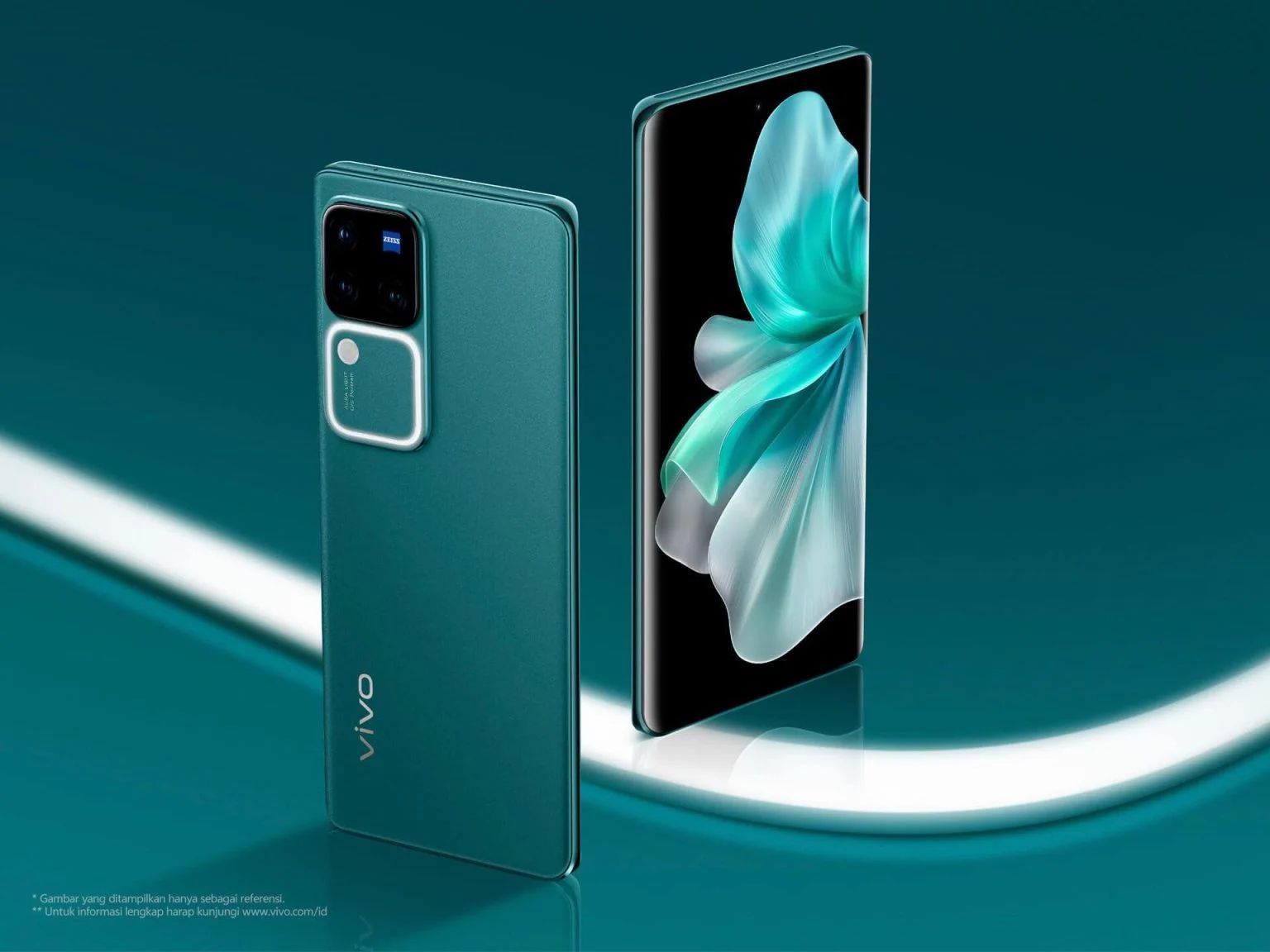
Vivo X100 Series Pricing Revealed Through Listing Ahead of Potential November Launch

0
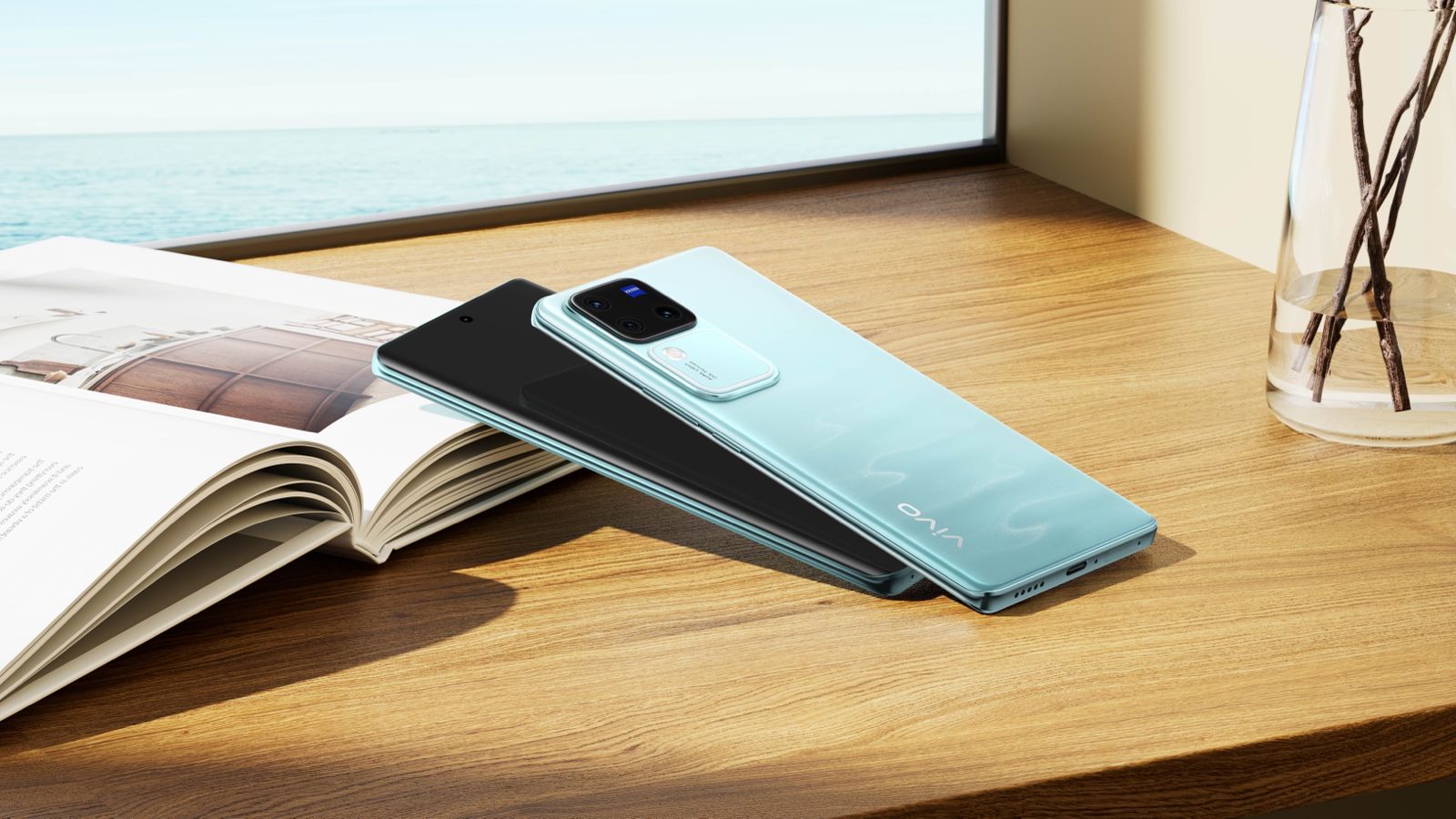
Vivo X100 Series Pricing Revealed

Highlights

  • JD.com listing reveals Vivo X100 to be priced at 3999 CNY for the 12GB RAM + 256GB ROM model.
  • Device rumoured to feature cutting-edge Dimensity 9300 chip and Android 14 
  • Vivo X100 is expected to include a triple-camera setup featuring a Vario-APO-Sonnar Zeiss lens.
  • X100 Pro and X100 Pro+ models will further elevate camera capabilities, including up to 200MP sensors.

As the technology world eagerly anticipates the Vivo X100 series, a new listing on the Chinese e-commerce giant JD.com has shone a light on what consumers can expect in terms of pricing.

The listing indicates that the 12GB RAM + 256GB ROM model of the Vivo X100 will be priced at 3999 CNY (approx. Rs. 45,500).

The Vivo X100 series is likely to include not just the baseline X100 model but also a Pro version, with a Pro+ model rumoured for a release in early 2024.

While the baseline X100 model is said to be driven by the advanced Dimensity 9300 chip, early indicators from an AnTuTu benchmark suggest the device will also boast a staggering 16GB of LPDDR5T RAM and a 1TB UFS 4.0 storage.

Vivo X100 Series Pricing Revealed

As for software, the device is anticipated to ship with Android 14, skinned with Vivo’s Funtouch OS 14.

Camera-wise, the Vivo X100 is expected to offer a triple-camera setup, incorporating a Vario-APO-Sonnar Zeiss lens dedicated to periscope telephoto photography.

The device will also offer choices in Orange, White, and Blue colour variants.

As for the more advanced Pro models, rumours indicate they will feature camera specifications that could well be game-changers in the industry.

These include a range of 50MP sensors and a massive 200MP telephoto periscope camera with 10x zoom.

Although the official launch date remains under wraps, the company is expected to unveil the series sometime in November, setting the stage for a new era in mobile technology.

VIVO X100 PRO 5G KEY SPECIFICATIONS

Key Specs

RAM 12 GB
Processor MediaTek Dimensity 9200 Plus MT6985

Rear Camera 64 MP + 50 MP + 12 MP + 8 MP
Front Camera 32 MP
Battery 5100 mAh
Display 6.82 inches (17.32 cm)

General

Launch Date September 20, 2023 (Unofficial)
Operating System Android v13

Performance

Chipset MediaTek Dimensity 9200 Plus MT6985
CPU Octa core (3.35 GHz, Single core, Cortex X3 + 3 GHz, Tri core, Cortex A715 + 2 GHz, Quad core, Cortex A510)
Architecture 64 bit
Fabrication 4 nm
Graphics Immortalis-G715 MC11
RAM 12 GB

Display

Display Type Super AMOLED
Screen Size 6.82 inches (17.32 cm)

Resolution 1080 x 2400 pixels
Pixel Density 386 ppi
Bezel-less display Yes with punch-hole display
Touch Screen Yes, Capacitive Touchscreen, Multi-touch

Camera

MAIN CAMERA
Camera Setup Quad
Resolution 64 MP, Primary Camera
50 MP
12 MP
8 MP
Autofocus Yes
Flash Yes, LED Flash
Image Resolution 9000 x 7000 Pixels
Settings Exposure compensation, ISO control
Shooting Modes Continuous Shooting
High Dynamic Range mode (HDR)
Camera Features Digital Zoom
Auto Flash
Face detection
Touch to focus
Video Recording 1920×1080 @ 30 fps
FRONT CAMERA
Camera Setup Single
Resolution 32 MP, Primary Camera
Video Recording 1920×1080 @ 30 fps

Battery

Capacity 5100 mAh
Type Li-Polymer
Removable No
Quick Charging Yes, Fast
USB Type-C Yes

Storage

Internal Memory 512 GB
Expandable Memory No

Network & Connectivity

SIM Slot(s) Dual SIM, GSM+GSM
SIM Size SIM1: Nano, SIM2: Nano
Network Support 5G Not Supported in India, 4G Supported in India, 3G, 2G
VoLTE Yes
SIM 1
4G Bands:
TD-LTE 2300(band 40)
FD-LTE 1800(band 3)
3G Bands:
UMTS 1900 / 2100 / 850 / 900 MHz
2G Bands:
GSM 1800 / 1900 / 850 / 900 MHz
GPRS:
Available
EDGE:
Available
SIM 2
4G Bands:
TD-LTE 2300(band 40)
FD-LTE 1800(band 3)
3G Bands:
UMTS 1900 / 2100 / 850 / 900 MHz
2G Bands:
GSM 1800 / 1900 / 850 / 900 MHz
GPRS:
Available
EDGE:
Available
Wi-Fi Yes, Wi-Fi 4 (802.11 b/g/n)
Wi-Fi Features Mobile Hotspot
Bluetooth Yes, v5.2
GPS Yes with A-GPS, Glonass
USB Connectivity Mass storage device, USB charging

Multimedia

Loudspeaker Yes
Audio Jack USB Type-C

Sensors

Fingerprint Sensor Yes
Fingerprint Sensor Position On-screen
Fingerprint Sensor Type Optical
Other Sensors Light sensor, Proximity sensor, Accelerometer, Compass, Gyroscope

FAQs

What is the pricing of the Vivo X100 according to JD.com?

The Chinese e-commerce platform JD.com has listed the Vivo X100 at a price of 3999 CNY for the 12GB RAM + 256GB ROM variant. This converts to approximately Rs. 45,500, offering an early insight into the device’s pricing strategy.

What are the expected specifications for the Vivo X100 series?

The baseline Vivo X100 model is rumoured to be powered by the Dimensity 9300 chip. It is also expected to feature 16GB of LPDDR5T RAM and 1TB of UFS 4.0 storage. Moreover, the device is anticipated to come with Android 14 with Vivo’s Funtouch OS 14 skin.

What can we expect in terms of camera features from the Vivo X100?

The Vivo X100 is expected to sport a triple-camera setup featuring a Vario-APO-Sonnar Zeiss lens specifically designed for periscope telephoto photography. This aims to offer users a premium photography experience, further elevating the device’s appeal.

Also Read: VIVO X100 PRO+ WILL BE THE FIRST SMARTPHONE WITH A 200 MP TELEPHOTO LENS: LEAK REVEALS DESIGN DETAILS

Also Read: Vivo X100 Series Chipset Details Tipped Ahead of Launch in Q4 of 2023