Highlights
- Nothing Phone 3 teased with a captivating video, hinting at a July launch.
- Set to feature Qualcomm Snapdragon 8s Gen 3 chipset for top-tier performance.
- Expected price range in India between Rs 40,000 to Rs 45,000.
- Nothing aims to dominate the mid-range market, avoiding the ultra-premium segment.
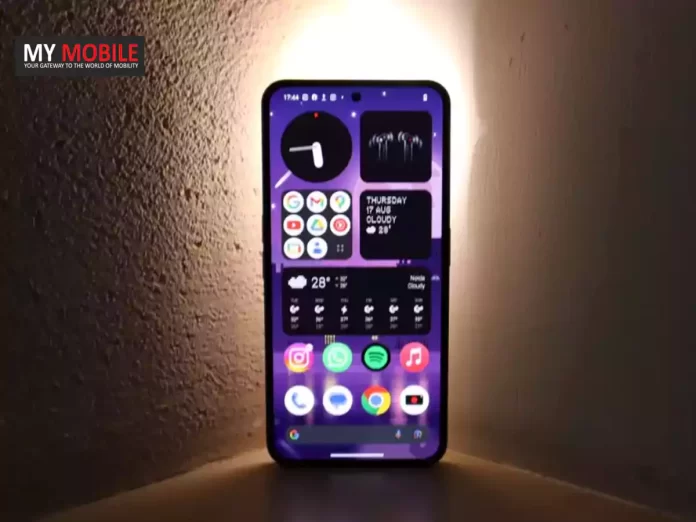
Nothing Phone (3), the successor to the Nothing Phone (2), has been teased ahead of its potential arrival.
Quite naturally, users and fans of the Nothing brand are looking for clues to understand what kind of specs or pricing will the device bring with itself.
Let’s have a look at the latest speculation.
Nothing Phone (3) Gears Up for Launch
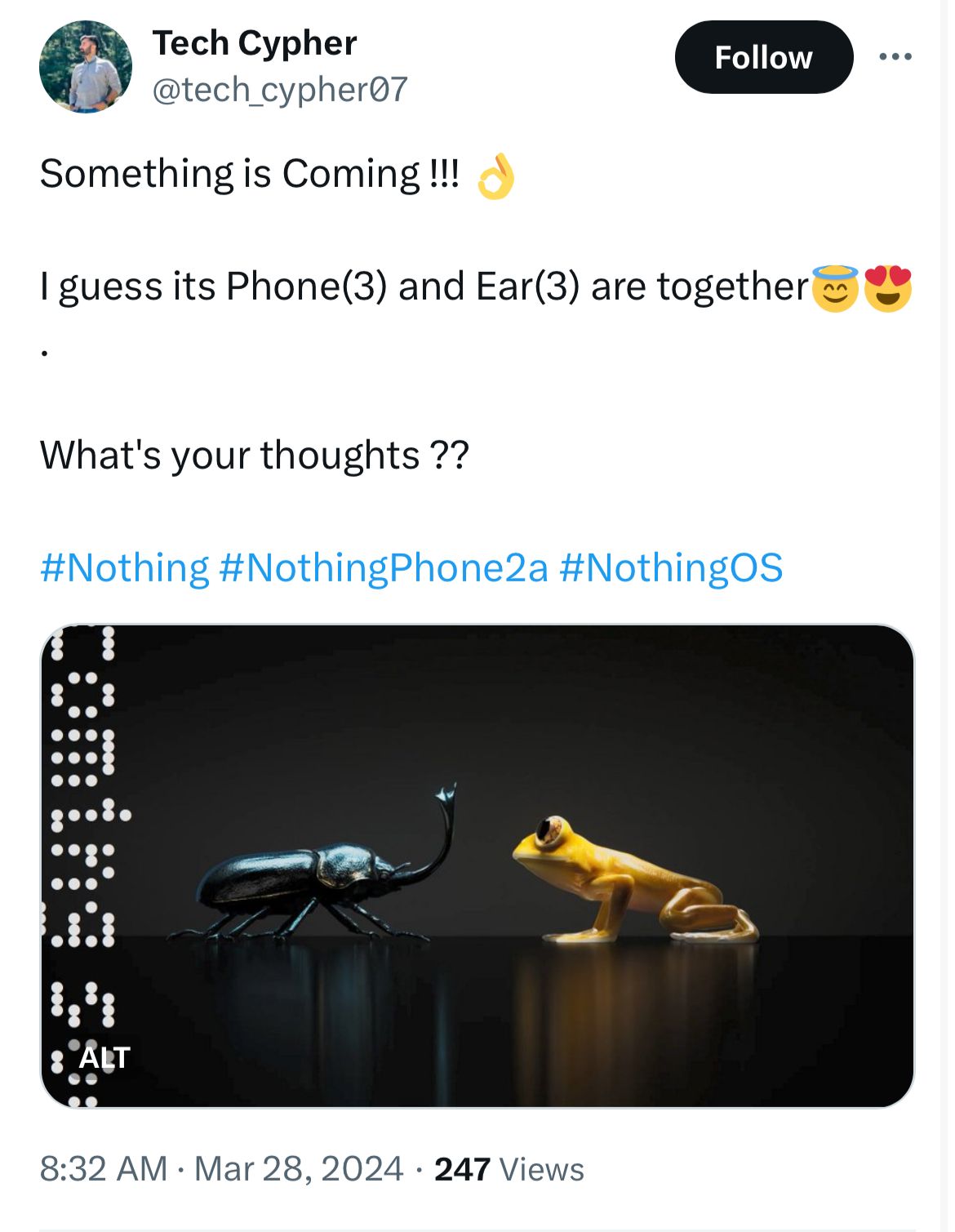
🐸🪲 pic.twitter.com/znswtNwgFV
— Nothing (@nothing) March 27, 2024
A teaser hinting at the upcoming Nothing Phone (3) has stirred excitement among the tech community.
The brand, known for its innovative approach to smartphone design and marketing, has once again sparked curiosity with a video featuring a leaping frog on its social media account on X.
This follows the brand’s tradition of using intriguing animal teasers, with a parrot and an octopus marking the launches of the Phone (1) and (2), respectively. This creative hint has led to widespread speculation about the Phone (3)’s imminent debut.
Pricing and Chipset Insights
According to a report from 91mobiles Hindi, the Nothing Phone (3) is set to be a powerhouse, thanks to the Qualcomm Snapdragon 8s Gen 3 chipset.
This information, sourced from an industry insider with close ties to Nothing, positions the Phone (3) as a potential flagship killer.
The anticipated price range for the Indian market is set between Rs 40,000 and Rs 45,000, striking a balance between premium features and affordability.
Despite the leap in hardware, Nothing aims to maintain its competitive edge in the mid-range segment, with a strategic focus on pricing that does not venture into the ultra-premium territory.
This approach allows the brand to consolidate its user base by offering high-end specs at a more accessible price point, a move that’s likely to appeal to a broad spectrum of consumers.
Anticipated Launch Timeline

Speculation suggests that the Nothing Phone (3) could make its debut in July, aligning with the release patterns of its predecessors.
This timing would position the Phone (3) perfectly for a mid-year launch, capitalizing on the momentum built by its earlier models.
Nothing Phone 3 Specs
GENERAL
| Sim Type | Dual Sim, GSM+GSM |
| Dual Sim | Yes |
| Sim Size | Nano+Nano SIM |
| Device Type | Smartphone |
| Release Date | June 27, 2024 (Expected) |
DESIGN
| Dimensions | – |
| Bezel less | Yes |
DISPLAY
| Type | Color AMOLED Screen (1B Colors) |
| Touch | Yes, 380 Hz Touch Sampling Rate |
| Size | 6.67 inches, 1080 x 2400 pixels, 120 Hz |
| Aspect Ratio | 20:9 |
| PPI | ~ 402 PPI |
| Screen to Body Ratio | ~ 88.8% |
| Glass Type | Corning Gorilla Glass 5 |
| Features | HDR10+, 10-bit Colour Depth, 1000000:1 Contrast Ratio, 600 nits Brightness and 1200 nits Peak Brightness, 60 Hz – 120 Hz Adaptive Refresh Rate , Haptic Touch Motors |
| Notch | Yes, Punch Hole |
MEMORY
| RAM | 8 GB |
| Expandable RAM | Upto 8 GB Extra Virtual RAM |
| Storage | 128 GB |
| Storage Type | UFS 3.1 |
| Card Slot | No |
CONNECTIVITY
| GPRS | Yes |
| EDGE | Yes |
| 3G | Yes |
| 4G | Yes |
| 5G | Yes |
| VoLTE | Yes, Dual Stand-By |
| Wifi | Yes, with wifi-hotspot |
| Bluetooth | Yes, v5.3, A2DP, LE, aptX, aptX HD, LDAC, AAC |
| USB | Yes, USB-C v3.1 |
| USB Features | USB Tethering, USB on-the-go, USB Charging, USB Storage |
EXTRA
| GPS | Yes, with dual-band A-GPS, GLONASS, Galileo, Beidou, NavIC |
| Fingerprint Sensor | Yes, In Display |
| Face Unlock | Yes |
| Sensors | Accelerometer, Electronic Compass, Gyroscope, Ambient Light Sensor, Proximity Sensor, Sensor Core, Front RGB Sensor |
| 3.5mm Headphone Jack | No |
| NFC | Yes |
| Water Resistance | No |
| Splash Resistant | Yes |
| IP Rating | IP53 |
| Dust Resistant | Yes |
| Extra Features | Glyph Interface, Nothing OS |
CAMERA
| Rear Camera | 64 MP f/1.88 (Wide Angle) 50 MP (Telephoto) 32 MP f/2.2 (Ultra Wide) with autofocus |
| Camera Sensor | Sony IMX766 |
| Features | OIS and EIS Image Stabilisation, Night Mode Panorama, Portrait Mode, Beauty Mode, Bokeh, HDR, Google Filter, Scene Detection, Live Photo, Document Mode, Night mode, Extreme Night Mode, Night Video, Expert Mode, Panorama, Slow-Mo (120 fps), Timelapse, 114° Field of View |
| Video Recording | 4K @ 30 fps UHD, 1080p @ 30/60 fps FHD, 720p @ 30 fps HD |
| Flash | Yes, Dual LED |
| Front Camera | Punch Hole 32 MP (Wide Angle) with Screen Flash |
| Front Video Recording | 1080p @ 30 fps FHD |
TECHNICAL
| OS | Android v14 |
| Chipset | qualcomm Snapdragon 8s Gen3 |
| CPU | 3 GHz, Octa Core Processor |
| Core Details | 1xCortex-X4 @3.0GHz & 4xCortex-A720 @ .8GHz, 3xCortex-A520 @2.0GHz |
| GPU | Adreno GPU |
| Java | No |
| Browser | Yes, supports HTML5 |
MULTIMEDIA
| Yes | |
| Music | MP3, AAC, AAC+, WMA, AMR-NB, AMR-WB, WAV, FLAC, APE, OGG, MID, M4A, IMY, AC3, EAC3, EAC3-JOC, AC4 |
| Video | MKV, MOV, MP4, H.265 (HEVC), AVI, WMV, TS, 3GP, FLV, WEBM |
| FM Radio | No |
| Document Reader | Yes |
BATTERY
| Type | Non-Removable Battery |
| Size | 5000 mAh, Li-Po Battery |
| Fast Charging | Yes, 100W Fast Charging |
| Wireless Charging | Yes, 50W Qi Wireless Charging |
| Reverse Charging | Yes, 5W |
FAQs
What is the expected price range of the Nothing Phone 3 in India?
The anticipated price range of the Nothing Phone 3 in India is between Rs 40,000 to Rs 45,000. This pricing strategy aims to offer consumers premium features and specifications without venturing into the ultra-premium smartphone segment, making it accessible to a wider audience.
When is the Nothing Phone 3 expected to launch?
The Nothing Phone 3 is expected to launch in July, following the pattern set by its predecessors. This timing suggests that Nothing is sticking to its mid-year release schedule, offering consumers a new flagship option for the second half of the year.
Why is Nothing focusing on the mid-range market with the Phone 3?
Nothing aims to establish a strong presence in the mid-range market by offering high-end specifications at a more affordable price point. This approach allows the brand to attract a broader base of users who seek premium features without the premium price tag, effectively bridging the gap between mid-range and high-end smartphones.
Will the Nothing Phone 3’s end-to-end encryption change with the new updates?
The upcoming Nothing Phone 3 maintains the brand’s commitment to user privacy and security, with no changes expected to the end-to-end encryption of personal messages and calls. This ensures that communication on the device remains secure, safeguarding user data against unauthorized access.
Also Read: Nothing Phone 3 and Phone 2a Set for 2024 Launch Alongside CMF Nothing Buds 2 Pro
WhatsApp to Update Terms for European Users With New EU Regulations

Highlights
- WhatsApp updates terms and conditions in Europe to meet Digital Markets Act requirements.
- Users must agree to new terms by April 11 to avoid account suspension.
- New policies to include details on third-party app messaging and channel guidelines.
- Global minimum age for WhatsApp use lowered to 13 from April 11, 2024.
WhatsApp is set to introduce new terms and conditions for its users across Europe, marking a significant update to its user agreement and privacy policy.
This update comes in response to the latest EU regulatory requirements under the ‘Digital Markets Act’.
WhatsApp’s forthcoming changes will necessitate users’ explicit consent to the updated terms by April 11 to avoid potential account suspension.
WhatsApp’s Terms Update: A Closer Look

The imminent updates are aimed at aligning WhatsApp’s operations with the Digital Services Act and the Digital Markets Act, two pivotal pieces of EU legislation designed to reshape the digital landscape.
The revised terms and conditions will cover various aspects of WhatsApp usage, including the app’s operational guidelines, message forwarding to third-party apps, and the management of channels within the app.
Key Takeaways

- EU Regulations Compliance: WhatsApp’s updated terms are crafted in response to the EU’s Digital Services Act and Digital Markets Act, reflecting the company’s commitment to adhering to regional regulations.
- Guidelines and Policies Clarification: The updates will provide more detailed information on what users can and cannot do on WhatsApp, ensuring clarity on the app’s usage policies.
- Third-party App Messaging: A notable addition is the provision for users to send messages from WhatsApp to compatible third-party applications, a move prompted by new EU requirements.
- Channels Guidelines: For users opting to use Channels, WhatsApp will elucidate the applicable guidelines, reporting mechanisms for content, and the process for appealing decisions, alongside how channels are recommended to users.
- Data Privacy Adjustments: Changes are also expected in how WhatsApp handles international data transfers, with the service planning to adopt the new EU-US Data Privacy Framework for users in the European Region.
Additionally, WhatsApp announced a global adjustment to its minimum age requirement for using the messenger service, effective from April 11, 2024.
The new policy will lower the minimum age from 16 to 13 years.
However, WhatsApp assures users that this adjustment will not impact the end-to-end encryption security of personal messages and calls, maintaining the privacy and security standards users have come to expect.
FAQs
What are the key changes in WhatsApp’s new terms and conditions?
WhatsApp is introducing significant updates to its terms and conditions for European users, aligning with the EU’s Digital Markets Act.
These changes include more detailed guidelines on app usage, the ability to send messages to supported third-party apps, specific rules for using Channels within WhatsApp, and updates to international data transfer mechanisms. Users need to consent to these terms by April 11 to continue using the service without disruption.
Why is WhatsApp updating its terms and conditions?
The updates are in response to the new EU regulations, namely the Digital Services Act and the Digital Markets Act. These regulations aim to enhance user privacy, data protection, and ensure a safer online environment.
WhatsApp’s updates are designed to comply with these regulations, providing users with clearer guidelines and additional messaging options.
How will the new WhatsApp terms affect message encryption?
WhatsApp has reassured users that the latest updates, including changes to its terms and conditions, will not affect the end-to-end encryption of personal messages and calls.
This means that the privacy and security of communications on WhatsApp will remain intact, safeguarding user conversations from third-party access.
What happens if I don’t agree to the new WhatsApp terms by April 11?
Users who do not agree to the new terms and conditions by the April 11 deadline risk having their accounts suspended.
WhatsApp is encouraging all users to review and accept the updated policies to ensure uninterrupted service and access to the app’s full range of features.
Also Read: WhatsApp Updates Bring HD Media Sharing, New Status Interface, and Enhanced Video Controls
Also Read: WhatsApp Call Screen Gets a Modern Makeover in Latest Update
Also Read: WhatsApp Rolls Out New Bottom Navigation Bar for Enhanced User Interface on Android
TikTok to Introduce Collaboration Feature Similar to Instagram: What You Need to Know

Highlighted
- TikTok unveils a new Collaboration feature allowing up to five creators to join forces.
- Inspired by Instagram, the feature boosts content visibility across combined followers.
- Discovered by AssembleDebug, the feature details emerged from TikTok app code insights.
- Collaboration invitations can be accepted or declined, with limits to maintain content quality.
TikTok is setting its sights on expanding its creative horizons with the introduction of a new “Collaboration” feature, stepping into territory familiar to users of Instagram.
This new functionality will likely enrich the platform’s content creation dynamics by allowing creators to invite up to five collaborators to join them in producing collective content, a move that mirrors Instagram’s collaborative posts feature.
TikTok Gears Up for Enhanced Collaboration

With the “Collaboration” feature, soon to be launched by TikTok, creators can extend invitations to as many as five fellow TikTokers to craft content together.
Once an invitation is accepted, the collaborative post will display all involved creators’ names and share the creation with their combined followers.
Discovery by AssembleDebug

TheSPAndroid, known also as AssembleDebug, delved into the latest app code of TikTok version 34.1.15.
The investigation revealed several hints and strings within the app’s code that outline how this collaborative process is envisioned to work.
Among the phrases found were options for accepting or declining collaboration invites, stipulations on content editing and income withdrawal rights, and limits on the frequency and privacy settings required for initiating collaborations.
How It Works
The process for collaboration is straightforward, mirroring the functionality seen on Instagram.
Creators can send out invites to potential collaborators, who can then choose to accept or decline.
Accepted collaborations will see the content shared across the profiles of all participants, thereby increasing visibility.
TikTok also includes options for withdrawing from a collaboration, ensuring flexibility for users.
Creative and Audience Boost for Creators

For the creative community on TikTok, this feature promises to unlock new realms of creativity and audience engagement.
By allowing up to five collaborators and imposing a cap of four invites per month, TikTok aims to foster meaningful collaborations without overwhelming users with content.
FAQs
How does the new TikTok Collaboration Feature work?
The TikTok Collaboration Feature lets creators invite up to five others to collaborate on content. Once someone accepts an invite, the collaborative piece will feature all participants’ names and be shared with their followers, enhancing visibility and engagement. This is akin to Instagram’s collaborative posts, fostering a communal content creation experience.
Can anyone initiate a TikTok Collaboration?
To start a TikTok Collaboration, your account must be set to public, and the post’s privacy settings must also be configured to “Everyone.” This ensures the collaborative content reaches a broad audience. Each creator can extend up to four collaboration invites per month, encouraging selective and meaningful partnerships.
What happens if a creator decides to leave a TikTok Collaboration?
Creators have the option to leave a collaboration if they change their minds. Upon deciding to exit, the content will no longer be displayed on their profile, and they’ll cease to be listed as a collaborator. This flexibility allows creators to manage their participation and content association dynamically.
Are there any restrictions on the TikTok Collaboration Feature?
Yes, TikTok has implemented some restrictions to ensure the feature is used thoughtfully. Creators can only invite up to five collaborators per piece of content and are limited to four invites per month. These measures are likely in place to prevent oversaturation and maintain the quality of content shared across the platform.
YouTube Music Rolls Out Offline Listening for Desktop and Updates Android Share Sheet

Highlights
- YouTube Music extends offline listening feature to desktop users.
- Desktop web users can now download songs and playlists for offline playback.
- Redesigned custom share sheet in YouTube Music for Android enhances usability.
- Offline listening feature previously exclusive to mobile apps now available on desktop.
YouTube Music, Google’s premier music streaming service, is enhancing its user experience by extending offline listening capabilities to its desktop web users.
This marks a significant leap from its previous offering, which was restricted to mobile app users only.
As such YouTube’s desktop experience is now closer to parity with the mobile app, and it signals that the company is acknowledging the diverse preferences of its user base.
Expanding Offline Listening to Desktop
Until now, the joy of offline listening on YouTube Music was a luxury enjoyed exclusively by mobile app users.
The introduction of this feature on the desktop web app is a testament to Google’s commitment to evolving its services to meet user demands.
While the web version of YouTube Music doesn’t have a standalone desktop app, the incorporation of offline listening into the web app bridges this gap, offering users a seamless listening experience across devices.
Navigating the New Desktop Feature
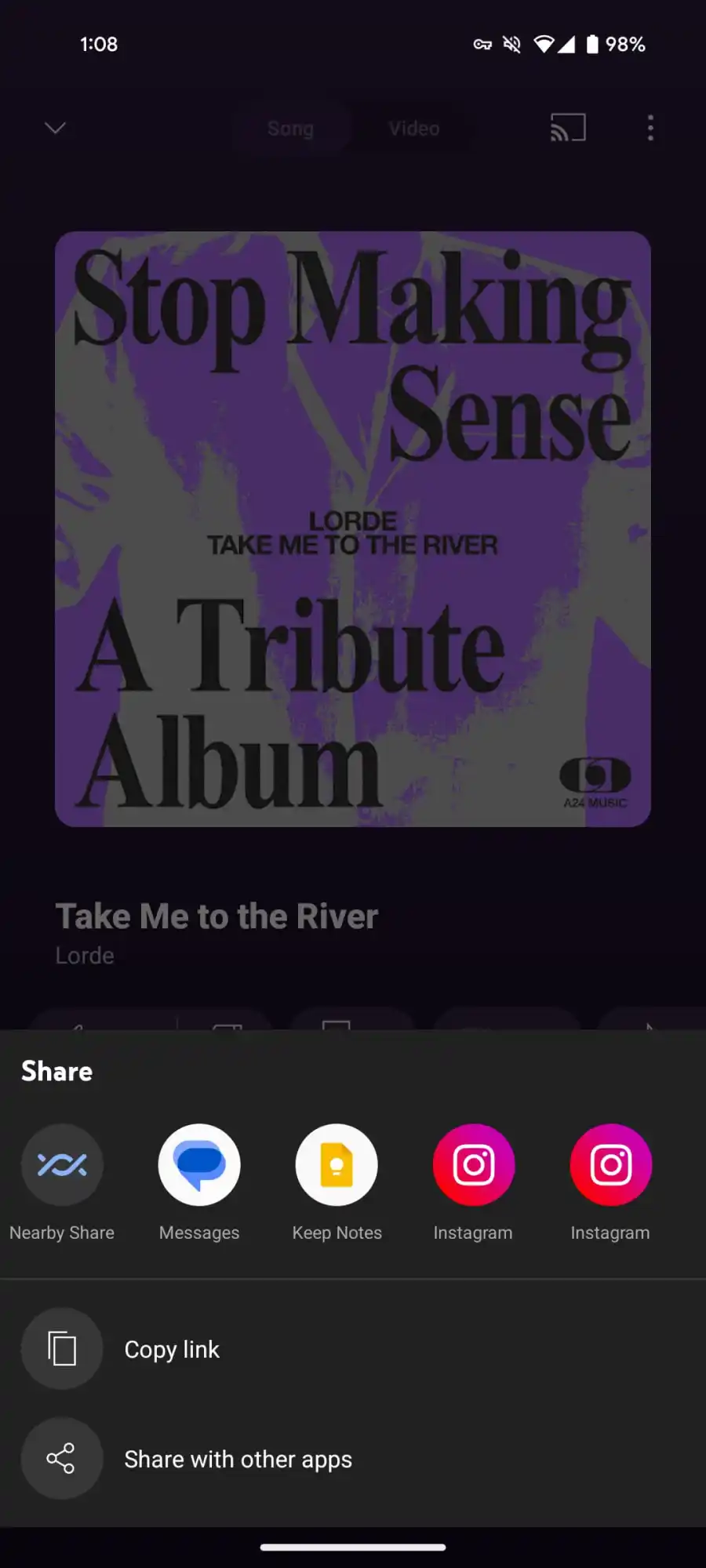
The transition to include offline listening on desktops wasn’t overnight.
It underwent a rigorous testing phase, initially available to a select group of users.
With the broader rollout now underway, more subscribers are greeted with the “New! Download music to listen offline” prompt, signifying their access to this eagerly awaited feature.
To download music, users can simply head to their song or album of choice and click the download button, conveniently located between the “Save to library” option and the three-dot menu.
Redesign of the Custom Share Sheet in YouTube Music for Android
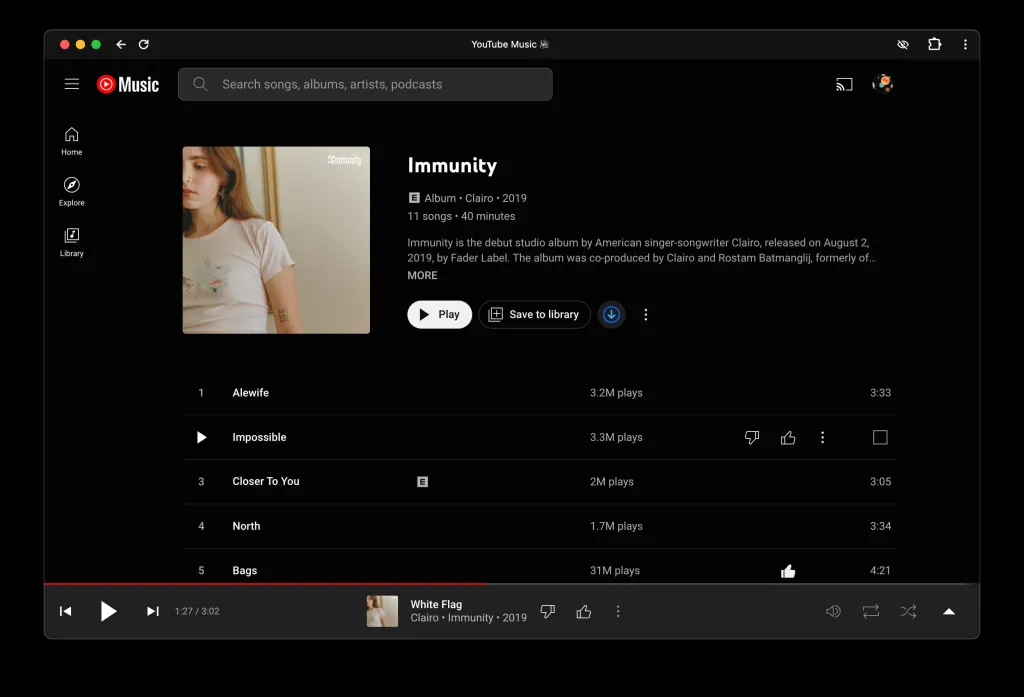
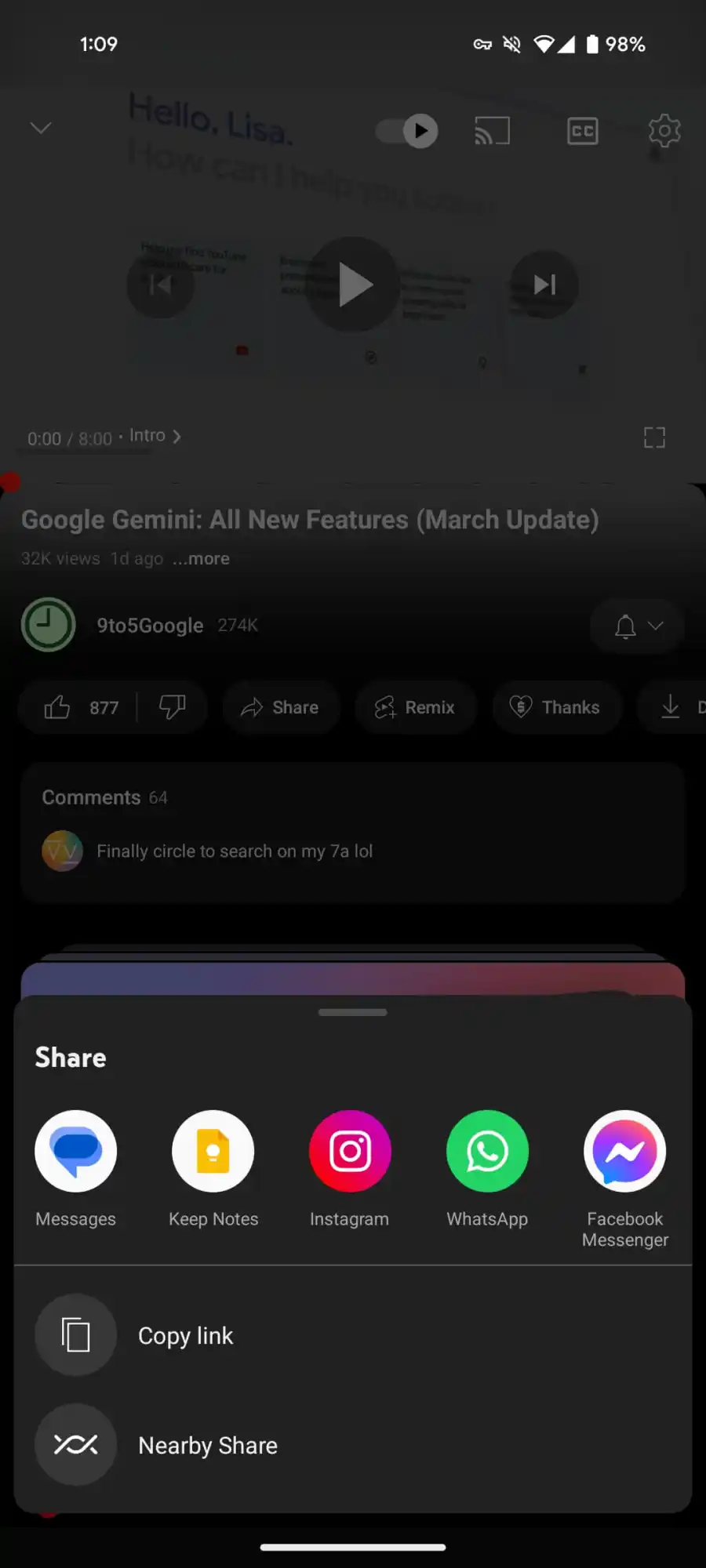
In addition to expanding offline listening to desktops, YouTube Music for Android has undergone a noteworthy redesign of its custom share sheet.
This redesign moves away from the previous grid-based layout that dominated a large portion of the screen.
The new format introduces a compact carousel that displays approximately five sharing options per view, supplemented by “Copy link” and “Share with other apps” buttons.
This streamlined design supports one-handed usage and adapts to the unique design language of the YouTube family of apps, distinct from other first-party Google applications.
FAQs
How can I use YouTube Music’s offline listening feature on my desktop?
To use the offline listening feature on your desktop, first ensure you have access to the feature by looking for the “New! Download music to listen offline” message near the Library tab on the YouTube Music web app.
To download music, navigate to the desired song or album page and click the download button situated between the “Save to library” option and the three-dot menu button.
Is offline listening available to all YouTube Music desktop users?
The offline listening feature on YouTube Music’s desktop version is rolling out in phases, so it might not be available to all users immediately.
Initially, it was tested with a small group of users, but it is gradually becoming available to more subscribers.
What changes have been made to the YouTube Music share sheet on Android?
YouTube Music for Android has redesigned its custom share sheet, moving from a grid-based layout to a more compact carousel format.
This new design displays about five sharing options per screen and includes buttons for “Copy link” and “Share with other apps,” making it more conducive to one-handed use.
Can I download entire playlists for offline listening on YouTube Music desktop?
Yes, YouTube Music’s offline listening feature on the desktop allows users to download entire playlists in addition to individual songs.
This makes it convenient for users to enjoy their favorite collections of music without an internet connection.
How To Download Songs In YouTube Music Desktop App?
Follow the step-by-step guide below to save music on YouTube Music’s website without any internet:
– Open the YouTube Music web app on your desktop.
– Then, go to an album’s or single’s page.
– Search for the download button available between the “Save to library” and three-dot dropdown menu options.
– Now, click on the download option to save the album or single to your desktop.
Also Read: YouTube Music Introduces Activity Feed and New Creator Content Disclosure Policy
Also Read: YouTube Premium: 5 Things That Unlock Enhanced Streaming in India
Also Read: YouTube Launches AI Skip Feature and Reveals Shorts Revenue Growth
Realme GT Neo 6 SE Inches Closer to Launch With TENAA Certification

Highlights
- Realme GT Neo 6 SE secures TENAA certification ahead of China launch.
- Features a curved display and unique dual-rear camera setup.
- Powered by Qualcomm Snapdragon 7+ Gen 3 SoC with 100W SuperVOOC charging.
- Realme also prepping the Realme GT 6 for global markets, featuring Snapdragon 8s Gen 3.
Realme is on the cusp of introducing a fresh entrant into its GT series, the Realme GT Neo 6 SE, to the Chinese smartphone market.
While the official launch date remains under wraps, in a significant pre-launch development, the Realme GT Neo 6 SE has successfully obtained TENAA certification in China, a clear indication that its debut is imminent.
Realme GT Neo 6 SE: TENAA Certification
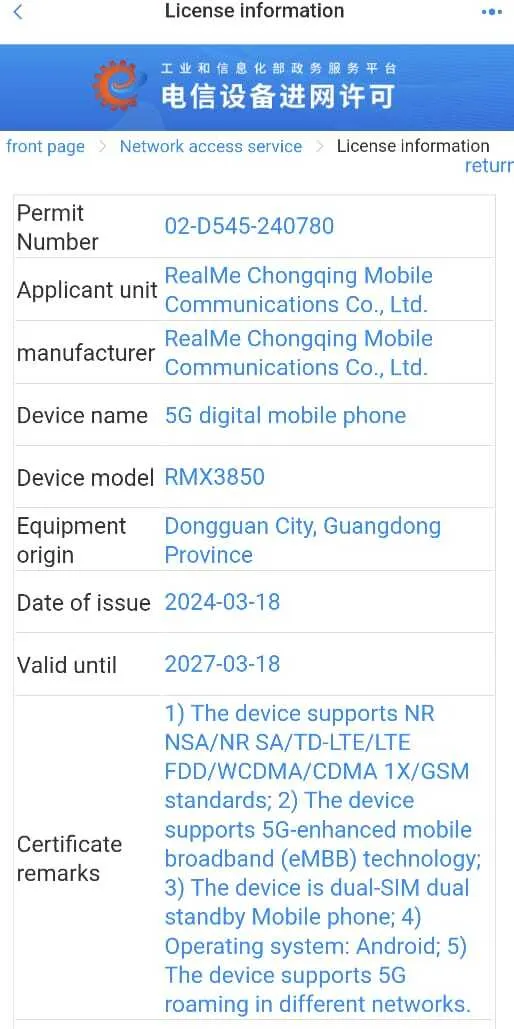
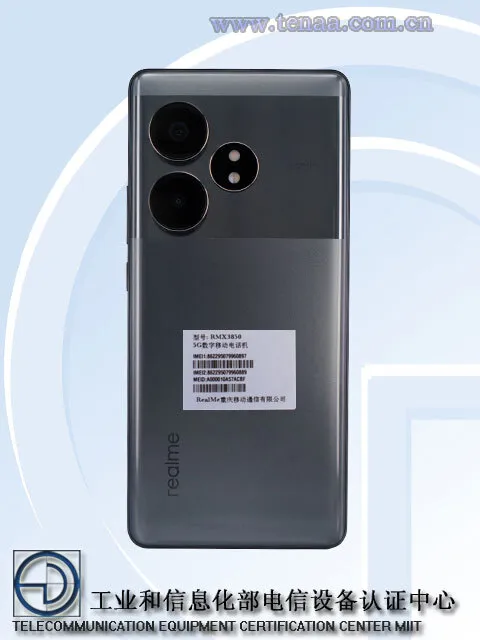
Identified by the model number RMX3850 on the TENAA certification site, the Realme GT Neo 6 SE is shaping up to be a compelling offering in the mid-range segment.
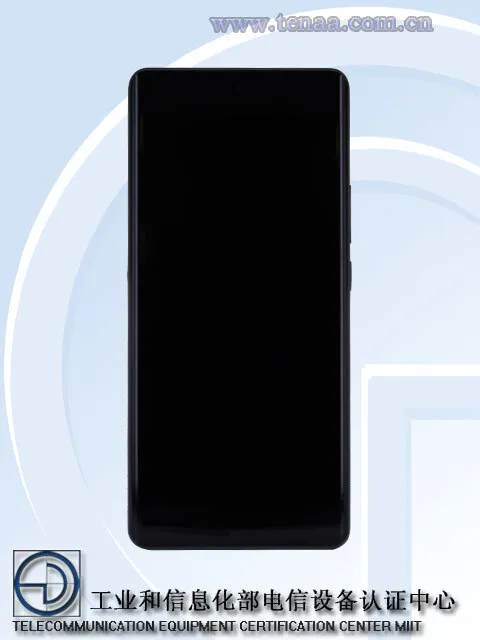
The certification has unveiled the smartphone’s design, showcasing a sleek curved display that promises an immersive viewing experience.
The design details revealed include a distinctive dual-rear camera setup housed within a wide rectangular module, offering a contrast in finish to the rest of the back panel for an eye-catching look.
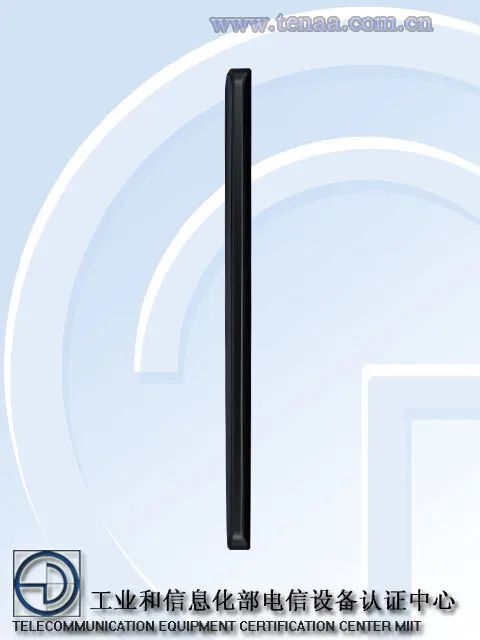
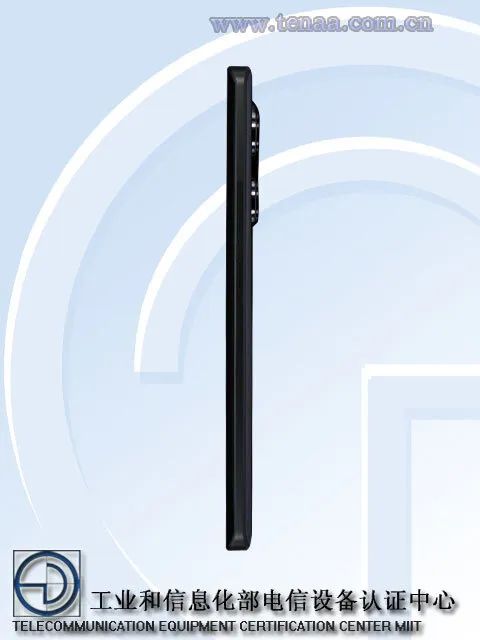
The design is streamlined with the power and volume buttons neatly aligned along the right edge, leaving the left side of the device uncluttered.
Under the Hood
Realme has confirmed that the GT Neo 6 SE will harness the power of the Qualcomm Snapdragon 7+ Gen 3 SoC, a chipset known for delivering robust performance without compromising on efficiency.
This is the same silicon that powers the OnePlus Ace 3V, hinting at the high-calibre capabilities of the upcoming device.
Further boosting its credentials is the 3C certification the smartphone has received, which reveals support for 100W SuperVOOC fast charging.
This feature promises to significantly reduce charging times, ensuring that users can quickly power up the device and stay connected.
Expanding the GT Series
In addition to the GT Neo 6 SE, Realme is also preparing to broaden its GT series with the launch of the Realme GT 6, bearing the model number RMX3851.
This device is expected to make waves in global markets, setting itself apart with the Qualcomm Snapdragon 8s Gen 3 processor and a substantial 5500mAh battery.
Realme GT Neo 6 SE Specs
GENERAL
| Sim Type | Dual Sim, GSM+GSM |
| Dual Sim | Yes |
| Sim Size | Nano SIM |
| Device Type | Smartphone |
| Release Date | May 03, 2024 (Expected) |
DESIGN
| Dimensions | – |
| Bezel less | Yes |
| Colors | Black; other colors |
DISPLAY
| Type | Color AMOLED Screen (1B Colors) |
| Touch | Yes, 360 Hz Touch Sampling Rate |
| Size | 6.74 inches, 1240 x 2772 pixels, 144 Hz |
| Aspect Ratio | 20:9 |
| PPI | ~ 451 PPI |
| Screen to Body Ratio | ~ 93.69% |
| Features | up to 1500Hz instantaneous sampling rate, Contrast Ratio: 5,000,000:1 |
| Notch | Yes, Punch Hole |
MEMORY
| RAM | 8 GB |
| Storage | 256 GB |
| Storage Type | UFS 3.1 |
| Card Slot | No |
CONNECTIVITY
| GPRS | Yes |
| EDGE | Yes |
| 3G | Yes |
| 4G | Yes |
| 5G | Yes |
| 5G Bands | SA: n1/n3/n5/n8/n28a/n40/n41/n77/n78, NSA: n1/n3/n41/n77/n78 |
| VoLTE | Yes, Dual Stand-By |
| Vo5G | Yes |
| Wifi | Yes, with wifi-hotspot |
| Bluetooth | Yes, v5.3 |
| USB | Yes, USB-C v2.0 |
| USB Features | USB Tethering, USB on-the-go, USB Charging |
| IR Blaster | Yes |
EXTRA
| GPS | GPS, AGPS, BEIDOU, GLONASS, GALILEO, QZSS |
| Fingerprint Sensor | Yes, In Display |
| Face Unlock | Yes |
| Sensors | accelerometer, gyro, proximity, compass |
| 3.5mm Headphone Jack | No |
| NFC | Yes |
| Extra Features | Dual speakers, Dolby Atmos Sound |
CAMERA
| Rear Camera | 108 MP PDAF f/1.8 (Wide Angle) 8 MP 1/4.0″, 1.12µm f/2.2 (Ultra Wide) 2 MP f/2.4 (Macro) with autofocus |
| Features | Photo, beauty, filter, AI scene recognition, street photography, portrait, night scene, 64M, professional, panorama, super text, microscope, tilt shift, skin quality detection, AI ID photo |
| Video Recording | 4K @ 30 fps UHD, 1080p @ 30 fps FHD |
| Flash | Yes, LED |
| Front Camera | Punch Hole 32 MP 25mm, 1/3.09″, 1.0µm f/2.5 (Wide Angle) with Screen Flash |
| Front Video Recording | 1080p @ 30 fps FHD |
TECHNICAL
| OS | Android v13 |
| Custom UI | realme UI 4.0 |
| Chipset | Qualcomm Snapdragon 7+ Gen3 |
| CPU | 2.8 GHz, Octa Core Processor |
| GPU | Adreno GPU |
| Java | No |
| Browser | Yes |
MULTIMEDIA
| Yes | |
| Music | AAC, APE, FLAC, AMR, MID, MP3, OGG, WAV, WMA, MKA |
| Video | MP4, 3GP, ASF, AVI, FLV, M2TS, MKV, MPG, TS, WEBM, WMV |
| FM Radio | No |
| Document Reader | Yes |
BATTERY
| Type | Non-Removable Battery |
| Size | 5500 mAh, Li-Po Battery |
| Fast Charging | Yes, 100W Super Dart Charging |
| Reverse Charging | Yes, 10W |
FAQs
What is the Realme GT Neo 6 SE?
The Realme GT Neo 6 SE is an upcoming smartphone from Realme, set to launch in the Chinese market. It’s a part of the Realme GT series, known for its powerful performance and distinctive design.
The phone boasts a curved display, a dual-rear camera setup, and is powered by the Qualcomm Snapdragon 7+ Gen 3 SoC.
When is the Realme GT Neo 6 SE expected to launch?
While Realme has not officially announced a launch date for the GT Neo 6 SE, the device has been teased on Weibo and has received TENAA certification.
These developments suggest that the launch could be happening soon, with speculation pointing towards an unveiling in the near future.
What are the key features of the Realme GT Neo 6 SE?
Key features of the Realme GT Neo 6 SE include a sleek curved display for immersive visuals, a dual-rear camera setup for versatile photography, and the Qualcomm Snapdragon 7+ Gen 3 SoC for robust performance.
Additionally, the device supports 100W SuperVOOC fast charging, significantly reducing charging times.
How does the Realme GT Neo 6 SE differ from other smartphones in the GT series?
The Realme GT Neo 6 SE stands out within the GT series through its adoption of the Snapdragon 7+ Gen 3 SoC and its unique design, featuring a curved display and a distinct camera module.
It also introduces fast charging capabilities with 100W SuperVOOC technology, setting a new standard for mid-range smartphones.
Also Read: Realme GT Neo 6 and Realme 12 Pro Series Launch Timeline Reportedly Revealed
Also Read: Realme GT Neo 6 Series Leaks Hint at Dual Chipset Strategy and Premium Features
Huawei P70 Series Spotted on Geekbench Revealing New Kirin Chipset Ahead of Launch
Highlights
- Huawei P70 Series expected to launch in April, anticipation builds with no official date.
- Geekbench listings unveil three models: AL10, AL80, and AL00, showcasing impressive scores.
- AL00 model, the P70 Art, hints at a groundbreaking new Kirin chipset with top-tier performance.
- First two models, AL10 and AL80, likely powered by the Kirin 9000s chipset used in Mate 60 Pro.
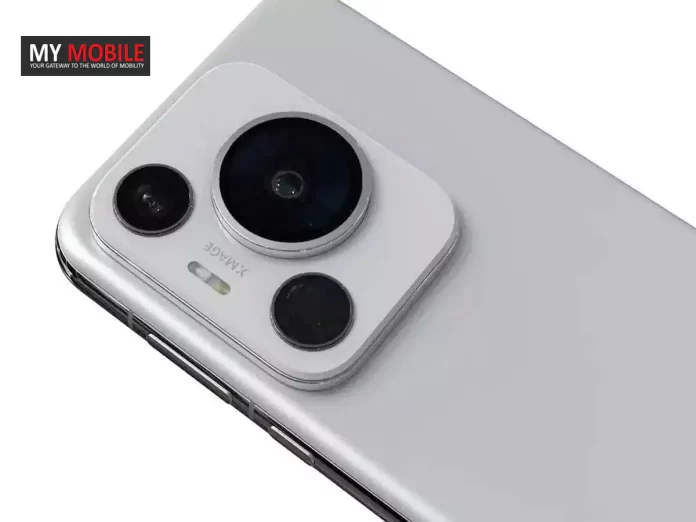
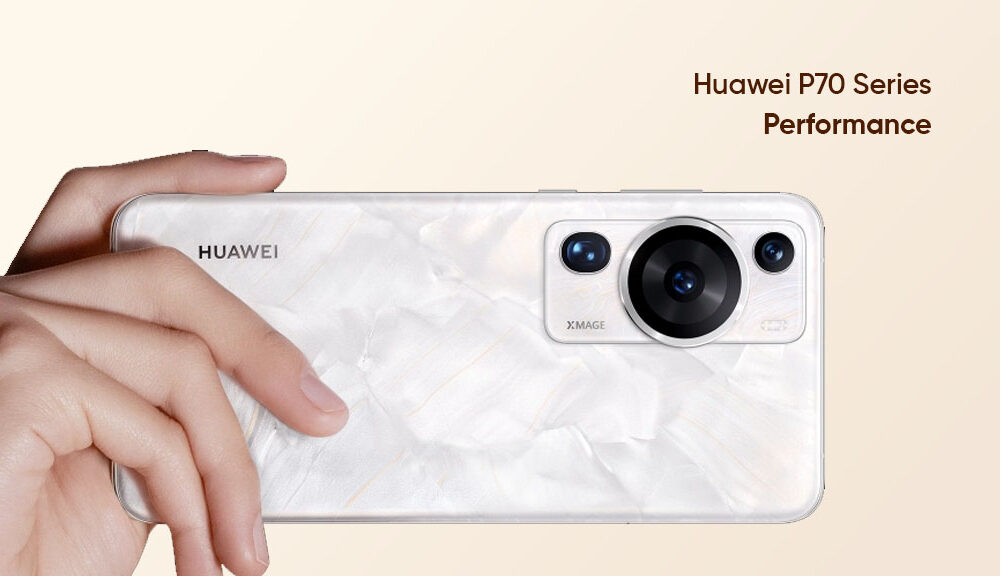
Huawei gears up for the debut of its P70 series in China, anticipation is building, though an official launch date remains under wraps.
Speculation is rife that April might witness the unveiling of this eagerly awaited lineup.
Recent developments have added fuel to these rumors, with Geekbench listings providing a sneak peek into the potential performance capabilities of the forthcoming smartphones.
Huawei P70 Series: Geekbench Insight
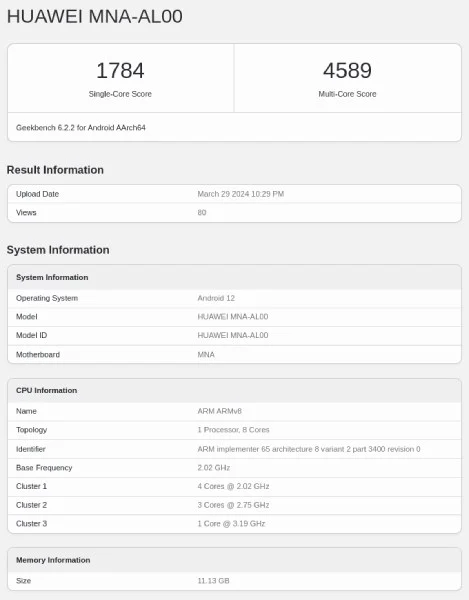
The P70 series has made its presence felt on Geekbench 6, as discovered by HuaweiCentral, revealing details about three new models under the series – designated as AL10, AL80, and AL00.
These listings not only hint at the lineup’s imminent launch but also shed light on the processing power we might expect from each device.
Geekbench Performance Revealed: A New Kirin Chipset?
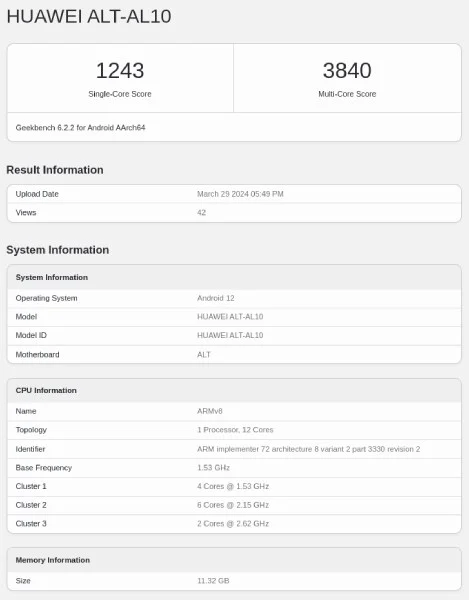
The model AL10, likely the standard P70 variant, showcases a single-core score of 1243 and a multi-core score of 3840, suggesting solid performance credentials.
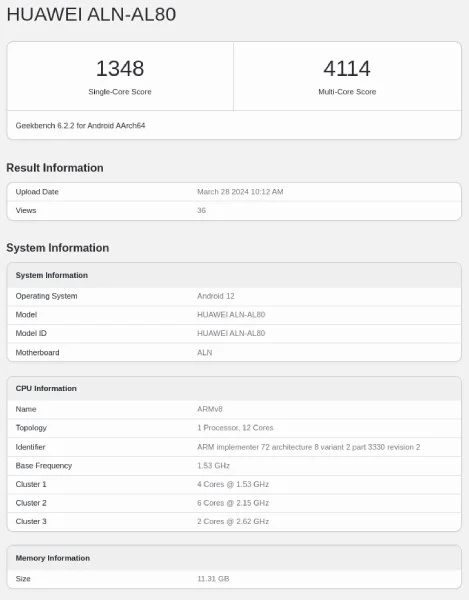
The AL80 model, presumed to be the P70 Pro, steps up with higher scores of 1348 in single-core and 4114 in multi-core testing, indicating enhanced capabilities possibly suited for more demanding tasks.
The most intriguing entry, model AL00, anticipated to be marketed as the P70 Art, tops the performance charts among its siblings.
It impresses with a single-core score of 1784 and a multi-core score of 4589.
This model hints at leveraging a new Kirin chipset with a base frequency of 2.02GHz and a peak frequency of 3.15GHz, setting the stage for potentially groundbreaking performance.
Processor Prowess
The Geekbench listings suggest that the first two models, AL10 and AL80, are powered by the Kirin 9000s chipset, also seen in the Mate 60 Pro, indicating a continuation of Huawei’s reliance on its high-performance Kirin silicon.
However, the P70 Art (AL00) appears to break new ground with a yet-unnamed Kirin processor, boasting impressive clock speeds that promise to elevate the device’s performance to the top tier of smartphone capabilities.
GENERAL
| Sim Type | Dual Sim, GSM+GSM (Hybrid Slot) |
| Dual Sim | Yes |
| Sim Size | Nano+Nano SIM |
| Device Type | Smartphone |
| Release Date | March 23, 2024 (Ezxpected) |
DESIGN
| Dimensions | 161 x 74.5 x 8.3 mm (6.34 x 2.93 x 0.33 in) |
DISPLAY
| Type | Color OLED Screen (1B Colors) |
| Touch | Yes, 300 Hz Touch Sampling Rate |
| Size | 6.78 inches, 1220 x 2700 pixels, 120 Hz |
| PPI | ~ 437 PPI |
| Screen to Body Ratio | ~ 89.8% |
| Features | 2440 Hz high-frequency PWM dimming |
| Notch | Yes, Punch Hole |
MEMORY
| Storage | 256 GB |
| Card Slot | Yes, (Hybrid Slot) |
CONNECTIVITY
| GPRS | Yes |
| EDGE | Yes |
| 3G | Yes |
| 4G | Yes |
| 5G | No |
| VoLTE | Yes, Dual Stand-By |
| Wifi | Yes, with wifi-hotspot |
| Bluetooth | Yes, v5.3, A2DP, LE |
| USB | Yes, USB-C v3.2 |
| USB Features | USB on-the-go, USB Charging |
| IR Blaster | Yes |
EXTRA
| GPS | with A-GPS, GLONASS, BDS, GALILEO, QZSS, NavIC |
| Fingerprint Sensor | Yes, In Display |
| Face Unlock | Yes |
| Sensors | Accelerometer, Gyro, Proximity, Compass, Color Spectrum |
| 3.5mm Headphone Jack | No |
| Extra | NFC |
| Water Resistance | Yes, 1.5 m upto 30 min |
| IP Rating | IP68 |
| Dust Resistant | Yes |
CAMERA
| Rear Camera | 50 MP f/1.4-f/4 (Wide Angle) 32 MP f/3.4 (Telephoto) 20 MP f/2.2 (Ultra Wide) with autofocus |
| Features | HDR, panorama |
| Video Recording | K @ 30 fps, 1080p @ 30/960 fps FHD |
| Flash | Yes, LED |
| Front Camera | Punch Hole 32 MP f/2.4 (Ultra Wide) with Screen Flash |
| Front Video Recording | 4K @ 30 fps UHD, 1080p @ 30 fps FHD |
TECHNICAL
| OS | HarmonyOS v4 |
| Chipset | Qualcomm Snapdragon 8 Gen2 |
| CPU | 3.2 GHz, Octa Core Processor |
| Core Details | 1x Cortex-X3@ 3.2GHz & 4x Cortex-A715@ 2.8GHz & 3x Cortex-A510@2.0 GHz |
| GPU | Adreno 740 |
| IP Rating | IP68 |
| Java | No |
| Browser | Yes |
MULTIMEDIA
| Yes | |
| Music | *.mp3, *.mp4, *.3gp, *.ogg, *.amr, *.aac, *.flac, *.wav, *.midi |
| Video | *.3gp, *.mp4 |
| FM Radio | No |
| Document Reader | Yes |
BATTERY
| Type | Non-Removable Battery |
| Size | 5000 mAh, Li-ion Battery |
| Fast Charging | Yes, 80W Super Fast Charge |
| Wireless Charging | Yes, 50W |
| Reverse Charging | Yes |
FAQs
What is the expected launch date for the Huawei P70 Series?
While Huawei has not officially announced a launch date for the P70 Series, speculations suggest an April release.
This timeline is based on recent leaks and listings, including Geekbench scores that indicate the lineup might be unveiled soon, adding excitement among Huawei enthusiasts.
How do the Geekbench scores compare across the Huawei P70 Series models?
The Geekbench listings for the P70 Series have shown promising results. The standard model, AL10, scored 1243 in single-core and 3840 in multi-core tests. The P70 Pro (AL80) improved upon these numbers with scores of 1348 and 4114, respectively.
The P70 Art (AL00) stood out with the highest scores of 1784 in single-core and 4589 in multi-core tests, indicating a significant performance leap.
What does the new Kirin chipset in the P70 Art model entail?
The P70 Art model (AL00) is expected to feature a new Kirin chipset, which has not been named yet.
This chipset is noted for its base frequency of 2.02GHz and a peak frequency of 3.15GHz. Such specifications suggest that the P70 Art will offer exceptional performance, potentially setting new standards for smartphone capabilities.
Can we expect any significant design or feature changes in the Huawei P70 Series?
While specific design details and features of the Huawei P70 Series remain under wraps, the significant leap in processor performance and Geekbench scores hint at substantial improvements.
The introduction of a new Kirin chipset in the P70 Art model also raises expectations for enhanced features, including better camera capabilities, battery life, and overall device efficiency.
Also Read: Huawei Set to Launch P70 Series with Advanced Photography Features: What You Should Know
Also Read: Huawei P70 Series Rumoured To Come with a Massive 1-Inch Sensor
Also Read: Huawei P70 Series Set to Launch with Brand new Kirin 9010 Chipset
iPhone SE 4 Case Design Leak Reveals Major Updates: What You Need to Know
Highlights
- iPhone SE 4 to feature a larger 6.1-inch OLED display, departing from the 4.7-inch LCD.
- Face ID replaces Touch ID and home button, introducing a notch design.
- Leaked case suggests a single 48MP rear camera and a new Action Button.
- Expected performance boost with the possible inclusion of the A16 Bionic chipset.
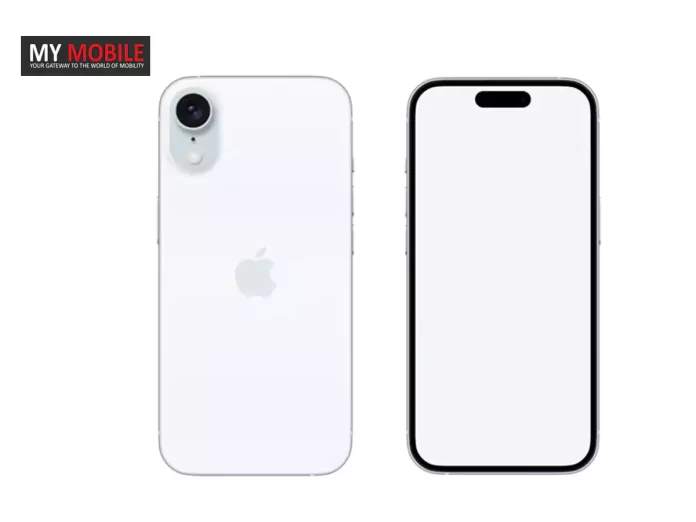
The upcoming iPhone SE 4 is setting the stage for a major redesign, hinting at a closer resemblance to the iPhone 14 rather than continuing the legacy of the iPhone 8-based iPhone SE 3.
Expected to hit the shelves in 2025, the iPhone SE 4 promises to bring a fresh look to Apple’s “budget” smartphone lineup and that factor is being accentuated by some new leaks surrounding the device’s potential case.
Leaked Case Designs Offer Clues
These images of the cases of the new iPhone SE 4 show the possible design which apparently will be different from what I described previously pic.twitter.com/Q6HJGLCGhn
— Majin Bu (@MajinBuOfficial) March 30, 2024
Recent leaks from tipster Majin Bu on the social media platform “X”, have shed some light on the iPhone SE 4.
Images of an iPhone SE 4 case revealed a cutout for a single rear camera, consistent with speculations about the device featuring a 48MP sensor.
This camera upgrade suggests a significant leap in photo and video quality for the iPhone SE series.
Furthermore, the leaked case design showcased a new button placement above the volume rocker on the handset’s left side.
Speculation is rife that this could be for the Action Button, a feature introduced with the iPhone 15 Pro series.
This button, replacing the traditional Ring/Silent switch, offers users the flexibility to choose from ten different actions, enhancing the device’s versatility and ease of use.
What’s New with the iPhone SE 4?

The iPhone SE 4 is anticipated to sport a substantially larger 6.1-inch OLED display, a considerable leap from the iPhone SE 3’s 4.7-inch LCD screen.
This upgrade not only means more screen real estate but also a shift to a more vibrant and crisp display technology, enhancing user experience for everything from video playback to app navigation.
Adding to the list of significant changes, the iconic Touch ID and home button combo is set to be replaced.
The iPhone SE 4 will reportedly adopt the Face ID feature, housed within a notch at the top of the display.
This transition marks the end of an era for the physical home button on the iPhone SE series and aligns the device more closely with the rest of the modern iPhone lineup.
Pricing Expectations and Processor Speculations

With its array of technological advancements, the iPhone SE 4 could see a price adjustment.
The current iPhone SE 3 model’s pricing strategy may give us some clues, but the new features and design overhaul of the iPhone SE 4 suggest that consumers should be prepared for a potential increase.
The heart of the iPhone SE 4 remains a subject of much speculation.
While the iPhone SE 3 is powered by the A15 Bionic SoC, expectations lean towards the A16 Bionic chipset for the iPhone SE 4.
This would ensure that the iPhone SE 4 not only gains in terms of aesthetics and display technology but also delivers superior performance.
Apple iPhone SE 4 Specs
GENERAL
| Sim Type | Dual Sim, GSM+GSM |
| Dual Sim | Yes |
| Sim Size | Nano+eSIM |
| Device Type | Smartphone |
| Release Date | March 8, 2024 (Expected) |
DISPLAY
| Type | Color OLED Screen (16M Colors) |
| Touch | Yes |
| Size | 6.1 inches, 750 x 1580 pixels |
| Aspect Ratio | 16:9 |
| PPI | ~ 441 PPI |
| Screen to Body Ratio | ~ 65.4% |
| Features | 1,400:1 Contrast Ratio (typical), True Tone Display, Wide Colour Display (P3), Haptic Touch, 625 nits Max Brightness |
MEMORY
| Storage | 64 GB |
| Card Slot | No |
CONNECTIVITY
| GPRS | Yes |
| EDGE | Yes |
| 3G | Yes |
| 4G | Yes |
| 5G | Yes |
| VoLTE | Yes |
| Wifi | Yes, with wifi-hotspot |
| Bluetooth | Yes, v5.3, A2DP, LE |
| USB | Yes, Lightning Port |
| USB Features | USB Charging |
EXTRA
| GPS | Yes, with A-GPS, GLONASS, GALILEO, QZSS, BEIDOU |
| Fingerprint Sensor | Yes, Front |
| Face Unlock | Yes |
| Sensors | Barometer, Three Axis Gyro, Accelerometer, Proximity Sensor, Ambient Light Sensor |
| 3.5mm Headphone Jack | Lightning |
| NFC | Yes |
| Water Resistance | Yes |
| IP Rating | IP67 |
| Dust Resistant | Yes |
CAMERA
| Rear Camera | 12 MP f/1.8 with autofocus |
| Features | Deep Fusion, Smart HDR 4, Photographic Styles, Advanced Red-eye Correction, Auto Image Stabilisation, Burst Mode, Photo Geotagging |
| Video Recording | 4K, 1080p |
| Flash | Yes, LED |
| Front Camera | 10.8 MP f/2.2 with Retina Flash |
| Front Video Recording | 1080p @ 30 fps FHD |
TECHNICAL
| OS | iOS v16 |
| Chipset | Apple Bionic A15 |
| CPU | 3.22 GHz, Hexa Core Processor |
| Core Details | 2×3.22 GHz Avalanche + 4xX.X GHz Blizzard |
| GPU | Apple GPU |
| Java | No |
| Browser | Yes |
MULTIMEDIA
| Yes | |
| Music | AAC, MP3, Apple Lossless, FLAC, Dolby Digital and Dolby Digital Plus |
| Video | HEVC, H.264 and ProRes |
| FM Radio | No |
| Document Reader | Yes |
BATTERY
| Type | Non-Removable Battery |
| Size | Li-ion Battery |
| Fast Charging | Yes, 18W Fast Charging |
| Wireless Charging | Yes, Works with Qi Chargers |
| Music Playback Time | 50 hours |
FAQs
What are the major design changes in the iPhone SE 4?
The iPhone SE 4 is expected to undergo significant design changes, including a shift to a larger 6.1-inch OLED display from the current 4.7-inch LCD screen found in the iPhone SE 3. Additionally, Apple is set to replace the traditional Touch ID and home button with Face ID, incorporating a notch at the top of the display for the first time in the SE series.
This aligns the iPhone SE 4 more closely with the aesthetic and functionality of the latest iPhone models.
How will the camera setup change in the iPhone SE 4?
Based on recent leaks, the iPhone SE 4 is rumoured to feature a single 48MP rear camera, marking a substantial upgrade in the device’s photographic capabilities.
This new sensor is expected to enhance photo quality and video recording, setting a new standard for the iPhone SE series in terms of imaging performance.
What is the Action Button mentioned in iPhone SE 4 leaks?
The Action Button, first introduced with the iPhone 15 Pro series, is a customizable feature that replaces the traditional Ring/Silent switch. It allows users to select from ten different actions for the button to perform when pressed.
Leaked case designs for the iPhone SE 4 include a cut-out that suggests the inclusion of the Action Button, offering enhanced functionality and convenience to users.
Can we expect a price increase for the iPhone SE 4?
Given the significant upgrades in display technology, security features, and camera capabilities, the iPhone SE 4 could potentially see a price increase from the current iPhone SE 3 pricing model.
While specific prices have yet to be confirmed, consumers should be prepared for a potential uptick in cost in exchange for the enhanced features and performance.
Also Read: iPhone SE 4 Set to Sport OLED Display, Eyeing iPhone 13’s Screen Technology
Also Read: iPhone SE 4 CAD Renders Show the Device Featuring a Notched Display and Modern Design
Also Read: iPhone SE 4 to Feature BOE Displays After Samsung Negotiation Fallout
OnePlus Nord CE 4 Roundup: When and Where to Watch, Expected Pricing, Specs, and More

Highlights
- Launch set for April 1st at 6:30 PM, watchable on OnePlus’ official platforms.
- Pricing starts at Rs 24,999 for 8GB/128GB and Rs 26,999 for 8GB/256GB models.
- Features a 6.7-inch FHD+ AMOLED display with 120Hz refresh rate.
- Boasts Snapdragon 7 Gen 3 chipset, 100W fast charging, and a 50MP primary camera.
OnePlus is poised to introduce its latest offering, the Nord CE 4, sparking widespread interest among tech enthusiasts.
As a successor to the Nord CE 3, this new model is anticipated to bring a slew of enhancements and features to the table.

Here’s a comprehensive roundup of what to expect from the OnePlus Nord CE 4, including its launch details, pricing, and key specifications.
OnePlus Nord CE 4: Expected Pricing

The buzz around the tech community suggests the OnePlus Nord CE 4 will be priced at Rs 24,999 for the 8GB RAM and 128GB storage variant, while a slightly higher-end model with 8GB RAM and 256GB storage could be set at Rs 26,999.
OnePlus Nord CE 4: When and Where to Watch the Launch

Mark your calendars for April 1st, as OnePlus is scheduled to unveil the Nord CE 4 at 6:30 PM.
The event promises to be a significant occasion for both OnePlus and smartphone aficionados.

Interested viewers can tune in to the launch via OnePlus’ official website or its YouTube channel, ensuring fans worldwide can witness the unveiling live.
OnePlus Nord CE 4: Expected Specs
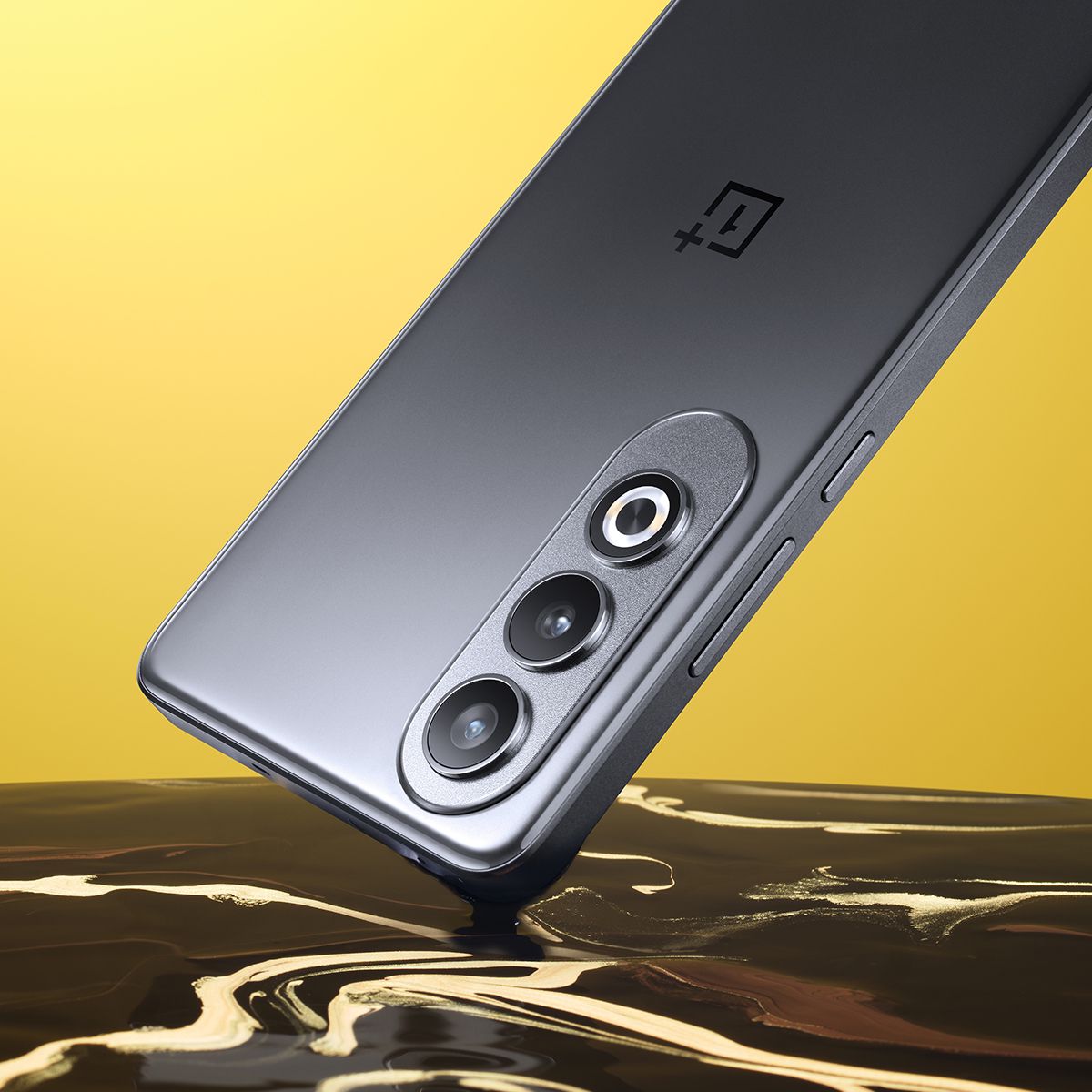
The OnePlus Nord CE 4 is rumoured to be a powerhouse, featuring a combination of advanced technology and design aesthetics.
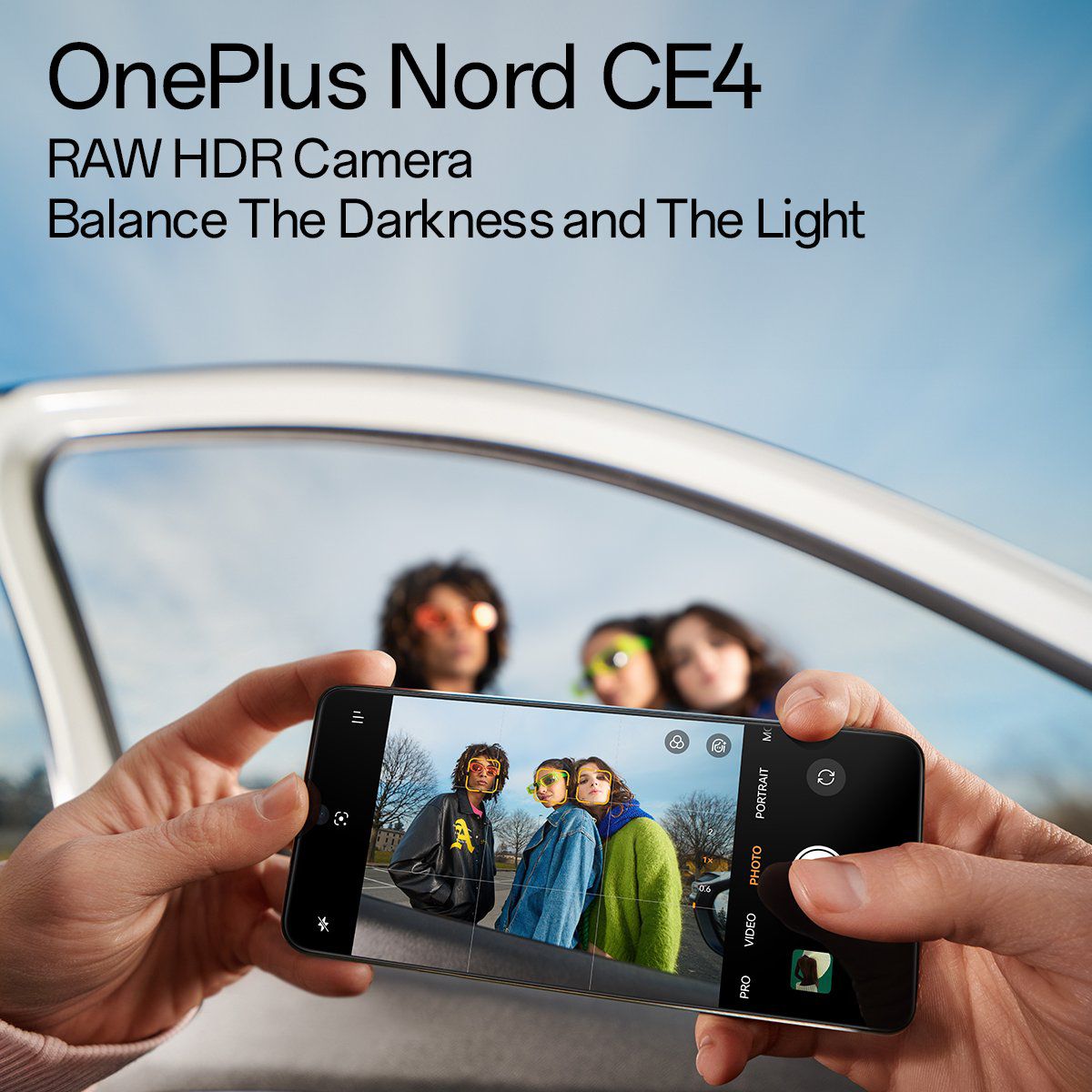
From its chipset to the display and battery life, every aspect is expected to cater to the demands of today’s smartphone users.
Key Specs Expected
- Display: A 6.7-inch FHD+ LTPS AMOLED screen, boasting a 120Hz refresh rate for smooth scrolling and viewing.
- Chipset: Powered by the Qualcomm Snapdragon 7 Gen 3 SoC, ensuring speedy and efficient performance.
- RAM and Storage: Comes with 8GB LPDDR4x RAM and the choice between 128GB and 256GB of UFS 3.1 storage.
- Battery and Charging: A robust 5,500mAh battery supported by 100W fast charging technology, promising to be the fastest in the Nord series.
- Camera Setup: Features a 50MP primary Sony LYT-600 camera with OIS for clear, detailed photos and an 8MP secondary sensor.
- Selfie Camera: A 16MP front camera, ideal for selfies and video calls.
- Operating System: Runs on Android 14-based OxygenOS 14, offering a smooth and user-friendly interface.
OnePlus Nord CE 4: Expected Features
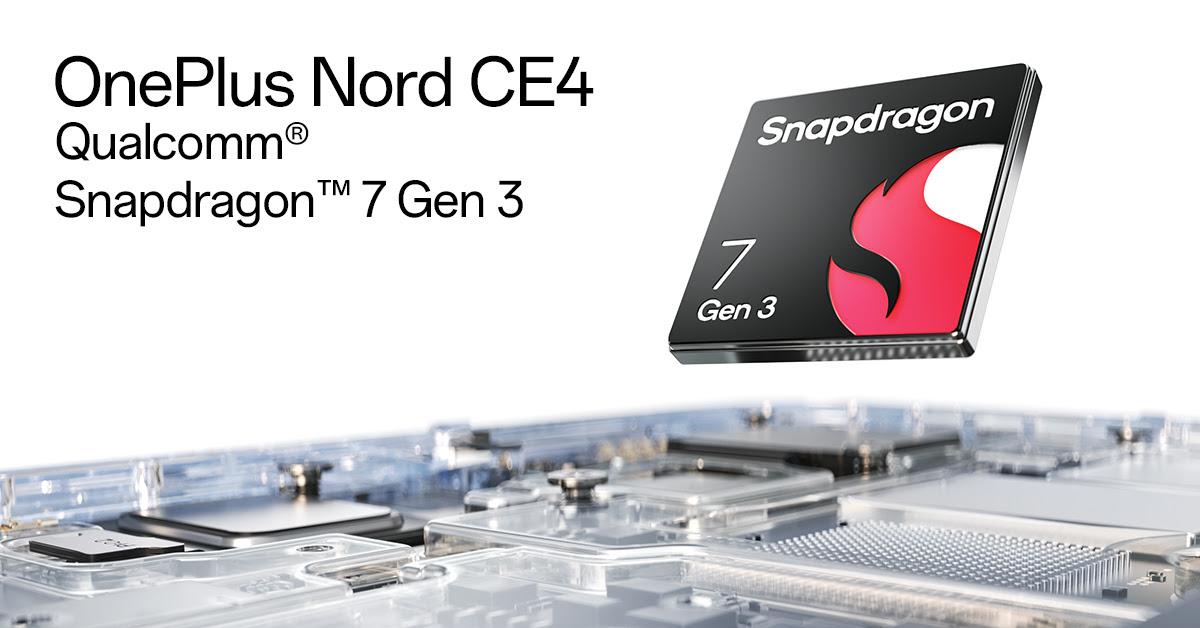
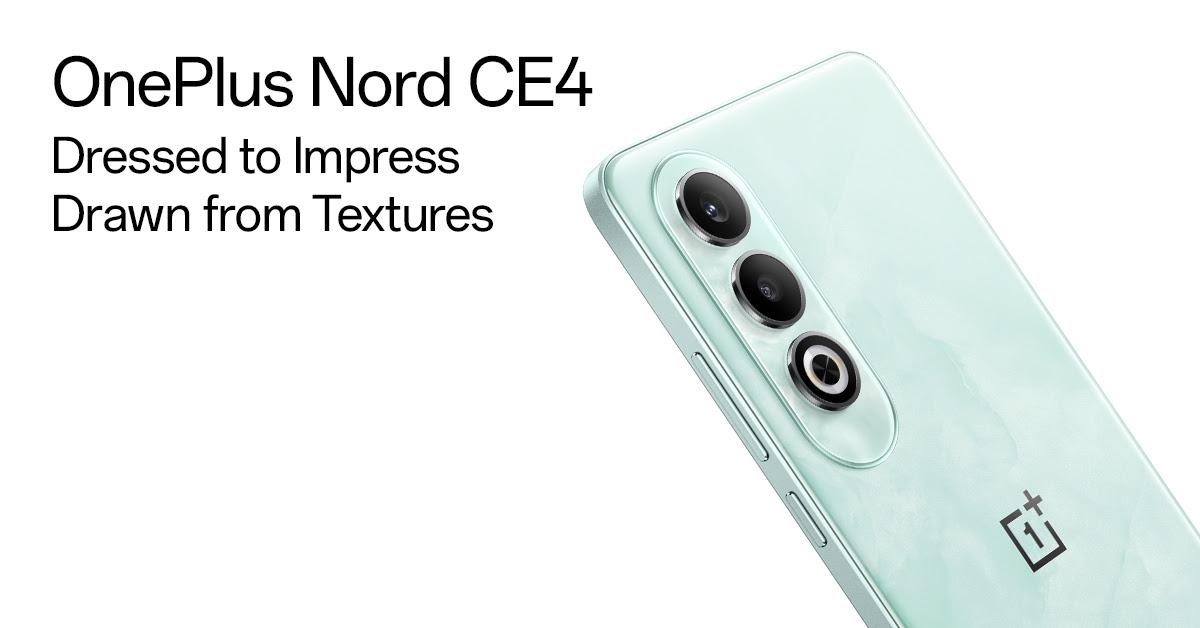
OnePlus has already teased fans with glimpses of the Nord CE 4’s design, showcasing its sleek Celadon Marble and Dark Chrome color options.
The device features a stylish rear panel with a dual-camera setup and an LED flash, complemented by a centre-positioned punch-hole cutout for the selfie camera on the front.

The phone’s flat edges, narrow bezels, and rounded corners are designed to enhance user comfort and grip.
With certifications already in place, including a BIS certification, the OnePlus Nord CE 4 is all set for its official debut.
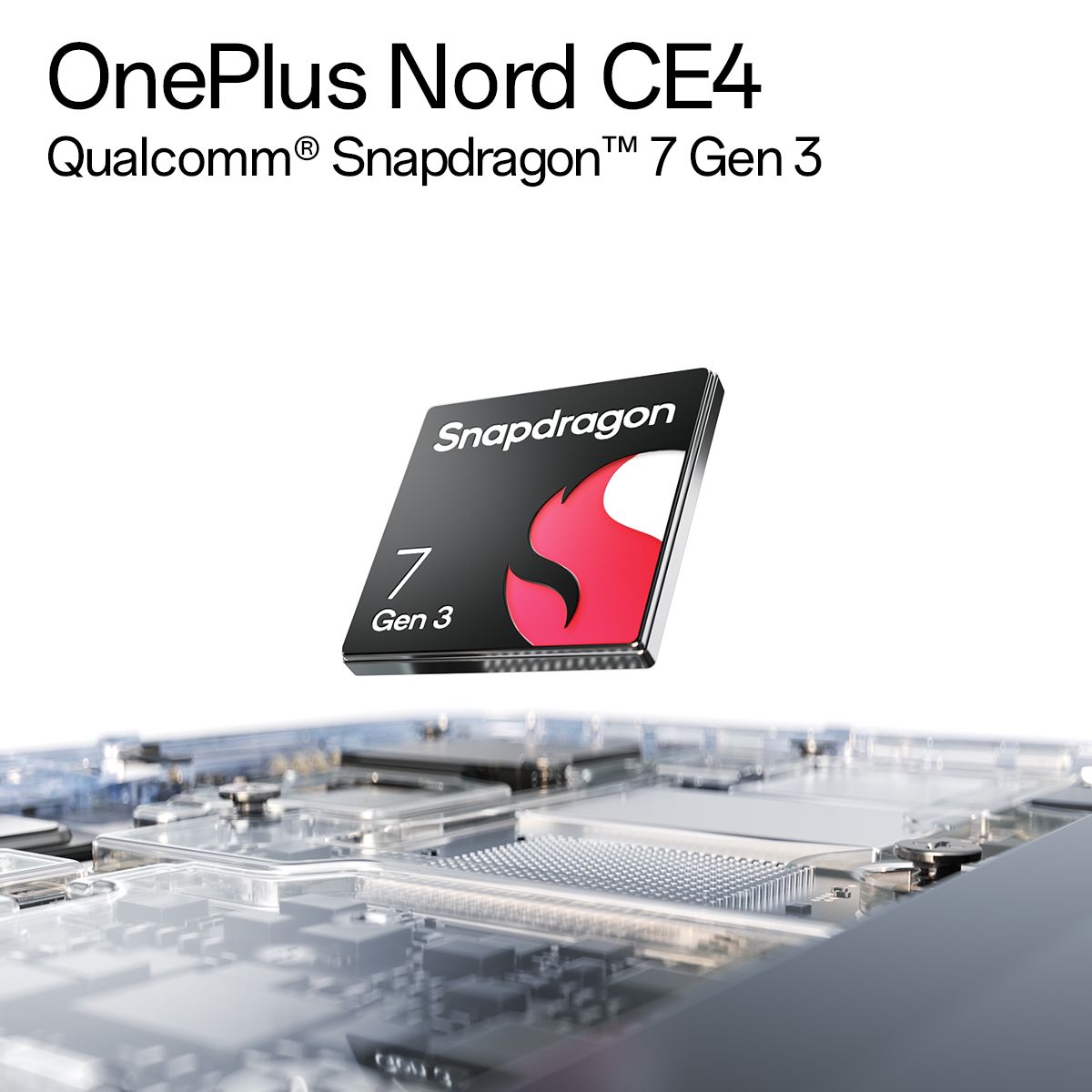
The anticipation is further heightened by the attractive benefits offered to customers purchasing through the OnePlus website, including significant discounts on the Protection Package, exchange offers, extended warranties, and more.

OnePlus Nord CE 4 5G Specs
GENERAL
| Sim Type | Dual Sim, GSM+GSM |
| Dual Sim | Yes |
| Sim Size | Nano+Nano SIM |
| Device Type | Smartphone |
| Release Date | April 01, 2024 (Expected) |
DESIGN
| Bezel less | Yes |
DISPLAY
| Type | Color AMOLED Screen (1B Colors) |
| Touch | Yes |
| Size | 6.73 inches, 1080 x 2412 pixels, 120 Hz |
| Aspect Ratio | 20:9 |
| PPI | ~ 393 PPI |
| Screen to Body Ratio | ~ 89% |
| Glass Type | Corning Gorilla Glass |
| Features | Ambient Display, Dark Mode, AI Color Enhancement, Support sRGB, Display P3, HDR10+ |
| Notch | Yes, Punch Hole |
MEMORY
| RAM | 8 GB |
| Storage | 128 GB |
| Storage Type | UFS 2.3 |
| Card Slot | Yes, upto 1 TB |
CONNECTIVITY
| GPRS | Yes |
| EDGE | Yes |
| 3G | Yes |
| 4G | Yes |
| 5G | Yes |
| VoLTE | Yes, Dual Stand-By |
| Wifi | Yes, with wifi-hotspot |
| Bluetooth | Yes, v5.3, A2DP, LE, aptX HD |
| USB | Yes, USB-C v2.0 |
| USB Features | USB on-the-go |
EXTRA
| GPS | with GPS, A-GPS, GLONASS, Galileo, Beidou, QZSS |
| Fingerprint Sensor | Yes, Side |
| Face Unlock | Yes |
| Sensors | Accelerometer, Electronic Compass, Gyroscope, Ambient Light Sensor, Proximity Sensor, Sensor Core |
| 3.5mm Headphone Jack | Yes |
| NFC | Yes |
| Extra Features | Super Linear Speaker, Noise Cancellation Support |
CAMERA
| Rear Camera | 64 MP (Main) 13 MP (Ultra Wide) 2 MP f/2.4 (Macro) with autofocus |
| Features | AI Scene Enhancement, AI Hightlight Video, Dual-view Video, HDR, Nightscape, Portrait mode, Pano, Retouching, Filters |
| Video Recording | 4K, 1080p, 720p |
| Flash | Yes, LED |
| Front Camera | Punch Hole 16 MP f/2.4 (Main) with Screen Flash |
| Front Video Recording | 1080p, 720p |
TECHNICAL
| OS | Android v14 |
| Chipset | Qualcomm Snapdragon 7 Gen3 |
| CPU | 2.63 GHz, Octa Core Processor |
| Core Details | 1xPrime Core@2.63 GHz & 3xPerformance Cores@2.4 GHz& 4xEfficiency cores@1.8 GHz |
| GPU | Adreno 720 |
| Java | No |
| Browser | Yes, supports HTML5 |
MULTIMEDIA
| Yes | |
| Music | 3GPP, ALAC, AMR, APE, FLAC, G711-ALAW, G711-MLAW, GSM, MP3, OPUS, RAW, VORBIS, PCM, WMA, AAC |
| Video | 3GPP, AV1, H263, H264, H265, MP4V, MPEG2, WMV, VP8, VP9 |
| FM Radio | No |
| Document Reader | Yes |
BATTERY
| Type | Non-Removable Battery |
| Size | 5000 mAh, Li-Po Battery |
| Fast Charging | Yes, 80W SUPERVOOC Charging |
FAQs
What makes the OnePlus Nord CE 4 a noteworthy upgrade?
The OnePlus Nord CE 4 is expected to mark a significant upgrade over its predecessor, the Nord CE 3, particularly in terms of its performance and camera capabilities. It introduces a more powerful Qualcomm Snapdragon 7 Gen 3 SoC, enhanced battery life with 100W fast charging, and superior camera specs including a 50MP primary sensor.
These features, combined with its attractive pricing, make it a compelling choice for tech enthusiasts.
How does the OnePlus Nord CE 4 stand out in its price range?
The OnePlus Nord CE 4, with its rumoured price tag starting at Rs 24,999, positions itself as a strong contender in the mid-range smartphone market. It distinguishes itself through a high-refresh-rate AMOLED display, significant fast charging capabilities, and a premium chipset.
This blend of high-end features at a mid-range price is designed to appeal to users looking for value without compromising on performance or aesthetics.
What are the expected colour options for the OnePlus Nord CE 4?
OnePlus has previewed the Nord CE 4 in two distinct colour options: Celadon Marble and Dark Chrome.
These choices reflect OnePlus’s commitment to providing consumers with not just high-performance devices but also ones that are visually appealing. The unique Celadon Marble offers a fresh aesthetic, while Dark Chrome gives a more classic, understated look.
Can you explain the camera capabilities of the OnePlus Nord CE 4?
The camera setup of the OnePlus Nord CE 4 is rumoured to be a highlight, featuring a 50MP primary sensor equipped with OIS for crisp, clear photographs even in challenging conditions.
Alongside, an 8MP secondary sensor adds versatility to the camera array. For selfie enthusiasts, a 16MP front camera promises high-quality self-portraits and video-calling experiences.
Also Read: OnePlus Nord CE 4 Features Leaked on Support Page Ahead of April Launch
Also Read: OnePlus Nord CE4 Specs and Pricing Leaked Ahead of Official Launch
Also Read: OnePlus Nord CE4 Now Confirmed, Ahead of Launch, to Come With 100W Charging
Motorola Edge 50 Pro Price Leaks and Launch Details Emerge
Highlights
- Motorola Edge 50 Pro set for India launch on April 3, global release to follow.
- Leaked pricing reveals €864 in Europe and Rs 44,999 in India for the 12GB/512GB variant.
- Design features bold square camera module, curved edges, and “Black Beauty” colour option.
- Powered by Snapdragon 7 Gen3 processor, triple rear camera setup, and vegan leather build.
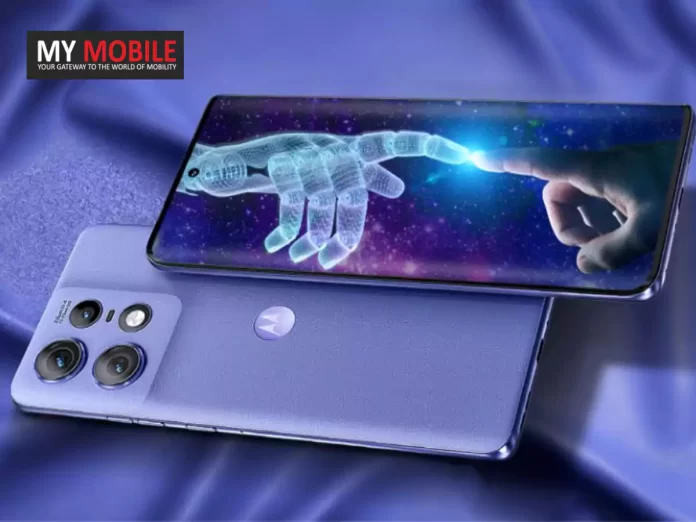
Motorola is gearing up for the grand unveiling of its latest smartphone, the Edge 50 Pro, set to take place on April 3 in India, with plans to launch it in other countries as well.
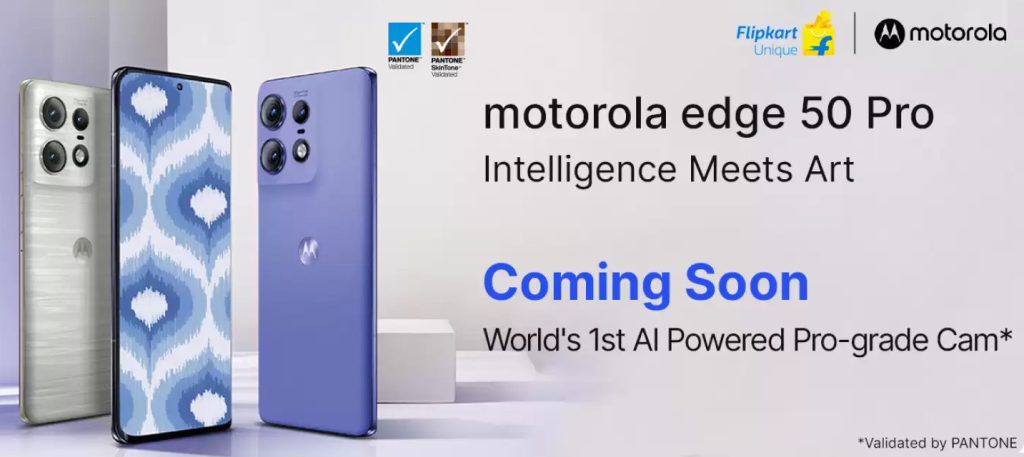
This eagerly anticipated device has been the subject of multiple leaks, offering sneak peeks at its specifications, available color schemes, and more.
Moto Edge 50 Pro: Leaked Pricing
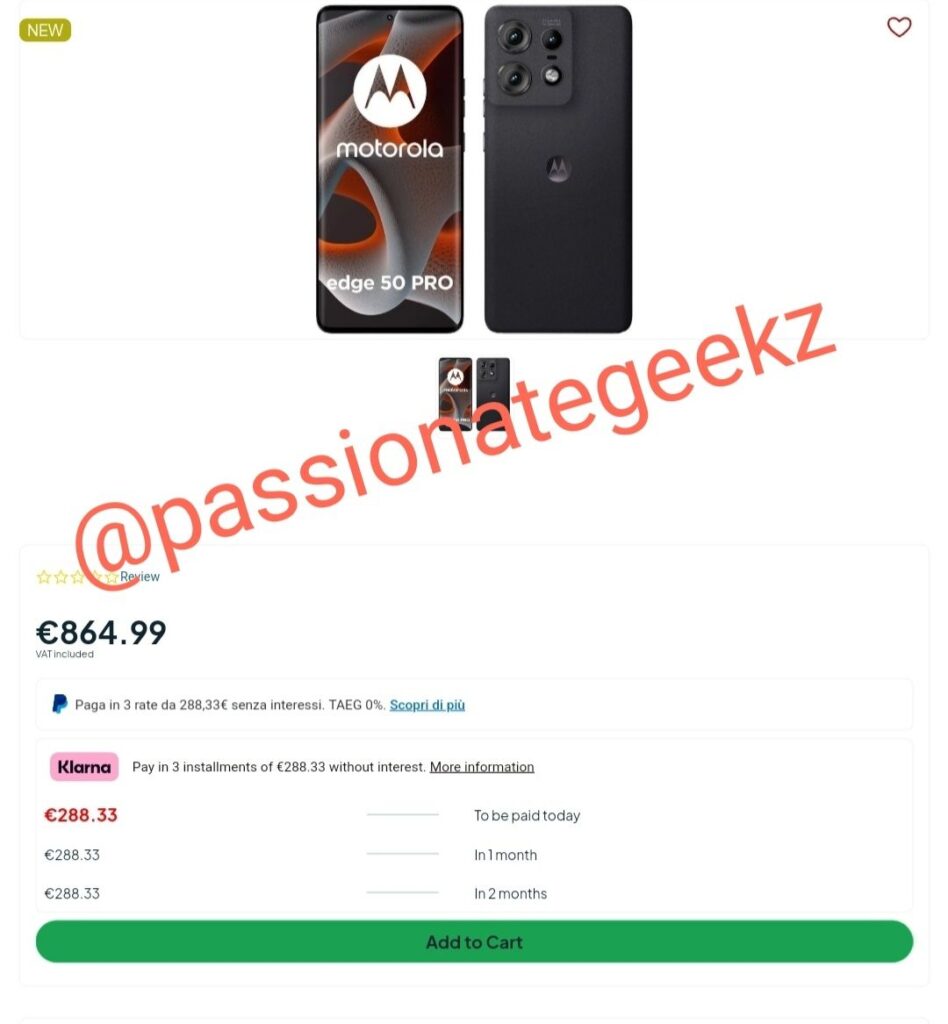
The most recent disclosure comes courtesy of Passionategeekz, which showcased the phone on an Italian retail website, providing us with a glimpse into the phone’s storage options, pricing, color, and design.
According to this leak, the Motorola Edge 50 Pro will feature a robust 12GB of RAM and a whopping 512GB of storage.

The price for this configuration is listed at €864, approximately Rs 90,000, hinting at a premium positioning in the market.
However, in contrast to the European pricing, the Indian market will see the Motorola Edge 50 Pro priced at Rs 44,999, presenting a significant difference that highlights regional pricing strategies.
Moto Edge 50 Pro: Expected Specs
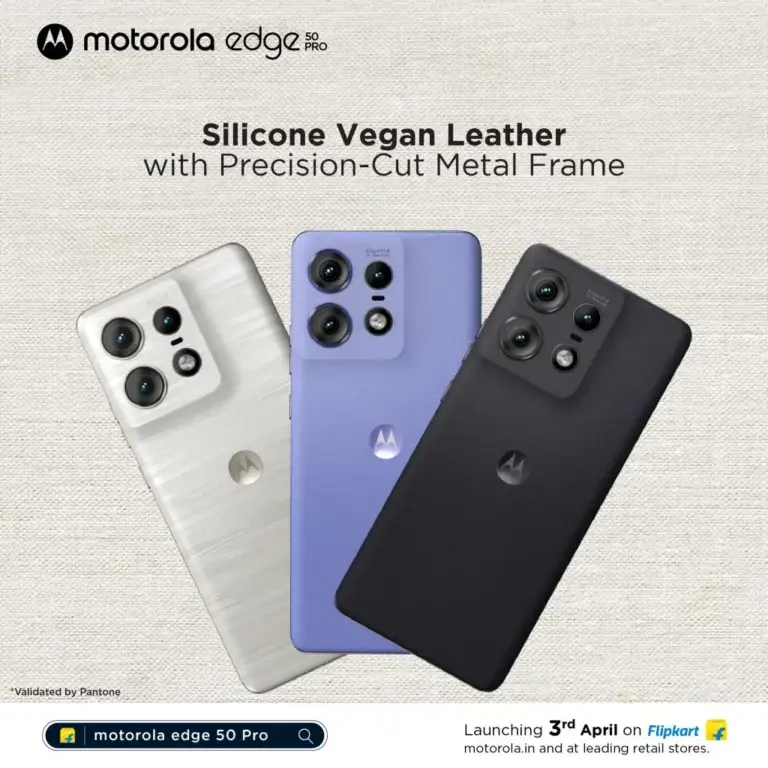
The phone’s design promises to be bold and distinctive, with a squared camera module featuring prominently on the back alongside substantial camera cutouts.
The front of the device boasts curved edges, adding to its sleek appearance, and it is introduced in a color dubbed “Black Beauty,” with the possibility of additional hues being announced at the official launch.
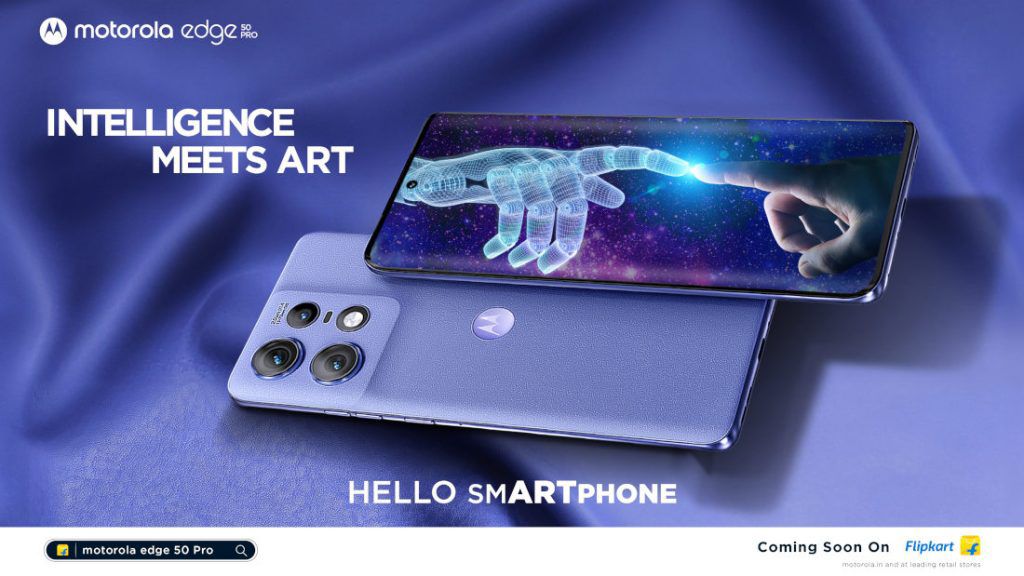
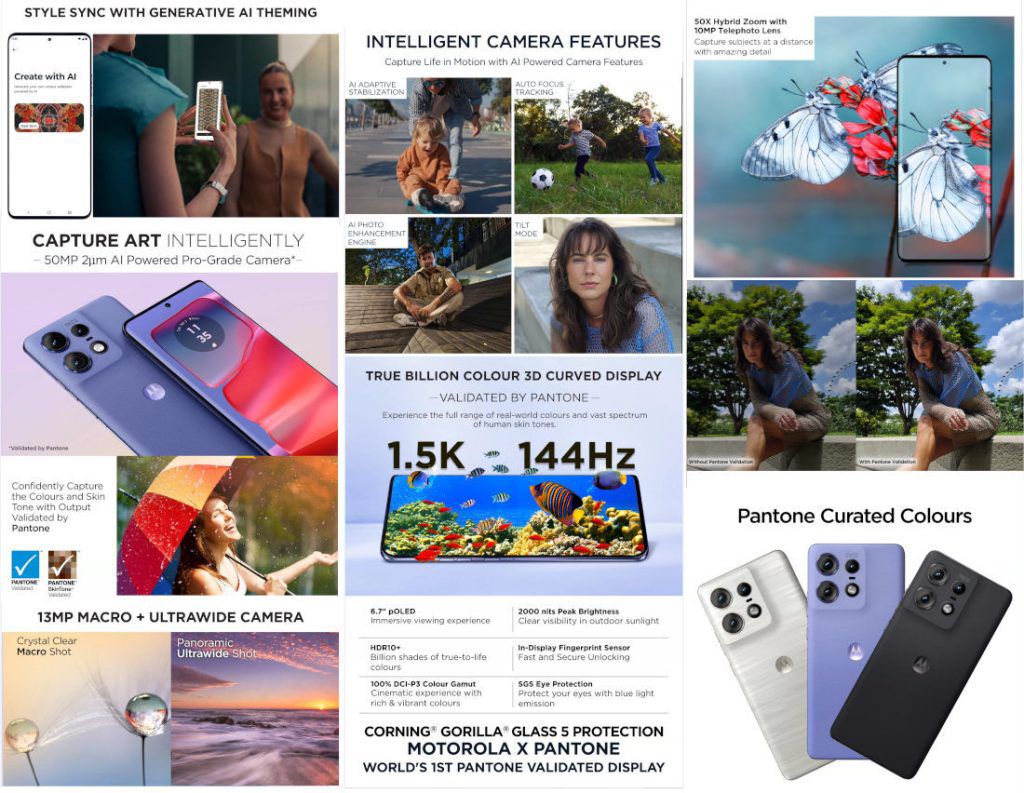
The phone is confirmed to be powered by the Snapdragon 7 Gen3 processor and will boast a triple rear camera setup, including a telephoto lens, indicating a strong focus on photography capabilities.
Motorola has also announced that the phone’s build will include silicone vegan leather and a precision-cut metal frame, showcasing the company’s commitment to both luxury and sustainability.
As the launch date approaches, the excitement around the Motorola Edge 50 Pro continues to build.
This latest leak not only provides potential buyers with valuable information about the device’s specifications and pricing but also signals Motorola’s intention to introduce the phone to a global market.
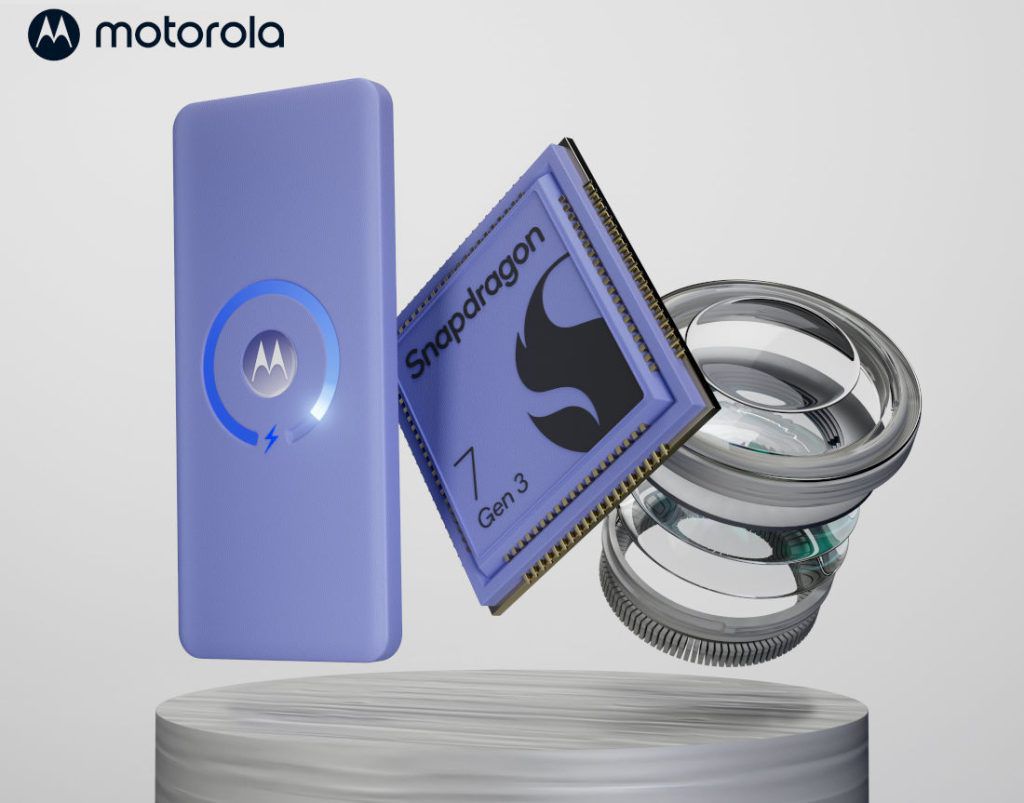
All eyes are now on the upcoming official launch in India on 4th April, where more details about this promising smartphone are expected to be revealed.
Motorola Edge 50 Pro Specs
GENERAL
| Sim Type | Dual Sim, GSM+GSM |
| Dual Sim | Yes |
| Sim Size | Nano SIM |
| Device Type | Smartphone |
| Release Date | April 04, 2024 (Expected) |
DESIGN
| Dimensions | 161.2 x 74 x 8.6 mm (6.35 x 2.91 x 0.34 in) |
| Bezel less | Yes |
| Colors | Interstellar Black, Lunar Blue |
DISPLAY
| Type | Color OLED Screen (1B Colors) |
| Touch | Yes, 480 Hz Touch Sampling Rate |
| Size | 6.72 inches, 1080 x 2400 pixels, 165 Hz |
| Aspect Ratio | 20.5:9 |
| PPI | ~ 392 PPI |
| Screen to Body Ratio | ~ 90.5% |
| Glass Type | Corning Gorilla Glass Victus Plus |
| Features | Dolby Vision, DCI-P3 colour space, Peak Brightness: 1300 nits, Curved Display |
| Notch | Yes, Punch Hole |
MEMORY
| RAM | 12 GB |
| Storage | 256 GB |
| Storage Type | UFS 4.0 |
| Card Slot | No |
CONNECTIVITY
| GPRS | Yes |
| EDGE | Yes |
| 3G | Yes |
| 4G | Yes |
| 5G | Yes |
| 5G Bands | 1, 2, 3, 5, 7, 8, 20, 28, 38, 40, 41, 66, 77, 78 SA/NSA/Sub6 |
| VoLTE | Yes, Dual Stand-By |
| Vo5G | Yes |
| Wifi | Yes, with wifi-hotspot |
| Wifi Version | Wi-Fi 802.11 a/b/g/n/ac/ax |
| Bluetooth | Yes, v5.3, A2DP, LE |
| USB | Yes, USB-C v3.2 |
| USB Features | USB on-the-go, USB Charging |
EXTRA
| GPS | GPS, A-GPS, LTEPP, SUPL, GLONASS, GALILEO |
| Fingerprint Sensor | Yes, In Display |
| Face Unlock | Yes |
| Sensors | Accelerometer, Gyro, Proximity, Compass |
| 3.5mm Headphone Jack | No |
| NFC | Yes |
| Water Resistance | Yes, 1.5 m upto 30 min, Water-repellent Design |
| IP Rating | IP68 |
| Dust Resistant | Yes |
CAMERA
| Rear Camera | 200 MP 1/1.55″, 1.0µm, multi-directional PDAF, OIS f/1.8 (Wide Angle) 50 MP 114˚, 1/2.76″, 0.64µm, AF f/2.2 (Ultra Wide) 12 MP 1/2.93″, 1.22µm, PDAF, 2x optical zoom f/1.6 (Telephoto) with autofocus |
| Features | panorama, HDR |
| Video Recording | 4K @ 30 fps UHD, 1080p @ 30 fps FHD |
| Flash | Yes, Dual LED |
| Front Camera | Punch Hole 60 MP 1/2.8″, 0.61µm f/2.2 (Wide Angle) |
| Front Video Recording | 4K @ 30 fps UHD, 1080p @ 30 fps FHD |
| OS | Android v14 |
| Chipset | Qualcomm Snapdragon 8 Gen3 |
| CPU | Octa Core Processor |
| GPU | Adreno GPU |
| Java | No |
| Browser | Yes |
MULTIMEDIA
| Yes | |
| Music | Yes |
| Video | Yes |
| FM Radio | No |
| Document Reader | Yes |
BATTERY
| Type | Non-Removable Battery |
| Size | 4600 mAh, Li-Po Battery |
| Fast Charging | Yes, 150W Fast Charging |
| Wireless Charging | Yes, 50W |
| Reverse Charging | Yes, 5W |
| Talk Time | 32 hours |
FAQs
What is the launch date of the Motorola Edge 50 Pro in India?
The Motorola Edge 50 Pro is scheduled to be officially launched in India on April 3. This marks the first introduction of the device, with a global launch expected to follow. The anticipation for the event is high among tech enthusiasts and Motorola fans alike.
How much does the Motorola Edge 50 Pro cost?
The leaked information suggests the Motorola Edge 50 Pro will cost €864 in the European market, which is approximately Rs 90,000. For Indian consumers, the device will be priced at Rs 44,999. These prices pertain to the version with 12GB RAM and 512GB storage, indicating a premium segment positioning.
Can you describe the design of the Motorola Edge 50 Pro?
The Motorola Edge 50 Pro is expected to feature a distinctive and bold design. It will have a square camera module on the back with large cutouts for the camera lenses. The front of the device will showcase curved edges. Initially, it will be available in a colour called “Black Beauty,” though more colours may be announced at launch.
What are the key features and specifications of the Motorola Edge 50 Pro?
Key features of the Motorola Edge 50 Pro include its Snapdragon 7 Gen3 processor, a triple rear camera setup with a telephoto lens, and a large 12GB RAM alongside 512GB storage. The build quality is highlighted by the use of silicone vegan leather and a precision-cut metal frame, aiming for a blend of luxury and sustainability.
Will the Motorola Edge 50 Pro be available globally?
Following its launch in India on April 3, the Motorola Edge 50 Pro is expected to become available in other countries, marking its global release. This suggests that Motorola intends for the Edge 50 Pro to be a key player in its international product line-up for the year.
Also Read: Motorola Announces New Delhi Event for April 3, Edge 50 Pro Expected
Apple Navigating Smartphone Market Evolution: Strategies for Global Leadership
Highlights
-
Apple eyes affordable options and local partnerships in emerging markets.
-
Rising competitors like Samsung and Huawei push Apple towards continuous innovation.
-
Apple introduces digital well-being features to differentiate in a tech-conscious market.
-
Exploring new form factors and the App Store’s role in Apple’s future revenue diversification.
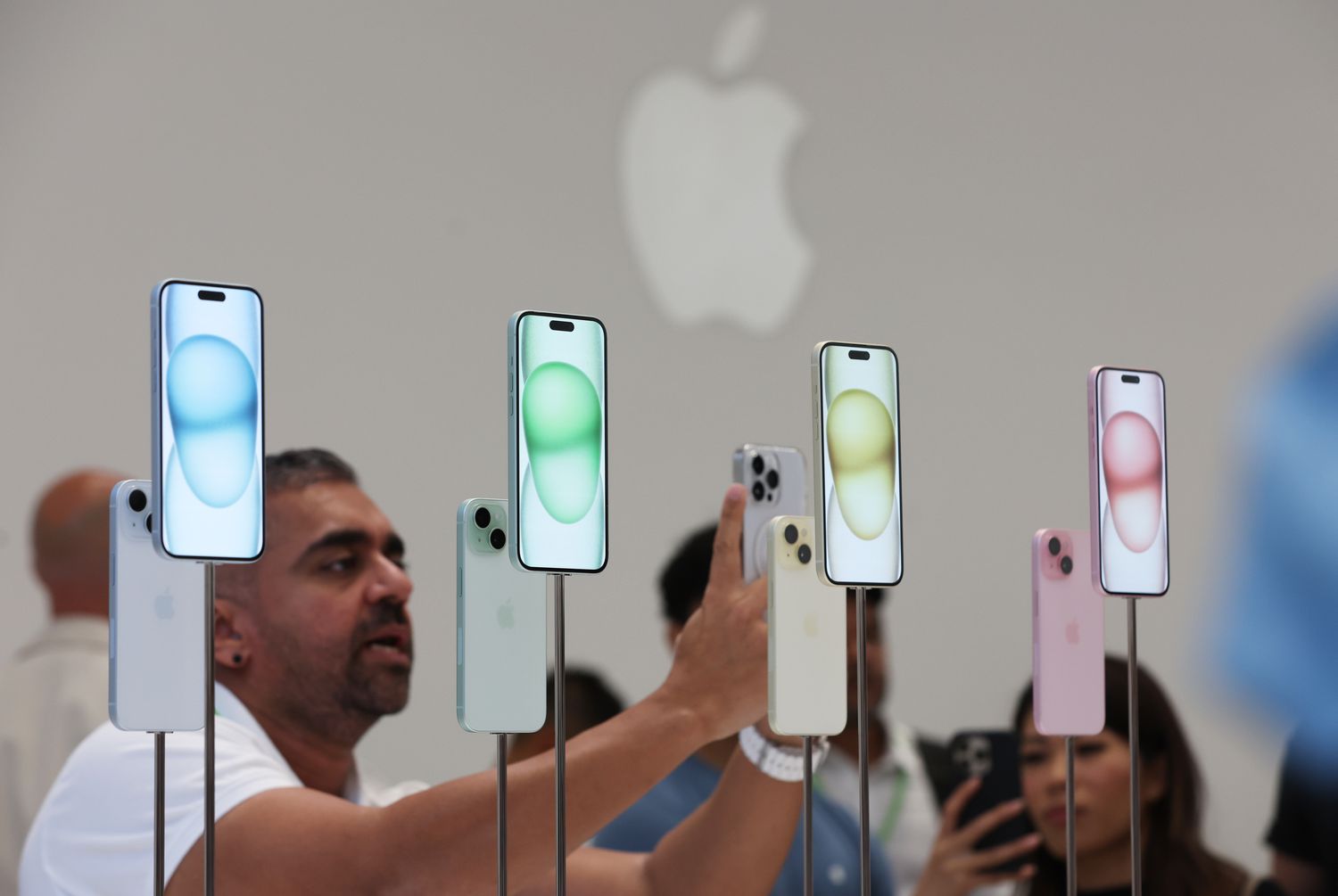
As the smartphone industry continues its rapid evolution, Apple stands at a crossroads, facing both opportunities and challenges in maintaining its market dominance.
With a legacy built on innovation and a powerful brand identity, Apple’s journey into the future is laden with potential shifts in design, competition, user well-being, and emerging form factors.
Apple’s Global Strategy and Brand Identity

In the ever-competitive smartphone market, Apple’s focus has traditionally been on developed markets.
However, the dynamic nature of emerging markets, with their unique needs and price sensitivities, calls for a strategic pivot.
Apple could explore more affordable options and local partnerships to cater to these new consumer bases without compromising its core values of innovation, quality, and premium user experience.
The rise of competitors like Samsung, Huawei, and Xiaomi has ushered in a wave of technological advancements, pushing Apple to continuously innovate.
This competitive landscape has democratized features such as high refresh rate displays and advanced camera systems, setting the stage for a future where innovation benefits all consumers.
Balancing Technology with Wellbeing
Addressing concerns about digital well-being, Apple has introduced features to help users manage their screen time and minimize distractions.
This emphasis on user health and productivity could become a key differentiator, appealing to consumers increasingly aware of technology’s impact on their lives.
With the traditional smartphone form factor reaching its zenith, the industry is on the cusp of exploring new designs, including foldables and potentially even brain-computer interfaces.
Apple’s foray into these areas, particularly foldables, could invigorate the market and offer consumers exciting new experiences.
The App Store and Subscription Economy

The App Store, while a hub of innovation, faces scrutiny over its control and limitations.
Balancing security with openness, Apple could explore ways to offer a secure yet more flexible app ecosystem.
Additionally, the shift towards subscriptions presents an opportunity for Apple to diversify its revenue streams, though it must navigate consumer concerns about subscription fatigue and vendor lock-in carefully.
FAQs
1. What is Apple’s current focus in the smartphone market?
Apple has primarily concentrated on developed markets, emphasizing innovation, quality, and a premium user experience. However, the evolving landscape of emerging markets, with their distinct demands and price sensitivities, suggests a need for Apple to adapt its strategy to remain competitive.
2. How is Apple responding to the competition in the smartphone industry?
The competition from brands like Samsung, Huawei, and Xiaomi has led to a democratization of advanced features in smartphones. Apple is pushed to continually innovate, ensuring that its products stand out in a market where high refresh rate displays and sophisticated camera systems are becoming standard.
3. What steps has Apple taken to address digital well-being?
Apple has introduced various features designed to help users manage their screen time more effectively and reduce distractions. This focus on digital well-being is positioning Apple as a company that cares about its users’ health and productivity, potentially appealing to a broader audience concerned with the impacts of technology on their lives.
4. How might Apple’s exploration of new form factors affect the smartphone market?
With the smartphone design possibly reaching its peak, Apple’s exploration of new form factors, such as foldable devices, could rejuvenate the market. Such innovations promise to offer consumers unique experiences and highlight Apple’s commitment to pushing the boundaries of technology.
5. What challenges and opportunities does the App Store present for Apple’s future?
While the App Store is a center of innovation, it faces scrutiny for its control and limitations. Apple has the opportunity to balance security with a more open app ecosystem. The growing trend towards subscription services also offers a chance for revenue diversification, though Apple must carefully manage consumer concerns about subscription fatigue and vendor lock-in.
Also Read: Apple is Boosting Spotlight Search with Generative AI Features
Also Read: Apple Overtakes Samsung in Global and European Smartphone Markets in 2023

About us
My Mobile has always believed in well researched, in-depth, truthful and relevant content which has evolved with time and produced by the very best of well informed journalists. It has always been our endeavour to provide tremendous value to both readers and advertisers with our relevance and reach.
Quick Links
Copyright © 2023 All Right Reserved, My Mobile India