Home Blog Page 511

iPhone 16 Pro: Thinnest Bezels and Enhanced Features Expected in Apple’s Latest Release

0
iPhone 16 Pro: Thinnest Bezels and Enhanced Features Expected in Apple's Latest Release

Highlights

  • iPhone 16 Pro expected to feature the thinnest bezels on a mass-produced smartphone.
  • New 6.3-inch and 6.9-inch Pro Max variants with larger screens.
  • Incorporates new “Border Reduction Structure” technology for reduced bezels.
  • Additional features include force-sensitive “Capture Button” and A18 chipset.

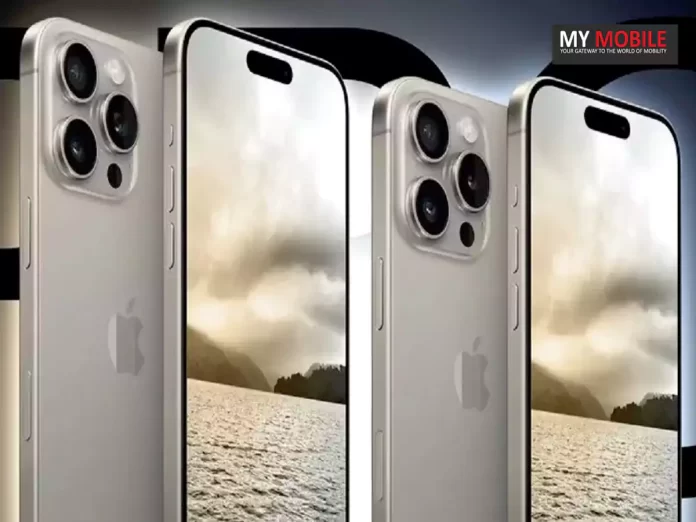
The iPhone 16 Pro is expected to boast the thinnest bezels on the market.

As some of the world’s thinnest smartphone bezels, industry sources said that in the series of Apple’s next iPhone 16 Pro.

There will be a similar overall look to the iPhone 15 Pro devices as there was with the iPhone 14 Pro models released last year, but there are small yet meaningful changes underway for Apple.

Thinnest bezels yet?

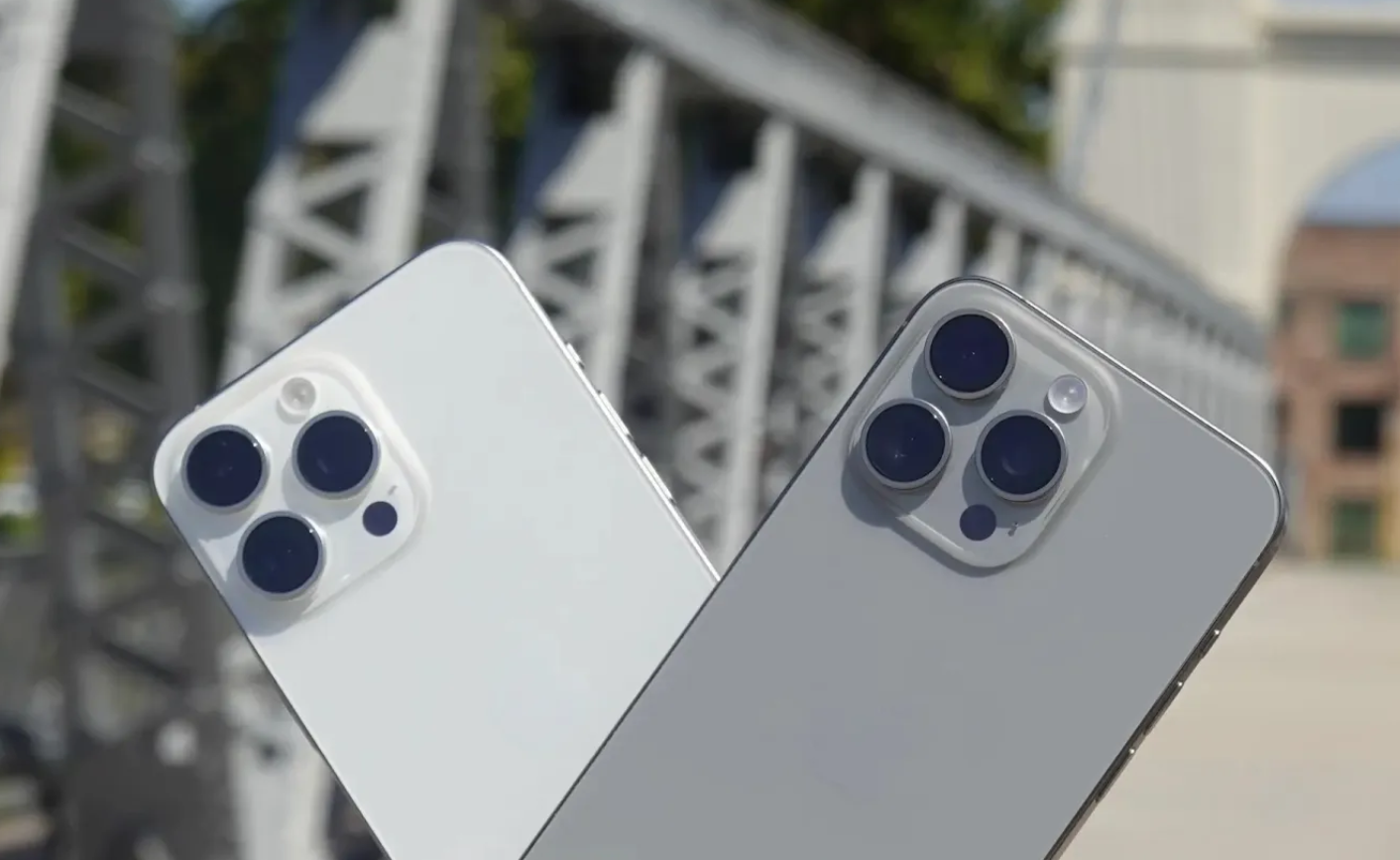
According to IceUniverse, the iPhone 16 Pro may feature the world’s thinnest smartphone bezels.
According to IceUniverse, the iPhone 16 Pro may feature the world’s thinnest smartphone bezels

Most notably, reliable sources say the 6.3-inch iPhone 16 Pro and 6.9-inch Pro Max variants will have slightly larger screens than those of their predecessors.

The most noticeable difference, however, is in the bezels that surround these larger panels.

iPhone 16 Pro: Thinnest Bezels and Enhanced Features Expected in Apple's Latest Release
iPhone 16 Pro: Thinnest Bezels and Enhanced Features Expected in Apple’s Latest Release

According to renowned leaker IceUniverse, the iPhone 16 Pro is going to have greatly reduced black borders around its displaypossibly the thinnest bezels ever on a mass-produced smartphone.

Such an ambitious design aim confirms past supply chain allegations that Apple is implementing new “Border Reduction Structure” technologies.
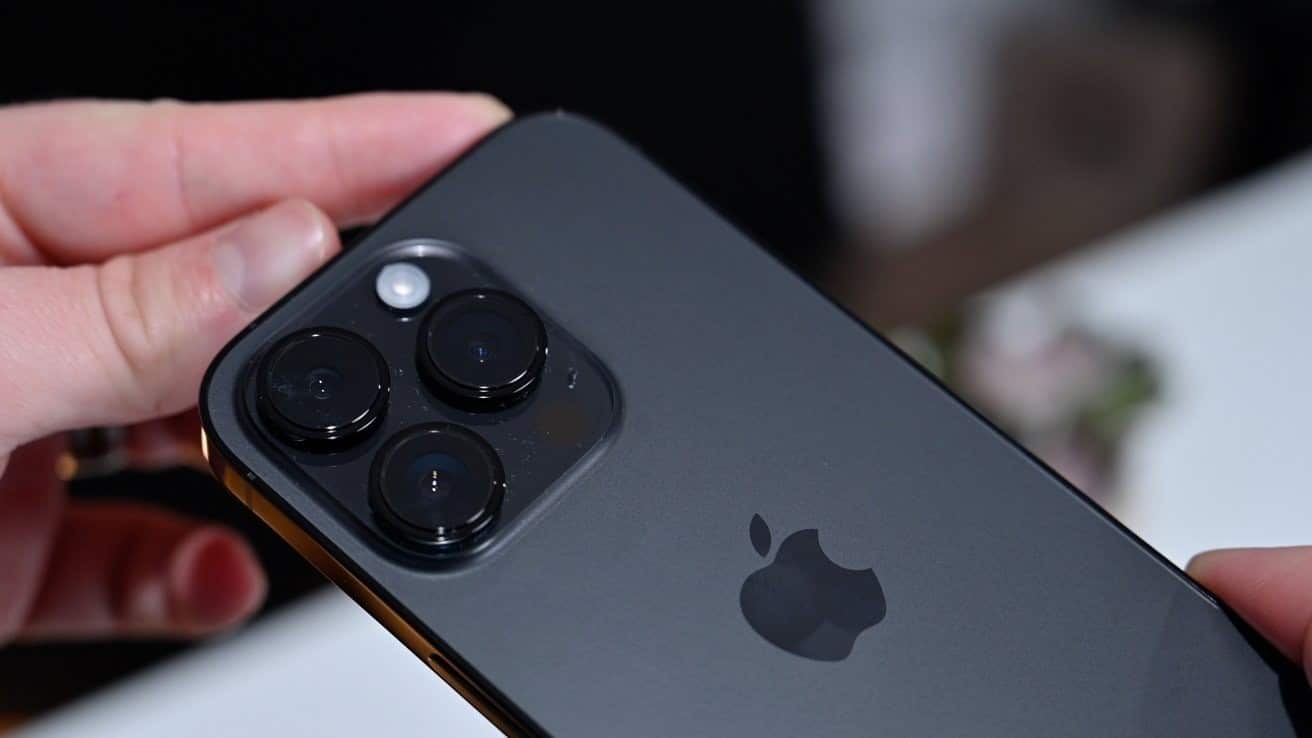
iPhone 16 Pro: Main, Ultrawide, and Telephoto Cameras
Apple is reportedly using BRS technology for the upcoming 16 Pro displays, or ‘Border Reduction Structure’ technology.

The BRS approach also includes bending wiring and circuitry around the panel edges downwards, which provides for further thinness of the bezels.

While it makes this manufacturing method give a stunning all-screen appearance, it seems Apple had to break through some production barriers.

Other Expected Features on iPhone 16 Pro

iPhone 16 Pro expected to feature the thinnest bezels on a mass-produced smartphone

Other rumoured new features with the iPhone 16 Pro, besides slimmer bezels, include a new force-sensitive “Capture Button” to take photos or videos, the latest A18 chipset, and 5x optical zoom for the first time available on a non-Pro Max iPhone.

But the “Dynamic Island” selfie camera design is expected to pretty much stay the same.
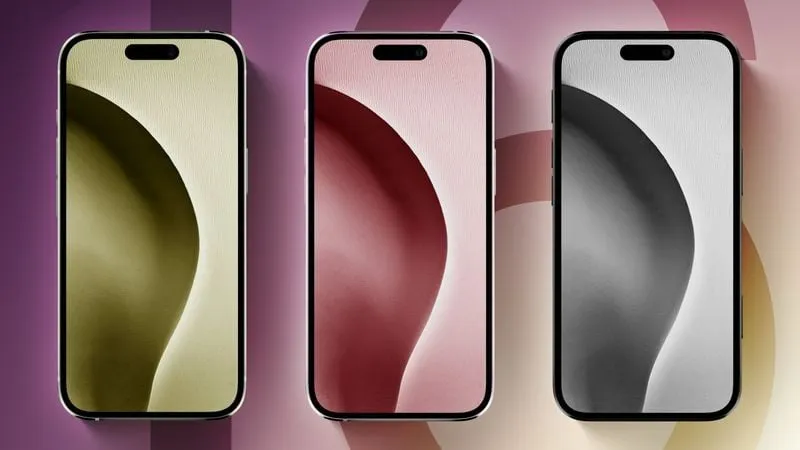
iPhone 16 Series Rumour Roundup
Apple’s track record with thinness continues

There is also conjecture that Apple may reduce bezels even further in 2025 by putting Face ID under the display, replacing the existing sensor “notch” with a smaller circular cutout on the iPhone 17 Pro.

But for now, the focus is on the ultra-thin bezels for the iPhone 16 lineup, which is reportedly set to be released during Apple’s annual September product announcement.
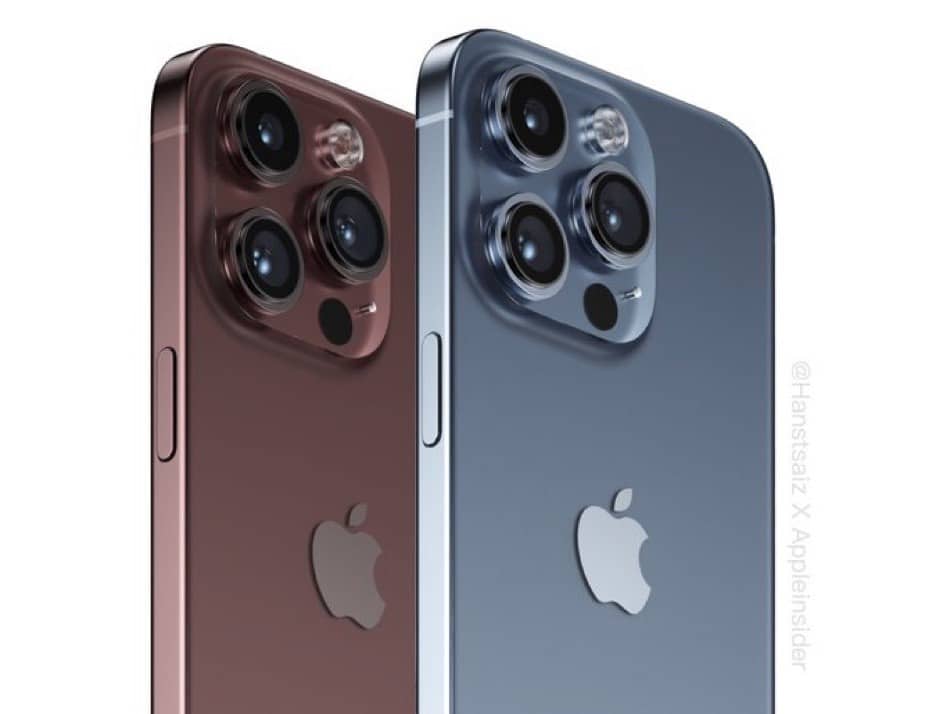
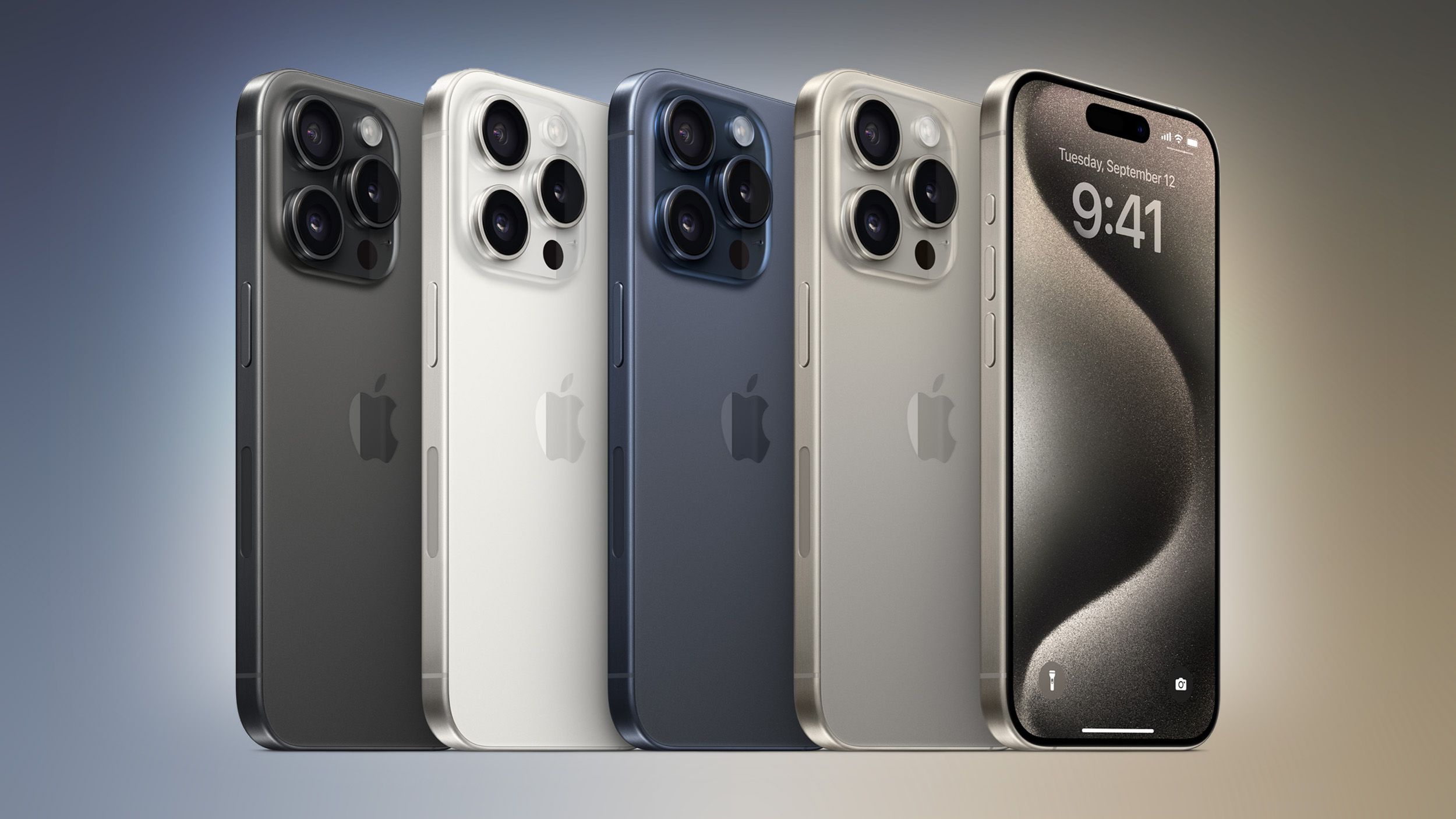
iPhone 16 Pro Models
One tipster from Weibo, a China-based social media website, claims that they have measured the bezels of both iPhone 16 Pro models — and they’re set to be the “narrowest in the world.”

With each iteration, Apple appears laser-focused on maximizing the screen-to-body ratio and creating a more immersive, all-display user experience.

We think that as other manufacturers chase similar design goals, the iPhone 16 Pro may raise the bar once again for achieving an elegant, virtually bezel-free smartphone aesthetic.

APPLE IPHONE 16 PRO SPECIFICATIONS

Key Specs

RAM 6 GB
Processor Apple A16 Bionic
Rear Camera 13 MP + 13 MP + 13 MP
Front Camera 13 MP
Battery 4700 mAh
Display 6.25 inches (15.88 cm)

General

Launch Date October 26, 2023 (Unofficial)
Operating System iOS v16

Performance

Chipset Apple A16 Bionic
CPU Hexa Core (3.464 GHz, Dual core, Everest + 2.02 GHz, Quad core, Sawtooth)
Architecture 64 bit
Fabrication 4 nm
Graphics Apple GPU (Five-core graphics)
RAM 6 GB

Display

Display Type OLED
Screen Size 6.25 inches (15.88 cm)
Resolution 1189 x 2546 pixels
Pixel Density 450 ppi
Bezel-less display Yes
Touch Screen Yes, Capacitive Touchscreen, Multi-touch

Camera

MAIN CAMERA
Camera Setup Triple
Resolution 13 MP, Primary Camera
13 MP
13 MP
Autofocus Yes
Flash Yes, LED Flash
Image Resolution 4128 x 3096 Pixels
Settings Exposure compensation, ISO control
Shooting Modes Continuous Shooting
High Dynamic Range mode (HDR)
Camera Features Digital Zoom
Auto Flash
Face detection
Video Recording 1920×1080 @ 30 fps
FRONT CAMERA
Camera Setup Single
Resolution 13 MP, Primary Camera
Video Recording 1920×1080 @ 30 fps

Battery

Capacity 4700 mAh
Type Li-Polymer
Removable No
Quick Charging Yes, Fast
USB Type-C No

Storage

Internal Memory 128 GB
Expandable Memory No

Network & Connectivity

SIM Slot(s) Dual SIM, GSM+GSM
SIM Size SIM1: Nano, SIM2: eSIM
Network Support 5G Not Supported in India, 4G Supported in India, 3G, 2G
VoLTE Yes
SIM 1
4G Bands:
TD-LTE 2300(band 40)
FD-LTE 1800(band 3)
3G Bands:
UMTS 1900 / 2100 / 850 / 900 MHz
2G Bands:
GSM 1800 / 1900 / 850 / 900 MHz
GPRS:
Available
EDGE:
Available
SIM 2
4G Bands:
TD-LTE 2300(band 40)
FD-LTE 1800(band 3)
3G Bands:
UMTS 1900 / 2100 / 850 / 900 MHz
2G Bands:
GSM 1800 / 1900 / 850 / 900 MHz
GPRS:
Available
EDGE:
Available
Wi-Fi Yes, Wi-Fi 4 (802.11 b/g/n)
Wi-Fi Features Mobile Hotspot
Bluetooth Yes, v5.3
GPS Yes with A-GPS, Glonass
USB Connectivity Mass storage device, USB charging

Multimedia

Loudspeaker Yes
Audio Jack Lightning

Sensors

Fingerprint Sensor No
Other Sensors Light sensor, Proximity sensor, Accelerometer, Barometer, Compass, Gyroscope

FAQs

What is the most notable feature of the iPhone 16 Pro?

The iPhone 16 Pro is expected to have the thinnest bezels on a mass-produced smartphone, thanks to new “Border Reduction Structure” technology.

How large are the screens on the iPhone 16 Pro models?

The iPhone 16 Pro will have a 6.3-inch screen, while the Pro Max variant will feature a 6.9-inch display.

What other new features are expected on the iPhone 16 Pro?

Besides the thinner bezels, the iPhone 16 Pro is rumoured to include a force-sensitive “Capture Button,” the latest A18 chipset, and 5x optical zoom.

Will the Dynamic Island selfie camera design change on the iPhone 16 Pro?

No, the Dynamic Island selfie camera design is expected to remain the same on the iPhone 16 Pro.

When is the iPhone 16 Pro expected to be released?

The iPhone 16 Pro is reportedly set to be released during Apple’s annual September product announcement.

iPhone 16 Pro Could Break Record for Thinnest Bezels on a Smartphone. Details?

Apple’s upcoming iPhone 16 Pro models are rumoured to have the thinnest bezels of any smartphone,leaving behind the screen border thinness of its latest iPhone 15 Pro devices.

This information is leaker “Ice Universe,” who has given accurate information about Apple’s plans in the past.

Most sources say even though there are minimal design changes, both iPhone 16 Pro models will increase in size this year.

The iPhone 16 Pro should be 6.3 inches (up from 6.1), while the iPhone 16 Pro Max is expected to come at 6.9 inches (up from 6.7), making it Apple’s biggest iPhone ever.

It looks like Apple isn’t just concentrating on larger physical dimensions to make the viewing experience more engaging.

As per Ice Universe, this year’s Pro models will have reduced bezels that could be the thinnest yet seen on any smartphone, including those on the Samsung Galaxy S24.

The breakthrough for achieving this could be Apple’s rumored use of Border Reduction Structure (BRS) technology, which allows for a more compact and efficient layout of the circuitry under the display, resulting in even slimmer bezels.

Ice Universe did not mention BRS, but two rumors out of Asia have referenced the technology in relation to iPhone 16 models.

Last year, Apple reduced the bezels on iPhone 15 Pro models using low-injection pressure over-molding, or LIPO, to shrink the display border size to 1.5 millimeters (versus around 2.2 millimeters on iPhone 14 models).

Besides that, Apple has not significantly tweaked iPhone screen sizes since the introduction of the ‌‌iPhone‌‌ 12 models in 2020.

But as mentioned, things are set to change with the Pro models in the 2024 iPhone 16 lineup.

Also Read: iPhone 16 to Get a Major RAM and Storage Upgrade for AI Capabilities

Also Read: iPhone 16 Pro Series Rumoured to Feature New Colours and Capture Button

Also Read: MARK GURMAN Backs Up IPHONE 16 PRO / PRO MAX LARGER DISPLAY SIZE RUMORS

Also Read: iPhone 16 Pro Max Rumored to Feature 300mm Super Telephoto Periscope Camera: Does this mean Forgetting the iPhone 15

Meta Tests Unskippable ‘Ad Breaks’ on Instagram: Users Frustrated with Intrusive Ads

0
Meta Tests Unskippable 'Ad Breaks' on Instagram: Users Frustrated with Intrusive Ads

Highlights

  • Instagram tests new unskippable ‘ad breaks’ in users’ feeds.
  • Ads automatically appear, pausing infinite scroll for several seconds.
  • Meta aims to drive value for advertisers with this disruptive format.
  • Potential user backlash could lead to a search for ad-free alternatives.

Meta, the tech parent of Facebook, Instagram, and WhatsApp, makes astronomically large profits, and everyone knows how: advertising revenues.

While most users begrudgingly accept the existence of sponsored posts and video ads in their feeds, Meta now seems intent on making advertising even more intrusive and inescapable for its users, especially on Instagram.

The Trial of Annoying ‘Ad Breaks’

Dan Levy, one of the users who saw an ad break in action, called the decision a “bonkers move.”

Instagram has now been caught in the act of testing a new ad format that removes the last shreds of agency from users.

Several users reported coming across “ad breaks” during their mindless scrolling through the Instagram feed.

These are video ads that are of a short duration, and they automatically appear without any of the options to skip them.

The "ad break" will require a user to wait before a period of time before being allowed to scroll again
The “ad break” will require a user to wait before a period of time before being allowed to scroll again

These last a couple of seconds, which practically stop the user’s infinite scroll until the ad is over.

Levy's post has since been recirculated by other accounts on X, like @howfxr and @Dexerto.
Levy’s post has since been recirculated by other accounts on X, like @howfxr and @Dexerto

When tapping the information icon, Instagram cheekily states “Ad breaks are a new way of seeing ads.

Sometimes you may need to view an ad before you can keep browsing.”

One frustrated user went so far as to describe it as a “bonkers move” on Instagram’s part.

A Disruptive Change That Could Backfire?

Meta Tests Unskippable 'Ad Breaks' on Instagram: Users Frustrated with Intrusive Ads
In a post on Reddit, more Instagram users reported seeing ad breaks while browsing the app. But is this really coming for all Instagram users?

When asked about this unpopular new format by TechCrunch, a Meta spokesperson responded blandly: “We’re always testing formats that can drive value for advertisers.”

They declined to clarify whether the tests were global or if the ad breaks could also disrupt Instagram Reels and Stories.

Instagram tests new unskippable 'ad breaks' in users' feeds
Instagram confirms test of ‘unskippable’ ads

For now, these un-skippable ‘ad breaks’ seem to be just in a testing phase, but an official rollout across the Instagram platform would bring it more in line with YouTube, which peppers through its videos with mandatory ads for non-paying users.

Unlike YouTube, however, Instagram currently has no premium ad-free tier available.

Meta aims to drive value for advertisers with this disruptive format

Whether this disruptive and user-hostile change proves to be a step too far remains to be seen.

It could potentially drive frustrated users to seek out ad-free social media alternatives, undermining Meta’s goal of increasing advert engagement and profits.

YouTube shows unskippable ads before and during videos.

It has expanded unskippable, 30-second commercials to its TV app last year.

YouTube and TikTok slot ads between their shortform videos, but you can still swipe right past them.

FAQs

What are ‘ad breaks’ on Instagram?

‘Ad breaks’ are short, unskippable video ads that appear automatically in users’ feeds, pausing their scrolling for several seconds.

How do users feel about the new ad format on Instagram?

Many users are frustrated with the intrusive nature of these ads, describing the change as disruptive and user-hostile.

What is Meta’s reasoning behind testing ‘ad breaks’?

According to a Meta spokesperson, the company is testing new formats to drive value for advertisers, though this has received mixed reactions from users.

Are ‘ad breaks’ present in all Instagram features?

Currently, ‘ad breaks’ are being tested in the Instagram feed. It is unclear if they will also appear in Instagram Reels and Stories.

Is there an option to skip these ‘ad breaks’?

No, ‘ad breaks’ are unskippable, and users must view the entire ad before they can continue scrolling.

Also Read: Instagram Reels Video Download: How to Download Instagram Reels Online on Mobile and Laptop

Also Read: Instagram Reels Adds Song Lyrics Integration To Elevate User Experience

Fujifilm’s Innovations in Instant Photography: Exclusive Insights from Associate Director & Head of Digital Camera Arun Babu

0

Highlights

  • Fujifilm introduces advanced features in the Instax lineup.

  • New Mumbai office boosts Fujifilm’s presence in India.

  • User feedback drives continuous improvement in Instax products.

  • Future Instax models promise cutting-edge technology and creativity.

Fujifilm continues to revolutionize the world of instant photography with its cutting-edge Instax lineup.

In this exclusive interview, we sit down with Mr. Arun Babu, Associate Director & Head of Digital Camera, Instax & Optical Devices Business at FUJIFILM India.

Mr. Babu shares his insights on the latest innovations, the evolving preferences of modern consumers, and Fujifilm’s strategic expansion in the Indian market.

Whether you’re a seasoned photographer or an enthusiastic beginner, discover how Fujifilm is pushing the boundaries of creativity and technology in the world of instant photography.

  • Can you provide an overview of the latest developments and additions to the Instax product lineup?

Fujifilm introduces advanced features in the Instax lineup

FUJIFILM India’s Instax lineup has recently seen exciting additions that cater to the diverse preferences of consumers.

Our latest models incorporate advanced features such as improved image quality, enhanced connectivity options, and creative shooting modes, ensuring an unparalleled instant photography experience.

With sleek designs and intuitive controls, these new Instax cameras are designed to appeal to both novice and experienced photographers alike.

The lineup includes products like the Instax Link series Smartphone printers, which allow for seamless printing of smartphone photos, making it easier than ever to bring digital memories to life.

The Link series from INSTAX comprises smartphone printers mini Link 2, SQUARE Link and Link Wide Laced with cutting-edge technology.

Creativity is in the ‘AiR’ with INSTAX mini Link 2 while SQUARE Link is infused with stellar AR effects INSTAX Link Wide offers oversized prints of images directly from the smartphone FUJIFILM India also offers Instax Biz, a dedicated app for personalized prints.

When combined with Instax cameras and Instax smartphone printers, Instax Biz makes the printing experience seamless.

Additionally, we offer a variety of Instax Film variants to suit different styles and preferences, from classic white borders to colorful and themed options.

The Instax Pal is another exciting addition, offering users a compact and versatile instant camera option with unique features designed for creativity on the go.

It is a 4.9MP digital camera that comes bundled with two Instax components designed to work together with the Pal camera; the Pal app and the Mini Link 2 printer combine to deliver both digital snaps and printed images.

The latest edition to the series is the INSTAX MINI 99 instant camera, which brings several unique features to the Instax line, including a Color Effect Dial with six distinct effects: Faded Green, Warm Tone, Light Blue, Soft Magenta, Sepia, and Light Leak.

These developments underscore our commitment to innovation and customer satisfaction, as we continue to push the boundaries of what’s possible in instant photography.

  • How has the Instax series evolved to meet the changing preferences and needs of modern consumers?

New Mumbai office boosts Fujifilm's presence in India
New Mumbai office boosts Fujifilm’s presence in India

Over the years, we’ve closely monitored consumer trends and feedback to adapt the Instax series accordingly.

From compact and stylish designs to innovative functionalities like selfie modes and creative filters, we continuously strive to offer products that resonate with the evolving preferences of modern users.

Fujifilm has 3 film formats to cater to various preferences for photo sizes, offering the Instax Mini, Instax Square, and Instax Wide.

The Instax Mini provides a compact and portable option, perfect for everyday snapshots. The Instax Square delivers a trendy, retro look with its square format, ideal for Instagram-like photos.

Meanwhile, the Instax Wide offers larger prints, making it great for group shots and landscape photography.

This diverse range ensures that every user can find the perfect format to suit their specific needs and creative vision.

Additionally, the Instax Link series Smartphone printers feature app connectivity, offering users a companion app that includes a range of additional features.

These features encompass editing tools, filters, and the ability to add text or emojis to photos before printing, enhancing the overall user experience and allowing for greater creativity and personalization.

 Our commitment to enhancing user experience extends beyond just features; we prioritize usability, reliability, and aesthetic appeal in every Instax model we introduce.

By incorporating the latest technological advancements and listening to the voices of our customers, we ensure that each Instax product meets and exceeds expectations.

This customer-centric approach not only drives product development but also fosters strong brand loyalty and satisfaction among Instax users worldwide.

  • How does Fujifilm plan to expand its market presence and operations in India, following the inauguration of the new office in Mumbai?

User feedback drives continuous improvement in Instax products

The inauguration of our new office in Mumbai marks a significant milestone in FUJIFILM India’s commitment to the Indian market.

We aim to leverage this strategic location to strengthen our presence across key regions, enhance customer engagement, and introduce tailored solutions that address the unique requirements of Indian consumers and professionals.

With our expanded footprint, we’re better positioned to provide comprehensive support and services, including sales, marketing, and technical assistance, to our valued customers nationwide.

This investment underscores our long-term vision for growth and underscores our dedication to serving the evolving needs of the Indian market.

By establishing a strong local presence, we’re confident that we can deepen our relationships with customers, foster greater collaboration, and drive innovation that positively impacts the photography and imaging industry in India.

  • What feedback have you received from users regarding the Instax series, and how has this feedback influenced product development?

Future Instax models promise cutting-edge technology and creativity

User feedback plays a pivotal role in shaping our product development initiatives. We’ve received commendations for the Instax series’ ease of use, portability, and ability to capture cherished moments instantly.

Constructive feedback regarding features, performance, and design elements has been instrumental in refining our products to better align with user expectations.

By listening attentively to our customers, we can identify areas for improvement and implement changes that enhance the overall user experience.

This iterative process ensures that each new iteration of the Instax lineup surpasses the previous one, delivering greater satisfaction and enjoyment to our loyal users.

As we continue to innovate and evolve, user feedback remains a guiding force in our quest to provide cutting-edge instant photography solutions that delight photographers of all skill levels.

  • What new features or innovations can consumers expect from future Instax products?

Fujifilm continues to revolutionize the world of instant photography with its cutting-edge Instax lineup

Consumers can anticipate continued innovation and enhancement across the Instax product lineup.

Future models will integrate advanced technologies, intuitive features, and creative functionalities to elevate the instant photography experience and inspire users to express their creativity with confidence.

Fujifilm remains committed to pushing the boundaries of instant photography, striving to exceed consumer expectations and deliver products that resonate with their evolving needs and preferences.

Through ongoing research and development efforts, we aim to introduce cutting-edge Instax cameras that not only capture memories but also spark joy and creativity in every user.

Stay tuned for exciting updates as we continue to innovate and redefine the possibilities of instant photography with the Instax series.

  • How does Fujifilm view the competitive landscape in the digital camera market, and what strategies are you employing to stay ahead?

latest innovations is the Instax PAL, a compact and versatile digital camera
Latest innovations is the Instax PAL, a compact and versatile digital camera

The digital camera market is dynamic and competitive, characterized by rapid technological advancements and evolving consumer preferences.

To maintain our leadership position, Fujifilm focuses on innovation, quality, and customer-centricity.

By continuously investing in research and development, fostering strategic partnerships, and delivering exceptional products and services, we aim to stay ahead of the curve and exceed the expectations of our valued customers.

One of our latest innovations is the Instax PAL, a compact and versatile digital camera designed to bring fun and creativity to photography enthusiasts of all ages.

The Instax PAL is not just a camera but a complete photography experience.

It comes in a combo box that includes the Mini Link printer, allowing users to print their favourite shots instantly.

The package also features essential accessories such as a tripod for stable shooting, film frame magnets for displaying photos creatively, a carry case for the Instax PAL, and a Mini film pack for immediate use.

Our commitment to innovation drives us to anticipate market trends and develop cutting-edge solutions that address the evolving needs of photographers, both amateur and professional.

The Instax PAL, with its playful design and advanced features, exemplifies this commitment by offering a seamless blend of digital convenience and tangible photo printing.

Through a combination of technological expertise and a deep understanding of customer preferences, we strive to maintain our competitive edge and continue delivering products that inspire creativity and capture life’s precious moments with unmatched quality and reliability.

  • Can you elaborate on the integration of Frame.io’s Camera to Cloud technology in your latest cameras and its impact on professional workflows?

Fujifilm cameras to the cloud, this innovative feature streamlines collaboration

The integration of Frame.io’s Camera to Cloud technology represents a groundbreaking advancement in professional photography workflows.

By seamlessly connecting Fujifilm cameras to the cloud, this innovative feature streamlines collaboration accelerates post-production processes and enhances overall efficiency for photographers and videographers.

With real-time syncing capabilities and seamless access to footage from anywhere, photographers can collaborate seamlessly with clients and colleagues, ensuring smooth and efficient project workflows.

This integration not only revolutionizes the way professionals work but also empowers them to unleash their creativity without being bound by traditional constraints.

As a result, Fujifilm continues to lead the industry by providing cutting-edge solutions that meet the evolving needs of modern photographers and videographers, setting new standards for innovation and excellence in the digital imaging landscape.

  • How is Fujifilm addressing the demand for high-performance and innovative camera features among professional and amateur photographers?

features such as advanced autofocus systems, high-resolution sensors

FUJIFILM remains committed to delivering cutting-edge camera technologies that cater to the discerning needs of both professional and amateur photographers.

Our diverse range of cameras encompasses advanced imaging capabilities, intuitive controls, and robust construction, empowering users to unleash their creativity and capture stunning images in any scenario.

From compact point-and-shoot models to high-performance mirrorless cameras, Fujifilm offers a comprehensive lineup designed to meet the demands of photographers at every skill level.

With features such as advanced autofocus systems, high-resolution sensors, and 4K video recording capabilities, our cameras enable users to capture moments with unparalleled color Science, clarity and detail.

Fujifilm has been at the forefront of developing high-resolution sensors that provide exceptional image quality.

For instance, the X-Trans CMOS sensors in our X-series cameras offer unique color filter arrays that reduce moiré and false colors, producing sharper and more detailed images. Complementing these sensors is the powerful X-Processor-5, which ensures fast and efficient processing, enhancing overall camera performance.

A standout in our lineup is the GFX100 II, which combines decades of experience, knowledge, and research into a mirrorless large format camera that redefines the boundaries and limitations of how photographers and filmmakers creatively express themselves.

By raising the bar in large format autofocus performance, being one of the first large format systems to have in-body stabilization, and providing filmmakers with a way to push the limits of wide format 4K/60p motion capture, the GFX100 II is not only reshaping how images are being made but also redefining large format for the world’s next generation of image makers.

Additionally, the Fujifilm GFX 100S II brings medium format photography to the masses, offering an accessible yet powerful option for photographers seeking the ultimate in image quality.

This camera maintains the exceptional performance of the GFX series while being more compact and affordable, making medium format photography more attainable than ever before.

FAQs

What are the latest features introduced in the Instax lineup?

Fujifilm’s latest Instax models offer improved image quality, enhanced connectivity, and creative shooting modes for an unparalleled instant photography experience.

How is Fujifilm expanding its operations in India?

The new office in Mumbai strengthens Fujifilm’s presence across key regions, enhances customer engagement, and introduces tailored solutions for the Indian market.

What role does user feedback play in Instax product development?

User feedback is crucial in shaping product development, allowing Fujifilm to refine features, performance, and design elements to better meet user expectations.

What can consumers expect from future Instax products?

Future Instax models will integrate advanced technologies, intuitive features, and creative functionalities to inspire users and elevate the instant photography experience.

How does Fujifilm address the needs of professional photographers?

Fujifilm offers a range of cameras with advanced imaging capabilities, robust construction, and intuitive controls, catering to both professional and amateur photographers.

Also Read: Fujifilm FUJINON XF 18mm F1.4 R LM WR lens launched in India at Rs 91,999

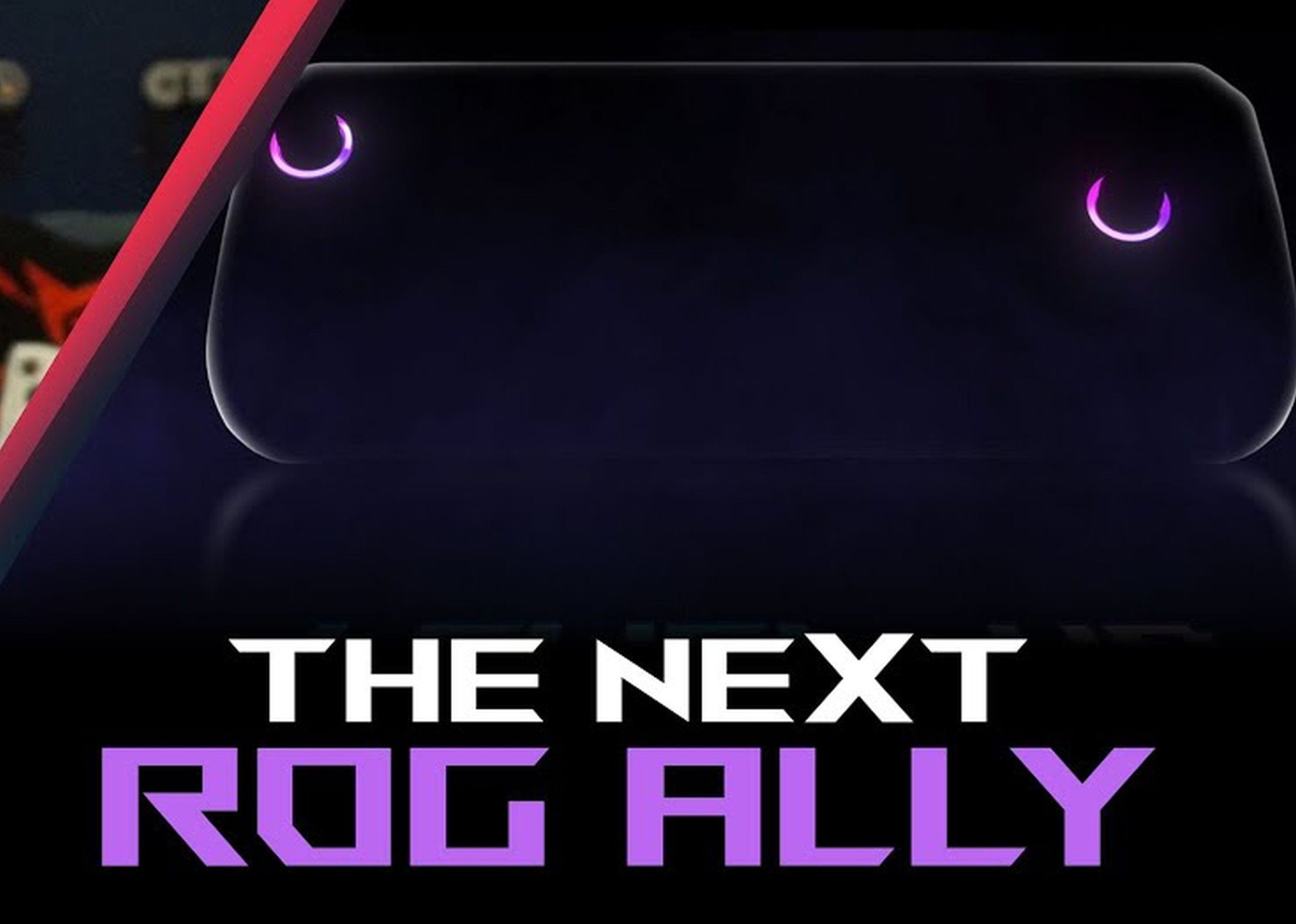
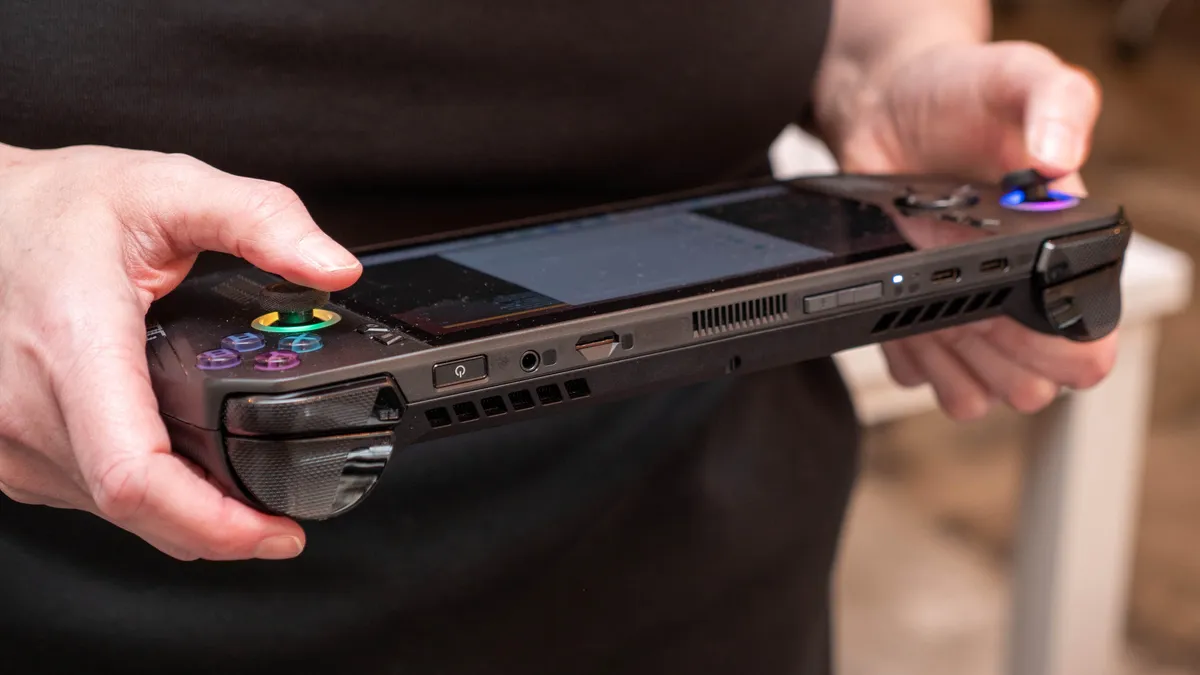
Asus ROG Ally X: The Pricier Handheld Gaming Refresh

0

Highlights

  • Pre-orders for Asus ROG Ally X start at 25,999 TWD (~$800).

  • Upgraded RAM to 24GB LPDDR5 and 1TB M.2 SSD storage.

  • Battery capacity doubled to 80Wh for extended playtime.

  • Lacks the XG Mobile port, featuring a USB 4 port instead.

Asus is set to unveil its latest handheld gaming device, the ROG Ally X, at the Computex 2024 event in Taiwan on June 4th.

As the name suggests, this isn’t a direct successor to the regular Ally, but rather a refreshed version with some enhancements over its predecessor.

However, these improvements come at a higher price tag.

Specs and Price Increase

Pre-orders for Asus ROG Ally X start at 25,999 TWD (~$800)

According to a listing for pre-orders in Taiwan, the Asus ROG Ally X will retail for 25,999 TWD, which translates to approximately $800.

In comparison, the non-X version with the AMD Ryzen Z1 Extreme costs $700, marking a $100 price increase for the updated model.

The listing also revealed the specifications of the ROG Ally X.

It will be powered by the same Ryzen Z1 Extreme APU as the top-end non-X variant, featuring the capable AMD Radeon 780M iGPU for solid gaming performance.

 However, Asus has upgraded the RAM to 24GB LPDDR5 (up from 16GB) and doubled the storage to a 1TB M.2 SSD.

Additionally, the battery capacity has been doubled to 80Wh, promising longer runtimes.

No XG Mobile Port

Its battery capacity doubled to 80Wh for extended playtime

While the upgrades seem worthwhile for the price hike, there’s a significant drawback –the Asus ROG Ally X lacks the XG Mobile port found on the non-X model.

This proprietary port allowed users to connect the handheld to a compatible graphics card dock, enabling desktop-level gaming performance akin to high-end gaming laptops by leveraging a dedicated GPU.

Instead, the ROG Ally X features a USB 4 port, which can still be used with an external GPU dock, but with a lower maximum bandwidth of 40Gb/s compared to the 63Gb/s offered by the XG Mobile port’s PCIe Gen 3 x8 connection.

For gamers seeking the ultimate handheld gaming experience without the need for external GPU docks, the Asus ROG Ally X offers improved specifications over its predecessor. 

However, the lack of the XG Mobile port may be a deal-breaker for those who prioritize the ability to leverage desktop-class graphics performance on the go.

FAQs

What is the price of the Asus ROG Ally X?

The Asus ROG Ally X is priced at 25,999 TWD, which is approximately $800.

How does the ROG Ally X compare to the regular Ally in terms of performance?

The ROG Ally X features upgraded RAM and storage, offering 24GB LPDDR5 RAM and a 1TB M.2 SSD, enhancing its performance over the regular Ally.

What is the battery capacity of the Asus ROG Ally X?

The battery capacity of the ROG Ally X has been doubled to 80Wh, providing longer gaming sessions without needing to recharge.

Does the Asus ROG Ally X support the XG Mobile port?

No, the Asus ROG Ally X does not include the XG Mobile port, which was available in the non-X version. Instead, it features a USB 4 port.

What external GPU options are available for the ROG Ally X?

The ROG Ally X can connect to an external GPU dock via its USB 4 port, though it offers lower bandwidth compared to the XG Mobile port.

Also Read: Asus ROG Ally Review: A Powerful Handheld Gaming Contender

Also Read: ASUS ROG Ally To Be Available From Flipkart, Sale Date Revealed: Know Price, Sale Date of Portable Gaming Console

Also Read: ASUS ROG Ally price leaked ahead of launch next month, will compete with Steam Deck: Price, Specifications & Performance Speculation

Motorola Edge 50 Fusion vs Samsung Galaxy F55 5G: A Mid-Range Smartphone Showdown

0

Highlights

  • Design: Both phones feature a vegan leather finish, with the Edge 50 Fusion offering more color options.
  • Display: Edge 50 Fusion boasts a 6.7” P-OLED display with a 144Hz refresh rate, while the Galaxy F55 5G has a 6.7” sAMOLED+ display with a 120Hz refresh rate.
  • Performance: Edge 50 Fusion uses the Snapdragon 7s Gen 2 processor; Galaxy F55 5G runs on the Snapdragon 7 Gen 1 chip.
  • Camera: Galaxy F55 5G has a triple-camera setup; Edge 50 Fusion offers a dual-camera system with a high-resolution selfie camera.

The mid-range market for smartphones has grown very competitive, and now there are new players in the market offering premium features at competitive prices.

Recently, two top-notch models made it into the market: the Motorola Edge 50 Fusion and the Samsung Galaxy F55 5G.

Both devices come with impressive designs and high-end specs, narrowing the gap between the mid-range and flagship devices.

In this comparison, we’ll dive into the design, display, performance, camera, battery, and pricing of these two smartphones to help you decide which one offers the best value for your needs.

Samsung Galaxy F55 5G vs Moto Edge 50 Fusion: Key Specs

Category Samsung Galaxy F55 Motorola Edge 50 Fusion
Display 6.7″ Super AMOLED+, 1080×2400 pixels, 120Hz 6.7″ P-OLED, 1080×2400 pixels, 144Hz
Processor Snapdragon 7 Gen 1 Snapdragon 7s Gen 2
RAM 8GB/12GB 8GB/12GB
Storage 128GB/256GB 128GB/256GB/512GB
Main Camera 50MP (wide), 8MP (ultrawide), 2MP (macro) 50MP (wide), 13MP (ultrawide)
Front Camera 50MP 32MP
Battery 5000mAh, 45W wired charging 5000mAh, 68W wired charging
OS Android 14, One UI 6.1 Android 14
Price ₹26,999 for 8GB/128GB, ₹29,999 for 8GB/256GB, ₹32,999 for 12GB/256GB3 ₹22,999 for 8GB/128GB, ₹24,999 for 12GB/256GB4

Samsung Galaxy F55 5G vs Moto Edge 50 Fusion: Design

Motorola Edge 50 Fusion With 50MP Sony LYTIA LYT-700C Sensor, Snapdragon 7s Gen 2  Goes on Sale Today
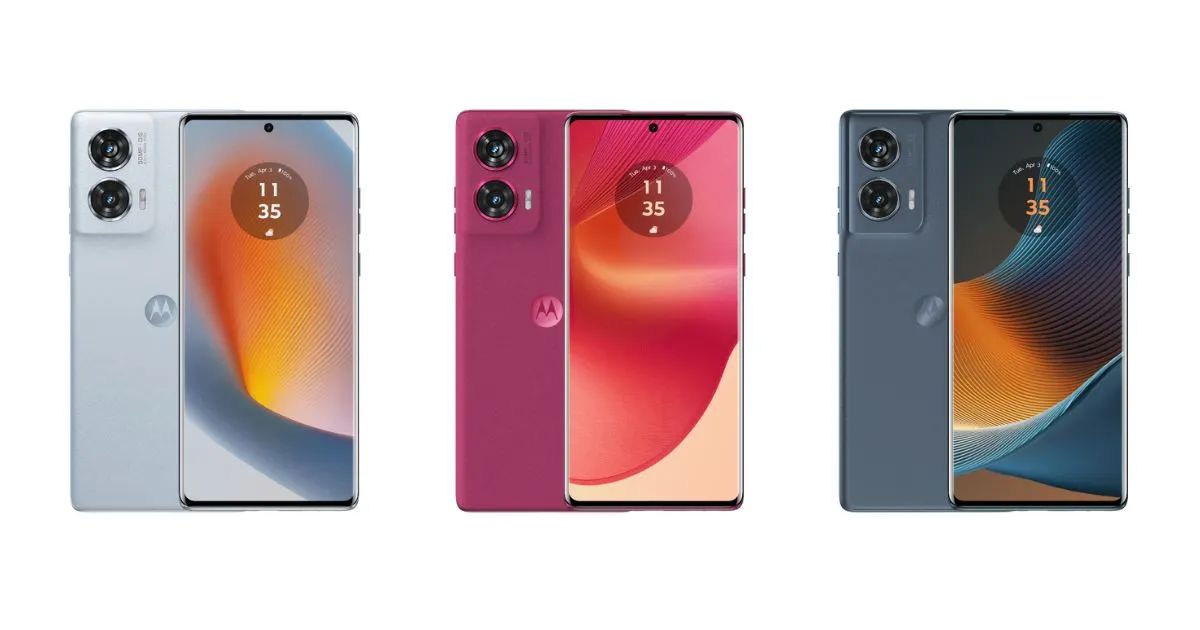
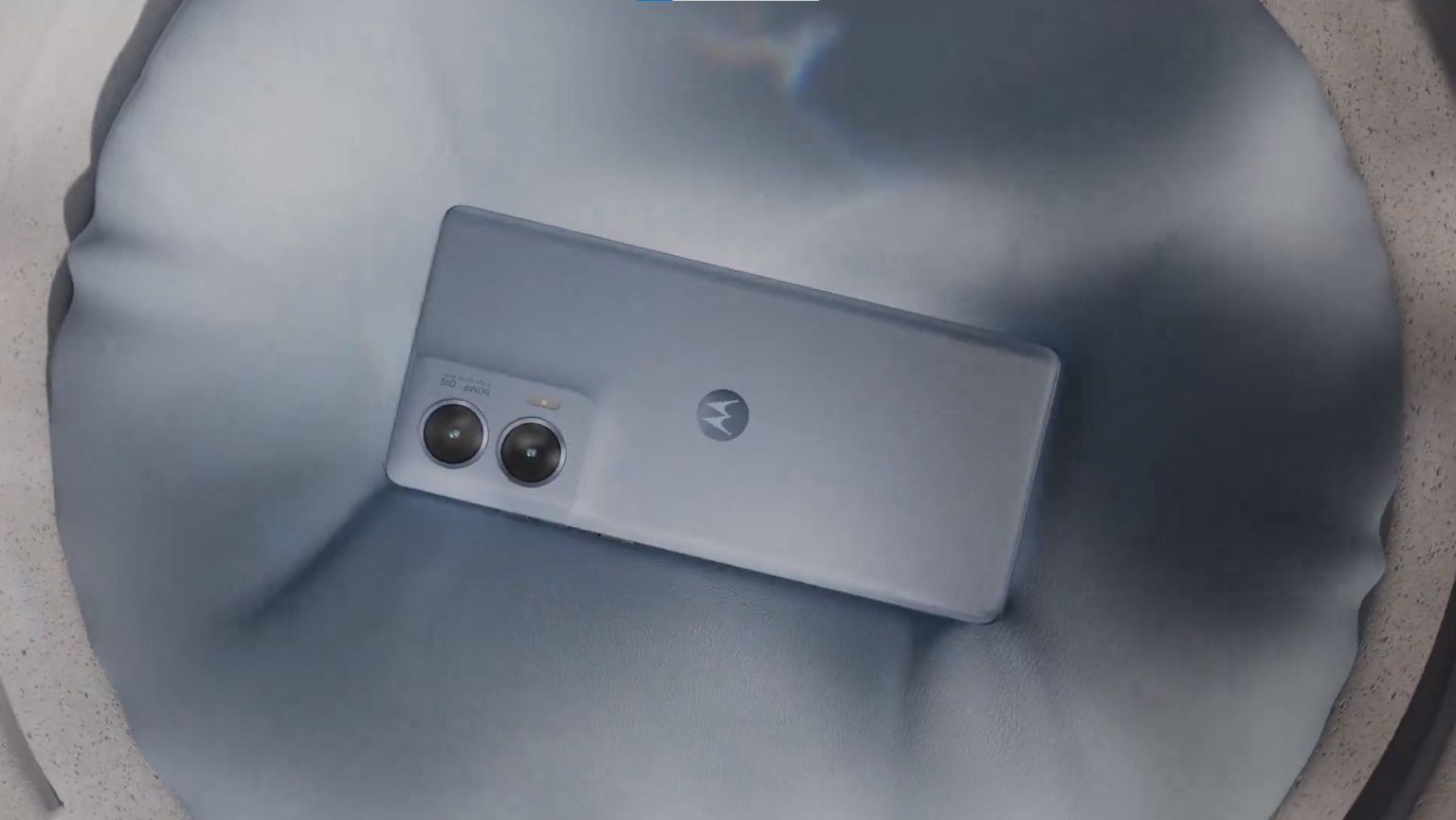
Moto Edge 50 Fusion: Design

Both phones try to stun with their unique design and premium materials.

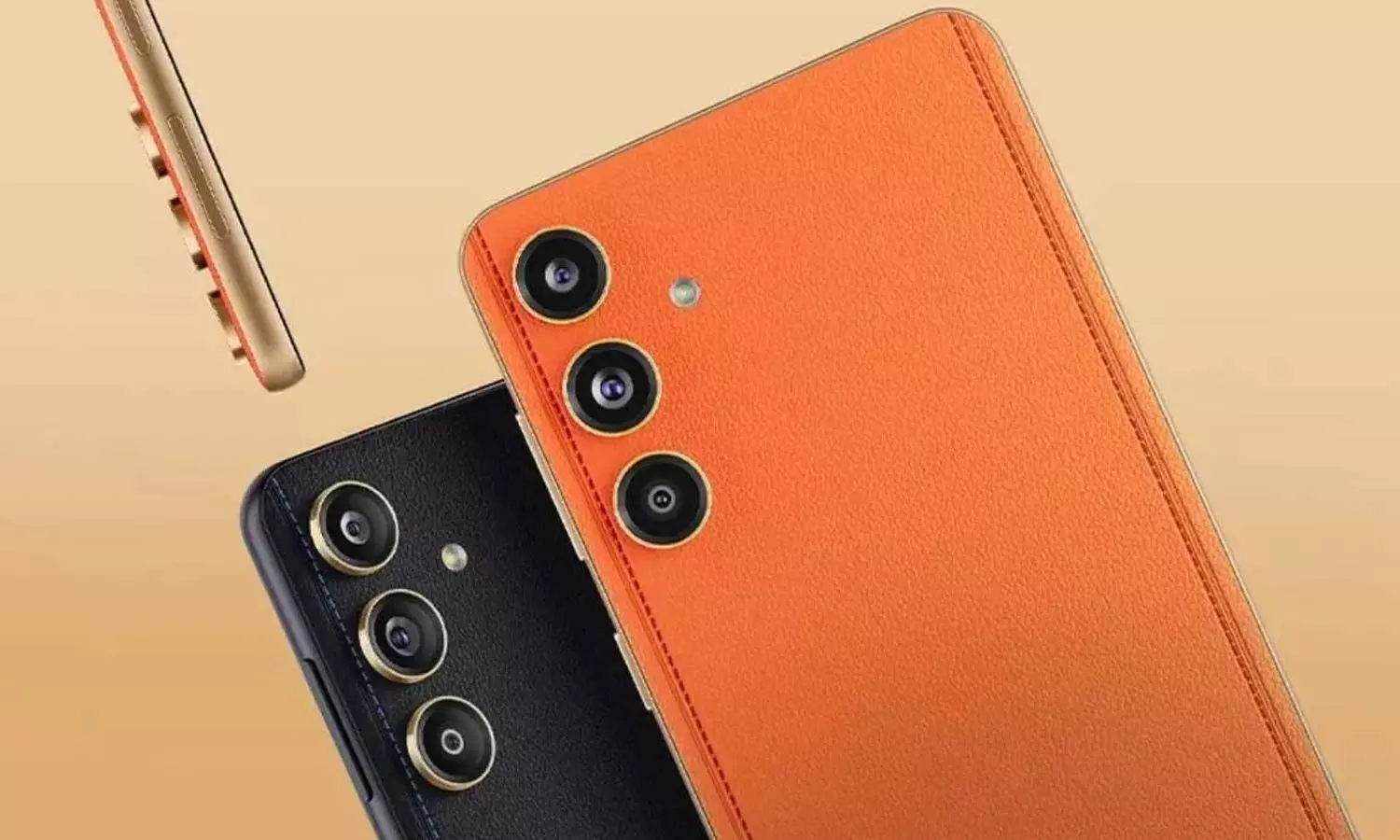
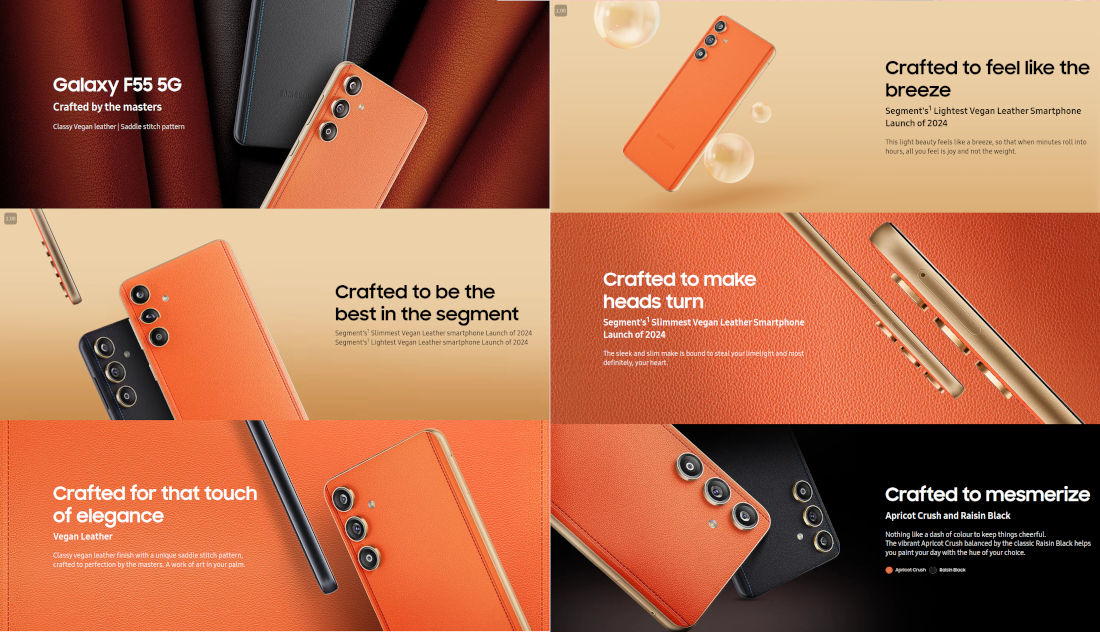
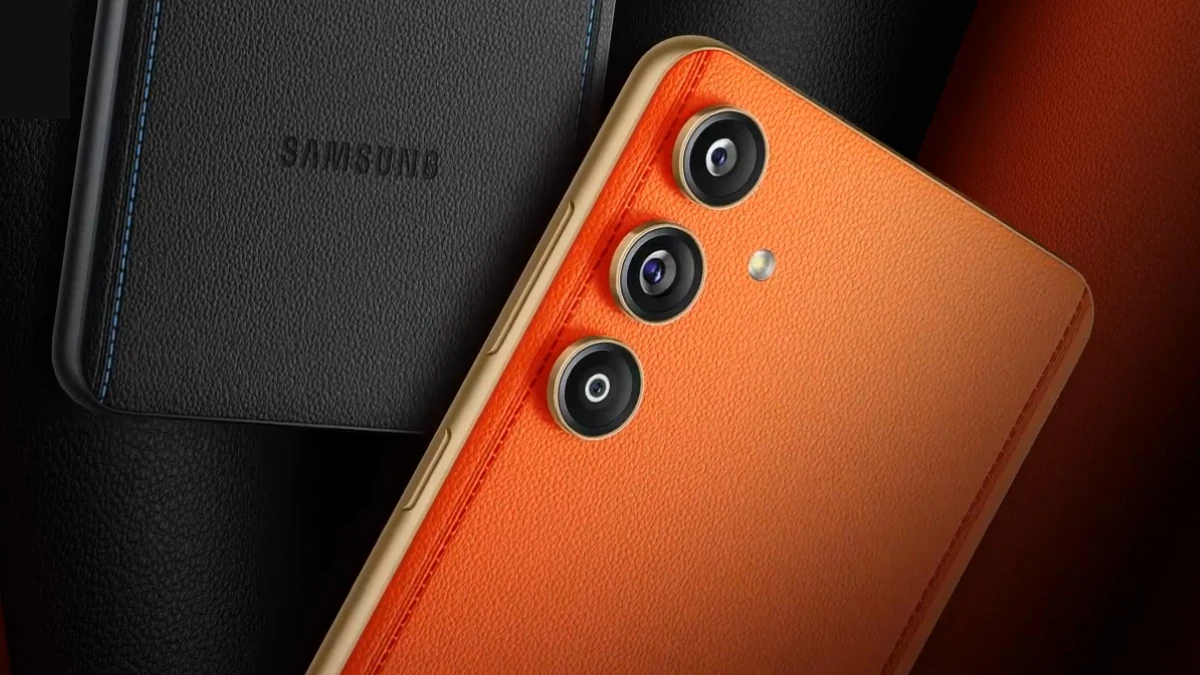
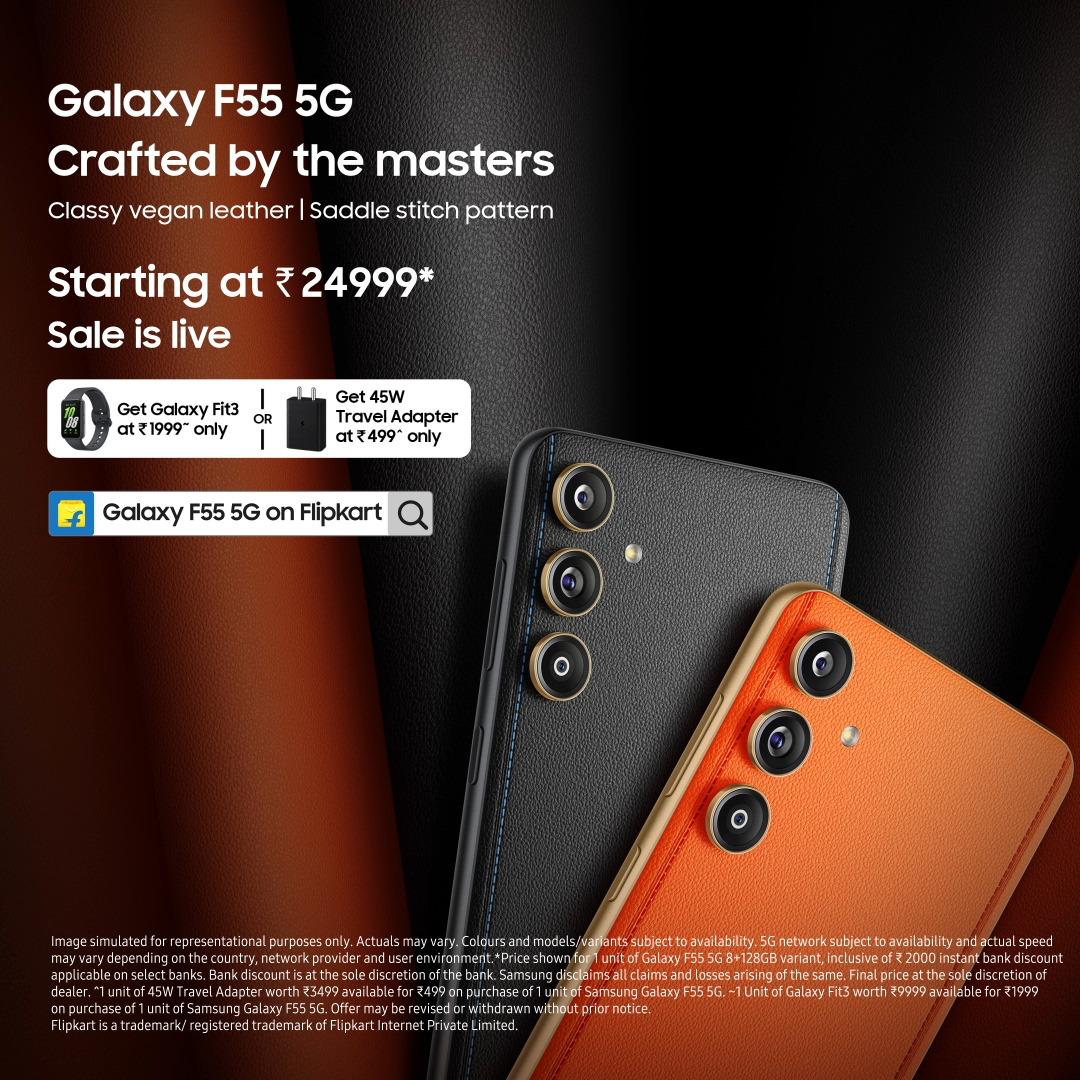
The Samsung Galaxy F55 5G boasts an orange “Apricot Crush” vegan leather back panel with a stitch-like pattern for some extra style.

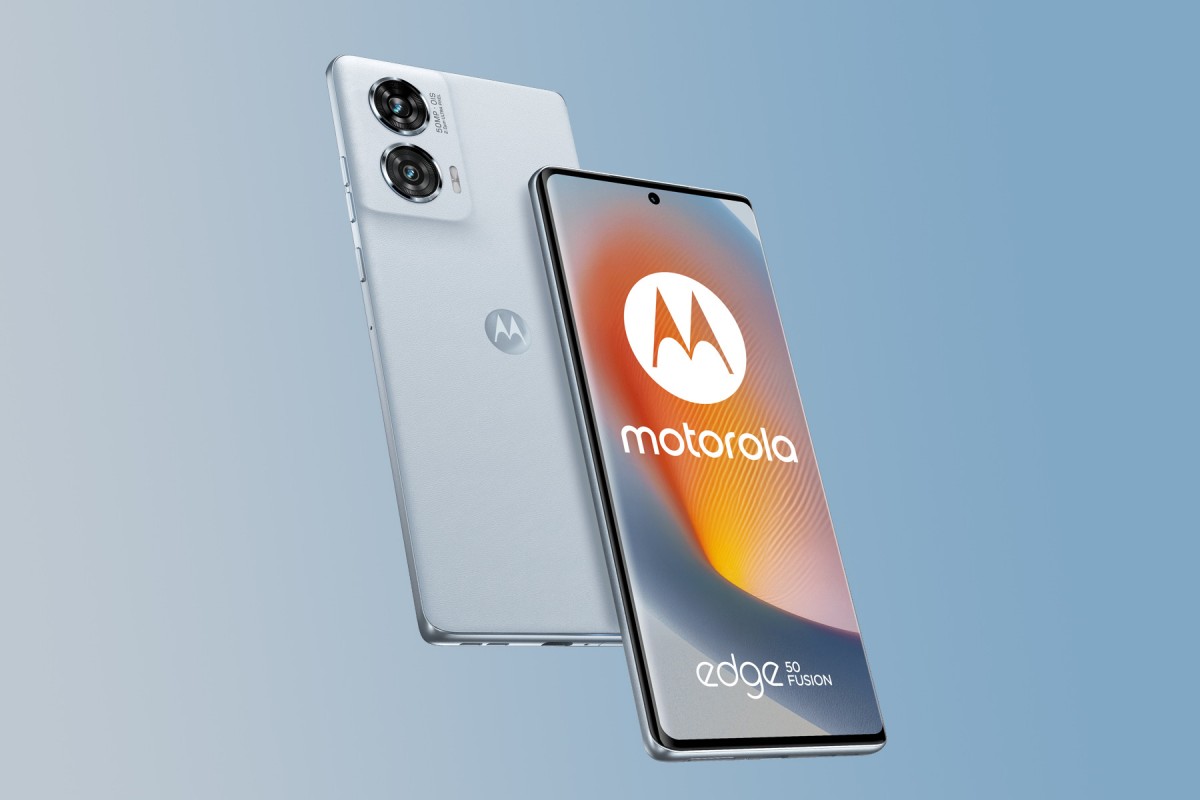
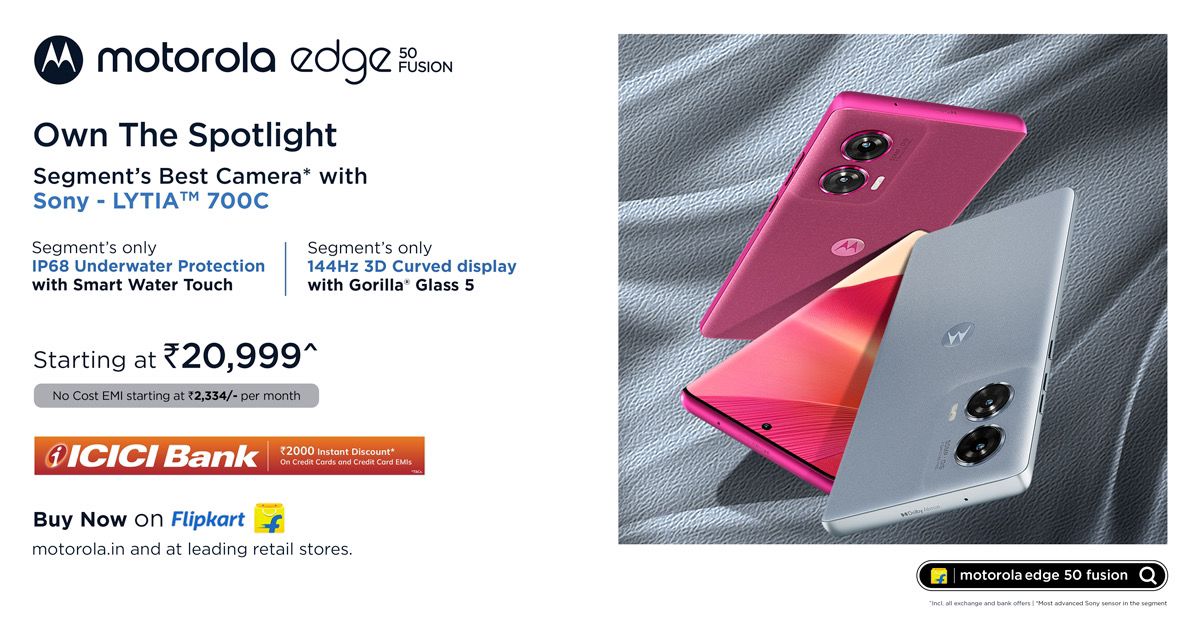
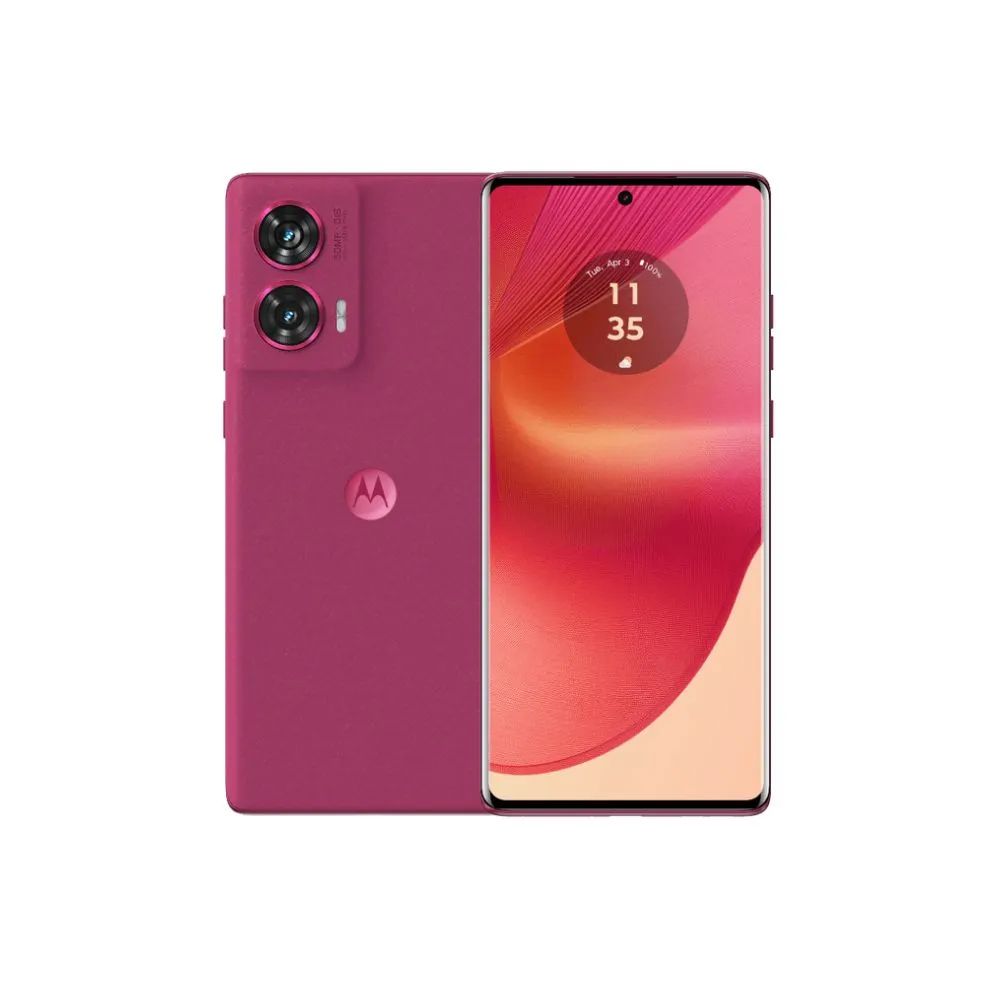
On the other hand, the Motorola Edge 50 Fusion makes do with a more subdued, soothing pastel blue vegan leather finish, available in hot pink and forest blue variants.

Samsung Galaxy F55 5G launches in India on May 27th, 2024
Samsung Galaxy F55 5G: Design

However, while the Galaxy F55 5G may be up in weight at 180 grams, both devices carry the same slender 7.8mm thickness.

When it comes to the overall lightness, though, the Edge 50 Fusion leads the parade, weighing a paltry 175 grams.

Samsung Galaxy F55 5G vs Moto Edge 50 Fusion: Display and Multimedia

Motorola Edge 50 Fusion available today at a starting price of Rs 20,999
Moto Edge 50 Fusion: Display and Multimedia

The Motorola Edge 50 Fusion, in terms of display, gets ahead with a 6.7-inch FHD+ P-OLED panel, a silky smooth 144Hz refresh rate, and an impressive peak brightness of 1600 nits.

It also features curved edges for a more immersive experience.

Available in Apricot Crush and Raisin Black with vegan leather finishes
Samsung Galaxy F55 5G: Display and Multimedia

On the other hand, the Samsung Galaxy F55 5G features a 6.7″ sAMOLED+ display with a flat design, a 120Hz refresh rate, and peak brightness of 1000 nits.

While not exactly on the same level as the specifications of the Edge 50 Fusion, this one still provides a vibrant and fluid multimedia experience.

Samsung Galaxy F55 5G vs Moto Edge 50 Fusion: Performance and Software

Samsung Galaxy F55 5G vs Moto Edge 50 Fusion: Performance and Software
Moto Edge 50 Fusion: Performance and Software

Both phones are powered by capable chipsets under the hood.

The Motorola Edge 50 Fusion has the newer Snapdragon 7s Gen 2 processor, while the Galaxy F55 5G only carries the slightly older Snapdragon 7 Gen 1 chip.

But both should handle day-to-day tasks and light gaming with a breeze.

For RAM and storage, the Edge 50 Fusion offers two options: 8GB RAM with 128GB storage and 12GB RAM with 256GB storage.

Samsung Galaxy F55 5G vs Moto Edge 50 Fusion: Performance and Software
Samsung Galaxy F55 5G: Performance and Software

The Galaxy F55 5G offers three: 8GB RAM with 128GB and 256GB storage options and a top-tier 12GB RAM with 256GB storage option.

Additionally, Samsung’s offers expandable storage up to 1TB, hence giving it an edge for those that need more space.

Software-wise, the Edge 50 Fusion boots Android 14-based Hello UI, which is famous for its cleanliness and bloat-free experience.

On the other hand, the Galaxy F55 5G boasts Samsung’s OneUI 6.1 skin atop Android 14, known for its smooth performance and feature-rich interface.

Samsung Galaxy F55 5G vs Moto Edge 50 Fusion: Camera

motorola edge 50 Fusion features the Segment’s best 144Hz 10-bit pOLED curved display
Moto Edge 50 Fusion: Camera

mera setups are versatile enough on both devices, photography enthusiasts will love them.

For the Motorola Edge 50 Fusion, it sports a dual-camera setup: a 50MP main sensor and a 13MP ultra-wide lens, with a 32MP front camera.

Samsung Galaxy F55 5G vs Moto Edge 50 Fusion: Camera
Samsung Galaxy F55 5G: Camera

The Samsung Galaxy F55 5G goes a step further with a triple rear camera array, featuring a 50MP main shooter complemented by an 8MP  ultra-wide lens and a 2MP macro sensor.

The phone’s selfie enthusiasts will find the 50MP front-facing camera simply irresistible.

Samsung Galaxy F55 5G vs Moto Edge 50 Fusion: Battery Life and Charging

Samsung Galaxy F55 5G vs Moto Edge 50 Fusion: Battery Life and Charging
Moto Edge 50 Fusion: Battery Life and Charging

Both phones pack a robust 5,000mAh battery, promising all-day usage and then some.

Samsung has expanded its Galaxy F series with the launch of the highly anticipated Galaxy F55 5G in India
Samsung Galaxy F55 5G: Battery Life and Charging

However, the Motorola Edge 50 Fusion gains an edge with its support for 68W fast charging, allowing for quicker top-ups compared to the Galaxy F55 5G’s 45W fast charging capability.

Samsung Galaxy F55 5G vs Moto Edge 50 Fusion:  Pricing and Value

Samsung Galaxy F55 5G vs Moto Edge 50 Fusion:  Pricing and Value
Moto Edge 50 Fusion:  Pricing and Value

When it comes to pricing, the Motorola Edge 50 Fusion starts at ₹22,999 for the base variant, while the Samsung Galaxy F55 5G carries a slightly higher price tag of ₹24,999 (with a ₹2,000 launch discount).

Samsung Galaxy F55 5G vs Moto Edge 50 Fusion:  Pricing and Value
Samsung Galaxy F55 5G:  Pricing and Value

Both phones offer additional bank discounts, making them even more attractive in the mid-range segment.

Final Verdict

Edge 50 Fusion uses the Snapdragon 7s Gen 2 processor; Galaxy F55 5G runs on the Snapdragon 7 Gen 1 chip
Edge 50 Fusion uses the Snapdragon 7s Gen 2 processor

Talking about the overall value proposition, the Motorola Edge 50 Fusion seems to take the cherry by offering top-line features at a competitive price.

Samsung brand recognition and software experience may tempt some to opt for the Galaxy F55 5G.

Galaxy F55 5G runs on the Snapdragon 7 Gen 1 chip

Ultimately, the decision between these two very compelling mid-range devices will boil down to individual taste and priority: design, performance, camera capabilities, or loyalty to a brand.

FAQs

Which phone has a better display?

The Motorola Edge 50 Fusion has a 6.7” P-OLED display with a 144Hz refresh rate and 1600 nits peak brightness, making it superior on paper compared to the Galaxy F55 5G’s 6.7” sAMOLED+ display with a 120Hz refresh rate and 1000 nits peak brightness.

What are the camera specifications of these phones?

The Galaxy F55 5G features a 50MP main camera, 8MP ultra-wide lens, and a 2MP macro sensor, while the Edge 50 Fusion has a 50MP main camera and a 13MP ultra-wide lens.

Which processor powers these smartphones?

The Motorola Edge 50 Fusion is powered by the Snapdragon 7s Gen 2 processor, whereas the Samsung Galaxy F55 5G runs on the Snapdragon 7 Gen 1 chipset.

How does the battery and charging compare between these phones?

Both phones have a 5000mAh battery, but the Edge 50 Fusion supports 68W fast charging, whereas the Galaxy F55 5G supports 45W fast charging.

What are the pricing details for these smartphones?

The Motorola Edge 50 Fusion starts at ₹22,999, while the Samsung Galaxy F55 5G is priced at ₹24,999 with a ₹2,000 launch discount.

Also Read: Samsung Galaxy F55 Price and Specs Leaked Ahead of Launch by Tipster

Also Read: Samsung Galaxy F55 5G Set for Launch in India with Exciting Upgrades: Price, Features, Expected Specs

Also Read: Motorola Edge 50 Fusion Launched in India under 25K with Snapdragon 7s Gen 2 SoC, 50MP camera, Sony’s powerful LYTIA™ 700C sensor, 144Hz curved display , IP68 underwater protection & 5,00mAh battery

Also Read: Motorola Edge 50 Fusion Design Unveiled in Latest Leaked Video

OnePlus 12R Receives Update to Optimize Battery Life and Improve Performance

0
OnePlus 12R Camera Specs Reportedly Leaked Ahead of Global Launch

Highlights

  • OxygenOS 14.0.0.800 update focuses on extending battery life.
  • Includes May 2024 Android security patch for enhanced safety.
  • Fixes volume issues with speakers and Bluetooth earphones.
  • Addresses Home screen wallpaper flicker and app icon alignment.

OnePlus has unveiled a new software update for the recently launched OnePlus 12R, which is aimed at increasing the battery life of the device through better power consumption.

The incremental upgrade, bearing version OxygenOS 14.0.0.800, also features bug fixes and an up-to-date Android security patch for improved system safety.

What Does the Update Bring?

OnePlus 12R Receives Update to Optimize Battery Life and Improve Performance

According to the official changelog, the update centers on optimizing power consumption in an effort to prolong the 12R’s battery life.

Besides, it fixes the issues when the volume from the speaker and Bluetooth earphones is low, the Home screen wallpaper flickers after closing an application, and the app icons on the Home screen are not aligned.

The update also integrates the May 2024 Android security patch to enhance the security measures of the device.

OnePlus has emphasized the importance of system stability with this release, suggesting improvements in overall performance and reliability.

OxygenOS 14.0.0.800 update focuses on extending battery life

The update is supposed to squash most of the known bugs, but the company still advises users to contact them if any issue is found after updating by dialing *#800# through the Google Dialer app on the phone.

OnePlus 12R users can check for and install the update by going to Settings > About Device > OxygenOS > Check for Update.

The update will appear on the device if it is available, along with the complete changelog and update size.

The phone is getting the update in an incremental manner in India, which means that the update isn’t going to get pushed to all units at one go.

A wider rollout should commence very soon and have all eligible units of the OnePlus 12R updated with the latest software.

OnePlus 12R: Key Features

Fixes volume issues with speakers and Bluetooth earphones
It fixes volume issues with speakers and Bluetooth earphones

Launched in February, the OnePlus 12R is a more affordable variant of the flagship OnePlus 12 and comes loaded with premium features at a lower price.

It still packs a 120Hz LTPO AMOLED display with Dolby Vision, a powerful Snapdragon 8 Gen 2 SoC, an IP64 rating for dust and water resistance, a triple camera setup with a 50MP primary sensor, and a 5500mAh battery with 100W fast charging support.

ONEPLUS 12R SPECIFICATIONS

Key Specs

RAM 12 GB
Processor Qualcomm Snapdragon 8 Gen 2
Rear Camera 50 MP + 8 MP + 32 MP
Front Camera 16 MP
Battery 5500 mAh
Display 6.7 inches (17.02 cm)

General

Launch Date January 24, 2024 (Unofficial)
Operating System Android v14
Custom UI Oxygen OS

Performance

Chipset Qualcomm Snapdragon 8 Gen 2
CPU Octa core (3.2 GHz, Single core, Cortex X3 + 2.8 GHz, Quad core, Cortex A715 + 2 GHz, Tri core, Cortex A510)
Architecture 64 bit
Fabrication 4 nm
Graphics Adreno 740
RAM 12 GB
RAM Type LPDDR5

Display

Display Type AMOLED
Screen Size 6.7 inches (17.02 cm)
Resolution 1200 x 2712 pixels
Pixel Density 443 ppi
Bezel-less display Yes with punch-hole display
Touch Screen Yes, Capacitive Touchscreen, Multi-touch
Refresh Rate 120 Hz

Camera

MAIN CAMERA
Camera Setup Triple
Resolution 50 MP, Primary Camera
8 MP, Ultra-Wide Angle Camera
32 MP , Telephoto Camera
Autofocus Yes
OIS Yes
Flash Yes, LED Flash
Image Resolution 8150 x 6150 Pixels
Settings Exposure compensation, ISO control
Shooting Modes Continuous Shooting
High Dynamic Range mode (HDR)
Camera Features Digital Zoom
Auto Flash
Face detection
Touch to focus
FRONT CAMERA
Camera Setup Single
Resolution 16 MP, Primary Camera
Video Recording 1920×1080 @ 30 fps

Battery

Capacity 5500 mAh
Type Li-Polymer
Removable No
Quick Charging Yes, Super VOOC, 100W
USB Type-C Yes

Storage

Internal Memory 256 GB
Expandable Memory No

Network & Connectivity

SIM Slot(s) Dual SIM, GSM+GSM
SIM Size SIM1: Nano, SIM2: Nano
Network Support 5G Supported in India, 4G Supported in India, 3G, 2G
VoLTE Yes
SIM 1
5G Bands:
FDD N3
TDD N40
4G Bands:
TD-LTE 2300(band 40)
FD-LTE 1800(band 3)
3G Bands:
UMTS 1900 / 2100 / 850 / 900 MHz
2G Bands:
GSM 1800 / 1900 / 850 / 900 MHz
GPRS:
Available
EDGE:
Available
SIM 2
5G Bands:
FDD N3
TDD N40
4G Bands:
TD-LTE 2300(band 40)
FD-LTE 1800(band 3)
3G Bands:
UMTS 1900 / 2100 / 850 / 900 MHz
2G Bands:
GSM 1800 / 1900 / 850 / 900 MHz
GPRS:
Available
EDGE:
Available
Wi-Fi Yes, Wi-Fi 5 (802.11 a/b/g/n/ac) 5GHz
Wi-Fi Features Mobile Hotspot
Bluetooth Yes, v5.2
GPS Yes with A-GPS, Glonass
NFC Yes
USB Connectivity Mass storage device, USB charging

Multimedia

Loudspeaker Yes
Audio Jack USB Type-C

Sensors

Fingerprint Sensor Yes
Fingerprint Sensor Position On-screen
Fingerprint Sensor Type Optical
Other Sensors Light sensor, Proximity sensor, Accelerometer, Gyroscope

FAQs

What is the main focus of the new OnePlus 12R update?

The main focus of the OxygenOS 14.0.0.800 update is to optimize power consumption and extend the battery life of the OnePlus 12R.

What security enhancements are included in the update?

The update integrates the May 2024 Android security patch, providing improved system security measures.

How can I install the latest update on my OnePlus 12R?

To install the update, go to Settings > About Device > OxygenOS > Check for Update. If the update is available, it will appear along with the changelog and update size.

What issues does the new OnePlus 12R update address?

The update fixes volume issues with speakers and Bluetooth earphones, a flickering Home screen wallpaper, and app icon alignment on the Home screen.

Is the update available to all OnePlus 12R users immediately?

The update is being rolled out incrementally in India, meaning not all devices will receive it at the same time. A broader rollout is expected soon.

Also Read: OnePlus 12R Revealed In New Renders, Spotted on Geekbench Ahead of Launch

Also Read: OnePlus 12R First Impressions and Unboxing: The New Flagship Contender?

lso Read: OxygenOS 14 Beta Rolling Out in India and North America: What OnePlus 11 Users Need to Know Now

YouTube’s New Cast Menu: Modern Redesign and Enhanced Functionality

0
YouTube Tests New 'Most Relevant' Subscription Feed on Mobile

Highlights

  • New floating bottom sheet design for the Cast menu.
  • Compact and visually appealing interface with rounded corners.
  • Thumbnail and control buttons available during casting.
  • Updated “Disconnect” process requires tapping “This phone.”

If you’re a long-time user of YouTube on Android or iOS, you might have noticed a change recently in the app’s Cast menu.

YouTube has redesigned the Cast experience to bring a fresh, modern look and some functional tweaks to the way you cast your content to your favorite devices.

New Cast Menu

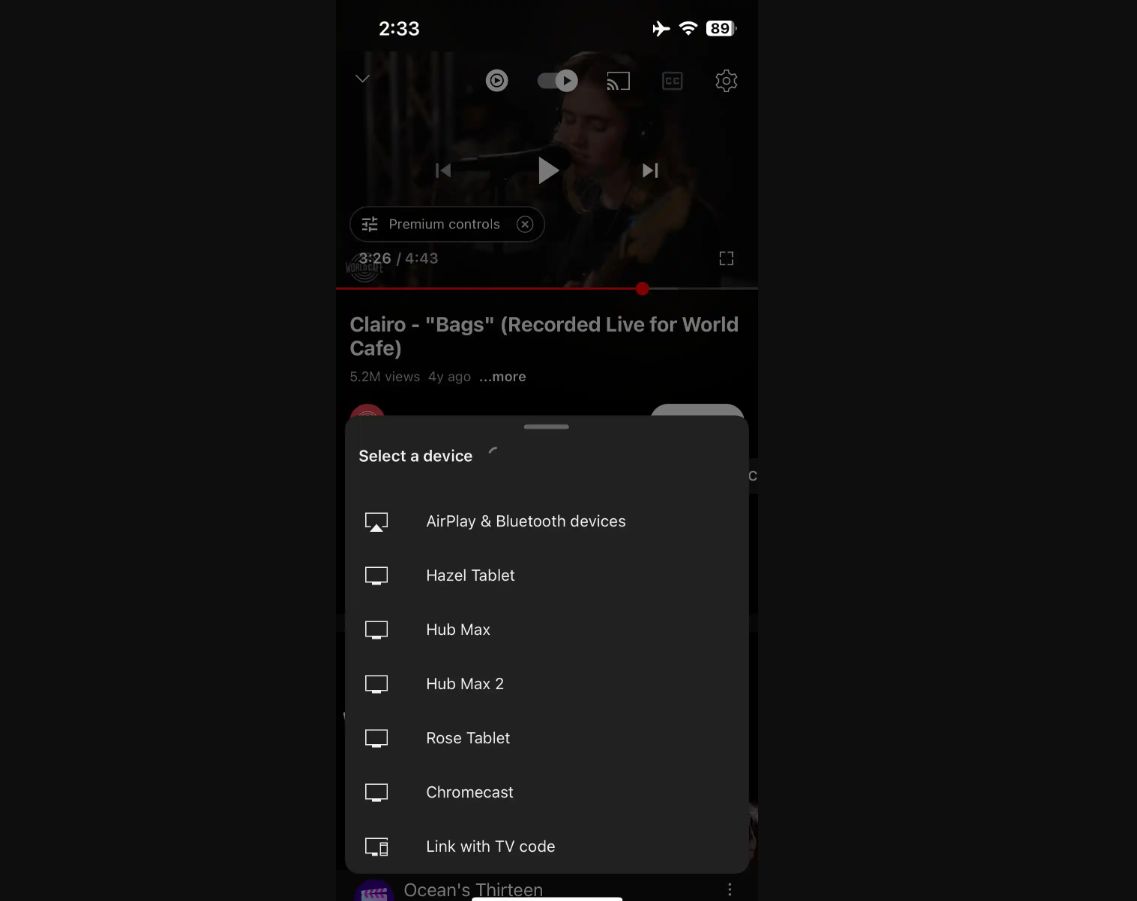
YouTube's New Cast Menu: Modern Redesign and Enhanced Functionality
YouTube’s New Cast Menu: Modern Redesign and Enhanced Functionality

The centrally located “Cast to” that appeared when you tapped the Cast icon is now history.

The new design has a floating bottom sheet with rounded corners, presenting a more modern and visually appealing interface.

This “Select a device” menu doesn’t stretch edge-to-edge, making it compact and unobtrusive.

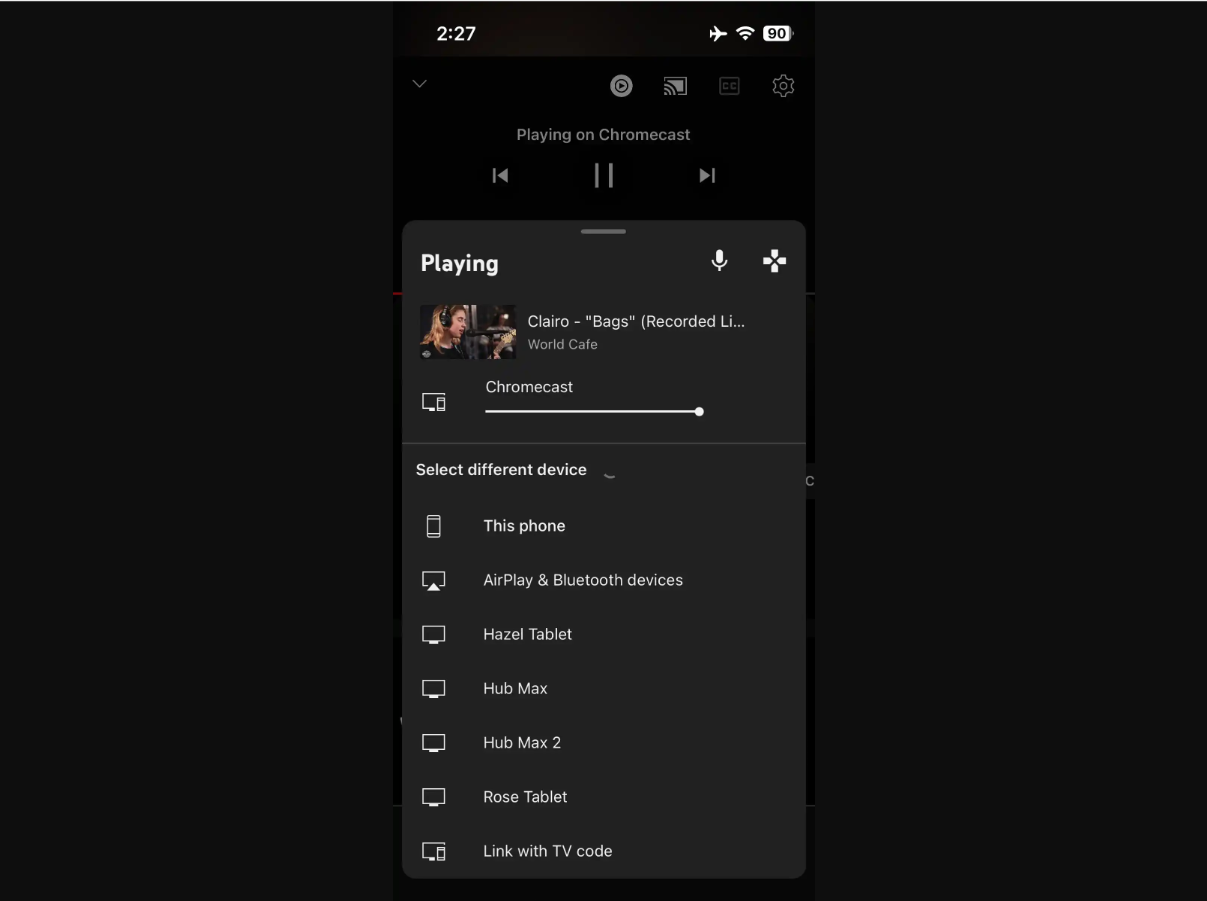
Once you have started casting, the new menu shows a thumbnail of what’s playing with the familiar voice and remote buttons tucked away in the corner.

Anytime, you can easily “Select different device” if you need to switch to another compatible screen or speaker.

The Disconnect Dilemma

Compact and visually appealing interface with rounded corners

One thing that has drawn some user feedback regarding the redesign is the fact that there’s no prominent “Disconnect” button.

The button, which previously allowed you to stop a casting session and pause playback on your mobile device, doesn’t exist anymore.

With the new design, you’ll need to tap “This phone” to move playback back to your mobile device, effectively ending the casting session.

Alternative Solutions

Updated "Disconnect" process requires tapping "This phone."
Updated “Disconnect” process requires tapping “This phone.”

If the two-step disconnect process feels like an inconvenience, then fear not – there are alternative ways to regain control over your playback.

You can use the Google Home app, or, if you are on Android, the media switcher can help you control your casting sessions with ease.

Addressing User Feedback

YouTube Premium and Music Crosses 100 Million Subscribers
YouTube Cast redesign continues to roll out across Android and iOS devices

The YouTube Music team has since listened to user feedback and has now added an overflow menu next to the volume slider.

This menu holds options such as “Send feedback” and, more importantly, “Disconnect from TV.”

However, it’s worth noting that this “Disconnect” option works differently than before – it only disconnects your phone from the casting session, leaving playback continuing on the connected speaker or display.

As the YouTube Cast redesign continues to roll out across Android and iOS devices, it’s likely that the team will continue to refine and improve the experience based on user feedback.

After all, a seamless casting experience is essential for those who enjoy consuming content on multiple screens and devices.

FAQs

What changes have been made to the YouTube Cast menu?

The YouTube Cast menu now features a floating bottom sheet design with rounded corners, making it more modern and visually appealing.

How do I disconnect from casting in the new YouTube Cast menu?

To disconnect, you need to tap “This phone” to move playback back to your mobile device, ending the casting session.

Is there an alternative way to control casting sessions?

Yes, you can use the Google Home app or the media switcher on Android to control your casting sessions.

What options are available in the new overflow menu?

The overflow menu includes options like “Send feedback” and “Disconnect from TV,” which only disconnects your phone from the casting session while playback continues on the connected device.

How does the new Cast menu improve the user experience?

The new design is more compact and unobtrusive, with easy access to controls and the ability to switch devices seamlessly.

Also Read: YouTube Music Rolls Out Offline Listening for Desktop and Updates Android Share Sheet 

Also Read: YouTube Music Introduces Activity Feed and New Creator Content Disclosure Policy

Leaked Benchmarks Tease Pixel 9 Series Power with Tensor G4

0
Leaked Benchmarks Tease Pixel 9 Series Power with Tensor G4

Highlights

  • Tensor G4 features a powerful 1+3+4 core configuration.
  • Early benchmarks show significant performance and efficiency gains.
  • Pixel 9 series scores: Pixel 9 (1,016,167), Pixel 9 Pro (1,148,452), Pixel 9 Pro XL (1,176,410).
  • G4 chipset based on Samsung’s 4nm process with FOWLP packaging.

If the leaked images were not enough, we now have the Pixel 9 series with alleged leaked benchmark numbers, offering a glance at the performance prowess of Google’s latest Tensor G4 chipset.

These early numbers make for an interesting read as the tech world buzzes with excitement.

The Tensor G4, which is at the heart of the Pixel 9, 9 Pro, and 9 Pro XL, is a powerful and efficient processor with a 1+3+4 core configuration.

This cutting-edge setup features a flagship Cortex-X4 core, flanked by three mid-range Cortex-A720 cores and four energy-efficient Cortex-A520 cores.

In comparison to previous generations, the Tensor lineup has steadily evolved, with the original Tensor and G2 featuring a 2+2+4 configuration, while the G3 adopted a 1+4+4 array.

Leaked Benchmarks Tease Pixel 9 Series Power with Tensor G4

According to the benchmarks, the Tensor G4 promises a serious performance bump, courtesy of the Cortex-X4 core.

Arm, the company behind the core design, touts a whopping 15% performance bump compared to its predecessor, with an incredible 40% better power efficiency.

In addition, the Cortex-A720 cores boast a 20% increase in power efficiency, while the Cortex-A510 cores tout similar 22% gains.

While these early benchmarks from ‘Rozetked’ showcase promising results, it’s important to note that the devices are not running final software, and months of optimization and tuning still lie ahead.

AnTuTu scores provide a tantalizing glimpse.

Pixel 9 series scores: Pixel 9 (1,016,167), Pixel 9 Pro (1,148,452), Pixel 9 Pro XL (1,176,410)

The Pixel 9 series outperforms its predecessor:

  • Pixel 8: 877,443 points
  • Pixel 9 (Tokay): 1,016,167
  • Pixel 9 Pro (Caiman): 1,148,452
  • Pixel 9 Pro XL (Komodo): 1,176,410

With the Pixel 10 and Tensor G5 rumored to switch to TSMC’s cutting-edge manufacturing process, the Pixel 9 series and its Samsung-made Tensor G4 may come with a few asterisks for buyers this year.

Previous rumors indicated that the Tensor G4 will be based on Samsung’s latest 4nm process and FOWLP—Fan-out Wafer Level Packaging—packaging method, which should bring enhancements in terms of heat management and power efficiency.

These benchmarks paint an exciting picture, but the real test will only come in terms of how the phones truly perform and the experience they deliver.

With the launch of the device inching closer, tech enthusiasts the world over look forward to witnessing Google’s latest mobile powerhouse.

Google Pixel 9 Specs

GENERAL

Sim Type Dual Sim, GSM+GSM
Dual Sim Yes
Sim Size Nano+eSim
Device Type Smartphone
Release Date September 19, 2024 (Expected)

DESIGN

Dimensions 158.6 x 74.8 x 8.9 mm (6.24 x 2.94 x 0.35 in)

DISPLAY

Type Color AMOLED Screen (16M Colors)
Touch Yes
Size 6.26 inches, 1080 x 2400 pixels, 120 Hz
Aspect Ratio 20:9
PPI ~ 420 PPI
Screen to Body Ratio ~ 89.3%
Glass Type Corning Gorilla Glass Victus Plus
Features HDR10+, Always-on Display
Notch Yes, Punch Hole

MEMORY

RAM 8 GB
Storage 256 GB
Storage Type UFS 4.1
Card Slot No

CONNECTIVITY

GPRS Yes
EDGE Yes
3G Yes
4G Yes
5G Yes
VoLTE Yes, Dual Stand-By
Vo5G Yes
Wifi Yes, with wifi-hotspot
Bluetooth Yes, v5.3, A2DP, LE, aptX HD
USB Yes, USB-C v3.1
USB Features USB Tethering, USB on-the-go, USB Charging

EXTRA

GPS Yes, with dual-band A-GPS, GLONASS, GALILEO, QZSS, BDS

Fingerprint Sensor Yes, In Display
Face Unlock Yes
Sensors Accelerometer, Gyro, Proximity, Compass, Barometer, Ambient Light Sensor, Magnetometer
3.5mm Headphone Jack No
Extra NFC
Water Resistance Yes, 1.5 m upto 30 min
IP Rating IP68
Dust Resistant Yes
Extra Features Stereo Speakers, 3 Microphones, Noise Suppression

CAMERA

Rear Camera 50 MP f/1.9 (Wide Angle)
8 MP f/2.2 (Ultra Wide) with autofocus
Features Magic Eraser18, Motion Mode, Real Tone, Face Unblur, Panorama, Manual white balancing, Locked Folder, Portrait Mode, Portrait Light, Super Res Zoom, Motion autofocus, Frequent Faces, Dual exposure controls, Live HDR+
Video Recording 4K, 1080p
Flash Yes, Dual LED
Front Camera Punch Hole 12 MP (Wide Angle)
Front Video Recording 1080p @ 30 fps FHD

TECHNICAL

OS Android v14
Chipset Google Tensor 4
CPU Octa Core Processor
GPU Mali-GU
IP Rating IP68
Java No
Browser Yes

MULTIMEDIA

Email Yes
Music Yes
Video Yes
FM Radio No
Document Reader Yes

BATTERY

Type Non-Removable Battery
Size 5000 mAh, Li-Po Battery
Fast Charging Yes, 80W Fast Charging
Wireless Charging Yes, 45W
Reverse Charging Yes

Google Pixel 9 Pro Specs

GENERAL

Sim Type Dual Sim, GSM+GSM
Dual Sim Yes
Sim Size Nano+eSim
Device Type Smartphone
Release Date September 19, 2024 (Expected)

DESIGN

Dimensions 163.9 x 75.9 x 8.9 mm (6.45 x 2.99 x 0.35 in)

DISPLAY

Type Color OLED Screen (16M Colors)
Touch Yes
Size 6.67 inches, 1440 x 3120 pixels, 144 Hz
Aspect Ratio 20.5:9
PPI ~ 512 PPI
Screen to Body Ratio ~ 88.8%
Glass Type Corning Gorilla Glass Victus Plus
Features HDR10+, Always-on Display
Notch Yes, Punch Hole

MEMORY

RAM 12 GB
Storage 256 GB
Storage Type UFS 4.0
Card Slot No

CONNECTIVITY

GPRS Yes
EDGE Yes
3G Yes
4G Yes
5G Yes
VoLTE Yes, Dual Stand-By
Vo5G Yes
Wifi Yes, with wifi-hotspot
Bluetooth Yes, v5.3, A2DP, LE, aptX HD
USB Yes, USB-C v3.1
USB Features USB Tethering, USB on-the-go, USB Charging

EXTRA

GPS Yes, with dual-band A-GPS, GLONASS, GALILEO, QZSS, BDS
Fingerprint Sensor Yes, In Display
Face Unlock Yes
Sensors Accelerometer, Gyro, Proximity, Compass, Barometer, Magnetometer, Ambient light sensor
3.5mm Headphone Jack No
NFC Yes
Water Resistance Yes, 1.5 m upto 30 min
IP Rating IP68
Dust Resistant Yes
Extra Features Dual Stereo Speakers, 3 Microphones, Noise Suppression

CAMERA

Rear Camera 50 MP (Wide Angle)
50 MP (Telephoto)
50 MP (Ultra Wide) with autofocus
Features Magic Eraser19, Motion Mode, Real Tone, Face Unblur, Panorama, Manual white balancing, Locked Folder, Night Sight, Top Shot, Portrait Mode, Portrait Light, Super Res Zoom, Motion autofocus, Frequent Faces, Dual exposure controls, Live HDR+
Video Recording 4K, 1080p
Flash Yes, Dual LED
Front Camera Punch Hole 50 MP f/2.2
Front Video Recording 4K, 1080p

TECHNICAL

OS Android v14
Chipset Google Tensor G4
CPU Octa Core Processor
Java No
Browser Yes

MULTIMEDIA

Email Yes
Music Yes
Video Yes
FM Radio No
Document Reader Yes

BATTERY

Type Non-Removable Battery
Size 5000 mAh, Li-Po Battery
Fast Charging Yes, 100W Fast Charging
Wireless Charging Yes, 65W
Reverse Charging Yes

FAQs

What core configuration does the Tensor G4 use?

The Tensor G4 features a 1+3+4 core configuration with a Cortex-X4 core, three Cortex-A720 cores, and four Cortex-A520 cores.

How much performance improvement does the Cortex-X4 core offer?

The Cortex-X4 core promises a 15% performance bump and 40% better power efficiency compared to its predecessor.

What are the AnTuTu benchmark scores for the Pixel 9 series?

The AnTuTu scores are Pixel 9: 1,016,167, Pixel 9 Pro: 1,148,452, and Pixel 9 Pro XL: 1,176,410.

What manufacturing process is the Tensor G4 based on?

The Tensor G4 is based on Samsung’s latest 4nm process and uses FOWLP—Fan-out Wafer Level Packaging.

How does the Tensor G4 compare to previous Tensor generations?

The Tensor G4 offers significant improvements in performance and power efficiency compared to the Tensor G3’s 1+4+4 core configuration and earlier models.

Also Read: Google To Reportedly Bring Gemini Nano AI Assistance Called Pixie to Upcoming Pixel 9 Series

Also Read: Google Pixel 9 To Reportedly Get Only A Modest Chipset Upgrade Next Year

DisplayBuddy 2.0: Control Samsung Monitors and Unlock UltraBright on Mac

0
DisplayBuddy 2.0: Control Samsung Monitors and Unlock UltraBright on Mac

Highlights

  • DisplayBuddy 2.0 adds full brightness control for Samsung M5, M7, and M8 monitors.
  • UltraBright feature unlocks maximum brightness on MacBook Pro and Pro Display XDR.
  • DisplayBuddy uses a special Wi-Fi connection to control Samsung monitors.
  • Available for $18.99 or as part of the Setapp subscription.

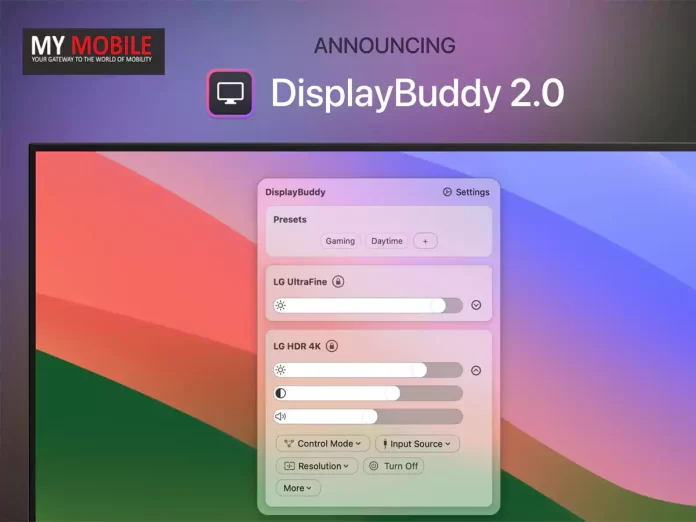
For the uninitiated, DisplayBuddy lets users adjust the brightness of third-party external displays directly from macOS.

Earlier this year, the app picked up updates featuring a new interface, presets, and widgets.

Now, DisplayBuddy is getting another significant update, this time with support for Samsung smart monitors.

Seamless Integration with Samsung Monitors

DisplayBuddy 2.0: Control Samsung Monitors and Unlock UltraBright on Mac

The latest version of DisplayBuddy now allows full brightness control on Samsung monitors, including the Samsung M5, M7, and M8.

It also works with the ViewFinity S9, Samsung’s 5K monitor that competes with the Studio Display.

Normally, external monitors can be controlled by software via the DDC/CI protocol.

However, Samsung never supported this protocol in its monitors; this made it impossible for users to adjust settings like brightness and volume from the computer.

DisplayBuddy bypasses this problem by connecting to the display as a wireless remote control.

The developer explains that DisplayBuddy uses a special Wi-Fi connection to these monitors, allowing users to have full control over the monitor’s real volume, input sources, power, and even a full remote control.

DisplayBuddy is the only Mac app that can do that, so this is definitely an exciting and unique development.

UltraBright: Unlock Maximum Brightness

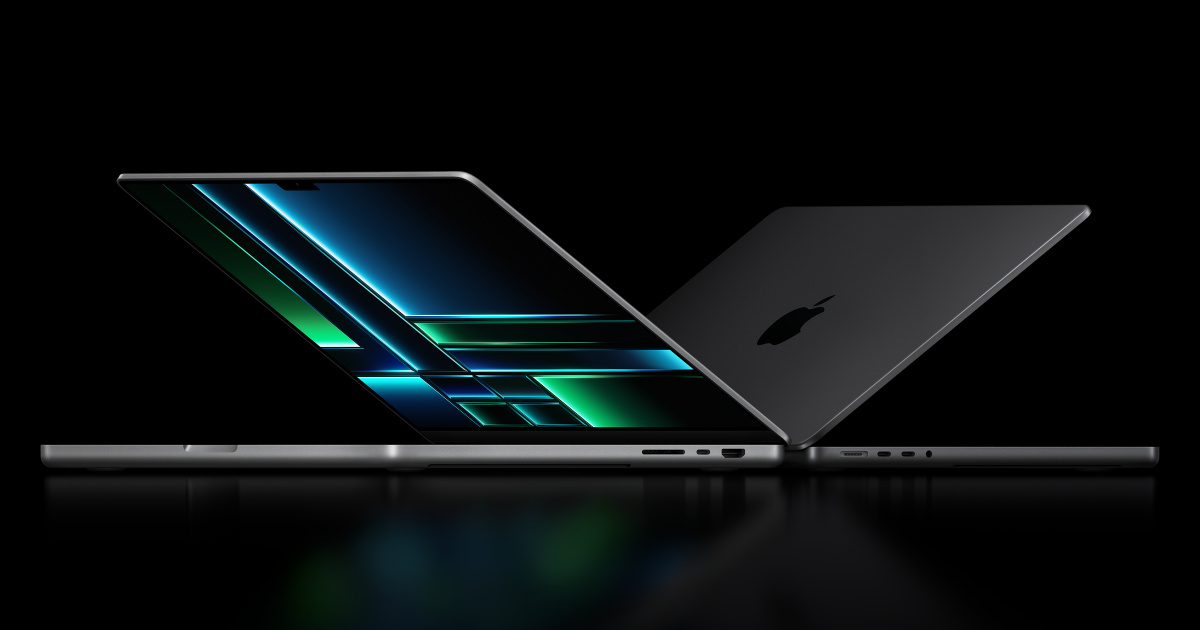
14-inch MacBook Pro with M3
UltraBright feature unlocks maximum brightness on MacBook Pro and Pro Display XDR

Along with Samsung monitor support, this update brings another exciting feature: UltraBright.

As its name implies, UltraBright lets users unlock the full brightness of a MacBook Pro or Pro Display XDR, which can be incredibly useful when working outdoors or in bright environments.

Pricing and Availability

MacBook Pro
Its available for $18.99 or as part of the Setapp subscription

If you want to give DisplayBuddy a try, an individual license for the app costs $18.99.

Alternatively, it’s available as part of the Setapp subscription, which allows you to try out the app for free for seven days.

The upgrade to version 2.0 is free for users who have purchased previous versions of the app.

The latest version of DisplayBuddy further showcases the developer’s commitment to providing a seamless and efficient experience for Mac users who work with external displays.

FAQs

What new feature does DisplayBuddy 2.0 offer for Samsung monitors?

DisplayBuddy 2.0 now supports full brightness control for Samsung monitors like the M5, M7, M8, and ViewFinity S9.

How does DisplayBuddy control Samsung monitors without DDC/CI protocol support?

DisplayBuddy connects to Samsung monitors using a special Wi-Fi connection, acting as a wireless remote control.

What is the UltraBright feature in DisplayBuddy 2.0?

UltraBright allows users to unlock the full brightness potential of MacBook Pro and Pro Display XDR, useful for bright environments.

What is the price of DisplayBuddy 2.0?

An individual license for DisplayBuddy costs $18.99, and it’s also available as part of the Setapp subscription.

Is the DisplayBuddy 2.0 update free for existing users?

Yes, the upgrade to version 2.0 is free for users who have previously purchased the app.

Also Read: Samsung Leads Global OLED Monitor Market; Apple Could Sell Nearly 4 Million OLED iPad Pros

Also Read: Samsung ViewFinity S8 Monitor: The new benchmark for the upcoming high-resolution monitors

Massive iPhone Scam: Counterfeit Phones Swapped for Real Ones in Apple Stores

0
Massive iPhone Scam: Counterfeit Phones Swapped for Real Ones in Apple Stores

Highlights

  • Counterfeit iPhones swapped for real ones in Apple Stores.
  • Estimated losses for Apple reach $12.3 million.
  • Scam involved fake model IDs and elaborate deceit tactics.
  • Defendants face 22 counts, including wire fraud and identity theft.

The audacious plot involved taking near-worthless counterfeit iPhone lookalikes into Apple Stores, claiming they were broken, and demanding replacements.

Apple, oblivious to the ruse, would replace the knockoff units with valuable real iPhones, which they could then sell for great profits. Scarily, this was done allegedly 16,000 times.

A Huge Financial Hit

Counterfeit Phones Swapped for Real Ones in Apple Stores

The indictment tells a grim story, with Apple stating losses are estimated at a whopping $12.3 million.

The replaced devices consisted of thousands of iPhones, iPads, and other Apple products.

This scam not only defrauded the tech giant but also might have stolen legit warranty repairs from its genuine customers, as Apple’s systems had already processed the counterfeit model IDs.

An Elaborate Web of Deceit

Apple's market share in China dropped due to a 19% sales decline in Q1
Estimated losses for Apple reach $12.3 million

According to the indictment, this intricate scheme took place from December 2014 through March 2024, with coordination from groups in China where they were sourcing the counterfeit devices. 

The fake models used stolen identification numbers, making them appear as genuine Apple products sold within the US, owned by real people, and under AppleCare warranty.

Covering Their Tracks

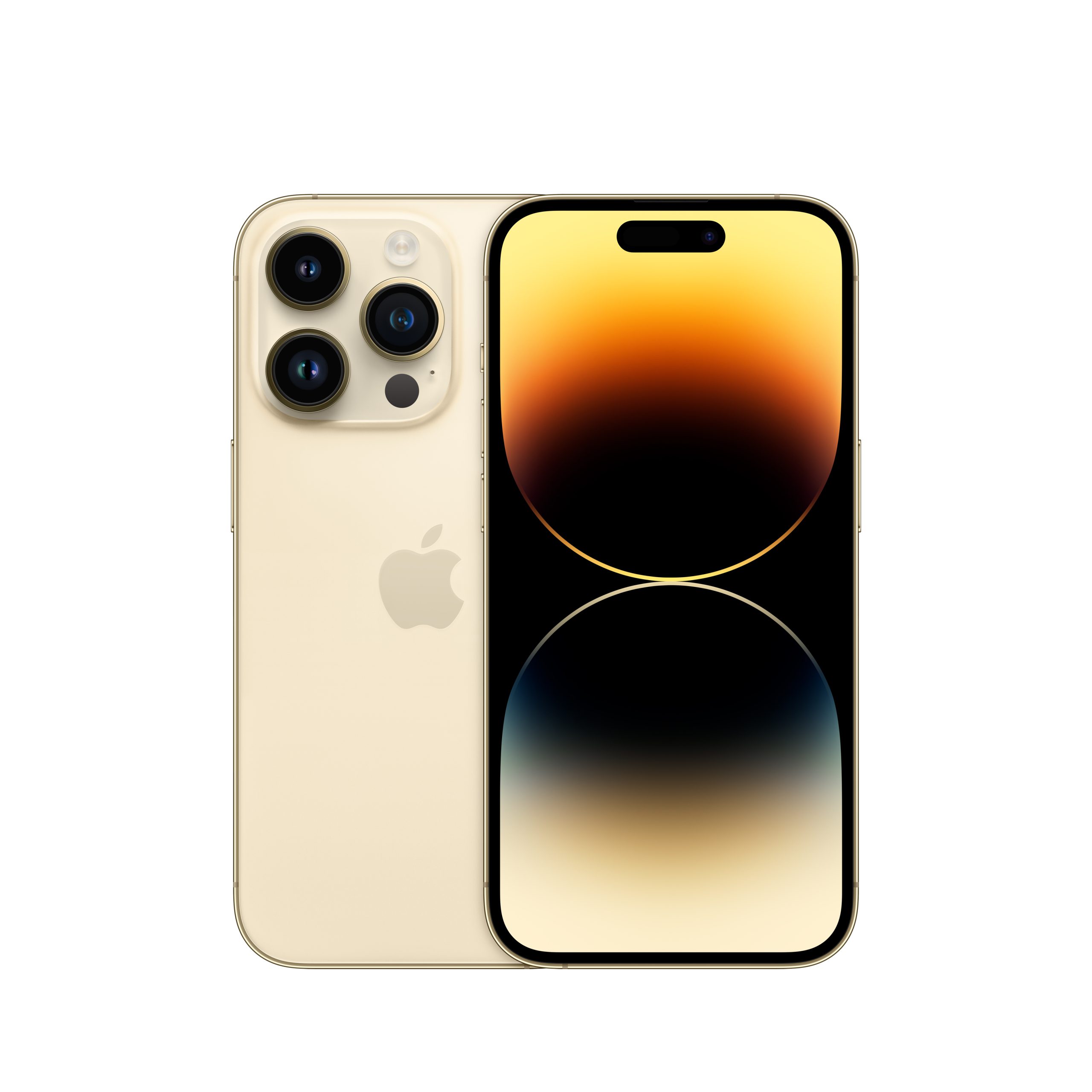
iPhone_14_Pro_Gold_PDP_Image_Position-1a_Avail__en-IN
Scam involved fake model IDs and elaborate deceit tactics

To hide their activities, the co-conspirators had devised a number of tactics.

They filed for repairs at as many as ten Apple retail stores across California in a single day. 

They used fake addresses, aliases, and even rental PO boxes for mail to hide their identities.

The case is now set to go to trial, and if convicted, the defendants face dire consequences.

They are charged with 22 counts spanning wire fraud, mail fraud, aggravated identity theft, and trafficking of counterfeit goods.

Each count holds the potential for years of incarceration.

FAQs

What was the main strategy behind the iPhone counterfeit scam?

The scam involved exchanging near-worthless counterfeit iPhones for real ones at Apple Stores by claiming they were broken.

How much did Apple lose due to this scam?

Apple estimated losses at a whopping $12.3 million from this fraudulent scheme.

What kind of devices were involved in the scam?

The scam included thousands of iPhones, iPads, and other Apple products.

How long did the counterfeit iPhone scam operate?

The scheme ran from December 2014 through March 2024.

What methods did the scammers use to cover their tracks?

The scammers used fake addresses, aliases, rental PO boxes, and filed repair claims at multiple Apple Stores in a single day.

Also Read: “I thought it was an iPhone”, Android Smartphone Rejected by Thieves in Unusual DC Robbery

Also Read: Turkish Man Steals iPhones Worth $30,000 for Girlfriend’s Car Gift

Also Read: Apple Responds to Report About Thieves Permanently Locking Out iPhone Users: Basic iPhone Feature Helps Criminals Steal Your Entire Digital Life