
Home Blog Page 593

In-App Subscriptions Surge Despite Growing Consumer Fatigue

0
  • Global app subscription revenue expected to surpass $120 billion this year.
  • Weekly subscriptions now account for 55% of all app subscriptions.
  • Average user cancels weekly subscriptions after two months.
  • Developers must balance sustainable models with fair pricing.

The world of app monetization is undergoing a seismic shift.

According to a recent report by Adapty, the in-app subscription market is booming, with global revenue projected to surpass $120 billion this year.

 This 15% year-over-year growth comes despite growing consumer fatigue with the subscription model.

But is this trend sustainable, and more importantly, is it good for consumers?

The Weekly Gambit
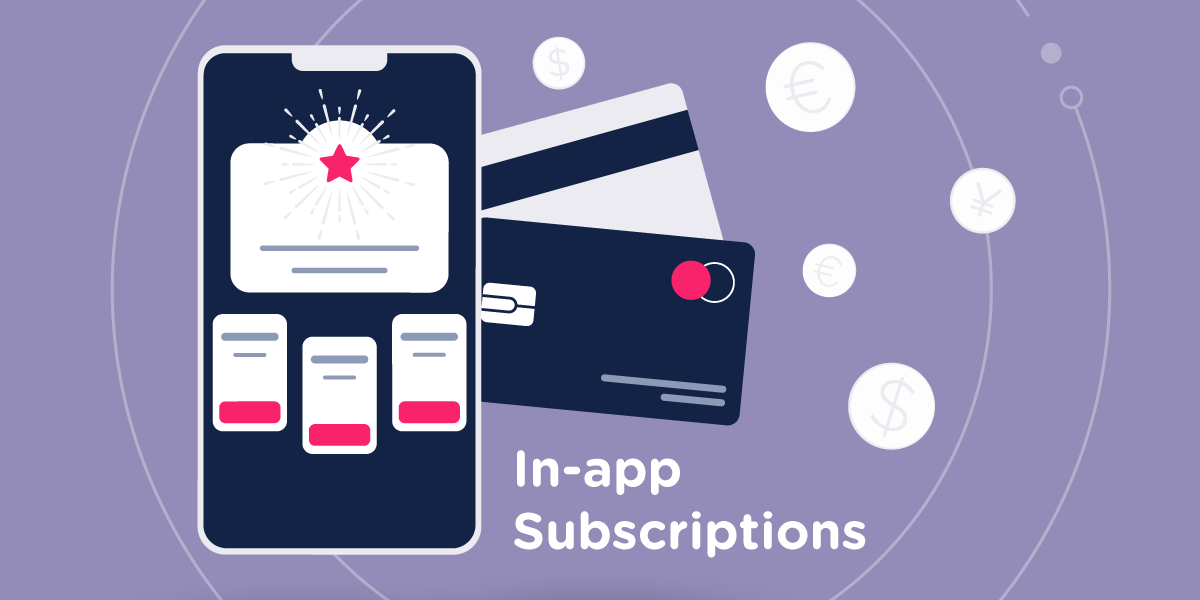
In-app subscriptions have been growing at a very remarkable rate

Perhaps the most surprising revelation is the rise of weekly subscriptions. Once a rarity, they now account for a staggering 55% of all app subscriptions. 

Developers are using this model as a low-cost trial alternative, hoping to entice users with a seemingly smaller financial commitment. 

It’s a clever psychological trick – $2.99 a week sounds far more palatable than $12.99support 25W fast charging,, even though the latter is often cheaper in the long run.

But this strategy may be short-sighted. While weekly subscriptions are renewed more frequently, they tend to have a shorter overall lifespan. 

The average user cancels after two months, compared to four months for monthly subscriptions.

This churn rate could spell trouble for developers banking on long-term revenue streams.

The Cost of Convenience

The subscription model undoubtedly offers benefits. For developers, it provides a steady income to fund ongoing improvements and support. 

For users, it can mean access to constantly updated software without large upfront costs.

However, the cumulative financial burden on consumers is becoming increasingly apparent.

What once might have been a one-time $50 purchase can easily balloon into hundreds of dollars over the course of a few years. 

This “death by a thousand cuts” approach to pricing is leaving many users feeling nickel-and-dimed.

Moreover, the subscription model can create a sense of pressure.

Users may feel compelled to “get their money’s worth” each month, turning what should be useful tools into sources of stress.

The Path Forward
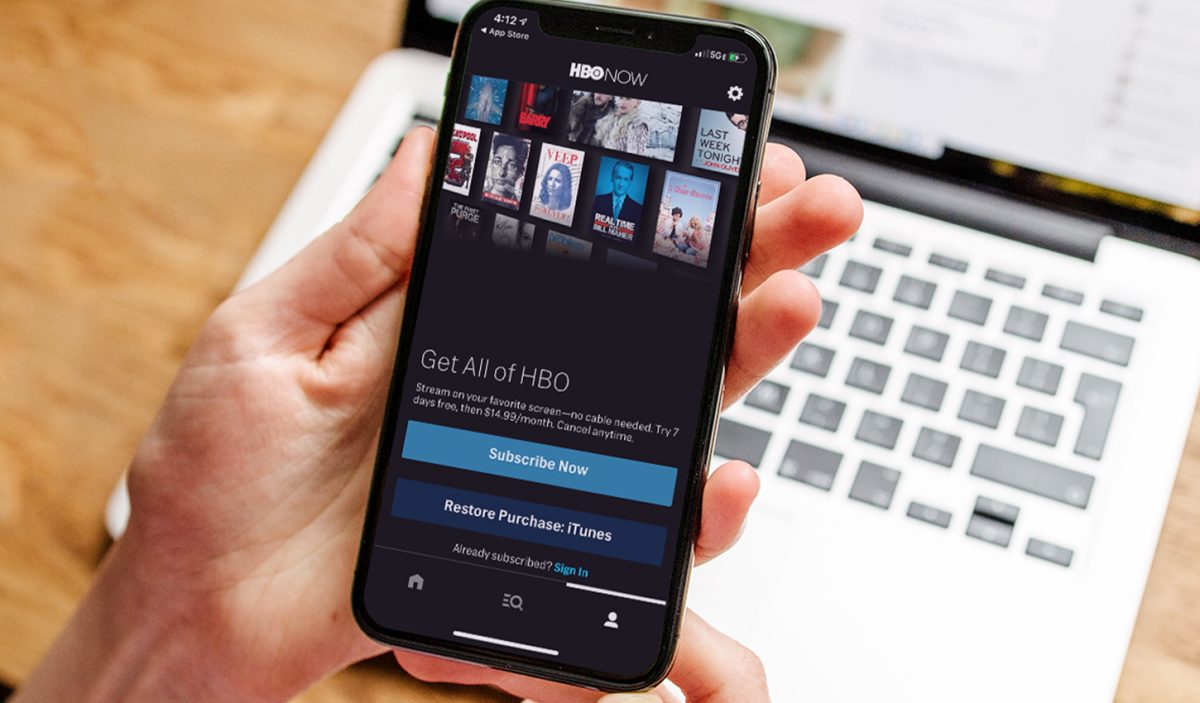
Apple charges a very high fees to developers for in-app subscriptions

The report suggests that the key to success lies in experimentation. 

Developers who rigorously test different subscription models can see dramatically higher revenues than those who stick to a single approach.

But this raises an important question: At what point does optimization become exploitation?

As consumers, we need to be more discerning about which subscriptions truly add value to our lives.

As an industry, we must find a balance between sustainable business models and fair pricing.

Perhaps a hybrid approach – combining one-time purchases with optional subscriptions for premium features – could offer a middle ground.

The subscription revolution is here to stay, but its final form is far from settled.

It’s up to both developers and consumers to shape a future where innovation thrives without breaking the bank.

FAQs

Q1: How much is the global app subscription market expected to grow?

The app subscription market is projected to surpass $120 billion this year, with a 15% year-over-year growth.

Q2: What is the current trend in app subscriptions?

Weekly subscriptions now account for 55% of all app subscriptions.

Q3: What is the average lifespan of weekly app subscriptions?

On average, users cancel weekly subscriptions after two months, compared to four months for monthly subscriptions.

Q4: What are the benefits of the subscription model for developers?

The subscription model provides a steady income, allowing developers to fund ongoing improvements and support.

Q5: What is a potential downside of the subscription model for consumers?

The cumulative financial burden can become significant, leading to a “death by a thousand cuts” feeling among users.

Also Read: Apple and Fortnite-Maker Epic Games Continue Legal Battle Over App Store Practices

Also Read: How to reset the Apple ID password

Also Read: How To Reset Apple ID Password Using Different Methods?

OnePlus Releases Android 15 Beta 2 for OnePlus 12 and OnePlus Open: Key Enhancements and Known Issues

0
  • Improved system stability and performance.
  • Fixed issues with split-screen and Bluetooth compatibility.
  • Enhanced camera operation and personal hotspot connectivity.
  • Better compatibility with certain third-party applications.

OnePlus has released the second beta version of Android 15 for its flagship devices, the OnePlus 12 and OnePlus Open.

This update represents significant progress towards a stable release, but the company emphasizes that it’s not yet ready for everyday users.

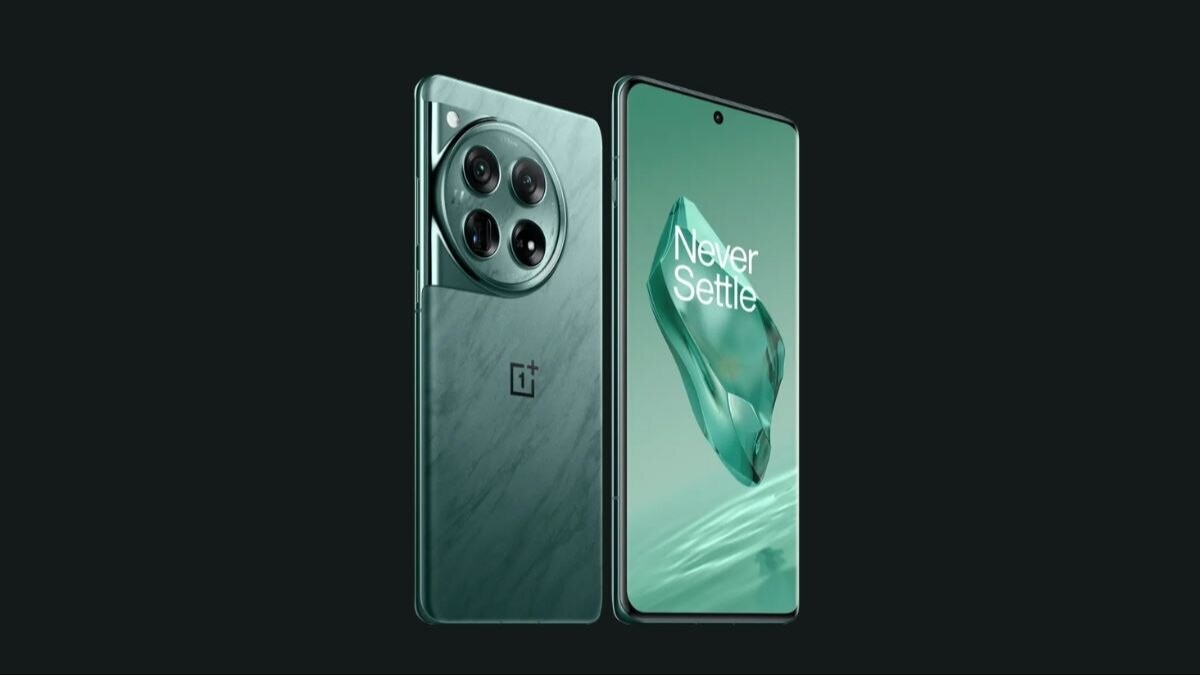
OnePlus Open is getting the Android 15 Beta 2 update

Beta 2: Strictly for Developers and Tech Enthusiasts

OnePlus is clear about the target audience for this release. “This [beta] is best suited for developers and other advanced users,” the company stated. 

They strongly caution against installing it on primary devices, adding, “It is not recommended [for] users [with] little to no experience in software development.”

OnePlus 12 is getting the Android 15 beta 2 update

Beta 2 brings several notable enhancements:

  • Improved overall system stability and performance
  • Resolved issues with split-screen functionality
  • Fixed Bluetooth compatibility problems
  • Addressed personal hotspot connectivity issues
  • Enhanced camera operation
  • Better compatibility with certain third-party applications

Here’s the complete list of changes coming with the second beta.

  • System
    • Improves system stability and performance.
    • Fixes an issue that the Auto Pixlate function fails during screenshot preview.
    • Fixes some issues in the split-screen model on the main screen. ( OnePlus Open ONLY)
  • Connection
    • Fixes Bluetooth compatibility issues in specific scenarios.
    • Fixes some problems that the Multi-Screen Connect function is abnormal when connecting with a PC or PAD.
    • Fixes an issue that the Personal hotspot may not be able to open after modifying the security settings.
  • Camera
    • Fixes some functional issues of the camera in specific scenarios.
    • Fixes the issue of the Smart Image Matting function failure in certain scenarios.
  • Apps
    • Fixes compatibility issues with some third-party apps.

Despite these improvements, OnePlus acknowledges that the beta isn’t without flaws.

The company has provided a detailed list of known issues for both the OnePlus 12 and OnePlus Open on its official forum, demonstrating transparency about the current state of development.

Looking Ahead to the Stable Release

Android 15 is slowly penetrating a large portion of the Android world

While OnePlus hasn’t announced a specific release date for the final version, industry observers expect it to arrive shortly after Google’s official launch of Android 15 later this year. 

This timeline aligns with OnePlus’s history of relatively quick adoption of new Android versions.

The beta release showcases OnePlus’s commitment to staying at the forefront of Android development. 

It also highlights the intricate process of refining a major operating system update before it’s ready for widespread public use.

For developers and tech enthusiasts interested in exploring the latest Android features on OnePlus hardware, this beta offers an exciting glimpse into the future. 

However, the average user will need to exercise patience as OnePlus continues to polish the update for a stable, public release.

Source

FAQs

Q1: Who should install the OnePlus Android 15 Beta 2?

This beta is intended for developers and advanced users. It is not recommended for those with little to no experience in software development.

Q2: What are the key improvements in Beta 2?

Beta 2 brings improved system stability, resolved split-screen and Bluetooth issues, enhanced camera operation, and better third-party app compatibility.

Q3: Are there any known issues with this beta version?

Yes, OnePlus has provided a detailed list of known issues for both the OnePlus 12 and OnePlus Open on its official forum.

Q4: When is the stable release expected?

The stable release is expected shortly after Google’s official launch of Android 15 later this year, in line with OnePlus’s history of quick adoption of new Android versions.

Q5: What should average users do regarding this beta release?

Average users should wait for the stable release as the beta version is not yet ready for everyday use.

Also Read: OnePlus 12R Revealed In New Renders, Spotted on Geekbench Ahead of Launch

Also Read: OnePlus 12R First Impressions and Unboxing: The New Flagship Contender?

Also Read: OxygenOS 14 Beta Rolling Out in India and North America: What OnePlus 11 Users Need to Know Now

Leaked Google Pixel Fold Prototype ‘Pipit’ Reveals Resemblance to Pixel 6 Series

0
  • Prototype codenamed “pipit” shows a design similar to the Pixel 6 series.
  • Initially separate projects “passport” and “pipit” merged into one device.
  • Features include a 12.2MP main sensor, 12MP ultrawide camera, and first-gen Tensor chip.
  • Experimented with stylus support, which didn’t make it to the final product.

A recently leaked prototype of Google’s Pixel Fold has shed light on the company’s evolving design process for foldable devices. 

This prototype, codenamed “pipit,” reveals a striking resemblance to the Pixel 6 series, particularly in its camera bar design.

From “Passport” to “Pipit”

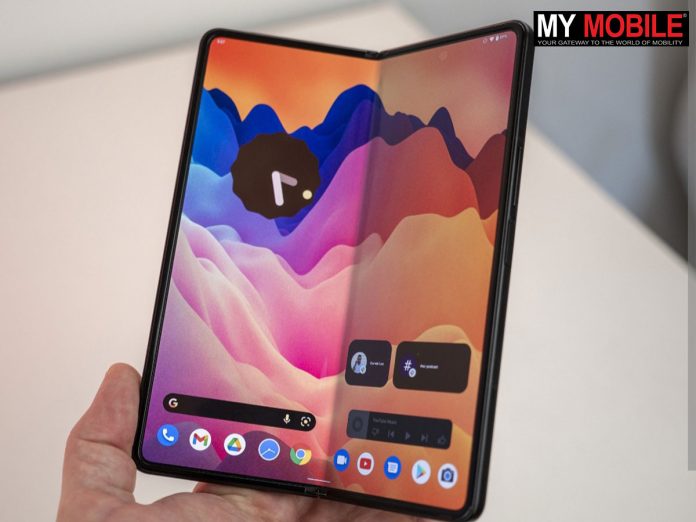
Pixel 6-like Fold design for the new Pixel foldable.

Sources familiar with Google’s foldable development timeline indicate that the company’s initial project, codenamed “passport,” was slated for a Q4 2021 release alongside the Pixel 6 series.

However, as development progressed, references shifted to a new codename: “pipit.”

Industry insiders suggest that “passport” and “pipit” were initially separate projects that eventually merged into a single device. 

This shift in development strategy isn’t uncommon for Google, as seen with previous devices like the Pixel Slate.

Design and Specifications

Great Pixel fold design and looks quite like the Pixel 6.

The leaked images of the “pipit” prototype showcase a device nearly identical to the released Pixel Fold, with one notable exception: the camera bar. 

The prototype features a single piece of glass with metal rails, spanning edge-to-edge, reminiscent of the Pixel 6 design language.

Camera specifications for the prototype align with earlier reports, featuring a 12.2MP IMX363 main sensor and a 12MP IMX386 ultrawide camera.

These choices represent a continuation of Google’s camera strategy from previous Pixel models.

Interestingly, the prototype was powered by the first-generation Tensor chip and Exynos Modem 5123, further supporting the theory that it was intended to launch alongside the Pixel 6 series.

What Could Have Been

The Pixel 6 was widely regarded as a great phone.

The prototype also reveals that Google experimented with stylus support for the Fold, a feature that didn’t make it to the final product, likely due to durability concerns.

While the “pipit” prototype never made it to market, it offers valuable insights into Google’s design process and the evolution of the Pixel Fold.

As the foldable market continues to grow, it’s clear that Google’s journey in this space is far from over.

WhatsApp Image 2024-06-30 at 2.17.46 PM
WhatsApp Image 2024-06-30 at 2.17.46 PM (2)
WhatsApp Image 2024-06-30 at 2.17.46 PM (1)
WhatsApp Image 2024-06-30 at 2.17.47 PM
WhatsApp Image 2024-06-30 at 2.17.46 PM WhatsApp Image 2024-06-30 at 2.17.46 PM (2) WhatsApp Image 2024-06-30 at 2.17.46 PM (1) WhatsApp Image 2024-06-30 at 2.17.47 PM

FAQs

Q1: What is the codename of the leaked Pixel Fold prototype?

The prototype is codenamed “pipit” and shows similarities to the Pixel 6 series.

Q2: How does “pipit” relate to “passport”?

Initially, “passport” and “pipit” were separate projects, but they eventually merged into a single foldable device.

Q3: What are the camera specifications of the “pipit” prototype?

The prototype features a 12.2MP IMX363 main sensor and a 12MP IMX386 ultrawide camera.

Q4: What chip powers the “pipit” prototype?

The “pipit” prototype is powered by the first-generation Tensor chip and Exynos Modem 5123.

Q5: Did the “pipit” prototype support a stylus?
Yes, Google experimented with stylus support for the Fold, but it was not included in the final product due to durability concerns.

Also Read : Google Pixel 6 series gets new update

Also Read: Google Pixel Fold Speculated to Launch in 2023; Details Inside

Also Read: Google Pixel Fold with Tensor G2, 7.6-inch foldable & 5.8″ outer 120Hz OLED displays, water-resistant design, compact foldable design launched globally: Price, Specifications

Infinix Note 40S 4G: Launching Soon with AMOLED Display and 108MP Camera

0
  • Features a 6.78-inch AMOLED display with 120Hz refresh rate.
  • Powered by MediaTek Helio G99 Ultimate chipset with 8GB RAM.
  • Equipped with a 108MP main camera and 32MP front camera.
  • Supports 33W wired and 20W wireless charging via MagKit technology.

Infinix is set to launch the Note 40S 4G, expanding its smartphone lineup.

The company has revealed key details about the device on its website, offering a glimpse of what consumers can expect. 

While the launch date and pricing remain under wraps, the specifications suggest a mid-range device with some premium features.

Design and Display

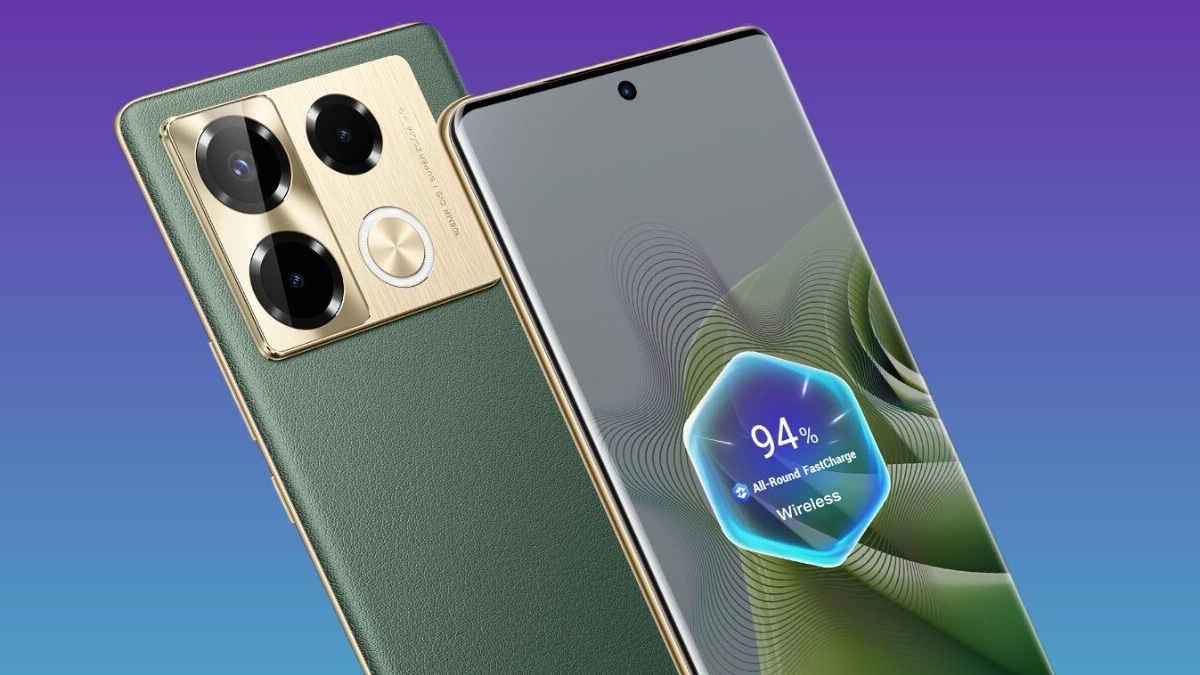
Expect some crazy fast charging speeds on the Note 40s.

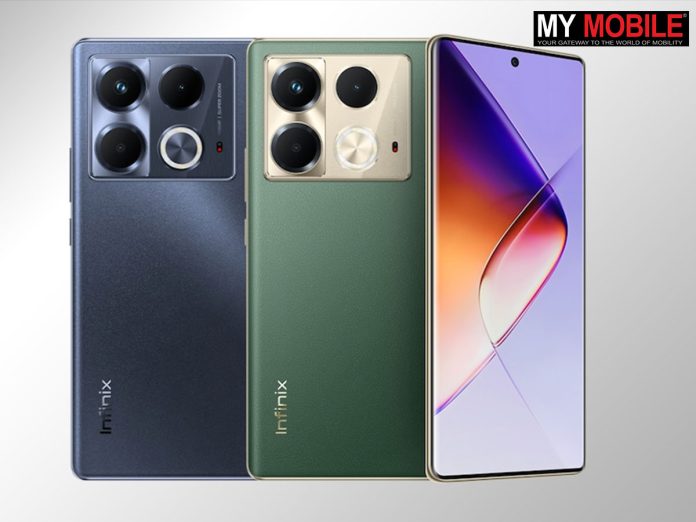
The Note 40S 4G maintains the family resemblance with its 5G counterparts launched earlier this year.

It features the distinctive Halo AI lighting ring on the rear, which doubles as a notification indicator.

Buyers will have a choice between Obsidian Black and Vintage Green color options.

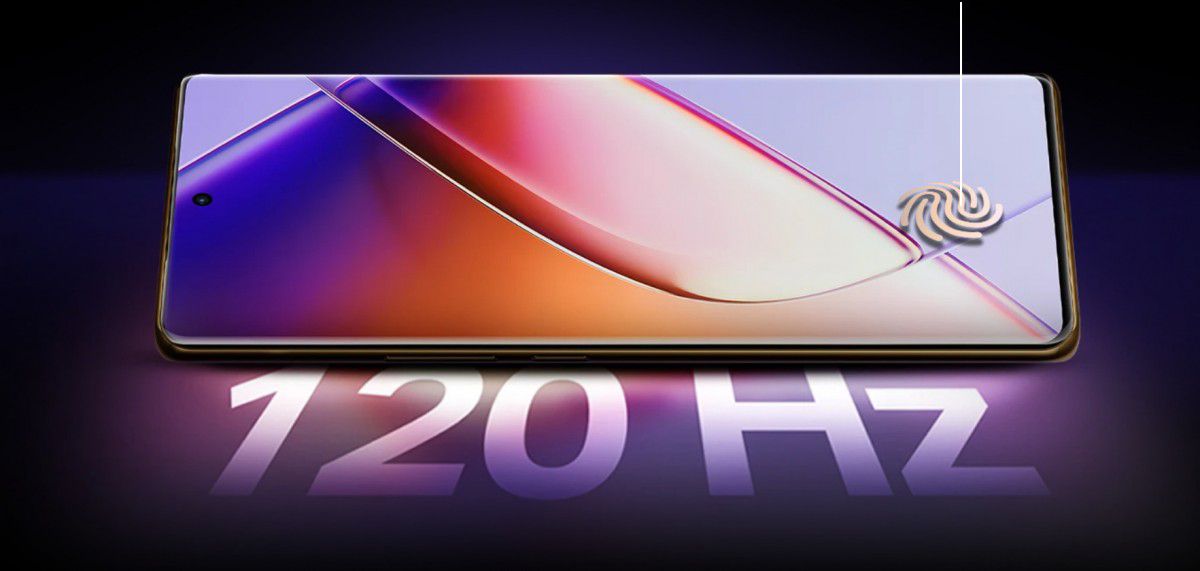
The phone boasts a 6.78-inch AMOLED display with Full HD+ resolution (1,080 x 2,436 pixels) and a smooth 120Hz refresh rate.

Infinix claims a peak brightness of 550 nits and mentions Corning Gorilla Glass protection, though the specific version isn’t specified.

Performance and Camera

The display is pretty good on the Note 40s
Infinix Note 40s about to launch soon

Under the hood, the Note 40S 4G is powered by MediaTek’s Helio G99 Ultimate chipset, a 6nm processor aimed at 4G devices. It’s paired with 8GB of LPDDR4X RAM and 256GB of UFS 2.2 storage.

The phone runs on Android 14 with Infinix’s XOS 14 skin, and the company promises two years of OS updates and three years of security patches.

In the camera department, the Note 40S 4G features a dual rear setup, led by a high-resolution 108MP main sensor.

It’s accompanied by a 2MP macro lens for close-up shots. For selfies, there’s a 32MP front-facing camera.

Other notable features include a 5,000mAh battery supporting 33W wired charging and 20W wireless charging via Infinix’s MagKit technology. The device also boasts dual JBL-tuned speakers, an IP54 rating for dust and splash resistance, and connectivity options like Wi-Fi 5, Bluetooth, 4G LTE, NFC, and GPS.

WhatsApp Image 2024-06-30 at 1.08.40 PM (1)
WhatsApp Image 2024-06-30 at 1.08.40 PM
WhatsApp Image 2024-06-30 at 1.08.40 PM (1) WhatsApp Image 2024-06-30 at 1.08.40 PM

Source

FAQs

Q1: What display features does the Infinix Note 40S 4G have?
The Infinix Note 40S 4G boasts a 6.78-inch AMOLED display with Full HD+ resolution, a 120Hz refresh rate, and Corning Gorilla Glass protection.

Q2: Which processor powers the Infinix Note 40S 4G?

The device is powered by MediaTek’s Helio G99 Ultimate chipset, a 6nm processor designed for 4G devices.

Q3: What are the camera specifications of the Infinix Note 40S 4G?

The phone features a dual rear camera setup with a 108MP main sensor and a 2MP macro lens, as well as a 32MP front-facing camera.

Q4: What are the battery and charging capabilities of the Note 40S 4G?

It comes with a 5,000mAh battery supporting 33W wired charging and 20W wireless charging via Infinix’s MagKit technology.

Q5: What operating system does the Infinix Note 40S 4G run on?

The phone runs on Android 14 with Infinix’s XOS 14 skin, with a promise of two years of OS updates and three years of security patches.

Also Read: Infinix Note 40 Series Touted to Come with New Active Halo Feature

Also Read: Infinix Launches Note 40 Series Globally: Pricing, Features, Specs, and More

Also Read: Infinix Note 40 and Note 40 Pro Spotted on Google Play Console

Here’s How to Unlock Your iPhone’s 5G SA Capabilities with iOS 16.4 Update

0
  • iOS 16.4 now supports T-Mobile’s 5G Standalone network.
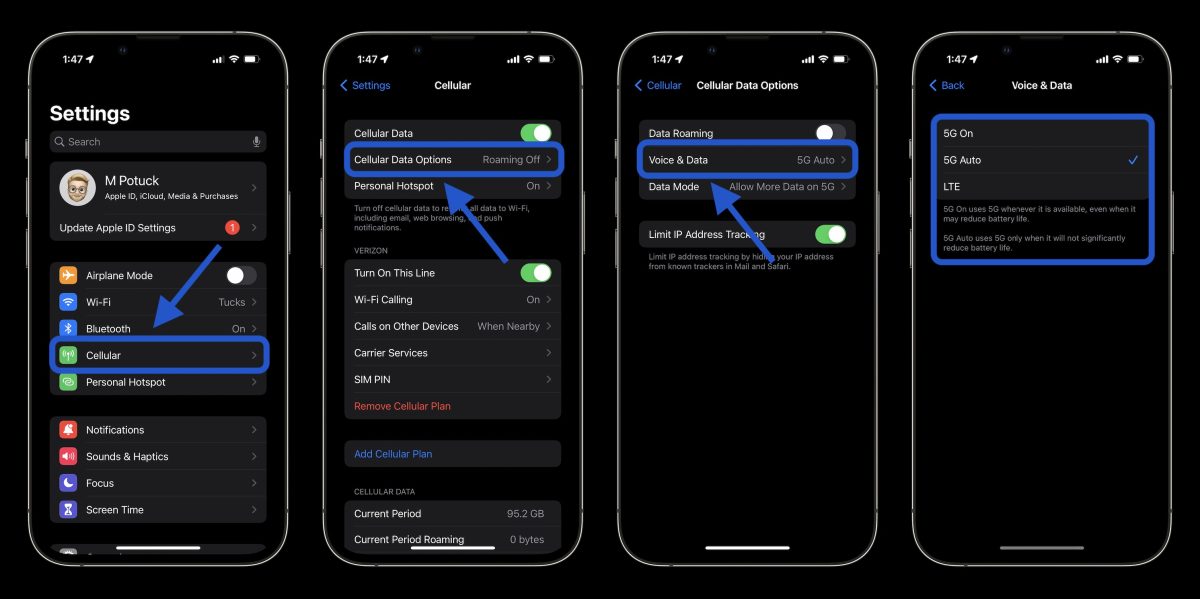
  • Activate 5G SA via Settings > Cellular > Cellular Data Options > Voice & Data.
  • Verify connection by running speed tests or using Field Test mode.
  • 5G SA offers speeds up to 3 Gbps but varies by location and carrier support.

Apple’s iOS now supports T-Mobile’s advanced 5G Standalone (SA) network in the United States, alongside other global carriers.

This feature, when available, can dramatically boost connection speeds, potentially reaching up to 3 Gbps through carrier aggregation.

Activating 5G SA on Your iPhone

The iPhone 5G feature, when available, can dramatically boost connection speeds

To access this cutting-edge technology:

  1. Ensure your iPhone runs iOS 16.4 or later
  2. Navigate to Settings > Cellular > Cellular Data Options > Voice & Data
  3. Look for the 5G Standalone toggle at the bottom of the screen

Note that this option only appears for carriers supporting 5G SA.

Verifying Your Connection

Curious about your 5G SA performance? Try these methods:

  1. Run a speed test using your preferred app
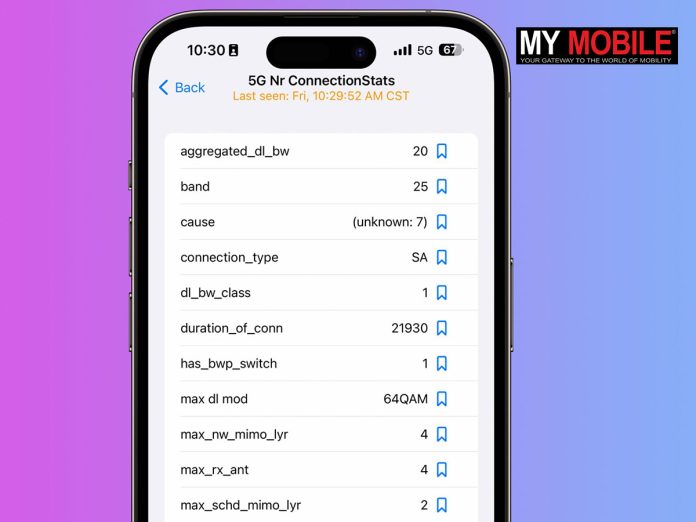
  2. For detailed insights, dial 3001#12345# and tap call to enter Field Test mode
  3. In Field Test mode, search for “connection_type” and look for “SA” to confirm you’re on Standalone 5G

Network Availability and Performance

Note that the option only appears for carriers supporting 5G SA.

T-Mobile introduced Ultra Capacity 5G SA in November 2022, initially limited to high-end Samsung devices. The feature expanded to iPhones with iOS 16.4.

While T-Mobile has achieved impressive speeds in tests, real-world performance may vary.

The availability of 5G SA is still limited, so users should experiment in different locations to find optimal coverage.

Global Rollout

Beyond the U.S., carriers in Brazil and other countries have also launched 5G SA for iPhone users.

As this technology continues to evolve, more regions are expected to adopt this advanced network capability.

Remember, while 5G SA offers exciting potential, actual speeds and availability depend on various factors including location, network congestion, and device capabilities.

FAQs

Q1: What is 5G Standalone (SA) on the iPhone?

5G SA is an advanced network technology supported by iOS 16.4, providing faster and more reliable connection speeds up to 3 Gbps through carrier aggregation.

Q2: How do I activate 5G SA on my iPhone?

Ensure your iPhone is running iOS 16.4 or later. Go to Settings > Cellular > Cellular Data Options > Voice & Data and toggle on 5G Standalone if supported by your carrier.

Q3: How can I verify if I’m connected to 5G SA?

Run a speed test or enter Field Test mode by dialing 3001#12345# and looking for “SA” under connection_type.

Q4: Which carriers support 5G SA for iPhone?

T-Mobile in the U.S. supports 5G SA, and it is also available with certain carriers in Brazil and other countries. Availability is expanding.

Q5: What factors affect the performance of 5G SA?

Performance depends on location, network congestion, and device capabilities. Availability may vary, so test in different areas for optimal coverage.

Also Read: Apple Leads Global Premium Smartphone Market with Huawei’s Remarkable Comeback in 2023: Counterpoint

Also Read: Huawei Planning for Surpirse IPO in 2024; Could Surpass Apple’s 2019 Valuation

Also Read: Apple’s iPhone 15 Pro Max Leads 2024 Sales, Major Price Cuts in China Signal Strategic Shift

Spotify Surges with Over 250,000 Video Podcasts: What it Means For the Industry

0
  • Spotify hosts over 250,000 video podcast shows, up from 100,000 this year.
  • Over 170 million users have watched a video podcast on Spotify.
  • In Chile, video accounts for 25% of total podcast consumption hours.
  • Video podcast MAUs in the US have increased by 40% year over year.

Spotify has announced a major shift in podcast listening habits. The platform now holds over 250,000 video podcast shows, which is up from 100,000 this year alone.

It really must depict a new world in terms of how listeners are consuming content.

“Spotify is always evolving to better serve our users and drive success for creators,” said Jordan Newman, Head of Content Partnerships at Spotify. “With podcasts, the video format can add an additional layer of authenticity and connection for fans. That’s why we continue to hear that audiences want the ability to not only listen, but also watch their favorite shows. And we see that in the data: Audience retention increases when creators add video—and every creator wants a loyal, highly engaged fan base that keeps coming back.”

“We continue to see demand for video from both creators and their audiences,” Newman continued. “The number of creators publishing video each month keeps growing, and more and more of our users are watching. As demand continues to rise, we will keep enhancing our video capabilities.”

Lee Brown, Global Head of Ads Business and Platform at Spotify said :

“We’re in the next phase of evolution of the podcast business,” he said. “We see continued growth, both from the consumption time, and in terms of listeners on the platform engaging more with a wide range of podcasts on our platform – but also to the format side. It’s no longer pure audio. It’s also audio and video. And I think that opens up a whole lot of opportunities for podcasters, as well as for advertisers as more and more podcasters are adopting and bringing in video.”

“We are starting to see how consumer habits are changing within the platform,” said Brown.
“There’s a push for making sure that we meet the consumer where they are and how they want to consume the content, depending on what kind of content that is, whether it’s a podcast or a music track, or an audiobook,” Brown said..

“We’ve really transformed quite a bit over the last five years, from selling pure audio to a mix of audio, video, as well as display,” Brown said. “Multi-format has always been a fixture within marketing campaigns.. And now having video capabilities, we are showcasing how audio can be an unbelievable frequency play across video and display ads across all campaigns. I think they’re starting to see those results.”

The Rise of Visual Listening

Spotify podcasts is a fast growing service and it has already become very popular.

Video podcasts become the new thing. Spotify says over 170 million users have watched a video podcast on their platform.

It is rather interesting to note that out of the said viewers, over 70% actually watch while only a few listen to the video.

The trend is particularly strong in certain markets. In Chile, video accounts for a quarter of total podcast consumption hours.

Brazil follows closely, with video making up more than 15% of podcast listening time.

Creator Adoption and User Engagement

Spotify says over 170 million users have watched a video podcast

This format is being taken up energetically by creators. The number of creators posting video content each month has increased by about 70% year over year.

The United States, Brazil, and Mexico top the list regarding creator interest in video podcasts.

User engagement also continues to rise. Almost one in three US — podcast MAUs are engaging with video content.

It’s almost one in four in total, while MAUs of video podcasts are up 40% year over year.

Future Outlook

Major shows like The Joe Rogan Experience incorporating video on their Spotify podcasts

The trend towards visual podcasting shows no signs of slowing.

With major shows like The Joe Rogan Experience incorporating video, it’s likely that more creators will follow suit.

However, traditional audio-only podcasts will likely maintain their appeal, especially for listeners who prefer audio-only content during activities like exercise or commuting.

FAQs

Q1: How many video podcast shows does Spotify currently have?

Spotify now hosts over 250,000 video podcast shows, up from 100,000 earlier this year.

Q2: How popular are video podcasts on Spotify?

Over 170 million users have watched a video podcast on Spotify, with more than 70% of viewers actively watching rather than just listening.

Q3: Which markets show the highest engagement with video podcasts?

Chile and Brazil lead in video podcast consumption, with video accounting for 25% and over 15% of podcast listening time, respectively.

Q4: How has creator adoption of video podcasts changed?

The number of creators posting video content on Spotify each month has increased by about 70% year over year, with significant interest in the US, Brazil, and Mexico.

Q5: What is the future outlook for video podcasts on Spotify?

The trend towards visual podcasting is growing, with major shows like The Joe Rogan Experience incorporating video, and continued user engagement expected to rise.

Also Read: Spotify Music Playlists Is Reportedly Getting A New AI-Powered Feature

Also Read: Spotify Hits 236M Paid Subscribers Amid Financial Fluctuations and Apple Dispute

Also Read: Spotify Launches Song Psychic Feature for Personalized Music Fortune Telling

Meta Introduces AI Characters on Instagram with Creator Collaboration

0
  • Meta tests user-created AI characters on Instagram in the U.S.
  • AI characters will appear primarily in messaging and be clearly labeled.
  • Collaboration with creators like Wasted and Don Allen Stevenson III.
  • Gradual rollout expected to reach full launch by August.

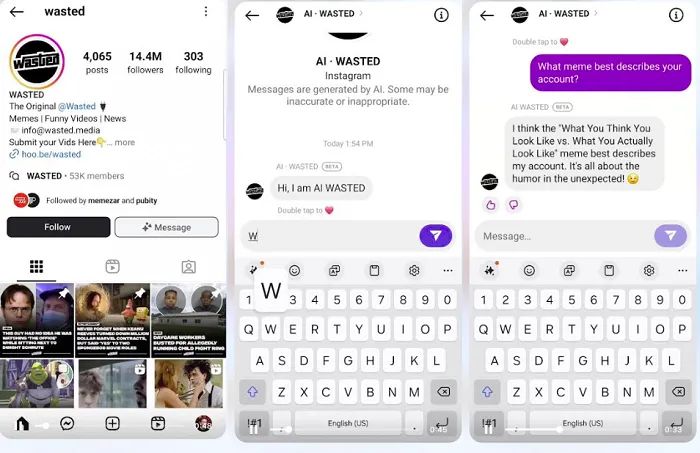
Meta is introducing AI characters created by users through Meta AI studio on Instagram. The test will initially be limited to the U.S.

Mark Zuckerberg, Meta’s CEO, announced this development on his broadcast channel. He emphasised that these AI chatbots will be clearly labelled to avoid confusion.

“Rolling out an early test in the U.S. of our AI studio so you might start seeing AIs from your favorite creators and interest-based AIs in the coming weeks on Instagram. These will primarily show up in messaging for now, and will be clearly labeled as AI,” he said.

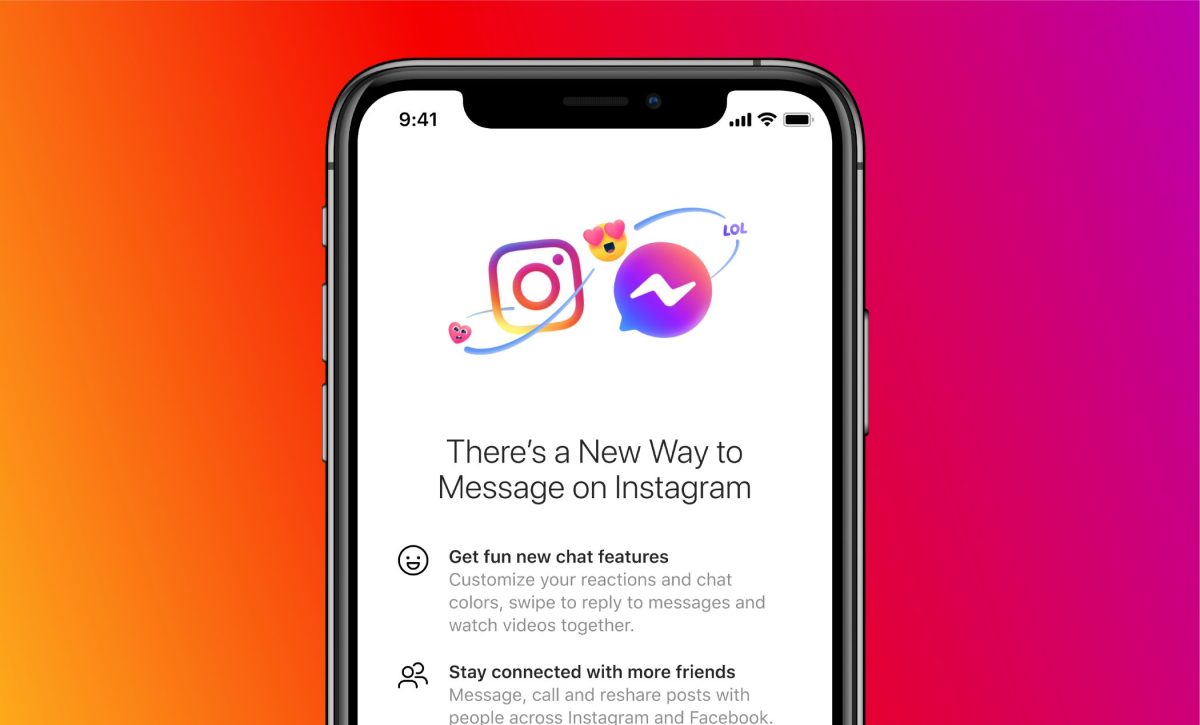
There’s soon going to be a brand new way to integrate with Instagram thanks to Meta AI

Creators and AI Avatars

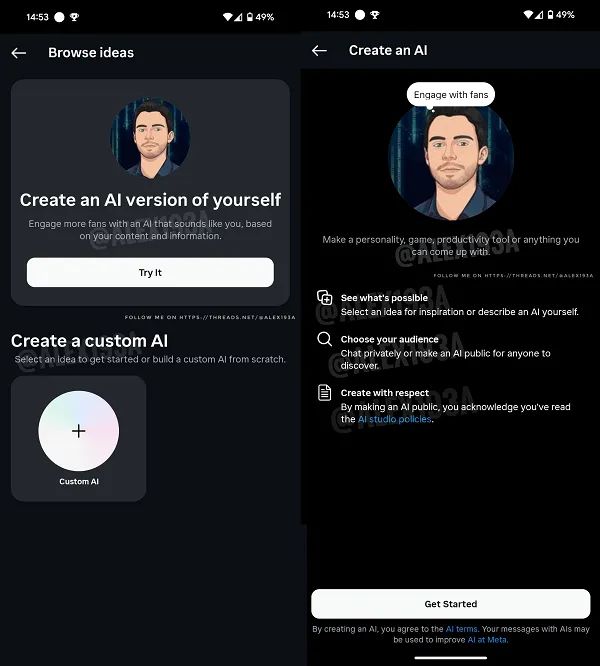
Meta’s launching the first stage of its “AI Studio” platform

Meta has collaborated with creators like meme account Wasted and technology creator Don Allen Stevenson III for the initial launch. 

The company aims to enable every creator and small business to develop their own AI for community interaction.

Zuckerberg suggested that creators might use these AI avatars to engage with fans when they can’t personally respond to all messages. 

He noted that the effectiveness of these AI characters will likely evolve over time, becoming an “art form” in itself.

Future Plans and Rollout

Meta’s launching the first stage of its “AI Studio” platform

The test will begin with about 50 creators and a small percentage of users.

Meta plans to gradually expand the feature over the next few months, aiming for a full launch by August.

Zuckerberg expressed uncertainty about the most engaging and trust-building approach for these AI avatars.

AI Studio will enable creators to build an “AI agent” version of themselves to interact with their community.

He stated that the company wants to provide tools for experimentation to see what works best.

This move by Meta coincides with Character.AI, an a16z-backed chatbot company, introducing voice calls with AI avatars.

FAQs

Q1: What is Meta testing on Instagram?

Meta is testing user-created AI characters on Instagram, starting with a limited rollout in the U.S.

Q2: How will these AI characters be used?

The AI characters will primarily appear in messaging and will be clearly labeled as AI to avoid confusion.

Q3: Who are some of the creators involved in the initial launch?

Meta has collaborated with creators such as meme account Wasted and technology creator Don Allen Stevenson III.

Q4: What is the purpose of these AI characters?

These AI characters are designed to help creators engage with their fans, especially when they cannot respond personally to all messages.

Q5: When will the feature be fully launched?

The test will start with about 50 creators and a small percentage of users, aiming for a full launch by August.

Also Read: Meta Concerned About Telecommunications Bill 2023 Impact on India’s OTT Landscape

Also Read: Meta Announces New Privacy Controls for EU Users: Unlinking Facebook, Instagram, and WhatsApp

Also Read: Meta Tightens Messaging Safety for Teens on Instagram and Facebook

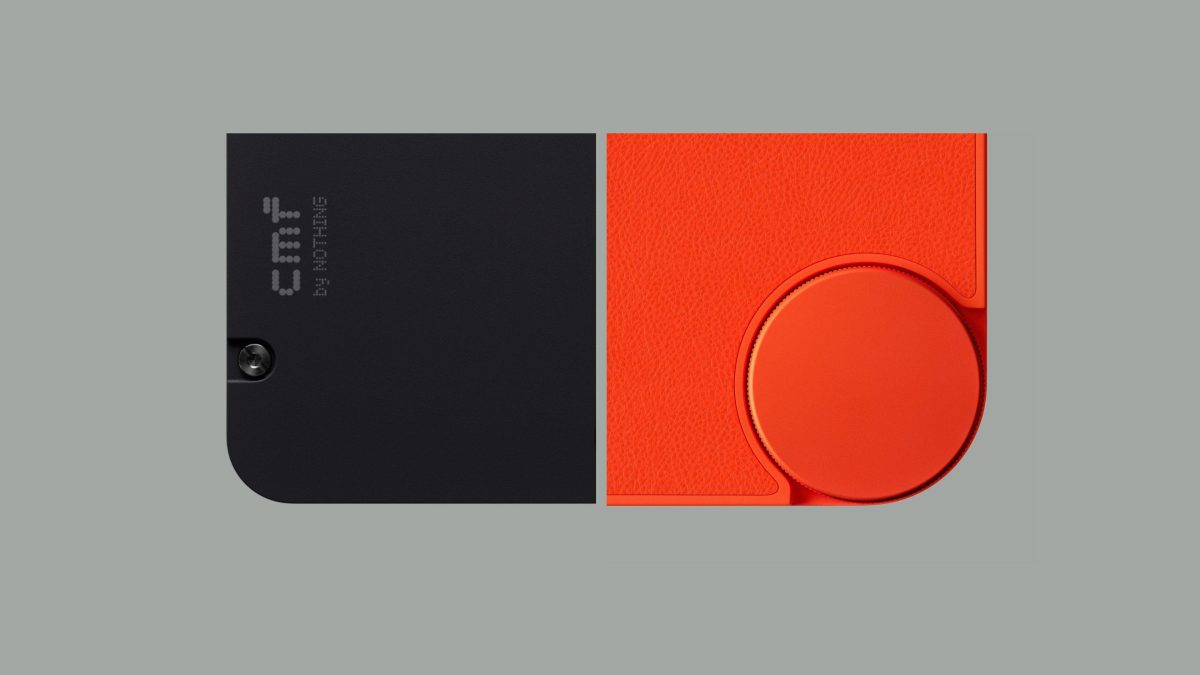
Nothing Teases CMF Phone 1 To Come With MediaTek Dimensity 7300: All You Need to Know

0
  • Powered by MediaTek Dimensity 7300 with 5G, Bluetooth 5.3, and Wi-Fi 6.
  • Up to 8GB RAM with a base model potentially offering 6GB.
  • Expected 6.7-inch FHD+ display with 120Hz refresh rate and 2,000-nit peak brightness.
  • Anticipated starting price of Rs 15,999 in India.

Nothing’s doing things a bit different with the upcoming CMF Phone 1 launch; it is peeling off a layer at a time, giving us new new glimpses every day.

Here’s what you need to know about the phone.

CMF Phone 1 Processor Reveal

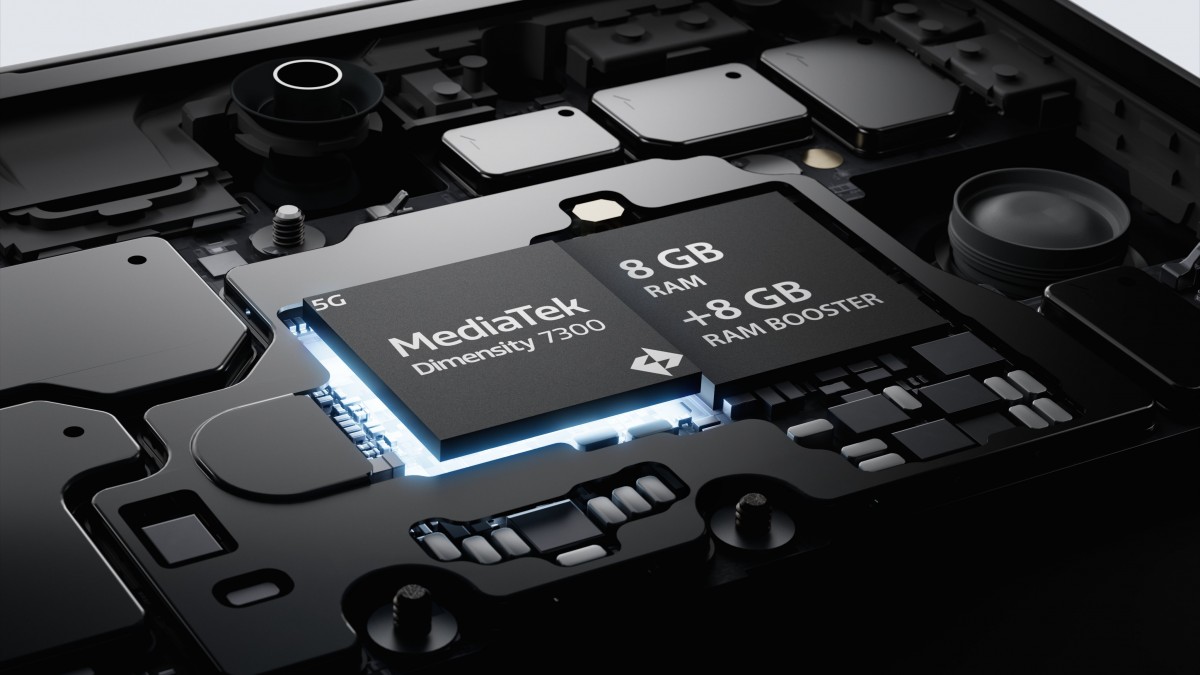
The CMF Phone 1 is going to come with the DImensity 7300 SoC

Yesterday, Nothing flexed that phone’s display. Today, they’ve confirmed what’s powering this mystery machine: the MediaTek Dimensity 7300 chip.

This little powerhouse brings 5G capabilities, Bluetooth 5.3, and WiFi 6 to the table. Not bad at all for something that’s shaping up to be a mid-range contender.

“The MediaTek Dimensity 7300 5G processor, with its 8-core architecture and cutting-edge 4nm process from TSMC, makes it one of the fastest and power-efficient smartphones in the segment,” the company said.

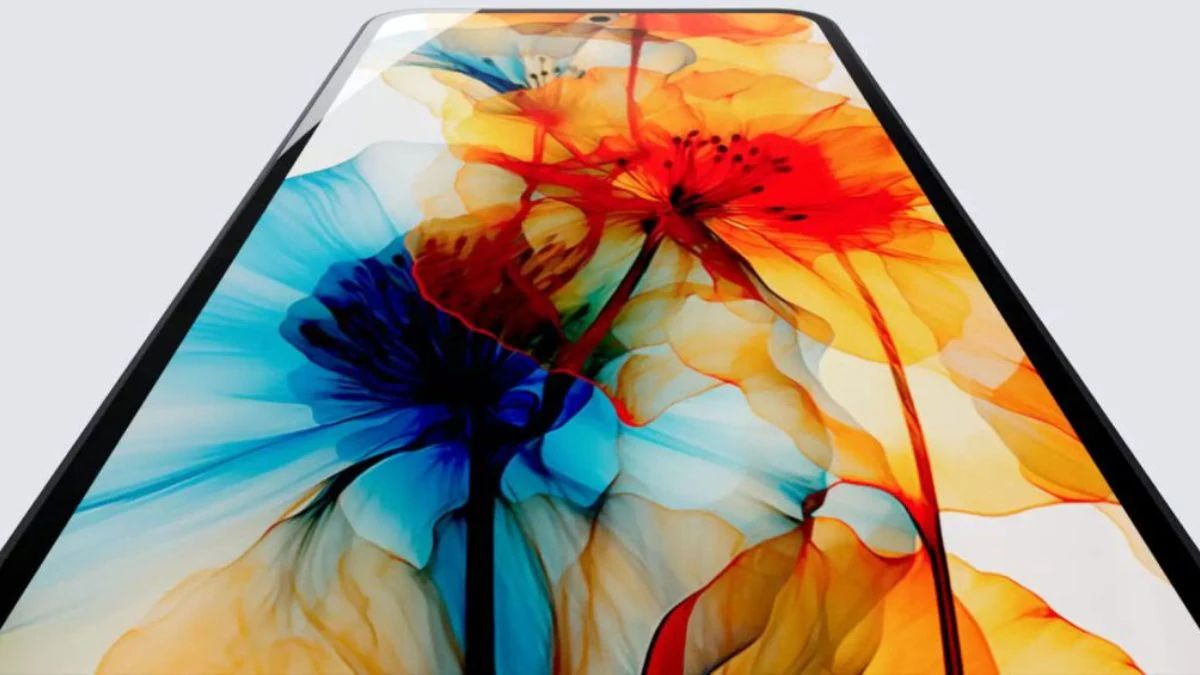
This is the alleged display of the CMF Phone 1.

But wait, there’s more! The CMF Phone 1 will pack up to 8GB of RAM.

Though, if you are pinching pennies, the word on the street is that the base model might settle for 6GB. Still plenty for most folks, if you ask me.

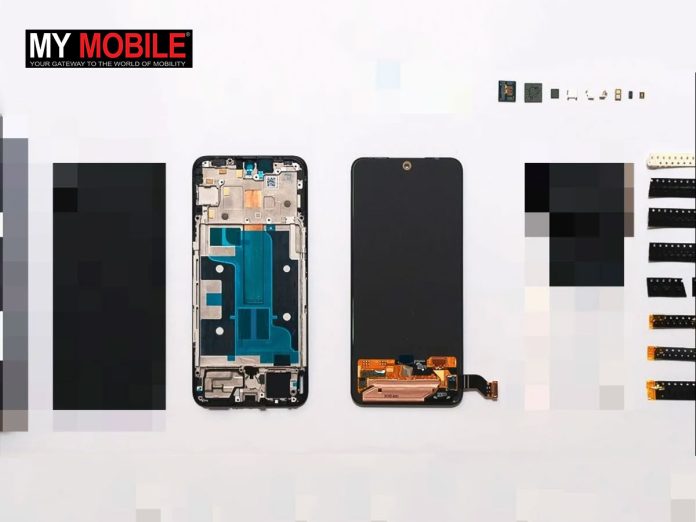
So, to make things a little more exciting, Nothing released a video featuring Zack from the JerryRigEverything YouTube channel ahead of the CMF Phone 1 launch.

You know, the guy who loves to torture phones for our entertainment? Well, this time he’s playing nice, showing off the CMF Phone 1’s mainboard.

What’s next in this slow-burn reveal? Your guess is as good as mine, but I’d bet my last charging cable we’ll see another crucial component tomorrow.

Nothing’s playing a long game here, with seven more days of teasers to go. By July 8th, we might almost know this phone better than our own devices!.

Now, let’s deal with rumors. Word on the tech street is that we’re going to see a 6.7-inch FHD+ screen with refresh rates that go silky-smooth at 120 Hz.

Nothing’s already boasted about its 2,000-nit peak brightness, good enough to take on the sun itself.

Camera-wise, we might be looking at a 50 MP main shooter with a depth sensor buddy on the back, and a 16 MP selfie cam for those who can’t resist a good duck face.

A beefy 5,000 mAh battery with 33W fast charging should keep the lights on, and it’ll likely run Android 14 out of the box.

Expected Pricing

The CMF Phone 1 is going to be a budget phone.

Oh, and for those watching their wallets, the CMF Phone 1 launch is expected to start at a wallet-friendly Rs 15,999 in India.

That’s about as much as a fancy dinner date, but this phone will stick around much longer (hopefully).

So, there you have it, folks. Nothing’s making us work for it, but the CMF Phone 1 is shaping up to be an intriguing little device. 

Will it live up to the hype? Only time will tell. But one thing’s for sure – Nothing knows how to keep us talking. Well played, Nothing. Well played.

FAQs

Q1: What processor does the CMF Phone 1 use?

The CMF Phone 1 is powered by the MediaTek Dimensity 7300 chip, offering 5G capabilities, Bluetooth 5.3, and Wi-Fi 6.

Q2: How much RAM does the CMF Phone 1 have?

The CMF Phone 1 will feature up to 8GB of RAM, with a base model possibly offering 6GB.

Q3: What are the display specifications of the CMF Phone 1?

The CMF Phone 1 is rumored to have a 6.7-inch FHD+ screen with a 120Hz refresh rate and a peak brightness of 2,000 nits.

Q4: What is the expected pricing of the CMF Phone 1 in India?

The CMF Phone 1 is expected to start at Rs 15,999 in India.

Q5: What camera setup is anticipated for the CMF Phone 1?

The CMF Phone 1 is rumored to feature a 50 MP main camera with a depth sensor and a 16 MP front camera.

Q5: What are the key Highlights of MediaTek Dimensity 7300 SoC in the CMF Phone 1 ?

Superior Performance: The MediaTek Dimensity 7300 5G processor ensures CMF Phone 1 is one of the fastest phones in its segment. Its 8-core design delivers top-tier speed and responsiveness, catering to all your needs seamlessly.

Enhanced Efficiency: Thanks to the innovative design and small size of the chip, CMF Phone 1 offers radically improved efficiency, significantly reducing battery drain and extending usage times.

Advanced Technology: The latest 4nm process technology from TSMC sets Phone 1 apart, enabling superior performance and efficiency while maintaining a compact form factor.
The CMF Phone 1 is set to launch on July 8 and can be live-streamed at cmf.tech.

With CMF Phone 1, the brand aims to make great design accessible to more people while delivering an uncompromised user experience through a focus on core product functionalities.

Alongside CMF Phone 1, the brand will also launch Watch Pro 2 and Buds Pro 2, further expanding its portfolio of innovative products designed to enhance everyday life.

Is CMF by Nothing Launching Phone 1 with MediaTek Dimensity 7300 SoC ?

CMF, a sub-brand of London-based technology company Nothing, today announced that CMF Phone 1 is set to debut as India’s first smartphone powered by the new MediaTek Dimensity 7300 5G SoC.

Scheduled to launch on July 8th, CMF Phone 1 promises to deliver a best-in-segment experience.

The MediaTek Dimensity 7300 5G processor, with its 8-core architecture and cutting-edge 4nm process from TSMC, makes it one of the fastest and power efficient smartphones in the segment.

This segment-leading processor integrates numerous functions into a single compact chip, ensuring both high performance and energy efficiency.

Also Read: CMF by Nothing Announces Blind Drop Pre-Order Sale Ahead of Official Launch

Also Read: Nothing Phone 2a Launch Set for March 5; To Launch in India and UK

Samsung Launches Galaxy Book 4 Ultra in India: Pricing, Features, Specs

0
  • 16-inch AMOLED touchscreen with 120Hz refresh rate.
  • Intel Core Ultra processors and NVIDIA RTX 40-series GPUs.
  • Up to 32GB RAM and 1TB SSD storage.
  • Quad speaker setup by AKG with Dolby Atmos support.

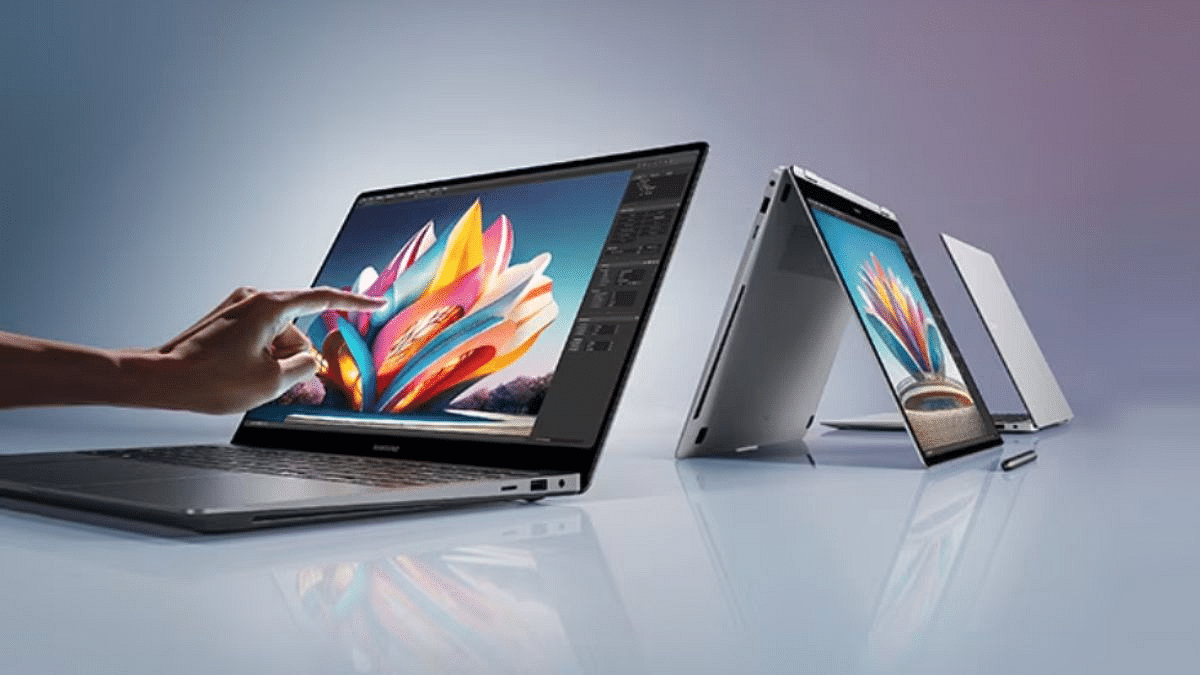
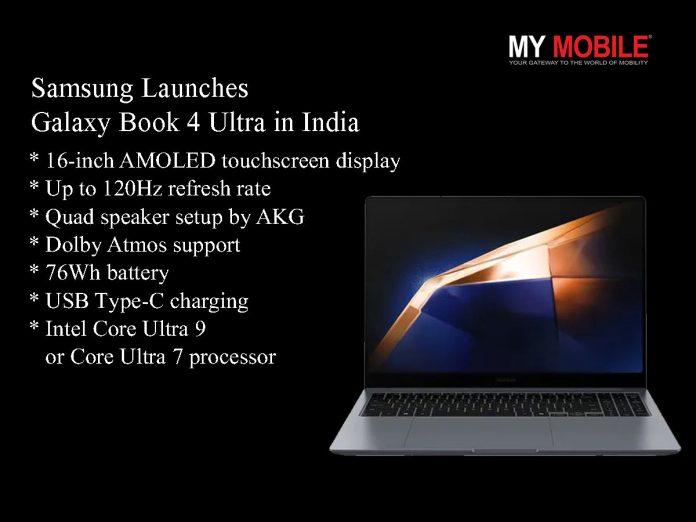
Samsung has quietly introduced the Galaxy Book 4 Ultra in India, expanding its premium laptop lineup.

This high-end model joins the Galaxy Book 4 series launched earlier in February 2024, offering top-tier specifications for power users and professionals.

Samsung Galaxy Book 4 Ultra Pricing and availability

Samsung Galaxy Book 4 Ultra is the latest latop to be announced in India

The Galaxy Book 4 Ultra starts at Rs 233,990 for the base model, while the high-end configuration is priced at Rs 281,990. 

The laptop has been spotted on Croma’s website and in some offline stores, though sales have not yet commenced. An official launch announcement is expected soon.

Samsung Galaxy Book 4 Ultra Key specs

  • 16-inch AMOLED touchscreen display (2880 x 1800 resolution)
  • Up to 120Hz refresh rate, 16:10 aspect ratio
  • Intel Core Ultra 9 or Core Ultra 7 processor options
  • NVIDIA RTX 4070 or RTX 4050 GPU options
  • Up to 32GB RAM
  • 1TB SSD storage
  • Quad speaker setup by AKG with Dolby Atmos support
  • 76Wh battery with USB Type-C charging

Samsung Galaxy Book 4 UltraFeatures

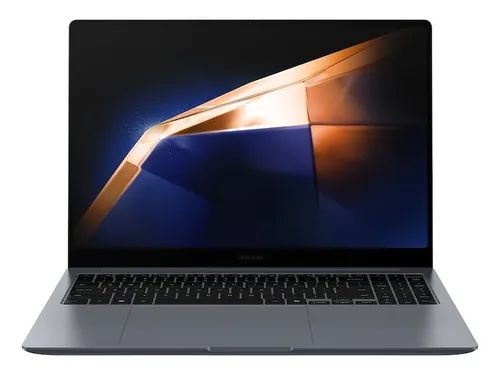
The Galaxy Book 4 Ultra’s standout feature is its 16-inch AMOLED display, offering vibrant colors and deep contrasts typical of Samsung’s screen technology.

Galaxy Book 4 Ultra keyboard

The 120Hz refresh rate ensures smooth visuals, whether for creative work or entertainment.

This large screen is housed in a surprisingly portable package, with the laptop weighing just 1.86 kilograms.

The Galaxy Book 4 Ultra happens to be a 2-in-1 laptop and has a very premium pricetag.

Under the hood, the combination of Intel’s latest Core Ultra processors and NVIDIA’s RTX 40-series GPUs provides ample power for demanding tasks like video editing, 3D rendering, and even gaming.

The option to configure up to 32GB of RAM allows for seamless multitasking and handling of large datasets.

Galaxy Booj 4 Ultra front profile

For productivity, the Galaxy Book 4 Ultra features a backlit keyboard with a numeric pad, catering to professionals who work with numbers. 

Security is addressed with a built-in fingerprint scanner, while a 2MP webcam facilitates clear video calls.

The quad-speaker setup tuned by AKG and supporting Dolby Atmos promises an immersive audio experience for both work and leisure.

Samsung Galaxy Book 4 Key Spec

  • Display: 16-inch Dynamic AMOLED 2x display, touch panel, WQXGA+ (2880×1800 pixels) resolution, 400 nits brightness, 48Hz to 120Hz VRR, 120% DCI-P3 colour gamut
  • Processor: Intel Core Ultra 9 and Core Ultra 7 (Intel Evo edition)
  • Graphics: NVIDIA GeForce RTX 4070 Laptop GPU (8GB DDR6) / GeForce RTX 4050 Laptop GPU (6GB DDR6)
  • OS: Windows 11 Home
  • Memory: 16GB/32GB of LPDDR5X RAM
  • Storage: 1TB PCIe SSD, expansion slot
  • Camera: 2MP Full HD webcam
  • Microphone and Speaker: Studio quality Dual Microphones, AKG Quad speakers (Woofer Max 2x 5W, Tweeter 2x 2W), Dolby Atmos
  • Keyboard: Pro keyboard with numeric keys and backlit
  • Battery and Charging: 76Wh battery with 140W USB-C charging adapter
  • Connectivity and Ports: Wi-Fi 6E, 802.11 ax 2×2, Bluetooth v5.3, 2x Thunderbolt 4, USB Type-A, HDMI 2.1 port, Micro SD, Headphone / Microphone
  • Dimensions and Weight: 355.4 x 250.4 x 16.5 mm, 1.86kg

FAQs

Q1: What are the pricing options for the Samsung Galaxy Book 4 Ultra?

The Galaxy Book 4 Ultra starts at Rs 233,990 for the base model, with the high-end configuration priced at Rs 281,990.

Q2: Where can I buy the Samsung Galaxy Book 4 Ultra?

The laptop is currently listed on Croma’s website and in some offline stores, with official sales expected to commence soon.

Q3: What are the key specifications of the Galaxy Book 4 Ultra?

It features a 16-inch AMOLED touchscreen, Intel Core Ultra 9 or 7 processors, NVIDIA RTX 4070 or 4050 GPUs, up to 32GB RAM, and 1TB SSD.

Q4: What makes the Galaxy Book 4 Ultra’s display special?

The 16-inch AMOLED display offers vibrant colors, deep contrasts, and a 120Hz refresh rate for smooth visuals.

Q5: What additional features does the Galaxy Book 4 Ultra offer?

It includes a backlit keyboard, fingerprint scanner, 2MP webcam, quad speakers with Dolby Atmos, and a 76Wh battery with USB Type-C charging.

Also Read: Samsung Galaxy Book4 Series Now Open for Pre-Reservation in India: What You Need to Know

Also Read: Samsung Galaxy Book4 Series Pre-Booking Starts Tomorrow: Pricing, Features, and Offers

Also Read: Samsung Unveils Galaxy Book 4 Edge with Snapdragon X Elite Processor: Pricing, Specs, Features

Vodafone Idea (Vi) Raises Prepaid and Postpaid Plan Prices: Complete Guide to New Tariffs

0
  • Vi increases prepaid and postpaid plan prices by up to 20%
  • New tariffs effective from July 4, 2024
  • Entry-level prepaid plan now costs Rs 199, up from Rs 179
  • Postpaid plans see price increases with added benefits

What could shake up the Indian telecom landscape is a price revision in its tariff structure, announced by Vodafone Idea. 

Prices of prepaid and postpaid plans will be increased beginning on July 4, 2024; some as high as 20% increase.

This makes it similar moves to those of industry giants Jio and Airtel, which herald changing times in the competitive dynamics of India’s mobile market.

Vi plans have been made more expensive after Airtel and Jio did the same earlier

Key Changes to Watch:

There’s a 10-21 percent price hike on the plans.
  • Entry-level prepaid plans now start at Rs 199, up from Rs 179
  • Popular 28-day, 1.5GB/day plan jumps from Rs 299 to Rs 349
  • Annual plans see notable increases, with the 1.5GB/day option now at Rs 3499
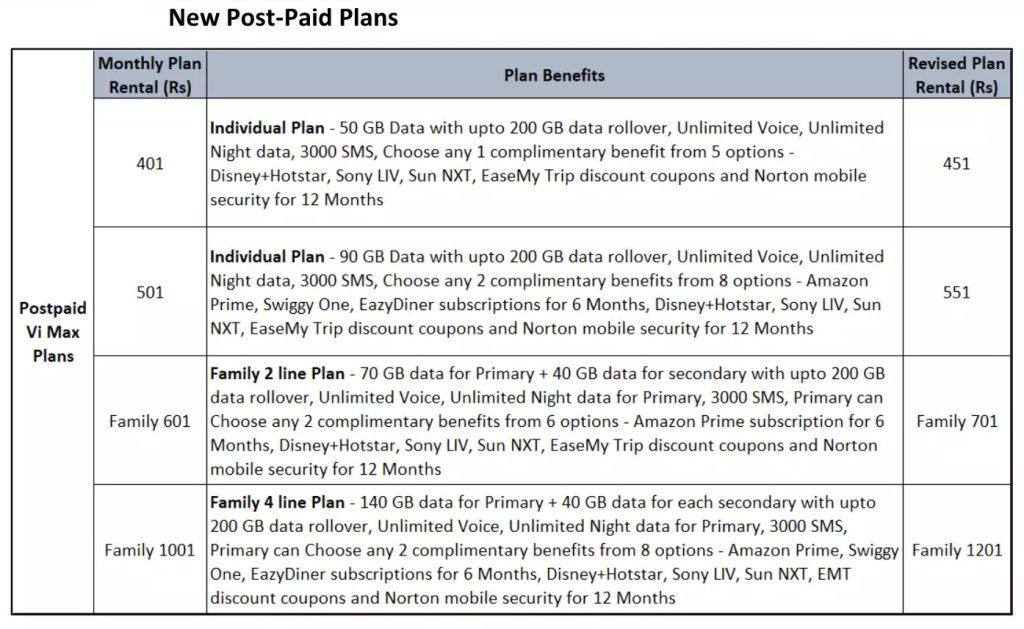
  • Postpaid plans offer enhanced benefits to justify higher price points

“In line with its commitment to provide its consumers with simple and comprehensive plans, Vi has curated an optimum range of feature-rich plans to meet the diverse needs of its consumers. Staying true to its philosophy of supporting entry-level users and progressively linking higher prices to increased usage, changes in entry-level plans are nominal,” stated Vodafone Idea in a statement.

Vi’s strategy appears twofold: align with competitors’ pricing while bolstering its financial position for future investments.

With 5G rollout on the horizon, the company needs resources to upgrade its network infrastructure.

Vi Still offers unlimited night data, and data rollover in its daily data plans.

“This price revision is a necessary step to ensure Vi’s long-term sustainability and our ability to deliver high-quality services,” a company spokesperson stated. “We’re committed to providing value to our customers, even as we adapt to market realities.”

For consumers, the changes mean digging a bit deeper into their pockets. However, Vi aims to sweeten the deal, particularly for postpaid customers. 

Higher-tier plans now include additional OTT subscriptions and perks like travel discounts.

Vi’s hike in price in the latest trend in the telecom industry of rising prices.

How Industry Analysts View This

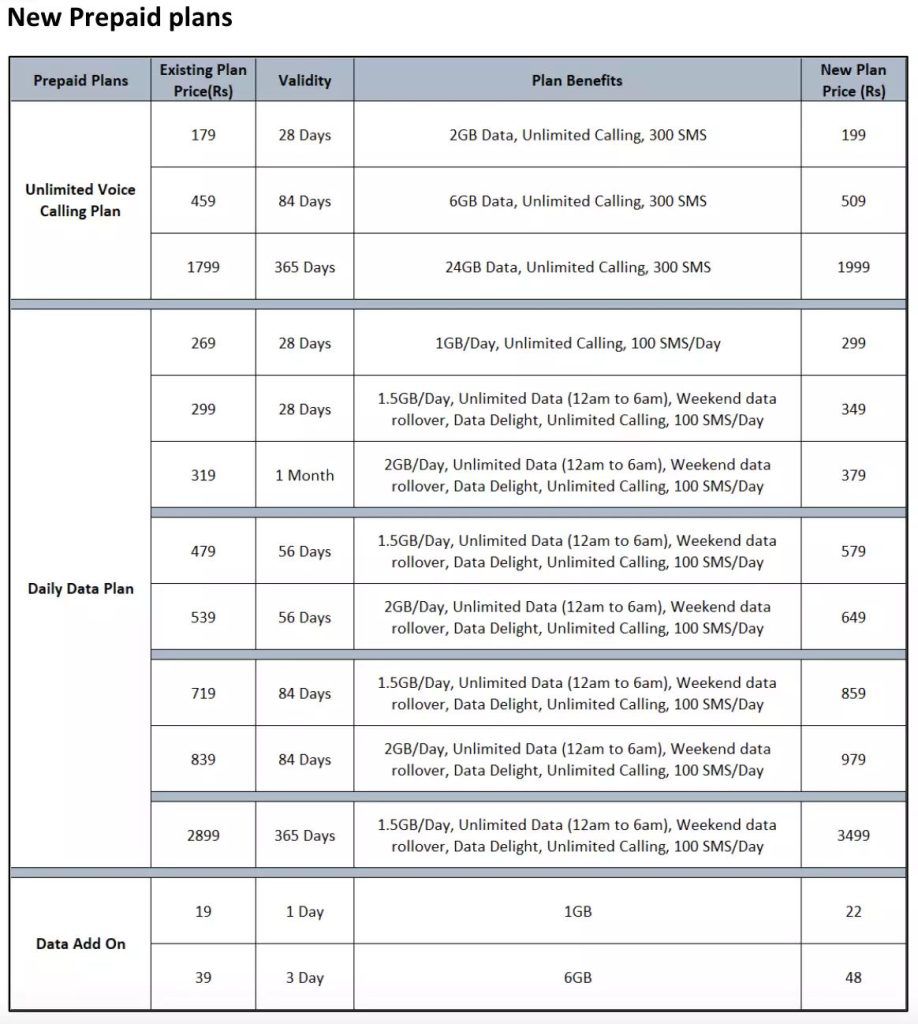
Existing Price Validity (Days) Benefits (Unlimited Calling) New Price
Rs 179 28 2GB total Rs 199
Rs 459 84 6GB total Rs 509
Rs 1799 365 24GB total Rs 1999
Rs 269 28 1GB/day Rs 299
Rs 299 28 1.5GB/day Rs 349
Rs 319 30 2GB/day Rs 379
Rs 479 56 1.5GB/day Rs 579
Rs 539 56 2GB/day Rs 649
Rs 719 84 1.5GB/day Rs 859
Rs 839 84 2GB/day Rs 979
Rs 2899 365 1.5GB/day Rs 3499
Rs 19 1 1GB total Rs 22
Rs 39 3 6GB total Rs 48

Industry analysts view this move as inevitable. “The era of rock-bottom prices in Indian telecom is ending,” notes telecom expert Rajiv Sharma. “Operators need sustainable revenue streams to invest in next-generation technologies.”

Complete table for the Vi Plan hike

As Vi implements these changes, all eyes will be on customer retention rates and market share shifts.

The coming months will reveal whether this bold move pays off or pushes subscribers towards competitors.

Post paid plan hike by Vi

“Vi is the only operator offering a range of unmatched benefits to its pre-paid customers by Offering Night Free Data and Weekend Data Roll Over with its ‘Hero Unlimited’ plans and a unique ‘Choose Your Benefit’ option to its Post-Paid customers under its Vi Max Plans,” said Vi.

For now, Vi users should review their current plans and consider their options.

With careful selection, it’s still possible to find a balance between cost and features in this new pricing landscape.

FAQs

Why has Vi increased its plan prices?

Vi has raised its prices to align with recent hikes by competitors Jio and Airtel. This increase will help the company sustain its operations, prepare for the upcoming 5G rollout, and invest in network improvements.

How much has Vi increased its plan prices?

Vi has increased its plan prices by up to 20% across various prepaid and postpaid offerings. The exact increase varies depending on the specific plan and its duration.

When will the new Vi prices take effect?

The new tariffs for Vi’s prepaid and postpaid plans will come into effect on July 4, 2024. Customers will be charged the new rates for any plans purchased or renewed after this date.

Are there any changes to the benefits offered in Vi’s plans?

While the prices have increased, the benefits for most plans remain largely the same. However, some postpaid plans now include additional OTT subscriptions and other perks to justify the higher costs.

How do Vi’s new prices compare to Jio and Airtel?

Vi’s revised prepaid plans are now priced similarly to Airtel’s new rates and slightly higher than Jio’s offerings. For postpaid plans, Vi has attempted to maintain competitiveness by including various add-on benefits with its higher-priced options.

Also Read: Vodafone Idea launches ‘Vi Smartphone Program’ to offer recharge discount to its users: Vi smartphone program offers recharge discount of Rs 2,400: Here’s how it avail

Also Read: KM Birla maintains that Vodafone-Idea will roll out 5G soon: Vodafone Idea Steady Fall & Rivals Race Ahead Report

Also Read: Vi Partners with Truecaller to help stop customer service fraud: to Enhance Customer Communication and Trustworthiness