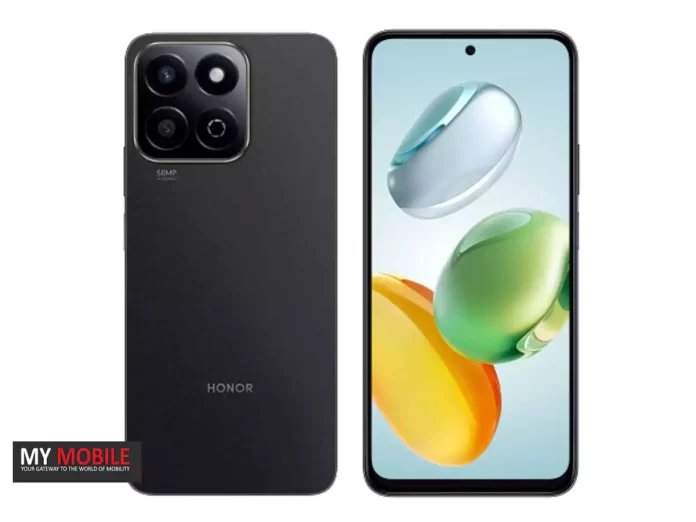
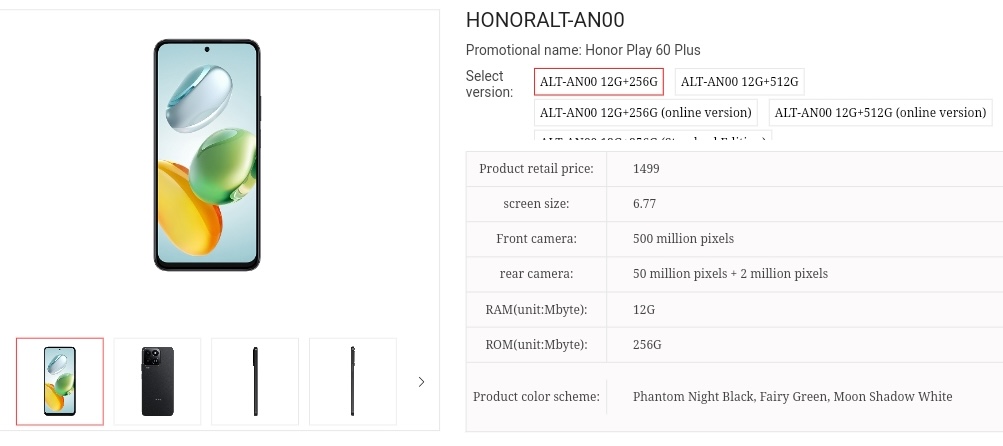
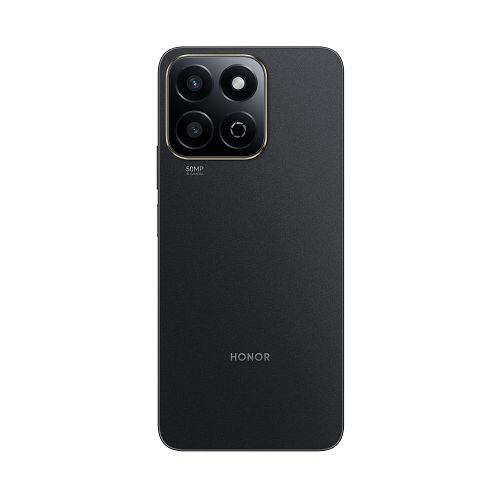
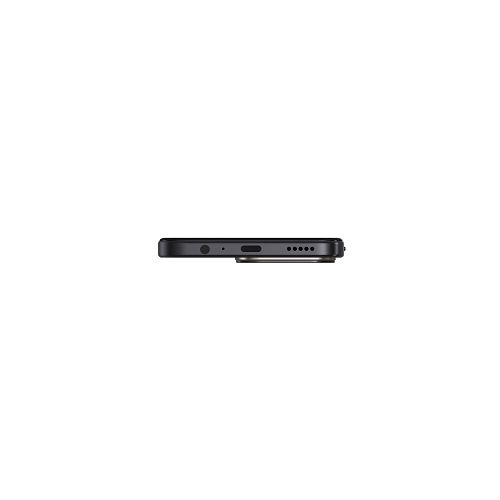
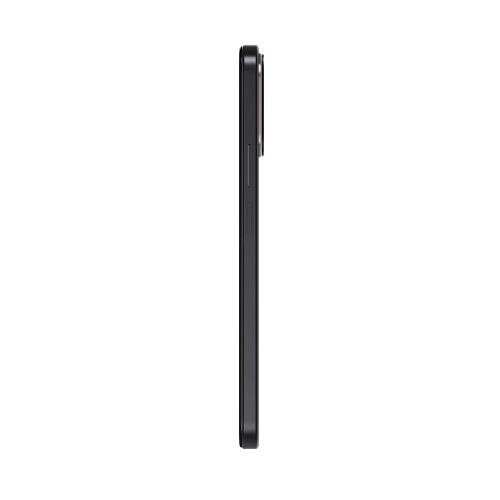
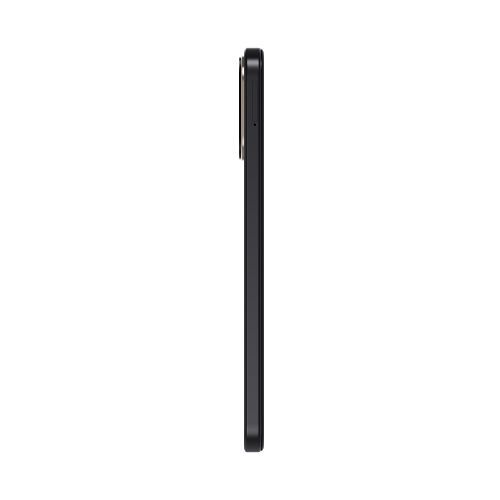
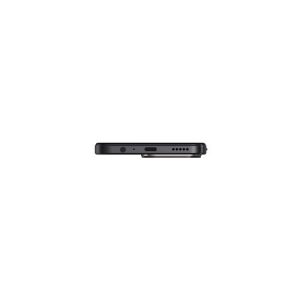
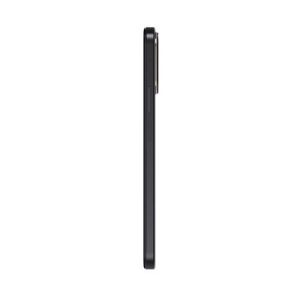
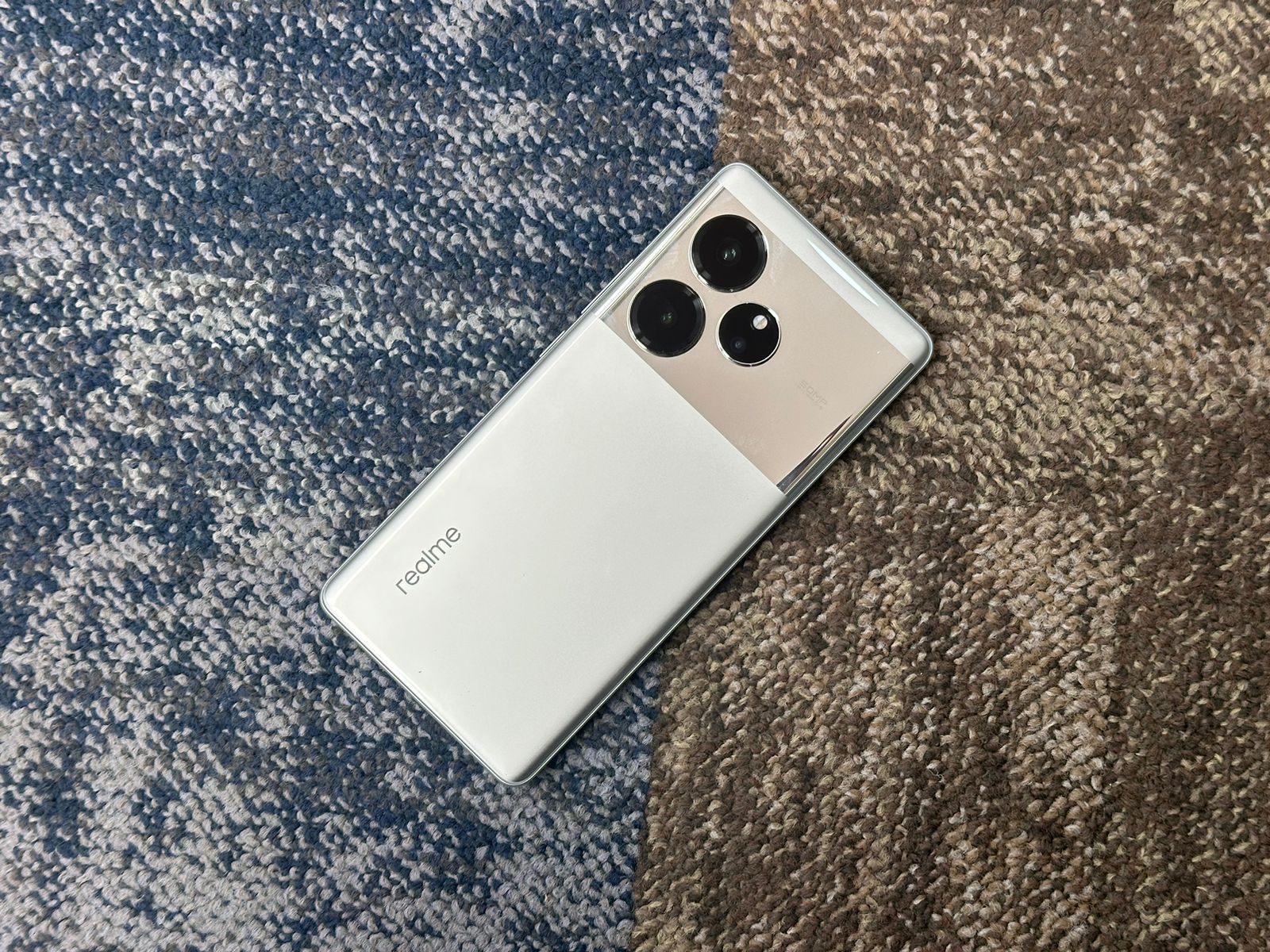
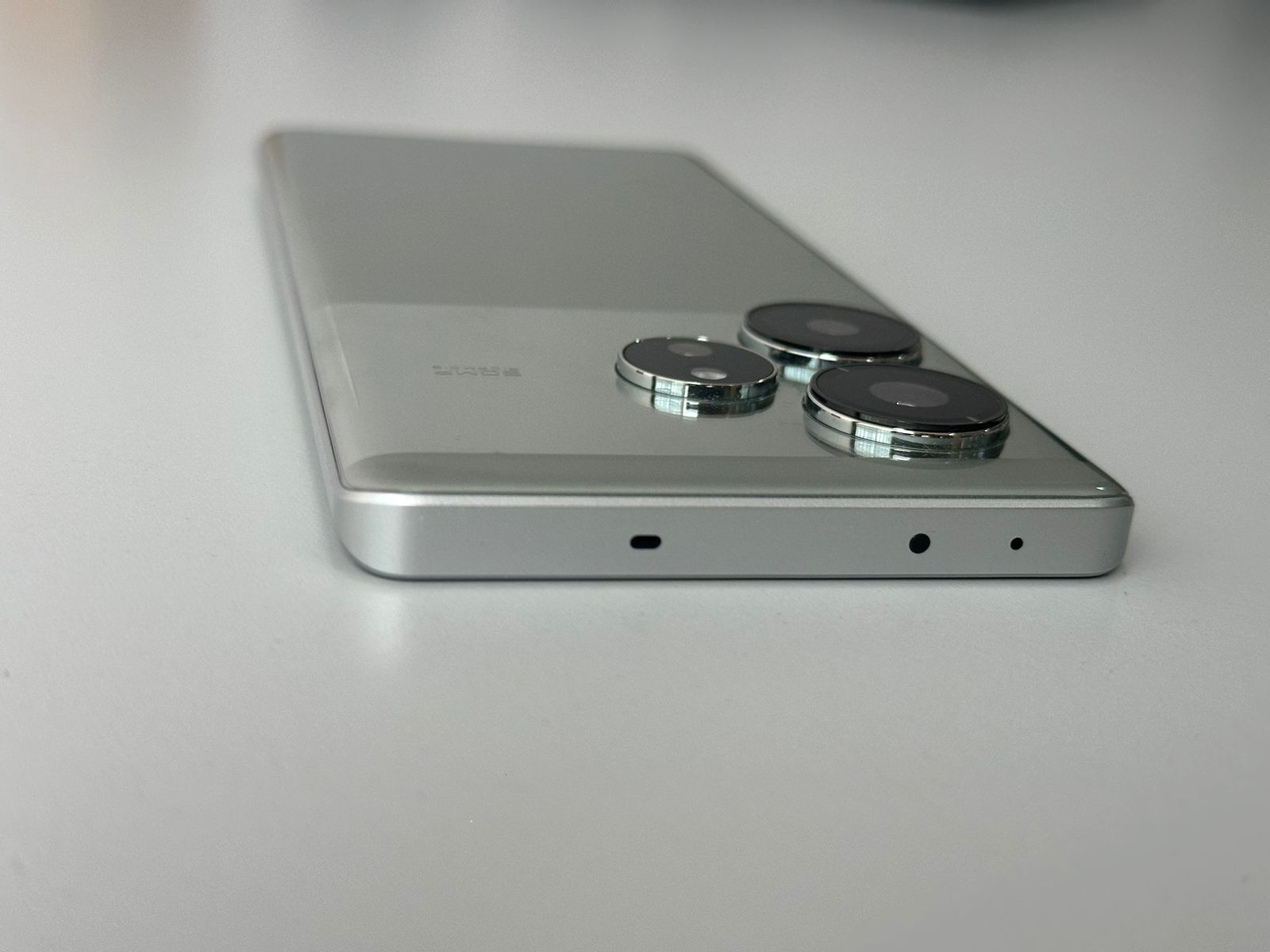
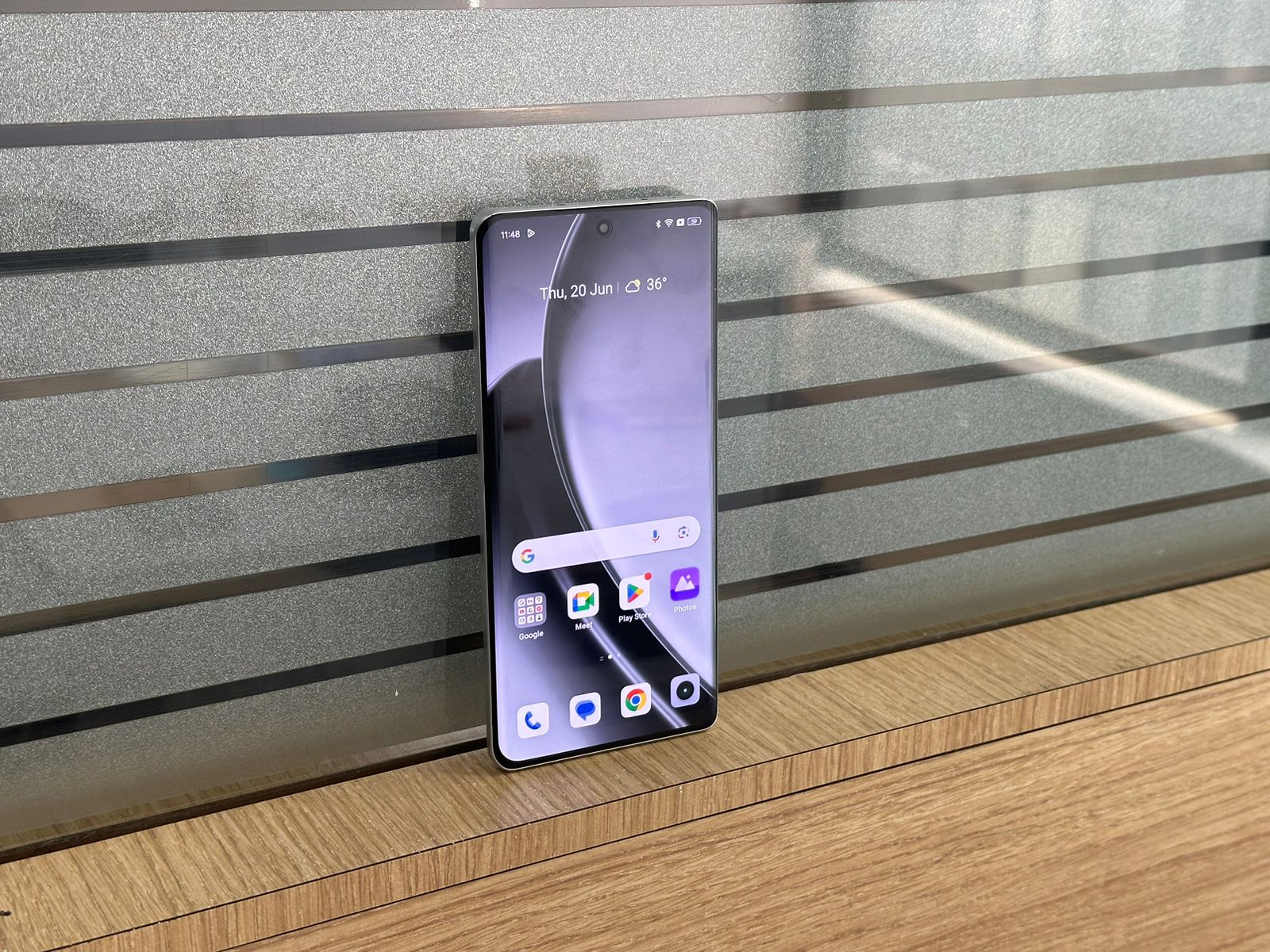
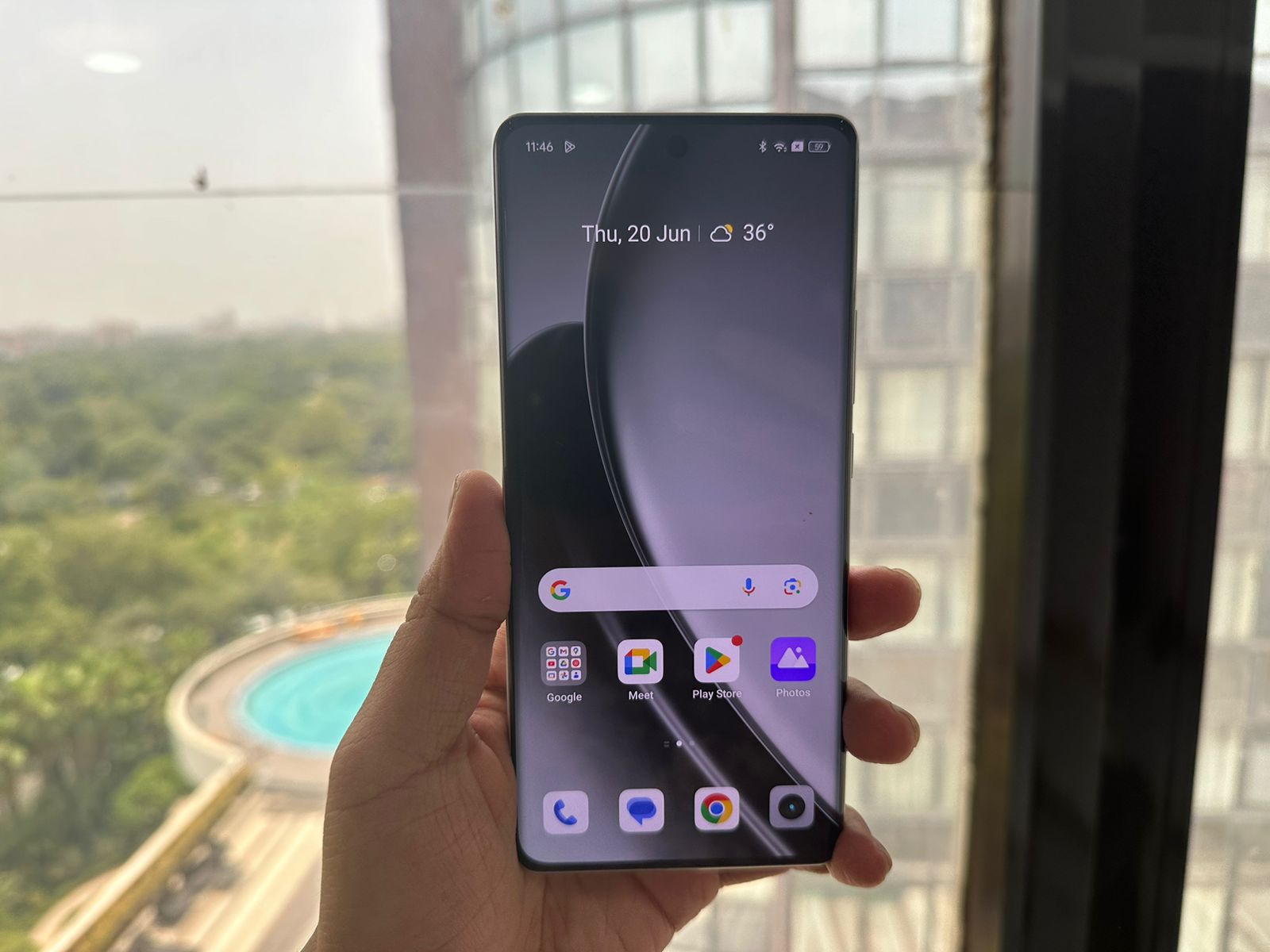
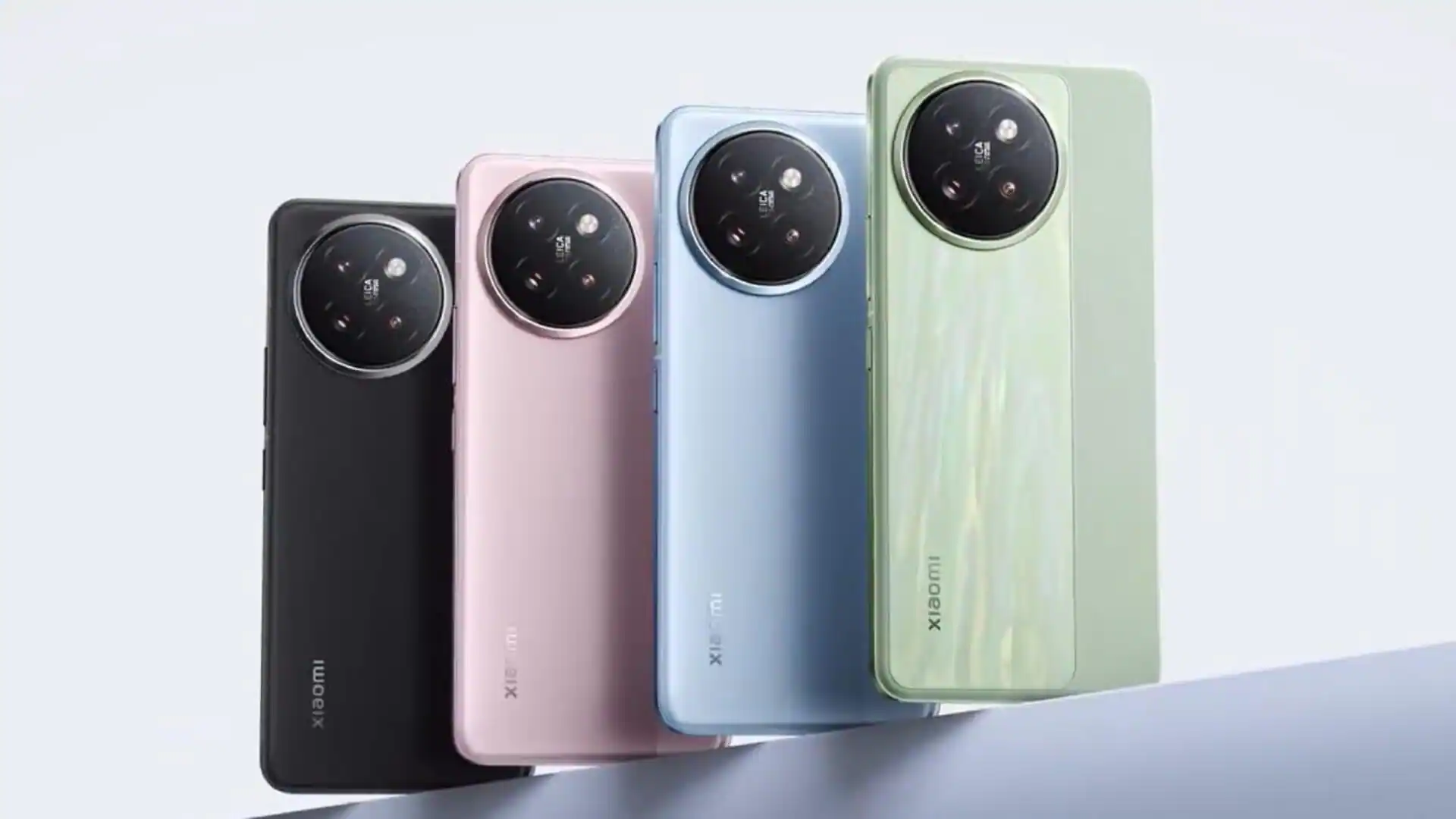
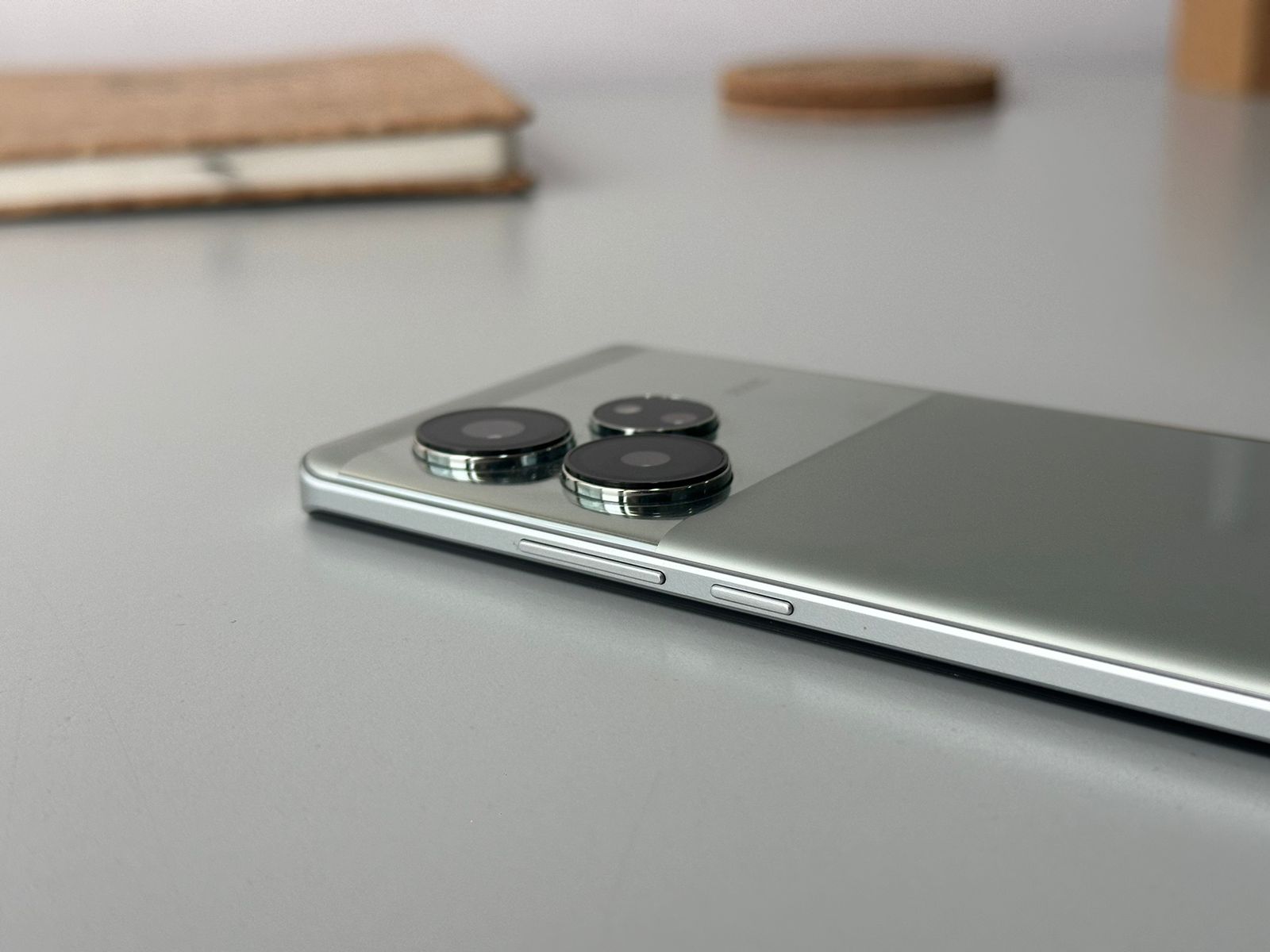
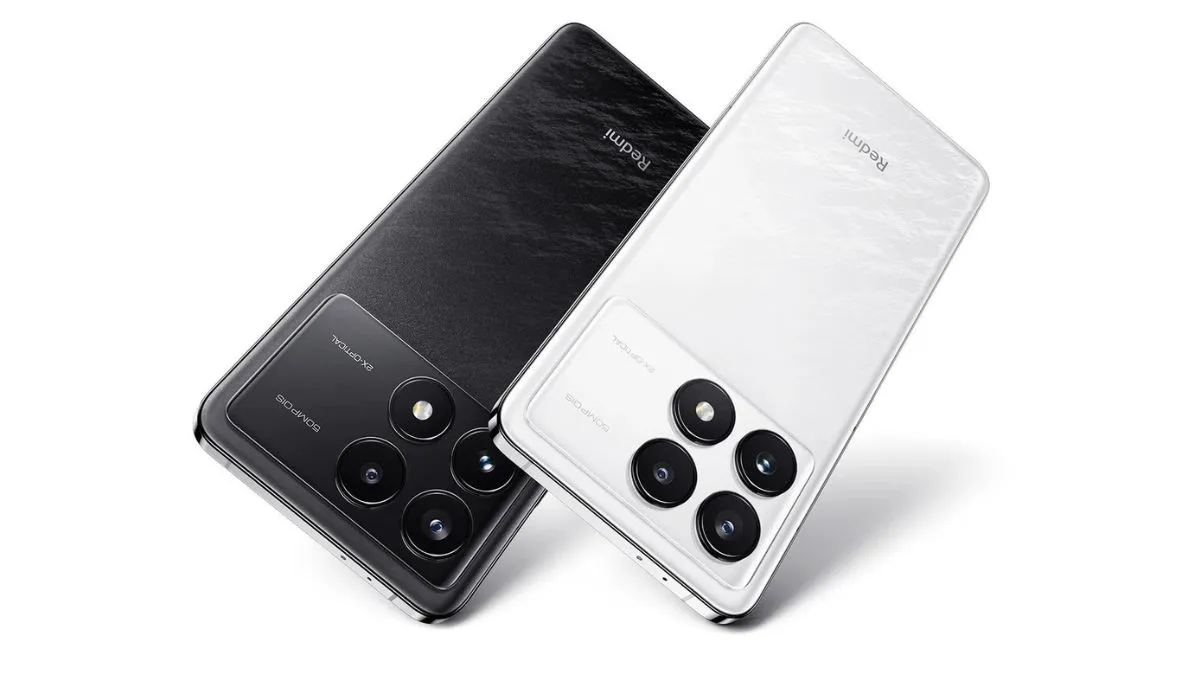
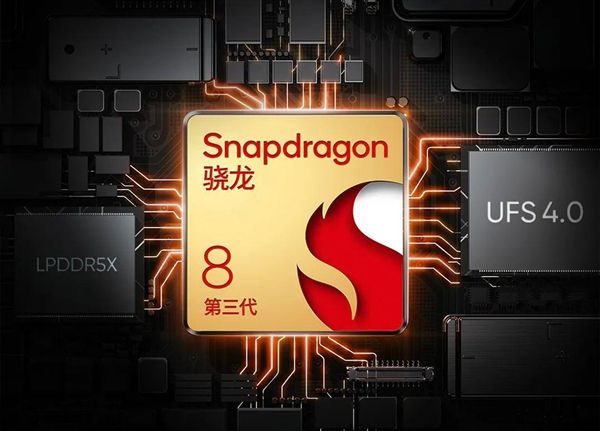
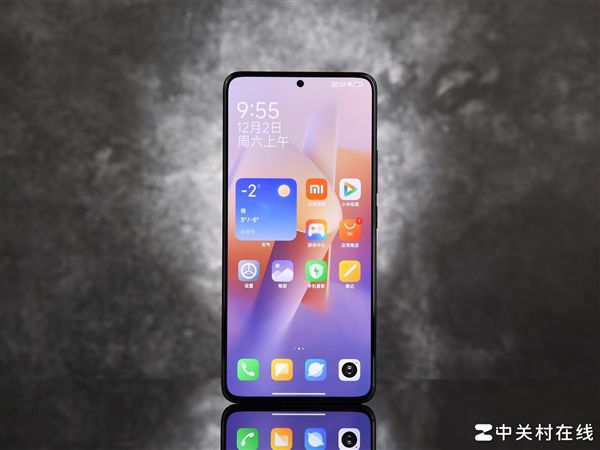
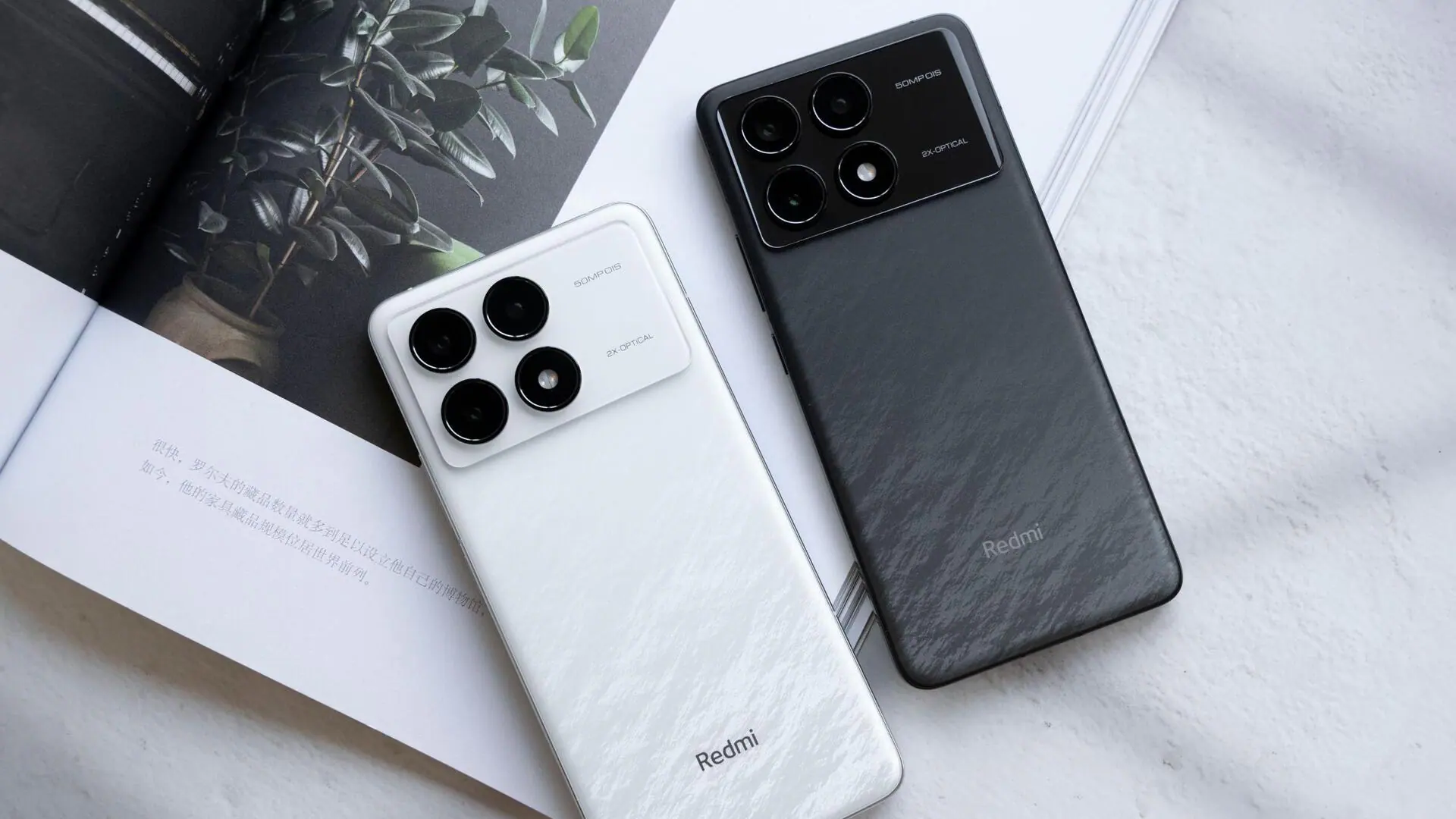
The phone will be sold in the Phantom Black, Wonderland Green, and Moonlight White color options
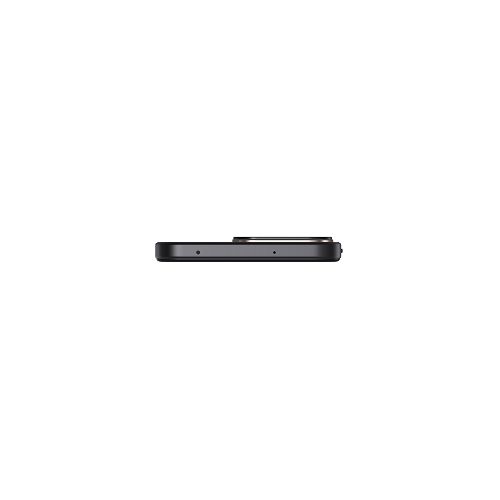
The Play 60 Plus measures 166.9 x 76.8 x 8.09mm and weighs about 197 grams.
According to the listing, the base variant of the Honor Play 60 Plus is expected to be priced around 1500 CNY, which translates to roughly 205 USD or 17,000 INR.
While an official launch date hasn’t been announced, the appearance of the device in various certification databases suggests it could be released soon.
It’s worth noting that this phone was initially thought to be the Honor X60 when it appeared in the 3C certification.
However, the recent listings have confirmed its actual name as the Play 60 Plus.
FAQs
What display specifications does the Honor Play 60 Plus offer?
The Honor Play 60 Plus comes with a 6.77-inch LCD screen that has a resolution of 720 x 1610 pixels.
There are rumors that it might also support a 120Hz refresh rate.
What processor is used in the Honor Play 60 Plus?
The device is powered by the Snapdragon 4 Gen 2 chipset, which includes two Cortex-A78 cores clocked at 2.2GHz for performance and four Cortex-A55 cores at 1.95GHz for energy efficiency.
How is the battery performance of the Honor Play 60 Plus?
The Honor Play 60 Plus is equipped with a 6,000 mAh battery that supports 35W fast charging, ensuring long-lasting use and quick recharging times.
What camera setup does the Honor Play 60 Plus feature?
It has a dual-camera setup on the back, consisting of a 50MP main sensor and a 2MP secondary lens, along with a 5MP front-facing camera for selfies.
What are the storage options and colors available for the Honor Play 60 Plus?
The phone is available in two storage configurations: 12GB RAM with 256GB storage and 12GB RAM with 512GB storage.
It comes in three colors: Phantom Black, Wonderland Green, and Moonlight White.
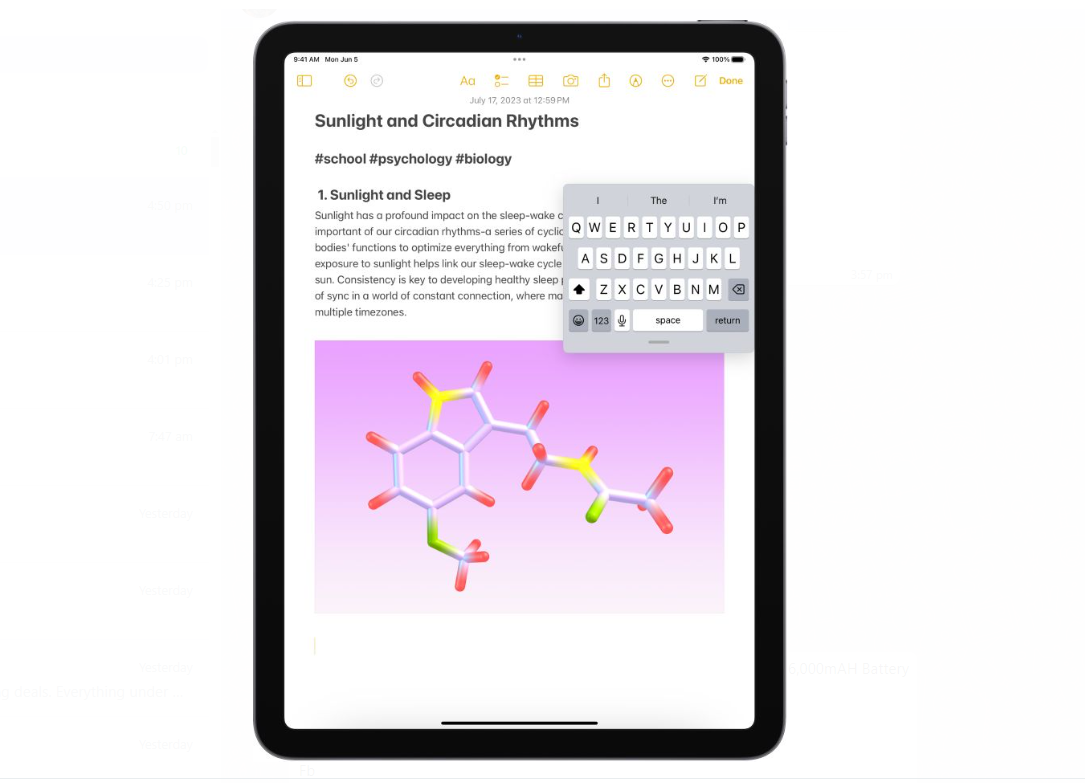
The Shortcuts bar on iPads can interfere with multitasking.
It changes size based on the app, taking up valuable screen space.
The bar often covers important UI elements in Slide Over or Split View.
You can hide the bar to improve your multitasking experience.
Right, let’s talk about this annoying little feature on iPadswhen you’re using an external keyboard.
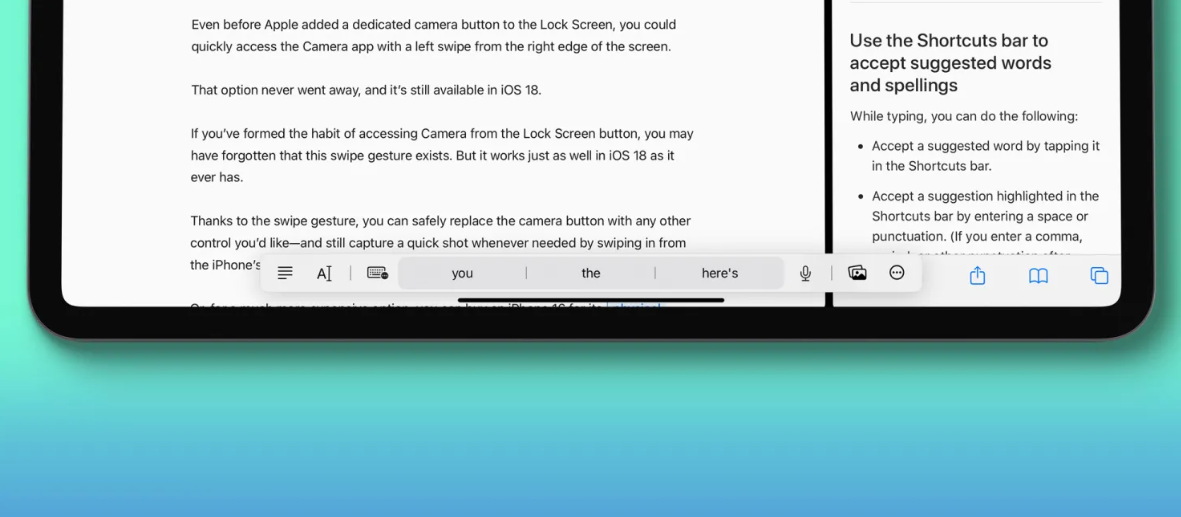
Apple’s gone and put this thing called the Shortcuts bar at the bottom of your screen.
Sounds helpful, doesn’t it? Well, not really.
The problem is, this Shortcuts bar keeps getting in the way.
It’s especially a pain when you’re trying to multitask with multiple apps open.
Let me break it down for you.
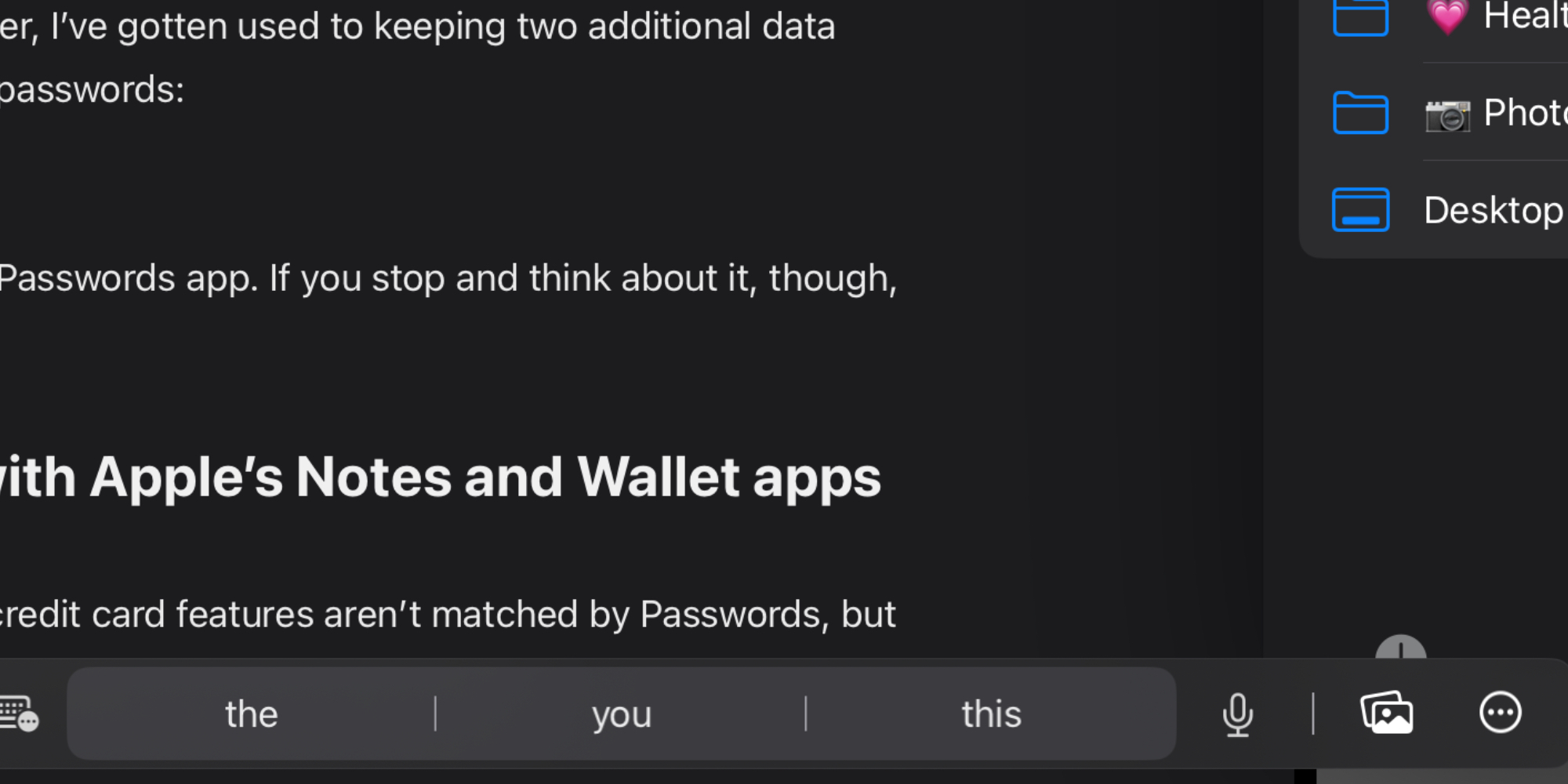
So, this bar changes size depending on what app you’re using.
Minimize the Annoying Shortcuts Bar on iPads
It’s always got this big space in the middle for typing suggestions.
Now, if you’re like me and you’re using a proper keyboard with your iPad, these suggestions are about as useful as a chocolate teapot.
Then you’ve got all these other buttons for keyboard settings, text formatting, and whatnot.
It all depends on what app you’re in.
The thing is, even when it’s not doing much, it’s still taking up space.
And when it’s got lots of features, it’s basically hiding half your screen.
Here’s a real-world example for you.
The Shortcuts bar on iPads can interfere with multitasking
Say you’re writing something in Ulysses and you want to check Slack or your Files.
You pull them up in Slide Over or Split View. Great, right?
Except now the Shortcuts bar is covering up the tab bar at the bottom of these apps.
Can’t see your DMs in Slack or your recent files.
Bit of a nightmare, really.
But don’t worry, there’s a fix. You can hide this pesky bar. Here’s how:
The bar often covers important UI elements in Slide Over or Split View
Tap the keyboard icon in the bar and select ‘Minimize’.
Or, if you’re feeling fancy, just grab the bar and drag it into a corner.
Either way, it’ll shrink down into a little floating island that just sits in the corner, minding its own business.
You can always bring it back if you need it, but honestly, once it’s out of the way, you’ll wonder how you ever put up with it in the first place.
So there you have it.
A simple fix for a frustrating feature. Your multitasking experience on the iPad just got a whole lot smoother.
FAQs
What is the Shortcuts bar on an iPad?
The Shortcuts bar is a feature on iPads that appears at the bottom of the screen when using an external keyboard.
It provides typing suggestions and quick access to various keyboard settings and text formatting options.
Why is the Shortcuts bar problematic when multitasking on an iPad?
The Shortcuts bar can be problematic because it takes up screen space and often covers important UI elements, making it difficult to see or interact with other apps in Slide Over or Split View modes.
How does the size of the Shortcuts bar change?
The size of the Shortcuts bar changes depending on the app you are using.
It always includes a space for typing suggestions and additional buttons for various functions, which can vary by app.
Can the Shortcuts bar be minimized on an iPad?
Yes, the Shortcuts bar can be minimized. You can tap the keyboard icon in the bar and select ‘Minimize,’ or you can drag the bar into a corner to shrink it into a floating island.
Will hiding the Shortcuts bar improve my iPad multitasking experience?
Hiding the Shortcuts bar can significantly improve your multitasking experience by freeing up screen space and preventing it from covering important parts of other apps, making your workflow smoother.
Project Astra aims to create AI that understands physical environments
Google shifts focus from phone-based assistants to real-world interactions
Gemini-powered ‘Ask Photos’ turns personal libraries into AI knowledge bases
Practical applications include AI-assisted travel planning and task management
Google’s strategy on artificial intelligence is now shifting from the conventional phone assistant to more ambitious applications in the real world.
The giant envisions AI that can interface with and understand the physical environment around us.
It all began with Google Assistant, hitting its peak on the Pixel 4 back in 2019.
What was conceived is a voice-controlled system that could run the phone and do complex tasks with close to zero latency.
Evidence showed this new system came with its problems.
A user is required to use special phrases, and on top of this, the possible range of actions remained limited to some apps.
While other companies, like Apple, are reportedly exploring large language models as a way to inject some excitement into voice assistants, Google appears to want more than it can get out of a smartphone.
The company’s latest developments, coming out of I/O 2024, have demonstrated a focus on AI that can really help people in the real world.
What is Project Astra
Google’s Project Astra: AI Assistant Leaps from Phones to Real-World Applications
Project Astra is at the front of this new direction.
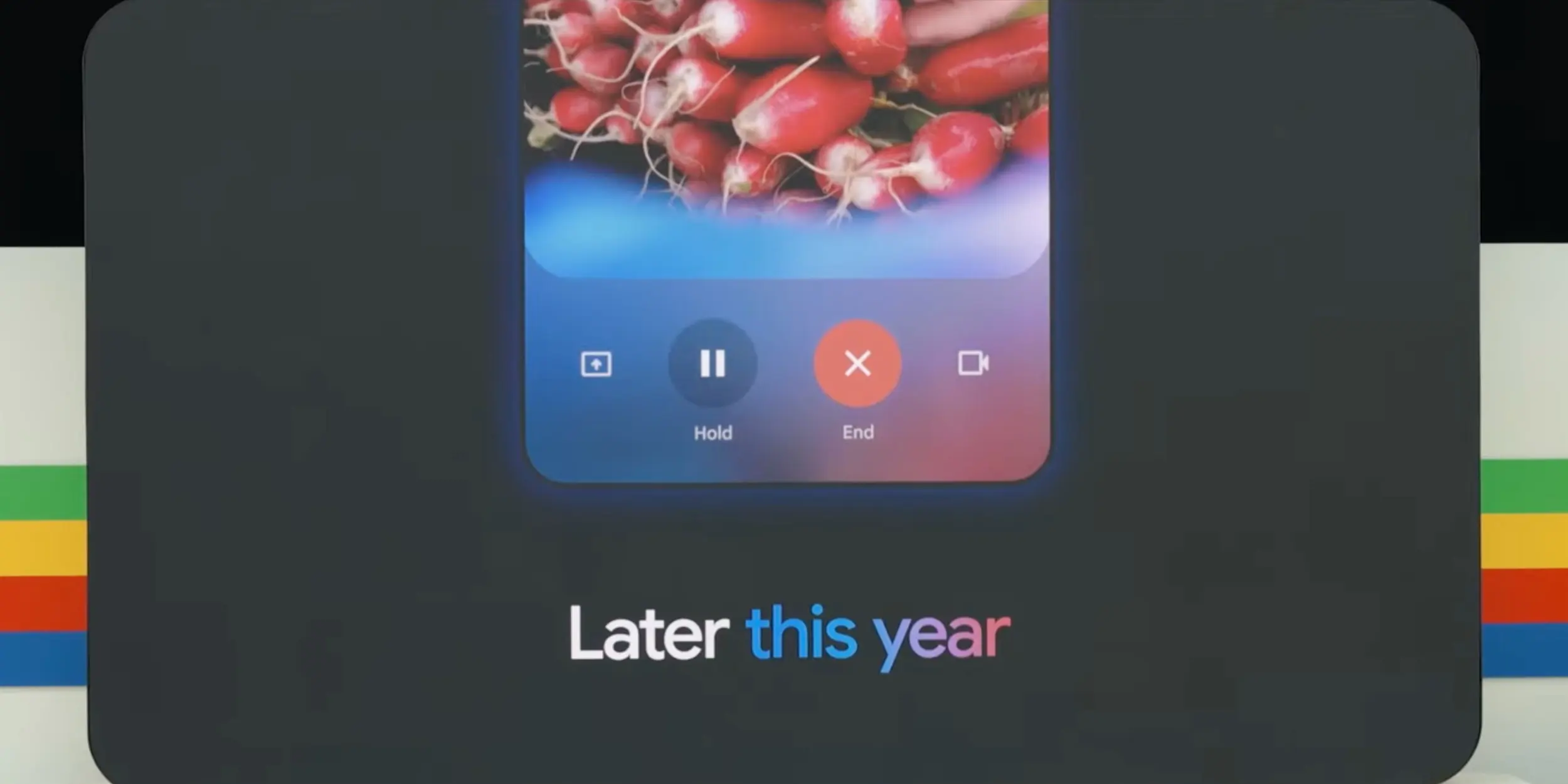
The goal of project Astra is to develop a responding AI, which includes information and help, when consumers point their phones—and one day, smart glasses— toward things in their real world.
The tech will also, eventually, be brought into the Gemini Live experienceand add natural two-way conversations with AI to it.
This will be first launched as the voice component, with shortly following camera capabilities.
It’s also moving further ahead—with ways in which all this information is going to be harnessed from photos and videos users take.
Entering into the Gemini-powered ‘Ask Photos’ feature, personal photo libraries intend to turn into essentially a knowledge base of their own for AI when doing personalized assistance.
Practicality
Google shifts focus from phone-based assistants to real-world interactions
Practical applications of the technology are already in development.
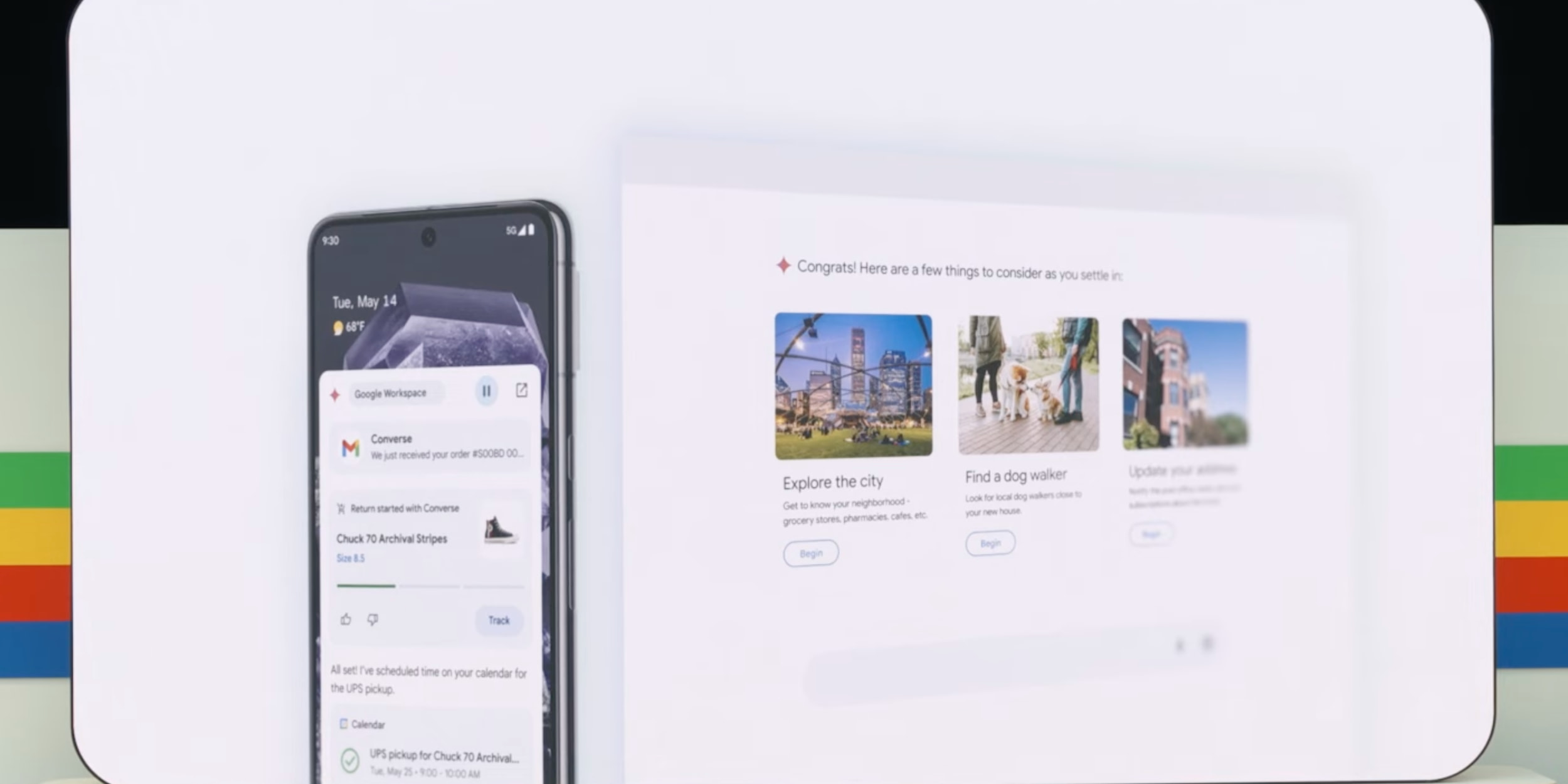
For instance, future Gemini Extensions for Google Calendar, Keep, and Tasks will let users capture calendar entries or a shopping list simply by taking a picture; say, of a school syllabus or a recipe.
Inside Gemini Advanced will be the immersive travel planner and other real-world applications, such as using AI to help return products or plot a move to a new city.
This shift towards real-world AI applications addresses a fundamental challenge that Google has faced since its inception: some questions and their contexts are difficult to express in text form.
By allowing users to provide visual input, Google aims to bridge the gap between digital queries and real-world scenarios.
FAQs
What is Project Astra?
Project Astra is Google’s initiative to develop an AI assistant that can provide information and help when users point their devices at objects in the real world.
It aims to create a more intuitive and context-aware AI that can understand and interact with the physical environment.
How does Google’s new AI approach differ from traditional phone assistants?
Unlike traditional phone assistants that primarily operate within the device, Google’s new AI focus is on creating applications that can understand and interact with the real world.
This includes visual recognition capabilities and the ability to process complex, context-dependent queries.
What are some practical applications of Google’s real-world AI?
Practical applications include creating calendar entries or shopping lists from photos of documents, AI-assisted travel planning, and helping with tasks like product returns or planning a move to a new city.
These applications aim to bridge the gap between digital queries and real-world scenarios.
How does the Gemini-powered ‘Ask Photos’ feature work?
The ‘Ask Photos’ feature uses AI to analyze and understand the content of users’ personal photo libraries.
This allows the AI to use this visual information as a knowledge base for providing personalized assistance and answering queries related to the user’s experiences and surroundings.
When will these new AI features be available to users?
While specific release dates haven’t been announced for all features, Google has indicated that the Gemini Live experience will be launching in stages.
The voice component is expected to launch first, followed by camera capabilities.
Some features, like Gemini Extensions for Google apps, are in development and likely to be released in the near future.
Realme GT 6 starts at Rs 40,999; Xiaomi 14 Civi at Rs 42,999.
Both feature Snapdragon 8s Gen 3 chipset and 1.5K AMOLED displays.
Realme GT 6 offers 5500mAh battery with 125W charging.
Xiaomi 14 Civi shines in camera performance with Leica partnership.
Clearly the Realme GT 6 and Xiaomi 14 Civi are powerful rivals for high-end phones at more pocket-friendly price points compared to their Apple or Samsung counterparts.
Here comes a detailed comparison that will help you decide which phone might better suit your needs.
Specification
Realme GT 6
Xiaomi 14 Civi
Price
Starts at Rs 40,999 (8GB/256GB)
Starts at Rs 42,999 (8GB/256GB)
Top Variant Price
Rs 44,999 (16GB/512GB)
Rs 47,999 (12GB/512GB)
Processor
Qualcomm Snapdragon 8s Gen 3
Qualcomm Snapdragon 8s Gen 3
RAM Options
8GB, 16GB
8GB, 12GB
Storage Options
256GB, 512GB
256GB, 512GB
Display
6.78-inch 1.5K AMOLED, 120Hz, 6000 nits
6.55-inch 1.5K AMOLED, 120Hz, 3000 nits
Display Technology
LTPO adaptive refresh rate
Standard refresh rate
Camera – Main
50MP with OIS
50MP with OIS
Camera – Telephoto
50MP
50MP
Camera – Ultrawide
8MP
12MP
Camera – Front
32MP
Dual 32MP
Battery Capacity
5500mAh
4700mAh
Charging Speed
125W (20% to 100% in <30 minutes)
67W (20% to 100% in ~40 minutes)
Battery Test Result
15 hours (PCMark)
12 hours 15 minutes (PCMark)
Operating System
Android 14 with custom skin
Android 14 with custom skin
Software Updates
3 years of Android upgrades, 4 years security updates
3 years of Android upgrades, 4 years security updates
Special Features
AI Night Vision, AI Smart Removal
Leica-tuned filters, dual front cameras
Design
Metal frame, glass back, IP65 rating
Vegan leather options, compact size
Dimensions
162 x 75 x 8.6 mm
157.2 x 72.77 x 7.45 mm
Weight
199g
178g
Additional Features
In-screen ultrasonic fingerprint scanner
In-screen fingerprint scanner
Price and Storage Options
Realme GT 6 vs Xiaomi 14 Civi
The Realme GT 6 starts at ₹40,999 for the 8GB/256GB model, going all the way up to 16GB/512GB for ₹44,999.
Xiaomi’s 14 Civi begins at ₹42,999 for 8GB/256GB, with a 12GB/512GB variant cost at ₹47,999.
More options for RAM capacities are found in Realme, and it has a slightly more reasonable entry price, while Xiaomi offersmore on the storage side at the top end.
Design and Build Quality
Realme GT 6: Design
While the Xiaomi 14 Civi is compact and lightweight at 157.2 x 72.77 x 7.45 mm and 178g in weight, the Realme GT 6 dimensions stretch to 162 x 75 x 8.6 mm with a weight more significantly higher at 199g.
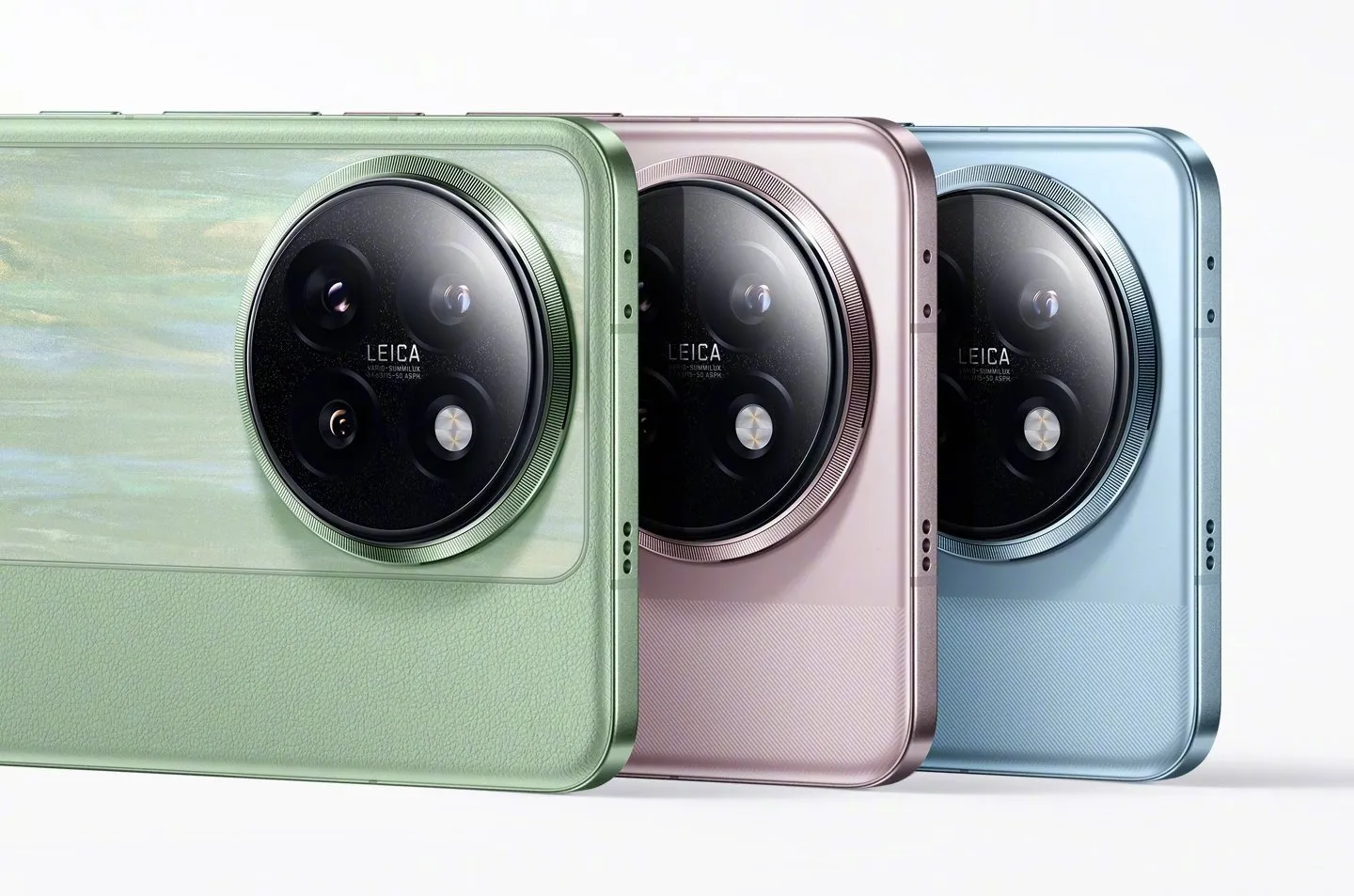
Xiaomi opted for a circular camera module and vegan leather finishes in Cruise Blue or Matcha Green, along with an option in matte Shadow Black.
Xiaomi 14 Civi: Display
Realme goes with a horizontal camera strip and a glass back that comes in Razor Green and Fluid Silver.
The newly releasedRealme GT 6 hits hard with an IP65 rating for water and dust resistance, something that the Xiaomi can’t match.
Display Technology
Realme GT 6: Display
Both phones feature 1.5K AMOLED displays with 120Hz refresh rates, but there are key differences.
The Realme GT 6 sports a 6.78-inch screen with an impressive 6000 nits peak brightness and an LTPO panel for adaptive refresh rates.
Xiaomi 14 Civi: Display
The Xiaomi 14 Civi, on the other hand, has a slightly smaller 6.55-inch screen with 3000 nits peak brightness.
The Realme’s brighter display and LTPO technology give it a clear advantage in this department, potentially offering better outdoor visibility and more efficient power management.
Now, on benchmark tests, the Xiaomi 14 Civi scores slightly higher in Geekbench tests at 1,913 single-core and 5,087 multi-core, while the Realme GT 6 just can’t even match it with 1,852 single-core and 4,761 multi-core.
However, the Realme GT 6 was ahead in the AnTuTu benchmarks, where it scored 15,01,830 against 14,430,11 for the Xiaomi.
Xiaomi 14 Civi: Performance and Processing Power
Both phones throttle to some degree when benchmarked, operating at around 40% performance in the sustained workload.
On the Realme GT 6, AI features that are not on this Xiaomi model, such as AI Night Vision and AI Smart Removal, assist the user in a way that might make the experience better for some.
Camera Capabilities
Realme GT 6: Camera
Although it may be versatile on both phones, there are some very important differences.
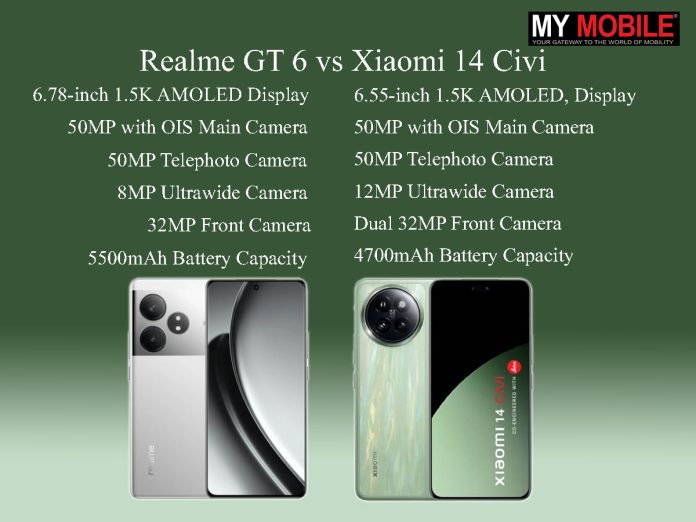
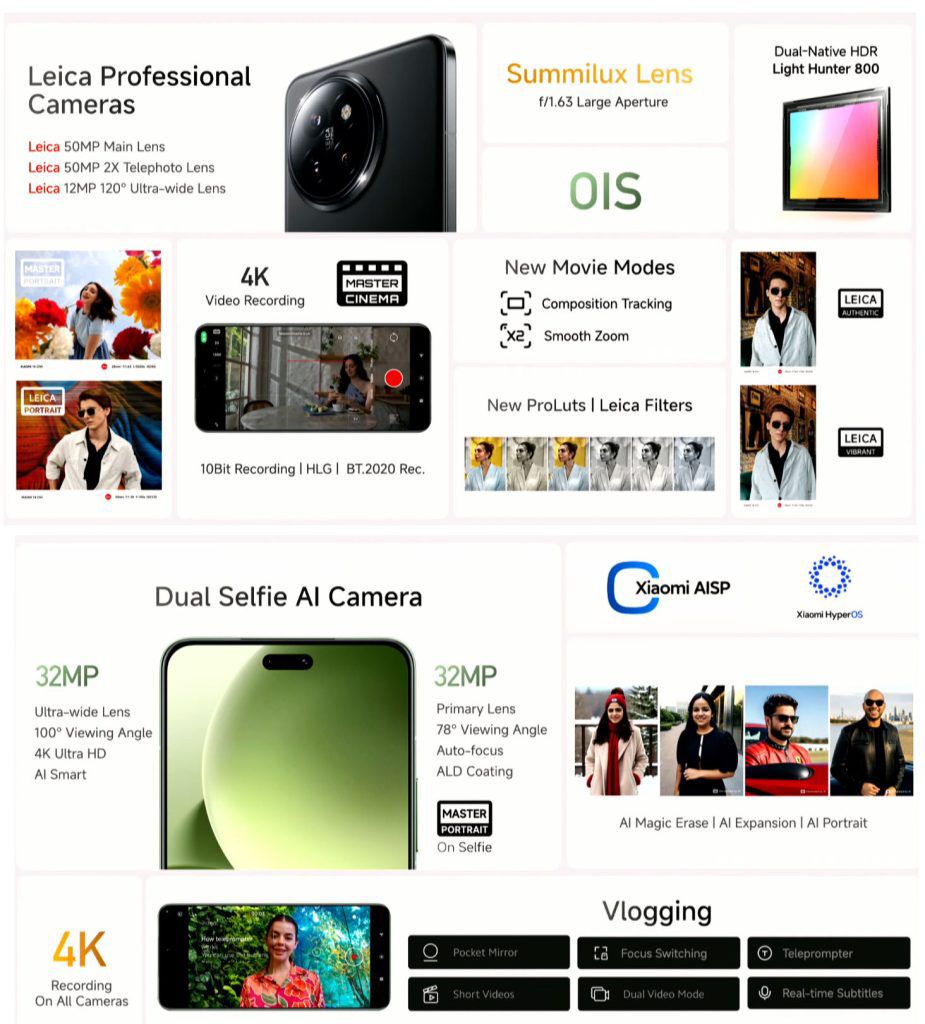
The Realme GT 6 arrives with a 50MP main camera featuring OIS, a 50MP telephoto, an 8MP ultrawide, and a 32MP front camera.
On the other hand, the Xiaomi 14 Civi comes with a 50MP primary camera with OIS, a 50MP telephoto, a 12MP ultrawide angle, and a dual 32MP front camera setup.
Xiaomi 14 Civi: Camera
The Xiaomi 14 Civi, as a result of this collaboration with Leica, offers many filters tuned by Leica into its cameras and an apparent performance boost in telephoto shots.
With dual front cameras, it provided an edge in favor of selfie enthusiasts.
While both devices can take great pictures, the Xiaomi’s Leica partnershipand dual front cameras put it at a slight edge for imagery fanatics.
Battery Life and Charging
Realme GT 6: Battery
The realme GT 6 controls its class with a larger battery at 5,500mAh and faster 125W charging from 20% to 100% in less than 30 minutes.
It lasted for 15 hours in the PCMark battery test.
The Xiaomi 14 Civi comes with a 4,700mAh battery but with 67W charging around 40 minutes to charge from 20% to 100%.
Xiaomi 14 Civi: Battery
In our PCMark battery benchmark, it lasted 12 hours and 15 minutes.
Users seeking a long battery life and fast recharging will see an obvious edge with the Realme GT 6.
They offer 3 years of Android upgrades and 4 years of security updates, ensuring longevity in terms of software support.
The Realme GT 6 includes additional AI features that enhance the user experience, which might appeal to those who enjoy exploring new technologies.
Conclusion: Making Your Choice
Choosing between the Realme GT 6 and Xiaomi 14 Civi ultimately depends on your priorities.
If you value battery life, charging speed, and display quality, the Realme GT 6 has the upper hand.
Xiaomi 14 Civi: Software and User Experience
Its brighter screen, larger battery, and faster charging make it a strong contender for heavy users.
On the other hand, the Xiaomi 14 Civi shines in the camera department, especially for those interested in portrait photography and zoom capabilities.
Its Leica partnership adds value for photography enthusiasts.
In terms of design, the Xiaomi offers more variety with its vegan leather options and is more compact, which might appeal to users who prefer a lighter device.
Performance-wise, both phones are closely matched, with the Realme offering additional AI features that some users might find useful.
Both phones offer good value in the sub-Rs 50,000 range, making either a solid choice for most users looking for high-end features without breaking the bank.
Consider your usage patterns, preferences, and priorities to make the best decision for your needs.
FAQs
Which phone has better battery life?
The Realme GT 6 has a larger 5,500mAh battery compared to the Xiaomi 14 Civi’s 4,700mAh. In PCMark battery tests, the Realme GT 6 lasted 15 hours, while the Xiaomi 14 Civi managed 12 hours and 15 minutes.
How do the cameras compare between the two phones?
Both phones have 50MP main cameras with OIS, but the Xiaomi 14 Civi benefits from a Leica partnership, offering Leica-tuned filters and reportedly better performance in telephoto shots.
The Xiaomi also features dual 32MP front cameras, while the Realme GT 6 has a single 32MP front camera.
What are the key display differences?
The Realme GT 6 has a 6.78-inch AMOLED display with 6000 nits peak brightness and LTPO technology for adaptive refresh rates.
The Xiaomi 14 Civi features a 6.55-inch AMOLED display with 3000 nits peak brightness and lacks LTPO technology.
How do the prices compare?
The Realme GT 6 starts at Rs 40,999 for the 8GB/256GB model, while the Xiaomi 14 Civi begins at Rs 42,999 for the same configuration.
The top variants are priced at Rs 44,999 (16GB/512GB) for Realme and Rs 47,999 (12GB/512GB) for Xiaomi.
What unique features does each phone offer?
The Realme GT 6 includes AI features like Night Vision and Smart Removal, and has an IP65 rating for water and dust resistance.
The Xiaomi 14 Civi offers vegan leather design options and benefits from the Leica camera partnership for enhanced photography capabilities.
Panasonic aims to reduce CO2 emissions by 300 million tons by 2050.
Launch of India’s first Matter-enabled Room Air Conditioners.
Integration of Prime Fresh technology in refrigerators for prolonged freshness.
Expansion of Miraie platform for connected living solutions.
In a recent interview with Mr. Fumiyasu Fujimori, Managing Director of Panasonic Marketing India and Panasonic Life Solutions India (PLSIND), we explored Panasonic’s robust commitment to sustainability and innovation in the Indian market.
Mr. Fujimori highlighted Panasonic’s global environmental vision, Panasonic GREEN IMPACT, aiming to reduce CO2 emissions by 300 million tons by 2050.
Panasonic has been focusing on sustainability and circular economy initiatives globally. How is Panasonic India integrating these initiatives into its product offerings for the Indian market?
Panasonic’s Commitment to Sustainability and Innovation in India
Our commitment to sustainability management is underscored by our mid to long-term environmental vision, Panasonic GREEN IMPACT, which prioritizes addressing global environmental challenges, particularly climate change.
By 2050, we aim to reduce CO2 emissions by at least 300 million tons,equivalent to approximately 1% of current global emissions.
Our brand motto “Create Today. Enrich Tomorrow” highlights our continued commitment to innovation, quality, reliability, and efficiency.
Over the years, we have cultivated a rich legacy in technological innovation and we remain devoted to develop and provide high-quality products and solutions that support people in their everyday lives as well as help improve their health and well-being.
As we evolve with our customers, we assure them of our commitment to delivering products that enrich their lifestyles and meet their needs.
We proudly introduce appliances with cutting-edge innovations and connectivity features.
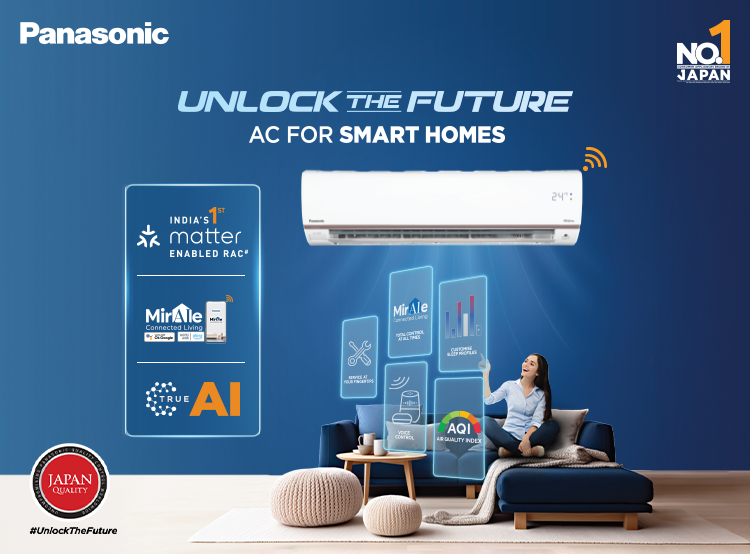
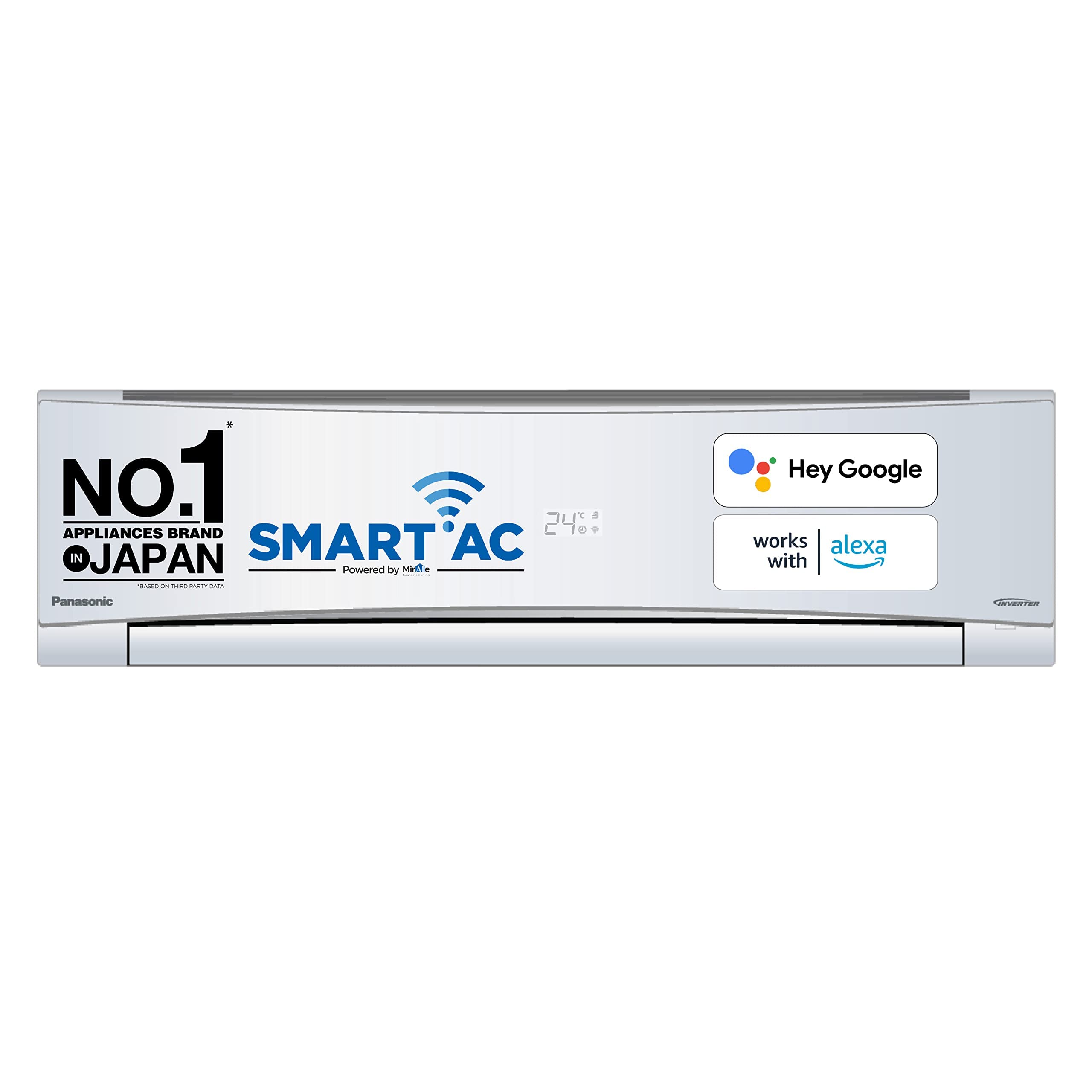
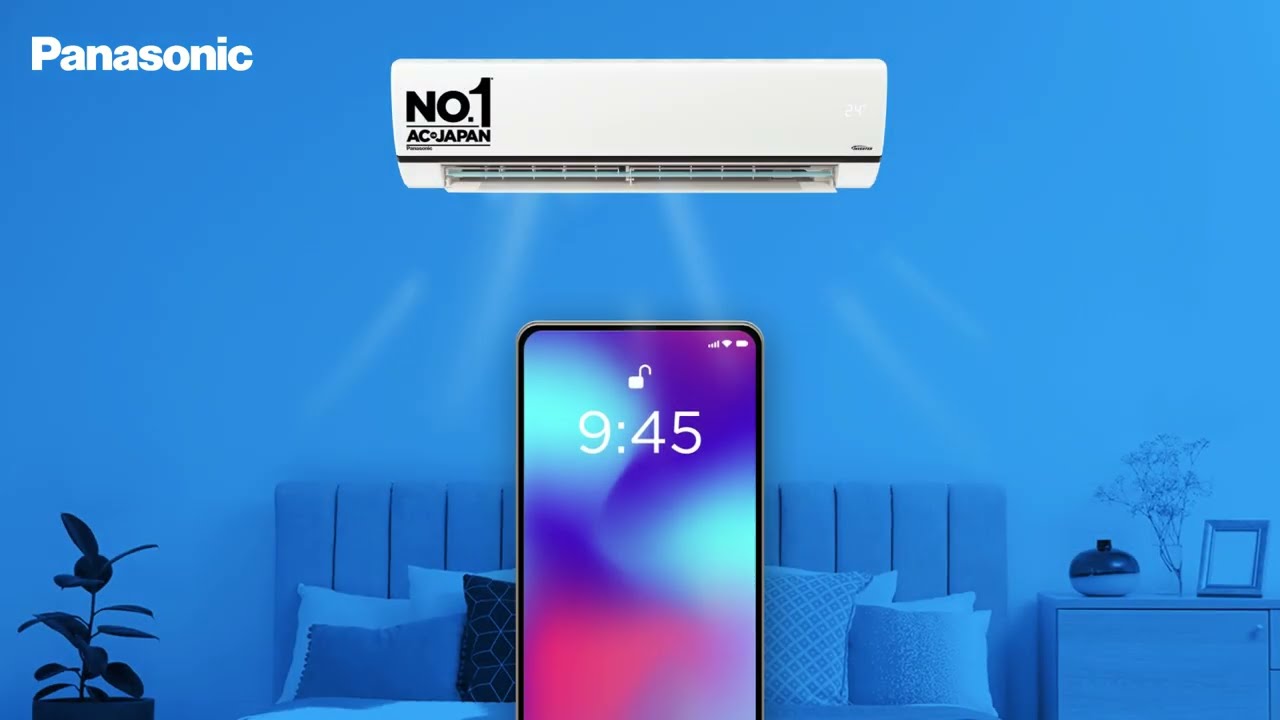
Our smart homes include India’s first Matter-enabled Room Air Conditioners (RACs) powered by Miraie, featuring 7-in-1 convertible modes and AI functionality.
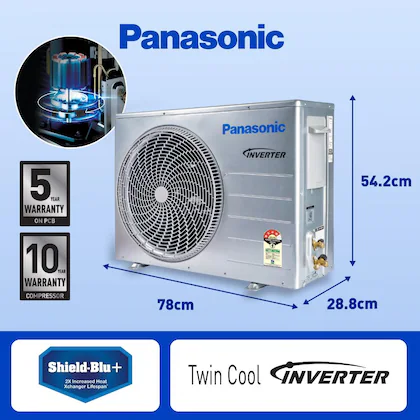
Technologies like ECONAVI optimize power consumption, while Twin Cool Inverter, Jetstream, Converti7, Aerowings, 4-Way Inflow, and nanoe-X and nanoe-G enhance cooling and ensure a cleaner indoor environment.
Our Refrigerators, equipped with Prime Fresh technology, offer time-saving features, flexi-expandable storage, and modes that ensure prolonged freshness and nutrient retention.
Panasonic Washing Machinesincorporate Kizukai technology, built-in Heater with StainMaster+ for removing bacteria and stains, and ECONAVI technology to monitor and analyze water and energy usage via Miraie.
Panasonic is committed to providing innovative solutions that align with sustainable practices, ensuring our products contribute to a better future.
With the recent launch of the Matter-enabled Room Air Conditioners (RACs), how does Panasonic plan to expand its smart home solutions in India, and what other products can we expect in this segment?
Panasonic aims to reduce CO2 emissions by 300 million tons by 2050
In the post-COVID era, consumer preferences have shifted towards smart, connected, comfortable, and convenient appliances that enhance lifestyles while ensuring safety.
Our consumer insights reveal a growing demand for value-driven appliances that are easy to use and energy-efficient.
Recognizing this shift, we launched our Miraie platform a couple of years ago, which now boasts over 250,000 active users regularly logging in to control their appliances, with a significant portion being air conditioner users.
Our platform is designed to enhance consumers’ daily lives by providing comfort, convenience, and seamless connectivity across all Panasonic devices.
By tailoring the quality of living spaces to individual needs and ambient conditions,we aim to create a more intelligent and responsive home environment.
The innovation has been conceptualized and developed at Panasonic’s India Innovation Centre based out of Bangalore.
This range of connected products under the Miraie includes Air Conditioners, Smart Doorbells, and Plugs & Switches.
Through our regular consumer connect program, we discovered another powerful insight: with nearly all brands offering smart products, consumers were burdened with downloading and registering on multiple platforms.
To address this, we launched the world’s first Matter-enabled ACs, powered by our IoT and AI-enabled Miraie platform.
This allows users to seamlessly control and monitor ACs and a wide range of other smart appliances, regardless of the brand, as long as they are Matter-enabled.
With Miraie getting Matter-enabled, we’re committed to expand our connected ecosystem in the coming future to support this technology.
We are also planning to incorporate products from other brands to provide a more cohesive connected experience.
This integration will allow users to control all their Matter-enabled devices using the Miraie app, and conversely, users will be able to control Panasonic’s supported devices using compatible apps from other manufacturers.
Given the diverse consumption patterns between urban and rural India, how is Panasonic tailoring its products to cater to these distinct markets?
Launch of India’s first Matter-enabled Room Air Conditioners
Panasonic stands out as one of the few brands that cover nearly all consumer touchpoints, allowing people to engage closely with our products.
We extend beyond traditional distribution channels, including small dealers in tier II and tier III markets, as well as organized retail partners.
Moreover, our extensive network includes exclusive stores where customers can explore a wide range of Panasonic products.
Additionally, we have a strong presence on leading e-commerce platforms.
We also have an exclusive Panasonic direct-to-consumer portal, enhancing accessibility for customers to purchase and experience our products.
With the increasing consumer aspirations and purchasing power tier II and III cities are emerging as promising markets in driving sales and we expect this trend to continue throughout this year and beyond.
Panasonic has ramped up local production with plants in Haryana for air conditioners and refrigerators. What are the future plans for manufacturing and local product development in India?
Integration of Prime Fresh technology in refrigerators for prolonged freshness
Over the past three decades, Panasonic has made significant strides in expanding the manufacturing capabilities.
In 2012, we established three factories in Haryana dedicated to manufacture washing machines, air conditioners, and industrial welding machines.
This expansion continued in 2015 with the opening of a factory in Haridwar, focusing on switches and wiring devices.
In 2018, we set up a refrigerator factory, and in 2021, we further extended our operations by inaugurating a factory in Sri City, aimed at serving both the Indian market and exporting electrical devices globally.
Our commitment extends beyond manufacturing, we prioritize innovation, conceptualizing and developing products tailored to meet the needs of the Indian market and beyond.
Competition from home-grown and Chinese brands is intensifying in the Indian market. How does Panasonic plan to differentiate its products and maintain its market position?
Expansion of Miraie platform for connected living solutions
Being a consumer-centric company, our recently commissioned study ‘Panasonic’s 2024 Young Parents Everyday Life Concerns, highlighted multifaceted considerations of consumers when it comes to making decisions for purchasing appliances.
Almost 60% young Indian parents are concerned about healthier lifestyles and food habits along with Hygiene.
The study spotlighted the focus on the demand for appliances that address essential lifestyle needs while providing energy efficiency and durability.
At Panasonic, we are dedicated to developing innovative appliances that promote the holistic well-being of consumers by seamlessly integrating advanced technology into daily life.
This year, Panasonic introduced 60 new models of inverter ACs from a wide range of 1.0, 1.5 and 2.0-ton models including the India’s first Matter-enabled RACs.
Matter is an open-source connectivity standard that enables seamless interoperability across smart devices.
It is powered by our IoT and AI-enabled platform Miraie that lets users seamlessly control and monitor ACs and a wide range of smart appliances.
By connecting with other Matter-certified devices and platforms, they will facilitate a smarter and more efficient use of energy, optimizing comfort while minimizing environmental impact.
Moreover, Panasonic ACs extend beyond basic cooling, i.e., indoor air hygiene, efficiency and technological integration (connectivity).
They are equipped with technologies such as nanoe-G and nanoe-X technologies,purifying indoor air quality by inhibiting PM 2.5 matter, bacteria, viruses, and moulds.
Consumers can benefit from this air purification feature all year without using the cooling mode.
Similarly, in line with our syndicated study, our refrigerators leverage technology maintain freshness, nutrition, and storage for a comparatively longer time.
Panasonic Refrigerators come with Prime Fresh technology that helps save cooking time, flexi-expandable storage, and flexi-modes of operation addressing top concerns of prolonged freshness, nutrient retention, and adequate storage needs.
The Prime Fresh Mode includes Pro-Marinate, Insta Cook, Tiffin Fresh, and Pro-Chill modes, preserving food freshness for up to 7 days while retaining nutrients and flavour.
Additionally, AI Econavi sensors and Inverter technology in refrigerators maximize energy savings, aligning with their desire for efficiency.
Furthermore, we are experiencing robust demand for our ACs this season, aiming for a 40% growth compared to the previous year.
Notably, 95% of our ACs sold are inverter models, reflecting the strong consumer preference for smart, energy-efficient solutions.
Panasonic India has set ambitious revenue targets and growth plans. What specific strategies are being implemented to achieve these goals, especially in consumer durables and B2B segments?
Panasonic has been focusing on sustainability and circular economy initiatives globally
The Indian residential air conditioning (AC) industry has been experiencing a surge in demand due to the prevailing heatwave, seen especially in the north.
With that in mind, the industry is expecting a prolonged summer season, thus, a continued demand for ACs and other summer appliances such as refrigerators too.
AC today is no longer an aspirational product but a necessity.
However, the penetration continues to be at approximately 7.5% in India.
This holds immense growth potential for the AC industry.
This season, we are expecting that the AC market shall grow by 25% over the season last year.
At Panasonic, we are looking to grow by 40% compared to the last AC season.
On the other hands, if we talk about B2B business our range of products and solutions spans across various industrial sectors, including servo motors, smart factory solutions, SMP machines, writing robots, and welding machines.
These segments have demonstrated consistent growth over time.
We believe there is immense growth potential across all these categories, particularly as the country’s infrastructure continues to expand, supported by increased capital expenditure allocations as seen in recent budgets.
At Panasonic, we anticipate that this strategic approach will persist, fostering a positive environment for the creation of opportunities within the country.
How is Panasonic leveraging its innovation centre in Bengaluru to develop products specifically suited for Indian consumers, particularly in tier 2 and tier 3 markets?
Panasonic India has set ambitious revenue targets and growth plans
In a time when IoT is ushering the next technological revolution, Panasonic forayed into connected living solutions with the launch of Miraie in 2020, an indigenously developed IoT & AI-enabled platform.
The platform aims to empower the everyday lives of consumers with comfort, convenience and seamless connectivity across all Panasonic appliances, delivering a truly connected living experience.
Since its launch, the Miraie has been integrated into Air Conditioners, Refrigerators, Televisions, Washing Machines, Wi-fi, fans, ROMA Smart digital switches, Smart doorbells and Wi-Fi controller Plugs and switches- amongst others.
With advanced AI features, it delivers timely notifications, troubleshoots problems, streamlines technician visits, and enhances the overall performance and lifespan of products, thus effectively reducing the total cost of ownership.
The intuitive platform helps recognize usage patterns and suggests optimal modes for appliances.
Moreover, since 2020, Panasonic’s Miraie App has been downloaded by over 6 Lakh consumers and is rated above 4.5 on iOS and Google Play.
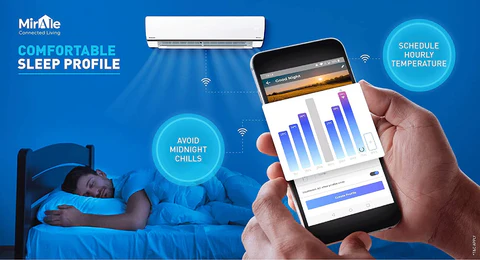
The value that the platform is driving, for instance, is that 70% of installed room air conditioners (RACs) are on-boarded in Miraie, while over 72% of users are using the sleep profile function.
FAQs
What is Panasonic’s environmental vision and goal for CO2 emissions?
Panasonic’s environmental vision, Panasonic GREEN IMPACT, aims to reduce CO2 emissions by 300 million tons by 2050, addressing global climate change challenges.
What new products has Panasonic introduced in the Indian market?
Panasonic has introduced India’s first Matter-enabled Room Air Conditioners and refrigerators with Prime Fresh technology, enhancing smart home solutions and sustainability.
How is Panasonic expanding its smart home solutions in India?
Panasonic plans to expand its smart home solutions by integrating more devices into its Miraie platform, offering seamless control and connectivity for various smart appliances.
How is Panasonic catering to diverse markets in India?
Panasonic tailors its products for both urban and rural markets by using extensive distribution channels, including small dealers, organized retail partners, exclusive stores, and e-commerce platforms.
What are Panasonic’s future plans for manufacturing in India?
Panasonic is expanding its local production with plants in Haryana and Haridwar, focusing on developing innovative products tailored to the Indian market and enhancing manufacturing capabilities.
iOS 18 update boosts A17 Pro chip AI performance by 25%.
Core ML Neural Inference Score on Geekbench increased from 6249 to 7816.
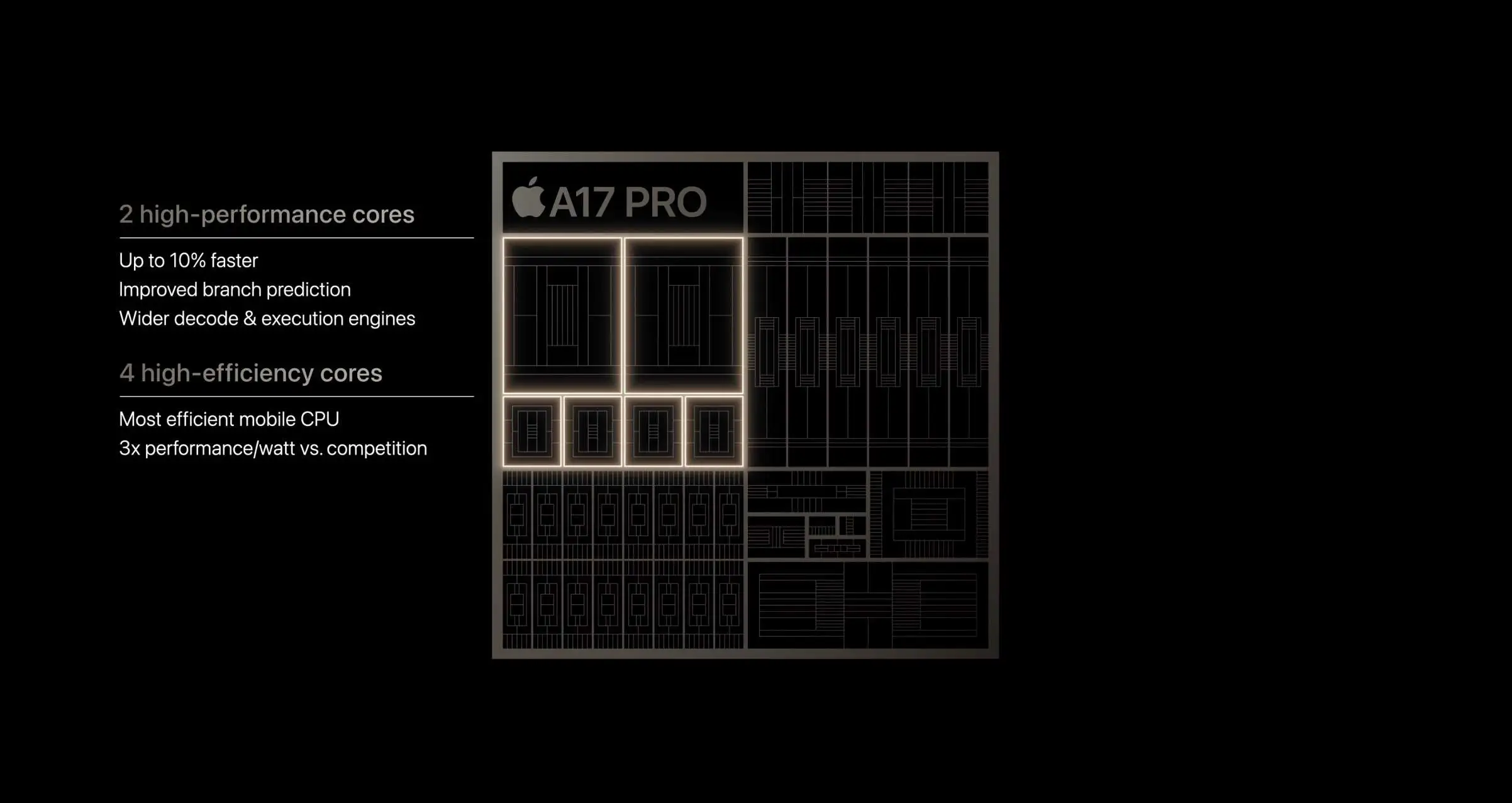
A17 Pro’s Neural Engine handles up to 35 trillion operations per second.
MLTensor addition to Core ML framework enhances machine learning capabilities.
Looks like Apple’s been tinkering under the hood with iOS 18, and it’s made the A17 Pro chip a fair bit nippier when it comes to AI tasks.
A17 Pro Getting Better with iOS 18
After iOS 18 update,
Geekbench machine learning score has greatly improved
(CoreML / Neural Engine Backend) pic.twitter.com/23cZm4qYCI
— INIYSA (@lafaiel) June 16, 2024
Apple has something called Core ML, its fancy machine-learning framework that is aiding iPhones and other Apple gadgets to chew up AI stuff faster and more efficiently.
The beauty of Core ML, of course, is that all its work is done on your device, meaning you do not need an internet connection, and your data stays put.
Now, after some small digging, one tech enthusiast on X got something: they found out that when you update from iOS 17.5.1 to iOS 18, the Neural Engine part of the A17 Pro chip—the brains of your iPhone 15 Pro Max—can now run at speeds of, at the most, up to 25 percent faster.
iOS 18 Reportedly Boosts A17 Pro Chip Performance by 25% for AI Tasks
They have got the numbers to back it up, too—the Core ML Neural Inference Score on Geekbench went from 6249 to 7816.
Let’s talk to the spec people: The A17 Pro packs in 8GB of RAM and its Neural Engine is capable of handling a full 35 trillion operations per second. That is some fair jump from the A16 Bionic inside the regular iPhone 15, which peaks at 17 trillion.
If rumors pan out, the M4 iPad Pro Neural Engine will support 38 trillion operations per second, which could be an indicator of what we might get from the A18 and A18 Pro chips that await us with the next round of iPhones.
Apple Tweaking With its ML Framework
A17 Pro’s Neural Engine handles up to 35 trillion operations per second
Apple’s also tweaked a bit Core ML, adding something called MLTensor.
It should make it easier to do stuff with multi-dimensional arrays—pretty important for machine learning.
Now, the important thing here is, of course, that this 25 percent speed bump comes directly from the software update. Once the A18 and A18 Pro chips come out, we should be seeing even bigger improvements.
MLTensor addition to Core ML framework enhances machine learning capabilities
The developer beta is out now if you’re itching to try out iOS 18. A public beta will likely land next month, with the final version probably landing in September around new iPhones time.
But all in all, Apple is getting ready to smarten up its devices—now it will be interesting to see how they leverage all that AI juice.
FAQs
How much has the A17 Pro chip’s performance improved with iOS 18?
The A17 Pro chip’s AI task performance has improved by up to 25% with the iOS 18 update.
What is the Core ML Neural Inference Score increase after the iOS 18 update?
The Core ML Neural Inference Score on Geekbench increased from 6249 to 7816 after updating to iOS 18.
What are the capabilities of the A17 Pro’s Neural Engine?
The A17 Pro’s Neural Engine can handle up to 35 trillion operations per second, significantly enhancing AI processing.
What new feature has Apple added to Core ML with iOS 18?
Apple has introduced MLTensor to Core ML, which improves the handling of multi-dimensional arrays for machine learning tasks.
When can users expect to try out iOS 18?
The developer beta for iOS 18 is available now, with a public beta likely next month and the final version expected in September.
Want your location shared for better, more personalized videos on YouTube?
YouTube’s doing this to play nice with Apple’s privacy rules, especially that App Tracking Transparency thing they brought in with iOS 14.5.
Here’s how it’ll work: The first time you open the app, you’ll receive an in-app prompt with two options.
By turning on ‘Allow Tracking’, YouTube would be able to achieve the same connecting state as before, between your in-app and other non-Google app and web activity from your device.
Choosing ‘Ask App Not to Track’ would mean they can’t connect that stuff anymore, which might mean less personalized advertising, but probably also more repetitive ads.
If you pay for a Premium subscription or are on a children’s account, you will never see any of this at all.
And if you change your mind later, you can always fiddle with it in your iOS settings.
YouTube Music Gets a Facelift
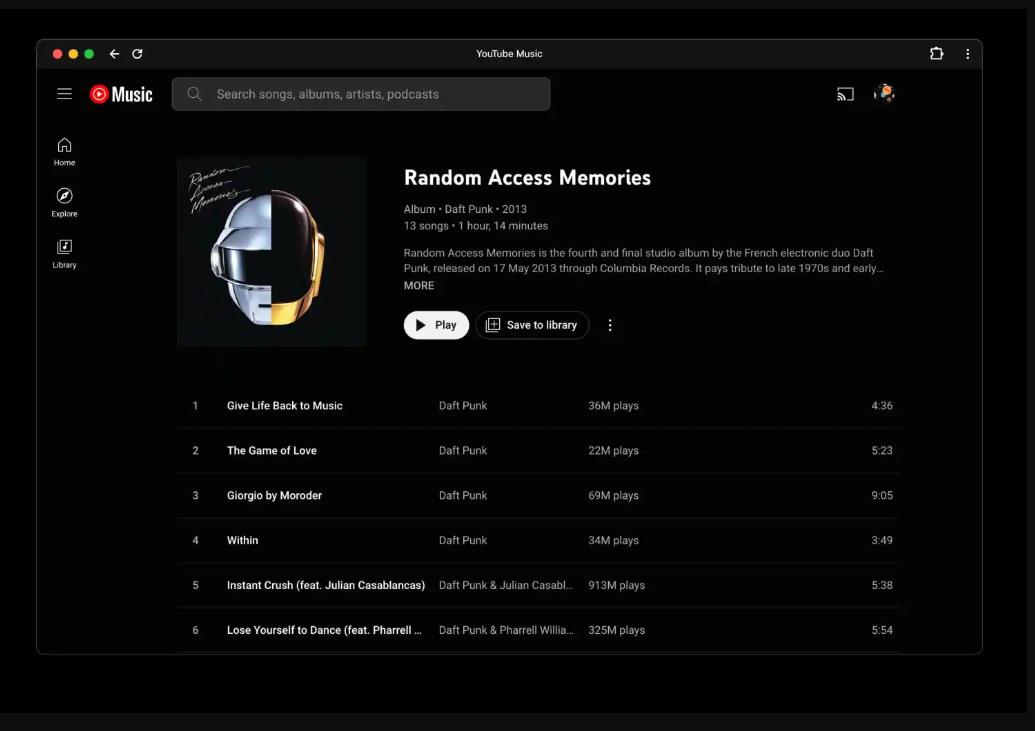
YouTube Music web version gets a new two-column design layout
Last but not least, YouTube Music is also receiving a design update on the web.
If you use music.youtube.com regularly, you might notice that some things look a bit different.
They’ve gone with a two-column layout like they did on their Android tablet app.
On the left you now have all the info about the album, name, artist, date of release, and all that.
There is also a little Wikipedia blurb that you can expand if one is feeling curious.
On the right, you have the list of songs.
The whole thing has a background that is made blurry to have a life of its own.
The same treatment is devoted to playlists.
This is all about utilizing the space on your laptop or desktop screen better.
FAQs
What is the new VPN policy for YouTube Premium?
YouTube has started identifying users who use VPNs to sign up for cheaper Premium subscriptions and will prompt them to update their billing information if caught.
What changes can iOS users expect with YouTube’s new privacy prompts?
iOS users will see an in-app prompt asking for location sharing to enhance video personalization, in compliance with Apple’s App Tracking Transparency.
How does the new design update affect YouTube Music on the web?
The redesign introduces a two-column layout, with album and artist information on the left and song lists on the right, enhancing the user experience on larger screens.
Will Premium subscribers or children’s accounts see the new iOS privacy prompts?
No, users with Premium subscriptions or on children’s accounts will not see the new privacy prompts.
Two models: Snapdragon 8 Gen 3 and Gen 4 processors.
Enhanced 2K display with eye protection technology.
5500mAh battery with 120W fast charging.
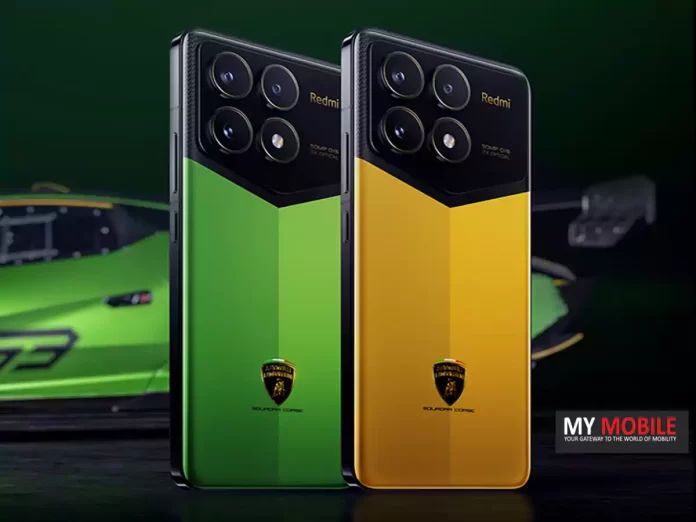
Special edition collaboration with Lamborghini.
Xiaomi is ready to introduce the next generation of the Redmi K80 series, and if initial speculations are anything to go by, they are not leaving any stone unturned in terms of upgrades.
Let us break down everything we know so far.
Redmi K80 Series: What We know So Far
Xiaomi Set to Launch Upgraded Redmi K80 Series with Lamborghini Collaboration
First off, they’re leaving the processor alone.
Word has it there will be two models: one running the Snapdragon 8 Gen 3 and another running the Snapdragon 8 Gen 4.
That’s some serious firepower under the hood, right there.
The screen’s getting a bump up, too.
They’re sticking with a 2K display but now it has some fancy eye protection tech.
There will be two models: Snapdragon 8 Gen 3 and Gen 4 processors
Should make binge-watching a bit easier on the old peepers.
Design-wise, well, we’ve seen this one before.
Metal frame, glass body—you get the gist.
It looks very directly premium in a way that’s become very tried and tested.
They’re also boosting the battery life quite a bit: They’re putting in a 5500mAh battery, up from 5000mAh in the last model.
Enhanced 2K display with eye protection technology
And they’re sticking with 120W fast charging, so you won’t be attached to that plug long.
Now, the camera’s where things get interesting.
The Pro model will sport a 50MP telephoto lens with 3x optical zoom.
That’s proper flagship territory.
They may include a macro feature, but that is still up in the air.
Smart move for my money—gets people talking, and at the same time, gives the phone a little extra special feel over just being another mid-range device.
The thing that has not been revealed so far is the price.
Knowing Xiaomi, it will likely be competitive; however, at this point, with all these upgrades, one should not be expecting a dirt-cheap price.
What processors will the new Redmi K80 Series use?
The Redmi K80 Series will feature two models, one with the Snapdragon 8 Gen 3 processor and another with the Snapdragon 8 Gen 4, ensuring powerful performance.
What are the display features of the Redmi K80 Series?
The phones will have a 2K display with advanced eye protection technology, providing a better viewing experience that’s easier on the eyes.
How is the battery life improved in the Redmi K80 Series?
The battery capacity is increased to 5500mAh from 5000mAh in the previous model, with 120W fast charging support for quick recharges.
What camera upgrades are expected in the Redmi K80 Pro model?
The Pro model will include a 50MP telephoto lens with 3x optical zoom, elevating its photography capabilities to flagship-level performance.
What is the significance of Xiaomi’s collaboration with Lamborghini?
Xiaomi’s collaboration with Lamborghini is expected to result in a special edition variant of the Redmi K80, adding a luxury brand appeal and unique features.
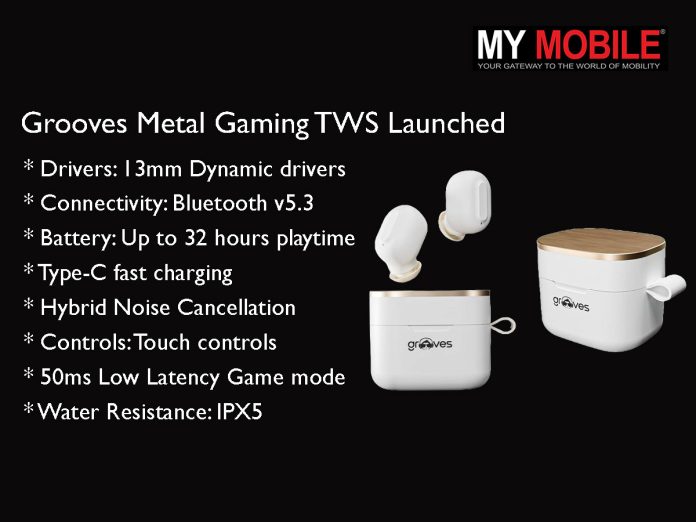
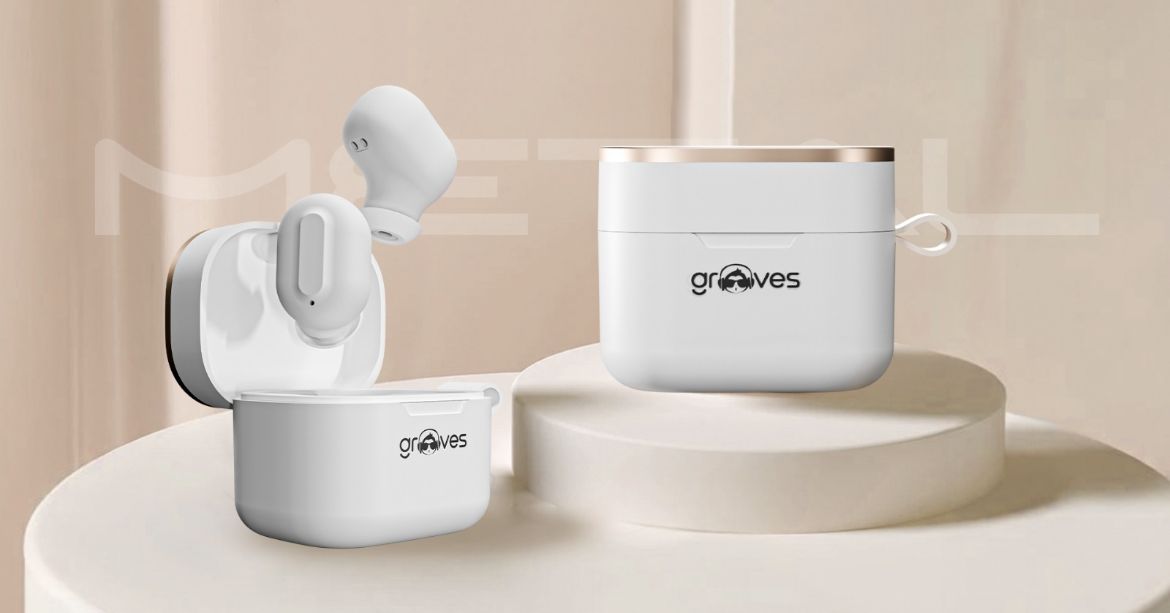
• Grooves has expanded its TWS line-up by introducing the Metal gaming earbuds.
• These earbuds feature a lightweight and ergonomic design, with each earbud weighing just 3 grams.
• They are equipped with large 13mm dynamic drivers and a JL chip, along with Bluetooth v5.3, ensuring clear audio and deep bass.
• For gamers and movie enthusiasts, the earbuds offer low latency performance of 50ms, enhancing the experience of action-packed content.
Grooves Introduces ‘Metal’ supported by Infiniarc.com, a reputable electronics company with a decade of global service, now entering the MENA region’s audio market.
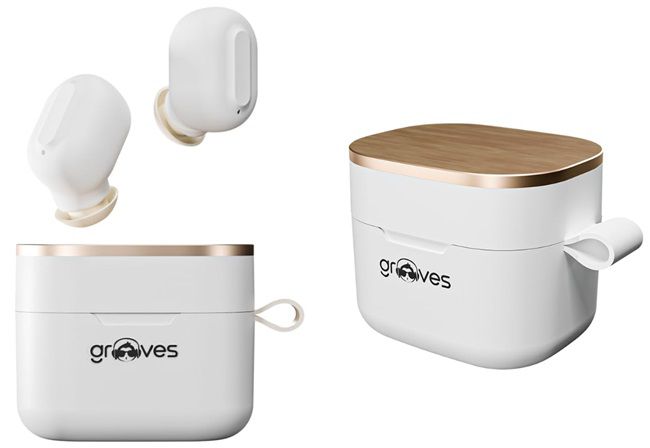
This innovative and highly ergonomic pair of earbuds features an attractive design suitable for any outfit.
These earbuds feature JL chipset-powered large 13mm drivers for an immersive movie and gaming experience.
They are a stylish and premium pair of audio wearables that are lightweight, minimalistic, and highly ergonomic, designed for all-day comfort.
These TWS earbuds not only deliver high-performance, low-latency audio but also provide up to 32 hours of entertainment for gaming and movies.
Grooves has expanded its TWS line-up by introducing the Metal gaming earbuds
Sudhanshu Kumar Singh, Ecommerce Head of Grooves India, remarked, “The Grooves Metal is crafted for today’s youth who desire a distinct style from the typical TWS wearables their peers showcase. Made from the highest quality ABS materials and featuring a premium metallic finish within a minimalistic shell, these earbuds are nearly invisible to the world. Equipped with the latest technology for an immersive audio experience, the Metal is designed for everyone leading an active lifestyle.”
The Metal aims to be more than a conventional TWS on the market today.
It features a stylish design while maintaining audio excellence.
With large 13mm dynamic drivers powered by a JL chip and the latest Bluetooth v5.3 chip, you experience crystal-clear, crisp audio with deep bass.
The low latency 50ms lag-free performance ensures that gaming and action movies are transformed.
They are equipped with large 13mm dynamic drivers & JL chip
Each earbud weighs just 3 grams, making them light and comfortable.
Simply flip open the lid, and your earbuds instantly connect to your smartphone before they are out of their slots.
Each earbud also allows you to make and receive calls independently, giving you up to 64 hours (logically) of call time if used one at a time.
Despite their compact size, they feature a touch surface for controlling calls and music, and a highly efficient battery that provides up to 6 hours of entertainment on a single charge.
The charging case, equipped with LED indicators, adds a 300mAh battery backup,offering a total of 32 hours of continuous use.
Whether you are at work, traveling, or staying fit with workouts, the earbuds are protected with IPX4-rated materials, keeping your entertainment safe from sweat and water.
Grooves Metal Gaming TWS Price, Availability & Color Options
Grooves Metal Gaming TWS earbuds is priced at Rs. 1,699,
Available in an elegant glossy white and gold combination, the Grooves Metal Gaming TWS is now on sale for just INR 1,699 on Amazon, Flipkart, Tata Cliq, JioMart, and Moglix.
Quick specifications: Grooves Metal Gaming TWS
Earbuds are sweat and water-resistant, suitable for various activities
* Design: Matt Silicon Coating * Drivers: 13mm Dynamic drivers * Connectivity: Bluetooth v5.3; Supports AAC and SBC codecs * Battery: Up to 32 hours playtime (total), Type-C fast charging * Others: Hybrid Noise Cancellation, LED indicator * Controls: Touch controls * Gaming Features: 50ms Low Latency Game mode * Water Resistance: IPX5
Faqs
What is the price of grooves metal gaming earbuds ?
The Grooves Metal Gaming TWS earbuds is priced at Rs. 1,699.
What are the Color’s available in Grooves Metal Gaming Earbuds ?
They are available in glossy white and gold.
What are the best features of Groove Metal Gaming TWS?
Their snug fit and ENC technology ensure clear music and calls, minimizing external disturbances.
They connect instantly upon opening the case, and each earbud supports independent calling, providing up to 64 hours of call time collectively.
YouTube Introduces New Policy to Remove AI-Generated Deepfake Content
The shift is part of a policy change announced by YouTube last November and consolidated this March to make AI-made content more easily noticeable to users and encourage the responsible use of AI tools.
YouTube will consider if the content is AI-made and could be mistaken for real.
They will also ensure that in the content, it is possible to identify who is filing the removal request.
This is important if you are reporting content on another YouTuber’s behalf.
New YouTube policy targets AI-generated deepfakes
The rise of AI content generation has, understandably, been a problem to many people.
It has given bad actors an easier way to create convincing deepfakes that might be leveraged in financially or informationally coercive attacks on victims.
Even if you’re not being blackmailed, you might not want AI-generated content that looks like you online.
YouTube now offers a way to report these videos or posts.
However, YouTube refuses to remove what it terms parody and satire videos of famous personalities.
User Privacy Getting a Big Push
Users can request removal of AI content that resembles them
Large social media companies, including Meta and Google, have faced criticism over not doing enough to protect privacy.
YouTube’s new policy comes off as if it’s a response to all the backlash resulting from the creation of AI content.
Creators won’t get strikes if they have privacy complaints.
This new policy will go a long way in saving people who have been victims of AI deepfakes.
Before, there wasn’t much you could do if someone made a fake video of you.
Now, at least on YouTube, you’re given ways to fight back.
It’s worth mentioning that it’s not the sole step upon which AI-generated content can be dealt with, but as technology improves in aspects of AI, so shall the sociales medios that need updating of policies against them.
FAQs
What is the new YouTube policy about AI-generated content?
The new policy allows users to request the removal of AI-generated content that resembles them, addressing concerns about deepfakes.
How does YouTube determine if content is AI-generated?
YouTube will verify if the content is AI-generated and if the person requesting removal is identifiable in the content.
When was this YouTube policy announced and implemented?
The policy was announced last November and rolled out in March as part of YouTube’s efforts to combat deepfake issues.
Are creators penalized for privacy complaints under this new policy?
No, creators who receive privacy complaints won’t receive strikes. YouTube handles privacy violations separately from Community Guidelines strikes.
What types of AI-generated content are exempt from removal?
YouTube may not remove parody and satire content of well-known figures, focusing more on protecting individual user privacy.