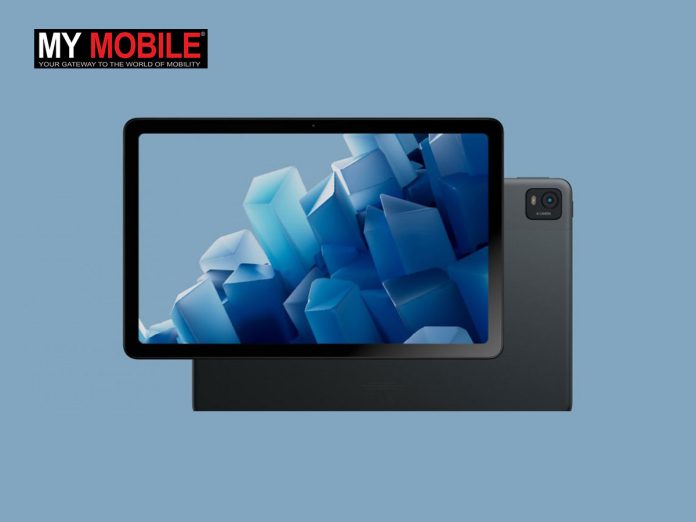
HMD Tab Lite features an 8.7-inch IPS display with 1,340 x 800 resolution.
Powered by Unisoc T610 processor with 4GB RAM and 64GB expandable storage.
Expected to include a 5,500mAh battery with 18W fast charging.
Available in multiple color options, including pink, black, and blue.
HMD, known for its Nokia-branded devices, is set to expand its product lineup with a new tablet, the HMD Tab Lite.
Recent leaks have provided insights into this upcoming budget-friendly device,offering a glimpse into its design, specifications, and potential pricing.
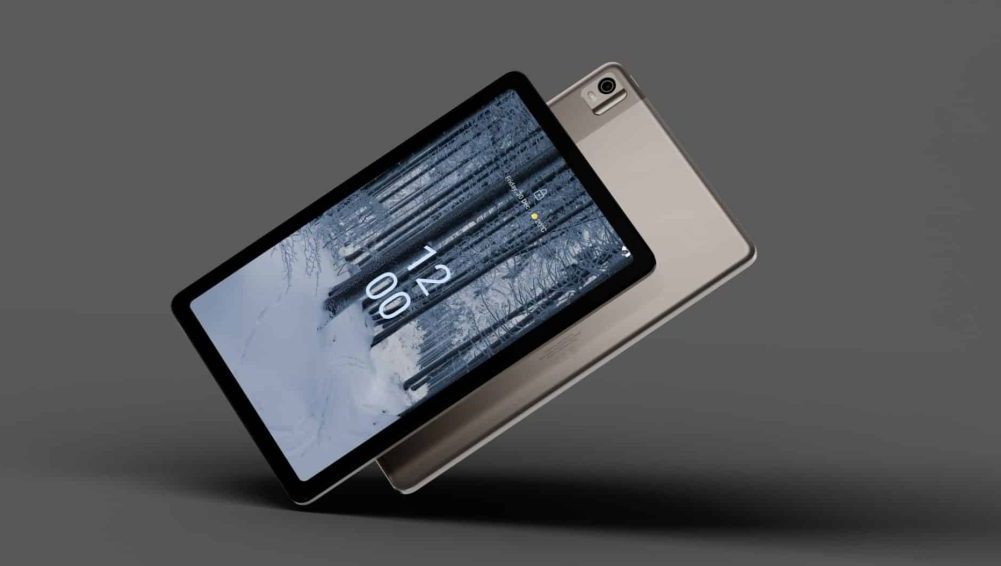
According to information shared by @smashx_60 on X (formerly Twitter), the HMD Tab Lite features a clean, minimalist design with rounded corners.
The tablet’s rear houses a small camera module with a single shooter and an LED flash.
What sets this tablet apart is its array of color options, including an eye-catching pink variant, along with more traditional black and blue options.
This diverse color palette could give HMD an edge in the budget tablet market, where such variety is uncommon.
On the specifications front, the HMD Tab Lite is expected to sport an 8.7-inch IPS display with a resolution of 1,340 x 800 pixels and a peak brightness of 560 nits.
While these specs suggest a decent viewing experience, there’s no mention of advanced features like high refresh rates.
Under the hood, the tablet is rumored to be powered by the Unisoc T610 processor, an 8-core chip designed for budget devices.
This processor should be capable of handling light tasks such as web browsing and social media use.
The device is said to come with 4GB of RAM and 64GB of expandable storage, providing a balance between performance and affordability.
HMD Tab Lite: Battery and Pricing
HMD Tab Lite features rounded corners
The HMD Tab Lite will come with a 5,500mAh battery and feature 18W fast charging, according to rumors.
On the camera front, it’s tipped to have an 8MP rear camera and a 5MP front-facing shooter.
The tablet is expected to feature 4G connectivity, which makes it all the more appealing for those using internet services on the go.
HMD Tab Lite may feature an 8.7-inch IPS display with a 1,340 x 800 pixels resolution
The price for the HMD Tab Lite is believed to be 149 EUR, equivalent to about $159, which places it strongly in the budget tablet niche.
For this price, specifications, and design, it just might be the case that HMD is targeting light computing needs or users seeking a secondary device.
Though these details make for an interesting Tab Lite preview by HMD, this info is yayin from leaks, hence speculative until otherwise confirmed by HMD.
The company has not made any formal announcements for this device.
FAQs
What is the display specification of the HMD Tab Lite?
The HMD Tab Lite is expected to feature an 8.7-inch IPS display with a resolution of 1,340 x 800 pixels and a peak brightness of 560 nits.
Which processor will power the HMD Tab Lite?
The tablet is rumored to be powered by the Unisoc T610 processor, an 8-core chip designed for budget devices, suitable for light tasks such as web browsing and social media.
What are the battery and charging capabilities of the HMD Tab Lite?
The HMD Tab Lite is expected to come with a 5,500mAh battery and support 18W fast charging, providing adequate battery life for a budget-friendly device.
What color options will be available for the HMD Tab Lite?
The HMD Tab Lite is rumored to be available in several color options, including an eye-catching pink variant, along with traditional black and blue options.
iOS 18 Beta 2 introduces iPhone Mirroring for seamless Mac integration.
Enhanced SharePlay screen sharing adds new collaboration tools.
Not all iOS 18 features available in Beta 2; some will roll out later.
Public beta release scheduled for July, following the developer beta.
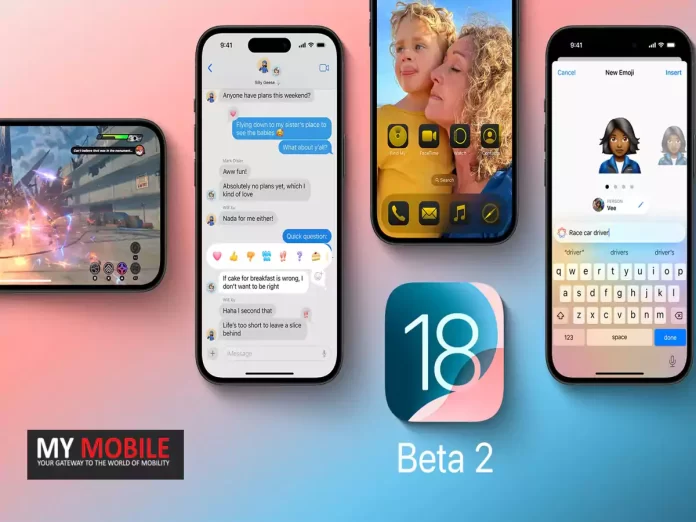
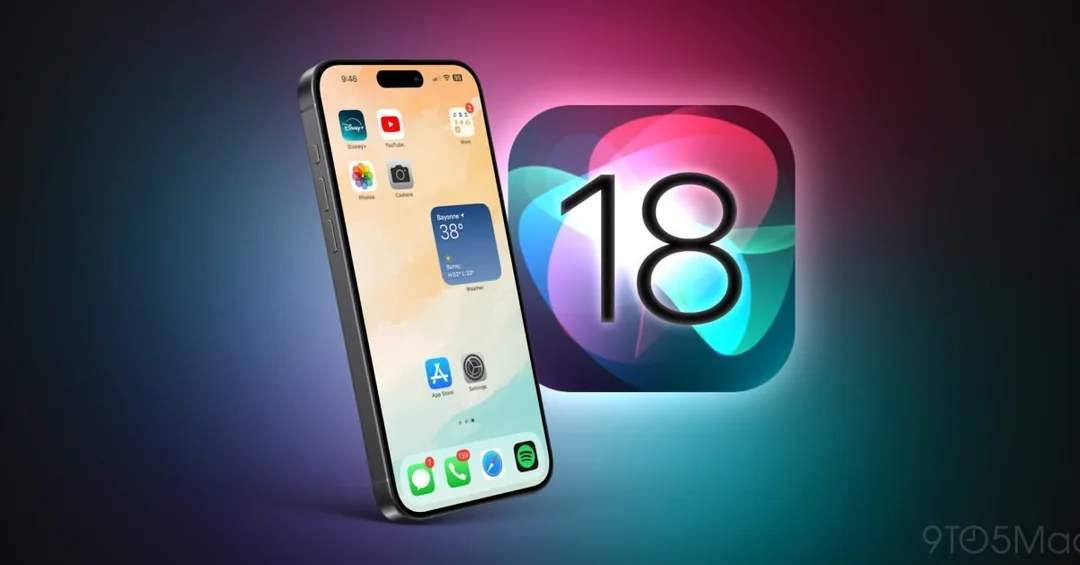
Apple announced that iOS 18 beta 2 will be available for developers next Monday—a fortnight since iOS 18 was first unveiled at WWDC 2024.
This update will feature two new features: iPhone Mirroring and advanced SharePlay screen sharing capabilities.
2 New Features Coming With the Beta
iOS 18 Beta 2 introduces iPhone Mirroring for seamless Mac integration
Setting iPhone Mirroring on the Mac to allow Mac users to share their iPhone screen on the Mac for interaction with the iPhone, getting notices, and drag-and-drop between devices seamlessly.
This feature will further integrate the Apple ecosystem and enhance user workflow.
Enhanced screen sharing with SharePlay adds new collaboration tools that have users drawing on shared screens to instruct others, while some will even take control of another user’s screen in order to do things directly.
This could be a real game-changer in remote collaboration and support scenarios.
Apple Intelligence Not Available in the EU
Public beta release scheduled for July, following the developer beta
Apple spokesperson Fred Sainz confirmed these additions in a statement to The Verge.
The news was announced alongside the revelation that some iOS 18 features, includingApple Intelligence, won’t make it to the EU this year due to the Digital Markets Act.
Worth noting, not all features announced for iOS 18 are available in this beta.
Some will be added throughout, while others may not arrive until after the public release of iOS 18 later this year.
Apple’s also mentioned that some Apple Intelligence features will begin beta testing this summer—though it’s not clear what that specifically entails.
The iOS 18 beta 2 release will happen with new beta releases of iPadOS 18, macOS Sequoia, tvOS 18, visionOS 2, and watchOS 11.
These updates likely include bug fixes and more streamlining of existing features.
Sometime in July, Apple will send out a public beta for further testing of the new operating system, while the Monday developer beta is bound to be released on schedule.
These incremental roll-outs coupled with the features likely reflect the seriousness of the company in testing and polishing up the features for any last-minute changes before the final release.
FAQs
What new features are included in iOS 18 Beta 2?
iOS 18 Beta 2 includes iPhone Mirroring for Mac users and enhanced SharePlay screen sharing capabilities, adding new collaboration tools.
How does iPhone Mirroring benefit Mac users?
iPhone Mirroring allows Mac users to share their iPhone screen on the Mac, interact with the iPhone, receive notifications, and use drag-and-drop between devices, enhancing the Apple ecosystem integration.
What enhancements does SharePlay screen sharing bring?
The enhanced SharePlay screen sharing feature includes tools for drawing on shared screens to instruct others and the ability to take control of another user’s screen for direct interaction, improving remote collaboration and support.
Will all iOS 18 features be available in the beta release?
Not all features announced for iOS 18 will be available in Beta 2. Some features will be added throughout the beta period, and others may not arrive until after the public release of iOS 18 later this year.
Microsoft Rewards offers a three-month free trial of Spotify Premium.
Available exclusively for Microsoft account holders active for at least three days.
The offer requires a valid credit or debit card for registration.
New Spotify Premium users must cancel before the trial ends to avoid charges.
Microsoft has launched an enticing offer for music lovers through its Microsoft Rewards platform, providing users with a three-month free trial of Spotify Premium.
This promotion not only extends Spotify’s usual two-month trial period but also comes at no additional cost to users, making it an attractive proposition for those looking to explore the full features of the popular music streaming service.
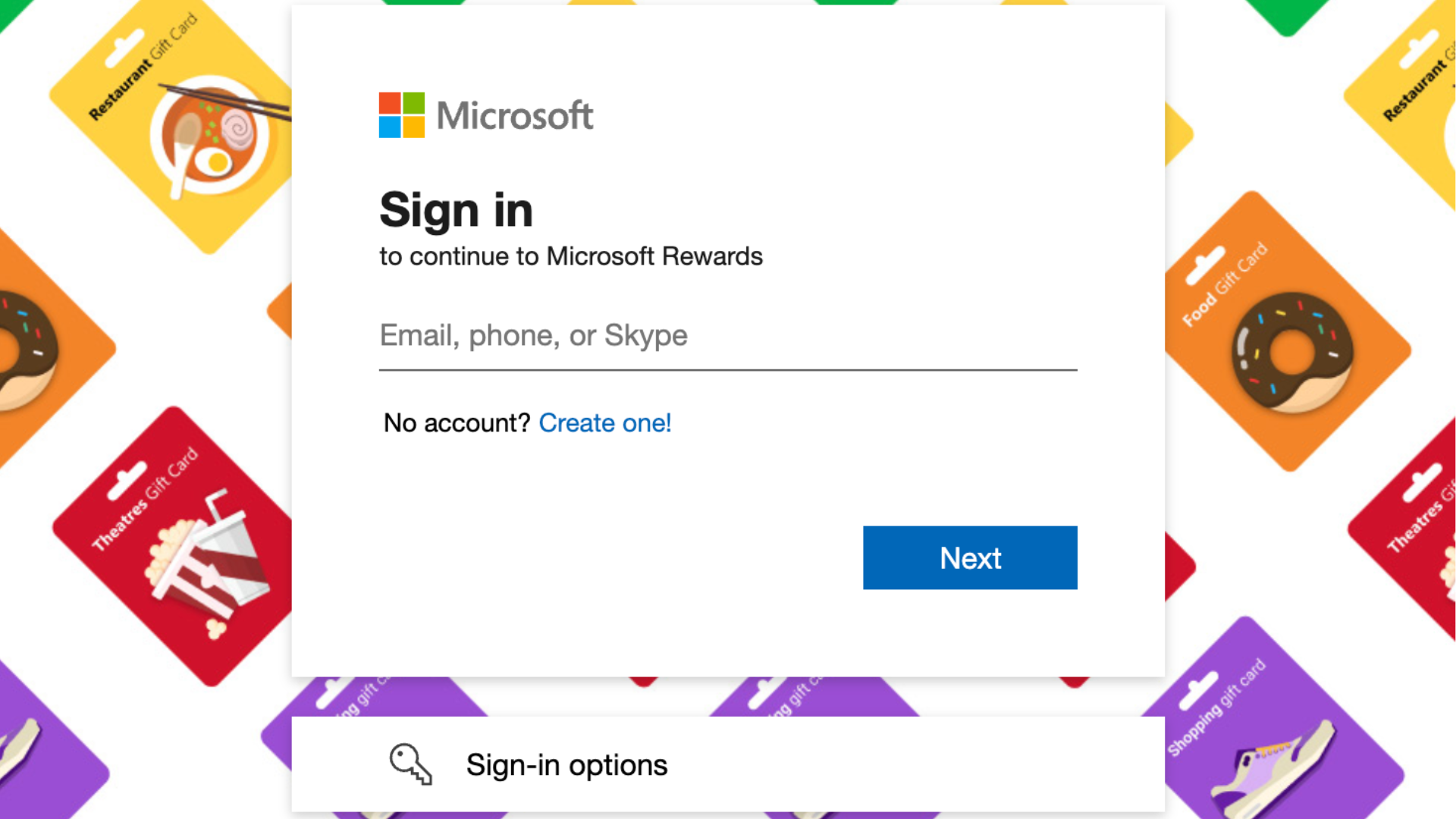
To take advantage of this offer, users need to navigate to the Microsoft Rewards website and log in with their Microsoft account.
It’s worth noting that the account must have been active for at least three days to be eligible.
Once logged in, users can find the Spotify offer in the rewards section and click the “Redeem” button to initiate the process.
How to redeem Spotify Premium subscription offer
Get 3 Months Free Spotify Premium with Microsoft Rewards
Open the Microsoft Rewards website.
Log in using your Microsoft account.
Click on the Redeem button.
Look for the Spotify offer.
Click Redeem again and follow the on-screen instructions.
Log into your Spotify account (create a new account if you are new to Spotify).
Enter your credit card or debit card information on the next page.
Click the Purchase button to get three months of Spotify Premium trial for free.
This offer is particularly appealing to those who haven’t previously subscribed to Spotify Premium, as it provides an extended period to experience the ad-free, high-quality streaming service.
During these three months, users can enjoy features such as offline listening, improved audio quality, and unrestricted access to Spotify’s vast music library.
The offer requires a valid credit or debit card for registration
While the offer is generous, there are a few key points users should keep in mind:
The offer is exclusive to Microsoft account holders.
It’s only available to new Spotify Premium users.
A valid credit or debit card is required for registration.
Users need to manually cancel the subscription before the trial ends to avoid charges.
This collaboration between Microsoft and Spotify showcases Microsoft’s efforts to enhance its rewards program and provide added value to its users.
It also serves as an effective strategy for Spotify to potentially expand its premium user base.
New Spotify Premium users must cancel before the trial ends to avoid charges
For music enthusiasts, this offer presents an excellent opportunity to fully immerse themselves in the Spotify Premium experience without immediate financial commitment.
However, users should set a reminder to review their subscription status before the trial period ends to make an informed decision about continuing with the paid service.
FAQs
What is the offer provided by Microsoft Rewards for Spotify Premium?
Microsoft Rewards is offering a three-month free trial of Spotify Premium, extending beyond Spotify’s usual two-month trial period and available at no additional cost to users.
How can I redeem the three-month free trial of Spotify Premium?
To redeem the offer, visit the Microsoft Rewards website, log in with your Microsoft account, find the Spotify offer, click Redeem, follow the on-screen instructions, and enter your payment details on the Spotify page.
Who is eligible for this Spotify Premium offer?
The offer is exclusive to Microsoft account holders who have had an active account for at least three days and have not previously subscribed to Spotify Premium.
Do I need a credit or debit card to redeem the Spotify Premium trial?
Yes, a valid credit or debit card is required to register for the three-month free trial of Spotify Premium. This is needed to set up the subscription.
Vivo X200 Pro may feature a slightly curved 6.7 or 6.8-inch display with 1.5K resolution.
Expected to have a 6,000mAh silicon battery, a significant upgrade from the X100 Pro.
Enhanced triple camera setup with a periscope lens for improved photo capabilities.
Powered by MediaTek Dimensity 9400 chipset, maintaining Vivo’s partnership with MediaTek.
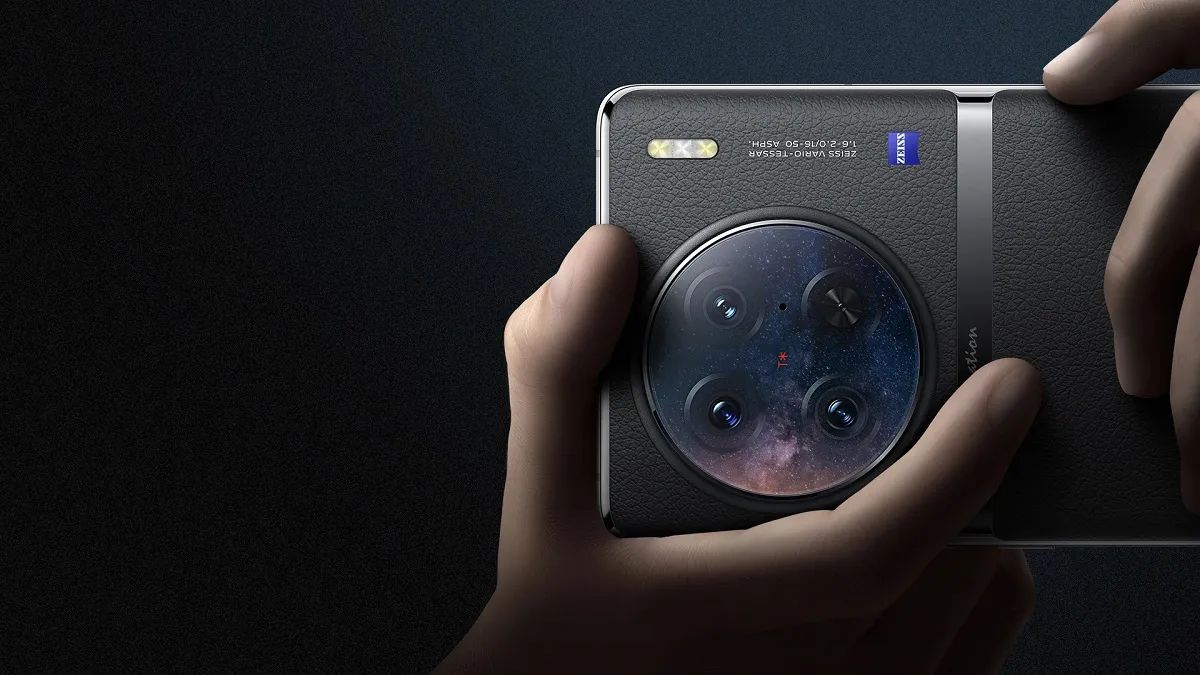
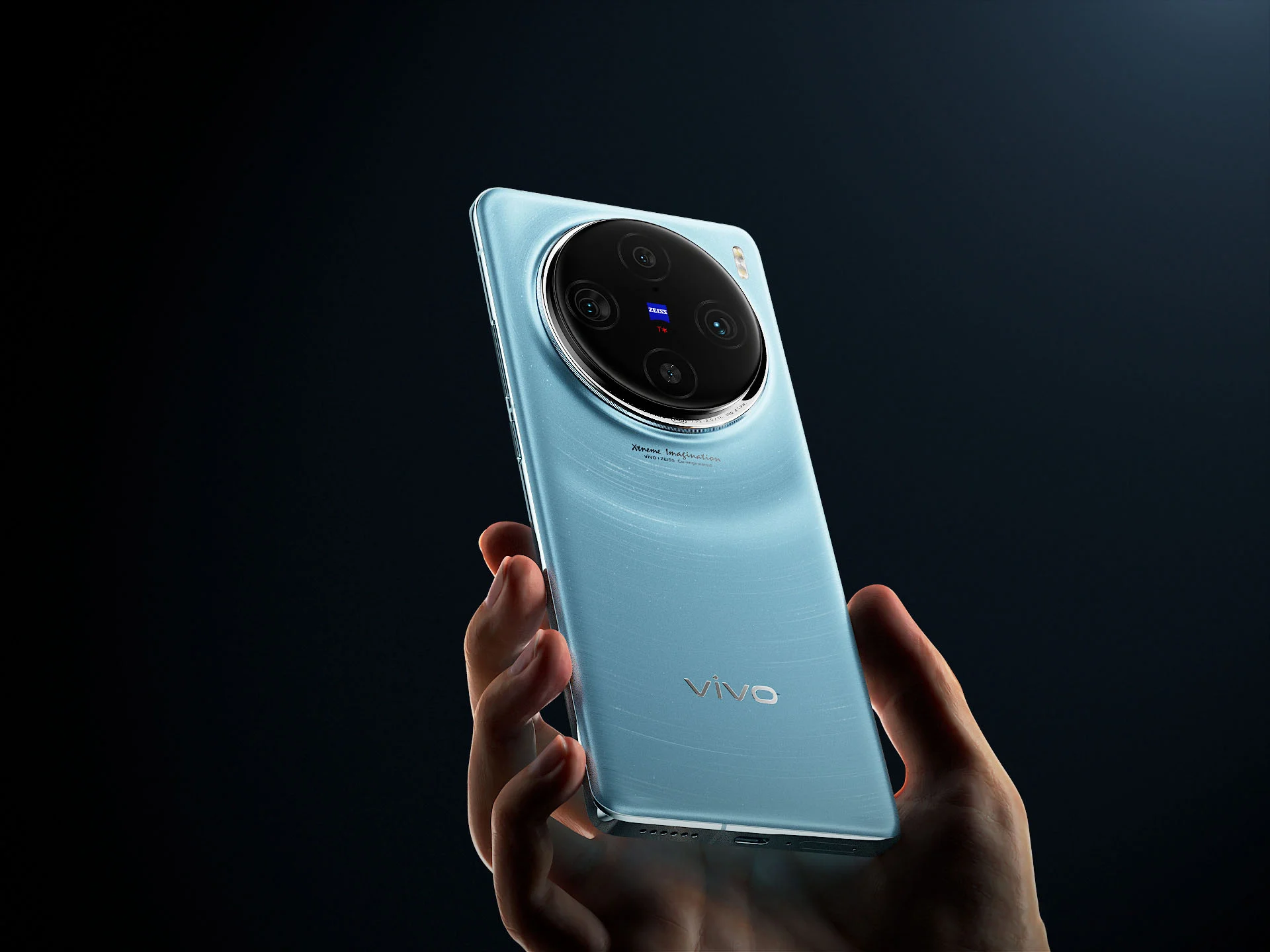
The Vivo X200 Pro could very well be the next model added into their flagship X series lineup and has made much noise lately in the smartphone community.
However, recent leaks did give meaning to some possible specs the device might come with—touting significant upgrades over last year’s model, the Vivo X100 Pro.
Vivo X200 Pro: Spec Expectations
DCS’ leak suggests that the Vivo X200 Pro will feature significant upgrades and new technologies as compared to the Vivo X100 Pro
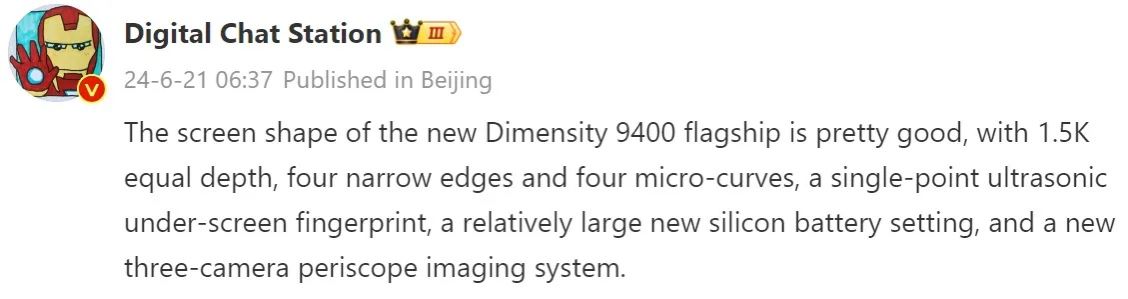
According to a tipster from China, Digital Chat Station on Weibo, it is going to feature a slightly curved display with 1.5K resolution and narrow bezels.
The size could be about 6.7 or 6.8 inches.
The device is likely to add a single-point ultrasonic in-display fingerprint sensor for enhanced security.
But probably the most interesting story is the one related to the battery.
He mentioned that the X200 Pro also includes a single-point ultrasonic under-display fingerprint sensor and introduces a new silicon battery configuration
The X200 Pro might employ a new type of silicon battery that could retain a potential capacity of 6,000-mAh.
That is quite a way bigger than that of the X100 Pro’s 5,400mAh battery.
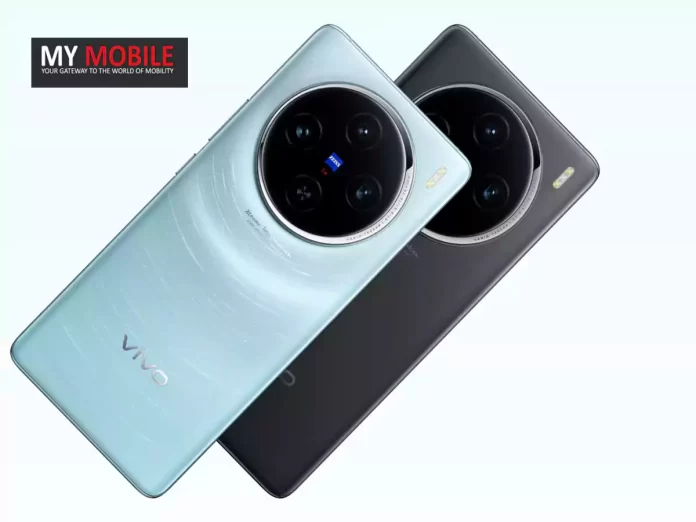
On that note, the X200 Pro is said to come with an enhanced triple camera setup featuring a periscope lens.
Not much information has been shared on this, but essentially, this points to Vivo still gunning for better photo capabilities in its flagship devices.
Enhanced triple camera setup with a periscope lens for improved photo capabilities
That raises several eyebrows, having been the third time in a row we heard of it; Vivo might just end up sticking with MediaTek for its flagship processor.
How the X200 Would Compare to the X100
The phone is tipped to pack a larger battery than the Vivo X100 Pro
In context, the Vivo X100 Pro reached India in January for Rs. 89,999 for its variant with 16GB RAM and 512GB storage.
It runs on the Dimensity 9300 SoC and comes with a triple rear camera setup that includes a 50-megapixel 1-inch-type sensor Sony IMX989, a 6.78-inch curved LTPO AMOLED display, headed by a refresh rate of up to 120Hz.
Though these leaks seem to be rather spectacular about what the X200 Pro can promise, everything remains unofficial at this point.
The upcoming smartphone is anticipated to feature the Dimensity 9400 chipset
None of Vivo’s confirmation regarding their device or its specifications is released.
X200 Pro will come with a standard model Q200; however an official release date has not yet been provided.
Potential buyers should wait for official announcements to get the full, accurate picture of what this new flagship will offer.
FAQs
What display specifications are expected for the Vivo X200 Pro?
The Vivo X200 Pro is rumored to feature a slightly curved 6.7 or 6.8-inch display with a resolution of 1.5K and narrow bezels, enhancing the viewing experience.
What is notable about the Vivo X200 Pro’s battery?
The Vivo X200 Pro is expected to include a new type of silicon battery with a potential capacity of 6,000mAh, offering a significant increase over the X100 Pro’s 5,400mAh battery.
What camera features are anticipated for the Vivo X200 Pro?
The Vivo X200 Pro is rumored to come with an enhanced triple camera setup, including a periscope lens, indicating a continued focus on superior photo capabilities.
Which processor will power the Vivo X200 Pro?
The Vivo X200 Pro is tipped to be powered by MediaTek’s upcoming Dimensity 9400 chipset, continuing Vivo’s trend of using MediaTek processors in its flagship devices.
Realme V60s starts at CNY 1,499 ($206) for 6GB RAM and 128GB storage.
Features a 6.67-inch HD+ display with 120Hz refresh rate.
Powered by MediaTek Dimensity 6300 chipset with a 5,000 mAh battery.
IP64 rated for dust and water resistance with a thin 7.94mm matte-finish body.
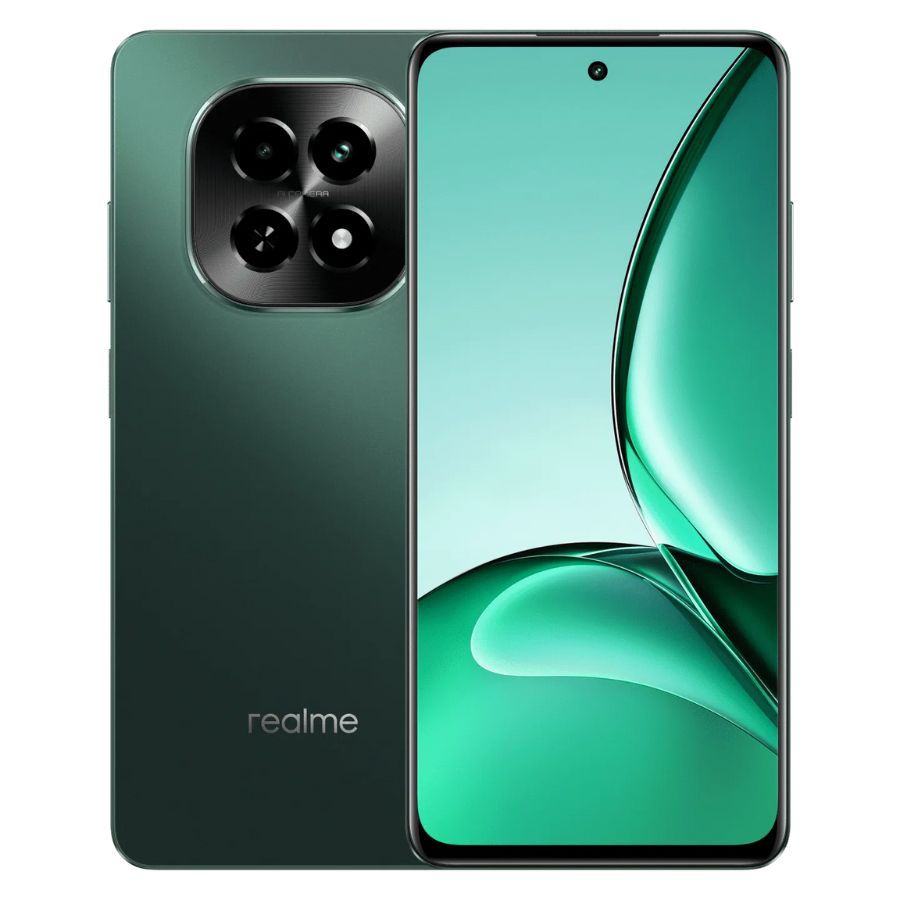
Realme has finally listed the V60s on its China website, bringing in a new entry-level 5G smartphone.
This comes after the recent TENAA leaks indicating very few differences between the V60s and the regular V60.
The price for the Realme V60s begins at CNY 1,499 ($206) for the base variant with 6GB of RAM and 128GB of storage, which in this case, is the Turquoise option.
Realme V60s starts at CNY 1,499 ($206) for 6GB RAM and 128GB storage
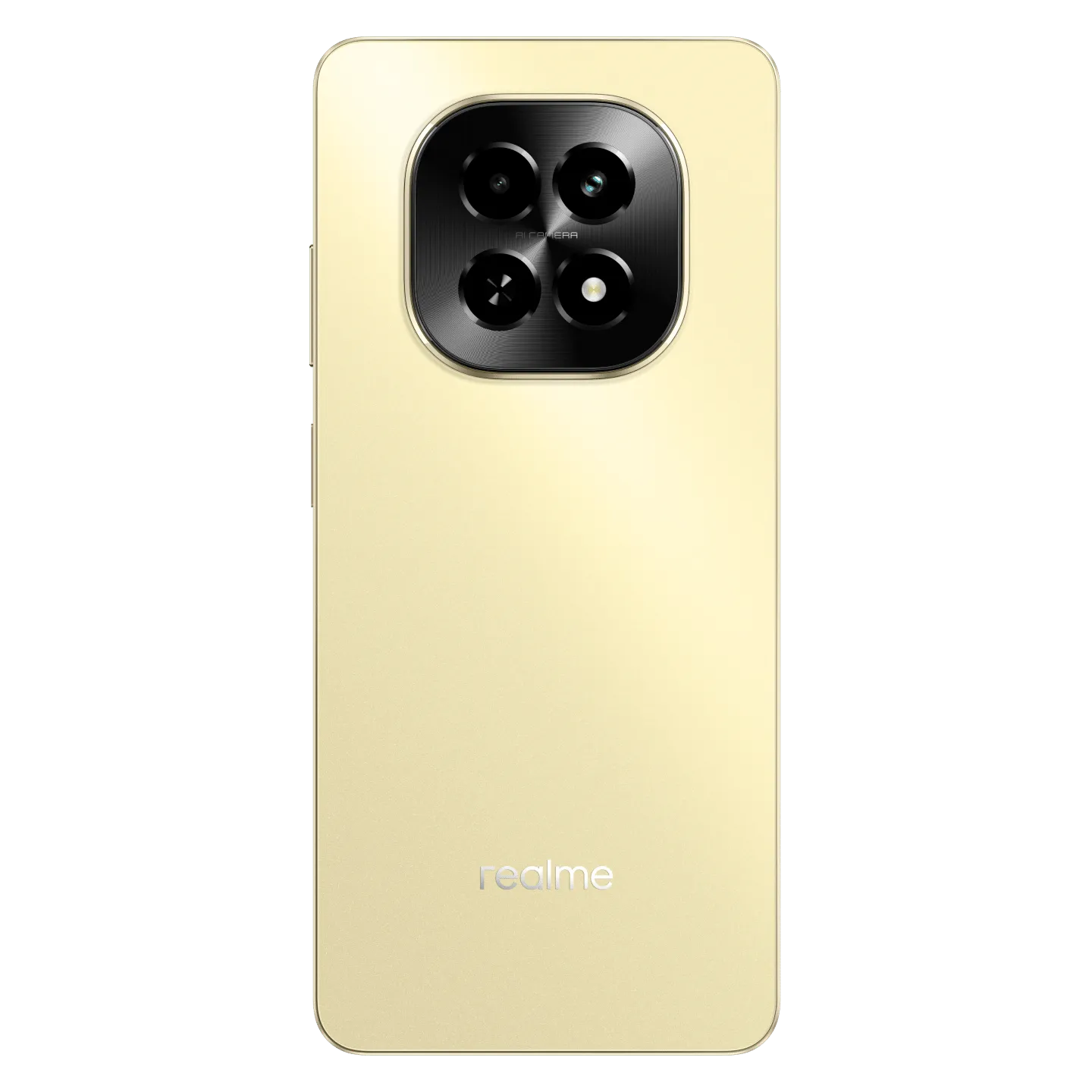
A promo price for the Star Gold variant at CNY 1,399 ($193) has already been done.
The top model with 8GB RAM and 256GB storagewill set one back CNY 1,799 ($248).
Realme V60s: Listed Specs
Realme V60s Officially Listed in China
The Realme V60s comes with an HD+ 6.67-inch display with a screen resolution of 720 x 1604 pixels.
The display offers a refresh rate of 120Hz and supports a maximum brightness of 625 nits.
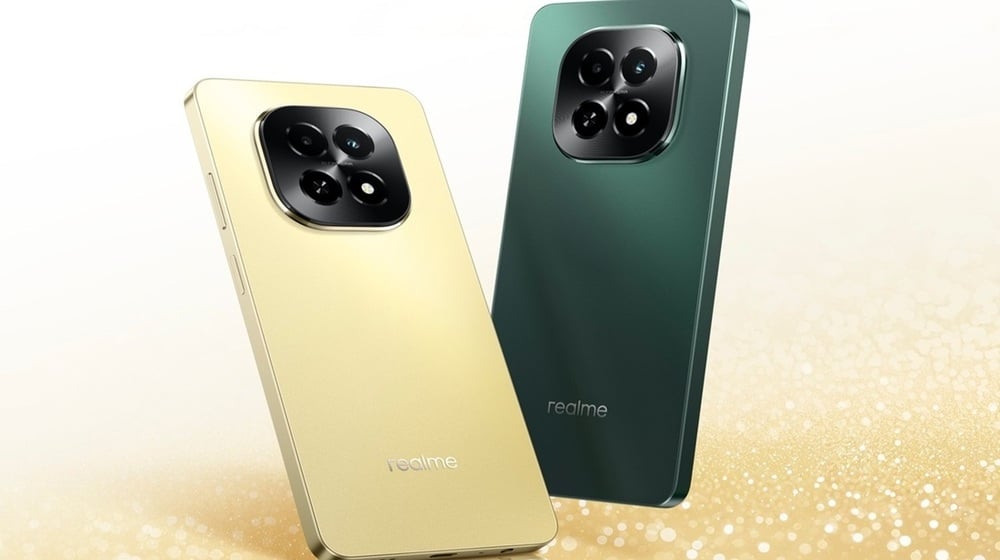
Design-wise, the V60s comes with a thin 7.94mm matte-finish body, color options of Star Gold and Turquoise, and is IP64 rated for dust and water resistance.
Given the slim profile, it packs a 5,000 mAh battery.
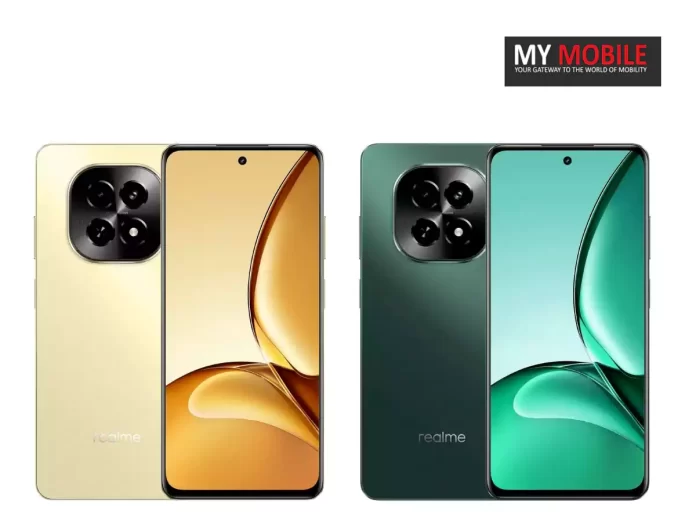
The back has a quad-circle camera design, but only two of these circles house actual cameras.
One’s a main 32MP unit, with another whose specs aren’t listed.
Realme V60
On the front is an 8MP front-facing camera in a punch-hole cutout.
Interestedly, the regular V60 model was briefly listed on the website with identical specifications but has since been removed.
This did lead to speculations surrounding differences between the two models.
What is the starting price of the Realme V60s in China?
The Realme V60s starts at CNY 1,499 ($206) for the base variant with 6GB of RAM and 128GB of storage.
The promo price for the Star Gold variant is CNY 1,399 ($193).
What display specifications does the Realme V60s offer?
The Realme V60s features a 6.67-inch HD+ display with a screen resolution of 720 x 1604 pixels.
It also offers a refresh rate of 120Hz and supports a maximum brightness of 625 nits.
What chipset powers the Realme V60s and how is its performance?
The Realme V60s is powered by the MediaTek Dimensity 6300 chipset, providing efficient performance for an entry-level 5G smartphone.
What is the battery capacity and design features of the Realme V60s?
The Realme V60s packs a 5,000 mAh battery and has a thin 7.94mm matte-finish body. It is available in Star Gold and Turquoise colors and is IP64 rated for dust and water resistance.
What camera setup does the Realme V60s have?
The Realme V60s features a quad-circle camera design on the back, with a main 32MP camera.
The front has an 8MP camera housed in a punch-hole cutout.
Apple introduces Translation API for iOS apps in iOS 17.4.
Translation services powered by on-device machine learning models.
Supports offline translation, enhancing user privacy and convenience.
New features available with iOS 18 SDK for advanced translation capabilities.
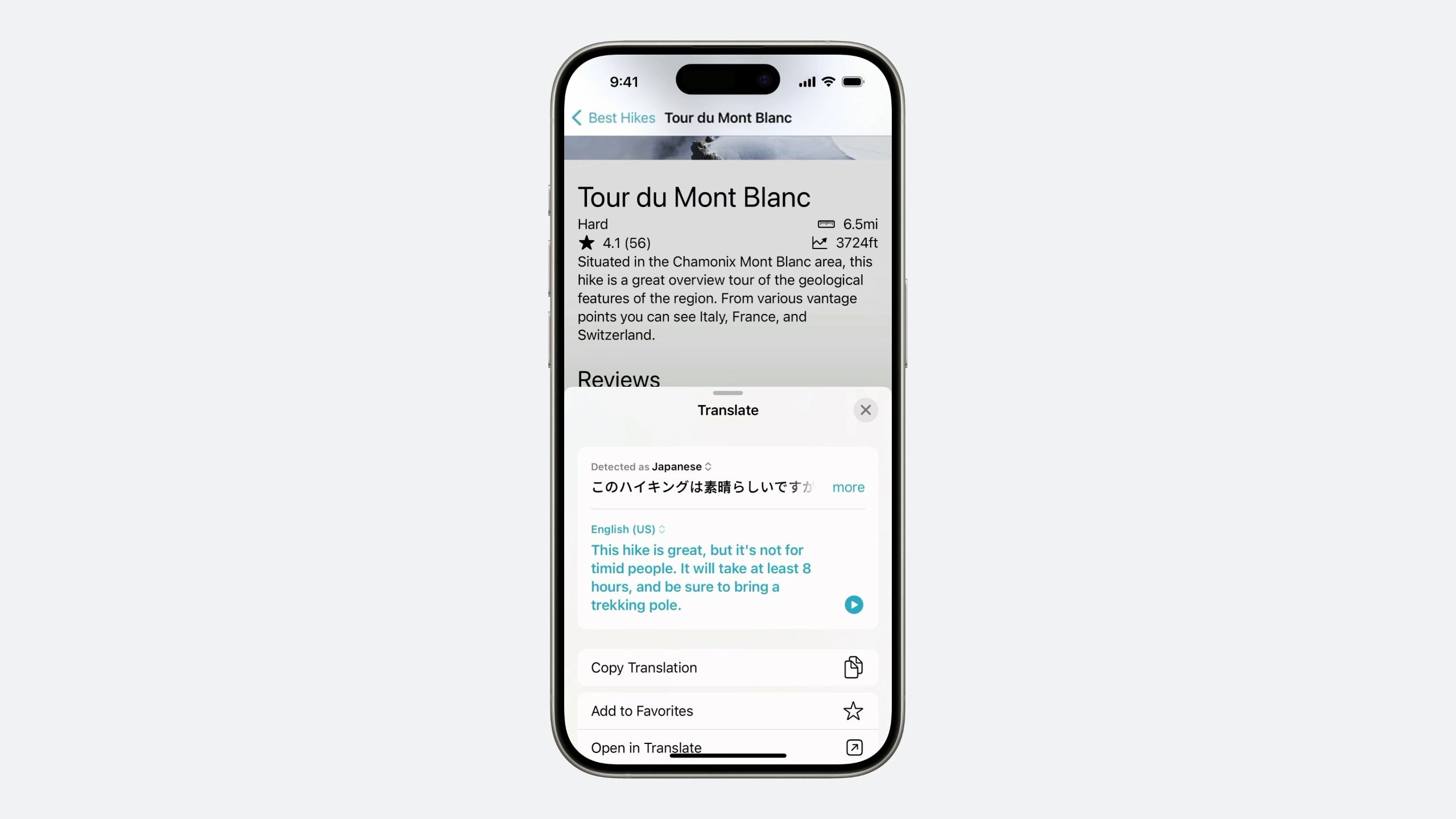
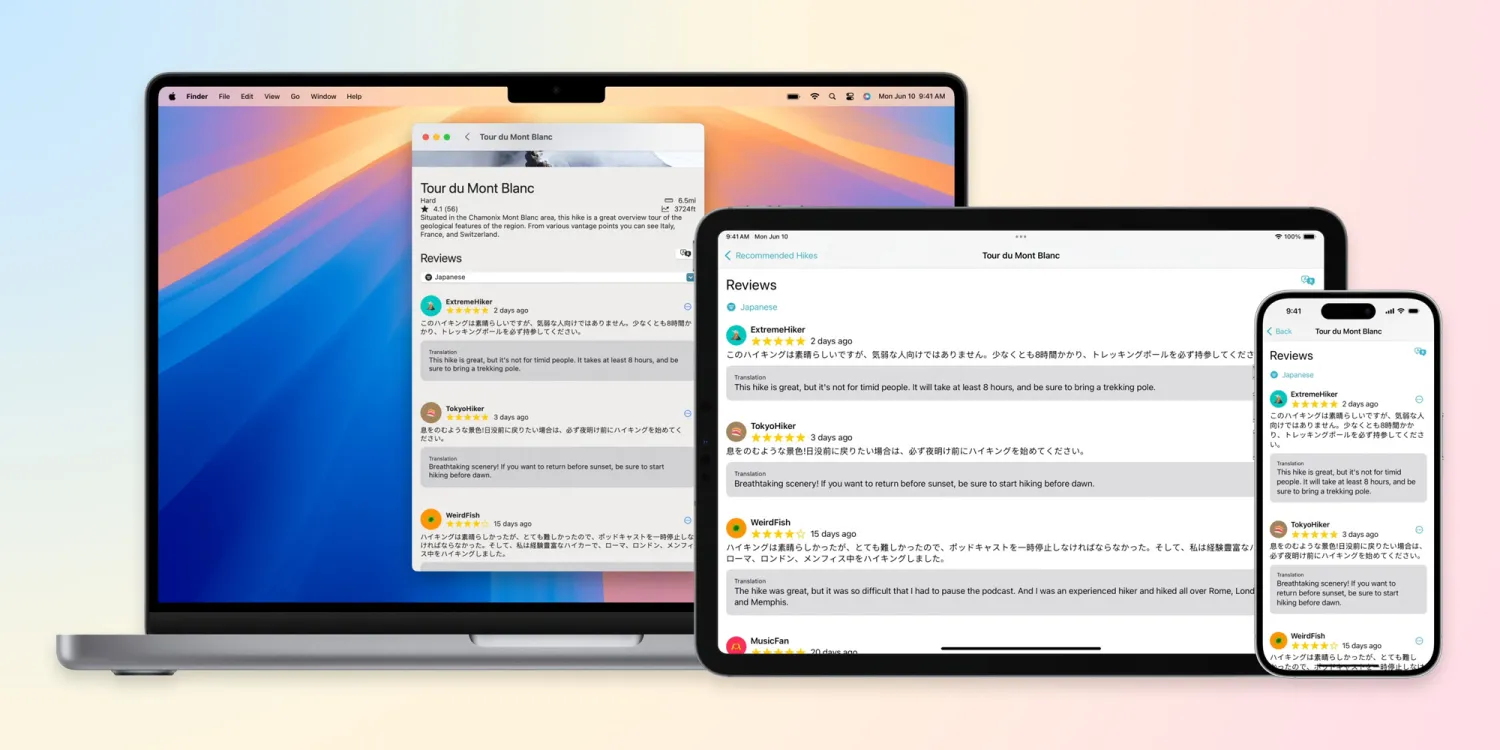
Apple has provided a new Translation API for iOS apps and now allows devs to integrate Apple Translate functionality right in their apps.
This was announced during one of the WWDC 2024 sessions.
Apple Introduced a New App for Translation
Apple introduces Translation API for iOS apps in iOS 17.4
Beginning with iOS 17.4, the API provides translation services from Apple, instead of the app using third-party services.
It is run by the very on-device machine learning models that power Apple Translate, so it’s not dependent on the internet and doesn’t cost much in terms of storage.
Because of this API, an app can translate a single or numerous strings.
Developers could also display the translation results inside any user interface.
The Translation API supports devices running iOS 17.4and later.
Some features are available only when used with the iOS 18 SDK.
It reduces storage usage by having shared models across different applications that have downloaded the same ones.
Provides system-level makeup for offline translation, enhancing user privacy and convenience.
New iOS 18 SDK
New features available with iOS 18 SDK for advanced translation capabilities
One of the new APIs also gives developers the opportunity to use the system UI to pop up translations quickly, useful in translating larger swaths of text to interface or the whole thing in an application.
A developer beta preview of iOS 18 is already available, and a public beta is planned for next month, with full availability this fall.
This development will make a difference in the localization of apps and getting a presence in other world markets.
Now, developers don’t have to struggle so much in coming up with an app that will attract international usage without requiring tedious manual translation or seeking out external translation services.
FAQs
What is the new Translation API introduced by Apple?
Apple has introduced a new Translation API for iOS apps, allowing developers to integrate Apple Translate functionality directly into their applications.
This API is available starting with iOS 17.4.
How does the Apple Translation API work?
The Translation API uses on-device machine learning models to provide translation services, meaning it does not require an internet connection and minimizes storage usage by sharing models across different applications.
What are the benefits of using Apple’s Translation API?
The Translation API enhances user privacy and convenience by enabling offline translation. It also reduces storage usage and provides system-level support for displaying translation results within any user interface.
Which iOS versions support the new Translation API?
The Translation API supports devices running iOS 17.4 and later. Additional features are available when used with the iOS 18 SDK, which is currently in developer beta preview.
This change marks a significant shift, as X will become the only major social media platform to charge for this feature.
News Shared on X
⏩Starting soon, only Premium subscribers will be able to livestream (create live video streams) on X. This includes going live from an encoder with X integration. Upgrade to Premium to continue going live.
— Live (@Live) June 21, 2024
The company shared the news on its own platform, stating, “Starting soon, only Premium subscribers will be able to livestream on X. This includes going live from an encoder with X integration.”
This move aligns with CEO Elon Musk’sprevious statements about charging for basic features in the future.
However, X has not provided a specific timeline for implementing this change or explained the reasoning behind it.
Users who rely on X for video content have criticized the decision.
Many point out that other platforms with more advanced video capabilities offer live-streaming for free.
This is not X’s first step towards a paid model.
In April, the company introduced a $1 annual fee for new accounts in New Zealand and the Philippines to access posting privileges.
Elon Musk has earlier announced that X will soon be charging for every basic feature
Musk described this as a test to combat bots and troll farms, which he claims can easily bypass current verification methods.
The shift suggests X may be moving away from its primarily ad-based model towards a mix of advertising and paid subscriptions.
If the $1 fee expands globally, it would translate to approximately Rs 100 in India.
X’s decision to charge for live-streaming and potentially other basic features represents a departure from the practices of other social media platforms.
The company has not addressed concerns about how this might affect user engagement or content creation on the platform.
X continues to implement changes and make new rules for it users.
It remains to be seen how users will respond to the evolving paid subscription model and its impact on the platform’s functionality and user base.
FAQs
What is the new live-streaming policy on X (formerly Twitter)?
X has announced that only premium subscribers will be able to live-stream on the platform, marking a significant change from its previous model where live-streaming was available to all users.
Why is X restricting live-streaming to premium subscribers?
While X has not provided a specific reason, this move aligns with CEO Elon Musk’s earlier statements about potentially charging for basic features in the future.
It appears to be part of a broader shift towards a subscription-based model.
How have users reacted to X’s decision to charge for live-streaming?
Many users have criticized the decision, noting that other social media platforms with more advanced video capabilities offer live-streaming for free.
Concerns have been raised about the impact on user engagement and content creation.
Has X implemented other paid features before this?
Yes, in April, X introduced a $1 annual fee for new accounts in New Zealand and the Philippines to access posting privileges.
This was described as a test to combat bots and troll farms.
If industry leaders and popular tech experts are to be believed, AI in phones is going to be as groundbreaking for the smartphone sector as the internet was for humans.
It could probably mean no human intervention in devices as AI is performing everything on our prompts.
How ready are we for this future?
So, let’s start by understanding the pros and cons of this future.
AI-Powered Phones – Pros and Cons
Pros
Cons
Enhanced Personalization: AI can tailor the user experience to individual preferences and behaviours, offering a more intuitive and enjoyable experience.
Privacy Concerns: AI requires data to function effectively, raising issues around data security and user privacy.
Improved Camera Functionality: AI can enhance photo and video quality by optimizing settings automatically and offering advanced editing features.
Dependency on the Internet: Many AI features rely on Internet connectivity, which can be a limitation in areas with poor network coverage.
Advanced Voice Assistants: AI-powered voice assistants can handle more complex tasks and understand natural language better, improving user interaction.
Job Displacement: Automation and AI could lead to job losses in sectors reliant on human interaction and traditional roles.
Enhanced Security: AI can offer advanced security features like facial recognition, fingerprint scanning, and behavioural analysis to protect user data.
Ethical Concerns: The development and deployment of AI raise ethical issues, including bias in AI algorithms and decision-making transparency.
Advanced Augmented Reality (AR): AI can enhance AR experiences by providing real-time data analysis and interaction capabilities.
Reliability Issues: AI systems can sometimes fail or produce incorrect results, leading to frustration and potential problems for users.
Time Savings: AI can automate routine tasks, freeing up time for humans to focus on more meaningful activities.
Reduced Human Interaction: Over-reliance on AI can decrease face-to-face social interactions, impacting social skills and relationships
Financial Management: AI can help with budgeting, investment strategies, and financial planning, promoting better financial health.
Security Risks: AI systems can be vulnerable to hacking and cyber attacks, potentially compromising personal information.
Educational Support: AI can provide personalized learning experiences, tutoring, and educational resources, enhancing the learning process.
Mental Health Issues: Constant connectivity and reliance on AI can lead to anxiety, stress, and other mental health issues.
AI-Powered Apps on Our Current Phones
Current gen phones and their app environment kind of rocks
Our phones are already smart.
They perform various tasks for us and invariably make our lives easier.
And for this, we have many cool apps to thank.
While the industry is touting AI as the next smartphone industry revolution, we can argue that we have been using AI in our phones longer than anyone likes to believe.
We already have text enhancement, image enhancement, camera settings, calculators, messaging and a whole bunch of other features that use some sort of AI to function.
Apart from the basics, we already have phones that can identify our behaviour and assist in tasks accordingly.
For many of us, that is already similar to having AI in phones.
Here are a few points that make our current apps cool and can work as arguments against AI-powered phones –
Safety/Privacy – There have been many discussions over the privacy policies of big tech companies. Nonetheless, widespread awareness has made users and product managers equally value user privacy as a prime concern. As a user, you can have a certain amount of trust in the Apps that you are using. You are also more aware of the privacy policy of every company as the information is widely available to those who want to know.
Keeping Brain Working – If this is something you don’t want, then this whole argument is probably not for you. But if you are even remotely concerned about your cognitive conditioning, here’s what we feel. Whenever you learn a new app or explore the updates in an old one, it’s like giving your brain a workout. Just like your body, your brain needs regular exercise to stay active. If you don’t challenge it, it can get sluggish.
Have Control – You have control of your current smartphone in your hands. You decide what you do on your phone, what you save, and what you delete. You can install or uninstall apps as you need, and you know how to use them. This also includes the customisation power. You can customize the way your phone and apps look.
Multiple mobile apps are already using AI for their core functionality
At the end of the day, the question of whether we need AI-powered phones or not is largely redundant because the change is on our doorstep.
It will be hard to resist this change as it is no longer a question of personal preference of what we like or not.
AI is here and AI is here to stay, including in our phones.
Q1. What are AI-powered phones, and how do they differ from regular smartphones?
Answer: AI-powered phones integrate artificial intelligence to enhance various functions and features.
Unlike regular smartphones, these devices use AI to improve camera performance, manage battery life, personalize user experiences, and even assist with tasks through advanced voice assistants.
AI makes the phone smarter, more efficient, and more user-friendly.
Q2. How does AI improve the camera quality on smartphones?
Answer: AI enhances smartphone cameras by automatically adjusting settings like exposure, focus, and colour balance based on the scene.
It can also recognize objects and scenes, apply real-time enhancements, and offer advanced features like portrait mode, night mode, and AI-driven photo editing.
This results in clearer, more vibrant, and professional-looking photos.
Q3. Can AI on smartphones help with battery management?
Answer: Yes, AI helps manage battery life by learning your usage patterns and optimizing power consumption accordingly.
It can predict which apps you’re likely to use next and allocate resources efficiently, minimize background activity for less frequently used apps, and suggest energy-saving tips, ultimately extending your phone’s battery life.
Q4. Are there privacy concerns with AI-powered phones?
Answer: There can be privacy concerns with AI-powered phones because they often rely on collecting and analyzing user data to provide personalized experiences.
To mitigate these concerns, it’s important to use privacy settings, manage app permissions, and stay informed about how your data is being used.
Many manufacturers also emphasize security measures to protect user data.
Q5. How can AI-powered phones assist with daily tasks?
Answer: AI-powered phones can assist with daily tasks through advanced voice assistants like Siri, Google Assistant, and Alexa.
These assistants can set reminders, send texts, make calls, navigate, and answer queries.
Additionally, AI can provide personalized recommendations, automate routine tasks, and even help manage your schedule, making your daily life more efficient and organized.
Q6. How is AI used in apps?
Answer. AI algorithms can analyze user behaviour and preferences to provide personalized content, product recommendations, or even suggest actions within the app.
This enhances user engagement and encourages longer app usage as a result.
Combines TWS earbuds with a fidget spinner case for Rs 2,499.
Features 13mm Dynamic drivers with XBASS technology for balanced sound.
Up to 70 hours of battery life with USB-C charging.
IPX5 water resistance and Environmental Noise Cancellation for calls.
Remember when fidget spinners were all the rage?
Well, Nu Republic certainly hasn’t forgotten.
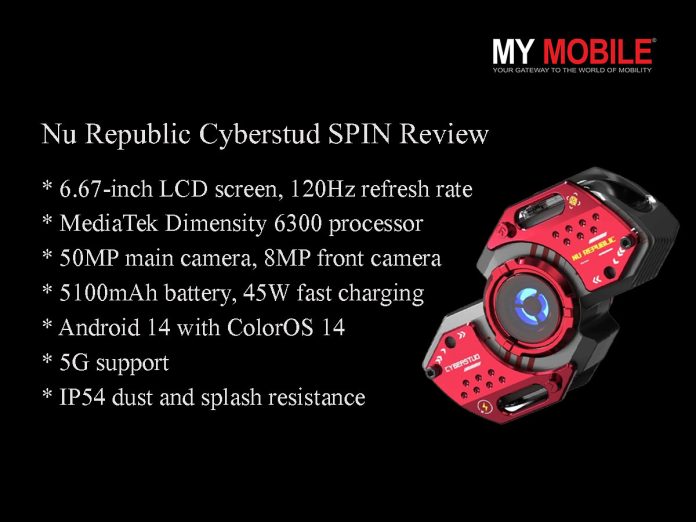
They’ve taken that addictive little toy and merged it with a pair of TWS earbuds to create the Cyberstud SPIN.
It’s a bold move in a market where most brands are busy one-upping each other with minor tweaks to sound quality or battery life.
Priced at Rs 2,499, these earbuds promise not just to deliver your tunes, but to keep your fingers busy while they’re at it.
With a claimed 70-hour battery life and a case that doubles as a fidget spinner, the Cyberstud SPIN is certainly turning heads.
But is it just a gimmick, or have Nu Republic stumbled upon the next big thing in audio tech?
Let’s give it a spin and find out.
Nu Republic Cyberstud SPIN Unboxing
Nu Republic Cyberstud SPIN Unboxing
Opening the retail box of the Nu Republic Cyberstud SPIN is an experience in itself.
Inside, you’ll find the star of the show – the TWS earbuds nestled within their fidget spinner case.
Accompanying them are some extra ear tips to ensure a comfortable fit for various ear sizes, and a USB-C charging cable for powering up the device.
Nu Republic Cyberstud SPIN: Unboxing Video
Nu Republic Cyberstud SPIN Key Specs
Nu Republic Cyberstud SPIN Key Specs
6.67-inch LCD screen, 120Hz refresh rate
MediaTek Dimensity 6300 processor
8GB RAM, 128GB/256GB storage
50MP main camera, 8MP front camera
5100mAh battery, 45W fast charging
Android 14 with ColorOS 14
5G support
IP54 dust and splash resistance
Nu Republic Cyberstud SPIN Pros and Cons
Pros
Cons
Innovative design
No ANC feature
Long battery life
Average bass response
Comfortable fit
No companion app
Affordable price
Nu Republic Cyberstud SPIN Build and Design
Nu Republic Cyberstud SPIN Build and Design
Probably the most striking part of the Cyberstud SPIN is the case.
Unlike the pill-shaped or square-shaped case that we are always familiar with, it takes a very familiar form in a 360° fidget spinner shape.
A plastic build with metal gliders means it should withstand some abuse and have a good hefty feel to it when held/spun.
The red color will make it stand out more with a bold tinge.
The case itself opens—the metal gliders scoop open to a satisfying sound—exposing the earbuds inside, quite tucked in.
It really is an experience sure to get some heads turning and conversations going; that line between tech accessory and playful gadget seems to blur right here.
The buds themselves are semi-transparent and really quite modern and sleek.
They are designed to fit securely and be comfortable, thus suitable for wearing for long periods of time.
Increasingly, the IPX5 rating makes the device impervious to radish or sweat, so no worries about drizzly weather during workouts or running.
One quirky aspect of the design is that the earbuds can occasionally pop out while spinning the case.
While this adds an element of unpredictability that some might find amusing, others might see it as a potential inconvenience.
Nu Republic Cyberstud SPIN Features
Nu Republic Cyberstud SPIN Features
Setting up the Cyberstud SPIN itself is very easy.
Just take the buds from the case, go into your phone’s settings in Bluetooth, and then pair them.
The whole process takes less than a minute to have you go from unboxing to listening.
The touch controls on the Cyberstud SPIN are very intuitive.
In fact, setting them up may differ from many other TWS earbuds.
Here is a breakdown of the touch gestures:
Left earbud single tap: volume down; Right: volume up
A double tap on either bud: Play or Pause music
Triple tap on the left ear bud: Previous song; On the right: Next song
Quadruple tap on the left ear bud: Music mode; On the right: Game mode
Long press on either bud: Voice Assistant
During calls, a single tap answers or hangs up, and a long press rejects the call
Though it does take a little time to learn all these gestures to be done, the functions their array covers are in a way that allows users to get a grip on the audio experience without having to move to reach for the phone.
It’s important to note that these earbuds don’t feature Active Noise Cancellation (ANC).
While the fit of the earbuds provides some passive noise isolation, you’ll still be able to hear a fair bit of your surroundings, especially in noisy environments.
Nu Republic Cyberstud SPIN Battery Life
Nu Republic Cyberstud SPIN Battery Life
One of the most impressive features of the Cyberstud SPIN is its battery life.
Nu Republic claims up to 70 hours of total playback time, including the charge stored in the case.
This is a standout feature in the TWS market, where many earbuds offer total playtimes of 20-30 hours.
In practice, this means you can use these earbuds for days on end without needing to reach for a charger.
It’s particularly useful for those who frequently forget to charge their devices or for long trips where charging opportunities might be limited.
The earbuds themselves offer a respectable playtime on a single charge, and the case provides multiple full charges before it needs to be plugged in.
When it does come time to charge, the USB-C port ensures relatively quick charging times.
Nu Republic Cyberstud SPIN Final Verdict
Nu Republic Cyberstud SPIN Final Verdict
The Nu Republic Cyberstud SPIN is an acquired taste in the TWS space, guaranteed to polarize opinions.
At one end, it refreshingly brings new design with its fidget spinner case, intuitive controls, and great battery life.
If sound quality isn’t top-tier, it is still adequate for most everyday scenarios.
Conversely, the fact that it’s not ANC, occasional earbud pop-outs while spinning, and bass response could be what might not please all ears.
For its price of Rs 2,499, this much can be said about the Cyberstud SPIN:it holds good value for somebody looking at long battery life and is hooked on to the fidget spinner design.
It’s a fun, unique product that delivers decent audio performance and could really be a great conversation starter.
However, if you’re an audiophile who insists on the most superior sound experience possible, or if you just want those features like ANC for the daily grind to and from the office and/or for office work, then you might want to look elsewhere—perhaps at a different price range, too.
Nu Republic Cyberstud SPIN 5 Reasons to Buy
Nu Republic Cyberstud SPIN 5 Reasons to Buy
Unique fidget spinner case design adds fun and functionality.
Impressive 70-hour total battery life for extended use.
Comfortable fit with IPX5 rating for sweat resistance.
Clear call quality with Environmental Noise Cancellation (ENC).
Affordable price point for feature-rich TWS earbuds.
Nu Republic Cyberstud SPIN 3 Reasons Not to Buy
Nu Republic Cyberstud SPIN 3 Reasons Not to Buy:
Lack of Active Noise Cancellation may be a dealbreaker for some users.
Bass response might not satisfy audiophiles or bass enthusiasts.
Occasional earbud ejection when spinning the case could be annoying.
FAQs
What is unique about the Nu Republic Cyberstud SPIN?
The Cyberstud SPIN combines TWS earbuds with a fidget spinner case, offering a playful design that doubles as a stress-relief toy.
How is the battery life of the Cyberstud SPIN?
The Cyberstud SPIN boasts up to 70 hours of total playback time, including multiple charges from the case, making it ideal for extended use without frequent recharging.
Does the Cyberstud SPIN have Active Noise Cancellation (ANC)?
No, the Cyberstud SPIN does not feature Active Noise Cancellation. However, it does have Environmental Noise Cancellation (ENC) for clearer call quality.
What sound quality can I expect from the Cyberstud SPIN?
The Cyberstud SPIN features 13mm Dynamic drivers with XBASS technology, delivering a balanced sound with clear vocals and decent bass suitable for various music genres.
How durable is the Cyberstud SPIN and its case?
The Cyberstud SPIN has an IPX5 rating for water resistance and is built with a durable plastic and metal construction, ensuring it can withstand everyday use and minor drops.
This new smartphone brings 5G connectivity to the mid-range market segment.
There are lot of things that basically are pretty good with the device and it does seem that the A3 Pro could be a compelling option.
Here are some of the details you might be interested in.
Pricing and Availability
OPPO A3 Pro 5G priced at Rs. 17,999 for 128GB and Rs. 19,999 for 256GB
The A3 Pro 5G is priced at Rs. 17,999 for the 128GB version and Rs. 19,999 for the 256GB version.
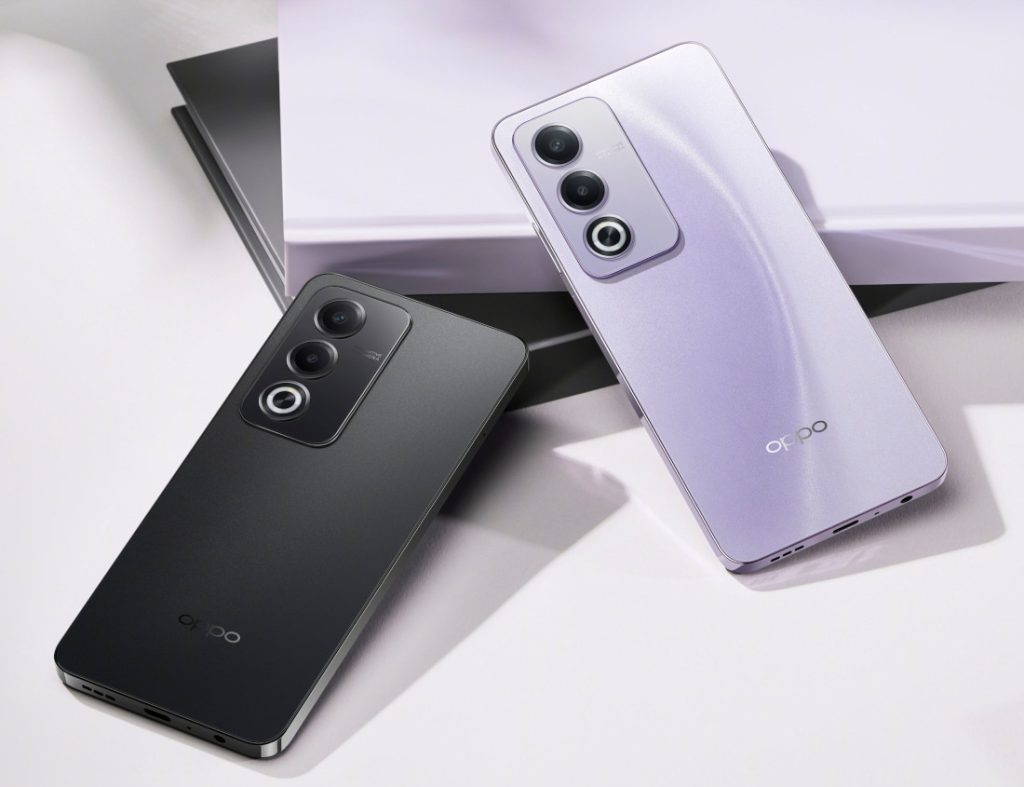
It’s available in Moonlight Purple and Starry Black colors through Amazon, Flipkart,OPPO Store, and retail outlets.
Launch offers
OPPO A3 Pro 5G: Launch Offers
Get up to 10% instant cashback on credit and debit cards from HDFC Bank, SBI Cards, IDFC First Bank, Yes Bank, and ICICI Bank.
Enjoy no-cost EMI for up to 6 months and consumer loans without any down payment with leading partners.
Benefit from the Zero Down Payment scheme option available from leading financiers.
Smartphone
Configuration
Price
OPPO A3 Pro
8GB + 128GB
Rs 17,999
8GB + 256GB
Rs 19,999
Key Specs
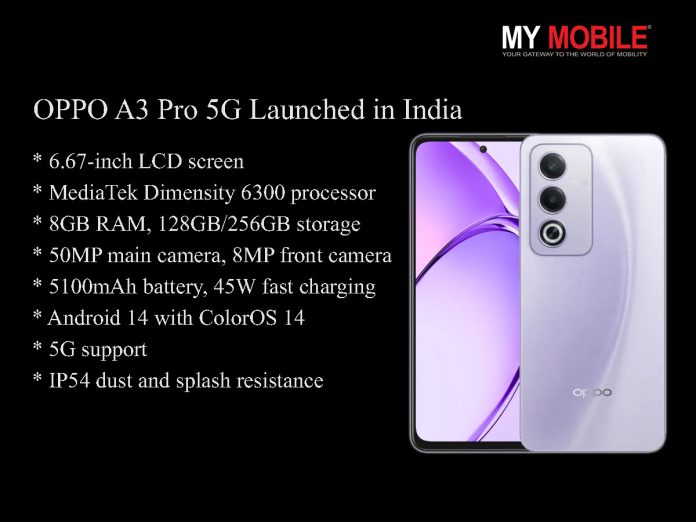
OPPO A3 Pro 5G Launched in India with Dimensity 6300
6.67-inch LCD screen, 120Hz refresh rate
MediaTek Dimensity 6300 processor
8GB RAM, 128GB/256GB storage
50MP main camera, 8MP front camera
5100mAh battery, 45W fast charging
Android 14 with ColorOS 14
5G support
IP54 dust and splash resistance
Features
MediaTek Dimensity 6300 processor with 8GB RAM and up to 256GB storage
The A3 Pro 5G is capable of achieving a brightness of up to 1,000 nits and comes with a 180Hz touch sampling rate.
The screen herein is protected and strengthened with Blue Glass double-tempered glass.
OPPO has significantly worked on the phone’s resilience by using an internal structure reinforced with drop-resistant materials.
This phone obtains SGS Drop-Resistance Certification and SGS Military Standard Certification, thereby assuring that it can take on everyday knocks and bumps.
It’s the first time that this feature of AI eraser will eliminate unwanted elements in photos from an OPPO A series device.
It also provides memory expansion to 2TB through a microSD card.
According to OPPO, the battery retains more than 80% of its original capacity after 1,600 charge cycles, equivalent to more than 4 years of daily use.
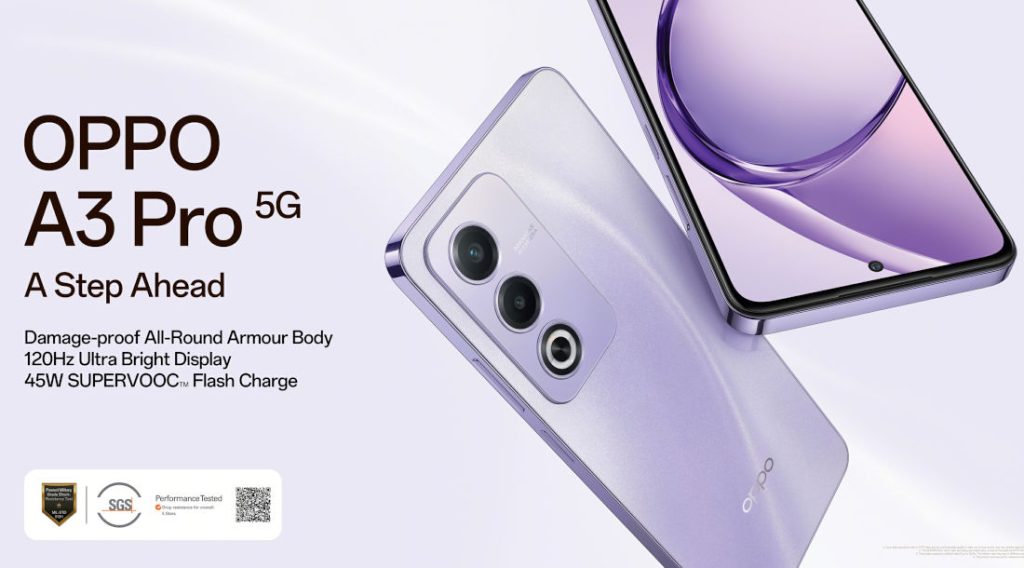
The Moonlight Purple variant has the Magnetic Particle Design by OPPO to create a flowing texture on the back cover, and the Starry Black model has a matte finish processed with OPPO Glow technology.
OPPO A3 Pro 5G Specifications
OPPO A3 Pro sports a damage-proof all-round armour body for drop and impact resistance
6.67-inch display, 120Hz refresh rate, 180Hz touch sampling rate, up to 1000 nits peak brightness, Blue Glass double tempered glass for protection
Octa Core MediaTek Dimensity 6300 6nm processor (2x Cortex-A76 @ 2.4GHz 6x Cortex-A55 @ 2GHz) with Arm Mali-G57 MC2 GPU
8GB LPDDR4x RAM, 128GB / 256GB (UFS 2.2) storage, expandable memory up to 2TB with microSD
Dual SIM
Android 14 with ColorOS 14
50MP rear camer, LED flash, 2MP secondary camera
8MP front camera
Side-mounted fingerprint sensor
3.5mm audio jack
Dimensions:165.79×76.14×7.68mm; Weight: 186g
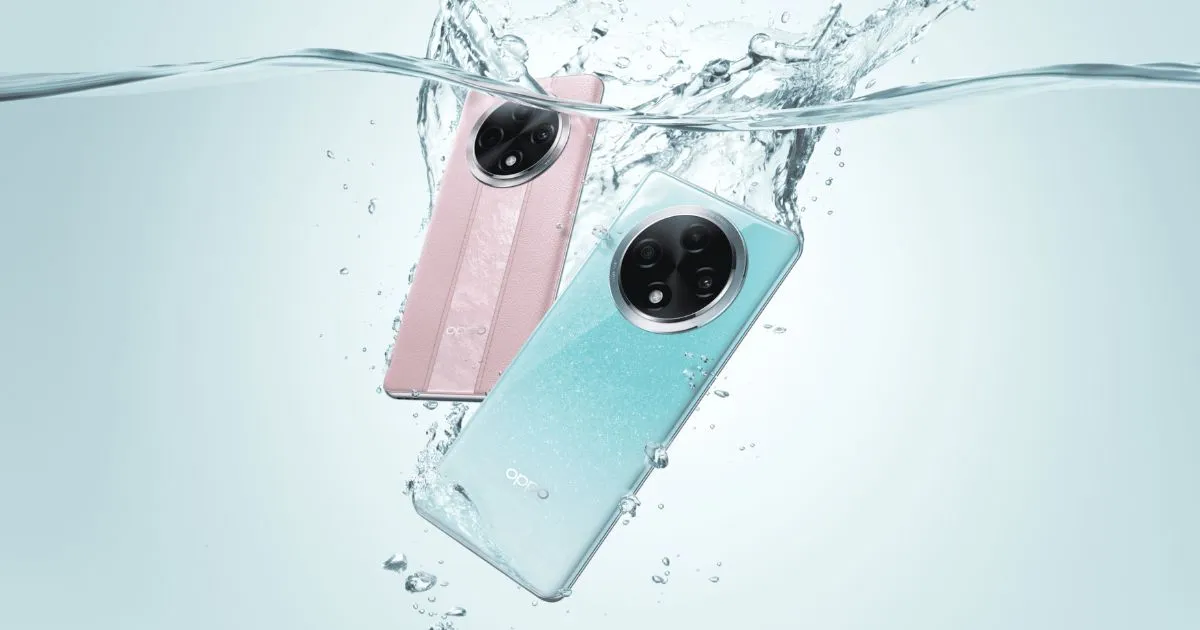
Dust and water resistance (IP54)
5G SA / NSA, Dual 4G VoLTE, Wi-Fi 802.11 ac (2.4GHz + 5GHz), Bluetooth 5.3, GPS, GLONASS, Galileo, QZSS, USB Type-C
5100mAh (typical) battery with 45W SuperVOOC fast charging
FAQs
What are the pricing and storage options for the OPPO A3 Pro 5G?
The OPPO A3 Pro 5G is available in two variants: Rs. 17,999 for the 128GB version and Rs. 19,999 for the 256GB version. Both variants come with 8GB of RAM.
What display features does the OPPO A3 Pro 5G offer?
The device features a 6.67-inch LCD screen with a 120Hz refresh rate, a peak brightness of 1,000 nits, and a 180Hz touch sampling rate.
The screen is protected by Blue Glass double tempered glass.
What makes the OPPO A3 Pro 5G durable?
The OPPO A3 Pro 5G has received SGS Drop-Resistance Certification and SGS Military Standard Certification.
It includes a reinforced internal structure and drop-resistant materials to withstand everyday impacts.
Does the OPPO A3 Pro 5G support expandable storage?
Yes, the OPPO A3 Pro 5G supports expandable storage up to 2TB via a microSD card, allowing users to store more data and applications.