
Home Blog Page 644

Apple Faces Delays in Launching Its In-House 5G Modem Chip for Future iPhones

0

Highlights

  • Apple’s efforts to create its own 5G modem chip encounter technical setbacks.
  • The company initially planned to introduce its modem in the iPhone 15 series.
  • Apple extends its partnership with Qualcomm for 5G modems through 2026.
  • iPhone 17 series may not feature Apple’s in-house 5G modem chip due to delays.

Apple’s journey to develop its own 5G modem chip has been fraught with challenges and changes in direction.

Initially, during its legal battles with Qualcomm, Apple turned to Intel to create a 5G modem chip, seeking independence from Qualcomm’s technology.

However, this collaboration was short-lived.

Apple eventually settled its disputes with Qualcomm in 2018, paying a substantial amount to resolve all lawsuits and secure Qualcomm’s 5G modem chips for future iPhones, starting with the iPhone 12 series.

Setbacks in Apple’s 5G Modem Development

Apple initially aimed to introduce its own 5G modem in the iPhone 15 series, but this plan did not materialize.

The company then set its sights on the iPhone 17 series for 2025.
However, recent reports from Bloomberg suggest that even this timeline is unlikely to be met.
Apple Faces Delays in Launching Its In-House 5G Modem Chip for Future iPhones

Technical challenges have been a significant hurdle, with Apple’s prototype modem chips being too large, slow, and prone to overheating.

Qualcomm Remains Apple’s Key Supplier

With its own 5G modem chip still under development, Apple has extended its agreement with Qualcomm.

The latest deal ensures Qualcomm will supply Apple with Snapdragon 5G modem chips through 2026.

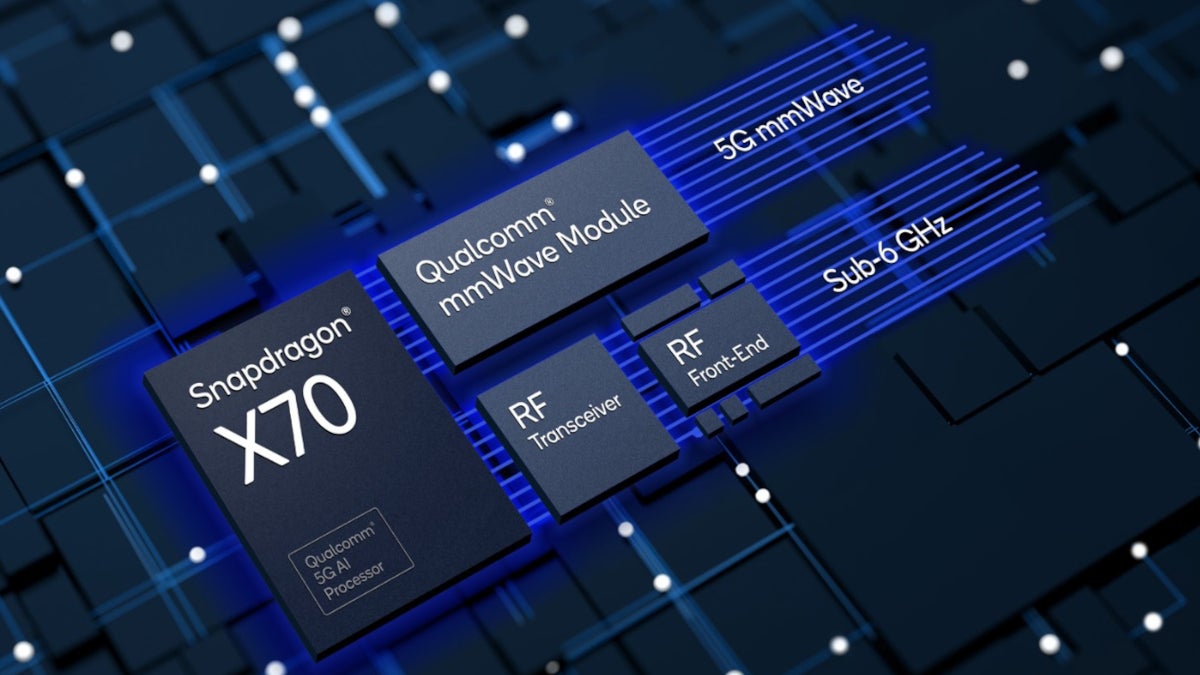
This arrangement covers Apple’s needs for the iPhone 15 series, which uses the Snapdragon X70 5G modem, and potentially beyond the iPhone 17 which is likely to be announced in 2025.

FAQs

Why did Apple decide to develop its own 5G modem chip?

Apple aimed to develop its own 5G modem chip to gain independence from Qualcomm’s technology, especially during their legal disputes. This was part of Apple’s broader strategy to integrate more in-house technology into its products.

What challenges has Apple faced in developing its 5G modem chip?

Apple has encountered technical difficulties in its 5G modem development, such as issues with the size, speed, and overheating of its prototype chips. These challenges have delayed the chip’s introduction in upcoming iPhone models.

How has Apple’s relationship with Qualcomm evolved over time?

Initially, Apple turned to Intel for 5G modems amidst legal battles with Qualcomm. However, in 2018, Apple settled its disputes with Qualcomm, securing a deal for Qualcomm’s 5G modem chips for its iPhones, indicating a renewed partnership.


Also Read: Leaked iPhone 15 series front glass panel, screen protectors reveal display size of iPhone 15 Series & confirm design change

Also Read: Apple May Launch New Colours for Cheaper iPhone Model This Year: Latest Rumor Apple may introduce iPhone 15 in pink

OnePlus Set to Launch Its First Speaker, Expanding Audio Device Range

0
OnePlus Set to Launch Its First Speaker, Expanding Audio Device Range

Highlights

  • OnePlus teases the launch of its first speaker, entering a new product category.
  • The speaker’s design suggests a 360-degree audio experience.
  • Existing OnePlus audio products include Nord Buds 2R and Nord Buds 2.
  • OnePlus Buds 3, featuring advanced ANC and connectivity, to be released soon.

OnePlus has been known recently for expanding its portfolio of products into the audio category.

The company is now reportedly venturing into a new category with the launch of its first-ever speaker.

This marks a significant expansion for the Shenzhen-based company, which has previously focused mainly on earphones and headphones.

Teaser and Design Hints

OnePlus Set to Launch Its First Speaker, Expanding Audio Device Range

The company recently hinted at this new development in an Instagram post, teasing the launch of the speaker.

The post, with the caption “Get ready to make some music,” suggested an audio device and carried the tag “coming soon.”

The design revealed in the teaser showed multiple woofers pointing in various directions, indicating a possible 360-degree audio experience.

However, OnePlus has not shared more details about this speaker, including its name.

OnePlus’s Audio Device Lineup

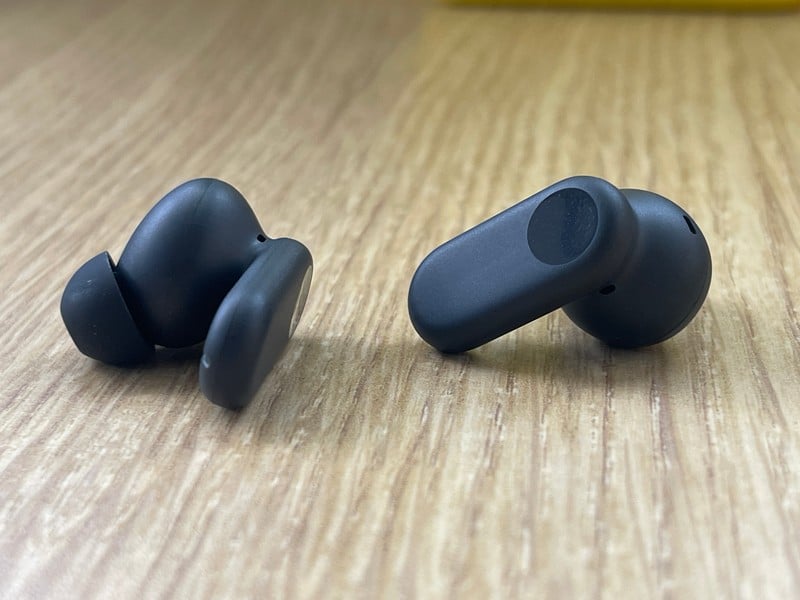
OnePlus Nord Buds 2r: Battery
OnePlus’s Audio Device Lineup

Before this, OnePlus has been active in the audio market with products like the Nord Buds 2R and Nord Buds 2, priced at Rs. 2,199 and Rs. 2,999, respectively.

The Nord Buds 2R comes in Deep Grey and Triple Blue and features 12.4mm dynamic drivers and noise reduction for calls, offering up to 46 hours of battery life.

The Nord Buds 2, with Active Noise Cancellation and up to 36 hours of battery life without ANC, have been popular choices.

Upcoming: OnePlus Buds 3

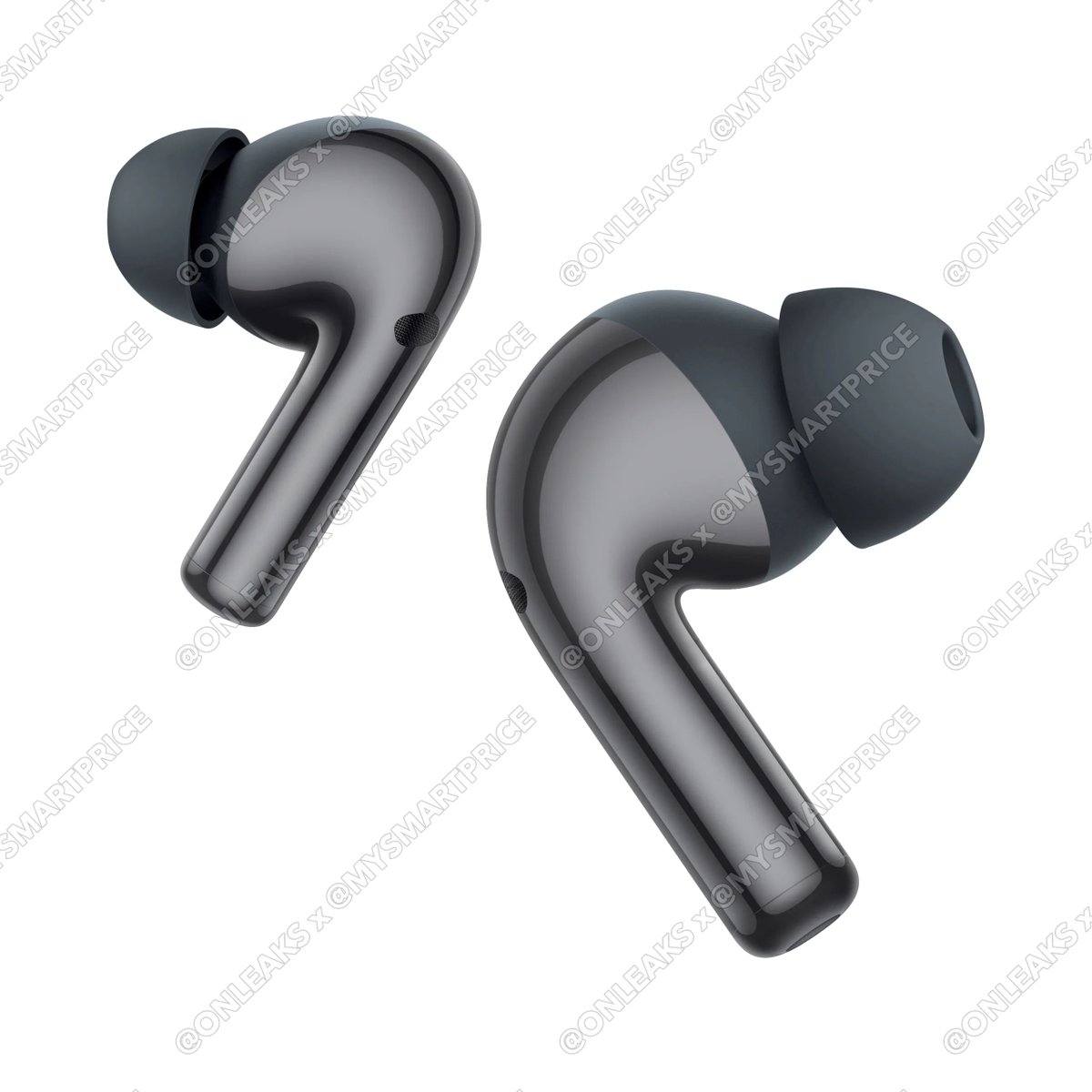
Upcoming: OnePlus Buds 3

Additionally, OnePlus is preparing to launch the Buds 3, rumoured to feature a metallic finish, 48dB ANC, Bluetooth 5.3, Google Fast Pair, and dual connection capabilities.

These earbuds are expected to have an IP55 rating, while the charging case might be IPX4 rated.

The anticipated battery life is 33 hours with the case, powered by a 58mAh battery in each bud and a 520mAh battery in the case.

FAQs

What is the latest product OnePlus is planning to launch?

OnePlus is gearing up to launch its first-ever speaker. This marks the company’s entry into the speaker market, adding to its existing range of audio devices. The speaker is teased to offer a 360-degree audio experience, but further details are yet to be revealed.

What are the key features of OnePlus’s existing audio products?

OnePlus currently offers Nord Buds 2R and Nord Buds 2. The Nord Buds 2R features 12.4mm dynamic drivers, noise reduction for calls, and up to 46 hours of battery life. The Nord Buds 2 includes Active Noise Cancellation and offers up to 36 hours of battery life without ANC.

What can be expected from the upcoming OnePlus Buds 3?

The anticipated OnePlus Buds 3 is rumoured to have a metallic finish, support for 48dB ANC, Bluetooth 5.3, and dual connection. It’s expected to come with an IP55 rating for the earbuds and an IPX4 rating for the case, offering up to 33 hours of battery life with the case.

Also Read: OnePlus Nord Buds 2r Moniker Confirmed by SIRIM Malaysia Certification, Launch Expected Soon as Production Reportedly Begins

Also Read: OnePlus announces Summer Sale 2023: Check Offers on OnePlus 11Series, OnePlus Pad , OnePlus Nord CE3 Lite & More

Apple Music Classical Now Available on iPad with Enhanced Features

0

Highlights

  • Apple Music Classical extends availability to iPad and iPod touch.
  • The app offers a comprehensive classical music library with advanced search options.
  • High-quality audio experience with support for 192 kHz / 24-bit lossless audio.
  • Version 1.1 includes performance and stability enhancements, but no Mac version yet.

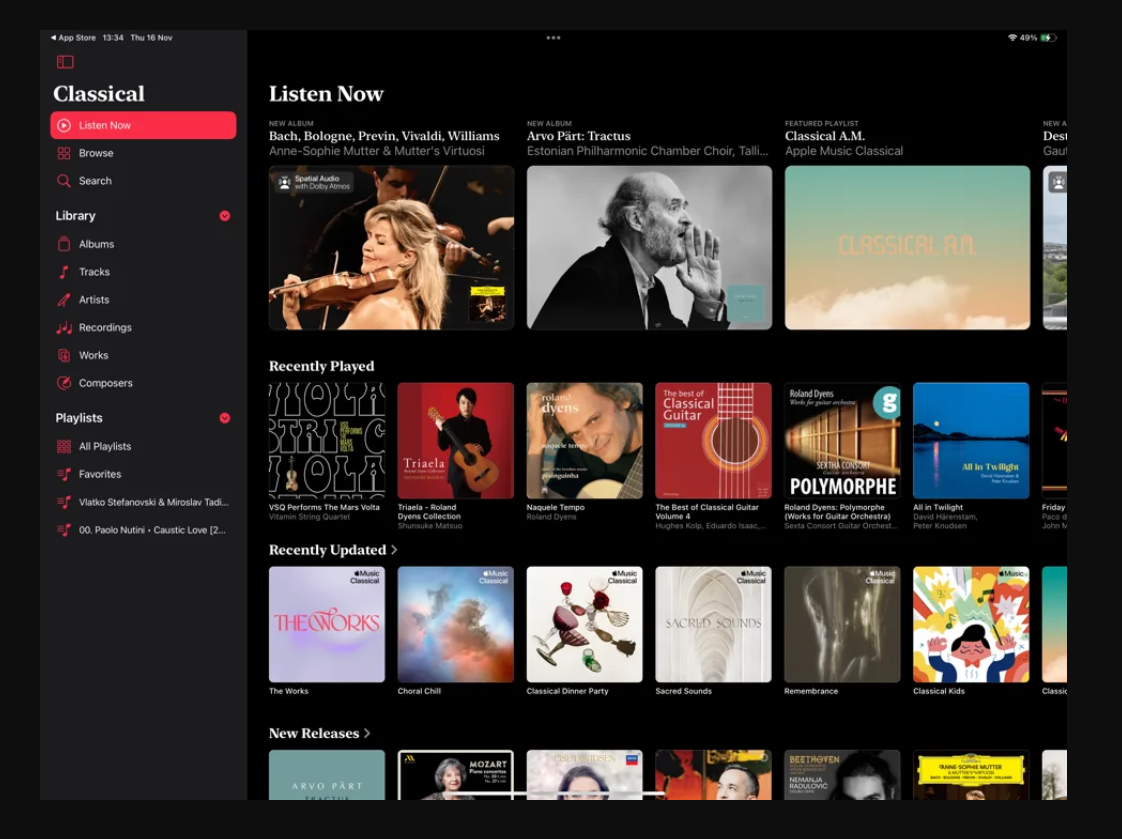
Apple has expanded its exclusive classical music app, Apple Music Classical, to iPad users.

Initially it was only available on the iPhone, but now the app can be downloaded from the App Store by anyone with an iPad running iPadOS 15.4 or later.

What’s more, this expansion includes compatibility with the iPod touch as well.

Launched first back in March of this year, Apple Music Classical emerged from Apple’s acquisition of Primephonic in 2021.

The app boasts an extensive collection of classical music, offering a unique search function that allows users to find pieces by composer, conductor, and other criteria.

Apple Music Classical Now Available on iPad with Enhanced Features

It provides a rich listening experience with high-quality audio, supporting up to 192 kHz / 24-bit lossless audio.

The latest version of the app, version 1.1, brings not only platform expansion but also enhancements in stability and performance.

These improvements aim to provide a smoother and more reliable user experience for classical music enthusiasts.

Despite its availability on iPhone, iPad, and iPod touch, Apple Music Classical remains unavailable for Mac users.

This continues to be a notable omission, with no immediate indications from Apple about potential Mac support in the future.

FAQs

What is Apple Music Classical, and on which devices is it available?

Apple Music Classical is a specialized app dedicated to classical music. It offers an extensive collection of classical recordings, searchable by composer, conductor, and more. Originally launched for the iPhone, it is now available on iPad and iPod touch, requiring iPadOS 15.4 or later.

What are the audio quality features of Apple Music Classical?

The app provides a high-fidelity listening experience, supporting up to 192 kHz / 24-bit lossless audio. This feature ensures that users can enjoy classical music in exceptional audio quality, bringing out the richness and nuances of the compositions.

 What improvements does version 1.1 of Apple Music Classical include?

The latest update, version 1.1, brings enhancements in both stability and performance. These improvements are designed to offer a smoother and more reliable app experience for users, enhancing their enjoyment of classical music.

Apple Addresses iPhone 15 Overheating with Software Update, Plans Hardware Revamp for iPhone 16

0
Apple Addresses iPhone 15 Overheating with Software Update

Highlights

  • Apple releases iOS 17.0.3 to tackle overheating in the iPhone 15 series.
  • iPhone 16 rumoured to feature a graphene-based thermal management system.
  • New metal bracket design around the iPhone 16 battery for improved heat dissipation.
  • Skepticism remains about the unconfirmed hardware changes in the upcoming iPhone 16.

The iPhone 15 series encountered significant overheating problems shortly after its launch.

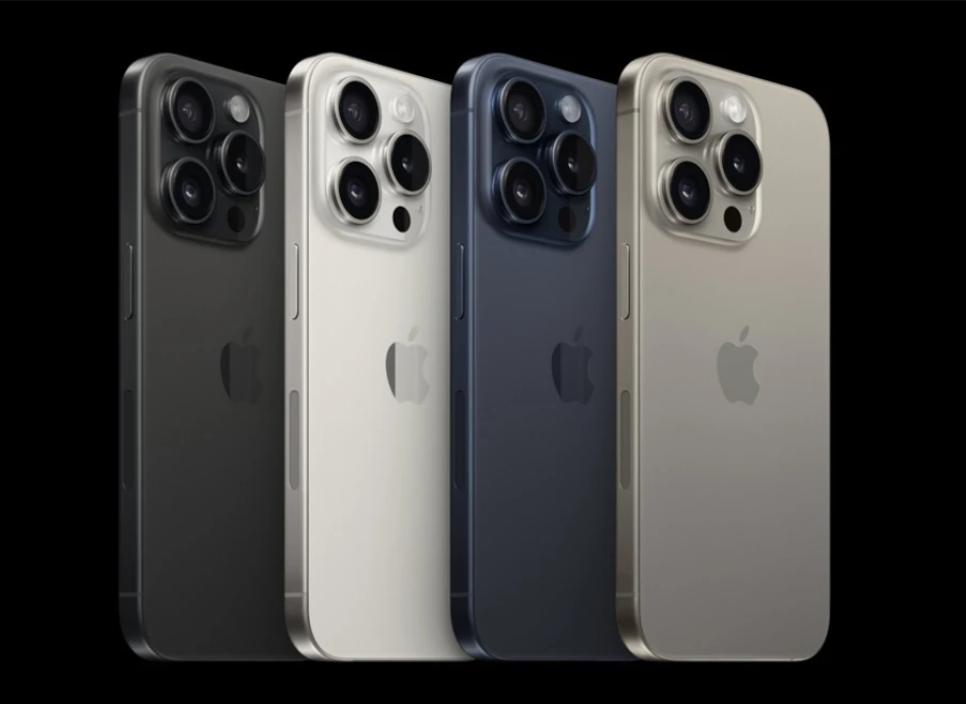
This issue was not isolated to a specific model; it affected the entire range, including the iPhone 15, iPhone 15 Plus, and the Pro variants.

Users reported extreme temperatures, with some devices becoming too hot to handle comfortably.

Now Apple has finally released a software update, iOS 17.0.3, which is aimed at addressing these concerns by rectifying software bugs and enhancing app optimization to prevent overheating.

Graphene-Based Cooling in iPhone 16

Apple Addresses iPhone 15 Overheating with Software Update

But even before the software optimisations, Apple is actively working on a more permanent solution to the overheating issue for its next-generation iPhone 16.

One of the key developments is the introduction of a graphene-based thermal management system.

This new system is expected to be a significant upgrade from the current copper heat sink technology used in the iPhone 15 series.

The graphene-based system promises to be more efficient in dispersing heat, potentially resolving the overheating problem more effectively.

Enhanced Heat Dissipation with New Battery Design

Extra Button on iPhone 16
New Design Element in the iPhone 16

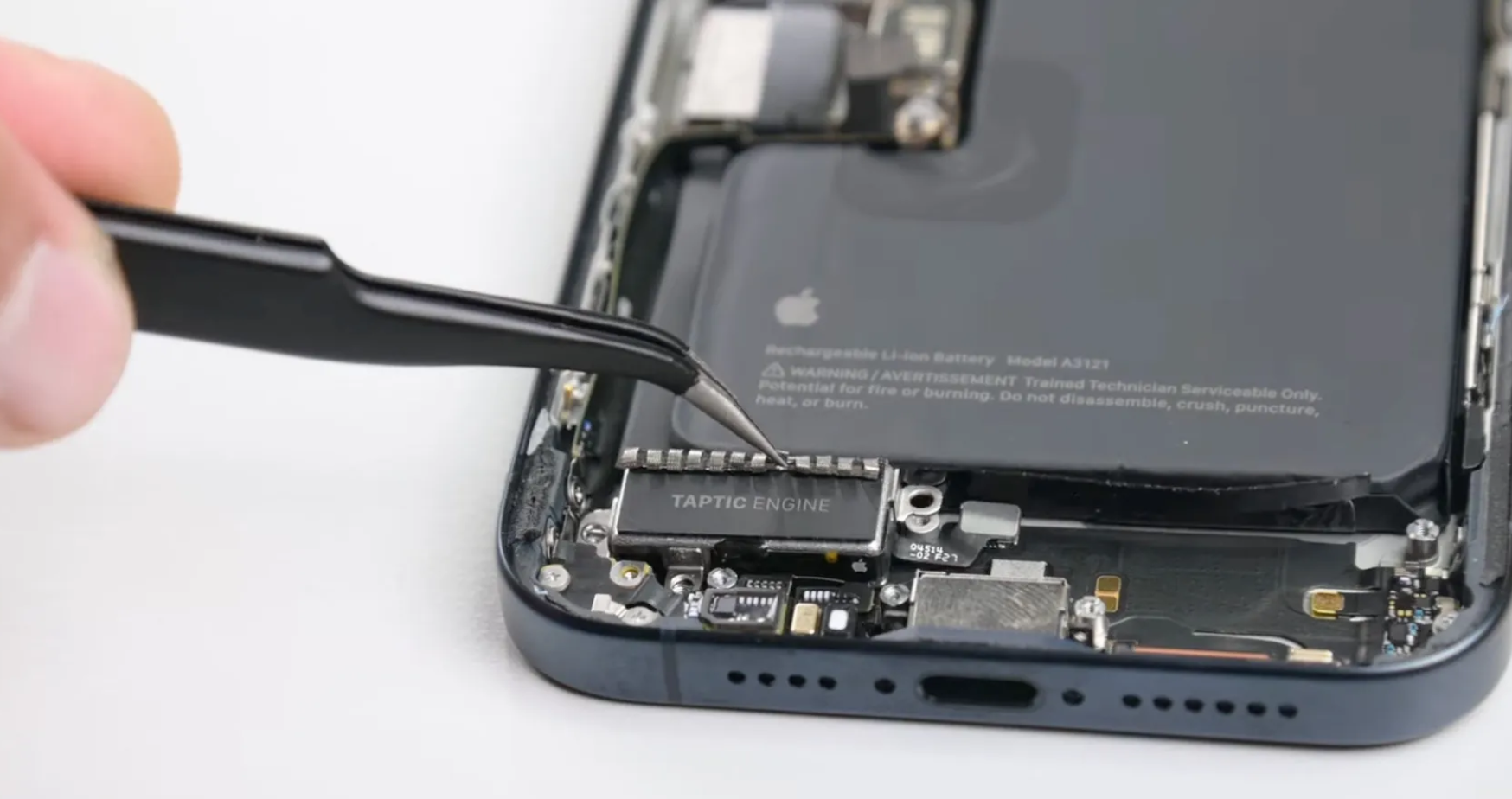
In addition to the graphene cooling system, Apple is rumoured to incorporate a new design element in the iPhone 16 – a metal bracket surrounding the battery.

This change is speculated to improve heat dissipation, particularly for the device’s central processing unit and the battery.

By redesigning the physical structure around these components, Apple aims to ensure better thermal management, contributing to the overall performance and user experience.

Caution and Anticipation

iPhone 16 Pro: Main, Ultrawide, and Telephoto Cameras
iPhone 16 New Features

While these developments are promising, it is essential to approach them with a degree of caution.

The information about the iPhone 16’s new features comes from leaks and has not been officially confirmed by Apple.

Given that the iPhone 15 series was only recently released, the details regarding the iPhone 16 are still emerging.

As the expected launch date in the latter half of 2024 approaches, more concrete information about the device and its features is anticipated to become available.

iPhone 15 Key Specs

GENERAL

Country of Origin India
Sim Type Dual Sim, GSM+GSM
Dual Sim Yes
Sim Size Nano-SIM and eSIM
Device Type Smartphone
Release Date September 12, 2023

DESIGN

Dimensions 71.6 x 147.6 x 7.8 mm
Weight 171 g
Colors Black, Blue, Green, Yellow, Pink

DISPLAY

Type Color Super Retina XDR OLED (1B Colors)
Touch Yes
Size 6.1 inches, 1179 x 2556 pixels, 60 Hz
Aspect Ratio 19.5:9
PPI ~ 460 PPI
Glass Type Ceramic Shield front, Colour-infused glass back
Features Dolby Atmos, Haptic Touch, 1,000 nits max brightness (typical), 1,600 nits peak brightness (HDR), 2,000 nits peak brightness (outdoor), True Tone display, 20,00,000:1 contrast ratio (typical),HDR display
Notch Yes, Dynamic Island

MEMORY

RAM 6 GB
Storage 128 GB
Card Slot No

CONNECTIVITY

GPRS Yes
EDGE Yes
3G Yes
4G Yes
5G Yes
5G Bands Bands n1, n2, n3, n5, n7, n8, n12, n20, n25, n26, n28, n30, n38, n40, n41, n48, n53, n66, n70, n77, n78, n79
VoLTE Yes
Wifi Yes, with wifi-hotspot
Wifi Version Wi‑Fi 6 (802.11ax) with 2×2 MIMO
Bluetooth Yes, v5.3
USB Yes, USB-C v2.0
USB Features USB Tethering, USB Charging

EXTRA

GPS yes with A-GPS, GPS, GLONASS, Galileo, QZSS and BeiDou
Fingerprint Sensor No
Face Unlock Yes
Sensors Light sensor, Proximity sensor, Accelerometer, Barometer, Compass, Gyroscope, TrueDepth
3.5mm Headphone Jack Lightning
Extra NFC
Water Resistance Yes
IP Rating IP68
Dust Resistant Yes
Extra Features Ultra Wideband Chip, Voice Isolation, Satellite Services , Road Side Assistance, Emergency SOS, Crash Detection footnote, Spatial Audio playback, Supports Dolby Atmos, Aluminium design,, Wide Spectrum microphone modes

CAMERA

Rear Camera 48 MP f/1.6 (Main)
12 MP f/2.4 (Ultra Wide) with autofocus
Features Super-high-resolution photos, (24MP and 48MP), Next-generation portraits with Focus and Depth Control, 4x optical zoom range, Night mode, Stereo recording, Audio zoom, Deep Fusion, Smart HDR 5, Photo geotagging, Burst mode, Photographic Styles, 12MP 2x Telephoto (enabled by quad-pixel sensor)
Video Recording 1080p @ 60 fps FHD, 4K @ 24/25/30/60 fps UHD
Flash Yes, Dual LED
Front Camera 12 MP f/1.9 with Retina Flash
Front Video Recording 4K @ 60 fps UHD, 1080p @ 60 fps FHD

TECHNICAL

OS iOS v17
Chipset Apple Bionic A16
CPU 3.46 GHz, Hexa Core Processor
Core Details 2×3.46 GHz Everest & 4×2.02 GHz Sawtooth
GPU Apple GPU
IP Rating IP68
Java No
Browser Yes

MULTIMEDIA

Email Yes
Music AAC, MP3, Apple Lossless, FLAC, Dolby Digital, Dolby Digital Plus and Dolby Atmos
Video HEVC, H.264 and ProRes, HDR with Dolby Vision, HDR10 and HLG
FM Radio No
Document Reader Yes

BATTERY

Type Non-Removable Battery
Size 3349 mAh, Li-ion Battery
Fast Charging Yes
Wireless Charging Yes, 15W MagSafe Charging
Music Playback Time 80 hours

iPhone 16 Key Specs

GENERAL

Sim Type Dual Sim, GSM+GSM
Dual Sim Yes
Sim Size Nano + eSIM
Device Type Smartphone
Release Date September 07, 2024 (Expected)

DISPLAY

Type Color OLED Screen (1B Colors)
Touch Yes
Size 6.4 inches, 1200 x 2600 pixels, 120 Hz
Aspect Ratio 20:9
PPI ~ 447 PPI
Features Super Retina XDR Display, HDR Display, True Tone, Wide Color (P3), Haptic Touch, 1200 Nits Max Brightness (HDR), Support for Display of Multiple Languages and Characters Simultaneously
Notch Yes, Small Notch

MEMORY

RAM 8 GB
Storage 128 GB
Card Slot No

CONNECTIVITY

GPRS Yes
EDGE Yes
3G Yes
4G Yes
5G Yes
5G Bands 5G NR (Bands n1, n2, n3, n5, n7, n8, n12, n20, n25, n26, n28, n30, n38, n40, n41, n48, n53, n66, n70, n77, n78, n79)
VoLTE Yes
Wifi Yes, with wifi-hotspot
Wifi Version Wi-Fi 7
Bluetooth Yes, v5.4, A2DP, LE
USB Yes, Lightning Port
USB Features USB on-the-go, USB Charging

EXTRA

GPS yes with A-GPS, Glonass
Fingerprint Sensor No
Face Unlock Yes
Sensors Barometer, Three‑axis Gyro, Accelerometer, Proximity Sensor, Ambient Light Sensor
3.5mm Headphone Jack Lightning
Extra NFC
Water Resistance Yes, 6 m upto 30 min
IP Rating IP69
Dust Resistant Yes
Extra Features Satellite Connectivity, Crash Detection

CAMERA

Rear Camera 48 MP f/1.5 (Main)
12 MP f/2.4 (Ultra Wide) with autofocus
Features Panorama, Night Mode, Deep Fusion, Smart HDR 4, Photographic Styles, Burst Mode, Photo Geotagging
Video Recording 4K @ 24/25/30/60 fps UHD, 1080p @ 25/30/60 fps FHD
Flash Yes, Dual LED
Front Camera 12 MP f/1.9 (TrueDepth) with Retina Flash
Front Video Recording 4K @ 60 fps UHD, 1080p @ 60 fps FHD

TECHNICAL

OS iOS v18
Chipset Apple Bionic A17
CPU Octa Core Processor
GPU Apple 4 Core GPU
IP Rating IP69
Java No
Browser Yes

MULTIMEDIA

Email Yes
Music AAC‑LC, HE‑AAC, HE‑AAC v2, Protected AAC, MP3, Linear PCM, Apple Lossless, FLAC, Dolby Digital (AC‑3), Dolby Digital Plus (E‑AC‑3), Dolby Atmos and Audible (formats 2, 3, 4, Audible Enhanced Audio, AAX and AAX+)
Video HEVC, H.264, MPEG‑4 Part 2 and Motion JPEG, HDR with Dolby Vision, HDR10 and HLG
FM Radio No
Document Reader Yes

BATTERY

Type Non-Removable Battery
Size 3500 mAh, Li-ion Battery
Fast Charging Yes
Wireless Charging Yes, 25W MagSafe
Music Playback Time 100 hours

FAQs

What was Apple’s immediate response to the iPhone 15 overheating issue?

Apple quickly released a software update, iOS 17.0.3, to address the overheating issues reported in the iPhone 15 series. This update focused on fixing software bugs and optimizing app functionalities to reduce heat generation.

How is Apple planning to prevent overheating in the iPhone 16?

For the iPhone 16, Apple is reportedly developing a new graphene-based thermal management system. This system is expected to be more efficient in heat dissipation compared to the copper heat sink used in the iPhone 15.

What additional hardware change is expected in the iPhone 16 for better cooling?

Alongside the new thermal system, the iPhone 16 is rumoured to include a metal bracket around the battery. This design is anticipated to aid in more effective heat dissipation, particularly for the device’s chip and battery.

Also Read: Why is the iPhone 15 Pro Priced Higher in India? Unpacking the Cost Factors

Also Read: iPhone 15 Battery Introduces Smart Limit to Curb Charging Above 80 percent

Here’s How You Can Access Windows on iPhones and iPads with Microsoft’s New Remote App

0
Here's How You Can Access Windows on iPhones and iPads with Microsoft's New Remote App

Highlights

  • Microsoft’s Windows App enables remote access to Windows services on iPhones, iPads, and Macs.
  • The app, currently in preview, supports Azure Virtual Desktop, Windows 365, and more.
  • Offers features like multiple monitor support, dynamic display resolutions, and device redirection.

Microsoft’s newest venture, the Windows App, is transforming the way users interact with Windows across multiple devices.

Aimed at broadening the accessibility of Windows services through the cloud, this app is an essential tool for iPhone, iPad, and Mac users who need to access Windows remotely.

Remote Access to Windows on Apple Devices

Remote Access to Windows on Apple Devices

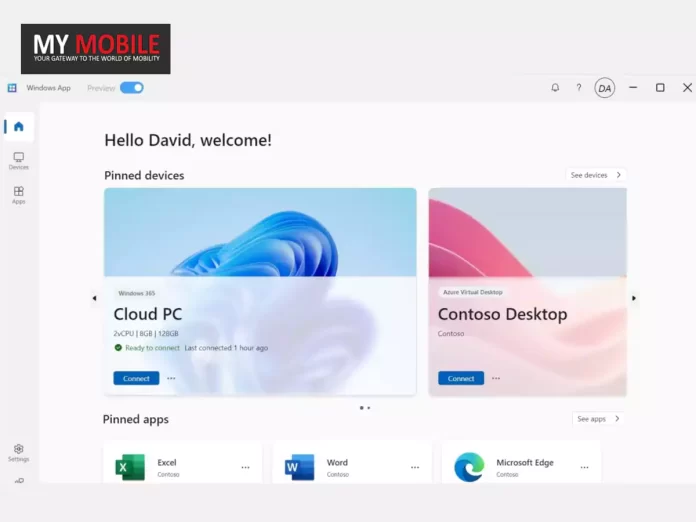
The Windows App is designed to bridge the gap between various operating systems, allowing users to connect to Windows services like Azure Virtual Desktop, Windows 365, Microsoft Dev Box, Remote Desktop Services, and more.

Although currently in preview and available on Windows, iPhone, iPad, and Mac, it is expected to extend to Android in the future.

The preview status means that the app may undergo updates and improvements before its final release.

Key Features of the Windows App

Key Features of the Windows App

This app is packed with features to enhance the user experience:

  • Multiple monitor support enhances productivity by allowing for an expanded workspace.
  • Customizable display resolutions ensure that the display quality is not compromised, regardless of the device used.
  • Dynamic display resolutions and scaling adjust according to the device’s screen size.
  • Device redirection allows users to connect peripherals such as webcams, audio devices, and printers seamlessly.
  • Microsoft Teams optimizations make virtual meetings more efficient.
  • Users can switch between multiple accounts and pin frequently used services for quick access.

Setting Up the Windows App

Setting Up the Windows App

Setting up the Windows App on your Apple device is straightforward.
Simply download the app from the respective app store, and log in using your business account credentials.

Microsoft offers comprehensive setup guides for each operating system, ensuring a smooth user experience.

The Future of Windows: Cloud Integration and Beyond

The Future of Windows: Cloud Integration

With the expected launch of Windows 12 in 2024, Microsoft is moving towards a more cloud-centric approach.

This strategy is evident in the Windows App, which, despite currently being available only for business accounts, shows promise for broader consumer use in the future.

The app’s integration across different platforms is a step towards a more interconnected digital ecosystem.

FAQs

What is Microsoft’s Windows App?

Microsoft’s Windows App is a new tool designed to provide remote access to Windows services from devices like iPhones, iPads, and Macs. It allows users to connect to various Microsoft platforms, offering a range of features for an enhanced remote experience.

Which devices are compatible with the Windows App?

The app is compatible with iPhones, iPads, and Macs. It’s available for download in their respective app stores and is currently in the preview stage, meaning it may undergo further updates before its final release.

What features does the Windows App offer?

Key features of the app include support for multiple monitors, customizable display resolutions, dynamic scaling, device redirection for peripherals, and optimizations for Microsoft Teams, facilitating a comprehensive remote working and access experience.

Also Read: How to Check Your Laptop Model and Configuration?

Also Read: How to Transfer Photos from Phone to Laptop Wirelessly?

MediaTek Dimensity 8300 and Qualcomm Snapdragon 7 Gen 3 Set for Imminent Launch

0
MediaTek Dimensity 8300 and Qualcomm Snapdragon 7 Gen 3 Set for Imminent Launch
AnTuTu benchmarks focus on devices tested in China, requiring a minimum of 1,000 runs

Highlights

  • Snapdragon 7 Gen 3 and Dimensity 8300 chipsets to be released in the next two weeks.
  • Honor 100 expected to be the first phone with Snapdragon 7 Gen 3, followed by Vivo and OnePlus models.
  • Redmi K70e anticipated to feature the new Dimensity 8300 chipset.

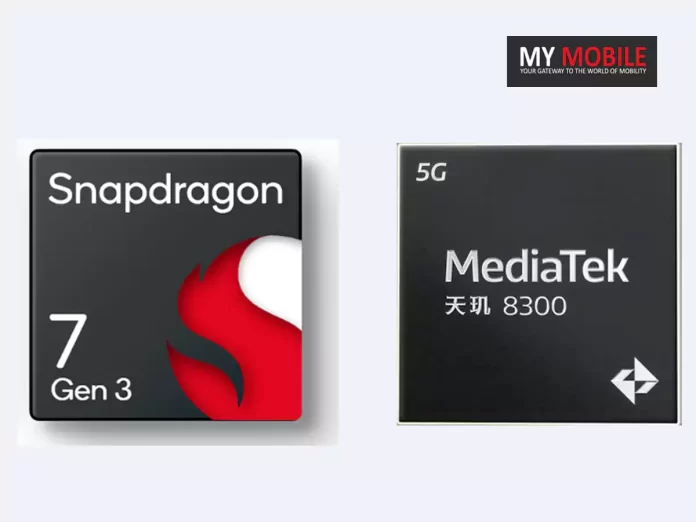
Qualcomm and MediaTek are set to unveil their latest sub-flagship processors, the Snapdragon 7 Gen 3 and the Dimensity 8300, respectively, in the coming weeks.

These new chipsets are poised to bring enhanced performance and efficiency to a range of upcoming smartphones.

Qualcomm’s Snapdragon 7 Gen 3

Qualcomm’s Snapdragon 7 Gen 3

The Snapdragon 7 Gen 3, Qualcomm’s anticipated chipset, is expected to make its debut first.

Rumored to be featured in the Honor 100 set for release on November 23 in China, this chipset is also likely to power other models including the Vivo S18, Vivo V30, and OnePlus Ace 3 (globally known as the OnePlus Nord 4).

The Snapdragon 7 Gen 3 chipset boasts a high-performance core with a speed of 2.63GHz, supplemented by three performance cores and four efficiency cores.

It also integrates an Adreno 720 GPU, promising improved graphics performance.

MediaTek’s Dimensity 8300 on the Horizon

MediaTek’s Dimensity 8300 on the Horizon

Following closely, MediaTek’s Dimensity 8300 is also gearing up for its launch.
The Redmi K70e, part of the upcoming K70 series, is speculated to be powered by this new processor.

The Dimensity 8300 is said to feature a Cortex-X3 super-large core, three Cortex-A715 performance cores, and four Cortex-A510 efficiency cores, along with a G520 MC6 GPU.

This combination is expected to deliver robust performance and graphics capabilities.

Advanced Manufacturing for Enhanced Performance

Advanced Manufacturing for Enhanced Performance

Both the Snapdragon 7 Gen 3 and the Dimensity 8300 are reportedly manufactured using TSMC’s 4nm process.

This advanced manufacturing technique is key to their expected top-tier performance and improved power efficiency, especially in sub-flagship smartphones.

The introduction of these processors marks a significant step forward in the mobile chipset landscape, offering consumers high-end features in more affordable phone models.

FAQs

What are the Snapdragon 7 Gen 3 and Dimensity 8300 chipsets?

These are the latest sub-flagship processors from Qualcomm and MediaTek, respectively, offering advanced performance and efficiency. They are manufactured using TSMC’s 4nm process technology.

Which smartphones will feature these new chipsets?

The Snapdragon 7 Gen 3 is expected to debut in the Honor 100 and later in Vivo S18, Vivo V30, and OnePlus Ace 3 models. The Dimensity 8300 is anticipated to power the Redmi K70e.

What are the key features of the Snapdragon 7 Gen 3 and Dimensity 8300?

The Snapdragon 7 Gen 3 features a high-performance core and an Adreno 720 GPU, while the Dimensity 8300 includes a Cortex-X3 super-large core and a G520 MC6 GPU, both promising enhanced performance and graphics.

Apple Set to Introduce RCS Support for iPhones by 2024 for Enhanced Messaging

0
Apple Set to Introduce RCS Support for iPhones by 2024 for Enhanced Messaging

Highlights

  • Apple plans to integrate RCS support in iPhones by 2024, enhancing texting capabilities.
  • RCS to provide features like read receipts, typing indicators, and high-resolution media sharing.
  • The update will distinguish RCS texts with green bubbles, separate from iMessage’s blue.
  • The change aims for better interoperability between iOS and Android devices, driven by regulatory demands.

Apple has reportedly announced plans to introduce Rich Communication Services (RCS) support to iPhones by 2024.

This decision comes amidst growing regulatory pressure and demands for better interoperability between different operating systems.

RCS is set to replace traditional SMS and MMS, offering a more enhanced messaging experience.

Enhanced Messaging Experience with RCS

Apple Set to Introduce RCS Support for iPhones by 2024 for Enhanced Messaging

RCS is likely to revolutionise how iPhone users, more specifically in the US, interact with Android devices.

It will enable features like read receipts, typing indicators, and high-resolution media sharing in standard text messages.

This update aims to elevate text messaging to the level of popular instant messaging platforms like WhatsApp.

Additionally, users will be able to share locations directly through their messages, a feature Android user sorely missed when communicating with iOS users.

iOS Integration of RCS: A Step Towards Interoperability?

iOS Integration of RCS

Despite the addition of RCS, Apple’s iMessage will continue to be the primary messaging platform for iOS users.

The integration of RCS is specifically to enhance SMS and MMS functionalities and will function separately from iMessage.

In line with Apple’s messaging colour scheme, RCS messages will appear in green bubbles, distinguishing them from the blue bubbles of iMessage.

This distinction underscores Apple’s commitment to maintaining iMessage as their premier, secure messaging service.

RCS is Coming to iOS, But Will It Change Much for iPhone Users?

RCS is Coming to iOS

While the introduction of RCS to iPhones is significant, its impact on the average iPhone user might be limited.

The distinction between green and blue bubbles in messaging is more pronounced in countries like the U.S., where Apple’s market dominance is significant.

Many users in these regions are accustomed to SMS and may not be fully aware of the differences between iMessage and standard texting.

The addition of RCS aims to enhance this texting experience but may not drastically change the overall messaging habits for most iPhone users.

Apple Confirms Differentiation in Messaging with Colour Coding

Apple Confirms Differentiation in Messaging with Colour Coding

But is the green vs blue bubble debate coming to an end? Apparently not.
Apple has confirmed that RCS messages will be indicated by green bubbles in the messaging app.

This move aligns with Apple’s strategy to differentiate between the security and features offered by iMessage (blue bubbles) and other forms of messaging, like RCS.

The colour coding system has been a notable aspect of Apple’s messaging platform and continues to play a role in how users perceive and interact with different messaging formats.

So, what does all this mean? Basically, Apple has to play ball with regulatory bodies.

The introduction of RCS support on iPhones reflects the evolving regulatory environment and the growing need for cross-platform compatibility.

While it marks a significant technological upgrade, its practical impact on the daily messaging experience of iPhone users remains to be seen.

FAQs

What is RCS and how will it change texting on iPhones?

RCS, or Rich Communication Services, is a messaging protocol set to replace traditional SMS and MMS. On iPhones, it will introduce features like read receipts, typing indicators, and the ability to send high-resolution images and videos, like modern messaging apps.

Will RCS replace iMessage on iOS?

No, RCS will not replace iMessage. It is intended to enhance standard SMS and MMS functionalities and will function alongside iMessage, which remains Apple’s primary messaging platform.

What will be the visual difference between RCS and iMessage texts?

In Apple’s messaging app, RCS messages will appear in green bubbles, differentiating them from iMessage texts, which are shown in blue bubbles. This color-coding helps users identify the type of message they are sending or receiving.

Also Read: iPhone 14, iPhone 14 Plus Tipped to Launch in New Yellow Colour Soon: Apple Yellow IPhone 14 Next Week?

Also Read: IPhone 14 Pro Max Clone Smartphone available under Rs 10000 : Price, Specifications

Boat and Noise Lead India’s Wearable Tech Market Surge in Q3, IDC Reports

0

Highlights

  • IDC reports a 29.2% year-over-year growth in India’s wearable market in Q3 2023.
  • Boat dominates the market with a 29.7% share, excelling in the TWS segment.
  • Noise maintains the second position with a 10.8% market share.
  • Total shipments in the first three quarters of 2023 surpass the entire year of 2022.

A recent report by International Data Corporation (IDC) highlights a significant upsurge in India’s wearable technology market, with Boat and Noise spearheading this growth.

The third quarter of 2023 saw an increase in the adoption of wearable devices, which is certainly a reflection of a shift in consumer behaviour towards health management and tech convenience.

Dominance of Boat and Noise in the Market

Boat and Noise Lead India’s Wearable Tech Market Surge in Q3

Boat has firmly established its leadership in India’s wearable sector, claiming a market share of 29.7 percent with a year-over-year growth of 19.4 percent.

This dominance is particularly evident in the True Wireless Stereo (TWS) segment, where Boat leads with a 37.9 percent market share, demonstrating a 33.3 percent growth from the previous year.

Following closely, Noise secures the second spot in the market with a 10.8 percent share, despite experiencing a modest year-over-year growth of 0.6 percent.

Expansive Growth in Wearable Tech

Expansive Growth in Wearable Tech

The Indian wearable market shipped an impressive 48.1 million units in the third quarter alone, showcasing a 29.2 percent increase from the previous year.

The cumulative shipments for the first three quarters of 2023 reached 105.9 million units, surpassing the entire 2022’s shipment of 100.1 million units.

This exponential growth indicates a robust demand for wearable technology in India.

Emerging Trends and Future Outlook

Noise First Smart Ring

Apart from traditional smartwatches and earwear, the market is also witnessing the emergence of smart rings.

This diversification signifies the evolving consumer preferences and the growing appetite for innovative wearable technologies.

With companies like Boat and Noise leading the way, the Indian wearable market is poised for further expansion, adapting to changing consumer needs and incorporating advanced technological features.

FAQs

What does the IDC report say about India’s wearable market in Q3 2023?

The IDC report reveals that India’s wearable market grew by 29.2% year-over-year in Q3 2023, with a total shipment of 48.1 million units during this period.

Which companies are leading India’s wearable tech market?

Boat leads India’s wearable market with a 29.7% share, particularly in the TWS segment. Noise follows as the second-largest player with a 10.8% market share.

How did the wearable tech market perform in the first three quarters of 2023?

The wearable tech market in India saw shipments of 105.9 million units in the first three quarters of 2023, outperforming the total of 100.1 million units shipped in all of 2022.

Also Read: boAt Wave Sigma Smartwatch Launched in India: Check Price, Specifications & Availability

Also Read: boAt Kids Wireless Bluetooth Headphone ‘Rockid Rush’ launched with 10 Hours Playback, 30mm drivers, and 85 dB Sound Limit: Price, Availability & Specifications

First Images of Xiaomi’s Electric Car SU7 Emerge Online

0

Highlights

  • Live images of Xiaomi’s electric car, the SU7, spotted on China’s CMIIT certification.
  • The SU7 to offer a 295 horsepower motor, with advanced Pro and Max models expected.
  • The car integrates with Xiaomi’s HyperOS for enhanced connectivity and control.
  • Anticipated production start in late 2023, with deliveries expected in early 2024.

Xiaomi, widely recognized for its smartphones, is making headlines with the sighting of what cab possibly be its inaugural electric car, the Xiaomi Speed Ultra 7, also known as the Xiaomi SU7.

This move is a clear signal by the company for its entry into the electric vehicle market.

Xiaomi’s Electric Vehicle Debut

First Images of Xiaomi's Electric Car SU7 Emerge Online
First Images of Xiaomi’s Electric Car SU7 Emerge Online

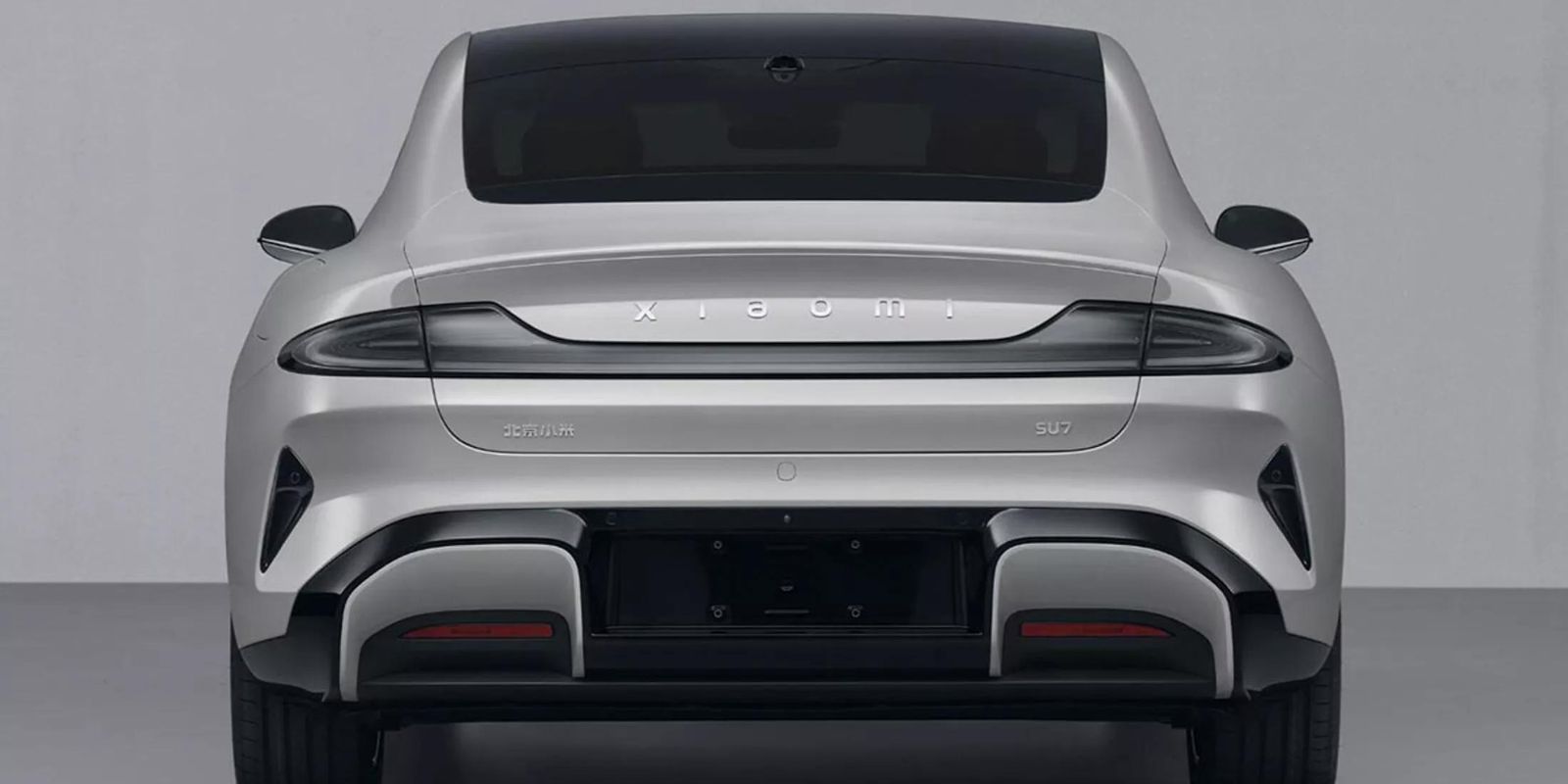
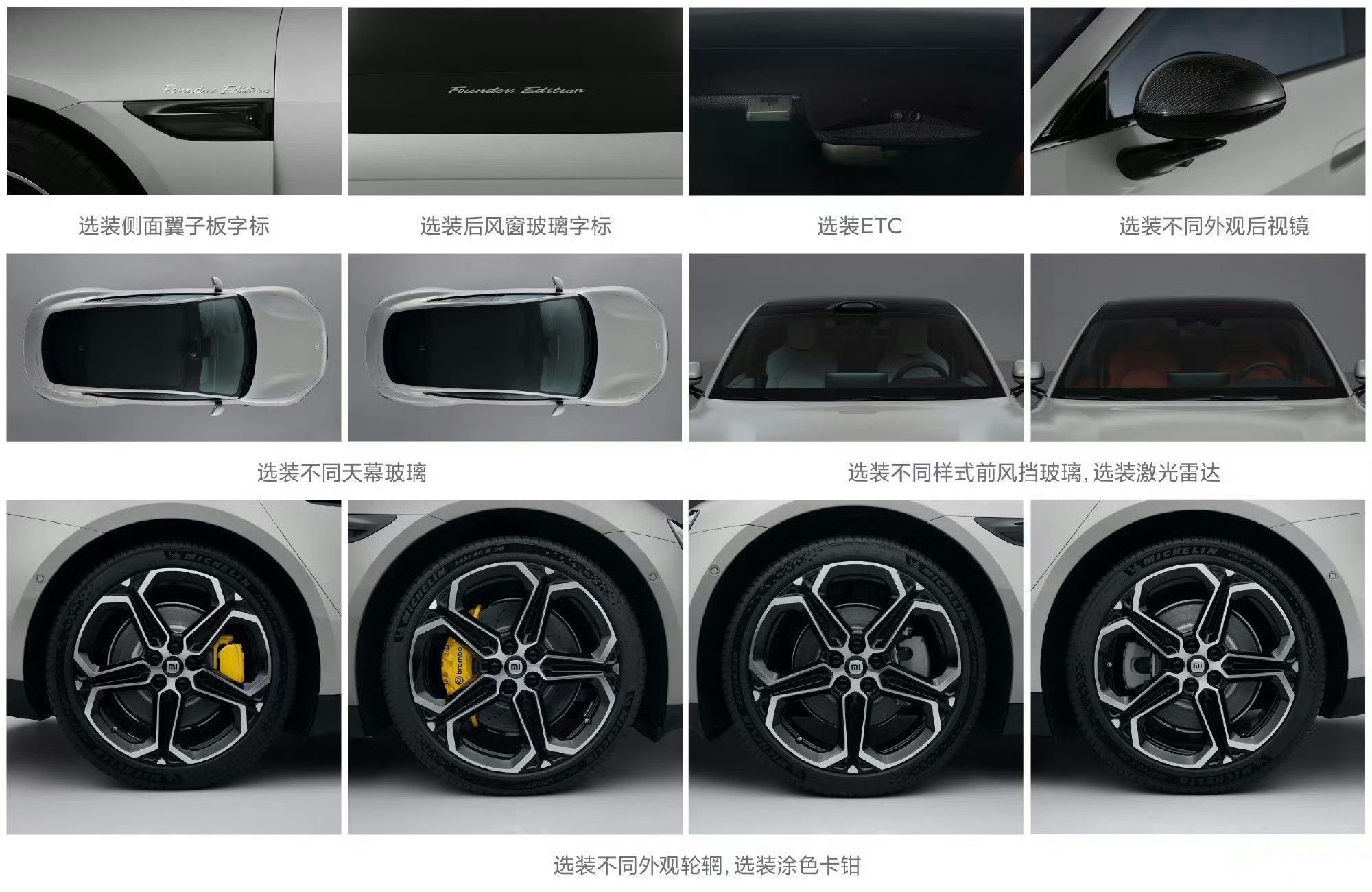
The Xiaomi SU7 was recently spotted in a listing on China’s official industry portal, CMIIT.

This listing not only revealed images of the car but also provided a glimpse into its specs and variants.

The SU7, considered the standard model, boasts a robust electric motor with a 295 horsepower output, crafted by United Automotive Electronic Systems.

Details and Features of the SU7 Series

Features of the SU7 Series

In addition to the base model, two more advanced versions are anticipated—the SU7 Pro and the SU7 Max.

These variants are said to include dual motors with an increased horsepower of 386, made by Suzhou Innovance Automotive.

All models share similar dimensions, presenting a sleek silhouette akin to a C-Class Sedan.

The base model’s measurements stand at a length of 4997mm, a width of 1963mm, and a height of 1455mm, with a substantial wheelbase of 3000mm.

However, the Pro and Max versions are expected to weigh more due to their additional motors.

Beyond the mechanics, the SU7 series is reported to come with lithium phosphate batteries from FinDreams, a supplier for BYD Cars.

Advanced tech features, such as LiDAR for enhanced safety, are also expected.
The cars will likely sport alloy wheels and have disc brakes on both the front and rear.

An exciting feature for Xiaomi fans is the integration of the vehicles with the company’s HyperOS, which should allow for seamless connectivity with other Xiaomi products.

Some reports speculate that car functionalities could be controlled right from a user’s smartphone.

Launch and Availability Expectations

Availability Expectations

While Xiaomi has yet to confirm details officially, there’s buzz that the SU7 could hit production by the end of 2023, with deliveries starting in the first quarter of 2024.

The rumored price for the Xiaomi SU7 is around CNY 149,000, approximately Rs 17 lakhs.

FAQs

What is known about Xiaomi’s first electric car?

Xiaomi’s first electric car, the SU7, has been seen in live images on China’s CMIIT certification. It’s reported to have a 295 horsepower electric motor and is part of a series that includes advanced models.

What unique features does the Xiaomi SU7 offer?

The Xiaomi SU7 is expected to feature a lithium phosphate battery and advanced safety features like LiDAR. It’s also set to integrate with Xiaomi’s HyperOS, allowing seamless interaction with other Xiaomi products.

When can we expect Xiaomi’s electric car to be available?

While there’s no official release date, production of the Xiaomi SU7 is rumored to start by the end of 2023, with potential deliveries beginning in the first quarter of 2024.

Also Read: Xiaomi to launch Android 13-based MIUI 14 with India-exclusive features to release on February 27th

Also Read: Xiaomi Smartphones’ Battery Customization Via MIUI

OnePlus 11 Receives OxygenOS 14 Update with New Features in India

0

Highlights

  • OxygenOS 14 is now updating on OnePlus 11 for beta users in India, with a broader rollout expected soon.
  • Update includes the Fluid Cloud feature for quick information access and cross-device connection status.
  • Enhanced smart efficiency with new File Dock and Content Extraction features for easier data handling.

OnePlus has started releasing the OxygenOS 14 update for the OnePlus 11 in India.

The update is first reaching those who were part of the beta testing phases and will then become available to a wider audience.

The Indian version is identified as CPH2447_14.0.0.201(EX01), and OnePlus will provide updates on availability in a dedicated forum thread.

Features of the OxygenOS 14 Update

OnePlus 11 Receives OxygenOS 14 Update with New Features in India

The OxygenOS 14 update includes several new tools and improvements:

  • Fluid Cloud is a feature that provides quick information updates and now supports checking device connection status across different devices.
  • Smart Efficiency introduces the File Dock for transferring content between applications and devices, Content Extraction for recognizing and pulling text and images from the screen, and Smart Cutout for isolating subjects in photos.
  • Connectivity Enhancements bring more widget recommendations to the Shelf.
  • Security and Privacy Updates include better management of permissions for photos and videos.
  • Performance is enhanced with increased system stability, faster app launches, and smoother animations.
  • Aquamorphic Design updates the visual look with new colours, ringtones, and notification sounds.
  • User Care adds a carbon tracking feature on the Always-On Display that visualizes carbon savings from walking.

Upgrade Requirements and Process

Users must ensure their OnePlus 11 battery is charged above 30% with a minimum of 5GB of storage space available before upgrading.

The update can be accessed via the beta program settings for eligible versions CPH2447_13.1.0596(EX01) or CPH2447_13.1.0595(EX01).

Rollback Information

For those needing to revert to an older operating system version, a rollback guide is available, with a reminder that this process will erase all phone data.

It’s advised to back up any important information beforehand.
The rollback is also currently only for devices in India.

FAQs

What is OxygenOS 14 and which devices are getting it?

OxygenOS 14 is the latest operating system update from OnePlus, bringing new features and improvements to the OnePlus 11 smartphone. It’s currently rolling out to users in India who participated in the beta versions.

What are the key new features of OxygenOS 14?

New features in OxygenOS 14 include Fluid Cloud for up-to-date information, smart efficiency tools like File Dock and Content Extraction, and security and privacy enhancements for better permission management.

How can OnePlus 11 users in India access the OxygenOS 14 update?

OnePlus 11 users in India who are on the eligible versions can apply for the update through the beta program settings in their device. Users should ensure they have over 30% battery and at least 5GB of storage space before updating.