The adjustments come as Spotify aims to offset increasing costs from its expansion into podcasts and newly launched audiobook offerings.
Premium subscribers in markets like the U.K., Australia, and Pakistan will reportedly see individual plan prices rise from $9.99 to $10.99 per month by theend of April, with similar hikes coming to other regions like the U.S. later in 2023.
Spotify New Plan: An Extra Premium?
Spotify New Plan: An Extra Premium?
But in an interesting strategic move, Spotify isn’t just simply raising its current Premium pricing across the board.
Instead, it plans to keep the existing $9.99 per month plan as a separate “Spotify Premium”tier that includes ad-free music and podcasts but excludes the recently added audiobook catalogue.
A new $10.99 per month “Spotify Premium Plus” plan will give subscribers access to the full ad-free experience spanning music, podcasts, and audiobooks.
For audiobook lovers, this new top tier essentially bundles in Spotify’s $9.99 per month audiobook plan that launched just last month.
The two-tier premium model allows Spotify to raise its prices for super users who want the full enchilada, while still maintaining an ad-free music and podcasts option at the legacy $9.99 price point.
However, it adds an extra layer of complication to Spotify’s offerings that could confuse some customers.
Spotify Premium Plus: Music, Podcasts & Audiobooks. All ad-free. $10.99/month.
Spotify’s pricing revamp shows the streaming giant is searching for a sustainable model as it branches out from just music into orchestrating a complete audio entertainment hub.
But one thing is clear – as streaming competition intensifies and content costs mount, Spotify can no longer avoid increasingits prices if it wants to maintain its premium positioning and full-service content ambitions.
FAQs
What are the new changes to Spotify’s subscription plans?
Spotify is adjusting its subscription model by increasing the price of its ad-free Premium tier from $9.99 to $10.99 in certain markets like the U.K., Australia, and Pakistan, with plans to extend this change to other regions including the U.S.
Additionally, Spotify is introducing a “Spotify Premium Plus” plan at $10.99 per month, offering access to music, podcasts, and audiobooks without ads.
Why is Spotify raising its prices and introducing a new plan?
The adjustments come as Spotify seeks to manage the rising costs associated with its expansion into new content areas such as podcasts and audiobooks.
By revising its pricing and subscription tiers, Spotify aims to establish a sustainable model that supports its growth into a comprehensive audio entertainment platform.
What will the new “Spotify Premium Plus” plan offer?
The “Spotify Premium Plus” tier, priced at $10.99 per month, will include the entire ad-free Spotify experience: music, podcasts, and the newly launched audiobooks.
This plan is designed for users who wish to access Spotify’s full range of content without interruptions.
Can I still subscribe to the original Premium plan?
Yes, the original “Spotify Premium” plan will remain available at $9.99 per month, offering ad-free music and podcasts.
However, this plan will not include access to Spotify’s audiobook catalog, distinguishing it from the new “Premium Plus” tier.
Such a strategy allows ReALM to “visualize” screen content,enhancing its ability to process user references to these elements accurately.
Apple says its latest Al model ReALM is even “better than OpenAl’s GPT4”.
According to research shared by Apple, employing this technique alongside specialized training in reference resolution enables ReALM to surpass existing systems, including the notable GPT-4 by OpenAI, in performing these tasks.
The Implications of ReALM
The Implications of ReALM
The practical applications of ReALM are vast and varied. For everyday users, this could mean more straightforward interactions with voice-activated systems,allowing for commands that reference on-screen information without needing exact descriptions.
This advancement could be particularly beneficial in scenarios where hands-free operation is essential or where users may have difficulties with direct interaction, thereby broadening accessibility.
Looking Ahead
Looking Ahead
Apple’s introduction of ReALM is part of its ongoing exploration into integrating AI more deeply into its ecosystem.
What sets Apple’s ReALM AI apart from existing language models?
Apple’s ReALM AI distinguishes itself by tackling the complex challenge of reference resolution in conversations.
Unlike traditional models, ReALM can interpret indirect speech, such as pronouns or contextual references, by digitally visualizing screen content.
This capability significantly improves how voice assistants understand and respond to commands, making interactions more natural.
How does ReALM improve interaction with voice assistants?
By converting the reference resolution process into a language modeling problem, ReALM enhances voice assistants’ ability to comprehend and act on commands referencing visual elements on a screen.
This breakthrough allows users to interact with their devices using natural language, reducing the need for precise, technical instructions.
In what ways could ReALM benefit users?
ReALM’s advanced understanding of references can simplify the use of voice-activated systems, especially in hands-free scenarios or for individuals who find direct interaction challenging.
This could include navigating car infotainment systems without distraction or aiding those with physical limitations by allowing more flexible command options.
What makes ReALM superior to other AI models like GPT-4?
ReALM’s unique approach to processing visual references and its integration into conversational context sets it apart from models like GPT-4.
Apple’s research indicates that ReALM’s method of screen layout reconstruction and specialized training in reference resolution tasks leads to a more accurate understanding of user commands.
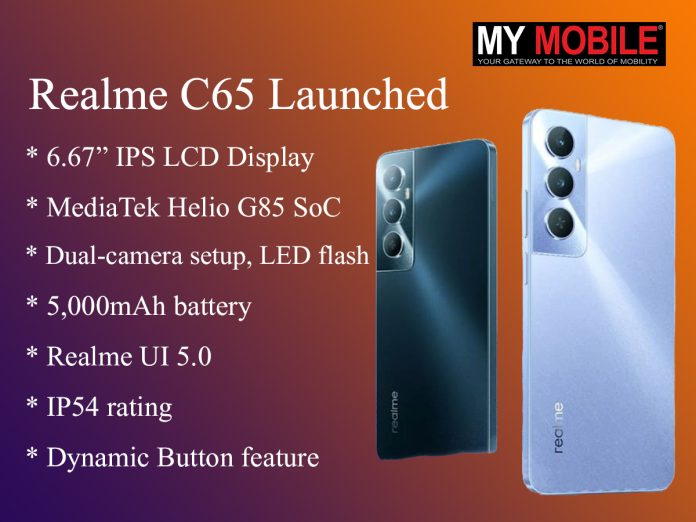
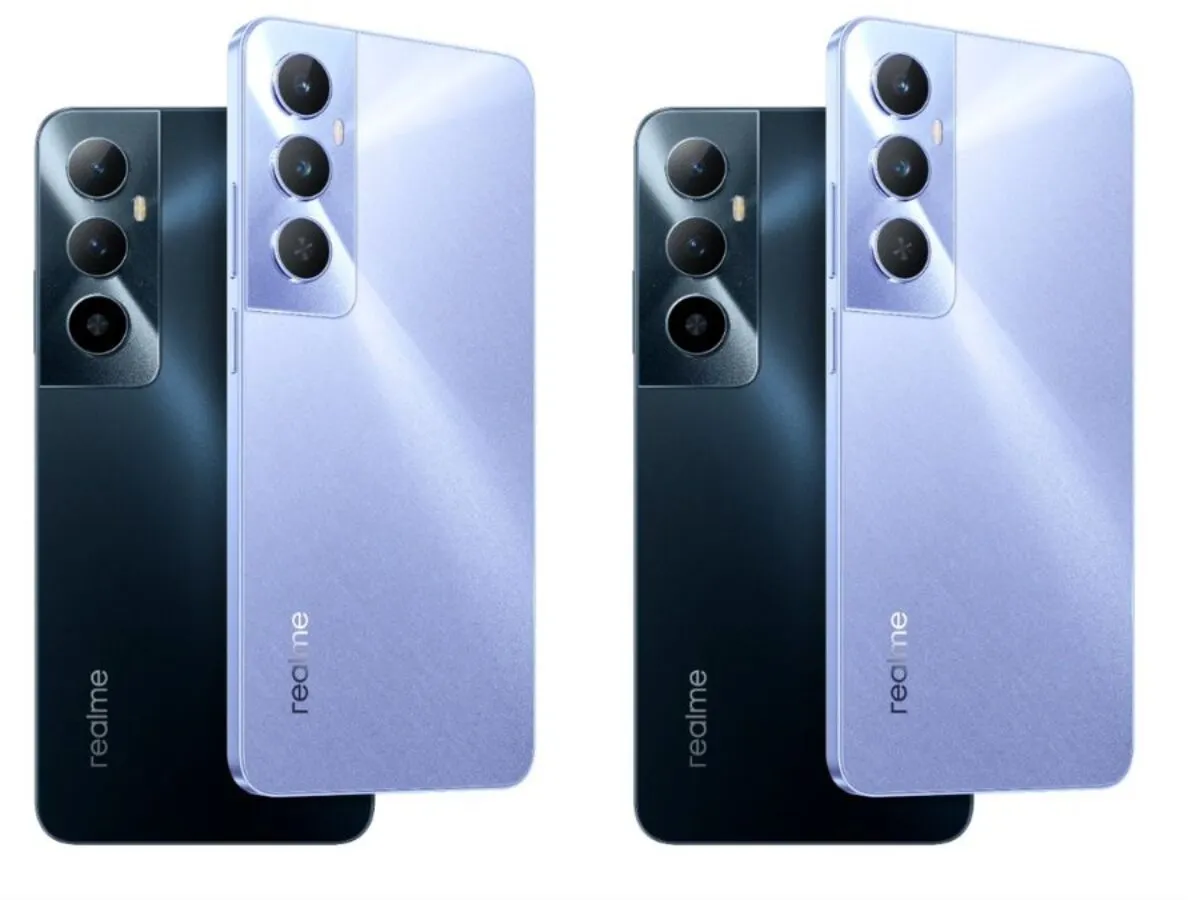
This new model introduces a fresh design approach and includes the innovative Dynamic Button feature for quick access to frequently used functions.
Here’s what you need to know about the device.
Realme C65: Pricing and Availability
Realme C65: Pricing and Availability
The Realme C65 is available in two variants: the 6GB/128GB model priced at VND 3,690,000 (approximately Rs 12,500) and the 8GB/256GB model at VND 4,790,000 (about Rs 16,200).
Incorporating TUV SUD certification, the device minimizes blue light exposure to reduce eye strain during prolonged use.
The innovative Dynamic Button, located on the right side, facilitates easy access to a variety of shortcuts such as camera activation, flight mode toggle, and more, enhancing user convenience.
The handset also introduces no-touch gestures, allowing for interaction with the phone without direct contact.
Photo, AI Beauty, Filter, AI Scene Recognition, Night Mode, Professional, Panoramic View, Portrait Mode, Street, HDR, 64MP Mode, Starry, Chroma Boost, Bokeh Flare Portrait, AI Color Portrait, Video Feature: Video, Video Filter, Slow Motion, Timelapse
Video Recording
1080p @ 30 fps FHD
Flash
Yes, LED
Front Camera
Punch Hole 8 MP f/2 (Wide Angle) with Screen Flash
What makes the Realme C65’s design unique in the C-series lineup?
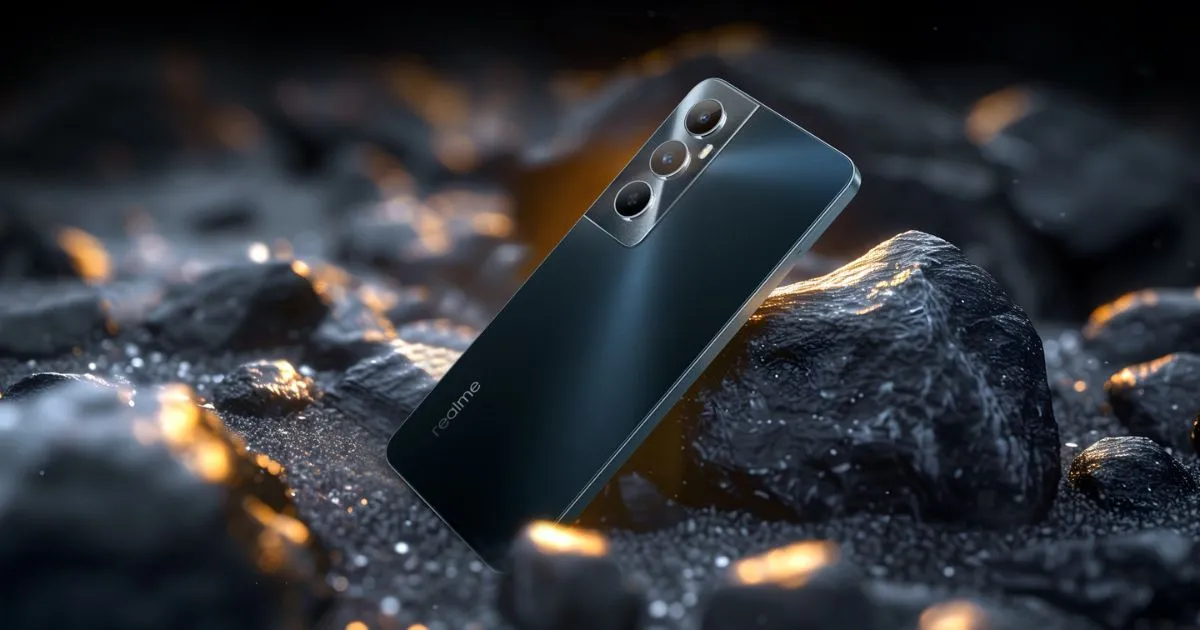
The Realme C65 introduces a new aesthetic to the C-series, featuring a dual-camera arrangement within a sleek rectangular module.
This design shift, inspired by contemporary smartphone trends, combines practicality with style.
The device’s construction is thoughtfully designed, incorporating a Dynamic Button for shortcuts and an IP54 rating, ensuring resilience against dust and water splashes.
How does the Dynamic Button enhance the Realme C65’s user experience?
Positioned on the handset’s side, the Dynamic Button is a novel feature allowing users to swiftly activate various functions such as the camera, flight mode, and silent mode.
This customizable button streamlines access to frequently used features, making the Realme C65 more user-friendly and efficient.
Can you detail the Realme C65’s display specifications and user benefits?
The Realme C65 boasts a 6.67-inch IPS LCD screen, offering a 90Hz refresh rate for seamless navigation and content viewing.
With a resolution of 1604 x 720 pixels and a high screen-to-body ratio, the display delivers vivid visuals and an immersive experience.
The device also supports a 180Hz touch sampling rate, enhancing responsiveness.
What are the camera capabilities of the Realme C65?
While the Realme C65 comes with a dual-camera setup, the primary focus is on delivering quality and versatility.
The details surrounding the camera specifications highlight Realme’s commitment to providing comprehensive photography solutions within the mid-range segment.
Features such as LED flash support and various shooting modes are anticipated, underscoring the handset’s capability to cater to diverse photographic needs.
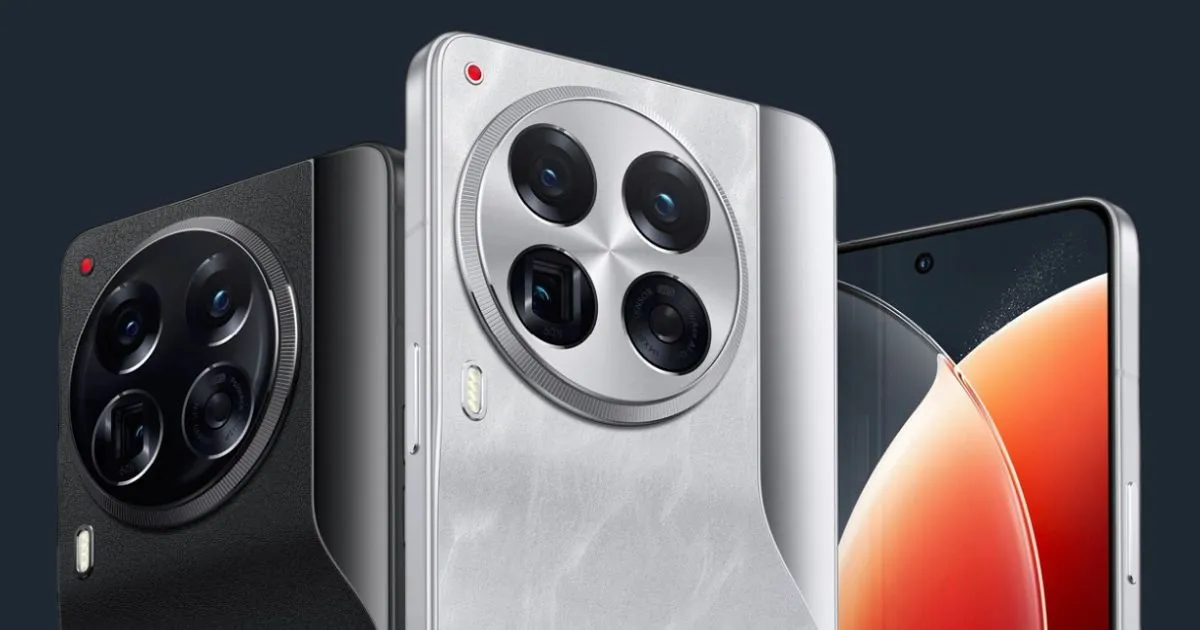
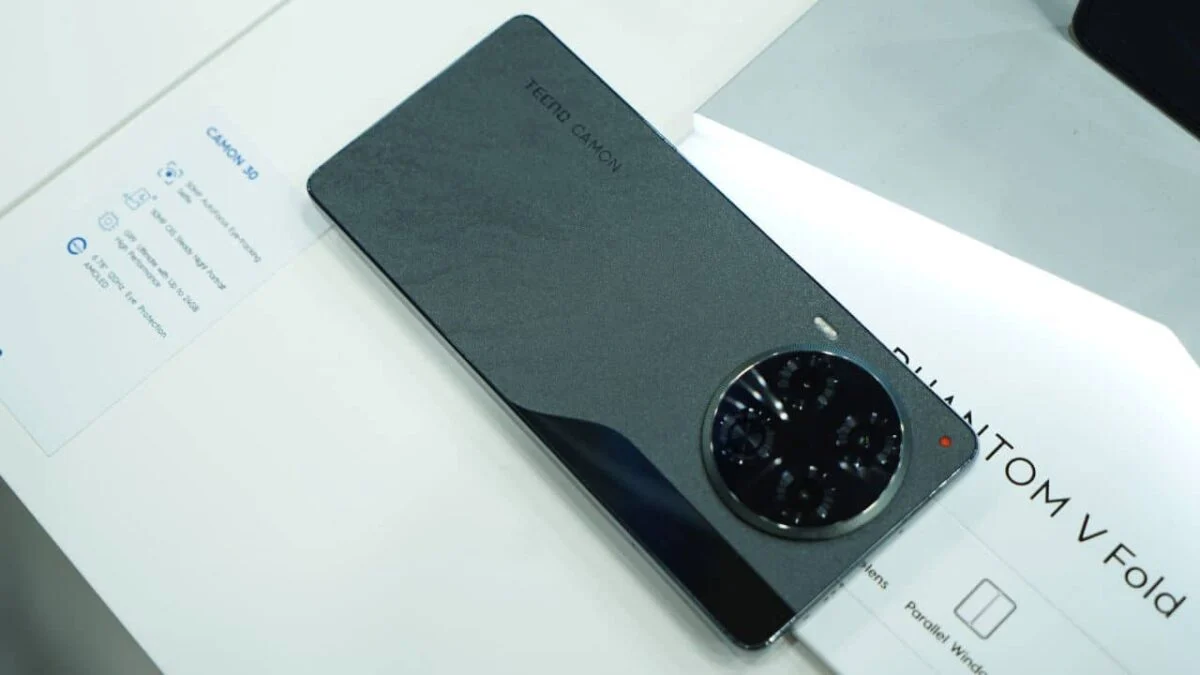
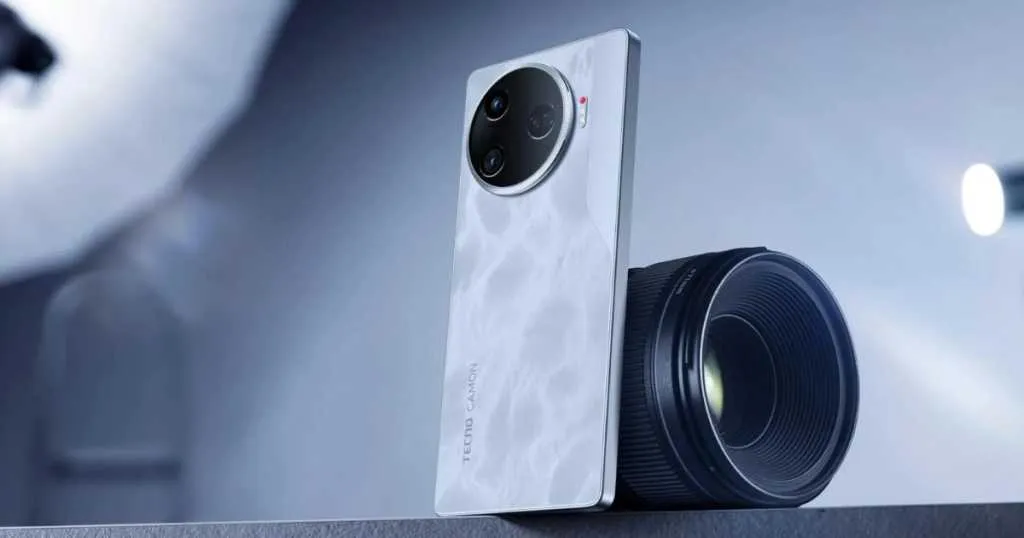
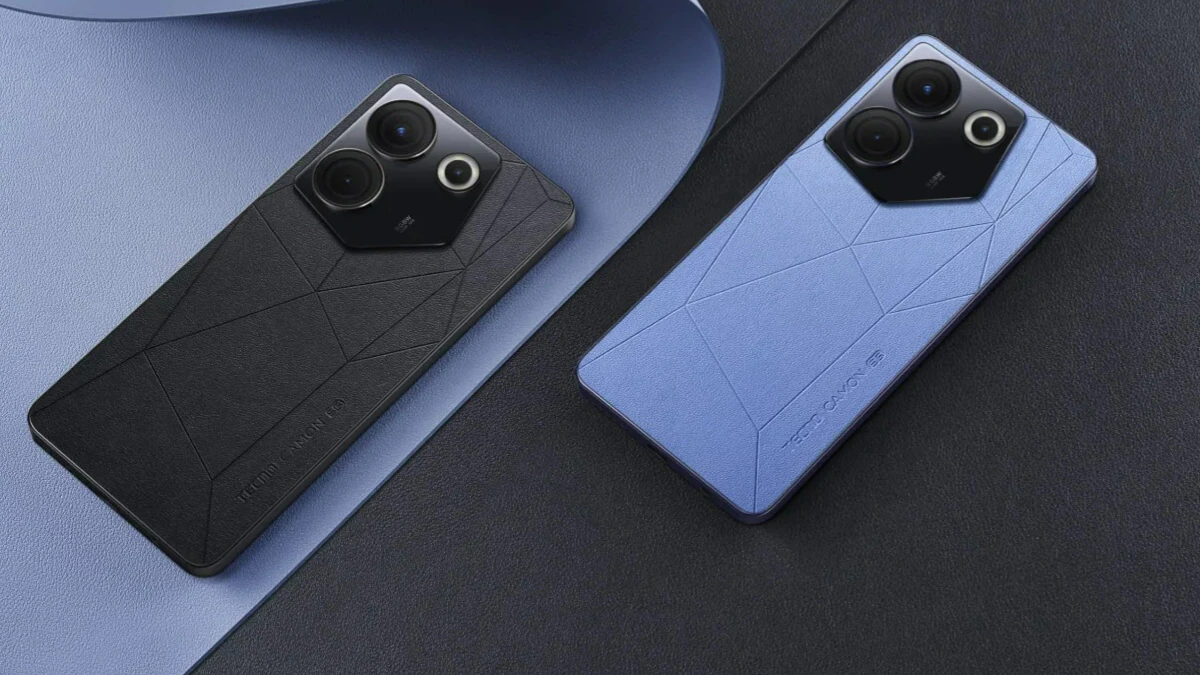
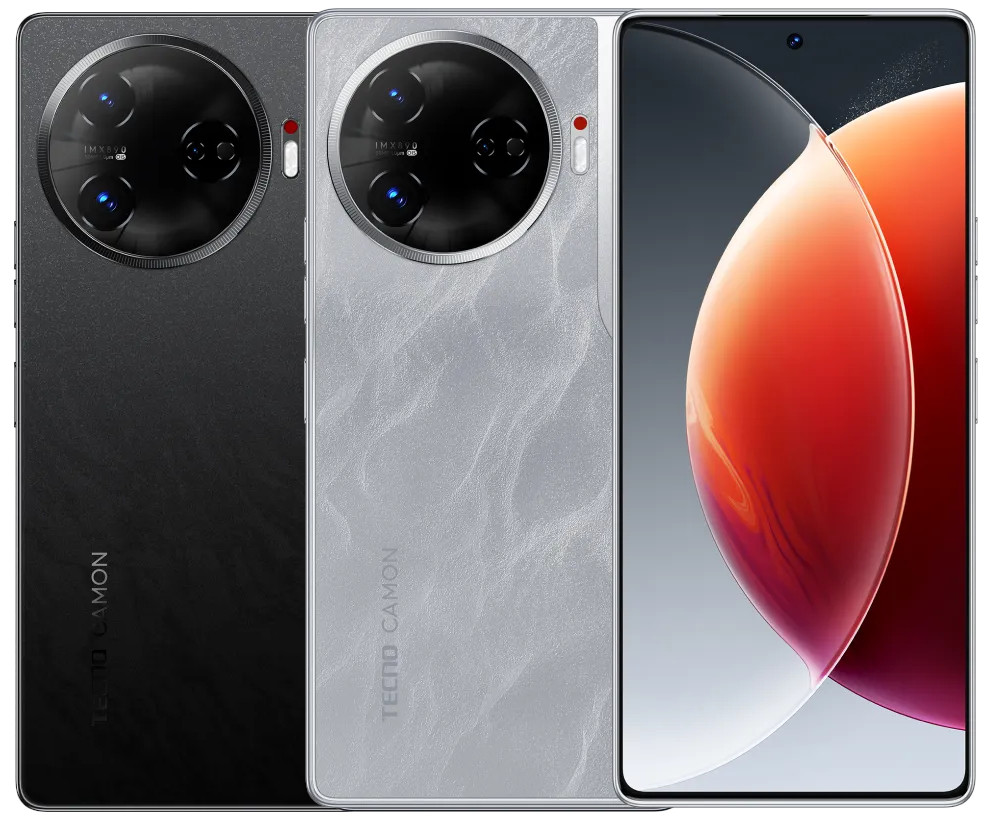
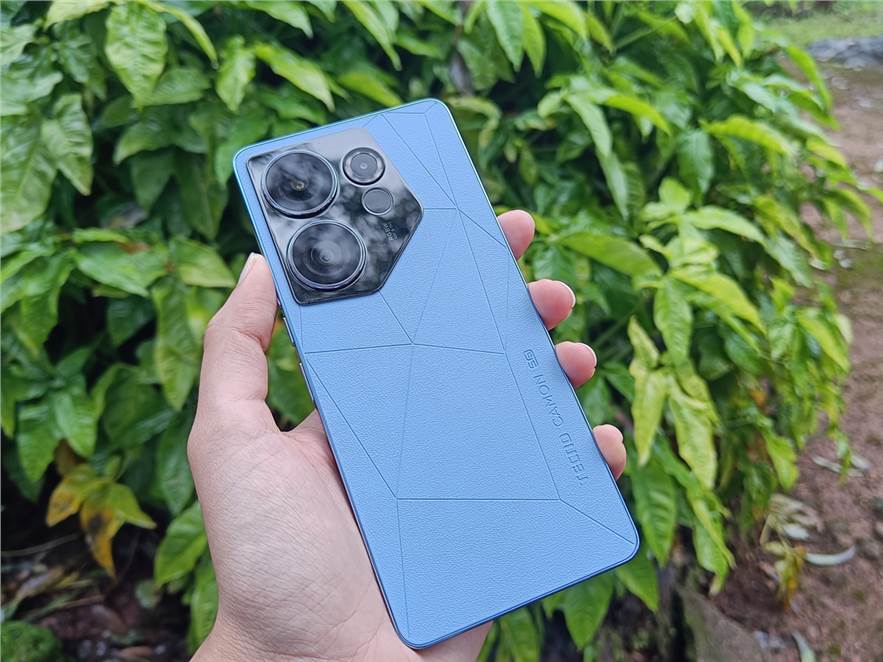
The TECNO CAMON 30 series smartphones stand out with their 6.78-inch AMOLED display,offering Full HD+ resolution and refresh rates up to 144Hz,nsuring ensuring smooth scrolling and vibrant visuals.
Powering through the day, these handsets come equipped with a robust 5000mAh battery supported by 70W fast charging,allowing for quick top-ups.
The series boasts a versatile camera setup, with the Pro 5G model featuring a 50MP Sony IMX890 OIS camera, a 50MP ultrawide lens, and a 2MP depth sensor,supported by rear dual flash for exceptional photography even in low light conditions.
Each model in the CAMON 30 series is available in a variety of colour options, catering to diverse tastes and preferences.
From the elegant Iceland Basaltic Dark to the serene Uyuni Salt White and vibrant Emerald Lake Green, there’s a style for everyone.
As with any offering from the company, TECNO is gearing up to introduce the CAMON 30 series in other markets, including India, where the anticipation is constantly building.
The TECNO CAMON 30 series distinguishes itself with a premium 6.78-inch AMOLED display, offering Full HD+ resolution and a refresh rate of up to 144Hz for smooth visuals.
Coupled with a 5000mAh battery and 70W fast charging, these phones are designed for extended use and quick recharging.
The Pro 5G model’s advanced camera setup further sets the series apart, promising superior photography experiences.
How does the battery and charging technology benefit users?
The 5000mAh battery ensures that users can enjoy prolonged periods of use without frequent charges, making the phone ideal for heavy usage throughout the day.
The 70W fast charging technology significantly reduces charging time, ensuring that users can quickly get back to full power, enhancing convenience and usability.
What are the camera features in the CAMON 30 series, particularly the Pro 5G model?
The CAMON 30 series boasts impressive camera capabilities, especially in the Pro 5G model, which includes a 50MP Sony IMX890 OIS main camera, a 50MP ultrawide lens, and a 2MP depth sensor.
This setup allows for versatile photography, from wide landscapes to detailed portraits, even in low-light conditions, thanks to the rear dual flash.
Can you detail the security features of the TECNO CAMON 30 series?
Security is paramount in the CAMON 30 series, featuring an in-display fingerprint scanner that offers a seamless and secure way to unlock the device.
This modern technology ensures that users can protect their information conveniently without compromising on the phone’s sleek design.
How to Find an Instagram Account Using a Phone Number
How to Find an Instagram Account Using a Phone Number
Instagram offers the functionality to locate someone’s profile through their phone number, assuming the user has associated their account with the said number.
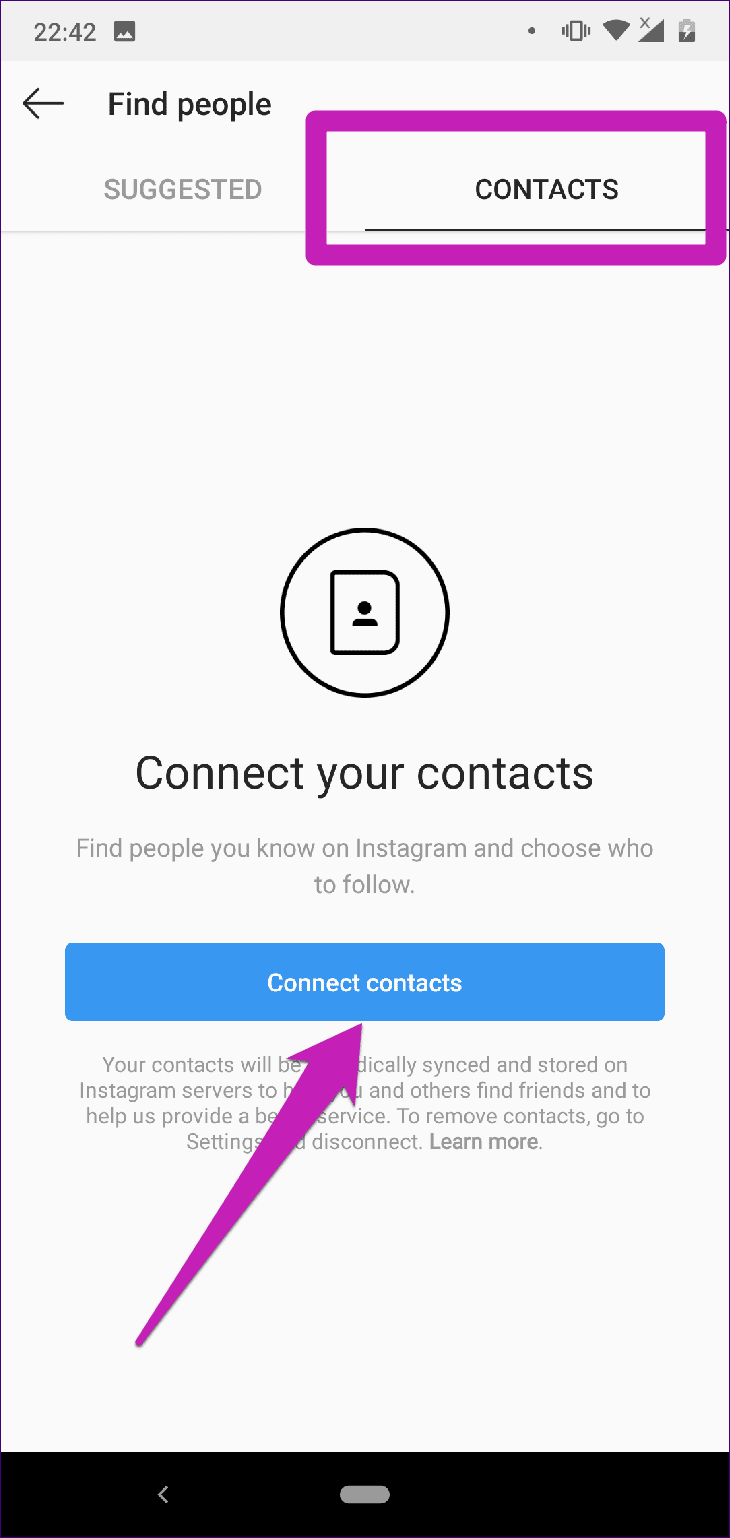
Follow these steps to search for an Instagram account:
Connect Your Contacts
Save the individual’s phone number in your phone’s contact list.
Launch Instagram and navigate to your profile by tapping the profile icon in the lower right corner.
Tap the menu icon at the upper right corner of your profile page and select ‘Discover People’.
Choose ‘Connect’ next to ‘Connect Contacts’, then tap ‘Allow Access’ in the prompt that appears.
Browse through the ‘Suggested for you’ list to find the person you are searching for based on their username.
For additional help, consider using third-party services like BeenVerified or PeopleLooker, which can assist in locating an Instagram account by phone number.
How to Locate a Facebook Account Using a Phone Number
How to Locate a Facebook Account Using a Phone Number
Facebook also enables users to find others’ accounts using their phone numbers. Here’s how to utilize this feature:
Facebook accounts using their phone numbers
Log into your Facebook account.
Type the phone number into the search bar at the top of the page, including the country code but excluding any symbols (e.g., dashes).
Press the search icon and examine the results.
It’s important to note that Facebook’s privacy settings might restrict this search functionality if the user has opted not to be discoverable by their phone number.
Ethical Considerations
Third-party tools can assist in finding Instagram profiles
Whether reconnecting with old friends, networking for business, or simply expanding your social circle, these steps offer a straightforward method to link a phone number with social media profiles on Instagram and Facebook, ensuring you can connect with people in various facets of your life.
FAQs
Can I find anyone’s Instagram account using their phone number?
You can locate someone’s Instagram profile with their phone number if the account is linked to that number.
First, ensure the phone number is saved in your contacts, then use Instagram’s “Discover People” feature. The success of this method depends on the account’s privacy settings and whether the number is associated with the profile.
Is it possible to search for a Facebook account with just a phone number?
Yes, you can search for a Facebook profile by entering the phone number in the search bar. Including the country code and excluding symbols like dashes increases the accuracy of your search.
However, the person’s privacy preferences on Facebook may limit this search capability.
What should I do if I cannot find a Facebook or Instagram account using a phone number?
If a search by phone number does not yield results, the individual might not have linked their number with their profile, or their privacy settings may restrict this type of search.
Consider other methods such as searching by name or email, or using third-party search tools for Instagram.
Are there any privacy concerns with finding social media accounts by phone number?
While platforms offer the feature to connect users, privacy concerns arise when individuals do not want their profiles easily found.
Always respect privacy and use information ethically. Both Instagram and Facebook provide users with options to control who can find them by their phone number.
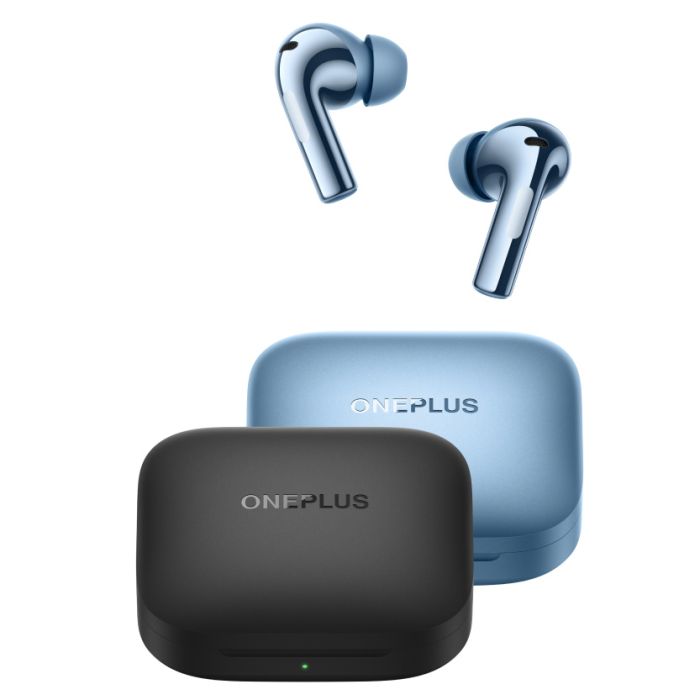
These earbuds boast a battery life of 7 hours on a single charge, extendable to 30 hours with the charging case, and support fast charging, providing 2 hours of playback with just a 10-minute charge.
Realme Buds Air 5 Pro
Realme Buds Air 5 Pro
Price: Rs 4,999
Key Specs:
Dual-driver setup: 11mm woofers and 6mm micro planar tweeters
Active noise cancellation (ANC) reducing noise by up to 50 dB
40ms super low latency mode for gaming
Detailed specs not provided; emphasis on ANC and low latency for gamers
The Realme Buds Air 5 Pro are another excellent choice. They feature a dual-driver setup with 11mm woofers and 6mm micro planar tweeters3.
The Realme Buds Air 5 Pro also features a 40ms super low latency mode to help with gaming sessions.
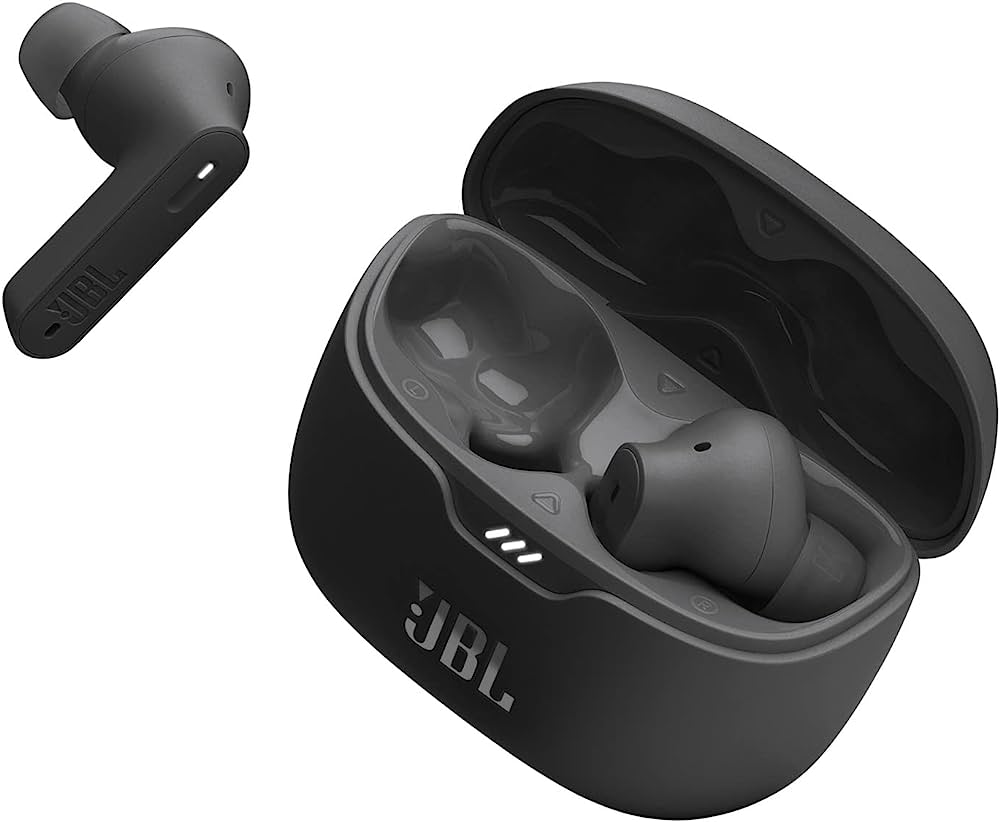
JBL Tune Beam
JBL Tune Beam
Price: Rs 5,800
Key Specs:
Bluetooth 5.3 with up to 12 meters working range
ANC with Ambient Aware and TalkThru mode support
Up to 12 hours of battery life
Supports A2DP V1.3.2, AVRCP V1.6.2, and HFP V1.8 Bluetooth profiles
App support for customized settings
IPX4 certification for sweat and dust proofing
The JBL Tune Beam earbuds come with specs such as Bluetooth 5.3 with up to 12 meters of working range, ANC, Ambient Aware and TalkThru mode support, a battery life of up to 12 hours,A2DP V1.3.2, AVRCP V1.6.2 and HFP V1.8 Bluetooth profiles support, app support, the IPX4 sweat and dust-proof certification, and much more.
Sony WF-C500
Sony WF-C500
Price: Rs 5,990
Key Specs:
Compact design for a snug fit
DSEE technology for high-quality sound restoration
Easy to use with smartphone compatibility
Available in four colours
Detailed specifications focus on sound quality and user-friendly design
The Sony WF-C500earbuds are designed compact to fit snugly in your ear.
They deliver high-quality sound that’s rich in detail,thanks to DSEE technology, which restores fine fade-out sound and high frequency sound.
It smartly switches between two devices (for example, from a smartphone to a computer) and comes with customizable buttons, allowing you to personalize your functions for added convenien
HONOR CHOICE Earbuds X5 offer an immersive 30dB Active Noise Cancellation, perfect for commuting and outdoor activities.
With Ambient Sound Transmission Mode, users can stay aware of their surroundings while enjoying their audio experience.
Dual microphones ensure clear calls even in noisy environments.
Cutting-edge ANC algorithms and an in-ear design work together to minimize disturbances, providing a comfortable and enjoyable audio experience, making these earbuds ideal for daily use.
Advanced connection with HAI Space
HONOR CHOICE Earbuds X5 offer an impressive 9 hours of continuous usage on a single charge, ensuring prolonged listening sessions without interruption.
With such remarkable battery life, you can enjoy your favorite tunes without worrying about running out of battery while on the move!
HONOR CHOICE Earbuds X5 features an innovative dual-mode Bluetooth 5.3 chip, offering enhanced convenience, supporting both Classic Bluetooth and Bluetooth Low Energy.
This ensures a stable Bluetooth connection, allowing you to enjoy music seamlessly even in dynamic sports environments.
With its advanced technology, these earbuds provide uninterrupted music playback, regardless of your activity level, for an immersive listening experience.
Experience powerful music with the 10mm large-size composite diaphragm moving coil of the HONOR CHOICE Earbuds X5.
With AAC support, every beat is rendered with remarkable clarity.
Additionally, the three EQ modes enhance every song’s sound, offering a varied audio experience.
The OnePlus Buds 3, OPPO Enco Air 3 Pro, Realme Buds Air 5 Pro, JBL Tune Beam, and Sony WF-C500 are all excellent choices that offer a range of features and deliver great value for money.
Remember to consider your specific needs and preferences when making your decision.
FAQs
What features should I look for in TWS earbuds under Rs 6,000?
When shopping for TWS earbuds under Rs 6,000, consider aspects like sound quality, battery life, comfort, and additional features such as active noise cancellation, fast charging, and water resistance.
Each model offers a unique set of features, so it’s important to prioritize based on your personal needs, whether it’s for gaming, calls, or general music listening.
How does active noise cancellation (ANC) enhance the TWS earbud experience?
ANC technology significantly reduces background noise, allowing for clearer call quality and an immersive listening experience.
For instance, the OnePlus Buds 3 and OPPO Enco Air 3 Pro both offer high levels of noise cancellation, making them ideal for use in noisy environments or when you need to focus without distractions.
Are there TWS earbuds suitable for gaming within the Rs 6,000 range?
Yes, gaming enthusiasts can look for earbuds with low latency modes to ensure synchronized audio and visual gameplay.
The Realme Buds Air 5 Pro, for example, features a 40ms super low latency mode, making them suitable for gamers seeking an edge in competitive play without experiencing audio lag.
Can I find TWS earbuds with fast charging under Rs 6,000?
Fast charging is a convenient feature found in several TWS earbuds under Rs 6,000.
The OPPO Enco Air 3 Pro stands out in this category, offering 2 hours of playback with just a 10-minute charge, ensuring you spend less time tethered to a charging cable and more time enjoying your music or calls.
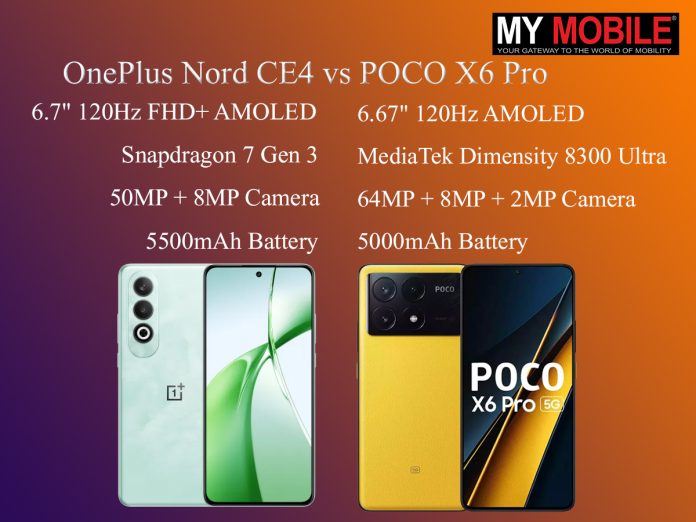
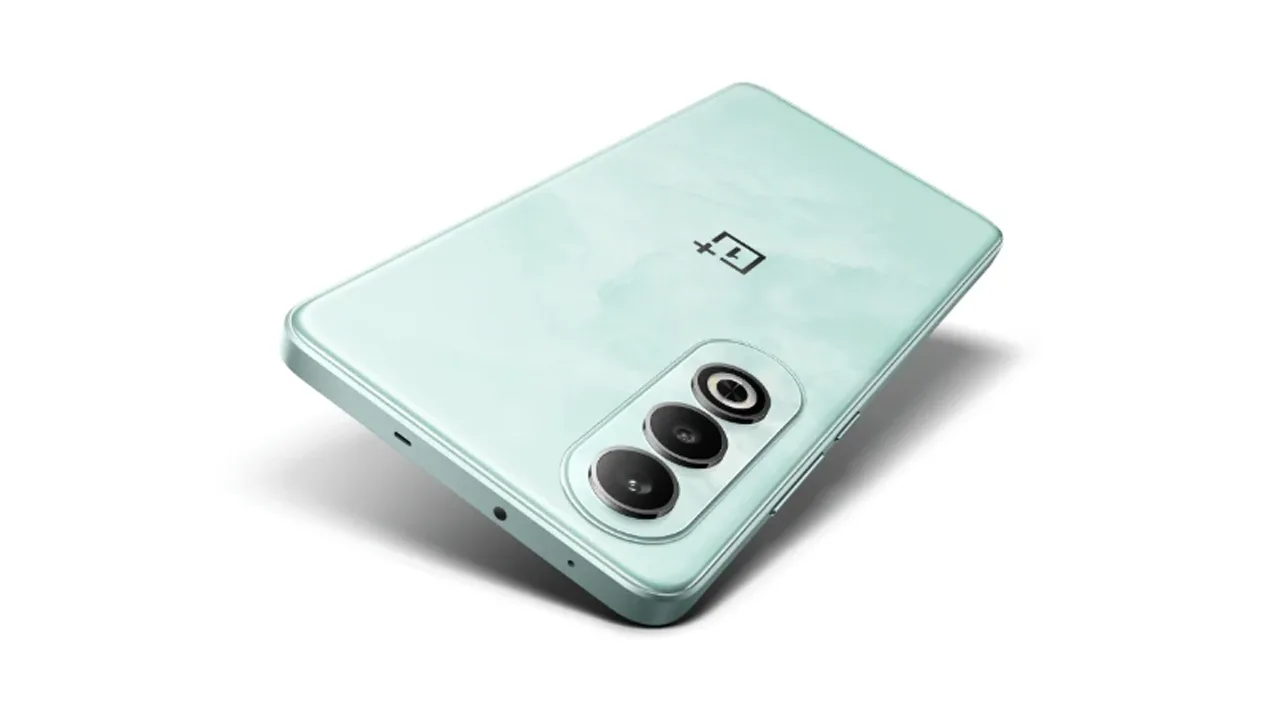
OnePlus Nord CE4 features 100W SUPERVOOC charging and a 50MP Sony camera system.
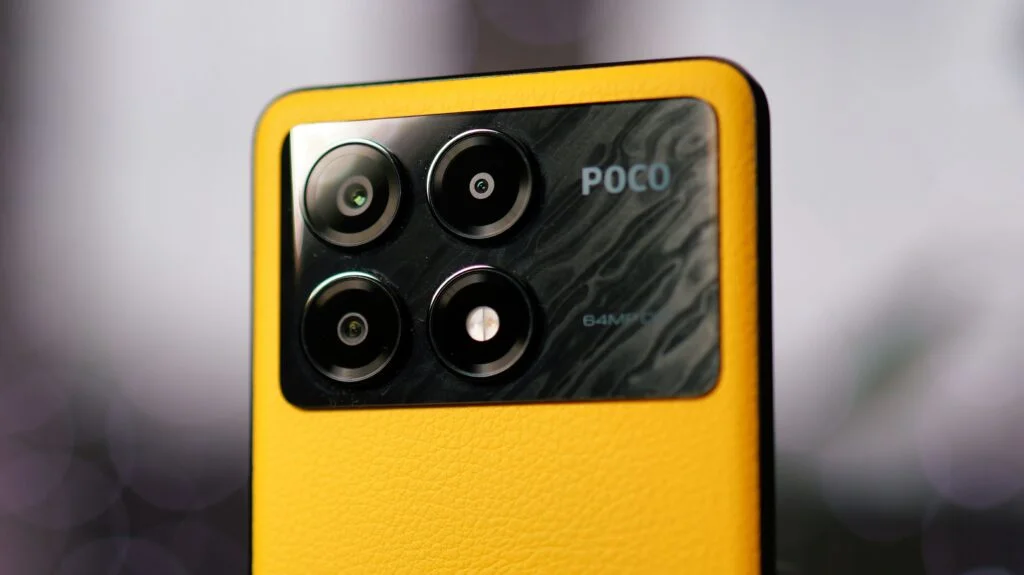
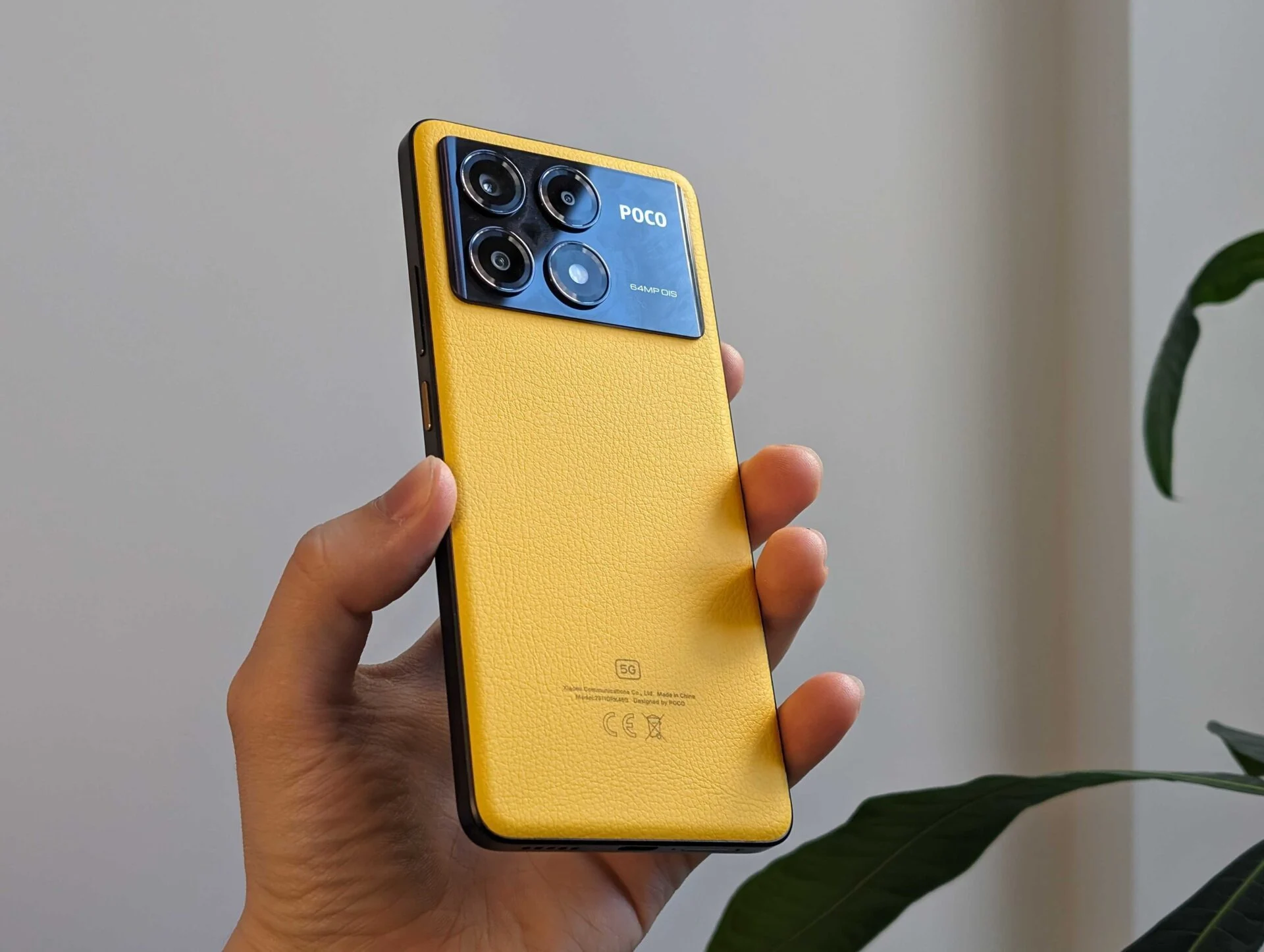
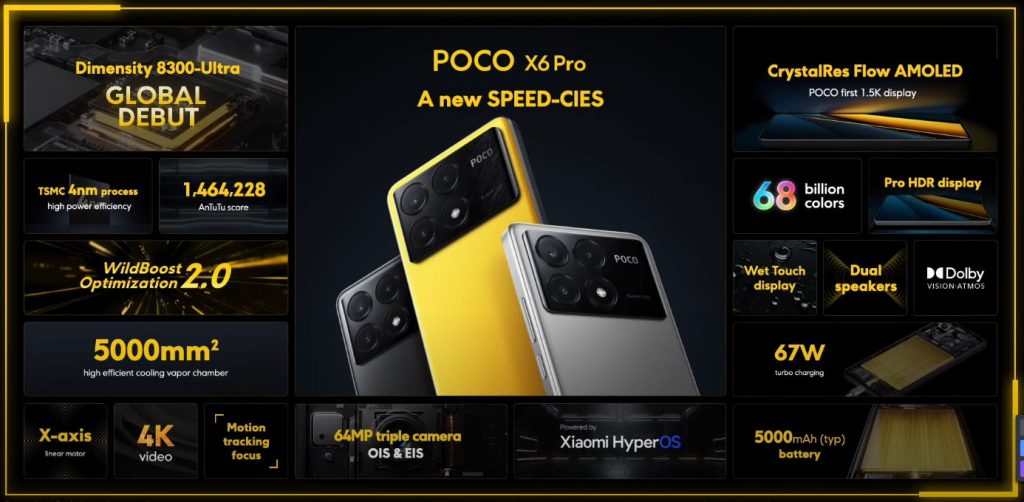
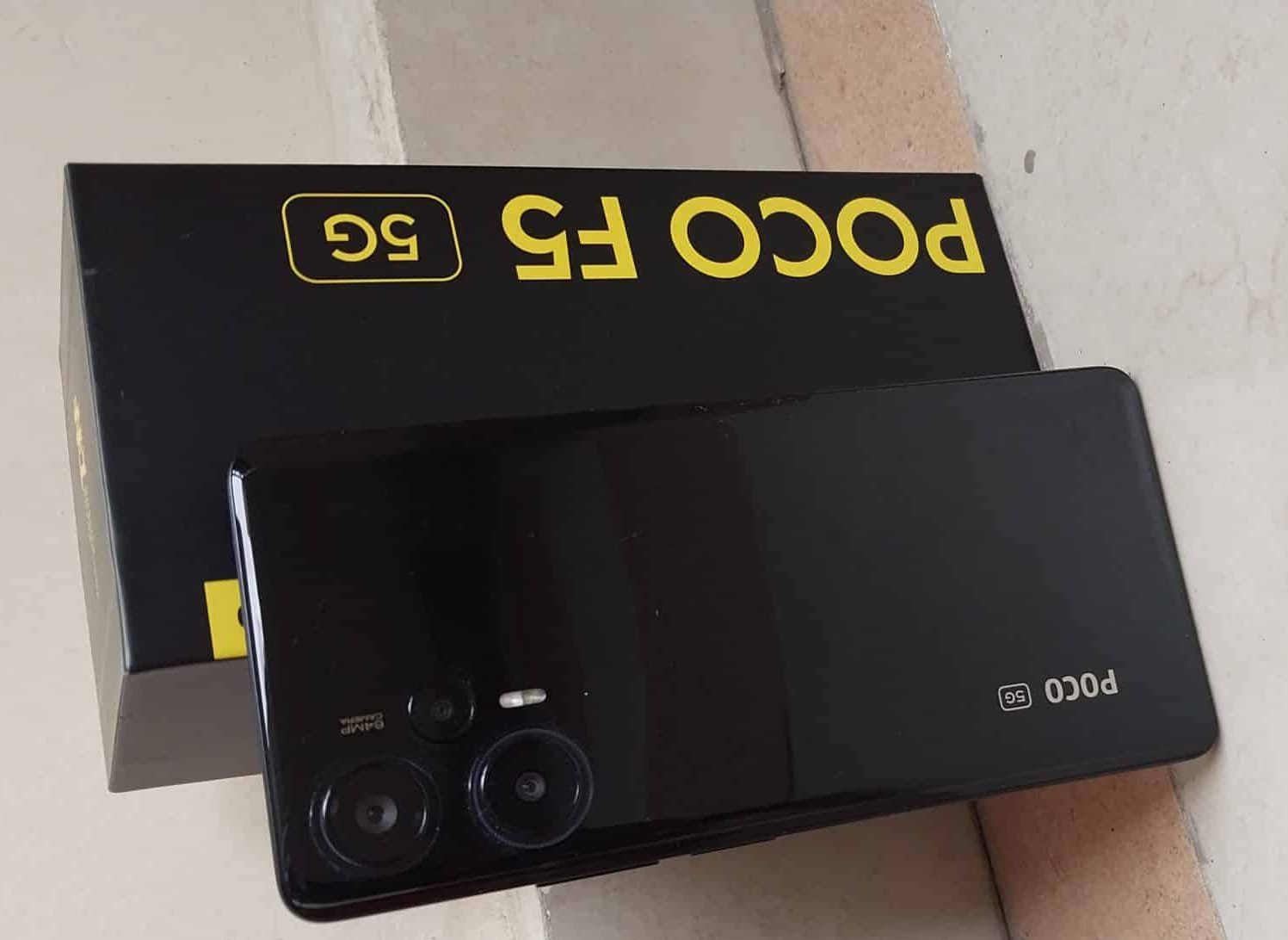
POCO X6 Pro boasts a 64MP main sensor and unique design choices.
Both smartphones offer a 120Hz refresh rate display for smooth visuals.
The Nord CE4 and X6 Pro are priced competitively at Rs 24,999 and Rs 26,999, respectively.
Among the myriad of choices in India’s mid-range smartphone segment, two models have recently emerged as particularly noteworthy contenders: the recently launched OnePlus Nord CE4 and the POCO X6 Pro.
In this comparison, lets delve into the nitty-gritty of what eachphone offers, pitting them against each other based on their display, design, performance, software, battery life, and overall features to help you make an informed decision.
The POCO X6 Pro, available in black, grey, and a unique yellow with a lychee-like faux-leather finish, provides a distinctive design choice for users looking to stand out.
Its design choices reflect a commitment to offering users not just functionality but also a statement piece.
Software-wise, the OnePlus Nord CE4 runs on the clean and user-friendly OxygenOS 14,based on Android 14, providing a near-stock experience with added customization options.
The POCO X6 Pro introduces Xiaomi’s HyperOS, also based on Android 14, which promises a fresh and streamlined user interface experience.
OnePlus Nord CE4 vs POCO X6 Pro: Battery
OnePlus Nord CE4 vs POCO X6 Pro: Battery
The OnePlus Nord CE4 packs a 5,500mAh battery, supporting 100W wired charging for rapid power-ups.
In contrast, the POCO X6 Pro comes with a slightly smaller 5,000mAh battery but offers a respectable 67W fast charging capability.
OnePlus Nord CE4 vs POCO X6 Pro: Features
OnePlus Nord CE4 vs POCO X6 Pro: Features
Both phones are laden with features aimed at enhancing the user experience.
From high-refresh-rate displays to fast charging and advanced chipsets, each device has its unique strengths.
The OnePlus Nord CE4’s high PWM dimming rate and extensive colour support make it a potential favorite for display purists, while the POCO X6 Pro’s high resolution and distinctive design options might appeal to those valuing aesthetics and screen sharpness.
Final Verdict
OnePlus Nord CE4 features 100W SUPERVOOC charging and a 50MP Sony camera system
Choosing between the OnePlus Nord CE4 and the POCO X6 Pro depends largely on individual priorities.
The Nord CE4 shines with its fast charging and superior display technology, ideal for those who value screen quality and quick power-ups.
The POCO X6 Pro, on the other hand, stands out with its higher resolution display and unique design options, catering to users who prioritize visual sharpness and aesthetic appeal.
Both offer compelling features for their price point, making the decision a matter of personal preference in performance, design, and usability.
OnePlus Nord CE 4 5G Specs
GENERAL
Sim Type
Dual Sim, GSM+GSM
Dual Sim
Yes
Sim Size
Nano+Nano SIM
Device Type
Smartphone
Release Date
April 01, 2024 (Expected)
DESIGN
Bezel less
Yes
DISPLAY
Type
Color AMOLED Screen (1B Colors)
Touch
Yes
Size
6.73 inches, 1080 x 2412 pixels, 120 Hz
Aspect Ratio
20:9
PPI
~ 393 PPI
Screen to Body Ratio
~ 89%
Glass Type
Corning Gorilla Glass
Features
Ambient Display, Dark Mode, AI Color Enhancement, Support sRGB, Display P3, HDR10+
Digital Zoom, Auto Flash, Face detection, Touch to focus
Video Recording
1080p
Flash
Yes, LED
Front Camera
Punch Hole 32 MP with Screen Flash
TECHNICAL
OS
Android v12
Chipset
Qualcomm Snapdragon 778G+
CPU
Octa Core Processor
Java
No
Browser
Yes
MULTIMEDIA
Email
Yes
Music
Yes
Video
Yes
FM Radio
No
Document Reader
Yes
BATTERY
Type
Non-Removable Battery
Size
5000 mAh, Li-ion Battery
Fast Charging
Yes, Yes, Fast
FAQs:
What sets the OnePlus Nord CE4 apart in the mid-range market?
The OnePlus Nord CE4 distinguishes itself with its 100W SUPERVOOC charging, enabling incredibly fast battery top-ups. Additionally, its 50MP Sony camera system promises crisp and clear photography, making it a strong contender for photography enthusiasts. With a sleek design in Celadon Marble and Dark Chrome and a display supporting high dynamic range content, it’s tailored for users who prioritize speed and visual quality.
How does the POCO X6 Pro stand out against its competitors?
The POCO X6 Pro makes its mark with a high-resolution 64MP main sensor, offering superior photography capabilities. Its unique design options, including a lychee-like faux-leather finish, provide a distinctive look. Equipped with a MediaTek Dimensity 8300 Ultra chipset, it offers powerful performance and is ideal for users seeking a blend of style and substance in their smartphone choice.
What are the key features of the OnePlus Nord CE4’s display?
The OnePlus Nord CE4’s display is a 6.7″ 120Hz FHD+ AMOLED panel, known for its smooth refresh rate and responsive touch inputs. It stands out with advanced features like 2160Hz PWM dimming and full coverage of the sRGB and P3 color spaces, making it ideal for users who demand superior visual quality from their device.
Which phone has better battery performance, the OnePlus Nord CE4 or the POCO X6 Pro?
While both phones are designed to last through a day of use, the OnePlus Nord CE4 has a slightly larger 5500mAh battery and supports faster 100W SUPERVOOC charging, offering a quicker power-up time compared to the POCO X6 Pro’s 5000mAh battery and 67W fast charging. This makes the Nord CE4 more appealing to users who value battery life and fast charging.
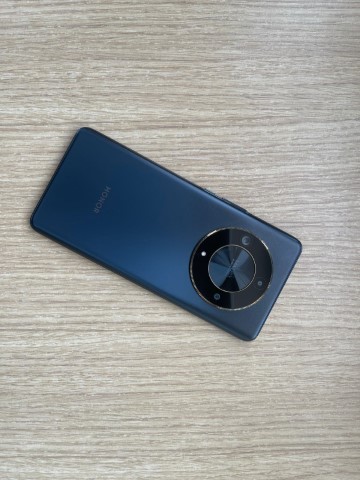
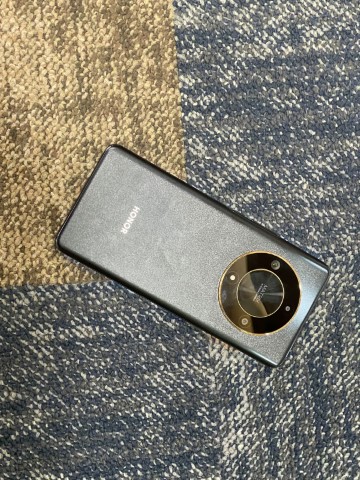
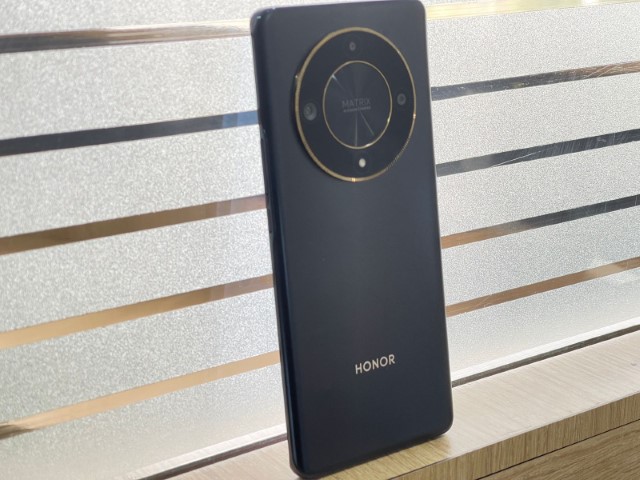
It’s the first smartphone to feature “ultra-bounce 360-degree anti-drop resistance” technology, earning a Five-Star Overall Drop Resistance certificate.
Besides its resilience, it showcases a 120Hz refresh rate 1.5k AMOLED display, a high-calibre 108MP primary camera, and a long-lasting 5,800mAh battery.
Its resilience is remarkable, credited to a cushioning technology that safeguards the phoneagainst drops from up to 1.5 meters, a claim I found credible during my time in the demo zone.
Certified with a five-star overall drop resistance by Switzerland’s SGS, the X9b promises and delivers structural integrity, making it a reliable companion for daily use.
Its 1.5K resolution sharpens the visuals, complemented by 1920Hz PWMdimming and a peak brightness of 1200 nits, which is quite a feat in this price range, although it’s worth noting the display isn’t the brightest I’ve seen.
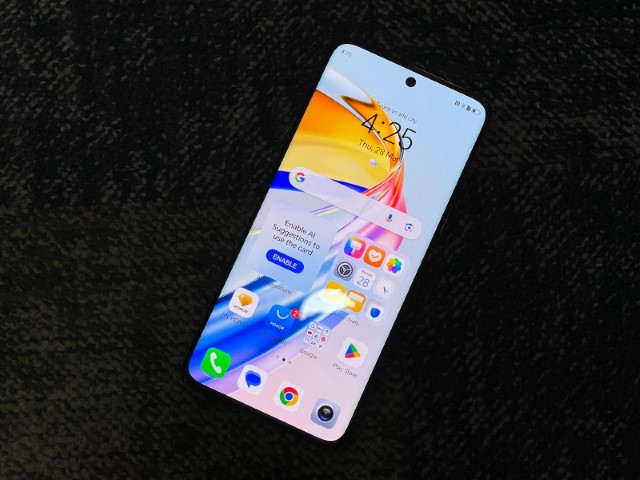
Despite this, the centre punch-hole for the selfie camera hardly detracts from the viewing experience, thanks to the slim bezels that give it an expansive feel.
Navigating through the display settings, I found ample controls to adjust the display parameters to my liking,including colour mode, colour temperature, and refresh rate.
The eye comfort feature is a thoughtful addition, making prolonged use more bearable on the eyes.
Exploring the Honor X9b’s camera capabilities, I was initially drawn to its triple camera system, featuring a 108MP main shooter,a 5MP wide-angle, and a 2MP macro lens, alongside a 16MP front camera.
During daylight, the primary camera captured vibrant shots, although I noticed the HDR performance was lacking.
While the colours seemed overly saturated in some cases, especially in close-ups and portraits, the detail in these close-up shots was impressive, despite the post-processing tendency to exaggerate colors.
Portraits had good edge detection, but I found that it tended to smooth over facial details and present skin tones with a bit too much contrast for my liking.
The ultra-wide camera, at 5MP, struggled to deliver crisp images, often producing faded colours and noticeable distortion around the edges.
Its 110-degree field of view felt somewhat limited compared to others. The 2MP macro sensor also left much to be desired.
However, for those looking to share scenic shots on social media without zooming in on every detail, the 108MP main camera suffices.
It captures decent daylight images, but there’s room for improvement in HDR processing.
As the day turns to night, the photo quality dips, although the night mode tries its best to maintain colour accuracy and detail while reducing noise.
Despite its shortcomings, the camera system on the Honor X9b shines in certain aspects, especially in good lighting conditions.
Honor X9b Day Camera Samples
Honor X9b Night Camera Samples
Honor X9b Videos
Honor X9b Day Videos
Honor X9b Night Videos
Honor X9b In Hand Video
Honor X9b: Performance and Features
The Honor X9b is equipped with the Qualcomm Snapdragon 6 Gen 1 SoC, making it one of the first few phones to harness the SoC’s capabilities.
While it may not be the fastest in the Rs 30,000 segment, it has shown itself to be a competent performer.
Daily tasks are handled with ease, and casual gaming? Games like Subway Surfers and Candy Crush run without a hitch, as expected.
In my experience, the X9b does well onsynthetic benchmarks, although it doesn’t break any records in its price bracket.
When it comes to more demanding games likeCall of Duty and PUBG, they run smoothly on moderate settings.
My advice?
Keep the fps settings on the lower side for an optimal gaming experience.
The device packs 8GB of LPDDR4X RAM, with the option to expand by an additional 8GB using RAM Turbo, effectively boosting it with virtual RAM expansion.
With 256GB of UFS3.1 storage, space was hardly a concern.
However, the audio quality did leave something to be desired, given its mono speaker setup lacked depth.
The in-display fingerprint sensor, on the other hand, met my expectations, offering quick and reliable access every time.
Honor X9b: Software and Battery Life
Honor X9b: Software and Battery Life
The Honor X9b arrived running Android 13, a step behind the latest Android 14, but Honor has committed to two years of major Android OS upgrades and three years of security updates.
The interface is heavily customized, featuring a mix of Honor’s own apps, like the HonorApp Market, Game Centre, and Honor’s Email app, alongside the standardGoogle app suite.
Despite the heavy customization, I found the software surprisingly intuitive and easy to navigate.
The notification panel’s resemblance to iOS didn’t go unnoticed, but its convenience was what stood out most to me.
The AI suggestions widget on the home screen, offering app recommendations based on my activities for quick access, was a clever touch.
A standout feature for me was the Honor X9b’s 5,800mAh battery, a rarity in today’s market where few phones boast a battery exceeding 5,000mAh.
Although the box lacked a charger, Honor’s introductory offer of a complimentary30W adapter was a nice gesture, though buying it separately later on might be a consideration for some.
The battery life impressed me, providing around 8 hours of screen-on time, but the charging speed was a bit of a let-down.
Even with the 30W charger, filling the battery from 0 to 100% took about two and a half hours.
While it navigates smoothly through daily tasks and casual gaming, it falls short in the audio department and charging speed.
Honor’s commitment to software updates is promising, but the device’s current lack of the latest Android OS is noticeable.
Overall, it offers good value for those prioritizing battery life, display quality, and camera functionality without breaking the bank.
5 Reasons to Buy
5 Reasons to Buy
Durability: The Honor X9b’s ultra-bounce technology and IP53 rating ensure it can withstand drops and resist dust and water spray.
Display Quality: Its 120Hz refresh rate and 1.5K resolution offer a sharp, immersive viewing experience.
Camera Capabilities: The 108MP main camera captures vibrant shots in daylight, supported by unique features like good edge detection in portraits.
Battery Life: With a 5,800mAh battery, the device ensures prolonged usage, making it ideal for heavy users.
Software Updates: Honor promises two years of major OS updates and three years of security patches, ensuring longevity.
3 Reasons Not to Buy
3 Reasons Not to Buy:
Audio Quality: The mono speaker system delivers underwhelming sound quality, lacking depth and richness.
Charging Speed: Despite the large battery, the slow charging speed can be inconvenient for users on the go.
Software Customization: The heavily customized interface and pre-installed apps may not appeal to everyone, especially those preferring a stock Android experience.
What makes the Honor X9b stand out in the mid-range smartphone market?
The Honor X9b distinguishes itself with its unique ultra-bounce 360-degree anti-drop resistance technology, making it the first smartphone to feature such advanced durability.
Coupled with a Five-Star Overall Drop Resistance certificate, it’s designed to withstand drops better than most smartphones, ensuring longevity and reliability for users who prioritize durability.
How does the Honor X9b’s display compare to its competitors?
The Honor X9b’s 6.78-inch 120Hz 1.5K AMOLED display sets a high standard in the mid-range segment, offering vibrant colours and sharp visuals.
Its high refresh rate ensures smooth scrolling and a better viewing experience, making it competitive against other smartphones in its price range.
The addition of 1920Hz PWM dimming and peak brightness of 1200 nits further enhances its display quality.
Can the Honor X9b’s camera system meet the needs of photography enthusiasts?
Equipped with a 108MP primary camera, the Honor X9b captures vibrant and detailed photos in good lighting conditions.
However, its HDR performance and low-light capabilities may not satisfy all photography enthusiasts.
The ultra-wide and macro lenses offer added versatility but have limitations in image quality. Despite these drawbacks, the main camera remains a strong feature for standard social media use and general photography.
Is the Honor X9b a good choice for gamers and power users?
Powered by the Qualcomm Snapdragon 6 Gen 1 SoC and equipped with 8GB of RAM (expandable by an additional 8GB), the Honor X9b handles daily tasks and casual gaming with ease.
While it may not lead in high-performance gaming, it provides a satisfactory experience for most games on moderate settings.
The ample storage and option for virtual RAM expansion make it a competent choice for power users on a budget.
What are the pros and cons of the Honor X9b’s software and battery life?
The Honor X9b runs on Android 13 and promises two years of OS updates, offering a current but heavily customized software experience.
Its 5,800mAh battery stands out for its longevity, providing extended use between charges. However, the charging speed may disappoint some users, as it takes about two and a half hours to fully charge with a 30W charger.
In an update rolled out to both Android and iOS users, YouTube Music’s comment section has received a sleek visual overhaul, making interactions more intuitive and integrated.
Gone are the days when the comment panel felt like an overlay on the Now Playing screen.
Now, it seamlessly aligns with other in-app tabs like Up Next, Lyrics, and Related, allowing users to engage with comments while controlling playback or accessing other features without leaving their current screen.
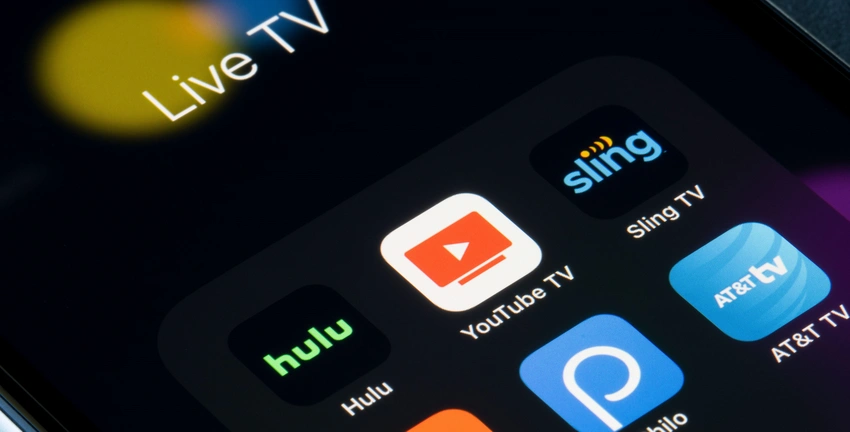
On the other hand, YouTube TV, established in February 2017 as a virtual multichannel video programming distributor (vMVPD), is forecasted to take the lead in the pay-TV market by 2026.
With around 8 million subscribers, a mix of paid and those on free trials, YouTube TV’s growth trajectory is set to surpass traditional pay-TV giants like Comcast and Charter Communications.
This prediction by MoffettNathanson highlights the shifting landscape of television consumption
in the US, with YouTube TV at the forefront of this transformation.
Despite facing a slight loss in 2023, primarily due to the inclusion of the NFL Sunday Ticket package, YouTube TV is expected to reach profitability by 2026.
Analysts predict a future where YouTube TV not only becomes the largest pay-TV provider in the United States but also achieves a steady profit margin, contributing significantly to YouTube’s overall revenue.
FAQs
What recent changes have been made to YouTube Music?
YouTube Music has undergone a significant update enhancing the comment section layout for both Android and iOS users. The new design integrates comments seamlessly with other features such as Up Next, Lyrics, and Related tabs, facilitating a more cohesive user experience. This update reflects YouTube’s commitment to improving app functionality and user engagement.
How is YouTube TV positioned in the pay-TV market?
Established in February 2017, YouTube TV is anticipated to lead the pay-TV market by 2026, surpassing giants like Comcast and Charter Communications. With approximately 8 million subscribers, including those on free trials, YouTube TV’s growth trajectory is a testament to changing television consumption patterns in the US.
What does the future hold for YouTube TV’s profitability?
Despite a slight setback in 2023, partly due to the inclusion of the NFL Sunday Ticket package, YouTube TV is on course to achieve profitability by 2026. Analysts predict it will not only emerge as the largest pay-TV provider in the United States but also maintain a steady profit margin, significantly contributing to YouTube’s overall revenue.
What enhancements has YouTube Music introduced in its latest update?
The latest update to YouTube Music introduces a redesigned comment section that offers smoother animations and a polished user experience. This new layout allows users to engage with comments without interrupting their playback or navigation through the app, marking a step forward in YouTube’s ongoing efforts to enhance app functionalities.
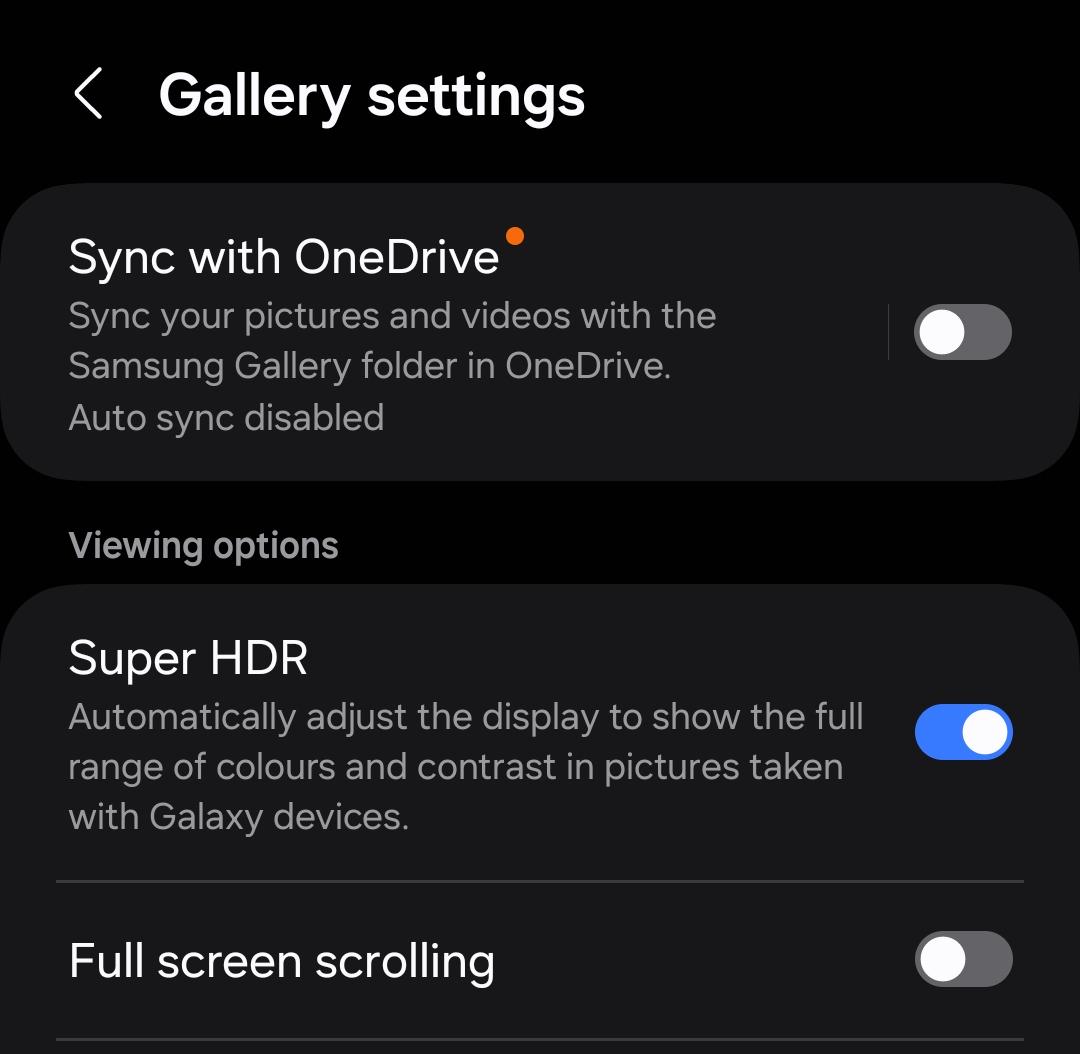
This results in images that, when viewed on compatible displays, shine brighter in exposed areas while detailing shadows more intricately.
The difference between Super HDR and standard HDR images is stark, with Super HDR photos prompting the display to adjust brightness dynamically, enriching the viewing experience.
No Joy For Older Galaxy Phones
No Joy For Older Galaxy Phones
Despite the popularity of Super HDR photos among Samsung and Pixel users, Samsung recently confirmed through a forum moderator’s response that older Galaxy models, including the Galaxy S23, won’t receive Super HDR capabilities.
This decision, discussed in Samsung’s official forum, has left many wondering about the future of imaging on older devices.
It’s speculated that while the SoC might not be the issue, the image and camera processors in older models aren’t equipped to gather image data as effectively as needed for Super HDR.
Additionally, the display technology of previous models, particularly those before the S22 series, may not be up to par for handling the advanced HDR format.
Super HDR is a feature in the Samsung Galaxy S24 series that enhances the brightness and detail of images by using advanced HDR technology, providing a superior viewing experience.
Why won’t older Galaxy models support Super HDR?
The processor and display technology in older Galaxy models, such as the S23, lack the necessary capabilities to support the Super HDR feature, leading to its exclusivity to the S24 series and beyond.
How does Super HDR differ from standard HDR?
Super HDR images appear much brighter and more detailed in specific areas, unlike standard HDR photos that don’t dynamically adjust the display’s brightness based on the image content.
Can I get Super HDR on my Galaxy S23 with a software update?
Unfortunately, due to hardware limitations in older models like the Galaxy S23, Super HDR cannot be added through a software update like One UI 6.1.
Is Super HDR available on all Galaxy S24 models?
Yes, Super HDR is available on all models within the Galaxy S24 series, offering an enhanced imaging experience across the range.