Home Blog Page 483

Samsung Prepares One UI 6 Watch Beta with Wear OS 5 Integration

0

Highlights

  • Samsung set to release One UI 6 Watch Beta based on Wear OS 5
  • New update to bring efficiency and health-tracking improvements
  • Expected release in the first week of June 2024
  • Enhancements include passkey support, improved battery life, and better media playback

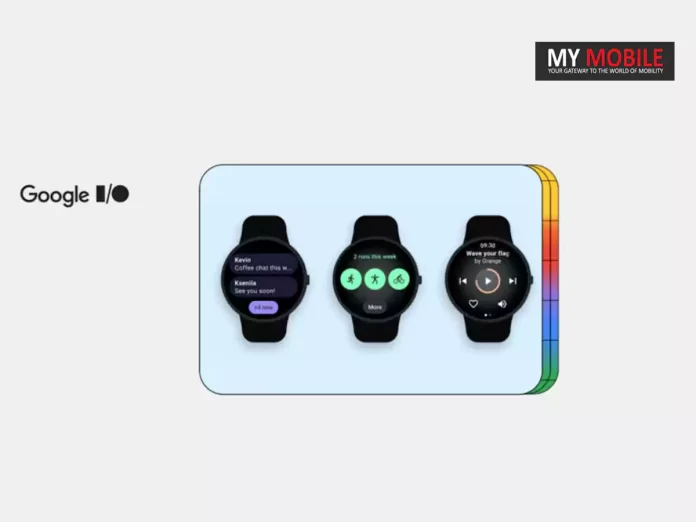
Google has recently taken the wraps off Wear OS 5 for smartwatches, so the stage is set for the next big software update in the world of wearables. 

With a focus on efficiency and health-tracking improvements, Wear OS 5 promises to raise the smartwatch experience bar even further. 

Consequently, Samsung is now preparing to release its own One UI 6 Watch update, based on the new version of Wear OS.

Release Timeline and Availability

Samsung Prepares One UI 6 Watch Beta with Wear OS 5 Integration

Samsung has listed the One UI 6 Watch Beta on its website for the South Korean market, hinting at its imminent release.

This update is reported to be based on Wear OS 5, and it could be released in the coming weeks.

Samsung started internal development of One UI 6 Watch early this month.

Last year, the South Korean technology company rolled out the Wear OS 5-based One UI 5 Watch Beta update in the first week of June 2023.

Based on the same trend, it is expected that Samsung will roll out the One UI 6 Watch Beta update for eligible Galaxy Watches by the first week of June 2024.

Expected Enhancements and Features

New update to bring efficiency and health-tracking improvements

Being based on Android 14, Wear OS 5 means One UI 6 Watch will also be built on top of Android 14.

This new version of Wear OS promises to further push battery life with a host of Doze Mode optimizations. Google says Wear OS 5 smartwatches can go 20% longer during marathons.

A major change in Wear OS 5 is that the company has adopted Samsung-Developed Watch Face Format as default in this version.

It might contribute to increasing the battery life and make newer complications possible for the majority of third-party watch faces.

Apart from that, media playback and audio output switching should be improved.

Other major features coming to One UI 6 Watch would include passkey support, the ability to restore passkeys from the cloud, and an overall improved login experience.

Building on these Wear OS 5 features, Samsung might implement its own feature enhancements and customization on top for Galaxy Watches in the form of the One UI 6 Watch update.

As Samsung readies for the newest version of Wear OS, smartwatch enthusiasts and Galaxy Watch users are literally champing at the bit for the release of the One UI 6 Watch Beta. 

This version promises to bring a more efficient, health-focused, and user-friendly experience for the user, which will only add to the already robust stance Samsung takes in the world of wearables.

FAQs

What is the One UI 6 Watch Beta?

The One UI 6 Watch Beta is Samsung’s upcoming software update for Galaxy Watches, based on Google’s new Wear OS 5, bringing various enhancements and new features.

When is the One UI 6 Watch Beta expected to be released?

Samsung is likely to roll out the One UI 6 Watch Beta for eligible Galaxy Watches by the first week of June 2024, following its previous update schedule.

What improvements can be expected from Wear OS 5?

Wear OS 5 includes battery life optimizations, better media playback, audio output switching, and support for the Samsung-developed Watch Face Format.

How will the new update affect battery life?

Wear OS 5 features Doze Mode optimizations, which can extend smartwatch battery life by up to 20% during activities like marathons.

What new features are included in the One UI 6 Watch update?

The One UI 6 Watch update will include passkey support, cloud restoration of passkeys, improved login experiences, and Samsung’s own feature enhancements and customizations.

Where will the One UI 6 Watch Beta be available initially?

The One UI 6 Watch Beta will initially be available in the South Korean market, as listed on Samsung’s website, before potentially expanding to other regions.

Also Read: Samsung Galaxy Watch 6 Classic 5K Leaked Renders Show Rotating Bezel Comeback, Reveal Full Design; Launch Soon

Also Read: Samsung Galaxy Watch 7 Pro Gears Up for Potential India Launch with BIS Certification
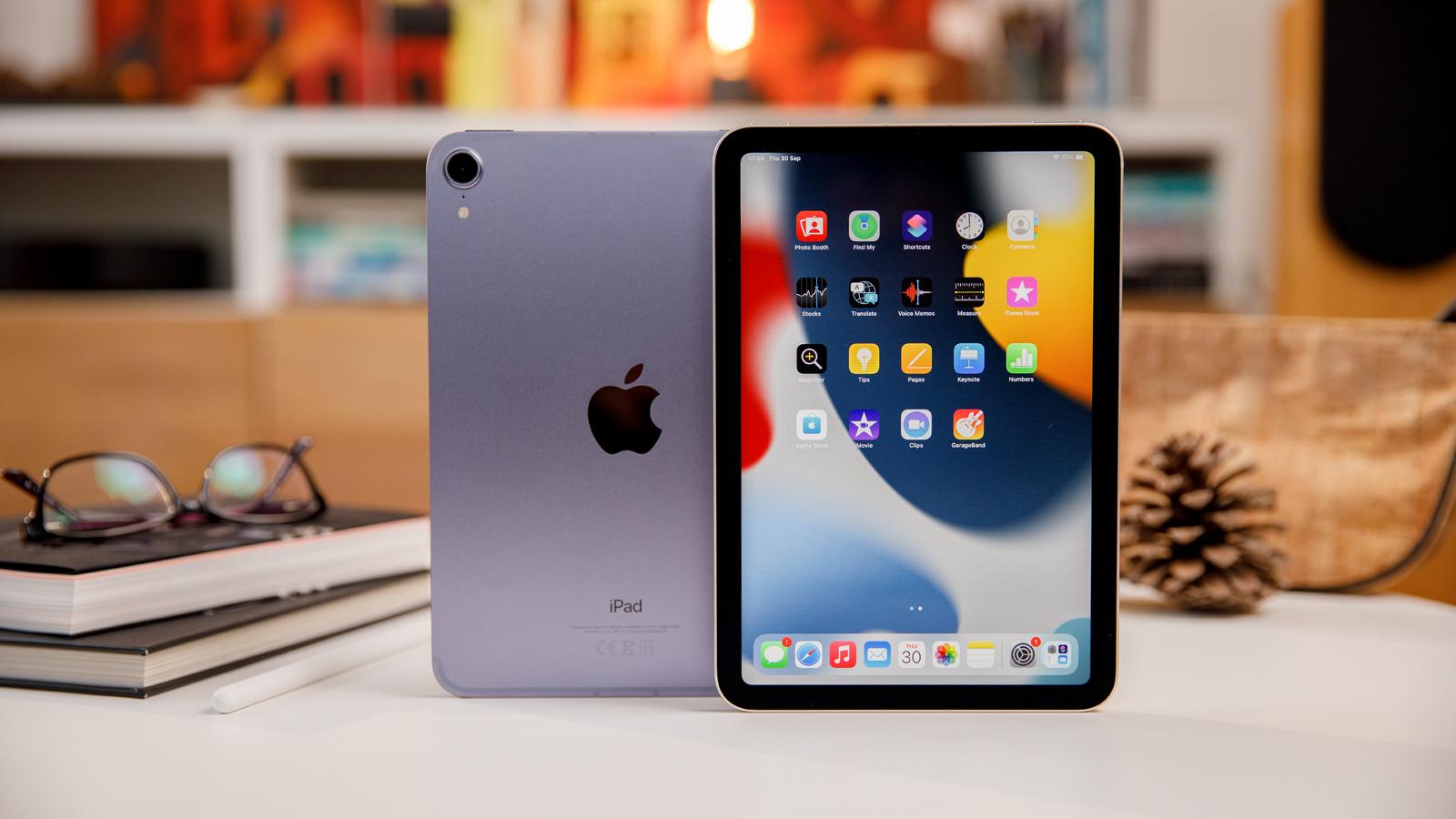
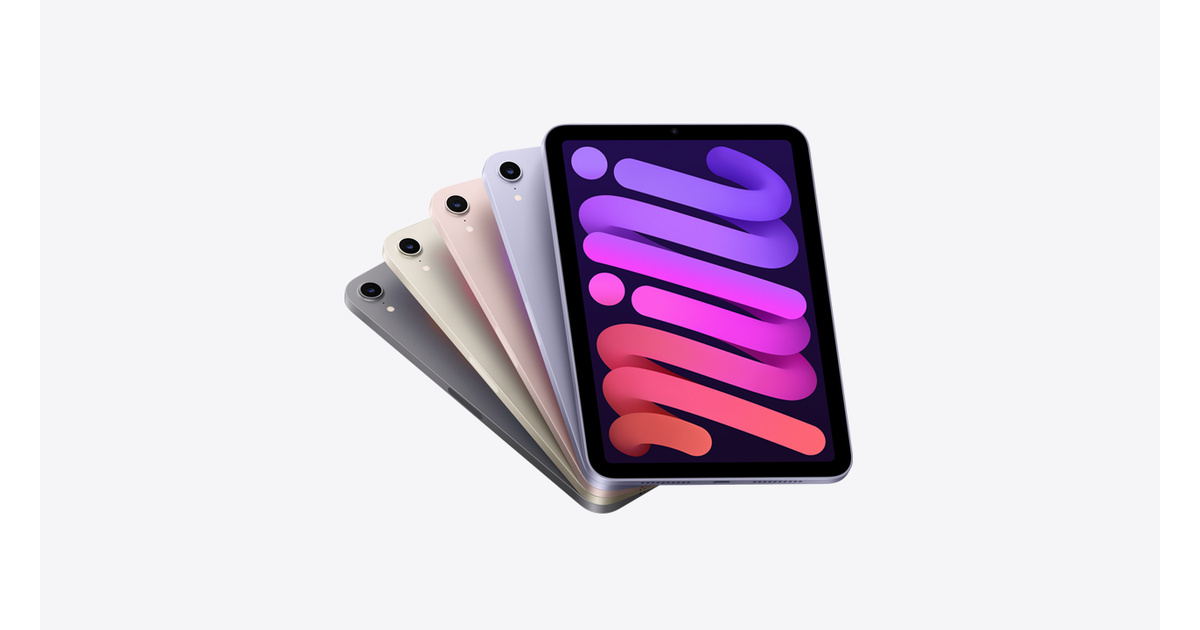
Apple Plans OLED Upgrade for iPad Mini 7 with Samsung’s Display Technology

0
Apple's 12.9-Inch iPad Air to Reportedly Launch Without a Mini-LED Display

Highlights

  • Apple transitioning entire iPad lineup to OLED technology
  • Samsung developing 8-inch OLED samples for iPad mini 7
  • Mass production of displays expected in the second half of 2025
  • iPad mini 7 with OLED display likely arriving in 2026

The plans by Apple to transition the entire lineup of its iPads to OLED technology are gradually materializing.

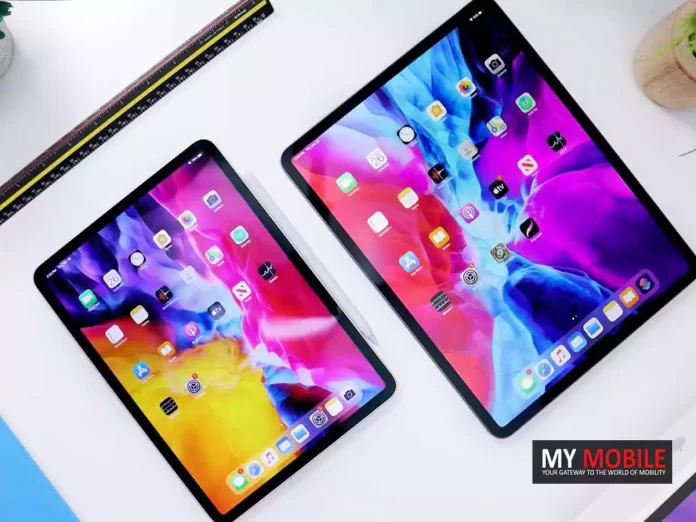
Though the M4 iPad Pro is supposed to be the first one in line for such a display upgrade, the next device to be upgraded is rumored to be the iPad mini 7, with Samsung reportedly developing samples of 8-inch OLED displays for Apple’s evaluation.

Insights from the Industry and Timeline

Apple Plans OLED Upgrade for iPad Mini 7 with Samsung's Display Technology
Apple Plans OLED Upgrade for iPad Mini 7 with Samsung’s Display Technology

As it is reported, Samsung has started working on 8-inch OLED samples for Apple, which suggests that the iPad mini 7 may retain the 8.3-inch display size of its predecessor, the iPad mini 6.

After the first round of approvals, Samsung will reportedly start mass production of the displays in the second half of 2025.

An industry insider shed light on the progress, stating, “I understand that Samsung Display began developing samples for the OLED iPad mini last month at Apple’s request. After developing initial samples in the first half of this year, we will be able to enter the development stage for mass production within the year.”

Tandem OLED and Cost Considerations

Apple transitioning entire iPad lineup to OLED technology

While there is no definite information regarding Tandem OLED technology for the iPad mini 7, just like with the 11-inch and 13-inch iPad Pro, Apple might choose to forego the tech for the mini line.
The first and most obvious reason behind it could be the cost factor, as Tandem OLED panels are costlier in mass production compared to their mini-LED alternatives.

Renowned analyst Ross Young, the founder and CEO of Display Supply Chain Consultants, said he was amazed at how Apple managed to price the 11-inch iPad Pro at just $999; he had originally estimated the new tablets could be 50 percent more expensive just due to switching to Tandem OLED displays alone.

Potential Strategies and Timelines

Mass production of displays expected in the second half of 2025

Keeping the price tag on the iPad mini 7 competitive, Apple could join forces with Samsung to come up with an inexpensive OLED solution, enabling the tech behemoth to include said displays in devices without bumping up their respective retail prices all that much.

But the wait for the iPad mini 7 with its OLED display bump could be long, as reports in the media have indicated that the device is not scheduled to arrive before 2026.

FAQs

Which iPads are transitioning to OLED displays?

Apple plans to transition its entire iPad lineup to OLED technology, starting with the M4 iPad Pro and followed by the iPad mini 7.

What display size is expected for the iPad mini 7?

The iPad mini 7 is rumored to retain the 8.3-inch display size of its predecessor, the iPad mini 6, with Samsung developing 8-inch OLED samples.

When will the OLED displays for the iPad mini 7 enter mass production?

Samsung is expected to start mass production of the 8-inch OLED displays in the second half of 2025, following initial sample development and approval.

Is Apple using Tandem OLED technology for the iPad mini 7?

There is no definite information regarding the use of Tandem OLED technology for the iPad mini 7, and cost considerations may lead Apple to forego this technology for the mini line.

What are the potential benefits of using OLED displays in iPads?

OLED displays offer improved color accuracy, deeper blacks, and better contrast compared to traditional LCDs, enhancing the overall visual experience.

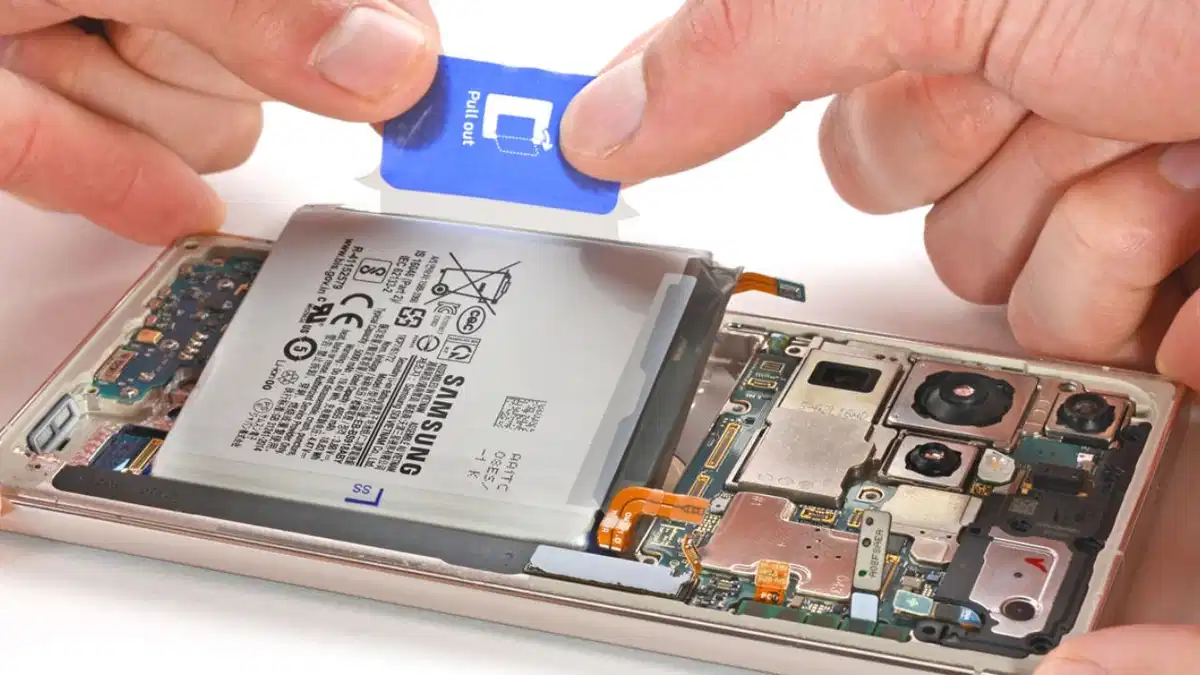
Samsung Faces Scrutiny Over Repair Practices and Privacy Concerns

0

Highlights

  • Samsung requires independent repair shops to share customer information
  • Leaked contract mandates use of official parts, banning third-party components
  • Right-to-repair laws in California and Minnesota set to take effect on July 1
  • iFixit ends partnership with Samsung over right-to-repair conflicts

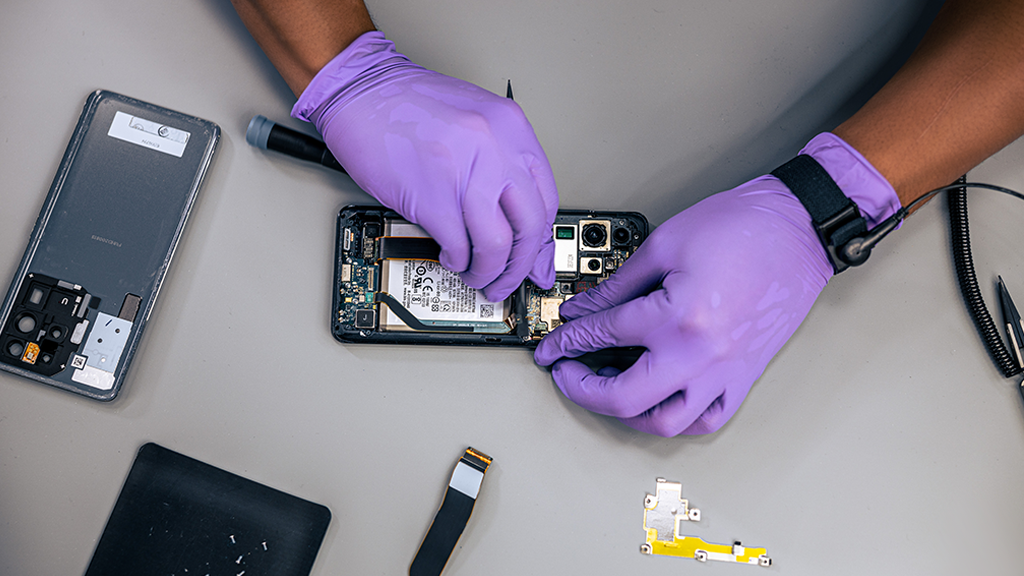
Samsung is caught in a vortex of allegations of repair practices that have blown the lid off a cauldron of privacy and right-to-repair issues.

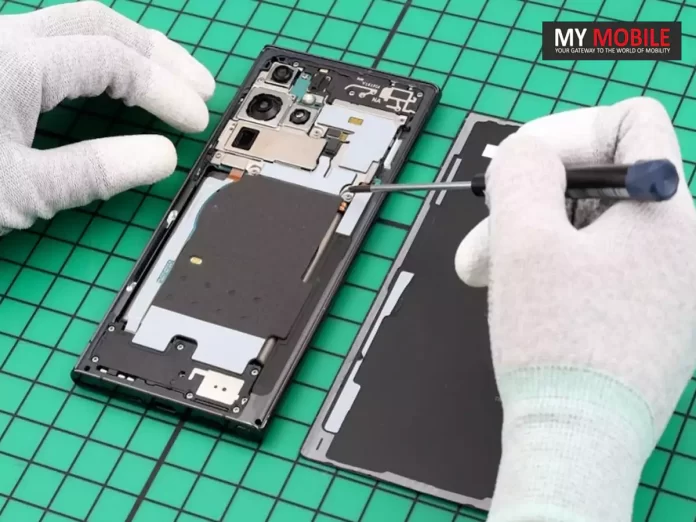
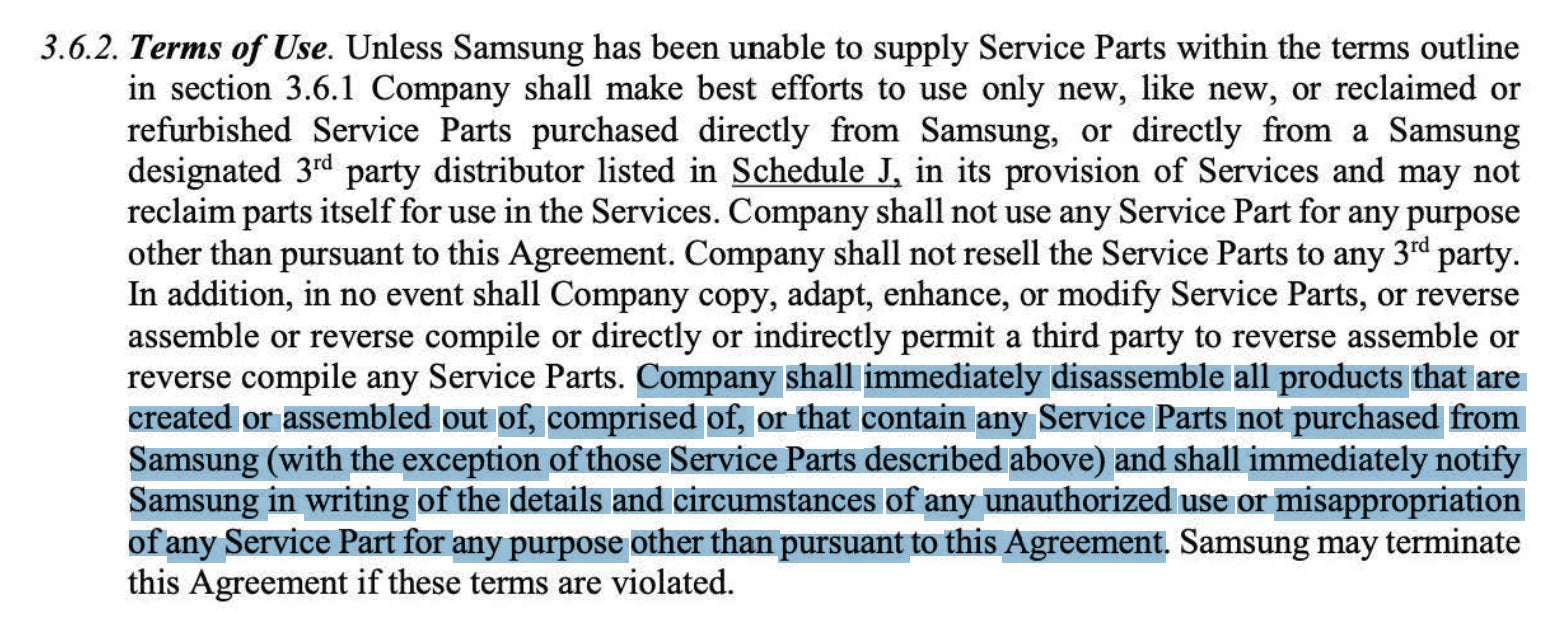
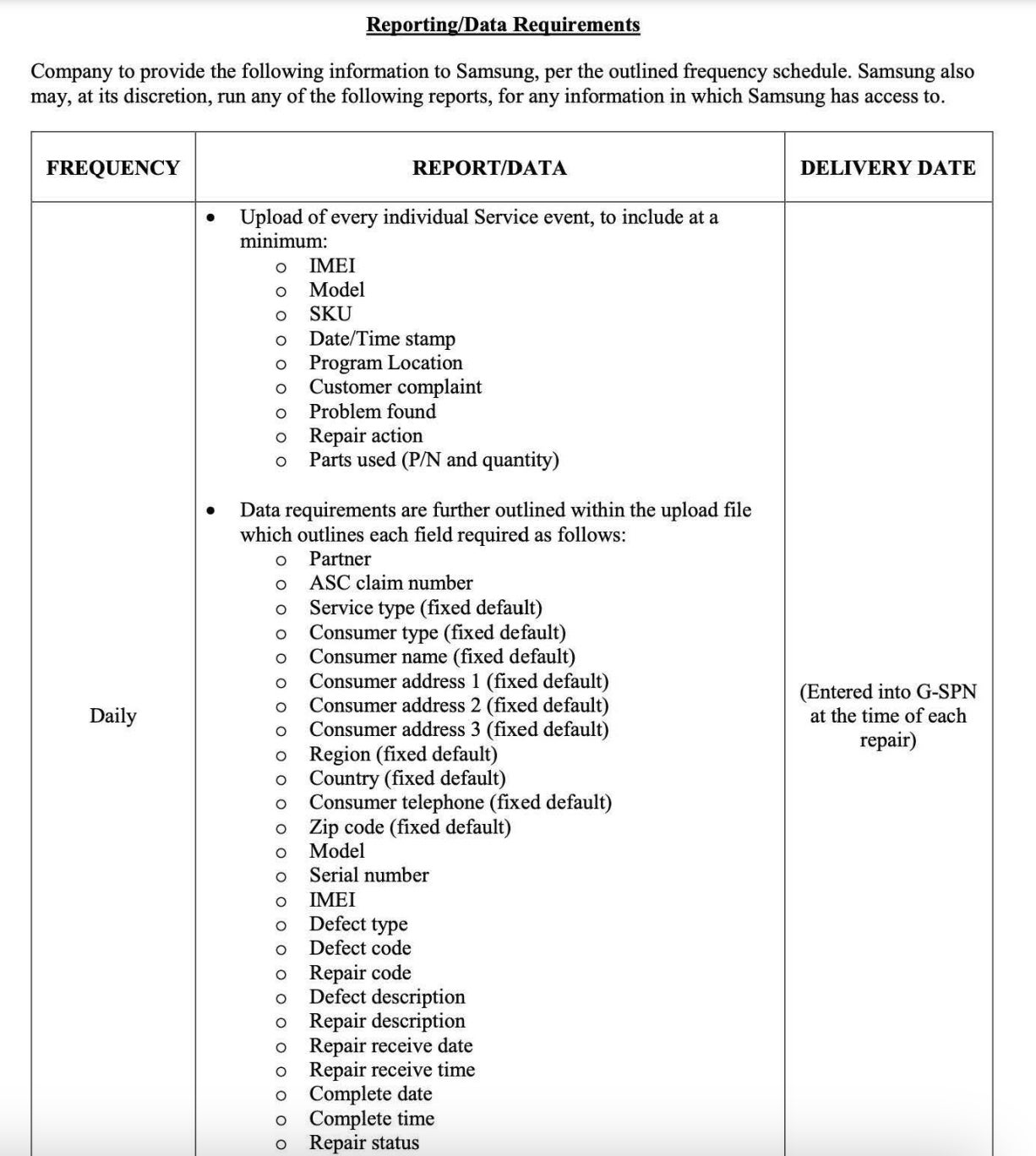
It has been reported that a leaked contract between Samsung and independent repair shops now shows that the company requires those shops to provide customer personal information, including names, addresses, phone numbers, and details about their devices for each repair performed.

Samsung’s Repair Contract

Samsung Faces Scrutiny Over Repair Practices and Privacy Concerns

Additionally, the contract has been said to require that repair shops pull any third-party or aftermarket parts, though many of these are perfectly legal. 

It has been said that such requirements continue an ongoing debate regarding right to fix electronic gadgets.

These revelations come at a time when the right-to-repair laws of California and Minnesota are to take effect on July 1. 

The idea behind the laws is to empower consumers with the ability to fix their devices by granting equal access to parts and information.

But how such companies as Samsung would interpret and comply with these laws is another matter.

The situation has also drawn attention to the sharing of customer information when buying official replacement parts from Samsung.

iFixit Discontinues Partnership

Leaked contract mandates use of official parts, banning third-party components

iFixit, a prominent repair guide, and parts vendor, has admitted it had previously passed on customer email addresses and purchase history to Samsung, as demanded, before the end of the partnership with the company because Samsung’s approach to repairability is in open conflict with iFixit’s right-to-repair mission.

Independent repair shops, a vital part of the repair ecology, may be pressured to give in to Samsung’s demands—impacting the offer of affordable and convenient repair services

Consumers might also never be aware that their personal information is being shared with the manufacturer when seeking repairs or purchasing replacement parts.

FAQs

What information does Samsung require from independent repair shops?

Samsung’s contract requires repair shops to provide customer names, addresses, phone numbers, and details about their devices for each repair performed.

Why is Samsung banning third-party or aftermarket parts in repairs?

Samsung mandates the use of official parts, potentially to ensure quality and compatibility, but this practice is part of an ongoing debate about the right to repair electronic devices.

What are the right-to-repair laws in California and Minnesota?

These laws, effective July 1, are designed to empower consumers by granting equal access to parts and repair information, allowing them to fix their own devices.

How has iFixit responded to Samsung’s repair practices?

iFixit discontinued its partnership with Samsung, citing conflicts with its right-to-repair mission and previously passing customer information to Samsung as demanded.

How might Samsung’s requirements impact independent repair shops?

Independent repair shops may feel pressured to comply with Samsung’s demands, potentially affecting their ability to offer affordable and convenient repair services.

Also Read: Samsung Is Introducing a New Battery Protection Feature in the One UI 6.1 Update

Also Read: One UI 6.1: All You Need To Know About Samsung’s Next AI Frontier

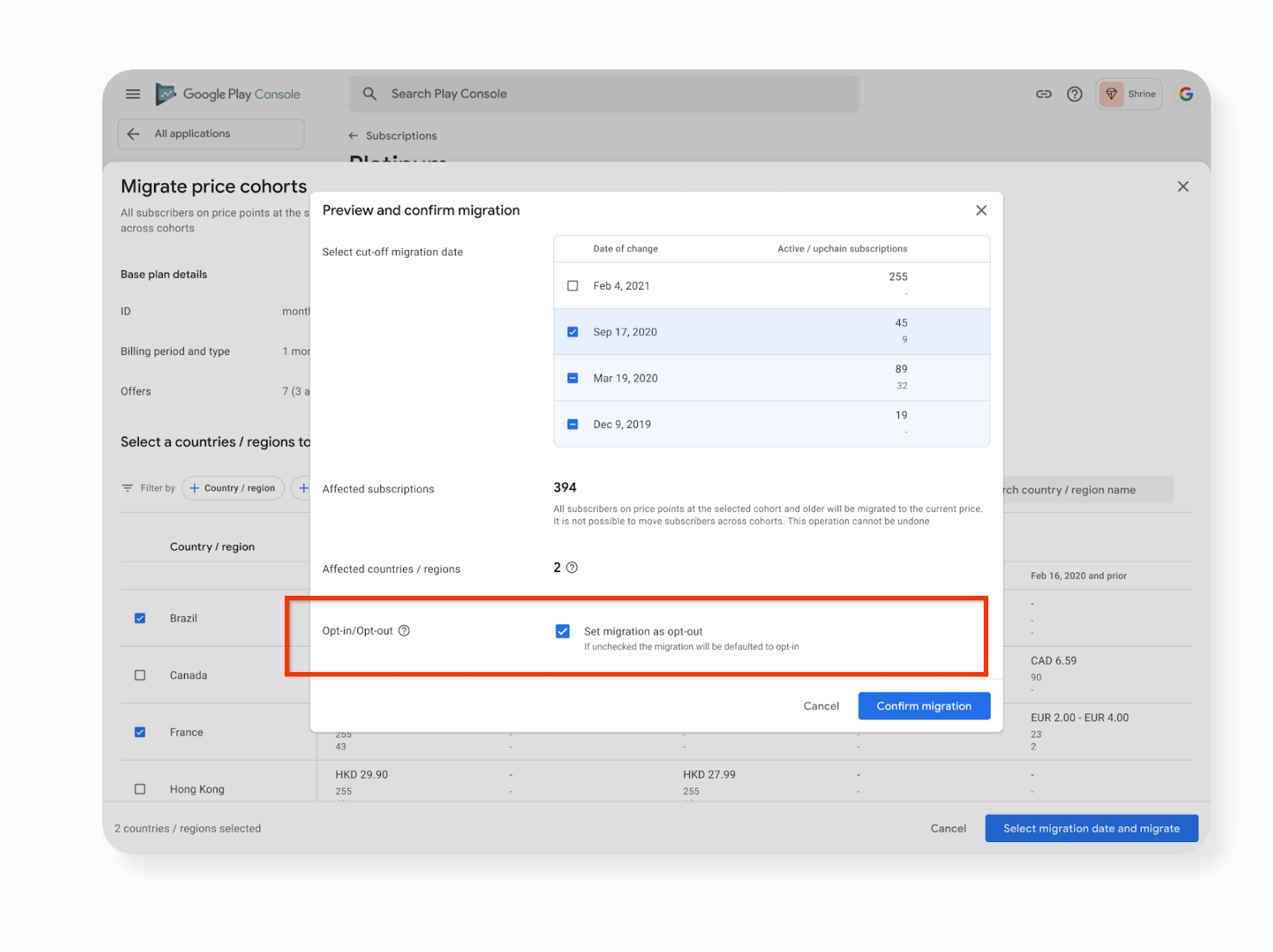
Google Increases Maximum Play Store App Price to $999.99: What You Should Know

0

Highlights

  • Google raises Play Store app price limit from $400 to $999.99
  • First price ceiling increase since 2015
  • High-end business apps and luxury markets may benefit
  • Google set to gain from increased in-app purchase commissions

Google has just announced a staggering increase in the maximum price for apps on the Play Store, hiking it from $400 to an eye-watering $999.99.

This 150% surge marks the first such escalation since 2015, when the ceiling was lifted from $200 to $400.

The announcement of this change came about in the recent Google I/O 2024 developers conference.

It made everyone from app creators to users alikereact on the timing of this.

Some developers are no doubt celebrating that they are now in a position to price their offerings at a premium, while others question the necessity and potential consequences of such a dramatic hike.

Hitting the Stratosphere: Who Will Pay $1,000 for an App?

Google Increases Maximum Play Store App Price to $999.

Let’s be real, the number of applications coming out that cost the full $999.99 will be few and far between.

But as it often is in any luxury market, there will be a subset of individuals who will still want to show off their income by spending the money in these seemingly frivolous purchases to show off.

That said, some developers of high-end business software and specialized services could get a hint from this price point and be able to come up with subscription-based models or comprehensive suites at a premium.

After all, within the realm of enterprise solutions, a four-figure price tag is commonly a drop in the bucket.

The Curious Case of the $400 Game

First price ceiling increase since 2015

According to reports, the current reigning champion of app pricing on the Play Store is a weird little game called “Fisherpunk-Most Expensive Game,” which already commands the previous maximum of $400.

With the new ceiling, the developer now has the option to quintuple the price up to an astounding $999.99—though this figure has already garnered some questionable five-star reviews claiming the game is worth upwards of $800.

Capitalizing on Extravagance: Google’s Revenue Windfall

Google Play Store
High-end business apps and luxury markets may benefit

While developers stand to benefit from this move, one entity poised to reap substantial rewards is Google itself.

Through its in-app payment processing platform, the tech giant collects a 15% cut on the first million dollars developers earn annually and a hefty 30% on any revenue exceeding that threshold.

As app prices soar, Google’s coffers are set to swell proportionately, a scenario that begs the question: Is this price hike truly motivated by empowering developers or a strategic play to boost Google’s own bottom line?

FAQs

What is the new maximum price for apps on the Google Play Store?

Google has increased the maximum price for apps on the Play Store to $999.99, up from the previous limit of $400.

When was the last time Google raised the app price ceiling?

The last price ceiling increase occurred in 2015, when it was raised from $200 to $400.

Why might some developers be pleased with this price hike?

Developers of high-end business software and specialized services can now price their offerings at a premium, potentially increasing their revenue.

What is the impact of this price increase on Google’s revenue?

Google stands to benefit significantly from this price hike due to its commission structure, collecting 15% on the first million dollars developers earn annually and 30% on revenue beyond that.

Also Read: Google Play Store Encourages Subscription Purchase in India

Also Read: Questt Best app, ‘Apex Legends Mobile’ Top Game on Google Play Store in India

Google Shifts Tensor G5 Chip Production to TSMC for Enhanced Performance

0

Highlights

  • Google partners with TSMC for Tensor G5 chip production
  • Early samples indicate improved thermal efficiency and performance
  • Shift from Samsung to TSMC aims to enhance Pixel devices
  • Potential impact on mobile processor market competition

Google has been working with Samsung’s silicon division on its custom Tensor chips since the debut chip in 2021.

But that long history will soon come to an.

TSMC Takes Over Manufacturing Duties

Google Shifts Tensor G5 Chip Production to TSMC for Enhanced Performance

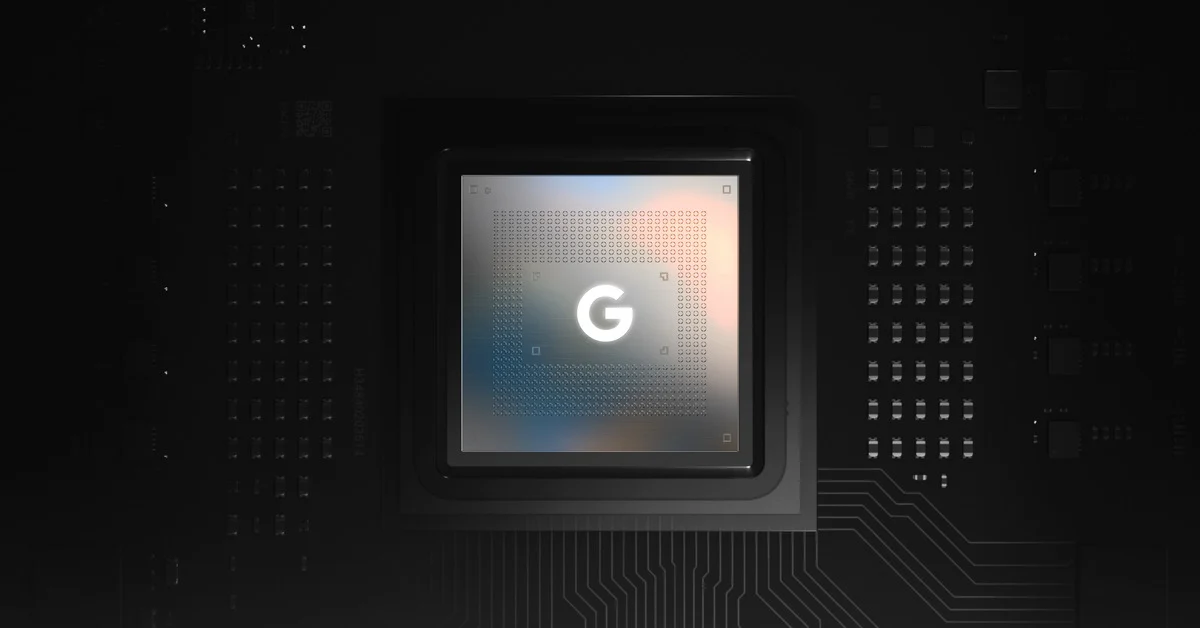
Per trade data uncovered by Android Authority, shipping manifests confirm TSMC is indeed producing the early samples of Google’s Tensor G5 chip, codenamed “Laguna Beach.”

The manifests mention TSMC’s exclusive InFO POP packaging, so there is little doubt about who the manufacturer is.

In short, this move from Samsung to TSMC in terms of the flagship processor for Google doesn’t come as a big surprise.

Over the past couple of years, TSMC has been doing better in thermal efficiency and flat-out performance than Samsung, and those are some areas where Google’s Tensor chips have traditionally been behind.

A Lengthy Process Underway

Google partners with TSMC for Tensor G5 chip production

The manifests point out that these Tensor G5 samples are in the very early “A0” revision stage, the first version of one-time programmable data.

This means that Google is well into the long process of bringing Tensor G5 to market, in other words, fixing the bugs and further optimizing the chip.

As Android Authority reports, Google is looking to use TSMC’s manufacturing prowess to improve the chip’s thermal and efficiency performance on the Tensor G5.

With leading-edge production processes from TSMC, the Tensor G5 can actually have huge gains in performance and battery life, which has been a long-standing flaw of earlier Tensor generations by Google.

Ramping Up Competition

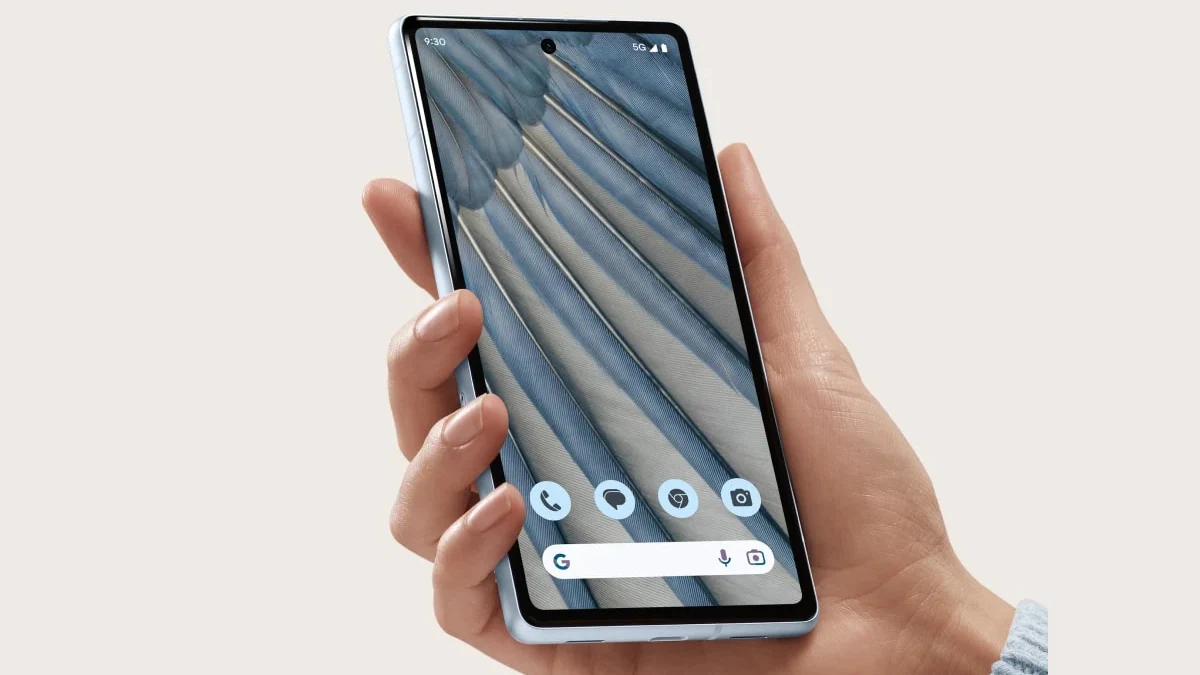
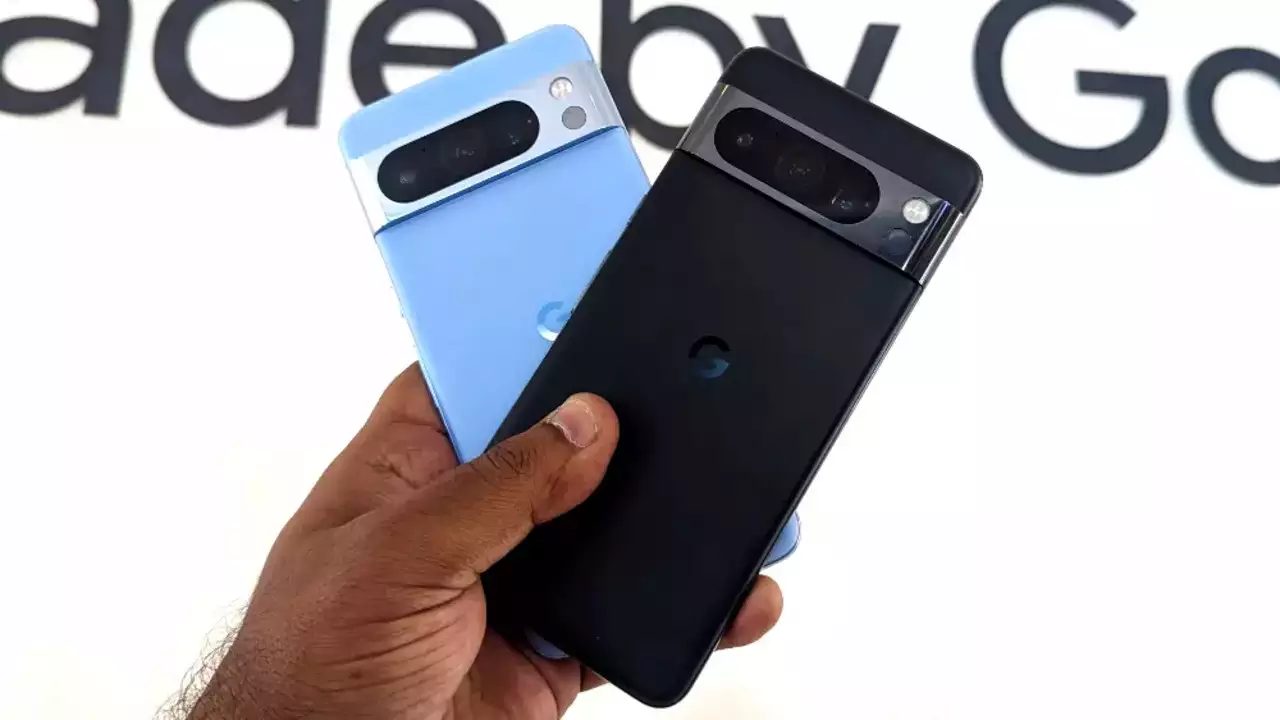
Google Pixel 8a set for a mid-May release with Tensor G3 chip
Early samples indicate improved thermal efficiency and performance

The shift to TSMC might have more fundamental implications for the mobile processor market.

For years, Qualcomm has been one of TSMC’s largest clients for its Snapdragon processors; now, however, the entry by Google raises competition and demand for TSMC’s limited manufacturing capacity.

This may cause supply shortages or speed up TSMC’s expansion plans to meet its clients’ growing demands.

Finally, Google’s use of TSMC demonstrates a commitment to pushing the boundaries on its in-house silicon operations.

Upping the Ante for Pixel Devices

Google reportedly starts testing Tensor G5 for Pixel 10
Shift from Samsung to TSMC aims to enhance Pixel devices

With the help of TSMC’s leading-edge manufacturing, the Tensor G5 could drive improvements in the performance and efficiency of future Pixel smartphones, allowing them to better compete with rivals like the industry-leading Apple bionic CPUs and flagship Snapdragon products from Qualcomm.

As Google continues to refine its custom processor designs, the partnership with TSMC marks an exciting new chapter that could yield substantial dividends for Pixel enthusiasts and the mobile industry as a whole.

FAQs

Who is manufacturing Google’s Tensor G5 chip?

TSMC is now producing the early samples of Google’s Tensor G5 chip, taking over from Samsung.

What improvements are expected with the Tensor G5 chip?

The Tensor G5 chip is expected to have better thermal efficiency and overall performance, thanks to TSMC’s advanced manufacturing processes.

Why did Google switch from Samsung to TSMC for chip production?

Google switched to TSMC due to its superior thermal efficiency and performance capabilities compared to Samsung, areas where previous Tensor chips lagged.

What stage is the Tensor G5 chip currently in?

The Tensor G5 chip is in the very early “A0” revision stage, indicating that Google is in the initial phase of testing and optimizing the chip.

How might this shift impact the mobile processor market?

Google’s move to TSMC could increase competition for TSMC’s manufacturing capacity, potentially leading to supply shortages or expedited expansion plans.

Also Read: Apple’s iPhone 17 Pro Could Be Powered by TSMC’s 2nm Chipset: Report

Also Read: Qualcomm and MediaTek Shift Looking at TSMC for 3nm Needs Ahead of Samsung

Chinese Brands Xiaomi, Huawei, and Honor Set to Shake Up Foldable Phone Market

0
Chinese Brands Xiaomi, Huawei, and Honor Set to Shake Up Foldable Phone Market

Highlights

  • Major Chinese brands entering the compact foldable market
  • Larger batteries and external screens over 3.6 inches
  • Fast-charging capabilities exceeding 60W
  • Potential market disruption for Samsung and Motorola

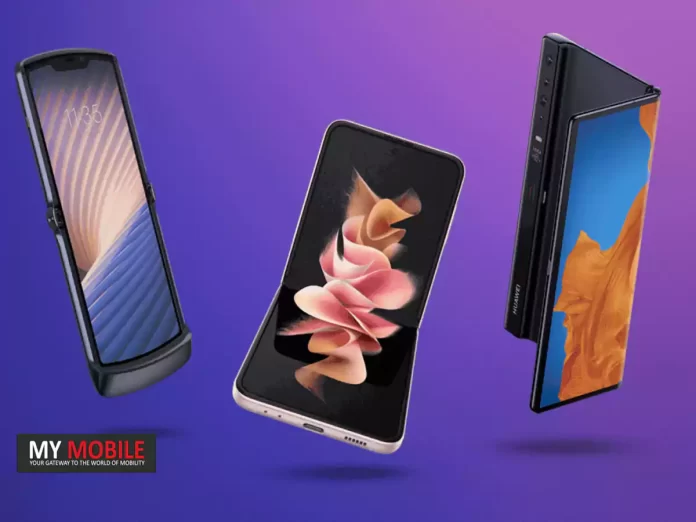
The foldable phone market is about to get a shake-up, as major Chinese brands Xiaomi, Huawei, and Honor are preparing to launch their own compact flip phone designs.

These new entrants may force more competition into the fastest-growing segment—foldable—now dominated by Motorola and Samsung’s iconic flip models.

Chinese Challengers Redefine Flip Phone Design

Chinese Brands Xiaomi, Huawei, and Honor Set to Shake Up Foldable Phone Market

Although details are scarce, the Chinese foldables appear all set to dazzle: big batteries, generously sized outer screens, and surprisingly thin profiles.

Rumors indicate the possibility of a dual-4,500mAh battery setup—that addresses one of the most common pain points.

The external screens could be more than 3.6 inches while retaining a slender form factor.

We might also have fast-charging in excess of 60W, high-resolution inner displays, and capable camera setups.

Huawei’s Next Move: An Upgrade or Something New?

Larger batteries and external screens over 3.6 inches

After the recent Pocket 2 launch, it is really unknown what the next Huawei strategy will be: refresh the hardware or unveil an entirely new premium or budget foldable to expand the lineup and pull more consumers into the innovative form factor.

These compact foldables from Chinese vendors come with batteries that are larger, displays that are impressive, and sleek designs—enough to break the market and provide a compelling alternative to Motorola and Samsung offerings.

Increased competition will spur innovation, and in their quest to achieve the perfect compact foldable, consumers are set to benefit the most.

FAQs

What brands are entering the foldable phone market?

Major Chinese brands such as Xiaomi, Huawei, and Honor are preparing to launch their own compact foldable phones, joining the competitive market dominated by Motorola and Samsung.

What features can we expect from these new foldable phones?

Rumored features include dual-4,500mAh batteries, external screens over 3.6 inches, fast-charging capabilities over 60W, high-resolution inner displays, and capable camera setups.

How might these new foldable phones impact the market?

The entry of these Chinese brands is expected to increase competition, potentially driving innovation and offering consumers more options in the fast-growing foldable phone segment.

Will Huawei introduce a new model or upgrade existing ones?

It’s currently unclear if Huawei will refresh their existing models or unveil a new premium or budget foldable, but either move could significantly impact their market presence.

Why are larger batteries important in foldable phones?

Larger batteries, like the rumored dual-4,500mAh setup, address common concerns about battery life, ensuring that these advanced devices can support extended use without frequent recharging.

Also Read: Tackling Smartphone Addiction with Digital Wellbeing Tools

Also Read: Exploring the Rising Costs of Smartphones and if Their Value is Justified

7 Compelling Reasons to Embrace Snapdragon X Elite Laptops

0

Highlights

  • Snapdragon X Elite laptops promise up to 22 hours of battery life.

  • Hexagon NPU delivers unparalleled AI and machine learning performance.

  • Fanless, ultra-slim designs ensure quiet and efficient operation.

  • Optimized for Windows on ARM for a seamless computing experience.

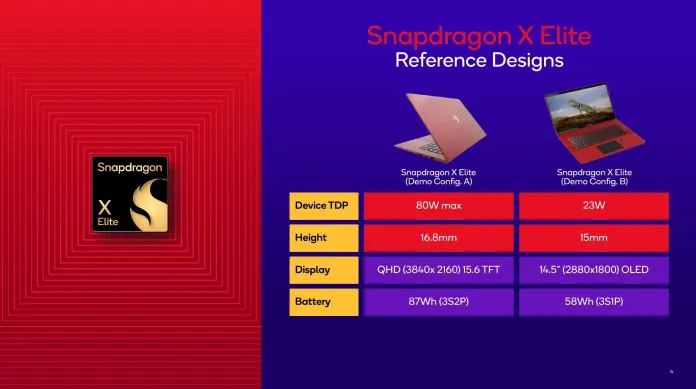
With the advent of the Snapdragon X Elite from Qualcomm, the laptop market will change drastically.

This new ARM-based processor promises to revolutionize the concepts we have of laptop speed, battery life, and AI capabilities. 

If you’re looking to buy a laptop, here are seven reasons why you should be considering one powered by the Snapdragon X Elite:

1. Unparalleled Battery Life: One of the most promising benefits of ARM processors has been energy efficiency. 

However, the Snapdragon X Elite takes it to an entirely different level.

Manufacturers say these laptops could last up to 22 hours on a single charge, something previously unseen in the Windows world.

Snapdragon X Elite laptops promise up to 22 hours of battery life.

2. AI Powerhouse: With a Hexagon NPU capable of up to 45 TOPS—that is trillions of operations per second—by Qualcomm, Snapdragon X Elite easily outscores even the newest M4 chip by Apple in terms of AI and machine learning capabilities.

This translates into faster code creation, image recognition, and AI capabilities.

3. Sleek and Silent Designs: The low power consumption of the Snapdragon X Elite makes it possible to build fanless and ultra-slim laptop designs that won’t make a peep even while crunching on heavy workloads.

 Expect these CPUs to power some of the smallest and lightest computers.

4. Optimized for Windows on ARM: Microsoft and Qualcomm are working with developers to optimize additional software for the ARM architecture.

The ecosystem is still growing, but it looks bright for a seamless and powerful Windows experience on ARM-based devices.

Hexagon NPU delivers unparalleled AI and machine learning performance.

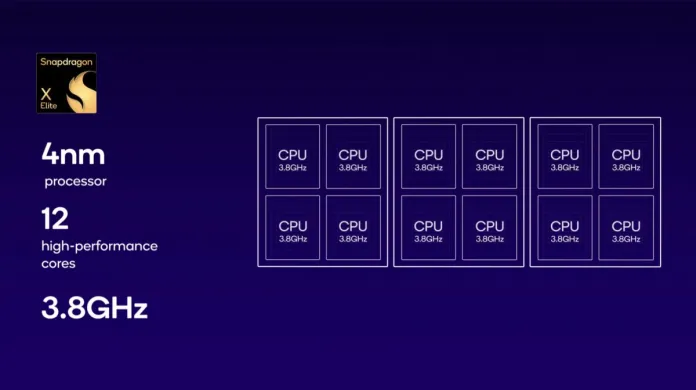
5. Multitasking Marvel: Don’t sell the Snapdragon X Elite short on performance. Boasting a 12-core architecture with great multi-core capabilities, the device is able to outperform some high-end Intel processors while staying competitive in single-core tasks.

Fanless, ultra-slim designs ensure quiet and efficient operation.

6. Efficient Video Streaming: Hardware-based compatibility with the AV1 codec enables Snapdragon X Elite laptops to quickly stream video from sites like YouTube and Netflix, delivering longer battery life and smoother performance.

7. AI-Powered Productivity: Many Snapdragon X Elite laptops are now classified as “Copilot+ PCs,” which give access to AI-powered features such as seamless resumption of past work and to Microsoft’s powerful GPT-4o AI assistant.

Optimized for Windows on ARM for a seamless computing experience.

With their cutting-edge performance, exceptional battery life, and powerful AI capabilities, Snapdragon X Elite laptops represent a significant step forward in the computing world.

Whether you’re a power user, a creative professional, or simply someone who values portability and efficiency, these ARM-based laptops are poised to offer an unparalleled computing experience.

FAQs:

What is the battery life of Snapdragon X Elite laptops?

Snapdragon X Elite laptops offer up to 22 hours of battery life on a single charge, setting a new standard for energy efficiency in Windows laptops.

How do Snapdragon X Elite laptops handle AI tasks?

With a Hexagon NPU capable of up to 45 TOPS, Snapdragon X Elite laptops excel in AI and machine learning tasks, outperforming even the latest Apple M4 chip.

Are Snapdragon X Elite laptops suitable for multitasking?

Yes, Snapdragon X Elite laptops feature a 12-core architecture that delivers excellent multi-core performance, making them ideal for multitasking and handling demanding applications.

What are the design advantages of Snapdragon X Elite laptops?

The low power consumption of Snapdragon X Elite processors allows for fanless, ultra-slim laptop designs, ensuring quiet operation and portability.

Also Read: Qualcomm Snapdragon 8 Gen 4 Could Revolutionise Flagship Smartphones with 4GHz Clockspeed

Also Read: Qualcomm Snapdragon X Elite Set to Transform PCs with Next Windows Update in Mid-2024

Also Read: Qualcomm Snapdragon 8s Gen 3 Chipset Announced: Flagship Features to More Wallet-Friendly Smartphones

Google Pixel Shipments Dip in Q1 2024, but Brand’s Trajectory Remains Positive

0

Highlights

  • Google Pixel shipments dipped to 2 million units in Q1 2024.

  • Q4 2023 saw a 4% year-over-year decline in shipments.

  • Google Pixel achieved 10 million global shipments in 2023.

  • Revenue from Pixel chipsets increased by 36% year-over-year.

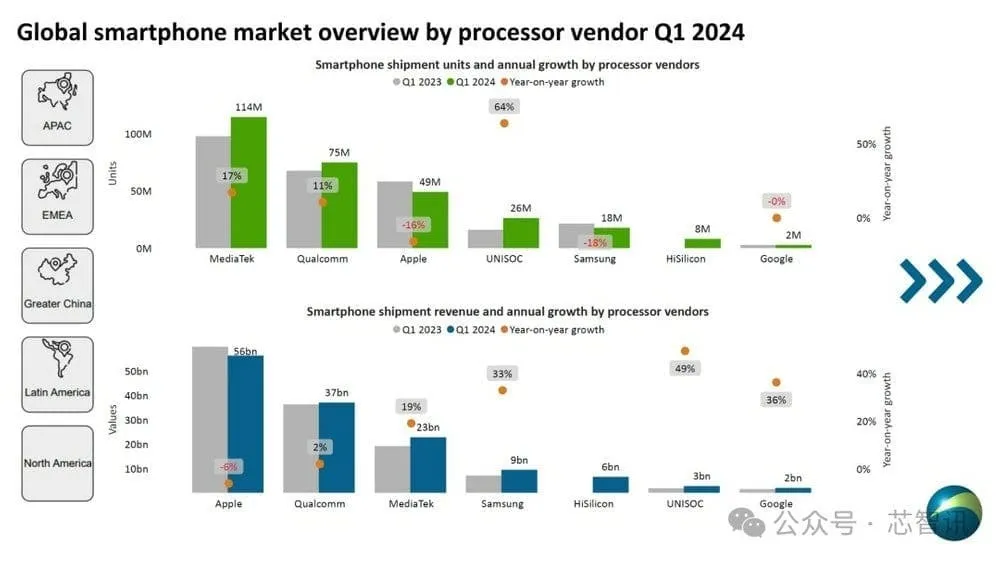
According to a recent estimate by global research firm Canalys, shipments of Google Pixel smartphones fell marginally in Q1 2024 to approximately 2 million units.

While this is broadly consistent with Q1 2023, it represents a reduction of approximately 1 million units from the previous quarter, Q4 2023, which witnessed a 4% year-over-year decline.

The survey, which analyzed sales by chipset, discovered that the smallest category of chipsets was Tensor—those found in Google Pixels.

Surprisingly, Huawei outperformed Tensor shipments, shipping 8 million units during the same period.

Broader Perspective: Steady Growth

Google Pixel shipments dipped to 2 million units in Q1 2024.

That indicates that, despite a quarterly decline, Google Pixel has consistently grown. In 2023, the brand achieved a significant milestone by shipping 10 million units around the globe.

Furthermore, the Pixel has been gaining traction in areas such as Japan, accounting for approximately 3% of the smartphone market share in North America.

Furthermore, according to the Canalys analysis, Google’s revenue from these chipsets increased by 36% year on year, indicating that, while unit sales may have slowed, the Mountain View giant’s cash stream remains strong.

Contextualizing the Dip

Q4 2023 saw a 4% year-over-year decline in shipments.

While any decline in shipments raises eyebrows, the temporary dip has to be considered against the bigger backdrop of the Pixel.

The nature of smartphone markets is to fluctuate, and minor quarterly adjustments are not unknown, especially in an ever-evolving, highly competitive mobile device landscape.

As Google continues to refine its hardware offerings and lean into the strength of its software ecosystem, the Pixel line should continue ticking up, buoyed by its fast-improving brand recognition and reputation for a seamless user experience.

FAQs

How many Google Pixel units were shipped in Q1 2024?

Approximately 2 million Google Pixel units were shipped in Q1 2024, reflecting a slight decline from the previous quarter.

How did Google Pixel shipments in Q1 2024 compare to Q1 2023?

The shipments in Q1 2024 were broadly consistent with Q1 2023 but showed a reduction of about 1 million units from Q4 2023.

What was the performance of Tensor chipsets in the market?

Tensor chipsets, found in Google Pixels, had the smallest category of shipments, with Huawei outperforming Tensor by shipping 8 million units during the same period.

Did Google Pixel achieve any significant milestones in 2023?

Yes, Google Pixel achieved a significant milestone in 2023 by shipping 10 million units globally and gaining traction in key markets such as Japan and North America.

Also Read: Huawei Enjoy 70 Launched in China: Price, Features, Specs

Also Read: Google Pixel 6 series gets new update

Motorola Moto G85 5G Leaks Reveal Design and Specs Ahead of Launch

0
Motorola Moto G85 5G Leaks Reveal Design and Specs Ahead of Launch

Highlights

  • Leaked renders show Moto G85 5G with curved-edge display and slim bezel.
  • Features 50MP primary camera with Optical Image Stabilization.
  • Powered by an unannounced Qualcomm chipset with Adreno 619 GPU.
  • Two variants: 8GB RAM base model and 12GB RAM with 256GB storage.

Motorola is ready to launch the Moto G85 5G, a new mid-range 5G smartphone globally.

Prior to launch, leaks and shop listings have revealed renders and key data about the device.

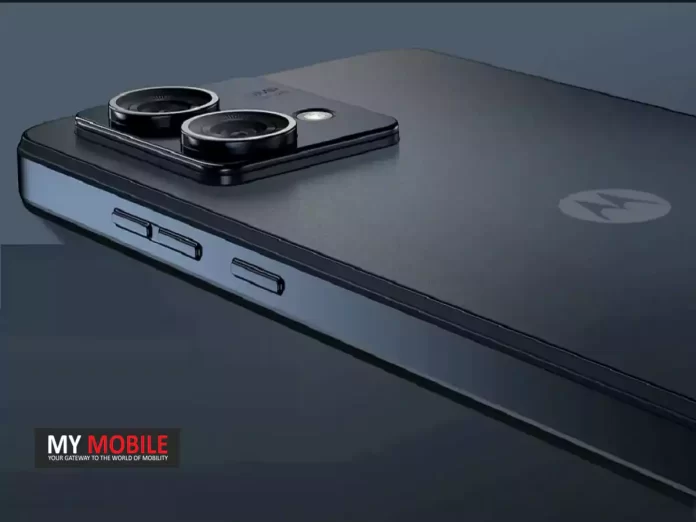
Leaked renders courtesy of Tooljunction show a much-altered design from the Moto G84, where the G85 features a curved-edge display and slim bezel.

The sides of the phone are curved, and there is a characteristic uni-body dual-camera bump with an LED flash module on the back.

One of the major highlights that can be seen from the renders is the use of a 50MP primary camera with Optical Image Stabilization.

The camera bump clearly states 50MP + OIS, which infers a solid imaging system for this midrange tablet.

Unannounced Qualcomm Chipset

Motorola Moto G85 5G Leaks Reveal Design and Specs Ahead of Launch

Previous leaks and benchmarks suggest the Moto G85 5G will be powered by an unknown Qualcomm processor with an Adreno 619 GPU, similar to the Snapdragon 695 and Snapdragon 480 chipsets.

Geekbench listings report a base clock speed of 2.02GHz and a peak of 2.30GHz, which suggests it may be a new Snapdragon 4 Gen 3 chipset.

The listings on the shop pages point out that the Moto G85 5G will come in two variants: a base model with 8GB RAM, and one higher-end model with 12GB RAM and 256GB of storage.

The latter will supposedly cost around €300 (£260).

Imminent Launch

Leaked renders show Moto G85 5G with curved-edge display and slim bezel

With renders and specifications now making their way into the public domain, it is anticipated that Motorola will officially unveil the Moto G85 5G in the near future.

The device appears poised to deliver a compelling mid-range experience with its curved design, capable camera system, and robust performance.

Motorola Moto G85 5G Specs

GENERAL

Sim Type Dual Sim, GSM+GSM (Hybrid Slot)
Dual Sim Yes
Sim Size Nano SIM
Device Type Smartphone
Release Date September 01, 2024 (Expected)

DESIGN

Dimensions 160 x 74.4 x 7.6 mm (6.30 x 2.93 x 0.30 in)
Bezel less No

DISPLAY

Type Color pOLED (1B Colors)
Touch Yes, 240 Hz Touch Sampling Rate
Size 6.56 inches, 1080 x 2400 pixels, 120 Hz
Aspect Ratio 20:9
PPI ~ 401 PPI
Screen to Body Ratio ~ 85.7%
Features 2000 nits Peak Brightness, 10 Bit, DCI-P3 Color Space
Notch Yes, Punch Hole

MEMORY

RAM 12 GB
Storage 256 GB
Card Slot Yes, (Hybrid Slot)

CONNECTIVITY

GPRS Yes
EDGE Yes
3G Yes
4G Yes
5G Yes
5G Bands 5G: n1/n2/n3/n5/n7/n8/n20/n28/n38/n40/n41/n66/n77/n77 HPUE/n78/n78
VoLTE Yes, Dual Stand-By
Wifi Yes, with wifi-hotspot
Wifi Version Wi-Fi 6
Bluetooth Yes, v5.4
USB Yes, USB-C v2.0
USB Features USB on-the-go, USB Charging

EXTRA

GPS GPS, A-GPS, LTEPP, SUPL, GLONASS, GALILEO
Fingerprint Sensor Yes, In Display
Face Unlock Yes
Sensors Proximity Sensor, Ambient Light Sensor, Accelerometer, Gyroscope, SAR Sensor, Sensor Hub, Mobile Hotspot, Magnetometer (E-Compass)
3.5mm Headphone Jack Yes
NFC Yes
Water Resistance Yes
IP Rating IP54
Dust Resistant Yes
Extra Features Dual Stereo Speakers, Dolby Atmos, Moto Spatial Sound, Hi-Res Audio, Security

CAMERA

Rear Camera 50 MP f/1.9 (Wide Angle)
2 MP with autofocus
Video Recording 1080p @ 30 fps FHD
Flash Yes, LED
Front Camera Punch Hole 32 MP (Wide Angle)
Front Video Recording 1080p @ 30 fps FHD

TECHNICAL

OS Android v14
Chipset Qualcomm Snapdragon 4 Gen3
CPU Octa Core Processor
Java No
Browser Yes

MULTIMEDIA

Email Yes
Music Yes
Video Yes
FM Radio Yes
Document Reader Yes

BATTERY

Type Non-Removable Battery
Size 5000 mAh, Li-ion Battery
Fast Charging Yes, 67W TurboPower Charging

FAQs

What is the design of the Moto G85 5G like?

The Moto G85 5G features a much-altered design from its predecessor, the Moto G84. It includes a curved-edge display, slim bezel, and a uni-body dual-camera bump with an LED flash module on the back.

What are the camera specifications of the Moto G85 5G?

The Moto G85 5G boasts a 50MP primary camera with Optical Image Stabilization (OIS), indicating a strong imaging system for a mid-range smartphone.

Which chipset powers the Moto G85 5G?

Leaks suggest that the Moto G85 5G is powered by an unannounced Qualcomm chipset with an Adreno 619 GPU, similar to the Snapdragon 695 and Snapdragon 480 chipsets. Geekbench listings hint it may be a new Snapdragon 4 Gen 3 chipset.

What are the available variants and pricing of the Moto G85 5G?

The Moto G85 5G will come in two variants: a base model with 8GB RAM and a higher-end model with 12GB RAM and 256GB of storage. The higher-end model is expected to cost around €300 (£260).

Also Read: Leaked Renders Reveal Motorola’s Upcoming Moto G24 Power and G34 Models

Also Read: Moto G24 Spotted on Geekbench Potentially Revealing Key Specs and What to Expect

iFixit Ends Samsung Repair Partnership, Cites Repairability Concerns

0

Highlights

  • iFixit ends partnership with Samsung citing repairability concerns.
  • High parts prices and bonded designs were major roadblocks.
  • Existing repair guides remain; no new Samsung guides post-June 2024.
  • iFixit continues to support repair-friendly practices and regulations.

iFixit, one of the most prominent right-to-repair campaigners, has cut a two-year agreement with Samsung to increase the Galaxy smartphone range’s repairability.

Despite pushing the repair-friendly process of paperwork and supplying the right stuff to small, local repair shops, there was a host of problems iFixit faced, which indicated that Samsung might not be that committed to accessible repairs.

Roadblocks Faced

iFixit Ends Samsung Repair Partnership, Cites Repairability Concerns

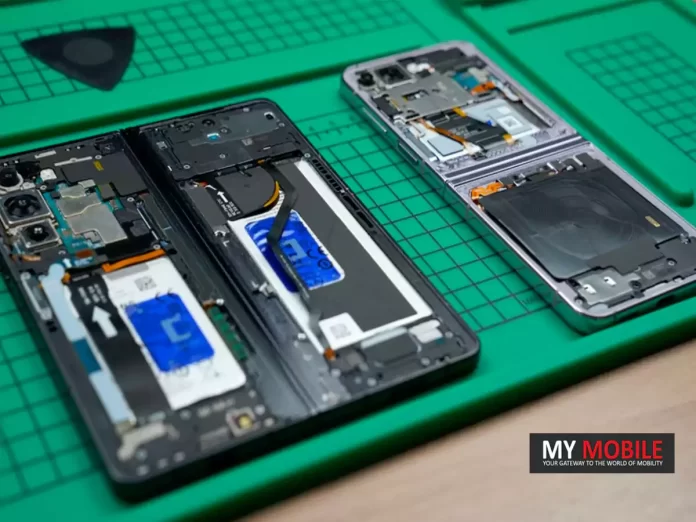
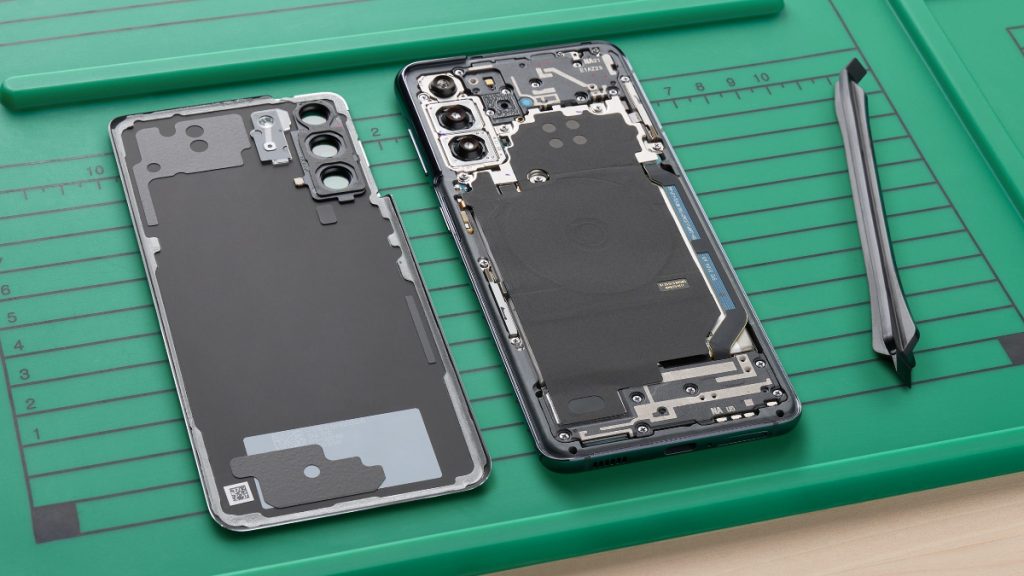
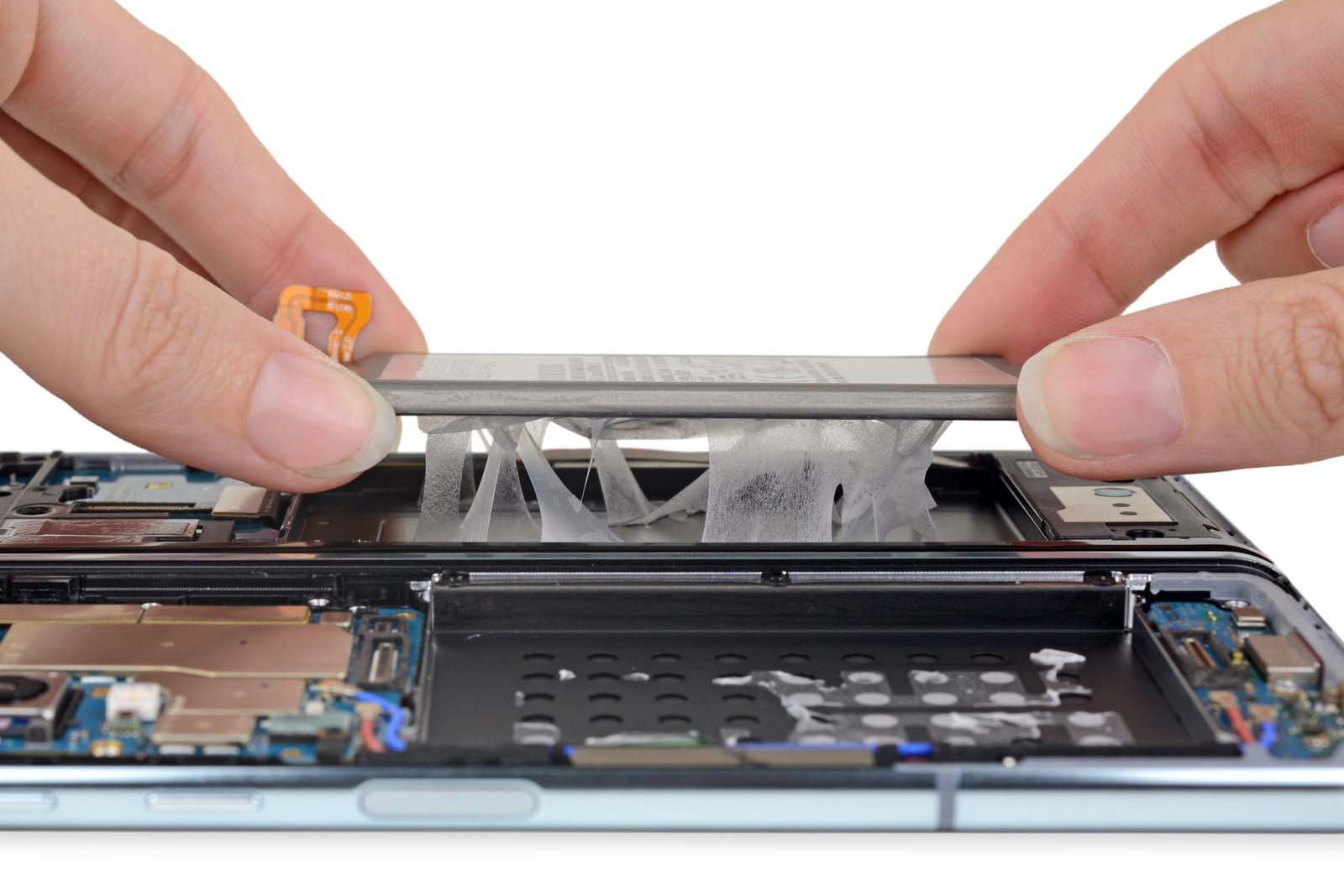
The major roadblocks for iFixit included parts being exorbitantly priced, making it cheaper for users to replace gadgets than to repair them, and Samsung’s designs where the gadgets come bonded and require expensive pre-glued bundles to fix.

These considerations, together with a perceived lack of follow-through by Samsung on public repair programs, prompted iFixit to reconsider the partnership’s feasibility.

Changes in Effect

High parts prices and bonded designs were major roadblocks

Come June 2024, iFixit will no longer officially act as a Samsung third-party parts and tools distributor.

Come next month, a single repair shop will be able to acquire an unlimited amount of Samsung parts per quarter.

Existing guides will remain on iFixit, but no new guides will be published in partnership with Samsung.

Community Empowerment

Existing repair guides remain; no new Samsung guides post-June 2024.

iFixit will continue to offer repair kits with Samsung components, sourcing OEM parts if it can and stating clearly if parts are actual or generic.

More than half of iFixit’s 100,000+ instructions are authored by the community of repair people, and it asks them to share their expertise.

The elimination of limits on part quantity will help repair companies that, until now, were hobbled by those rules.

Broader Repair Advocacy

iFixit continues to support repair-friendly practices and regulations.

iFixit remains committed to supporting repair-friendly practices and regulations, having just introduced repair parts for Kobo devices and added more than 10,000 new components this year alone, including laptop batteries and refrigerator ice makers.

Independent repair businesses are under threat from monopolistic actions that limit access to critical components and tools.

Future Initiatives

iFixit, one of the most prominent right-to-repair campaigners

In the future, iFixit will continue to do more to help the world repair, such as starting Repair Hubs with existing partners, providing more parts in more countries for a wider range of devices.

It will be releasing new repairability scorecards for other classes of devices, and partnering with third-party point-of-sale providers to make repair content more easily available.

The decision to end the Samsung partnership highlights iFixit’s ongoing mission to prioritize repairability and consumer choice, even when faced with challenges from major manufacturers.

FAQs

Why did iFixit end its partnership with Samsung?

iFixit ended its partnership with Samsung due to concerns over repairability, including high parts prices and designs requiring expensive pre-glued bundles, which made repairs less accessible and affordable.

What were the main issues iFixit faced with Samsung?

The main issues included exorbitantly priced parts, designs where gadgets were bonded, requiring costly pre-glued bundles, and a lack of follow-through on public repair programs by Samsung.

What changes will take effect after iFixit ends the partnership?

Starting June 2024, iFixit will no longer be an official distributor of Samsung parts and tools. Existing guides will remain, but no new guides will be published in partnership with Samsung.

Will iFixit still offer Samsung repair kits?

Yes, iFixit will continue to offer repair kits with Samsung components, sourcing OEM parts when possible and clearly stating if parts are genuine or generic.

Also Read: iFixit Dives Into Apple Vision Pro: An Insightful Teardown Reveals Intricacies