
Home Blog Page 459

Public Trust in AI-Powered News Remains Low, Reuters Study Finds

0

Highlights

  • 63% of UK respondents and 52% of US respondents uneasy about AI-produced news
  • Misinformation concerns rise to 59% globally, 81% in South Africa
  • Paid digital news subscriptions stagnant at 17% over three years
  • News influencers increasingly shape news consumption on platforms like TikTok

As newsrooms globally work on how to incorporate artificial intelligence as a means of supporting reporting, a major new study has unearthed widespread public skepticism about deploying AI for news production

According to the annual Reuters Institute Digital News Report, fresh challenges are hitting media organizations already mired in struggling to engage audiences and lift revenues.

The far-reaching report, canvassing nearly 100,000 people across 47 countries, painted a picture of public concerns growing about AI’s role in journalism and the spread of misinformation online.

AI Mistrust Especially High for Political Coverage

Public Trust in AI-Powered News Remains Low, Reuters Study Finds

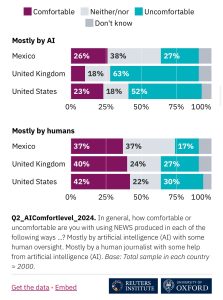
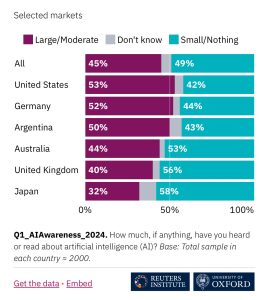
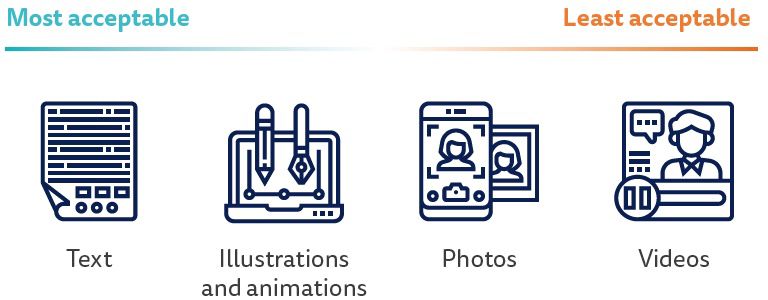
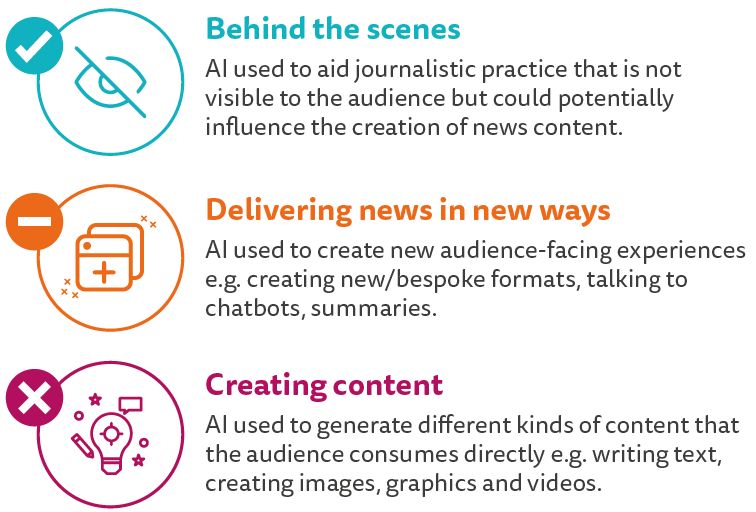
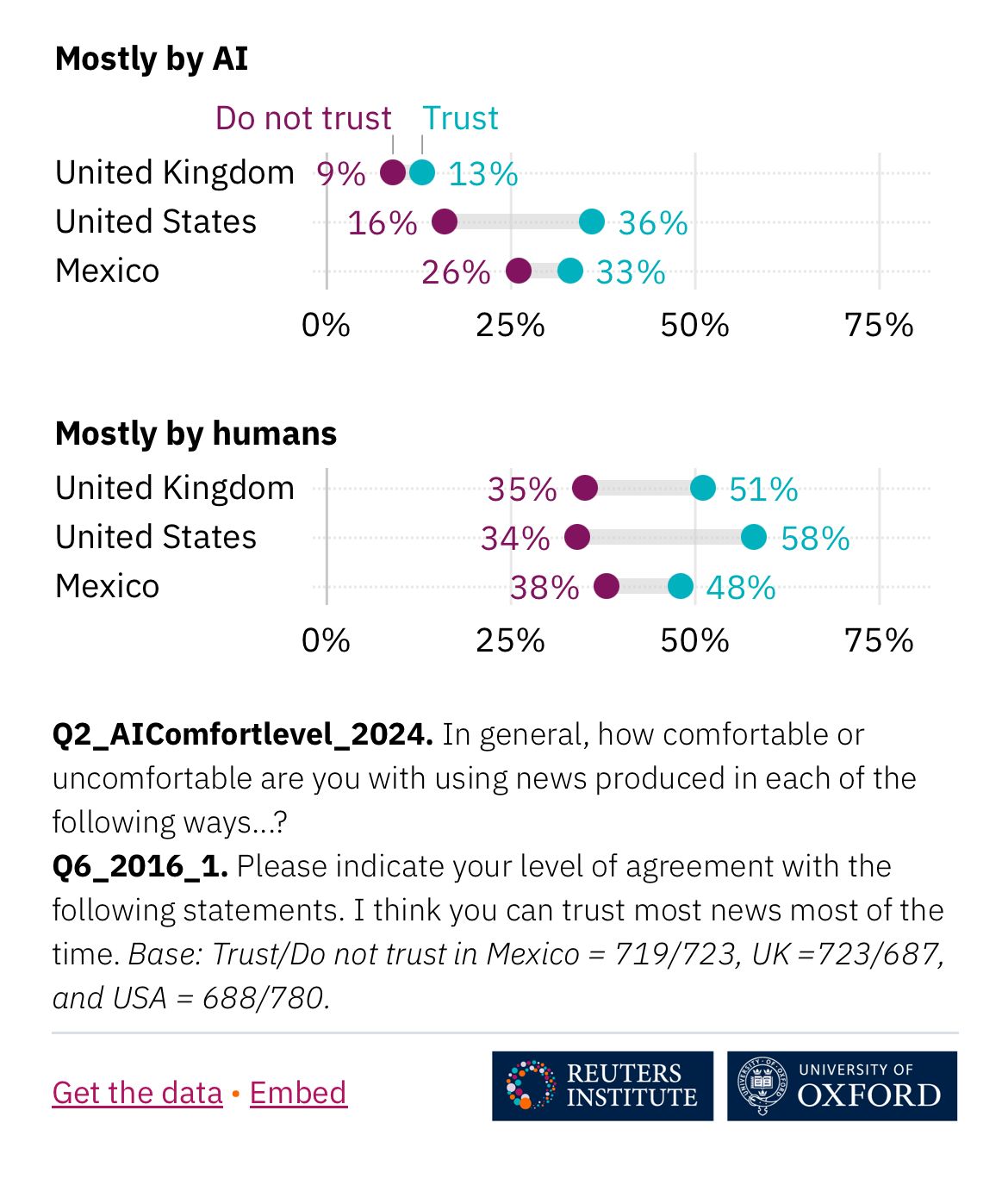
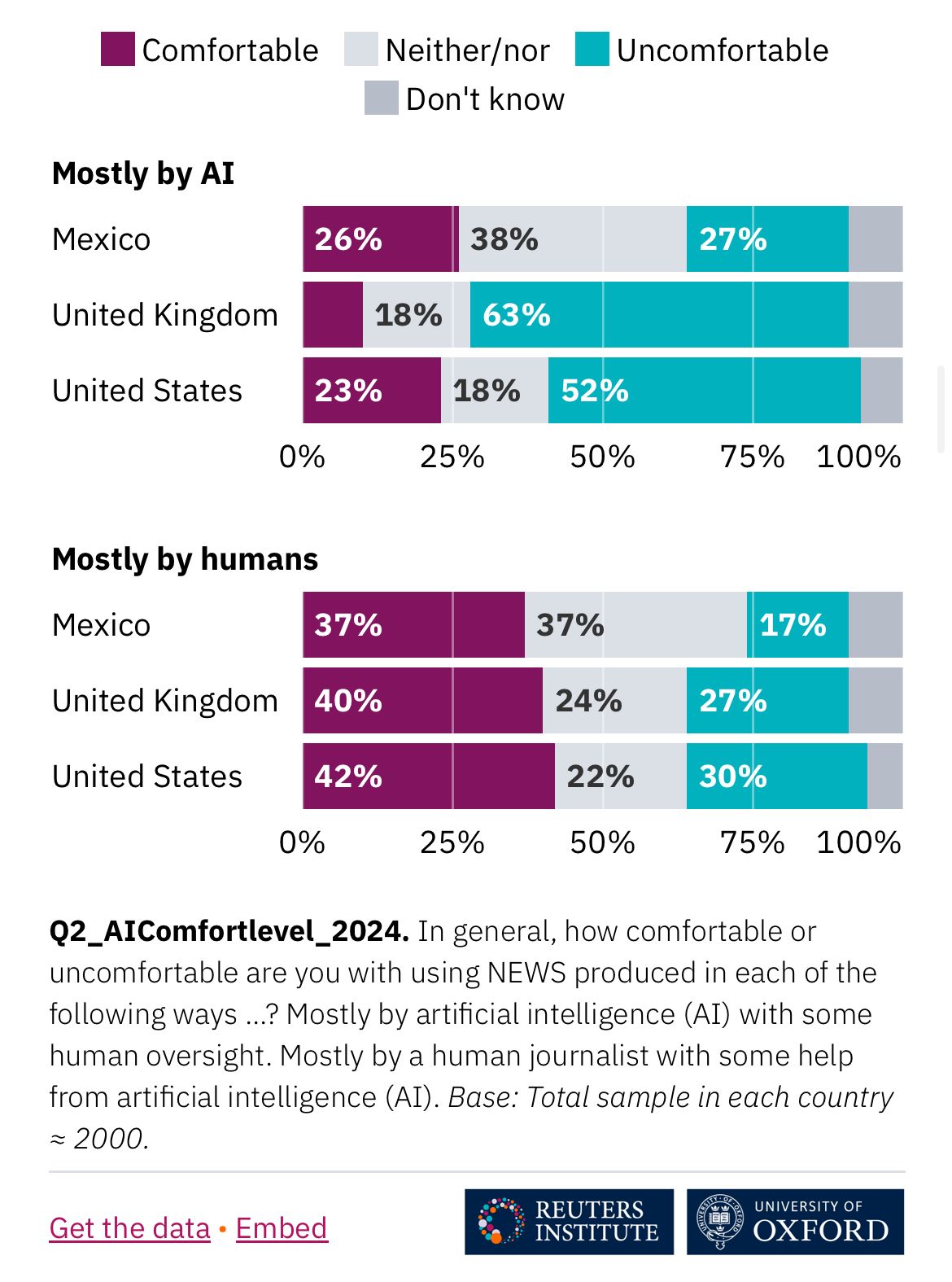
The survey showed that 52 percent of the US respondents, and almost two-thirds in the UK, at 63 percent, said they would be uneasy about news produced mostly by AI, especially for sensitive topics such as politics.

“It was surprising to see the level of suspicion,” said Nic Newman, the report’s lead author. “People broadly had fears about what might happen to content reliability and trust.”

While less opposed to AI enhancing journalistic efficiency behind the scenes, the findings suggest a general public wariness around allowing algorithms too much editorial control.

Misinformation Fears Persist

The Reuters Institute for the Study of Journalism released its annual “Digital News Report” highlights a growing global concern about the application of artificial intelligence (AI) in news production and the spread of misinformation.

The research also found, separately, that concerns about false or misleading news online increased 3 percentage points year on year to 59% globally.

That number jumped to 81 percent in South Africa and 72 percent in the U.S – both countries are holding votes this year.

Paid News Subscriptions Stagnate

One of the key findings of the report is the rising concern about fake news.

Another key challenge identified was the stagnation in paid digital news subscriptions following pandemic-driven growth.

Across 20 countries studied, just 17% of respondents paid for online news – a proportion unchanged over the past three years.

In the U.S., a significant 46% of those with subscriptions paid discounted trial rates rather than full prices, adding further strain on news outlets’ reader revenue streams.

The Rise of News Influencers
According to the survey, 52% of U.S. respondents and 63% of UK respondents said they would be uncomfortable with news produced mostly with AI.

It has been noticed that individual personalities and commentators play an increasingly major role in shaping news consumption—more so among young audiences, particularly on platforms such as TikTok.

Completed by more than 5,600 news users on TikTok, 57 percent said they followed individual creators primarily for updates, against journalists or brands at 34 percent.
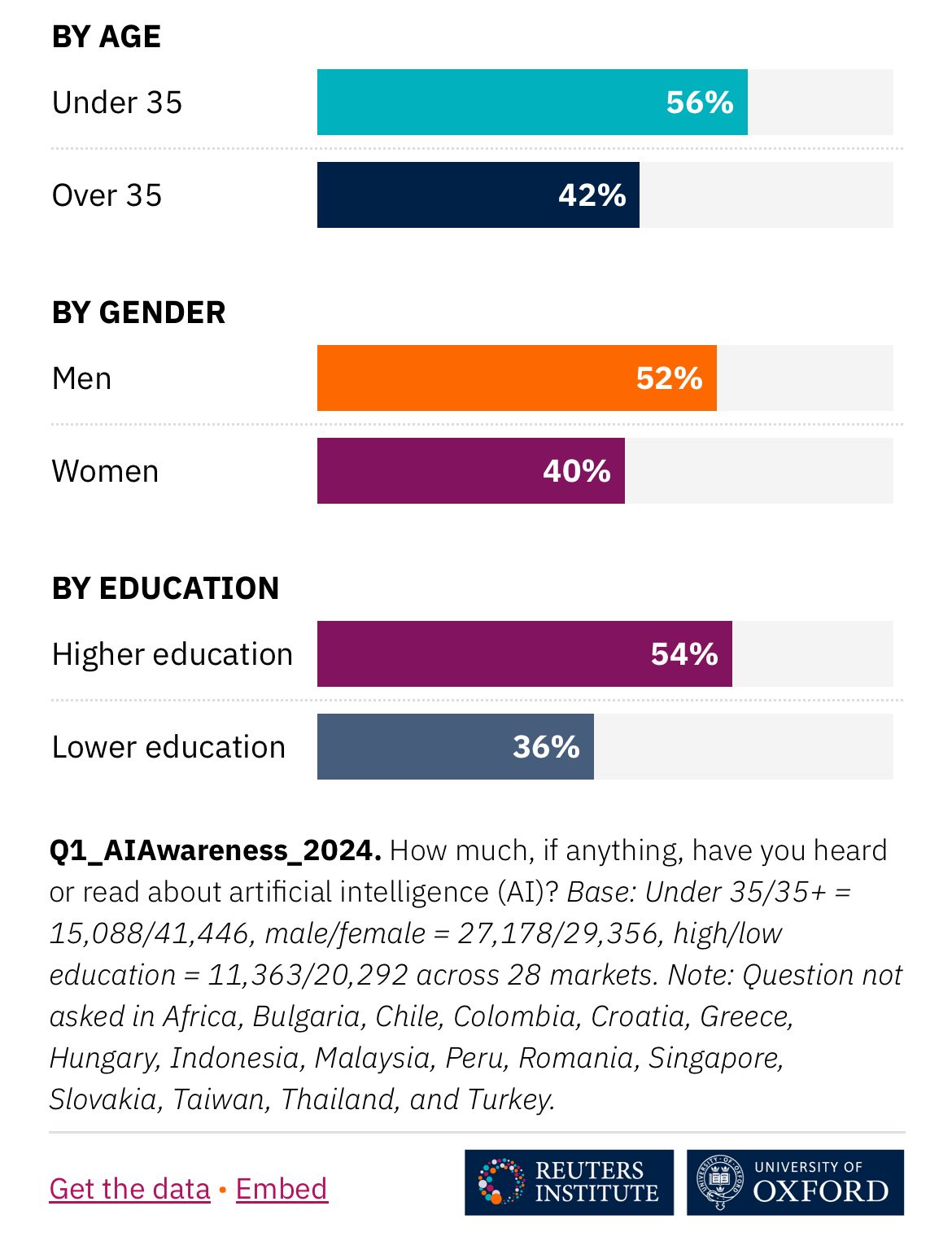
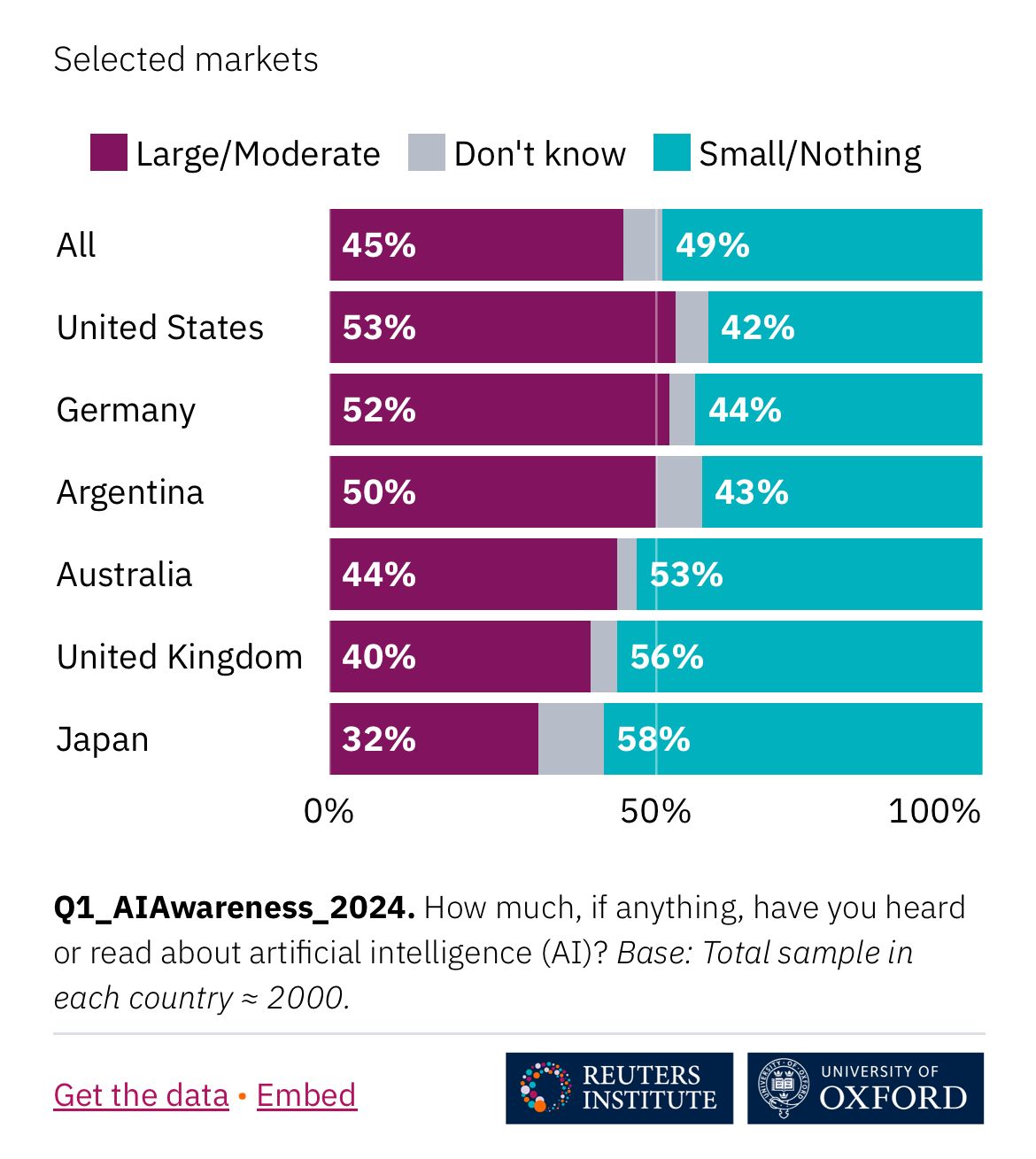
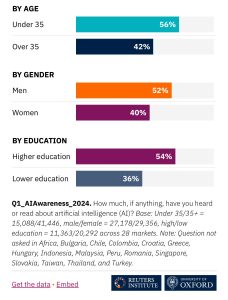
The report surveyed 2,000 people in each country.

As Newman summarized, “Newsrooms need to build a direct relationship with their audiences while also strategically using the platforms to connect with people who are trickier to reach, like younger audiences.”

The findings suggest navigating the new AI reality, retaining trust amidst misinformation fears, monetizing digital subscriptions, and harnessing news influencers’ power will all be key priorities for media in the years ahead.
WhatsApp Image 2024-06-18 at 10.37.15 AM
WhatsApp Image 2024-06-18 at 10.37.14 AM
WhatsApp Image 2024-06-18 at 10.37.13 AM
WhatsApp Image 2024-06-18 at 10.37.12 AM
WhatsApp Image 2024-06-18 at 10.37.15 AM WhatsApp Image 2024-06-18 at 10.37.14 AM WhatsApp Image 2024-06-18 at 10.37.13 AM WhatsApp Image 2024-06-18 at 10.37.12 AM

FAQs

What did the Reuters study find about public trust in AI-powered news?

The study found significant scepticism, with 63% of UK respondents and 52% of US respondents uneasy about news produced mostly by AI, especially on sensitive topics like politics.

How concerned are people about misinformation online?

Concerns about false or misleading news online increased to 59% globally, with higher rates in countries like South Africa (81%) and the U.S. (72%).

What is the trend in paid digital news subscriptions?

Paid digital news subscriptions have stagnated at 17% over the past three years, with many U.S. subscribers paying discounted trial rates rather than full prices.

How are news influencers affecting news consumption?

Individual personalities and commentators, particularly on platforms like TikTok, are playing a major role in shaping news consumption, especially among younger audiences.

Also Read: How Can AI Revolutionize My Smartwatch Experience? Unraveling the Dilemma

Also Read: TikTok Unveils Creator Rewards Program to Boost Monetization for Content Creators

Also Read: TikTok Ban Concerns Highlight Privacy and Education Debate

Google Calendar Adds Custom Holiday Display Options for Better Personalization

0
calendar google
calendar google

Highlights

  • New feature to hide individual holidays in Google Calendar.
  • Upcoming “Selected holidays” option for more tailored views.
  • Feature spotted in Google Calendar version 2024.23.0-641736842.
  • Rollout not yet complete, requiring a server-side switch.

For many of us, the holiday season is a joyous time spent with loved ones.

However, not everyone celebrates the same occasions.

Google Calendar has recognised this and is working on a new feature that will let you hide certain holidays from your calendar view.

At present, Google Calendar only allows you to either show holidays based on your country or display none at all.

There’s no way to individually pick and choose which specific holidays appear on your calendar.

This one-size-fits-all approach doesn’t account for personal preferences or cultural differences.

Upcoming Customisation

Google Calendar Adds Custom Holiday Display Options for Better Personalization

Thankfully, a recent update to the Google Calendar app (version 2024.23.0-641736842) has revealed that more customisation options are on the way.
Soon, you’ll be able to open an individual holiday entry and select “Hide this holiday” from a menu.

Simple, but handy for decluttering your calendar.

Selecting Your Preferred Holidays

New feature to hide individual holidays in Google Calendar

In addition to hiding unwanted holidays, there are signs that Google Calendar will introduce a “Selected holidays” option under Settings > Holidays > National/Regional holidays.

This could potentially let you choose from a comprehensive list of holidays to show or conceal within your calendar.

Not Live for Everyone Yet

Upcoming "Selected holidays" option for more tailored views
Upcoming “Selected holidays” option for more tailored views

While this new holiday management feature has been spotted in the latest app version, it doesn’t seem to be fully rolled out yet.

When attempting to access it on version 2024.23.0-641736842, the options are still missing, suggesting a server-side switch may be required from Google’s end.

More Personalisation Coming

Rollout not yet complete, requiring a server-side switch

Increased control over holiday visibility is undoubtedly a welcome upgrade for Google Calendar users.

As the world becomes more diverse, allowing further personalisation for cultural and personal needs is a positive step forward.

FAQs

What is the new feature in Google Calendar about?

The new feature allows users to hide individual holidays from their Google Calendar, providing more control over which holidays are displayed.

How can I customize my holiday display in Google Calendar?

You will soon be able to open a holiday entry and select “Hide this holiday” from a menu, as well as use the “Selected holidays” option to choose specific holidays to show or hide.

Is the custom holiday display feature available to all users?

While the feature has been spotted in the latest Google Calendar version 2024.23.0-641736842, it is not yet fully rolled out and may require a server-side switch from Google.

Why is this new feature significant?

This feature is significant because it allows users to personalize their calendar views according to their cultural and personal preferences, reflecting the diverse needs of users worldwide.

Also Read: Google Calendar and Chrome End Support for Older Android Versions

How to Elevate Your Smartphone Camera Experience: Things to Keep in Mind
0
How to Elevate Your Smartphone Camera Experience: Things to Keep in Mind

Highlights

  • Consistent performance in various lighting conditions.

  • Advanced sensor technology for exceptional image quality.

  • User-friendly camera interface for all levels of photographers.

  • Quick access to the camera app for instant shots.

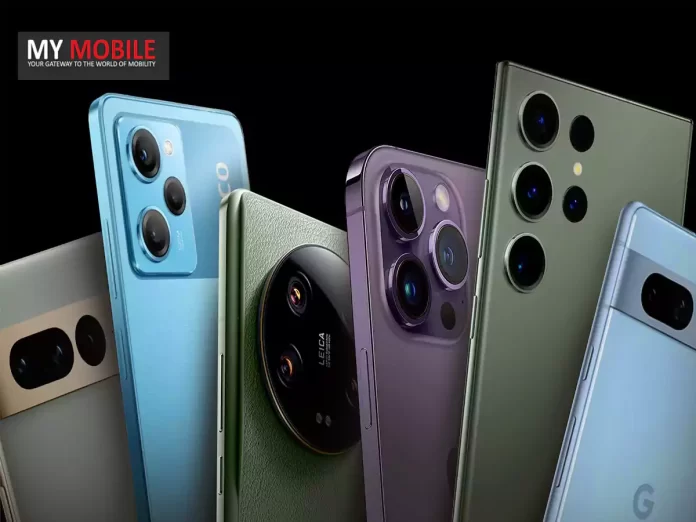
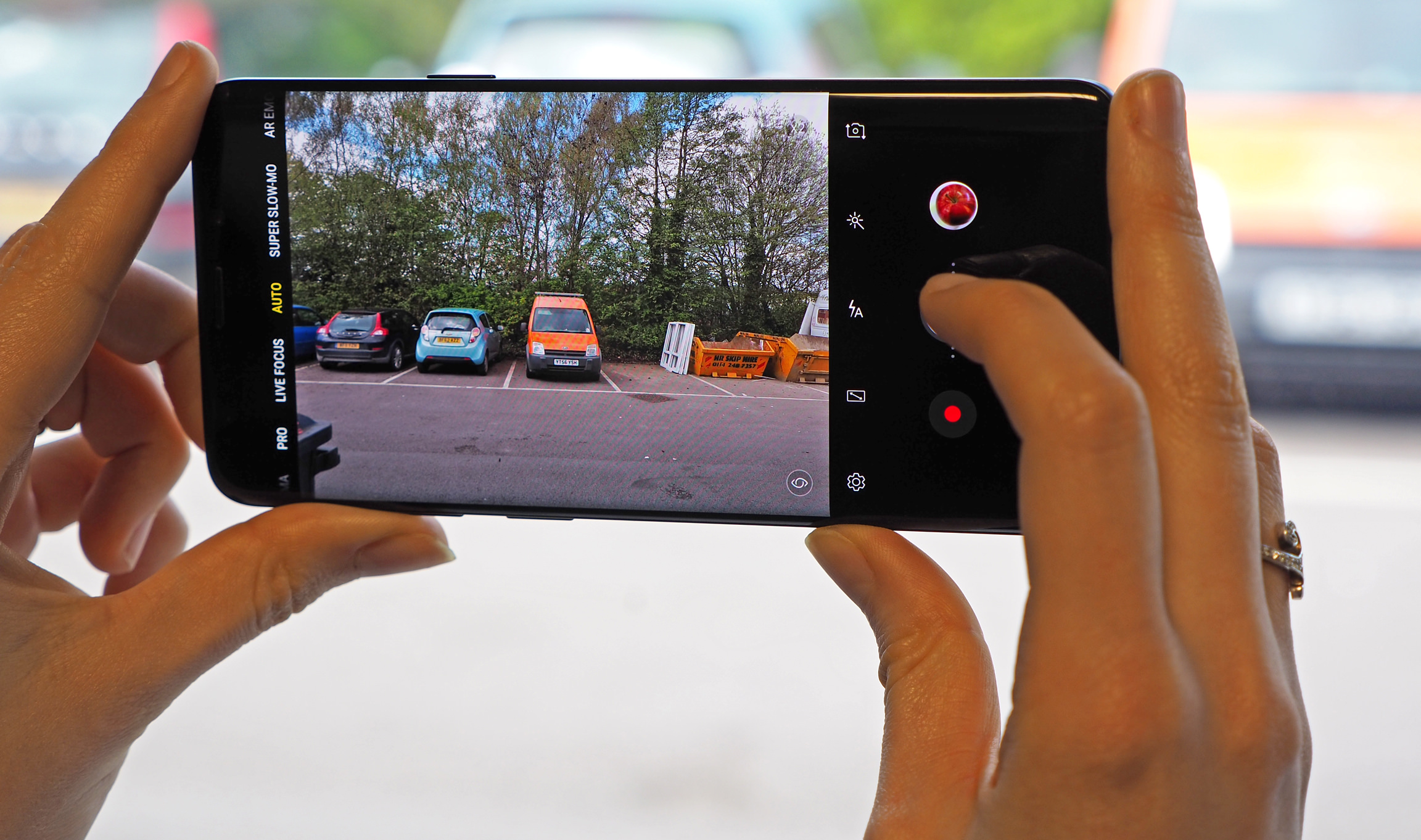
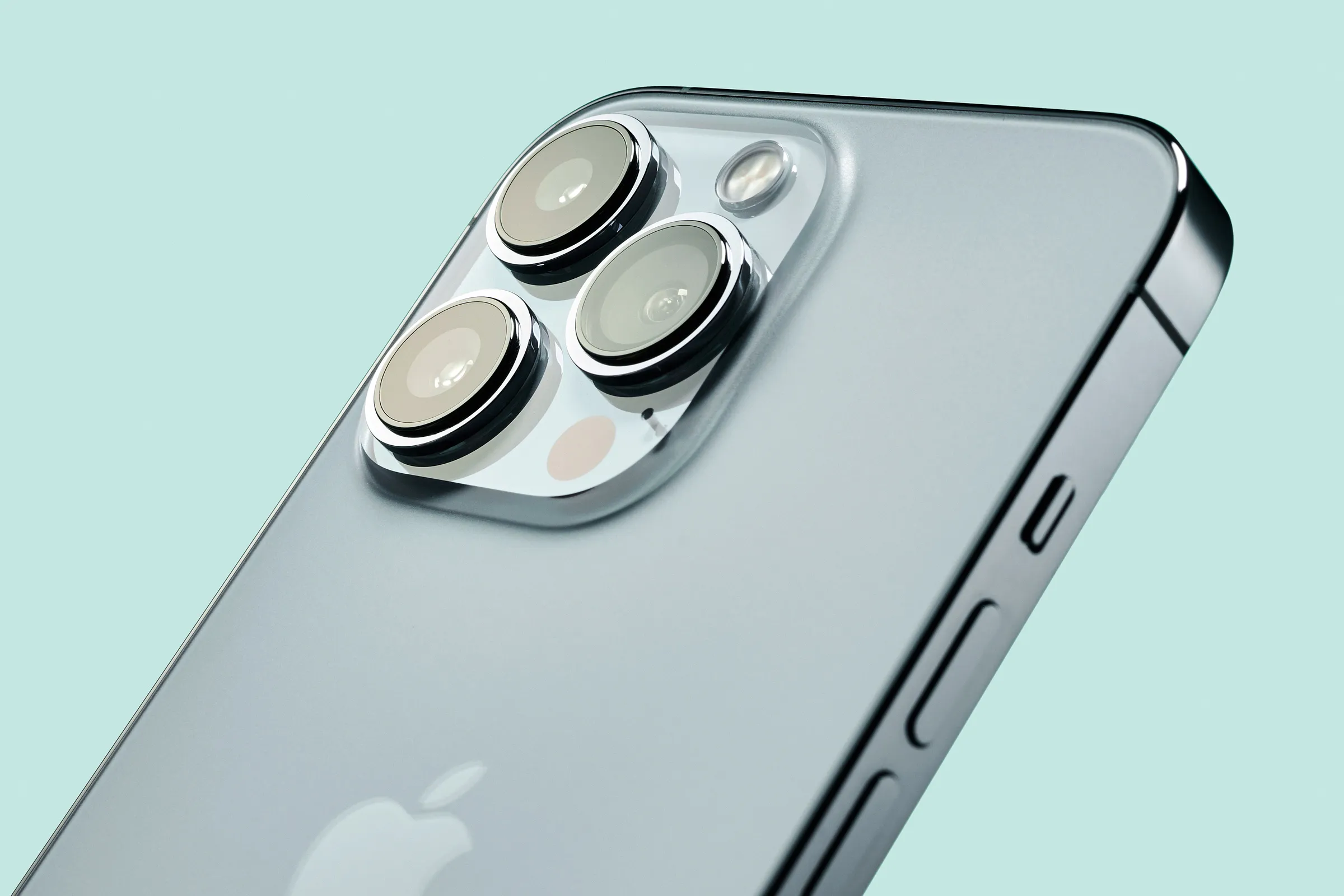
In today’s world, nearly every phone comes equipped with a decent camera.

However, there are a few key factors that can elevate a smartphone’s camera from good to truly great.

Consistent Performance Matters Most

Consistent performance in various lighting conditions

While most smartphone cameras perform well in ideal lighting conditions, the real test lies in their ability to capture quality shots consistently, regardless of the environment or circumstances.

 Top-tier devices like Google’s Pixel and Apple’s iPhone are renowned for their reliable camera performance across different scenarios, be it bright light, low light, or motion.

Achieving this level of consistency is a delicate balance of hardware and software processing, which is why it remains a challenge for many manufacturers.

The Importance of Image Quality

Advanced sensor technology for exceptional image quality

Of course, image quality remains a crucial aspect of a great smartphone camera.

While nearly all cameras can produce decent shots in good lighting, the truly exceptional ones stand out by capturing stunning images even in challenging conditions, such as low light or fast-moving subjects.

This is often a result of advanced sensor technology and intelligent image processing algorithms.

User-Friendly Camera Interface

User-friendly camera interface for all levels of photographers

A great smartphone camera should also offer a user-friendly interface.

The camera app should be simple and intuitive for basic operations while providing easy access to more advanced features for those who desire greater control.

Many manufacturers have already mastered this balance, catering to both casual and enthusiast photographers.

Quick Access to the Camera

Quick access to the camera app for instant shots

Another key factor is the ability to quickly access the camera app.

Some devices, like Google’s Pixel and Samsung’s Galaxy phones, offer a handy double-tap shortcut on the power button, enabling users to launch the camera swiftly.

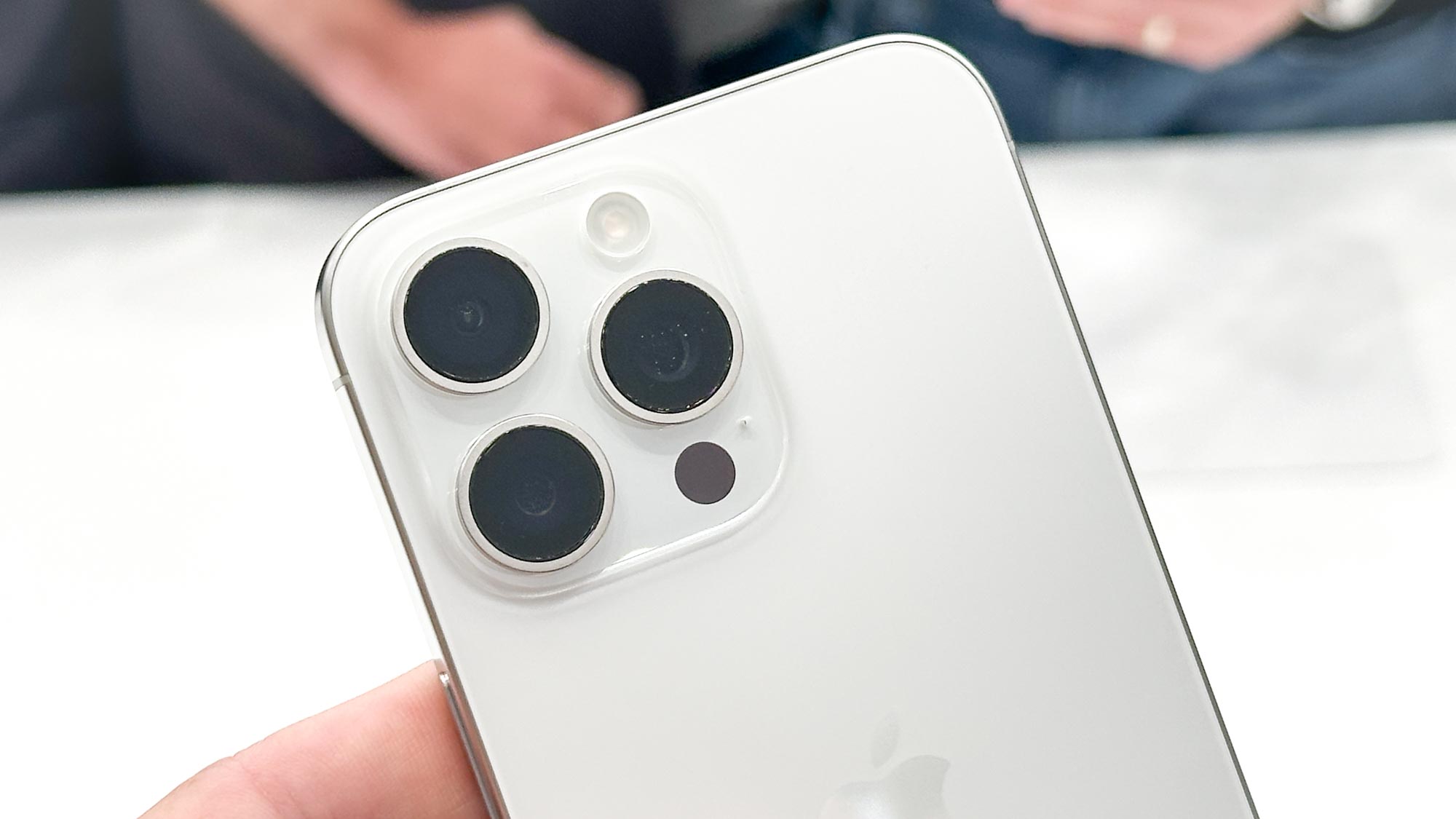
Surprisingly, this feature is lacking on certain models from Apple and Honor, which can be frustrating for those who value speed and convenience.

The Overall Smartphone Experience

nearly every phone comes equipped with a decent camera
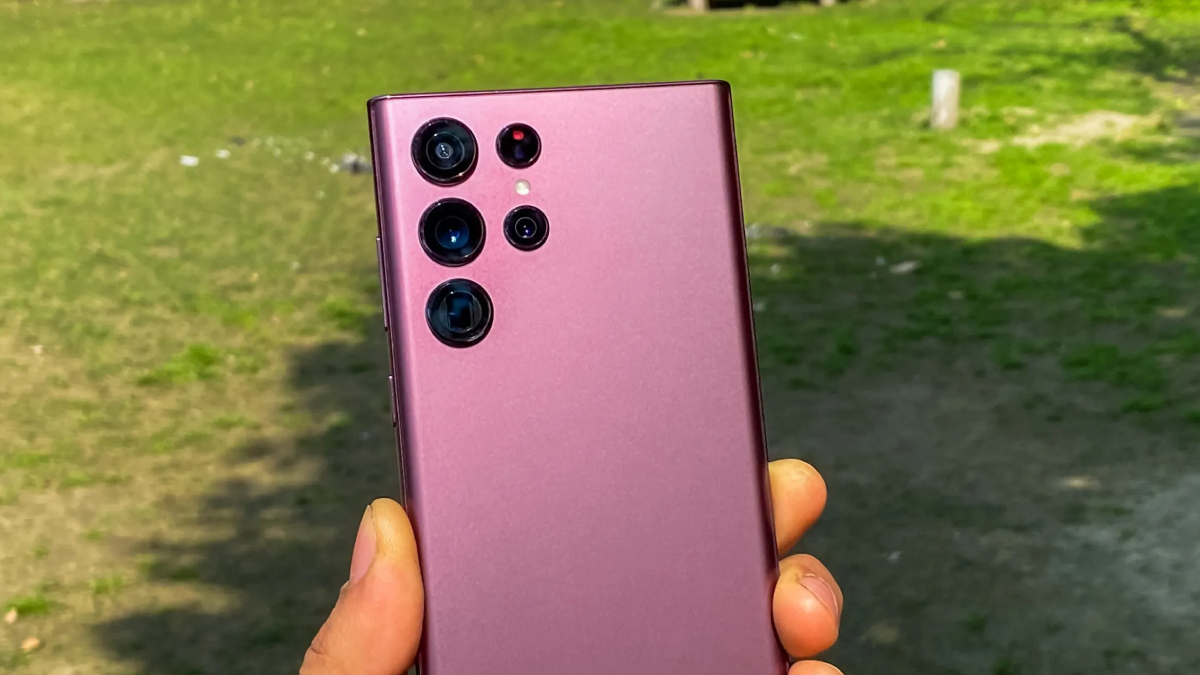
Nearly every phone comes equipped with a decent camera

While camera performance is undoubtedly crucial, it’s essential to consider the overall smartphone experience.

Ultimately, we purchase these devices not solely as dedicated cameras but as multipurpose tools for various tasks.

Even if a phone excels in one specific area, such as portrait photography, other factors like software usability, performance, and versatility play a significant role in determining its long-term appeal.

In summary, while nearly all smartphone cameras are capable of capturing decent shots, a truly great camera combines consistent performance, exceptional image quality, a user-friendly interface, quick access, and seamless integration into an overall compelling smartphone experience.

FAQs

What makes a smartphone camera great?

A great smartphone camera consistently delivers high-quality photos in various conditions, offers advanced sensor technology, and has a user-friendly interface.

Why is consistent camera performance important?

Consistent performance ensures that your smartphone camera can capture quality shots regardless of lighting conditions or motion, making it reliable in any situation.

How do advanced sensors and algorithms improve image quality?

Advanced sensors capture more detail and light, while intelligent image processing algorithms enhance the final output, especially in low light or fast-moving scenes.

Why is a user-friendly camera interface crucial?

A simple and intuitive camera interface allows users to easily access basic functions and advanced features, catering to both casual users and photography enthusiasts.

What should I consider besides camera performance when choosing a smartphone?

Besides camera performance, consider factors like software usability, overall performance, and versatility to ensure a balanced and satisfying smartphone experience.

Vivo V40 Launched in Europe: New 5G Smartphone with Premium Features and ZEISS Cameras

0

Highlights

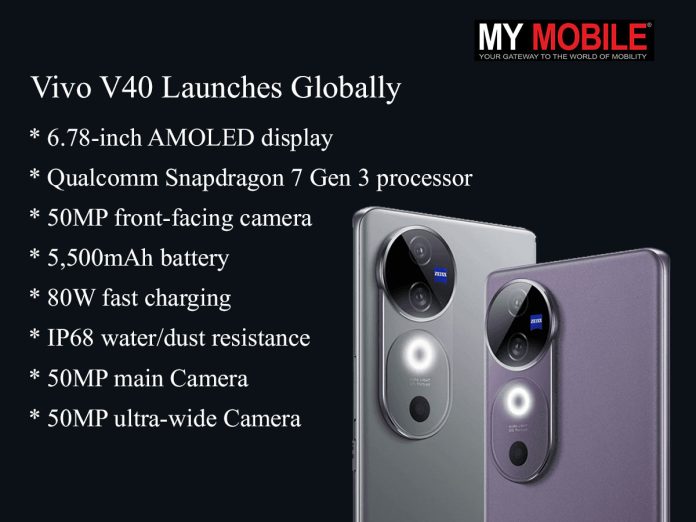
  • Vivo V40 features a 6.78-inch AMOLED display with 120Hz refresh rate.

  • Dual 50MP rear cameras with ZEISS collaboration for enhanced photography.

  • Powered by Snapdragon 7 Gen 3 processor with 8GB RAM and 256GB storage.

  • 5,500mAh battery supports 80W fast charging (no charger included).

Vivo’s popular V-series has welcomed a new addition – the Vivo V40.

This smartphone promises to deliver a well-rounded experience for users, boasting an attractive design, powerful hardware, and innovative camera capabilities.

Let’s dive into what sets the Vivo V40 apart.

Pricing and Availability

Pricing and Availability

The Vivo V40 5G has made its debut in Europe, with the base 8GB+256GB configuration priced at €599 (approximately Rs 60,000). 

The device is set to go on sale starting in July in the European market, and we can hope for a wider global rollout in the future.

  • 6.78-inch AMOLED display, 2800 x 1260 resolution, 120Hz refresh rate

  • Dual rear cameras: 50MP main + 50MP ultra-wide (with ZEISS collaboration)

  • 50MP front-facing camera

  • Qualcomm Snapdragon 7 Gen 3 processor

  • 8GB RAM + 256GB storage

  • 5,500mAh battery, 80W fast charging (no charger in box)

  • In-display fingerprint scanner

  • IP68 water/dust resistance

Vivo V40: Features

Vivo V40: Features

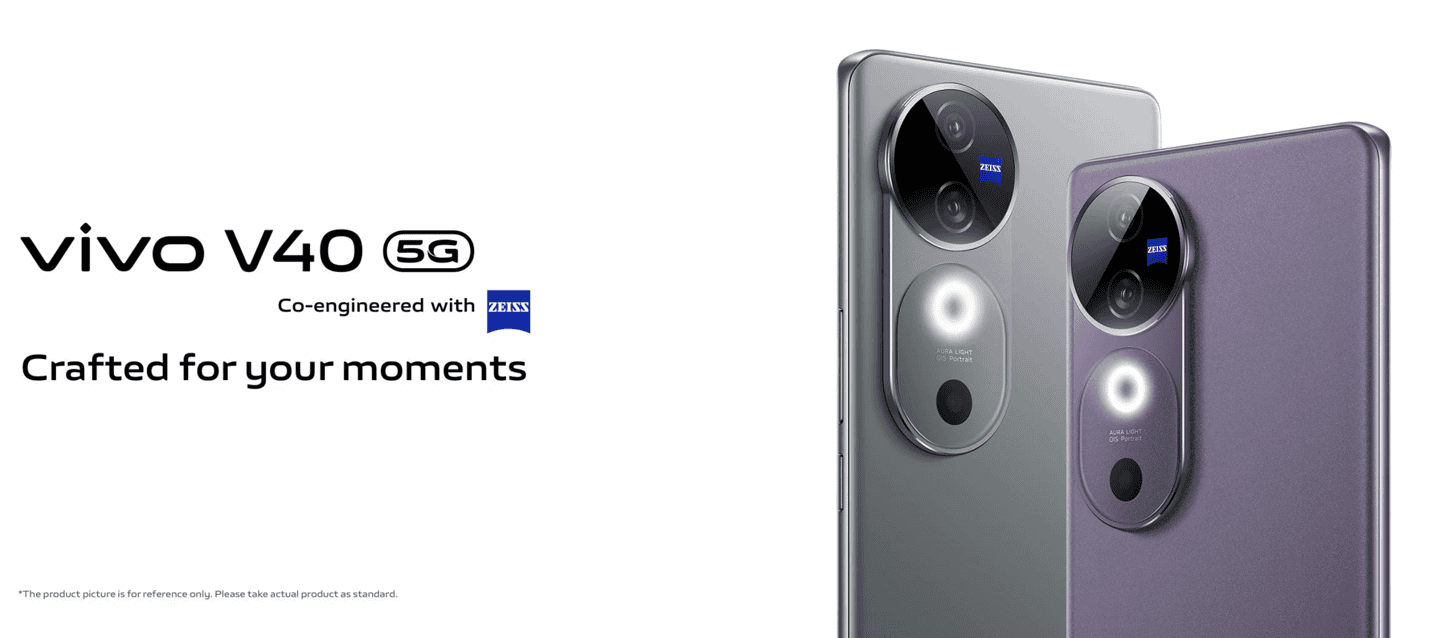
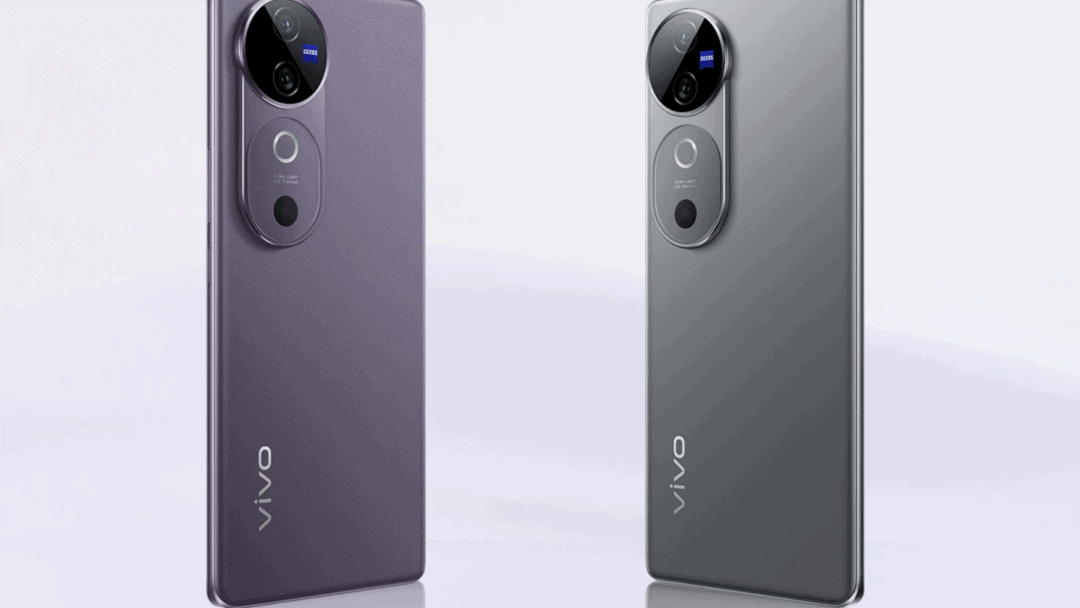
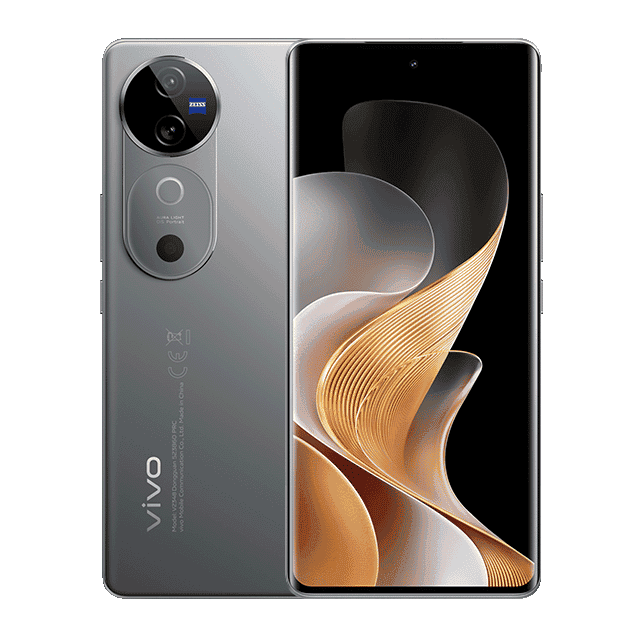
At first glance, the Vivo V40 catches the eye with its unique pill-shaped camera module on the back, housing two circular sections for the sensors and LED flash. 

While this design choice may be polarizing, the phone’s curved displayand punch-hole notch lend it a premium, modern aesthetic.

Available in Stellar Silver and Nebula Purple color options, the V40 is both sleek and stylish, measuring just 7.58mm thick and weighing 190g.

Notably, it also features an IP68 rating, ensuring resistance to splashes and water.

The Vivo V40 boasts a 6.78-inch AMOLED display with a resolution of 2800 x 1260 pixels and a buttery-smooth 120Hz refresh rate.

This combination promises an immersive multimedia experience, with punchy colors and fluid visuals.

Under the hood, the phone is powered by Qualcomm’s Snapdragon 7 Gen 3 processor, based on a 4nm architecture for efficient performance. 

One of the standout features of the Vivo V40 is its camera setup, which benefits from a collaboration with renowned optics brand ZEISS.

Vivo V40 Smartphone

The dual rear camera system comprises a 50MP f/1.9 primary shooter and a 50MP f/2.0 ultra-wide sensor. 

The highlight is the ZEISS Multifocal Portrait feature, allowing users to quickly switch between different focal lengths for optimal shots, from landscapes to classic portraits.

For selfies, the V40 packs a impressive 50MP front-facing camera.

Battery life is a strong suit for the Vivo V40, with a sizable 5,500mAh capacity and support for 80W fast charging.

However, it’s worth noting that the device doesn’t come with a charger in the box, which may be a disappointment for some users in this price range.

Other notable features include an in-display fingerprint scanner, e-SIM support, and 5G connectivity.

Vivo V40 Specs

GENERAL

Sim Type Single Sim, GSM
Dual Sim No
Sim Size Nano SIM
Device Type Smartphone
Release Date June 29, 2024 (Expected)

DESIGN

Bezel less Yes

DISPLAY

Type Color AMOLED Screen (1.07 B)
Touch Yes, 360 Hz Touch Sampling Rate
Size 6.68 inches, 1080 x 2400 pixels, 120 Hz
Aspect Ratio 20.5:9
PPI ~ 390 PPI
Screen to Body Ratio ~ 93.04%
Features 2500nit, 100% DCI-P3
Notch Yes, Punch Hole

MEMORY

RAM 12 GB
Expandable RAM Upto 12 GB Extra Virtual RAM
Storage 256 GB
Storage Type UFS 2.2
Card Slot Yes

CONNECTIVITY

GPRS Yes
EDGE Yes
3G Yes
4G Yes
5G Yes
5G Bands n1/n2/n3/n5/n7/n8/n20/n26/n28/n38/n40/n41/n66/n77/n78
VoLTE Yes
Wifi Yes, with wifi-hotspot
Bluetooth Yes, v5.3
USB Yes, USB-C v3.1
USB Features USB on-the-go, USB Charging

EXTRA

GPS GPS, BEIDOU, GLONASS, GALILEO, QZSS, NavIC
Fingerprint Sensor Yes, In Display
Face Unlock Yes
Sensors Ambient Light sensor, Proximity sensor, Accelerometer, E-compass, Gyroscope,
3.5mm Headphone Jack No
Splash Resistant Yes
IP Rating IP54
Dust Resistant Yes

CAMERA

Rear Camera 108 MP f/1.79 (Main)
8 MP f/2.2 (Ultra Wide)
2 MP f/2.4 (Depth Sensor) with autofocus
Features Night, Portrait, Photo, Video, Micro Short, High Resolution, Panoramic, Documents, Slow Motion, Time Lapse, Super Moon, Pro, Double exposure, Dual view, Live photo, Macro
Video Recording 4K, 1080p
Flash Yes, LED
Front Camera Punch Hole 50 MP f/2 (Main)
Front Video Recording 4K, 1080p

TECHNICAL

OS Android v14
Custom UI Funtouch OS 15
Chipset qualcomm Snapdragon 6 Gen1
CPU 2.2 GHz, Octa Core Processor
Core Details 4xCortex-A78@2.2 GHz & 4xCortex-A55@1.8 GHz
GPU Adreno GPU
Java No
Browser Yes

MULTIMEDIA

Email Yes
Music AAC, WAV, MP3, MP2, MP1, MIDI, Vorbis, APE, FLAC, OPUS
Video MP4, 3GP, AVI, FLV, MKV, WEBM, TS, ASF
FM Radio No
Document Reader Yes

BATTERY

Type Non-Removable Battery
Size 5000 mAh, Li-Po Battery
Fast Charging Yes, 44W Fast Charging

FAQs

What is the price of the Vivo V40 in Europe?

The Vivo V40 5G is priced at €599 in Europe for the base configuration of 8GB RAM and 256GB storage.

What are the key features of the Vivo V40’s display?

The Vivo V40 features a 6.78-inch AMOLED display with a resolution of 2800 x 1260 pixels and a 120Hz refresh rate, offering vibrant colors and smooth visuals.

What makes the Vivo V40’s camera setup special?

The Vivo V40’s dual rear cameras include 50MP main and 50MP ultra-wide sensors with ZEISS collaboration, featuring the ZEISS Multifocal Portrait for versatile photography.

What processor powers the Vivo V40?

The Vivo V40 is powered by Qualcomm’s Snapdragon 7 Gen 3 processor, which is based on 4nm architecture for efficient and powerful performance.

Does the Vivo V40 come with a charger in the box?

No, the Vivo V40 does not include a charger in the box, which may be a consideration for some users given the device’s price range.

Apple’s Thinning Obsession: iPhones, MacBooks, and Watches to Become Slimmer

0

Highlights

  • Apple aims for the thinnest and lightest devices across its product lineup.

  • iPhone 17 to feature a radically thin model in 2025.

  • Apple Watch X revamp promises the biggest design changes yet.

  • Siri’s AI capabilities expanding with natural language updates.

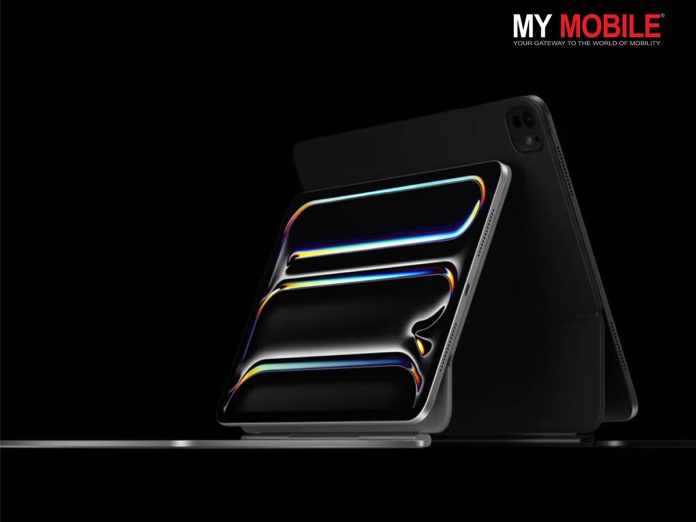
Last month’s unveiling of the incredibly slim M4 iPad Pro seems to have kickstarted a new era of design at Apple.

According to Bloomberg’s Mark Gurman, the tech giant now aims to make its entire product lineup the “thinnest and lightest” in their respective categories.

Gurman reveals that Apple has major slimming plans for the iPhone, MacBook Pro, and even the Apple Watch over the coming years.

The recently launched 5.1mm-thick iPad Pro is just the start of this new super-slim approach.

The iPhone 17 lineup, expected in 2025, will reportedly include a radically thin model sporting an all-new design.

Apple to introduce a slimmer smartphone with the iPhone 17 series
Apple launched iPad Pro (2024) as its slimmest tablets to date

Apple’s goal is to significantly reduce the thickness compared to current iPhones.

Similarly, upcoming versions of the MacBook Pro and iPad Pro will also get considerably slimmer than their current generations.

However, this obsession with thinness contrasts with the MacBook Pro’s recent redesign in 2021.

That update actually made the laptops thicker and heavier to accommodate features like MagSafe charging, HDMI output, and an SD card slot alongside the switch to Apple Silicon chips.

Apple Watch Redesign on the Horizon

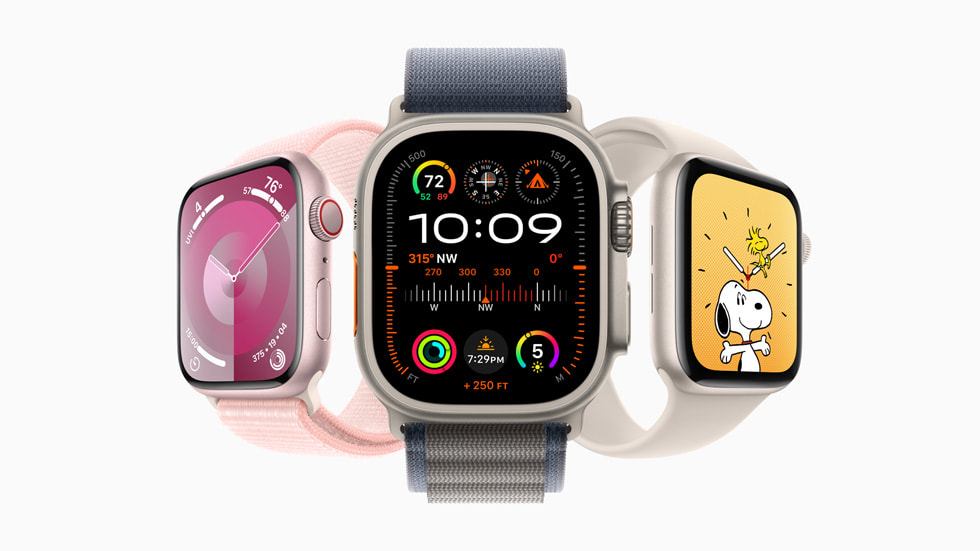
Apple-watchOS-10-watch-family_big.jpg.large
The company is working on thinner MacBook Pro, Apple Watch models

Gurman also reinforces previous reports about a major overhaul for the Apple Watch, dubbed the “Apple Watch X.”

This revamp is tipped to bring the biggest design changes yet to Apple’s wearable.

Siri’s AI Capabilities Expanding

Siri’s AI capabilities expanding with natural language updates

Elsewhere, Siri is lined up for some notable AI-powered improvements before 2024 ends.

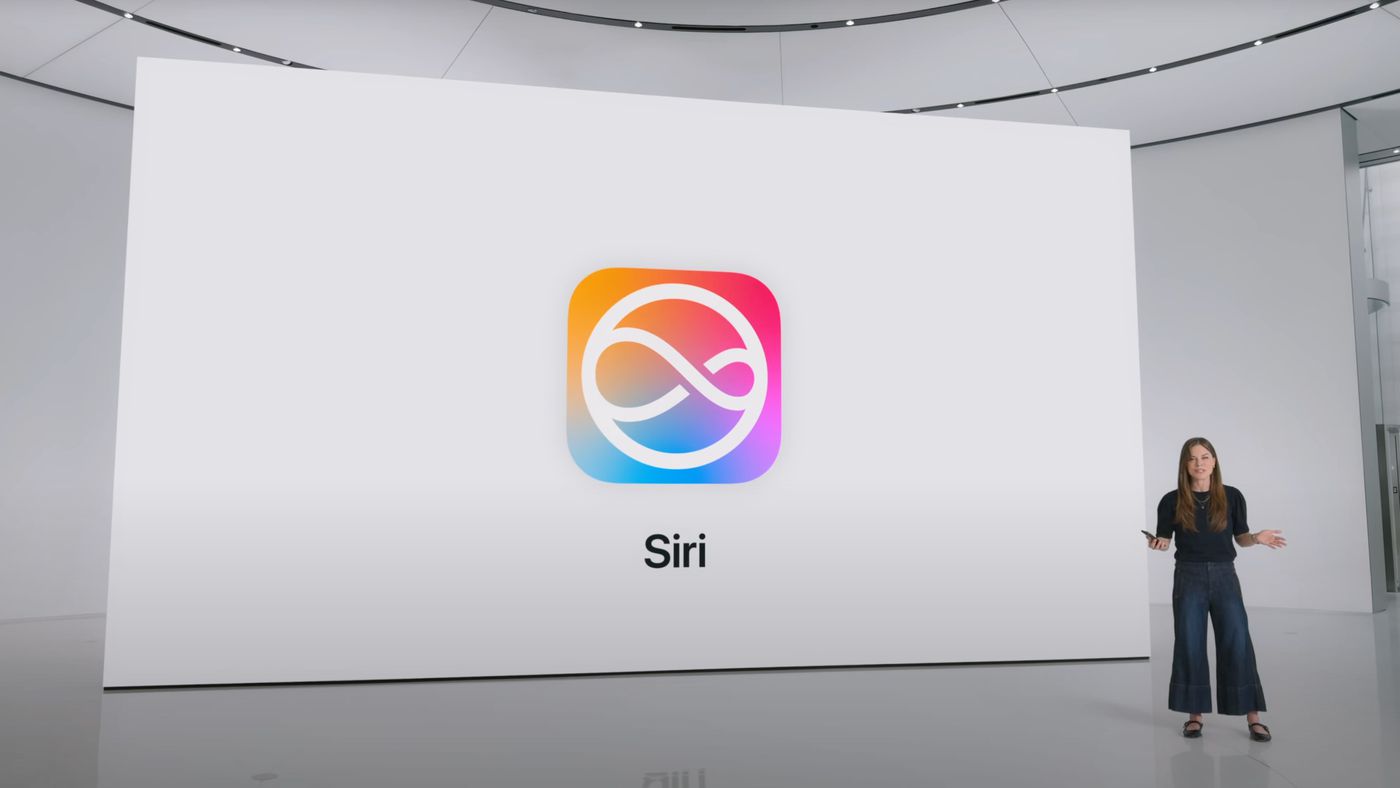
A new glowing ring interface showcased at WWDC will modernize the virtual assistant’s look.

Siri will also receive a natural language update to better understand conversational speech, even when users misspeak.

Furthermore, Apple plans to broaden Siri’s knowledge about its own product lineup.

And in a welcome move, users will finally be able to type queries to Siri instead of always having to speak out loud.

Cautious Rollout for AI Features

Apple to introduce a slimmer smartphone with the iPhone 17 series

Like Siri’s upgrades, many of Apple’s other AI-based features won’t arrive until next year.

Gurman reports that Apple is purposely taking a slow, cautious approach to rolling out its AI offerings, aiming to avoid the pitfalls faced by other tech firms with their large language models (LLMs).

However, some AI capabilities are still expected to debut in 2024.

These include AI-generated notification summaries, recaps for webpages, voice memos, notes, and emails, plus an intriguing “Genmoji” feature for AI-generated emoji.

Later in 2024, a redesigned Mail app and the AI-powered Swift Assist coding companion for Xcode are also on the roadmap.

FAQs

What is Apple’s new design direction?

Apple is focusing on making its products the thinnest and lightest in their respective categories, starting with the recently launched 5.1mm-thick iPad Pro.

What are the expected changes for the iPhone 17?

The iPhone 17 lineup, expected in 2025, will include a radically thin model with an all-new design aimed at significantly reducing thickness compared to current iPhones.

Will  the MacBook Pro become thinner?

Yes, upcoming versions of the MacBook Pro are expected to be considerably slimmer than their current generations, aligning with Apple’s new design goals.

What updates are planned for the Apple Watch?

The Apple Watch X is set for a major redesign, bringing the biggest design changes yet to Apple’s wearable technology.

Also Read: Apple Removed iPhone Live Wallpapers in iOS 16, Now No Live Photo or Live Wallpaper on Lock Screen?

Also Read: iPhone in 2023: iPhone 15, iPhone 15 Ultra, iPhone SE 4, iOS 17

Also Read: Apple Pressurized to Introduce Revolutionary Changes in iOS 17

Nothing OS 3.0 and Nothing Phone (2a) Community Edition: What to Expect

0

Highlights

  • Nothing OS 3.0 to debut with the Nothing Phone (2a) Community Edition.

  • Custom lock screen options and interactive dot animations featured.

  • Community involvement in hardware design, wallpaper, and packaging.

  • New native gallery and community app included in the update.

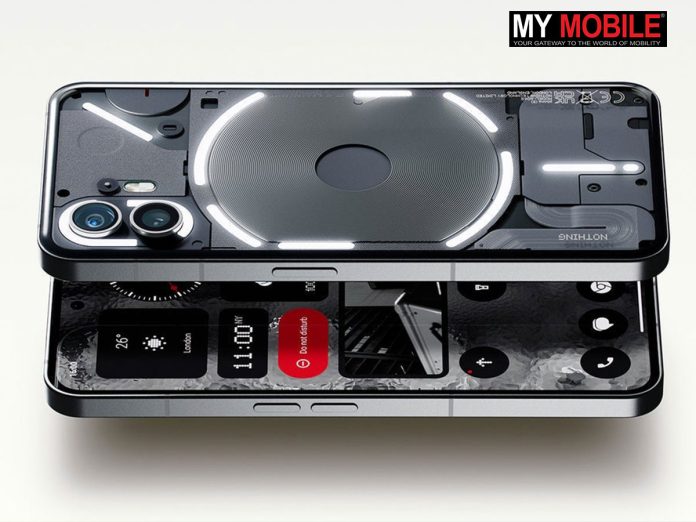
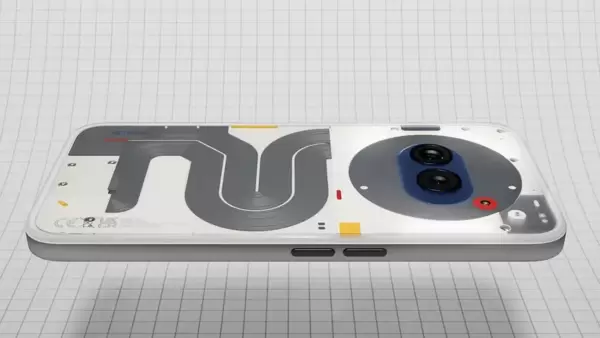
The next major update for the Nothing Phone, Nothing OS 3.0, is expected to be introduced around the same time as the Nothing Phone (2a) Community Edition.

This device will include hardware changes to the Nothing Phone (2a) designed by the fan base.

The handset will also include wallpaper and packaging created by the public.

The Nothing Community will also help market the phone. 

The founder and CEO of Nothing, Carl Pei, has shared some images showing some new features that will be part of Nothing OS 3.0. 

Pei revealed some new capabilities for the lock screen, and the upcoming interactive dot animations coming to Quick Settings.

Pei posted the images on his “X” account.

The executive has what I consider to be the best “X” username of all time, “@getpeid.”

One image shared by Pei reveals three different lock screen customizations available to Nothing users.

There is the Default look which shows the clock, the day, and the date.

The Clock + Widget option shows the time in dots with three widgets available on the screen, the weather, a shortcut for quick actions, and the date.

nothingphone2a_1717090357644_1717090365610
Nothing OS 3.0 to debut with the Nothing Phone (2a) Community Edition

The third lock screen customization is called Expanded Widget Area.

This example shows an analog clock with a large date tile, and widgets for quick actions, weather, and contacts.

Pei also shared information about the upcoming Interactive Dot Animation which will be made up of three different layers: the input image layer, the live interaction layer, and the final output layer.

Nothing OS 3.0 is expected to feature a new native gallery and community app.

Pei says that an official announcement regarding Nothing OS 3.0 will take place in September.

Last August was when Nothing OS 2.0 was disseminated by the company.

The update will be available for the Nothing Phone (1), Nothing Phone (2), and theNothing Phone (2a).

Pei was so excited about the upcoming Nothing OS 3.0 release that he felt compelled to share the information about the lock screen customizations.

In his tweet, Pei wrote “Sorry in advance to the team for this leak… but I’m too excited!”

But we should point out that he has been known to use his personal social media accounts in the past to leak information about upcoming phones both at OnePlus (which he co-founded) and Nothing.

FAQs

What is the Nothing Phone (2a) Community Edition?

The Nothing Phone (2a) Community Edition is a special version of the Nothing Phone designed with input from the fan base, including hardware changes and public-created wallpaper and packaging.

What new features will Nothing OS 3.0 include?

Nothing OS 3.0 will feature custom lock screen options, interactive dot animations, a new native gallery, and a community app, enhancing the user experience.

How has the community contributed to the Nothing Phone (2a) Community Edition?

The community has helped design the hardware, create wallpaper, and develop packaging for the Nothing Phone (2a) Community Edition, making it a unique collaborative project.

When is the official announcement for Nothing OS 3.0 expected?

The official announcement for Nothing OS 3.0 is expected to take place in September, according to Nothing founder and CEO Carl Pei.

Also Read: CMF by Nothing Announces Blind Drop Pre-Order Sale Ahead of Official Launch

Also Read: Nothing Phone 3 Expected to Launch With Snapdragon 8s Gen 3 Chipset: Report

Also Read: New Nothing Phone (3) Teased by Carl Pei on Social Media

Qualcomm’s Snapdragon 6s Gen 3: Refresh or Confusing Rebrand?

0

Highlights

  • Qualcomm’s Snapdragon 6s Gen 3 is an “enhanced version” of the Snapdragon 695.

  • Concerns raised over Qualcomm’s complex and confusing naming conventions.

  • Lack of detailed technical specifications for the 6s Gen 3.

  • An emerging hierarchy within the Snapdragon 6-series.

Qualcomm recently sparked debates by launching the Snapdragon 6s Gen 3 mobile platform.

The new chipset raised eyebrows due to its striking similarities with the Snapdragon 695 released back in 2021.

Qualcomm itself admitted the 6s Gen 3 is merely an “enhanced version” of the older 695 processor.

While full details remain under wraps, Qualcomm claims the 6s Gen 3 delivers improved performance over the 695 in areas like CPU power, graphics rendering, andartificial intelligence capabilities.

However, the extent of these enhancements is unclear without specific technical specifications.

Murky Naming Conventions

Qualcomm’s Snapdragon 6s Gen 3 is an “enhanced version” of the Snapdragon 695

The launch strategy has ignited concerns around consumer confusion.

Qualcomm’s mobile processor naming schemes have long faced criticism for being overly complex and convoluted.

Reintroducing an older chip under a new name only adds to the murkiness surrounding its product lineup.

An Emerging Hierarchy?

Concerns raised over Qualcomm’s complex and confusing naming conventions

That said, an unofficial hierarchy within the Snapdragon 6-series now seems to be taking shape.

Chips bearing the “s” moniker may represent the most basic tier, followed by numbered iterations, with “+” variants signifying the highest performance options. 

While this system’s long-term viability remains uncertain, it currently provides a rough framework for consumers to navigate the range.

Need for Transparency

An emerging hierarchy within the Snapdragon 6-series

Beyond the naming debate, the lack of transparency around the Snapdragon 6s Gen 3’s technical capabilities is concerning.

Apart from a confirmed CPU clock speed increase, details on the enhancements to GPU and AI performance are missing.

This shortage of information makes it challenging to assess the real-world improvements offered by the new chip over its predecessor.

FAQs

What is the Snapdragon 6s Gen 3?

The Snapdragon 6s Gen 3 is Qualcomm’s latest mobile platform, described as an “enhanced version” of the Snapdragon 695 released in 2021.

Why is the Snapdragon 6s Gen 3 considered a rebrand?

The Snapdragon 6s Gen 3 has striking similarities with the older Snapdragon 695, leading to debates about whether it is a genuine refresh or just a rebranded version.

What improvements does the Snapdragon 6s Gen 3 offer?

Qualcomm claims the 6s Gen 3 provides improved performance in CPU power, graphics rendering, and AI capabilities, but specific technical details are yet to be disclosed.

Why is there confusion around Qualcomm’s naming conventions?

Qualcomm’s mobile processor naming schemes are criticized for being overly complex, and rebranding older chips with new names adds to the confusion for consumers.

Also Read: Qualcomm Snapdragon 8 Gen 4 Could Have New Architecture With No Efficiency Cores

Also Read: Qualcomm Snapdragon 8 Gen 4 SoC Benchmarks Reportedly Leaked Showing Massive Gains Over 8 Gen 3

Also Read: Apple’s iOS 18 Is Likely to Be Its Most Ambitious Update Yet: Mark Gurman

Also Read: Apple Reportedly Acquires DarwinAI to Boost iOS 18 AI Features and More

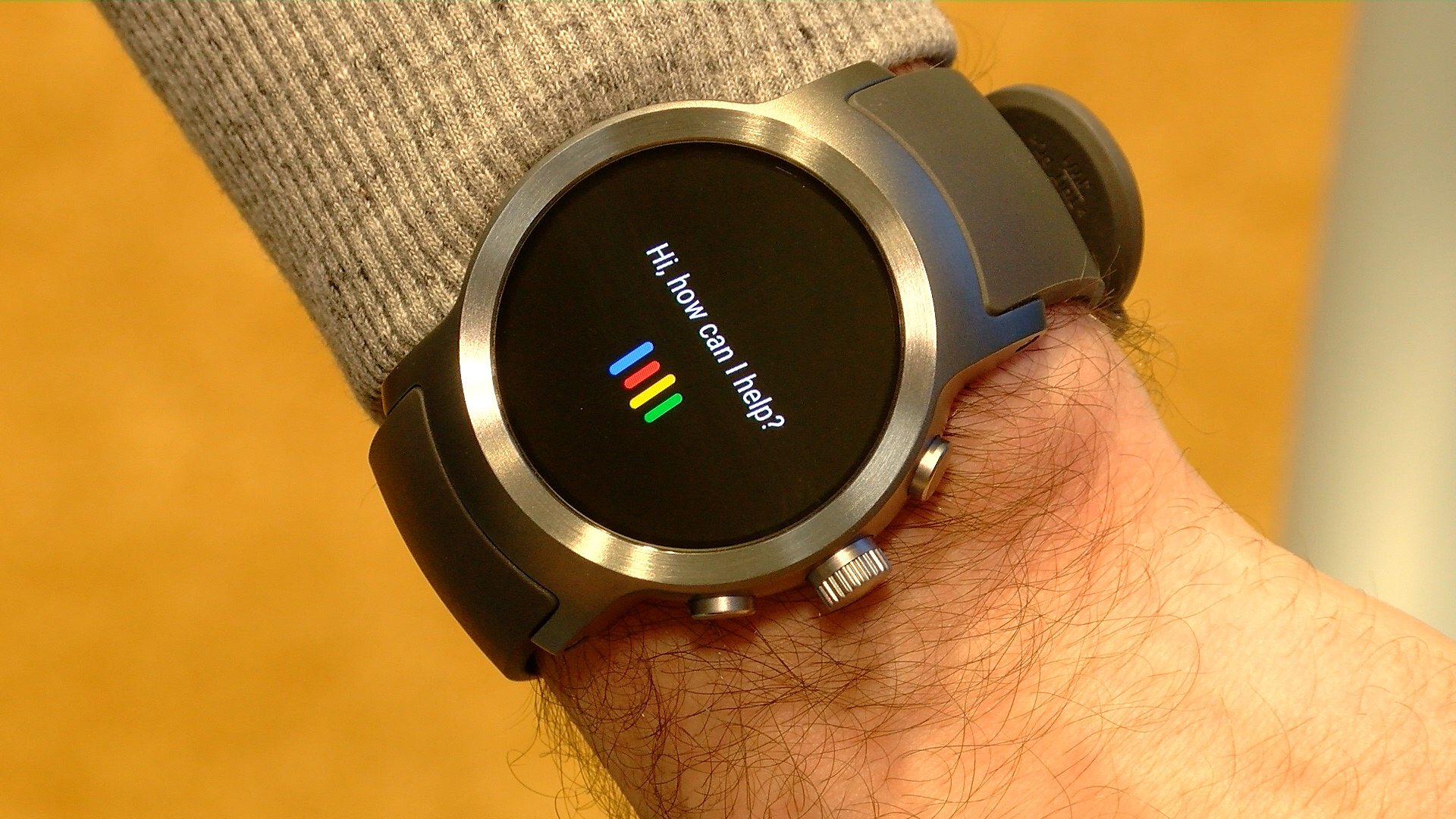
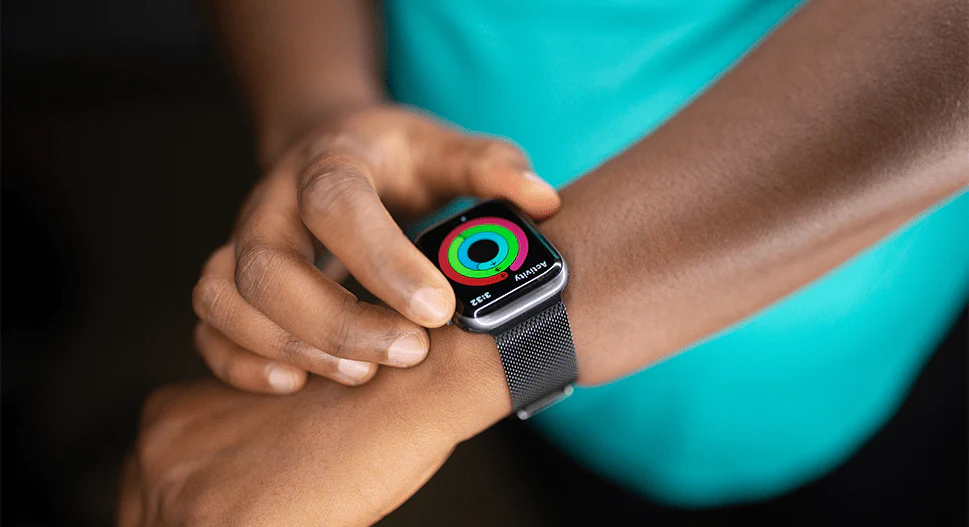
How Can AI Revolutionize My Smartwatch Experience? Unraveling the Dilemma

0

Highlights

  • Enhanced voice assistants for hands-free control.

  • AI-generated summaries for quick message viewing.

  • Customizable watch faces through AI.

  • AI-powered health tracking and personalized coaching.

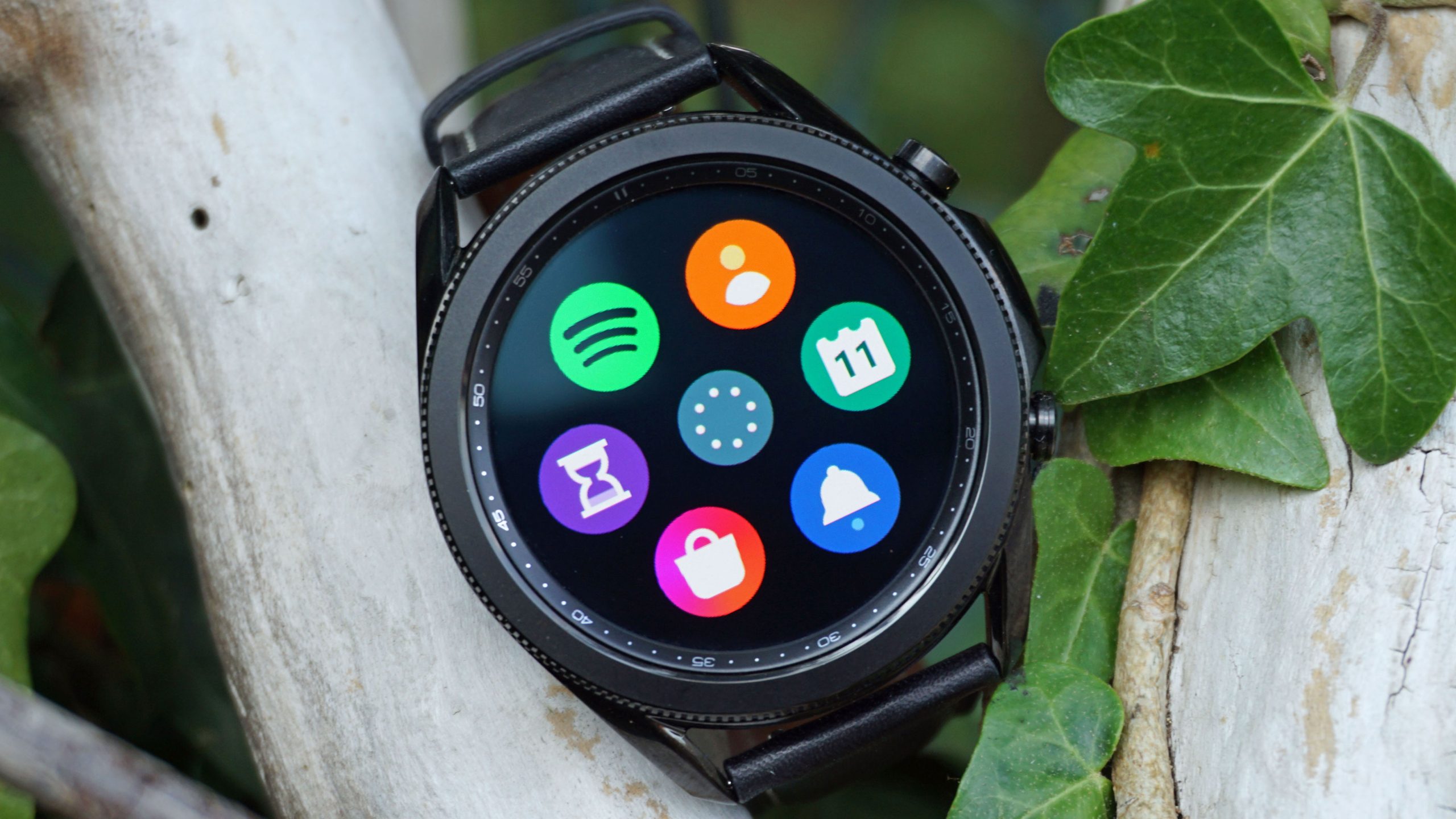
Smartwatches have come a long way, transforming from shrunken phone screens into distinct gadgets.

However, their tiny displays make typing, scrolling, and watching videos quite fiddly. 

This is where artificial intelligence (AI) could step in and truly level up the smartwatches we already have.

A Helping Hand from Virtual Assistants

A Helping Hand from Virtual Assistants

Voice assistants like Siri and Google Assistant are already useful on smartwatches.

Their hands-free nature means we can set alarms or timers without tapping away on those tiny screens. 

By infusing these virtual helpers with more advanced AI, they could become even more useful on our wrists, further reducing the need to grab our phones.

Streamlining Notifications and Messages

Streamlining Notifications and Messages

One of the key advantages AI could bring is intelligently summarizing notifications and messages for quick viewing on our watches.

Imagine if your smartwatch could condense long text messages or emails into bite-sized summaries, perfectly tailored for those compact displays.

AI could also generate more natural, contextual responses, making it easier to reply to messages from your wrist.

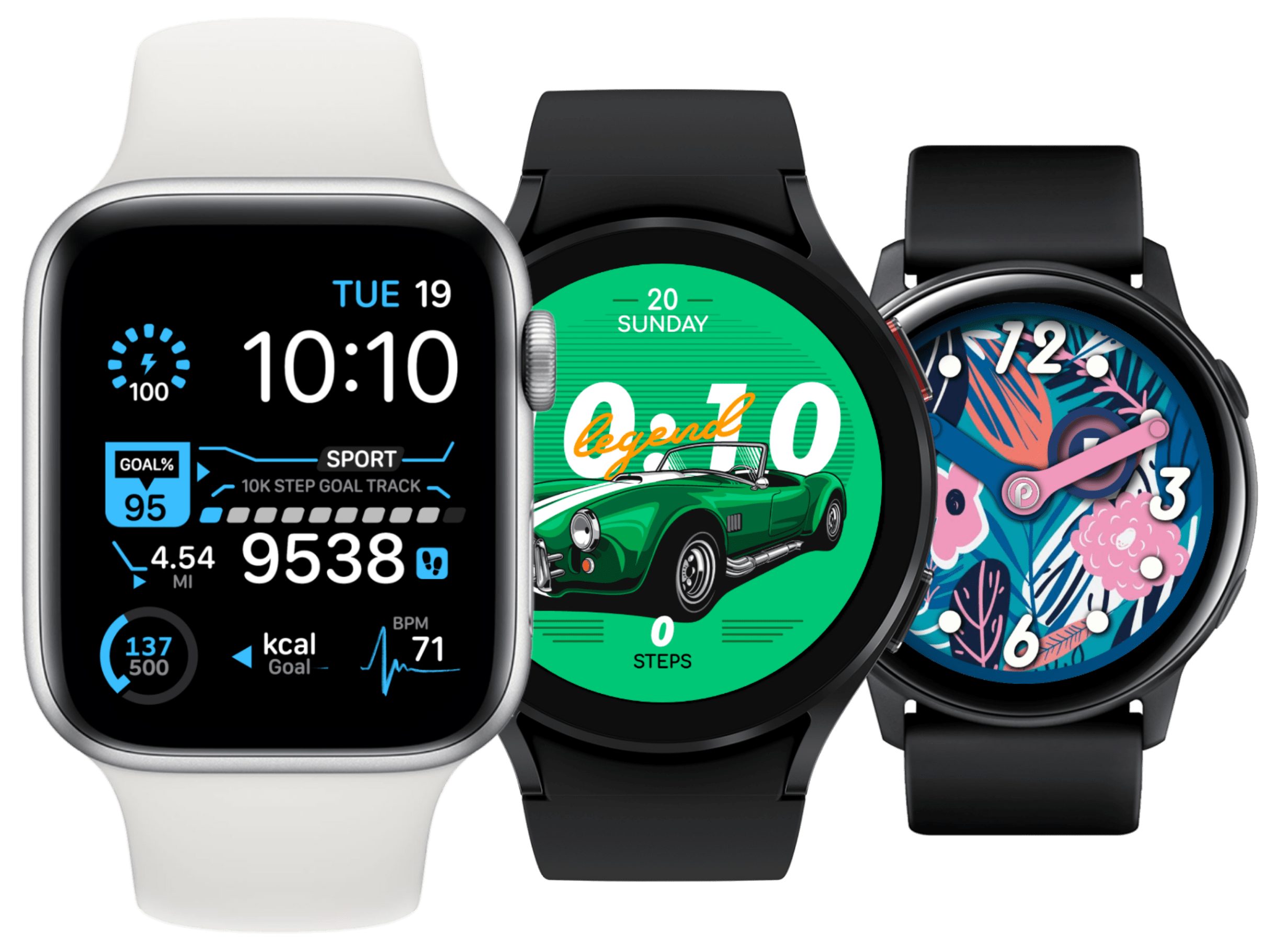
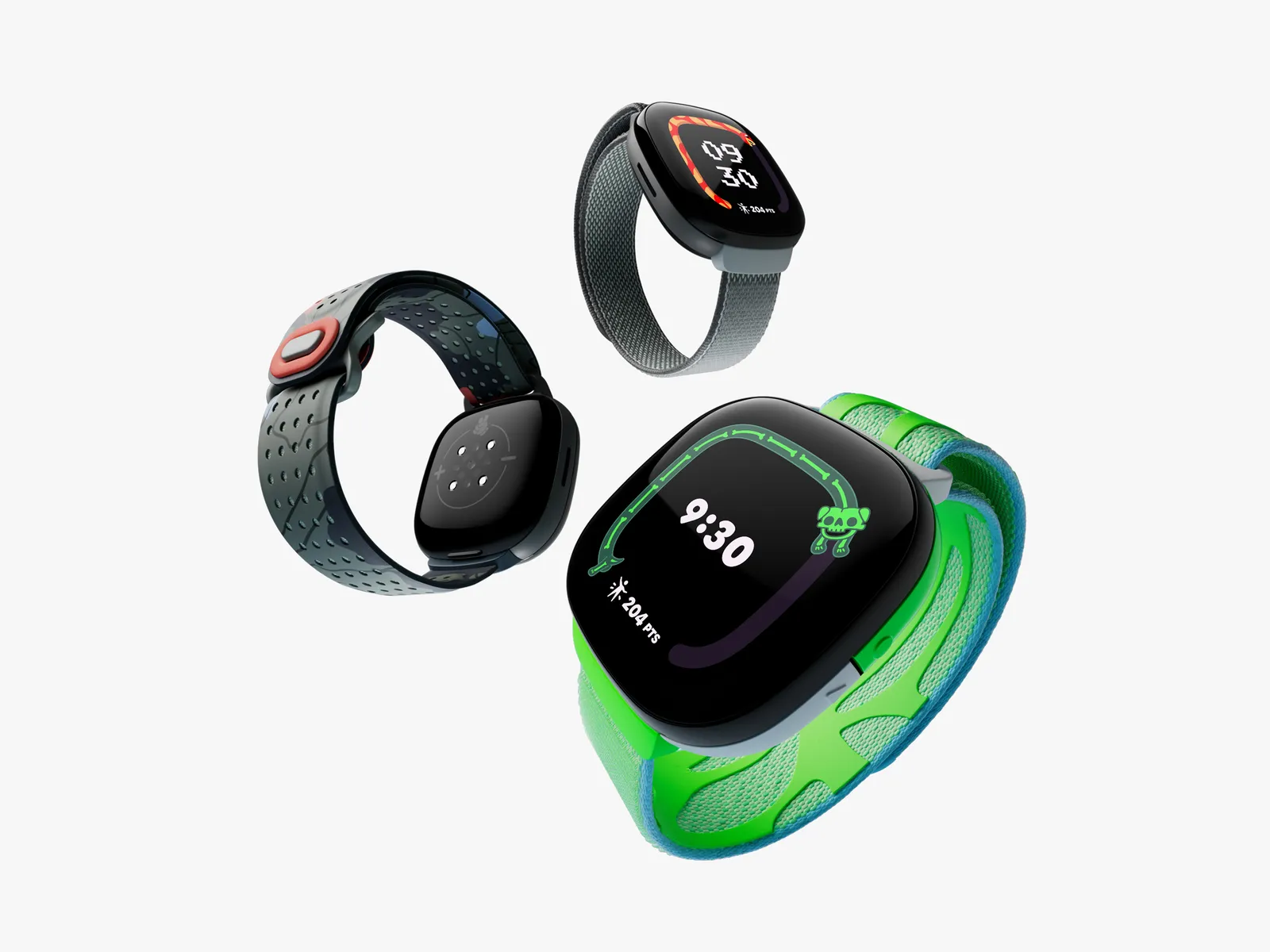
Personalized Watch Faces

Personalized Watch Faces

Style is crucial for smartwatches, as they’re worn visibly on the wrist.

AI could allow us to generate custom watch faces based on our preferences and prompts.

Simply describe the look you want, and the AI could craft a unique design that meets your criteria, saving you from fiddling with complications and widgets.

The Health Tracking Boost

The Health Tracking Boost

Tech giants are already exploring how AI can enhance health tracking on smartwatches.

Apple has updated Siri to answer health-related queries, while Google’s Fitbit Labs uses AI to crunch fitness data and provide insights. 

An AI-powered health coach could be the next step, offering personalized guidance based on your activity levels and metrics.

Overcoming Limitations

AI-powered health tracking and personalized coaching

Bringing advanced AI to compact smartwatches isn’t without challenges.

Such complex processing could strain the devices’ limited resources unless handled in the cloud.

Privacy is also a concern, as health data and personal preferences would need to be protected.

The Road Ahead

Customizable watch faces through AI

As major players like Apple, Google, and Samsung continue developing their smartwatch platforms, we may soon hear more about how AI could enhance these wearables.

While the implementation details remain uncertain, the potential for AI to streamline interactions, personalize experiences, and offer intelligent health coaching on the devices we already own is undeniable.

FAQs

How can AI improve smartwatches?

AI can enhance smartwatches by offering advanced voice assistants, personalized watch faces, and intelligent health tracking, making these devices more user-friendly and efficient.

What are the benefits of AI-generated message summaries?

AI-generated summaries allow users to quickly view condensed versions of long messages or emails on their smartwatches, making it easier to stay informed on the go.

Can AI create custom watch faces?

Yes, AI can generate personalized watch faces based on user preferences, providing unique and tailored designs without the need for manual adjustments.

How does AI enhance health tracking on smartwatches?

AI can analyze fitness data and provide personalized health insights and coaching, helping users achieve their fitness goals with tailored guidance.

What challenges does AI face in smartwatches?

AI implementation in smartwatches faces challenges such as limited device resources and privacy concerns, as complex processing may require cloud-based solutions and secure data handling.

Also Read: Sundar Pichai’s Google Bard: What is Google’s New AI Bard Chatbot ? How to access it ? Microsoft’s Chat GPT Vs Google’s Bard

Also Read: Apple’s iPhone 16 to Revolutionize with AI Integration in iOS 18

Also Read: Apple’s iOS 18 Is Likely to Be Its Most Ambitious Update Yet: Mark Gurman

Samsung Galaxy Z Fold 6 vs Galaxy Z Flip 6: Which Foldable Phone Suits You Best?

0

Highlights

  • Galaxy Z Fold 6: Productivity-focused with a larger internal display.

  • Galaxy Z Flip 6: Compact clamshell design with an enhanced cover display.

  • Both models feature Snapdragon 8 Gen 3 chipset and IPX8 water resistance.

  • Improved battery life and software support for enhanced user experience.

In just a few weeks, Samsung is expected to unveil its latest foldable wonders, the Galaxy Z Fold 6 and the Galaxy Z Flip 6.

While both devices offer a unique take on the foldable form factor, they cater to distinct user needs, leaving potential buyers with a tough choice.

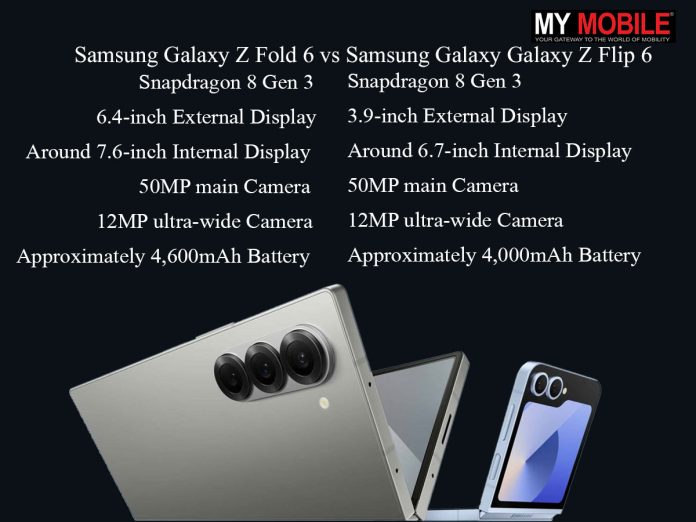
Specs at a Glance

Feature

Galaxy Z Fold 6 (Expected)

Galaxy Z Flip 6 (Expected)

Chipset

Snapdragon 8 Gen 3

Snapdragon 8 Gen 3

RAM

Up to 12GB

Up to 12GB

Storage

Up to 1TB

Up to 512GB

External Display

6.4-inch, ~2,376 x 968 resolution

~3.9-inch

Internal Display

~7.6-inch, ~2160 x 1856 resolution

~6.7-inch

Rear Cameras

50MP main, 12MP ultra-wide, 10MP telephoto

50MP main, 12MP ultra-wide

Battery

~4,600mAh

~4,000mAh

Charging

Up to 25W wired charging

Up to 25W wired charging

Water Resistance

IPX8

IPX8

Design and Display: Folding in Different Ways

Galaxy Z Flip 6 Design and Display

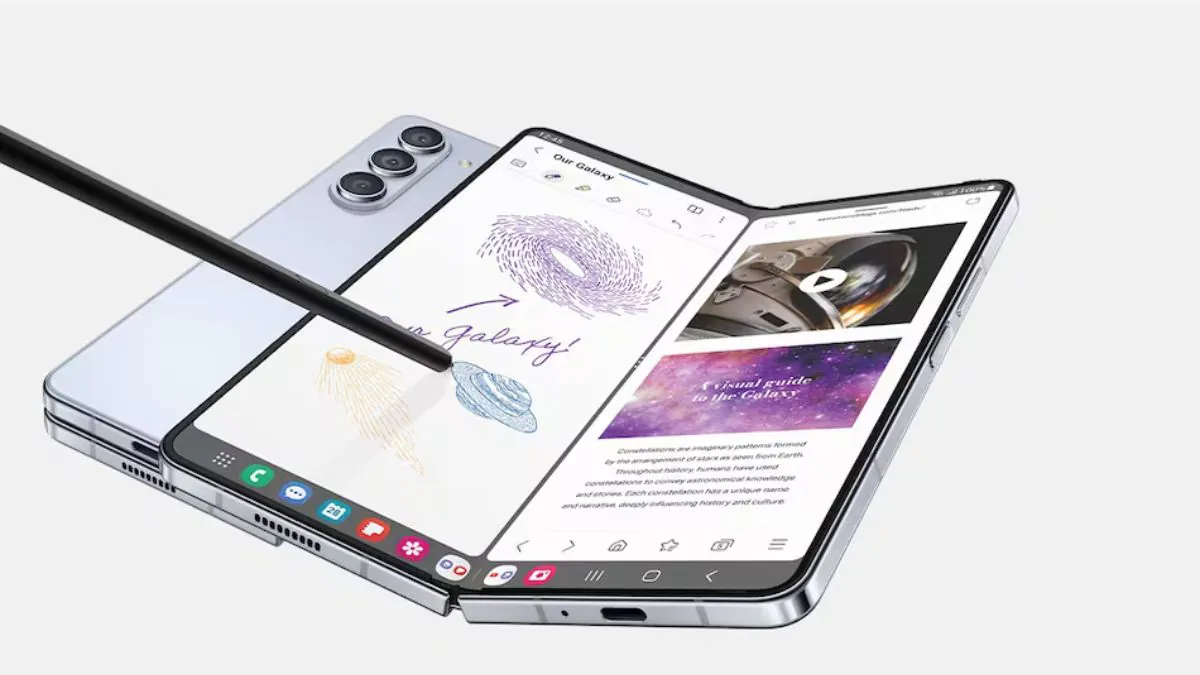
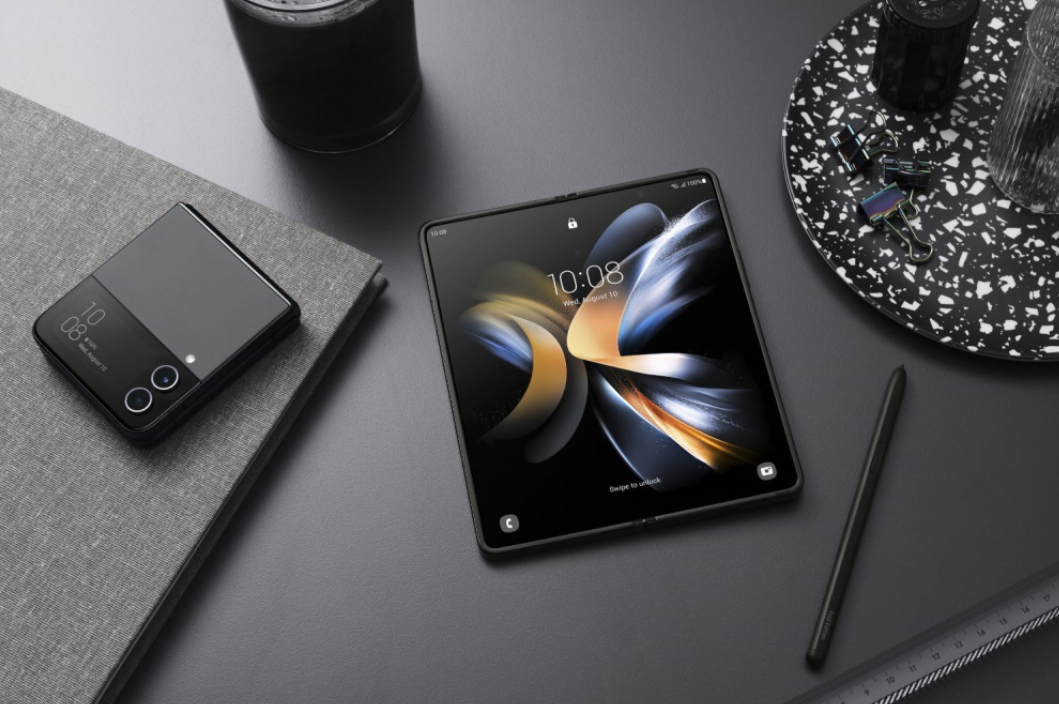
The Galaxy Z Fold 6 is shaping up to be the productivity powerhouse, with its larger book-like form factor and expansive internal display.

Rumours suggest a lighter titanium frame and improved display glass, potentially eliminating the dreaded crease that has plagued previous foldables.

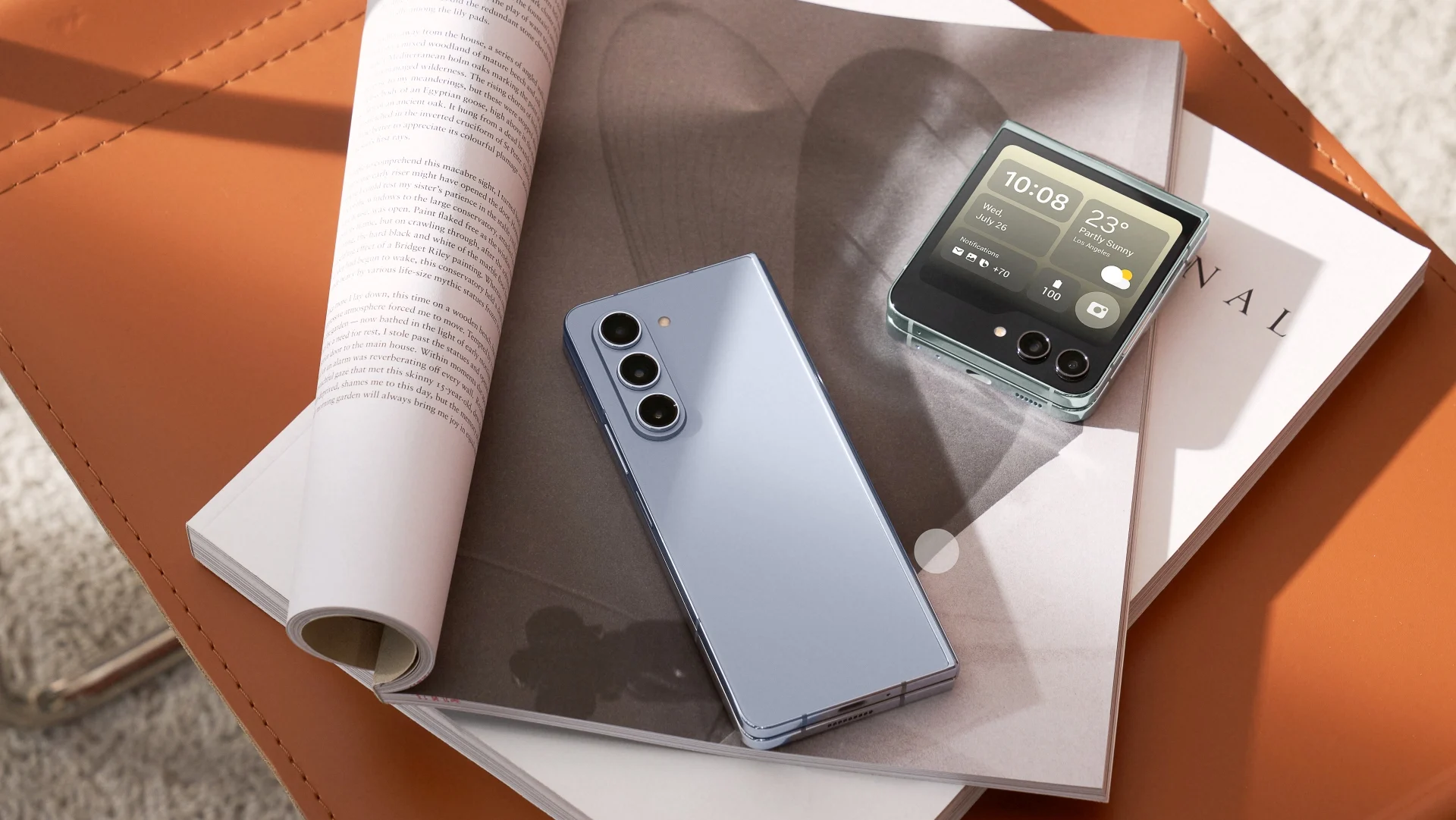
Anticipated launch of the Galaxy Z Fold6 and Z Flip6 at the upcoming event
Galaxy Z Fold 6 Design and Display

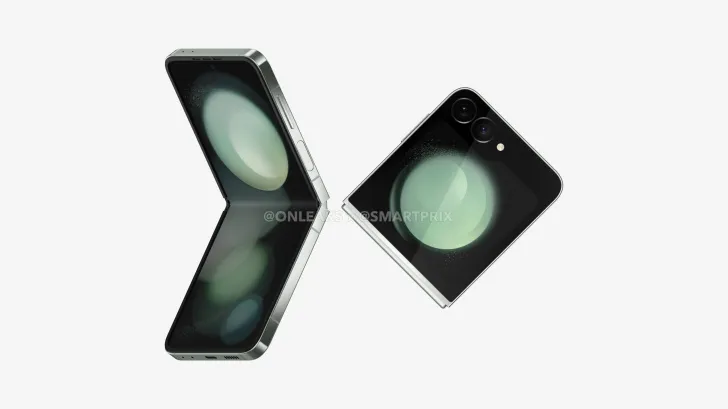
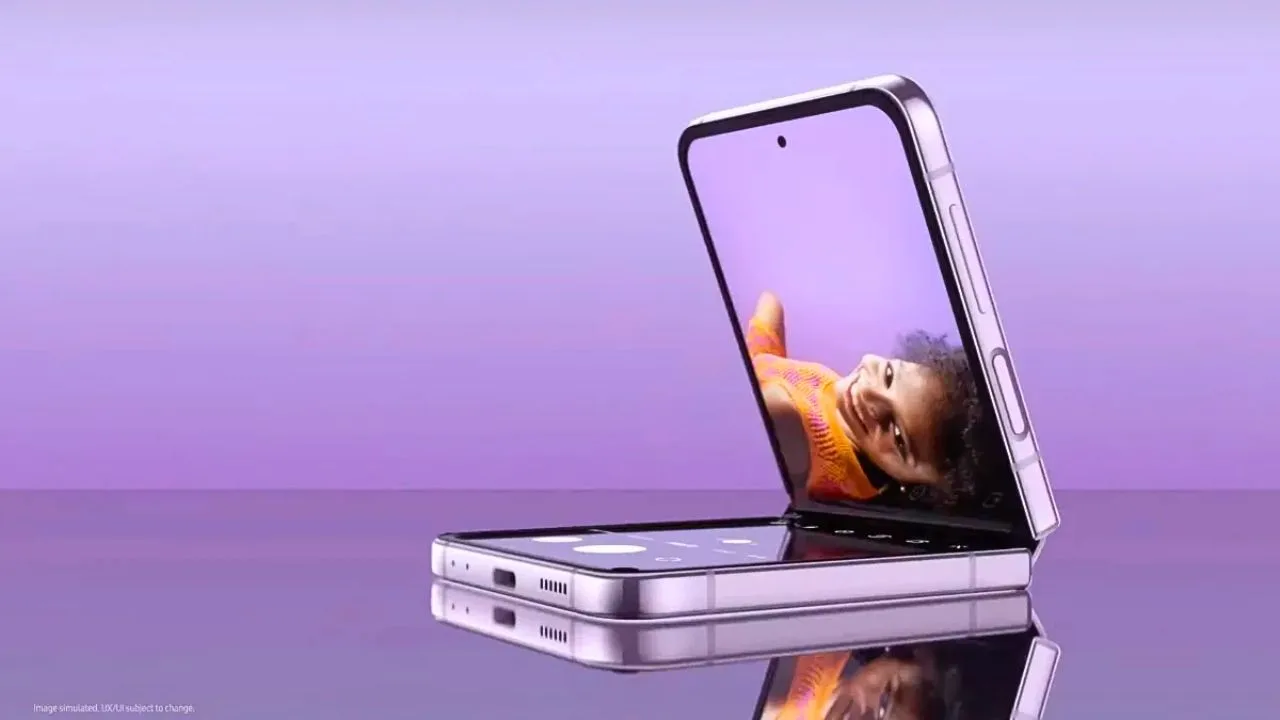
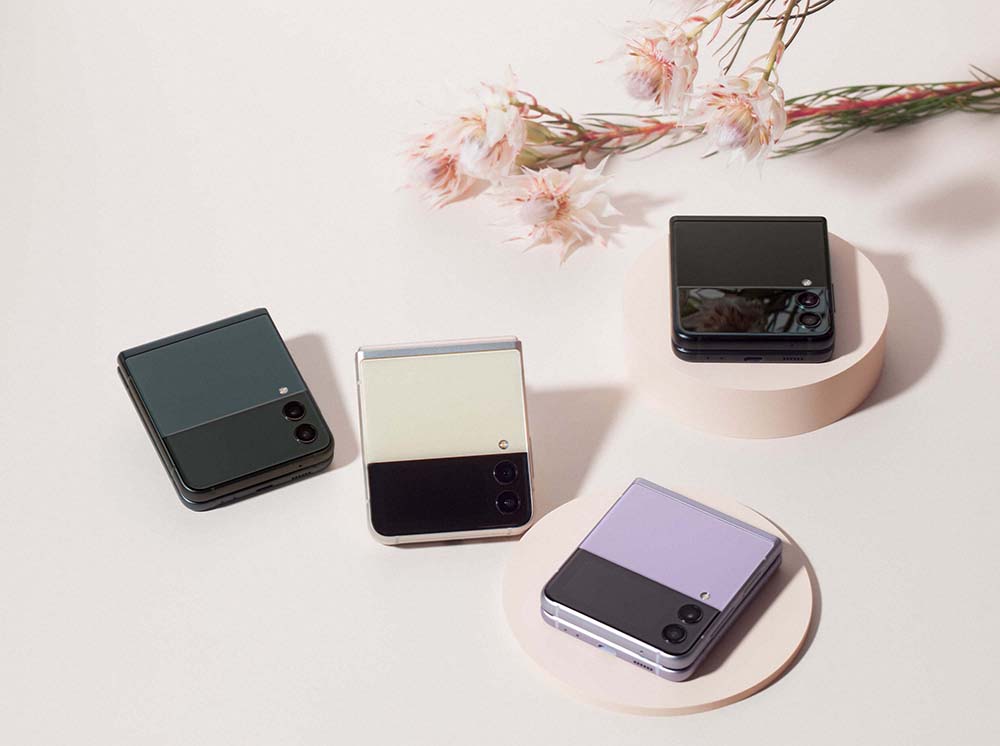
In contrast, the Galaxy Z Flip 6 is expected to retain a similar design language to its predecessor, with a slightly larger cover display spanning the entire upper portion.

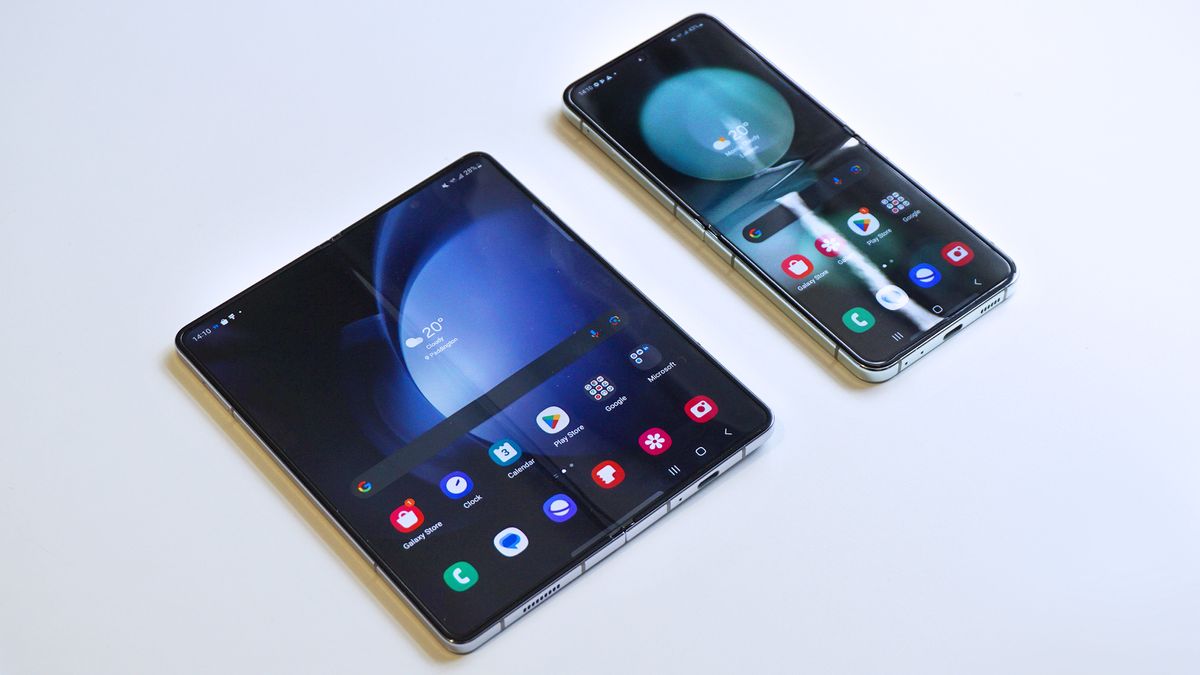
When unfolded, it’s said to offer a screen size comparable to the Fold 6’s folded state, making it a more compact option.

Camera Capabilities: Incremental Upgrades

Galaxy Z Flip 6 Camera Capabilities

On the camera front, the Galaxy Z Fold 6 is rumoured to stick with a triple rear setup comprising a 50MP main, 12MP ultra-wide, and 10MP telephoto lens with 3X optical zoom.

While the hardware may not change significantly, Samsung is likely to introduce software and algorithm improvements for enhanced imaging.

Introduces 50MP main camera, two-way satellite connectivity, and 100W fast charging
Galaxy Z Fold 6 Camera Capabilities

The Galaxy Z Flip 6, however, could see a more substantial camera upgrade with a rumoured 50MP main sensor, a substantial leap from the 12MP shooter on previous models.

This could potentially enable features like quad-pixel binning for improved low-light performance.

Battery Life and Charging: Addressing Pain Points

Galaxy Z Fold 6 Battery Life and Charging

Battery life has been a sore point for foldables, but Samsung seems poised to address these concerns.

The Galaxy Z Fold 6 is rumoured to pack a ~4,600mAh battery, a modest upgrade over its predecessor, while the Galaxy Z Flip 6 could feature a ~4,000mAh cell, a more significant boost compared to the Flip 5.

Galaxy Z Flip 6 vs. Galaxy Z Flip 5: Expected Spec Differences
Galaxy Z Flip 6 Battery Life and Charging

However, charging speeds may not see a dramatic improvement, with rumours suggesting both devices could stick to 25W wired charging.

While faster charging would be welcome, Samsung’s priority appears to be extending battery life through efficiency gains.

Performance and Software: Snapdragon Supremacy

Galaxy Z Fold 6 Performance and Software

Both foldables are expected to be powered by Qualcomm’s latest Snapdragon 8 Gen 3 chipset, promising top-notch performance and efficiency.

Samsung’s decision to eschew its in-house Exynos chips for foldables is a wise move, given the Snapdragon’s proven track record in flagship smartphones.

Samsung Galaxy Z Flip 6 Rumoured to Feature Exynos Chip in Select Markets
Galaxy Z Flip 6 Performance and Software

On the software front, Samsung’s foldables are likely to benefit from the company’s commitment to seven years of software support, ensuring a smooth and up-to-date experience throughout the devices’ lifespans.

Audio Quality: A Missed Opportunity?

Samsung Rolls Out Limited Galaxy AI Features to 2021 Devices with One UI 6.1 Update
Samsung is expected to unveil its latest foldable wonders

While Samsung has been tight-lipped about audio improvements, the lack of rumours surrounding enhanced speakers or audio capabilities suggests this aspect may not receive significant attention in the upcoming foldables.

Which One Should You Buy?

Samsung Secures Trademarks for Galaxy Z Flip 6
Samsung Galaxy Z Fold 6 vs Galaxy Z Flip 6

Ultimately, the choice between the Galaxy Z Fold 6 and Galaxy Z Flip 6 boils down to personal preferences and use cases.

The Fold 6 is shaping up to be the productivity powerhouse, with its expansive internal display and multitasking capabilities, albeit at a rumoured price tag of around $1,899.

On the other hand, the Galaxy Z Flip 6 is poised to be the more accessible and compact foldable option, likely retaining a price point closer to $1,000.

Its clamshell design and improved cover display could make it a compelling choice for those seeking a unique yet pocketable device.

As Samsung prepares to unveil its latest foldable marvels, the choice between the Galaxy Z Fold 6 and Galaxy Z Flip 6 will ultimately come down to individual needs and budgets.

Whichever path you choose, Samsung’s commitment to refining the foldable experience is undeniable, and the upcoming devices promise to push the boundaries of what’s possible with this innovative form factor.

SAMSUNG GALAXY Z FOLD 6 KEY SPECIFICATIONS

Key Specs

RAM 12 GB
Processor Qualcomm Snapdragon 8 Gen 2
Rear Camera 50 MP + 12 MP + 10 MP
Front Camera 12 MP
Battery 4700 mAh
Display 7.8 inches (19.81 cm)

General

Launch Date August 2, 2023 (Unofficial)
Operating System Android v12

Performance

Chipset Qualcomm Snapdragon 8 Gen 2
CPU Octa core (3.2 GHz, Single core, Cortex X3 + 2.8 GHz, Quad core, Cortex A715 + 2 GHz, Quad core, Cortex A510)
Architecture 64 bit
Fabrication 4 nm
Graphics Adreno 740
RAM 12 GB

Display

Display Type Dynamic AMOLED
Screen Size 7.8 inches (19.81 cm)
Resolution 1768 x 2208 pixels
Pixel Density 363 ppi
Screen Protection Corning Gorilla Glass, Glass Victus
Bezel-less display Yes with punch-hole display
Touch Screen Yes, Capacitive Touchscreen, Multi-touch

Camera

MAIN CAMERA
Camera Setup Triple
Resolution 50 MP, Primary Camera
12 MP, Ultra-Wide Angle Camera
10 MP , Telephoto Camera
Autofocus Yes
Flash Yes, LED Flash
Image Resolution 8150 x 6150 Pixels
Settings Exposure compensation, ISO control
Shooting Modes Continuous Shooting
High Dynamic Range mode (HDR)
Camera Features Digital Zoom
Auto Flash
Face detection
Touch to focus
FRONT CAMERA
Camera Setup Single
Resolution 12 MP, Primary Camera

Battery

Capacity 4700 mAh
Type Li-ion
Removable No
Wireless Charging Yes
Quick Charging Yes, Fast
USB Type-C Yes

Storage

Internal Memory 256 GB
Expandable Memory No

Network & Connectivity

SIM Slot(s) Dual SIM, GSM+GSM
SIM Size SIM1: Nano, SIM2: Nano
Network Support 5G Not Supported in India, 4G Supported in India, 3G, 2G
VoLTE Yes
SIM 1
4G Bands:
TD-LTE 2300(band 40)
FD-LTE 1800(band 3)
3G Bands:
UMTS 1900 / 2100 / 850 / 900 MHz
2G Bands:
GSM 1800 / 1900 / 850 / 900 MHz
GPRS:
Available
EDGE:
Available
SIM 2
4G Bands:
TD-LTE 2300(band 40)
FD-LTE 1800(band 3)
3G Bands:
UMTS 1900 / 2100 / 850 / 900 MHz
2G Bands:
GSM 1800 / 1900 / 850 / 900 MHz
GPRS:
Available
EDGE:
Available
Wi-Fi Yes, Wi-Fi 4 (802.11 b/g/n)
Wi-Fi Features Mobile Hotspot
Bluetooth Yes, v5.2
GPS Yes with A-GPS, Glonass
NFC Yes
USB Connectivity Mass storage device, USB charging

Multimedia

Loudspeaker Yes
Audio Jack USB Type-C

Sensors

Fingerprint Sensor Yes
Fingerprint Sensor Position Side
Other Sensors Light sensor, Proximity sensor, Accelerometer

SAMSUNG GALAXY Z FLIP 6 5G SPECIFICATIONS

Key Specs

RAM 12 GB
Processor Qualcomm Snapdragon 8 Gen 3
Rear Camera 50 MP
Battery 4000 mAh
Display 6.7 inches (17.02 cm)

General

Operating System Android v14
Custom UI Samsung One UI

Performance

Chipset Qualcomm Snapdragon 8 Gen 3
RAM 12 GB

Display

Screen Size 6.7 inches (17.02 cm)
Pixel Density 398 ppi
Touch Screen Capacitive Touchscreen

Camera

MAIN CAMERA
Camera Setup Dual
Resolution 50 MP, Primary Camera

Battery

Capacity 4000 mAh
Removable No
Quick Charging Yes, Fast, 25W

Storage

Internal Memory 256 GB

Network & Connectivity

SIM Slot(s) Single SIM
Network Support 5G Supported in India, 4G Supported in India, 3G, 2G
VoLTE Yes
SIM 1
5G Bands:
FDD N3
TDD N40
4G Bands:
TD-LTE 2300(band 40)
FD-LTE 1800(band 3)
3G Bands:
UMTS 2100 / 900 MHz
2G Bands:
GSM 1800 / 900 MHz
GPRS:
Available
EDGE:
Available

FAQs

What are the main differences between Galaxy Z Fold 6 and Galaxy Z Flip 6?

The Galaxy Z Fold 6 is designed for productivity with a larger internal display, while the Galaxy Z Flip 6 offers a compact clamshell design.

Which chipset powers the Galaxy Z Fold 6 and Z Flip 6?

Both devices are expected to feature the Snapdragon 8 Gen 3 chipset.

What is the expected battery capacity for these foldables?

The Galaxy Z Fold 6 is rumoured to have a ~4,600mAh battery, and the Galaxy Z Flip 6 could feature a ~4,000mAh battery.

Will the Galaxy Z Fold 6 and Z Flip 6 be water-resistant?

Yes, both phones are expected to have an IPX8 water resistance rating.

What are the camera specifications for the Galaxy Z Fold 6?

The Galaxy Z Fold 6 is expected to have a 50MP main camera, a 12MP ultra-wide camera, and a 10MP telephoto lens with 3X optical zoom.

lso Read: Samsung Galaxy Z Flip 6 vs Galaxy Z Flip 5: Potential Changes We Can Expect

Also Read: Samsung Secures Trademarks for Galaxy Z Flip 6 and 7 Ahead of 2024, 2025 Launches

Apple’s iOS 18 Letdown: Locking AI Behind a £1,000 Paywall

0
Apple's iOS 18 Letdown: Locking AI Behind a £1,000 Paywall

Highlights

  • iOS 18 AI features exclusive to iPhone 15 Pro and Pro Max models.
  • Non-Pro iPhone 15 users miss out on advanced AI capabilities.
  • Apple’s decision sparks backlash among recent iPhone buyers.
  • Competitor Samsung offers broader AI support across older models.

In a move that has left many iPhone users feeling short-changed, Apple has dropped a bombshell – the much-hyped AI capabilities of iOS 18 will be exclusive to the top-tier iPhone 15 Pro and Pro Max.

This controversial decision means millions of Apple fans, including those who recently splurged on the £799 iPhone 15, will miss out on the marquee features of the latest software update.

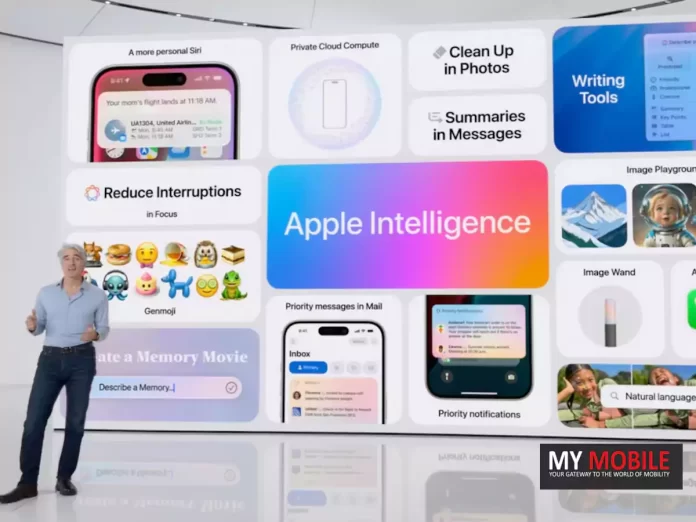
No Apple Intelligence for Older iPhone Users

OS 18 AI features exclusive to iPhone 15 Pro and Pro Max models

Apple’s justification for this jarring divide?

Apparently, the 6GB of RAM in the non-Pro iPhone 15 models is insufficient to handle the AI wizardry.

But this excuse rings hollow when you consider that Apple could have easily equipped the standard iPhone 15 with more memory, just as they did with the Pro variants.

It’s not as if Apple’s engineering team was caught off guard by the AI demands of iOS 18.

The tech giant’s actions reek of a blatant upsell tactic, capitalising on software to push users towards the pricier Pro lineup.

While maximising profits is the goal of any business, doing so at the expense of recent iPhone 15 buyers feels like a slap in the face.

These customers have shelled out hundreds of pounds for Apple’s latest flagship, only to be denied its most compelling features a few months later.

Competitors Ramping Up AI

Competitor Samsung offers broader AI support across older models

What’s even more galling is that rival Samsung has taken a far more consumer-friendly approach.

The Korean tech titan has not only promised up to seven years of software support for its Galaxy flagships but has also extended many of the AI capabilities of its latest One UI release to older Galaxy models like the S22.

In a shocking turn of events, Samsung now appears more generous than Apple when it comes to keeping devices updated with meaningful features.

While Apple defenders may argue that the company is merely exercising its prerogative as a hardware vendor, this line of reasoning falls flat.

By explicitly tying advanced AI functionality to the iPhone 15 Pro, Apple is effectively upselling users on software – an area where it has traditionally taken an egalitarian stance across its product range.

A16 Bionic Almost As Powerful as A17 Pro

Apple's decision sparks backlash among recent iPhone buyers
Apple’s decision sparks backlash among recent iPhone buyers

The situation is further compounded by the fact that the A16 Bionic chip powering the standard iPhone 15 is no slouch.

With only a slight deficit in neural processing power compared to the A17 in the Pro models, there’s no concrete reason why Apple couldn’t have extended at least some AI capabilities to the non-Pro iPhone 15 variants.

In the end, Apple’s decision to create an AI monopoly within its own ecosystem is a bewildering one.

Not only does it risk alienating a significant portion of its user base, but it also opens the company up to further accusations of anti-competitive practices – something it can ill afford as it faces mounting regulatory scrutiny.

As the iOS 18 rollout continues, Apple finds itself at a crossroads.

Will it double down on its divisive strategy, potentially driving disgruntled users towards Android?

Or will it heed the backlash and extend at least some AI capabilities to the broader iPhone family?

Only time will tell, but one thing is clear: Apple’s handling of this situation has left a sour taste in the mouths of many once-loyal customers.

FAQs

Which iPhone models will receive the new AI features in iOS 18?

The new AI features in iOS 18 will be exclusive to the iPhone 15 Pro and Pro Max models.

Why are non-Pro iPhone 15 users excluded from these features?

Apple claims the 6GB RAM in non-Pro models is insufficient for the AI capabilities, though critics argue it’s a deliberate upsell tactic.

How has the tech community reacted to Apple’s decision?

The decision has sparked backlash, with many users feeling short-changed and accusing Apple of pushing customers towards more expensive models.

How does Samsung handle AI feature updates for its devices?

Samsung extends many of its AI capabilities to older Galaxy models and promises up to seven years of software support for its flagship devices.

Is there a significant performance difference between the A16 and A17 chips?

The A16 Bionic chip in the standard iPhone 15 is only slightly less powerful than the A17 in the Pro models, raising questions about the necessity of limiting AI features.

Also Read: Apple’s iPhone 16 to Revolutionize with AI Integration in iOS 18

Also Read: Apple’s iOS 18 Is Likely to Be Its Most Ambitious Update Yet: Mark Gurman