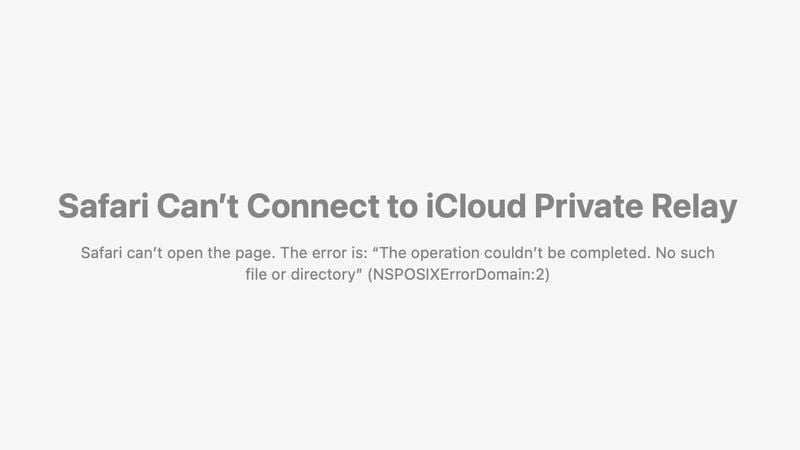
iCloud Private Relay outage began at 11:34 A.M. Pacific Time
Users experiencing slow loading times and inaccessible websites
Apple confirms the disruption and suggests disabling Private Relay temporarily
No estimated resolution time provided yet
Apple users may be experiencing difficulties browsing the web on their devices this Thursday night due to an ongoing outage of iCloud Private Relay.
The company has confirmed the service disruption through its System Status webpage.
Outage Details
Apple confirms the disruption and suggests disabling Private Relay temporarily
• Start time: The outage began around 11:34 A.M. Pacific Time • Status: Ongoing as of this report • Impact: Users may find the service slow or unavailable
Understanding iCloud Private Relay
Since iCloud Private Relay manages internet requests, this outage could significantly impact users’ web browsing.
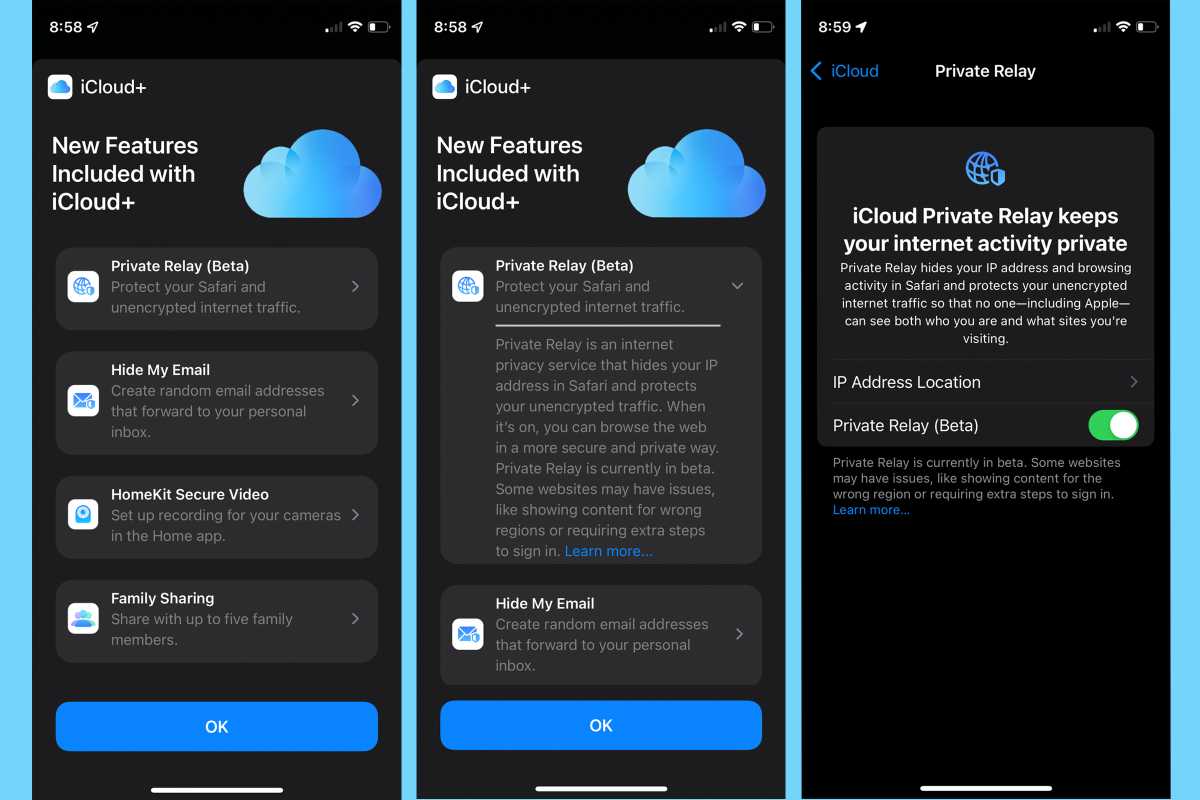
iCloud Private Relay is a privacy feature that:
• Sends internet requests through two separate, secure relays
• Uses one relay operated by Apple and another by a third party
• Prevents even Apple from knowing users’ identities and browsing habits
The feature is part of the iCloud+ subscription and is not available to free iCloud users.
Effects on Users
Users experiencing slow loading times and inaccessible websites
For users experiencing problems, Apple suggests disabling iCloud Private Relay in the iCloud settings as a temporary workaround.
Apple’s Response
This outage shows the potential drawbacks of relying on privacy-enhancing services that route internet traffic.
The company has acknowledged the interruption and is actively working to resolve the issue.
However, no estimated time for resolution has been provided as of yet.
This outage highlights the potential drawbacks of relying on privacy-enhancing services that route internet traffic.
While these services offer important privacy benefits, they can also introduce new points of failure that may disrupt normal browsing activities when issues occur.
Users and the tech community will be watching closely to see how quickly Apple can resolve this outage and prevent similar issues in the future.
FAQs
What is iCloud Private Relay?
iCloud Private Relay is a privacy feature that routes internet requests through two secure relays, operated by Apple and a third party, to protect user identities and browsing habits.
How is the iCloud Private Relay outage affecting users?
The outage is causing slow loading times, inability to access certain websites, and general browsing disruptions for users.
What can users do to temporarily resolve the issue?
Apple suggests disabling iCloud Private Relay in the iCloud settings as a temporary workaround.
Who is impacted by the iCloud Private Relay outage?
The outage primarily affects iCloud+ subscribers who use the Private Relay feature to enhance their online privacy.
Has Apple provided an estimated resolution time for the outage?
No, Apple has not provided an estimated time for resolving the iCloud Private Relay outage yet.
Such capabilities may greatly enhance the user experience and usefulness of cloud storage platforms, particularly as the value of video material for both personal and professional usage continues to expand.
Although the fact that it is now only available in English may bother some users, Google has promised to add more languages in the future.
FAQs
How do I enable automatic captions for my videos on Google Drive?
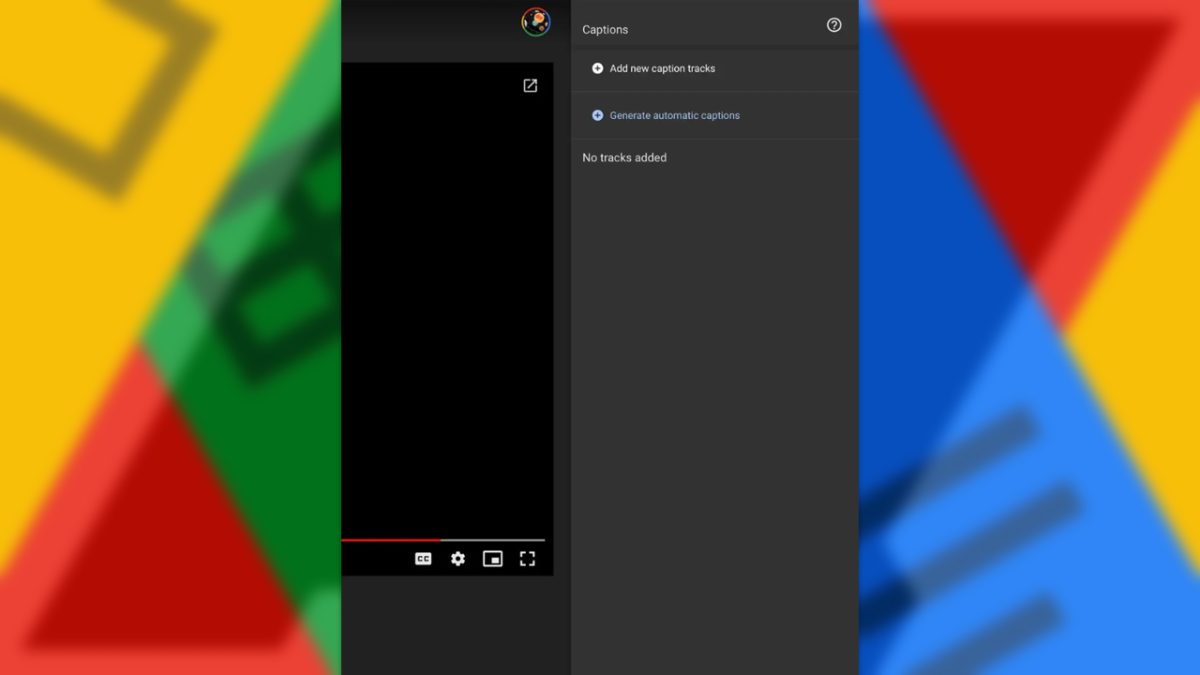
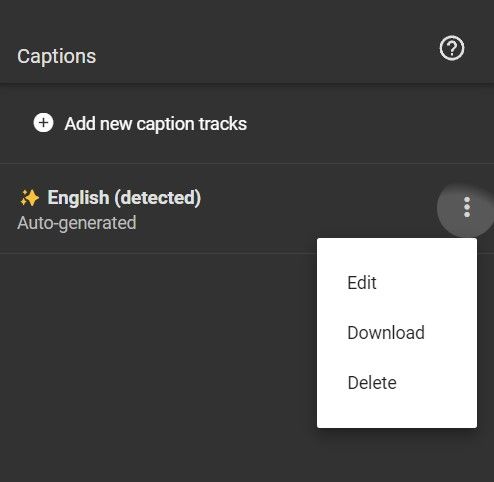
On desktop, right-click the video, select “Manage caption tracks,” then “Generate automatic captions.” On mobile, play the video, tap the three-dot menu, choose “Manage caption tracks,” then “Generate automatic captions.”
Are automatic captions available for all Google Drive users?
Yes, personal Google accounts can request captions, while Google Workspace users have captions enabled automatically unless disabled by admins.
What languages are supported by Google Drive’s automatic captioning feature?
Currently, the feature is available only in English, but Google plans to add more languages in the future.
What are the benefits of using automatic captions on Google Drive?
Automatic captions improve searchability, enhance accessibility, and aid in content comprehension, making media more user-friendly and accessible to a wider audience.
Can I view the captions while playing the video?
Yes, after the captions are generated, you can view them by selecting the “CC” option in a YouTube-style player.
CEO Patrick Spence has now issued a formal apology and outlined plans to address the ongoing issues.
The Apology and Acknowledgment
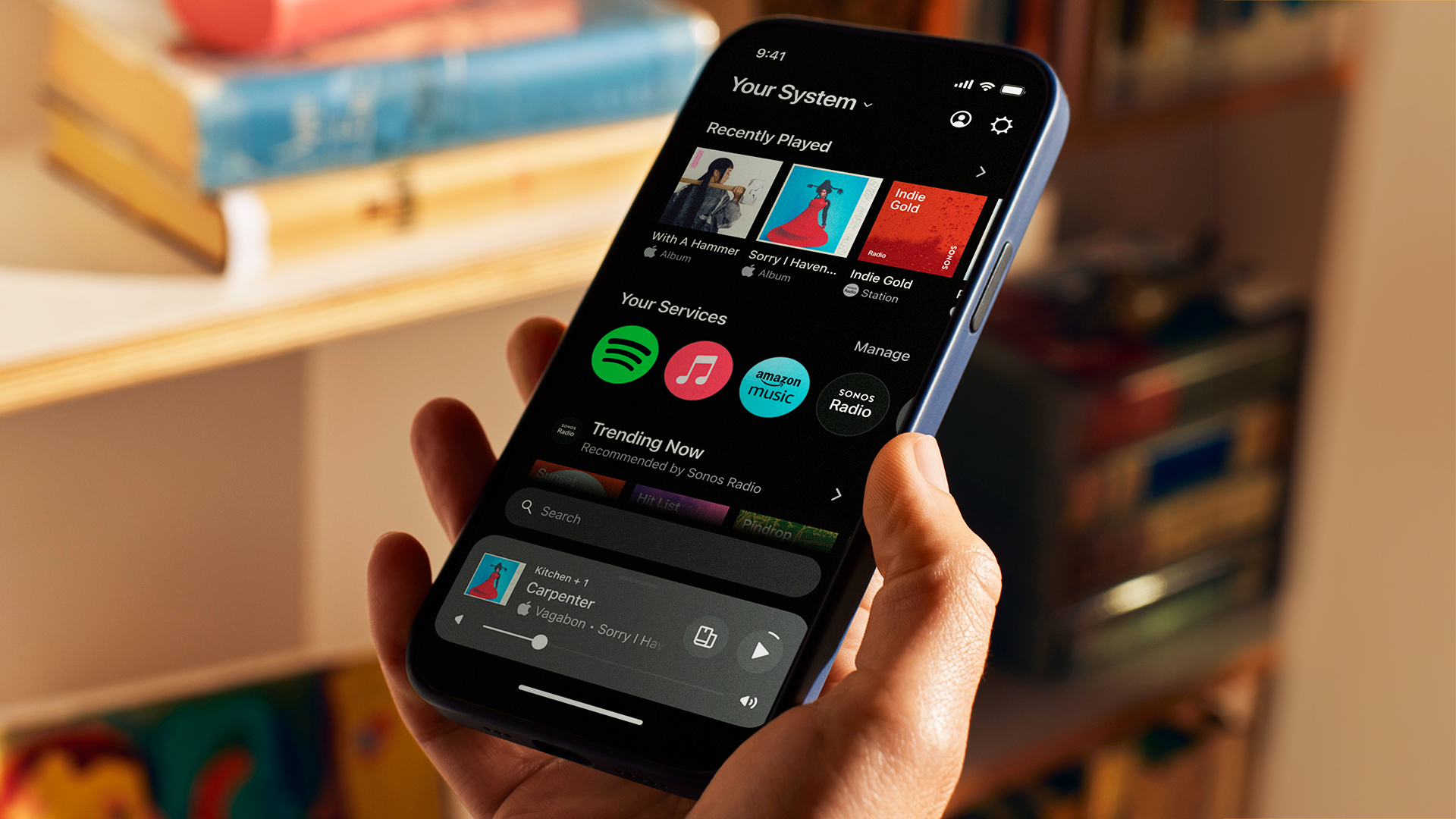
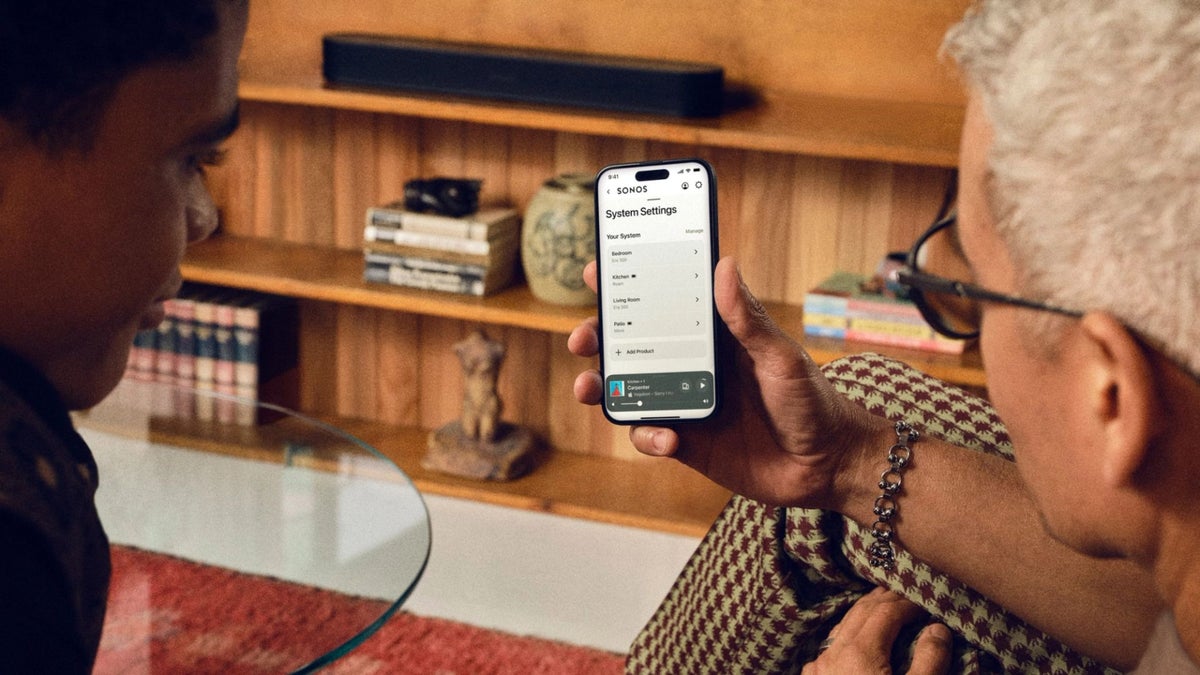
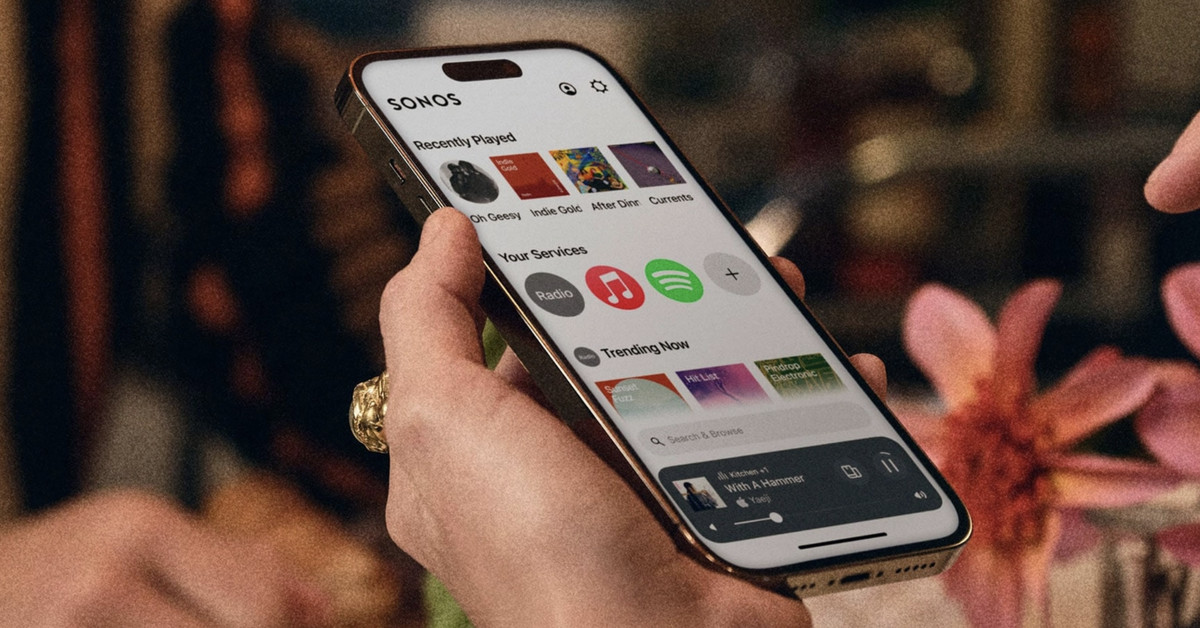
Sonos’ new app, intended to be more modern, customizable, and user-friendly, has faced numerous challenges including missing features
In a letter to customers, Spence wrote: “I want to begin by personally apologizing for disappointing you.” He emphasized that fixing the app for all customers and partners has been and continues to be their top priority. This apology comes after initial responses from the company were perceived as tone-deaf, including a statement that the app overhaul took “courage.”
Issues with the Redesign
Sonos CEO Apologizes for App Redesign Issues and Promises Regular Updates
The new app, intended to be more modern, customizable, and user-friendly, has faced numerous challenges including missing features, bugs, technical difficulties, and problems with local library playback.
Roadmap for Improvement
Sonos could have avoided much of this backlash by releasing the rebuilt app as a beta version
Spence outlined Sonos’ plans to address these issues:
• Updating and improving the app every two weeks • Recent focus on fixing local library playback issues • Some features, like editing the song queue within the app, expected by fall
The CEO provided a software roadmap extending through October, demonstrating the company’s commitment to resolving the problems.
Missed Opportunity
Sonos CEO apologizes for the troubled app redesign and commits to fixes
In retrospect,Sonos could have avoided much of this backlash by releasing the rebuilt app as a beta version for early adopters of the Sonos Ace headphones and maintaining the existing software while bringing the new version to parity.
However, as this opportunity has passed, the company is now focused on rapid improvements to the new app.
Despite Sonos’ efforts to add back missing features and functionality through frequent updates, customer dissatisfaction remains high.
The situation has been described as a “colossal unforced error” for the company.
Future for Sonos
Sonos is now in a position where it must work diligently to regain customer trust
Sonos is now in a position where it must work diligently to regain customer trust and bring the new app up to the standards users expect.
The coming months will be crucial for the company as it strives to deliver on the promises of its redesigned app.
Here’s the full letter by the CEO Patrick Spence:
We know that too many of you have experienced significant problems with our new app which rolled out on May 7, and I want to begin by personally apologizing for disappointing you. There isn’t an employee at Sonos who isn’t pained by having let you down, and I assure you that fixing the app for all of our customers and partners has been and continues to be our number one priority.
We developed the new app to create a better experience, with the ability to drive more innovation in the future, and with the knowledge that it would get better over time. However, since launch we have found a number of issues. Fixing these issues has delayed our prior plan to quickly incorporate missing features and functionality.
Since May 7, we have released new software updates approximately every two weeks, each making significant and meaningful improvements, adding features and fixing bugs. Please see the release notes for Sonos software updates for detailed information on what has been released to date.
While these software updates have enabled the majority of our customers to have a robust experience using the Sonos app, there is more work to be done. We have prioritized the following improvements in our next phase of software updates:
July and August:
Improving the stability when adding new products
Implementing Music Library configuration, browse, search, and play
August and September:
Improving Volume responsiveness
User interface improvements based on customer feedback
Improving overall system stability and error handling
September:
Improving Alarm consistency and reliability
September and October:
Restoring edit mode for Playlists and the Queue
Improving functionality in settings
We plan to continue releasing new software updates on a bi-weekly cadence. With each release, we will share detailed notes on what we’ve addressed and what we’re working on next in our community.
We deeply appreciate your patience as we address these issues. We know we have work to do to earn back your trust and are working hard to do just that. I am always open to your feedback, you can find me via email at ceo@sonos.com.
Sincerely,
Patrick Spence
CEO
FAQs
What issues have users experienced with the new Sonos app redesign?
Users have reported missing features, bugs, technical difficulties, and problems with local library playback in the new Sonos app.
How is Sonos addressing the app redesign problems?
Sonos plans to release updates every two weeks, focusing on fixing issues and improving app functionality, including addressing local library playback problems.
When can users expect the app to improve?
Sonos has outlined a software roadmap through October, with some features, like editing the song queue within the app, expected by fall.
What did Sonos CEO Patrick Spence say in his apology?
Patrick Spence apologized for disappointing customers and emphasized that fixing the app for all users and partners is their top priority.
What could Sonos have done differently to avoid the backlash?
Sonos could have released the new app as a beta version for early adopters while maintaining the existing software until the new version reached feature parity.
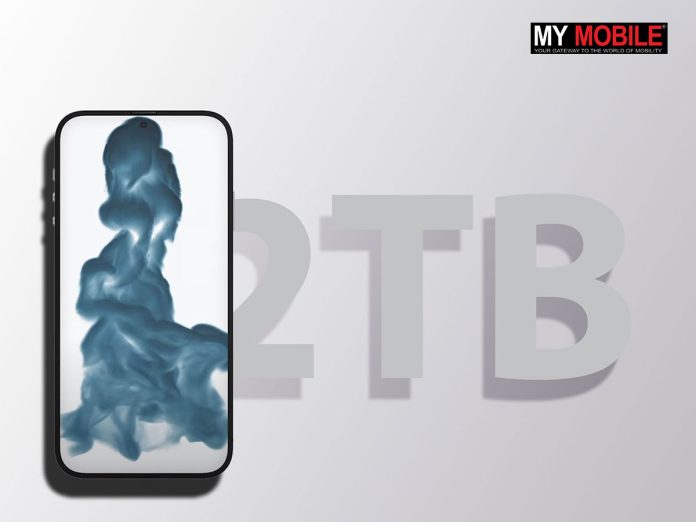
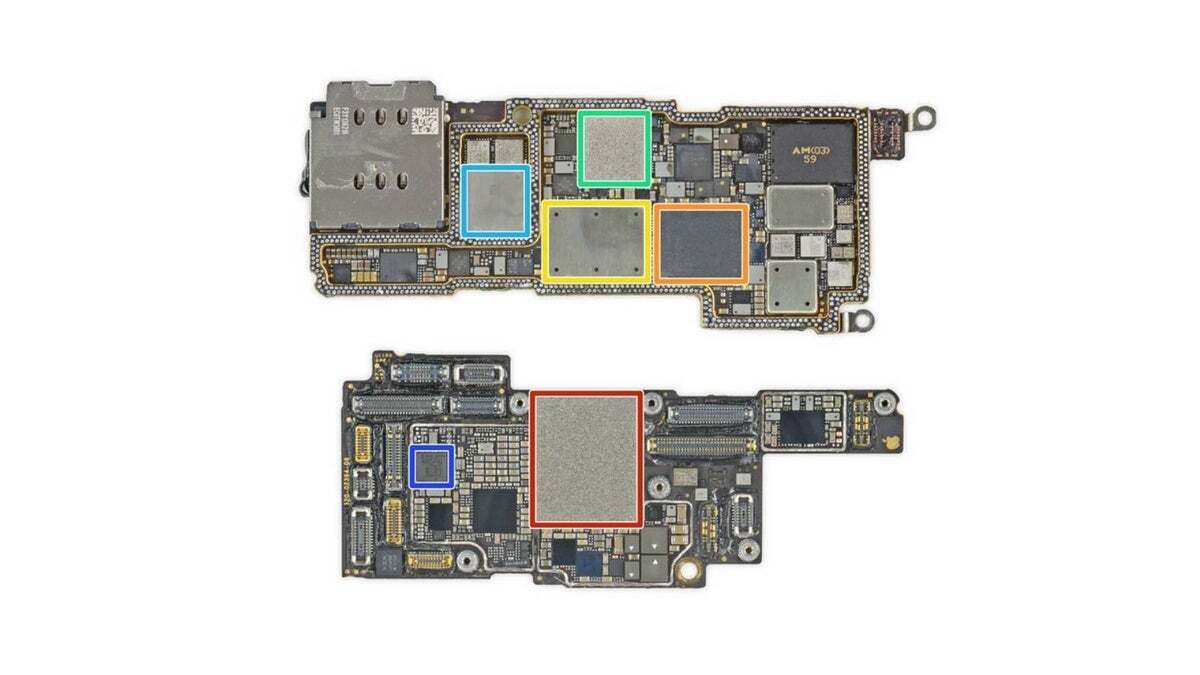
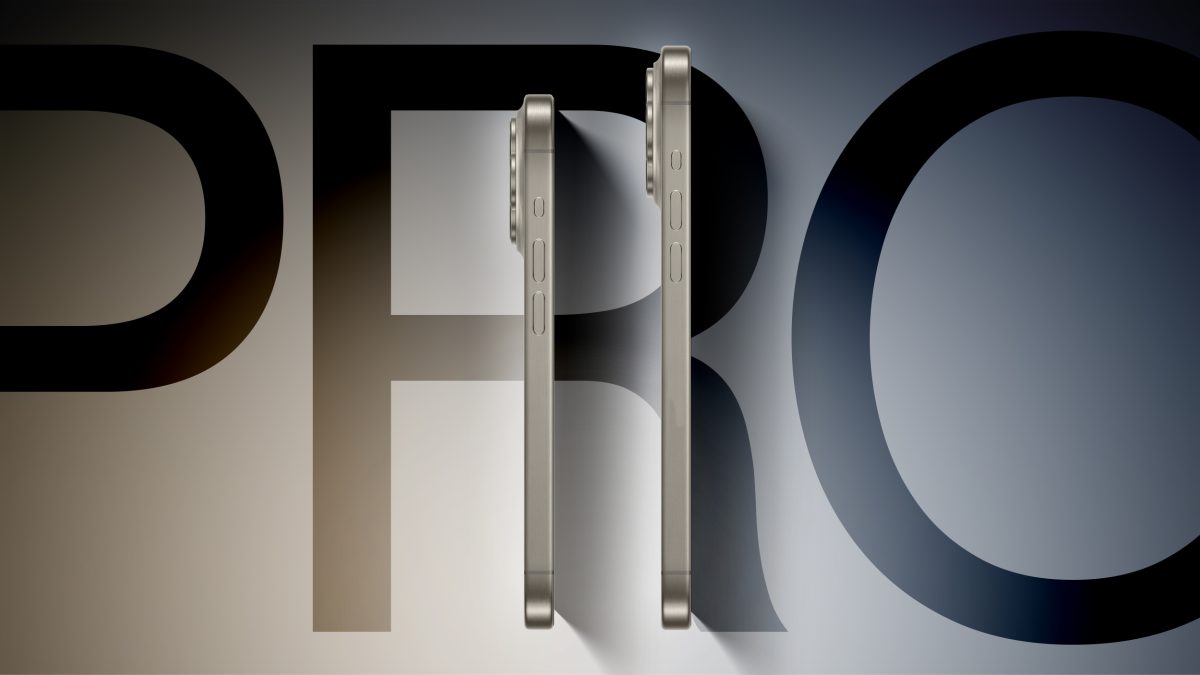
iPhone 18 Pro may include up to 2TB storage with QLC flash technology.
QLC storage is 33% denser than current TLC storage, offering higher capacity.
Implementation expected in 2026, aligning with the iPhone 18 series release.
Pricing for 2TB models likely to be significantly higher than current 1TB versions.
As Apple prepares to unveil the iPhone 16 seriesin about six weeks, rumors are already circulating about future iPhone models.
A fresh report suggests that the 2026 iPhone 18 Proseries could feature up to 2TB of storage,thanks to new technology Apple is expected to implement.
New Storage Technology
iPhones currently use triple-level-cell (TLC) flash storage.
• Quad-level-cell (QLC) Universal Flash Storage: This technology will allow Apple to offer higher storage capacities without increasing the physical size of the storage component.
• Comparison to current tech:iPhones currently use triple-level-cell (TLC) flash storage
.• Increased density:QLC is 33% denser than TLC, with four bits per cell instead of three.
Timeline and Industry Trends
iPhone 18 Pro Rumored to Feature 2TB Storage with New QLC Flash Technology
• 2026 implementation: Apple is not expected to make the switch from TLC to QLC until 2026, coinciding with the iPhone 18 series.
• Chinese manufacturers: Some Chinese phone makers may start using QLC memory as early as Q4 2023.
• Market share: QLC is projected to make up 20% of NAND Flash bit shipments this year, with increasing share expected in 2025.
Potential Concerns and Benefits
While 2TB storage on an iPhone may sound appealing, it’s likely to come with a hefty price tag.
• Read/write speeds: There are concerns that QLC may have slower read/write speeds compared to TLC.
• Cost-effectiveness: QLC Flash Storage is less expensive, which could be a deciding factor for manufacturers.
Pricing Expectations
The iPhone 15 Pro and iPhone 15 Pro Max with 1TB storage are priced at $1,499 and $1,599
While 2TB storage on an iPhone may sound appealing, it’s likely to come with a hefty price tag:
• iPhone 17 Slim: This new model is rumored to have the highest starting price of any iPhone ever at $1,299.
• Design focus:Analyst Ming-Chi Kuo believes the phone’s design will need to be its main selling point, as the rumored specs are not particularly groundbreaking.
The potential for 2TB storage in future iPhone models represents Apple’s ongoing efforts to push the boundaries of smartphone capabilities.
While this increased storage capacity may be appealing to power users and content creators, the associated cost and potential performance trade-offs will likely be significant factors in consumer adoption.
However, Apple’s plans may change in the years leading up to the iPhone 18’s release, and the actual features and specifications could differ from current expectations.
FAQs
What is QLC flash storage and how does it differ from TLC?
QLC (quad-level-cell) flash storage stores four bits per cell, making it 33% denser than TLC (triple-level-cell) storage, which stores three bits per cell.
When is Apple expected to implement QLC flash storage in iPhones?
Apple is rumored to start using QLC flash storage with the iPhone 18 series, expected to be released in 2026.
What are the potential benefits of QLC flash storage?
QLC flash storage allows for higher storage capacities without increasing the physical size of the storage component and is more cost-effective than TLC.
What are the concerns associated with QLC flash storage?
One concern with QLC flash storage is that it may have slower read/write speeds compared to TLC storage.
How might the pricing of iPhones change with the introduction of 2TB storage?
The introduction of 2TB storage is expected to result in significantly higher prices, with current 1TB models already priced at $1,499 and $1,599.
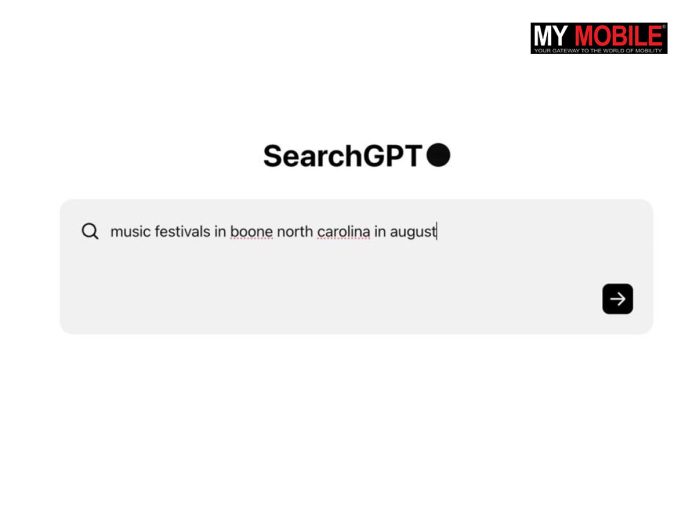
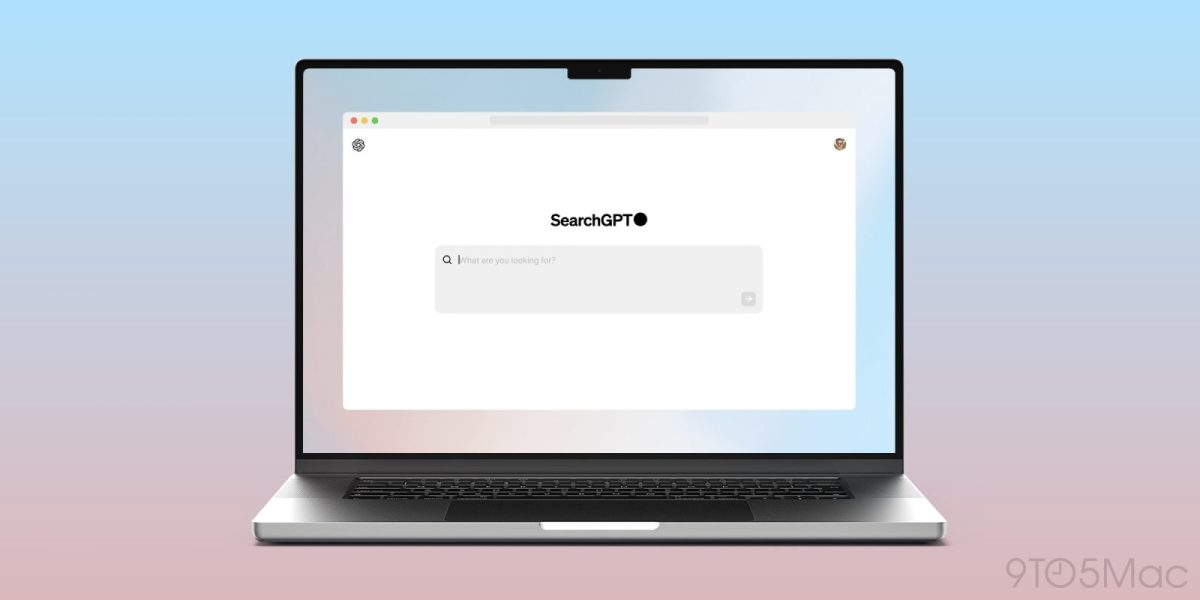
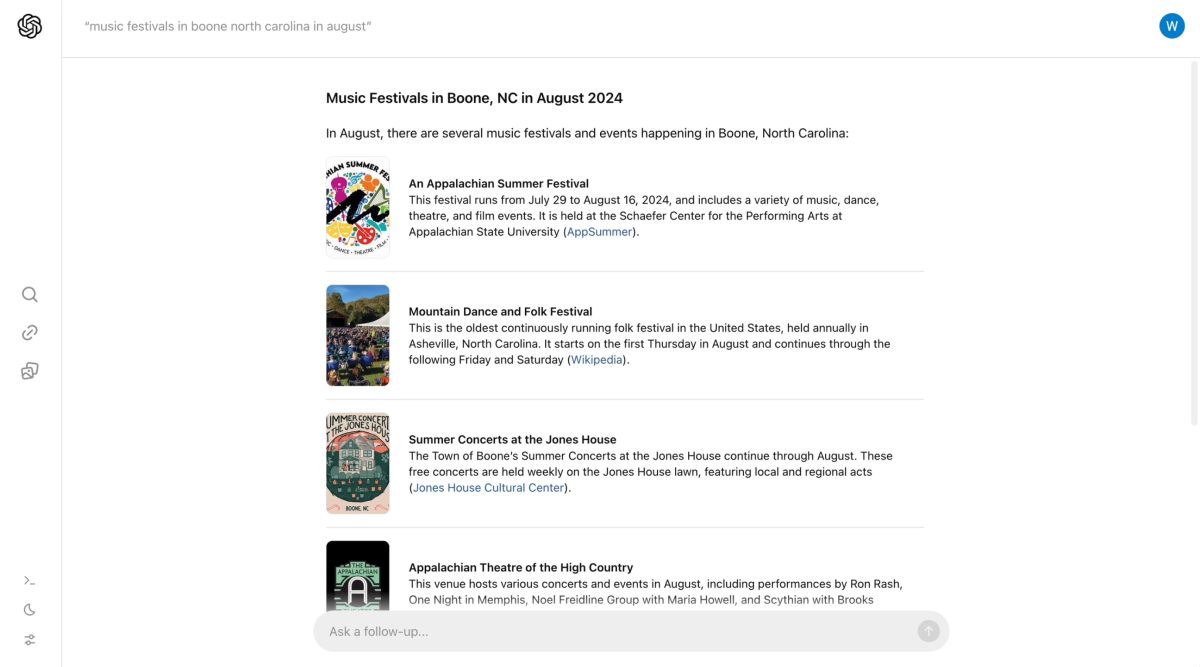
Similar to ChatGPT, users type queries and receive information and photos from the web, along with source links.
This new feature aims to provide “timely answers” to questions by drawing fromweb sources,potentially challenging established players like Google and Bing, as well as AI-powered search upstarts like Perplexity.
Features of SearchGPT
AI-Powered: Utilizes OpenAI models GPT-3.5, GPT-4, and GPT-4o
• User Interface: Similar to ChatGPT, users type queries and receive information and photos from the web, along with source links. • Follow-up Capability: Users can ask follow-up questions or explore related searches in a sidebar. • Location-Aware: Some searches take into account the user’s general location to improve result accuracy. • AI-Powered: Utilizes OpenAI models GPT-3.5, GPT-4, and GPT-4o.
OpenAI describes SearchGPT as a prototype, initially available to “a small group” of users and publishers.
The company plans to integrate some of its features into ChatGPT in the future.
Addressing Concerns and Challenges
OpenAI describes SearchGPT as a prototype, initially available to “a small group” of users and publishers
“Getting answers on the web can take a lot of effort, often requiring multiple attempts to get relevant results,” OpenAI writes in a blog post. “We believe that by enhancing the conversational capabilities of our models with real-time information from the web, finding what you’re looking for can be faster and easier.”
The launch of SearchGPT comes at a time when AI-powered search tools are facing criticism for issues such as:
• Plagiarism • Inaccuracies • Content cannibalism
To address these concerns, OpenAI is positioning SearchGPT as a more responsible deployment:
• Attribution: SearchGPT “prominently cites and links” to publishers with “clear, in-line, named attribution.” • Publisher Collaboration: OpenAI is working with publishers to design the experience and provide ways for website owners to manage how their content appears in search results. • Content Separation: The company emphasizes that SearchGPT is separate from training OpenAI’s generative AI foundation models.
“We believe that by enhancing the conversational capabilities of our models with real-time information from the web, finding what you’re looking for can be faster and easier,” OpenAI states in their blog post.
Potential Impact on Publishers
AI-generated search overviews have raised concerns about their impact on publisher traffic.
A study suggests that similar features, like Google’s AI Overviews, could negatively affect about 25% of publisher traffic
A study suggests that similar features, like Google’s AI Overviews, could negatively affect about 25% of publisher traffic due to de-emphasis on article links.
OpenAI’s approach aims to mitigate these concerns by working closely with publishers and providing content management options.
However, given the company’s history of data collection practices, some skepticism remains about their commitment to a “thriving ecosystem of publishers and creators.”
SearchGPT is being released to a restricted audience; its effectiveness and effects on the search environment remain to be evaluated.
Competitors, publishers, and users will all be eagerly watching the prototype’s development and reaction.
OpenAI’s foray into the search business with SearchGPT marks a fundamental shift in the growing AI-powered internet ecosystem.
While the firm pledges a more responsible and publisher-friendly strategy, the ultimate test will be its implementation and the reactions of both consumers and content providers.
FAQs
What is SearchGPT and who created it?
SearchGPT is an AI-powered search feature launched by OpenAI, designed to provide timely answers by drawing from web sources.
How does SearchGPT improve search accuracy?
SearchGPT uses OpenAI models GPT-3.5, GPT-4, and GPT-4o, and takes into account the user’s general location to enhance search result accuracy.
What measures does SearchGPT take to address concerns about plagiarism and inaccuracies?
SearchGPT prominently cites and links to publishers with clear, in-line attribution and collaborates with publishers to manage content appearance.
How does SearchGPT handle follow-up questions and related searches?
Users can ask follow-up questions and explore related searches in a sidebar, providing a seamless and interactive search experience.
What is the potential impact of SearchGPT on publisher traffic?
OpenAI aims to mitigate negative impacts on publisher traffic by providing content management options and working closely with publishers, although some skepticism remains.
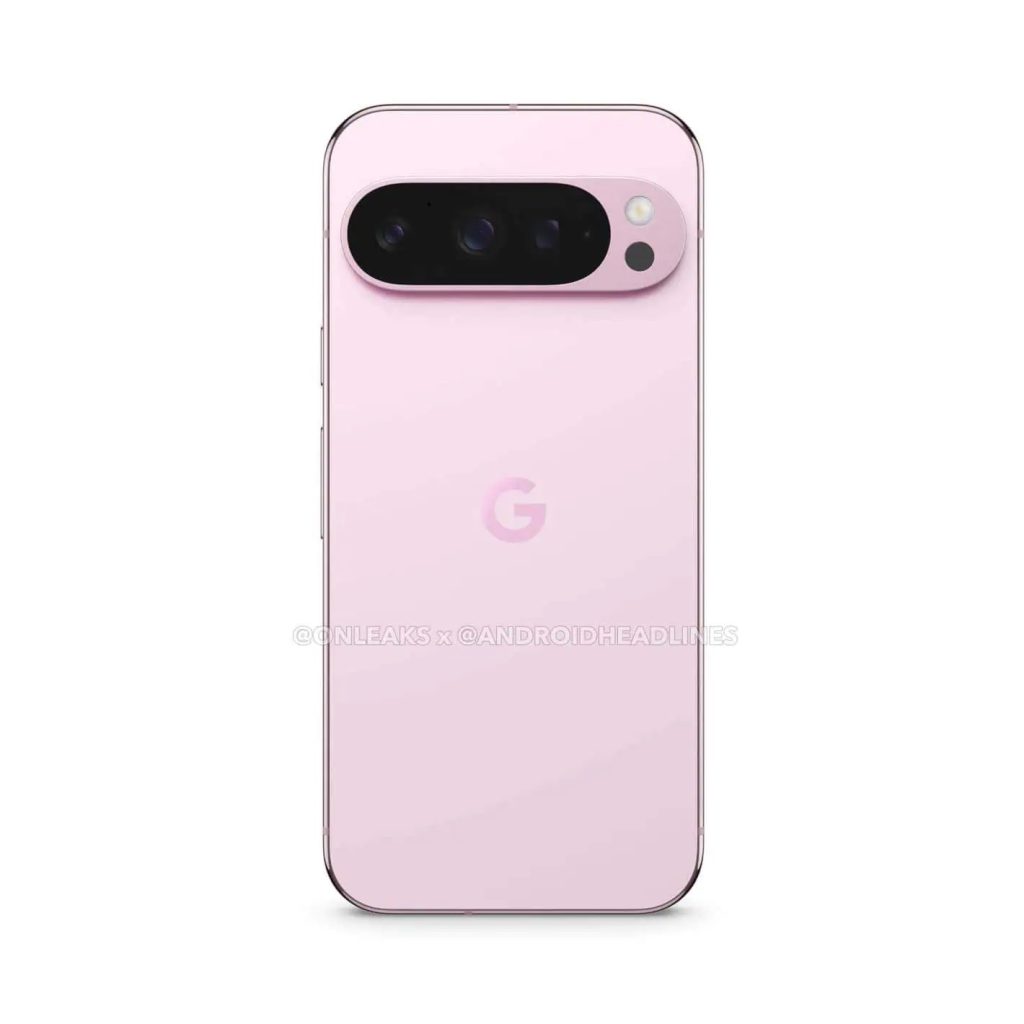
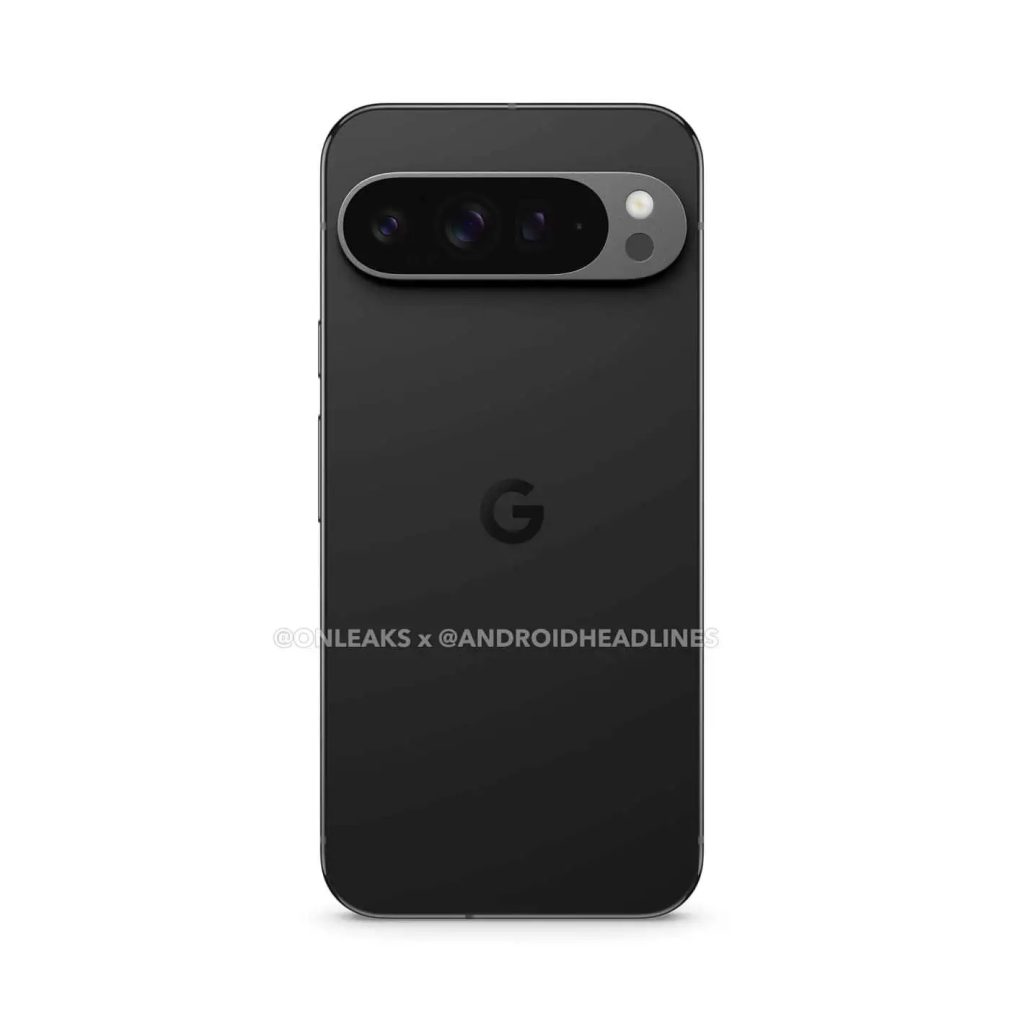
Pixel 9 Pro XL to offer four color variants: Obsidian, Porcelain, Rose, and Hazel.
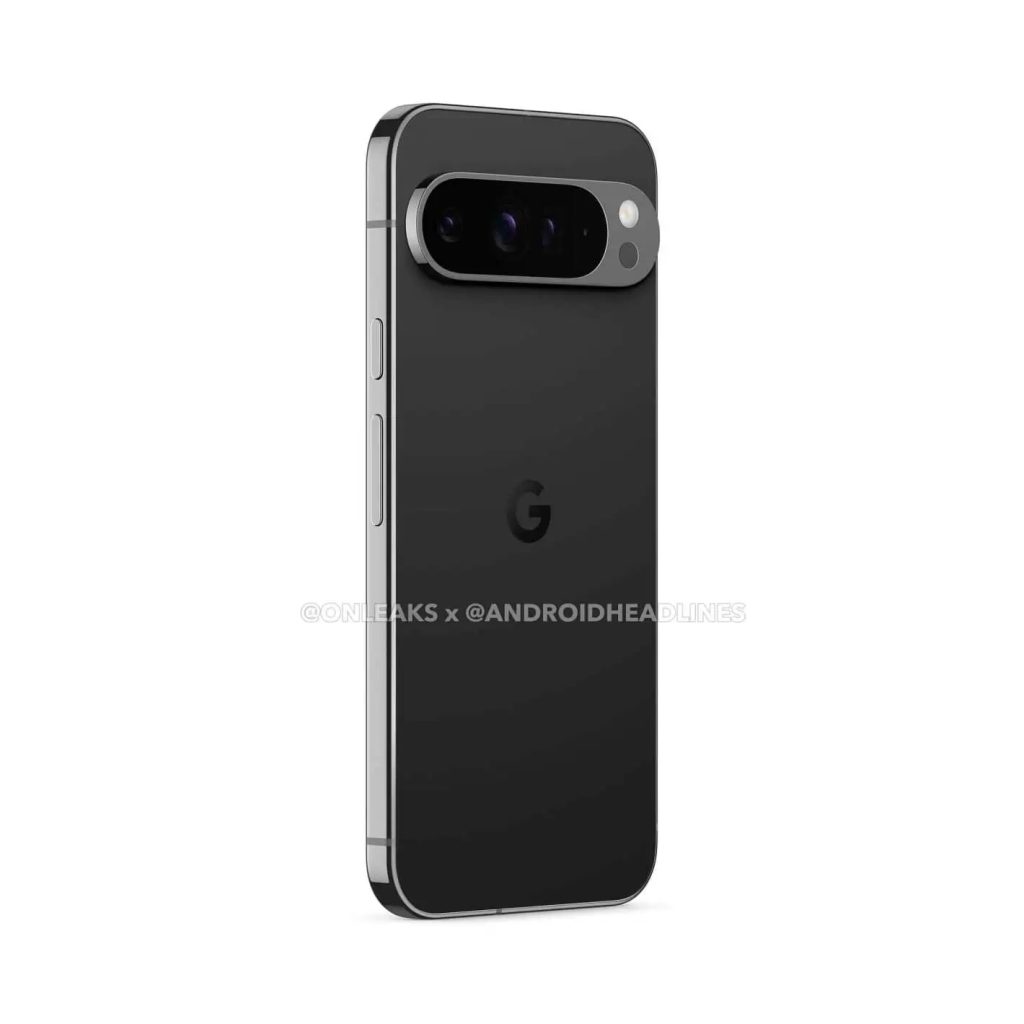
Matte camera bar finish introduced to address scratching issues.
Color options feature muted tones with polished metal frames.
Pixel 9 Pro XL set to be unveiled on August 13.
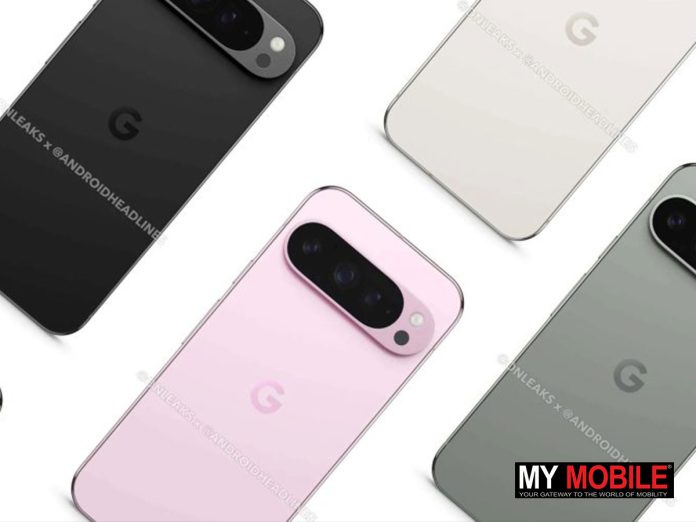
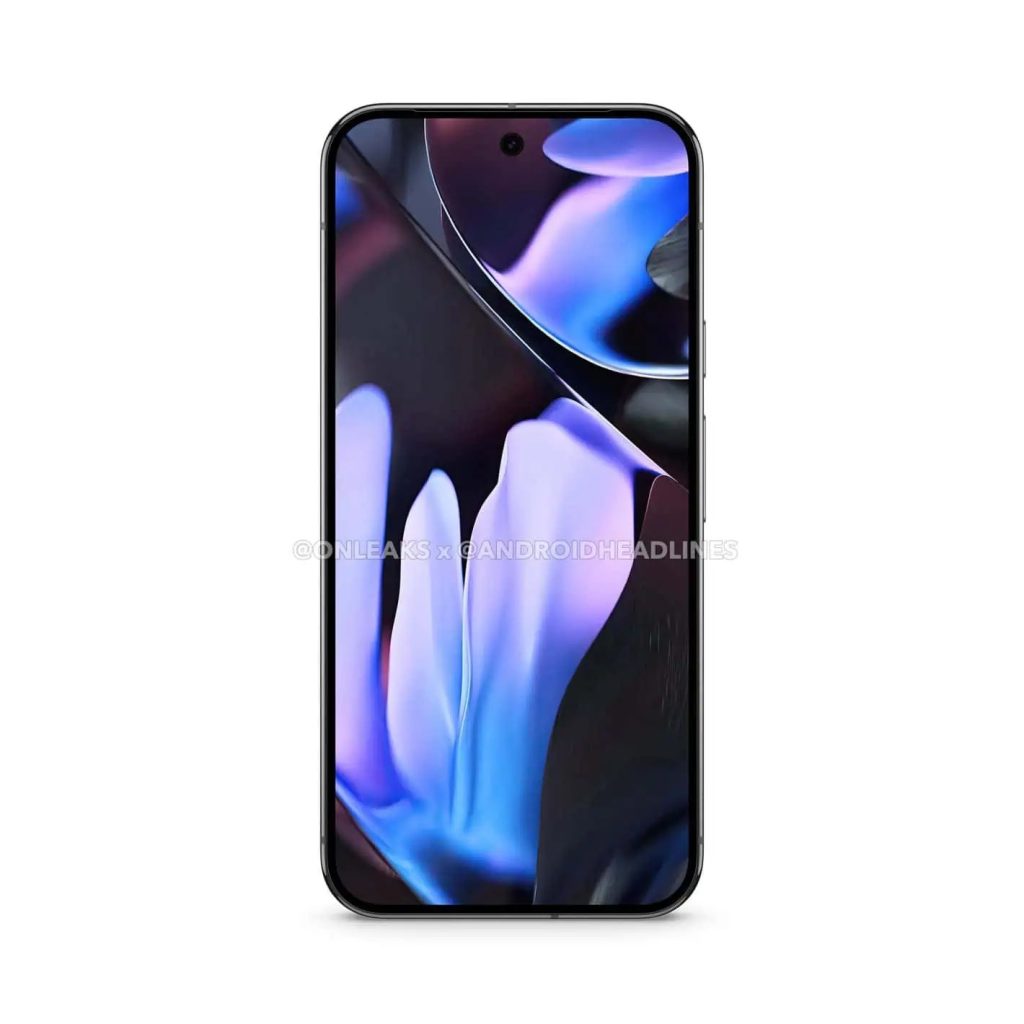
Recent leaks have provided a detailed look at the upcoming Google Pixel 9 Pro XL, revealing that the device may break tradition by offering four color variants at launch instead of the usual three.
Color Options and Design Changes
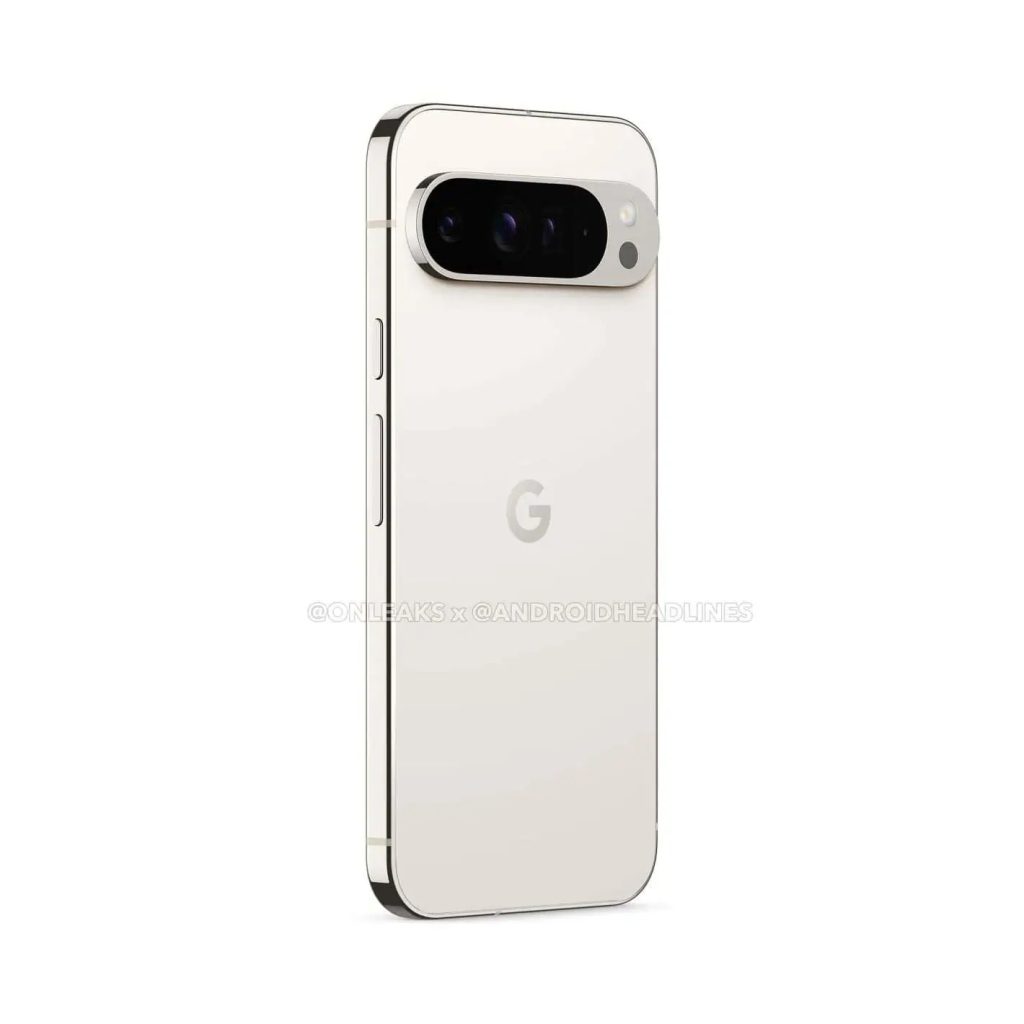
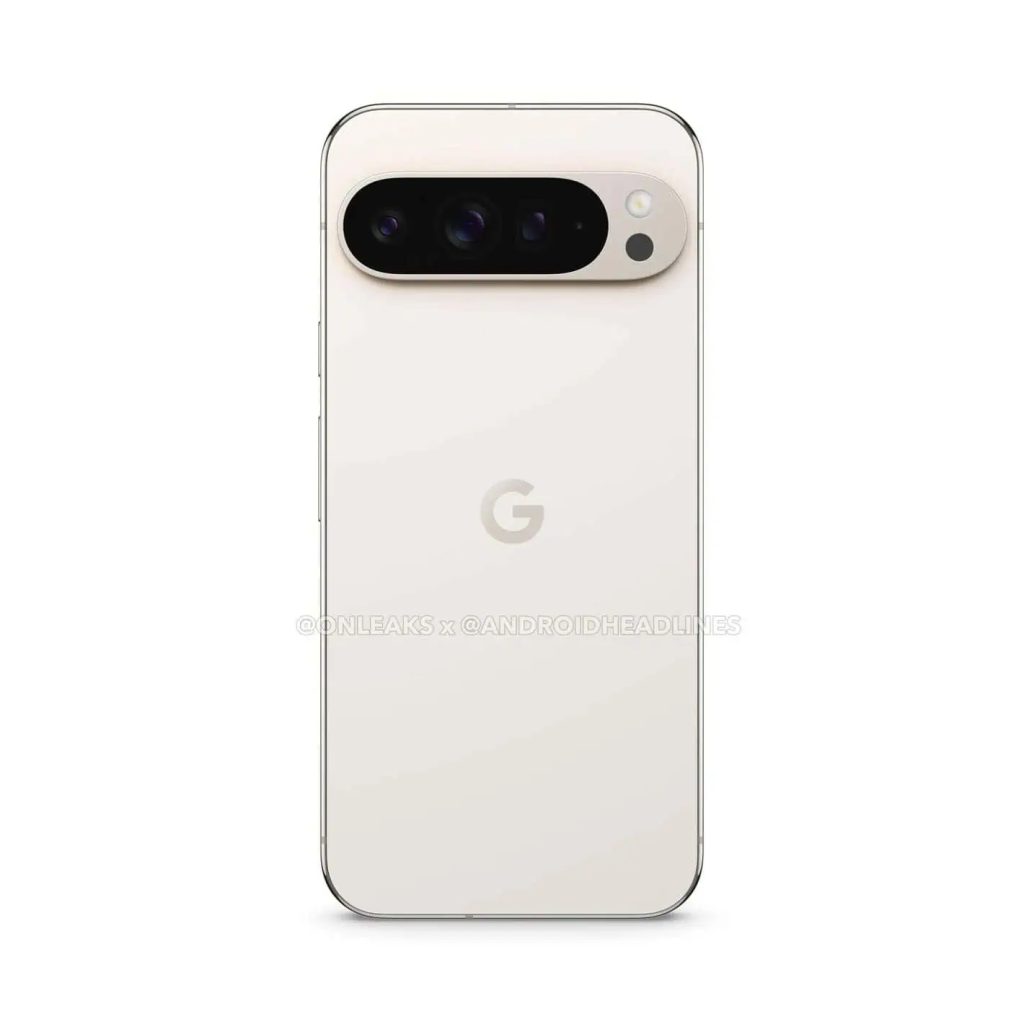
Pixel 9 Pro XL in “Porcelain” color
1 of 4
According to images published by Android Headlines, the Pixel 9 Pro XL will be available in:
• Obsidian • Porcelain • Rose • Hazel
All four colors feature muted tones on both the back glass and the polished metal frame.
Notably, “Obsidian” and “Porcelain”remain largely unchanged from previous models, except for the addition of striking colors to the frames.
The “Rose” and “Hazel” options, while previously used on the base Pixel 8, appear more saturated in this iteration.
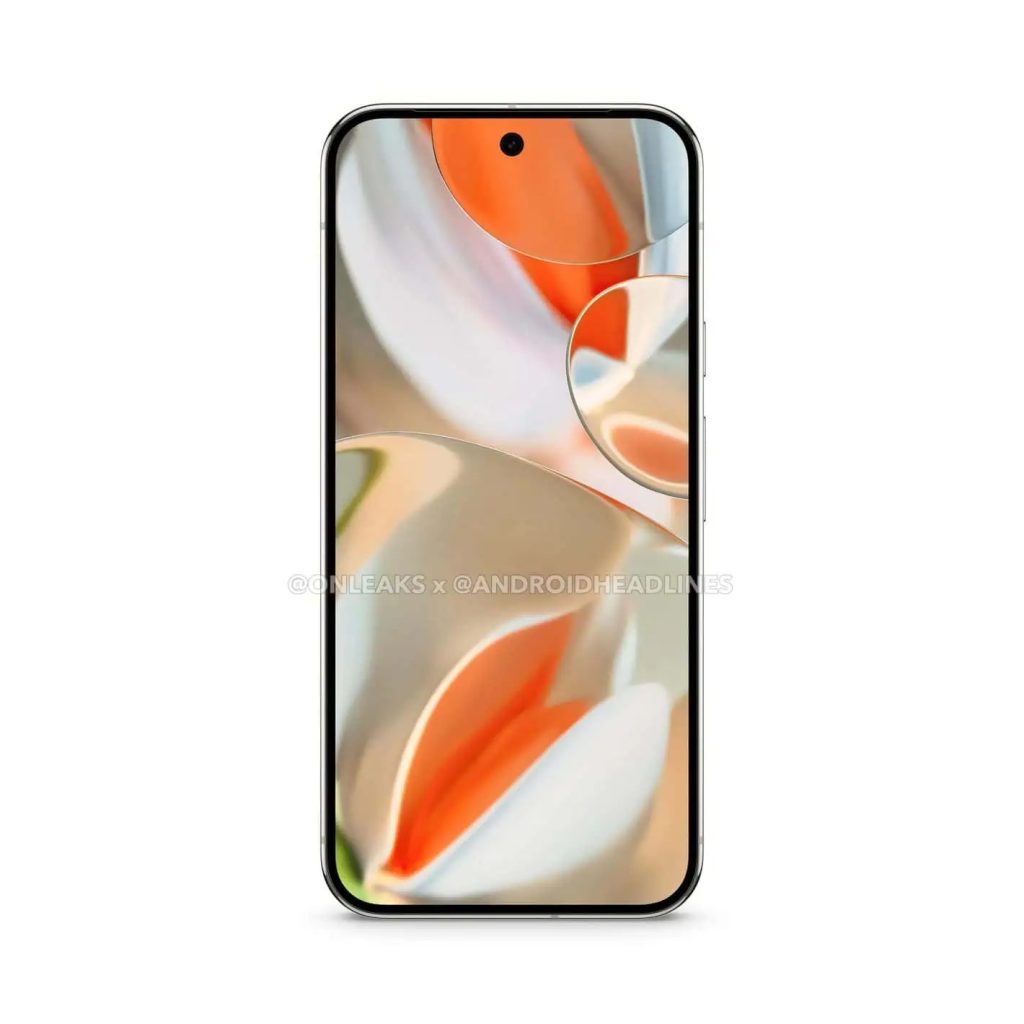
The leaked images also offer a clearer view of the display bezels, which appear similar to those on the Pixel 8 Pro.
As for other Pixel 9 variants:
• The base Pixel 9 may come in additional colors, including a more vibrant pink. • The Pixel 9 Pro Fold is expected to be available only in “Obsidian” and “Porcelain.”
This expansion to four colors for the flagship model marks a departure from Google’s previous strategy.
Pixel 9 Pro XL in “Obsidian” color
1 of 4
While the Pixel A-Series has offered four colors since the Pixel 7a (with one being a Google Store exclusive), the flagship models have typically stuck to three colors at launch, occasionally adding a fourth option later.
Google is scheduled to officially unveil the Pixel 9 series on August 13, where all details about the new lineup will be confirmed.
FAQs
What new color options are available for the Google Pixel 9 Pro XL?
The Pixel 9 Pro XL will be available in Obsidian, Porcelain, Rose, and Hazel, featuring muted tones and polished metal frames.
What design change has been made to the Pixel 9 Pro XL’s camera bar?
The Pixel 9 Pro XL introduces a matte finish on the camera bar to address the scratching issues found in previous Pro models.
Will the base Pixel 9 have different color options?
Yes, the base Pixel 9 is expected to come in additional colors, including a more vibrant pink.
What colors will the Pixel 9 Pro Fold be available in?
The Pixel 9 Pro Fold is expected to be available only in Obsidian and Porcelain.
When will the Google Pixel 9 series be officially unveiled?
Google is scheduled to officially unveil the Pixel 9 series on August 13, where all details about the new lineup will be confirmed.
This tool is designed to fix closed eyes in group photos, potentially solving a common frustration in photography.
The Nord 4 camera outputs 12.5MP images by default
The effectiveness of this feature remains to be seen, and user feedback will be crucial in determining its real-world utility.
Changelog Highlights
OnePlus Nord 4: Adds Android’s Ultra HDR support for ProXDR photos
System
– Improves system stability and performance.
Camera
– Adds Android’s Ultra HDR support for ProXDR photos.
– Improves camera performance for a better user experience.
For Indian users
– Adds the AI Best Face feature to fix closed eyes in group photos.
Update Rollout and Size
While the Nord 4 about 6.5g heavier than its predecessor, the Nord 3, the premium feel more than justifies this slight increase
The update, which is a substantial 6.25GB in size, is rolling out simultaneously across India, Europe, and other global regions.
This simultaneous release marks a departure from OnePlus’ recent trend of launching updates in India first, followed by other regions days or weeks later.
While these changes are less specific, they should contribute to a smoother overall experience for Nord 4 users.
FAQs
What are the main features of the OnePlus Nord 4 update?
The update, Oxygen OS 14.1.0.320, brings Android’s Ultra HDR support for ProXDR photos, general camera performance improvements, and system stability enhancements.
What is the AI Best Face feature in the OnePlus Nord 4 update?
The AI Best Face feature is designed to fix closed eyes in group photos, aiming to improve the overall quality of group shots. This feature is currently available only for users in India.
How large is the OnePlus Nord 4 update?
The update is 6.25GB in size, making it a substantial update with significant improvements and new features.
Is the OnePlus Nord 4 update available globally?
Yes, the update is rolling out simultaneously across India, Europe, and other global regions, marking a departure from OnePlus’ recent trend of staggered releases.
What improvements can users expect from the OnePlus Nord 4 update?
Users can expect enhanced camera performance, support for Ultra HDR photos, improved system stability, and better overall device performance.
The platform, which recently implemented changes to make user likes private, admitted that these supposedly hidden interactions remained visible to others due to a security flaw.
What Made Private Likes Public on X?
Previously invisible interactions are now visible between blocker and blocked.
The incident, occurring in June 2024 shortlyafter the privacy update, has raised serious concerns about X’s ability to protect user data.
In an email to affected users, the company acknowledged that “some likes may have remained publicly available”despite the new privacy measures.
This breach is particularly alarming given the platform’s stated intention behind making likes private.
X claimed the change was implemented to discourage “the wrong behavior” among users, suggesting a move towards a less toxic environment.
However, the security lapse has potentially exposed users to the very issues the update aimed to mitigate.
A Breach of Trust
How To Activate Passkey on X for iOS?
While X’s attempt to enhance privacy was initially welcomed, the subsequent breach has eroded user trust and raised questions about the platform’s overall security protocols.
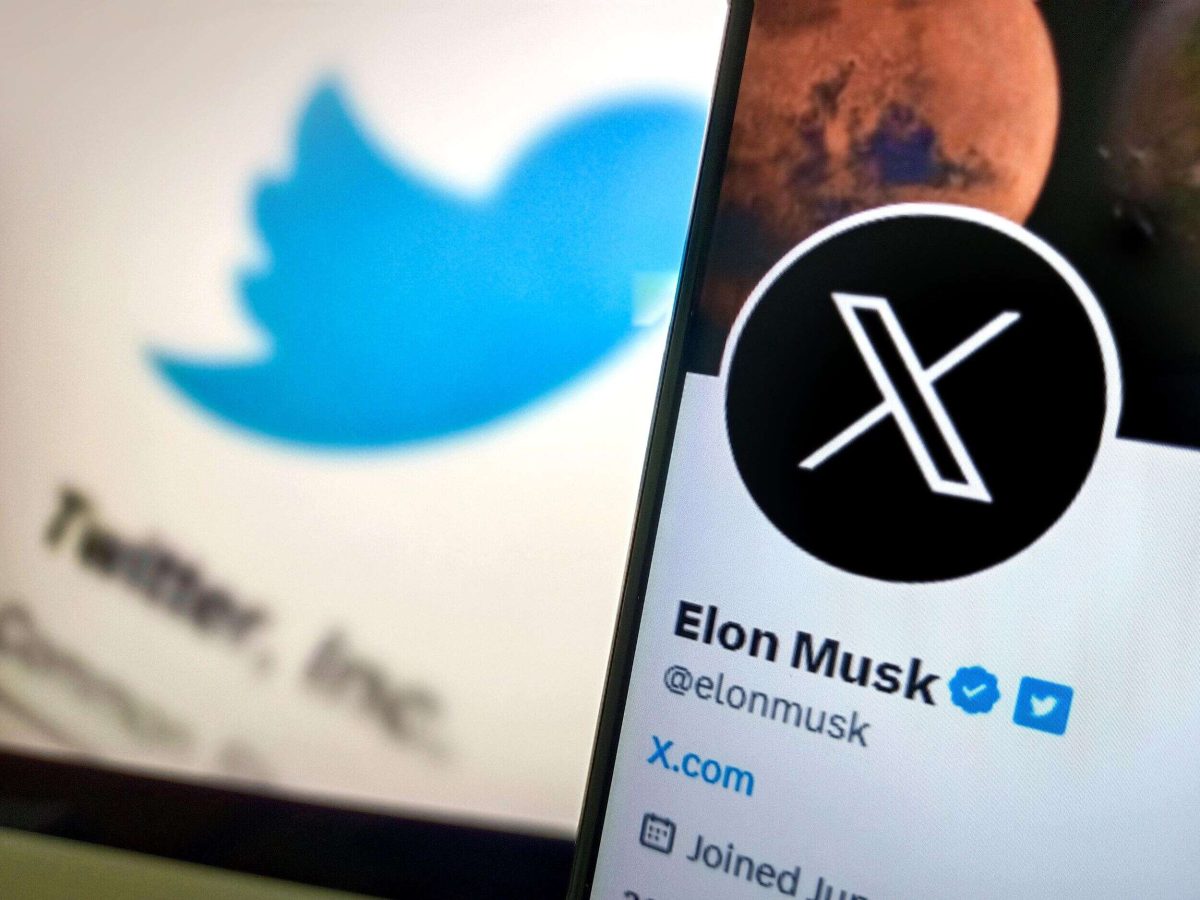
This security flaw comes at a critical time for X, as the platform continues to navigate the aftermath of its rebranding and policy changes under Elon Musk’s leadership.
Even when platforms promise enhanced privacy features, users must remain vigilant about their online activities and the information they share.
The incident also show the need for greater transparency and accountability in the tech industry.
As users entrust more of their personal data to social media platforms, the onus is on companies like X to ensure robust security measures and prompt disclosure of any breaches.
FAQs
What was the recent security breach on X (formerly Twitter)?
The breach involved a security flaw that made private likes publicly visible, compromising user privacy.
When did the security incident occur on X?
The incident occurred in June 2024, shortly after the platform implemented changes to make user likes private.
How did X respond to the security breach?
X notified affected users via email, acknowledging that “some likes may have remained publicly available” despite the new privacy measures.
What was the intended purpose of making likes private on X?
The platform aimed to discourage “the wrong behavior” among users and create a less toxic environment by making likes private.
What are the broader implications of this security breach for users?
The breach highlights the need for users to remain vigilant about their online activities and underscores the importance of transparency and accountability in the tech industry.
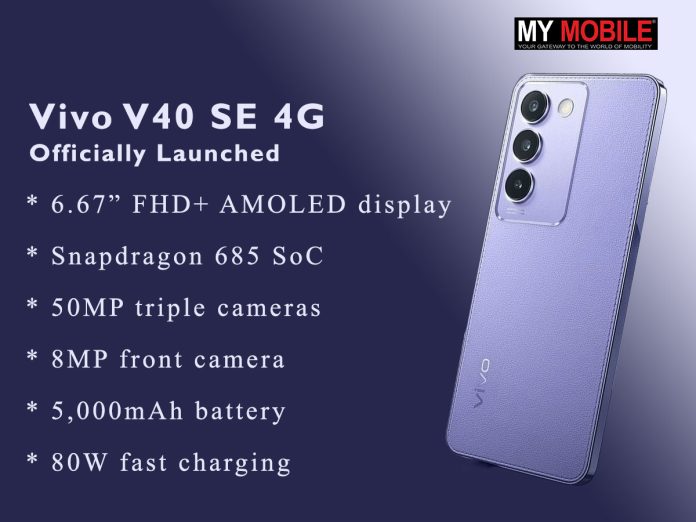
6.67-inch FHD+ AMOLED display with 120Hz refresh rate
5,000mAh battery with 80W fast charging
Qualcomm Snapdragon 685 4G chipset for everyday performance
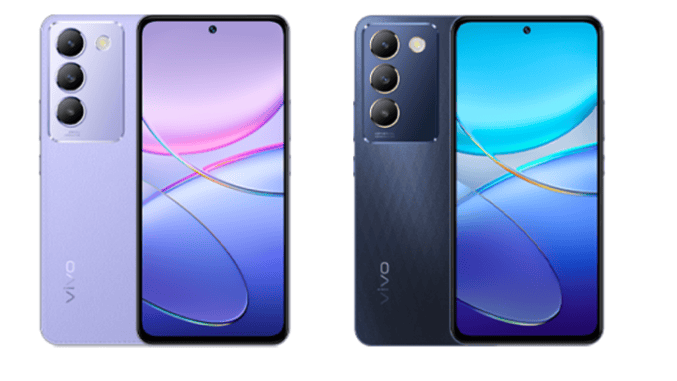
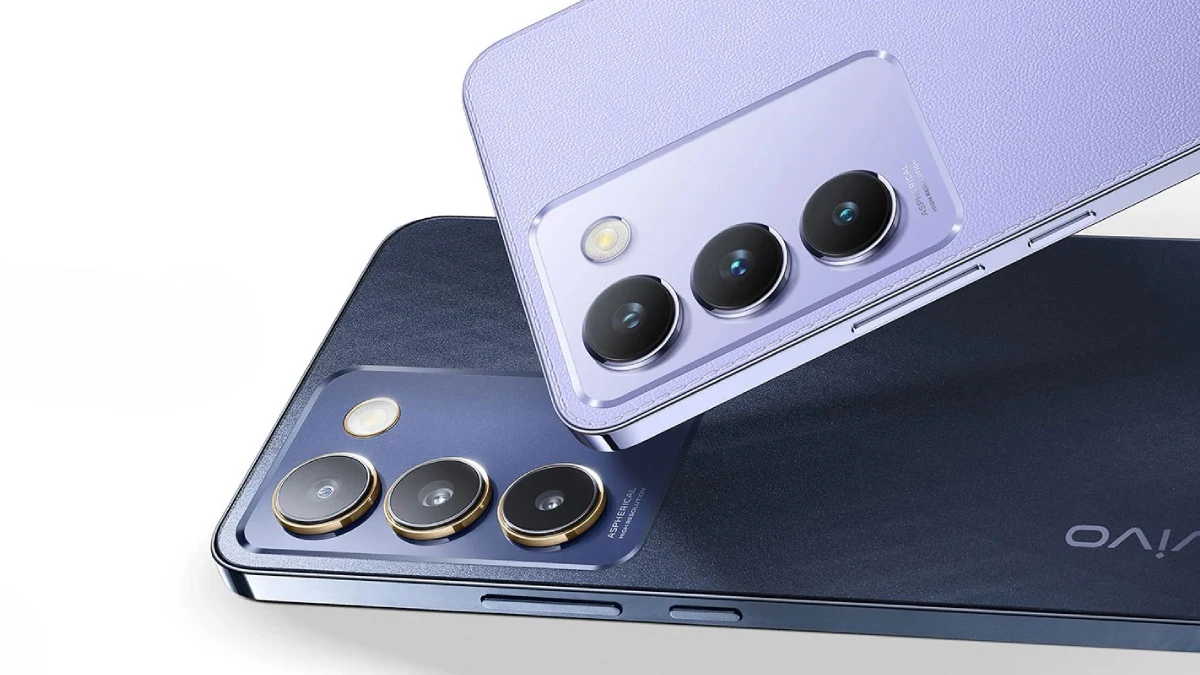
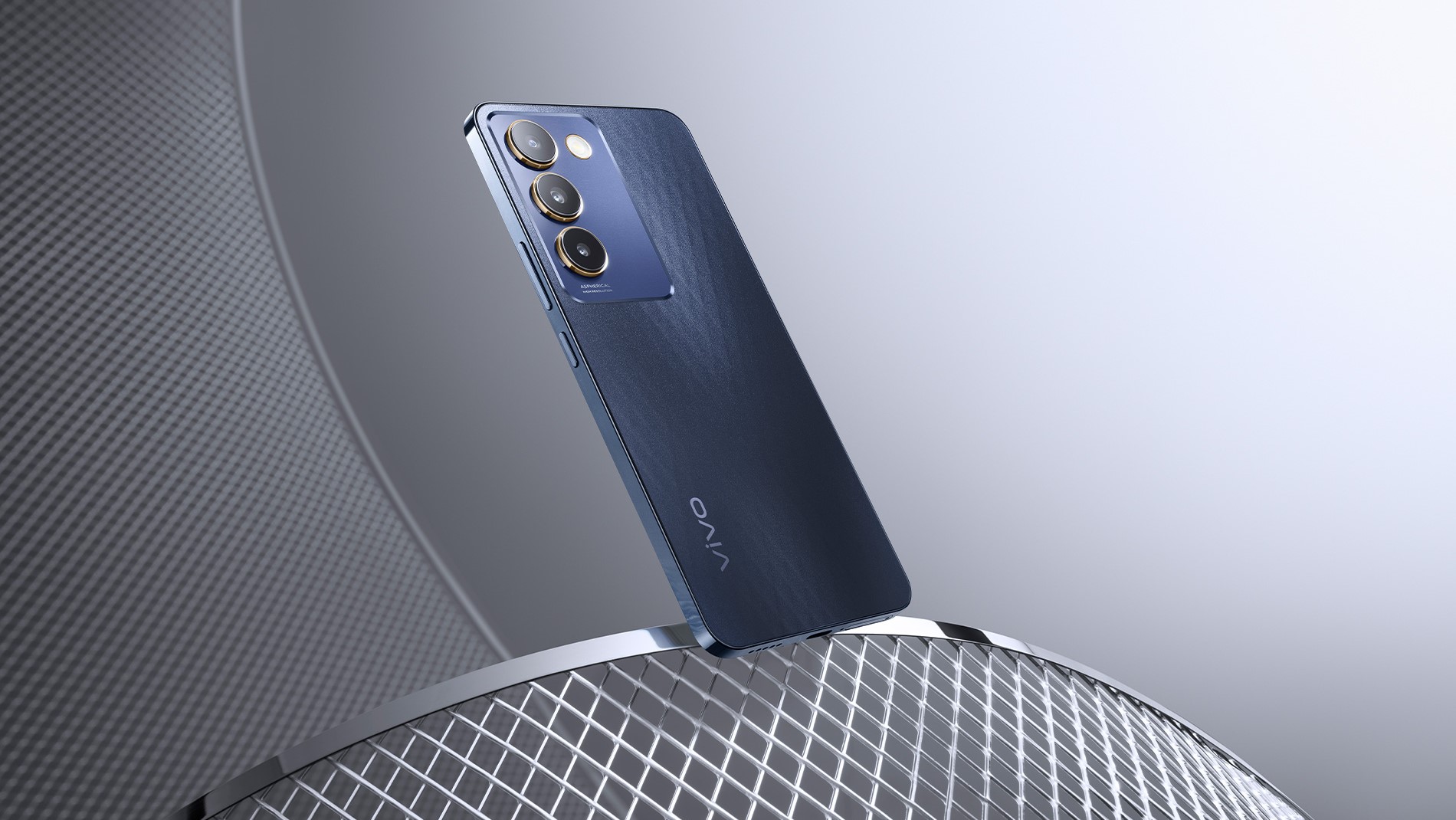
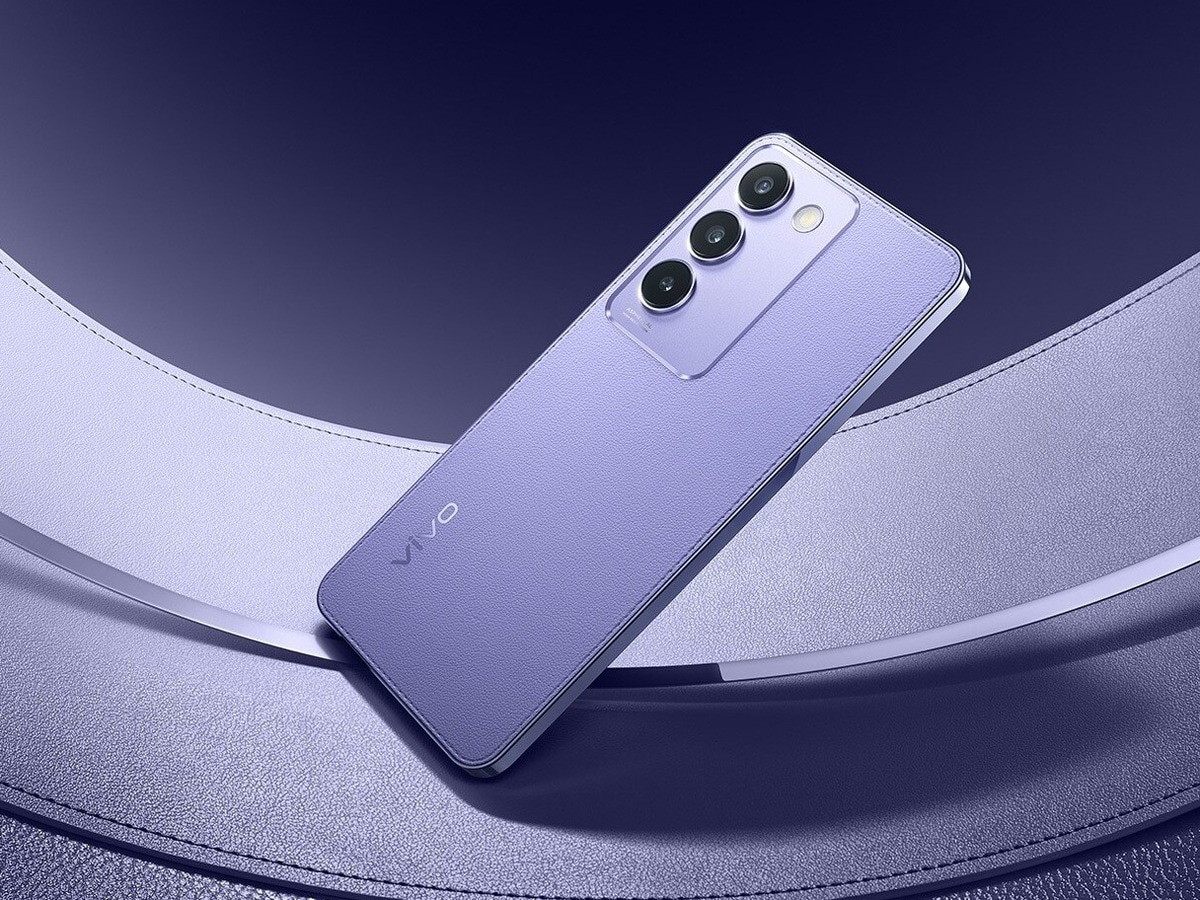
Available in Crystal Black and Leather Purple for style and durability
Vivohas expanded its popular V-series with the introduction of the Vivo V40 SE 4G, a mid-range smartphonethat aims to deliver an exceptional multimedia experience without breaking the bank.
This latest addition to the V-series showcases Vivo’s commitment to providing feature-rich devices at accessible price points, with a particular focus on display quality and battery life.
Pricing and availability
Device is available in two stylish color options: Crystal Black and Leather Purple.
The Vivo V40 SE 4Ghas been launched in the Czech Republic with a starting price of 4,999 CZK (approximately 213 USD).
The device is available in two stylish color options: Crystal Black and Leather Purple.
While global availability is yet to be announced, the competitive pricing suggests Vivo is positioning this device as an attractive option in the mid-range market.
Vivo V40 SE 4G: Key Specs
Vivo V40 SE 4G: Key Specs
6.67-inch FHD+ AMOLED display with 120Hz refresh rate
Qualcomm Snapdragon 685 4G chipset
8GB LPDDR4x RAM with virtual RAM expansion
128GB/256GB UFS 2.2 storage (expandable via microSD)
50MP main camera + 2MP depth sensor + flicker sensor
8MP front-facing camera
5,000mAh battery with 80W fast charging
FunTouch OS 14 based on Android 14
Vivo V40 SE 4G: Features
Vivo V40 SE 4G: Features
The Vivo V40 SE 4G boasts a stunning 6.67-inch AMOLED display with FHD+ resolution, offering users a vibrant and immersive visual experience.
The 120Hz refresh rate ensures smooth scrolling and fluid animations, while the peak brightness of 1800 nits guarantees excellent visibility even under bright sunlight.
This display is a standout feature in its price range, making the device an excellent choice for multimedia enthusiasts.
In the camera department, the V40 SE 4G features a triple-camera setupled by a 50MP primary sensor.
While it lacks an ultra-wide lens, the inclusion of a 2MP depth sensor and a flicker sensor aims to enhance portrait photography and low-light performance.
The 8MP front-facing camera is designed to capture clear selfies and facilitate high-quality video calls.
Under the hood, the Vivo V40 SE 4G is powered by the Snapdragon 685 chipset.
While this processor may not break performance records, it’s well-suited for everyday tasks and casual gaming.
The device comes with 8GB of LPDDR4x RAM, further expandable through virtual RAM technology,ensuring smooth multitasking.
Storage options include 128GB or 256GB of UFS 2.2 storage, expandable via a microSD card slot.
One of the V40 SE 4G’s strongest suits is its battery life.
The device packs a large 5,000mAh battery, complemented by 80W rapid charging support.
Additional features include an in-display fingerprint sensor, IP54 water resistance, and a slim 7.79mm profile weighing just 186 grams.
5 reasons to buy
5 reasons to buy
Vibrant 6.67-inch AMOLED display with 120Hz refresh rate for an immersive viewing experience
Long-lasting 5,000mAh battery with 80W fast charging for extended use and quick power-ups
Sleek design with IP54 water resistance and vegan leather option for durability and style
Capable 50MP main camera for quality photography in various conditions
Clean FunTouch OS 14 based on Android 14 for a smooth and up-to-date user experience
FAQs
What are the key features of the Vivo V40 SE 4G?
The Vivo V40 SE 4G features a 6.67-inch FHD+ AMOLED display with a 120Hz refresh rate, a 50MP main camera, and a 5,000mAh battery with 80W fast charging.
What processor does the Vivo V40 SE 4G use?
The device is powered by the Qualcomm Snapdragon 685 4G chipset, which is suitable for everyday tasks and casual gaming.
What are the storage options for the Vivo V40 SE 4G?
The Vivo V40 SE 4G comes with either 128GB or 256GB of UFS 2.2 storage, and it also supports expandable storage via a microSD card slot.
What makes the display of the Vivo V40 SE 4G stand out?
The 6.67-inch FHD+ AMOLED display offers vibrant colors, a 120Hz refresh rate for smooth animations, and a peak brightness of 1800 nits for excellent visibility under bright sunlight.
What additional features does the Vivo V40 SE 4G offer?
Additional features include an in-display fingerprint sensor, IP54 water resistance, a slim 7.79mm profile, and FunTouch OS 14 based on Android 14.
How is the Vivo V40 SE 4G Different from V40 SE 5G?
The Vivo V40 SE 4G is a less expensive alternative of the Vivo V40 SE 5G, which launched in March.
Both phones sport a 6.67-inch AMOLED display with the same refresh rate of 120Hz.
The Qualcomm Snapdragon 4 Gen 2 on the 5G model has been replaced with the Snapdragon 685, which should have an impact on performance given the former’s power.
The camera configuration also differs: both versions have a 50MP primary camera, but the 5G variation includes an 8MP secondary sensor and a 2MP third lens, and the 4G version has a 2MP secondary sensor and a flicker lens.
The front camera on the Vivo V40 SE 5G is 16MP, up from 8MP on the Vivo V40 SE 4G.
Though both versions have a 5,000mAh battery, the 4G version charges faster at 80W compared to 44W for the 5G.
HMD Crest and Crest Max feature Unisoc T760 5G chipset and expandable RAM.
Impressive camera setups with high-resolution sensors for versatile photography.
Long-lasting 5000mAh battery with 33W fast charging and enhanced durability.
Clean Android 14 OS with Repairability 1.0 for extended device lifespan.
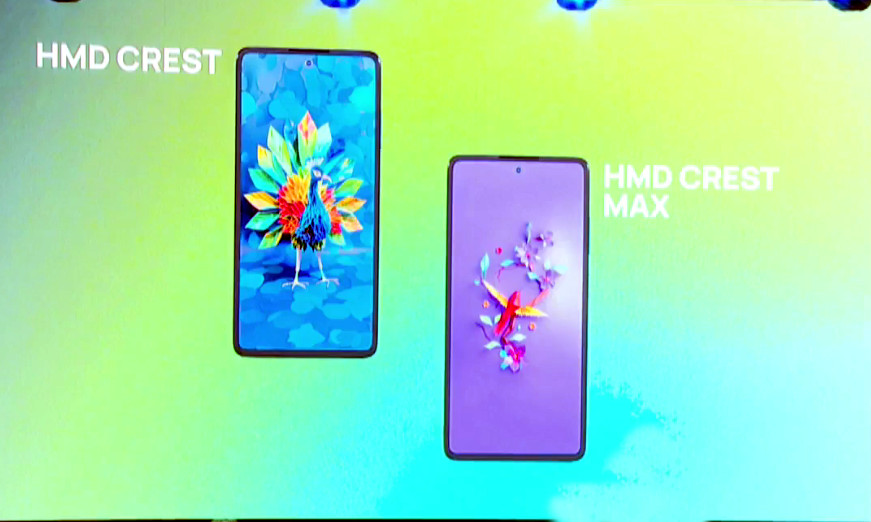
HMD Globalhas made a splash in the Indian smartphone market with the launch of itslatest offerings, the HMD Crest and Crest Max.
These devices mark a significant step forward for the company, blending cutting-edge technology with user-centric features at competitive price points.
With a focus on performance, camera capabilities, and durability, HMD aims to capture the attention of tech-savvy consumers looking for value-packed smartphones.
Pricing and Availability
HMD Crest will be available for an introductory price of Rs 12,999, and Crest Max will go for Rs 14,999 in the Great Freedom Festival sale
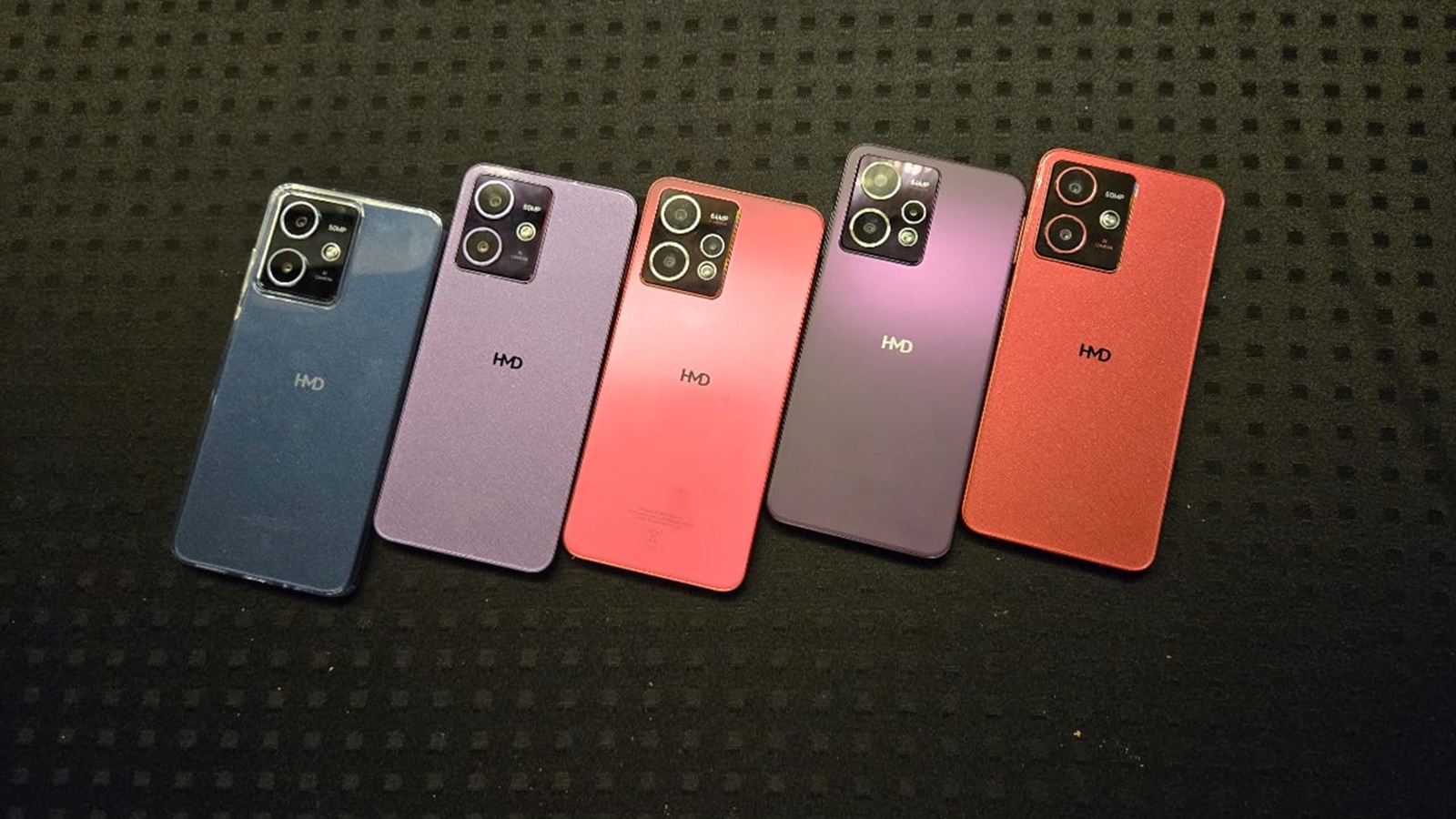
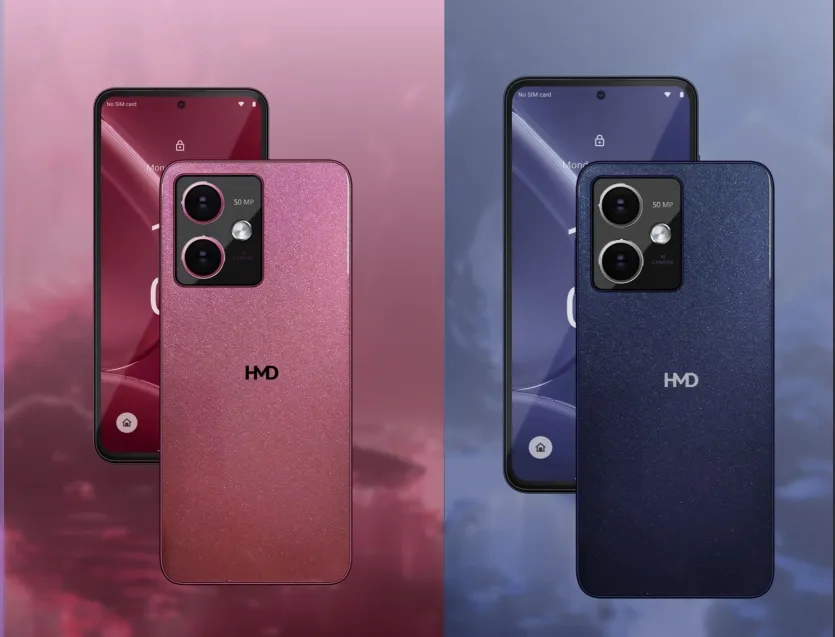
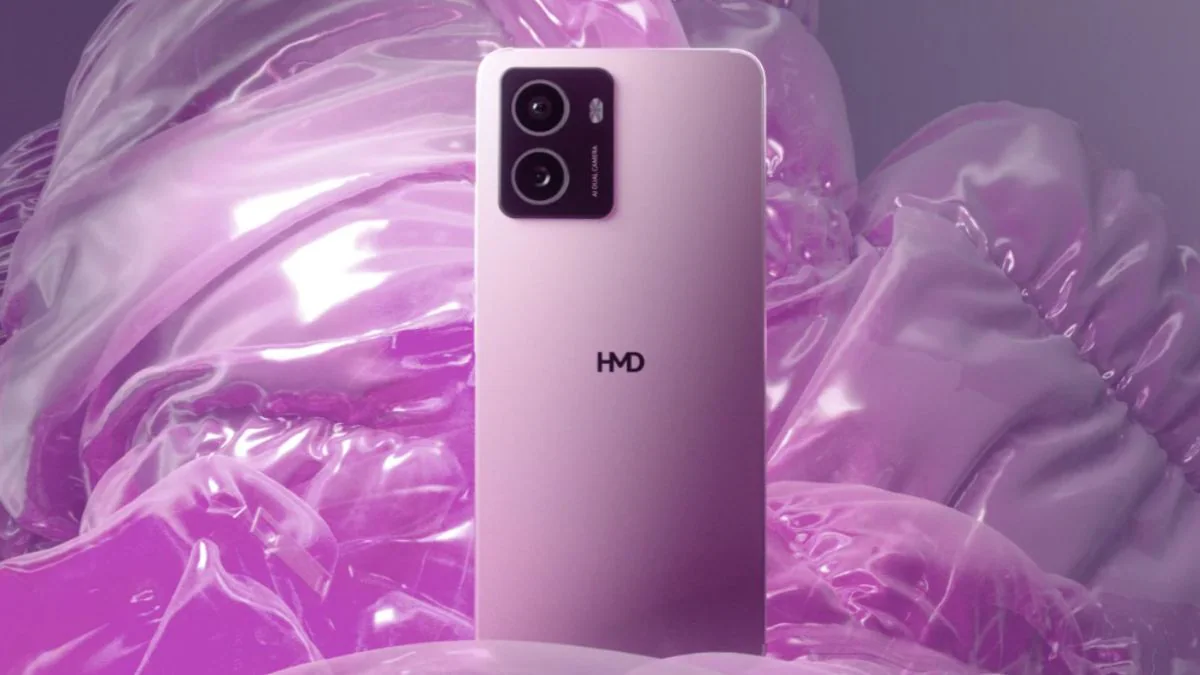
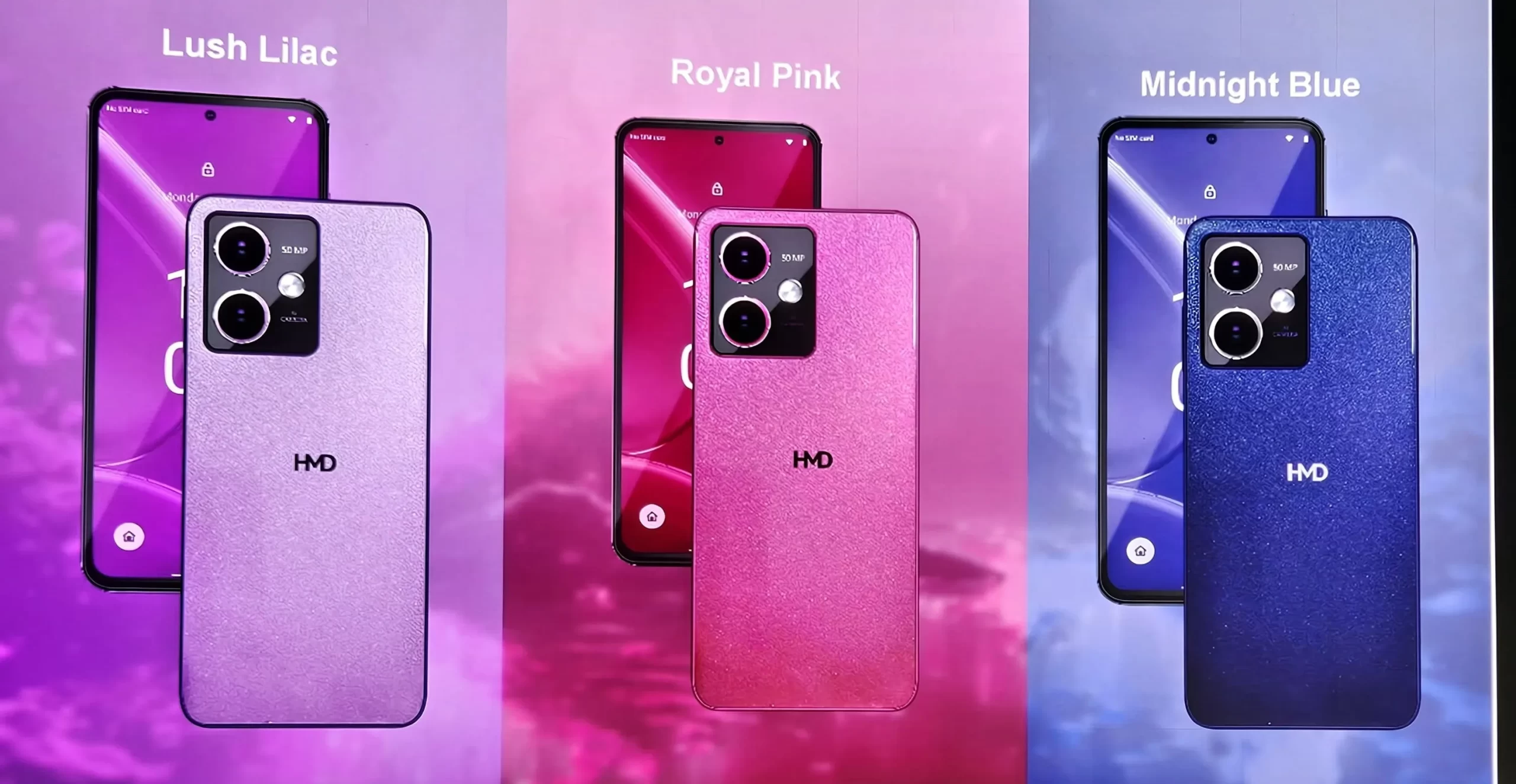
The HMD Crest, available in Midnight Blue, Royal Pink, and Lush Lilac, is priced at Rs. 14,499 for the 6GB + 128GB variant.
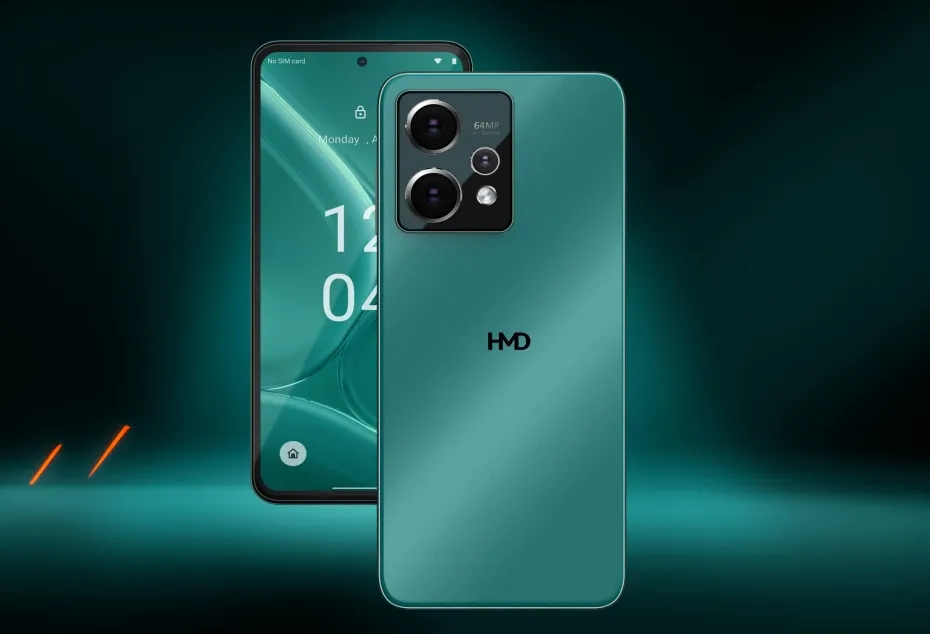
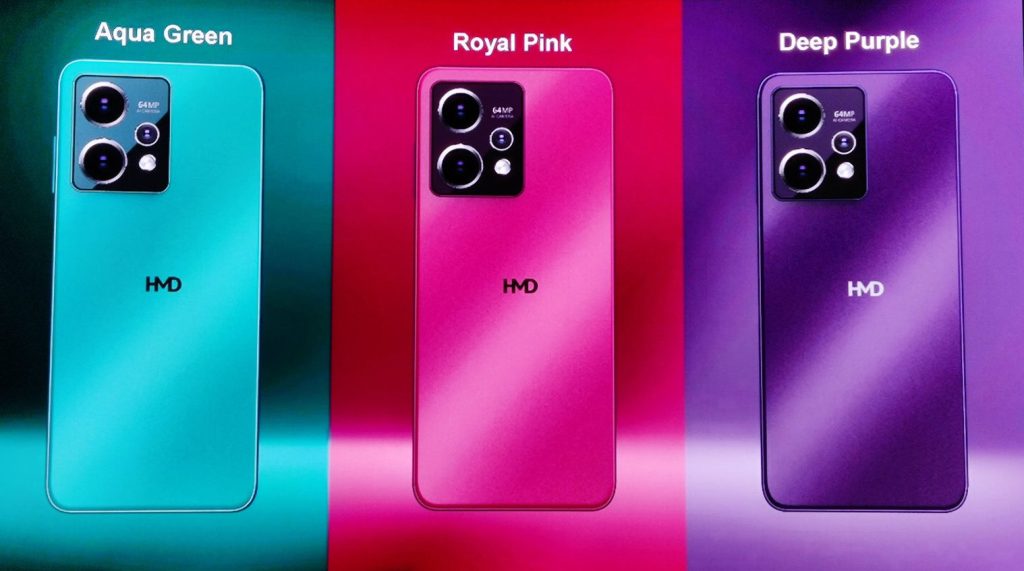
Its sibling, the HMD Crest Max, comes in Deep Purple, Royal Pink, and Aqua Green, priced at Rs. 16,499 for the 8GB + 256GB model.
Both devices will be available for purchase on Amazon.in during the Amazon Great Freedom sale in August.
Both devices will be available for purchase on Amazon.in during the Amazon Great Freedom sale in August.
As part of a special introductory offer, the Crest and Crest Max will be available at Rs. 12,999 and Rs. 14,999, respectively, during the sale.
Model
Memory/Storage
Price
HMD Crest
6GB/128GB
Rs 14,499
HMD Crest Max
6GB/256GB
Rs 16,499
Commenting on the new launches, Ravi Kunwar, VP, India & APAC, HMD, said: “With the launch of HMD Crest and HMD Crest Max, we’re not just introducing our first smartphone in India – we’re ushering in a new era of mobile technology that puts creativity, sustainability, and user experience at the forefront. As we look to the future, HMD Crest line up marks a pivotal moment in the company’s mission to provide innovative and expressive mobile experiences to the style-conscious audience across India. The HMD Crest lineup is not only about advanced technology but also about aligning with the values of today’s Gen Z consumers, who prioritize devices that are high on value proposition and have contemporary design. We’re dedicated to continually innovating and delivering devices that not only meet the evolving needs of Indian consumers but also contribute to a more sustainable and connected world.”
HMD Crest: Key Specs
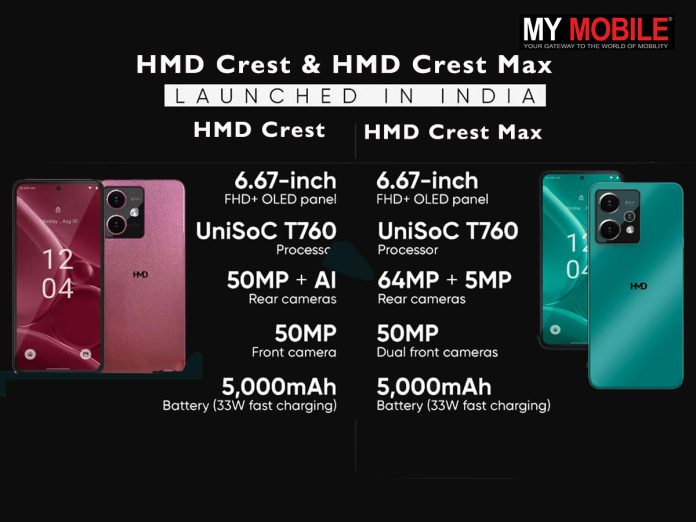
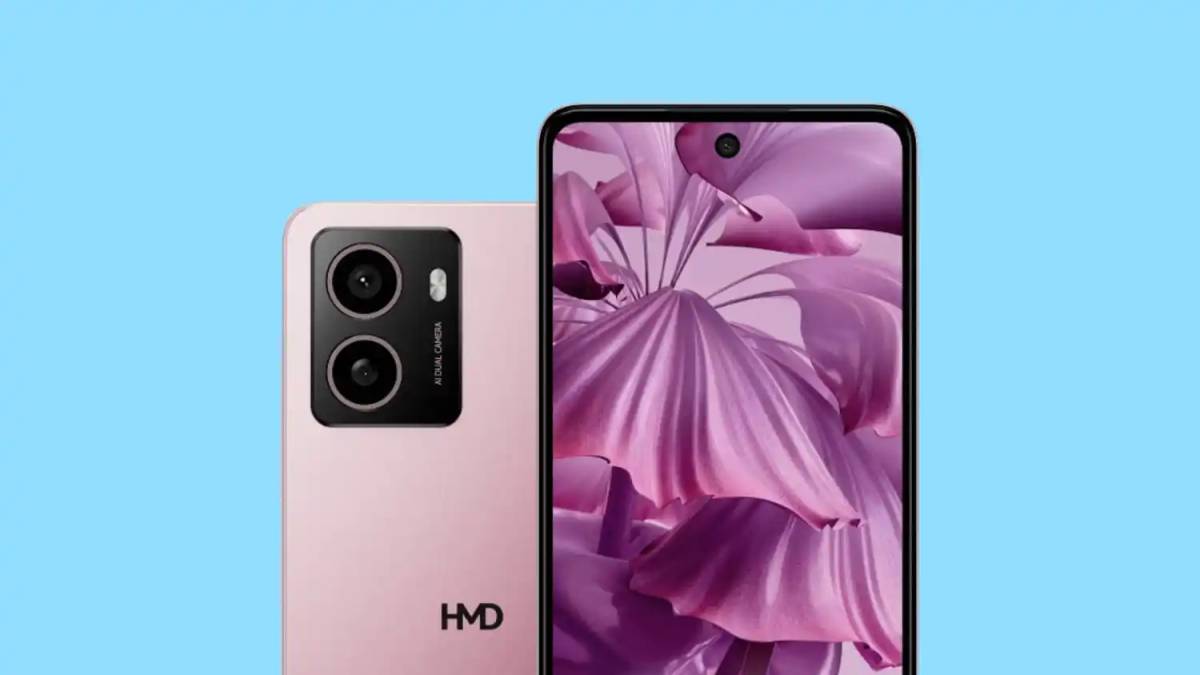
The HMD Crest boasts a stunning 6.67-inch FHD+ OLED display
6.67″ FHD+ 90Hz OLED display
Unisoc T760 5G 6nm SoC
6GB RAM + 6GB RAM expansion
50MP main camera + 2MP secondary camera
50MP front camera
Android 14 OS
5000mAh battery with 33W fast charging
Side-mounted fingerprint scanner
HMD Crest Max: Key Specs
The HMD Crest Max shares many of its sibling’s impressive features
6.67″ FHD+ 90Hz OLED display
Unisoc T760 5G 6nm SoC
8GB RAM + 8GB RAM expansion
64MP main camera + 5MP ultra-wide + 2MP macro
50MP front camera
Android 14 OS
5000mAh battery with 33W fast charging
Side-mounted fingerprint scanner
Ranjit Babu, Director, Wireless and Home Entertainment, Amazon India, Amazon, said: “We are excited to welcome HMD, Human Mobile Devices on Amazon.in, India’s most trusted smartphone buying destination. HMD is entering the Indian market with hi-quality, feature packed 5G devices with Design & Camera being the key propositions. We are confident that HMD will resonate as a credible alternative for our young discerning customers. We would like to extend our congratulations to the entire HMD team for the launch of the new HMD CREST family of smartphones & many more to come in the near future. This addition to our growing product portfolio reinforces our commitment to offer customers the widest selection of smartphones across various price points, enabling them to seamlessly upgrade to the latest technology.”
HMD Crest: Features
The HMD Crest, available in Midnight Blue, Royal Pink, and Lush Lilac, is priced at Rs. 14,499 for the 6GB + 128GB variant.
The HMD Crest boasts a stunning 6.67-inch FHD+ OLED display with a smooth 90Hz refresh rate, protected by Corning Gorilla Glass equivalent.
At its core, the Unisoc T760 5G 6nm SoC powersthe device, delivering impressive performance with over 5.1 Lakhs AnTuTu score.
The phone comes with 6GB of RAM, further expandable by an additional 6GB, ensuring smooth multitasking and app performance.
Photography enthusiasts will appreciate the Crest’s camera setup, featuring a 50MP main camera complemented by a 2MP secondary sensor.
The standout feature is the 50MP front camera, a first in its segment, promising stunning selfies and video calls.
The device runs on a clean Android 14 OS without bloatware, with HMD committing to 2 years of security updates.
Battery life is a strong suit for the Crest, thanks to its 5000mAh battery supported by 33W fast charging.
HMD claims the battery can maintain good health even after 800 charging cycles, emphasizing longevity.
The inclusion of a side-mounted fingerprint scanner adds convenience to the user experience.
One of the Crest’s unique selling points is its Repairability 1.0 feature, which simplifies the replacement of key components like the back panel, battery, display, and charging port.
This not only extends the device’s lifespan but also contributes to reducing e-waste, aligning with eco-conscious consumer values.
HMD Crest Max: Features
The HMD Crest Max, comes in Deep Purple, Royal Pink, and Aqua Green
The HMD Crest Max shares many of its sibling’s impressive features, including the 6.67-inch FHD+ 90Hz OLED display and the powerful Unisoc T760 5G 6nm SoC.
However, it ups the ante with 8GB of RAM and an additional 8GB of RAM expansion, providing even more robust performance for power users and multitaskers.
Where the Crest Max truly shines is in its camera capabilities.
The device sports a versatile triple camera setup, led by a 64MP main camera with a Sony sensor.
A 5MP ultra-wide lens complements this for expansive shots and a 2MP macro lens for close-up photography.
The HMD Crest Max shares many of its sibling’s impressive features, including the 6.67-inch FHD+ 90Hz OLED display and the powerful Unisoc T760 5G 6nm SoC.
The front camera maintains the impressive 50MP resolution seen in the Crest, ensuring top-notch selfies and video calls.
Like its counterpart, the Crest Max runs on a clean Android 14 OS and benefits from HMD’s commitment to 2 years of security updates.
The device also features the same 5000mAh battery with 33W fast charging, promising long-lasting performance and quick power-ups when needed.
The Crest Max doesn’t skimp on additional features, offering ‘Hands-Free Selfie’ with gestures, tone control, Beautify mode, slow-motion video, AI Super Portrait mode, and a Flash shot feature for capturing moving subjects.
Including a Tripod Mode for long-exposure photography adds to its appeal for mobile photography enthusiasts.
5 reasons to buy
The HMD Crest Max comes in Deep Purple, Royal Pink and Aqua Green colour
High-performance 5G chipset with expandable RAM for smooth multitasking
Impressive camera setups with high-resolution sensors and versatile shooting modes
Long-lasting 5000mAh battery with 33W fast charging and enhanced longevity
Clean Android 14 experience with promised security updates
Unique Repairability 1.0 feature for extended device lifespan and reduced e-waste
Specification
HMD Crest
HMD Crest Max
Display
6.67inch FHD+ HID R-OLED display
6.67inch FHD+ HID R-OLED display
Processor
Unisoc T760
Unisoc T760
RAM
6GB
6GB
Internal Storage
128GB
256GB
Rear Cameras
50MP Primary, 2MP Depth
64MP Primary, 5MP Ultra Wide, 2MP Depth
Selfie Camera
50MP
50MP
Battery
5000mAh with 33W fast charging
5000mAh with 33W fast charging
Additional features
Night Selfie
Night Selfie
AI Super portrait
AI Super portrait
FlashShot
FlashShot
Selfie Slo-mo
Selfie Slo-mo
2X lossless digital zoom
Capture Fusion
FAQs
What are the key features of the HMD Crest?
The HMD Crest features a 6.67-inch FHD+ 90Hz OLED display, Unisoc T760 5G chipset, 6GB RAM + 6GB expansion, 50MP main and front cameras, Android 14 OS, and a 5000mAh battery with 33W fast charging.
How does the HMD Crest Max differ from the HMD Crest?
The HMD Crest Max offers 8GB RAM + 8GB expansion, a 64MP triple camera setup with a 5MP ultra-wide and 2MP macro lens, and additional photography features like AI Super Portrait mode and Tripod Mode.
What is the Repairability 1.0 feature in the HMD Crest and Crest Max?
Repairability 1.0 allows easy replacement of key components like the back panel, battery, display, and charging port, extending the device’s lifespan and reducing e-waste.
When and where can I buy the HMD Crest and Crest Max?
Both models will be available for purchase on Amazon.in during the Amazon Great Freedom sale in August, with special introductory prices of Rs. 12,999 for the Crest and Rs. 14,999 for the Crest Max.
What makes the camera setup in the HMD Crest Max unique?
The HMD Crest Max features a versatile triple camera setup with a 64MP main camera, 5MP ultra-wide lens, and 2MP macro lens, along with advanced photography modes and a 50MP front camera for high-quality selfies and video calls.