
Home Blog Page 346

Honor’s AI Eye-Tracking Feature and BCI Tech Expands Globally

0

Highlights

  • Honor’s AI-based eye-tracking feature initially available only in China will be rolled out globally on August 27.
  • The eye-tracking feature is a part of the MagicOS 8.0 update.
  • It allows users to control their phones with their eyes, enhancing accessibility.
  • Honor is exploring non-invasive brain-computer interface (BCI) technology.
  • A BBC Storyworks film showcases how eye-tracking technology has enabled ALS patients.

In February this year, Honor introduced a groundbreaking AI-based eye-tracking feature on its Magic6 Pro smartphone.

The technology allows users to control their phones with their eyes.

Users can perform various tasks through compatible apps just by gazing at the phone.

Initially, this advanced technology was only available in China.

However, the Chinese tech brand is all set to roll out this AI-based eye-tracking globally starting at the end of this month. Here’s everything you need to know.

Honor’s AI Eye-Tracking Feature and BCI Tech – Global Rollout Date and Features
image
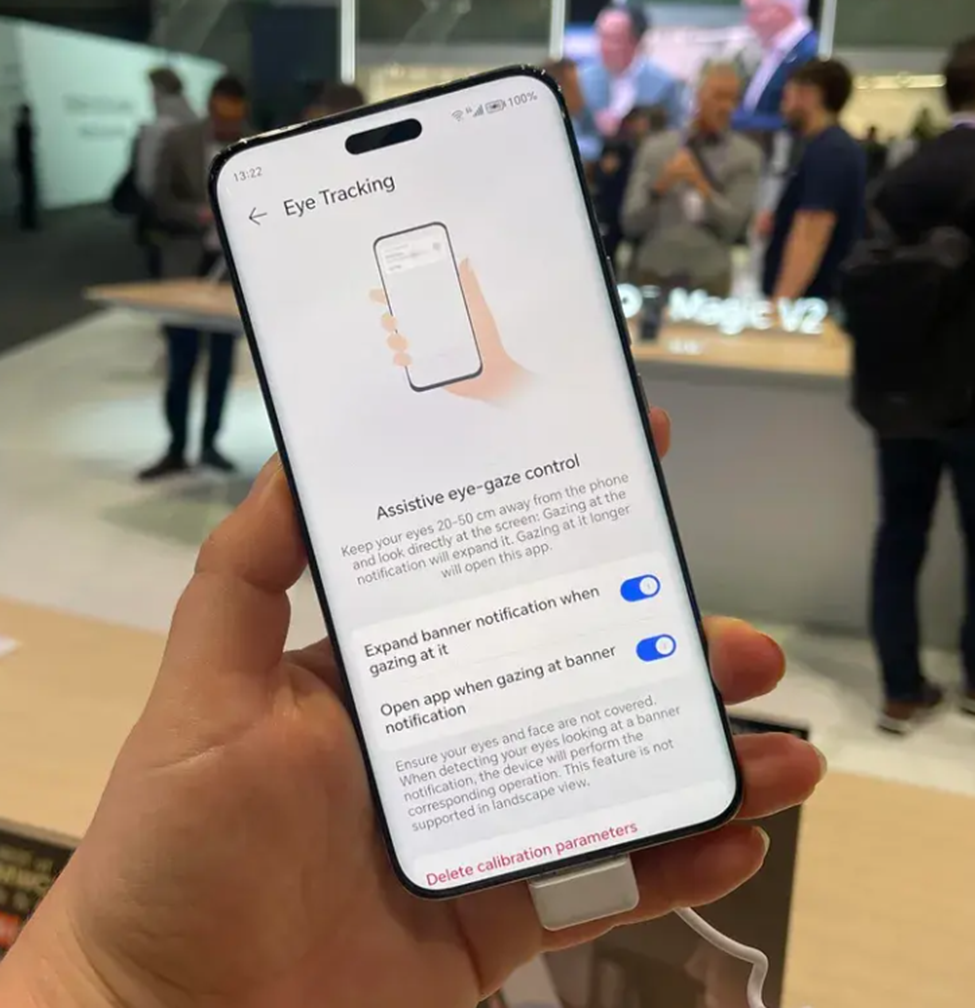
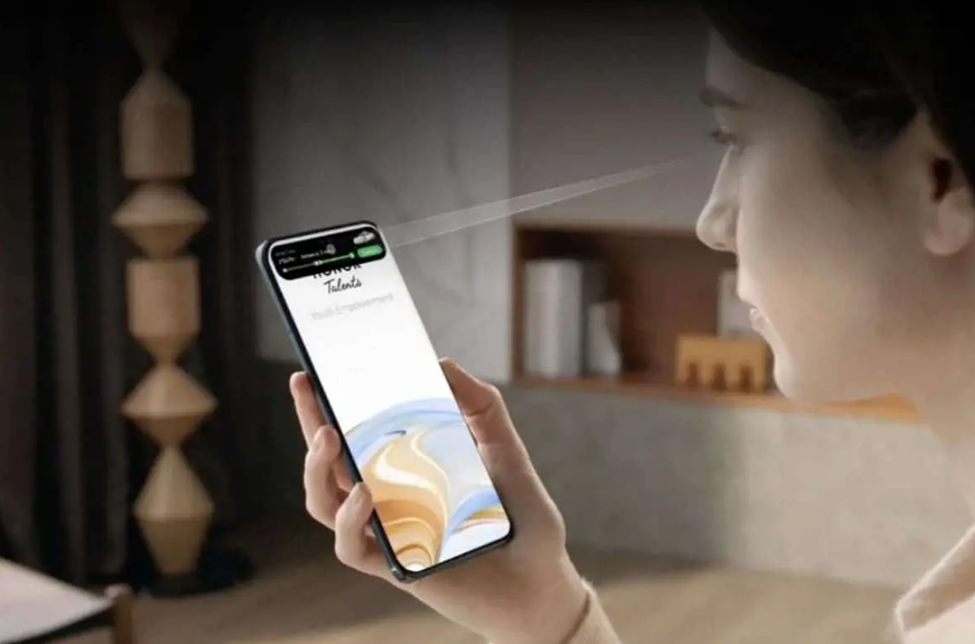
Users open notifications and apps, and perform other tasks by looking at specific points on the screen. (Image Credit – Gizchina)

In a press release this week, Honor announced that its eye-tracking technology will start rolling out in global markets outside China from August 27.

The eye-tracking technology is intent-based and will be available on Honor Magic 6 Pro devices through the MagicOS 8 operating system.

The feature will be available on all compatible devices, including the Magic6 Pro.

It enables users to control their phones with their eyes, making it possible to open notifications, launch apps, and perform various tasks without ever touching the screen.

This technology aims to make using smartphones more convenient and accessible, especially for those with physical limitations.

Brain-Computer Interface (BCI) Technology
image
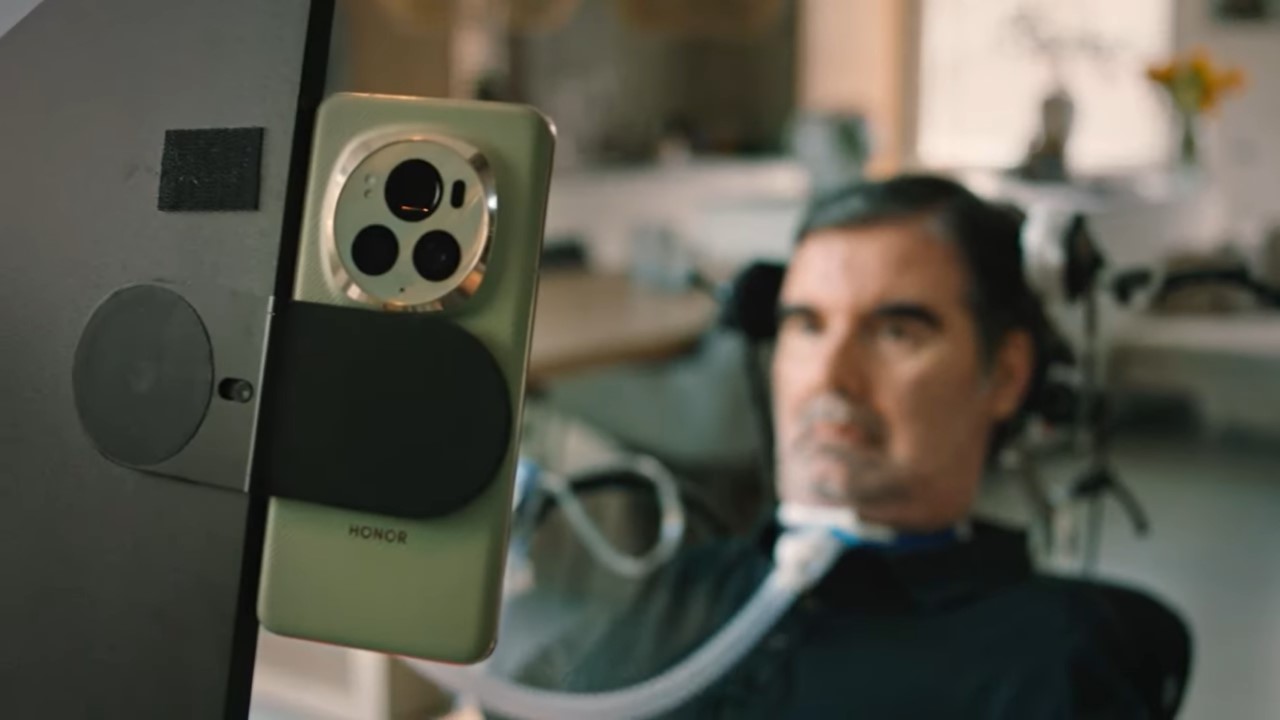
Eye-tracking feature allows users to use their smartphones using eye movements (Image Credit – Honor)

Honor is also pushing the boundaries of its multimodal AI technology by exploring non-invasive brain-computer interface (BCI) technology.

This new development is focused on helping people with disabilities by allowing them to communicate with devices using brain signals.

BCI technology represents a significant step toward making technology more inclusive and beneficial for everyone.

Real World Impact

To showcase the potential of this technology, BBC Storyworks created a short film about a person diagnosed with ALS (Amyotrophic Lateral Sclerosis) 14 years ago.

The film highlights how eye-tracking technology has enabled this individual to communicate and create art, demonstrating the profound impact that such innovations can have on the lives of those with severe disabilities.

Limore Noach, executive director of ALS Foundation Netherlands, has shared a little more info about ALS in the BBC Storyworks feature.

She said, “ALS is a progressive disease of the nerve cells in which your muscles gradually fail. Every loss of function is forever.”

He further added that people with ALS want to do things even when they’re sick. Patients often retain control only of their eye movement in the later stages of the disease.

Honor’s new eye-tracking tech can help ALS patients and give them a way to use their phones again.

#HONORtheChallenger – Honor’s Social Media Movement
Honor’s AI-based eye-tracking feature initially available only in China will be rolled out globally on August 27.

In a recent press release, Honor announced the social media movement to highlight the real-world impact of the technology.

The #HONORtheChallenger hashtag, honouring the quiet courage of those facing daily battles, has gained widespread attention on social media.

It celebrates the spirit of ALS challengers who defy limitations and raises awareness for the ALS community.

In the press statement, Honor noted, “When taking part in the social challenge, participants are tasked with holding an athletic pose, posting it along with the hashtag #HONORtheChallenger, and nominating others to participate. A staggering 4000+ people across the globe joined the online movement, with athletes including British gymnast Nile Wilson showing their support. The viral hashtag garnered 85,000,000 views and generated a total global engagement of 11,000,000, raising global attention for the important cause.”

Honor’s Innovations – A Quick Recap
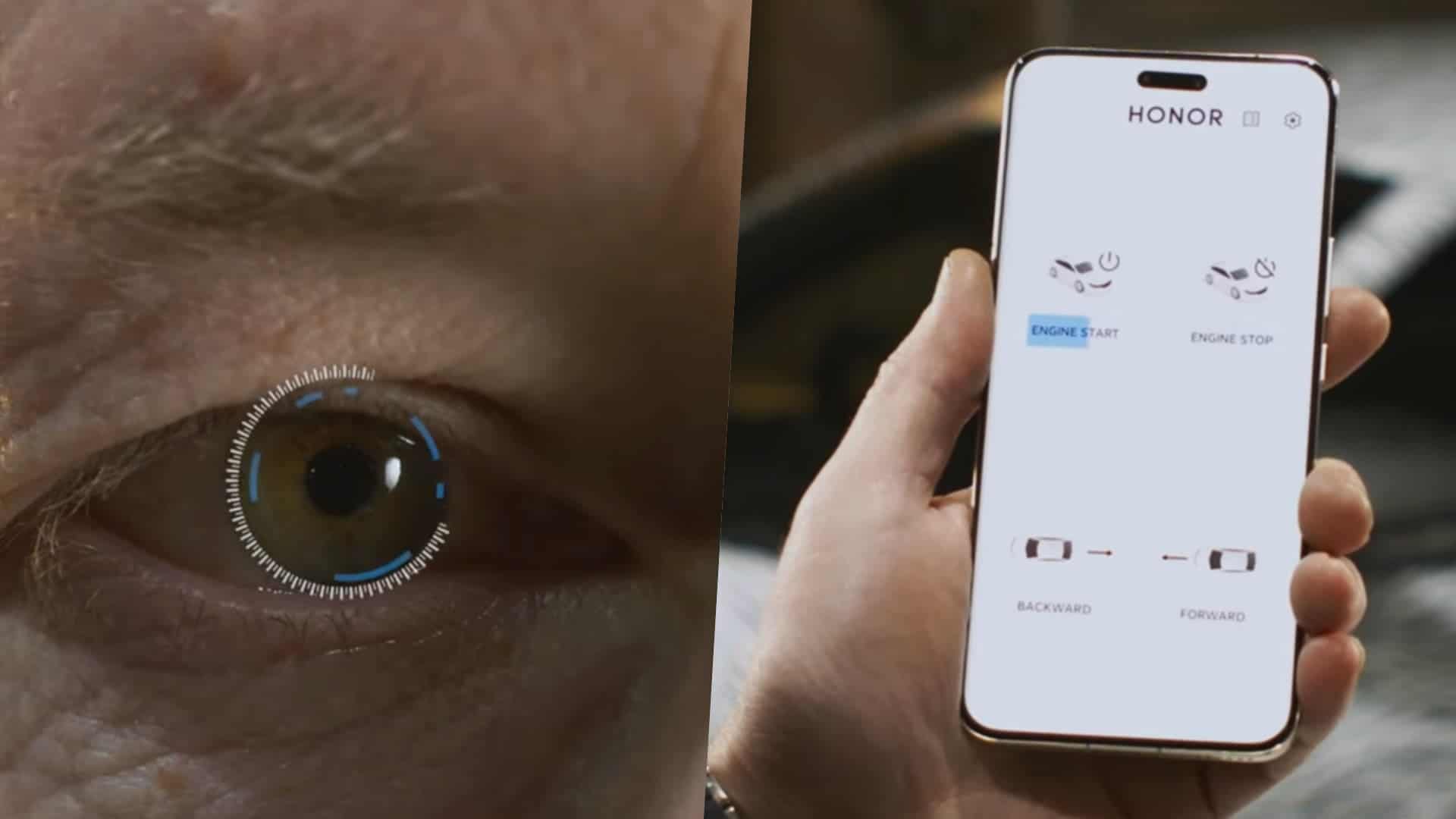
The eye-tracking feature is a part of the MagicOS 8.0 update.

Eye-Tracking Feature

  • Allows users to control their smartphones hands-free.
  • Open notifications, launch apps, and perform other tasks by focusing on specific areas of the screen.
  • Launches globally on August 27.
  • Compatible with all devices running MagicOS 8.0, including the Magic6 Pro.

Multimodal AI Technology

  • Hands-free smartphone control through eye-tracking.
  • Enhances user experience with simple and accessible interaction methods.
  • Expanding the range of actions possible with eye-tracking.
  • Exploring new applications to increase accessibility.

Brain-Computer Interface (BCI) Technology

  • Enables communication with devices using brain signals.
  • Designed to assist individuals with disabilities or those requiring additional support.
  • Offers new communication methods for those with severe disabilities.
  • Enhances user independence and overall quality of life.

FAQs

Q1. When will the eye-tracking feature be available globally on the Honor Magic6 Pro?

Answer. Yes, the eye-tracking feature will start rolling out globally on August 27, 2024.

Q2. What can the eye-tracking feature on the Honor Magic6 Pro do?

Answer. The eye-tracking feature allows users to control their phones with their eyes, enabling actions such as starting and stopping a car’s engine, moving the car forward and backwards, opening notifications, launching apps, and performing various tasks without touching the screen.

Q3. What is the purpose of the brain-computer interface (BCI) technology that Honor is exploring?

Answer. Honor is exploring non-invasive brain-computer interface (BCI) technology to help people with disabilities communicate with devices using brain signals.

This development aims to make technology more inclusive and beneficial for everyone.

Also Read: YouTube Removes 1.7 Million Videos for Violating Q3 2022 Norms

Also Read: Honor Magic 6 Series with MagicOS 8.0 To Launch in China Next Month
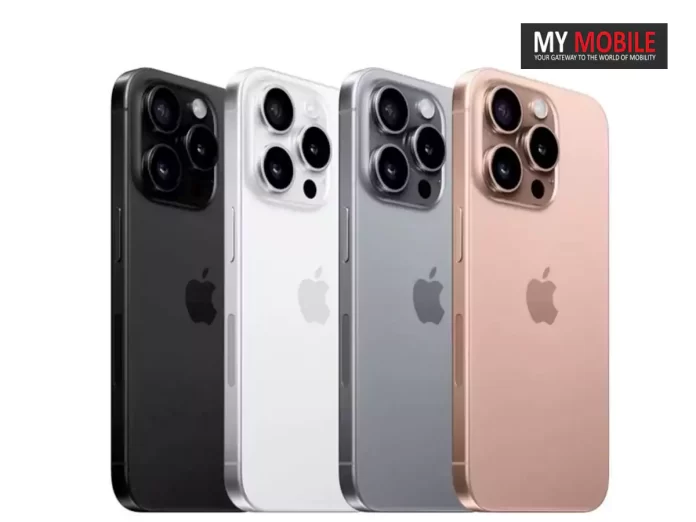
iPhone 16 Pro Colour Rumored to be Named ‘Desert Titanium’

0
iPhone 16 Colour Options Reportedly Revealed; New ‘Rose Titanium’ Variant for Pro Models

Highlights

  • The iPhone 16 Pro models are expected to come in white, black, gold, and grey.
  • The gold colour is expected to be a very dark shade.
  • Like the iPhone 15 Pro series, the iPhone 16 Pro and Pro Max will continue using titanium for their bodies.
  • Earlier leaks suggested the new colour variant could be named “Desert Titanium” colour.

The rumours about the iPhone 16 series’s possible colour variants have been running wild for the last few weeks.

We have heard from many users including some trusted sources and Apple insiders about what is Apple planning. And everyone has a different story to tell.

If recent leaks are to be believed, the new colour that we will see the iPhone 16 Pro in is “Desert Titanium” and not rose gold or bronze as previously reported.

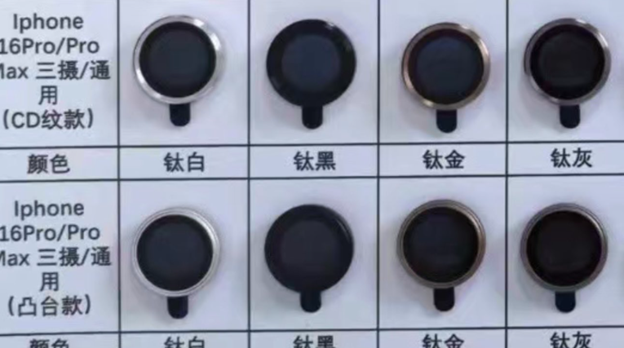
A recent leak from frequent tipster Maijin Bu on X.com (previously known as Twitter) has provided a glimpse into the potential colour options for Apple’s upcoming iPhone 16 Pro lineup.

The leaked photo suggests that certain early reports of a bronze-ish colour variant might not be entirely accurate.

Maijin Bu’s X post mentioned, “There are four colors in total in the iPhone 16 Pro Lineup: white, black, gold and gray. The desert titanium color is kind of dark gold, similar to the old purple color, relatively discreet and deep.”

According to this, the iPhone 16 Pro models will be available in white, black, gold, and grey. Also, the new colours could possibly be named “Desert Titanium.”

Image posted by a trusted leaker on X.com showing alleged iPhone 16 Pro lineup colours.

The image posted by Maijin Bu shows the camera lens ring of the iPhone 16 Pro and 16 Pro Max.

The gold colour is described as a very dark and discreet shade, contrasting with the more traditional lighter gold tones.

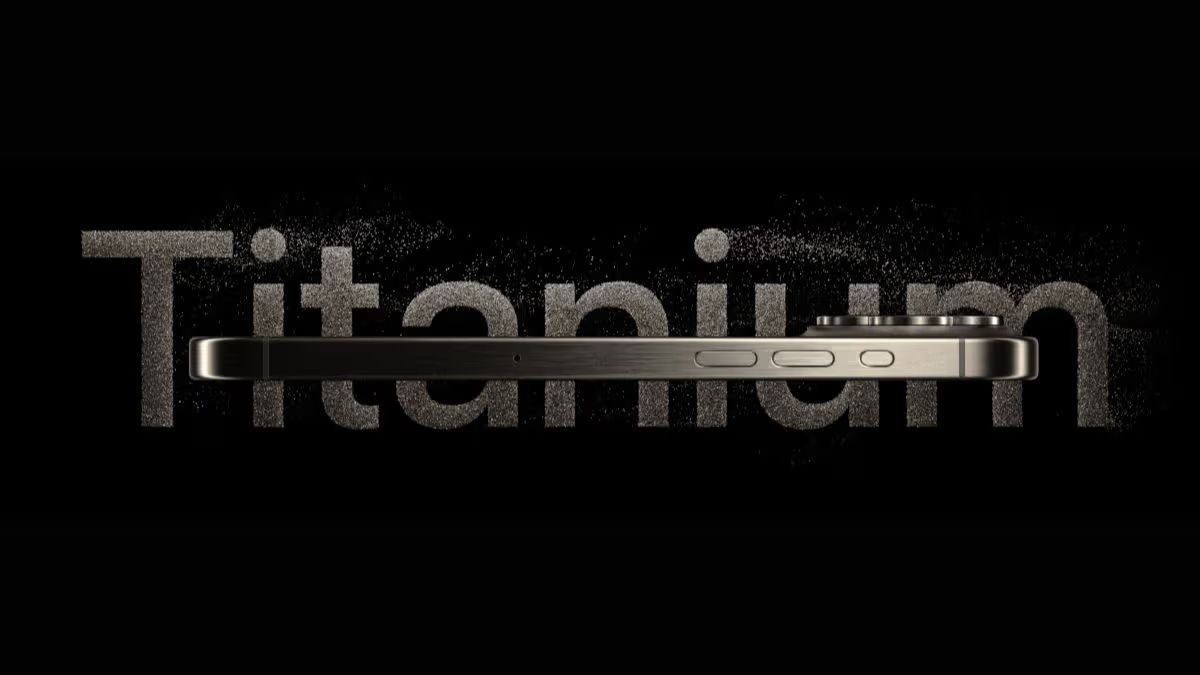
Similar to the iPhone 15 Pro series, the iPhone 16 Pro and iPhone 16 Pro Max are expected to continue using titanium as the primary material for their bodies.

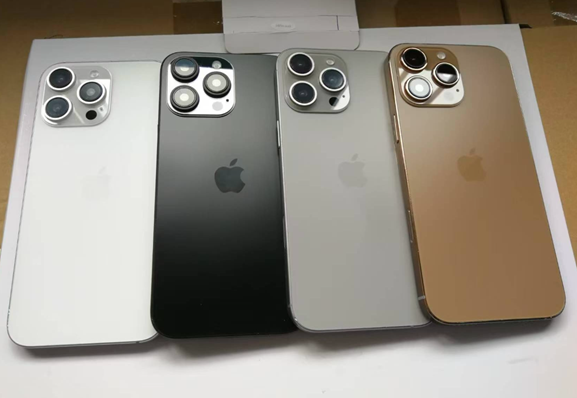
Dummy iPhone 16 Pro leak posted by fellow trusted leaker Sonny Dickson on X.

Earlier this week, we also had a leak from Sonny Dickson on X showing a lineup with a more bronze or brownish colour.

This colour is now being referred to as “desert titanium.”

As per multiple sources, this might replace the blue titanium option currently available on the iPhone 15 Pro models.

Like the iPhone 15 Pro series, the iPhone 16 Pro and Pro Max will continue using titanium for their bodies.

However, Bu’s leak contradicts and suggests that the new gold hue might offer a different alternative than we all assumed.

Rumours have also circulated about a possible “rose” or “rose gold” titanium option, with analyst Ming-Chi Kuo among the first to predict this colour.

Apart from multiple rumours regarding possible colour changes in iPhone 16, we have had many reports predicting possible key features as well.

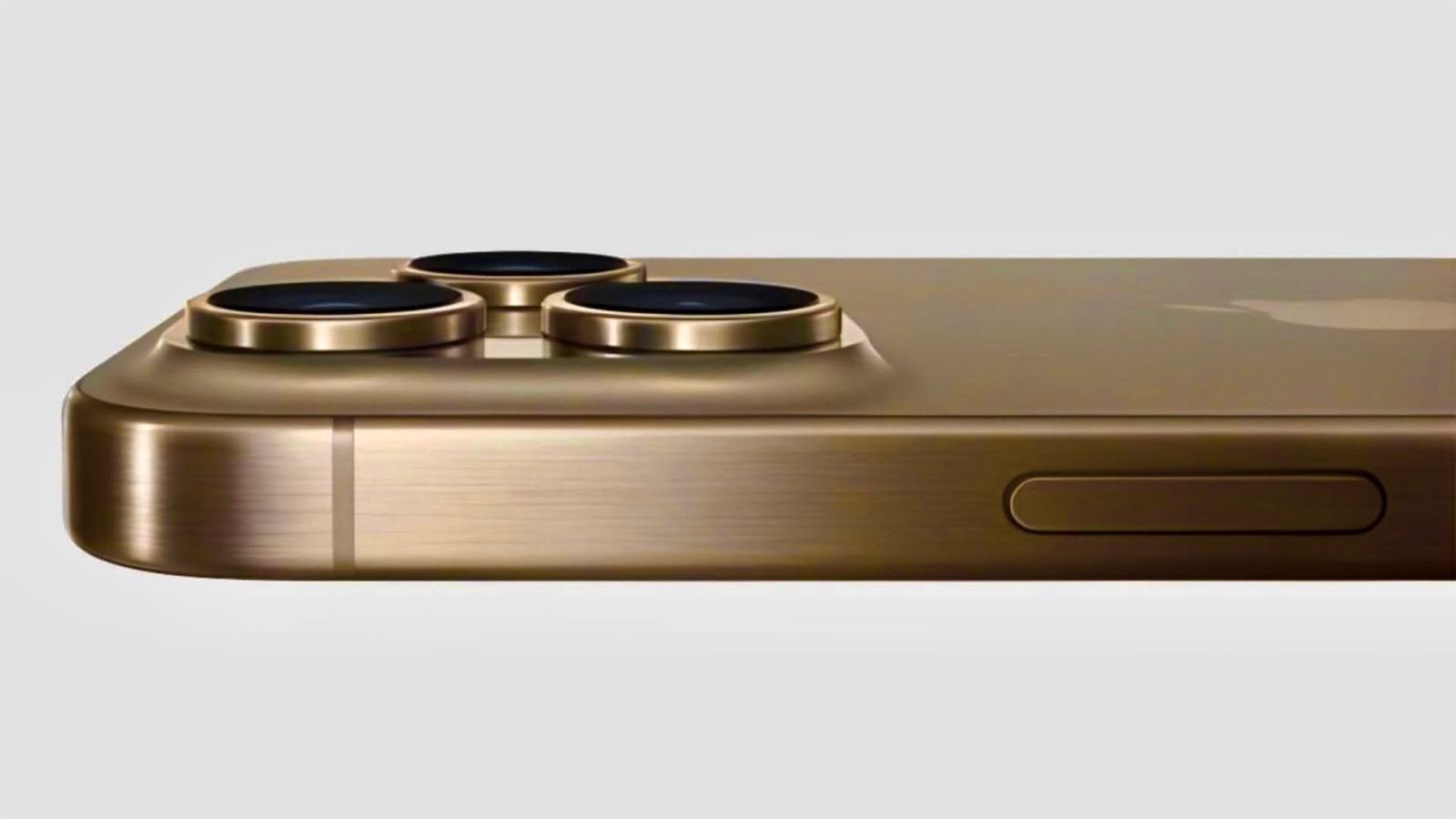
Concept render of new iPhone 16 Pro color.

Based on such prediction, we can say that the iPhone 16 Pro is expected to come with a larger 6.3-inch display, an upgrade from the 6.1-inch screen on the iPhone 15 Pro.

The iPhone 16 Pro Max, on the other hand, will also get a size upgrade. It will most likely feature a 6.9-inch display compared to the 6.7-inch screen on its predecessor.

Both models are expected to sport a Tetraprism periscope telephoto lens with 5x optical zoom, an ultra-wide camera with a 48MP sensor, and could be powered by the A18 Pro processor, utilizing TSMC’s advanced 3nm technology.

As anticipation builds, Apple is expected to reveal the full iPhone 16 lineup at a September event.

We would also see the new Mac and iPad models, updated AirPods and new software in the same event.

FAQs

Q1. What are the expected colour options for the iPhone 16 Pro?

The iPhone 16 Pro is rumoured to come in white, black, gold, and grey.

The gold colour is expected to be a very dark and discreet shade.

Q2. Will the iPhone 16 Pro have a larger display compared to iPhone 15 Pro?

Answer. Yes, the iPhone 16 Pro is expected to feature a larger 6.3-inch display, while the iPhone 16 Pro Max will have a 6.9-inch display.

Q3. What material will be used for the iPhone 16 Pro’s body?

Answer. Like the iPhone 15 Pro series, the iPhone 16 Pro models are expected to continue using titanium for their bodies.

Q4. Are there any new camera features in the iPhone 16 Pro?

Answer. The iPhone 16 Pro is rumoured to include a 48-megapixel Ultra Wide lens and a 5x optical zoom for both models2. Additionally, a new “Capture” button for taking photos and videos is expected.

Q5. What improvements can we expect in iPhone 16 Pro performance?

Answer. The iPhone 16 Pro will likely feature a new A-series chip built on the latest 3-nanometer technology, which should offer improvements in efficiency and performance.

Also Read: iPhone 16 Pro Series Rumoured to Feature New Colours and Capture Button

Also Read: iPhone 16 Pro Latest Prototype Reveals Design Changes in Action Button

Report Reveals Infinix Hot 50 Series to Have Five Models

0

Highlight

  • Infinix is set to launch the Hot 50 series with five models.
  • The upcoming lineup is expected to have – Hot 50, Hot 50 5G, Hot 50 Pro, Hot 50 Pro+, and Hot 50i.
  • The Hot 50 Pro+ will be the top-tier model, while the Hot 50i will be the budget-friendly option with basic features.
  • The series will include both 4G and 5G variants.

We haven’t heard much about the Infinix Hot 50 Series yet with even rumours keeping things low profile.

However, a recent Gizmochina exclusive report has stirred the newsroom a bit.

As per Gizmochina, Infinix is set to launch its latest Hot 50 series in five distinct models.

The reports name different models as the Hot 50, Hot 50 5G, Hot 50 Pro, Hot 50 Pro+, and Hot 50i.

 The IMEI database spottings reveal model numbers of all five models.

The known model numbers of these 5 devices are as follows:

  • Infinix Hot 50: X6882
  • Infinix Hot 50 Pro: X6881
  • Infinix Hot 50 Pro+: X6880
  • Infinix Hot 50 5G: X6720
  • Infinix Hot 50i: X6531

While we still don’t know much because all the exact technical specifications are still under wraps, we can at least confirm based on the recent reveal that the Hot 50 Pro+ will be the top-tier model in this lineup.

The upcoming lineup is expected to have - Hot 50, Hot 50 5G, Hot 50 Pro, Hot 50 Pro+, and Hot 50i.
The upcoming lineup is expected to have – Hot 50, Hot 50 5G, Hot 50 Pro, Hot 50 Pro+, and Hot 50i.

On the other hand, the more budget-friendly option will be the Hot 50i.

It is expected to offer basic features without significant upgrades.

Moreover, the Hot 50 series will likely introduce two variants of the base model: the standard 4G Hot 50 and the Hot 50 5G.

This is a significant shift from the previous Hot 40 series by including a model with 5G capabilities.

This change comes as demands for 5G smartphones continue to gain momentum.

The upcoming series will hopefully position Infinix to potentially see a boost in the competitive smartphone market.

Although specific details about the features of the Hot 50 series are not yet available, leaks and updates in the coming weeks may shed more light on the technical aspects of these smartphones.

The launch date for the Hot 50 series has not been announced, but the development of these models is officially confirmed.

Just to give a quick recall, the Infinix Hot 40 Series was launched in December 2023. The series includes three models: Hot 40, Hot 40 Pro, and Hot 40i.

These smartphones feature a 6.78-inch IPS LCD display, a powerful Helio G88 processor, and a 5000 mAh battery with 33W fast charging.

The Hot 40 Pro boasts a 50MP triple AI camera and a 32MP selfie camera, making it ideal for photography enthusiasts.

The Hot 50 Pro+ will be the top-tier model, while the Hot 50i will be the budget-friendly option with basic features.

Running on Android 13 with XOS 13.5, the series offers smooth performance and extended RAM options.

With its competitive pricing and robust features, the Hot 40 Series caters to a wide range of users.

The Infinix Hot 40 is priced at approximately ₹11,999 in India.

The Hot 40 Pro, which offers enhanced features, is available for around ₹14,999 in India.

Whereas, the budget-friendly Hot 40i is priced at about ₹9,999 in India.

The aggressive prices reflect Infinix aims to cater to a wide range of users, offering both affordability and advanced features.

While pricing details of the Infinix Hot 50 series are yet to be revealed, these are likely to be on the same lines as those of the predecessors.

FAQs

Q1. What are the key features of the Infinix Hot 40?

Answer. The Infinix Hot 40 features a 6.78-inch IPS LCD display with a 90Hz refresh rate, a MediaTek Helio G88 processor, 8GB RAM (expandable with virtual RAM), and a 5000 mAh battery with 33W fast charging.

Q2. What camera capabilities does the Infinix Hot 40 Pro offer?

Answer. The Infinix Hot 40 Pro boasts a 50MP triple AI camera setup, including a wide-angle lens, a macro lens, and an auxiliary lens.

It also features a 32MP front camera for high-quality selfies.

Q3. Does the Infinix Hot 40 Series support 5G connectivity?

Answer. No, the Infinix Hot 40 Series does not support 5G connectivity.

It is designed to work with GSM, HSPA, and LTE networks.

Q4. What operating system does the Infinix Hot 40 Series run on?

Answer. The Infinix Hot 40 Series runs on Android 13 with the XOS 13.5 user interface, providing a smooth and user-friendly experience.

Q5. Are there any special features for gaming on the Infinix Hot 40?

Answer. Yes, the Infinix Hot 40 includes the XBOOST gaming engine, which enhances gaming performance by optimizing the device’s resources.

It also features a game antenna Wi-Fi enhancement technology for a better gaming experience.

Also Read: Infinix GT 10 Pro to come with 260W fast charging; launch later this year: Check Specifications, Price & More

Also Read: Infinix unveils 260W wired, 110W wireless fast charging; will arrive with a Note smartphone later this year making it the brand with the fastest smartphone charging tech in the world till date

Also Read: Infinix Smart 7: An Affordable Smartphone With a “first-in-segment” 6,000mAH battery, up to 7GB RAM and a 6.6” Big HD+ Sunlight Display

Upcoming Entry-Level Smartphone Vivo Y19s Spotted

0

Highlights

  • Vivo Y19s, an entry-level smartphone, was spotted in the IMEI database
  • It was listed with model number V2419
  • Expected to have slightly improved specifications than its predecessor – the Vivo Y18s.
  • Specific details and the launch date are yet to be announced.

Following the release of the Vivo Y18s just a few months ago, Vivo is now focused on increasing competition with the introduction of the Vivo Y19s.

The Chinese tech giant is preparing to launch the Vivo Y19s as the new entry-level smartphone.

While we have no confirmation on when the launch is expected or what the phone has to offer, the model was spotted in an online database.

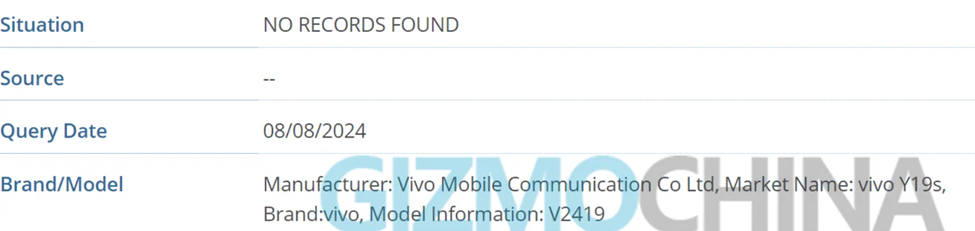
This upcoming model the Vivo Y19s was recently spotted in the IMEI database by Gizmochina, a famous online tech news publisher.

This signal Vivo is preparing to strengthen its position in the affordable phone market.

image
“Upcoming Vivo smartphone with model number V2419, as per IMEI database.”

As per the IMEI database, this upcoming Vivo smartphone will carry the model number V2419.

As we mentioned, the specific details about the Y19s are still under wraps. However, it is expected to feature similar specifications to its predecessor, the Vivo Y18s, with slight improvements.

To get a better idea of what to expect from the Y19s model, here’s a recap of its predecessor.

The Vivo Y18s is a budget-friendly smartphone featuring a 6.56-inch IPS LCD display with a 90Hz refresh rate for smooth visuals.

Powered by the MediaTek Helio G85 chipset, it comes with 6 GB of RAM and 128 GB of internal storage, expandable via microSD.

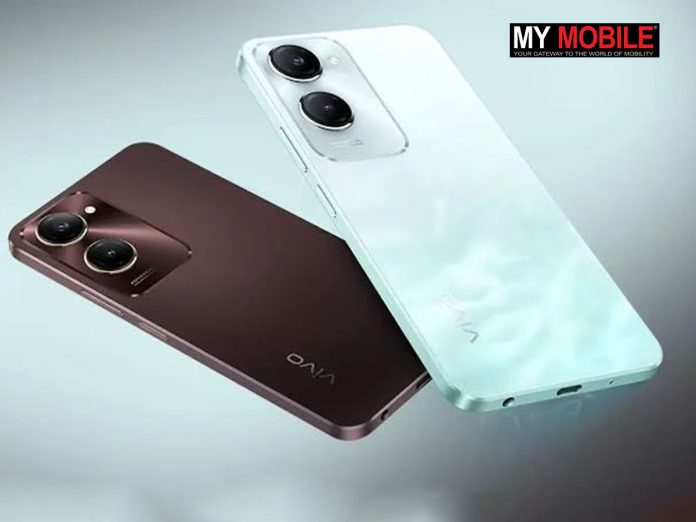
Vivo 18s
Vivo 18s

The device boasts a dual-camera setup with a 50 MP main sensor and an 8 MP front camera for clear selfies.

It runs on Android 14 with FunTouch OS 14 and is equipped with a 5000 mAh battery supporting 15W fast charging, ensuring long-lasting performance.

Just to reiterate, there is no official word on the launch date or the full specifications of the Vivo Y19s, but more details are likely to emerge soon.

FAQs

Q1. What are the key features of the Vivo Y36?

Answer. The Vivo Y36 features a 6.64-inch IPS LCD display with a 90Hz refresh rate.

It is powered by the MediaTek Helio G85 chipset, comes with 6 GB of RAM, and has a 5000 mAh battery with 44W fast charging.

Q2. How does the Vivo Y28 5G perform in terms of connectivity and battery life?

Answer. The Vivo Y28 5G supports 5G connectivity, ensuring fast internet speeds.

It is equipped with a 5000 mAh battery that provides long-lasting usage and supports 15W fast charging.

Q3. What camera setup does the Vivo T3 Lite offer?

Answer. The Vivo T3 Lite comes with a dual-camera setup, featuring a 50 MP main camera and a 2 MP depth sensor. It also has an 8 MP front camera for selfies.

Q4. Is the Vivo Y22s suitable for gaming?

Answer. Yes, the Vivo Y22s is suitable for gaming.

It is powered by the MediaTek Helio G85 chipset, which provides good performance for gaming and multitasking. The device also has a 5000 mAh battery to support extended gaming sessions.

Q5. What makes the Vivo Y16 a good budget option?

Answer. The Vivo Y16 is a good budget option due to its 6.51-inch IPS LCD display, MediaTek Helio P35 processor, and 5000 mAh battery.

It also offers a dual-camera setup with a 13 MP main sensor and a 2 MP depth sensor.

Also Read: Vivo V40 Launched in Europe: New 5G Smartphone with Premium Features and ZEISS Cameras

Also Read: Vivo V40 Series Set to Launch in India Next Month: Report

Stress Test Reveals Tensor G4’s Thermal Issues, Puts Pixel 9 Pro XL Performance Under Lens

0

Highlights

  • The upcoming Pixel 9 Pro XL’s Tensor G4 stress test results go viral.
  • Processors may struggle with thermal management and consistent performance.
  • Loses up to 50% of its processing power under prolonged stress.
  • A CPU throttling test showed the Tensor G4’s performance dropped significantly within minutes.

Google’s custom chips have often been criticized for thermal management and maintaining consistent performance in the past.

With the launch of the Pixel 9 series, it was inevitable that some early users or reviewers would test the device for similar issues.

Within a week of launch, performance reports have started surfacing online and it doesn’t look good for the new phones.

The first phone from the Pixel 9 series to come under the lens is the upcoming Pixel 9 Pro XL. One online user has claimed that the phone’s new Tensor G4 processor could struggle under extended use.

A user on X (previously known as Twitter), @callmeshazzam, shared results from a CPU throttling test on their pre-ordered Pixel 9 Pro XL.

Raising concerns, the user wrote, “Pixel 9 Pro XL .. Better Luck Next Year.”

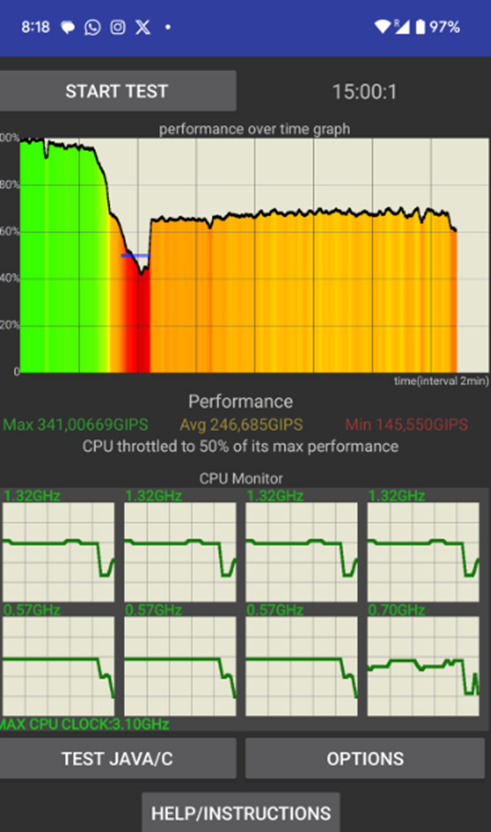
The test revealed that the Tensor G4 could lose up to 50% of its processing power when under prolonged stress.

The test tracked the performance of all eight CPU cores in the Tensor G4.

Within just three minutes of heavy use, the chip began to throttle, with performance continuing to decline until around the four-minute mark.

At that point, the CPU was estimated to have lost nearly 60% of its potential power.

image
Tensor G4 peaked at 341 GIPS, averaged 246.6 GIPS, and dropped to 145.5 GIPS under severe throttling (42.6% of peak).

The raw data from the test showed that the Tensor G4 reached a peak performance of 341 GIPS (giga instructions per second) but averaged 246.6 GIPS.

When throttling was most severe, the chip dropped to just 145.5 GIPS—only 42.6% of its peak capability.

The performance later stabilized at about 65% of its maximum.

The frequency chart from the test revealed that the Tensor G4’s performance cores dropped to as low as 1.32 GHz, while the efficiency cores fell to just 570 MHz.

While the stress test results for the Tensor G4 posted by X user certainly raise a lot concerns, they don’t show the complete picture in any way.

Tensor G4 Running In Google’s Pixel 9 Pro XL Throttles To 50 Percent Of Its Maximum Performance

Such stress tests are meant to push the phone’s hardware to its extreme limits, which isn’t always similar to everyday use.

So, before jumping to any conclusions about the performance of Pixel 9 devices including the Pro XL model, it’s important to wait for actual comprehensive reviews.

We have to see the Tensor G4 performance in other benchmark tests and real-world scenarios.

It is important to note that Google has not yet disclosed the official specifications of the Tensor G4.

However, Geekbench results suggest the chip features one core at 3.1 GHz, three at 3.6 GHz, and four efficiency cores running at 1.95 GHz.

The Pixel 9 Pro XL is Google’s latest flagship smartphone, featuring a stunning 6.8-inch AMOLED display with HDR10+ support and a peak brightness of up to 3000 nits.

Powered by the new Tensor G4 chipset, it offers enhanced AI capabilities and efficient performance.

The device boasts a versatile triple camera system, including a 50 MP main sensor, a 48 MP ultrawide lens, and a 48 MP telephoto lens with 5x optical zoom.

Amongst other features, it comes with a robust 5060 mAh battery, 16 GB of RAM, and up to 1 TB of storage.

Faqs

Q1. What are the key features of the Pixel 9 Pro XL’s display?

Answer. The Pixel 9 Pro XL features a 6.8-inch AMOLED display with a resolution of 2992 x 1344 pixels. It supports HDR10+ and has a peak brightness of up to 3000 nits.

Q2. What processor powers the Pixel 9 Pro XL?

Answer. The Pixel 9 Pro XL is powered by Google’s custom Tensor G4 chipset, designed to enhance AI and machine learning capabilities.

Q3. How is the camera set up on the Pixel 9 Pro XL?

Answer. The Pixel 9 Pro XL boasts a triple rear camera system: a 50 MP main camera, a 48 MP ultrawide camera, and a 48 MP telephoto camera with 5x optical zoom. It also features a 42 MP front camera.

Q4. What is the battery capacity of the Pixel 9 Pro XL?

Answer. The Pixel 9 Pro XL comes with a 5060 mAh battery, supporting fast charging and wireless charging.

Q5. What are some unique features of the Pixel 9 Pro XL?

Answer. The Pixel 9 Pro XL includes advanced AI features, multi-layer hardware security with Tensor security core and Titan M2 chip, and is made with at least 18% recycled materials.

Also Read: Google To Reportedly Bring Gemini Nano AI Assistance Called Pixie to Upcoming Pixel 9 Series

Also Read: Google Pixel 9 To Reportedly Get Only A Modest Chipset Upgrade Next Year

Ola Electric Unveils Plans for India’s First Homegrown AI Chips by 2026

0

Highlight

  • Krutrim, an AI startup founded by Ola’s CEO, will design and launch its first AI chip by 2026.
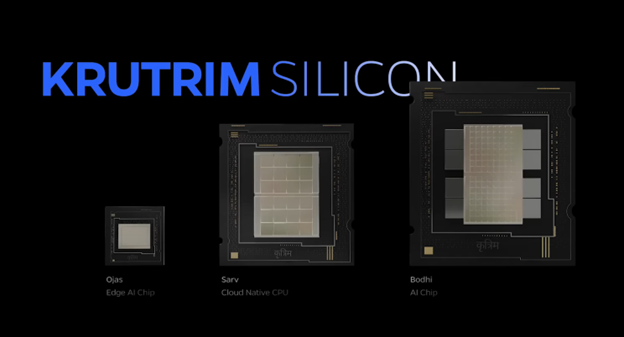
  • The first set of AI chips includes Bodhi 1 (for AI inferencing), Ojas (for edge AI solutions), and Sarv 1 (a general-purpose server CPU)1.
  • Ola plans to build a 1-gigawatt data centre facility by 2028, expanding from the current 20-megawatt capacity.

Ola Electric, widely known across India for its electric scooters and ride-hailing services, has made a futuristic move into the AI hardware space.

The company announced its ambitious plan to develop a series of AI chips in a recent event.

This marks a significant step in India’s journey into the rapidly growing field of artificial intelligence.

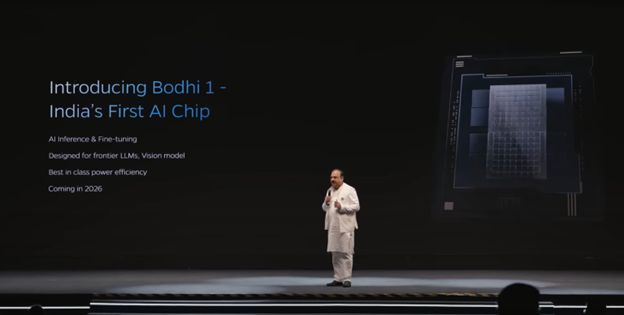
Ola Sankalp 2024 Event - Announcement of India’s First AI Chip
Ola Sankalp 2024 Event – Announcement of India’s First AI Chip

Ola Cabs’ co-founder and CEO Bhavish Aggarwal founded an AI startup in December last year named Krutrim.

The startup now integrated into Ola Electric and Ola Consumer plans to design, build, and launch its first AI chip by 2026.

The announcement was made during the ‘Sankalp 2024’ event, where Aggarwal was in attendance.

At Ola Sankalp 2024, Aggarwal said: “India has a unique opportunity to become a global superpower in technologies of the future such as AI. India being the source for 20 per cent of the world’s data and home to one of the largest tech talent pools, is fully equipped to lead the AI wave.”

The first set of AI chips, expected to debut in 2026, includes three models: Bodhi 1, Ojas, and Sarv 1. Bodhi 1.

The first AI chip to be designed and manufactured in India will be geared toward AI inferencing, making it suitable for large language models (LLMs) and high-performance vision processing.

Ola claims that Bodhi 1 is particularly strong in power efficiency, a crucial factor as AI systems demand more energy.

Ojas, the second chip in the lineup, is designed to meet the growing need for edge AI solutions.

It is adaptable for various uses across sectors such as automotive, mobile, and IoT.

Ola plans to incorporate Ojas into its future electric vehicles.

The first set of chips includes three models: Bodhi 1, Ojas, and Sarv 1. (Image credit - Ola Sankalp 2024 Event)
The first set of chips includes three models: Bodhi 1, Ojas, and Sarv 1. (Image credit – Ola Sankalp 2024 Event)

The chip would manage functions like charging optimization and advanced driver assistance systems (ADAS).

The third chip, Sarv 1, is a general-purpose server CPU based on the Arm architecture.

It is aimed at supporting the increasing AI computing needs within the data centre industry.

At the same event, Aggarwal also announced plans to build a 1-gigawatt data centre facility by 2028.

This will significantly expand from the current 20-megawatt capacity.

CEO and founder Bhavish Aggarwal announced plans to develop India’s first homegrown family of chips for artificial intelligence, general compute and Edge.

“Our goal is to push the boundaries of AI chip performance by 2028. This is a bold and ambitious project, but we are committed to delivering our first AI chip for India by 2026,” Aggarwal stated.

“The data centre will be a computing and data storage powerhouse, enabling Krutrim to offer world-class AI services to India and the world,” the startup said in a statement.

This expansion is part of Ola’s broader vision, which includes launching India’s first homegrown AI chip, developed by Krutrim.

While Ola’s presentation at the event highlighted impressive performance and power efficiency benchmarks for their prototype chips, some significant details need to be addressed before comparing them to Nvidia GPUs.

The company didn’t disclose the specific Nvidia GPU used for comparison. Moreover, there was no mention of any details of where these chips will be fabricated.

Amongst other significant announcements made during the event, Ola Cabs is being renamed as Ola Consumers as the company widens its range of consumer services.

Krutrim has made a name in the consumer market by launching an Android app for its AI chatbot in May.

The chatbot, which entered public beta in February 2024, is designed to compete with major players like OpenAI’s ChatGPT, Google’s Gemini, and Microsoft’s Copilot.

“With India’s first family of chips for AI, General Compute and Edge and key partnerships with Arm and Untether AI, Krutrim has today launched 50+ new services. And free till Diwali!” Aggarwal said in a post on X.

It is powered by Krutrim’s multilingual large language models (LLM) and supports over 10 Indian languages, with plans to extend this to all 22 official languages by the end of 2024.

The family of chips includes Bodhi for AI, Sarv for general compute, and Ojas for Edge.

Ola announced a rebranding of its ride-hailing division from Ola Cabs to Ola Consumer.

This rebranding reflects the company’s expansion into a more comprehensive array of consumer services.

Ola Share, the popular ride-sharing service that was suspended in 2020 due to the COVID-19 pandemic, has been reintroduced in Bengaluru, with plans to expand to other cities soon.

Krutrim will scale up its data centre capacity to 1 GW by 2028 from the current 20 MW.

Aggarwal also showcased Ola’s automated dark stores, small-scale warehouses designed for rapid delivery, where robots will manage the storage and retrieval of goods.

These dark stores will be accessible to local Kirana shops and brands on the ONDC network, not just Ola’s platform .

The company introduced Ola Coin, a loyalty program to enhance customer engagement across its services.

Krutrim Cloud will expand its services to cover infrastructure domains, developer platforms, data platforms, AI models, AI platforms and AI applications.

FAQs

Q1. What new products did Ola announce in 2024?

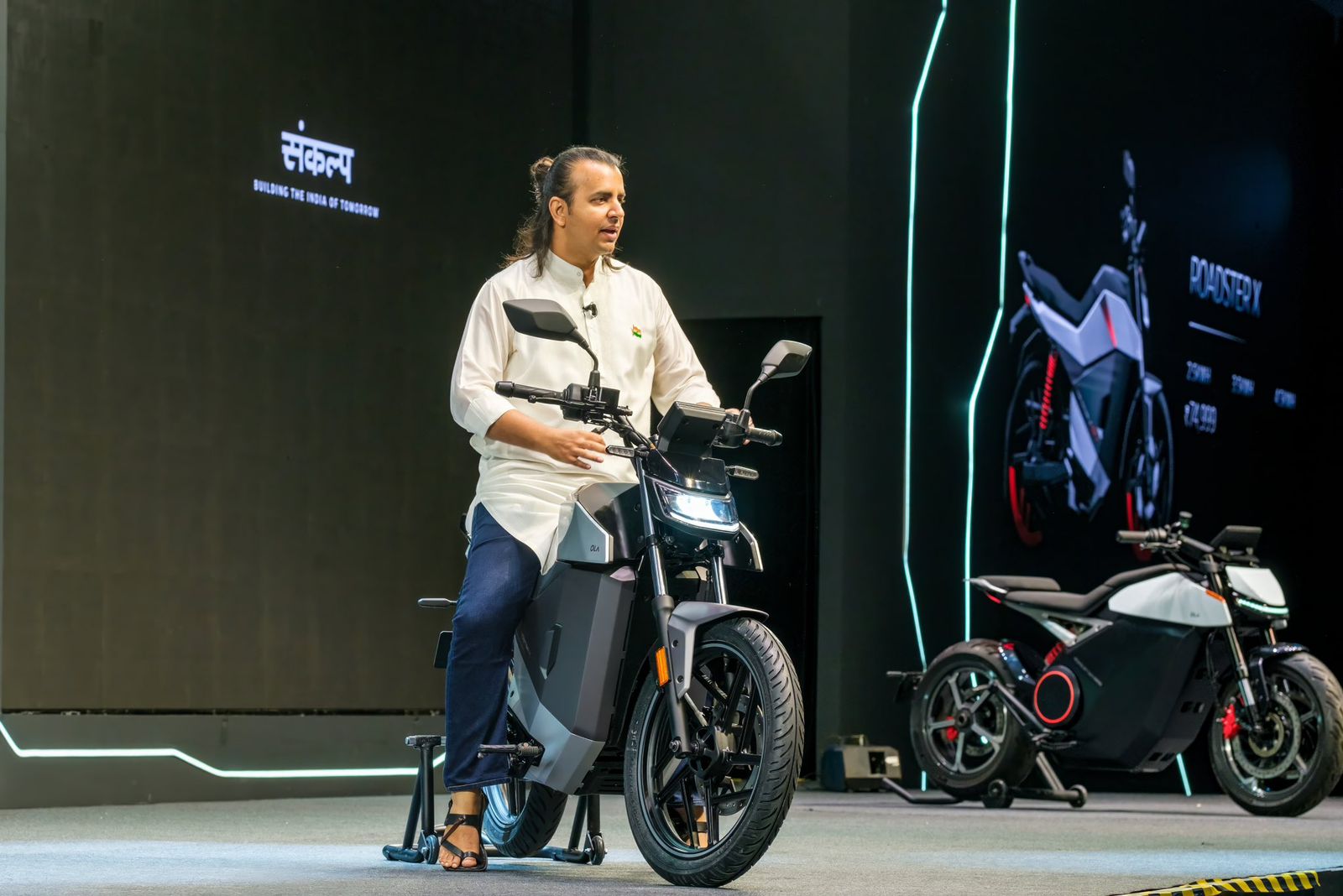
Answer. Ola Electric launched its first three electric motorcycles under the Roadster series, with starting prices at ₹74,999.

They also unveiled new S2 and S3 e-scooter model ranges.

Q2. What is the Gen-3 platform introduced by Ola Electric?

Answer. The Gen-3 platform is a new base for Ola’s future electric two-wheelers, featuring improvements in battery, electronics, and motor setup.

It aims to integrate these components more efficiently and reduce the number of processors used.

Q3. What advancements are expected in Ola’s future electric scooters?

Answer. Ola plans to introduce new models in the S2 and S3 e-scooter lineups, including variants like S2 City, S2 Tourer, S2 Sports, and S3 Adventurer.

These models will be based on the new Gen-3 platform.

Q4. What are Ola’s plans for AI hardware development?

Answer. Ola announced its entry into the AI hardware space with plans to develop AI chips.

The first set of AI chips, including Bodhi 1, Ojas, and Sarv 1, is expected to debut in 2026.

These chips will cater to various AI applications, from inferencing to edge AI solutions.

Q5. Will Ola’s Bodhi 1 AI chip hit production line by 2026 ?

At the event, Ola announced its plans enter into the AI chip manufacturing sector.

The company is designing the Bodhi 1 AI chip that will handle Large Language Models (LLMs) and vision models.

The production of the AI chips is said to go into production by 2026.

The company is looking to develop a second AI chip called Bodhi 2 that is targeted to be ready by 2028.

Q6. Will AI-powered MoveOS5 operating system release in beta by Diwali?

Ola announced that its electric vehicles will be built on the Gen3 platform and will be powered by MoveOS 5.

Features of the OS are Ola Maps Navigation, A tire-pressure monitoring system (TPMS) alerts, cruise control and riding modes (Sport, Normal, Eco).

The Os will be released in beta by the end of October (Diwali).

Q7. What new AI-powered tools under its Krutrim AI division ?

Krutim’s AI Customer Care app to automate customer support services for businesses across various industries.

The app will support 22 Indian languages.

There’s another app, called Bhashik, which is a multimodal language hub capable of translating videos into multiple languages.

Aggarwal demonstrated the tool’s capabilities by live-streaming the launch event in several languages.

Also Read: CES 2023 – “Afeela” Sony And Honda’s First Ever Electric Car (EV) Coming in 2026

Also Read: Electric Cars Arriving in the Near Future 2023

Also Read: Electrical Vehicles in India; Future Prospects

Samsung launches Galaxy A06 with the largest screen size on Galaxy A series, 5000 mAh battery: Price, Features, Specifications

0

Highlights

• Samsung officially introduced the Galaxy A06 in Vietnam.

• This has a 6.7-inch 90Hz LCD screen, which is the largest screen size on the Galaxy A series as per Samsung .

• Samsung has confirmed 4 years of security updates and 2 generation of OS upgrades.

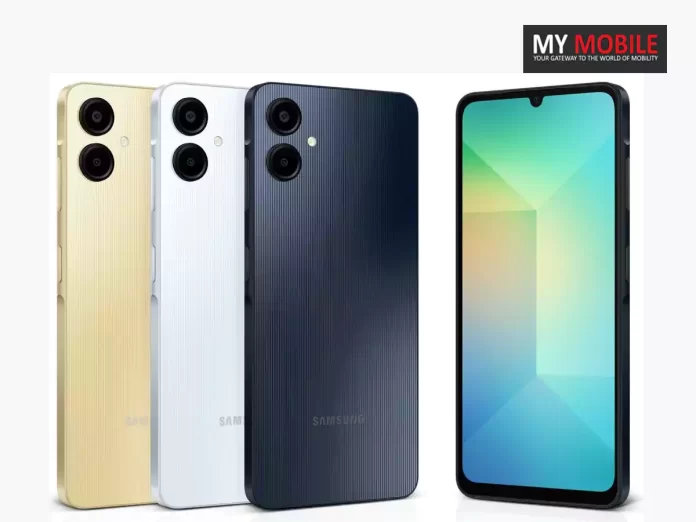
Samsung has officially launched the Galaxy A06 budget phone in the ‘A series’ in Vietnam.

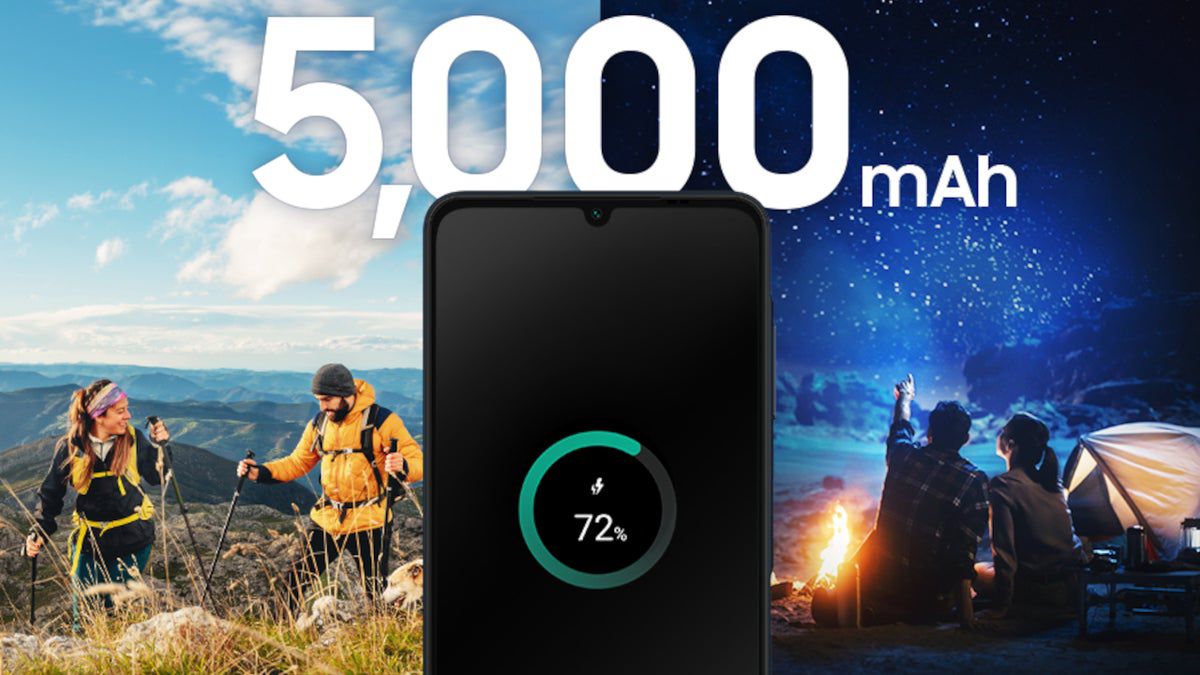
pack a 5000mAh battery with support for 25W fast charging
Samsung pack a 5000mAh battery with support for 25W fast charging

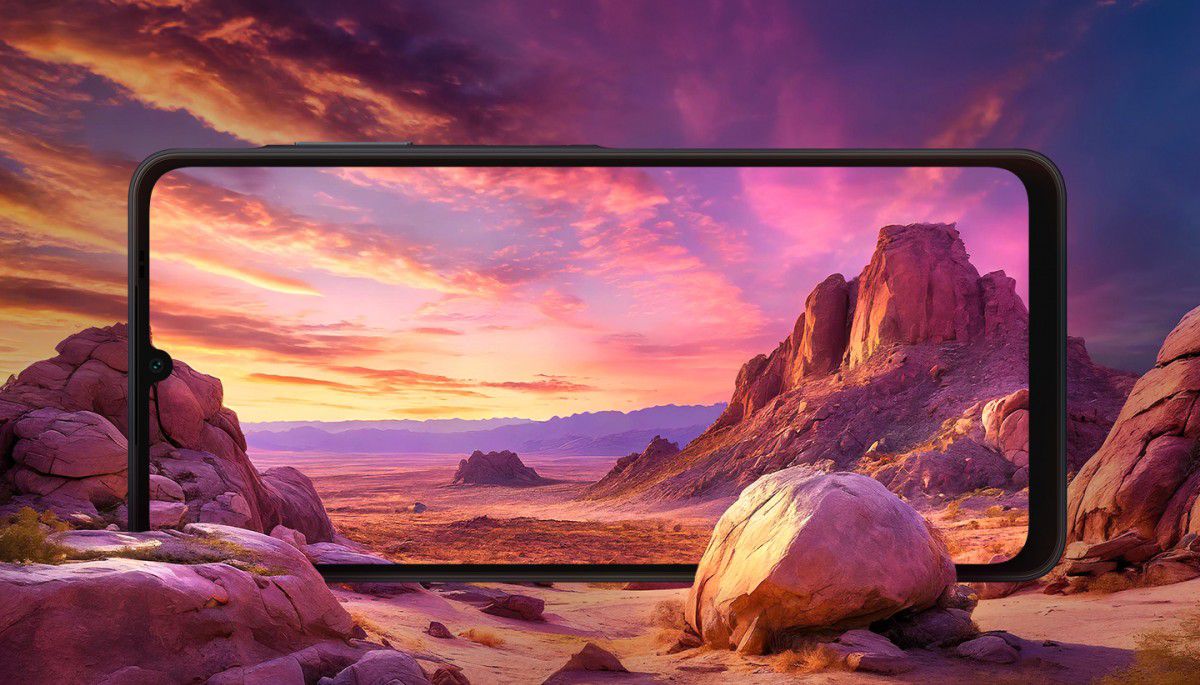
The device has a 6.7-inch 90Hz LCD screen.

The phone runs on Android 14 with One UI on top.

Samsung has confirmed 4 years of security updates and 2 generation of OS upgrades.

Samsung officially introduced the Galaxy A06 in Vietnam.

The phone has a 50MP rear camera along with a 2MP depth sensor, has a side-mounted fingerprint scanner and pack a 5000mAh battery with support for 25W fast charging, but it doesn’t come with a charger in the box.

There is a 8MP camera inside the notch.

Samsung Galaxy A06 specifications

Samsung has confirmed 4 years of security updates and 2 generation of OS upgrades

* 6.7-inch (720 x 1600 pixels) HD+ LCD screen, 90Hz refresh rate

* Octa Core MediaTek Helio G85 12nm processor (Dual 2GHz Cortex-A75 + Hexa 1.8GHz 6x Cortex-A55 CPUs) with up to 1000MHz ARM Mali-G52 2EEMC2 GPU

* 4GB / 6GB LPDDR4X RAM, 64GB  / 128GB eMMC 5.1 storage, expandable memory up to 1TB with microSD

* Android 14 with One UI

* Dual SIM (nano + nano + microSD)

* 50MP rear camera with f/1.8 aperture, 2MP depth sensor with f/2.4 aperture, LED Flash

* 8MP front-facing camera with f/2.0 aperture

* Side-mounted fingerprint scanner

* 3.5mm audio jack

* Dual 4G VoLTE, Wi-Fi 802.11 ac (2.4GHz + 5GHz), Bluetooth 5.3, GPS, USB Type-C

* 5000mAh battery with support for 25W fast charging

Samsung Galaxy A06 Pricing and availability

Samsung Galaxy A06 costs 3,190,000 Vietnamese

Samsung Galaxy A06 costs 3,190,000 Vietnamese dong (USD 127 / Rs. 10,675 approx.) for the 4GB + 64GB model and the 6GB + 128GB model costs 3,790,000 Vietnamese dong (USD 151 / Rs. 12,685 approx.).

It will go on sale in Vietnam starting from August 22nd, and there is a special offers for those who gets the phone within September 30th will get 0% instalment promotion for 4 months and a free 25W charger.

Faqs

What are the two upgrades in Samsung galaxy A06?

Samsung says that now it supports a refresh rate of 90Hz, up from 60Hz.

Samsung A06 has an new design & an upgraded display .

What are the battery & charging capabilities?

The battery capacity is 5,000 mAh, and it supports 25W fast wired charging.

What are the camera specs of the newly launched of Samsung galaxy A06?

The phone has a 50MP rear camera along with a 2MP depth sensor.

There is a 8MP camera inside the notch.

Does the Samsung Galaxy A06 have a charger in the box ?

It doesn’t come with a charger in the box.

When will the sale of Samsung galaxy A06 start from ?

It will go on sale in Vietnam starting from August 22nd.

Also Read: Samsung Galaxy A35 and A55 5G Launched Globally with Premium Features: Pricing, Features, Specs and More

Also Read: Samsung Galaxy A55 5G vs Galaxy A35 5G: A Detailed Comparison

ZTE’s New Flagship Contender Nubia Z70 Ultra Spotted Online

0

Highlights

  • The Nubia Z70 Ultra, model number NX731J, has been spotted in the IMEI database.
  • Likely to feature the Snapdragon 8 Gen 4 processor, a 6.8-inch AMOLED display, and a 6,000 mAh battery with 80W fast charging, similar to its predecessor.
  • Speculated to debut before the end of this year.

ZTE is working on its next flagship smartphone, the Nubia Z70 Ultra.

The upcoming handset was first mentioned in a post by a famous Weibo leaker and now has been spotted in the digital database as well.

Online tech news publisher Gizmochina has reported that the Nubia Z70 Ultra was recently spotted in the IMEI database.

The Z70 Ultra will reportedly sport the company's best 1.5K under-screen front camera technology (Screenshot credit - Gizmochina)
The Z70 Ultra will reportedly sport the company’s best 1.5K under-screen front camera technology (Screenshot credit – Gizmochina)

This upcoming device was listed in the IMEI database with the model number NX731J.

It is speculated that this handset is expected to challenge competitors in the high-end smartphone market.

While details about the Nubia Z70 Ultra are still scarce, the anticipation is building as ZTE gears up for its release.

Earlier this month, a well-known industry leaker Smart Pikachu posted on Weibo and disclosed some of the features of the upcoming Nubia Z70 Ultra.

Z70 Ultra will sport the company's best 1.5K under-screen front camera technology
Z70 Ultra will sport the company’s best 1.5K under-screen front camera technology.

While we have no confirmation from any official sources, the Weibo leaker has got details right more often than not in the past.

According to the post, the Z70 Ultra will sport the company’s best 1.5K under-screen front camera technology, the latest Qualcomm Snapdragon 8 Gen 4 processor, super large battery and AI technology among other features.

As we await further details or any official confirmation, tech enthusiasts are eager to see what advancements the Nubia Z70 Ultra will bring to the table.

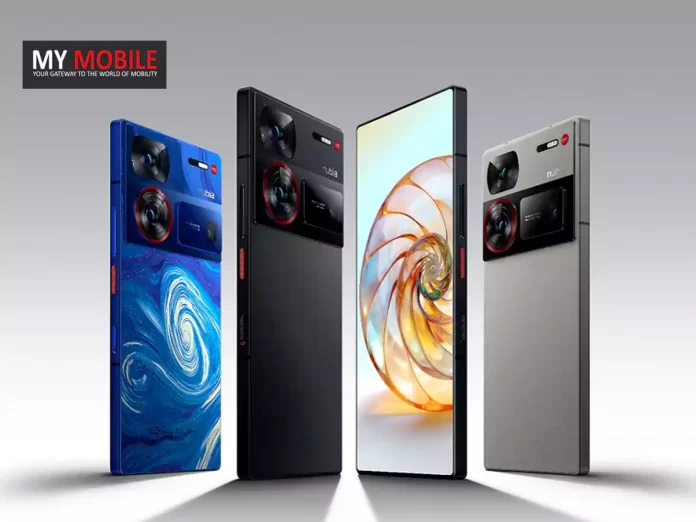
Image source - https://www.nubiamart.com/blog/nubia-z70-ultra-unveiling-the-ultimate-full-screen-smartphone-experience.html
Image source – https://www.nubiamart.com/blog/nubia-z70-ultra-unveiling-the-ultimate-full-screen-smartphone-experience.html

The predecessor to the Z70 Ultra was the Nubia Z60 Ultra, which was launched in December 2023.

This suggests that the Z70 Ultra might also make its debut before the end of this year.

However, this is purely speculative at this point, and more information is expected to emerge soon.

Image source https://www.nubiamart.com/blog/nubia-z70-ultra-unveiling-the-ultimate-full-screen-smartphone-experience.html

Based on the history of the Nubia Z60 Ultra, which featured Qualcomm’s Snapdragon 8 Gen 3 processor, it’s likely that the Nubia Z70 Ultra will be equipped with the Snapdragon 8 Gen 4 processor.

The Z60 Ultra boasted a 6.8-inch AMOLED display with a resolution of 1116 x 2480 pixels, a 120Hz refresh rate, and a 6,000 mAh battery with 80W fast charging.

The Z70 Ultra is expected to offer similar, if not improved, specifications.

FAQs

Q1. What are the key features of the Nubia Z60 Ultra’s display?

Answer. The Nubia Z60 Ultra features a 6.8-inch AMOLED display with a resolution of 1116 x 2480 pixels and a 120Hz refresh rate, providing a smooth and vibrant viewing experience.

Q2. What processor powers the Nubia Z60 Ultra?

Answer. The Nubia Z60 Ultra is powered by the Qualcomm Snapdragon 8 Gen 3 processor, ensuring high performance and efficiency for all your tasks.

Q3. How is the battery life on the Nubia Z60 Ultra?

Answer. The Nubia Z60 Ultra comes with a 6,000 mAh battery that supports 80W fast charging, allowing you to quickly recharge and stay connected throughout the day.

Q4. Does the Nubia Z60 Ultra support dual SIM functionality?

Answer. Yes, the Nubia Z60 Ultra supports dual SIM functionality, making it convenient for users who need to manage multiple numbers or travel frequently.

Q5. What are the camera specifications of the Nubia Z60 Ultra?

Answer. The Nubia Z60 Ultra boasts a triple camera setup: a 50 MP main camera with OIS, a 50 MP wide-angle camera, and a 64 MP telephoto camera with OIS.

It also features an invisible 12 MP front camera ingeniously installed beneath the screen.

Also Read: Nubia Z50S Pro on Geekbench and 3C Certification Websites: Camera Sample Showcase & Specifications Revealed Ahead Of Launch

ASUS Zenfone 12 Ultra Spotted Online

0

Highlights

  • The Zenfone 12 Ultra was spotted in the IMEI database, hinting at an upcoming release.
  • Both the Zenfone 12 Ultra and ROG Phone 9 will share many specifications
  • The phones most likely will have Snapdragon 8 Gen 4 chipset and at least 12 GB of RAM.
  • Both models are expected to launch in 2025.

It appears ASUS’ next flagship smartphone is closer to release than we all may have

assumed earlier. We are talking about the next-in-line – Asus Zenfone 12 Ultra.

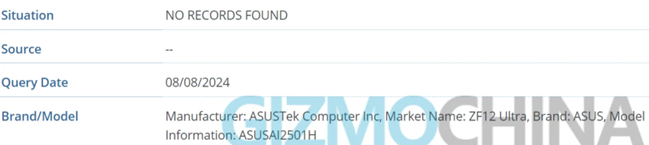
According to a recent report published in Gizmochina, Zenfone 12 Ultra was spotted in the IMEI database hinting at a release.

The Zenfone 12 Ultra is set to be a close match to the upcoming ROG Phone 9 series, with both devices sharing many similar specifications.

The Zenfone 12 Ultra, which will carry the model number ASUSAI2501H, is expected to push the competition in the smartphone market even further.

Whereas, the ROG Phone 9 is listed under model number ASUSAI2501D.

Zenfone 12 Ultra spotted in the IMEI database. Screenshot credit - Gizmochina
Zenfone 12 Ultra spotted in the IMEI database. Screenshot credit – Gizmochina.

Following the footsteps of its predecessor, the Zenfone 12 Ultra will also have many features similar to the ROG Phone 9 series.

Both phones will be powered by Qualcomm’s upcoming Snapdragon 8 Gen 4 chipset and will come with at least 12 GB of RAM.

It is expected that the Zenfone 12 Ultra will be focusing on premium smartphone features.

As for the ROG Phone 9 series, it will primarily cater to gamers.

You can expect additional elements like lighting effects and trigger buttons in the ROG 9 Series, although all of this is mere speculation at the moment.

The exact release dates for these two smartphones currently remain unknown.

However, it is anticipated that they will be launched in 2025. We are assuming the timeline will be similar to that of their predecessors.

ASUS previously launched the Zenfone 11 Ultra a few months ago, and now they are preparing to roll out the Zenfone 12 Ultra at a later date.

As more details emerge, tech enthusiasts are eager to see what ASUS has in store with the Zenfone 12 Ultra and ROG Phone 9 series.

FAQs

Q1. What are the key features of the Zenfone 11 Ultra’s display?

Answer. The Zenfone 11 Ultra features a 6.78-inch LTPO AMOLED display with a resolution of 2400×1080 pixels.

It supports a 144Hz refresh rate, HDR10, and can reach up to 2500 nits peak brightness.

Q2. What kind of camera setup does the Zenfone 11 Ultra have?

Answer. The Zenfone 11 Ultra comes with a triple camera setup: a 50 MP main camera with a 6-axis hybrid gimbal stabilizer, a 32 MP telephoto camera with 3x optical zoom, and a 13 MP ultrawide camera with a 120° field of view.

Q3. What processor powers the Zenfone 11 Ultra?

Answer. The Zenfone 11 Ultra is powered by the Qualcomm Snapdragon 8 Gen 3 chipset, ensuring high performance and efficiency.

Q4. How is the battery life on the Zenfone 11 Ultra?

Answer. The Zenfone 11 Ultra is equipped with a 5500 mAh battery that supports 65W wired charging, 15W wireless charging, and 10W reverse wired charging.

It can charge to 100% in approximately 39 minutes.

Q5. What are some unique design elements of the Zenfone 11 Ultra?

Answer. The Zenfone 11 Ultra features a sleek design with a glossy matte finish and is available in several colours inspired by nature.

It also incorporates eco-friendly materials, such as a frame made from 100% recycled aluminium and packaging that uses FSC-certified paper.

Also Read: Asus Zenfone 11 Ultra Spotted on Geekbench: Reveals Snapdragon 8 Gen 3 and 16GB RAM

Also Read: Asus Zenfone 11 Ultra Launch Date Set for March 11th in Taiwan

Threads Rolls Out New Features for Creators, Including Multiple Drafts and Post Scheduling

0
Threads Introduces New Privacy Features to Block Offensive Words and Expands on Mute Filters

Highlights

  • Threads now allow users to save up to 100 draft posts.
  • Users can now also schedule posts for future dates.
  • The aim is to help businesses and creators plan and manage their content better.
  • New tools provide creators and businesses with valuable data on views, reposts, and followers.

If you are a content creator or business owner using Threads, there are some new web features that would truly make your life easier.

Meta’s microblogging platform, Threads, has introduced some exciting new features that make creating and managing posts even easier.

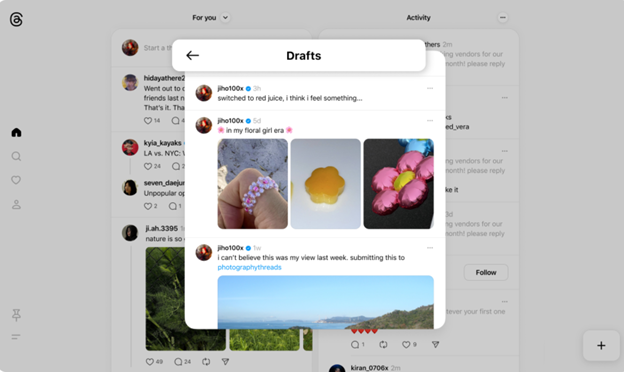
Designed specifically for content creators, Threads will now allow users to save multiple draft posts.

Here’s everything you should know about.

In a previous update, Threads allowed users to save just one draft post at a time.

Now, with the latest update, users can save up to 100 drafts.

This means you can start writing multiple posts and return to them later whenever you’re ready to finish or publish them.

New Threads web features including multiple drafts and scheduling make it easier to plan content and connect audiences.

Introducing the new set of features in a blog post, Meta said, “Sometimes a great idea needs a few takes, especially when you have more than one. We’re introducing the ability to write and save multiple drafts of your Threads posts before sharing them with your followers. Currently, you can save up to 100 of your best ideas for as long as you want, and post them when you’re ready.”

Another new feature is the ability to schedule posts.

This is especially useful for business accounts that want to plan their content ahead of time.

Users can now schedule posts for the same day or set them up to go live on different days in the future.

Elaborating on this feature, Meta said, “Content planning helps creators and businesses maintain a consistent online presence. Our new scheduling feature will help with this process by allowing you to create Threads posts and schedule them to publish at a later date and time. You can schedule multiple posts a day, multiple days in advance.”

And that’s not all.

The screenshot shared by Meta highlights how “metrics can help creators and businesses figure out what content resonates best with their audience.”

Threads users can now Rearrange columns like they want to.

This is building on the May release of a desktop Twitter-like multicolumn layout.

It allows users to reorganise the columns to their preferred order.

This feature adds a layer of customisation to the feature that includes pinned searches, liked posts.

The user can’t move the “For You” column from its default place as the first column on the left side.

Threads is also enhancing its platform for creators and businesses by offering detailed insights into their content.

New Threads web features including insights, multiple drafts and scheduling functions to make it easier to plan content and connect with new and existing audiences

These insights provide valuable data such as the number of views and reposts, as well as demographic information about followers, including their age, gender, and location.

“We want Threads to be a place that inspires conversations and helps people, businesses and creators connect around their interests. Since launch, we’ve been consistently evolving Threads to address the biggest pain points people face, working to get you relevant posts in real-time and empower you to share your best content,” Meta said in the blog post.

The last Threads update for creators and businesses was during the Threads API launched in June this year.

It enabled creators and businesses to manage their presence at scale and easily share engaging content using third-party applications.

All new features including drafts, post scheduling and insights are now being rolled out to Threads users on the web only.

According to Meta, these features will be available on the mobile version of the app in the future.

FAQs

Q1. How do I customize notifications on Threads?

Answer. To customize notifications on Threads, go to your profile settings and select “Notifications.”

Here, you can choose which types of notifications you want to receive, such as likes, comments, new followers, and mentions.

This allows you to stay updated on important interactions while minimizing distractions.

Q2. What are “Tags” on Threads and how do they work?

Answer. Tags on Threads function similarly to hashtags but are designed to focus more on communities and topics.

You can add one tag per post, which helps categorize your content and makes it easier for others to find and engage with posts related to specific interests.

Q3. How can I create and manage multiple drafts on Threads?

Answer: Threads allow you to save multiple drafts of your posts. To create a draft, start a new post and save it as a draft instead of publishing it.

You can access and edit your drafts from the drafts section, making it easier to manage and refine your content before posting.

Q4. How do I follow accounts on Threads that I already follow on Instagram?

Answer. When you sign up for Threads, you have the option to follow accounts you already follow on Instagram.

This can be done during the initial setup or later by going to your profile settings and selecting the option to sync your Instagram follow list.

Q5. What privacy settings are available on Threads?

Answer. Threads offers various privacy settings, including the ability to set your account to public or private.

With a private account, only approved followers can see and interact with your posts.

You can also manage who can mention you and who can reply to your posts, giving you greater control over your interactions.

Q6. What does Threads’ new analytics display include?

  • View counts
  • Interaction insights
  • Overall Like, Reply, Repost and Quote counts
  • A follower growth chart
  • Audience demographics

Also Read: Threads Rolls Out Trending Now Feature to Enhance Real-Time Engagement

Also Read: Threads Steps into the Fediverse and Tests New User-Driven Features