Known for its signature blend of action and adventure, this game introduces additional features such as a dating mini-game, fitness tracker, and numerous quests, providing a rich and immersive experience.
What are the best offline games for iPhone in 2024?
The best offline iPhone games in 2024 include Adventure Quest, Brain Teasers Pro, Wayward Souls, Temple Run 2, GTA San Andreas, and Otherworld Legends.
Each offers unique gameplay, from role-playing and puzzles to action-packed adventures, catering to various preferences.
Why should I consider offline games for my iPhone?
Offline games are perfect for situations with limited or no internet access, like traveling or commuting.
They allow uninterrupted gameplay without the need for a constant internet connection, avoiding data usage and potential connectivity issues.
Can you recommend an offline game with a great storyline?
Adventure Quest is highly recommended for its engaging storyline. It’s a role-playing game that takes players on an epic journey filled with quests, monsters, and treasures, appealing to both new players and seasoned gamers.
I love puzzles; which offline game would be best for me?
Brain Teasers Pro is ideal for puzzle enthusiasts. It includes a vast collection of puzzles and riddles designed to challenge and entertain your cognitive skills, with various difficulty levels suitable for teenagers and adults.
Are there any classic games available offline for iPhone?
GTA San Andreas is a must-play classic game available for offline play on iPhone. It delivers the full GTA experience with added features like a dating mini-game and fitness tracking, ensuring hours of entertainment.
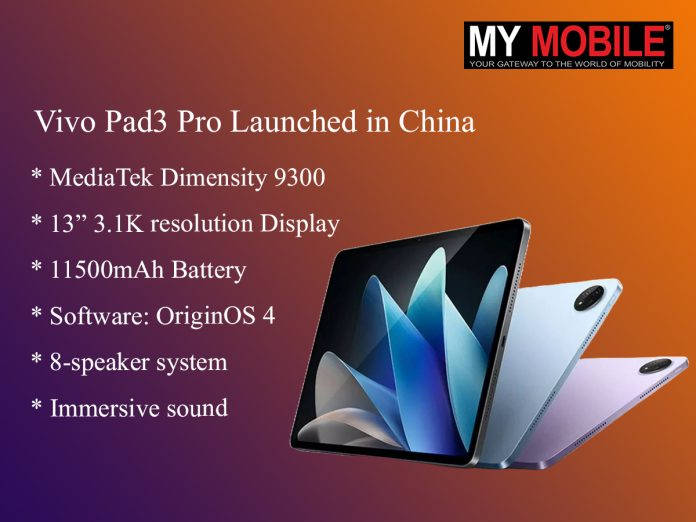
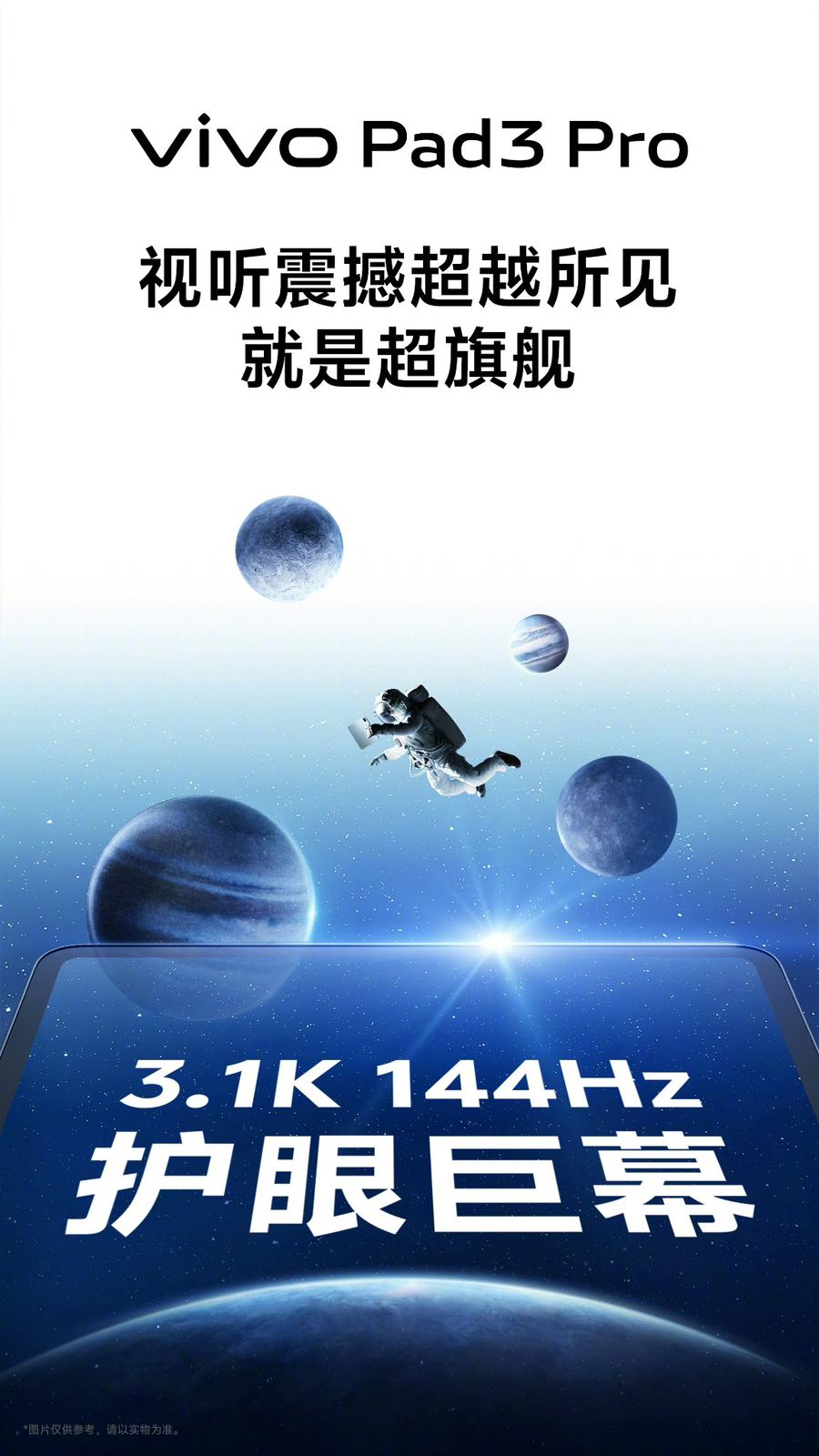
Vivo Pad3 Pro Launched in China with Dimensity 9300
Here’s what you should know.
Vivo Pad3 Pro: Specs and Features
Vivo Pad3 Pro: Specs and Features
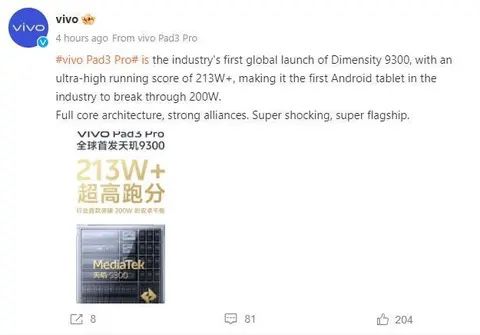
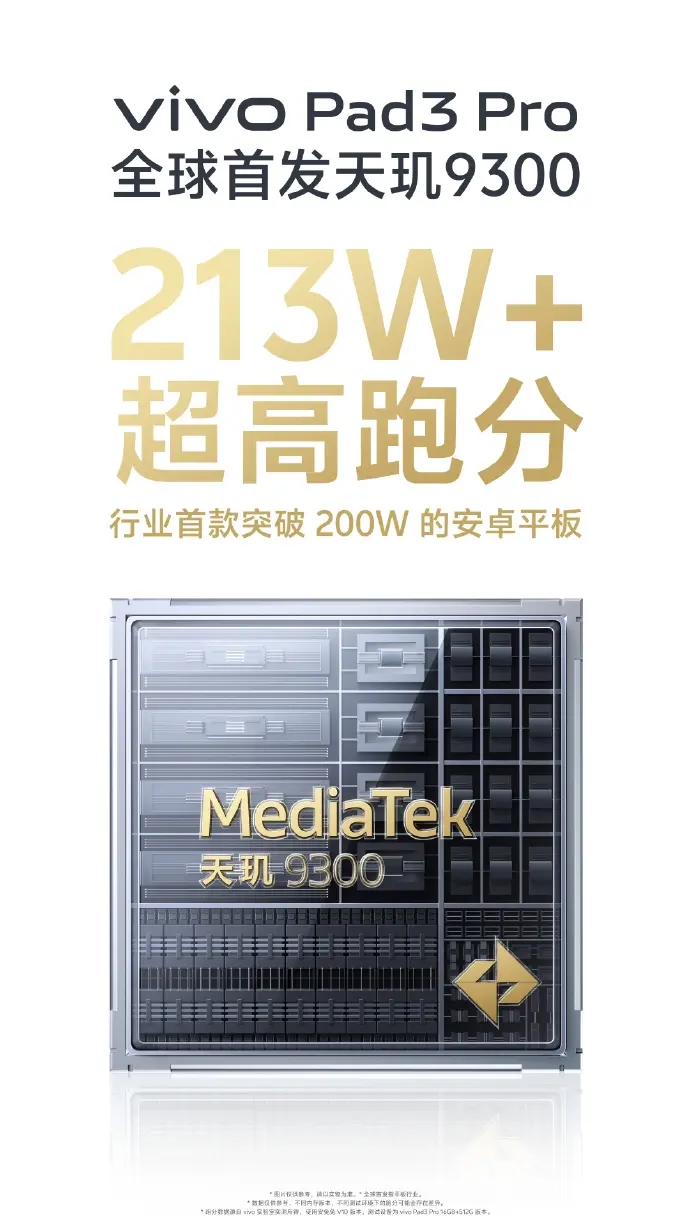
Central to the Vivo Pad3 Pro’s impressive capabilities is the Dimensity 9300 processor.
It achieves an Antutu score of over 2.13 million, showing extremely high efficiency and processing speed suitable for multitasking and demanding applications.
Features a 13-inch 3.1K display with 144Hz refresh rate for optimal viewing
The tablet features a 13-inch screen with a 3.1K resolution and 144Hz refresh rate.
Vivo Pad3 Pro AI technology
It’s designed to offer a comfortable viewing experience with reduced glare.
What makes the Vivo Pad3 Pro stand out in the tablet market?
The Vivo Pad3 Pro distinguishes itself with a high-performance Dimensity 9300 processor, achieving an impressive Antutu score. This indicates its capability to handle demanding tasks and multitasking with ease, setting a new standard for tablets.
Can you describe the display features of the Vivo Pad3 Pro?
The Vivo Pad3 Pro boasts a 13-inch display with a 3.1K resolution and a 144Hz refresh rate. This high-quality screen is designed to reduce glare and provide a comfortable viewing experience, whether you’re browsing, streaming, or working.
What audio features does the Vivo Pad3 Pro offer?
This tablet enhances media consumption with its 8-speaker system. Aimed at delivering clear and immersive sound, it enriches the audio experience for movies, music, games, and video calls.
How does the battery performance of the Vivo Pad3 Pro compare to other tablets?
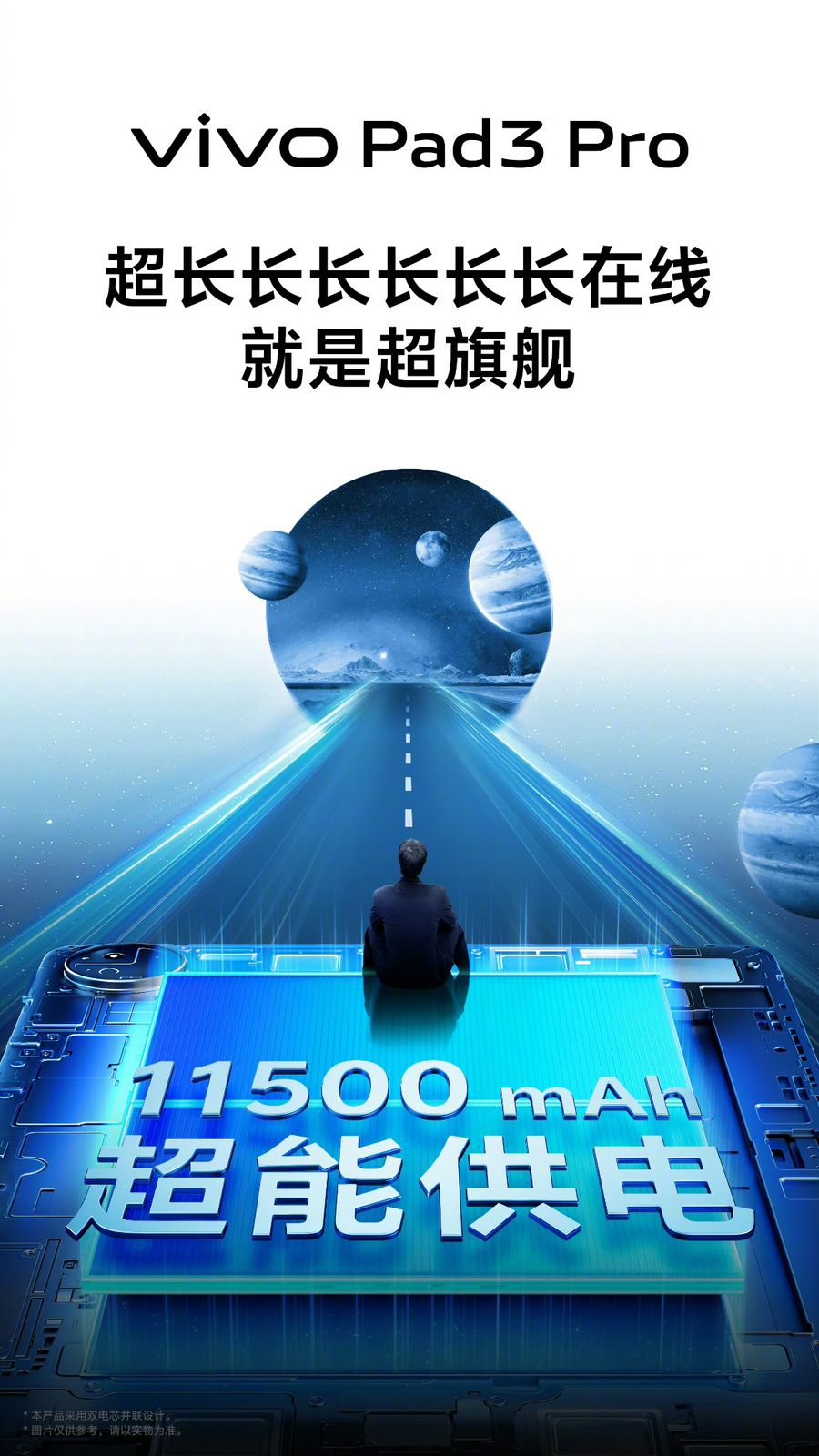
With an 11500mAh battery and support for over 200W charging, the Vivo Pad3 Pro stands out in the Android tablet category. It is designed for prolonged use on a single charge, ensuring users can stay productive and entertained without frequent recharges.
What additional accessories are available for the Vivo Pad3 Pro?
The Vivo Pad3 Pro supports the Vivo Smart Touch Keyboard 3 Pro and the Vivo Pencil2 smart pen. These accessories expand its functionality, allowing it to serve as a versatile tool for typing, drawing, and navigating, catering to professionals and creatives alike.
POCO C61 Up to 12GB RAM and 128GB expandable storage
Commenting on the launch, Himanshu Tandon, Country Head, POCO India said, “”POCO has remained dedicated to providing top-tier technology at an accessible price, and we’re thrilled to introduce our newest addition to the C series, the POCO C61. Boasting a premium design and impressive features, the POCO C61 is tailored to meet our consumers’ needs.
We are confident that the POCO C61 will redefine expectations for budget smartphones, and we eagerly anticipate our customers’ firsthand experience with it.”
Here’s everything you need to know about this exciting new release.
POCO C61 Pricing and Availability
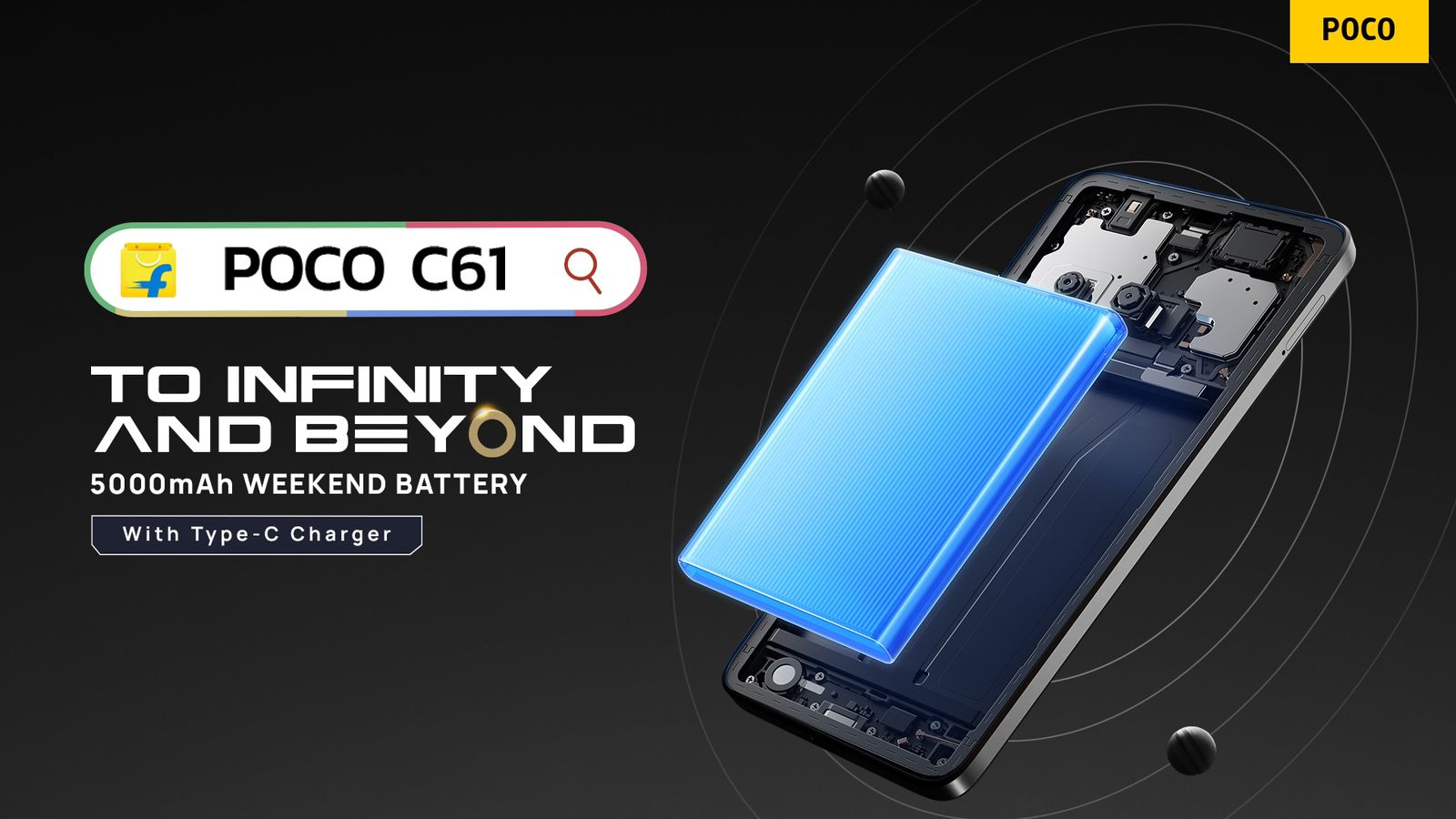
POCO C61 To Infinity & Beyond
The POCO C61 will be available in two configurations: 4+128GB and 6+128GB and will be priced at Rs 6,999 and Rs 7,999 respectively.
This pricing is inclusive of bank offers.
The device will go on sale on 28th March exclusively on Flipkart.
POCO C61 Key Specs
POCO C61 Key Specs
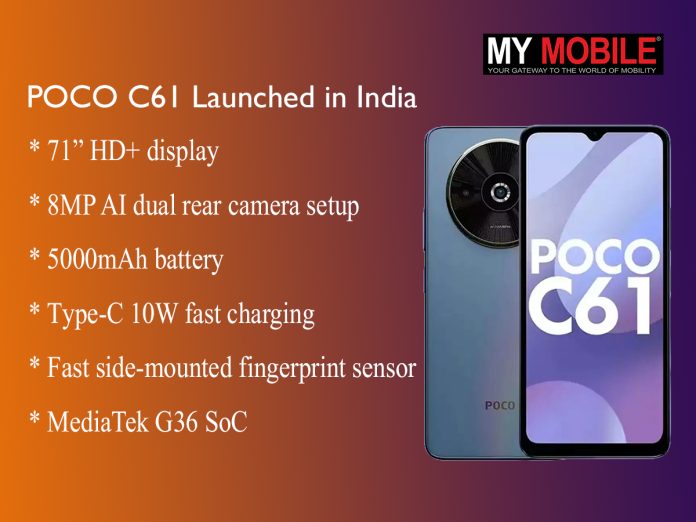
MediaTek G36 SoC for reliable performance.
71-inch HD+ display with 90Hz refresh rate and Corning Gorilla Glass 3 protection.
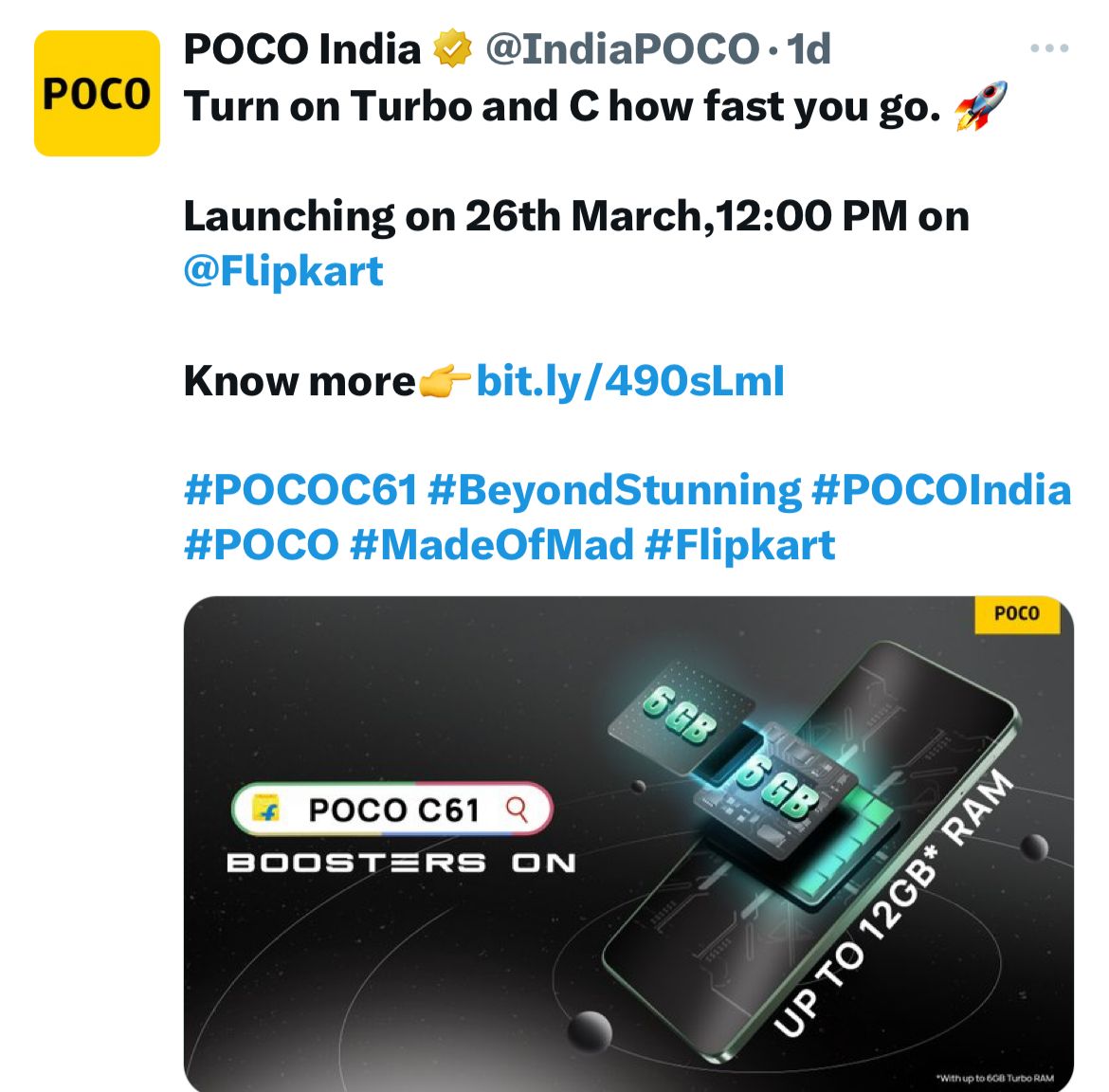
Up to 12GB of RAM (6GB physical and 6GB virtual) for seamless multitasking.
128GB internal storage, expandable up to 1TB.
8MP AI dual rear camera setup for versatile photography.
5000mAh battery with Type-C 10W fast charging.
Fast side-mounted fingerprint sensor for enhanced security.
POCO C61 Features
POCO C61 Features
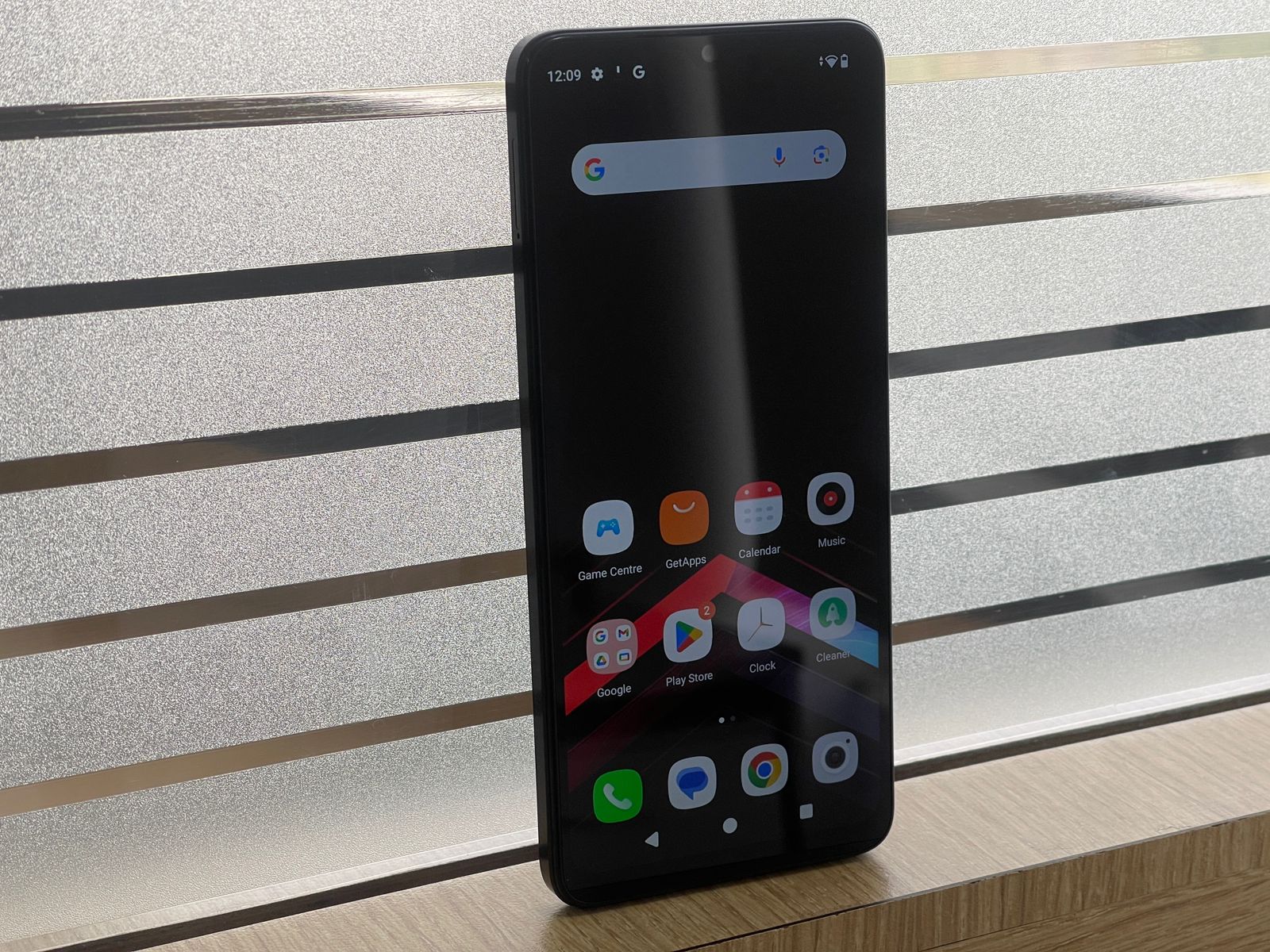
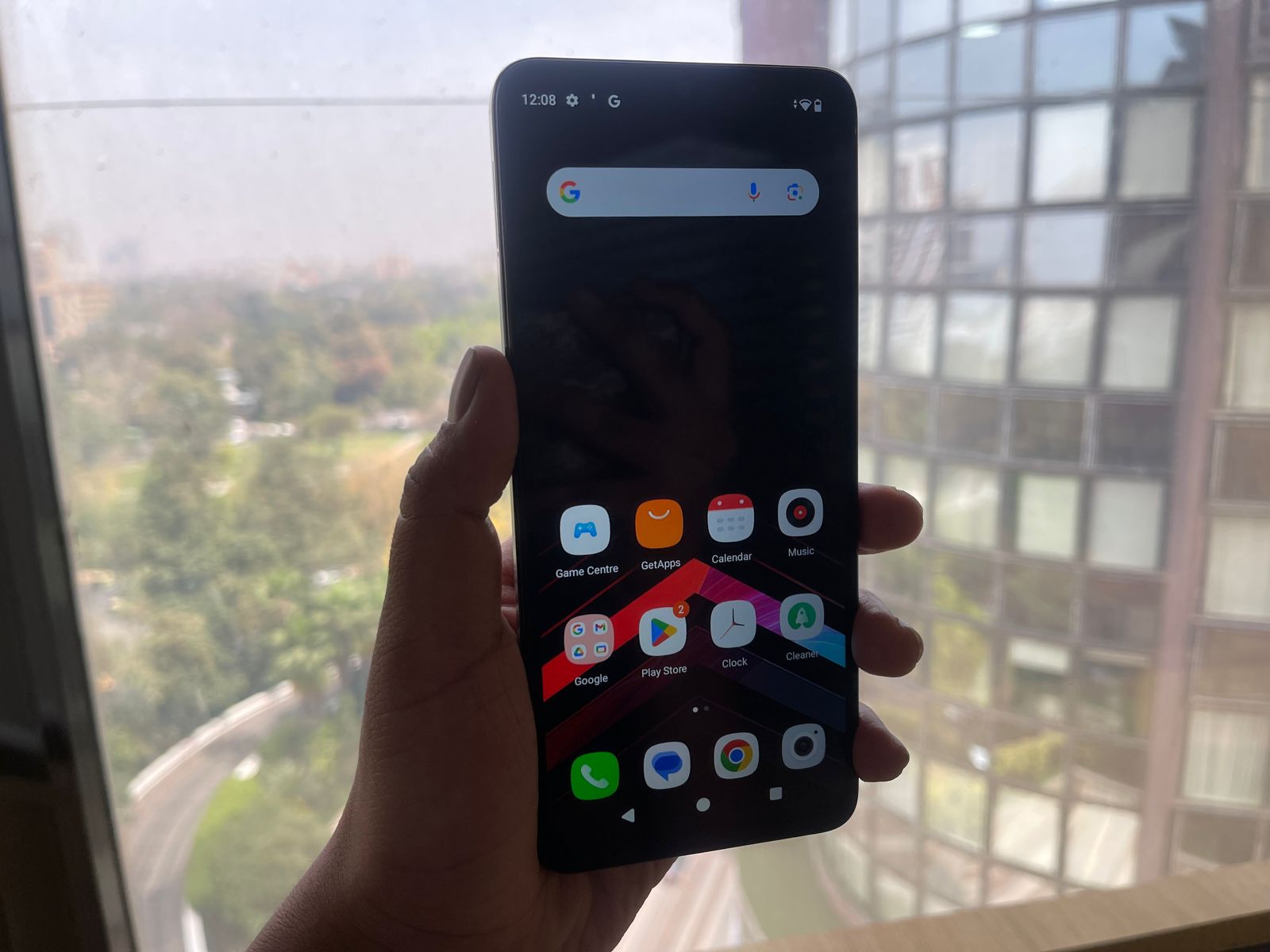
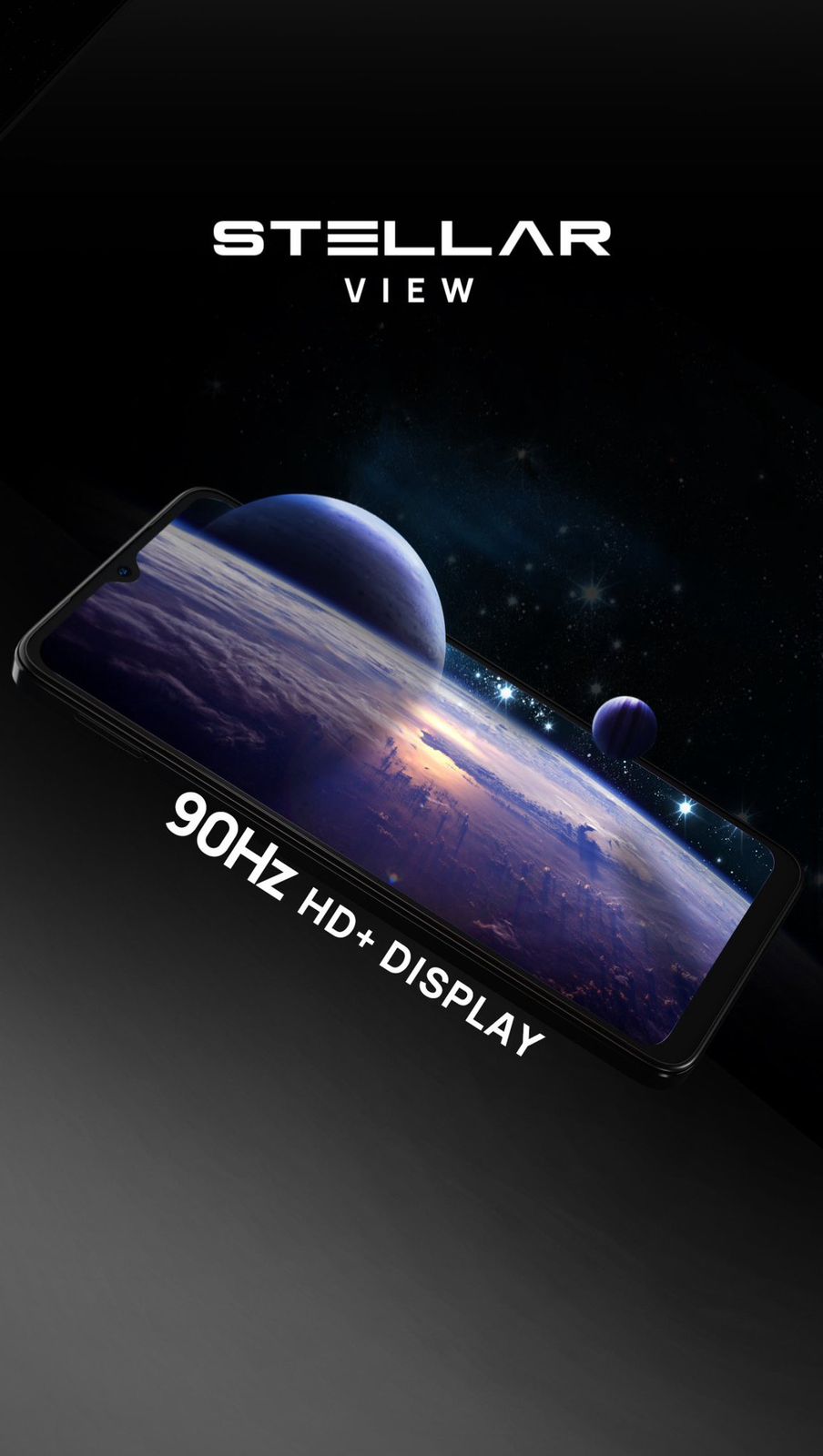
The POCO C61 features a 6.71-inch HD+ 90Hz display, ensuring smooth scrolling and vibrant visuals, protected by Corning Gorilla Glass 3.
Features a 6.71″ HD+ 90Hz display with GG3 protection
Photography on the C61 is powered by an 8MP AI dual camera, capable of capturing sharp images and offering features like AI portrait mode, HDR, and Google Lens integration.
MediaTek G36 SoC powers the POCO C61
For selfies, the 5MP front camera includes AI beautification and portrait mode, ensuring your selfies are always share-worthy.
POCO C61 Camera
A significant highlight is the 5000mAh battery, which promises all-day usage, supported by 10W fast charging to quickly get you back in action.
POCO C61 Stellar View
The inclusion of a fast side fingerprint sensor not only secures your device but also allows for quick access.
5 Reasons to Buy
POCO C61 5 Reasons to Buy
Budget-Friendly Performance: MediaTek G36 SoC and up to 12GB RAM make it a top pick for budget-conscious users seeking smooth performance.
Durable and Stylish Design: Premium glass back and Corning Gorilla Glass 3 display protection combine durability with aesthetics.
Expansive Storage Options: With 128GB built-in and expandable storage up to 1TB, space is never an issue.
Versatile Camera Setup: The 8MP AI dual rear camera and 5MP front camera are equipped for all your photography needs.
Reliable Battery Life: The 5000mAh battery with 10W fast charging ensures your phone keeps up with your lifestyle.
Photo Mode, 50MP Mode, Timelapse, Night Mode, Portrait Mode, Document Mode, Movie Frame, Voice Shutter, Tilt Shift, Timed Burst
Video Recording
1080p @ 30 fps FHD, 720p @ 30 fps HD
Flash
Yes, LED
Front Camera
5 MP f/2.2 (Wide Angle) with Screen Flash
Front Video Recording
1080p @ 30 fps FHD
TECHNICAL
OS
Android v13
Custom UI
MIUI 14
Chipset
Mediatek Helio G36
CPU
2.2 GHz, Octa Core Processor
Core Details
4x Cortex-A53@2.2 GHz & 4x Cortex-A53@1.7 GHz
GPU
PowerVR GE8320
Java
No
Browser
Yes, supports HTML5
MULTIMEDIA
Email
Yes
Music
Yes
Video
Yes
FM Radio
Yes
Document Reader
Yes
BATTERY
Type
Non-Removable Battery
Size
5000 mAh, Li-Po Battery
Fast Charging
Yes, 18W
FAQs
What is the MediaTek G36 SoC in the POCO C61?
The MediaTek G36 SoC in the POCO C61 is a processor designed for efficient performance, supporting daily tasks and light gaming. It ensures that the POCO C61 handles multitasking smoothly, making it ideal for users looking for a budget-friendly yet powerful smartphone.
How does the 6.71″ HD+ display enhance the POCO C61 user experience?
The 6.71″ HD+ display of the POCO C61, with its 90Hz refresh rate and Corning Gorilla Glass 3 protection, offers vibrant visuals and smooth scrolling. This large, crisp display is perfect for streaming videos, browsing, and gaming, providing an immersive viewing experience.
Can you expand the storage on the POCO C61?
Yes, the POCO C61 comes with 128GB of internal storage that can be expanded up to 1TB using a microSD card. This feature is particularly beneficial for users who store a lot of media, apps, and documents on their device, ensuring they never run out of space.
What makes the POCO C61’s camera setup stand out?
The POCO C61’s camera setup includes an 8MP AI dual rear camera and a 5MP front camera, equipped with features like AI portrait mode, HDR, and time-lapse video. This versatile camera setup allows users to capture high-quality photos and videos in various settings and conditions.
How long does the 5000mAh battery last, and what are the charging capabilities of the POCO C61?
The 5000mAh battery in the POCO C61 is designed to last all day under typical usage, supported by 10W fast charging to quickly replenish power. This ensures that users stay connected and productive without constantly needing to recharge their device.
Does Poco C61 have a Stylish Design & has an Affordable Price?
POCO has Launched POCO C61 at just 6,999.
Committed to striving for excellence in technological innovation, POCO, a leading technology brand today announced the launch of its latest device, POCO C61. Designed to deliver exceptional performance, design and display, POCO C61 embodies POCO’s vision of offering exciting features at a compelling price to enhance the overall smartphone experience.
The smartphone comes with a segment best stylish design 6.71-inch dot drop display with a 90 Hz refresh rate, a side fingerprint sensor, and a 5000 mAh battery.
Commenting on the launch, Himanshu Tandon, Country Head, POCO India said, “”POCO has remained dedicated to providing top-tier technology at an accessible price, and we’re thrilled to introduce our newest addition to the C series, the POCO C61.
Boasting a premium design and impressive features, the POCO C61 is tailored to meet our consumers’ needs. We are confident that the POCO C61 will redefine expectations for budget smartphones, and we eagerly anticipate our customers’ firsthand experience with it.”
Is Poco C61 have a Premium Design?
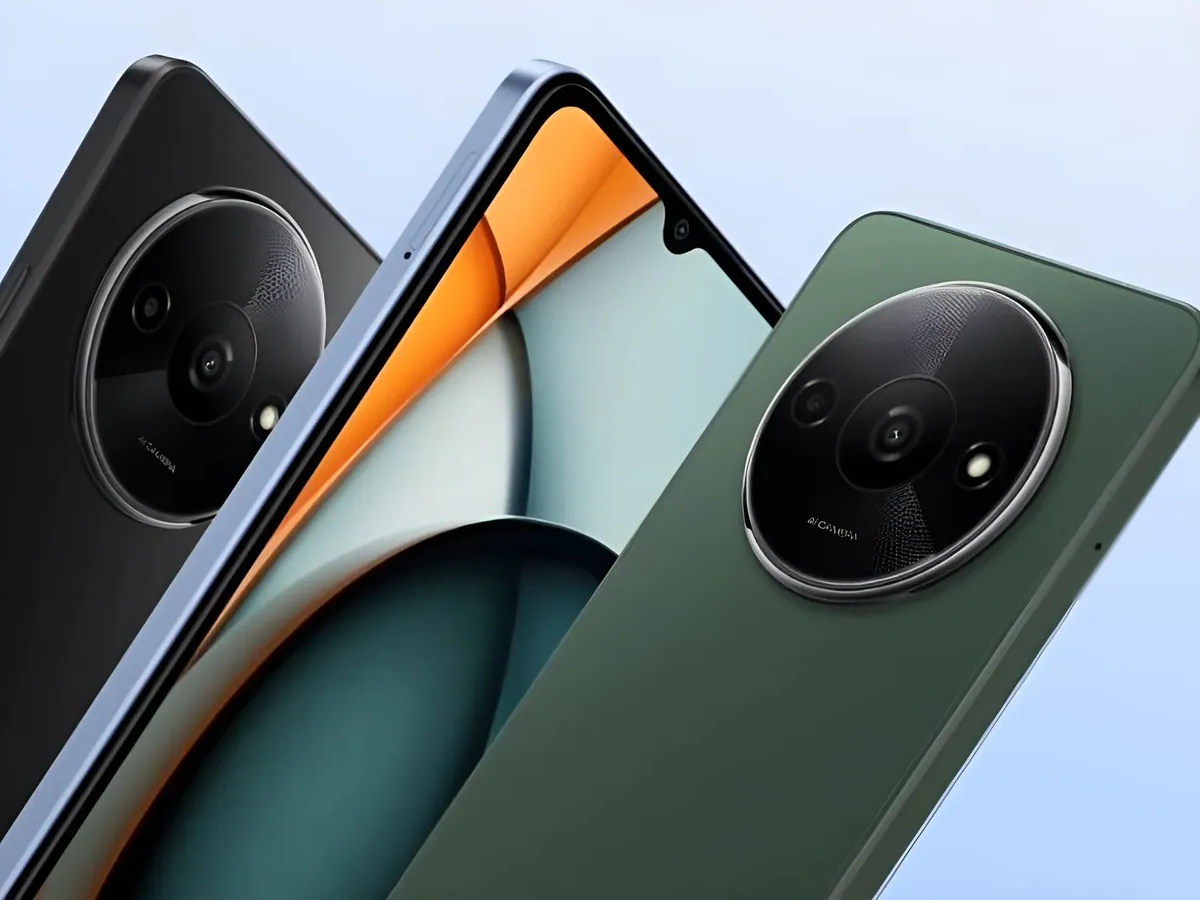
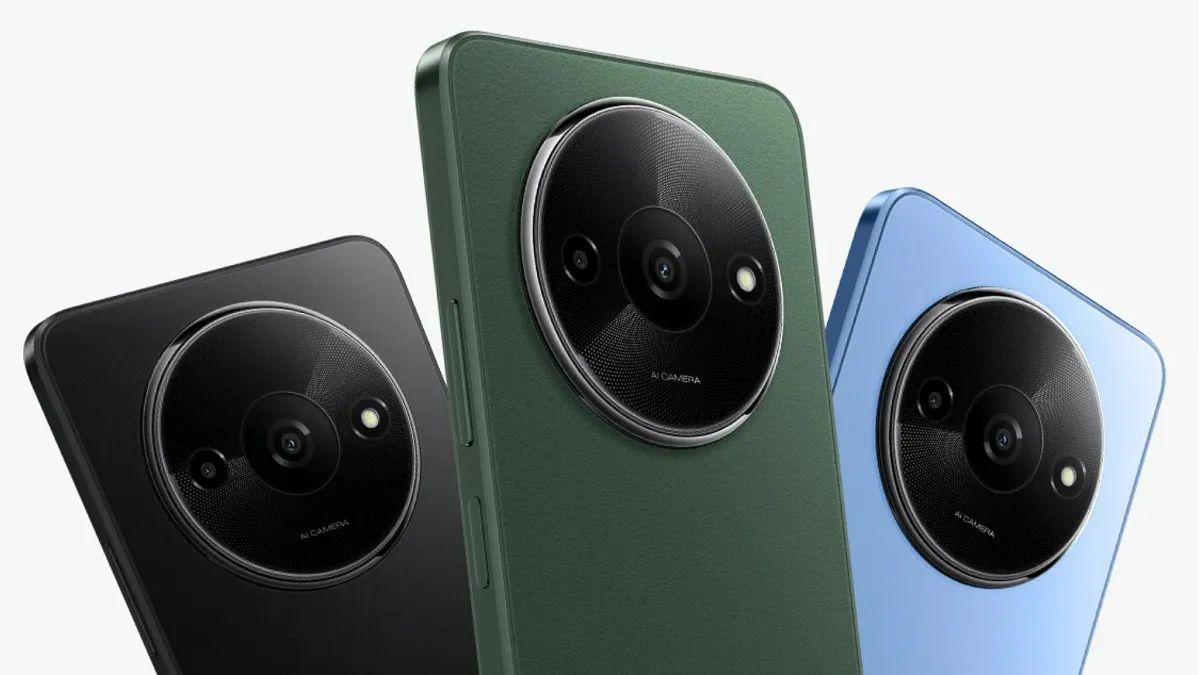
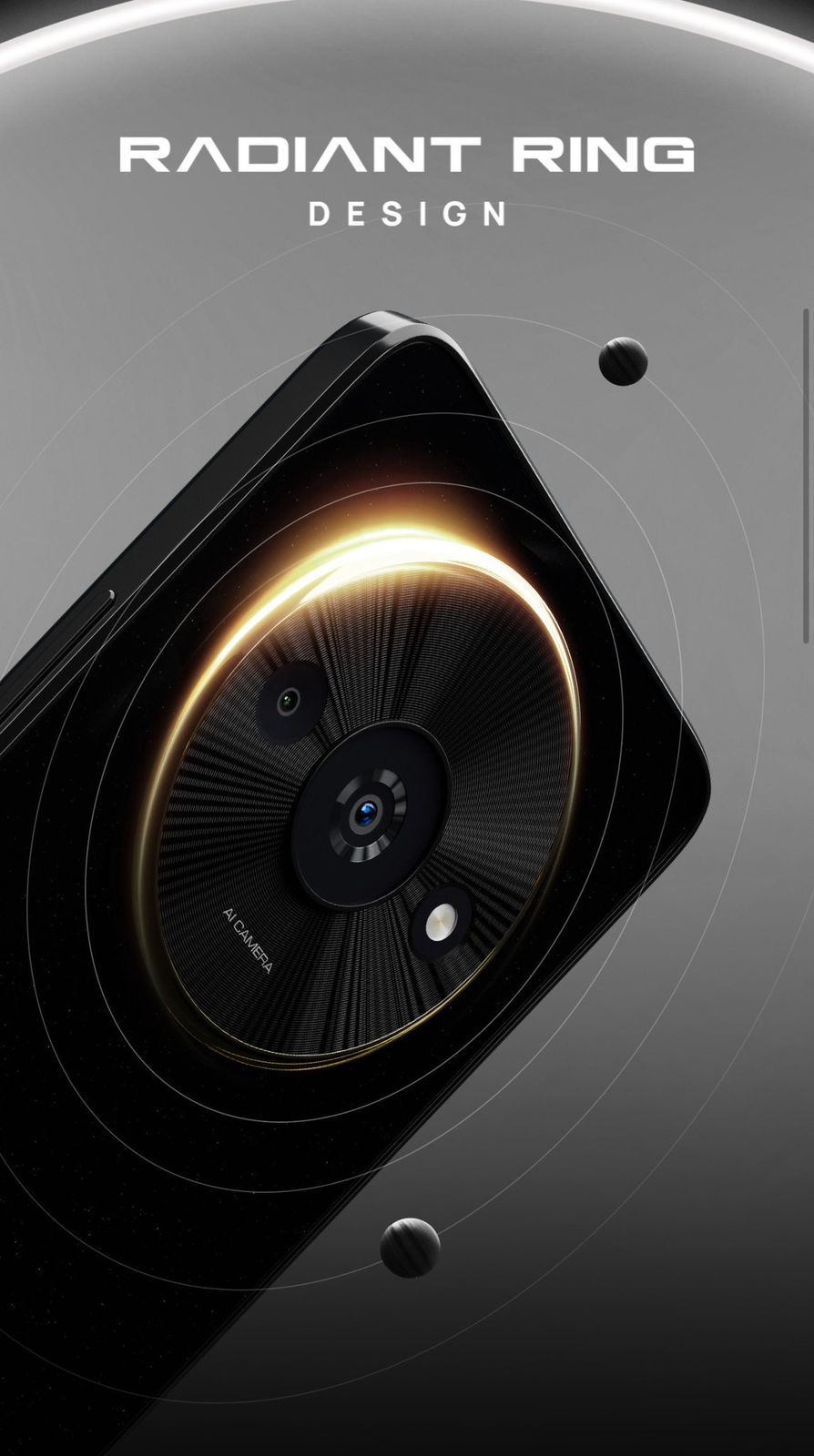
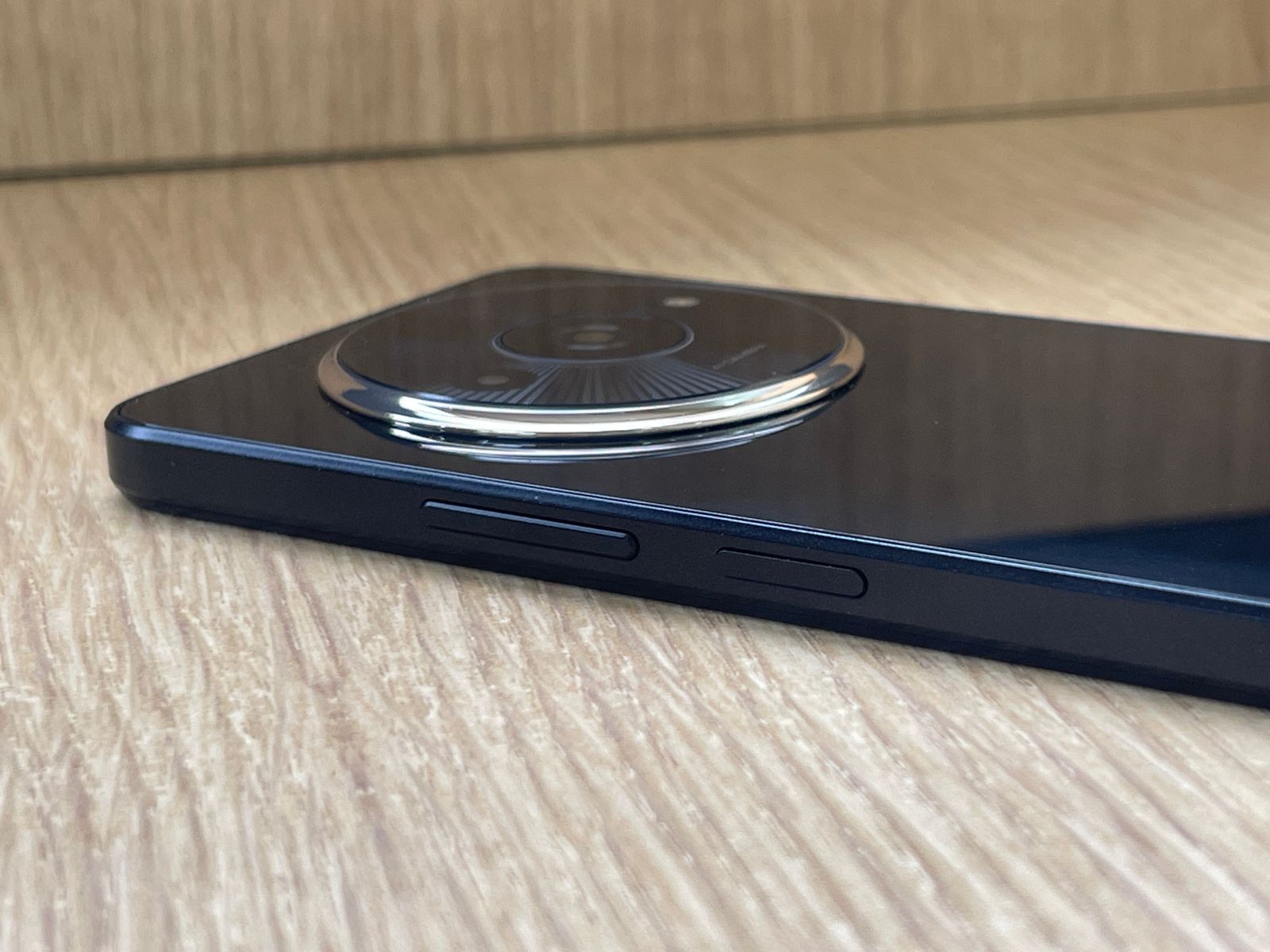
The POCO C61 is designed to be the ultimate budget smartphone with a premium design at an affordable price point. It boasts glass back design with radiant ring design, POCO C61 is a stylish device that is sure to turn heads.
The fast side fingerprint sensor ensures quick and secure access to the phone, while the compact size of 168.4mm*76.3mm*8.3mm and lightweight build of 193g make it easy to carry.
Does Poco C61 have an Immersive Display?
The POCO C61 boasts a 6.71″ LCD Dot Drop HD+ display, providing sharp and vibrant visuals. With a refresh rate of 90Hz and touch sampling rate of 180Hz, the display is responsive and smooth.
The Corning® Gorilla® Glass 3 provides protection against scratches and cracks, while DC dimming technology reduces eye strain.
The screen-to-body ratio of 89.5% (AA/CG) and side bezel size of just 1.15mm maximizes the viewing area. With a brightness of up to 500nits in High Brightness mode, the POCO C61’s display is easy to read even in bright sunlight.
How is the Battery life of Poco C61?
The POCO C61 is equipped with a powerful 5000mAh battery that provides all-day battery life.
The device comes with a 10W inbox charger that makes the charging easy and quick. With USB Type-C connectivity, the POCO C61 supports fast data transfer speeds and quick charging.
How is the camera capabilities of Poco C61?
Dual Camera System
The POCO C61’s dual camera system is designed to capture stunning photos and selfies. The rear camera boasts an 8MP AI Dual camera with a 1.12 μm pixel, f/2.0 aperture and AF, while the front-facing 5MP Selfie camera features an f/2.2 aperture.
With AI portrait mode with depth control, Film Filters, Timed burst, HDR, and more, both cameras provide users with a range of options to capture every moment in stunning detail.
How is the performance & storage capacity of Poco C61?
Powerful performance and storage
The POCO C61 is powered by the MediaTek G36, based on 12nm process technology and Octa core processor with up-to 2.2GHz clock speed for fast and efficient performance.
With LPDDR4X + eMMC 5.1 memory, the POCO C61 comes in two variants: 4+64GB and 6+128GB, providing ample storage space for all your apps, photos, and videos. The POCO C61 also supports expandable storage of up to 1TB.
What is Market Availability and Price of Poco C61?
POCO C61 will be accessible in the Indian market starting 12 PM on 28th March, available in 3 attractive colors – Mystical Green, Ethereal Blue, and Diamond Dust Black at an appealing price of INR 6,999 for 4+64GB and INR 7,999 for 6+128GB.
These prices are inclusive of the INR 500 coupon consumer offer for 1st day, ensuring a compelling deal for tech enthusiasts.
The series, which began pre-booking in February, offers cutting-edge technology and several attractive purchase incentives for buyers.
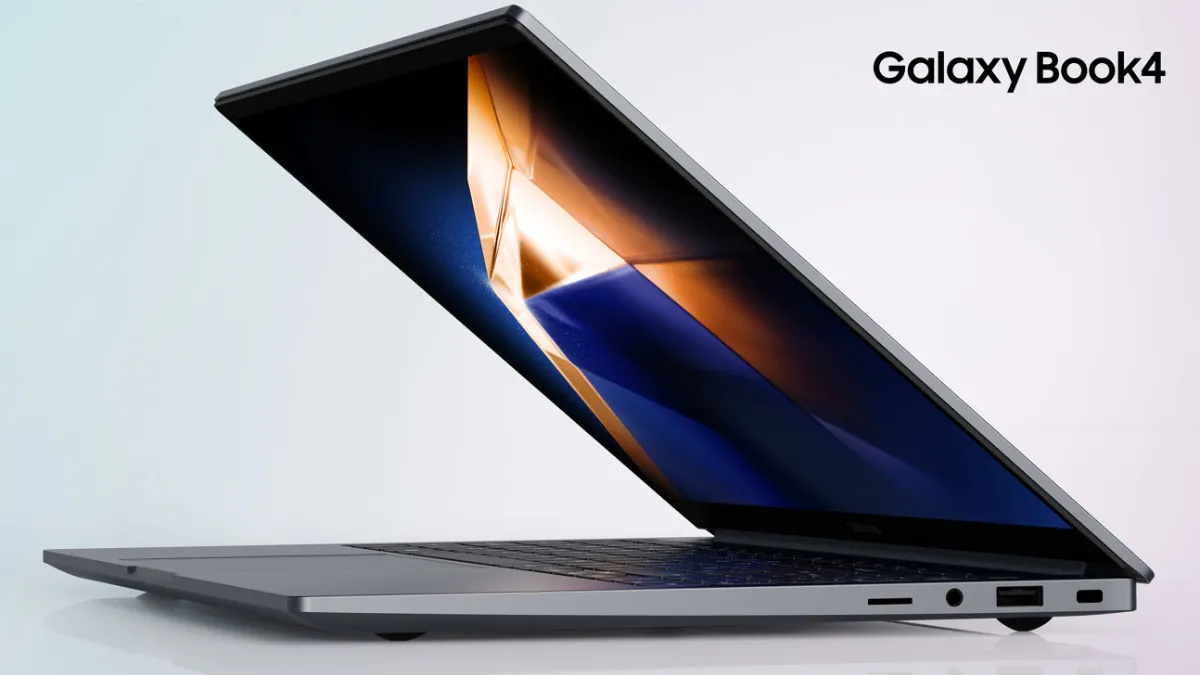
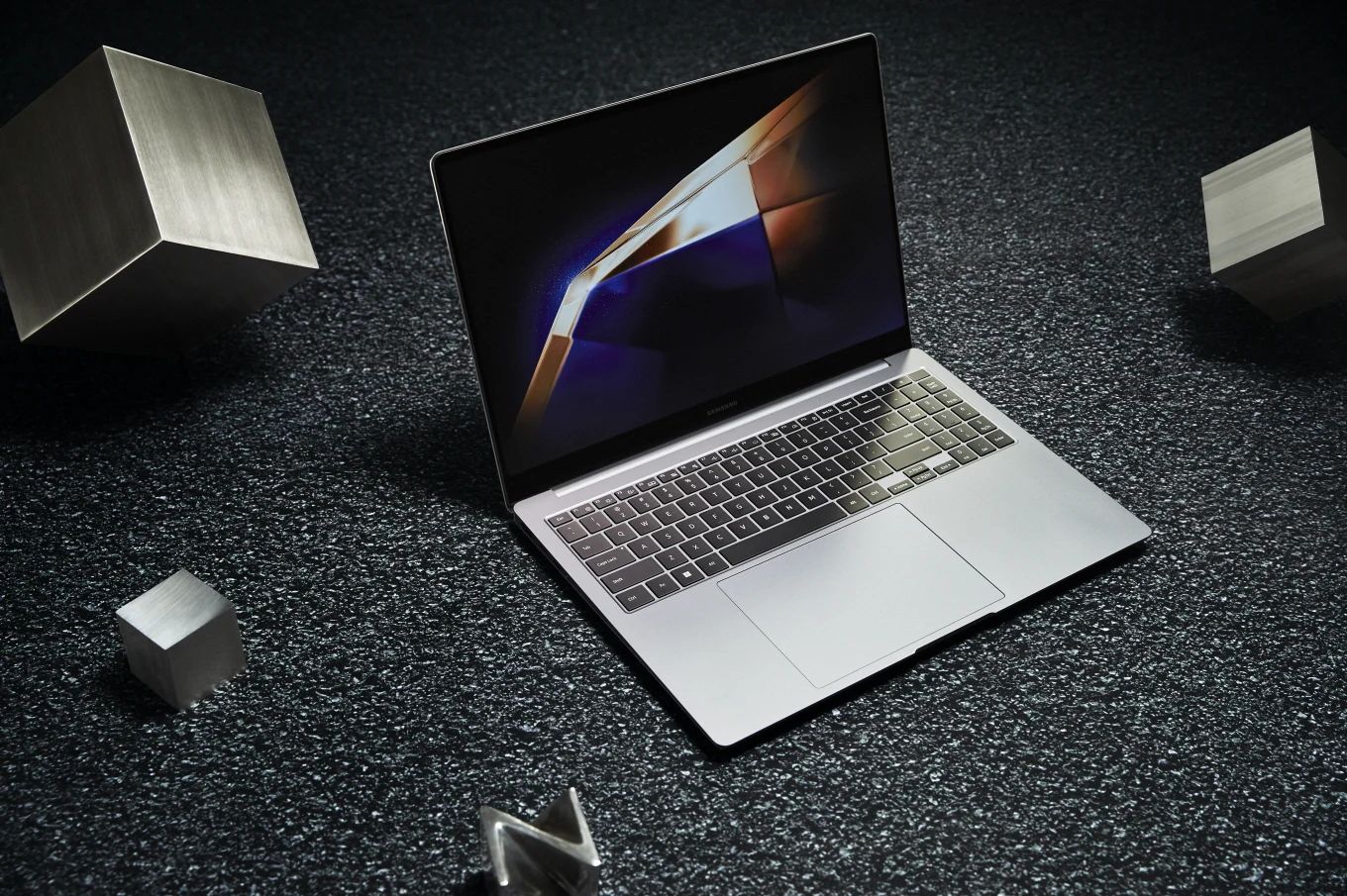
Let’s delve into what makes the Galaxy Book4 stand out in the market.
Samsung Galaxy Book4: Pricing and Availability
Samsung Galaxy Book4: Pricing and Availability
The Galaxy Book4 is priced at Rs 74,990 and comes in two sleek colour options: Grey and Silver.
To make this deal even more appealing, Samsung is rolling out a host of offers, including a bank cashback of up to Rs 5,000, an upgrade bonus of Rs 4,000, a 10 percent discount for students, and flexible no-cost EMI options.
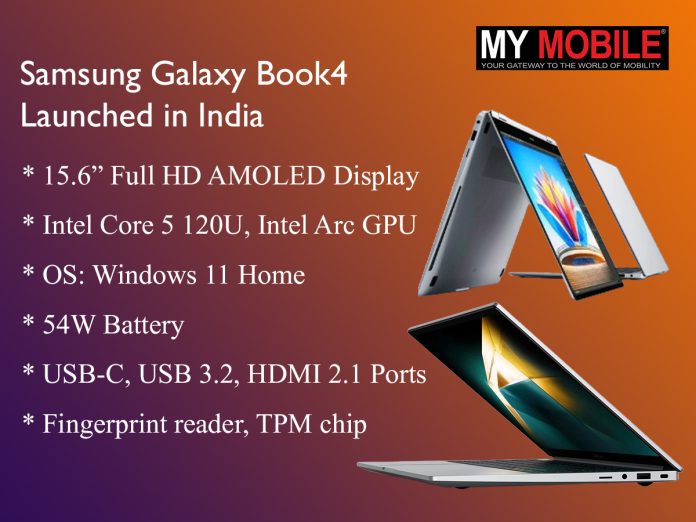
Starting with the display, users are treated to a 15.6-inch Full HD AMOLED screen, ensuring vivid visuals with crisp clarity, complemented by an anti-glare coating for comfortable viewing in any lighting condition.
Memory and storage are no issue, with up to 8GB of LPPDR4x RAM for multitasking and a 512GB NVMe SSD for quick file access and ample storage space, expandable up to 2TB.
This ensures that users have plenty of room for all their documents, media, and software.
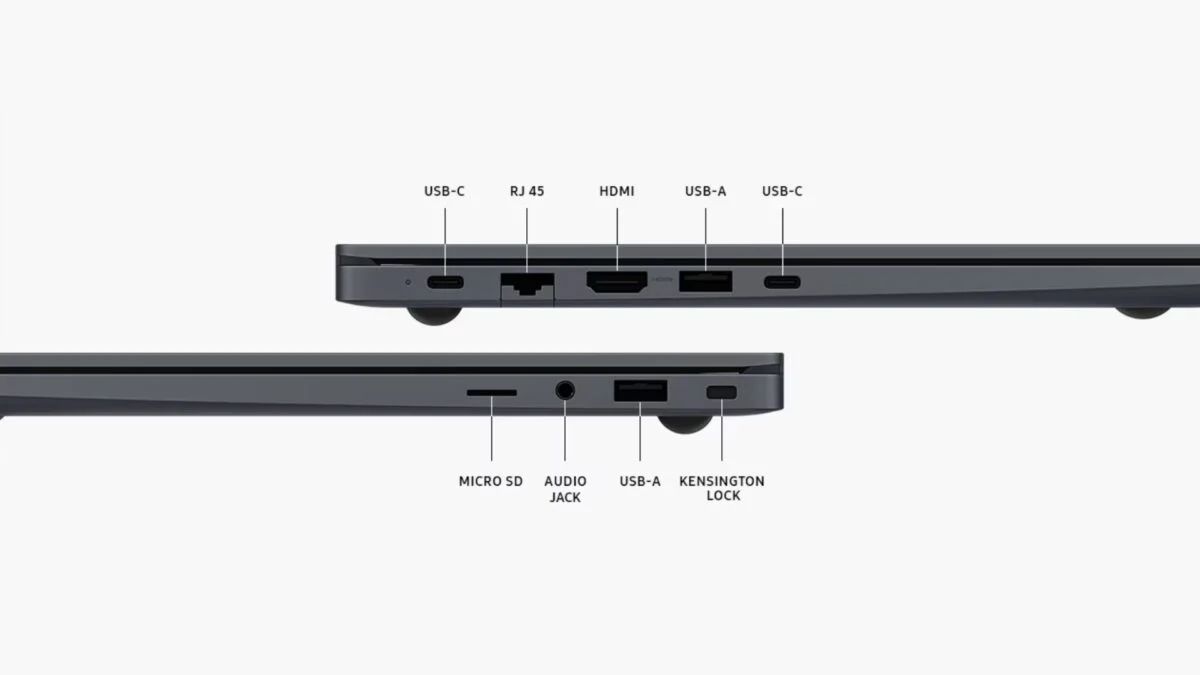
Beyond hardware, the Galaxy Book4 comes equipped with a range of connectivity options, including two USB Type-C ports for fast data transfer and charging, alongside HDMI and Ethernet ports for a variety of connection needs.
Security is also a priority, with a built-in fingerprint reader and TPM chip safeguarding your data.
Quick Specifications Samsung Galaxy Book 4 Pro 360
Quick Specifications Samsung Galaxy Book 4 Pro 360
Display: 40.62cm (16″) Dynamic AMOLED 2X
Processor: Intel Core Ultra 7
Memory: 16GB RAM
Storage: 512GB SSD
Special Features: S Pen compatible, AI studio effects, FHD wide-angle webcam, studio-quality mics with AI noise canceling, quad speakers tuned with AKG and Dolby Atmos, Samsung Knox security, Carbon Trust Certified for reduced carbon footprint
Connectivity: HDMI, USB-A, microSD slot, two Thunderbolt 4 ports
Battery: Up to 21 hours of video runtime, fast charging with 35% charge in about 30 minutes
Weight: Under 1.7kg
Color Options: Moonstone Gray or Platinum Silver
Quick Specifications Samsung Galaxy Book 4 Pro
Quick Specifications Samsung Galaxy Book 4 Pro
Display: Available in 14-inch and 16-inch sizes with touch AMOLED displays
Other Features: Photo Remaster tool for easy photo editing, Microsoft Copilot for AI assistance
Quick Specifications Samsung Galaxy Book 4 360
Quick Specifications Samsung Galaxy Book 4 360
Display: 39.62cm (15.6″) Super AMOLED display
Processor: Intel Core 7 Processor
Memory: 16GB RAM
Storage: 512GB SSD
Special Features: Intuitive touchscreen with S Pen support, Dolby Atmos dual-speaker system, wide-angle camera with AI noise canceling mics Connectivity: Two Thunderbolt™ 4 ports, HDMI, USB-A, microSD slot
FAQs
What is the price of the Samsung Galaxy Book4 in India?
The Samsung Galaxy Book4 is launched at a price of Rs 74,990. It is available in two colors: Grey and Silver, giving potential buyers options to choose from based on their preference.
What are the purchase incentives for the Samsung Galaxy Book4?
Samsung is offering a variety of purchase incentives for the Galaxy Book4, including a bank cashback of up to Rs 5,000, an upgrade bonus of Rs 4,000, a 10 percent discount for students, and flexible no-cost EMI options, making it an attractive deal for customers.
Can you detail the key specifications of the Samsung Galaxy Book4?
The Galaxy Book4 features a 15.6-inch Full HD AMOLED display, an Intel Core 5 120U processor with Intel Arc GPU, 8GB of LPPDR4x RAM, and a 512GB NVMe SSD that’s expandable up to 2TB. It also runs on Windows 11 Home and is equipped with a 54Wh battery.
What unique features does the Samsung Galaxy Book4 offer?
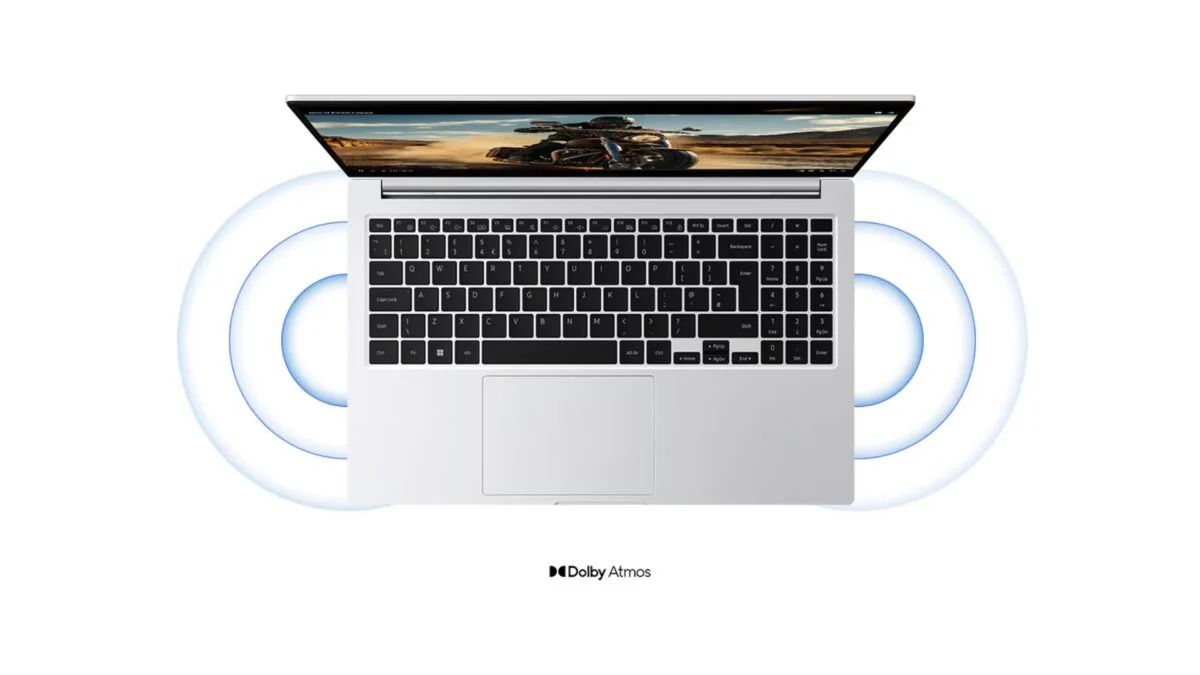
Apart from its hardware specs, the Galaxy Book4 series boasts an anti-glare screen, comprehensive connectivity including USB-C and HDMI ports, a fingerprint reader, TPM security chip, Wi-Fi 6, Bluetooth 5.2, an HD webcam, and dual speakers with Dolby Atmos support.
How does the Samsung Galaxy Book4 stand out in terms of connectivity and security?
The Galaxy Book4 ensures superior connectivity with USB-C, USB 3.2, HDMI 2.1, RJ45, and more, along with Wi-Fi 6 and Bluetooth 5.2 support. For security, it features a fingerprint reader and TPM chip, prioritizing user data safety.
Until now, Samsung’s top-tier and mid-range Galaxy S phones often come with their Exynos processors, while the innovative Flip and Fold devices have favoured Qualcomm’s leading Snapdragon chips.
This year, whispers suggest the Flip 6 might see Samsung opting for its own Exynos chip in select markets.
Z Flip 6 To Switch to Exynos
Flip 6 Spec Sheet
Snapdragon, Exynos up to 8 GB RAM, 12 GB depending on region
256,512 GB of storage
Longer battery than predecessor
120Hz external screen in development
— kro (@kro_roe) March 23, 2024
The current Galaxy Z Flip 5, known for its sleek clamshell design, could be succeeded by a model that alternates between Snapdragon and Exynos chips depending on where you are in the world.
The specific models in question are the Snapdragon 8 Gen 3 and the Exynos 2400—the latter already powers the Galaxy S24 and S24+ in certain regions.
These rumblings come from Korean tech insider @kro_roe, with additional backing from @Tech_Reve—though their account has since vanished from the social platform X.
The new Galaxy Z Flip 6 is also expected to have a longer battery life than its predecessor, potentially due to more efficient components and a larger battery.
This enhancement comes even as the phone adopts a 120Hz refresh rate screen for its external display.
Samsung Galaxy Z Flip 6 Rumoured to Feature Exynos Chip in Select Markets
The device might come with a slight increase in thickness, potentially allowing for a more substantial battery.
Rumours also suggest the Flip 6 might come with up to 12GB of RAM in certain markets, while keeping its base storage at 256GB, with a 512GB version also available.
Design-wise, early leaks indicate the Galaxy Z Flip 6 won’t stray far from the look of the Flip 5, maintaining the 6.7-inch main display and 3.4-inch cover screen.
However, there’s talk of new colour options to freshen up the lineup.
Samsung Galaxy Z Flip 6 Specs
GENERAL
Sim Type
Single Sim, GSM
Dual Sim
No
Sim Size
Nano-SIM +eSIM
Device Type
Smartphone
Release Date
July 26, 2024 (Expected)
DESIGN
Design Type
Flip (Clamshell)
DISPLAY
Type
Color Dynamic AMOLED 2x (1B Colors)
Touch
Yes
Size
6.9 inches, 1080 x 2640 pixels, 144 Hz
PPI
~ 426 PPI
Screen to Body Ratio
~ 85.4%
Glass Type
Corning Gorilla Glass Victus Plus
Features
HDR10+, 1200 nits (peak)
Notch
Yes, Punch Hole
Foldable Display
Yes
Dual Display
Yes, Super AMOLED, 3.6 inches, 260 x 512 pixels, 302 PPI
What new processor might the Samsung Galaxy Z Flip 6 use?
There’s buzz that Samsung is planning a shift in its chip strategy for the Galaxy Z Flip 6, possibly incorporating its Exynos processor in certain areas. This would mark a change from its traditional use of Snapdragon chips for the device, potentially offering the Exynos 2400 in markets outside the US, where the Snapdragon 8 Gen 3 might remain the standard.
How will the battery life of the Galaxy Z Flip 6 compare to its predecessor?
Leaks suggest that the Galaxy Z Flip 6 could enjoy a boost in battery performance. This improvement is likely due to the integration of more efficient parts and possibly a larger battery size, even as the device adopts a high 120Hz refresh rate for its cover screen.
Will there be any design changes in the Galaxy Z Flip 6?
Early indications suggest that the Galaxy Z Flip 6 will maintain a similar design aesthetic to the Flip 5, with a 6.7-inch main and 3.4-inch cover display. However, it might come in a slightly thicker form factor to accommodate a bigger battery and might also introduce fresh color options to the lineup.
What storage and RAM options can we expect with the Galaxy Z Flip 6?
Rumors hint at the Galaxy Z Flip 6 coming with up to 12GB of RAM in select markets, maintaining a base storage capacity of 256GB. A larger 512GB storage option is also anticipated, providing ample space for apps, media, and more.
This addition marks the introduction of a fourth category of content, joining the service’s extensive collection of songs, podcasts, and audiobooks.
In a pioneering move, Spotify has partnered with educational platforms such as BBC Maestro, Skillshare, Thinkific, and PlayVirtuoso to bring video-based lessons directly to its mobile and desktop apps.
This initiative is currently an experiment exclusive to the UK, with the future of its broader release still up in the air.
However, Mohit Jitani, Spotify’s Product Director, has observed a growing trend of users seeking educational material through the platform.
“One of the most interesting things we started noticing was more and more people were coming to Spotify with some intent of learning,” Jitani shared, highlighting the natural progression towards offering more educational content.
Spotify notes that about half of its Premium subscribers have already shown interest in educational or self-help themed podcasts, suggesting a ready and receptive audience for this new venture.
Spotify aims to leverage its data on user listening habits to help course providers reach a broader and more targeted audience efficiently.
The courses are designed to cover a range of interests, including music production, creative arts, business learning, and wellness.
Users can find these courses through a new feature on the Spotify app, making it convenient to start learning without the need to juggle between multiple apps.
This educational experiment follows a freemium model, allowing both free and premium subscribers to access initial video lessons of each course at no cost, with full course access available for a fee.
The courses are structured as a series of videos, which Jitani points out can also be consumed audio-only by turning the screen off, accommodating different user preferences and situations.
Despite facing financial challenges, including a net loss reported in its recent quarterly earnings, Spotify sees this move as an opportunity to tap into its extensive UK market.
The company’s foray into education, building on the correlation between popular podcasts and educational content, signals a broader ambition to enrich its platform with varied forms of engagement.
FAQs
What new content is Spotify introducing to its UK subscribers?
Spotify is expanding its offerings to include online video courses, making this the fourth category of content available to its UK users. These educational courses are delivered in partnership with BBC Maestro, Skillshare, Thinkific, and PlayVirtuoso, and they’re integrated into Spotify’s existing mobile and desktop applications.
How can Spotify users access these online video courses?
UK subscribers can find the new video courses through a newly introduced pill-shaped icon on the top of the home screen in Spotify’s mobile app. The courses are also accessible via Spotify’s search and browse functions, making it easy for users to discover and start learning without the need to download additional apps.
What types of courses does Spotify offer, and what can subscribers learn?
Spotify’s online video courses span a wide range of topics including how to make music, get creative in various arts, learn about business strategies, and maintain a healthy lifestyle. These courses are designed to cater to the diverse interests of Spotify’s user base, offering valuable learning opportunities in both personal and professional development areas.
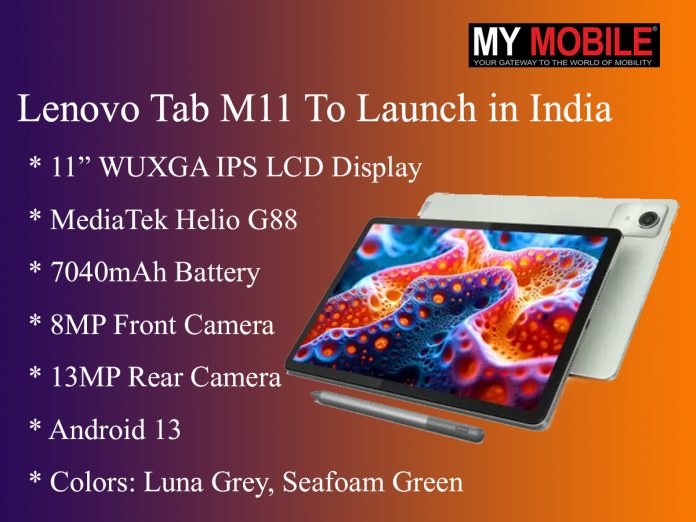
At the heart of the Lenovo Tab M11 lies the MediaTek Helio G88 processor, coupled with the Mali G52 GPU, ensuring smooth performance across applications and gaming.
Pre-loaded with Android 13, Lenovo commits to two Android version upgrades and security patch updates until January 2028, highlighting its dedication to software longevity and security.
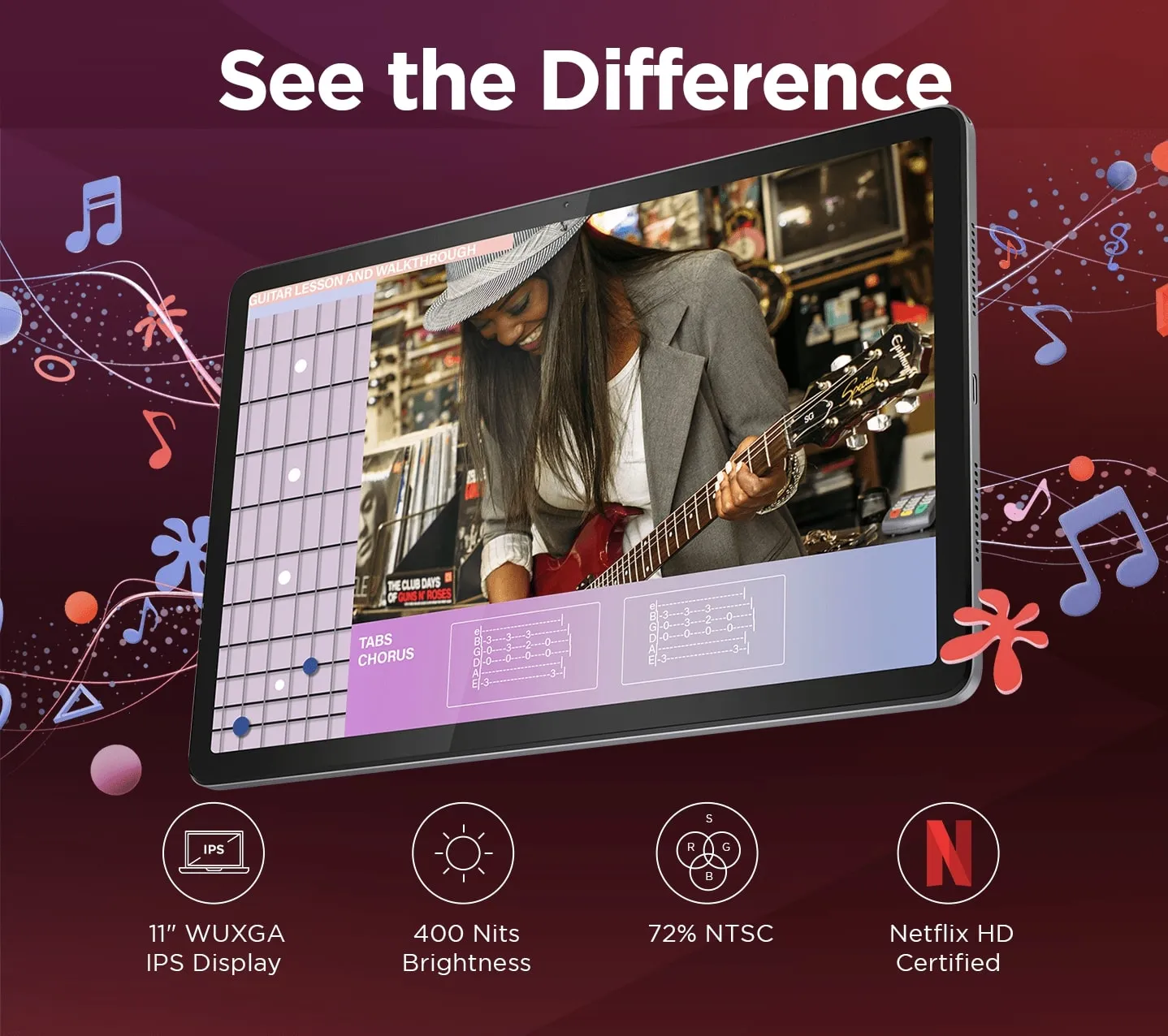
The Lenovo Tab M11 boasts an 11-inch IPS LCD display with a WUXGA (1920 × 1200 pixel) resolution, 90Hz refresh rate, and 400nits peak brightness, promising a crisp and smooth viewing experience.
It’s designed to cater to multimedia enthusiasts with support for Netflix HD content streaming and a quad-speaker setup with Dolby Atmos audio, ensuring an immersive sound experience.
Lenovo Tab M11 To Launch in India on 26th March: Expected Features and Upgrades
In terms of design, the Lenovo Tab M11 features a sleek build, weighing around 465 grams and measuring 7.15mm in thickness. It’s available in two color options: Luna Grey and Seafoam Green, catering to different user preferences.
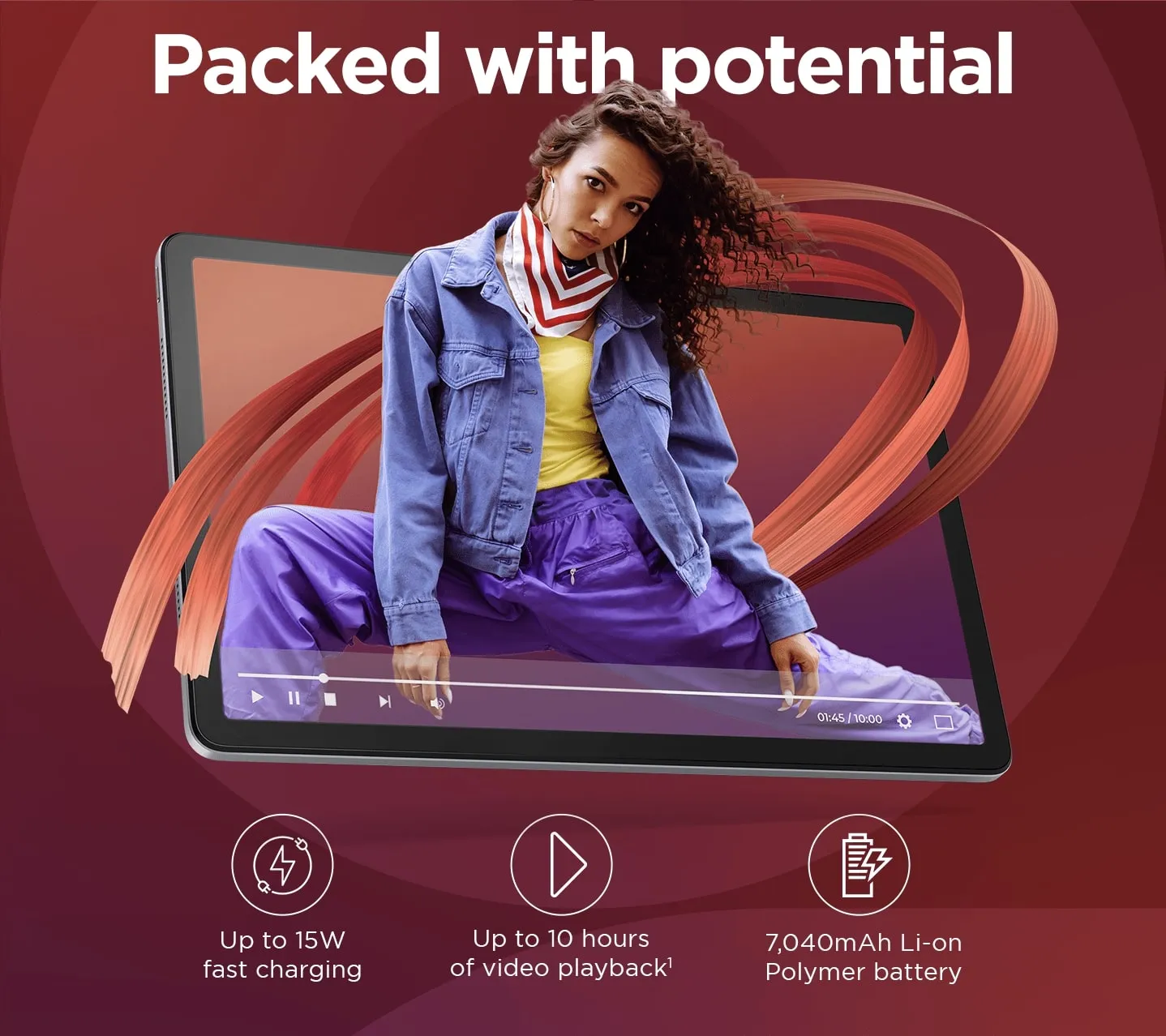
For those who rely on their tablet for both work and play, the Lenovo Tab M11’s 7040mAh battery supports 15W charging and promises up to 10 hours of video playback, ensuring users can stay productive and entertained throughout the day.
Although the Lenovo Tab Pen is compatible, it is noteworthy that it will not be included in the retail package, offering flexibility for users to choose accessories based on their needs.
FAQs
What is the launch date of Lenovo Tab M11 in India?
The Lenovo Tab M11 is set to launch in India on March 26. This eagerly awaited mid-range tablet will be available exclusively on Amazon, following its global introduction at CES earlier in January.
What are the key features of the Lenovo Tab M11?
The Lenovo Tab M11 highlights include an 11-inch WUXGA IPS LCD display with a 90Hz refresh rate, MediaTek Helio G88 processor, 8GB of RAM, and 128GB onboard storage. It runs Android 13 out of the box, with promises of two major Android updates.
How does the Lenovo Tab M11 cater to multimedia consumption?
Designed for an immersive multimedia experience, the Lenovo Tab M11 supports Netflix HD streaming and features a quad speaker setup with Dolby Atmos audio. The 7040mAh battery ensures extended video playback, making it ideal for entertainment enthusiasts.
What makes the Lenovo Tab M11 stand out in the mid-range tablet market?
The Lenovo Tab M11 distinguishes itself with a combination of high-performance hardware, such as the MediaTek Helio G88 processor and 8GB RAM, future-proof software updates, and robust multimedia capabilities, all packaged within a sleek and user-friendly design.
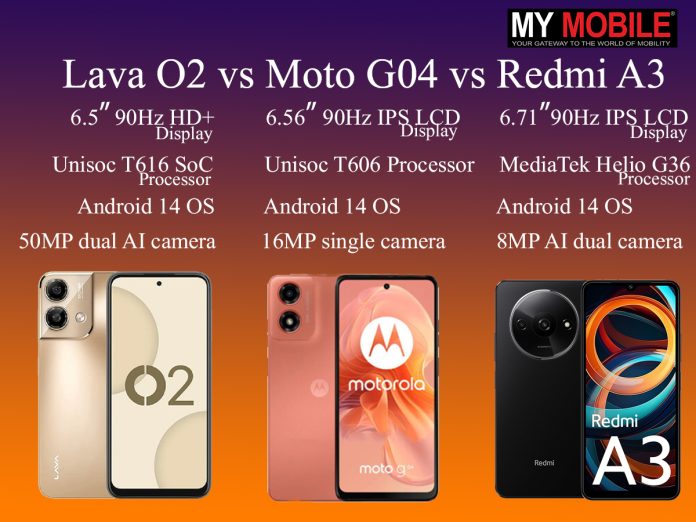
In this comparison lets dive into their display, design, performance, software, battery, and features to help you make an informed decision.
Feature
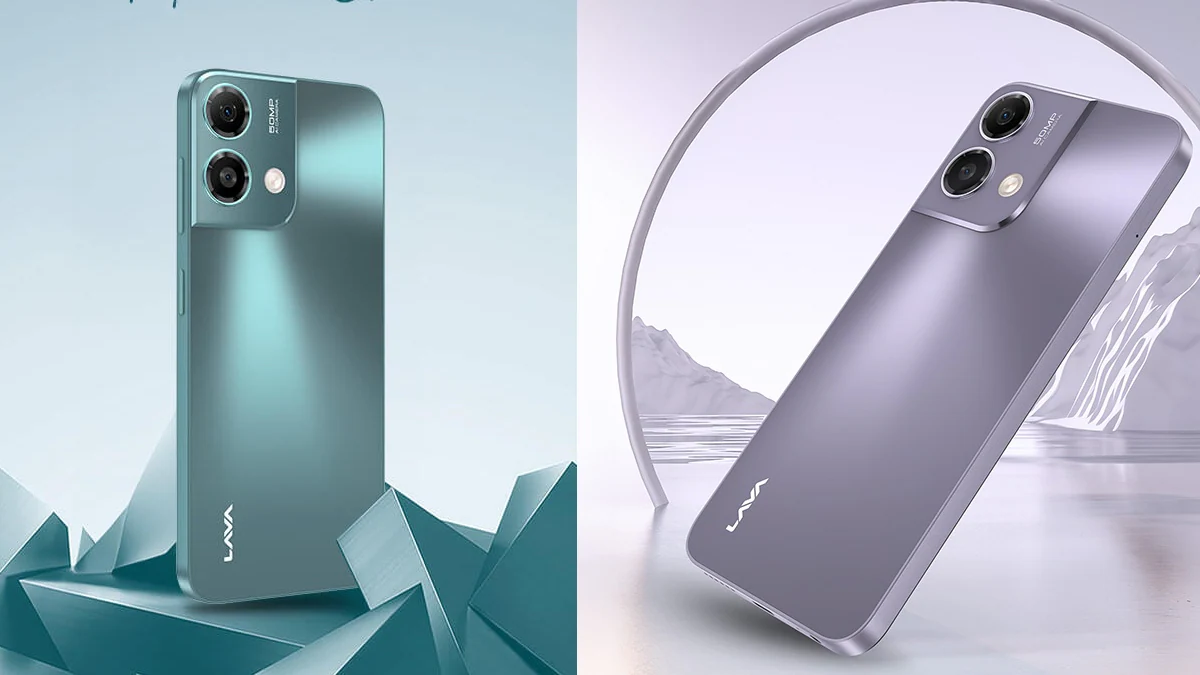
Lava O2
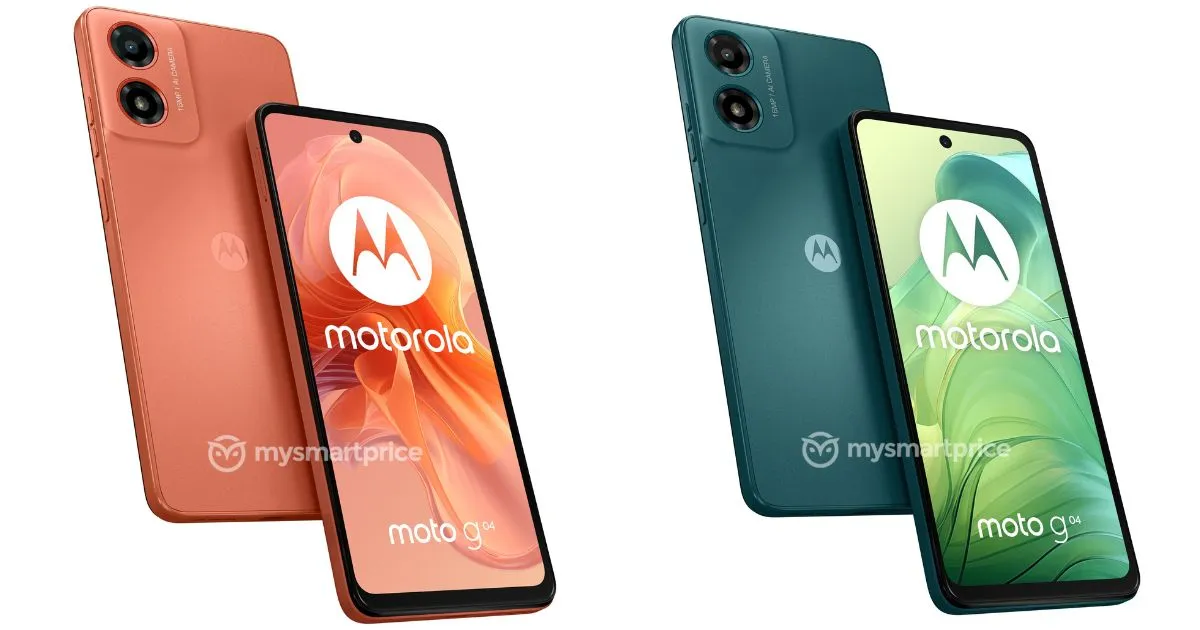
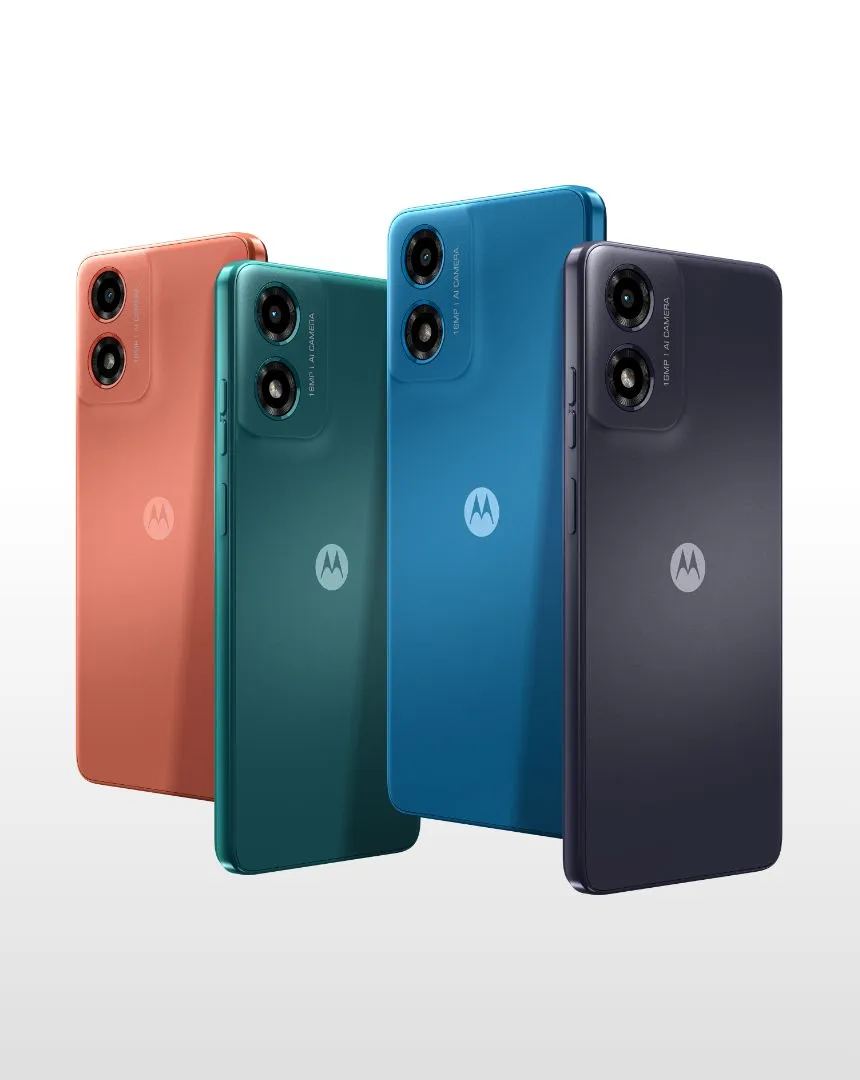
Moto G04
Redmi A3
Display
6.5″ 90Hz HD+
6.56″ 90Hz IPS LCD
6.71″ 90Hz IPS LCD
Design
Flat, Majestic Purple/Imperial Green/Royal Gold
Concord Black/Sea Green/Satin Blue/Sunrise Orange
Midnight Black/Olive Green/Lake Blue
Performance
Unisoc T616 SoC, 8GB RAM
Unisoc T606, 4GB/8GB RAM
MediaTek Helio G36, 3GB/4GB/6GB RAM
Software
Android 14
Android 14
Android 14
Battery
5000mAh
5000mAh
5000mAh
Features
50MP dual AI camera
16MP single camera
8MP AI dual camera
Price
Rs 7999
Rs 6249
Rs 7,249
Lava O2 vs Moto G04 vs Redmi A3: Display
Lava O2 vs Moto G04 vs Redmi A3: Display
Lava O2 offers a 6.5″ HD+ display with a 90Hz refresh rate, promising fluid visuals and smoother scrolling.
Moto G04 steps up with a 6.56″ IPS LCD display, also at 90Hz, catering to users looking for a slightly larger screen.
Redmi A3 pushes the boundary with a 6.71″ IPS LCD display at 90Hz, the largest among the three, providing ample screen real estate for multimedia consumption.
Lava O2 vs Moto G04 vs Redmi A3: Design
Lava O2 vs Moto G04 vs Redmi A3: Design
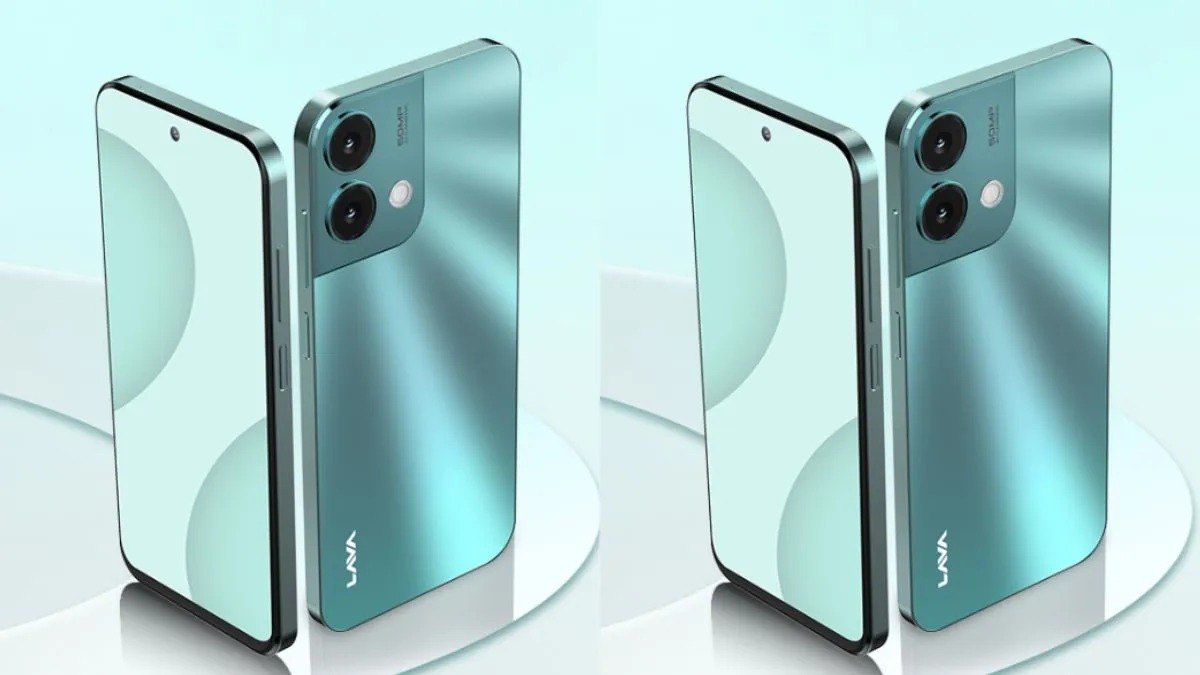
Lava O2 boasts a flat design available in Majestic Purple, Imperial Green, and Royal Gold, targeting users who prefer a sleek, elegant look.
Moto G04 offers more variety with Concord Black, Sea Green, Satin Blue, and Sunrise Orange, appealing to those seeking personalization.
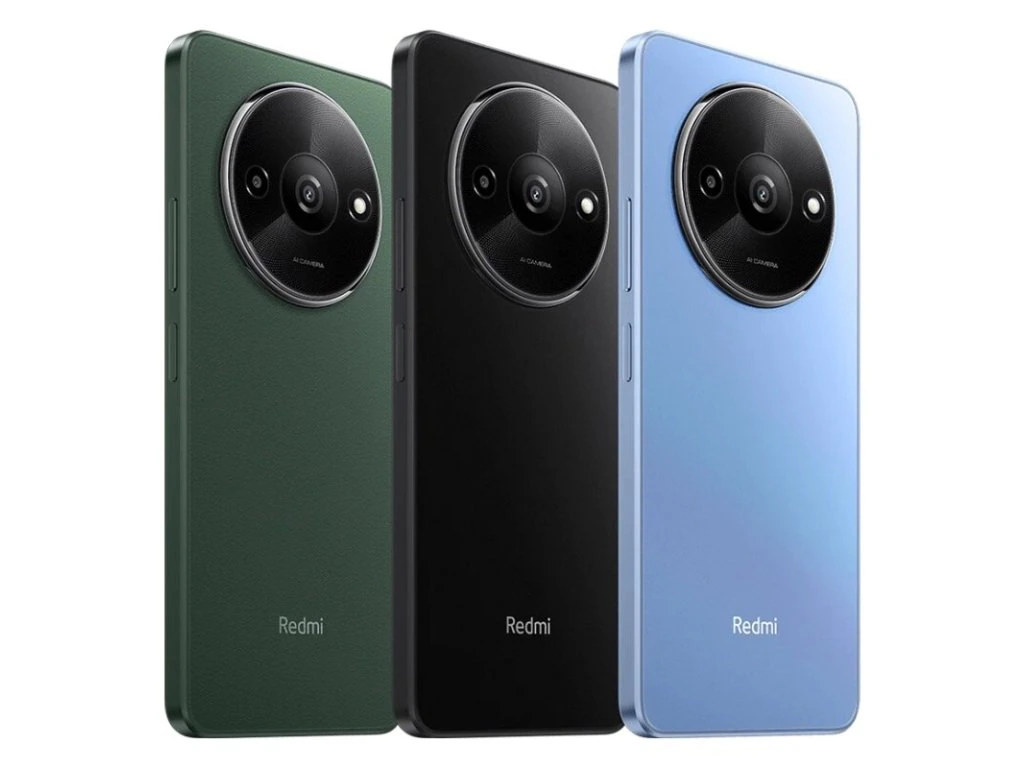
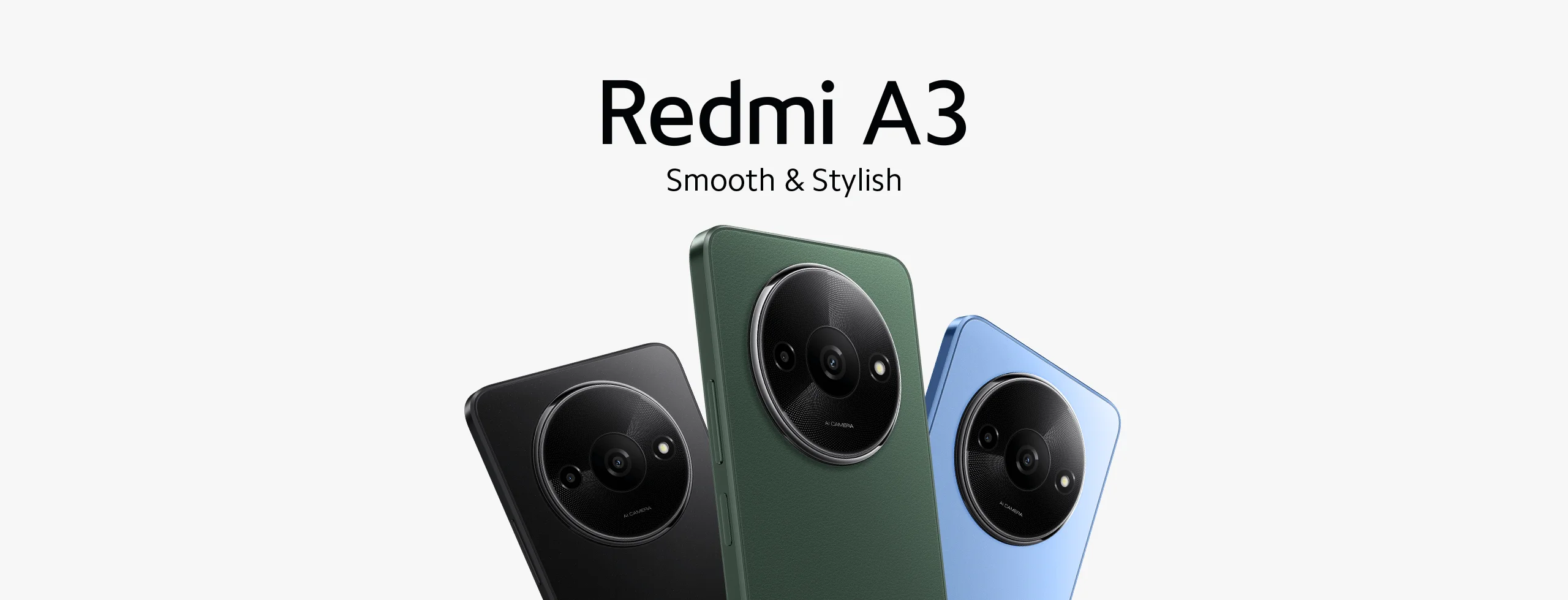
Redmi A3 keeps it simple yet stylish with options in Midnight Black, Olive Green, and Lake Blue, aiming for a universal appeal.
Lava O2 vs Moto G04 vs Redmi A3: Performance
Lava O2 vs Moto G04 vs Redmi A3: Performance
Lava O2 is powered by the Unisoc T616 SoC, coupled with 8GB RAM, promising robust performance for everyday tasks.
Moto G04 utilizes the Unisoc T606 chipset, available in 4GB and 8GB RAM variants, balancing power and efficiency.
Redmi A3 employs the MediaTek Helio G36 processor, available in 3GB, 4GB, and 6GB RAM configurations, designed to cater to varying user needs.
The Lava O2 stands out with its 50MP dual AI camera setup, ensuring high-quality photography.
It also features an 8GB RAM for smooth performance, a 6.5-inch HD+ display for crisp visuals, and comes in unique color options like Majestic Purple, Imperial Green, and Royal Gold. Its battery capacity is 5000mAh, ensuring it lasts through the day.
How does the Moto G04 differentiate itself in the market?
Moto G04 carves its niche with a variety of color choices including Concord Black, Sea Green, Satin Blue, and Sunrise Orange. It offers a 6.56-inch IPS LCD display with a 90Hz refresh rate for smooth scrolling.
The phone is powered by the Unisoc T606 chipset and is available in both 4GB and 8GB RAM variants, making it versatile for different types of users.
What makes the Redmi A3 a strong contender among budget smartphones?
The Redmi A3 is notable for its large 6.71-inch display, the biggest among the three, providing an immersive viewing experience. It is also the most affordable option, appealing to budget-conscious buyers.
The phone runs on a MediaTek Helio G36 processor with up to 6GB RAM. Additionally, its 8MP AI dual camera setup is designed for decent photography on a budget.
Can you compare the battery life of the Lava O2, Moto G04, and Redmi A3?
All three smartphones – Lava O2, Moto G04, and Redmi A3 – are equipped with a 5000mAh battery, promising to last a full day on a single charge.
This similarity in battery capacity means users can expect consistent performance across these devices in terms of longevity, making them reliable choices for day-to-day use.
Acer India to expand retail presence by 300 stores.
Company to incorporate AI technology in more products.
Plans to diversify into home electronics under Acerpure.
Strategy includes exporting ‘Make in India’ products.
In an exclusive interview with Sooraj Balakrishnan, the Head of Marketing at Acer India, we delve into the company’s strategies for maintaining and growing its market share in the competitive Indian PC landscape.
As the fourth-largest PC brand in India, boasting a 12.3% market share, Acer India is not resting on its laurels.
Balakrishnan shares insights into Acer’s ambitious plans for expansion, innovation, and diversification, as well as its commitment to the ‘Make in India’ initiative.
How does Acer India plan to maintain and grow its position as the fourth-largest PC brand in India, with a 12.3% market share?
At Acer, we’re embarking on an extensive expansion strategy to better serve our vast customer base.
Additionally, our direct-to-consumer (D2C) website is undergoing significant expansion, allowing us to reach even wider audiences and cater to their diverse needs.
Furthermore, our Make in India initiative for other product lines will not only open doors to new markets but also enable us to cater to a broader audience, promoting local manufacturing and contributing to the growth of the Indian economy.
We are also expanding our gaming offerings, focusing on more price points to capture new market segments and facilitate further market expansion.
Our focus remains on continuous innovation and growth as we aim to enrich the lives of people with our diverse range of products and services.
How does Acer plan to leverage its strong retail presence and popularity among Indian buyers to promote its new product lines?
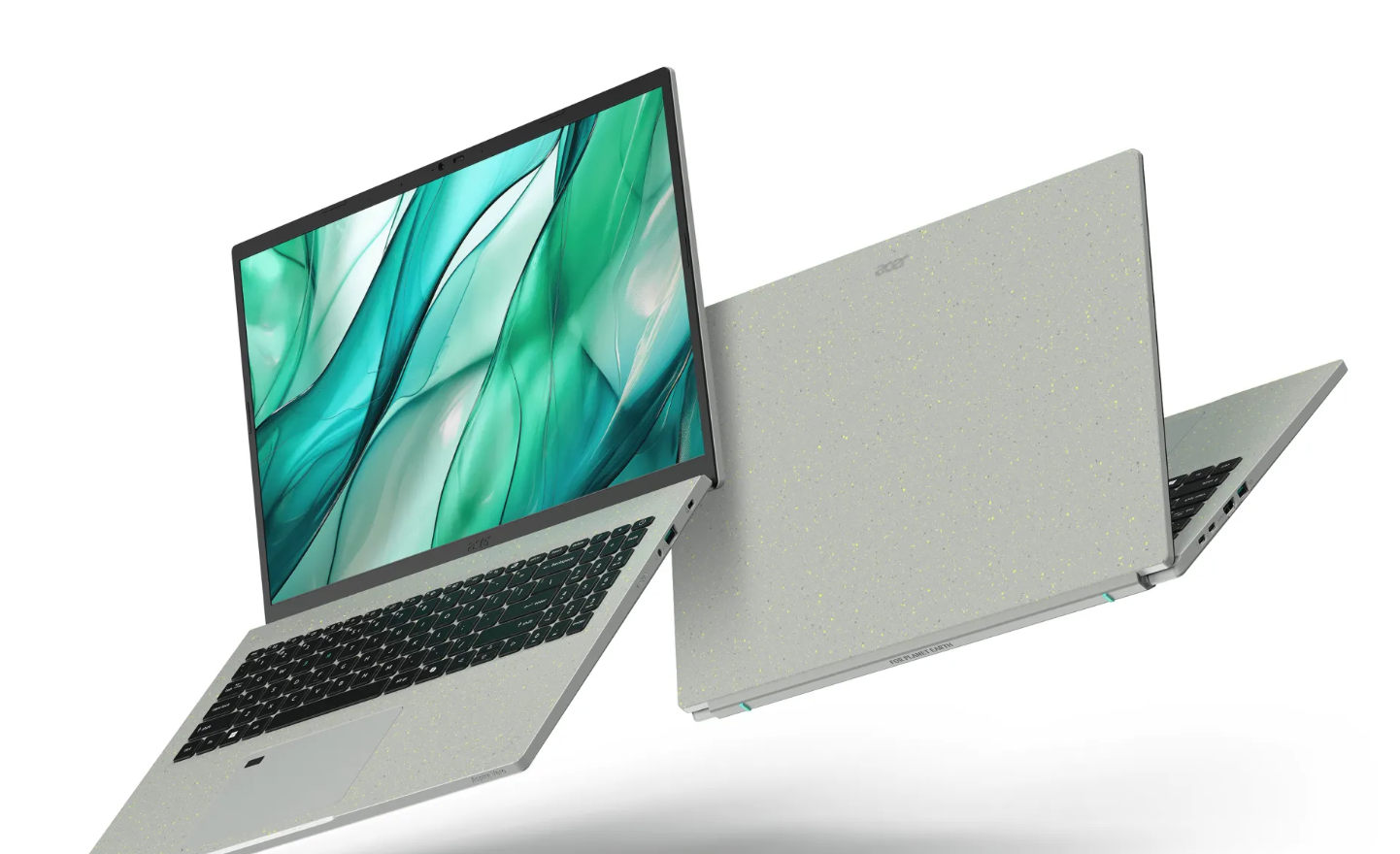
Acer Unveils Aspire Vero 16 and Aspire Go Series at CES 2024
Moreover, we are committed to providing a comprehensive customer experience through pre- and post-purchase schemes, emphasizing Acer’s commitment to value and customer satisfaction.
Our exclusive Predator Gaming Stores exemplify our ongoing dedication to the gaming community, showcasing our extensive gaming range and offering an immersive experience.
Plans are underway to expand these stores to more cities.
Can you elaborate on Acer’s decision to diversify into home electronics and manufacture appliances in India under the new entity, Acerpure?
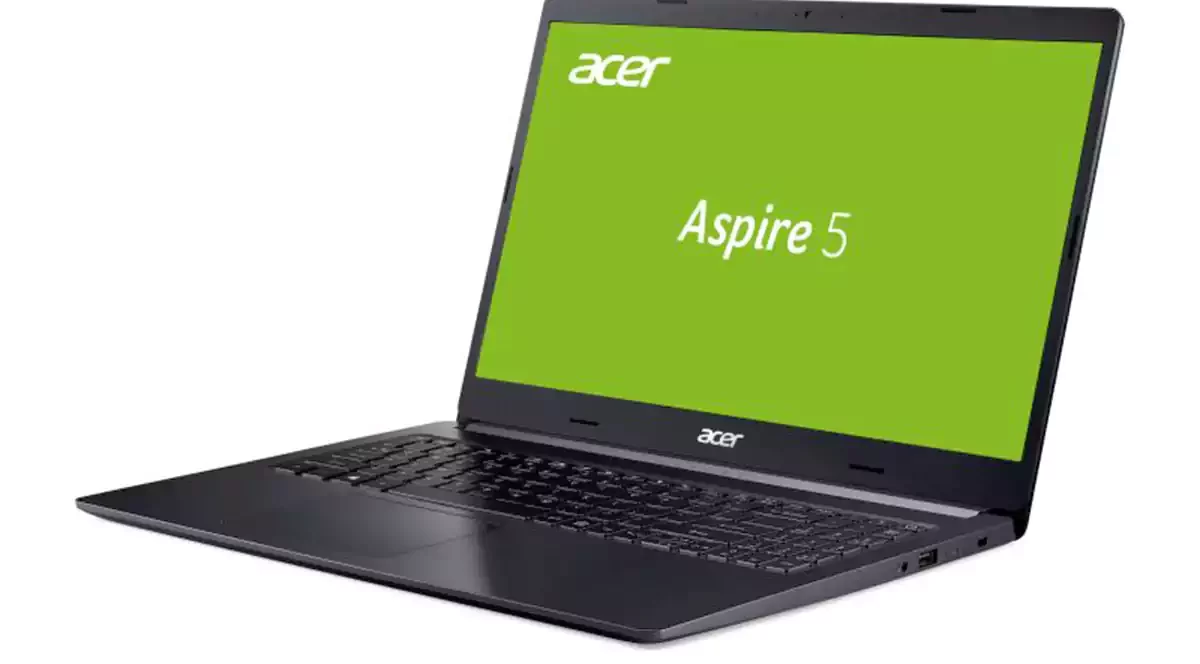
Aspire 5 Gaming Laptop
Expanding into the home appliances sector and establishing Acerpure brand represents a strategic decision, driven by our belief that it’s a natural progression into home appliances category due to leveraging our extensive expertise in IT hardware, particularly in the manufacturing of cutting-edge PC products, this move aligns seamlessly with our core capabilities.
Our unwavering commitment to innovation and performance is evident in our meticulous approach to manufacturing, aimed at setting Acerpure appliances apart in the market.
Notably, our choice to manufacture these appliances in India underlines our commitment to bringing global insights to local manufacturing.
We believe in tailoring products specifically for the Indian market, acknowledging its unique characteristics and distinct requirements.
This approach transcends mere imports from global markets; it signifies our dedication to supporting the Indian manufacturing sector and providing products tailored to the preferences and needs of Indian consumers.
Acerpure embodies our vision of not only diversifying but also enhancing the home electronics market in India with technologically advanced, premium-quality products designed to meet the distinctive demands of this dynamic and vibrant market.
Does Acer have a strategy for exporting made-in-India products to neighboring countries?
Acer Swift Edge 16 laptop
We are already exporting our ‘Make in India ‘products to neighboring countries. Our factories have been a central hub for producing top-quality IT hardware products like laptops desktop PCs, tablets, monitors and more , which have successfully exported to Southeast Asian countries.
This underscores our commitment to regional growth and delivering superior products.
We’re also proud to say that these locally developed products have become best sellers in various Asian countries.
Our strategy revolves around ensuring that the products designed and produced in India meet the highest standards, allowing them to compete and excel in diverse markets.
Looking ahead, we plan to broaden our product range even further, adding more offerings to our export lineup.
How does Acer plan to take further advantage of India’s growing electronics manufacturing ecosystem?
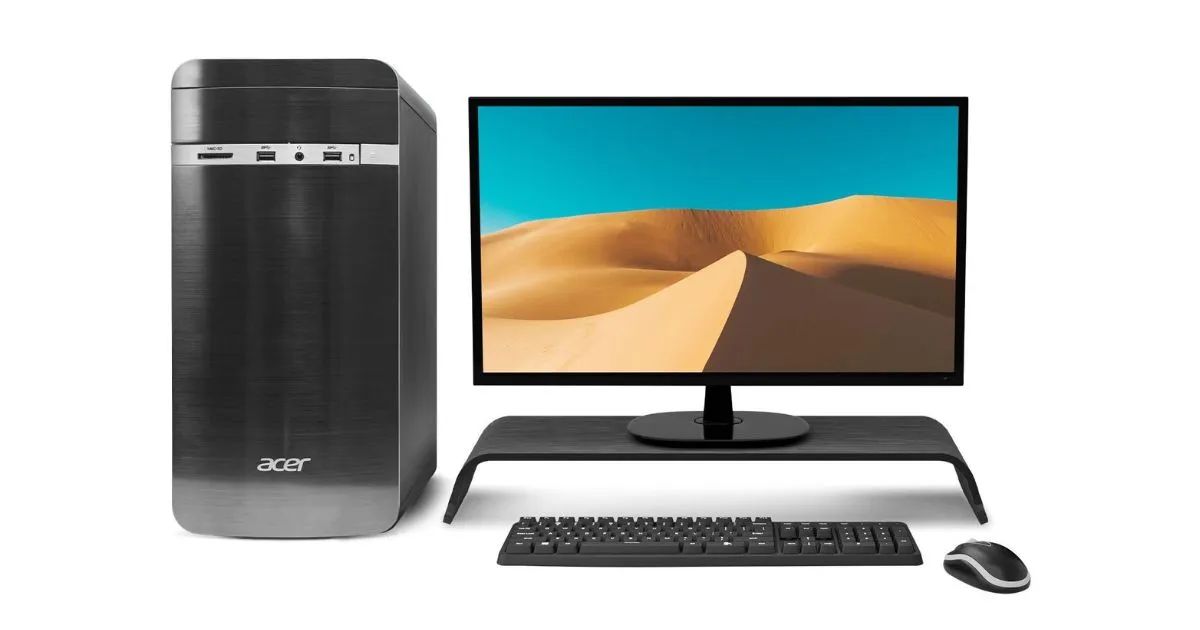
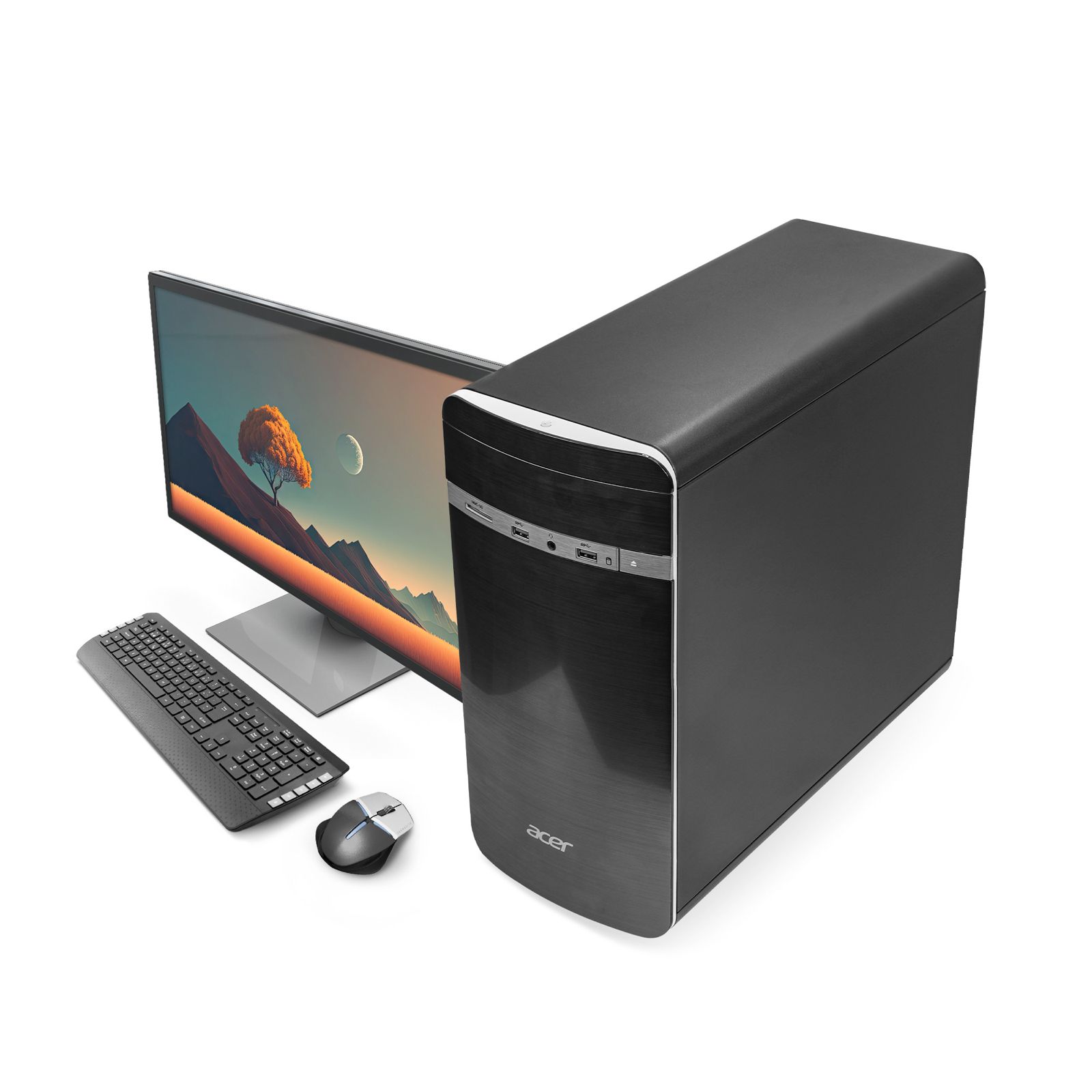
Acer Aspire Desktop Computer
We acknowledge the growing importance of manufacturing electronic components in India, especially considering our reliance on imported chips, processors, and IT hardware from China.
Acer has been an active participant in PLI schemes and has been manufacturing in India for the past two decades.
By localizing the production of components, we aim to contribute significantly to India’s economic development.
This not only reduces our dependence on imports but also creates job opportunities and fosters a robust ecosystem for technology production within the country.
As a proactive participant in this initiative, Acer is committed to supporting the national objective of self-sufficiency in the electronics sector.
India strives to become a self-reliant hub for electronics production, and our commitment to localizing components plays a crucial role in achieving this transformative goal.
How does Acer plan to balance its new ventures with its established PC business?
Acer has announced its Acer Aspire series of desktops in India
Our strategy revolves around strategic integration, innovation, and market responsiveness.
We recognize the enduring strength of our PC business, and it continues to be a cornerstone of our operations.
We aim to leverage the reputation and market presence we have built over the years to support and propel our new endeavors.
Simultaneously, we understand the importance of diversification and adapting to evolving market trends.
Our new venture, Acerpure is carefully selected to complement and synergize with our existing strengths.
It ensures that we can draw on our established expertise while exploring innovative avenues for growth and market expansion.
Market responsiveness is a key element of our strategy.
We continuously monitor market dynamics, customer preferences, and industry trends.
This agility allows us to make informed decisions, adjusting our approach to both our established PC business and new ventures in real time.
Flexibility is crucial in navigating the dynamic landscape of the tech industry.
We believe we can successfully navigate the dual challenges of maintaining a strong presence in our traditional markets while exploring new and exciting opportunities for growth.
We focus on differentiating our products from competitors by emphasizing three core pillars: design, features, and quality.
In terms of design, we’re pursuing a modern aesthetic that seamlessly fits into contemporary living spaces, emphasizing simplicity, elegance, and functionality.
Our focus on features revolves around innovation, where we strive to introduce cutting-edge technologies that simplify tasks, enhance convenience, and elevate the user experience.
Quality remains paramount for us.
We’ve implemented stringent quality control measures, utilizing premium materials and thorough testing to ensure durability, reliability, and long-lasting performance.
By prioritizing these elements, we’re committed to delivering appliances that not only meet but exceed customer expectations, solidifying our position as industry leaders.
Despite a decline in the Indian PC market since last year, Acer has seen growth in the government and education segments. What strategies have contributed to this success?
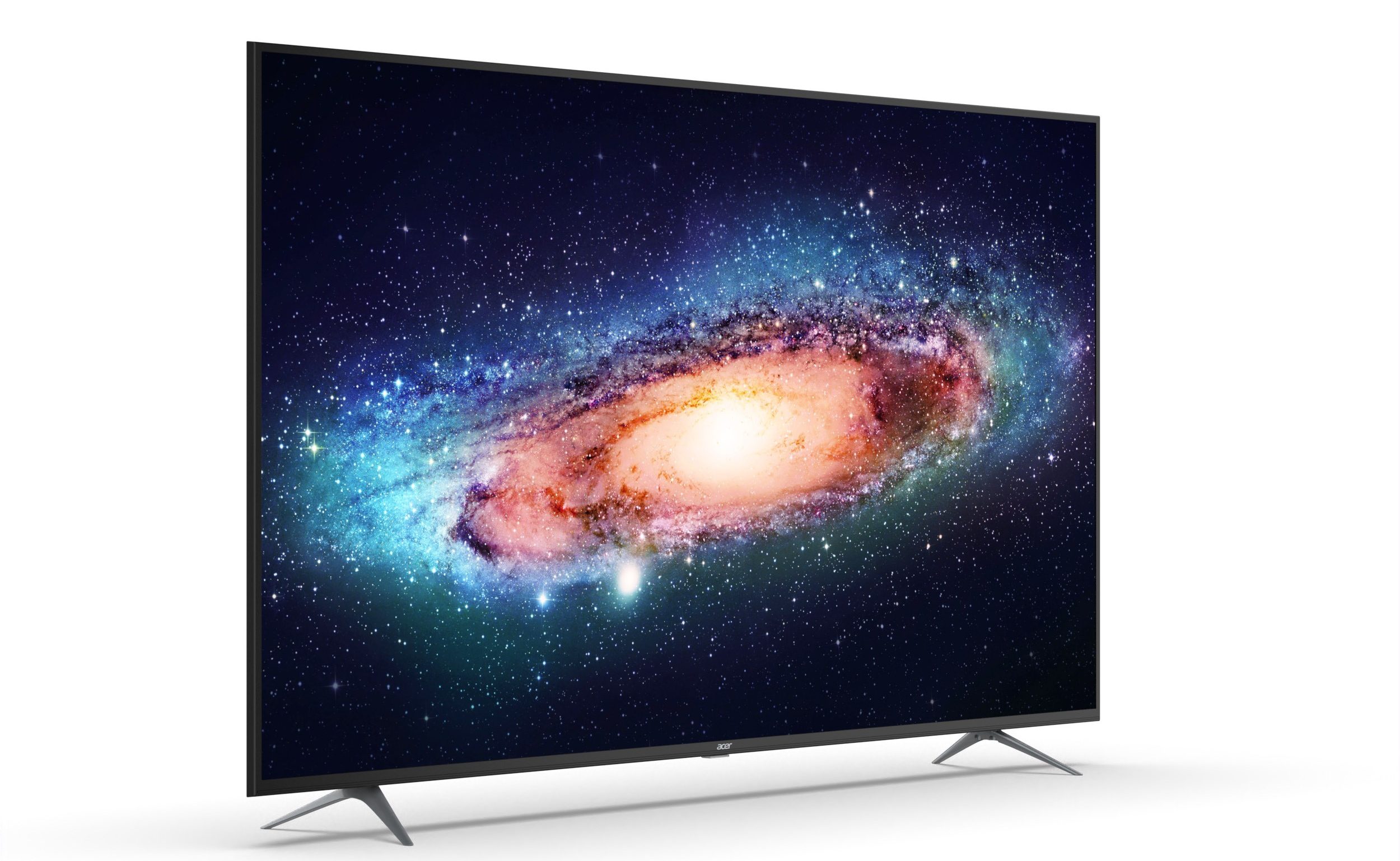
Acer’s Smart TV
We have strategically positioned ourselves as pioneers in IT hardware solutions for the education sector, consistently holding the number-one spot for several years.
It has not only supported various online projects but also drawn private institutions to integrate our IT hardware support solutions into their classrooms, enhancing the overall learning experience.
Our involvement in the Make in India initiative has been crucial. By tailoring solutions for digitization processes, we’ve made significant contributions to advancing educational technology.
Our understanding of their specific needs has enabled us to customize solutions that enhance efficiency and effectiveness, solidifying our position as a trusted partner.
Our commitment to product development ensures that our range meets market demands, exceeding expectations.
FAQs
How is Acer India planning to maintain its market position?
Acer India is embarking on a significant expansion, increasing its retail presence and enhancing its direct-to-consumer website. The incorporation of AI technology into their product lineup and the ‘Make in India’ initiative for manufacturing are central to their strategy for growth and maintaining their market share.
What new product lines is Acer India focusing on?
Besides their established PC and gaming hardware, Acer is diversifying into home electronics with the introduction of Acerpure. This new venture into home appliances aims to leverage Acer’s technological expertise, bringing innovative and high-quality products to Indian consumers.
How does Acer plan to leverage its retail presence?
Acer’s strategy involves utilizing its strong retail network to introduce new products and offer comprehensive customer experiences. Exclusive stores, such as Predator Gaming Stores, play a significant role in promoting Acer’s gaming range and enhancing brand loyalty among consumers.
Can you elaborate on Acer’s decision to manufacture home appliances in India?
Expanding into home appliances with Acerpure aligns with Acer’s manufacturing expertise and commitment to the ‘Make in India’ initiative. This move is aimed at offering premium-quality appliances designed for the Indian market, supporting local manufacturing and contributing to the economy.
What is Acer’s strategy for exporting made-in-India products?
Acer is actively exporting ‘Make in India’ products to neighboring countries, showcasing Indian manufacturing’s quality on a global scale. This export strategy is part of Acer’s broader vision to promote ‘Make in India’ products internationally, contributing to Acer’s global growth.
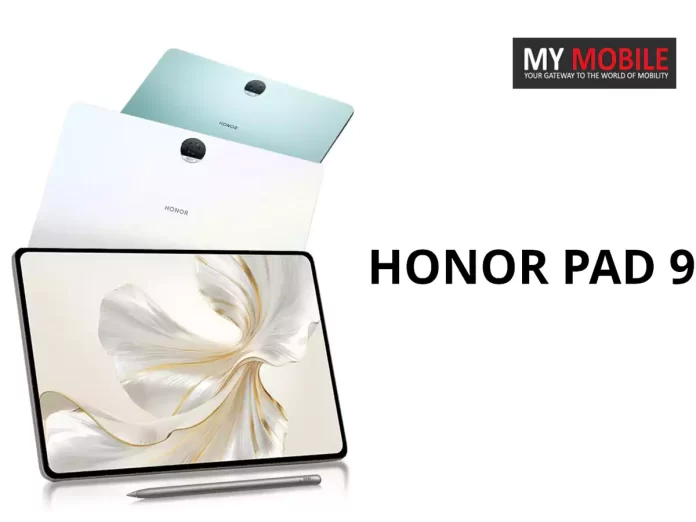
Honor Pad 9 falls short in battery life compared to rivals.
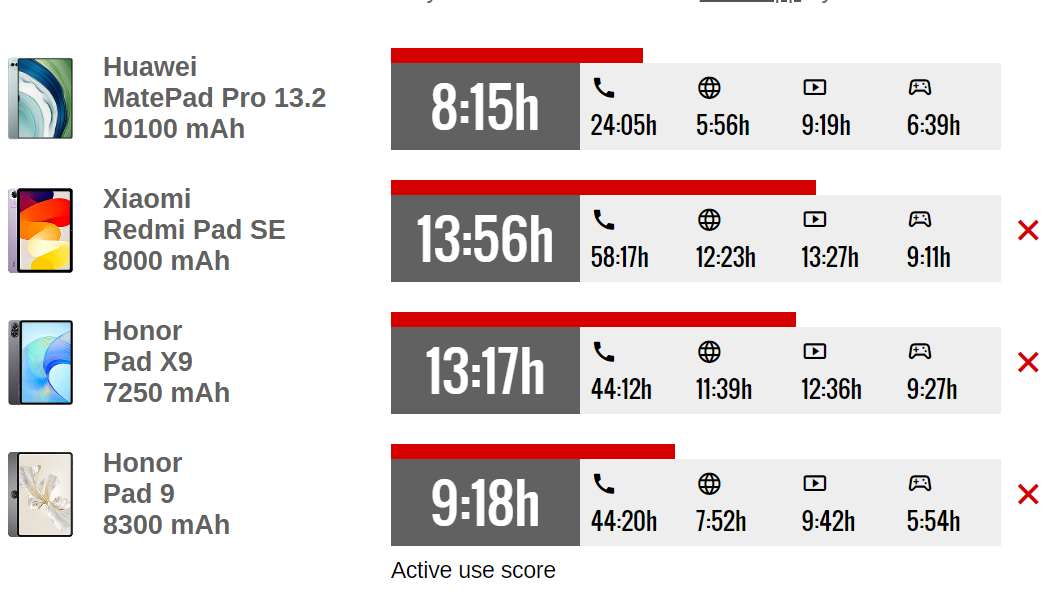
Achieves a 9:18h Active Use Score in GSMArena tests.
Snapdragon 6 Gen 1 chipset delivers impressive performance.
Stands above average in its price segment for processing power.
In an insightfulevaluation by GSMArena, the Honor Pad 9’s battery life and performance have been thoroughly tested, revealing a complex picture of the tablet’s capabilities.
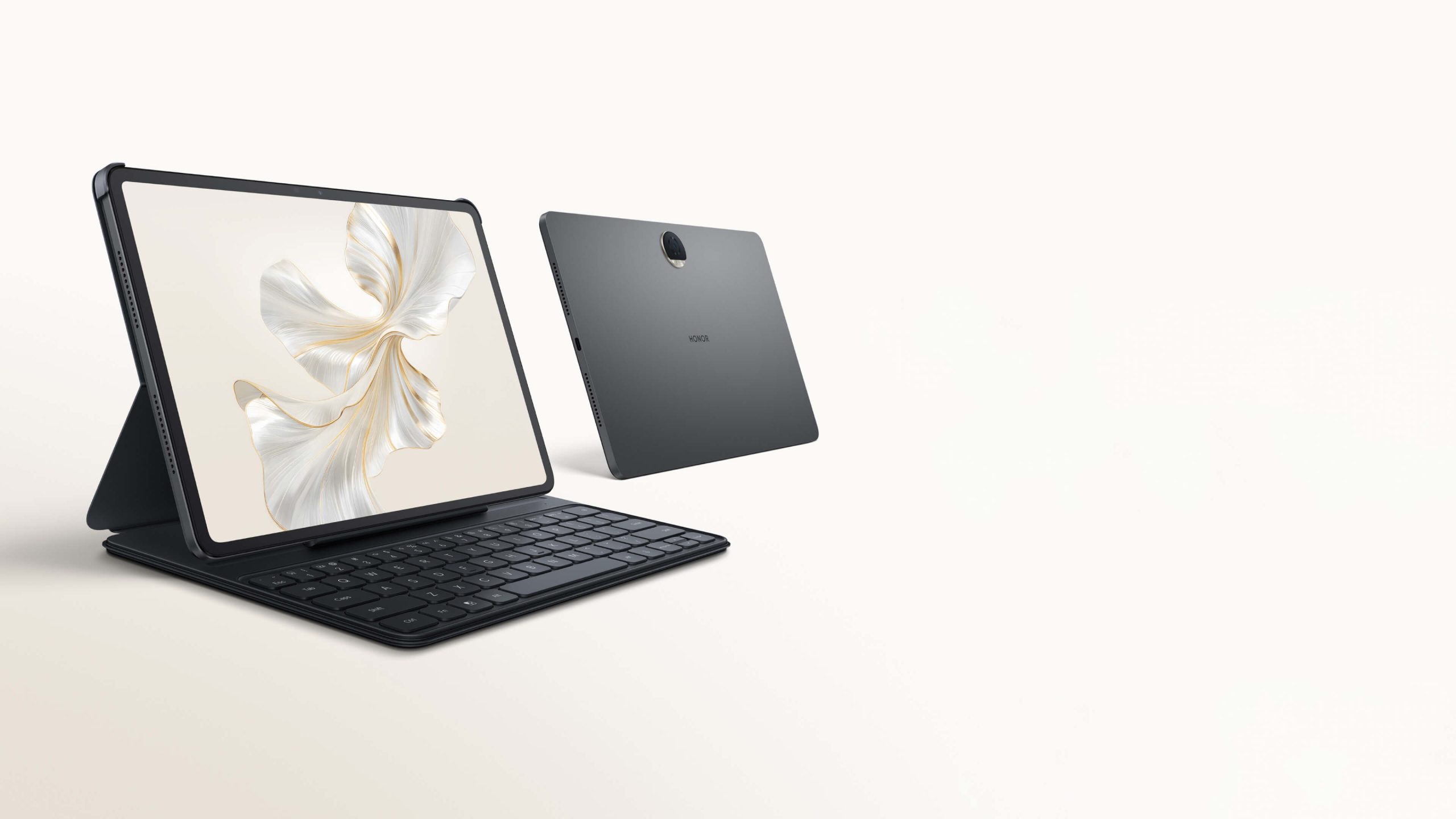
Powered by the Snapdragon 6 Gen 1 chipset and boasting a 12.1-inch, 1600 x 2560px IPS LCD display with a 120Hz refresh rate, the Honor Pad 9 is a device that promises much but delivers a nuanced experience.
Battery Life: Room for Improvement
Honor Pad 9 Battery and Performance Insights
Despite the generous 8,300 mAh battery, the Honor Pad 9’s stamina falls short of expectations, achieving an Active Use Score of 9:18 hours.
This figure places it ahead of only the Huawei MatePad Pro 13.2 in GSMArena’s comparison, showing performance that struggles against the competition.
The tablet’s battery endurance is tested across various metrics – from web browsing to video playback and gaming – with results indicating that there isn’t a single area to blame for the less-than-stellar performance.
Even with somewhat decent call time scores, the overall battery life remains an area ripe for improvement.
Performance: A Silver Lining
Performance: A Silver Lining
On a brighter note, the Honor Pad 9’s performance metrics paint a more favorable picture.
The Snapdragon 6 Gen 1 chipset within the tablet offers impressive processing power, placing it well above average in its price segment.
Benchmark scores across CPU-focused, combined, and GPU-intensive tasks suggest an efficient and powerful SoC at work.
What does the Honor Pad 9’s battery life look like according to GSMArena?
GSMArena’s testing reveals the Honor Pad 9 has a battery life that’s somewhat underwhelming, with an Active Use Score of just over 9 hours. This is considerably lower than many competitors, indicating room for improvement in future models.
How does the Honor Pad 9 perform in terms of processing power?
Thanks to its Snapdragon 6 Gen 1 chipset, the Honor Pad 9 offers robust performance metrics. GSMArena notes it performs well above the average for its price bracket, especially in CPU benchmarks and GPU-heavy workloads.
Is the Honor Pad 9 a good choice for gaming and heavy apps?
Given its strong performance scores, the Honor Pad 9 is a solid option for users looking to run demanding applications and games. Its chipset ensures smooth operation across a variety of intensive tasks.
How does the Honor Pad 9’s battery and performance compare to its competitors?
While the Honor Pad 9’s battery life doesn’t quite keep pace with some of its rivals, its performance is a standout feature. It offers significant processing power, making it a competitive choice in its price range.
Can the Honor Pad 9’s battery life impact its usability?
The battery life might be a consideration for users who need all-day longevity without recharging. However, its exceptional performance capabilities may balance the scales for those prioritizing speed and efficiency.