
Home Blog Page 696

India vs Australia World Cup 2023 Final: Match Details, When and Where To Watch

0
India vs Australia World Cup 2023 Final:

Highlights

  • India faces Australia in the World Cup 2023 final on November 19 at Narendra Modi Stadium, Ahmedabad.
  • Live telecast on Star Sports Network and streaming on Disney+ Hotstar.
  • India’s unbeaten journey led by Virat Kohli and Mohammad Shami.
  • Australia, led by Pat Cummins, showcases strong performance with Glenn Maxwell’s remarkable batting.

The much-anticipated final match of the World Cup 2023 between India and Australia is scheduled for Sunday, 19 November 2023.

The match will kick off at 2 pm Indian Standard Time (IST), with the toss taking place at 1:30 pm.

India vs Australia: Venue

The final showdown will take place at the renowned Narendra Modi Stadium in Ahmedabad, setting the stage for an epic clash between the two cricketing giants.

India vs Australia: Viewing Options

Cricket fans can catch the live action on the Star Sports Network, including channels like Star Sports 1, Star Sports 1 HD, and their Hindi counterparts.

For those who prefer online streaming, the match will be available live on the Disney+ Hotstar mobile app, accessible for free.
Desktop and TV viewers will require a subscription to Disney+ Hotstar.

India vs Australia World Cup 2023 Final:
India vs Australia World Cup 2023 Final

India vs Australia: Teams’ Journey to the Final

India has displayed an unbeaten streak in the tournament, led by standout performances from Virat Kohli and Mohammad Shami.

Kohli has achieved a milestone with 50 ODI centuries, while Shami leads as the highest wicket-taker in the tournament.

Australia, with a commendable record of 8 wins out of 10 matches, heads into the final with confidence.

Glenn Maxwell’s exceptional batting, including a record 201-run innings against Afghanistan, has been a highlight of their campaign.

India vs Australia: Past Encounters and Expectations

In World Cup history, India and Australia have faced off 13 times, with Australia winning 8 matches.

While Australia has won the World Cup five times, India has claimed the title twice. Their last World Cup final encounter was in 2003, which Australia won.

However, India’s current form and the team’s determination set the stage for a potentially history-making match.

India vs Australia: Teams and Key Players

India vs Australia: Teams and Key Players

India’s team, led by captain Rohit Sharma, includes prominent players like Virat Kohli, Shreyas Iyer, KL Rahul, and bowlers like Jasprit Bumrah and Mohammed Siraj.

Australia’s team, captained by Pat Cummins, features David Warner, Mitchell Marsh, Steven Smith, and bowlers like Mitchell Starc and Adam Zampa.

In Case of Weather Disruptions

The match has a reserve day set, and in case of a tie, the super over rule will be applied, ensuring an uninterrupted and exciting final.

This final is more than just a match; it’s a chance for India to seek redemption for their 2003 defeat and for Australia to maintain their dominant World Cup legacy.

FAQs

When and where is the India vs Australia World Cup 2023 final?

The final match is scheduled for Sunday, 19 November 2023, at the Narendra Modi Stadium in Ahmedabad. The match will start at 2 pm IST, with the toss at 1:30 pm.

How can I watch the India vs Australia World Cup 2023 final live?

The match will be telecast live on the Star Sports Network, including channels like Star Sports 1 and Star Sports 1 HD. It can also be streamed live on the Disney+ Hotstar app.

What has been India’s performance in the World Cup 2023 so far?

India has had an exceptional performance, reaching the final without losing a single match. Key players like Virat Kohli, who has scored 50 ODI centuries, and Mohammad Shami, the tournament’s highest wicket-taker, have significantly contributed.

Also Read: Airtel Offers Cricket Plans to Amazon Prime; Earlier it was Disney Hotstar
Also Read: Disney Plus Hotstar to hike prices in US markets

MediaTek Introduces New Filogic Chipsets to Boost Wi-Fi 7 Performance in Mainstream Devices

0
MediaTek Introduces New Filogic Chipsets to Boost Wi-Fi 7 Performance in Mainstream Devices

Highlights

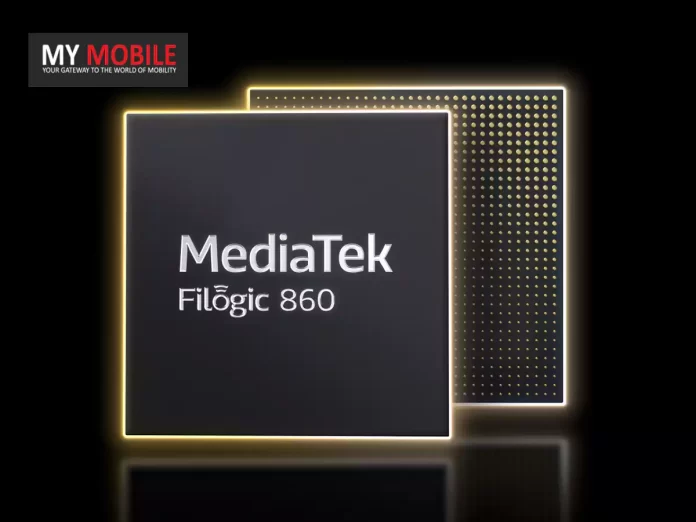
  • MediaTek expands its Wi-Fi 7 portfolio with the introduction of Filogic 860 and Filogic 360 chipsets.
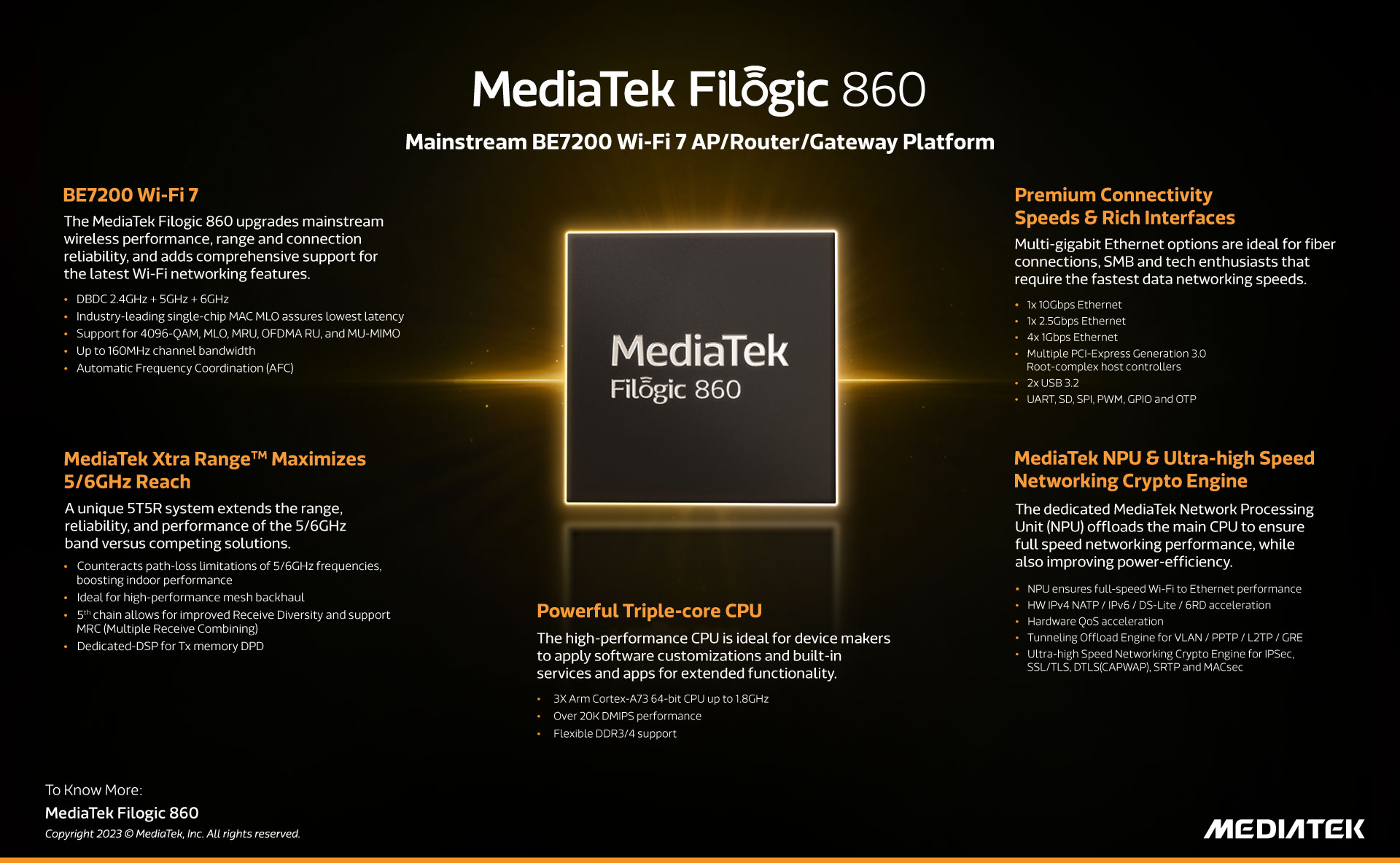
  • Filogic 860 designed for enterprise solutions, offering high-speed, dual-band connectivity.
  • Filogic 360 aims to enhance consumer electronics with integrated Wi-Fi 7 and Bluetooth 5.4.

MediaTek, a leading technology company, has recently expanded its Wi-Fi 7 portfolio with the launch of two new chipsets: the Filogic 860 and Filogic 360.

Filogic 860: Ideal for Enterprise and Service Providers

The Filogic 860 chipset is designed for use in enterprise access points, Ethernet gateways for service providers, and retail and IoT router applications.

It features a dual-band Wi-Fi 7 access point combined with a sophisticated network processor.

This chipset is crafted to handle busy network environments efficiently, offering high-speed, low-latency connectivity.

Its triple-core Arm Cortex-A73 CPU supports advanced security and tunneling features, catering to the needs of enterprise and service provider environments.

Key features of the Filogic 860 include

Key features of the Filogic 860 include
  • A 6nm low-power Wi-Fi design.
  • Single-MAC MLO support.
  • Dual-band capabilities with high-speed connectivity up to 7.2Gbps.
  • Enhanced range with Filogic Xtra range support.
  • Filogic 360: Elevating Connectivity in Consumer Electronics

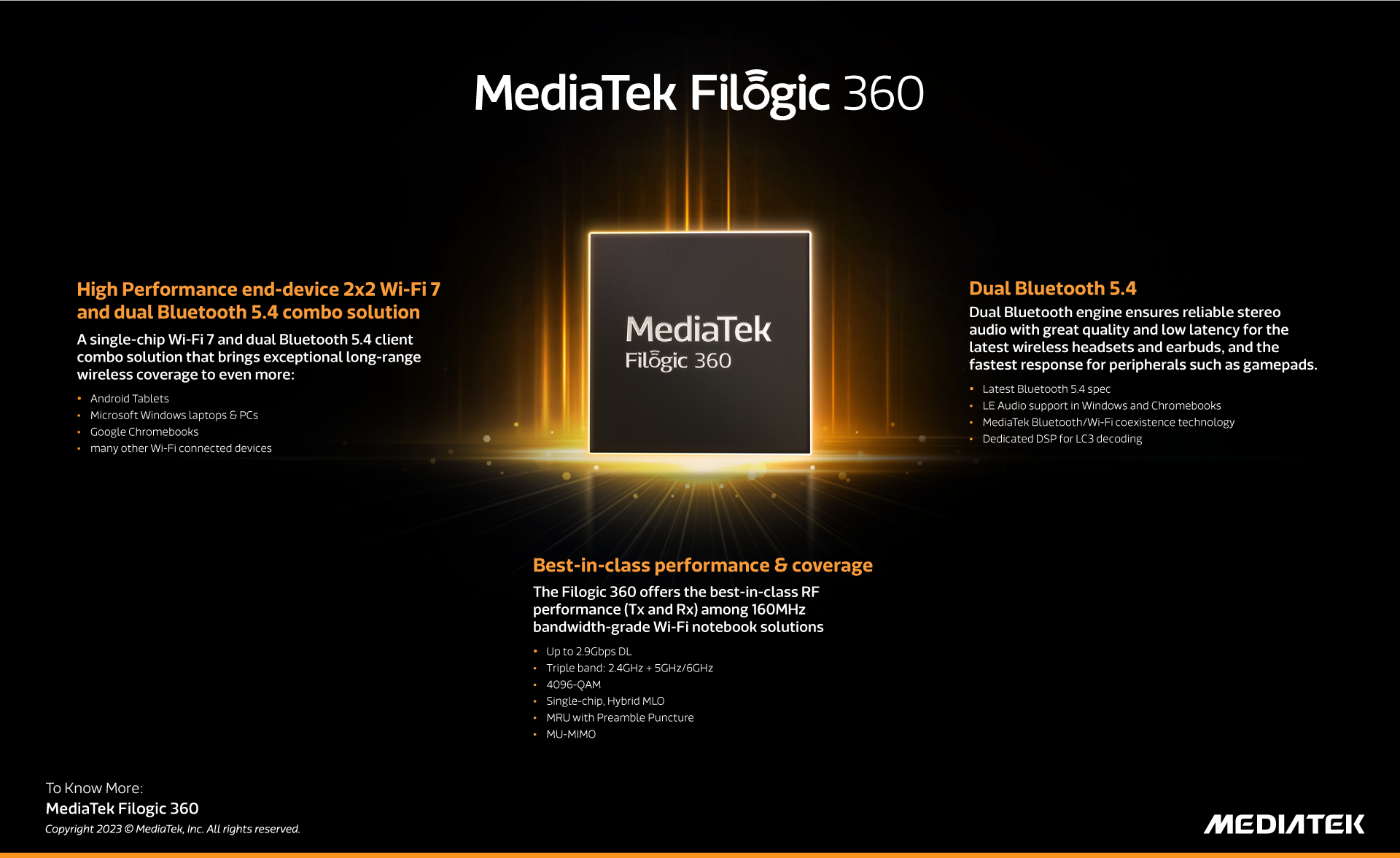
The Filogic 360, on the other hand, is a standalone client solution that integrates Wi-Fi 7 2×2 and dual Bluetooth 5.4 radios.

It’s tailored for edge devices, streaming devices, and a wide range of consumer electronics, offering top-tier Wi-Fi 7 connectivity.

This chipset is particularly beneficial for high-performance devices like smartphones, laptops, and OTT streaming devices.

Key features of the Filogic 360 include

Key features of the Filogic 360 include
  • Triple-band selectable Wi-Fi 7 with speeds up to 2.9Gbps.
  • 160MHz channel bandwidth support.
  • Dual Bluetooth 5.4 cores suitable for gaming and various applications.
  • BLE audio support and MediaTek’s advanced coexistence technology for seamless Wi-Fi and Bluetooth operations.

Availability and Future Prospects

MediaTek has begun distributing samples of both the Filogic 860 and Filogic 360 to customers, with mass production expected by mid-2024.

These chipsets are a significant step for MediaTek in advancing mainstream Wi-Fi 7 technology, promising enhanced connectivity and performance in various devices and applications.

FAQs

What are the main features of MediaTek’s Filogic 860 chipset?

MediaTek’s Filogic 860 is a dual-band Wi-Fi 7 chipset with a 6nm low-power design, supporting Single-MAC MLO and offering speeds up to 7.2Gbps. It’s equipped with a triple-core Arm Cortex-A73 CPU, making it suitable for enterprise access points and routers.

How does the Filogic 360 chipset benefit consumer electronics?

The Filogic 360 is a standalone chipset integrating Wi-Fi 7 2×2 and dual Bluetooth 5.4 radios. It delivers up to 2.9Gbps speed and supports 160MHz channel bandwidth, enhancing connectivity in smartphones, laptops, and streaming devices.

What advancements do these new chipsets bring to Wi-Fi 7 technology?

MediaTek’s new chipsets offer improved speeds, low latency, and enhanced connectivity for both enterprise and consumer electronics. They also provide advanced security features, making Wi-Fi 7 technology more efficient and reliable.

Google CEO Sundar Pichai Cautions Against Sideloading Apps on Android Devices

0
Google CEO Sundar Pichai Cautions Against Sideloading Apps on Android Devices

Highlights

  • Sundar Pichai advises Android users against the risks of sideloading apps.
  • Pichai highlights potential malware threats in third-party app installations.
  • Android’s policy allows sideloading, contrasting with Apple’s restrictive approach.
  • The EU’s Digital Markets Act may influence future app sideloading policies.

Google CEO Sundar Pichai has advised Android users to be cautious about sideloading apps.

During a recent trial, Pichai emphasized the risks of installing apps from sources outside the official Google Play Store.

The Risks of Sideloading

Sideloading apps, or installing them from third-party sources, can pose significant risks to Android devices.

Pichai highlighted the potential for such apps to contain malware, which can compromise users’ personal data and device security.

Android allows users to sideload apps, while Apple’s iOS does not.
Apple restricts app installations to its App Store to maintain security and protect users from malware.

This policy difference is a key aspect of the ongoing debate around user autonomy and safety in mobile operating systems.

Google CEO Sundar Pichai Cautions Against Sideloading Apps on Android Devices

The European Union’s Influence

The European Union’s Digital Markets Act (DMA) might impact Apple’s policies. The DMA could push Apple to allow sideloading in EU countries.

Apple has recently agreed to support Rich Communication Services (RCS) on the iPhone, indicating a potential shift in its approach to comply with new regulations.

The consensus among tech leaders is that sideloading can be risky.
It’s advised that users only install apps from developers they trust and understand the potential dangers of installing apps from unknown sources.

This is particularly important as some apps can pass initial security checks but later receive updates containing malware.

FAQs

What did Sundar Pichai say about sideloading apps?

Google CEO Sundar Pichai warned Android users about the dangers of sideloading apps. He emphasized that installing apps from third-party sources could expose devices to malware and compromise security.

How does Android’s sideloading policy differ from Apple’s?

Unlike Apple’s iOS, which restricts app installations to its App Store, Android allows users to sideload apps. This policy offers more freedom but also increases security risks, as pointed out by Pichai.

What are the potential risks of sideloading apps on Android?

Sideloading apps can lead to malware infections, risking users’ personal data and device security. Pichai advises users to be cautious and only install apps from trusted developers.

Sam Altman Fired as CEO of OpenAI in Unexpected Leadership Shift

0
Sam Altman Fired as CEO of OpenAI in Unexpected Leadership Shift

Highlights

  • OpenAI fires Sam Altman as CEO, citing issues with transparency in communication.
  • Mira Murati appointed as interim CEO, with a search for a permanent replacement underway.
  • Co-founder Greg Brockman steps down as chairman but remains with the company.
  • OpenAI’s board, mostly external members, to navigate the organization through this transition.

OpenAI, a leading AI research organization, has announced the removal of Sam Altman from his position as CEO.

The decision, as stated by the company, is due to issues with Altman’s transparency in communication, which affected the board’s trust and ability to function effectively.

Immediate Changes and Future Plans

Mira Murati, OpenAI’s Chief Technology Officer, steps in as the interim CEO. The company is now on the lookout for a permanent CEO.

This decision was made public to OpenAI employees simultaneously with the general announcement, catching many by surprise.

Sam Altman Fired as CEO of OpenAI in Unexpected Leadership Shift

Altman’s and Brockman’s Responses

Reacting to his firing, Altman shared his feelings on social media, reflecting on his transformative experience at OpenAI and describing the surreal nature of the situation.

Greg Brockman, co-founder and president of OpenAI, also announced his departure as chairman but will remain with the company. He expressed his shock and sadness over the board’s decision in a social media post.

OpenAI’s board, predominantly comprising external members, will undergo significant changes with these departures.

The remaining board includes Ilya Sutskever, OpenAI’s chief scientist, alongside other notable figures like Quora CEO Adam D’Angelo and Helen Toner of Georgetown’s Center for Security and Emerging Technology.

Altman’s Tenure and Contributions

Until this abrupt change, Altman was a prominent figure in OpenAI, leading significant developments like the popular release of ChatGPT and spearheading major announcements at the company’s DevDay conference.

He also recently participated in the Asia-Pacific Economic Cooperation conference.

FAQs

Why was Sam Altman removed as CEO of OpenAI?

Sam Altman was removed due to concerns about his candidness in communications with the board, impacting its ability to fulfill its responsibilities and leading to a loss of confidence in his leadership.

Who is taking over as interim CEO of OpenAI?

Mira Murati, OpenAI’s Chief Technology Officer, has been appointed as the interim CEO following Sam Altman’s departure. The company is actively searching for a permanent CEO.

What other leadership changes occurred at OpenAI alongside Altman’s departure?

Alongside Altman’s removal, Greg Brockman, co-founder and president of OpenAI, announced he would step down as chairman of the board, though he will continue working at the company.

Samsung Galaxy A25 5G Official Renders Give A Glimpse into the Design, Specs, Ahead of Launch

0
Samsung Galaxy A25 5G Official Renders

Highlights

  • Samsung unveils the design of the upcoming Galaxy A25 5G with sleek aesthetics.
  • Features a 6.5-inch FHD+ Super AMOLED display with a 120Hz refresh rate.
  • Advanced camera setup including a 50MP primary sensor with OIS.
  • Equipped with Exynos 1280 chipset, stereo speakers, and up to 256GB storage.

Samsung is set to introduce the Galaxy A25 5G, its latest smartphone offering.

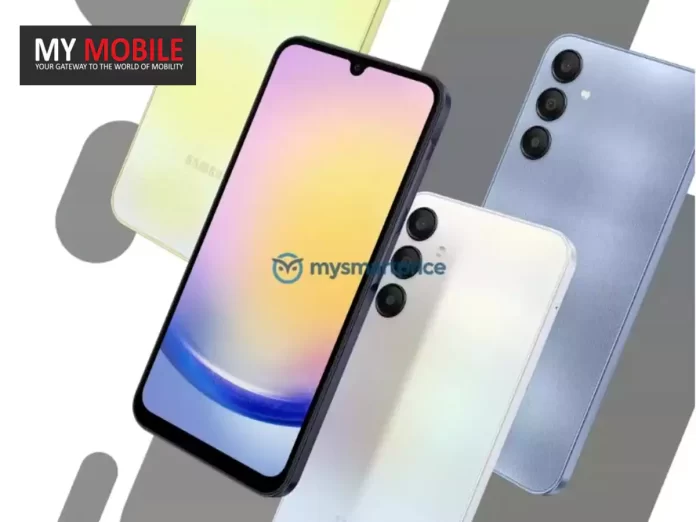
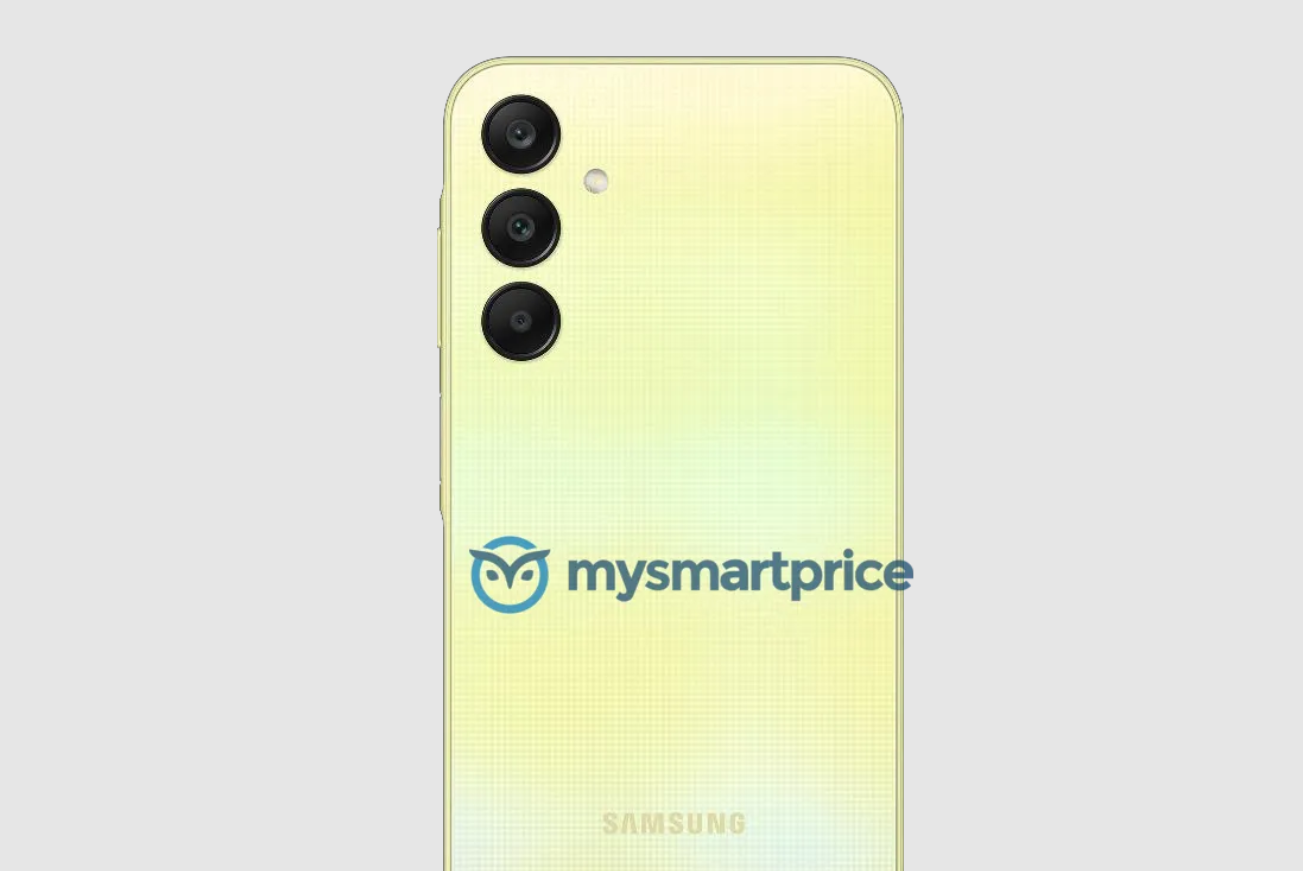
Official renders, courtesy of MySmartPrice, reveal the handset’s modern design with rounded corners, slim bezels, and a noticeable chin at the bottom.

The phone sports a familiar Samsung look with three cameras aligned vertically on the top left of the rear panel. A clean finish and the Samsung logo enhance its aesthetic appeal.

The front features a waterdrop notch design. The phone’s right side includes the power button and volume controls, while the left side houses the SIM tray.

Samsung plans to offer this model in multiple colours: Blue, Black, Yellow, Light Blue, and Blue.

Specifications and Launch Details

Samsung Galaxy A25 5G Official Renders

The Galaxy A25 5G boasts a 6.5-inch FHD+ Super AMOLED Infinity-U display, promising a 120Hz refresh rate and a peak brightness of 1000 nits.

Powered by the Exynos 1280 chipset, it offers two storage variants: 6/8 GB of RAM and 128/256 GB internal storage, expandable up to 1TB with a MicroSD card.

Camera-wise, the device features a 50MP primary sensor with OIS, an 8MP ultra-wide sensor, and a 2MP macro sensor, alongside a 13MP front camera.

These cameras come equipped with AI editing capabilities and various filters. A substantial 5,000mAh battery supports 25W fast charging.

Even though the smartphone is positioned as budget-friendly, the Galaxy A25 5G includes premium features like stereo speakers, Samsung Knox security, and Samsung Pay.

The phone promises four years of OS updates and five years of security updates. It weighs 197 grams and measures 161.0 x 76.5 x 8.3mm.

The Galaxy A25 5G is expected to debut in 2024, with more details on its launch and pricing to be announced soon.

Samsung Galaxy A25 Key Specs

GENERAL

Sim Type Dual Sim, GSM+GSM
Dual Sim Yes
Sim Size Nano SIM
Device Type Smartphone
Release Date April 19, 2024(Expected)

DISPLAY

Type Color Super AMOLED Screen (16M Colors)
Touch Yes
Size 6.5 inches, 1080 x 2340 pixels, 90 Hz
Aspect Ratio 20:9
PPI ~ 396 PPI
Screen to Body Ratio ~ 82.4%
Glass Type Corning Gorilla Glass 5
Features 1000nits
Notch Yes, Water Drop Notch

MEMORY

RAM 6 GB
Storage 128 GB
Card Slot Yes, upto 1 TB

CONNECTIVITY

GPRS Yes
EDGE Yes
3G Yes
4G Yes
VoLTE Yes, Dual Stand-By
Wifi Yes, with wifi-hotspot
Wifi Version Wi-Fi 802.11 a/b/g/n/ac, dual-band
Bluetooth Yes, v5.3
USB Yes, USB-C v2.0
USB Features USB Charging

EXTRA

GPS Yes, with A-GPS, Glonass, Beidou, Galileo, QZSS
Fingerprint Sensor Yes, Side
Face Unlock Yes
Sensors Accelerometer, Gyro, Compass
3.5mm Headphone Jack Yes
Extra NFC

CAMERA

Rear Camera 50 MP f/1.8 (Wide Angle)
8 MP f/2.2 (Ultra Wide)
2 MP f/2.4 (Macro) with autofocus
Features panorama, HDR
Video Recording 1080p @ 30 fps FHD
Flash Yes, LED
Front Camera 13 MP f/2.2 (Wide Angle)
Front Video Recording 1080p @ 30 fps FHD

TECHNICAL

OS Android v13
Chipset Samsung Exynos 1280
CPU 2.4 GHz, Octa Core Processor
Core Details 2x Cortex-A78@2.4 GHz& 6x Cortex-A55@2GHz
GPU Mali-G68 MP4
Java No
Browser Yes

MULTIMEDIA

Email Yes
Music MP3, M4A, 3GA, AAC, OGG, OGA, WAV, AMR, AWB, FLAC, MID, MIDI, XMF, MXMF, IMY, RTTTL, RTX, OTA
Video MP4, M4V, 3GP, 3G2, AVI, FLV, MKV, WEBM
FM Radio No
Document Reader Yes

BATTERY

Type Non-Removable Battery
Size 6000 mAh, Li-Po Battery
Fast Charging Yes, 25W Fast charging

FAQs

What are the key design elements of the Samsung Galaxy A25 5G?

The Galaxy A25 5G sports rounded corners, slim bezels, and a waterdrop notch on the front. It features a vertical camera alignment on the back and will be available in multiple color options including Blue, Black, and Light Blue.

What display specifications does the Galaxy A25 5G offer?

The smartphone boasts a 6.5-inch FHD+ Super AMOLED Infinity-U display, offering a 120Hz refresh rate and 1000 nits peak brightness, ensuring a vivid and smooth viewing experience.

What are the camera features of the Galaxy A25 5G?

The Galaxy A25 5G includes a triple-camera setup with a 50MP primary sensor with OIS, an 8MP ultra-wide sensor, and a 2MP macro sensor. It also has a 13MP front camera, enhanced with AI editing features and filters.

Meta Collaborates with MediaTek to Elevate AR Smart Glasses Technology

0
Meta Collaborates with MediaTek to Elevate AR Smart Glasses Technology

Highlights

  • Meta partners with MediaTek to enhance its AR smart glasses.
  • Upcoming glasses to feature advanced AR capabilities, including digital overlays.
  • Focus on sleek, daily-wearable design for the next-gen AR glasses.
  • Custom silicon chips by MediaTek to power Meta’s innovative AR technology.

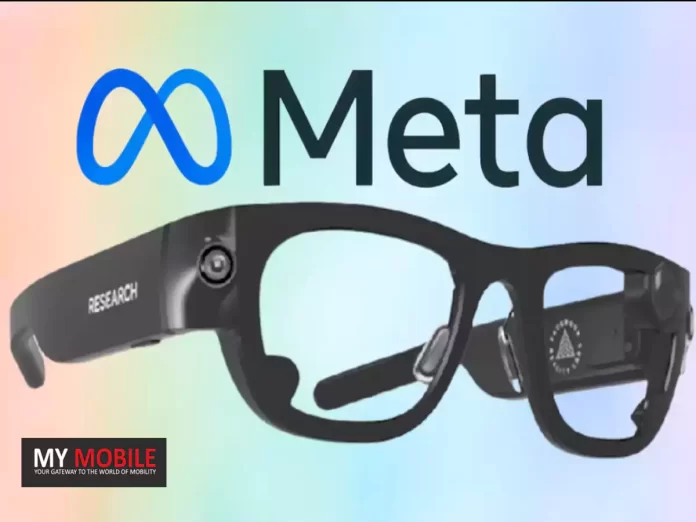
Meta, who had earlier revealed its Ray-Ban smart glasses, has now teamed up with chipmaker MediaTek to further enhance the product.

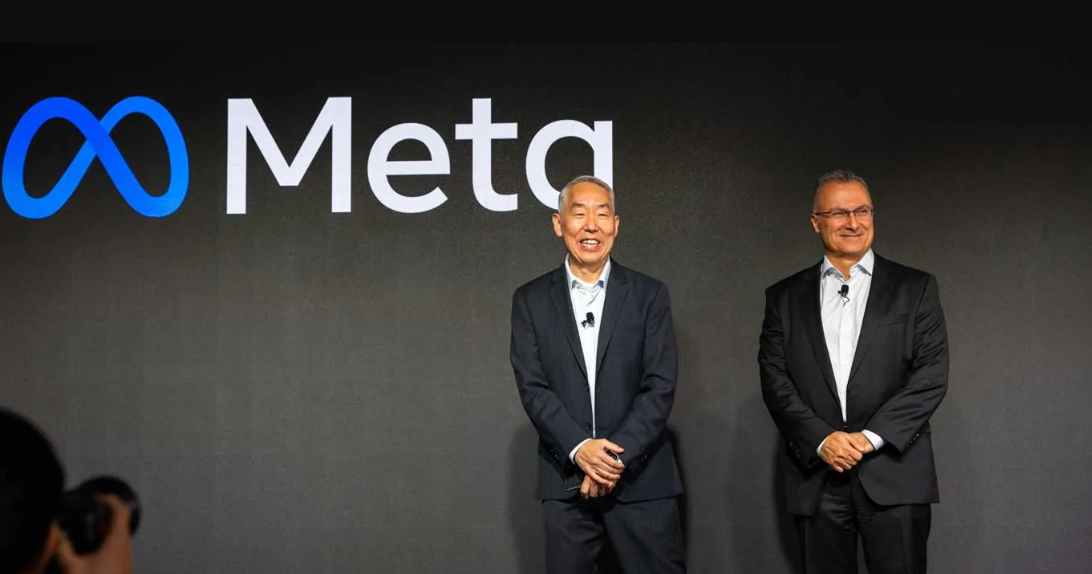
This collaboration announced at MediaTek’s 2023 summit, aims to amplify the capabilities of Meta’s AR smart glasses for a more seamless experience.

The current Ray-Ban Meta glasses, equipped with cameras and microphones, are primarily for messaging.

The next step is to create glasses with more advanced AR features.
These would include a display to overlay digital information onto the real world, like reading messages or scanning QR codes.

One of the main goals is to design AR glasses suitable for daily wear. These glasses should not only look good but also be packed with technology to provide a great user experience.

Unlike the current bulky mixed-reality headsets, Meta aims to develop AR glasses that are both thinner and more stylish.

Meta Collaborates with MediaTek to Elevate AR Smart Glasses Technology

MediaTek, known for its efficient and powerful chips, will work with Meta to create custom silicon chips.

These chips are intended specifically for AR applications, fitting snugly into the compact frame of smart glasses.

This partnership marks a shift from Meta’s previous use of Snapdragon chips in its second-generation glasses.

Details about the new AR glasses are still sparse. However, it’s expected that the next generation, featuring a viewfinder, might launch in 2025.

A more advanced AR glasses model is anticipated for 2027. This partnership between Meta and MediaTek is a significant step towards realizing these innovative products.

FAQs

What is the goal of Meta’s partnership with MediaTek?

Meta’s collaboration with MediaTek is focused on enhancing the AR capabilities of its smart glasses. The partnership aims to develop custom chips that will power advanced features like digital information overlays in a user-friendly, daily-wearable design.

What features can we expect in the upcoming Meta AR glasses?

The next generation of Meta AR glasses is expected to include a viewfinder display for overlaying digital content onto the real world, such as reading messages and scanning QR codes, all while maintaining a sleek and stylish design.

How will MediaTek contribute to this project?

MediaTek will contribute its expertise in chip design to create custom silicon chips specifically for Meta’s AR glasses. These chips are expected to be efficient and powerful, fitting into the compact design of the smart glasses.

Also Read: Meta Teams Up With Ray-Ban to Unveil Cutting-Edge Smart Glasses: Features, Availability, and More

Honor 100 Series Spotted on Geekbench Ahead of Launch in China

0
Honor 100 Series Spotted on Geekbench Ahead of Launch in China

Highlights

  • Honor 100 series, including Honor 100 and 100 Pro, launching on November 23rd in China.
  • Honor 100 equipped with Snapdragon 7 Gen 3 chipset, Honor 100 Pro with Snapdragon 8 Gen 2.
  • Both models feature 16GB RAM, Android 13, and high Geekbench scores.

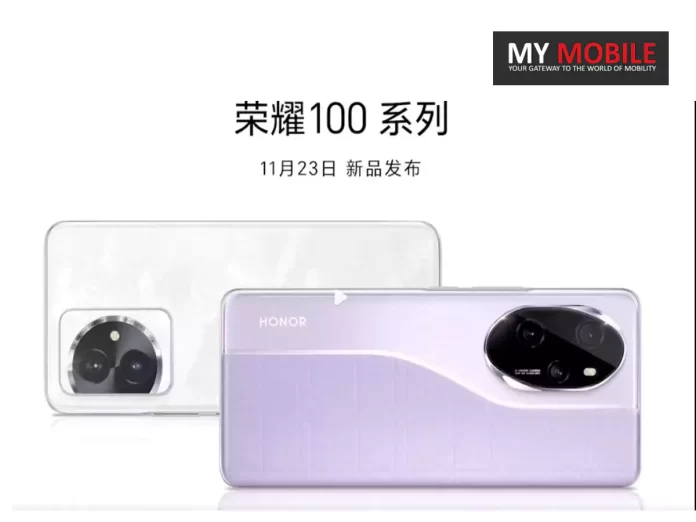
The Honor 100 series, consisting of the Honor 100 and Honor 100 Pro, is set to launch in China on November 23rd.

This series marks a significant addition to Honor’s smartphone lineup and adding to the anticipation is a possible sighting of the series on Geekbench.

Performance and Specifications

Honor 100 Series Spotted on Geekbench Ahead of Launch in China
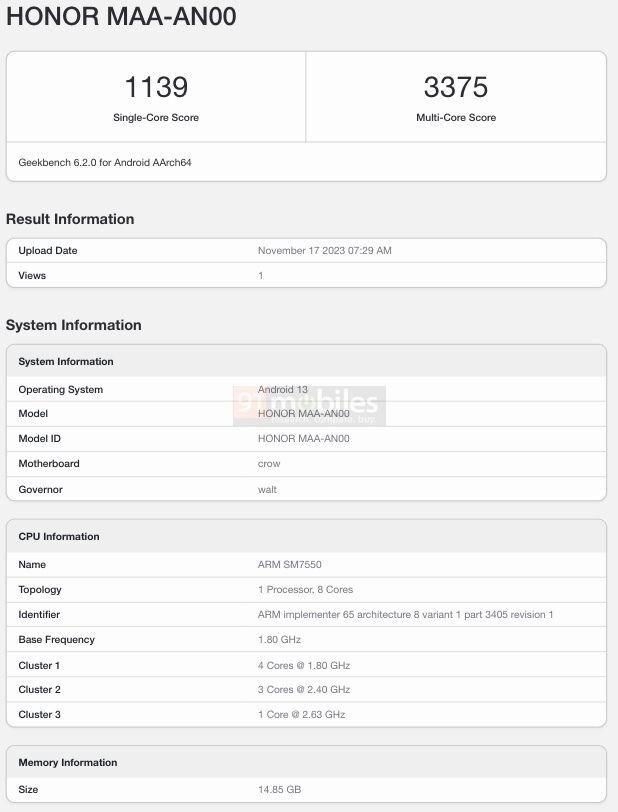
  • Honor 100: Listed on Geekbench with the codename ‘HONOR MAA-AN00’, this model is expected to be equipped with the Snapdragon 7 Gen 3 chipset (codenamed ‘crow’ SM7550). This octa-core processor reaches a top speed of 2.63 GHz. In Geekbench testing, the Honor 100 scored 1139 in single-core and 3375 in multi-core tests. It also features 16GB of RAM and runs on Android 13.
  • Honor 100 Pro: This variant, spotted on Geekbench running the Snapdragon 8 Gen 2 chipset (codenamed ‘kalama’), is paired with the Adreno 740 GPU, reaching a max clock speed of 3.19 GHz. It achieved 1882 single-core and 4923 multi-core points on Geekbench. Similar to the Honor 100, it includes 16GB of RAM and Android 13.

Design Elements

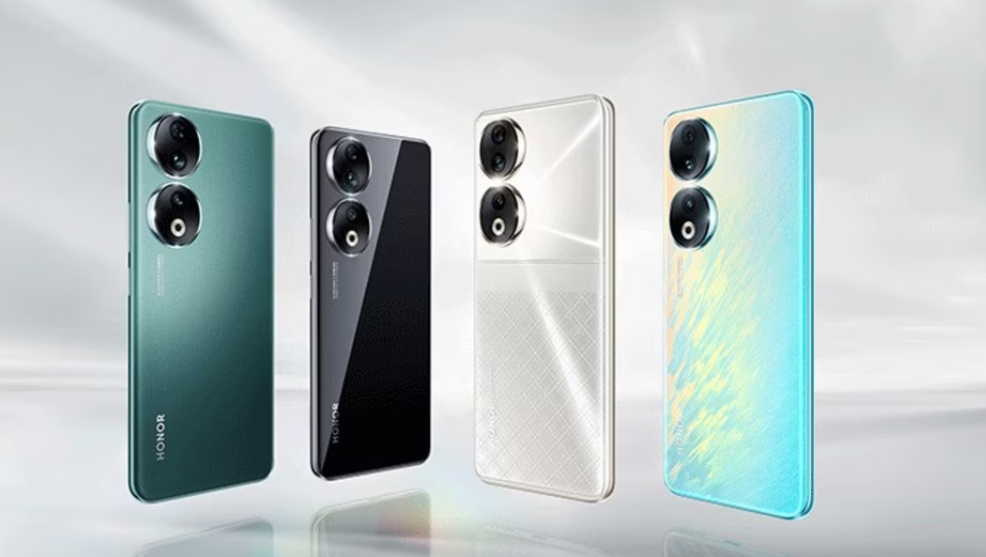
  • Honor 100: The design is revealed to have narrow bezels, slightly curved edges, and a punch-hole display for the selfie camera. At the rear, it features a square camera module with a ’50MP OIS’ branding and a gradient design, with a white color variant confirmed.
  • Honor 100 Pro: This model stands out with its dual selfie cameras and an oval-shaped rear camera module, housing three cameras with an LED flash. It boasts a dual-tone design with a textured finish.
Honor 100 Series
Honor 100 Series Design

Market Positioning

The specifications and designs revealed suggest that the Honor 100 series will position itself in the premium mid-range segment of the smartphone market.

However, the launch is only restricted to the Chinese market as of now and there is no word on a possible Indian reveal.

Honor 100 5G Key Specs

GENERAL

Sim Type Dual Sim, GSM+GSM
Dual Sim Yes
Sim Size Nano+Nano SIM
Device Type Smartphone
Release Date November 23, 2023 (Expected)

DISPLAY

Type Color AMOLED Screen (1.07 billion)
Touch Yes, 360 Hz Touch Sampling Rate
Size 6.74 inches, 1200 x 2664 pixels, 120 Hz
Aspect Ratio 19.98:9
PPI ~ 435 PPI
Screen to Body Ratio ~ 93.3%
Features HDR10, DCI-P3 wide Color Gamut, 3840Hz Risk Free Dimming Display, 2000nits Brightness, Curved Display, Quad-Curved Floating Screen
Notch Yes, Punch Hole

MEMORY

RAM 8 GB
Expandable RAM Upto 8 GB Extra Virtual RAM
Storage 256 GB
Card Slot No

CONNECTIVITY

GPRS Yes
EDGE Yes
3G Yes
4G Yes
5G Yes
5G Bands 1, 5, 8, 28, 41, 77, 78 SA/NSA
VoLTE Yes
Wifi Yes, with wifi-hotspot
Wifi Version 802.11 a/b/g/n/ac/ax, 2×2 MIMO
Bluetooth Yes, v5.3, A2DP, LE, aptX HD
USB Yes, USB-C v2.0
USB Features USB on-the-go, USB Charging

EXTRA

GPS Yes, with A-GPS, GLONASS, BDS
Fingerprint Sensor Yes, In Display
Face Unlock Yes
Sensors Accelerometer, Gyro, Compass
3.5mm Headphone Jack No
Extra NFC

CAMERA

Rear Camera 200 MP 1/1.4″, 0.56µm, PDAF f/1.9 (Wide Angle)
32 MP 112˚, AF f/2.2 (Ultra Wide & Macro)
2 MP f/2.4 (Depth Sensor) with autofocus
Features Moving photo, AI photography, Super Wide Angle, Aperture, Multi-Video, Night shot, Portrait mode, Photo, Pro mode, Video, Panorama, HDR, Filter, STICKERS, SCAN DOCUMENT, HIGH-RES, Super Macro, Capture smiles, Time-lapse, Timer,Slow-MO,Story,Solo cut
Video Recording 4K @ 30 fps UHD, 1080p @ 30 fps FHD
Flash Yes, LED
Front Camera Punch Hole 50 MP 100˚ f/2.4 (Ultra Wide)
Front Video Recording 4K @ 30 fps UHD, 1080p @ 30 fps FHD

TECHNICAL

OS Android v14
Custom UI MagicOS 8.1
Chipset Qualcomm Snapdragon 7 Gen3
CPU Octa Core Processor
Java No
Browser Yes

MULTIMEDIA

Email Yes
Music Yes
Video Yes
FM Radio No
Document Reader Yes

BATTERY

Type Non-Removable Battery
Size 5000 mAh, Li-Po Battery
Fast Charging Yes, 100W SuperCharge
Reverse Charging Yes, 5W

FAQs

What are the key specifications of the Honor 100?

The Honor 100, codenamed ‘HONOR MAA-AN00’, is expected to feature the Snapdragon 7 Gen 3 chipset, reaching a peak CPU speed of 2.63 GHz. It scored 1139 single-core and 3375 multi-core on Geekbench, and comes with 16GB of RAM and Android 13.

How does the Honor 100 Pro differ in terms of chipset and performance?

The Honor 100 Pro runs on the Snapdragon 8 Gen 2 chipset, paired with the Adreno 740 GPU, and a max clock speed of 3.19 GHz. It has achieved 1882 single-core and 4923 multi-core points on Geekbench, also featuring 16GB of RAM and Android 13.

What are the unique design features of the Honor 100 series?

The Honor 100 showcases narrow bezels, a punch-hole display, and a square rear camera module with a ’50MP OIS’ label. The Honor 100 Pro features dual selfie cameras and an oval-shaped rear camera module with a textured dual-tone design.

Also Read: HONOR Pad X9 India Launch Soon with 11.5″ 120Hz 2K display, 6 speakers: Listed officially on Amazon

Also Read: Honor Device launches foldable phone Magic V2 in China: slimmest foldable phone to date; Check Price, Specifications & Availability

Apple Faces Delays in Launching Its In-House 5G Modem Chip for Future iPhones

0

Highlights

  • Apple’s efforts to create its own 5G modem chip encounter technical setbacks.
  • The company initially planned to introduce its modem in the iPhone 15 series.
  • Apple extends its partnership with Qualcomm for 5G modems through 2026.
  • iPhone 17 series may not feature Apple’s in-house 5G modem chip due to delays.

Apple’s journey to develop its own 5G modem chip has been fraught with challenges and changes in direction.

Initially, during its legal battles with Qualcomm, Apple turned to Intel to create a 5G modem chip, seeking independence from Qualcomm’s technology.

However, this collaboration was short-lived.

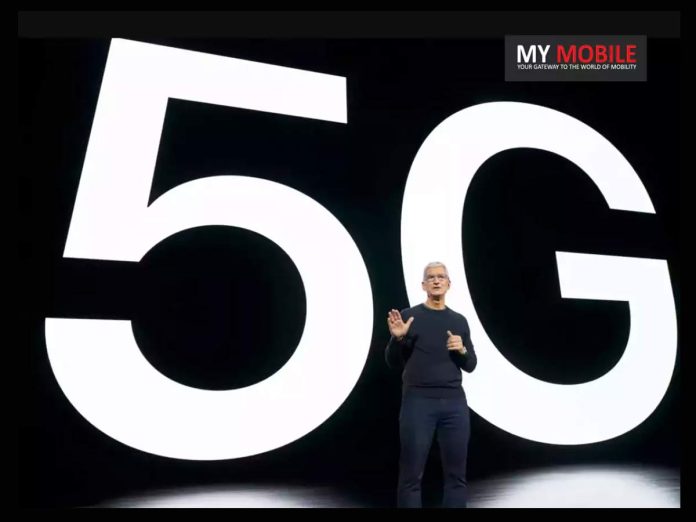
Apple eventually settled its disputes with Qualcomm in 2018, paying a substantial amount to resolve all lawsuits and secure Qualcomm’s 5G modem chips for future iPhones, starting with the iPhone 12 series.

Setbacks in Apple’s 5G Modem Development

Apple initially aimed to introduce its own 5G modem in the iPhone 15 series, but this plan did not materialize.

The company then set its sights on the iPhone 17 series for 2025.
However, recent reports from Bloomberg suggest that even this timeline is unlikely to be met.

Apple Faces Delays in Launching Its In-House 5G Modem Chip for Future iPhones

Technical challenges have been a significant hurdle, with Apple’s prototype modem chips being too large, slow, and prone to overheating.

Qualcomm Remains Apple’s Key Supplier

With its own 5G modem chip still under development, Apple has extended its agreement with Qualcomm.

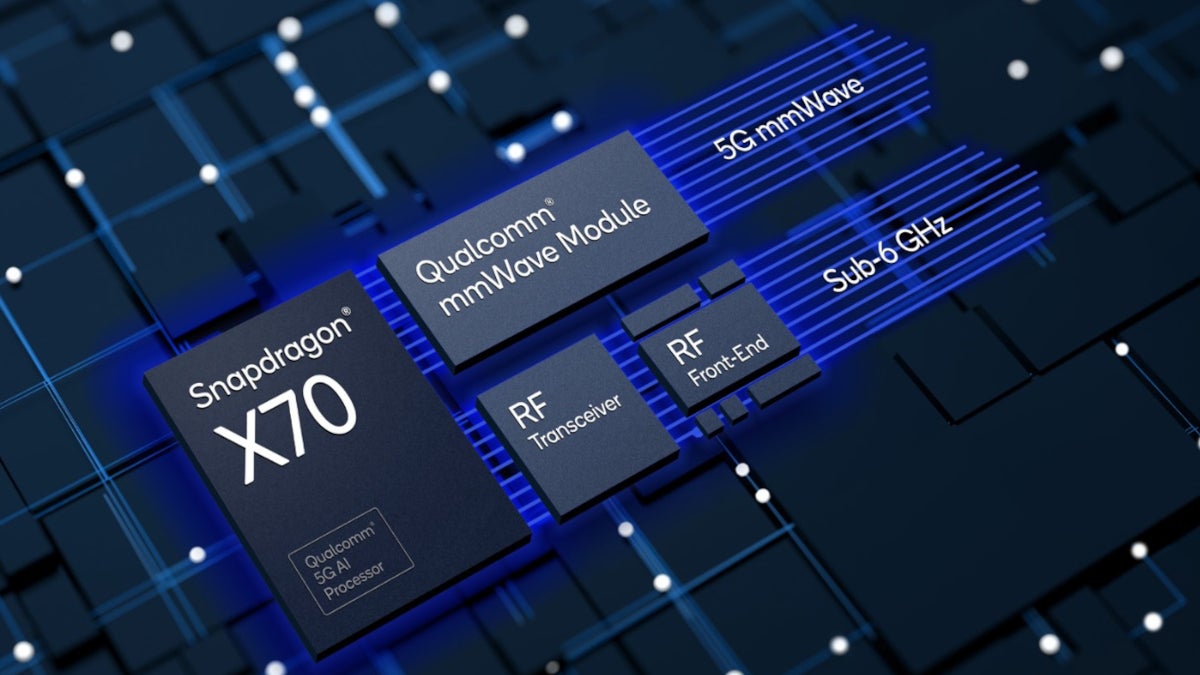
The latest deal ensures Qualcomm will supply Apple with Snapdragon 5G modem chips through 2026.

This arrangement covers Apple’s needs for the iPhone 15 series, which uses the Snapdragon X70 5G modem, and potentially beyond the iPhone 17 which is likely to be announced in 2025.

FAQs

Why did Apple decide to develop its own 5G modem chip?

Apple aimed to develop its own 5G modem chip to gain independence from Qualcomm’s technology, especially during their legal disputes. This was part of Apple’s broader strategy to integrate more in-house technology into its products.

What challenges has Apple faced in developing its 5G modem chip?

Apple has encountered technical difficulties in its 5G modem development, such as issues with the size, speed, and overheating of its prototype chips. These challenges have delayed the chip’s introduction in upcoming iPhone models.

How has Apple’s relationship with Qualcomm evolved over time?

Initially, Apple turned to Intel for 5G modems amidst legal battles with Qualcomm. However, in 2018, Apple settled its disputes with Qualcomm, securing a deal for Qualcomm’s 5G modem chips for its iPhones, indicating a renewed partnership.

Also Read: Leaked iPhone 15 series front glass panel, screen protectors reveal display size of iPhone 15 Series & confirm design change

Also Read: Apple May Launch New Colours for Cheaper iPhone Model This Year: Latest Rumor Apple may introduce iPhone 15 in pink

OnePlus Set to Launch Its First Speaker, Expanding Audio Device Range

0
OnePlus Set to Launch Its First Speaker, Expanding Audio Device Range

Highlights

  • OnePlus teases the launch of its first speaker, entering a new product category.
  • The speaker’s design suggests a 360-degree audio experience.
  • Existing OnePlus audio products include Nord Buds 2R and Nord Buds 2.
  • OnePlus Buds 3, featuring advanced ANC and connectivity, to be released soon.

OnePlus has been known recently for expanding its portfolio of products into the audio category.

The company is now reportedly venturing into a new category with the launch of its first-ever speaker.

This marks a significant expansion for the Shenzhen-based company, which has previously focused mainly on earphones and headphones.

Teaser and Design Hints

OnePlus Set to Launch Its First Speaker, Expanding Audio Device Range

The company recently hinted at this new development in an Instagram post, teasing the launch of the speaker.

The post, with the caption “Get ready to make some music,” suggested an audio device and carried the tag “coming soon.”

The design revealed in the teaser showed multiple woofers pointing in various directions, indicating a possible 360-degree audio experience.

However, OnePlus has not shared more details about this speaker, including its name.

OnePlus’s Audio Device Lineup

OnePlus Nord Buds 2r: Battery
OnePlus’s Audio Device Lineup

Before this, OnePlus has been active in the audio market with products like the Nord Buds 2R and Nord Buds 2, priced at Rs. 2,199 and Rs. 2,999, respectively.

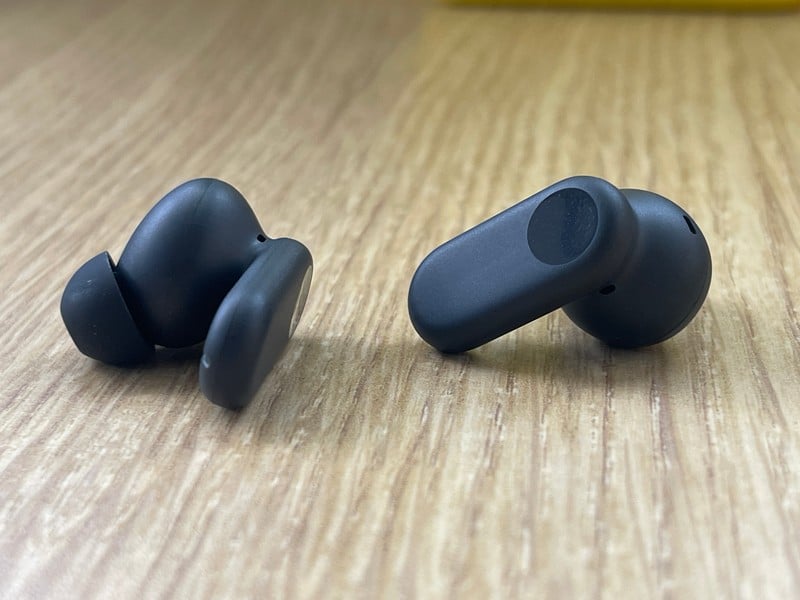
The Nord Buds 2R comes in Deep Grey and Triple Blue and features 12.4mm dynamic drivers and noise reduction for calls, offering up to 46 hours of battery life.

The Nord Buds 2, with Active Noise Cancellation and up to 36 hours of battery life without ANC, have been popular choices.

Upcoming: OnePlus Buds 3

Upcoming: OnePlus Buds 3

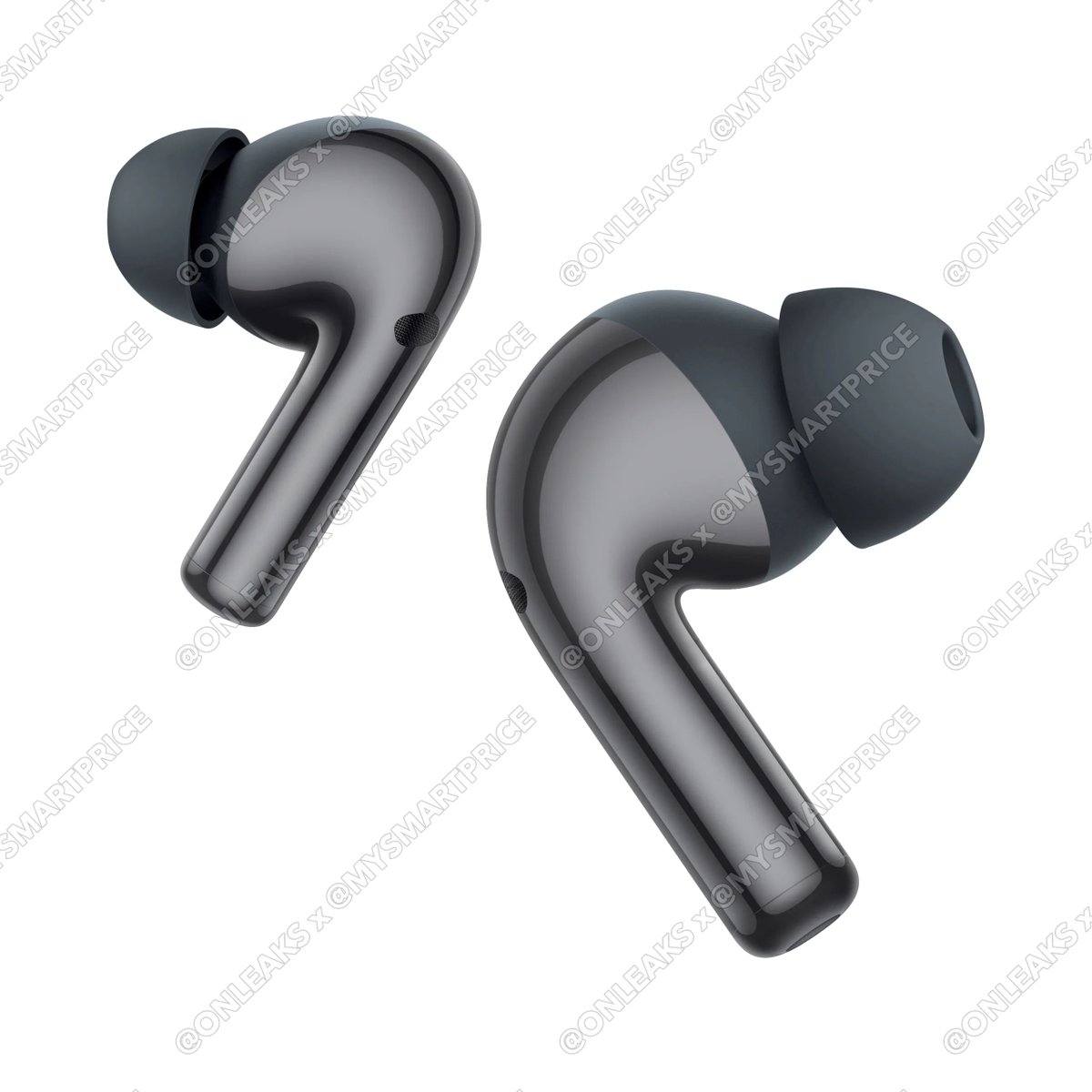
Additionally, OnePlus is preparing to launch the Buds 3, rumoured to feature a metallic finish, 48dB ANC, Bluetooth 5.3, Google Fast Pair, and dual connection capabilities.

These earbuds are expected to have an IP55 rating, while the charging case might be IPX4 rated.

The anticipated battery life is 33 hours with the case, powered by a 58mAh battery in each bud and a 520mAh battery in the case.

FAQs

What is the latest product OnePlus is planning to launch?

OnePlus is gearing up to launch its first-ever speaker. This marks the company’s entry into the speaker market, adding to its existing range of audio devices. The speaker is teased to offer a 360-degree audio experience, but further details are yet to be revealed.

What are the key features of OnePlus’s existing audio products?

OnePlus currently offers Nord Buds 2R and Nord Buds 2. The Nord Buds 2R features 12.4mm dynamic drivers, noise reduction for calls, and up to 46 hours of battery life. The Nord Buds 2 includes Active Noise Cancellation and offers up to 36 hours of battery life without ANC.

What can be expected from the upcoming OnePlus Buds 3?

The anticipated OnePlus Buds 3 is rumoured to have a metallic finish, support for 48dB ANC, Bluetooth 5.3, and dual connection. It’s expected to come with an IP55 rating for the earbuds and an IPX4 rating for the case, offering up to 33 hours of battery life with the case.

Also Read: OnePlus Nord Buds 2r Moniker Confirmed by SIRIM Malaysia Certification, Launch Expected Soon as Production Reportedly Begins

Also Read: OnePlus announces Summer Sale 2023: Check Offers on OnePlus 11Series, OnePlus Pad , OnePlus Nord CE3 Lite & More

Apple Music Classical Now Available on iPad with Enhanced Features

0

Highlights

  • Apple Music Classical extends availability to iPad and iPod touch.
  • The app offers a comprehensive classical music library with advanced search options.
  • High-quality audio experience with support for 192 kHz / 24-bit lossless audio.
  • Version 1.1 includes performance and stability enhancements, but no Mac version yet.

Apple has expanded its exclusive classical music app, Apple Music Classical, to iPad users.

Initially it was only available on the iPhone, but now the app can be downloaded from the App Store by anyone with an iPad running iPadOS 15.4 or later.

What’s more, this expansion includes compatibility with the iPod touch as well.

Launched first back in March of this year, Apple Music Classical emerged from Apple’s acquisition of Primephonic in 2021.

The app boasts an extensive collection of classical music, offering a unique search function that allows users to find pieces by composer, conductor, and other criteria.

Apple Music Classical Now Available on iPad with Enhanced Features

It provides a rich listening experience with high-quality audio, supporting up to 192 kHz / 24-bit lossless audio.

The latest version of the app, version 1.1, brings not only platform expansion but also enhancements in stability and performance.

These improvements aim to provide a smoother and more reliable user experience for classical music enthusiasts.

Despite its availability on iPhone, iPad, and iPod touch, Apple Music Classical remains unavailable for Mac users.

This continues to be a notable omission, with no immediate indications from Apple about potential Mac support in the future.

FAQs

What is Apple Music Classical, and on which devices is it available?

Apple Music Classical is a specialized app dedicated to classical music. It offers an extensive collection of classical recordings, searchable by composer, conductor, and more. Originally launched for the iPhone, it is now available on iPad and iPod touch, requiring iPadOS 15.4 or later.

What are the audio quality features of Apple Music Classical?

The app provides a high-fidelity listening experience, supporting up to 192 kHz / 24-bit lossless audio. This feature ensures that users can enjoy classical music in exceptional audio quality, bringing out the richness and nuances of the compositions.

 What improvements does version 1.1 of Apple Music Classical include?

The latest update, version 1.1, brings enhancements in both stability and performance. These improvements are designed to offer a smoother and more reliable app experience for users, enhancing their enjoyment of classical music.