
Home Blog Page 479

Realme 13 Pro Series 5G to Launch in India: AI Camera and Top Features Revealed

0
  • Realme 13 Pro Series 5G set to feature AI-powered cameras.
  • Expected specs include a 6.7-inch FHD+ AMOLED display with 120Hz refresh rate.
  • Launch details and global availability hinted by FCC certification.
  • Previous Realme Pro Series models were highly rated and popular.

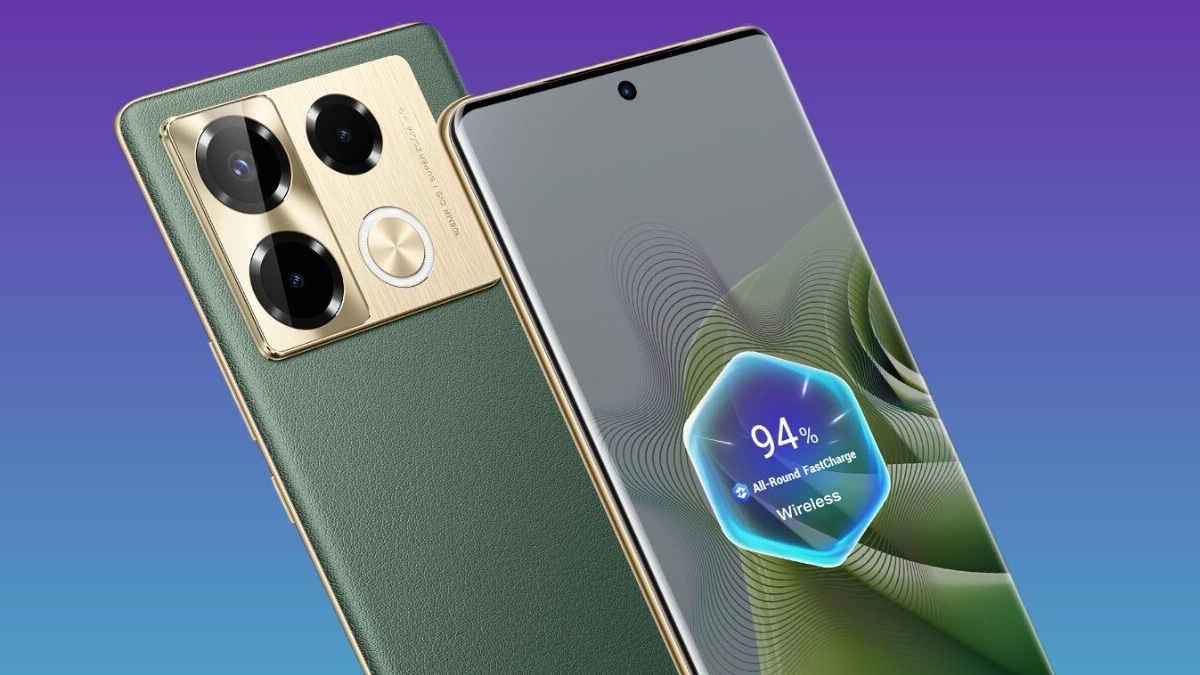
Realme is set to launch its new 13 Pro Series 5G smartphones in India, succeeding the 12 Pro series.

The devices part of the Realme 13 Pro series are being positioned as the company’s firstProfessional AI Camera” phones, promising new artificial intelligence-powered photography features.

Availability and Previous Performance
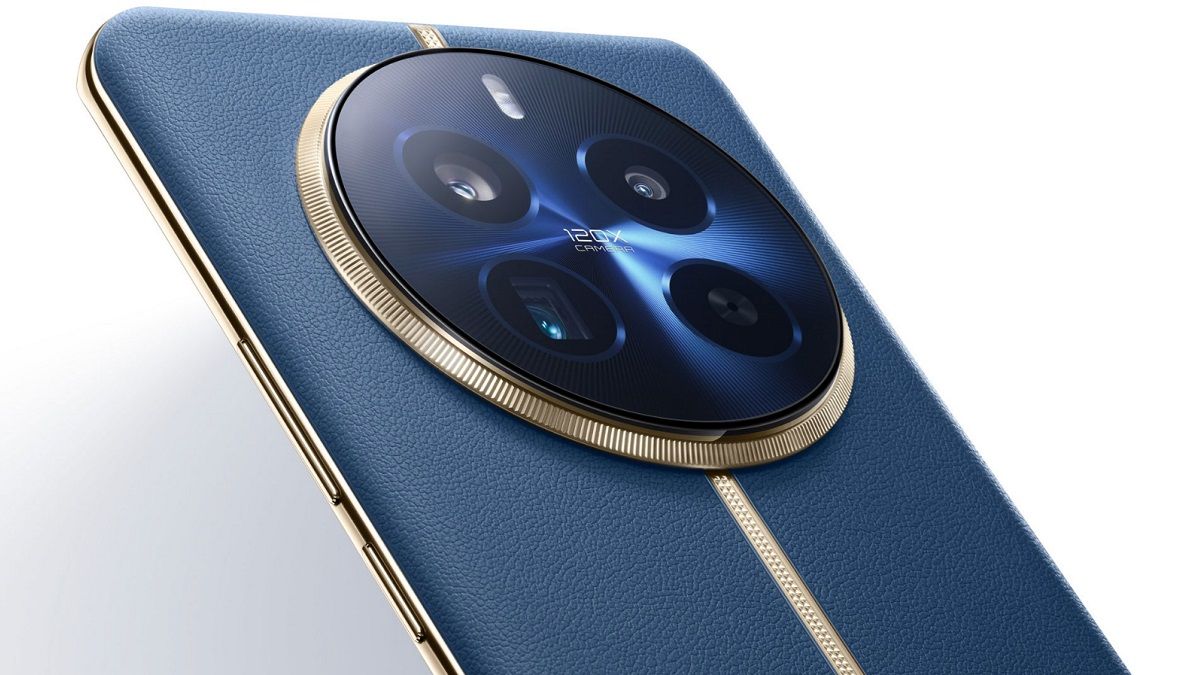
Realme 12 Pro was one of the best phones in its segment.

The Realme 13 Pro Series 5G will be sold through Flipkart, realme.com, and offline stores. Realme claims its number series has been popular, citing:

  • Realme 10 Pro Series 5G introduced 108MP camera technology
  • Realme 11 Pro Series 5G reportedly chosen by one million users during sales
  • Realme 12 Pro series 5G was a top-rated camera smartphone on Flipkart

Realme has stated: “The realme 13 Pro Series 5G is set to come with several industry-first and AI features that will set new benchmarks in the smartphone market.”

Launch Timeline and Global Availability
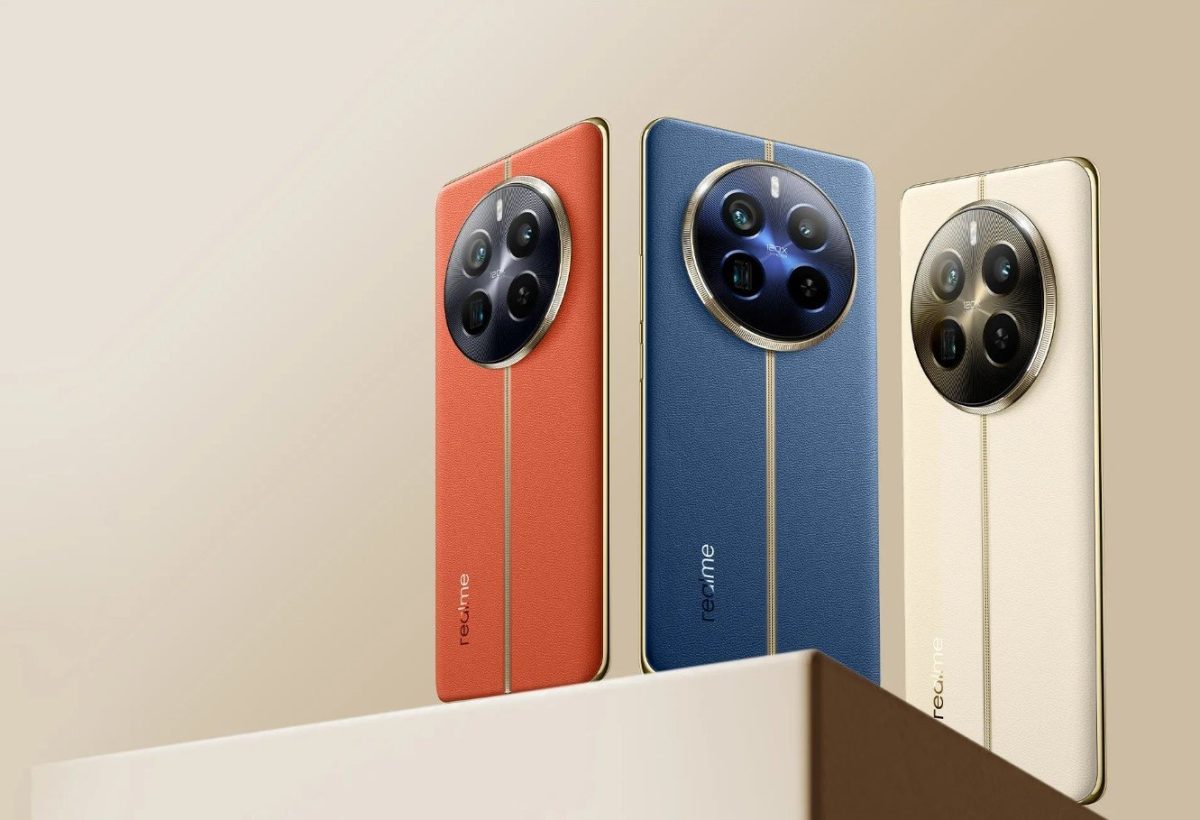
The Realme 13 Pro series will look to build on the Realmd 12 Pro

While Realme has begun teasing the 13 Pro Series 5G, a specific launch date has not been announced.

The FCC certification suggests the phone will be available in markets outside India as well. More details are expected to be revealed in the coming weeks as the launch approaches.

Realme 13 Pro Series: Expected Specs

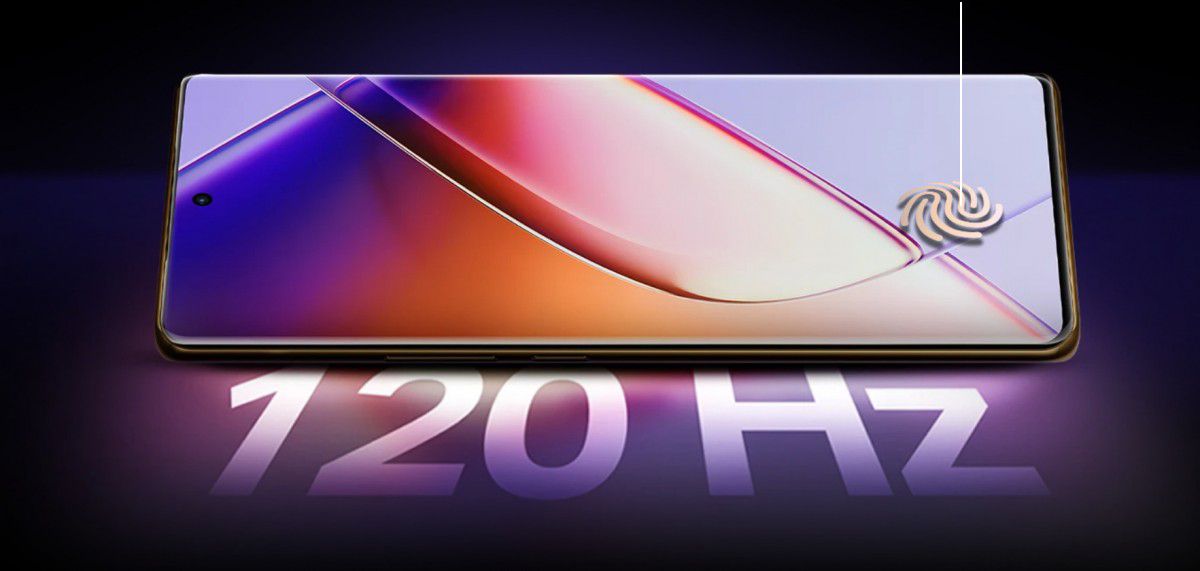
The display is expected to be similar to its predecessor, featuring a 6.7-inch Full HD+ AMOLED panel with a 120Hz refresh rate.

FCC certification for the Realme 13 Pro+ reveals a 5,050 mAh battery, VCB80AUH charger, and dimensions of 161.34 x 73.91 x 8.23 mm.

Some of the specs revealed by the FCC lisiting of the Realme 13 Pro+.

The device’s weight is listed as either 187g or 190g with the battery.

The FCC listing also confirms ColorOS 14 based on Android 14 and the model number RMX3921.

The Realme 13 Pro Series 5G is set to feature a centrally-located camera module branded “HYPERIMAGE 4”.

Some other specs revealed by the FCC lisiting of the Realme 13 Pro+.

Rumoured specifications for the Realme 13 Pro+ include a 50MP Sony IMX890 primary sensor, a 50MP Sony IMX882 sensor with 3x periscope telephoto lens, an 8MP ultra-wide sensor, and a 32MP front-facing camera.
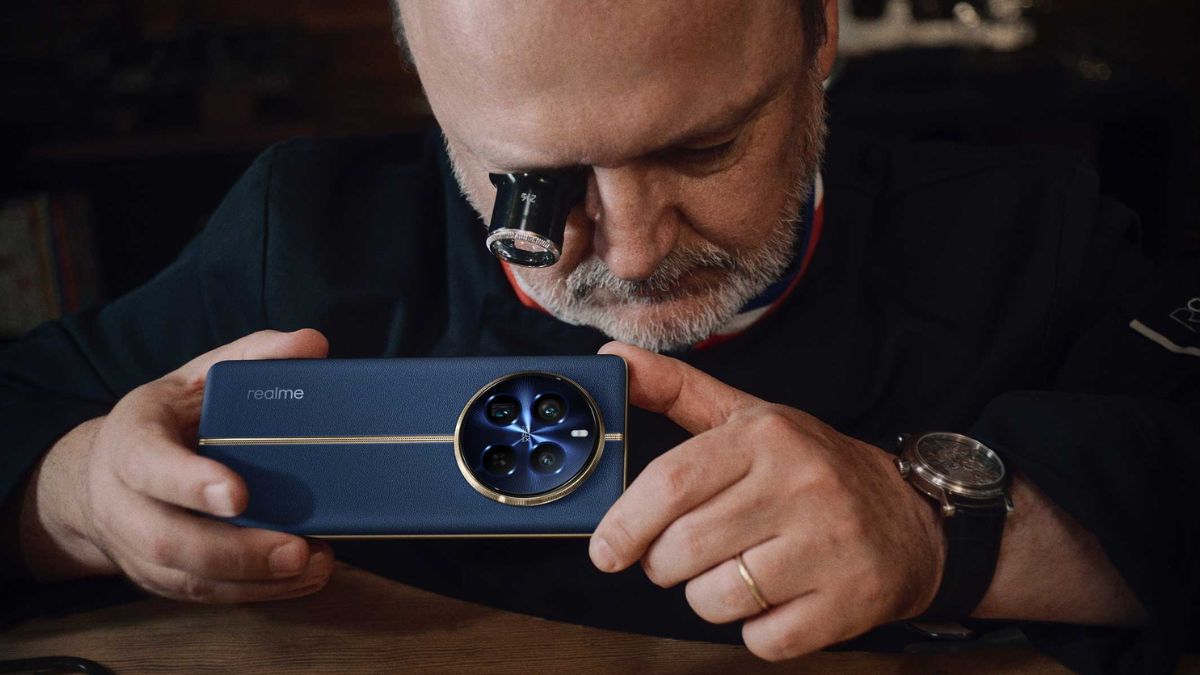
Expect some major camera upgrades

More details about the device should be forthcoming from Realme. Till then we can only hope that the Realme 13 Pro series builds on the excellent platform created by previous Realme signature series devices.

FAQs

Q1: What is the standout feature of the Realme 13 Pro Series 5G?

A1: The standout feature is its “Professional AI Camera” system, promising advanced AI-powered photography capabilities.

Q2: Where will the Realme 13 Pro Series 5G be available for purchase?

A2: It will be available on Flipkart, realme.com, and various offline stores.

Q3: When is the Realme 13 Pro Series 5G expected to launch?

A3: The specific launch date has not been announced yet, but more details are expected in the coming weeks.

Q4: What are the expected specifications for the Realme 13 Pro+ model?

A4: Expected specs include a 6.7-inch FHD+ AMOLED display, 50MP Sony IMX890 primary sensor, 50MP Sony IMX882 telephoto lens, 8MP ultra-wide sensor, 32MP front camera, and a 5,050 mAh battery.

Q5: Will the Realme 13 Pro Series 5G be available outside India?

A5: Yes, FCC certification suggests it will also be available in markets outside India.

Also Read: Realme 12 Pro Review: Elevating to Premium with Impressive Features

Also Read: Realme 12 Pro+ vs Realme 12 Pro: A Comprehensive Comparison of Specs, Features, and More

Also Read: Realme 12 Pro+ Review: A New Contender in Mid-Range Smartphones

Apple’s Next Big Thing: AirPods with Cameras and Health-Focused Apple Watch Series 10

0
  • New AirPods may feature built-in infrared cameras for enhanced spatial audio.
  • Gesture controls could be enabled through the camera-equipped AirPods.
  • Apple Watch Series 10 might include blood pressure monitoring capabilities.
  • Wearables are becoming a significant focus for Apple’s future innovations.

Apple’s never been one to rest on its laurels, and if the latest rumors are to be believed, the tech giant is bringing cameras to the… AirPods?

Let’s dive into more detail.

Smile, Your AirPods Are Watching

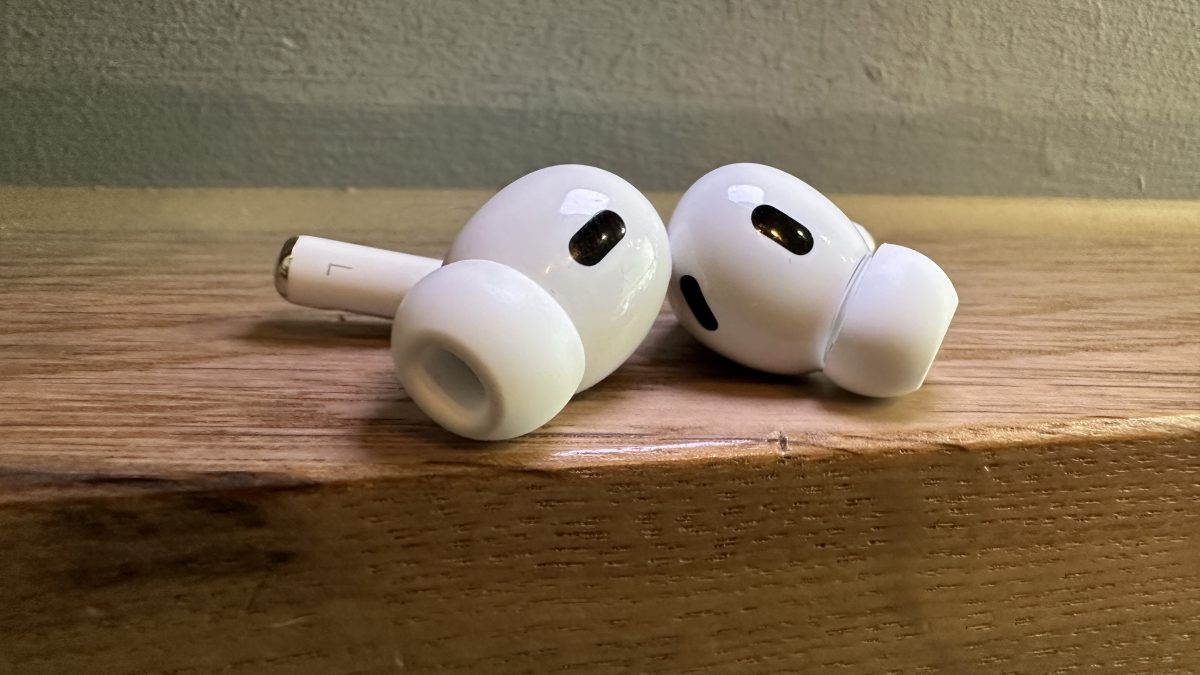
The next generation of AirPods could come with an IR camera

According to noted Apple analyst Ming-Chi Kuo, the company is working on a new version of AirPodsthis time, with built-in camera modules. 

Now, before you start worrying about tiny spy cameras dangling from your ears, these aren’t your average snappers.

The cameras in question are reportedly infrared, similar to what is used in Face ID on iPhones and iPads.

Needless to say, one wouldn’t take selfies with them but enhance the spatial audio and delve deeper in spatial computing.

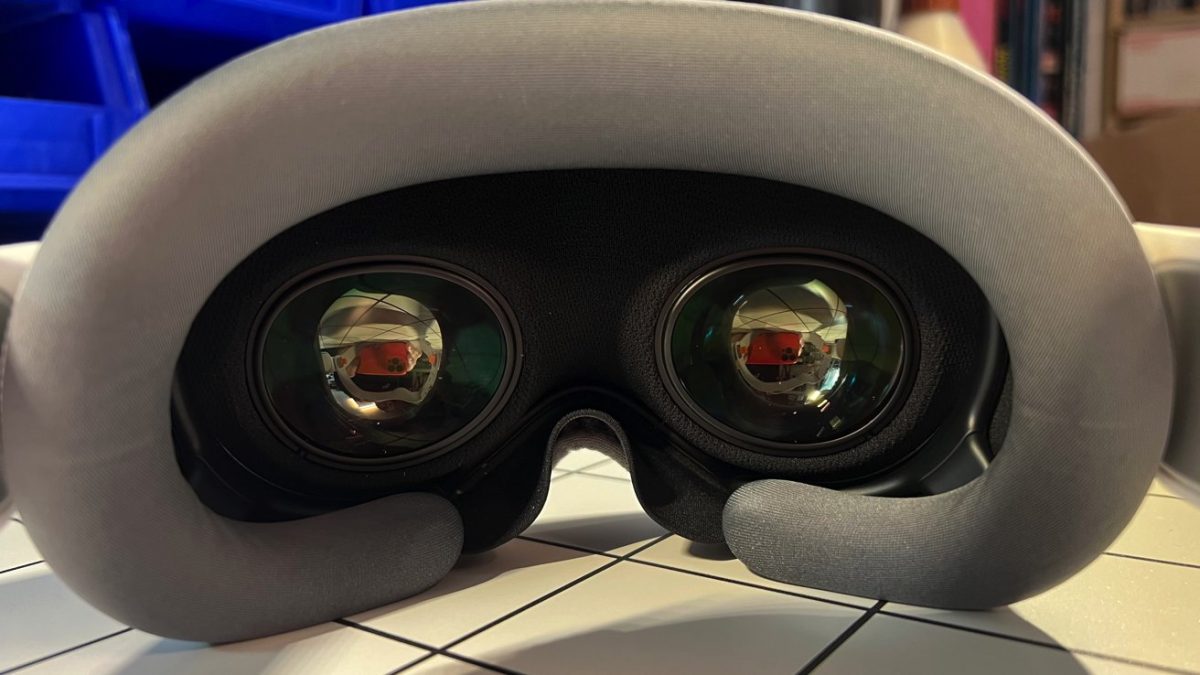
Think about it: you’re running with your Apple Vision Pro headset on, and when you move your head, the sound adapts perfectly because your AirPods are camera-enabled.

The new AirPods could work flawlessly with the Vision Pro for Spatial computing.

It’s all about creating a more immersive, realistic experience. And that’s not all – there’s talk of these AirPods enabling gesture controls, letting you interact with your devices with a wave of your hand.

Now, don’t go lining up at the Apple Store just yet; Kuo says we’re looking at mass production kicking off in 2026.

That’s a ways off, but it gives us plenty of time to speculate wildly about what else these high-tech earbuds might do.

Foxconn’s role in production

Foxconn is working with Apple

Foxconn, a trusted Apple supplier, is set to provide the cameras for the new AirPods.

With an estimated production of around 10 million units per year, this partnership underscores Apple’s commitment to delivering high-quality, innovative products to consumers.

“Foxconn is the new product introduction (NPI) supplier for the IR camera, with an annual capacity plan of 18–20 million units, or about 10 million AirPods. Actual demand and orders will depend on market conditions,” Kuo wrote.

Apple’s unwavering commitment to innovation continues to propel its products forward.

The potential of these camera-equipped AirPods to set new standards in the industry is a testament to Apple’s vision and dedication to pushing the boundaries of technology.

Apple Watch: Your Wrist’s New Health Guru

While we are at it in the Apple wearables department, an Apple Watch—the Series 10, in particular—could boast a feature that’s long been a holy grail for health-conscious people: blood pressure monitoring.

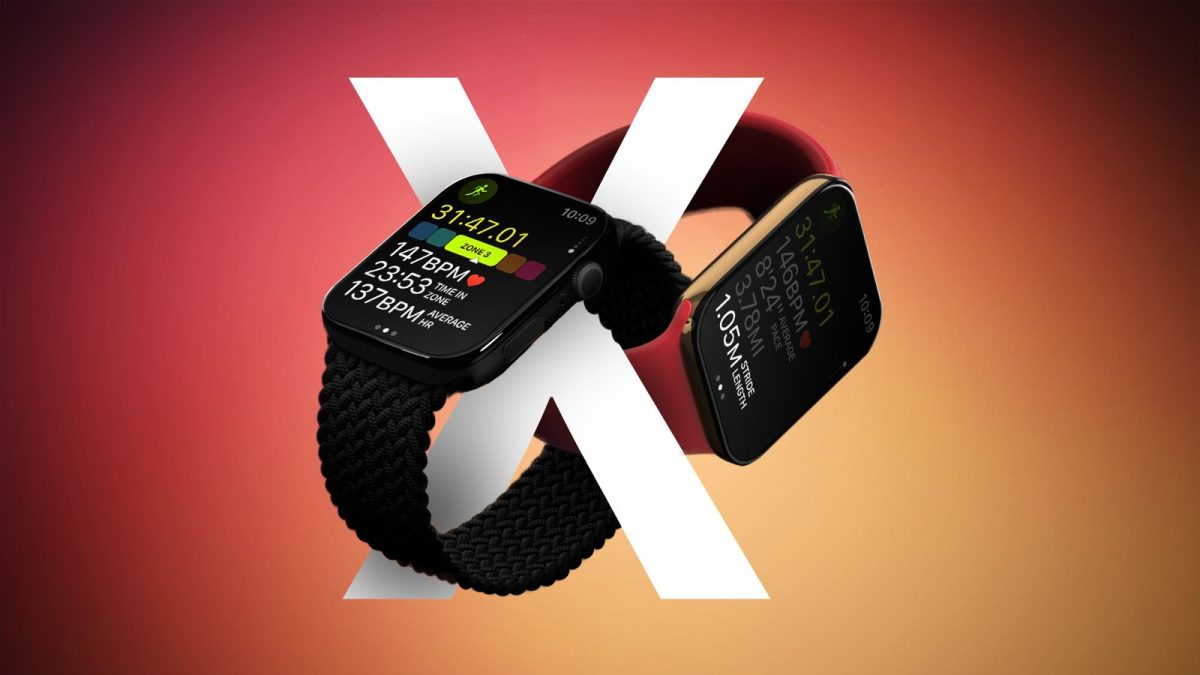
Better health monitoring is coming up the Apple Watch Series X.

This is according to another stalwart Apple leaker, Bloomberg’s Mark Gurman, who broke the news a while back.

Now, let me explain, we are not talking about a full-blooded medical device, per se – not just yet. 

The first iteration of it probably will be more in terms of tracking the changes in blood pressure over time rather than displaying absolute readings.

But here’s the thing: this could be just the beginning. Apple’s known for playing the long game, and it’s not hard to imagine future iterations of the Watch becoming more and more sophisticated in their health monitoring capabilities.

What It All Means

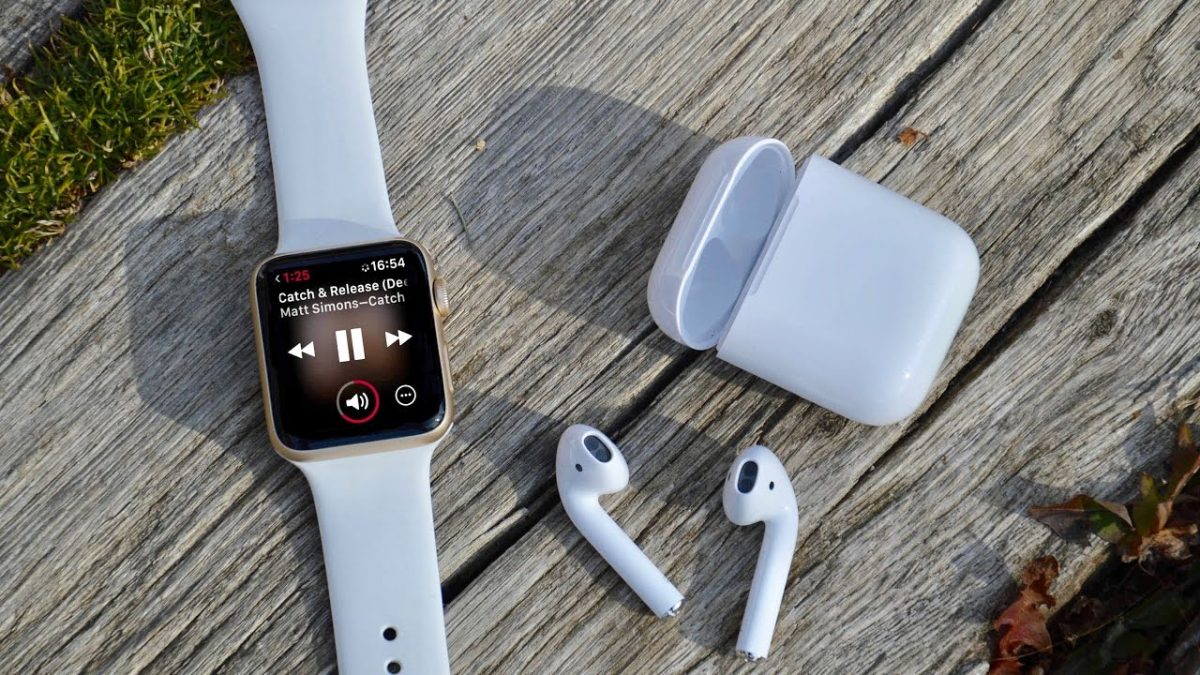
AirPods and the Apple Watch are getting some serious upgrades.

So, what are we supposed to make of this information? For one thing, obviously, wearables will be a huge part of Apple’s future. 

Consider the fact that, from AirPods doing much more than piping tunes into your ears to Apple Watches constantly watching over your health, it’s devices that blend technology and life.

One also notes the possible implications of privacy and data harvesting. As these devices become more fine-tuned and collect more data on us, questions of the security of data and the privacy related to information will come to the fore.

For now, though, we’ll have to wait and see how these rumored features pan out. Will camera-equipped AirPods revolutionize how we interact with our devices?.

One thing’s for sure – the future of wearable tech is looking mighty interesting.

FAQs

Q1: What new feature is expected in the next version of AirPods?

A1: The new AirPods are rumored to include built-in infrared cameras to enhance spatial audio and enable gesture controls.

Q2: How will the cameras in the AirPods be used?

A2: The cameras will likely enhance spatial audio experiences and potentially allow for gesture-based controls.

Q3: When are the new camera-equipped AirPods expected to be released?

A3: Mass production of the new AirPods is expected to begin in 2026.

Q4: What health feature might the Apple Watch Series 10 include?

A4: The Apple Watch Series 10 may feature blood pressure monitoring, focusing on tracking changes over time.

Q5: Why is Apple focusing on wearables?

A5: Apple is aiming to integrate technology more seamlessly into everyday life, blending advanced tech with health and lifestyle benefits.

Read More: Apple to bring USB-C charging to AirPods in 2023

Read More: Apple reduces the free trial limit for Apple music

Read More: Apple Reportedly Gearing Up to Refresh AirPods Lineup in 2024

Apple’s 2025 Software Roadmap Revealed: iOS 19, macOS 16, and More in the Works

0
  • Apple begins development on iOS 19, macOS 16, watchOS 12, and visionOS 3.
  • iOS 19 is codenamed “Luck” and macOS 16 is “Cheer”.
  • New hardware support anticipated for Vision Pro, Mac Pro, and more.
  • Early development promises significant updates for consumers and developers.

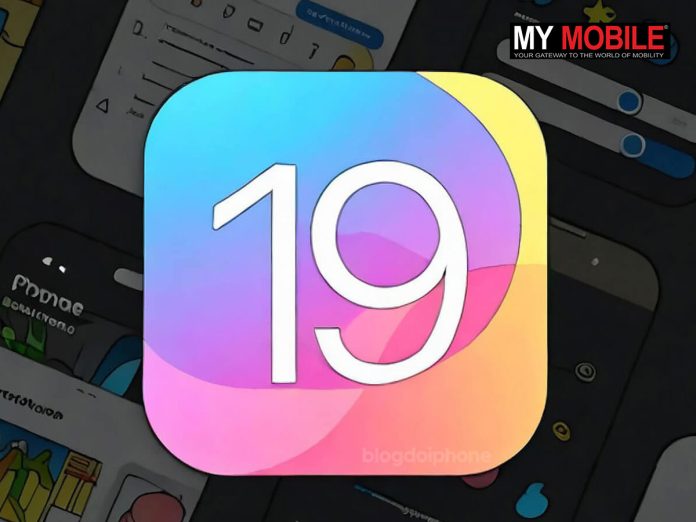
Apple has already begun development on its next generation of operating systems slated for late 2025 ie.  iOS 19, macOS 16, watchOS 12, and visionOS 3

Codenames and Curiosity: What’s in a Name?

Apple’s history of using interesting codenames just goes on and on. According to a report from Bloomberg, iOS 19 is reportedly internally referred to as “Luck,” while the version number for macOS is “Cheer.”

iOS 19, macOS, watchOS 12, visionOS 3

The next major revision for Apple Watch, watchOS 12, has been named “Nepali.” The second release for Apple’s mixed-reality platform, visionOS 3, has internally been called “Discovery.”

These codenames, as random as they are, usually subtly nod in the direction or key features that each update gears toward.

For instance, “Discovery” for visionOS 3 may mean bringing a substantial amount of new platform capabilities and user experiences.

Aligning Software with Future Hardware

New upcoming Apple devices will use the new software

This very early start by Apple isn’t focused on merely improving these operating systems but instead how they can seamlessly integrate with new hardware releases.

The further the business goes in expanding the boundaries of its ecosystem, the more critical this kind of foresight becomes.

Rumors are already swirling about possible 2025 hardware releases that these software updates may support.

Industry insiders are speculating over a more affordable alternative—the Apple Vision Pro, simply dubbed “Apple Vision.”

A cheaper Apple Vision Pro is on the cards

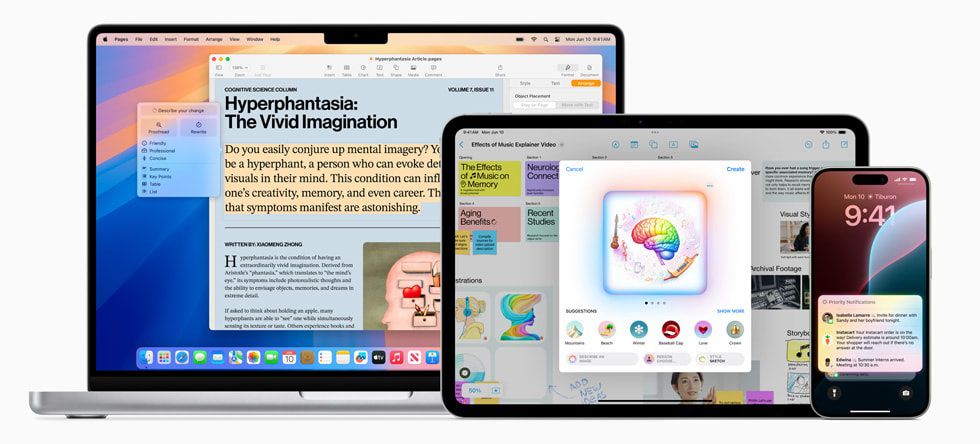
Refreshed Apple TV hardware is also in the works, long-awaited refreshes to the Mac Pro and Mac Studio lines, and possibly powered by M4 Pro, M4 Max, and even M4 Ultra chips.

M4 Pro and M4 Max chipsets are also on the cards.

What This Means for Consumers and Developers

Apple’s software roadmap for the next iteration of updates has been revealed

While it’s early to know the specific features of such future OS updates, Apple’s early start is quite good news both for consumers and developers.

It means they are really focusing on substantial ameliorations and enhancements for them, not just minor incremental updates.

For developers, this early work could mean more time to adapt their apps to new APIs and features, which could mean a much smoother transition when the updates are released to the public.

FAQs

Q1: What are the codenames for Apple’s upcoming software updates?

A1: iOS 19 is “Luck”, macOS 16 is “Cheer”, watchOS 12 is “Nepali”, and visionOS 3 is “Discovery”.

Q2: What hardware might the 2025 software updates support?

A2: Expected hardware includes a more affordable Apple Vision, refreshed Apple TV, and updated Mac Pro and Mac Studio models.

Q3: Why does Apple start software development this early?

A3: Early development ensures substantial improvements and allows developers more time to adapt their apps to new features and APIs.

Q4: What could “Discovery” imply for visionOS 3?

A4: “Discovery” suggests significant new platform capabilities and user experiences for visionOS 3.

Q5: How will these updates benefit consumers?

A5: Early development means more substantial updates, improved integration with new hardware, and better overall performance.

Q6: Apple Reportedly Starts Work on iOS 19, macOS 16, watchOS 12, and visionOS 3.Is it true ?

Apple has started work on the iOS 19, macOS 16, watchOS 12, and visionOS 3 software updates for next year, according to Bloomberg’s Mark Gurman.

In his most recent “Power On” newsletter, Gurman said that Apple has started development of its major operating systems for 2025 with the codenames “Luck” for iOS 19, “Cheer” for macOS 16, “Nepali” for watchOS 12, and “Discovery” for ‌visionOS‌ 3.

iOS 18, macOS 15 Sequoia, watchOS 11, and visionOS 2 have not yet been released to the public, the work on the next major software updates for Apple’s major devices started with its normal schedule.

This is because of the hardware products set for launch next year require software for testing purposes, but it is currently too early to know what sort of features the new operating systems will offer.

Gurman also said that the Vision Pro headset should gain Apple Intelligence as soon as next year, so this could make sense for ‌visionOS‌ 3. Meanwhile, the public beta versions of ‌iOS 18‌, macOS 15 Sequoia, ‌watchOS 11‌, and ‌visionOS 2‌ should arrive next month ahead of official release in the fall.

Also Read: Apple Leads Global Premium Smartphone Market with Huawei’s Remarkable Comeback in 2023: Counterpoint

Also Read: Huawei Planning for Surpirse IPO in 2024; Could Surpass Apple’s 2019 Valuation

Also Read: Apple’s iPhone 15 Pro Max Leads 2024 Sales, Major Price Cuts in China Signal Strategic Shift

Best Camera Phones Under Rs 15,000: Budget-Friendly Snappers

0
  • Discover the best camera phones under Rs 15,000 with high-quality imaging.
  • POCO M6 Pro 5G offers a 50 MP primary camera and a sleek design.
  • iQOO Z9x combines a 50 MP camera with impressive battery life.
  • Moto G64 stands out with a 50 MP + 8 MP dual camera setup.

For photography enthusiasts on a budget, finding a smartphone with a capable camera can be challenging. 

However, the sub-Rs 15,000 segment now offers several options that can deliver impressive shots without breaking the bank. 

Here’s a roundup of the best camera phones in this price range, combining good imaging capabilities with overall value.

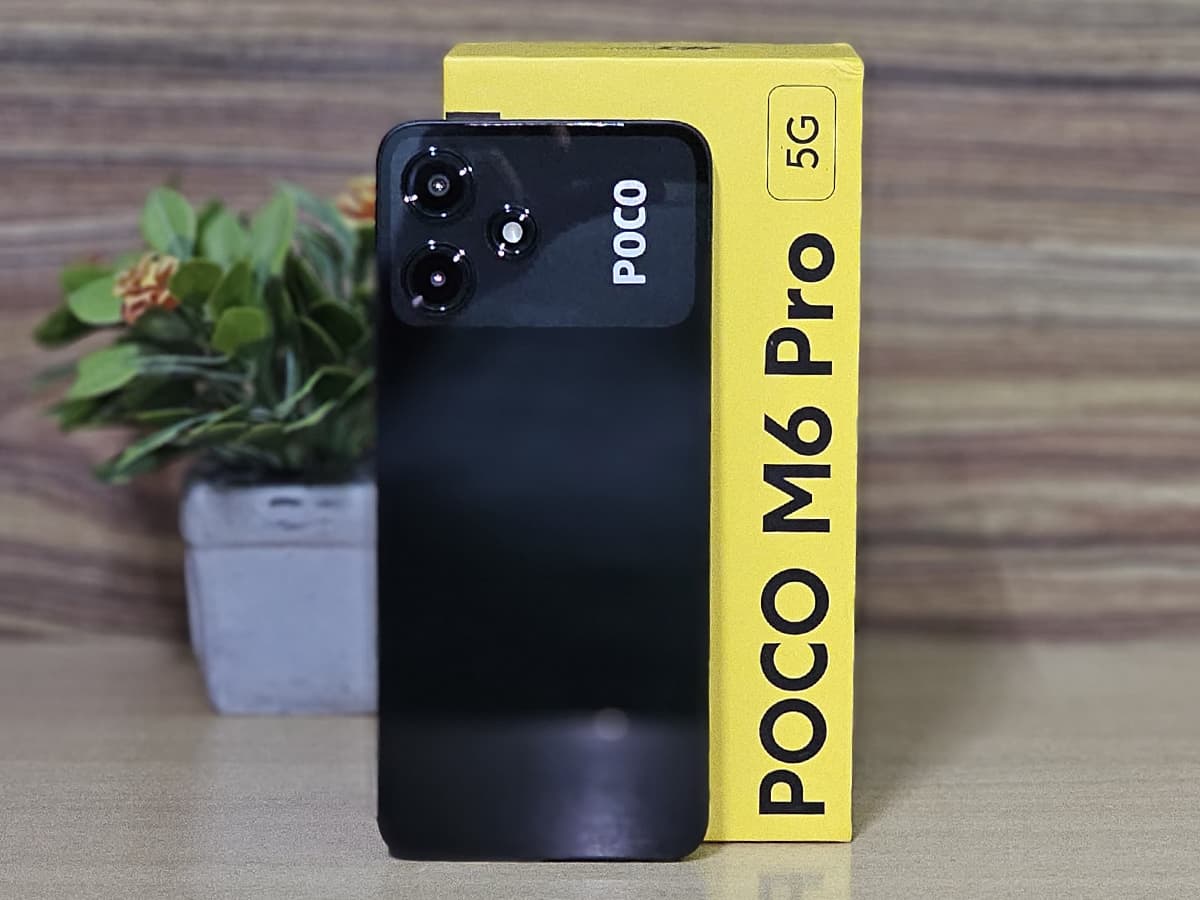
POCO M6 Pro 5G (Rs 10,999)

POCO M6 Pro
  • 50 MP + 2 MP Dual Primary Cameras
  • 8 MP Front Camera
  • 6.79-inch FHD+ IPS LCD display
  • 90 Hz Refresh Rate
  • Snapdragon 4 Gen 2 processor
  • 4 GB RAM
  • 5000 mAh battery

The POCO M6 Pro 5G stands out with its 50 MP primary camera that performs admirably in daylight conditions.

The phone’s appealing design and capable performance make it a well-rounded option for users who prioritize camera quality in this price segment.

While the auxiliary camera may not impress, the main sensor can capture detailed and vibrant shots in good lighting.

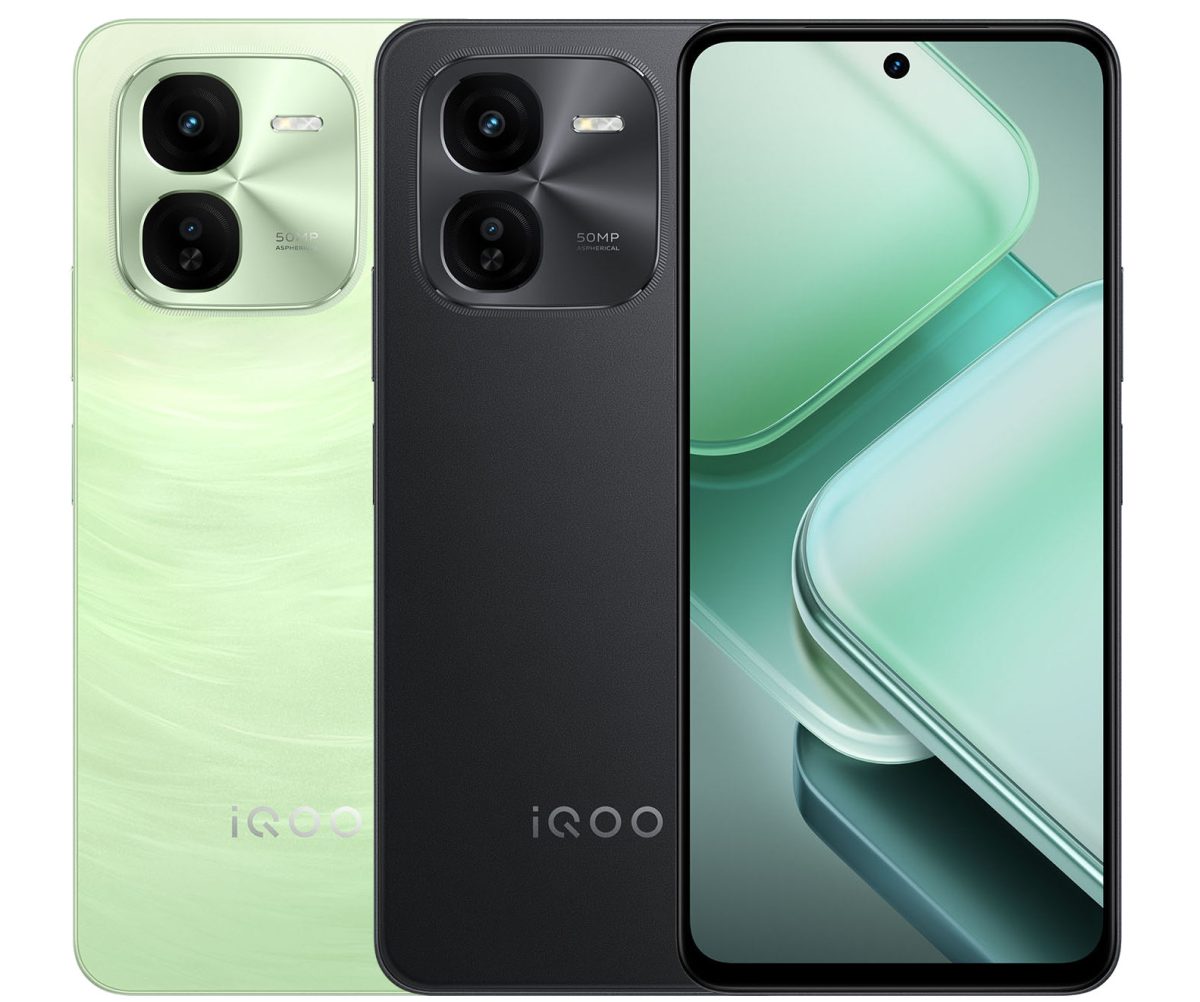
iQOO Z9x (Rs 12,998)

iQOO Z9x
  • 50 MP + 2 MP Dual Primary Cameras
  • 8 MP Front Camera
  • 6.72-inch FHD+ LCD display
  • 120 Hz Refresh Rate
  • Snapdragon 6 Gen 1 processor
  • 4 GB RAM
  • 6000 mAh battery

The iQOO Z9x offers a capable 50 MP primary camera in a performance-focused package.

While the cameras may not meet everyone’s expectations, they provide decent results for the price.

The phone’s bright display and impressive battery life make it a good all-rounder for users who want a balance of camera capabilities and overall performance.

realme Narzo 70x 5G (Rs 11,999)

Realme Narzo 70x
  • 50 MP + 2 MP Dual Primary Cameras
  • 8 MP Front Camera
  • 6.72-inch FHD+ IPS LCD display
  • 120 Hz Refresh Rate
  • MediaTek Dimensity 6100 Plus processor
  • 4 GB RAM
  • 5000 mAh battery

The realme Narzo 70x 5G offers a 50 MP primary camera that can capture respectable photos in good lighting conditions.

While the camera performance may need some improvement, especially in challenging situations, it provides decent results for casual photographers.

The phone’s good display and reliable performance make it a solid choice for budget-conscious users.

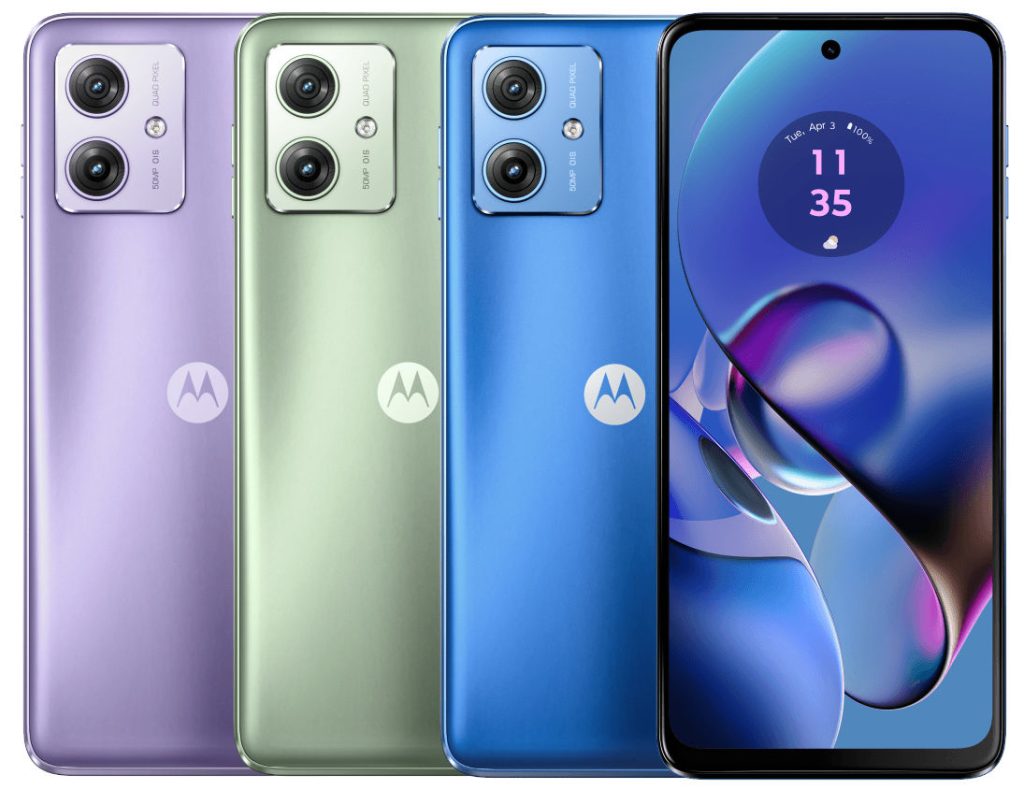
Moto G64 (Rs 14,758)

Moto G64
  • 50 MP + 8 MP Dual Primary Cameras
  • 16 MP Front Camera
  • 6.5-inch FHD+ IPS LCD display
  • 120 Hz Refresh Rate
  • MediaTek Dimensity 7025 processor
  • 8 GB RAM
  • 6000 mAh battery

The Moto G64 offers a versatile camera setup with a 50 MP main sensor and an 8 MP secondary camera.

It performs well in daylight conditions, capturing detailed and vibrant images.

The 16 MP front camera is also noteworthy for selfie enthusiasts.

While low-light photography may have some limitations, the overall camera performance, combined with clean software and long battery life, makes it a compelling option in this price range.

vivo T3x (Rs 13,499)

Vivo T3x
  • 50 MP + 2 MP Dual Primary Cameras
  • 8 MP Front Camera
  • 6.72-inch FHD+ LCD display
  • 120 Hz Refresh Rate
  • Snapdragon 6 Gen 1 processor
  • 4 GB RAM
  • 6000 mAh battery

The vivo T3x offers a capable 50 MP primary camera that can capture good photos, especially in well-lit conditions. 

While the camera performance might not be groundbreaking, it provides decent results for its price point.

The phone’s standout features include its reliable performance, impressive 6000 mAh battery life, and a respectable display. 

These aspects, combined with its camera capabilities, make the vivo T3x a solid all-rounder for users looking for a balance of performance and photography features in the budget segment.

FAQs

What are the key features of the POCO M6 Pro 5G?

The POCO M6 Pro 5G features a 50 MP + 2 MP dual primary camera, 8 MP front camera, and a 6.79-inch FHD+ IPS LCD display with a 90 Hz refresh rate.

 How does the iQOO Z9x perform in terms of battery life?

The iQOO Z9x offers impressive battery life with a 6000 mAh battery, making it suitable for long-term usage without frequent charging.

 What makes the Moto G64 a good option for photography?

The Moto G64 has a versatile camera setup with a 50 MP main sensor and an 8 MP secondary camera, delivering detailed and vibrant images.

Are there any standout features of the vivo T3x?

The vivo T3x boasts a 50 MP primary camera, 6000 mAh battery, and a 6.72-inch FHD+ LCD display with a 120 Hz refresh rate, making it a solid all-rounder.

How do these budget phones compare to premium models?

While they may not match the high-end specs of premium models, these budget phones offer impressive camera capabilities and overall value for their price range.


 What is the design of the Poco M6 Pro 5G like?
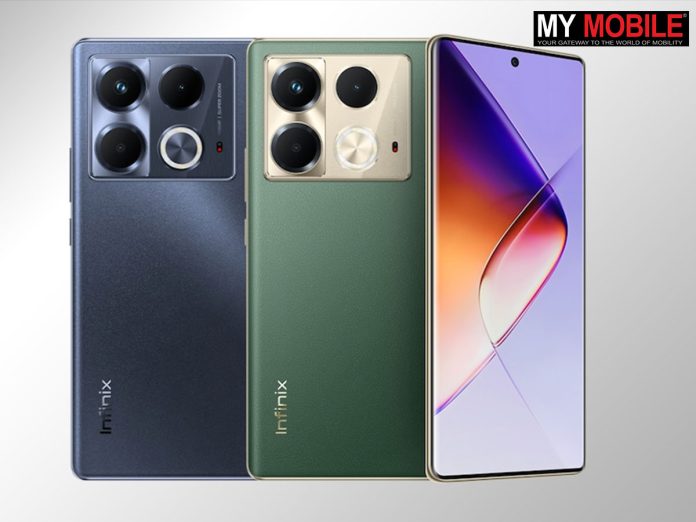
The Poco M6 Pro 5G boasts a premium design that defies its budget status. It features a glass back with flat edges finished in metallic paint, providing a nice in-hand feel.

What is the battery life and charging speed of the Poco M6 Pro 5G?

The smartphone comes with a typical 5,000mAh battery, which should last throughout the day even with heavy usage. However, the phone’s charging speeds are relatively slow, supporting an 18W charging solution, which may take over two hours to achieve a full charge from 0 to 100 per cent.

What makes the Vivo T3 5G stand out in its price range?

The Vivo T3 5G distinguishes itself through its unique design, high-quality AMOLED display, versatile camera setup, and robust performance backed by the MediaTek Dimensity 7200 processor. It delivers a premium experience at an affordable price point, challenging the norms of the sub-Rs 20,000 category.

How does the camera performance of the Vivo T3 5G fare in different lighting conditions?

The Vivo T3 5G’s 50MP main camera, equipped with OIS, captures vibrant and sharp images in daylight. At night, OIS aids in maintaining detail and minimizing noise. While the 16MP front camera delivers clear selfies in good lighting, it does experience a drop in quality in low-light scenarios.

What are the storage options available for the Realme Narzo 70x?

The Narzo 70x is available in 4GB/128GB and 6GB/128GB configurations, offering flexibility depending on your storage needs.

How does the display quality of the Narzo 70x stand out?

The 6.72-inch FHD+ LCD display with a 120Hz refresh rate ensures smooth scrolling and a vibrant viewing experience, although it lacks HDR support.

Can the Narzo 70x handle high-performance gaming?

While the Narzo 70x handles daily tasks with ease, it may struggle with high-end gaming due to limitations in processing more graphically intense games.

What are the camera capabilities of the Narzo 70x?

The 50MP main camera is effective in various lighting conditions, supported by features like Super Nightscape Mode and Street Photography Mode, although low-light performance can be inconsistent.

Samsung Galaxy Z Fold 6 and Z Flip 6 Leaks: Major Upgrades Revealed Ahead of Paris Unpacked Event

0
  • Galaxy Z Fold 6 features wider aspect ratio and lighter design.
  • Powered by Snapdragon 8 Gen 3 with up to 12GB RAM.
  • Z Flip 6 showcases a 6.7-inch Dynamic AMOLED display.
  • Both devices support 25W fast charging and improved camera setups.

Samsung’s Paris Unpacked event is on July 10 and a series of high-quality leaks have given us an unprecedented look at the company’s next-generation foldable devices.

Samsung Galaxy Z Fold 6 renders are coming out thick and fast.

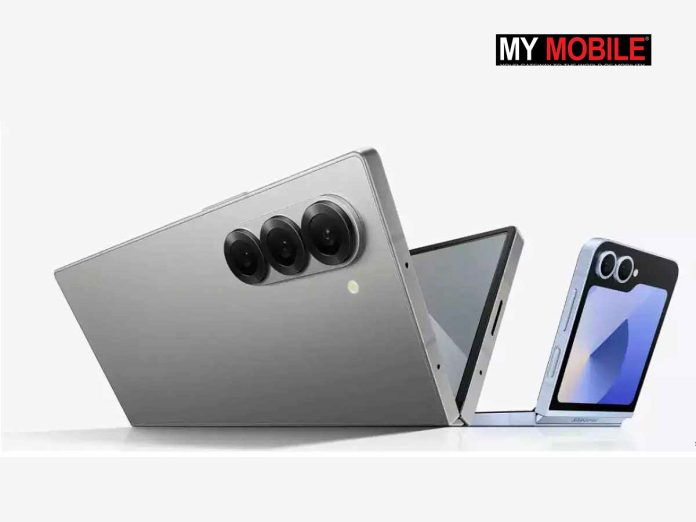
Renowned tipster Evan Blass has shared detailed images of the Galaxy Z Fold 6 and Galaxy Z Flip 6, offering a tantalizing glimpse into Samsung’s vision for the future of mobile technology.

Galaxy Z Fold 6: A Refined Evolution

The leaked images of the Galaxy Z Fold 6 showcase a device that builds upon its predecessor’s foundation while introducing notable refinements.

The most striking change is the adoption of a wider aspect ratio for both the inner and outer displays, coupled with a more squared-off overall design.

There’s a lot to Galaxy devices coming out at the upcoming Samsung Unpacked event.

This shift suggests Samsung is aiming to improve the device’s usability in both folded and unfolded states.

Specifications for the Z Fold 6 are rumored to include a 7.6-inch Dynamic AMOLED main display with a resolution of 2160 x 1856 pixels.

The outer screen is expected to measure 6.3 inches with a 986 x 2376 pixel resolution.

Perhaps most impressively, Samsung appears to have shaved off a significant amount of weight, with the Z Fold 6 reportedly tipping the scales at 239ga noticeable reduction from the Z Fold 5’s 253g.

Under the hood, the device is said to be powered by Qualcomm’s latest Snapdragon 8 Gen 3 chipset, potentially paired with up to 12GB of RAM.

Camera enthusiasts can look forward to a versatile triple-lens setup, featuring a 50MP main sensor with optical image stabilization, a 12MP ultra-wide lens, and a 10MP telephoto offering 3x optical zoom.

Selfie duties are rumored to be handled by a 10MP cover camera and a 4MP under-display sensor on the inner screen.

Galaxy Z Flip 6: Compact Power

The Galaxy Z Flip 6 leak reveals a device that stays true to its clamshell roots while promising enhanced capabilities.

The main display is expected to be a 6.7-inch Dynamic AMOLED panel with a 2600 x 1080 resolution and a smooth 120Hz refresh rate.

The outer screen, crucial for quick interactions, may grow to 3.4 inches with a 720 x 748 pixel resolution.

Galaxy Z Fold 6 renders and leaks ahead of the launch paint a promising picture.

Like its larger sibling, the Z Flip 6 is set to feature the Snapdragon 8 Gen 3 chipset, ensuring top-tier performance in a compact form factor.

Storage options are rumored to include 256GB and 512GB variants.

Photography capabilities may see a significant boost with a 50MP main sensor paired with a 12MP ultra-wide lens, while a 10MP front-facing camera handles selfies and video calls.

Both devices are expected to support 25W fast charging, with the Z Fold 6 sporting a 4,400mAh battery and the Z Flip 6 housing a 4,000mAh unit.

A Broader Ecosystem

While the foldables are likely to steal the spotlight, Samsung’s Paris Unpacked event is shaping up to be a showcase for the company’s broader ecosystem.

We can ony wait and see what Samsung is going to unveil at the Unpacked event.

Attendees can expect to see the debut of the Galaxy Watch Ultra and Watch 7, alongside new Galaxy Buds 3 and Buds 3 Pro earbuds.

Perhaps most intriguingly, Samsung may finally unveil its long-rumored Galaxy Ring, a smart fitness wearable that could represent the company’s next frontier in health and wellness technology.

FAQs

Q1: What are the key features of the Galaxy Z Fold 6?

The Galaxy Z Fold 6 includes a wider aspect ratio, lighter design, Snapdragon 8 Gen 3 chipset, and a versatile triple-lens camera setup.

Q2: How does the Galaxy Z Flip 6 differ from its predecessor?

The Z Flip 6 maintains its clamshell design but features a larger outer screen, Snapdragon 8 Gen 3 chipset, and enhanced camera capabilities.

Q3: What are the expected battery capacities for the new foldables?

The Z Fold 6 is expected to have a 4,400mAh battery, while the Z Flip 6 will feature a 4,000mAh battery, both supporting 25W fast charging.

Q4: Will the new Galaxy foldables support 5G connectivity?

Yes, both the Galaxy Z Fold 6 and Z Flip 6 are expected to support 5G connectivity, thanks to the Snapdragon 8 Gen 3 chipset.

Q5: What additional products are expected at Samsung’s Paris Unpacked event?

The event will likely showcase the Galaxy Watch Ultra, Watch 7, Galaxy Buds 3, Buds 3 Pro, and possibly the new Galaxy Ring.

Also Read: Samsung Galaxy Z Fold 6 To Likely To Sport A Slimmer Profile Than The Current Z Fold 5

Also Read: Samsung Galaxy Z Fold 6 Could Feature External S Pen Storage Suggest Leaked Renders

Also Read: Samsung Galaxy Z Fold 6 Rumours: Everything We Know About the Upcoming Foldable

In-App Subscriptions Surge Despite Growing Consumer Fatigue

0
  • Global app subscription revenue expected to surpass $120 billion this year.
  • Weekly subscriptions now account for 55% of all app subscriptions.
  • Average user cancels weekly subscriptions after two months.
  • Developers must balance sustainable models with fair pricing.

The world of app monetization is undergoing a seismic shift.

According to a recent report by Adapty, the in-app subscription market is booming, with global revenue projected to surpass $120 billion this year.

 This 15% year-over-year growth comes despite growing consumer fatigue with the subscription model.

But is this trend sustainable, and more importantly, is it good for consumers?

The Weekly Gambit

In-app subscriptions have been growing at a very remarkable rate

Perhaps the most surprising revelation is the rise of weekly subscriptions. Once a rarity, they now account for a staggering 55% of all app subscriptions

Developers are using this model as a low-cost trial alternative, hoping to entice users with a seemingly smaller financial commitment. 

It’s a clever psychological trick – $2.99 a week sounds far more palatable than $12.99support 25W fast charging,, even though the latter is often cheaper in the long run.

But this strategy may be short-sighted. While weekly subscriptions are renewed more frequently, they tend to have a shorter overall lifespan. 

The average user cancels after two months, compared to four months for monthly subscriptions.

This churn rate could spell trouble for developers banking on long-term revenue streams.

The Cost of Convenience

The subscription model undoubtedly offers benefits. For developers, it provides a steady income to fund ongoing improvements and support. 

For users, it can mean access to constantly updated software without large upfront costs.

However, the cumulative financial burden on consumers is becoming increasingly apparent.

What once might have been a one-time $50 purchase can easily balloon into hundreds of dollars over the course of a few years. 

This “death by a thousand cuts” approach to pricing is leaving many users feeling nickel-and-dimed.

Moreover, the subscription model can create a sense of pressure.

Users may feel compelled to “get their money’s worth” each month, turning what should be useful tools into sources of stress.

The Path Forward

Apple charges a very high fees to developers for in-app subscriptions

The report suggests that the key to success lies in experimentation. 

Developers who rigorously test different subscription models can see dramatically higher revenues than those who stick to a single approach.

But this raises an important question: At what point does optimization become exploitation?

As consumers, we need to be more discerning about which subscriptions truly add value to our lives.

As an industry, we must find a balance between sustainable business models and fair pricing.

Perhaps a hybrid approachcombining one-time purchases with optional subscriptions for premium features – could offer a middle ground.

The subscription revolution is here to stay, but its final form is far from settled.

It’s up to both developers and consumers to shape a future where innovation thrives without breaking the bank.

FAQs

Q1: How much is the global app subscription market expected to grow?

The app subscription market is projected to surpass $120 billion this year, with a 15% year-over-year growth.

Q2: What is the current trend in app subscriptions?

Weekly subscriptions now account for 55% of all app subscriptions.

Q3: What is the average lifespan of weekly app subscriptions?

On average, users cancel weekly subscriptions after two months, compared to four months for monthly subscriptions.

Q4: What are the benefits of the subscription model for developers?

The subscription model provides a steady income, allowing developers to fund ongoing improvements and support.

Q5: What is a potential downside of the subscription model for consumers?

The cumulative financial burden can become significant, leading to a “death by a thousand cuts” feeling among users.

Also Read: Apple and Fortnite-Maker Epic Games Continue Legal Battle Over App Store Practices

Also Read: How to reset the Apple ID password

Also Read: How To Reset Apple ID Password Using Different Methods?

OnePlus Releases Android 15 Beta 2 for OnePlus 12 and OnePlus Open: Key Enhancements and Known Issues

0
  • Improved system stability and performance.
  • Fixed issues with split-screen and Bluetooth compatibility.
  • Enhanced camera operation and personal hotspot connectivity.
  • Better compatibility with certain third-party applications.

OnePlus has released the second beta version of Android 15 for its flagship devices, the OnePlus 12 and OnePlus Open.

This update represents significant progress towards a stable release, but the company emphasizes that it’s not yet ready for everyday users.

OnePlus Open is getting the Android 15 Beta 2 update

Beta 2: Strictly for Developers and Tech Enthusiasts

OnePlus is clear about the target audience for this release. “This [beta] is best suited for developers and other advanced users,” the company stated. 

They strongly caution against installing it on primary devices, adding, “It is not recommended [for] users [with] little to no experience in software development.”

OnePlus 12 is getting the Android 15 beta 2 update

Beta 2 brings several notable enhancements:

  • Improved overall system stability and performance
  • Resolved issues with split-screen functionality
  • Fixed Bluetooth compatibility problems
  • Addressed personal hotspot connectivity issues
  • Enhanced camera operation
  • Better compatibility with certain third-party applications

Here’s the complete list of changes coming with the second beta.

  • System
    • Improves system stability and performance.
    • Fixes an issue that the Auto Pixlate function fails during screenshot preview.
    • Fixes some issues in the split-screen model on the main screen. ( OnePlus Open ONLY)
  • Connection
    • Fixes Bluetooth compatibility issues in specific scenarios.
    • Fixes some problems that the Multi-Screen Connect function is abnormal when connecting with a PC or PAD.
    • Fixes an issue that the Personal hotspot may not be able to open after modifying the security settings.
  • Camera
    • Fixes some functional issues of the camera in specific scenarios.
    • Fixes the issue of the Smart Image Matting function failure in certain scenarios.
  • Apps
    • Fixes compatibility issues with some third-party apps.

Despite these improvements, OnePlus acknowledges that the beta isn’t without flaws.

The company has provided a detailed list of known issues for both the OnePlus 12 and OnePlus Open on its official forum, demonstrating transparency about the current state of development.

Looking Ahead to the Stable Release

Android 15 is slowly penetrating a large portion of the Android world

While OnePlus hasn’t announced a specific release date for the final version, industry observers expect it to arrive shortly after Google’s official launch of Android 15 later this year. 

This timeline aligns with OnePlus’s history of relatively quick adoption of new Android versions.

The beta release showcases OnePlus’s commitment to staying at the forefront of Android development. 

It also highlights the intricate process of refining a major operating system update before it’s ready for widespread public use.

For developers and tech enthusiasts interested in exploring the latest Android features on OnePlus hardware, this beta offers an exciting glimpse into the future. 

However, the average user will need to exercise patience as OnePlus continues to polish the update for a stable, public release.

Source

FAQs

Q1: Who should install the OnePlus Android 15 Beta 2?

This beta is intended for developers and advanced users. It is not recommended for those with little to no experience in software development.

Q2: What are the key improvements in Beta 2?

Beta 2 brings improved system stability, resolved split-screen and Bluetooth issues, enhanced camera operation, and better third-party app compatibility.

Q3: Are there any known issues with this beta version?

Yes, OnePlus has provided a detailed list of known issues for both the OnePlus 12 and OnePlus Open on its official forum.

Q4: When is the stable release expected?

The stable release is expected shortly after Google’s official launch of Android 15 later this year, in line with OnePlus’s history of quick adoption of new Android versions.

Q5: What should average users do regarding this beta release?

Average users should wait for the stable release as the beta version is not yet ready for everyday use.

Also Read: OnePlus 12R Revealed In New Renders, Spotted on Geekbench Ahead of Launch

Also Read: OnePlus 12R First Impressions and Unboxing: The New Flagship Contender?

Also Read: OxygenOS 14 Beta Rolling Out in India and North America: What OnePlus 11 Users Need to Know Now

Leaked Google Pixel Fold Prototype ‘Pipit’ Reveals Resemblance to Pixel 6 Series

0
  • Prototype codenamed “pipit” shows a design similar to the Pixel 6 series.
  • Initially separate projects “passport” and “pipit” merged into one device.
  • Features include a 12.2MP main sensor, 12MP ultrawide camera, and first-gen Tensor chip.
  • Experimented with stylus support, which didn’t make it to the final product.

A recently leaked prototype of Google’s Pixel Fold has shed light on the company’s evolving design process for foldable devices. 

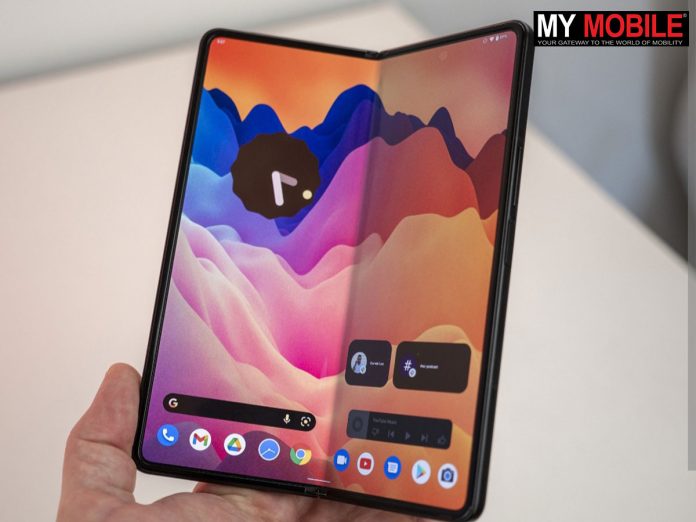
This prototype, codenamed “pipit,” reveals a striking resemblance to the Pixel 6 series, particularly in its camera bar design.

From “Passport” to “Pipit”

Pixel 6-like Fold design for the new Pixel foldable.

Sources familiar with Google’s foldable development timeline indicate that the company’s initial project, codenamed “passport,” was slated for a Q4 2021 release alongside the Pixel 6 series.

However, as development progressed, references shifted to a new codename: “pipit.”

Industry insiders suggest that “passport” and “pipit” were initially separate projects that eventually merged into a single device. 

This shift in development strategy isn’t uncommon for Google, as seen with previous devices like the Pixel Slate.

Design and Specifications

Great Pixel fold design and looks quite like the Pixel 6.

The leaked images of the “pipit” prototype showcase a device nearly identical to the released Pixel Fold, with one notable exception: the camera bar. 

The prototype features a single piece of glass with metal rails, spanning edge-to-edge, reminiscent of the Pixel 6 design language.

Camera specifications for the prototype align with earlier reports, featuring a 12.2MP IMX363 main sensor and a 12MP IMX386 ultrawide camera.

These choices represent a continuation of Google’s camera strategy from previous Pixel models.

Interestingly, the prototype was powered by the first-generation Tensor chip and Exynos Modem 5123, further supporting the theory that it was intended to launch alongside the Pixel 6 series.

What Could Have Been

The Pixel 6 was widely regarded as a great phone.

The prototype also reveals that Google experimented with stylus support for the Fold, a feature that didn’t make it to the final product, likely due to durability concerns.

While the “pipit” prototype never made it to market, it offers valuable insights into Google’s design process and the evolution of the Pixel Fold.

As the foldable market continues to grow, it’s clear that Google’s journey in this space is far from over.

WhatsApp Image 2024-06-30 at 2.17.46 PM
WhatsApp Image 2024-06-30 at 2.17.46 PM (2)
WhatsApp Image 2024-06-30 at 2.17.46 PM (1)
WhatsApp Image 2024-06-30 at 2.17.47 PM
WhatsApp Image 2024-06-30 at 2.17.46 PM WhatsApp Image 2024-06-30 at 2.17.46 PM (2) WhatsApp Image 2024-06-30 at 2.17.46 PM (1) WhatsApp Image 2024-06-30 at 2.17.47 PM

FAQs

Q1: What is the codename of the leaked Pixel Fold prototype?

The prototype is codenamed “pipit” and shows similarities to the Pixel 6 series.

Q2: How does “pipit” relate to “passport”?

Initially, “passport” and “pipit” were separate projects, but they eventually merged into a single foldable device.

Q3: What are the camera specifications of the “pipit” prototype?

The prototype features a 12.2MP IMX363 main sensor and a 12MP IMX386 ultrawide camera.

Q4: What chip powers the “pipit” prototype?

The “pipit” prototype is powered by the first-generation Tensor chip and Exynos Modem 5123.

Q5: Did the “pipit” prototype support a stylus?

Yes, Google experimented with stylus support for the Fold, but it was not included in the final product due to durability concerns.

Also Read : Google Pixel 6 series gets new update

Also Read: Google Pixel Fold Speculated to Launch in 2023; Details Inside

Also Read: Google Pixel Fold with Tensor G2, 7.6-inch foldable & 5.8″ outer 120Hz OLED displays, water-resistant design, compact foldable design launched globally: Price, Specifications

Infinix Note 40S 4G: Launching Soon with AMOLED Display and 108MP Camera

0
  • Features a 6.78-inch AMOLED display with 120Hz refresh rate.
  • Powered by MediaTek Helio G99 Ultimate chipset with 8GB RAM.
  • Equipped with a 108MP main camera and 32MP front camera.
  • Supports 33W wired and 20W wireless charging via MagKit technology.

Infinix is set to launch the Note 40S 4G, expanding its smartphone lineup.

The company has revealed key details about the device on its website, offering a glimpse of what consumers can expect. 

While the launch date and pricing remain under wraps, the specifications suggest a mid-range device with some premium features.

Design and Display

Expect some crazy fast charging speeds on the Note 40s.

The Note 40S 4G maintains the family resemblance with its 5G counterparts launched earlier this year.

It features the distinctive Halo AI lighting ring on the rear, which doubles as a notification indicator.

Buyers will have a choice between Obsidian Black and Vintage Green color options.

The phone boasts a 6.78-inch AMOLED display with Full HD+ resolution (1,080 x 2,436 pixels) and a smooth 120Hz refresh rate.

Infinix claims a peak brightness of 550 nits and mentions Corning Gorilla Glass protection, though the specific version isn’t specified.

Performance and Camera

The display is pretty good on the Note 40s
Infinix Note 40s about to launch soon

Under the hood, the Note 40S 4G is powered by MediaTek’s Helio G99 Ultimate chipset, a 6nm processor aimed at 4G devices. It’s paired with 8GB of LPDDR4X RAM and 256GB of UFS 2.2 storage.

The phone runs on Android 14 with Infinix’s XOS 14 skin, and the company promises two years of OS updates and three years of security patches.

In the camera department, the Note 40S 4G features a dual rear setup, led by a high-resolution 108MP main sensor.

It’s accompanied by a 2MP macro lens for close-up shots. For selfies, there’s a 32MP front-facing camera.

Other notable features include a 5,000mAh battery supporting 33W wired charging and 20W wireless charging via Infinix’s MagKit technologyThe device also boasts dual JBL-tuned speakers, an IP54 rating for dust and splash resistance, and connectivity options like Wi-Fi 5, Bluetooth, 4G LTE, NFC, and GPS.

WhatsApp Image 2024-06-30 at 1.08.40 PM (1)
WhatsApp Image 2024-06-30 at 1.08.40 PM
WhatsApp Image 2024-06-30 at 1.08.40 PM (1) WhatsApp Image 2024-06-30 at 1.08.40 PM

Source

FAQs

Q1: What display features does the Infinix Note 40S 4G have?

The Infinix Note 40S 4G boasts a 6.78-inch AMOLED display with Full HD+ resolution, a 120Hz refresh rate, and Corning Gorilla Glass protection.

Q2: Which processor powers the Infinix Note 40S 4G?

The device is powered by MediaTek’s Helio G99 Ultimate chipset, a 6nm processor designed for 4G devices.

Q3: What are the camera specifications of the Infinix Note 40S 4G?

The phone features a dual rear camera setup with a 108MP main sensor and a 2MP macro lens, as well as a 32MP front-facing camera.

Q4: What are the battery and charging capabilities of the Note 40S 4G?

It comes with a 5,000mAh battery supporting 33W wired charging and 20W wireless charging via Infinix’s MagKit technology.

Q5: What operating system does the Infinix Note 40S 4G run on?

The phone runs on Android 14 with Infinix’s XOS 14 skin, with a promise of two years of OS updates and three years of security patches.

Also Read: Infinix Note 40 Series Touted to Come with New Active Halo Feature

Also Read: Infinix Launches Note 40 Series Globally: Pricing, Features, Specs, and More

Also Read: Infinix Note 40 and Note 40 Pro Spotted on Google Play Console

Here’s How to Unlock Your iPhone’s 5G SA Capabilities with iOS 16.4 Update

0
  • iOS 16.4 now supports T-Mobile’s 5G Standalone network.
  • Activate 5G SA via Settings > Cellular > Cellular Data Options > Voice & Data.
  • Verify connection by running speed tests or using Field Test mode.
  • 5G SA offers speeds up to 3 Gbps but varies by location and carrier support.

Apple’s iOS now supports T-Mobile’s advanced 5G Standalone (SA) network in the United States, alongside other global carriers.

This feature, when available, can dramatically boost connection speeds, potentially reaching up to 3 Gbps through carrier aggregation.

Activating 5G SA on Your iPhone

The iPhone 5G feature, when available, can dramatically boost connection speeds

To access this cutting-edge technology:

  1. Ensure your iPhone runs iOS 16.4 or later
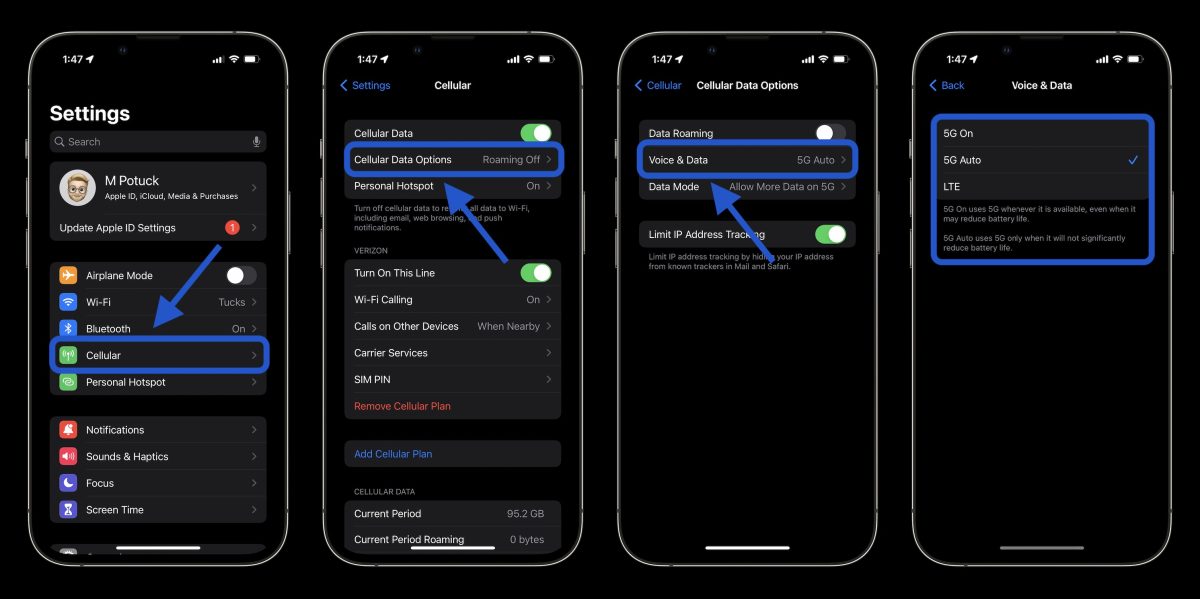
  2. Navigate to Settings > Cellular > Cellular Data Options > Voice & Data
  3. Look for the 5G Standalone toggle at the bottom of the screen

Note that this option only appears for carriers supporting 5G SA.

Verifying Your Connection

Curious about your 5G SA performance? Try these methods:

  1. Run a speed test using your preferred app
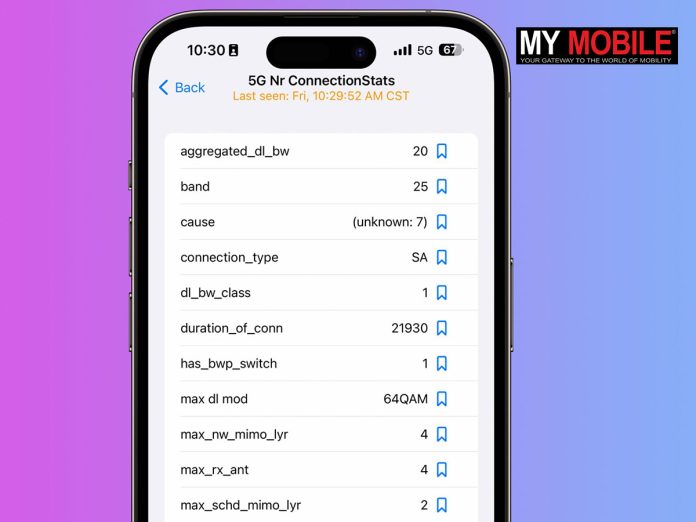
  2. For detailed insights, dial 3001#12345# and tap call to enter Field Test mode
  3. In Field Test mode, search for “connection_type” and look for “SA” to confirm you’re on Standalone 5G

Network Availability and Performance

Note that the option only appears for carriers supporting 5G SA.

T-Mobile introduced Ultra Capacity 5G SA in November 2022, initially limited to high-end Samsung devices. The feature expanded to iPhones with iOS 16.4.

While T-Mobile has achieved impressive speeds in tests, real-world performance may vary.

The availability of 5G SA is still limited, so users should experiment in different locations to find optimal coverage.

Global Rollout

Beyond the U.S., carriers in Brazil and other countries have also launched 5G SA for iPhone users.

As this technology continues to evolve, more regions are expected to adopt this advanced network capability.

Remember, while 5G SA offers exciting potential, actual speeds and availability depend on various factors including location, network congestion, and device capabilities.

FAQs

Q1: What is 5G Standalone (SA) on the iPhone?

5G SA is an advanced network technology supported by iOS 16.4, providing faster and more reliable connection speeds up to 3 Gbps through carrier aggregation.

Q2: How do I activate 5G SA on my iPhone?

Ensure your iPhone is running iOS 16.4 or later. Go to Settings > Cellular > Cellular Data Options > Voice & Data and toggle on 5G Standalone if supported by your carrier.

Q3: How can I verify if I’m connected to 5G SA?

Run a speed test or enter Field Test mode by dialing 3001#12345# and looking for “SA” under connection_type.

Q4: Which carriers support 5G SA for iPhone?

T-Mobile in the U.S. supports 5G SA, and it is also available with certain carriers in Brazil and other countries. Availability is expanding.

Q5: What factors affect the performance of 5G SA?

Performance depends on location, network congestion, and device capabilities. Availability may vary, so test in different areas for optimal coverage.

Also Read: Apple Leads Global Premium Smartphone Market with Huawei’s Remarkable Comeback in 2023: Counterpoint

Also Read: Huawei Planning for Surpirse IPO in 2024; Could Surpass Apple’s 2019 Valuation

Also Read: Apple’s iPhone 15 Pro Max Leads 2024 Sales, Major Price Cuts in China Signal Strategic Shift