BOULT Curve Series consists of Curve Buds Pro TWS and Curve Max neckband
The Curve Buds Pro offer 100 hours of gameplay and 130 minutes of playtime
Curve Max neckband features 100 hours of battery life and 24 hours of playtime
BOULTunveiled its Curve Series on 18th October, adding two new products to its portfolio—Curve Buds Pro TWS and Curve Max neckband.
These devices cater to a broad audience, from gamers to general audio enthusiasts.
The Curve Buds Pro are designed with features targeting the gaming community. These earbuds offer 100 hours of continuous gameplay.
Curve Max Neckband
They come equipped with Type-C Fast Charging, which provides 130 minutes of playtime with just a 10-minute charge.
The earbuds also have ZEN Quad Mic ENC technology for clear calls and 10mm Drivers powered by BoomX Technology for enhanced audio quality.
Users can switch between three EQ modes: Hifi, Rock, and Bass Boost.
The device features a premium metallic rim finish and offers an ultra-low 40ms latency gaming mode named Combat Gaming Mode.
Additionally, the Curve Buds Pro are IPX5 water-resistant.
On the other hand, the Curve Max neckband offers an all-in-one audio solution.
Curve Buds Pro
It provides 100 hours of battery life and 24 hours of playtime with a 10-minute charge via Type-C Fast Charging.
The neckbandis equipped with 13mm Drivers powered by BoomX Technology for high-quality audio.
It also has a 50ms latency gaming mode and is equipped with ZEN Mode Environmental Noise Cancellation technology.
Like the Curve Buds Pro, the Curve Max is also IPX5 water-resistant.
Regarding pricing and availability, the Curve Buds Pro are available at a launch price of Rs 1,299, down from their regular price of Rs 1,799. The Curve Max is priced at Rs 999, reduced from Rs 1,299.
These products can be purchased on Amazon, Flipkart, and the BOULT website.
Another product in the lineup, the Z40 Pro, is priced at Rs 1,299 and offers 100 hours of playback.
It is also available on Amazon, Flipkart, and the BOULT website.
FAQs
What are the standout features of the Curve Buds Pro?
The Curve Buds Pro offer 100 hours of gameplay and come with Type-C Fast Charging that provides 130 minutes of playtime with a 10-minute charge. They also offer multiple EQ modes and a 40ms latency gaming mode.
What does the Curve Max neckband offer?
The Curve Max provides 100 hours of battery life, a 50ms latency gaming mode, and ZEN Mode Environmental Noise Cancellation technology. It offers 24 hours of playtime with just a 10-minute charge.
Are the devices water-resistant?
Both the Curve Buds Pro and Curve Max come with an IPX5 water resistance rating, making them suitable for different conditions.
Where can these products be purchased?
The products are available on Amazon, Flipkart, and the BOULT website at special launch prices.
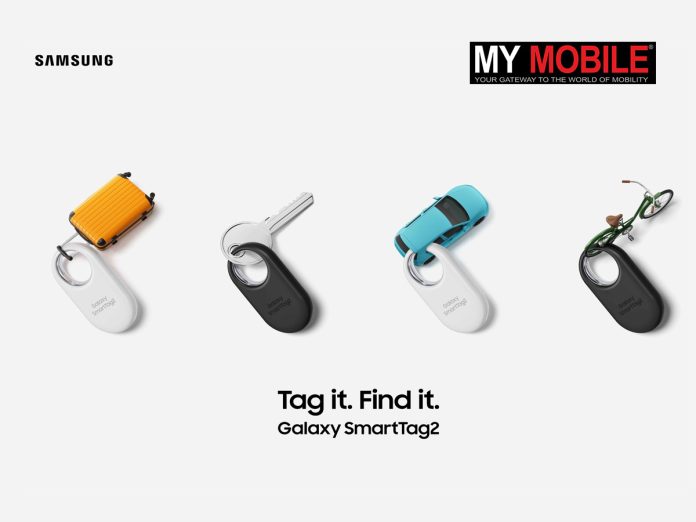
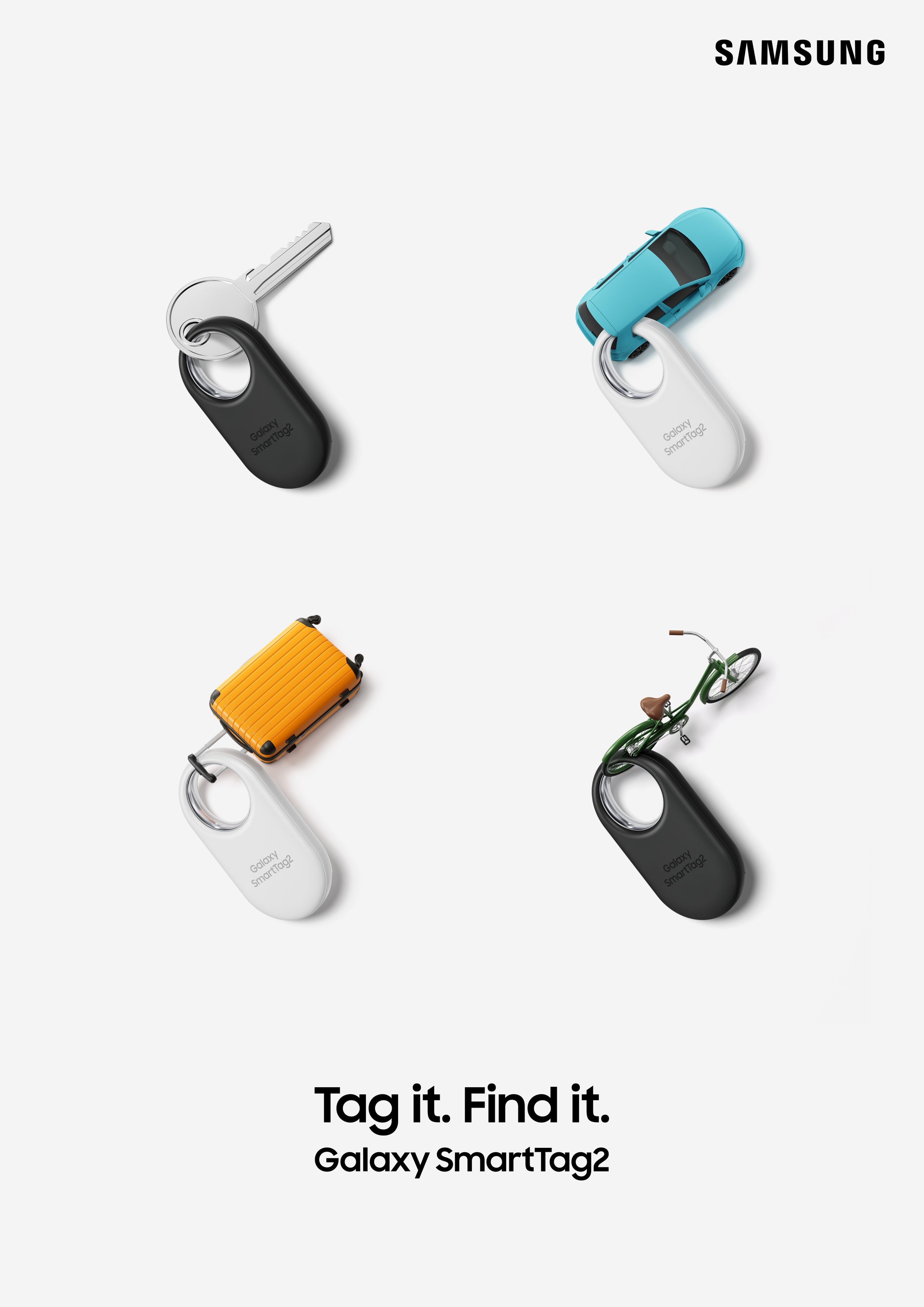
Samsung Galaxy SmartTag2 offers enhanced tracking with Compass View and Lost Mode features.
The device boasts a battery life of up to 700 days in Power Saving Mode.
Galaxy SmartTag2 comes with an IP67 rating, ensuring water and dust resistance.
Available in Black and White, the tracking device is priced at Rs 2,799.
Samsung, India’s consumer electronics giant, has announced the launch of its Galaxy SmartTag2.
The new tracking device is said to introduce several upgrades from its predecessor and is designed to provide enhanced tracking capabilities for valuables and IoT devices.
Here are the details
Samsung Galaxy SmartTag2: Availability and Pricing
Samsung Galaxy SmartTag2 Availability
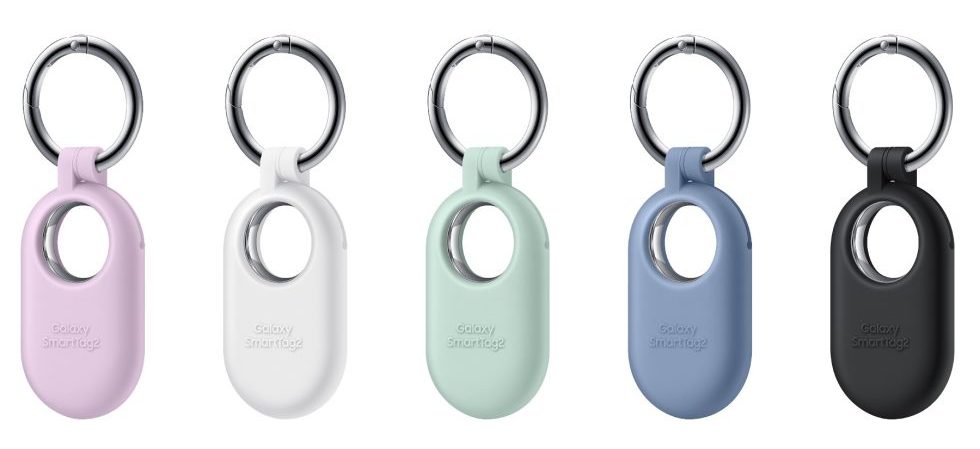
The Galaxy SmartTag2is available in two colours: Black and White.
It is priced at Rs 2799 and can be purchased from Samsung’s online store,Samsung Exclusive Stores, and Amazon.in.
Key Specifications
Connectivity: Ultra Wide Band (UWB) support
Additional Features: Compass View, Lost Mode, Power Saving Mode
Battery Life: Up to 700 days in Power Saving Mode, 500 days in Normal Mode
Durability: IP67 rating for water and dust resistance
Design: 28.8 * 52.44 * 8.0 mm, weight of 13.75 grams
Tracking Range: Up to 120 meters
Colors: Available in Black and White
Pricing: Rs 2,799
Samsung Galaxy SmartTag2: Features
Samsung Galaxy SmartTag2 Features
The Galaxy SmartTag2 offers a Compass View feature that uses visual cues in the form of arrows to show the direction and distance of the tagged item in relation to the user.
This feature is available on UWB-supported Galaxy smartphones, including the Galaxy S23 Ultra.
Another notable feature is Lost Mode.
It enables the NFC display of the device to register the user’s contact information, so that anyone who finds a tagged item can scan the tag and view the owner’s contact details.
The device comes with two modes: Power Saving and Normal.
In Power Saving Mode, the battery life lasts up to 700 days.
In Normal Mode, the battery life is extended to 500 days.
With an IP67 rating, the device is resistant to water and dust, making it suitable for tracking items in various conditions, including outdoor environments.
The device has dimensions of 28.8 * 52.44 * 8.0 mm and weighs 13.75 grams.
FAQs
What are the key tracking features of Samsung Galaxy SmartTag2?
The device offers a Compass View feature for visual cues in tracking and a Lost Mode to register the user’s contact information via NFC. These features are compatible with Ultra Wide Band-supported Galaxy smartphones.
How long does the battery last on the Galaxy SmartTag2?
In Power Saving Mode, the battery life extends up to 700 days. In Normal Mode, the battery can last up to 500 days.
Is the Galaxy SmartTag2 water and dust-resistant?
The device comes with an IP67 rating, providing resistance against water and dust, making it versatile for tracking items in various conditions.
Where can I purchase the Samsung Galaxy SmartTag2 in India?
The tracking device is available for purchase at Samsung’s online store, Samsung Exclusive Stores, and Amazon.in. It is priced at Rs 2,799.
Qualcomm’s new chipsets promise a 100-fold improvement in AI performance over predecessors.
Snapdragon S7 Pro Gen 1 debuts with Qualcomm XPAN and micropower Wi-Fi for extended range.
The chipsets feature Advanced 4th Gen ANC and superior spatial audio for gaming.
Qualcomm’s new cross-platform technology, Snapdragon Seamless, supports multi-device experiences.
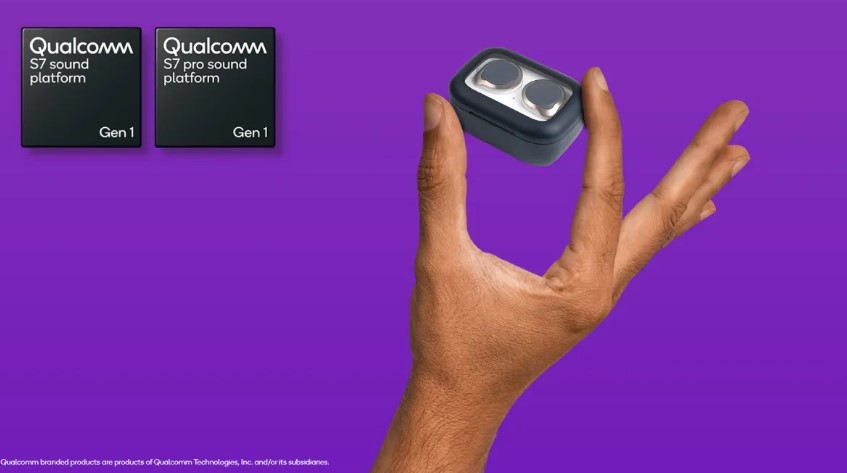
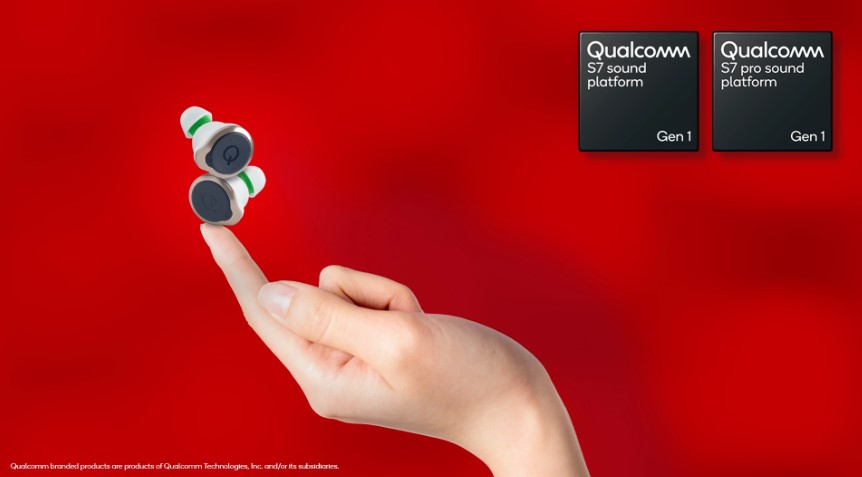
Qualcomm is leading the charge for audio devices with its recently launched SnapdragonS7 Gen 1 and S7 Pro Gen 1 chipsets.
Ranging from earbuds and headphones to speakers—these new processing additions might just bring a monumental change in the way we experience sound.
Enhanced AI Performance
One of the most striking aspects of the new chipsets is their unprecedented AI capabilities.
Qualcomm claims these chipsets will deliver a 100-fold improvement in AI performance compared to their predecessors.
This leap could bring significant advancements in sound quality, user interface, and perhaps even new features that we haven’t imagined yet.
Extending Range with XPAN and Micro-power Wi-Fi
Extending Range with XPAN and Micro-power Wi-Fi
The Snapdragon S7 Pro Gen 1 is the first chipset to introduce Qualcomm XPAN and micro-power Wi-Fi connectivity, which take its capabilities beyond what conventional Bluetooth technology offers.
By extending the range across homes, buildings, or campuses, these chipsets could fundamentally change how we interact withaudio devices.
Imagine listening to lossless 192kHz quality music as you move freely from your living room to your backyard, without any loss in connectivity or quality.
Immersive Sound Experience
Immersive Sound Experience
The chipsets come equipped with features like Responsive 4th Gen ANC and spatial audio, aimed specifically at enhancing sound for gaming experiences.
Gamers could benefit from more immersive gameplay, possibly providing them with a competitive edge.
Cross-Platform Harmony
Another noteworthy announcement was the introduction of Snapdragon Seamless, a cross-platform technology that enables seamless interaction among multiple devices across various operating systems.
This capability could revolutionize how we use technology, making the experience smoother and more integrated.
From effortlessly switching your earbuds’ audio source to dragging and dropping files across different devices, the possibilities seem endless.
FAQs
What are the unique features of the Snapdragon S7 Gen 1 and S7 Pro Gen 1 chipsets?
These chipsets offer cutting-edge features like Responsive 4th Gen ANC and spatial audio for gaming. The S7 Pro Gen 1 additionally supports Qualcomm XPAN and micro-power Wi-Fi connectivity.
How do these chipsets improve AI performance?
The new chipsets are engineered to deliver 100 times better AI performance compared to their predecessor models.
What is Qualcomm XPAN?
Qualcomm XPAN is a technology in the S7 Pro Gen 1 that extends the device’s range across homes, buildings, or campuses. It supports up to 192kHz lossless music quality.
What is Snapdragon Seamless?
Snapdragon Seamless is a cross-platform technology that facilitates smooth linking of various devices across different operating systems, enabling the sharing of peripherals and data.
We rely onbenchmark tests by 91mobiles to dig deeper into their performance metrics, so as to offer potential buyers a comprehensive evaluation.
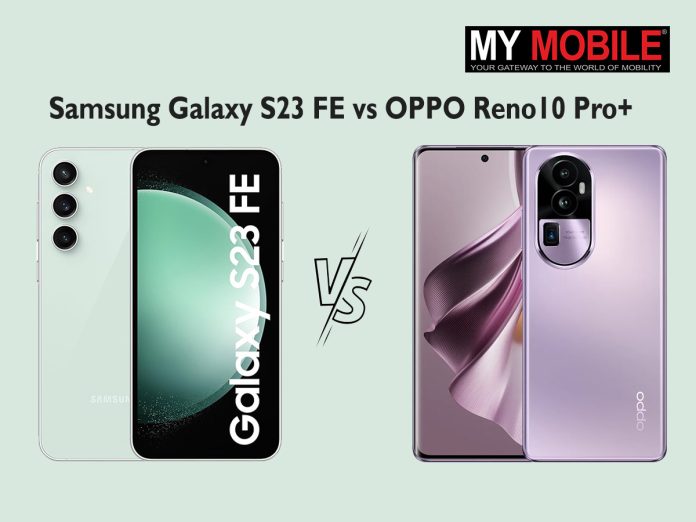
In terms of processing prowess, the OPPO Reno 10 Pro+ packs in the Qualcomm Snapdragon 8+ Gen 1 SoC while on the Galaxy S23 FE, the chipset is the Exynos 2200.
There’s up to 12GB of LPDDR5X RAM available on both devices. With that out of the way let’s start this comparison.
Processor and Throttling Performance: A Closer Look
Processor and Throttling Performance: A Closer Look
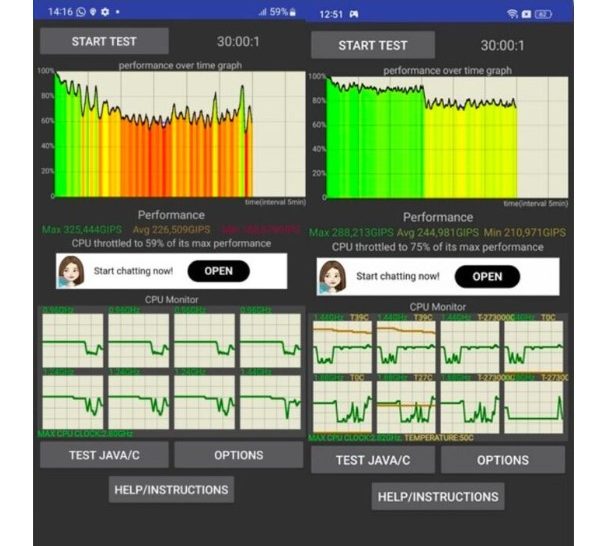
In CPU Throttle tests, the OPPO Reno10 Pro+ exhibits noteworthy resilience against performance degradation.
The fact that the phone only showed a 75% decrease in peakperformance under a 50-threadload for half an hour is impressive.
This could be particularly important for users who frequently run high-performance applications or multitask extensively, as it suggests longer periods of sustained performance.
On the other hand, the Samsung Galaxy S23 FE’s performance drop of 59% in the same test raises some questions about its suitability for power users.
While this doesn’t necessarily make it a poor choice, it does signal that the phone might not handle sustained high-load scenarios as well as theReno10 Pro+.
Geekbench Metrics: More Than Just Numbers
Geekbench Metrics
When evaluating the Geekbench v6 scores, it’s worth noting that while the differences may appear minor, they can be more pronounced in real-world usage.
The Galaxy S23 FE nudges ahead of the OPPO handset, albeit marginally.
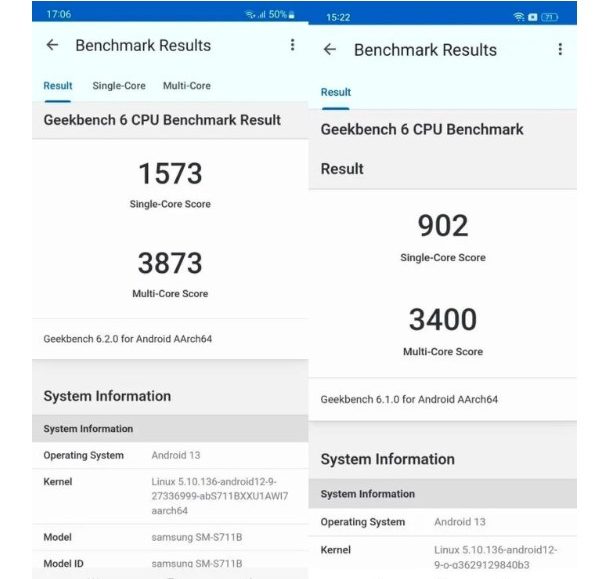
In the single-core and multi-core tests, Samsung’s offering posted scores of 1,573 and 3,873 respectively.
Meanwhile, OPPO Reno10 Pro+ managed to secure 1,400 in single-core and 3,796 in multi-core tests.
Although the differences are minimal, the Samsung Galaxy S23 FE appears to hold an edge in processing speed for general tasks.
Higher scores in single-core and multi-core tests mean that the Galaxy S23 FE would theoretically be more agile in general computing tasks, be it loading apps or running complex algorithms.
This could make all the difference for users whose primary needs include quick processing for everyday tasks.
AnTuTu Benchmarking: Diving into the Details
AnTuTu Benchmarking: Diving into the Details
Turning our attention to the AnTuTu v10 results, the scenario flips.
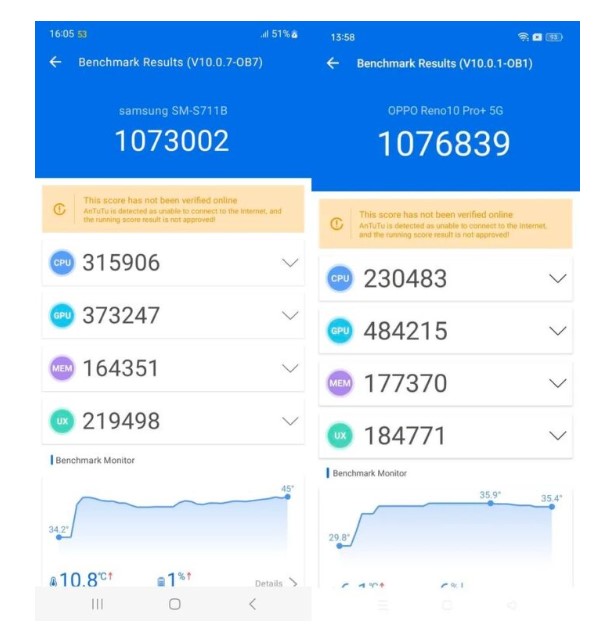
The OPPO Reno10 Pro+ surpassed the Galaxy S23 FE with an overall score of 10,76,839 against Samsung’s 10,73,002.
Moreover, when dissecting the sub-scores, the Reno10 Pro+ excelled particularly in GPU and memory management(MEM) tests, while the Galaxy S23 FE dominated CPU and User Experience (UX) tests.
The AnTuTu v10 tests further accentuate the specialized strengths of each phone.
The OPPO Reno10 Pro+‘s lead in GPU and MEM tests makes it an excellent candidate for users with a penchant for gaming or using graphics-intensive applications.
Coupled with its superior memory management, this makes the Reno10 Pro+ an attractive option for performance-hungry users.
Conversely, the Galaxy S23 FE’s lead in CPU and UX tests suggests that users can expect a smoother, more responsive interface and faster computational tasks, potentially offering a more intuitive and satisfying user experience.
Choosing Between Two Strong Contenders
In summary, both the Samsung Galaxy S23 FE and the OPPO Reno10 Pro+ offer significant but different strengths:
Samsung Galaxy S23 FE
Leads in CPU and UX tests, offering a more seamless user experience
Holds a slight edge in Geekbench scores, promising quicker task completion
OPPO Reno10 Pro+
Excels in GPU and MEM tests, promising enhanced graphics and memory performance
Shows superior CPU throttling performance, indicating resilience under load
With such tightly contested performance metrics, the choice ultimately boils down to individual preferences and specific use cases.
Are you looking for a device optimized for daily tasks and smooth user interaction?
The Samsung Galaxy S23 FE is worth considering.
However, if you demand higher graphical performance and better load management, the OPPO Reno10 Pro+ emerges as the better fit.
FAQs
How do these smartphones fare in CPU Throttling tests?
The OPPO Reno10 Pro+ shows only a 75% reduction in peak performance, suggesting longer sustained performance. The Galaxy S23 FE experiences a 59% drop, indicating it may not handle high-load scenarios as well.
What do the Geekbench v6 scores tell us about these smartphones?
While the differences are marginal, Galaxy S23 FE scores higher, indicating it might be faster in general computing tasks like app loading and algorithm processing.
Who leads in AnTuTu v10 benchmarks?
OPPO Reno10 Pro+ takes the lead in overall score, but it particularly shines in GPU and Memory Management, suggesting better performance in graphics-intensive tasks and better memory management.
Which smartphone should I choose based on performance metrics?
Your choice should depend on your specific needs. If you prioritize general computing speed and a smoother user experience, go for the Galaxy S23 FE. If you need better graphics and memory management, Reno10 Pro+ is a better choice.
Navitasys India joins the battery suppliers list for Samsung’s Galaxy S24 series.
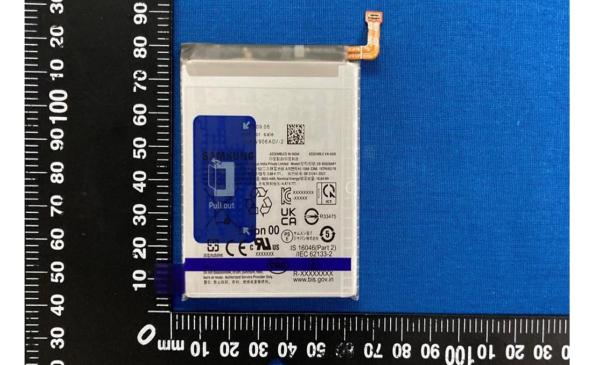
Galaxy S24 Ultra’s battery model, EB-BS928ABY, is confirmed to be supplied by Navitasys India.
Uncertainty remains on whether Navitasys will also supply for Galaxy S24 and S24+ models.
Samsung’s ambitions for the Galaxy S24 seriesare evident not just in the hardware specifications but also in their strategic partnerships.
Diving into the battery saga of the Galaxy S24, we unearth some intriguing developments.
New Player on the Block – Navitasys India
Recent findings from Safety Korea, the Korean certifying agency, reveal a new name in the Galaxy S24’s battery supplier list – Navitasys India.
While Samsung has historically partnered with battery giants like Samsung SDI Vietnam, Ningde Amperex Technology Limited, and ELENTEC India for theGalaxy S24+, the latest entrant Navitasys is set to supply batteries for the top-tier Galaxy S24 Ultra.
Specifically, the model code EB-BS928ABY, associated with the Galaxy S24 Ultra’s battery, is now linked with Navitasys India.
But what about the standard S24and the S24+? Both these models are slated to feature batteries with designations EB-BS922ABY and EB-BS926ABY.
However, whether Navitasys India will be supplying for these models too remains shrouded in mystery, as these designations are yet to appear in listings.
Samsung’s Evolving Battery Strategy
Diversifying battery suppliers isn’t new for Samsung.
A flashback to 2022 reveals that Samsung decided to branch out from exclusively using their own SDI batteries for the Galaxy Z Fold 4 and Galaxy Z Flip 4.
They collaborated with three significant vendors, including industry giants LG and ATL. Notably, ATL isn’t just a big name in the battery world; they’re also a key supplier for Apple’s iPhones.
Samsung’s move to onboard multiple battery suppliers, including the recently spotlighted Navitasys India, signals a robust strategy for the Galaxy S24 lineup.
By diversifying suppliers, Samsung not only ensures product reliability but might also be aiming for supply chain stability amidst the tech industry’s dynamic landscape.
FAQs
Who is the new battery supplier for Samsung’s Galaxy S24 Ultra?
Navitasys India has recently been identified as a battery supplier for the Galaxy S24 Ultra, as per listings from Safety Korea.
Will Navitasys India supply batteries for all Galaxy S24 models?
As of now, Navitasys India is confirmed for the Galaxy S24 Ultra. It remains uncertain if they’ll also cater to the standard S24 and S24+ models.
Why is Samsung diversifying its battery suppliers for the Galaxy S24 series?
By collaborating with various suppliers, Samsung aims to ensure product reliability, meet demands efficiently, and potentially achieve supply chain stability.
Did Samsung rely on multiple battery suppliers for previous devices?
Yes, for devices like the Galaxy Z Fold 4 and Galaxy Z Flip 4 in 2022, Samsung sourced batteries from their own SDI, as well as from LG and ATL.
HyperOS set to debut with the Xiaomi 14 series smartphones.
Architectural revamp combines Android with Xiaomi Vella for seamless device integration.
Leaked screenshots hint at extensive lock screen customization and aesthetic overhaul.
Global launch anticipated following initial release in Xiaomi’s home market, China.
A seismic shift is on the horizon for Xiaomi enthusiasts.
The company’s CEO, Lei Jun, has recently teased the tech world with hints about their newest operating system, HyperOS, on platform X.
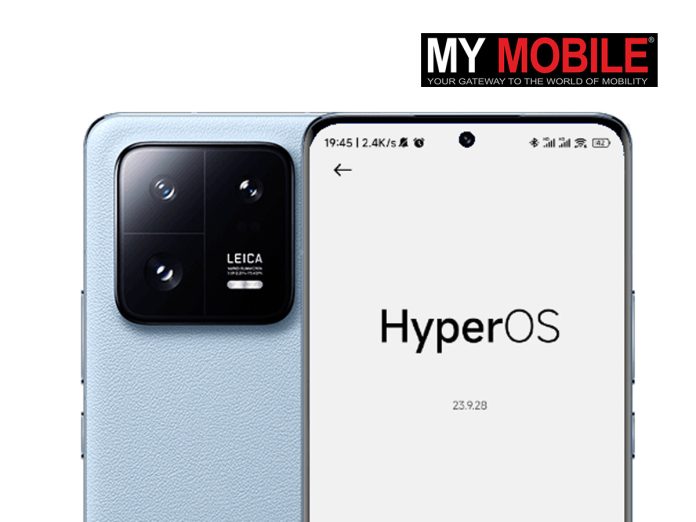
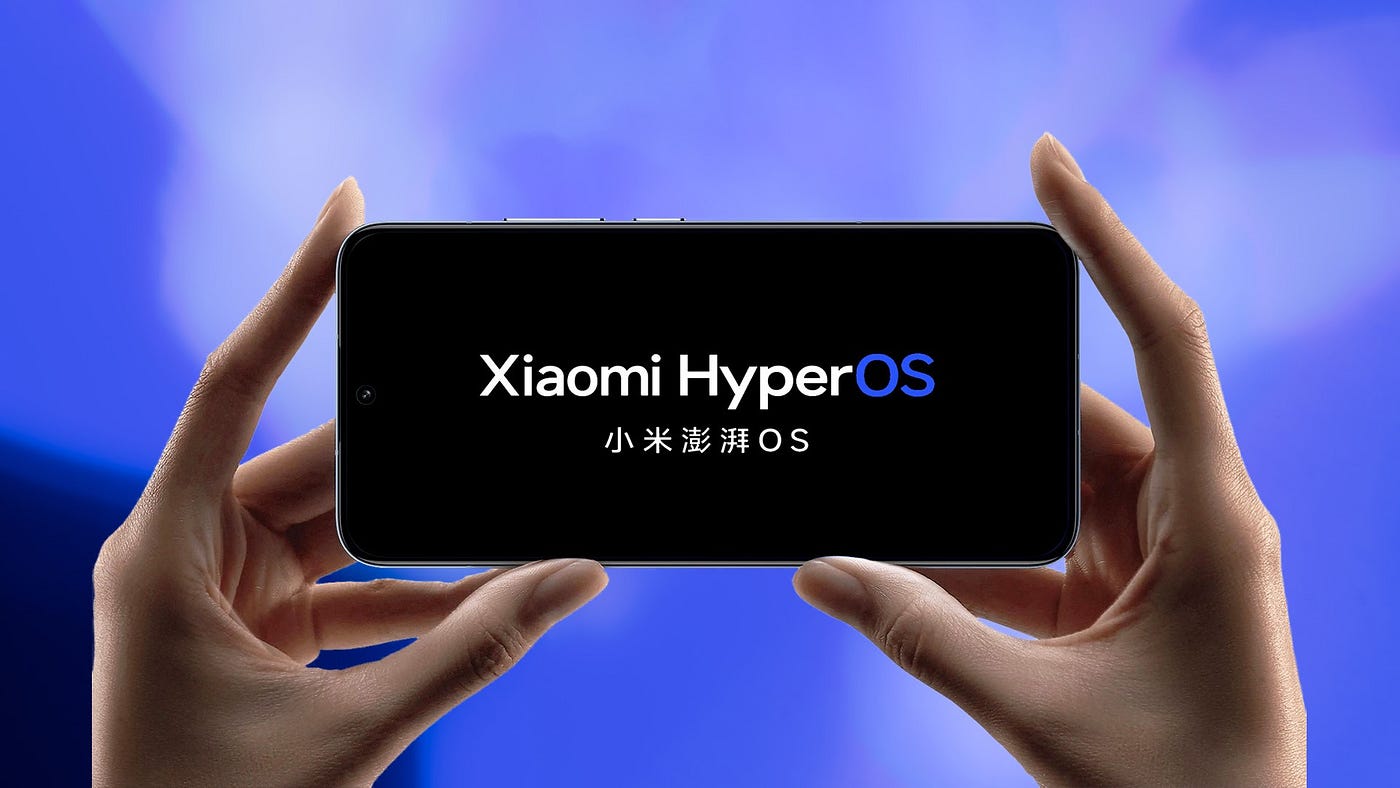
While Jun was measured in what he revealed, the buzz indicates that theXiaomi 14 series smartphoneswill be the flag bearers for HyperOS.
Anticipation and Release Dates
The rumblings in the tech alleys are getting louder, with speculations suggesting an imminent HyperOS launch, possibly as soon as October 27.
Industry insiders and eager fans alike are looking towards China, Xiaomi’s base, to witness the first glow of the Xiaomi 14 series, before it shines globally.
HyperOS: The Heart and Soul
The real intrigue lies in the guts of HyperOS. Melding the best of Android with Xiaomi Vella’sunique attributes, this OS is set to redefine Xiaomi’s device integration.
This means we’re not just looking at a prettier interface, but an architectural overhaul that could seamlessly connect Xiaomi’s wide device ecosystem.
A Glimpse into the Aesthetics
If the leaked screenshots circulating the digital space are to be believed, we’re in for a visual treat.
A user named ‘Mr. Water’ gave the tech community snippets of what looks like the control center, sharing a nostalgic feel with MIUI, but promising refinements.
The interface displayed everything from brightness and volume sliders to a series of quick-setting toggles.
Lock Screens and Customisation – A Whole New World
Another leak maestro, ‘Wei XiaotianAlan’, provided potential glimpses into the lock screen features.
Dominated by an aesthetically pleasing vertical digital clock, it hints at extensive customization capabilities.
The possibilities range from distinct clock styles to an array of widget choices, evoking a feel reminiscent of the iOS platform.
The User Interface
Taking a deeper look, the home screen might play host to a duo of square-shaped widgets, providing users with time and weather details.
The app icons, familiar to those acquainted with MIUI 14, suggest a balanced fusion of Xiaomi’s legacy and the innovative direction they’re heading towards.
FAQs
What is HyperOS and who is behind its development?
HyperOS is the newest operating system unveiled by the tech giant Xiaomi, set to redefine their device ecosystem with seamless integration features.
When can we expect the official launch of HyperOS?
While the exact date hasn’t been confirmed, industry buzz suggests a potential launch as early as October 27, initially in China before a global rollout.
How does HyperOS differ from Xiaomi’s existing MIUI?
HyperOS merges the best of Android with Xiaomi Vella, indicating a complete architectural makeover. While it may have visual resemblances to MIUI, the underlying structure promises a whole new user experience.
What can we anticipate from the new lock screen features of HyperOS?
Leaked images indicate a visually pleasing and extensively customizable lock screen. Expect variations in clock styles, widget choices, and more, with a feel somewhat reminiscent of the iOS platform.
Most significant among these upgrades is the incorporation of a split-screen functionality.
This marks a major milestone in mobile multitasking, as users can now open links and email attachments side-by-side with the actual email content.
For instance, if a user receives an email containing a hyperlink or an attachment, tapping on either will invoke the split-screen mode.
Gmail on Android Tablets
Here, the clicked item will occupy the right half of the screen, while the original email content transitions smoothly to the left half.
But Google doesn’t stop at just providing a static split-screen feature; it has also infused flexibility into the experience.
Users have the option to adjust the width of the split-screen partitions by simply dragging the divider handle that appears at the centre of the display.
This means you can allocate more screen real estate to either the email or the linked content, depending on what requires more immediate attention.
This split-screen functionality not only propels Gmail into a new paradigm of utility but also echoes Google’s broader commitment to enhancing productivity across its suite of applications.
Corroborating this point are the recent improvements that Google highlighted in several third-party applications optimized for Android, including but not limited to Adobe Acrobat Reader, Dropbox, Evernote, Todoist, and Zoom.
Each of these apps has received updates aimed at maximizing user efficiency and offering a more cohesiveAndroid experience.
FAQs
What’s the new feature in Gmail for Android tablets and foldable smartphones?
Gmail has introduced a new productivity feature that enables links and attachments to open in a split-screen view alongside the email content.
How can users benefit from the new Gmail split-screen feature?
This new functionality allows users to multitask more efficiently, reading emails while simultaneously opening links or viewing attachments on the same screen.
Is it possible to customize the split-screen view in Gmail?
Absolutely, users can control the width of each screen partition by simply dragging the divider handle in the center of the screen.
Which other apps received updates along with Gmail?
Google has also spotlighted third-party app updates, including Adobe Acrobat Reader, Dropbox, Evernote, Todoist, and Zoom, that have received new features and optimizations.
Main camera is to feature a new Sony IMX966 sensor with a 1/1.4-inch form factor.
Ultra-wide camera will continue with the Sony IMX581 sensor, found in previous models.
Telephoto capabilities will get a boost with the OmniVision OV64B sensor, providing up to 3X optical and 120X digital zoom.
OnePlus 12is expected to be officially announced within the next two to four months, depending on the validity of circulating speculations.
The most recent leak, courtesy of Yogesh Brar, a well-known tipster,zeroes in on theOnePlus 12 camera specs of the forthcoming flagship offering.
Brar wrapped up his list of leaked specs with a comment that suggests it’s a “Solid upgrade overall.”
However, not all users are in agreement, particularly when it comes to the main camera’s sensor.
While Brar projects a considerable step forward in the OnePlus 12’s photographic capabilities, some users find the updates lacking.
Dissecting the Main Camera
Dissecting the Main Camera
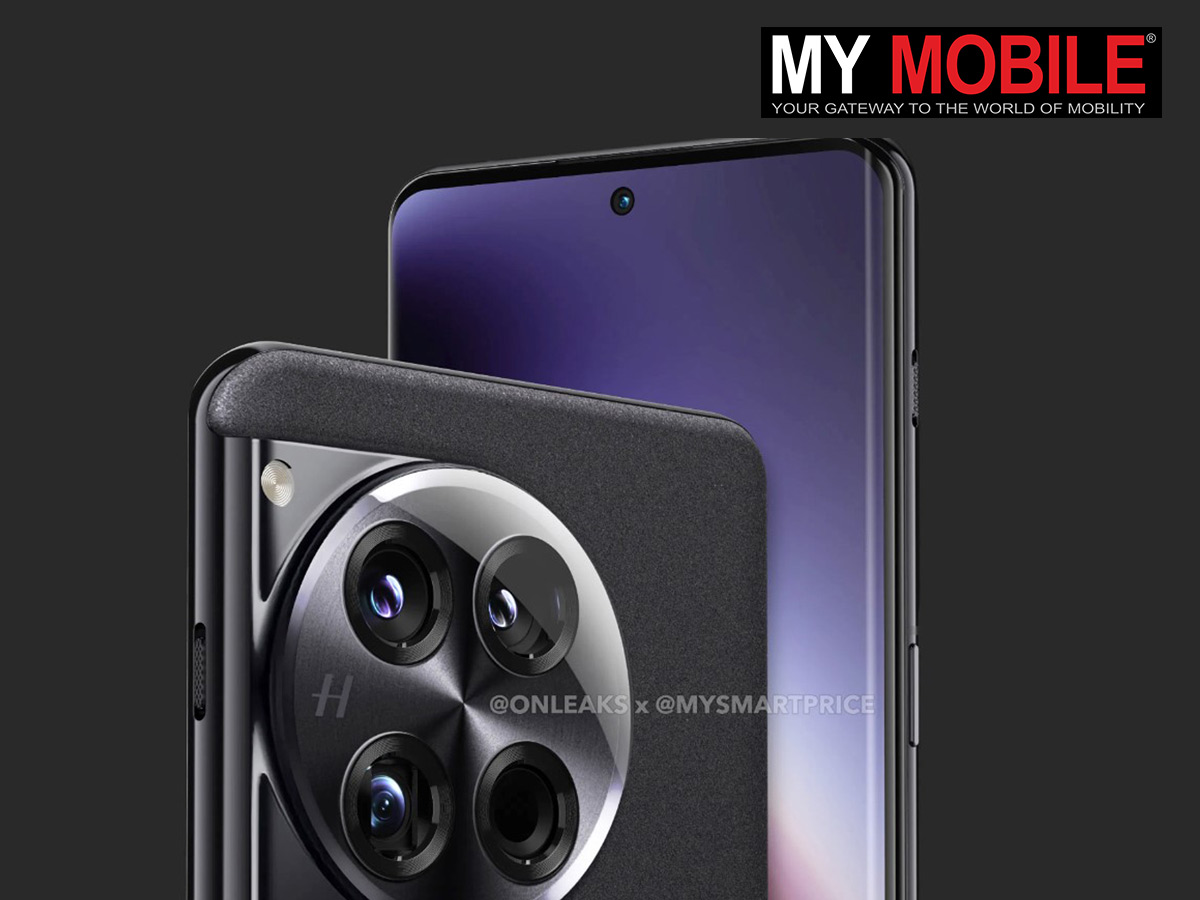
According to the leaked information, the main camera of the OnePlus 12 will feature a new sensor called the Sony IMX966.
Contrary to expectations that speculated on a 1-inch form factor similar to that found in devices like the Find X6 Proand the Xiaomi 13 Pro, the IMX966 will feature a 1/1.4-inch form factor.
It is said to come equipped with OIS, a wide aperture at f/1.7, and a 23mm equivalent field of view.
For those hoping for a 1-inch Sony IMX989 sensor, the same sensor used in devices such as the Vivo X90 Pro Plus, the Xiaomi 12S Ultra, and the Find X6 Pro, the leaked specs might come as a disappointment.
Ultra-Wide and Telephoto Capabilities
Further disclosures indicate that the OnePlus 12 will house a Sony IMX581 sensor for its ultra-wide camera.
This 1/2-inch sensor is not a novelty; it has been featured in the OnePlus 11 and the recently announced Oppo Find N3 Flip.
With an aperture of f/2.2 and a 14mm equivalent field of view, the IMX581 is a reliable choice for capturing broader landscapes.
As for the telephoto camera, there appears to be a departure from its predecessor, the OnePlus 11, which used a 32MP Sony IMX709 sensor for 2X zoom.
Brar’s leak suggests that the OnePlus 12 will employ an OmniVision OV64B sensor, allowing for 3X optical zoom (70mm) and a staggering 120X digital zoom.
The OV64B sensor is also featured in the OnePlus Open.
What is the main sensor in the OnePlus 12 according to the leak?
The main sensor for the OnePlus 12 is rumoured to be the new Sony IMX966 with a 1/1.4-inch form factor, featuring OIS and a wide aperture of f/1.7.
How does the ultra-wide camera in OnePlus 12 compare to its predecessor?
The ultra-wide camera in the OnePlus 12 is expected to house the Sony IMX581 sensor, the same as in the OnePlus 11. It features an aperture of f/2.2 and a 14mm equivalent field of view.
What improvements are expected in the telephoto capabilities of OnePlus 12?
The OnePlus 12 is rumoured to employ an OmniVision OV64B sensor for its telephoto lens, allowing for 3X optical zoom and up to 120X digital zoom, a step up from its predecessor.
Why are some users disappointed with the leaked camera specs?
Some users were hoping for a 1-inch Sony IMX989 sensor for the main camera, as seen in other high-end smartphones. The leaked specs indicate a smaller 1/1.4-inch sensor, leading to some disappointment.
Crafted with a premium metal unibody design, HP Envy x360 offers both aesthetics and durability.
Boasts a vibrant 15.6-inch FHD+ display with IMAX Enhanced certification for stunning visuals.
Extensive I/O options include Thunderbolt 4, USB Type-C, and Wi-Fi 6E.
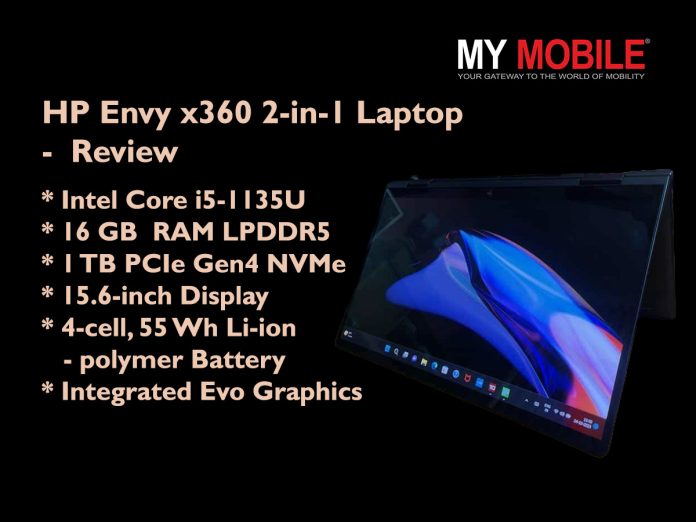
Equipped with an Intel Core i5-1135U processor and 16 GB RAM for robust performance.
The HP Envy x360 2-in-1 laptop sets a new standard in the world of convertible laptops, offering a blend of premium build quality,high-end features, and robust performance.
Our review unit, priced at Rs 91,999, aims to provide a comprehensive look at this machine, examining everything from its aesthetics to its hardware capabilities.
Pros and Cons
HP Envy x360 2-in-1: Pros and Cons
Pros
Cons
Premium Build
Average Battery
Vibrant Display
Only 60Hz Refresh Rate
Exceptional Audio
Not Meant For Heavy Graphical Activity
Key Specifications
HP Envy x360 2-in-1: Key Specifications
Processor: Intel Core i5-1135U (up to 4.6 GHz)
RAM: 16 GB LPDDR5-5200 MHz
Storage: 1 TB PCIe Gen4 NVMe
Display: 15.6-inch FHD+ (16:9 aspect ratio)
Graphics: Integrated Evo Graphics
Battery: 4-cell, 55 Wh Li-ion polymer
Additional Features: Thunderbolt 4, USB Type-C, Wi-Fi 6E, Bluetooth 5.3
HP Envy x360 2-in-1: Build, Design, and I/O
HP Envy x360 2-in-1: Build, Design, and I/O
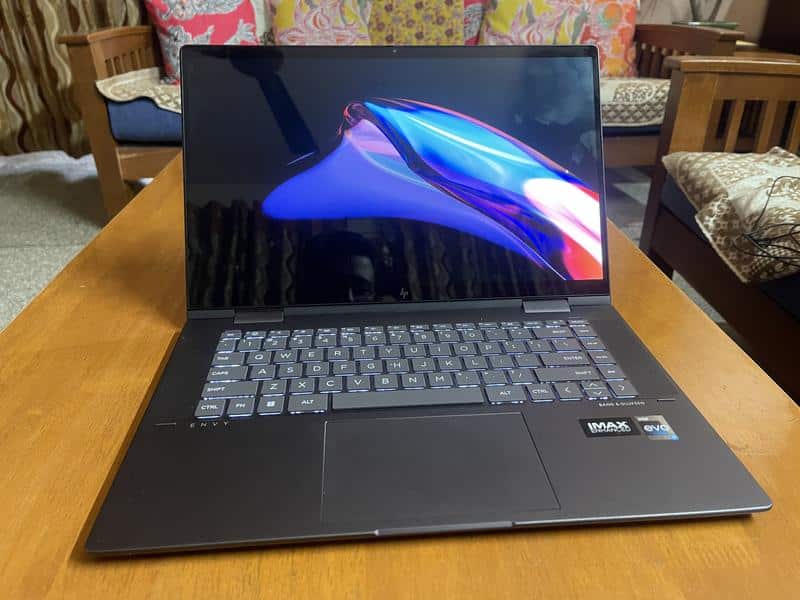
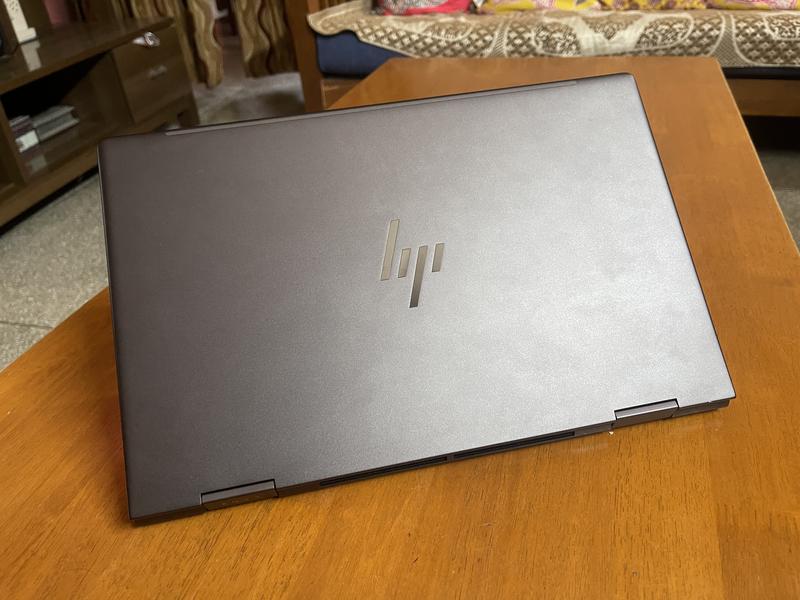
The HP Envy x360 stands out as a premium 2-in-1 laptop, both in terms of its construction and build quality.
Its metal unibody design is not only aesthetically pleasing but also tactilely satisfying to the touch.
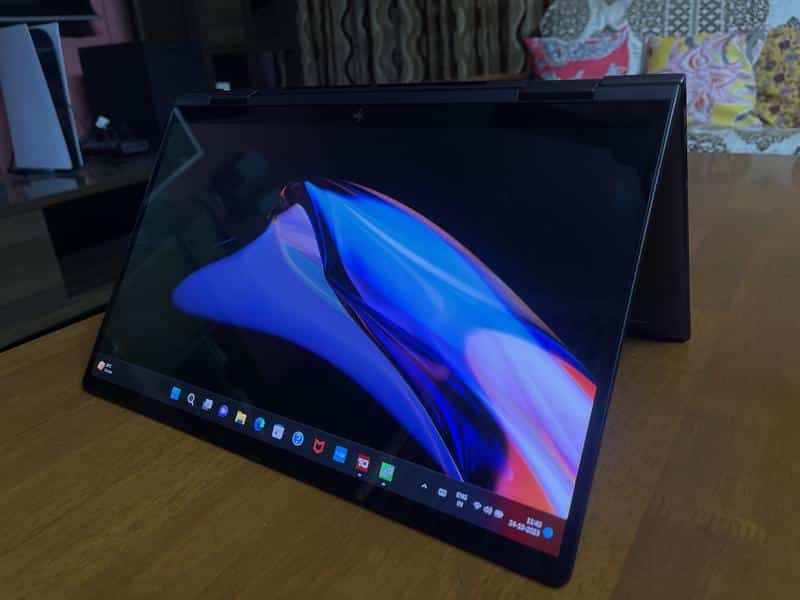
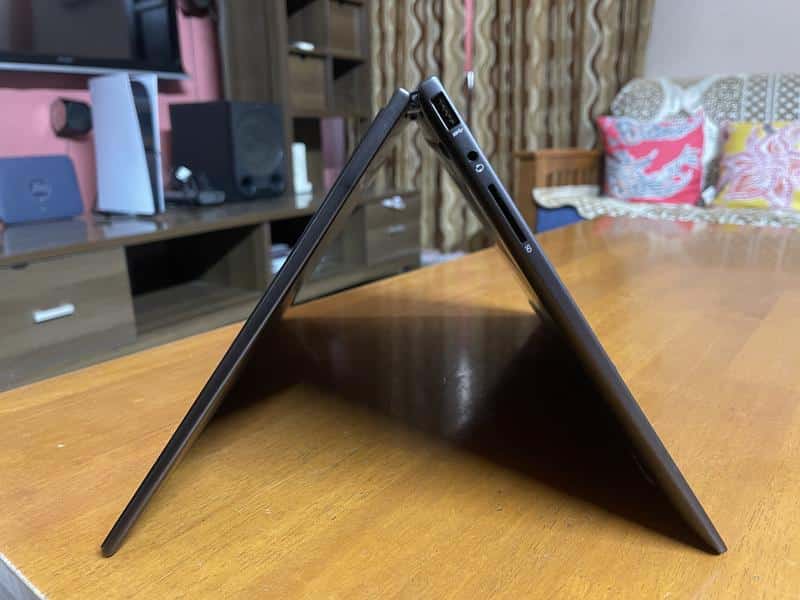
The device offers durability as well, a factor we feel is demonstrated by its robust hinge that allows for a complete 360-degree rotation.
This flexibility enables users to switch between laptop and tablet modes seamlessly.
To aid creative endeavours, the device comes bundled with a stylus, providing an additional layer of functionality.
Despite its high-end build and features, the HP Envy x360 remains highly portable. Weighing in at approximately 1.7 kilograms, the laptop is light enough to be comfortably stored in our backpack.
The device’s slim profile further contributes to its portability, adding to its overall sleek appearance.
When it comes to connectivity, the HP Envy x360 2-in-1 leaves no stone unturned, offering an extensive array of I/O options.
The device is equipped with two Thunderbolt 4 ports that come with USB Type-C support and boast a 40Gbps signalling rate.
These versatile ports provide multiple functionalities including USB Power Delivery, DisplayPort 1.4, and HP Sleep and Charge.
For more traditional connections, there are three USB Type-A ports, all offering a 10Gbps signalling rate.
One of these also features HP Sleep and Charge for added convenience. In addition, an HDMI 2.1 port provides high-definition video output capabilities.
Wireless connectivity is top-notch, featuring Wi-Fi 6E and Bluetooth 5.3 options for seamless connectivity across multiple devices.
The laptop is also furnished with the HP USB-C Rechargeable MPP2.0 Tilt Pen for more versatile input methods.
To complete the package, a Wide Vision 5MP webcam is situated at the top of the device and offers facial authentication features.
HP Envy x360 2-in-1: Display, Keyboard, and Trackpad
HP Envy x360 2-in-1: Keyboard, and Trackpad
When it comes to the display, the HP Envy x360 2-in-1 truly shines. It has a 15.6-inch FHD+ OLED screen with a 16:9 aspect ratio, framed by remarkably slim bezels that enhance its aesthetic appeal.
While the touchscreen functionality is quite responsive, it’s worth noting that the 2-in-1 utility could see some improvements.
The display’s IMAX Enhanced certification ensures that it offers colour grading and visual experiences akin to the IMAX format.
With a peak brightness of 500 nits, the screen is perfectly adequate for indoor viewing. We watched multimedia content on this display and it was quite an immersive experience thanks to its exceptional audio capabilities.
Speaking of which, the laptop features dual speakers tuned by Bang & Olufsen, supplemented by HP Audio Boost, which together produce a deep and expansive soundstage across varied content.
The screen also covers 100% of the DCI-P3 colour gamut, providing vibrant and true-to-life visuals.
The only minor drawback is the screen’s 60Hz refresh rate, which, although standard, could have been more impactful with an upgrade to 90Hz for smoother visuals.
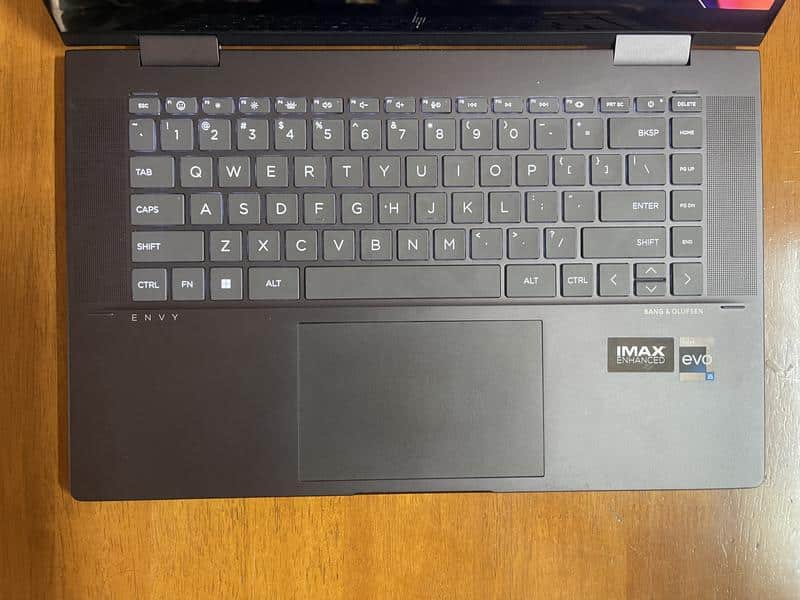
The keyboard on the HP Envy x360 2-in-1 evokes mixed feelings.
The keys are snappy,providing quick feedback, but they also have a somewhat flat feel to them.
Aesthetically, the keyboard scores points with its classy font, neat backlighting, and a smooth texture.
However, the layout leaves something to be desired as the arrow keys are squeezed into a cramped square arrangement.
While the keys adopt a standard chiclet-style, the typing experience, although decent, could benefit from enhanced tactile feedback.
This is an area where there’s room for improvement to meet the expectations of users who prioritize the typing experience.
As for the trackpad, it performs well for casual tasks, offering both spaciousness and reliability.
However, for those engaged in professional work, an external mouse would be a more reliable option to complement the built-in trackpad.
HP Envy x360 2-in-1: Performance and Battery
HP Envy x360 2-in-1: Battery
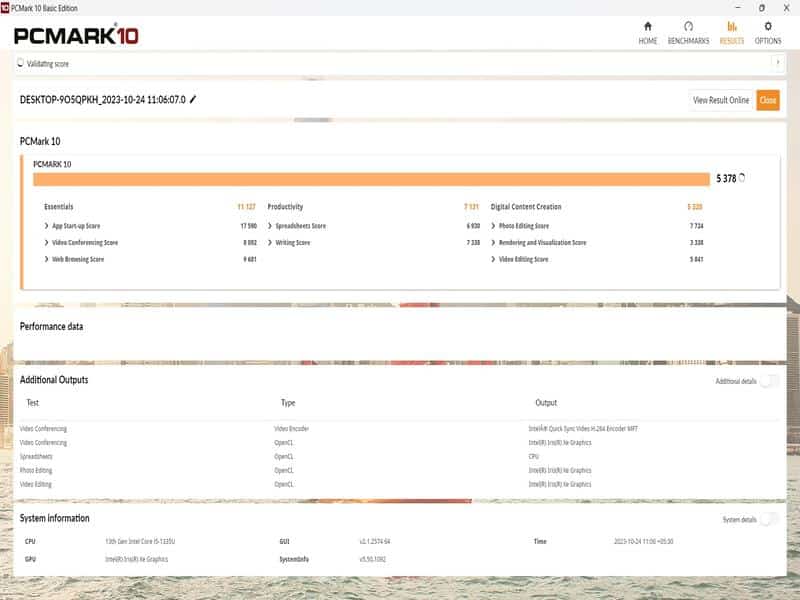
Our review unit comes equipped with anIntel Core i5-1135U processor that can clock up to 4.6 GHz thanks to Intel Turbo Boost Technology.
With a 12 MB L3 cache, 10 cores, and 12 threads, this laptop delivers commendable performance for its price point.
However, it’s worth mentioning that the processor belongs to Intel’s ‘U’ series, which is not designed for heavy CPU-intensive tasks.
For regular activities like browsing and running multiple apps, the device handles operations smoothly.
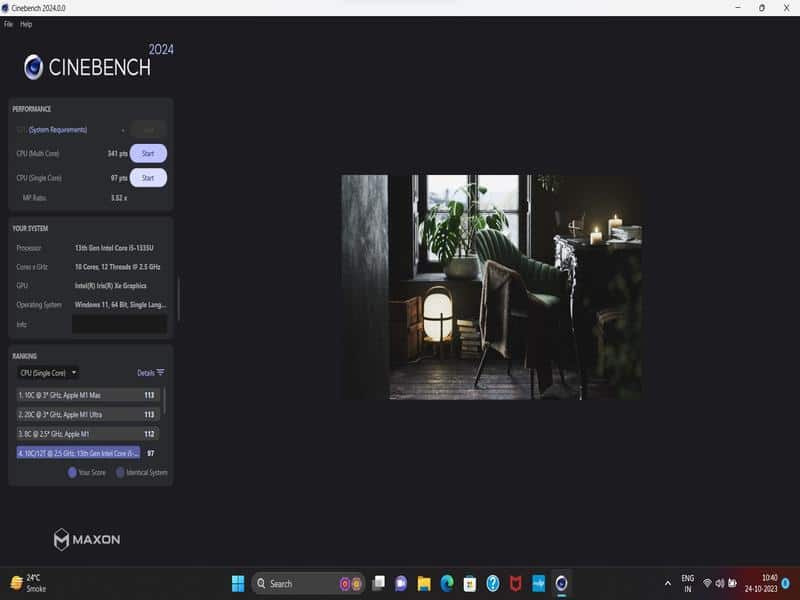
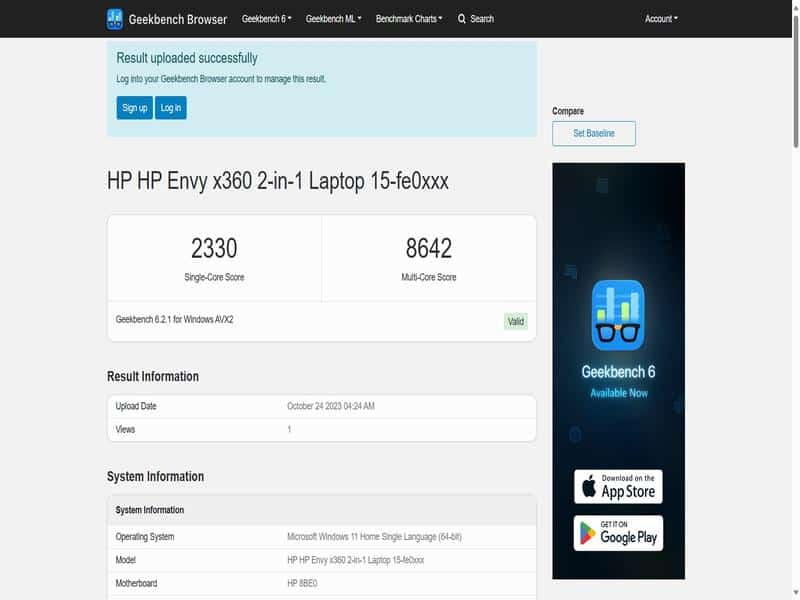
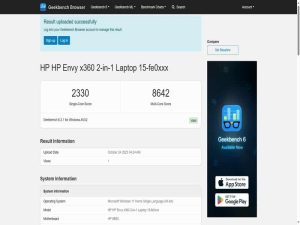
Benchmarktests further confirm the laptop’s competitive performance. In Geekbench 6, it scored 8642 in multi-core tests, while on Cinebench 2024, it registered a score of 341.
When it comes to graphics, the integrated Evo graphics are serviceable but not particularly powerful, making the device suitable for light gaming but not much beyond that.
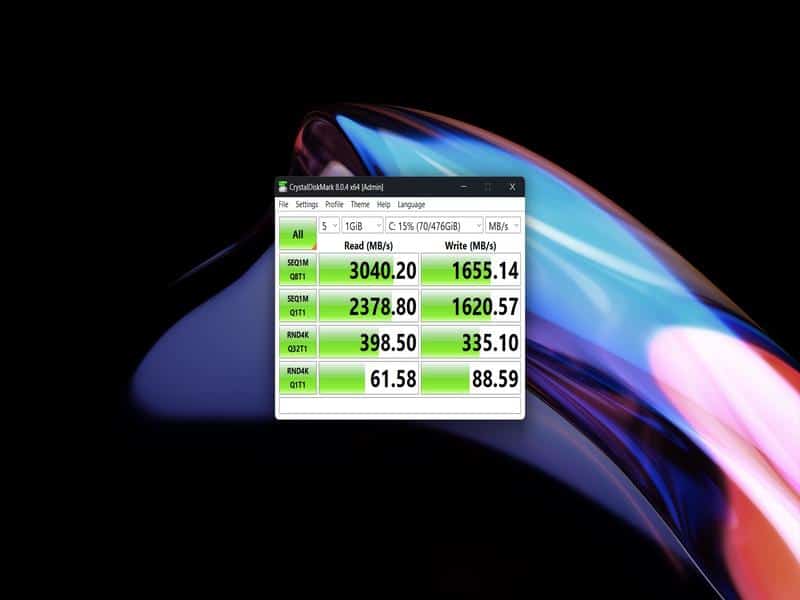
The machine also features 16 GB LPDDR5-5200 MHz RAM and a 1 TB PCIe Gen4 NVMe drive, providing ample storage for a variety of needs.
On the battery front, the device houses a 4-cell, 55 Wh Li-ion polymer battery that offers up to six hours of screen-on time with regular usage.
While this is not exceptional, it’s decent enough for our day-to-day activities.
A standout feature is the compact 65W charger included with the laptop, which utilizes USB-C connectivity for easy portability and fast charging.
Final Verdict
Final Verdict
The HP Envy x360 2-in-1 laptop stands as a compelling choice for those seeking a blend of form and function.
Priced at Rs 91,999, this variant offers robust performance, exceptional build quality, and a plethora of features.
While it shines in several aspects like display and audio quality, it does have its drawbacks such as an average battery life and limitations in heavy CPU tasks.
Overall, it’s a solid package that mostly delivers on what it promises.
My Mobile Rating
Build and design– 4/5
Display – 4/5
Keyboard and trackpad– 3,5/5
Connectivity options – 4/5
Performance– 3.5/5
Battery– 3.5/5
Overall – 4/5
FAQs
What makes the HP Envy x360 stand out?
The HP Envy x360 2-in-1 is a premium laptop with a metal unibody design, a vibrant FHD+ display, and a robust Intel Core i5 processor. It’s a versatile machine that can seamlessly transition from a laptop to a tablet.
Is the HP Envy x360 good for creative work?
Yes, the laptop comes bundled with a stylus and features a touchscreen display that’s IMAX Enhanced certified. These features make it suitable for creative endeavours like graphic designing or sketching.
How does the HP Envy x360 perform in terms of connectivity?
The device offers extensive I/O options, including two Thunderbolt 4 ports, USB Type-A ports, and wireless connectivity options like Wi-Fi 6E and Bluetooth 5.3, making it highly versatile in connecting to various devices.
Is the HP Envy x360 suitable for gaming?
The HP Envy x360 comes with Integrated Evo graphics, which allows for light gaming. However, it’s not designed for heavy gaming or graphically intensive tasks.