Home Blog Page 845

OnePlus Nord N30 5G With 6.72-inch 120Hz Display, Snapdragon 695 SoC, 108MP camera, and 5,000 mAh battery Launched: Price, Specifications & Availability

0

HIGHLIGHTS

* The OnePlus Nord N30 5G features a 6.72-inch display with Full HD+ resolution and a 120Hz refresh rate.
* The device uses an octa-core Snapdragon 695 SoC which is paired with 8GB of RAM and 256GB of internal storage.
* The handset features a 16MP selfie camera and packs a 5,000mAh battery.
* OnePlus Nord N30 5G sports a 6.72-inch full-HD+ display
* The smartphone is available in a 8GB + 128GB storage variant
* The handset features a 16-megapixel front camera

OnePlus has officially launched its mid-range Nord series smartphone, the OnePlus Nord N30 5G. This latest offering from OnePlus is a rebrand of the OnePlus Nord CE 3 Lite 5G which was launched in India back in April.

The newly launched OnePlus Nord N30 5G boasts. 6.72-inch display with a Full HD+ resolution and a 120Hz refresh rate. The device flaunts a 108MP triple-camera setup, a 16MP selfie camera, and a side-mounted fingerprint sensor.

The handset packs a 5,000mAh battery which supports 50W wired fast charging.

OnePlus Nord N30 5G

OnePlus Nord N30 5G was launched on Monday in the US. The handset was recently spotted on a bunch of certification sites. The company released the successor to the OnePlus Nord N20 5G quietly. The phone is listed on the OnePlus US website.

It is powered by an octa-core Qualcomm Snapdragon 695 SoC and it is backed by a 5,000mAh battery with 50W SuperVOOC wired fast charging support. It is available in a single colour option and one storage configuration.

OnePlus Nord N30 5G: Pricing, Availability

OnePlus Nord N30 5G

The OnePlus Nord N30 5G is priced at $299.99 (roughly Rs 24,800). The device comes in sole single Chromatic Gray. The handset is available for pre-order in the US and Canada.

If you pre-order the device between today and June 14, you can get a new OnePlus Nord Buds 2 for free, an extra $30 (roughly Rs 2,500) off with trade-in, and even save an additional 10% as a student discount. In Canada, the device can be pre-ordered for $380 (roughly Rs 31,400).

OnePlus Nord N30 5G: Specifications, Features

OnePlus Nord N30 5G

The OnePlus Nord N30 5G sports a 6.72-inch display with an FHD+ resolution and a 120Hz refresh rate. The display panel has a punch-hole cutout and a pixel density of 391 PPI.

The smartphone is powered by a Snapdragon 695 processor which is coupled with 8GB of RAM and 256GB of internal storage. The device runs Android 13 out of the box.

As far as the other features go, the handset features a 108MP primary camera, a pair of 2MP depth and macro camera units, a 16MP selfie camera, a side-mounted fingerprint sensor, and a 5,000mAh battery which supports 50W wired fast charging.

OnePlus Nord N30 5G

The 108MP sensor has EIS support and a f/1.7 aperture. Last but not least, the smartphone also has microSD card support for storage expansion beyond 256GB, a 3.5mm audio jack, and 5G connectivity support.

* Display: 6.72-inch display, Full HD+ 1080 x 2400 pixels resolution, 120Hz refresh rate, punch-hole cutout, 391 PPI pixel density, 20:9 aspect ratio.
* Processor: Qualcomm’s octa-core Snapdragon 695 SoC with Adreno 619 GPU.
* RAM, Storage: 8GB RAM, 128GB UFS 2.2 internal storage, microSD card slot.
* Rear-facing camera: 108MP camera (Samsung S5KHM6SX03 sensor), f/1.7 aperture, EIS support, 2MP depth camera, f/2.4 aperture, 2MP macro lens, f/2.4 aperture.
* Front-facing camera: 16MP, f/2.4 aperture.
* Battery: 5,000mAh, 50W wired fast charging support.
* Other Specifications: In-display fingerprint sensor, 5G support.
* Weight: 195 grams.

OnePlus Nord N30 5G quietly launches for $299 with 108MP camera

OnePlus Nord N30 5G

Without much fanfare, the OnePlus Nord N30 5G has just gone official as the brand’s latest affordable smartphone, with a $299 price tag and some reasonably impressive specs.

The OnePlus Nord N30 5G is available for pre-order now, and for its $299 price, you’re getting a solid package. There’s a 6.72-inch, 1080p+ LCD display that hits 120 Hz. There’s no fingerprint sensor inside of that display, either, with OnePlus opting for a side-mounted solution here.

Under the hood, this phone is powered by a Snapdragon 695 chip, 8 GB of RAM, and 128 GB of storage. The phone is also running Android 13 out of the box, but there’s no word on how many updates it will get – past Nord devices only got a single update.

OnePlus Nord N30 5G

There’s also a 5,000 mAh battery with 50 W wired fast charging (there’s no wireless charging, unsurprisingly), and there’s a charging brick in the box.

Making up the camera situation is a 108 MP Samsung sensor partnered with a pair of 2 MP sensors for depth capture and a macro lens. Zoom maxes out at 6x. There’s also a 16-MP camera on the front.

Rounding things out, you’ll find a 3.5 mm headphone jack and microSD card support but no NFC.

The OnePlus Nord N30 5G is available for pre-order today, with estimated delivery as soon as June 12. You can score a free pair of OnePlus Nord Buds 2 with your order and bundle a case for 50% off or OnePlus Buds Z2 for 20% off.

The phone is solely available in “Chromatic Gray,” though the company’s website showcases a vibrant green identical to the Nord CE 3 Lite that’s sold internationally.

16
17
21
18
22
19
24
25
29
16 17 21 18 22 19 24 25 29

ONEPLUS NORD N30 5G KEY SPECIFICATIONS

Key Specs

RAM 8 GB
Processor Qualcomm Snapdragon 695
Rear Camera 108 MP + 2 MP + 2 MP
Front Camera 16 MP
Battery 5000 mAh
Display 6.72 inches (17.07 cm)

General

Launch Date July 20, 2023 (Unofficial)
Operating System Android v13

Performance

Chipset Qualcomm Snapdragon 695
CPU Octa core (2.2 GHz, Dual core, Cortex A78 + 1.8 GHz, Hexa Core, Cortex A55)
Architecture 64 bit
Fabrication 6 nm
Graphics Adreno 619
RAM 8 GB

Display

Display Type AMOLED
Screen Size 6.72 inches (17.07 cm)
Resolution 1080 x 2400 pixels
Aspect Ratio 20:9
Pixel Density 392 ppi
Bezel-less display Yes with punch-hole display
Touch Screen Yes, Capacitive Touchscreen, Multi-touch
Refresh Rate 120 Hz
Screen to Body Ratio (claimed by the brand) 87.1 %

Camera

MAIN CAMERA
Camera Setup Triple
Resolution 108 MP f/1.8, Wide Angle, Primary Camera(1.67″ sensor size, 0.64µm pixel size)2 MP f/2.4, Macro Camera
2 MP f/2.4, Depth Camera
Autofocus Yes
Flash Yes, LED Flash
Image Resolution 12000 x 9000 Pixels
Settings Exposure compensation
Shooting Modes Continuous Shooting
High Dynamic Range mode (HDR)
Camera Features Digital Zoom
Auto Flash
Face detection
Touch to focus
Video Recording 1920×1080 @ 30 fps
FRONT CAMERA
Camera Setup Single
Resolution 16 MP f/2, Wide Angle, Primary Camera
Video Recording 1920×1080 @ 30 fps

Battery

Capacity 5000 mAh
Type Li-Polymer
Removable No
Quick Charging Yes, Fast, 67W
USB Type-C Yes

Storage

Internal Memory 128 GB
Expandable Memory Yes, Up to 1 TB

Network & Connectivity

SIM Slot(s) Dual SIM, GSM+GSM
SIM Size SIM1: Nano, SIM2: Nano
Network Support 5G Not Supported in India, 4G Supported in India, 3G, 2G
VoLTE Yes
SIM 1
4G Bands:
TD-LTE 2300(band 40)
FD-LTE 1800(band 3)
3G Bands:
UMTS 1900 / 2100 / 850 / 900 MHz
2G Bands:
GSM 1800 / 1900 / 850 / 900 MHz
GPRS:
Available
EDGE:
Available
SIM 2
4G Bands:
TD-LTE 2300(band 40)
FD-LTE 1800(band 3)
3G Bands:
UMTS 1900 / 2100 / 850 / 900 MHz
2G Bands:
GSM 1800 / 1900 / 850 / 900 MHz
GPRS:
Available
EDGE:
Available
Wi-Fi Yes, Wi-Fi 4 (802.11 b/g/n)
Wi-Fi Features Mobile Hotspot
Bluetooth Yes, v5.3
GPS Yes with A-GPS, Glonass
USB Connectivity Mass storage device, USB charging

Multimedia

Loudspeaker Yes
Audio Jack USB Type-C

Sensors

Fingerprint Sensor Yes
Fingerprint Sensor Position Side
Other Sensors Light sensor, Proximity sensor, Accelerometer, Compass, Gyroscope

Faqs on OnePlus Nord N30 5G

1) What is OnePlus Nord N30 5G price, availability?

Ans) The OnePlus Nord N30 5G, available in a lone 8GB + 128GB variant, is priced at $299.99 (roughly Rs. 24,800). The handset is offered in only a Chromatic Grey colour option and is currently open for pre-orders on the company’s US site.

Pre-ordering the handset offers customers a free OnePlus Nord Buds 2 worth $59 (roughly Rs. 4,900), with early shipping starting June 8. OnePlus is also extending a 10 percent student discount and one year of Google One cloud storage alongside the pre-order of the phone.

The website also shows this newly-launched phone in a Pastel Lime variant like that of the OnePlus Nord CE 3 Lite. The availability of this colour variant has not yet been confirmed.

2) OnePlus Nord N30 5G specifications, features

Ans) OnePlus’s Nord N30 5G sports a 6.72-inch full-HD+ (2400 x 1080 pixels) LCD display with a refresh rate of 120Hz, a touch sampling rate of 240Hz, a pixel density of 391 ppi, and an aspect ratio of 20:9. The screen also supports sRGB, Display P3, and a dark mode.
The handset is powered by an octa-core Qualcomm Snapdragon 695 SoC paired with an Adreno 619 GPU, 8GB of LPDDR4X RAM and 128GB of UFS2.2 inbuilt storage. The phone boots Android 13 with OxygenOS 13 on top out-of-the-box.

For optics, the triple rear camera unit on the OnePlus Nord N30 5G includes a 108-megapixel Samsung S5KHM6SX03 primary sensor, a 2-megapixel depth sensor, and a 2-megapixel macro sensor. The cameras are placed on two vertically arranged circular modules in the upper left corner of the back panel alongside an LED flash unit. A 16-megapixel sensor of the front camera is housed in a centre-aligned punch-hole slot at the top of the display.

Backed by a 5,000mAh battery, the OnePlus Nord N30 5G supports 50W SuperVOOC wired fast charging. The phone also supports 5G, GPS, WiFi 802.11 a/b/g/n/ac, and Bluetooth v5.1 connectivity. For security, the smartphone is equipped with a side-mounted fingerprint sensor. Weighing 195 grams, the handset measures 165.5mm x 76.0mm x 8.3mm in size.

3) The mid-range OnePlus Nord N30 5G goes official and up for US pre-orders at an exquisite price.Details?

Ans) Even though we obviously don’t expect any smartphone announcements to come out of the 2023 Worldwide Developers Conference (WWDC), it’s rarely wise to launch a product on the day of such a big Apple event.

OnePlus evidently didn’t get that memo, rather discreetly opening US pre-orders for the Nord N30 5G mid-ranger earlier today. This is a budget-friendly handset that hasn’t actually been formally unveiled or commercially released internationally either, fetching a reasonable $299.99 stateside in an unlocked 128GB storage variant with 8 gigs of memory also on deck and a single “Chromatic Gray” color option.

For a limited time, you can get the 6.72-inch Android 13 device alongside a nice pair of OnePlus Nord Buds 2 in your choice of white or gray hues at no extra cost, and if you hurry, the manufacturer will fulfil your order as early as June 12.

At three Benjamins (with a $59-worth gift included), this 5G-enabled bad boy goes up against the likes of Samsung’s Galaxy A23 5G and the recently released Moto G Power 5G (2023) for the title of best affordable phone available in the US right now.

This being a OnePlus device, you probably won’t be shocked to hear that a key advantage over its direct competition is the blazing fast (50W) charging support. That’s faster than what the otherwise state-of-the-art Galaxy S23 Ultra is capable of, mind you, and in combination with a large 5,000mAh battery, it delivers hard-to-rival value for the sub-$400 segment.

Of course, “fast” is a word that characterizes the OnePlus Nord N30 5G from a number of different standpoints, including screen refresh rate technology and processing power. Yes, this is a silky smooth 120Hz (LCD) affair with a reasonably zippy Snapdragon 695 SoC under the hood, and a 108MP primary rear-facing camera promises to keep (cash-strapped) shutterbugs very happy as well.

That is, if you don’t need a separate ultra-wide-angle or telephoto sensor, with the other two shooters on the N30’s back likely to prove, well, largely useless with their macro and depth skills and common 2 megapixel count.

But hey, you clearly can’t have it all at $299.99, and compared to the two aforementioned low-cost mid-rangers from Motorola and Samsung, this puppy arguably has a lot more going for it, at least on paper.

4) OnePlus Nord N30 5G unveiled: Snapdragon 695 SoC, 108MP camera, and 5,000 mAh battery.Details?

Ans) OnePlus launched the Nord N20 5G last April, and over a year later, the Chinese brand introduced its successor, dubbed the OnePlus Nord N30 5G.

Like its predecessor, the OnePlus Nord N30 5G is powered by the Snapdragon 695 SoC, paired with 8GB of LPDDR4X RAM. It has 128GB of UFS 2.2 storage onboard, expandable up to 1TB via a microSD card. The Nord N30 5G runs Android 13-based OxygenOS 13.1 out of the box, but it will only get one major Android update. However, OnePlus has promised to deliver security updates for three years.

The OnePlus Nord N30 5G packs a 6.72″ FullHD+ 120Hz LCD with a punch hole in the center for the 16MP selfie camera. And around the back is a 108MP primary camera with 3x lossless zoom, joined by 2MP macro and 2MP depth units.

Fueling the entire package is a 5,000 mAh battery with 67W SuperVOOC support. However, in 110V areas, including North America, it will only go up to 50W.
The rest of the OnePlus Nord N30 5G’s highlights include a 3.5mm headphone jack, USB-C, stereo speakers, and a side-mounted fingerprint scanner. The smartphone is 8.3mm thick and weighs 195g. If all this sounds familiar, it’s because the OnePlus Nord N30 5G is a rebranded Nord CE 3 Lite unveiled in April.

The OnePlus Nord N30 5G has Pastel Lime and Chromatic Gray color options, but OnePlus has only listed the Chromatic Gray color model on the phone’s specs page and its online store.

The OnePlus Nord N30 5G is priced at $299.99 (€280/INR24,780) and is up for pre-order on OnePlus’ official US website. Shipping begins on June 8, and those who pre-book the smartphone get a pair of OnePlus Nord Buds 2 TWS earphones worth $59 (€55/INR4,875) for free.

Also Read: OnePlus Nord N30 5G specifications on Google Play Console suggest rebranded Nord CE 3 Lite 

Also Read: OnePlus Nord CE 3 Lite Could Launch Globally Soon as OnePlus Nord N30 5G receives FCC certification Ahead of Launch

Nothing Phone (2) design leaked ahead of launch, Tipped to Sport Updated Redesigned Glyph Light LEDs, Curved Body

0
Nothing Phone (2)

HIGHLIGHTS

1. Nothing Phone (2) will launch in July.
2. The company has not revealed the design but confirmed some key specs of the Phone (2).
3. The Nothing flagship smartphone will sport a curved frame and rear panel.
4. The Nothing Phone (2) will come with a punch-hole cutout, dual camera sensors, wireless charging support, and a White colour option.
5. While the design appears almost identical to its predecessor, the LED lighting pattern has been significantly redesigned.
6. Nothing Phone (2) will come with Snapdragon 8+ Gen1 SoC.

Nothing Phone (2) is set to launch next month worldwide. The company has confirmed that it will launch its new flagship smartphone in India, the US and other markets in July. The exact launch date of the Phone (2) is under wraps.

Ahead of the launch, Nothing has been teasing the specifications and features of the Phone (2). The company has also given a glimpse of the phone’s design, which suggests that it will continue to sport a semi-transparent design.

A month ahead of the launch, the Phone (2)’s design renders have leaked online. Tipster OnLeaks and Industry Sources uploaded the design renders of the upcoming Nothing flagship smartphone.

The design renders reveal that the device has a transparent back panel with LED strips on it. While the design language is the same as the Phone (1), there are a few changes introduced.

Nothing Phone (2)

Nothing Phone (2) has slowly started taking the limelight. The company already confirmed the phone’s battery capacity, display size and chipset details. The Flipkart listing is already live and the handset will be manufactured in India.

Now, while we wait for the official launch in July, the Nothing Phone 2 renders have surfaced, courtesy of Smartprix and OnLeaks.

The renders are based on live pictures of a Nothing Phone (2) testing unit. It’s possible that the final design of the Nothing Phone (2) may differ slightly due to changes in the latter stages of development.

On first look, the Nothing Phone (1) and Phone (2) look quite identical but there are some subtle changes.

The Nothing Phone (2) will be officially unveiled next month. Thanks to the leakster @OnLeaks we now have access to early renders of the Nothing Phone (2).

The device retains its signature transparent back design and prominent Glyph Light strips. However, there are a few changes this time around.

Let’s take a look at the Nothing Phone (2) design, specifications and other details known so far.

Nothing Phone (2) Features a new design

Nothing Phone (2)

As confirmed already by the company, the most notable change is the size of the phone. The Nothing Phone (2) will have a 6.7-inch OLED display, which is slightly larger than the 6.55-inch display on the original Nothing Phone. It looks like the larger size prompted the need to change up the ergonomics.

The leaked renders of the Nothing Phone (2) suggest that it will have a more rounded design than its predecessor.

The aluminum sides are now curved, and the glass panels on the front and back have a slight arc to them. This change in design gives the phone a more modern and sleek look.

The Glyph interface will also be updated. The light strips will be segmented into separate segments.

Nothing Phone (2)

This is supposed to give users more control over how the system lights up. As expected, users can choose to have the lights flash for notifications or pulse to the beat of the music.

The smartphone is still in the testing phase, so there may be some small changes to the design before it is released. However, the early renders of the Nothing Phone (2) that have been released so far give us a good idea of what to expect.

A major change in design is unlikely now since we’re nearing the launch. That means the Nothing Phone (2) will be sticking with a dual-camera setup.

The flash though, now has two LEDs instead of one on the Phone (1). But that’s the only addition for the camera department.

Expected Price

Nothing Phone (2)

Powering the phone will be a Snapdragon 8+ Gen 1 chip. But it is rumored to stick to the mid-range market rather than taking on a flagship. The original Phone (1) was also a mid-range phone, but it started at a lower price of €470/£400/₹33,000.

It is unclear whether the Phone (2) will start at the same price or at a higher price. The Phone (2) will also be available in the US.

Nothing Phone (2): Here’s What It Might Look Like

Nothing Phone (2) will be the company’s new flagship smartphone launching later this year. The device’s design renders have leaked online. According to the render images shared by OnLeaks, the Phone (2) follows the design language of its predecessor but gets some minor changes.

The Nothing flagship will have a slightly curved rear and front panel, which the report claims are reminiscent of a 2.5D design. The slight curvature is likely to add to the sleek and ergonomic feel of the device.

On the front, there are fairly thin bezels around the display, which also sports a hole-punch cutout at the top left corner. This is very much unlike most other phones out there, which sport a hole-punch cutout at the top centre.

The frame of the device is also slightly rounded, which will help it differentiate from the outgoing model. Nothing has already confirmed that the device will feature 100 per cent recycled aluminium.

Nothing-Phone-2

The SIM tray is on the right side, whereas on the left edge are the power and volume keys. At the bottom, there is the USB Type-C port and the primary speaker grille.

The LED lights on the back continue to exist but with minor design changes. The LED lights around the camera module have been redesigned. The lights around the wireless charging coil have also received a redesign.

Instead of a single long strip, the Nothing Phone 2 now utilises multiple small strips of lights.

Nothing is yet to officially revealed the design of the Phone (2) yet. Therefore, while OnLeaks has an impressive record, we would advise taking the leak with a pinch of salt.

The company has confirmed some other details about the device. For starters, the Phone (2) will feature a Qualcomm Snapdragon 8+ Gen 1 SoC under the hood, which will unlock many features for the camera along with impressive power efficiency compared to the Snapdragon 778G+ SoC.

It will feature a 6.7-inch display and a bigger 4700mAh battery as well. The device is also confirmed to be made in India

Nothing Phone (2) Design

IMG_7910 (3)
IMG_7911 (1)
IMG_7910 (2)
IMG_7909 (2)
IMG_7910 (3) IMG_7911 (1) IMG_7910 (2) IMG_7909 (2)

* Let’s start with the design first. Similar to the Nothing Phone (1), there is a left-positioned punch-hole cutout for the selfie shooter and slim bezels, which doesn’t appear symmetrical.

* The power button is on the right spine, while the volume rocker is on the left edge.

* The USB Type-C port, SIM tray section, and speaker grill are at the bottom.

* Nothing will retain the transparent back panel design with similar LED light strips.

* The Nothing Phone (2) will have dual camera sensors like the predecessor and an LED flash. The phone will also have wireless charging support.

* The renders can be seen in White colour but there could be a Black colour option at launch.

Nothing Phone 1 vs Nothing Phone 2: What has changed?

While the overall outlook might appear similar, there are some notable changes and enhancements compared to the predecessor, going by the report.

* Lighting: The LED lights on the back of the Nothing Phone (2) are tweaked, especially those surrounding the camera module. While the Phone (1) had a C-shaped lighting design, the Nothing Phone (2) features a more angled lighting strip. This change gives the phone a fresh new look.

* Rounded Frame: Nothing Phone (1) featured a more boxy design akin to the most recent iPhones. But the Phone (2) has a more rounded frame. This offers a more comfortable grip on hands and a premium aesthetic appeal.

* Curved design: The back and front of the phone have a slight curvature. This offers an immersive viewing experience and also a better grip.

* LED flash layout: The Nothing Phone (2) gets an upgraded dual LED configuration. This should improve the lighting of the images during low-light conditions.

* Wireless charging lights: In addition to the camera module’s lights, the wireless charging coil has undergone a significant change. Instead of a single long strip, the Nothing Phone (2) will feature multiple small strips of lights. This should allow for independent control of each strip.

Nothing Phone (2) Specifications (Expected)

Nothing Phone (2)

* Display: The Nothing Phone (2) will feature a 6.7-inch FHD+ AMOLED display with a 120Hz refresh rate and an in-display fingerprint sensor.

* Processor: The Phone (2) will be powered by the Qualcomm Snapdragon 8+ Gen1 SoC

* Cameras: The Nothing Phone (2) is expected to feature a 50MP primary camera with OIS. But the secondary camera sensor details are under wraps.

* RAM and Storage: The Nothing Phone (2) is tipped to launch in three variants of 8GB + 128GB, 8GB + 256GB, and 12GB + 256GB.

* Battery: The phone will come with a 4,700mAh battery.

NOTHING PHONE 2 KEY SPECIFICATIONS

Key Specs

RAM 8 GB
Processor Qualcomm Snapdragon 8 Plus Gen 1
Rear Camera 50 MP + 50 MP + 50 MP
Front Camera 32 MP
Battery 4700 mAh
Display 6.67 inches (16.94 cm)

General

Launch Date July 19, 2023 (Unofficial)
Operating System Android v13

Performance

Chipset Qualcomm Snapdragon 8 Plus Gen 1
CPU Octa core (3.2 GHz, Single core, Cortex X2 + 250 MHz, Tri core, Cortex A710 + 2 GHz, Quad core, Cortex A510)
Architecture 64 bit
Fabrication 4 nm
Graphics Adreno 730
RAM 8 GB

Display

Display Type OLED
Screen Size 6.67 inches (16.94 cm)
Resolution 1080 x 2400 pixels
Pixel Density 395 ppi
Bezel-less display Yes with punch-hole display
Touch Screen Yes, Capacitive Touchscreen, Multi-touch
Refresh Rate 120 Hz

Camera

MAIN CAMERA
Camera Setup Triple
Resolution 50 MP, Primary Camera
50 MP
50 MP
Autofocus Yes
Flash Yes, LED Flash
Image Resolution 8150 x 6150 Pixels
Settings Exposure compensation, ISO control
Shooting Modes Continuous Shooting
High Dynamic Range mode (HDR)
Camera Features Digital Zoom
Auto Flash
Face detection
Touch to focus
FRONT CAMERA
Camera Setup Single
Resolution 32 MP, Primary Camera

Battery

Capacity 4700 mAh
Type Li-Polymer
Removable No
Wireless Charging Yes
Quick Charging Yes, Fast, 66W
USB Type-C Yes

Storage

Internal Memory 128 GB
Expandable Memory No

Network & Connectivity

SIM Slot(s) Dual SIM, GSM+GSM
SIM Size SIM1: Nano, SIM2: Nano
Network Support 5G Not Supported in India, 4G Supported in India, 3G, 2G
VoLTE Yes
SIM 1
4G Bands:
TD-LTE 2300(band 40)
FD-LTE 1800(band 3)
3G Bands:
UMTS 1900 / 2100 / 850 / 900 MHz
2G Bands:
GSM 1800 / 1900 / 850 / 900 MHz
GPRS:
Available
EDGE:
Available
SIM 2
4G Bands:
TD-LTE 2300(band 40)
FD-LTE 1800(band 3)
3G Bands:
UMTS 1900 / 2100 / 850 / 900 MHz
2G Bands:
GSM 1800 / 1900 / 850 / 900 MHz
GPRS:
Available
EDGE:
Available
Wi-Fi Yes, Wi-Fi 4 (802.11 b/g/n)
Wi-Fi Features Mobile Hotspot
Bluetooth Yes, v5.2
GPS Yes with A-GPS
NFC Yes
USB Connectivity Mass storage device, USB charging

Multimedia

Loudspeaker Yes
Audio Jack USB Type-C

Sensors

Fingerprint Sensor Yes
Fingerprint Sensor Position On-screen
Other Sensors Light sensor, Proximity sensor, Accelerometer, Compass, Gyroscope

Faqs

1) Nothing Phone 2 Design Renders Leaked Ahead of July Launch; to Feature Redesigned LED Layout: Report

Ans) Nothing Phone 2 design renders have leaked online. The Nothing flagship smartphone is confirmed to launch in India in July. The company has not revealed the exact launch date just yet. Meanwhile, a new leak from the rumour mill has revealed the Nothing Phone 2 design renders ahead of the launch. The leaked design renders suggest that the Nothing Phone 2 will have some changes on the outside. The device will continue to sport a transparent rear panel, which will house LED lights for the Glyph Interface.

A report by Smartprix in collaboration with tipster Steve Hemmerstoffer (Twitter: @OnLeaks), claims that the Nothing Phone 2 will feature a slightly curved aluminium frame. The front and rear panels are also said to be slightly curved, reminiscent of a “2.5D” design. In comparison, the Nothing Phone 1 sported a flat rear panel and frame. The display has fairly thin bezels. It continues to sport a hole-punch cutout at the top left corner for the front camera.

The big highlight in the leaked image of the Nothing Phone 2 is the updated LED strip design for the Glyph Interface. According to the report, the Nothing Phone 1’s LED strip around the camera module has been split into two parts. The two LED strips are now like an arc around the dual-camera setup. It will also feature an updated dual LED configuration, according to the report.

Meanwhile, the LED strip around the wireless charging coil will also be redesigned, according to the leaked report. It has been broken down into small strips of lights, which should help the Nothing Phone 2 differentiate itself from the outgoing model.

Other details revealed via the leaked design renders include the location of the power button on the right side of the frame, whereas the volume rockers can be found on the left. The USB Type-C port and speaker grille are at the bottom edge of the phone, as per the report.

Nothing has not officially confirmed any details about the design of the upcoming Nothing Phone 2. The company, previously revealed that the Nothing Phone 2 will be powered by a Qualcomm Snapdragon 8+ Gen 1 SoC. It is also confirmed to sport a taller 6.7-inch display and pack a 4,700mAh battery under the hood. The phone will also receive three years of Android OS updates, along with four years of security updates, according to the firm.

2) Nothing Phone 2 design revealed in leaked renders.Details?

Ans) Some Nothing Phone 2 leaked renders have surfaced online. Here’s what the 5G mobile looks like. The device sports several LEDs on the rear panel, similar to its predecessor, the Nothing Phone 1. The design pattern however has been modified, as has the ergonomics of the mobile. The Nothing Phone 2 has a slightly curved design on the back and the front, which means it has a curved display.

Nothing Phone 2 leaked renders
The Dual LED flash on the smartphone has been redesigned along with those of the wireless charging lights that now feature several small light strips instead of a single long one. The device has a power button on the right side of the frame, and volume rocker keys on the left side.
The Nothing Phone 2 leaked images shared by Smartprix and OnLeaks confirm that the device does not have a 3.5 mm headphone jack, the bottom of the mobile is home to a single speaker grille and a USB Type-C port. Here’s a brief overview of the Nothing Phone 2 specs.

Nothing Phone 2 leaked specs
Display: 6.55 FHD+ AMOLED, 120hz Refresh Rate, In display Fingerprint scanner
Operating System: Nothing OS 1.5 based on Android 13
Processor: Qualcomm Snapdragon 8+ Gen 1 octa-core, 4nm process
Memory: 8 GB/ 12 GB LPDDR5 RAM
Storage: 128 GB/ 256 GB UFS 3.1
Main Cameras: 50MP OIS + MP + MP
Design: LED Glyph Light, Back Glass, Frame Aluminium, Front Glass
Audio: Stereo speakers, 2 microphones
Battery: 5000 mAh Wireless charging
Connectivity: Satellite, NFC, Wi-Fi, Bluetooth, 5G
The Nothing Phone 2 will be announced soon in India, U.K and the U.S. The device is expected to be manufactured in India.

3) Nothing Phone (2) renders show a more rounded design, dual camera setup

Ans) The Nothing Phone (2) will be officially unveiled next month, but you can have a sneak peek right now thanks to @OnLeaks and Smartprix. The new design is recognizably “Nothing” with its transparent back and prominent Glyph light strips.

However, there are a few key changes. The company has confirmed that its second smartphone will have a larger display at 6.7” (up from 6.55”) and it seems that it felt the need to change up the ergonomics.
The new design has rounded aluminum sides, even the glass panels on the front and the back have a slight arc to them. This is contrast with the Phone (1), which had squared off sides along with a flat front and back.

The light strips for the Glyph interface are now segmented. This could give users more fine grain control over the system, which serves as status indicator, notification light and just as something to add some cool factor. @OnLeaks notes that the renders are based on a unit from the testing stage, so there may be some small tweaks to the final design.
Major tweaks are unlikely, however, which means that the Nothing Phone (2) is sticking with a dual-camera setup. The flash now has two LEDs instead of just one, but that’s the only addition.

The Phone (2) will be moving upmarket with a Snapdragon 8+ Gen 1, but it will stick to the mid-range field instead of taking on flagships. The original launched with a base price of €470/£400/₹33,000, we’ll see whether the new one maintains this price or starts higher. Oh, and this one is coming to the US too.

Also Read: Nothing Phone (2) Key Specifications Confirmed; to Feature a Bigger Battery Than Phone (1)

Also Read: Nothing Phone (2) official launch confirmed for July; battery capacity revealed it will be bigger than Nothing Phone 1

Also Read: Carl Pei confirms Nothing Phone (2) will be powered by Snapdragon 8+ Gen1

Apple’s $3,499 Vision Pro AR headset is finally launched With M2 and R1 Chipsets: Price, Specifications, Release Date & Everything You Need To Know

0
Apple Vision Pro

HIGHLIGHTS

* Apple unveiled its first AR headset at the WWDC 2023.
* Apple calls its first AR headset Apple Vision Pro.
* One can use their hands, eyes and voice to control the product.
* Apple has finally taken the wraps off its first-ever AR headset.
* It’s called the ‘Vision Pro’ and it runs on a dual-chip system, new software and lots of cameras.
* Here’s all you need to know about the Apple Vision Pro. 

Apple today unveiled its first-ever AR headset called the ‘Vision Pro’ at WWDC. It’s an AR (augmented reality) headset that seamlessly integrates with your environment and lets you watch movies, shows, play games, access apps, and make FaceTime calls.

It’s what Apple is calling ‘spatial computing’ that is introduced with the Vision Pro headset. Let’s take a look at what this new and revolutionary product has to offer.

Apple has started its World Developer Conference (WWDC) 2023 with the keynote address at 10 AM Pacific time on June 5.

Apple’s AR headset has been rumoured to launch for a long time. An easter egg on WWDC 2023 event page was revealed when one tapped on the Apple logo on the top of the page.

IMG_7888
IMG_7885
IMG_7884
IMG_7870
IMG_7888 IMG_7885 IMG_7884 IMG_7870

The users were redirected to an AR simulation that displays the Apple logo in real-time, which could be accessed from smartphones. Apple launched the much anticipated AR headset, Apple Vision Pro, at the WWDC 2023 event.

The Cupertino giant also announced iOS 17, iPadOS 17, macOS 14, watchOS 10, tvOS 17, and 15-inch MacBook Air along with the AR headset at the event.

Apple Vision Pro: Price, Availability, Features, and Specifications

IMG_7874 (2)
IMG_7868 (2)
Screenshot_20230605_235319_YouTube
IMG_7874 (2) IMG_7868 (2) Screenshot_20230605_235319_YouTube

Apple has launched the Apple Vision Pro at USD 3,499 (approximately Rs 2,88,000). The company revealed that the device would launch by early 2024 in the US markets. The international availability of the device will be in late 2024.

The long delay in availability will ensure enough time for developers to design their apps to adapt to the AR headset.

The Cupertino giant had previously given access to Vision Pro to selected developers to adapt their apps. Apple revealed that all the iPad and Mac apps would be available when it launches next year.
Many third-party apps, including Microsoft and Zoom, are already optimized.

Tim Cook has said that the product will introduce us to spatial computing. Apple claims the device can blend digital content into the space around us. The display in the Vision Pro has 23 million pixels across two displays.

The eyes, hands, and voice of the user will power the device. Users can use their fingers to select and flick for scrolling.

Apple has equipped the Vision Pro with Eyesight feature, which will display our eyes and expressions to others through the external display. The outer display will display a different animation if someone is nearby and will be revealed through a passthrough.

Once they disappear, the display will show your eyes and can be connected to Mac wirelessly.

The Vision Pro is equipped with an M2 chipset with a custom media R1 processor. The device can capture spatial photos and videos. Apple adds that the Vision Pro can also simulate a dark theatre in a bright room.

The company adds that our entire world is a canvas for apps. Apple has partnered with Disney World to offer an incredible experience for its users.

Disney CEO said that its content would be available from Day 1 of the launch of Vision Pro. The partnership with Disney World will help users to experience AR in sports, concerts, and under the ocean.

Apple claims the device will offer a battery backup of 2 hours with an external battery pack. The device can also be made to run all day by plugging it.

Apple uses visionOS with the Vision Pro AR headset. The device is compatible with custom optical inserts, which can be attached magnetically to Zeiss lenses. The support for lenses would make the product friendly for people who wear glasses.

The product also comes with a new biometric security method dubbed Optic ID. This new form of ID uses the user’s irises to unlock the device, which works similarly to Touch ID and Face ID.

Apple Vision Pro Price, Availability

The Apple Vision Pro is priced at $3,499 which translates to roughly Rs 2,89,000. The AR headset will be available to purchase early next year from Apple.com and Apple Stores. It will be available first in the US with more countries in the pipeline. There’s no word yet on whether the Apple Vision Pro will make it to India or not.

Apple Vision Pro Design

Apple Vision Pro

The Apple Vision Pro features two ultra-high-resolution displays with laminated glass and an aluminum frame. It also has a headband and flexible straps that are adjustable. It comes with a total of 12 cameras that include TrueDepth cameras, IR cameras, and a LiDAR Scanner as well.

There’s also a button that is used to capture spatial photos and videos with the headset, and an Apple Watch-like Digital Crown to adjust the immersive display and more.

Apple has also partnered with Zeiss to offer lenses that will be attached to the headset for people who wear glasses. The Apple Vision Pro also comes with an external battery that is plugged into the headset, and you can keep it in your pocket when in use.

There’s also no remote to control the headset as it relies on voice commands, hand gestures and even your eyesight. And as expected, Siri is also accessible with the Vision Pro.

Apple Vision Pro Features

IMG_7895
IMG_7887
IMG_7883
IMG_7881
IMG_7882
IMG_7880 (1)
IMG_7895 IMG_7887 IMG_7883 IMG_7881 IMG_7882 IMG_7880 (1)

The Apple Vision Pro comes with a series of features that will let you experience immersive content on the go while utilising your environment at the same. So you’re not just viewing and accessing content but you’re also having an immersive experience at the same.

The Vision Pro integrates the content you’re watching with your environment by changing the colour, dimming the lights, and even projecting the same background as the movie or show.

All content on the Vision Pro is free to move around and expand according to your preference. So you can fill up the entire room with the movie or place different apps side-by-side. The Vision Pro also comes with Spatial Audio so you have a surround sound experience while watching movies.

Apple also stressed the fact that even though the Vision Pro gives you an immersive experience, you’re not disconnected from the outside world and people around you. If you’re plugged into the headset and someone is nearby, Vision Pro will alert you and it will even make your eyes visible so that they can see you.

Apple Vision Pro Specs

Apple’s AR headset is powered by the in-house M2 chipset for performance. It also has another chipset, which is a new one called ‘R1’. This chipset is used to process input from the 12 cameras, five cameras, and three microphones for fast and high-quality content.

Apple also says the R1 chip eliminates lag during the process. On the software front, Vision Pro runs a new visionOS that is customised for the headset. And just like any other Apple device, this one too joins the ecosystem with data and content from all your other devices integrated with Vision Pro.

The Apple Vision Pro also uses Optic ID to unlock the headset, make App Store purchases, and use Apple Pay.

The AR headset also creates this digital persona of yours by mapping your face and adding pre-scanned data for this digital avatar that will be used while interacting with other people.

The Vision Pro is undoubtedly Apple’s biggest product in years and one of the most revolutionary products in general. The wait is long for the Vision Pro to sell commercially but it’s interesting how this big leap will turn out for Apple.

Apple Vision Pro: Everything You Need to Know

IMG_7891
IMG_7892
IMG_7896
IMG_7891 IMG_7892 IMG_7896

At the WWDC 2023 devcon, Apple announced a boatload of new features and improvements to its operating systems. However, the event’s expected but still, mindblowing highlight was Apple Vision Pro, the company’s first-ever mixed-reality headset.

With extremely powerful hardware combined with an unbelievable immersive experience, Vision Pro looks truly amazing.

What is the Apple Vision Pro Headset?

Apple Vision Pro is the company’s first and most groundbreaking mixed reality headset that combines the real physical world with the virtual one. Calling it a spatial computer, Apple claims that the Vision Pro is the most powerful and immersive personal electronics device ever.

Vision Pro expands and blends the real life and digital canvas by creating a three-dimensional space users can interact. However, instead of giving users controllers like competitors, Vision Pro only uses your hands, voice, and eyes to operate.

The mixed reality headset uses a combination of high-quality hardware, including an advanced combination of Apple Silicon, to make this possible.

According to the company, Apple Vision Pro has been years in the making and is quite unlike any other mixed reality headset or product in the market. The spatial computer seamlessly creates a lifelike virtual atmosphere while keeping users in the real world. So, let’s talk about it below.

Apple Vision Pro: Pricing and Release Date

Apple Vision Pro comes jam-packed with features and looks like one of the finest products of this decade. As such, it is only natural that it would cost a fortune.
The Vision Pro headset will cost a steep $3,499 in the market.

Apple has mentioned that the Vision Pro will release in early 2024 in the U.S. The worldwide market will have to wait till late 2024 to get their hands on a Apple Vision Pro.

Apple Vision Pro: Design

Apple Vision Pro

Apple has incorporated the same level of sophisticated yet elegant design users have come to know and love in their products. The Vision Pro is fashioned out of a combination of glass, steel, fabric, and other materials to give it its overall aesthetic and quality.

The front of the headset has been made with a single piece of three-dimensionally formed and laminated glass that has been polished to form a lens.

This is the backbone used by the headset’s cameras and sensors to perceive the real world. The glass is connected to a custom aluminum alloy frame that seamlessly wraps around a user’s face while keeping them comfortable.

The top of this frame holds a button, while the right has a crown for controlling the immersion. Like other headsets, Vision Pro uses a modular design that lets users achieve a custom fit.

This is made possible by the click-like enclosure on the right side of the Vision Pro. Furthermore, to make the entire Pro headset even more comfortable, the alloy frame also houses vents for air intake.

The headband itself is a single piece of 3D knitted fabric that is supposed to be extremely comfortable, breathable, and stretchy. Coupled with the balanced design, this should make the Vision Pro a pleasing headset.

Finally, the bottom left of the Apple Vision Pro has a slot for the battery pack that connects to the headset. From the available information, the battery pack is connected through a wire that essentially clicks on the headset with visible light.

Apple Vision Pro: Key Features

Full-Scale Immersive UI with Apple Apps

Apple Vision Pro

While the Apple Vision Pro starts like any MR headset, it quickly changes that narrative. The headset shows you your home view with the digital one layered over it.

Unlike other headsets, Apple has gone for a lifelike-centric UI design that feels perfectly at home in real environments. The elements have 3D layering that gives them dimensions and thickness.

The design even responds to light and casts shadows on the environment. Since the design understands scale and distance, it dynamically responds to your environment and movement.

However, users can easily place any app anywhere they want in their environment. You can even make the apps extremely large for comfortable viewing.

Like the Meta Quest Pro, Apple Vision Pro allows you to open multiple apps simultaneously, each taking its own space and adjusting to the environment.
This gives the Vision Pro an infinite amount of canvas to play as appear can appear side by side with any size and space at once.

So no matter if you’re opening apps for work and play, it can all be done easily.
Environments Clear Away Distractions

Even though the Apple Vision Pro is primarily an MR headset, it comes with what the company calls Environments. The Vision Pro will come with dynamic and beautiful landscapes that can quickly help users hide the cluttered real world away.

All one needs to do is twist the crown, and the augmented reality will disappear, leaving behind what’s on display.

This is made even better with enhanced entertainment with Vision Pro. As mentioned above, the apps can be scaled as big as they like. This also applies to movies and TV shows, as users can make the screen feel as big as 100 feet.

To supplement this, Apple’s Immersive Video will have 180-degree high-resolution recordings with spatial audio and even 100 Apple Arcade games to play on the Vision Pro.

Users can find even more experiences in the all-new visionOS app store. Apple claims this store will house hundreds of familiar iPhone and iPad apps that automatically work with the headset’s system.

A Full Controller-Less System

Apple Vision Pro: Apple's big bet on a brand-new platform starts at $3,499 | Macworld

A big surprise with the Apple Vision Pro is that it comes with no controllers to use it. The headset relies on the user’s hands, voice, and eyes for navigation. Users will be able to browse through apps by simply looking at them.

The headset reads the intent and directs automatically. You can then use your wrists and fingers to select apps and finally use your voice to dictate. This is a big step away from an industry that still primarily uses handheld controllers to navigate around headsets.

Even though the Meta Quest series comes with a capable hand-tracking system, it is nowhere as capable of being used independently without any issues. However, Vision Pro surely looks otherwise.

Apple Vision Pro: Eyesight

Apple Vision Pro Headset: VR Pricing, Availability Announced at WWDC - Variety

The new Apple AR headset also comes with a new feature called “Eyesight” that will help the users stay connected to the real world. The display will feel transparent whenever another person approaches a Vision Pro user.

This will let both people see each other. The Eyesight feature will even give visual cues to others about what the user is focused on.

This feature differs from the Meta Quest’s passthrough, which allows the headset user to see the outside world but dims the display altogether. Eyesight works more in tandem with both worlds and, by the looks of the demo, looks quite detailed.

VisionOS Brings Apple Pro to Life

IMG_7878
IMG_7877
IMG_7893
IMG_7876
IMG_7875
IMG_7878 IMG_7877 IMG_7893 IMG_7876 IMG_7875

Even though some interesting hardware powers the Apple Vision Pro, as you will see below, the headset’s software to is entirely new.

Apple Vision is powered by a new visionOS. This operating system has been built from the ground up to support the low latency requirements of spatial computing.
visionOS also comes with a brand-new three-dimensional interface we mentioned above.

Optical ID Bring Privacy up a Notch

Like everything else Apple, the Vision Pro has been built with privacy and security in mind. The spatial computer comes with what Apple calls Optical ID.

Put simply, Optic ID is a new authentication system that analyzes a user‘s iris and then compares the data to the enrolled ID data. The headset does that through various invisible LED light exposures, making it a sophisticated technology by itself.

Privacy also carries over to general headset use as the new Apple Vision Pro will protect the area the user is looking at and not share that information with other third-party apps.

Apple Vision Pro: Hardware Specs

Display

Apple Vision Pro first look: A glimpse at the spatial computing future | Engadget

While Apple did not provide the exact specifications for the displays inside the Vision Pro, we got a good idea of what was under the hood. The Apple Vision Pro uses micro-OLED technology that the company claims packs 23 million pixels into two displays.

These displays are supposedly the size of a postage stamp but pack wide color and high dynamic range. Apple also claims this translates to more than a 4K TV display for each eye.

This is accompanied by custom catadioptric lenses that lend the Vision Pro extraordinary sharpness and clarity, as the reveal showcases. All this is powered by Apple Silicon which we will talk about below.

While bespectacled users might have a problem, Apple has thought of that already. The company has partnered with and used ZEISS Optical Inserts for accessibility and clarity.

Audio

It is only natural that Apple must install a world full of speakers in the Vision Pro to make the audio experience equally immersive. Surprisingly, the Vision Pro only uses two amplified drivers inside each audio pod next to each ear to make this happen.

These drivers work alongside the user’s head geometry to deliver a spatial audio experience. So even if you don’t experience full surround sound, you will always feel like you are.

Furthermore, Apple uses ‘Audio Ray Tracing‘ technology that intelligently hears your environment and delivers a consistent and melodious audio experience.

Chipset

Apple Vision Pro: I Tried the New Mixed-Reality Headset - WSJ

A spatial computer as sophisticated as the Apple Vision Pro requires copious computational power. Combined with the need for no lag, this can get tricky. However, Apple has thought ahead and changed the MR game.

The Apple Vision Pro is powered by an intricate combination of the M2 Chip and a brand-new R1 chip.

The M2 chip handles the computational tasks while intelligently keeping the headset cool and comfortable. The second part is where the R1 takes over. The new R1 chip has been specifically designed for the sole task of sensor processing.

The chip processes input from the headset’s 12 cameras, five sensors, and six microphones. The R1 chip’s capability gives a numbingly low latency of 12 ms while streaming new images to the display. Apple claims this is 8x faster than the blink of an eye.

This is powered by an external high-performance battery that can give up to two hours of use on a single charge. While plugged in, however, the Apple Vision Pro can last all day.

Faqs

1) APPLE UNVEILS VISION PRO, ITS FIRST AUGMENTED REALITY HEADSET.Details?

Ans) After much anticipation, Apple finally unveiled its first Augmented Reality (AR) headset called the Vision Pro at the WWDC 2023. This is not only a new product for Apple, but it represents a whole new product category within the company’s ecosystem. The Vision is a high-end headset that as per Apple will mark the beginning of “spatial computing.” The headset is its first major new product since the Apple Watch in 2014.

The Vision Pro will allow users to interact with apps in a new way. Users can use their eyes and hands to navigate through apps, and they can use their voices to search for information. This new way of interacting with apps will make them more accessible and user-friendly for everyone. Introducing the Apple Vision Pro: Apple’s First Augmented / Virtual Reality Headset

Apple Vision Pro is a new augmented reality (AR) headset that can also be used for virtual reality (VR). It has a dial that allows you to switch between the two modes. The headset is controller-free, so you can browse apps by looking at them. You can tap to select and flick to scroll. Meanwhile, users can also give voice commands. Vision Pro supports Bluetooth accessories and lets you connect your Mac to use inside the headset.

Inside the Apple Vision Pro Headset

The Vision Pro is a stylish and comfortable head-mounted display (HMD) that features a single sheet of glass in the front, a lightweight aluminum frame, and a soft textile strap. The HMD also includes a baffle around the face to block out light, integrated audio pods, and Zeiss lenses for vision correction. The battery provides up to 2 hours of use, but it can also be plugged in for continuous use.

Moving on, the display is a Micro LED screen with 23 million pixels across both eyes. It also has a sensor array that provides eye tracking, lidar 3D scanning, head tracking, and hand tracking. All of this data is processed by the Apple M2 chip and a new chip called the R1.
The M2 chip is responsible for the overall performance of the headset, while the R1 chip handles the sensor array, camera inputs, and six microphones. This allows the headset to provide a more immersive experience by tracking your eye movements, head position, and hand gestures.

No Controllers Needed

Apple’s new headset does away with the need for a controller, relying instead on your eyes, hands, and voice to interact with the virtual world. To select an object, you can simply look at it and tap your finger. To scroll, you can flick your hand.

Apple is using a new technology called EyeSight to allow others to see your eyes on an external screen. This helps to keep you connected with the people around you, even when you’re immersed in virtual reality.

The VisionOS

Apple’s new operating system for its augmented reality (AR) and virtual reality (VR) headset will be similar to iOS and iPadOS. Called VisionOS, you will have a home screen that can be customized with app icons and widgets. The operating system will also include something called “Home View,” which allows users to place apps in their physical space. Apps in Home View will appear to float in the air and will also respond to light and shadows, creating a more immersive experience. Users can also scale apps and place them anywhere in their space.

Apple Vision Pro and VisionOS will have their own app store, which developers can create apps for the platform. This will allow Vision Pro users to access a wide range of apps, including productivity tools, games, and entertainment apps. The Vision Pro will also support digital personas, which are virtual representations of users that can be used in apps like Webex and Zoom. This will allow users to have a more immersive experience when using these apps, and it will also make it easier for users to collaborate with others.

Microsoft Office will also be optimized for Vision Pro devices. This will allow users to create and edit documents, spreadsheets, and presentations on a larger screen with more precision.

Apple Vision Pro For Productivity

For productivity, you get something called “canvas for apps.” This allows you to place your apps anywhere on the screen, creating a floating version of your Mac with web browsing and other productivity apps always within reach. You can simply turn your head to move from app to app. Or even put 3D objects in front of you and see them from any angle.
Vision Pro is also compatible with Bluetooth accessories, such as the Magic Trackpad and Magic Keyboard. You can also use your Mac to mirror your Mac’s screen onto the headset, creating a massive 4K display.

Vision Pro also includes a new version of FaceTime that lets you see digital versions of other people in one-on-one calls. When new people are added to the call, their avatars simply float in front of you. You can even share apps with others while on a call.

Apple Vision Pro For multimedia

Apple also showed off Vision Pro as a multimedia machine for use when you’re not working. Photos float in mid-air, and panoramas taken from your iPhone can be viewed in 360 degrees. You can also take photos or videos with the press of a button, and Vision Pro will blink to let others know that you are taking images.

In addition to its multimedia capabilities, Vision Pro also works as a personal movie theater. You can adjust the size of the screen to fit your space. The operating system will automatically dim the surrounding area and add spatial audio. It even lets you add an “environment” to make it feel like you are in a massive movie theater, even if you are watching a movie at home. You can also use the Vision Pro to play Apple Arcade games with game controller support. Apple is also touting TV content on the headset, including premium content from Disney.

Apple Vision Pro Pricing and Availability

Apple’s Vision Pro will be available for purchase in early 2024 for a price of $3499. While you wait for the launch, Apple will be hard at work developing more apps and experiences for the Vision Pro.

2) Apple Vision Pro mixed-reality headset unveiled, pricing starts at $3,499 .Details?

Ans) Apple has officially announced its highly anticipated device, the Apple Vision Pro. Departing from the conventional AR/VR headset label, Apple refers to it as the world’s first “spatial computer.” Equipped with an entirely new operating system called visionOS, the Vision Pro introduces groundbreaking features and specifications.

Cutting-Edge Display System: Immersive Visuals and Unmatched Clarity

The Vision Pro boasts a cutting-edge “display system” that incorporates two micro OLED screens, each the size of a postage stamp, offering an impressive total of 23 million pixels. This translates to a visual experience surpassing that of a 4K TV for each eye, ensuring jaw-dropping clarity and sharpness. Custom catadioptric lenses further enhance the visual quality, providing a wide color gamut and high dynamic range for immersive experiences.

Powering the Vision Pro is a custom dual-core M2 chipset, developed exclusively by Apple. Additionally, an innovative R1 chip collaborates with 12 cameras, five sensors, and six microphones to ensure content appears seamlessly before the user’s eyes. Impressively, the R1 chip achieves image streaming to the displays in a mere 12 milliseconds, surpassing the blink of an eye by eight times.

Intuitive Controls: Navigating the Vision Pro with Your Eyes, Hands, and Voice

The visionOS user interface can be controlled effortlessly using a combination of eye movements, hand gestures, and voice commands. The absence of physical controllers allows users to navigate through apps by simply looking at them, selecting by tapping their fingers, scrolling with a wrist flick, or dictating commands using their voice.

A unique feature called EyeSight makes the Vision Pro feel transparent when interacting with others. It enables individuals to see each other’s eyes through the device while being immersed in an environment or using an app. Additionally, EyeSight provides visual cues to indicate when the user is engaged or occupied.

With a battery life of two hours when connected to a high-performance portable battery pack, the Vision Pro can be used throughout the day when plugged in. Security and authentication are achieved through Optic ID, a revolutionary system that analyzes the user’s iris for unlocking the device securely.

The visionOS interface supports a 3D layout, allowing apps to be viewed side by side at any scale. Furthermore, the Vision Pro can wirelessly connect to a Magic Keyboard and Magic Trackpad, effectively transforming the device into a private, portable 4K display with exceptional text clarity, extending the capabilities of a Mac.

Seamless Integration: App Store, FaceTime, and Collaboration Capabilities

The introduction of a dedicated App Store for visionOS grants users access to hundreds of thousands of iPhone and iPad apps. These apps automatically integrate with the new input system for the Vision Pro, expanding the device’s functionality. FaceTime calls offer life-size tiles for each participant, while Spatial Audio creates an immersive sound experience, making conversations appear as if they originate from each caller’s position.

During calls, users wearing the Vision Pro are represented as digital “Personas” created using advanced machine learning techniques. These Personas mirror the user’s face and hand movements in real-time, enabling shared activities like movie watching, photo browsing, and collaborative presentations.

Transforming any space into a personal movie theater, the Vision Pro offers a screen that delivers the sensation of being 100 feet wide. An advanced Spatial Audio system enriches the immersive experience. Additionally, the device supports over 100 Apple Arcade games, offering users a large-scale screen and immersive audio, compatible with popular game controllers.

The Vision Pro introduces Apple’s first 3D camera, allowing users to capture, relive, and immerse themselves in their favorite memories. The entire photo library in iCloud can be accessed and view photos and videos at a life-size scale. Panoramas shot on iPhones expand and wrap around the user, providing a sense of physically being present in the captured moment.

Design-wise, the Vision Pro features a seamless integration of glass and a custom aluminum alloy frame, designed to curve around the user’s face. The modular system allows for a tailored fit, while the soft textile Light Seal adapts to the user’s face shape, ensuring a precise fit and comfort. Flexible straps keep the audio close to the user’s ears. The Head Band can be easily swapped for different sizes or styles, with the default option being a 3D knitted piece that provides cushioning, breathability, and stretch.
The Apple Vision Pro is set to launch in the United States early next year, with a price tag of $3,499. Availability in other countries is expected later in 2024.

3) Apple Vision Pro is billed as the first “spatial computer”, not a mere AR/VR headset.Details?

Ans) It’s here. After years and years of rumors and speculation, today Apple has made the Vision Pro official. It’s the company’s first VR/AR headset, but of course, this being Apple, it’s not calling it that – instead, it’s billed as the first ever “spatial computer”. It’s running an entirely new operating system too, dubbed visionOS.

The headset’s “display system” packs 23 million pixels (“more than a 4K TV for each eye”) across two micro OLED screens, “each the size of a postage stamp”, Apple boasts, in case anyone remembers what that is. There are custom catadioptric lenses in there too to enable “incredible sharpness and clarity” for “jaw-dropping experiences” with wide color and high dynamic range. For users with vision correction needs, there will be Zeiss Optical Inserts to ensure visual fidelity and eye tracking accuracy.

The Vision Pro is powered by a custom dual-core version of Apple’s M2 chipset, aided by a brand new R1 chip that processes input from 12 cameras, five sensors, and six mics to ensure that content always appears right before your eyes. The R1 streams new images to the displays within 12ms, which is apparently 8 times faster than the blink of an eye.

The headset has two hours of battery life from an external, “high-performance” custom portable battery pack, or you can use it all day when plugged in.You unlock Vision Pro with your retina via a new system called Optic ID, which is a new secure authentication system for analyzing your iris.

The visionOS UI is controlled by your eyes, hands, and voice – there are no physical controllers whatsoever. You can browse through apps by simply looking at them, tapping your fingers to select, flicking your wrist to scroll, or using your voice to dictate.

Through something which Apple calls EyeSight, when a person approaches you while you have the headset on, the device feels transparent – they can see an image of your eyes, while you can see them too. When you’re immersed in an environment or using an app, EyeSight gives visual cues to others that you are “busy”.

There’s a new App Store for visionOS, where you can access hundreds of thousands of iPhone and iPad apps that will automatically work with the new input system for the Vision Pro. The headset lets you take FaceTime calls with everyone on the call shown in life-size tiles, and there’s Spatial Audio, too so they all sound like they’re speaking from where they’re positioned.

Users wearing the Vision Pro during a call are reflected as a “Persona”, which is a digital representation of themselves created using Apple’s most advanced machine learning techniques, reflecting face and hand movements in real time. You can watch a movie together, browse photos, or collaborate on a presentation.
visionOS’ 3D interface lets apps appear side by side at any scale, and there’s support for

Magic Keyboard and Magic Trackpad too so you can set up a workspace bringing the capabilities of your Mac into the Vision Pro wirelessly, “creating an enormous, private, and portable 4K display with incredibly crisp text”.

The Vision Pro can turn any space into a personal movie theater with a screen that “feels 100 feet wide” as well as an advanced Spatial Audio system. You can also play over 100 Apple Arcade games on a screen as large as you want, with immersive audio and support for popular game controllers. With a twist of the Digital Crown on the headset, you can control how present or immersed you are. The Vision Pro has Apple’s first 3D camera, which lets you capture, relive, and immerse yourself in your favorite memories with Spatial Audio. You can access your entire photo library in iCloud, and view photos and videos at a life-size scale. And panoramas shot on iPhones expand and wrap around you, creating the sensation that you’re standing right there where it was taken.

The Apple Vision Pro’s glass “flows” seamlessly into a custom aluminum alloy frame that curves around your face, with a modular system allowing for a tailored fit. The Light Seal is made from soft textile in a range of shapes and sizes, flexing to conform to your face for a precise fit, while flexible straps ensure audio remains close to your ears. The Head Band is secured with a simple mechanism allowing for easy swaps to another size or another style.

The default one is 3D knitted as a single piece to provide cushioning, breathability, and stretch.

The Apple Vision Pro will become available in the US only early next year for $3,499. It will then expand to other countries later in 2024.

Also Read: Apple previews useful accessibility features coming to iOS 17 Ahead of WWDC: Assistive Access, Personal Voice, Live Speech & More

Also Read: 15-Inch MacBook Air With M2-Like Chip Spotted in Developer Logs: May Launch at WWDC 2023 in June with New Apple MacBook Models & Mixed Reality Headset

Also Read: Apple releases rare software update for 10-year-old ‘obsolete’ iPhone 5s, other old iPhones, iPads and MacBooks

boAt Nirvana 525ANC Neckband With Dolby Spacial Audio, up to 42dB ANC Launched in India: Price, Specifications

0
boAt Nirvana 525ANC Neckband

HIGHLIGHTS

* boAt is touting Nirvana 525ANC as the world’s first Dolby-powered neckband.
* Nirvana 525ANC will offer up to 42dB ANC and IPX5 water resistance.
* Nirvana 525ANC will be available in Space Black, Celestial Blue, and Cosmic Gray color options.

Well-known audio device maker boAt has introduced the new Nirvana 525ANC neckband in India. It is the company’s second neckband product released last week as it previously debuted Rockerz 255 Touch.

The latest offering is touting to be the world’s first neckband with Dolby Audio for a surround sound experience. Let’s have a deeper look at what else you will get.

boAt NIRVANA 525 ANC Wireless Neckband

After the recent launch of the boAt Rockerz 255 neckband earphones, the brand has introduced a new neckband in the market called boAt Nirvana 525ANC earbuds. As the name suggests, the key selling point of this neckband is its ANC capabilities, which are hardly seen in this segment.

In addition to that, the brand has also integrated Dolby Audio technology into these earbuds making the sound much more immersive. Let’s take a detailed look at the earbuds.

boAt Nirvana 525ANC Neckband: Pricing and Availability

boAt NIRVANA 525 ANC Wireless Neckband

The boAt Nirvana 525ANC neckband is priced at Rs 2,499 on the official company website. It will also be sold via Amazon India but a specific timeline for the same has not been revealed yet. The neckband is listed in Space Black, Celestial Blue, and Cosmic Grey colours for purchase.

boAt Nirvana 525ANC Neckband: Specifications and Features

boAt NIRVANA 525 ANC Wireless Neckband

The main highlight of the boAt Nirvana 525ANC neckband is the Dolby Audio support. It is said to be the first neckband in the world powered by Dolby. Users will be able to switch between Dolby Movie and Dolby Natural modes using the boAt Hearables companion application. It will help users get a surround sound experience while watching media on their phones.

boAt Adaptive EQ powered by Mimi is another feature using which users can personalize their audio listening experience. It is also accessible via the Hearables app where on-screen instructions will help users with personalized audio tuning.

The second major feature is Hybrid ANC support of up to 42dB. The neckband has a dedicated ANC button for enabling and disabling active noise cancellation. It also has quad-microphones, two feed-forward and two feed-back mics, for reducing external noises and helping you focus on what’s playing on the earphones.

The Nirvana 525ANC neckband features 11mm high-fidelity drivers. It has Bluetooth 5.2 with dual pairing. This will let users connect the neckband with two devices at the same time and easily switch between them. It is beneficial when you are listening to music on your laptop but receive a phone call on your smartphone.

There is Beast Mode for those who love casual gaming on their phones. It is claimed to reduce latency significantly to boost the gaming experience. It also has an IPX5 rating for sweat and water resistance.

The neckband is powered by a 180mAh battery. It is claimed to last for up to 30 hours on a single charge. boAt says it will take about 40 minutes to charge the Nirvana 525ANC completely. It has a USB-C port and supports fast charging. The latter can help users get 10 hours of playback with just 10 minutes of charge.

Quick specifications: boAt Nirvana 525ANC

boAt NIRVANA 525 ANC Wireless Neckband

* Sleek design
* Connectivity: Bluetooth v5.2
* Drivers: 11mm drivers
* Spatial Sound powered by Dolby Audio
* boAt Signature Sound
* boAt Adaptive EQ
* Hybrid ANC Up to 42dB+
* Magnetic power on/off; Quick switch button
* ENx Technology for Calls
* Battery Life: 180mAh; Up to 30 hours of total playback time

* Fast Charging: ASAP fast charging support with Type-C connector, providing 10 hours of playback in just 10 minutes of charge

* Low latency of 40ms, with Beast mode
* IPX5 Water and Sweat Resistance
* 1-year warranty

4
3
2
4 3 2

boAt NIRVANA 525 ANC Wireless Neckband Full Specifications

Brand boAt
Product Name boAt NIRVANA 525 ANC
Launch Date 3rd June 2023
Headphone Type In the Ear
Headphone Design Behind the Neck
Mic Yes
Noise Cancellation Yes, ANC Technology, ENx Technology powered by AI
Connectivity Bluetooth v5.2
Bluetooth Codec AAC/SBC
Wireless Range 10 meter
Deep Bass Yes
Water-Resistant Yes
Device Supports Android, iOS, Laptop, etc.
Driver Type Dynamic (Hi-Fi)
Driver Unite 11mm
Battery Capacity
Charging Type and Time Type-C Port, up to 30hrs total battery life,
Full charge in 60min
Fast Charging Yes, 10hrs playtime in just 10min of charge
Special Features ENx Technology, ANC Technology, Adaptive EQ Modes, Voice Assistance, Dual Pairing,
Color Options Space Black, Celestial Blue, Cosmic Grey
Item Weight
Warranty 1 Year


Faqs on boAt Nirvana 525ANC Neckband

1) What are boAt Nirvana 525 ANC Neckband specs?

Ans) The design of the boAt Nirvana 525ANC Neckband is sleek and compact, making it easy to carry around. Its Bluetooth v5.2 connectivity ensures a stable and reliable wireless connection, providing convenience and freedom of movement. The 11mm drivers deliver impressive sound quality, allowing users to enjoy their favorite music with clarity and depth.

One of the notable features of the Nirvana 525ANC Neckband is the integration of Spatial Sound powered by Dolby Audio. This technology creates a multi-dimensional audio experience, enhancing the immersion and realism of the sound. Additionally, the boAt Adaptive EQ allows users to customize the sound profile through the boAt Hearables App, ensuring a personalized audio experience.

The neckband also incorporates Hybrid ANC technology, which can reduce ambient noise by up to 42 dB+. This feature is particularly useful in noisy environments or when users want to focus on their music without distractions. The quad microphones powered by Enx Technology ensure clear call quality.

With a battery life of up to 30 hours, the boAt Nirvana 525ANC Neckband offers long playback time. It also supports ASAP Charging, which provides 10 hours of playback in just 10 minutes of charging. The device includes a quick switch button, supports beast mode for gaming, and is IPX5 water-resistant, making it suitable for various activities and environments.

2) What is Price & availability of boAt Nirvana 525 ANC?

Ans) The boAt Nirvana 525ANC Neckband is now open for pre-orders on the official boAt website at a price of Rs. 2499. Customers can also purchase it from Amazon.in. It is offered in three attractive colors: Space Black, Celestial Blue, and Cosmic Grey. Additionally, the product comes with a 1-year warranty, ensuring peace of mind for buyers.

Also Read: boAt Rockerz 551 Premium Noise Cancelling Wireless ANC Headphones with noise cancellation, up to 100 hours playback time launched in India: Price, Features

Also Read: boAt launches their first premium smartwatches in India with 1.39″ AMOLED display, Bluetooth calling: Lunar Connect Pro at 70 percent off

Vivo X90s, iQOO 11s launch timelines tipped: Check Leaked Specifications by Tipster Ahead of Launch

0

HIGHLIGHTS

* The iQOO 11S is said to launch in China next month, while the X90S might debut later this month.
* The Vivo X90S is tipped to feature Dimensity 9200 Plus SoC and up to 16GB of RAM.
* The iQOO 11S might be powered by an overclocked version of the Snapdragon 8 Gen 2 SoC.

We already know that Vivo and iQOO are looking to launch new smartphones in the market soon. But ahead of any official announcement, a new leak has revealed the possible launch timeline for the Vivo X90s and iQOO 11s models.

The Chinese smartphone maker Vivo is gearing up for the launch of yet another X90 series smartphone, the Vivo X90S. This upcoming smartphone was recently spotted on TENAA certification.

Vivo X90s

Additionally, it also appeared on Google Play Console several days back. While the launch date of this upcoming handset is yet to be disclosed by Vivo, a Chinese tipster has revealed the launch timeline of the device. As per leaked information, the Vivo X90S will launch in China later this month.

Apart from the Vivo X90S launch timeline details, another tipster has disclosed the possible release timeline of the iQOO 11S. Let us take a look ahead as to what the Vivo X90S and iQOO 11S will offer:

Vivo X90S Specifications: Expected

Vivo X90s

The Vivo X90S is said to feature a 6.78-inch AMOLED display with a 1.5K resolution and a 120Hz refresh rate. The handset is likely to come with 8GB, 12GB and 16GB of RAM options along with 128GB, 256GB, 512GB and 1TB storage.

In terms of imaging, the X90S is said to feature a triple-camera setup. The camera module might include a 50MP main camera, 12MP ultra-wide lens, and another 12MP sensor. The device is tipped to feature a 32MP camera on the front side.

A 4690mAh battery is likely to be equipped with the handset which could have 120W fast charging support.

Vivo X90s

* Display: 6.78-inch AMOLED display, 1.5K resolution, 144Hz refresh rate.
* Processor: Dimensity 9200+ chipset.
* RAM and Storage: 8GB/12GB/16GB RAM, 128GB/256GB/512GB/1TB internal storage.
* Software: Android 13 OS with FuntouchOS 13.
* Rear-facing camera: 50MP primary camera, 12MP ultra-wide lens, 12MP sensor.
* Front-facing camera: 32MP
* Battery: 4,690mAh battery, 120W

iQOO 11S Specifications: Expected

Vivo X90s

According to the new leak, the iQOO 11S will launch in China in early July. The handset is tipped to go on sale in the country from July 8. As far as the specifications of the iQOO 11S go, it is expected to flaunt a Samsung E6 AMOLED display with a 2K resolution and a 144Hz refresh rate.

The device could arrive with an overclocked version of the Snapdragon 8 Gen 2 SoC. Furthermore, the smartphone is said to offer up to 200W fast charging support.

* Display: 6.78-inch AMOLED display, 1.5K resolution, 144Hz refresh rate.
* Processor: Snapdragon 8 Gen 2 SoC with Adreno 740 GPU
* RAM and Storage: 8GB/12GB/16GB RAM, 128GB/256GB/512GB/1TB internal storage.
* Software: Android 13 OS with FuntouchOS 13.
* Rear-facing camera: 50MP primary camera, 8MP ultra-wide lens, 13MP telephoto camera.
* Front-facing camera: 16MP
* Battery: 5,000mAh battery, 200W

Vivo X90s

Vivo X90s may launch later this month, while the iQOO 11s arrives in July
The new information arrives from a tipster who shared the details on Weibo (a Chinese microblogging website). The leak claims that X90s model will be launching sometime later this month, while the iQOO 11s model will reportedly launch in July.

Unfortunately, the tipster didn’t reveal any clear launch date for both smartphones. However, this latest leak is in line with our recent report regarding the iQOO 11s China launch.

Furthermore, the leak adds that the Vivo X90s will be equipped with the MediaTek Dimensity 9200+ SoC, which is also in line with the recent TENAA sighting.

Vivo X90s

On the other hand, the iQOO 11s model will feature Qualcomm’s latest Snapdragon 8+ Gen 2 chipset. The new leak doesn’t reveal additional details regarding the two smartphones but it further confirm what we already know so far.

Both models will be high end devices that feature top notch specs and features. The iQOO 11s is expected to feature an impressive 200W fast charging. It is also unclear if both models will be available in the global markets, or will be restricted to the Chinese region alone. So stick around for more updates.

15
13
14
12
11
10
7
6
5
15 13 14 12 11 10 7 6 5

VIVO X90S KEY SPECIFICATIONS

Key Specs

RAM 12 GB
Processor MediaTek Dimensity 9200 MT6985
Rear Camera 50 MP + 12 MP + 12 MP
Front Camera 32 MP
Battery 5000 mAh
Display 6.78 inches (17.22 cm)

General

Launch Date August 4, 2023 (Unofficial)
Operating System Android v13

Performance

Chipset MediaTek Dimensity 9200 MT6985
CPU Octa core (3.05 GHz, Single core, Cortex X3 + 2.85 GHz, Tri core, Cortex A715 + 1.8 GHz, Cortex A510)
Architecture 64 bit
Fabrication 4 nm
Graphics Immortalis-G715 MC11
RAM 12 GB

Display

Display Type AMOLED
Screen Size 6.78 inches (17.22 cm)
Resolution 1260 x 2800 pixels
Aspect Ratio 20:9
Pixel Density 453 ppi
Bezel-less display Yes with punch-hole display
Touch Screen Yes, Capacitive Touchscreen, Multi-touch
Refresh Rate 120 Hz

Camera

MAIN CAMERA
Camera Setup Triple
Resolution 50 MP f/1.75, Wide Angle, Primary Camera(1.49″ sensor size, 1µm pixel size)12 MP f/2.0, Telephoto Camera
12 MP f/1.98, Ultra-Wide Angle Camera
Autofocus Yes, Phase Detection autofocus
OIS Yes
Flash Yes, LED Flash
Image Resolution 8150 x 6150 Pixels
Settings Exposure compensation
Shooting Modes Continuous Shooting
High Dynamic Range mode (HDR)
Camera Features Digital Zoom
Auto Flash
Face detection
Touch to focus
Video Recording 3840×2160 @ 30 fps
1920×1080 @ 30 fps
FRONT CAMERA
Camera Setup Single
Resolution 32 MP f/2.5, Wide Angle, Primary Camera
Flash Yes, Screen flash
Video Recording 3840×2160 @ 30 fps
1920×1080 @ 30 fps

Battery

Capacity 5000 mAh
Type Li-Polymer
Removable No
Quick Charging Yes, Flash, 10W
USB Type-C Yes

Storage

Internal Memory 256 GB
Expandable Memory No

Network & Connectivity

SIM Slot(s) Dual SIM, GSM+GSM
SIM Size SIM1: Nano, SIM2: Nano
Network Support 5G Not Supported in India, 4G Supported in India, 3G, 2G
VoLTE Yes
SIM 1
4G Bands:
TD-LTE 2300(band 40)
FD-LTE 1800(band 3)
3G Bands:
UMTS 1900 / 2100 / 850 / 900 MHz
2G Bands:
GSM 1800 / 1900 / 850 / 900 MHz
GPRS:
Available
EDGE:
Available
SIM 2
4G Bands:
TD-LTE 2300(band 40)
FD-LTE 1800(band 3)
3G Bands:
UMTS 1900 / 2100 / 850 / 900 MHz
2G Bands:
GSM 1800 / 1900 / 850 / 900 MHz
GPRS:
Available
EDGE:
Available
Wi-Fi Yes, Wi-Fi 4 (802.11 b/g/n)
Wi-Fi Features Mobile Hotspot
Bluetooth Yes
GPS Yes with A-GPS, Glonass
NFC Yes
USB Connectivity Mass storage device, USB charging

Multimedia

Loudspeaker Yes
Audio Jack USB Type-C

Sensors

Fingerprint Sensor Yes
Fingerprint Sensor Position On-screen
Fingerprint Sensor Type Optical
Other Sensors Light sensor, Proximity sensor, Accelerometer, Compass, Gyroscope

Faqs

1) Vivo X90s, iQOO 11s launch timelines tipped.Details?

Ans) Reports have claimed that Vivo will announce the Vivo X100 series of smartphones in November this year in China. However, it appears that the company has not finished with the X90 lineup yet. It is speculated that the Vivo X90s is in the works for the Chinese market. In a new leak, a tipster has leaked the launch timeline of the Vivo X90s as well as the rumoured iQOO 11s.

According to a Chinese tipster, the Vivo X90s will debut in June. The major attraction of the device is that it will come equipped with the Dimensity 9200 Plus chipset. The specifications of the device have already leaked through its TENAA certification. The listing revealed that its other specs will be identical to the Vivo X90.

Several reports have claimed that the iQOO 11s will feature the Snapdragon 8 Plus Gen 2, which may go official later this month or early July. The iQOO 11s may get an early July launch, as another Chinese tipster recently claimed that it will go on sale on July 8.
The other major attraction of the iQOO 11s is that it will come with 200W charging. The rest of the specifications of the iQOO 11s will be borrowed from the iQOO 11 5G, which was announced in December last year. To recall, the iQOO 11 came equipped with the Snapdragon 8 Gen 2 chipset and 120W charging.

It is speculated that the iQOO 11s will also be released in some other markets, such as India. It may arrive as a successor to the iQOO 9T, which was announced in August 2022.

2) What are the specifications of Vivo X90 S?

Ans) Display: The Vivo X90S is expected to sport a 6.78-inch 1.5K FHD+ AMOLED display with 2800 X 1260 pixels resolutions and probably a 120Hz refresh rate.
Processor: The handset is slated to be powered by the MediaTek Dimensity 9200+ SoC clocked at 3.2GHz.
RAM and Storage: The Vivo phone packs 8GB, 12GB and 16GB RAM paired with 128GB, 256GB, 512GB and 1TB of storage options.
Cameras: The Vivo X90S is said to feature triple cameras on the back, with a 50MP primary camera, a 12MP secondary sensor and a 12MP third lens. The phone could have a 32MP shooter on the front for selfies and video chats.
OS: The handset is likely to boot Android 13 OS out of the box.
Battery: The Vivo X90S is tipped to house a 2,345mAh dual-cell battery, which means the combined capacity could be 4,590mAh. Though the listing doesn’t confirm, we believe there will be 120W fast charging support on board.

3) Vivo X90S appears on TENAA.Details?

Ans) The TENAA listing, has images and key specifications of the Vivo X90S. The phone has the same design as other X90 series phones, including a circular camera module that has triple sensors and an LED flash. There is also Zeiss branding. There is a horizontal stripe below the camera module, with “Xtreme Imagination” text. The appears to have a curved display on the front, with a punch-hole cutout at the centre. The power and volume buttons are on the right edge.

4) What are iQOO 11S specifications tipped before launch?

Ans) * Display: 6.78-inch E6 AMOLED display with 2K resolution and a high 144Hz refresh rate
* Rear cameras: 50MP main rear with a V2 ISP imaging system
* Selfie camera: unknown
* Chipset: overclocked version of Qualcomm Snapdragon 8 Gen 2
* Storage: 8GB of RAM, 12GB of RAM and 256GB of internal storage
* Battery: 200W (capacity unknown)
It should be noted that these details are based on the tipster’s tip.
However, the company is yet to come up with an official note regarding the specifications of the upcoming smartphone.

5) What are the 2 storage variants available in IQOO 11s?

Ans) The device is expected to arrive in two variants, such as 8 GB RAM + 256 GB storage and 12 GB RAM + 256 GB storage.

Also Read: iQOO 11s launch timeline, key specifications & storage variants tipped

Also Read: iQOO Neo 6 Get Rs 5,000 Discount For a Limited Duration in India: Here are the Details of the New Price

Xiaomi Pad 6 India launch date officially confirmed: Specifications, Price; Snapdragon 870 SoC Teased

0
XIAOMI PAD 6

HIGHLIGHTS

* The Xiaomi Pad 6 has already been launched in China.
* Xiaomi has revealed that the Pad 6 is launching soon in India.
* The Xiaomi Pad 6 houses an 8,840mAh battery with fast charging support.
* Xiaomi Pad 6 launch date in India has been announced
* The tablet supports input through Xiaomi Smart Pen second generation
* Xiaomi Pad 6 run on Android 13-based MIUI 14

After launching the Xiaomi Pad 6 and the Xiaomi Pad 6 Pro in China alongside the Xiaomi 13 Ultra recently, the Chinese smartphone maker has confirmed the India launch date of the Xiaomi Pad 6.

On the microblogging site Twitter, the company has teased the launch date, but it is unsure whether the company will unveil both the tablets or just the Xiaomi Pad 6.

Xiaomi Pad 6 powered by Qualcomm Snapdragon 870 SoC was launched in China in April alongside the Xiaomi Pad 6 Pro and Xiaomi 13 Ultra. Now, the Android tablet has been confirmed to launch in India on June 13.

XIAOMI PAD 6

It is teased to come in at least two different colour options with Dolby Vision-certified display and Dolby Atmos-supported audio system. It will support the Xiaomi Smart Pen stylus as well. The Xiaomi Pad 6 runs on Android 13-based MIUI 14 and is backed by an 8,840mAh battery with 33W charging support.

The Chinese electronics brand today (June 5), announced the official launch date of the Xiaomi Pad 6 in India via Twitter. The Android tablet is scheduled to launch in the country on June 13. Xiaomi is teasing the specifications of the tablet via a dedicated landing page on its website.

The Xiaomi Pad 6 is listed to be powered by a Snapdragon 870 SoC with support for Xiaomi Smart Pen second generation. It is teased to come in at least two different colour options with Dolby Vision-certified display and Dolby Atmos-supported speakers. It will measure 6.55mm thin build with 490 grams weight.

XIAOMI PAD 6

However, the price details of the Indian variant of the Xiaomi Pad 6 are unknown at this moment. Interested customers can click the “Notify Me” button on the website to get updates about its launch and availability.

The Xiaomi Pad 6 was launched in China in April with a starting price tag of CNY 1,899 (roughly Rs. 22,000) for the 6GB + 128GB variant in Black, Gold, and Far Mountain Blue colour options (translated from Chinese).

XIAOMI PAD 6

It runs on MIUI 14 based on Android 13 and features an 11-inch 2.8K (1,800×2,880 pixels) LCD display with up to 144Hz refresh rate and Dolby Vision support. The tablet offers up to 12GB of LPDDR5 RAM and up to 256GB of UFS3 storage.

It includes a 13-megapixel rear sensor and an 8-megapixel front sensor. The tablet is backed by an 8,840mAh battery with support for 33W charging.

Xiaomi Pad 6 India Launch Date

XIAOMI PAD 6

Without revealing many details about the tablet, the company has confirmed via its official Twitter handle that the Xiaomi Pad 6 will be launched in India on June 13th.

We will have to wait for a few more days to know whether Xiaomi will bring the Pro variant into the Indian market alongside the Xiaomi Pad 6 or not.

Xiaomi Pad 6 Specifications

XIAOMI PAD 6

The Xiaomi Pad 6 is already official in its home country. Therefore, we know the specifications of the upcoming tablet. Take a look at it.

* Display: The Xiaomi Pad 6 offers an 11-inch 2.8K display with up to 144hz variable refresh rate.
* Rear camera: The tablet sports a 13MP camera on its rear.
* Selfie camera: The Xiaomi Pad 6 has an 8MP on the front.
* Chipset: The Xiaomi Pad 6 has Qualcomm Snapdragon 870 chipset.
* Storage: The Xiaomi Pad 6 comes in three storage variants – 6GB+128GB, 8GB+128GB and 8GB+256GB.
* OS: The Xiaomi Pad 6 runs on Android 13 OS with MIUI 14 custom skin out of the box.
* Battery: The Xiaomi Pad 6 houses an 8,840mAh battery with 33W fast charging.
* Connectivity: Wi-Fi 6 802.11, Bluetooth 5.2, USB Type-C USB3.2 Gen1 and more.

Xiaomi Pad 6 Price

XIAOMI PAD 6

In China, the tablet is priced at RMB 1,999 (approx 23,900) for the initial 6GB+128GB storage variant, RMB 2,099 (approx Rs 25,100) for the 8GB+128GB storage variant and RMB 2,399 (approx Rs 29,900) for the top-end 8GB+256GB storage variant.

Currently, there is no information about the tablet’s Indian price. However, looking at its Chin price, we can take an idea of how much the Xiaomi Pad 6 might be priced in the country.

XIAOMI PAD 6
8
9
7
XIAOMI PAD 6 8 9 7

XIAOMI PAD 6 KEY SPECIFICATIONS

General

Launch Date March 23, 2023 (Unofficial)
Brand Xiaomi
Model Pad 6
Operating System Android v12
Network 5G: Not Supported in India,
4G: Not Available,
3G: Not Available
Fingerprint Sensor No
Quick Charging Yes

Display

Screen Size 11 inches (27.94 cm)
Screen Resolution 1600 x 2560 pixels
Pixel Density 274 ppi
Display Type IPS LCD
Touch Screen Yes, Capacitive Touchscreen, Multi-touch

Performance

Chipset Qualcomm Snapdragon 870
Processor Octa core (3.2 GHz, Single core, Kryo 585 + 2.42 GHz, Tri core, Kryo 585 + 1.8 GHz, Quad core, Kryo 585)
Architecture 64 bit
Graphics Adreno 650
RAM 6 GB

Storage

Internal Memory 128 GB
Expandable Memory No

Camera

MAIN CAMERA
Resolution 13 MP f/2, Primary Camera
Autofocus Yes
Flash Yes, LED Flash
Image Resolution 4128 x 3096 Pixels
Settings Exposure compensation
Shooting Modes High Dynamic Range mode (HDR)
Camera Features Digital Zoom
Auto Flash
Face detection
Touch to focus
Video Recording 1920×1080 @ 30 fps
FRONT CAMERA
Resolution 8 MP f/2, Primary Camera
Video Recording 1920×1080 @ 30 fps

Battery

Capacity 8720 mAh
Type Li-Polymer
User Replaceable No
Quick Charging Yes, Fast, 33W
USB Type-C Yes

Network & Connectivity

Network Support 5G Not Supported in India
VoLTE Yes
Voice Calling No
Wi-Fi Yes, Wi-Fi 4 (802.11 b/g/n)
Bluetooth Yes, v5.0
USB Connectivity Mass storage device, USB charging

Multimedia

Audio Jack USB Type-C

Special Features

Fingerprint Sensor No
Other Sensors Light sensor, Proximity sensor, Accelerometer

Faqs on Xiaomi Pad 6

1) What is Xiaomi Pad 6 (expected) Price?

Ans) Xiaomi Pad 6 Price starts from CNY 1999 (around Rs 23,900) for 6GB+128GB, CNY 2099 (around Rs 25,100) for 8GB+128GB and CNY 2399 (around Rs 29,900) for 8GB+256GB, these are “China” model Price.

2) What are Xiaomi Pad 6 (expected) Specifications?

Ans) Xiaomi Pad 6 will be Powered by Qualcomm Snapdragon 870 SoC with 11-inch 2.8K display coupled with 144Hz refresh rate, 240Hz touch sampling rate, HDR 10, Dolby vision, Corning Gorilla Glass Protection. In the camera section Xiaomi Pad 6 has 13MP Primary sensor with PDAF, 8MP Front camera.

Xiaomi Pad 6 has 8840mAh battery with 33W Charging and the device runs on android 13 with MIUI on top. Xiaomi Pad 6 also features: Wi-Fi, Bluetooth, USB Type-C, USB 3.2 Gen 1 and Dolby Vision, Dolby Atmos
Xiaomi Pad 6 offers up to 12GB LPDDR5 RAM and 512GB UFS 3.1 Internal storage. Xiaomi Pad 6 has 6.51 mm thickness and 409 grams weight.

3) Xiaomi Pad 6 live image reveals Xiaomi 12 Pro.Details?

Ans) Xiaomi has launched Pad 6 as India’s first premium tablet. Launched at under Rs 23,999, the Xiaomi Pad 6 featured a Snapdragon 870 5G, quad speakers and an 11-inch IPS LCD. The tablet will soon have a successor. Xiaomi Pad 6 will be launched as a new premium his tablet in various markets. The company has yet to confirm details of an official launch schedule. Meanwhile, a live image of the Xiaomi Pad 6 has been revealed in a new report.

Tipster Digital Chat Station has uploaded (via) the design of the back cover of the upcoming Xiaomi tablet. The image shows that the design of the Pad 6’s camera module is similar to his 2023 flagship Xiaomi 12 Pro. I tried to summarize the design and specifications of the Xiaomi Pad 6 that have been revealed so far. Xiaomi has been a leader in the world of smartphones for several years now.

Their devices are known for their high-quality hardware and fantastic software, making them some of the most popular options on the market. Recently, they announced a new addition to their lineup – the Xiaomi Pad 6! This new tablet is packed with features, including a 6-inch display, powerful processor, and dual cameras.

4) What are Xiaomi Pad 6 Live Images?

Ans) The Xiaomi Pad 6 will be launched in China next month. Ahead of the launch, the design of the Android tablet was leaked online. A leaked live image has revealed that the Xiaomi tablet will feature a dual camera setup on the back, with one of his three camera cutouts at the bottom looking like a symmetrical looking dummy Works. The rectangular camera module also includes an LED flash. You can see tablets in silver options. The back of the tablet is completely flat. The frame also seems to be a flat design with rounded corners.

The witness uncovered no insights regarding the determinations or elements. Nonetheless, different insights regarding the Xiaomi tablet have spilled previously. Qualcomm Snapdragon 870 5G is suggested. This permits you to steadily overhaul the Cushion 5’s Snapdragon 870 5G. The tablet likewise upholds 144Hz refresh rate.

Moreover, the Pad 6 is probably going to include an IPS LCD that is around 11-12 inches. The top notch model Pad 6 Genius is outfitted with an AMOLED show with a goal of 2880 x 1880. The Top model is likewise said to highlight a Qualcomm Snapdragon 8 Gen 1 SoC. Xiaomi is likewise expected to send off the two models with quad-speaker arrangements to improve the sight and sound insight. More insights regarding the forthcoming Xiaomi tablet stay obscure. We will share subtleties as they become accessible. Meanwhile, let us in on your thought process of the spilled subtleties of the Pad 6 series in the remarks beneath.

5) What this says about the Xiaomi Pad 6 lineup?

Ans) According to live images first reported by China-based news outlet CNMO, the Xiaomi Pad 6 series appears to have the same camera module design as the Xiaomi 12 Pro. This typically helps brands create marketing campaigns by giving tablets the same design elements as their flagship smartphones. You can also save on design and assembly costs by using more similar assembly components. small effect. There is a downward impact on device cost.

As such, the Xiaomi Pad 6’s camera appears to house the primary camera module on top, with lines separating the remaining components of the module cleanly. There is a second camera unit, details unknown. There’s also a third unit, presumably a design addition for symmetry, and a third segment within the module that houses the LED flash.

Also Read: Xiaomi Pad 6 spotted on Geekbench with Snapdragon 8+ Gen 1: Check Launch Timeline, Specifications & More

Also Read: Xiaomi Pad 6 Live Images Show Similarities with Xiaomi 12 Pro-like Camera Design, Launch Soon

iQOO Neo 7 Pro 5G India Variant Teased Ahead of Launch: Here’s What To Expect By CEO Nipun Marya

0
iQOO Neo 7 Pro 5G

HIGHLIGHTS

* The iQOO Neo 7 Pro 5G is expected to launch in India by the end of June.
* The device might feature an AMOLED display with a 120Hz refresh rate.
* The smartphone might feature a 50MP dual-camera setup and a 16MP selfie camera.

iQOO is set to launch the iQOO Neo 7 Pro 5G smartphone in India later this month. The company confirmed the launch of the upcoming new Neo 7 series smartphone a few days back.

Additionally, the Neo 7 Pro 5G’s key specifications and possible launch timeline were revealed a few days back. The smartphone also appeared on Geekbench by the end of last month. Now, in a recent development, iQOO India CEO Nipun Marya has teased the launch of the device.

iQoo Neo 7 Pro, one of the highly anticipated smartphones which is likely to launch later this month is now officially teased by the company. As per the teaser, the smartphone may get a Maverick Orange colour trim as well.

This came after Nipun Marya, CEO of iQoo India, took to his Twitter handle to release the teaser of the smartphone.

In the teaser, it is evident the smartphone may get an orangish trim. “The new #PowerToWin is soon coming your way! Can you guess the colour variant name? #iQOONeo7Pro #StayTuned #iQOO,” he added in his tweet.

iQOO Neo 7 Pro 5G

The teaser also reveals some specifics regarding the back design. The smartphone has a camera hump coupled with flat curving side features. However, no official revelation about the launch date and specifications has been made by the company.

iQoo Neo 7 Pro Specifications: (Expected)

The upcoming Neo 7 Pro by iQoo may get a 6.78-inch Samsung E5 AMOLED panel with a refresh rate of 120 Hz and a full HD+ resolution. Speaking of the chipset, the smartphone would get a last-generation Snapdragon 8 Gen 1 processor and is likely to come with up to LPDDR5 12 GB and 256 GB storage.

The smartphone may feature a 5,000 mAh battery with a fast charging support of 120W. The smartphone would run on the latest Android 13.

Speaking of the optics, the smartphone is expected to get a dual camera setup with a 50 MP primary shooter. Additionally, the smartphone is likely to come with optical image stabilisation and other camera modes for taking crispier shots.

Images of the smartphone’s design have already circulated online. The renders had previously proposed a few new colours, including tones of black, green, and red. It is also intended to develop the centre punch-hole design.

iQOO Neo 7 Pro 5G Teased To Launch In Orange Colour

The recent teaser shared by iQOO CEO confirms the moniker as iQOO Neo 7 Pro 5G. Additionally, the teaser gives us a hint that the device will debut in Orange colour. As per the information available, the iQOO Neo 7 Pro 5G could debut as a rebrand of the iQOO Neo 8 5G, which launched in China last month alongside the iQOO Neo 8 Pro 5G.

The upcoming iQOO Neo 7 Pro 5G is tipped to boast a 6.78-inch AMOLED display with a 1.5K resolution and a 144Hz refresh rate.

Powering the handset under the hood there could be Snapdragon 8+ Gen 1 SoC and 8GB of RAM. The device might boot Android 13 out of the box with Funtouch OS 13 skin on top.

As far as the other specifications go, we can expect the smartphone to feature a 50MP Samsung GN5 primary camera with OIS support. Accompanying the 50MP sensor there could be a 2MP portrait lens. The device might sport a 16MP front-facing camera for selfies and video-calling purposes.

As for the pricing, the handset could cost between Rs 38,000 to Rs 42,000 in India. Currently, the company has not revealed the official launch date of the iQOO Neo 7 Pro 5G. The device is expected to launch in India by the end of June. We shall get to know the official launch date of the iQOO Neo 7 Pro 5G from iQOO in the coming few days.

iQOO Neo 7 Pro 5G Specifications

* Display: 6.78-inch AMOLED display, 1.5K resolution, 144Hz refresh rate, 1300 nits of peak brightness.
* Processor: Qualcomm’s octa-core Snapdragon 8+ Gen 1 SoC with Adreno 730 GPU.
* RAM and Storage: 8GB/16GB LPDDR5 RAM, 128GB/ 256GB UFS 3.1 storage.
* Rear camera: 50MP, Optical image stabilisation (OIS), 2MP portrait lens.
* Front camera: 16MP.
* Software: Android 13 with Funtouch OS 13.
* Battery: 5000mAh, 120W fast charging support.
* Other Specifications: Wi-Fi 6, Bluetooth v5.3, 5G, In-display fingerprint sensor.

IQOO NEO 7 PRO KEY SPECIFICATIONS

Key Specs

RAM 8 GB
Processor Qualcomm Snapdragon 8 Plus Gen 1
Rear Camera 50 MP + 2 MP + 2 MP
Front Camera 32 MP
Battery 5000 mAh
Display 6.78 inches (17.22 cm)

General

Launch Date October 18, 2023 (Unofficial)
Operating System Android v13

Performance

Chipset Qualcomm Snapdragon 8 Plus Gen 1
CPU Octa core (3.2 GHz, Single core, Cortex X2 + 2.75 GHz, Tri core, Cortex A710 + 2 GHz, Cortex A510)
Architecture 64 bit
Fabrication 4 nm
Graphics Adreno 730
RAM 8 GB

Display

Display Type AMOLED
Screen Size 6.78 inches (17.22 cm)
Resolution 1080 x 2400 pixels
Aspect Ratio 20:9
Pixel Density 388 ppi
Bezel-less display Yes with punch-hole display
Touch Screen Yes, Capacitive Touchscreen, Multi-touch
Refresh Rate 120 Hz

Camera

MAIN CAMERA
Camera Setup Triple
Resolution 50 MP, Primary Camera
2 MP, Macro Camera
2 MP f/2.4, Depth Camera
Autofocus Yes
OIS Yes
Flash Yes, LED Flash
Image Resolution 8150 x 6150 Pixels
Settings Exposure compensation, ISO control
Shooting Modes Continuous Shooting
High Dynamic Range mode (HDR)
Camera Features Digital Zoom
Auto Flash
Face detection
Touch to focus
Video Recording 3840×2160 @ 30 fps
FRONT CAMERA
Camera Setup Single
Resolution 32 MP, Primary Camera

Battery

Capacity 5000 mAh
Type Li-Polymer
Removable No
Quick Charging Yes, Flash, 120W
USB Type-C Yes

Storage

Internal Memory 128 GB
Expandable Memory No

Network & Connectivity

SIM Slot(s) Dual SIM, GSM+GSM
SIM Size SIM1: Nano, SIM2: Nano
Network Support 5G Supported in India, 4G Supported in India, 3G, 2G
VoLTE Yes
SIM 1
5G Bands:
FDD N3
TDD N40
4G Bands:
TD-LTE 2300(band 40)
FD-LTE 1800(band 3)
3G Bands:
UMTS 1900 / 2100 / 850 / 900 MHz
2G Bands:
GSM 1800 / 1900 / 850 / 900 MHz
GPRS:
Available
EDGE:
Available
SIM 2
5G Bands:
FDD N3
TDD N40
4G Bands:
TD-LTE 2300(band 40)
FD-LTE 1800(band 3)
3G Bands:
UMTS 1900 / 2100 / 850 / 900 MHz
2G Bands:
GSM 1800 / 1900 / 850 / 900 MHz
GPRS:
Available
EDGE:
Available
Wi-Fi Yes, Wi-Fi 6 (802.11 a/b/n/ac/ax) 5GHz
Wi-Fi Features Mobile Hotspot
Bluetooth Yes, v5.3
GPS Yes with A-GPS, Glonass
NFC Yes
USB Connectivity Mass storage device, USB charging

Multimedia

Loudspeaker Yes
Audio Jack USB Type-C

Sensors

Fingerprint Sensor Yes
Fingerprint Sensor Position On-screen
Fingerprint Sensor Type Optical
Other Sensors Light sensor, Proximity sensor, Accelerometer, Compass, Gyroscope

Faqs on iQOO Neo 7 Pro 5G

1) iQOO Neo 7 Pro Smartphone Teased Again Ahead of its Indian Launch.Details?

Ans) The iQOO Neo 7 Pro smartphone is soon going to have its launch in the Indian market and ahead of its launch, the upcoming smartphone has been teased for the second time.

iQOO Neo 7 Pro Teased Again
A few days back, the iQOO India CEO, Nipun Marya teased the upcoming iQOO Neo 7 Pro smartphone and following this, he himself teased the smartphone again on the Twitter platform, revealing a new “Pop Orange” color variant of the smartphone.

The smartphone is expected to be the rebranded version of the iQOO Neo 7 Racing Edition or the iQOO Neo 8 smartphones and an alleged iQOO Neo 7 Pro smartphone was previously spotted on the Geekbench database, revealing that the device might be powered by the Qualcomm Snapdragon 8+ Gen 1 chipset. Apart from the Pop Orange color choice, the device is also likely to be available in Interstellar Black as well.

Here are the expected specifications of the smartphone

As mentioned, the upcoming iQOO Neo 7 Pro smartphone is expected to come equipped with the Qualcomm Snapdragon 8+ Gen 1 chipset and is to feature the Android 13-based Funtouch OS 13 custom user interface. The device is also expected to have an LPDDR5 RAM of 8GB and 16GB along with a UFS 3.1 internal storage of 128GB and 256GB.
The upcoming device might also feature an AMOLED display panel with a screen size of 6.78 inches and is expected to have a 1.5K screen resolution. It is also expected to support a refresh rate of 144Hz and a peak brightness rate of 1300 nits.
At its rear, the smartphone is likely to sport a dual camera setup with a 50MP OIS main camera along with a 2MP portrait lens. For selfies, a 16MP front-facing camera can also be expected.

The device might also have a 5000 mAh battery backup and is likely to support a 120W fast charge feature.

In the Indian market, the smartphone was tipped to be priced between Rs. 38,000 and Rs. 40,000 and now the tipster has stated that the “16GB RAM will be the game changer in the 35k segment”, meaning that the smartphone might have a starting price of less than Rs. 35,000 in India.

With its launch that is expected to take place soon, we’ll be able to know more about the smartphone’s confirmed specifications and price point.

2) What is iQOO Neo 7 Pro: Expected price in India?

Ans) The iQOO Neo 7 Pro is expected to be priced under Rs 40,000 in India when it launches in the country. Since this will be an advanced version of the iQOO Neo 7 smartphone, the price will likely be a bit higher than this.

The Neo 7 was launched in India with a starting price of Rs 29,999. The price of the Pro version is said to fall under Rs 40,000 segment because it will be using a flagship chipset and offer premium features. The upcoming iQOO Neo phone will be available for purchase via Amazon.

3) What is iQoo Neo 7 Pro: Leaked specifications?

Ans) The upcoming iQoo Neo 7 Pro is said to come with a 6.78-inch FHD+ Samsung E5 AMOLED display. The panel will likely refresh at 120Hz. It is said to pack a Qualcomm Snapdragon 8+ Gen 1 chipset, which is a flagship chip and powers many 2022 flagship phones. It is pretty powerful and the use of this chip also suggests that the price will be on the higher side. It is worth noting that the upcoming Nothing Phone 2 will also use the same chip and this one is also said to launch in June. It could be backed by up to 12GB RAM and 256GB storage.

In terms of optics, the iQoo Neo 7 Pro could feature a 50-megapixel main camera at the back with a Samsung GN5 sensor with OIS support. The details about other camera sensors are currently unknown. The 5G smartphone is said to be backed by a 5,000mAh battery and the company is said to bundle a 120W fast charger in the retail box.

4) iQOO Neo 7 Pro could reach India by June 20; Know details

Ans) iQOO has recently put a stamp on the India launch of a new phone, iQOO Neo 7 Pro, in the Indian market. In a recent update, popular tipster Abhishek Yadav suggested the launch timeframe of the upcoming device. According to the tipster, the smartphone will enter the Indian market possibly on June 20, 2023. In addition to that, he has also shared the spec sheet of the smartphone, which gives us an idea about what we will get to see in terms of performance and camera prowess. Another major speculation is that the Neo 7 Pro could be a revamped New 8 that was launched in China.
iQOO Neo 7 Pro expected specifications and features

The iQOO Neo 7 Pro comes with a 6.78-inch AMOLED display coupled with a 144Hz refresh rate and 1300 nits of peak brightness. The smartphone will run on the Qualcomm Snapdragon 8 Plus Gen 1 processor paired with 12GB LPDDR5 RAM and 256GB UFS 3.1 internal storage. It will operate on the FunTouch OS based on the Android 13 operating system.

For the purpose of security, the device will get an under-display fingerprint sensor.
In terms of optics, the iQOO Neo 7 Pro could sport a dual rear camera setup consisting of a 50MP primary shooter with Optical Image Stabilization (OIS) and a 2MP depth shooter. For the sake of selfies and video calls, the handset will get a 16MP front camera. It will draw power from a 5000mAh battery along with 120W fast charging support.

There is no word on the pricing of the smartphone in India. However, by the looks of it, we can say that it will be priced somewhere close to Rs 35,000. The device will compete with other alternatives in the same price range, like the Nothing Phone 1, Realme GT Neo 5, OnePlus 10R, Motorola Edge 30 Pro, and a lot more.

5) iQoo Neo 7 Pro Tipped to Launch in India in June: All You Need to Know?

Ans) iQoo Neo 7 Pro is expected to launch in India soon. The phone will join the iQoo Neo 7 5G, which was released in February this year in the country with an octa-core 4nm MediaTek Dimensity 8200 5G SoC and a 5,000mAh battery with 120W flash charging support. iQoo India CEO Nipun Marya teased the launch of the Neo 7 Pro a few days ago. It is said to be powered by an octa-core Qualcomm Snapdragon 8+ Gen 1 5G SoC. Now, a new report suggests that the handset will launch in Indian markets by next month.
A PriceBaba report states that the iQoo Neo 7 Pro will be unveiled at a launch event in late June, citing unnamed sources. Marya recently tweeted a teaser image of the upcoming handset, captioned “Powering Soon.” The image carried several hints of the moniker. With the word Neo vertically placed in the middle of the image, the top left corner is seen with a vertical number ‘7’ and the letter ‘P’ in the lower left corner, which can be associated with the letters ‘RO’ appearing on the top right of the image to complete the name of the smartphone.

The report added that the iQoo Neo 7 Pro is expected to be powered by the Qualcomm Snapdragon 8+ Gen 1 SoC. The phone is likely to feature a 6.78-inch full-HD+ (2400 x 1080 pixels) AMOLED display with a refresh rate of 120Hz. It could be backed by a 5,000mAh battery unit with 120W flash charging support.

For optics, according to the report, the upcoming smartphone is expected to be equipped with an optical image stabilisation (OIS) supported 50-megapixel primary sensor and a 16-megapixel front camera sensor for selfies.

Earlier this year, iQoo launched the iQoo Neo 7 5G with an octa-core 4nm MediaTek Dimensity 8200 5G SoC paired with Mali G610 GPU, up to 12GB of LPDDR5 RAM, and up to 256GB of UFS3.1 inbuilt storage. The phone packs a 5,000mAh battery with 120W flash charging support. Its triple rear camera unit includes a 64-megapixel primary sensor with OIS support, a 2-megapixel macro sensor, and a 2-megapixel depth sensor. It also sports a 16-megapixel front camera sensor.

At launch, the iQoo Neo 7 5G 8GB + 128GB and 12GB + 256GB variants were priced at Rs. 29,999 and Rs. 33,999, respectively. It is offered in Interstellar Black and Frost Blue colour options.

6) iQOO Neo 7 Pro Officially Teased, Pricing Details Leaked.Details?

Ans) After launching the iQOO Neo 7 in the Indian market a few months back, the Vivo sub-brand is gearing up to launch yet another smartphone under the Neo series. The company has not specifically revealed the model number of the smartphone it is launching, but a number of leaks have suggested it will be the Pro version of the previously launched smartphone – The iQOO Neo 7 Pro.

Now, ahead of the launch, a leakster has tipped the price range of the upcoming high-end smartphone while iQOO India CEO has officially teased the smartphone on Twitter. The leakster has also revealed the launch date of the smartphone in India, and has disclosed the price range where the device will be launched. By the looks of it, the iQOO Neo 7 Pro will take on high-end rivals like the OnePlus 11R, Pixel 7a, and the likes.

iQOO Neo 7 Pro India Pricing Tipped

Taking to Twitter, tipster Paras Guglani has revealed the iQOO Neo 7 Pro will be launched in the high-end segment. The smartphone will likely feature 16GB RAM in its top-end variant and along with 256GB storage. The tipster claimed the smartphone could be priced in India between Rs 38,000 to Rs 42,000. That said, it’s not clear which variant of the smartphone will fall in the specified price range.

The tipster also revealed the launch date of the device. The iQOO Neo 7 Pro will likely launch in India on June 20.
iQOO Neo 7 Pro Officially Teased
The tipster also claimed the smartphone will be available in only a black color variant. But this was quickly refuted by none other than iQOO India CEO Nipun Marya. Marya posted a teaser of the smartphone in Twitter in a bright orange color, asking fans to guess the name of the color variant of the smartphone. A host of replies to his tweet said this will be the ‘Maverick Orange’ variant.

iQOO Neo 7 Pro: Expected features and Specifications
The iQOO Neo 7 Pro, which is yet to launch in global markets, was recently spotted on the Geekbench database with the model number I2217. The benchmark listing revealed the smartphone will be powered by the Snapdragon 8+ Gen 1 and will be available in an 8GB RAM variant, which is likely the entry variant of the device.

Another leak said that the iQOO Neo 7 Pro will be akin to the iQOO Neo 8 launched earlier in mainland China. The iQOO Neo 8 Pro launched in China last week and is powered by the Snapdragon 8+ Gen 1, and sports a 6.78-inch AMOLED display with 1.5K resolution, 144Hz refresh rate and HDR10+ certification.

The smartphone sports a 50MP primary camera with OIS along with a 2MP depth sensor, and Vivo’s V1+ chip for image processing. It comes with a 5000mAh battery with 120W fast charging.

Also Read: iQOO Neo 7 Pro India launch in June end, Check leaked Price and Specifications; to feature Snapdragon 8+ Gen 1 SoC

Also Read: iQOO Neo 7 SE Promo Poster Teases Specifics; Details Inside

Also Read: iQOO Neo 7 SE Promo Poster Teases Specifics; Details Inside

Nothing Phone (2) to be Made in India; company’s most sustainable product: Confirmed Ahead of July Launch

0
Nothing Phone (2)

HIGHLIGHTS

1. Nothing Phone (2) will launch in India in July and will be available via Flipkart.
2. The Phone (2) will feature recycled materials.
3. It is confirmed to feature a Qualcomm Snapdragon 8+ Gen 1 SoC.
4. Nothing Phone (2) is debuting globally next month.
5. The company has been sharing small details about the Nothing Phone (2).
6. The latest bit of information is on the local manufacturing of the Nothing Phone (2).

Nothing Phone (2) is one of the most anticipated smartphones, and it’s coming in July. The Carl Pei-owned startup has been teasing the upcoming phone in bits and parts as the launch draws closer.

It has so far revealed the chipset and battery of the Nothing Phone (2) along with little details about the camera and other parts. Nothing has now revealed that the smartphone will be manufactured in India.

Nothing Phone (2) is set to launch in July. The company is yet to confirm the exact launch date but meanwhile, it has been dropping some key details about the specifications and features of the device.

Nothing has already confirmed the processor, battery and display details of the upcoming Phone (2) device. The upcoming Nothing flagship will feature a Qualcomm Snapdragon 8+ Gen 1 SoC, which will be a big jump in terms of performance and efficiency over the Snapdragon 778G+ SoC found in its predecessor.

Ahead of the launch in July, the company has revealed that the Phone (2) will be made in India and cater to the demands of the Indian market.

Nothing Phone (2)

On the announcement, Manu Sharma, VP and GM of Nothing India said “Nothing smartphones are known for their iconic transparent design. These designs require hi-tech manufacturing processes and precision engineering which have led to the enhancement of smartphone manufacturing capabilities in India. Our drive to manufacture in India reflects our commitment towards the local consumers and their demands. We are proud to announce that Phone (2) will be manufactured in India.”

The company has already revealed its sustainability approach for the device. The Phone (2) will have a lower carbon footprint than the outgoing model. It features three times more recycled or bio-based compared to Phone (1).

The device will also come packed inside a plastic-free package as well. Also, the phone’s aluminium frame will be made of 100 per cent recycled materials and with 100 per cent renewable energy.

Nothing Phone (2)

CEO Carl Pei recently confirmed that the Nothing Phone (2) will feature a bigger battery and display. The handset will pack a 4700mAh battery. The bigger form factor of the device has aided in making room for more battery, which is likely to add to the power efficiency provided by Snapdragon 8+ Gen 1 SoC.

The Phone (2) is also confirmed to feature a 6.7-inch display, which is 0.15-inch bigger than the outgoing model.

In addition to this, thanks to a GeekBench listing, it is safe to say that the device will launch with 12GB of RAM at least. It would not be a surprise if Nothing launches its flagship with 8GB of RAM as well.
In terms of storage, the device might offer 128GB and 256GB storage options. Here’s a quick look at the specifications and features of the Nothing Phone (2) known so far.

Nothing Phone (2): Made in India

Nothing Phone (2)

Nothing Phone (2) will be manufactured in Tamil Nadu by BYD Electronic which is a Shenzen-based manufacturer, according to a report by Indian Express. This isn’t the first time though as the Nothing Phone (1) was also manufactured here.

Nothing Phone (2) will also be the company’s most sustainable product, the report added. This is in line with the company’s recent tweet where it said that the Nothing Phone (2)’s parts and components will be made from recycled materials and sustainable plastic.

The upcoming phone is also said to have a carbon footprint of 53.45kg, which is 5kg lower than the Phone (1).

Nothing Phone (2): What we know so far

Nothing Phone (2)* Nothing Phone (2) will officially debut in July but its launch date hasn’t been revealed yet. The smartphone is also expected to hit Indian markets soon after the official launch. 

* The new Nothing phone is confirmed to be powered by the Qualcomm Snapdragon 8+ Gen 1 chipset, and pack a 4,700mAh battery.

* The display on the Nothing Phone (2) will also be 0.15 inches bigger than the Nothing Phone (1) which means it will be a 6.7-inch screen as compared to the latter’s 6.55-inch display.  

* The Nothing Phone (2)’s video indicator will be pill-shaped which we can see from the smartphone’s teaser image. 

* The upcoming phone is also confirmed to receive three years of Android updates and four years of security updates.

Nothing Phone (2) Specifications

* Display: 6.7-inch display (confirmed); 120Hz refresh rate support, Full HD+ resolution, flat display with a hole-punch cutout (tipped)

* Performance: Qualcomm Snapdragon 8+ Gen 1 SoC.

* RAM/ Storage: 8GB/12GB, 128GB/ 256GB.

* Battery: 4700mAh.

* Fast charging: 33W (tipped).

* Software: Android 13-based Nothing OS 1.5 out of the box.

14
13
17
12
16
11
10
9
8
15
7
6
14 13 17 12 16 11 10 9 8 15 7 6

NOTHING PHONE 2 KEY SPECIFICATIONS

Key Specs

RAM 8 GB
Processor Qualcomm Snapdragon 8 Plus Gen 1
Rear Camera 50 MP + 50 MP + 50 MP
Front Camera 32 MP
Battery 4700 mAh
Display 6.67 inches (16.94 cm)

General

Launch Date July 19, 2023 (Unofficial)
Operating System Android v13

Performance

Chipset Qualcomm Snapdragon 8 Plus Gen 1
CPU Octa core (3.2 GHz, Single core, Cortex X2 + 250 MHz, Tri core, Cortex A710 + 2 GHz, Quad core, Cortex A510)
Architecture 64 bit
Fabrication 4 nm
Graphics Adreno 730
RAM 8 GB

Display

Display Type OLED
Screen Size 6.67 inches (16.94 cm)
Resolution 1080 x 2400 pixels
Pixel Density 395 ppi
Bezel-less display Yes with punch-hole display
Touch Screen Yes, Capacitive Touchscreen, Multi-touch
Refresh Rate 120 Hz

Camera

MAIN CAMERA
Camera Setup Triple
Resolution 50 MP, Primary Camera
50 MP
50 MP
Autofocus Yes
Flash Yes, LED Flash
Image Resolution 8150 x 6150 Pixels
Settings Exposure compensation, ISO control
Shooting Modes Continuous Shooting
High Dynamic Range mode (HDR)
Camera Features Digital Zoom
Auto Flash
Face detection
Touch to focus
FRONT CAMERA
Camera Setup Single
Resolution 32 MP, Primary Camera

Battery

Capacity 4700 mAh
Type Li-Polymer
Removable No
Wireless Charging Yes
Quick Charging Yes, Fast, 66W
USB Type-C Yes

Storage

Internal Memory 128 GB
Expandable Memory No

Network & Connectivity

SIM Slot(s) Dual SIM, GSM+GSM
SIM Size SIM1: Nano, SIM2: Nano
Network Support 5G Not Supported in India, 4G Supported in India, 3G, 2G
VoLTE Yes
SIM 1
4G Bands:
TD-LTE 2300(band 40)
FD-LTE 1800(band 3)
3G Bands:
UMTS 1900 / 2100 / 850 / 900 MHz
2G Bands:
GSM 1800 / 1900 / 850 / 900 MHz
GPRS:
Available
EDGE:
Available
SIM 2
4G Bands:
TD-LTE 2300(band 40)
FD-LTE 1800(band 3)
3G Bands:
UMTS 1900 / 2100 / 850 / 900 MHz
2G Bands:
GSM 1800 / 1900 / 850 / 900 MHz
GPRS:
Available
EDGE:
Available
Wi-Fi Yes, Wi-Fi 4 (802.11 b/g/n)
Wi-Fi Features Mobile Hotspot
Bluetooth Yes, v5.2
GPS Yes with A-GPS
NFC Yes
USB Connectivity Mass storage device, USB charging

Multimedia

Loudspeaker Yes
Audio Jack USB Type-C

Sensors

Fingerprint Sensor Yes
Fingerprint Sensor Position On-screen
Other Sensors Light sensor, Proximity sensor, Accelerometer, Compass, Gyroscope

Faqs

1) Nothing Phone 2 to launch in India next month: 5 big upgrades we will likely see.Details?

Ans) The Nothing Phone (1) launched last year with a lot of fanfare — for all the right reasons. The smartphone segment saw the entrant of a new device boasting a clean Android experience, a good camera system, a wireless charging system, and most importantly, a distinct design with in-built LED lights on the rear. Almost a year later, we are close to the launch of Nothing Phone (2), the successor of Nothing Phone (1). While we have very little information about Nothing’s upcoming smartphone, the excitement among tech enthusiasts is palpably high as we already know it’s going to include a flagship-level chipset.

Similarly, we expect a refreshed design, as Nothing left no stone unturned to poke fun at OnePlus and Samsung following the launch of the OnePlus 11 and Galaxy S23 Ultra, respectively. There could also be some upgrades in the camera unit since there’s going to be a more powerful Snapdragon 8+ Gen 1 chipset, which is a mighty upgrade over the Snapdragon 778+ chipset on the Phone (1).

Meanwhile, here are other details we know and anticipate about the Nothing Phone (2), scheduled to launch sometime in July.

–Recently, Nothing was revealed that the Phone (2) would feature a bigger display. This size will increase by 0.15 inches, which means we can see the addition of a 6.7-inch display. It makes sense since most Android phones now include tall displays with a 120Hz refresh rate. The Phone (2) would offer the same. It is unlikely that the smartphone would feature a curved display, which appears to be a trend in mid-budget phones these days.
–A major focus would be the design.

As mentioned earlier, Nothing launched as a company built to offer something different. While that holds true for most OEMs — but so far, the UK-based company is new, and we can expect it to experiment with new tech until it has a sizeable user base. The new Phone (2) will have a pill-shaped video indicator on the back. The frame will be aluminium, which was also revealed by the company recently.

–In a video, Carl Pei said that the Nothing Phone (1) offers includes a great camera system, though it faces limitations in terms of computational capabilities, which big tech companies like Samsung and Google can do very well. This year, besides new camera sensors (hopefully), the company may also want to work on the computational part to make the images and videos crispier, more vivid, and more detailed. After all, the Snapdragon 8+ Gen 1 would allow all that. This SoC also includes an improved IPS (Image Signal Processor) to process better data.

–Nothing promises three years of Android OS updates, which is again a good practice. While we hope to see the phone ship with Android 14, we will likely get Android 13. However, this could also be a moment for the company to be the first to offer its smartphone with the latest Android operating system (more bragging rights).
Nothing has revealed that the Phone (2) would feature a bigger battery. It means users can experience better battery life. The packaging may continue to exclude the charger. However, we still get fast wired charging as well as wireless charging support.

Of course, we are yet to see the full specifications, therefore, the pricing remains unclear. The Phone (2) could start at Rs 50,000 in India, thanks to big upgrades.

2) ‘Design is popping up as an important need for consumers’: Nothing India head on Phone 2 focus.Details?

Ans) Users have to say, ‘Oh, wow, this is awesome, this is different’….” Manu Sharma, VP and GM of Nothing India, is clear about what his company’s agenda is when it comes to new products and it is certainly not recycling old designs. Nothing is going after customers who value a differentiated design over the specs of a phone.

Sharma, who heads the India operations of the British technology startup Nothing, led by the OnePlus co-founder Carl Pei, knows the opportunity is huge, especially in the premium segment which is where the Phone 2, Nothing’s second smartphone, will be positioned.
“A few years ago, the screen size used to be a very important aspect. Now, if you look at screen size, is this a priority? No, it’s not anymore, because it has become standard over time,” he explained in an interview ahead of the Phone 2 launch. “What I’m seeing is very interesting. In our research, suddenly design is popping up as an important need for consumers.”

Since the brand’s debut two years back, Nothing has positioned its products differently from what competitors are offering. For instance, the Phone 1, Nothing’s debut smartphone last year, was finished in a semi-transparent casing and had flashing LEDs on the back. Although it was a mid-range Android phone, the device’s striking design and affordable price grabbed a lot of eyeballs. Sharma claimed Nothing has sold close to 750,000 units of Phone 1 till date.

Sharma isn’t ready to talk about detailed specs or price of the Phone 2 yet, but he did confirm the device will be powered by a Snapdragon 8 Plus Gen 1, will have a bigger 4,700mAh battery, and a larger screen. Like the Phone 1, the Phone 2 will be manufactured by BYD Electronic, a Shenzhen-based manufacturer, in Tamil Nadu. Sharma claims the Phone 2 will be the company’s most sustainable product.

The Phone 2’s design hasn’t been made public, and although Sharma refrains from sharing more details about the product, he remembered how challenging it was to manufacture the Phone 1 due to its transparent design. “If you look at the Phone 1, and the detailing of the back, and all the materials that we use, it takes a lot of effort. Honestly, it’s not easy to build transparent products; it’s extremely difficult. On one hand, we are working with sustainable materials and then we also need to ensure that it is completely transparent while also serving the environment. On the other hand, we also need to make sure the inside is equally beautiful as well,” he explained.

With the Phone 2, Sharma said the focus will be equally on both hardware and software. In fact, Nothing is doubling down on the software. The company now has a team of over 100 people working in-house just on software. When Phone 1 made its debut, Nothing was dependent on external resources for software.

“The Phone 2 is really about the superior experience for the consumers, both from the performance and camera experience perspective. But most importantly, the software experience,” he said. “It’s going to have the best Android experience you can get. We have built the foundation for our Phone 2 in terms of the software experience.”

From the beginning, Nothing has created the image of a new face in the tech landscape and subculture to stay hip. Its products have served aspirational consumers at lower prices. But with the Phone 2, and seeing how Indian consumers are opening up wallets for high-end smartphones, Nothing now seeks to lure consumers to the upper end of the phone segment. Calling it “a natural progression”, Sharma believes the Phone 2 will take the brand into a premium segment where both growth and margins are high.

But even as Nothing shifts gears and launches products aimed at the premium segment, the Phone 2 comes out at a time when the smartphone market is already matured. There are already signs that the smartphone segment is peaking, with many seeing the impact as consumers hesitate to commit to more discretionary spending. “People are looking for a differentiated proposition… there is a huge opportunity for a brand like us to grow, especially on the creative side.”

3) Nothing Phone (2) will be manufactured in India.Details?

Ans) London-based consumer technology brand Nothing has announced that their upcoming smartphone, the Nothing ‘Phone (2)’, will be manufactured in India to cater to the demands of the Indian market. This follows the Phone (1) which was also made in India at a facility in Tamil Nadu.
Last week, the company confirmed that the Phone (2) has 3x more recycled or bio-based parts vs Phone (1). It also revealed that the Phone (2) has a bigger 6.7-inch screen, yet has a has SGS certified carbon footprint of 53.45 kg, over 5 kg lower than the Phone (1).

Nothing already confirmed Snapdragon 8+ Gen 1 SoC for the phone and also confirmed the phone will pack a 4700mAh battery, slightly bigger than the 4500mAh battery in the Phone (1).

The company said that it continues to expand its customer support in the region, to 230+ authorized service centres in more than 250 cities, as well as support via the Nothing India channels.

On the announcement, Manu Sharma, VP and GM of Nothing India said:

Nothing smartphones are known for their iconic transparent design. These designs require hi-tech manufacturing processes and precision engineering, which have led to enhancement of smartphone manufacturing capabilities in India. Our drive to manufacture in India reflects our commitment towards the local consumers and their demands. We are proud to announce that Phone (2) will be manufactured in India.
As a young brand, we have always believed in an earth-first approach. Phone (2) is designed to be one of the most sustainable smartphones on the market.

4) Nothing Phone (2) receives NRRA certification in Korea.Details?

Ans) Nothing is gearing up for the launch of their upcoming device Nothing Phone (2), the highly anticipated successor to the successful Nothing Phone (1). The smartphone has received radio wave certification in Korea from the NRRA (National Radio Research Agency).
Founder of Nothing, Carl Pei, previously stated in an interview that the United States market would be a priority for the Nothing Phone (2), followed by subsequent releases in other countries. These indications were reinforced when the smartphone appeared on the BIS Certification website and later on Flipkart, solidifying its imminent launch in India.

Nothing Phone (2) specifications

The granting of radio wave certification in Korea for the Nothing Phone (2) further strengthens the belief that its launch in the Korean market is also imminent. As for its specifications, the Nothing Phone (2) has been officially confirmed to be powered by the Snapdragon 8+ Gen 1 processor. Its Geekbench listing revealed that it will come pre-installed with Android 13 and boast 12 GB of RAM. Notably, the smartphone will house a 4700 mAh battery, ensuring prolonged usage.
The display is rumored to be a 6.67-inch screen with a resolution of 1080×2400 pixels and a smooth 120Hz refresh rate. Camera enthusiasts can look forward to a dual camera setup, headlined by a 50 MP main camera. During an interview with Forbes, Carl Pei himself confirmed that the Nothing Phone (2) will be launched globally in July 2023.

5) Nothing Phone (2) to be made in India, company confirms.Details?

Ans) The Nothing Phone (2) will be manufactured in India. The company has confirmed to the media that its upcoming 5G phone will be made in India to cater to the demands of this market. The brand also revealed a few key specifications of the device way before the launch. Though, the exact launch date is still unknown. The company has just announced that the Nothing Phone (2) will launch in India and other markets in July, which is next month. Here is everything you need to know.

The Nothing Phone (1) was not manufactured in India, but its successor will be. This won’t likely affect the price or make the phone cheaper because the device is not being assembled in India. The Nothing Phone (2) is expected to be priced under Rs 40,000 in India when it launches in July.

“Nothing smartphones are known for their iconic transparent design. These designs require hi-tech manufacturing processes and precision engineering which have led to enhancement of smartphone manufacturing capabilities in India. Our drive to manufacture in India reflects our commitment towards the local consumers and their demands. We are proud to announce that Phone (2) will be manufactured in India,” Manu Sharma, VP and GM of Nothing India said.

“As a young brand, we have always believed in an earth-first approach. Phone (2) is designed to be one of the most sustainable smartphones on the market,” he added.
The company has also confirmed the battery, display, chipset and some other details of the upcoming Nothing phone. It will use Qualcomm’s flagship Snapdragon 8+ Gen 1 chipset under the hood. The usage of a high-end chipset means that the price of the phone will be higher than the previous generation product and this is something that the CEO has also suggested.

He asserted that the “Phone (2) will have more premium experience across the board compared to Phone (1), competing with the very best flagship smartphones on the market today.” This is a big claim. If the smartphone competes with flagship phones, then this means that it would come with a premium price tag, but not that high because the company’s aim is to offer a premium 5G phone at an accessible price.

The Nothing Phone (2) will have a massive 6.7-inch screen and a 4,700mAh battery too. While the company hasn’t confirmed the charging details, it will likely offer support for fast charge, considering the same was also available with the older version.

Also Read: Nothing Phone (2) Key Specifications Confirmed; to Feature a Bigger Battery Than Phone (1)

Also Read: Nothing Phone (2) official launch confirmed for July; battery capacity revealed it will be bigger than Nothing Phone 1

Also Read: Carl Pei confirms Nothing Phone (2) will be powered by Snapdragon 8+ Gen1

Also Read: Nothing Phone (2) A065 Geekbench Listing Shows With Snapdragon 8 Gen 1 SoC, 12GB RAM

Xiaomi Redmi Buds 4 Active With ANC, IPX4 Waterproof Rating Launched Globally: Features, Specifications

0
Xiaomi Redmi Buds 4

HIGHLIGHTS

* The Redmi Buds 4 Active has made its way to international markets.
* The Buds offer many improvements over its predecessors.
* Xiaomi will launch the product in India in the upcoming months.

Xiaomi has launched Redmi Buds 4 Active TWS in the global markets. The series also includes Redmi Buds 4 and Buds 4 Pro, launched in global markets on October 2022.

The Buds 4 Active features a 12mm driver, which offers a better output than its vanilla models with a 10mm driver.

Xiaomi has also equipped the device with improved water resistance, a better design, faster charging, and supports Active Noise Cancellation (ANC). The vanilla Buds 4 only supported IPX5 water resistance and hybrid ANC.

Xiaomi Redmi Buds 4

Xiaomi has unveiled the Redmi Buds 4 Active earbuds to the global market. The release of the latest Xiaomi earbuds from the Redmi brand is not exclusive to China this time. The Redmi Buds 4 Active comes with several improvements from its predecessor, the Redmi Buds 4.

The Buds 4 Active is equipped with 12mm drivers which is an improvement from the 10mm drivers in the preceding model. While the 12mm drivers are a significant improvement over the vanilla mode, the Buds 4 Active comes short in active noise cancellation options.

The standard Buds 4 Active features active noise cancellation, normal, and transparent modes for ambient sound but the Buds 4 Active only has active noise cancellation and normal modes. The Redmi Buds 4 Active has IPX4 water resistance certification unlike the Buds 4 with IPX5 dust and water resistance rating.

The Redmi Buds 4 Active comes with a different design from its predecessor. It has larger earbuds and a more rounded charging case than the vanilla model. It offers up to 28 hours of operation with its charging case. The earbuds themselves offer up to 5 hours of playback on a single charge.
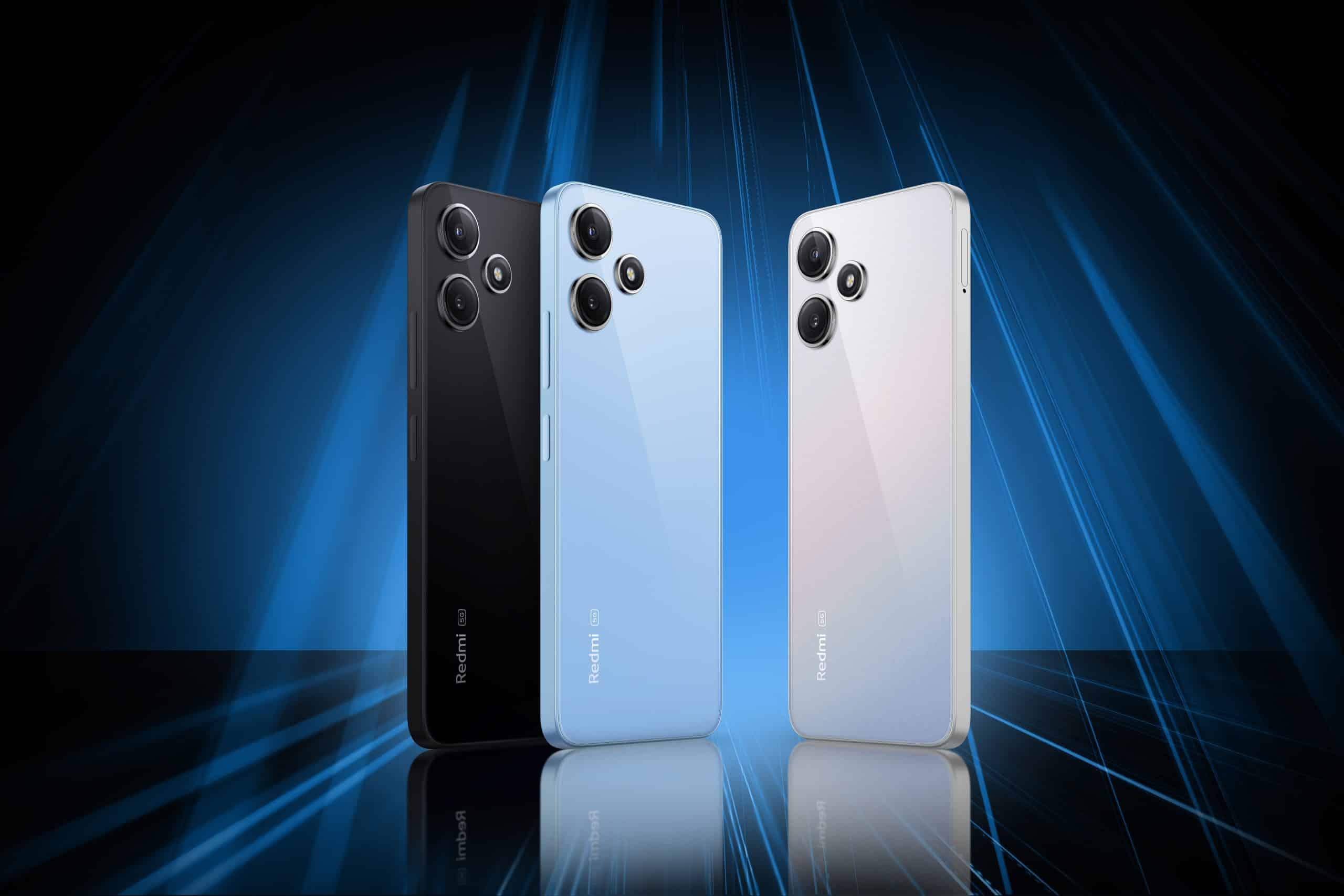
Xiaomi Redmi Buds 4

The Redmi Buds 4 active can also be charged rapidly with 10 minutes of charging yielding up to 2 hours of listening time. The earbuds support Bluetooth 5.3 connectivity and Google Fast Pair.

There are several touch controls for the earbuds including double tap, triple tap, and press and hold. These touch functions are for music playback, answering or rejecting a call, and enabling low latency mode, among others.

The Redmi Buds 4 Active weighs 42g together with its charging case and the case has a 440mAh battery capacity. The earbuds only support only the SBC codec and are only available in a black colorway on the Xiaomi website.

The Redmi Buds 4 pricing and shipping information are yet to be provided by Xiaomi.
Such details could be released anytime soon.

Redmi Buds 4 Active: Pricing, Availability, and Specifications

Xiaomi Redmi Buds 4

Xiaomi hasn’t revealed the pricing for the global markets for Buds 4 Active. The company is expected to reveal the price and availability of the device in the upcoming weeks. Xiaomi has launched the device only in a black colour option.

Previously, a report revealed that Xiaomi would launch the product in India in the upcoming months. The device is expected to be the successor to the outgoing Redmi Buds 3 Lite, priced at Rs 1,599.

The Redmi Buds 4 Active features a 12mm dynamic driver, offering a significant improvement in quality compared to its predecessor. The TWS uses Bluetooth 5.3 connectivity, and the company claims it offers its users a powerful bass experience. The official listing reveals that the device has a certified connectivity range of 10m.

Xiaomi has revealed that it uses SBC codec with the device in its listing. However, Xiaomi has reduced the number of ANC modes it supports with the Buds 4 Active. Unlike the Redmi Buds 4, which comes with noise cancellation, normal and transparent modes, the Active only supports noise cancellation and normal modes.

Xiaomi Redmi Buds 4

The Buds 4 Active features an improved IPX4 water resistance. Xiaomi has packed a 34 mAh battery within each bud and a 440 mAh battery in the charging case. The Buds 4 Active offers a battery backup of 28 hours with the charging case. Xiaomi claims that each of these buds offers playback time of 5 hours.
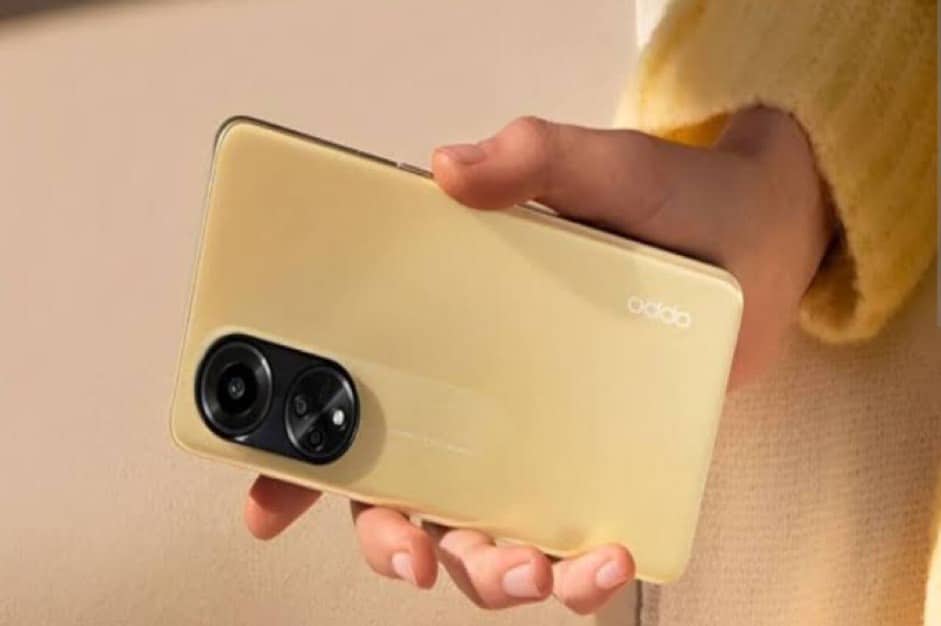
The device uses a USB type C port to charge, and the company claims that a 10-minute of charging will offer a battery backup of 2 hours. Each of these buds weighs 3.65 grams, the charging case at 34.7 grams, and has a total weight of 42 grams.

Xiaomi has included support for Google Fast Pair, making connectivity easier. The Buds 4 Active also features support for touch controls, including music control, accepting or rejecting calls, and more.

These features can be accessed through single tap, double tap, or triple tap. The device also supports low latency mode, which can be accessed through taps.

Xiaomi Redmi Buds 4

Faqs on Redmi Buds Active 4

1) What are the features of Redmi Buds 4 Active?

Ans) The Redmi Buds 4 Active features a 12mm dynamic driver, offering a significant improvement in quality compared to its predecessor. The TWS uses Bluetooth 5.3 connectivity, and the company claims it offers its users a powerful bass experience. The official listing reveals that the device has a certified connectivity range of 10m.

Xiaomi has revealed that it uses SBC codec with the device in its listing. However, Xiaomi has reduced the number of ANC modes it supports with the Buds 4 Active. Unlike the Redmi Buds 4, which comes with noise cancellation, normal and transparent modes, the Active only supports noise cancellation and normal modes.
The Buds 4 Active features an improved IPX4 water resistance. Xiaomi has packed a 34 mAh battery within each bud and a 440 mAh battery in the charging case. The Buds 4 Active offers a battery backup of 28 hours with the charging case. Xiaomi claims that each of these buds offers playback time of 5 hours.
The device uses a USB type C port to charge, and the company claims that a 10-minute of charging will offer a battery backup of 2 hours. Each of these buds weighs 3.65 grams, the charging case at 34.7 grams, and has a total weight of 42 grams.

Xiaomi has included support for Google Fast Pair, making connectivity easier. The Buds 4 Active also features support for touch controls, including music control, accepting or rejecting calls, and more. These features can be accessed through single tap, double tap, or triple tap. The device also supports low latency mode, which can be accessed through taps.

2) Hows the battery life of xiaomi Redmi Buds 4 Active ?

Ans) Xiaomi has packed a 34 mAh battery within each bud and a 440 mAh battery in the charging case. The Buds 4 Active offers a battery backup of 28 hours with the charging case. Xiaomi claims that each of these buds offers playback time of 5 hours.
The device uses a USB type C port to charge, and the company claims that a 10-minute of charging will offer a battery backup of 2 hours.

Also Read: Xiaomi Buds 4, Watch S2 Launch Postpones; Design Revealed

Also Read: Redmi Watch 3 & Redmi Band 2 Launched in China; Price & Specifics Revealed

Android 14 May Finally Get This IPhone iOS Battery Feature (Health Options) That Can Help Fix Your Anxiety Forever

0
Android 14

HIGHLIGHTS

* Android 14 is now available for select phones as a part of the Beta program.
* The stable version of Android 14 is expected to roll out around August this year.
* Android 14 Beta 2 was announced at Google IO 2023 last month.

All iPhones come with a Battery Health feature that tells how good is the condition of the battery of that particular device at any point in time.
This feature comes in handy in multiple instances, such as when you are buying/selling your iPhone or even looking to replace the battery of the device after a few years.

However, this handy little feature is not present on Android devices. But things are about to change as Google might be prepping to bake this Battery Health feature to Android OS with Android 14.

Android 14 was announced in February earlier this year as a part of the developer preview. A couple of months later, Google announced the first beta version of Android 14, a month ahead of the Google IO 2023.

Android 14

Soon, the company followed up with the Android 14 Beta 2 during the Google IO 2023 conference on May 10. Now, Mishaal Rahman, a reputed Android researcher, has revealed that Android 14 might bring one of the iOS features that will make Android fans happy.

WHILE the public release of Android 14 is a few months away, we have seen several features that could debut when the OS gets stable. In the latest update, reports claim that Google might borrow a page from Apple’s book and finally integrate highly requested battery health features on Android-powered smartphones with new Android.

It would come as a relief for the ones who always believe that their battery is not working at its best potential. But are confused about the question of getting it replaced or not.

Details on this feature were shared by Mishaal Rahman, a freelance journalist on Twitter who claims that checking battery capacity and charge cycles is “possible in Android 14.” These new system APIs are public and can be retrieved by an app that has the “BATTERY_STATS permission.”

Android 14

“Taking a deeper look, though, and it seems like the new system APIs can be called by any app that holds the BATTERY_STATS permission. This is a signature|privileged|development permission; “development” permissions can be granted to non-system apps through the ‘pm grant’ command,” the Android researcher shared on the micro-blogging platform.

To cement the claim, Rahman shared a GitLab link to an open-source app that utilises these Android 14 APIs. In the screenshot shared by the journalist, it indeed seems true.

The Android device is visible with 92 per cent battery capacity left and has completed 552 charge cycles. However, the Twitter user does not vouch for the stats. As it just returns data fetched from APIs.

If Google integrates these stats into the native settings app, these apps won’t be necessary, he speculates.

Moreover, this will also ensure users trust the accuracy of these numbers. We can expect the feature to mark attendance in the future beta builds of Android 14. As for the public release, we can expect a full-scale rollout of the new Android in August 2023.

Android 14 Might Bring Battery Health Feature

Android 14

In a Twitter thread, Mishaal Rahman said he discovered some new BatteryManager APIs that Google added with Android 14. Two APIs (charge cycle count and charging status) are public, while the rest (manufacturing date, date of first use, charging policy, state of health) is system APIs.

Further, Mishaal said that the new system APIs could be called by any app that holds the BATTERY_STATS permission. However, this is available on Pixel devices running on the latest Android 14 Beta 2.

A developer named Narek has already created a quick proof-of-concept battery health app using these new BatteryManager APIs. The app is open source and is now available for download from GitLab.
Android 14
The app is called Batt. The screenshots reveal that with the new APIs, the app could pull the battery’s health, the number of charge cycles, and the charging status.

However, Rahman also further mentions that the app just reports what the APIs return, which depends on whether the stats are tracked by the charging IC and whether the HAL (Hardware Abstraction Layer) supports this feature. So, there is no way to know how accurate these stats are yet.

Going forward, we can expect Google to bake this feature into the OS, which all users can access within the Settings app. It is also possible for other manufacturers apart from Google to pull this data with the help of new APIs.

We can expect more Android phones from brands like Samsung, OnePlus, Realme, Xiaomi, and more to bring out this feature for all Android users with the Android 14 update later this year.

Android 14

Once Google bakes this feature into the Android OS, users can get rid of any other apps just to check the health status of the battery.
Having this feature on Android will give users one less thing to worry about, especially when the device is over 2 years old. Furthermore, with the battery health feature, users can easily know when to replace the battery, and also, in case of buying or selling a used phone, this feature will come in handy too.

Android 14
13
7
10
11
12
9
8
Android 14 13 7 10 11 12 9 8

FAQ’s on Android 14

1) Android 14 May Introduce Battery Health Feature For Users

Ans) The latest version of Google’s smartphone operating system, Android 14, may finally come with the feature to view the battery health of your devices.

In a series of tweets, Android researcher Mishal RahmanRahman stated that the new OS will come with a battery manager API, which will let users know information like cycle count, charging status, manufacturing date, battery health, and more. Currently, only Google Pixel smartphones running Android 14 beta or later have access to this information.

With the release of the API, developers are already making apps that allow users to monitor the battery health of their devices. Android developer @narektor has already created and launched the app Batt, which uses the API to provide battery health statistics.

Though, with the case of APIs, this data may not be entirely accurate. The app uses data provided by the API, which itself relies on data coming in from the trackers present in the hardware.

Battery health statistics have been a long-expected feature from users. Apple introduced the Battery Health feature in its smartphones with the release of iOS 11.3 in March 2018. This feature allowed iPhone users to monitor the health and performance of their device’s battery, including information about its maximum capacity and peak performance capability.

However, Android users don’t have access to similar data. With the release of the API, which is expected to drop with the full release of Android 14, users are hopeful that Google will drop its own native battery health feature using the current framework. Though with how development cycles work, Google is just as likely to drop the feature from the release of Android 14 and instead ship it with Android 15 instead.

Google first unveiled Android 14 in February 2023, revealing more features during the Google I/O 2023 event in May and dropping Android 14 Beta 2 at the same time. The software giant is looking for a full release of the mobile OS sometime around August or September.

2) How to Edit WhatsApp Messages on Android and iOS: Step by Step Guide

Ans) WhatsApp, on May 22, announced the global rollout of a much requested new feature. Through a blog post, WhatsApp, the Meta-owned instant messaging service announced that it has added the ability for users to edit WhatsApp messages at will. The feature is now rolling out to users globally. However, many users in India are yet to get the update that would enable the ‘edit’ feature on the platform.
Whichever side you’re on, the ability to edit WhatsApp messages after having sent out typographical errors can be a priceless addition that can simplify many confusions. On this note, here’s looking at how you can edit WhatsApp messages, even after you have already sent them.

How to Edit WhatsApp Messages

There is no complicated process entailed with editing messages on WhatsApp, and the process is fairly simple and streamlined. Here’s how it would work:

* Long press on a message that has already been sent, which needs to be edited.
* On the drop-down menu that opens, select or tap on ‘edit’
* This will open a floating text editor in front of you, where you can rectify a message that you have sent already
* Tap on ‘confirm’ to save the edited message
* An ‘edited’ tag will appear below your message, confirming that your changes have been saved

It is important to note that the ‘edit WhatsApp messages’ feature was, for the longest time, available in beta on WhatsApp for desktop but was only recently extended to mobile platforms. This means that both Android and iOS devices, as well as WhatsApp’s dedicated Mac and Windows app, and even its web browser version, will be able to offer the ‘edit’ button to users.

However, users will only be able to edit their messages on WhatsApp, on both personal and group chats, for a period of 15 minutes. While unlimited edits are allowed during this period, no messages sent before this time period can be edited.

In a statement, WhatsApp said, “Edited messages will display ‘edited’ alongside them, so those you’re messaging are aware of the correction without showing edit history. As with all personal messages, media and calls, your messages and the edits you make are protected by end-to-end encryption.”

Why Have ‘Edit’ Features Been Controversial in the Past?

* The main issue with letting users edit WhatsApp messages, something that Twitter has contended with for the longest time, lies with authenticity and veracity of content — and the risk of the latter being manipulated.
* While features such as adding an ‘edited’ tag on messages that have been tweaked after being sent is a solution, Twitter had, for the longest time, contended that allowing users to edit any statement that is publicly published may add room for misinformation and manipulation of content — which could prove to be harmful to socio-political safety.
* WhatsApp, to be sure, is one of the most widely used messaging applications globally — media reports have pegged it to have over 2.4 billion users globally, with over 480 million of them in India. The latter is also WhatsApp’s largest global market, which makes an ‘edit’ feature potentially of massive significance in the content manipulation narrative.

Also Read: Android 14: Features & Eligible Devices Revealed

Also Read: Xiaomi 12 Pro users in India receive Android 13 upgrade through MIUI 14: How to download