Home Blog Page 504

Android Auto 12.0: New Features Include Video Streaming and Enhanced EV Navigation

0

Highlights

  • Android Auto 12.0 introduces video streaming apps like YouTube and Netflix
  • New update includes web browsers and games for versatile in-car entertainment
  • Enhanced EV navigation with energy-efficient routes and charging stations
  • Stability improvements and broader car model compatibility for a smoother experience

Android Auto 12.0, the newest version of Google’s in-car infotainment system is now officially out—meaning this marks a big changeover.

That’s more than fixing a few bugs; it is an upgrade that brings an overhaul of features to Android Auto beyond its typical functions of navigation and music playback.

At the center of this redesign is the feature introduction of video streaming apps like YouTube and Netflix, game-changing in the satisfaction of the entertainment needs of today’s driver.

However, this is something that Google has not approached lightly, so these apps are only available with the vehicle in neutral, making safety a major priority.

Android 12: Top Features

Android Auto 12.0: New Features Include Video Streaming and Enhanced EV Navigation

Such a function is just very useful. People who have to spend lots of time in traffic, be it professional drivers or keen campers, will be very grateful for the opportunity to play videos directly from the car’s infotainment.

Android Auto 12.0 does away with devices and reduces the stress of running out of battery on your phone, offering fun right to your dashboard.

But video streaming is just the beginning.

There are a whole load of other applications in this update, including web browsers and new games, making Android Auto a much more versatile platform than it usually is.

It is a bold move, stating that it knows the change of need of modern drivers and passengers who want to have an integral in-car experience.

Developers To Get Access

Android Auto 12.0 introduces video streaming apps like YouTube and Netflix

Moreover, Google has made it possible for developers to start using these new features, paving the road toward tailored user experiences that may alter the way we interact with our cars.

The options are endless—from tailored entertainment hubs to office suites designed for the open road.

Besides the mentioned new enhancements, Google has kept sight of the fundament that made Android Auto a success: stability and compatibility.

The upgrade was extensively tested during its beta period, resulting in a smoother and more reliable user experience devoid of the crashes and glitches that plagued previous incarnations.

Android Auto 12.0 works on more models of cars, reducing connectivity problems and display problems that have been holding back adoption.

The dedication to smooth integration with all infotainment systems points to Google’s commitment of providing the same experience for all, be it in any type of car or brand.

While the mobile application has indeed had some cosmetic tweaking with the introduction of the Material You design language, adding dynamic color theming for a feeling of personalization, the car console interface retains its familiar Coolwalk styling to provide a familiar transition for existing users.

EV Vehicles Get Better Features

New update includes web browsers and games for versatile in-car entertainment

Android Auto 12.0 comes with a host of EV-specific navigation capabilities.

Now, Google Maps offers energy-efficient routes and charging stations, so the driver will be in a better position while planning the trip and saving energy.

As the globe turns toward sustainable mobility, these elements are more than just conveniences; they are essential tools for change into a greener future.

For Android Auto 12.0, the distribution method is simple: users can upgrade via the Google Play Store or install the APK file manually from a site like APK Mirror. Be careful and avoid downloading from untrusted sources to minimize security hazards.

FAQs

What are the new features of Android Auto 12.0?

Android Auto 12.0 includes video streaming apps like YouTube and Netflix, web browsers, new games, and enhanced EV navigation capabilities.

How does Android Auto 12.0 ensure safety with video streaming apps?

Video streaming apps are only available when the vehicle is in neutral, prioritizing safety by preventing distraction while driving.

What improvements does Android Auto 12.0 bring to electric vehicles (EVs)?

Android Auto 12.0 offers EV-specific navigation features, including energy-efficient routes and charging station locations to enhance trip planning and energy saving.

How can users upgrade to Android Auto 12.0?

Users can upgrade via the Google Play Store or install the APK file manually from trusted sites like APK Mirror, ensuring they avoid untrusted sources for security reasons.

What has changed in the design of Android Auto 12.0?

The mobile application now features the Material You design language with dynamic color theming, while the car console interface retains its familiar Coolwalk styling for ease of use.

Also Read: Microsoft Teams Finally Rolling out on Android Auto Months After Initial Reveal

Also Read: CES 2024: Google Enhancing Electric Vehicle Experience with New Android Auto Updates

Also Read: Google Enhances User Experience with Sign-In Redesign and Advances Android Auto AI

Google’s AI Overviews Face Backlash for Spreading Misinformation and Hallucinating

0

Highlights

  • Google’s AI Overviews criticized for spreading inaccurate information
  • AI “hallucinations” acknowledged by Google CEO Sundar Pichai
  • Concerns raised about the suitability of generative AI for search
  • Suggested alternatives include optional summaries and existing concise information tools

Google recently launched a feature called “AI Overviews” for summaries of answers in concise form, among other features that appear at the top of the search results, but the function has received criticism for spreading wrong, weird, and even deadly misinformation.

Some users have exposed different incidents where the AI attributed the wrong knowledge to experts, could not differentiate between fact and satire, and gave illogical or harmful recommendations.

The user was joking Google AI wasn’t joking . Google AI took it seriously and told the user that “it is true that dogs have given birth to cows”…

On this issue, AI consultant and SEO expert Britney Mueller said: “People expect AI to be far more accurate than traditional methods, but this is not always the case! Google is taking a risky gamble in search to surpass competitors Perplexity and OpenAI, but they could have used AI for larger and more valuable use cases.”

The Hallucination Problem

Google's AI Overviews Face Backlash for Spreading Misinformation and Hallucinating
Google’s AI Overviews Face Backlash for Spreading Misinformation and Hallucinating

In a recent interview, Google CEO Sundar Pichai recently confessed to “hallucinations”—intrinsic defects in big language models that underlie AI Overviews, which result in made-up outputs presented as facts.

In spite of continued efforts to improve factual accuracy, Pichai acknowledged the problem hadn’t been fixed.

AI "hallucinations" acknowledged by Google CEO Sundar Pichai
AI “hallucinations” acknowledged by Google CEO Sundar Pichai

The deployment of AI Overviews has raised questions about whether generative AI is suitable for search—one of the most critical applications where factual correctness matters.

While AI can process information, its tendency towards confident errors limits its usefulness in search results meant for investigation and truth-seeking.

The Path Forward

Google's AI Overviews criticized for spreading inaccurate information
Google’s AI Overviews criticized for spreading inaccurate information

Pichai defended AI Overviews, indicating that progress was made and minor inaccuracies did not detract from the value of the feature.

But to many, displaying misinformation at the top of search results by default is just a huge risk as AI grows so quickly and with current difficulties the internet has with disinformation.

A user asked Google a question “how many rocks should I eat each day” and the response was just not right. Google’s AI overview says According to UC Berkeley geologists, people should eat at least one small rock a day. Rocks can contain vitamins and minerals that are important for digestive health…”

Probably a better strategy is to offer AI-powered summaries as an optional independent product, allowing one to be an active user of a tool whose limits are well acknowledged.

In another case, a user joked on a forum that the picture below was “a dog giving birth to a cow.”

Alternatively, Google can leverage existing solutions, such as Featured Snippets and Knowledge Panels, capable of showing concise and factual information while avoiding the pitfalls of generative AI hallucinations.

“Find the best yoga or pilates studios in Boston and show details on their intro offers and walking time from Beacon Hill,” to which an AI Overview was able to deliver genuinely helpful results.

In all respects, on matters of convenience versus accuracy, Google will have to make the right trade-offs and make sure that its products lean toward reliable information over potentially misleading AI outputs.

A user asked Google AI “what does astronaut do” and the response was strange because it used vulgar words

The road ahead requires nuance, transparency, and a firm commitment to halting the spread of misinformation, which also originates from Google’s own algorithms.

FAQs

What is the issue with Google’s AI Overviews?

Google’s AI Overviews have been criticized for spreading wrong, weird, and even harmful misinformation, attributing incorrect knowledge to experts and providing illogical recommendations.

What are AI “hallucinations”?

AI “hallucinations” refer to intrinsic defects in large language models that result in made-up outputs presented as facts, a problem acknowledged by Google CEO Sundar Pichai.

Why is there concern about using generative AI in search results?

Generative AI’s tendency to produce confident errors limits its usefulness in search results, where factual correctness is crucial for investigation and truth-seeking.

What alternatives are suggested for AI Overviews?

Alternatives include offering AI-powered summaries as an optional independent product and leveraging existing solutions like Featured Snippets and Knowledge Panels that provide concise and factual information.

How does Google defend AI Overviews despite the criticisms?

Google CEO Sundar Pichai defended AI Overviews, stating that progress has been made and that minor inaccuracies do not detract from the feature’s value.

What is the recommended approach for Google moving forward?

Google should prioritize trustworthy information, ensuring that convenience does not come at the cost of accuracy, and remain committed to combating the spread of misinformation from its own systems.

Samsung Galaxy F55 Price and Specs Leaked Ahead of Launch by Tipster

0

Highlights

  • Galaxy F55 to launch in India on May 27 with three variants

  • Prices range from Rs 26,999 to Rs 32,999

  • Features include Snapdragon 7 Gen 1 processor and 6.7-inch Super AMOLED display

  • Four major Android OS updates and five years of security updates promised

The price for Samsung’s upcoming mid-range smartphone, the Galaxy F55, has apparently leaked before its launch in India on May 27.

According to the famous tipster, Abhishek Yadav, Galaxy F55 is going to be available in three variants, which are:

  • 8GB RAM + 128GB Storage: Rs 26,999

  • 8GB RAM + 256GB Storage: Rs 29,999.

  • 12GB RAM + 256GB storage: Rs 32,999

Detailed Specifications Unveiled

Galaxy F55 to launch in India on May 27 with three variants

That wasn’t the only leak, though.

It went even further to give out some detailed specs of the Galaxy F55.

The phone will feature Android 14-based One UI 6.1 out of the box.

It will also support four major Android OS updatesand five years of security updates.

The Galaxy F55 will also feature a 6.7-inch Super AMOLED display with a Full HD+ resolution, 120Hz refresh rate, and peak brightness of up to 1,000 nits.

The phone will be offered with the Snapdragon 7 Gen 1 processor.

The Galaxy F55 will have a triple rear camera setup with a 50MP primary sensor featuring OIS and 4K 30fps video recording, an 8MP ultra-wide camera, and a 2MP macro camera.

It gets a 50MP selfie camera up front, which can record videos at 4K/30fps.

Other notable features include a 5,000mAh battery with support for 45W fast charging, GPS, 5G, Wi-Fi 6, Bluetooth 5.2, NFC, a USB Type-C port, and an IP67 rating for dust and water resistance.

Galaxy F55 5G Elegance in vegan leather finish. 

The device will further sport a faux leather back panel and stereo speakers.

The leaked details give a snapshot of Samsung’s mid-range Galaxy F55 launch in India, detailing full specs and pricing. 

With its impressive hardware and competitive pricing, the Galaxy F55 is bound to be a force to reckon with in the mid-range segment.

Samsung Galaxy F55 5G Specs

GENERAL

Sim Type Dual Sim, GSM+GSM (Hybrid Slot)
Dual Sim Yes
Sim Size Nano SIM
Device Type Smartphone
Release Date June 06, 2024 (Expected)

DESIGN

Bezel less No
Colors Black, Orange

DISPLAY

Type Color Super AMOLED Screen (16M Colors)
Touch Yes
Size 6.7 inches, 1080 x 2400 pixels, 120 Hz
Aspect Ratio 20:9
PPI ~ 393 PPI
Screen to Body Ratio ~ 86.4%
Features 1000 nits (HBM)
Notch Yes, Punch Hole

MEMORY

RAM 8 GB
Storage 128 GB
Card Slot Yes, (Hybrid Slot), upto 1 TB

CONNECTIVITY

GPRS Yes
EDGE Yes
3G Yes
4G Yes
5G Yes
VoLTE Yes
Wifi Yes, with wifi-hotspot
Wifi Version 802.11a/b/g/n/ac/ax 2.4GHz+5GHz, HE80, MIMO, 1024-QAM
Bluetooth Yes, v5.2, A2DP, LE
USB Yes, USB-C v2.0
USB Features USB on-the-go

EXTRA

GPS Yes, with A-GPS, GLONASS, GALILEO, BDS
Fingerprint Sensor Yes, In Display
Face Unlock Yes
Sensors Accelerometer, Gyro, Proximity, Compass
3.5mm Headphone Jack No
NFC Yes
Water Resistance Yes, 1 m upto 30 min
IP Rating IP67
Dust Resistant Yes

CAMERA

Rear Camera 50 MP f/1.8 (Wide Angle)
8 MP f/2.2 (Ultra Wide)
2 MP f/2.4 (Macro) with autofocus
Features Panorama, HDR
Video Recording 4K @ 30 fps UHD, 1080p @ 30 fps FHD
Flash Yes, LED
Front Camera Punch Hole 50 MP f/2.4 (Wide Angle)
Front Video Recording 4K @ 30 fps UHD, 1080p @ 30 fps FHD

TECHNICAL

OS Android v14
Custom UI OneUI 6
Chipset Qualcomm Snapdragon 7 Gen1
CPU 2.4 GHz, Octa Core Processor
Core Details 1x Cortex-A710@2.4GHz & 3x Cortex-A710@2.36GHz& 4x Cortex-A510@1.8 GHz
GPU Adreno 644
Java No
Browser Yes

MULTIMEDIA

Email Yes
Music Yes
Video Yes
FM Radio No
Document Reader Yes

BATTERY

Type Non-Removable Battery
Size 5000 mAh, Li-Po Battery
Fast Charging Yes, 45W Fast Charging

FAQs

When is the Samsung Galaxy F55 expected to launch in India?

The Samsung Galaxy F55 is set to launch in India on May 27.

What are the price options for the Galaxy F55?

The Galaxy F55 will be available in three variants: 8GB RAM + 128GB Storage at Rs 26,999, 8GB RAM + 256GB Storage at Rs 29,999, and 12GB RAM + 256GB Storage at Rs 32,999.

What operating system will the Galaxy F55 run on?

The Galaxy F55 will come with Android 14-based One UI 6.1 out of the box.

What are the camera specifications of the Galaxy F55?

The Galaxy F55 features a triple rear camera setup with a 50MP primary sensor, an 8MP ultra-wide camera, and a 2MP macro camera. It also has a 50MP selfie camera.

What is the battery capacity and charging support for the Galaxy F55?

The Galaxy F55 is equipped with a 5,000mAh battery and supports 45W fast charging.

Also Read: Samsung Galaxy S23 FE Live Image Revealed, seen on Wireless Power Consortium Website: Official Launch Confirmed

Also Read: Samsung Galaxy Watch6 and Galaxy Watch6 Classic Launched Globally at the Unpacked 2023 -Inspiring Your Best Self, Day and Night: Price, Specifications, Availability & Pre- Book Offers

Blast from the Past: The tinyPod Brings iPod Vibes to the Apple Watch

0

Highlights

  • tinyPod turns Apple Watch into an iPod-like device

  • Focus on less distraction and reduced smartphone addiction

  • Features a signature click wheel for navigation

  • Set to unveil in June, blending retro design with modern tech

Anyone remember how hot iPods were?

Well, a company is trying to bring back some of that magic by melding classic iPod design with the functionality of an Apple Watch.

Next up is the tinyPod, a little housing that transforms a strapless Apple Watch into a teensy, iPod-like “phone“.

What is TinyPod?

LittlePod has been teasing its quirky product on social media for months, but the latest video gives us our best look yet.

As if the name weren’t enough, it’s essentially a case for the core Apple Watch hardware, cribbing from the beloved iPod with its signature click wheel for navigation instead of the Digital Crown.

But the smallPod is much more than just retro chic.

The tagline says it: “your phone away from phone,” with a deeper intent—less distraction, less addiction—than a standard smartphone.

Hacking an Apple Watch to turn it into a tiny “phone,” the tinyPod hopes to get the essentials of a smartphone done and removes the temptation to mindlessly scroll on social media or watch videos.

Most of those services, after all, are either absent or otherwise crippled on watchOS.

It’s an interesting concept—highly different from the approach of most technologies.

If the smallPod is executed well, it might just provide users with an elegant solution to staying connected without giving in to the temptation of constant phone usage.

Whether a brilliant idea or a bizarre novelty, the tinyPod’s iPod-inspired design and unique value proposition have certainly piqued interest.

As its June unveiling approaches, tech enthusiasts and nostalgia fans alike are eagerly waiting to see if this retro-futuristic “phone” can rekindle the magic of the iPod era.

FAQs

What is the tinyPod?

The tinyPod is a case for the Apple Watch that transforms it into a device resembling the classic iPod, complete with a click wheel for navigation.

How does the tinyPod aim to reduce distractions?

By converting the Apple Watch into a simplified phone with limited functionality, the tinyPod reduces the temptation to engage in mindless scrolling and other distractions typical of smartphones.

What features does the tinyPod offer?

The tinyPod offers essential smartphone functions, focusing on calls, messages, and basic apps, while eliminating many services that contribute to distraction.

Why is the tinyPod compared to the iPod?

The tinyPod borrows the beloved iPod design, including the signature click wheel, evoking nostalgia while providing modern functionality through the Apple Watch.

When will the tinyPod be available?

The tinyPod is set to be unveiled in June, and tech enthusiasts and nostalgia fans are eagerly awaiting its release.

Also Read: iOS 17 features for iPhones, as per the latest leak

Also Read: Upcoming iOS 17 Tipped to Bring Major Design Changes to IPhone’s Control Centre

Samsung Prepares One UI 6 Watch Beta with Wear OS 5 Integration

0

Highlights

  • Samsung set to release One UI 6 Watch Beta based on Wear OS 5
  • New update to bring efficiency and health-tracking improvements
  • Expected release in the first week of June 2024
  • Enhancements include passkey support, improved battery life, and better media playback

Google has recently taken the wraps off Wear OS 5 for smartwatches, so the stage is set for the next big software update in the world of wearables. 

With a focus on efficiency and health-tracking improvements, Wear OS 5 promises to raise the smartwatch experience bar even further. 

Consequently, Samsung is now preparing to release its own One UI 6 Watch update, based on the new version of Wear OS.

Release Timeline and Availability

Samsung Prepares One UI 6 Watch Beta with Wear OS 5 Integration

Samsung has listed the One UI 6 Watch Beta on its website for the South Korean market, hinting at its imminent release.

This update is reported to be based on Wear OS 5, and it could be released in the coming weeks.

Samsung started internal development of One UI 6 Watch early this month.

Last year, the South Korean technology company rolled out the Wear OS 5-based One UI 5 Watch Beta update in the first week of June 2023.

Based on the same trend, it is expected that Samsung will roll out the One UI 6 Watch Beta update for eligible Galaxy Watches by the first week of June 2024.

Expected Enhancements and Features

New update to bring efficiency and health-tracking improvements

Being based on Android 14, Wear OS 5 means One UI 6 Watch will also be built on top of Android 14.

This new version of Wear OS promises to further push battery life with a host of Doze Mode optimizations. Google says Wear OS 5 smartwatches can go 20% longer during marathons.

A major change in Wear OS 5 is that the company has adopted Samsung-Developed Watch Face Format as default in this version.

It might contribute to increasing the battery life and make newer complications possible for the majority of third-party watch faces.

Apart from that, media playback and audio output switching should be improved.

Other major features coming to One UI 6 Watch would include passkey support, the ability to restore passkeys from the cloud, and an overall improved login experience.

Building on these Wear OS 5 features, Samsung might implement its own feature enhancements and customization on top for Galaxy Watches in the form of the One UI 6 Watch update.

As Samsung readies for the newest version of Wear OS, smartwatch enthusiasts and Galaxy Watch users are literally champing at the bit for the release of the One UI 6 Watch Beta. 

This version promises to bring a more efficient, health-focused, and user-friendly experience for the user, which will only add to the already robust stance Samsung takes in the world of wearables.

FAQs

What is the One UI 6 Watch Beta?

The One UI 6 Watch Beta is Samsung’s upcoming software update for Galaxy Watches, based on Google’s new Wear OS 5, bringing various enhancements and new features.

When is the One UI 6 Watch Beta expected to be released?

Samsung is likely to roll out the One UI 6 Watch Beta for eligible Galaxy Watches by the first week of June 2024, following its previous update schedule.

What improvements can be expected from Wear OS 5?

Wear OS 5 includes battery life optimizations, better media playback, audio output switching, and support for the Samsung-developed Watch Face Format.

How will the new update affect battery life?

Wear OS 5 features Doze Mode optimizations, which can extend smartwatch battery life by up to 20% during activities like marathons.

What new features are included in the One UI 6 Watch update?

The One UI 6 Watch update will include passkey support, cloud restoration of passkeys, improved login experiences, and Samsung’s own feature enhancements and customizations.

Where will the One UI 6 Watch Beta be available initially?

The One UI 6 Watch Beta will initially be available in the South Korean market, as listed on Samsung’s website, before potentially expanding to other regions.

Also Read: Samsung Galaxy Watch 6 Classic 5K Leaked Renders Show Rotating Bezel Comeback, Reveal Full Design; Launch Soon

Also Read: Samsung Galaxy Watch 7 Pro Gears Up for Potential India Launch with BIS Certification

Apple Plans OLED Upgrade for iPad Mini 7 with Samsung’s Display Technology

0
Apple's 12.9-Inch iPad Air to Reportedly Launch Without a Mini-LED Display

Highlights

  • Apple transitioning entire iPad lineup to OLED technology
  • Samsung developing 8-inch OLED samples for iPad mini 7
  • Mass production of displays expected in the second half of 2025
  • iPad mini 7 with OLED display likely arriving in 2026

The plans by Apple to transition the entire lineup of its iPads to OLED technology are gradually materializing.

Though the M4 iPad Pro is supposed to be the first one in line for such a display upgrade, the next device to be upgraded is rumored to be the iPad mini 7, with Samsung reportedly developing samples of 8-inch OLED displays for Apple’s evaluation.

Insights from the Industry and Timeline

Apple Plans OLED Upgrade for iPad Mini 7 with Samsung's Display Technology
Apple Plans OLED Upgrade for iPad Mini 7 with Samsung’s Display Technology

As it is reported, Samsung has started working on 8-inch OLED samples for Apple, which suggests that the iPad mini 7 may retain the 8.3-inch display size of its predecessor, the iPad mini 6.

After the first round of approvals, Samsung will reportedly start mass production of the displays in the second half of 2025.

An industry insider shed light on the progress, stating, “I understand that Samsung Display began developing samples for the OLED iPad mini last month at Apple’s request. After developing initial samples in the first half of this year, we will be able to enter the development stage for mass production within the year.”

Tandem OLED and Cost Considerations

Apple transitioning entire iPad lineup to OLED technology

While there is no definite information regarding Tandem OLED technology for the iPad mini 7, just like with the 11-inch and 13-inch iPad Pro, Apple might choose to forego the tech for the mini line.

The first and most obvious reason behind it could be the cost factor, as Tandem OLED panels are costlier in mass production compared to their mini-LED alternatives.

Renowned analyst Ross Young, the founder and CEO of Display Supply Chain Consultants, said he was amazed at how Apple managed to price the 11-inch iPad Pro at just $999; he had originally estimated the new tablets could be 50 percent more expensive just due to switching to Tandem OLED displays alone.

Potential Strategies and Timelines

Mass production of displays expected in the second half of 2025

Keeping the price tag on the iPad mini 7 competitive, Apple could join forces with Samsung to come up with an inexpensive OLED solution, enabling the tech behemoth to include said displays in devices without bumping up their respective retail prices all that much.

But the wait for the iPad mini 7 with its OLED display bump could be long, as reports in the media have indicated that the device is not scheduled to arrive before 2026.

FAQs

Which iPads are transitioning to OLED displays?

Apple plans to transition its entire iPad lineup to OLED technology, starting with the M4 iPad Pro and followed by the iPad mini 7.

What display size is expected for the iPad mini 7?

The iPad mini 7 is rumored to retain the 8.3-inch display size of its predecessor, the iPad mini 6, with Samsung developing 8-inch OLED samples.

When will the OLED displays for the iPad mini 7 enter mass production?

Samsung is expected to start mass production of the 8-inch OLED displays in the second half of 2025, following initial sample development and approval.

Is Apple using Tandem OLED technology for the iPad mini 7?

There is no definite information regarding the use of Tandem OLED technology for the iPad mini 7, and cost considerations may lead Apple to forego this technology for the mini line.

What are the potential benefits of using OLED displays in iPads?

OLED displays offer improved color accuracy, deeper blacks, and better contrast compared to traditional LCDs, enhancing the overall visual experience.

Samsung Faces Scrutiny Over Repair Practices and Privacy Concerns

0

Highlights

  • Samsung requires independent repair shops to share customer information
  • Leaked contract mandates use of official parts, banning third-party components
  • Right-to-repair laws in California and Minnesota set to take effect on July 1
  • iFixit ends partnership with Samsung over right-to-repair conflicts

Samsung is caught in a vortex of allegations of repair practices that have blown the lid off a cauldron of privacy and right-to-repair issues.

It has been reported that a leaked contract between Samsung and independent repair shops now shows that the company requires those shops to provide customer personal information, including names, addresses, phone numbers, and details about their devices for each repair performed.

Samsung’s Repair Contract

Samsung Faces Scrutiny Over Repair Practices and Privacy Concerns

Additionally, the contract has been said to require that repair shops pull any third-party or aftermarket parts, though many of these are perfectly legal. 

It has been said that such requirements continue an ongoing debate regarding right to fix electronic gadgets.

These revelations come at a time when the right-to-repair laws of California and Minnesota are to take effect on July 1. 

The idea behind the laws is to empower consumers with the ability to fix their devices by granting equal access to parts and information.

But how such companies as Samsung would interpret and comply with these laws is another matter.

The situation has also drawn attention to the sharing of customer information when buying official replacement parts from Samsung.

iFixit Discontinues Partnership

Leaked contract mandates use of official parts, banning third-party components

iFixit, a prominent repair guide, and parts vendor, has admitted it had previously passed on customer email addresses and purchase history to Samsung, as demanded, before the end of the partnership with the company because Samsung’s approach to repairability is in open conflict with iFixit’s right-to-repair mission.

Independent repair shops, a vital part of the repair ecology, may be pressured to give in to Samsung’s demands—impacting the offer of affordable and convenient repair services

Consumers might also never be aware that their personal information is being shared with the manufacturer when seeking repairs or purchasing replacement parts.

FAQs

What information does Samsung require from independent repair shops?

Samsung’s contract requires repair shops to provide customer names, addresses, phone numbers, and details about their devices for each repair performed.

Why is Samsung banning third-party or aftermarket parts in repairs?

Samsung mandates the use of official parts, potentially to ensure quality and compatibility, but this practice is part of an ongoing debate about the right to repair electronic devices.

What are the right-to-repair laws in California and Minnesota?

These laws, effective July 1, are designed to empower consumers by granting equal access to parts and repair information, allowing them to fix their own devices.

How has iFixit responded to Samsung’s repair practices?

iFixit discontinued its partnership with Samsung, citing conflicts with its right-to-repair mission and previously passing customer information to Samsung as demanded.

How might Samsung’s requirements impact independent repair shops?

Independent repair shops may feel pressured to comply with Samsung’s demands, potentially affecting their ability to offer affordable and convenient repair services.

Also Read: Samsung Is Introducing a New Battery Protection Feature in the One UI 6.1 Update

Also Read: One UI 6.1: All You Need To Know About Samsung’s Next AI Frontier

Google Increases Maximum Play Store App Price to $999.99: What You Should Know
0

Highlights

  • Google raises Play Store app price limit from $400 to $999.99
  • First price ceiling increase since 2015
  • High-end business apps and luxury markets may benefit
  • Google set to gain from increased in-app purchase commissions

Google has just announced a staggering increase in the maximum price for apps on the Play Store, hiking it from $400 to an eye-watering $999.99.

This 150% surge marks the first such escalation since 2015, when the ceiling was lifted from $200 to $400.

The announcement of this change came about in the recent Google I/O 2024 developers conference.

It made everyone from app creators to users alikereact on the timing of this.

Some developers are no doubt celebrating that they are now in a position to price their offerings at a premium, while others question the necessity and potential consequences of such a dramatic hike.
Hitting the Stratosphere: Who Will Pay $1,000 for an App?

Google Increases Maximum Play Store App Price to $999.

Let’s be real, the number of applications coming out that cost the full $999.99 will be few and far between.

But as it often is in any luxury market, there will be a subset of individuals who will still want to show off their income by spending the money in these seemingly frivolous purchases to show off.

That said, some developers of high-end business software and specialized services could get a hint from this price point and be able to come up with subscription-based models or comprehensive suites at a premium.

After all, within the realm of enterprise solutions, a four-figure price tag is commonly a drop in the bucket.

The Curious Case of the $400 Game

First price ceiling increase since 2015

According to reports, the current reigning champion of app pricing on the Play Store is a weird little game called “Fisherpunk-Most Expensive Game,” which already commands the previous maximum of $400.

With the new ceiling, the developer now has the option to quintuple the price up to an astounding $999.99—though this figure has already garnered some questionable five-star reviews claiming the game is worth upwards of $800.

Capitalizing on Extravagance: Google’s Revenue Windfall

Google Play Store
High-end business apps and luxury markets may benefit

While developers stand to benefit from this move, one entity poised to reap substantial rewards is Google itself.

Through its in-app payment processing platform, the tech giant collects a 15% cut on the first million dollars developers earn annually and a hefty 30% on any revenue exceeding that threshold.

As app prices soar, Google’s coffers are set to swell proportionately, a scenario that begs the question: Is this price hike truly motivated by empowering developers or a strategic play to boost Google’s own bottom line?

FAQs

What is the new maximum price for apps on the Google Play Store?

Google has increased the maximum price for apps on the Play Store to $999.99, up from the previous limit of $400.

When was the last time Google raised the app price ceiling?

The last price ceiling increase occurred in 2015, when it was raised from $200 to $400.

Why might some developers be pleased with this price hike?

Developers of high-end business software and specialized services can now price their offerings at a premium, potentially increasing their revenue.

What is the impact of this price increase on Google’s revenue?

Google stands to benefit significantly from this price hike due to its commission structure, collecting 15% on the first million dollars developers earn annually and 30% on revenue beyond that.

Also Read: Google Play Store Encourages Subscription Purchase in India

Also Read: Questt Best app, ‘Apex Legends Mobile’ Top Game on Google Play Store in India

Google Shifts Tensor G5 Chip Production to TSMC for Enhanced Performance

0

Highlights

  • Google partners with TSMC for Tensor G5 chip production
  • Early samples indicate improved thermal efficiency and performance
  • Shift from Samsung to TSMC aims to enhance Pixel devices
  • Potential impact on mobile processor market competition

Google has been working with Samsung’s silicon division on its custom Tensor chips since the debut chip in 2021.

But that long history will soon come to an.

TSMC Takes Over Manufacturing Duties

Google Shifts Tensor G5 Chip Production to TSMC for Enhanced Performance

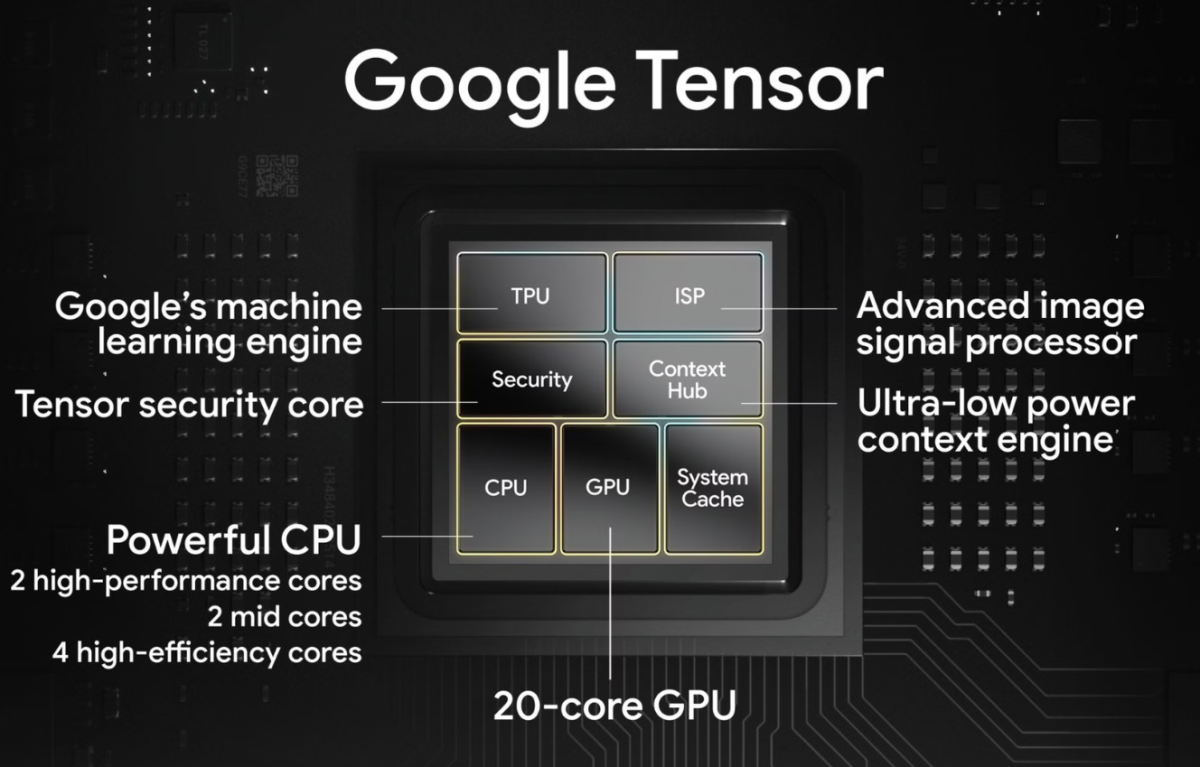
Per trade data uncovered by Android Authority, shipping manifests confirm TSMC is indeed producing the early samples of Google’s Tensor G5 chip, codenamed “Laguna Beach.”

The manifests mention TSMC’s exclusive InFO POP packaging, so there is little doubt about who the manufacturer is.

In short, this move from Samsung to TSMC in terms of the flagship processor for Google doesn’t come as a big surprise.

Over the past couple of years, TSMC has been doing better in thermal efficiency and flat-out performance than Samsung, and those are some areas where Google’s Tensor chips have traditionally been behind.

A Lengthy Process Underway

Google partners with TSMC for Tensor G5 chip production

The manifests point out that these Tensor G5 samples are in the very early “A0” revision stage, the first version of one-time programmable data.

This means that Google is well into the long process of bringing Tensor G5 to market, in other words, fixing the bugs and further optimizing the chip.

As Android Authority reports, Google is looking to use TSMC’s manufacturing prowess to improve the chip’s thermal and efficiency performance on the Tensor G5.

With leading-edge production processes from TSMC, the Tensor G5 can actually have huge gains in performance and battery life, which has been a long-standing flaw of earlier Tensor generations by Google.

Ramping Up Competition

Google Pixel 8a set for a mid-May release with Tensor G3 chip
Early samples indicate improved thermal efficiency and performance

The shift to TSMC might have more fundamental implications for the mobile processor market.

For years, Qualcomm has been one of TSMC’s largest clients for its Snapdragon processors; now, however, the entry by Google raises competition and demand for TSMC’s limited manufacturing capacity.

This may cause supply shortages or speed up TSMC’s expansion plans to meet its clients’ growing demands.

Finally, Google’s use of TSMC demonstrates a commitment to pushing the boundaries on its in-house silicon operations.

Upping the Ante for Pixel Devices

Google reportedly starts testing Tensor G5 for Pixel 10
Shift from Samsung to TSMC aims to enhance Pixel devices

With the help of TSMC’s leading-edge manufacturing, the Tensor G5 could drive improvements in the performance and efficiency of future Pixel smartphones, allowing them to better compete with rivals like the industry-leading Apple bionic CPUs and flagship Snapdragon products from Qualcomm.

As Google continues to refine its custom processor designs, the partnership with TSMC marks an exciting new chapter that could yield substantial dividends for Pixel enthusiasts and the mobile industry as a whole.

FAQs

Who is manufacturing Google’s Tensor G5 chip?

TSMC is now producing the early samples of Google’s Tensor G5 chip, taking over from Samsung.

What improvements are expected with the Tensor G5 chip?

The Tensor G5 chip is expected to have better thermal efficiency and overall performance, thanks to TSMC’s advanced manufacturing processes.

Why did Google switch from Samsung to TSMC for chip production?

Google switched to TSMC due to its superior thermal efficiency and performance capabilities compared to Samsung, areas where previous Tensor chips lagged.

What stage is the Tensor G5 chip currently in?

The Tensor G5 chip is in the very early “A0” revision stage, indicating that Google is in the initial phase of testing and optimizing the chip.

How might this shift impact the mobile processor market?

Google’s move to TSMC could increase competition for TSMC’s manufacturing capacity, potentially leading to supply shortages or expedited expansion plans.

Also Read: Apple’s iPhone 17 Pro Could Be Powered by TSMC’s 2nm Chipset: Report

Also Read: Qualcomm and MediaTek Shift Looking at TSMC for 3nm Needs Ahead of Samsung

Chinese Brands Xiaomi, Huawei, and Honor Set to Shake Up Foldable Phone Market

0
Chinese Brands Xiaomi, Huawei, and Honor Set to Shake Up Foldable Phone Market

Highlights

  • Major Chinese brands entering the compact foldable market
  • Larger batteries and external screens over 3.6 inches
  • Fast-charging capabilities exceeding 60W
  • Potential market disruption for Samsung and Motorola

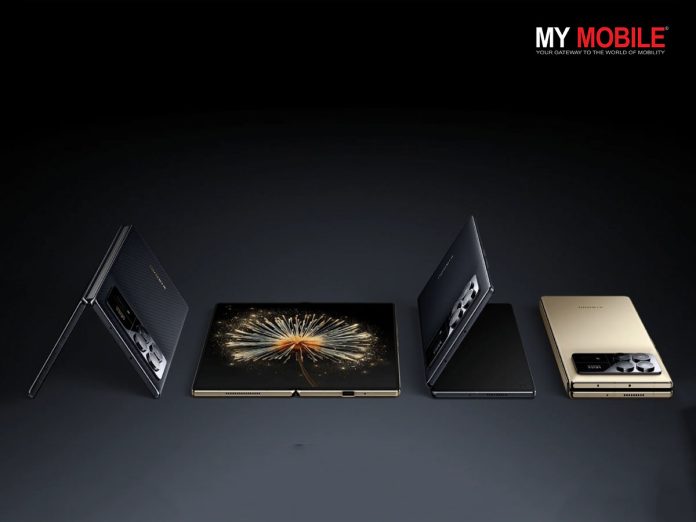
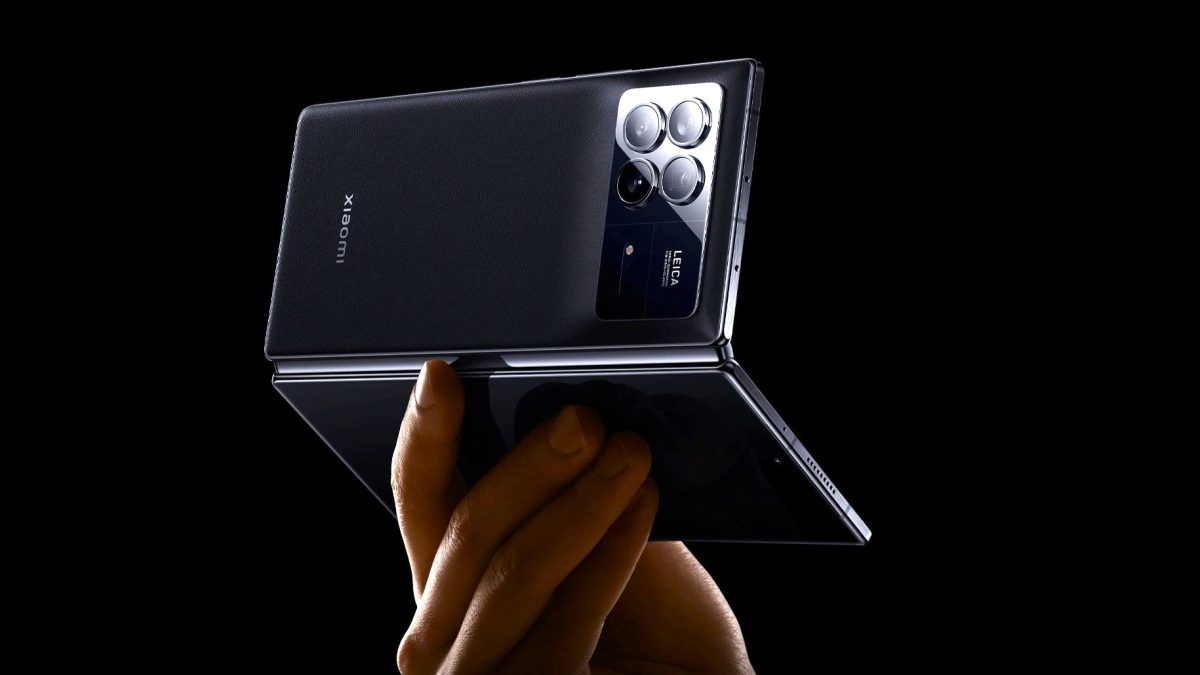
The foldable phone market is about to get a shake-up, as major Chinese brands Xiaomi, Huawei, and Honor are preparing to launch their own compact flip phone designs.

These new entrants may force more competition into the fastest-growing segment—foldable—now dominated by Motorola and Samsung’s iconic flip models.

Chinese Challengers Redefine Flip Phone Design

Chinese Brands Xiaomi, Huawei, and Honor Set to Shake Up Foldable Phone Market

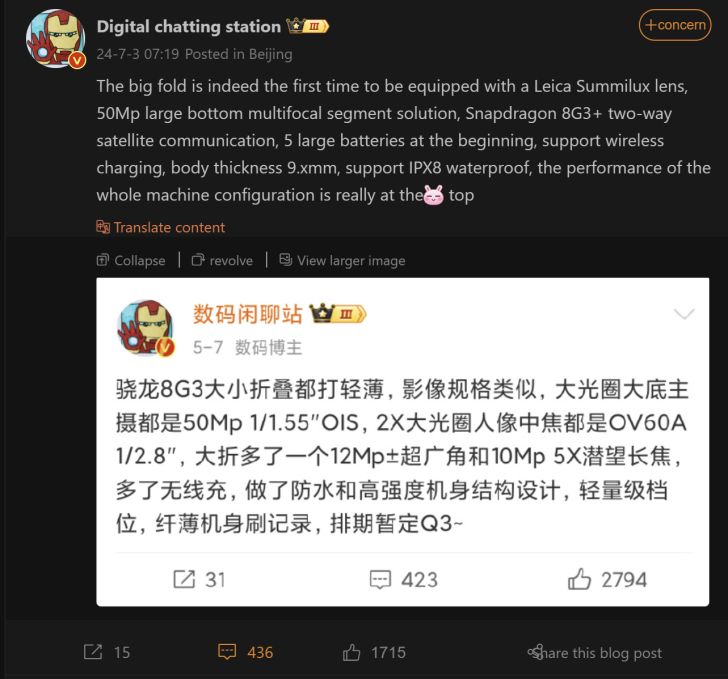
Although details are scarce, the Chinese foldables appear all set to dazzle: big batteries, generously sized outer screens, and surprisingly thin profiles.

Rumors indicate the possibility of a dual-4,500mAh battery setup—that addresses one of the most common pain points.

The external screens could be more than 3.6 inches while retaining a slender form factor.

We might also have fast-charging in excess of 60W, high-resolution inner displays, and capable camera setups.

Huawei’s Next Move: An Upgrade or Something New?

Larger batteries and external screens over 3.6 inches

After the recent Pocket 2 launch, it is really unknown what the next Huawei strategy will be: refresh the hardware or unveil an entirely new premium or budget foldable to expand the lineup and pull more consumers into the innovative form factor.

These compact foldables from Chinese vendors come with batteries that are larger, displays that are impressive, and sleek designs—enough to break the market and provide a compelling alternative to Motorola and Samsung offerings.

Increased competition will spur innovation, and in their quest to achieve the perfect compact foldable, consumers are set to benefit the most.

FAQs

What brands are entering the foldable phone market?

Major Chinese brands such as Xiaomi, Huawei, and Honor are preparing to launch their own compact foldable phones, joining the competitive market dominated by Motorola and Samsung.

What features can we expect from these new foldable phones?

Rumored features include dual-4,500mAh batteries, external screens over 3.6 inches, fast-charging capabilities over 60W, high-resolution inner displays, and capable camera setups.

How might these new foldable phones impact the market?

The entry of these Chinese brands is expected to increase competition, potentially driving innovation and offering consumers more options in the fast-growing foldable phone segment.

Will Huawei introduce a new model or upgrade existing ones?

It’s currently unclear if Huawei will refresh their existing models or unveil a new premium or budget foldable, but either move could significantly impact their market presence.

Why are larger batteries important in foldable phones?

Larger batteries, like the rumored dual-4,500mAh setup, address common concerns about battery life, ensuring that these advanced devices can support extended use without frequent recharging.

Also Read: Tackling Smartphone Addiction with Digital Wellbeing Tools

Also Read: Exploring the Rising Costs of Smartphones and if Their Value is Justified