The problem allowed easy access to users’ conversations in plain text format.
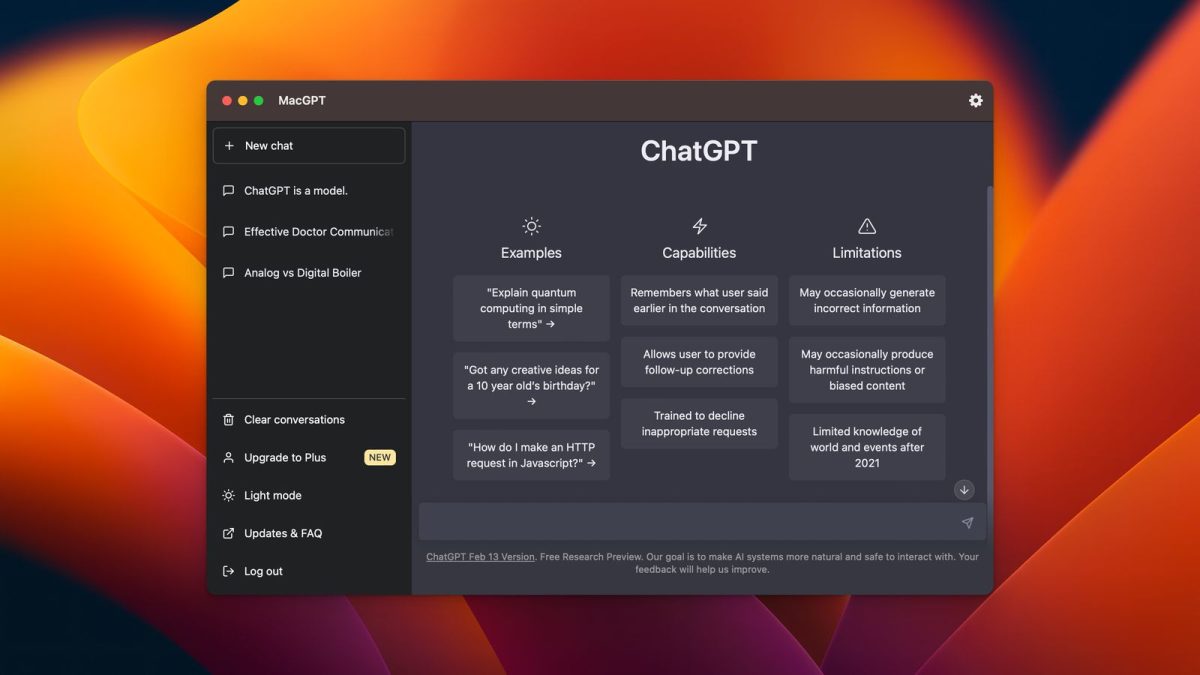
ChatGPT has left some gaping holes in its macOS app’s privacy
The chats, ranging from mundane queries to potentially sensitive discussions,were being stored on users‘ computers in plain text, as easy to read as a shopping list left on the kitchen counter.
macOS app for ChatGPT was announced very recently.
He shared his appwith The Verge, who then made a video demonstrating how it could access chat content with a single click.
After The Verge contacted OpenAI about the issue, the company released an update that it says encrypts the chats.
OpenAI spokesperson Taya Christianson says in a statement to The Verge, “We are aware of this issue and have shipped a new version of the application which encrypts these conversations. We’re committed to providing a helpful user experience while maintaining our high security standards as our technology evolves.”
The Verge also found that simply changing the file name allowed them to view the text of conversations on the computer.
Unless you’ve opted out, OpenAI may review ChatGPTconversations for safety and to train its models,
What is Sandboxing?
Some apps can access your locally saved data that is not encrypted.
Sandboxing, a security control system, runs apps and their data in isolatedenvironments.
This prevents apps from accessing other parts of the system without permission.
On iOS, all third-party apps are sandboxed. macOS introduced this system with OS X Lion in 2011.
While sandboxing improves security, it remains optional on macOS. Some complex apps need full disk access, and many macOS apps are not sandboxed.
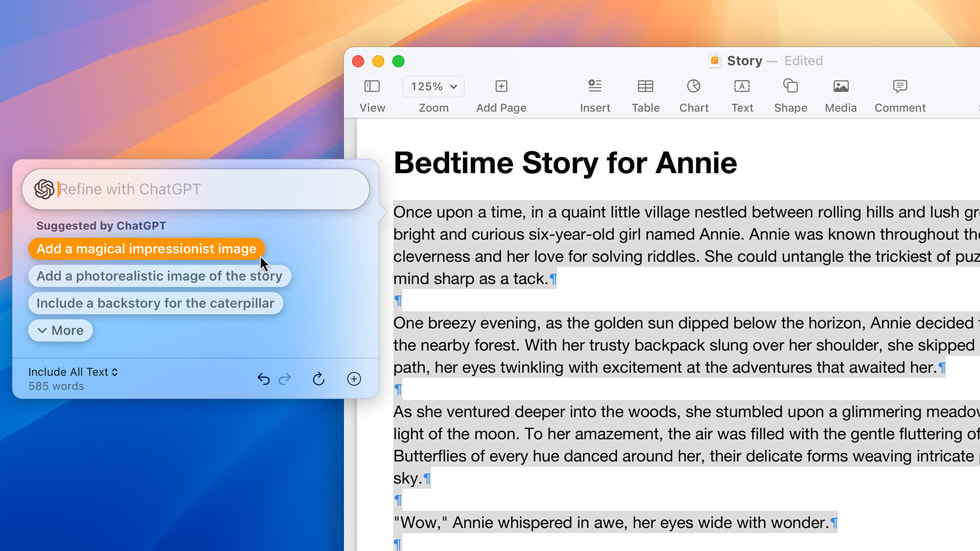
ChatGPT will be available in Apple’s systemwide Writing Tools in macOS, which help users generate content for anything they are writing about.
However, most chat apps handling sensitive data are typically sandboxed.
The ease of accessing ChatGPT conversationsraised concernsabout potential misuse by malicious actors or apps with access to users’ machines.
FAQs
What was the security issue with ChatGPT on macOS?
The issue involved ChatGPT conversations being stored in plain text on users’ computers, making them easily accessible to other apps.
How was the issue discovered?
Pedro José Pereira Vieito demonstrated how another app could read ChatGPT conversations immediately after they occurred, and The Verge verified this with a video.
What action did OpenAI take to address the problem?
OpenAI released an update that encrypts ChatGPT conversations to enhance security and prevent unauthorized access.
What is sandboxing and how does it relate to this issue?
Sandboxing is a security system that isolates apps and their data. While optional on macOS, it is crucial for apps handling sensitive data, like chat apps.
What are the potential risks of this security flaw?
The flaw could allow malicious actors or unauthorized apps to access sensitive user conversations, raising privacy and security concerns.
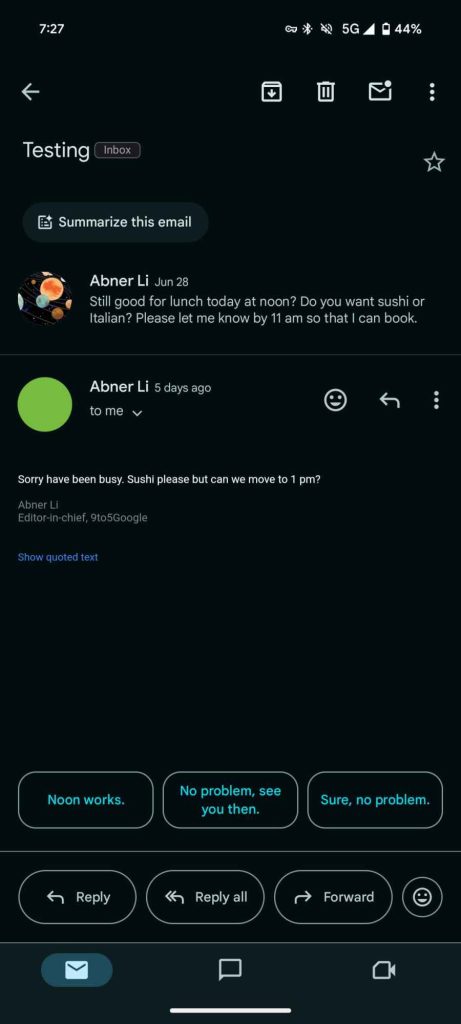
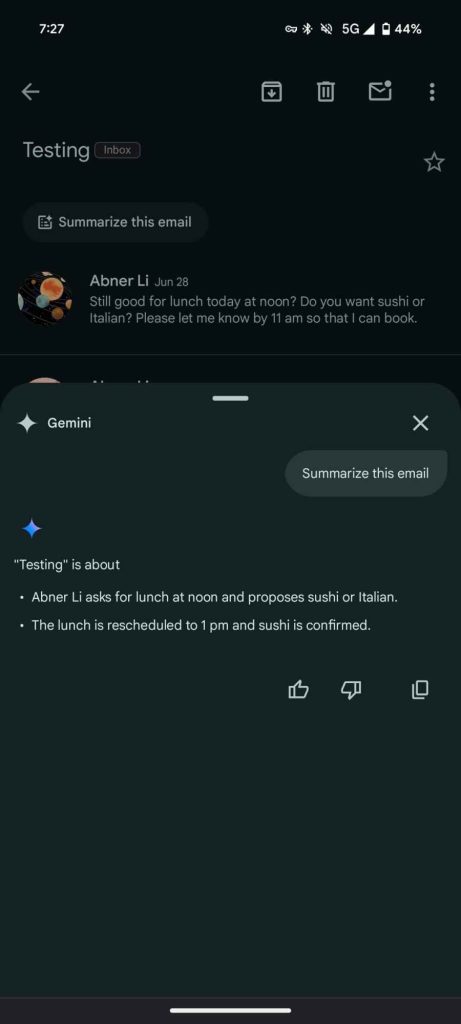
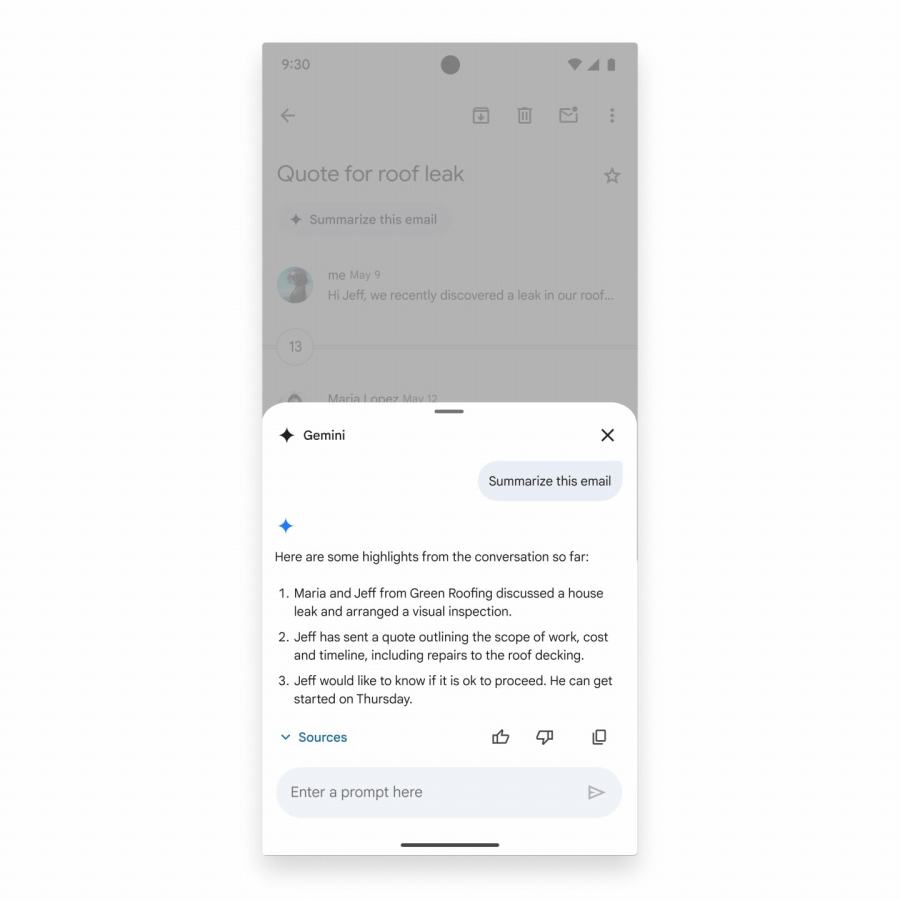
A “Summarise this email” button appears under the subject line in Gmail.
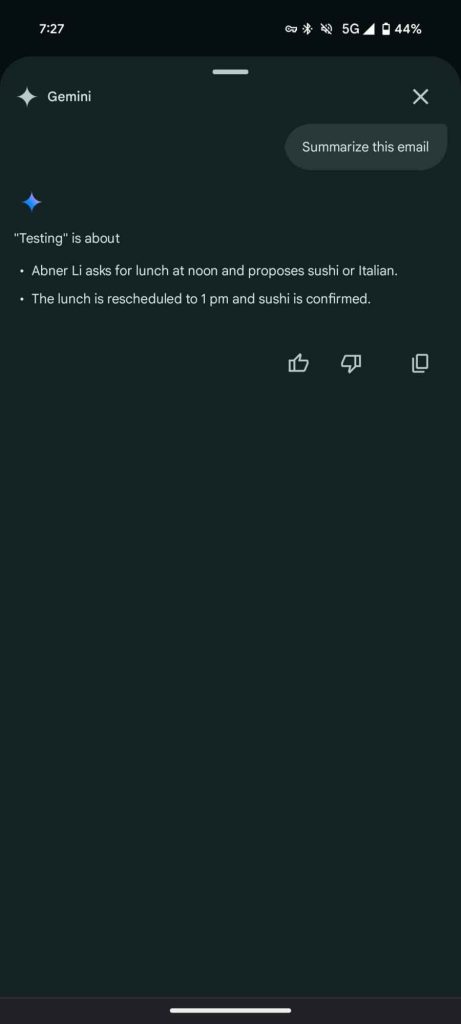
Tapping it brings up a sheet with bullet points recapping the conversation. Users can rate the summary with thumbs up or down.
As of 4 July, the feature is becoming more widely available.It doesn’t work for single emails, focusing insteadon summarising conversations.
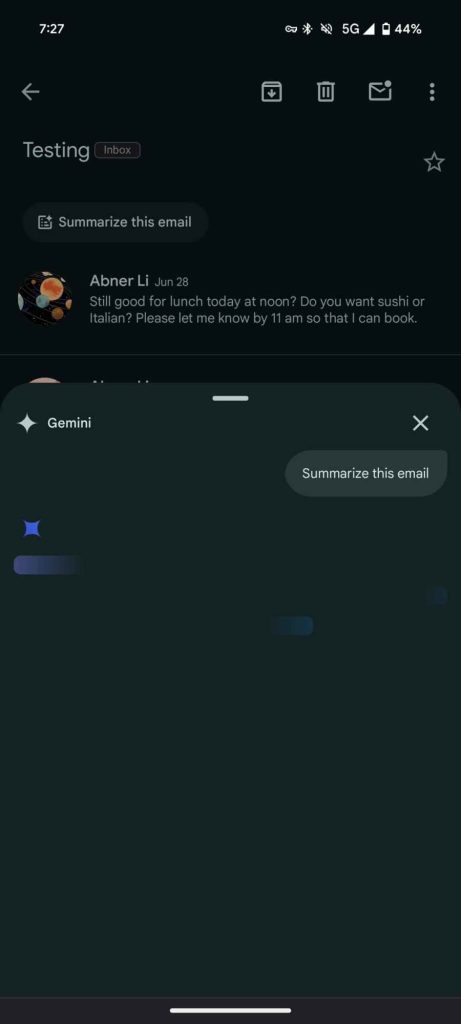
The summary uses Gemini to generate after tapping.
The summary takes a moment to generate after tapping.
The sheet can be expanded to full screen, and users can swipe down to view recent summaries.
Currently, there’s no option to ask follow-up questions, though this may change when Gmail Q&A launches.
It can summarise threads, suggest responses, help draft emails, and find information
On the web version, Gmail has added a Gemini side panel powered by version 1.5 Pro.
It can summarise threads, suggest responses, help draft emails, and find information from emails and Google Drive files.
The panel also offers “proactive prompts” when users tap the Gemini icon.
These features are available to customers with paid subscriptions, including Gemini Business
When Can You Use These Features
These features are available to customers with paid subscriptions, includingGemini Business, Enterprise, Education, and Education Premium add-ons, as well as Google One AI Premium.
The rollout of Gmail Summarization is gradual, with full availability expected in the coming weeks
The mobile app previously only offered the “Help me write” AI feature.
The rollout of these features is gradual, with full availability expected in the coming weeks for both mobile and web versions of Gmail.
FAQs
What new feature has Gmail introduced with Gemini?
Gmail has introduced AI-powered summaries for email threads, accessible through a “Summarise this email” button, which generates bullet-point recaps of conversations.
Who can access the new AI features in Gmail?
The new AI features are available to users with paid subscriptions, including Gemini Business, Enterprise, Education, Education Premium add-ons, and Google One AI Premium.
How does the “Summarise this email” feature work?
When you tap the “Summarise this email” button, a sheet appears with a summary of the email thread. Users can rate the summary with thumbs up or down.
What additional features are available in the web version of Gmail?
The web version of Gmail includes a Gemini side panel that can summarise threads, suggest responses, help draft emails, and find information from emails and Google Drive files.
When will these new features be fully available?
The rollout of these features began on June 24 and is expected to be fully available in the coming weeks for both mobile and web versions of Gmail.
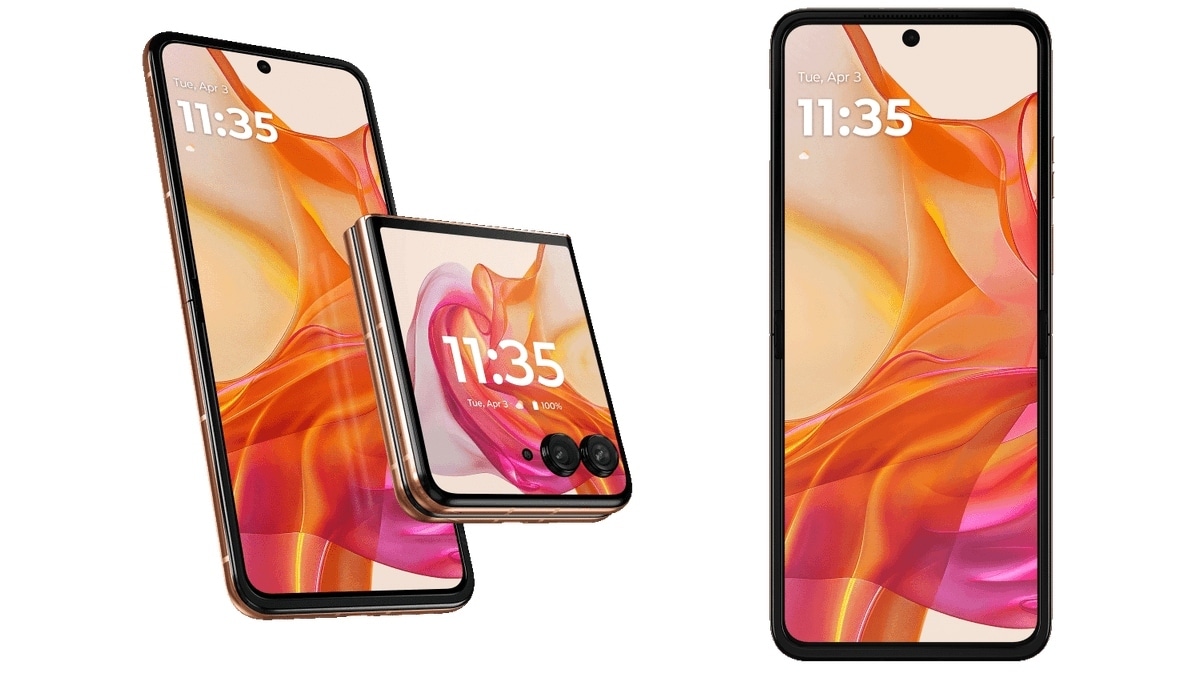
This new device brings several upgrades over its predecessor,including a larger cover display and an updated processor.
Ranjit Babu, Director, Wireless and Home Entertainment, Amazon India added:
The Motorola Razr 40 ultra was our first launch for Prime Day last year, leading to significant acceptance among customers that wanted an innovative fold form factor. This year, we will have the widest line-up of new smartphones ever launched during Prime Day, and the Motorola Razr continues to have pride of place in our lineup. On July 20 till 21, Prime customers will not only get their hands on the newly launched Motorola razr 50 ultra, but will also have access to attractive no cost EMI, bank and other offers- on Amazon.in, India’s most trusted destination for smartphones.
Moto Razr 50 Ultra: Pricing and Availability
The Moto Razr 50 Ultra has finally made its way to India
The Razr 50 Ultra is priced at Rs. 99,999 for the 12GB RAM + 512GB storage variant.
It will be available in Midnight Blue, Spring Green, and Peach Fuzz colours. Sales begin during the Amazon Prime Day 2024sale on July 20-21.
Moto Razr 50 Ultra launch offers on Amazon
The phone can be purchased via Motorola.in and select retail stores.
Early buyers can avail a Rs. 5,000 discount, reducing the price to Rs. 94,999. Additional offersincludebank discounts and no-cost EMI options starting at Rs. 5,000 per month.
Commenting on the launch, T.M. Narasimhan, Managing Director, Motorola India said, “Being the pioneers of flip phone technology, we have once again set a new standard in the segment with the launch of the most intelligent flip smartphone- razr 50 ultra. This cutting-edge device embodies our relentless pursuit of pushing boundaries, bringing together exceptional design, AI technology, remarkable functionality, and unrivaled user experience. We are confident that the razr50 ultra will not only redefine the future of foldable smartphones but also exceed the expectations of our valued customers.”
Moto Razr 50 Ultra: Key Specifications
Some of the key specs you need to know about the phone.
• 6.9-inch foldable pOLED inner display, 165Hz refresh rate • 4-inch pOLED cover display, 165Hz refresh rate • Snapdragon 8s Gen 3 chipset • 12GB LPDDR5X RAM, 512GB UFS 4.0 storage • 50MP main camera with OIS, 50MP telephoto camera • 32MP inner selfie camera • 4,000mAh battery, 45W wired charging, 15W wireless charging • IPX8 water resistance rating
Moto Razr 50 Ultra: Features
For selfies, there’s a 32MP camera on the inner display. Motorola has included various AI-powered shooting modes
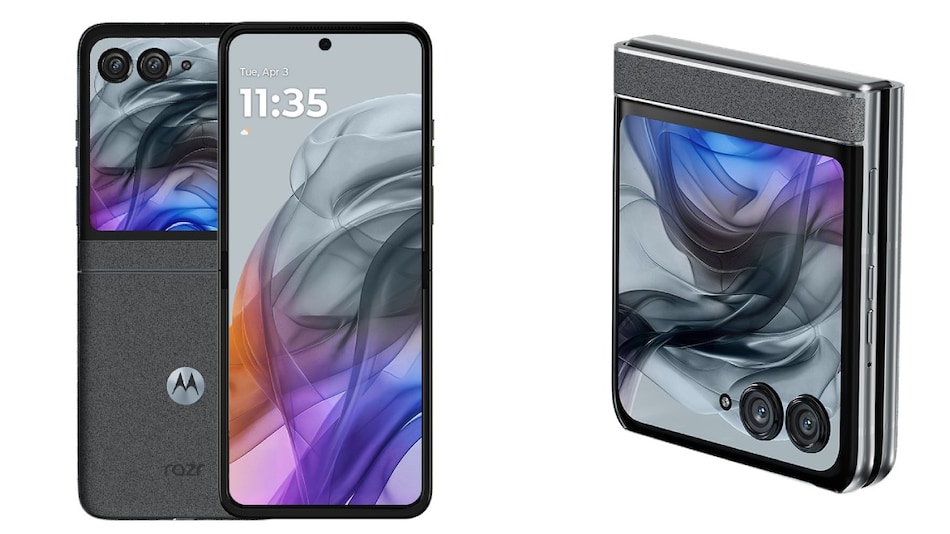
The Razr 50 Ultra features a 6.9-inch foldable pOLED inner display with a resolution of 1,080×2,640 pixels.
It supports a 165Hz refresh rate and has a pixel density of 413ppi.
The outer cover display is a 4-inch pOLED panel with a 1,080×1,272 pixel resolution, also supporting a 165Hz refresh rate and HDR10+.
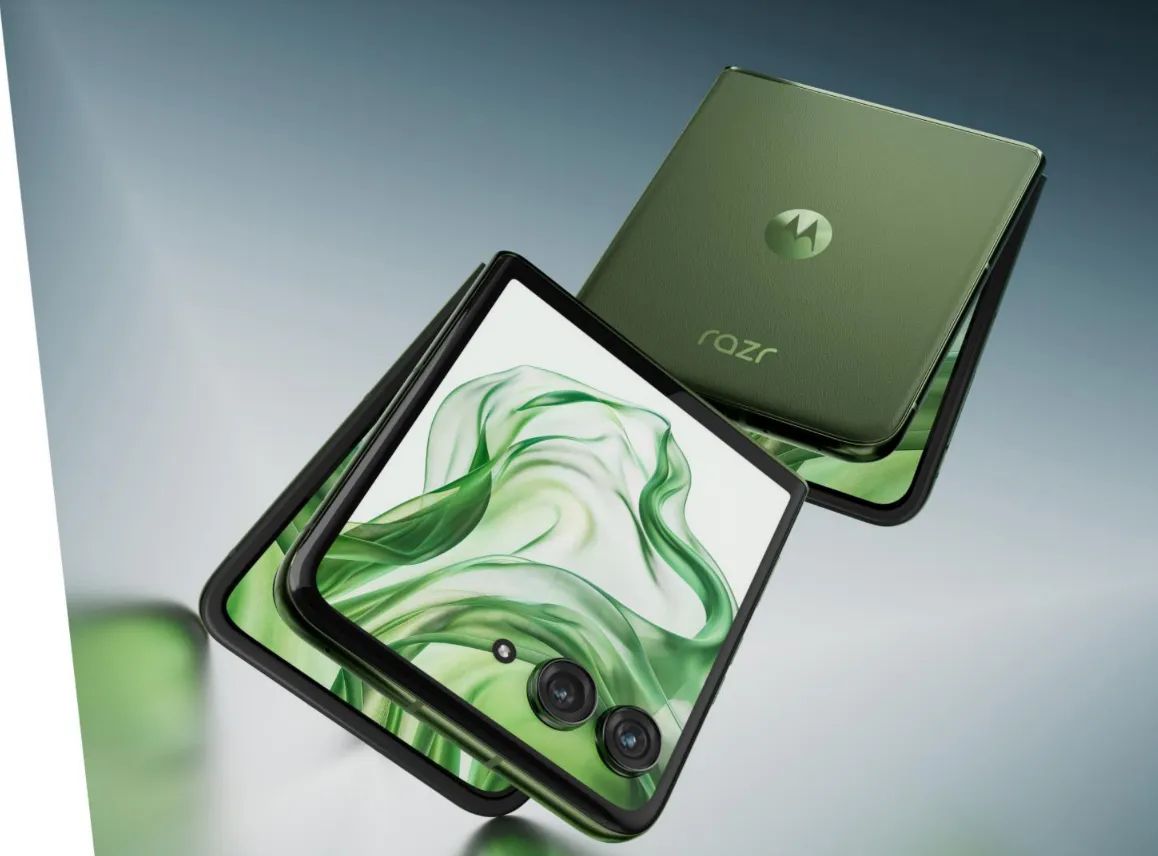
Here’s the Moto Razr 50 Ultra in a stunning Green colour
The device sports a dual camera setup on the outer shell, comprising a 50MP main sensor with optical image stabilisation and a 50MP telephoto lens with 2x optical zoom.
For selfies, there’s a 32MP camera on the inner display.
Motorola has included various AI-powered shooting modes, including action engine, auto smile capture, and gesture capture.
The Razr 50 Ultra features a 6.9-inch foldable pOLED inner display
It comes with 12GB of LPDDR5X RAM and 512GB of UFS 4.0 storage, ensuring smooth performance for multitasking and app launches.
The device houses a 4,000mAh batterysupporting 45W fast charging,15W wireless charging, and 5W reverse charging.
Motorola includes a 68W charger in the box,allowing for quick top-ups when needed.
5 Reasons to Consider Buying
Motorola Razr 40 Series
• Versatile form factor: Compact when folded, full-sized smartphone experience when unfolded.
• Large cover display: 4-inch outer screen allows for quick interactions without opening the device.
• Powerful cameras: Dual 50MP rear cameras and 32MP inner camera for high-quality photos and videos.
• Fast performance: Snapdragon 8s Gen 3 chip and 12GB RAM ensure smooth operation for demanding tasks.
• Water resistance: IPX8 rating provides protection against accidental water exposure, a rarity in foldable devices.
Improvements Over Moto Razr 40 Ultra
Motorola Razr 40
One of the most notable upgrades on the Razr 50 Ultra is the switch to the Snapdragon 8s Gen 3 processor, which delivers better overall performance and efficiency.
Additionally, the display has seen enhancements with a brighter, 6.8-inch OLED screen boasting a 120Hz refresh rate, offering a more vibrant and smoother visual experience.
The camera system has also been upgraded, featuring a 50MP main sensor and an optical zoom lens, compared to the previous model’s digital-only zoom capabilities.
Another key improvement is in the battery department, with the Razr 50 Ultra featuring a larger 4000mAh battery and faster 45W wired charging, compared to the Razr 40 Ultra’s 3800mAh battery and 30W charging.
The new model also introduces enhanced software, launching with Android 14 and Motorola’s latest HelloUX, offering better customization options and an always-on cover display.
FAQs
What is the price of the Moto Razr 50 Ultra in India?
The Moto Razr 50 Ultra is priced at Rs. 99,999 for the 12GB RAM + 512GB storage variant, with a Rs. 5,000 discount for early buyers.
When will the Moto Razr 50 Ultra be available for purchase?
The phone will be available during the Amazon Prime Day 2024 sale on July 20-21 and can be purchased via Motorola.in and select retail stores.
What are the key specifications of the Moto Razr 50 Ultra?
It features a Snapdragon 8s Gen 3 chipset, 6.9-inch pOLED foldable inner display, 50MP dual cameras, 4,000mAh battery, and runs on Android 14.
What are the notable improvements over the Moto Razr 40 Ultra?
Improvements include the Snapdragon 8s Gen 3 processor, enhanced camera system with optical zoom, larger battery, faster charging, and Android 14 with HelloUX.
What colors are available for the Moto Razr 50 Ultra?
The phone is available in Midnight Blue, Spring Green, and Peach Fuzz.
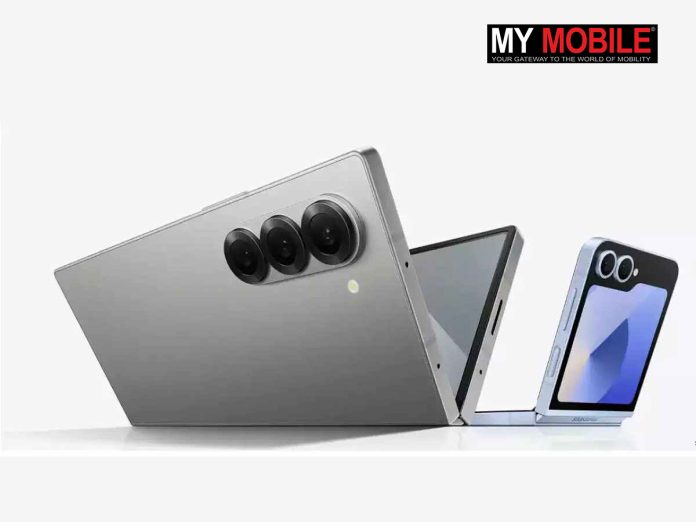
Samsung’s approach appears to be similar. Leaked marketing materials, shared by Evan Blass, reveal an update to Samsung’s existing “interpreter” mode.
This update enables two-way conversations to appear on both the inner and outerdisplays of the Galaxy Z Fold 6 and Flip 6.
How It Works
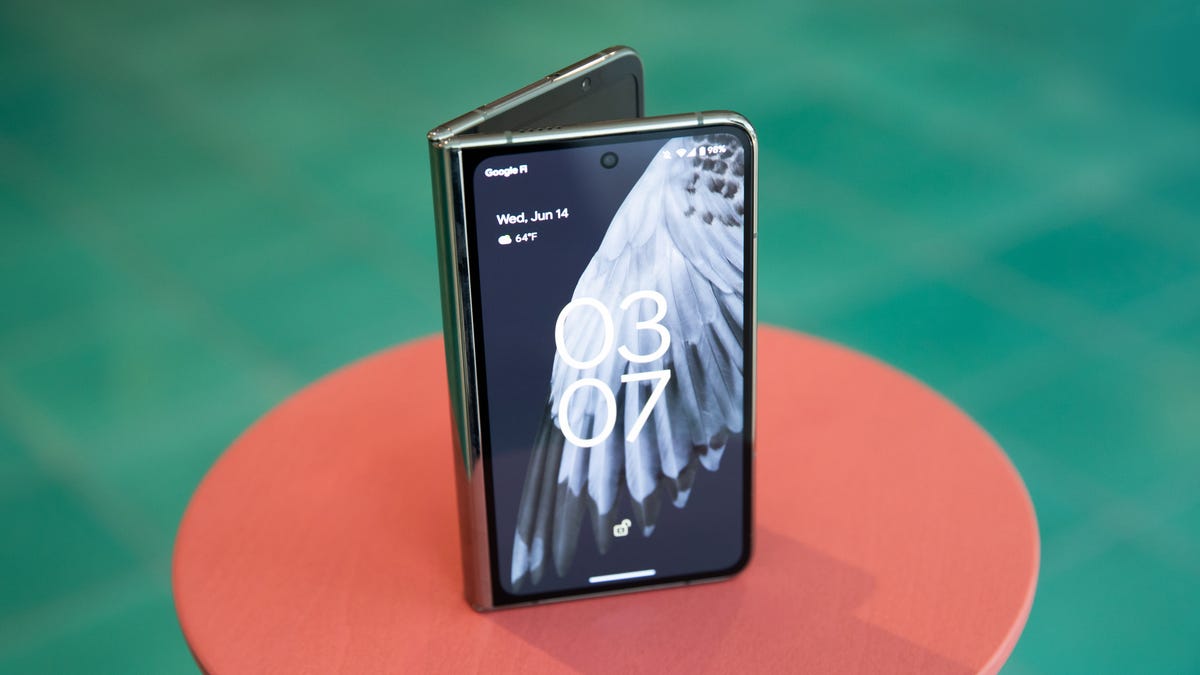
Interpreter mode on the Pixel Fold
Samsung’s version of the feature operates in Flex Mode, requiring the device to be partially folded. It also functions specifically in “Conversation Mode”.
This differs from Google’s implementation, which works when the device is fully unfolded.
Galaxy AI Integration
Galaxy Z Fold 6 and Flip 6 are expected to include the same Galaxy AI features
This new translation feature is part of Samsung’s broader Galaxy AI suite, which has been a focal point for the company’s recent devices.
The Galaxy Z Fold 6 and Flip 6 are expected to include the same Galaxy AI features found on the Galaxy S24 series.
Launch and Availability
Samsung Galaxy Z Fold 6 renders are coming out thick and fast.
Samsung is set to officially unveil the Galaxy Z Fold 6 and Flip 6 on 10 July. Pre-launch reservations are currently open on Samsung’s website.
Reservation Incentives
Samsung is offering incentives for early reservations:
$50 credit for reservation
Potential savings of up to $1,500
Entry into a sweepstakes for a $5,000 Samsung credit
It’s worth noting that reservations are free and do not obligate purchase.
Market Implications
This development highlights the ongoing competition in the foldable phone market, with manufacturers continually adapting and improving features.
Samsung’s decision to implement a feature similar to Google’s suggests a recognition of its usefulness and appeal to consumers.
FAQs
How does Samsung’s new translation feature differ from Google’s Interpreter Mode?
Samsung’s feature operates in Flex Mode, requiring the device to be partially folded, and works specifically in “Conversation Mode”. In contrast, Google’s implementation on the Pixel Fold functions when the device is fully unfolded.
Will the new translation feature be available on older Samsung foldable models?
As of now, there’s no information about the feature being available on older models. The leaked marketing materials specifically mention the Galaxy Z Fold 6 and Flip 6.
What other Galaxy AI features can we expect on the new foldable devices?
While specific details are limited, Samsung has indicated that the Galaxy Z Fold 6 and Flip 6 will include the same Galaxy AI features found on the Galaxy S24 series.
Are there any incentives for pre-ordering the new Samsung foldable phones?
Yes, Samsung is offering several incentives for early reservations. These include a $50 credit for reservation, potential savings of up to $1,500, and entry into a sweepstakes for a $5,000 Samsung credit.
How might this new feature impact the competitive landscape of foldable phones?
The introduction of this dual-screen translation feature demonstrates Samsung’s commitment to innovation in the foldable phone market. By adapting and improving upon features seen in competitors’ devices, Samsung is likely aiming to strengthen its position in this growing segment.
Tagging System: Users can now use tags to categorise posts.
API Access: An API has been introduced for third-party integration.
Fediverse Integration: Threads now offers compatibility with the decentralised social media ecosystem.
Anniversary Celebration
Threads has introduced custom icons for its mobile app.
To commemorate its first year,Threads has introduced custom icons for its mobile app.
Five new icons, designed by members of the Threads community, will be available alongside the default icon.
Icon Availability
The new icons will be released gradually:
• One new icon will be unlocked each day • Icons will remain available until 12 July 2024 • Users must have the latest version of the app to access the custom icons
How to Change the Threads Icon
1. Open the Threads app 2. Navigate to the ‘Your Profile’ tab 3. Tap the birthday cake icon at the screen’s top 4. Select one of the available icons
Platform Background
New web interface similar to TweetDeck is being tested for enhanced browsing
Threads launched during a period of controversy surrounding X, as users sought alternatives due to dissatisfaction with Elon Musk’s management decisions.
Initially, Threads lacked several featuresconsidered standard for social media platforms.
However, Meta has steadily addressed these gaps through regular updates.
The Threads app is available for free on the App Store.
It requires an iPhone running iOS 15.1 or later. Users should ensure they have the most recent version of the app installed to access all new features, including the custom icons.
“Threads was launched during a time when X was struggling, but since then, X has been surprisingly resilient,” said Debra Aho Williamson, chief analyst at Sonata Insights, a research firm.
“Sports and political discussion are still very active on X, and considering that we have the Olympics, Euro 2024 and the US presidential election this year (among other major events), X will probably continue to attract users,” she added.
Future Outlook
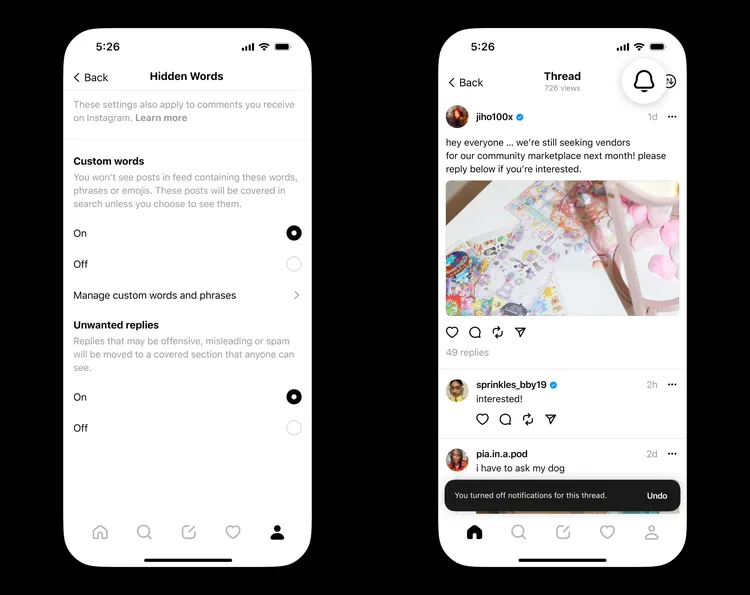
Threads Introduced some New Privacy Features to Block Offensive Words
As Threads enters its second year, the platform’s growing user base and expanding feature set suggest it has established itself as a significant player in the social media landscape.
The introduction of community-designed icons also indicates a focus on user engagement and personalisation.
While Threads has made significant strides, it continues to face competition from established platforms and emerging alternatives in the dynamic social media market.
FAQs
How many users does Threads have on its first anniversary?
Threads has reached 175 million monthly active users, showing significant growth since its launch.
What new features have been added to Threads over the past year?
Threads now includes a web version, translation tools, chronological search, fast account switching, a tagging system, API access, and Fediverse integration.
How can I change the icon on the Threads app?
To change the icon, open the Threads app, navigate to ‘Your Profile,’ tap the birthday cake icon, and select one of the available custom icons.
What special features have been introduced for the Threads anniversary?
Threads has introduced five new custom icons designed by the community, with one new icon unlocked each day until July 12, 2024.
What is the significance of Threads’ integration with the Fediverse?
The Fediverse integration allows Threads to be compatible with decentralized social media platforms, enhancing its interoperability and reach.
No idea when these devices will make it to the Indian market but it is unlikely that it will ever happen. In any case, here is what you need to know about them.
The Red Magic 9S Pro starts at 4799 CNY (Rs. 55,090 approx.) for the 12GB+256GB model
Pricing and Availability
Here is the pricing of Redmagic 9S pro
Here is the pricing for Redmagic 9S Pro+
The 9S Pro starts at 4799 CNY (Rs. 55,090 approx.) for the 12GB+256GB model, while the 9S Pro+ begins at 5799 CNY (Rs. 66,580 approx.) for the 16GB+512GB variant.
Both phones are available for pre-order in China, with sales commencing on 9 July 2024.
An international release is slated for 16 July 2024. For the entire pricing check below.
Model
Variant
Price (CNY)
Price (USD)
Price (INR approx.)
REDMAGIC 9S Pro Dark Knight and White Knight
12GB + 256GB
4799
660
55,090
12GB + 512GB
5199
715
59,680
REDMAGIC 9S Pro Transparent Silver Deuterium and Transparent Dark Knight
12GB + 256GB
4999
687
57,385
12GB + 512GB
5399
742
61,985
REDMAGIC 9S Pro+ Dark Knight and White Knight
16GB + 512GB
5799
797
66,580
REDMAGIC 9S Pro+ Transparent Silver Deuterium and Transparent Dark Knight
16GB + 512GB
5999
825
68,885
24GB + 1TB
6999
962
80,370
The phones boast a 6.8-inch OLED display with a 120Hz refresh rate and 960Hz touch sampling rate
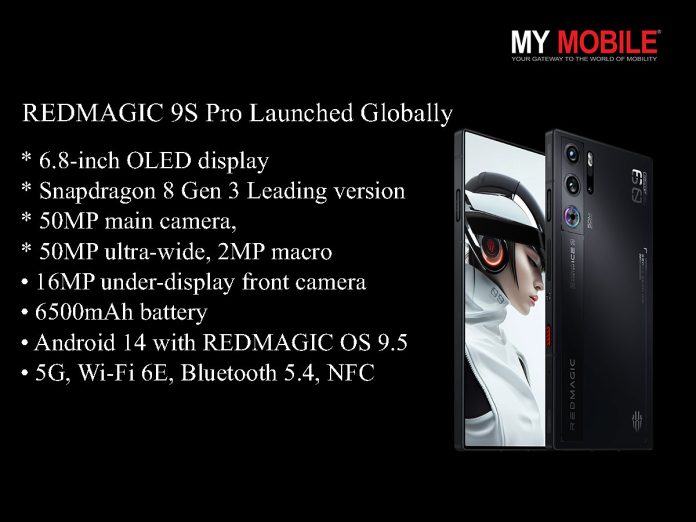
Key Specifications: REDMAGIC 9S Pro
• 6.8-inch OLED display, 2480 x 1116 pixels, 120Hz refresh rate • Snapdragon 8 Gen 3 Leading version • 12GB/16GB RAM, 256GB/512GB storage • 50MP main camera, 50MP ultra-wide, 2MP macro • 16MP under-display front camera • 6500mAh battery, 80W fast charging • Android 14 with REDMAGIC OS 9.5 • 5G, Wi-Fi 6E, Bluetooth 5.4, NFC
Key Specifications: REDMAGIC 9S Pro+
• 6.8-inch OLED display, 2480 x 1116 pixels, 120Hz refresh rate • Snapdragon 8 Gen 3 Leading version • 16GB/24GB RAM, 512GB/1TB storage • 50MP main camera, 50MP ultra-wide, 2MP macro • 16MP under-display front camera • 5500mAh battery, 165W fast charging • Android 14 with REDMAGIC OS 9.5 • 5G, Wi-Fi 6E, Bluetooth 5.4, NFC
Specification
REDMAGIC 9S Pro
REDMAGIC 9S Pro+
Display
6.8-inch OLED, 2480 x 1116, 120Hz
6.8-inch OLED, 2480 x 1116, 120Hz
Processor
Snapdragon 8 Gen 3 Leading version
Snapdragon 8 Gen 3 Leading version
RAM
12GB/16GB
16GB/24GB
Storage
256GB/512GB
512GB/1TB
Main Camera
50MP main, 50MP ultra-wide, 2MP macro
50MP main, 50MP ultra-wide, 2MP macro
Front Camera
16MP under-display
16MP under-display
Battery
6500mAh, 80W fast charging
5500mAh, 165W fast charging
Operating System
Android 14 with REDMAGIC OS 9.5
Android 14 with REDMAGIC OS 9.5
Connectivity
5G, Wi-Fi 6E, Bluetooth 5.4, NFC
5G, Wi-Fi 6E, Bluetooth 5.4, NFC
Cooling System
ICE 13.5 cooling system
ICE 13.5 cooling system
Audio
3.5mm audio jack, dual 1115K speakers, DTS
ULTRA
3.5mm audio jack, dual 1115K speakers, DTS
ULTRA
REDMAGIC 9S Pro launch: Features
The upgraded interactive REDMAGIC AI and Mora, the brand’s mascot, now provides voice-activated wake-up capabilities
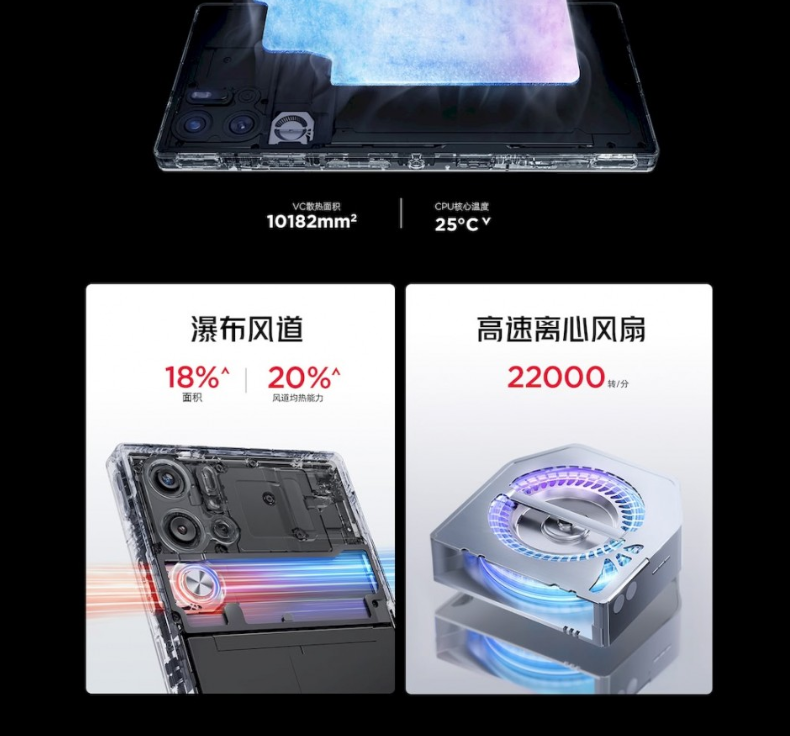
Both models feature the ICE 13.5 cooling system. This includes a 10182mm² single-layer vapour chamber plate and new frost cooling gel.
The system aims to reduce thermal resistance and lower core temperature to 19.5°C. An upgraded 22,000 rpm turbofan with shark-fin blades operates at just 4dB.
The phones boast a 6.8-inch OLED display with a 120Hz refresh rate and 960Hz touch sampling rate.
The screen offers 10-bit colour depth, 100% DCI-P3 colour gamut, and up to 1600 nits peak brightness.
It also incorporates DC dimming and 21600Hz PWM dimming for eye protection.
The devices come with a new Snapdragon 8 Gen 3 Leading Version
REDMAGIC has upgraded the Game Space with new AI-powered features.
These include Smart Navigator Gaming for real-time recommendations and voice-to-text input.
An AI Trigger allows customisation based on gaming habits.
Sound Recognition technology helps with in-game decision-making by identifying sound logos on mini-maps.
It can also automatically record and convert in-game highlights into atmosphere images for the game lobby.
The phones come with custom RGB lights for shoulder buttons, enhancing the gaming aesthetic.
The upgraded interactive REDMAGIC AI and Mora, the brand’s mascot, now provides voice-activated wake-up capabilities and alarm setting.
Both models feature the ICE 13.5 cooling system. This includes a 10182mm² single-layer vapour chamber plate and new frost cooling gel.
The REDMAGIC OS 9.5 introduces several AI features. These include AI Photo, AI Image Enlargement, AI Wallpapers, and an AI Writing Assistant.
The system also offers AI summary support, smart content recommendations,screen recognition, AI search, and voice assistants.
The AI integration offers enhanced scene recognition, resulting in a more than 30% increase in accompanying play function accuracy.
Redmagic 9S Pro series have powerful speakers
For instance, the AI assistant can remind users to use up all bullets, offering valuable in-game guidance.
Both modelsfeature a 3.5mm audio jack, dual 1115K speakers, and DTS:X ULTRA technology for immersive sound.
Finally, both phones offer 50MP main and ultra-wide cameras giving flexibility for photography enthusiasts.
The REDMAGIC 9S Pro launch also shows that the phones come with three microphones for clear voice capture during gaming sessions or calls.
The phones support 5G NSA/SA, Dual 4G VoLTE, and Wi-Fi 6E for fast connectivity.
They also include Bluetooth 5.4, GPS with L1/L5 bands, and NFC for contactless payments and device pairing.
5 Reasons to Consider Buying
• High-performance gaming: Snapdragon 8 Gen 3 Leading version and up to 24GB RAM ensure smooth gameplay.
• Advanced cooling: ICE 13.5 system with vapour chamber and high-speed fan keeps the device cool during intense gaming sessions.
• AI-enhanced gaming: Features like Smart Navigator and Sound Recognition aim to improve the gaming experience.
• Long battery life: Large battery capacities (6500mAh in 9S Pro, 5500mAh in 9S Pro+) with fast charging support.
• Versatile camera system: 50MP main and ultra-wide cameras offer flexibility for photography enthusiasts.
FAQs
What are the key specifications of the REDMAGIC 9S Pro?
The REDMAGIC 9S Pro features a Snapdragon 8 Gen 3 Leading version, 12GB/16GB RAM, 256GB/512GB storage, a 6.8-inch OLED display with 120Hz refresh rate, and a 6500mAh battery with 80W fast charging.
What are the differences between the REDMAGIC 9S Pro and 9S Pro+?
The 9S Pro+ offers higher memory options (16GB/24GB RAM, 512GB/1TB storage), a slightly smaller battery (5500mAh) with 165W fast charging, compared to the 9S Pro.
What cooling technology is used in the REDMAGIC 9S Pro and 9S Pro+?
According to the REDMAGIC 9S Pro launch, both models use the ICE 13.5 cooling system, which includes a 10182mm² vapor chamber plate, new frost cooling gel, and a 22,000 rpm turbofan with shark-fin blades for efficient thermal management.
How does AI integration enhance the gaming experience on these phones?
The REDMAGIC OS 9.5 includes AI features like Smart Navigator, Sound Recognition, AI Trigger customization, and AI-enhanced gaming recommendations, improving the overall gaming experience.
What connectivity options do the REDMAGIC 9S Pro and 9S Pro+ support?
Both phones support 5G, Wi-Fi 6E, Bluetooth 5.4, GPS with L1/L5 bands, NFC, and include a 3.5mm audio jack and dual 1115K speakers with DTS
ULTRA technology.
• Xiaomi explores single toggle to disable all system ads • Feature could address long-standing user complaints • Testing phase underway on Xiaomi 13 Pro • Move may balance user experience and revenue needs
In a move that could delight many Xiaomi fans, the Chinese tech giant is reportedly testing a feature that would allow users to disable system-wide ads with a single toggle.
This development, first reported by Smartprix, could mark a significant shift in Xiaomi’s approach to balancing user experience with its revenue model.
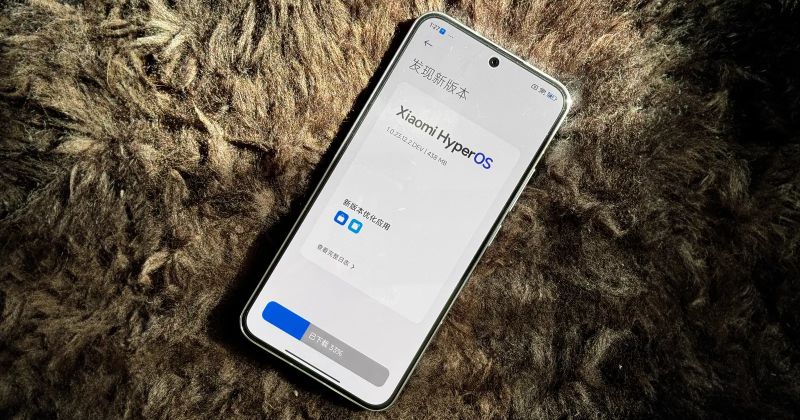
Xiaomi’s custom Android skin, formerly known as MIUI and now rebranded as HyperOS.
Xiaomi’s custom Android skin, formerly known as MIUI and nowrebranded as HyperOS, has long been a mixed bag for users.
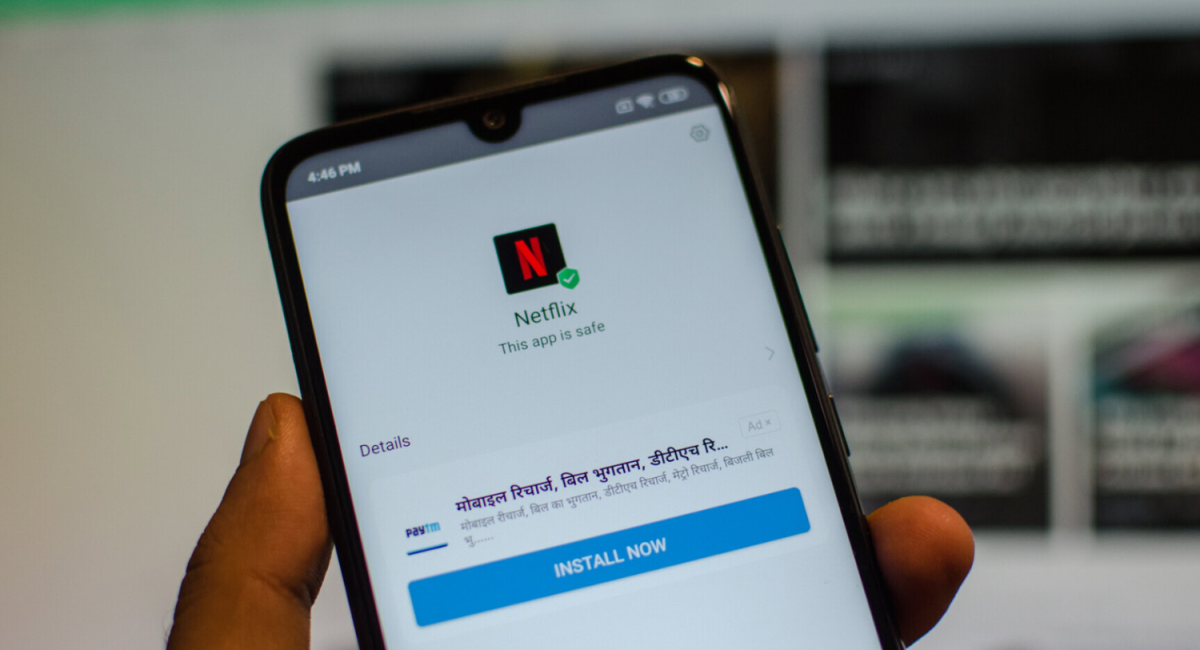
While praised for its feature-rich nature, it has also been criticised for its aggressive use of system-wide advertisements.
These ads, a key part of Xiaomi’s strategy to keep hardware prices low,have been a thorn in the side of many users.
Say Bye-Bye to Ads
The new feature, currently being tested on the Xiaomi 13 Pro, could be a game-changer.
If implemented, it would allow users to disable all system ads with a single tap, dramatically simplifying what has been a complex and frustrating process.
Xiaomi promises to knock it off with at least some of the obnoxious MIUI ads
Previously, turning off ads on Xiaomi phones was akin to navigating a maze.
Users had to dig through various menus and settings, disabling multiple options scattered throughout the system.
This cumbersome process often led people to seek third-party solutions or online guides, raising concerns about security and potential bloatware.
Striking a Balance
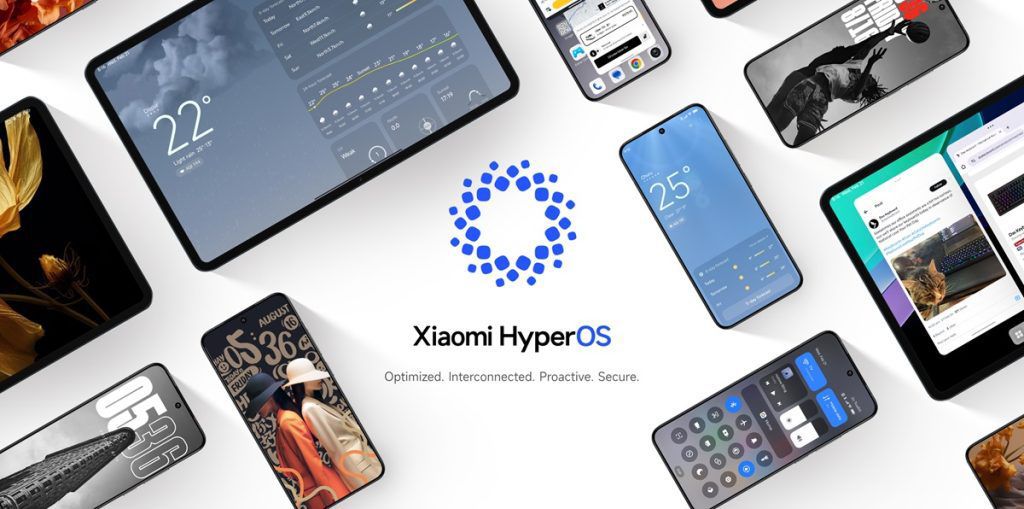
Xiaomi HyperOS is the largest reconstruction of Xiaomi’s OS subsystem
Xiaomi’s business model has long relied on keeping hardware prices competitive by generating revenue through other means, including in-app advertising.
This approach has allowed the company to offer feature-packed devices at attractive price points, but it’s also been a source of user frustration.
The potential introduction of an easy ad-disable option suggests that Xiaomi is listening to user feedback.
What’s Next?
It’s important to note that this feature is still in the testing phase. There’s no official word yet on when or if it will be rolled out more widely.
The test build on the Xiaomi 13 Pro offers a promising glimpse, but it remains to be seen whether this will become a permanent feature across Xiaomi’s device lineup.
If implemented, this toggle could be a win-win solution.
Users who prioritise an ad-free experience can easily opt out,while Xiaomi can continue to generate ad revenue from those who don’t mind the occasional advert.
FAQs
Why does Xiaomi include ads in its phones?
Xiaomi’s business model relies on keeping hardware prices competitive by generating revenue through other means, including in-app advertising. This strategy allows them to offer feature-rich devices at lower price points compared to some competitors.
How did users previously disable ads on Xiaomi phones?
In the past, disabling ads on Xiaomi devices was a complex process. Users had to navigate through various menus and settings, disabling multiple options scattered across the system. This was often frustrating and time-consuming for many users.
Will the new toggle completely remove all ads from Xiaomi phones?
While the feature is still in testing, it appears to be designed to disable system-wide ads. However, it’s important to note that this may not affect ads within third-party apps or services not directly controlled by Xiaomi’s operating system.
When will this feature be available to all Xiaomi users?
As of now, there’s no official information on a widespread rollout. The feature is currently being tested on the Xiaomi 13 Pro, and its availability for other models or regions remains uncertain.
How might this change impact Xiaomi’s business model?
If implemented widely, this feature could potentially affect Xiaomi’s ad revenue. However, it may also improve user satisfaction and loyalty, potentially leading to increased sales or market share. The overall impact will likely depend on how many users choose to disable ads.
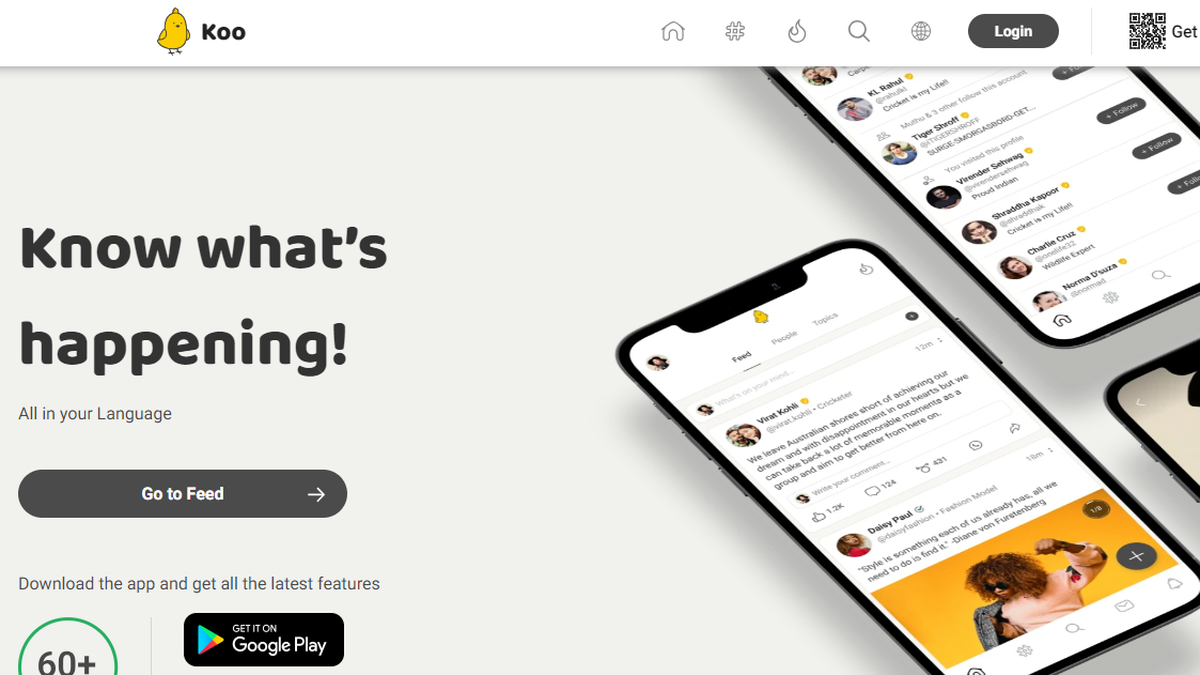
This closure marks the end of an ambitious venture that sought to challenge global social media giants and carve out a uniquely Indian space in the digital world.
But what led to Koo’s downfall, and what lessons can we draw from its journey?
“We explored partnerships with multiple larger internet companies, conglomerates, and media houses, but these talks didn’t yield the outcome we wanted,” according to the founders.
Aprameya Radhakrishna and Mayank Bidawatka, Founders of Koo said,
Here’s the final update from our end. Our partnership talks fell through and we will be discontinuing our service to the public. We explored partnerships with multiple larger internet companies, conglomerates, and media houses but these talks didn’t yield the outcome we wanted. Most of them didn’t want to deal with user-generated content and the wild nature of a social media company. A couple of them changed priority almost close to signing. While we would’ve liked to keep the app running, the cost of technology services to keep a social media app running is high and we’ve had to take this tough decision.
A prolonged funding winter which hit us at our peak hurt our plans at the time and we had to tone down on our growth trajectory.
Koo’s Dream of an Indian Twitter
India’s Twitter alternative Koo is now shutting down due to lacck of funding.
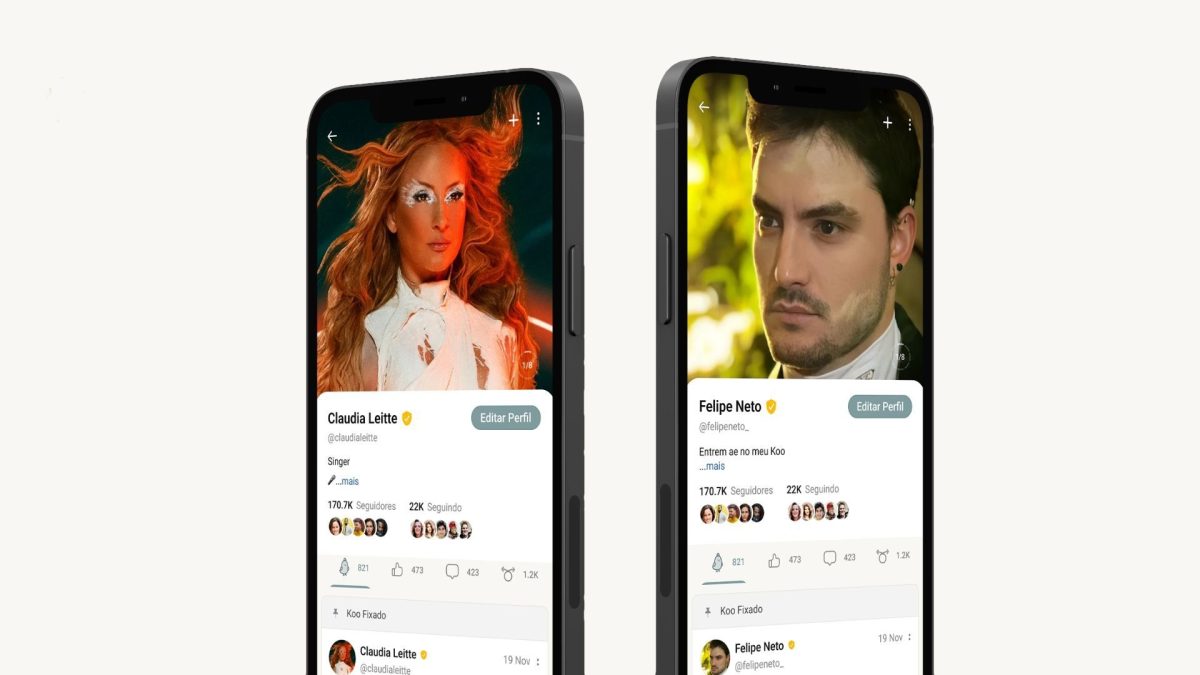
When Koo launched in 2020, it rode a wave of nationalistic fervour and anti-Twitter sentiment.
With its focus on Indian languages and a promise to be a free-speech platform, Koo quickly gained traction.
Government officials and celebrities flocked to the app, giving it an air of credibility and potential.
The app’s initial success seemed to validate the idea that India could produce its own social media powerhouse.
Koo’s rise appeared to be a testament to the country’s growing tech prowess and its ability to create platforms tailored to local needs.
Why Koo Has Failed
Despite raising over £66 million and achieving a valuation of £275 million, Koo struggled to maintain its momentum.
However, the dream of becoming India’s Twitter was short-lived. Koo’s founders,Aprameya Radhakrishna and Mayank Bidawatka, recently announced the platform’s closure, citing the challenges of securing long-term capital.
Despite raising over £66 million and achieving a valuation of £275 million,Koo struggled to maintain its momentum.
The founders’ attempts to sell or merge the platform, including discussions with content aggregator DailyHunt, fell through, leaving them with no viable path forward.
Lack of Funding
Koo’s demise offers several important lessons for India’s tech sector.
At the heart of Koo’s troubles lay a fundamental mismatch between investor expectations and the realities of building a social media platform.
As Radhakrishna pointed out, creating world-class products in fields like social media or AI requires patient, long-term capital.
The pressure to deliver quick returns often undermines the ability of startups to grow sustainably and compete effectively.
That’s the case now for a lot of VC-backed startups.
Lessons for the Indian Startup Ecosystem
The pressure for a quick turnaround on investments was too much for Koo to handle
Koo’s demise offers several important lessons for India’s tech sector:
1. The need for patient capital: Building platforms that can compete globally requires investors willing to take a long-term view, rather than expecting quick profits.
2. The challenges of scale: Achieving the network effects necessary to compete with established social media giants is an enormous challenge that requires substantial resources.
3. The importance of differentiation: Simply being an ‘Indian alternative’ may not be enough; startups need to offer unique value propositions to attract and retain users.
4. The role of the ecosystem: A more supportive ecosystem, including government policies and investor attitudes, is crucial for nurturing ambitious tech ventures.
The Future of Indian Social Media
Can any Indian startup truly challenge the dominance of global tech giants?
As Koo exits the stage, questions remain about the future of homegrown social media platforms in India.
Can any Indian startup truly challenge the dominance of global tech giants?
Or should the focus shift to creating niche platforms that serve specific needs rather than trying to be all things to all users?
Koo’s story may have ended, but the quest to put India on the global tech map continues.
The next chapter in this journey will hopefully be written with the wisdom gained from Koo’s rise and fall.
FAQs
Why did Koo fail to compete with Twitter?
Koo struggled to secure the long-term funding needed to compete with established global platforms. Despite initial success, the app couldn’t achieve the scale and user base necessary to challenge Twitter’s dominance.
What does Koo’s closure mean for India’s tech startup scene?
The shutdown of Koo serves as a cautionary tale for Indian startups, highlighting the need for patient capital and the challenges of competing with global tech giants. It may lead to a reevaluation of funding strategies and expectations in the Indian startup ecosystem.
Could Koo have survived with a different business model?
While it’s difficult to say definitively, a more niche focus or alternative revenue streams might have helped Koo’s sustainability. However, the fundamental challenge of competing against well-funded global platforms would likely have remained.
What lessons can other Indian startups learn from Koo’s experience?
Koo’s journey underscores the importance of securing long-term funding, having a clear differentiation strategy, and managing growth expectations realistically. It also highlights the need for a supportive ecosystem that allows startups time to develop and scale.
Will we see another Indian alternative to global social media platforms?
It’s possible, but any future attempts will likely need to address the challenges Koo faced, including securing substantial long-term funding and offering a unique value proposition to users. The success of such ventures may depend on changes in the Indian startup ecosystem and investor attitudes.
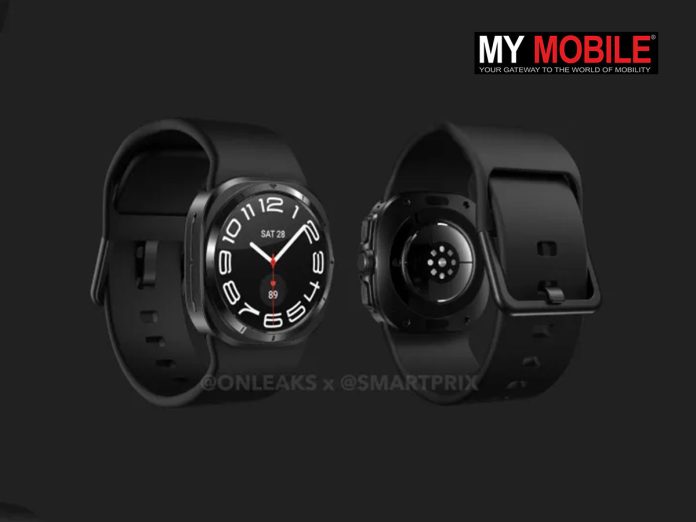
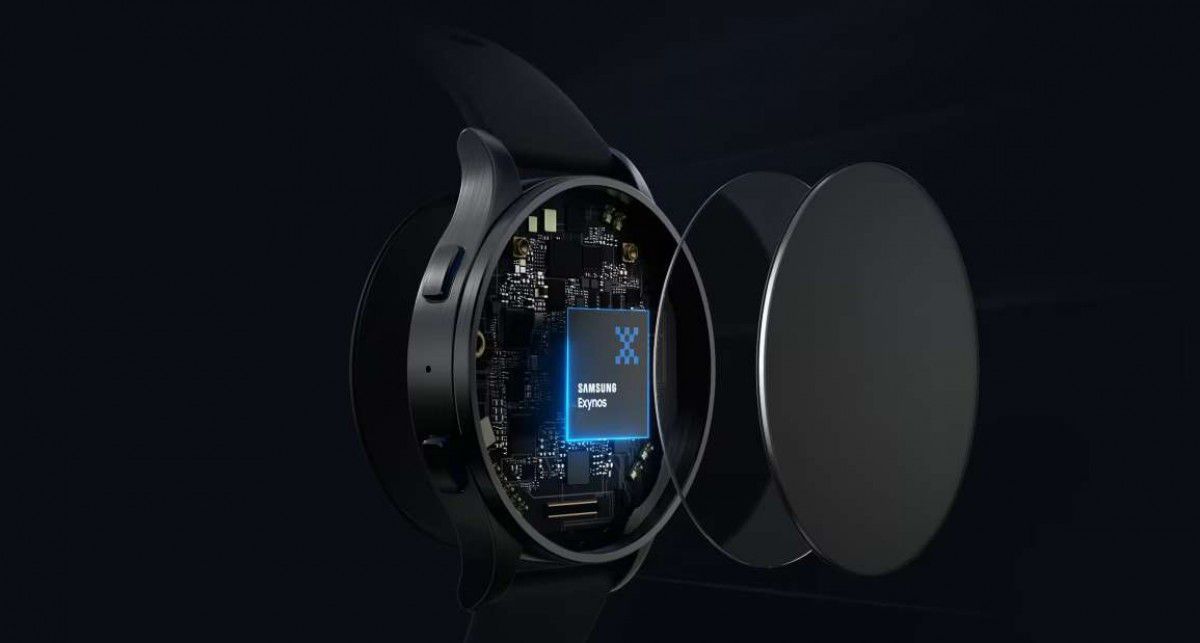
Galaxy Watch7 Ultra features a squarish outer bezel with a circular display
Built on advanced 3nm process for enhanced efficiency.
5-core CPU configuration with Cortex-A78 and Cortex-A55 cores.
Mali-G68 MP2 GPU supports up to qHD resolution.
Integrated connectivity options include Bluetooth LE, 4G LTE, Wi-Fi, GPS, and NFC.
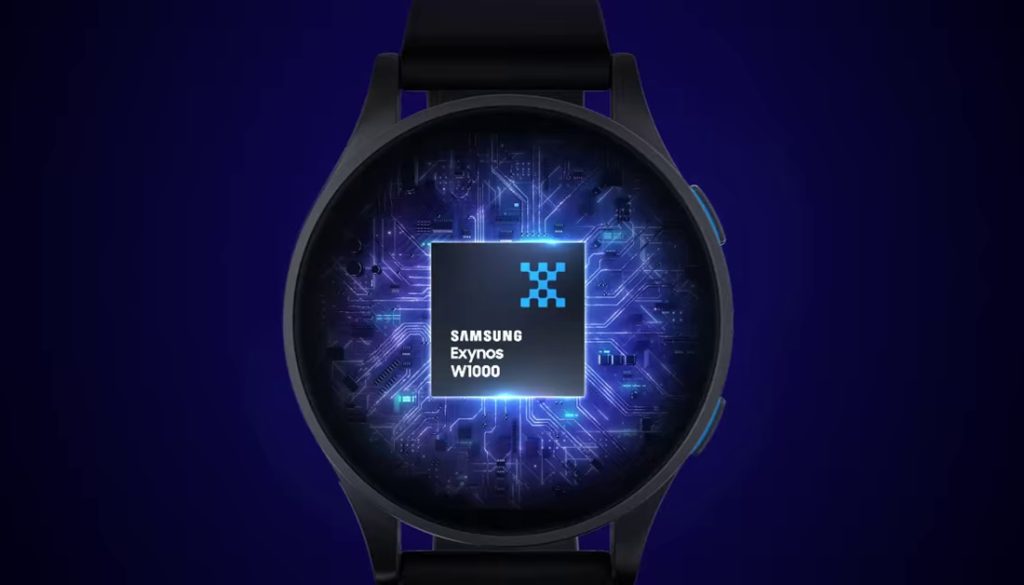
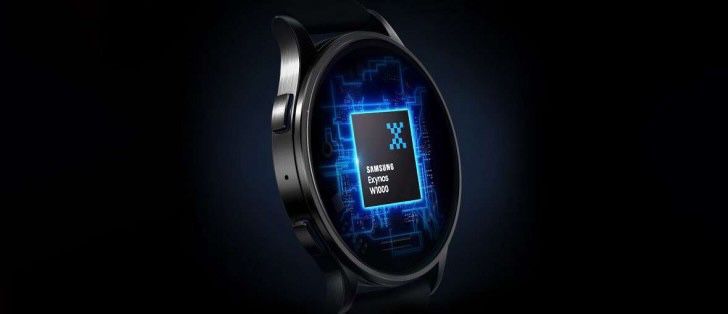
Ahead of its July 10 Unpacked event, Samsung has officially announced the Exynos W1000 chipset, set to power its upcomingGalaxy Watch7 and Watch7 Ultra.
This reveal offers a tantalizing glimpse into the future of wearable technology, promising significant performance upgrades and enhanced efficiency.
Galaxy Watch 7 Series and Exynos W1000
The chip uses the system in a package (SiP) method
The Exynos W1000 is built on an advanced 3nm process, showcasing Samsung’s commitment to pushing the boundaries of semiconductor technology.
At its heart lies a powerful5-core CPU configuration, featuring a high-performance Cortex-A78 core clocked at 1.6GHz, complemented by four Cortex-A55cores running at up to 1.5GHz.
The chipset employs Fan-Out Panel Level Packaging .
This architecture translates to impressive performance gains, with Samsung boasting 2.7x faster app launches, 3.4x improved single-core performance, and a 3.7x boost in multi-core tasks.
Graphics prowess comes courtesy of a Mali-G68 MP2 GPU,capable of driving displays up to qHD resolution (960×540).
This makes it particularly well-suited for the rumored larger screen of the Galaxy Watch 7 Ultra.
To manage thermal challenges in compact wearable form factors, the chipset employs Fan-Out Panel Level Packaging (FO-PLP) technology.
The Exynos W1000 is not just about raw performance. It incorporates several features aimed at enhancing the overall smartwatch experience:
Samsung says the Exynos W1000 is nearly 3x faster at opening apps than the W930.
• Support for 2.5D Always-on Display, promising more detailed and colorful watch faces
• Integrated connectivity options including Bluetooth LE, 4G LTE, Wi-Fi b/g/n, GPS, and NFC • 32GB of eMMC storage, aligning with recent Galaxy Watch 7 series leaks • System in Package (SiP) integration for efficient power management • Embedded Package on Package (ePoP) design for DRAM and NAND flash memory
Key specifications of the Exynos W1000 include:
Samsung decided to get this announcement out of the way before the July 10 Unpacked event.
• 3nm GAA process
• Penta-core CPU (1x Cortex-A78 @ 1.6GHz, 4x Cortex-A55 @ 1.5GHz)
• Mali-G68 MP2 GPU
• FHD 60fps video encoding/decoding
• Support for HEVC(H.265), H.264, VP8 codecs
• LTE Cat.4/5 modem
• WiFi 802.11n, Bluetooth 6, multi-constellation GNSS support
• LPDDR5 memory support
Samsung claims the Exynos W1000 will enable flagship-level experiences in wearables, with efficiency improvements potentially extending battery life to 2-3 days.
While primarily destined for the Galaxy Watch7 and Watch7 Ultra,speculation suggests it might also find its way into the rumored Galaxy Ring.
With the Unpacked event just around the corner, tech enthusiasts and Samsung fans alike eagerly await the full reveal of how this impressive chipset will transform the next generation of Galaxy wearables.
FAQs
What is the Exynos W1000 chip?
The Exynos W1000 is Samsung’s latest chipset for next-gen wearables, featuring a 5-core CPU and built on an advanced 3nm process for improved performance and efficiency.
What devices will feature the Exynos W1000?
The Exynos W1000 is set to power Samsung’s upcoming Galaxy Watch7 and Watch7 Ultra, and might also be included in the rumored Galaxy Ring.
What are the key performance features of the Exynos W1000?
The Exynos W1000 offers 2.7x faster app launches, 3.4x improved single-core performance, and a 3.7x boost in multi-core tasks, thanks to its Cortex-A78 and Cortex-A55 cores.
What connectivity options does the Exynos W1000 support?
The chip supports Bluetooth LE, 4G LTE, Wi-Fi b/g/n, GPS, and NFC, ensuring comprehensive connectivity for wearable devices.
How does the Exynos W1000 enhance battery life in wearables?
The advanced 3nm process and efficient power management techniques, such as System in Package (SiP) integration, potentially extend battery life to 2-3 days.
IMDA certification confirms 5G, Wi-Fi, Bluetooth, and NFC ahead of Xiaomi 14T Pro launch.
Expected to feature MediaTek Dimensity 9300+ chipset.
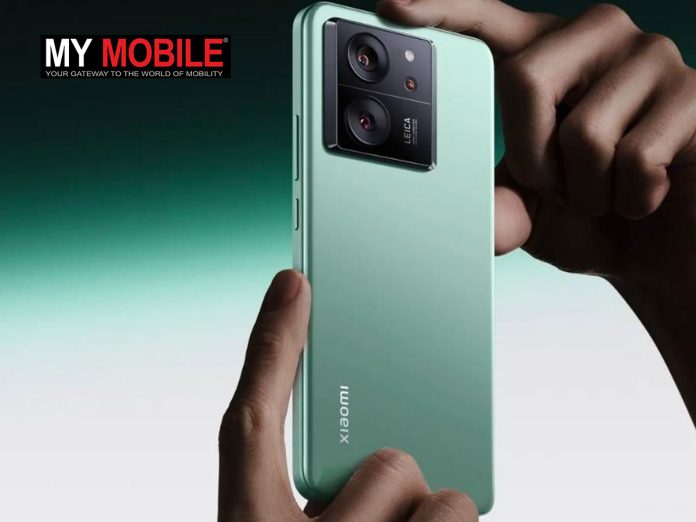
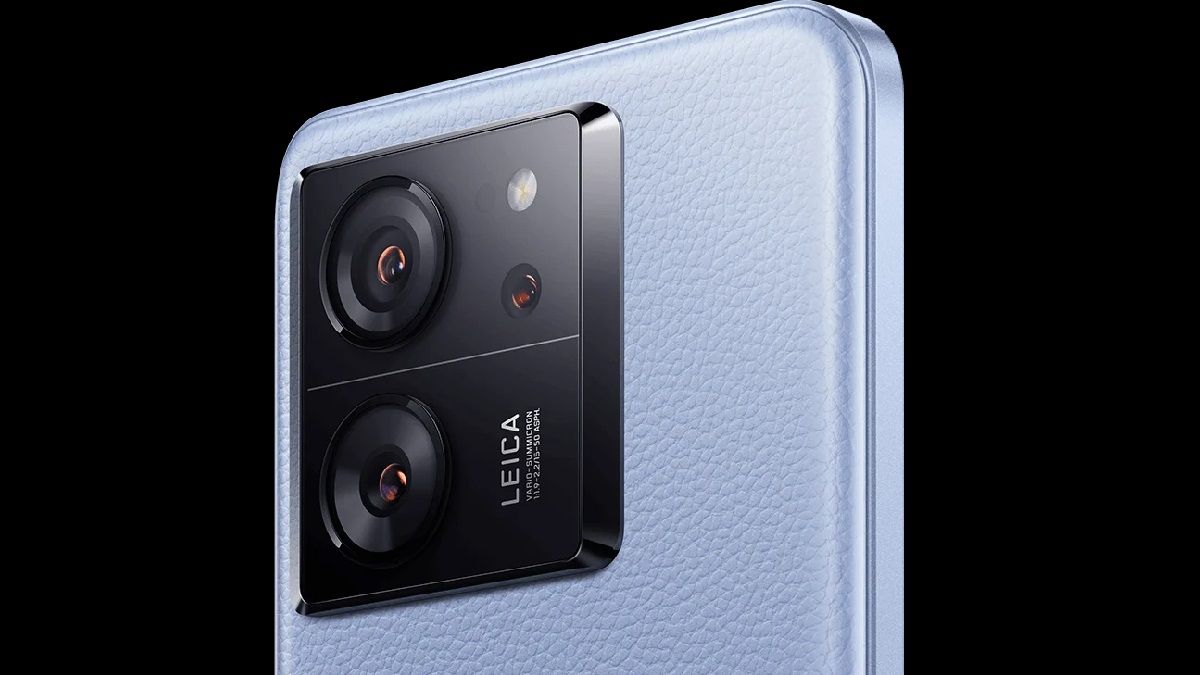
Rumored 50MP Light Hunter 800 main camera with Leica branding.
Anticipated 5,500mAh battery with 120W fast charging.
Xiaomi’s upcoming flagship, the 14T Pro launch, is inching closer to its global debut.
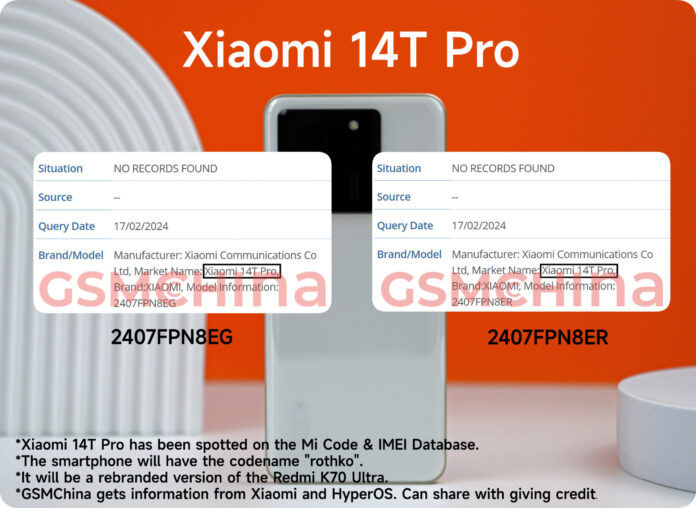
Recent appearances on multiple certification websites, including IMDA, NBTC, and IMEI, strongly suggest that an international launch is imminent.
The Xiaomi 14T Pro will be the successor of the Xiaomi 13T Pro.
Certification Details
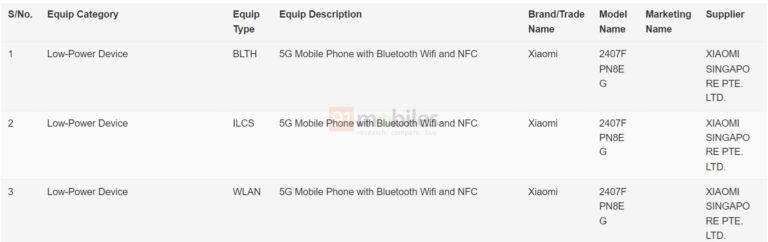
The IMDA (Infocomm Media Development Authority) certification, a key step for electronic devices entering the Singapore market, has listed the Xiaomi 14T Prounder model number 2407FPN8EG.
This listing confirms several connectivity features:
Xiaomi 14T was Spotted on the IMDA certification website.
• 5G support • Wi-Fi • Bluetooth • NFC
While the certification doesn’t reveal extensive technical specifications, the ‘G’ in the model number typically indicates a global variant.
Xiaomi 14T Pro appeared on the IMEI database as well.
Expected Specifications
Though Xiaomi hasn’t officially confirmed the details, rumors, and leaks paint an exciting picture of the 14T Pro:
Processor: The device is expected to feature the MediaTek Dimensity 9300+chipset, a powerful upgrade from its predecessor’s Dimensity 9200+.
Camera: Speculation points to a 50MP Light Hunter 800 main sensor,complemented by 8MP and 2MP auxiliary cameras.
Leica branding and Xiaomi’s AI imaging technology are likely to enhance the photography experience.
Battery: A sizable 5,500mAh battery with 120W fast charging support is anticipated, offering an improvement over the previous model’s 5,000mAh capacity.
Potential Rebranding
Redmi K70 Pro Champion Edition was a collaboration between Redmi and Lamborghini
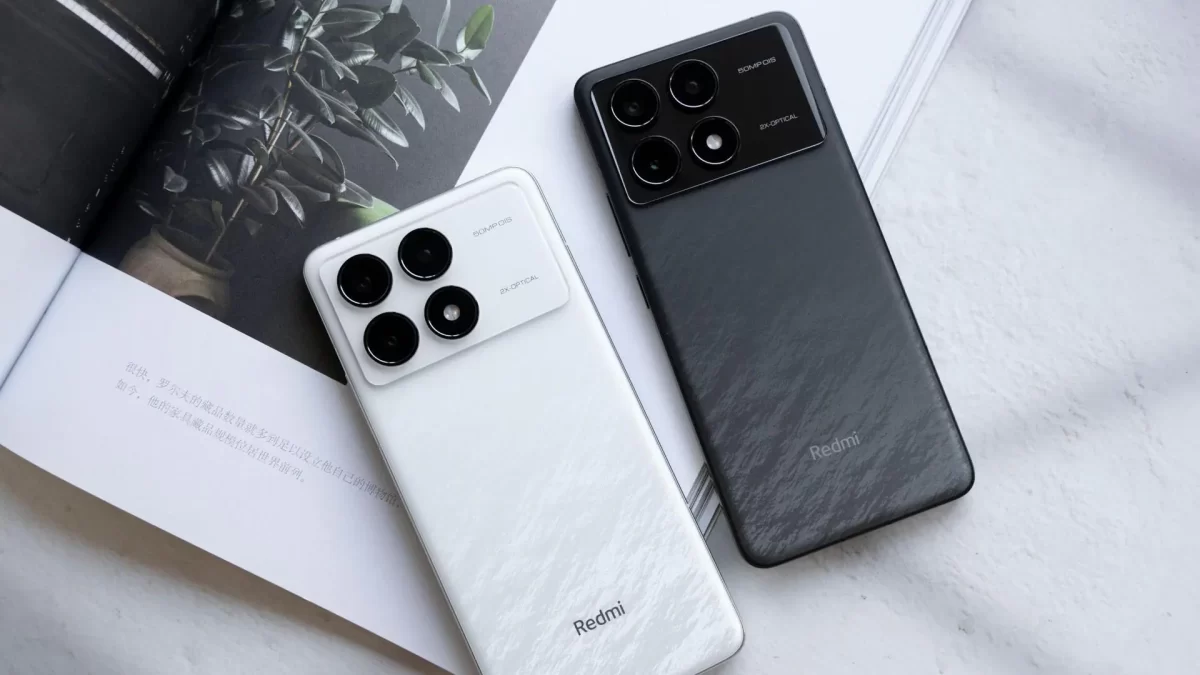
There’s a possibility that the Xiaomi 14T Pro might launch in some markets as a rebranded version of theRedmi K70 Ultra.
This follows the pattern set by its predecessor, the 13T Pro, which was a rebranded Redmi K60 Ultra in certain regions.
While an official launch date hasn’t been announced, the multiple certifications suggest that Xiaomi is in the final stages of preparation for a global release.
The 14T Pro appears poised to offer significant upgrades over its predecessor, potentially cementing Xiaomi’s position in the competitive flagship smartphone market.
As always with pre-release information, it’s important to approach these details with a degree of caution.
FAQs
What certifications has the Xiaomi 14T Pro received?
The Xiaomi 14T Pro has appeared on certification websites such as IMDA, NBTC, and IMEI, indicating that its global launch is imminent.
What are the expected connectivity features of the Xiaomi 14T Pro?
According to the IMDA listing, the Xiaomi 14T Pro will support 5G, Wi-Fi, Bluetooth, and NFC connectivity.
What processor is rumored to be in the Xiaomi 14T Pro?
The Xiaomi 14T Pro is expected to feature the MediaTek Dimensity 9300+ chipset, an upgrade from its predecessor’s Dimensity 9200+.
What camera specifications are anticipated for the Xiaomi 14T Pro?
The device is rumored to have a 50MP Light Hunter 800 main sensor, along with 8MP and 2MP auxiliary cameras, enhanced by Leica branding and Xiaomi’s AI imaging technology.
Is there a possibility of the Xiaomi 14T Pro being rebranded for different markets?
Yes, there is speculation that the Xiaomi 14T Pro might be rebranded as the Redmi K70 Ultra in some markets, following a pattern seen with previous models.