
Home Blog Page 469

Motorola Finally Rolls Out Android 14 to 2023 Razr Foldable Phones

0
  • Android 14 now available for Razr+ and Razr (2023) in the US.
  • Update includes May 2024 security patch and new cover display features.
  • Rollout is gradual; some devices may receive it later.
  • Motorola’s update delays highlight ongoing Android fragmentation issues.

Motorola has finally rolled out Android 14 to its 2023 Razr foldable phones.

The update comes nearly nine months after Google released it for Pixel devices.

The company launched the Razr+ in June 2023, followed by the more budget-friendly Razr later in the year. Both phones were well-received by users and critics.

However, there were concerns about Motorola’s software support, given their past record.

Update Has Taken A While to Arrive
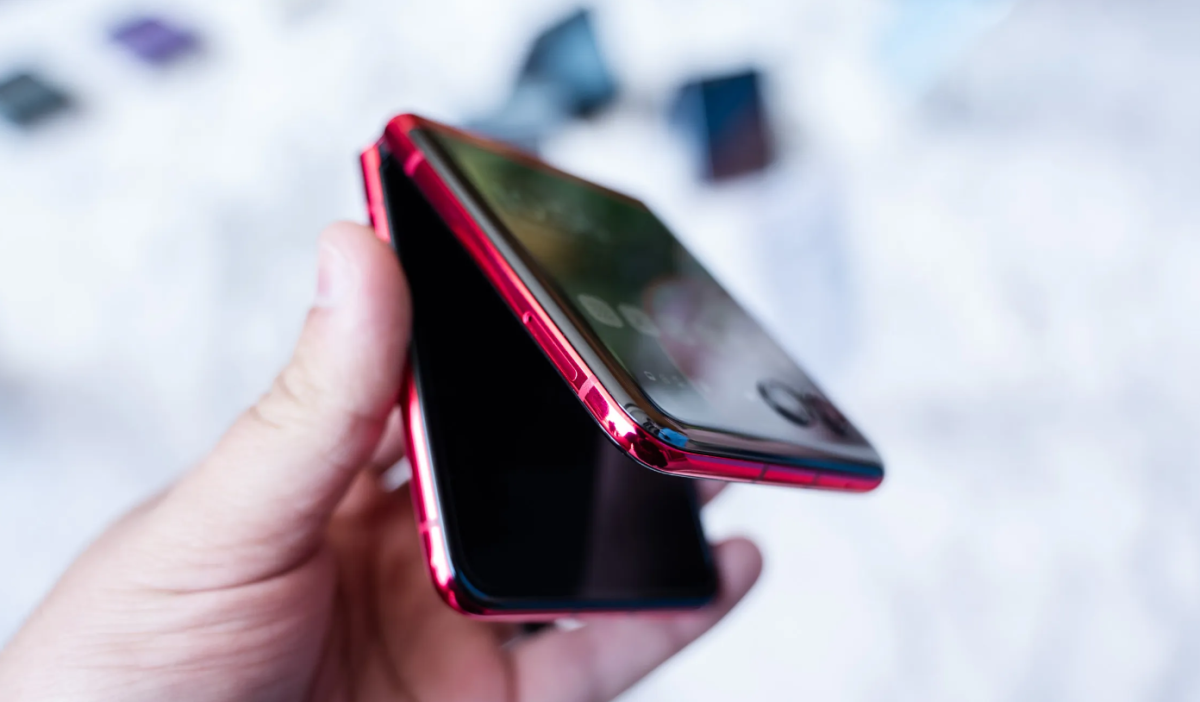
Motorola Razr Plus 2024: Leaked Features Include Telephoto Lens, Improved Water Resistance, and AI Capabilities

Despite promising a timeline for updates, Motorola took a long time to bring Android 14 to these devices.

The company hadn’t discussed the update for its previous Razr models until recently.

The update is now rolling out to both the Razr+ (2023) and Razr (2023) in the US. It includes the May 2024 security patch.
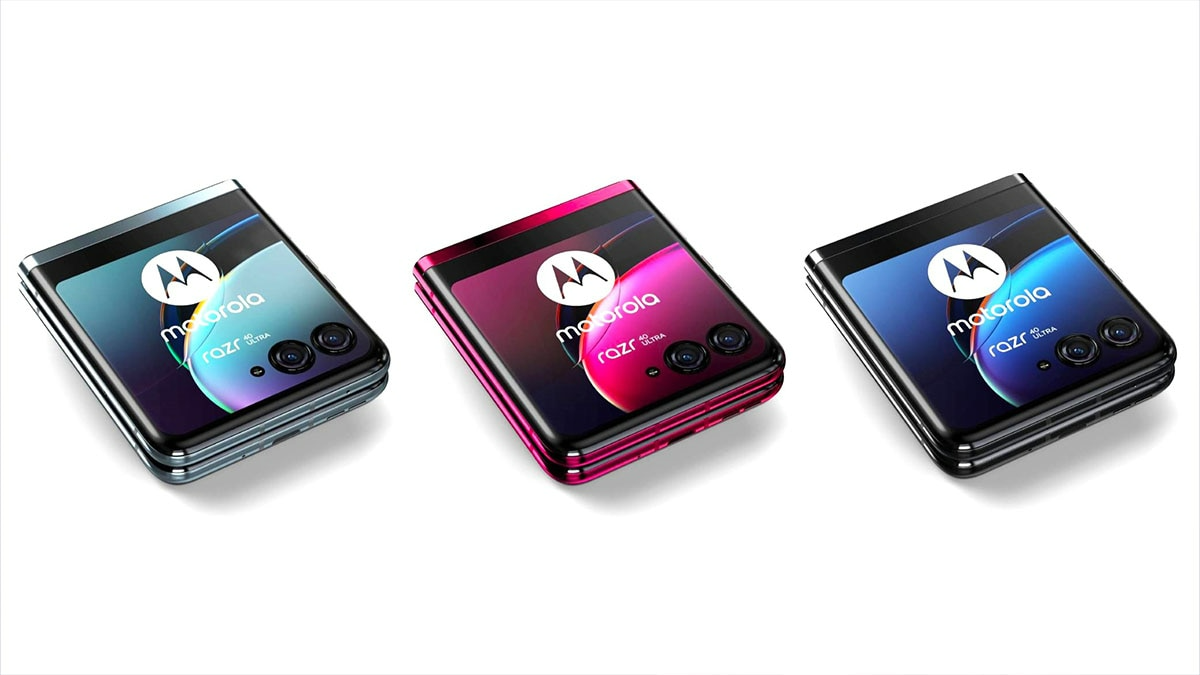
For the Razr+, the update brings new features for the cover display, similar to those on the 2024 models. Always-on display support has also been added.

The rollout seems to be gradual. Some users report receiving the update on one device but not another.

Motorola’s own Razr+ (2023) hasn’t received the update yet in some cases.

Support Page Up For the Update

Moto Razr 40 Ultra: Verdict

Motorola has quietly put up a support page detailing the new features in Android 14 for the international Razr 40 series.

However, the update doesn’t appear to be available for these models yet.

This update arrives just after Motorola launched the Razr (2024) and Razr+ (2024), which come with Android 14 pre-installed.

The delayed rollout highlights the ongoing issue of Android fragmentation, where different devices receive major updates at vastly different times.

This can lead to security vulnerabilities and feature disparities between phones running the same Android version.

Motorola’s approach to software updates has been a point of criticism in the past.

This latest release may help address some of those concerns, but the long delay still raises questions about the company’s commitment to timely updates.

For users of the 2023 Razr models, the update brings their devices in line with the latest Android features and security patches.

However, the staggered rollout means some users may need to wait longer to receive the update.

FAQs

What models are receiving the Android 14 update?

The update is rolling out to the Motorola Razr+ (2023) and Razr (2023) models in the US.

What new features does the update bring?

The update includes new cover display features and always-on display support for the Razr+.

Is the update available for international Razr models?

Motorola has put up a support page for the international Razr 40 series, but the update doesn’t appear to be available for these models yet.

Why did Motorola take so long to release the update?

Despite promising a timeline, Motorola’s track record with software updates has been slow, highlighting the issue of Android fragmentation.

How can I check if my device has received the update?

Users can check for updates in their device settings. The rollout is gradual, so some devices may receive it later.

Also Read: Motorola Razr 40 Ultra Glacier Blue Variant Launches in India with Advanced Features

Also Read: Motorola Razr 40 ultra and Razr 40 flip phones sale starts on 15th July on Amazon, Motorola.in, Reliance Digital outlets & More


India’s TV Manufacturing Boom: Exclusive Insights from Avneet Singh Marwah

0
  • PLI scheme and import restrictions boost local TV production.
  • India is the 4th largest TV market globally, with potential to grow.
  • Blaupunkt invests ₹100 crore in new manufacturing facilities.
  • Indian TV makers integrate sustainability and advanced tech.

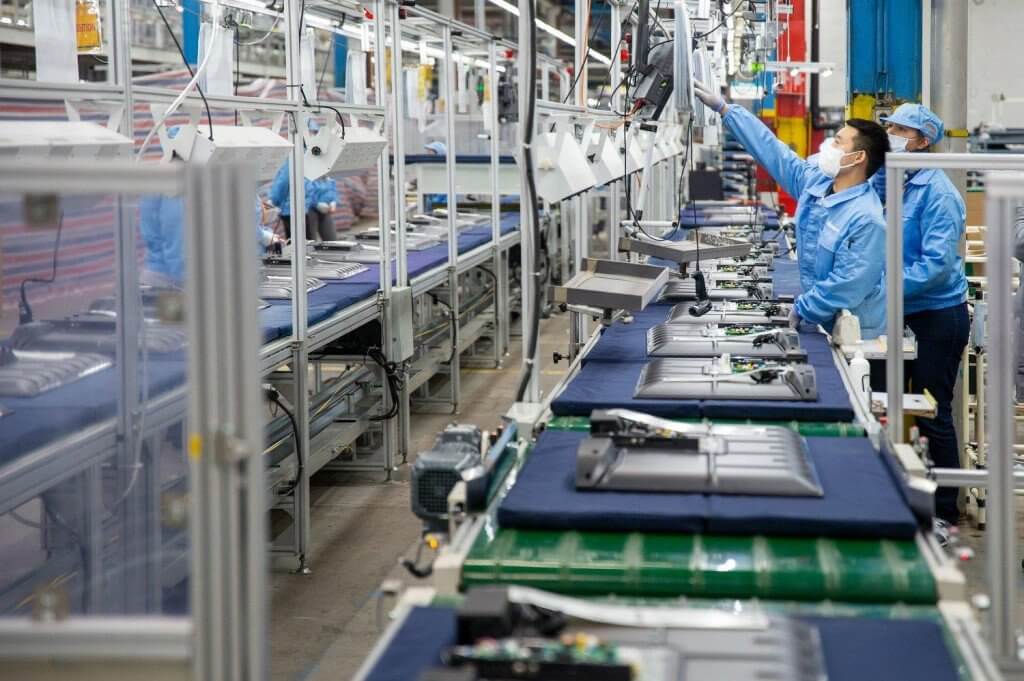
India’s journey into becoming a powerhouse in TV manufacturing is a tale woven with threads of innovation, smart policy decisions, and a strong commitment to sustainability.

The introduction of the Production Linked Incentive (PLI) scheme has been pivotal, propelling domestic production by curbing fully assembled TV imports and encouraging local manufacturing of critical components like open-cell panels.

This strategic move has not only bolstered India’s position as the 4th largest TV market globally but also set the stage for ambitious growth plans.

Companies like Blaupunkt have embraced this momentum, investing in new manufacturing facilities to stay competitive.

Sustainability remains a cornerstone, with a focus on energy-efficient technologies and eco-friendly practices, reinforcing India’s reputation as a responsible player in the global market.

As technological advancements, particularly in QLED TVs, redefine consumer expectations, India stands poised to not only meet but surpass global standards, driven by a robust ‘Make in India’ initiative that champions local production and economic resilience. Here are inputs from Avneet Singh Marwah, CEO of Super Plastronics Pvt Ltd on the same.

Q1: How has the PLI scheme contributed to India’s TV manufacturing success?

Integrating SharePlay into the Home Environment

The PLI scheme has been pivotal, especially in setting the stage for future growth. However, it’s the import ban on fully assembled TVs, or CBUs, that’s really been a game-changer.

While we are yet to see the full impact of the PLI scheme for TVs, it has initiated crucial discussions about manufacturing critical components, like open-cell panels, right here in India.

And with significant investments, like Tata’s new semiconductor plant, the ecosystem is only getting stronger.”

Q2: What is India’s rank globally in TV manufacturing and how has this changed over time?

TV manufacturing is rising in India

India is currently the 4th largest TV market worldwide. To climb to the 2nd position, we need to expand our market size by 30-35 million units, nearly 2.5 times our current capacity.

This indicates a huge potential for growth in our TV manufacturing sector, reflecting significant advancements and the capability for further expansion over time.”

Q3: How is Blaupunkt raising the bars in the competitive TV manufacturing industry?

We’ve invested 100 crore into our manufacturing capabilities, which is a significant step in elevating our standing in the competitive market.

We’re also gearing up to launch a new plant in the last quarter, which will further strengthen our position. By leveraging economies of scale, we are poised to gain a substantial edge over our competitors.”

Q4: How does the commitment to sustainability ‘Made in India’ manufacturers align with global sustainability goals?

Indian TV manufacturers are increasingly integrating sustainable practices into their operations. They’re focusing on energy efficiency by incorporating technologies like LED lighting and energy-efficient components into their products.

This not only cuts down on energy usage but also reduces utility costs. Waste reduction is another critical area, with many companies implementing robust recycling and composting programs to minimize waste production and lower disposal costs.

These efforts significantly boost their reputation among environmentally conscious consumers and investors.”

Q5: What technological advancements have driven the popularity of QLED TVs in recent times?

QLED TVs are being manufactured at a high rate in India

The rise of QLED TVs is largely due to significant advancements in picture quality, including improved color accuracy, brightness, and energy efficiency compared to LED TVs.

Innovations in quantum dot technology have been key, enhancing the overall viewing experience. Additionally, QLED TVs offer seamless smart connectivity, sleek designs, and competitive pricing.

These features have collectively made QLED TVs a preferred choice among consumers looking for high-quality, affordable television options.”

Q6: How do Indian TV manufacturers emphasize their commitment to “Make in India” and domestic production, potentially outshining Chinese brands in terms of supporting local manufacturing and contributing to the Indian economy?

Indian TV manufacturers are deeply committed to the ‘Make in India’ ethos. They have established local production facilities across the country, creating numerous employment opportunities and supporting economic development.

By prioritizing domestic sourcing of components, they not only reduce dependence on imports but also strengthen local industries. This focus on local production resonates well with consumers who are keen to support the Indian economy.

Moreover, Indian manufacturers are dedicated to maintaining high quality and continuous innovation, which helps them stand out in a competitive market dominated by Chinese brands.”

FAQs

How has the PLI scheme impacted TV manufacturing in India?

The PLI scheme and import ban on fully assembled TVs have significantly boosted local production and encouraged manufacturing of critical components in India.

What is India’s global rank in TV manufacturing?

India is currently the 4th largest TV market globally and aims to expand its market size to climb higher.

What investments has Blaupunkt made in TV manufacturing?

Blaupunkt has invested ₹100 crore into manufacturing capabilities and plans to launch a new plant to enhance competitiveness.

How do Indian TV manufacturers promote sustainability?

Indian manufacturers focus on energy-efficient technologies, waste reduction, and eco-friendly practices to align with global sustainability goals.

What drives the popularity of QLED TVs in India?

Advancements in picture quality, smart connectivity, and competitive pricing have made QLED TVs a preferred choice among consumers.

Also Read: Tata Becomes the First iPhone Manufacturer Company in India; Details Inside

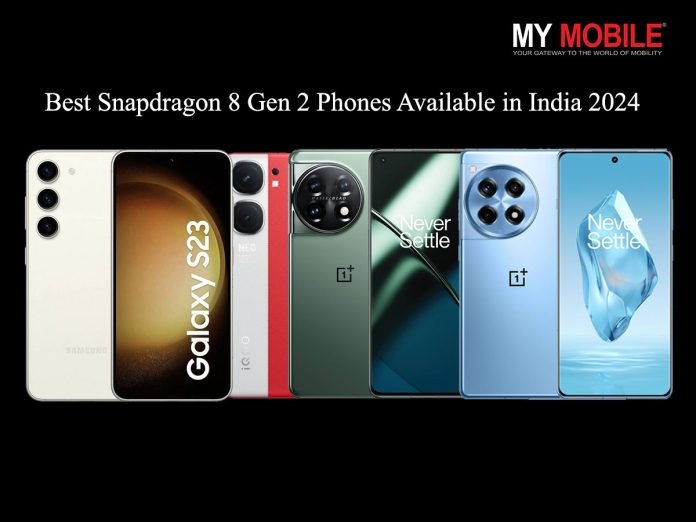
Best Snapdragon 8 Gen 2 Phones Available in India 2024: Here Are the Top 5

0
  • The best Snapdragon 8 Gen 2 phones offers enhanced performance and energy efficiency.
  • Samsung Galaxy S23 Ultra features a 200MP camera and S Pen support.
  • OnePlus 12R provides flagship performance at a mid-range price.
  • iQOO Neo 9 Pro boasts a 144Hz display for smooth animations.

As we move further into 2024, the smartphone market continues to evolve with cutting-edge technology.

One of the standout features in high-end phones this year is the Qualcomm Snapdragon 8 Gen 2 processor.

This powerhouse chip offers blazing-fast performance, improved energy efficiency, and enhanced AI capabilities, making it a top choice for flagship devices.

The Snapdragon 8 Gen 2 boasts a 3.2 GHz prime core, four 2.8 GHz performance cores, and three 2.0 GHz efficiency cores.

It also features an upgraded Adreno GPU for improved gaming performance and supports advanced camera features like 8K HDR video recording.

Let’s take a look at some of the best Snapdragon 8 Gen 2 powered smartphones available in India right now:

Samsung Galaxy S23 Ultra 5G

Samsung Galaxy S23 Ultra: Yesterday’s Flagship, Today’s Bargain
  • Price: Rs 88,999
  • Display: 6.8″ QHD+ Dynamic AMOLED 2X, 120 Hz
  • RAM: 12 GB
  • Storage: 256 GB
  • Camera: 200 MP + 12 MP + 10 MP + 10 MP
  • Battery: 5000 mAh
  • OS: Android 13 (upgradable to 14)

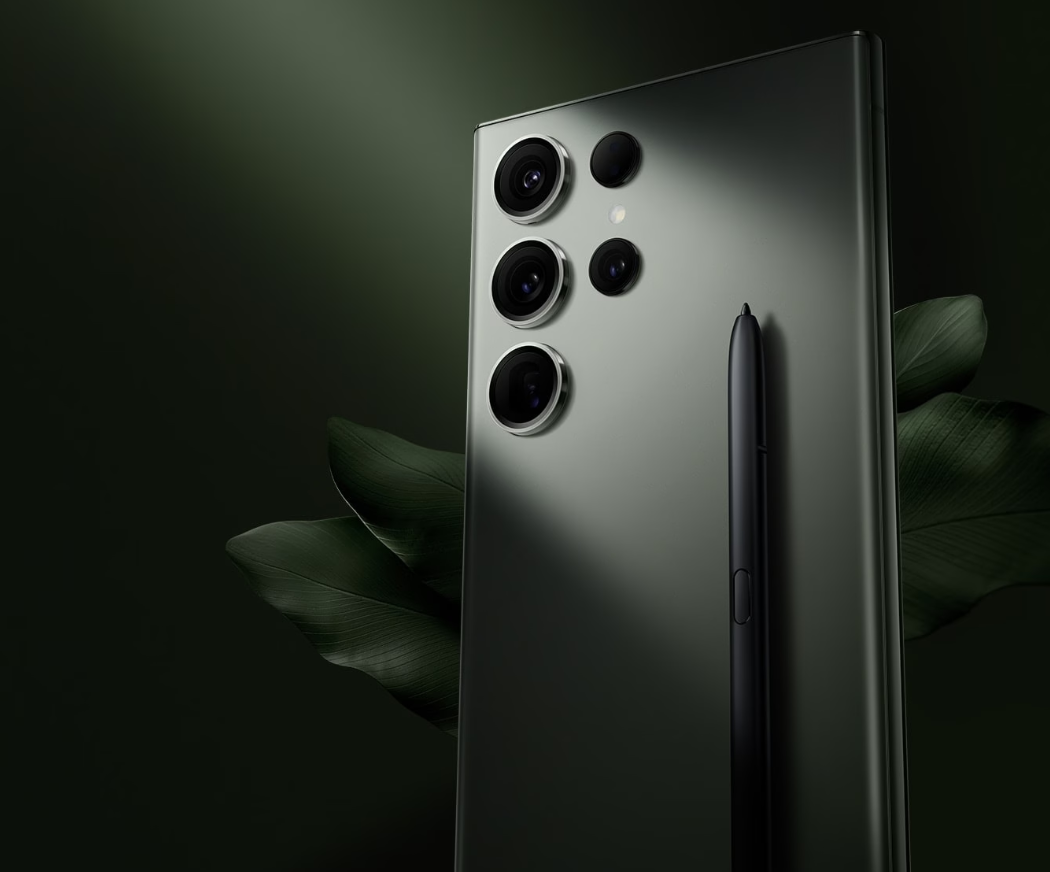
The Galaxy S23 Ultra is Samsung’s top-of-the-line offering, featuring a stunning display with vibrant colors and deep blacks.

Its versatile camera system is headlined by a 200 MP main sensor, capable of capturing incredible detail.

The inclusion of S Pen support makes it a productivity powerhouse, perfect for note-taking and precise input.

With its large screen and powerful internals, it’s ideal for multitasking and demanding applications.

OnePlus 12R

OnePlus 12R Receives Update to Optimize Battery Life and Improve Performance
  • Price: Rs 39,998
  • Display: 6.78″ FHD+ AMOLED, 120 Hz
  • RAM: 8 GB
  • Storage: 128 GB
  • Camera: 50 MP + 8 MP + 2 MP
  • Battery: 5500 mAh
  • OS: Android 14

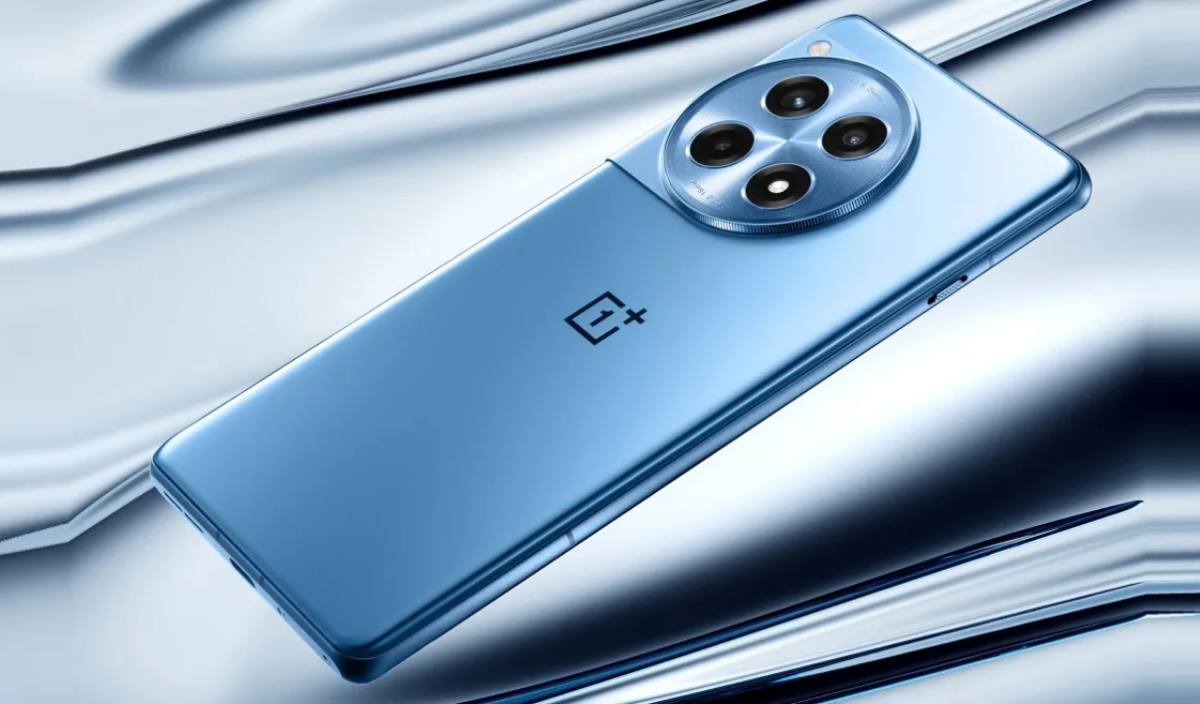
OnePlus delivers a great value proposition with the OnePlus 12R, offering flagship-level performance at a mid-range price.

Its large 5500 mAh battery ensures all-day usage, while the 100W SUPERVOOC charging can quickly top it up.

The phone’s 120 Hz AMOLED display provides smooth scrolling and responsive touch input.

OnePlus’s OxygenOS offers a clean, bloatware-free experience with useful customization options.

iQOO Neo 9 Pro

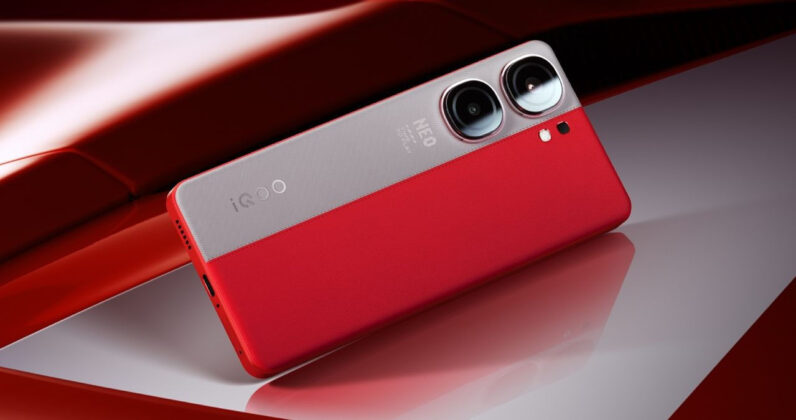
iQOO-Neo9-Pro-2-2-796x420-1
iQOO Neo 9 Pro
  • Price: Rs 36,999
  • Display: 6.78″ FHD+ AMOLED, 144 Hz
  • RAM: 8 GB
  • Storage: 256 GB
  • Camera: 50 MP + 8 MP
  • Battery: 5160 mAh
  • OS: Android 14

The iQOO Neo 9 Pro stands out with its high 144 Hz refresh rate display, providing ultra-smooth animations and responsiveness.

It’s a great option for mobile gamers, with features like a large vapor chamber cooling system to maintain performance during long gaming sessions.

The 50 MP main camera uses a Sony IMX866 sensor, known for its good low-light performance.

With 120W fast charging, you can get a full charge in about 30 minutes.

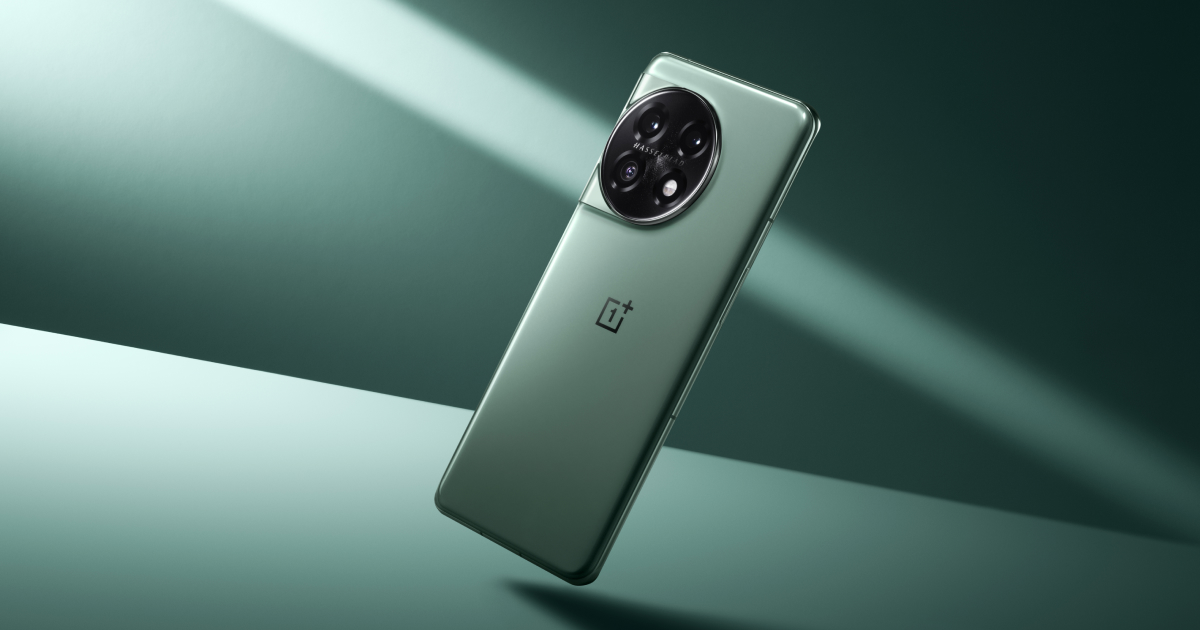
OnePlus 11

OnePlus 11 Receives OxygenOS 14 Update with New Features in India
  • Price: Rs 45,999
  • Display: 6.7″ QHD+ Super Fluid AMOLED, 120 Hz
  • RAM: 8 GB
  • Storage: 128 GB
  • Camera: 50 MP + 48 MP + 32 MP
  • Battery: 5000 mAh
  • OS: Android 13 (upgradable to 14)

The OnePlus 11 offers a well-rounded package with a sharp QHD+ display that’s great for media consumption.

Its versatile camera setup, tuned in collaboration with Hasselblad, produces natural-looking photos with good dynamic range.

The phone’s 100W SUPERVOOC charging can fill the battery from 1-100% in about 25 minutes.

OnePlus’s signature Alert Slider makes it easy to switch between silent, vibrate, and ring modes.

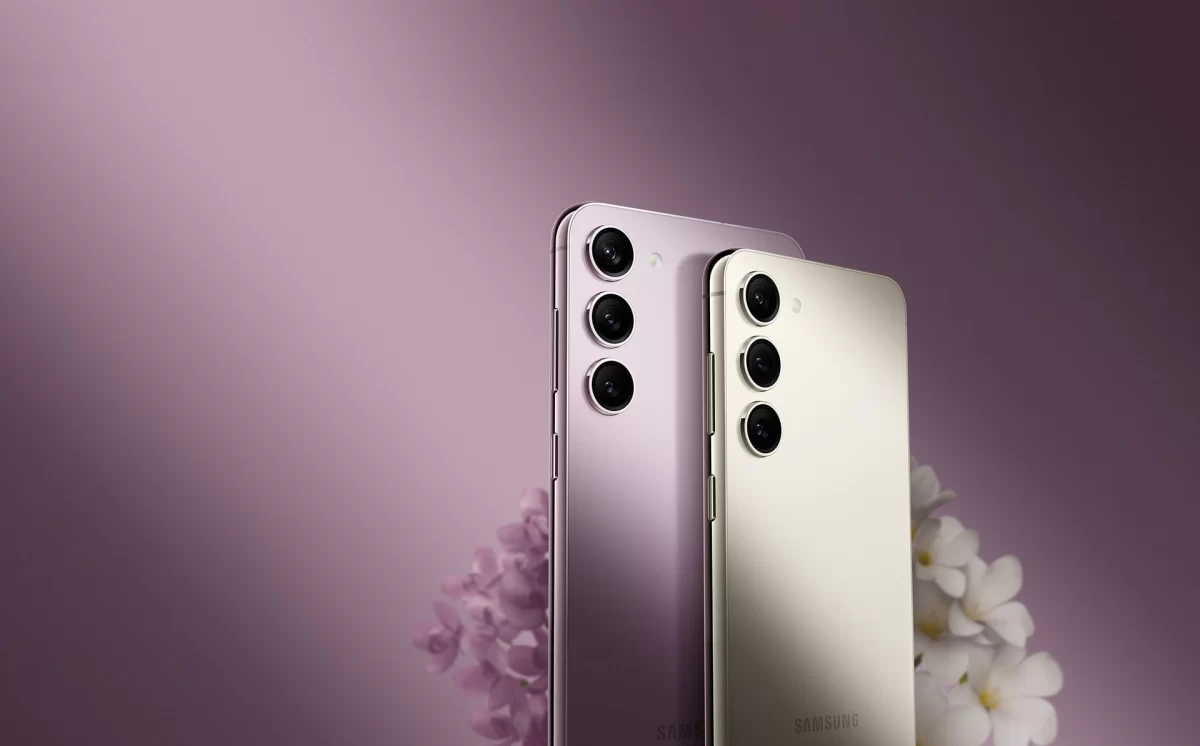
Samsung Galaxy S23 5G

Galaxy S23
  • Price: Rs 46,140
  • Display: 6.1″ FHD+ Dynamic AMOLED 2X, 120 Hz
  • RAM: 8 GB
  • Storage: 128 GB
  • Camera: 50 MP + 12 MP + 10 MP
  • Battery: 3900 mAh
  • OS: Android 13 (upgradable to 14)

For those who prefer a more compact flagship, the Galaxy S23 delivers top-tier performance in a smaller form factor.

Its 6.1″ display is perfect for one-handed use while still providing a premium viewing experience.

The phone features an improved cooling system over its predecessor, allowing for sustained performance during intensive tasks.

Samsung’s One UI offers a feature-rich experience with robust customization options and long-term software support.

These Snapdragon 8 Gen 2 powered phones offer something for everyone, whether you’re after the absolute best specs, great value, or a balance of both.

As always, consider your specific needs and budget when choosing your next smartphone.

FAQs

What is the standout feature of the Samsung Galaxy S23 Ultra?

The Galaxy S23 Ultra features a 200MP main camera and S Pen support, making it ideal for photography and productivity.

How does the OnePlus 12R balance performance and price?

The OnePlus 12R offers flagship-level performance with a Snapdragon 8 Gen 2 processor at a mid-range price, making it a great value.

Why is the iQOO Neo 9 Pro recommended for gamers?

The iQOO Neo 9 Pro has a 144Hz refresh rate display and a large vapor chamber cooling system, ensuring smooth gaming performance.

What makes the OnePlus 11’s camera system special?

The OnePlus 11 features a versatile camera setup tuned by Hasselblad, providing natural-looking photos with good dynamic range.

Is the Samsung Galaxy S23 suitable for one-handed use?

Yes, the Galaxy S23 has a compact 6.1″ display, making it perfect for one-handed use while still delivering top-tier performance.

Also Read: OnePlus’ first Premium foldable Phone, OnePlus Open, launching globally on August 29th

Also Read: OnePlus Open Leaks Suggest Longevity of 10 Years with 100 Folds Daily

Massive Cyberattack Targets 1.46 Billion iPhone Users: Apple ID Phishing Alert

0
  • Sophisticated phishing campaign targets iPhone users.
  • Fake emails and texts mimic Apple to steal Apple ID credentials.
  • Symantec warns about deceptive websites with Captcha features.
  • Apple recommends enabling two-factor authentication (2FA).

A new report released today has uncovered a massive cyberattack targeting the 1.46 billion active iPhone users worldwide.

The attackers are employing a sophisticated phishing campaign, sending deceptive emails and text messages that appear to be from Apple.

These fraudulent communications attempt to lure victims into clicking on links purportedly related to important iCloud notices.

Apple plans to release iPhone 16 first in South Korea to challenge Samsung
Contact Apple support immediately if you fall victim to this scam

Security firm Symantec, which discovered the attack this month, warns that these links direct users to fake websites demanding their Apple ID credentials.

The fraudulent sites are designed to look authentic, even incorporating Captcha features to enhance their legitimacy.

Protecting Your Apple ID

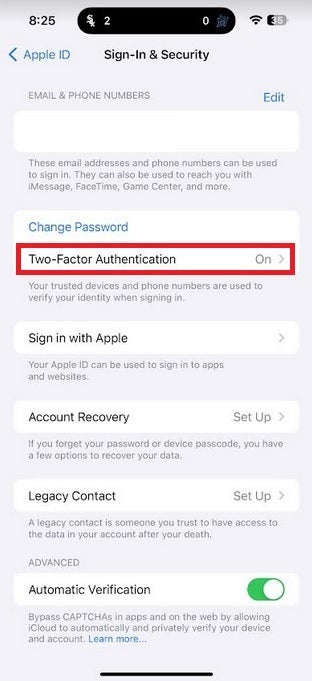
Apple strongly recommends that iPhone owners implement two-factor authentication (2FA) to add an extra layer of security to their Apple ID.

With 2FA enabled, users receive a one-time six-digit code via SMS when attempting to access their Apple account, providing an additional barrier against unauthorized access.

Here’s how to operate 2FA on your iPhone.

To enable 2FA on your iPhone, follow these steps:

1. Go to Settings > [Your name] > Sign-in & Security
2. Tap “Turn On Two-Factor Authorization”
3. Tap “Continue”
4. Enter a trusted phone number and tap “Next”
5. Enter the verification code sent to your trusted number

The Dangers of Compromised Accounts

If cybercriminals gain access to your Apple ID and password, they can potentially lock you out of your iPhone, access your banking and financial apps, change passwords, and rapidly drain your assets.

Two-factor authentication provides a crucial defense against such attacks, making it significantly more difficult for unauthorized parties to gain control of your account.

The iPhone 16 Pro camera could be one of the biggest improvements in recent history

Symantec, which issued its warning on July 2nd, emphasized the high value of Apple ID credentials to cybercriminals.

The security firm stated, “These credentials are highly valued, providing control over devices, access to personal and financial information, and potential revenue through unauthorized purchases.

Additionally, Apple’s strong brand reputation makes users more susceptible to trusting deceptive communications that appear to be from Apple, further enhancing the attractiveness of these targets to cyber criminals.

FAQs

What is the nature of the cyberattack targeting iPhone users?

The attack involves a phishing campaign where fraudulent emails and texts appear to be from Apple, attempting to steal Apple ID credentials.

How can I protect my Apple ID from these phishing attacks?

Enable two-factor authentication (2FA) on your iPhone, adding an extra layer of security by requiring a one-time code sent via SMS.

What are the consequences of a compromised Apple ID?

Cybercriminals can lock you out of your iPhone, access financial apps, change passwords, and drain your assets.

How do I enable two-factor authentication on my iPhone?

Go to Settings > [Your name] > Sign-in & Security, tap “Turn On Two-Factor Authorization,” enter a trusted phone number, and verify the code.

Why are Apple ID credentials valuable to cybercriminals?

They provide control over devices, access to personal and financial information, and potential unauthorized purchases.

Also Read: “I thought it was an iPhone”, Android Smartphone Rejected by Thieves in Unusual DC Robbery

Also Read: Unlocking the Future With Apple Vision Pro: Top Apps and Gaming Guide

YouTube Introduces AI-Powered Tool for Removing Copyrighted Music from Videos

0
Google could take its time to develop the sleep timer for the YouTube app, so it may take time before it's available
  • AI-powered tool removes copyrighted music, preserving other audio.
  • Enhanced accuracy compared to earlier versions.
  • Alternative solutions provided if AI removal fails.
  • Automatic lifting of copyright claims upon successful editing.

YouTube has unveiled an upgraded eraser tool, empowering creators to seamlessly remove copyrighted music from their videos while preserving other audio elements.

This development, announced on July 4, marks a significant improvement in content management capabilities for the platform’s user base.

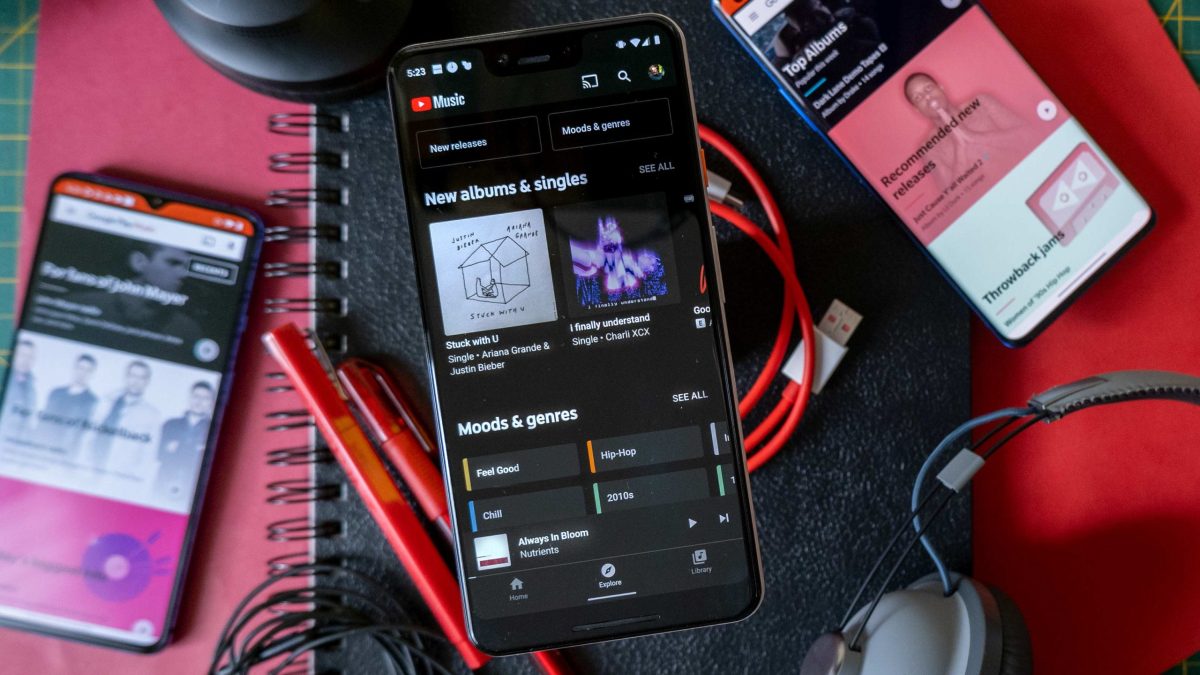
YouTube Music got a sleep timer feature in February 2023, playing catch-up with other music players for Android

Neal Mohan, YouTube’s chief executive, took to social media platform X to herald the arrival of this enhanced feature.

“Our updated Erase Song tool helps you easily remove copyright-claimed music from your video (while leaving the rest of your audio intact),” Mohan stated, highlighting the tool’s precision in targeting copyrighted material.

The company revealed that this new iteration of the eraser tool leverages AI technology to pinpoint and extract copyrighted songs without affecting dialogue or sound effects.

This represents a substantial advancement from earlier versions, which struggled with accuracy in isolating specific audio elements.

Swipe left or right on album artwork to navigate songs on iOS.

Despite the technological leap, YouTube maintains a cautious stance on the tool’s efficacy.

The platform’s support documentation advises creators that in some instances, the algorithm may not successfully isolate the copyrighted song.


In such cases, users are directed to alternative solutions, including muting entire segments or trimming out sections containing claimed content.

For situations where the AI-powered removal proves challenging, YouTube offers a “Mute all sound in the claimed segments” option.

This feature allows creators to silence specific portions of their videos that may contain copyrighted material.

Upon successful editing, YouTube’s content ID system automatically lifts the copyright claim on the video.

This streamlined process aims to simplify compliance with copyright regulations while preserving the integrity of creators’ original content.

FAQs

What does the new YouTube AI tool do?

The tool allows creators to remove copyrighted music from their videos while keeping other audio elements intact.

How does the tool work?

It uses AI technology to accurately pinpoint and extract copyrighted songs without affecting dialogue or sound effects.

What if the AI tool fails to remove the music?

YouTube suggests alternatives like muting the entire segment or trimming out sections with the claimed content.

Does removing the music lift the copyright claim?

Yes, once the copyrighted music is successfully removed, the copyright claim is automatically lifted.

Are there any limitations to the tool?

YouTube notes that in some cases, the algorithm might not isolate the copyrighted song, and users might need to use alternative methods.

Also Read: YouTube TV App Set Get a Redesign Bringing New Interactive Features

Also Read: YouTube Music Introduces Activity Feed and New Creator Content Disclosure Policy

Also Read: YouTube Premium: 5 Things That Unlock Enhanced Streaming in India

iPhone 16 Pro to Feature 5X Periscope Lens for Improved Zoom Capabilities

0
  • iPhone 16 Pro will include a 5x optical zoom periscope lens.
  • Taiwanese suppliers Largan Precision and GSEO to provide lenses.
  • Expanded periscope lens usage confirmed by new supplier report.
  • Camera upgrades aim to balance advanced features with standard Pro model size.

Apple’s annual iPhone upgrades often focus on camera improvements, and this year’s iPhone 16 lineup is set to bring significant changes.

A recent supplier report from Digitimes has provided further support for a key rumour about the iPhone 16 Pro’s camera system.

Periscope Lens Coming to Standard Pro Model

Reports indicate that the iPhone 16 Pro series will have the same screen size as the iPhone 15 Pro series

Last year, the iPhone 15 Pro Max introduced an exclusive tetraprism periscope lens, enabling up to 5x optical zoom and 25x digital zoom.

This feature represented a substantial improvement over previous models’ zoom capabilities.

iPhone 16 Pro features a slightly larger 6.3-inch screen compared to the iPhone 15 Pro's 6.1 inches.
iPhone 16 Pro features a slightly larger 6.3-inch screen compared to the iPhone 15 Pro’s 6.1 inches.

Earlier reports suggested that this lens would be included in the smaller iPhone 16 Pro model this autumn.

A new report from Digitimes has now added weight to this claim.

Janet Kang of Digitimes reports that Apple is expanding the use of periscope lenses in its upcoming iPhone series.

Taiwanese manufacturers Largan Precision and Genius Electronic Optical (GSEO) are expected to be the primary suppliers.

Apple plans to release iPhone 16 first in South Korea to challenge Samsung
Contact Apple support immediately if you fall victim to this scam

Largan supplied periscope lenses for the iPhone 15 Pro Max, while GSEO is likely to join as a new supplier this year.

The expansion of production and addition of a new supplier for periscope lenses seem to confirm that the iPhone 16 Pro will upgrade from the 15 Pro’s 3x optical zoom to the 5x zoom currently exclusive to the Max line.

Impact on Consumer Choice

The iPhone 15 Pro Max’s 5x zoom capabilities were well-received last year, prompting many users of the smaller Pro model to consider the larger Max version.

Apple to Boost iPhone Production in India to 25% by 2028

However, the significant increase in display size that comes with the Pro Max model can be a deterrent for some users.

By bringing the periscope lens to the standard Pro model, Apple may be addressing the desires of users who want enhanced zoom capabilities without having to opt for the larger phone size.

As we approach the expected September launch of the iPhone 16 lineup, this camera upgrade could be a significant factor in many consumers’ purchasing decisions.

Also Read: Apple to Release iPhone 16 Series in Multiple Colours and Premium Titanium Finishes

Also Read: iPhone 16 to Get a Major RAM and Storage Upgrade for AI Capabilities

Also Read: iPhone 16 Pro Series Rumoured to Feature New Colours and Capture Button

Google to Manufacture Pixel Phones in India for Export to Europe and the US

0
  • Google plans to produce Pixel phones in India with Foxconn and Dixon Technologies.
  • Production to start in September, targeting exports to Europe and the US.
  • Google aims to leverage India’s Production Linked Incentive (PLI) scheme.
  • The Pixel 9 series will launch in India on August 13 with improved features.

Google is reportedly planning to begin manufacturing its Pixel smartphones in India, with the intention of exporting them to Europe and the United States.

This move follows Apple’s footsteps in expanding its manufacturing base in India.

the new AI-based features that should be available on the Pixel 9 series
The new AI-based features that should be available on the Pixel 9 series

Production Details

The production is expected to be handled by two firms in India: Foxconn and Dixon Technologies.

Foxconn, which also manufactures iPhones for Apple in India, has reportedly started trial production in Tamil Nadu.

Dixon Technologies is set to manufacture the base variants of Pixel phones, while Foxconn will focus on the Pro models.

Google Pixel 9 may introduce an AI-powered Creative Assistant to generate stickers and emojis

Google aims to make India a key hub for Pixel phone manufacturing.

The company plans to start production in September this year, with exports beginning once production stabilises.

Initially, the phones will be exported to Europe, followed by the US market.

Market Strategy

Interestingly, the demand for Pixel phones in India is currently low. Google intends to leverage the Production Linked Incentive (PLI) scheme benefits by exporting most of the locally produced devices.

Tarun Pathak from Counterpoint Research commented on this strategy: “Any manufacturing operation would require a certain scale for commercial sense. With less than 1 per cent share in India, Google will need export volumes of pixel devices to scale its manufacturing. Hence, there are high chances of exporting outside India and Google’s big markets are USA and key European countries where some of the OEMs are already exporting their smartphones from India.”

Upcoming Launch

Pixel 9 series scores: Pixel 9 (1,016,167), Pixel 9 Pro (1,148,452), Pixel 9 Pro XL (1,176,410)
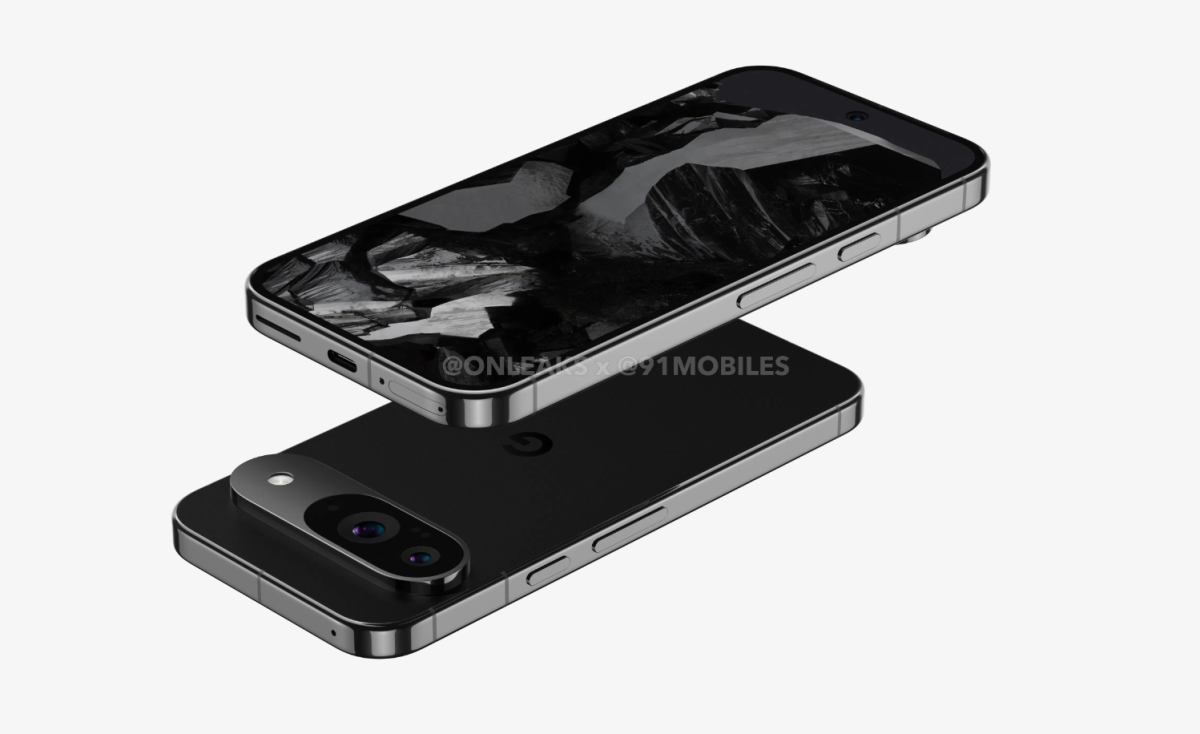
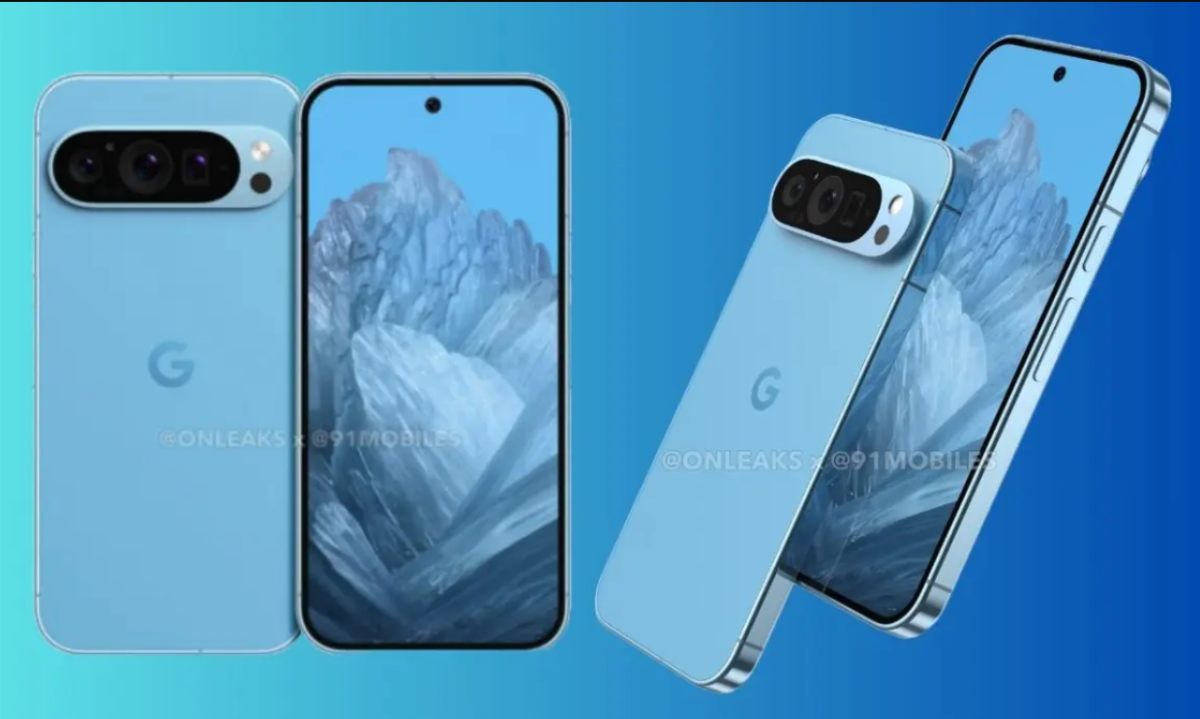
Here are some other variants in which the Pixel 9 has already leaked before.

Google is set to launch its Pixel 9 series in India on August 13.

The new series is expected to feature improvements such as a faster and more reliable ultrasonic fingerprint scanner.

The standard model is likely to have a dual rear camera setup, while the Pro model may feature a triple rear camera system.

This move by Google represents a significant shift in its manufacturing strategy and could potentially boost India’s position as a global smartphone manufacturing hub.

FAQs

Why is Google manufacturing Pixel phones in India?

Google is expanding its manufacturing base to India to leverage the Production Linked Incentive (PLI) scheme and to export devices to larger markets like Europe and the US.

Who will handle the production of Pixel phones in India?

Foxconn and Dixon Technologies will handle production, with Foxconn focusing on Pro models and Dixon on base variants.

When will production of Pixel phones start in India?

Production is set to begin in September, with exports starting once production stabilizes.

What are the expected features of the new Pixel 9 series?

The Pixel 9 series is expected to include improvements such as a faster ultrasonic fingerprint scanner, with the standard model featuring a dual rear camera setup and the Pro model a triple rear camera system.

What is the market strategy for Pixel phones manufactured in India?

Given the low demand in India, Google plans to export most of the locally produced Pixel phones to Europe and the US to achieve commercial scale.

Also Read: Google Pixel 9 To Reportedly Get Only A Modest Chipset Upgrade Next Year

Also Read: Google Pixel 9 Pro Potentially Revealed in Detailed 5K Renders Months Ahead of Official Launch

Snapdragon 8 Gen 4 Pre-orders Expected to Be Delayed Due to Increased Cost

0
Qualcomm to Unveil Snapdragon 8 Gen 4 at Tech Summit 2024 in Hawaii
  • Snapdragon 8 Gen 4 may cost 25-30% more than Snapdragon 8 Gen 3.
  • Custom Oryon cores replacing ARM CPU cores.
  • Expected price range: $220-$260.
  • Manufactured using TSMC’s 3nm N3E process for better performance.

The upcoming Snapdragon 8 Gen 4 processor, expected to power next year’s Galaxy S25 Ultra, is likely to be more expensive than its predecessor.

This price increase is partly due to Qualcomm’s switch to custom Oryon cores, replacing the previously used ARM CPU cores.

The company needs to recover the costs of developing these custom cores.

Pricing Uncertainty

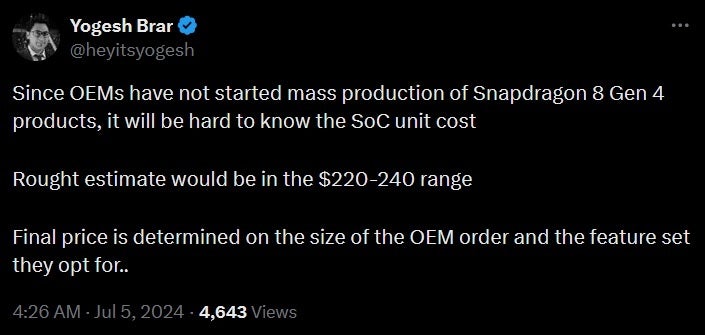
Yogesh Brar has hinted about the new Snapdragon 8 Gen 4 chipset cost

However, the exact pricing of the Snapdragon 8 Gen 4 remains uncertain.

With manufacturers yet to begin mass production of devices using this chipset, Qualcomm cannot accurately gauge demand or determine a per-unit price.

The chip won’t be officially unveiled until the annual Snapdragon Summit in October.

Analyst Ming-Chi Kuo, known for his Apple predictions, has weighed in on the matter.

He estimates that the Snapdragon 8 Gen 4 could cost 25% to 30% more than the current Snapdragon 8 Gen 3, which is priced between $190 and $200.

New chipset to feature Qualcomm Oryon CPU and Neural Processing Unit

This could push the new chip’s price to $237.50-$260. Leaker Yogesh Brar offers a slightly more conservative estimate of $220-$240.

The Snapdragon 8 Gen 4 will be manufactured using TSMC’s second-generation 3nm process node (N3E), an upgrade from the 4nm node used for the Snapdragon 8 Gen 3.

This should improve both performance and energy efficiency.

Samsung’s Strategy

For the Galaxy S25 series, Samsung is expected to continue its dual chipset strategy.

The Galaxy S25 and S25+ may use the Exynos 2500 in most markets, with the Snapdragon 8 Gen 4 reserved for China, the US, and Canada.

Qualcomm to Unveil Snapdragon 8 Gen 4 at Tech Summit 2024 in Hawaii

The Galaxy S25 Ultra, however, is likely to feature the Snapdragon 8 Gen 4 globally.

While the MediaTek Dimensity 9400 is shaping up to be a strong competitor, it’s unlikely that Samsung would choose it over Qualcomm’s offering for their flagship Ultra model.

As we await more concrete information, it’s clear that the increasing costs of high-end mobile processors may lead to price hikes for premium smartphones.

FAQs

Why is the Snapdragon 8 Gen 4 more expensive?

The increase in cost is due to Qualcomm’s switch to custom Oryon cores, requiring higher development expenses compared to the ARM CPU cores used previously.

What is the expected price range for the Snapdragon 8 Gen 4?

Analyst estimates suggest the price could range from $220 to $260, representing a 25-30% increase over the current Snapdragon 8 Gen 3.

When will the Snapdragon 8 Gen 4 be officially unveiled?

The Snapdragon 8 Gen 4 will be officially unveiled at the annual Snapdragon Summit in October.

Which Samsung models will use the Snapdragon 8 Gen 4?

The Galaxy S25 Ultra will feature the Snapdragon 8 Gen 4 globally, while the Galaxy S25 and S25+ will likely use the Exynos 2500 in most markets.

What manufacturing process will the Snapdragon 8 Gen 4 use?

The Snapdragon 8 Gen 4 will be manufactured using TSMC’s second-generation 3nm process node (N3E), an upgrade from the 4nm node used for the Snapdragon 8 Gen 3.

Also Read : Qualcomm to Unveil Snapdragon 8 Gen 4 at Tech Summit 2024 in Hawaii

Also Read: Qualcomm Snapdragon 8 Gen 4 Could Have New Architecture With No Efficiency Cores


Apple Watch Series 10 to Feature Larger Displays and Potential Apple Intelligence Integration

0
  • Series 10 models to increase to 45mm and 49mm sizes.
  • Rumored features include a blood pressure sensor and sleep apnea sensor.
  • New display technology for better battery efficiency.
  • Potential integration of Apple Intelligence with more powerful chips.

Reports suggest that this autumn’s Apple Watch Series 10 will be larger than its predecessors.

While the Ultra model will stay the same, the standard models are expected to increase from 41mm and 45mm to 45mm and 49mm respectively.

The reason for this change isn’t clear. It’s possible Apple has seen positive feedback about the Ultra model’s larger display and believes bigger screens will be better received.

Apple Intelligence and the Apple Watch

Large displays are coming to the Apple Watch X

Interestingly, the Apple Watch is currently the most popular Apple product that doesn’t support Apple Intelligence.

iPhones, Macs, and iPads are all compatible, but the Watch, Vision Pro, and HomePod are not.

Rumoured Features for Series 10

Apple Watch Series 10 to Feature Larger Display

Several new features are rumoured for the Series 10 Watch:

  • A blood pressure sensor for detecting hypertension
  • A possible sleep apnea sensor
  • New display technology for improved battery efficiency

However, these features alone might not fully explain the size increase.

Could Apple Intelligence be Coming to Watch?

Apple Intelligence is expected to make big changes on the Watch Series X.

The current Watch chip is underpowered for Apple Intelligence.

A larger Watch could potentially house a more powerful chip with better thermal management.

If Apple wants to bring a more capable Siri experience to the Watch, it might need more processing power and an improved Neural Engine.

It’s likely that Apple will want to bring Apple Intelligence to the Watch soon.

WWDC 2025 might see an announcement about expanding Apple Intelligence to new devices.

If the Series 10 includes a next-gen chip, it could be ready for Apple Intelligence features when watchOS 12 is unveiled.

While this is speculation, the size increase of the Series 10 Watch could be laying the groundwork for future AI capabilities.

We’ll have to wait and see what Apple has in store for its popular wearable.

FAQs

What are the new sizes for the Apple Watch Series 10?

The Apple Watch Series 10 is expected to increase to 45mm and 49mm, up from the current 41mm and 45mm.

Why is Apple increasing the size of the Apple Watch Series 10?

The reason is unclear, but it may be due to positive feedback on the larger Ultra model and the potential need for larger screens to house new features.

What new features are rumored for the Apple Watch Series 10?

Rumored features include a blood pressure sensor, a sleep apnea sensor, and new display technology for improved battery efficiency.

Will the Apple Watch Series 10 support Apple Intelligence?

While the current Watch chip is underpowered for Apple Intelligence, a larger Watch could house a more powerful chip capable of supporting these features in the future.

When might Apple announce Apple Intelligence for the Watch?

It’s possible that Apple Intelligence could be announced for the Watch at WWDC 2025, especially if the Series 10 includes a next-gen chip.

Also Read: Apple Watch Series 9 and Ultra 2 Lose Blood Oxygen Feature: All You Need To Know About This Patent Dispute

Also Read: Apple Watch Series 9: Five Features To Admire & Two Reasons for Second Thoughts

Google is Targeting iPhone Users with Ads to Promote Its OwnApps

0
  • Google advertises features like Google Lens to attract iPhone users.
  • Balances promoting its apps without upsetting Apple.
  • Possible changes in search engine options if Google loses the court case.
  • Google actively seeks to maintain its search dominance on iPhones.

Google’s not just sitting back and hoping for the best. They’re actively trying to get iPhone users to download and use their apps.

It’s a bit like trying to get your mate to switch football teamsnot an easy task, but they’re giving it a go.

They’ve been plastering ads all over the place, showing off fancy features like Google Lens.

You know, the thing that lets you take a picture of something and find out what it is. Pretty nifty, if you ask me.

The Balancing Act

Apple could sue Google if it keeps forcing users to use its services.

But here’s the thingGoogle’s got to be careful. They can’t go too hard on pushing their own apps, or they might annoy Apple.

It’s a bit of a tightrope walk, really. They even thought about locking some of their AI stuff to their own apps but decided against it in the end. Probably a smart move, that.

What It Means for Us

So what does all this mean for us regular iPhone users? Well, not much yet.

But if Google loses this court case, we might see some changes in how we search the web on our phones.

Maybe we’ll have to choose our search engine when we set up our phones, instead of it just being Google by default.

The Bigger Picture

Google wants more people to use its services on the iPhone

This whole situation is a bit of a headache for both Google and Apple.

They’ve had this cosy little arrangement for years, and now it might all come crashing down.

It’s like when your parents find out about that party you’ve been having while they were away. The fun’s over, and now there’s explaining to do.

Only time will tell how this all shakes out. But one thing’s for sure – Google’s not going down without a fight.

They’re pulling out all the stops to keep iPhone users searching with them, one way or another.

FAQs

Why is Google promoting its apps to iPhone users?

Google aims to increase its app usage among iPhone users by showcasing unique features like Google Lens.

How is Google promoting its apps?

Google has been running ads highlighting the capabilities of their apps to entice iPhone users to download them.

What challenges does Google face in promoting its apps on iPhones?

Google must promote its apps without overstepping boundaries that could upset Apple and maintain a balanced relationship.

What might change if Google loses its court case?

If Google loses, users might have to choose their default search engine during iPhone setup instead of defaulting to Google.

Is Google planning to lock AI features to its own apps?

While considered, Google decided against locking AI features to its apps to avoid potential backlash.

Also Read: Apple’s iOS 18 Is Likely to Be Its Most Ambitious Update Yet: Mark Gurman

Also Read: Apple Reportedly Acquires DarwinAI to Boost iOS 18 AI Features and More