Home Blog Page 8

Vivo S2 FE Box Price, Renders and Key Specs Leaked Ahead of Launch, 10,000mAh Battery Tipped

0
Vivo S2 FE Box Price, Renders and Key Specs

Highlights

  • Vivo S2 FE leaks reveal a box price of ₹39,999 for 6GB+128GB.
  • The phone is expected to be available in Stellar Green, Zen White and Titan Black colour options.
  • It is tipped to feature a massive 10,000mAh battery with 44W charging, 6.83″ 120Hz AMOLED display, Dimensity 7300e, IP68/IP69 rating, and 50MP + 32MP cameras.

Vivo appears to be preparing another addition to its S-series in India after bringing back the S-series with the Vivo S2 last month. As per reports, Vivo is now working on the Vivo S2 FE and the smartphone has already appeared in the Geekbench, BIS and Bluetooth SIG databases. Ahead of the launch, several leaks from reliable sources have now revealed some of the key details about the phone including its possible pricing, specifications and renders.

Vivo S2 FE Box Price, Renders and Colour Options (Leaked)

According to the information shared in a recent Xpertpick exclusive report, the Vivo S2 FE will have a box price of Rs 39,999 for the 6GB RAM and 128GB storage variant. This aligns with another leak that suggested that the phone could be priced under Rs 40,000.

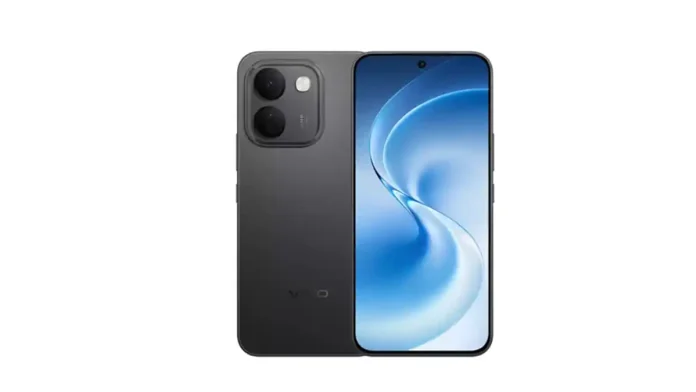
Possible Vivo S2 FE leaked renders. (Image credit: @AHSANKHARBAI on X)

The smartphone is expected to be available in Stellar Green, Zen White and Titan Black colour options.

Vivo S2 FE Specifications

As per reports, the standout feature of the upcoming Vivo S2 FE is expected to be its 10,000mAh battery. The battery will reportedly support 44W wired charging, giving the phone a major focus on battery life. Despite packing such a large battery, the smartphone is said to measure just 8.75mm in thickness and weigh 225 grams. It is also expected to carry IP68 and IP69 ratings for protection against dust and water.

Vivo S2 FE is further expected to feature a large 6.83-inch 1.5K AMOLED display with a 120Hz refresh rate and up to 2,000 nits of HBM brightness. The phone will also have an in-display fingerprint sensor for biometric authentication.

It will reportedly use the MediaTek Dimensity 7300e 5G chipset paired with LPDDR4X RAM and UFS 3.1 storage. To help control temperatures during demanding workloads, the phone is said to feature a 3,800mm² ultra-large VC cooling system. Vivo is reportedly promising three years of OS upgrades and five years of security updates for the S2 FE.

The camera setup is expected to include a 50-megapixel Sony IMX852 primary rear sensor and a 2-megapixel secondary camera. For selfies and video calls, the phone will reportedly feature a 32-megapixel front-facing camera.

Vivo S2 FE Could Be a Rebranded Vivo V80 Lite

The Vivo S2 FE is reportedly not an entirely new device for the company. The phone is believed to be a rebranded version of the Vivo V80 Lite that is available in Malaysia.

With its 10,000mAh battery, the S2 FE is expected to compete with battery-focused smartphones such as the Poco X8 Power, Redmi Note 17 Pro Max and the upcoming Oppo F35 Pro.

Vivo S2 FE Launch Date Timeline

The Vivo S2 FE is rumoured to launch in India alongside the Vivo V80 on October 6. However, Vivo has not officially confirmed the S2 FE’s launch date or its complete specifications yet.

The leaked specifications and pricing should be treated with some caution until Vivo officially announces the smartphone.

Also Read –

Vivo V80, Vivo S2 FE Hands-on Images and Key Specs Leak Ahead of India Launch

Vivo S2 FE Spotted on Geekbench With MediaTek Chip, 6GB RAM and Android 16

OPPO Reno 17 Series May Get a Surprise Shake-Up as Reno 17 Pro Is Tipped to Miss Out

0

Highlights

  • OPPO Reno 17 series tipped to include Reno 17 and Reno 17c with the Reno 17 Pro unlikely to launch.
  • The brand is reportedly working on a compact, wide slab‑style phone.
  • OPPO is also believed to be testing camera accessories like a teleconverter and exploring a 68MP selfie sensor for the Reno 17 Series.

OPPO Reno 16. (Image credit: OPPO)

OPPO appears to be preparing a different lineup for its next Reno series. If the latest rumours are true, the brand could be working on the Reno 17 and Reno 17c smartphones. However, the Reno 17 Pro may not be part of the upcoming lineup. The tipster has also revealed that OPPO is developing a compact and wide slab-style smartphone. Here’s what we know so far.

OPPO Reno 17 and Reno 17c Confirmed

In a post on X, Debayan Roy @Gadgetsdata revealed, “This time Reno 17 and Reno 17c are coming.” This suggests that OPPO is planning at least two models in the Reno 17 series.

At the same time, the tipster claims that the Reno 17 Pro is unlikely to launch. If this information turns out to be accurate, OPPO could be moving away from the three-model Reno lineup seen in previous generations.

For comparison, OPPO unveiled the Reno 16 series in China in May before taking the lineup to global markets. The Reno 16 series also launched in India in July.

OPPO Working on Compact Reno Phone

That’s not all. The tipster also shared another interesting detail in the same post about a different compact phone that the brand might be working on. According to the tipster, OPPO is working on a compact and wide slab phone. The device is expected to be launched under the Reno series, although it is not clear whether it will be part of the Reno 17 lineup or introduced as a separate model.

There are currently no details about the phone’s display size, dimensions, processor or other specifications.

What We Know About Reno 17 Series So Far?

The latest information comes after the same tipster revealed back in August that OPPO was testing a teleconverter accessory for the Reno 17 series.

A teleconverter can add additional magnification to a camera system, allowing users to capture distant subjects more closely. This can provide better long-range photography compared to relying completely on digital zoom. However, the accessory is still reportedly in the testing stage. There are also no details about its magnification level or which Reno 17 models will support it.

Previous leaks have also claimed that OPPO was testing a 68-megapixel 1:1 selfie camera for the Reno 17 series. However, the tipster said that this camera is unlikely to make it to the final smartphones.

OPPO is yet to officially announce the Reno 17 series or reveal its specifications. More details about the phones, their cameras, accessories and launch plans are expected to surface in the coming months.

Also Read –

OPPO Reno16C, A6 5G, A6x 5G, A6c Prices Hiked in India by Up to Rs 4,000: Check New Prices

Oppo Reno 17 Tipped to Support Telephoto Extender, Oppo Find X10 Gets 3C Certification

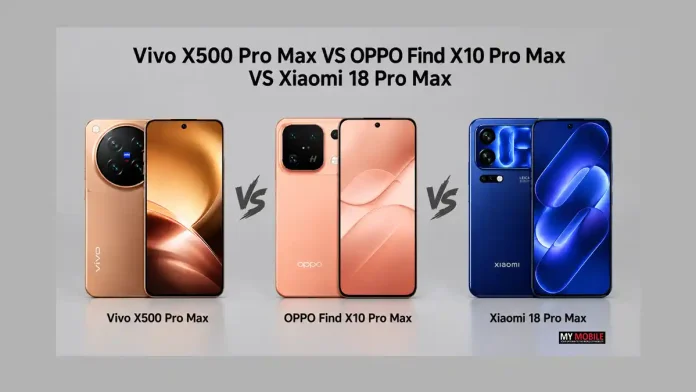
Vivo X500 Pro Max VS OPPO Find X10 Pro Max VS Xiaomi 18 Pro Max: 200MP Cameras, Batteries and Specs Compared

0
Vivo X500 Pro Max VS OPPO Find X10 Pro Max VS Xiaomi 18 Pro Max

Highlights

  • Vivo X500 Pro Max combines 50MP main + 200MP periscope + 50MP ultrawide, OPPO Find X10 Pro Max uses three 200MP sensors, while Xiaomi 18 Pro Max offers 200MP main + 200MP periscope + 50MP ultrawide with Leica optics.
  • Vivo and OPPO run Dimensity 9600 Pro with 144Hz LTPO AMOLED panels, while Xiaomi opts for Snapdragon 8 Elite Extreme Gen 6, a 120Hz 6.9″ display, plus a 2.9″ rear screen.
  • Xiaomi leads with 8,500mAh and 100W charging; Vivo and OPPO pack 8,000mAh with 90W/80W charging.

With Vivo X500 Pro Max, OPPO Find X10 Pro Max and Xiaomi 18 Pro Max all now officially out in the Chinese market, a comparison is inevitable. All three smartphones are feature-packed flagship smartphones with each model bringing strong cameras, high-end displays, powerful processors and large batteries. In this comparison, we look at their cameras, displays, performance and battery and charging capabilities to see how the three phones differ based on their known specifications.

Vivo X500 Pro Max vs OPPO Find X10 Pro Max vs Xiaomi 18 Pro Max: What’s Different?

Features Vivo X500 Pro Max OPPO Find X10 Pro Max Xiaomi 18 Pro Max
Display 6.85″ LTPO AMOLED, 144Hz, 1440×3168, 507ppi, 4,400 nits 6.78″ LTPO AMOLED, 144Hz, 1272×2772, 450ppi, 3,600 nits 6.9″ LTPO AMOLED, 120Hz, 1208×2624, 418ppi, 4,000 nits + 2.9″ rear display
Processor Dimensity 9600 Pro (2nm); Android 17, OriginOS 7; up to 5 major OS updates Dimensity 9600 Pro (2nm); Android 17, ColorOS 17 Snapdragon 8 Elite Extreme Gen 6 (2nm); Android 17, HyperOS 4
Rear Camera 50MP main + 200MP 3.5x periscope + 50MP 119° ultrawide; Zeiss optics 200MP main + 200MP 3x periscope + 200MP ultrawide; Hasselblad 200MP main + 200MP 3.2x periscope + 50MP 102° ultrawide; Leica
Video Up to 8K 30fps, 4K 240fps; Dolby Vision, 10-bit Log Up to 8K 30fps, 4K 120fps; Dolby Vision, 10-bit, LOG Up to 8K 30fps, 4K 120fps; Dolby Vision, HDR10+, 10-bit LOG
Battery and Charging 8,000mAh; 90W wired, 40W wireless; reverse wired/wireless 8,000mAh; 80W wired, 50W wireless, 10W reverse wireless 8,500mAh; 100W wired, 50W wireless, 27W reverse wireless
RAM and Storage 12/16GB RAM; 256GB/512GB/1TB 12/16GB RAM; 256GB/512GB/1TB 12/16GB RAM; 256GB/512GB/1TB
Starting price 6,999 yuan (~₹1,00,125) 6,799 yuan (~₹97,075) 6,999 yuan (~₹1,00,010)


Camera Comparison

The Vivo X500 Pro Max features a triple-camera setup led by a 50MP f/1.6 main camera with a 1/1.28-inch sensor, PDAF and OIS. It is paired with a 200MP 85mm periscope telephoto camera offering 3.5x optical zoom, along with a 50MP 119-degree ultrawide camera with autofocus.

Vivo also lists Zeiss optics, Zeiss T* coating, Laser AF, a color spectrum sensor and 3D LUT import. For video, it supports up to 8K at 30fps, 4K at up to 240fps, 17 EV TrueDynamic Log, Dolby Vision HDR and 4K 120fps 10-bit Log.
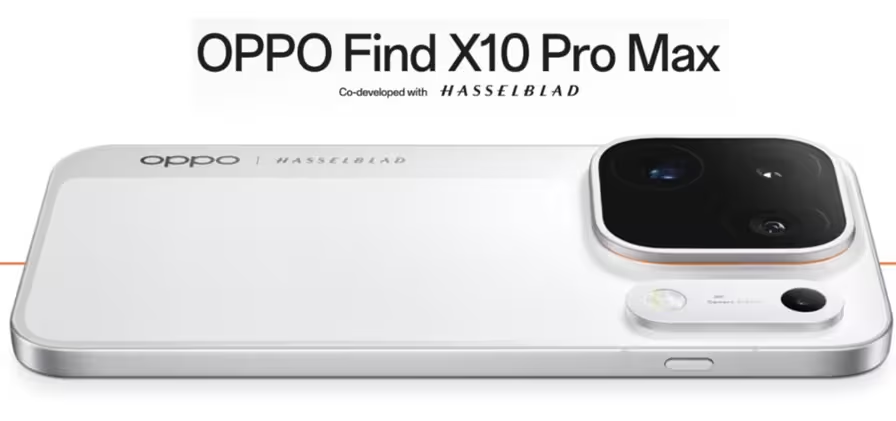
Meanwhile, the OPPO Find X10 Pro Max takes a more consistent approach with three 200MP cameras. Its 200MP f/1.5 main camera uses a 1/1.3-inch sensor, PDAF and OIS. The 200MP 70mm periscope telephoto camera has a 1/1.56-inch sensor, PDAF, OIS and 3x optical zoom, while the 200MP 13mm ultrawide also gets a 1/1.56-inch sensor and PDAF. The camera system includes Hasselblad Color Calibration, Laser AF, a color spectrum sensor and LUT preview. Video recording goes up to 8K 30fps and 4K 120fps with gyro-EIS, Dolby Vision, 10-bit video and LOG support.

As for Xiaomi 18 Pro Max, it also uses a 200MP main and 200MP periscope telephoto camera but combines them with a 50MP ultrawide. Its 200MP f/1.7 main camera has a 1/1.28-inch sensor, dual-pixel PDAF and OIS. The 200MP 75mm periscope camera uses a 1/1.56-inch sensor, PDAF and OIS, with 3.2x optical zoom. The 50MP ultrawide offers a 102-degree field of view and PDAF.

Xiaomi adds Leica lenses, Laser AF and a color spectrum sensor. Its video capabilities include 8K 30fps HDR, 4K 120fps with HDR10+, 10-bit Dolby Vision HDR and 10-bit LOG, plus slow-motion recording up to 1920fps at 720p.

Processors and Performance Comparison

The Vivo X500 Pro Max and OPPO Find X10 Pro Max are evenly matched on the core chipset front as both are listed with the MediaTek Dimensity 9600 Pro built on a 2nm process. This means the two phones share the same stated processor platform, so the bigger differences between them will come from software and the hardware is tuned.

The Xiaomi 18 Pro Max takes a different route with Qualcomm’s Snapdragon 8 Elite Extreme Gen 6, which is also based on a 2nm process. So, unlike Vivo and OPPO, Xiaomi does not use the Dimensity 9600 Pro. Based purely on the provided specifications, all three phones use a 2nm flagship chipset but they are split between MediaTek and Qualcomm platforms.

On the software side, all three start with Android 17 but each uses its own interface. The Vivo X500 Pro Max runs OriginOS 7 and is listed with support for up to five major OS updates. The OPPO Find X10 Pro Max runs ColorOS 17, while the Xiaomi 18 Pro Max uses HyperOS 4.

Displays and Rear Screens Comparison

Vivo X500 Pro Max.

The Vivo X500 Pro Max comes with a 6.85-inch LTPO AMOLED display with a 144Hz refresh rate. It has a 1440 × 3168-pixel resolution and around 507ppi pixel density, making it the highest-resolution and highest-density display among the three. The panel supports 1 billion colors, HDR10+, Dolby Vision and Ultra HDR images. Brightness goes up to 2,000 nits in HBM and 4,400 nits peak. The display is protected by Armor Glass with Mohs level 4 protection.

OPPO Find X10 Pro Max.

The OPPO Find X10 Pro Max, on the other hand, features a slightly smaller 6.78-inch LTPO AMOLED display with a 144Hz refresh rate and 1272 × 2772-pixel resolution with around 450ppi density. The screen supports 1 billion colors, Dolby Vision, HDR10+, HDR Vivid, BT.2020 and Ultra HDR images.

OPPO also adds 3840Hz PWM dimming. Brightness reaches 2,000 nits in HBM and 3,600 nits peak. The display is protected by Corning Gorilla Glass Victus 2.
Xiaomi 18 Pro Max.

The Xiaomi 18 Pro Max has the largest main display of the three at 6.9 inches but uses a lower 120Hz refresh rate. Its LTPO AMOLED panel offers 1208 × 2624-pixel resolution and around 418ppi density. It supports 68 billion colors, Dolby Vision, HDR Vivid, HDR10+ and BT.2020, along with 2160Hz PWM. The screen can reach 4,000 nits peak brightness and is protected by Xiaomi Dragon Crystal Glass 3.

A major difference is also Xiaomi’s 2.9-inch secondary LTPO AMOLED display on the rear, which also supports 120Hz, Dolby Vision, HDR Vivid, HDR10+ and 4,000 nits peak brightness.

Battery and Charging Comparison

The Xiaomi 18 Pro Max has the largest battery in this comparison with an 8,500mAh silicon-carbon battery. It also offers the fastest wired charging among the three at 100W along with 50W wireless charging and 27W reverse wireless charging. It supports PD 3.0, QC 3+ and 100W PPS as well.

The Vivo X500 Pro Max and OPPO Find X10 Pro Max both pack 8,000mAh silicon-carbon batteries, so they are evenly matched in battery capacity. However, Vivo offers faster 90W wired charging, compared with OPPO’s 80W wired charging. Vivo also supports 40W wireless charging, while OPPO goes slightly higher with 50W wireless charging.

The charging features also differ when it comes to reverse charging. The Vivo X500 Pro Max supports both reverse wired and reverse wireless charging, although the provided details do not specify their output speeds. OPPO offers 10W reverse wireless charging, while Xiaomi supports significantly faster 27W reverse wireless charging.

RAM, Storage Options and Price Compared

All three phones offer 12GB and 16GB RAM configurations, with storage ranging from 256GB to 1TB. However, their pricing varies considerably as you move to higher storage and RAM combinations.

The Vivo X500 Pro Max starts at 12GB + 256GB for 6,999 yuan (around Rs. 1,00,125). Its range goes up to a 12GB + 1TB variant priced at 8,999 yuan, while the 16GB + 1TB Creator’s Package with satellite communication is the most expensive option at 12,999 yuan (around Rs. 1,85,975).

The OPPO Find X10 Pro Max has the lowest starting price among the three, with its 12GB + 256GB variant priced at 6,799 yuan (around Rs. 97,075). The range goes up to 16GB + 1TB for 8,999 yuan (around Rs. 1,28,490).

The Xiaomi 18 Pro Max starts at 6,999 yuan (around Rs. 1,00,010) for the 12GB + 256GB model. Its top-end 16GB + 1TB variant costs 9,999 yuan, while the special transparent edition with the same RAM and storage is priced at 10,999 yuan (around Rs. 1,57,165).

Variant Vivo X500 Pro Max OPPO Find X10 Pro Max Xiaomi 18 Pro Max
12GB + 256GB 6,999 yuan 6,799 yuan 6,999 yuan
12GB + 512GB 7,999 yuan 7,499 yuan 7,999 yuan
16GB + 512GB 8,499 yuan 7,999 yuan 8,999 yuan
16GB + 1TB – 8,999 yuan 9,999 yuan
12GB + 1TB 8,999 yuan – –
Special Editions 16GB + 1TB Creator’s Package: 12,999 yuan – 16GB + 1TB Transparent Edition: 10,999 yuan


As of now, India pricing and availability have not been confirmed for all three models.

Vivo X500 Pro Max vs OPPO Find X10 Pro Max vs Xiaomi 18 Pro Max – Verdict

The Vivo X500 Pro Max, OPPO Find X10 Pro Max and Xiaomi 18 Pro Max all bring flagship-level hardware but each takes a slightly different approach. Vivo stands out with its high-resolution display, Zeiss camera setup and strong video features, while OPPO focuses heavily on its triple-200MP camera system and Hasselblad imaging. Xiaomi brings the largest battery, fastest wired charging and a unique rear display, along with Leica-tuned cameras.

Overall, the choice comes down to what matters most to you as a buyer, camera and display features on Vivo, an all-200MP camera system on OPPO, or battery, charging and the extra rear display on Xiaomi. Based on the specifications shared here, all three are positioned as unique flagships rather than having one clear overall winner.

Also Read –

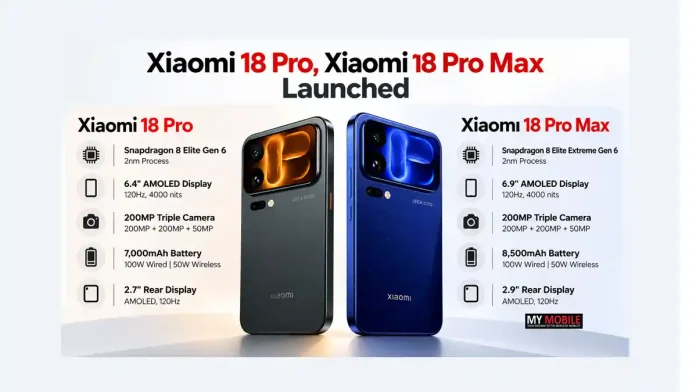
Xiaomi 18 Pro, Xiaomi 18 Pro Max Launched With 2nm Snapdragon Chips, Privacy Display and Up To 8,500mAh Batteries

OPPO Find X10 Pro Max Launched With Triple 200MP Cameras, 2nm D9600 Pro Chip and 8,000mAh Battery

Vivo X500 Pro, X500 Pro Max Launched in China: Price, Specifications, Camera, Battery and Features

OnePlus 16 Camera Specs Confirmed: 200MP HPE Main Camera, LUMO Imaging and 4K 120fps Video

0

Highlights

  • OnePlus 16 confirmed to feature a 200MP HPE main camera, 50MP ultra‑wide and 50MP periscope telephoto with OIS and 3X zoom.
  • The phone introduces LUMO Imaging system with LUMO Color Palette, Open Gate support, and video up to 4K 120fps with Dolby Vision and LOG recording.
  • It also comes with new modes such as Master Mode for film‑like light/shadow, High‑Resolution Mode for extreme clarity and 65:24 Wide‑Field Mode for cinematic aspect ratio.

OnePlus 16 camera specs teaser. (Image credit: OnePlus)

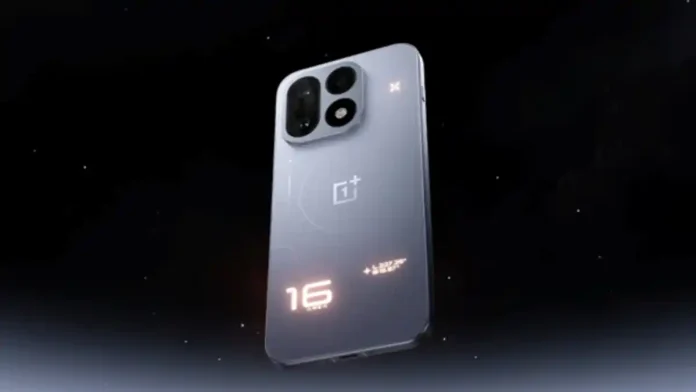
OnePlus has started revealing more details about its upcoming flagship, the OnePlus 16. While the device is currently available for pre-reservation in China, the brand has already confirmed the phone’s design, colour options, RAM and storage variants. The latest update, however, focuses on the phone’s camera system with the brand confirming a 200MP HPE main camera and its new LUMO Imaging system.

OnePlus 16 Camera Specifications

OnePlus 16 camera specs teaser. (Image credit: OnePlus)

The OnePlus 16 will feature a 200-megapixel HPE main camera with a 1/1.4-inch sensor and optical image stabilisation (OIS). It will be joined by a 50-megapixel OV50D ultra-wide camera with a 1/2.88-inch sensor. The third rear camera will be a 50-megapixel Sony IMX882 sensor with a 1/1.95-inch size, OIS and 3X periscope zoom in a W-shaped configuration.

For selfies, the phone will reportedly use a 50-megapixel JN5 camera with a 1/2.75-inch sensor and autofocus.

OnePlus is also introducing its LUMO Imaging system with the OnePlus 16. The camera system will support the LUMO Color Palette, along with Open Gate support.

For video recording, the phone will support up to 4K at 120fps, with Dolby Vision and LOG video recording also included.

New Camera Modes on OnePlus 16

OnePlus 16 new shooting modes. (Image credit: OnePlus)

The 200MP main camera will also bring new shooting modes designed to produce a different look directly from the camera. OnePlus says the new Master Mode restores light and shadow to create a film-like feel without requiring additional editing.

There is also a new High-Resolution Mode aimed at delivering extreme clarity and a more realistic look straight from the camera. Another addition is the 65:24 Wide-Field Mode, which takes inspiration from classic designs to offer a more cinematic feel.

HS9GOMOb0AAs3Oz
HS9GR-9aUAAsksf
HS9GPWva8AAY60P
HS9GQvVa8AA5cIb
HS9GOMOb0AAs3Oz HS9GR-9aUAAsksf HS9GPWva8AAY60P HS9GQvVa8AA5cIb

OnePlus 16 – What Else We Know So Far?

As per previously released official teasers, the OnePlus 16 has been confirmed to be available in three colour options in China. These include Dark Forest with a black finish, Mars Masterpiece with a light orange finish, and Tomorrow Starlight in grey. The Mars Masterpiece and Tomorrow Starlight variants will have a unique pattern on the rear panel.

OnePlus will offer the upcoming flagship in four configurations in China. These include 12GB RAM with 256GB storage, 12GB RAM with 512GB storage, 16GB RAM with 512GB storage, and a top-end 16GB RAM with 1TB storage variant.

While OnePlus has not yet revealed all the hardware specifications, it has confirmed that the OnePlus 16 will support a system-wide 165Hz refresh rate. According to leaks, the phone is expected to be powered by the Snapdragon 8 Elite Gen 6 Pro chipset. Other rumoured specifications include a 6.78-inch AMOLED display and a large 9,000mAh battery.

OnePlus 16 Launch Date

OnePlus has not yet announced the official launch date of the OnePlus 16. However, it has already started revealing major details about the flagship and has opened pre-reservations in China.

More information about its launch and remaining specifications is expected to be announced soon.

Also Read –

OnePlus 16 With Snapdragon 8 Elite Extreme Gen 6 Scores Over 5.38 Million on AnTuTu

OnePlus 16 Teased With 1.15mm Bezels, Custom Shortcut Key; Mars Masterpiece Colour Variant Renders Out

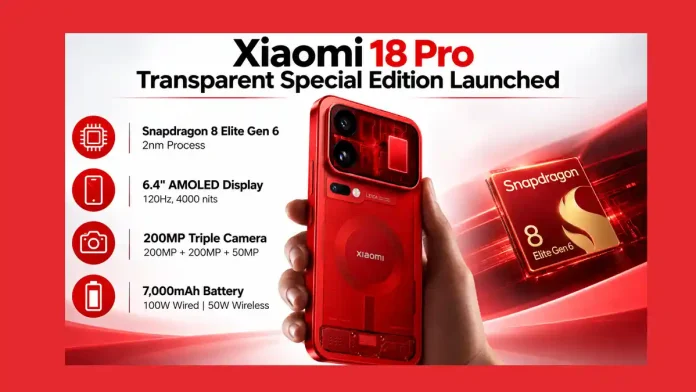
Xiaomi 18 Pro Transparent Special Edition Launched With Striking Red See-Through Design

0

Highlights

  • Xiaomi launched Transparent Special Editions of the 18 Pro and 18 Pro Max, featuring a striking red see‑through design created via micron‑level film embossing.
  • It is priced at ¥9,999 ($1,492) for the 18 Pro and ¥10,999 ($1,642) for the Pro Max, both come in a single 16GB RAM + 1TB storage configuration with themed red accessories.
  • Specifications remain the same: Snapdragon 8 Elite Gen 6/Extreme Gen 6, Leica triple‑camera setup with 200MP + 200MP periscope + 50MP ultrawide, 7,000mAh/8,500mAh batteries, 100W wired + 50W wireless charging and HyperOS 4.

Xiaomi 18 Pro and Pro Max Transparent Special Edition unveiled in China. (Image credit: Xiaomi)

Xiaomi has introduced special Transparent Editions of its latest Xiaomi 18 Pro and Xiaomi 18 Pro Max smartphones. The new versions bring a distinctive transparent-style red design, while keeping the same internal hardware as the standard models. Here’s more on its design elements, price, availability and key specifications.

Xiaomi 18 Pro Transparent Edition – Price and Availability

The Xiaomi 18 Pro Transparent Special Edition is priced at 9,999 yuan ($1,492), while the Xiaomi 18 Pro Max Transparent Special Edition costs 10,999 yuan ($1,642).

Both smartphones are available in a single configuration with 16GB of RAM and 1TB of internal storage.

Xiaomi 18 Pro Transparent Edition Gets Red See-Through Design

Xiaomi 18 Pro and Pro Max Transparent Special Edition design teasers. (Image credit: Xiaomi)

The main highlight of the special editions is their appearance. Both smartphones feature a red colourway with a textured finish. Xiaomi says the look is created using a micron-level film process, which gives the rear panel a three-dimensional embossed or relief effect.

The transparent-style design is further complemented by artwork showing the phone’s internal components on the front and rear wallpapers. Xiaomi has also included a matching red charger and cable with the special editions.

Xiaomi 18 Pro and Pro Max Transparent Special Edition. (Image credit: Xiaomi)

The software has been customised to match the physical design. Both the primary screen and the smaller secondary rear display come with wallpapers that show a digital representation of the smartphone’s internal components.

The retail box also follows the same theme with transparent red accessories. These include the charging brick and data cable, both of which are colour-matched to the phone.

Xiaomi 18 Pro and Pro Max Transparent Special Edition in the box accessories. (Image credit: Xiaomi)

Xiaomi 18 Pro, 18 Pro Max Transparent Edition – Specifications

While the Transparent Special Editions get a significantly different visual treatment, there are no changes to the internal hardware compared with the standard Xiaomi 18 Pro and Xiaomi 18 Pro Max.

Both smartphones feature 1-120Hz OLED displays with hardware-level privacy protection and also retain the smaller secondary screen on the rear. The 18 Pro is powered by the Snapdragon 8 Elite Gen 6, while the Pro Max variant steps up to the Snapdragon 8 Elite Extreme Gen 6. Both models pack LPDDR5X RAM and UFS 4.1 storage while having a circular cold-pump cooling system to manage thermal throttling during intense workloads.

Xiaomi 18 Pro and Pro Max Transparent Special Edition offer the same camera features as the regular models. (Image credit: Xiaomi)

The camera setup carries Leica branding and uses three rear lenses. It includes a 200-megapixel primary camera, a 200-megapixel periscope telephoto camera with support for 3.2x optical zoom, and a 50-megapixel ultrawide camera. It also comes with camera presets like Open Gate, Color Palette, AI Composition, AI Pose Recommendation, Leica Original Color alongside Legendary Moment such as Legendary CCD, Contemporary Classic and Black & White Film.

The battery capacity remains one of the key differences between the two models. The Xiaomi 18 Pro is equipped with a 7,000mAh silicon-carbon battery, while the Xiaomi 18 Pro Max gets a larger 8,500mAh battery. Both models support 100W wired charging, 50W wireless charging and 27W reverse charging.

The Transparent Editions run on HyperOS 4 with Super XiaoAI 2.0. Other hardware features include UWB, NFC, an IP water resistance rating and Dolby Atmos audio support.

With the new Transparent Special Editions, Xiaomi has mainly focused on giving the Xiaomi 18 Pro and 18 Pro Max a more distinctive appearance without changing their core hardware specifications.

Also Read –

Xiaomi 18 Pro, Xiaomi 18 Pro Max Launched With 2nm Snapdragon Chips, Privacy Display and Up To 8,500mAh Batteries

Xiaomi 18 Pro Series China Launch On September 23; 200MP Sensors, 2nm Chips and Up To 8,500mAh Battery Confirmed

ASUS and ROG Laptops Get 3 Months of Free Google AI Pro or AI Plus in India: How to Claim

0

Highlights:

  • ASUS is offering three months of Google AI Pro or Google AI Plus at no extra cost with select eligible laptops in India.
  • Google AI Pro includes 5TB of cloud storage, while Google AI Plus comes with 400GB of storage.
  • The offer covers selected 2025, 2026 and upcoming 2027 ASUS laptops across the ROG, TUF Gaming, ProArt, Zenbook and Vivobook families.
  • Both new and existing customers with eligible devices can claim the offer through the MyASUS app.

ASUS has announced a new Google AI offer for eligible laptops in India, giving customers three months of Google AI Pro or Google AI Plus at no extra cost. The offer is available with selected ASUS and ROG laptops and can be redeemed through the MyASUS app.

The bundled plans add access to Google’s AI tools along with cloud storage. The exact plan offered depends on the eligible laptop model, with Google AI Pro providing 5TB of storage and Google AI Plus offering 400GB.

What Does the ASUS Google AI Offer Include?

ASUS is offering either Google AI Pro or Google AI Plus depending on the eligible laptop model. Both plans provide access to Google’s AI ecosystem, but the storage and level of access differ.

Google AI Pro:

  • Expanded access to Gemini and Google’s more capable AI models
  • Higher usage limits for supported AI tools
  • 5TB of Google cloud storage
  • Access to additional AI, developer and agentic tools
  • Access to features such as Deep Research, Google Flow, Gemini Notebook and Gemini in Google apps, subject to availability

Google AI Pro can also provide expanded access to developer and agentic experiences including Google Antigravity, Jules and AI Studio, depending on plan terms and availability.

Google AI Plus:

  • Enhanced access to Google’s AI tools
  • 400GB of cloud storage
  • AI-powered productivity features
  • Creative generation and editing features
  • Access to supported Gemini experiences and other Google AI tools

The exact benefits available with either plan can vary based on the plan, region, account and Google’s applicable terms.

Which ASUS Laptops Are Eligible?

Select Asus ROG Models also eligible for Google AI Pro offer (Source – Asus ROG)

The promotion covers selected ASUS laptops from the following families:

ASUS laptop family Offer availability
ROG Selected eligible models
TUF Gaming Selected eligible models
ProArt Selected eligible models
Zenbook Selected eligible models
Vivobook Selected eligible models


The offer applies to selected 2025, 2026 and upcoming 2027 models in India. ASUS maintains a model-by-model eligibility list, so owning a laptop from one of these families does not automatically qualify it for the offer.

Users can check their exact model on the ASUS promotion page before attempting redemption.

How to Claim Free Google AI Pro or AI Plus on ASUS Laptops

The free subscription can be claimed through the MyASUS app. ASUS has outlined the following redemption process:

  1. Open the MyASUS app on the eligible ASUS laptop and sign in with an ASUS account.
  2. Go to User Center and select Member Exclusive Coupons.
  3. Find the Google AI offer and select Redeem Now.
  4. The app will redirect you to Google’s redemption page.
  5. Sign in using the Google Account you want to use with the subscription.
  6. Enter a valid payment method and complete the subscription activation.

The MyASUS app checks the device’s eligibility automatically. ASUS also recommends ensuring that the MyASUS language settings match the country where the laptop was purchased for successful redemption.

ASUS Google AI Offer: Important Things to Know

The promotion is available to both new and existing ASUS customers, provided they have an eligible device and meet the applicable Google account requirements.

ASUS says eligible users can include new Google One members as well as certain existing Google One users who do not currently have the relevant Google AI plan. Account and plan eligibility can vary, so users should check the terms shown during redemption.

A payment method is required to activate the offer. Once the three-month promotional period ends, the subscription will automatically renew at the standard Google One price unless it is cancelled beforehand.

Users can cancel during the promotional period and continue to have access until the offer period ends. Existing Google One subscribers should also check how activating the offer affects their current subscription, as ASUS states that the existing plan may be cancelled when the trial starts.

When Does the ASUS Google AI Offer End?

The ASUS Google AI promotion is scheduled to run from August 10, 2026, through August 9, 2027 in India.

However, ASUS says eligible users can redeem the offer until September 10, 2027. The three-month subscription period begins when the offer is redeemed, rather than simply when the promotion ends.

The promotion applies to selected eligible 2025, 2026 and upcoming 2027 ASUS laptops, subject to device, account and regional eligibility.

Also Read:

ASUS Unveils ExpertBook Ultra in India; Know About Features, Specifications, and Pricing Here

ASUS Introduces New Zenbook and Vivobook Laptops in India: Key Specs, Features, and Prices

Xiaomi 18 Pro, Xiaomi 18 Pro Max Launched With 2nm Snapdragon Chips, Privacy Display and Up To 8,500mAh Batteries

0

Highlights

  • Xiaomi launches 18 Pro and 18 Pro Max in China with 2nm Snapdragon 8 Elite Gen 6 chips, rear secondary displays, and new Privacy Display feature.
  • 18 Pro price starts at CNY 5,999 (~₹86K), 18 Pro Max at CNY 6,999 (~₹1L); top transparent editions reach up to CNY 10,999 (~₹1.57L).
  • Global launch has been confirmed for later this year.

Xiaomi 18 Pro, Xiaomi 18 Pro Max launched in China. (Image credit: Xiaomi)

Xiaomi has officially launched its next-generation flagship smartphones, the new Xiaomi 18 Pro and Xiaomi 18 Pro Max, in China today. The 18 Pro Series brings new Snapdragon 8 Elite Gen 6 series processors, secondary displays on the rear and a new Privacy Display feature. Xiaomi has confirmed that the Xiaomi 18 Pro series will also launch globally later this year. Alongside the 18 Pro series, the brand also unveiled the Xiaomi Watch S5 Transparent Edition smartwatch. Here’s more on these newly launched devices.

Xiaomi 18 Pro, Xiaomi 18 Pro Max Price and Availability

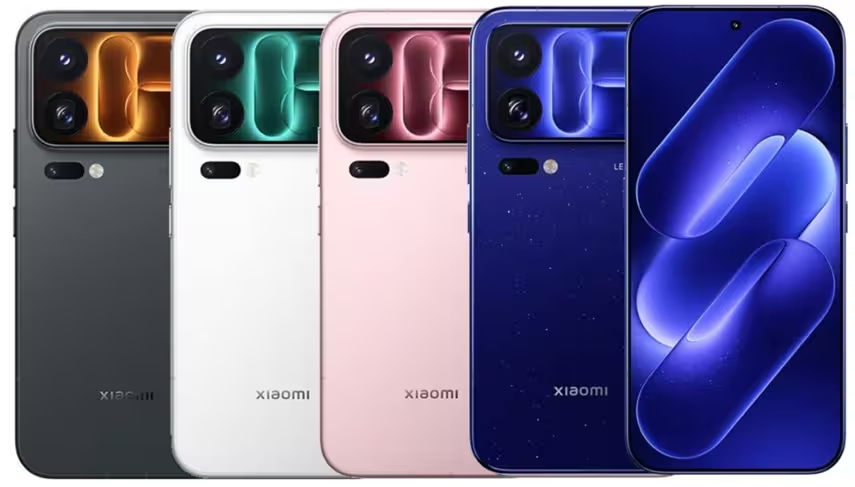
Xiaomi 18 Pro, Xiaomi 18 Pro Max variants. (Image credit: Xiaomi)

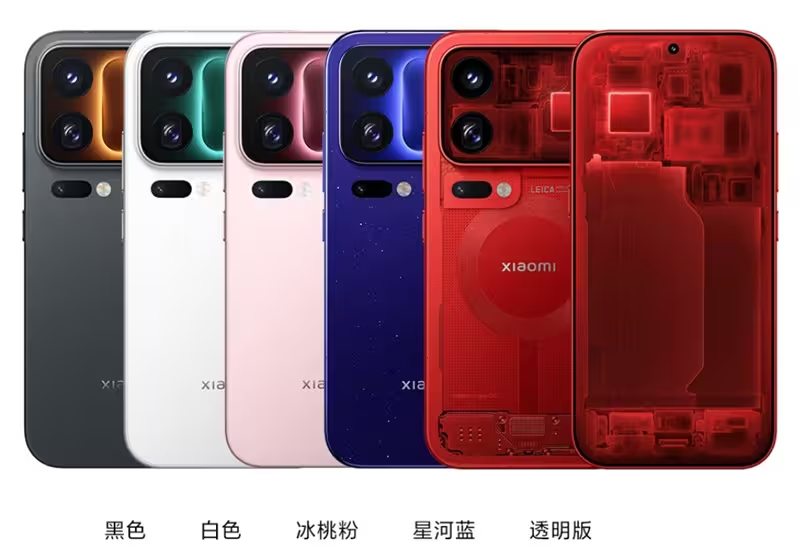
The Xiaomi 18 Pro and Xiaomi 18 Pro Max are scheduled to go on sale in China on September 31 through Xiaomi’s online store. Both smartphones will be offered in Black, Ice Peach Pink, Starry Blue and White colour options.

Xiaomi has also confirmed that the Xiaomi 18 Pro series will make its global debut later this year.

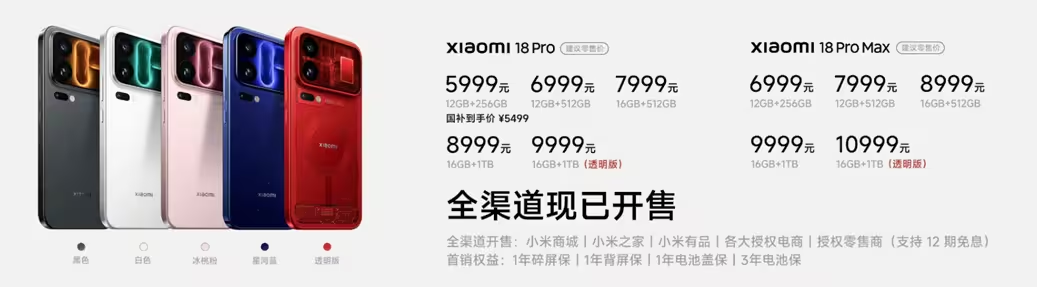
As for pricing, the Xiaomi 18 Pro price starts at CNY 5,999 (roughly Rs. 86,000) in China for the 12GB RAM and 256GB storage variant. The 12GB + 512GB model is priced at CNY 6,999 (about Rs. 1,00,000), while the 16GB + 512GB version costs CNY 7,999 (roughly Rs. 1,14,000).

The highest 16GB + 1TB configuration is priced at CNY 8,999 (about Rs. 1,29,000). Xiaomi is also offering a transparent version with 16GB RAM and 1TB storage for CNY 9,999 (roughly Rs. 1,43,000).

The Xiaomi 18 Pro Max, on the other hand, starts at CNY 6,999 (roughly Rs. 1,00,000) for the 12GB + 256GB version. Its 12GB + 512GB variant costs CNY 7,999 (about Rs. 1,14,000), while the 16GB + 512GB model is priced at CNY 8,999 (roughly Rs. 1,29,000). The top-end 16GB + 1TB version costs CNY 9,999 (about Rs. 1,43,000).

The Xiaomi 18 Pro Max transparent edition with 16GB RAM and 1TB storage is priced at CNY 10,999 (roughly Rs. 1,57,000).

Xiaomi 18 Pro, Xiaomi 18 Pro Max – Specifications and Features

The Xiaomi 18 Pro and Xiaomi 18 Pro Max run Xiaomi’s HyperOS 4 based on Android 17.

The standard Pro model features a 6.4-inch Full-HD+ AMOLED display with a 1,120 x 2,436 pixel resolution. It supports a refresh rate of up to 120Hz, a 300Hz touch sampling rate, up to 4,000 nits peak brightness and DCI-P3 wide colour gamut. The Xiaomi 18 Pro Max gets a larger 6.9-inch Full-HD+ AMOLED screen with a 1,208 x 2,624 pixel resolution and offers the same 120Hz refresh rate, 300Hz touch sampling rate, up to 4,000 nits brightness and DCI-P3 colour gamut.

Both models introduce Xiaomi’s new Privacy Display feature. It reduces the viewing angles of the screen, making it harder for people sitting nearby to see the contents of the display and helping reduce shoulder surfing.

The rear secondary display is also different in size between the two models. The Xiaomi 18 Pro has a 2.7-inch AMOLED screen with a 596 x 912 pixel resolution, while the Pro Max gets a 2.9-inch AMOLED panel with a 596 x 976 pixel resolution. These rear displays match the main screens with support for the same refresh rate and peak brightness.

Xiaomi 18 Pro uses the Snapdragon 8 Elite Gen 6 chipset, while the Xiaomi 18 Pro Max is powered by the more powerful Snapdragon 8 Elite Extreme Gen 6 SoC. Both are octa-core processors manufactured using a 2nm process and have a peak clock speed of 5GHz. The phones also feature the new Adreno GPU, up to 16GB of LPDDR5x RAM and up to 1TB of UFS 4.1 storage.

The Xiaomi 18 Pro and Xiaomi 18 Pro Max feature the same triple-camera setup on the rear. The primary camera is a 200-megapixel sensor with an f/1.67 aperture and optical image stabilisation (OIS). It is accompanied by a 200-megapixel periscope telephoto camera with an f/2.4 aperture and OIS along with a 50-megapixel ultrawide camera with an f/2.4 aperture and a 102-degree field of view.

Both smartphones can record videos at up to 8K resolution at 30fps. For selfies and video calls, the two models come with a 50-megapixel front-facing camera.

The Xiaomi 18 Pro Max packs a large 8,500mAh battery, while the Xiaomi 18 Pro gets a 7,000mAh cell. Both smartphones support 100W wired fast charging and 50W wireless charging. They also support 27W wired reverse charging.

Connectivity options include 5G, 4G LTE, Wi-Fi 7 and Bluetooth 6.0. The phones also feature a USB Type-C port and support GPS, GLONASS, QZSS, NavIC and Galileo. For security, Xiaomi has equipped both models with an in-display fingerprint scanner and face unlock.

Xiaomi 18 Pro vs Xiaomi 18 Pro Max: Key Differences

Xiaomi 18 Pro Xiaomi 18 Pro Max
Display 6.4-inch Full-HD+ AMOLED, 1,120 x 2,436 pixels 6.9-inch Full-HD+ AMOLED, 1,208 x 2,624 pixels
Rear Display 2.7-inch AMOLED, 596 x 912 pixels 2.9-inch AMOLED, 596 x 976 pixels
Processor Snapdragon 8 Elite Gen 6 Snapdragon 8 Elite Extreme Gen 6
Rear Camera 200MP primary + 200MP periscope telephoto + 50MP ultrawide 200MP primary + 200MP periscope telephoto + 50MP ultrawide
Front Camera 50MP 50MP
Battery 7,000mAh 8,500mAh
Charging 100W wired and 50W wireless charging 100W wired and 50W wireless charging
Dimensions 151.8 x 72 x 8.46mm 163.39 x 77.6 x 8.39mm
Weight About 203g About 235g
Starting Price CNY 5,999 (roughly Rs. 86,000) CNY 6,999 (roughly Rs. 1,00,000)


Xiaomi Watch S5 Transparent Edition Also Launched

Xiaomi Watch S5 Transparent Edition.

Xiaomi also unveiled a new Transparent Edition of the Xiaomi Watch S5 alongside its latest flagship smartphones. The smartwatch gets a transparent-style design combined with a red-themed watch face and matching red accents.

The design gives the watch face and internal-style elements a mechanical-inspired appearance. Xiaomi’s new edition is aimed at users looking for a more unusual and futuristic-looking smartwatch design.

The 41mm model is priced at CNY 1,299 with a rubber strap, while the leather strap version costs CNY 1,499.

Xiaomi has not yet announced the India availability of the Transparent Edition.

Also Read –

Xiaomi 18 Pro Series China Launch On September 23; 200MP Sensors, 2nm Chips and Up To 8,500mAh Battery Confirmed

Xiaomi 18 Pro Real-Life Images Reveal Rear Camera Now Flush With Rear Display

OnePlus Gaming Phone Tipped for India With RGB Lights and Cooling Fan

0

Highlights

  • OnePlus is reportedly testing a new gaming-focused smartphone in India, according to tipster Ashok Mor (@_techibee).
  • The upcoming OnePlus gaming phone is tipped to feature RGB lighting and an active cooling fan, which could give it a gaming-focused design and cooling system similar to dedicated gaming smartphones.
  • The phone is also said to run ColorOS 17, while its processor and other specifications remain unknown. One possibility is Qualcomm’s Snapdragon 8s Gen 4, which already powers the OPPO K13 Turbo Pro with a built-in active cooling fan.

OnePlus could be preparing a new gaming-focused smartphone for the Indian market. The device is reportedly being tested in India, with the information first shared by tipster Ashok Mor (@_techibee) on X. The tipster claims to have actually used the phone, although he has not revealed its complete design or specifications.

The upcoming phone is tipped to feature RGB lighting, an active cooling fan and ColorOS 17. These details point towards a gaming-focused device, although OnePlus has not officially confirmed its development or launch plans yet.

OnePlus Gaming Phone Being Tested in India


According to tipster Ashok Mor, OnePlus is currently testing a gaming smartphone in India. He also claims to have used the device himself, while stating that its design and detailed specifications cannot be revealed at this stage.

The tipster’s post does not mention a possible launch date, price or the name of the upcoming smartphone. OnePlus has also not officially announced a dedicated gaming phone for India. The fact that the device is reportedly being tested in India could point towards a possible local launch, although that has not been confirmed by the company.

OnePlus Gaming Phone Could Feature RGB Lighting and Cooling Fan

The most notable details about the reported OnePlus gaming phone are its RGB lighting and built-in active cooling fan.

RGB lighting has become a common feature on gaming-focused smartphones, where it is generally used as a visual element on the rear panel. However, the tipster has not revealed where the RGB lighting will be positioned on the OnePlus device or whether it will have any additional functions.

The phone is also tipped to feature an active cooling fan. Unlike conventional smartphones that rely entirely on passive cooling systems such as vapour chambers and graphite layers, an integrated fan can actively move air through a dedicated cooling system.

The OPPO K13 Turbo Pro provides an example of this approach. It features a built-in centrifugal fan capable of spinning at up to 18,000rpm, along with an L-shaped cooling duct and a large vapour chamber. The phone is powered by the Snapdragon 8s Gen 4.

Furthermore, since OPPO and OnePlus are owned by the same parent company and have shared mobile phone platforms earlier so the teased OnePlus device could be similar to the OPPO K13 Turbo Pro. However, there is currently no confirmation that OnePlus will use the same cooling hardware.

OnePlus Gaming Phone Software

The reported gaming phone is tipped to run ColorOS 17. OnePlus has increasingly moved towards ColorOS-based software for its China-market smartphones, while the OnePlus 16 is also expected to run ColorOS 17 based on Android 17.

The specific gaming features or software optimisations planned for the new device are currently unknown.

OnePlus Gaming Phone Expected Specifications

Detailed specifications of the reported gaming phone have not been revealed yet. The available report only confirms the reported RGB lighting, active cooling fan and ColorOS 17 details.

One possible chipset for the phone could be Qualcomm’s Snapdragon 8s Gen 4, although this is only a possibility at this stage and has not been linked to the OnePlus gaming phone by the source.

The Snapdragon 8s Gen 4 already powers the OPPO K13 Turbo Pro, where it is paired with an integrated cooling fan. The chipset uses a 4nm process and an all-big-core CPU architecture, while the OPPO phone also features a 7,000mAh battery and 80W charging.

For context, the upcoming OnePlus 16 is expected to sit in a different performance segment. OnePlus has confirmed that the OnePlus 16 will use the Snapdragon 8 Elite Extreme Gen 6, a 2nm flagship chipset with a peak CPU clock speed of 5GHz. OnePlus has also revealed gaming-focused hardware and software features for the phone, including its Wind Chaser Gaming Kernel.

OnePlus Gaming Phone: What We Know So Far

The reported OnePlus gaming phone is still in an early stage, with only a few details available at present.

According to Ashok Mor, the company is testing the device in India, and he claims to have used it. The phone is said to feature RGB lighting, an active cooling fan and ColorOS 17, while its design and other specifications remain undisclosed.

OnePlus has not announced the phone, its name, launch date, price or specifications. It is also unclear whether the device will be positioned as a standalone gaming smartphone or become part of an existing OnePlus series.

The reported combination of RGB lighting and an integrated cooling fan gives an early indication of the phone’s gaming-focused approach. More details could emerge as testing progresses.

Also Read:

OnePlus 16 With Snapdragon 8 Elite Extreme Gen 6 Scores Over 5.38 Million on AnTuTu

OnePlus N6 Lite 4G Launched at ₹16,999 With 7,000mAh Battery and 120Hz Display

Unconfirmed OPPO CPH2829 Spotted on Geekbench With Android 17, MediaTek Chip and 8GB RAM

0

Highlights

  • OPPO CPH2829 spotted on Geekbench running Android 17, scoring 850 single-core and 2,971 multi-core.
  • It is powered by MediaTek MT6878 octa-core CPU (4 cores @ 2.0GHz + 4 cores @ 2.5GHz), ARM AArch64 architecture, Mali-G615 MC2 GPU.
  • The phone appears to be positioned in OPPO’s mid-to-upper segment, although name and launch details remain unconfirmed.

An upcoming OPPO smartphone has appeared on Geekbench, revealing details about its processor, RAM and software. The device carries the model number OPPO CPH2829 and was spotted running Android 17. Here’s more on what we know so far.

OPPO CPH2829 Geekbench Details

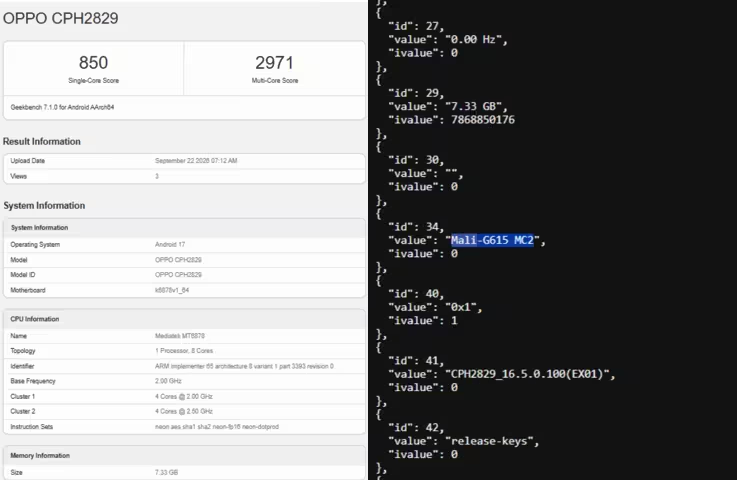
OPPO CPH2829 on Geekbench. (Screenshots by @ZionsAnvin on X)

According to Geekbench 7.1.0 listing details shared on X by tipster Anvin @ZionsAnvin, the smartphone scored 850 points in the single-core test and 2,971 points in the multi-core test. The Geekbench test was recorded on September 22, 2028.

The Geekbench listing identifies the device as OPPO CPH2829 with the motherboard listed as k6878v1_64. It was tested with Android 17 and carries the build version CPH2829_16.5.0.100(EX01), release-keys.

The smartphone uses the MediaTek MT6878 processor, believed to be the MediaTek Dimensity 7360-Turbo, and has an octa-core CPU with eight cores split into two clusters. Four cores are clocked at 2.00GHz, while the remaining four cores run at up to 2.50GHz. The processor uses the ARM AArch64 architecture and supports instruction sets including neon, aes, sha1, sha2, neon-fp16 and neon-dotprod.

For graphics, the phone is equipped with the Mali-G615 MC2 GPU. The listing reports 7.33GB of RAM, which indicates that the smartphone belongs to the 8GB RAM class.

Based on the available Geekbench details, the OPPO CPH2829 appears to be positioned in the mid-to-upper segment of OPPO’s smartphone lineup.

OPPO has not yet revealed the commercial name, launch date, pricing or other specifications of the CPH2829. For now, the Geekbench listing provides the available information about the upcoming smartphone’s hardware and performance.

Also Read –

OPPO K14 Plus 5G To Launch in India On September 29, Dimensity 7360 Max SoC, 8,000mAh Battery Confirmed

OPPO F35 5G Appears on Google Play Console, Likely a Rebranded OPPO A7 Pro 5G

Lava Virat Power Spotted on IMEI Database: Could Pack a Big Battery

0

Highlights:

  • Lava Virat Power has reportedly appeared on the IMEI database. The listing does not reveal specifications, but the appearance suggests that Lava is testing the upcoming smartphone ahead of its launch.
  • The Lava Virat Power is expected to be a budget smartphone focused on battery capacity.
  • The upcoming phone follows the recent launch of the Lava Virat Curve 5G, which comes with a 6,000mAh battery, 45W charging, a 3D curved AMOLED display and a secondary rear display.

Lava appears to be preparing another smartphone under its Virat series. The upcoming Lava Virat Power has reportedly been spotted on the IMEI database, with the development first revealed by tipster Paras Guglani (PassionateGeekz). The IMEI listing does not reveal the phone’s specifications, but it suggests that the device is currently moving through internal testing.

The Virat Power is expected to focus on battery life and could be positioned as a budget smartphone. It is also reportedly expected to be a 4G device, although Lava has not officially announced the phone or confirmed its specifications yet.

Lava Virat Power Spotted on IMEI Database

The Lava Virat Power has reportedly appeared on the IMEI database, giving the first indication that Lava is working on another smartphone in the Virat lineup.

The listing itself does not provide details about the display, processor, camera, battery capacity or RAM and storage configurations. However, its appearance on the IMEI database suggests that the smartphone is progressing through the development and testing process.

Lava Virat Power Could Be a Big-Battery Budget Phone

Lava Virat Power Spotted on IMEI database (PassionateGeekz)

The “Power” branding suggests that the upcoming Lava smartphone could focus primarily on battery capacity. PassionateGeekz reports that the Virat Power is expected to bring a large battery to the budget segment, although the exact capacity has not been confirmed.

Another online tech news report suggests that the phone could potentially feature a 7,000mAh battery, but this remains speculation and has not been confirmed by Lava.

The device is also expected to be a 4G smartphone, according to the available reports. No further specifications have been revealed through the IMEI listing.

Lava Virat Curve 5G Specifications

Lava Virat Curve 5G (Source – Lava)

The Lava Virat Power follows the recent launch of the Lava Virat Curve 5G, which was introduced in India on September 21. The Virat Curve is currently priced at ₹23,999 for the 6GB RAM + 128GB storage variant and will be available through Flipkart from September 28.

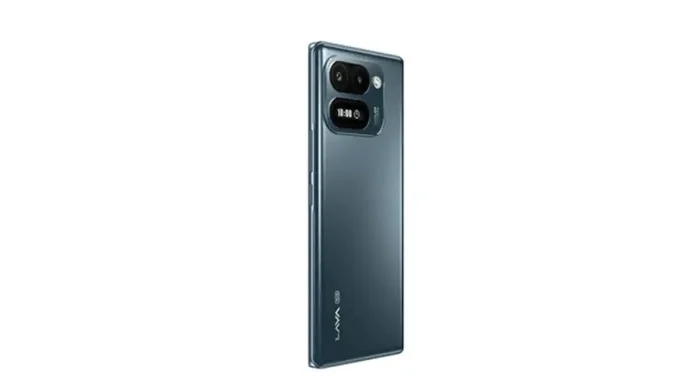
The Virat Curve features a 6.67-inch FHD+ 3D curved AMOLED display with a 120Hz refresh rate and up to 1,100 nits peak brightness. One of its key features is the small pill-shaped secondary display on the rear, positioned below the camera module.

The rear display can show information such as time, notifications, battery percentage, volume levels, emojis and custom messages. This is one of the main design features introduced with the Virat Curve.

The phone is powered by the MediaTek Dimensity 7100 chipset and comes with 6GB RAM along with 6GB virtual RAM. For photography, it gets a 50MP Sony IMX752 primary camera and a 13MP front camera.

The Virat Curve is equipped with a 6,000mAh battery and supports 45W fast charging. However, the phone comes with a 33W charger in the box. Lava claims up to 55 hours of talk time, 11 hours of continuous YouTube playback and up to 720 hours of standby time.

Lava Virat Curve Design and Other Features

The Lava Virat Curve gets a curved AMOLED panel and a vegan leather design, along with the rear mini display. The secondary screen is positioned within the camera area and can be used to check basic information without turning on the main display.

The smartphone also carries MIL-STD-810H military-grade durability certification and an IP64 rating for dust and water resistance. Other features include an IR blaster, dual stereo speakers and dual-mic noise cancellation.

On the software side, the Virat Curve runs Android 16 out of the box. Lava promises two OS upgrades and three years of security updates for the smartphone.


Lava Virat Power: What We Know So Far

The Lava Virat Power remains largely under wraps at the moment. The IMEI database listing confirms the device’s name, while the report from Paras Guglani suggests that Lava is working on a new battery-focused budget smartphone.

A possible 7,000mAh battery and 4G connectivity have been mentioned in reports, but these details have not been confirmed by Lava. The company has also not announced the launch date, price, processor, cameras, display or memory configurations.

More information is expected to emerge as the Lava Virat Power moves closer to its official launch.

Also Read:

Lava Virat Curve Launched at ₹19,999 With AMOLED Display, 6,000mAh Battery and Secondary Screen

Grab Lava Play Ultra for Under ₹16,000: A Budget 5G Option With AMOLED Display and Dimensity 7300