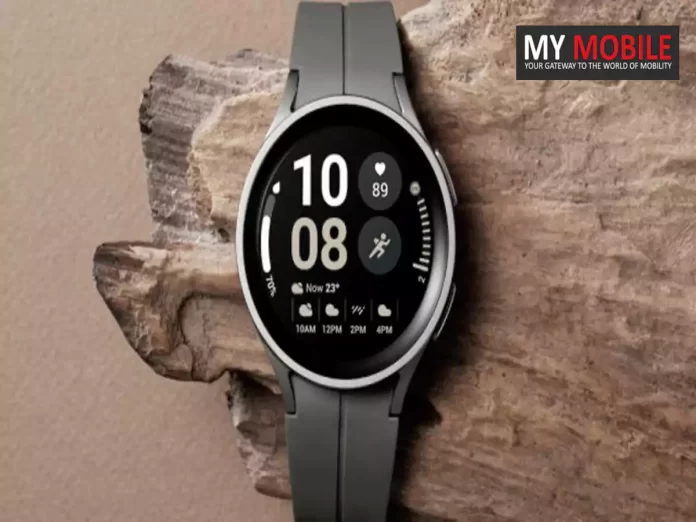
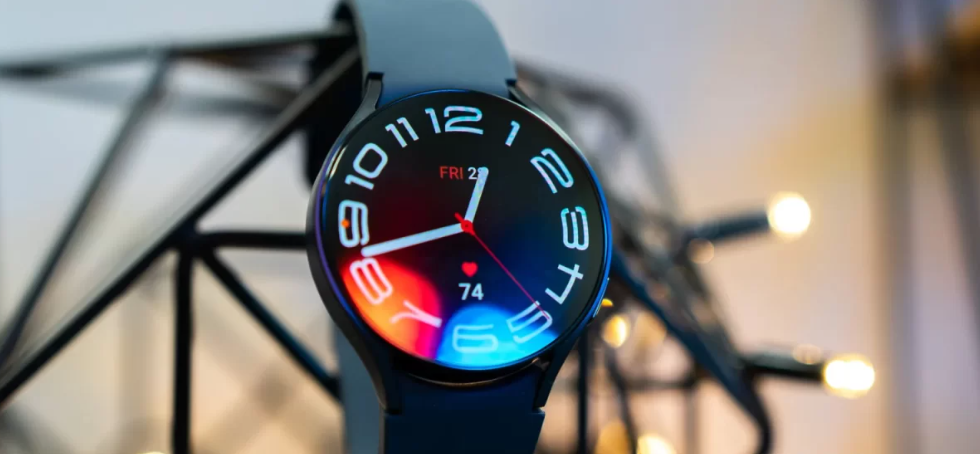
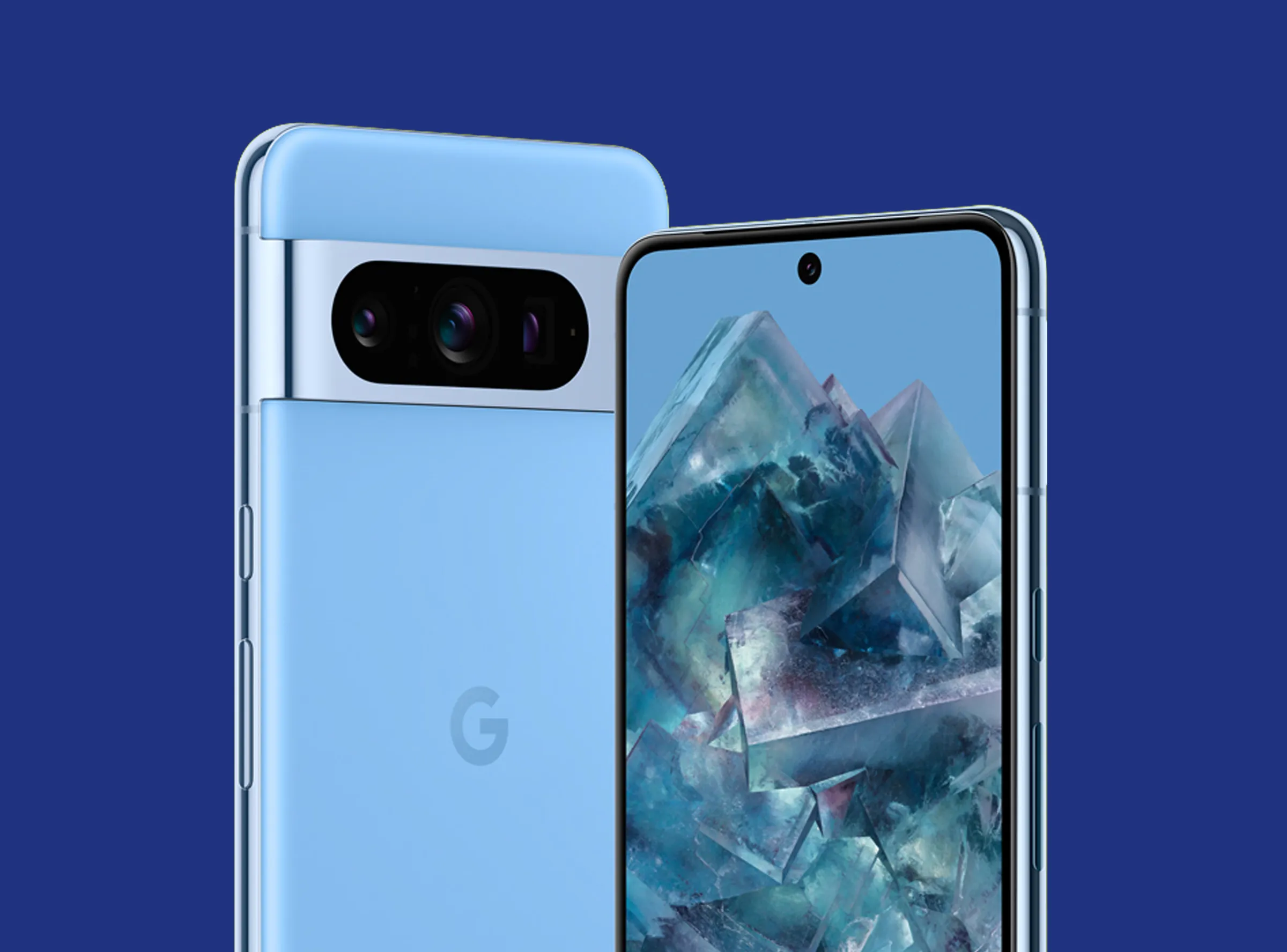
This hiccup seems to have been triggered by the January 2024 update rolled out to Pixel devices.
Galaxy Wearable App Not Working on Pixel
Galaxy Wearable App Not Working on Pixel
Surprisingly, this connectivity glitch appears to only disrupt Galaxy Watch models and not the Galaxy Buds, as reported by Pixel owners on various forums, including Reddit.
The Galaxy Wearable app operates with individual plugins for each accessory, meaning a Galaxy Watch 6 or Galaxy Buds 2 Pro would each have their own dedicated plugin.
This setup, while somewhat cumbersome, usually serves its purpose well.
However, the recent complications have left many Pixel users unable to maintain a connection with their Galaxy Watches, rendering them effectively disconnected and searching for a way to reconnect.
The timing suggests that the Pixel update may be the catalyst, but it’s anticipated that Samsung will likely be the one to roll out a solution, which could be quicker than waiting for the next Google update in February.
Samsung Phones Not Spared
Galaxy Wearable App Connectivity Concerns Arise on Pixel Devices After Update
As of now, both Samsung and Googlehaven’t officially addressed the matter, leaving the timeline for a resolution uncertain.
Adding to the confusion, there have been reports from users of other devices, including some Samsung smartphones, experiencing similar issues with the Galaxy Wearable app.
These problems range from the app crashing to endless loading screens.
A handful of users have found a temporary workaround by setting their phone’s date back to 2023, but this is not recommended due to potential side effects and the fact that it’s not a permanent solution.
While the issue seems to predominantly affect Pixel devices post-update, the fact that it’s also occurring on other devices hints at a broader problem.
FAQs
What is the current issue with the Galaxy Wearable app on Pixel devices?
Pixel device users are facing connectivity challenges with their Galaxy Watches after the latest update.
The app, which normally facilitates connection to various Samsung accessories, is failing to maintain a stable link to the watches, leaving them disconnected.
Are Galaxy Buds also affected by the Galaxy Wearable app issues on Pixel?
No, the issue seems to target only Galaxy Watch devices. Galaxy Buds users have not reported any connectivity problems and appear to be functioning normally with the app.
What might be causing the Galaxy Wearable app issues on Pixel devices?
The problem surfaced after the January 2024 update for Pixel devices, suggesting the update may have inadvertently disrupted the app’s functionality. Samsung is expected to provide a solution, potentially faster than a Google fix.
Have Samsung or Google acknowledged the Galaxy Wearable app problem?
At this moment, neither Samsung nor Google has formally addressed the connectivity issues arising from the Galaxy Wearable app, and there is no official timeline for a fix.
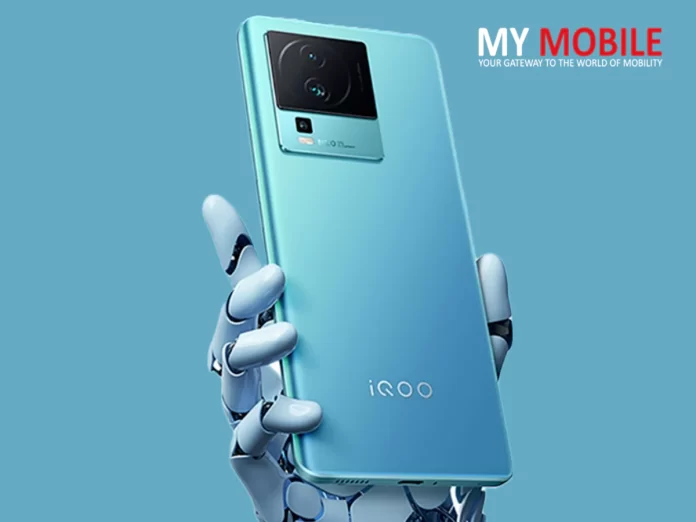
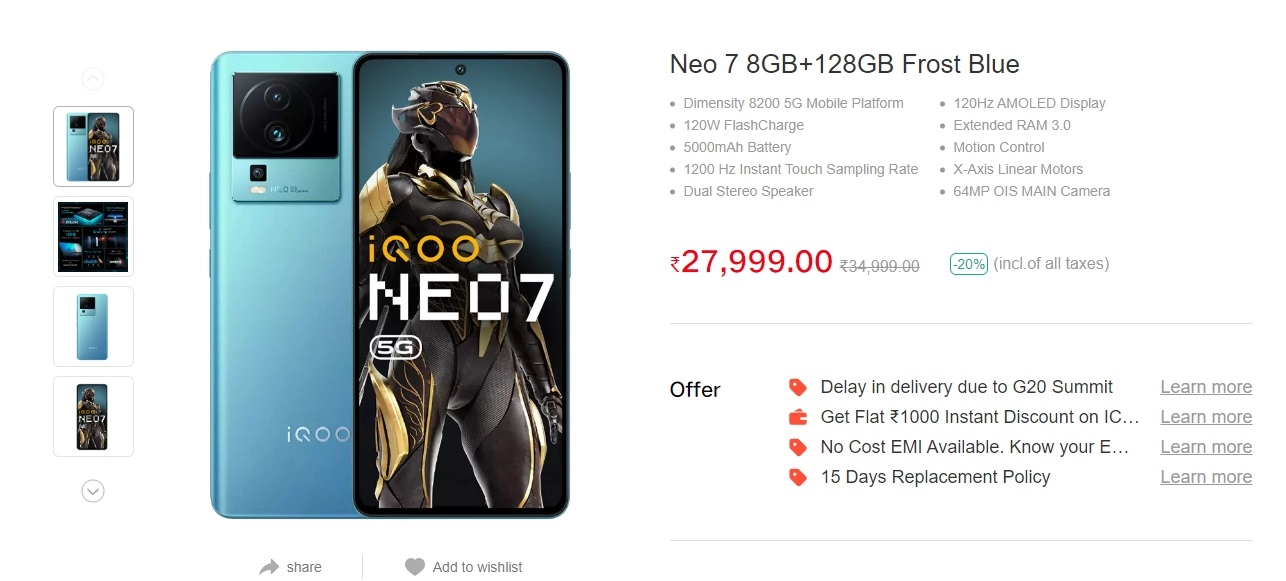
This price revision sees the cost of the base variant of the iQOO Neo 7 dip below the Rs 25,000 threshold, making it an even more enticing option for tech-savvy consumers looking for high-end features without the premium price tag.
iQOO Neo 7 Series New Pricing
iQOO Neo 7 Series New Pricing
The price cut comes in two tiers: the 8GB RAM and 128GB storage variant of the iQOONeo 7 has received a Rs 3,000 reduction, bringing its price down to Rs 24,999.
The more robust 12GB RAM and 256GB storage model sees a Rs 4,000 decrease, now listed at Rs 27,999.
This follows a previous price cut of Rs 2,000 in September.
It boasts a 6.78-inch AMOLED display for vibrant visuals, complemented by a sizeable 5,000mAh battery equipped with 120W fast charging—ensuring minimal downtime for users.
The Neo 7’s expandable RAM support, which can go up to 20GB, is a highlight, ensuring that the phone remains a front-runner in multitasking and future-proofing.
The camera setup of the iQOO Neo 7 5G is impressive, featuring a 64MP primary sensor with OIS, a 2MP macro lens, and a 2MP depth sensor for bokeh effects.
The 16MP front camera caters to the selfie and video calling crowd.
At launch, iQOO committed to providing two major Android updates and three years of security updates, ensuring the device stays current with software advancements and security protocols.
What is the new pricing for the iQOO Neo 7 series in India?
iQOO has revised the pricing for its Neo 7 series, with the 8GB/128GB variant now available at Rs 24,999, and the 12GB/256GB model priced at Rs 27,999.
These new prices make the iQOO Neo 7 one of the most competitively priced 5G smartphones in the market.
How does the iQOO Neo 7 stand out in terms of display and charging capabilities?
The iQOO Neo 7 sports a 6.78-inch AMOLED display, ensuring vivid and immersive visuals.
Additionally, it offers a 5,000mAh battery with 120W fast charging, significantly reducing charging times and enhancing the user experience.
What processing power does the iQOO Neo 7 offer?
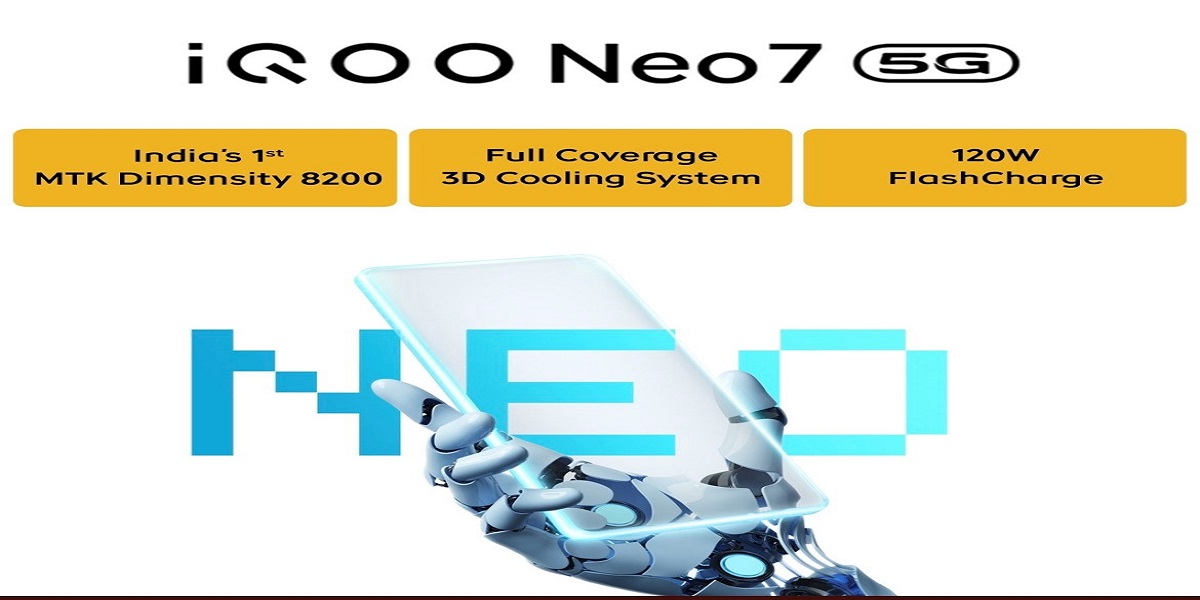
The iQOO Neo 7 is powered by the MediaTek Dimensity 8200 5G chipset and has a 4nm fabrication process for peak performance.
It also supports RAM expansion up to 20GB, which is pivotal for multitasking and ensures the device’s longevity.
Teaser released for Lava Blaze Curve 5G, Lava’s first curved display phone.
Speculations suggest an OLED panel for the new curved display smartphone.
Expected to continue Lava’s sub-20k pricing strategy for 5G smartphones.
Lava’s focus on youth-centric designs fuels growing customer loyalty in India.
Lava Mobiles which one can consider a prominent player in the budget smartphone segment with offerings like the Storm, Blaze, Agni, and Yuva series, is gearing up to introduce a new addition to its lineup in India.
Sunil Raina, the President of Lava Mobiles, has sparked excitement with a teaser for the upcoming Lava Blaze Curve 5G.
This device is set to be the brand’s first venture into curved display smartphones.
Launch Details and Market Expectations
𝗘𝗔𝗟𝗚𝗩𝗨𝗭𝟱𝗖𝗕𝗘𝗥
Can you guess what is coming? #Lava #ProudlyIndian
— Sunil Raina (@reachraina) January 6, 2024
The Blaze Curve 5G was cleverly teased in an encoded Twitter message from Raina, rearranging “EALGVUZ5CBER” to reveal “Blaze Curve 5G”.
While specific details about the phone remain undisclosed, it’s speculated to have an OLED panel due to its curved nature.
A report from Techarch highlights Lava’s increasing popularity among Indian youth, attributed to its youth-centric design and specifications.
The brand has achieved high customer satisfaction, with over 82% of Lava users inclined to stick with the brand for their next smartphone upgrade.
FAQs
What is the Lava Blaze Curve 5G?
The Lava Blaze Curve 5G is the latest teased smartphone by Lava Mobiles, set to become the brand’s inaugural entry into the curved display market.
While full specifications are not yet released, the phone is expected to carry on Lava’s tradition of offering feature-rich smartphones at competitive prices.
Has the Lava Blaze Curve 5G been launched?
No, the Lava Blaze Curve 5G has not been launched yet. It has been recently teased by Sunil Raina, the President of Lava Mobiles, hinting at an upcoming release and stirring anticipation in the market.
What features are expected in the Lava Blaze Curve 5G?
While exact features of the Lava Blaze Curve 5G are yet to be disclosed, the teaser suggests a curved display, likely an OLED panel.
It is expected to follow the pricing model of Lava’s previous offerings, aimed at budget-conscious consumers looking for advanced features.
How has Lava Mobiles positioned itself in the Indian smartphone market?
Lava Mobiles is known for its strategic positioning in the budget smartphone segment, offering advanced features like 5G at accessible prices.
The company’s focus on catering to the preferences of Indian youth has bolstered its market presence and customer loyalty.
Nokia signs a patent cross-license agreement with Honor, focusing on 5G technology.
The agreement terms remain confidential, reflecting strategic collaboration.
Nokia’s patent portfolio includes over 6,000 families essential to 5G.
The deal follows Nokia’s similar agreements with Samsung and Apple.
In a pretty significant development in the telecom industry Nokia has announced a new patent cross-license agreement with Honor.
This agreement encompasses essential inventions in 5G and other cellular technologies.
While the specific terms of the deal are confidential, this collaboration represents a major step in the evolving landscape of 5G technology and intellectual property rights.
Susanna Martikainen, Chief Licensing Officer Mobile Devices at Nokia, expressed satisfaction with the agreement, stating, “We are delighted to have concluded an amicable patent cross-license agreement with Honor, one of the leading players in the Chinese smartphone market.
It is the fourth major litigation-free smartphone agreement that Nokia has concluded over the past twelve months and highlights once again the strength of Nokia’s patent portfolio and decades-long contributions to cellular standards and other technologies.”
On the other side, Wenyu Zhou, Head of Global Intellectual Property at Honor, commented, “As both 5G SEP holder and implementor, Honor highly respects IP rights and strongly believes that reasonable value of IP is important to the development of mobile industry.
The conclusion of the patent cross-license agreement shows Honor’s commitment on innovation to enabling a smart life across all scenarios and all channels, for all people.”
Nokia and Honor Seal Major 5G Patent Cross-License Agreement
Nokia’s patent portfolio, a result of over €140 billion in R&D investments since 2000, includes roughly 20,000 patent families with more than 6,000 declared essential for 5G.
The company’s approach is said to involve contributing to open standards, allowing licensing under fair, reasonable, and non-discriminatory (FRAND) terms.
This strategy facilitates wider access to these technologies, spurring innovation and the creation of new consumer products and services.
This agreement with Honorfollows Nokia’s pattern of establishing collaborative relationships with major tech companies.
In early 2023, Nokia extended its cross-license patent agreement with Samsung and later with Apple in July.
Now, with Honor on board, Nokia continues to strengthen its position in the market and avoid patent infringement disputes like the one it had with Oppo.
This move by Honor, contrasting with Oppo’s legal battles with Nokia in Europe, may signal a shift towards more cooperative approaches in the industry.
FAQs
What does the Nokia and Honor 5G patent agreement entail?
Nokia and Honor have entered into a cross-license agreement covering essential 5G and other cellular technology patents.
While the specific terms are confidential, this partnership signifies a major collaboration in the telecom sector.
What is the significance of Nokia’s patent portfolio in this agreement?
Nokia’s patent portfolio, instrumental in this agreement, comprises about 20,000 families, including over 6,000 essential to 5G.
This portfolio is the result of extensive R&D investments, totaling over €140 billion since 2000.
How does this agreement between Nokia and Honor benefit the broader mobile industry?
The Nokia-Honor agreement promotes the sharing of crucial 5G technology, encouraging innovation and development in the mobile industry.
It exemplifies a collaborative approach to intellectual property management in tech.
Has Nokia entered into similar agreements with other tech companies?
Yes, Nokia has previously signed similar patent agreements with Samsung and Apple, focusing on shared use and development of key cellular technologies, including 5G.
Noise has an emphasis on consumer-centric innovation in wearables and IoT.
Integration of customer feedback and market trends in product development.
Anticipating future trends in the wearables industry.
Strategies to differentiate in a market with strong international competition.
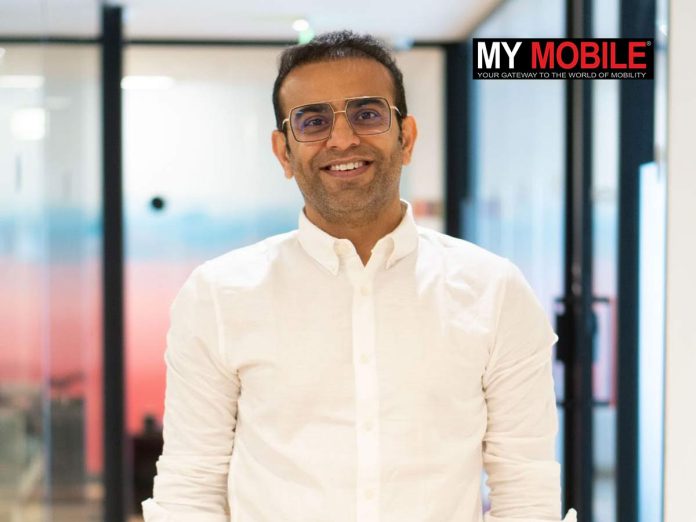
In an exclusive interview, Amit Khatri, the Co-Founder of Noise has shed light on the company’s innovative strategies in the wearables and IoT sectors.
Known for its consumer-centric approach, Noise has been making significant strides in adapting to the rapidly evolving landscape of wearable technology.
Khatri’s insights offer a deeper understanding of how Noise is shaping its products and services to meet the ever-changing demands of the tech-savvy consumer.
Here’s a closer look at the key strategies and future plans of Noise as outlined by Amit Khatri himself.
How do you approach innovation at Noise, particularly in the rapidly evolving wearables and IoT space?
Answer – At Noise, we view consumer centricity as the cornerstone of our approach in the dynamic wearables and IoT landscape. Our strategy revolves around anticipating and adapting to emerging trends and user needs.
The brand’s focus is on driving future-forward innovation, design, and user experience.
Our commitment to technology for making lives easier underscores our aim to create meaningful products that enhance human capital.
We embrace a proactive approach to reinvent at every step by closely monitoring consumer behaviour and market dynamics.
The spotlight is always set towards delivering an exceptional experience to our users. For instance, at Noise Labs, our inhouse tech incubator, we created products such as the Luna Ring, an ally pushing for transformative lifestyle shift; Noise IntelliBuds,underlining the utility of Gesture Control; and Noise i1 Smart Eyewear, plugging in the innovation of Motion Estimation respectively.
Moreover, Noise Labs is a place where futuristic ideas meet innovative solutions. Our goal is to empower every Indian with the best of technology.
We invest heavily in R&D and seek strategic partnerships with industry experts to access useful resources.
Our brand believes that staying at the forefront of innovation is key to providing meaningful and relevant solutions in the rapidly evolving tech space.
Could you elaborate on Noise’s strategy for product development, especially in terms of integrating customer feedback and market trends?
Answer – We place a strong emphasis on a consumer-centric approach, focusing on understanding the emerging consumer needs.
It involves creating new-age innovation, seamless integration of customer feedback and market trends. We see our customers to be of utmost importance in the development process.
Our team consistently gathers insights through direct interactions, our applications, and social media channels, allowing us to understand their evolving preferences and expectations.
This iterative feedback loop serves as a crucial guidepost in refining and enhancing our products.
Additionally, our strategy involves a keen awareness of market trends. Our commitment is reflected in our constant drive to solve the unsolved and perpetual endeavour to bring meaningful innovation within the reach of our users.
Our motivation is to keep offering a diverse range ensuring that there is a perfect Noise product for every individual, regardless of age or gender.
This combination of user feedback and market insights enables us to create products that provide an enjoyable experience for our customers.
What are your thoughts on the future trends in the wearables industry, and how is Noise positioning itself to be at the forefront of these trends?
Answer – The wearables industryis undergoing exciting transformations, and at Noise we are actively positioning ourselves at the forefront of these future trends.
We foresee an advanced integration of health and wellness features into new-age wearables, driven by the growing emphasis on personal well-being For instance, we introduced innovative products like Noise Pure Pods, India’s first Open Wearable Stereo (OWS), and the Luna Ring, our foray into the smart ring segment, given there is an emerging demand for new form factors.
We redefined customer experience through unparalleled design and functionality. Our upcoming products too will reflect this trend and empower users to take control of their lifestyles.
The convergence of fashion and technology is a key trajectory we are keenly observing. Wearables are becoming more than just functional devices; they are becoming style statements.
Additionally, the rise of smart ecosystems and seamless connectivity is a trend we are strategically addressing.
Our focus is on creating wearables that seamlessly integrate into users’ daily lives, offering a cohesive and interconnected experience.
In a market crowded with international brands, how does Noise differentiate its products, and what strategies do you employ to stay competitive?
Answer – Noise differentiates itself not just by adding another wearable to the ecosystem but by working to build products that elevate the lifestyle of users through meaningful innovations.
One of our key differentiators is the emphasis on user-centric features. This profound approach ensures that our offerings are not only technologically advanced but also culturally resonant.
Notably, products like Noise i1 Smart Eyewear and Noise Intellibuds from Noise Labs exemplify our dedication to craft future-forward innovation, providing us with a first-mover advantage in the market
Agility is another cornerstone of our strategy. We take pride in our ability to swiftly adapt to market shifts.
Moreover, Noise places a strong emphasis on affordability without compromising quality. We make groundbreaking technology accessible to a broader audience by offering competitively priced products.
This democratization of tech is a core value that sets us apart in a market where value for money is increasingly significant.
What are Noise’s future plans for expansion, both in terms of product lines and geographical reach, and how do recent developments in AI and ML play a role in these plans?
Answer – As a brand, we are envisioning robust expansion plans both in terms of product lines and reach.
We are strategically diversifying our product portfolio to cater to varying consumer needs. We are strengthening our focus on localizing make-in-India efforts in FY24 and would be focusing on localizing components by procuring them locally.
While online continues to play a key channel for sales, we have significantly expanded our offline footprint across the country to reach unexplored markets and audiences who seek for in person experience.
Our current online and offline split is at an 80:20 ratio, wherein we are present at 10,000 offline stores nationwide.
The brand is identifying key markets and implementing targeted strategies to serve the untapped audience and penetrate deeper into Bharat.
With Bose coming on board as our first investor, it will play a pivotal role in amplifying our global visibility. This collaboration exemplifies our commitment to staying at the forefront of technology.
These technologies are significant in refining user experience from personalized health insights to intuitive user interfaces.
Through leveraging AI we aim to enhance the capabilities of our devices and provide users with more intelligent features.
What emerging technologies do you believe will have the greatest impact on the wearables industry, and how is Noise preparing to integrate these technologies into future products?
These technologies not only enhance the intelligence of our devices but also enable more personalized user experiences.
Noise is actively investing in such capabilities to polish features such as health tracking, predictive analytics, and user interface interactions.
This investment allows us to create wearables that provide a more intuitive experience.
As stated earlier as well, it is evident through our innovations like Luna Ring, Noise Pure Pods, and Noise Voyage 4G calling smartwatch, among others.
The integration of advanced biometric sensors is another significant trend. As health and fitness tracking becomes more integral to wearable devices, we are exploring cutting-edge biometric technologies to provide users with more comprehensive health insights.
Furthermore, the evolution of connectivity technologies such as 5G and contactless payments is reshaping the wearables landscape.
Noise is exploring ways to harness the power of faster connectivity and contactless payments to feature seamless integration with other smart devices.
As we look into 2024, the brand’s R&D efforts focus on creating wearables that embrace these advancements alongside setting new standards for functionality.
We aim to deliver products that exceed the expectations of our tech-savvy and forward-thinking user base.
FAQs
How does Noise approach innovation in the wearables and IoT space?
Amit Khatri, Co-Founder of Noise, emphasizes consumer-centric innovation as key. The brand focuses on adapting to trends and user needs, driving innovation and user experience.
Noise Labs, their tech incubator, has developed products like the Luna Ring and Noise IntelliBuds, showcasing their commitment to innovative solutions in wearable technology.
Can you detail Noise’s product development strategy, especially regarding customer feedback and market trends?
Noise prioritizes a consumer-centric approach, integrating customer feedback and market trends into product development.
They gather insights through direct interactions and social media, using this feedback to refine their products. They also keep an eye on market trends, offering diverse products like Noise Scout, NoiseFit Diva, and ColorFit Pro 5 to cater to different users.
What are Noise’s views on future wearables industry trends and their positioning?
Khatri predicts advanced integration of health features in wearables and a convergence of fashion and technology.
Noise is focusing on design and functionality, with products like Noise Pure Pods and the Luna Ring. They also aim to create wearables that integrate seamlessly into users’ lives.
In a competitive market, how does Noise differentiate its products and maintain competitiveness?
Noise stands out by focusing on user-centric features and innovation, offering affordable yet quality technology.
They adapt quickly to market changes and have gained a first-mover advantage with products like Noise i1 Smart Eyewear and Noise IntelliBuds.
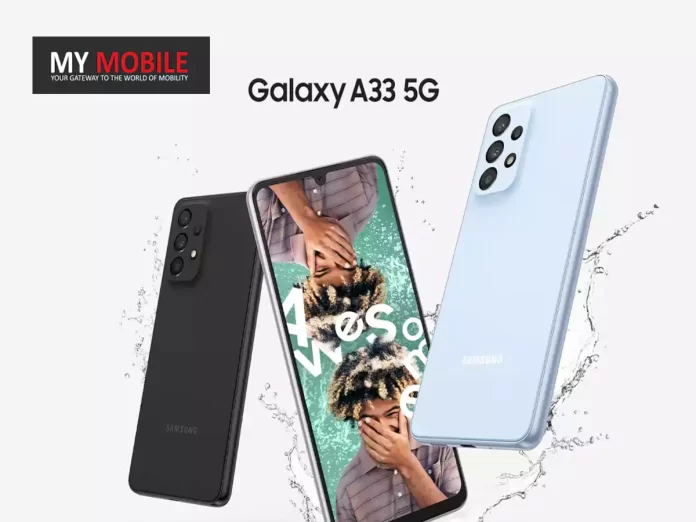
What is significant about the Android 14 update for the Galaxy A33 5G?
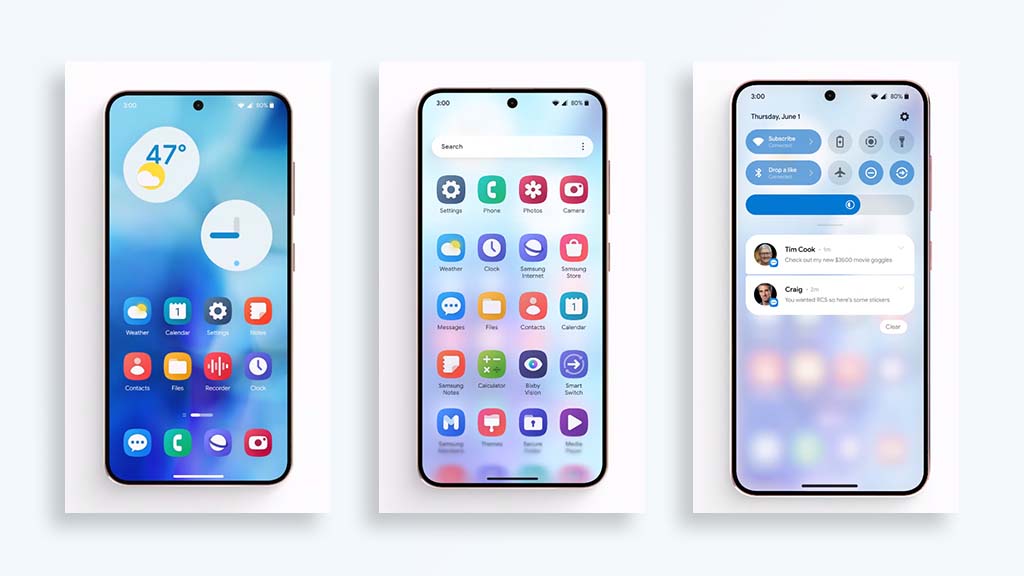
The Android 14 update for the Galaxy A33 5G introduces One UI 6.0, offering new user interface improvements and features.
This includes a redesigned Quick Panel, new widgets like Custom Camera and Weather Insight, and an updated media player for the notification and lock screen areas.
How does the Android 14 update enhance the Galaxy A33 5G’s camera and gallery apps?
The update brings a more streamlined design to the Galaxy A33 5G’s Camera app and intuitive editing recommendations in the Gallery app.
Additionally, the Photo Editor has been upgraded with larger controls for easier image editing.
What changes does the Samsung Studio feature in the new update?
Formerly known as the Video Editor, Samsung Studio in the Android 14 update now supports drafts, allowing users to save and revisit their video editing projects.
Are there any changes to the branding of the stock apps in the Galaxy A33 5G?
Yes, the Android 14 update has removed the ‘Samsung’ name from the labels of its stock apps, streamlining the branding for a more cohesive user experience.
Which Samsung devices are first in line for the One UI 6 update?
The first wave of the One UI 6 update includes flagship devices like the Galaxy S22 series, Galaxy Z Fold 5, and Galaxy Z Flip 5. These models are expected to receive the update by November 15.
What new features does the One UI 6 update bring?
One UI 6 offers a revamped interface, including an enhanced quick settings panel, Samsung DeX improvements, and lock screen customization.
It also introduces new widgets, improved camera controls, and a fresh emoji style on the Samsung keyboard.
When will mid-range Samsung phones receive the One UI 6 update?
Mid-range Samsung models like the Galaxy A52 and A72 are part of the second phase of the rollout, scheduled to receive the update by November 30.
The Galaxy A04s, XCover 5, and A25 5G will follow in early to mid-December.
The latest buzz in the tech world surrounds Huawei’s upcoming P70 series, which is poised to make a groundbreaking leap in smartphone camera technology.
According to a recent rumor,Huawei plans to incorporate a 1-inch sensor into the ultra-wide camera of its P70 line.
This move marks a significant advancement in smartphone photography,especially in low-light conditions, as larger sensors typically capture more light and detail.
The rumor was initially reported by GSMArena and further detailed by analyst Ming-Chi Kuo.
Kuo indicates that Genius Electronic Optical will be supplying Huawei with an upgraded ultra-wide angle camera module for the P70 series.
This new camera module is said to feature a unique 1G6P lens, an acronym for “one glass, six plastic elements,” paired with the 1-inch type sensor.
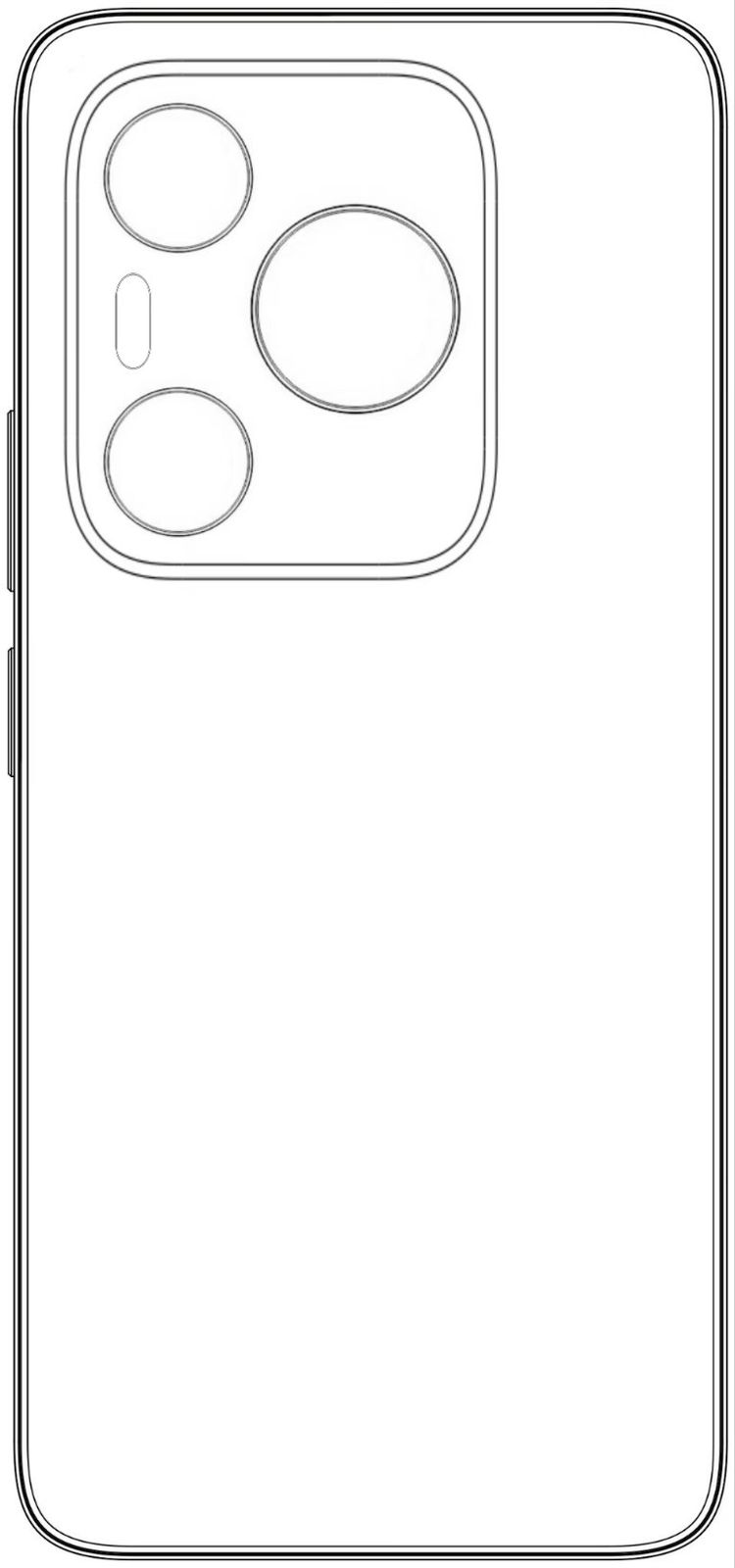
Huawei P70 Sketch via DCS
The inclusion of such a sensor in a smartphone, particularly for an ultra-wide camera, is an unusual and ambitious choice.
From a sales perspective, this significant upgrade in the P70 series is expected to boost shipments by an impressive 100-120% compared to the Huawei P60 series.
The P60 series, for reference, featured a rear three-camera design with the main camera being a 48MP unit with variable aperture and optical image stabilization, flanked by a 13MP ultra-wide-angle camera and a 48MP telephoto camera, also with OIS.
Regarding other specifications, there’s speculation that the Huawei P70 series might feature the Kirin 9000s processor.
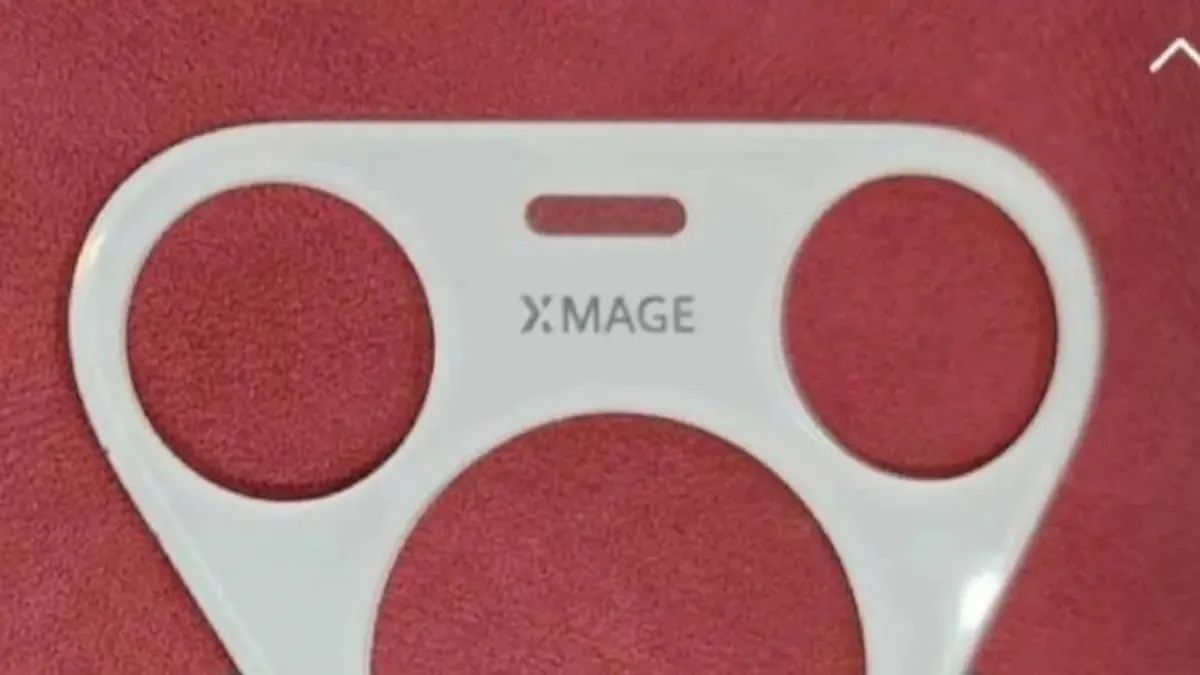
Leaked Huawei P70 Camera Deco Glass
This 7nm processor, announced earlier by SMIC and Huawei, supports 5G connectivity.
However, detailed design aspects of the P70 series remain largely unknown, with only a few questionable 3D sketches circulating.
Considering the release pattern of previous models, with the Huawei P60 series having debuted in March 2023, we in the tech community are eagerly anticipating the arrival of the Huawei P70 series around the same time in 2024.
Huawei P70 will have an Upgraded Ultrawide Angle Camera
Huawei P70 Specs
GENERAL
Sim Type
Dual Sim, GSM+GSM (Hybrid Slot)
Dual Sim
Yes
Sim Size
Nano+Nano SIM
Device Type
Smartphone
Release Date
March 23, 2024 (Ezxpected)
DESIGN
Dimensions
161 x 74.5 x 8.3 mm (6.34 x 2.93 x 0.33 in)
DISPLAY
Type
Color OLED Screen (1B Colors)
Touch
Yes, 300 Hz Touch Sampling Rate
Size
6.78 inches, 1220 x 2700 pixels, 120 Hz
PPI
~ 437 PPI
Screen to Body Ratio
~ 89.8%
Features
2440 Hz high-frequency PWM dimming
Notch
Yes, Punch Hole
MEMORY
Storage
256 GB
Card Slot
Yes, (Hybrid Slot)
CONNECTIVITY
GPRS
Yes
EDGE
Yes
3G
Yes
4G
Yes
5G
No
VoLTE
Yes, Dual Stand-By
Wifi
Yes, with wifi-hotspot
Bluetooth
Yes, v5.3, A2DP, LE
USB
Yes, USB-C v3.2
USB Features
USB on-the-go, USB Charging
IR Blaster
Yes
EXTRA
GPS
with A-GPS, GLONASS, BDS, GALILEO, QZSS, NavIC
Fingerprint Sensor
Yes, In Display
Face Unlock
Yes
Sensors
Accelerometer, Gyro, Proximity, Compass, Color Spectrum
The Huawei P70 series is set to revolutionize smartphone photography with a 1-inch sensor in its ultra-wide camera.
This larger sensor size is expected to significantly improve image quality, particularly in low-light conditions, a feature not commonly seen in smartphones.
How does the Huawei P70 series compare in sales projections to its predecessor?
With its advanced camera technology, the Huawei P70 series is projected to see a substantial sales increase of 100-120% compared to the Huawei P60 series, indicating strong market anticipation and consumer interest.
What processing power can be expected in the Huawei P70 series?
There is speculation that the Huawei P70 series might be equipped with the Kirin 9000s processor, a 7nm chip that enhances performance and supports 5G connectivity, promising a powerful and efficient user experience.
How does the 1G6P lens technology benefit the Huawei P70’s camera?
The 1G6P lens, meaning one glass and six plastic elements, in the Huawei P70’s ultra-wide camera, is designed to enhance image clarity and reduce distortions, making it a significant advancement in lens technology for smartphones.
What does the leaked 3D render suggest about the new Huawei device?
The 3D render indicates a Huawei smartphone that mirrors the design of the Nova 11, yet it showcases potential advancements.
The modified camera module and new alignment of the lenses imply significant enhancements in camera technology, possibly setting a new standard for Huawei’s imaging capabilities.
How does the device’s design stand out?
The side profile of this mysterious Huawei device features a trio of buttons, including a distinctive red-accented power button.
This design choice, combined with rounded corners and a less pronounced curvature, suggests a focus on ergonomic and user-friendly design, catering to a seamless user experience.
What is Xmage, and how does it relate to this Huawei device?
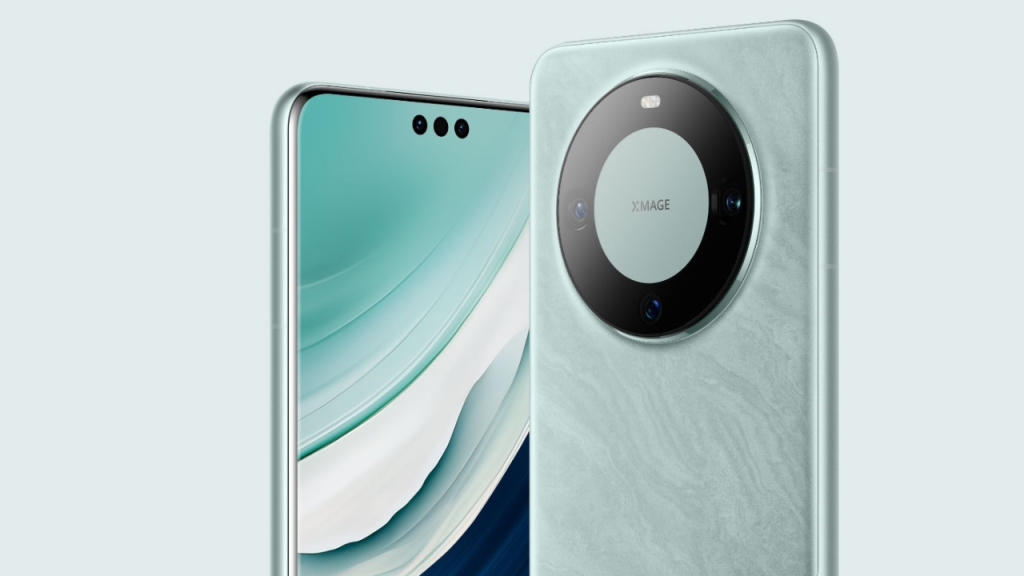
Xmage is reportedly Huawei’s new photography system, developed following their separation from Leica.
This system signifies Huawei’s shift towards in-house imaging technology, potentially offering innovative photographic features and capabilities that could differentiate this device in the competitive smartphone market.
Is there clarity on whether this is the Nova 12 Ultra or the P70?
The identity of this device, whether the Nova 12 Ultra or the P70, remains uncertain. This ambiguity might reflect Huawei’s evolving product strategy in a market where distinguishing between models is increasingly challenging.
The speculation could be part of a deliberate marketing strategy or indicative of Huawei’s internal development processes.
• The South Korean brand has announced a new variant of the device Galaxy A14. • The Galaxy A14 5G is a budget offering under the Rs 20,000 segment which was launched in January last year. • It received a price cut of Rs 2,000 last month. • The smartphone was announced in three RAM and storage configurations. • Samsung launched the smartphone’s successor i.e. the Galaxy A15 5G last month.
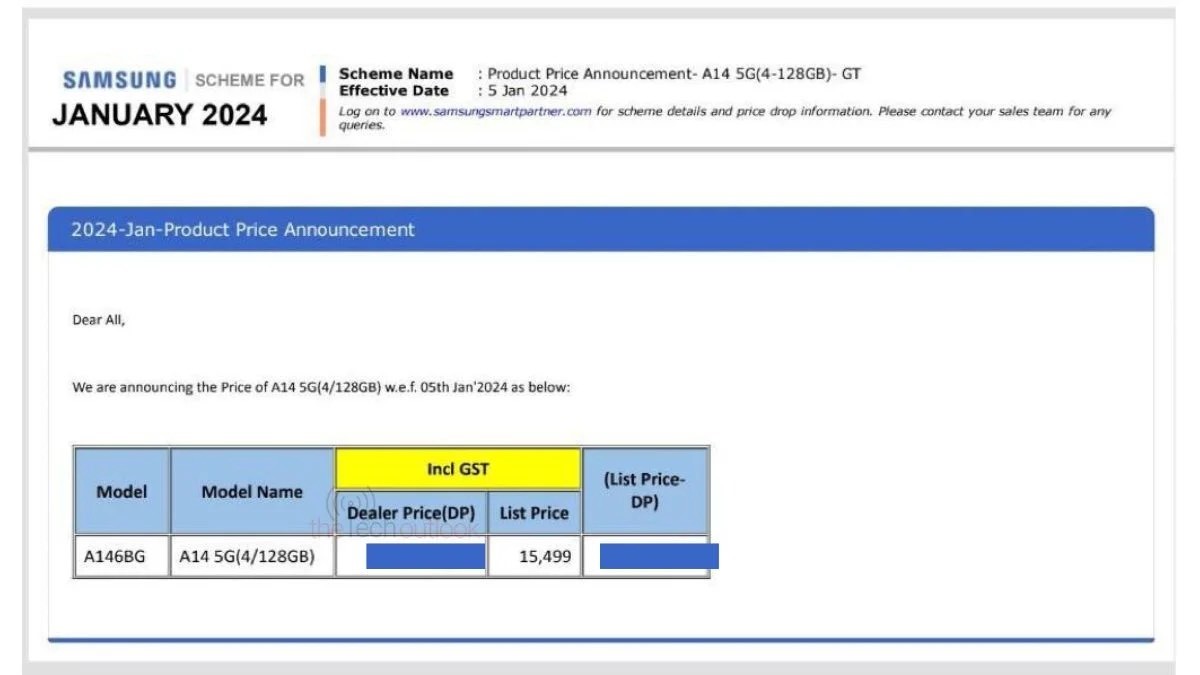
Samsung launched the new variant of the smartphone priced at Rs 15,499.
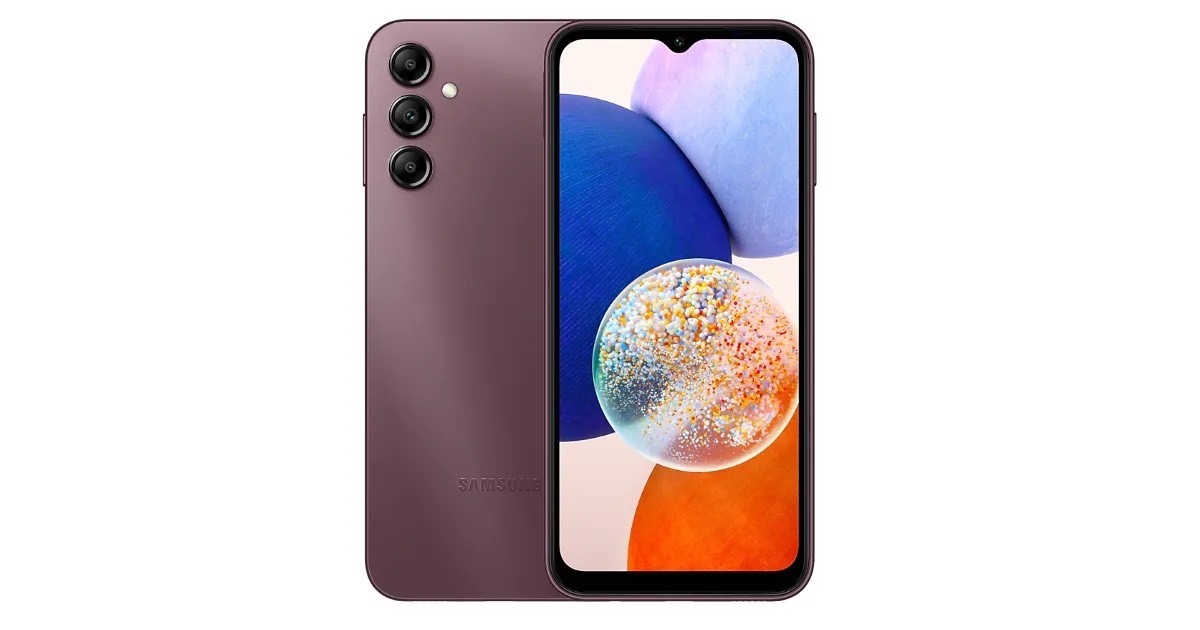
The smartphone is available in Black, Dark Red, and Light Green colours.
The company had slashed prices of the Galaxy A14 5G smartphones before the launch of the Galaxy A15 5G smartphone.
The base variant of the device with 4GB RAM and 64GB storage is priced for Rs 14,499.
The 6GB RAM and 8GB RAM variants with 128GB storage are priced at Rs 16,999 and Rs 18,999, respectively.
Samsung offers an instant discount of Rs 1,000 on AXIS Bank Credit Card transactions on the Samsung India website.
The website gives a couple of discounts for first-time users.
Samsung Galaxy A14 5G: Features & Specifications
Samsung Galaxy A14 5G: Features & Specifications
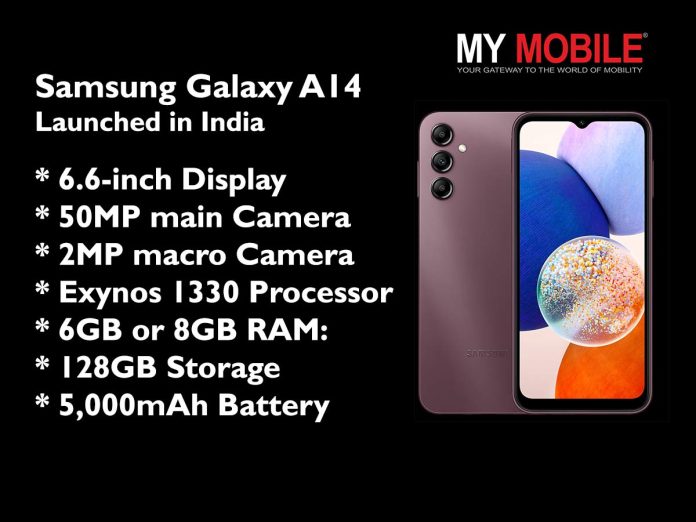
the Samsung Galaxy A14 5G has a 6.6-inch FHD+ display with a 90Hz refresh rate and a waterdrop notch.
It features a triple rear camera setup of 50MP main sensor, a 2MP macro, and a 2MP depth lens.
1) Samsung Galaxy A14 5G Receives A Price Cut In India.Details?
Ans) Samsung launched the Galaxy A14 5G smartphone in India in January 2023. The smartphone witnessed a price drop. The smartphone comes in three variants and all of them had received a price cut of Rs 2,000. Additionally, the company is offering an additional bank discount of Rs 1,000.
2) What were the New price and offers on Samsung Galaxy A14 5G?
Ans) Samsung Galaxy A14 5G comes in three variants — 4GB+64GB, 6GB+128GB and 8GB+128GB priced at Rs 16,499, Rs 18,999 and Rs 20,999 respectively.
After the price cut of Rs 2,000 and Rs 1,000 bank discount, customers can purchase the 4GB RAM variant at Rs 13,499 and the 6GB and 8GB variants are priced at Rs 15,999 and Rs 17,999 respectively.
Customers can purchase the Samsung Galaxy A14 5G smartphone in Dark Red, Light Green and Black colour options.
3) What are the camera specifications of Samsung Galaxy A14 5G?
Ans) *Rear Cameras: 50MP primary camera, f/1.8 aperture, 2MP depth sensor, f/2.4 aperture, 2MP macro lens, f/2.4 aperture, 10x digital zoom, LED flash, autofocus.
* Front Camera: 13MP snapper with f/2.0 aperture.
4) What are some features of the Samsung Galaxy A14 5G?
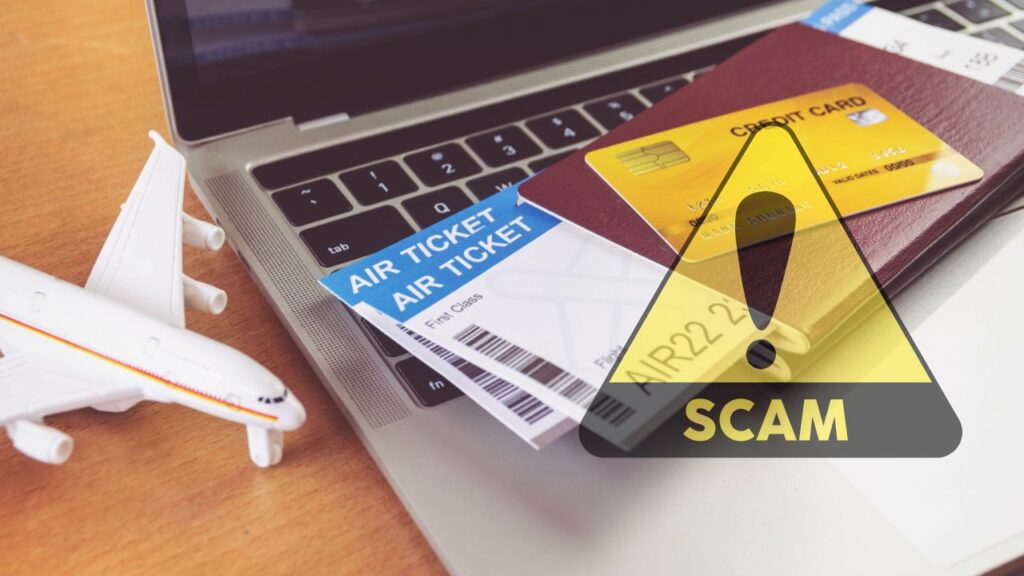
Scammers make fake websites and social media accounts that look real. They might even steal the identity of a real travel agent.
To know if a flight ticket sale is fake, watch out for –
Super Cheap Tickets: If the ticket costs way less than others, it might be a trick to get your money in a scam.
Last-Minute Dates: Scammers often sell tickets just a day or two before the flight. They do this hoping to use the time between buying and the real owner cancelling the transaction.
Cash or Bank Transfer Payments: If they ask you to pay with cash or through a bank transfer, be careful. Once your money is gone, it’s hard to get back.
Check the Agency’s Info: Real travel agencies have a complete address and a landline phone number. If this info is missing, check to ensure the agency is real before buying anything.
How to Stay Safe From Airline Ticket Scams?
How to Stay Safe From Airline Ticket Scams?
Follow these tips to book airline tickets safely –
Direct Booking: Buy tickets directly from the airline or a trustworthy travel agency certified by your country’s authorities.
Secure Websites: For online buys, use secure websites with “https” at the start of the web address.
Research the Agency: Before buying, check if the travel agency is legit. Read reviews online and make sure they have reliable contact info.
Read Terms and Conditions: Before paying, read the rules. Pay attention to the refund policy and how it works.
FAQs
What are some latest travel and airline scams that every traveller should know about?
To avoid scams while booking your next travel tickets online, you need to know exactly what to look for. Here are the latest airline scams that are ruining people’s travel plans –
Bogus flight-booking websites
Sudden price increases
Enticing deals for last-minute tickets
Fake flight cancellation emails
“Declined” credit card payments
Robocalls offering “free” vacations
Fake airline customer support
How does an Airline price increase scam work?
Airline price increase scams have been extremely prevalent for some time now.
This is how it works – After you search through different websites and find cheap flights online, you will contacted by someone claiming to be the travel agency or airline.
The fraudster will tell you over the phone that there are either additional fees you need to cover, or that the flight cost has simply increased.
If you share your card details to pay the fee, you will find out later that there was no price increase — but the scammer now has your information.
How do I know if my airline booking is real?
To ensure the legitimacy of your airline booking, first, verify the source.
Purchase tickets directly from the airline or reputable, certified travel agencies. Check the website’s security by ensuring it begins with “https.”
Be cautious of unusually low prices, last-minute bookings, or requests for payment in cash or through bank transfers.
Legitimate agencies provide complete contact information. Research reviews and confirm the agency’s legitimacy before making any payments.
Thoroughly read and understand the terms and conditions, focusing on the refund policy.
Can PNR help in checking real airline bookings?
Yes, the Passenger Name Record (PNR) can help verify real airline bookings. PNR contains essential details about a passenger’s reservation, such as flight information and payment status.
By cross-referencing the PNR with the airline’s official records, travellers can confirm the authenticity of their bookings, ensuring a legitimate and secure transaction.
How the bonus flight-booking scam works?
Scammers create a fake website that looks very similar to the airline or travel agency website you think you’re booking with — but they offer discounts on tickets.
The fake website may sometimes send a confirmation email; there is actually no flight.
The scammer steals private information such as your credit card number, phone number, physical address, and more.
How to avoid a fake flight-booking website?
Verify the URL of the site on which you’re booking your tickets.
Check the spelling of the domain name along with other signs that could indicate it’s a fake website (spelling errors, poor design, etc.).
You can also do a Google search for the legitimate company’s website.
If you’re unfamiliar with the travel agency or booking site, do more research .
Verify the security of the website in your browser by clicking on the padlock icon to the left of the URL.
Check that there is a valid security certificate issued to the company you think you’re booking with.
How the sudden price increase scam works on discounted airline tickets ?
After finding cheap flights online, you’re contacted by someone claiming to be the travel agency or airline.
The fraudster tells you over the phone that there are additional fees you need to give ,or that the flight cost has simply increased.
If you share your card details to pay the fee, you find out that there was no price increase — but the scammer now has your personal information.
How to avoid a price increase scam on airline tickets ?
The biggest sign for this scam is any communication requesting more money after purchasing your ticket — no matter the reason.
Legitimate airlines do not operate like this.
If you’re not sure about a potential phishing email or spam call, try to contact the airline directly.
Look up their customer service phone number independently — don’t trust the one provided in any emails or calls that you receive requesting payment.
How last-minute ticket deal scams work ?
Fraudsters use stolen financial information to buy airline tickets.
They then put the tickets up for sale at a major discount through a phony travel agency, Facebook Marketplace, or airline website.
These scams usually include requests for payment in cash, bank transfers, cryptocurrency, or even gift cards — all of which are difficult or impossible to reverse.
Even if the tickets are voided, the scammer keeps your money.
How to avoid last-minute ticket deal scams?
Be cautious if ticket prices seem too good to be true.
Be wary of third-party websites offering cheap tickets for flights that are only one or two days away. This could indicate the work of a fraudster.
Any business that only accepts money transfers, cryptocurrency, or gift cards is a scam.
How declined card scams work ?
You visit a website to buy tickets; but when you try to pay, the website tells you that your card was declined, or the site has technical problems.
The website then prompts you to use an alternate payment method, like money transfers, postal money orders, cryptocurrency, or gift cards.
In the end, scammers collect your credit card information and get paid through a method that’s hard to reverse. But you never get your tickets.
How to avoid declined card scams?
When in doubt, check that the website has a secure link before purchasing anything online. Click on the padlock symbol to the left of the URL.
To follow best practices, only purchase airfare tickets directly from the airline company, and avoid third-party websites altogether.
Before making any online purchase for your trip, verify the website’s legitimacy by searching for it on BBB.
How fake customer support scams work ?
Scammers send emails or create websites listing fake customer support numbers.
When you call the customer service number, the scammer charges you extra fees or requests personal or financial details.
After booking the flight over the phone, you might get a fake confirmation email. But you discover later that the booking doesn’t exist.
How to avoid fake customer support scams?
If you need to call an airline’s customer support number, don’t trust the number that shows up when you search online. Only use the number on the airline’s official site.
In general, avoid making large purchases over the phone, and never give information to someone who calls you.
Beware of a new trick that online cybercriminals are using to steal money from people’s bank accounts.
These cybercriminals are getting clever and finding ways to take your money without you knowing.
Recently, there have been cases where hackersare targeting online bank accounts bypassing OTP mechanisms and making off with large sums of cash.
Here’s how it works –
Normally, when you transfer money online, you receive a one-time password (OTP) on your phone to confirm the transaction.
Cyber Crime New Technique Where Money Will Deducted Without Asking OTP
But in this new scam, victims are not getting any OTP, and their money is disappearing mysteriously.
The hackers are adding unknown beneficiaries to the victims’ online bank accounts without their knowledge.
This means someone else is given access to their account, and money is being taken out without the victims approving it.
In one case in Gujarat, India, a businessman lost nearly Rs. 1 Crore because his online bank account was hacked.
The scary part is that he didn’t even know his account had been compromised until he saw the huge loss.
The police are investigating this frightening online scam.
They’ve found that after these unknown beneficiaries are added, victims lose a lot of money—sometimes in the hundreds of thousands.
The police suspect there might be a loophole in the system that the hackers are exploiting to add beneficiaries without the usual OTP verification.
It’s important to be aware of this new kind of crime and take steps to protect yourself.
Even though the criminals aren’t directly interacting with victims or hacking smartphones, they’re finding ways to steal money from online bank accounts.
Keep an eye on your bank statements, and if you notice anything suspicious, report it to the authorities.
Stay informed and take precautions to safeguard your money from these online scams.
Popular OTP Bypass Techniques Used by Cybercriminals
Popular OTP Bypass Techniques Used by Cybercriminals
SIM Swap Attacks
Hackers commonly employ the SIM swap technique to bypass OTPs.
Hackers create convincing replicas of legitimate websites or applications, tricking users into providing their credentials and OTPs.
These phishing attempts are often distributed via emails, text messages, or even social media platforms, taking advantage of users’ trust in familiar communication channels.
How to Protect Your Bank Account from Hackers?
How to Protect Your Bank Account from Hackers?
If you use online banking, make sure you regularly monitor your bank statements and transactions for any suspicious activity.
You should also enable transaction alerts and notifications on your mobile phone. This will ensure you receive immediate updates on any activity in your account.
It is important that you use strong, unique passwords for your online banking accounts and update them regularly.
Online banking users must enable two-factor authentication (2FA) whenever possible/ This adds an extra layer of security to the online banking login process.
Users should also avoid accessing their bank accounts on public or unsecured Wi-Fi networks to prevent potential interception of their sensitive information.
Always be cautious of phishing attempts, and as a rule, never click on links or provide personal information in response to unsolicited emails or messages claiming to be from your bank.
Keep your devices, including smartphones and computers, updated with the latest security patches and antivirus software.
Regularly review and update the security settings on your online banking accounts to ensure maximum protection.
Consider using a secure and reputable virtual private network (VPN) when accessing your bank accounts from public places.
Educate yourself about the latest security threats and best practices to stay informed and proactive in safeguarding your bank account.
FAQs
Q1. Can fraudsters take money from accounts without OTP?
Answer. Now, as per the latest reports, the fraudsters have discovered yet another way that is even more dangerous.
A recent incident that happened with a person will make you understand that scammers don’t even need an OTP. In this new method, your UPI, which is linked to your bank account, is targeted.
Q2. What is OTP in online banking?
Answer. OTP, One Time Password, are that four to six-digit code that pops up on your screen every time you use your Debit or Credit Card for an online transaction or a NetBanking transaction.
Q3. How to find my OTP code?
Answer. To get an OTP code, you need to enter your phone number or email address when prompted by the service you are trying to access.
The service will then generate a code and send it to the user’s device. Depending on the service, the code may be sent via SMS, email, or even an in-app notification.
Q4. What is SIM swap fraud?
SIM switch fraud happens when fraudsters use your phone number to access a victim’s accounts by exploiting a flaw in two-factor authentication and verification.
For SIM switching, fraudsters contact the SIM provider of your mobile phone and convince them to activate a SIM card that belongs to them.
Once the fraud SIM is activated, the scammers have control over the victim’s phone number and they can receive control calls or texts on.
Q5. How fraudsters can trap you?
1. Phishing scams
Fraudsters can send you unauthorised payment links via SMS. These fake bank URLs will look almost identical to the original URL.
If in a hurry you click on that link, it will direct you to the UPI payment app installed on your phone and will ask you to select any of the apps for auto-debit. Once, you give permission, the amount will get debited from the UPI app instantly.
Rajesh Mirjankar, MD & CEO, Infrasoft Technologies, a Mumbai-based fintech firm said, “Do not click on links in any SMS, especially those from unknown agencies. It could be an attempt to skim money from your account via UPI app. Also remember, the name is not everything on the Internet. For example, www.my.banker.com is not the same as www.mybanker.com. Make a note of the official website and official email ID of your banker, stockbroker, etc., directly from their representatives or official website.”
Also, by clicking on the fake URL, it may infect your phone with a virus/malware designed to steal the financial information stored on the device.
Further, Pranjal Kamra, CEO, Finology, a Raipur-based Fintech firm, said, “You should never search for the customer care number on Google. If you have an issue with your transaction, register a complaint on the platform itself or get the number from the official website. With random Google searches you might end up calling a fake call centre,” he said.
2. Remote screen mirroring tool
Not all digital payments app present on the on google play or apple app store are authentic, especially the unverified ones. Once you download an unverified app, it will take information from your phone and can have full control of the device.
Apart from this, fraudsters also conduct scams by posing as bank representatives who will ask you to download a third-party app for “verification purposes”.
Once downloaded, these apps will give them remote access to your phone.
3. Deceptive UPI handles
Just because a UPI social media page (Twitter, Facebook, etc.) has the word NPCI, BHIM or names similar to any bank or government organisation in it, does not make it authentic.
Many tricksters create such handles to make you reveal your account details through a fake UPI app.
Kamra’s advice is that one should not post their contact information on social media while trying to connect with a UPI brand. Generally, people put screenshots of message received on UPl handle. “The brand might not be able to reach your post, but a fraudster might notice it and contact you.”
4. Scams using your OTP, UPI PIN
Bala Parthasarathy, Co-founder and CEO, MoneyTap, a Bengaluru-based fintech firm said, “A recent UPI fraud is hackers sending “request money” links to the customer. Once the customer clicks on the link and authorises the transaction thinking they’ll receive money, the amount gets deducted from their account.”
Another thing to be mindful is the OTP. When you make a transaction through your chosen UPI app, you are either required to enter the one-time password (OTP) or UPI PIN.
For OTP authentication, your bank sends you an OTP through SMS on your mobile number registered with the bank. Once the OTP is verified, your transaction is processed.
Parthasarathy said, “One of the classic ways in which fraudsters try to scam people is by convincing them to share their UPI PIN and/or OTP over the phone. Once they have the details, they can authenticate UPI transactions and steal money from the customer’s account.”
Never share confidential details like UPI PIN, OTP, etc. with anyone on the phone. Also, banks never call you to ask these details.
Q6. What should you do in the case of digital fraud?
Sujay Vasudevan, Vice President, Cyber & Intelligence Solutions (C&I), Mastercard said that along with the application of best-in-class technology to prevent fraudulent transactions, the onus of keeping one’s money safe lies with both – the banking and payment entities and the individuals. “Therefore, you need to be vigilant and stay guarded against fraudsters and avoid sharing confidential details like PIN, OTP etc. to keep your money safe,” said Vasudevan.
Here are some things you can do to keep your money safe from fraudsters.
Government agencies, banks and other financial institution never ask for financial information via SMS. In the case of a UPI fraud, report it to the bank or e-wallet firm and get the wallet blocked to prevent further losses. You can even report the incident to the police or the cyber-crime cell.
You should download only those apps which are authentic and verified by Google Play Store or Apple Store.
Never ignore the spam warning you get on your phone through the digital payments app. If a user has been reported earlier, a warning would show up while you are transacting with them. UPI apps like Google Pay, PhonePe, etc., alerts the user with a warning if they are receiving a request from an unknown account.
Q7. What is UPI Fraud?
UPI fraud refers to fraudulent activities and scams that take place within the Unified Payments Interface (UPI) system in India with reference to UPI based digital transactions.
Fraudsters use various tactics to deceive individuals and exploit vulnerabilities in the UPI ecosystem.
Fraudsters often trick you into revealing their UPI PIN or personal information, enabling them to access your bank accounts and carry out fraudulent transactions.
Q8. How Do Hackers Execute UPI Fraud?
It’s been observed that fraudsters follow a pattern whilst executing these elaborate plans. As a result, we’ve managed to weave a stepwise timeline of how these plans are generally performed.
Let’s take a look at how UPI fraud occurs:
Step 1: It all starts with a random call. Fraudsters usually call targets to get their attention, as opposed to texting. They commonly disguise themselves as a bank representative, calling for a seemingly harmless issue.
Step 2: To make the call sound legit, they proceed to ask verification questions like your date of birth, name, or mobile number.
Step 3: There is always a problem. Hackers use technical difficulties in the app or website to talk to you. They usually weave false stories that convince you to forfeit your personal information to resolve the issue.
Step 4: Once the fraudster has convinced you, they ask you to download an application on your phone. Some of these apps are AnyDesk and ScreenShare, which are available on the Google Play Store.
Step 5: While downloading AnyDesk or a similar application, it asks for privacy permission, like other regular apps. But don’t be fooled; these apps can access everything on your phone.
Step 6: The fraudster will then ask you for a 9-digit OTP generated on your phone. As soon as you reveal the code, the hacker will also ask to grant permission from the phone.
Step 7: When the app acquires all permissions required, the caller starts to take complete control of your phone without your knowledge. After gaining full access to your phone, the hacker steals passwords and begins transacting with your UPI account. Thus, you become one of the many victims of UPI fraud.