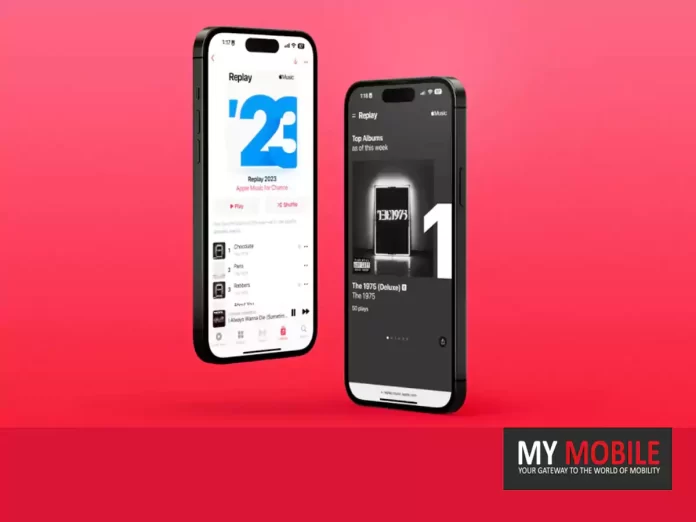
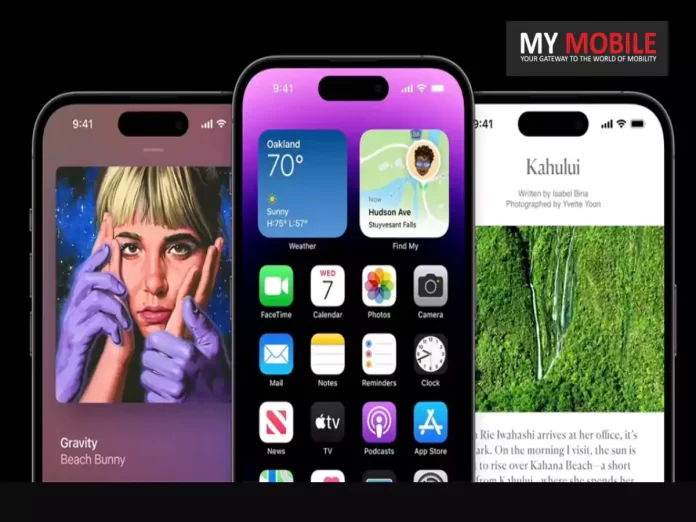
Year-round availability of Apple Music Replay differentiates it from Spotify Wrapped.
Access the 2023 Replay playlist directly in the Apple Music app under the ‘Listen Now’ tab.
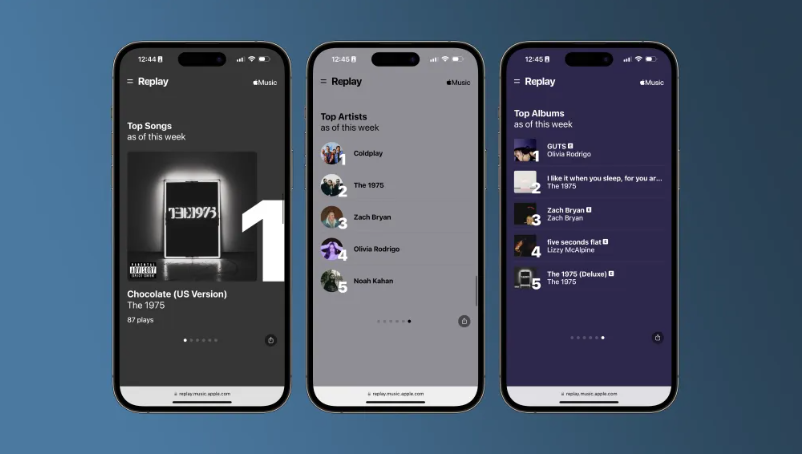
Additional details like top artists and albums available on the Apple Music Replay website.
Weekly updates of data, including top songs, artists, and albums, through the end of the year.
As 2023 comes to a close, it’s a great time for Apple Music users to explore their Apple Music Replay data.
This feature offers a unique way to look back at your favorite songs of the year.
Unlike Spotify’s Wrapped feature, which is released in December, Apple Music Replay is available throughout the year, allowing users to track their top songs as the year progresses.
Accessing Apple Music Replay 2023
Apple Music Replay 2023
You can find your 2023 Replay playlist in the Apple Music appon your iPhone. It’s located in the ‘Listen Now’ tab, usually towards the bottom.
This section also includes Replay playlists from previous years, dating back to 2015 for those who have been using Apple Music since its inception.
More on Apple Music Replay Website
Apple Music Replay Website
For more detailed insights, such as your top artists, top albums, and total listening hours, you can visit the dedicated Apple Music Replay website.
This website updates your data every week, specifically on Sundays, until the end of the year. Remember, the Apple Music app only displays the top songs of the year.
To view more detailed statistics, you’ll need to check the Apple Music Replay website.
Spotify Wrapped?
Spotify Wrapped
For Spotify users, there’s no similar feature available throughout the year.
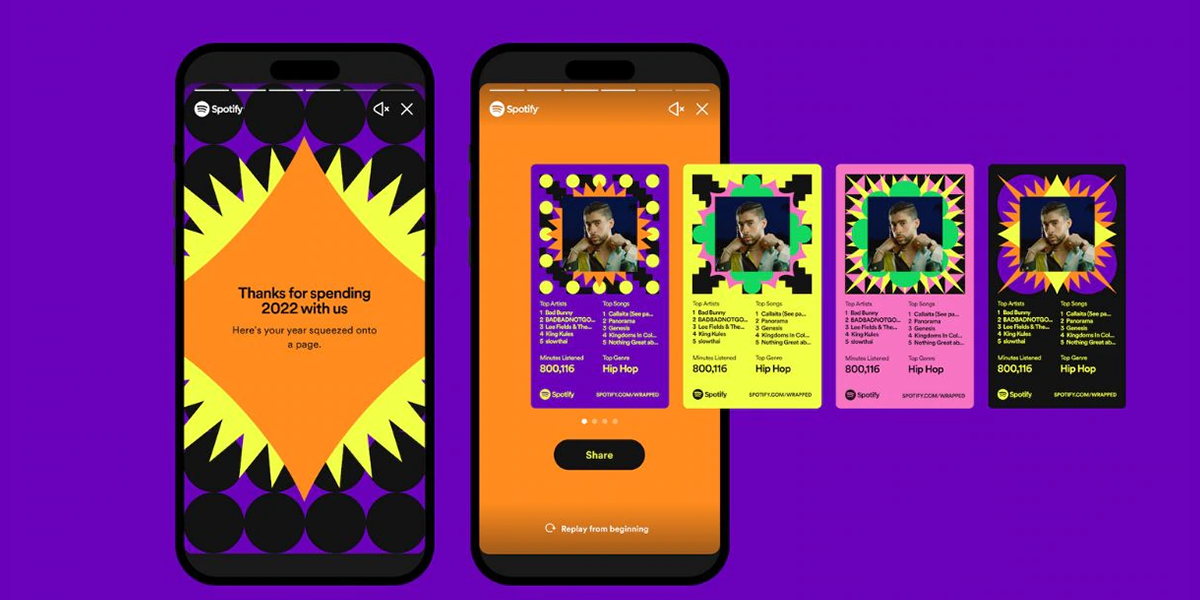
Spotify Wrapped, which offers a year-in-review, typically becomes available in early December.
Apple Music Replay 2023 is a feature that allows Apple Music users to see their most played songs throughout the year. Unlike Spotify Wrapped, which is available only in December, Apple Music Replay provides insights all year long, updating weekly.
How can I access my Apple Music Replay 2023 playlist?
You can find your Apple Music Replay 2023 playlist in the Apple Music app. Simply go to the ‘Listen Now’ tab, and you’ll find the playlist towards the bottom. This feature is easily accessible and offers a convenient way to revisit your favorite songs of the year.
Can I see more than just my top songs on Apple Music Replay?
Yes, the Apple Music Replay website offers additional details such as your top artists, top albums, and total listening time. While the app focuses on top songs, the website provides a broader view of your listening habits.
Dual storage options: 6GB + 128GB and 8GB + 256GB.
Triple-rear camera setup with a 50MP primary sensor.
5000mAh battery with 25W fast charging support.
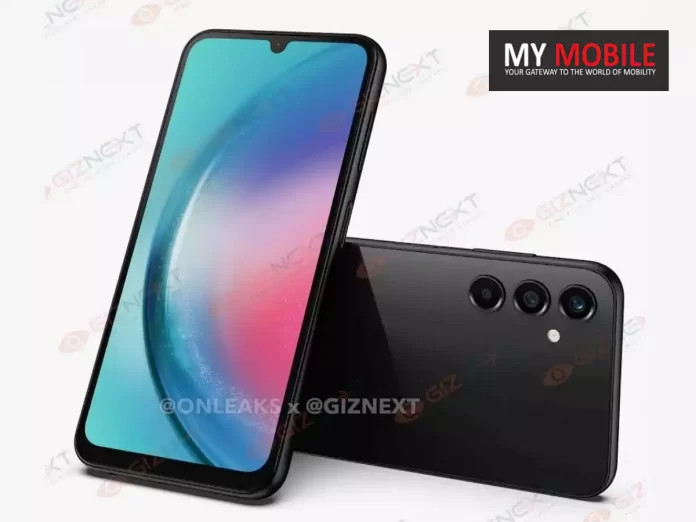
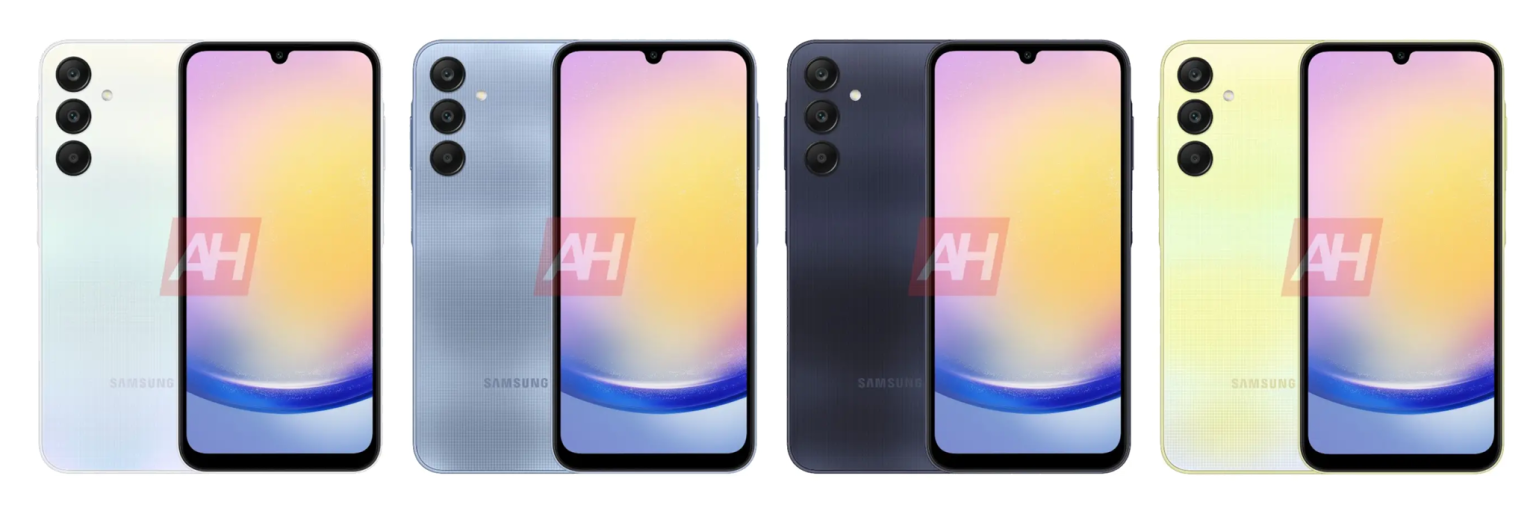
Samsungis gearing up to expand its A-series lineup with the anticipated launch of the Samsung Galaxy A25 5G.
Following the recent introductions of the Galaxy A05 and A05s, this new model is poised to offer an impressive blend of features and affordability.
Renowned tipster Sudhanshu Ambhore, in collaboration with Appuals, has shed light on the key specifications and pricing details of the Galaxy A25 5G.
Powered by Samsung’s own Exynos 1280 processor, the device is expected to deliver robust performance.
Leaked Specs for Galaxy A25 5G
Leaked Specs for Galaxy A25 5G
In terms of storage and memory, the Galaxy A25 5G is slated to come in two configurations: a 6GB RAM with 128GB storage option and a higher-tier 8GB RAM with 256GB storage model.
Price-wise, it’s anticipated to fall within the range of €300 to €400 in the European market, roughly translating to Rs 26,800 to Rs 35,700. However, prices in India may be comparatively lower.
The device is reported to feature a 6.5-inch Full HD+ display, possibly equipped with a 90Hz AMOLED panel, similar to its predecessor, the Galaxy A24 5G.
The inclusion of a U-shaped notch adds to its modern aesthetic.
Operating system-wise, there’s some speculation. While Android 13 was initially expected, recent listings on Geekbench hint at the Galaxy A25 5G running on Android 14.
It’s also projected to receive four years of Android version updates, ensuring long-term relevance.
Photography enthusiasts will be intrigued by the triple-rear camera setup, headlined by a 50MP primary sensor, complemented by a 5MP ultra-wide-angle lens and a 2MP macro sensor.
For selfies and video calls, a 13MP front camera is expected.
Battery life is another highlight, with the Galaxy A25 5G rumoured to house a 5000mAh battery, supporting 25W fast charging.
This robust battery, coupled with fast charging capabilities, ensures that users can stay connected for longer durations.
FAQs
What processor is used in the Samsung Galaxy A25 5G?
The Samsung Galaxy A25 5G is powered by the Exynos 1280 processor, ensuring smooth and efficient performance. This chipset is known for its capability to handle multitasking and high-end gaming with ease.
What are the camera specifications of the Samsung Galaxy A25 5G?
The Galaxy A25 5G features a versatile triple-rear camera setup, including a 50MP primary sensor for crisp and clear photos, a 5MP ultra-wide-angle lens for expansive shots, and a 2MP macro sensor for detailed close-ups. Additionally, it offers a 13MP front camera for quality selfies and video calls.
What are the expected price and storage options for the Samsung Galaxy A25 5G?
The Galaxy A25 5G is expected to be available in two configurations: 6GB RAM with 128GB storage and 8GB RAM with 256GB storage. Its price range in Europe is estimated to be between €300 and €400, with a potential for lower pricing in the Indian market.
AI Live Translate Call feature announced for Samsung Galaxy devices.
Expected to debut on premium Galaxy models like S24 Ultra in early 2024.
Uncertainty on whether AI features will extend to existing models like the S23 series.
Details on AI feature accessibility and potential subscription model still under wraps.
Last week, Samsungmade a significant announcement at the Samsung AI Forum 2023 about introducing AI features into its Galaxy smartphone lineup.
The highlight was the introduction of AI Live Translate Call, an AI-based feature for Galaxy devices.
Although Samsung’s announcement was more of a teaser, details about the feature were sparse.
Questions like which Galaxy models will receive this feature first and whether it will be a part of a premium subscription model remained unanswered.
To clarify, PhoneArenahad reached out to Samsung, and their response, though brief, gave some insight: “Coming in early 2024, Galaxy AI will be available on our latest premium Galaxy devices.”
This hints that upcoming models, possibly the Galaxy S24 Ultra, might be the first to receive these AI capabilities.
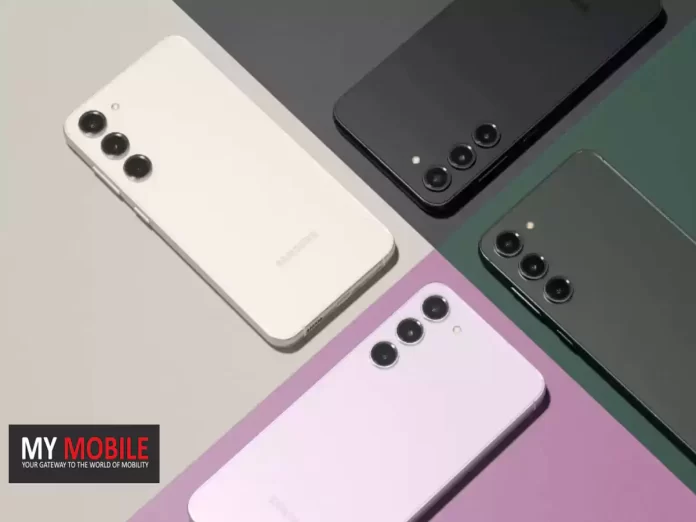
Samsung Galaxy Devices Set to Embrace AI Features in 2024
There’s speculation that recent models like the Galaxy S23 seriesmight not get these features immediately.
Samsung might follow a rollout strategy similar to Google, where new features debut on the latest models and gradually reach other devices in the lineup.
Features like the Audio Magic Eraser and Video Boost on Google’s Pixel 8 series exemplify this approach.
Regarding the possibility of these AI features being behind a paywall, Samsung’s statement was vague: “Samsung is committed to developing AI technology that empowers Galaxy users in ways that will meaningfully transform their lives. We’re excited to share more soon.”
This suggests more information will be available later, leaving Galaxy fans eagerly awaiting further details.
FAQs
What AI feature did Samsung announce for its Galaxy devices?
Samsung announced the AI Live Translate Call, an advanced AI feature, at the Samsung AI Forum 2023. This feature is set to enhance the communication capabilities of Galaxy smartphones.
Which Galaxy devices are likely to get the AI features first?
Samsung’s statement indicated that the AI features would be available on their latest premium Galaxy devices from early 2024. This suggests that newer models, possibly including the Galaxy S24 Ultra, could be the first to receive these updates.
Will older Galaxy models like the S23 series receive the AI features?
It’s not clear whether older Galaxy models like the S23 series will receive these AI features immediately. Samsung may adopt a phased rollout, initially introducing these features on newer models before extending them to other devices.
These phones are ideal for capturing the vibrant colors and festivities of Diwali nights.
Let’s delve deeper into each of these options:
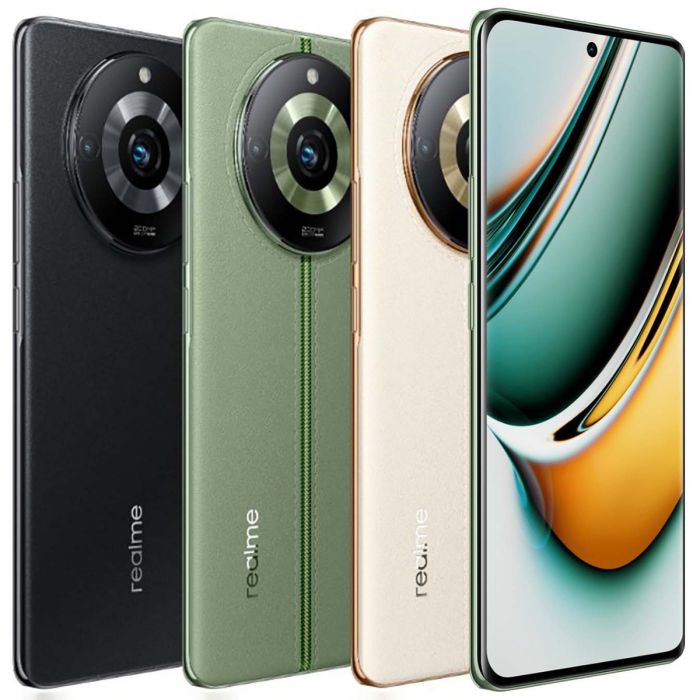
Realme 11 Pro+
Realme 11 Pro+
200MP OIS primary camera
5,000mAh battery with 100W SuperVOOC fast charging
6.7-inch OLED display, 120Hz refresh rate
Priced at Rs 29,490 for the 12GB+256GB variant, the Realme 11 Pro+ is a powerhouse in low-light photography. It boasts a large 6.7-inch OLED display, offering vivid and clear visuals.
The phone’s 200MP OIS primary camera is its standout feature, capable of capturing detailed and bright images even in dimly lit environments.
To support extended usage, it comes with a robust 5,000mAh battery complemented by 100W SuperVOOC fast charging, ensuring you’re always ready to capture those special moments.
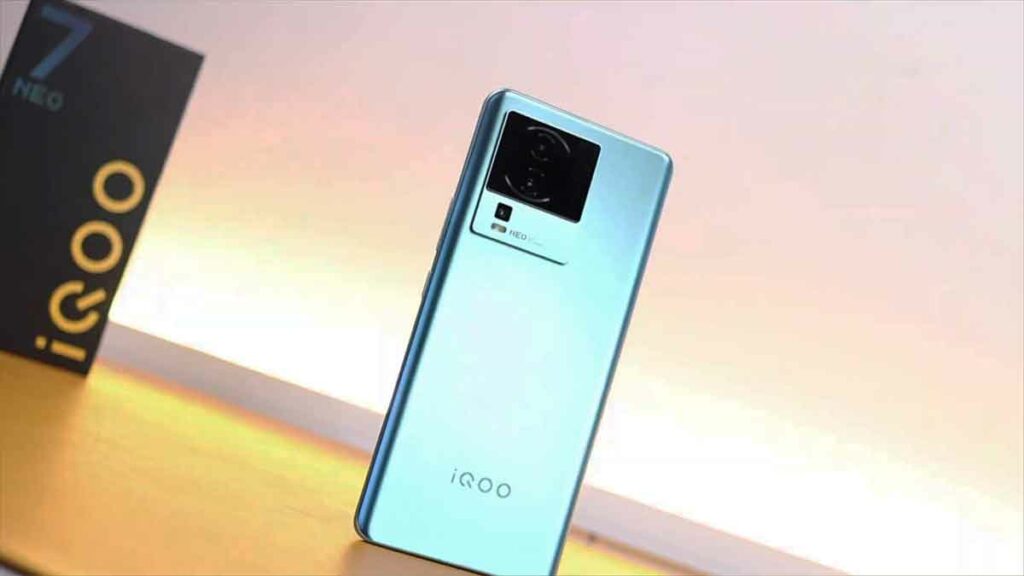
iQOO Neo 7 5G
iQOO Neo 7 5G
64MP OIS main camera
5,000mAh battery with 120W fast charging
6.78-inch FHD+ AMOLED display, 120Hz refresh rate
The iQOO Neo 7 5G, priced at Rs 27,999 for the 8GB+128GB model, is another excellent choice for low-light photography enthusiasts.
It features a stunning 6.78-inch FHD+ AMOLED display with a 120Hz refresh rate, providing an immersive viewing experience.
Powered by the MediaTek Dimensity 8200 SOC, it offers both speed and efficiency.
The 64MP OIS main camera is adept at capturing high-quality images in low-light settings. Plus, the 5,000mAh battery with 120W fast charging means less time plugged in and more time capturing photos.
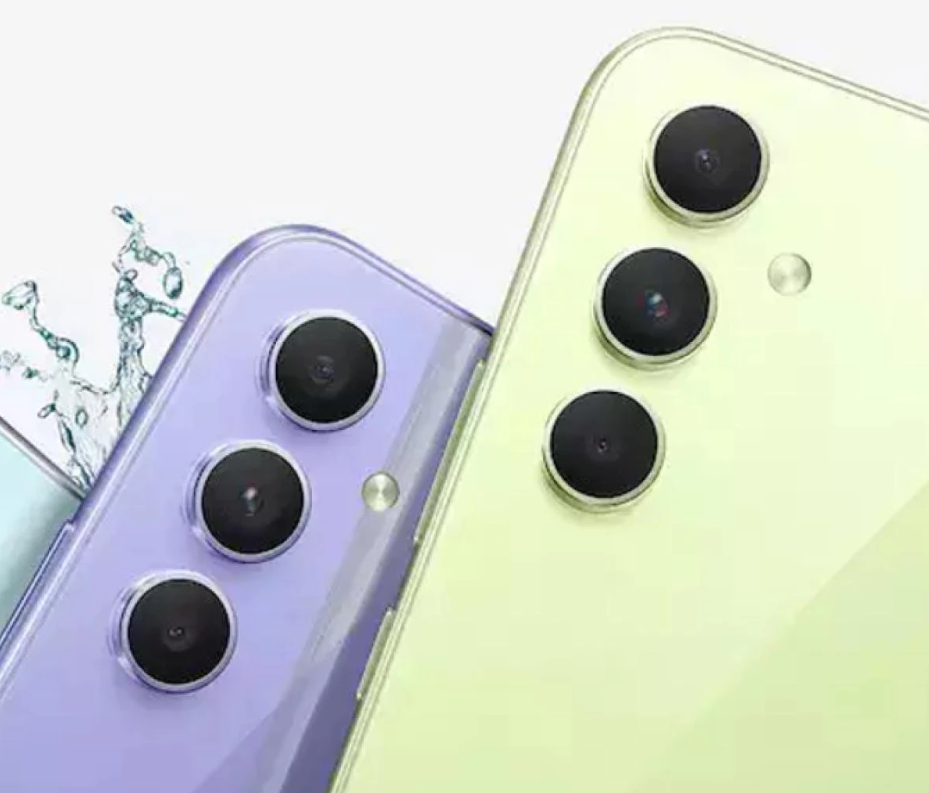
The Samsung Galaxy F54 5G comes in at Rs 24,380 for the 8GB+128GB configuration.
It features a large 6.7-inch FHD+ sAMOLED+ Infinity-O display with a 120Hz refresh rate, ideal for reviewing your photos with clarity.
The Exynos 1380 SoCensures smooth operation, and the 108MP main camera is particularly adept at low-light photography,capturing detailed and vibrant images.
The 6,000mAh battery with 25W fast charging is a boon for long photography sessions.
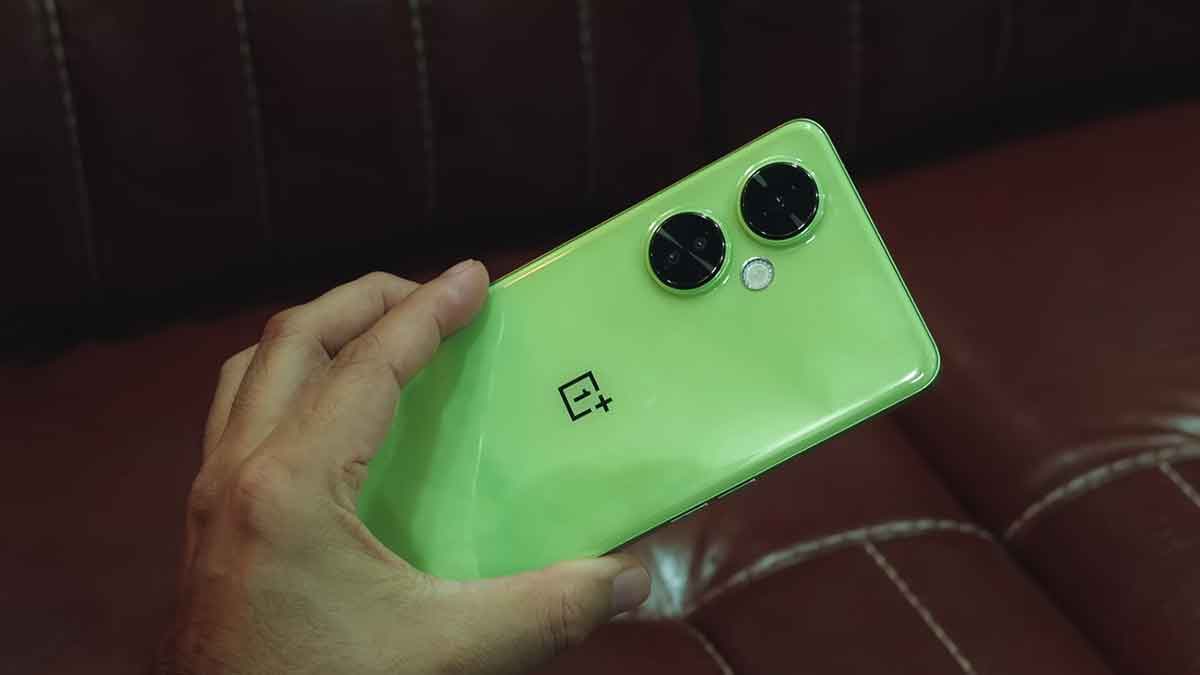
OnePlus Nord CE 3
OnePlus Nord CE 3
50MP Sony IMX890 main camera
5,000mAh battery with 80W SuperVOOC charging
6.7-inch FHD+ AMOLED display, 120Hz refresh rate
At Rs 26,998 for the 8GB+128GB variant, the OnePlus Nord CE 3 is a strong contender in this segment.
It boasts a 6.7-inch FHD+ AMOLED display with a 120Hz refresh rate, offering a crisp and smooth visual experience.
The Qualcomm Snapdragon 782G SoC provides reliable performance.
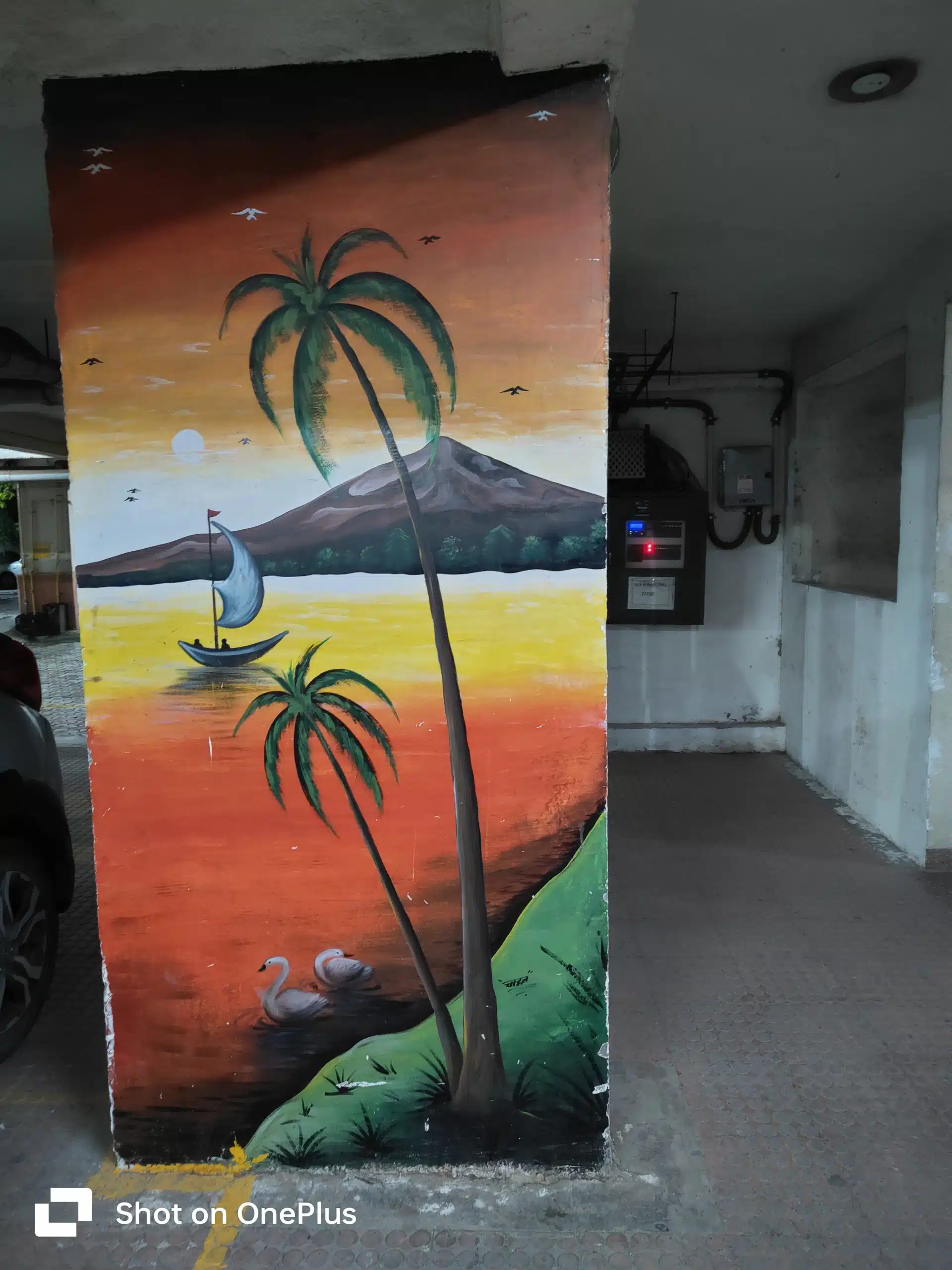
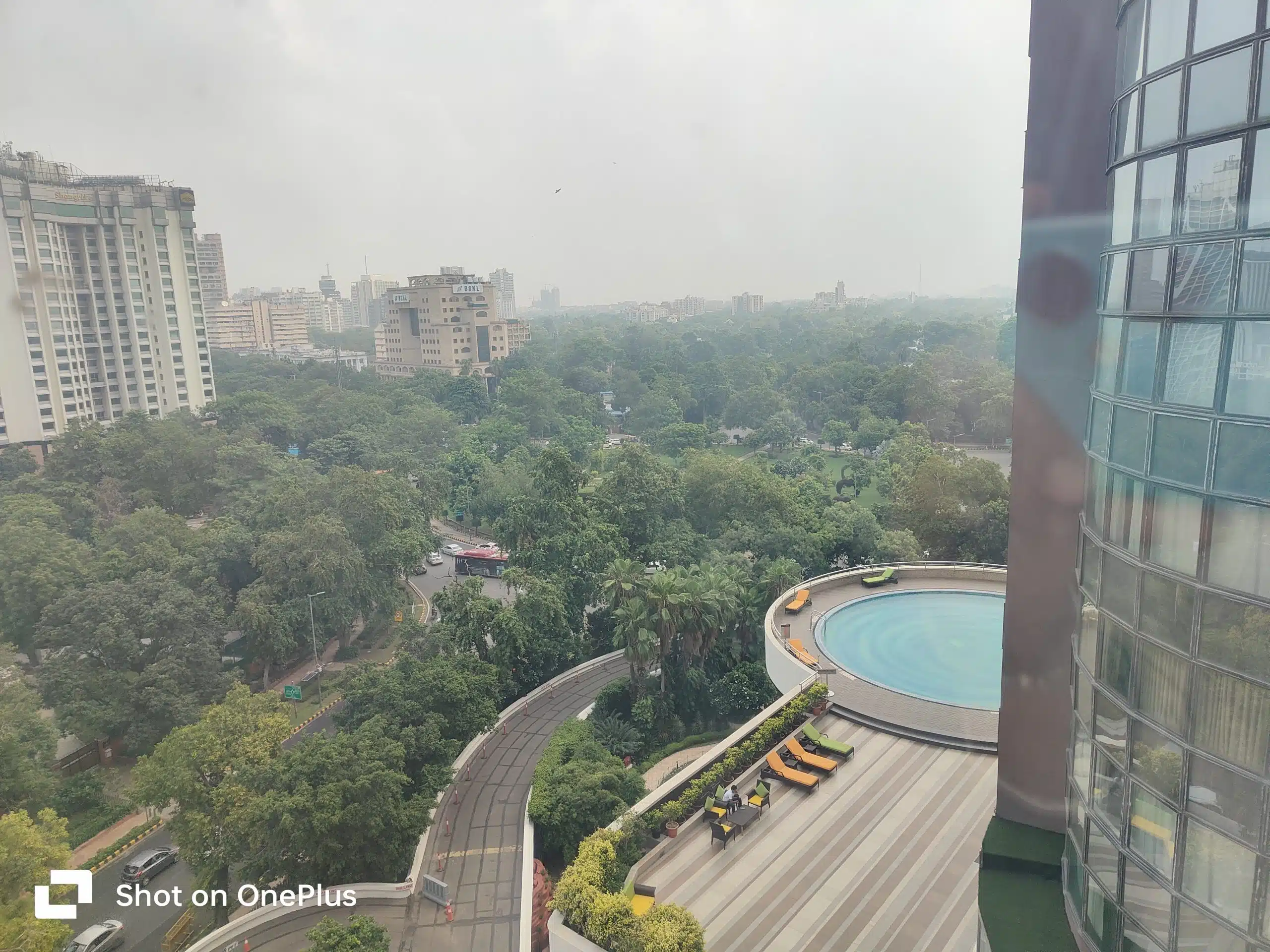
The 50MP Sony IMX890 main cameraexcels in low-light conditions, capturing detailed images with reduced noise.
The 5,000mAh battery with 80W SuperVOOC charging means you can quickly get back to capturing those unforgettable moments.
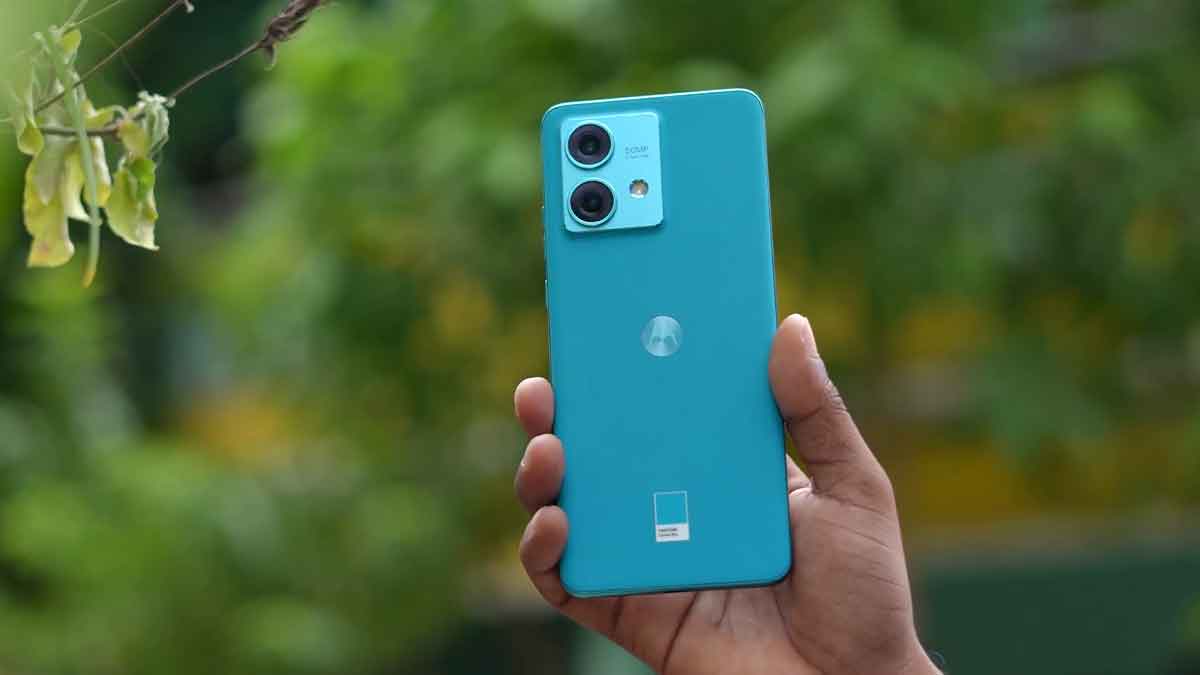
Moto Edge 40 Neo
Moto Edge 40 Neo
50MP OIS main camera
5,000mAh battery with 68W fast charging
6.55-inch pOLED display, 144Hz refresh rate
Priced at Rs 29,999, the Moto Edge 40 Neooffers a compelling package for photography enthusiasts.
It features a 6.55-inch pOLED display with a high 144Hz refresh rate, ensuring smooth and vibrant visuals.
The MediaTek Dimensity 7030 SoC powers the device efficiently. Its 50MP OIS main camera delivers sharp and clear images in low-light settings.
The device’s 5,000mAh battery, supported by 68W fast charging, ensures you have enough power for all your photography adventures.
Proximity Sensor
Ambient Light Sensor
Accelerometer
Gyroscope
Sar sensor
Sensor Hub
Mobile Hotspot
Magnetometer (e-Compass)
In-box accessories
TurboPower™ 68W charger
USB Type-C to USB Type-C cable
Guides
SIM tool
Climate Freindly Protective Case
Colors
PANTONE Caneel Bay, PANTONE Black Beauty, PANTONE Soothing Sea
Operating System
Android™ 13
SW Update Policy
2 OS + 3 Years SMRs
SW Experience
Moto Connect (Ready For)
Moto Family Space
Moto Secure
MY UX
FAQs
What makes the Realme 11 Pro+ stand out for low-light photography?
The Realme 11 Pro+ excels in low-light photography with its 200MP OIS primary camera, capturing detailed and bright images. Additionally, its 6.7-inch OLED display and 100W SuperVOOC fast charging make it a top contender in this category.
How does the iQOO Neo 7 5G perform in dim lighting conditions?
The iQOO Neo 7 5G is equipped with a 64MP OIS main camera that takes quality pictures in low light. Its 120W fast charging and 6.78-inch FHD+ AMOLED display add to its appeal for photographers.
What are the key features of the Samsung Galaxy F54 5G for nighttime photography?
The Samsung Galaxy F54 5G’s 108MP main camera performs well in low light, capturing clear, detailed images. The phone also features a large 6,000mAh battery and a 6.7-inch FHD+ display, making it a solid choice for photography enthusiasts.
Snapdragon W5 Gen 1 chipset might power the OnePlus Watch 2.
To Feature a 1.43-inch AMOLED display for clear visuals.
Wear OS 4 set to enhance the user experience.
Sleek design with a circular dial and buttons on the side.
OnePlus is reportedly developing the OnePlus Watch 2, a successor to its 2021 smartwatch.
Although there’s no official announcement yet, images and details about this new wearable have already appeared online.
The information, including images and specifications, comes from tipster Steve H.McFly, in partnership with MySmartPrice.
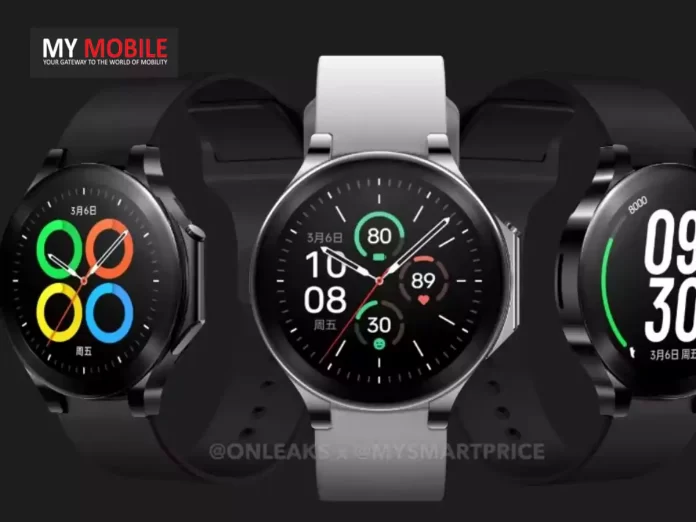
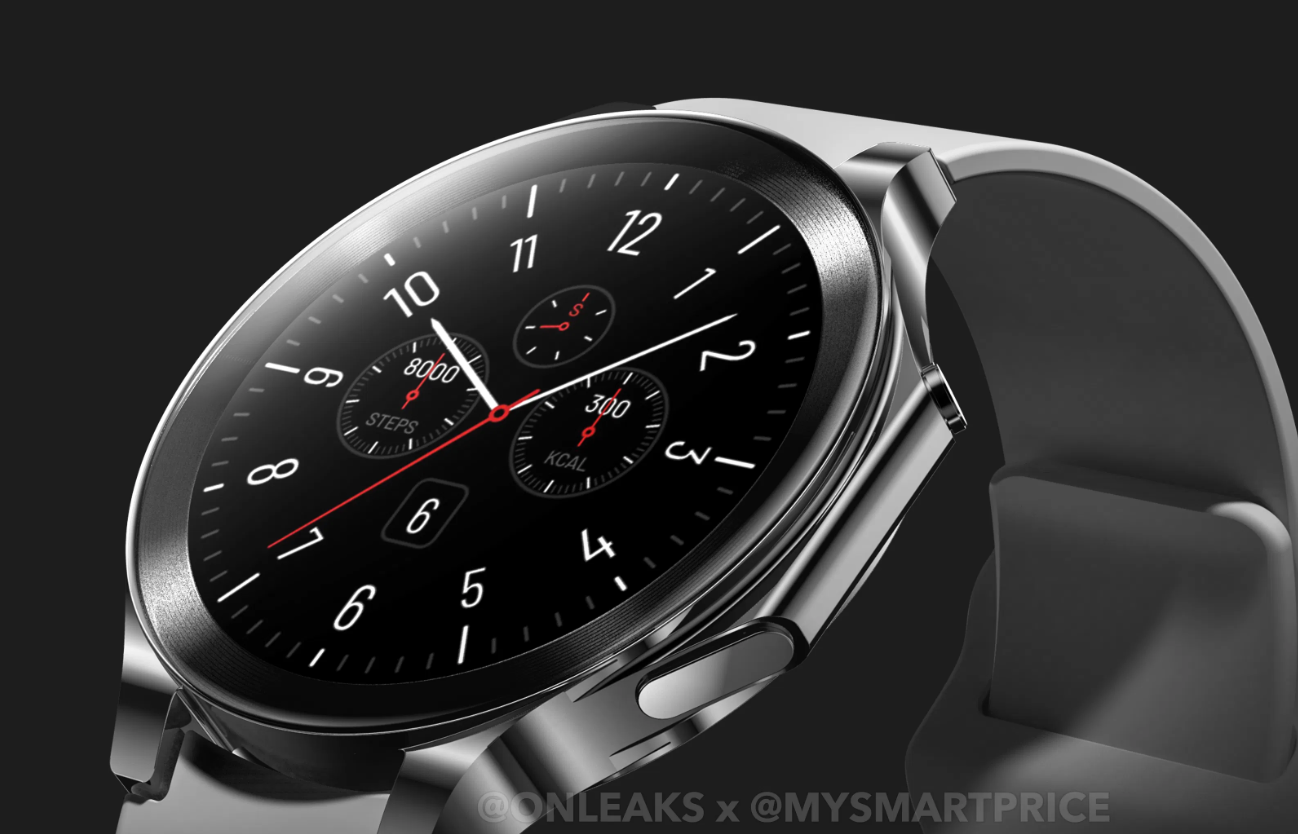
The images show the OnePlus Watch 2 with a round face and two buttons on the right side. It seems to have a metal body and rubber straps available in black and white.
Features like heart rate tracking and step counting are visible in the renders, along with various watch face options.
The report suggests that the OnePlus Watch 2 will use Wear OS 4, a significant upgrade from its predecessor.
OnePlus Watch 2 Renders Reveal New Features and Design
This would be the first time OnePlus is using Wear OS in its watches. The watch is also expected to have the same 1.43-inch AMOLED display as mentioned earlier.
The OnePlus Watch 2 was also spotted on the BIS website in India, suggesting its launch there might be soon. It’s likely to be released in 2024, possibly alongside the OnePlus 12 smartphone.
For context, the original OnePlus Watch was launched in India in April 2021 for Rs. 16,999. It came in Midnight Black and Moonlight Silver and had a 1.39-inch AMOLED display with 2.5D curved glass.
The 46mm case was made of stainless steel. It also featured IP68 dust and splash resistance, 5ATM water resistance, and a 405mAh battery with Warp Charge fast charging support.
FAQs
What is new in the OnePlus Watch 2?
The OnePlus Watch 2 boasts a Snapdragon W5 Gen 1 chipset, providing a powerful performance boost. It also features a 1.43-inch AMOLED display for enhanced clarity and vivid colors. The design includes a circular dial with two side buttons, offering a sleek and modern look.
Which operating system does the OnePlus Watch 2 use?
The OnePlus Watch 2 is set to run on Wear OS 4, marking a significant upgrade from its predecessor. This change promises a more intuitive user interface and access to a wider range of apps and functionalities.
When can we expect the OnePlus Watch 2 to launch?
While there’s no official release date yet, the OnePlus Watch 2 is expected to launch in 2024. It was recently spotted on the BIS website in India, hinting at an upcoming release, possibly alongside the OnePlus 12 smartphone.
iOS 18 described as ambitious and compelling by Apple.
Expected to introduce significant new features and designs.
Possible inclusion of GPT-like generative AI capabilities.
Improvements in performance and security alongside new AI features.
Appleis reportedly setting high expectations for its next big software update, iOS 18. According to Bloomberg, Apple’s team has described iOS 18 as both ‘ambitious and compelling’.
The update is expected to bring significant new features and designs, alongside improvements in performance and security.
This focus on a major update comes after several years of more modest changes to the iOS platform.
The last significant overhaul was seen with iOS 14 in 2020, which introduced Home Screen widgets.
With iOS 18, Apple aims to make a more impactful update.
Bloomberg’s Mark Gurman notes that while Apple has paused new feature development for a week to address bugs, this is unlikely to delay the final release of iOS 18 significantly.
The pause might only mean a bit less time for final bug fixes before the launch.
Details on the specific new features of iOS 18 remain unclear.
However, Bloomberg has previously mentioned that Apple is working on a range of new artificial intelligence features for the update.
Apple’s iOS 18 Is Likely to Be Its Most Ambitious Update Yet: Mark Gurman
It’s important to remember that iOS 18’s introduction is still several months away, with its debut expected at WWDC 2024.
Given the time frame, there’s potential for changes in the development plan.
The general release of iOS 18 is anticipated for the fall of 2024, offering a significant update for iPhone and iPad users.
Apple’s upcoming iOS 18 might also include a significant leap into the realm of generative AI, akin to GPT-like features.
This move would mark Apple’s foray into integrating advanced AI capabilities directly into the operating system, potentially transforming how users interact with their devices.
Such a feature could offer more intuitive and responsive AI-assisted functionalities, ranging from enhanced Siri interactions to sophisticated content creation tools.
FAQs
What makes iOS 18 different from previous updates?
iOS 18 is being hailed as one of Apple’s most ambitious updates in years. It’s expected to bring major changes in features and design, a shift from the more modest updates seen in recent years. The potential inclusion of advanced AI functionalities marks a significant step forward in the iOS evolution.
Will iOS 18 include any AI features?
There are strong indications that iOS 18 will incorporate GPT-like generative AI features. This could enhance user interactions with Siri and offer new content creation tools, making iOS more intuitive and versatile than ever before.
How will the one-week pause in iOS 18 development impact its release?
Although Apple paused development on iOS 18 for a week to focus on bug fixes, it’s not expected to significantly delay the software’s release. The worst-case scenario is a slightly shorter timeframe for finalizing the software, but the overall launch schedule should remain largely unaffected.
Car Crash Detection now available in India on Google Pixel smartphones.
Feature utilizes phone sensors to detect accidents and alert emergency services.
Compatible with Pixel models from Pixel 4a to Pixel 8.
Activation is manual through the Safety and Emergencies settings.
Google has recently expanded its Car Crash Detection feature to several new countries, including India.
This feature, primarily available on Pixel smartphones, offers crucial assistance in the event of a car accident.
Let’s explore how it works and how you can use it on your compatible Android phone.
What is Google Car Crash Detection?
Car Crash Detection is a feature integrated into Google’s Pixel smartphones. Initially available in select markets, it’s now reaching countries like India.
However, it’s important to note that only the latest Pixel models, such as the Pixel 4a and newer versions up to the Pixel 8, support this feature.
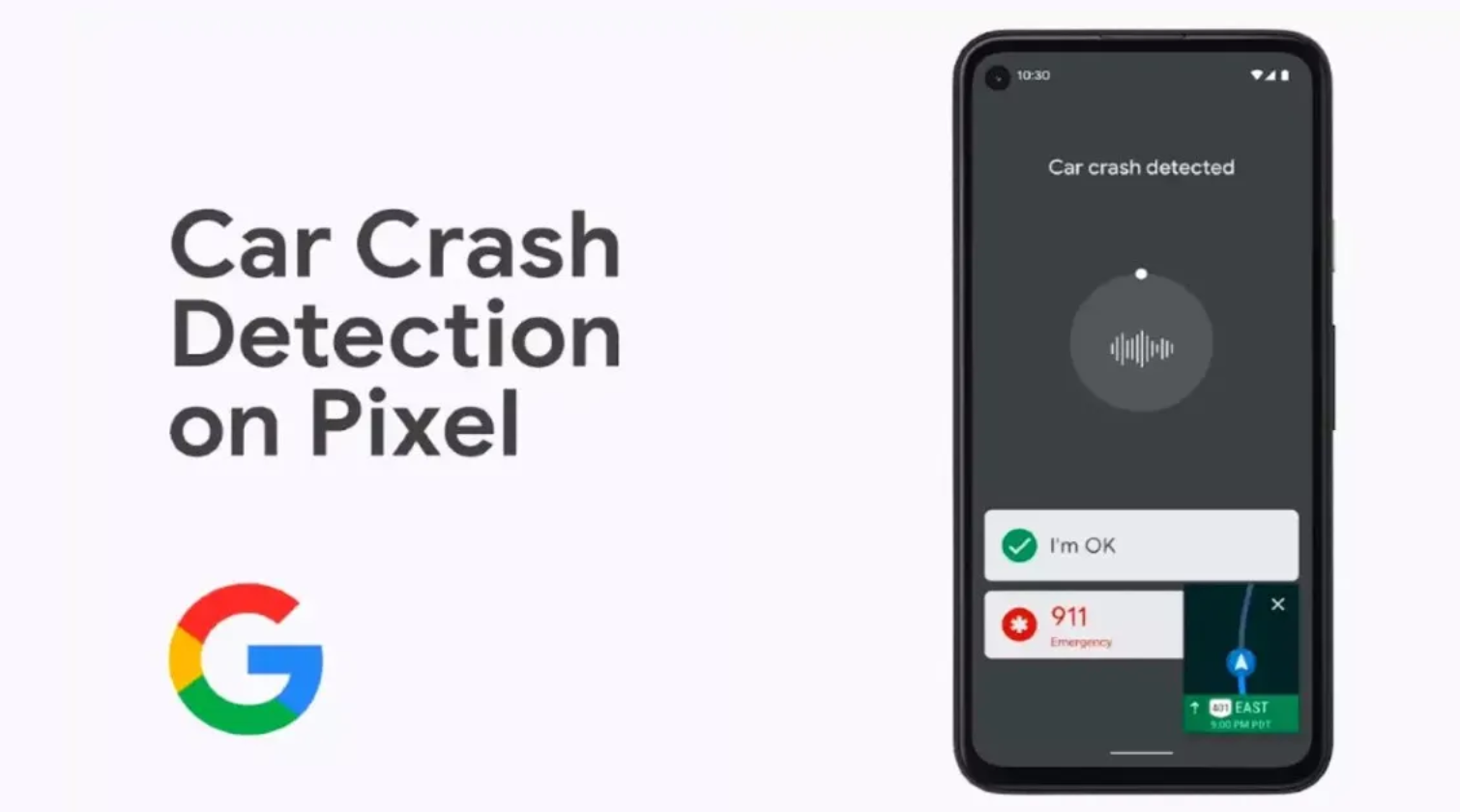
Car Crash Detection utilizes the phone’s sensors, including GPS, microphone, and possibly the camera, to detect car accidents and call for help.
Google Expands Car Crash Detection to India
How Does Car Crash Detection Work?
The feature isn’t enabled by default. Users need to activate it manually in the phone’s settings. When enabled, the phone can detect potential accidents.
If it senses a crash, the phone will vibrate, sound an alarm at high volume, and automatically dial emergency services, sharing your location and crash data.
Activating Car Crash Detection on Pixel Phones
Open ‘Settings’ on your Pixel phone.
Find and tap on ‘Safety and Emergencies.’
Scroll to ‘Car Crash Detection’ and toggle it on.
Once activated, your phone is equipped to alert emergency services in case of an accident.
Activating Car Crash Detection on Pixel Phones
Limitations and Language Support
While Car Crash Detection is a significant safety feature, Google notes that it might not detect all crashes, especially severe ones.
Currently, this feature in India supports only English, with additional languages like Hindi expected to be added later.
This expansion of Car Crash Detection in India highlights Google’s commitment to enhancing user safety through technology, especially in emergency situations.
With this feature, Pixel users in India can have an added layer of security while driving.
FAQs
What is Google’s Car Crash Detection feature?
Google’s Car Crash Detection is a safety feature integrated into Pixel smartphones. It uses the phone’s built-in sensors to detect if you’re involved in a car accident. When a crash is detected, the feature automatically contacts emergency services with your location and relevant data.
How can Pixel users in India enable Car Crash Detection?
To enable Car Crash Detection, Pixel users in India should go to their phone’s Settings, tap on ‘Safety and Emergencies,’ and then find ‘Car Crash Detection.’ Users can activate it by toggling the switch on. This enables the phone to monitor for potential accidents.
Which Pixel models support the Car Crash Detection feature in India?
The feature is supported on newer Pixel models, starting from Pixel 4a up to the latest Pixel 8. Users need to ensure they have one of these compatible models to use the Car Crash Detection feature.
Gboard introduces floating layout in landscape mode.
Feature available in latest Gboard beta version 13.6.06.
Floating keyboard can be moved and positioned freely.
Easy switch back to traditional landscape layout if preferred.
Gboard, a popular keyboard app for Android, is getting a much-needed update for its landscape mode.
In the latest beta version of Gboard (version 13.6.06.574113912), a new feature has been introduced to improve typing in landscape mode.
When you use Gboard in portrait mode, it looks the same as always.
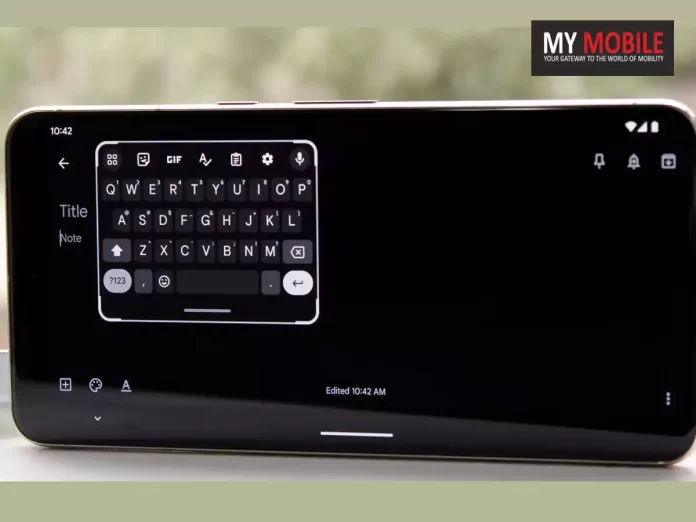
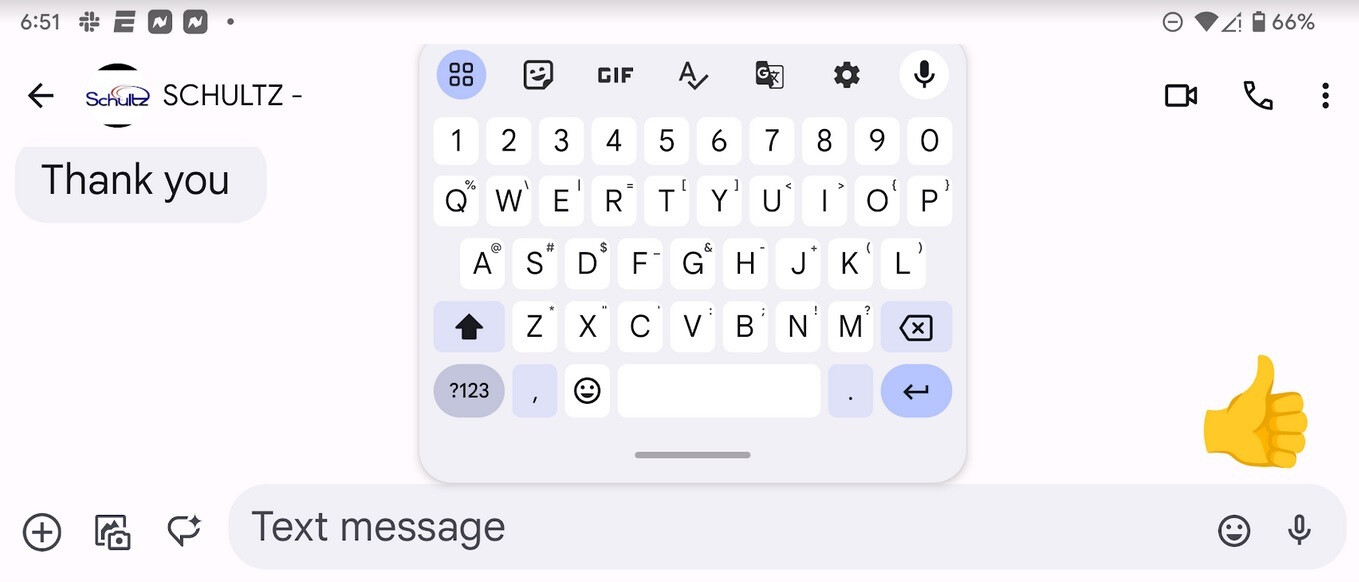
But when you turn your phone to landscape, Gboard now switches to a floating layout instead of stretching across the whole screen.
This change was first noticed by a Redditor almost a year ago and is more widely available now in the beta version of the app.
This new floating layout feature wasn’t found in the latest stable version of Gboard (13.5.04.566637127).
But since it’s already in the beta version, it’s likely to be added to the stable version soon.
How it Works
Gboard Enhances User Experience
Here’s how it works: When you rotate your phone to landscape, Gboard automatically changes to a floating layout.
This allows you to move the keyboard to any position on the screen.
The keyboard remembers where you last placed it, even if you switch apps or orientations.
If you don’t like the floating keyboard, move it back to the bottom of the screen. It will snap into place near the navigation bar.
To return to the floating layout, you just need to enable the floating mode again while in landscape.
After that, Gboard will remember your preference and switch between floating and docked layouts based on yourphone’s orientation.
FAQs
What is the new update in Gboard for landscape mode?
The latest Gboard beta version features a floating layout for landscape mode. This allows users to freely move the keyboard on the screen, providing a more comfortable typing experience in landscape orientation.
How does the floating layout in Gboard work?
When you turn your phone to landscape mode with Gboard open, the keyboard automatically switches to a floating layout. You can drag and position the keyboard anywhere on the screen, offering greater flexibility and ease of use.
Is the new Gboard landscape layout available in the stable version?
Currently, the floating landscape layout is only available in the Gboard beta version 13.6.06.574113912. It’s not yet in the stable version, but it’s expected to be rolled out soon based on its presence in the beta channel.
16GB RAM + 1TB Storage (with LPDDR5T RAM): Similar pricing.
These devices are set to debut in India next year, although Vivo hasn’t officially confirmed the launch dates.
Notably, the Vivo X100 includes a special variant with LPDDR5T RAM, whereas the X100 Pro’s 16GB/1TB model also features this advanced RAM.
All models are equipped with UFS 4.0 storage for faster data access and processing.
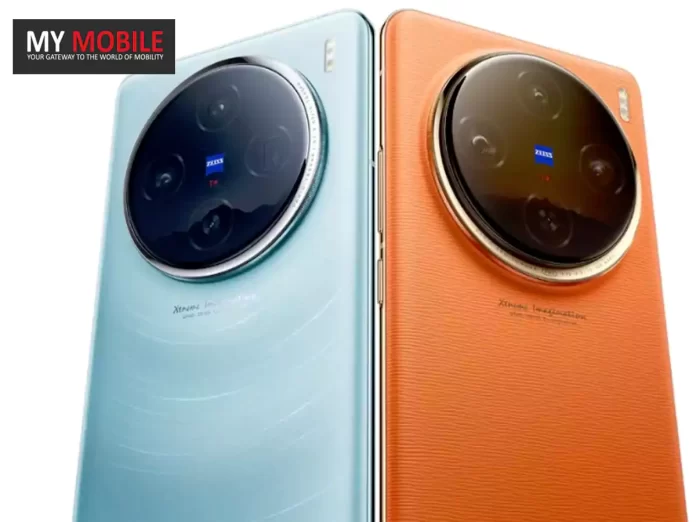
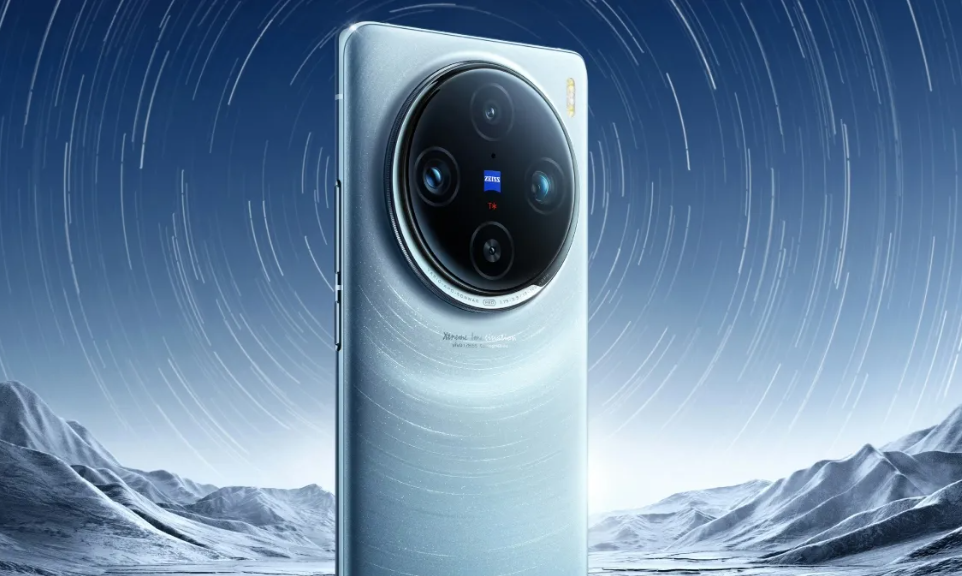
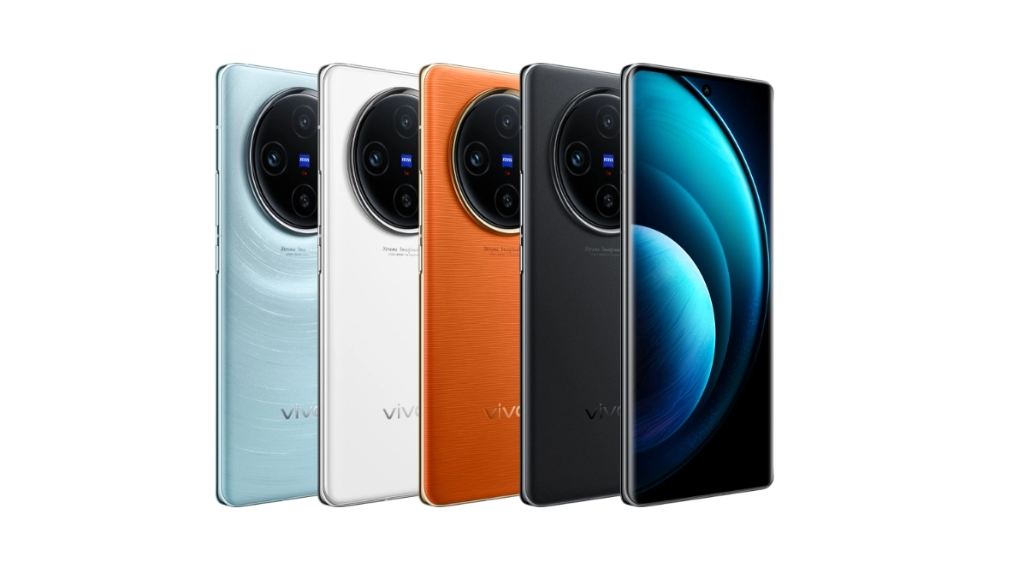
Specifications of Vivo X100 and Vivo X100 Pro
Specifications of Vivo X100 and Vivo X100 Pro
Display: Both models sport a 6.78-inch LTPO AMOLED display, boasting a 120Hz refresh rate and a resolution of 2800x1260p. The displays have a peak brightness of 3,000 nits and 2,160Hz PWM dimming for an immersive viewing experience.
Processor: Powering these devices is the MediaTek Dimensity 9300 chipset, known for its peak clock speed of 3.25GHz and efficient performance.
Cameras
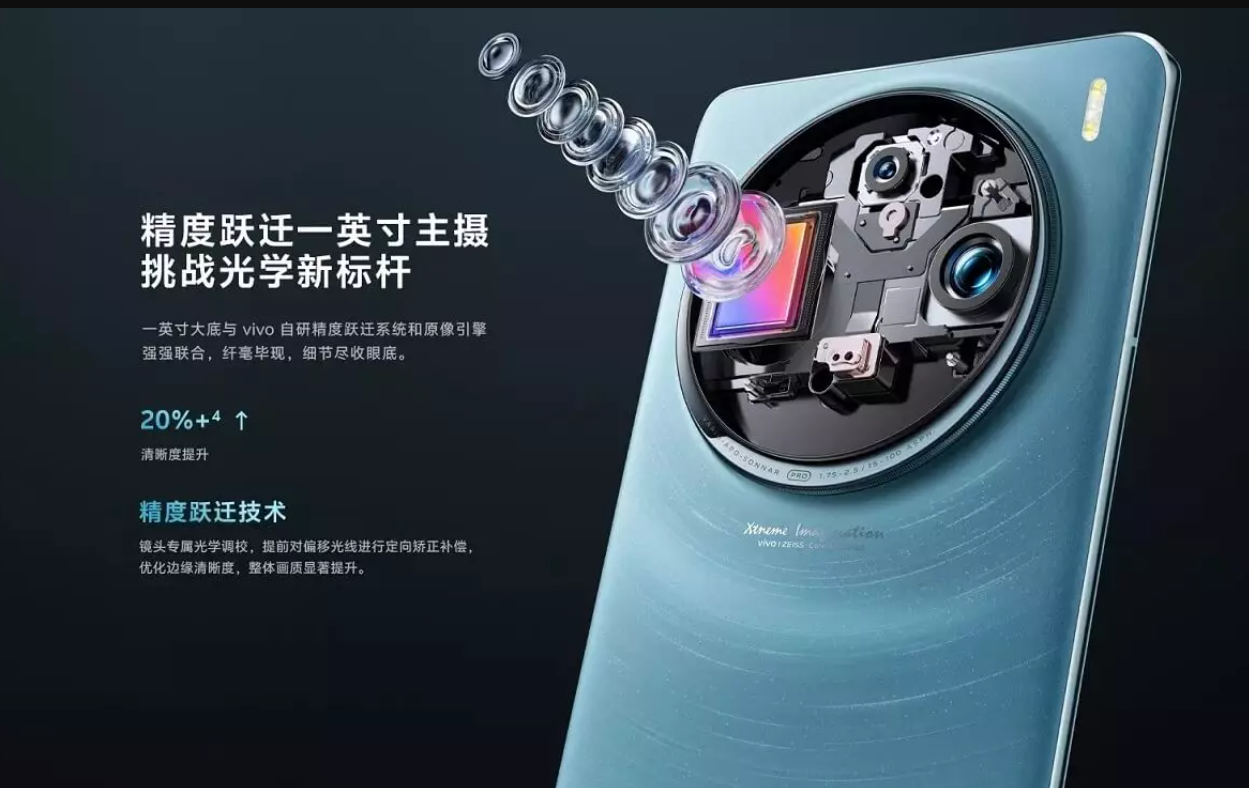
Cameras of Vivo X100 and Vivo X100 Pro
Vivo X100: Equipped with a 50MP primary camera, a 64MP periscope telephoto lens offering 3X optical zoom, and a 50MP ultrawide camera.
Vivo X100 Pro: Features a more advanced 50MP 1-inch main camera sensor, a 50MP 4.3X periscope telephoto lens, and the same ultrawide camera. Both models support up to 100X digital zoom. However, only the Pro variant is capable of 8K video recording.
Battery and Charging: The Vivo X100 is fitted with a 5,000mAh battery, supporting 120W wired fast charging. In contrast, the X100 Pro includes a slightly larger 5,400mAh battery, compatible with 100W wired charging and 50W fast wireless charging.
Operating System: In the Chinese market, these devices run on OriginOS 4, which is based on Android 14, offering a customized user experience with additional features and optimizations.
VIVO X100 5G KEY SPECIFICATIONS
GENERAL
Sim Type
Dual Sim, GSM+GSM
Dual Sim
Yes
Sim Size
Nano SIM
Device Type
Smartphone
Release Date
November 13, 2023 (Expected)
DESIGN
Bezel less
Yes
Colors
Black, Red, Blue
DISPLAY
Type
Color AMOLED Screen (1B Colors)
Touch
Yes
Size
6.78 inches, 1260 x 2800 pixels, 120 Hz
Aspect Ratio
20:9
PPI
~ 453 PPI
Screen to Body Ratio
~ 90.9%
Features
HDR10+, P3 Color Gamut
Notch
Yes, Punch Hole
MEMORY
RAM
8 GB
Storage
128 GB
Card Slot
No
CONNECTIVITY
GPRS
Yes
EDGE
Yes
3G
Yes
4G
Yes
5G
Yes
5G Bands
1, 3, 5, 8, 28, 41, 77, 78 SA/NSA
VoLTE
Yes, Dual Stand-By
Wifi
Yes, with wifi-hotspot
Bluetooth
Yes, v5.3, A2DP, LE, aptX HD
USB
Yes, USB-C v2.0
USB Features
USB Tethering, USB on-the-go, USB Charging
IR Blaster
Yes
EXTRA
GPS
Yes, with dual-band A-GPS, GLONASS, GALILEO, NavIC
Fingerprint Sensor
Yes, In Display
Face Unlock
Yes
Sensors
Fingerprint (under display, optical) accelerometer, gyro, proximity, compass, color spectrum
What are the key features of the Vivo X100 series?
The Vivo X100 series, including the X100 and X100 Pro, are the first smartphones with the MediaTek Dimensity 9300 chipset. They feature 6.78-inch LTPO AMOLED displays with high resolution and brightness, and the Pro model boasts a 50MP main camera sensor with up to 100X digital zoom.
What are the price ranges for the Vivo X100 and X100 Pro?
Prices for the Vivo X100 start at approximately Rs 45,700, with the highest-end model around Rs 58,200. The Vivo X100 Pro starts at Rs 57,100, going up to about Rs 69,600 for the top variant.
What are the battery and charging specifications of the Vivo X100 series?
The Vivo X100 has a 5,000mAh battery with 120W fast wired charging. The Vivo X100 Pro steps up with a 5,400mAh battery, supporting 100W wired charging and 50W fast wireless charging.
Apple exploring hole-punch cutout for iPhone 16 Pro.
Possible departure from Dynamic Island design.
Analysts predict Dynamic Island to stay in iPhone 16 series.
Future iPhones may see under-display Face ID and screen size changes.
Applemight be considering a big change for its iPhone 16 Pro model.
Rumors suggest that the tech giant is testing a new design that replaces the Dynamic Island with a hole-punch cutout.
The Dynamic Island, first seen in the iPhone 14 Pro models, combines the front camera and Face ID sensors into a pill-shaped design.
Tipster Majin Bu reports that Apple is experimenting with a prototype of the iPhone 16 Pro featuring this hole-punch cutout.
If true, this would mark a shift from the current design and could lead to a simpler look for the front of the phone.
Dynamic Island: To Stay or Not?
On the other hand, analyst Ross Young from Display Supply Chain Consultants (DSCC) believes that the Dynamic Island will remain a feature in the iPhone 16 series.
He predicts that all four models of the iPhone 16 will keep the Dynamic Island, and the Pro models will get larger screens.
Looking ahead to 2025, the iPhone 17 series is expected to see even more dramatic changes.
Analysts predict that both the standard and Pro models will sport similar screen sizes.
Additionally, the ProMotion 120Hz display, typically reserved for higher-end models, may be featured in the more affordable iPhones for the first time.
Apple Tests Hole-Punch Design for iPhone 16 Pro
Evolution of iPhone Design
For the iPhone 17 Pro series, Young speculates that Apple might introduce an under-display Face ID system along with a hole-punch cutout.
This would be a significant design advancement, potentially eliminating visible cutouts on the screen altogether.
While the iPhone 16 series is still new, there’s already buzz about what’s next.
Apple could be testing a new hole-punch design for the iPhone 16 Pro, but it’s also possible that the Dynamic Island will continue to be a feature in the next series.
FAQs
What is the new design change Apple is testing for the iPhone 16 Pro?
Apple is reportedly testing a hole-punch cutout design for the iPhone 16 Pro. This design would replace the current Dynamic Island, which integrates the front camera and Face ID sensors into a pill-shaped area at the top of the screen.
Will the Dynamic Island feature be removed in the iPhone 16 Pro?
While there are rumors about Apple testing a hole-punch design, it’s not confirmed if this will lead to the removal of the Dynamic Island in the iPhone 16 Pro. Some experts believe that the Dynamic Island will continue to be a feature in the upcoming iPhone series.
What are the predicted changes for future iPhone models?
Looking ahead to the iPhone 17 series in 2025, it’s expected that both standard and Pro models will have similar screen sizes. Additionally, the ProMotion 120Hz display, usually seen in higher-end models, might be introduced in the less expensive iPhones.