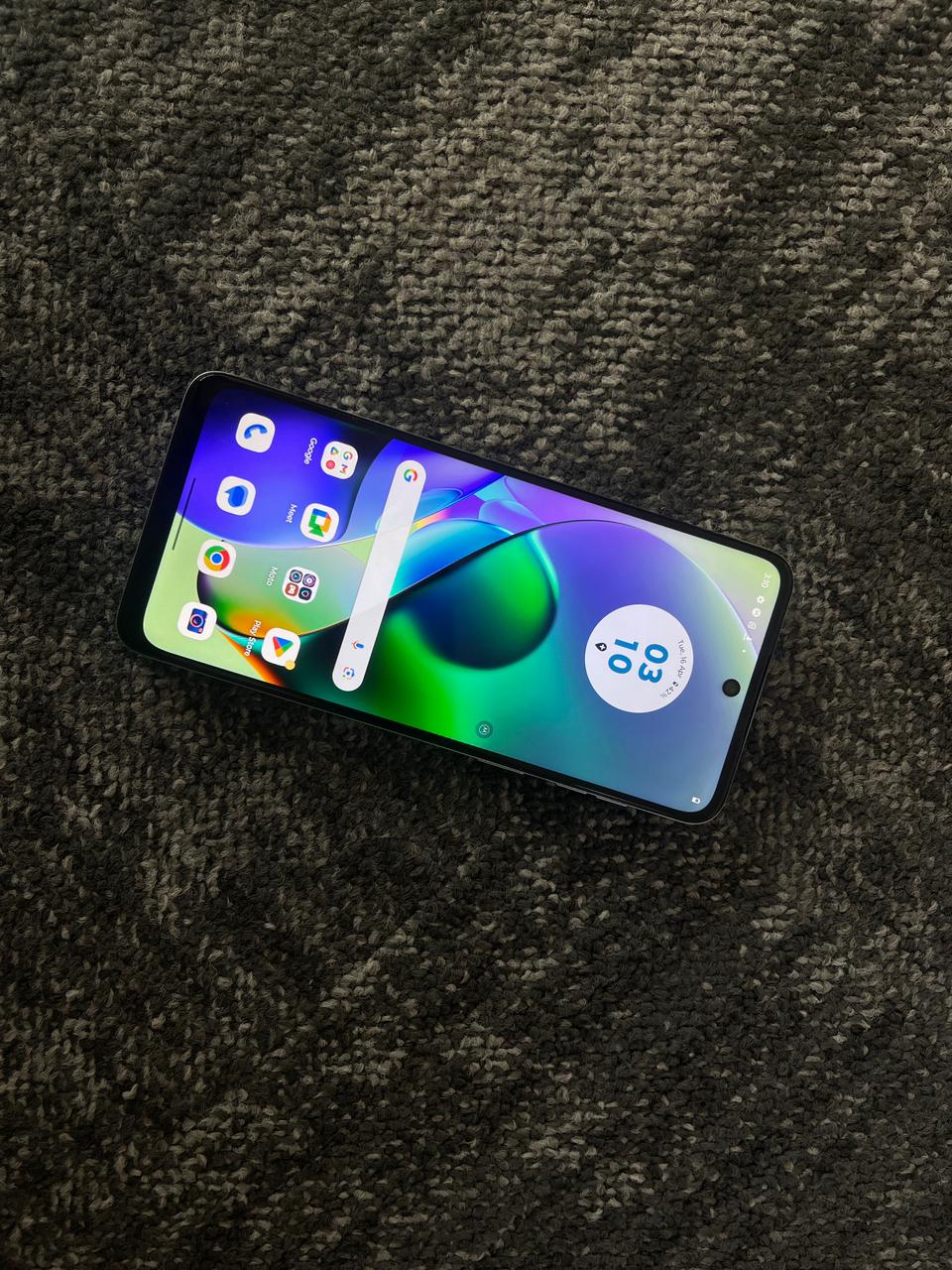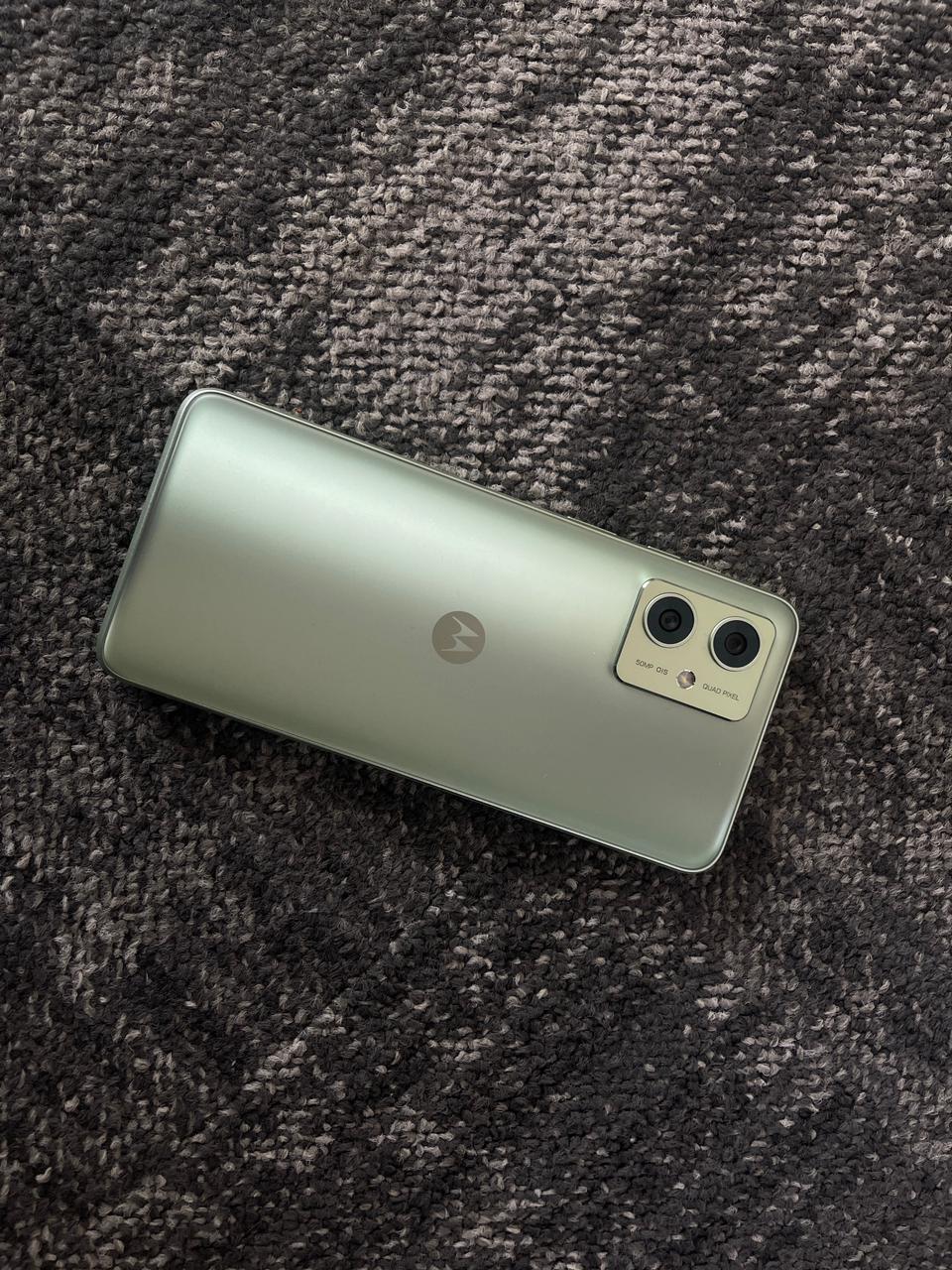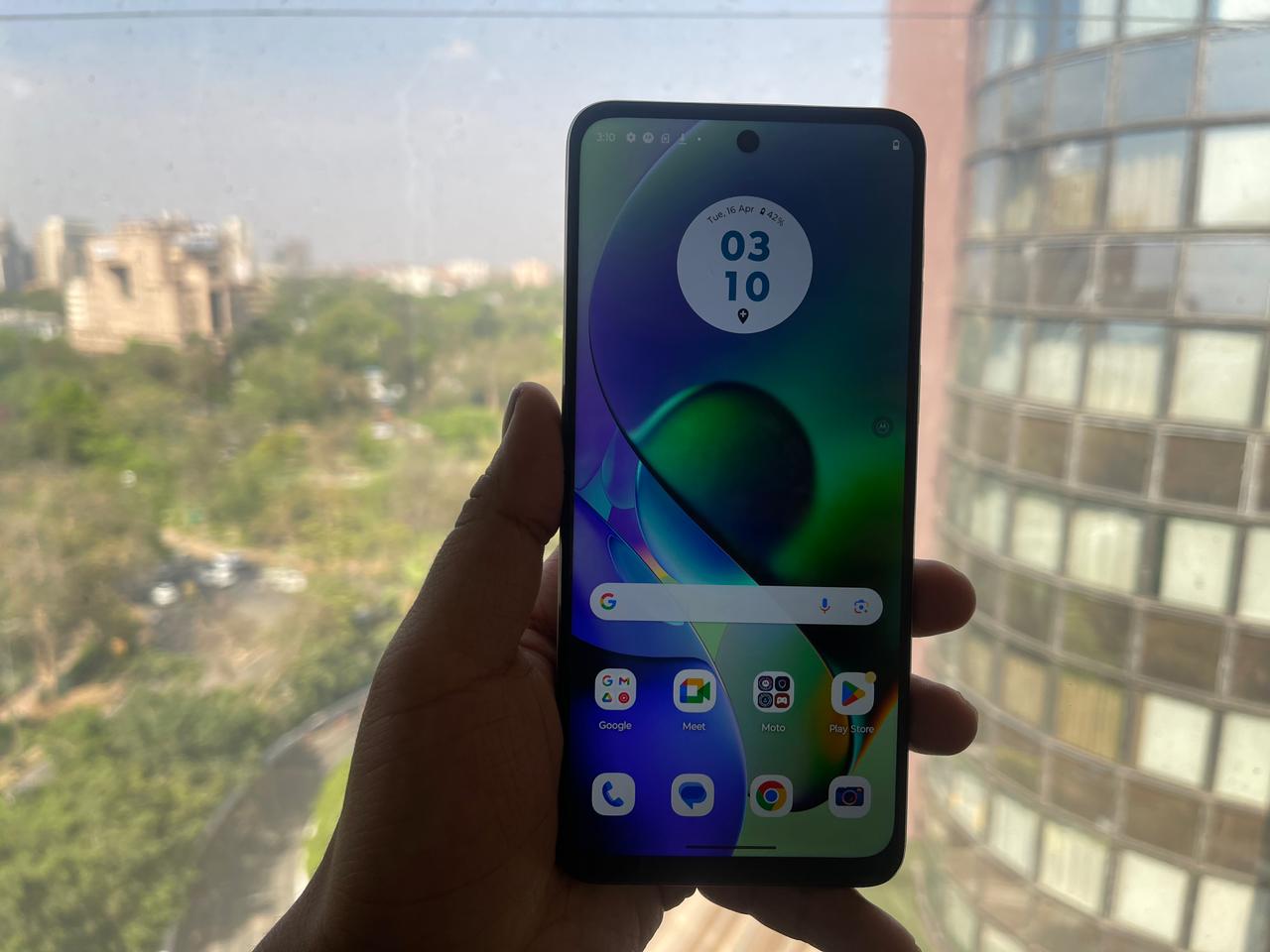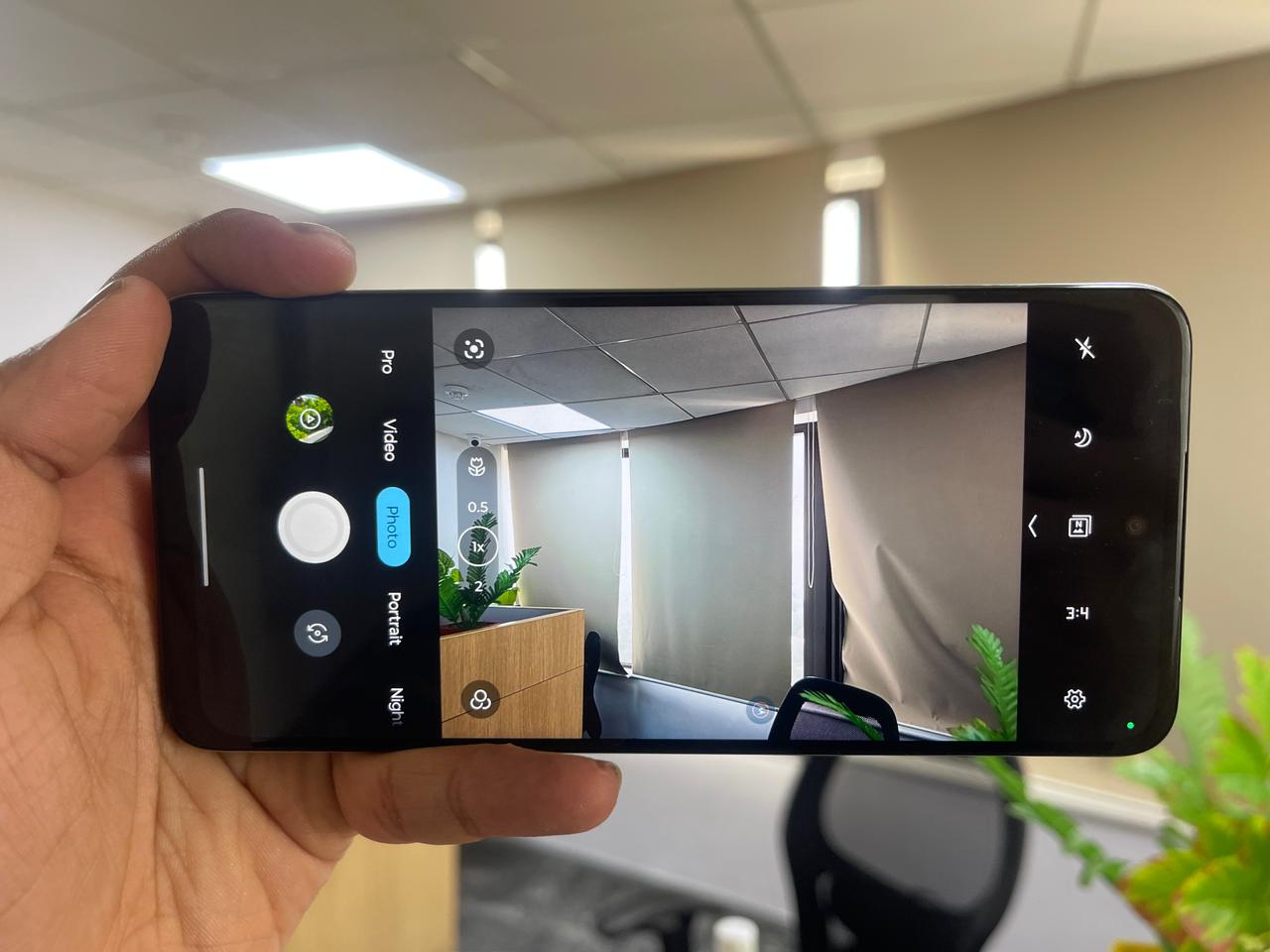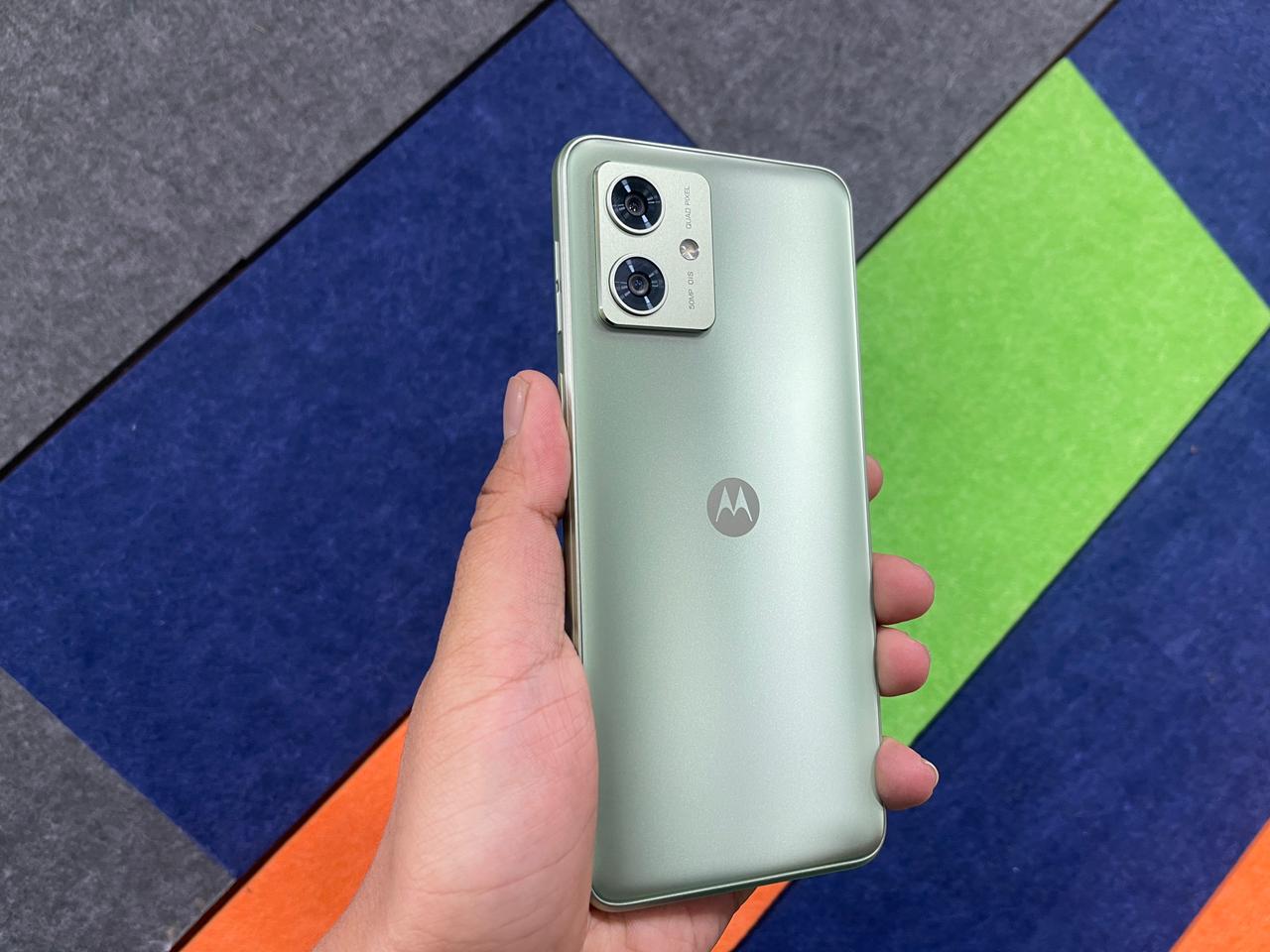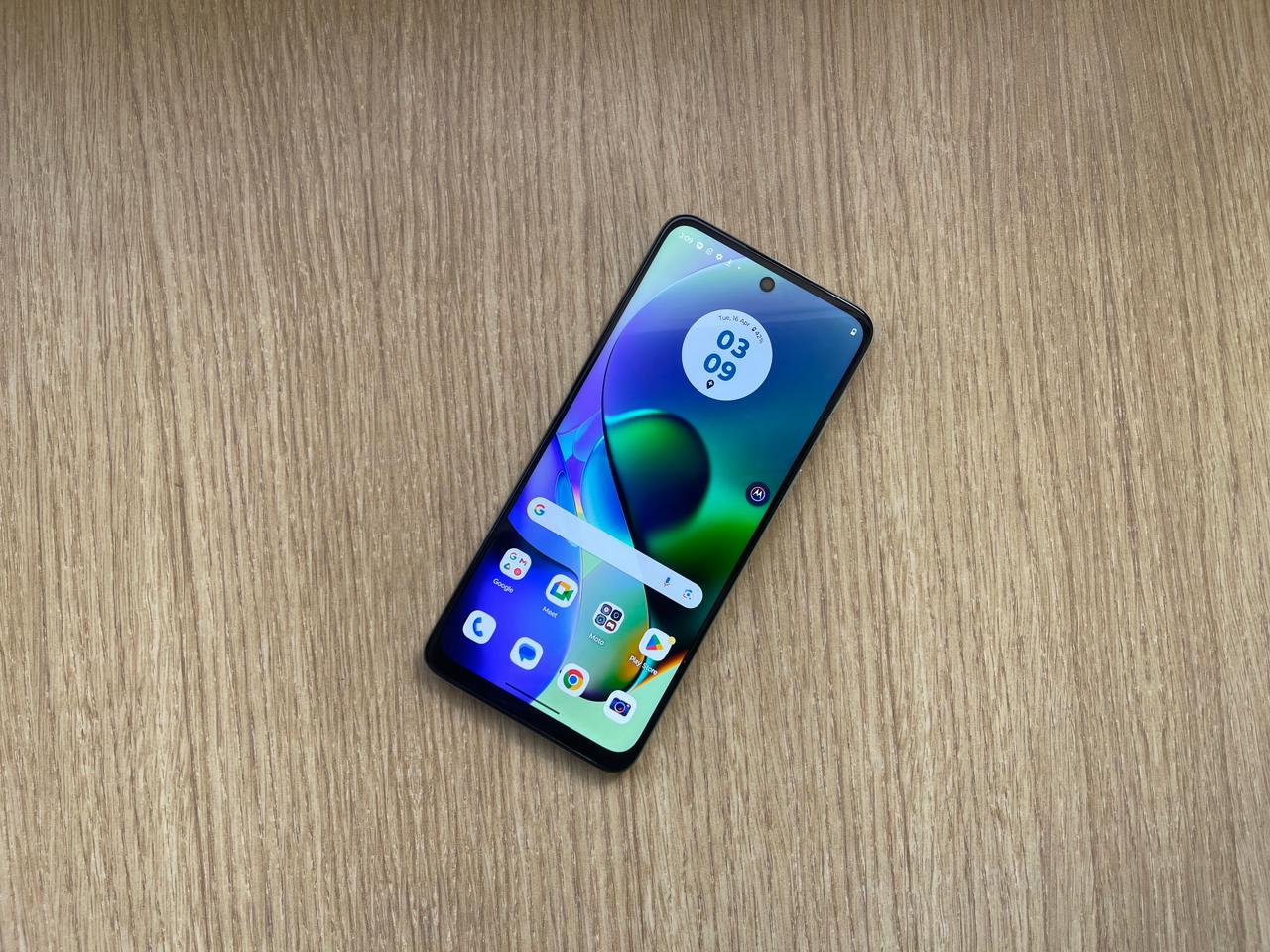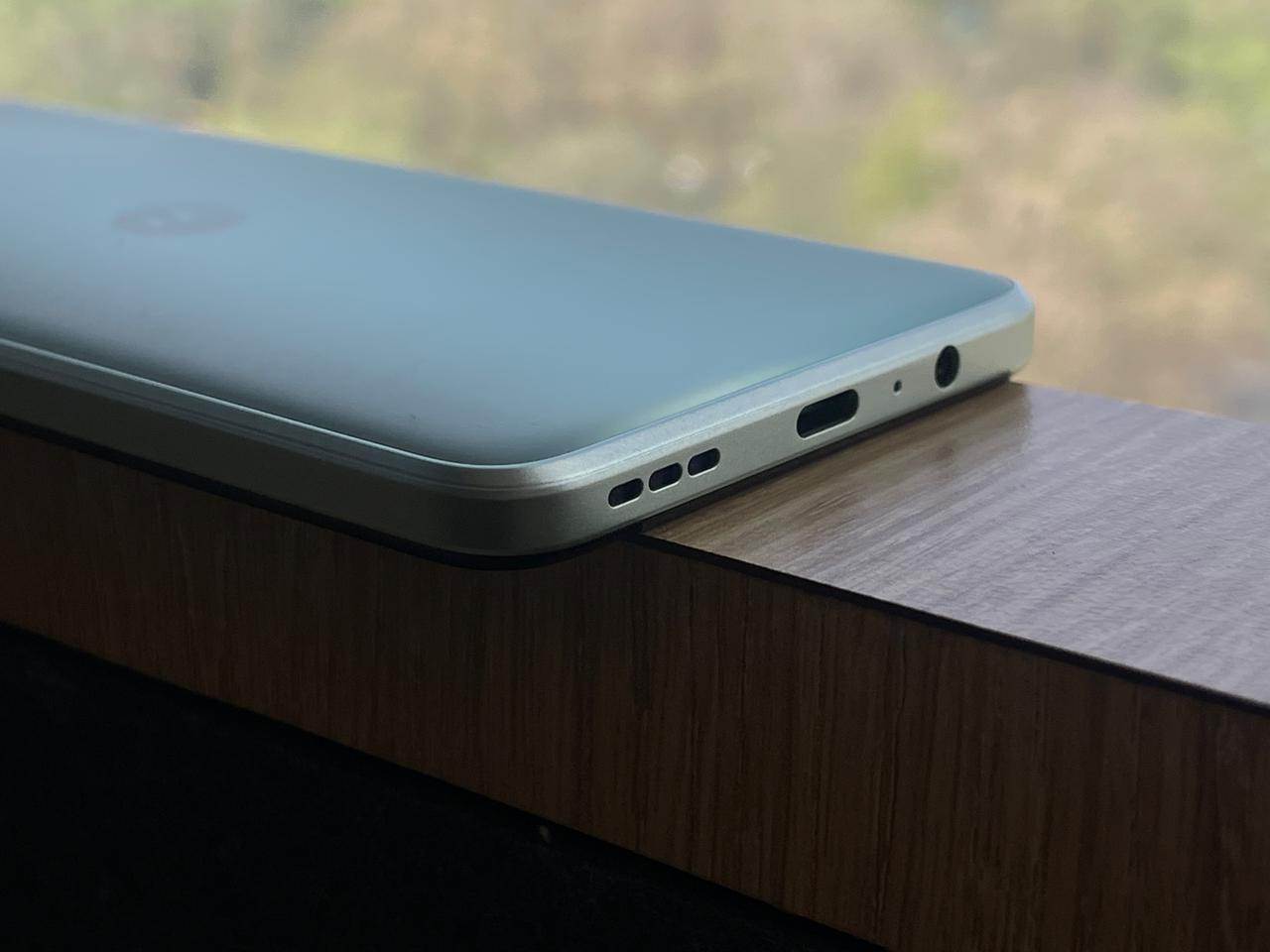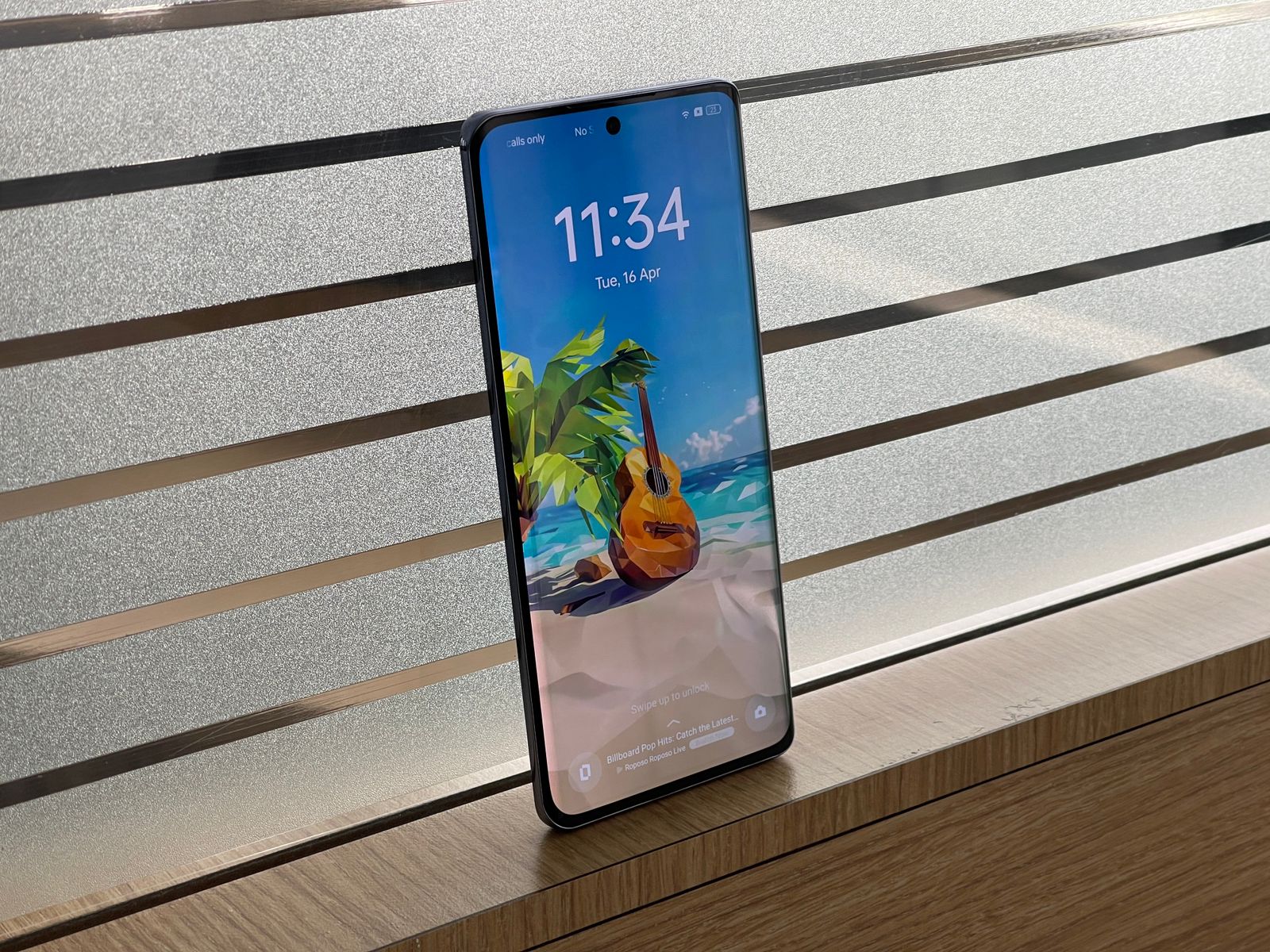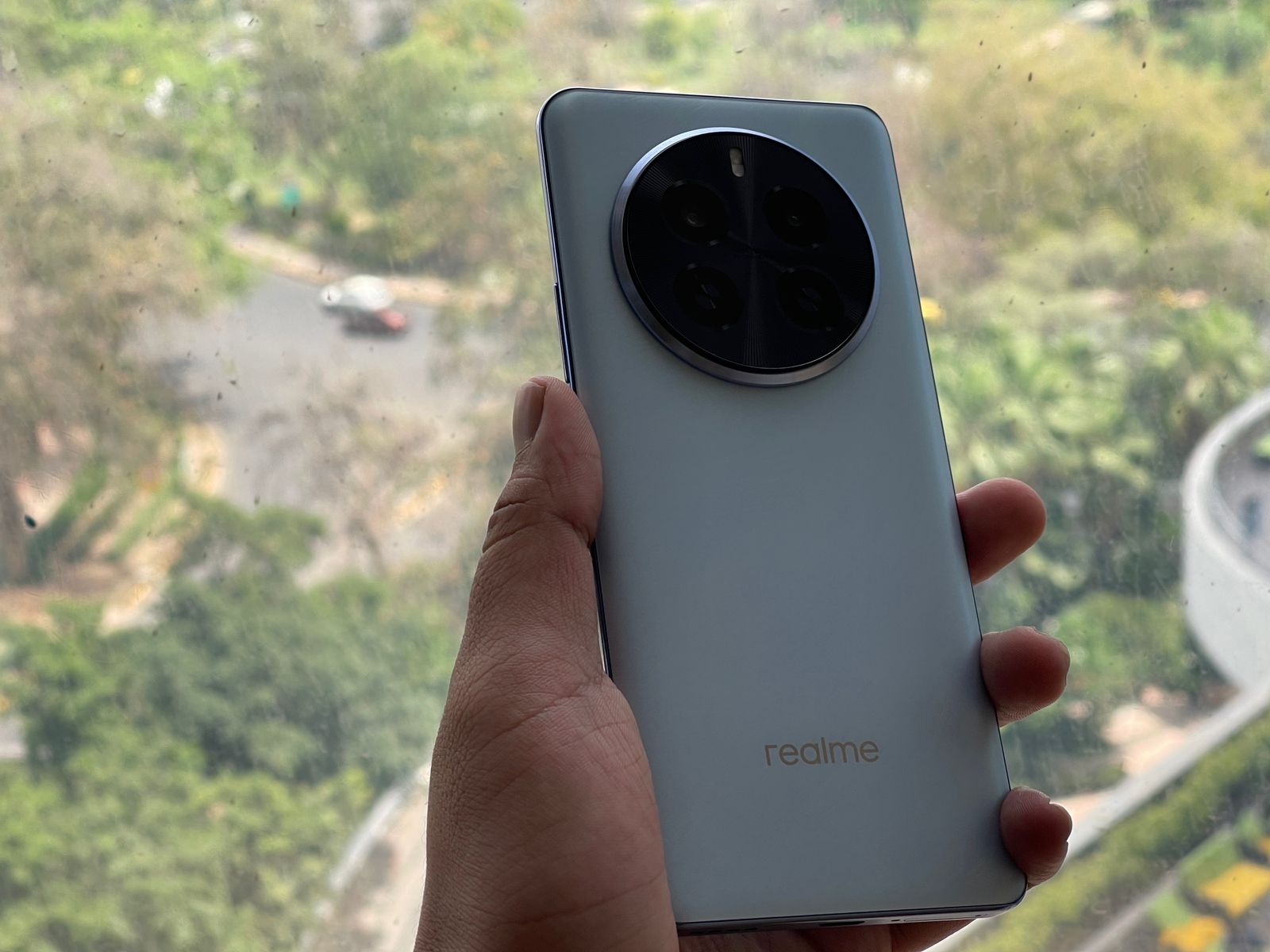
The phone’s base variant, with 4GB RAM and 128GB storage, is priced attractively at Rs 8,499.
For those seeking more power, the 6GB RAM and 128GB storage model is available at Rs 9,499, and the top-tier variant with 8GB RAM and 256GB storage is priced at Rs 10,999.
Poco C65 Sale Details
POCO has partnered with HDFC Bank and SBI to offer discounts of up to Rs 1,000 on debit and credit card transactions.
Additionally, customers can avail of no-cost EMI options and exchange offers with up to Rs 1,000 off.
The smartphone is available in two colour options: Matte Black and Pastel Blue.
POCO C65: Specifications
The POCO C65 boasts a 6.74-inch HD+ display, enhanced with a 90Hz refresh rate, and Gorilla Glass 3 for added durability.
At its core, the device is powered by the MediaTek Helio G85 processor, coupled with a Mali-G52 MC2 GPU, ensuring smooth performance for everyday tasks.
As mentioned above, the POCO C65 has versatile storage options with three variants available: 4GB+128GB, 6GB+128GB, and 8GB+256GB.
Users can also expand storage via a microSD card by up to 1TB.
On the back of the phone is a triple camera setup, featuring a 50MP main sensor, a 2MP macro lens, and an AI lens.
Selfie capabilities are bolstered by an 8MP front camera.
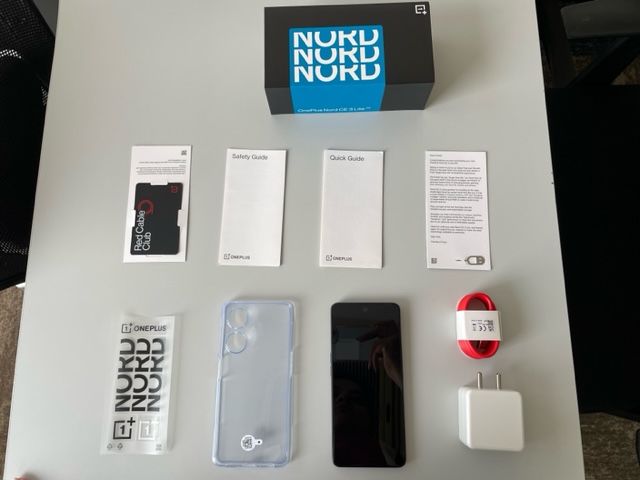
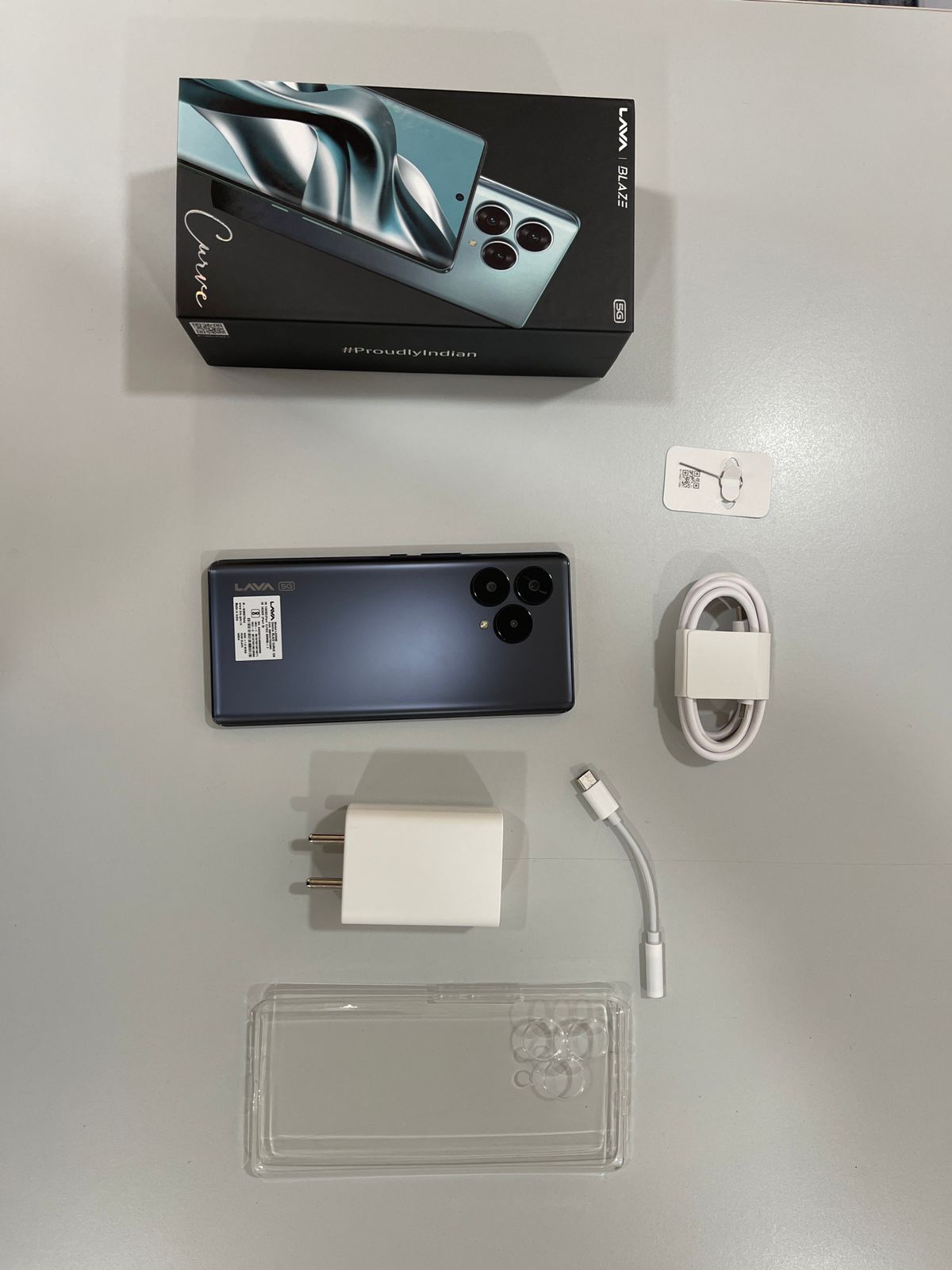
The device is equipped with a robust 5,000mAh battery, supporting 18W fast charging, although it comes with a 10W charger in the box.
Photo Mode, 50MP Mode, Timelapse, Night Mode, Portrait Mode, Document Mode, Movie Frame, Voice Shutter, Tilt Shift, Timed Burst
Video Recording
1080p @ 30 fps FHD, 720p @ 30 fps HD
Flash
Yes, LED
Front Camera
8 MP f/2.2 (Wide Angle) with Screen Flash
Front Video Recording
1080p @ 30 fps FHD
TECHNICAL
OS
Android v13
Custom UI
MIUI 14
Chipset
MediaTek Helio G85
CPU
2 GHz, Octa Core Processor
Core Details
2×2.0 GHz Cortex-A75 & 6×1.8 GHz Cortex-A55
GPU
Mali-G52 MC2
Java
No
Browser
Yes, supports HTML5
MULTIMEDIA
Email
Yes
Music
Yes
Video
Yes
FM Radio
Yes
Document Reader
Yes
BATTERY
Type
Non-Removable Battery
Size
5000 mAh, Li-Po Battery
Fast Charging
Yes, 18W
FAQs
What are the price points and variants for the POCO C65 in India?
The POCO C65 starts at Rs 8,499 for the 4GB+128GB variant. The 6GB+128GB model is priced at Rs 9,499, and the high-end 8GB+256GB version costs Rs 10,999.
These pricing tiers make the POCO C65 a competitive option in the budget smartphone market.
What special offers are available for the POCO C65 purchase?
Buyers can enjoy discounts of up to Rs 1,000 on HDFC Bank and SBI card transactions during the POCO C65 sale.
The phone also comes with no-cost EMI options and additional exchange offers, making it an attractive purchase.
What are the key specifications of the POCO C65?
The POCO C65 features a 6.74-inch HD+ display with 90Hz refresh rate, MediaTek Helio G85 processor, and a Mali-G52 MC2 GPU.
It has a triple camera setup with a 50MP main sensor, an 8MP front camera, and supports up to 18W fast charging for its 5,000mAh battery.
What connectivity features does the POCO C65 offer?
The POCO C65 comes with 4G LTE, dual-band Wi-Fi, Bluetooth, GPS, and a USB Type-C port.
Additional features like a side-mounted fingerprint sensor and face unlock are also included, enhancing the overall user experience.
What are some of the front camera features of POCO C65?
The 8GB front camera of POCO C65 comes with the following extra features to enhance photography performance –
● AI portrait mode with depth control ● Film Filters ● Timed burst ● AI Beautify ● HDR ● Selfie timer ● Screen soft light/Flash ● Palm Shutter ● Voice Sutter ● Add time stamp on photos
Does POCO C65 have a fingerprint sensor?
Yes, POCO C65 comes with a side-mounted fingerprint sensor. The fingerprint sensor also has a TAP gesture feature.
What are POCO C65 display features for OTT viewing?
POCO C65 Supports L1 widevine, TÜV low blue light certification and TÜV flicker-free certification to enhance the overall OTT viewing experience.
How is the software of POCO C65?
The Poco C65 has the Helio G85 SoC at the helm and runs Android 13-based MIUI 14 for Poco out of the box.
It comes with the promise of two Android version updates and three years of security updates.
Galaxy S24 series to feature varied RAM and storage configurations.
New colour choices Gray, Black, Violet, and Yellow for all S24 models.
Galaxy S24 Ultra expected with up to 1TB storage option.
Exclusive online colours potentially available for Galaxy S24 series.
The Samsung Galaxy S24 series is about to be announced early next year, but the leaks surrounding the company’s flagship lineup have painted a detailed picture ahead of time.
The most recent rumours surround the colour and storage options for the devices.
Here’s what you need to know.
Galaxy S24 Series: Variants and Colours
As per leaks by X user Revengus, the standard Galaxy S24 is rumoured to launch in two variants: one with 8GB of RAM and 128GB of storage, and another with 8GB of RAM and 256GB of storage.
For those seeking more power and space, the Galaxy S24+ is expected to start with 12GB of RAM and 256GB of storage, with an additional option of 12GB+512GB storage.
The colour palette for these models is set to include Gray, Black, Violet, and Yellow.
The Galaxy S24 Ultra, the flagship, is rumoured to debut with three storage options: 12+256GB, 12+512GB, and an impressive 12GB+1TB.
The same colour options are expected across the Galaxy S24 series, with additional exclusive colours potentially available for online retail via Samsung.com.
HDR Integration on Instagram, Facebook
Samsung Galaxy S24 Series: HDR Integration on Instagram, Facebook
Apart from this, a new report has surfaced which says that Samsung has partnered with Meta to enable HDR photo uploads and displays on Facebook and Instagram for its 2024 flagship smartphones.
All three devices in the series are rumoured to offer a peak brightness of 2600 nits making them potentially the brightest Galaxy phones to ever grace the markets.
Satellite communication, one akin to what Apple has been doing for the past year, is also rumoured to be included.
The new series is also set to incorporate a suite of AI features, powered by Samsung’s recently announced Gauss AI software.
What are the RAM and storage options for the Galaxy S24 series according to the leaks?
Leaks suggest the Galaxy S24 will have two models: one with 8GB RAM and 128GB storage, and another with 8GB RAM and 256GB storage.
The Galaxy S24+ is expected to start with 12GB RAM and 256GB storage, with an option for 12GB RAM and 512GB storage. The Galaxy S24 Ultra is rumored to offer three storage options: 12GB RAM with 256GB, 512GB, or 1TB of storage.
What color options are expected for the Galaxy S24 series?
The Galaxy S24 series is anticipated to come in Gray, Black, Violet, and Yellow. Additionally, exclusive colors might be available for online purchases directly from Samsung’s website.
Tell me about Galaxy S24 Series Exynos 2400 chipset vs Apple A17 Pro?
The Exynos 2400 SoC in the Galaxy S24 Series is rumored to outshine Apple’s A17 Pro chip, especially in GPU performance.
With its AMD collaboration, the Exynos 2400’s GPU could surpass the A17 Pro’s impressive AnTuTu graphics score, signaling a notable advancement in Samsung’s chipset technology.
What are the implications of 4nm Process in Exynos 2400?
Samsung’s choice of a 4nm process for the Exynos 2400 strikes a balance between high efficiency and manufacturing practicality.
This technology choice, coupled with FOWLP (Fan-Out Wafer Level Packaging), aims to enhance chip efficiency and heat management, sustaining robust performance.
What are the performance Expectations from the Galaxy S24 Series?
The Exynos 2400 in the Galaxy S24 Series is expected to deliver a significant performance boost with a 70% increase in CPU capability and a 14.7-fold enhancement in AI processing speeds compared to its predecessor, the Exynos 2200.
Groundbreaking chip combines electronic and light-based components for advanced communication.
Prototype chip excels in processing high-frequency signals with greater accuracy.
New microwave photonic filters enhance signal quality in modern communication systems.
A rather groundbreaking development in chip architecture has recently emerged, which is likely to steamroll forward the telecom sector’s ambitions for moving ahead of 5G.
A hybrid of electronic and light-based components has now set the stage for 6G technology while also opening a new horizon for future generations of communication systems, including 7G.
The Next Leap in Communication Technology
Published on November 20 in Nature Communications, this research presents a visionary blueprint for the kind of communication chips that will be integral in advanced radar systems, satellite networks, and next-generation Wi-Fi.
What makes this development particularly noteworthy is the integration of photonic (light-based) components into traditional electronic circuits.
In layman’s terms, this combination will make chips better at handling a wider range of radio signals and more accurate at picking up high-frequency signals.
Building the Prototype: A Milestone Achievement
At the heart of this research lies a functional prototype of a networking semiconductor chip, modest in size at 0.2 by 0.2 inches, yet monumental in its implications.
Crafted from a silicon wafer, this chip integrates ‘chiplets’ – tiny units of electronic and photonic components – in a manner reminiscent of assembling Lego bricks.
Wireless transceivers, which are essential for sending and receiving data, usually use special filters in regular chips to block any unwanted radio signals.
In this new chip design, they’ve added a special kind of filter for light-based signals. The big achievement here is that they’ve managed to combine both light-based and electronic parts, along with these new filters, all on one chip.
This makes the chip good at picking up specific radio frequencies, especially those higher ones that often get crowded, and it helps the chip process information more accurately.
Implications for Future Wireless Technologies
The implications of this research are immense, to say the least.
Ben Eggleton, the leader of the research team from the University of Sydney, pointed out that these new microwave photonic filters are really useful for modern communication and radar systems.
He emphasized that these filters are great at picking out specific frequencies very accurately, which helps reduce unwanted signal noise and makes the quality of the signals much better.
This innovation is particularly pertinent as we move towards higher frequency ranges in wireless technology.
The utilization of photonics is crucial in this context, enabling mobile devices to function efficiently in mmWave bands above 30GHz.
Finally, the prototype chips created from this research are set to provide a much wider range of radio frequencies they can work with.
Adding a microwave photonic filter to these chips is a big deal.
It gets rid of problems in the high-frequency range.
These high frequencies can handle more data at faster speeds, but they usually don’t travel far and get easily disrupted.
The new chips can handle these frequencies better, making them more efficient.
FAQs
What is the significance of the new chip architecture?
The new chip architecture marks a significant advancement by merging electronic and photonic elements.
This integration enhances the chip’s ability to handle a broader spectrum of radio signals and improves accuracy in high-frequency ranges, paving the way for the future of wireless technology, including 6G and 7G.
How does the prototype chip improve data transmission?
The prototype chip, built with a combination of electronic and light-based parts, excels in filtering and processing signals.
It includes special filters that allow it to precisely target and manage high-frequency radio signals, which are crucial for faster data transmission in upcoming wireless technologies.
Why are microwave photonic filters important in this development?
Microwave photonic filters play a key role in this development by enhancing the quality of signals in communication and radar systems.
These filters are adept at selecting specific frequencies with high accuracy, reducing interference and improving the overall signal quality.
How will this technology impact future wireless networks like 6G?
This technology is a game-changer for future wireless networks like 6G, which will operate on higher frequencies.
The chips’ ability to efficiently handle a wider range of frequencies, particularly in the higher spectrum, is essential for the speed and reliability expected from 6G networks.
Apple releases guide on authentic Apple Watch chargers
Genuine chargers identified by specific model numbers
Counterfeit chargers linked to slow charging and battery issues
Apple recommends MFi-certified third-party chargers
Apple has recently emphasized the importance of using authentic or certified chargers for the Apple Watch.
The company has published a new guide, outlined in a new support document, which aims to educate users on the risks associated with counterfeit or uncertified chargers and how to identify genuine Apple products.
Identifying Authentic Chargers
Titled “Identify authentic and certified Apple Watch chargers,” Apple stresses that Apple Watch chargers are typically white, occasionally bearing regulatory information on the cable.
This is a stark contrast to third-party chargers, which often come in various colours and lack the specific design details of Apple’s products.
To ensure legitimacy, Apple has advised its users to look for specific model numbers on the cable.
If you have the time, you can check out the various numbers associated with original Apple Watch chargers below.
Additionally, genuine Apple Watch chargers can be verified through a simple check on a Mac.
By connecting the Apple Watch to a Mac and navigating to System Settings > General >About > System Report,users can access USB details.
A genuine charger will list “Apple Inc.” as the manufacturer, providing a quick and reliable method to verify authenticity.
Risks of Counterfeit Chargers
Why shouldn’t people use chargers not made by Apple?
Well the company has stated that the use of counterfeit or uncertified chargers, can lead to several issues such as slow charging, frequent chimes, and a reduced lifespan of the watch’s battery.
The reason is that these ‘substandard’ products have not undergone Apple’s rigorous testing and verification processes, potentially posing risks to both the device and its user.
For those opting for third-party chargers, Apple advises checking for the Made for Watch label or consulting the MFi accessories database on Apple’s website.
This ensures the third-party accessory meets Apple’s safety and performance standards, safeguarding the user’s device from potential harm.
FAQs
How can users identify an authentic Apple Watch charger?
Apple’s new guide highlights that legitimate Apple Watch chargers are typically white and may include regulatory information on the cable.
Users should look for specific model numbers like A1570, A1598, or A1647 to confirm authenticity.
What are the risks of using counterfeit Apple Watch chargers?
Using counterfeit or uncertified chargers can lead to slow charging, frequent chimes, and reduced battery lifespan for the Apple Watch.
These chargers have not passed Apple’s stringent testing and may pose risks to the device.
How can users verify if their Apple Watch charger is genuine using a Mac?
To verify a charger’s authenticity, connect the Apple Watch to a Mac and go to System Settings > General > About > System Report.
Under USB details, a genuine charger will list “Apple Inc.” as the manufacturer.
What should users do if they prefer third-party chargers for their Apple Watch?
Apple advises users opting for third-party chargers to look for the Made for Watch label or check the MFi accessories database on Apple’s website.
This ensures the accessory meets Apple’s safety and performance standards.
Vivo X100 series features MediaTek Dimensity 9300 chipset.
Advanced camera systems in both Vivo X100 and X100 Pro.
High-resolution LTPO AMOLED displays with 120Hz refresh rate.
Robust battery performance with fast charging capabilities.
The Vivo X100 and Vivo X100 Pro which had originally debuted in China, have now marked their global introduction.
Powered by the new MediaTek Dimensity 9300 chipset, these devices mirror the design and specifications of their Chinese counterparts, showcasing an LTPO curved AMOLED display with a 120Hz refresh rate and other high-end features, all running on the latest Android 14 OS.
Vivo X100 and Vivo X100 Pro Series
While Vivo has not disclosed European pricing for the X100 series, the Vivo X100 Pro is priced at HK$7,998 in Hong Kong, which is approximately Rs 85,000.
The standard Vivo X100 comes with a price tag of HK$5,998, around Rs 63,000. The series has been spotted on India’s BIS Certificationwebsite and is anticipated to launch in India in early 2024.
Processor: MediaTek Dimensity 9300 4nm SoC with Immortalis-G720 GPU.
RAM/Storage: Options of 12GB/16GB RAM and 256GB/512GB/1TB storage.
Operating System: Android 14-based Funtouch OS 14.
Camera (Vivo X100): 50MP primary, 50MP ultra-wide, 64MP telephoto with up to 100x digital zoom.
Camera (Vivo X100 Pro): 50MP 1-inch primary sensor, 50MP ultra-wide, 50MP APO telephoto with 100x zoom.
Battery: X100 – 5,000mAh with 120W charging; X100 Pro – 5,400mAh with 100W charging, 50W wireless charging.
Connectivity: 5G, Wi-Fi 7, Bluetooth 5.4, NFC, USB Type-C.
Vivo X100: Features
Vivo X100: Features
The Vivo X100 series stands out with its advanced camera capabilities.
The standard Vivo X100 features a 50MP Sony IMX920 VCS bionic primary sensor, accompanied by a 50MP ultra-wide camera and a 64MP telephoto lens, offering up to 100x digital zoom.
The Pro variant ups the ante with a 50MP 1-inch Sony IMX989 VCS bionic sensor, alongside similar ultra-wide and telephoto cameras, with the addition of a telephoto macro mode.
Both models boast a 32MP front camera for high-quality selfies.
In terms of design, both phones sport a 6.78-inch LTPO AMOLED display with a 20:9 aspect ratio and HDR10+ support, providing vibrant visuals.
The display’s 120Hz variable refresh rate and up to 3000 nits peak brightnessensure a smooth and bright viewing experience.
Under the hood, the MediaTek Dimensity 9300 SoC ensures top-notch performance, supported by LPDDR5X/LPDDR5T RAM and UFS 4.0 storage.
What are the key display features of the Vivo X100 series?
The Vivo X100 and X100 Pro boast a 6.78-inch LTPO AMOLED display with 1.5K resolution, HDR10+ support, and a 120Hz refresh rate.
This ensures crisp, vibrant visuals with smooth motion, enhancing the user experience whether for gaming, streaming, or browsing.
How does the camera performance differ between the Vivo X100 and X100 Pro?
The Vivo X100 is equipped with a triple camera setup including a 50MP primary sensor, while the X100 Pro steps up with a 50MP 1-inch primary sensor, offering enhanced photography capabilities.
Both models include impressive telephoto lenses with up to 100x digital zoom and a 32MP front camera for high-quality selfies.
What processing power does the Vivo X100 series offer?
Powered by the MediaTek Dimensity 9300 chipset, the Vivo X100 series delivers top-notch performance.
This is complemented by LPDDR5X/LPDDR5T RAM and UFS 4.0 storage, ensuring a smooth, responsive experience across applications and tasks.
What are the details surrounding the Vivo X100 Series launch in India?
The Vivo X100 Series, consisting of the Vivo X100 and X100 Pro, is expected to launch in India in January 2024.
This information aligns with the recent listing of these models on the Bluetooth SIG website, indicating their imminent arrival.
Why has the launch of the Vivo X100 Pro+ been delayed?
The release of the Vivo X100 Pro+, originally slated to be part of the X100 series launch, has been postponed due to undisclosed reasons. This delay shifts the expected release of the Pro+ model to the first half of 2024.
The rescheduled launch of the X100 Pro+ is set to coincide with other major Vivo products, including the Vivo Pad 3 tablet and the Vivo X Fold 3 foldable smartphone, indicating a significant expansion in Vivo’s product offerings during that period.
What makes the Vivo X100 series stand out in the smartphone market?
The Vivo X100 series, comprising the Vivo X100 and X100 Pro, is known for its advanced photography capabilities.
With its high-resolution cameras and sophisticated features, these models cater to photography enthusiasts seeking professional-grade image quality in a smartphone.
How do the camera specifications differ between the Vivo X100 and X100 Pro?
The Vivo X100 features a 50MP primary camera, a 64MP periscope telephoto lens, and a 50MP ultrawide camera.
In contrast, the X100 Pro includes a 50MP 1-inch main camera sensor and a 50MP periscope telephoto lens, alongside the same ultrawide camera.
Vibrant 120Hz Full HD+ Display for Enhanced Visuals.
MediaTek Dimensity 6100+ for Smooth Performance.
Durable 5000mAh Battery with 33W Fast Charging.
Dual Camera Setup with 50MP Primary Sensor.
Realme has announced the Realme C67 5G in Indiaand it is the company’s latest handset offering 5G capabilities at budget pricetag.
From its visually captivating design and robust display to its competent camera setup and reliable performance, the Realme C67 5G aims to set a new standard in the mid-range smartphone segment.
In this Realme C67 5G review, let’s explore if the device can champion the under Rs 15,000 segment.
Memory: Up to 6 GB LPDDR4x RAM, 128 GB UFS 2.2 storage.
Battery: 5,000 mAh with 33W fast charging.
Software: Realme UI 4.0 based on Android 13.
Realme C67 5G Review: Build and Design
Realme C67 5G Build and Design
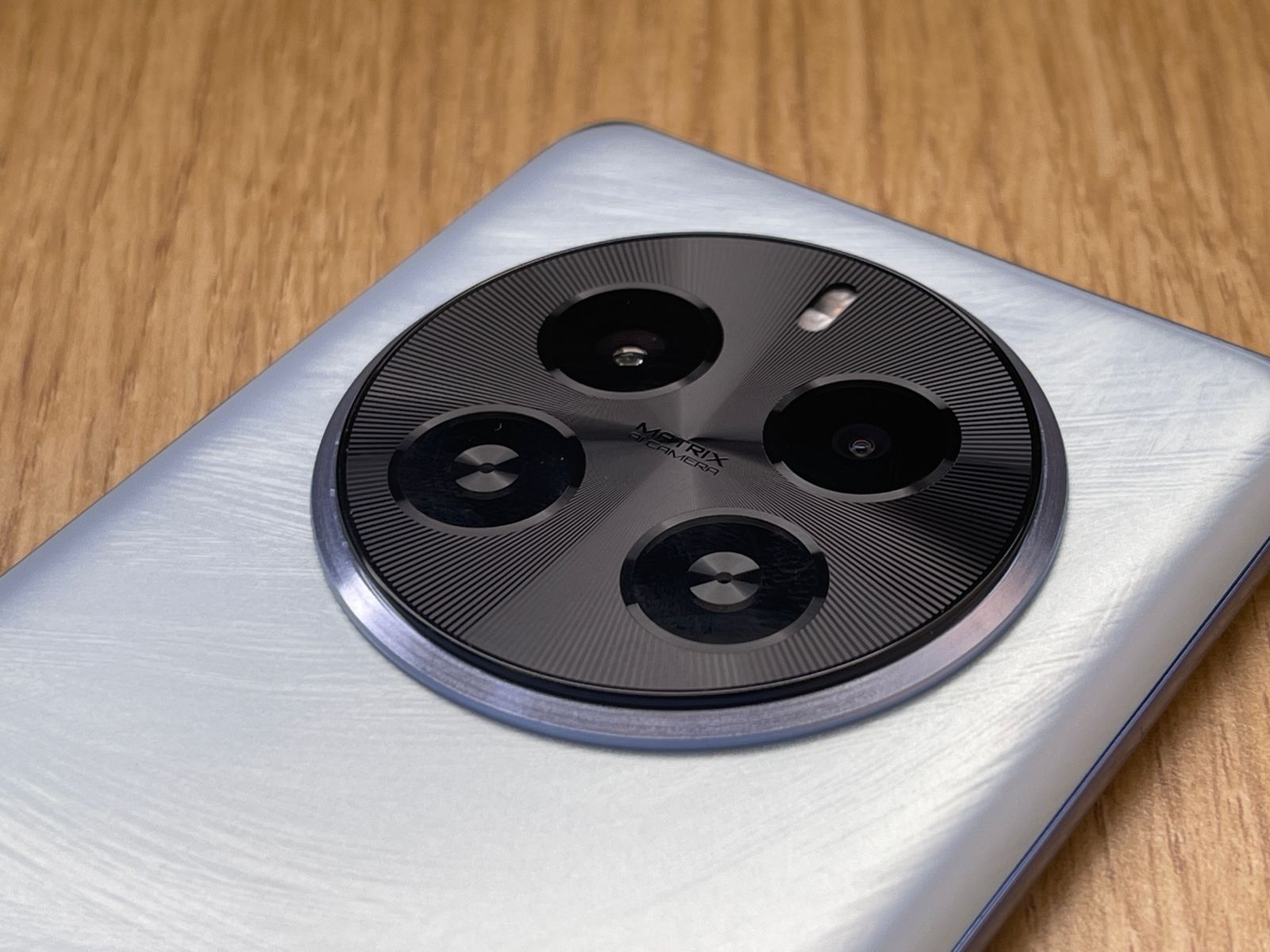
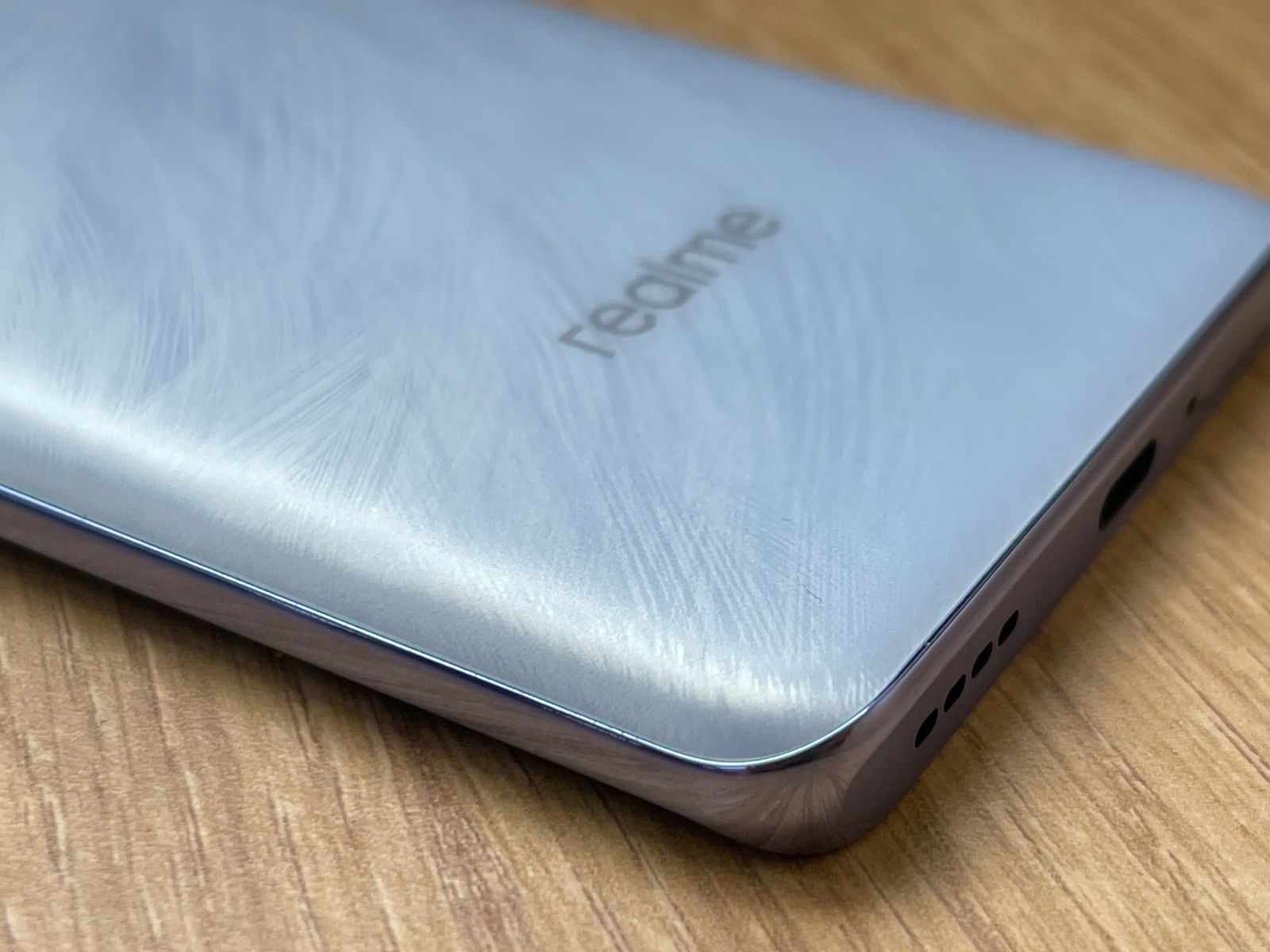
The Realme C67 5Gshowcases an innovative design with a gradient light effect on its rear panel, reminiscent of some of the previous Realme Narzo series design styles.
My Green colour variant particularly exhibits enhanced clarity and a bit of dazzle when exposed to light.
Its design focuses on slimness and flat edges, ensuring it’s comfortable to hold and carry.
The Realme C67 5G, with its weight of approximately 190 grams and thin profile of 7.89 mm, is not just sleek but also practical.
It also boasts an IP54 rating a novelty at its price tag.
Finally, on the left side, you’ll find a dual SIM tray that supports 5G capabilities and a microSD card slot while on the bottom there’s a USB Type-C port, a loudspeaker, a microphone (with an additional one at the top), and a 3.5 mm headphone jack.
Realme C67 5G Review: Display
Realme C67 5G Display
The display of the Realme C67 5G is a noteworthy feature in the sub-Rs 15,000 category, encompassing a 6.72-inch IPS LCD panel.
It offers Full HD+ resolution (2400 x 1080 pixels) complemented by a high refresh rate of 120 Hz.
I used the phone extensively over multiple days for media consumption and the device did not disappoint.
The phone also has a good peak brightness at 650nits which doesn’t give any trouble even under bright sunny conditions.
The responsiveness is further enhanced by a 240 Hz touch sampling rate.
With a screen-to-body ratio of 91.4%, the C67 offers an expansive area which doesn’t hurt its video-showing capabilities.
Realme C67 5G Review: Cameras
Realme C67 5G Cameras
The device is equipped with a dual-camera setup on the rear and a capable front-facing camera, both designed to cater to various photography needs.
At the heart of its imaging prowess lies the 50 MP AI main camera, a sensor capable of capturing fine details with remarkable clarity.
This primary camera is complemented by a 2 MP depth sensor, which aids in achieving depth-of-field effects, particularly beneficial for portrait shots.
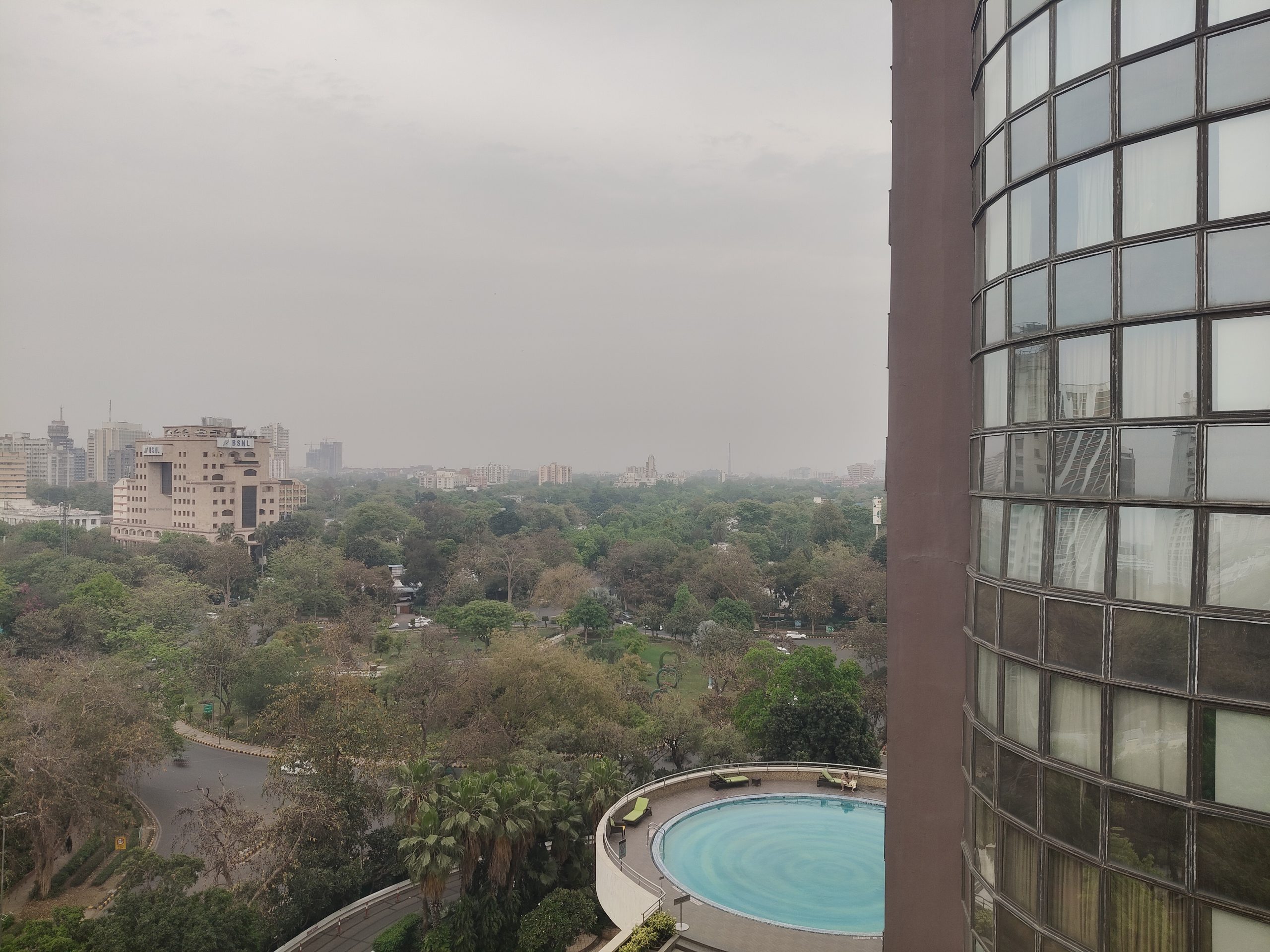
50 MP Primary Camera: In my testing, the high-resolution sensor of the main camera is adept at capturing images with vivid colours and sharp details. Whether it’s landscape photography or close-up shots, the camera manages to retain texture and clarity, making every picture look lively.
2 MP Depth Sensor: This is a secondary sensor placed more as an afterthought that for serving any proper utility.
Front Camera: The Realme C67 5G also features an 8 MP punch-hole selfie camera, ingeniously integrated into the display. My experience with the selfies being churned out of the device was satisfactory though nothing to brag about.
Realme C67 5G Review: Additional Camera Features and Modes
The Realme C67 5G’s camera system has an array of features and modes that did enhance the device’s day-to-day shooting capabilties.
Portrait Mode: Utilizes the depth sensor to create a blurred background, focusing attention on the subject.
It’s ideal usage for was capturing people and pets, providing professional-looking results although with a decent amount of fringing on the edges
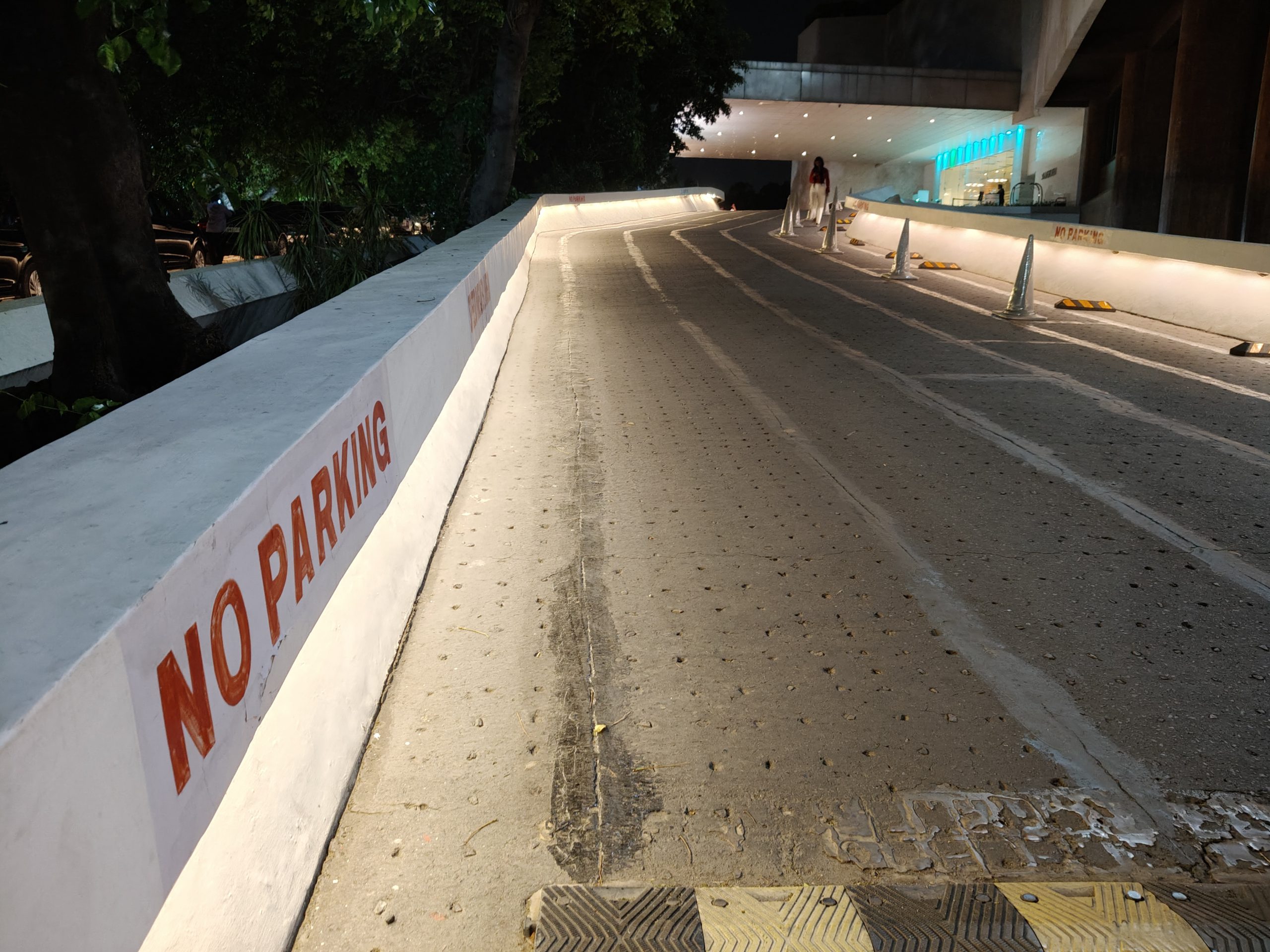
Night Mode (Super Nightscape Mode): This mode is also acceptable, as it enhances low-light photography.
It works by capturing multiple shots at different exposures and combining them to produce a well-lit, detailed image with reduced noise.
However, it amps up the colour saturation levels unnaturally.
Street Mode: A unique addition that caters to the growing interest in street photography.
This mode likely adjusts settings to capture the vibrancy and dynamism of urban environments effectively.
Realme C67 5G Review: Day Camera Samples

Realme C67 5G Review: Night Camera Samples

Realme C67 5G Review: Performance and Software
Realme C67 5G Benchmark Result
The Realme C67 5G is powered by the MediaTek Dimensity 6100+, a 6nm octa-core SoC featuring a mix of 2x Cortex-A76 and 6x Cortex-A55 cores, ensuring a balance between high performance and efficiency.

This processor is also used in the Narzo 60x 5G, so we have a good idea on what to expect.
The C67 provided decent benchmarking numbers and my daily usage exhibited all major tasks of daily computing without issues.
The SoC is accompanied by with up to 6 GB LPDDR4x RAM, and 128 GB UFS 2.2 storage.
In terms of multimedia and connectivity, the Realme C67 5G impresses with its decent bottom-firing speakers and the thoughtful inclusion of a 3.5mm headphone jack, catering well to audio enthusiasts.
Additionally, the device delivers satisfactory 5G network performance on Airtel’s Noida network, making it a suitable choice for users seeking efficient connectivity and a comprehensive smartphone experience in the midrange segment.
The Realme C67 5G operates onRealme UI 4.0, which is based on Android 13, providing a user-friendly and intuitive interface.
This software layer adds a variety of customized features and enhancements over the stock Android experience, ensuring a more personalized and efficient user interaction.
However, the company has not resolved the bloatware issues on the device.
Even so, the UI is decently intuitive and helps in fluidity by the 120Hz display.
Realme C67 5G Review: Battery and Charging
Realme C67 5G Battery and Charging
The Realme C67 5G is equipped with a substantial 5,000 mAh battery, which consistently delivers up to two days of battery life, depending on my usage patterns.
This endurance is complemented by its 33W fast charging capability, a notable upgrade over the standard 18W charging offered by many competitors in its price range.
As per Realme India’s claims, this phone can charge up to 50% in just 29 minutes, and my experience mirrored this claim.
Additionally, Realme has said the device includes a five-core protection system for charging, ensuring the safety and longevity of the battery, thus making the Realme C67 5G an attractive choice for those seeking long-lasting battery life with rapid charging capabilities in the budget smartphone market.
Realme C67 5G Review: Final Verdict
Realme C67 5G Final Verdict
The Realme C67 5G emerges as a strong contender in its category, offering a harmonious blend of style, performance, and practicality.
The phone’s MediaTek Dimensity 6100+ SoCensures smooth daily operations and satisfactory gaming experiences.
The dual-camera setup, with a 50 MP primary sensor,captures vivid images, while the 5,000 mAh battery with 33W fast charging stands out in its segment for its endurance and rapid recharge capability.
Despite the presence of bloatware, the Realme UI 4.0 based on Android 13 offers a user-friendly interface, complemented by the phone’s 120Hz display.
All in all, the Realme C67 5G is a well-rounded smartphone, balancing price and features adeptly, making it an excellent choice for users seeking value and performance.
Reasons to Buy the Realme C67 5G
Exceptional Display Quality: The 6.72-inch Full HD+ IPS LCD display with a 120Hz refresh rate offers vibrant visuals, making it ideal for media consumption and gaming.
High-Performance Processor: Equipped with the MediaTek Dimensity 6100+ SoC, the phone handles daily tasks and moderate gaming with ease, ensuring smooth performance.
Long Battery Life: The 5,000 mAh battery offers up to two days of usage, making it reliable for extended periods without frequent charging.
Fast Charging Capability: With 33W fast charging, the phone can charge up to 50% in just 29 minutes, significantly reducing downtime.
Versatile Camera Setup: The 50 MP primary camera captures detailed and vibrant photos, supported by useful features like Night Mode and Portrait Mode for enhanced photography.
Reasons Not to Buy the Realme C67 5G
Presence of Bloatware: The software comes with pre-installed apps and bloatware, which can affect the user experience and consume unnecessary storage.
Limited Secondary Camera Utility: The 2 MP depth sensor offers limited functionality, lacking the versatility that might be expected from a modern smartphone camera.
Top 5 Alternatives of Realme C67 5G
Poco M6 Pro 5G
Poco M6 Pro 5G
Priced at Rs. 11,999, the Poco M6 Pro 5G is an appealing alternative. It features a 6.79-inch IPS LCD display with a 90 Hz refresh rate and 396 PPI resolution.
For photography, it offers a 50MP + 8MP + 2MP triple primary camera setup and a 13MP front camera.
A significant feature is its 6000mAh battery with fast charging capability. The device also provides 128GB of storage capacity.
Vivo T2x
Vivo T2x
At Rs. 12,999, the Vivo T2x features a 6.58-inch IPS LCD screen with a 60 Hz refresh rate and 401 PPI.
It’s powered by a MediaTek Dimensity 6020 processorcoupled with 6 GB RAM. The phone includes a 50 MP + 2 MP dual primary camera setup and an 8 MP front camera.
A 5000 mAh battery with fast charging support is also part of its hardware, and it comes with 128 GB storage space.
Xiaomi Redmi 13C
Xiaomi Redmi 13C
The Xiaomi Redmi 13C, priced at Rs. 8,786, comes with a 6.74-inch IPS LCD display, offering a 90 Hz refresh rate and 260 PPI.
Photo, AI Beauty, Filter, AI Scene Recognition, Night Mode, Professional, Panoramic View, Portrait Mode, Street, HDR, 64MP Mode, Starry, Chroma Boost, Bokeh Flare Portrait, AI Color Portrait, Video Feature: Video, Video Filter, Slow Motion, Timelapse
Video Recording
1080p @ 30 fps FHD
Flash
Yes, LED
Front Camera
Punch Hole 8 MP f/2 (Wide Angle) with Screen Flash
What are the standout features of the Realme C67 5G’s display?
The Realme C67 5G sports a 6.72-inch IPS LCD panel with Full HD+ resolution, offering sharp and clear visuals.
Its 120Hz refresh rate ensures smooth scrolling and better responsiveness, ideal for gaming and video playback.
The peak brightness of 650 nits allows for comfortable viewing even in bright outdoor conditions, making it a versatile display for various lighting environments.
How does the MediaTek Dimensity 6100+ SoC enhance the Realme C67 5G’s performance?
The MediaTek Dimensity 6100+ SoC in the Realme C67 5G is a mid-range processor designed for efficient performance and power management.
This chipset, along with up to 6GB of RAM, enables smooth multitasking and gaming, making the device capable of handling everyday tasks with ease.
Its 6nm architecture also contributes to better battery efficiency, supporting longer usage times.
What camera capabilities does the Realme C67 5G offer?
The Realme C67 5G features a dual-camera setup with a 50MP main sensor that captures detailed and vibrant images.
The secondary 2MP depth sensor aids in creating depth effects for portraits. The device also includes various modes like Night Mode for enhanced low-light photography and Portrait Mode for focused subject shots.
The 8MP front camera delivers decent selfies, suitable for social media.
Can you describe the Realme C67 5G’s battery life and charging features?
The phone is equipped with a large 5,000mAh battery, providing up to two days of usage on a single charge, depending on usage patterns.
It stands out with its 33W fast charging capability, which can charge the phone up to 50% in just 29 minutes.
This feature is particularly beneficial for users with busy lifestyles who need quick battery top-ups.
What Colors is Realme C67 5G Available in ?
The realme C67 5G is available in two stunning colors: Sunny Oasis and Dark Purple
What is the Price of the two Storage variant of realme C675G ?
The two storage variants are priced at INR 13,999 (4GB+128GB) and INR 14,999 (6GB+128GB).
What is Realme Providing the users with their Realme C Series?
realme has always been committed to provide users with cutting edge technology at an accessible price point.
The realme C Series is a testament for it with a massive customer base of over 30 million in India.
From fast charging, camera technology to design aesthetics, the C Series has made its mark and each new generation of the C Series smartphones stands out to lead the segment with its unparalleled and exciting upgrades across four key areas: charging, camera, storage, and design.
How does the Realme C67 5G balance performance and design?
The Realme C67 5G is designed to offer a balance between aesthetic appeal and performance.
It features a sleek 7.89mm body with a Sunny Oasis style, ensuring comfort and a modern look.
The MediaTek Dimensity 6100+ 5G chipset ensures responsive performance, while the 5000mAh battery and 33W SUPERVOOC charging provide longevity and convenience.
This balance makes it an attractive choice for users who prioritize both design and functionality.
MediaTek’s Dimensity 9400 set to outdo Qualcomm’s Snapdragon 8 Gen 4
Dimensity 9400 utilizes TSMC N3E process for efficiency
Qualcomm’s Snapdragon 8 Gen 4 likely to cost more
Both chipsets launching in Q4 2024, MediaTek eyes lead
MediaTek and Qualcomm are set to introduce their 3nm chipsets – the Dimensity 9400 and Snapdragon 8 Gen 4, respectively.
Now some new leaks from tipsters have hinted that MediaTek’s Dimensity 9400 is speculated to surpass Qualcomm’s offering, thanks to its unique core configuration and advanced fabrication process.
MediaTek Dimensity 9400 Fabrication
As per Digital Chat Station, a reliable tipster in these matters, the Dimensity 9400 is expected to diverge from traditional configurations,opting for a lineup of 3 Prime Cortex-X5cores complemented by 5 Cortex Performance cores.
MediaTek is set to utilize TSMC’s N3E fabrication process for the Dimensity 9400, a decision that promises improved battery efficiency and performance, along with better thermal management.
This improvement in thermals is crucial, especially considering the overheating concerns that are being reported by the current flagship chipset, the Dimensity 9300 SoC, although MediaTek disputes these claims.
Qualcomm’s Strategy with Snapdragon 8 Gen 4
Qualcomm’s Snapdragon 8 Gen 4
So where does Qualcomm fit in this picture? The American chipmaker is also revamping its approach with the Snapdragon 8 Gen 4.
Reports indicate that Qualcomm may eschew high-efficiency cores in favor of performance cores, utilizing customOryon cores instead of ARM’s Cortex cores.
A Qualcomm executive hinted that the Snapdragon 8 Gen 4 might see a price increase compared to its predecessors.
This scenario could tilt the balance in MediaTek’s favor, particularly with Chinese smartphone manufacturers who operate on tight margins and are more likely to opt for aless expensive yet efficient chipset.
While MediaTek has traditionally trailed behind Qualcomm, the next-generation Dimensity9400 chipset may well provide it with a competitive edge.
However, definitive conclusions must wait until both chipsets are officially launched and their real-world performances can be evaluated.
FAQs
What distinguishes MediaTek’s Dimensity 9400 from Qualcomm’s Snapdragon 8 Gen 4?
MediaTek’s Dimensity 9400 is expected to feature a novel core configuration with 3 Prime Cortex-X5 and 5 Cortex Performance cores, potentially offering superior performance and efficiency compared to Qualcomm’s Snapdragon 8 Gen 4, which is rumored to focus on high-performance cores.
How does the Snapdragon 8 Gen 4’s design strategy differ from previous models?
Qualcomm’s strategy for the Snapdragon 8 Gen 4 involves a significant shift towards using custom Oryon cores instead of ARM’s Cortex cores.
This change could lead to increased costs but potentially enhanced performance, setting it apart from its predecessors and MediaTek’s approach.
What are the potential implications of MediaTek’s use of TSMC’s N3E fabrication process?
By adopting TSMC’s N3E fabrication process for the Dimensity 9400, MediaTek aims to address battery efficiency and thermal management issues.
This approach may resolve overheating concerns present in previous models and enhance overall chipset performance.
Why are Qualcomm and MediaTek choosing TSMC over Samsung for 3nm chipsets?
Qualcomm and MediaTek are opting for TSMC for their 3nm chipset production due to TSMC’s advanced manufacturing capabilities and proven track record in delivering efficient, high-quality chipsets.
TSMC’s recent successes, including the production of Apple’s A17 Pro SoC, have bolstered its reputation as a leading chipset manufacturer.
How is TSMC’s production capacity changing in response to the demand for 3nm chipsets?
TSMC is ramping up its production capacity to meet the increasing demand for 3nm chipsets.
Currently capable of producing about 70,000 silicon wafers per month in the 3nm architecture, TSMC plans to boost this number to 100,000 by the following year, indicating significant growth and commitment to this technology.
Display: Both the Vivo X100 and X100 Pro feature a 6.78-inch curved AMOLED screen with a 120Hz adaptive refresh rate, offering a seamless and immersive visual experience.
Camera Technology: The X100 is equipped with a 50MP main camera with a Sony IMX VCS sensor and a 64MP telephoto camera with 3x optical zoom. The X100 Pro includes a 50MP primary sensor with a Sony IMX989 lens and an additional 50MP Zeiss lens with 4.3x optical zoom.
Performance: Powering both models is the MediaTek Dimensity 9300 SoC, ensuring robust performance across various applications.
Battery and Charging: The X100 houses a 5,000 mAh battery with a 100W charger, while the X100 Pro features a 5,400 mAh battery with a 120W wired charger.
Memory and Storage: Both models offer up to 16GB of LPDDR5T RAM and up to 1TB of UFS 4.0 storage, catering to high-end usage needs.
Connectivity: The devices include comprehensive connectivity options like USB-C 3.2, WiFi-7, 5G, NFC, and Bluetooth 5.3.
VIVO X100 5G KEY SPECIFICATIONS
GENERAL
Sim Type
Dual Sim, GSM+GSM
Dual Sim
Yes
Sim Size
Nano SIM
Device Type
Smartphone
Release Date
November 13, 2023 (Expected)
DESIGN
Bezel less
Yes
Colors
Black, Red, Blue
DISPLAY
Type
Color AMOLED Screen (1B Colors)
Touch
Yes
Size
6.78 inches, 1260 x 2800 pixels, 120 Hz
Aspect Ratio
20:9
PPI
~ 453 PPI
Screen to Body Ratio
~ 90.9%
Features
HDR10+, P3 Color Gamut
Notch
Yes, Punch Hole
MEMORY
RAM
8 GB
Storage
128 GB
Card Slot
No
CONNECTIVITY
GPRS
Yes
EDGE
Yes
3G
Yes
4G
Yes
5G
Yes
5G Bands
1, 3, 5, 8, 28, 41, 77, 78 SA/NSA
VoLTE
Yes, Dual Stand-By
Wifi
Yes, with wifi-hotspot
Bluetooth
Yes, v5.3, A2DP, LE, aptX HD
USB
Yes, USB-C v2.0
USB Features
USB Tethering, USB on-the-go, USB Charging
IR Blaster
Yes
EXTRA
GPS
Yes, with dual-band A-GPS, GLONASS, GALILEO, NavIC
Fingerprint Sensor
Yes, In Display
Face Unlock
Yes
Sensors
Fingerprint (under display, optical) accelerometer, gyro, proximity, compass, color spectrum
What can consumers expect in terms of pricing for the Vivo X100 series in India?
While official pricing is yet to be announced, the Vivo X100 series is expected to be priced similarly to its Chinese market pricing, starting around Rs 45,600 for the X100 and Rs 57,100 for the Pro variant.
This pricing strategy positions the series as a premium offering in the Indian market.
What are the standout display features of the Vivo X100 series?
Both the Vivo X100 and X100 Pro models boast a 6.78-inch curved AMOLED display with a 120Hz adaptive refresh rate.
This feature ensures a smooth and visually immersive experience, enhancing both media consumption and general usability.
What can we expect from the global launch of the Vivo X100 series?
The Vivo X100 series, comprising the X100 and X100 Pro, is poised for a global unveiling on December 14.
While the exact timing remains unspecified, the series, which has already made its debut in China, is expected to extend its reach to international markets, including a potential launch in India.
Why has the launch of the Vivo X100 Pro+ been delayed?
The release of the Vivo X100 Pro+, originally slated to be part of the X100 series launch, has been postponed due to undisclosed reasons.
This delay shifts the expected release of the Pro+ model to the first half of 2024.
The rescheduled launch of the X100 Pro+ is set to coincide with other major Vivo products, including the Vivo Pad 3 tablet and the Vivo X Fold 3 foldable smartphone, indicating a significant expansion in Vivo’s product offerings during that period.
These upcoming devices, coming just at the heels of the Realme GT 5 Pro launch in China, are expected to make their way to global markets soon.
Realme’s Future Roadmap
Realme 12 Pro Series Specs
The Realme GT Neo 6, positioned as a successor to the GT Neo 5, is likely to be equipped with the Qualcomm Snapdragon 8 Gen 2 SoC.
According to Digital Chat Station, the device is expected to launch post-Chinese New Year,indicating a late February debut.
Previous rumors have hinted at an aluminium frame for the GT Neo 6, suggesting a robust yet sleek design.
With an expected price under CNY 2,000 (approximately Rs 22,900), the Realme GT Neo 6aims to deliver premium features at a competitive price point.
The device is also rumored to include a periscope telephoto sensor, similar to the Realme GT 5 Pro, equipped with a 64MP OmniVision OV64B sensor.
Both the Realme GT Neo 6 and the Realme 12 Pro series are set to run on Realme UI 5.0, based on Android 14.
The rumored pricing for the 12GB RAM and 256GB storage variant of the upcoming models is around RMB 2,099 (approximately Rs 25,000).
Leaked renders suggest that Realmewill continue its trend of circular camera designs in these new models, maintaining consistency in aesthetics across its range.
Realme 12 Pro Series: Expected Features and Expectations
One of the most significant highlights of the Realme 12 Pro series is the camera technology.
Digital Chat Station suggests that the high-end version of the Realme 12 series, likely the Realme 12 Pro, will incorporate the OmniVision OV64B periscope telephoto camera.
This feature, offering up to 3x optical zoom, aligns the Realme 12 Pro with other flagship models like the OnePlus 12 and iQOO 12 series, which also use the same camera sensor.
The Realme 12 Pro and 12 Pro+ are rumored to carry model numbers RMX3842 and RMX3840, respectively, and could be powered by the Qualcomm Snapdragon 7 Gen 3 chipset.
The Realme 12 Pro is expected to feature a 32MP Sony IMX709 telephoto camera, while the Pro+ variant may boast a 64MP OV64Bperiscope telephoto camera.
Photo, beauty, filter, AI scene recognition, street photography, portrait, night scene, 50M, professional, panorama, super text, AI ID photo, microscope, tilt shift, skin quality detection
Video Recording
4K @ 30 fps UHD, 1080p @ 30 fps FHD
Flash
Yes, Dual LED
Front Camera
Punch Hole 32 MP f/2.5 (Wide Angle) with Screen Flash
What can we expect in terms of performance from the Realme GT Neo 6?
The Realme GT Neo 6 is expected to be a performance powerhouse, equipped with the Qualcomm Snapdragon 8 Gen 2 SoC.
This chipset promises top-tier processing power, making the GT Neo 6 suitable for demanding applications and gaming, all within a sleek aluminium frame.
How does the camera technology in the Realme 12 Pro series stand out?
The Realme 12 Pro series is set to feature cutting-edge camera technology, including the OmniVision OV64B periscope telephoto camera with up to 3x optical zoom.
This puts it on par with other flagship models, offering users high-quality zoom capabilities and exceptional photography experiences.
What are the design and software features of the upcoming Realme models?
Both the Realme GT Neo 6 and the Realme 12 Pro series will run on Realme UI 5.0, based on Android 14, offering a smooth and intuitive user interface.
The devices are also expected to continue Realme’s trend of circular camera designs, adding a distinctive aesthetic appeal.
What price range and storage options are expected for these new Realme devices?
The Realme GT Neo 6 is anticipated to be priced under CNY 2,000 (approx Rs 22,900), while the 12GB RAM and 256GB storage variant of the Realme 12 Pro series may be priced around RMB 2,099 (approx Rs 25,000).
These prices position the devices as premium yet affordable options in the smartphone market.
Its large 5,000mAh battery, supported by 33W fast charging, ensures that the phone keeps up with the demands of daily use.
Additional features include an IP53 rating for dust and water resistance, a side-mountedfingerprint sensor, face unlock support, and stereo speakers,enhancingboth security and multimedia experience.
Tecno Spark 20 Pro Specs
GENERAL
Sim Type
Dual Sim, GSM+GSM
Dual Sim
Yes
Sim Size
Nano+Nano SIM
Device Type
Smartphone
Release Date
December 15, 2023
DESIGN
Dimensions
76.6 x 168.6 x 8.4 mm
Colors
Moonlit Black, Frosty Ivory, Sunset Blush, Magic Skin 2.0 Green
DISPLAY
Type
Color IPS Screen (16M Colors)
Touch
Yes
Size
6.78 inches, 1080 x 2460 pixels, 120 Hz
Aspect Ratio
20.5:9
PPI
~ 396 PPI
Screen to Body Ratio
~ 84.5%
Notch
Yes, Punch Hole
MEMORY
RAM
8 GB
Expandable RAM
Upto 8 GB Extra Virtual RAM
Storage
256 GB
Card Slot
Yes
CONNECTIVITY
GPRS
Yes
EDGE
Yes
3G
Yes
4G
Yes
VoLTE
Yes
Wifi
Yes, with wifi-hotspot
Bluetooth
Yes, v5.2
USB
Yes, USB-C
USB Features
USB on-the-go, USB Charging
EXTRA
GPS
Yes, with A-GPS
Fingerprint Sensor
Yes, Side
Face Unlock
Yes
Sensors
Accelerometer, Proximity, Compass
3.5mm Headphone Jack
Yes
Extra
NFC
IP Rating
IP53
Dust Resistant
Yes
CAMERA
Rear Camera
108 MP f/1.8 (Wide Angle)
0.08 MP with autofocus
Features
HDR
Video Recording
1440p @ 30 fps QHD, 1080p @ 30 fps FHD
Flash
Yes, LED
Front Camera
Punch Hole 32 MP f/2.2 (Wide Angle) with Dual LED Flash
Front Video Recording
1080p @ 30 fps FHD
TECHNICAL
OS
Android v13
Custom UI
HiOS 13
Chipset
Mediatek Helio G99
CPU
2.2 GHz, Octa Core Processor
Core Details
2xCortex-A76@2.2 GHz & 6xCortex-A55@2.0 GHz
GPU
Mali-G57 MC2
IP Rating
IP53
Java
No
Browser
Yes
MULTIMEDIA
Email
Yes
Music
Yes
Video
Yes
FM Radio
Yes
Document Reader
Yes
BATTERY
Type
Non-Removable Battery
Size
5000 mAh, Li-Po Battery
Fast Charging
Yes, 33W Fast Charging
Talk Time
53 hours
FAQs
What are the standout features of the Tecno Spark 20 Pro’s camera?
The Spark 20 Pro’s camera setup is headlined by a 108MP primary rear sensor, promising high-resolution and detailed photography.
Accompanied by a 0.08MP secondary lens and a 32MP front camera, it caters to both regular photography and high-quality selfies.
How does the display enhance the user experience on the Spark 20 Pro?
The device’s 6.78-inch FHD+ IPS LCD screen, with its 120Hz refresh rate, offers smooth and vivid visuals.
This, combined with Tecno’s Dynamic Port around the punch-hole cutout, adds an innovative touch to the user interface.
What makes the Tecno Spark 20 Pro a strong contender in the budget smartphone segment?
The Spark 20 Pro’s combination of the MediaTek Helio G99 processor, 8GB RAM, and 256GB expandable storage positions it as a powerful device in the budget segment.
What additional features does the Spark 20 Pro offer?
Beyond its core specs, the phone features an IP53 rating for dust and water resistance, a side-mounted fingerprint sensor, and face unlock for enhanced security.
It also includes stereo speakers, adding to a rich multimedia experience, and runs on Android 13 with Tecno’s HiOS for a smooth software experience.