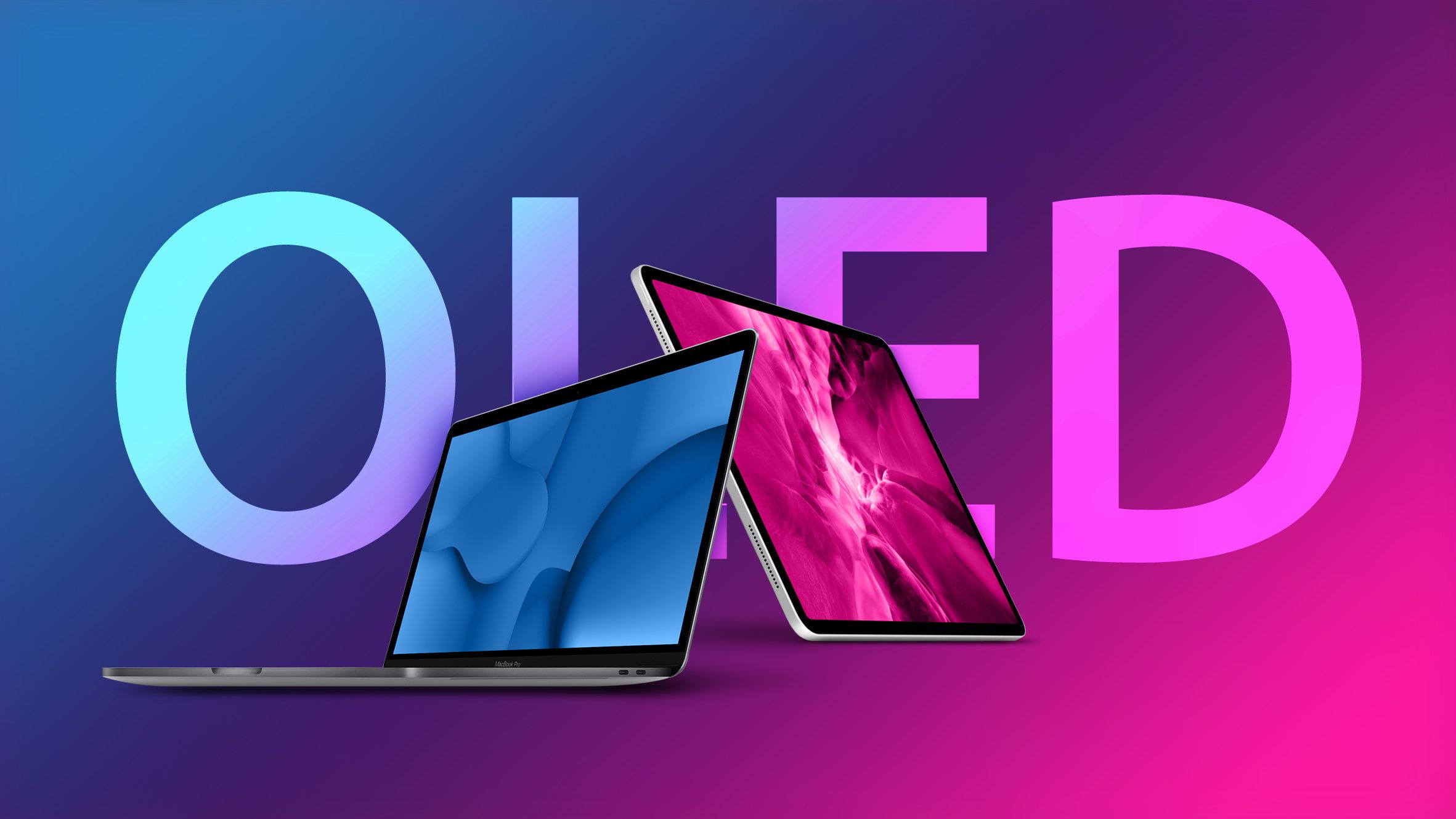
OLED display construction is a two-stack tandem structure with two emissive layers comprising hundreds of thousands of red, green, and blue organic light-emitting diodes.
Tandem OLED uses a two-stack structure for improved screen performance.
Tablets—along with larger screen sizes and longer usage times than smartphones—use a two-stack tandem structure.
Larger displays require more power to illuminate the screen and tablet displays, such as those found in automotive, must endure over thousands of hours of use to ensure long vehicle life.
Tandem OLED Overcomes Portable Device Challenges
Larger displays like tablets benefit from Tandem OLED’s power efficiency
What is the new display technology in the iPad Pro?
The new iPad Pro features Tandem OLED displays, a first for Apple’s flagship tablets.
How does Tandem OLED differ from traditional OLED?
Tandem OLED uses a two-stack tandem structure with two emissive layers, unlike the single-stack structure found in most smartphone OLED displays.
What are the benefits of Tandem OLED in tablets?
Tandem OLED offers higher dynamic range, power efficiency, and better performance under various ambient lighting conditions.
Why is the two-stack structure important for larger displays?
Larger displays, like those in tablets, require more power and need to endure longer usage times, making the two-stack structure ideal for maintaining performance and efficiency.
Who pioneered the two-stack tandem OLED structure?
LG Display pioneered the two-stack tandem OLED structure in 2019, initially for automotive displays.
Will the new iPad Pro’s Tandem OLED improve battery life?
Yes, the Tandem OLED technology supports efficient power management, which is crucial for battery-operated devices like tablets.
You can remove not only certain transactions but all your Google Pay transaction histories.
This guide is going to walk you through the process.
Deleting Individual Google Pay Transactions
Steps to delete individual Google Pay transactions.
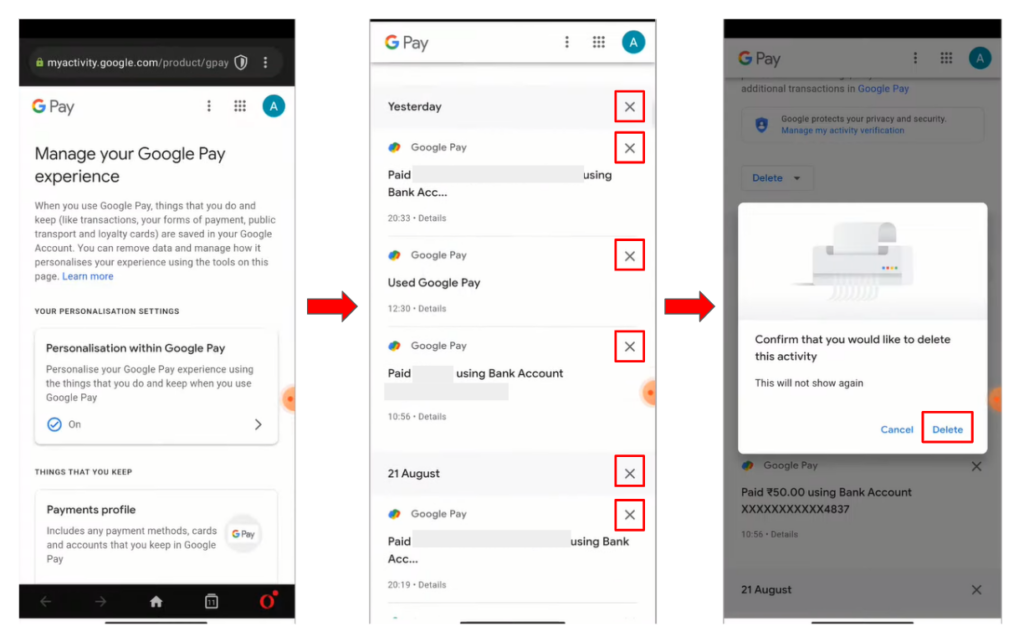
On your mobile device, launch the Google Pay app.
Tap the upper-right corner of the profile icon.
After swiping down, choose “Settings.”
Step 4: Select “Privacy & Security.”
Select the option “Data & Personalization.”
In your mobile browser, navigate to the Google Accounts page by selecting the “Google Account” link (in blue). Using the Google email address connected to your Google Pay account, you might need to log in.
Select “Payments & Subscriptions” from the menu.
In the “Payments Info” section, select “Manage Experience.”
You can remove specific transactions by tapping the cross button next to each entry in the “Payments Transactions & Activity” section.
Deleting All Google Pay Transactions
Guide to removing all Google Pay transactions
Follow steps 1-8 above.
In the “Payments Transactions & Activity” section, tap the “Delete” option.
Select the time frame for which you want to delete transaction data.
Confirm your choice, and the selected transactions will be permanently removed from your Google Pay account.
Permanently Deleting a Google Pay Account
Instructions for permanently deleting a Google Pay account.
Visit myaccount.google.com and navigate to “Data & Privacy.”
Scroll down and locate the “Delete a Google Service” option.
Click the trash can icon next to “Google Pay.”
Check the box to approve the deletion.
Click “Delete,” and your Google Pay account will be permanently removed.
Exporting Google Pay Transaction History
How to export Google Pay transaction history before deletion
If you want to keep a record of your transaction history before deleting it, you can export the data
Visit the Google Takeout website ) and sign in with your Google account.
Ensure that “Google Pay” is selected, and choose “All activity and saved items included.”
Select your preferred download location, frequency, and file type.
Click “Create Export” to download your Google Pay transaction history.
Google claims that they won’t use this information to serve targeted advertisements to you or sell it to others, but in any case, if you care about your privacy, would rather start over, or use some other payment app, clearing your transaction history could be the best idea for you.
Remember to protect your Google Pay data with the strong PIN you create, by installing the app only on your own device, and being vigilant against any strange activity that might try to access your private data.
FAQs
How can I delete individual transactions on Google Pay?
To delete individual transactions, open the Google Pay app, go to “Settings” > “Privacy & Security” > “Data & Personalization,” then manage your transaction history under “Payments Transactions & Activity.”
Is it possible to delete all transactions from my Google Pay account at once?
Yes, you can delete all transactions by following the steps to “Payments Transactions & Activity” and selecting the “Delete” option for the desired time frame.
How do I permanently delete my Google Pay account?
Visit myaccount.google.com, go to “Data & Privacy,” select “Delete a Google Service,” and follow the prompts to remove Google Pay permanently.
Can I export my Google Pay transaction history before deleting it?
Yes, you can export your transaction history by visiting the Google Takeout website, selecting “Google Pay,” and downloading the data to your preferred location.
Does Google sell my transaction data to third parties?
Google claims not to sell your transaction data to third parties or use it for targeted advertising.
What steps should I take to protect my Google Pay data?
Protect your data by setting strong PINs, using the app only on personal devices, and being cautious of suspicious activities.
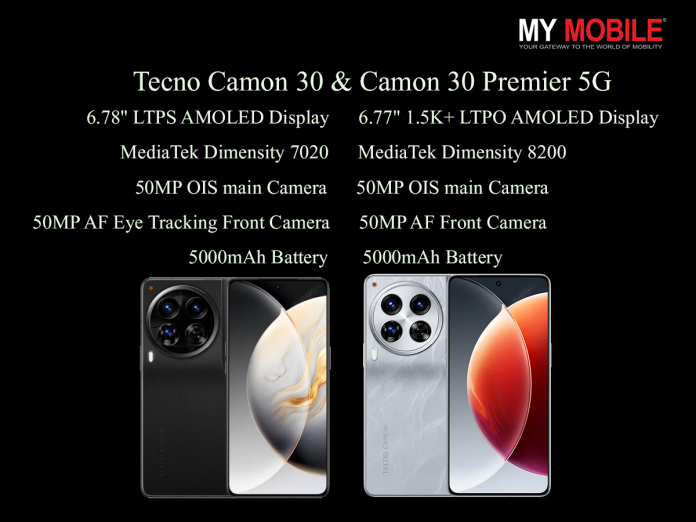
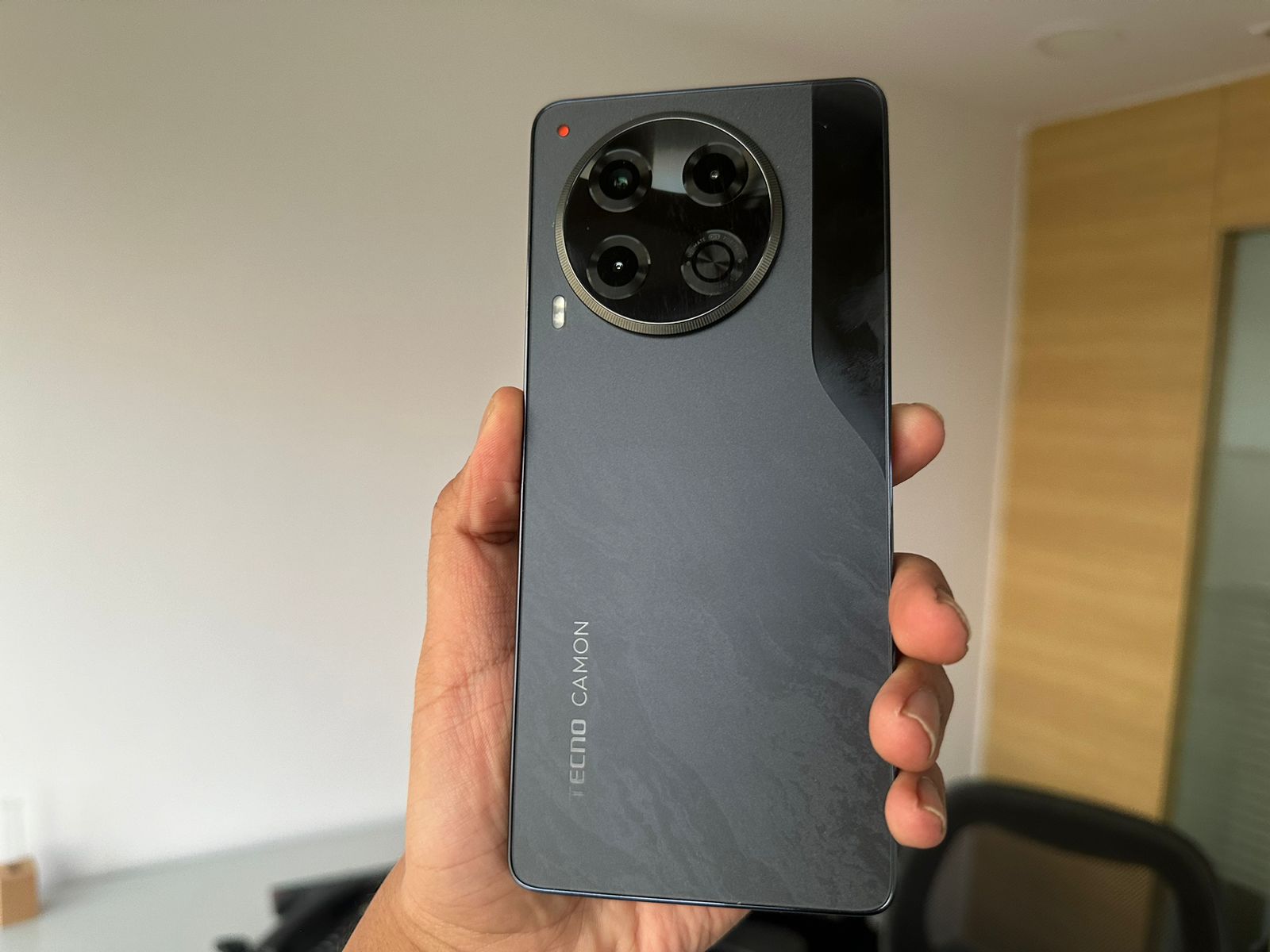
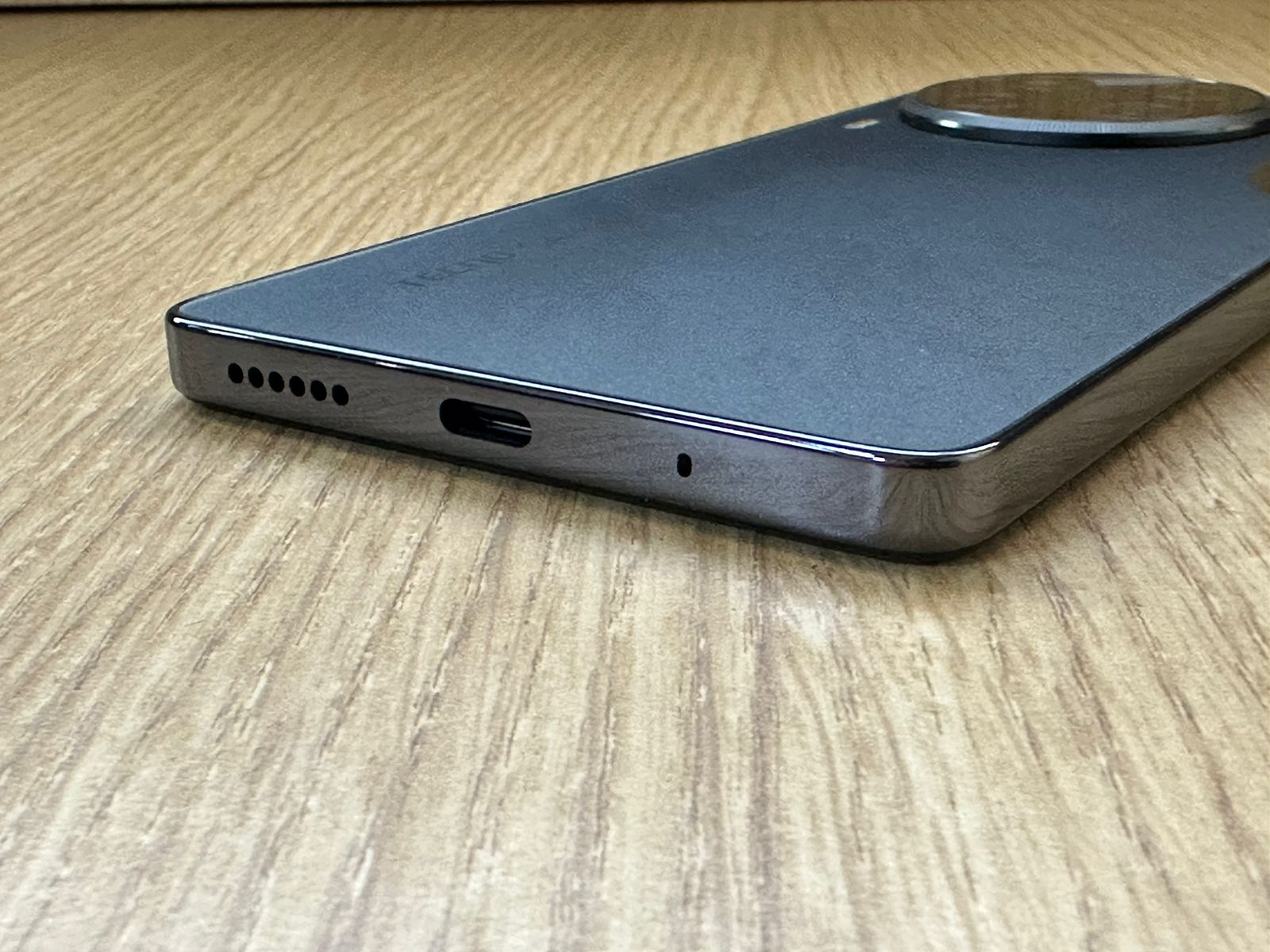
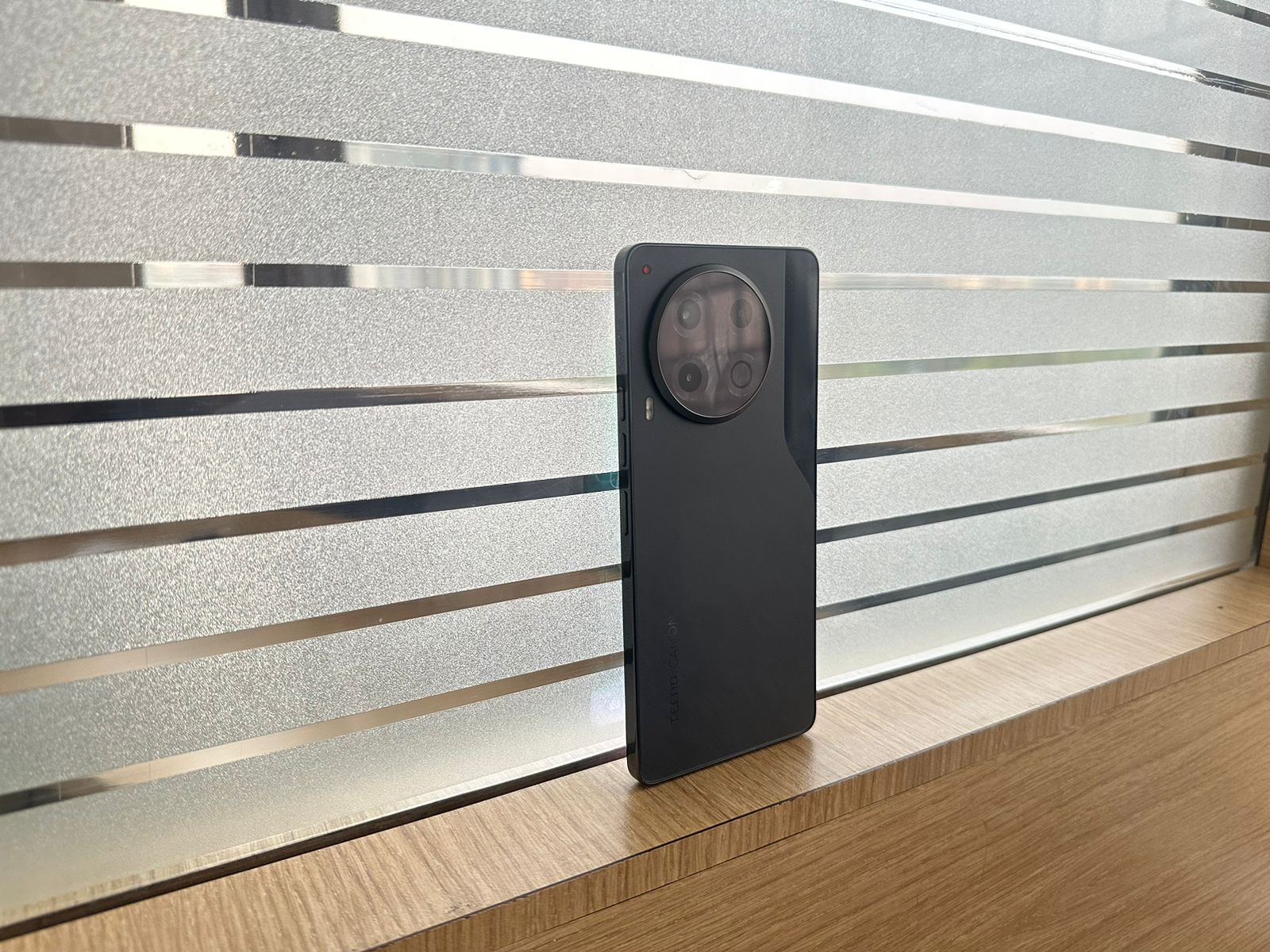
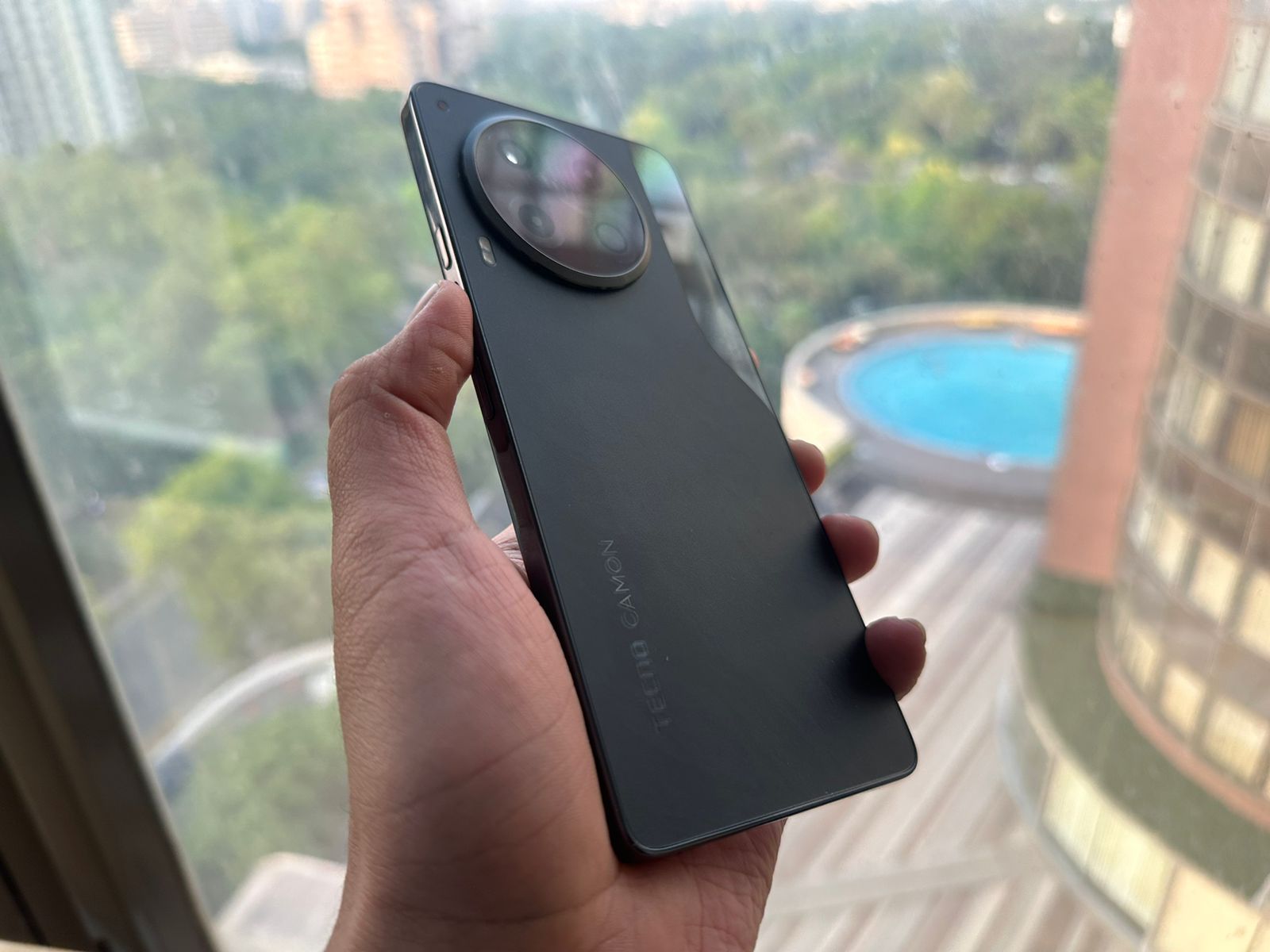
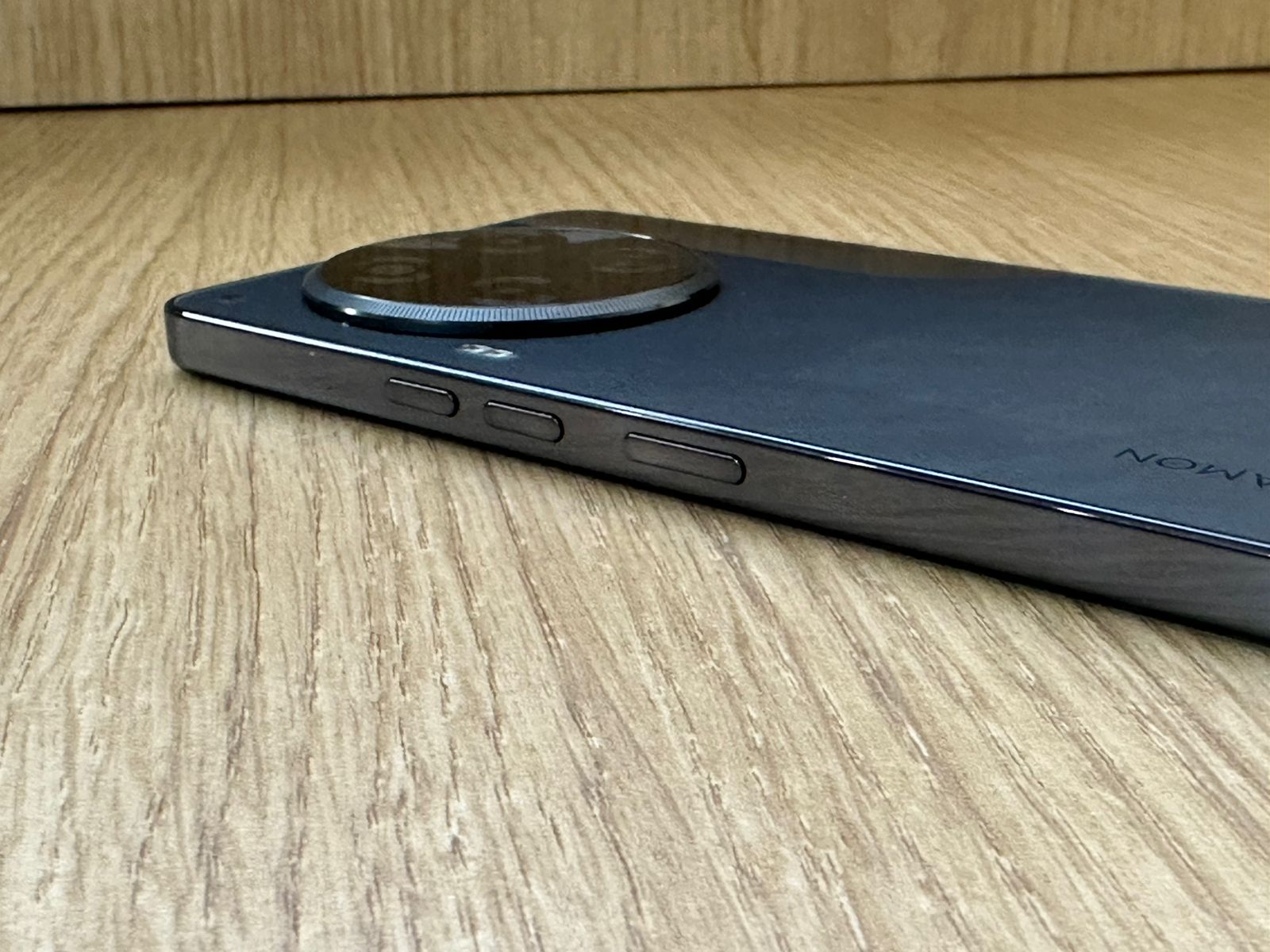
Tecno Camon 30 and 30 Premier 5G feature advanced camera setups.
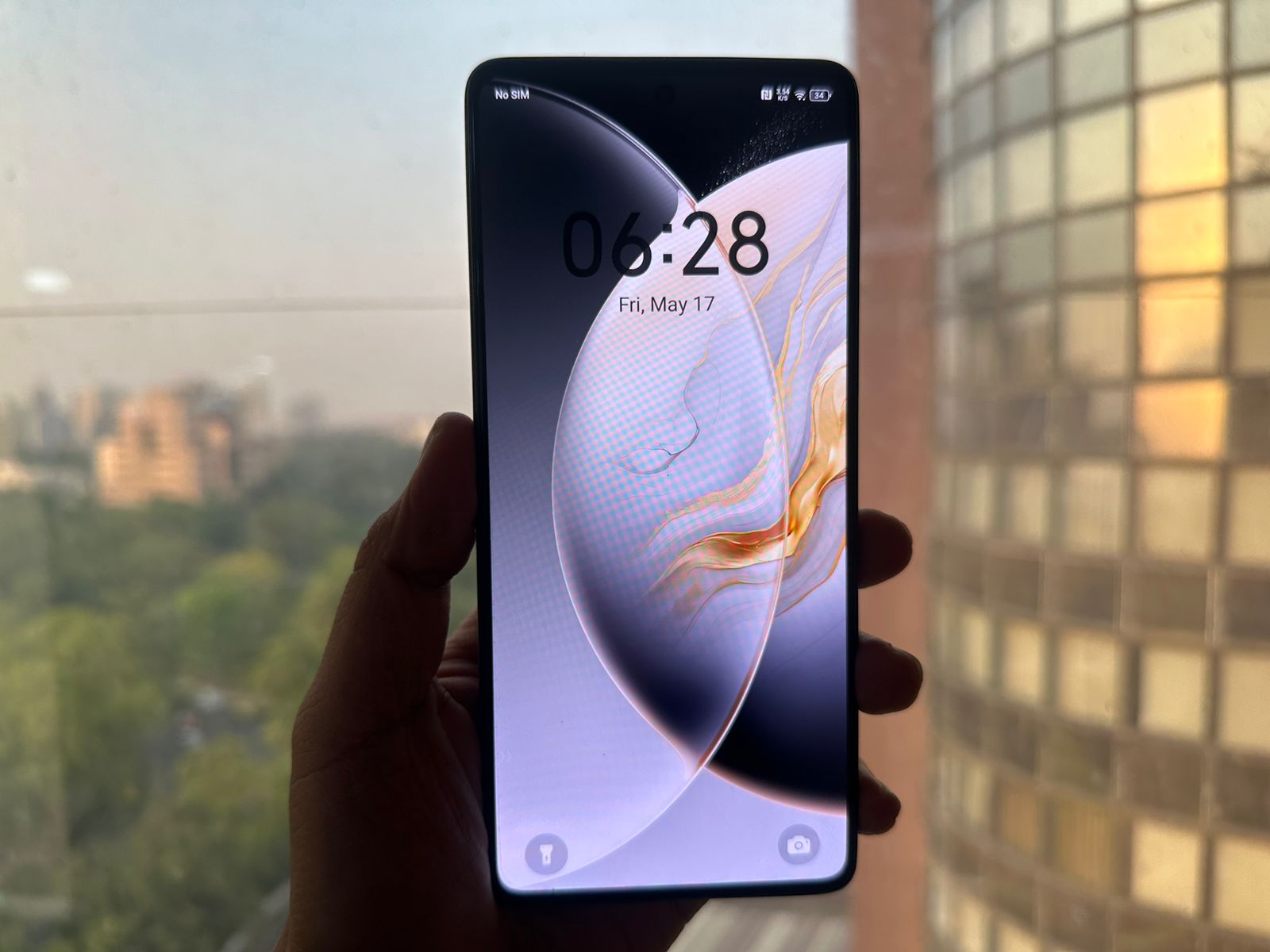
Premier 5G model boasts a 6.77-inch LTPO AMOLED display with 120Hz refresh rate.
Both models come with MediaTek Dimensity processors for seamless performance.
Camon 30 Premier 5G offers 70W fast charging for quick battery replenishment.
Tecno continues to enhance its presence in the smartphone market with the introduction of two exciting models: the Tecno Camon 30 and the Tecno Camon 30 Premier 5G.
Cashback can be availed with all bank credit and debit cards.
Addressing the launch, Arijeet Talapatra, CEO of Transsion India, said, “Celebrating the passion of our young consumers, the TECNO CAMON 30 Series presents a pro-photography experience in style. Featuring the revolutionary 100MP OIS Mode, partnering with Sony for IMX 890, and collaborating with Dolby for an immersive sound experience, and many more experience-centric features, we await users’ feedback. At the same time, we challenge and encourage our users to experience the beauty of photography and see what’s never been seen.”
The Camon 30 Premier 5G steps up as the more advanced sibling, sporting a 6.77-inch 1.5K+ LTPO AMOLED display that pushes a 120Hz refresh rate for ultra-smooth visuals protected by Corning Gorilla Glass.
Under the hood, it is powered by theMediaTek Dimensity 8200 chipset, which, combined with 12GB of RAM (expandable up to 24GB),ensures blazing-fast performance and fluid multitasking.
Both models excel in camera performance, with the Camon 30 Premier 5G featuring a triple 50MP camera system that includes optical image stabilization, up to 3x optical zoom, and an ultra-wide lens to capture expansive scenes.
The 50MP front camera with autofocus ensures sharp and detailed selfies.
The Premier model’s sophisticated camera system allows for stunning photography in any light condition, from bright daylight to dim indoor environments.
The standard Camon 30 offers a robust camera setup with features tailored for dynamic range and color accuracy, making it perfect for photography enthusiasts on a budget.
Its performance is backed by the MediaTek Dimensity 7020 processor,which handles daily tasks and gaming with ease.
What is the starting price of the Tecno Camon 30 series in India?
The starting price for the Tecno Camon 30 series is Rs 22,999 for the 8GB + 256GB variant, with an effective price of Rs 19,999 after cashback.
What are the key differences between the Camon 30 and Camon 30 Premier 5G?
The Camon 30 Premier 5G has a 1.5K+ LTPO AMOLED display, MediaTek Dimensity 8200 chipset, and advanced camera features including 3x optical zoom and ultra-wide lens, while the Camon 30 features a standard AMOLED display and MediaTek Dimensity 7020 processor.
How does the camera setup differ between the Camon 30 and Camon 30 Premier 5G?
The Camon 30 Premier 5G features a triple 50MP camera system with optical zoom and ultra-wide lens, while the Camon 30 has a 50MP main camera, 2MP depth sensor, and AI QVGA sensor.
What charging capabilities do the Tecno Camon 30 models offer?
The Camon 30 comes with 33W/70W fast charging, while the Camon 30 Premier 5G supports 70W fast charging, which can fill the battery in about 45 minutes.
What operating system do the Tecno Camon 30 series phones run on?
Both the Tecno Camon 30 and Camon 30 Premier 5G run on HiOS 14 based on Android 14, providing a clean and customizable user interface.
Camera Master TECNO CAMON 30 Series Launched with Sony IMX 890 starting at ₹19,999. Details?
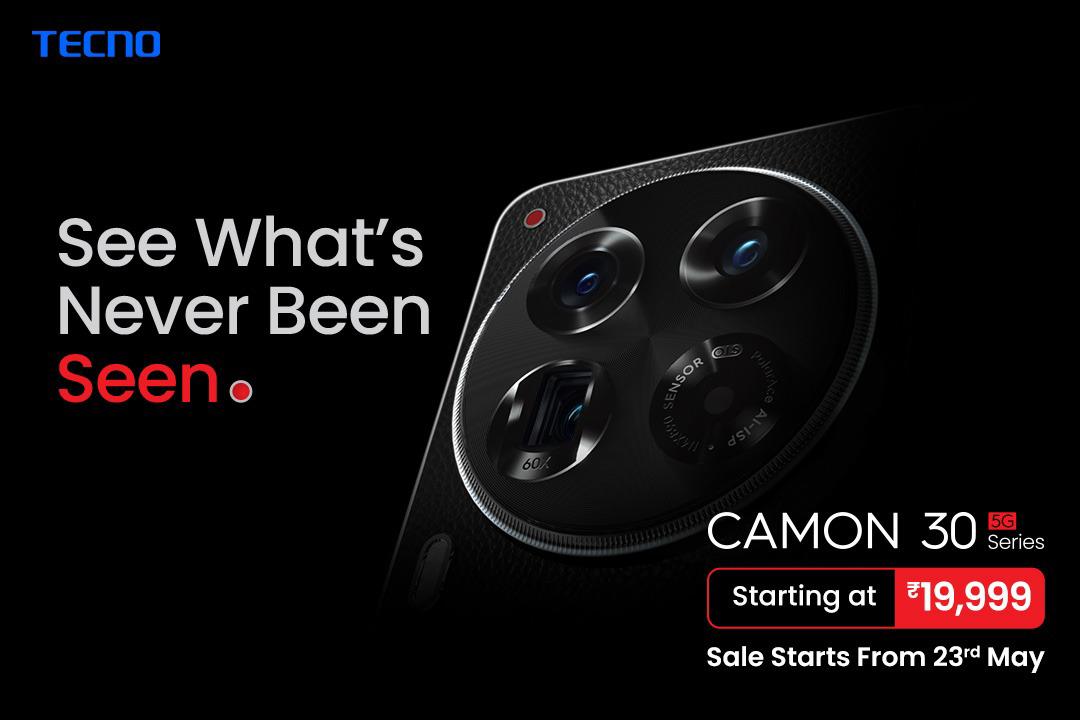
CAMON 30 Series will be available for purchase at a stunning price starting ₹19,999 and will include CAMON 30 5G in two storage variants and CAMON 30 Premier 5G
TECNO has also released its latest TVC campaign with Deepika Padukone in a playful unseen avatar.
Going all-in for its young and bold audience, TECNO has revealed the first edition of its Shot on CAMON calendar, celebrating the Tech+Style spirit
Get ready to be amazed because TECNO, the global smartphone, just dropped the smartphone photography revolution: CAMON 30 Series!
This highly anticipated lineup features a premium yet classic design and epic camera technology. This beauty is built to up users’ photography game with features like India’s first 100MP OIS Mode with 50MP AF Front Camera, Super Night Mode, and AI magic.
With the CAMON 30 Series, TECNO challenges users to “See what’s never been seen” and flex their creativity to snap pro-level photos and videos effortlessly.
Landing in India on May 23rd, setting new standards for mobile photography and proving that TECNO is all about capturing life in style!
Powered by the legendary SONY IMX 890, the CAMON 30 Series is the go-to for capturing life’s vibrant moments in stunning detail and colors that pop! Whether soaking in the sunrise or chasing the night’s magic partying, this sensor ensures every snap is pure beauty.
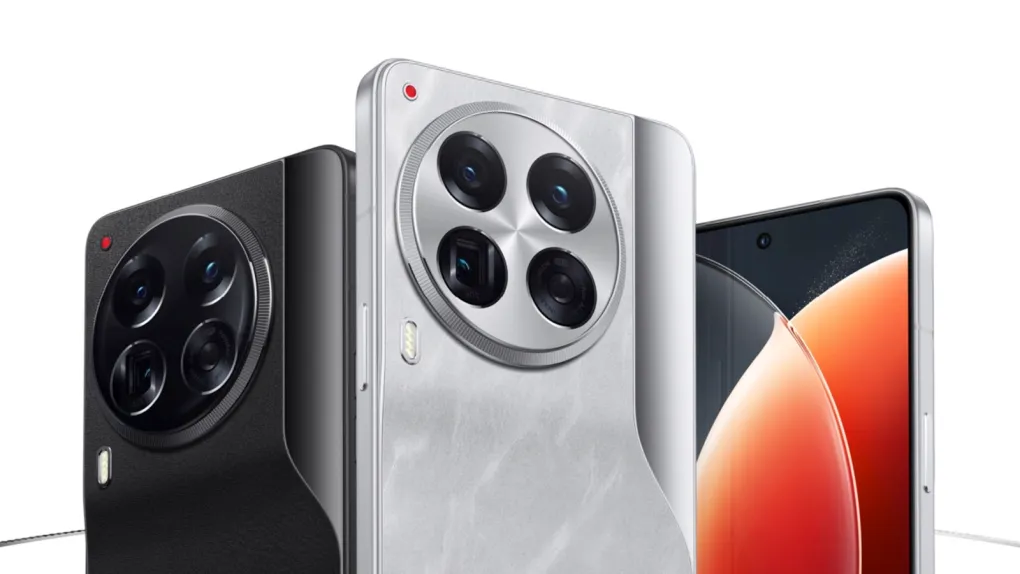
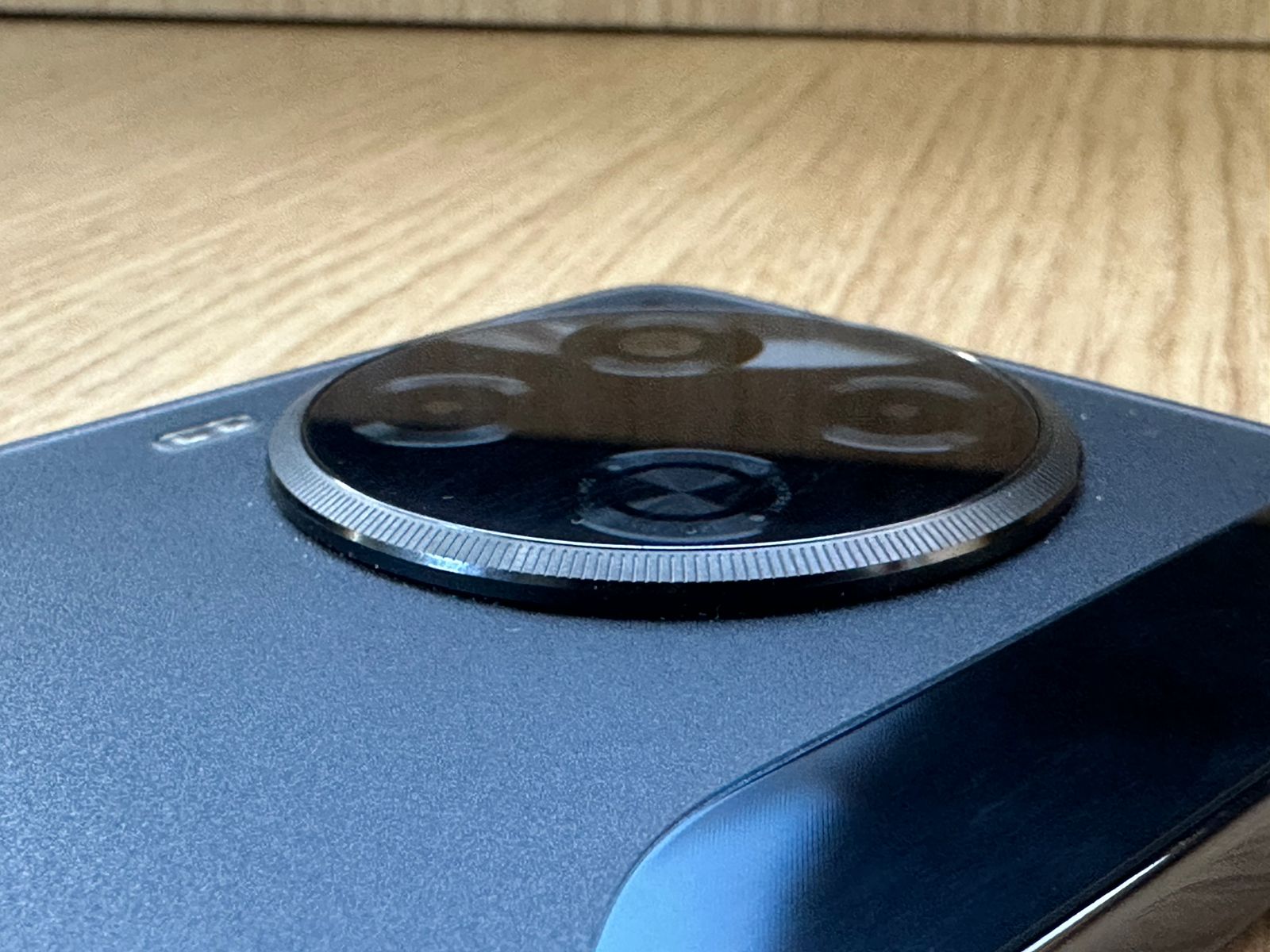
Combining innovation with a nod to timeless design, the CAMON 30 series boasts a triple-camera setup that captures the essence of a classic camera.
And that’s not all, it comes with up to 24GB RAM and up to 512GB ROM, ensuring smooth performance and ample storage catering to all needs with ease.
TECNO also unveiled its latest campaign for the CAMON series, featuring none other than Bollywood’s favourite superstar, Deepika Padukone.
This fun TVC shows the sensation in an unseen playful avatar, bringing the colours back to the world, with the CAMON 30 series!
Why Should Users Join the CAMON 30 Series Revolution?
Ditch the darkness! The Polar Ace AI Image Processor turns dim lighting into dazzling shots. Need to zoom in on a squirrel from a mile away?
No problem!
The 50MP 3X Periscope lens and its crazy 60X Hyper Zoom have users covered. Capture those majestic landscapes with the 50MP Ultra Wide camera.
And forget blurry selfies forever – the 50MP front camera with Eye-Tracking Autofocus ensures users will always be selfie-ready, like a total pro!
Moreover, the phone is also empowered by AI Generative large models to produce 480 plus AI Styles in real time.
Scroll Through Tasks with a Hi-Speed Display
Whether diving into the latest show or busy in meme-scrolling, this phone’s got users covered. The hi-speed display with an adaptive refresh rate (think 10Hz for battery saving and 120Hz for super smooth action) keeps everything looking sharp and responsive.
Plus, the In-Display Fingerprint Sensor and tough Corning Gorilla Glass 5 make using it a breeze – all with a touch of premium style.
Feel the Luxe
Forget boring phone backs! This phone breaks the mould with the first-ever super cool suede leather back that screams premium.
Inspired by pro cameras, it flaunts a classic side-axis design. And something more distinctive? A breathing light notification system that lets users know what’s going on in style.
What is the Price and Availability of Tecno Camon 30 ?
CAMON 30 5G, 8GB RAM + 256GB Storage variant will be available for purchase at ₹22,999 and the 12GB RAM + 256GB Storage variant at ₹26,999.
Users can enjoy an instant bank discount of ₹3,000 on both variants, snagging them for an effective price of just ₹19,999 and ₹23,999, respectively as part of a limited-time launch offer.
The CAMON 30 Premier 5G 12GB RAM + 512GB is available at ₹39,999 users can grab the device with ₹3,000 effectively bringing the price down to ₹36,999!
Additionally, the brand is offering complimentary goodies worth ₹ 4,999 for both online and offline customers.
Both devices are the same price category and we’ll evaluate five key areas: daylight HDR, selfies, full-resolution shots, portrait mode, and low-light performance.
Daylight HDR Tecno Camon 30
Daylight HDR Tecno Camon 30
50MP primary camera with Optical Image Stabilization (OIS)
AI-enhanced HDR
The Tecno Camon 30 delivers vibrant and well-balanced daylight HDR shots.
The AI enhancement helps in adjusting the exposure, ensuring that both shadows and highlights are properly detailed.
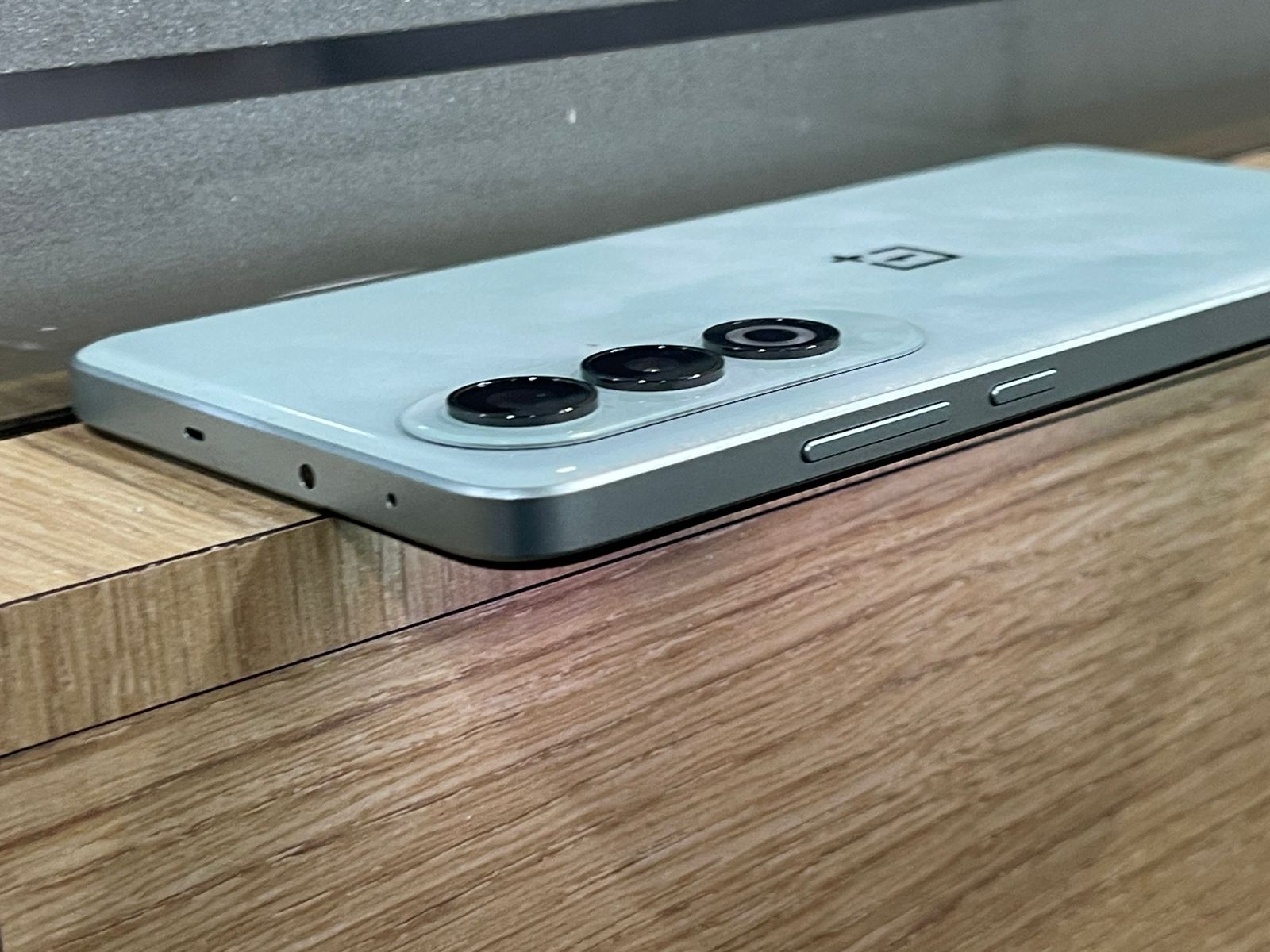
OnePlus Nord CE 4
OnePlus Nord CE 4
50MP primary camera
8MP ultra-wide lens
The OnePlus Nord CE 4’s HDR performance is commendable.
Verdict: The Tecno Camon 30 slightly edges out in HDR processing, thanks to its OIS and AI enhancements, which provide better stability and detail management.
The additional ultra-wide lens offers flexibility but doesn’t enhance the primary sensor’s output.
Verdict: Both phones perform admirably in full resolution shots, but the Tecno Camon 30’s OIS gives it a slight advantage in sharpness and stability.
Portrait Mode
Tecno Camon 30: 2MP depth sensor
Portrait Mode Tecno Camon 30
Portrait shots with the Tecno Camon 30 are impressive, with good edge detection and natural bokeh effect.
The depth sensor aids in accurate subject isolation.
OnePlus Nord CE 4:Dual primary cameras
OnePlus Nord CE 4:Dual primary cameras
The OnePlus Nord CE 4’s portrait mode produces aesthetically pleasing images with decent edge detection and background blur.
However, the dual-camera setup doesn’t significantly outperform the competition.
Verdict: The Tecno Camon 30 offers slightly better portrait shots, thanks to its dedicated depth sensor, which enhances subject separation.
Low Light Shot
Tecno Camon 30: 50MP primary camera with AI lens
Low Light Shot Tecno Camon 30:
In low light, the Tecno Camon 30 performs adequately, with the AI lens helping to brighten images and reduce noise.
However, it struggles to capture fine details in very dark conditions.
OnePlus Nord CE 4: 50MP primary camera
OnePlus Nord CE 4: 50MP primary camera
The OnePlus Nord CE 4 excels in low light conditions, producing clearer and more detailed images. The ultra-wide lens isn’t as effective in low light but provides some versatility.
Verdict: The OnePlus Nord CE 4 is the winner in low light photography, with better noise management and detail retention.
Conclusion
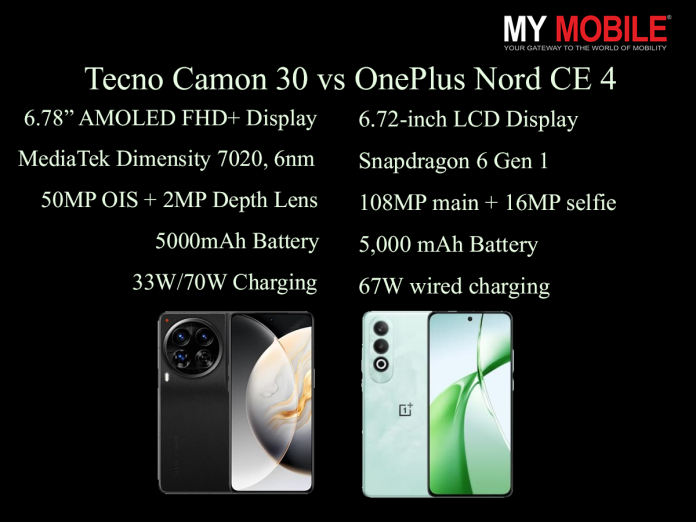
Tecno Camon 30 vs OnePlus Nord CE 4
Both the Tecno Camon 30 and the OnePlus Nord CE 4 offer robust camera setups at competitive price points.
The Tecno Camon 30 stands out with its superior HDR processing, selfie quality, and portrait mode, making it an excellent choice for those who prioritize these features.
On the other hand, the OnePlus Nord CE 4 shines in low light photography and offers the added flexibility of an ultra-wide lens, making it a versatile option for various shooting conditions.
Ultimately, your choice will depend on which camera features matter most to you.
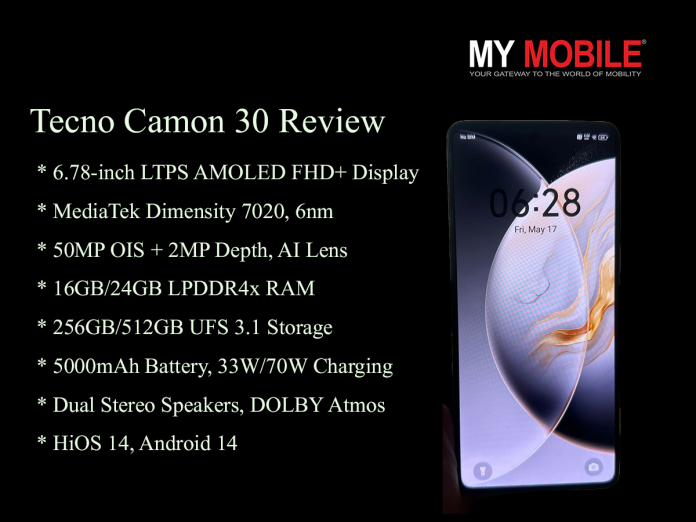
Tecno Camon 30 boasts a vibrant 6.78-inch AMOLED display.
50MP primary camera with OIS for sharp, high-resolution photos.
Powered by MediaTek Dimensity 7020 processor for smooth performance.
Equipped with 5000mAh battery and 70W fast charging.
It’s safe to say that when the Tecno Camon 30 was introduced to the Indian market, it quickly drew my attention.
It starts at Rs 21,999. It seems to be a significant competitor for mid-range smartphones.
A matte-finished outer body, combined with cutting-edge technology, Tecno promises a sophisticated yet affordable mobile experience.
As I spent time with the device, I was curious to see if the gadget could live up to its ambitious claims of rocking the market.
This is my review of the Tecno Camon 30 in full.
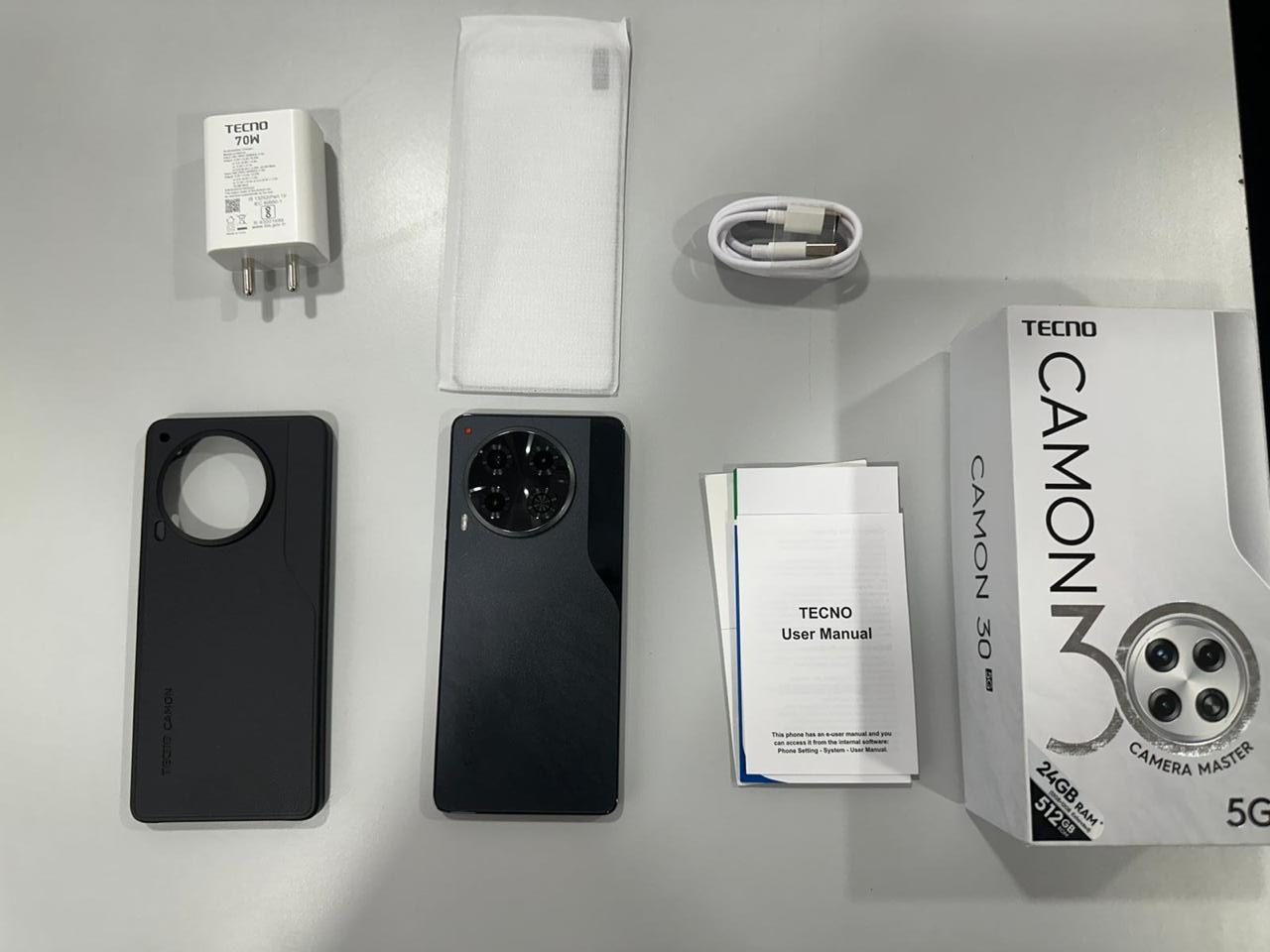
Tecno Camon 30: Unboxing
Tecno Camon 30: Unboxing
As soon as the Tecno Camon 30 was unpacked, the presentation was striking.
Along with the phone, the packaging included a good assortment of accessories, such as a USB Type-C cable, a clear silicone case, a fast charger with a 70W output, and the standard documentation.
The huge battery is not noticeable due to its ultra-slim 7.83mm profile and lightweight 199g design.
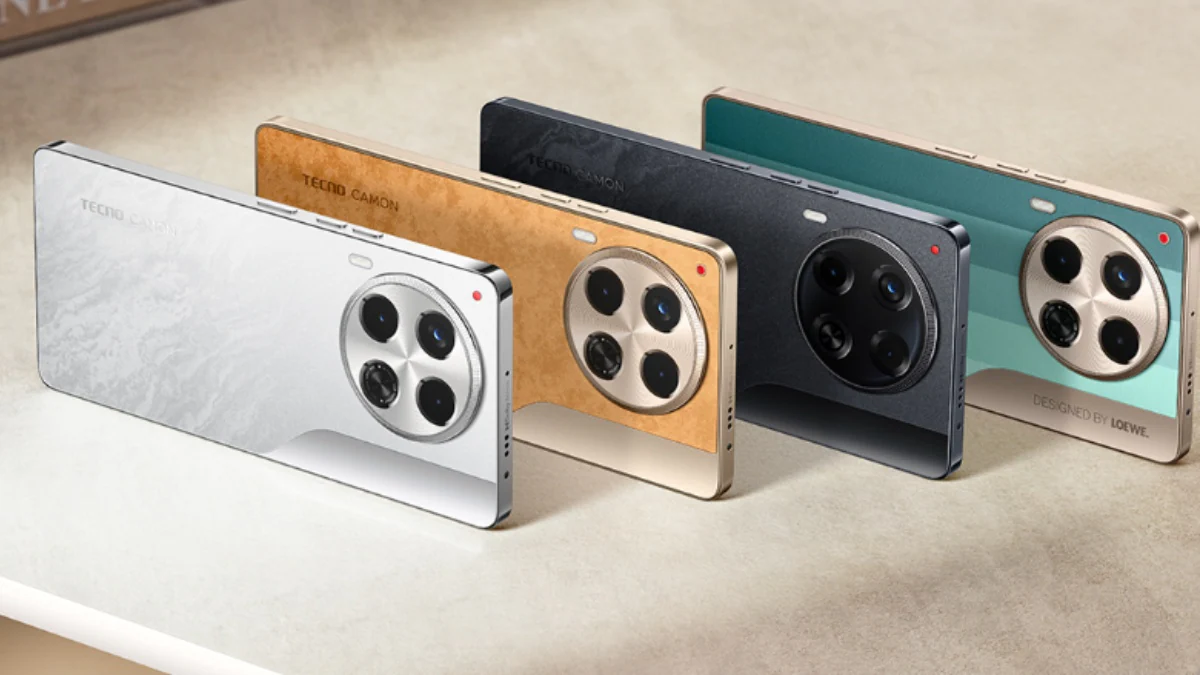
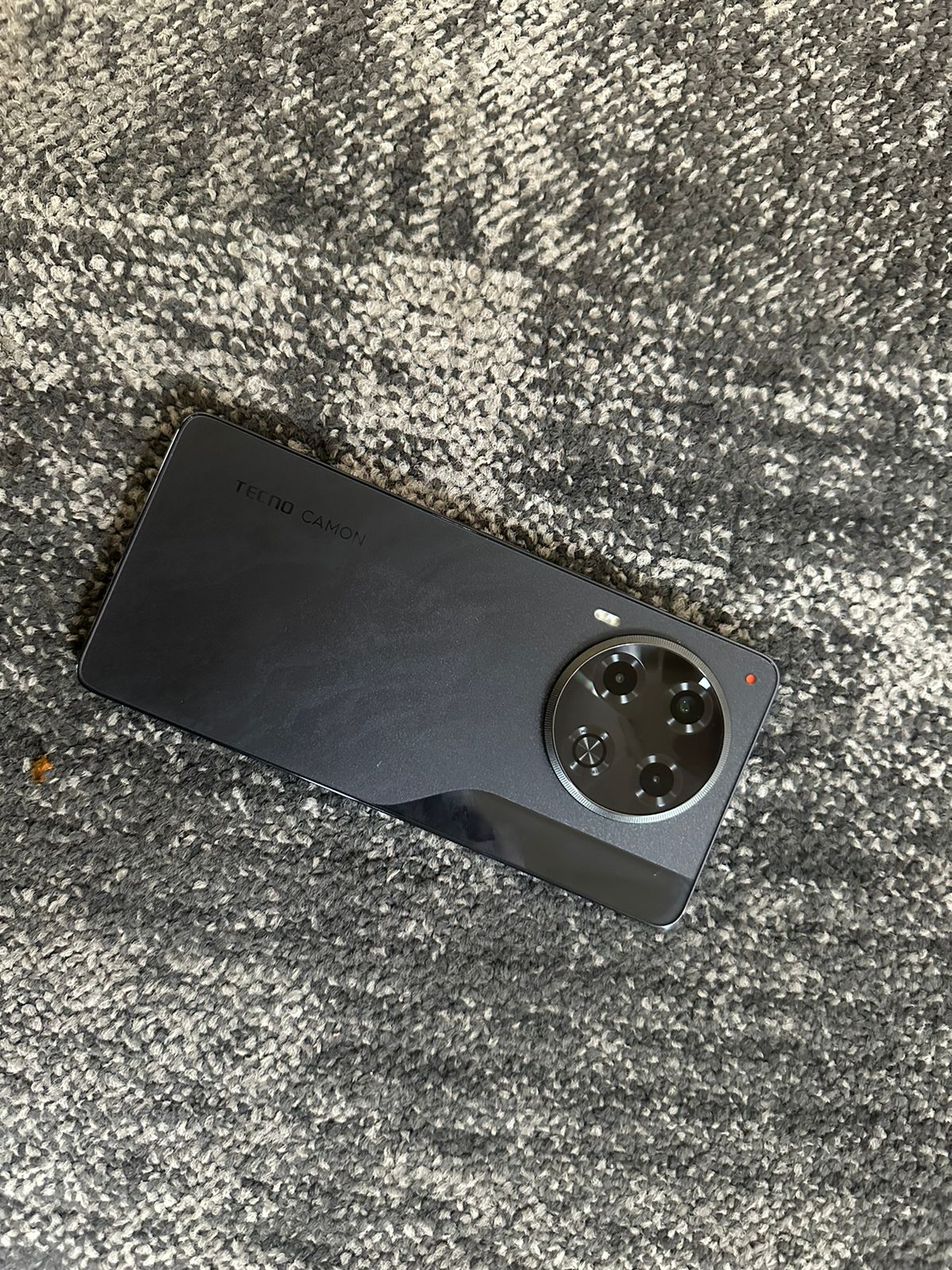
The marble-finished glass rear panels in the color options of “Uyuni Salt White” and “Iceland Basaltic Dark” give a high-end, elegant appearancethat is uncommon for models in the midrange.
The latter is what I have with me, and let me tell you, it’s just stunning.
With its 360Hz touch sampling rate for seamless responsiveness, FHD+ resolution, and adaptive 120Hz refresh rate, the 6.78-inch LTPS AMOLED display is exceptional.
The 1300 nits peak brightness and 100% DCI-P3 colour gamut with 10-bit color depthdeliver vibrant, Tecno Camon 30 .
However, there is IP53 dust/water resistance, and Wet Hand Touch capability adds durability for everyday use.
Tecno Camon 30: Cameras
Tecno Camon 30: Cameras
Now, for the cameras, the Tecno Camon 30 is equipped with a strong 50MP primary camera with OIS, which delivers pictures clear enough and with ample detail.
In addition, it offers a 100MP option to zoom in without compromising on image clarity.
The dynamic range of this camera is very good, where it balances between highlights and shadows for vivid, clear images, particularly in high-contrast settings.
In wide-angle scenes, it does feel a little limited without an ultra-wide lens;however, a strong point is the color fidelity, where it maintains the natural-looking hue.
Besides that, the portrait modes often make the bokeh unnatural in cases when the edge detection is bad around complex details of hair or patterned clothing.
One of the biggest standout features here is the Super Night Mode, which deploys advanced algorithms to enhance low-light photography through increased exposure and noise reduction for a clearer image.
Photography in well-lit conditions suffers from an HDR feature of the camera that struggles to retain information in shadows.
The killer feature of this camera is its 50MP AF Eye Tracking, which delivers clear and colorful selfies, even when moving.
Perfectly designed for group shots or vlogs, it really does a great job in well-lit environments, though it does lose some detail in the darker regions when hit with different lighting.
Tecno Camon 30: Cameras Day Sample
Tecno Camon 30: Cameras Night Sample
Tecno Camon 30: Video
Tecno Camon 30: Performance and Features
When I looked at the performance of the Tecno Camon 30, what I found was a powerhouse for its price.
With the MediaTek Dimensity 7020 processorand HyperEngine 5.0 technology, there was seamless and efficient performance on basically all apps.
Gaming and multitasking came without a hitch, thanks to up to 24GB of combined RAM and 512GB of storage.
I was pleased that the 9-Layer Gaming Grade Cooling System worked effectively, minimizing overheating during extended game sessions, even on graphically intensive games.
There is also a setting of “Esports Pro” that augments the game experience.
However, I would not encourage purchasing it only for this.
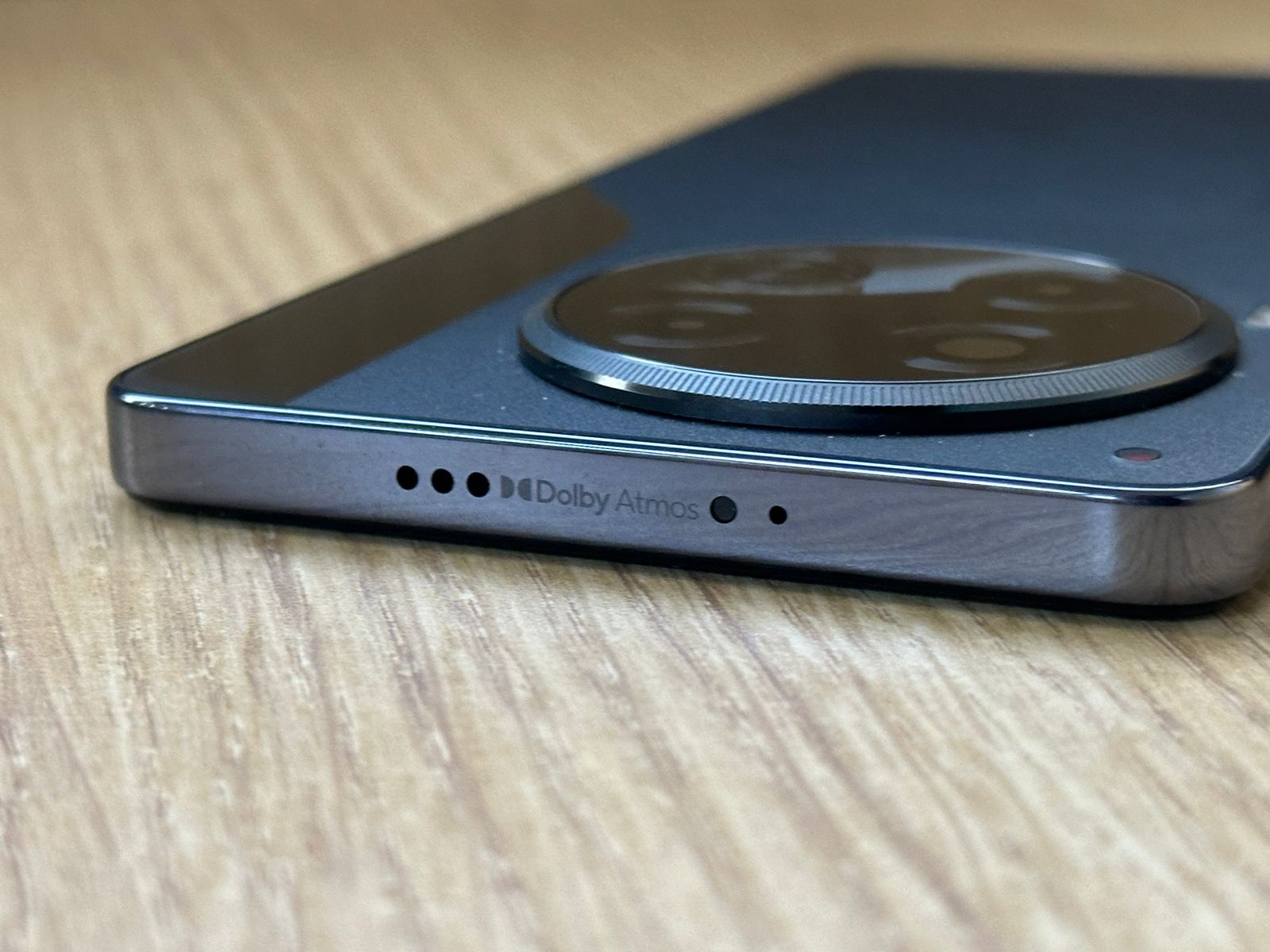
As for the audio quality, the Camon 30 amazed me with its immersive sound delivered through twin stereo speakers with DOLBY Atmos technology.
While the Camon 30 excelled in many areas, the FunTouch OS, based on Android 14, felt feature-rich and customizable, but some of the bloatware cluttered the user experience with unwanted apps and notifications.
The general software experience, however, remained positive owing to the user-friendly interfaceand ample numbers of customization options.
The battery in the Tecno Camon 30 is 5000mAh in size, which, although large, is not particularly innovative today as that kind of capacity has become pretty much a standard across most mid-range smartphones.
The 70W Flash Charger does support super-fast top-ups, giving it 50% charge in less than 19 minutes,which is excellent and no doubt a convenient feature for fast charging.
But if this charging variant makes the device stand out in a great deal, it doesn’t mean that general battery performance will exceed expectations.
With a bright display, an extensive camera setup, and solid performance,it has its drawbacks, such as a lack of an ultra-wide-angle lens and the presence of bloatware.
However, the device is great for photography lovers and users seeking a powerful daily driver with high-resolution cameras and efficient processing power.
Users seeking a more advanced battery or a more seamless software experience might be disappointed.
Overall, the Tecno Camon 30 is a decent contender in its segment for what it offers to a user.
5 Reasons to Buy
5 Reasons to Buy
Excellent primary and selfie cameras: The device captures stellar photos with its 50MP main and selfie cameras, ensuring sharp, vibrant results.
High-performance chipset with gaming enhancements: Equipped with the MediaTek Dimensity 7020 and HyperEngine 5.0, it offers seamless gaming and robust performance.
Premium design with elegant color options: Features a sleek, marble finish glass back in unique colors, providing a sophisticated look.
Vibrant AMOLED display with high brightness: The display boasts 1300 nits of brightness and a 120Hz refresh rate, offering crisp and vivid visuals.
Robust accessory set included in the box: Comes with all necessary accessories, adding exceptional value and convenience.
3 Reasons Not to Buy
3 Reasons Not to Buy:
Lacks an ultra-wide camera: The absence of an ultra-wide lens reduces photographic versatility.
Includes bloatware that clutters the UI: FunTouch OS comes with pre-installed apps and notifications that can diminish the user experience.
Battery capacity and charging are not groundbreaking: Despite having a 5000mAh battery with 70W charging, it doesn’t stand out in the competitive market.
The Tecno Camon 30 starts at Rs 21,999 in India, offering mid-range smartphone features at an affordable price.
What are the key camera features of the Tecno Camon 30?
The Tecno Camon 30 features a 50MP primary camera with OIS, a 2MP depth sensor, and an AI lens. It also includes a 50MP AF Eye Tracking selfie camera.
How is the display quality of the Tecno Camon 30?
The Tecno Camon 30 has a 6.78-inch LTPS AMOLED FHD+ display with a 120Hz refresh rate, 360Hz touch sampling rate, and 1300 nits peak brightness, offering vibrant and smooth visuals.
What processor powers the Tecno Camon 30?
The Tecno Camon 30 is powered by the MediaTek Dimensity 7020 processor, ensuring efficient performance and smooth multitasking.
Does the Tecno Camon 30 support fast charging?
Yes, the Tecno Camon 30 supports 70W fast charging, allowing the device to reach 50% charge in just 19 minutes.
What storage options are available for the Tecno Camon 30?
The Tecno Camon 30 comes with two storage options: 256GB and 512GB, both equipped with up to 24GB of combined RAM.
Camera Master TECNO CAMON 30 Series Launched with Sony IMX 890 starting at ₹19,999. Details?
CAMON 30 Series will be available for purchase at a stunning price starting ₹19,999 and will include CAMON 30 5G in two storage variants and CAMON 30 Premier 5G
TECNO has also released its latest TVC campaign with Deepika Padukone in a playful unseen avatar.
Going all-in for its young and bold audience, TECNO has revealed the first edition of its Shot on CAMON calendar, celebrating the Tech+Style spirit
Get ready to be amazed because TECNO, the global smartphone, just dropped the smartphone photography revolution: CAMON 30 Series!
This highly anticipated lineup features a premium yet classic design and epic camera technology. This beauty is built to up users’ photography game with features like India’s first 100MP OIS Mode with 50MP AF Front Camera, Super Night Mode, and AI magic.
With the CAMON 30 Series, TECNO challenges users to “See what’s never been seen” and flex their creativity to snap pro-level photos and videos effortlessly.
Landing in India on May 23rd, setting new standards for mobile photography and proving that TECNO is all about capturing life in style!
Powered by the legendary SONY IMX 890, the CAMON 30 Series is the go-to for capturing life’s vibrant moments in stunning detail and colors that pop! Whether soaking in the sunrise or chasing the night’s magic partying, this sensor ensures every snap is pure beauty.
Combining innovation with a nod to timeless design, the CAMON 30 series boasts a triple-camera setup that captures the essence of a classic camera.
And that’s not all, it comes with up to 24GB RAM and up to 512GB ROM, ensuring smooth performance and ample storage catering to all needs with ease.
TECNO also unveiled its latest campaign for the CAMON series, featuring none other than Bollywood’s favourite superstar, Deepika Padukone.
This fun TVC shows the sensation in an unseen playful avatar, bringing the colours back to the world, with the CAMON 30 series!
Why Should Users Join the CAMON 30 Series Revolution?
Ditch the darkness! The Polar Ace AI Image Processor turns dim lighting into dazzling shots. Need to zoom in on a squirrel from a mile away?
No problem!
The 50MP 3X Periscope lens and its crazy 60X Hyper Zoom have users covered. Capture those majestic landscapes with the 50MP Ultra Wide camera.
And forget blurry selfies forever – the 50MP front camera with Eye-Tracking Autofocus ensures users will always be selfie-ready, like a total pro!
Moreover, the phone is also empowered by AI Generative large models to produce 480 plus AI Styles in real time.
Scroll Through Tasks with a Hi-Speed Display
Whether diving into the latest show or busy in meme-scrolling, this phone’s got users covered. The hi-speed display with an adaptive refresh rate (think 10Hz for battery saving and 120Hz for super smooth action) keeps everything looking sharp and responsive.
Plus, the In-Display Fingerprint Sensor and tough Corning Gorilla Glass 5 make using it a breeze – all with a touch of premium style.
Feel the Luxe
Forget boring phone backs! This phone breaks the mould with the first-ever super cool suede leather back that screams premium.
Inspired by pro cameras, it flaunts a classic side-axis design. And something more distinctive? A breathing light notification system that lets users know what’s going on in style.
What is the Price and Availability of Tecno Camon 30 ?
CAMON 30 5G, 8GB RAM + 256GB Storage variant will be available for purchase at ₹22,999 and the 12GB RAM + 256GB Storage variant at ₹26,999.
Users can enjoy an instant bank discount of ₹3,000 on both variants, snagging them for an effective price of just ₹19,999 and ₹23,999, respectively as part of a limited-time launch offer.
The CAMON 30 Premier 5G 12GB RAM + 512GB is available at ₹39,999 users can grab the device with ₹3,000 effectively bringing the price down to ₹36,999!
Additionally, the brand is offering complimentary goodies worth ₹ 4,999 for both online and offline customers.
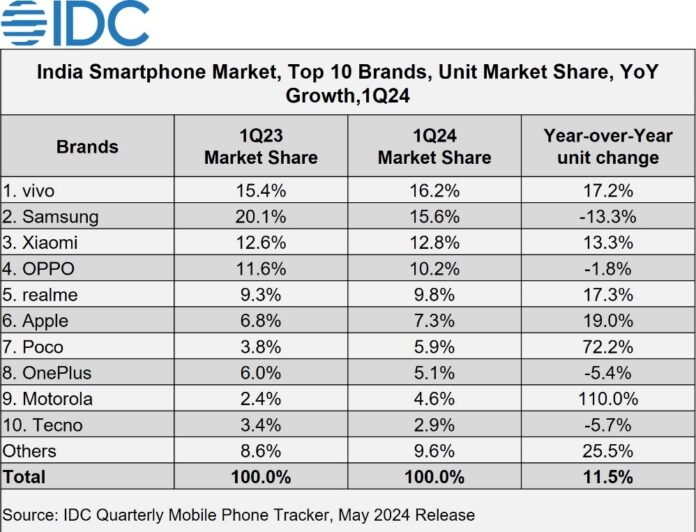
With a 16.2% share, Vivo edged past Samsung’s 15.6%, thanks to its consistent launches across various price points and attractive deals for offline retailers.
This surge can be attributed to the company’s strategic price discounts and attractive financing options, which resonated well with customers even during the non-festive season.
5G Smartphone Dominance
5G smartphones make up 67% of total shipments, with mass budget segment leading growth
The report highlights the growing dominance of 5G smartphones in the Indian market.
Out of the 34 million smartphones shipped in the first quarter, a whopping 23 million were 5G-enabled devices.
Average selling price of smartphones remains stable at $263 for the first time in several quarters
Price Stability: For the first time in several quarters, the average selling price (ASP) of smartphones remained unchanged at $263 (approx. Rs 22,000).
Top 5G Models: Some of the highest-shipped 5G smartphones included the Redmi 13C, Vivo T2x, Samsung Galaxy A15, Vivo Y28, and Apple iPhone 14.
Brand Shake-Up: While Vivo and Apple experienced significant growth, brands like OnePlus and Tecno witnessed a decline in their market share.
Affordable 5G Drives Growth
Apple sees 19% YoY growth in shipments due to strategic discounts and financing options
As 5G networks continue to expand across the country, consumers are actively seeking affordable devices that can take advantage of the faster speeds and improved connectivity.
Competitive Landscape
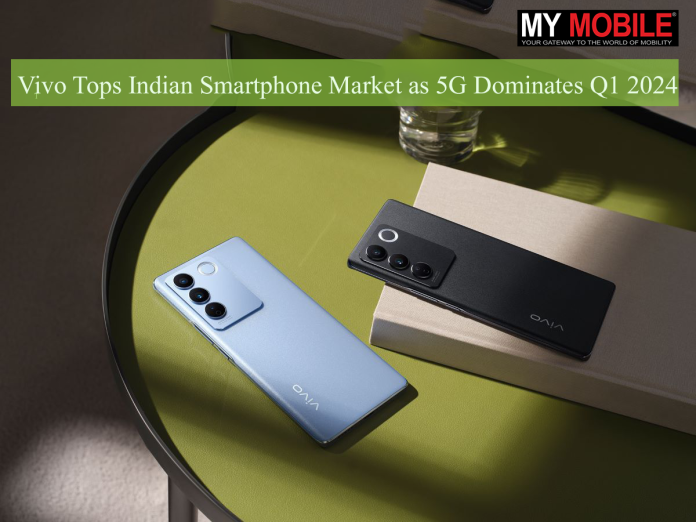
Vivo Tops Indian Smartphone Market as 5G Dominates Q1 2024
The smartphone market in India remains highly competitive, with various brands vying for consumer attention.
While Vivo and Apple have gained ground, established players like Samsung and Xiaomi are likely to respond with new strategies and product launches.
This fierce competition ultimately benefits consumers, who can expect a wider range of choices and moreaggressive pricing.
FAQs
Which brand led the Indian smartphone market in Q1 2024?
Vivo led the Indian smartphone market in Q1 2024 with a 16.2% market share, surpassing Samsung’s 15.6%.
How did Apple perform in the Indian smartphone market during Q1 2024?
Apple saw a 19% year-on-year growth in shipments, attributed to strategic price discounts and attractive financing options.
What percentage of smartphones shipped in Q1 2024 were 5G-enabled?
Out of the 34 million smartphones shipped, 23 million, or approximately 67%, were 5G-enabled devices.
What was the average selling price (ASP) of smartphones in Q1 2024?
The average selling price of smartphones remained stable at $263 (approx. Rs 22,000).
Which 5G smartphones were the top sellers in Q1 2024?
Some of the highest-shipped 5G smartphones included the Redmi 13C, Vivo T2x, Samsung Galaxy A15, Vivo Y28, and Apple iPhone 14.
Which brands saw a decline in market share in Q1 2024?
Brands like OnePlus and Tecno witnessed a decline in their market share during Q1 2024.
This feature comes in handy if you are working out in the open air or using public transport.
Next, select AirPods Pro from the Accessibility options and toggle on “Noise Cancellation with One AirPod.”
Explore More with Extra Features
Discover additional features like Microphone Prioritization and Conversation Boost
In addition to the above, some other useful features of theAirPods Pro areMicrophone Prioritization,which gets the best out of the audio during calls,Conversation Boost for improved speech clarity, and Shared Audio, which helps you listen along with others.
Investigate these hidden features to see your AirPods Pro’s full potential.
FAQs
How can I customize the sound on my AirPods Pro?
You can customize the sound using EQ settings in Apple Music by navigating to Music settings, selecting EQ, and choosing your preferred sound profile.
What is Live Listen and how do I use it?
Live Listen turns your iPhone into a remote microphone. Enable it by adding the Hearing shortcut to your Control Center, then connect your AirPods and tap the ear icon.
Can I use noise cancellation on just one AirPod?
Yes, you can enable noise cancellation on one AirPod by going to the accessibility settings, selecting AirPods Pro, and toggling the “Noise Cancellation with One AirPod” option.
What is Microphone Prioritization in AirPods Pro?
Microphone Prioritization optimizes audio quality during calls by focusing on the microphone that is picking up your voice the best.
What does Conversation Boost do on AirPods Pro?
Conversation Boost enhances speech clarity, making it easier to hear people speaking in noisy environments.
What changes can we expect in the new AirPods Max?
The new AirPods Max are expected to come with a USB-C charging port and a range of fresh color options.
What about the entry-level and mid-tier AirPods?
Both the entry-level and mid-tier models are set to be replaced by fourth-generation versions. These new models will feature a redesigned form, shorter stems, and may include noise-canceling capabilities in certain versions.
When are updates expected for the AirPods Pro?
The AirPods Pro received minor changes last year and are anticipated to have another update around 2025.
How do AirPods sales affect Apple’s overall revenue?
Sales from AirPods are included in Apple’s Wearables, Home, and Accessories division, which accounted for $41 billion in revenue for the fiscal year 2022.
The web address has been updated from Twitter.com to X.com, marking a pivotal change that confirms the completion of a rebranding effort that first began nearly a year ago.
Since the letter ‘X’ is part of Musk’s entrepreneurial journey since 1999, it holds a special place in his heart.
Twitter’s Transition to X
Twitter Completes Rebranding to X:
A move to the old Twitter.com domain will result in a user getting redirected to Musk’s website of choice because of the transition to X.com.
However, the nature of redirection can vary by browser and form of login.
There is a notice on the X login page that assures users that the change in the URL “won’t impact your privacy settings or data protection safeguards,” reports The Verge.
However, security expert Brian Krebs noted that this gradual shift “has sparked concerns about potential phishing attacks.”
Elon Musk first used the X.com domain in 1999 when he founded a company by that name.
That company later merged with PayPal.
Musk now envisions X as some sort of WeChat, an “everything app,” the services on which, such as Threads—a.k.a. Twitter—grow significantly and hit over 150 million monthly active users by April.
FAQs
What is the new web address for the social media platform formerly known as Twitter?
The new web address is X.com, replacing the former Twitter.com as part of the rebranding effort.
When did Elon Musk announce the rebranding of Twitter to X?
Elon Musk announced the rebranding of Twitter to X in July 2023, following his acquisition of the platform in October 2022 for $44 billion.
What happens when users try to access Twitter.com now?
Users who try to access Twitter.com will be redirected to X.com, though the nature of the redirection may vary depending on the browser and login method used.
Will the rebranding to X.com affect user privacy or data protection?
According to a notice on the X login page, the change in the URL “won’t impact your privacy settings or data protection safeguards.”
Why is the letter ‘X’ significant to Elon Musk?
The letter ‘X’ has been part of Elon Musk’s entrepreneurial journey since 1999 when he founded X.com, which later merged with PayPal. Musk envisions X as an “everything app.”
How do I enable video in X Spaces?
To enable video in X Spaces, start a new session and select the “enable video” option. You can choose between your phone’s front or back camera and select a landscape or portrait orientation for your video feed.
Is the live video feature on X Spaces available for all users?
Currently, the live video feature in X Spaces is only available for iOS users. However, X plans to extend this feature to Android and Web users soon.
Can all participants share video in a Space?
At the moment, only hosts can share video in X Spaces. This setup aims to enhance the visual presence of the host while allowing audio participation from co-hosts and listeners.
What are the prerequisites for using video and voice calls on X?
For users to engage in video and voice calls on X, both participants must have previously interacted through Direct Messaging at least once, ensuring a level of prior engagement for a secure communication experience.
How does the introduction of video in Spaces change user interaction on X?
The introduction of video in X Spaces transforms the platform by offering a more visually engaging way to conduct live discussions. It allows hosts to connect with their audience on a deeper level, adding a visual dimension to audio conversations.
Spaces Hosts on X Can Now Broadcast Video During a Chat Session. Details ?
Spaces, or live audio chat sessions on Twitter (now X), now support video, owner Elon Musk announced on Wednesday by reposting a video tutorial by the user DogeDesigner.
When hosts create a new Spaces session, they will see a new option to “enable video,” and can use their phone’s front or back-facing cameras, in either landscape or portrait mode, for their video feed.
Currently, only hosts can turn on video, making them front and center of attention, while co-hosts and listeners are represented by icons surrounding the broadcast. Users have to join the Spaces session to view the video, just as they do to listen in.
Video Spaces are distinct from X’s live broadcasting feature, which lets users stream video to their profile and followers’ timelines. The latter is more akin to the old Periscope functionality that Twitter supported back in its heyday.
What is the X live video?
The ability to broadcast live video was later integrated into X itself:
Hit the + button for a new post
Tap the camera icon
Select Live
Tap the Go LIVE button to begin streaming
This operates very much like Periscope, with viewers limited to text comments and hearts.
What is X live video in Spaces?
The company now offers a new option, called Video Spaces, which works like the live audio feature in Spaces.
This allows full video interactivity between host and audience.
DogeDesigner tweeted an animated GIF with instructions, which was then retweeted by X owner Elon Musk.
Long-press the + button to see options
Select the Spaces icon (purple microphone with + sign)
Select the Enable Video option when beginning the session
The Verge reports that this currently appears to be exclusive to the iOS app.
Video Spaces are available on the iOS version of the X app, but we haven’t seen them available on Android or the web yet.
The site notes that the new feature is similar to Twitch, but does allow video interaction.
A typical Spaces with video session prominently features the host’s video feed, which is surrounded by the smaller icons of any other speakers, co-hosts, or listeners in the room.
It’s not exactly like Twitch since anyone you give permission to can speak back to you, but it does turn the host into the main event in a similar fashion.
Is Periscope app discontinued?
Periscope was a one-way live video broadcast, enabling anyone to use their smartphone to capture live video and broadcast it to Twitter users.
Viewers could respond with either chat messages or hearts, making it essentially a broadcast medium with comments.
Videos could be watched after the livestream ended.
After being acquired by Twitter, the service was discontinued in 2021, with the company giving its reasons as a mix of declining usage and high operating costs.
How to use the calling feature for X for free?
Open the X app on your Android or iOS device and go to the direct messages section.
Tap on the phone icon and choose ‘Audio Call’ or ‘Video Call’ to start a conversation.
The person you’re calling will get a notification.
You can manage who can call you by going to Settings in the top right corner.
With this update, X is making communication easier for all users, regardless of their subscription status.
Does Elon Musk’s X allows users without blue tick to make audio and video calls on the platform?
Elon Musk’s X is expanding its audio and video calling features to users without a premium subscription.
Previously, the feature was only limited to the premium subscribers. The move comes as X, formerly known as Twitter Blue, gradually introduced these communication options to a wider audience.
Enrique Barragan, an engineer at X, took to the platform to announce the news, marking a significant shift in accessibility for the app’s calling capabilities.
Previously, these features were exclusive to paying subscribers, but now, all users will have the opportunity to make audio and video calls within the app.”we’re slowly rolling out audio and video calling to non premium users, try it out! now you can also choose allow calls from everyone,” he wrote.
Last year, X introduced audio and video calling for iOS users, initially limiting the feature to premium subscribers. This step aligned with Elon Musk’s vision of X evolving into an all-encompassing application.
X support page confirms that all accounts can make and receive calls, a significant departure from the previous limitation to premium subscribers.
However, there’s a catch – both parties must interact via Direct Messaging at least once for the feature to be activated.
In addition to enabling calls for all users, X is also introducing the option to receive calls from anyone on the app.
Users have the flexibility to adjust their settings, allowing them to receive calls only from people they follow or opening it up to calls from anyone on the platform.
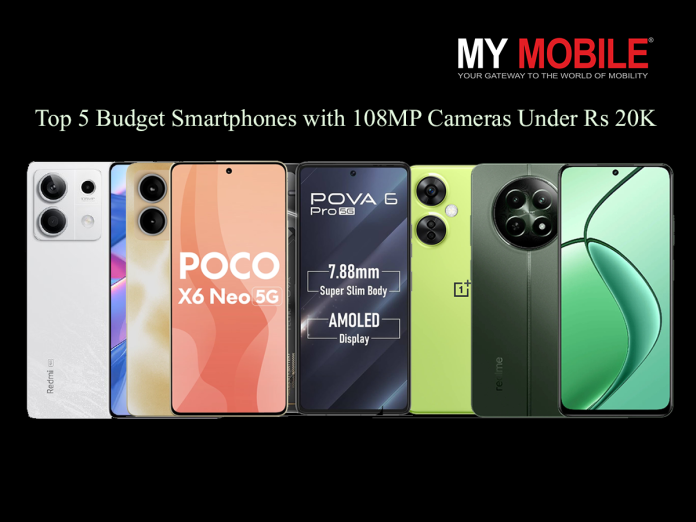
What is the price range of these smartphones with 108MP cameras?
These smartphones are priced under Rs 20,000, offering powerful camera capabilities at an affordable cost.
Which phone offers the best battery life among these options?
The Tecno POVA 6 Pro 5G boasts a massive 6,000mAh battery with 70W fast charging, ensuring long-lasting performance.
Are these phones suitable for gaming and heavy usage?
Yes, most of these phones, like the POCO X6 Neo 5G and Realme 12 5G, are powered by capable processors like MediaTek Dimensity 6080 and Qualcomm Snapdragon 695 5G, making them suitable for gaming and multitasking.
Do these phones have additional camera features besides the 108MP primary sensor?
Yes, these phones come with additional camera features such as depth sensors, macro lenses, and front cameras ranging from 8MP to 32MP.
Which phone offers the best display quality?
The POCO X6 Neo 5G and Redmi Note 13 5G feature 6.67-inch 120Hz AMOLED displays, providing vibrant and smooth viewing experiences.
What are the key differences in display technology between the POCO X6 Neo 5G and Realme 12 5G?
The POCO X6 Neo 5G features a 6.67-inch OLED display with a 120Hz refresh rate, while the Realme 12 5G has a slightly larger 6.72-inch FHD+ display, also with a 120Hz refresh rate. Both offer smooth visuals, but the POCO has a higher touch sampling rate.
How do the camera specifications of the POCO X6 Neo 5G compare to those of the Realme 12 5G?
The POCO X6 Neo 5G is equipped with a 108MP primary camera and a 2MP depth sensor, while the Realme 12 5G features a triple camera setup with a 50MP main sensor. Both aim to deliver high-quality photography experiences.
What are the key differences in display technology between the POCO X6 Neo 5G and Realme 12 5G?
The POCO X6 Neo 5G features a 6.67-inch OLED display with a 120Hz refresh rate, while the Realme 12 5G has a slightly larger 6.72-inch FHD+ display, also with a 120Hz refresh rate. Both offer smooth visuals, but the POCO has a higher touch sampling rate.
How do the camera specifications of the POCO X6 Neo 5G compare to those of the Realme 12 5G?
The POCO X6 Neo 5G is equipped with a 108MP primary camera and a 2MP depth sensor, while the Realme 12 5G features a triple camera setup with a 50MP main sensor. Both aim to deliver high-quality photography experiences.
What are the starting prices of the Redmi Note 13 series models?
The Redmi Note 13 Pro Plus 5G starts at Rs 32,999, while the Redmi Note 13 Pro 5G is priced from Rs 25,999. The Redmi Note 13 5G offers an even more budget-friendly option.
How do the camera capabilities differ among the Redmi Note 13 series models?
The Redmi Note 13 5G features a 100 MP primary camera, whereas the Pro and Pro Plus models boast a 200 MP Samsung ISOCELL HP3 main sensor, offering superior photography experiences.
Night Scene, Panorama, Professional Mode, Portrait, HDR, Super Macro, AI Scene Recognition, AI Beauty, Filter, Color Enhancement, Street Shot, Portrait Bokeh Control, Super Text
It is currently undergoing testing with a small group in a few markets.
1-Hour Videos on TikTok
TikTok is testing hour-long video uploads with select users
Even though hour-long videos may feel like a giant step away from TikTok’s brand, the company believes that this push into longer form content could open up new avenues for creators.
By being allowed to post longer videos,a much larger playing field for creativity is envisioned, from detailed tutorials and lifestyle showcases to engrossing storytelling.
Gradually increasing the limits on video duration over the years, TikTok was at first launched with a 15-second software limit to uploads, expanding it to 3 minutes in 2021, 10 minutes in 2022, and 15 minutes in October 2023.
It’s also worth remembering that TikTok has already received negative feedback from its user base when experimenting with longer video formats.
10-minute upload allowance was first offered in 2022,but after critical criticism, it was removed from the UI and made clear that users could still upload films of that length via other methods.
FAQs
What new feature is TikTok testing?
TikTok is testing the ability for users to post videos up to an hour in length, a significant departure from its original short-form content model.
How does the hour-long video feature benefit creators?
The hour-long video feature allows creators to explore more detailed and immersive content, such as tutorials, lifestyle showcases, and storytelling.
What has been the evolution of video length on TikTok?
TikTok started with a 15-second limit, increased to 3 minutes in 2021, 10 minutes in 2022, 15 minutes in October 2023, and is now testing 60-minute videos.
How might hour-long videos affect TikTok’s position in the market?
By enabling longer videos, TikTok could compete directly with YouTube and other platforms, attracting users who seek more immersive, long-form content.
Has TikTok faced any challenges with longer video formats before?
Yes, when TikTok introduced the 10-minute video upload in 2022, it received critical feedback, leading to its removal from the UI, though uploads of that length are still possible through other methods.
How do TikTok’s AI virtual influencers work?
TikTok’s AI technology generates virtual influencers by creating digital personas that can act in promotional content for brands.
These AI-created figures utilize merchant data to recommend products and mimic human influencer activities like engaging with audiences and delivering scripted recommendations in videos.
What challenges has TikTok faced with its AI influencer technology?
During internal testing, TikTok discovered that their AI influencers were less effective at driving sales compared to human influencers.
This gap in performance has led to reconsideration of the role AI might play in marketing, with current assessments suggesting it may supplement rather than replace human efforts.
What are the potential impacts of deploying AI influencers on TikTok?
Introducing AI influencers could fundamentally change marketing strategies on TikTok by providing brands with a consistent and potentially less costly marketing voice.
However, there are concerns about how these AI personalities might affect user engagement and the authentic feel that human influencers bring to the platform.
Why is TikTok cautious about the full rollout of AI influencers?
The cautious approach to deploying AI influencers stems from their current underperformance in sales generation and the broader implications for user sentiment and platform authenticity.
TikTok’s management is evaluating whether to enhance the technology or potentially discontinue the project if it does not align with user expectations and brand needs.
What are some user concerns with the TikTok Apple Vision Pro app?
While the app offers an immersive experience, some users have expressed concerns about losing track of time due to the engaging nature of the content and the Vision Pro’s design, which doesn’t prominently display time.
How does the immersive experience of the TikTok app impact content interaction?
The TikTok app for Apple Vision Pro potentially sets a new benchmark for how users interact with content in virtual spaces, promising a more engaging and tailored experience through its enhanced ‘For You’ feed.
What challenges have Apple Vision Pro users faced with the device?
Early adopters of the Apple Vision Pro have reported issues such as headaches, motion sickness, and discomfort related to the device’s weight and design, raising questions about its practicality and comfort for extended use.






































































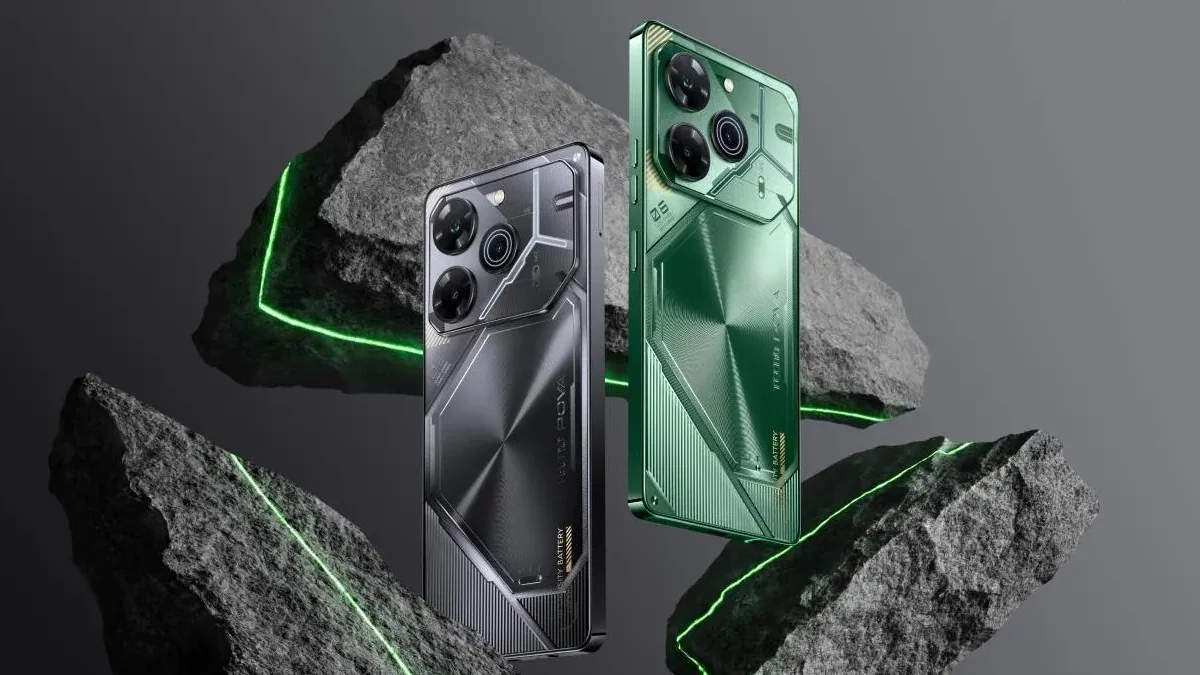


 TikTok is testing hour-long video uploads with select users