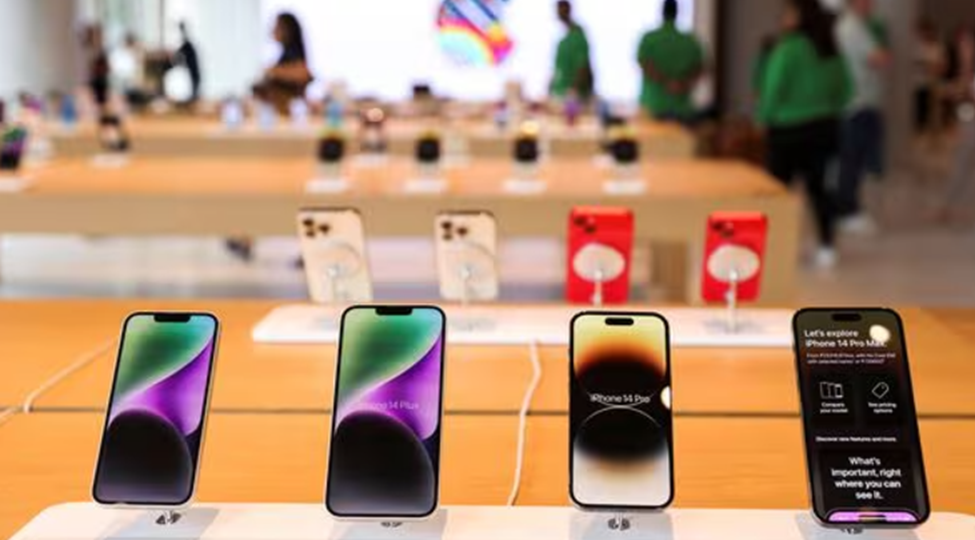
Apple’s base model iPhones accounted for 42% of smartphone sales while iPhone Pro Max emerged as the best-selling model.
The combined sales of the iPhone Pro Max and Plus models account for 39% of all iPhones sold.
The report highlights a strong consumer behaviour shift toward larger displays.
CIRP Report on overall 2024 Apple sales released. (Image credit – Apple)
Have you ever wondered which is the most popular iPhone model sale-wise? Well, a Consumer Intelligence Research Partners (CIRP) has been recently released just to give us an idea about that. Here’s a quick roundup of the report findings.
According to the CIRP report, Apple’s base model iPhones made up 42% of its smartphone sales in 2024, but the iPhone Pro Max emerged as the best-selling individual model.
The 42% share for base models includes combined sales across several generations of iPhones sold at varying price points. Meanwhile, the Pro and Pro Max models each represent sales from just the current generation.
A year-wise Apple iPhone models sale data. (Graph credit – CIRP Report)
Individually, the iPhone Pro Max led with 26% of total sales, followed by the Pro at 19% and Plus models at 13%. The Plus model’s success is particularly interesting, as it replaced the iPhone mini in 2022 and has since outperformed its smaller predecessor in market share.
The data also highlights a strong consumer shift toward larger displays.
When Apple launched its first large-screen phone iPhone 6 Plus in 2014, many doubted its appeal. Fast forward to today, and the combined sales of the Pro Max and Plus models account for 39% of all iPhones sold, reflecting a clear preference for bigger screens.
Pro Max and Plus models drive 39% of iPhone sales.
CIRP notes that larger models like the Plus and Pro Max significantly boost Apple’s average selling price and profit margins. While they share many internal components with smaller models, their larger size commands a premium price. Notably, the report excludes sales of the entry-level iPhone SE.
Apple’s tiered product lineup has successfully catered to a wide range of user preferences and price points. As CIRP puts it, Apple’s “jumbo phone experiment” has been a resounding success.
However, it’s unclear how the rumoured iPhone 17 “Air” that will be slimmer but not larger is going to fit into this strategy next year.
FAQs
Q1. Which iPhone model was the best-selling individual model in 2024?
Answer. The iPhone Pro Max emerged as the best-selling individual model accounting for 26% of total sales.
Q2. How much total Apple sales in 2024 came from base model iPhones?
Answer. Apple’s base model iPhones made up 42% of its smartphone sales in 2024.
Q3. How has Apple’s consumer preference shifted according to the CIRP report?
Answer. There has been a strong shift toward larger displays, with the Pro Max and Plus models accounting for 39% of all iPhones sold.
Q4. How large large-screen iPhone models impact Apple’s revenue?
Answer. Larger models like the Plus and Pro Max significantly boost Apple’s average selling price and profit margins.
Spotify playlists and podcasts are being misused to promote malware, pirated software and spam.
Spotify has removed specific harmful playlists after the post went viral.
The platform introduced new features for audiobooks including a sleep timer, audiobook playlists, countdown pages, author pages, video previews and follow-along visuals.
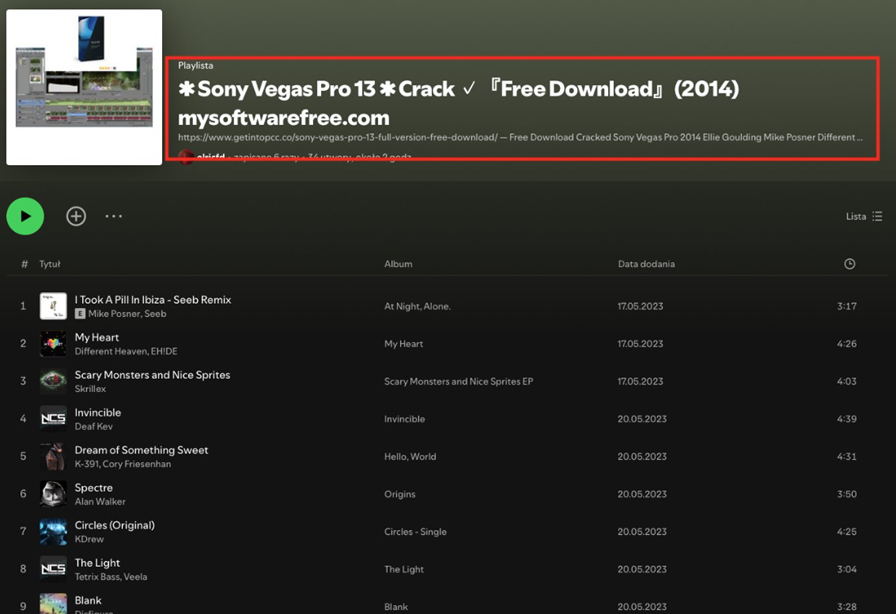
A recent report highlights how Playlists and Podcast descriptions on Spotigy are being used to promote malware and other harmful websites. (Screenshot credit – @karol_paciorek on X)
In a concerning discovery, security researchers uncovered how Spotify is being misused to promote malware, pirated software and spam through playlists and podcasts. According to a recent 404 Media report, playlists and podcast descriptions are being exploited to share links to malicious software, cheat codes and even gambling sites.
Recently, Security researcher Karol Paciorek shared on X (formerly Twitter) a screenshot of such a podcast involving a playlist titled “Sony Vegas Pro13 Crack Free Download 2024 mysoftwarefree.com”. It can be seen in the screenshot that the playlist promoted a website known for hosting malware.
🚨 Cybercriminals exploit Spotify for #malware distribution. 🎵
Why? Spotify has a strong reputation and its pages are easily indexed by search engines, making it an effective platform to promote malicious links. pic.twitter.com/MGloGZykCp
— Karol Paciorek (@karol_paciorek) November 18, 2024
Although Spotify removed this specific playlist after the X post went viral, Paciorek warned his followers that the problem is widespread.
Paciorek explained that users can easily find links to “Vbucks generators” for Fortnite and “license key cracks” for pirated software embedded in other playlists and podcast descriptions.
Another user shared screenshots of more such playlists and podcasts that are using the description for “their SEO poisoning campaign.”
Seems like the “Fortnite Vbucks” spammers found a way to involve Spotify Podcasts into their SEO poisoning campaign, featuring SPAM links to movies and books fake downloads… (And of course Fortnite Vbucks 😎)
👀 @Spotify pic.twitter.com/0dbqjil9zX
— Who said what (@g0njxa) August 21, 2024
In a statement to 404 Media, Spotify responded to the concerns saying: “Spotify’s Platform Rules prohibit posting, sharing, or providing instructions on implementing malware or related malicious practices that seek to harm or gain unauthorized access to computers, networks, systems, or other technologies.”
The report also highlights how spammers exploit Spotify’s search engine optimization (SEO) to spread these links. Even when Spotify blocks certain keywords on its platform, those keywords can still appear in Google search results leading users to the harmful links.
It appears spammers often use misleading titles and irrelevant audio content to boost visibility.
New Audiobook Features on Spotify
In a separate update, Spotify rolled out a host of new updates for audiobook listeners to elevate their overall experience on the app.
Announced in a Press Note titled “6 Spotify Audiobook Features That Level Up Your Listening Experience,” Spotify noted: “Since launching our audiobook offering, we’ve continuously upped our game on designing a user experience that provides seamless and engaging listening.”
Spotify shared details of the following features –
Sleep Timer: This feature allows users to set a timer for how long an audiobook will play. It is perfect for those who listen while falling asleep. The timer already exists for podcasts and music.
Audiobook Playlists: Users can now create playlists specifically for audiobooks helping them organize their reading lists. Spotify will also offer curated playlists from its audiobook editorial team.
Countdown Pages: These splash pages let users save books before their release date, making them easy to find once they’re out. Spotify says this tool will help authors, publishers, and narrators promote upcoming titles.
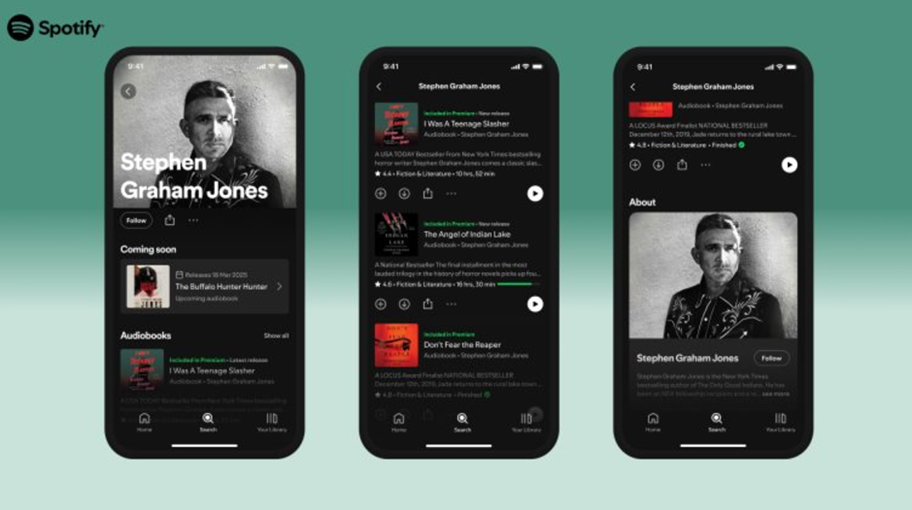
Spotify’s new Author Page feature is currently in pilot mode. (Image credit – Spotify)
Author Pages: A pilot feature that provides biographical information and catalogues for select authors.
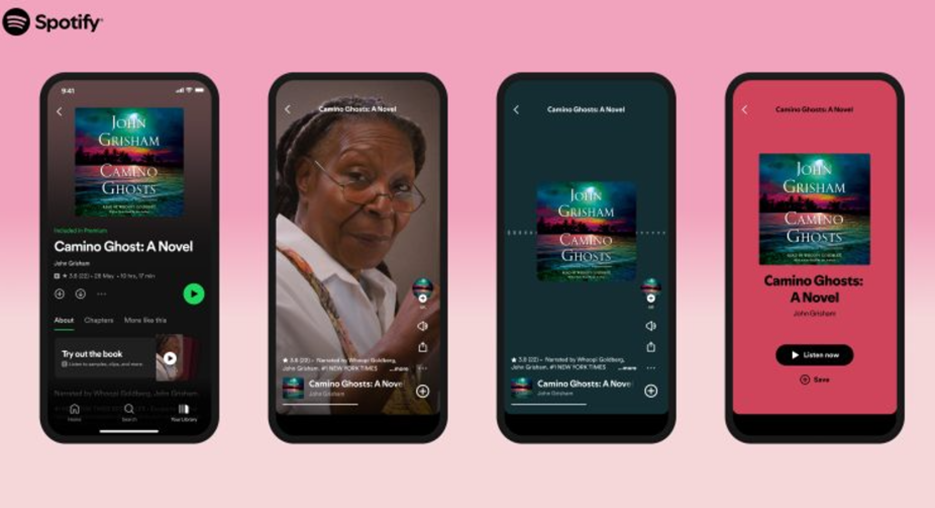
Spotify will allow select authors and publishers to submit a short video preview to give an introduction about the title to the listeners. (Image credit – Spotify)
Video Previews: Some audiobooks will now include short videos submitted by authors or publishers, offering a preview of the content. Spotify describes this as similar to a book jacket. The press note specifies that the video preview “can be an interview snippet, a backstage video from the audio recording session, a video message from the author, or something else.”
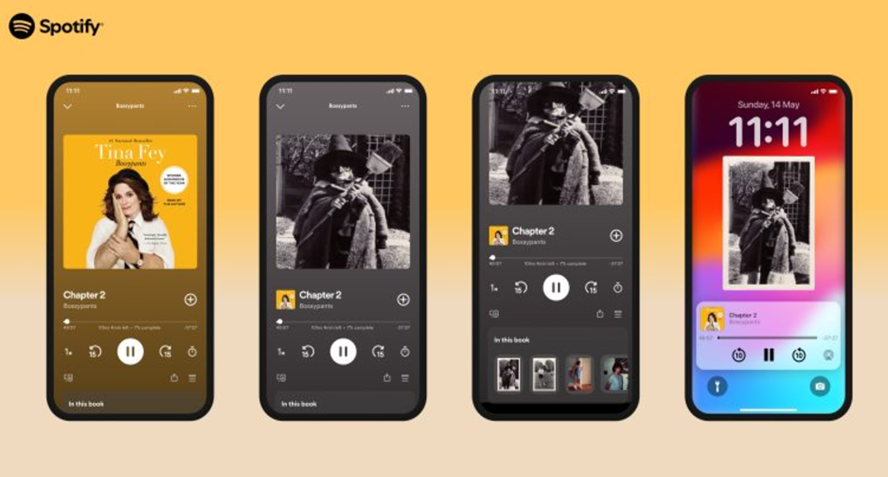
Listen would get to see time-synchronized illustrations, photos and graphics on Spotify audiobooks. (Image credit – Spotify)
Follow-Along: It will provide an immersive visual experience letting users get time-synchronized illustrations, photos and graphics as they are listening to an audiobook. The press note suggests users “think: the supporting material usually included in paper books as you listen to an audiobook.” Available in the “extras” section, This feature will help contextualise an audiobook.
FAQs
Q1. What security issues have been discovered on Spotify?
Answer. Security researchers found that Spotify playlists and podcasts are being misused to promote malware, pirated software, and spam through links in descriptions.
Q2. How did Spotify respond to the misuse of its platform for promoting malicious content?
Answer. Spotify has removed specific harmful playlists and stated that its platform rules prohibit sharing malicious content, although the problem persists.
Q3. What new feature allows Spotify users to control the duration of audiobook playback?
Answer. The new Sleep Timer feature allows users to set a timer for how long an audiobook will play, which is ideal for those who listen while falling asleep.
Q4. How can users organise their audiobook reading lists on Spotify?
Answer. Users can now create playlists specifically for audiobooks, helping them organize their reading lists. Spotify will also offer curated playlists from its audiobook editorial team.
Q5. What is the Follow-Along feature in Spotify’s audiobook updates?
Answer. The Follow-Along feature provides an immersive visual experience by offering time-synchronized illustrations, photos, and graphics as users listen to an audiobook.
Users can purchase the TECNO POP 9 at a price of ₹6,499 including an Amazon coupon.
One super fun and colourful mobile skin available inside the box.
The phone will be available starting 26th November on Amazon.
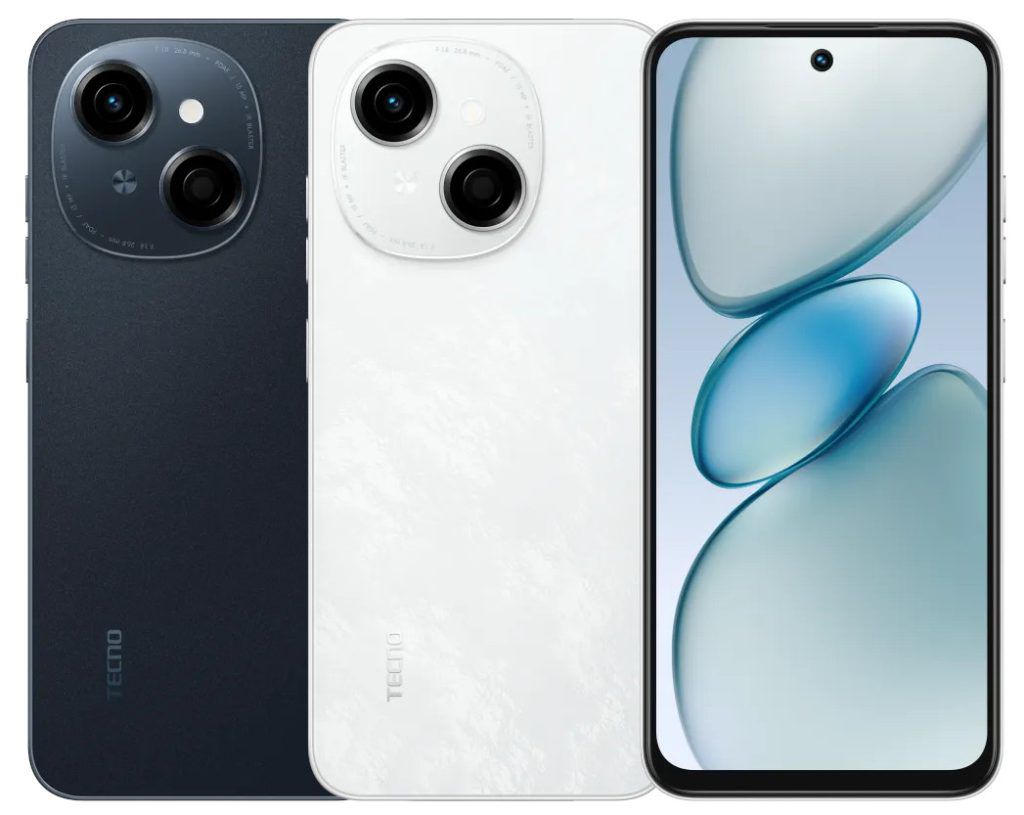
The phone is available in two striking colour options—Startrail Black and Glittery White.
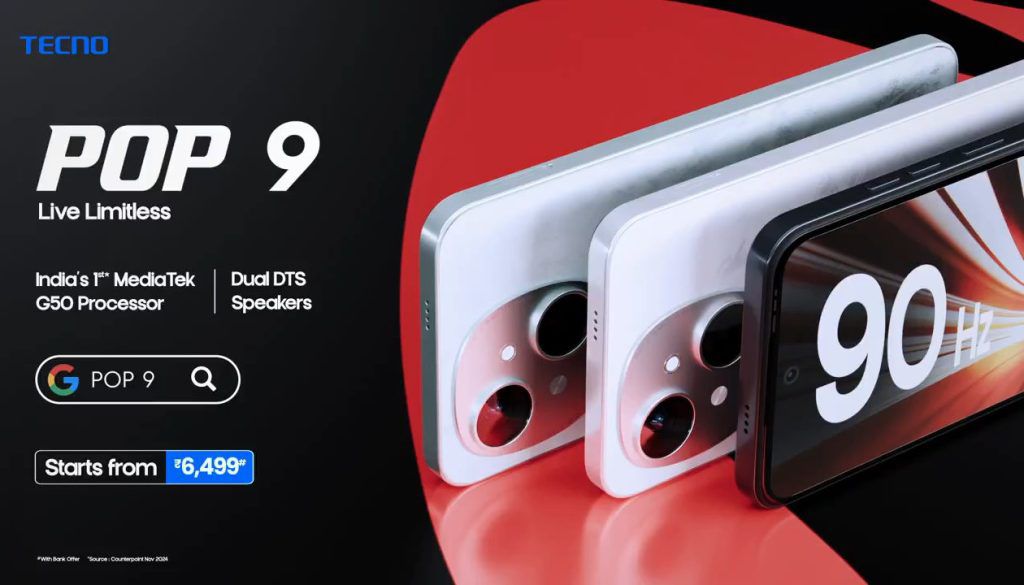
TECNOhas unveiled POP 9—the coolest gadget carrying forward the legacy of the POP series’ vibrant spirit.
The phone is designed for Gen Z and Gen Alpha, this smartphone is their ultimate fun and entertainment partner.
With a punch of vibrant features, wild performance, and rock-solid durability, the POP 9 takes a fun spin on what’s possible in the segment.
True to its tagline, “Live Limitless” this device is set to become a game-changer, delivering top-notch features without breaking the bank, inviting young users to make their mark on the world.
The phone is available in two striking colour options—Startrail Black and Glittery White, the TECNO POP 9 sets a trendy vibe, while having an extra skin in the box to make it more fun and personalized!
The TECNO POP 9 comes in Glittery White, Lime Green and Startrail Black colours .
Alongside its eye-catching looks, the device is powered by India’s first MediaTek G50 processor, offering seamless multitasking and great efficiency.
Coupled with its 90Hz Refresh Rate, the POP 9 delivers an endless entertainment experience that elevates binge-watching and scrolling to new heights.
Addressing the launch, Mr. Arijeet Talapatra, CEO, TECNO India, said:
“The TECNO POP 9 embodies our commitment to delivering value-packed devices at unbeatable prices, merging cutting-edge technology, robust performance, and unmatched durability. Designed for the young and adventurous, it empowers users to ‘Live Limitless’ with its vibrant display and lag-free processing, ensuring you stay connected and stand out. With its unique lifestyle appeal, the POP 9 opens endless possibilities for fun and entertainment, making it the ultimate companion for those seeking both style and functionality in a smartphone.”
What Makes POP 9 Stand Out?
Tecno Pop 9 Features & Specifications
Tecno Pop 9 is the latest 4G version launched by the company following the launch of the 5G version launched in September this year .
Entertainment
With its 6.67-inch HD+ punch-hole display, the POP 9 makes watching videos on the phone feel like front-row cinema seats, giving a movie-like feel.
The phone is equipped with vibrant colours and sharp visuals that bring every scene to life, while the 90Hz refresh rate ensures buttery-smooth scrolling.
Turn up the dual stereo speakers with DTS sound and transform your favourite tunes or podcasts into a concert right in your pocket!
Performance
Imagine juggling your morning workout playlist, online lectures, and social media scrolling without a hitch.
Thanks to India’s first MediaTek G50 processor and 6GB RAM, the POP 9 handles it all with ease.
Need space for those photos? The 64GB storage, expandable to 1TB, ensures you can snap, save, and share without limits.
Durability
Built tough with an IP54 rating for dust and splash resistance, the POP 9 is ready for everyday adventures.
Enjoy three years of lag-free performance under normal conditions, ensuring a trusty sidekick for the long haul.
Tecno Pop 9 Price & Availability
Tecno Pop 9 will be available for purchase on Amazon .
Value
Starting at just INR 6,499 with bank offers, the POP 9 will be available on Amazon starting 26th November.
The phone offers exceptional style, functionality, reliability, and a lot more fun and vibrancy to your everyday smartphone at a price that’s hard to beat.
Faq’s
Q1. What are the key specifications of Tecno Pop 9?
Answer:
TECNO POP 9 Specifications:
6.67-inch (1612 x 720 pixels) HD+ display with 90Hz Refresh Rate
Octa-Core (ARM Cortex-A53 at up to 2.2GHz) MediaTek Helio G50 12nm processor with IMG PowerVR GE8320 GPU
3GB LPDDR4X RAM, 64GB eMMC 5.1 storage, expandable memory up to 1TB with microSD
Android 14 Go Edition with HiOS 14, 2 years of security updates
Dual SIM (nano + nano + microSD)
13MP main camera, dual-LED flash
8MP front-facing camera, dual LED flash
Side-mounted fingerprint sensor, IR sensor
3.5mm audio jack, stereo speakers, DTS
Dust and Splash resistant (IP54)
Dimensions: 165.62×77.01×8.35mm; Weight: 189g
5G SA/NSA, Dual 4G VoLTE, Wi-Fi 802.11 ac (2.4GHz + 5GHz), Bluetooth 5.0, GPS, USB Type-C
5000mAh battery with 15W charging
Q2. What is the price of Tecno Pop 9?
Answer:
Tecno Pop 9 is priced at ₹6,699.
Q3. What is the special offer on Tecno Pop 9?
Answer: The Tecno Pop 9 will be available for ₹6,499 including ₹200 bank offers.
Q4. When will Tecno Pop 9 be available for sale & where can I buy it from?
Answer:
The phone will go on sale from Amazon.in starting from November 26th.
Q5. Is Tecno Pop 9 worth buying?
Answer:
Yes, it is the first phone in India powered by MediaTek Helio G50 SoC. It comes with 3GB RAM and an additional 3GB virtual RAM via memory fusion. TECNO promises over 3 years of lag-free performance.
The phone features a 13MP rear camera, has an IP54 rating for dust and water resistance, and packs a 5000mAh battery with 15W fast charging (with a 10W charger in the box).
Oppo is developing gaming tech called Venom designed to boost chip performance.
Venom provides frame-by-frame optimisation, reduced latency and better thermal management.
The tech is expected to debut with the next generation of OnePlus Ace smartphones.
Oppo working on a new gaming tech named ‘Venom’ to boost chip performance. (Image credit – @UniverseIce on X)
Gaming mobiles are a vast segment and are somehow still heavily dependent on hardware advancements in order to provide optimum gaming experience. Recently, mobile manufacturers have been paying close attention to software to promise advanced gaming performance.
If the latest reports are to be of any indication, Oppomight become a leader in developing high-performing gaming technology.
According to industry insider and popular tipster Ice Universe on X (formerly Twitter), Oppo is working on a groundbreaking gaming technology called Venom that could significantly boost the performance of existing chips while maintaining energy efficiency.
OPPO is going to launch a new gaming technology named “Venom”, which is totally slaying with the ability of deepening the bottom layer based on the original chip design to improve energy efficiency. 😍
It is highly likely that the new generation of OnePlus Ace product will be… pic.twitter.com/oDsBRtbsOY
— ICE UNIVERSE (@UniverseIce) November 21, 2024
Although the leak doesn’t reveal many details about how Venom will work, the potential performance improvements sound exciting.
Here’s everything you need to know about Oppo’s upcoming gaming tech.
In the X post, Ice Universe describes Venom as a next-generation revolutionary technology that is designed to operate at the foundational layer of chip architecture.
The tech is reportedly being designed to optimize both gaming performance and energy efficiency by interacting directly with a chip’s core design.
As Ice Universe notes, “Venom is slaying with its ability to deepen the bottom layer to enhance energy efficiency.”
This is not the only word we are getting for Oppo’s Venom.
Another trusted leaker on Weibo, Digital Chat Station compared Venom to Oppo’s earlier innovations such as the 120 FPS GPU frame interpolation technology.
We couldn’t confirm Digital Chat Station’s exact Weibo post but Gizmochina’s recent report confirms that Venom promises a more comprehensive solution with frame-by-frame optimisation, reducing latency, improving thermal management and making devices more energy-efficient.
It is also being suggested that the technological design of Venom would such that it could elevate the performance of a Snapdragon 8 Gen 3 chipset to resemble “Snapdragon 8 Gen 3.5” performance.
This if true would be ground-breaking in the mobile tech industry as it shows the impact of software-level refinements on hardware capabilities.
Enhanced Gaming for Future Oppo and OnePlus Devices
While recent leaks didn’t reveal anything about a possible release, Venom is rumoured to debut with the next generation of OnePlus Ace smartphones under Oppo’s sub-brand.
Oppo is also strengthening its gaming ecosystem with other innovations. The Chinese smartphone maker recently announced a custom networking chip to stabilise gaming performance in poor internet conditions, demonstrating its commitment to delivering a seamless gaming experience.
The gaming tech advancements are not limited to far-off devices.
Even the upcoming flagship devices like the Oppo Find X8, X8 Pro and OnePlus 13 are already showcasing advancements in cooling, chip performance and smarter resource management through ColorOS 15 and OxygenOS 15.
It will be definitely interesting to witness what Oppo achieved with its Venom gaming tech in a new era of mobile gaming.
FAQs
Q1. What is Oppo’s Venom gaming technology?
Answer. Venom is a next-generation revolutionary technology designed to operate at the foundational layer of chip architecture optimising gaming performance and energy efficiency by interacting directly with a chip’s core design.
Q2. How does Venom improve gaming performance?
Answer. Venom promises frame-by-frame optimisation, reduced latency and better thermal management. It can elevate the performance of a Snapdragon 8 Gen 3 chipset to resemble the Snapdragon 8 Gen 3.5 performance.
Q3. When is Venom expected to debut?
Answer. Venom is rumoured to debut with the next generation of OnePlus Ace smartphones under Oppo’s sub-brand.
Q4. What gaming advancements are there in Oppo Find X8 and OnePlus 13?
Answer. Upcoming flagship devices like the Oppo Find X8, X8 Pro, and OnePlus 13 showcase advancements in cooling, chip performance, and smarter resource management through ColorOS 15 and OxygenOS 15.
Threads will prioritise content from accounts users follow while showing less recommended content.
The platform also introduced a custom feeds tool recently.
Both new features are similar to the rival platform Bluesky.
Threads will start pritorising accounts your follow on your feed. (Screenshot credit – Engadget)
The rivalry between X (formerly Twitter), Meta’s Threads and newbie Bluesky is taking new turns every day.
On one hand, more people are leaving or deactivating their accounts on X to move to alternative platforms like Threads and Bluesky.
On the other, Threads and Bluesky are competing with each other for that section of users who are looking for an alternative to X.
Threads, at the moment, has a much larger user base and significantly more funding. However, Threads now seems to be taking cues and adopting features from Bluesky that make it a preferred choice of a section of users.
Here’s all about the most recent such development.
Threads To Prioritise Account Your Follow
The Head of Instagram Adam Mosseri, recently announced a change to Threads’ algorithm to introduce a feature that aligns closely with Bluesky’s strategy for displaying content.
View on Threads
According to Mosseri, your Threads feed will be “rebalanced” to “prioritize content from people you follow” and show “less recommended content from accounts you don’t follow.”
Threads has also introduced a Bluesky-like custom feeds feature that allows users to pin topics to their home feed. Mosseri posted on Threads confirming that the Custom Feeds option was now accessible to users globally.
View on Threads
Bluesky also rolled out a similar feed last year and Threads now replicating the same after a year shows the feature has found acceptance amongst users.
However, it’s unclear whether the algorithm changes will impact Threads’ “For Your” custom feed.
Threads vs. Bluesky – User Base
Bluesky recently crossed 20 million users, which is a notable milestone. However, it still remains far behind Threads’ massive 275 million users.
Despite this gap, Mosseri’s announcements suggest Meta is focused on staying the top choice for the 550 million users who remain on X and may eventually consider switching platforms.
FAQs
Q1. What change did Adam Mosseri announce for Threads?
Answer. Adam Mosseri announced that Threads’ feed will be “rebalanced” to “prioritise content from people you follow” and show “less recommended content from accounts you don’t follow.”
Q2. What new feature has Threads introduced to compete with Bluesky?
Answer. Threads has introduced a custom feeds tool, allowing users to pin topics to their home feeds, similar to a feature Bluesky has offered since May 2023.
Q3. How does the user base of Threads compare to Bluesky?
Answer. Bluesky recently crossed 20 million users, while Threads has 275 million users.
Apple is working on advanced large language models (LLMs) for Siri.
It is expected to be part of iOS 19 and macOS 16.
The official release of the new iOS version is expected in spring 2026.
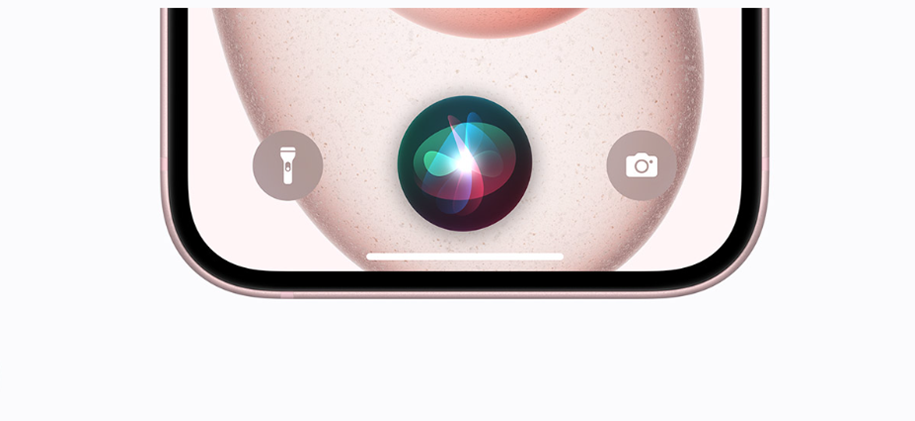
Apple working on major Siri upgrades for iOS 19. (Image credit – Apple)
We are still in the middle of the iOS 18 subsequent updates that are rolling out new Apple Intelligence features to iPhone users at regular intervals.
However, it doesn’t mean we won’t get updates about what Apple has in store for the next iOS update.
A recent report suggests Apple is working on some big upgrades for the yet-to-be-announced iOS 19.
Here’s what we know so far.
According to a new report from Bloomberg, Apple is developing Siri upgrades for the next iOS version.
It is suggested that Siri will soon use advanced large language models (LLMs) to make the assistant smarter and more conversational.
Bloomberg’s Mark Gurman reveals that Apple is internally calling this upgraded version “LLM Siri.” While it is currently being tested in a standalone app, it will eventually replace the existing Siri interface when launched.
Apple reportedly plans to showcase LLM Siri as part of iOS 19 and macOS 16 next year. However, the official release of the new iOS isn’t expected until spring 2026.
The report notes: “The revamped Siri will rely on new Apple AI models to interact more like a human and handle tasks in a way that’s closer to ChatGPT and Google’s Gemini. It also will make expanded use of App Intents, which allow for more precise control of third-party apps. And the software will be able to tap into features from Apple Intelligence, such as the ability to write and summarize text.”
Siri upgrades have been a priority for Apple for some time now. Even before the reports of LLM-powered Siri surfaced, we know that Apple is steadily improving the current assistant in iOS 18.
Siri chatbot might come in 2026 as part of iOS 19
iOS 18.1 introduced a redesigned Siri with better knowledge of Apple products, which improved handling of multiple commands, a new Type to Siri feature and other minor enhancements.
Then the next iOS 18.2, which is now in beta testing and set to launch in December, adds ChatGPT integration.
Lastly, it has been already revealed that Siri will gain the ability to perform app-specific actions and consider your personal context to provide more tailored answers with iOS 18.3.
9to5Mac, in one of its recent reports, noted that Apple’s ultimate goal with LLM Siri is to deliver ChatGPT-level functionality while emphasizing its strong commitment to user privacy. The new assistant will likely use Apple’s AI capabilities in a way that prioritises data security.
FAQs
Q1. What major upgrade is Apple reportedly working on for Siri?
Answer. Apple is developing Siri upgrades using advanced large language models (LLMs) to make the assistant smarter and more conversational, which will be part of iOS 19 and macOS 16.
Q2. When is the upgraded Siri expected to be officially released?
Answer. The upgraded Siri is expected to be showcased as part of iOS 19 and macOS 16, with the official release of the new iOS version anticipated in spring 2026.
Q3. What improvements will the revamped Siri include?
Answer. The revamped Siri will interact more like a human, handle tasks similar to ChatGPT and Google’s Gemini, and utilize App Intents for better third-party app control and text summarization.
WhatsApp is rolling out a feature that transcribes voice messages into text.
The new feature will make it easier to access content without listening.
Users can enable transcriptions via Settings > Chats > Voice message transcripts.
The feature is currently available in limited languages like English, Portuguese, Spanish and Russian.
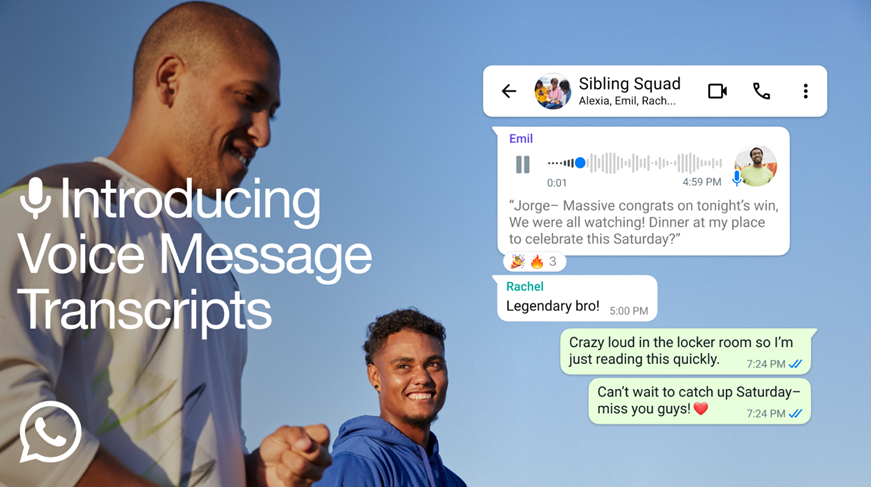
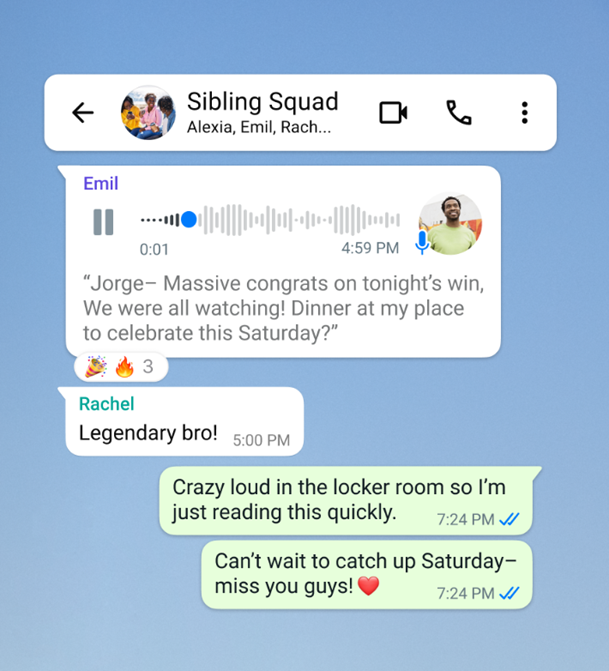
WhatsApp voice message transcript feature is rolling out to everyone. (Image credit – WhatsApp)
Voice messages on WhatsApp are a convenient way of reaching out to your contacts. However, there are times when you may not be in a situation where you can hear the voice message you just received.
For times like these, WhatsApp started testing a feature that turns voice messages into text over a year ago.
The feature until now was available only to beta users.
However, WhatsApp has just announced that it is now rolling out the feature to everyone.
Once updated for all users, it will make it easier to access voice message content without having to listen to it.
As per tech crunch ,
“On iOS, the languages that are supported depend on your OS. If you have iOS 16+, the supported languages include English, Spanish, French, German, Italian, Japanese, Korean, Portuguese, Russian, Turkish, Chinese, and Arabic. If you have iOS 17+, the supported languages include Danish, Finish, Malay, Norwegian, Dutch, Swedish, Hebrew, and Thai. If you have an Android, you can access transcripts in English, Portuguese, Spanish, and Russian.”
Here’s everything you need to know about the new feature.
Transcribe Voice Messages on WhatsApp
The new WhatsApp feature allows the app to transcribe what’s said in voice messages into text.
It’s especially handy when you’re in situations where listening to audio isn’t possible such as in noisy places or while on the go.
According to Meta, the transcriptions are processed entirely on your device after the audio is downloaded.
In a blog post announcing the new feature, WhatsApp shared the aim of the feature, “Sending a voice message makes connecting with friends and family even more personal. There’s something special about hearing your loved one’s voice even when you’re far away. Though sometimes, you’re on the move, in a loud place, or you receive a long voice message that you just can’t stop and listen.”
How to Use Voice Message Transcript Feature on WhatsApp?
WhatsApp users can turn voice messages into transcripts after long pressing on the message. (Image credit – WhatsApp)
Users can simply go to Settings > Chats > Voice message transcripts to get started with the new WhatsApp transcript feature. Users will be able to easily turn transcriptions on or off and select their transcript language from the settings section.
To transcribe a voice message, users can long-press on the message and tap on ‘transcribe.’
Currently, the feature supports only a few languages including English, Portuguese, Spanish and Russian.
However, Meta plans a global rollout, which means the feature should reach all users “over the coming weeks.”
Just to refresh memory, Apple too introduced a similar feature to iMessage last year with iOS 17. However, Apple’s version supports audio transcription in several languages, which gives the feature a much broader reach.
Full list of supported languages based on platform:
Android
English Portuguese Spanish Russian
iOS 16+
English Spanish French German Italian Japanese Korean Portuguese Russian Turkish Chinese Arabic
iOS 17+
Danish Finish Hebrew Malay Norwegian Dutch Swedish Thai
FAQs
Q1. What is the new feature that WhatsApp is rolling out for voice messages?
Answer. WhatsApp is rolling out a feature that transcribes voice messages into text making it easier to access voice message content without having to listen to it.
Q2. How can users enable the voice message transcript feature on WhatsApp?
Answer. Users can go to Settings > Chats > Voice message transcripts to turn transcriptions on or off and select the transcript language. To transcribe a voice message, long-press on the message and tap ‘transcribe’.
Q3. Which languages does the new WhatsApp transcription feature currently support?
Answer. The feature supports English, Portuguese, Spanish and Russian with plans for a global rollout over the coming weeks.
WhatsApp is testing new features allowing users to options to stop or resume spam business messages.
WhatsApp users will be able to block specific types rather than all messages.
To feature aims to limit spam on the platform.
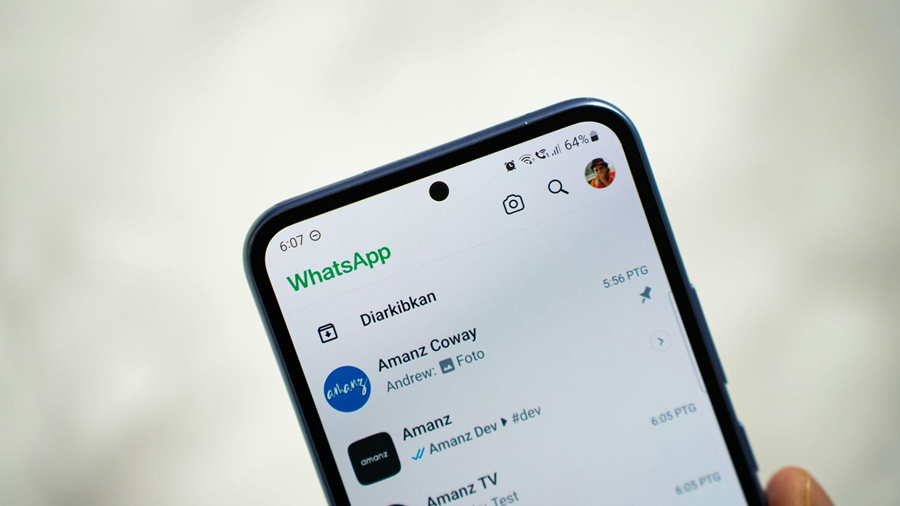
Meta will start testing features to allow users to avoid spammy business messages. (Photo by Amanz on Unsplash)
We are almost sure that you too are tired of getting spammy business messages on WhatsApp.
Well, it appears WhatsApp has taken note and is finally working to address this.
Here’s everything you need to know about the new WhatsApp features.
WhatsApp Business has witnessed tremendous growth in the last few years with more than 200 million monthly users.
However, with this rapid expansion, many businesses now use the platform to send messages, some of which feel like spam to users. Currently, the only option users have for these messages is to block a business or accept all messages.
As per a recent TechCrunch report, WhatsApp is now introducing tools to fix this.
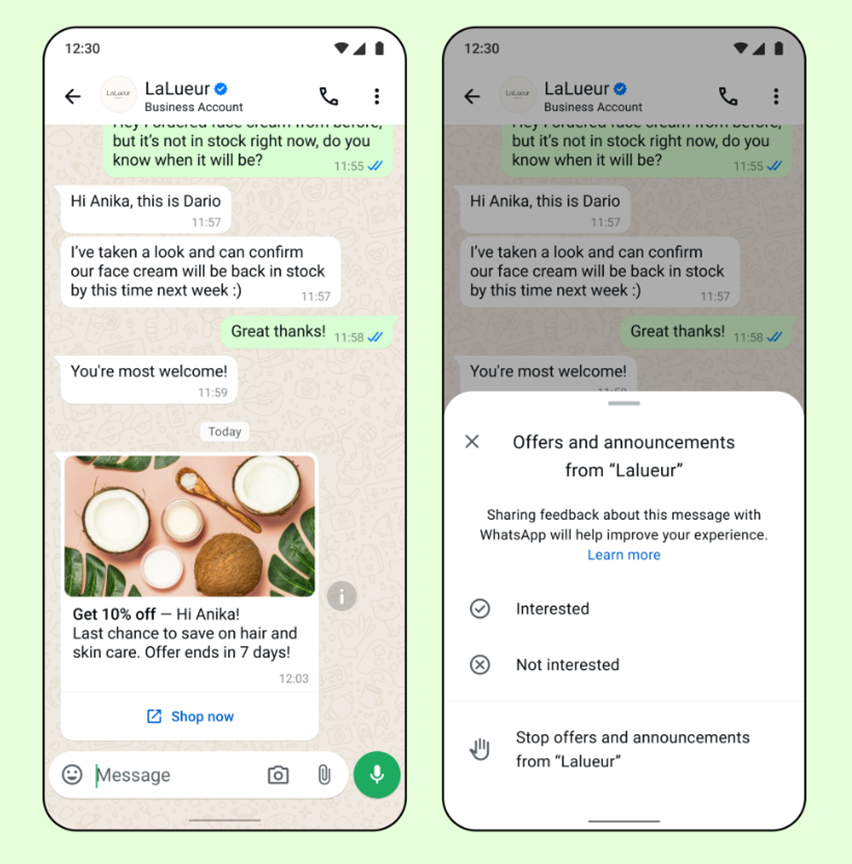
The Meta-owned platform is testing new feedback features that let users control the types of messages they receive from businesses.
Options like “interested/not interested” and “stop/resume” are being rolled out for specific categories of messages.
WhatsApp will add options like “interested/not interested” and “stop/resume” for users to avoid spammy business messages. (Screenshot credit – WhatsApp)
For example, users can choose whether they want to receive offers and announcements or stop them completely.
These preferences can be reversed later so someone who stops offers today can resume them during a festive season.
Meta will start testing this feature globally soon. Businesses on WhatsApp can send messages in four categories: marketing (offers and product updates), utility (like order updates), authentication (such as one-time passwords), and service (customer queries).
A user could block all messages from a business but couldn’t choose to keep receiving order updates while opting out of marketing messages.
The issue of spammy business messages is particularly significant in countries like India and Brazil, where WhatsApp often replaces email as the primary communication channel.
WhatsApp didn’t have an option to unsubscribe from promotional messages, unlike emails.
Addressing these concerns during an exclusive conversation with TechCrunch, Meta’s VP of Product Management for Messaging Monetization Nikila Srinivasan said, “One important thing we do is to give you transparency that you are interacting and engaging with businesses. Two, if you don’t want to interact with them, the strongest signal you can send is to block them and report them.”
She also emphasised the company’s efforts to educate businesses about meeting platform standards and reducing spam.
WhatsApp has been making gradual changes to address these concerns. Earlier this year, it began limiting the number of marketing messages users could receive daily, although it didn’t specify an exact limit.
The company is now moving toward giving users more detailed control over their inboxes.
During its Q3 2024 earnings call, Meta reported that WhatsApp Business contributed $434 million in revenue for the quarter making it a key growth driver for the company.
When asked about the possibility of separating business messages from personal chats, Srinivasan explained that the current focus is on improving the inbox experience.
She added, “The core of what you want to do with WhatsApp is to be in your inbox. Whatever we are doing in terms of educating businesses and investing in user controls is because we want the standard of what actually belongs in your inbox to feel really high.”
FAQs
Q1. What new features is WhatsApp testing to help users manage spam?
Answer. WhatsApp is testing new feedback features that let users control the types of messages they receive from businesses, with options like “interested/not interested” and “stop/resume”.
Q2. What categories of messages can businesses send on WhatsApp?
Answer. Businesses on WhatsApp can send messages in four categories: marketing (offers and product updates), utility (like order updates), authentication (such as one-time passwords) and service (customer queries).
Q3. How is WhatsApp addressing the issue of spam business messages?
Answer. WhatsApp is implementing measures such as testing new feedback features, limiting the number of marketing messages and enhancing user control over their inboxes to reduce spam.
Apple India reported a revenue of ₹67,121.6 crore in FY24 marking a 36% growth.
Record 4 million iPhone shipments in the July-September quarter leads to a 58.5% year-on-year growth and an 8.6% market share.
iPhone sales in India are projected to generate nearly $11 billion in FY25.
Other products are expected to contribute an additional $4-6 billion.
Apple India marked ₹67,121.6 crore in revenue in FY24. (Image credit – Mint)
Apple India has reported an outstanding performance for FY24 with revenue reaching ₹67,121.6 crore marking a 36% growth compared to the previous year.
According to regulatory filings as reviewed by Tofler, this surge in revenue was mainly because of the strong iPhone sales.
Meanwhile, profits also rose to ₹2,745 crore up from ₹2,229 crore in FY23.
As per reports, Apple India has been setting record-breaking quarterly sales since 2023. The July-September 2024 quarter marked the 10th consecutive three-month period where the company posted year-on-year revenue growth.
In FY23, its revenue increased by a massive 47.8% to ₹49,321 crore. The momentum is expected to continue, with projections indicating that iPhone sales alone could generate nearly $11 billion in FY25.
Meanwhile, its other products including Mac, iPad, wearables and services are anticipated to contribute an additional $4-6 billion.
However, even after reporting outstanding numbers, Apple’srevenue in India still trails that of Samsung Electronics, which recorded ₹1.03 trillion in sales for FY24 up from ₹98,924 crore the previous year.
Samsung’s profit for FY24 more than doubled to ₹8,188 crore compared to ₹3,452 crore in FY23.
Highlighting Apple’s achievements, Associate Vice-President at IDC India Navkendar Singh said, “iPhone shipments have seen healthy growth for the past few years, reaching 9.7 million in 2023, and expected to clock more than 12 million in 2024. All this coming at almost three times the average selling price of the overall market is a huge achievement for Apple in India.”
The average selling price of iPhones in India exceeds $950 with most sales coming from models priced above $700.
Moreover, Apple shipped 9 million iPhones between January and September 2024, which marks a 35% increase compared to the same period last year. The company achieved record shipments of 4 million units in the July-September quarter alone registering a 58.5% year-on-year growth.
This performance gave Apple an 8.6% market share, ranking it sixth in the overall smartphone market, according to IDC.
Apple’s estimated revenue for the July-September period stood at $3.75-4 billion driven by strong demand for iPhones, iPads and Mac devices.
Expressed his excitement, Apple CEO Tim Cook said, “We continue to be excited by the enthusiasm we’re seeing in India, where we set an all-time revenue record. We also opened two new stores during the quarter, and we can’t wait to bring four new stores to customers in India.”
Apple’s performance in India has been mainly accelerated by aspirational buyers upgrading to newer iPhones.
Moreover, the average cost of owning an iPhone has also lowered due to discounts on key models, exchange offers, pre-owned devices and financing schemes.
FAQs
Q1. What was Apple India’s revenue for FY24?
Answer. Apple India reported a revenue of ₹67,121.6 crore in FY24 marking a 36% growth compared to the previous year.
Q2. What primarily drove Apple India’s revenue growth in FY24?
Answer. As per industry reports, the revenue surge was largely driven by strong iPhone sales.
Q3. How many iPhones did Apple ship between January and September 2024?
Answer. Apple shipped 9 million iPhones between January and September 2024, marking a 35% increase compared to the same period last year.
Q4. What is the expected revenue generation from iPhone sales in FY25?
Answer. iPhone sales alone could generate nearly $11 billion in FY25.
Q5. What is Apple India’s market share as of the July-September quarter of 2024?
Answer. Apple achieved an 8.6% market share, ranking it sixth in the overall smartphone market according to IDC.
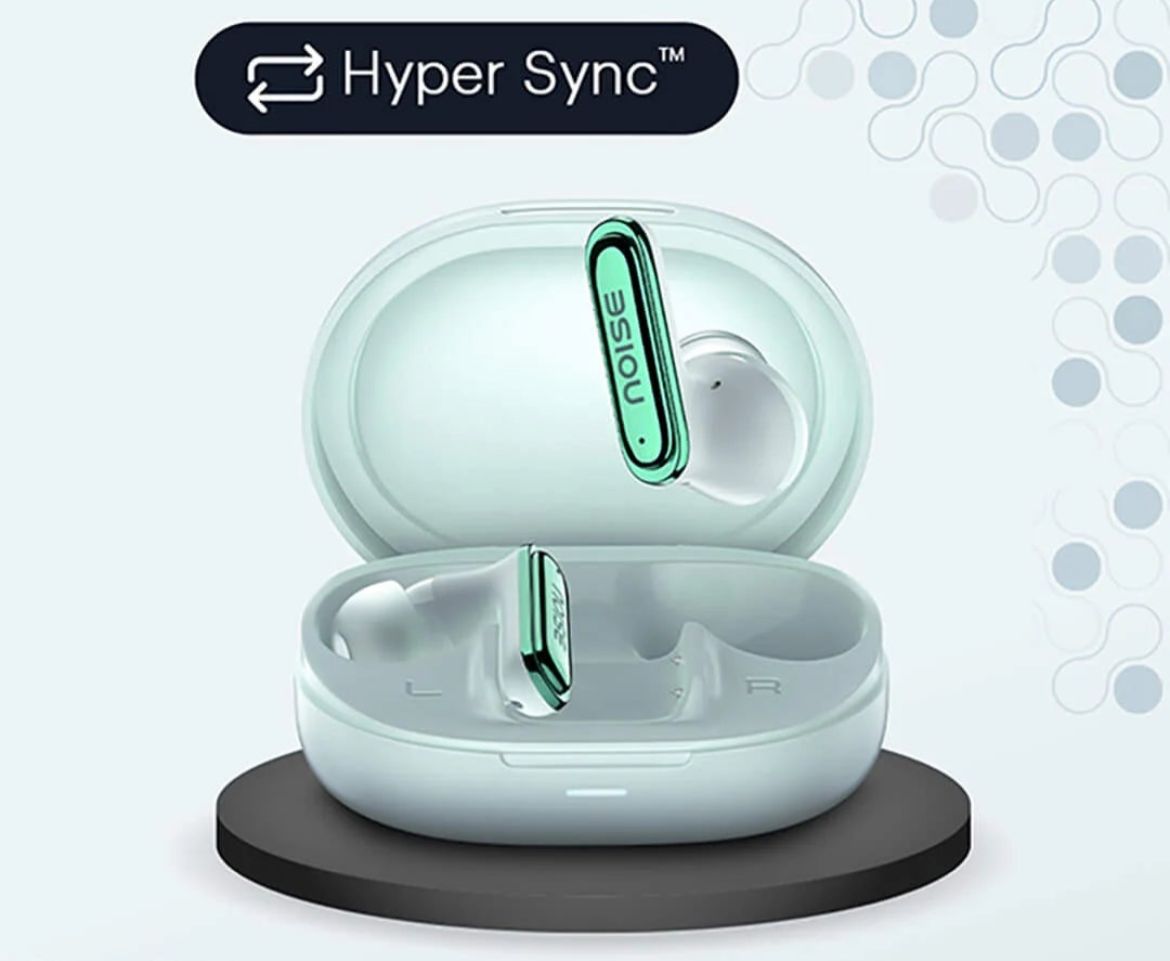
Noise introduces Buds Connect 2 with a stylish chrome finish and up to 50 hours of playtime.
Priced at Rs 999, the earbuds feature in-ear detection, Quad Mic ENC, and Instacharge technology for 120 minutes of playtime with just 10 minutes of charging.
Equipped with Bluetooth v5, the Noise Buds Connect 2 offer a perfect blend of durability, sleek design, and 50-hour playtime.
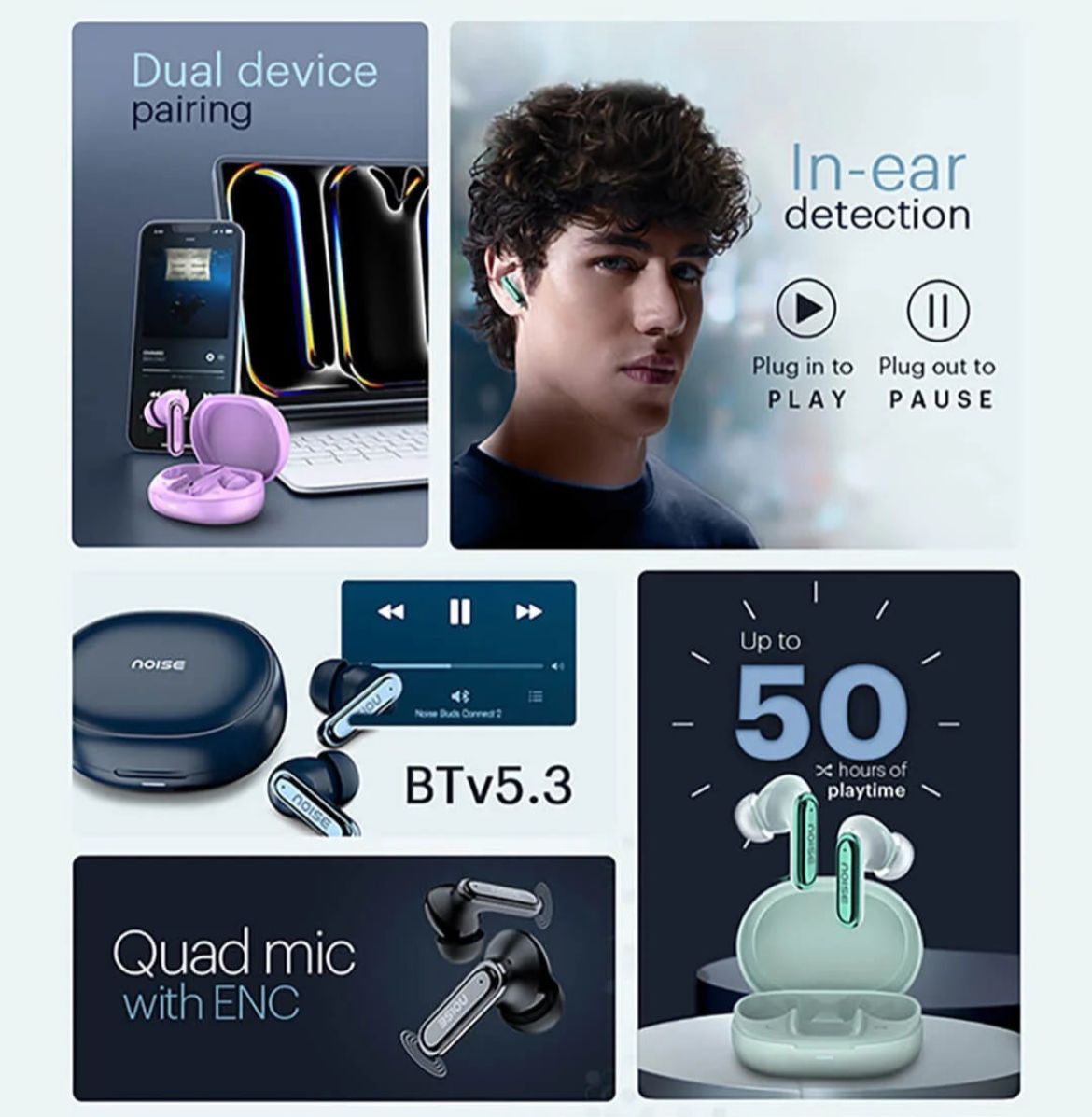
Seamless sound and effortless control with In-Ear Detection feature.
Noise Buds Connect 2 has expanded its TWS lineup, designed to elevate everyday audio experiences. Combining premium design and advanced technology, these earbuds offer unmatched performance for both style-conscious and function-driven users.
Noise Buds Connect 2 delivers rich, immersive sound, ensuring every beat is felt and every note is crystal-clear.
The Buds Connect 2 features a sophisticated chrome finish, exemplifying elegance while offering a suite of advanced features for an intuitive audio journey.
The earbuds offer 50-hour playtime, providing uninterrupted entertainment. Additionally, the in-ear detection feature automatically pauses music when the earbuds are removed and resumes playback when they are put back in, effortlessly syncing with the user’s movements.
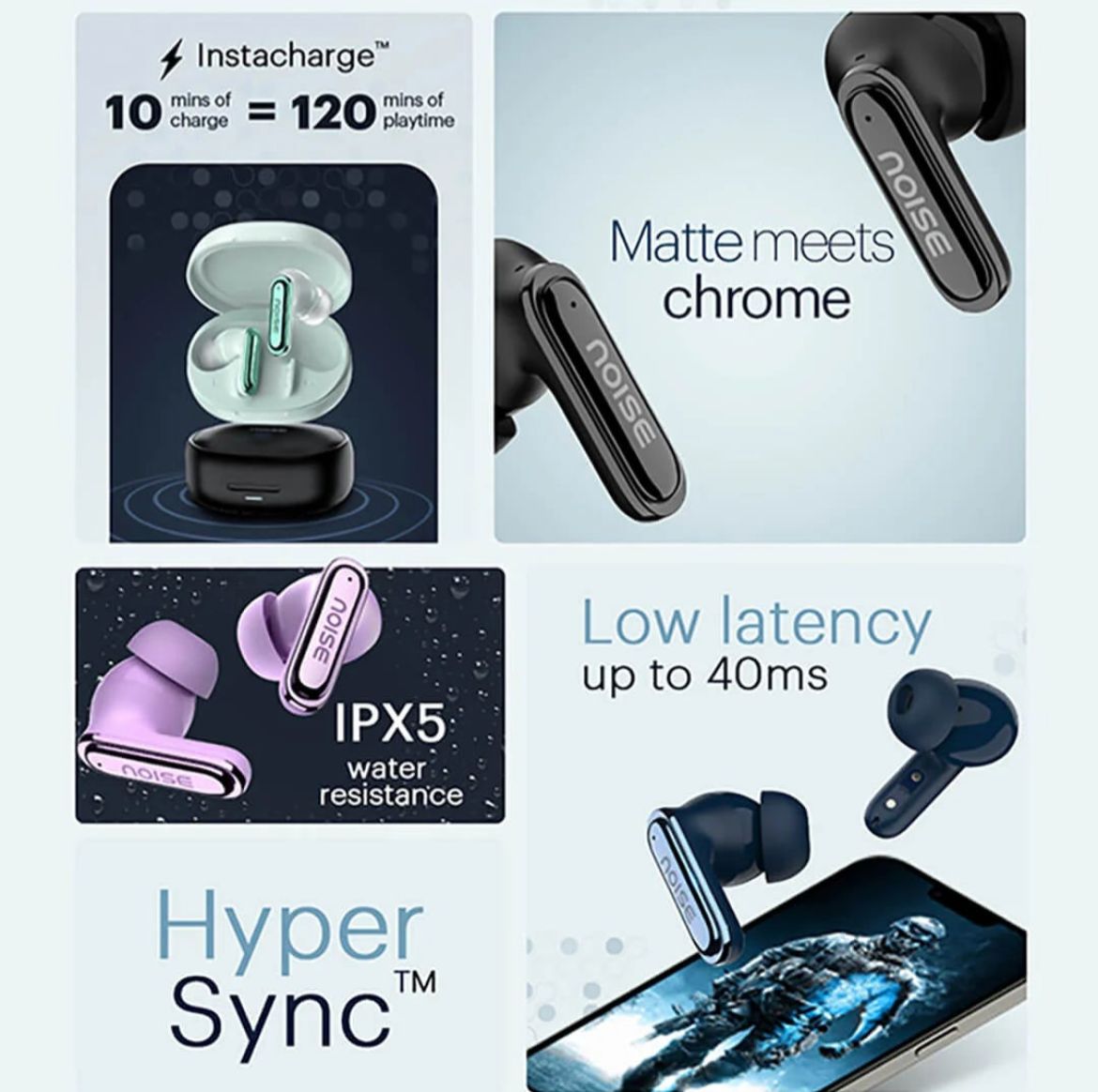
Engineered with low latency of up to 40ms, the earbuds deliver real-time audio synchronization, making them ideal for gaming, streaming, and other latency-sensitive tasks.
Powered by a dynamic 10mm driver, the Noise Buds Connect 2 delivers rich, immersive sound, ensuring every beat is felt and every note is crystal-clear.
Equipped with Quad Mic Environmental Noise Cancellation (ENC), it ensures crystal-clear communication by filtering out background noise. Whether on calls or in online meetings, users can stay connected with unparalleled clarity.
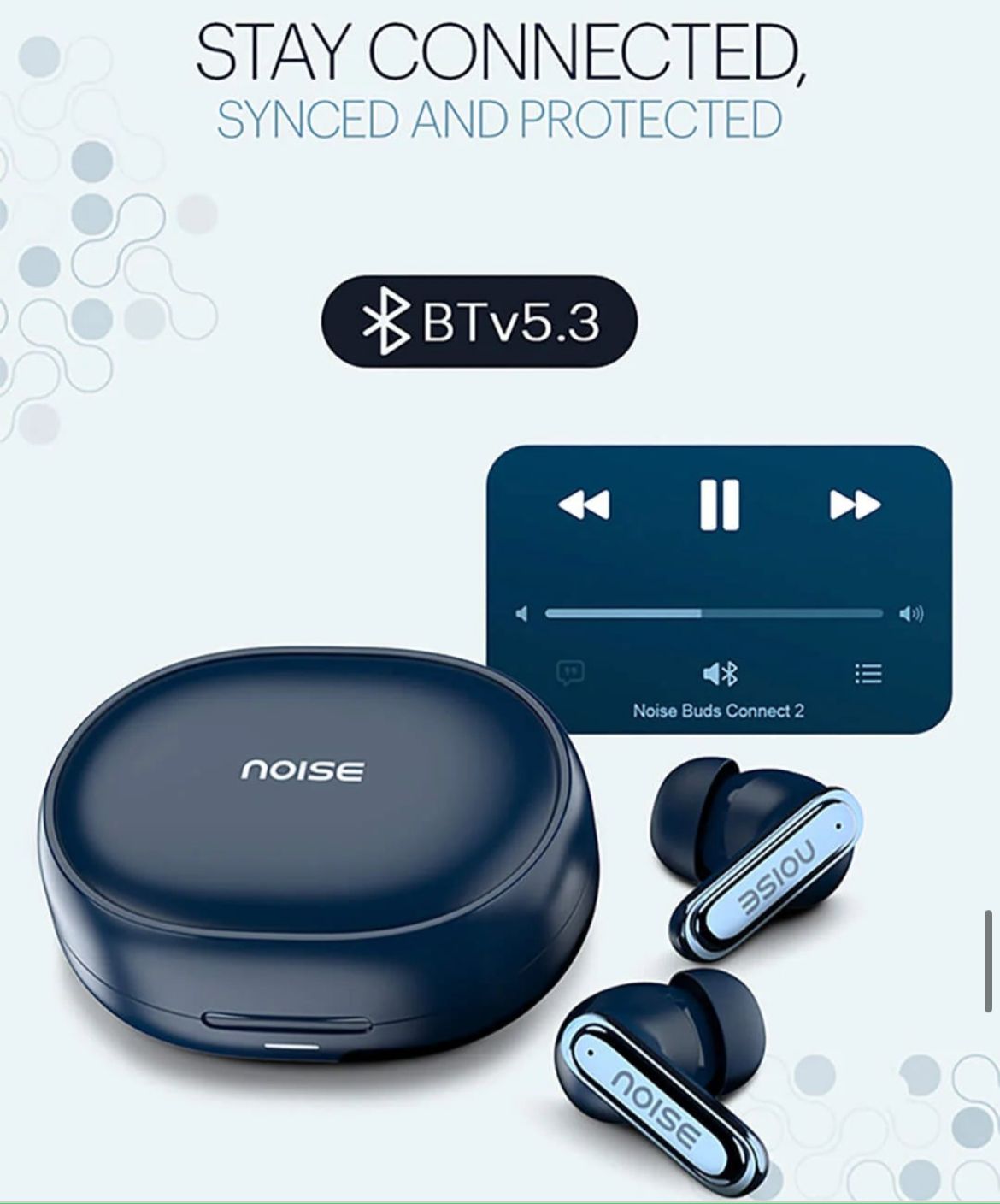
The Bluetooth v5.3 ensures fast, stable, and uninterrupted connections, delivering a hassle-free one-tap setup to dive straight into action.
Moreover, Instacharge™ technology offers 120 minutes of playtime with just 10 minutes of charging, ensuring users are always powered up.
Low latency of 40ms guarantees real-time audio synchronization, making it ideal for gaming, streaming, and other latency-sensitive tasks.
Users can enjoy Dual-Device Pairing, enabling seamless switching between devices such as smartphones, tablets, and laptops.
You will get notifications for incoming calls through tone alerts on your earbuds.
The Bluetooth v5.3 ensures fast, stable, and uninterrupted connections, providing a hassle-free one-tap setup.
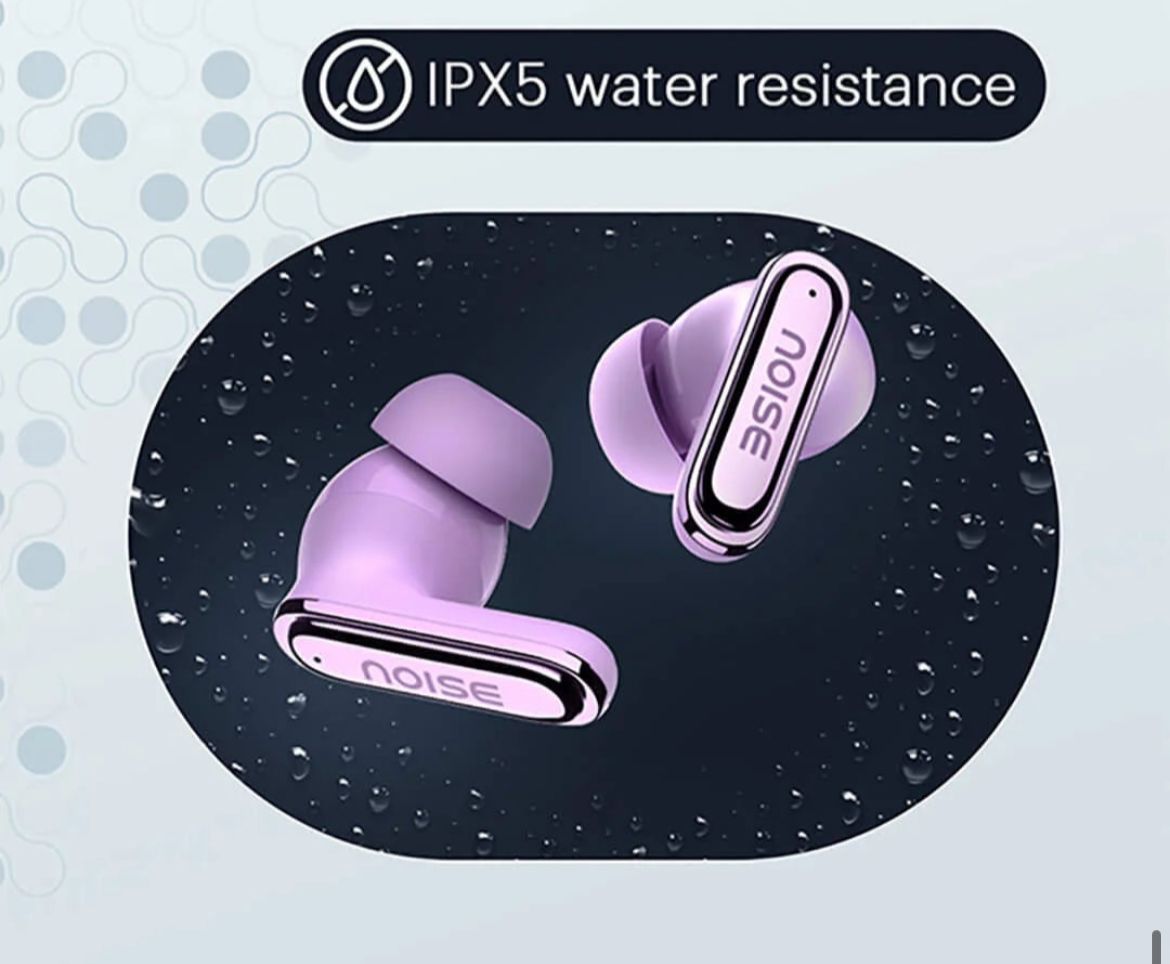
Buds Connect 2 come with an IPX5 rating which means that they are water-resistant. However, the earphones need to be completely dried before the next use.
Built for an active lifestyle, the Noise Buds Connect 2 is equipped with IPX5 water resistance, making it the perfect companion for workouts, travel, or outdoor adventures. With its sleek design and intuitive features, it strikes a balance between sophistication and performance, catering to both fashion-conscious individuals and performance enthusiasts.
Noise Buds Connect 2 Price and Availability
Buds Connect 2 comes in four colour options – True purple/Mint green/Charcoal black and Navy blue.
The Noise Buds Connect 2 is available in four vibrant colours – Navy Blue, Charcoal Black, True Purple, and Mint Green at an introductory price of INR 999.
The earbuds can be purchased on gonoise.com, Amazon, and Flipkart.
Users can also experience the convenience of Dual-Device Pairing which enables seamless switching between devices such as smartphones, tablets, and laptops.
Product Specifications
Design
Premium Chrome Finish on Buds
Battery
Up to 50 Hours of playtime
Driver’s Size
10mm
InstachargeTM
10 min charge = 120 min playtime
Connection
BT v5.3
Other Features
Quad Mic with ENC
40ms Ultra-low latency
In-ear detection
Dual device pairing
FAQs
Q1. What is the price & availability of Noise Buds Connect 2?
Answer: The Noise Buds Connect 2 are available at an introductory price of INR 999. The earbuds can be purchased on gonoise.com, Amazon, and Flipkart.
Q2. What are the colors available in Noise Buds Connect 2?
Answer: The Noise Buds Connect 2 is available in four vibrant colours – Navy Blue, Charcoal Black, True Purple, and Mint Green.
Q3. How is the battery life of Noise Buds Connect 2?
Answer: Instacharge™ technology offers 120 minutes of playtime with just 10 minutes of charging, ensuring that users are always powered up and ready to go.
Q4. How does the in-ear detection work on the Noise Buds Connect?
Answer: The in-ear detection feature automatically pauses music when the earbuds are removed and resumes playback when they are put back in, effortlessly syncing with the user’s movements.