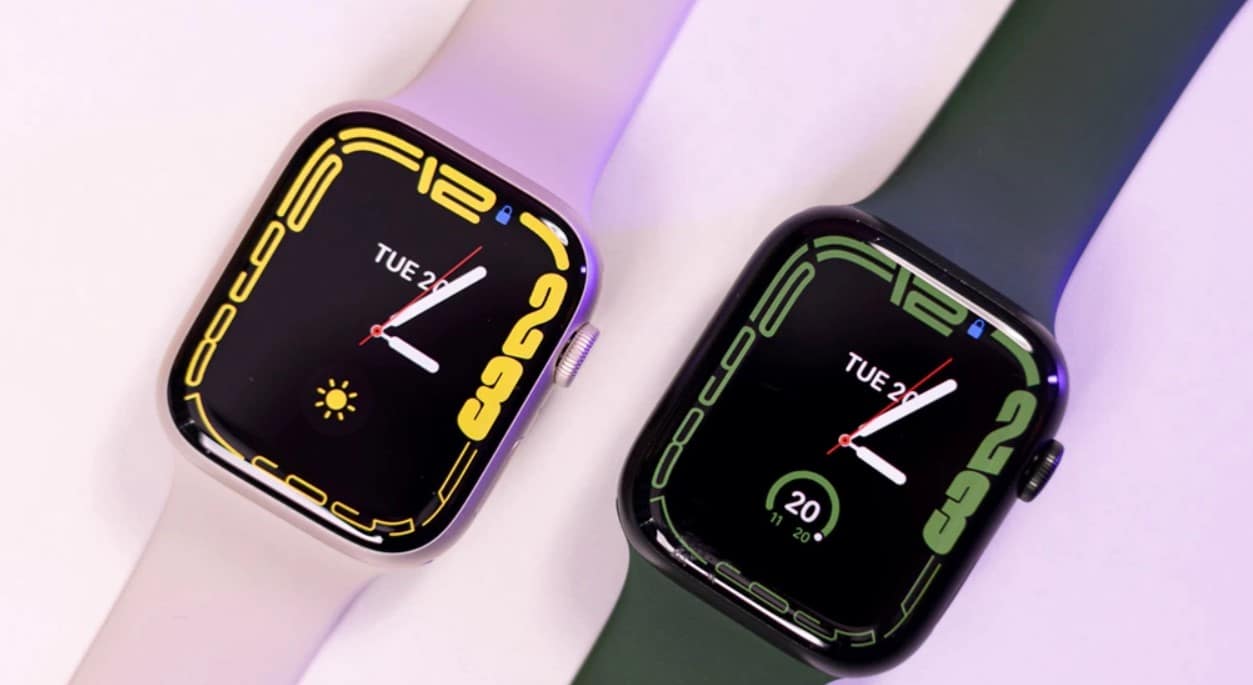
Apple is reportedly experimenting with 3D printing for its Apple Watch Series 9
The 3D printing technology, known as “binder jetting,” could save Apple both time and resources
The method is also environmentally beneficial, as it would reduce material waste and energy usage.
The new approach will be tested on non-Ultra models of the Apple Watch Series 9, ahead of Apple’s September event
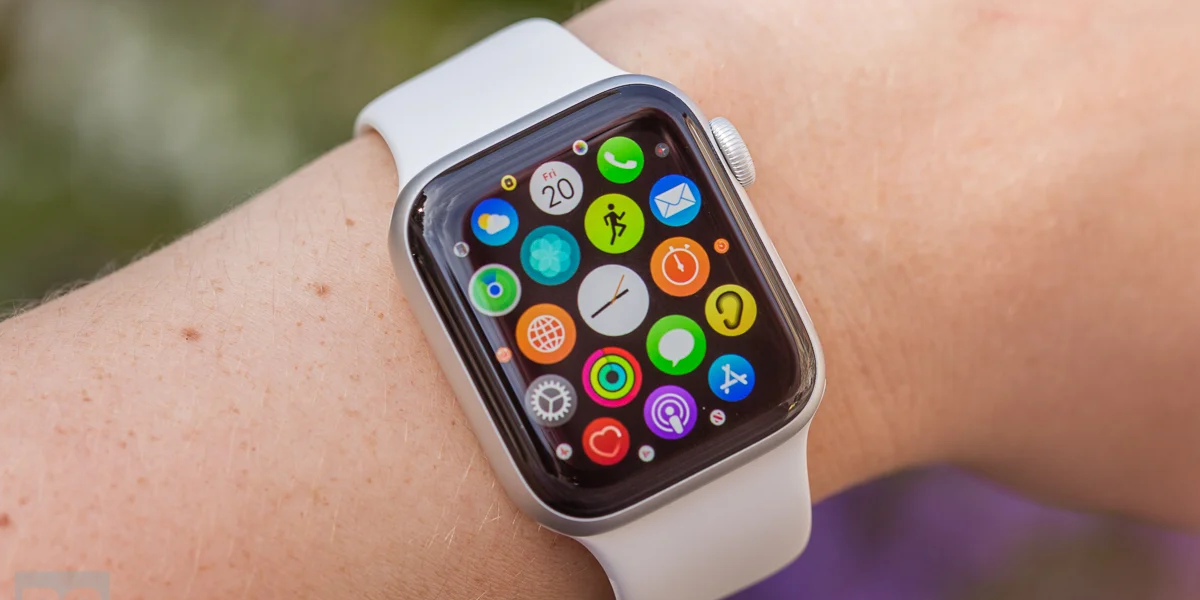
Apple is said to be experimenting, according to a report from Mark Gurman at Bloomberg, with 3D printing in the production of its Apple Watch Series 9.
While the news is yet to be confirmed by Apple, this initiative is apparently a part of a test run before the company introduces 3D printing to its broader product lineup.
Why the Switch to 3D Printing?
The 3D printing technique that Apple plans to use is called “binder jetting.” The process involves creating prints with a powdered substance that later undergoes a process known as sintering.
By implementing this technology, Apple could potentially save both time and resources. The technique would eliminate the need to cut large metal slabs to create individual components of the Apple Watch.
Environmental Impact
Another considerable advantage of this method is its positive environmental impact. The need for less material in the manufacturing process could lead to a reduction in waste and energy usage.
Upcoming Watch Series 9
Test Run: Apple Watch Series 9
Apple will reportedly test this new manufacturing technique with certain non-Ultra models of the upcoming Apple Watch Series 9. The company will only consider adopting the technology on a wider scale after evaluating the success of this initial run.
The Timing and the Bigger Picture
The news of Apple possibly incorporating 3D printing comes ahead of the company’s highly anticipated September event, dubbed “Wanderlust.”
At the event, Apple is expected to launch the iPhone 15 series along with the Apple Watch Series 9 lineup. According to Gurman, this 3D printing initiative has been in the works for at least three years.
FAQs
What is the Source of the Information About Apple’s 3D Printing Experiment?
The information comes from a Bloomberg report by Mark Gurman, who cites “people with knowledge of the matter” as his sources. However, the information is not yet officially confirmed by Apple.
What is “Binder Jetting” in 3D Printing?
Binder jetting is a 3D printing technique that involves creating prints using a powdered substance. The print then undergoes a process called sintering, which uses heat and pressure to form a solid object.
Why is Apple Considering the Switch to 3D Printing?
Apple aims to make its manufacturing process more efficient and environmentally friendly. The 3D printing technique could eliminate the need for cutting large metal slabs, thus saving time and reducing waste.
When Will Apple Implement This New Manufacturing Technique?
Apple is expected to test the 3D printing technique with certain non-Ultra models of the upcoming Apple Watch Series 9. Further implementation will depend on the success of this initial test.
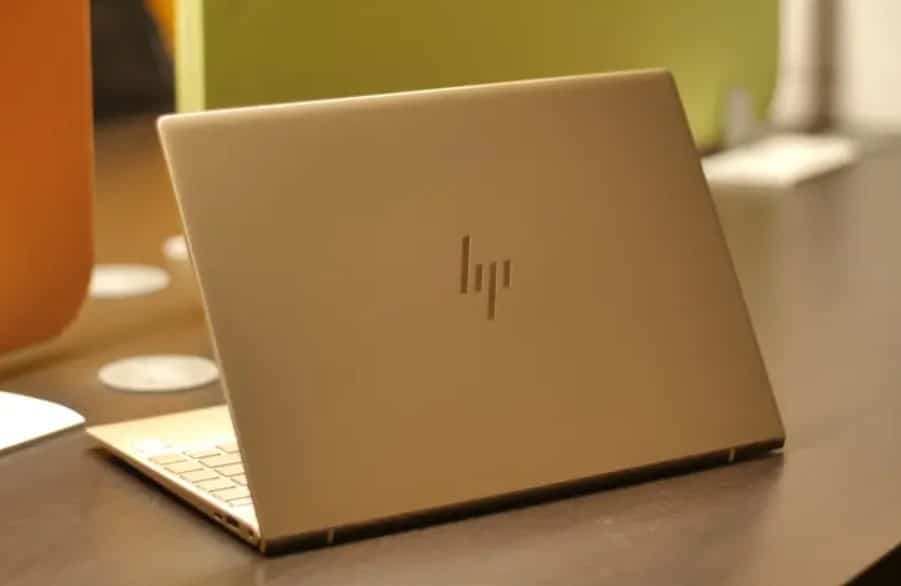
32 international tech companies, including HP, Dell, ASUS, Acer, and Lenovo, have applied to manufacture in India under the PLI 2.0 scheme, as reported by Reuters.
The scheme is expected to attract an investment of Rs 24.3 billion and create 75,000 direct jobs in India.
PLI 2.0, part of India’s ‘Make in India’ initiative, was designed to encourage long-term growth by tying incentives to incremental sales and investments.
The government of Indiahas reportedly announced that at least 32 international technology companies have applied to manufacture devices locally, following the imposition of import restrictions earlier this month.
This influx of applications, which is part of the Production-Linked Incentive (PLI) 2.0 scheme, is expected to reportedly bring a staggering investment of approximately Rs 24.3 billion into the Indian economy and create about 75,000 direct jobs, according to government figures.
The restrictions on laptop imports initially sparked outrage and halted imports by major global brands such as Apple, Samsung, and HP.
Yet, in a fascinating twist, HP became an early adopter of the PLI 2.0 scheme. Prominent brands such as Dell, ASUS, Acer, and Lenovo followed suit and have also joined the fray.
Pankaj Mohindroo, Chairman of the India Cellular and Electronics Association (ICEA), spoke highly of the development. “We are humbled by the staggering response. The IT hardware vertical is the 2nd largest in electronics after smartphones and a strong presence in this segment is essential. The days when our nation could not convince the global industry about its competitiveness and EODB are coming to an end. This will be a double-engine industry —Lead firms of GVC’s and Emerging Indian champions will be the 2 engines of growth.
At the same time, we are cognisant about concerns of global industry regarding licensing norms and will ensure that ease of doing business is not disrupted even a bit.”
The program was formulated with heightened flexibility and ties incentives to incremental sales and investments, encouraging applicants to strive for continual growth.
Moreover, the application window was last extended to August 30, 2023, signaling a desire for more companies to join the initiative.
Ashwini Vaishnaw, the Union Minister of Communications and IT, has an optimistic outlook, as per the Reuters report, on this industry-wide shift.
According to him, the new applications from 32 international brands and the subsequent expected surge in local production will render import restrictions irrelevant.
What began as a move that incited controversy and brought imports to a standstill has now fostered an unprecedented alignment of global tech giants.
Local manufacturing is projected to start by April 2024, with Made in Indialaptops likely to hit the market sometime next year.
Made in India Laptops
FAQs
What is the PLI 2.0 Scheme?
PLI 2.0, or Production-Linked Incentive 2.0, is an initiative by the Indian Government to encourage companies to manufacture locally. The incentives are tied to incremental sales and investments.
Who are the major companies that have applied?
Major technology firms like HP, Dell, ASUS, Acer, and Lenovo have applied to manufacture in India under the PLI 2.0 scheme.
What is the expected impact on the Indian economy?
The scheme is anticipated to bring in an investment of approximately Rs 24.3 billion and generate around 75,000 direct jobs.
What was the initial public reaction to import restrictions?
The initial ban on laptop imports met with significant public outrage, causing some major global brands to halt imports temporarily.
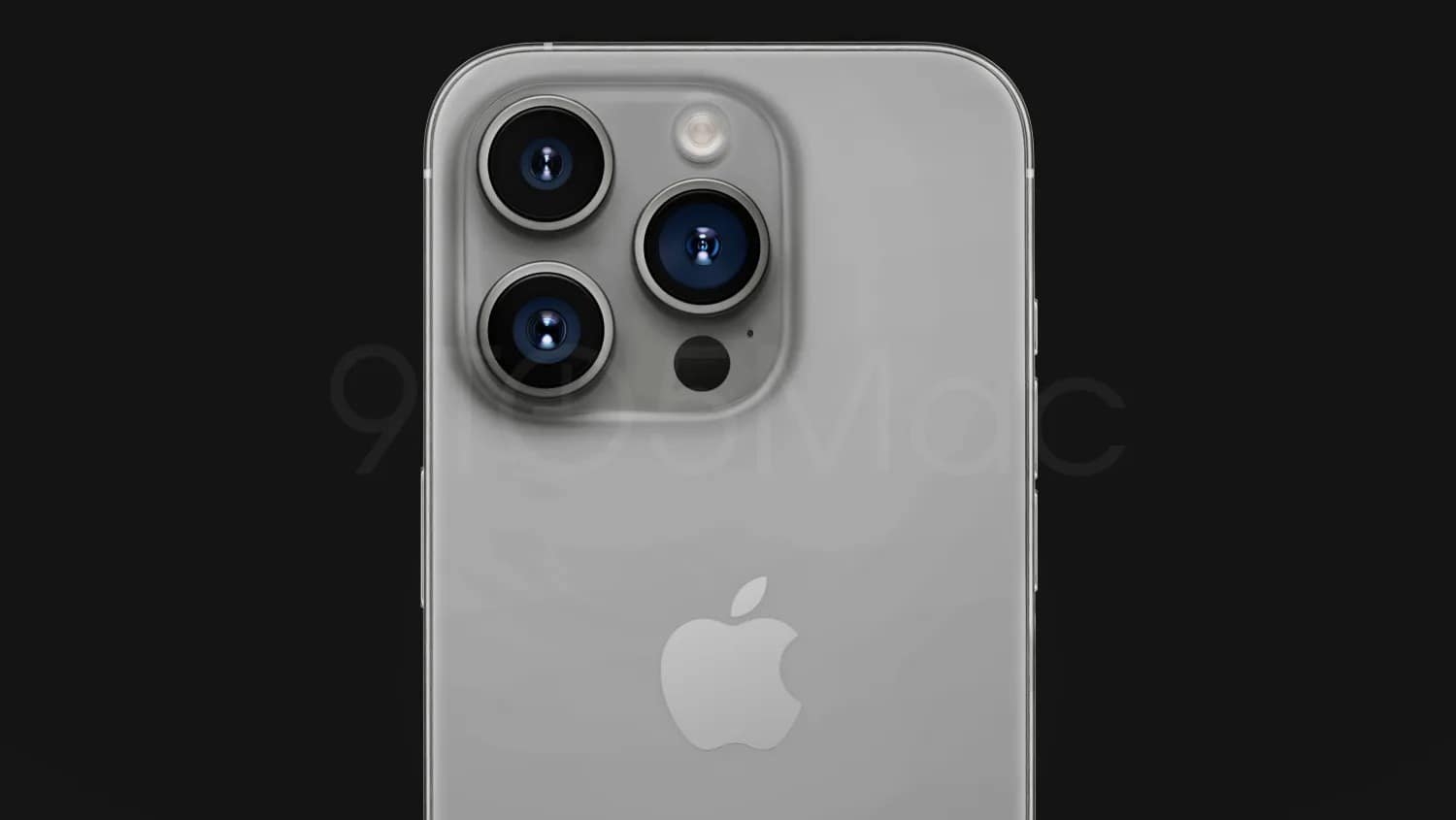
Apple iPhone 15 Series: Featuring the A16 and A17 Bionic chipsets and up to triple-camera setups, targeting both casual and professional users.
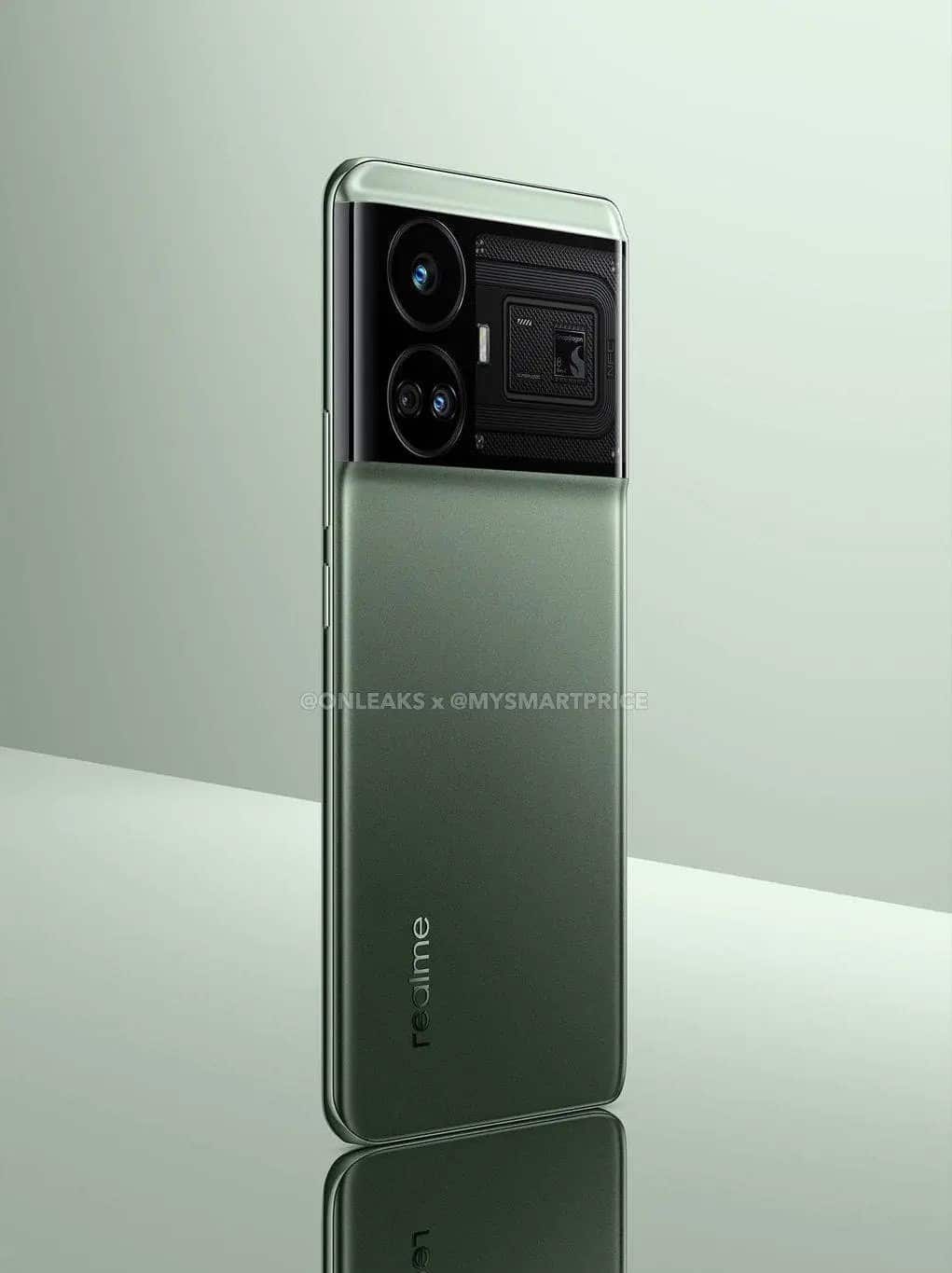
Realme GT Neo 6: Equipped with Snapdragon 8 Gen 2, a large 6.74-inch display, and a robust battery, vying for the premium smartphone market.
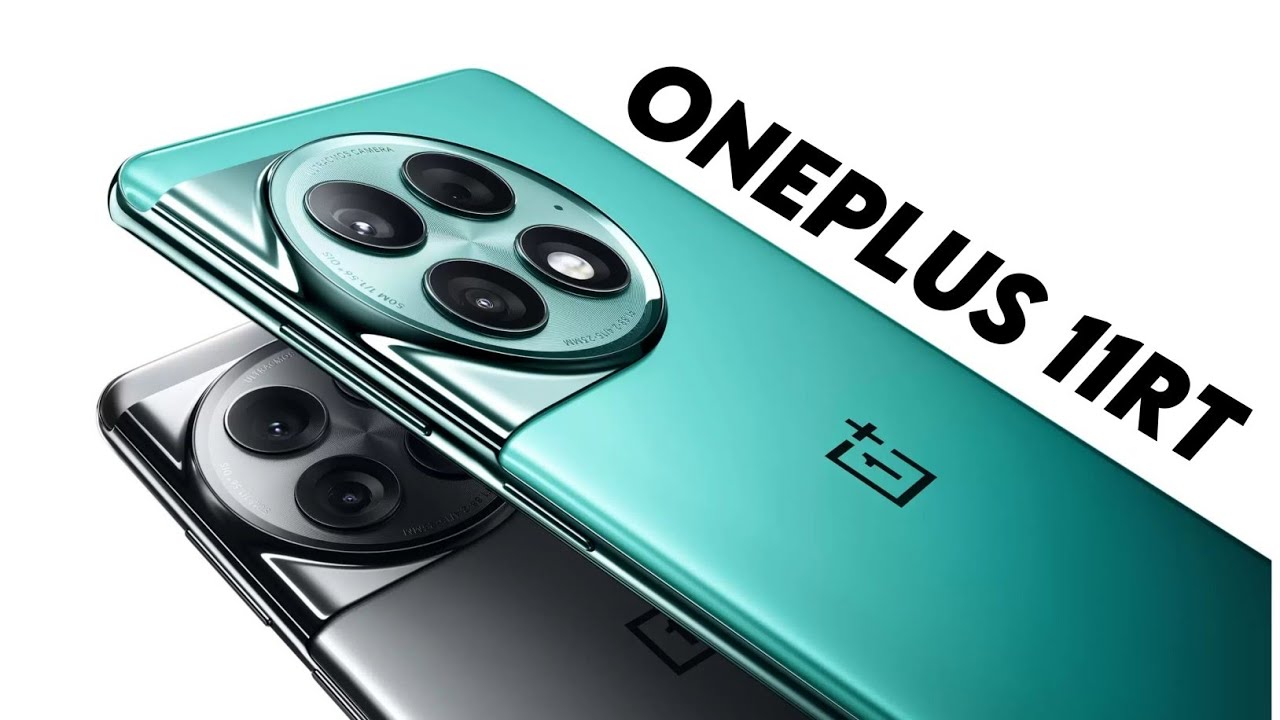
OnePlus 11RT: Promises to offer powerhouse specs with up to 24GB RAM and an immersive 6.74-inch OLED display, also designed for use in wet conditions.
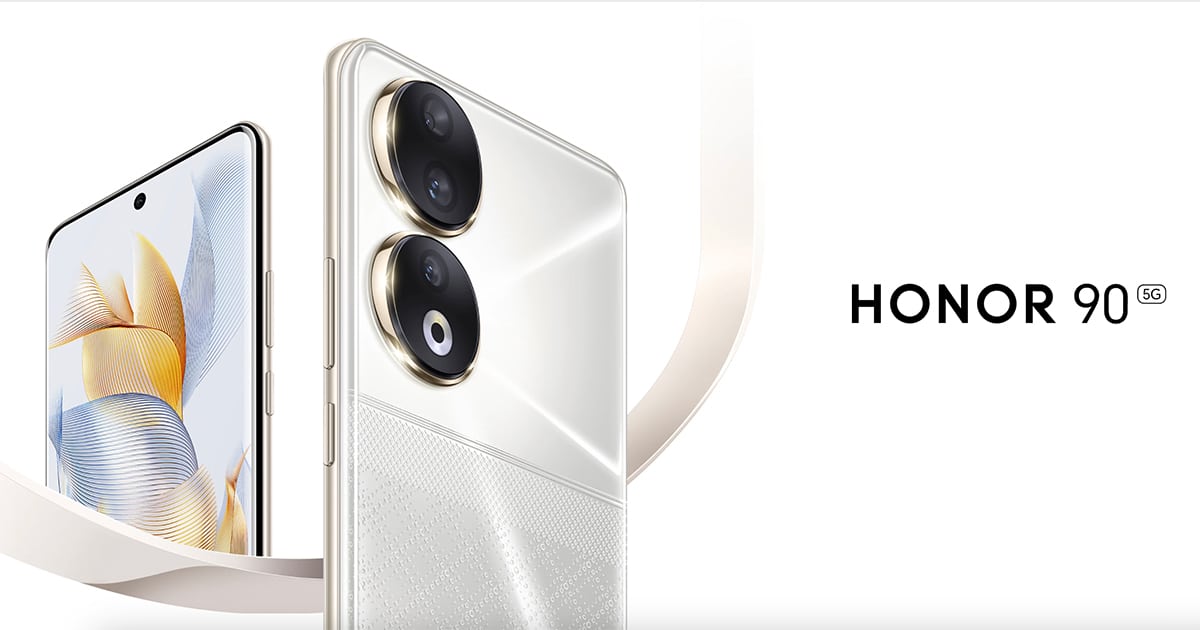
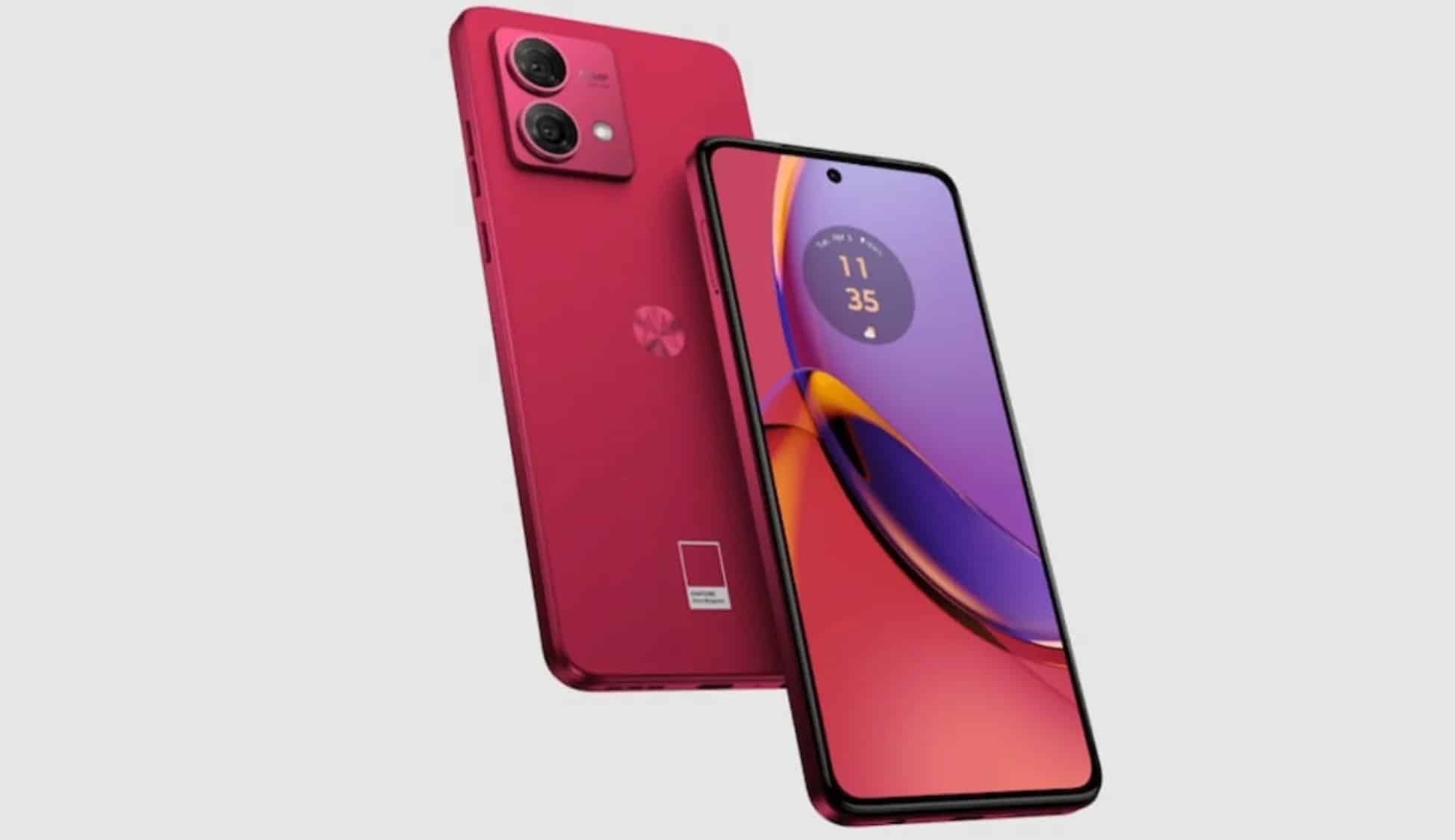
Honor 90 and Moto G84: Marking Honor’s comeback with a feature-rich phone and Motorola offering balanced specs like a 50MP OIS camera and a 5,000mAh battery.
The Indian smartphone market is set for a whirlwind of activity this September with leading manufacturers gearing up to launch their latest models.
These releases span across various price ranges and come packed with cutting-edge features aimed at setting new benchmarks in performance, camera technology, and overall user experience.
Brands like Apple, Realme, OnePlus, Honor, and Motorola are on the anvil of introducing their latest smartphones, each promising a mix of innovation and top-of-the-line specifications.
The base iPhone 15 model is expected to come with a Apple A16 Bionic chipset, 6GB of RAM, and a 6.1-inch OLED display with a 60Hz refresh rate.
For photography enthusiasts, a dual primary camera setup featuring a 48MP and a 13MP sensor is on offer, along with a 12MP front camera.
The device is also likely to house a 3500mAh battery with fast charging capabilities via a Lightning port.
Stepping up, the iPhone 15 Plusplans to offer a slightly more robust Apple A16 Bionic processor with higher clock speeds, a larger 6.71-inch OLED display with a 120Hz refresh rate, and the same 6GB RAM configuration.
The iPhone 15 Pro and Ultra models are set to steal the limelight with the latest A17 Bionic SoC, based on a 3nm process.
While the Pro model will feature a triple camera setup—48MP, 12MP, and 12MP—the Ultra is slated to include a game-changing 10X periscope zoom feature, in addition to the Pro’s camera configuration.
Both high-end models will have a 4,532mAh battery, again with fast charging capabilities.
Realme GT Neo 6: Somewhere in September
Realme GT Neo 6
Expected Specs
Processor: Snapdragon 8 Gen 2, RAM ranging from 12GB to 24GB, Storage options from 256GB to 1TB
Display: 6.74-inch 120Hz OLED, Resolution 2,772 x 1,240, Usable in Rain
Additional Features: Dual Stereo Speakers, IR Blaster, Under-display Fingerprint Sensor
The Realme GT Neo 6 5G is shaping up to be a strong contender in the premium smartphonecategory, even though its official release date remains undisclosed.
According to the leaks, the device will sport a large 6.7-inch OLED display boasting a high 144Hz refresh rate and 1.5K resolution, offering stunning visuals for an immersive experience.
Powering the GT Neo 6 5G is a Qualcomm Snapdragon 8 Gen 2 chipset, coupled with a whopping 16GB of RAM and 512GB of onboard storage, promising fast and efficient performance.
The battery specifications are equally impressive with a 5200mAh capacity and support for rapid 150W fast charging.
The device aims to excel in the photography department as well, featuring a triple-camera array on its back.
The main 50MP camera sensor is said to support OIS, and it’s speculated to possibly employ a Sony IMX890 sensor, commonly found in OPPO and OnePlus phones.
This is accompanied by an 8MP ultra-wide lens and a 2MP macro sensor, and for selfie enthusiasts, a 16MP front-facing camera.
OnePlus 11RT: Sometime mid-September
OnePlus 11RT
Expected Specs
Display: 6.74-inch OLED, 120Hz refresh rate, 2,772 x 1,240 resolution
Processor: Snapdragon 8 Gen 2
RAM/Storage: 12GB to 24GB RAM, 256GB to 1TB storage
Cameras: Triple rear – 50MP IMX890 main with OIS, 8MP ultrawide, 2MP macro; 16MP front camera
OS: Android 13, Color OS 13.1
Battery: 5000mAh with 150W wired charging
Additional: Bluetooth 5.3, dual stereo speakers, IR blaster, NFC, under-display fingerprint sensor, Wi-Fi 7
Slated for a September launch in India, the OnePlus 11RT, also known as the OnePlus Ace 2 Pro in China, is shaping up to be a strong contender in the premium smartphone market.
Under the hood, the device is powered by the Snapdragon 8 Gen 2 chipset, with a generous RAM selection ranging from 12GB to 24GB and storage options between 256GB to 1TB.
These powerhouse specs are accompanied by a 6.74-inch OLED screen with a 120Hz refresh rate and a 2,772 x 1,240-pixel resolution.
Notably, the display is even designed for use in wet conditions. A robust 5,000mAh battery with 150W wired charging support keeps the phone powered through the day.
Photography aficionados will appreciate the device’s comprehensive triple-camera setup, which features a 50MP IMX890 main sensor with Optical Image Stabilization, an 8MP ultrawide lens with a 112-degree field-of-view, and a 2MP macro sensor.
A 16MP front camera takes care of selfie requirements.
On the software front, the OnePlus 11RT runs on Android 13overlaid with Color OS 13.1 and packs a range of additional features like dual stereo speakers, an IR blaster, NFC, and an under-display fingerprint sensor.
However, potential buyers should note a few trade-offs: the phone lacks wireless charging and uses Asahi protective glass instead of the more durable Gorilla Glass.
Processor: Snapdragon 7 Gen 1 Accelerated Edition, Adreno 644 GPU
RAM/Storage: 8GB/12GB RAM, 256GB/512GB storage
Cameras: Triple rear – 200MP primary, 12MP ultra-wide, 2MP depth; 50MP front camera
OS: Android 13 based on MagicOS 7.1
Battery: 5000mAh with 66W SuperCharge
Additional: 5G, Dual 4G VoLTE, Wi-Fi 802.11ax, Bluetooth 5.2, USB Type-C, NF
As rumours circulate about its forthcoming re-entry into the Indian market, Honor is purportedly preparing to launch the Honor 90, a feature-rich smartphone expected to come with a price tag around Rs 40,000.
The leaked specifications indicate that the device will sport a 6.7-inch FHD+ OLED curved display, boasting a 120Hz refresh rate and a peak brightness of up to 1,600 nits.
Storage and RAM options are rumored to include 8GB or 12GB RAM and 256GB or 512GB storage capacities, running on Android 13 layered with MagicOS 7.1.
The optics department is equally buzzworthy, as the rumour suggests a triple camera setup featuring a massive 200MP primary sensor with an f/1.9 aperture, alongside a 12MP ultra-wide camera and a 2MP depth sensor. Selfie aficionados can look forward to a 50MP front camera.
In terms of connectivity, the leaks point to comprehensive options, including 5G SA/NSA, Dual 4G VoLTE, Wi-Fi 802.11ax, Bluetooth 5.2, GPS, a USB Type-C port, and NFC.
Fueling the device will be a 5000mAh battery, reportedly supported by 66W SuperCharge fast charging.
If the rumours are accurate, the Honor 90 could signal a robust comeback for Honor in the competitive Indian smartphone market.
Software: Android 13, upgradeable to Android 14, three years of security updates
Additional Features: Proprietary apps like Moto Connect
Motorola is gearing up to launch the Moto G84 on September 1st, offering a blend of promising specifications.
The device is said to sport a 6.55-inch pOLED display with a 120Hz refresh rate and an impressive peak brightness of 1300 nits.
This pOLED technology, distinct yet similar to AMOLED, aims to deliver deeper blacks and more vivid colours, a feature Motorola has previously included in its budget and mid-budget ranges.
Under the hood, the Moto G84 is likely to be powered by the Snapdragon 695 SoC, a processor that already fuels other smartphones in this segment.
Battery-wise, the device will pack a 5,000mAh cell, supported by 30W fast charging, with the charging brick included in the box.
The camera department is another highlight, featuring a dual setup at the back.
The primary sensor is said to be a 50MP OIS camera, complemented by an 8MP ultra-wide sensor.
Notably, Motorola has skipped adding a separate macro or depth sensor; the ultra-wide camera will also serve for macro shots.
On the software front, the Moto G84 will ship with Android 13 but is promised an upgrade to Android 14 along with three years of security updates.
The device will also include some of Motorola’s proprietary apps and features like Moto Connect. All in all, the Moto G84 seems poised to make a significant impact in its segment.
FAQs
What should we expect from Apple’s iPhone 15 series?
Apple’s iPhone 15 series is expected to be released on September 12, with the A16 Bionic chipset and a standard dual-camera setup for the iPhone 15 and 15 Plus. The Pro and Ultra models will feature the A17 Bionic chipset and a triple-camera setup.
What sets the Realme GT Neo 6 apart?
The Realme GT Neo 6 boasts a Snapdragon 8 Gen 2 chipset, a large 6.74-inch OLED display with a high 144Hz refresh rate, and a strong battery with 150W fast charging.
How does the OnePlus 11RT compare?
The OnePlus 11RT is also powered by the Snapdragon 8 Gen 2 chipset and offers a variety of RAM and storage options. It includes a comprehensive camera setup and a robust battery.
What’s noteworthy about the Honor 90 and Moto G84?
The Honor 90 marks Honor’s possible return to the Indian market and comes with a massive 200MP primary sensor. The Moto G84 offers a balanced package with a Snapdragon 695 SoC and a 50MP OIS primary camera.
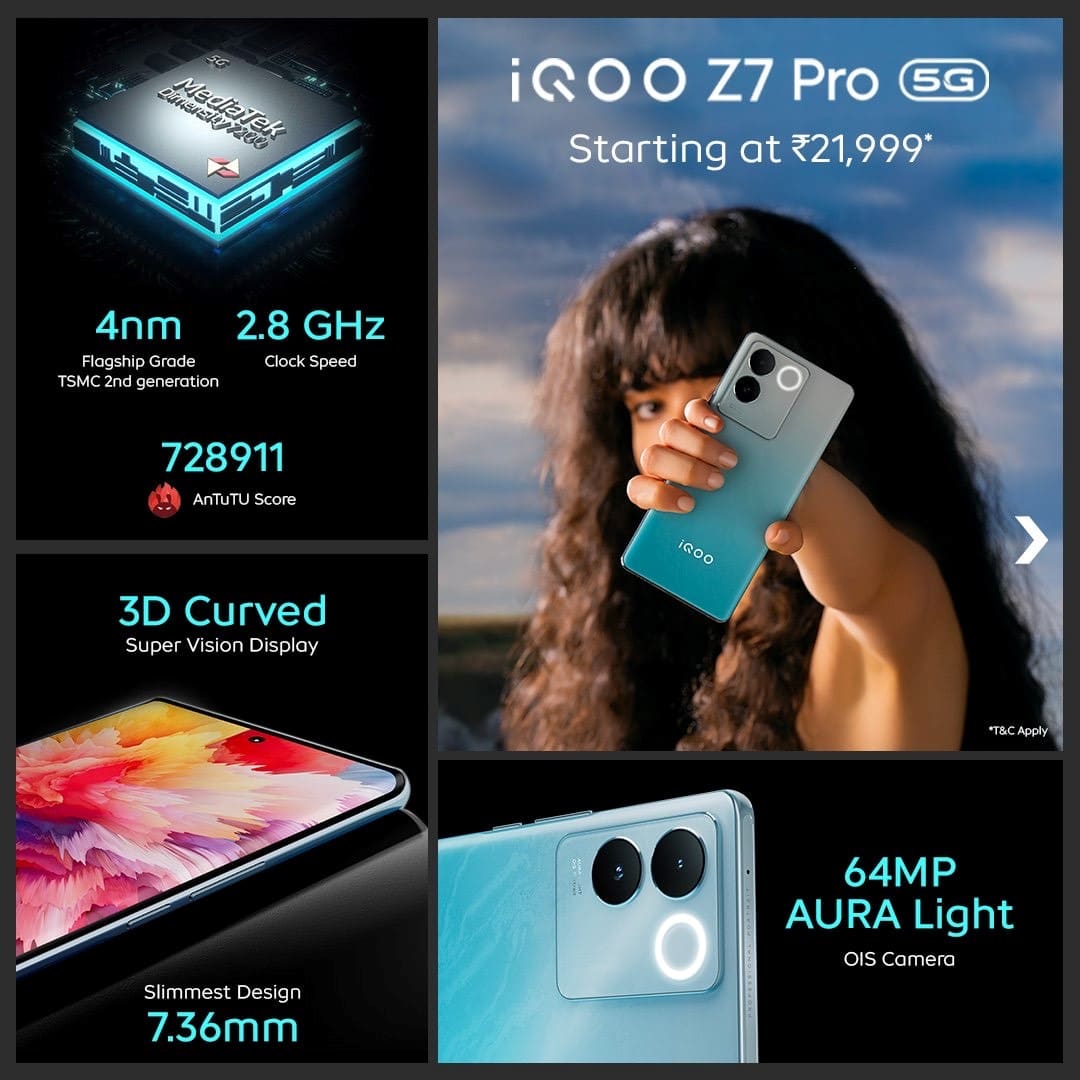
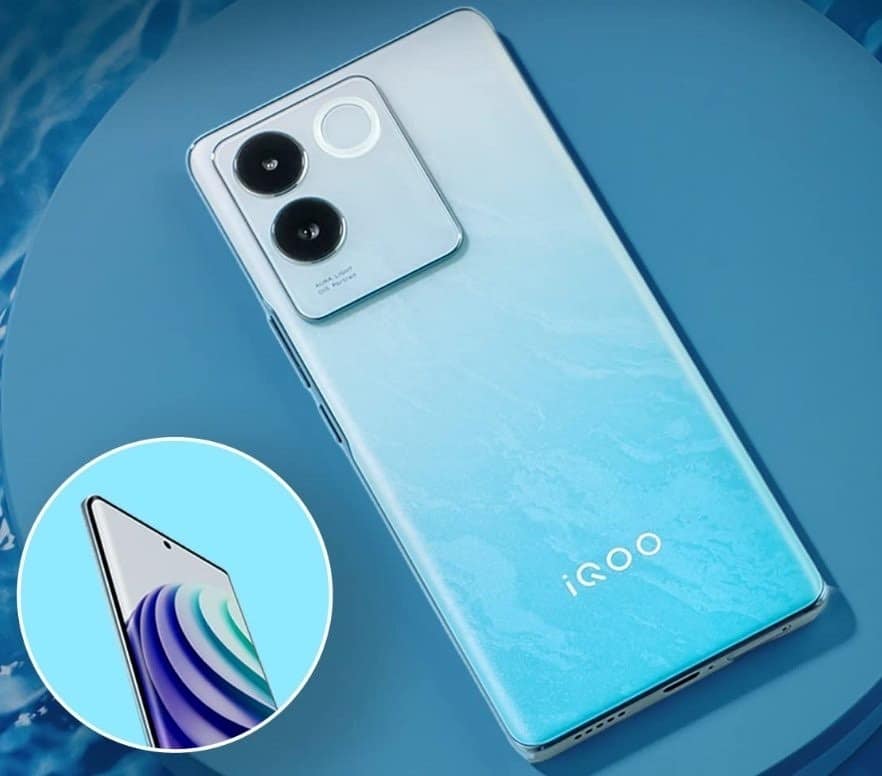
The iQOO Z7 Pro has a 6.78-inch AMOLED display featuring 120 Hz refresh rate and 1.07 billion colours.
It is powered by MediaTek Dimensity 7200 5G Mobile Platform with octa-core processor.
There is a dual camera setup with a 64MP main sensor and a 16MP selfie camera.
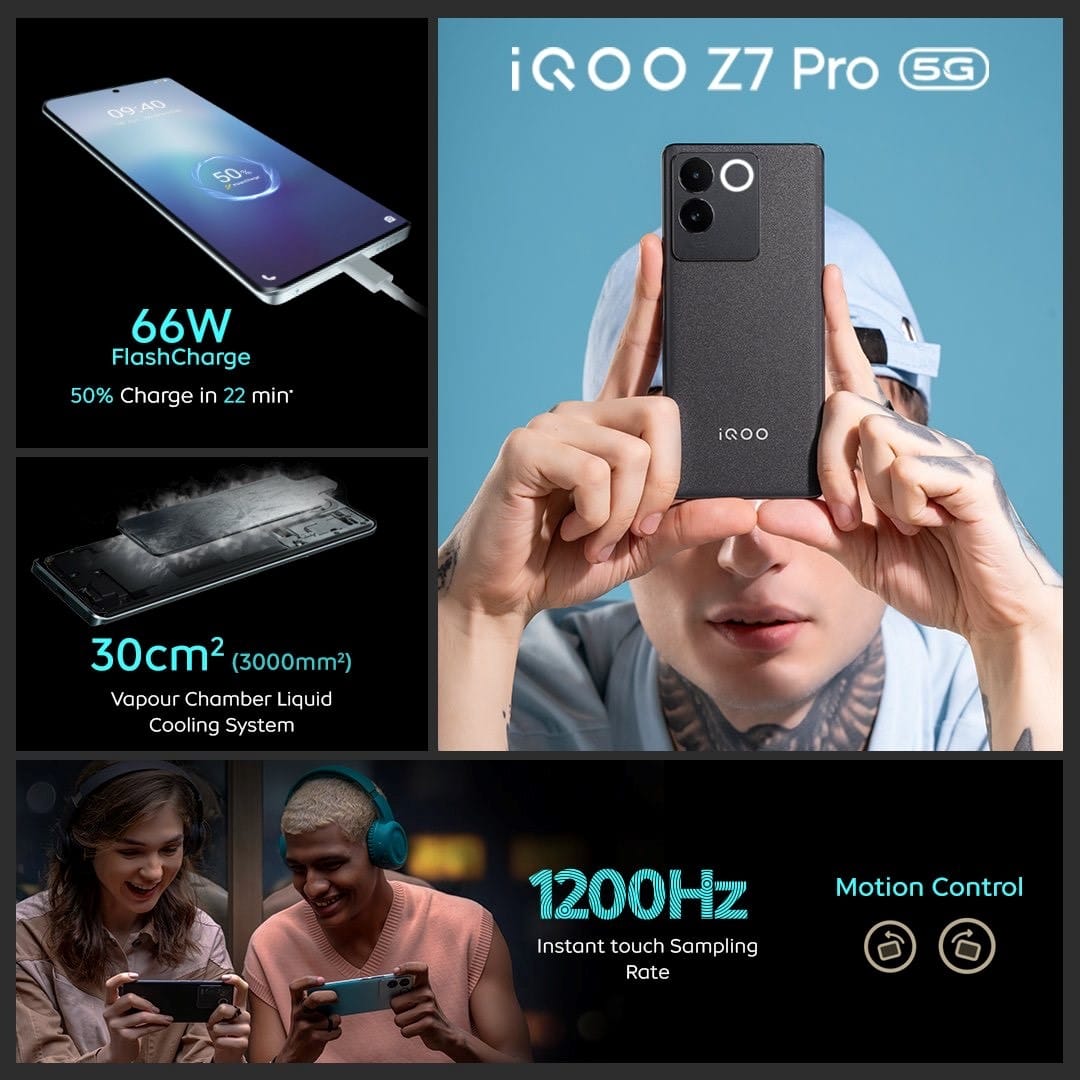
It comes with a 4600mAh battery with 66W fast charging capabilities.
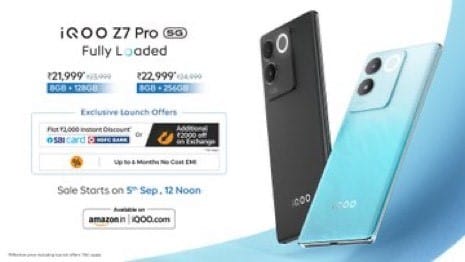
iQOOhas launched the Z7 Pro, the latest addition to its smartphone lineup. This device comes packed with a myriad of features aimed at delivering both performance and versatility.
With specifications that indicate a focus on display quality, processing power, and camera capabilities, the Z7 Pro appears to be a comprehensive package.
As the tech industry continues to evolve at a rapid pace, the arrival of the iQOO Z7 Pro presents yet another option for consumers in a crowded market.
iQOO Z7 Pro: Pricing and Availability
iQOO Z7 Pro: Pricing and Availability
The iQOO Z7 Pro will be retailing at Rs 23,999 for the 8GB + 128GB variant and Rs 24,999 for the 8GB + 256GB variant. The device will be on sale from 5th Sep 12 Noon Exclusively on Amazon & IQOO.com.
There will be a Rs 2,000 instant discount for HDFC and SBI credit card holders as well.
Operating System: Funtouch OS 13 based on Android 13
Connectivity: Network Type 2G, 3G, 4G, 5G, Bluetooth 5.3, Wi-Fi 6
iQOO Z7 Pro: Features
iQOO Z7 Pro: Features
The device offers a 17.22cm (6.78-inch) AMOLED screen with a resolution of 2400 × 1080 pixels. The screen has a refresh rate of 120 Hz and a touch sampling rate of 1200Hz Instant & 300Hz.
The display is said to offer 1.07 billion colours and a contrast ratio of 8000000:1.
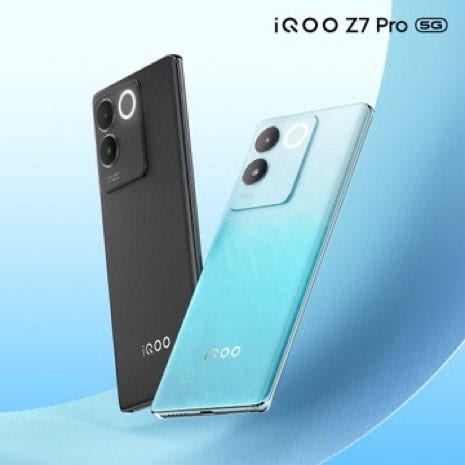
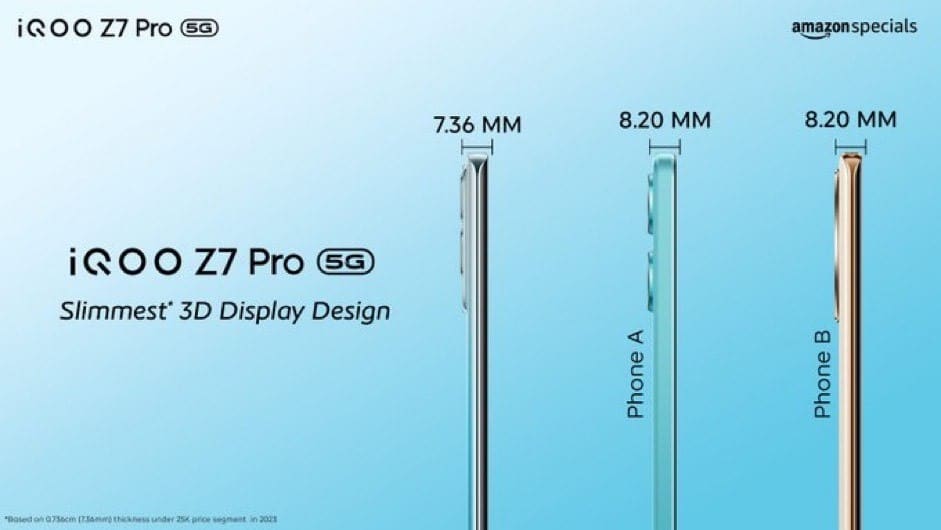
The iQOO Z7 Pro weighs 175g, is 7.36mm thick, and comes in two bold and unique colour options – Blue Lagoon and Graphite Matte.
The smartphone runs on FuntouchOS 13based on Android 13 and is powered by a MediaTek Dimensity 7200 5G Mobile Platform.
This makes it only the second phone to come with the chipset after the Vivo V29. The octa core processor has clock speeds of 2.8 GHz for two cores and 2.0 GHz for six cores.
iQOO Z7 Pro: Display Design
The device comes in two internal storage options: 128GB and 256GB, both with 8GB RAM. The storage is of the UFS2.2 type, and the RAM is LPDDR4X. There is no option for expandable storage.
The primary camera consists of a 64MP main sensor and a 2MP Bokeh sensor. The secondary selfie camera is 16MP. Both cameras come with various features including Sports, Night, Portrait, and Video modes among others.
The iQOO Z7 Pro supports multiple network types including 2G, 3G, 4G, and 5G. It is also equipped with Bluetooth 5.3 and Wi-Fi 6 capabilities.
iQOO Z7 Pro: Battery
The device is fitted with a 4600mAh Li-ion battery. It supports 66W charging, offering fast charging capabilities.
iQOO says that the smartphone comes with various pre-installed apps including social media apps and Google services.
It also features several sensors like an Optical Fingerprint Sensor, Accelerometer, and Ambient light sensor.
64 MP f/1.8, Wide Angle, Primary Camera
8 MP f/2.2, Ultra-Wide Angle Camera
2 MP f/2.4, Macro Camera
Autofocus
Yes
Flash
Yes, LED Flash
Image Resolution
9000 x 7000 Pixels
Settings
Exposure compensation
Shooting Modes
Continuous Shooting
High Dynamic Range mode (HDR)
Camera Features
Digital Zoom
Auto Flash
Face detection
Touch to focus
Video Recording
1920×1080 @ 30 fps
FRONT CAMERA
Camera Setup
Single
Resolution
32 MP f/2.0, Wide Angle, Primary Camera
Video Recording
1920×1080 @ 30 fps
Battery
Capacity
4800 mAh
Type
Li-Polymer
Removable
No
Quick Charging
Yes, Fast
USB Type-C
Yes
Storage
Internal Memory
128 GB
Expandable Memory
No
Network & Connectivity
SIM Slot(s)
Dual SIM, GSM+GSM
SIM Size
SIM1: Nano, SIM2: Nano
Network Support
5G Not Supported in India, 4G Supported in India, 3G, 2G
VoLTE
Yes
SIM 1
4G Bands:
TD-LTE 2300(band 40) FD-LTE 1800(band 3)
3G Bands:
UMTS 1900 / 2100 / 850 / 900 MHz
2G Bands:
GSM 1800 / 1900 / 850 / 900 MHz
GPRS:
Available
EDGE:
Available
SIM 2
4G Bands:
TD-LTE 2300(band 40) FD-LTE 1800(band 3)
3G Bands:
UMTS 1900 / 2100 / 850 / 900 MHz
2G Bands:
GSM 1800 / 1900 / 850 / 900 MHz
GPRS:
Available
EDGE:
Available
Wi-Fi
Yes, Wi-Fi 4 (802.11 b/g/n)
Wi-Fi Features
Mobile Hotspot
Bluetooth
Yes, v5.1
GPS
Yes with A-GPS, Glonass
USB Connectivity
Mass storage device, USB charging
Multimedia
Loudspeaker
Yes
Audio Jack
3.5 mm
Sensors
Fingerprint Sensor
Yes
Fingerprint Sensor Position
Side
Other Sensors
Light sensor, Proximity sensor, Accelerometer
FAQs
What is the display size and type of the iQOO Z7 Pro?
The iQOO Z7 Pro comes with a 6.78-inch AMOLED display with a 2400 × 1080 resolution and a 120 Hz refresh rate.
What kind of processor does it have?
The device is equipped with a MediaTek Dimensity 7200 5G Mobile Platform. It’s an octa-core processor with clock speeds of 2.8 GHz for two cores and 2.0 GHz for the remaining six cores.
Is the storage expandable?
No, the device does not offer expandable storage options. It comes in two variants: one with 128GB of internal storage and the other with 256GB, both coupled with 8GB of RAM.
What are the camera capabilities?
The primary camera setup includes a 64MP main sensor and a 2MP Bokeh sensor. The secondary selfie camera is 16MP. Various modes like Sports, Night, Portrait, and Video are available.
MSI continues to expand its retail footprint in India, despite COVID-19 challenges.
Partnership with Reliance Digital aims to bring popular MSI models closer to Indian consumers.
Focus on high-performance laptops meets the needs of both gamers and content creators.
MSI incorporates emerging technologies like AI into their current products.
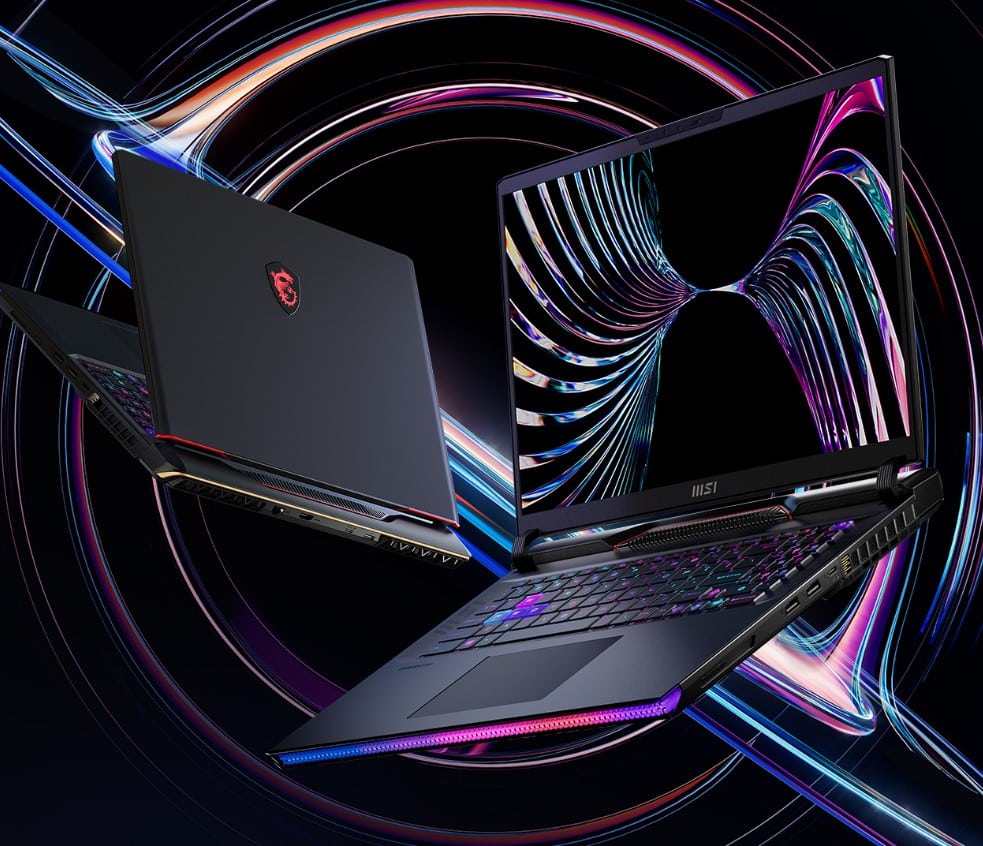
In an exclusive interview, Bruce Lin, the Regional Marketing Manager for MSI, delves deep into the company’s evolving strategies for the Indian market.
From expanding retail channels and forging strategic partnerships to staying ahead in technological advancements, Lin shares an insider’s perspective.
With a focus on meeting the varied needs of consumers, MSI is making concerted efforts to broaden its offerings and incorporate emerging technologies like AI. Read on to explore MSI’s roadmap for the Indian market in detail.
Can you elaborate on MSI’s retail expansion strategy in this country?
MSI has been a part of the Indian market for several years, with renewed focus since around 2017-2018. Over the last five to six years, we’ve experienced significant market growth, sometimes seeing a two to three-fold increase.
Despite the challenges posed by the COVID-19 pandemic, our core strategy of expanding retail channels to offer more products and convenience to users has remained consistent. Although the pandemic did slow down our physical retail expansion, we adapted by providing support to our existing channels and engaging with customers in various ways.
By 2022, we resumed our channel expansion, successfully opening about ten laptop experience centers in major Indian cities within a year.
A highlight of this year is our new partnership with Reliance Digital, which allows us to offer popular models, like the Cyborg 15, more widely. As we move forward, we aim to continue broadening our retail channels, not limiting ourselves to just exclusive laptop stores.
So you talked about you know your partnership with Reliance Digital can just talk slightly more about your how it came about?
MSI has traditionally been strong in the online retail space, especially on major platforms like Flipkartand Amazon.
The reason for starting online was to ensure that people across different cities and regions could easily access our products. However, recognizing the value of physical retail experiences, we began exploring partnerships with Croma and Reliance Digital, initially through their online portals, three or four years ago.
After extensive discussions and recognizing a mutually beneficial opportunity, we decided to expand our partnership with Reliance Digital to include physical retail spaces. Currently, our focus is on branches in Mumbai and Bangalore, but we are actively planning to expand to more locations.
Moreover, our retail strategy isn’t limited to partnerships with giant-level resellers like Croma and Reliance; we are also looking into collaborating with regional large-format retailers to increase our visibility.
MSI: Gaming Community
Since MSI is like such a big name in the gaming community and the gaming laptop market in India is you know witnessing a lot of surge so you know how does MSI plan to differentiate its offerings you know attract more gaming enthusiasts?
MSI’s differentiation strategy in the gaming laptop market is based on the unique angle we take compared to other brands. Most competitors start with general-purpose or lifestyle laptops, whereas we began our journey focusing on high-performance laptops.
Over the last decade, our revenue has primarily been driven by gaming laptops. However, upon closer inspection and direct engagement with the Indian market through more than 100 events and exhibitions, we’ve realized that the usage of our “gaming” laptops extends far beyond gaming.
In recent years, we’ve found that these high-performance machines are being used by power users and content creators, not just gamers.
For example, at the annual Unite event, which is the biggest gathering for game developers and is organized in collaboration with Unity, we found that more than 50-60% of content creators are using MSI laptops for tasks like character simulation and game environment development.
So, in response to this broadening market, our focus is not just on gaming but also on providing high-performance laptops that meet the needs of various power users. This allows us to appeal to a larger demographic while maintaining our stronghold in the gaming community.
I’m sure you must have seen this Framework laptops where you can put in replaceable GPUS, keyboards and more on a single laptop. Does MSI plan to do something like that in the future?
We recognize the growing interest in modular laptops, where components like GPUs and keyboards can be easily replaced. While this could be an industry trend in the next 4-5 years or even the next decade, there are limitations in the current modular designs, especially concerning performance.
From MSI’s standpoint, our focus has always been on optimizing the user experience by ensuring seamless synchronization between hardware and software.
As of now, modular laptops often run into issues when heavy tasks are performed, like environmental or synchronization problems between different components. We aim to avoid these types of issues for our users.
So, while modular technology is promising and aligns with the future of laptops, we feel it still needs more time to mature to meet the performance demands and seamless user experience that MSI aims to deliver.
MSI Laptops
So what are some of the plans future plans to collaborate with Indian gaming events or influencers to promote MSI?
When it comes to our involvement in the Indian gaming community, we don’t view it merely as a marketing effort. Instead, we consider ourselves as standing alongside the community. We aren’t just selling devices; we’re enabling people to reach their next goals by providing them the performance they require.
We are deeply committed to nurturing talent within this ecosystem. For instance, we recently concluded an initiative called “Creator Work,” which is a contest for content creators to showcase their artwork.
We collaborate with giants in the content creation field who help in selecting the winners. These winners not only receive prizes like MSI devices and cash rewards but also get an opportunity to be spotlighted on a global stage.
So, our plans are continuous and evolving, focused not just on promotion but also on meaningful engagement with the community—be it gamers, influencers, or content creators.
Considering the Indian market which is very price sensitive does MSI have plans to introduce lower priced models in the country?
I absolutely agree that India is a price-sensitive market, but it’s crucial to clarify that price sensitivity doesn’t equate to low purchasing power. That’s why we at MSI are expanding our product range to accommodate both higher and lower price points.
Our laptops currently range from Rs 30,000 to as high as Rs 6 or 7 lakhs. This comprehensive lineup allows us to cater to different consumer needs—be it students requiring an efficient but affordable device or professionals seeking high-performance, desktop-replacement laptops.
What’s noteworthy is that our high-end laptops continue to see strong demand, indicating an increasing market for premium devices.
So rather than just reducing prices, we aim to provide a broader range of options to accommodate the diverse needs of the Indian consumer. This approach allows us to serve multiple market segments effectively.
AI Integration
Recently new technologies like AI, Chat GPT and other technologies have emerged, so are you incorporating any machine learning technology or some new technology in your future products?
MSI has already begun incorporating emerging technologies such as AI into our current product lineup. The foundation of these advancements, whether it’s the Internet of Things, the metaverse, or AI, relies on high-performance computing—something MSI is renowned for.
In terms of machine learning and AI, we’ve introduced new features in our pre-loaded software specifically aimed at content creation. One such feature is AI Artist, which allows users to input certain keywords, and the system will compute automatically based on those keywords.
So, in short, we aren’t waiting for the future to integrate these technologies; they’re already part and parcel of our existing product range, enhancing the user experience and opening up new possibilities.
FAQs
How is MSI planning to expand its retail presence in India?
MSI has resumed channel expansion by opening about ten laptop experience centers in major Indian cities within a year. A significant milestone is its new partnership with Reliance Digital, with a focus on branches in Mumbai and Bangalore.
What sets MSI apart in the booming gaming laptop market in India?
MSI initially focused on high-performance laptops, primarily driven by gaming laptops. They have expanded their market to cater to power users and content creators, offering a broad range of products that appeal to multiple demographics.
Does MSI have plans to introduce lower-priced models in the Indian market?
MSI has a comprehensive lineup that caters to multiple price points, ranging from Rs 30,000 to as high as Rs 6 or 7 lakhs. While acknowledging India’s price-sensitive market, MSI aims to provide a broader range of options instead of merely reducing prices.
How is MSI incorporating new technologies like AI into its products?
MSI has introduced features like AI Artist in its pre-loaded software to enhance user experience and meet emerging technological demands, especially in the fields of content creation.
Apple breaks from tradition by not including an AR Easter egg in its latest iPhone 15 “Wonderlust” event announcement.
This marks the first time in years that Apple has deviated from its AR Easter egg ritual, leaving many questioning what it signifies.
The absence of the AR element comes right after Apple’s WWDC23, where the company showcased its mixed-reality Vision Pro headset.
In a departure from a trend set in September 2020, Apple’s latest announcement for its iPhone 15 “Wonderlust” event did not include an Augmented Reality (AR) Easter egg.
This absence marks the first time in years that Apple has skipped incorporating an AR surprise into its event announcement.
Background: The AR Tradition
Background: The AR Tradition
Apple first started the tradition of including AR Easter eggs during its Apple Watch Series 6 and iPad eventin September 2020.
This feature continued throughout various major product releases, including the iPhone 12 launch, the M1 Mac event, the 2021 Spring Loaded event, September’s iPhone 13 event, and the Unleashed event focusing on the M1 Pro and M1 Max MacBook Pro.
For those unacquainted with the feature, the Easter eggs were hidden behind the Apple logo on the company’s Events landing page, accessible when accessed via an iPhone or iPad.
This continued up until the WWDC23 announcement this year, where Apple showcased its mixed-reality Vision Pro headset.
The Missing Element in iPhone 15 Announcement
The Missing Element in iPhone 15 Announcement
Apple officially announced its upcoming iPhone 15 “Wonderlust” event a few days back with a visually striking Apple logo blowing with blue and gray speckles.
These colours are expected to align with the new blue and “Titan Gray” options that will be available for the iPhone 15 Pro.
But the usual AR element is conspicuously missing. Tapping on the Apple logo on the Events page this time yields no AR surprise.
What it Could Mean
Given that Apple has now fully stepped into the mixed-reality space with its Vision Pro headset, the absence of an AR Easter egg might be more than a mere oversight.
Could this indicate a strategic shift in how Apple is approaching AR and mixed-reality technologies? Or is it a one-off absence, perhaps related to the specific thematic elements of the “Wonderlust” event?
FAQs
Q: When did Apple first start the tradition of including AR Easter eggs?
A: Apple started this tradition with the launch of the Apple Watch Series 6 and iPad event in September 2020.
Q: What are these AR Easter eggs?
A: These are augmented reality elements hidden behind the Apple logo on the company’s Events landing page, accessible via iPhone or iPad.
Q: Which was the last event to include an AR Easter egg?
A: The last event to include an AR Easter egg was the WWDC23, where Apple launched its Vision Pro headset.
Q: What could the absence of an AR Easter egg in the iPhone 15 announcement signify?
A: The absence could suggest a strategic shift in how Apple is approaching AR and mixed-reality technologies, though it is still up for interpretation.
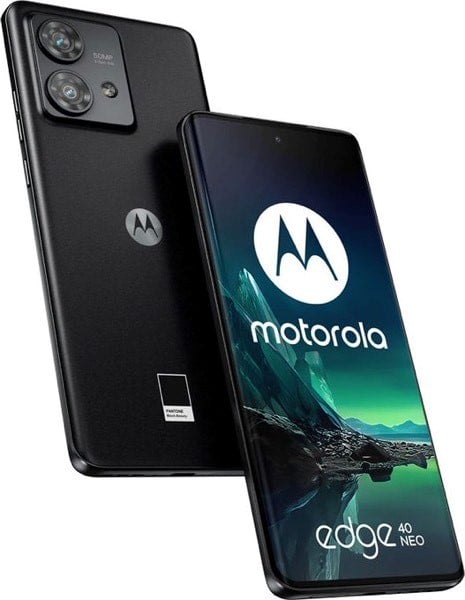
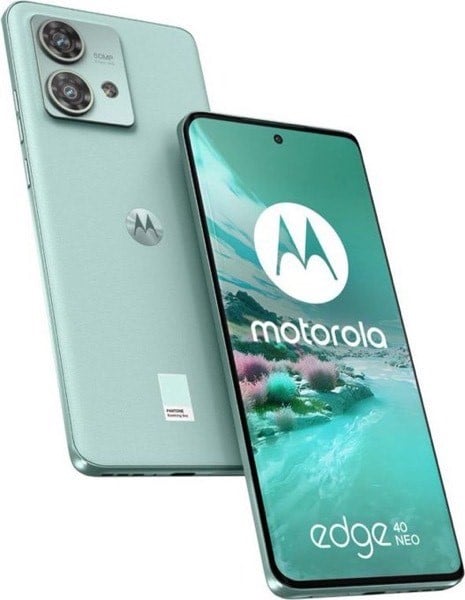
* Motorola Edge 40 Neo is expected to launch soon. * A leaked video has appeared to reveal its design. * The leak has also revealed its colour options. * The handset is expected to be available in Caneel Bay, Black Beauty and Soothing Sea colours. * The Motorola Edge 40 Neo will feature a punch-hole display. * The smartphone is to feature Dimensity 1050 SoC , a 50MP primary camera, and a 5,000mAh battery.
Motorola is expected to launch the Edge 40 Neo smartphone soon. It was earlier spotted on TDRA, Geekbench, and Amazon Italy websites.
The upcoming offering is expected to be the successor to last year’s launched Edge 30 Neo.
It will also be an extension to Edge 40 that is already available in global markets.
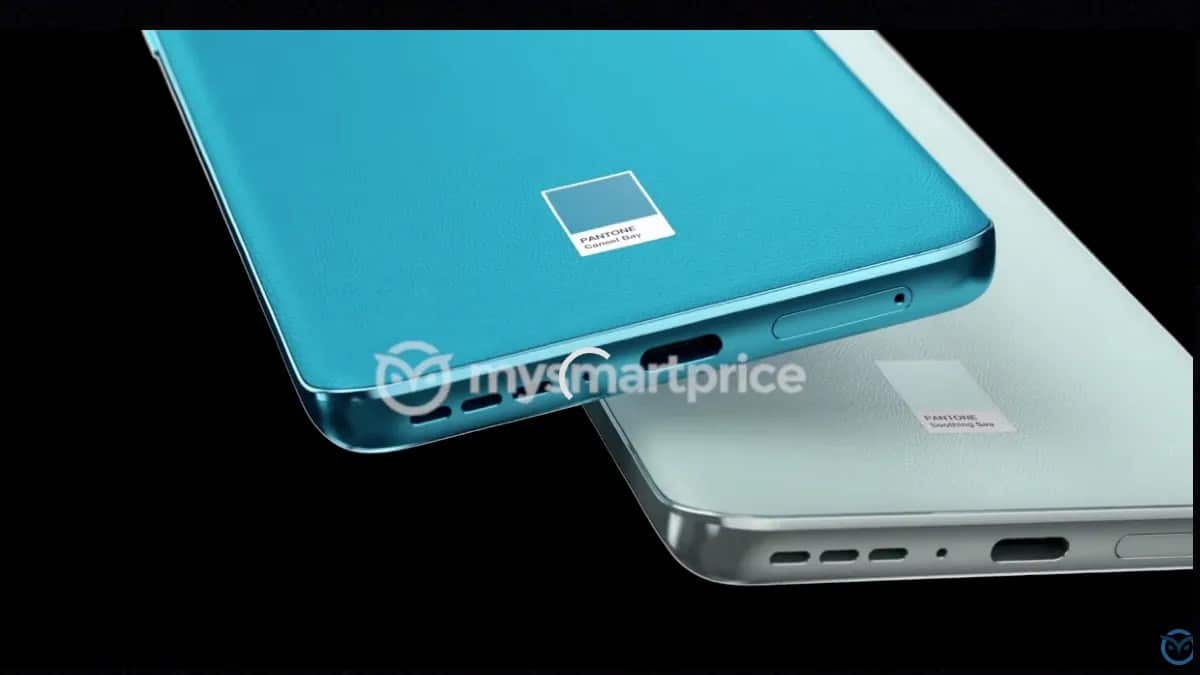
Edge 40 Neo has been seen in a leaked 360-degree video revealing its design and color options before its official launch.
Motorola Edge 40 Neo Specifications
Motorola Edge 40 Neo Specifications
According to Amazon, the smartphone will come with a 6.55″ pOLED FHD+ display that has a 144 Hz refresh rate.
The memory and storage revealed by the page is 12 GB RAM and 256 GB internal storage.
It also revealed that it will be backed by a 5,000 mAh battery and will be IP68 rated.
Now coming on to the camera, the video revealed that it will come with a 50 MP primary camera on the rear side that can be accompanied by a 13 MP secondary camera.
For selfies, it can come with a 32 MP selfie camera.
No announcement has been made on the launch of this phone but the report says that it can be launched on September 15 and could be priced at around €399.
Motorola Edge 40 Neo Design & Colour Options
Motorola Edge 40 Neo Design
The Motorola Edge 40 Neo’s leaked video reveals that it has a flat display with a centrally positioned punch-hole.
On the back, it has a raised camera module that houses a pair of cameras and an LED flash. The text engraved in the camera island confirms that it has a 50-megapixel primary camera.
The right spine of the Edge 40 Neo features a volume rocker and a power key. The left side of the device appears to be barren. The bottom edge of the phone has a speaker grille, a microphone, a USB Type-C port, and a SIM slot.
The leak also reveals that it will arrive in three shades: Black Beauty, Caneel Bay, and Soothing Sea.
Motorola Edge 40 Neo Key Specs
GENERAL
Sim Type
Single Sim, GSM
Dual Sim
No
Sim Size
Nano SIM
Device Type
Smartphone
Release Date
Not announced yet, Rumored
DESIGN
Dimensions
71.99 x 158.43 x 7.58 mm
Colors
Black; other colors
DISPLAY
Type
Color OLED Screen (1B)
Touch
Yes
Size
6.55 inches, 1080 x 2400 pixels, 144 Hz
Aspect Ratio
20:9
PPI
~ 402 PPI
Features
HDR10+, 1200 nits (peak), Curved Display
Notch
Yes
MEMORY
RAM
8 GB
Storage
128 GB
Storage Type
UFS 3.1
Card Slot
No
CONNECTIVITY
GPRS
Yes
EDGE
Yes
3G
Yes
4G
Yes
5G
Yes
5G Bands
n1/n2/n3/n5/n7/n8/n20/n28/n38/n40/n41/n66/n77/n78
VoLTE
Yes
Wifi
Yes, with wifi-hotspot
Wifi Version
Wi-Fi 6 (802.11 a/b/g/n/ac/ax), Dual Band
Bluetooth
Yes, v5.2, A2DP, LE
USB
Yes, USB-C v3.1
USB Features
USB on-the-go, USB Charging
EXTRA
GPS
Yes, A-GPS, GLONASS, BDS, GALILEO
Fingerprint Sensor
Yes, In Display
Face Unlock
Yes
Sensors
Accelerometer, Proximity, Compass
3.5mm Headphone Jack
No
Extra
NFC
Water Resistance
Yes, 1.5 m upto 30 min, Water-repellent Design
IP Rating
IP68
Dust Resistant
Yes
Extra Features
Stereo Speakers With Dolby Atmos, LPDDR4X RAM
CAMERA
Rear Camera
50 MP PDAF, OIS f/1.8 (Wide Angle)
13 MP 120˚, 1.12µm, AF f/2.2 (Ultra Wide) with autofocus
Features
HDR, panorama
Video Recording
1080p @ 30 fps FHD
Flash
Yes, Dual LED
Front Camera
32 MP 0.7µm f/2.4 (Wide Angle)
Front Video Recording
1080p @ 30 fps FHD
TECHNICAL
OS
Android v13
Chipset
MediaTek Dimensity 1050
CPU
2.5 GHz, Octa Core Processor
Core Details
4xCortex-A78@2.6 GHz & 4xCortex-A55@2.0 GHz
GPU
Mali-G610 MC3
IP Rating
IP68
Java
No
Browser
Yes
MULTIMEDIA
Email
Yes
Music
Yes
Video
Yes
FM Radio
No
Document Reader
Yes
BATTERY
Type
Non-Removable Battery
Size
5000 mAh, Li-Po Battery
Fast Charging
Yes, 67W Fast Charging
Wireless Charging
Yes, 15W
Faqs
1) What are the leaked specifications of the upcoming Motorola Edge 40 Neo ?
Ans) The previous leak reveals that the Motorola Edge 40 Neo will feature a 6.55-inch pOLED display with a Full HD+ resolution and a 144Hz refresh rate.
As confirmed by the Geekbench listing, the smartphone will be powered by Dimensity 1050 chipset.
The device is tipped to pack up to 12GB of RAM and 256GB of internal storage.
As for the software, we can expect the smartphone to boot Android 13 out of the box.
The device will be featuring a 50MP primary camera. The secondary camera on the smartphone could be 13MP. For selfies and video-calling purpose, the Edge 40 Neo is expected to feature a 32MP camera.
The smartphone also could have an IP68 rating for water and dust resistance. A 5,000mAh battery could be equipped with the device which no doubt will offer fast charging support.
2) What are Motorola Edge 40 Neo Quick Specifications (Expected)?
Ans) Display: 6.55-inch pOLED display, Full HD+ 2400 × 1080 pixel resolution, 144Hz refresh rate, Punch-Hole cutout.
Processor: MediaTek’s octa-core Dimensity 1050 SoC with Mali G77 GPU
RAM and Storage: 12GB RAM, 256GB internal storage.
Software: Android 13
Rear Camera: 50MP primary camera, 13MP sensor.
Front Camera: 32MP.
Battery: 5000mAh battery.
Other Features: IP68 rating.
Apple rumoured to discontinue traditional leather cases for the upcoming iPhone 15 lineup.
New woven-style cases expected, made from an “imitation leather” material.
The shift likely prompted by Apple’s commitment to environmental sustainability.
Further rumours suggest updated braided charging cables for iPhone 15 accessories.
Apple’s “Wonderlust” event, set for September 12, has become the focal point for not only the expected launch of the iPhone 15 lineupbut also a significant shift in the company’s approach to accessories.
Two independent rumours confirm that Apple is planning to discontinue its iconic leather cases for the iPhone 15. Instead, the tech giant is said to be launching a new woven-style case made from a leather alternative.
Discontinuing Leather Cases
Initiallyrevealed by 9to5Mac, sources within the tech community confirm that Apple has decided to abandon its traditional leather cases for the iPhone 15 lineup. The original reports did not specify why, leaving many to speculate on the reasoning behind the sudden change.
The Woven-Style Alternative
Upcoming iPhone 15
According to leaks from trusted figures in the tech community, such as UnclePan on Weibo and DuanRui and MajinBu on Twitter, Apple’s new case option for the iPhone 15 will feature a woven-texture design.
These cases are reportedly made from an “imitation leather” material, or what some supply chain sources are calling “Magsafe environmental protection cloth leather case.”
Environmental Concerns
Environmental Concerns
One likely explanation for Apple’s shift from traditional leather to woven-style cases is an emphasis on environmental sustainability.
Although unconfirmed, this shift aligns with Apple’s ongoing efforts to be more eco-friendly and responsible in its manufacturing processes.
A Glimpse Into Future Accessories
A Glimpse Into Future Accessories
Beyond the woven-style cases, there are also rumours about updated braided charging cables accompanying the iPhone 15. All these elements add a layer of interest to the upcoming lineup of accessories that will be officially confirmed in the event two weeks from now.
FAQs
Why is Apple discontinuing its traditional leather cases for iPhone 15?
The specific reasons have not been officially confirmed, but the prevailing theory is that Apple is focusing more on environmental sustainability. The information initially came to light via sources cited by 9to5Mac and has since been corroborated by other tech insiders.
What will replace the leather cases?
Trusted leakers, including UnclePan on Weibo and DuanRui and MajinBu on Twitter, have indicated that Apple is introducing a woven-style case made from a leather alternative. These cases are being referred to as “Magsafe environmental protection cloth leather case” by some supply chain sources.
How reliable are the sources reporting this change?
The information comes from 9to5Mac and notable leakers who have previously proven accurate in their predictions. However, Apple has not officially confirmed these reports.
What other accessories are expected with the iPhone 15?
In addition to the woven-style cases, rumours also point to updated braided charging cables. These are likely to be part of the new lineup of accessories for the iPhone 15 to be announced during the “Wonderlust” event.
Apple sends invites for the “Wonderlust” event scheduled for September 12, 2021.
iPhone 15 lineup expected to feature Dynamic Island and USB-C ports.
High-end iPhone 15 Pro and Pro Max may have titanium frames and slimmer bezels.
New Series 9 Apple Watches likely to come in 41- and 45-millimeter sizes.
Apple has officially sent out invites for its highly anticipated “Wonderlust” event slated for September 12th, 2021, at 10 AM PT (10.30 PM IST).
The live event will be hosted at Apple Park, Cupertino, California, and is expected to witness the unveiling of the iPhone 15 lineup, as well as the next generation of Apple Watches.
The Invitations
iPhone 15 Pro Lineup
The invites from Apple are minimalist yet suggestive. They prominently feature the Apple logo in a trio of colors—gray, blue, and black—which could be a cryptic indicator of the color choices likely for the iPhone 15 Pro lineup.
The choice of words for the event title, “Wonderlust,” leaves room for interpretation and curiosity.
The iPhone 15 Lineup
iPhone 15 Pro Max – Leaked Renders
Design Resemblance: The new iPhone 15 and iPhone 15 Plus are speculated to bear a strong resemblance to their predecessor, the iPhone 14.
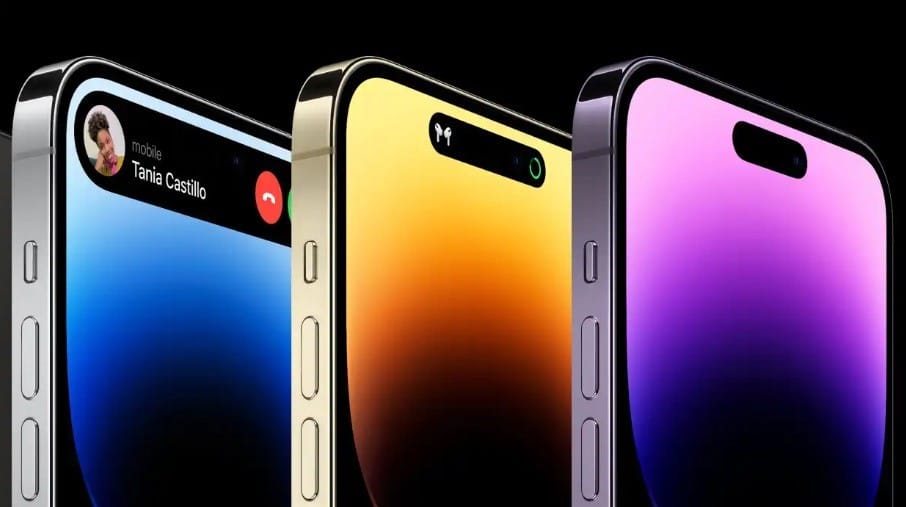
Dynamic Island: One significant alteration could be the elimination of the notorious notch at the top of the display, possibly replaced by a “Dynamic Island,” a feature first seen in the iPhone 14 Pro series.
USB-C Ports: A USB-C port is expected to replace the traditional Lightning port, potentially enabling faster charging capabilities.
For the high-end iPhone 15 Pro and 15 Pro Max, some considerable changes are anticipated.
Titanium Frames: Rumors suggest a change in material, from stainless steel to titanium, which could make the phones lighter yet more robust.
Slimmer Bezels: Reduced bezels are expected to provide a more expansive display area.
Camera Overhaul: Significant improvements are expected in the camera department, although the specifics are yet to be revealed.
Pricing: With these upgrades, the iPhone 15 Pro models could also see a jump in price, although exact figures remain speculative.
Apple Watches
Apple Watches
Alongside the iPhone releases, Apple is also expected to introduce the Series 9 smartwatches.
Screen Sizes: The Series 9 is expected to come in two sizes: 41-millimeter and 45-millimeter.
Apple Watch Ultra: A new version of the luxury-oriented Apple Watch Ultra is also expected, although details are scarce.
The event promises to be a marquee occasion, with the tech giantexpected to reveal other surprises as well. As always, the details will only be confirmed when Apple takes the stage on September 12th, leaving fans and experts alike to wait with bated breath.
FAQs
What is the significance of the Apple “Wonderlust” event?
The “Wonderlust” event, scheduled for September 12, is highly anticipated as it is expected to unveil the new iPhone 15 lineup and the next generation of Apple Watches. The live event will be broadcasted from Apple Park in Cupertino, California.
What can we expect from the iPhone 15 and iPhone 15 Plus?
The iPhone 15 and 15 Plus are expected to resemble their predecessor, the iPhone 14. Major changes include a possible removal of the notch, replaced by a Dynamic Island, and a shift from Lightning ports to USB-C, which may allow for faster charging.
Are there any significant upgrades in the iPhone 15 Pro and 15 Pro Max?
Yes, substantial upgrades are rumored for these models. They may feature titanium frames, reduced bezels, significant camera improvements, and USB-C ports. These improvements are likely to be accompanied by a price increase.
What should we know about the new Apple Watches?
Apple is expected to introduce the Series 9 smartwatches in two sizes: 41-millimeter and 45-millimeter. A new version of the luxury-focused Apple Watch Ultra is also anticipated, though details are limited.
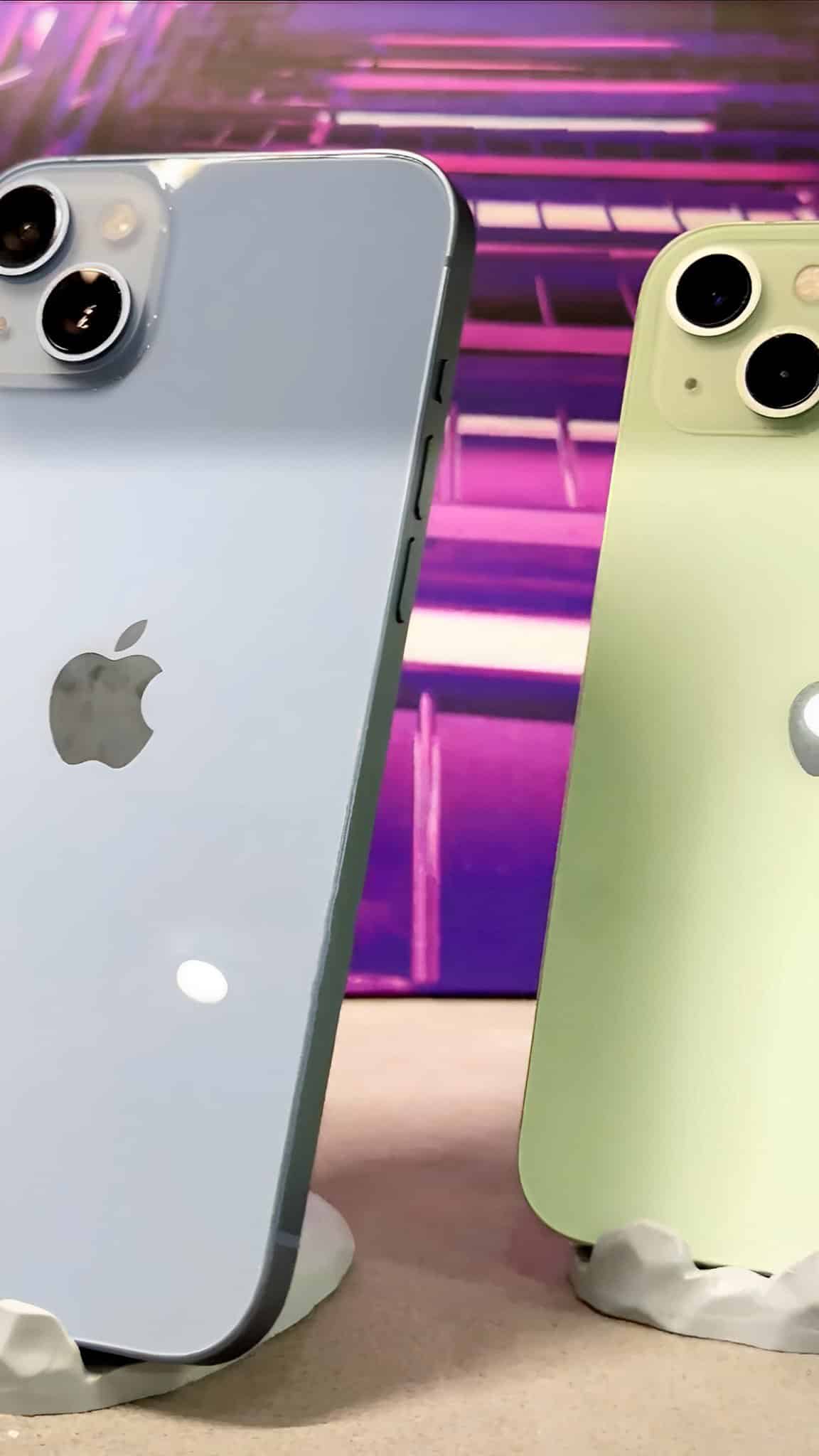
The iPhone 15 series is rumoured to come in several vibrant colour options, including Midnight, Light Green, Yellow, Light Pink, and Light Blue for the base models.
Tipsters have hinted at a special light green version of the iPhone 15, which might be a special edition spring release for next year.
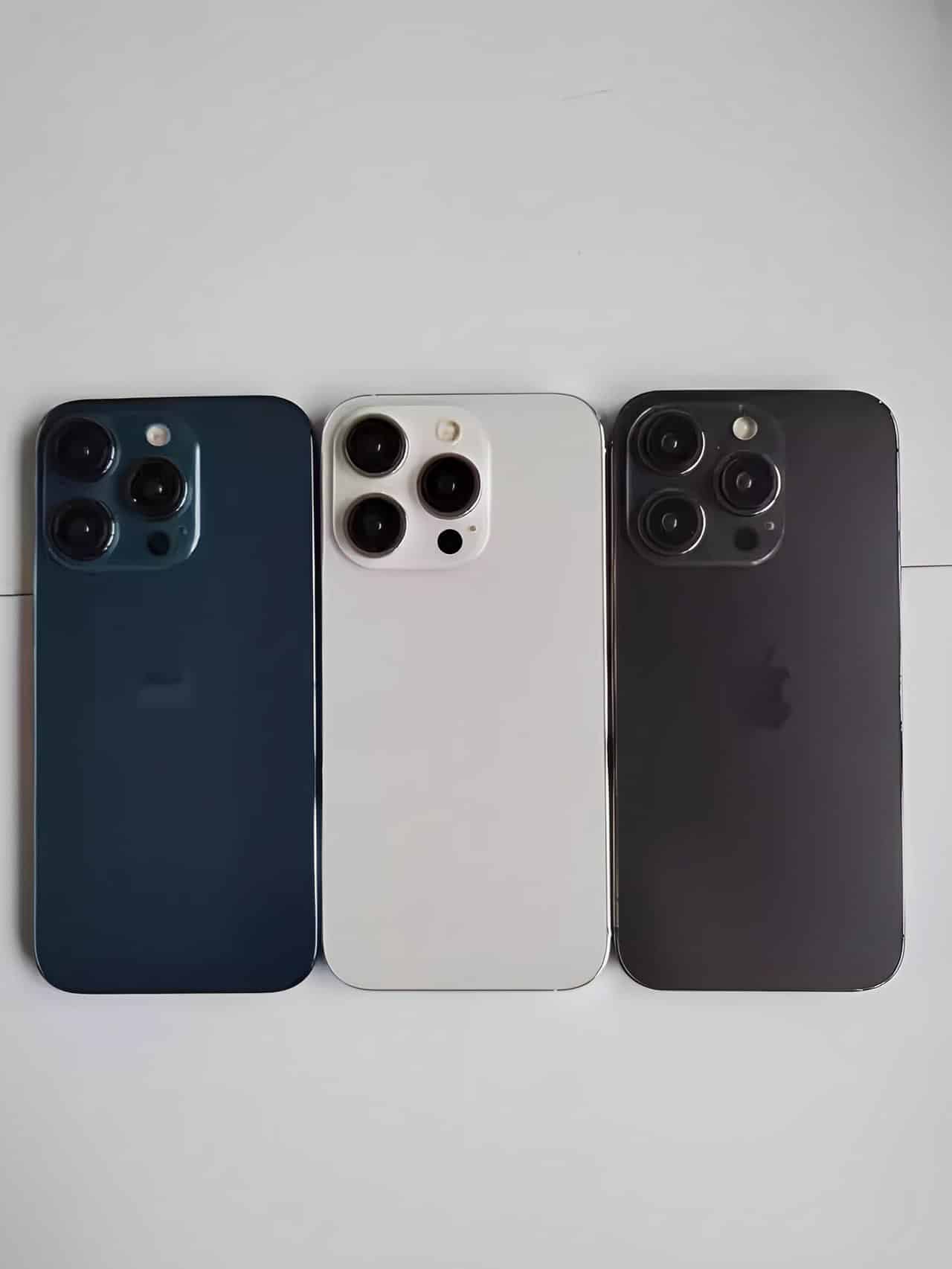
The iPhone 15 Pro and Pro Max models are speculated to feature a signature dark blue colour, replacing earlier speculations of a red variant.
As the tech community eagerly awaits the official release of Apple’s iPhone 15 series, speculation around its features and aesthetics is at an all-time high.
One topic of discussion that is always of interest is the range of colours these new devices will sport. According to credible leaks andrumours from 9to5Mac, Apple has several hues in the pipeline, with a few surprises.
Colour Variants for iPhone 15 and iPhone 15 Plus
Standard Options
Midnight
Light Green
Yellow
Light Pink
Light Blue
Midnight has become almost a signature for the base models of iPhones in recent years. It’s the near-black colour that appeals to users who prefer a more understated look for their device.
On the more colourful side, Apple appears to be considering options like light green, yellow, light pink, and light blue. These vibrant options align with Apple’s approach to attract a younger consumer base.
Two tipsters, @MajinBuOfficial and @URedditor, have ignited the discussion around the iPhone 15 series possible featuring of a light green option. This wouldn’t be the first time, as the iPhone 12 series also sported a similar colour.
Details on the Light Green Speculation
Similar to iPhone 12’s light green.
Uncertainty about availability at launch.
Could be a special edition spring release for next year.
Colour Variants for iPhone 15 Pro and iPhone 15 Pro Max
Colour Variants for iPhone 15 Pro and iPhone 15 Pro Max
Premium Options
Red/Dark Blue (yet to be confirmed)
Gold/Titan Gray (Potential replacement)
Black
Silver
Leaks point to a signature dark blue colour for the iPhone 15 Pro series, though earlier speculations hinted at red. Signature colours for Pro models have been a consistent trend, and it is looking increasingly likely that the dark blue could potentially make its debut this year.
Standard colours like black and silver remain part of the lineup, providing a sophisticated feel. Additionally, there’s talk about the popular gold colour potentially being replaced by a darker gray hue called Titan Gray.
iPhone 15: A Colourful Launch?
iPhone 15: A Colourful Launch?
While we can speculate endlessly, it’s crucial to note that Apple has yet to officially confirm these colours. Apple is known for maintaining a veil of secrecy until the official announcement.
According to reports, the iPhone 15 series is expected to be unveiled in a grand event scheduled for September 12, with pre-orders starting on September 15 and a release date on September 22.
As always, Apple keeps us guessing. However, one thing is for certain, users will likely be treated to a bevy of colour options as part of the iPhone 15 lineup.
FAQs
What are the rumoured colour options for the iPhone 15 and iPhone 15 Plus?
According to leaks and rumours, the iPhone 15 and iPhone 15 Plus are expected to come in Midnight, Light Green, Yellow, Light Pink, and Light Blue.
Is there any special edition colour for the iPhone 15 series?
Speculations have suggested a light green variant may be released as a special edition, possibly in the spring of next year.
What will be the signature colour for the iPhone 15 Pro series?
Leaks point towards a dark blue colour being the signature hue for the Pro models, although there was earlier talk of a red variant.
When is Apple expected to officially unveil the new iPhone 15 series?
Apple is expected to hold a grand event on September 12 for the unveiling, with pre-orders scheduled to start on September 15 and a release date on September 22.