Home Blog Page 576

Xiaomi Faces $300 Million Lawsuits Over Patented 4G LTE-A Technology in India and France

0

Highlights

  • Xiaomi is embroiled in $300 million lawsuits in India and France over alleged patent infringement.
  • The High Court of Delhi and Paris Judicial Court to decide on Xiaomi’s use of patented LTE-A technology.
  • Sun Patent Trust claims Xiaomi has been using their patented technology without proper licensing since 2018.
  • The lawsuits could result in significant financial penalties and damage Xiaomi’s reputation.

Xiaomi, the leading Chinese smartphone maker, is pitched in high-stakes legal battles in major markets such as India and France over alleged unauthorized use of patented LTE-A technology in its 4G devices.

These suits amount to more than $300 million and bear heavy reputational and financial risks for the company.

So what’s it all about?

Read on to find out.

The Crux of the Lawsuit
Xiaomi Faces $300 Million Lawsuits Over Patented 4G LTE-A Technology in India and France

Central to these cases is the fact that Xiaomi has been using the high-tech 4G LTE-A standard, believed to offer higher speeds and performance, without proper licensing from patent holder Sun Patent Trust.

The lawsuits said Xiaomi’s infringement started in late 2018 when it started to use the patented technology in its 4G smartphones.

The High Court of Delhi in India will now decide if Xiaomi violated patents of Sun Patent Trust and, further, if the patent owner has discharged its burden.
The lawsuits could result in significant financial penalties and damage Xiaomi's reputation.
The lawsuits could result in significant financial penalties and damage Xiaomi’s reputation.

At the same time, the Paris Judicial Court will take up the critical question of royalty payments due to Sun Patent Trust for the said patented technology.

As per the report by FoneArena, Managing Trustee of Sun Patent Trust, said: “It is surprising that a company of Xiaomi’s standing is simply refusing to come to amicable terms at the negotiation table. Instead of engaging in meaningful negotiations, the company has been repeatedly trying to delay consummating a license. Patent law exists to protect and further substantial R&D investments, yet Xiaomi is frustrating this goal by failing to come to terms on a negotiated license. Regrettably, we must resort to such measures to compel Xiaomi to comply with international norms.”

A Long-Drawn Dispute

Xiaomi is embroiled in $300 million lawsuits in India and France over alleged patent infringement

According to the Managing Trustee of Sun Patent Trust, Joseph Casino, it is surprising that Xiaomi is not willing to negotiate fair licensing terms despite attempts at resolution dating back to 2019.

While the patent owner is not known to be a litigious company, the response from Xiaomi has forced them to seek legal recourse.

There is a huge embarrassment for Xiaomi with these lawsuits—more so the one in the crucial Indian market.

With global revenues sailing past $10 billion in Q3 2023, the company is facing significant problems in two major markets because of these patent disputes.

Adverse rulings may not only damage Xiaomi’s reputation but also result in heavy financial penalties.

FAQs

What is the basis of the lawsuits against Xiaomi?

Xiaomi is accused of using patented LTE-A technology in its 4G devices without proper licensing from Sun Patent Trust.

Which courts are handling the lawsuits against Xiaomi?

The High Court of Delhi in India and the Paris Judicial Court in France are handling the lawsuits.

When did Xiaomi allegedly start using the patented technology without authorization?

Xiaomi allegedly started using the patented LTE-A technology in its 4G smartphones in late 2018.

What are the potential consequences for Xiaomi if the lawsuits are successful?

If the lawsuits are successful, Xiaomi could face over $300 million in financial penalties and significant damage to its reputation.

What has Sun Patent Trust said about the disputes with Xiaomi?

Sun Patent Trust has expressed frustration over Xiaomi’s refusal to negotiate fair licensing terms, stating that the company has repeatedly tried to delay reaching a licensing agreement.

Also Read: Xiaomi Sold Over 3 Million Redmi 12 Units in India

Also Read: Huawei and Xiaomi Overtake Apple in Singles Day Sales
iPhone 16 Pro Could Beat Expectations with Under-Display Face ID; Samsung, LG Secure OLED Contracts

0
iPhone 16 Pro Could Beat Expectations with Under-Display Face ID; Samsung, LG Secure OLED Contracts

Highlights

  • Apple iPhone 16 Pro series may debut under-display Face ID in 2023.
  • Shutdown of Coherent’s U.S. microchip plant hints at biometric changes.
  • OLED panels for iPhone 16 Pro approved for mass production by Samsung and LG.
  • All-screen iPhone predicted to arrive by 2027 with under-display Face ID and front camera.

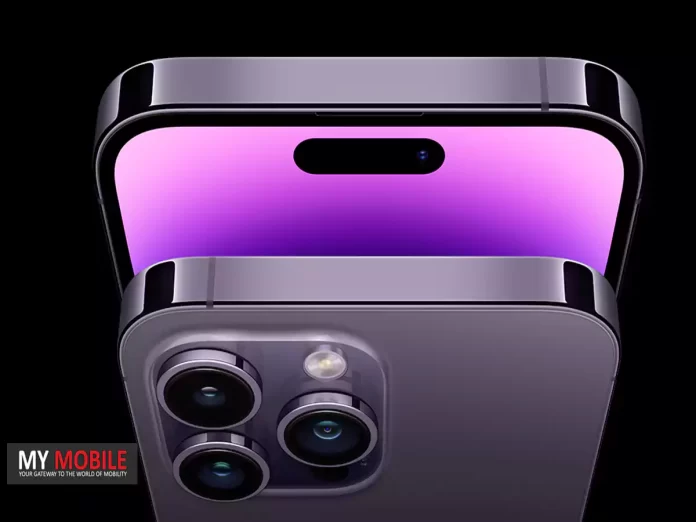
The next-generation iPhone 16 Pro and Pro Max from Apple may have a surprise that comes a lot sooner than initially expected: under-display Face ID.

A new report indicates that this biometric authentication refresh might actually debut this year, versus initial reports of 2025.

The clue came through an unlikely avenue – the shutdown of a U.S. microchip plant in Britain owned by Coherent.

Reports have it that the plant lost its biggest client – Apple itself.

Importantly, it manufactures parts for Face ID as it is currently known, so changes appear to be afoot for the next iPhone revision.

Aligning With Predictions

Apple iPhone 16 Pro series may debut under-display Face ID in 2023

Interestingly, display analyst Ross Young had forecasted under-display Face ID for the iPhone 16 Pro lineup before revising expectations to 2025.

This shutdown of a British facility gives a lot of credence to his original 2023 timeline prediction.

An All-Screen Future

DSCC Apple iPhone Roadmap

Young’s roadmap sees an all-screen iPhone finally landing in 2027 with the iPhone 19 Pro series, featuring both under-display Face ID and an under-panel front camera.

This evolutionary design path seems plausible if Apple is to introduce the under-display Face ID foundation this year.

OLED Panel Production Breakthrough

All-screen iPhone predicted to arrive by 2027 with under-display Face ID and front camera

In yet another welcome bit of news for iPhone 16 Pro purchasers, both Samsung and LG are said to have gotten the green light to mass-produce the OLED panels going into the Pro models.

Having been able to secure enough supply in advance of the typical fall launch can help stave off stock shortages often associated with early Pro iPhone launches.

While Samsung has for some time been the solitary OLED supplier to Apple, LG has slowly closed the gap.

new report indicates that this biometric authentication refresh might actually debut this year
New report indicates that this biometric authentication refresh might actually debut this year

Indeed, the South Korean company is likely to share iPhone 16 Pro Max panel production with Samsung come June, while last year it had trailed its compatriot for the iPhone 15 Pro Max panels.

With under-display biometrics possibly innovative and other production milestones in place, the iPhone 16 Pro series is shaping up to be an attractive upgrade for iOS fans looking for a leading mobile experience.

Much more concrete is going to come out as launch approaches, fuelling anticipation.

APPLE IPHONE 16 PRO SPECIFICATIONS

Key Specs

RAM 6 GB
Processor Apple A16 Bionic
Rear Camera 13 MP + 13 MP + 13 MP
Front Camera 13 MP
Battery 4700 mAh
Display 6.25 inches (15.88 cm)

General

Launch Date October 26, 2023 (Unofficial)
Operating System iOS v16

Performance

Chipset Apple A16 Bionic
CPU Hexa Core (3.464 GHz, Dual core, Everest + 2.02 GHz, Quad core, Sawtooth)
Architecture 64 bit
Fabrication 4 nm
Graphics Apple GPU (Five-core graphics)
RAM 6 GB

Display

Display Type OLED
Screen Size 6.25 inches (15.88 cm)
Resolution 1189 x 2546 pixels
Pixel Density 450 ppi
Bezel-less display Yes
Touch Screen Yes, Capacitive Touchscreen, Multi-touch

Camera

MAIN CAMERA
Camera Setup Triple
Resolution 13 MP, Primary Camera
13 MP
13 MP
Autofocus Yes
Flash Yes, LED Flash
Image Resolution 4128 x 3096 Pixels
Settings Exposure compensation, ISO control
Shooting Modes Continuous Shooting
High Dynamic Range mode (HDR)
Camera Features Digital Zoom
Auto Flash
Face detection
Video Recording 1920×1080 @ 30 fps
FRONT CAMERA
Camera Setup Single
Resolution 13 MP, Primary Camera
Video Recording 1920×1080 @ 30 fps

Battery

Capacity 4700 mAh
Type Li-Polymer
Removable No
Quick Charging Yes, Fast
USB Type-C No

Storage

Internal Memory 128 GB
Expandable Memory No

Network & Connectivity

SIM Slot(s) Dual SIM, GSM+GSM
SIM Size SIM1: Nano, SIM2: eSIM
Network Support 5G Not Supported in India, 4G Supported in India, 3G, 2G
VoLTE Yes
SIM 1
4G Bands:
TD-LTE 2300(band 40)
FD-LTE 1800(band 3)
3G Bands:
UMTS 1900 / 2100 / 850 / 900 MHz
2G Bands:
GSM 1800 / 1900 / 850 / 900 MHz
GPRS:
Available
EDGE:
Available
SIM 2
4G Bands:
TD-LTE 2300(band 40)
FD-LTE 1800(band 3)
3G Bands:
UMTS 1900 / 2100 / 850 / 900 MHz
2G Bands:
GSM 1800 / 1900 / 850 / 900 MHz
GPRS:
Available
EDGE:
Available
Wi-Fi Yes, Wi-Fi 4 (802.11 b/g/n)
Wi-Fi Features Mobile Hotspot
Bluetooth Yes, v5.3
GPS Yes with A-GPS, Glonass
USB Connectivity Mass storage device, USB charging

Multimedia

Loudspeaker Yes
Audio Jack Lightning

Sensors

Fingerprint Sensor No
Other Sensors Light sensor, Proximity sensor, Accelerometer, Barometer, Compass, Gyroscope

FAQs

What new feature is expected in the iPhone 16 Pro series?

The iPhone 16 Pro series is expected to feature under-display Face ID, a biometric authentication method that integrates Face ID technology beneath the display.

When is the iPhone 16 Pro series expected to launch?

The iPhone 16 Pro series is expected to launch this year, potentially earlier than initially anticipated, with under-display Face ID.

Why is the shutdown of Coherent’s U.S. microchip plant significant?

The shutdown of Coherent’s U.S. microchip plant in Britain suggests changes to Apple’s Face ID components, hinting at the introduction of under-display Face ID.

What are the predictions for future iPhone models regarding screen technology?

Analyst Ross Young predicts that an all-screen iPhone with both under-display Face ID and an under-panel front camera could arrive by 2027 with the iPhone 19 Pro series.

Which companies are producing the OLED panels for the iPhone 16 Pro?

Samsung and LG have received approval to mass-produce the OLED panels for the iPhone 16 Pro models, ensuring sufficient supply for the launch.

Have most iPhone 16 displays entered mass production ?

The Elec report states that this year’s production has been split between three suppliers as follows:

•Samsung will make displays for all four iPhone 16 models
•LG will make displays for the iPhone 16 Pro and Pro Max
•BOE will make displays for the iPhone 16 and iPhone 16 Plus

It says that Apple has given Samsung and LG the go-ahead for mass production of the iPhone 16 Pro screens.

It means that the same is true of BOE for the two base models, though The Elec is a Korean publication which focuses strongly on the two Korean suppliers, so this is not explicitly stated.

Have iPhone 16 Pro Max displays delayed ?

The report says that Apple has not yet approved mass production of displays for the iPhone 16 Pro Max – though it isn’t expected to take long.

The approval process for the mass production of iPhone 16 Pro Max OLED will be followed by Samsung Display and LG Display one after another soon.

It says that Samsung is expected to gain approval later this week, but LG is unlikely to pass quality controls until the middle of June.

It’s not clear why the Pro Max displays have proven a tougher challenge for the two Korean companies.

It has been reported that Apple is employing a new ultra-thin bezel tech known as Border Reduction Structure (BRS), and that suppliers experienced over-heating issues with this.

It may be that Samsung and LG found this especially challenging with the Pro Max display.
Both iPhone 16 Pro and Pro Max models are expected to have brighter displays.

Also Read: iPhone 16 to Get a Major RAM and Storage Upgrade for AI Capabilities

Also Read: iPhone 16 Pro Series Rumoured to Feature New Colours and Capture Button

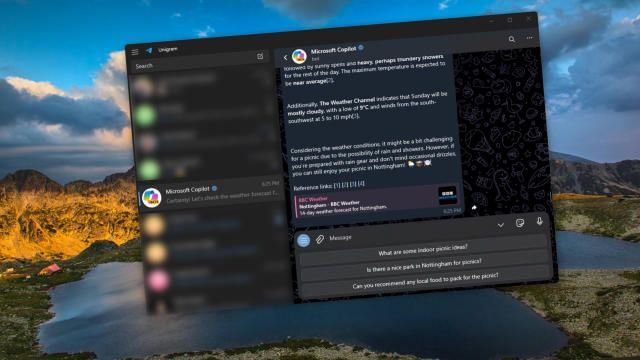
Microsoft’s Copilot AI Now Available on Telegram: How to Get Started

0

Highlights

  • Microsoft Copilot AI integrated with Telegram via @CopilotOfficialBot.
  • Users can access Copilot features by providing their phone number to the bot.
  • Copilot offers knowledge search, travel suggestions, sports updates, and movie recommendations.
  • Limited to 30 interactions per day during the beta rollout.

Copilot by Microsoft, an AI chatbot based on OpenAI’s GPT-4, has made its way to Telegram, a popular messaging app. Users can now use Copilot’s powers directly from within the Telegram client using a bot.

How to Find Copilot on Telegram


Post by @_iv_ii_ix_
View on Threads


Getting started with Copilot on Telegram is simply a matter of finding and opening a conversation with the @CopilotOfficialBot.

After the bot asks the user to provide a phone number to access the Telegram account, all the Copilot functionality is available from the chat.

According to Microsoft, Copilot for Telegram is currently in beta and features include knowledge search, travel suggestions, sports updates, movie recommendations, and more.

Microsoft's Copilot AI Now Available on Telegram
Microsoft’s Copilot AI Now Available on Telegram

However, this chatbot currently works in text mode onlyand is not able to process images.

“Copilot for Telegram responds to a wide range of issues in natural language, such as seeking expertise, travel guidance, sports updates, and movie recommendations. Let Copilot enhance your Telegram experience with its quick wit and curious nature,” the company said in a blog post.

“Copilot is a personal generative AI assistant powered by GPT model and Bing Search, available within Telegram,” said Microsoft.

Microsoft Copilot AI integrated with Telegram via @CopilotOfficialBot

The Copilot bot is not limited to a specific platform, meaning you can chat with it on Windows, macOS, iOS, and Android.

Microsoft specified that Telegram is “currently in beta and free for all users.”

Copilot on Telegram can perform various tasks to enhance users experience:

Copilot for Telegram, available on desktop and mobile (Android / iOS)
  • Information Search: Get quick facts or detailed research powered by Bing Search.
  • Travel Planning: Receive destination suggestions and help planning your itinerary.
  • Fitness Guidance: Obtain fitness tips and exercise plans for your workouts.
  • Entertainment Updates: Stay updated with the latest movies, music, and entertainment news.
  • Leisure & Laughs: Enjoy jokes, funny gifs, or casual game suggestions to unwind.

Copilot for Telegram, available on desktop and mobile (Android / iOS) or via Telegram web, is currently in beta and free for all users.

However, there’s a daily 30-turn limit for interactions between the user and Copilot.

Interaction Limits

Copilot offers knowledge search, travel suggestions, sports updates, and movie recommendations

Though the Copilot bot leverages AI to supercharge the Telegram experience, there are tight limits at the moment.

Currently, users are restricted to 30 bot interactions per day, most likely to rein in server strain as it’s the first beta rollout.

Microsoft’s initiative to integrate Copilot with Telegram is part of its strategy to make its AI assistant widely available across different platforms and apps.

Copilot by Microsoft, an AI chatbot based on OpenAI's GPT-4
Copilot by Microsoft, an AI chatbot based on OpenAI’s GPT-4

Even in image generation, Copilot’s features have recently been expanded beyond its initial text-based responses.

As Microsoft continues to refine and tweak Copilot, it may soon become available in popular messaging services like Telegram, paving the way for mass adoption and frictionless AI-driven engagement.

FAQs

How can I access Microsoft Copilot on Telegram?

To access Microsoft Copilot on Telegram, start a conversation with the @CopilotOfficialBot and provide your phone number to access your Telegram account.

What features does Copilot offer on Telegram?

Copilot offers knowledge search, travel suggestions, sports updates, and movie recommendations, among other features, all through natural language text responses.

Is there a limit to how many times I can use Copilot on Telegram?

Yes, during the beta rollout, users are limited to 30 interactions per day to manage server strain.

Can Copilot process images on Telegram?

No, currently Copilot on Telegram works in text mode only and cannot process images.

What is Microsoft’s goal with integrating Copilot into Telegram?

Microsoft’s goal is to make its AI assistant widely available across different platforms and apps, enhancing user experience through AI-driven engagement.

Also Read: Microsoft Launches Copilot for Finance to Transform Financial Management; Edge Update Leaves Users Disgruntled

Also Read: 10 Essential Microsoft Copilot Tips for Android Users

Vivo X200 Series to Feature MediaTek Dimensity 9400 Chipset: Leaked Details

0
Vivo X200 Series to Feature MediaTek Dimensity 9400 Chipset: Leaked Details

Highlights

  • Vivo X200 series rumoured to debut with MediaTek Dimensity 9400 chipset.
  • Dimensity 9400 built on TSMC’s 3nm process, promising enhanced performance.
  • Vivo closely collaborating with MediaTek on AI development for the new chip.
  • X200 series expected to feature high-resolution display and top-end cameras.

The X series is Vivo’s flagship line of devices, always featuring top-shelf hardware and impressive camera capabilities.

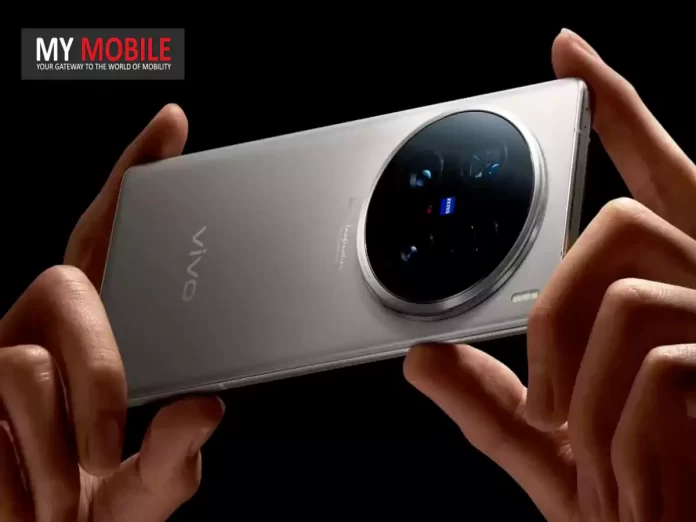
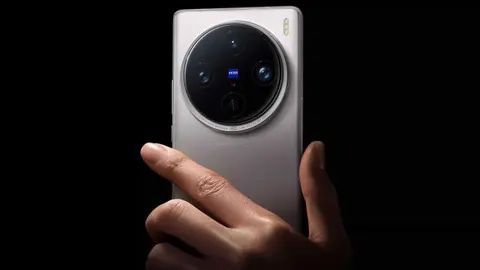
The latest Vivo X100 Ultra and X100s models are just out in China, but already rumours are swirling about the Vivo X200 range.

Dimensity 9400 Could Power X200

Vivo X200 Series to Feature MediaTek Dimensity 9400 Chipset: Leaked Details
Vivo X200 Series to Feature MediaTek Dimensity 9400 Chipset

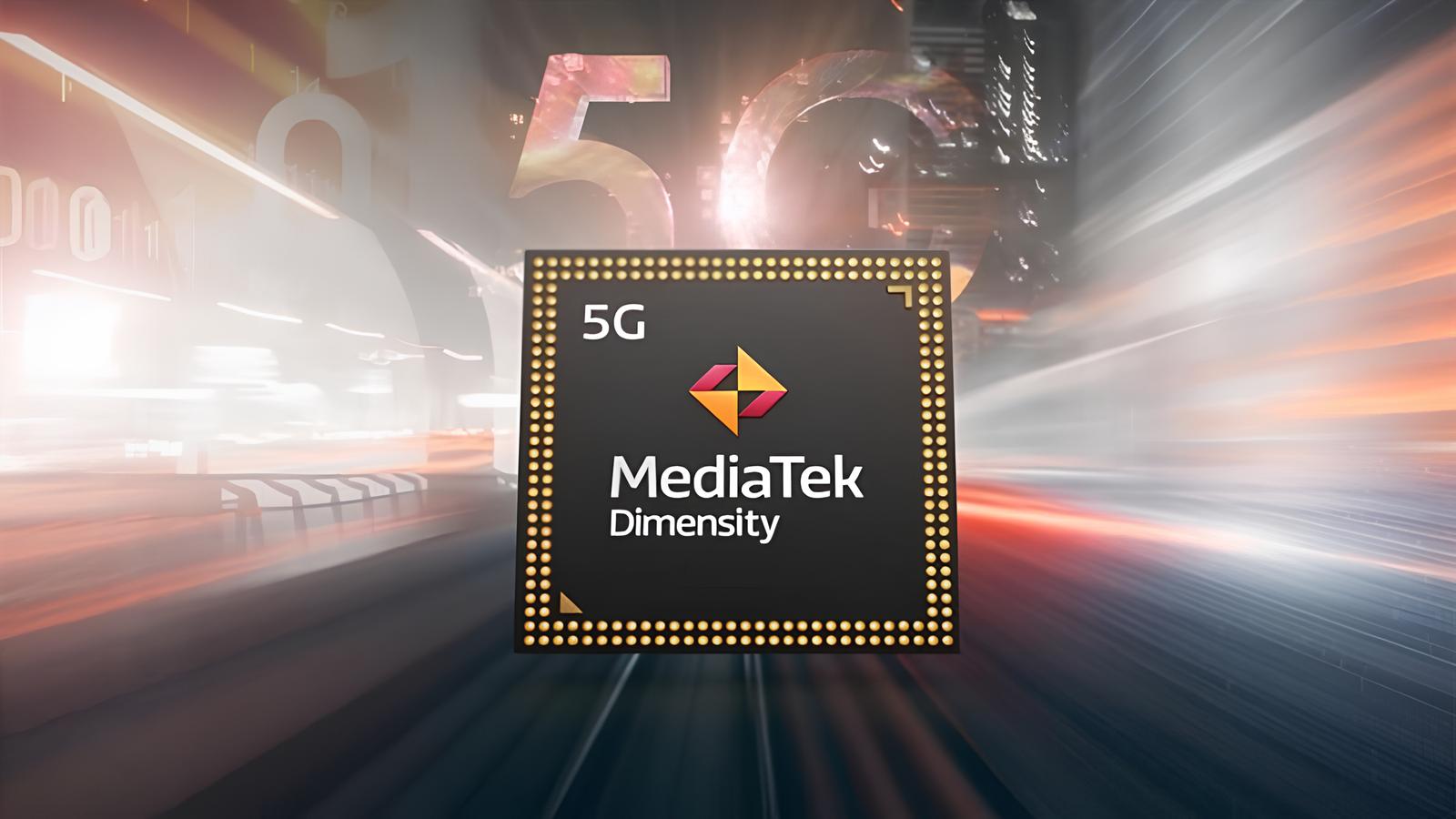
A new leak from the usually reliable tipster SmartPikachu claims the Vivo X200 series could be the first to ship with MediaTek’s upcoming flagship Dimensity 9400 chipset under the hood.

Of course, leaks should always be taken with a pinch of salt, but this one is generating some buzz.

Vivo X200 series rumoured to debut with MediaTek Dimensity 9400 chipset

For those unaware, the Dimensity 9400 is MediaTek’s next top-of-the-line mobile processor, pegged to rival Qualcomm’s Snapdragon 8 Gen 4 chip that will power 2024’s premium Android phones.

It is the first MediaTek chip to be built on TSMC’s cutting-edge 3nm process and promises big gains in performance and efficiency.

A Potent AI Powerhouse

Vivo X100s
X200 series expected to feature high-resolution display and top-end cameras

Aside from raw speed, the Dimensity 9400 is also rumoured to deliver enhanced artificial intelligence abilities.

This connects nicely with earlier reports that Vivo is working very closely with MediaTek on AI development in the new chip.

There are a few reasons Vivo could have bagged the honours of being first with the Dimensity 9400.

This brand was among the first to adopt the previous Dimensity 9000 series in its X100 lineup, and it has also enjoyed a close partnership with MediaTek on chip development.

Setting the Pace

Unique selling point in the premium Android segment for some time

If the leaks are to be believed, Vivo may be seen to steal a march on rivals if the company adopts the Dimensity 9400 early into the X200 phones.

Being launched early, may give the company a unique selling point in the premium Android segment for some time.

Other Rumoured Highlights of X200

Vivo closely collaborating with MediaTek on AI development for the new chip

The X200 is also rumoured to carry a few other pieces of hardware that are worthy of a 2024 flagship, outside of the headlining chip.

That probably includes a high-resolution display, top-end cameras, and bleeding-edge AI capabilities that take advantage of Dimensity 9400.

Whenever it arrives, the X200 series powered by MediaTek’s finest silicon can be expected to face stiff competition from other Android heavyweights like Samsung, Xiaomi, and OnePlus launching their own Snapdragon 8 Gen 4-based flagships around the same time.

Vivo X200 5G Specs

GENERAL

Sim Type Dual Sim, GSM+GSM
Dual Sim Yes
Sim Size Nano+Nano SIM
Device Type Smartphone
Release Date November 13, 2024 (Expected)

DESIGN

Dimensions 164.1 x 75.2 x 8.5 mm or 8.8 mm
Bezel less Yes

DISPLAY

Type Color LTPO AMOLED Screen (1.07B)
Touch Yes
Size 6.78 inches, 1260 x 2800 pixels, 144 Hz
Aspect Ratio 20:9
PPI ~ 453 PPI
Screen to Body Ratio ~ 93%
Features HDR10+, P3 Color Gamut, 6000nits, Curved Display
Notch Yes, Punch Hole

MEMORY

RAM 12 GB
Expandable RAM Upto 12 GB Extra Virtual RAM
Storage 512 GB
Storage Type UFS 4.0
Card Slot No

CONNECTIVITY

GPRS Yes
EDGE Yes
3G Yes
4G Yes
5G Yes
5G Bands n1/n3/n5/n7/n8/n28/n38/n40/n41/n77/n78
VoLTE Yes, Dual Stand-By
Wifi Yes, with wifi-hotspot
Wifi Version Wi-Fi 6, Wi-Fi 7, WLAN 2.4 GHz/5 GHz/6 GHz, Wi-Fi Display, 2 x 2 MIMO, MU-MIMO
Bluetooth Yes, v5.4, A2DP, LE, aptX HD
USB Yes, USB-C v2.0
USB Features USB Tethering, USB on-the-go, USB Charging
IR Blaster Yes

EXTRA

GPS Yes, with GPS, BeiDou, GLONASS, Galileo, QZSS, NavIC, A-GPS, Cellular Positioning, Wi-Fi Positioning
Fingerprint Sensor Yes, In Display
Face Unlock Yes
Sensors Accelerometer, Ambient Light Sensor, Proximity Sensor, E-Compass, Color Temperature Sensor, Laser Focus Sensor, Infrared Blaster, Flicker Sensor, Gyroscope
3.5mm Headphone Jack No
NFC Yes
Water Resistance Yes, 1.5 m upto 30 min
IP Rating IP68
Dust Resistant Yes
Extra Features LPDDR5X RAM, V3 Chip

CAMERA

Rear Camera 50 MP 1/1.49″, PDAF, Laser AF, OIS f/1.6 (Wide Angle)
100 MP 70mm, 1/2.0″, PDAF, OIS, 3x optical zoom f/2.6 (Telephoto)
50 MP 15mm, 119˚, 1/2.76″, AF f/2 (Ultra Wide) with autofocus
Camera Sensor Sony IMX920
Features Snapshot, Night, Portrait, Photo, Video, High Resolution, Pano, Ultra HD Document, Slo-Mo, Long Exposure, Timelapse, Supermoon, Astro, Landscape & Architectural, Pro, Food, Live Photo, Cinematic Portrait, ZEISS Telephoto Camera, ZEISS Multifocal Portrait, 100x Digital Zoom
Video Recording 4K, 1080p
Flash Yes, LED
Front Camera Punch Hole 50 MP f/2 (Wide Angle) with Screen Flash
Front Video Recording 4K, 1080p

TECHNICAL

OS Android v15
Custom UI Funtouch OS 15
Chipset Mediatek Dimensity 9400
CPU Octa Core Processor
Java No
Browser Yes

MULTIMEDIA

Email Yes
Music WAV, MP3, MP2, MIDI, Vorbis, APE, FLAC
Video MP4, 3GP, AVI, Video Recording: MP4
FM Radio No
Document Reader Yes

BATTERY

Type Non-Removable Battery
Size 5500 mAh, Li-ion Battery
Fast Charging Yes, 120W FlashCharge

FAQs

What chipset is the Vivo X200 series expected to feature?

The Vivo X200 series is rumoured to be powered by MediaTek’s upcoming flagship Dimensity 9400 chipset, known for its high performance and efficiency.

What makes the Dimensity 9400 chipset special?

The Dimensity 9400 is MediaTek’s first chip built on TSMC’s cutting-edge 3nm process, promising significant gains in performance and energy efficiency.

How is Vivo collaborating with MediaTek for the X200 series?

Vivo is reportedly working closely with MediaTek on the AI development for the Dimensity 9400, enhancing the chipset’s artificial intelligence capabilities.

What are the expected hardware features of the Vivo X200 series?

The Vivo X200 series is expected to include a high-resolution display, top-end cameras, and advanced AI capabilities leveraging the Dimensity 9400 chipset.

When is the Vivo X200 series expected to launch?

While there is no confirmed launch date, the Vivo X200 series is anticipated to debut early, giving Vivo a potential edge in the premium Android segment.

Also Read: Vivo X100 Series Sale To Officially Begin from 11th January Midnight: Should You Buy?

Also Read: Vivo X100 Ultra Camera Specs Reportedly Leaked Showing 200MP Periscope Camera

Samsung Galaxy Z Flip6 Leaks Reveal Battery Upgrade, Camera Enhancements, and July Launch

0

Highlights

  • Galaxy Z Flip6 to feature a dual-cell battery setup totalling 3,790mAh.
  • Expected camera upgrade with a 50MP primary sensor.
  • Design improvements to reduce the crease on the folding display.
  • Unpacked event in July to showcase Z Flip6, Z Fold6, and more.

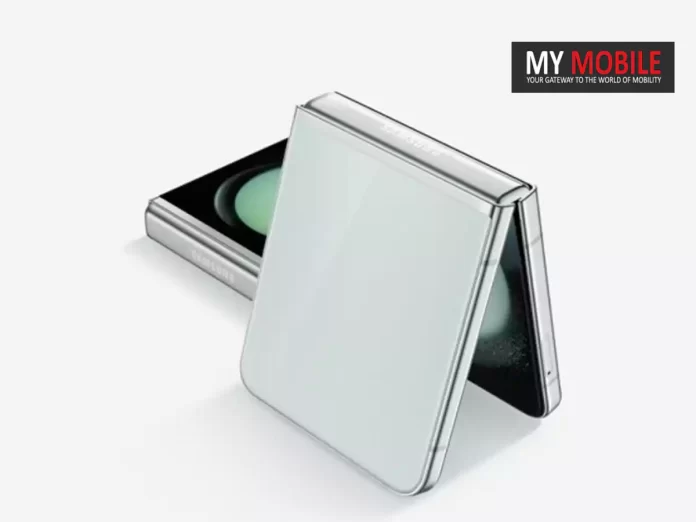
Leaks continue to make their rounds on the net in regards to the highly anticipated Galaxy Z Flip6 from Samsung.

Recent certification listings have revealed some key details about the vertically folding handset.

Flash Forward: Battery Boost Ahead

Samsung-Galaxy-Z-Flip-6-Battery-MySmartPrice-1
WhatsApp Image 2024-05-29 at 12.06.50 PM
Samsung-Galaxy-Z-Flip-6-Battery-MySmartPrice-1 WhatsApp Image 2024-05-29 at 12.06.50 PM

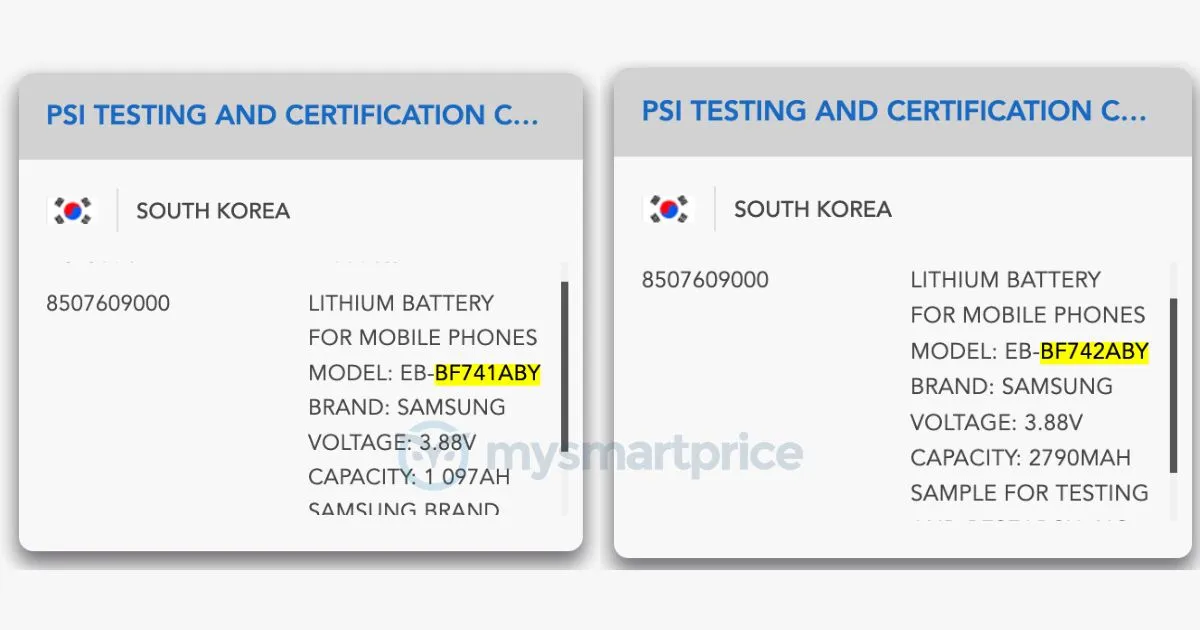
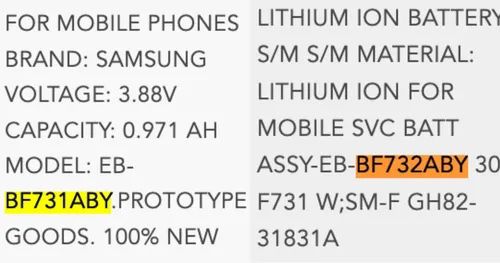
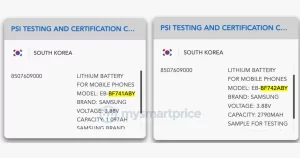
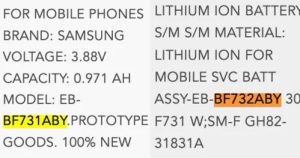
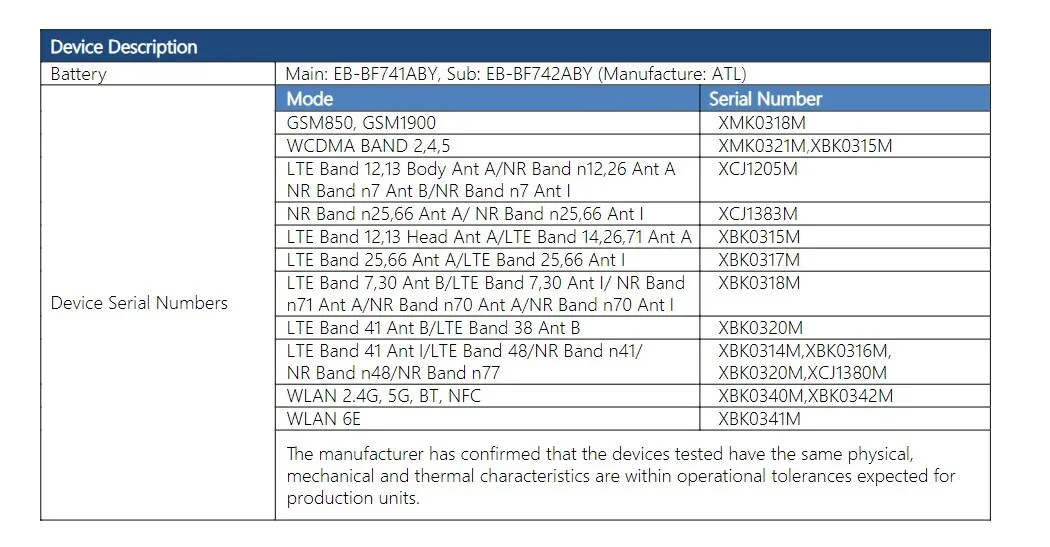
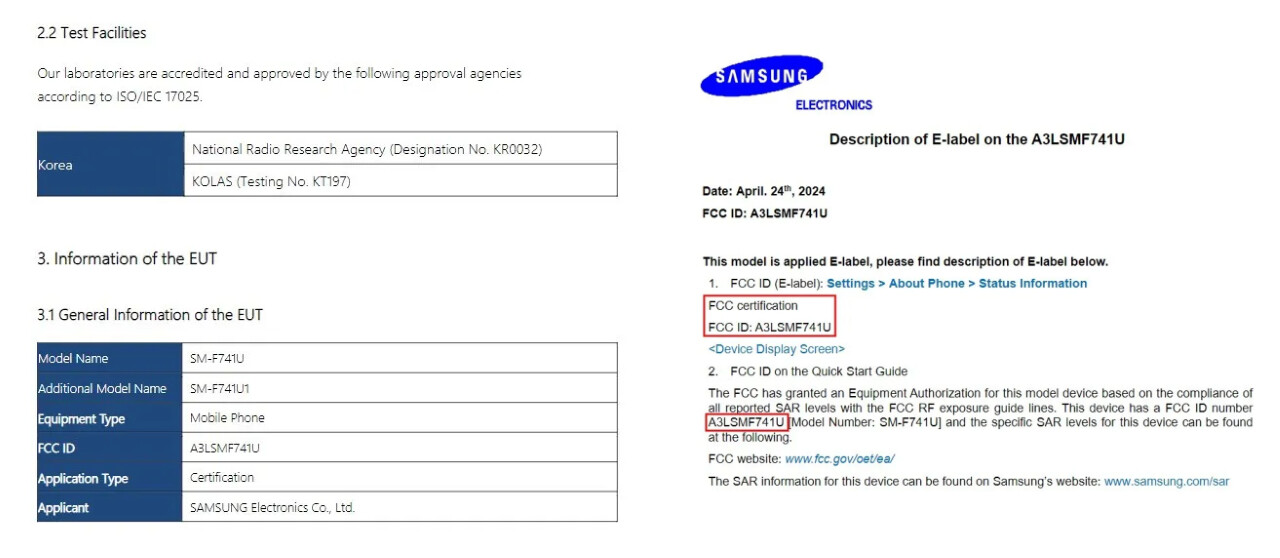
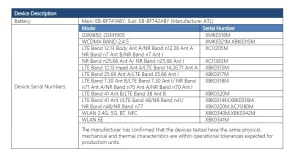
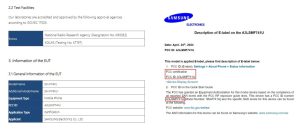
Perhaps the most notable of these is an upgrade to the battery capacity of the Z Flip 6, revealed by FCC and PSI certifications.

The device is to feature a dual-cell setup: one with 1,000mAh and the other with 2,790mAh rated batteries, adding up to a combined 3,790mAh rated capacity.

11
1716958239_samsung-sm-f741u-fcc-1
The certification reveals that Samsung will equip the Galaxy Z Flip 6 with a 3,790mAh rated battery
11 1716958239_samsung-sm-f741u-fcc-1 The certification reveals that Samsung will equip the Galaxy Z Flip 6 with a 3,790mAh rated battery

While Samsung could market this as either a 3,900mAh or 4,000mAh typical battery, the bump from the preceding Z Flip5’s 3,591mAh-rated capacity doesn’t seem like much of an upgrade at just under 300mAh.

Of course, the hope is that the supposed Snapdragon 8 Gen 3 chipset might be efficient enough in power to derive better endurance.

Z Flip 5 Z Flip 6
Battery 1 971mAh 1097mAh
Battery 2 2620mAh 2790mAh
Total Capacity 3591mAh 3887mAh
Marketed As 3700mAh 4000mAh (Expected)

Revamped Cameras, Sleeker Design

Galaxy Z Flip6 to feature a dual-cell battery setup totalling 3,790mAh

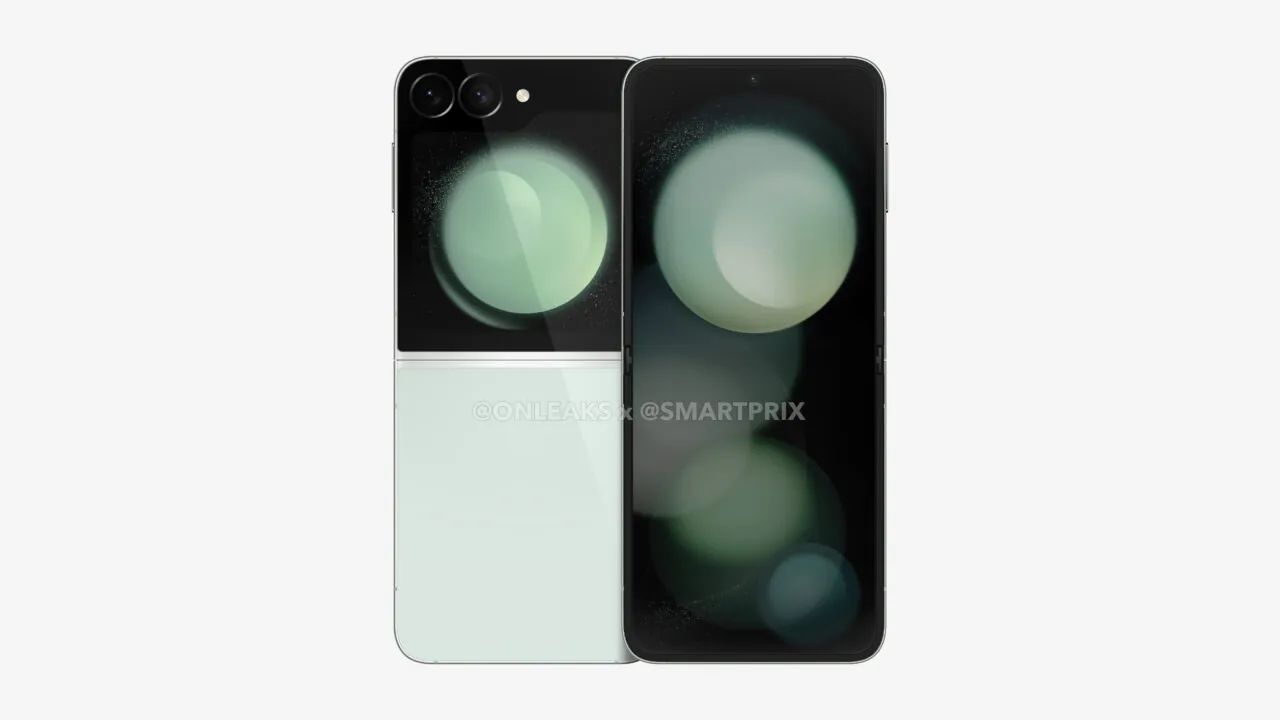
Apart from the battery, recent leaks hint at camera and design upgrades for Samsung’s next clamshell foldable.

For example, the Z Flip 6 might come equipped with a 50MP primary camera—a notable upgrade over its predecessor’s imaging hardware.

recent leaks hint at camera and design upgrades for Samsung's next clamshell foldable
Rrecent leaks hint at camera and design upgrades for Samsung’s next clamshell foldable

Moreover, the phone could rock a thicker folding display to minimize the dreaded crease when unfolded.

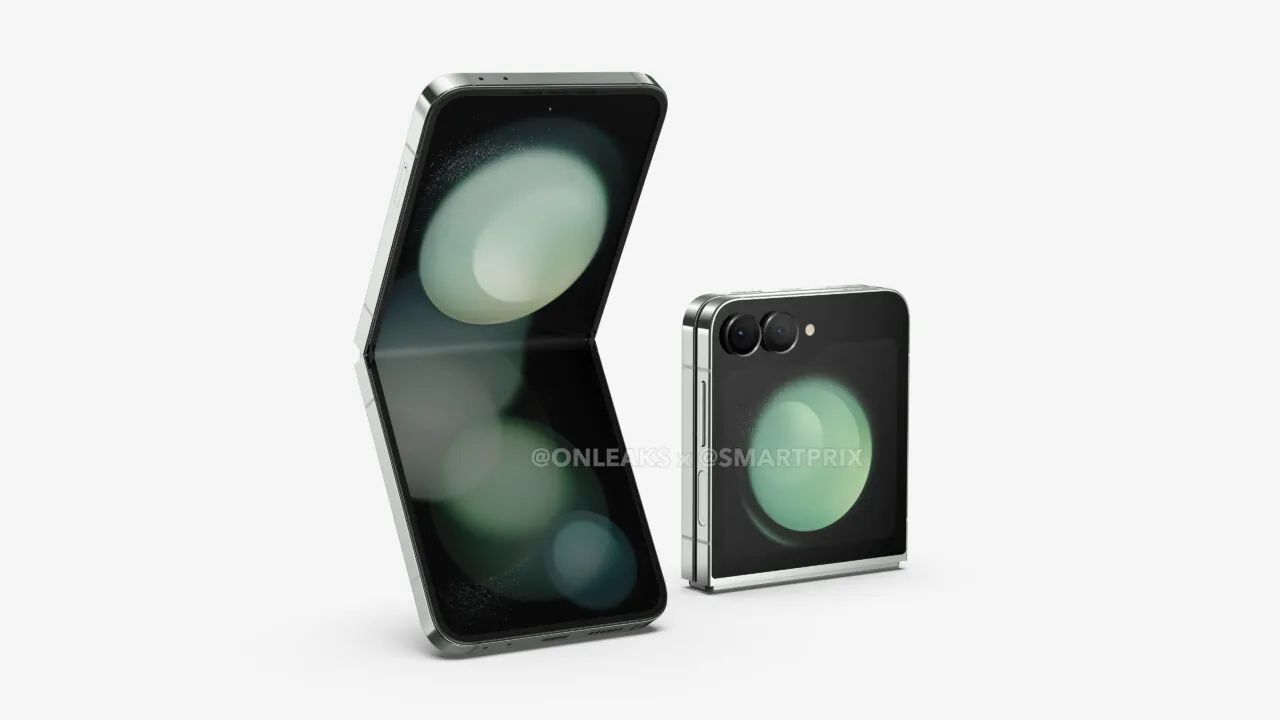
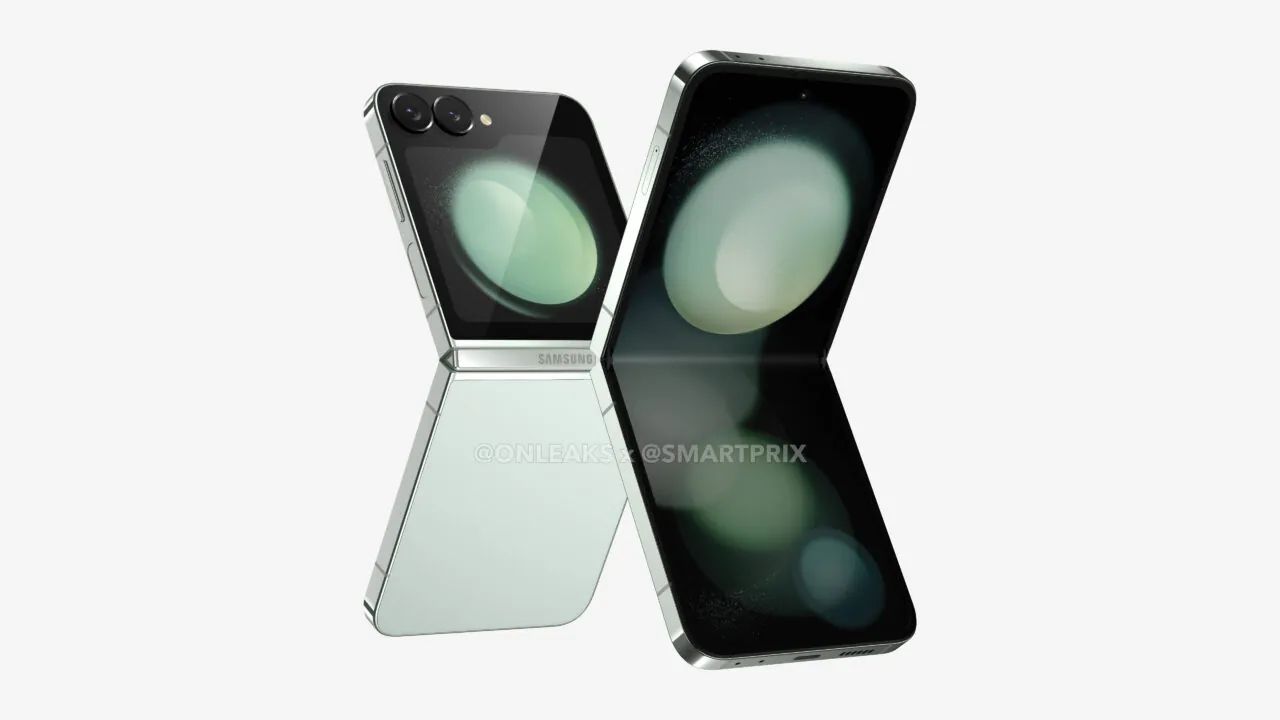
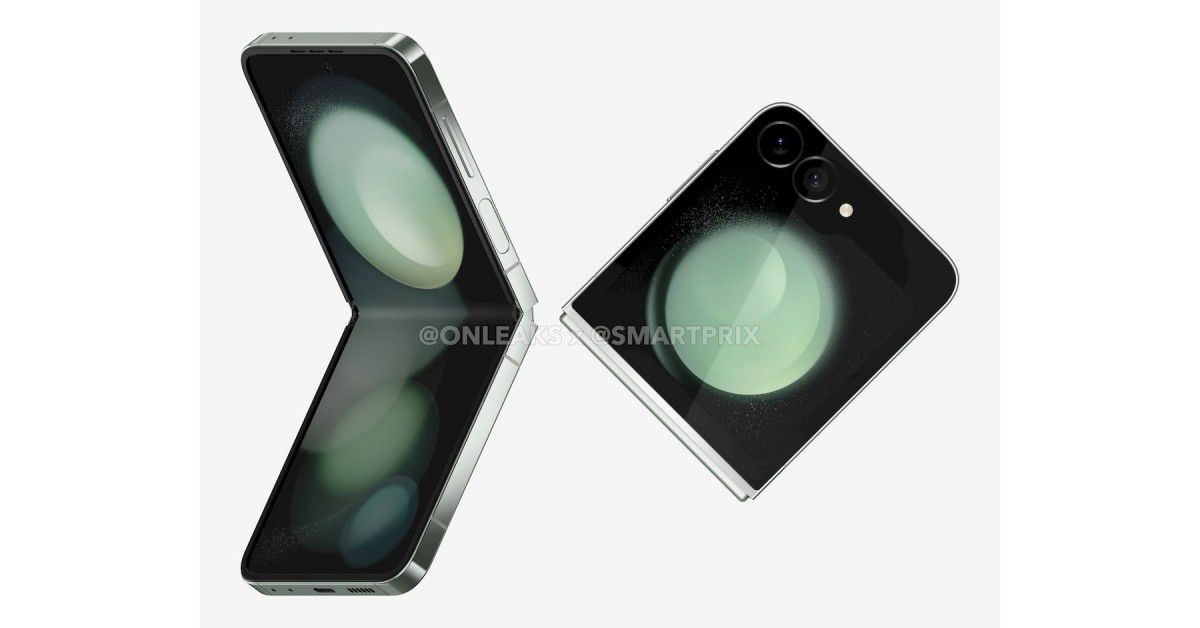
On the design front, third-party case renders have already provided a look at what the Z Flip6 will likely look like.

Z Flip 6 might come equipped with a 50MP primary camera
Samsung Galaxy Z Flip 6 might come equipped with a 50MP primary camera

The upcoming foldable will also be expected to have support for 25W wired charging, Wi-Fi 6E, NFC, Bluetooth 5.4, and more.

Galaxy Ring Details Emerge

1716958169_samsung-galaxy-ring-fcc_story
Samsung-Galaxy-Ring-FCC
Samsung-Galaxy-Ring-FCC-2
Samsung-Galaxy-Ring-FCC-1
Samsung-Galaxy-Ring-FCC-3
Samsung-Galaxy-Ring-label
1716958169_samsung-galaxy-ring-fcc_story Samsung-Galaxy-Ring-FCC Samsung-Galaxy-Ring-FCC-2 Samsung-Galaxy-Ring-FCC-1 Samsung-Galaxy-Ring-FCC-3 Samsung-Galaxy-Ring-label

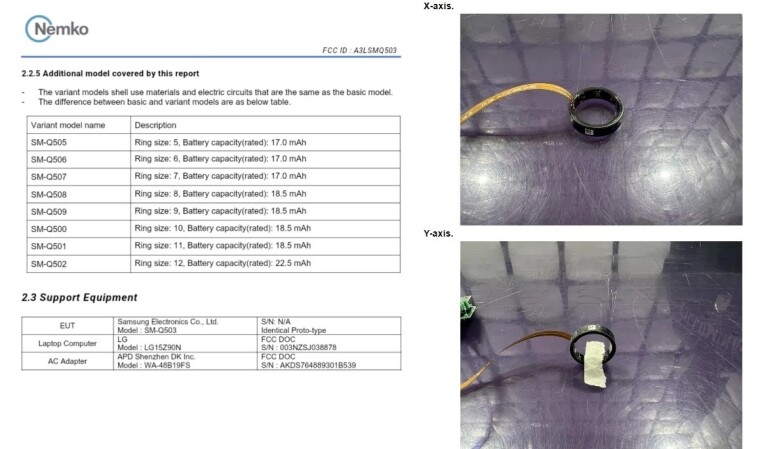
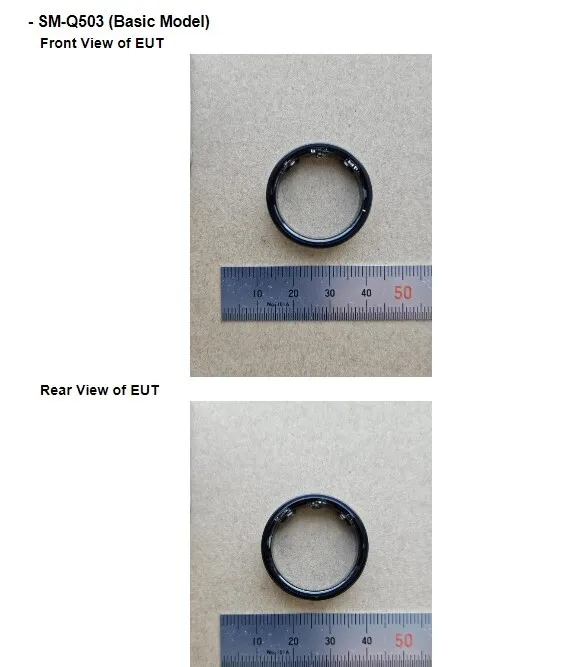
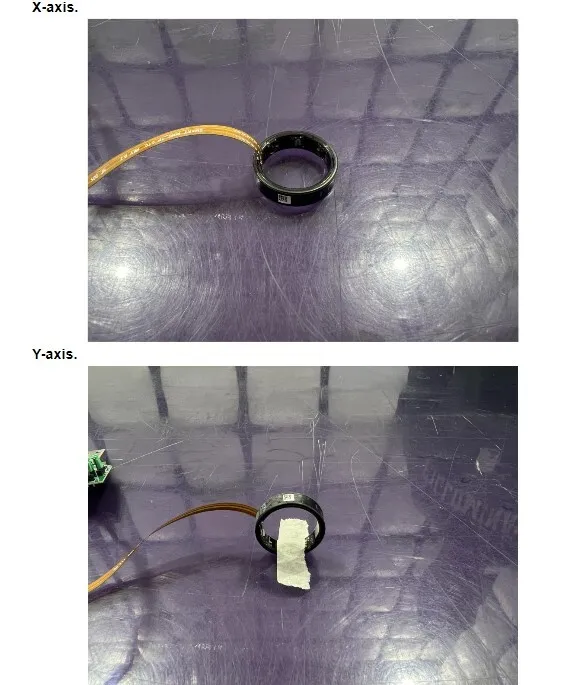
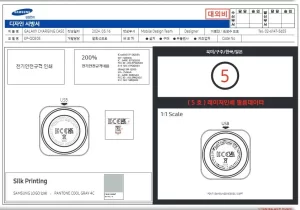
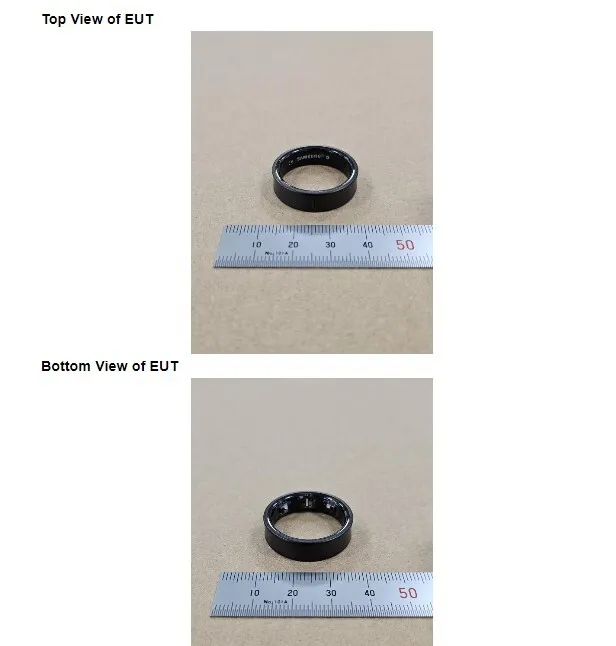
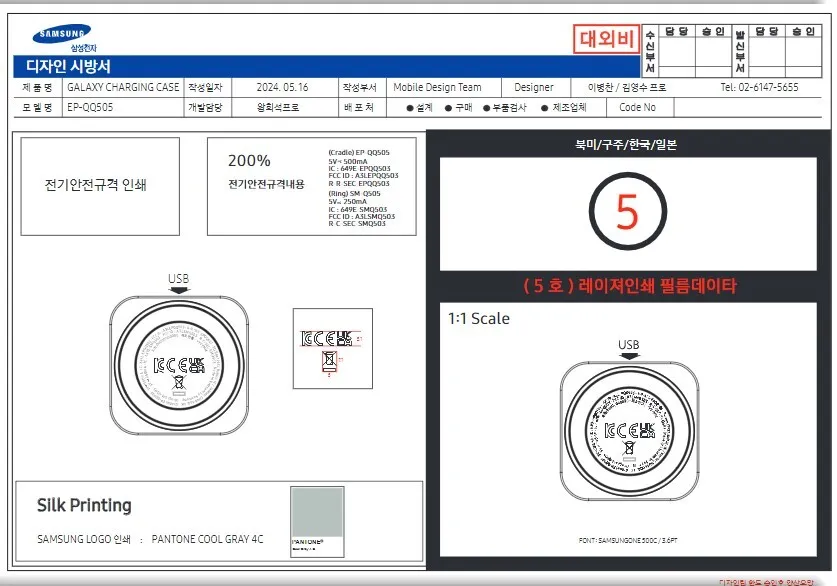
Details on Samsung’s mysterious Galaxy Ring wearable have leaked, alongside the Z Flip6.

According to the report, the fitness band will arrive as the SM-Q503 model in sizes between 5 to 12 and the battery capacity will scale from 17mAh to 22.5mAh, depending on the size.

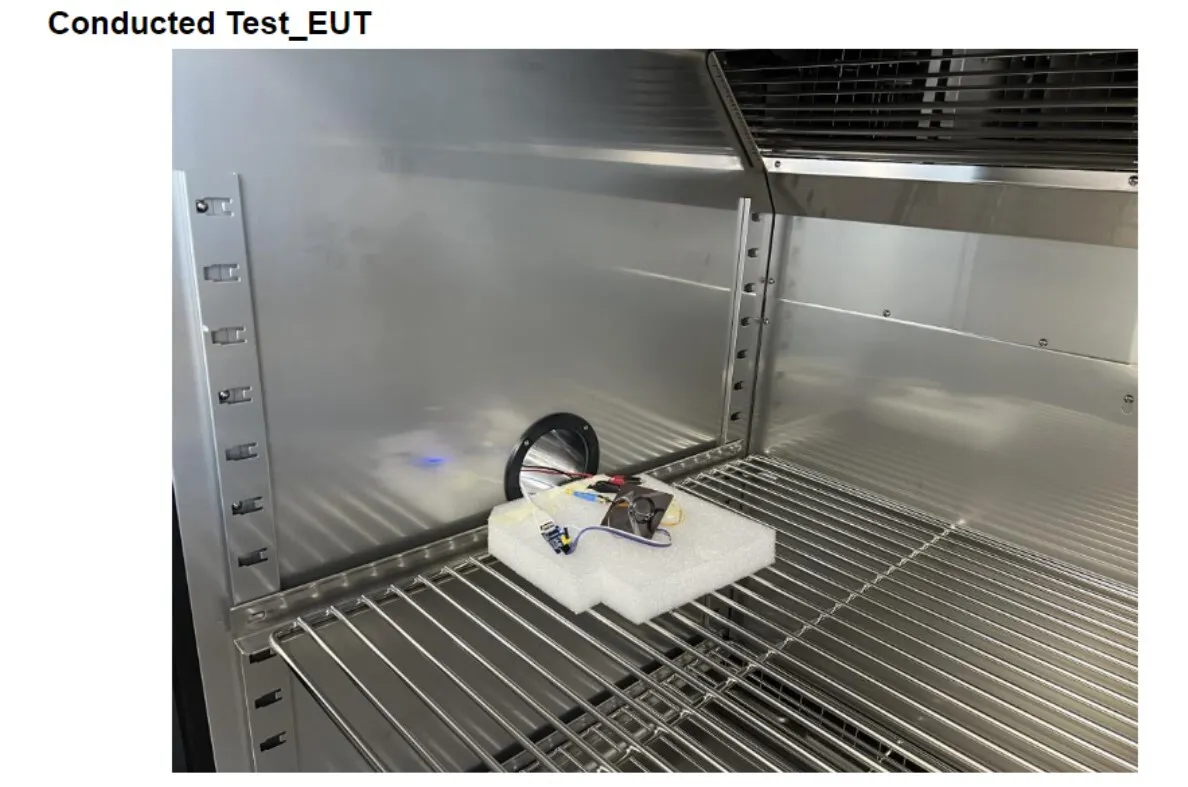
Newly leaked images show the Galaxy Ring in a sleek black colour option, while the FCC listing confirms Bluetooth LE and Bluetooth 5.4 for seamless connectivity.

Unpacked in July

Unpacked event in July to showcase Z Flip6, Z Fold6, and more

If the rumour mill is to be believed, Samsung could take the wraps off its entire next-gen foldable portfolio, including the Z Flip6, Z Fold6, Galaxy Buds3 Pro, and Galaxy Watch7 series, at its annual Unpacked event expected to unfold in July in Paris.

As the launch nears, more concrete information will likely surface, giving consumers a clearer picture of what to expect from Samsung’s latest innovations in the foldable space.

Samsung Galaxy Z Flip 6 Specs

GENERAL

Sim Type Single Sim, GSM
Dual Sim No
Sim Size Nano-SIM +eSIM
Device Type Smartphone
Release Date July 26, 2024 (Expected)

DESIGN

Design Type Flip (Clamshell)

DISPLAY

Type Color Dynamic AMOLED 2x (1B Colors)
Touch Yes
Size 6.7 inches, 1080 x 2640 pixels
PPI ~ 426 PPI
Screen to Body Ratio ~ 85.4%
Glass Type Corning Gorilla Glass Victus Plus
Features HDR10+, 1200 nits (peak)
Notch Yes, Punch Hole
Foldable Display Yes
Dual Display Yes, Super AMOLED, 3.4 inches, 260 x 512 pixels, 302 PPI

MEMORY

RAM 12 GB
Storage 256 GB
Storage Type UFS 4.0
Card Slot No

CONNECTIVITY

GPRS Yes
EDGE Yes
3G Yes
4G Yes
5G Yes
VoLTE Yes, Dual Stand-By
Vo5G Yes
Wifi Yes, with wifi-hotspot
Bluetooth Yes, v5.3, A2DP, LE
USB Yes, USB-C v3.1
USB Features USB Tethering, USB on-the-go, USB Charging

EXTRA

GPS yes with A-GPS, Galileo, Glonass, BeiDou
Fingerprint Sensor Yes, Side
Face Unlock Yes
Sensors Accelerometer, Gyro Sensor, Geomagnetic Sensor, Hall Sensor, Light Sensor, Proximity Sensor
NFC Yes
Water Resistance Yes, 1.5 m upto 30 min
IP Rating IPX8

CAMERA

Rear Camera 12 MP f/1.8 (Wide Angle)
12 MP f/2.2 (Ultra Wide)
12 MP (Telephoto) with autofocus
Features HDR, Panorama, HDR10+
Video Recording 8K, 4K, 1080p
Flash Yes, LED
Front Camera Punch Hole 12 MP f/2.4 (Wide Angle)
Front Video Recording 4K @ 30 fps UHD

TECHNICAL

OS Android v14
Custom UI OneUi 6
Chipset Qualcomm Snapdragon 8 Gen3
CPU 3.3 GHz, Octa Core Processor
Core Details 1xCortex-X4@3.3 GHz & 5xCortex-A720@3.2 GHz & 2x Cortex-A520@2.3 GHz
GPU Adreno GPU
Java No
Browser Yes

MULTIMEDIA

Email Yes
Music MP3, M4A, 3GA, AAC, OGG, OGA, WAV, AMR, AWB, FLAC, MID, MIDI, XMF, MXMF, IMY, RTTTL, RTX, OTA, APE, DSF, DFF
Video MP4, M4V, 3GP, 3G2, AVI, FLV, MKV, WEBM
FM Radio No
Document Reader Yes

BATTERY

Type Non-Removable Battery
Size 4000 mAh, Li-ion Battery
Fast Charging Yes, 25W Fast Charging
Wireless Charging Yes, 15W
Reverse Charging Yes, 4.5W

FAQs

What is the expected battery capacity of the Samsung Galaxy Z Flip6?

The Galaxy Z Flip6 is expected to feature a dual-cell battery setup with a combined capacity of 3,790mAh, which Samsung may market as either 3,900mAh or 4,000mAh.

What camera upgrades are anticipated for the Galaxy Z Flip6?

The Galaxy Z Flip6 is rumoured to include a 50MP primary camera, marking a significant upgrade from its predecessor’s camera hardware.

What design improvements are expected in the Galaxy Z Flip6?

The Galaxy Z Flip6 is expected to have a thicker folding display to minimize the crease when unfolded and a sleeker overall design.

What additional features will the Galaxy Z Flip6 support?

The Galaxy Z Flip6 is anticipated to support 25W wired charging, Wi-Fi 6E, NFC, Bluetooth 5.4, and other modern connectivity options.

When will the Samsung Galaxy Z Flip6 be launched?

The Galaxy Z Flip6 is expected to be unveiled at Samsung’s Unpacked event in July 2024 in Paris, along with other next-gen devices.

What other devices are expected to be launched alongside the Galaxy Z Flip6?

Alongside the Galaxy Z Flip6, Samsung is likely to launch the Z Fold6, Galaxy Buds3 Pro, Galaxy Watch7 series, and possibly the new Galaxy Ring wearable.

Also Read: Samsung Galaxy Ring With ECG, Wireless Payments to Reportedly Launch in July 2024

Also Read: Samsung Galaxy Ring Set to Shine at MWC 2024: What You Need to Know

Also Read: Samsung Galaxy Z Fold 6 Could Feature External S Pen Storage Suggest Leaked Renders

Also Read: Samsung Galaxy Z Fold 6 Rumours: Everything We Know About the Upcoming Foldable

Also Read: Samsung Galaxy Buds2 Pro Review: A Solid Option in the Premium League

Realme GT 7 Pro India Launch Confirmed: What to Expect 

0

Highlights

  • Realme GT 7 Pro confirmed for India launch by VP Chase Xu.
  • Global launch scheduled before the end of 2024.
  • Successor to the rumoured GT 6 Pro, which may launch in October.
  • GT 6 series to feature novel battery tech and curved display.

Realme has now officially confirmed that its GT 7 Pro flagship smartphone will be coming to India later this year.

The confirmation comes from the horse’s mouth, i.e., Chase Xu, Vice President of Realme, when he was asked on social media.

On being asked why the brand did not bring the GT 5 Pro to India, Xu replied, “this year, we will launch GT7 Pro in India.”

He said that GT 7 Pro will have a global launch before the end of 2024.

For the India Launch, It’s a Waiting Game

Realme GT 7 Pro Confirmed to Launch in India

While comments from Xu only confirm that GT 7 Pro is bound to come to India, Indian consumers will have to wait till the end of the year for the actual launch to happen.

No details about the device’s specifications or pricing were shared.

Interestingly, the naming of the GT 7 Pro would suggest that it is a successor to a yet-to-be-announced GT 6 Pro.

That’s a bit confusing to say the least.

According to rumours, the GT 6 Pro might be launched closer to October and may bring a large 6,000mAh battery and the upcoming Snapdragon 8 Gen 4.

GT 6 With Novel Battery Tech

Realme GT 7 Pro could go official by the end of 2024
Chase Xu confirmed that Realme will launch GT 7 Pro in India this year

Besides the GT 6 Pro, Realme also works on the standard GT 6 flagship.

It’s tipped to boast new-gen silicon negative electrode batteries of a high-energy density paired with 100W fast charging.

There are also rumors of a curved display.

The naming strategy for Realme’s upcoming GT series flagships is a bit confusing, as the successors seem to be announced before the predecessors.

The brand will likely be able to share more concrete details and a clearer roadmap for such launches in the coming months.

Heating Up the Competition

Realme GT 7 Pro could go official by the end of 2024

With the GT 7 Pro, Realme is trying to strengthen its flagship offerings and lock horns with other brands such as OnePlus, Samsung, and Xiaomi in the premium smartphone segment of India.

Aggressive pricing of the GT series could give Realme the benefit over competitors when it eventually arrives.

FAQs

When will the Realme GT 7 Pro launch in India?

The Realme GT 7 Pro is confirmed to launch in India by the end of 2024, following its global launch.

Why did Realme skip launching the GT 5 Pro in India?

Realme VP Chase Xu stated that instead of the GT 5 Pro, the brand will be launching the GT 7 Pro in India this year.

What can we expect from the Realme GT 6 Pro?

The Realme GT 6 Pro is rumoured to feature a large 6,000mAh battery and the upcoming Snapdragon 8 Gen 4 processor, with a potential launch in October.

What innovative features are expected in the Realme GT 6 series?

The Realme GT 6 series is expected to include new-gen silicon negative electrode batteries with high-energy density, 100W fast charging, and a curved display.

How is Realme positioning the GT 7 Pro in the Indian market?

Realme aims to strengthen its flagship offerings with the GT 7 Pro, competing against brands like OnePlus, Samsung, and Xiaomi in the premium segment.

Also Read: Realme GT 5 to be Realme’s Upcoming Snapdragon 8 Gen 2 Phone

Also Read: Realme GT 5: Confirmed To Be Ushering Into An Era Of 24GB RAM and More

POCO M6 Plus 5G Set for June Launch in India: Specs, Features, and Expected Pricing

0
POCO M6 Plus 5G Set for June Launch in India: Specs, Features, and Expected Pricing
he device is powered by the Qualcomm Snapdragon 4 Gen 2 AE SoC

Highlights

  • POCO M6 Plus 5G spotted on BIS database, indicating June 2024 release.
  • Expected to be a rebranded Redmi Note 13R with Snapdragon 4 Gen 2 processor.
  • Features may include a 6.79-inch 120Hz display and 5,030mAh battery.
  • Anticipated price range under Rs 15,000 to compete with budget 5G smartphones.

POCO released the POCO M6 5G smartphone in India a few months ago, and it now appears that the firm is preparing to introduce another addition to its inexpensive M-series lineup: the POCO M6 Plus 5G.

POCO M6 Plus 5G on HyperOS Code with model number “N19” and codename “breeze“

The impending handset has been discovered on the Bureau of Indian Standards (BIS) certification database, ahead of its official release.

BIS Listing Hints of June Launch

POCO M6 Plus 5G spotted on BIS database, indicating June 2024 release

According to the BIS listing, the POCO M6 Plus 5G model number is 24065PC95I.

Notably, the “2406” string in the model number means that the smartphone could be released in India as early as next month, in June 2024.

The POCO M6 Plus 5G model number is 24065PC95I


Apart from the model number, the listing provides no further information.

Rebranded Redmi Note 13R Expected

Expected to be a rebranded Redmi Note 13R with Snapdragon 4 Gen 2 processor

According to recent speculations, the POCO M6 Plus 5G is anticipated to be a rebranded version of Xiaomi’s newly introduced Redmi Note 13R smartphone.

POCO frequently rebrands numerous of its services in India.

If the M6 Plus 5G is a rebranded Redmi Note 13R, we can anticipate it to include a 6.79-inch 120Hz Full HD+ LCD display, a Snapdragon 4 Gen 2 processor, and a 5,030mAh battery with 33W fast charging capabilities.

Camera specifications could include a 50MP primary rear camera and an 8MP front-facing camera.

Other rumoured features include a side-mounted fingerprint scanner, Android 14-based HyperOS overlay, and a weight of approximately 205 grams.

Pricing and Positioning

Expected to be a rebranded Redmi Note 13R with Snapdragon 4 Gen 2 processor
POCO hopes to expand its cheap 5G lineup and capitalize on the growing demand

POCO hasn’t announced pricing specifics yet, but if the company follows its normal strategy, the M6 Plus 5G should be priced aggressively in the sub-Rs 15,000 range to compete with rivals such as the Redmi Note 12 series and Samsung’s inexpensive Galaxy A-series phones.

With the M6 Plus 5G, POCO hopes to expand its cheap 5G lineup and capitalize on the growing demand for affordable future-proof smartphones in India’s extremely competitive market.

POCO M6 Plus SPECIFICATIONS

Key Specs

RAM 4 GB
Processor Qualcomm Snapdragon 4 Gen 2
Rear Camera 50 MP + 2 MP
Front Camera 5 MP
Battery 5000 mAh
Display 6.79 inches (17.25 cm)

General

Launch Date August 5, 2023 (Expected)
Operating System Android v13
Custom UI MIUI

Performance

Chipset Qualcomm Snapdragon 4 Gen 2
CPU Octa core (2.2 GHz, Dual core, Kryo + 2 GHz, Hexa Core, Kryo)
Architecture 64 bit
Fabrication 4 nm
Graphics Adreno 613
RAM 4 GB


Display

Display Type IPS LCD
Screen Size 6.79 inches (17.25 cm)
Resolution 1080 x 2460 pixels
Aspect Ratio 20:9
Pixel Density 396 ppi
Screen to Body Ratio (calculated) 85.24 %
Bezel-less display Yes with punch-hole display
Touch Screen Yes, Capacitive Touchscreen, Multi-touch
Refresh Rate 90 Hz

Design

Height 168.6 mm Compare Size 
Width 76.3 mm
Thickness 8.2 mm
Weight 199 grams
Waterproof Yes, Splash proof, IP53
Ruggedness Dust proof

Camera

MAIN CAMERA
Camera Setup Dual
Resolution 50 MP, Primary Camera
2 MP, Depth Camera
Autofocus Yes
Flash Yes, LED Flash
Image Resolution 8150 x 6150 Pixels
Settings Exposure compensation, ISO control
Shooting Modes Continuous Shooting
High Dynamic Range mode (HDR)
Camera Features Digital Zoom
Auto Flash
Face detection
Touch to focus
FRONT CAMERA
Camera Setup Single
Resolution 5 MP, Primary Camera


Battery

Capacity 5000 mAh
Type Li-Polymer
Removable No
Quick Charging Yes, Fast, 18W
USB Type-C Yes

Storage

Internal Memory 128 GB
Expandable Memory Yes, Up to 1 TB

Network & Connectivity

SIM Slot(s) Dual SIM, GSM+GSM
SIM Size SIM1: Nano, SIM2: Nano (Hybrid)
Network Support 5G Not Supported in India, 4G Supported in India, 3G, 2G
VoLTE Yes
SIM 1
4G Bands:
TD-LTE 2300(band 40)
FD-LTE 1800(band 3)
3G Bands:
UMTS 1900 / 2100 / 850 / 900 MHz
2G Bands:
GSM 1800 / 1900 / 850 / 900 MHz
GPRS:
Available
EDGE:
Available
SIM 2
4G Bands:
TD-LTE 2300(band 40)
FD-LTE 1800(band 3)
3G Bands:
UMTS 1900 / 2100 / 850 / 900 MHz
2G Bands:
GSM 1800 / 1900 / 850 / 900 MHz
GPRS:
Available
EDGE:
Available
Wi-Fi Yes, Wi-Fi 5 (802.11 a/b/g/n/ac) 5GHz
Wi-Fi Features Mobile Hotspot
Bluetooth Yes, v5.3
GPS Yes with A-GPS
USB Connectivity Mass storage device, USB charging


Multimedia

Loudspeaker Yes
Audio Jack 3.5 mm

Sensors

Fingerprint Sensor Yes
Fingerprint Sensor Position Side
Other Sensors Light sensor, Proximity sensor, Accelerometer, Gyroscope

FAQs

When is the POCO M6 Plus 5G expected to launch in India?

The POCO M6 Plus 5G is expected to launch in India in June 2024, as indicated by the BIS listing.

What could be the key specifications of the POCO M6 Plus 5G?

If it is a rebranded Redmi Note 13R, the POCO M6 Plus 5G may feature a 6.79-inch 120Hz Full HD+ LCD display, Snapdragon 4 Gen 2 processor, 5,030mAh battery, and 33W fast charging.

What are the expected camera features of the POCO M6 Plus 5G?

The smartphone is anticipated to have a 50MP primary rear camera and an 8MP front-facing camera.

How much is the POCO M6 Plus 5G likely to weigh?

The POCO M6 Plus 5G is rumored to weigh approximately 205 grams.

What is the expected price range for the POCO M6 Plus 5G in India?

The POCO M6 Plus 5G is expected to be priced under Rs 15,000 to compete with budget 5G smartphones like the Redmi Note 12 series and Samsung Galaxy A-series.

Also Read: POCO M6 5G Goes on Sale in India on Flipkart with Special Offers

Also Read: POCO M6 vs POCO M6 Pro: Which is the Best Budget 5G Phone in India?

Also Read: POCO M6 5G First Impressions: An Impressive Entry in the Budget 5G Segment?

Redmi A3x India Launch on the Cards After Being Spotted on Google Play Device Catalogue

0
Redmi A3x India Launch on the Cards After Being Spotted on Google Play Device Catalogue

Highlights

  • Redmi A3x listed on Google’s Play Supported Devices catalogue, indicating imminent India launch.
  • Powered by UniSoc T603 chipset with 3GB RAM and Mali-G57 GPU.
  • Features a 6.71-inch 90Hz display and 5,000mAh battery with USB-C charging.
  • Expected to be priced in the sub-Rs 10,000 segment to compete with rivals.

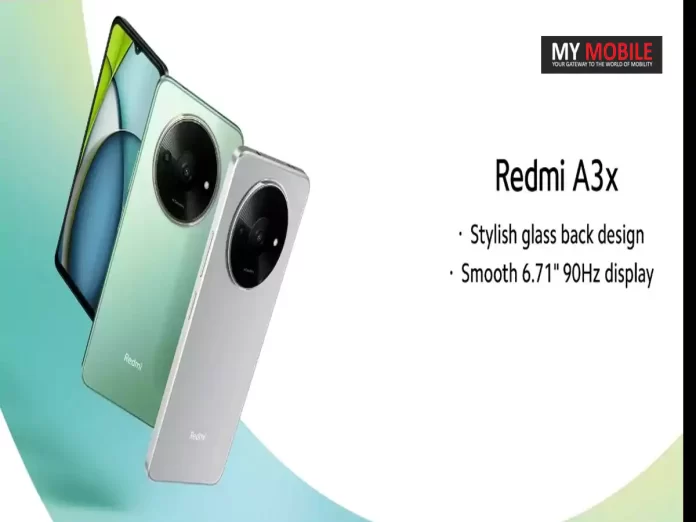
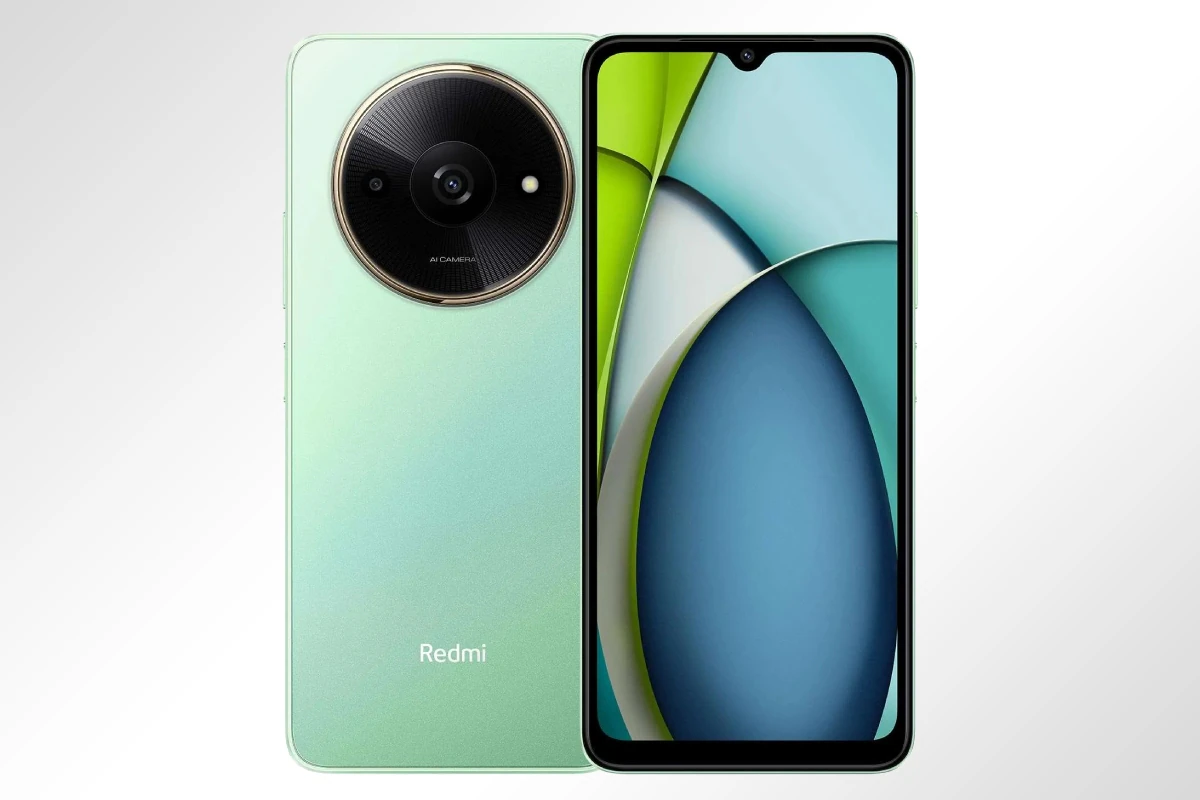
Xiaomi’s sub-brand, Redmi, recently took the wraps off the Redmi Ax3, an entry-level smartphone that is a more affordable variant of the Redmi A3.

The device launched first in Pakistan, but it seems Xiaomi is lining up the Redmi A3 to land in India as well.

Redmi A3x Spotted on Play Supported Devices List

Redmi A3x India Launch on the Cards After Being Spotted on Google Play Device Catalogue

The Indian variant of the Redmi A3x has been spotted listed on Google’s Play Supported Devices catalogue, thus hinting at an imminent launch.

The India variant is listed as the model number 24048RN6CI, while the global variant has the model number 24048RN6CG.

The India variant is listed as the model number 24048RN6CI

While the listing doesn’t reveal any specs, the similarity in model numbers suggests the Indian Redmi A3x will likely share most hardware specs with the global variant unveiled in Pakistan.

Redmi A3x: Specification and Features

Redmi A3x listed on Google's Play Supported Devices catalogue, indicating imminent India launch
Redmi A3x listed on Google’s Play Supported Devices catalogue, indicating imminent India launch

The refreshment of the Redmi A3x is fitted with a UniSoc T603 chipset, 3GB of RAM, and a Mali-G57 GPU.

It sports a 6.71-inch 90Hz display with Gorilla Glass 3 protection.

Camera duties are handled by an 8MP rear sensor and a 5MP front shooter.

There is also a 5,000mAh battery on this entry-level phone with USB-C charging, a fingerprint scanner mounted on the side, and weighs 193g.

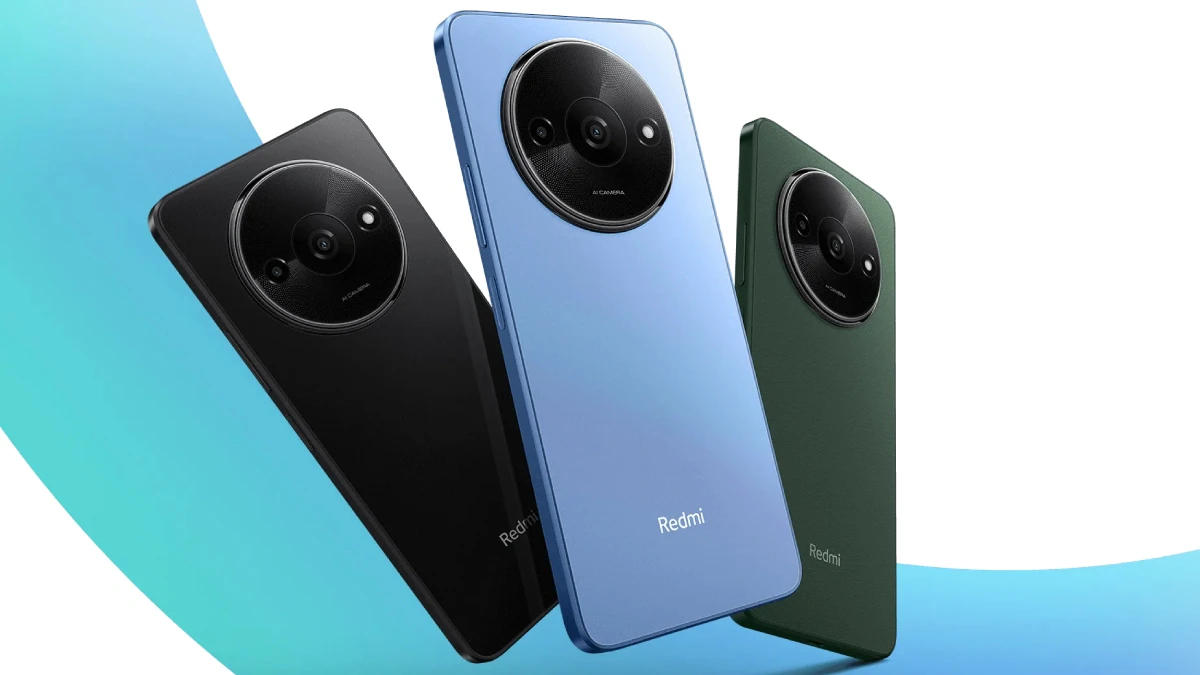
The phone will be available in shades of Moonlight White, Aurora Green, and Midnight Black.

Pricing and Availability

Expected to be priced in the sub-Rs 10,000 segment to compete with rivals

Xiaomi hasn’t revealed pricing or availability details for the Redmi A3x’s India launch yet.

However, going by the specs, it should be positioned in the affordable sub-Rs 10,000 segment to take on rivals like the recently launched Lava Blaze 5G.

Here’s a quick specs comparison between the Redmi A3x and the Redmi A3.

Xiaomi Redmi A3X
Xiaomi Redmi A3
₹ 5,490
₹ 6,949
Processor Unisoc MediaTek Helio G36
Display 6.71″ (17.04 cm)
90Hz Display
6.7″ (17.02 cm)
90Hz Display
Rear Camera 8+0.08 MP Rear 8+0.08+2 MP Rear
Front Camera 5 MP Front 5 MP Front
RAM & Storage 3 GB RAM
64 GB Storage
3 GB RAM
64 GB Storage
Battery 5000 mAh
10W Charging
5000 mAh
10W Charging
OS Android v14 Android v13

Xiaomi Redmi A3x Specs

GENERAL

Sim Type Dual Sim, GSM+GSM
Dual Sim Yes
Sim Size Nano SIM
Device Type Smartphone
Release Date May 24, 2024

DESIGN

Colors Midnight Black, Moonlight White, Aurora Green

DISPLAY

Type Color IPS Screen (16M Colors)
Touch Yes
Size 6.71 inches, 720 x 1650 pixels, 90 Hz
Aspect Ratio 20.5:9
PPI ~ 268 PPI
Screen to Body Ratio ~ 82.9%
Glass Type Corning Gorilla Glass 3
Notch Yes, Water Drop Notch

MEMORY

RAM 3 GB
Expandable RAM Upto 3 GB Extra Virtual RAM
Storage 64 GB
Card Slot Yes, upto 1 TB

CONNECTIVITY

GPRS Yes
EDGE Yes
3G Yes
4G Yes
VoLTE Yes, Dual Stand-By
Wifi Yes, with wifi-hotspot
Wifi Version 802.11 a/b/g/n/ac, 2.4GHz/5GHz
Bluetooth Yes
USB Yes, USB-C
USB Features USB Tethering, USB on-the-go, USB Charging
IR Blaster No

EXTRA

GPS Yes, with GPS, AGPS, Glonass, Beidou
Fingerprint Sensor Yes, Side
Face Unlock Yes
Sensors Accelerometer
3.5mm Headphone Jack Yes
Splash Resistant Yes
Extra Features eMMC 5.1

CAMERA

Rear Camera 8 MP f/2 (Wide Angle)
0.08 MP (Auxiliary Lens) with autofocus
Features HDR
Video Recording 1080p @ 30 fps FHD
Flash Yes, LED
Front Camera 5 MP f/2.2 (Wide Angle)
Front Video Recording 1080p @ 30 fps FHD

TECHNICAL

OS Android v14
Chipset Unisoc Helio T603
CPU Octa Core Processor
GPU PowerVR GE8320
Java No
Browser Yes, supports HTML5

MULTIMEDIA

Email Yes
Music MP3, AMR, FLAC, APE
Video MP4, M4V. MKV, XVID
FM Radio Yes
Document Reader Yes

BATTERY

Type Non-Removable Battery
Size 5000 mAh
Fast Charging Yes, 10W Fast Charging

FAQs

What is the Redmi A3x?

The Redmi A3x is an entry-level smartphone from Xiaomi’s sub-brand Redmi, featuring a UniSoc T603 chipset, 3GB of RAM, and a 6.71-inch 90Hz display.

Where was the Redmi A3x first launched?

The Redmi A3x was first launched in Pakistan as a more affordable variant of the Redmi A3.

What are the key specifications of the Redmi A3x?

The Redmi A3x includes a UniSoc T603 chipset, 3GB RAM, Mali-G57 GPU, 6.71-inch 90Hz display, 8MP rear camera, 5MP front camera, 5,000mAh battery, and USB-C charging.

What colors will the Redmi A3x be available in?

The Redmi A3x will be available in Moonlight White, Aurora Green, and Midnight Black.

What is the expected price range for the Redmi A3x in India?

While Xiaomi has not revealed the exact pricing, the Redmi A3x is expected to be positioned in the sub-Rs 10,000 segment to compete with rivals like the Lava Blaze 5G.

Also Read: Redmi A3x Likely to Launch in April With Global and Indian Variants

Also Read: Xiaomi Redmi A3 Launched in India: Price, Specs, Features, and More

Samsung to Boost Smartphone Production Through Chinese JDM Partners in 2024

0
Samsung to Boost Smartphone Production Through Chinese JDM Partners in 2024

Highlights

  • Samsung plans to increase JDM smartphone production from 44 million to 67 million units in 2024.
  • Outsourced production to account for 25% of Samsung’s total 270 million unit target.
  • Joint Design Manufacturing involves collective design and shared sales with Chinese partners.
  • Samsung aims to navigate US-China tensions and expand investment in the Chinese market.

Over the years, Samsung has used a process known as Joint Design Manufacturing to partner with firms in China for the manufacturing of smartphones.

This strategy allows the tech giant to cut its production cost by sharing some of the pre-production work with its partners.

Usually, Samsung keeps this trick for its budget class smartphones and not for the high-end flagship models, but it looks like the company wants to make this cooperation with the Chinese firms even closer.

Outsourced Production to Account for 25%

Samsung plans to increase JDM smartphone production from 44 million to 67 million units in 2024
25% of Samsung’s phone production this year is expected to come from outsourced sources

In a report by Korean tech media The Elec, Samsung is planning to increase smartphone production through Chinese JDM partners from 44 million units in the previous year to 67 million units in 2024.

This would mean that outsourced smartphones will account for a quarter of Samsung’s targeted production of 270 million units this year.

In Joint Design Manufacturing, Samsung collaborates with its Chinese partners to handle the design process collectively

At Samsung, in the aspect of Joint Design Manufacturing, it is a process whereby the design process is handled collectively with the Chinese partners.

These partners are then given a percentage from the sales made.
After the design of a JDM smartphone is done, Samsung, being the OEM, proceeds with mass production.

 Chinese Push for Investment

Samsung is planning to increase smartphone production through Chinese JDM partners
Samsung plans to ramp up smartphone production through Chinese JDM partners from 44 million units in the previous year to 67 million units in 2024

Rumours of Samsung ramping up production of smartphones through JDM in China this year have gained steam amid Chinese Premier Li Qiang’s open arms to Samsung Chairman Jay Y. Lee for more investment from the Korean giant in China.
Before a landmark summit involving Li, South Korean President Yoon Suk Yeol, and Japanese Prime Minister Fumio Kishida — the first trilateral talks between the Asian nations in over four years — a meeting took place in Seoul between China’s second highest-ranking official and the Korean executive.

Navigating Tensions

Joint Design Manufacturing involves collective design and shared sales with Chinese partners
Once the design of a JDM smartphone is finalized, Samsung, as the original equipment manufacturer (OEM), proceeds with mass production

It is believed that Samsung has invested $24 billion in the Chinese market during the last six years.

However, the Korean IT behemoth has faced rising challenges amid escalating US-China relations, particularly as it deals with export curbs imposed by Washington to limit China’s access to advanced processors.

Li’s decision to meet with the Samsung CEO is consistent with the thoughts stated by the Chinese leader during an earlier bilateral meeting with Yoon.

During the meeting, he urged Korean firms to enhance their investment and business engagement in China, as well as cooperation between Seoul and Beijing to ensure the stability of industrial supply chains.

FAQs

What is Joint Design Manufacturing (JDM) in the context of Samsung?

Joint Design Manufacturing (JDM) is a process where Samsung collaborates with Chinese partners in the design and pre-production phases of smartphones, sharing sales revenue and mass production responsibilities.

How many smartphones does Samsung plan to produce through JDM in 2024?

Samsung plans to increase its JDM smartphone production to 67 million units in 2024, up from 44 million units the previous year.

What percentage of Samsung’s total production will JDM smartphones account for in 2024?

JDM smartphones will account for 25% of Samsung’s targeted production of 270 million units in 2024.

Why is Samsung increasing its JDM production in China?

Samsung is increasing its JDM production in China to reduce costs, enhance investment in the Chinese market, and navigate the challenges posed by escalating US-China relations.

What was the outcome of the meeting between Chinese Premier Li Qiang and Samsung Chairman Jay Y. Lee?

The meeting aimed to encourage increased investment from Samsung in China and strengthen cooperation between South Korea and China to ensure stable industrial supply chains.

Also Read: Samsung Electronics Eyes Mass Production; Chip Manufacturing

Also Read: Samsung To Likely Start Mass Production of LPDDR5T Chips by 2024