Home Blog Page 541

iPhone 16 Series Rumoured Battery Capacities Revealed Signalling A Potential Shift in Longevity

0
iPhone 16 Series Case Leaks Suggest Design Overhaul and New Features

Highlights

  • iPhone 16 Pro models expected to feature larger batteries.
  • Rumoured capacity increase to 3,355mAh for iPhone 16 Pro.
  • iPhone 16 Plus might see a battery size reduction to 4,006mAh.
  • Regular iPhone 16 anticipated to have a slight battery capacity bump.

As Apple gears up to launch its next-generation iPhone 16 series later this year, leaks are starting to emerge about the potential battery capacities across the lineup.

While some models may get bigger batteries, others could see a reduction compared to their iPhone 15 counterparts.

Larger Batteries for iPhone 16 Pro Models?
Larger Batteries for iPhone 16 Pro Models?

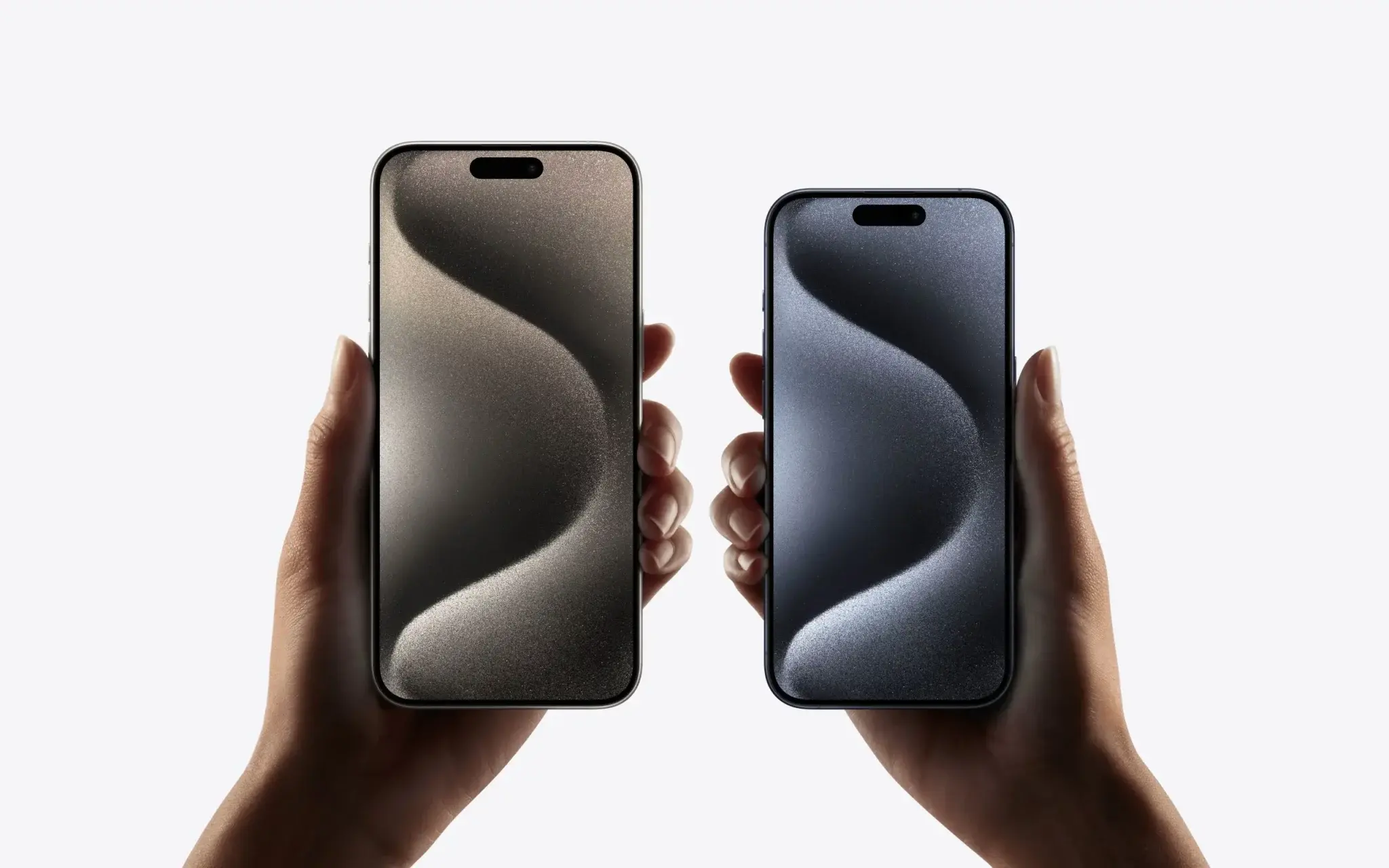
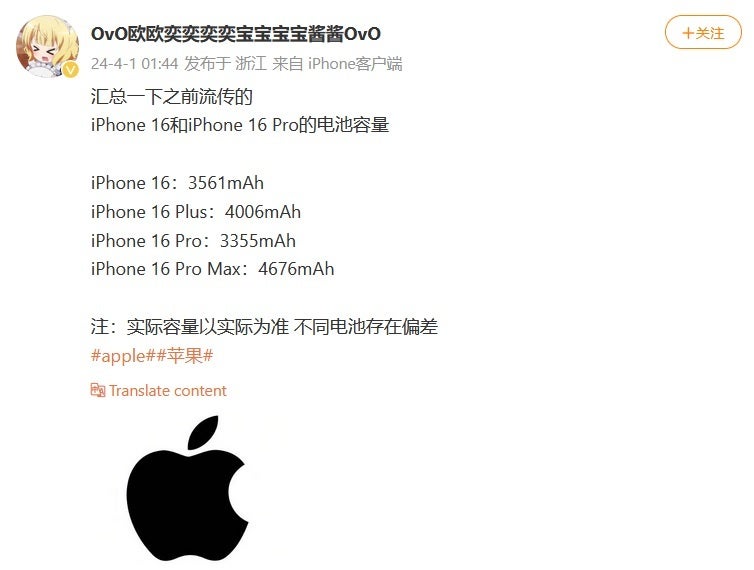
According to a leaker on Chinese social media, the iPhone 16 Pro and iPhone 16 Pro Max are tipped to pack larger batteries than last year’s Pro iPhones.

The claimed capacities are:

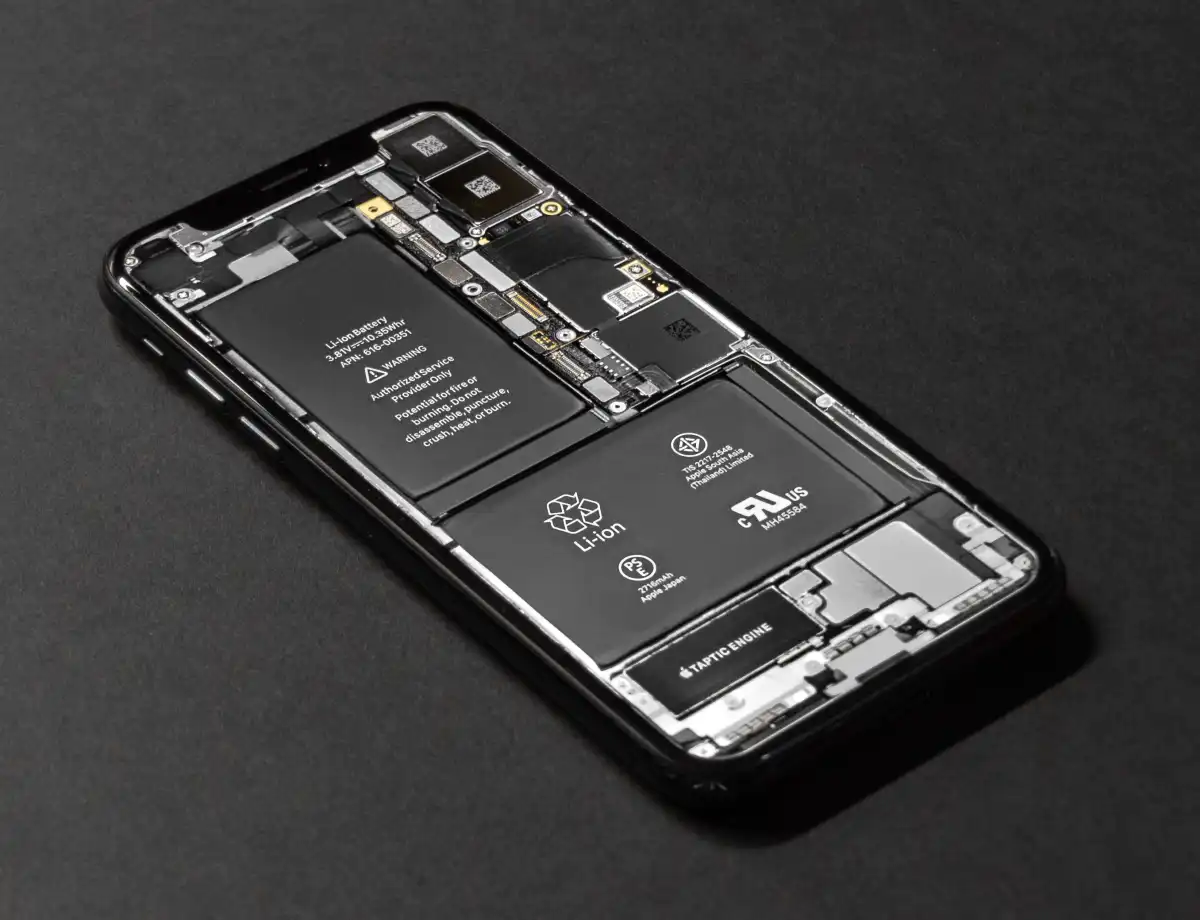
  • iPhone 16 Pro: 3,355mAh (up 2% from 3,290mAh on iPhone 15 Pro)
  • iPhone 16 Pro Max: 4,676mAh (up 5.7% from 4,422mAh on iPhone 15 Pro Max)

This increase could be necessitated by the rumoured larger 6.3-inch and 6.9-inch displays expected on the Pro models this year.

However, Apple’s next-gen A18 chip, built on a more efficient 3nm process, could help offset battery drainage.

Downgrade for iPhone 16 Plus?
Downgrade for iPhone 16 Plus?

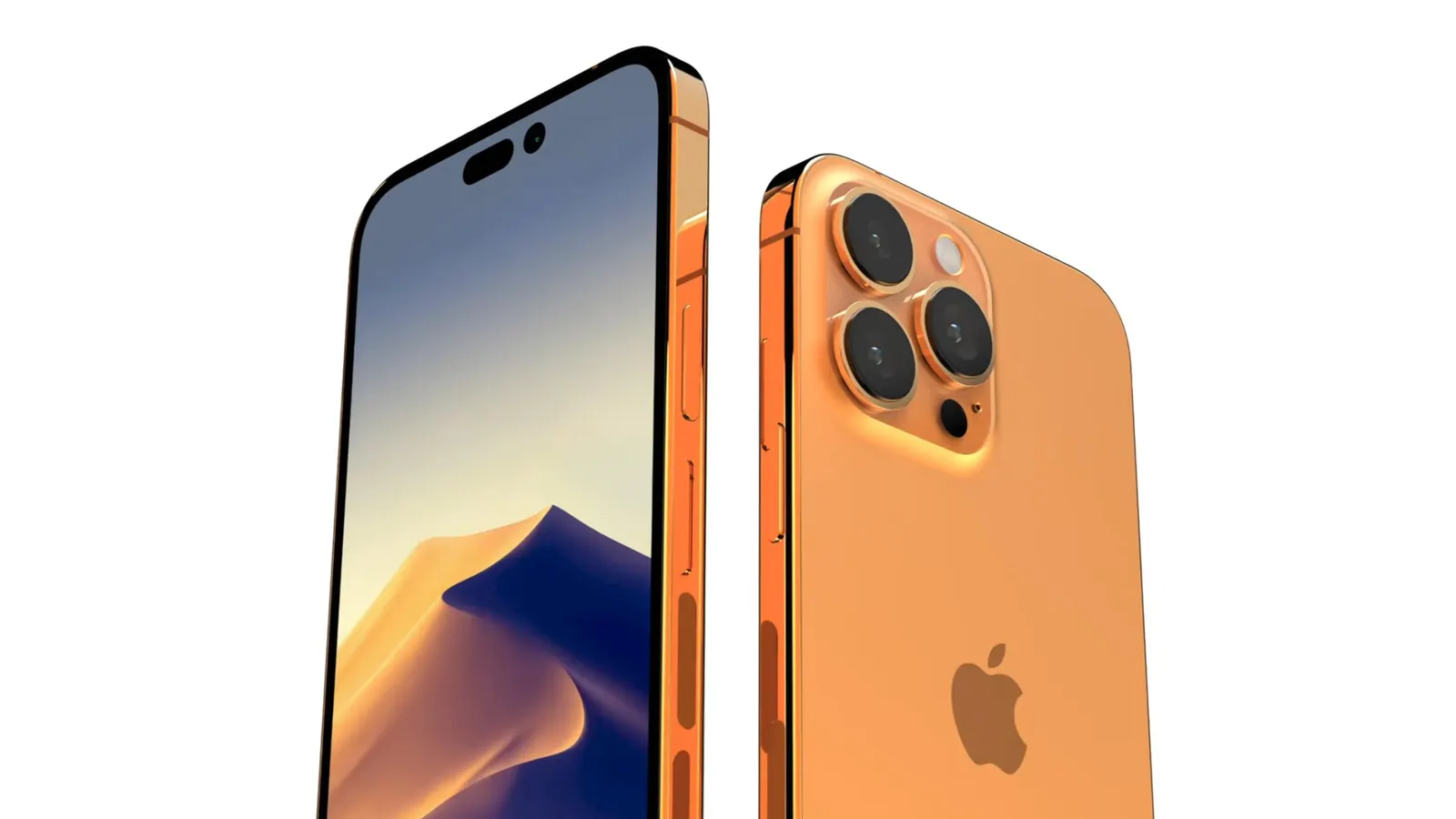
In a somewhat surprising move, the same leak suggests the iPhone 16 Plus battery will see a sizeable downgrade to 4,006mAh – a reduction of 8.6% compared to the 4,383mAh cell in the iPhone 15 Plus.

This could potentially indicate Apple pushing users towards the pricier Pro Max for superior battery life.

The regular iPhone 16 is said to get a modest bump to 3,561mAh from 3,367mAh.

Early Days for iPhone 16 Rumours
Early Days for iPhone 16 Rumours

Of course, it’s still very early in the rumour cycle, and battery capacities can change during the development process.

Leaks months ahead of launch don’t always pan out accurately.

Apple fans will have to wait for more concrete details as we get closer to the expected iPhone 16 unveiling in September.

But the prospect of battery life improvements and compromises is already shaping the conversation around Apple’s next flagships.

Apple iPhone 16 Specs

GENERAL

Sim Type Dual Sim, GSM+GSM
Dual Sim Yes
Sim Size Nano + eSIM
Device Type Smartphone
Release Date September 07, 2024 (Expected)

DISPLAY

Type Color OLED Screen (1B Colors)
Touch Yes
Size 6.12 inches, 1200 x 2600 pixels, 120 Hz
Aspect Ratio 20:9
PPI ~ 447 PPI
Features Super Retina XDR Display, HDR Display, True Tone, Wide Color (P3), Haptic Touch, 1200 Nits Max Brightness (HDR), Support for Display of Multiple Languages and Characters Simultaneously
Notch Yes, Small Notch

MEMORY

RAM 8 GB
Storage 128 GB
Card Slot No

CONNECTIVITY

GPRS Yes
EDGE Yes
3G Yes
4G Yes
5G Yes
5G Bands 5G NR (Bands n1, n2, n3, n5, n7, n8, n12, n20, n25, n26, n28, n30, n38, n40, n41, n48, n53, n66, n70, n77, n78, n79)
VoLTE Yes
Wifi Yes, with wifi-hotspot
Wifi Version Wi-Fi 7
Bluetooth Yes, v5.4, A2DP, LE
USB Yes, Lightning Port
USB Features USB on-the-go, USB Charging

EXTRA

GPS yes with A-GPS, Glonass
Fingerprint Sensor No
Face Unlock Yes
Sensors Barometer, Three‑axis Gyro, Accelerometer, Proximity Sensor, Ambient Light Sensor
3.5mm Headphone Jack Lightning
NFC Yes
Water Resistance Yes, 6 m upto 30 min
IP Rating IP69
Dust Resistant Yes
Extra Features Satellite Connectivity, Crash Detection

CAMERA

Rear Camera 48 MP f/1.5 (Main)
12 MP f/2.4 (Ultra Wide) with autofocus
Features Panorama, Night Mode, Deep Fusion, Smart HDR 4, Photographic Styles, Burst Mode, Photo Geotagging
Video Recording 4K @ 24/25/30/60 fps UHD, 1080p @ 25/30/60 fps FHD
Flash Yes, Dual LED
Front Camera 12 MP f/1.9 (TrueDepth) with Retina Flash
Front Video Recording 4K @ 60 fps UHD, 1080p @ 60 fps FHD

TECHNICAL

OS iOS v18
Chipset Apple Bionic A17
CPU Octa Core Processor
GPU Apple 4 Core GPU
Java No
Browser Yes

MULTIMEDIA

Email Yes
Music AAC‑LC, HE‑AAC, HE‑AAC v2, Protected AAC, MP3, Linear PCM, Apple Lossless, FLAC, Dolby Digital (AC‑3), Dolby Digital Plus (E‑AC‑3), Dolby Atmos and Audible (formats 2, 3, 4, Audible Enhanced Audio, AAX and AAX+)
Video HEVC, H.264, MPEG‑4 Part 2 and Motion JPEG, HDR with Dolby Vision, HDR10 and HLG
FM Radio No
Document Reader Yes

BATTERY

Type Non-Removable Battery
Size 3500 mAh, Li-ion Battery
Fast Charging Yes
Wireless Charging Yes, 25W MagSafe
Music Playback Time 100 hours

FAQs

What are the rumoured battery capacities for the iPhone 16 series?

The iPhone 16 series is rumoured to bring varied battery capacities, with the iPhone 16 Pro and Pro Max models expected to see an increase to 3,355mAh and 4,676mAh, respectively.

Conversely, the iPhone 16 Plus might experience a reduction to 4,006mAh, while the standard iPhone 16 could receive a modest increase to 3,561mAh.

Why might the iPhone 16 Pro models get bigger batteries?

The rumoured increase in battery sizes for the iPhone 16 Pro and Pro Max could be in response to their expected larger display sizes, necessitating more power.

Additionally, advancements in chip efficiency, particularly with the anticipated A18 chip’s 3nm process, may help balance out the increased power demand.

Can the decrease in battery size affect iPhone 16 Plus performance?

A decrease in the battery capacity of the iPhone 16 Plus could impact its overall battery life, especially if the phone’s power demands are similar or greater than its predecessor.

How this change will affect the user experience remains to be seen, pending official details from Apple.

How reliable are these early iPhone 16 battery capacity rumours?

While leaks and rumours offer early insights, they should be taken with caution. Battery capacities and other specifications can change throughout the development process, and not all early leaks accurately reflect the final product.

Official announcements from Apple will provide concrete information.

Also Read: iPhone 16 to Get a Major RAM and Storage Upgrade for AI Capabilities

Also Read: iPhone 16 Series Case Leaks Suggest Design Overhaul and New Features

Also Read: iPhone 16 Series Rumours: 3 New Design Overhauls and New Features
 

Apple Reportedly Set to Launch New iPad Pro and iPad Air Models in May

0
Apple Reportedly Set to Launch New iPad Pro and iPad Air Models in May

Highlights

  • New 11-inch and 13-inch iPad Pro models to feature OLED displays.
  • iPad Pros to include M3 chips and a redesigned chassis for thinner profiles.
  • Larger 12.9-inch iPad Air model introduced with M2 processor.
  • Updates to Magic Keyboard and Apple Pencil, including a new “squeeze” feature.

Apple is preparing to unveil its latest iPad Pro and iPad Air tablets in the second week of May, according to reports.

This major refresh promises significant upgrades across the lineup including the much anticipated M3 chipsets across the board and new display material.

All-New iPad Pro Lineup

All-New iPad Pro Lineup

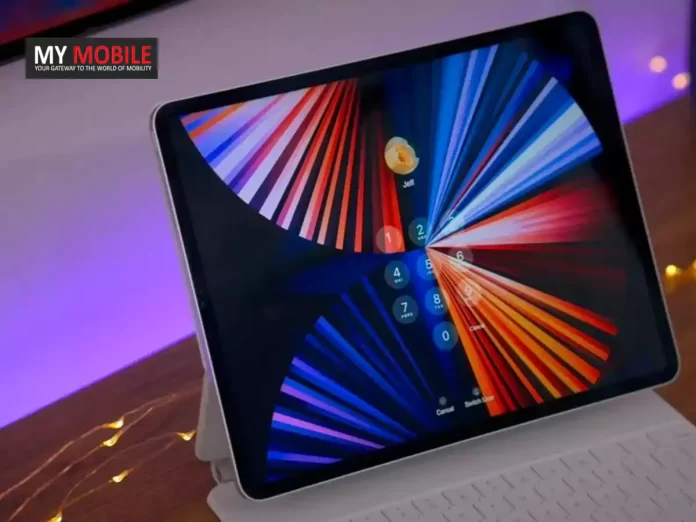
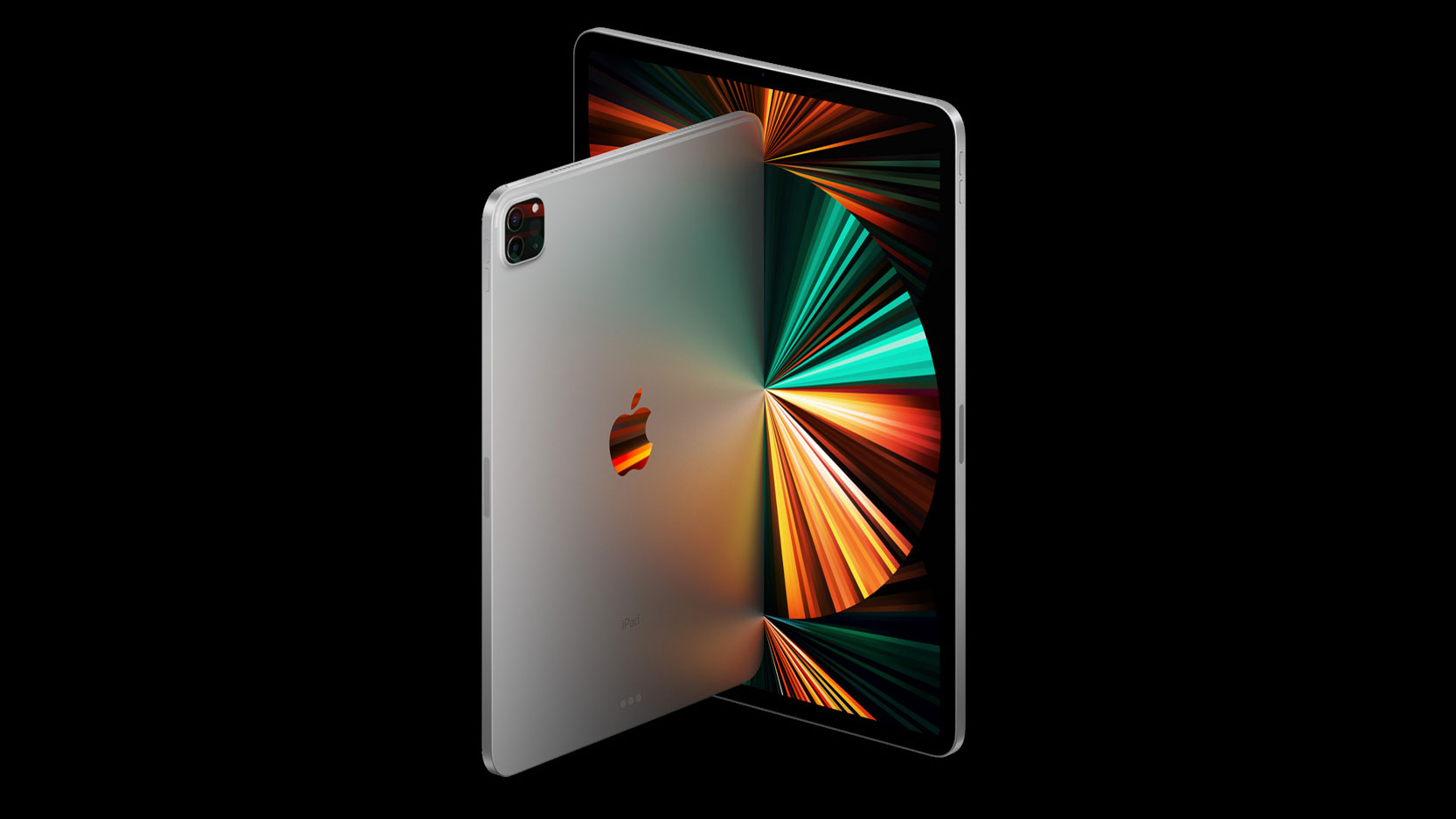
As per Bloomberg’s Mark Gurman, the highlight of the launch will be the new 11-inch and 13-inch iPad Pro models featuring advanced OLED displays.

Replacing the current mini-LED panels, these OLED screens should offer superior contrast and brightness akin to Apple’s latest iPhones.

Beyond the display enhancement, the iPad Pros are tipped to sport a redesigned chassis that is overall thinner.

The front-facing camera will also be repositioned to the landscape edge for improved video call ergonomics.

Under the hood, these tablets will be powered by Apple’s latest M3 chip for unmatched performance.

Bigger iPad Air, Refreshed Accessories

Bigger iPad Air, Refreshed Accessories

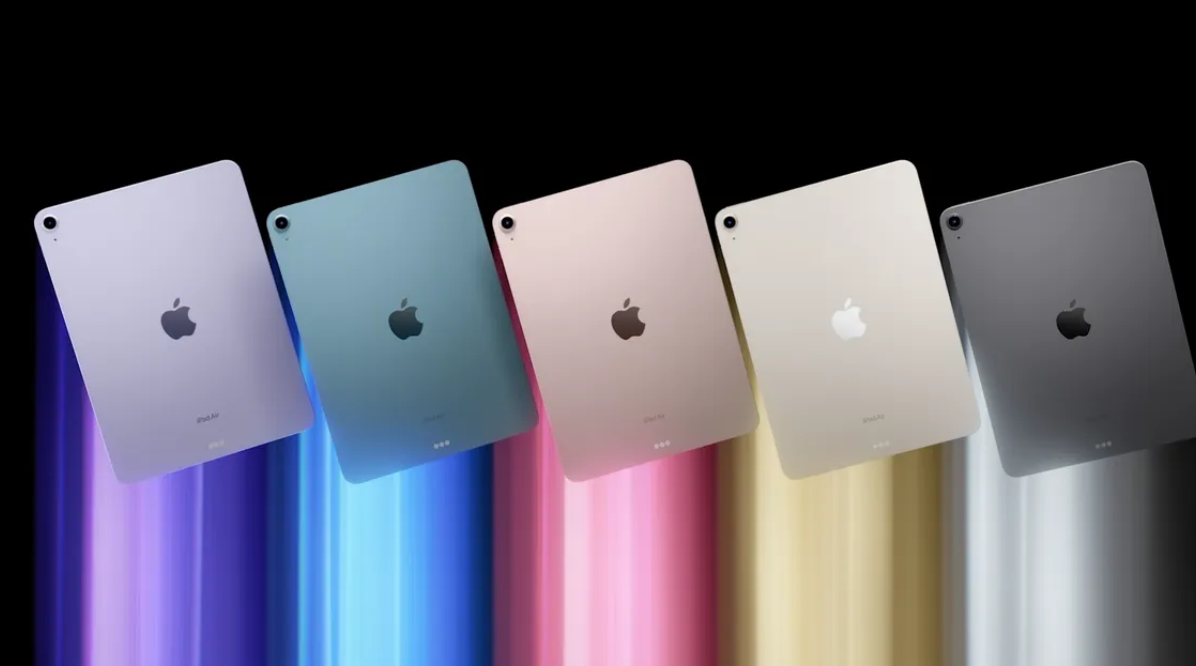
Alongside the Pro revamp, Apple is expected to introduce a larger 12.9-inch iPad Air model.

This variant would offer a more affordable route to a bigger display while still packing capable M2 processors.

The iPad launch is also rumoured to bring updated versions of the Magic Keyboard and Apple Pencil accessories.

Notably, the new Pencil may gain a “squeeze” feature to quickly add stickers, shapes, signatures, or text with a simple gesture.

Rather than a dedicated event, Apple will likely announce the new iPad lineup via press releases in early May.

With no iPads released in 2023, this year’s update promises to be one of the most significant iPad hardware rollouts to date from the company.

FAQs

What upgrades are expected with the new iPad launch?

Apple’s upcoming iPad launch is set to introduce significant upgrades including the incorporation of OLED displays in the new 11-inch and 13-inch iPad Pro models, the introduction of the M3 chip for enhanced performance, and a redesigned chassis for a sleeker look.

Additionally, a new 12.9-inch iPad Air model will be available, featuring the M2 processor for powerful yet more affordable options.

What are the benefits of OLED displays in the new iPad Pro models?

OLED displays in the new iPad Pro models will offer superior contrast and brightness, providing users with an enhanced viewing experience.

This display technology is known for its ability to deliver deeper blacks and more vibrant colours, akin to what’s seen in Apple’s latest iPhones.

How will the iPad Pro’s redesigned chassis improve user experience?

The redesigned chassis of the iPad Pro models will contribute to a thinner profile, making the tablets sleeker and more portable.

Moreover, with the front-facing camera repositioned to the landscape edge, video calls will be more ergonomic, aligning better with how users typically interact with their devices during calls.

What new features will the updated accessories offer?

The updated Magic Keyboard and Apple Pencil are rumoured to come with improved functionality.

Notably, the new Apple Pencil may introduce a “squeeze” feature, allowing users to quickly insert stickers, shapes, signatures, or text into their work with a simple gesture, enhancing productivity and creative possibilities.

Also Read: Apple To Reportedly Refresh iPad Pro, iPad Air and MacBook Air with a Quiet Launch This Week

Also Read: iPad Pro (2024): Design, Processor, Cameras, Display, and, What To Expect

Also Read: iPad Pro Series Surpasses iPhone in Latest Antutu Benchmark Scores


OPPO A3 Pro Set for April 12 Launch: Geekbench Listing Provides a Sneak Peak at Key Specs 

0
OPPO A3 Pro Set for April 12 Launch: Geekbench Listing Provides a Sneak Peak at Key Specs 

Highlights

  • Powered by MediaTek Dimensity 7050, featuring a 2+6 core configuration.
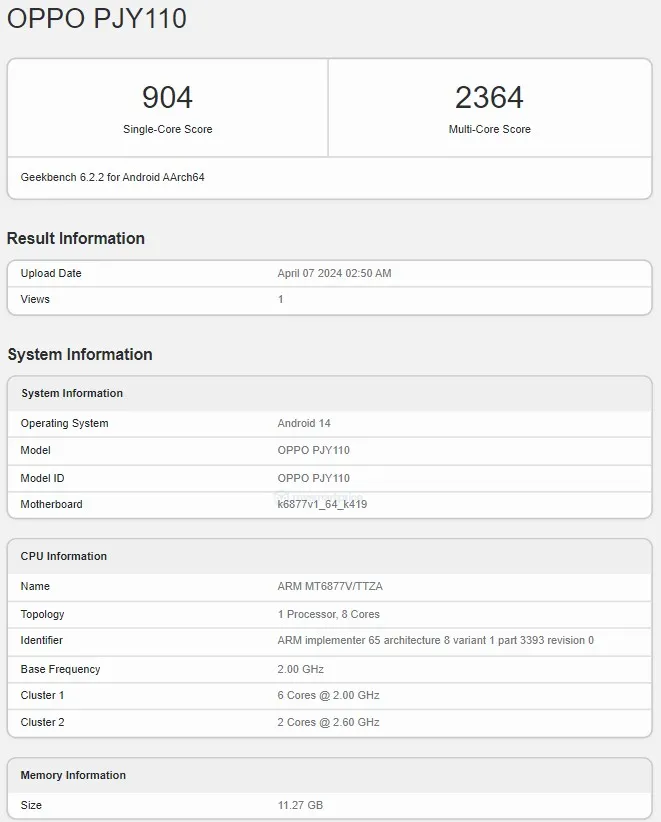
  • Achieved scores of 904 (single-core) and 2,364 (multi-core) on Geekbench.
  • Ships with 12GB RAM and runs Android 14 with ColorOS.
  • Features a dual rear camera system with a 64MP primary sensor.

OPPO is preparing to unveil its latest A-series smartphone, the A3 Pro, in the Chinese market on April 12th.

Ahead of the official launch, key details about the device’s specifications have emerged courtesy of a Geekbench listing.

OPPO A3 Pro Geekbench Scores

OPPO A3 Pro Geekbench Scores

According to the benchmark database entry, the OPPO A3 Pro will be powered by MediaTek’s Dimensity 7050 processor.

This octa-core chip features a 2+6 core configuration with two performance cores clocked at 2.6GHz and six efficiency cores running at 2.0GHz frequencies.

The Dimensity 7050 is a fairly capable mid-range 5G chipset that has powered several recent smartphones like the Realme 12+ 5G, Lava Blaze Curve 5G, and the OPPO Reno11 itself.

On Geekbench, the A3 Pro managed respectable scores of 904 in the single-core test and 2,364 in the multi-core round.

The benchmark listing also reveals that the OPPO A3 Pro will ship with a generous 12GB of RAM, likely supplemented by additional memory options at launch.

OPPO A3 Pro Set for April 12 Launch

The phone is slated to run Android 14 out-of-the-box with OPPO’s ColorOS skin on top.

While full specifications are still under wraps, OPPO’s official teasers confirm the A3 Pro will feature a dual rear camera system headlined by a 64MP primary sensor.

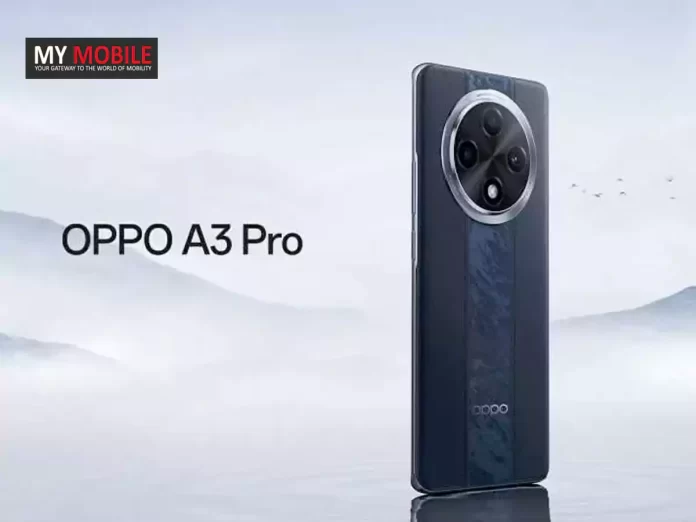
The camera module appears to have a circular design housing the lenses.

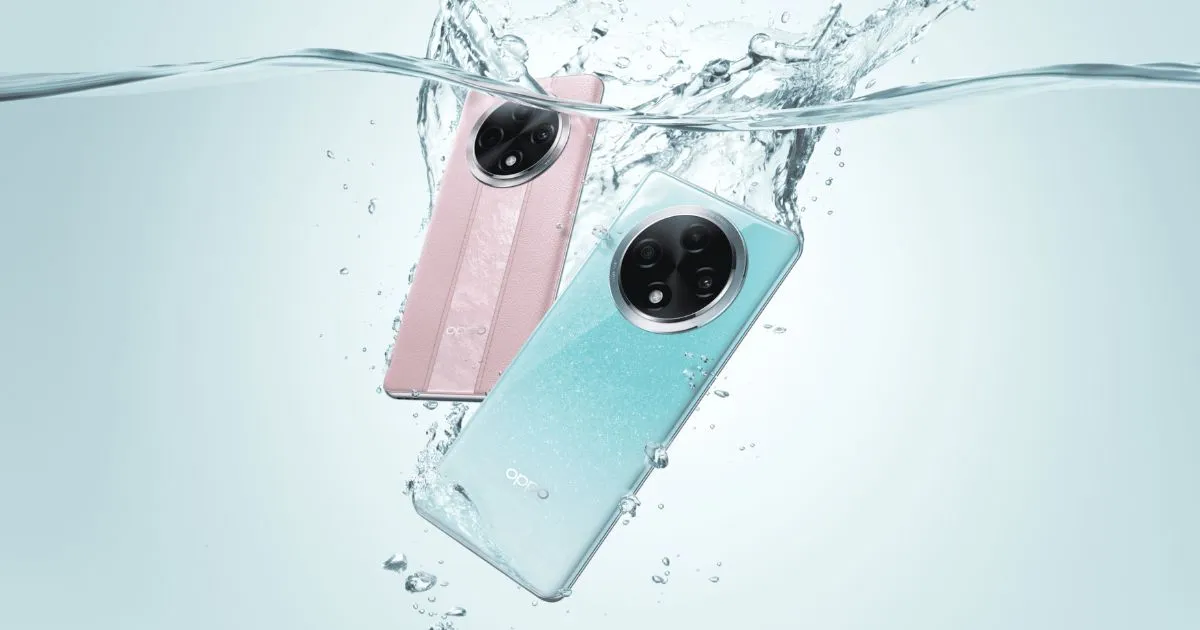
The OPPO A3 Pro is expected to launch in at least three distinct color variants according to the company’s micro-site.

With just a few days until the unveiling, OPPO fans and potential buyers can look forward to more official details about pricing, availability and the complete specs sheet.

Oppo A3 Pro 5G Specs

GENERAL

Sim Type Dual Sim, GSM+GSM
Dual Sim Yes
Sim Size Nano SIM
Device Type Smartphone
Release Date September 15, 2024 (Expected)

DESIGN

Dimensions 162.7 x 74.3 x 8 mm (6.41 x 2.93 x 0.31 in)
Bezel less No

DISPLAY

Type Color AMOLED Screen (1B Colors)
Touch Yes, 360 Hz Touch Sampling Rate
Size 6.7 inches, 1080 x 2412 pixels, 120 Hz
PPI ~ 394 PPI
Screen to Body Ratio ~ 89.4%
Features support 2160Hz PWM high frequency dimming;
Notch Yes, Punch Hole

MEMORY

RAM 8 GB
Expandable RAM Upto 8 GB Extra Virtual RAM
Storage 256 GB
Storage Type UFS 3.1
Card Slot Yes, upto 1 TB

CONNECTIVITY

GPRS Yes
EDGE Yes
3G Yes
4G Yes
5G Yes
5G Bands 1, 5, 8, 28, 41, 77, 78 SA/NSA
VoLTE Yes, Dual Stand-By
Wifi Yes, with wifi-hotspot
Wifi Version Wi-Fi 7
Bluetooth Yes, v5.4
USB Yes, USB-C v2.0
USB Features USB on-the-go, USB Charging
IR Blaster Yes

EXTRA

GPS Yes with A-GPS
Fingerprint Sensor Yes, In Display
Face Unlock Yes
Sensors Accelerometer, Gyro, Proximity, Compass
3.5mm Headphone Jack No
Splash Resistant No
IP Rating IP54
Dust Resistant Yes

CAMERA

Rear Camera 108 MP 25mm, 1/2″, 0.7µm, PDAF f/1.7 (Wide Angle)
2 MP f/2.4 (Depth Sensor) with autofocus
Features Photos, videos, night scenes, Professional, panoramic, portrait, time-lapse photography, slow motion, super text, ultra-clear image quality, cute photo, AI ID photo, multi-view video photo format: JPG
Video Recording 4K @ 30 fps UHD, 1080p @ 30 fps FHD
Flash Yes, LED
Front Camera Punch Hole 16 MP f/2 (Wide Angle)
Front Video Recording 1080p @ 30 fps FHD

TECHNICAL

OS Android v14
Custom UI ColorOS 13.1
Chipset Mediatek Dimensity 7200
CPU 2.8 GHz, Octa Core Processor
Core Details 2.8GHz×2+2.0GHz×6
GPU Mali G610
Java No
Browser Yes

MULTIMEDIA

Email Yes
Music Yes
Video Yes
FM Radio No
Document Reader Yes

BATTERY

Type Non-Removable Battery
Size 5000 mAh, Li-Po Battery
Fast Charging Yes, 80W SUPERVOOC Charging

FAQs

What processor is in the OPPO A3 Pro?

The OPPO A3 Pro is equipped with MediaTek’s Dimensity 7050 processor. This mid-range 5G chipset includes two performance cores clocked at 2.6GHz and six efficiency cores at 2.0GHz, offering balanced power and efficiency for a variety of tasks.

How does the OPPO A3 Pro perform on Geekbench?

On Geekbench, the OPPO A3 Pro delivered solid performance, scoring 904 in the single-core test and 2,364 in the multi-core test. These results indicate strong performance potential, particularly for a mid-range device.

What are the memory options for the OPPO A3 Pro?

The OPPO A3 Pro is reported to come with 12GB of RAM, which is substantial for handling multitasking and demanding applications smoothly. Additional memory configurations may be available at launch.

What operating system does the OPPO A3 Pro run?

The device will run Android 14 out of the box, enhanced by OPPO’s own ColorOS skin. This combination promises a user-friendly interface with various custom features and optimizations.

Can you describe the camera setup on the OPPO A3 Pro?

The OPPO A3 Pro will feature a dual rear camera setup, with the primary camera boasting a 64MP sensor. The camera module’s circular design is a distinct aesthetic choice, aiming to offer high-quality photography capabilities.

Also Read: Oppo A38 Launched In India: Price , Specifications & Availability

Also Read: OPPO Pad Neo Set For Global Launch After Appearing on SIG Certification Website

Also Read: Oppo’s Budget Smartphones to Get a Major Upgrade with ColorOS 14 Rollout


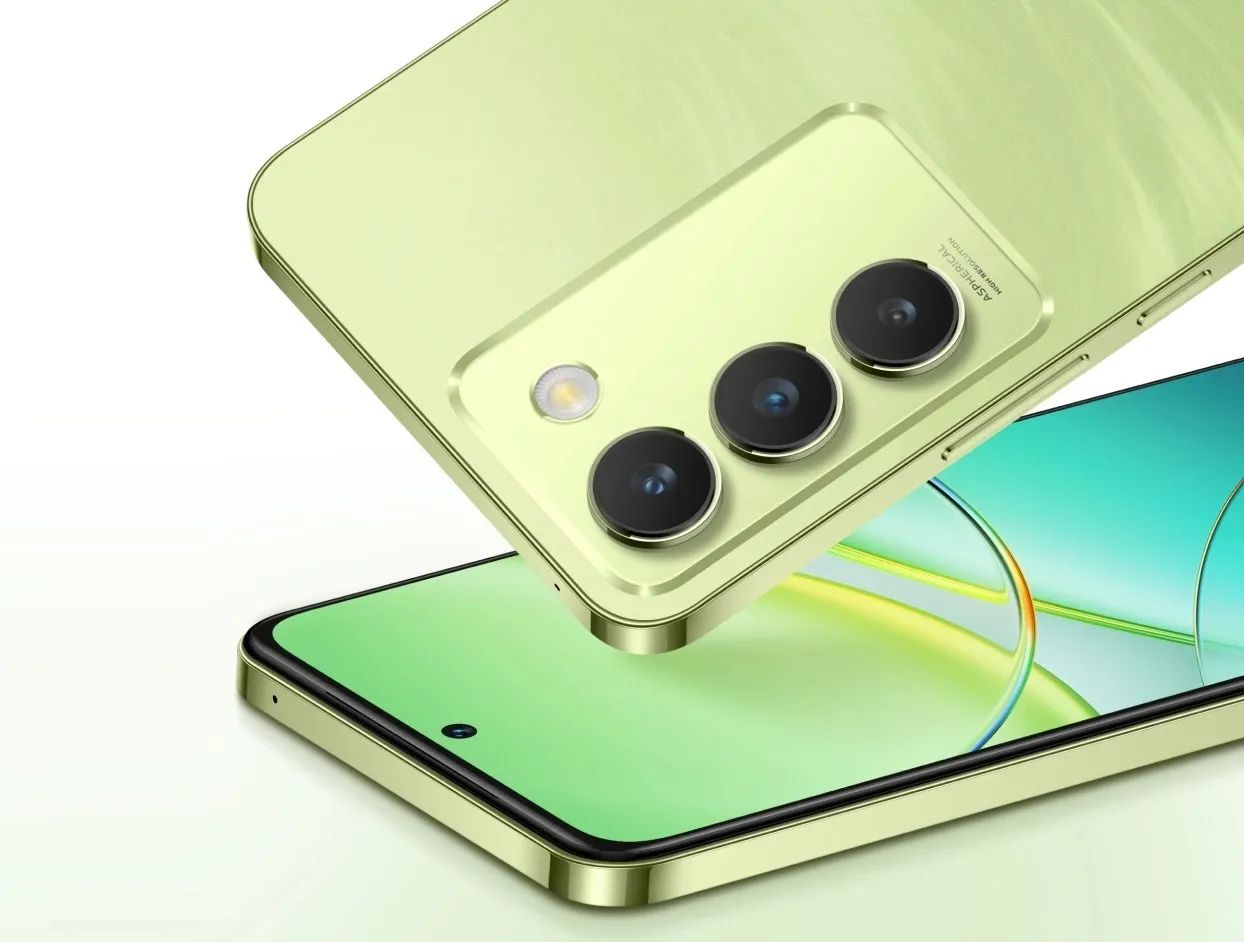
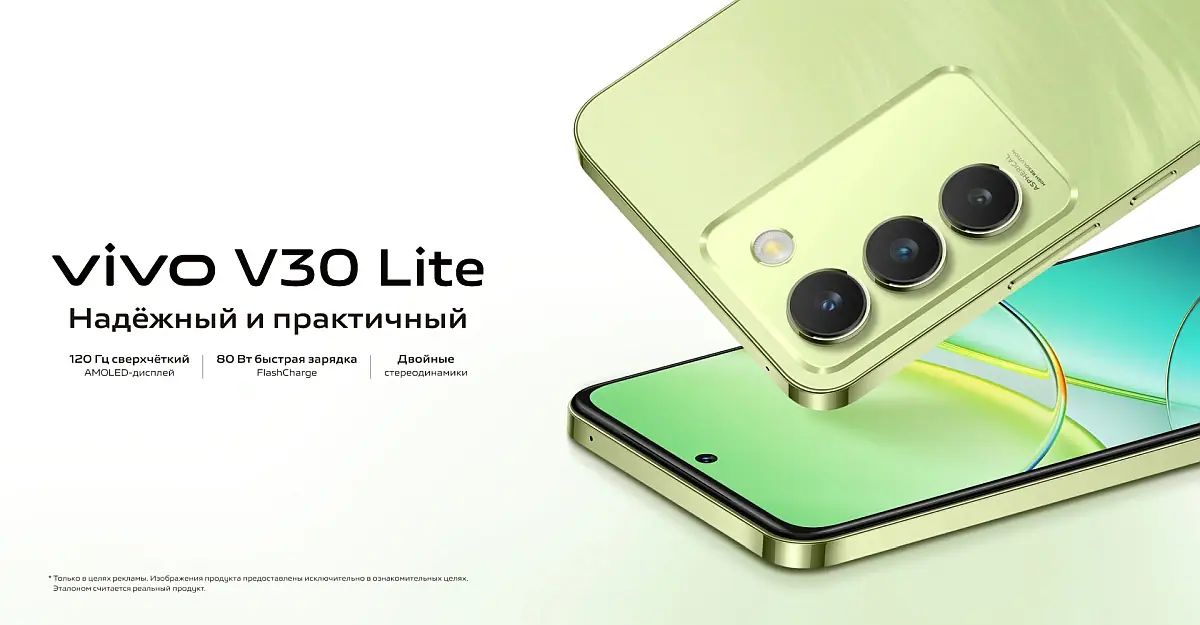
Vivo V30 Lite 4G Launched in Global Markets with Snapdragon 685 chipset: Pricing, Features, Specs

0

Highlights

  • Features a 6.67-inch FHD+ E4 AMOLED display with a 120Hz refresh rate.
  • Equipped with Snapdragon 685 chipset and 8GB RAM for smooth performance.
  • Includes a 50MP main camera plus a 2MP depth sensor for enhanced photography.
  • Offers a 5,000mAh battery with 80W fast charging capability.

Vivo recently launched its latest addition to the Vivo V30 series, the Vivo V30 Lite 4G, in Europe and Asia.

This new smartphone is a competitive choice in the mid-range mobile phone market, offering a sleek design and impressive specifications at an affordable price.

Pricing and Availability

Vivo V30 Lite 5G: Pricing and Availability

The device is now available in various global markets, including Russia and Cambodia, priced at $299 for the 8GB+256GB variant.

Currently there is no news on whether this device will make its way to the Indian market.

Key Specs

Vivo V30 Lite 5G: Key Specs
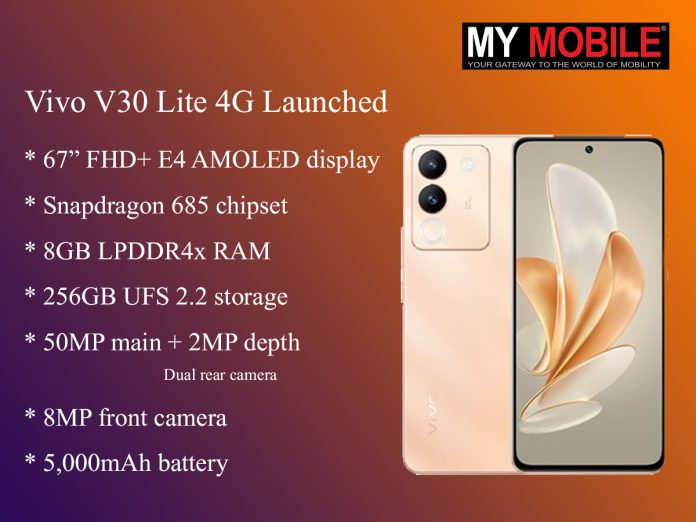
  • 67-inch FHD+ E4 AMOLED display, 120Hz refresh rate
  • Snapdragon 685 chipset
  • 8GB LPDDR4x RAM
  • 256GB UFS 2.2 storage
  • Dual rear camera: 50MP main + 2MP depth
  • 8MP front camera
  • 5,000mAh battery, 80W fast charging

Features

Vivo V30 Lite 5G: Features

The Vivo V30 Lite 4G features a sleek design, weighing 186g for the Black model and 188g for the Green model.

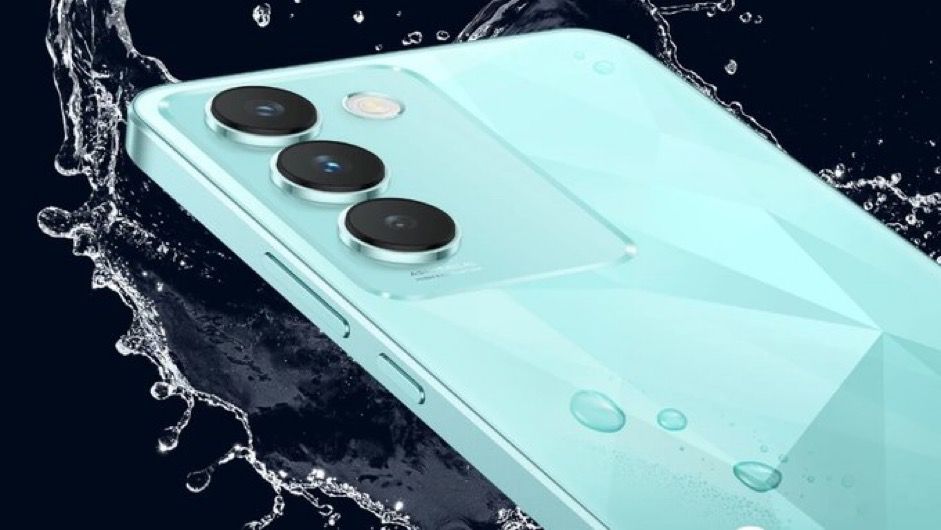
It has an IP54 rating for water and dust resistance.

It includes an in-screen fingerprint sensor for secure and convenient unlocking.

Powered by the Snapdragon 685 chip and 8GB RAM, the device offers efficient multitasking.

It runs on Android 14 with FunTouch OS 14, including an in-screen fingerprint sensor for secure access.

Vivo V30 Lite 4G Launched in Global Markets with Snapdragon 685 chipset: Pricing, Features, Specs

Vivo V30 Lite 4G Launched in Global Markets with Snapdragon 685 chipset

The 50MP main camera offers a wide aperture of f/1.8, enabling excellent low-light performance and sharpness.

The 2MP depth sensor enhances portrait shots by creating a natural bokeh effect.

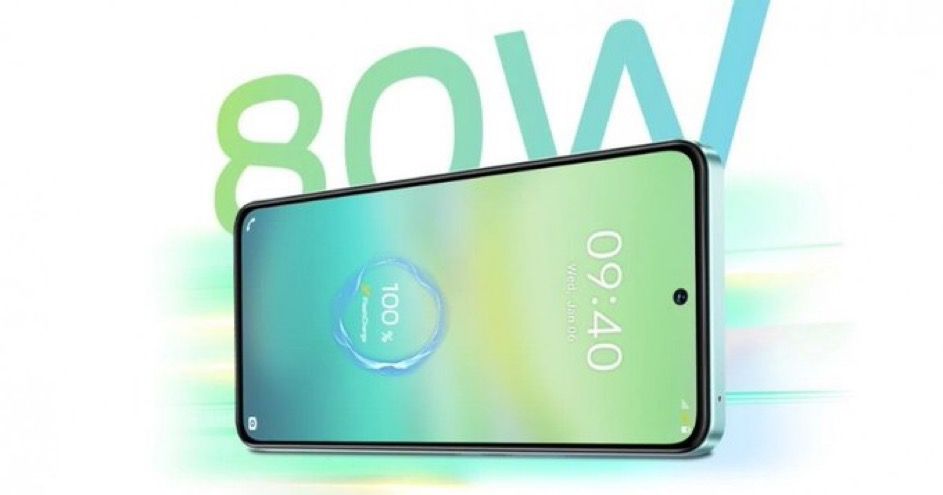
The device houses a massive 5,000 mAh battery, supporting rapid 80W charging, capable of charging up to 80% in just 30 minutes.

Connectivity options include dual 4G VoLTE, Wi-Fi, Bluetooth 5.0, GPS, USB-C port, and a microSD card slot.

Vivo V30 Lite Specs

GENERAL

Sim Type Single Sim, GSM
Dual Sim No
Sim Size Nano SIM
Device Type Smartphone
Release Date December 29, 2023

DESIGN

Dimensions 74.85 x 162.35 x 7.69 mm
Weight 190 g
Bezel less Yes

DISPLAY

Type Color AMOLED Screen (1.07 B)
Touch Yes, 300 Hz Touch Sampling Rate
Size 6.67 inches, 1080 x 2400 pixels, 120 Hz
Aspect Ratio 20.5:9
PPI ~ 390 PPI
Screen to Body Ratio ~ 93.04%
Features 1150nit, 100% DCI-P3
Notch Yes, Punch Hole

MEMORY

RAM 12 GB
Expandable RAM Upto 12 GB Extra Virtual RAM
Storage 256 GB
Storage Type UFS 2.2
Card Slot Yes

CONNECTIVITY

GPRS Yes
EDGE Yes
3G Yes
4G Yes
5G Yes
5G Bands n1/n2/n3/n5/n7/n8/n20/n26/n28/n38/n40/n41/n66/n77/n78
VoLTE Yes
Wifi Yes, with wifi-hotspot
Bluetooth Yes, v5.1
USB Yes, USB-C v3.1
USB Features USB on-the-go, USB Charging

EXTRA

GPS GPS, BEIDOU, GLONASS, GALILEO, QZSS, NavIC
Fingerprint Sensor Yes, In Display
Face Unlock Yes
Sensors Ambient Light sensor, Proximity sensor, Accelerometer, E-compass, Gyroscope,
3.5mm Headphone Jack No
Splash Resistant Yes
IP Rating IP54
Dust Resistant Yes

CAMERA

Rear Camera 64 MP f/1.79 (Main)
8 MP f/2.2 (Ultra Wide)
2 MP f/2.4 (Depth Sensor) with autofocus
Features Night, Portrait, Photo, Video, Micro Short, High Resolution, Panoramic, Documents, Slow Motion, Time Lapse, Super Moon, Pro, Double exposure, Dual view, Live photo, Macro
Video Recording 4K, 1080p
Flash Yes, LED
Front Camera Punch Hole 50 MP f/2 (Main)
Front Video Recording 4K, 1080p

TECHNICAL

OS Android v13
Custom UI Funtouch OS 13
Chipset Qualcomm Snapdragon 695
CPU 2.2 GHz, Octa Core Processor
Core Details 2×2.2 GHz Kryo 660 Gold & 6×1.7 GHz Kryo 660 Silver
GPU Adreno 619
IP Rating IP54
Java No
Browser Yes

MULTIMEDIA

Email Yes
Music AAC, WAV, MP3, MP2, MP1, MIDI, Vorbis, APE, FLAC, OPUS
Video MP4, 3GP, AVI, FLV, MKV, WEBM, TS, ASF
FM Radio No
Document Reader Yes

BATTERY

Type Non-Removable Battery
Size 4800 mAh, Li-Po Battery
Fast Charging Yes, 44W Fast Charging

FAQs

What makes the Vivo V30 Lite 4G stand out in the mid-range smartphone market?

The Vivo V30 Lite 4G stands out due to its combination of a high-refresh-rate AMOLED display, powerful Snapdragon chipset, and ample RAM and storage. Its advanced camera system and rapid charging technology further enhance its appeal as a feature-rich option at an affordable price point.

How does the display of the Vivo V30 Lite 4G enhance user experience?

The device’s 6.67-inch FHD+ E4 AMOLED display, boasting a 120Hz refresh rate, offers vibrant visuals and smooth scrolling, significantly enhancing the user experience. The high brightness level ensures excellent visibility even in bright outdoor environments.

What camera capabilities does the Vivo V30 Lite 4G offer?

The Vivo V30 Lite 4G’s dual rear camera setup, featuring a 50MP main sensor and a 2MP depth sensor, allows for high-resolution photos and depth-enhanced portraits. The 8MP front camera supports quality selfies and video calls, catering to diverse photography needs.

Can the Vivo V30 Lite 4G handle demanding applications and games?

Yes, powered by the Snapdragon 685 chipset and supported by 8GB RAM, the Vivo V30 Lite 4G is well-equipped to handle demanding applications and games. The efficient multitasking and smooth performance make it suitable for a wide range of activities.

Also Read: Vivo’s latest mid-premium V series smartphone, V30 and V30 pro go on sale : Price , Specifications, Features & Reasons to buy

Also Read: Vivo V30 Lite 5G Unveiled in Mexico With 64MP Camera, Snapdragon 695 SoC

Android 15 Will Introduce Adaptive Screen Timeout for Enhanced Battery Life

0

Highlights

  • Adaptive screen timeout adjusts based on user interaction.

  • Aims to significantly improve battery efficiency.

  • Monitors real-time usage to optimize screen activity.

  • Part of Android 15’s focus on battery optimization and user privacy.

As Google continues to refine its mobile operating system, a new feature in the upcoming Android 15 promises to significantly enhance battery efficiency

Amidst the excitement surrounding the developer previews, which offer a glimpse into revamped volume controls, app archiving capabilities, and a unique Easter egg, the adaptive screen timeout functionality is the one you should really look out for.

The Adaptive Approach

Adaptive screen timeout adjusts based on user interaction

Smartphone screens are notorious battery drainers, and Android 15 aims to tackle this issue head-on.

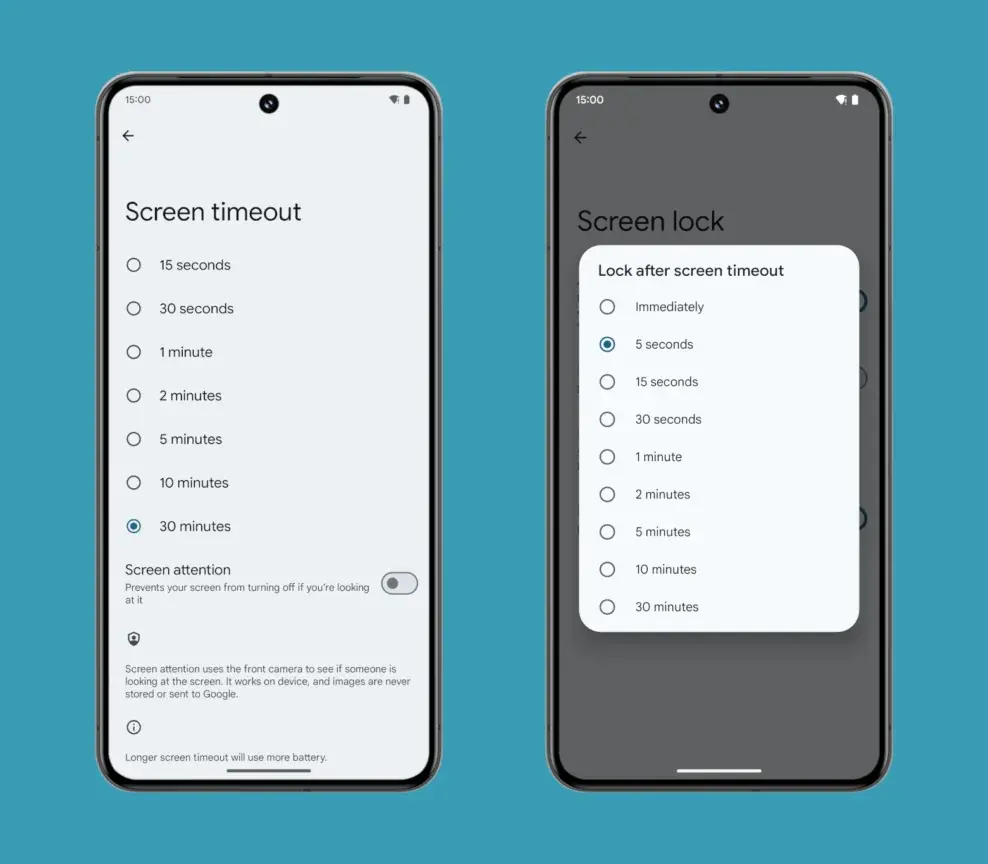
The adaptive screen timeout feature dynamically adjusts the timeframe before the screen automatically turns off based on your usage patterns.

This intelligent approach ensures a more efficient system that conserves battery life without compromising the user experience.

Currently, users can manually set a static screen timeout duration ranging from seconds to minutes.

However, this one-size-fits-all approach fails to adapt to real-time usage scenarios.

Android 15’s adaptive timeout feature addresses this limitation by continuously monitoring your interactions with the device and adjusting the screen timeout accordingly.

A Tailored Approach

A Tailored Approach
Monitors real-time usage to optimize screen activity

While battery optimization is a key focus, Android 15 also prioritizes user privacy and connectivity.

Glimpses of satellite connectivity integration within the Google Messages app have emerged, mirroring Apple’s use of satellite communication for emergency situations on iPhones.

 This feature underscores Google’s commitment to providing robust communication options, particularly in areas with limited cellular coverage.

Embracing the Future

Embracing the Future
Part of Android 15’s focus on battery optimization and user privacy

As the official release of Android 15 draws closer, users can look forward to a more efficient and intelligent mobile experience.

The adaptive screen timeout functionality exemplifies Google’s dedication to refining the Android operating system, addressing common pain points, and delivering a seamless user experience tailored to individual needs.

FAQs

What is adaptive screen timeout in Android 15?

Adaptive screen timeout is a new feature in Android 15 designed to optimize battery life by dynamically adjusting how long the screen stays on based on your usage patterns. Unlike static timeout settings, this feature learns from your interactions, ensuring the screen is active only when needed.

How does adaptive screen timeout work?

This functionality monitors your device usage, including how and when you interact with the screen. It uses this data to intelligently determine the ideal duration before the screen should turn off automatically, aiming to conserve battery without disrupting your experience.

Why is adaptive screen timeout important for Android users?

Screen activity is one of the biggest battery consumers on smartphones. Adaptive screen timeout addresses this by ensuring the screen is only on when necessary, thus extending battery life. This is especially beneficial for users who frequently forget to lock their screens or manually adjust timeout settings.

What other features does Android 15 offer for battery optimization?

Besides adaptive screen timeout, Android 15 includes various enhancements focused on improving battery life and efficiency. While specific details are still emerging, users can expect a suite of features aimed at reducing power consumption and optimizing device performance.

Also Read: Android 15 Beta Brings Key Security Update, Notification Features; Pixel 5a Excluded From Early Access

Also Read: Effective Android 15 Notification Management Tips for a Cleaner Interface

Realme GT Neo6 SE Design and Display Details Unveiled Ahead of Official Launch

0

Highlights

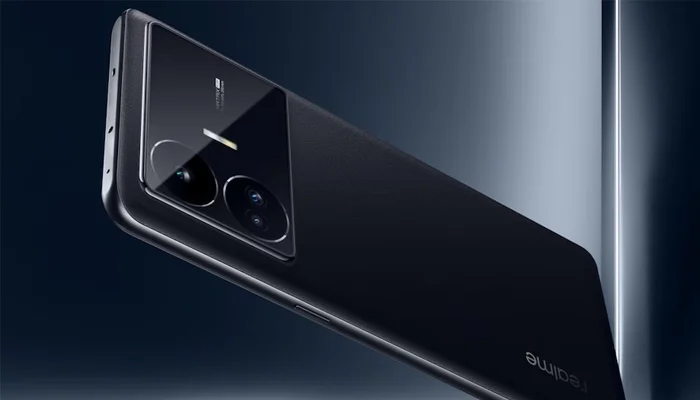
  • Realme GT Neo6 SE features a matte splicing design and stainless steel lens ring.

  • Boasts an ultra-narrow, slightly curved screen with a peak brightness of 6000 nits.

  • Powered by Snapdragon 7+ Gen 3 for top-notch performance.

  • Supports 100W fast charging, balancing power with efficiency.

Realme is gearing up to launch the highly anticipated GT Neo6 SE, also known as the ‘Liquid Knight,’ next week.

This smartphone promises to be a head-turner with its unique and eye-catching design, coupled with impressive features that are sure to excite tech enthusiasts.

Design Highlights

Design Highlights
  • The GT Neo6 SE showcases a sleek matte splicing design with a metallic texture, exuding a premium and modern feel.

  • It features a high-end stainless steel lens ring that not only enhances the aesthetics but also provides durability.

  • Realme has incorporated nano mirror coating technology and a foggy AG texture, elevating the device’s visual appeal to new heights.

  • Despite its premium build, the GT Neo6 SE remains lightweight at just 191 grams, ensuring a comfortable grip.

  • When viewed from the side, the distinctive ring lens module protrudes slightly, adding a subtle yet unique touch to the design.

Display Innovation

Display Innovation
  • The GT Neo6 SE leaps forward in display technology with its ultra-narrow design and slightly curved screen, enhancing the viewing experience and adding a touch of sophistication.

  • It boasts a cutting-edge display with a local peak brightness of 6000 nits and a global maximum brightness of 1600 nits, ensuring optimal visibility even in bright light environments.

  • Users can customize the screen brightness, with a manual maximum of 1000 nits, catering to individual preferences and lighting conditions.

Powerful Performance

Powerful Performance
  • Powered by the latest Snapdragon 7+ Gen 3 processor, the GT Neo6 SE promises seamless performance and enhanced efficiency.

  • It packs a host of advanced features designed for gaming, multitasking, and an overall smooth user experience, making it a powerhouse capable of handling demanding tasks with ease.

Fast Charging

Realme GT Neo 6 SE
Realme GT Neo 6 SE Fast Charging
  • Continuing Realme’s tradition of fast-charging solutions, the GT Neo6 SE is expected to support 100W charging.

  • This allows users to quickly recharge their device and get back to using it in no time, minimizing downtime and ensuring they can stay connected and productive.

  • The large battery capacity ensures enough power to last throughout the day, even with heavy usage.

Pricing and Availability

Realme GT Neo 6 SE
Realme GT Neo 6 SE Pricing and Availability

While Realme has not yet disclosed the exact pricing details, speculations suggest that the GT Neo6 SE will offer exceptional value for its features and specifications.

Realme GT Neo 6 SE Specs

GENERAL

Sim Type Dual Sim, GSM+GSM
Dual Sim Yes
Sim Size Nano SIM
Device Type Smartphone
Release Date May 03, 2024 (Expected)

DESIGN

Dimensions
Bezel less Yes
Colors Black; other colors

DISPLAY

Type Color AMOLED Screen (1B Colors)
Touch Yes, 360 Hz Touch Sampling Rate
Size 6.74 inches, 1240 x 2772 pixels, 144 Hz
Aspect Ratio 20:9
PPI ~ 451 PPI
Screen to Body Ratio ~ 93.69%
Features up to 1500Hz instantaneous sampling rate, Contrast Ratio: 5,000,000:1
Notch Yes, Punch Hole

MEMORY

RAM 8 GB
Storage 256 GB
Storage Type UFS 3.1
Card Slot No

CONNECTIVITY

GPRS Yes
EDGE Yes
3G Yes
4G Yes
5G Yes
5G Bands SA: n1/n3/n5/n8/n28a/n40/n41/n77/n78, NSA: n1/n3/n41/n77/n78
VoLTE Yes, Dual Stand-By
Vo5G Yes
Wifi Yes, with wifi-hotspot
Bluetooth Yes, v5.3
USB Yes, USB-C v2.0
USB Features USB Tethering, USB on-the-go, USB Charging
IR Blaster Yes

EXTRA

GPS GPS, AGPS, BEIDOU, GLONASS, GALILEO, QZSS
Fingerprint Sensor Yes, In Display
Face Unlock Yes
Sensors accelerometer, gyro, proximity, compass
3.5mm Headphone Jack No
NFC Yes
Extra Features Dual speakers, Dolby Atmos Sound

CAMERA

Rear Camera 108 MP PDAF f/1.8 (Wide Angle)
8 MP 1/4.0″, 1.12µm f/2.2 (Ultra Wide)
2 MP f/2.4 (Macro) with autofocus
Features Photo, beauty, filter, AI scene recognition, street photography, portrait, night scene, 64M, professional, panorama, super text, microscope, tilt shift, skin quality detection, AI ID photo
Video Recording 4K @ 30 fps UHD, 1080p @ 30 fps FHD
Flash Yes, LED
Front Camera Punch Hole 32 MP 25mm, 1/3.09″, 1.0µm f/2.5 (Wide Angle) with Screen Flash
Front Video Recording 1080p @ 30 fps FHD

TECHNICAL

OS Android v13
Custom UI realme UI 4.0
Chipset Qualcomm Snapdragon 7+ Gen3
CPU 2.8 GHz, Octa Core Processor
GPU Adreno GPU
Java No
Browser Yes

MULTIMEDIA

Email Yes
Music AAC, APE, FLAC, AMR, MID, MP3, OGG, WAV, WMA, MKA
Video MP4, 3GP, ASF, AVI, FLV, M2TS, MKV, MPG, TS, WEBM, WMV
FM Radio No
Document Reader Yes

BATTERY

Type Non-Removable Battery
Size 5500 mAh, Li-Po Battery
Fast Charging Yes, 100W Super Dart Charging
Reverse Charging Yes, 10W

FAQs

What design elements make the Realme GT Neo6 SE stand out?

The Realme GT Neo6 SE distinguishes itself with a matte splicing design, metallic texture, and a high-end stainless steel lens ring. Incorporating nano mirror coating technology and a foggy AG texture, it presents a sophisticated, premium look while maintaining a lightweight profile at just 191 grams.

How does the display technology of the GT Neo6 SE enhance the user experience?

The GT Neo6 SE’s display technology includes an ultra-narrow, slightly curved screen that enhances the aesthetic appeal and viewing experience. With a local peak brightness of 6000 nits and a global maximum of 1600 nits, it ensures excellent visibility under bright conditions.

What performance capabilities can users expect from the GT Neo6 SE?

Equipped with the latest Snapdragon 7+ Gen 3 processor, the GT Neo6 SE is designed for seamless performance across gaming, multitasking, and other demanding applications. This chipset ensures efficient processing, allowing users to enjoy a smooth, responsive experience whether they are playing intensive games, streaming content, or juggling multiple apps.

How does the 100W fast charging feature benefit GT Neo6 SE users?

The 100W fast charging support in the GT Neo6 SE enables users to quickly recharge their devices, significantly reducing downtime and allowing for more productive and prolonged usage.

Apple Secures Shutterstock Deal for AI Development Ahead of iOS 18 Release

0

Highlights

  • Apple licenses millions of Shutterstock images for AI model training.

  • Deal valued between £20 and £40 million enhances Apple’s data resources.

  • Tech giants like Meta, Google, and Amazon also pursue similar data acquisitions.

  • iOS 18 to introduce AI-powered features, showcasing Apple’s AI advancements.

Major tech companies are scrambling to secure access to vast collections of data, such as images and written works, to train their cutting-edge AI models effectively.

Apple is keen to join this fray and has recently struck a deal to license millions of images owned by Shutterstock, a prominent stock image website. 

Apple and Shutterstock Joining Hands

Apple and Shutterstock Joining Hands

The value of this agreement is estimated to be somewhere between £20 and £40 million, and it was reportedly signed in the months following the release of the groundbreaking ChatGPT in late 2022.

Apple is not alone in this pursuit.

Industry giants like Meta, Google, and Amazon have also inked similar deals with Shutterstock, recognising the vital role high-quality data plays in developing sophisticated AI systems.

The significance of content acquisition for AI development is further highlighted by reports suggesting that Meta had even considered acquiring a major book publisher like Simon & Schuster.

This move would have granted the company access to an extensive library of written works, further enhancing its AI training capabilities.

Apple AI Coming on iOS 18

Apple AI Coming on iOS 18

While Apple has been perceived as a bit slow to embrace the recent AI hype, the company is determined to change this narrative. 

With the upcoming release of iOS 18, expected to be unveiled at the Worldwide Developers Conference (WWDC) on June 10th, Apple is set to showcase AI-powered features that aim to elevate the iPhone user experience.

The race to acquire content for AI training underscores the immense potential and importance of this technology. 

As companies like Apple, Meta, Google, and Amazon continue to invest in AI development, they recognise the need for vast and diverse data sets to create truly intelligent and capable systems.

This emerging mini-economy of content repositories promises to fuel further advancements in AI, enabling tech giants to push the boundaries of what is possible. 

FAQs

Why has Apple licensed images from Shutterstock?

Apple’s recent deal to license millions of images from Shutterstock marks a significant step in gathering diverse and high-quality data to train its AI models.

This strategic move allows Apple to enhance the capabilities of its AI systems by providing a vast repository of images, crucial for developing more sophisticated and accurate AI functionalities.

How much is Apple’s deal with Shutterstock worth?

The licensing agreement between Apple and Shutterstock is estimated to be valued between £20 and £40 million.

This investment underscores Apple’s commitment to advancing its AI technologies by securing access to extensive data sets necessary for training AI models effectively.

What are other tech giants doing in terms of AI development?

Other major tech companies, including Meta, Google, and Amazon, have engaged in similar initiatives to acquire large volumes of data for AI training purposes.

These efforts highlight the industry-wide recognition of the importance of high-quality, diverse data sets in creating more advanced and capable AI systems.

Meta’s consideration of acquiring a major book publisher illustrates the lengths to which companies are willing to go to secure valuable content for AI development.

What can we expect from Apple’s AI in iOS 18?

With the upcoming release of iOS 18, Apple is expected to introduce a range of AI-powered features designed to enhance the iPhone user experience.

While specific details are yet to be unveiled, users can anticipate improvements in personalization, efficiency, and functionality, all driven by the latest advancements in AI technology.

Also Read: Apple’s iPhone 16 to Revolutionize with AI Integration in iOS 18

Also Read: Apple’s iOS 18 Is Likely to Be Its Most Ambitious Update Yet: Mark Gurman

Also Read: Apple Reportedly Acquires DarwinAI to Boost iOS 18 AI Features and More

Qualcomm To Reportedly Introduce a Snapdragon X Plus to Bring ARM Computing to More Windows Laptops

0

Highlights

  • Snapdragon X Plus offers an affordable ARM-based computing option.

  • Built on the success of the Snapdragon X Elite, featuring a 10-core setup.

  • Ensures seamless connectivity with X65 modem support.

  • Aims to democratize ARM computing for Windows laptops, expanding market reach.

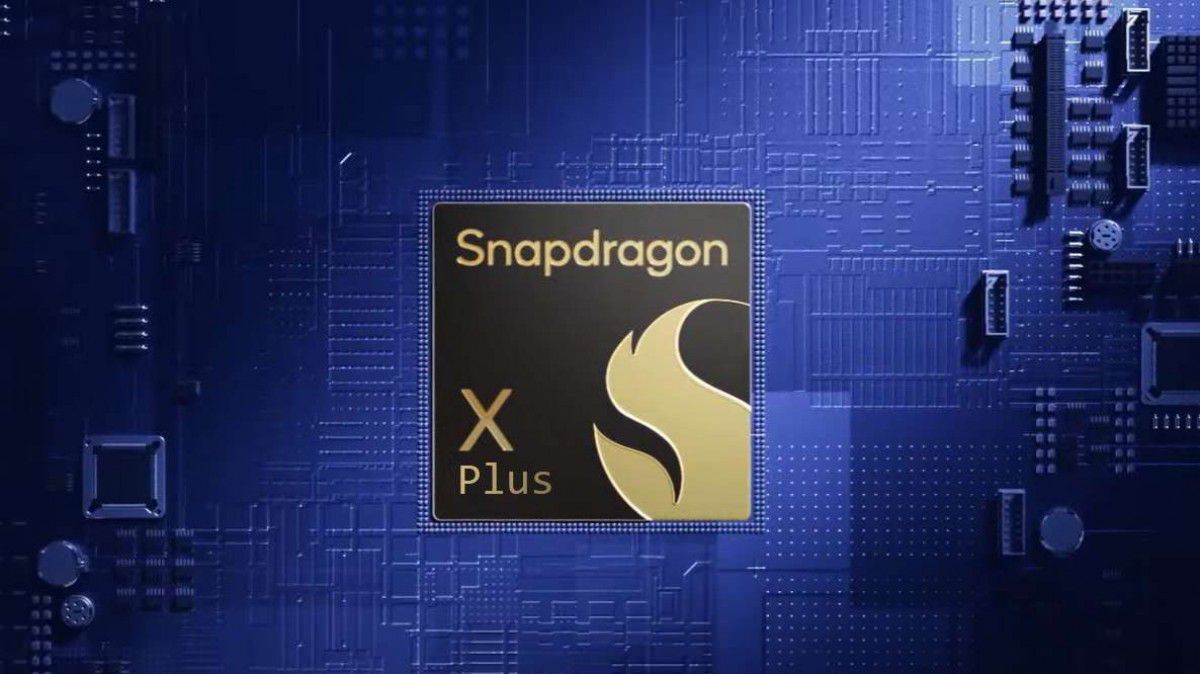
Qualcomm is paving the way for a more diverse and accessible future with its latest offering, theSnapdragon X Plus’.

Building upon the success of the highly anticipated Snapdragon X Elite, this new chip promises to bring the power and efficiency of ARM-based computing to a broader range of Windows laptops.

Snapdragon X Elite

Snapdragon X Elite

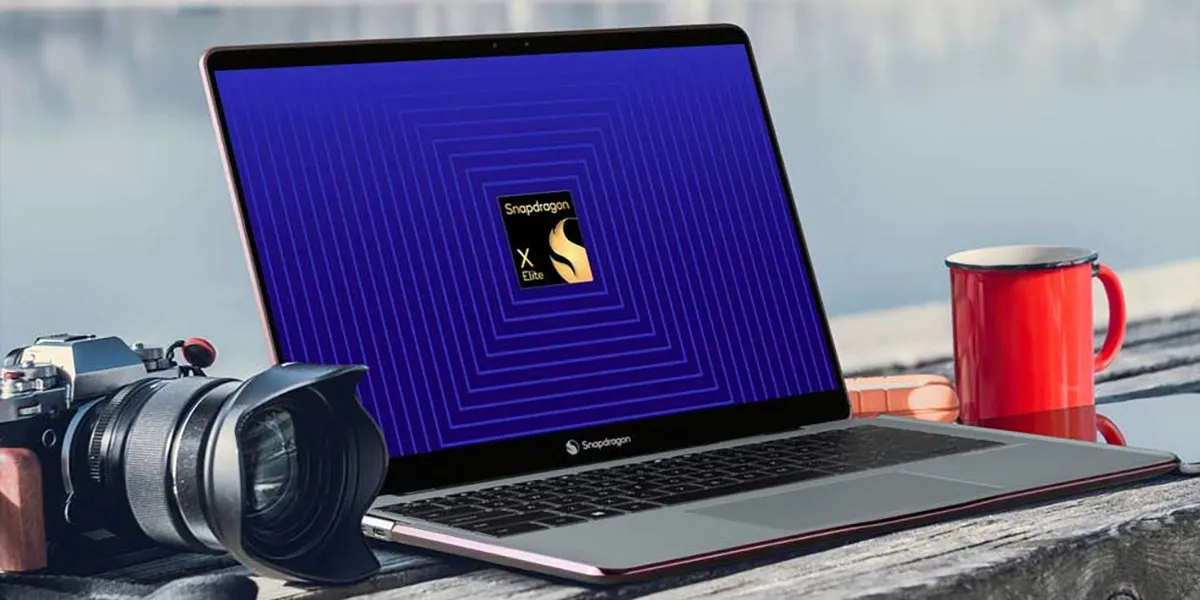
The Snapdragon X Elite, unveiled last year, was Qualcomm’s ambitious foray into the world of Windows on ARM, aiming to replicate the success of Apple’s M-series chips in the MacBook lineup

Early impressions of the Elite chip have been overwhelmingly positive, with reports suggesting that it can even outperform Apple’s latest M3 processors, often by a significant margin.

However, as promising as the Snapdragon X Elite may be, its cutting-edge technology and advanced capabilities inevitably come with a higher price tag, potentially limiting its accessibility to a wider consumer base. 

Enter the ‘Snapdragon X Plus’, a more affordable alternative that aims to democratize the benefits of ARM-based computing for Windows laptops.

According to reports from WinFuture, the Snapdragon X Plus is a cut-down version of the Elite, potentially featuring ten cores instead of the Elite’s 12-core setup. 

While specific details remain scarce, the chip is expected to bear the model number “X1P” in contrast to the Elite’s “X1E”, and will still support the X65 modem, ensuring seamless connectivity.

Snapdragon X Plus

Snapdragon X Plus
Snapdragon X Plus Coming Soon

The introduction of the Snapdragon X Plus not only represents a more cost-effective option for consumers but also signifies Qualcomm’s commitment to expanding the reach of its ARM-based technologies.

By offering a more affordable alternative, Qualcomm is poised to make inroads into a broader market segment, potentially disrupting the traditional dominance of x86-based processors in the Windows laptop space.

As the integration between Windows and Android continues to deepen, the presence of ARM-based chips like the Snapdragon X Elite and the Snapdragon X Plus could usher in a new era of seamless cross-platform experiences.

Qualcomm To Reportedly Introduce a Snapdragon X Plus to Bring ARM Computing to More Windows Laptops

Imagine a future where your Windows laptop effortlessly syncs with your Android smartphone, offering a unified and cohesive computing experience.

While laptops powered by the flagship Snapdragon X Elite are expected to hit the market in the coming months, the introduction of the Snapdragon X Plus promises to accelerate the adoption of ARM-based computing in the Windows ecosystem.

As Qualcomm continues to push the boundaries of innovation, consumers can look forward to a wider range of choices, elevated performance, and, perhaps most importantly, increased accessibility to cutting-edge technology.

FAQs

What is the Snapdragon X Plus?

The Snapdragon X Plus is Qualcomm’s latest chip designed for Windows laptops, building upon the success of the Snapdragon X Elite. It’s a more affordable alternative that aims to bring the efficiency and power of ARM-based computing to a wider audience. Featuring a slightly reduced core count compared to the Elite, it maintains high performance and connectivity standards.

How does the Snapdragon X Plus compare to the Snapdragon X Elite?

While both chips are part of Qualcomm’s push into ARM-based Windows computing, the Snapdragon X Plus is positioned as a more accessible option, potentially featuring ten cores compared to the Elite’s twelve. Despite this, it retains essential features like the X65 modem for seamless connectivity, striking a balance between performance and affordability.

Why is Qualcomm offering a more affordable ARM-based chip for Windows laptops?

Qualcomm’s introduction of the Snapdragon X Plus reflects a strategic move to democratize ARM-based computing. By offering a chip that maintains high performance at a lower price point, Qualcomm aims to make this advanced technology accessible to a broader range of consumers and manufacturers, thus expanding its market presence.

What advantages do ARM-based chips offer for Windows laptops?

ARM-based chips like the Snapdragon X Plus and X Elite offer several advantages for Windows laptops, including improved battery life, enhanced connectivity, and potentially better integration with mobile ecosystems. They represent a shift towards more efficient, mobile-inspired computing, challenging the traditional dominance of x86 processors.

Also Read: Qualcomm Snapdragon 8 Gen 4 Could Revolutionise Flagship Smartphones with 4GHz Clockspeed

Also Read: Qualcomm Snapdragon X Elite Set to Transform PCs with Next Windows Update in Mid-2024

Also Read: Qualcomm Snapdragon 8s Gen 3 Chipset Announced: Flagship Features to More Wallet-Friendly Smartphones

iPhone 16 Series Rumours: 3 New Design Overhauls and New Features
0
iPhone 16 Series Rumours: 3 New Design Overhauls and New Features
Highlights

  • iPhone 16 may feature a vertically stacked camera bump design.
  • Rumors suggest the reintroduction of additional physical buttons.
  • A slimmer profile could enhance aesthetics and ergonomics.
  • Design changes signal Apple’s continued innovation in smartphone technology.

As the calendar inches closer to September, Apple fans worldwide are anticipating Apple’s next flagship smartphone, the iPhone 16.

While the Cupertino tech giant is renowned for keeping its cards close to its chest, credible reports have emerged, hinting at several intriguing changes that could be in store for the upcoming device.

A Revamped Camera Bump Design

A Revamped Camera Bump Design

One of the most significant rumored changes for the iPhone 16 series revolves around the camera bump’s design.

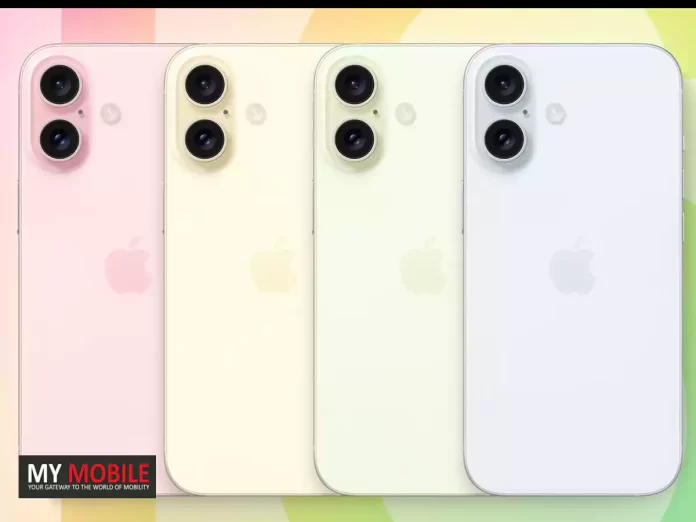
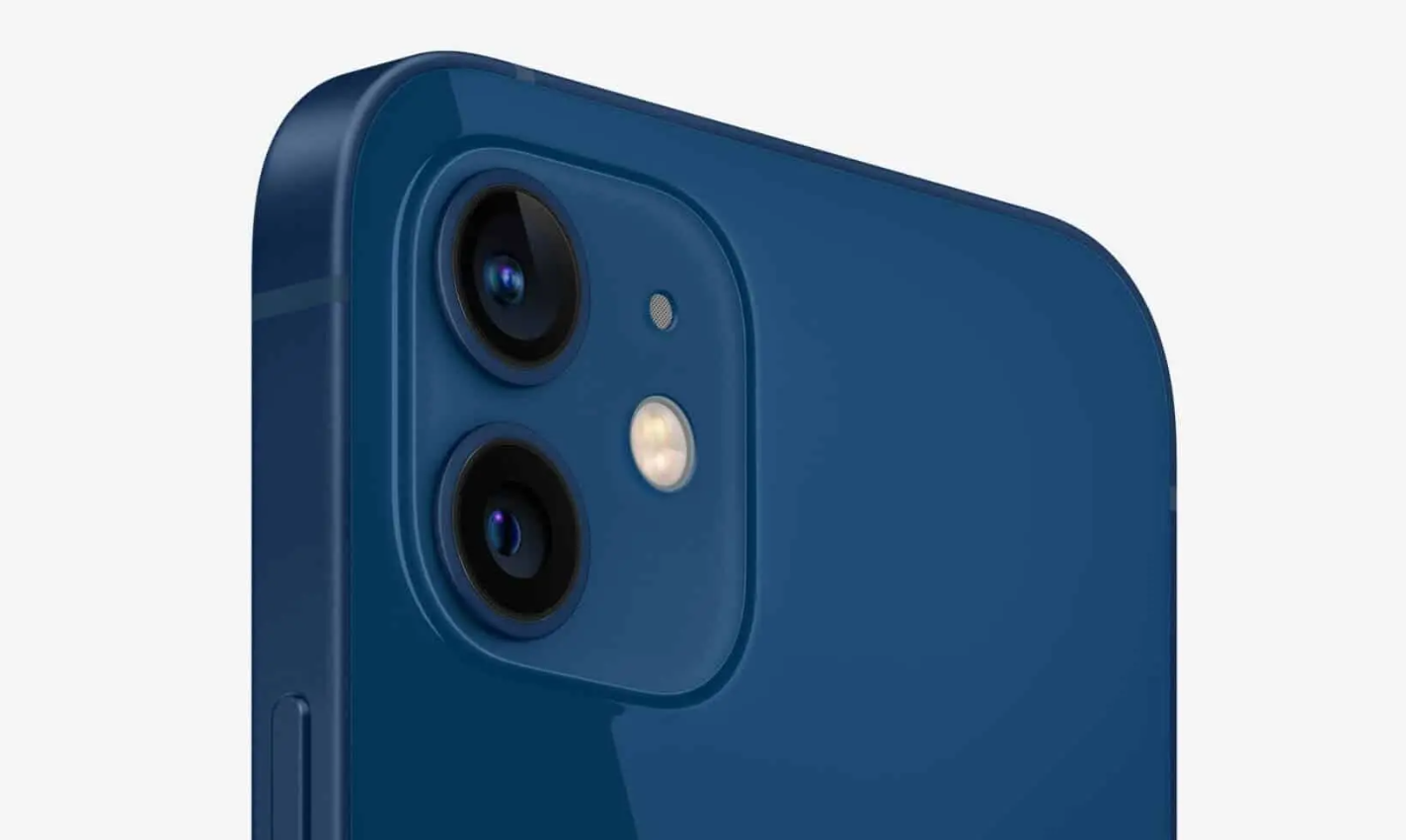
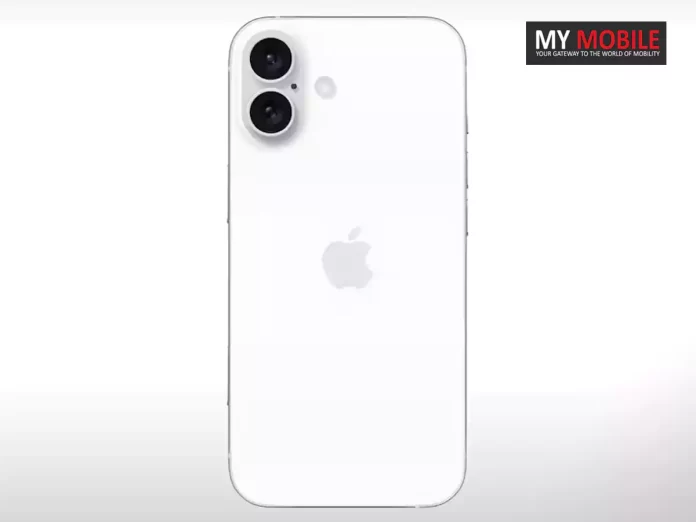
According to MacRumors, a highly reliable source for upcoming Apple products, the iPhone 16 and 16 Plus models could feature a vertically stacked camera arrangement, reminiscent of the design introduced with the iPhone 12.

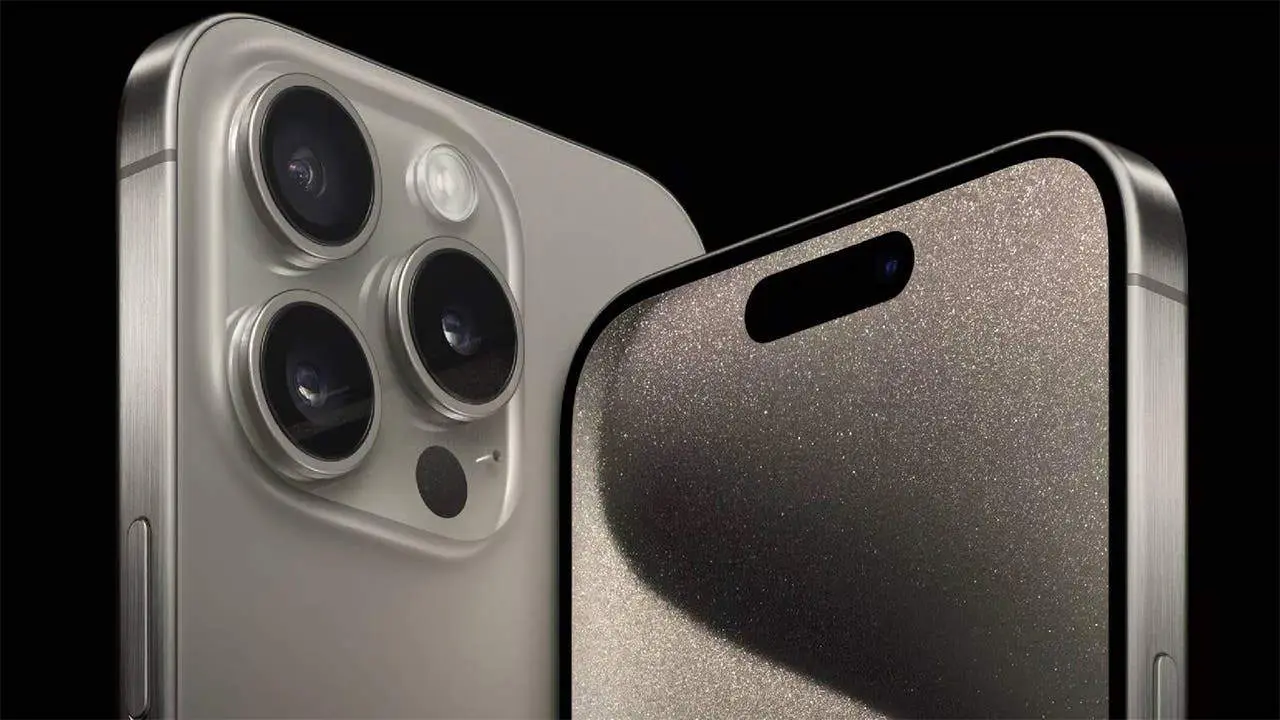
This potential change has gained further credibility from recently surfaced dummy units, which depict the regular iPhone 16 models with vertically aligned cameras, while the Pro variants retain the same design as their predecessors.

Apple has previously cited the need for accommodating larger camera sensors as the reason for altering the layout with the iPhone 13, suggesting that the upcoming models may no longer require such adjustments.

The Return of Additional Buttons

The Return of Additional Buttons

Another intriguing rumor surrounding the iPhone 16 series is the potential reintroduction of additional buttons.

While Apple has embraced a minimalist approach to physical buttons in recent years, some reports suggest that the company may be considering adding more buttons to the upcoming models.

The rationale behind this potential change remains unclear, but it could signify new functionality or a departure from the current design language.

However, it’s essential to approach these rumors with caution, as Apple is known for its meticulous attention to detail and may have compelling reasons for any such alterations.

A Slimmer Profile

A Slimmer Profile
A Slimmer Profile

Finally, reports have also hinted at the possibility of a slimmer overall design for the iPhone 16 series.

While Apple’s smartphones have traditionally maintained a sleek and svelte profile, the company may be looking to further refine the device’s aesthetics and ergonomics.

A slimmer design could not only enhance the phone’s visual appeal but also contribute to improved grip and handling.

However, achieving a slimmer profile without compromising on battery life, performance, or other essential features will undoubtedly be a challenging task for Apple’s engineering team.

As the release date draws nearer, tech enthusiasts eagerly await official confirmations and additional leaks that could shed more light on the highly anticipated iPhone 16 series.

Regardless of the changes, Apple’s commitment to innovation and pushing the boundaries of smartphone design remains unwavering, ensuring an exciting unveiling in the coming months.

Apple iPhone 16 Specs

GENERAL

Sim Type Dual Sim, GSM+GSM
Dual Sim Yes
Sim Size Nano + eSIM
Device Type Smartphone
Release Date September 07, 2024 (Expected)

DISPLAY

Type Color OLED Screen (1B Colors)
Touch Yes
Size 6.12 inches, 1200 x 2600 pixels, 120 Hz
Aspect Ratio 20:9
PPI ~ 447 PPI
Features Super Retina XDR Display, HDR Display, True Tone, Wide Color (P3), Haptic Touch, 1200 Nits Max Brightness (HDR), Support for Display of Multiple Languages and Characters Simultaneously
Notch Yes, Small Notch

MEMORY

RAM 8 GB
Storage 128 GB
Card Slot No

CONNECTIVITY

GPRS Yes
EDGE Yes
3G Yes
4G Yes
5G Yes
5G Bands 5G NR (Bands n1, n2, n3, n5, n7, n8, n12, n20, n25, n26, n28, n30, n38, n40, n41, n48, n53, n66, n70, n77, n78, n79)
VoLTE Yes
Wifi Yes, with wifi-hotspot
Wifi Version Wi-Fi 7
Bluetooth Yes, v5.4, A2DP, LE
USB Yes, Lightning Port
USB Features USB on-the-go, USB Charging

EXTRA

GPS yes with A-GPS, Glonass
Fingerprint Sensor No
Face Unlock Yes
Sensors Barometer, Three‑axis Gyro, Accelerometer, Proximity Sensor, Ambient Light Sensor
3.5mm Headphone Jack Lightning
NFC Yes
Water Resistance Yes, 6 m upto 30 min
IP Rating IP69
Dust Resistant Yes
Extra Features Satellite Connectivity, Crash Detection

CAMERA

Rear Camera 48 MP f/1.5 (Main)
12 MP f/2.4 (Ultra Wide) with autofocus
Features Panorama, Night Mode, Deep Fusion, Smart HDR 4, Photographic Styles, Burst Mode, Photo Geotagging
Video Recording 4K @ 24/25/30/60 fps UHD, 1080p @ 25/30/60 fps FHD
Flash Yes, Dual LED
Front Camera 12 MP f/1.9 (TrueDepth) with Retina Flash
Front Video Recording 4K @ 60 fps UHD, 1080p @ 60 fps FHD

TECHNICAL

OS iOS v18
Chipset Apple Bionic A17
CPU Octa Core Processor
GPU Apple 4 Core GPU
Java No
Browser Yes

MULTIMEDIA

Email Yes
Music AAC‑LC, HE‑AAC, HE‑AAC v2, Protected AAC, MP3, Linear PCM, Apple Lossless, FLAC, Dolby Digital (AC‑3), Dolby Digital Plus (E‑AC‑3), Dolby Atmos and Audible (formats 2, 3, 4, Audible Enhanced Audio, AAX and AAX+)
Video HEVC, H.264, MPEG‑4 Part 2 and Motion JPEG, HDR with Dolby Vision, HDR10 and HLG
FM Radio No
Document Reader Yes

BATTERY

Type Non-Removable Battery
Size 3500 mAh, Li-ion Battery
Fast Charging Yes
Wireless Charging Yes, 25W MagSafe
Music Playback Time 100 hours

FAQs

What are the rumored design changes for the iPhone 16 series?

The iPhone 16 series is rumored to introduce several design changes, including a vertically stacked camera arrangement for the iPhone 16 and 16 Plus models, reminiscent of earlier models like the iPhone 12. Additionally, there’s speculation about the potential reintroduction of additional physical buttons, indicating new functionality or design tweaks. A slimmer profile is also among the anticipated changes, promising a sleeker look and improved handling.

Why might Apple change the iPhone’s camera bump design?

Apple’s decision to potentially revert to a vertically stacked camera bump design in the iPhone 16 series could be influenced by various factors, including the need to accommodate advancements in camera technology, aesthetic considerations, or user feedback. Historically, changes in camera design have reflected Apple’s commitment to enhancing photo and video capabilities while maintaining the iPhone’s sleek appearance.

How could additional buttons impact iPhone 16 usage?

The rumored addition of extra physical buttons on the iPhone 16 series could offer users more direct control over certain functions, potentially improving accessibility and user experience. This change could introduce new shortcuts, enhance device interaction, or signal a shift in Apple’s design philosophy towards offering users more physical control options.

What are the advantages of a slimmer iPhone design?

A slimmer design for the iPhone 16 series could provide several benefits, including a more elegant and modern appearance, improved grip and ergonomics, and potential weight reduction. Apple’s ability to offer a thinner device without compromising on performance, battery life, or feature set would underscore its engineering prowess and commitment to user-centric design.

Also Read: iPhone 16 to Get a Major RAM and Storage Upgrade for AI Capabilities

Also Read: Apple iPhone 16 Pro Leaked to Feature Enhanced Titanium Finish with New Manufacturing Process

Also Read: iPhone 16 Series Case Leaks Suggest Design Overhaul and New Features

Samsung Reclaims World’s Top Smartphone Manufacturer Title Surpassing Apple

0
Samsung Reclaims World's Top Smartphone Manufacturer Title Surpassing Apple

Highlights

  • Samsung leads in global smartphone shipments, surpassing Apple.
  • Strong Galaxy S24 series sales in the US and Europe fuel Samsung’s rise.
  • Samsung captures a 20% global market share in February.
  • Innovative AI features of Galaxy S24 series attract consumers worldwide.

In a reversal of fortunes, Samsung has regained its position as the world’s leading smartphone manufacturer, surpassing Apple’s shipments in recent months.

This development marks a significant shift in the highly competitive mobile market, where the two tech giants have been vying for the top spot.

Samsung Tops Global Smartphone Shipment Charts

Samsung Tops Global Smartphone Shipment Charts

According to reports from Counterpoint Research, strong sales of Samsung’s Galaxy smartphones in the United States and Europe have propelled the South Korean company back to the forefront of global shipments.

In February alone, Samsung sold an impressive 19.69 million handsets, commanding a 20% share of the worldwide smartphone market.

Apple, on the other hand, shipped 17.41 million iPhone units during the same period, securing an 18% market share.

This represents a temporary setback for the Cupertino-based company, which had claimed the top spot for the first time in 2023, thanks to robust iPhone sales.

Galaxy S24 Contributing to Rise

Samsung Reclaims World's Top Smartphone Manufacturer Title Surpassing Apple
Samsung Reclaims World’s Top Smartphone Manufacturer Title Surpassing Apple

Analysts attribute Samsung’s resurgence to the positive reception of its latest flagship lineup, the Galaxy S24 series.

Kim Rok-ho, a researcher at Hana Securities, commented, “It is encouraging that Samsung regained the top spot by achieving a 20 percent global share with a positive response to the Galaxy S24 series in the U.S. and Europe.”

The Galaxy S24 series, launched in January, has proven to be a hit among consumers, particularly in Europe and the United States.

In Europe, Samsung dominated the market with a 34% share in February, while in the traditionally iPhone-dominant United States, the company’s share soared to an impressive 36%, up from 20% in January.

One of the key factors contributing to the success of the Galaxy S24 line is its innovative AI features, such as real-time language translation during phone conversations and the Circle to Search functionality, which allows users to search for information by circling an item on the screen.

By the end of February, Samsung had sold an impressive 6.53 million units of the Galaxy S24 series.

While Apple still maintains a strong foothold in the United States, with a 48% market share in February, Samsung’s recent surge shows in no uncertain terms the intense competition in the global smartphone market.

FAQs

How did Samsung regain its position as the leading smartphone manufacturer?

Samsung regained its status as the world’s leading smartphone manufacturer by outpacing Apple in global shipments. This resurgence is largely attributed to the strong sales performance of the Galaxy S24 series in key markets such as the United States and Europe, coupled with Samsung’s strategic market expansion and innovative technology offerings that have resonated well with consumers.

What contributed to the success of the Galaxy S24 series?

The Galaxy S24 series’ success stems from its cutting-edge AI features, such as real-time language translation during calls and the Circle to Search functionality. These innovations, along with high-quality hardware and competitive pricing, have made the Galaxy S24 series particularly popular among consumers in Europe and the US, contributing significantly to Samsung’s recent shipment figures.

How do Samsung’s recent sales figures compare with Apple’s?

In February, Samsung led the global smartphone market with 19.69 million units sold, achieving a 20% market share. Apple, meanwhile, shipped 17.41 million iPhones, securing an 18% market share. This comparison highlights the close competition between the two tech giants and Samsung’s impressive performance in recent months.

Which regions have contributed most to Samsung’s recent success?

Samsung’s recent success in regaining the global smartphone shipment lead has been significantly bolstered by its performance in Europe and the United States. In Europe, Samsung claimed a 34% market share in February, while in the US, its market share jumped to 36% from 20% in January, showcasing the brand’s growing popularity and competitive strength in these regions.

Also Read: Apple Overtakes Samsung in Global and European Smartphone Markets in 2023

Also Read: Apple Adjusts Strategy in China Amidst Sluggish iPhone 15 Sales