Home Blog Page 1289

India PC market sees shipments of over 3 million units for second consecutive quarter: IDC

0

Thanks to the trend of work from home and online learning in the wake of COVID-19 pandemic, the India traditional PC market (inclusive of desktops, notebooks, and workstations) continued to be robust as the shipments grew by 50.5% year-over-year (YoY) in 2Q21 (Apr-Jun), as per a new report by International Data Corporation. A total of 3.2 million PCs were shipped in the quarter, with all product categories reporting strong double-digit growth, it found.

In the absence of any large education and government deal, this was the second consecutive quarter when India’s PC market saw shipments of over 3 million PCs, underlining the growth in the enterprise, SMB, and consumer segments.

Notebook PCs continue to hold more than three-fourth share in the overall category and grew 49.9% YoY in 2Q21, reporting a fourth consecutive quarter with over 2 million units, said the study. Desktops also indicated a recovery as shipments grew 52.3% YoY after recording the lowest shipments of the decade in 2Q20, it added.

According to the IDC Worldwide Quarterly Personal Computing Device Tracker, the second wave of COVID-19 further delayed the opening of schools and colleges, strengthening the demand for PCs for home learning. In 2Q21, the consumer segment grew 118.4% YoY, and 5.9% sequentially as vendors prepared the channel in anticipation of stronger demand. The commercial segment grew 13.8% YoY in 2Q21 as the enterprises, especially the IT and IT-enabled services companies, continued buying to manage the growing workforce in the ongoing work from home scenario. Moreover, the demand from SMBs also supported the growth of the commercial segment as it grew 61.2% from the same time a year ago.

“Despite the country being severely impacted by the second wave of COVID-19, there was a sense of optimism in the market as vendors utilized the time to procure devices to assure channel availability from their end,” said Bharath Shenoy, Market Analyst, PC Devices, IDC India. He further added, “Channel partners were struggling with low inventories and backlogs for almost a year; this came as a breather for a few vendors as they were able to add a few more weeks’ inventories to their channel. However, as demand continues to outstrip the supply, it doesn’t seem that the channel inventory will return to normal before the year-end.”

Top 5 companies   

HP Inc. reported the second quarter in a row with over a million shipments. It maintained its lead in the India PC market with a 33.6% share as its shipments grew 54.2% annually. HP shipped over half a million notebooks in the consumer segment, registering the highest shipments in the consumer notebook segment in a quarter by any vendor in India. Better allocation to the country and timely supplies helped the vendor to further widen its lead in the PC category.

Dell Technologies continued to hold the second position with a 22.1% share and impressive 86.1% YoY growth in 2Q21. In the commercial segment, with a share of 29.6%, it placed close behind HP in the second position. Also, it retained its third position in the consumer segment as its shipments grew 161.9% YoY in 2Q21.

Lenovo maintained the third position with a share of 17.8% in 2Q21. However, it did witness a marginal decline in its overall shipments due to the delayed supplies in the country. Nevertheless, it retained its second position in the consumer segment as its shipments saw a 28.8% yearly growth in 2Q21.

Acer Group retained the fourth position with an 8.7% market share in 2Q21. The vendor witnessed a YoY growth of 31.6%, primarily driven by strong performance in the consumer notebook segment as its shipments almost tripled from the same time a year ago. Acer also shared the leading position in the commercial desktop category with HP, with a share of 24.6% in 2Q21.

Apple tied with Asus in the fifth position for the second quarter in a row. It continued its strong performance and managed to ship more than 100 thousand units for the fourth quarter in succession.

Asus shipments grew 39.8% YoY in 2Q21 as it observed positive traction in both consumer and commercial segments. The vendor returned to the fourth position in the consumer segment with a share of 8.9% in this quarter and registered 37.5% growth from the same quarter a year ago.

Talking about the recent trends, Jaipal Singh, Research Manager, Client Devices, IDC India, said, “The tremendous growth in India’s consumer notebook segment is attracting many smartphone brands to explore this category. The country offers huge potential for all brands to grow if they timely address the demand, which is slowly shifting to entry-level price points. However, the current supply situation may restrict the growth opportunities in the short term, but this is a great window of opportunity to enter India’s consumer notebook market.” He further added, “New brands also need to be considerate about the challenges that PC vendors faced in the past in terms of affordability, connectivity, and usability, and their devices portfolio should be aligned to these challenges if they are eying a significant share in this market.”

Mi 11X vs Poco F3 GT: Which is a better sibling?

0

Xiaomi has recently launched another performance-centric smartphone Poco F3 GT in India as the next model in the F series. It is essentially a rebranded version of the Redmi K40 Game Enhanced Edition from China. Xiaomi has already launched the other Redmi K40 models in India as Mi 11X series, rebranded Redmi K40 and Redmi K40 Pro+. The recently launched Poco F3 GT offers super specifications as the brand seeks to establish itself in the premium segment. On paper, the smartphone appears to be a strong contender against the likes of Mi 11X. But it is not all roses here and there are thorns too. Let’s just find out how the Poco F3 GT stacks up against its sibling Mi 11X in the premium segment and which one should you buy.

Design

The Mi 11X is a reasonably attractive handset that features all the trappings of a modern phone, such as a small notch, thin bezels, a glossy glass back, and a sizable camera assembly on the back. It comes in three colors – Cosmic Black, Lunar White, and Celestial Silver. On the other hand, the Poco F3 GT too is a good looking phone that offers a premium feel in the hand. One of the major highlights of the F3 GT is its maglev trigger buttons, positioned on the right side. It comes in two colours – Gunmetal Silver and Predator Black.

Display

Mi 11X as well as Poco F3 GT are fairly large smartphones. Mi 11X sports a big 6.67-inch Full HD+ Super AMOLED display whereas Poco F3 GT too has a massive 6.67-inch AMOLED display, dominating the phone’s front with the same refresh rate of 120Hz. In terms of screen to body ratio, Poco’s device has better ratio of ~ 86.3 per cent than Mi 11X’s ~ 85.9 per cent.

Cameras

Poco F3 GT’s 64-megapixel main camera, an 8-megapixel ultra-wide sensor and a 2-megapixel macro camera outclasses Xiaomi’s Mi 11X’s 48-megapixel primary camera, and 8-megapixel ultra-wide-angle camera and a 5-megapixel macro sensor in terms of resolution. Though, Mi 11X will be better choice if you are looking to click lot of selfies as it has better 20-megapixel front camera in comparison to Poco F3 GT’s 16-megapixel front camera.

Processor

Xiaomi’s Mi 11X is powered by the Qualcomm Snapdragon 870 processor whereas the MediaTek Dimensity 1200 runs the show on the Poco F3 GT. Both the devices come with 6GB RAM and both have same 128GB of internal memory. Both the phones comes with a memory card slot. Further, both Mi 11X and F3 GT run on Android Operating System Version 11.

Battery

The Mi 11X packs 4,520mAh battery which by today’s standards and the price ranges stands in, is a bit less. On the other hand, the Poco phone sports a sizable 5,065mAh battery that easily lasts for a day. Xiaomi’s Mi 11X support 33W fast charging and comes with a fast charger included which is nice, whereas F3 GT comes with a 67W fast charger in the box that takes 42 minutes to charge the device from 0 to 100 per cent.

Price

Xiaomi launched Mi 11X smartphone on April 23 this year, which cost Rs 27,999, whereas Poco F3 GT launched on July 23 and is available at Rs 26,999.

Conclusion

The main difference between both the handset is their chipset. While Mi 11X contains Snapdragon 870 chipset, Poco F3 GT comes with a MediaTek Dimensity 1200 chipset. Besides, Mi 11X contains a better display for sure, Poco F3 GT has a much better camera section, a highly impressive battery support, more than double the battery charging support as well as much better internal storage support. That is why it would be wise to go with Poco F3 GT as of now instead of Mi 11X at a higher cost.

UNISOC joins Google’s Android Ready SE Alliance

0

UNISOC today announced that it has joined Google’s new Android Ready SE Alliance, a collaboration between Google and Secure Element (SE) vendors, to offer a growing list of open-source, validated, and ready-to-use SE Applets for new and emerging use cases such as digital keys, identity credentials, E-money solutions.

The alliance was created to make discrete tamper resistant hardware backed security the lowest common denominator for the Android ecosystem, which makes emerging applications on smart terminals more secure and convenient.

As the world’s leading brand of mobile and IoT chipsets, UNISOC has a range of complete security solutions from chip to software. Joining the Android Ready SE Alliance can give full play to the advantages of UNISOC’s integrated software and hardware security solutions to further improve digital security protection for smart terminals.

Xiaofei Xia, Marketing SVP, UNISOC, said, “UNISOC aspires to deliver secure solutions to the Android ecosystem. With the rapid development of mobile Internet, the tamper-resistant secure element is becoming indispensable requirement in Android devices.”

The development of digital technologies such as mobile Internet, big data, cloud computing, and smart terminals has accelerated the advent of the digital world and made the protection of digital security more complex and changeable. UNISOC considers digital security protection from the initial design of the chip, integrates different security specifications and requirements according to different usage scenarios, supports international mainstream algorithms and secret keys for enhanced protection, and is in line with the industry.

Top Five Homegrown Apps You Need to Check out this Independence Day

0

Digital entrepreneurship and use of social media have been on a steady rise in India recently with the introduction of numerous exciting homegrown applications in the Indian market. This Independence Day, we look at some of the top ‘Made in India’ applications that have hit the bulls-eye with the rapidly-growing internet consumers in the country.

Mo

Conceptualized and launched in just 30 hours, Moj was created as the go-to destination for short videos for creators and users in India to showcase their creativity and get entertained. Today, Moj is India’s #1 short video app with the highest monthly active users of 160 million and 50+ million strong creators’ community. With a robust AI-powered content ecosystem, coupled with exclusive partnerships, a vast array of camera filters and features and an extensive music library, Moj has given India’s growing community of talented artists an ideal platform to creatively express themselves and inspire millions of others.

ShareChat


Launched in October 2015, ShareChat is India’s first and leading social media platform. Hosting content in over 15+ Indic languages, its in-house AI-driven capabilities and algorithms enable the platform to provide a unique content consumption experience for its 180 million-strong monthly active user community. While fostering community building and conversations amongst Bharat, ShareChat has also launched India’s own Clubhouse with ShareChat chatrooms. Making the internet more accessible and meaningful for Indians, ShareChat continues to redefine the social media experience and provide a more inclusive environment for the next billion internet users in the country.

JioMeet

Go Vocal for Local and Say Namaste via JioMeet from Reliance Jio. Most Indian companies have adopted JioMeet as their daily go-to app for video meetings, with the platform taking advantage of the widespread digital adoption post the outbreak of COVID-19. Launched in July 2020, JioMeet users can enjoy breakout rooms, multi-device support, file sharing, inviting participants while planning the meetings, and multiple video layout options while enjoying added security and stability. Possessing a simple user-friendly interface, JioMeet also supports multi-device login and allows up to 100 participants enabling companies to communicate in the most efficient manner.

FAU-G

Launched in January 2021 by Akshay Kumar, this homegrown version of PUB-G by the name of ‘Fearless and United Guards’ or FAU-G, currently has 5 million+ downloads on PlayStore alone. In fact, it recorded the highest number of pre-registrations in less than 24 hours on the Play Store in India before its launch last year. Based on real scenarios encountered by the Indian security forces, the game has garnered a niche following for itself within a short span of time. Incidentally, 20% of the net revenue generated from the game is being donated to Bharat Ke Veer trust, an initiative implemented as a collaborative effort to support the families of Indian armed forces.

Koo

Koo, an Indian alternative to Twitter, is a homemade version of the social networking platform that was launched in March 2020. Over the past 1.5 years, Koo has undoubtedly become the voice of India by providing Twitter-like experience in Indian languages. The app has also been brought up by Prime Minister Narendra Modi in one of his ‘Mann Ki Baat’ addresses and is being used by top political leaders, celebrities and sports personalities. Koo is available on both iOS and Android, and has a webpage as well.

Twitter’s new look and font ‘Chirp’ is here! All you need to know

0

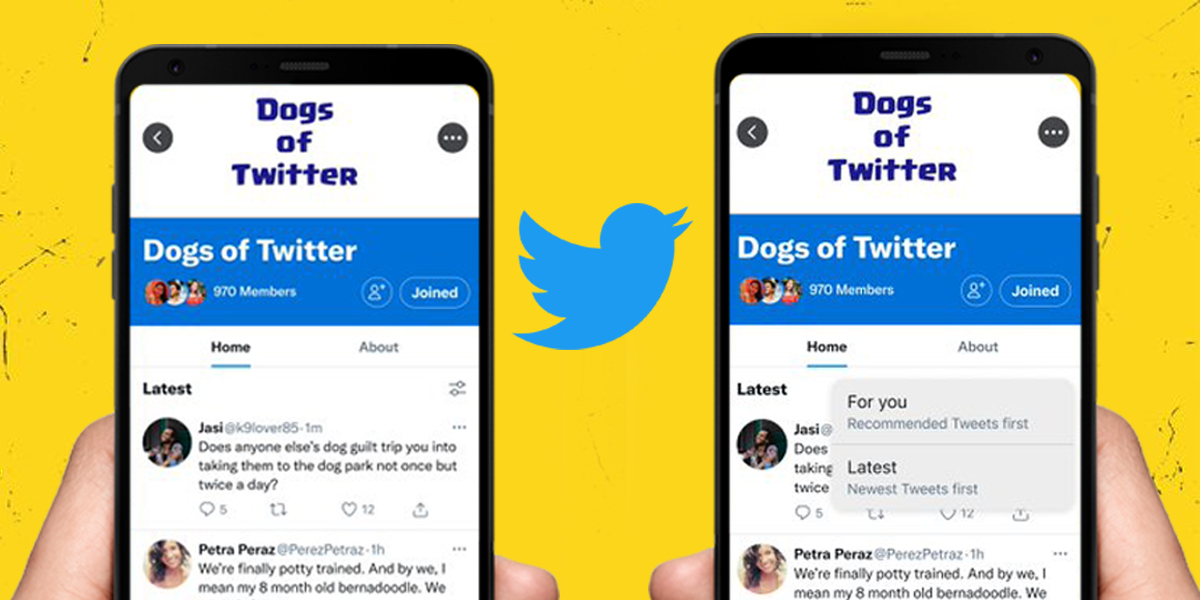
Did you notice some changes in the world-famous micro-blogging website Twitter? The social media platform has made many changes in its design simultaneously. With an aim to redesign its app and website, the platform has announced that it is now rolling out its new font to the Twitter app and feed. The name of the new font is ‘Chirp’. This font was introduced in January 2021, which is a mix of American Gothic and European Grotesque style, and Twitter has now started implementing it along with some minor design changes.

Twitter has switched over to its ‘Chirp’ font

The company, on Wednesday, wrote on the platform, “Today, we released a few changes to the way Twitter looks on the web and on your phone. While it might feel weird at first, these updates make us more accessible, unique and focused on you and what you are talking about.”

“In January, we revealed our new font, Chirp — and it’s ready for you to use today,” it added. Twitter Design mentioned that all Western-language text now aligns left, making it easier to read as you scroll. Non-Western languages remain unchanged.

“We’ve updated our colors to be high contrast and a lot less blue — a change made to draw attention to the photos and videos you create and share. We’re also rolling out new colors soon, giving you a fresh palette,” adds Twitter Design.

Earlier, fonts like SF Pro, Roboto and Helvetica Neue were used in Twitter, but this time all fonts have been replaced with Chirp. This font has been created in partnership with Grilli Type Foundry in Switzerland. In an official blog post, Twitter says that “We worked with @grillitype in Switzerland to develop Chirp, our first-ever proprietary typeface. Chirp strikes the balance between messy and sharp to amplify the fun and irreverence of a Tweet, but can also carry the weight of seriousness when needed.”

Other changes

The social media giant has also introduced some new buttons and they are also high contrast. You will also see the change in the ‘follow’ button, which is now black in color. “Now the most important actions you can take stand out. Yes, the follow buttons look different, but they’ll help you see what actions you’ve taken at a glance,” Twitter Design team said in a tweet.

Lastly, the micro-blogging website said that there will be fewer gray backgrounds and unnecessary divider lines. There is also an increase in space to make text easier to read. The idea behind the change is to clean the cluster. “Finally, we cleaned up a lot of visual clutter. There are fewer gray backgrounds and unnecessary divider lines. We also increased space to make text easier to read. This is only the start of more visual updates as Twitter becomes more centered on you and what you have to say!”, Twitter Designs final tweet read.

The new design has been rolled out and should be gradually visible to all Twitter users.

Noise introduces watch faces dedicated to Tokyo 2020 Olympians

0

Noise has launched its new campaign ‘Pulse of the Nation’, to celebrate the spirit of India’s sporting glory and that of Independence Day. As part of the campaign, the brand has introduced a series of limited-edition watch faces that feature, select athletes who represented the nation at the Olympics Tokyo 2020 along with some watch faces that celebrate India’s pride and growth. With this campaign, the brand aims to celebrate the nation and the true and undying spirit of Indian athletes who despite obstacles, displayed excellence and persistence with their remarkable performances.

Renowned athletes from the Indian Men’s Hockey team, and varied sports including, Boxing, Wrestling and Shooting will be a part of Noise’s newly launched campaign – ‘Pulse of the Nation’. Noisemakers can choose their favourite Olympian of the season and make them a part of their fitness journey by having their faces on their wrists. The watch faces launched under ‘Pulse of the Nation’ will be active for 45 days for users to download. It introduced under the campaign can be downloaded from NoiseFit App and will be available on select smartwatches of Noise including, ColorFit Pro2, ColorFit Pro2 Oxy, ColorFit Pro3, ColorFit Pro3 Assist, ColorFit Ultra, and Noise Pulse.

Utsav Malhotra, Chief Operating Officer (COO) at Noise, said, “As a nation, we are extremely proud of our athletes who brought home more than just medals this year, they brought glory! We are excited to celebrate their fervour and commitment to achieve the best with our special limited-edition watch faces as part of our campaign, ‘Pulse of the Nation’. As a brand, we have always supported the athletic spirit through our campaigns, and we have been actively connecting with athletes to share their story of grit, resilience and achievement on Noise’s platforms. We believe that there isn’t a better day to honour the country’s athletic glory. The synergy of the campaign aims to salute the country in its true Independence Day splendour while inspiring the aspirational Noisemakers who are motivated towards fitness, health, and wellness.”

The brand’s technologically driven smart wearables are a testament to its commitment to health and fitness. Noise aims to further its dedication towards holistic wellness by acquainting its users with real heroes who are the epitome of consistency, persistence, and hard work when it comes to fitness.

5G will bring a considerable bump to speeds in the country: Ookla CEO

0

There’s a lot of talk going around network speeds in the country, the health of the telecom industry and how India is gearing up for 5G, the next-generation mobile technology. Doug Suttles, CEO and Co-founder, Ookla, discusses these issues, in a conversation with Ramesh Kumar Raja. He also talks about Ookla’s mission to make the internet better, faster and more accessible for everyone. Excerpts:

There’s a paradigm shift in internet usage and data consumption in the wake of COVID-19 pandemic owing to online learning and remote working. In such a situation, how do you look at the internet speed trends in India?

When you look at Speedtest Intelligence data over the past year, median fixed broadband download speeds in India rose from 25.79 Mbps in Q2 2020 to hit a high of 39.31 Mbps in Q2 2021. Upload speeds have shown a similar scale increase, and latencies continue to improve. This is a testament to the level of investment being made by network operators in migrating from older technologies, such as DSL to fiber.

For mobile broadband, it’s a similar story. Mobile is the dominant access technology in India, and while it lags fixed-line networks in terms of absolute median speeds, we’ve seen some recent bumps in performance as operators have acquired and deployed additional spectrum. Over the last year, Indian mobile internet speeds have increased from 7.42 Mbps to 10.56 Mbps (as of Q2 2021).

In your Speedtest Global Index for January 2021, India retained its position on the broadband speed front, whereas it fell in the mobile internet speed. Where are we lacking and how can we improve the existing scenario?

For fixed broadband, continued deployment of fiber will push India up the Ookla Speedtest Global Index. It’s clear there’s a lot of development on that front, with Airtel planning to shut down its copper network in early 2022, Jio’s JioFiber is now installed in 3 million active homes, and the Government’s BharatNet optical fiber project is now being extended to include partnerships with private companies. On the mobile side, spectrum has been a bottleneck for Indian operators, as well as backhaul and transport infrastructure. Freeing up more spectrum for mobile use, in particular via the upcoming 5G auction, will help propel India further up the Global Index. Progress is being made, which can be seen when you look at the data from the Speedtest Global Index in June. India climbed 6 places in mobile internet speeds, and 3 for fixed broadband speeds.

“I’m positive about the outlook for internet speeds in India. There’s already evidence that the country is on a positive trajectory, and I see a clear desire to be at the forefront of next-generation network technologies. This is shown by the moves to embrace Open RAN and network virtualization by all three mobile operators”

What is your outlook for India in the post-COVID era?

I’m positive about the outlook for internet speeds in India. There’s already evidence that the country is on a positive trajectory, and I see a clear desire to be at the forefront of next-generation network technologies. This is shown by the moves to embrace Open RAN and network virtualization by all three mobile operators, the Government’s Make in India initiative and the Indian Telecom Standard Body’s recent submission of its 6G vision to the ITU.

However, this positivity hinges on several factors playing out. 5G will bring enhanced mobile broadband speeds for both consumers and enterprises – a real step-change over current 4G-LTE networks in the country. 5G will provide the bandwidth and latency to enjoy uninterrupted access to services such as high-definition video streaming, mobile gaming and video calling on the go. Nevertheless, the already delayed auction needs to take place, and most importantly, mobile operators need to acquire sufficient spectrum at a price that doesn’t inhibit their ability to invest.

The 5G era in India is likely to be one of stability. Waves of industry consolidation have resulted in three similarly placed national mobile networks. Due to this, we’re unlikely to see a return to the price wars of the early 4G era, which is important in ensuring adequate re-investment in networks.

What is the current MAU Ookla has till date in 2021 and what would be the next target for you by the end of this year?

Every month, millions of users across India test their networks with Speedtest by Ookla. With ongoing investment in fixed and mobile networks and the upcoming 5G launch in 2022, we fully expect that Speedtest will play an increasingly important role in helping Indian consumers understand their network’s performance.

Do you think 4G availability is up to the mark, especially post-consolidation in the Indian telecom sector?

According to Speedtest Intelligence data, 4G availability is growing, with our 4G Service metric (the % of known operator locations where a device has access to 4G-LTE) increasing from 93.5% in Q4 2020 to 96% in Q2 2021. The critical component here is spectrum availability, particularly in coverage bands (below 1GHz). This past March, Indian operators consolidated their holdings of spectrum in these coverage bands via auction. While this has helped drive 4G availability, there were no bids at the reserve price for spectrum in the 700Mhz band, which has better coverage properties. If this is allocated during the forthcoming auction, it will help drive 4G service closer to 100%.

What’s your opinion about Reliance Jio’s market disruption followed by the Vodafone-Idea merger and Airtel falling in line after years of dominance?

Telecoms is a scale game, and as such, having three large national mobile operators should bode well for the Indian market, providing the right blend of competition and investment. The 5G era in India should be one of growing stability for mobile operators and the regulator, where the price wars that occurred during the 4G tech cycle are consigned to history.

However, progress won’t be easy. It’s a big year ahead for TRAI and the new Communications Minister Ashwini Vaishnaw, who will have to oversee a 5G auction and deliver an optimal outcome not only for the State, but also ensure operators can invest adequately in 5G. Beyond that, the major issue of Vi India’s liquidity issues needs to be resolved. It will also be interesting to see to what degree Jio pivots from being the disruptive player in the market to more of an established incumbent, particularly when it comes to 5G pricing.

“It’s a big year ahead for TRAI and the new Communications Minister Ashwini Vaishnaw, who will have to oversee a 5G auction and deliver an optimal outcome not only for the State, but also ensure operators can invest adequately in 5G. Beyond that, the major issue of Vi India’s liquidity issues needs to be resolved”

The issue of call drop still persists in India and there seems to be no solution to it. What’s your opinion?

Mobile networks are constantly evolving in order to manage the exponential growth in capacity demand, which is never static in one place. In population-dense environments like India, engineering and optimization of these networks become that much more difficult. Traditionally, Ookla’s suite of products has helped mobile operators detect and troubleshoot network issues to improve mobile network performance. We’re keen to play a larger role, and with our recent acquisition of Solutelia and its flagship WINd software suite, Ookla now provides solutions to support operators through each stage of mobile network planning, site verification, monitoring, optimization and performance assurance. We enable MNO engineers in the field to pinpoint the exact cause of data and voice-related connectivity issues, measure the quality of voice and video with supported industry-standard algorithms and perform focused actions to mitigate any issues.

There is a lot of buzz around the upcoming 5G network in India. Is it going to be another disruptor in the telecom space? Is India ready to take on the initial challenges of 5G implementation?

5G will be very different from 4G in terms of industry disruption, which will be good news for Indian telcos. The increased bandwidth that 5G brings will enable service providers to develop more innovative end-user services, rather than competing mainly on price. In addition, 5G is bringing much more disruption to the network infrastructure space with the move to Open RAN, as well as network virtualization and automation introducing new competitors to the market and disrupting incumbents.

The delay in India’s 5G spectrum auction has focused telcos’ minds on improving the end-customer experience by strengthening their existing 4G LTE networks. However, as much as 4G LTE networks will remain important for the foreseeable future, 5G networks are essential to cater to the growing demand in services such as video streaming and mobile gaming. Despite the delay, it’s clear that there’s a lot of work already going on behind the scenes to help drive 5G commercialization once the spectrum becomes available. All three major network operators are busy conducting 5G trials and have achieved impressive 5G speeds. Additionally, Airtel has already started to roll out 5G-ready network equipment and Jio is testing its own 5G Open RAN solutions in several cities.

What sort of changes are we going to see with the 5G network?

The starkest change Indian users will see from early 5G networks will be their speed. One of the key benefits of 5G is that it can operate over a wider range of spectrum frequencies than LTE. India’s government plans to allocate a wide band of 275 MHz of spectrum in the 3.3-3.6 GHz range (C-Band), which will offer much greater capacity than existing spectrum used for LTE services.

If we look at other markets in the Asia Pacific that have recently launched 5G (Thailand and the Philippines both launched 5G in Q1 2020), the differential between 4G-LTE and 5G speeds was on average between 9-10x in Q2 2021. It’s impossible to say exactly how fast 5G will be for the average Indian user, given uncertainty over exact spectrum allocations and rollout plans (including the radio access network, but also improvements to backhaul and transport networks). However, it’s safe to say that 5G will bring a considerable bump to speeds in the country.

What kind of customization Ookla has to offer for Indian users?

Ericsson’s latest Mobility Report ranks the Indian market as one of the regions with the highest mobile data use per smartphone globally, at 14.6GB per month. This is well above the global average of 9GB. We’re focused on delivering new features to help consumers better understand their connected experiences and how that compares locally and globally. To that end, we recently announced video testing from Speedtest (available on both our iOS and Android apps), allowing users to measure the quality of their video streaming experience.

What are Ookla’s key business strategies for the India market?

Ookla’s mission is to make the internet better, faster and more accessible for everyone. Additionally, Speedtest Awards, presented by Ookla, are an elite designation reserved for fixed and mobile providers in a market. Based on consumer-initiated tests and background scans from Speedtest applications, Speedtest Awards represent real-world network performance and the internet speeds and coverage provided to customers.

Tech NewsWrap: Samsung Galaxy Z Fold 3 launched… and more

0

Samsung Galaxy Z Fold 3, Z Flip 3 launched

Samsung Galaxy Z Fold 3 launched at the Galaxy Unpacked event. It is the company’s latest foldable phone and the first Samsung smartphone to feature an under-display camera. The price of Samsung Galaxy Z Fold 3 price has been set at $1,799.99 (roughly Rs 1,33,600) in the US and will be available in Phantom Black, Phantom Green, and Phantom Silver colour options. Samsung also launched Galaxy Z Flip 3, which is a replacement of the Galaxy Z Flip and the Galaxy Z Flip 5G. Its price starts at $999.99 (Rs 74,200) and will come in Cream, Green, Gray, Lavender, Phantom Black, Pink, and White colours.

Moto G60s with Helio G95 SoC launched

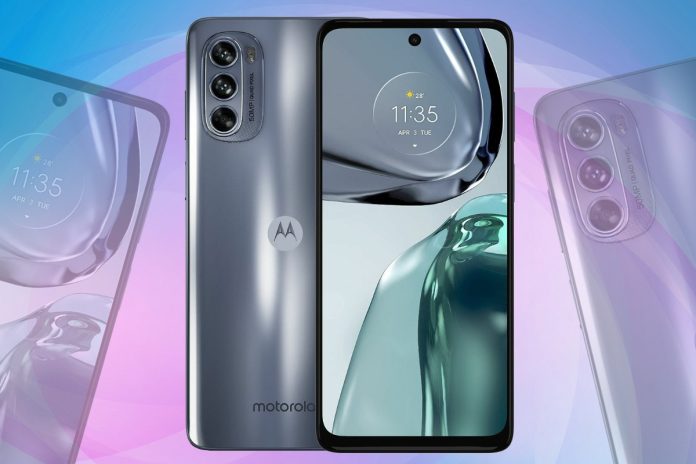
Motorola has finally made the Moto G60S official in the Brazilian market. The smartphone comes with a punch-hole display, Helio G95 SoC, and a massive 6,000mAh battery. The latest device is priced at 2,499 Brazilian Real (roughly Rs 35,561) for the sole 6GB RAM and 128GB storage variant. It comes in two color variants – Blue and Green. The device is currently up for sale on Motorola’s official website.

Realme Book Slim to launch in India on August 18

Realme has confirmed to launch its first laptop in India on August 18. The brand has posted a video on YouTube to confirm the launch date. Previously, the company had announced the launch of Realme GT 5G and Realme GT Master Edition in the country on the same day. The launch event will be live-streamed on YouTube channel and Facebook page of Realme. The upcoming event will kick off at 12:30PM.

WhatsApp reveals chat transfer between iOS and Android

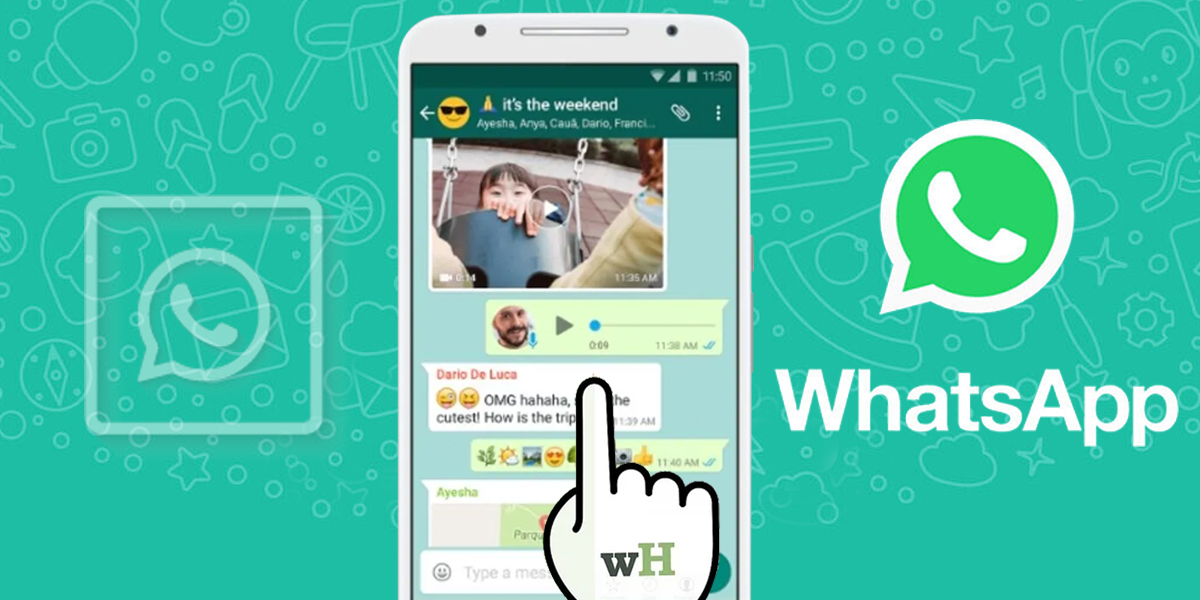
WhatsApp has rolled out a much-anticipated feature that allows users to transfer their chat history between iOS and Android phones. It will allow you to move your entire WhatsApp chat history — including voice notes, photos, and conversations — in a seamless and secure way. The Facebook-owned company made the announcement at the Samsung Galaxy Unpacked event on August 11. The feature will be available for both Android and iOS users that means they will be able to switch from both Android to iOS, and vice versa.

TikTok beats Facebook to become world’s most downloaded app

According to a global analysis compiled by Nikkei, TikTok has officialy overtaken Facebook, Instagram, WhatsApp, and every other messaging platform to become the world’s most downloaded social media app. Until 2021, Facebook had held that title, as it has somehow managed to keep growing over the years up to a current accumulated net worth of over one thousand billion. Furthermore, China’s Likee, a TikTok competitor has managed to grab a spot in the top 10 rankings for the most downloaded apps of the world.

International Youth Day: Gadgets built to “connect” with the Youth of India

0

For the millennial gadget-frenzy generation, here are some amazing daily use devices that are simply an extension of your personality – a perfect amalgamation of style and substance. On this International Youth Day, power through your day with the company of these devices and make heads turn.

Poly Sync 20

The Poly Sync 20 is a smart wireless speakerphone which is perfect for you, if you work from home. In fact, that’s what it has been especially designed for. The portable device makes audio and communication convenient and more conducive to the new, hybrid work environment that we are currently operating in, given the circumstances. It connects easily through Bluetooth to both a smartphone and PC or it can be connected through the attached USB-A cord. The Poly Sync 20 has a physical power button, a USB port, volume controls, a mute button, and a customized feature with proprietary Poly Software. The Poly Sync 20 boasts of loudspeakers 1 x 40 mm high-performance music speaker, a loudspeaker frequency response of 80 Hz to 20 kHz, and even bass reflex with dual passive radiators. It is priced at Rs 20,400.

Realme Buds Air Pro

It is Realme’s first truly wireless earbuds with active noise cancellation technology (ANC). The high-fidelity bud offers amazing soundstage and the base is also of great quality, thanks to the Bass Booster+ feature. The touch functionality is intelligent and intuitive. The earbuds sit in a cobble-shaped polycarbonate case that is both, thin and light. It’s available in four colour variants – Soul White, Matte Black, New Wave Silver and Rock Black. The front of the case features a LED indicator and a Realme logo. The LED indicator turns from green to red when the battery level plummets. The hinge on the backside is made out of metal to ensure durability and strength. There is a paring/reset button on the right side of the case and a Type-C port at the bottom for charging the device. There isn’t any wireless charging support available though. The feature-packed earbud is available for just Rs 4,499.

Oppo Reno6 Pro 5G

The Oppo Reno6 Pro 5G all-rounder superphone runs on Android 11-based Oppo ColorOS 11.3. It features a 6.55-inch full-HD+ (1,080×2, 400 pixels) curved AMOLED display with 90Hz refresh rate. The phone is powered by MediaTek Dimensity 1200 SoC, paired with 12GB of RAM and 256GB of storage. The Oppo Reno6 Pro 5G packs in a quad rear camera setup that includes a 64-megapixel main camera, an 8-megapixel secondary sensor with an ultra-wide-angle lens, a 2-megapixel macro shooter, and an additional 2-megapixel mono camera with a colour temperature sensor. At the front, it also carries a 32-megapixel selfie camera. It is backed by a 4,500mAh battery that supports 65W fast charging. Connectivity options on Oppo Reno 6 include 5G, Wi-Fi 6, Bluetooth v5.2, GPS and a USB Type-C port. There is an in-display fingerprint scanner as well. The phone is 7.6mm thick and weighs about 177 grams. The smartphone is a must-buy for new-age video creators packing in the industry-first Bokeh Flare Portrait Video, a cinematic Bokeh Flare Effect that captures professional-grade quality videos, along with superlative imaging capabilities that makes the phone your own mini personal studio. Oppo knows that you love shooting videos for your Instagram and Facebook Reels and now you can shoot upload-ready professional-level videos with this superphone. The Reno6 Pro 5G is priced at Rs 39,990.

Fitbit Luxe

Measuring only 1.43 by 0.69 by 0.40 inches (LWH), the Luxe boasts of AMOLED colour display and a stainless steel case, making it sophisticated and fashionable by all standards. Though Luxe’s display is very small measuring just 0.76 inches diagonally, it’s clear, sharp and bright, with a resolution of 206 by 124. The Luxe is available in soft gold with a white band, matte black with a matching band, or platinum with a pink band. The band is made of silicone and features a metal buckle. In the box, you get both small and large bands, which fit wrists measuring 5.5 to 7.1 inches and 7.1 to 8.7 inches in circumference, respectively. Apart from the accessories, the Luxe features a streamlined, smooth design with no physical buttons, so you have to navigate it only with swipes and taps on the screen. It doesn’t have an always-on display, so the screen turns off after a few seconds of inactivity. The product is priced at Rs 10,999.

Samsung Galaxy Unpacked Event 2021: Unfold your world with Galaxy Z Fold 3, Z Flip 3

0

Samsung hosted the Galaxy Unpacked Event on August 11 with the slogan “Get ready to unfold” and fans were all excited to witness the launch of Samsung’s upcoming foldable devices. In the event, the South-Korean tech giant has introduced its most advanced smartphone of 2021 – Galaxy Z Fold 3 and Z Flip 3 – along with new range of accessories like Galaxy Buds 2 TWS earbuds and Watch 4 range of smartwatches.

The Galaxy Z Fold 3 is the key attraction of the all new products launched at the event. For the first time, the brand is introducing a stylus support on a flexible display smartphone. Here’s everything you need to know about the Samsung Galaxy Z Fold 3 and Z Flip 3.

Samsung Galaxy Z Fold 3: Specifications

Display

Samsung Galaxy Z Fold 3 comes with two displays – the external cover display and the main display that is foldable. When you unfold the device, you will get a 7.6-inch Dynamic AMOLED main display with 2,208×1,768 pixels resolution, 374ppi pixel density, Corning Gorilla Glass Victus, and 120Hz refresh rate. Users, in its compact form, can use the secondary 6.2-inch Super AMOLED display on the outside that has 2,260×832 pixels resolution, 387ppi pixel density, and 120Hz refresh rate. The foldable smartphone runs on Android 11-based with OneUI 3.1 designed for foldable Galaxy Z smartphones.

Under the hood

There is a 5nm 64-bit octa-core Qualcomm’s flagship Snapdragon 888 chipset in the Samsung Galaxy Z Fold 3, paired with 12GB of RAM and up to 512GB of storage. It has the fastest Android processor and supports 5G connectivity.

Cameras and their key features

The latest handset from the house of Samsung comes with a total five cameras – three at the back, one underneath the main display and one on the cover display. The rear camera setup includes a 12-megapixel primary with optical image stabilisation (OIS), a 12-megapixel ultra-wide-angle shooter with 123-degree field-of-view (FoV), and another 12-megapixel telephoto sensor with OIS. When you fold the device, you will get a 10-megapixel sensor and a 4-megapixel secondary under-display camera.

Under display camera feature

Samsung Galaxy Z Fold 3’s main display doesn’t have a notch or punch hole for the selfie camera. In fact, the camera is placed underneath the display screen. This ensures that you can use the entire screen area. This is first phone of Samsung to come with an under display camera that has a 4-megapixel sensor.

Supports S-Pen stylus

Samsung Galaxy Z Fold 3 supports two kinds of S Pen Stylus – S Pen Fold edition and S Pen Pro. While the S Pen Fold edition in only compatible with Galaxy Z Fold 3, the S Pen Pro supports all the devices of Samsung that have S Pen compatibility.

Battery specs and security features

The Samsung Galaxy Z Fold 3 is backed by a 4,400mAh battery. For security, it supports biometric locks, which includes face or fingerprint. The device will come in Phantom Black, Green and Silver colour options.

Price

The price of Samsung Galaxy Z Fold 3 has been set at $1,799.99 in the US. Samsung hasn’t officially revealed its price in India yet. The phone will be available for pre-order and those who pre-order will get a year of Samsung Care+ protection, which will cover accidental damage, including screen replacement, water damage and back cover replacement.

Samsung Galaxy Z Flip 3: Specifications

Display

Samsung Galaxy Z Flip 3 sports a 6.7-inch Full HD+ AMOLED display, Corning Gorilla GLass Victus, a 1080 x 2640-pixel resolution and 120 Hz refresh rate. The cover screen now measures 1.9-inch and it’s a Super AMOLED panel. It has a tiny hole punch cutout for the front camera. The phone sports a dual-tone finish on the back and also has a larger 1.9-inch external screen with a resolution of 260 x 512 pixels. It comes with a side-mounted fingerprint scanner and has an IPX8 rating for water and dust resistance.

Under the hood

Like the much pricier Fold 3, the Galaxy Z Flip 3 is powered by a Snapdragon 888 SoC, which is paired with 8GB of RAM and 256GB of internal storage. It runs Android 11-based OneUI 3.1 out of the box. This is also a 5G-enabled smartphone.

Cameras and their key features

On the back, the Galaxy Z Flip 3 has a dual-camera setup. It features a 12-megapixel primary sensor with OIS and a 12-megapixel ultrawide shooter. Further, it sports a 10-megapixel camera on the front for selfies with a pixel size of 1.22-micron.

Battery specs and security features

The Samsung Galaxy Z Flip 3 is backed by a 3,300 mAh battery with 15W fast charging support. For security, it supports biometric locks, which includes face or fingerprint. The smartphone comes in four colours option – Phantom Black, Green, Lavender and Cream.

Price

The Samsung Galaxy Z Flip 3 smartphone’s price in the US starts at $999.99. In India, the price of this foldable device will be announced at a later date.