With an aim to take on the likes of the upcoming Realme Pad, and also tablets from Vivo and Oppo, Xiaomi is all set to announce Pad 5 in India next week. According to the latest update, Xiaomi will unveil its Pad 5, the first tablet by the Company in India in seven years.
The launch of Xiaomi Pad 5 is happening after a gap of seven years since the launch of Mi Pad in 2015. The Mi Pad was the only tablet that Xiaomi ever launched in India — that came way back in 2015. Xiaomi Pad 5 will be launched in India on April 27 alongside the flagship Xiaomi 12 Pro.
First launched in China, the Xiaomi Pad 5 comes with Qualcomm Snapdragon 8 Gen 1 flagship chipset. The tab was also launched in the global market.
It has been observed that Xiaomi hardly rebrands its products whether it is phones or laptops. Thus, the upcoming tablet Xiaomi Pad 5 is expected to be loaded with the same features as its Chinese and global models have. Based on the official teaser, it is
The official teaser shows the tablet will be launched with keyboard accessories.
Xiaomi Pad 5 specifications
An 11-inch WQXGA display with a 16:10 aspect ratio, 120Hz refresh rate, and 240Hz sampling rate are the features of the global model of the Xiaomi Pad 5. Support for Dolby Vision, HDR10, TrueTone True colour display, TUV Rheinland low blue light hardware scheme certification are other specifications of the Xiaomi Pad 5.
Powered by the Qualcomm Snapdragon 860 SoC with Adreno 640 GPU, Xiaomi Pad 5 is coupled with 6GB of RAM and up to 256GB of storage. The device gets its fuel from an 8720mAh battery that is supported by 33W fast-charging.
On the software front, the tablet boots Android 11 with MIUI 12.5 custom skin out-of-the-box.
The tablet offers Dolby Atmos, USB Type-C audio, and quad speakers. On the connectivity front, the Pad 5 features such as 5G, 4G LTE (optional) dual-band Wi-Fi, Bluetooth 5.0, and GPS.
The Xiaomi Pad 5 also features a single 13-megapixel shooter on the rear panel and an 8-megapixel sensor on the front for selfies and video calls.
Expected price of Xiaomi Pad 5 in India
In the global market, the 6GB + 128GB Wi-Fi version of Xiaomi Pad 5 starts at RMB 1,999, which is around Rs 24,000. While the 6GB + 256GB Wi-Fi model goes up to RMB 2,299, which is around Rs 27,600. The Indian prices is expected to be affordable since other brands like Realme, Oppo and Vivo are also gearing up to launch their tabs in India soon.
Also, Read Here: Samsung set to launch Galaxy M53 5G on April 22
Tripartite support – Training, wellbeing and financial aid will equip the athletes to bring laurels for the country in esports
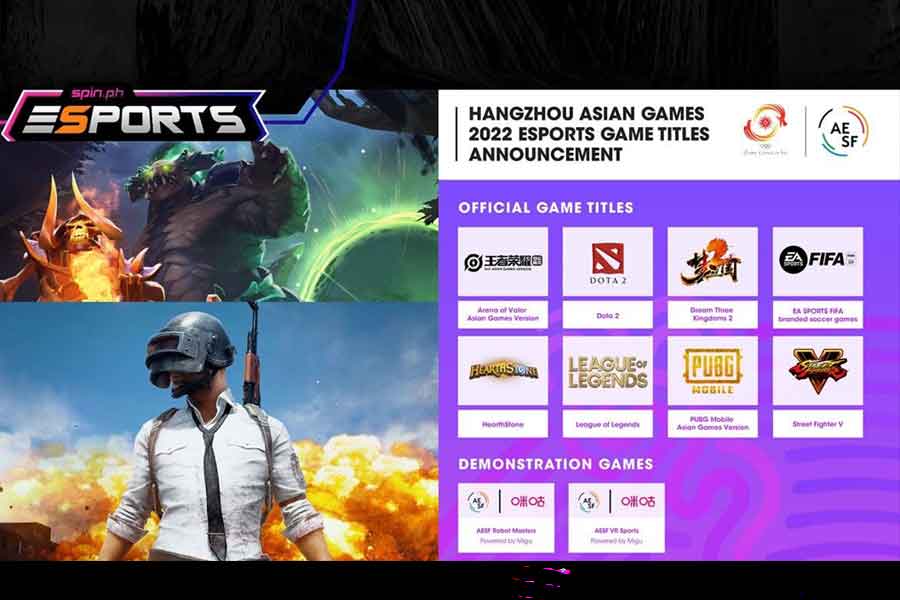
The Olympic Council of Asia has announced the titles for the debut of esports as an official medal sport at the 19th Asian Games in Hangzhou, China in September 2022. There will be eight medal events, plus two demonstration games, reflecting the popularity and growth of electronic sports in Asia.
Tirth Mehta who won bronze medal in Asian Games 2018 in Esports Title – Hearthstone, said, “It brings me joy, not only because it is an amazing opportunity for esports athletes to bring a medal for India, but because it will increase the acceptance of esports as a proper career option for the mass. I am confident that this will provide a huge boost to the already-growing scene of Indian esports. After this inclusion, I am confident that government will recognise esports as a sport, and our athletes will gain the benefits any sports community and athletes would receive; be it training, wellbeing, financial support etc.”
“After this inclusion, I am confident that government will recognise esports as a sport, and our athletes will gain the benefits any sports community and athletes would receive; be it training, wellbeing, financial support etc”
– Tirth Mehta, Bronze medallist, Asian Games 2018
The official eight medal esports titles will include Arena of Valor Asian Games Version (a combination of Honor of Kings and Arena of Valor); PUBG Mobile Asian Games Version (a combination of PUBG Mobile and Peacekeeper Elite); Dota 2, League of Legends, FIFA, Hearthstone, Street Fighter V, and Dream Three Kingdoms 2.
Also Read: The Rise and Rise of Esports: Smartphones emerge as a key enabler
Karan Manganani who gets placed 4th in Asian Games 2018 in Esports Title – Clash Royale, said, “Seeing esports being included in the Asian Games 2022 as an official medal event gives a sense of acceptance of this industry and scaling opportunities in the nation and worldwide. After this announcement, we hope that esports athletes will get their due recognition and support from our government and helping us in providing better facilities, coaches, health physios and all other necessities which other sports athletes get as getting a medal for country needs proper support.”
“Seeing esports being included in the Asian Games 2022 as an official medal event gives a sense of acceptance of this industry and scaling opportunities in the nation and worldwide”
– Karan Manganani, Participant, Asian Games 2018
The Asian Electronic Sports Federation, which is based in Hong Kong, China, has been appointed Technical Delegate of the esports competition at the 19th Asian Games by the OCA. The AESF will be in charge of the qualifying competition and for the operation and management of the esports competition in Hangzhou.
The Esports Federation of India (ESFI) will be conducting the National Esports Championships 2022 (NESC2022), under the AESF Road to Asian Games program, starting from April 18 to select the Indian esports contingent for the upcoming Asian Games.
Also Read: Cloud Gaming: 5G to Bring About a Paradigm Shift
Popular games DOTA 2, Hearthstone, FIFA22, Street Fighter V and League of Legends will be part of the national championships as professional esports athletes as well as enthusiasts from across the country can register themselves and it is open for all with no restriction on gender. The tournament will be conducted over a period of 15 to 20 days.
Owing to the Covid-19 pandemic, the national qualifiers will be held virtually with top athletes from across the country competing and showcasing their skills and strategies.
For titles like AOV (Asian Games Version) and PUBG Mobile (Asian Games Version), ESFI is waiting for clarity/permissions from the Ministry of Youth Affairs & Sports and Ministry of Electronics and Information Technology (MeitY) as both titles are banned in India as well as in many other Asian countries.
Talking about the announcement, Vinod Tiwari, President, Esports Federation of India & Director, Olympic Council of Asia – NOC & International Relations, said, “Finally the time has come for which the whole Indian esports ecosystem was waiting for. We are extremely thrilled and excited to announce NESC 2022 i.e. the national qualifiers to select the Indian esports contingent for the upcoming Asian Games 2022. It is a matter of pride for our esports athletes to not only showcase their talent and skills but also make the country proud by winning the laurels for the nation.”
Also Read: “Gaming is one of the primary focus areas for Infinix now”
“We urge all esports athletes to participate in large numbers and become a part of this historical event where esports is making its debut as a medal event in Asian Games. As esports is now included in Commonwealth Championships, IESF World Championships and expected to be included in Olympics in the near future, we are committed to develop, support and grow the esports ecosystem in India,” added Lokesh Suji, Director ESFI & VP-Asian Esports Federation.
“As esports is now included in Commonwealth Championships, IESF World Championships and expected to be included in Olympics in the near future, we are committed to develop, support and grow the esports ecosystem in India”
– Lokesh Suji, Director ESFI & VP-Asian Esports Federation
The winners of NESC ’22 will participate in the AESF’s Road to Asian Games – Regional Qualifiers (June-July, 2022), which are being held for seeding at the main event in China. Irrespective of the outcome of the Regional Qualifiers, all players will compete at the Main event at Asian Games, China.
Sebastian Lau, Director General, Asian Esports Federation, also extended his best wishes for the Indian esports talents: “I would like to share my sincere congratulations to ESFI team on the launch of their Registration Program for the AESF RDAG – National Team Selection Program the NESC 2022. This is an incredible beginning and milestone for India’s esports program and I look forward to seeing the best Indian esports talents in our RDAG Regionals and Final in Hangzhou this September. I wish the best of luck to all participants.”
Also Read: The 5G Craze: How Consumers Are Looking For A Smartphone Beyond Cameras
After debuting globally last month, Samsung is all set to launch Galaxy M53 5G in India on April 22. The date has been revealed by the Samsung in a tweet. The launch event will take place at 12 noon on April 22.
Featuring a 108-megapixel primary rear camera as well as a 120Hz Super AMOLED+ display, Samsung Galaxy M53 5G, a successor to the Galaxy M52 5G has a hole-punch display design. It supports 25W fast charging.
Galaxy M52 5G, launched in India, features a triple rear cameras and a 120Hz display.
Samsung Galaxy M53 5G expected price
Based on the Samsung Galaxy M52 5G’s price, it is being speculated that the upcoming Samsung Galaxy M53 5G is expected to carry a similar price tag. 6GB RAM + 128GB and 8GB + 128GB storage variant of Galaxy M52 5G debuted in India at Rs29,999 and at Rs. 31,999, respectively.
Samsung Galaxy M53 5G will be available in a 6GB + 128GB configuration, and there will likely be other variants as well.
Samsung Galaxy M53 5G specifications
The Samsung Galaxy M53 5G is powered by an octa-core SoC that is yet to be specified. Equipped with a quad rear camera setup including a 108-megapixel primary sensor, along with an 8-megapixel ultra-wide shooter, 2-megapixel depth sensor, and a 2-megapixel macro shooter, the upcoming phone is likely to run Android 12 with One UI 4.1 on top. For selfies and video chats, the Samsung Galaxy M53 5G has a 32-megapixel selfie camera at the front.
It features a 6.7-inch full-HD+ (1,080×2,400 pixels) Infinity-O Super AMOLED+ display with a 120Hz peak refresh rate.
The Samsung Galaxy M53 5G will support storage expansion using a microSD card (up to 1TB).
Connectivity options on the Samsung Galaxy M53 5G include 5G, 4G LTE, Wi-Fi 802.11ac, Bluetooth 5.2, GPS/ A-GPS, and a USB Type-C port. Sensors on board include an accelerometer, ambient light sensor, gyroscope, magnetometer, and proximity sensor. The phone also features a side-mounted fingerprint sensor.
Also, Read Here: Infinix Days Sales on Flipkart: Here’s a list of massive discounts on entire range of products
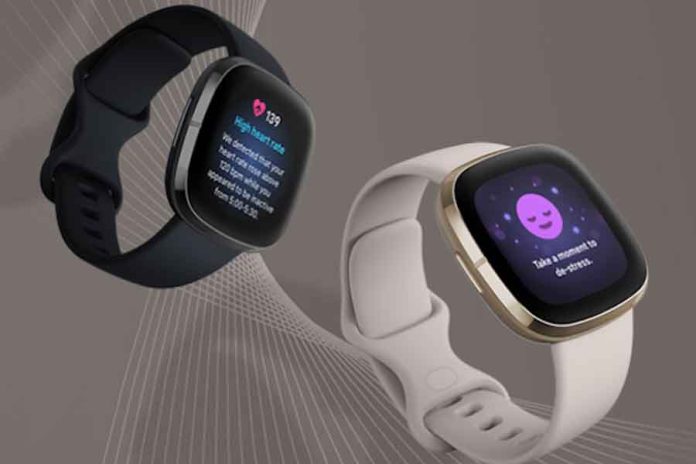
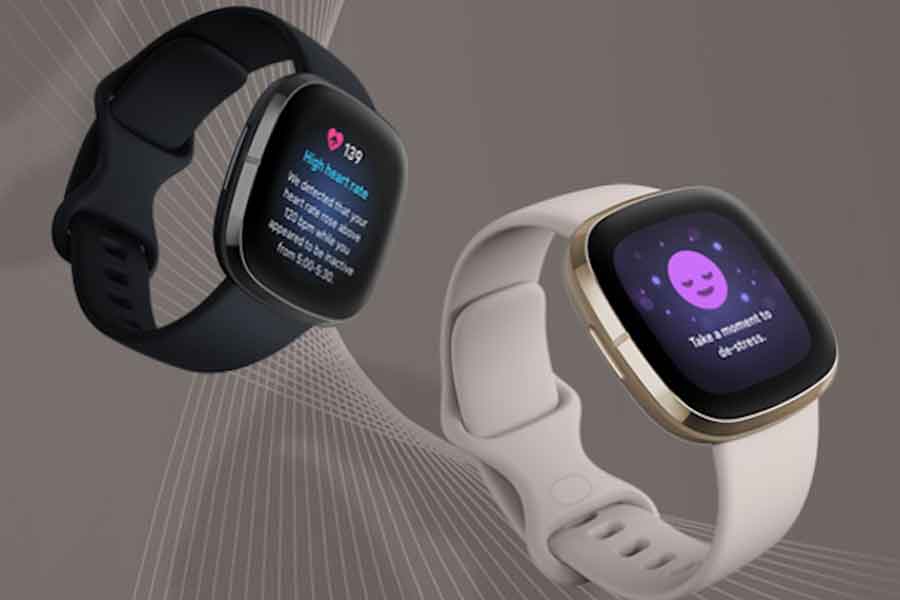
The Fitbit Inspire is a low-cost fitness tracker that promotes healthy lifestyle choices. It has created a great impact in the wearable market and guess what? It’s soon coming up with the third-generation model- Fitbit Inspire 3. The brand hasn’t unveiled anything about the upcoming model yet though. However, the rumours and leaks suggest that the smartwatch is dropping in India very soon.
Here’s what you can expect from the latest smartwatch. All the upgrades, design and other details.
Fitbit Inspire 3: Renders and leaks
Fitbit hasn’t said anything about the Inspire 3, but we have reason to believe it’ll be released shortly. Also, improved features with significant upgrades over the Inspire 2. Furthermore, 9to5 sleuths at 9to5, the official app for the Fitbit for the Android devices has references for three new devices. Two of them (codenamed Hera and Rhea) are spotted square in shape with only their screen resolution on the display implying that they’re the Fitbit Sense 2 and Versa 4.
Nyota, the third device, will have the same resolution as the Fitbit Luxe for 2021. Nyota is said to be the long-awaited Fitbit Inspire 3 with a significant display upgrade, according to TechRadar. All the three wearables- the Fitbit Versa 3, Sense, and Inspire 2 will debut on the same day. The Luxe, on the other hand, isn’t ready for an upgrade yet (it’s still at the top of our best fitness trackers list), so a release in 2022 would also be surprising.
Fitbit inspire 3: What to expect?
A new SpO2 sensor might help the Inspire 3 monitor sleep better and detect diseases such as sleep apnea. It also makes more sense with Inspire 3 as the company is so much enthusiastic about a healthy lifestyle. It also has just invested extensively in meditation and sleep tracking. Fitbit has added a new sleep animal feature that compares your nocturnal habits to those of a bear, tortoise, parrot, hedgehog, or dolphin. Fitbit users in the study also got some personalized sleep recommendations with the goal of sleeping like a grizzly bear.
If you’re not in a hurry, waiting a few months to see what the Fitbit Inspire 3 has to offer could be worth it. We expect significant upgrades, and if Fitbit sticks to its usual price philosophy, it won’t be too costly. So now you know all there is to know about the Fitbit Inspire 3. We’ll keep this page updated as new material becomes available, so bookmark it and check back frequently for the most up-to-date information.
Also Read: OnePlus Nord CE 2 Lite 5G appears online, check specs and launch date
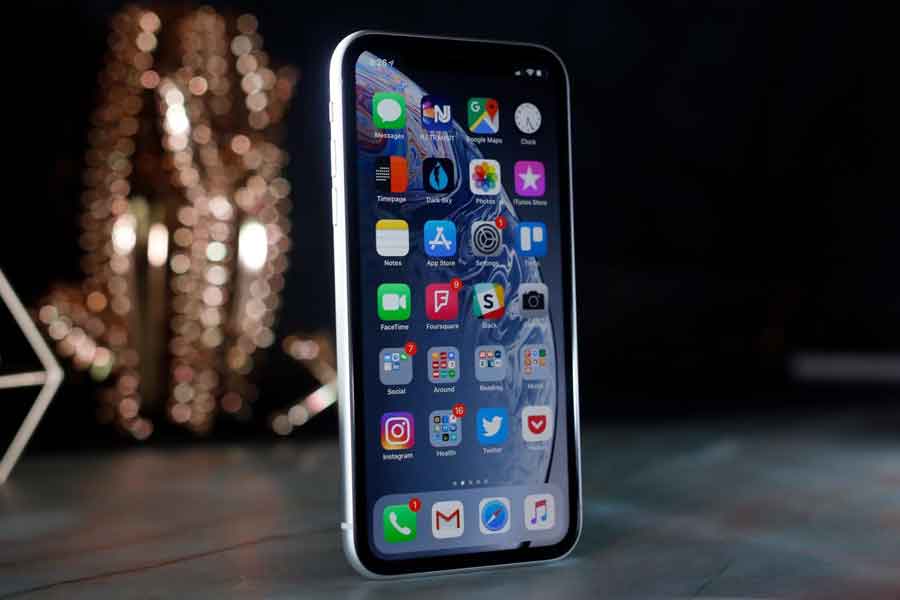
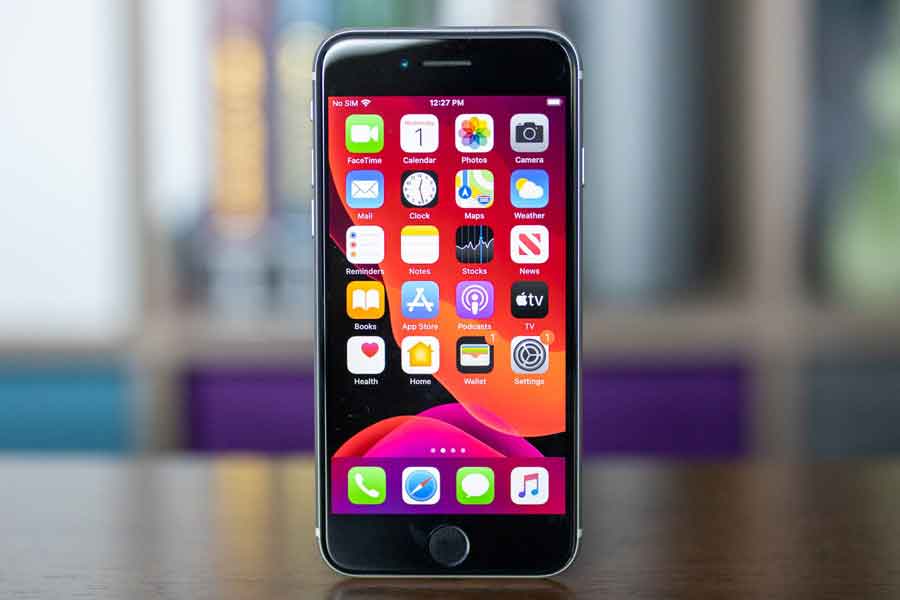
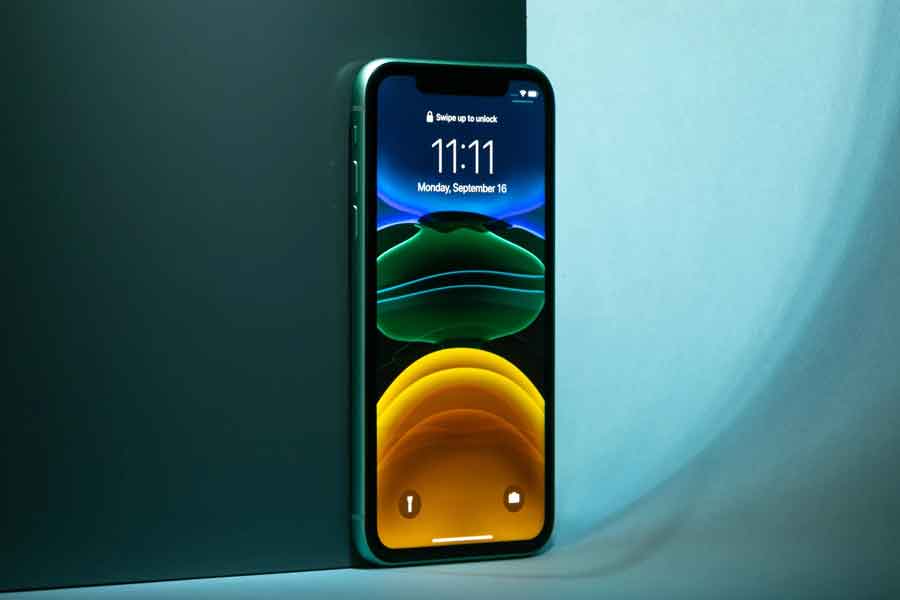
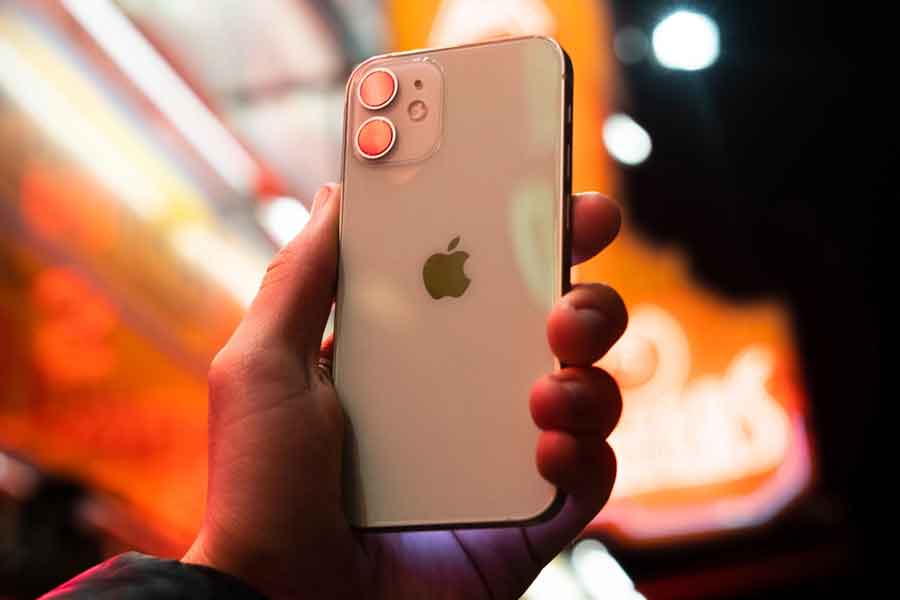
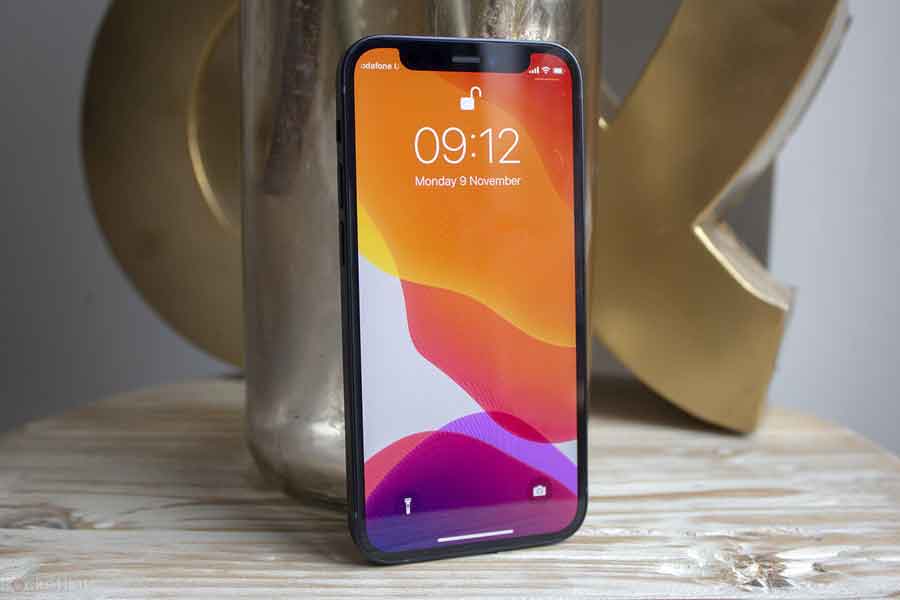
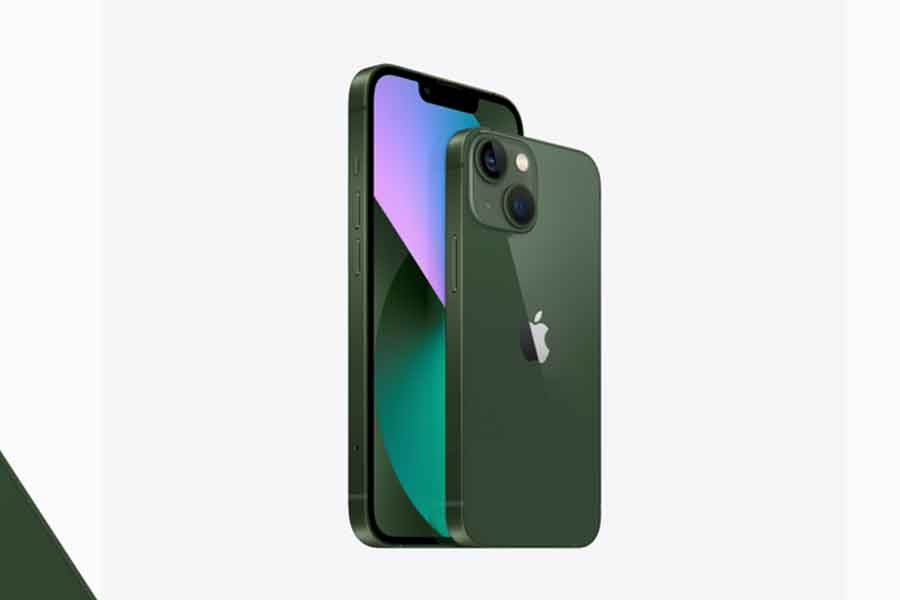
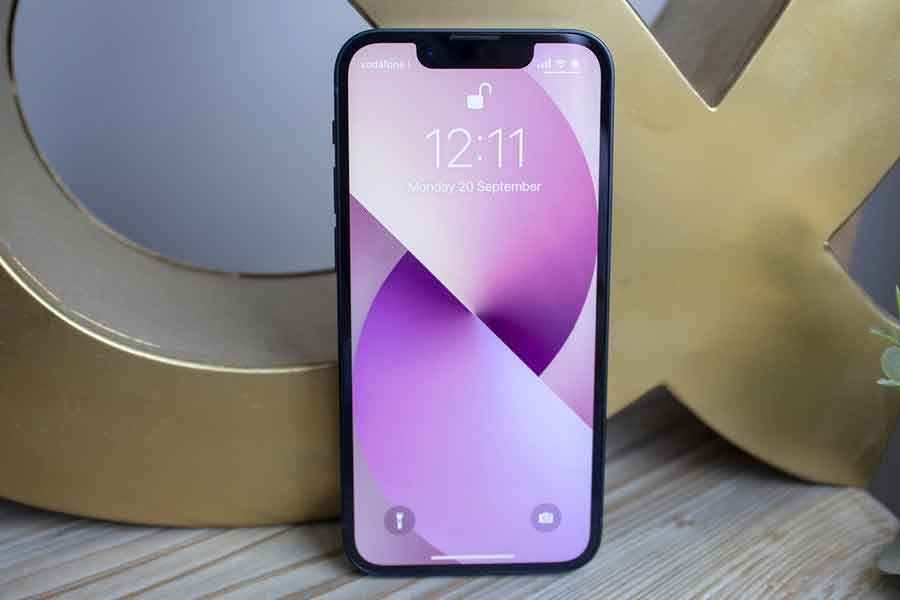
If you are thinking to get an iPhone at a cheaper price, here is an option for you to get the different variants of the Apple iPhone. Almost all models of the iPhone including iPhone XR, iPhone SE, iPhone 11 and 12 are available at discounted price on the e-commerce platform Flipkart. Interested buyers can visit the e-commerce platform to check price cut, terms and condition before applying the offers in order to avoid any issue.
iPhone XR
After a discount of 14%, the 128 GB variant of the iPhone XR is available at Rs 44,999 on Flipkart. In case of an exchange of iPhone, you can get upto Rs 13000 off on the iPhone XR. Consumers with Flipkart Axis Bank card can get a 5% cashback. Six months Gaana plus subscription and pack of BYJU’S online tuition worth Rs 999 are also offered with iPhone XR variant.
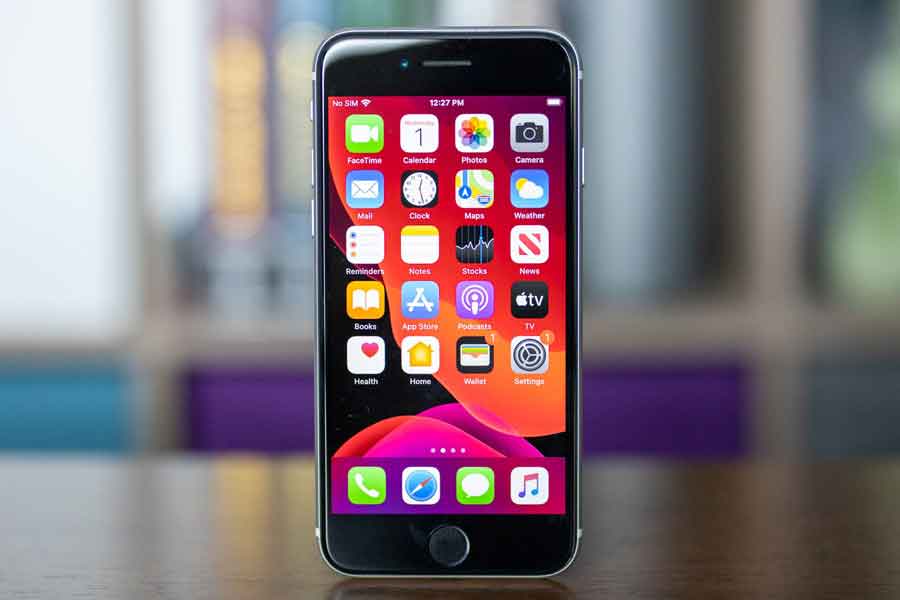
iPhone SE 2020
You can get the 64 GB variant of iPhone SE 2020 at a discount of 23% for Rs 30,499. If bought on exchange, you can avail Rs 13000 while buying the iPhone SE 2020. A 5% cashback is also offered to consumers paying through Flipkart Axix Bank card. Six months Gaana plus subscription and pack of BYJU’S online tuition worth Rs 999 are offered as freebies to the consumers.
Discount on iPhone 11
The 64 GB variant of the iPhone 11 can be purchased at Rs 47,999 after a discount of 3%. Price can further be reduced if you have an iPhone to exchange. Additional upto Rs 16,000 off is available under exchange offer. Rs 3000 instant discount is being offered on HDFC credit and debit card EMI, 5% cashback in Flipkart Axis Bank card.
iPhone 12
You can get the 64 GB variant of the iPhone 12 for Rs 59,999 after a discount of 8%. You will get an additional discount of Rs 13000 under exchange and Rs 4000 instant discount for HDFC debit and credit card transactions. There is a 5% cashback on Flipkart Axis Bank card.
iPhone 12 mini
The iPhone 12 mini can be purchased at Rs 49,999 after a discount of Rs 16%. Upto Rs 13,000 off can be availed if you are buying the iPhone 12 mini under exchange. 5% cashback is available on the Flipkart Axis Bank card.
iPhone 13
The 128 GB variant of the iPhone 13 is available for sale at 74,900 after a discount of 6%. Price can be slashed upto Rs 16000 under exchange offer.
iPhone 13 mini
You can get the discount on iPhone 13 mini only under exchange offer. The 5% cashback on Flipkart Axis Bank is available on iPhone mini.
iPhone SE 3
The 64 GB variant of the iPhone SE 3 is available at 43,900. Price can be slashed by upto Rs 16000 under exchange offer. There is an instant discount of R2000 on HDFC credit and debit card, 5% cashback on Flipkart Axis Bank card.
Freebies including free six months Gaana Plus subscription and pack o BYJU’S classes online tuition worth Rs 999 is offered with all variants of the iPhone.
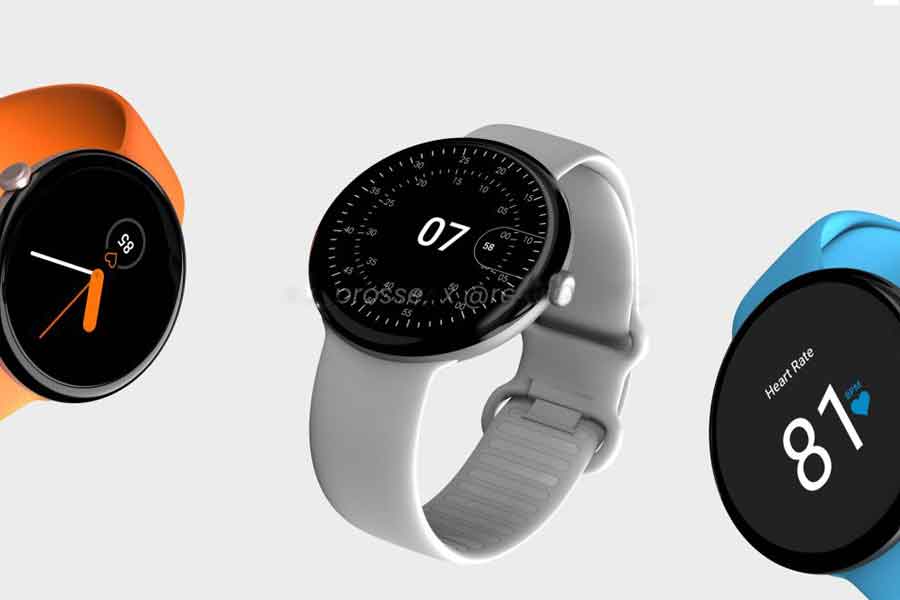
For quite some time now, Google has been working on its latest Pixel Watch. Since the announcement, rumours are everywhere. Google’s first smartwatch has been verified in terms of features and appearance. As a result, until the debut, the specifics will continue to change. Now, according to a fresh report, the Google Pixel Watch will ship with Wear OS 3.1 preinstalled, which is odd given that some of the newest Galaxy smartwatches are now running Wear OS 3.2.
Google Pixel Watch with Wear OS 3.1
Tipster Evan Blass tweeted a screenshot of what may be an interactive tutorial for a device. The name of the device mentioned is “Pixel Rohan.” While the origin of this “interactive tutorial” page is unclear, the term “Rohan” is apparently the development code for the upcoming Pixel Watch. The commercial name for Google’s first smartwatch is still in the process. However, it would surely be catchy enough to take on its rivals like Apple or Samsung.
Google Pixel Watch: Expected specs
The Pixel Watch will run Wear OS 3.1, which is a software version lower than the current one. This is strange considering the current Samsung Galaxy Watch 4 models use Wear OS 3.2, but it’s also not logical for Google to release a new device with outdated software.
The Pixel Watch is still expected to feature a circular dial with a straightforward silicone band. That’s comforting since the design of the Pixel Watch, as shown in leaked renderings and concept photos based on rumours, is really attractive. However, there is no consensus on the watch’s specifications and features, but given that it would be Google’s first and headline wearable device, it is expected to have flagship features like ECG monitoring. It might also come up with up to 32GB of storage.
According to Blass, the Pixel Watch “won’t be long now. ” This also implies that the introduction of Google’s first wristwatch is not far off. Given that Google IO 2022 kicks up on May 11, that theory might be true. According to previous rumours, Google will unveil the Pixel Watch with the Pixel 6a at IO. In any event, it is doubtful that the Pixel Watch would be available in India soon after its introduction. Therefore, the customers might have to wait for some time, but it will be there for sure.
It’s conceivable that the “Pixel Rohan” entry on whichever platform the screenshot was taken from contains a mistake or erroneous information. Google will never ship an out-of-date version of the software with its own products.
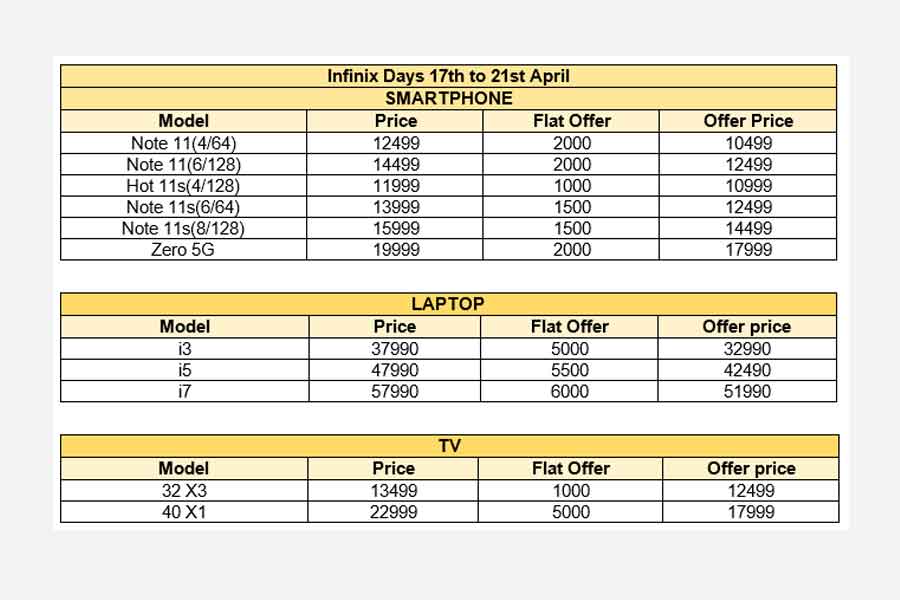
Transsion Group-owned Infinix is offering its popular smartphones (Note 11, Hot 11, Zero 5G), laptops (i3, i5, i7) and TVs (X3 & X1) at irresistible discounts on Infinix Days Sales at the ecommerce platform Flipkart from April 17 to April 21.
To add to the excitement, customers can also avail of special sales discounts wherein they can get Snokor Wired Headset at Re 1 with any of the products available during this sale.
City Bank card users will get an additional 10% instant discount with purchases made through their credit cards and even EMI transactions, Infinix said in a statement.
Also Read: Infinix Zero 5G Review: A performance heavy mid-ranger with stunning looks
Infinix laptops are available at a huge discount of Rs 5,000, whereas Infinix TV 40 X1 and 32 X3 would be available at only Rs 17,999 and 12,499, respectively.
Customers can also lay their hands on the most affordable 6.6-inch FHD+ AMOLED display smartphone, Note 11 (4/64 GB), available in this price segment.
The recently launched Infinix Zero 5G will also be available at a huge discount of 2,000, while Hot 11S (4/128) would be available at 10,999.
Also Read: Infinix Note 11 Review: A decent-looking budget phone with impressive performance
Metaverse (Meta = Beyond, Verse = Universe), a world beyond this universe, is a term intimidating enough on its own. Metaverse will be a world of mixed reality, mixing real and digital, where we will have new technology to capture more data that has never been captured till now. It will give enough time for the experts to work on the privacy and security concerns it can generate. Most of the top companies like Microsoft and Apple are putting their hats in the ring, whereas Facebook sees it as the most critical piece to their business in coming times.
Ongoing Privacy Issues
While we are addressing privacy issues on social media, Metaverse is anything but going to exacerbate those concerns. According to data collected by Hootsuite, 3.48 billion people are connected to some form of social media, which is forty-five per cent of the world’s population. Social media collects a huge amount of personal information, much more than what we think we are sharing. This data does not have much regulation from the government as of now, and any analytic into this data can get some precious insight into the personal information that is used to understand people and try and influence them based on this. Phishing attempts in 2021 have doubled since 2020, as per the APWG Phishing Activity Trends Report. Botnets, where the social media bots are some forms of automated accounts, the sole purpose will be to dig into the personal data and try and monetize these. Malware is the other form that people need to deal with. None of these issues are going to go away, and probably in the new proposed Metaverse, it will be anything but further multiply these concerns.
The new proposed Metaverse
The Metaverse does exist in many forms, even in today’s world. The most compelling example is the game-like Fortnite. There are many other applications being put in by many small developers, but the new envisaged Metaverse by the likes of Facebook, Apple, and Microsoft is much different. They want Mixed Reality (MR), which is a hybrid of Augmented Reality (AR) and Virtual Reality (VR). People, objects, and the environment around them will all have a digital avatar in the Metaverse. The fine line between interaction in the real world and the virtual world is going to be breached. People acting in the real world will be repeated in the virtual world, and so too will the virtual world interaction result in action in the real world. Digital Twins are already a reality today in some of the applications where the factory floor and production are planned in the digital twin first, and once they are convinced of the right process, they are automatically followed on the real factory floor. This kind of merger and interaction will have a natural spill on the Metaverse.
“The new envisaged Metaverse by the likes of Facebook, Apple, and Microsoft is much different. They want Mixed Reality (MR), which is a hybrid of Augmented Reality (AR) and Virtual Reality (VR). People, objects, and the environment around them will all have a digital avatar in the Metaverse. The fine line between interaction in the real world and the virtual world is going to be breached”
The Hardware/Device Saga of the Metaverse
The new Metaverse will require new hardware and devices to collect a lot of new types of data previously uncollected. Most of the proponents of the Metaverse are proposing a new set of hardware. An eyepiece is a definitive one that will give the complete feel of the surroundings, but for this they will be collecting eye movement and head movement to start with. To make it a complete experience, they are also mostly going to collect facial reactions and hand movement data. This hardware will be capable of capturing fingerprints and Iris biometrics, which can turn the apple cart of privacy and security issues.
If you speak to any data scientist, they are going to tell you that any new dimension of data added in context to the ongoing data flow opens a huge possibility of new insight. These insights can give way to patterns, and these patterns can start predicting. The predictions can be granularized to each person in the Metaverse; what we were yet to handle in social media, now with more hardware and data captured, multiplies the problem in the Metaverse.
Unlike Apple, Facebook today has the app done through the App Store and Play Store, which also means they are bound by the privacy rules defined by Apple and Google. Facebook acquiring Oculus VR might result in independent hardware from the App Store and Play Store so that they can be independent of those privacy policies and define things as it suits them. The security and safety of these devices for the enormous data they will be handling and the physical security of the device will become critical.
Some use scenarios
With work from home becoming widespread, a mixed reality virtual office will become an attractive use case. People might have a virtual office space, and they will have a virtual laptop and other accessories, just as they would have in a normal office scenario. These environments will be very prone to security and privacy issues. Intrusions, snooping, impostors, and breaches can become the norm.
Integrating digital currency or even cryptocurrency seems inevitable. Most worrisome would be when the services like medical specialists will also be part of this world. There would be many cases of fictitious identities, etc. The list will just keep on increasing.
Conclusion
The new Metaverse is still some distance away, and as for its success and adaptability, the jury is still out. What we are sure of is that companies/developers are committed, use cases are compelling, and there is a good list of consumers who are ready to dive in. Security and privacy issues just cannot be wished away; they will need to be addressed in more ways than one.
The author, Sandeep Lodha, is Co-founder, Netweb Technologies.
Also Read: The Future of AI and Gadgets
Also Read: 7 most relevant uses of AI-based smartwatch for a healthy life
Also Read: PLI scheme for mobile phone manufacturing will create greater value addition, reduce import dependence: ICRA
The Government of India introduced Production Linked Incentive (PLI) for large scale electronics manufacturing in April 2020 primarily targeting mobile phones and specified electronic components as product categories with a cumulative outlay of Rs 38,601 crore. The scheme intends to offer incentives of 4-6% on incremental sales over a period of 5 years provided that the shortlisted players meet set thresholds of incremental revenues and investments subsequent to base year.
Under the mobile phone segment, the scheme targets two categories of mobile phone manufacturers – Category 1 of 5 Global OEM players with gross manufacturing revenue (GMR) > Rs 10,000 crore and category 2 of 5 domestic companies with GMR > Rs 100 crore. Under electronics components segment, 10 players with GMR > Rs 50 crore are proposed to be selected. In the first round, 16 players have been approved – 5 players each under Category-1 and Category -2 of mobile phones and 6 players under components segment.
Also Read: Wearables: How Indian Brands Are Leading By Example
With the success of first round, the government introduced the second round of PLI scheme in March 2021 focused only on electronic components such as active semiconductor components, passive components, PCB assemblies etc. The eligibility to apply for incentives under the second-round scheme is contingent on relaxed threshold criteria and incentives of 3-5% of incremental sales. The tenor of scheme would be four years, compared to five years for the players shortlisted in the first round. The second round has expanded the window for up to 30 eligible companies. For the second round of PLI, the eligible companies can choose any 4 years between FY2021 and FY2026 for incentives on incremental sales. As per ICRA’s analysis, a healthy participation in the second round would help improve India’s electronics component ecosystem reducing import dependence and improving value addition.
Sheetal Sharad, Vice-President and Sector Head, ICRA, said, “The scheme is expected to push the mobile phone manufacturing at a healthy growth trajectory of 15-20% CAGR to reach a value of Rs 5-5.5 lakh crore by FY2026. As per estimates, PLI scheme will enable domestic sourcing or localization to improve from current 15-20% to 35-40% in case of mobile phones aided by economies of scale supporting local manufacturing of certain components starting with chargers, batteries, cameras, displays, PCB design and assembly. Given the expected investments in the manufacturing infrastructure, the scheme is also expected to generate considerable employment generation.”
There were concerns of some key players towards ability in meeting qualification criteria of incremental sales in FY2021 due to pandemic related disruptions, travel restrictions and acute global chip shortage. Subsequently, the government extended the tenor of PLI scheme till FY2026 and the shortlisted players are now allowed to choose any 5 consecutive years between FY2021 and FY2026 to achieve threshold targets for incremental sales though base year remains FY2020. Investments made in FY2021 will continue to be counted as eligible investments.
Also Read: Cloud Gaming: 5G to Bring About a Paradigm Shift
As things stand currently, India has emerged as the second largest manufacturer of mobile handsets in the world in terms of volumes after China, growing at a CAGR of 50% during FY2015-21 on a low base. Although, the country witnessed considerable growth in production, the amount of value addition remained low as almost 80-90% of the components continue to be manufactured outside due to weak component manufacturing ecosystem.
“From demand perspective, 5G rollout in 2022 and easy financing would create replacement demand for the mobile phones. Further, the government through its electronics manufacturing focused skill development programmes, and capital support policies would support capacity building in the medium term”
– Sheetal Sharad, Vice-President and Sector Head, ICRA
Key challenges faced by manufacturers in India include lack of R&D infrastructure, high capital and logistics costs, muted private sector interest and weak backward linkages.
Moreover, the impact of Covid-19 pandemic waves was felt across geographies which disrupted mobile phone supply chain which is highly reliant on few geographies such as China, Vietnam, Taiwan etc. This prompted OEMs to improve geographical diversification of their manufacturing operations. India, with its ample manpower and under-penetrated market, would attract these OEMs to shift their manufacturing, thus, increasing country’s contribution to the global mobile phone production.
In terms of impact of the PLI scheme, a slew of investments has been announced by multiple entities.
Sharad said, “The incremental sales and investments based incentives would enable the domestic and global players to ramp up their production. However, Covid-19 pandemic induced supply chain disruptions, impact on demand and availability of skilled manpower might create hurdles to meet production and export targets. The new Covid-19 waves in China and Russia-Ukraine conflict is expected to exacerbate the component shortage in the near term. Apart from supply chain challenges, higher customs duty on imported components could impact the cost competitiveness of mobile phone manufacturers from exports perspective. From demand perspective, 5G rollout in 2022 and easy financing would create replacement demand for the mobile phones. Further, the government through its electronics manufacturing focused skill development programmes, and capital support policies would support capacity building in the medium term.”
Also Read: The 5G Craze: How Consumers Are Looking For A Smartphone Beyond Cameras
Also Read: How Foldable Smartphones Are Opening Up A New World Of Mobile Productivity?
Also Read: Oppo tests its devices against stricter standards than most companies in the industry, says India R&D head
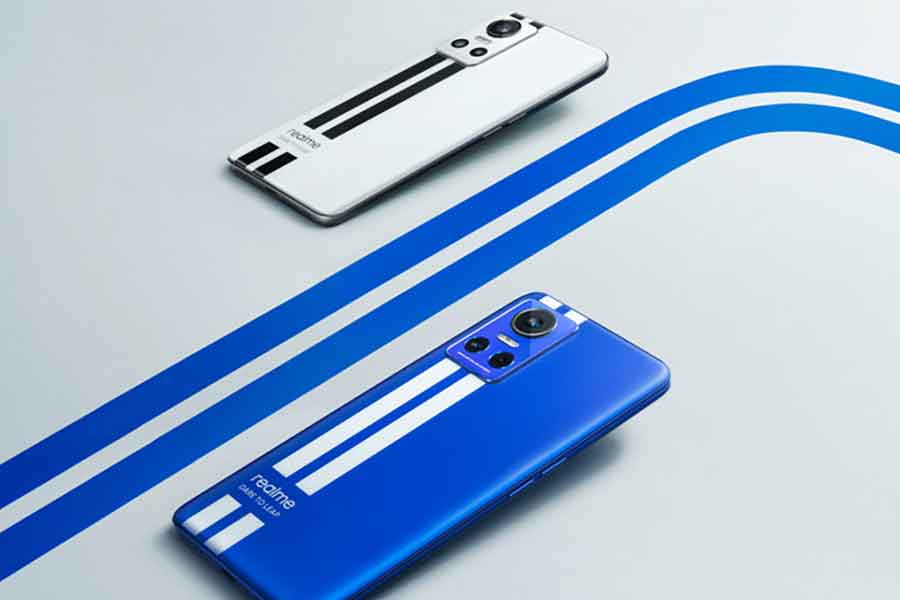
Realme’s latest 5G smartphone- Realme GT Neo 3 was launched in China a few days back and now it’s coming to the Indian market. It is the first phone from the brand to feature 150W fast charging technology. The company claims that it takes only 20 minutes to charge the phone completely. The launch date for this upcoming stunner has been set for April 29, 2022. The announcement also comes from the boss, Madhav Sheth, in his recent episode of the “AskMadhav” series on YouTube.
Twitter’s edit feature will let users see tweet history
Twitter is constantly working to improve its features, giving users the ease to share their opinions more creatively. Following the same idea, Twitter came up with its long-awaited Edit tweet feature, where users can directly rectify their errors rather than write a whole new tweet. However, there are some strings attached to it. Reportedly, the new edit tweet button is likely to leave a digital trace of the tweet’s history. It is confirmed by the developer Jane Manchun Wong in a tweet that says, “Looks like Twitter’s approach to Edit Tweet is immutable, as in, instead of mutating the Tweet text within the same tweet (same ID), it re-creates a new Tweet with the amended content, along with the list of the old Tweets prior to that edit.”
One Plus unveils a new TWS earbuds
One Plus has already announced the dates for its upcoming 5G smartphones- One Plus 10R and One Plus Nord CE2 Lite. Both the devices will be unveiled on April 28, 2022, at 7:00 PM IST through its social media platforms and YouTube channel. Now the brand has confirmed the launch of new TWS Earbuds along with the smartphones as well. The earbuds are expected to launch in the affordable segment priced around INR 3000. All the devices will add to the premium and mid-range portfolio of the brand offering amazing tech and great features.
WhatsApp will let you hide last seen from specific contacts
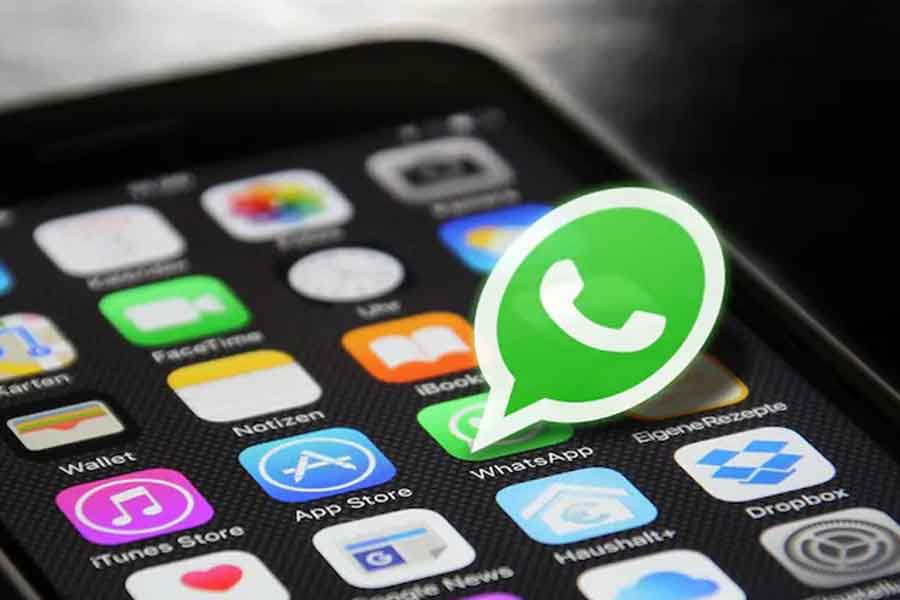
After coming up with new drawing tools and media visibility options, WhatsApp is bringing more updates for the users. In the new Beta release for iOS, WhatsApp is adding options where the user can hide their last seen status from some specific contacts. WhatsApp already allows users to limit the view list of their status to their contacts only. It also allows you to share the status with a certain group of individuals as well. However, with the new update, the app will let the users hide their status from some specific contacts.