
Highlights
- Xiaomi 17 Ultra effective price drops to Rs 1,19,999 from its listed Rs 1,39,999, with Rs 20,000 off via checkout + bank offers.
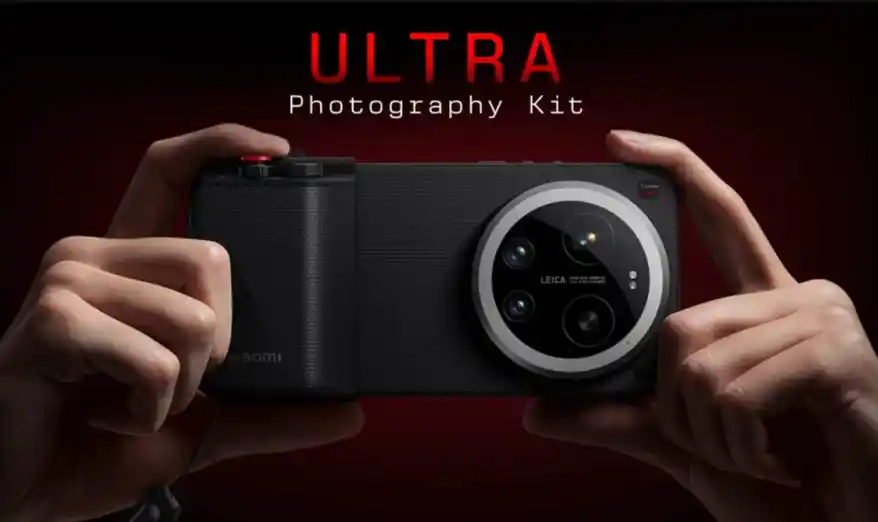
- Buyers also get the Xiaomi Photography Kit Pro worth Rs 19,999 free including grip, magnetic case and camera accessories.
- The key specs of Xiaomi 17 Ultra include 6.9″ 2K OLED, Snapdragon 8 Elite Gen 5, 16GB RAM + 512GB storage, 6,000mAh battery with 90W wired/50W wireless charging and Leica triple camera setup with 200MP telephoto.
The Xiaomi 17 Ultra is now available at an effective price of Rs 1,19,999, down from its listed price of Rs 1,39,999. The latest offer combines an automatic Rs 10,000 checkout discount with an additional Rs 10,000 eligible bank discount. Buyers also get the Xiaomi Photography Kit Pro worth Rs 19,999 for free as part of the offer. Here’s everything you need to know about the new Xiaomi 17 Ultra deal price.
Xiaomi 17 Ultra Price Drops to Rs 1,19,999
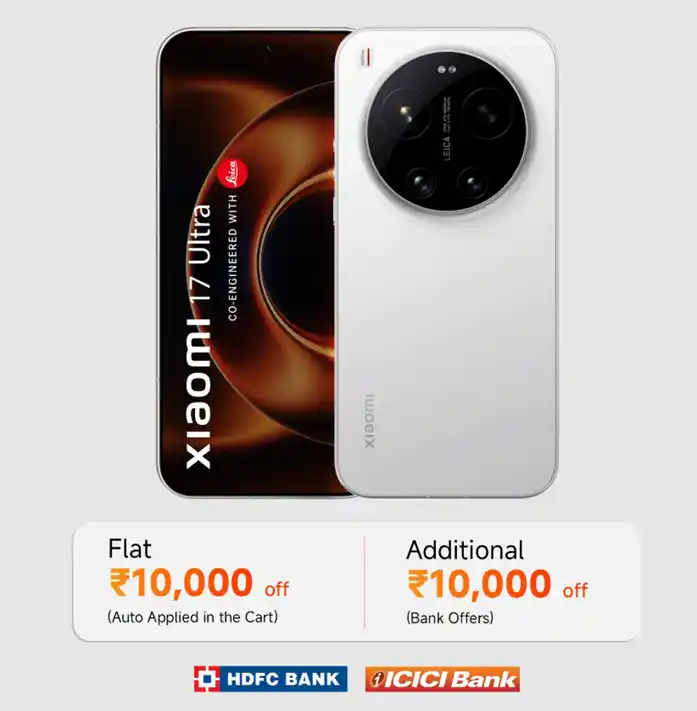
The Xiaomi 17 Ultra is listed at Rs 1,39,999 for its 16GB + 512GB configuration. With the current offers, buyers can bring the effective price down to Rs 1,19,999.
| Price/Benefit | Amount |
| Listed price | Rs 1,39,999 |
| Auto Checkout Discount | – Rs 10,000 |
| Eligible Bank Discount | – Rs 10,000 |
| Effective Price | Rs 1,19,999 |
| Photography Kit Pro | Free, worth Rs 19,999 |
The two Rs 10,000 discounts together reduce the effective phone price by Rs 20,000, provided the buyer meets the applicable offer and bank-card conditions.
Get Xiaomi 17 Ultra Photography Kit Pro for Free
Another major part of the deal is the Xiaomi Photography Kit Pro, which is listed separately at Rs 19,999 on Xiaomi India. Under the current offer, the kit is included at Rs 0.
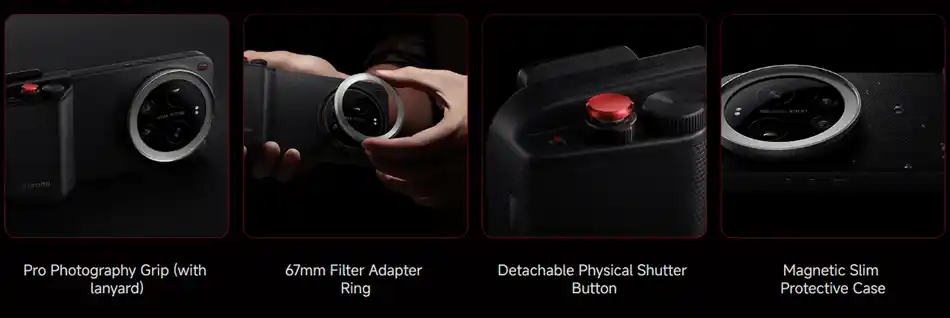
The Photography Kit Pro includes a photography grip, magnetic case and other photography accessories designed to complement the phone’s camera system.
This means buyers get both the Xiaomi 17 Ultra and the photography kit without paying the kit’s separate Rs 19,999 listed price.
Xiaomi 17 Ultra Bank Offer Explained
The additional Rs 10,000 discount is linked to an eligible bank offer and is subject to the applicable terms and conditions.
The current offer report mentions HDFC and ICICI cards, while other reports have mentioned a wider list that could include ICICI, SBI, Axis, IDFC and Kotak. Since the eligible banks can vary depending on the active offer, buyers should check the bank list displayed on the Xiaomi India checkout page before making the payment.
Xiaomi 17 Ultra Specifications

The Xiaomi 17 Ultra features a 6.9-inch 2K OLED display with a 2608 x 1200-pixel resolution. The 12-bit M10 LTPO panel has a 1-120Hz variable refresh rate, up to 3,500 nits peak brightness, HDR10+ and Dolby Vision support. It also gets a 5,000,000:1 minimum contrast ratio, 1920Hz PWM dimming, DC dimming and Xiaomi Shield Glass 3.0 protection.
The phone is powered by the Snapdragon 8 Elite Gen 5 3nm mobile platform with an Adreno 840 GPU. It comes in a single 16GB LPDDR5X RAM + 512GB UFS 4.1 storage configuration.
The Xiaomi 17 Ultra runs Android 16 with Xiaomi HyperOS 3.0 and supports dual nano-SIM connectivity.
The phone packs a 6,000mAh battery with support for 90W wired fast charging and 50W wireless charging. It also supports reverse wireless charging.
It also gets an in-display 3D ultrasonic fingerprint sensor and an infrared sensor. Audio features include USB Type-C audio, Hi-Res audio, stereo speakers, Dolby Atmos and a four-microphone array.
The phone measures 162.9 x 77.6 x 8.29mm. The Black and White variants weigh 218.4 grams, while the Starlit Green version weighs 219 grams. It has an IP68 rating for dust and water resistance.
Connectivity options include 5G SA/NSA, dual 4G VoLTE, Wi-Fi 7, Bluetooth 6.0, NFC, USB Type-C 3.2 Gen 2 and satellite communication. The phone also supports multiple positioning systems, including GPS, BeiDou, Galileo, GLONASS, QZSS and NavIC.
Xiaomi 17 Ultra 200MP Leica Telephoto Camera
The camera setup is one of the key highlights of the Xiaomi 17 Ultra. It has a 50MP Leica main camera with a 1-inch Light Fusion 1050L sensor, 14EV native dynamic range, f/1.67 aperture, OIS and a high-transparency lens system. The main camera is joined by a 50MP Leica ultra-wide camera with a 115-degree field of view, 5cm super macro support and an f/2.2 aperture. The phone also features a 200MP Leica super telephoto camera with a 1/1.4-inch HPE image sensor, f/2.39-2.96 aperture and a 3.2x-4.3x optical periscope telephoto system. It also supports 30cm telephoto macro photography and OIS.
For video recording, the phone supports 8K video recording.
On the front, there is a 50MP selfie camera capable of recording 4K video at 60fps. Other camera features include a 3G+5P high-transparency lens group and Leica camera capabilities.
Xiaomi 17 Ultra Offer vs Original Price
At launch, the Xiaomi 17 Ultra was priced at Rs 1,39,999 for the single 16GB + 512GB variant. The Xiaomi Photography Kit Pro is separately listed at Rs 19,999.
With the current offer, the phone gets Rs 20,000 in combined discounts when the applicable checkout and bank offers are successfully applied. The Photography Kit Pro is also included for free, adding a separately listed Rs 19,999 accessory to the deal.
How to Buy Xiaomi 17 Ultra at Rs 1,19,999?
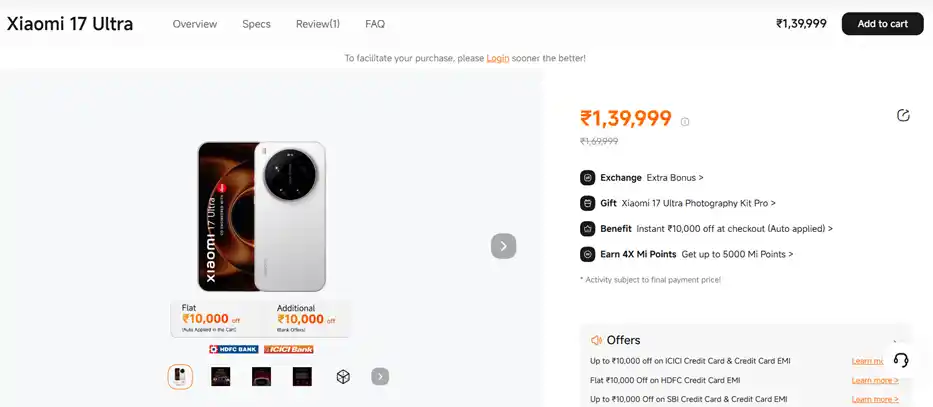
Buyers looking to get the Xiaomi 17 Ultra at the effective Rs 1,19,999 price can follow these steps:
- Visit the Xiaomi India website.
- Select the Xiaomi 17 Ultra.
- Apply or select the applicable offer.
- Check that the Rs 10,000 checkout discount is reflected in the order.
- Use an eligible bank card to receive the additional Rs 10,000 discount.
- Add the Photography Kit Pro and make sure it shows a price of Rs 0 before completing the payment.
The final price and eligibility for the bank discount should be checked at checkout, as the offer is subject to Xiaomi’s applicable terms and conditions.