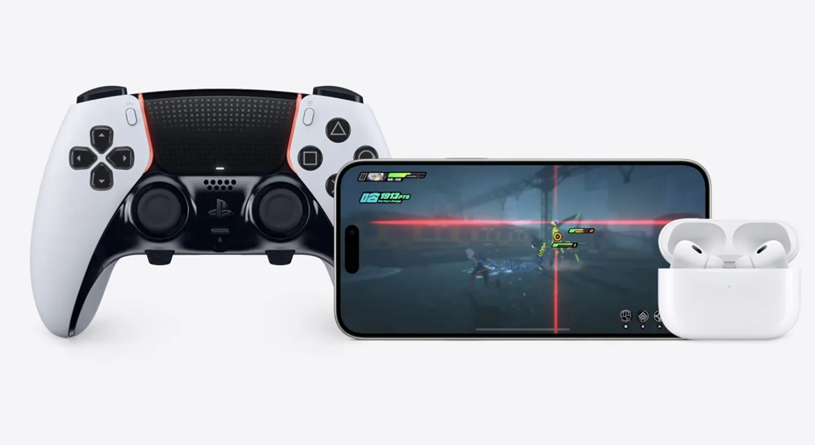
iOS 18 Game Mode automatically activates during intense gaming to enhance iPhone performance.
It reduces latency and maintains high frame rates.
Apple aims to attract more AAA games in future.
Game Mode brings enhancements to iPhone gaming. (Image credit – 9to5Mac)
Earlier this year, Apple had announced the new Game Mode feature in iOS 18 for iPhones.
It was introduced as a special mode designed to enhance the iPhone’s performance during gaming sessions. Here’s everything you need to know about the iPhone Game Mode.
Once your iPhone is updated to the latest iOS 18, it will be able to automatically switch to Game Mode during intense gaming sessions.
This iPhone Game Mode will enhance three key elements of the device for gamers.
First of all, the iPhone Game Mode will minimise background activity to maintain high frame rates during long gaming sessions.
Apple plans to offer both Apple Arcade games and App Store games in the app.
It will also reduce controller latency. So, while using a Bluetooth game controller, Game Mode will significantly reduce latency to make gameplaysmoother and more responsive.
In a similar way, it will also reduce audio latency. When you are using the AirPods for audio, Game Mode will reduce latency to ensure the sound syncs perfectly with your gameplay.
The best aspect of the iPhone Game Mode is that users will not have to enable the Game Mode manually.
Apple Is Reportedly Working on a Dedicated App Store for Games
This basically means iPhones once updated to iOS 18 will automatically detect and activate Game Mode when required offering a seamless gaming experience.
While you may not notice the impact of Game Mode on simpler games like Candy Crush, it will make a significant difference when playing more demanding, high-performance titles such as the upcoming Sniper Elite 4.
Game Mode is also designed to handle AAA games that require serious processing power and low latency for the best experience.
iPhone Game Mode has been designed for AAA titles. (Image credit – 9to5Mac)
Moreover, Apple has been working hard to attract more AAA titles to its platforms. It is particularly focusing on the Mac gaming experience.
However, the introduction of Game Mode shows that the company is also taking iOS gaming seriously and wants to deliver a top-tier gaming experience on iPhones.
FAQs
Q1. What is the iPhone Game Mode introduced in iOS 18 designed for?
Answer. It is designed to enhance the iPhone’s performance during gaming sessions by minimizing background activity, reducing controller and audio latency.
Q2. How does the iPhone Game Mode affect Bluetooth game controllers?
Answer. Game Mode significantly reduces latency when using a Bluetooth game controller, making gameplay smoother and more responsive.
Q3. Do users need to manually enable the Game Mode on their iPhones?
Answer. No, iPhones updated to iOS 18 will automatically detect and activate Game Mode when required, offering a seamless gaming experience.
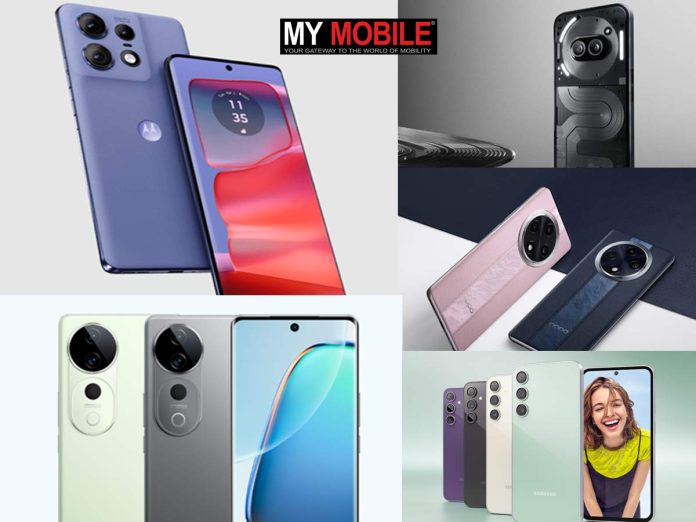
Best under 30K phones to consider this Diwali – Vivo T3 Ultra, Nothing Phone 2a Plus, Motorola Edge 50 Pro, Oppo F27 Pro Plus+ and Samsung Galaxy S23 FE.
Diwali is the perfect time of the year to upgrade your smartphone without necessarily breaking a hole in your pocket.
The under 30K smartphone segment is most easily ignored as people either go for a high-end device or settle for something more standard that is closer to entry-level. What shouldn’t be missed is how this mid-range segment today has some of the most advanced devices to choose from.
So, if you are wondering which phone from the segment would be the best choice for you, we have curated the list of top 5 smartphones under ₹30,000 that strike the perfect balance of performance, features and value.
So, without further ado, let’s get to our picks.
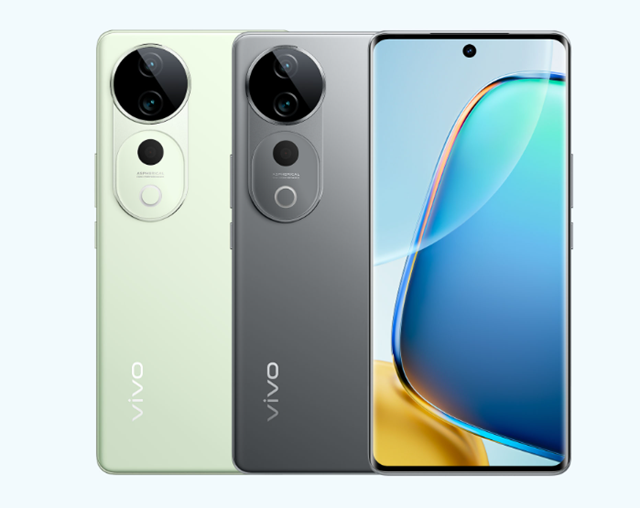
Vivo T3 Ultra
Vivo T3 Ultra. (Image credit – Vivo)
Key Specifications
78″ (17.22 cm) 120Hz AMOLED Display
MediaTek Dimensity 9200 Plus Octa-core Processor
50+8 MP Rear Camera
50 MP Front Camera
8 GB RAM
128 GB Internal Storage
5500 mAh Battery
80W Fast Charging
Dual SIM: 5G & 5G
Android v14
Vivo T3 Ultra price in India starts from ₹28,999. There are three memory choices – 8 GB + 128 GB, 8 GB + 256 GB and 12 GB + 256 GB.
The phone is available in two striking colour variants – Lunar Gray and Frost Green.
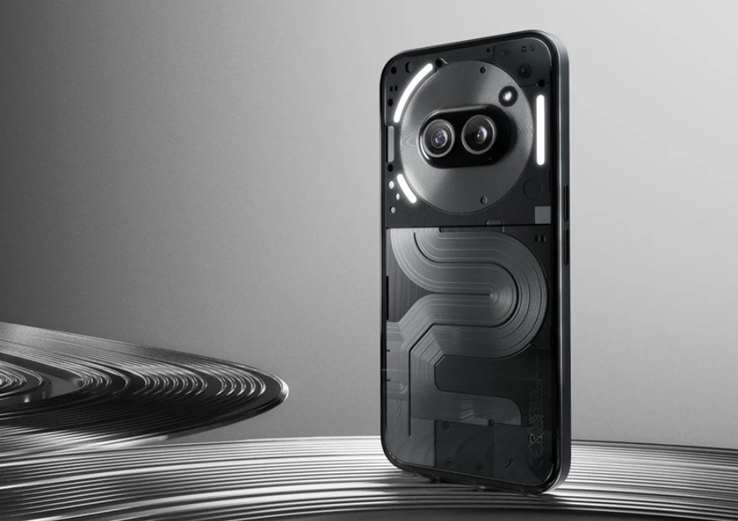
Nothing Phone 2a Plus
Nothing Phone 2a Plus. (Image credit – Nothing)
Key Specifications
7″ (17.02 cm) 120Hz Flexible AMOLED Display
MediaTek Dimensity 7350 Pro Octa-core Processor
50+50 MP Rear Camera
50 MP Front Camera
8 GB RAM
256 GB Internal Storage
5000 mAh Battery
50W Fast Charging
Dual SIM: 5G & 5G
Android v14
Nothing Phone 2a Plusprice in India starts from ₹23,780 for the base variant 8 GB RAM and 256 GB internal storage. The phone is available in Black and Grey colour options.
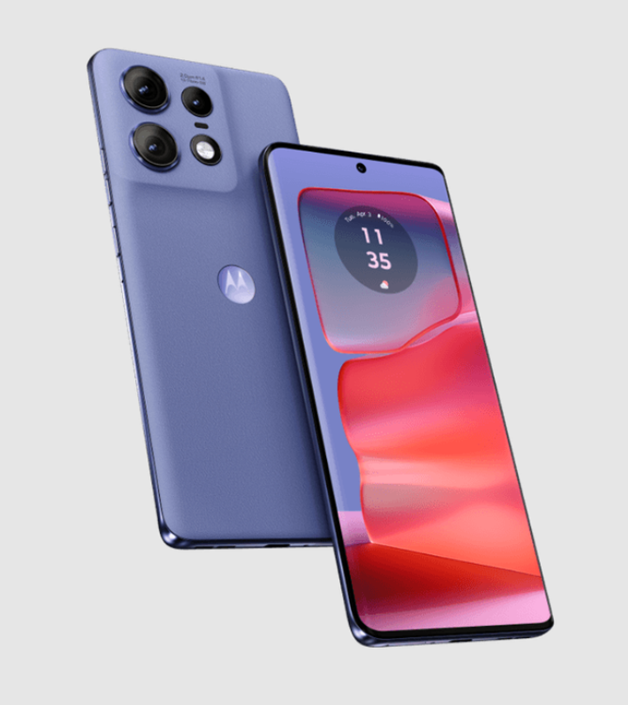
Motorola Edge 50 Pro
Motorola Edge 50 Pro. (Image credit – Motorola)
Key Specifications
7″ (17.02 cm) 144Hz P-OLED Display
Snapdragon 7 Gen 3 Octa-core Processor
50+13+10 MP Rear Camera
50 MP Front Camera
12 GB RAM
256 GB Internal Storage
4500 mAh Battery
125W Fast Charging
Dual SIM: 5G & 5G
Android v14
Motorola Edge 50 Pro 5G price in India starts from ₹27,999. This is the 8 GB RAM and 256 GB internal storage base variant. The phone is available in Black Beauty, Caneel Bay, Luxe Lavender, Moonlight Pearl and Vanilla Cream colour options.
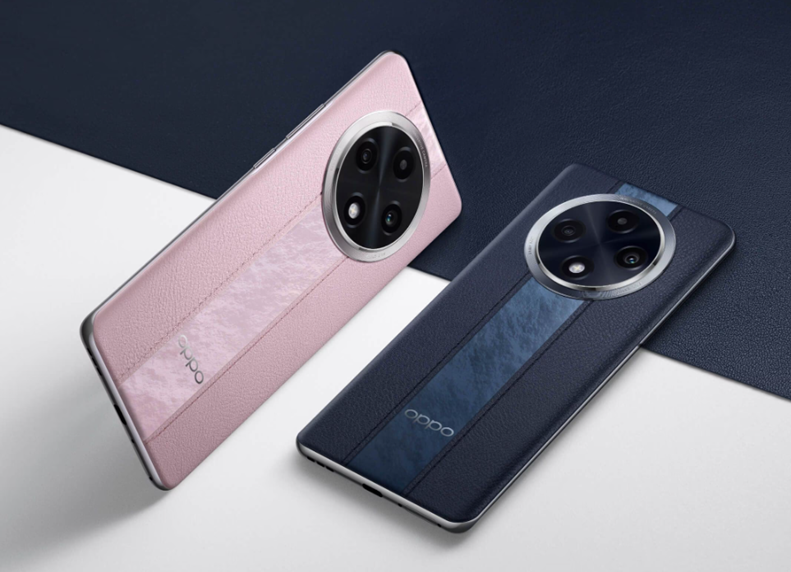
OPPO F27 Pro Plus
OPPO F27 Pro Plus (Image credit – Oppo)
Key Specifications
7″ (17.02 cm) 120Hz AMOLED Display
MediaTek Dimensity 7050 Octa-core Processor
64+2 MP Rear Camera
8 MP Front Camera
8 GB RAM
128 GB Internal Storage
5000 mAh Battery
67W Fast Charging
Android v14
OPPO F27 Pro Plus price in India starts from ₹27,999. It is available in Midnight Navy and Dusk Pink colour options.
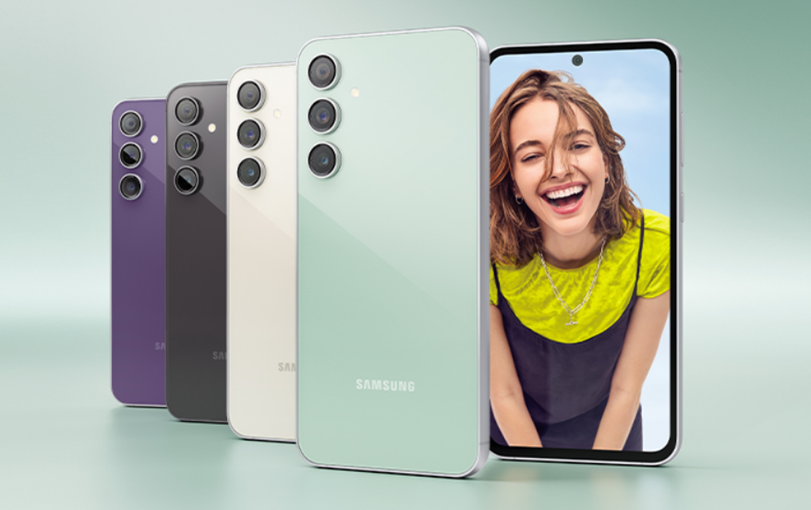
Samsung Galaxy S23 FE
Samsung Galaxy S23 FE. (Image credit – Samsung)
Key Specifications
4″ (16.26 cm) 120Hz Dynamic AMOLED 2x Display
Samsung Exynos 2200 Octa-core Processor
50+12+8 MP Rear Camera
10 MP Front Camera
8 GB RAM
128 GB Internal Storage
4500 mAh Battery
25W Fast Charging
Dual SIM: 5G & 5G
Android v13
Samsung Galaxy S23 FE price in India starts from ₹29,998. This is for the base variant configuration 8 GB RAM and 128 GB internal storage. The phone is available in Mint, Graphite, Purple, Indigo and Tangerine colour options.
FAQs
Q1. What is the battery capacity of the Vivo T3 Ultra?
Answer. The Vivo T3 Ultra has a 5500 mAh battery with 80W fast charging support.
Q2. What is the display size and type of the Nothing Phone 2a Plus?
Answer. The Nothing Phone 2a Plus features a 6.7-inch AMOLED display with a 120Hz refresh rate.
Q3. What is the main camera configuration of the Motorola Edge 50 Pro?
Answer. The Motorola Edge 50 Pro has a 50 MP wide camera and a 50 MP ultra-wide camera.
Q4. What is the processor used in the Oppo F27 Pro Plus+?
Answer. The Oppo F27 Pro Plus+ is powered by the MediaTek Dimensity 9200 chipset.
Q5. What are the key features of the Samsung Galaxy S23 FE?
Answer. The Samsung Galaxy S23 FE boasts a 6.4-inch Dynamic AMOLED 2X display with a 120Hz refresh rate, powered by the Exynos 2200 chipset. It features a 4500 mAh battery with 25W wired and 15W wireless charging and a triple camera setup with a 50 MP main sensor.
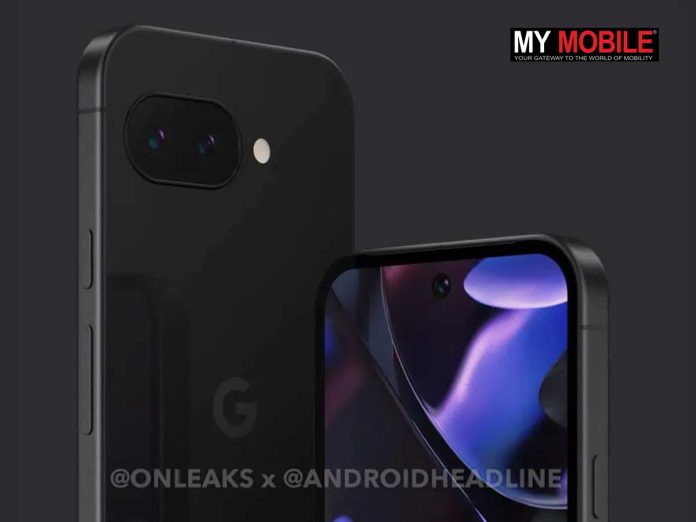
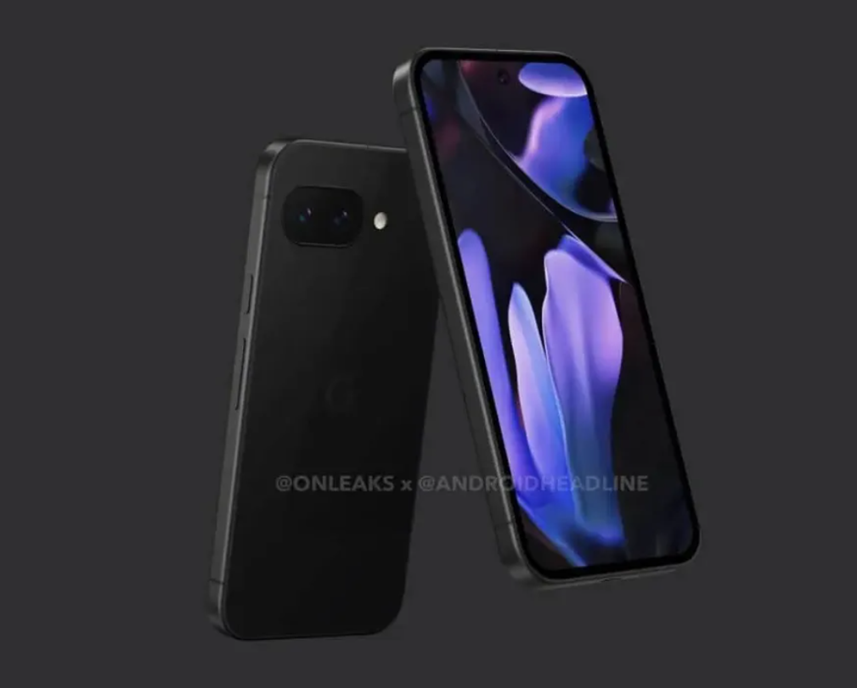
The Google Pixel 9a will feature a 48MP main camera instead of 64MP seen in previous “a” series models.
The phone is expected to launch in March 2025.
Other rumoured features include – a 6.1-inch OLED display with a 120Hz refresh rate, Google’s Tensor G4 chip, a 13MP front camera, AI-driven tools and more.
Leaked Images of the alleged Pixel 9a. (Image credit – OnLeaks/AndroidHeadlines)
Google Pixel “a” series is one of the most popular Google phones in the market with fans always looking forward to its release. While the next-in-line Google Pixel 9a release is slowly approaching, we now have been hearing some new exciting details about the upcoming smartphone.
As per certain reports,Google’s upcoming Pixel 9ais expected to make some particular changes in the camera setup.
The phone will reportedly feature a 48MP main camera, which is a shift from the 64MP sensor we have seen previously used in models such as the Pixel 7a and Pixel 8a.
While we are learning that the previously used 64MP sensor experts believe a Sony IMX787 will be replaced, it is unclear what the new sensor will be.
A recent 9to5Google report suggests that there is possible the 48MP camera could use a cropped version of the same sensor. Google used a similar strategy in the Pixel Fold and Pixel 9 Pro Fold previously.
If this turned out to be true, the camera performance might not see a significant drop.
Upcoming Google Pixel 9a – What To Expect?
Pixel 9a
Source: some random post on Facebook pic.twitter.com/y8jwaQM6Z8
— ShrimpApplePro 🍤 ずっと真夜中でいいのに (@VNchocoTaco) August 26, 2024
Other rumoured specs for thePixel 9a include a 6.1-inch OLED display with a 120Hz refresh rate and a dual-camera setup on the back.
The phone will likely be powered by Google’s Tensor G4 chip offering similar performance to the flagship Pixel 9 series.
However, the Pixel 9a may still use the older Exynos Modem 5300 with no satellite SOS capabilities. This is probably being done to keep the price more affordable.
As per rumours and leaks, the upcoming Pixel 9a is also expected to have a 13MP front-facing camera.
The device is expected to run on Android 15 delivering AI-driven photography tools like Magic Eraser and Photo Unblur.
The phone will most likely also feature the “Add Me” AI tool that debuted with the Pixel 9 series this year.
This AI-powered tool allows users to be added to group photos even after handing off the phone to someone else to take the picture.
As for the battery life, rumours suggest the expected battery capacity could be close to 4500mAh.
Google will most likely offer the Pixel 9a in four stylish colour options including Porcelain, Obsidian, Peony and Iris.
The Pixel 9a is anticipated to launch in March 2025. We can expect more details to surface closer to the release date.
FAQs
Q1. What changes are expected in the camera setup of the Google Pixel 9a?
Answer. The phone will reportedly feature a 48MP main camera, which is a shift from the 64MP sensor previously used in models such as the Pixel 7a and Pixel 8a.
Q2. When is the Google Pixel 9a expected to be released?
Answer. The Pixel 9a is anticipated to launch in March 2025.
Q3. What are the expected key features of the Google Pixel 9a?
Answer. The upcoming Pixel 9a is expected to have a 13MP front-facing camera, a 6.1-inch OLED display with a 120Hz refresh rate, and be powered by Google’s Tensor G4 chip.
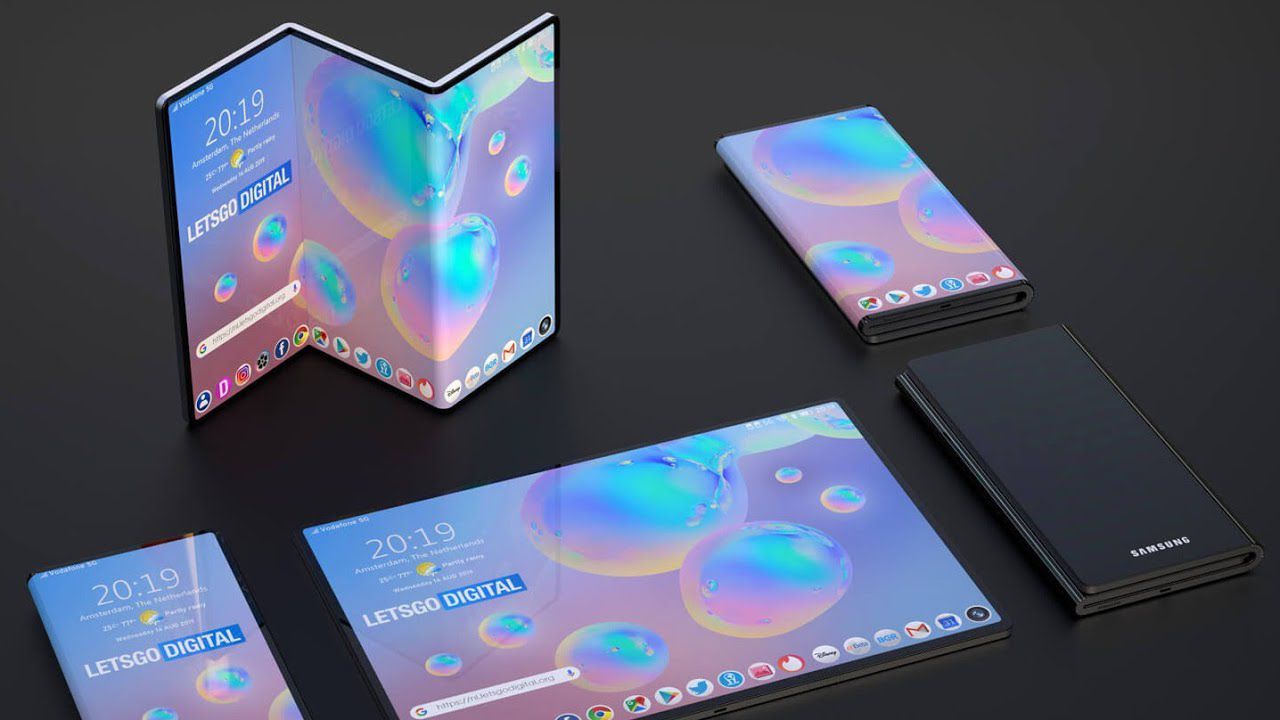
Samsung has no plans to develop a cheaper Galaxy Z Fold.
Rumours suggest Samsung might be developing its first tri-fold phone.
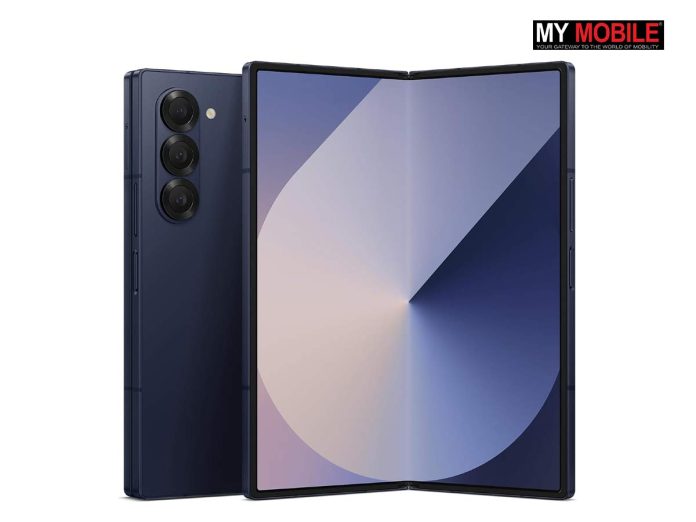
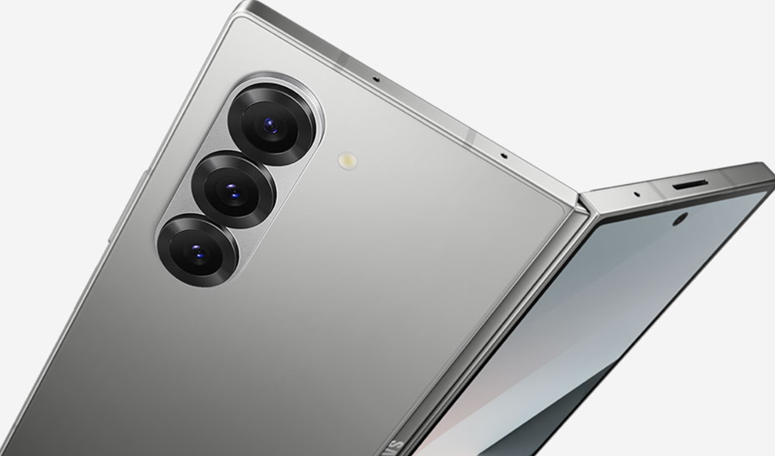
No plans for a cheaper Samsung foldable. (Image credit – Samsung)
If you have been holding on to the hope of Samsung’s cheaper foldable to hit the market, we suggest you prepare yourself for some disappointment.
It appears Samsunghas no plans for popularising the foldable smartphone segment and so, plans for a cheaper Galaxy Z Fold are off the table.
Samsung’s Galaxy Z Fold series continues to be one of the best foldable phones out there in the smartphone market.
Samsung is apparently working on a tri-fold smartphone which could launch in 2025
— Android Police (@AndroidPolice) October 22, 2024
There were previous reports that the Korean brand is planning on developing a more affordable version of the phone.
However, according to the recent reports surfacing in the Korean media, the company has once again confirmed it has no intention of offering a more affordable version of the device.
In an interview with Korean publication SisaJournal, Samsung confirmed that despite launching a region-limited Galaxy Z Fold Special Edition, there are no plans to create a lower-priced version of the Galaxy Z Fold.
A company spokesperson stated, “Rather than thinking of [Galaxy Z Fold Special Edition] as a premium product, it’s a product released to expand your options. You can choose according to your taste. As of now, we have no plans to release a separate product with a lower price.”
The different Galaxy Z Fold model’s price has been between $1,799 to $1,899 for a few years since its launch.
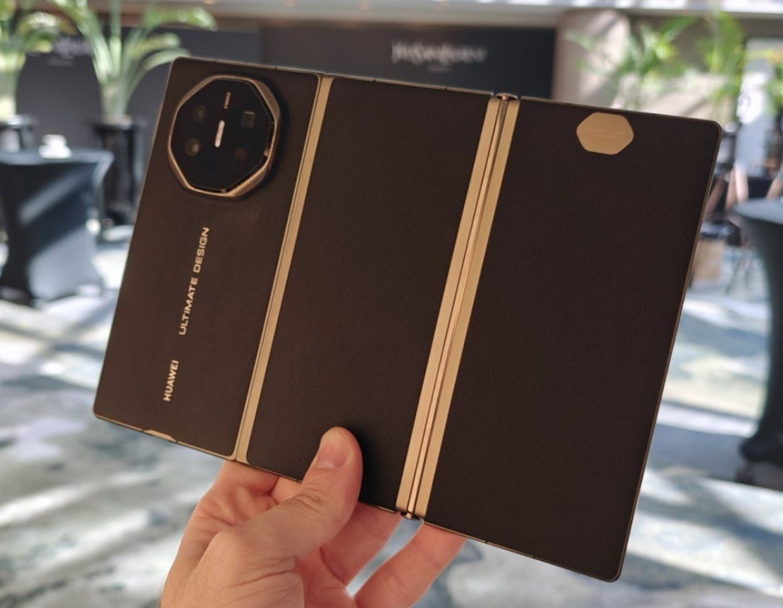
Huawei launches world’s first triple-foldable smartphone… but price the is a staggering $2800 in China.
It transforms from a phone to a 10.2-inch tablet!
Huawei Official at launch:
“Today we bring you a product that everyone can think of but could not make.” pic.twitter.com/mp7szLA6q0
— Techzim (@Techzim) September 11, 2024
The high price is one of the main reasons Samsung foldable devices have remained unreachable to a wide customer base.
Samsung recently released the Galaxy Z Fold Special Edition with an even higher price tag than the Fold 6, costing around USD 300 more.
This move highlights Samsung’s focus on keeping foldable devices exclusively for premium customers.
Samsung Tri-Fold Device in the Pipeline
While Samsung has officially confirmed that there are no plans for Galaxy Z Fold FE, certain rumours indicate that Samsung might be developing its first-ever tri-fold phone.
Huawei Mate XT, a tri-fold phone. (Image credit – PhoneArena)
Huawei has already entered the tri-fold market this year and it wouldn’t be a surprise if Samsung comes with its own version.
Although there is no official word regarding this tri-fold device as of now, we can assume it will make headlines whenever a hint drops.
These developments suggest Samsung is exploring new foldable ideas even though a cheaper Galaxy Z Fold isn’t on the cards.
FAQs
Q1. Will Samsung release a cheaper version of the Galaxy Z Fold?
Answer. Samsung has confirmed that there are no plans to release a separate product with a lower price for the Galaxy Z Fold.
Q2. What has been the price range for different Galaxy Z Fold models?
Answer. The price range for Galaxy Z Fold models has been between $1,799 to $1,899 for a few years since its launch.
Q3. Is Samsung planning to develop a tri-fold phone?
Answer. Certain rumours indicate that Samsung might be developing its first-ever tri-fold phone, although there is no official word regarding this device yet.
Meta is testing instant facial recognition for recovering locked Instagram and Facebook accounts.
It will allow users to verify their identity quickly.
Facial recognition will also be used to detect and block fraudulent ads with celebrity faces.
Meta is shutting down Instagram and Threads accounts that track private jets.
Meta Tests Instant Facial Recognition to Recover Accounts, Bans Private Jet Tracking. (Photo by Dima Solomin on Unsplash)
Often many users find themselves getting locked out of their Instagram or Facebook accounts.
It can happen for various reasons such as forgetting login details, losing access to a two-factor authentication device or even a hacker changing the password.
In such cases, users will have to prove their identity and verify the locked account belongs to them.
Regaining access to the locked account can be slow and frustrating at times since identity verification is still a manual process. Many users have complained that Meta takes too long to respond.
Now it appears Meta is finally addressing this issue and regaining access to your locked-out Instagram or Facebook account will be getting easier in the future.
Instant Facial Recognition to Recover Instagram or Facebook Accounts
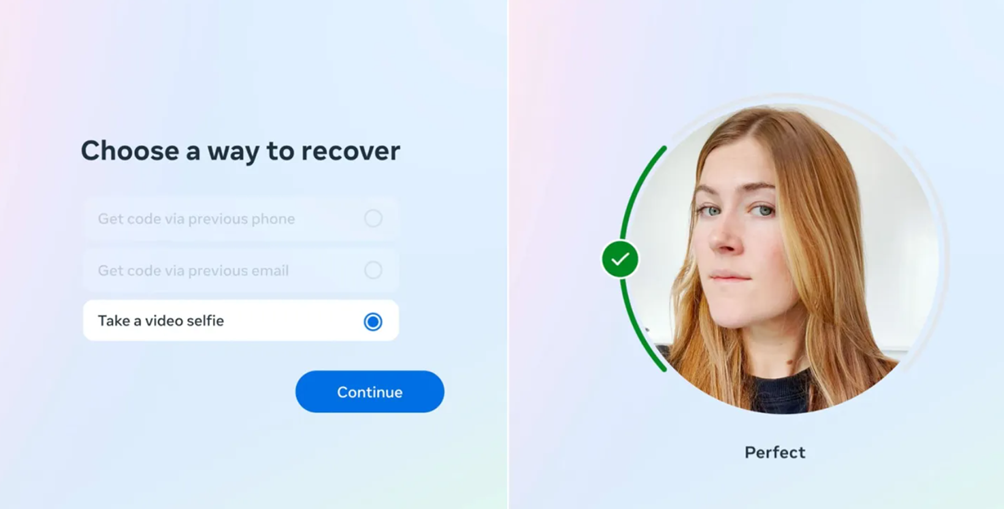
As per a recent post on its newsroom, Meta announced that it is testing a feature to allow users to unlock their accounts using facial recognition.
Here’s what we know.
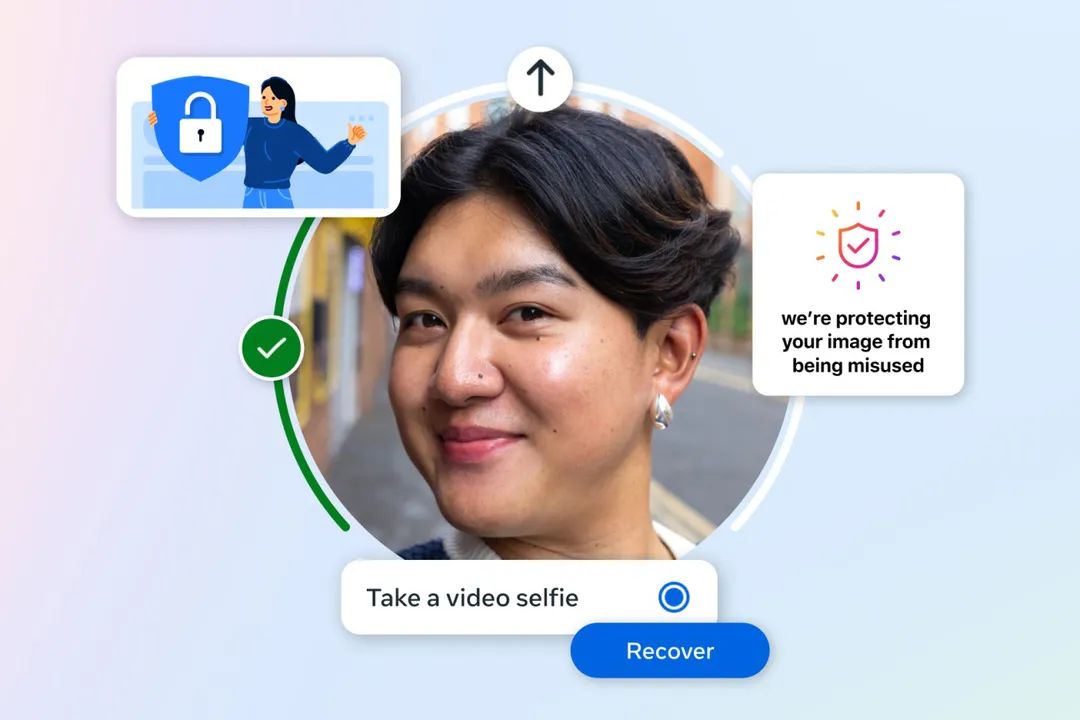
Meta to introduce instant facial recognition feature to recover lost Instagram and Facebook accounts. (Image credit – Meta)
In the current system, users are sometimes asked to submit a video selfie to verify their identity. However, the review work is manual, which takes time.
Meta is now testing an instant recovery feature, which will be powered by facial recognition technology. With this feature, users would take a short video moving their head just like registering for Face ID.
If the system confirms the match, access to the locked account will be given instantly.
However, Meta’s demo shows that users can choose between automatic recognition or a manual review. This means if some users prefer not to use facial recognition, they will have the option to opt out.
Meta also assures users that the video data is deleted immediately after the verification process is completed.
“As soon as someone uploads a video selfie, it will be encrypted and stored securely. It will never be visible on their profile, to friends or to other people on Facebook or Instagram. We immediately delete any facial data generated after this comparison regardless of whether there’s a match or not.” Meta mentions in a post.
Facial Recognition to Detect Celeb-Bait Ads and Impersonation
Photos of public figures and celebrities including content creators are often used to bait people into engaging with ads.
This also leads to scam websites where users are tricked into sharing their personal information or even scam for money.
Meta is planning to utilise the same facial technology technology to detect fraudulent ads with celebrity faces. “If our systems suspect that an ad may be a scam that contains the image of a public figure at risk for celeb bait, we will try to use facial recognition technology to compare faces in the ad to the public figure’s Facebook and Instagram profile pictures. If we confirm a match and determine the ad is a scam, we’ll block it,” Meta revealed in a post.
Meta Bans Private Jet Tracking Accounts
Facebook is set scan your face again. Image: Meta
In a separate move, Meta finally takes action on private jet tracking accounts flooding its platforms.
Celebrity tracking on social media is a menace. Many accounts on Instagram and Threads keep track of celebrity movements including where they are flying to and coming from, which can be both intruding and security risk.
Meta has finally addressed this and is reportedly shutting down Instagram and Threads accounts that are dedicated to tracking private jets.
In a recent TechCrunch report, Meta said, “Given the risk of physical harm to individuals, and in keeping with the independent Oversight Board’s recommendation, we’ve disabled these accounts for violating our privacy policy.”
Some of the accounts deleted used to regularly share flight details of Taylor Swift, Bill Gates and the head of Meta himself, Mark Zuckerberg.
A college student named Jack Sweeney who operates a flight tracking account confirmed the Meta action on his personal handle. Sweeney has previously faced pushback from other platforms as well.
Jack Sweeney’s Threads post confirmed the account suspension.
Sweeney’s X (previously Twitter) handle @ElonJet account tracking Musk’s flights was suspended in Late 2022. He also reportedly was slapped with a cease-and-desist letter by Taylor Swift’s lawyers saying, “While this may be a game to you, or an avenue that you hope will earn you wealth or fame, it is a life-or-death matter for our Client.”
Flight tracking was made a little harder after the Biden administration allowed private aircraft owners to keep flight registration data anonymous.
However, Sweeney claims that his research along with the many tips he receives makes celeb flight tracking still possible.
What Sweeney Has to Say
Sweeney criticised Meta in a letter for not providing any warnings and explanation before suspending those accounts.
What makes this more troubling is that I’ve received no communication from Meta—no warnings, no explanation.
Reporters have reached out to Meta for clarification, but so far, there’s been silence.
No matter the intent, this situation reflects poorly on Meta. Across platforms like X and Threads, I’ve had a total of 38 accounts suspended.
The behavior is consistent: these platforms operate without transparency, and it feels like they make arbitrary decisions.
X, for example, continues using the same tactics as the old Twitter; the only difference now is who’s in charge.
Ironically, Elon Musk, who once criticized Twitter for its lack of free speech, is now using the very same techniques—shadow-banning jet-tracking accounts and blocking links to public information that tracks his jet.
It’s just a different form of suppression, rather than outright bans.
FAQs
Q1. How is Meta improving the process of recovering locked Instagram or Facebook accounts?
Answer. Meta is testing instant facial recognition for quick and secure account recovery.
Q2. How will the new instant recovery feature work?
Answer. Users will take a short video moving their heads, and if the system confirms the match, access to the locked account will be given instantly.
Q3. What other use of facial recognition is Meta planning to implement?
Answer. Meta will use facial recognition to detect and block fraudulent ads with celebrity faces.
Q4. What action is Meta taking against private jet tracking accounts?
Answer. Meta is shutting down Instagram and Threads accounts that track private jets due to privacy concerns and risks to individuals.
Google Messages introduces five new security features.
New features include enhanced scam detection, warnings for suspicious links, Sensitive Content Warnings, blocking messages from international senders and Contact Verifying Features.
Google Messagesis a popular Android messaging app that comes preinstalled on most devices. Its wide reach is one reason the app has often come under the radar of hackers and scammers.
However, Google has been proactive in managing threats as it keeps updating the app for better security.
In the latest such move, Googlehas recently introduced five new security features to keep users safe while using Google Messages on Android. Here’s a quick overview of all the new security features introduced by Google.
Enhanced Scam Detection for Package and Job Scams
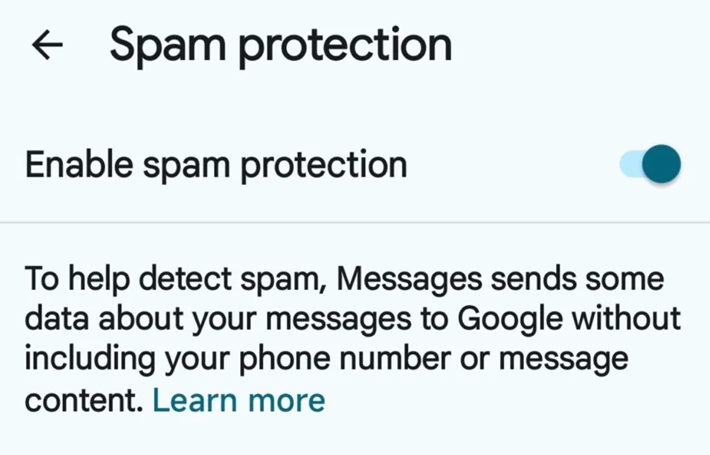
Google Messages are often used by scammers to steal personal information. To protect users from this, Google Messages is now rolling out an enhanced on-device scam detection algorithm. It will be available for users with spam protection enabled.
Spam protection in Google Messages settings. (Image credit – Android Authority)
When a potential scam message is detected, it will either be moved to the spam folder automatically or flagged with a warning.
Warnings for Suspicious Links
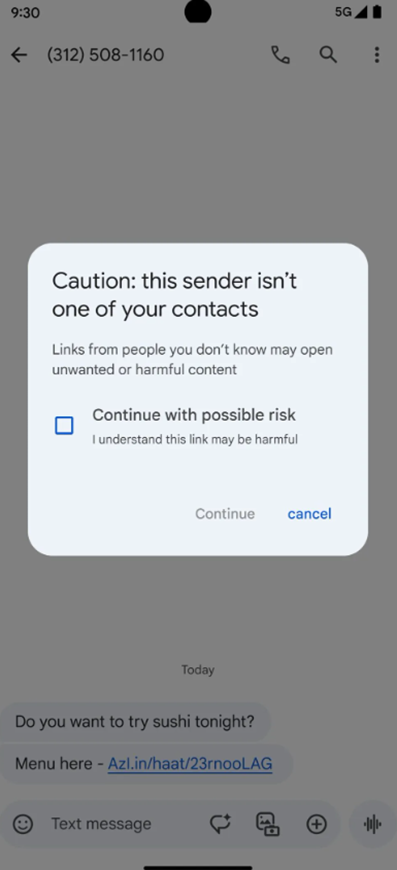
Secondly, Google Messages will now offer intelligent warnings when users receive potentially dangerous links from unknown senders.
This feature is already available in India, Thailand, Malaysia and Singapore as part of a pilot program However, Google is planning to expand it globally by the end of 2025.
Blocking Messages from International Senders
Next, we are now getting the option to automatically hide messages from international senders not in your contacts list.
These messages will be directed to the “Spam & blocked” folder.
Spam & blocked folder in Google Messages. (Image credit – Android Authority)
As per the latest update, this Google Messages feature will first be available in Singapore later this year. However, Google plans to expand it to more countries after receiving user feedback.
Sensitive Content Warnings
Google Messages is also introducing Sensitive Content Warnings to give users more control over viewing and sending images that may contain nudity.
This feature will blur images with potentially sensitive content and flag a “speed bump” warning that will include helpful resources and options for viewing the image.
Moreover, users will be reminded of the risks associated with sharing nude imagery whenever someone tries to send or forward such images.
Another important aspect is that the end-to-end encryption remains intact for RCS chats since this feature operates entirely on-device.
It’s optional for adults but will be opt-out for users under 18 via Android Settings.
It will be available to devices running Android 9 or later including those with Android Go Edition.
New Contact Verifying Feature
Last but not least, Google is introducing a Contact Verifying Feature that aims at preventing attackers from impersonating contacts.
Users will be able to verify their contacts’ public keys to confirm they are communicating with the right person. Verification through QR code scanning or number comparison will also be allowed for extra security.
It is expected to be available next year for devices running Android 9 or later supporting messaging apps like Google Messages.
FAQs
Q1. What new feature has been introduced to Google Messages for enhanced security?
Answer. Google Messages now includes enhanced on-device scam detection for package and job scams.
Q2. What warnings does Google Messages offer for suspicious links?
Answer. Google Messages will now provide intelligent warnings when users receive potentially dangerous links from unknown senders.
Q3. How does Google Messages handle sensitive content in images?
Answer. Google Messages introduces Sensitive Content Warnings that blur images with potentially sensitive content and provide a “speed bump” warning.
Q4.How Google protects your privacy with spam detection?
Answer. With real-time spam detection, Google Messages makes chatting easier and safer. Spam detection works with your message data on your device and may also ephemerally process the contents of unencrypted messages to detect spam and use those signals to train AI models to improve spam detection. Chatting between users using Google Messages is always end-to-end encrypted when RCS is enabled.
WhatsApp now allows adding and managing contacts from any device.
Now add contacts from web clients and linked devices without syncing them to the phone.
Meta plans to introduce usernames to add an extra layer of privacy.
A gradual rollout of the new feature is expected.
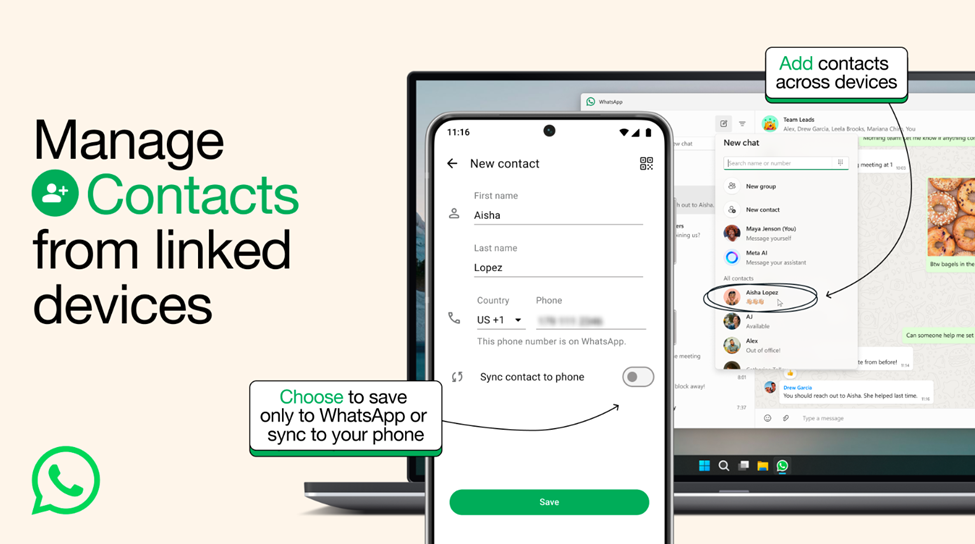
WhatsApp now makes it easier to add and manage contacts. (Image credit – WhatsApp Blog)
WhatsApp, the go-to messaging app for many, has been consistently working to make the overall user experience much more convenient. In a recent blog post titled “Making it Easier to Add and Manage Contacts”, WhatsApp introduced a new functionality that makes contact management much easier for users. Here’s everything about the new update that you need to know.
As explained by WhatsApp:
“Until now, the only place you were able to add contacts was from your mobile device, by either typing in a phone number or scanning a QR code. Soon, you’ll be able to add and manage contacts from the comfort of your keyboard on WhatsApp Web and Windows – and eventually other linked devices.” “With IPLS in place, you can now create contacts directly within WhatsApp and choose to sync them to your phone or securely save them only to WhatsApp – giving you the ability to create contacts that are specific to your account. If you use linked devices, this also allows you to add and manage contacts seamlessly regardless of which device you’re on.” “These WhatsApp contacts are ideal for when you are sharing your phone with others or if you want to separate personal and business contacts when managing more than one WhatsApp account on your phone. Contacts you save to WhatsApp will be restored in case you ever lose your phone or change devices.”
Add Contacts From Any Device
WhatsApp is rolling out the ability to add and edit contacts from within the messaging app, even on linked devices.
WhatsApp recently announced a new update that will let users add contacts from any device and not only from their primary phone.
This update will allow people to manage and add contacts through the web client, a Windows PC and other linked devices.
Users now will also be able to save a contact exclusively to WhatsApp without syncing it to your phone.
This is particularly helpful for people who share a device with others or for those managing both personal and work WhatsApp accounts on the same device.
WhatsApp’s parent company Meta says this will also address the issue of losing contacts when a phone is lost as contacts will now be fully restorable.
WhatsApp’s developed a more advanced encryption system to store and share relevant data.
Meta also hinted that bigger changes are lined-up for the app.
WhatsApp is soon expected to introduce usernames as well. This basically means users would not have to save someone’s contact information through a phone number anymore.
According to Meta, this will “add an extra degree of privacy” since users can share their username instead of a phone number. The rollout of this multi-device contact tool will be gradual, happening “over the coming weeks and months.”
However, there is no confirmed release date yet for the much-anticipated username feature.
WhatsApp has been active lately, rolling out features like improved video calling and passkey support on iOS.
FAQs
Q1. What new contact management feature did WhatsApp introduce?
Answer. WhatsApp now allows users to add and manage contacts from any device, including web clients and linked devices, without syncing them to the phone.
Q2. What upcoming feature will add an extra layer of privacy in WhatsApp?
Answer. WhatsApp is expected to introduce usernames, allowing users to share their username instead of a phone number for added privacy.
Q3. What other recent features have WhatsApp introduced?
Answer. WhatsApp has recently added improved video calling and passkey support on iOS.
WhatsApp will introduce a music sharing feature in Status updates.
The feature is currently available in the beta version for Android.
Users will be able to add music to their Status updates by searching for songs or artists.
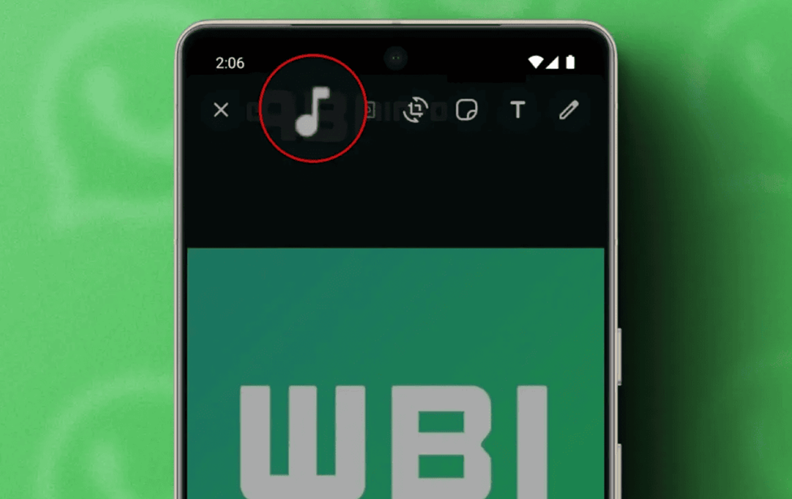
WhatsApp to introduce new music sharing in the Status updates feature. (Image credit – WabetaInfo)
Metahas been consistent with introducing like-minded features in all its social media apps.
Be it Instagram, WhatsApp or Facebook, you will often find some similar links and features between all three.
Now, as per recent updates, WhatsApp will soon have a music sharing on status feature very similar to what we have seen on Instagram before. Let’s find out more about this feature in development.
According to reliable WhatsApp source WabetaInfo, the messaging app users will soon find a new feature that will enable music sharing in Status updates.
WabetaInfo also reveals that the feature is currently available in the beta version of WhatsApp for Android and will soon be rolled out to all users.
With the new update, users will be able to add music to their Status updates, making their posts more fun and engaging. “Meta has a new agreement with Universal Music Group, which includes WhatsApp!” – WabetaInfo mentioned on X (previously Twitter) earlier this year.
WhatsApp is working a new feature to allow iOS and Android users to search, select, and share music in status updates in a future update! Meta has a new agreement with Universal Music Group, which includes WhatsApp!
We will share more details in the future. 🎵💚
— WABetaInfo (@WABetaInfo) October 10, 2024
Music Sharing in WhatsApp Status – How Will It Work?
This update will allow WhatsApp users to access a vast music library where they will be able to find specific songs or artists quickly.
A new “Music” button will be available on the status-sharing screen.
By clicking on it, users can search for their favourite songs or artists, select a track and add it to their Status.
Once the music is selected, it can be then added to the user’s Status with a tap to make the status updates more interactive.
“This new feature will introduce a music button within the drawing editor that appears after selecting a photo or a video for the status update.
By tapping this button, users will be able to search for songs or specific artists, making it easier to find and add their favourite music directly to the status,” WabetaInfo mentioned in a blog post.
WhatsApp users can make their status more lively and create entertaining posts for their friends and followers to enjoy.
The music will be powered by Instagram’s large music library providing WhatsApp users with a wide range of music to choose from.
WhatsApp aims to not only enhance the user experience but also bring all Meta social apps closer together. Such similar features will make it easier for users to transition between them.
FAQs
Q1. What new feature will WhatsApp soon introduce for Status updates?
Answer. WhatsApp will soon introduce a music sharing feature in Status updates, allowing users to add music to their posts.
Q2. How will users add music to their WhatsApp Status updates?
Answer. Users will be able to search for their favourite songs or artists, select a track, and add it to their Status using a new “Music” button on the status-sharing screen.
Q3. Where will be the music library for WhatsApp’s new music-sharing feature?
Answer. This feature will be powered by Instagram’s large music library, providing WhatsApp users with a wide range of music to choose from.
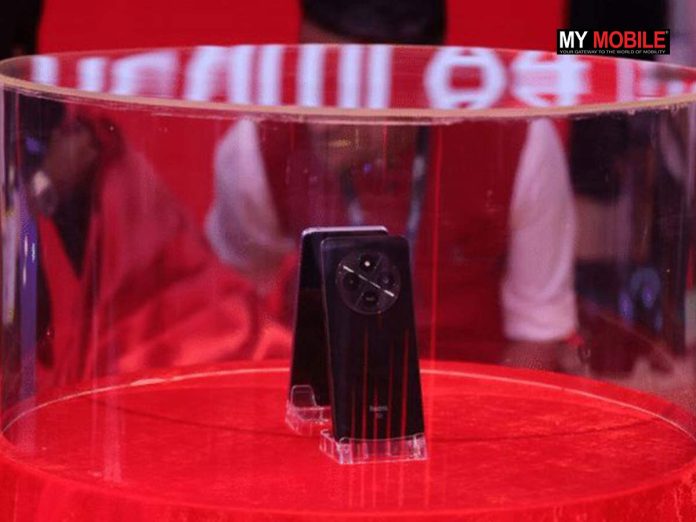
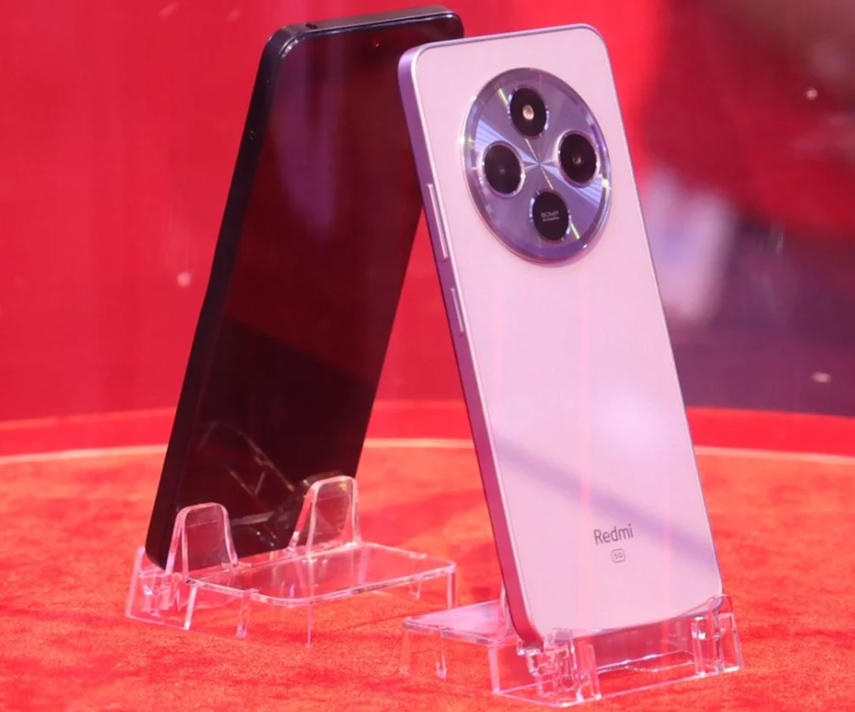
The entry-level Redmi A4 5G is expected to launch in India in November 2024 at ₹8499.
Key specs include a 6.7-inch IPS LCD with a 90Hz refresh rate, a Snapdragon 4s Gen 2 chipset, a 50MP main rear camera and an 8MP front camera.
Redmi A4 5G will be launched in India at ₹8,499 for the 4GB RAM + 128GB variant. (Image credit – Smartprix/Gizmochina)
Xiaomi previously announced its entry-level smartphone Redmi A4 5G.
However, the Chinese manufacturer did not reveal any specific details about the upcoming smartphone at the time of announcement.
It now appears we are finally getting some credible information about Redmi A4 5G.
In a recent report, industry sources via Smartprix revealed some key insights of Redmi A4 including its pricing and specifications.
Redmi A4 5G – Price and Availability (Expected)
The entry-level smartphone is expected to launch in India at ₹8499.
As per reports, this price tag is after counting launch offers and discounts for the 4GB RAM + 128GB storage variant.
Although an official update is still awaited, reports suggest the Redmi A4 5G will be available starting in November 2024.
Here’s everything else we have heard about the upcoming budget smartphone.
Redmi A4 5G – Key Specs (Rumoured)
The Redmi A4 5G will be an affordable option for people looking to upgrade to 5G.
The phone will reportedly feature a 6.7-inch IPS LCD display with a 90Hz refresh rate and HD+ resolution. It will offer smoother visuals than traditional 60Hz screens.
It is expected to be powered by the Snapdragon 4s Gen 2 chipset built on a 4nm process, making it the first smartphone in India with this processor. The chipset is designed to deliver efficient performance along with 5G support. It will be an ideal choice for budget-conscious users.
For camera setup, the Redmi A4 5G will most likely sport a 50MP main rear camera with an f/1.8 aperture for sharp images and an 8MP front camera for selfies.
The phone will run on Android 14 with Xiaomi’s new HyperOS 1.0 ensuring a smooth user experience.
Other expected key features include a 5,000mAh battery with 18W fast charging, a side-mounted fingerprint sensor and a USB Type-C port.
Compared to its predecessor, the Redmi A3 4G, the A4 5G brings notable upgrades including 5G connectivity, a faster 90Hz refresh rate and a more powerful chipset.
The predecessor Redmi A3 4G was limited to a 60Hz display and an entry-level 4G processor.
FAQs
Q1. When is the expected launch date for the Redmi A4 5G in India?
Answer. The Redmi A4 5G is expected to be available starting in November 2024.
Q2. What are the key specifications of the Redmi A4 5G?
Answer. The Redmi A4 5G will feature a 6.7-inch IPS LCD with a 90Hz refresh rate, a Snapdragon 4s Gen 2 chipset, a 50MP main rear camera, and an 8MP front camera.
Q3. What is the expected price of the Redmi A4 5G in India?
Answer. The entry-level smartphone is expected to launch in India at ₹8499 for the 4GB RAM + 128GB storage variant.
Google added biometric logins to the Find My Device network.
A UI update for tablet users is in the works.
Google is also introducing an Identity Check feature for Chrome.
Google has been constantly working to enhance the Find My Device network app with more features that can improve the overall user experience. In a recent update, Google has added biometric logins to the app.
Find My Device network now has biometric logins making it easier and more secure for users to access the platform.
Moreover, a new report suggests that there is also a user interface (UI) change for tablet users is in the works.
The new UI aims to better utilise larger screens. Both the updates come after Google recently integrated the Find My Device network into its Google Home app.
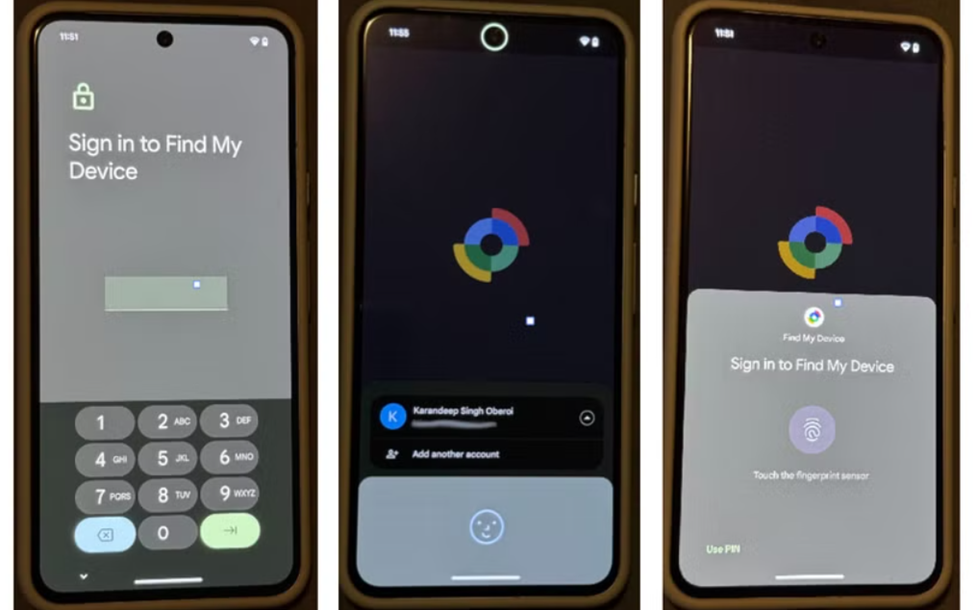
A recent report in Android Authority highlighted that the latest stable version of the Find My Device app (version 3.1.173-1) introduces biometric login functionality. Users can now sign into the app by scanning their fingerprint, or face or entering a PIN.
This new app update now replaces the previous method where users had to enter their Google account password every time they accessed the app.
Biometric logins to the Find My Device network. (Image credit – Android Police)
The new biometric option not only makes the login process faster but also adds an extra layer of security.
Previously, users could select a “Don’t ask again” option that could potentially put the device at risk.
That option is no longer available with biometric login and users can easily authenticate every time they use the app.
Find My UI Tweak for Tablets Coming Soon
Apart from the biometric logins, certain reports now suggest that Google is also working on a visual update for tablet users.
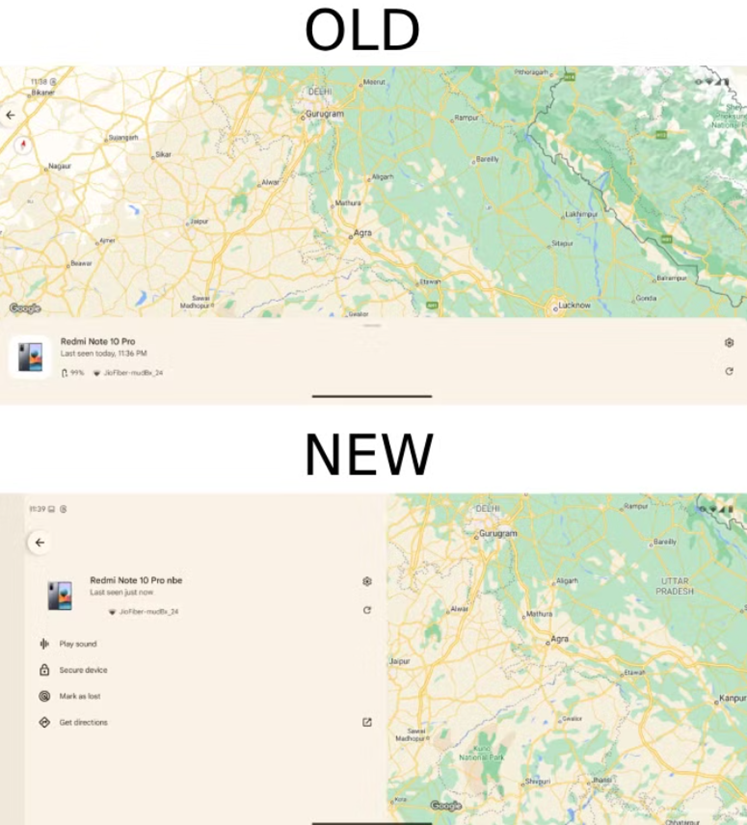
However, the Android Authority reports that the current bottom sheet design on the Find My Device app will soon be replaced by a side panel layout.
Find My UI tweak for tablets. (Image credit – Android Authority
This new design will make better use of the screen space on tablets, while still offering the same core features like Play sound, Secure device, Mark as lost and Get directions.
We have no confirmation on the release date for this tablet-specific UI update.
Identity Check for Enhanced Security in Chrome
Identity Check for Enhanced Security in Chrome
Meanwhile, Google appears to be working on rolling out another significant feature called “Identity Check.”
This new feature will add biometric authentication to access critical settings and will with important apps like Google Chrome. It is expected to launch later this year.
Identity Check will ensure that sensitive information on a user’s device remains secure, even if someone gains unauthorised access to the device by knowing the passcode.
Google’s New Identity Check Feature for Chrome
As per reports, the new feature will prevent unauthorised individuals from changing security settings like PINs, theft protection or accessing Passkeys.
Moreover, Biometric authentication such as face or fingerprint scans will be required.
Identity Check will extend to Google Chrome, where it will require biometric verification before auto-filling passwords, accessing payment information or enabling sync settings. This new layer of security is tied to the upcoming Android 15 QPR1 release.
FAQs
Q1. What new feature has Google added to the Find My Device network app?
Answer. Google has added biometric logins to the Find My Device network, allowing users to sign in using their fingerprint, face, or PIN for added security.
Q2. What is the upcoming UI change for tablet users on the Find My Device app?
Answer. The current bottom sheet design will be replaced by a side panel layout to better utilize the larger screens on tablets.
Q3. What is the purpose of Google’s new “Identity Check” feature in Chrome?
Answer. “Identity Check” will add biometric authentication to access critical settings, preventing unauthorized individuals from changing security settings or accessing sensitive information.