Home Blog Page 15

Xiaomi 17 Ultra Leica Edition Confirmed for December 25; 17 Ultra Hands-On Video, Side-by-side Telephoto Test and More Revealed

0

Highlights

  • Xiaomi 17 Ultra and its Leica Edition will debut in China on December 25 with the Leica Edition’s specs yet to be clarified.
  • The Xiaomi 17 Ultra features a 200MP Leica co-developed telephoto sensor with 75–100mm focal lengths, teased continuous optical zoom, HDR tech and impressive low-light portrait samples.
  • 17 Ultra hands-on video reveals slim bezels, 8.29mm thickness and new color options.
Xiaomi 17 Ultra revealed in an official hands-on video. (Credit - Xiaomi)
Xiaomi 17 Ultra revealed in an official hands-on video. (Credit – Xiaomi)

Xiaomi 17 Ultra is set to launch in China later this week as the fourth model in the company’s flagship Xiaomi 17 series, which already includes the Xiaomi 17, Xiaomi 17 Pro, and Xiaomi 17 Pro Max. Ahead of the launch, Xiaomi has confirmed that a special edition variant called the Xiaomi 17 Ultra Leica Edition. At the same time, fresh details related to the phone’s camera capabilities, design, and zoom technology have surfaced online.

Xiaomi 17 Ultra Leica Edition Launch Details

Xiaomi 17 Ultra Leica Edition. (Image credit - Xiaomi)
Xiaomi 17 Ultra Leica Edition. (Image credit – Xiaomi)

In an official Weibo post, Xiaomi announced that the Xiaomi 17 Ultra Leica Edition will be launched in China on December 25 at 7pm local time (4:30pm IST), the same date as the regular Xiaomi 17 Ultra. The company has not yet clarified whether the Leica Edition will feature any differences in specifications, design, or hardware compared to the standard model.

Xiaomi only showcased the retail box of the Leica Edition, which appears in a black finish with prominent Xiaomi and Leica branding. With the launch just a day away, more official details about both variants are expected to be revealed soon.

 Xiaomi’s official post on Weibo on 17 Ultra Leica Edition. (Translated via Google Translate)
Xiaomi’s official post on Weibo on 17 Ultra Leica Edition. (Translated via Google Translate)

Xiaomi 17 Ultra – Rotary Zoom Dial Tipped

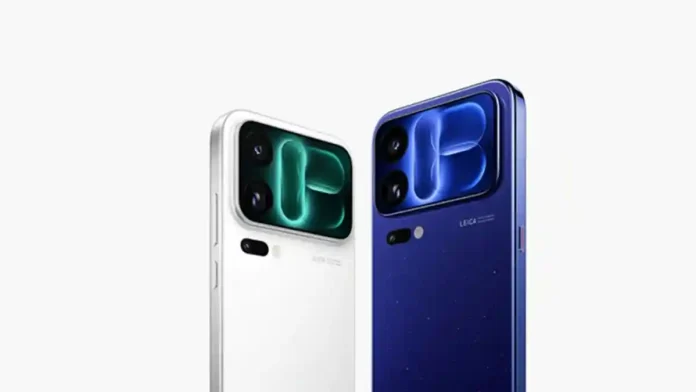
Separately, tipster Digital Chat Station (translated from Chinese) has claimed that the Xiaomi 17 Ultra may feature a rotary dial surrounding its circular rear camera module. According to the leak, this physical dial could allow users to zoom in and out while shooting photos or recording videos.

Xiaomi has not officially confirmed this feature, so the information should be treated with caution.

Xiaomi 17 Ultra 200MP Variable Zoom Telephoto Camera Teased

Xiaomi has also released a new set of teasers focusing on the Xiaomi 17 Ultra’s periscope telephoto camera. The handset is confirmed to use a 200-megapixel telephoto sensor co-developed with Leica, reportedly measuring 1/1.4 inches in size. Xiaomi claims the camera supports equivalent focal lengths ranging from 75mm to 100mm, placing it firmly in the portrait and mid-range zoom category.

image

Caption – Xiaomi side-by-side telephoto samples. (Image credit – Xiaomi)

The company shared side-by-side telephoto samples shot at 85mm, 90mm, and 100mm focal lengths, demonstrating what Xiaomi describes as 3x to 4.3x continuous optical zoom. Xiaomi did not disclose the names of the two competing smartphones used in the comparison.

In an earlier teaser, Xiaomi highlighted its “LOFIC ultra-high dynamic range technology,” and the newly released 85mm and 90mm samples appear to back up those claims. Compared to the rival devices, the Xiaomi 17 Ultra shows more consistent brightness levels and colour reproduction.

 Xiaomi low light portrait samples. (Image credit - Xiaomi)
Xiaomi low light portrait samples. (Image credit – Xiaomi)

Xiaomi also published several low-light portrait shots captured using the telephoto camera. In these samples, subject separation looks clean, noise levels are minimal, and skin tones appear natural. While these images are officially curated, they still provide insight into the camera’s potential performance in experienced hands. A clearer picture of improvements over the Xiaomi 15 Ultra will emerge once both devices can be tested side by side.

Collectively, these teasers suggest that Xiaomi is positioning the 17 Ultra as one of its most capable camera smartphones to date and a strong contender among top camera-focused flagships expected in 2026.

image

Caption – Xiaomi’s official post on Weibo. (Translated via Google Translate)

Xiaomi 17 Ultra Hands-On Video – Front Design and New Colour Option Revealed

Xiaomi has also released an official hands-on video teaser revealing the front design of the Xiaomi 17 Ultra. The video was shared by Xiaomi President Lu Weibing and offers the first real look at the device ahead of its December 25 launch.

The footage confirms that the Xiaomi 17 Ultra measures 8.29mm in thickness and features slim, fairly symmetrical bezels on all four sides. The display appears nearly edge-to-edge with flat sides and rounded corners. Xiaomi has not yet confirmed whether the bezels are narrower than those on the previous generation.

 Xiaomi 17 Ultra features the official hands-on video. (credit - Xiaomi)
Xiaomi 17 Ultra features the official hands-on video. (credit – Xiaomi)

The hands-on video also showcases the phone in multiple colour options under real-world lighting. While Xiaomi had earlier teased three colour variants, the latest clip appears to reveal a fourth option. This newly spotted finish looks like a violet or purple shade and stands out as a more eye-catching choice. The previously teased Starry Green variant is also shown in greater detail, highlighting a shimmering texture that changes under light. The remaining colours appear more subtle but still refined.

Official post on Weibo. (Translated via Google Translate)

As Xiaomi’s camera-centric flagship, the Xiaomi 17 Ultra is expected to feature an upgraded Leica-tuned imaging system. However, the company has yet to confirm the full hardware specifications. Based on official photo and video samples, improvements in dynamic range and noise control are evident, but the true generational leap over the Xiaomi 15 Ultra will only be clear after hands-on testing.

FAQs

Q1. When will the Xiaomi 17 Ultra and Leica Edition launch?

Answer. Both models are confirmed to launch in China on December 25 at 7pm local time (4:30pm IST).

Q2. What are the key camera features of the Xiaomi 17 Ultra?

Answer. The phone features a 200MP Leica co-developed telephoto sensor with 75–100mm focal lengths, offering 3x–4.3x continuous optical zoom, HDR tech, and strong low-light portrait performance.

Q3. What design details and colour options of Xiaomi 17 Ultra have been revealed?

Answer. The Xiaomi 17 Ultra measures 8.29mm thick, has slim symmetrical bezels, and comes in multiple finishes including Starry Green with shimmering texture and a newly spotted violet/purple shade.

Also Read

https://www.mymobileindia.com/xiaomi-17-ultra-to-launch-in-china-on-december-25-design-camera-revealed-early-launch-and-price-hike-explained-xiaomi-watch-5-and-buds-6-announced/

https://www.mymobileindia.com/xiaomi-17-ultra-battery-charging-details-and-colour-options-leak-ahead-of-china-launch/

HMD Pulse 2 Specs Tipped Ahead of Launch, May Feature 6.7-Inch 90Hz Display and 5,000mAh Battery

0

Highlights

  • The HMD Pulse 2 is tipped to feature a 6.7-inch HD+ 90Hz display, Android 15 and the Unisoc T7250 chipset.
  • It is expected to include a 50MP + 2MP dual rear camera, 8MP selfie camera, 4GB RAM, 128GB storage, side fingerprint sensor and a programmable button.
  • The brand is yet to officially confirm launch, price and availability.

image

Caption – HMD Pulse was launched in April 2024. (Image credit – HMD)

HMD appears to be gearing up to introduce the successor to its Pulse smartphone, which debuted in April 2024. While the company has not officially revealed details about the upcoming device, the specifications of the HMD Pulse 2 have surfaced online through a tipster. The leaked information suggests upgrades across display, performance, durability and more.

HMD Pulse 2 Specifications and Features (Leaked)

image

Caption – HMD M-KOPA X3/Pulse 2. (Image credit – @smashx_60 on X)

The specifications were shared by X user HMD_MEME’S @smashx_60, a tipster known for accurately leaking information related to Nokia and HMD devices. According to the post, the HMD Pulse 2, reportedly codenamed M-Kopa X3, is expected to run on Android 15 out of the box. The handset is tipped to sport a 6.7-inch HD+ IPS LCD display with a 90Hz refresh rate.

In terms of performance, the phone is said to be powered by the Unisoc T7250 chipset. For photography, the HMD Pulse 2 could feature a dual rear camera setup comprising a 50-megapixel primary sensor with an f/1.8 aperture and a 2-megapixel secondary sensor. On the front, it is tipped to offer an 8-megapixel selfie camera with an f/2.0 aperture.

The smartphone is expected to be available with 4GB of RAM and 128GB of internal storage with support for microSD card expansion of up to 256GB. For security, it could include a side-mounted fingerprint sensor. The device is also said to feature a custom programmable button that users can assign to different actions.

Powering the HMD Pulse 2 is reportedly a 5,000mAh battery with support for 20W fast charging. The phone is said to come with an IP54 rating for dust and water resistance. Connectivity options are expected to include Bluetooth 5.0 and NFC.

For reference, the existing HMD Pulse runs on Android 14 and features a 6.65-inch HD+ (720 x 1,612 pixels) LCD display with a 90Hz refresh rate. It is powered by a 12nm Unisoc T606 chipset and includes a 13-megapixel rear camera, an 8-megapixel front camera, up to 128GB of storage, a 5,000mAh battery, and support for 10W charging.

Launch and Price

HMD has not yet confirmed any details related to the Pulse 2. The handset is expected to bring notable upgrades over the original HMD Pulse, which launched in April 2024 at a price of EUR 140 (roughly Rs. 12,000). It was offered in Atmos Blue, Dreamy Pink, and Meteor Black colour options. We can expect more details to emerge in the coming days.

FAQs

Q1. What display and software are expected on the HMD Pulse 2?

Answer. The Pulse 2 is tipped to feature a 6.7-inch HD+ IPS LCD display with a 90Hz refresh rate and run Android 15 out of the box.

Q2. What are the key camera and performance specs of the HMD Pulse 2?

Answer. It may include a 50MP + 2MP dual rear camera setup, an 8MP selfie camera, and be powered by the Unisoc T7250 chipset.

Q3. What battery and durability features are expected in the HMD Pulse 2?

Answer. The device is rumoured to pack a 5,000mAh battery with 20W fast charging, an IP54 dust/water resistance rating, Bluetooth 5.0, and NFC support.

Also Read

https://www.mymobileindia.com/hmd-pulse-2-pro-leak-reveals-50mp-front-camera-120hz-display-and-android-15-ahead-of-launch/

https://www.mymobileindia.com/hmd-terra-m-launched-as-ultra-rugged-smart-feature-phone-designed-for-critical-field-operations/

Apple Tests Ultra-Thin Flexible Glass to Minimise Crease on Foldable iPhone Display

0

Highlights

  • Apple is evaluating ultra-thin flexible glass (UFG) for its foldable iPhone to minimise display creases.
  • Mature UTG solutions reportedly remain as a backup if UFG fails to meet standards.
  • Foldable iPhone is expected in 2026 with a book-style design, 5.3–5.5″ outer and 7.8″ inner display, liquid metal hinges and pricing between $2,000–$2,500.
 A concept image of the first foldable iPhone. (Image credit - Macrumors)
A concept image of the first foldable iPhone. (Image credit – Macrumors)

Apple is reportedly continuing internal testing of next-generation ultra-thin flexible glass (UFG) for its upcoming book-style foldable iPhone. The Cupertino giant has been looking at ways to make the foldable display crease nearly invisible. This move could help Apple address one of the most common drawbacks seen in current foldable smartphones.

Ultra-Thin Flexible Glass for iPhone Fold?

According to popular tipster Digital Chat Station on the Chinese app Weibo, Apple is evaluating UFG panels that feature uneven thickness. The folding section of the display reportedly uses thinner glass to improve flexibility, while the surrounding areas retain thicker glass to maintain strength and structural durability.

 DCS’s recent Weibo post. (Translated via Google Translate)
DCS’s recent Weibo post. (Translated via Google Translate)

Unlike most existing foldable phones that rely on ultra-thin glass (UTG), which tends to deform around the hinge area over time, UFG is designed to spread bending stress more evenly across the display panel. This design approach could significantly reduce the visibility of the crease, potentially making it difficult to notice during everyday use.

While the timing may seem late in Apple’s development cycle, it does not necessarily point to a delay. The company is likely moving from design validation into early production validation, a stage where core hardware decisions are already finalised, but higher-risk components continue to undergo testing and qualification.

Apple’s current UFG testing could be focused on validating how the technology is implemented rather than deciding whether to adopt it at all. Reports suggest that Apple may still have more mature UTG solutions ready as a fallback if UFG does not meet its internal standards. The same report also notes that several Chinese display manufacturers are evaluating UFG-based panels, indicating that the technology may be nearing commercial readiness.

iPhone Fold – What We Know So Far?

The foldable iPhone is expected to feature a book-style form factor with an outer display measuring around 5.3 to 5.5 inches and a larger 7.8-inch inner screen. It is also rumoured to use liquid metal hinges to help achieve a nearly crease-free viewing experience.

Pricing is expected to range between $2,000 and $2,500, which would make it the most expensive iPhone Apple has ever launched. As of now, the phone is expected for a 2026 launch, when it is rumoured to debut alongside the iPhone 18 Pro series.

FAQs

Q1. What technology is Apple testing for its foldable iPhone display?

Answer. Apple is testing ultra-thin flexible glass (UFG) panels designed to reduce crease visibility by using thinner glass at the hinge and thicker glass elsewhere for durability.

Q2. When is the foldable iPhone expected to launch and what will it cost?

Answer. The foldable iPhone is rumoured for a 2026 launch alongside the iPhone 18 Pro series, with pricing expected between $2,000 and $2,500.

Q3. What are the key design details of the foldable iPhone?

Answer. It is expected to feature a book-style form factor, a 5.3–5.5 inch outer display, a 7.8 inch inner screen, and liquid metal hinges to minimise creasing.

Also Read

https://www.mymobileindia.com/apple-may-split-iphone-18-launches-across-2026-and-2027-foldable-iphone-expected-next-year-says-gurman/

https://www.mymobileindia.com/apples-first-foldable-iphone-could-resemble-iphone-air-expected-price-tag-over-2000-gurman/

WhatsApp Tests New Peripherals View on iOS, Plans To Expand Channel Engagement With Quiz Feature

0

Highlights

  • WhatsApp is testing a new Peripherals section in the Linked Devices menu to show connected devices like the Apple Watch.
  • Peripherals connect seamlessly without QR codes or verification, display device info and last active time.
  • WhatsApp is also testing interactive quizzes for Channels, allowing admins to create questions with correct answers, add images and track engagement.
 (Photo by Mariia Shalabaieva on Unsplash)
(Photo by Mariia Shalabaieva on Unsplash)

WhatsApp has started testing a new feature on iOS that makes it easier for users to see devices connected to their account. The update is being rolled out through the TestFlight beta programme with version 25.37.10.71 and introduces a dedicated section for viewing certain automatically connected peripherals. Here’s what we know so far.

WhatsApp Adds Peripherals Section to Linked Devices Menu

image

Caption – WhatsApp to allows iOS users to monitor connected peripherals to their account. (Screenshot by @WABetaInfo on X)

According to information shared by feature tracker WABetaInfo, WhatsApp has added a new Peripherals list within the existing Linked devices menu. This section shows devices that connect automatically to a WhatsApp account without requiring a QR code scan or a six-digit verification code. Such connections take place quietly in the background and are intended for supported devices that rely on seamless pairing instead of manual setup.

WABetaInfo notes that the Peripherals list is currently visible to select iOS beta testers running version 25.37.10.71. Meanwhile, a Gadgets360 staff member has reportedly also spotted the feature on the latest stable release of WhatsApp for iOS. This indicates that WhatsApp may be testing the functionality with a wider audience as part of a phased rollout.

At the moment, the Apple Watch is the only supported peripheral. When connected, it appears in the Peripherals list with details such as the device name and the last active time. This permanent indicator confirms that an Apple Watch is linked to a user’s WhatsApp account and helps users ensure that messages and notifications are syncing properly between the iPhone and the watch.

Unlike standard linked devices, peripherals cannot be disconnected directly from WhatsApp’s settings. The report states that users need to uninstall the related app from the peripheral itself to remove it. Once uninstalled, message synchronisation stops and the peripheral is automatically removed from the linked devices list.

By displaying peripherals alongside linked devices, WhatsApp appears to be focusing on improving transparency and account awareness.

WhatsApp Also Testing Quiz Feature for Channels

image

Caption – WhatsApp to allow channel admins to create and share quiz-based updates. (Screenshot by @WABetaInfo on X)

Separately, WhatsApp is testing a new interactive feature for Channels, which have so far functioned mainly as one-way broadcast platforms. The company is experimenting with quizzes that allow channel admins to ask questions and receive direct responses from followers.

The quiz feature has been spotted in the latest WhatsApp beta for iOS via TestFlight, shortly after similar elements appeared in the Android beta. As per WABetaInfo, the option is called Channel Quiz and is currently limited to channel administrators.

Embed Post – https://x.com/WABetaInfo/status/2002168378669043786

Unlike polls, which are meant to collect opinions, quizzes focus on correct answers. Admins can create a quiz by entering a question and adding multiple answer options with one option required to be marked as correct before publishing.

WhatsApp is also enabling images to be attached to answer options. This allows quizzes to include visual elements, making them suitable for educational content, image-based questions, or branded posts. Once a quiz is live, followers can tap an answer to participate. Selecting the correct answer triggers a brief confetti animation, while incorrect responses do not show any visual effect.

Channel admins can view basic engagement data including how many followers selected each answer. Existing privacy controls remain in place, which means that if a participant is not saved in the admin’s contacts and only limited profile information is visible.

The quiz feature adds to a growing set of tools being tested for WhatsApp Channels as it looks to move beyond static updates. Although the feature has now appeared in both iOS and Android beta versions, WhatsApp has not shared a timeline for a wider release. For now, Channel Quiz remains under testing and is not available to all users.

FAQs

Q1. What is the new Peripherals feature on WhatsApp iOS?

Answer. It’s a section within the Linked Devices menu that shows automatically connected devices, like the Apple Watch, without requiring QR codes or verification.

Q2. How can users remove a connected peripheral from WhatsApp?

Answer. Peripherals cannot be disconnected directly from WhatsApp settings. Users must uninstall the related app from the peripheral itself, after which it is automatically removed.

Q3. What is the Channel Quiz feature being tested on WhatsApp?

Answer. Channel Quiz lets admins create interactive quizzes with questions, multiple answers, and one correct option. Followers can participate, and admins can track engagement data.

Also Read

https://www.mymobileindia.com/whatsapp-update-2025-5-hidden-features-you-should-be-using-and-why-they-matter/

https://www.mymobileindia.com/whatsapp-rolls-out-missed-call-messages-ai-image-animation-new-status-stickers-and-more-ahead-of-holidays/

HMD Unveils Dub Series Budget TWS Earbuds With ANC, Long Battery Life and More

0

Highlights

  • HMD introduced the Dub P50, P60, P70, X50, X50 Pro, and S60 TWS earbuds.
  • All buds feature ENC, IPX4 sweat resistance, and tailored audio options for casual listeners, bass lovers and premium sound seekers.
  • The lineup is launched in markets like the Philippines and Malaysia with prices starting at $24 for P60 up to $34 for X50.
 HMD Dub Series Budget TWS Earbuds lineup. (Image - HMD)
HMD Dub Series Budget TWS Earbuds lineup. (Image – HMD)

HMD has expanded its audio portfolio with the launch of the new Dub series of true wireless stereo (TWS) earbuds. The brand has introduced six new budget-focused models globally including the Dub P50, Dub X50, Dub X50 Pro, Dub S60, Dub P60, and Dub P70.

HMD Dub Series TWS Earbuds – Key Features

Leading the range is the Dub X50 Pro, which features DUB Platinum Sound paired with Hi-Fi DSP.

image

Caption – DUB X50 Pro. (Image credit – HMD)

It supports Active Noise Cancellation (ANC) and Environmental Noise Cancellation (ENC) to improve call clarity. The earbuds deliver up to 60 hours of total battery life with the charging case and also support multipoint connectivity, allowing users to switch between devices seamlessly. A low-latency mode is included for smoother gaming and video streaming experiences.

 DUB X50. (Image credit - HMD)
DUB X50. (Image credit – HMD)

The standard Dub X50 carries over the same Platinum Sound and ENC but extends total playback time to around 70 hours. It also supports fast charging, low-latency mode, and quick pairing, positioning it as a strong all-round option for daily use.

 DUB S60. (Image credit - HMD)
DUB S60. (Image credit – HMD)

For users who prefer premium sound without ANC, the Dub S60 offers Dolby Audio support along with multiple EQ modes that can be adjusted using HMD’s audio app. It includes ENC for clearer voice calls and provides up to 35 hours of battery life, balancing audio quality and affordability.

image

Caption – DUB P70. (Image credit – HMD)

 DUB P60. (Image credit - HMD)
DUB P60. (Image credit – HMD)

The Dub P70 and Dub P60 are tuned for users who prioritise punchy bass and reliable call performance. Both models feature bass-enhanced Platinum Sound and ENC. The Dub P70 adds ANC and delivers up to 35 hours of total playback, while the Dub P60 offers around 30 hours, a low-latency mode, and voice assistant support in a lighter design.

image

Caption – DUB P50. (Image credit – HMD)

Completing the lineup is the Dub P50, a compact and pocket-friendly option aimed at commuters and casual listeners. It delivers around 25 hours of battery life, includes ENC for calls, and supports low-latency mode. All six Dub series TWS earbuds come with an IPX4 rating for sweat resistance.

HMD Dub Series TWS Earbuds – Pricing and Availability

HMD has announced the Dub series earbuds in markets such as the Philippines, Malaysia, and select other regions. Wider availability and detailed pricing are expected soon.

The Dub P60 is priced at P1390 (roughly 24 US Dollars), the Dub S60 costs P1890 (around 32 US Dollars), and the Dub X50 is listed at P1990 (approximately 34 US Dollars).

In terms of colour options, the Dub X50 is available in Black and White. The Dub S60 comes in Purple and Grey, while the Dub P60 can be purchased in three dual-tone finishes, which are green with orange, white with purple and black with green.

FAQs

Q1. What models are included in the HMD Dub Series lineup?

Answer. The Dub Series consists of six models: Dub P50, Dub P60, Dub P70, Dub X50, Dub X50 Pro, and Dub S60.

Q2. What are the standout features of the Dub X50 Pro?

Answer. The Dub X50 Pro offers DUB Platinum Sound with Hi-Fi DSP, Active Noise Cancellation (ANC), Environmental Noise Cancellation (ENC), multipoint connectivity, low-latency mode, and up to 60 hours of total battery life with the charging case.

Q3. How much do the Dub Series earbuds cost and where are they available?

Answer. The Dub P60 is priced at around $24, the Dub S60 at $32, and the Dub X50 at $34. They are available in markets such as the Philippines and Malaysia, with wider rollout expected soon.

Also Read

https://www.mymobileindia.com/hmd-global-launches-new-hmd-100-hmd-101-and-hmd-102-feature-phones/

https://www.mymobileindia.com/hmd-terra-m-launched-as-ultra-rugged-smart-feature-phone-designed-for-critical-field-operations/

ChatGPT Launches “Your Year with ChatGPT” Recap, Offering Users a Personalised Year-End Summary

0

Highlights

  • OpenAI launched “Your Year with ChatGPT”, a personalised year-end summary.
  • Users must manually request the recap by typing prompts like “Show me my year with ChatGPT” on Android, iOS, or web; participation is optional.
  • It is currently rolling out in regions including India, US, UK, Canada, Australia, and New Zealand for Go, Plus and Pro subscribers and some Free users.

image

Caption – (Photo by Solen Feyissa on Unsplash)

OpenAI has introduced a new personalised recap feature for ChatGPT users called “Your Year with ChatGPT.” Designed as an end-of-year experience, the feature works in a similar way to Spotify Wrapped by offering users a customised overview of how they interacted with the AI throughout the year.

What Is “Your Year with ChatGPT”?

Inspired by popular year-end summaries, “Your Year with ChatGPT” presents a visual and interactive breakdown of individual usage patterns using engaging graphics and playful storytelling. As part of the recap, users are given personalised “awards” based on how they used the AI chatbot.

image

Caption – OpenAI introduces ChatGPT recap feature. (Screenshot by OpenAI)

For example, users who frequently relied on ChatGPT for problem-solving or understanding complex ideas may receive titles such as “Creative Debugger.”

In addition to usage statistics, each recap includes a poem and a pixel-art image generated around the user’s most frequently discussed topics. This adds a more expressive and personalised touch beyond basic analytics. Users also get insights such as their most active chat day, total number of chats and messages, and a defined “chat style” based on their communication habits.

How to Access “Your Year with ChatGPT”?

The year-end summary does not appear automatically. Users need to manually request it by entering prompts like “Show me my year with ChatGPT.” The feature is accessible on Android, iOS, and the web version of ChatGPT.

image

Caption – Prompt to get ChatGPT recap. (Screenshot by OpenAI)

OpenAI has made participation optional. Users who prefer not to view a summary of their interactions can simply choose not to request it.

Availability and Eligibility

“Your Year with ChatGPT” is currently rolling out in select regions including India, the United States, Canada, the United Kingdom, Australia, and New Zealand. According to OpenAI, availability depends on user activity over the year as well as specific account settings.

The feature is available in India for ChatGPT Go, Plus, and Pro subscribers. In some other regions, it can also be accessed by users on Free, Plus, and Pro plans. The feature is not available for Team, Enterprise, or Education accounts.

However, users must have both the “reference saved memories” and “reference chat history” settings enabled. Also, users must meet a minimum level of chat activity to qualify for a summary.

FAQs

Q1. What is “Your Year with ChatGPT”?

Answer. It’s a personalised year‑end recap that shows users their ChatGPT usage patterns with awards, stats, poems, and pixel‑art visuals.

Q2. How can users access their ChatGPT recap?

Answer. The recap doesn’t appear automatically. Users must type prompts like “Show me my year with ChatGPT” on Android, iOS, or web.

Q3. Who is eligible for the ChatGPT recap feature?

Answer. It’s rolling out in regions like India, US, UK, Canada, Australia, and New Zealand. Available for Go, Plus, and Pro subscribers (some Free users too) with chat history and memory enabled, but not for Team, Enterprise, or Education accounts.


Meta


Slug – ChatGPT Launches “Your Year with ChatGPT” Recap


Tags

Also Read

https://www.mymobileindia.com/openai-introduces-chatgpt-adjustable-personality-controls-with-new-characteristics-feature/

https://www.mymobileindia.com/openai-launches-faster-smarter-chatgpt-images-as-reports-of-10-billion-amazon-investment-surface/

Google Activates Emergency Location Service (ELS) in India, Rolls Out First in Uttar Pradesh

0

Highlights

  • Google has activated Emergency Location Service (ELS) in India, starting with Uttar Pradesh.
  • It enables 112 responders to receive accurate caller location automatically.
  • It fuses mobile, Wi‑Fi, and GPS data to share location with 50m accuracy, even if calls drop.
 Google Emergency Location Service now live in UP, India. (Image credit - Google)
Google Emergency Location Service now live in UP, India. (Image credit – Google)

Google has officially activated its Emergency Location Service (ELS) in India. The feature has been rolled out initially in Uttar Pradesh, making it the first Indian state to support Google’s ELS functionality. Here’s everything you need to know about the new feature.

Emergency Location Service (ELS) Now Live in India

Google’s Emergency Location Service is designed for situations where callers are unable to clearly communicate their location due to distress or weak network conditions. Built directly into Android, ELS helps emergency responders automatically receive accurate location details when a user places an emergency call or sends an SMS to 112.

The service works by using data fusion from mobile networks, Wi-Fi, and GPS signals to determine the caller’s location. According to Google, ELS can share location information automatically and is capable of working even if the emergency call disconnects shortly after being placed.

This marks the first time ELS has been made available in India. The rollout has begun in Uttar Pradesh, where the UP Police have already integrated the feature into their emergency response system for 112 services. The integration has been carried out in collaboration with Pert Telecom Solutions Pvt. Ltd. (PertSol).

ELS is only activated during emergency calls or messages and is completely free for users.

It is supported on Android devices running Android 6.0 or higher and can provide location accuracy within a radius of 50 metres. The feature can also transmit the caller’s language settings, allowing emergency responders to communicate more effectively. Google has clarified that it does not collect or store users’ location data through this service.

Recently, Google has also introduced the Emergency Live Video feature for Android smartphones. This feature allows users to share a live camera feed with emergency responders during a call or SMS.

FAQs

Q1. What is Google’s Emergency Location Service (ELS)?

Answer. ELS is built into Android and automatically shares accurate caller location with emergency responders during calls or SMS to 112, even if the call disconnects.

Q2. Where has Google’s ELS been launched first in India?

Answer. The service has been activated initially in Uttar Pradesh, with UP Police integrating it into their 112 emergency response system.

Q3. What devices and features support Google’s ELS?

Answer. ELS works on Android 6.0+ devices, offers location accuracy within 50 metres, transmits language settings, and is free for users. It does not store location data.

Also Read

https://www.mymobileindia.com/google-introduces-pixel-upgrade-program-in-india-with-assured-buyback-for-pixel-10-series/

https://www.mymobileindia.com/most-downloaded-iphone-apps-of-2025-revealed-chatgpt-threads-and-google-dominates-the-charts/

Samsung Drops Galaxy S26 Edge Plans; Upcoming Galaxy S26 Might Exynos 2600 With External Modem

0

Highlights

  • Samsung has dropped plans for a successor to the Galaxy S25 Edge due to weak sales.
  • The Galaxy S26 series will use Samsung’s first 2nm Exynos 2600 chip.
  • It will rely on an external modem likely Exynos 5410 raising concerns about power efficiency and battery drain.

image

Caption – Galaxy S25 Edge in the picture. (Image credit – Samsung)

Samsung is reportedly pulling back from the ultra-thin smartphone segment. New reports suggest the company has cancelled plans for a successor to the Galaxy S25 Edge due to weak sales performance and limited consumer interest in ultra-slim flagship devices. Here’s more on this.

No Successor to Galaxy S25 Edge?

Earlier leaks had hinted that Samsung was exploring the idea of replacing the Galaxy S26+ with a revamped Edge model in 2026. Those plans were later softened into a more cautious wait-and-see strategy. Now, sources indicate that development of the next Edge model has been fully discontinued.

The Galaxy S25 Edge placed a strong emphasis on achieving an ultra-thin form factor, but that design reportedly came with notable compromises. The phone’s 3,900mAh battery, in particular, faced criticism for struggling to deliver reliable all-day usage.

Camera flexibility was another area impacted by the slim profile. The Galaxy S25 Edge reportedly omitted a telephoto camera, while Apple’s iPhone Air is said to feature only a single rear camera. Together, these limitations suggest that buyers place higher value on longer battery life, versatile camera systems, and improved thermal management than on having an ultra-thin and lightweight design.

A report from October also noted that Apple reduced iPhone Air production by around one million units, pointing to similarly lukewarm demand.

Galaxy S26 Exynos 2600 Chip To Use External Modem

image

Caption – Upcoming Galaxy S26 Series phone leaked render. (Image credit – OnLeaks/Android Headline)

Separately, new details about Samsung’s upcoming Galaxy S26 series have surfaced, particularly around its chipset strategy. The Galaxy S26 and Galaxy S26+ are expected to ship with Samsung’s new Exynos 2600 processor in select markets such as South Korea. The chip is notable as Samsung’s first smartphone processor built on a 2nm process, but it reportedly comes with a key compromise.

According to tipster Erencan Yilmaz on X, the Exynos 2600 does not feature an integrated cellular modem. Instead, it is said to rely on a separate external modem, believed to be the Exynos 5410. A Samsung Semiconductor official has since confirmed to Android Authority that the 2nm Exynos chip does indeed use an external modem.

In contrast, most modern smartphone processors including the Exynos 2400 and Exynos 2500 integrate the modem directly into the chip. Integrated modems generally improve efficiency by reducing data travel, helping to lower power consumption and heat generation during mobile connectivity.

External modem setups are typically less power-efficient. In any case, Samsung has not yet explained how the external modem will impact battery life. We can expect that to become clearer once Exynos-equipped Galaxy S26 devices launch early next year.

FAQs

Q1. Why did Samsung cancel the Galaxy S26 Edge plans?

Answer. Weak sales of the Galaxy S25 Edge and limited consumer interest in ultra-thin flagships led Samsung to discontinue the Edge successor.

Q2. What were the main drawbacks of the Galaxy S25 Edge design?

Answer. Its ultra-thin profile forced compromises, including a small 3,900mAh battery with poor endurance and the omission of a telephoto camera.

Q3. What is notable about the Galaxy S26’s Exynos 2600 chipset?

Answer. Built on a 2nm process, the Exynos 2600 uses an external modem (Exynos 5410), which may reduce power efficiency compared to integrated modem designs.

Also Read

https://www.mymobileindia.com/samsung-galaxy-s26-edge-spotted-on-geekbench-with-snapdragon-8-elite-2/

https://www.mymobileindia.com/samsung-unveils-exynos-2600-worlds-first-2nm-chipset-for-next-gen-galaxy-flagships-expected-in-galaxy-s26/

Realme 16 Pro 5G Series 200MP Camera Teased Ahead of January 6 India Launch, Flipkart Page Goes Live Revealing Key Details

0

Highlights

  • Realme 16 Pro+ is teased as a 200MP Portrait Master with all‑zoom support (1x–10x), advanced LumaColor Algorithm, TÜV certification and 4K HDR video recording.
  • It features Urban Wild Design by Naoto Fukasawa.
  • The expected colour options include Master Gold, Pebble Grey and India‑exclusive Orchid Purple.
 Realme 16 Pro teaser confirming launch date. (Image credit - Realme)
Realme 16 Pro teaser confirming launch date. (Image credit – Realme)

Realme is set to unveil the Realme 16 Pro 5G series in India on January 6, 2025. Ahead of the official launch, the Flipkart landing page for the Realme 16 Pro 5G has gone live, revealing several key specifications and design highlights. Some of these details were also previously hinted at through the product page on Realme’s official Indian website.

Realme 16 Pro 5G Flipkart Landing Page Goes Live

 Realme 16 Pro features. (Image credit - Realme)
Realme 16 Pro features. (Image credit – Realme)

Realme has now officially shared camera specifications and design elements for the upcoming lineup, positioning the Realme 16 Pro+ as a “200MP Portrait Master.” According to the Flipkart listing, the Realme 16 Pro 5G will feature what the brand calls the industry’s leading 200MP all-zoom portrait camera.

The device is also teased to debut the first Master Design in the Realme number series, along with all-day smooth performance, advanced AI Edit Genie 2.0 features, and a flagship-grade high-capacity battery. A sunlight-ready super-bright display has also been confirmed.

image

The all-zoom portrait camera supports multiple focal lengths, including 1x (show – group portrait), 2x, 3.5x (glow – golden portrait), 4x, and 10x (wow – long-zoom portrait).

Realme has also confirmed the use of the all-new LumaColor Algorithm, certified by TÜV Rheinland, alongside camera features such as 3D Photon Matrix, intelligent color and brightness matching, 16-bit RAW Domain Compute, and Vibe Master modes including Lively, Vivid, Emerald, Fresh, and Neon. The phone will also support all-zoom 4K HDR video recording.

image

Additional highlights include the first-ever AI Instant Clip and AI Edit Genie 2.0, which brings features such as AI StyleMe and AI LightMe to the camera experience.

Realme 16 Pro 5G – Other Key Details (Revealed)

image

On the design front, Realme is introducing nature-inspired colour options such as Master Gold, Orchid Purple, and Pebble Grey. The series adopts what the brand calls an Urban Wild Design, aimed at younger urban users. The Realme 16 Pro 5G series design has been credited to world-renowned designer Naoto Fukasawa, with emphasis on a signature luxury finish, class-defining aesthetics, an ultra-slim profile, and a natural material feel. Notably, the Orchid Purple colour variant has been designed exclusively for India, drawing inspiration from Indian festivals and flowers.

image

In terms of performance, the Realme 16 Pro 5G will be powered by a lag-free MediaTek Dimensity-Max chipset. Realme claims the device has achieved a higher AnTuTu score compared to a competitor running on the MediaTek Dimensity 7360-Turbo chipset. However, a previous Geekbench listing suggested that the phone could be equipped with the MediaTek Dimensity 7300 processor.

The smartphone will run on Android 16-based Realme UI 7, which is teased to deliver stunning AI features, smarter AI capabilities, and smoother multitasking. Realme has also promised three years of Android OS updates and four years of security patches, along with reliable after-sales support.

The device is said to offer up to 10.7 hours of gaming, 17 hours of Instagram browsing, 22 hours of YouTube playback, and up to 119.7 hours of Spotify listening time on a single charge.

More details about the Realme 16 Pro 5G series are expected to be revealed in the days leading up to the official launch.

FAQs

Q1. What is the standout feature of the Realme 16 Pro 5G series?

Answer. The Realme 16 Pro+ is teased as a “200MP Portrait Master,” featuring an industry‑leading 200MP all‑zoom portrait camera with multiple focal lengths and 4K HDR video support.

Q2. What design elements and colour options are confirmed for the Realme 16 Pro 5G?

Answer. The series adopts an Urban Wild Design by Naoto Fukasawa, with colours like Master Gold, Pebble Grey, and India‑exclusive Orchid Purple inspired by festivals and flowers.

Q3. What performance and software details are revealed for the Realme 16 Pro 5G?

Answer. Powered by a MediaTek Dimensity‑Max chipset (possibly Dimensity 7300), it runs Android 16‑based Realme UI 7, promises 3 years of OS updates, and offers long battery life with up to 119.7 hours of Spotify playback.

Also Read

https://www.mymobileindia.com/realme-16-pro-series-teased-with-premium-design-and-new-colours-geekbench-listing-reveals-dimensity-7300-chip/

https://www.mymobileindia.com/realme-16-pro-series-tipped-to-launch-in-india-on-january-6-realme-16-pro-box-leaks-online/

REDMI Note 15 5G India Launch Set for January 6; Redmi Pad 2 Pro With 12,000mAh Battery Also Confirmed

0

Highlights

  • Redmi Note 15 5G India launch scheduled for January 6, 2026.
  • It is expected to include a 108MP OIS camera, Snapdragon 6 Gen 3 chipset, 5,520mAh battery, 120Hz FHD+ display and Android 15-based HyperOS 2.
  • Redmi Pad 2 Pro also confirmed with a 12,000mAh battery, 12.1-inch 2.5K LCD at 120Hz, Snapdragon 7s Gen 4, up to 8GB RAM/256GB storage and Android 15 with HyperOS 2.
  • Note 15 Chinese New Year Edition in Special Cherry Red and Mocha Brown colours with leather backs and gold accents available for pre-order now.
Redmi Note 15 5G India launch date confirmed. (Image credit - Redmi)
Redmi Note 15 5G India launch date confirmed. (Image credit – Redmi)

Xiaomi has officially confirmed that the REDMI Note 15 5G will launch in India on January 6, 2026. The mid-range 5G smartphone was first introduced in China in August and is now set to make its way to the Indian market with a few notable upgrades.

Redmi Note 15 5G – India Launch

For India, Xiaomi has confirmed that the REDMI Note 15 5G will feature a 108MP primary rear camera with optical image stabilisation (OIS), a significant upgrade over the 50MP camera found on the Chinese variant. The phone will also support 4K video recording and will be powered by the Snapdragon 6 Gen 3 chipset, which Xiaomi claims delivers a 30 percent CPU boost and a 10 percent GPU improvement compared to its predecessor.

image

Caption – Redmi Note 15 5G India model key features. (Image credit – Redmi)

The smartphone will pack a 5,520mAh battery with support for 45W fast charging. It will also carry an IP66 rating for dust and splash resistance. On the front, the REDMI Note 15 5G will feature a 6.77-inch FHD+ display with a 120Hz refresh rate, offering up to 3,200 nits of peak brightness along with TÜV Triple Eye Care certification.

image

Caption – Redmi Note 15 5G India model display features. (Image credit – Redmi)

In terms of software and additional features, the device is expected to run Android 15-based Xiaomi HyperOS 2. Other confirmed and expected features include an in-display fingerprint sensor, an infrared sensor, stereo speakers, and Dolby Atmos support.

Xiaomi has confirmed that the REDMI Note 15 5G will be available for purchase via Amazon.in, mi.com, and offline retail stores across India. Alongside the smartphone, the company is also teasing the launch of the REDMI Pad 2 Pro, suggesting that the tablet could debut in the country at the same event.

Redmi Pad 2 Pro Confirmed for India With 12,000mAh Battery

image

Caption – Redmi Pad 2 Pro India launch date confirmed. (Image credit – Redmi)

An Amazon landing page for the Redmi Pad 2 Pro has already gone live, confirming that the tablet will be equipped with a massive 12,000mAh battery. While Xiaomi is yet to officially reveal all details for the Indian market, the tablet has already been available in regions such as the UAE and Europe, giving a clear idea of its specifications.

The Redmi Pad 2 Pro features a 12.1-inch LCD panel with a 2.5K resolution and a 120Hz refresh rate. It offers a touch sampling rate of up to 360Hz and delivers peak brightness of up to 600 nits. Redmi also offers a Matte Glass variant with AG nano-texturing globally, though it remains unclear whether this version will be launched in India.

Powering the tablet is Qualcomm’s Snapdragon 7s Gen 4 processor, which includes Cortex-A720 and Cortex-A520 CPU cores, paired with an Adreno 810 GPU. The Redmi Pad 2 Pro comes in multiple configurations with 6GB or 8GB LPDDR4X RAM and 128GB or 256GB UFS 2.2 storage, along with microSD card support for expansion up to 2TB.

image

Caption – Redmi Pad 2 Pro India launch teaser. (Image credit – Redmi)

On the software front, the tablet runs Android 15 with Xiaomi HyperOS 2. Camera hardware is kept simple, with an 8MP front-facing camera and an 8MP rear camera on the Wi-Fi variant. The 5G model upgrades the rear sensor to 13MP. Both front and rear cameras support 1080p video recording at 30fps, which should be sufficient for video calls, online learning, and document scanning.

Redmi Note 15 Series Chinese New Year Edition Goes on Pre-Order in China

 Redmi Note 15 Series Chinese New Year Edition. (Image credit - Redmi)
Redmi Note 15 Series Chinese New Year Edition. (Image credit – Redmi)

Separately, Redmi has announced the Redmi Note 15 Series Chinese New Year Edition through its official Weibo account. The Redmi Note 15 and Redmi Note 15 Pro are now available in a new Cherry Red colour option, while the Redmi Note 15 Pro+ has been introduced in a Mocha Brown finish as part of the festive lineup.

These Chinese New Year Edition models feature leather rear panels along with gold-coloured side frames and camera modules. In addition, Redmi claims they offer exceptional durability. Pre-orders for the special edition smartphones are already live in China with official sales scheduled to begin on January 1, 2025.

 Redmi Note 15 Series Chinese New Year Edition is now available for pre-order. (Image credit - Redmi)
Redmi Note 15 Series Chinese New Year Edition is now available for pre-order. (Image credit – Redmi)

In terms of pricing, the Redmi Note 15 Cherry Red is available at CNY 1,099 (8GB/128GB), CNY 1,299 (8GB/256GB), and CNY 1,499 (12GB/256GB). The Redmi Note 15 Pro Cherry Red is priced at CNY 1,349 (8GB/256GB), CNY 1,599 (12GB/256GB), and CNY 1,799 (12GB/512GB). Meanwhile, the Redmi Note 15 Pro+ Mocha Brown variant is listed at CNY 1,899 (12GB/256GB) and CNY 2,299 (16GB/512GB).

FAQs

Q1. When will the Redmi Note 15 5G launch in India and what are its key upgrades?

Answer. The Redmi Note 15 5G will launch in India on January 6, 2026. It features a 108MP OIS camera, Snapdragon 6 Gen 3 chipset, 5,520mAh battery with 45W fast charging, and a 6.77-inch FHD+ 120Hz display.

Q2. What are the main specifications of the Redmi Pad 2 Pro?

Answer. The Redmi Pad 2 Pro packs a 12,000mAh battery, 12.1-inch 2.5K LCD with 120Hz refresh rate, Snapdragon 7s Gen 4 processor, up to 8GB RAM/256GB storage, and runs Android 15 with HyperOS 2.

Q3. What special editions of the Redmi Note 15 series are available in China?

Answer. Redmi has launched Chinese New Year Edition models in Cherry Red and Mocha Brown with leather backs and gold accents, priced between CNY 1,099–2,299 depending on configuration.

Also Read

https://www.mymobileindia.com/redmi-note-15-5g-india-price-ram-and-storage-options-leak-ahead-of-launch-set-for-january-6/

https://www.mymobileindia.com/redmi-note-15-5g-key-details-confirmed-ahead-of-india-launch-processor-display-battery-and-expected-price/