Budget 5G mobile phones in India are all the rage right now. In the telecom industry, the 5th generation technology is a new global wireless standard and the most awaited advancement. Despite the delayed 5G rollout plan in India, there are already quite a few 5G smartphones readily available in the market. If you too are looking for a mobile phone that can connect to the newest cellular networks, here are the best 5G mobile phones available in India along with their specifications, features, and prices that buyers can consider.
Latest 5G Mobile Phones in India (2022)
The 5G technology is the most awaited advancement in the telecom industry. Brands like Xiaomi, Vivo, and more are coming up with their 5G offerings. Check out the list of best 5G mobile phones in India with the latest price.
1. Samsung Galaxy A73 5G
Samsung Galaxy A73 is the latest edition of its popular A-series phones in India. The smartphone features a 6.70-inch touchscreen display with a resolution of 1080×2400 pixels. Under the hood, the device is powered by Snapdragon 778G SoC which is aided by Adreno 642L GPU. It comes with 8GB of RAM coupled with 128GB of internal storage. Users can also expand the storage up to 1TB via microSD card support.

For optics, the phone sports a 108-megapixel quad-camera setup for the A73 5G. The rear camera module also includes a 5-megapixel telephoto camera, 12-megapixel ultra-wide-angle lens, and a 5-megapixel depth sensor. On the front, it comes with a 32-megapixel selfie camera. It boasts a 5,000mAh battery with 33W fast charging support. The Samsung Galaxy A73 5G Mobile Price in India is Rs 41,990.
Also, Check Here: Newly Launched Samsung 5G Mobile Phones in India
Specifications
| Launch Date |
March 29, 2022 |
| Display |
6.70-inch AMOLED Plus |
| Processor |
Snapdragon 778G SoC |
| RAM |
8GB |
| Camera |
108MP + 5MP + 12MP + 5MP |
| Front Camera |
32MP |
| Battery |
5,000mAh |
| Price |
Rs 41,999 |
2. Google Pixel 6 Pro
Google Pixel 6 Pro 5G mobile phone is now launched in India. The smartphone is released in select markets and features a 6.7-inch OLED display with a 1080 x 2340 pixels resolution and will have a 90Hz refresh rate. Powering the device under the hood is Google’s in-house Whitechapel GS101 chipset. The phone further packs 12GB of RAM along with 128GB of internal storage.
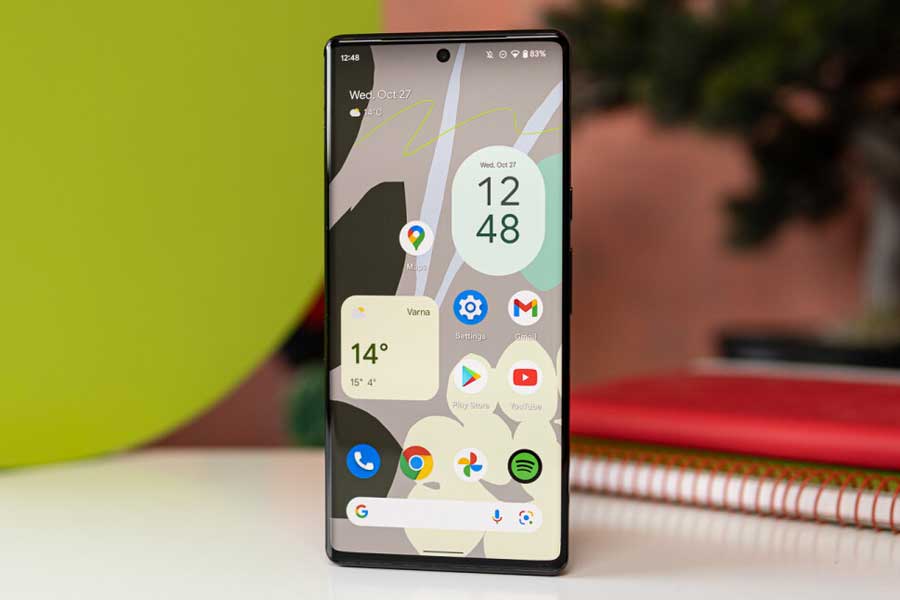
Moving to the optics, the Google Pixel 6 Pro comes with a triple-camera setup featuring a 50-megapixel primary main camera accompanied by a 12-megapixel ultra-wide lens, and a 48MP camera. On the front, it sports an 8-megapixel camera. The smartphone ships with a 5,000mAh battery that has 18W fast-charging support. The Google Pixel 6 Pro 5G Smartphone Price in India is expected to be Rs 67,490.
Specifications
| Launch Date |
Not Available in India |
| Display |
6.7-inch OLED |
| Processor |
Whitechapel GS101 |
| RAM |
12GB |
| Camera |
50MP + 12MP + 48MP |
| Front Camera |
8MP |
| Battery |
5,000mAh |
| Price |
Rs 67,490 |
3. OnePlus 10 Pro 5G
OnePlus 10 Pro hit the Indian market on March 31, 2022. The device features a big 6.7-inch LPTO QHD+ AMOLED display with a 120Hz refresh rate, powered by Qualcomm’s new Snapdragon 8 Gen1 chipset. It has 12GB LPDDR5 RAM paired with either 128GB or 256GB of storage. Furthermore, the smartphone is backed by a massive 5,000mAh battery with a 120W fast charging option as well.

For optics, the device houses triple rear cameras, featuring a 48-megapixel primary camera, a 50-megapixel ultrawide camera, and an 8-megapixel telephoto camera with 3.3x optical zoom. For selfies, the phone comes with an improved 32-megapixel front camera sensor. The OnePlus 10 Pro Price in India stands at Rs 71,999 for the 12GB variant. The other variant with 6GB RAM is currently retailing at 66,999. It also offers two beautiful colours to choose from- Emerald Forest and Volcanic Black.
Specifications
| Launch Date |
March 31, 2022 |
| Display |
6.7-inch AMOLED |
| Processor |
Snapdragon 8 Gen1 |
| RAM |
12GB |
| Camera |
48MP + 50MP + 8MP |
| Front Camera |
32MP |
| Battery |
5,000mAh |
| Price |
Rs 71,999 |
4. Apple iPhone SE 3

The iPhone SE 3 arrived in the first half of 2022. It is branded as Apple’s most affordable 5G smartphone released ever. The A15 Bionic technology, which is used in the iPhone 13 series, comes in this gorgeous and compact smartphone.
Coming to the features, Apple iPhone SE 3 carries a 4.7-inch IPS LCD and is powered by a Dual-Core Avalanche and Quad-Core Blizzard processor coupled with a 3GB RAM. Besides, it features a 2,018mAh battery that supports Wireless Charging and 20W Fast Charging technology as well. As far as the camera is concerned, it sports a 12MP camera at the rear and a 7MP camera at the front. Currently, the Apple iPhone SE 3 price in India is Rs 41,900.
Specifications
| Launch Date |
March 18, 2022 |
| Display |
4.7 inches IPS LCD |
| Processor |
Apple A15 Bionic |
| RAM |
3GB |
| Camera |
12MP |
| Front Camera |
7MP |
| Battery |
2,018mAh |
| Price |
Rs 41,900 |
5. Samsung Galaxy M33 5G

Samsung’s Galaxy M33 is a 5G phone, released on April 8, 2022, in India. A 6.6-inch Super AMOLED display is expected to be included in the phone. It may be equipped with a Samsung Exynos 1280 chipset paired with 6GB of RAM, and 128GB of internal storage. The smartphone runs on Android 12 and is backed by a massive 6,000mAh battery. In India, the Samsung Galaxy M33 5G is priced at Rs 17,999.
Coming to the optics, Samsung Galaxy M33 5G features a quad-camera configuration at the back. It has a 50MP f/1.8 Wide Angle Primary Camera, a 5MP f/2.2 Ultra-Wide Angle Camera, a 2MP f/2.4 Macro Camera, and a 2MP f/2.4 Depth Camera making the rear camera part. Autofocus, Digital Zoom, HDR mode, and Auto Flash are just a few of the key features. On the front, there is an 8MP f/2.2 Wide Angle Primary Camera with Screen Flash for selfies and video calls.
Specifications
| Launch Date |
April 8, 2022 |
| Display |
6.6 inches Super AMOLED |
| Processor |
MediaTek Dimensity 720 MT6853 |
| RAM |
6GB |
| Camera |
50MP + 5MP + 2MP + 2MP |
| Front Camera |
13MP |
| Battery |
6,000mAh |
| Price |
Rs 17,999 |
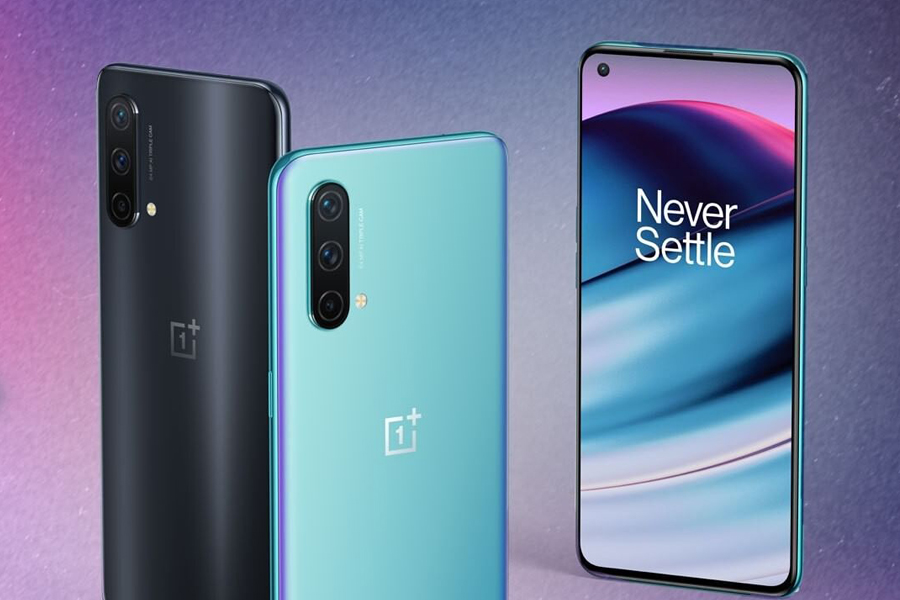
6. OnePlus Nord CE 2 Lite 5G

OnePlus Nord 2 CE Lite was launched on April 28, 2022, by OnePlus. It sports a 6.59-inch display and has 6GB of RAM and 128GB of inbuilt storage. The model runs on Android 12 and packs a good 5,000mAh battery with proprietary fast charging support. For optics, the phone features a triple rear camera setup including a 64-megapixel primary camera and two 2-megapixel cameras. On the front, it has a single 16-megapixel primary camera fa for selfies and video calls. Furthermore, the smartphone comes in two stunning colours: Black Dusk and Blue Tide. The OnePlus Nord CE 2 Lite 5G price in India starts at Rs 19,999.
Specifications
| Launch Date |
April 28, 2022 |
| Display |
6.59-inch |
| Processor |
Qualcomm Snapdragon 695 |
| RAM |
6GB |
| Camera |
64MP + 2MP + 2MP |
| Front Camera |
16MP |
| Battery |
5,000mAh |
| Price |
Rs 19,999 |
7. Samsung Galaxy S22 Ultra 5G
Samsung launched its premium flagship Samsung Galaxy Ultra 5G Mobile on February 9, 2022. The Galaxy Ultra 5G smartphone comes with a 6.8-inch Edge QHD+ Dynamic AMOLED 2X display. It comes with a 120Hz refresh rate and 240Hz touch sampling rate in Game mode. In addition to that, the display also supports Vision Booster and Eye comfort shield. Powering the Galaxy S22 Ultra is the company’s latest Exynos 2200 processor, the smartphone comes in four RAM and storage variants – 8GB + 128GB, 12GB + 256GB, 12GB + 512GB and 12GB + 1TB.

In terms of camera, the Samsung Galaxy S22 Ultra comes equipped with a quad rear camera setup that includes a 108MP wide camera, a 12MP ultra-wide sensor and two 10MP telephoto sensors. The camera setup is also equipped with a new feature called ‘Adaptive Pixel’. This new technology combines one large pixel by combining image details from the 109MP sensor using the process called ‘Pixel binning’. On the front, it features a 40MP sensor. Samsung Galaxy S22 Ultra price starts at $1,199 (roughly Rs 89,900).
Specifications
| Launch Date |
February 8, 2022 |
| Display |
6.8-inch Edge QHD+ Dynamic AMOLED 2X |
| Processor |
Exynos 2200 |
| RAM |
12GB / 16GB |
| Camera |
108MP + 12MP + 10MP |
| Front Camera |
40MP |
| Battery |
5,000mAh |
| Price in India |
Rs 89,900 |
8. Lava Agni 5G

Lava Agni 5G was launched on November 9, 2021, in India. It comes with a 6.78-inch touchscreen display. Powered by an octa-core MediaTek Dimensity 810 processor, the device has 8GB of RAM. The Lava Agni 5G boasts a 5,000mAh battery and supports proprietary fast charging. It runs Android 11. As far as the cameras are concerned, the smartphone on the rear packs a quad-camera setup that includes a 64-megapixel primary camera, a 5-megapixel camera, a 2-megapixel camera, and a 2-megapixel camera. It has a single front camera setup for selfies, featuring a 16-megapixel sensor. The Lava Agni 5G price in India starts at Rs 19,999.
Specifications – Lava Agni 5G
|
| Display |
6.78-inch |
| Processor |
MediaTek Dimensity 810 |
| RAM |
8GB |
| Camera |
56MP + 5MP + 2MP + 2MP |
| Front Camera |
16MP |
| Battery |
5,000mAh |
| Price |
Rs 19,990 |
9. Realme 8s 5G
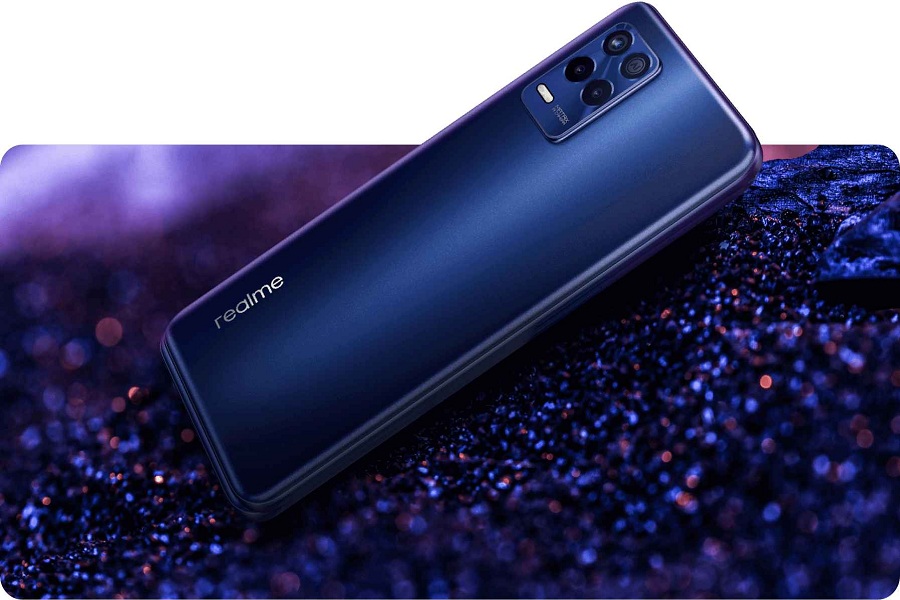
The Realme 8s 5G sports a 6.5-inch display and has a side-mounted fingerprint scanner. Powering the device is the MediaTek Dimensity 810 5G processor, and is paired with either 6GB or 8GB of RAM. Both variants have 128GB of storage which is expandable using the dedicated microSD card slot. The smartphone also has a Virtual RAM feature which lets you use 5GB of storage to extend RAM. The mobile phone comes with a 5,000mAh battery and a 33W charger. Moving to the optics, the phone has a 64-megapixel primary camera, a 2-megapixel B&W portrait camera, and a 2-megapixel macro camera. The Realme 8s 5G price in India starts from Rs 17,999.
Specifications – Realme 8s 5G
|
| Display |
6.5-inch |
| Processor |
MediaTek Dimensity 810 |
| RAM |
6GB / 8GB |
| Camera |
64MP + 2MP + 2MP |
| Front Camera |
16MP |
| Battery |
5,000mAh |
| Price |
Rs 17,990 |
10. Vivo X60 Pro

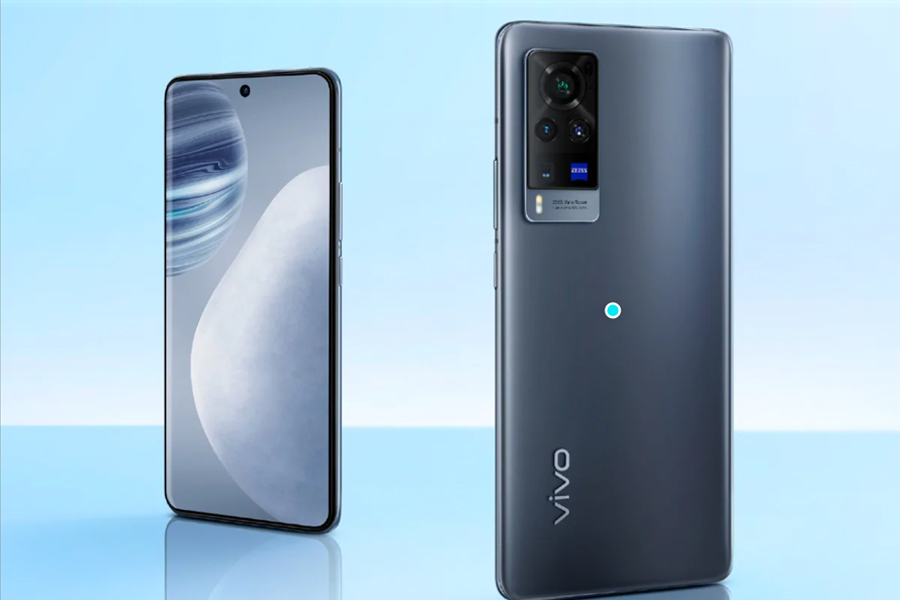
The Vivo X60 Pro smartphone was launched in March this year. It has a 6.56-inch touchscreen display with a resolution of 1080×2376 pixels. Powered by an octa-core Qualcomm Snapdragon 870 processor, the mobile phone comes with 12GB of RAM. The smartphone on the rear packs a 48-megapixel primary camera and two 13-megapixel cameras with autofocus. For selfies, it has a 32-megapixel camera on the front. The Vivo X6 Pro is powered by a 4,200mAH battery and runs Funtouch OS 11.1 based on Android 11. The Vivo X60 Pro price in India starts at Rs 49,990.
Specifications – Vivo X60 Pro
|
| Display |
6.56-inch |
| Processor |
Qualcomm Snapdragon 870 |
| RAM |
12GB |
| Camera |
48MP + 13MP + 13MP |
| Front Camera |
32MP |
| Battery |
4,200mAh |
| Price |
Rs 49,990 |
11. OnePlus Nord CE 5G

OnePlus launched its Nord CE 5G smartphone in July this year. It has a 6.43-inch AMOLED display along with a hole punch for the selfie camera. The display of the mobile phone has good viewing angles and an in-display fingerprint sensor which is quick to unlock. Powered by Qualcomm Snapdragon 750G processor, the Nord CE 5G has 6GB, 8GB and 12GB RAM options. The smartphone gets a triple camera set-up which consists of a 64-megapixel primary camera, 8-megapixel ultra-wide-angle camera, and 2-megapixel mono camera. Also, it has a 16-megapixel camera for selfies. Packed with a 4,500mAh battery, the Nord CE 5G runs Android 11. The price of the OnePlus Nord CE 5G in India starts from Rs 24,999.
Specifications – OnePlus Nord CE 5G
|
| Display |
6.43-inch |
| Processor |
Qualcomm Snapdragon 750G |
| RAM |
6GB / 8GB / 12GB |
| Camera |
64MP + 8MP + 2MP |
| Front Camera |
16MP |
| Battery |
4,500mAh |
| Price |
Rs 24,999 |
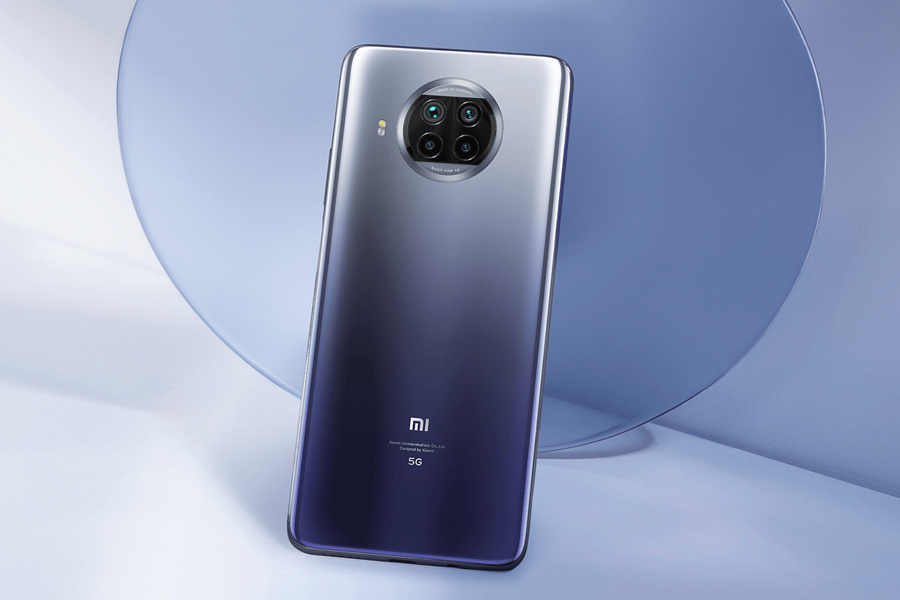
12. Xiaomi Mi 10i

Launched on January 5 this year, the Xiaomi Mi 10i has some neat touches that include a notification LED, stereo speakers and a 3.5mm audio socket. The smartphone has a Qualcomm Snapdragon 750G processor with up to 8GB of RAM and 128GB of storage. The Mi 10i offers a 108-megapixel primary camera and an 8-megapixel camera with a 16-megapixel camera on the front. Powered by a 4,820mAh battery capacity, the Xiaomi Mi 10i runs Android. In India, the price of the Xiaomi Mi 10i starts from Rs 21,999.
Specifications – Xiaomi Mi 10i
|
| Display |
6.67-inch |
| Processor |
Qualcomm Snapdragon 750G |
| RAM |
6GB |
| Camera |
108MP + 8MP + 2MP + 2MP |
| Front Camera |
16MP |
| Battery |
4,820mAh |
| Price |
Rs 21,999 |
13. Realme Narzo 30 Pro 5G

Launched on February 24, 2021, the Realme Narzo 30 Pro 5G has an all-plastic body, good ergonomics and doesn’t feel very heavy. It has a side-mounted fingerprint sensor that’s quick to unlock. Realme Narzo 30 Pro 5G has a 6-5-inch full-HD+ LCD panel display with good levels of colour saturation and brightness. The smartphone runs on the MediaTek Dimensity 800U SoC which has a built-in 5G modem. There’s a 48-megapixel primary camera, 8-megapixel ultra-wide camera, and 2-megapixel macro camera. Powered by a 5,000mAh battery, the Realme Narzo 30 5G runs Android 10. The Realme Narzo 30 Pro 5G price in India starts at Rs 16,999.
Specifications – Realme Narzo 30 Pro 5G
|
| Display |
6.50-inch |
| Processor |
MediaTek Dimensity 800U |
| RAM |
8GB |
| Camera |
48MP + 8MP + 2MP |
| Front Camera |
16MP |
| Battery |
5,000mAh |
| Price |
Rs 16,999 |
14. Xiaomi Poco M3 Pro 5G

The Xiaomi Poco M3 Pro 5G is currently the company’s most affordable 5G handset. The smartphone has a blacked-out portion on the upper left side while the rest has a gradient finish. It comes with a 6.5-inch full-HD+ display with good colour reproduction. The Poco M3 Pro uses the MediaTek Dimensity 700 SoC and has 6GB RAM. There are 3 rear cameras in the phone – a 48-megapixel camera and two 2-megapixel cameras. For selfies, it has an 8-megapixel camera on the front. Powered by a 5,000mAh battery capacity, the Xiaomi Poco M3 Pro 5G runs Android 11. The Xiaomi Poco M3 Pro 5G price in India starts from Rs 14,499.
Specifications
Specifications – Xiaomi Poco M3 Pro 5G
|
| Display |
6.50-inch |
| Processor |
MediaTek Dimensity 700 |
| RAM |
6GB |
| Camera |
48MP + 2MP + 2MP |
| Front Camera |
8MP |
| Battery |
5,000mAh |
| Price |
Rs 14,499 |
15. Xiaomi Redmi Note 11 Pro Max 5G
Xiaomi Redmi Note 11 Pro Max 5G is another 5G-enabled launch from the brand. The dates for this 5G smartphone are still in rumours, but it is available in some global markets. The 5G smartphone comes equipped with striking features and specifications. The device features a 6.67 inches display with a Full HD+ resolution of 1080 x 2400 Pixels. The Xiaomi Redmi Note 11 Pro Max 5G comes paired with 6 GB of RAM + 64 GB of internal storage onboard.
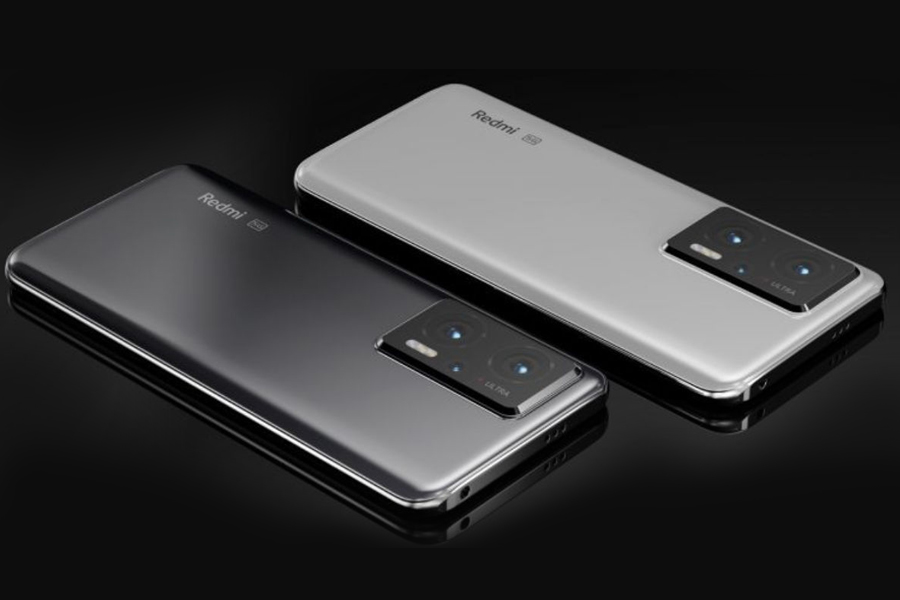
Coming to the optics, it features a quad-camera configuration. It has a 108MP primary lens + an 8MP telephoto lens and two 2MP depth sensors as well. Also, an early rumour surrounding the Redmi Note 11 series is that the top-end Pro or Pro Max model could feature 120W fast charging. The Xiaomi Redmi Note 11 Pro Max 5G Mobile price in India is not revealed yet, but it will be a budget phone starting from Rs 19,999.
Specifications
| Launch Date (Expected) |
Not revealed |
| Display |
6.67-inch AMOLED |
| Processor |
Qualcomm Snapdragon 778G |
| RAM |
6GB |
| Camera |
108MP + 8MP + 5MP + 2MP |
| Front Camera |
32MP |
| Battery |
5,200mAh |
| Price (Expected) |
Rs 19,999 |
16. Xiaomi Redmi K40 5G
Redmi K40 is a 5G smartphone in India from the house of Xiaomi. The device joined the portfolio of the company in February 2021. The smartphone features a 6.67-inches Super AMOLED touchscreen with Full HD+ 1080 x 2400 pixels screen resolution. The Redmi K40 is powered by an octa-core Qualcomm 870 5G processor.

The screen of the phone also comes with Corning Gorilla Glass 5 protection to give crystal clear visuals. It comes in four different storage variants – 6GB + 128GB, 8GB + 128GB, 8GB + 256GB, and 12GB + 256GB. Coming to the optics, it comes with a triple camera configuration which has a 48MP primary lens, and an 8MP + 5MP lens for the support. The price of Redmi K40 5G Ain India is expected to be Rs 22,490.
Specifications
| Launch Date |
February 21, 2021 |
| Display |
6.7-inch Super AMOLED |
| Processor |
Qualcomm Snapdragon 775 |
| RAM |
6GB / 8GB / 12GB |
| Camera |
64MP + 8MP + 5MP + 2MP |
| Front Camera |
16MP + 8GB |
| Battery |
4,500mAh |
| Price |
Rs 22,490 |
17. OnePlus Nord N200 5G
Nord N200 is the latest 5G mobile in India from the house of OnePlus. The device comes with an immersive 6.49-inch display with full-HD+ resolution and a 90Hz refresh rate so that you can experience crystal clear visuals. Moreover, the resolution of the screen is 1080 x 2400 pixels. Under the hood, it comes powered with an octa-core Qualcomm Snapdragon 480 processor, paired with 4GB of RAM and 64GB of internal storage.

Coming to the optics, the phone features a 13-megapixel primary camera, a 2-megapixel macro lens, and a 2-megapixel mono lens. Besides, it houses a 5,000mAh battery that also supports fast charging. The OnePlus Nord N200 Mobile Price in India is Rs 17,690.
Specifications
| Launch Date |
Not Available in India |
| Display |
6.49-inches full-HD+ |
| Processor |
Qualcomm Snapdragon 480 |
| RAM |
4GB |
| Camera |
13MP + 2MP + 2MP |
| Front Camera |
16 MP |
| Battery |
5000mAh |
| Price |
Rs 17,690 |
Upcoming 5G Mobile Phone in India [2022]
Upcoming 5G phone
|
Price in India
|
Launch Date (Expected)
|
| Samsung Galaxy F44 |
Rs 11,990 |
May 25, 2022 |
| OnePlus Nord 3 5G |
Rs 27,999 |
July 25, 2022 |
| POCO F4 GT |
Rs 49,090 |
June 23, 2022 |
| Nokia X50 |
Rs 35,990 |
August 30, 2022 |
| Realme 9 |
Rs 16,499 |
March 10, 2022 |
| Vivo X Note |
Rs 71,490 |
Jun 30, 2022 |
| Oppo Find X5 Pro 5G |
Rs 1,09,890 |
May 12, 2022 |
| Realme Q5 Pro |
Rs 22,690 |
July 13, 2022 |
| Vivo X80 Pro 5G |
Rs 64,190 |
May 18, 2022 |
| Oppo A76 5G |
Rs 45,990 |
May 28, 2022 |
Read More: All Upcoming 5G Mobiles in India – Complete List (Jan 2022)