Features include active noise cancellation and water-repellent design.
Moto Buds offer up to 42 hours of battery life, Moto Buds+ up to 38 hours.
Both models boast AI-enhanced CrystalTalk technology for clear calls.
Motorola has started building hype for the impending launch of new audio products in the Indian market.
Through a series of teasers on social media, the company has revealed it will soon be debuting earbuds or headphones under the tagline “Sound of Perfection.”
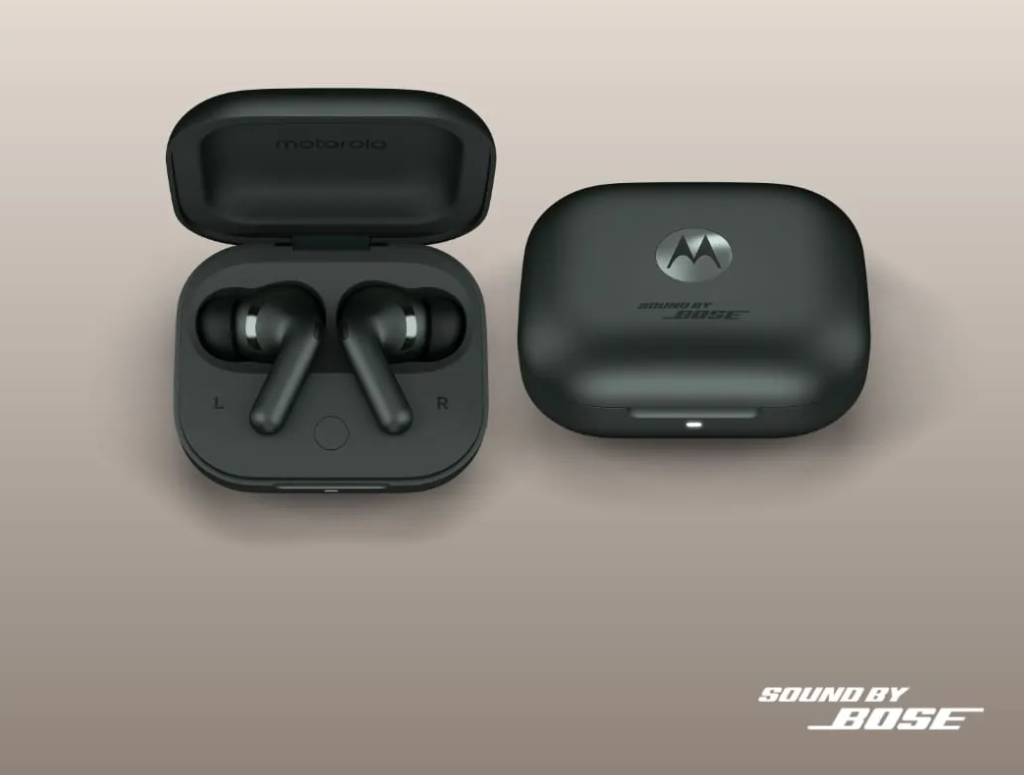
One of the teasers clearly shows the outline of what appears to be a truly wireless earbuds case in a greyish-green colourway.
It confirms the upcoming audio wearable will feature a water-repellent design and could come in multiple colour options.
While Motorola hasn’t explicitly named the product(s) yet, the signs point to the company introducing its recently unveiled Moto Buds and Moto Buds+ TWS earbuds to the Indian market.
Moto Buds Series – What to Expect
Get ready to immerse yourself in a world of rich, detailed audio with Motorola.
Motorola Teases Launch of New Moto Buds in India, Possibly Moto Buds
It’s been a few years since Motorola released any major new audio products, especially in the wireless earbud space now dominated by value flagships like the Nothing Ear series.
Exactly which models will make it to India remains to be seen.
But with these official teasers ramping up the hype, it likely won’t be long before Motorola unveils the “Sound of Perfection” for its India fans and the pricing/availability details.
The Moto Buds come with 12.4mm dynamic drivers and active noise cancellation, while the Moto Buds+ feature a hybrid dual-driver setup for enhanced audio quality.
When will the Moto Buds be available in India?
Motorola has started teasing the launch on social media, but the exact release date has not been confirmed yet. It is expected to be announced soon.
Are the Moto Buds suitable for outdoor use?
Yes, the upcoming Moto Buds series will feature a water-repellent design, making them suitable for outdoor activities and workouts.
How do the Moto Buds and Moto Buds+ differ in battery life?
The Moto Buds offer up to 42 hours of total battery life with their charging case, whereas the Moto Buds+ provide up to 38 hours of battery life.
What is the expected price range for the Moto Buds in India?
While the exact pricing details have not been released, the Moto Buds line is expected to be competitively priced within the mid-range segment.
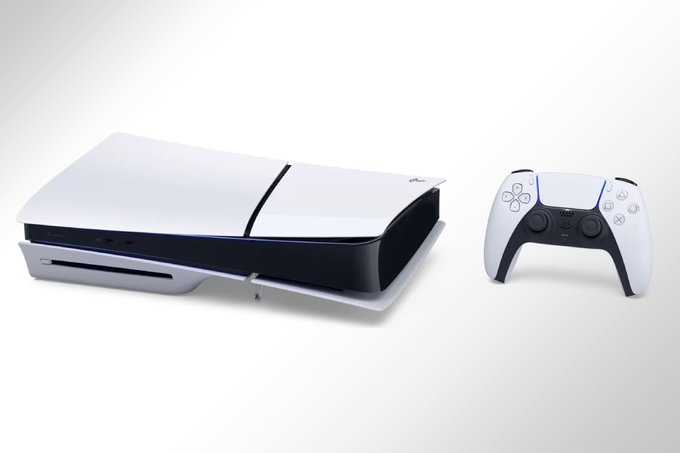
The company has announced a limited-time “Summer Sale” promotion that slashes Rs. 5,000 off the price of the PS5 Slim disc edition in India.
Starting May 1st through May 14th or until supplies last, gamers can pick up the PS5 Slim with a disc drive for just Rs. 49,990.
That’s a notable discount from its typical Rs. 54,990 retail price when the console launched last month.
The deal applies specifically to the CFI-2008A01 and CFI-2008B01 PS5 Slim SKUs with built-in disc drives.
Unfortunately, Sony’s promotion does not extend to the discless PS5 Slim Digital Edition.
Where to Find the PS5 Slim Discount
Sony Summer Sale Offering PS5 Slim At Huge Discount
During the two-week Summer Sale window, the discounted Rs. 49,990 PS5 Slim will be available from major retailers including Amazon, Blinkit, Croma, Flipkart, Reliance, Sony Center, Vijay Sales, and other participating sellers.
For those living in select cities where Blinkit operates, the quick commerce delivery platform is offering a desirable option – 10-minute doorstep delivery of the PS5 Slim.
What’s New With the PS5 Slim?
Sale runs from May 1st to May 14th
Slim Design: Compact and sleek.
1TB SSD Storage: Built-in.
Ultra-High Speed SSD: Rapid load times.
Integrated I/O: Fast data processing.
Ray Tracing: Realistic light simulation.
4K-TV Gaming: Supported.
120fps with 120Hz Output: For fluid gameplay.
HDR Technology: Enhanced color range.
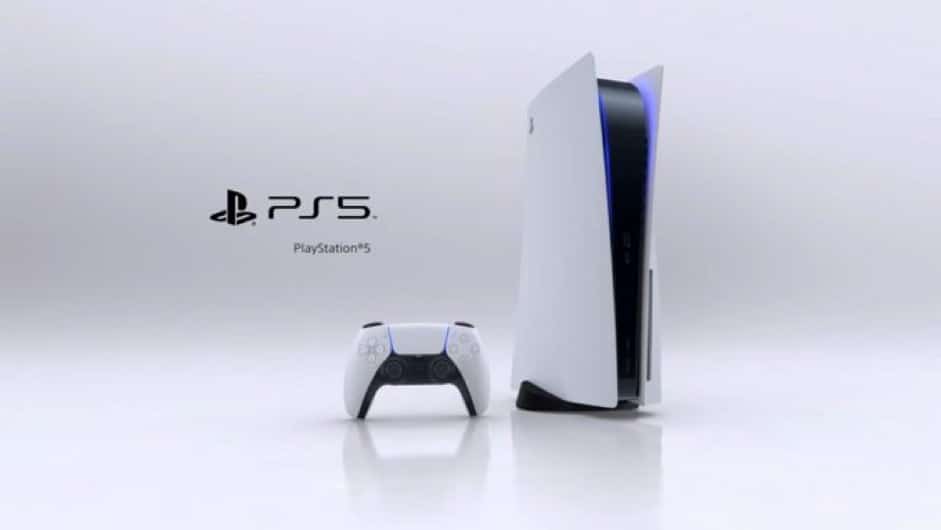
Besides a slimmer overall design, the updated PS5 Slim model brings a number of upgrades over the original 2020 PlayStation 5 release.
Most notably, it doubles the internal storage with a 1TB SSD – a huge boost from the 825GB drive in the launch model.
The Slim also shaves off a decent amount of weight and overall volume compared to the original PS5.
So for those who haven’t already made the leap to the current PlayStation generation, this limited-time PS5 Slim discount could be the perfectly-timed incentive to upgrade.
But you’ll need to act fast before Sony’s Summer Sale promotion expires in mid-May.
FAQs
What is the discount on the PS5 Slim in India?
Sony is offering a Rs. 5,000 discount on the PS5 Slim disc edition, reducing the price to Rs. 49,990 during their Summer Sale.
Where can I buy the discounted PS5 Slim in India?
The discounted PS5 Slim is available at major retailers including Amazon, Flipkart, and Sony Center, among others.
Does the PS5 Slim discount apply to all models?
The discount applies only to the PS5 Slim models with disc drives, specifically SKUs CFI-2008A01 and CFI-2008B01.
What are the key features of the PS5 Slim?
The PS5 Slim features a 1TB SSD, ray tracing, 120fps with 120Hz output, and HDR technology, all packed into a slimmer design compared to the original PS5.
How long is the PS5 Slim discount available?
The promotion is available from May 1st to May 14th, or until supplies last, offering a short window for gamers to take advantage of the deal.
According to insider Mark Gurman, the company is planning upgrades for its Notes, Mail, Photos, Fitness, and Calculator applications in the next major software update.
Redesigned Apple Apps
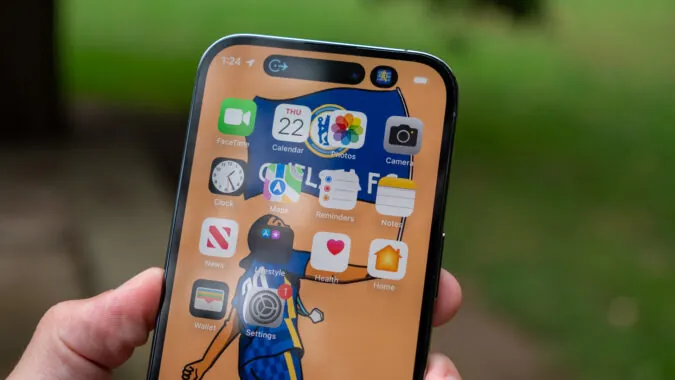
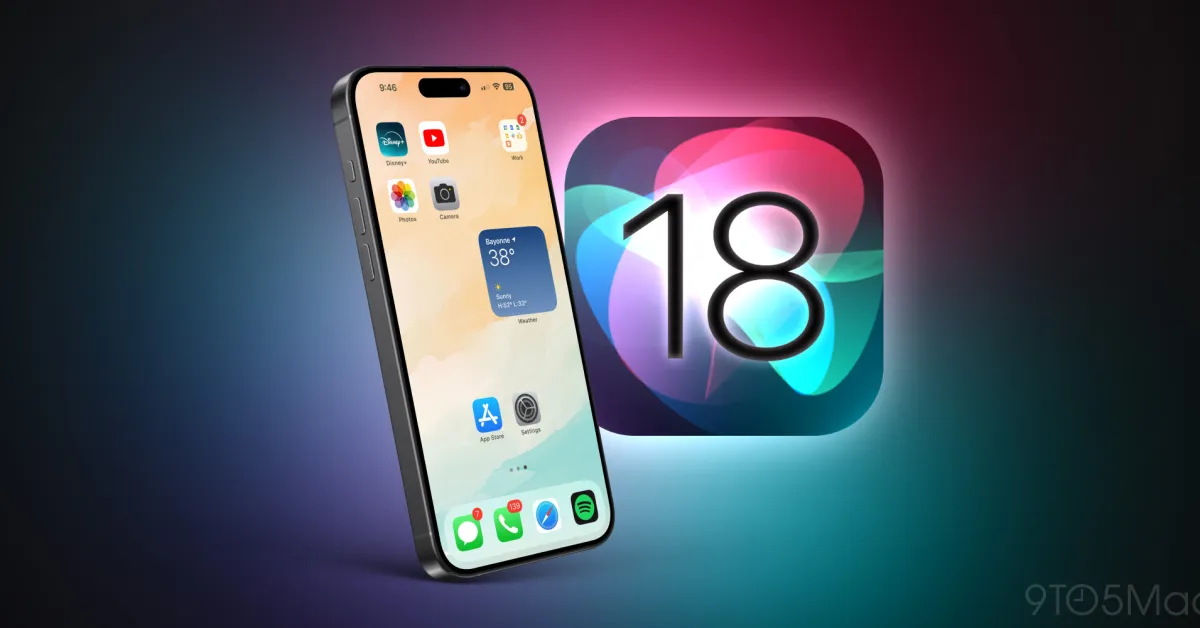
Apple plans to enhance Notes, Mail, Photos, Fitness, and Calculator apps in iOS 18
Unfortunately, specifics on what these “upgrades” will entail have not been divulged yet.
For instance, Notes may gain enhanced organization tools, multimedia embedding options, and collaboration features.
The Mail app is a prime candidate for an overhaul with a more modern layout. And Photos could be primed for an AI-powered search and editing upgrade.
This wouldn’t be the first time Apple gave its stock apps a coat of fresh paint.
The company routinely revamps some of its pre-installed applications every year with each major new iOS release.
Last year’s iOS 16 brought redesigns for apps like Home, Health, and others.
Changes Coming Beyond Individual Apps
iOS 18 to introduce a more modular system design for improved customization
These individual app tweaks may just be the tip of the iceberg for what Apple has planned in iOS 18.
Gurman reports the update will introduce some fairly substantial design changes across the operating system as a whole, though falling short of the more dramatic visual overhaul seen in iOS 17.
Specifically, he says the new iOS 18 design elements will be more “modular” to facilitate easier updates and customization in the future.
This could potentially allow iOS users more flexibility in placing app icons freely for the first time.
iOS 18 To Be the Biggest Update in Years
Anticipated AI enhancements in iOS 18 will boost app functionalities and Siri interactions
But between redesigned apps, UI tweaks, and AI upgrades, it’s shaping up to be one of the company’s biggest iPhone software releases to date.
FAQs
What new features are expected in the iOS 18 update for iPhone apps?
The iOS 18 update is set to enhance several built-in apps like Notes with better organization tools, Mail with a modernized layout, and Photos with AI-powered search capabilities.
How will the system design change in iOS 18?
The upcoming iOS 18 is reported to have a more modular design, which will allow for easier updates and more flexibility in app icon placement, enhancing user customization.
What role will artificial intelligence play in the new iOS 18?
Artificial intelligence is expected to be a major component of iOS 18, with improvements aimed at enhancing Siri’s capabilities and adding new features like smarter playlist creation and enhanced summarization tools.
When can we expect the official release of iOS 18?
Apple is likely to unveil the full details of iOS 18 at the WWDC developer conference in June, where more information on new features and system upgrades will be provided.
Will iOS 18 be compatible with all iPhone models?
Compatibility details for iOS 18 have not yet been released, but typically, newer iOS versions support recent iPhone models.
More specific information will be available at the WWDC unveiling.
It offering perfect lighting conditions and crystal-clear colors to the snaps clicked
Highlights
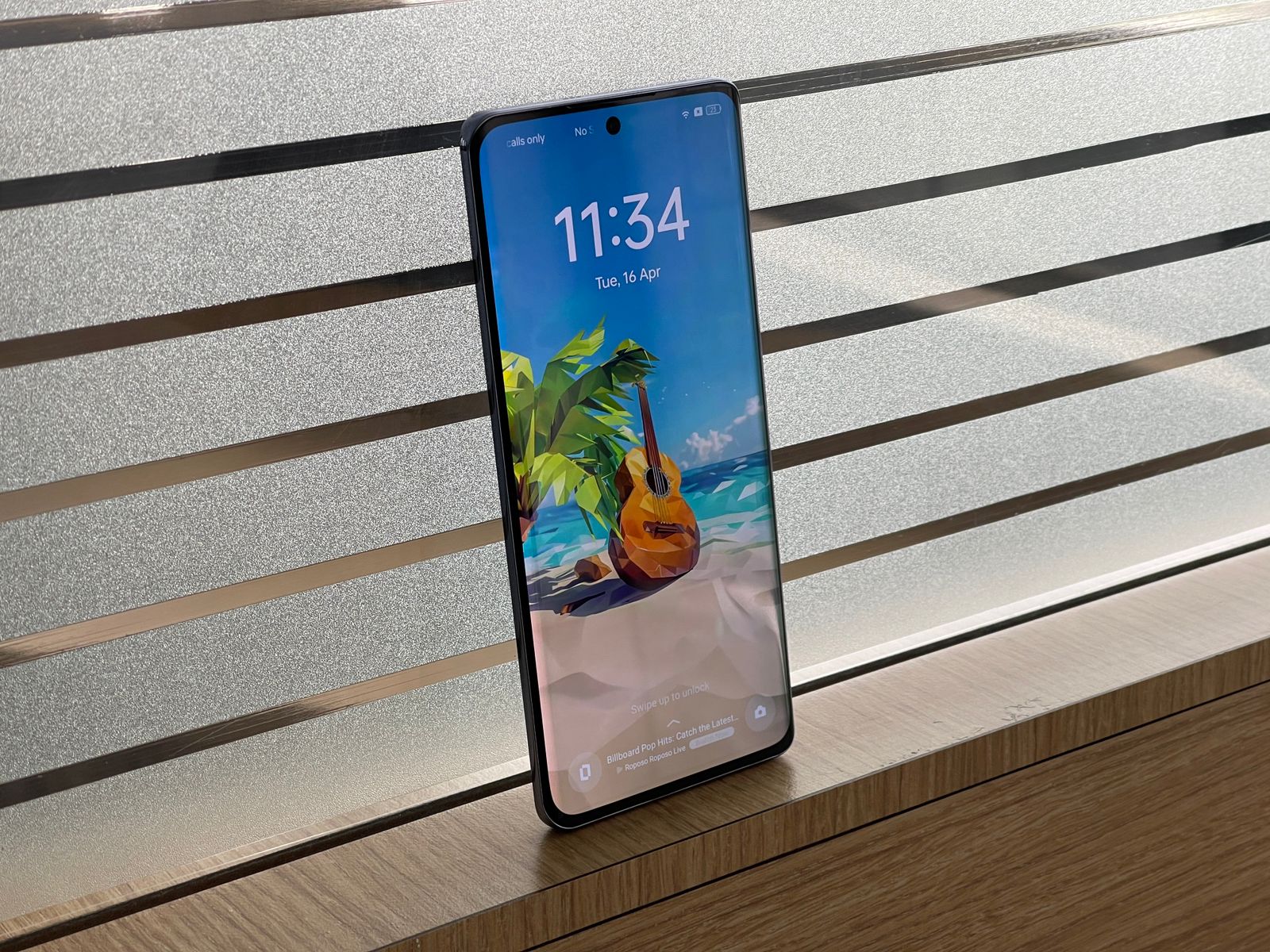
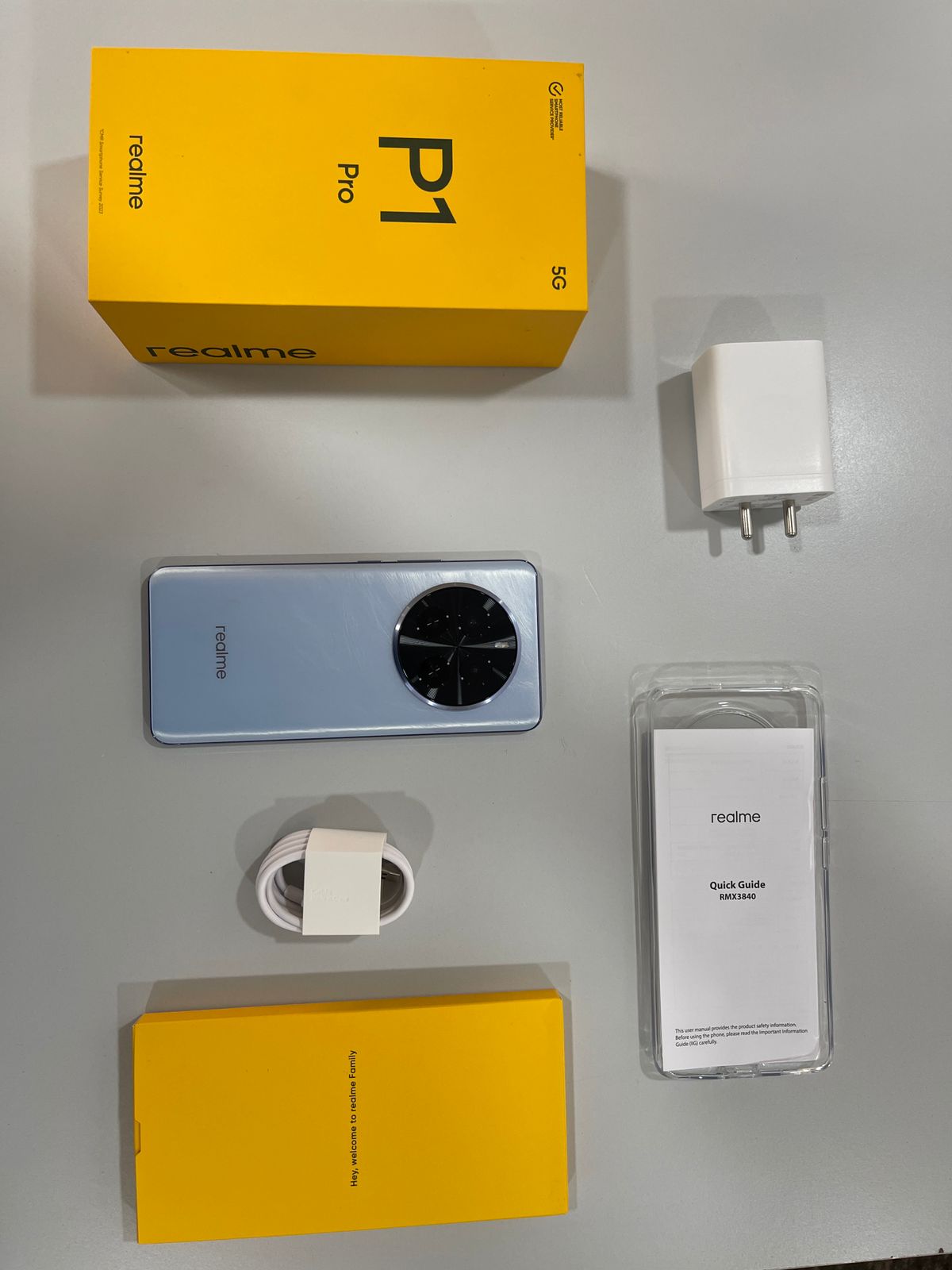
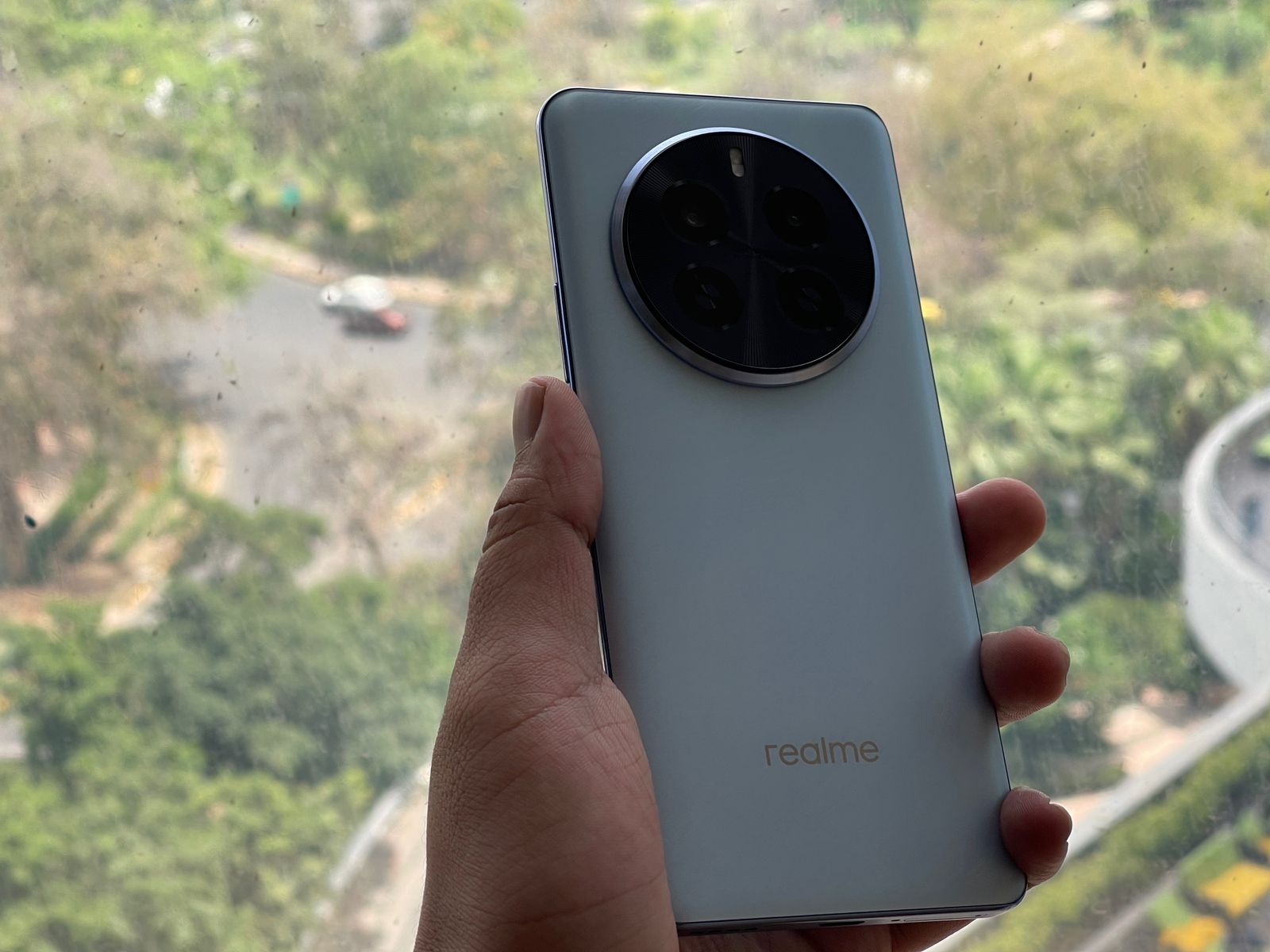
The realme P1 Pro 5G boasts a Snapdragon 6 Gen 1 5G Chipset, a 50 MP Sony LYT-600 Camera with OIS, and a 120Hz Curved Vision Display.
realme P1 Pro 5G is available in two stunning colors: Phoenix Red and Parrot Blue in two storage variants: 8GB+128GB, priced at INR 21,999, and 8GB+256GB, priced at INR 22,999.
The first sale of realme P1 Pro 5G will begin on April 30, 12:00 noon onwards, across realme.com, and Flipkart.in.
Buyers can avail of discount coupons of INR 2,000 on both variants of the realme P1 Pro 5G along with no cost EMI of 9 months on realme.com, and Flipkart.in.
Realme P1 Pro features a 6.7-inch OLED display and Snapdragon 6 Gen 1 processor.
Offers 50MP main camera with OIS and 8MP ultra-wide lens.
Equipped with a 5000mAh battery supporting 45W fast charging.
Comes with Realme UI 5.0 based on Android 14 and up to two years of software updates.
Priced under Rs 25,000, the phone boasts promising features.
Realme P1 Pro 5G Sale Offers, Price & Availability
Realme P1 Pro 5G Sale Offers, Price & Availability
The first sale of realme P1 Pro 5G is scheduled for 30th April from 12 PM onwards on realme.com, and Flipkart.
Consumers can take advantage of Mini BBD discounts and offers for the realme P1 Pro on its first sale day itself.
Buyers can avail of discount coupons of INR 2,000 on the 8GB+128GB and 8GB+256GB variants of realme P1 Pro 5G* along with no cost EMI of 9 months on realme.com, and Flipkart.
*Customer’s favorite Phoenix Red color will be available during the sale.
realme P1 Pro 5G
Product
Color
Price
Offer on Flipkart.com & realme.com
Offer Price
Sale Date
realme P1 Pro 5G
(8GB+128GB)
Phoenix Red
INR 21,999
INR 2000 Coupons**+ 9 Month No Cost EMI
INR 19,999
First sale is scheduled on 30th April, 2024 from 12 noon
It is also equipped with a superior camera system, the 50MP main camera features a Sony LYT-600 sensor that captures stunningly detailed and vibrant images.
Realme P1 Pro: Software and Battery
In addition, there’s an 8MP Ultra-wide camera for capturing expansive landscapes and a 16 MP selfie camera for high-quality self-portraits.
It is available in two eye-catching colors – Parrot Blue and Phoenix Red.
The massive 5000mAh battery capacity allows for up to 473.58 hours of standby time, 35 hours of phone calls, 20.14 hours of movie playing, 85 hours of music playback, and 12.62 hours of navigation, making it incredibly convenient for users who are always on the go.
It shines with its vibrant 6.7-inch FHD+ OLED display, useful dual camera setup, and solid battery life, supported by fast charging.
The device handles daily tasks and gaming with ease, thanks to its Snapdragon 6 Gen 1 SoC and ample RAM.
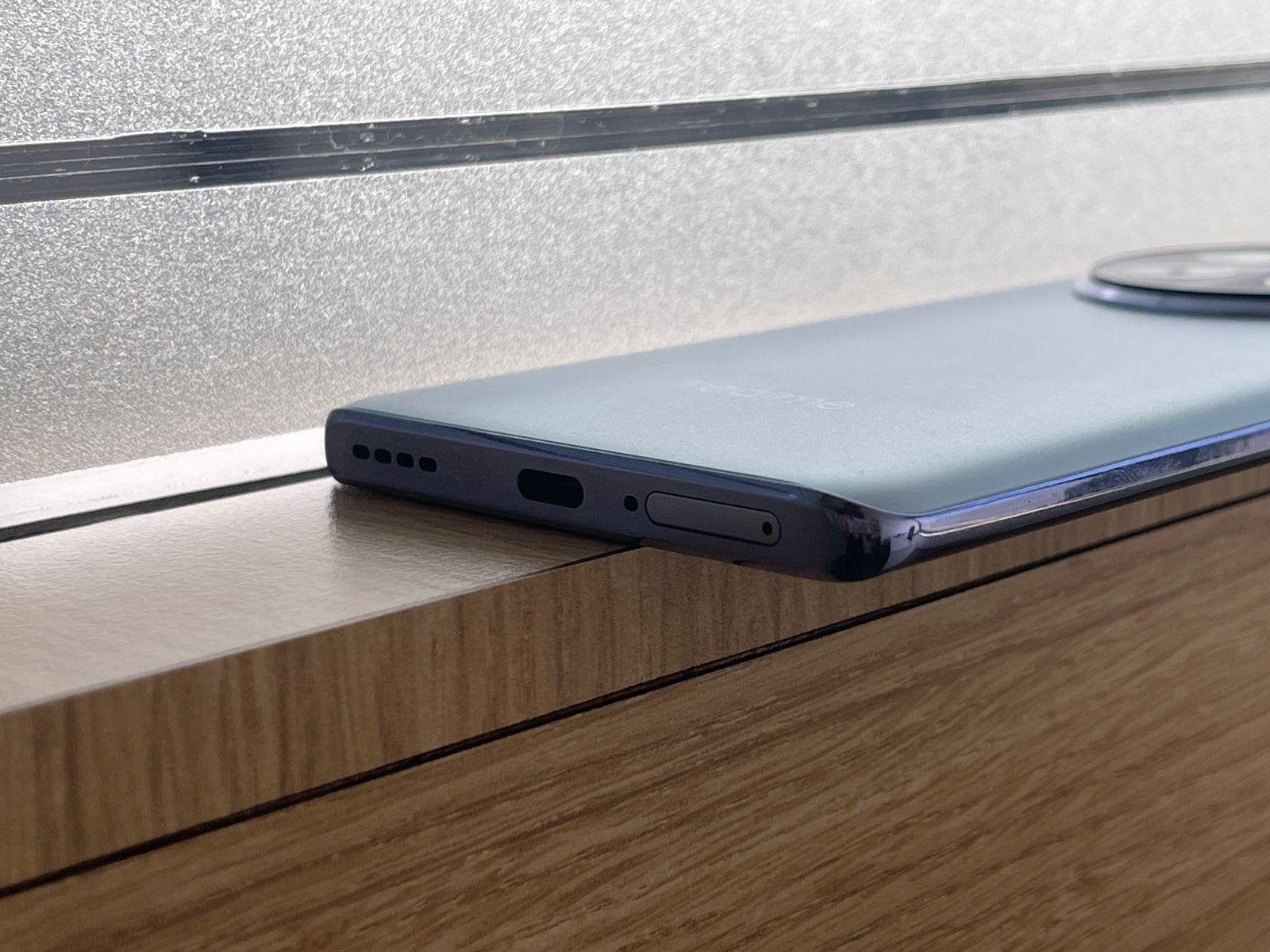
Realme P1 Pro: Design
There are some tradeoffs of course.
It doesn’t lead to performance benchmarks, the thermal management is subpar, and the dynamic range in photography seems a bit inadequate.
Overall though, the P1 Pro is a worthy choice for casual users and tech enthusiasts alike.
5 Reasons to Buy
5 Reasons to Buy
High-Performance Display: The Realme P1 Ultra’s 6.7-inch curved OLED display with a 120Hz refresh rate offers a fluid and immersive viewing experience.
Powerful Camera Capabilities: Equipped with a 50MP main camera featuring optical image stabilization, the Realme P1 Ultra captures sharp, detailed photos in various lighting conditions.
Fast Charging and Long Battery Life: The 5000mAh battery provides extended usage times, and with the 45W SUPERVOOC charging, you can recharge the phone quickly—up to 50% in just 30 minutes.
Cutting-Edge Design: Inspired by bird culture, the Realme P1 Ultra is available in striking colors like Parrot Blue and Phoenix Red, offering a unique aesthetic appeal.
Latest Software and Features: Running on Realme UI 5.0 based on Android 14, the P1 Ultra offers a clean, user-friendly interface loaded with features. It also includes advanced options like an in-display fingerprint scanner and IP65 dust and water resistance.
Night Mode, Photo Mode, Street Shooting Mode, Portrait Mode, High Pixel, Professional Mode, Panoramic View, Macro, Super Text, Super Group Portrait, Tilt Shift, Long Exposure Photo, Video Features: Video, Movie Mode, Slow Motion, Timelapse, Multi View Video, Tilt Shift
The Realme P1 Pro boasts a 6.7-inch FHD+ OLED display, Snapdragon 6 Gen 1 processor, and a dual camera setup including a 50MP main sensor. It also supports 45W fast charging for its 5000mAh battery.
How does the Realme P1 Pro perform in terms of camera quality?
The Realme P1 Pro’s 50MP main camera delivers enhanced colors and clarity in well-lit environments. It includes an 8MP ultra-wide lens that struggles slightly under bright conditions with graininess and less vibrant colors.
What is the battery life like on the Realme P1 Pro?
The 5000mAh battery in the Realme P1 Pro can comfortably last a full day on a single charge and supports fast charging that can recharge the phone quickly within an hour.
Are there any concerns with the Realme P1 Pro’s performance during gaming?
While the Realme P1 Pro handles gaming and multitasking well, it tends to warm up during extended gaming sessions, which might be a concern for heavy gamers.
What software updates does Realme offer for the P1 Pro?
Realme provides two years of software updates and three years of security patches for the P1 Pro, which is less than some competitors but adequate for most users.
What are the key features of Realme P1 Pro 5G ?
Best 120Hz Curved Vision Display in the segment
The Realme P1 Pro 5G boasts a 6.7-inch FHD+ OLED display. The stunning display offers a refresh rate of up to 120Hz, providing users with a seamless and smooth content-watching experience.
It also features an impressive 20000 levels of brightness adjustment and can reach a peak brightness of 950 Nits, ensuring optimal visibility in various lighting conditions.
In low-brightness conditions, Realme P1 Pro 5G employs high-frequency 2160Hz PWM dimming, offering a 4.5 times increase in dimming efficiency compared to conventional 480Hz methods.
The smartphone also comes with an Eye Protection Certificate by TÜV Rheinland, which will help the users to operate the device for a longer period while comforting and protecting their eyes.
Dynamic 50 MP Main Camera with Sony LYT 600
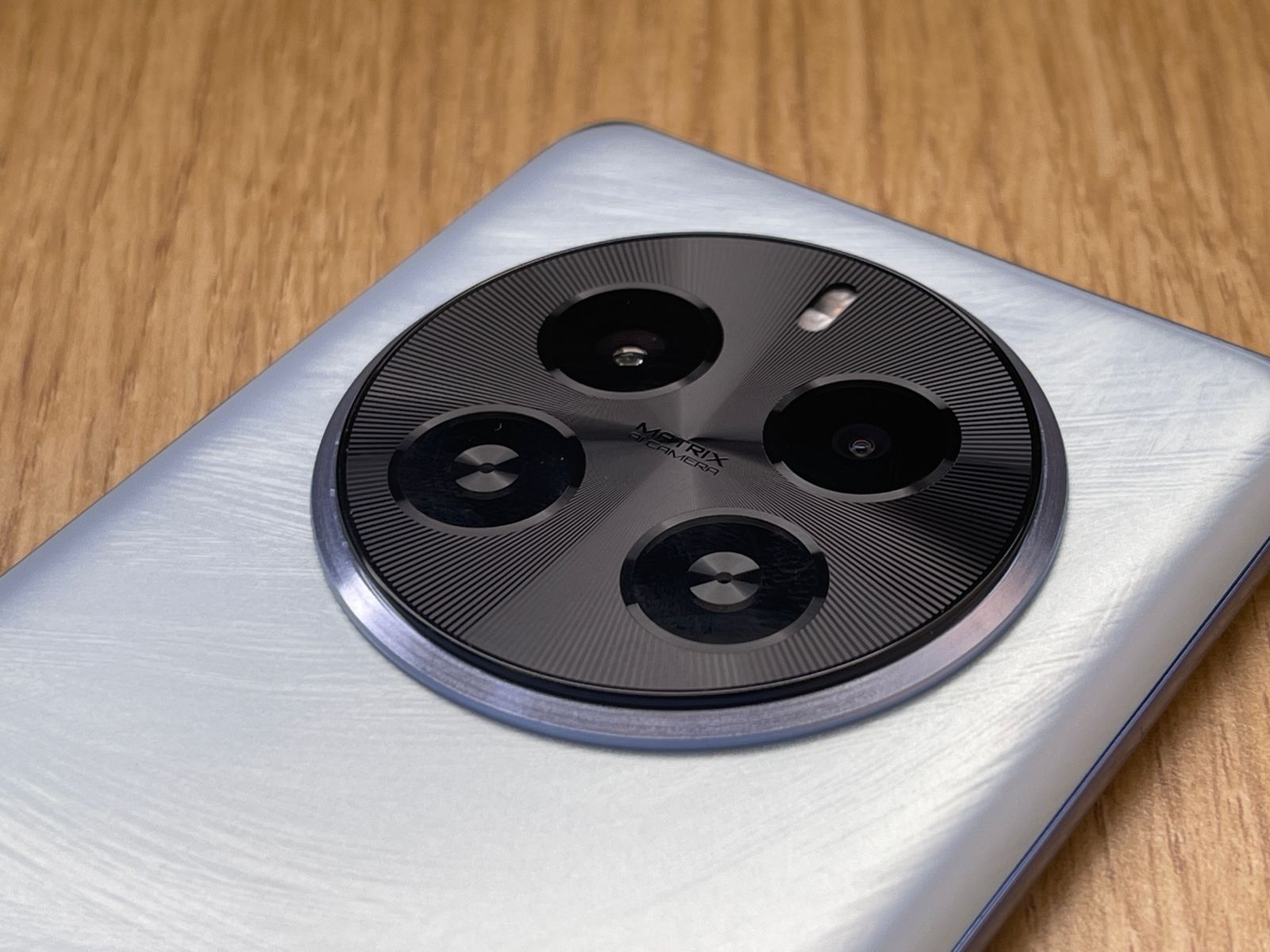
The Realme P1 Pro 5G is equipped with a superior camera system. The 50MP main camera features a Sony LYT-600 sensor that captures stunningly detailed and vibrant images.
In addition, there’s an 8MP Ultra-wide camera for capturing expansive landscapes and a 16 MP selfie camera for high-quality self-portraits.
The camera system also includes unique imaging functions like Auto-zoom Technology and HyperTone Image Engine for enhanced photography experiences.
Design Inspired by nature and birds
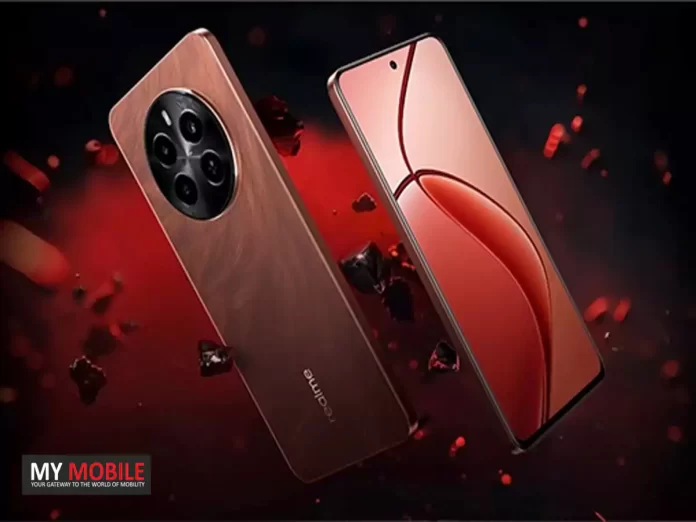
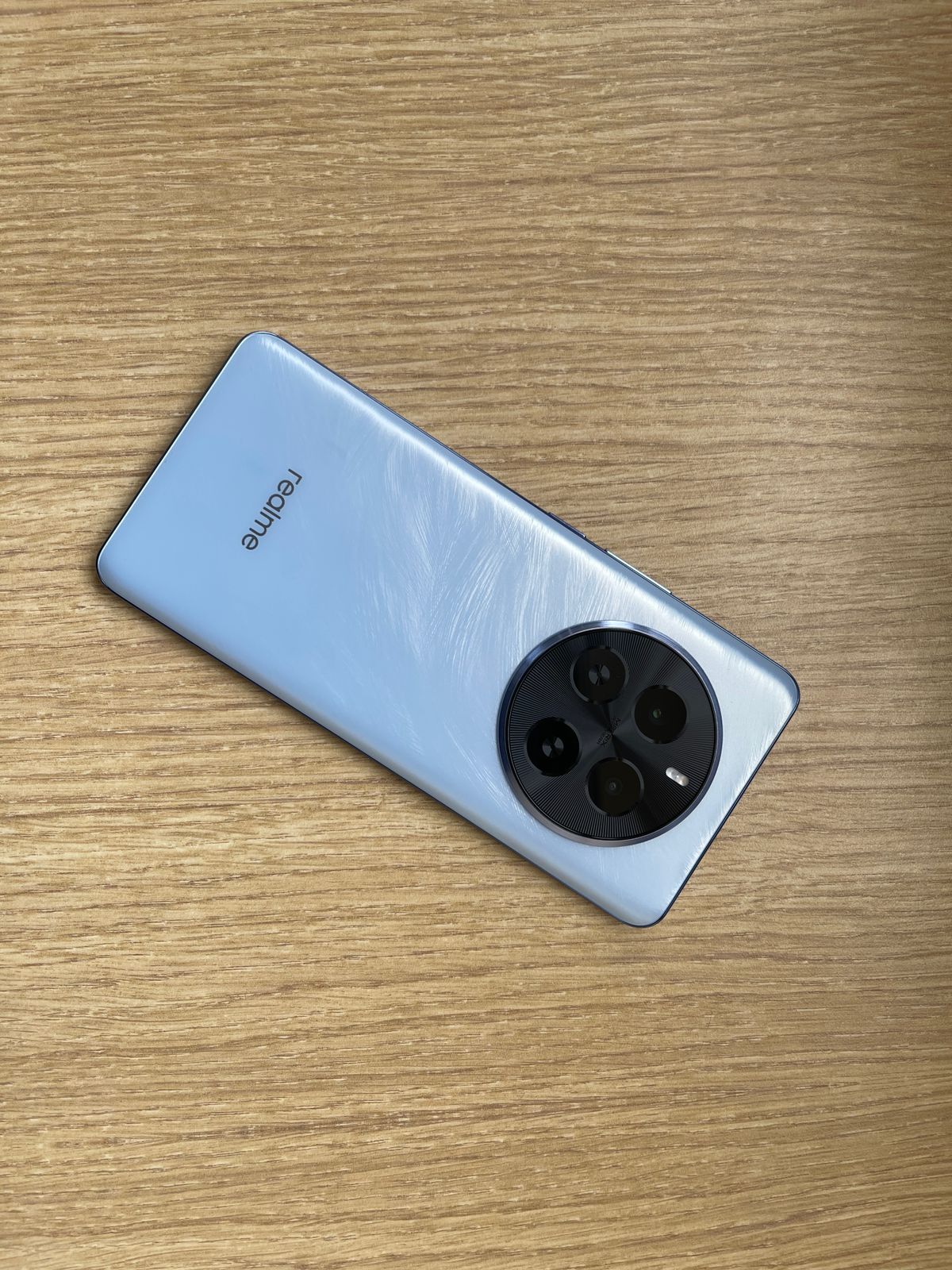
Inspired by the beauty of nature, the design of the Realme P1 Pro 5G incorporates elements from bird culture.
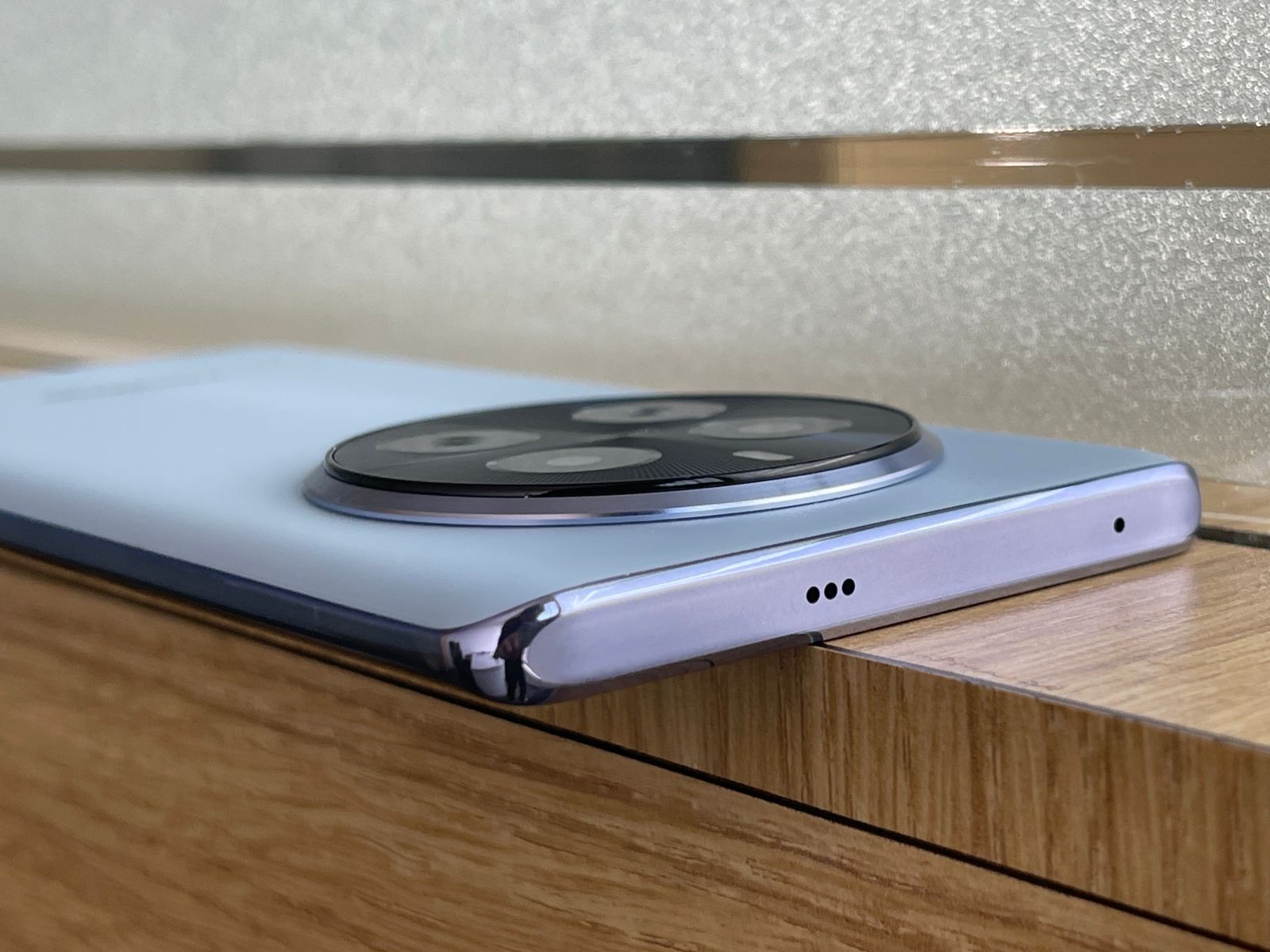
The device features a Micro-Crystal Sparrow Feather Texture and a Large Circular 3D LDI Texture Design, giving it a unique and sophisticated look. It is available in two eye-catching colors – Parrot Blue and Phoenix Red.
The intricate structure, designed through considerable data programming, preserves the essence of feather shafts and barbs, replicating their subtle swing in the breeze and conveying a sense of lightness and freedom.
Superfast 45W SUPERVOOC charger and massive 5000mAh battery
One of the standout features of the Realme P1 Pro 5G is its massive 5000mAh battery paired with a 45W SUPERVOOC charger.
This combination ensures extended usage time and superfast charging speeds. The device can be fully charged to 100% in just 67 minutes or reach 50% charge in just 30 minutes.
The massive 5000mAh battery capacity allows for up to 473.58 hours of standby time, 35 hours of phone calls, 20.14 hours of movie playing, 85 hours of music playback, and 12.62 hours of navigation, making it incredibly convenient for users who are always on the go.
Powerful Snapdragon 6 Gen 1 5G Chipset
Powering the Realme P1 Pro 5G is the high-performance Snapdragon 6 Gen 1 5G Chipset processor.
This powerful chipset is based on Samsung’s 4nm-core process and includes a 64-bit 4+4 8-core architecture with a main frequency of 2.2GHz. This robust configuration ensures fast and efficient performance for all tasks.
Flagship level experience with 3D VC Cooling System
The Realme P1 Pro 5G features a 3394mm² stainless steel vapor chamber, which increases heat dissipation efficiency and offers a large surface for heat dissipation, leading to a more stable performance.
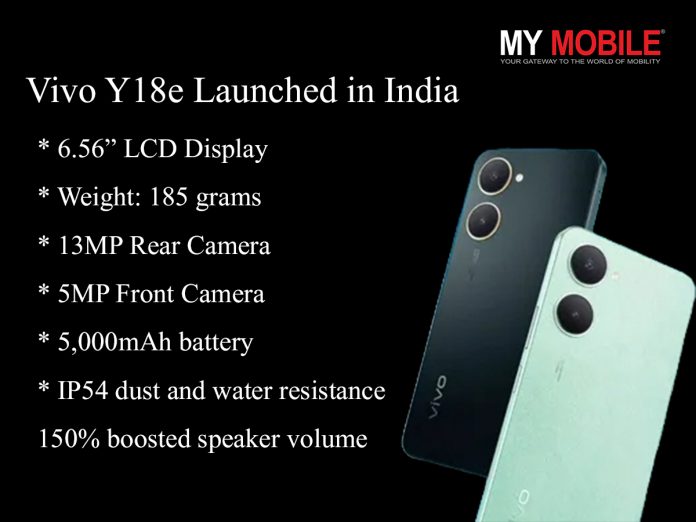
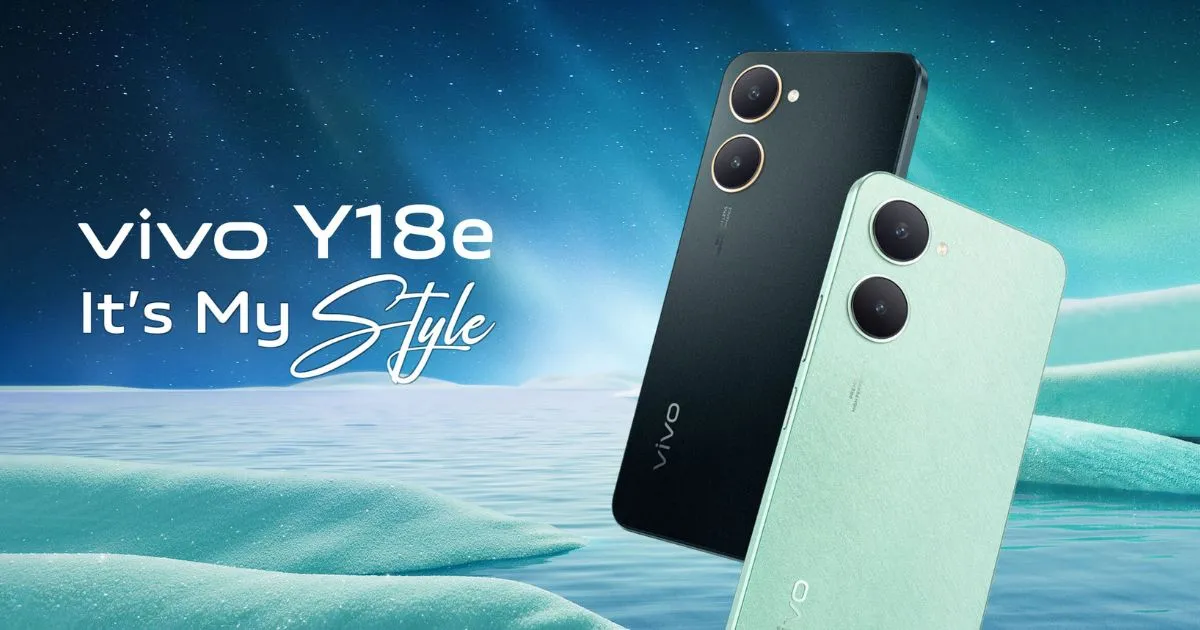
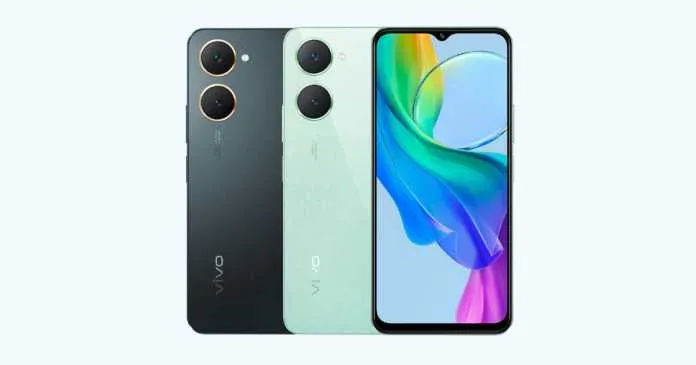
Vivo Y18e Launched in India with Promising Budget Features
The Vivo Y18e appears to be a rebranded version of the Y03 that is already available in some other regions.
For the Indian market, Vivo is releasing the Y18e in a single 4GB+64GB configuration, though pricing and availability details have not been announced yet.
Vivo Y18e: Features and Key Specs
Vivo Y18e debuts with a 6.56-inch 90Hz LCD display and HD+ resolution
The Y18e sports a 6.56-inch LCD display with an HD+ resolution of 1612 x 720 pixels.
It offers a 90Hz refresh rate and 528 nits of peak brightness.
On the camera front, you get a 13MP primary camera accompanied by a 0.08MP depth sensor.
A 5MP selfie shooter is embedded in a waterdrop notch.
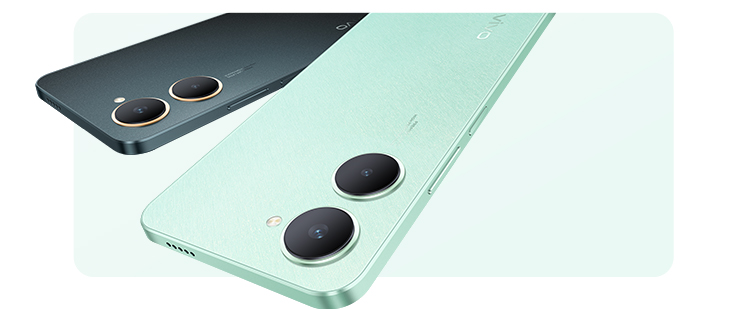
Available in Space Black and Gem Green colours, pricing to be announced
Under the hood, the Vivo Y18e packs the Mediatek Helio G85 chipset paired with 4GB of LPDDR4X RAM and 64GB of eMMC 5.1 storage.
Its large battery, water resistance, loud speakers and 90Hz display could make it an enticing pick in the entry-level segment once pricing is revealed.
Panorama, Face Beauty, Photo, Video, Live Photo, Time-Lapse, Pro, Documents
Video Recording
1080p @ 30 fps FHD
Flash
Yes, LED
Front Camera
16 MP f/2.2 with Screen Flash
Front Video Recording
720p
TECHNICAL
OS
Android v14
Custom UI
Funtouch OS 14
Chipset
Mediatek Helio G88
CPU
2 GHz, Octa Core Processor
Core Details
2×2.0 GHz Cortex-A75 & 6×1.8 GHz Cortex-A55
GPU
Arm Mali-G52 MC2
Java
No
Browser
Yes, supports HTML
MULTIMEDIA
Email
Yes
Music
Yes
Video
Yes
FM Radio
No
Document Reader
Yes
BATTERY
Type
Non-Removable Battery
Size
5000 mAh, Li-ion Battery
Fast Charging
Yes, 18W Fast Charging
FAQs
What are the key features of the Vivo Y18e?
The Vivo Y18e comes with a 6.56-inch LCD screen at a 90Hz refresh rate, a dual-camera setup with a 13MP main sensor, and runs on Android 14-based Funtouch OS.
What chipset does the Vivo Y18e use?
It is powered by the Mediatek Helio G85 processor, paired with 4GB of LPDDR4X RAM, making it suitable for basic multitasking and casual gaming.
How is the battery capacity of the Vivo Y18e?
The smartphone includes a 5,000mAh battery supporting 15W charging, which should suffice for a day’s usage on moderate handling.
What are the storage options available for the Vivo Y18e?
Vivo offers the Y18e in a 4GB+64GB configuration, with the storage type being eMMC 5.1, which provides ample space for everyday apps and media.
Is the Vivo Y18e water and dust resistant?
Yes, the device comes with IP54 dust and water resistance, adding a layer of durability for everyday use in various environmental conditions.
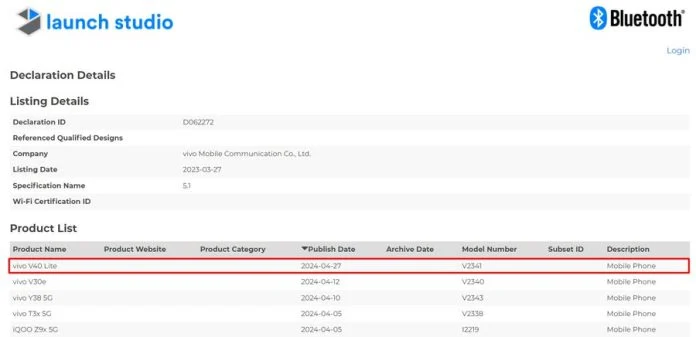
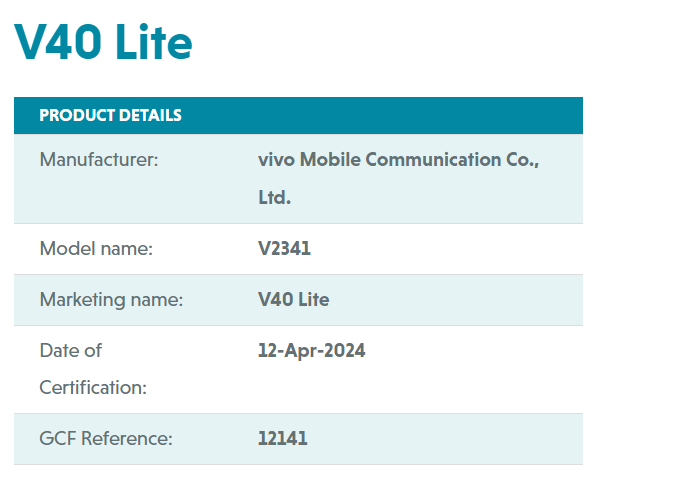
Additionally, the same model number popped up in the Global Certification Forum (GCF) database earlier this month.
The GCF listing revealed the V40 Lite will be 5G capable, with support for a wide range of 5G bands including n1, n2, n3, n5, n8, n20, n28, n38, n40, n41, n66, n77, and n78.
Vivo V40 Lite 5G spotted in GCF listings
While the certification listings refer to the device simply as the “V40 Lite,” rumors suggest the full marketing name will be the Vivo V40 Lite 5G when it launches.
Unfortunately, other key specs about the Vivo V40 Lite remain tightly under wraps for now.
However, devices typically appear in certification databases like Bluetooth SIG around a month prior to their official announcements.
So the V40 Lite could be mere weeks away from an unveiling if Vivo adheres to the typical schedule.
Other Devices in the V40 Series
Part of Vivo’s expanding mid-range V-series, potentially offering budget-friendly alternatives to the flagship models
Alongside the V40 Lite, Vivo has also already launched the V40 SE 5G in certain markets.
That model sports a large 6.67-inch 120Hz AMOLED display, Snapdragon 4 Gen 2 chip, triple rear cameras topped by a 50MP main sensor, and a 5,000mAh battery with 44W charging.
The V40 Lite will likely cut some corners on specs and pricing compared to the V40 SE.
As Vivo expands its mid-range V-series with modelslike the V40 Lite and V40 SE, it will be interesting to see what upgrades may be in store for the true flagship V40 series expected later this year.
Smartphone makers are pulling out all the stops in 2024, so the V40 lineup could bring some serious heat.
Night, Portrait, Photo, Video, Micro Short, High Resolution, Panoramic, Documents, Slow Motion, Time Lapse, Super Moon, Pro, Double exposure, Dual view, Live photo, Macro
Video Recording
4K, 1080p
Flash
Yes, LED
Front Camera
Punch Hole 50 MP f/2 (Main)
Front Video Recording
4K, 1080p
TECHNICAL
OS
Android v14
Custom UI
Funtouch OS 15
Chipset
qualcomm Snapdragon 6 Gen1
CPU
2.2 GHz, Octa Core Processor
Core Details
4xCortex-A78@2.2 GHz & 4xCortex-A55@1.8 GHz
GPU
Adreno GPU
Java
No
Browser
Yes
MULTIMEDIA
Email
Yes
Music
AAC, WAV, MP3, MP2, MP1, MIDI, Vorbis, APE, FLAC, OPUS
Video
MP4, 3GP, AVI, FLV, MKV, WEBM, TS, ASF
FM Radio
No
Document Reader
Yes
BATTERY
Type
Non-Removable Battery
Size
5000 mAh, Li-Po Battery
Fast Charging
Yes, 44W Fast Charging
FAQs
What certifications has the Vivo V40 Lite 5G recently received?
The Vivo V40 Lite 5G was listed in the Bluetooth SIG database, confirming its support for Bluetooth 5.1, and in the Global Certification Forum (GCF) showing extensive 5G capabilities across multiple bands.
When is the Vivo V40 Lite 5G expected to launch?
Based on the typical patterns following certification, the Vivo V40 Lite 5G might be unveiled within a few weeks, making its official announcement imminent.
What can we expect from the Vivo V40 Lite 5G in terms of network compatibility?
The device will support a wide range of 5G bands, making it highly compatible with global 5G networks and enhancing its appeal in various international markets.
How does the Vivo V40 Lite 5G compare to its predecessor?
The V40 Lite 5G is anticipated to build on the foundations set by the V30 Lite 5G, offering upgraded connectivity options and potentially enhanced performance and battery life.
What details are known about other devices in the V40 series?
Alongside the V40 Lite, Vivo has launched the V40 SE 5G, which features a 6.67-inch 120Hz AMOLED display, Snapdragon 4 Gen 2 chip, and a 5,000mAh battery, indicating the kind of technology we might expect across the series.
Recent rumours that have been gaining ground on tech platforms by a top tech blogger have left little doubt that this isn’t going to be a flagship offering.
Or at least, that is what we are given to understand from the leaked specifications.
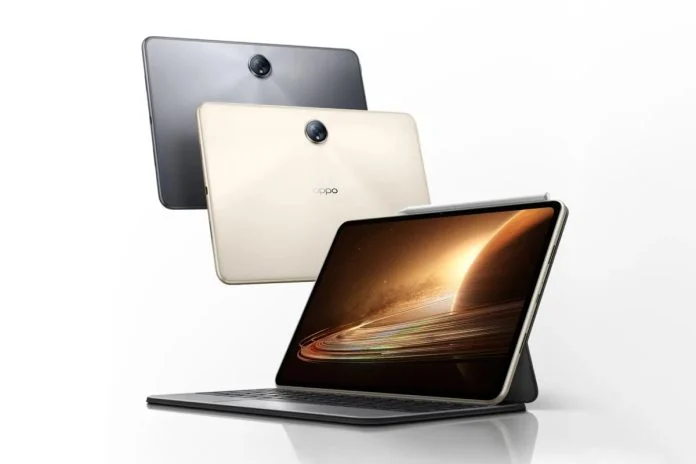
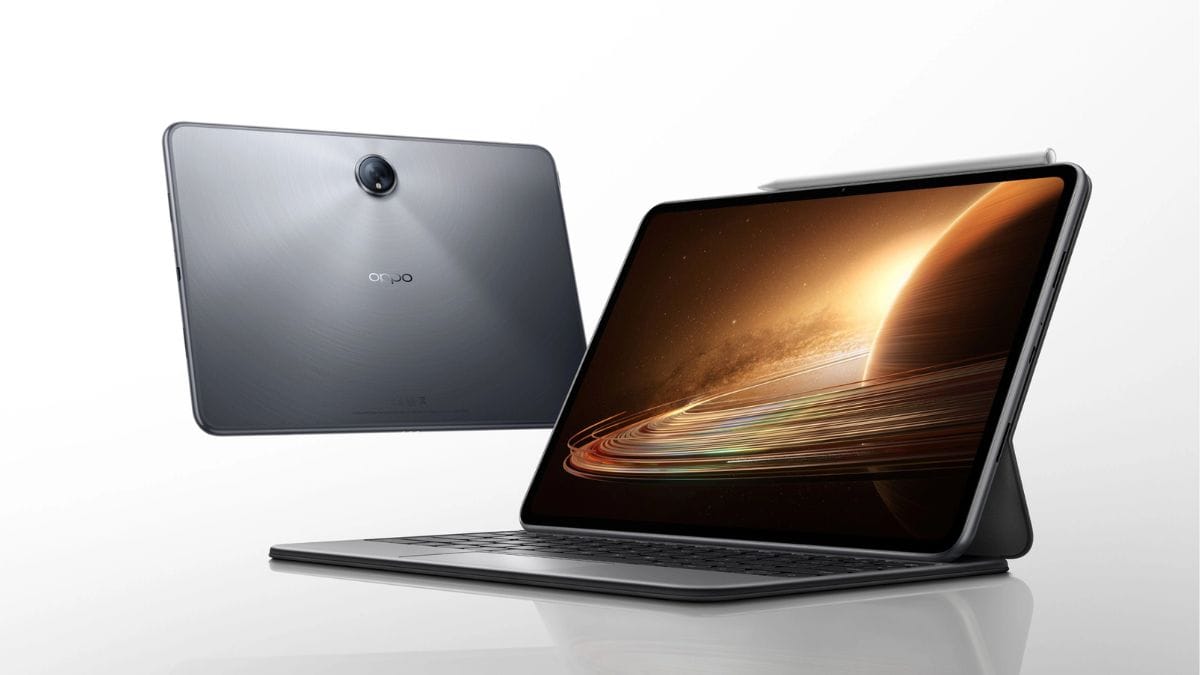
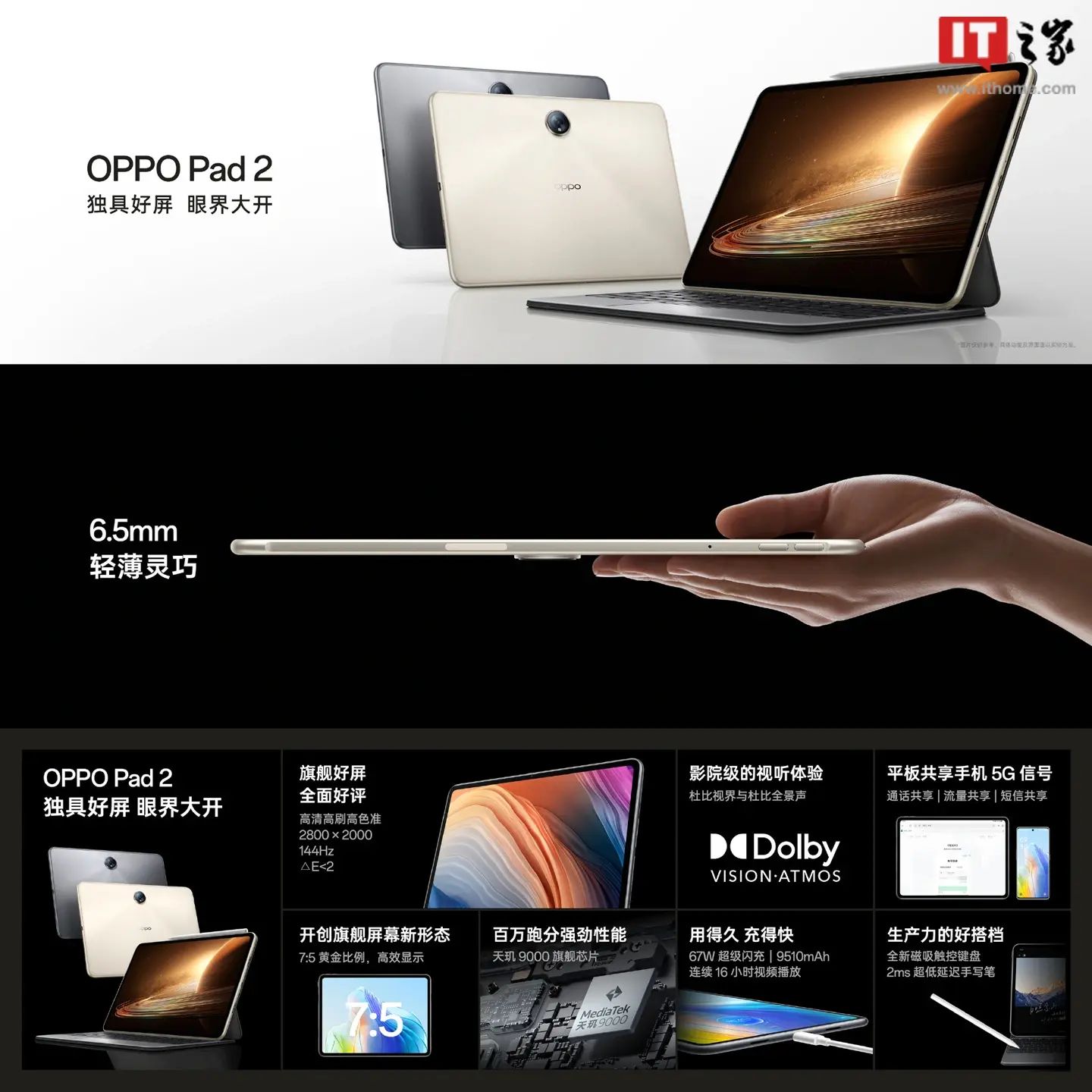
Oppo Pad 3 Could Launch with Flagship Snapdragon 8 Gen 3 Processor
This specific chip is said to be mated with a whopping 16GB of RAM, therefore this high-end processor with this much memory must be considered to also offer an excellent gaming experience.
Rumoured features on the display of the Oppo Pad 3 include at least a high refresh rate of 144Hz and support for Dolby Vision.
Oppo might again launch its Panoramic Virtual Screen technology, which gives an impression of the display area being much more.
This feature was first made to be noticed in the Find N3 smartphone and can potentially be a nice addition to the user experience of a tablet.
Could sport a 3K resolution display with a 144Hz refresh rate and Dolby Vision
In addition, Oppo Pad 3 will feature an optional “smart touch keyboard” that allows the tablet to transform into a 2-in-1 PC useful for on-the-go work, study, or entertainment.
While previous reports hinted at a delay in launching the Oppo Pad 3, new rumours claim it will come out in the second quarter of 2024, which would put it in a launch window between now and June.
However, don’t be too excited about the prospect of seeing the device beyond Chinese borders.
FAQs
What processor is used in the Oppo Pad 3?
The Oppo Pad 3 is equipped with the powerful Snapdragon 8 Gen 3 processor, making it ideal for high-end gaming and advanced multitasking.
What are the display features of the Oppo Pad 3?
This tablet features a 3K resolution display that supports a 144Hz refresh rate and Dolby Vision, offering sharp visuals and smooth motion for an immersive viewing experience.
Can the Oppo Pad 3 be used as a 2-in-1 PC?
Yes, the Oppo Pad 3 comes with an optional smart touch keyboard that transforms it into a versatile 2-in-1 PC, suitable for productivity or entertainment on the go.
What unique technology does the Oppo Pad 3 offer?
It includes the Panoramic Virtual Screen technology, first seen in the Find N3 smartphone, which expands the perceived display area, enhancing user engagement.
When is the Oppo Pad 3 expected to launch?
The Oppo Pad 3 is rumoured to be released in the second quarter of 2024, with a launch window extending until June, initially for the Chinese market.
Gurman stated, “I believe Apple will position the tablet as its first truly AI-powered device — and that it will tout each new product from then on as an AI device.”
There is a chance if the report pans out, Apple can address the question of who the target audience for the next iPad Pro is, as the company aims to showcase the device’s AI capabilities as a key selling point.
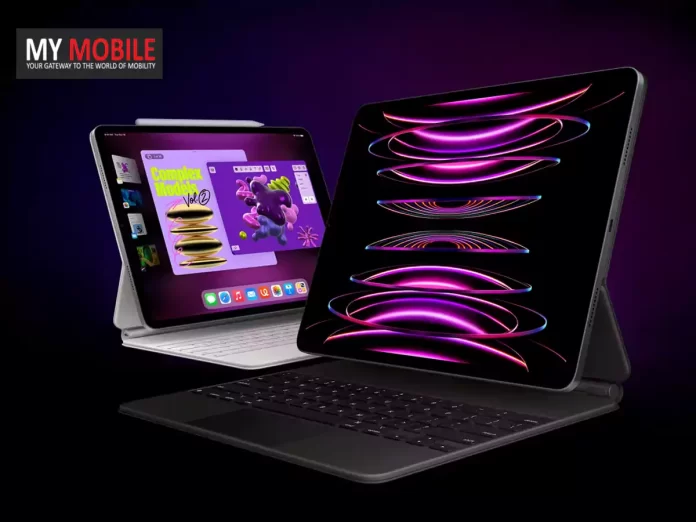
iPad Pro 2024: What to Expect?
Expected design overhaul with improved OLED display for vibrant visuals
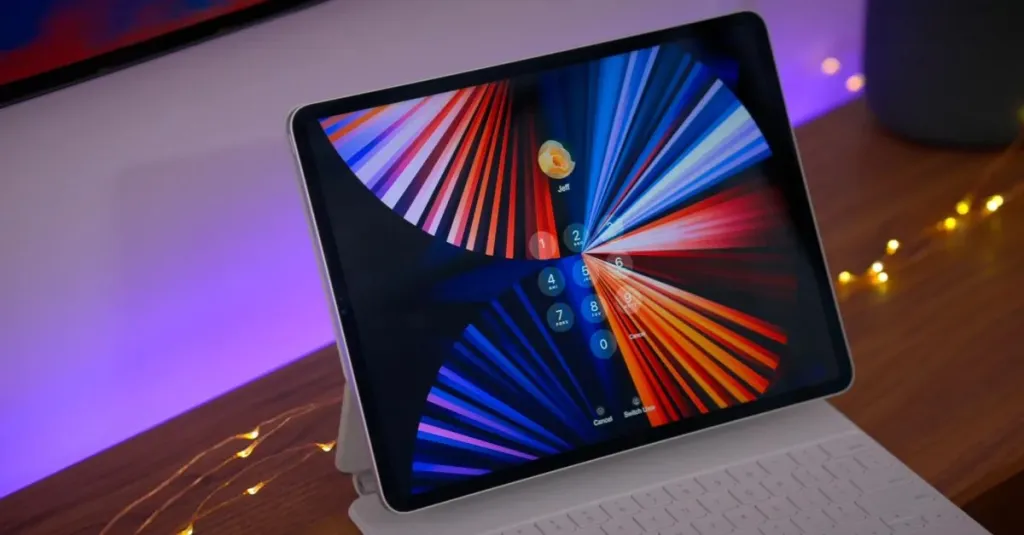
In addition to the groundbreaking chipset integration, the OLED iPad Pro is anticipated to receive a significant design overhaul.
As the name suggests, the tablet will feature a OLED display.
That means you are getting deeper blacks and more vivid colours for an immersive viewing experience.
Also, it appears that the FaceTime front camera is expected to be repositioned, likely to accommodate new features or enhance video calling capabilities.
Apple is also rumoured to introduce redesigned accessories to complement the OLED iPad Pro.
While the specifics of Apple’s implementation remain unknown, haptic feedback could provide users with a more intuitive and tactile, almost mimicking a real pen on paper.
Guess we’ll have to wait one week to find out for sure.
FAQs
What new chipset is expected in the upcoming OLED iPad Pro?
The OLED iPad Pro is rumoured to include Apple’s next-generation M4 chipset, marking it as a significant advancement in AI technology integration within Apple devices.
How will the OLED display benefit the iPad Pro user experience?
With an OLED display, users can expect deeper blacks and more vibrant colours, offering a more immersive and visually striking viewing experience ideal for creative and professional work.
What changes are anticipated for the iPad Pro’s accessories?
Apple is expected to introduce redesigned versions of the Magic Keyboard and Apple Pencil, potentially incorporating new features that enhance user interactivity and ergonomic comfort.
What is the significance of haptic feedback in the new Apple Pencil?
Haptic feedback in the Apple Pencil could mimic the sensation of using a real pen on paper, providing tactile responses that enhance the drawing and writing experience.
When is the OLED iPad Pro expected to be unveiled?
Apple is set to unveil the OLED iPad Pro on May 7th, with the device expected to showcase significant advancements in both hardware and AI capabilities.
Eight of nine Chinese keyboard apps risk exposing keystrokes to eavesdroppers.
Cloud-based prediction features identified as primary vulnerability.
Citizen Lab reports partial resolution after vulnerability disclosure to manufacturers.
Users advised to update apps or switch keyboards to secure data.
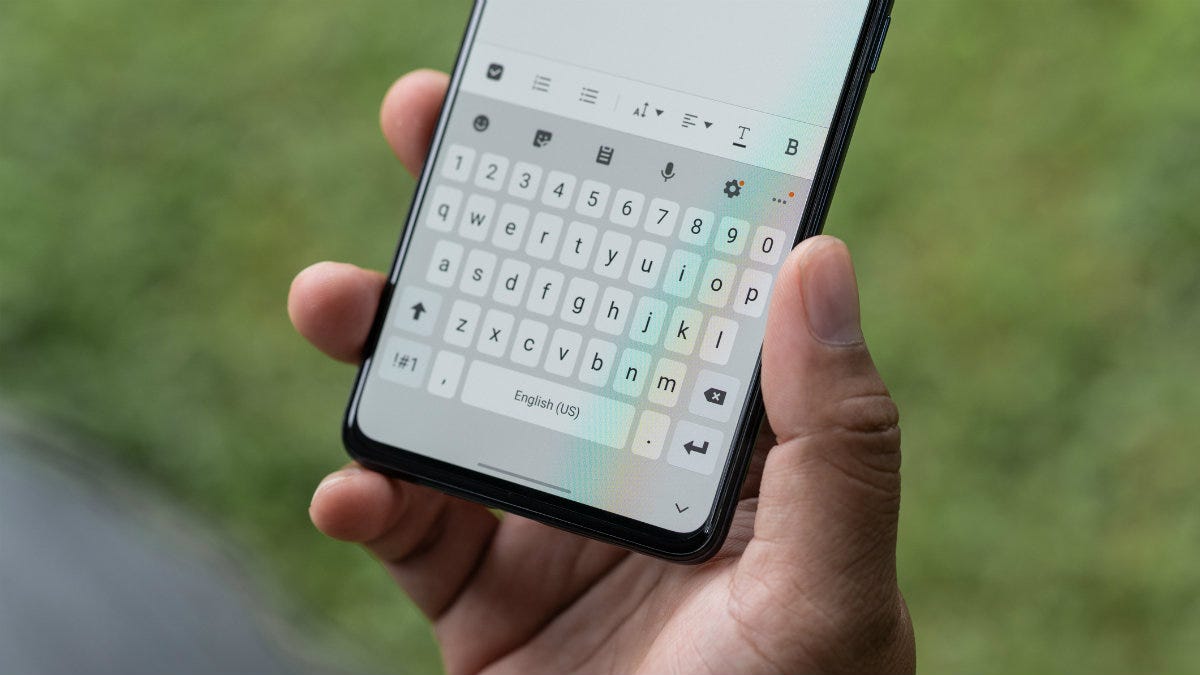
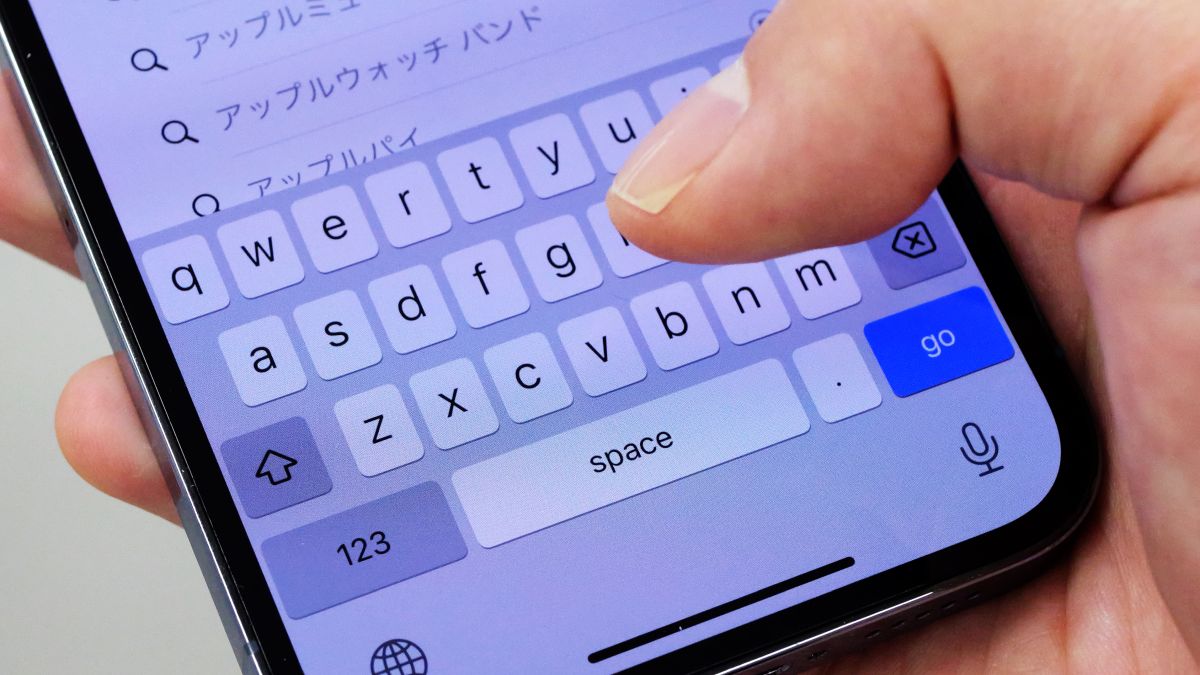
Researchers have uncovered serious vulnerabilities in cloud-based keyboard apps used for typing Chinese characters with the pinyin writing system.
These flaws could potentially expose a billion users’ keystrokes to malicious actors.
Monitoring Keystrokes?
Major Security Flaws in Keyboard Apps Expose Data of Nearly 1 Billion Users
The Citizen Lab, based in Toronto, Canada, recently published a study on apps created by nine manufacturers: Baidu, Honor, Huawei, iFlytek, OPPO, Samsung, Tencent, Vivo, and Xiaomi.
Looking into devices sold in China, the researchers found that eight of the nine vendors transmitted users’ keystrokes, in essence potentially exposing over a billion users to eavesdroppers.
By including this feature, keylogging is sent to remote servers, so the interception of your keystrokes is really enabled.
Action Taken But Some Vulnerabilities Remain
Cloud-based prediction features identified as primary vulnerability
Although the research team reported these security holes to the nine vendors in question, most responded and made the necessary changes, but a few keyboard applications still proved to be vulnerable.
In fact, in August last year, Citizen Lab was first to point out cryptographic vulnerabilities in Tencent’s Sogou Input Method that could enable enemies to decrypt users’ keystrokes without sending any additional network traffic.
So what should users do?
If a user uses QQ Pinyin or has a phone with a pre-installed keyboard, they should change the keyboard right now.
If not, users of Sogou, Baidu, or iFlytek keyboard apps should ensure that their keyboard apps and the operating system for the devices are updated.
As for users of the Baidu IME keyboard, a switch of the keyboard app or disabling the cloud-based input on the device is recommended.
You have to be very careful about your keystrokes, as there may be sensitive data that you do not want others to access.
Be on the alert and protect your privacy.
FAQs
What are the risks associated with using Pinyin keyboard apps?
The primary risk involves the potential exposure of keystrokes to unauthorized parties due to cloud-based prediction features that transmit typed data to remote servers.
Which companies’ keyboard apps were found to be vulnerable?
The study identified apps from major manufacturers including Baidu, Honor, Huawei, and Xiaomi among others, with Tencent’s Sogou Input Method specifically noted for cryptographic vulnerabilities.
What steps have manufacturers taken in response to these findings?
Most manufacturers have addressed the reported vulnerabilities by making necessary security improvements, although some apps still remain at risk.
What should users of vulnerable keyboard apps do to protect their data?
Users should immediately update their keyboard apps and device operating systems, or consider switching to more secure keyboard applications, especially if using apps like Baidu IME or Sogou.
How can users ensure their keystroke data remains protected?
Besides updating or switching apps, users should disable cloud-based input features and remain vigilant about the security settings of any installed apps that handle sensitive input.
Also Read: Secret Essential Windows Keyboard Shortcut Keys You Didn’t Know Existed on Your Keyboard
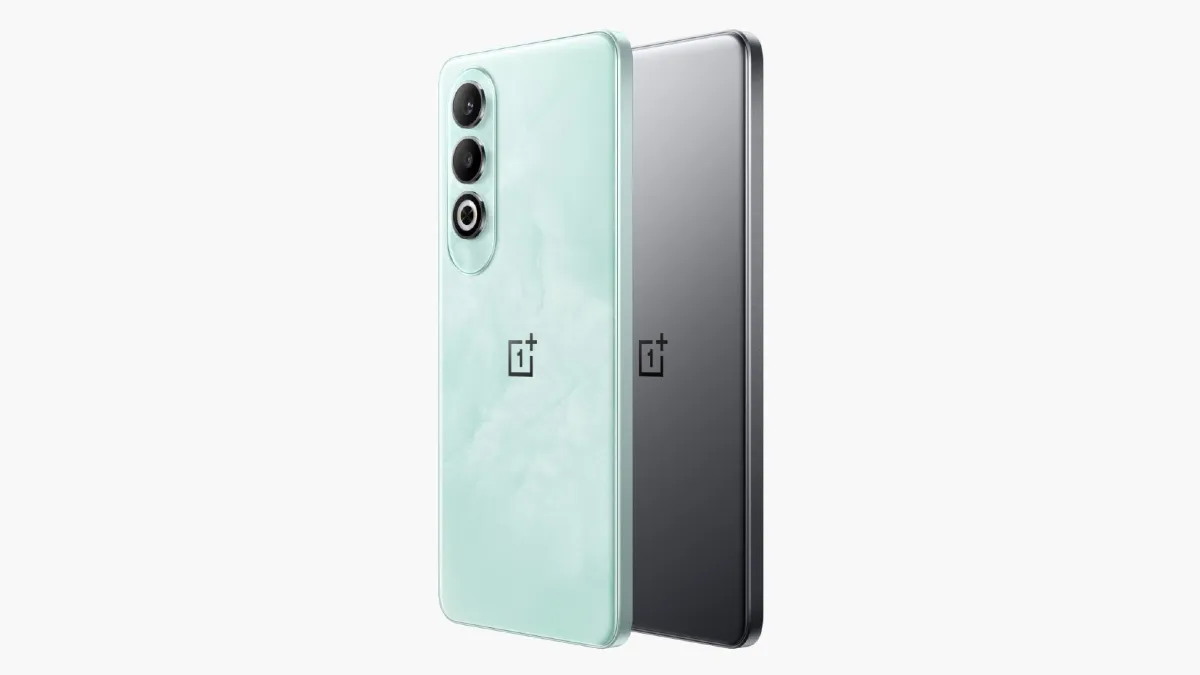
According to a reasonably reliable tipster, not one but two new Nord devices will be hitting store shelves in the coming weeks: the Nord 4 and the Nord CE 4 Lite.
OnePlus Nord 4 and CE 4 Lite: Leaked SoC
Snapdragon 7+ Gen 3 – Nord 4
Snapdragon 7 Gen 3 – Nord CE4
Snapdragon 6 Gen 1 – Nord CE 4 Lite
What are your thoughts on this all Qualcomm powered OnePlus Nord lineup for 2024?
We’re talking 12/16GB of RAM, 256/512GB of internal storage, a triple camera setup (50MP + 8MP + 16MP), and a whopping 5,500 mAh battery with 100W wired charging support.
OnePlus Nord 4 and CE 4 Lite Processor Details Leak Ahead of Launch
As for the Nord CE 4 Lite, details are a bit murky at the moment.
However, if we take a peek at its predecessor from last year, we could potentially see a 6.72-inch LCD screen, 8GB of RAM, a 108MP main camera, a 16MP selfie shooter, and a 5,000 mAh battery with 67W wired charging capabilities.
Of course, these are all just rumours and speculations at this point.
But hey, with the anticipated launch just around the corner, we won’t have to wait too long to uncover the truth.
Keep your eyes peeled, because this Nord lineup might just be shaping up to be a real game-changer.
What chipsets will power the new OnePlus Nord 4 and Nord CE 4 Lite?
The Nord 4 is expected to come with the Snapdragon 7+ Gen 3, while the Nord CE 4 Lite is rumoured to have the Snapdragon 6 Gen 1 chipset.
Can you detail the display features of the Nord 4?
The OnePlus Nord 4 is rumoured to sport a 6.74-inch Fluid AMOLED display with a 120Hz refresh rate, offering vibrant visuals and smooth transitions.
What are the camera specifications for the OnePlus Nord 4?
The Nord 4 is expected to feature a triple camera setup with a 50MP main camera, complemented by 8MP and 16MP secondary sensors for versatile photography options.
What improvements can we expect in the battery and charging specs of the Nord 4?
The Nord 4 is anticipated to include a 5,500 mAh battery with support for 100W wired charging, promising fast recharge times and extended battery life.
What are the potential specifications for the Nord CE 4 Lite based on its predecessor?
Building on last year’s model, the Nord CE 4 Lite might feature an 8GB RAM, a 108MP main camera, and a 16MP front camera, along with a 5,000 mAh battery and 67W wired charging.