Home Blog Page 1107

OnePlus Nord CE 2 Lite 5G appears online, check specs and launch date

0

OnePlus India has teased the OnePlus Nord CE2 LIte 5G ahead of its official launch on April 28. The upcoming OnePlus handset is expected to have an octa-core Snapdragon 695 SoC, coupled with 8GB of RAM.

According to a post on the Twitter by OnePlus India, the OnePlus Nord CE 2 Lite 5G, will have a triple camera setup similar to the Realme 9 Pro+ 5G. The Company has shown the rear of design of the upcoming OnePlus smartphone. The logo has been placed in the centre of the rear panel, while the power button is located on the right side of the phone.

The picture posted on the Twitter also reveals that the OnePlus Nord CE2 LIte 5G may have a 3.5mm headphone jack located at the bottom of the device.

The upcoming OnePlus Nord CE2 LIte 5G is expected to have triple rear camera with a 64-megapixel primary sensor, along with a front-facing 16-megapixel camera for selfies and video calls.

The upcoming OnePlus Nord CE 2 Lite 5G is tipped to pack a 5,000mAh battery with support for 33W fast charging. OnePlus is yet to officially reveal specifications for the smartphone ahead of the April 28 launch event.

In addition to OnePlus Nord CE2 LIte 5G, the OnePlus 10R 5G and the OnePlus Nord Buds will also be launched on April 28.

OnePlus Nord CE 2 Lite 5G expected price in India

Reports claim that the upcoming phone can carry an initial price of Rs 20,000. Details related to price, RAM and storage variants of the OnePlus Nord CE2 LIte 5G smartphone are likely to be revealed on April 28.

OnePlus Nord CE 2 Lite 5G expected specifications

Said to be powered by an octa-core Snapdragon 695 SoC, paired with up to 8GB of RAM, the OnePlus Nord CE 2 Lite 5G is likely to have a 6.59-inch display. Report also claims that the handset is expected to have up to 256GB of inbuilt storage.

Also, Read Here: Google’s Pixel 6a is expected to be launched in May after it reportedly appeared on the FCC website

IQOO 9 SE Review: A good mix of looks and performance

0
iQOO-9-SE-3

IQOO recently launched its premium device as IQOO 9 SE. It is launched under the 35k price segment in India, which is quite good for the powerful chipset that it is offering. So, the question arises is this really a good mid-budget all-around smartphone? Well, let’s take a look together with this complied review on its every spec.

The smartphone is said to look similar to its predecessor IQOO 7. Is it true? What are the major upgrades and where the smartphone can be improvised? Let’s find out together!

Design

The design of the iQOO9 SE looks quite good and premium. It sports a glass sandwich design with a plastic frame that feels premium to hold. The glass back flaunts a matte finish which makes it look rich and sophisticated, especially the Space Fusion Black variant. Although the looks on any smartphone are very subjective, however, I really loved that this finish isn’t a fingerprint magnet. It also has squat sensation up glass protection, so that is a thumbs up!
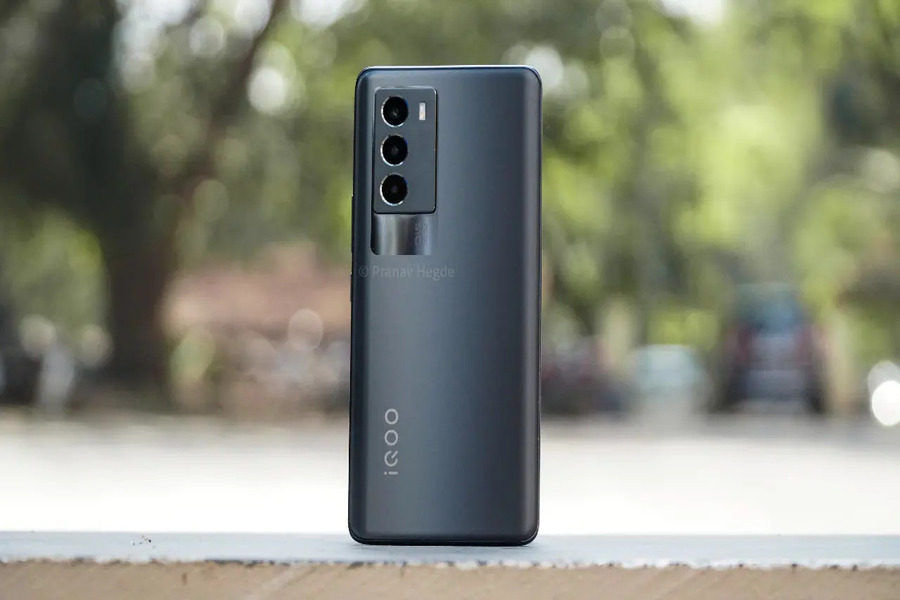
iQOO 9 SE feature

Furthermore, it does look like Iqoo7 but has a slightly changed camera module at the back. The back panel curls into the frame for a better grip and feel in the hand. The phone is also fairly sleek with 8.3 millimetres thickness and the weight is fine with 197grams. Some other details on this include no microSD slot and no wireless charging as well. There is also no 3.5mm headphone jack, however, I could still bundle up the headphone jack dongle (USB Type-C converter) that came inside the box.

Iqoo9 SE is also ip52 rated for splash resistance and it flaunts stereo speakers on the bottom. It also features an extra speaker in the earpiece to give out the ultimate stereo speaker experience. The power and volume buttons are both clicky and accessible. I didn’t find any lag or slow responses.

Display

Now coming to the front, you get this amazing display quality with promising specs. You get this great AMOLED panel. It produces such bright, vibrant, and sharp colours, so there are no issues with outdoor viewing. The phone also sports a specialized Intelligent Display Chip paired with a 120Hz refresh rate. This also gets the option to set a smart switch option, where your device will adjust the rates as per your usage. Or you can also force 120Hz rate everywhere. Personally,  I preferred the 120Hz rate everywhere as it makes the Ui feel more fluid and smoother.

The iQOO 9 SE concentrates on providing top-of-the-line technology beneath the hood, which lets gamers make the most of the high refresh rate capability. The chip boosts the frame rate of support games by employing the frame rate interpolation approach. On the iQOO 9 SE, BGMI currently offers frame rate interpolation up to 90fps. More on the gaming aspect in our iQOO 9 SE review’s performance section.

The iQOO 9 SE comes packed with a Wide vine license as well. It simply means a full Netflix and Prime experience with Full HD mode. It also has HDR support though I couldn’t find it while watching Netflix or Prime. Now, with such smartphones, people also face tainting issues, however, I used the phone for more than 15 days, and I didn’t find any tainting on the screen. The front also features the in-built fingerprint scanner which is fast enough with giving off more modern vibes.

So, overall combining the design and display, the iQOO 9 SE is an excellent choice. It has both style and subtleness, with no issues whatsoever.

Performance

Now, given the price range, one can expect better design and display in this category. However, the chipset is what makes things even better and more interesting. Talking about performance specs, the iQOO 9 SE is designed for consumers who want the best from their smartphones.

Under the hood, there’s a Snapdragon 888 SoC, which is always notorious for its thermal throttling and heating issues. Surprisingly, iQOO has kept the temperature under control here. Under the hood, it features a vapour cooling system that keeps the tablet cool whether you’re playing games or doing intensive chores.

Every day for at least an hour, I played BGMI on this device with HDR visuals and Extreme frame rate settings. During my iQOO 9 SE evaluation time, the phone did not lag or stutter in any way. Despite running BGMI at high graphics settings for lengthy periods, the phone only became somewhat warm to the touch, which is to be expected. Also, it supports ultra-HD graphics with ultra-frame rates, which is rather rare to find in such a budget range. The performance was super smooth and nice.

Moreover, the phone has a Monster mode that effectively maximizes the capabilities of the available chipset. You’ll also receive 4D Game Vibration, which improves haptic performance when playing games. If you don’t play a lot of games, the 4500 mAh battery can last a day. The phone offered me a screen-on time (SoT) of roughly 6 hours on days when I merely glanced through social media or watched YouTube videos. Even if you don’t play, the 4500 mAh battery will provide you with around 5 hours of SoT.

In the box, iQOO includes a 66W rapid charger that charges the battery in 35-40 minutes. It isn’t as fast as the iQOO 9 Pro (Review), which supports 120W fast charging, but it costs nearly twice as much as the iQOO 9 SE.

The iQOO 9 SE runs on Fun touch OS 12. In terms of Fun Touch OS 12, the software based on Android 12 is somewhat superior to the software based on Android 11. It still doesn’t support Google’s Material You Wallpaper theming, but it does include a slew of new features including Dynamic Effects customization, numerous gestures, and 3D surround sound compatibility, among others. Furthermore, the UI animations are quite fluid and quick at the same time, similar to what we saw in OnePlus’ Oxygen OS 10. Finally, the iQOO 9 SE receives the February security patch, which is not the most recent but is still acceptable given that certain flagships, like the ROG Phone 5s, received the September 2021 security patch in February.

Camera

In comparison to its more costly brothers, the iQOO 9 SE camera module is far more inconspicuous. A triple-camera array featuring a 48MP primary camera with OIS, a 13MP ultrawide camera with a 120-degree field of view, and a 2MP monochrome sensor is housed in the rectangular-shaped module.

The colours and general output of the iQOO 9 SE camera samples that we took throughout the evaluation impressed me. The colours are somewhat more saturated than they appear in real life in certain situations, but the dynamic range is rather nice. The daytime pictures were awesome with a lot of details, with an excellent dynamic range. In low light, the phone also catches superb details in the shadows. Yes, there is some noise, but it’s only perceptible when shooting in very low light. Other than that, the images were fairly sharp and nice.

The colour temperature of the ultrawide camera is similar to that of the primary camera, however, there is significant purple fringing. The ultrawide camera also functions as a macro sensor, which is a far superior implementation to the common 2MP camera sensors found in many smartphones.

The main camera on the phone supports 4k video recording at 60fps. However, ois is only available till 30fps shooting. This was quite a bummer, but the video quality covers up for it nicely. It still features the same stability and sharpness at 30fps as well.

The iQOO 9 SE offers a 32MP front camera for selfies. And, I have to say that in the budget or luxury sector, iQOO and Vivo smartphones take the finest selfies. The same goes for the iQOO 9 SE. The colours are vibrant, and the bokeh appears to be natural with good all-around exposure. However, before snapping a shot, make sure you tweak the bokeh in the camera app. With beauty mode off, you can get close to natural skin tones and colours in selfies taken with the iQOO 9 SE.

Battery

The iQOO 9 SE sports a good 4500 mAh battery with a 66W flash charge. Although the 4,500mAh battery won’t last more than a day, the 65W fast charging will come in handy. It will only take 31 minutes to charge from zero to one hundred per cent.

Overall, if you’re a heavy user, make sure you have the 65W charger with you; otherwise, most chargers will only charge this smartphone at 18W. So, sure, the battery size gave me a little bummer, but hey, they also included a 65W charger, so I can’t really complain.

Verdict

So, at roughly Rs 33,990, should you buy the iQOO 9 SE? When it comes to performance, the premium smartphone meets all the criteria. The iQOO 9 SE will not disappoint the gamer in you with Snapdragon 888, an intelligent display chip, and some software gimmicks. For a buttery smooth experience, the 6.62-inch AMOLED display boasts a 120Hz refresh rate and a 300Hz touch sampling rate. The battery capacity isn’t the finest in class, but depending on your use case, you may anticipate around a day’s worth of power.

PlayGo N35 Review: Flexible Bluetooth earphone with impressive battery

0
PlayGo-Flaunt-N35

The Indian accessories brand Play is known for making affordable earphones and headphones. The company’s latest wireless earphones offering is the PlayGo N35 – a sporty, affordable neckband-style wireless pair of earphones with some alluring features such as IPX4 waterproof rating and USB Type-C charging. Let’s see how the PlayGo N35 performs in our review and if it can redeem itself enough to get a recommendation from us.

What’s inside the box?

PlayGo N35 Inside the box

The PlayGo N35 comes in a protective retail packaging. Inside the box, you will find the basic accessories – N35 neckband with fins, two extra pairs of silicon eartips (L and S), a USB cable, user manual and warranty card. So this is the complete kit of what you can expect.

Features

  • Bluetooth 5.0
  • IPX4 Waterproof
  • Voice Assist: Google Assistant and Siri
  • Powerful EBEL Drivers
  • Microphone for HD Sound

PlayGo N35 Design

When it comes to designing a neckband-style earphone, a brand can only do so much. We got the Blush Green color of PlayGo N35 for review.

PlayGo N35 Design

The PlayGo N35 comes with magnetic earbuds, which is a neat trick. Because the earbuds have magnetic housings, they can be attached to one another when not in use. The neckband is one of the softest and most flexible we’ve felt, and it feels surprisingly premium for a pair of earphones with a neckband priced under 2K. The material is smooth and comfortable against the skin, and it conforms to the precise shape of your neck.

PlayGo Flaunt N35

The earphones also have plastic modules on either side, one with just the Play logo and the other with all of the buttons and the charging port. The right side module houses the power button, LED, and charging port. The USB Type-C charging port is tucked beneath a flap, presumably to keep the device water-resistant. There are also volume + and volume – controls that double as track switching controls, as well as a multifunction button that can be used to answer calls, pause and play music, and activate the voice assistant.

Fit and Connectivity

PlayGo N35 Earphones

The PlayGo N35 fit perfectly in my ears and did not fall out even when it was windy or when my ears became sweaty during my workout sessions. The neckband is light in weight and did not feel strenuous even after wearing it for long periods of time. It can be activated with the LED button by moving it to the right side. The neckband then enters pairing mode, with LEDs indicating that it has been paired and turned on. When the neckband is turned on, a voice prompt indicates that it has been paired and the battery level (high, medium, or low). The earphones operate on Bluetooth version 5.0, and I had no trouble pairing them.

Sound Quality

The PlayGo N35 is equipped with strong EBEL (Extra Bass, Extra Loud) drivers, and it lives up to its moniker. These earphones are exceptionally loud and have a strong bass response. So, if that’s what you’re looking for, you won’t be let down.

PlayGo N35 Review Fit

The earphones are so loud that we usually listened to them at only 35-40% volume, whereas we usually listen to most earbuds at around 60-70% volume. However, at higher volume levels, the sound of the earphones tends to distort significantly.

In terms of microphone performance, the earphones pick up the caller’s sound and relay it audibly, but the output can occasionally sound slightly distorted.

Battery

The PlayGo N35 promises up to 14 hours of play time and is delivered on their promise, as I only had to charge the neckband once after five days of use. The neckband has quick charging capabilities, allowing users to charge it in 10 minutes and listen to music for up to three hours. As a result, the battery will be suitable for those who want to use the earbuds on a daily basis. A USB Type-C charging port is also included on the neckband.

PlayGo N35: Verdict

The PlayGo N35 is a simple neckband with excellent sound quality that can be worn when exercising, watching TV, or listening to music. Its lightweight and portable design adds to its utility. The build quality and comfort of these earphones pleased us, especially the super-flexible neckband and secure fit of the buds.

PlayGo N35 Inside the box

The neckband has a good battery life with decent sound quality. The PlayGo N35 has a Type-C charging connector and can be charged in just 10 minutes to last for three hours. So, if you’re searching for a wireless neckband under Rs 1,999, the PlayGo N35 is a good option.

Also Read: Jabra Evolve2 75 Review: Best for business and work from home

The Future of AI and Gadgets

0
AI-and-Gadgets

In 2022, can you think of your life without electricity? Well, there is an advanced technology that is expected to impact the world a lot more than electricity. The technology is Artificial Intelligence (AI). AI oracle and venture capitalist Dr Kai Fu Lee states that “AI is going to change the world more than anything in the history of humankind. More than electricity.”

Artificial Intelligence has emerged as the most significant advanced tech facilitating other emerging technologies such as Robotics, Data Science, IoT, and most importantly, the Metaverse. It has been a driving force of smart technologies and is expected to continue as a technological innovator in future.

Also Read: How Foldable Smartphones Are Opening Up A New World Of Mobile Productivity?

It is predicted to have a crucial bearing on almost every industry imaginable. Artificial Intelligence has already become indispensable in all major industries such as IT, E-commerce, Transportation, Media Education, Travel and Tourism, Security, etc. It is expected to permeate deeper into every other industry. This is because AI forms the backbone of computer learning which is an important segment of every organization and industry.

AI and Modern Gadgets

AI transformation has paved its way conveniently into our everyday routine functions through modern gadgets that we hugely depend upon now. Be it an alarm clock, home security, fitness gadgets, or TV, everything today is powered by Artificial Intelligence. The development of AI gadgets picked up pace during the COVID-19 pandemic, forcing the entire population to coop in the houses. During the turbulent times, AI-powered technologies and gadgets became a life saviour for people who were greatly restricted in terms of movements.

“Be it an alarm clock, home security, fitness gadgets, or TV, everything today is powered by Artificial Intelligence. The development of AI gadgets picked up pace during the COVID-19 pandemic… During the turbulent times, AI-powered technologies and gadgets became a life saviour for people who were greatly restricted in terms of movements”

It facilitated functions from something as basic as ordering food to critical functions such as administering the oxygen level during the pandemic. The multi-functionality of smart devices has been made possible with the help of AI. To be more specific, today, a single smartwatch can feature almost everything you need in daily life, and the credit should go to AI. For instance, with its self-developed AI chip, an Amazfit smartwatch could have the perfect combination of supercomputing power and ultra-low power consumption. Other than this, the brand’s 7 AI engines directly contribute to product features like heart rate monitoring, smart recognition of sports, blood-oxygen saturation, sleep monitoring, fitness training optimizations and so much more.

Also Read: Gaming Platforms Are Becoming the New Social Media: Here’s how

Wearables, especially smartwatches, have become the most sought-after IoT tool that offers multiple functionalities in a single device which is not just easy to carry but also a style statement. By the year 2026, the international smart wearables market is expected to reach shipments of 776.23 million units. Not even a global pandemic could hamper the smartwatch trade, and in 2020 alone, 266.5 million units of wearables were sold out. Several factors are responsible for the same, the most prominent one being the easy integration of technology into daily activities with something as lightweight as a watch. It would have been impossible to imagine a single device performing so many distinct functions a decade ago.

Artificial Intelligence: What to expect in future?

According to a survey conducted by IEEE in 2021, 95 per cent of the CIOs, CTOs and technology leaders agreed that AI would be the major driving force in almost every innovation across all industries and sectors in the coming five years. The focus of Artificial Intelligence will shift towards AI-enabled transformation capable of solving crucial business problems with business-focused solutions. AI will focus on long-term scalability and is expected to become more advanced, strategically significant, and mission-critical.

A major change would be brought about by Conversational AI- a technology that enables speech-based interaction across users and platforms. As per a report by ReportLinker, the size of the conversational AI market will grow from USD 6.8 billion to USD 18.4 billion by 2026. Various factors lead to the same, including the widespread adaptation of omnichannel strategies, increased demand for AI-enabled customer support services, continuous customer engagement, and increased demand for chatbots during COVID-19 restrictions.

You can also expect to see a significant rise in computer vision technology. Computer vision is a field of AI that enables machines to understand and interpret images and videos. It is able to do so with the help of machine learning algorithms that are trained on images to recognize patterns and consecutively identify and classify objects. Gadget companies that are already leveraging AI will be investing huge amounts in computer vision technology. According to a recent survey by Gartner, some companies are planning to invest over $679,000 over the next two years in computer vision.

Also Read: 7 most relevant uses of AI-based smartwatch for a healthy life

In addition to that, we can also see a rise in voice and language-driven intelligence in gadgets. AI is expected to bring about significant advancements in Speech Recognition, Natural Language Processing, and Speech Synthesis. Through these technologies, machines will become capable of understanding and speaking the language of humans. The capacity of Artificial Intelligence in generating human-like speech has already been vouched for by large dataset language models such as GPT-3 by Open AI. Therefore, the gadgets will be able to ape human-like intelligence in the choice of words, pitch, tonality, rhythms, stress based upon the context of the conversations. Through this, AI will save 8 billion USD per annum by 2022 that are spent on the Customer Service Sector.

With the pace at which AI is progressing, it is almost impossible to predict the future of AI. However, it is safe to say that AI is all set to completely revamp every industry that exists today on the face of the Earth.

The author, Jacob Jin, is Director – South Asia and Southeast Asia, Amazfit.

Also Read: The 5G Craze: How Consumers Are Looking For A Smartphone Beyond Cameras

OPPO F21 Pro goes on first sale

0

OPPO, one of the leading smart device manufacturers and innovators has started the sale of its newly launched OPPO F21 Pro 5G. The OPPOF21Pro series featuring industry-first fiberglass-leather design and flagship Sony IMX709 ultra-sensing selfie sensor, can be bought at an inaugural price of Rs 22,999. The phone carries an actual price tag of Rs 27,999.

Available in 8GB+ 128GB variant, OPPO F21 Pro series 5G, the phone was launched on April 12. The new smartphone by the OPPO IS available in two colors including Cosmic Black and Sunset Orange.

The OPPO F21 Pro series comes with a snapdragon octa-core processor, to offer a breath-taking viewing experience, the OPPO F21 Pro Series has AMOLED eye-care display.

For photography, both the OPPO F21 Pro and Oppo F21 Pro 5G feature a 64-megapixel triple camera, Other cameras could include a 12-megapixel ultra-wide shooter and a 2-megapixel portrait camera. The phone has 32-megapixel front cameras for selfies and video calls. The handsets are claimed to pack 4,500mAh batteries with support for 33W fast charging.

The ultra-slim design makes hours of holding the phone as effortless as it can be. The OPPO F21 Pro series is equipped with smart notification hiding, dual view video, orbit light, and ultra-slim retro design are among a host of other features of the newly launched smartphone by OPPO.
The screen will support a 90Hz touch sampling rate and come with a hole-punch cutout at the top left corner. Lastly, the phone will boot Android 12-based ColorOS 12.1 out of the box.

The phone gets its fuel from a 4500 mAh battery with support for 33W fast charging out of the box. It features a 6.43-inch AMOLED display with a Full HD+ resolution.

Also, Read Here: Oppo F21 Pro to be a selfie king, thanks to flagship Sony IMX709 sensor: Details inside

Top three monitors for creators and gamers under 30K

0

The ideal monitor for gamers and creators comes in all shapes and sizes basis one’s requirement. The number of options on monitors for creators and professional gamers is endless these days and the quality of monitors has improved significantly. Having the right monitor can transform the user experience making the setup more immersive and experiential. With requirements like super-fast refresh rates and HDR, Acer has got your back with the very best in the market.

Acer is a pioneer in the gaming segment and here are the top three choices of monitors for gamers and creators.

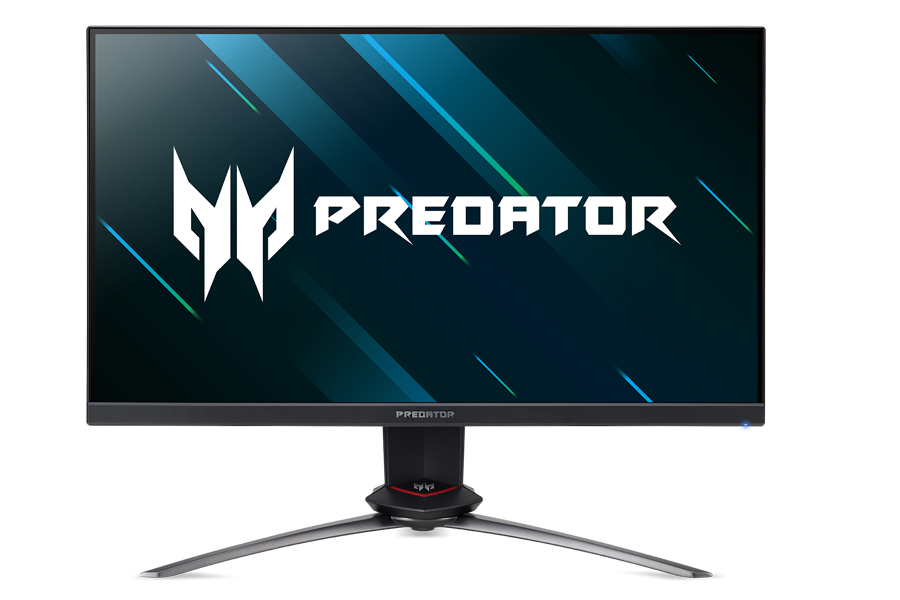
Acer Predator XB253Q GX

The Acer Predator XB253Q checks all the boxes for gamers and creators. This monitor from the Predator series is a 24.5-inch full HD display with a 240Hz refresh rate which is also compatible with NVIDIA G-SYNC. The product also comes with stereo speakers embedded in them. This eye-safe certified monitor includes a Bluelight shield, flicker less, low dimming, comfy view features which makes it ideal for users who demand high productivity and spend long hours on their computers. This monitor can be purchased from Acer’s online store. It carries a price tag of Rs 27,999.

Acer Predator

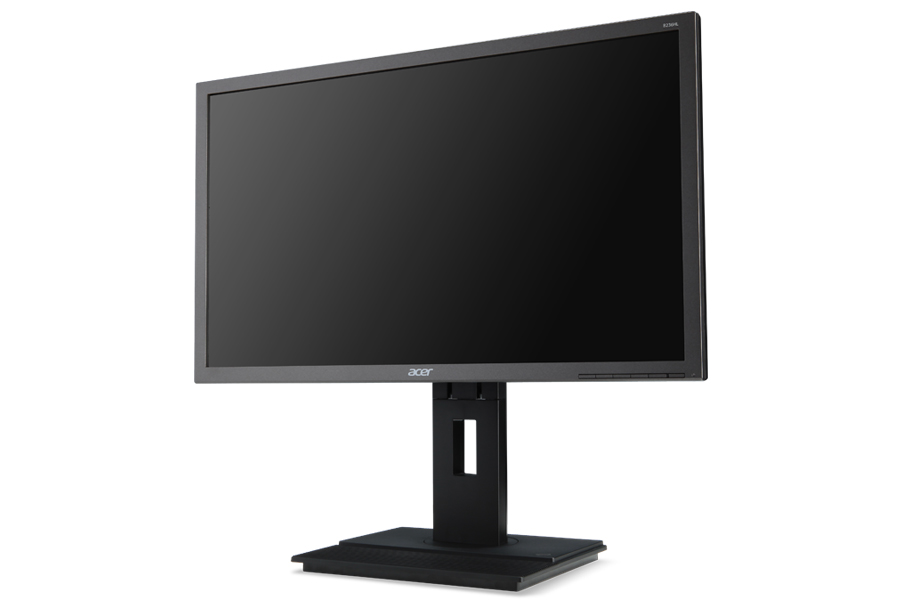
Acer B326HK

Acer B326HK is a 32-inch UHD 4K Monitor with a 3840 x 2160 resolution. With the ergonomic stand, the monitor gives an adjustable tilt, swivel, and the perfect height for creators to work on the monitors for a longer period. With 3 years of warranty, this monitor is a perfect companion for users. This monitor is available for sale at the official website of Acer. It is priced Rs 24,999.

Acer B326HK


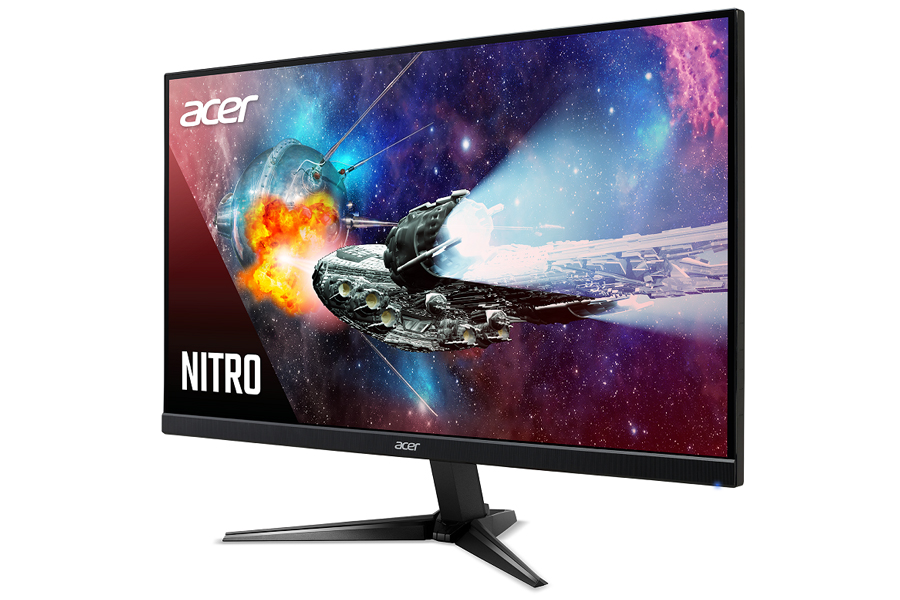
Acer Nitro QG241YS

The ultimate companion for creators and gamers the Acer Nitro QG241YS is a 16Hz refresh rate laptop with Acer VisionCare technology which incorporates several features that take into consideration the prolonged usage by heavy users. It also boasts features like Acer Flicker-less, Acer BlueLightShield, low dimming technology, and Acer ComfyView display. With exceptional full HD, VA 23.8-inch display enjoy immaculate image quality with 1920×1080 resolution and 178-degree wide viewing angles. You can buy the Nitro QG241YS monitor from Acer’s website at Rs 14,499.

   Acer Nitro QG241YS

Also, Read Here: Boult Audio launches TWS device ‘AirBass ENCore X’ under Rs 2000

Setback for Apple after China’s strict Covid-19 control measures

0

In view of the ongoing lockdown in China to contain the spread of the latest outbreak of Covid-19 has led to a setback for Apple. The supply chain of Apple has disrupted after the strict Covid-19 control measures came into effect. An Omicron outbreak in Shanghai and neighboring industrial bases have caused widespread interruptions to manufacturing activities in the Yangtze River Delta.

Apple has its second-largest assembly plant in Shanghai and Kunshan, a city in the Eastern part of China near Shanghai hosts many manufacturers like Apple suppliers Pegatron, Luxshare Precision, and more.

According to the latest updates, Taiwan’s Pegatron Corporation, a major electronics manufacturing service provider for Apple, has stopped manufacturing various devices since the city entered into lockdown a week ago.

Not only Kunshan, Pegatron has also stopped production at its assembly lines in Shanghai after the lockdown came into effect.

This closure is seen as a setback for US-based tech giant Apple as this would lead to trouble for an already fragile global supply chain.

Pegatron has been in touch with customers and vendors and communicating with local governments to resume operations as early as possible. They are also continuously evaluating the business and financial impact of the lockdowns.

Reports claim that disruptions to local manufacturing are set to worsen the logistical barriers of global companies that are already overcoming a massive shortage in semiconductors and a tight supply chain. Gaming consoles, server computers, and electric vehicles are some of the product categories that are facing further supply chain challenges, the report further said.

To reduce its reliance on the Chinese supply chain, Apple Inc has started production of the iPhone 13 in India. The phone is being produced at a local plant of Apple’s Taiwanese contract manufacturer Foxconn (2354.TW), situated in the town of Sriperumbudur in Southern Tamil Nadu state, according to a source.

Also, Read Here: OPPO F 21 Pro Series 5G launched, pre-order begins

One Plus 10 Pro Vs One Plus 9 Pro: Which flagship is better?

0

OnePlus recently unveiled its new flagship, the OnePlus 10 Pro. In this post, we’ll compare the OnePlus 10 Pro to its predecessor, the OnePlus 9 Pro. These two phones share a lot of features, while the OnePlus 10 Pro offers some upgrades. Given that the OnePlus 9 Pro is likely to be found for a much lower price, the issue is whether the OnePlus 10 Pro is worthwhile.

In this essay, we’ll try to answer that question for you. We’ll start by comparing the specifications of the two phones before moving on to a few additional areas. The two phones will be compared in terms of design, display, performance, battery, camera, and audio. Having said that, let’s start comparing the OnePlus 10 Pro vs OnePlus 9 Pro, shall we?

One Plus 10 Pro Vs One Plus 9 Pro: Design

When it comes to design, the OnePlus 10 Pro and the OnePlus 9 Pro have a lot in common. From the front, they appear to be nearly identical, and their sizes are likewise comparable. Both phones have curved screens and a hole in the top-left corner for the display camera. The bezels are slim, the physical buttons are in identical locations, and the alert slider, which is on the right, is the same.

However, the rear side is a different story. The OnePlus 9 Pro sports a standard camera island, however, the OnePlus 10 Pro appears to be influenced by Samsung devices. Its camera island is meant to seem as if it were an extension of the phone’s frame. Some people will appreciate it, while others will dislike it, but it does appear to be unique. Both phones have a curved design on the sides (on the back).

When it comes to in-hand feel, both phones are pleasant to hold, although the OnePlus 10 Pro is somewhat more so. We’re not sure why, but that’s how we’re feeling right now. These two were well-designed by OnePlus. However, because they’re both rather slippery, you might want to use a case. The OnePlus 10 Pro is only a few grammes heavier than the OnePlus 10, and the two phones are almost identical in terms of height, breadth, and thickness.

Display

The screens on both of these cellphones are amazing. The OnePlus 10 Pro has a 6.7-inch LTPO2 Fluid AMOLED display with a resolution of 3216 x 1440 pixels. This display is capable of displaying up to 1 billion colours and has an adjustable refresh rate of up to 120Hz. While the panel is curved, it also becomes extremely bright at 1,300 nits at peak brightness. The Gorilla Glass Victus protects it, and it supports HDR10+ content.

On the other hand, the OnePlus 9 Pro has a 6.7-inch QHD+ (3216 x 1440) LTPO Fluid2 AMOLED display. This display can also display up to one billion colours and has a 120Hz adaptive refresh rate. It is curved, and it gets quite bright, to the same level as the OnePlus 10 Pro’s panel. HDR10+ content is supported on this display too, while the panel is protected by Gorilla Glass 5.

As you can see, the OnePlus 10 Pro offers superior display protection, but on paper, these two screens appear to be pretty identical. To be honest, there isn’t much of a difference when comparing the two. They both appear to be fantastic. Both screens are razor-sharp and have excellent viewing angles, and the colours are vibrant and appealing. The blacks are rich, and we can’t say we have any complaints about either display. Both are a delight to use and have good touch response times. These are unquestionably among the greatest screens available.

One Plus 10 Pro Vs One Plus 9 Pro: Performance

Qualcomm CPUs are used in both of these phones. The Snapdragon 8 Gen 1 SoC powers the OnePlus 10 Pro, while the Snapdragon 888 SoC powers the OnePlus 9 Pro. LPDDR5 RAM and UFS 3.1 flash storage are used in both phones. To be honest, you should be able to achieve similar results from them. The Snapdragon 8 Gen 1 heats up a little more, and in certain cases, it’s throttled to Snapdragon 888 levels. However, OnePlus does a good job with cooling, and we had no problems using the device.

Both of these phones are capable of handling almost any situation. They’re capable of multitasking, surfing, multimedia consumption, gaming, and video editing, among other things. We didn’t observe any slowness on either, only occasional frame dips, which is to be expected on any phone. In almost every manner, they were silky smooth, and even OnePlus’ animations are excellent. The performance of OnePlus’ flagship devices is generally fantastic, so this is not unexpected.

Battery

In comparison to its predecessor, the OnePlus boosted the battery capacity inside the OnePlus 10 Pro. The OnePlus 10 Pro has a battery capacity of 5,000mAh, whereas the OnePlus 9 Pro has a capacity of 4,500mAh. Is that the difference you’ll notice in your day-to-day work? Yes, it is correct. The OnePlus 10 Pro does, in fact, have a longer battery life than the OnePlus 10 (at least during our tests).

In comparison to its predecessor, the OnePlus upped the battery capacity of the OnePlus 10 Pro. The OnePlus 10 Pro has a 5,000mAh battery, whereas the OnePlus 9 Pro has a 4,500mAh. Is that the change you’ll notice on a day-to-day basis? Yes, it is. Overall, the OnePlus 10 Pro has a greater battery life than the OnePlus 10; at least, that was the case throughout our testing.

Both phones have lightning-fast charging. The OnePlus 10 Pro supports wired charging up to 80W (65W in the US) and wireless charging up to 50W. It also allows wireless charging in the reverse direction. In addition, to reverse wireless charging, the OnePlus 9 Pro offers 65W wired and 50W wireless charging. With such charging rates, going from zero to one hundred per cent is possible in no time. To make use of these amazing wireless charging speeds, you’ll need a specialised charger.

One Plus 10 Pro Vs One Plus 9 Pro: Cameras

When it comes to cameras, OnePlus has opted to put a greater emphasis on software this time. In terms of camera hardware, the OnePlus 10 Pro doesn’t offer much innovation, at least when it comes to the rear cameras. Its ultrawide camera now supports a 150-degree field of vision for those fisheye ultrawide photos, but the technology remains the same. Here, too, the same sensors are utilised.

That isn’t to say that there isn’t a difference in performance. Without a doubt, the OnePlus 10 Pro is capable of producing more balanced images. The OnePlus 9 Pro has a propensity to oversharpen photos on occasion, but we didn’t experience this with the OnePlus 10 Pro. Both phones have outstanding colour science, and they handle high dynamic range settings admirably. Both phones performed admirably in low-light situations. Both cameras are capable of producing a lot of light for nighttime images while still preserving a lot of detail. However, the OnePlus 10 Pro images were our favourites.

One of the OnePlus 9 Pro’s advantages was its ultrawide camera performance, which continues with the OnePlus 10 Pro. The photos taken with the ultrawide camera are fantastic, and the camera can even handle macro photographs. That’s also something it does well. The video recording on both devices was decent, albeit the films on the OnePlus 10 Pro were extremely jumpy at 4K quality as if OIS hadn’t kicked in. That is undoubtedly a flaw that OnePlus will work to resolve.

Audio

The OnePlus 10 Pro and OnePlus 9 Pro both have stereo speakers that sound extremely similar. Both phones provide sound that is well-balanced and does not distort at higher levels. It’s well-balanced all throughout, however, don’t expect to hear a lot of basses. Both gadgets lack a 3.5mm headphone port, which is to be expected these days. The sound quality is excellent when using the Type-C connector or connecting your headphones through Bluetooth. We don’t have any serious concerns about the sound quality here.

Also Read: iQOO Z6 Pro launching in India soon: Check price, specifications

WhatsAppto roll out new drawing tools for images: Check details

0
Whatsapp drawing tool

WhatsApp is soon to roll out a new interface for the drawing feature that includes significant new drawing tools. The feature is first spotted on the iOS beta version which adds greater picture editing capabilities. The new tools include a pencil and blur tools as well. Reportedly, a report also revealed that “WhatsApp is rolling out this feature to some beta testers. More activations are planned at a later date after installing a future update.”

The latest beta version adds a new set of sketching tools to the mix, allowing users to write on photographs or alter them with unique comments and annotations before sharing them with their intended recipients. Previously, the sketching tools simply comprised a single pencil, which allowed users to share photographs with a minimal annotation experience.

WhatsApp adds new Drawing Tools

Now, WhatsApp already has blur tools previously for iOS. So, the question arises here is that what the new blur tool is going to bring. How is it different from the previous one and what is its significance of it?

The latest version gives users greater control over how they edit pictures. This also adds more scope to the flow of creativity and colourfulness you can add to your messages. Even on the beta circle, the update is only available to a limited number of people, implying that it is only in limited circulation at the moment. Hence, it may take some time to be rolled out in a stable form.

Why roll it out to some beta versions only?

WhatsApp beta is a frequent testbed for the app’s forthcoming innovations. It offers a good idea of what new features users of the stable version of WhatsApp may expect in the coming days. This also lets the brand know if users are taking interest in the latest features and innovations or not. For example, WhatsApp was believed to be testing the ability of members within a group to conduct polls in March of this year, but there was no clear schedule for its implementation. The latter is one of the numerous beta features that are currently being developed.

WhatsApp new Drawing Tools: What’s new?

According to a fresh set of pictures published by WABetaInfo in the next update, new drawing tools consist of three pencils and a blur tool. Users will be able to see both the tools in the built-in image editor. Now, how the pencil is different from the previous ones is that in the latest update the users will get three different tips for the pencil. Previously, there was the only one available with no options to change the thickness of the text. However, with the latest version, users will be able t change the thickness or scribble thicker lines on images and even videos.

Along with the pencil, a blur tool is also added to the built-in photo editor. This might be a security feature since you can conceal important information in a snapshot. So, you will be able to share it without fear of it being revealed. If the test goes well, these capabilities will most likely be included in the app in the next months.

How to use drawing tools on WhatsApp

Now that we know WhatsApp is rolling out new drawing tools very soon, knowing how to use them is equally important. So here’s a small step-to-step guide n how you can use it.

Steps to use drawing tools on WhatsApp

Step1: Open WhatsApp messenger.

Step2: Open any conversation and tap on the camera icon right next to it.

Step3: Capture an image

Step4: Tap on the pencil icon appearing in the right corner.

Step5: Pick any colour and drag your fingers on the captured image.

(This will create lines on the picture)

Now you can draw anything on the screen and then send it to the contact you like.

Also Read: WhatsApp improving user experience by adding some new features

Amar G Subash to lead India business for HARMAN professional solutions

0

HARMAN Professional Solutions today announced the appointment of Amar G Subash to lead the India business for HARMAN Professional Solutions. He continues his role as the Vice President and General Manager, Asia Pacific. Amar reports to Jaime Albors, Senior Vice President, Global Sales, HARMAN Professional Solutions.

In his expanded role, Amar will lead the India team in serving the region’s customers with comprehensive integrated systems, including solutions for corporate, education, government, hospitality, large venues, tour sound and lighting, cinema, broadcast, retail and ecommerce.

Amar has been leveraging the strength of HARMAN’s iconic brands including JBL Professional, AKG, AMX, Martin lighting, Crown, Soundcraft, BSS and dbx, to drive growth throughout the APAC region. By leading teams across HARMAN Professional offices in Singapore, Japan, Korea, Australia, and now India, Amar will bring the organization closer to channel partners and end customers, and chart a course for further expansion in Asia Pacific territories.

“Amar’s exemplary record and global experience has been lauded across HARMAN and also externally amongst our channel partners and end customers. With the example that he has set by leading the APAC region and taking our industry-leading brand to places, we are confident that he will strengthen our India business further. We are hopeful to see some upward momentum in growth and achieving more success in the region,” said Jaime Albors, Senior Vice President, Global Sales, HARMAN Professional Solutions.

“Our legacy in creating iconic brands, integrated solutions across audio, lighting, video and control applications, and association with esteemed partners makes us stand out in the industry. I look forward to elevating experiences of our stakeholders while taking the game a notch higher,” said Amar Subash, Vice President and General Manager, HARMAN Professional Solutions APAC.

Also, Read Here: MediaTek launches 6nm Dimensity 1200 Premium 5G SoC