Home Blog Page 457

Vivo X200 Pro Leaked: To Come with 1.5K Display, 6,000mAh Battery, and More

0

Highlights

  • Vivo X200 Pro may feature a slightly curved 6.7 or 6.8-inch display with 1.5K resolution.
  • Expected to have a 6,000mAh silicon battery, a significant upgrade from the X100 Pro.
  • Enhanced triple camera setup with a periscope lens for improved photo capabilities.
  • Powered by MediaTek Dimensity 9400 chipset, maintaining Vivo’s partnership with MediaTek.

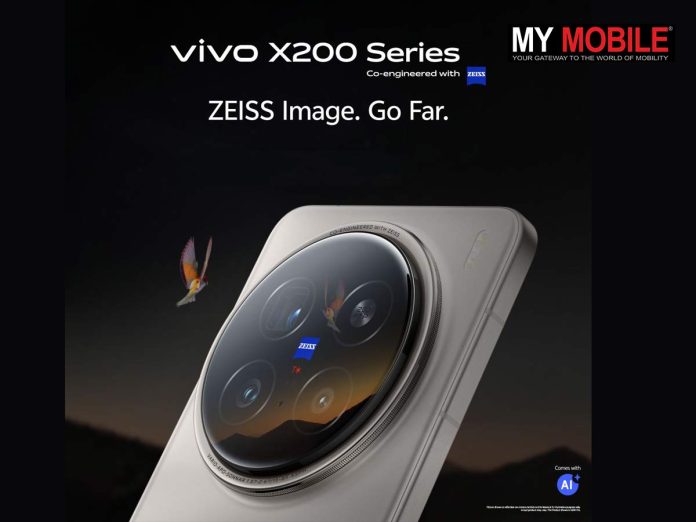
The Vivo X200 Pro could very well be the next model added into their flagship X series lineup and has made much noise lately in the smartphone community.

However, recent leaks did give meaning to some possible specs the device might come with—touting significant upgrades over last year’s model, the Vivo X100 Pro.

Vivo X200 Pro: Spec Expectations

DCS’ leak suggests that the Vivo X200 Pro will feature significant upgrades and new technologies as compared to the Vivo X100 Pro

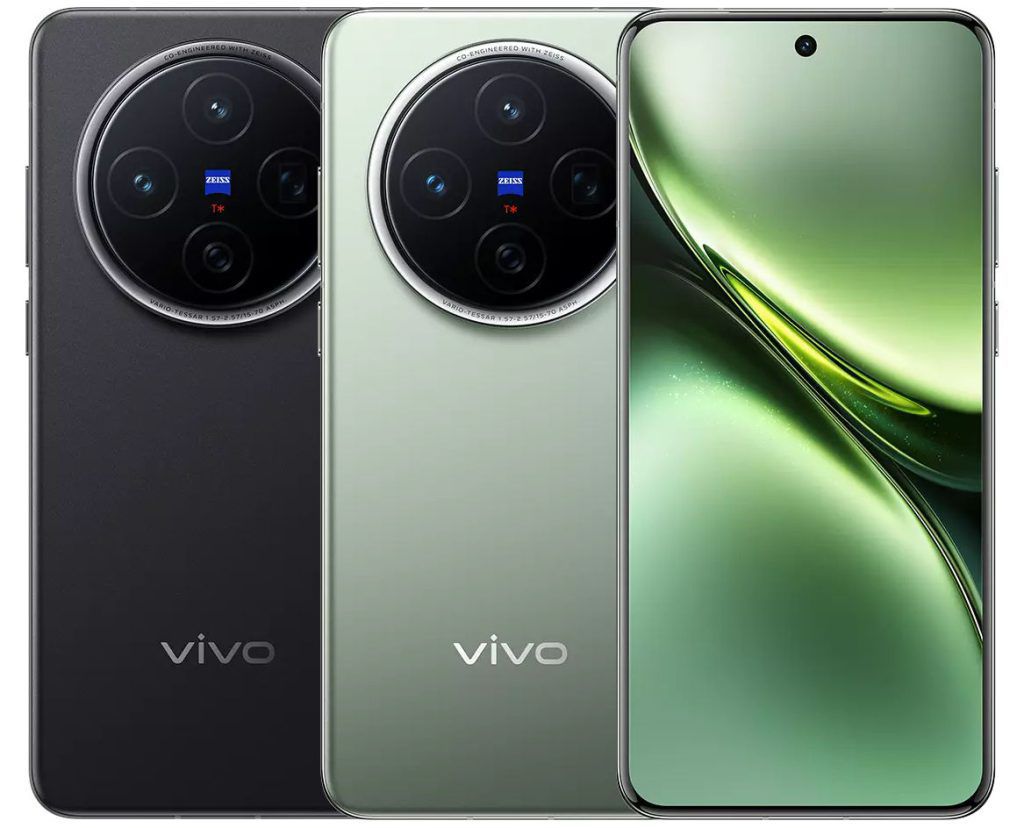
According to a tipster from China, Digital Chat Station on Weibo, it is going to feature a slightly curved display with 1.5K resolution and narrow bezels.

The size could be about 6.7 or 6.8 inches.

The device is likely to add a single-point ultrasonic in-display fingerprint sensor for enhanced security.

But probably the most interesting story is the one related to the battery.

He mentioned that the X200 Pro also includes a single-point ultrasonic under-display fingerprint sensor and introduces a new silicon battery configuration

The X200 Pro might employ a new type of silicon battery that could retain a potential capacity of 6,000-mAh.

That is quite a way bigger than that of the X100 Pro’s 5,400mAh battery.

On that note, the X200 Pro is said to come with an enhanced triple camera setup featuring a periscope lens.

Not much information has been shared on this, but essentially, this points to Vivo still gunning for better photo capabilities in its flagship devices.

Enhanced triple camera setup with a periscope lens for improved photo capabilities

Under the hood, the X200 Pro is tipped to be powered by MediaTek’s upcoming Dimensity 9400 chipset.

That raises several eyebrows, having been the third time in a row we heard of it; Vivo might just end up sticking with MediaTek for its flagship processor.

How the X200 Would Compare to the X100

Vivo X200 Pro may feature a slightly curved 6.7 or 6.8-inch display with 1.5K resolution
The phone is tipped to pack a larger battery than the Vivo X100 Pro

In context, the Vivo X100 Pro reached India in January for Rs. 89,999 for its variant with 16GB RAM and 512GB storage.

It runs on the Dimensity 9300 SoC and comes with a triple rear camera setup that includes a 50-megapixel 1-inch-type sensor Sony IMX989, a 6.78-inch curved LTPO AMOLED display, headed by a refresh rate of up to 120Hz.

Though these leaks seem to be rather spectacular about what the X200 Pro can promise, everything remains unofficial at this point.

Vivo may unveil the Vivo X200 series of smartphones equipped with the D9400.
The upcoming smartphone is anticipated to feature the Dimensity 9400 chipset

None of Vivo’s confirmation regarding their device or its specifications is released.

X200 Pro will come with a standard model Q200; however an official release date has not yet been provided.

Potential buyers should wait for official announcements to get the full, accurate picture of what this new flagship will offer.

FAQs

What display specifications are expected for the Vivo X200 Pro?

The Vivo X200 Pro is rumored to feature a slightly curved 6.7 or 6.8-inch display with a resolution of 1.5K and narrow bezels, enhancing the viewing experience.

What is notable about the Vivo X200 Pro’s battery?

The Vivo X200 Pro is expected to include a new type of silicon battery with a potential capacity of 6,000mAh, offering a significant increase over the X100 Pro’s 5,400mAh battery.

What camera features are anticipated for the Vivo X200 Pro?

The Vivo X200 Pro is rumored to come with an enhanced triple camera setup, including a periscope lens, indicating a continued focus on superior photo capabilities.

Which processor will power the Vivo X200 Pro?

The Vivo X200 Pro is tipped to be powered by MediaTek’s upcoming Dimensity 9400 chipset, continuing Vivo’s trend of using MediaTek processors in its flagship devices.

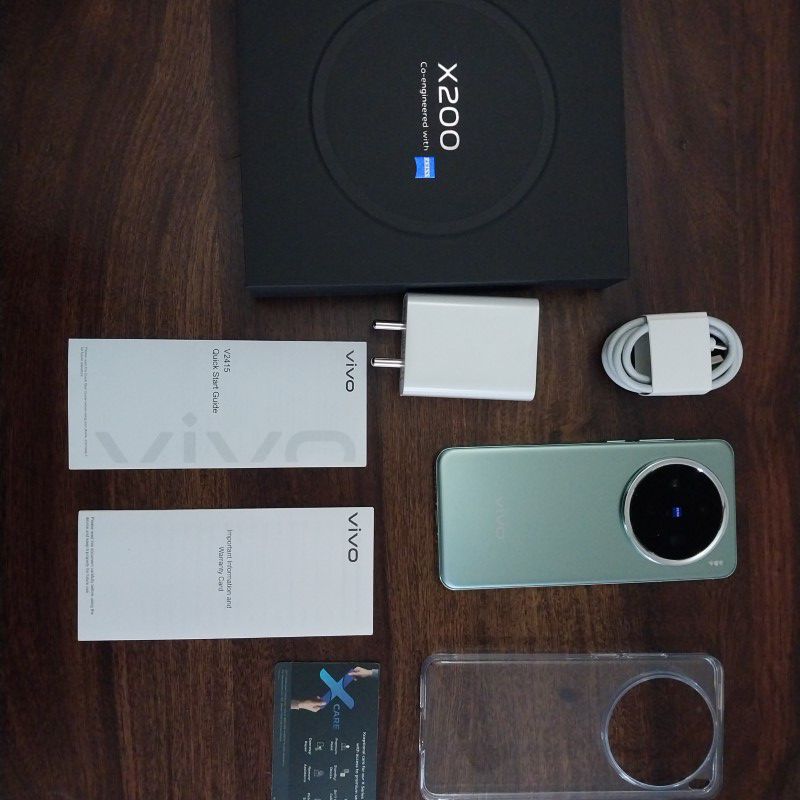
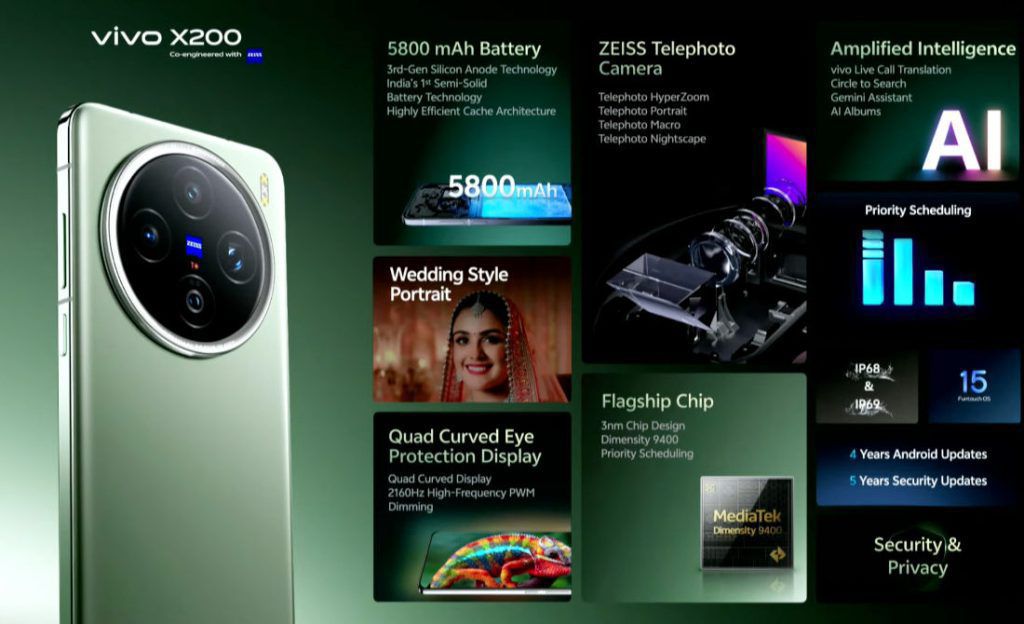
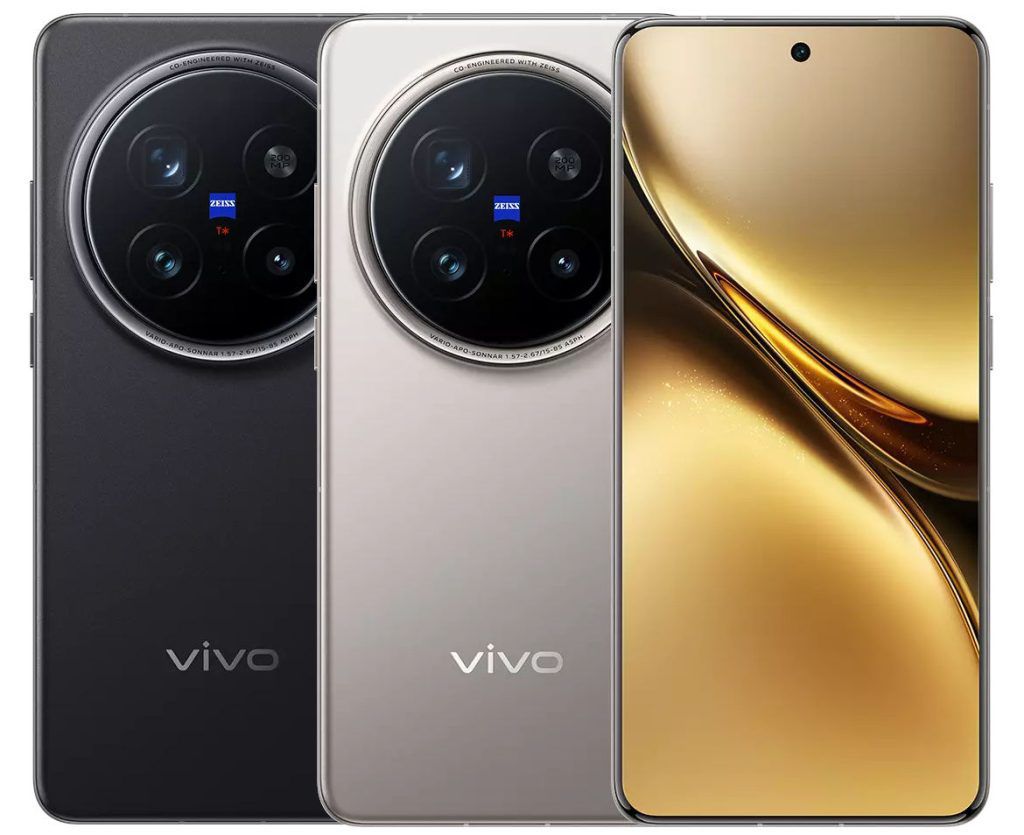
Vivo X200 5G Specs

GENERAL

Sim Type Dual Sim, GSM+GSM
Dual Sim Yes
Sim Size Nano+Nano SIM
Device Type Smartphone
Release Date November 13, 2024 (Expected)

DESIGN

Dimensions 164.1 x 75.2 x 8.5 mm or 8.8 mm
Bezel less Yes

DISPLAY

Type Color LTPO AMOLED Screen (1.07B)
Touch Yes
Size 6.78 inches, 1260 x 2800 pixels, 144 Hz
Aspect Ratio 20:9
PPI ~ 453 PPI
Screen to Body Ratio ~ 93%
Features HDR10+, P3 Color Gamut, 6000nits, Curved Display
Notch Yes, Punch Hole

MEMORY

RAM 12 GB
Expandable RAM Upto 12 GB Extra Virtual RAM
Storage 512 GB
Storage Type UFS 4.0
Card Slot No

CONNECTIVITY

GPRS Yes
EDGE Yes
3G Yes
4G Yes
5G Yes
5G Bands n1/n3/n5/n7/n8/n28/n38/n40/n41/n77/n78
VoLTE Yes, Dual Stand-By
Wifi Yes, with wifi-hotspot
Wifi Version Wi-Fi 6, Wi-Fi 7, WLAN 2.4 GHz/5 GHz/6 GHz, Wi-Fi Display, 2 x 2 MIMO, MU-MIMO
Bluetooth Yes, v5.4, A2DP, LE, aptX HD
USB Yes, USB-C v2.0
USB Features USB Tethering, USB on-the-go, USB Charging
IR Blaster Yes

EXTRA

GPS Yes, with GPS, BeiDou, GLONASS, Galileo, QZSS, NavIC, A-GPS, Cellular Positioning, Wi-Fi Positioning
Fingerprint Sensor Yes, In Display
Face Unlock Yes
Sensors Accelerometer, Ambient Light Sensor, Proximity Sensor, E-Compass, Color Temperature Sensor, Laser Focus Sensor, Infrared Blaster, Flicker Sensor, Gyroscope
3.5mm Headphone Jack No
NFC Yes
Water Resistance Yes, 1.5 m upto 30 min
IP Rating IP68
Dust Resistant Yes
Extra Features LPDDR5X RAM, V3 Chip

CAMERA

Rear Camera 50 MP 1/1.49″, PDAF, Laser AF, OIS f/1.6 (Wide Angle)
100 MP 70mm, 1/2.0″, PDAF, OIS, 3x optical zoom f/2.6 (Telephoto)
50 MP 15mm, 119˚, 1/2.76″, AF f/2 (Ultra Wide) with autofocus
Camera Sensor Sony IMX920
Features Snapshot, Night, Portrait, Photo, Video, High Resolution, Pano, Ultra HD Document, Slo-Mo, Long Exposure, Timelapse, Supermoon, Astro, Landscape & Architectural, Pro, Food, Live Photo, Cinematic Portrait, ZEISS Telephoto Camera, ZEISS Multifocal Portrait, 100x Digital Zoom
Video Recording 4K, 1080p
Flash Yes, LED
Front Camera Punch Hole 50 MP f/2 (Wide Angle) with Screen Flash
Front Video Recording 4K, 1080p

TECHNICAL

OS Android v15
Custom UI Funtouch OS 15
Chipset Mediatek Dimensity 9400
CPU Octa Core Processor
Java No
Browser Yes

MULTIMEDIA

Email Yes
Music WAV, MP3, MP2, MIDI, Vorbis, APE, FLAC
Video MP4, 3GP, AVI, Video Recording: MP4
FM Radio No
Document Reader Yes

Realme V60s Officially Listed in China: Affordable 5G Smartphone with Impressive Features

0
Realme V60s Officially Listed in China: Affordable 5G Smartphone with Impressive Features

Highlights

  • Realme V60s starts at CNY 1,499 ($206) for 6GB RAM and 128GB storage.
  • Features a 6.67-inch HD+ display with 120Hz refresh rate.
  • Powered by MediaTek Dimensity 6300 chipset with a 5,000 mAh battery.
  • IP64 rated for dust and water resistance with a thin 7.94mm matte-finish body.

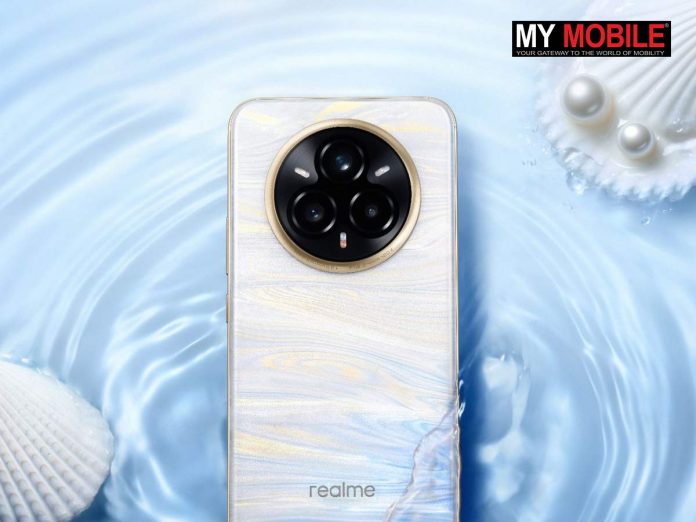
Realme has finally listed the V60s on its China website, bringing in a new entry-level 5G smartphone.

This comes after the recent TENAA leaks indicating very few differences between the V60s and the regular V60.

The price for the Realme V60s begins at CNY 1,499 ($206) for the base variant with 6GB of RAM and 128GB of storage, which in this case, is the Turquoise option.

Realme V60s Officially Listed in China
Realme V60s starts at CNY 1,499 ($206) for 6GB RAM and 128GB storage

A promo price for the Star Gold variant at CNY 1,399 ($193) has already been done.

The top model with 8GB RAM and 256GB storage will set one back CNY 1,799 ($248).

Realme V60s: Listed Specs

Realme V60s Officially Listed in China

The Realme V60s comes with an HD+ 6.67-inch display with a screen resolution of 720 x 1604 pixels.

The display offers a refresh rate of 120Hz and supports a maximum brightness of 625 nits.

Coming to performance, the device gets a MediaTek Dimensity 6300 chipset.

Design-wise, the V60s comes with a thin 7.94mm matte-finish body, color options of Star Gold and Turquoise, and is IP64 rated for dust and water resistance.

Given the slim profile, it packs a 5,000 mAh battery.

The back has a quad-circle camera design, but only two of these circles house actual cameras.

One’s a main 32MP unit, with another whose specs aren’t listed.

Realme V60
Realme V60

On the front is an 8MP front-facing camera in a punch-hole cutout.

Interestedly, the regular V60 model was briefly listed on the website with identical specifications but has since been removed.

This did lead to speculations surrounding differences between the two models.

Realme V60s seems to be an affordable offer for 5G in the Chinese market.

It should strike a balance between features and price for the budget-conscious consumer targeting 5G connectivity.

17189671903612fb93065771d4d4aa5bd51342f4b3fdc
1718967190333838cb811356c48b8b7d6977f809ee648
17189671903081a30009ae0224d96829b76a24f69491a
1718967190311368ff934db1c44a9860bf3beb98289ff
17189671903612fb93065771d4d4aa5bd51342f4b3fdc 1718967190333838cb811356c48b8b7d6977f809ee648 17189671903081a30009ae0224d96829b76a24f69491a 1718967190311368ff934db1c44a9860bf3beb98289ff

Source

FAQs

What is the starting price of the Realme V60s in China?

The Realme V60s starts at CNY 1,499 ($206) for the base variant with 6GB of RAM and 128GB of storage.

The promo price for the Star Gold variant is CNY 1,399 ($193).

What display specifications does the Realme V60s offer?

The Realme V60s features a 6.67-inch HD+ display with a screen resolution of 720 x 1604 pixels.

It also offers a refresh rate of 120Hz and supports a maximum brightness of 625 nits.

What chipset powers the Realme V60s and how is its performance?

The Realme V60s is powered by the MediaTek Dimensity 6300 chipset, providing efficient performance for an entry-level 5G smartphone.

What is the battery capacity and design features of the Realme V60s?

The Realme V60s packs a 5,000 mAh battery and has a thin 7.94mm matte-finish body. It is available in Star Gold and Turquoise colors and is IP64 rated for dust and water resistance.

What camera setup does the Realme V60s have?

The Realme V60s features a quad-circle camera design on the back, with a main 32MP camera.

The front has an 8MP camera housed in a punch-hole cutout.

Also Read: Realme UI 5.0 based on Android 14 Rollout Started With Realme GT Neo 3

Also Read: Realme Debuts AIRVOOC 50W Wireless Flash Charger in China: Pricing and Features

Apple Is Rolling out A New Translation API for iOS Apps

0

Highlights

  • Apple introduces Translation API for iOS apps in iOS 17.4.
  • Translation services powered by on-device machine learning models.
  • Supports offline translation, enhancing user privacy and convenience.
  • New features available with iOS 18 SDK for advanced translation capabilities.

Apple has provided a new Translation API for iOS apps and now allows devs to integrate Apple Translate functionality right in their apps.

This was announced during one of the WWDC 2024 sessions.

Apple Introduced a New App for Translation

Apple introduces Translation API for iOS apps in iOS 17.4

Beginning with iOS 17.4, the API provides translation services from Apple, instead of the app using third-party services.

It is run by the very on-device machine learning models that power Apple Translate, so it’s not dependent on the internet and doesn’t cost much in terms of storage.

Because of this API, an app can translate a single or numerous strings.

Developers could also display the translation results inside any user interface.

The Translation API supports devices running iOS 17.4 and later.

Some features are available only when used with the iOS 18 SDK.

It reduces storage usage by having shared models across different applications that have downloaded the same ones.

Provides system-level makeup for offline translation, enhancing user privacy and convenience.

New iOS 18 SDK

New features available with iOS 18 SDK for advanced translation capabilities

One of the new APIs also gives developers the opportunity to use the system UI to pop up translations quickly, useful in translating larger swaths of text to interface or the whole thing in an application.

A developer beta preview of iOS 18 is already available, and a public beta is planned for next month, with full availability this fall.

This development will make a difference in the localization of apps and getting a presence in other world markets. 

Now, developers don’t have to struggle so much in coming up with an app that will attract international usage without requiring tedious manual translation or seeking out external translation services.

FAQs

What is the new Translation API introduced by Apple?

Apple has introduced a new Translation API for iOS apps, allowing developers to integrate Apple Translate functionality directly into their applications.

This API is available starting with iOS 17.4.

How does the Apple Translation API work?

The Translation API uses on-device machine learning models to provide translation services, meaning it does not require an internet connection and minimizes storage usage by sharing models across different applications.

What are the benefits of using Apple’s Translation API?

The Translation API enhances user privacy and convenience by enabling offline translation. It also reduces storage usage and provides system-level support for displaying translation results within any user interface.

Which iOS versions support the new Translation API?

The Translation API supports devices running iOS 17.4 and later. Additional features are available when used with the iOS 18 SDK, which is currently in developer beta preview.

Also Read: Apple’s iPhone 16 to Revolutionize with AI Integration in iOS 18

Also Read: Apple’s iOS 18 Is Likely to Be Its Most Ambitious Update Yet: Mark Gurman

Also Read: Apple Reportedly Acquires DarwinAI to Boost iOS 18 AI Features and More

X to Restrict Live-Streaming to Premium Subscribers Only

0

Highlights

  • X to limit live-streaming to premium subscribers only.
  • Elon Musk hints at charging for basic features in the future.
  • Users criticize the move, comparing it to free live-streaming on other platforms.
  • X’s shift towards a subscription model follows earlier introduction of a $1 annual fee.

X, the platform formerly known as Twitter, has announced plans to restrict live-streaming capabilities to premium subscribers.

This change marks a significant shift, as X will become the only major social media platform to charge for this feature.

News Shared on X


The company shared the news on its own platform, stating, “Starting soon, only Premium subscribers will be able to livestream on X. This includes going live from an encoder with X integration.”

This move aligns with CEO Elon Musk’s previous statements about charging for basic features in the future.

However, X has not provided a specific timeline for implementing this change or explained the reasoning behind it.

Users who rely on X for video content have criticized the decision.

Many point out that other platforms with more advanced video capabilities offer live-streaming for free.

This is not X’s first step towards a paid model.

In April, the company introduced a $1 annual fee for new accounts in New Zealand and the Philippines to access posting privileges.

Elon Musk hints at charging for basic features in the future
Elon Musk has earlier announced that X will soon be charging for every basic feature

Musk described this as a test to combat bots and troll farms, which he claims can easily bypass current verification methods.

The shift suggests X may be moving away from its primarily ad-based model towards a mix of advertising and paid subscriptions.

If the $1 fee expands globally, it would translate to approximately Rs 100 in India.

X’s decision to charge for live-streaming and potentially other basic features represents a departure from the practices of other social media platforms.

The company has not addressed concerns about how this might affect user engagement or content creation on the platform.

X continues to implement changes and make new rules for it users.

It remains to be seen how users will respond to the evolving paid subscription model and its impact on the platform’s functionality and user base.

FAQs

What is the new live-streaming policy on X (formerly Twitter)?

X has announced that only premium subscribers will be able to live-stream on the platform, marking a significant change from its previous model where live-streaming was available to all users.

Why is X restricting live-streaming to premium subscribers?

While X has not provided a specific reason, this move aligns with CEO Elon Musk’s earlier statements about potentially charging for basic features in the future.

It appears to be part of a broader shift towards a subscription-based model.

How have users reacted to X’s decision to charge for live-streaming?

Many users have criticized the decision, noting that other social media platforms with more advanced video capabilities offer live-streaming for free.

Concerns have been raised about the impact on user engagement and content creation.

Has X implemented other paid features before this?

Yes, in April, X introduced a $1 annual fee for new accounts in New Zealand and the Philippines to access posting privileges.

This was described as a test to combat bots and troll farms.

Also Read: Elon Musk Plans to Test Neuralink Implants In Humans in 2023

Also Read: Elon Musk Confronts Major Advertisers’ Pause on X with Defiant Stance

Do We Need AI-powered Phones When We Already Have Many Cool Apps?

0

Highlights

  • Do we like the current phones with our apps or do we want them replaced by AI-driven phones?
  • Multiple mobile apps are already using AI for their core functionality.
  • AI-powered phones can have their pros and cons that can help in understanding whether they are needed or not.

The one thing the smartphone industry never fails to remind us of is how smartphones are on the brink of a major evolution.

We hear this every year while looking at identical smartphone designs across brands and software upgrades with minimalist feature introductions.

For the last few years, tech leaders touted 5G and foldable displays as the next big things.

However, 6 months into 2024, all eyes are on generative Artificial Intelligence (AI).

If industry leaders and popular tech experts are to be believed, AI in phones is going to be as groundbreaking for the smartphone sector as the internet was for humans.

Generative AI has taken the tech industry by storm.

It’s shaping new products from giants like Google, Microsoft, Meta, and more.

Having an AI-driven phone rocks

Since the end of last year, it’s become abundantly clear how this shift is influencing the future of smartphones.

But the question that we cannot stop ourselves from asking is – do we need AI-powered phones?

We already have plenty of cool apps that help us in performing major tasks.

The future of AI-powered smartphones could mean a homescreen-less device that acts on our commands while we sit and wait.

It could probably mean no human intervention in devices as AI is performing everything on our prompts.

How ready are we for this future?

So, let’s start by understanding the pros and cons of this future.

AI-Powered Phones – Pros and Cons

Pros Cons
Enhanced Personalization: AI can tailor the user experience to individual preferences and behaviours, offering a more intuitive and enjoyable experience. Privacy Concerns: AI requires data to function effectively, raising issues around data security and user privacy.
Improved Camera Functionality: AI can enhance photo and video quality by optimizing settings automatically and offering advanced editing features. Dependency on the Internet: Many AI features rely on Internet connectivity, which can be a limitation in areas with poor network coverage.
Advanced Voice Assistants: AI-powered voice assistants can handle more complex tasks and understand natural language better, improving user interaction. Job Displacement: Automation and AI could lead to job losses in sectors reliant on human interaction and traditional roles.
Enhanced Security: AI can offer advanced security features like facial recognition, fingerprint scanning, and behavioural analysis to protect user data. Ethical Concerns: The development and deployment of AI raise ethical issues, including bias in AI algorithms and decision-making transparency.
Advanced Augmented Reality (AR): AI can enhance AR experiences by providing real-time data analysis and interaction capabilities. Reliability Issues: AI systems can sometimes fail or produce incorrect results, leading to frustration and potential problems for users.
Time Savings: AI can automate routine tasks, freeing up time for humans to focus on more meaningful activities. Reduced Human Interaction: Over-reliance on AI can decrease face-to-face social interactions, impacting social skills and relationships
Financial Management: AI can help with budgeting, investment strategies, and financial planning, promoting better financial health. Security Risks: AI systems can be vulnerable to hacking and cyber attacks, potentially compromising personal information.
Educational Support: AI can provide personalized learning experiences, tutoring, and educational resources, enhancing the learning process. Mental Health Issues: Constant connectivity and reliance on AI can lead to anxiety, stress, and other mental health issues.

AI-Powered Apps on Our Current Phones

artificial-intelligence
Current gen phones and their app environment kind of rocks

Our phones are already smart.

They perform various tasks for us and invariably make our lives easier.

And for this, we have many cool apps to thank.

While the industry is touting AI as the next smartphone industry revolution, we can argue that we have been using AI in our phones longer than anyone likes to believe.

We already have text enhancement, image enhancement, camera settings, calculators, messaging and a whole bunch of other features that use some sort of AI to function.

Apart from the basics, we already have phones that can identify our behaviour and assist in tasks accordingly.

For many of us, that is already similar to having AI in phones.

Here are a few points that make our current apps cool and can work as arguments against AI-powered phones –

  • Safety/Privacy – There have been many discussions over the privacy policies of big tech companies. Nonetheless, widespread awareness has made users and product managers equally value user privacy as a prime concern. As a user, you can have a certain amount of trust in the Apps that you are using. You are also more aware of the privacy policy of every company as the information is widely available to those who want to know.
  • Keeping Brain Working – If this is something you don’t want, then this whole argument is probably not for you. But if you are even remotely concerned about your cognitive conditioning, here’s what we feel. Whenever you learn a new app or explore the updates in an old one, it’s like giving your brain a workout. Just like your body, your brain needs regular exercise to stay active. If you don’t challenge it, it can get sluggish.
  • Have Control – You have control of your current smartphone in your hands. You decide what you do on your phone, what you save, and what you delete. You can install or uninstall apps as you need, and you know how to use them. This also includes the customisation power. You can customize the way your phone and apps look.
Multiple mobile apps are already using AI for their core functionality

At the end of the day, the question of whether we need AI-powered phones or not is largely redundant because the change is on our doorstep.

It will be hard to resist this change as it is no longer a question of personal preference of what we like or not.

AI is here and AI is here to stay, including in our phones.

What we can hope for instead is while Artificial Intelligence powered devices take over our lives, there is some room left for human intelligence as well.

FAQs

Q1. What are AI-powered phones, and how do they differ from regular smartphones?

Answer: AI-powered phones integrate artificial intelligence to enhance various functions and features.

Unlike regular smartphones, these devices use AI to improve camera performance, manage battery life, personalize user experiences, and even assist with tasks through advanced voice assistants.

AI makes the phone smarter, more efficient, and more user-friendly.

Q2. How does AI improve the camera quality on smartphones?

Answer: AI enhances smartphone cameras by automatically adjusting settings like exposure, focus, and colour balance based on the scene.

It can also recognize objects and scenes, apply real-time enhancements, and offer advanced features like portrait mode, night mode, and AI-driven photo editing.

This results in clearer, more vibrant, and professional-looking photos.

Q3. Can AI on smartphones help with battery management?

Answer: Yes, AI helps manage battery life by learning your usage patterns and optimizing power consumption accordingly.

It can predict which apps you’re likely to use next and allocate resources efficiently, minimize background activity for less frequently used apps, and suggest energy-saving tips, ultimately extending your phone’s battery life.

Q4. Are there privacy concerns with AI-powered phones?

Answer: There can be privacy concerns with AI-powered phones because they often rely on collecting and analyzing user data to provide personalized experiences.

To mitigate these concerns, it’s important to use privacy settings, manage app permissions, and stay informed about how your data is being used.

Many manufacturers also emphasize security measures to protect user data.

Q5. How can AI-powered phones assist with daily tasks?

Answer: AI-powered phones can assist with daily tasks through advanced voice assistants like Siri, Google Assistant, and Alexa.

These assistants can set reminders, send texts, make calls, navigate, and answer queries.

Additionally, AI can provide personalized recommendations, automate routine tasks, and even help manage your schedule, making your daily life more efficient and organized.

Q6. How is AI used in apps?

Answer. AI algorithms can analyze user behaviour and preferences to provide personalized content, product recommendations, or even suggest actions within the app.

This enhances user engagement and encourages longer app usage as a result.

Also Read: Google To Reportedly Bring Gemini Nano AI Assistance Called Pixie to Upcoming Pixel 9 Series

Also Read: Google Bard Expands Globally with Gemini Pro and Launches New Image Generation Feature

Also Read: Google Rebrands Bard to Gemini; Introduced Access to Gemini Ultra 1.0 and Mobile App for Android, iOS

Nu Republic Cyberstud SPIN Review: TWS Earbuds with a Unique Fidget Spinner Case

0

Highlights

  • Combines TWS earbuds with a fidget spinner case for Rs 2,499.

  • Features 13mm Dynamic drivers with XBASS technology for balanced sound.

  • Up to 70 hours of battery life with USB-C charging.

  • IPX5 water resistance and Environmental Noise Cancellation for calls.

Remember when fidget spinners were all the rage?

Well, Nu Republic certainly hasn’t forgotten.

They’ve taken that addictive little toy and merged it with a pair of TWS earbuds to create the Cyberstud SPIN.

It’s a bold move in a market where most brands are busy one-upping each other with minor tweaks to sound quality or battery life. 

Priced at Rs 2,499, these earbuds promise not just to deliver your tunes, but to keep your fingers busy while they’re at it.

With a claimed 70-hour battery life and a case that doubles as a fidget spinner, the Cyberstud SPIN is certainly turning heads.

But is it just a gimmick, or have Nu Republic stumbled upon the next big thing in audio tech?

Let’s give it a spin and find out.

Nu Republic Cyberstud SPIN Unboxing

Nu Republic Cyberstud SPIN Unboxing

Opening the retail box of the Nu Republic Cyberstud SPIN is an experience in itself.

Inside, you’ll find the star of the show – the TWS earbuds nestled within their fidget spinner case. 

Accompanying them are some extra ear tips to ensure a comfortable fit for various ear sizes, and a USB-C charging cable for powering up the device.

Nu Republic Cyberstud SPIN: Unboxing Video

Nu Republic Cyberstud SPIN Key Specs

Nu Republic Cyberstud SPIN Key Specs  
  • 6.67-inch LCD screen, 120Hz refresh rate

  • MediaTek Dimensity 6300 processor

  • 8GB RAM, 128GB/256GB storage

  • 50MP main camera, 8MP front camera

  • 5100mAh battery, 45W fast charging

  • Android 14 with ColorOS 14

  • 5G support

  • IP54 dust and splash resistance

Nu Republic Cyberstud SPIN  Pros and Cons

Pros

Cons

Innovative design

No ANC feature

Long battery life

Average bass response

Comfortable fit

No companion app

Affordable price

Nu Republic Cyberstud SPIN Build and Design

Nu Republic Cyberstud SPIN Build and Design

Probably the most striking part of the Cyberstud SPIN is the case.

Unlike the pill-shaped or square-shaped case that we are always familiar with, it takes a very familiar form in a 360° fidget spinner shape.

A plastic build with metal gliders means it should withstand some abuse and have a good hefty feel to it when held/spun.

The red color will make it stand out more with a bold tinge.

The case itself opens—the metal gliders scoop open to a satisfying sound—exposing the earbuds inside, quite tucked in.

It really is an experience sure to get some heads turning and conversations going; that line between tech accessory and playful gadget seems to blur right here.

The buds themselves are semi-transparent and really quite modern and sleek.

They are designed to fit securely and be comfortable, thus suitable for wearing for long periods of time.

Increasingly, the IPX5 rating makes the device impervious to radish or sweat, so no worries about drizzly weather during workouts or running.

One quirky aspect of the design is that the earbuds can occasionally pop out while spinning the case.

While this adds an element of unpredictability that some might find amusing, others might see it as a potential inconvenience.

Nu Republic Cyberstud SPIN Features

Nu Republic Cyberstud SPIN Features

Setting up the Cyberstud SPIN itself is very easy.

Just take the buds from the case, go into your phone’s settings in Bluetooth, and then pair them.

The whole process takes less than a minute to have you go from unboxing to listening.

The touch controls on the Cyberstud SPIN are very intuitive.

In fact, setting them up may differ from many other TWS earbuds.

Here is a breakdown of the touch gestures:

  • Left earbud single tap: volume down; Right: volume up

  • A double tap on either bud: Play or Pause music

  • Triple tap on the left ear bud: Previous song; On the right: Next song

  • Quadruple tap on the left ear bud: Music mode; On the right: Game mode

  • Long press on either bud: Voice Assistant

  • During calls, a single tap answers or hangs up, and a long press rejects the call

Though it does take a little time to learn all these gestures to be done, the functions their array covers are in a way that allows users to get a grip on the audio experience without having to move to reach for the phone.

In particular, it has a dedicated gaming mode.

The mode reduces latency to 40 ms, purporting to minimize delay between what you see on screen and hear.

While there might still be a slight lag notice during really intense gaming sessions, it’s nonetheless a welcomed feature for casual mobile gamers.

Worth noting, by the way, there is no companion app for the Cyberstud SPIN.

This might imply that you will miss out on things such as custom EQ settings or firmware updates, but it keeps things straightforward.

Nu Republic Cyberstud SPIN Sound Quality

Nu Republic Cyberstud SPIN Sound Quality

On the audio front, Cyberstud SPIN features 13mm Dynamic drivers with XBASS technology.

This setup allows for a rather balanced and detailed sound output.

The vocals are clear and crispy, especially at maximum volume, so these earbuds will work just fine with music but also with movies.

While the XBASS technology gives a good punch on the bass—it really doesn’t go very low, which thumps upon demanding those who crave this.

Provided for depth in your sound, it never gets overwhelming to the mids or the highs.

This balanced approach really works very well across genres like pop, rock, classical, and jazz.

Sound may lack a little in some places for audiophiles and bassheads.

While good for its price, it is not quite comparable to more premium TWS earbuds.

The soundstage is decent but not expansively wide, and the separation of instruments in complex tracks could be clearer.

For calls, the Cyberstud SPIN employs Environmental Noise Cancellation (ENC) technology.

This helps to capture your voice clearly while reducing background noise, resulting in good call quality.

It’s not quite on par with high-end noise-cancelling earbuds, but it’s more than adequate for everyday calls and video chats.

It’s important to note that these earbuds don’t feature Active Noise Cancellation (ANC).

While the fit of the earbuds provides some passive noise isolation, you’ll still be able to hear a fair bit of your surroundings, especially in noisy environments.

Nu Republic Cyberstud SPIN Battery Life

Nu Republic Cyberstud SPIN Battery Life

One of the most impressive features of the Cyberstud SPIN is its battery life.

Nu Republic claims up to 70 hours of total playback time, including the charge stored in the case.

This is a standout feature in the TWS market, where many earbuds offer total playtimes of 20-30 hours.

In practice, this means you can use these earbuds for days on end without needing to reach for a charger.

It’s particularly useful for those who frequently forget to charge their devices or for long trips where charging opportunities might be limited.

The earbuds themselves offer a respectable playtime on a single charge, and the case provides multiple full charges before it needs to be plugged in.

When it does come time to charge, the USB-C port ensures relatively quick charging times.

Nu Republic Cyberstud SPIN Final Verdict

Nu Republic Cyberstud SPIN Final Verdict

The Nu Republic Cyberstud SPIN is an acquired taste in the TWS space, guaranteed to polarize opinions.

At one end, it refreshingly brings new design with its fidget spinner case, intuitive controls, and great battery life.

If sound quality isn’t top-tier, it is still adequate for most everyday scenarios.

Conversely, the fact that it’s not ANC, occasional earbud pop-outs while spinning, and bass response could be what might not please all ears.

For its price of Rs 2,499, this much can be said about the Cyberstud SPIN:it holds good value for somebody looking at long battery life and is hooked on to the fidget spinner design.

It’s a fun, unique product that delivers decent audio performance and could really be a great conversation starter.

However, if you’re an audiophile who insists on the most superior sound experience possible, or if you just want those features like ANC for the daily grind to and from the office and/or for office work, then you might want to look elsewhere—perhaps at a different price range, too.

Nu Republic Cyberstud SPIN 5 Reasons to Buy

Nu Republic Cyberstud SPIN 5 Reasons to Buy
  • Unique fidget spinner case design adds fun and functionality.

  • Impressive 70-hour total battery life for extended use.

  • Comfortable fit with IPX5 rating for sweat resistance.

  • Clear call quality with Environmental Noise Cancellation (ENC).

  • Affordable price point for feature-rich TWS earbuds.

Nu Republic Cyberstud SPIN 3 Reasons Not to Buy

Nu Republic Cyberstud SPIN 3 Reasons Not to Buy:
  • Lack of Active Noise Cancellation may be a dealbreaker for some users.

  • Bass response might not satisfy audiophiles or bass enthusiasts.

  • Occasional earbud ejection when spinning the case could be annoying.

FAQs

What is unique about the Nu Republic Cyberstud SPIN?

The Cyberstud SPIN combines TWS earbuds with a fidget spinner case, offering a playful design that doubles as a stress-relief toy.

How is the battery life of the Cyberstud SPIN?

The Cyberstud SPIN boasts up to 70 hours of total playback time, including multiple charges from the case, making it ideal for extended use without frequent recharging.

Does the Cyberstud SPIN have Active Noise Cancellation (ANC)?

No, the Cyberstud SPIN does not feature Active Noise Cancellation. However, it does have Environmental Noise Cancellation (ENC) for clearer call quality.

What sound quality can I expect from the Cyberstud SPIN?

The Cyberstud SPIN features 13mm Dynamic drivers with XBASS technology, delivering a balanced sound with clear vocals and decent bass suitable for various music genres.

How durable is the Cyberstud SPIN and its case?

The Cyberstud SPIN has an IPX5 rating for water resistance and is built with a durable plastic and metal construction, ensuring it can withstand everyday use and minor drops.

Also Read: Nu Republic Launches Cyberstud Spin Fidget Spinner Earbuds In India

OPPO A3 Pro 5G Launched in India with Dimensity 6300, 5,100mAh Battery: Pricing, Specs, Features

0

Highlights

  • OPPO A3 Pro 5G priced at Rs. 17,999 for 128GB and Rs. 19,999 for 256GB.
  • 6.67-inch LCD screen with 120Hz refresh rate and 1,000 nits peak brightness.
  • MediaTek Dimensity 6300 processor with 8GB RAM and up to 256GB storage.
  • 50MP main camera, 5100mAh battery with 45W fast charging, and Android 14.

OPPO has launched the A3 Pro 5G in India.

This new smartphone brings 5G connectivity to the mid-range market segment.

There are lot of things that basically are pretty good with the device and it does seem that the A3 Pro could be a compelling option.

Here are some of the details you might be interested in.

Pricing and Availability

OPPO A3 Pro 5G Launched in India with Dimensity 6300
OPPO A3 Pro 5G priced at Rs. 17,999 for 128GB and Rs. 19,999 for 256GB

The A3 Pro 5G is priced at Rs. 17,999 for the 128GB version and Rs. 19,999 for the 256GB version.

It’s available in Moonlight Purple and Starry Black colors through Amazon, Flipkart, OPPO Store, and retail outlets.

Launch offers

OPPO A3 Pro Set for April 12 Launch
OPPO A3 Pro 5G: Launch Offers
  • Get up to 10% instant cashback on credit and debit cards from HDFC Bank, SBI Cards, IDFC First Bank, Yes Bank, and ICICI Bank.
  • Enjoy no-cost EMI for up to 6 months and consumer loans without any down payment with leading partners.
  • Benefit from the Zero Down Payment scheme option available from leading financiers.
Smartphone Configuration Price
OPPO A3 Pro
8GB + 128GB Rs 17,999
8GB + 256GB Rs 19,999

Key Specs

OPPO A3 Pro 5G Launched in India with Dimensity 6300
  • 6.67-inch LCD screen, 120Hz refresh rate
  • MediaTek Dimensity 6300 processor
  • 8GB RAM, 128GB/256GB storage
  • 50MP main camera, 8MP front camera
  • 5100mAh battery, 45W fast charging
  • Android 14 with ColorOS 14
  • 5G support
  • IP54 dust and splash resistance

Features

MediaTek Dimensity 6300 processor with 8GB RAM and up to 256GB storage.
MediaTek Dimensity 6300 processor with 8GB RAM and up to 256GB storage

The A3 Pro 5G is capable of achieving a brightness of up to 1,000 nits and comes with a 180Hz touch sampling rate.

The screen herein is protected and strengthened with Blue Glass double-tempered glass.

OPPO has significantly worked on the phone’s resilience by using an internal structure reinforced with drop-resistant materials.

This phone obtains SGS Drop-Resistance Certification and SGS Military Standard Certification, thereby assuring that it can take on everyday knocks and bumps.

It’s the first time that this feature of AI eraser will eliminate unwanted elements in photos from an OPPO A series device.

It also provides memory expansion to 2TB through a microSD card.

According to OPPO, the battery retains more than 80% of its original capacity after 1,600 charge cycles, equivalent to more than 4 years of daily use.

The Moonlight Purple variant has the Magnetic Particle Design by OPPO to create a flowing texture on the back cover, and the Starry Black model has a matte finish processed with OPPO Glow technology.

OPPO A3 Pro 5G Specifications

OPPO A3 Pro sports a damage-proof all-round armour body for drop and impact resistance
  • 6.67-inch display, 120Hz refresh rate, 180Hz touch sampling rate, up to 1000 nits peak brightness, Blue Glass double tempered glass for protection
  • Octa Core MediaTek Dimensity 6300 6nm processor (2x Cortex-A76 @ 2.4GHz 6x Cortex-A55 @ 2GHz) with Arm Mali-G57 MC2 GPU
  • 8GB LPDDR4x RAM, 128GB / 256GB (UFS 2.2) storage, expandable memory up to 2TB with microSD
  • Dual SIM
  • Android 14 with ColorOS 14
  • 50MP rear camer, LED flash, 2MP secondary camera
  • 8MP front camera
  • Side-mounted fingerprint sensor
  • 3.5mm audio jack
  • Dimensions:165.79×76.14×7.68mm; Weight: 186g
  • Dust and water resistance (IP54)
  • 5G SA / NSA, Dual 4G VoLTE, Wi-Fi 802.11 ac (2.4GHz + 5GHz), Bluetooth 5.3, GPS, GLONASS, Galileo, QZSS, USB Type-C
  • 5100mAh (typical) battery with 45W SuperVOOC fast charging

FAQs

What are the pricing and storage options for the OPPO A3 Pro 5G?

The OPPO A3 Pro 5G is available in two variants: Rs. 17,999 for the 128GB version and Rs. 19,999 for the 256GB version. Both variants come with 8GB of RAM.

What display features does the OPPO A3 Pro 5G offer?

The device features a 6.67-inch LCD screen with a 120Hz refresh rate, a peak brightness of 1,000 nits, and a 180Hz touch sampling rate.

The screen is protected by Blue Glass double tempered glass.

What makes the OPPO A3 Pro 5G durable?

The OPPO A3 Pro 5G has received SGS Drop-Resistance Certification and SGS Military Standard Certification.

It includes a reinforced internal structure and drop-resistant materials to withstand everyday impacts.

Does the OPPO A3 Pro 5G support expandable storage?

Yes, the OPPO A3 Pro 5G supports expandable storage up to 2TB via a microSD card, allowing users to store more data and applications.

Oppo A3 Pro 5G Specs

GENERAL

Sim Type Dual Sim, GSM+GSM
Dual Sim Yes
Sim Size Nano SIM
Device Type Smartphone
Release Date September 15, 2024 (Expected)

DESIGN

Dimensions 162.7 x 74.3 x 8 mm (6.41 x 2.93 x 0.31 in)
Bezel less No

DISPLAY

Type Color AMOLED Screen (1B Colors)
Touch Yes, 360 Hz Touch Sampling Rate
Size 6.7 inches, 1080 x 2412 pixels, 120 Hz
PPI ~ 394 PPI
Screen to Body Ratio ~ 89.4%
Features support 2160Hz PWM high frequency dimming;
Notch Yes, Punch Hole

MEMORY

RAM 8 GB
Expandable RAM Upto 8 GB Extra Virtual RAM
Storage 256 GB
Storage Type UFS 3.1
Card Slot Yes, upto 1 TB

CONNECTIVITY

GPRS Yes
EDGE Yes
3G Yes
4G Yes
5G Yes
5G Bands 1, 5, 8, 28, 41, 77, 78 SA/NSA
VoLTE Yes, Dual Stand-By
Wifi Yes, with wifi-hotspot
Wifi Version Wi-Fi 7
Bluetooth Yes, v5.4
USB Yes, USB-C v2.0
USB Features USB on-the-go, USB Charging
IR Blaster Yes

EXTRA

GPS Yes with A-GPS
Fingerprint Sensor Yes, In Display
Face Unlock Yes
Sensors Accelerometer, Gyro, Proximity, Compass
3.5mm Headphone Jack No
Splash Resistant No
IP Rating IP54
Dust Resistant Yes

CAMERA

Rear Camera 108 MP 25mm, 1/2″, 0.7µm, PDAF f/1.7 (Wide Angle)
2 MP f/2.4 (Depth Sensor) with autofocus
Features Photos, videos, night scenes, Professional, panoramic, portrait, time-lapse photography, slow motion, super text, ultra-clear image quality, cute photo, AI ID photo, multi-view video photo format: JPG
Video Recording 4K @ 30 fps UHD, 1080p @ 30 fps FHD
Flash Yes, LED
Front Camera Punch Hole 16 MP f/2 (Wide Angle)
Front Video Recording 1080p @ 30 fps FHD

TECHNICAL

OS Android v14
Custom UI ColorOS 13.1
Chipset Mediatek Dimensity 7200
CPU 2.8 GHz, Octa Core Processor
Core Details 2.8GHz×2+2.0GHz×6
GPU Mali G610
Java No
Browser Yes

MULTIMEDIA

Email Yes
Music Yes
Video Yes
FM Radio No
Document Reader Yes

BATTERY

Type Non-Removable Battery
Size 5000 mAh, Li-Po Battery
Fast Charging Yes, 80W SUPERVOOC Charging

Also Read: OPPO A3 Pro Will Set a New Durability Standard with IP69 Rating

Also Read: OPPO A3 Pro Set for April 12 Launch: Geekbench Listing Provides a Sneak Peak at Key Specs

Honor Play 60 Plus Specs Leaked Ahead of Launch: Snapdragon 4 Gen 2, 6,000mAH Battery

0
The Honor Play 60 Plus runs Android 14 with MagicUI running atop.

Highlights

  • Honor Play 60 Plus features a 6.77-inch LCD screen with 720 x 1610 resolution.
  • Powered by Snapdragon 4 Gen 2 chipset with a 6,000 mAh battery and 35W fast charging.
  • Dual-camera setup with a 50MP main sensor and a 5MP front-facing camera.
  • Available in 12GB RAM and up to 512GB storage, with three color options.

Honor, a sub-brand of Huawei, is set to release a new entry-level 5G smartphone called the Honor Play 60 Plus.
The device has been spotted on the China telecom library with the model number HONOR ALT-AN00.

The Play 60 Plus features a 6.77-inch LCD screen with a resolution of 720 x 1610 pixels.

There are rumours suggesting the display might have a 120Hz refresh rate.

Under the bonnet, the phone is powered by a Snapdragon 4 Gen 2 chipset.

Honor Play 60 Plus is expected to be priced around 1500 CNY

This processor includes two Cortex-A78 cores clocked at 2.2GHz for performance and four Cortex-A55 cores at 1.95GHz for energy efficiency.

The device packs a hefty 6,000 mAh battery with support for 35W fast charging.

This charging capability was previously confirmed by a 3C certification listing.

For photography, the Play 60 Plus sports a dual-camera setup on the back, consisting of a 50MP main sensor and a 2MP secondary lens.

The front-facing camera for selfies is a 5MP unit.

The Honor Play 60 Plus runs Android 14 with MagicUI running atop.

The phone will be available in two storage configurations: 12GB RAM with 256GB storage, and 12GB RAM with 512GB storage.

Buyers will have three colour options to choose from: Phantom Black, Wonderland Green, and Moonlight White.

Running on Android 14, the device will come with Honor’s custom MagicOS 8.0 interface.

The phone will be sold in the Phantom Black, Wonderland Green, and Moonlight White color options

The Play 60 Plus measures 166.9 x 76.8 x 8.09mm and weighs about 197 grams.

According to the listing, the base variant of the Honor Play 60 Plus is expected to be priced around 1500 CNY, which translates to roughly 205 USD or 17,000 INR.

While an official launch date hasn’t been announced, the appearance of the device in various certification databases suggests it could be released soon.

It’s worth noting that this phone was initially thought to be the Honor X60 when it appeared in the 3C certification.

However, the recent listings have confirmed its actual name as the Play 60 Plus.

WhatsApp Image 2024-06-22 at 4.50.40 PM (1)
WhatsApp Image 2024-06-22 at 4.50.40 PM
WhatsApp Image 2024-06-22 at 4.50.41 PM
WhatsApp Image 2024-06-22 at 4.50.42 PM
WhatsApp Image 2024-06-22 at 4.50.40 PM (1) WhatsApp Image 2024-06-22 at 4.50.40 PM WhatsApp Image 2024-06-22 at 4.50.41 PM WhatsApp Image 2024-06-22 at 4.50.42 PM

FAQs

What display specifications does the Honor Play 60 Plus offer?

The Honor Play 60 Plus comes with a 6.77-inch LCD screen that has a resolution of 720 x 1610 pixels.

There are rumors that it might also support a 120Hz refresh rate.

What processor is used in the Honor Play 60 Plus?

The device is powered by the Snapdragon 4 Gen 2 chipset, which includes two Cortex-A78 cores clocked at 2.2GHz for performance and four Cortex-A55 cores at 1.95GHz for energy efficiency.

How is the battery performance of the Honor Play 60 Plus?

The Honor Play 60 Plus is equipped with a 6,000 mAh battery that supports 35W fast charging, ensuring long-lasting use and quick recharging times.

What camera setup does the Honor Play 60 Plus feature?

It has a dual-camera setup on the back, consisting of a 50MP main sensor and a 2MP secondary lens, along with a 5MP front-facing camera for selfies.

What are the storage options and colors available for the Honor Play 60 Plus?

The phone is available in two storage configurations: 12GB RAM with 256GB storage and 12GB RAM with 512GB storage.

It comes in three colors: Phantom Black, Wonderland Green, and Moonlight White.

Also Read: Honor 90 5G Gears Up for Imminent India Launch: What We Know So Far

Also Read: Honor May Re-enter the Indian Market With The Honor 90: Expected Pricing, Features and More
How to Minimize the Annoying Shortcuts Bar on iPads When Using an External Keyboard

0

Highlights

  • The Shortcuts bar on iPads can interfere with multitasking.
  • It changes size based on the app, taking up valuable screen space.
  • The bar often covers important UI elements in Slide Over or Split View.
  • You can hide the bar to improve your multitasking experience.

Right, let’s talk about this annoying little feature on iPads when you’re using an external keyboard.

Apple’s gone and put this thing called the Shortcuts bar at the bottom of your screen.

Sounds helpful, doesn’t it? Well, not really.

The problem is, this Shortcuts bar keeps getting in the way.

It’s especially a pain when you’re trying to multitask with multiple apps open.

Let me break it down for you.

So, this bar changes size depending on what app you’re using.

Minimize the Annoying Shortcuts Bar on iPads

It’s always got this big space in the middle for typing suggestions.

Now, if you’re like me and you’re using a proper keyboard with your iPad, these suggestions are about as useful as a chocolate teapot.

Then you’ve got all these other buttons for keyboard settings, text formatting, and whatnot.

It all depends on what app you’re in.

The thing is, even when it’s not doing much, it’s still taking up space.

And when it’s got lots of features, it’s basically hiding half your screen.

Here’s a real-world example for you.

The Shortcuts bar on iPads can interfere with multitasking

Say you’re writing something in Ulysses and you want to check Slack or your Files.

You pull them up in Slide Over or Split View. Great, right?

Except now the Shortcuts bar is covering up the tab bar at the bottom of these apps.

Can’t see your DMs in Slack or your recent files.

Bit of a nightmare, really.

But don’t worry, there’s a fix. You can hide this pesky bar. Here’s how:

The Shortcuts bar on iPads can interfere with multitasking
The bar often covers important UI elements in Slide Over or Split View
  1. Tap the keyboard icon in the bar and select ‘Minimize’.
  2. Or, if you’re feeling fancy, just grab the bar and drag it into a corner.

Either way, it’ll shrink down into a little floating island that just sits in the corner, minding its own business.

You can always bring it back if you need it, but honestly, once it’s out of the way, you’ll wonder how you ever put up with it in the first place.

So there you have it.

A simple fix for a frustrating feature. Your multitasking experience on the iPad just got a whole lot smoother.

FAQs

What is the Shortcuts bar on an iPad?

The Shortcuts bar is a feature on iPads that appears at the bottom of the screen when using an external keyboard.

It provides typing suggestions and quick access to various keyboard settings and text formatting options.

Why is the Shortcuts bar problematic when multitasking on an iPad?

The Shortcuts bar can be problematic because it takes up screen space and often covers important UI elements, making it difficult to see or interact with other apps in Slide Over or Split View modes.

How does the size of the Shortcuts bar change?

The size of the Shortcuts bar changes depending on the app you are using.

It always includes a space for typing suggestions and additional buttons for various functions, which can vary by app.

Can the Shortcuts bar be minimized on an iPad?

Yes, the Shortcuts bar can be minimized. You can tap the keyboard icon in the bar and select ‘Minimize,’ or you can drag the bar into a corner to shrink it into a floating island.

Will hiding the Shortcuts bar improve my iPad multitasking experience?

Hiding the Shortcuts bar can significantly improve your multitasking experience by freeing up screen space and preventing it from covering important parts of other apps, making your workflow smoother.

Also Read: Apple Launches New iPad Pro and iPad Air Models With OLED Display, M4 Chipset, Apple Pencil Pro, and, More: Price in India, Features, Specs

Also Read: iPad Pro (2024): Design, Processor, Cameras, Display, and, What To Expect

Also Read: iPad Pro Series Surpasses iPhone in Latest Antutu Benchmark Scores

Google’s Project Astra: AI Assistant Leaps from Phones to Real-World Applications

0
Google's Project Astra: AI Assistant Leaps from Phones to Real-World Applications

Highlights

  • Project Astra aims to create AI that understands physical environments
  • Google shifts focus from phone-based assistants to real-world interactions
  • Gemini-powered ‘Ask Photos’ turns personal libraries into AI knowledge bases
  • Practical applications include AI-assisted travel planning and task management

Google’s strategy on artificial intelligence is now shifting from the conventional phone assistant to more ambitious applications in the real world.

The giant envisions AI that can interface with and understand the physical environment around us.

It all began with Google Assistant, hitting its peak on the Pixel 4 back in 2019.

What was conceived is a voice-controlled system that could run the phone and do complex tasks with close to zero latency.

Evidence showed this new system came with its problems.

A user is required to use special phrases, and on top of this, the possible range of actions remained limited to some apps.

While other companies, like Apple, are reportedly exploring large language models as a way to inject some excitement into voice assistants, Google appears to want more than it can get out of a smartphone.

The company’s latest developments, coming out of I/O 2024, have demonstrated a focus on AI that can really help people in the real world.

What is Project Astra

Google's Project Astra: AI Assistant Leaps from Phones to Real-World Applications
Google’s Project Astra: AI Assistant Leaps from Phones to Real-World Applications

Project Astra is at the front of this new direction.

The goal of project Astra is to develop a responding AI, which includes information and help, when consumers point their phones—and one day, smart glasses— toward things in their real world.

The tech will also, eventually, be brought into the Gemini Live experience and add natural two-way conversations with AI to it.

This will be first launched as the voice component, with shortly following camera capabilities.

It’s also moving further ahead—with ways in which all this information is going to be harnessed from photos and videos users take.

Entering into the Gemini-powered ‘Ask Photos’ feature, personal photo libraries intend to turn into essentially a knowledge base of their own for AI when doing personalized assistance.

Practicality

Google shifts focus from phone-based assistants to real-world interactions

Practical applications of the technology are already in development.

For instance, future Gemini Extensions for Google Calendar, Keep, and Tasks will let users capture calendar entries or a shopping list simply by taking a picture; say, of a school syllabus or a recipe.

Inside Gemini Advanced will be the immersive travel planner and other real-world applications, such as using AI to help return products or plot a move to a new city.

This shift towards real-world AI applications addresses a fundamental challenge that Google has faced since its inception: some questions and their contexts are difficult to express in text form.

By allowing users to provide visual input, Google aims to bridge the gap between digital queries and real-world scenarios.

FAQs

What is Project Astra?

Project Astra is Google’s initiative to develop an AI assistant that can provide information and help when users point their devices at objects in the real world.

It aims to create a more intuitive and context-aware AI that can understand and interact with the physical environment.

How does Google’s new AI approach differ from traditional phone assistants?

Unlike traditional phone assistants that primarily operate within the device, Google’s new AI focus is on creating applications that can understand and interact with the real world.

This includes visual recognition capabilities and the ability to process complex, context-dependent queries.

What are some practical applications of Google’s real-world AI?

Practical applications include creating calendar entries or shopping lists from photos of documents, AI-assisted travel planning, and helping with tasks like product returns or planning a move to a new city.

These applications aim to bridge the gap between digital queries and real-world scenarios.

How does the Gemini-powered ‘Ask Photos’ feature work?

The ‘Ask Photos’ feature uses AI to analyze and understand the content of users’ personal photo libraries.

This allows the AI to use this visual information as a knowledge base for providing personalized assistance and answering queries related to the user’s experiences and surroundings.

When will these new AI features be available to users?

While specific release dates haven’t been announced for all features, Google has indicated that the Gemini Live experience will be launching in stages.

The voice component is expected to launch first, followed by camera capabilities.

Some features, like Gemini Extensions for Google apps, are in development and likely to be released in the near future.

Also Read: Google To Reportedly Bring Gemini Nano AI Assistance Called Pixie to Upcoming Pixel 9 Series

Also Read: Google Bard Expands Globally with Gemini Pro and Launches New Image Generation Feature

Also Read: Google Rebrands Bard to Gemini; Introduced Access to Gemini Ultra 1.0 and Mobile App for Android, iOS