Google CEO Sundar Pichai shared insights on Project Astra and the Pixel 9.
Hints at a release by 2025.
Pichai noted strong demand for the Pixel 9 series.
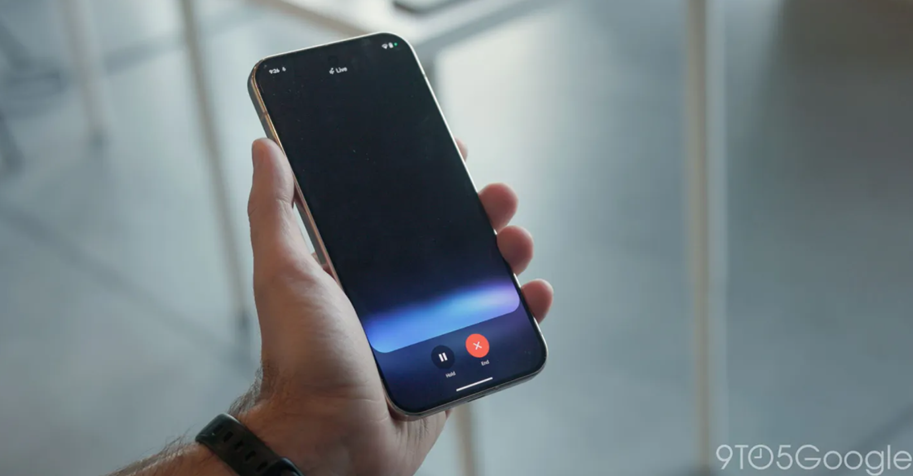
Pichai said Google is “building out experiences where AI can see and reason about the world around you.” (Image credit – 9to5Google)
At the I/O 2024 event earlier this year in May, Google introduced Project Astra hinting that it would come to Gemini Live later this year. Now at the recent Alphabet Q3 2024 earnings call, CEO Sundar Pichai briefly shared some insights on both Project Astra and the Pixel 9.
Pichai explained that Google is “building out experiences where AI can see and reason about the world around you.”
He added, “We’re working to ship experiences like this as early as 2025.”
It’s uncertain if Gemini Live’s camera mode might be delayed until 2025 or if a limited version will launch this year with a broader release next year. Pichai’s mention of “experiences” hints that Astra might apply to more than one product, especially since it was demonstrated on both a phone and glasses.
Sundar Pichai says more than 25% of Google’s new code is generated by AI
Currently, Gemini Live is available for all users (both paid and free) but is limited to general information chats and does not yet integrate Gemini Extensions, Gmail or Google Calendar.
On the AI front, Pichai mentioned that Google teams are “actively working on performance improvements and new capabilities for our range of models.”
He confirmed there have been “two generations of Gemini models” — likely Gemini 1.0 and 1.5 — and that Google is working on a “third generation, which is progressing well.” Rumour suggests that Gemini 2.0 will be unveiled in December.
Regarding Gemini’s integration across Google’s products, Pichai said, “…teams internally are now set up much better to consume the underlying model innovation and translate that into innovation within their products.”
Products such as Gmail, Android, Maps, Chrome, Play Store and YouTube have already rolled out initial versions with Gemini integration, with a robust roadmap ahead for 2025.
During the call, Pichai also noted that the Pixel 9 series has seen “strong demand.”
“At Made by Google, we unveiled our latest Pixel 9 series of devices, featuring advanced AI models, including Gemini Nano. We’ve seen strong demand for these devices, and they have already received multiple awards.”
The Q3 earnings call, covering July through September, included a few weeks of sales data for the Pixel 9 lineup, reflecting its early success.
FAQs
Q1. What did Sundar Pichai recently say about Google’s next-gen AI efforts?
Answer. Pichai explained that Google is “building out experiences where AI can see and reason about the world around you.” He added, “We’re working to ship experiences like this as early as 2025.”
Q2. What did Pichai mention about the Pixel 9 series in the earnings call?
Answer. Pichai noted that the Pixel 9 series has seen “strong demand.” He said, “At Made by Google, we unveiled our latest Pixel 9 series of devices, featuring advanced AI models, including Gemini Nano. We’ve seen strong demand for these devices, and they have already received multiple awards.”
Q3. What integrations is Gemini Live currently missing?
Answer. Currently, Gemini Live is available for all users (both paid and free) but is limited to general information chats and does not yet integrate Gemini Extensions, Gmail or Google Calendar.
The Google Pixel 9a is expected to launch in March 2025.
Recent reports suggest the phone will be priced at $499 in the US.
The phone is rumoured to feature a 6.3-inch 120Hz panel, a 5000 mAh battery with 18W wired and 7.5W wireless charging and a lightweight design at 186g.
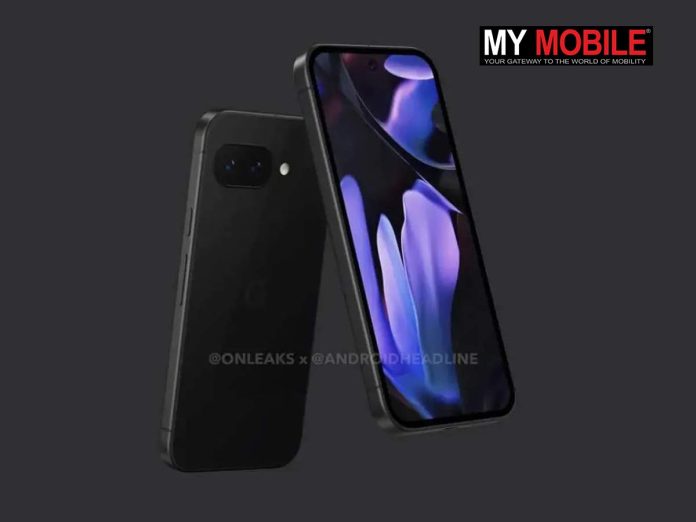
Google Pixel 9a leaked renders. (Image credit – @OnLeaks on X via Android Headlines)
Google Pixel 9a is gearing up for a launch somewhere in March 2025 as per the latest reports. While the release timeline is still a few months away, it never stops rumours and leaks to shed light on its key features.
We recently reported about the leaks suggesting the expected camera specs of the upcoming smartphone.
At the beginning of October, we had a trusted source posting some renders revealing the design of the phone. Now, the latest reports from the same trusted source are giving us a hint of what to expect when it comes to pricing.
It appears the Pixel 9a will keep the same price as its predecessor.
According to a recent report published on Android Headlines, the Pixel 9a will be priced at $499 in the US, just like the Pixel 8a. The phone is expected to come with a larger battery, significant design changes and some camera upgrades.
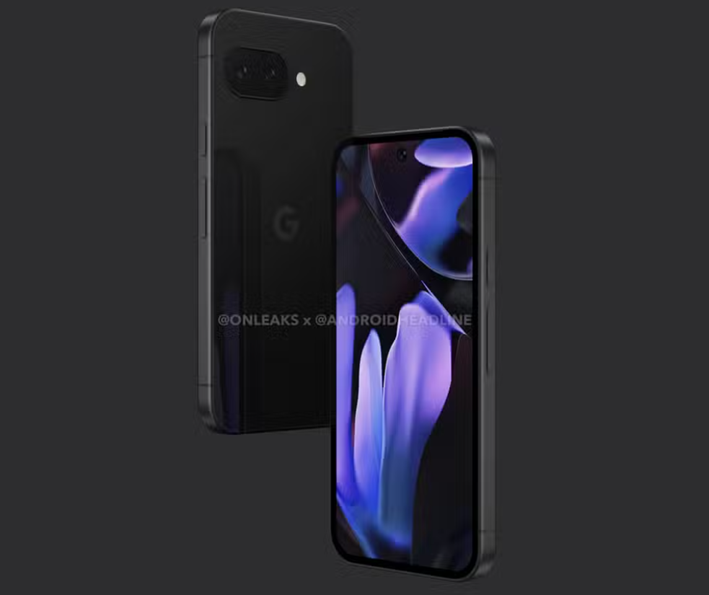
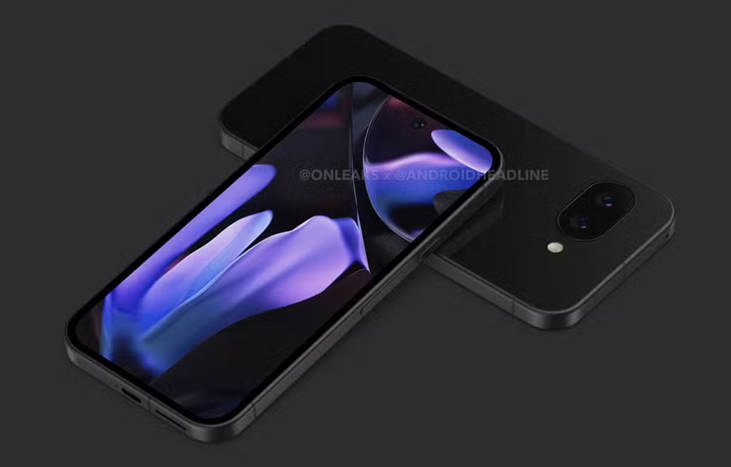
Google Pixel 9a leaked renders. (Image credit – @OnLeaks on X via Android Headlines)Google Pixel 9a leaked renders. (Image credit – @OnLeaks on X via Android Headlines)
The same report also suggests that the Pixel 9a will weigh 186g, which is slightly lighter than the previous generation Pixel 8a.
This lightweight design is despite having a larger battery size. The phone will reportedly pack a massive 5000 mAh battery with 18W wired and 7.5W wireless charging supports.
The report further hints that the Pixel 9a will come with 8GB of RAM and offer storage options of 128GB or 256GB, similar to the Pixel 8a.
The display, on the other hand, will be a 6.3-inch 120Hz panel.
The same source in previous reports had confirmed that the upcoming phone will feature a 48MP main camera, a 13MP ultrawide lens and a 13MP front camera.
Google Tensor G4 processor with Titan M2 security chip
8GB LPDDR5X RAM, 128GB / 256GB (UFS 3.1) storage
Android 15, 7 years of OS, security, and Feature Drop updates
Dual SIM (nano + eSIM)
48MP rear camera with 48MP 1/2″ Sony IMX787 sensor, LED flash, OIS, 13MP 120° Ultra-
wide camera with Sony IMX712 sensor, f/2.2 aperture, PDAF, up to 4K 60fps video recording
13MP front camera with Sony IMX712 sensor, 96.5° ultra-wide lens, f/2.2 aperture, up to
4K 30fps video recording
In-display fingerprint sensor
Water and dust Resistant (IP67)
USB Type-C audio, Stereo speakers, 2 microphones
Dimensions: 154.7 x 73.3 x 8.9mm; Weight: 186g
5G SA/NA, 4G VoLTE, Wi-Fi 6E 802.11ax (2.4/5 GHz), Bluetooth 5.3 LE, GPS, GLONASS,
Galileo, QZSS, BeiDou, NavIC, USB Type C 3.2, NFC
5000mAh battery with 18W wired fast charging, wireless charging
FAQs
Q1. When is the Google Pixel 9a expected to launch and at what price?
Answer. The Google Pixel 9a is gearing up for a launch somewhere in March 2025 and is expected to be priced at $499 in the US, just like the Pixel 8a.
Q2. What are the key expected features of the Google Pixel 9a?
Answer. The Pixel 9a will come with a larger battery, significant design changes and some camera upgrades, and is expected to weigh 186g. The phone will reportedly pack a 5000 mAh battery with 18W wired and 7.5W wireless charging supports. It will come with 8GB of RAM and offer storage options of 128GB or 256 GB.
Q3. What are the camera specifications of the Google Pixel 9a?
Answer. The Pixel 9a will feature a 48MP main camera, a 13MP ultrawide lens and a 13MP front camera.
Xiaomi launched the Watch S4 featuring eSIM and Bluetooth versions
It comes with a 1.43-inch AMOLED display and an aluminium alloy body.
Key features include 150+ sports modes, dual-frequency GPS, enhanced heart rate accuracy, NFC, up to 15 days battery life and Xiaomi HyperOS 2.
Priced at CNY 1199 (USD 136) for the eSIM version and CNY 999 (USD 109) for the Bluetooth version.
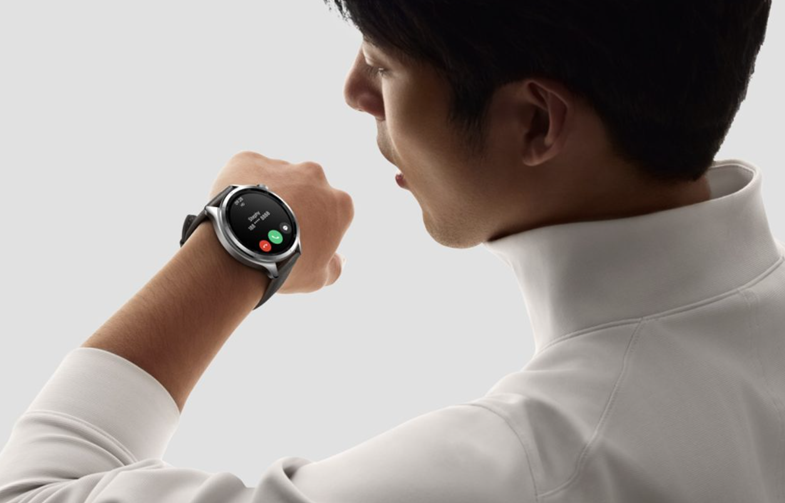
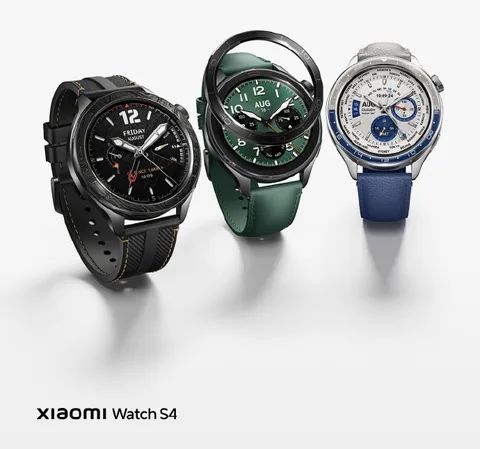
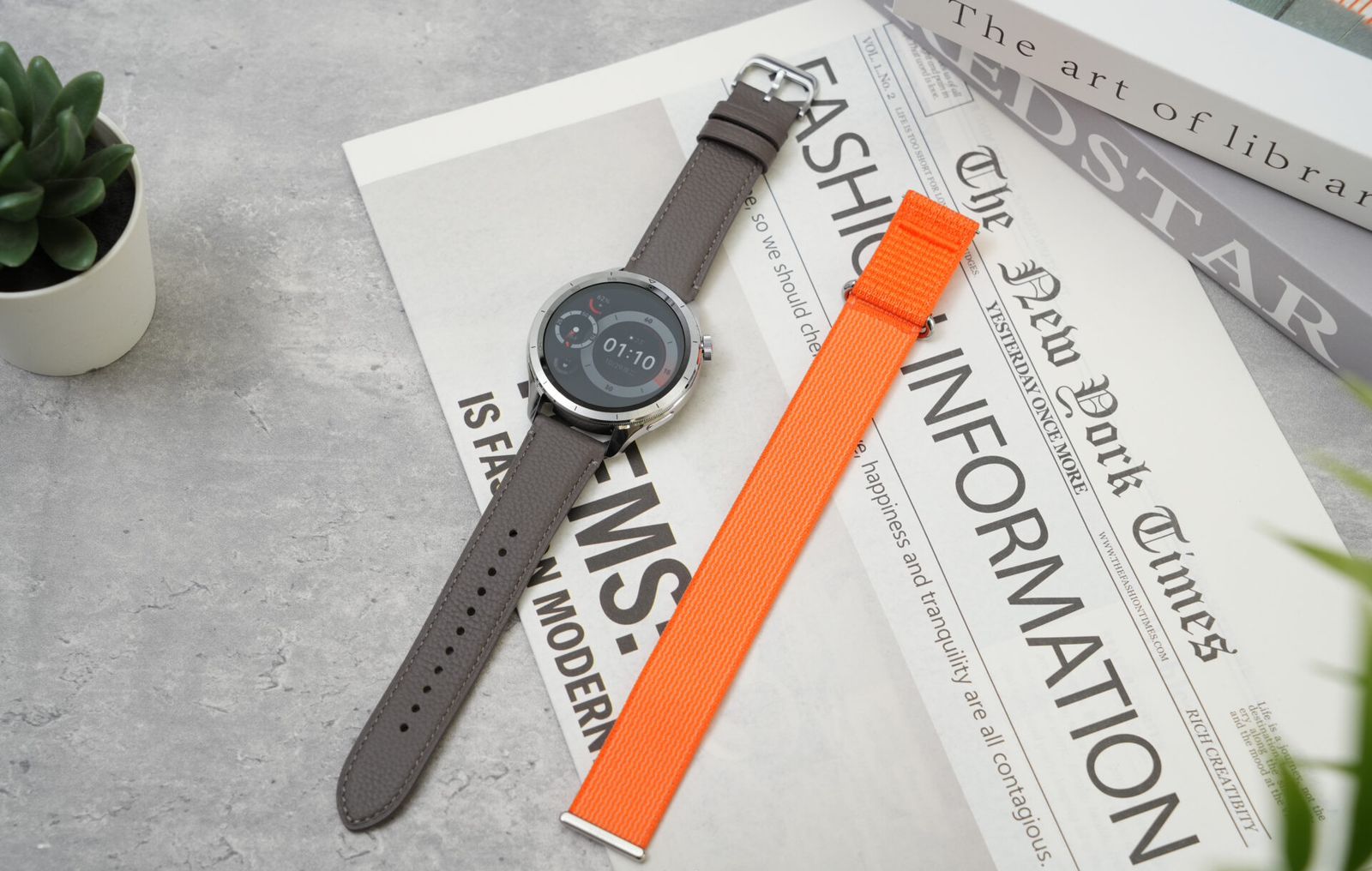
Xiaomi Watch S4 Launched in China with AMOLED Display, HyperOS 2 and eSIM Support. (Image credit – Xiaomi)
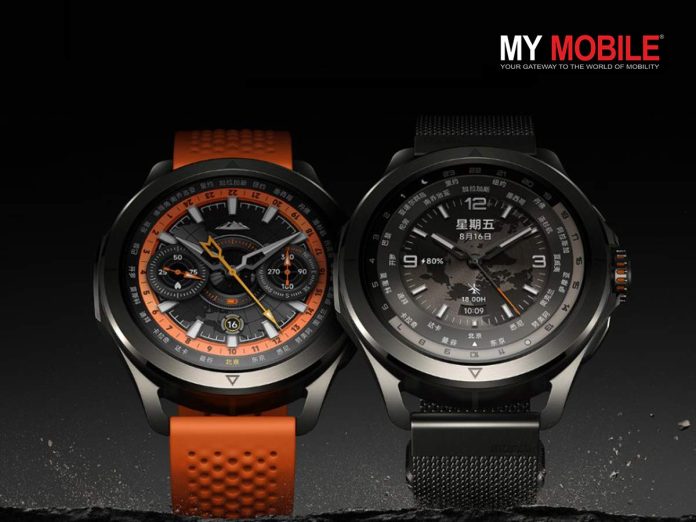
The recent Xiaomi event in China saw some exciting product announcements alongside the flagship Xiaomi 15 Series. The Chinese manufacturer has unveiled its latest smartwatch, Xiaomi Watch S4 during the event with a fresh and more professional-looking design.
This is Xiaomi’s second smartwatch announcement of the year after the Watch S4 Sport version that was released earlier.
Here’s everything you need to know about the newly launched Xiaomi Watch S4.
Xiaomi Watch S4 – Design
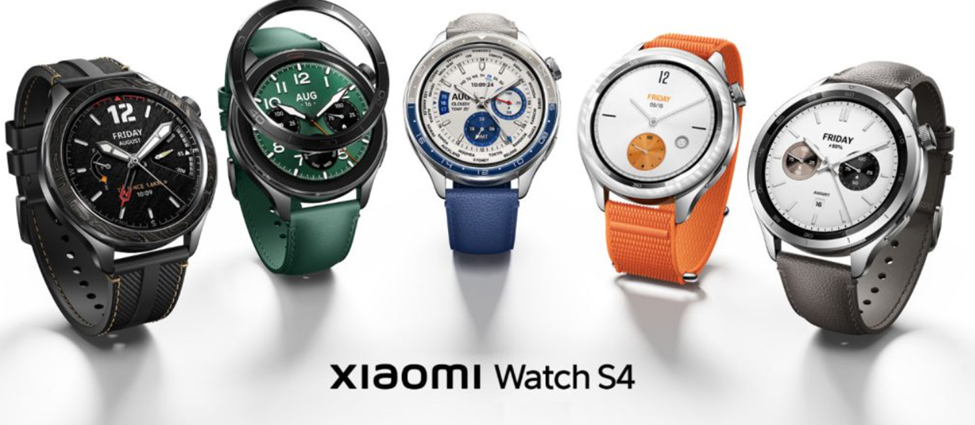
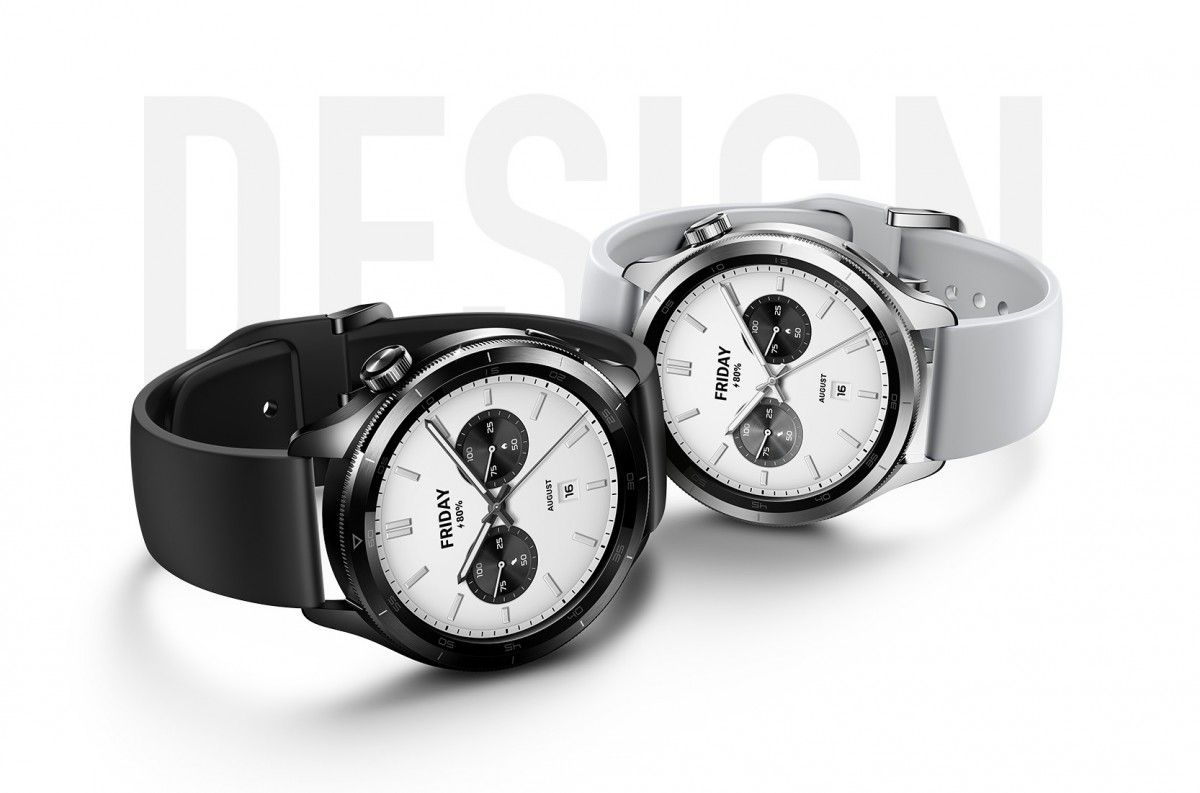
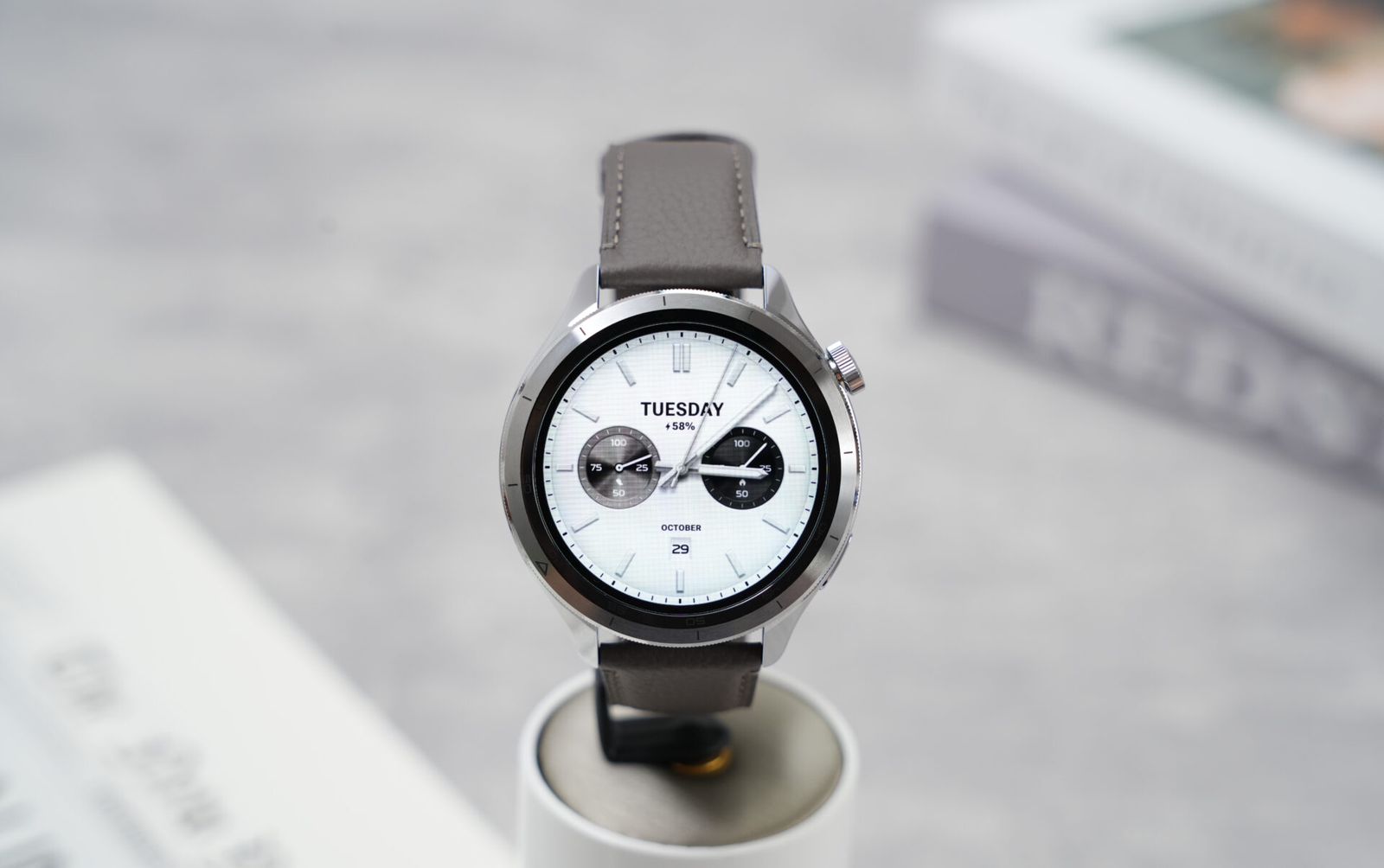
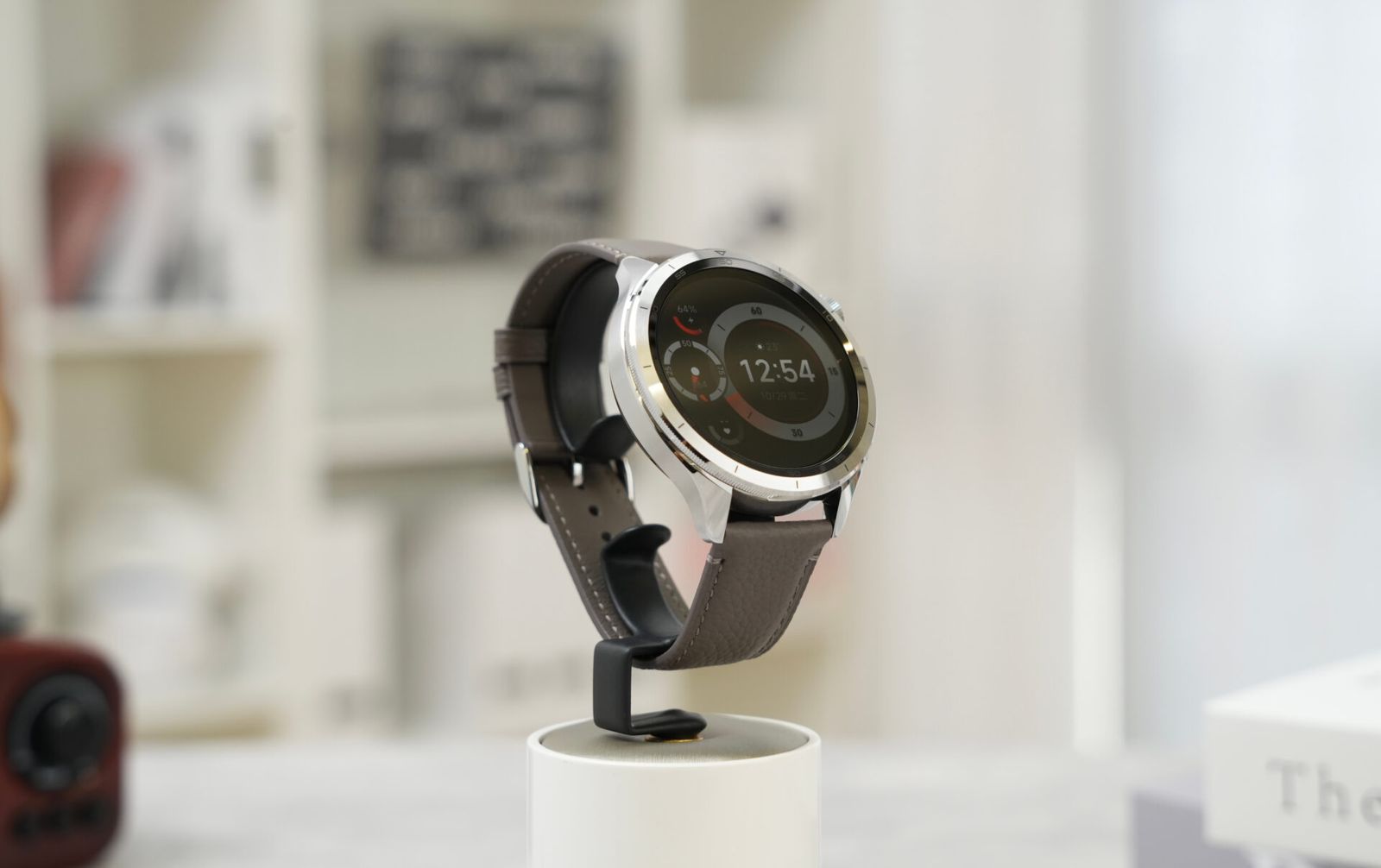
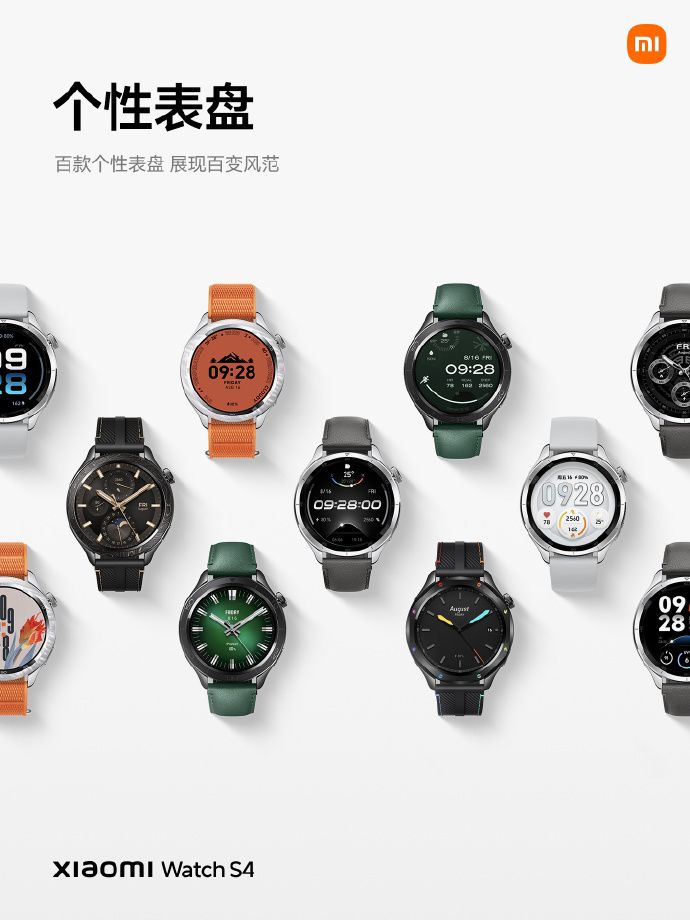
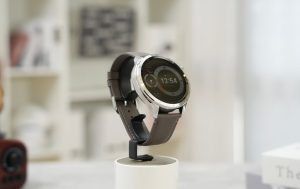
The newly unveiled Xiaomi Watch S4 comes in two variants, an eSIM model with a brown leather strap and a Bluetooth version with a fluorine rubber strap. Both variants sport a 1.43-inch AMOLED display keeping the primary look the same when on the wrist.
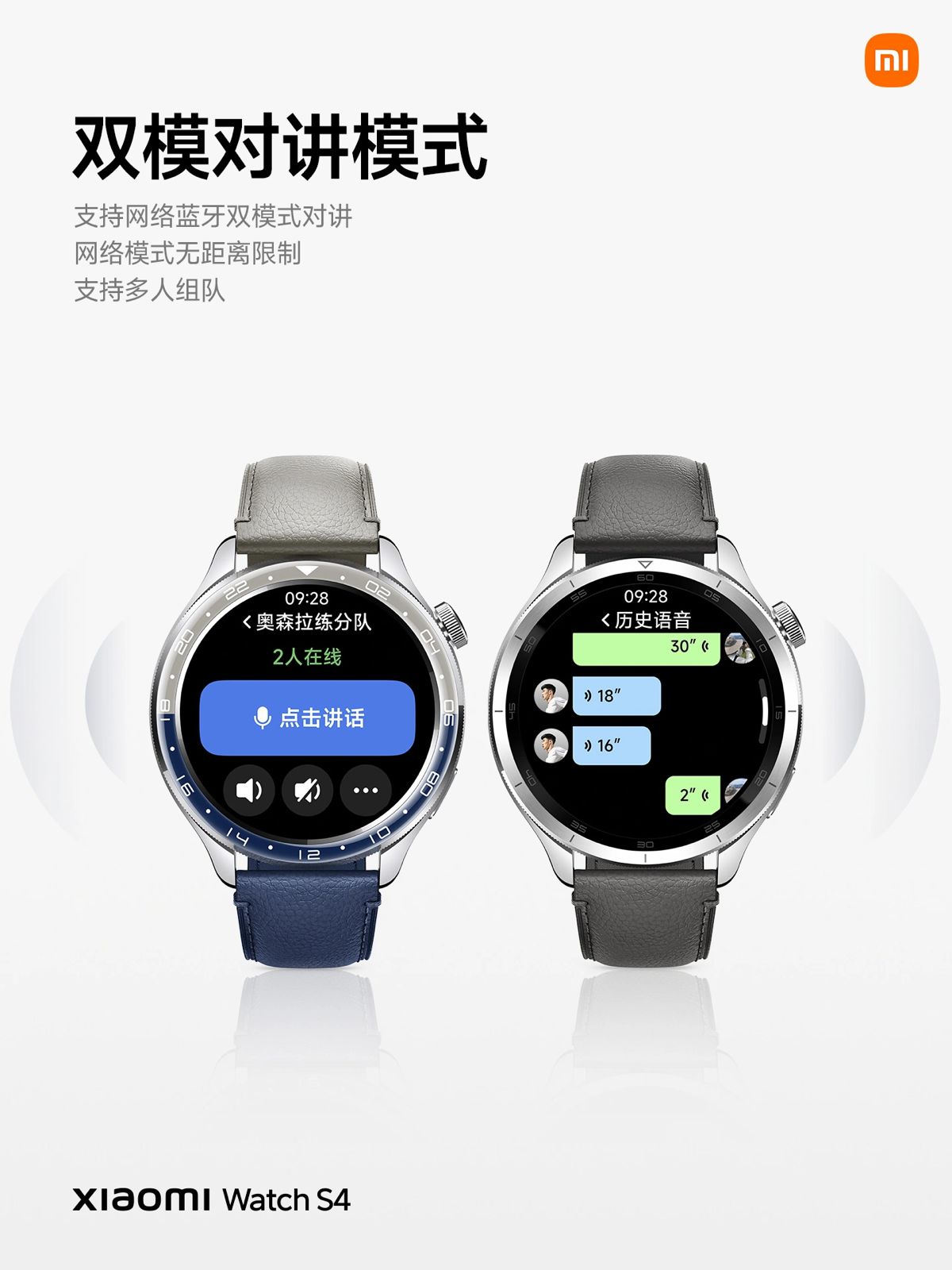
Xiaomi Watch S4 comes with an interchangeable bezel design, similar to previous models. (Image credit – Xiaomi)
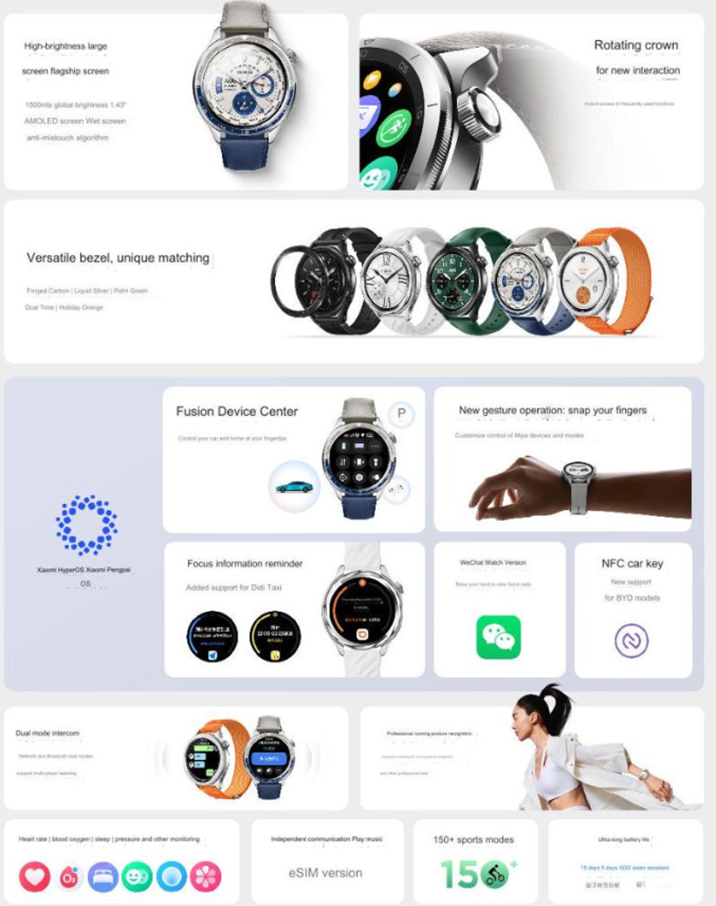
The watch maintains Xiaomi’s signature interchangeable bezel design from previous models and includes an improved rotating crown with rotary clicking.
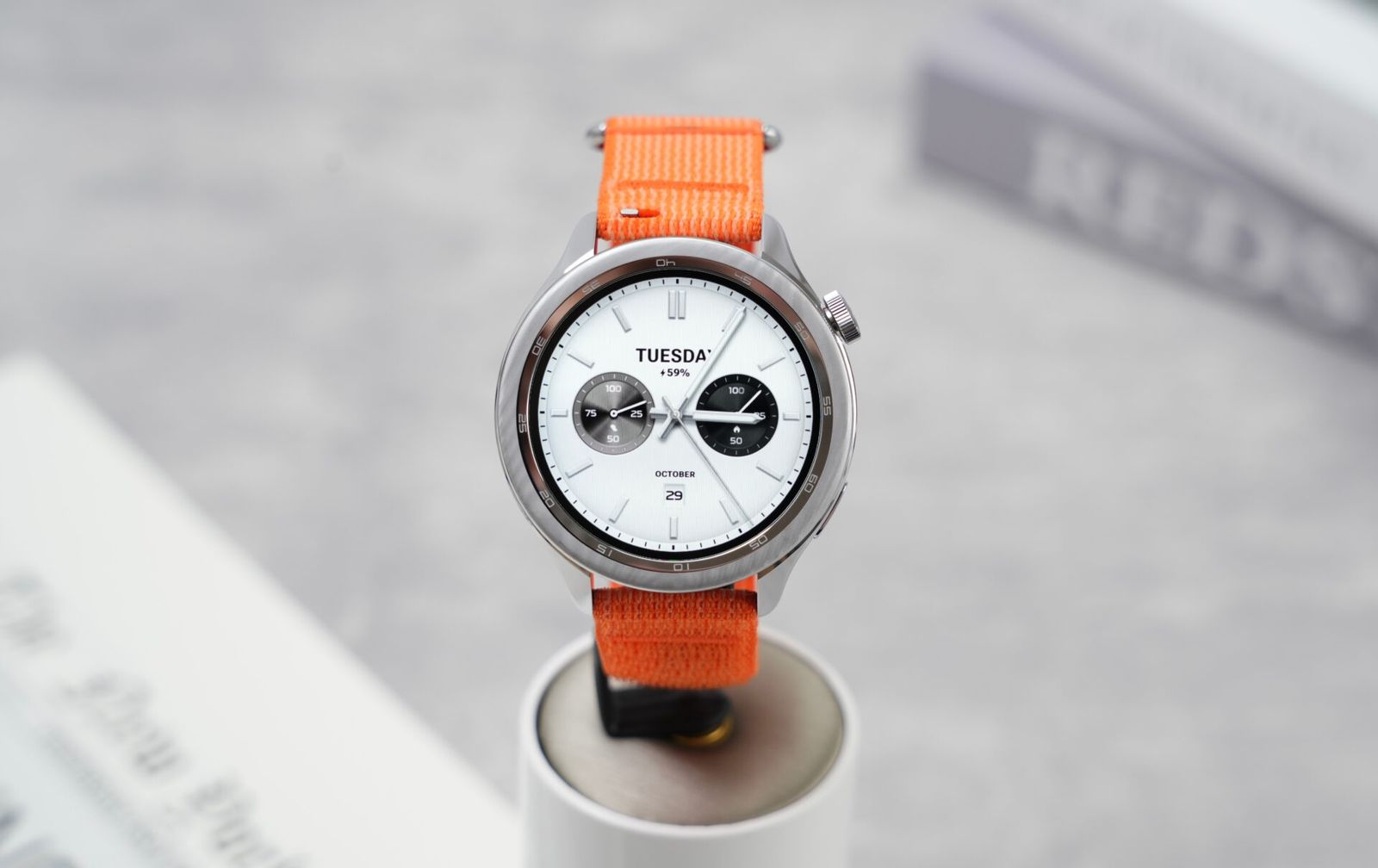
The watch is built from high-quality aluminium alloy with a high-gloss brushed finish. This gives the watch a premium feel and appearance.
Powered by the new Xiaomi HyperOS 2, the Watch S4 supports over 150 sports modes ranging from outdoor activities and skiing to ball games and dancing.
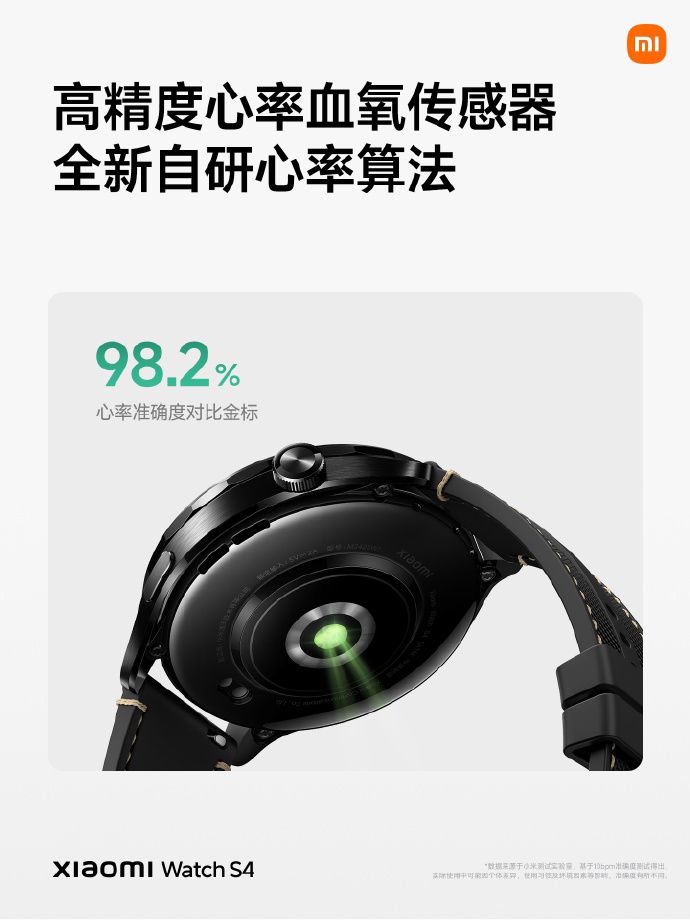
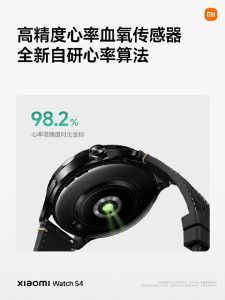
Xiaomi has also included a new heart rate algorithm, enhancing heart rate accuracy to 98.2%.
The Xiaomi Watch S4 is the first smartwatch to launch with HyperOS 2. (Image source: Xiaomi)
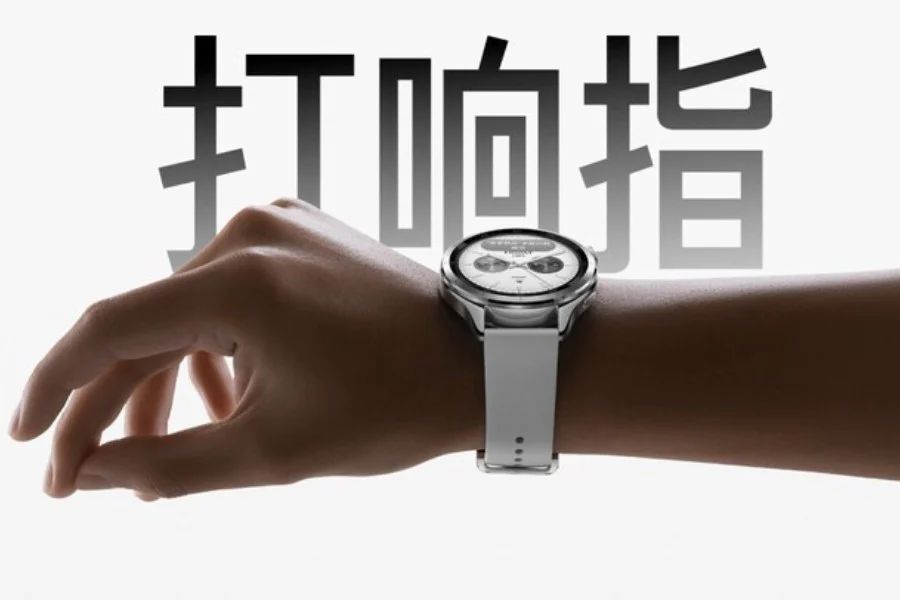
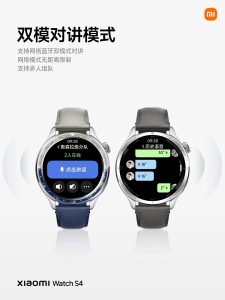
The Watch S4 offers independent dual-frequency, five-satellite positioning for precise GPS tracking. Additional features include snap-finger gesture control, AI route planning, smart NFC and a battery life of up to 15 days.
Detailed features are as follows –
Watch S4 offers heart rate and blood oxygen monitoring with a claimed accuracy of 98.2%.
43-inch (466 x 466 pixels) AMOLED screen, up to 2200 nits brightness, 256 levels of adaptive brightness
Daily activity tracking, Women’s Health, Fall Detection, Stress monitoring, breath training, sleep and heart rate monitoring
5ATM water-resistant
486mAh battery, Up to 7 days with typical usage and 3 days with heavy usage (LTE version), Up to 15 days with typical usage, and 5 days with AOD ON (BT version)
eSIM support, Supports 4G / 3G, 2.4GHz/5GHz Wi-Fi, Bluetooth 5.2
Xiaomi Watch S4 – Price and Availability
The Watch S4 features a digital crown for navigating menus and zooming in on maps.
Xiaomi Watch S4 has been currently launched in China only.
It is available in black, silver, black rainbow (braided strap) and brown (leather) colour choices. Both are available with options for leather or silicone straps.
The eSIM version with a leather strap starts at CNY 1199 (around USD 136 or INR 11,370), while the Bluetooth version starts at CNY 999 (around USD 109 or INR 9,090).
Xiaomi Watch S4 Specifications
The watch itself boasts a round 1.43-inch AMOLED display with a peak brightness of 1,500 nits .
Display: 1.43-inch AMOLED screen, 466 x 466 pixels resolution, up to 2200 nits brightness, 256 levels of adaptive brightness
Connectivity: eSIM support, 4G/3G, 2.4GHz/5GHz Wi-Fi, Bluetooth 5.2
FAQs
Q1. What are the design options for the Xiaomi Watch S4?
Answer. The Xiaomi Watch S4 comes in two variants, an eSIM model with a brown leather strap and a Bluetooth version with a fluorine rubber strap. The watch maintains Xiaomi’s signature interchangeable bezel design and includes an improved rotating crown with rotary clicking.
Q2. What is the display specification of the Xiaomi Watch S4?
Answer. Both variants sport a 1.43-inch AMOLED display keeping the primary look the same when on the wrist.
Q3. What are some of the key features of the Xiaomi Watch S4?
Answer. Powered by the new Xiaomi HyperOS 2, the Watch S4 supports over 150 sports modes, a new heart rate algorithm with 98.2% accuracy, dual-frequency, five-satellite positioning, snap-finger gesture control, AI route planning, smart NFC, and a battery life of up to 15 days.
Q4. What is the price range for the Xiaomi Watch S4?
Answer. The eSIM version with a leather strap starts at CNY 1199 (around USD 136 or INR 11,370), while the Bluetooth version starts at CNY 999 (around USD 109 or INR 9,090).
Xiaomi has introduced its new fitness tracking Xiaomi Band 9 Pro in China.
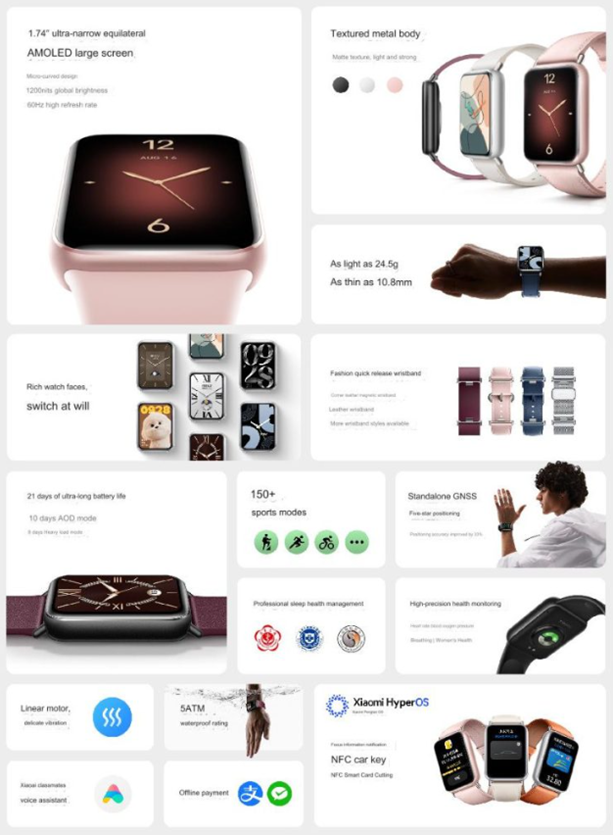
It features a durable aluminium alloy body, 1.74-inch AMOLED display, high-precision sensors, 150+ workout modes, GNSS 5-star positioning and 5ATM water resistance.
Priced at 399 yuan (USD 56 or INR 4695 approx) for the sports band and 449 yuan (USD 63 or INR 5285 approx) for the leather option
The band is currently available only in China.
Xiaomi Band 9 Pro has been launched in China. (Image credit – Xiaomi)
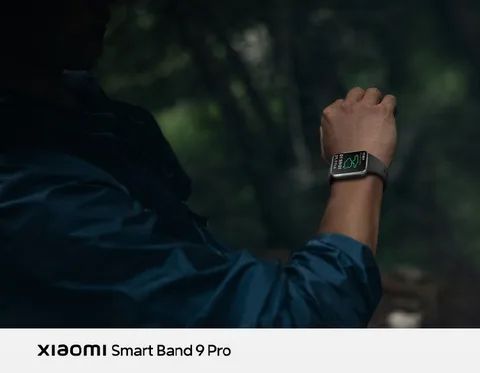
Xiaomi has just introduced its latest fitness tracker the Xiaomi Band 9 Pro during an event in China alongside Xiaomi 15 flagship series.
While design-wise it looks similar to the previous model, Band 9 Pro comes with some upgrades in terms of its durability and features.
Here’s a quick look at the recently released fitness band.
Xiaomi Band 9 Pro – Design
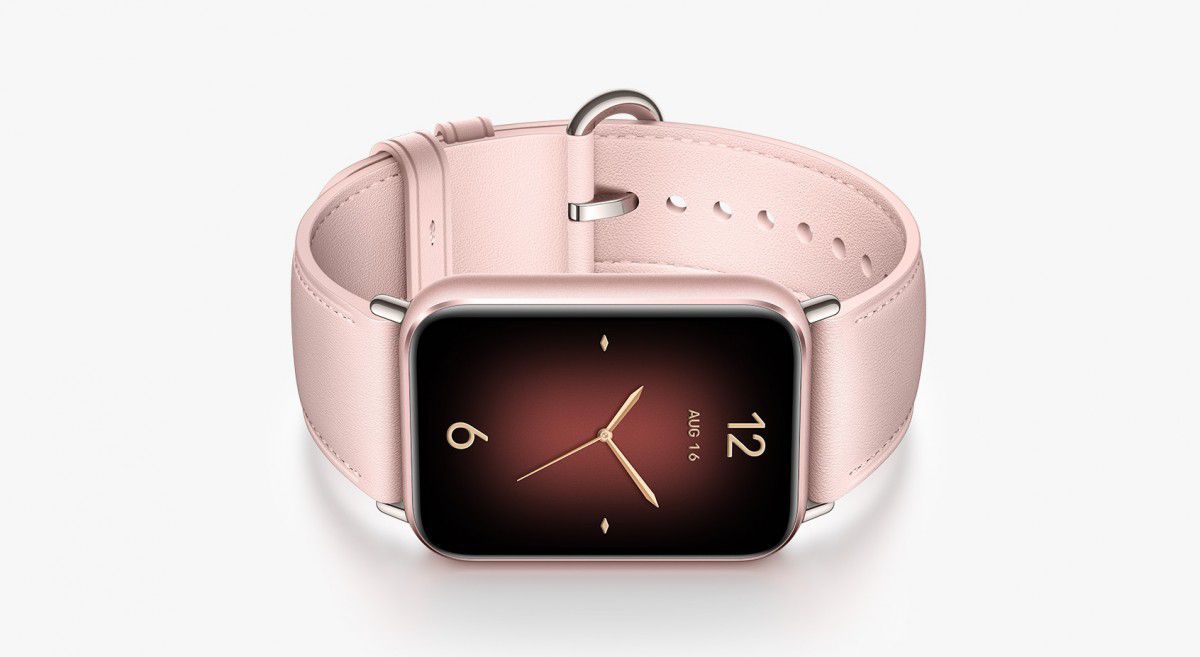
The Band 9 Pro retains the same 1.74-inch rectangular display as its predecessor.
Xiaomi Band 9 Pro is sticking with a similar look as the previous model when it comes to design.
However, it now features a more durable aluminium alloy body and sleek 2.2mm ultra-thin bezel to make some significant design upgrades.
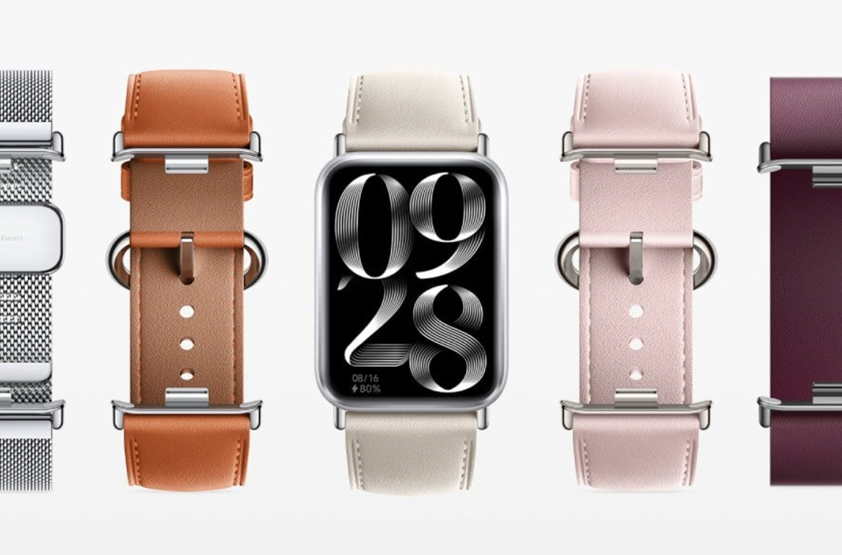
It also comes with four new leather wristbands.Available in black, gold or pink colours, the Band 9 Pro’s aluminium case is water-resistant up to 5ATM.
Xiaomi Band 9 Pro now comes in four new leather wristbands. (Image credit – Xiaomi)
It weighs just 24.5 grams and measures 10.8 millimetres in thickness, keeping it lightweight and comfortable.
You can choose between a sporty or leather band, with an elegant Milanese loop option sold separately.
Xiaomi Band 9 Pro – Key Features
Xiaomi Band 9 Pro key features. (Image credit – Xiaomi)
The Band 9 Pro keeps the same 1.74-inch rectangular display as its predecessor, featuring a familiar 60Hz AMOLED panel. Xiaomi has upgraded its peak brightness to 1200 nits for improved visibility, even outdoors.
This smart band is packed with high-precision sensors including the Xiaomi-developed heart rate algorithms that boast an impressive accuracy of 98%. Band 9 Pro also features an upgraded sleep-tracking algorithm for better insights and can monitor oxygen levels and stress continuously throughout the day.
Running on the new HyperOS 2, the Band 9 Pro offers more accurate GNSS 5-star positioning, over 150 workout modes, dedicated swim and run tracking modes and 5ATM water resistance.
Xiaomi claims it offers an extended battery life of up to 21 days on a single charge.
The Band 9 Pro is fully loaded with over 150 sports modes and built-in GPS for phone-free tracking during runs and bike rides.
Moreover, the new band now includes an NFC chip enabling users to make contactless payments directly from their wrist.
Xiaomi Band 9 Pro – Price and Availability
It’s 5ATM water resistant, and has a 350 mAh battery that’s rated for up to 21 days of use.
The Xiaomi Band 9 Pro is currently only available in China. It comes with a starting price of 399 yuan (USD 56 or INR 4695 approx) for the sports band version and 449 yuan (USD 63 or INR 5285 approx) for the leather option.
The standard Xiaomi Band 9 is already available in some regions for around €33.
Xiaomi has not announced a global launch date for the Pro model yet.
Xiaomi Band 9 Pro Specifications:
It features heart rate monitoring, blood oxygen level tracking, stress analysis, and sleep quality analysis.
Display: 1.74 inch (336 x 480 pixels) 2.5D curved AMOLED, up to 2000 nits brightness, 336 PPI
Dimensions: 43.27 x 32.49 x 10.8 mm; Weight: 24.5g (without wrist band)
FAQs
Q1. What is the design of the Xiaomi Band 9 Pro like?
Answer. The Xiaomi Band 9 Pro features a more durable aluminium alloy body, a sleek 2.2mm ultra-thin bezel, and is available in four new leather wristbands.
Q2. What is the display specification of the Xiaomi Band 9 Pro?
Answer. The Band 9 Pro keeps the same 1.74-inch rectangular display as its predecessor, featuring a 60Hz AMOLED panel with a peak brightness of 1200 nits.
Q3. What key features does the Xiaomi Band 9 Pro offer?
Answer. The Band 9 Pro includes high-precision sensors, an upgraded sleep-tracking algorithm, oxygen level and stress monitoring, GNSS 5-star positioning, over 150 workout modes, and NFC for contactless payments.
Q4. What is the price and availability of the Xiaomi Band 9 Pro?
Answer. The Xiaomi Band 9 Pro is currently available in China with a starting price of 399 yuan (USD 56 or INR 4695 approx) for the sports band version and 449 yuan (USD 63 or INR 5285 approx) for the leather option.
Apple will likely an Indian factory for the early manufacturing work of the iPhone 17.
It highlights the shift to diversify the supply chain beyond China.
China’s role remains crucial for high-end models.
CEO Tim Cook reportedly committed to continued investment in China.
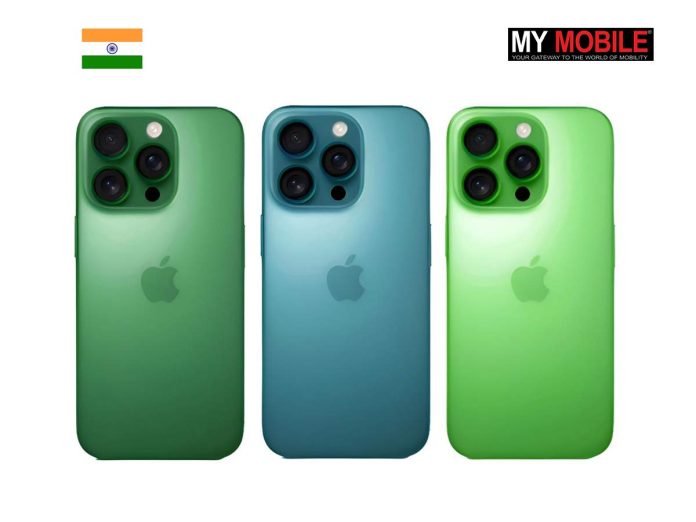
iPhone 17 early manufacturing is to be set in India as per the latest reports. (Image credit – AI Concept Image)
Apple iPhone 16 was released just a month ago and we are already getting reports of Apple’s production strategy for its next iPhone 17.
The latest reports suggest India will India key play a key role in Apple’s iPhone 17’s early manufacturing work.
We know Apple has been working on diversifying its supply chain beyond China for quite some time and this could be its latest move towards achieving that objective.
However, China’s importance in Apple’s supply chain isn’t diminishing any time soon. CEO Tim Cookhas reportedly committed to continue raising Apple’s investment in China during a recent government exchange.
In its effort to reduce the dependence, the Cupertino giant has reportedly hit a milestone.
In a recent report by The Information, Wayne Ma writes, “For the first time, Apple is using an Indian factory to do the early manufacturing work for the base model of next year’s iPhone 17, according to two people with direct knowledge of the situation. The choice of an Indian factory for this stage of iPhone development—figuring out how to translate a prototype designed in Cupertino into a device that can be mass-produced—highlights the progress Apple has made in diversifying its supply chain to India from China and its confidence in the capabilities of Indian engineers.
That’s because this work is the most challenging and resource-intensive aspect of Apple’s product development, say current and former Apple employees. Internally known as New Production Introduction or NPI, the work involves tweaking the iPhone’s design and materials and experimenting with different types of equipment and manufacturing processes to ensure that millions of iPhones can be produced a day across different locations with minimal defects. The majority of this development typically takes place between October and May.”
As Ma mentions, this shift in early manufacturing strategy is only for the base iPhone 17 model.
Apple’s manufacturing partner Foxconn is conducting early development of the base iPhone 17 at a factory in Bengaluru, India, according to The Information’s Wayne Ma.
China will still be the key destination for early manufacturing and testing of high-end iPhone models including the iPhone 17 Pro, 17 Pro Max and even the much-anticipated iPhone 17 Air.
Apple has been previously vocal about how hard it has been for the company to replicate China’s production expertise in other places where they have tried. In this regard, the current move of finding feet for the base model early manufacturing in a country like India is a significant development and can change tides in the future.
Assuming the plan for the iPhone 17 base works well in India, we can surely expect expansion in India’s role in Apple’s supply chain.
FAQs
Q1. What role will India play in Apple’s iPhone 17 production?
Answer. India will play a key role in Apple’s iPhone 17’s early manufacturing work for the base model, marking a shift in diversifying its supply chain beyond China.
Q2. Which models of the iPhone 17 will still primarily rely on China’s manufacturing?
Answer. China will still be the key destination for early manufacturing and testing of high-end iPhone models, including the iPhone 17 Pro, 17 Pro Max and iPhone 17 Air.
Xiaomi has launched its new flagship the Xiaomi 15 Series in China.
Xiaomi 15 Series includes Xiaomi 15 and Xiaomi 15 Pro variants.
The Xiaomi 15 Series is powered by the Snapdragon 8 Elite processor.
Other common features – a triple 50MP camera system co-developed with Leica, a 5400mAh battery with 90W wired and 50W wireless charging.
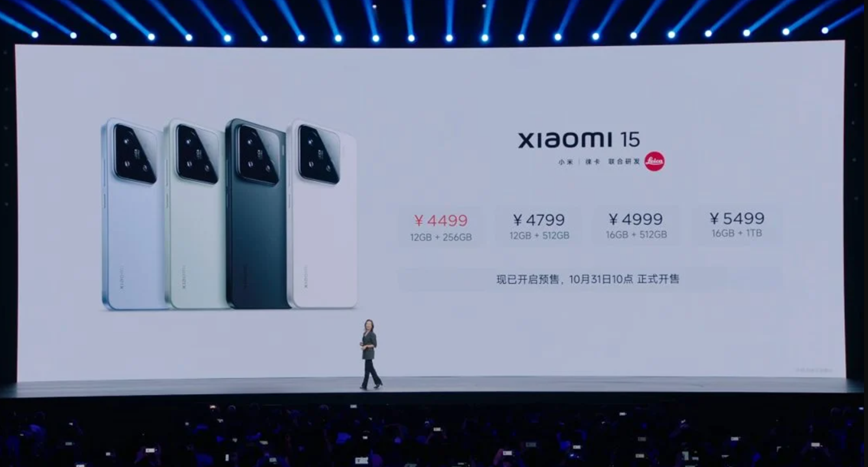
The Xiaomi 15 Series price in China starts at 4499 yuan.
Also launched in the same event – Xiaomi Pad 7 and Xiaomi Pad 7 Pro.
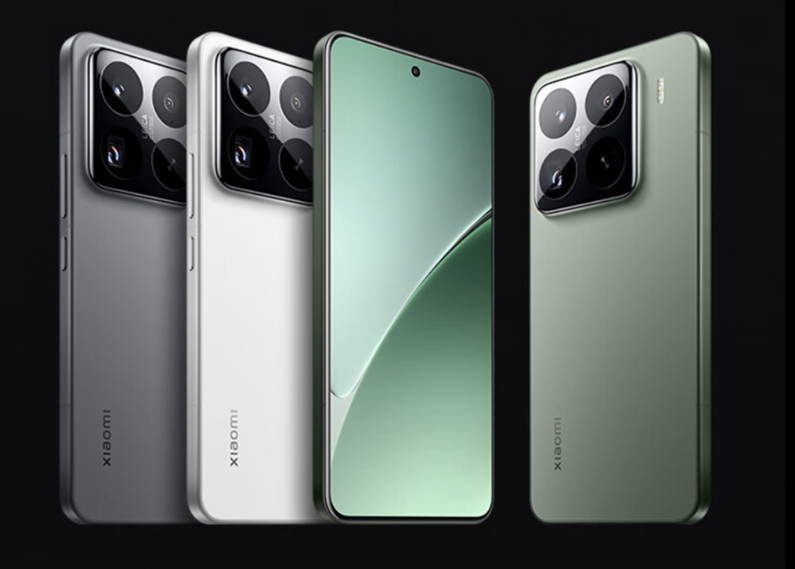
Xiaomi 15 Series launched in China. (Image credit – Xiaomi)
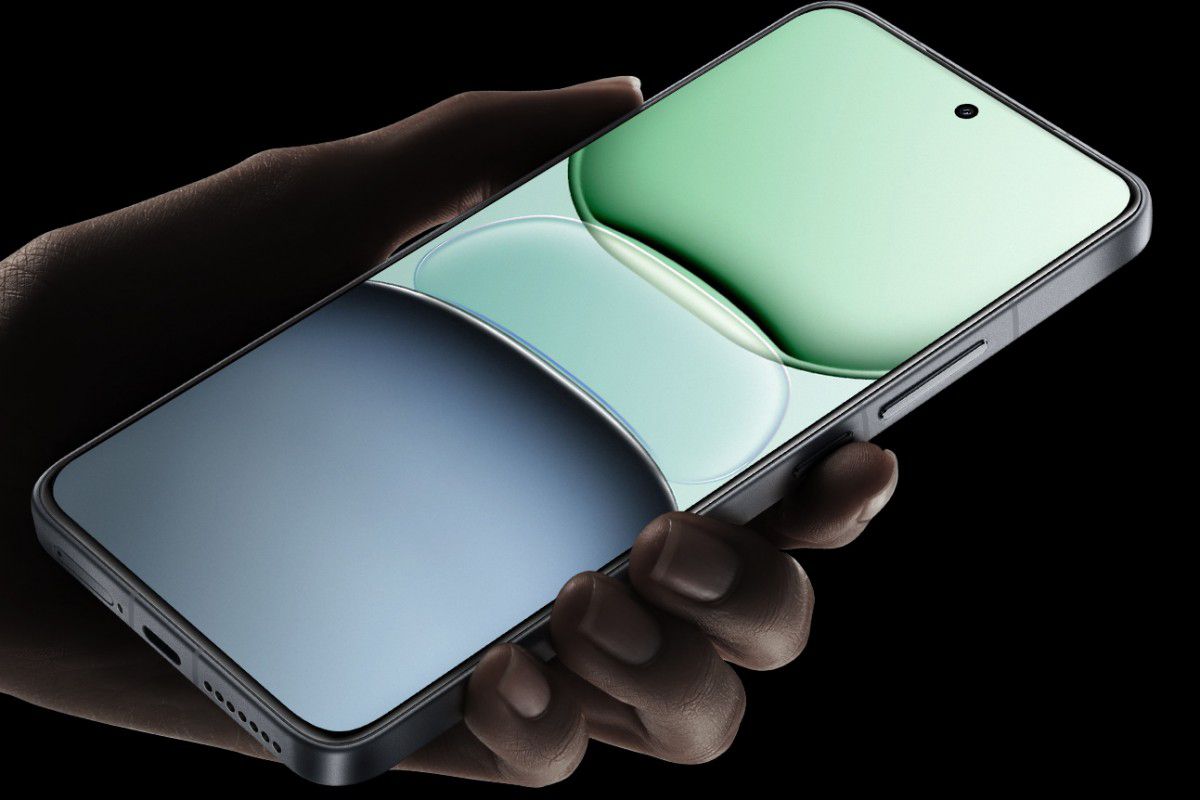
Xiaomi has just launched its new flagship smartphone the Xiaomi 15 Series in China. Xiaomi 15 is part of the Xiaomi 15 Series which also includes a Pro variant.
Xiaomi 15 and Xiaomi 15 Pro are the world’s first Snapdragon 8 Elite-powered smartphones.
As one of the first phones featuring the new and powerful Snapdragon 8 Elite processor, the Xiaomi 15 is positioned as the strongest standard model in the brand’s history.
Here’s a quick look at the recently released smartphone.
Xiaomi 15 – Design and Colours
The smartphone comes in a sleek body featuring a flat, one-piece aviation-grade aluminium frame with rounded corners and sharp edges.
The phone has 71.2mm slim body that is claimed to be easy for one-hand operation.
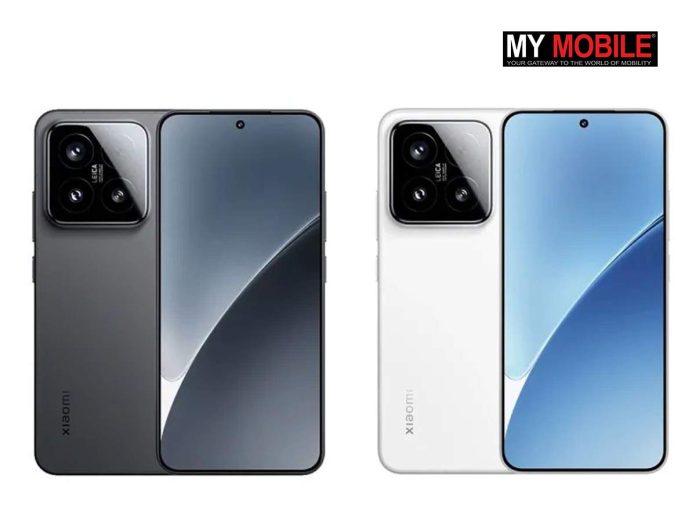
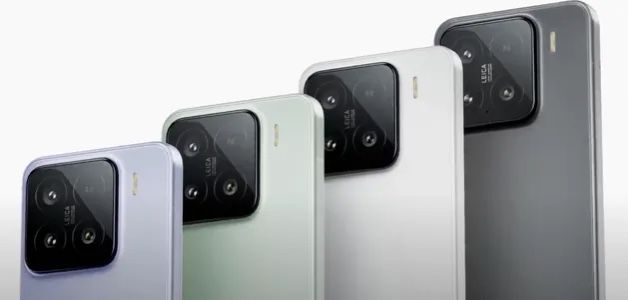
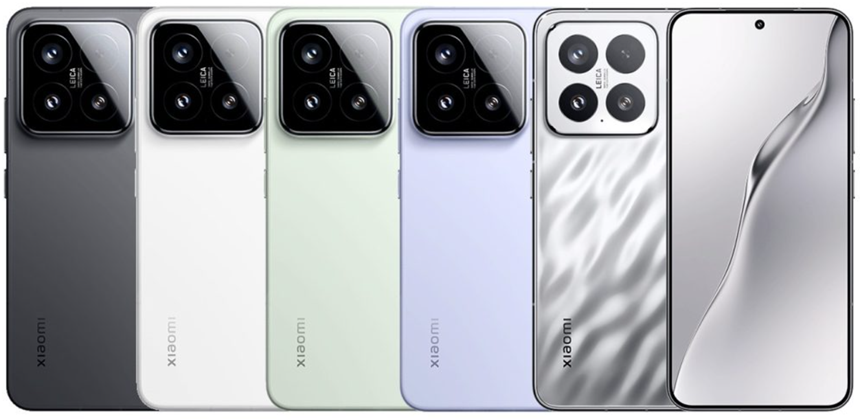
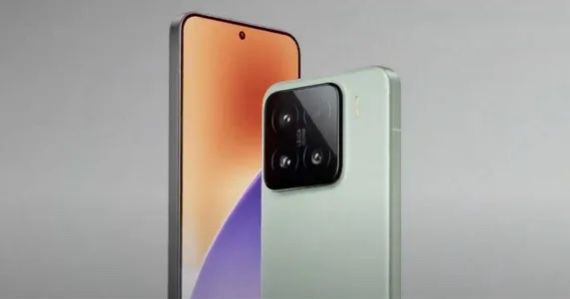
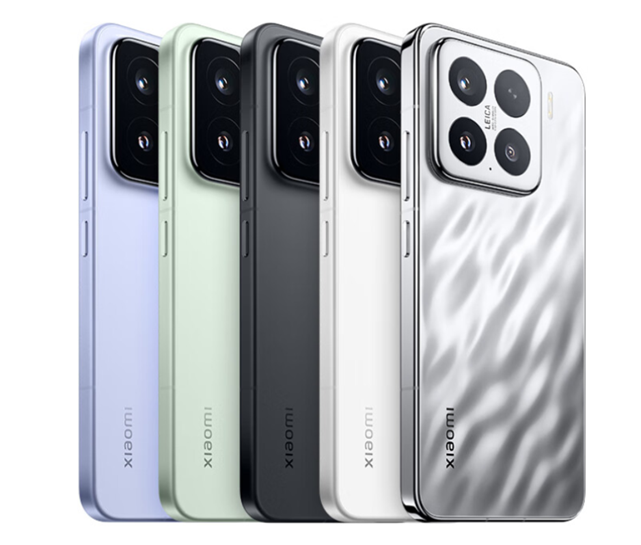
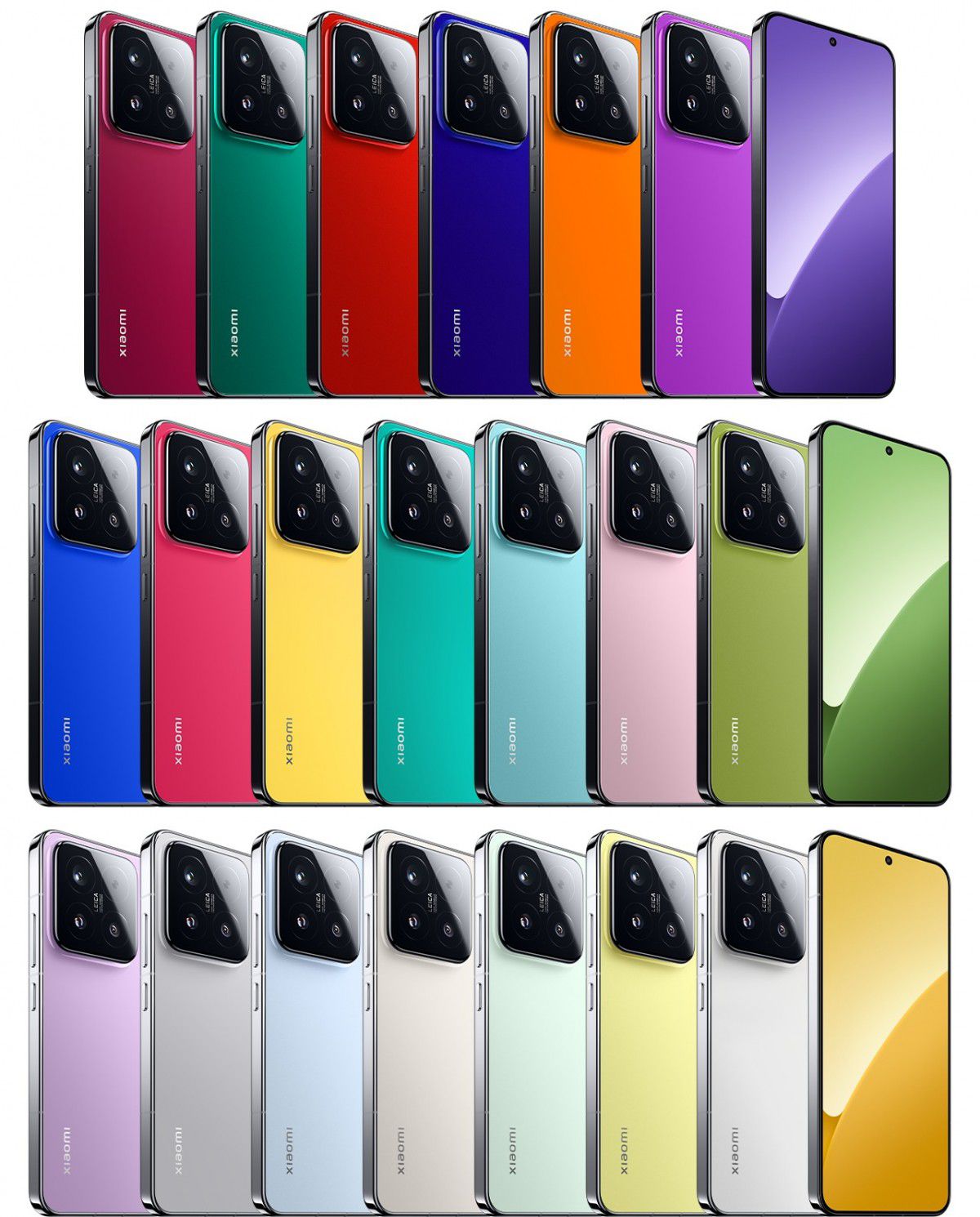
Xiaomi 15 will be available in four standard colour options: Lilac Purple, Light Grass Green, Black, and White.
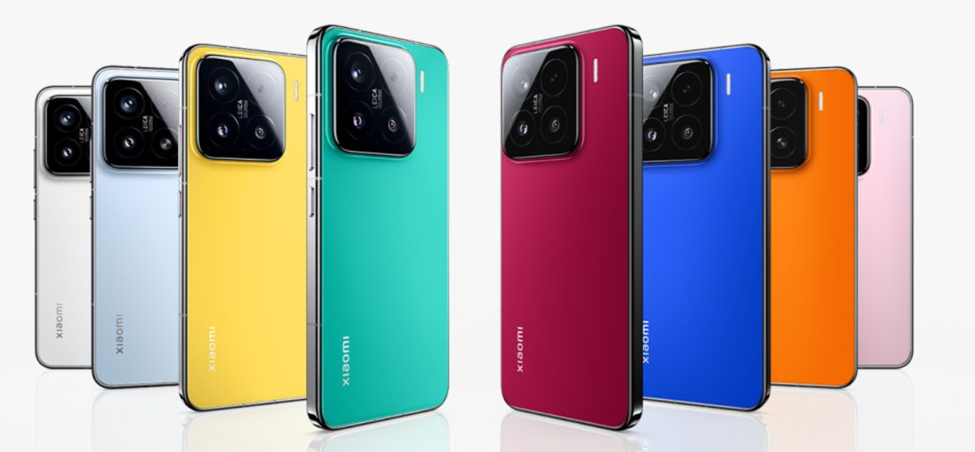
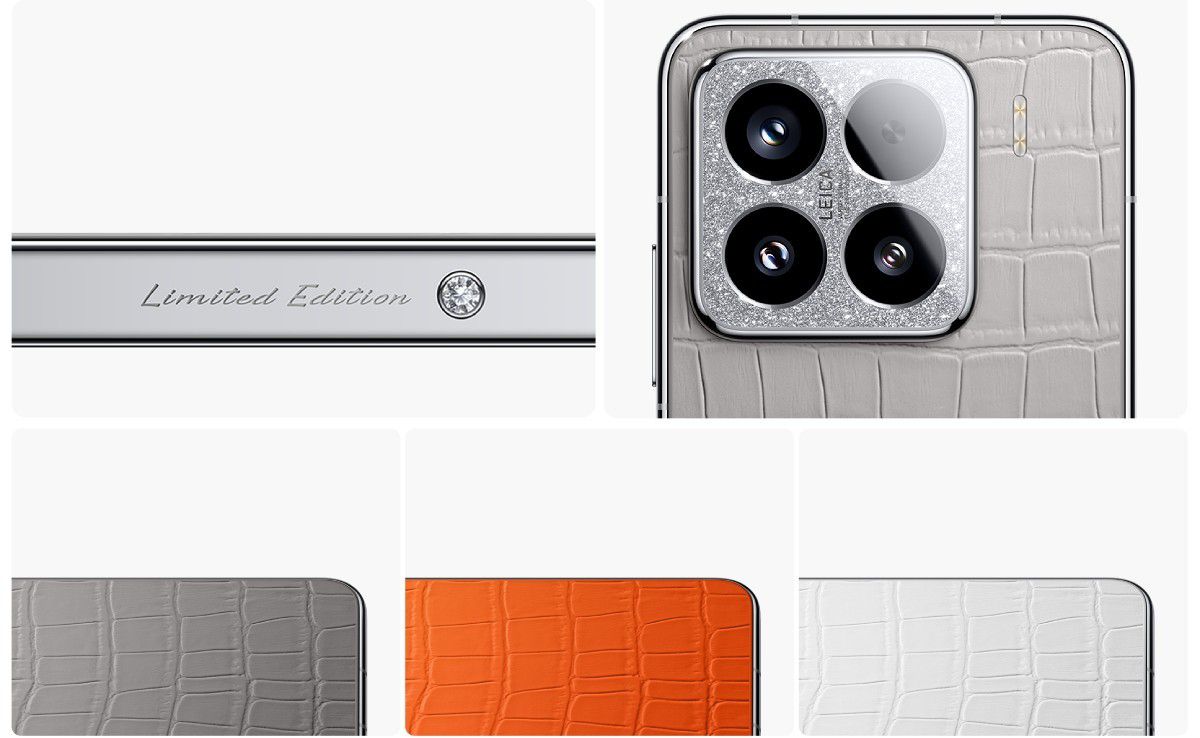
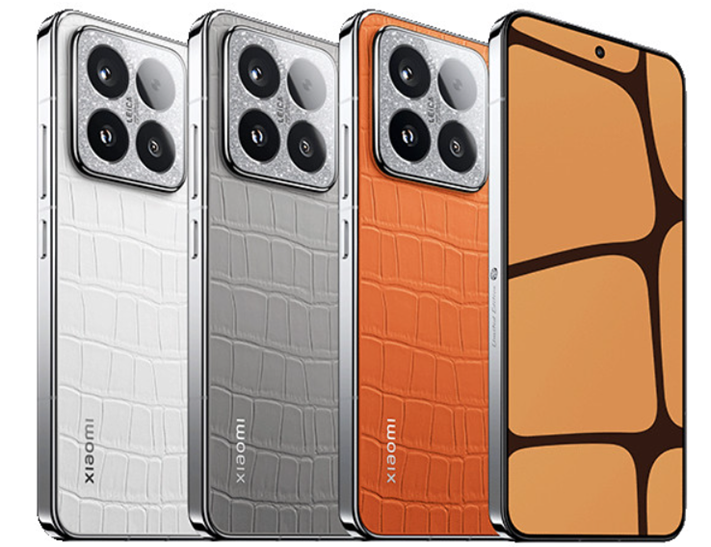
However, there’s a custom edition with 20 colour options exclusive to the Xiaomi Mall. It will be available with high-saturation tones alongside high-gloss middle frames in bright silver and bright black.
A standout feature is the 3D hot-bent glass on the silver colour variant, giving it a wave-like texture.
Xiaomi 15 – Features
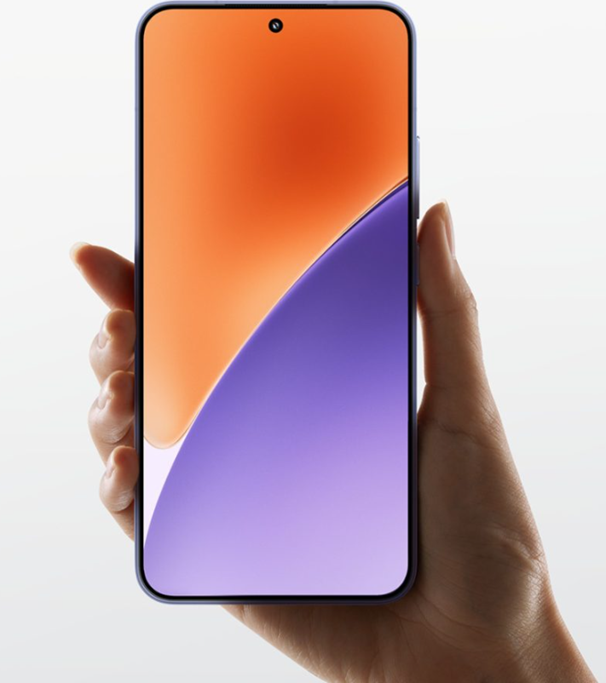
Xiaomi 15 sports a 6.36-inch 1.5K OLED flat M9 LTPO screen, delivering vivid visuals with a peak brightness of 3200 nits, an adjustable 1-120Hz refresh rate and ultra-narrow 1.38mm bezels for an immersive experience.
Xiaomi 15 front view. (Image credit – Xiaomi)
Powered by the Snapdragon 8 Elite chipset, the phone offers up to 16GB of LPDDR5X RAM and boasts a unique wing-shaped cold pump cooling system, with advanced vapour-liquid separation technology that’s reportedly three times more efficient than traditional vapour cooling.
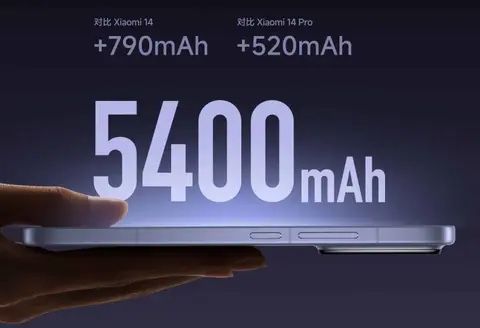
Xiaomi 15 comes with an impressive 5,400 mAh battery.
Running on HyperOS 2.0, based on Android, the Xiaomi 15 is optimised for smooth performance, incorporating advanced thermal management and enhanced system efficiency tailored to its compact design.
Xiaomi 15 has a 6.36-inch AMOLED display.
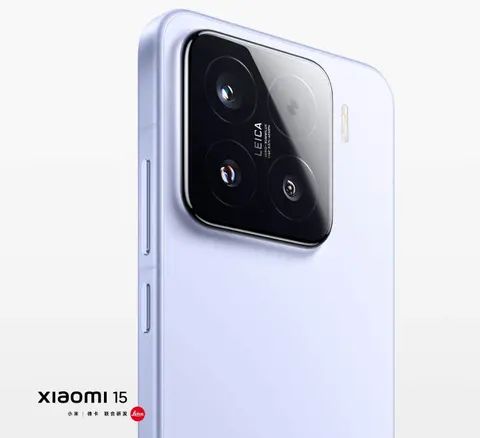
Xiaomi has co-developed the phone’s camera system with Leica. The camera setup include three 50MP Summilux lenses: a main Light Fusion 900 sensor (1/1.3″, f/1.62, OIS), a 50MP ultra-wide sensor (Samsung S5KJN1, f/2.2), and a 50MP telephoto lens (Samsung S5KJN5, 1/2.75″, f/2.0, OIS) with 5x optical zoom.
For selfies, the front camera features a 32MP OmniVision sensor within a punch-hole design.
The Xiaomi 15 series is expected to make its global debut soon.
The AISP 2.0 system handles up to 4.3 billion pixels per second for dynamic image sharing on social media.
The phone packs a 5400mAh battery with 90W wired and 50W wireless and magnetic charging support, maintaining a similar battery volume as the previous model despite the larger capacity.
Xiaomi 15 – Price
Xiaomi 15 is now available in China. (Image credit – Xiaomi)Xiaomi 15 Diamond Edition
Orders are open in China with official sales starting October 31. Details of global availability remain under wraps, expected to be announced later.
Xiaomi 15 Pro – Key Specs
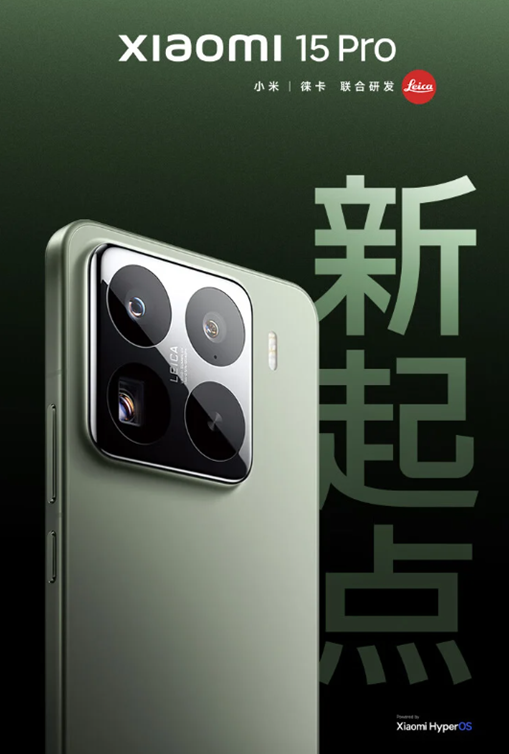
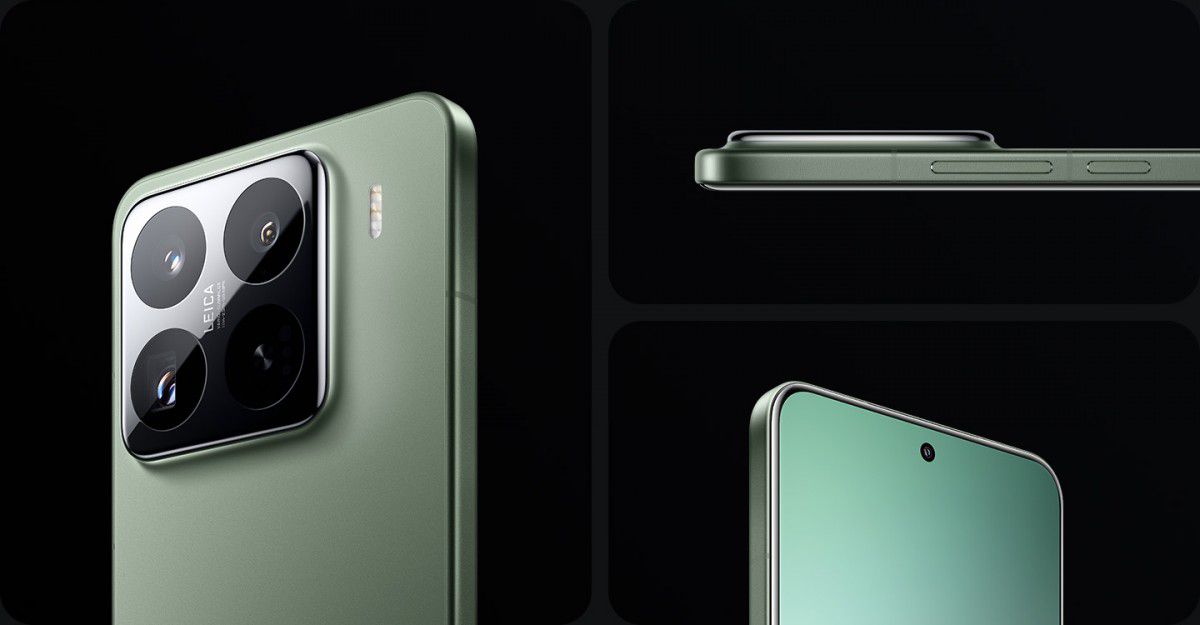
Xiaomi 15 Pro launched in China. (Image credit – Xiaomi)
The Xiaomi 15 Pro features a73-inch 2K OLED curved display with a 3200 x 1440 resolution.
Uses TCL CSOT’s M9 materials and a dual-layer microcavity design, reducing power consumption by 24%.
Supports an LTPO adaptive refresh rate ranging from 1-120Hz, with a three-level partition refresh for smoother visuals.
It offers a peak brightness of 3200 nits and Xiaomi Dragon Crystal Glass 2.0 provides 25-30% better drop resistance.
Powered by the Snapdragon 8 Elite processor with a second-gen Oryon CPU.
It delivers a 45% improvement in single-core and multi-core performance and a 44% boost in energy efficiency.
The phone includes LPDDR5X RAM and UFS 4.0 storage, ensuring faster data speeds and smooth multitasking.
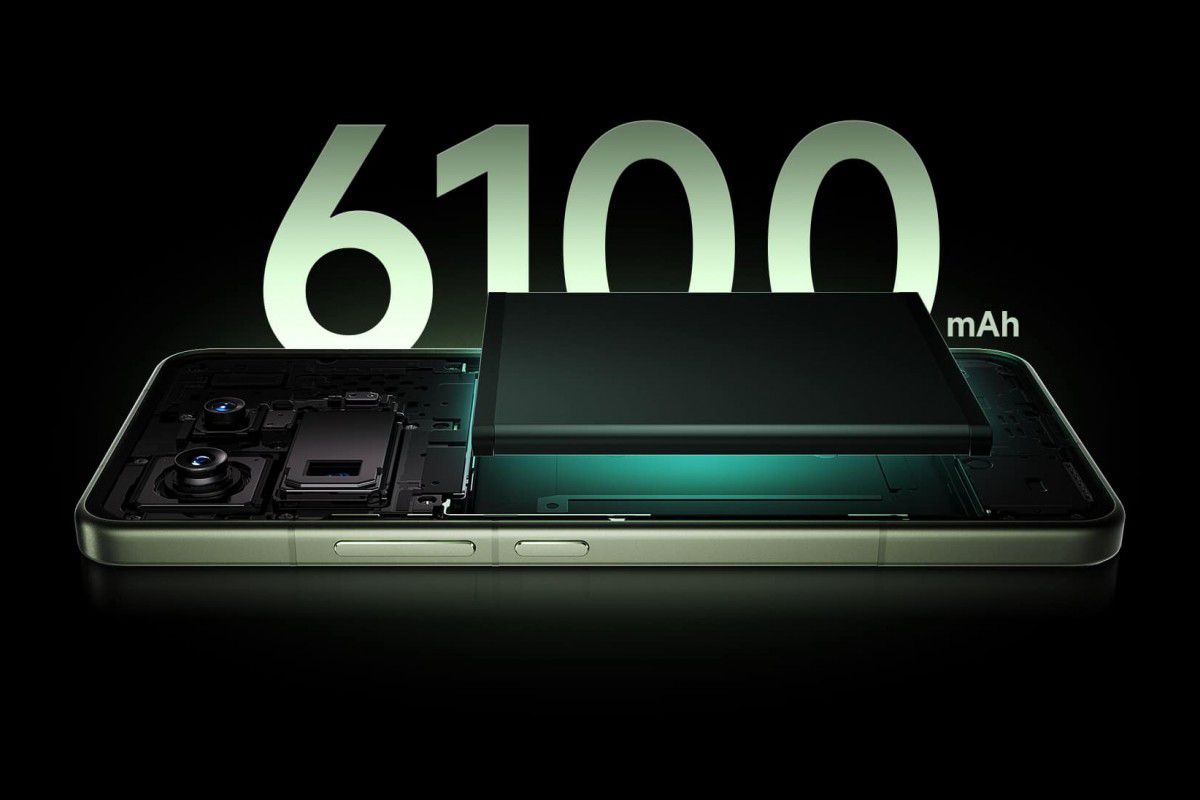
Xiaomi 15 pro has a battery capacity to 6,100 mAh with support for 90W wired and 50W wireless charging.
A wing-shaped circular cooling system with a 4,053mm² heat dissipation area keeps the device cool, while Xiaomi’s HyperCore microarchitecture scheduler boosts performance.
Xiaomi HyperOS 2 enhances the user experience with optimized power management and integration with Xiaomi’s ecosystem.
The camera system, co-developed with Leica, includes a triple-camera setup: a 50MP main sensor (Sony LYT900), a 50MP ultra-wide lens (Samsung S5KJN1) and a 50MP periscope telephoto lens (Sony IMX858) with 5X optical and 10X lossless zoom.
UltraZOOM-20X and Leica optics enhance image clarity, while the front camera offers high-quality selfies with a 32MP OmniVision sensor.
Xiaomi 15 pro has come with its Dragon Crystal Glass 2.0 protection to help prevent scratches.
The Xiaomi 15 series introduces dynamic (Live) photos, supporting sharing on platforms like Weibo and Xiaohongshu.
Its 6100mAh battery, made with cobalt lithium and silicon-carbon nanotube technology, offers 850Wh/L energy density, 80% capacity retention after 1,600 cycles and supports 90W wired and 50W wireless charging.
Xiaomi’s Surge P3 and G1 chips improve charging efficiency and battery lifespan.
Satellite connectivity allows for 3.5km offline communication, enhanced by the Surge T1S signal chip.
Xiaomi Pro comes with a brighter display, improved cameras and a massive 6,100 mAh battery.
Additional features include Goodix’s ultrasonic fingerprint sensor, IP68 water and dust resistance, Wi-Fi 7, stereo speakers, USB 3.2 Gen 1, an X-axis linear motor and an infrared remote control.
Xiaomi 15 Pro – Price
Xiaomi 15 Pro is available in China. (Image credit – Xiaomi)
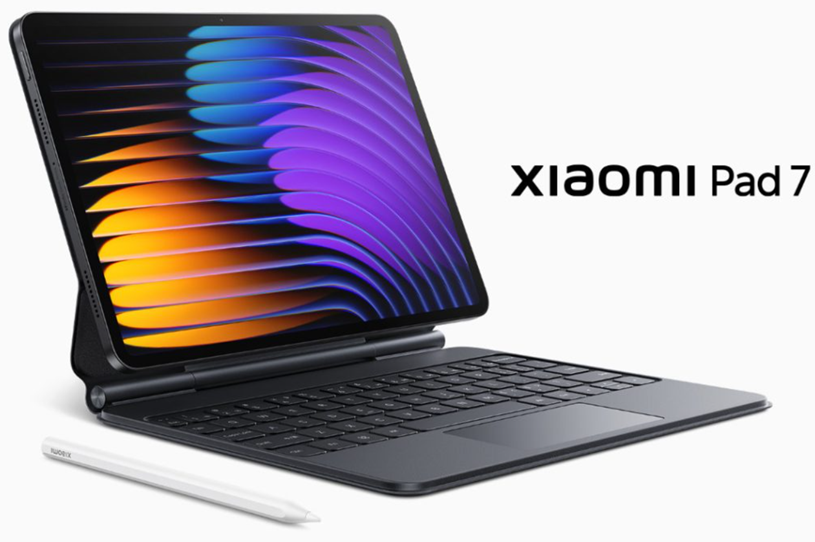
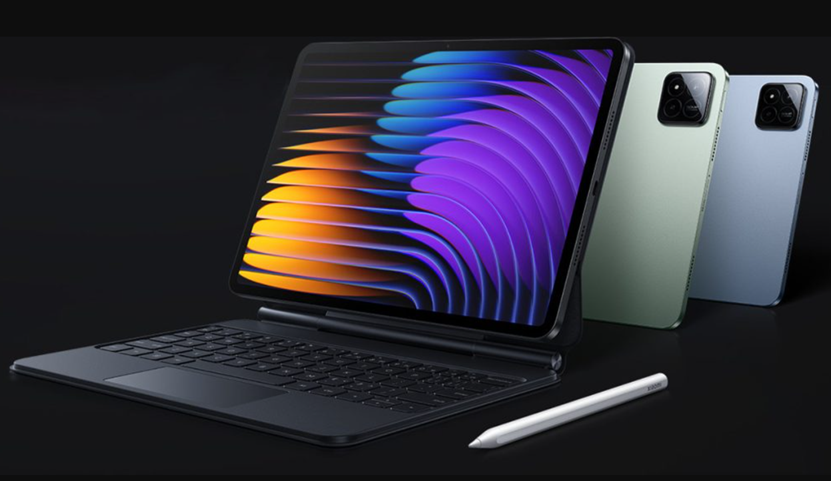
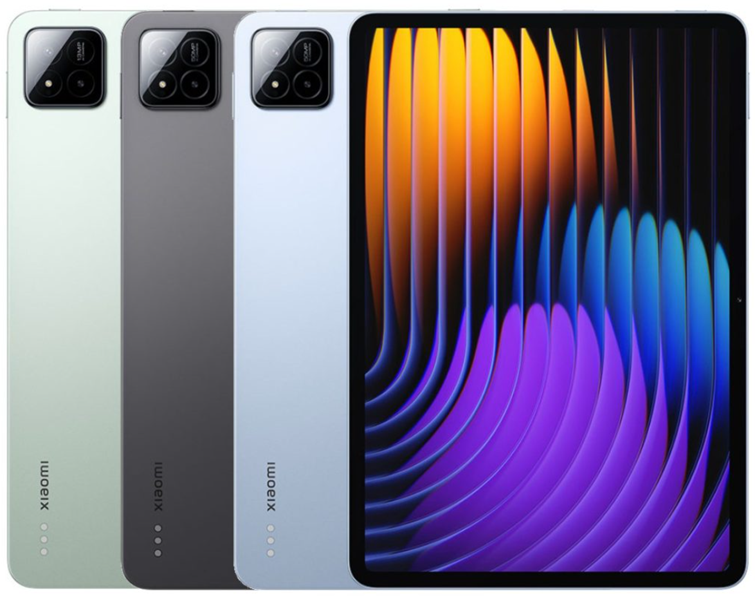
Xiaomi Pad 7 Series including Xiaomi Pad 7 and Pad 7 Pro launched in China. (Image credit – Xiaomi)
Apart from the Xiaomi 15 Series, Xiaomi also launched the Xiaomi Pad 7 and Xiaomi Pad 7 Pro at the same event in China.
Both devices boast an 11.2-inch 3k 144Hz LCD anti-glare screen, with the Soft Light Edition featuring AG nano texture technology and AR optical coating that reduces 99% of interference light and reflectivity by 65%, providing better eye protection and clarity even under strong light. The frosted texture and focus stylus deliver a paper-like experience.
The Pad 7 is powered by the Snapdragon 7+ Gen 3 SoC, while the Pro variant has the slightly faster Snapdragon 8s Gen 3 SoC.
They feature a unibody metal design, run on Xiaomi HyperOS 2, support PC-level multitasking, PC-level WPS and CAJViewer, and can open Apple office suites like Keynote and Pages, along with a global AI smart assistant.
Xiaomi Pad 7 and Pad 7 Pro – Specs
Xiaomi Pad 7 Series 11.2-inch 3k 144Hz LCD anti-glare screen. (Image credit – Xiaomi)
Display:
2-inch screen with a 3200 x 2136 resolution, 3:2 aspect ratio
Variable refresh rate: 30/48/50/60/90/120/144Hz
240Hz touch sampling rate
HDR10 and Dolby Vision support
Hardware-level blue light reduction
TÜV Rheinland certified for low blue light
Processor:
Pad 7: Snapdragon 7+ Gen 3 Octa-Core (4nm), Adreno 732 GPU
Pad 7 Pro: Up to 3.4GHz Snapdragon 8 Gen 3 Octa-Core (4nm), Adreno 750 GPU
Memory and Storage:
8GB / 12GB LPDDR5X RAM options
Storage options:
128GB UFS 3.1
256GB / 512GB UFS 4.0
Operating System: Xiaomi HyperOS 2
Cameras:
Pad 7 (Rear): 13MP camera with 1/3.06″ sensor, f/2.2 aperture, PDAF
Pad 7 Pro (Rear): 50MP camera with 1/2.76″ sensor, 1.28μm pixels, f/1.8 aperture, PDAF, 4K video recording
Pad 7 (Front): 8MP camera (OV08D) with 1/4″ sensor, 1.12μm pixels, f/2.28 aperture
Pad 7 Pro (Front): 32MP camera (OV32D) with 1/3.6″ sensor, 1.22μm pixels, f/2.2 aperture
Battery and Charging:
Pad 7: 8850mAh (typical) / 8650mAh (minimum) battery, 45W fast charging
Pad 7 Pro: 8850mAh (typical) / 8650mAh (minimum) battery, 67W fast charging
Xiaomi Pad 7 and Pad 7 Pro – Price and Availability
Xiaomi Pad 7 Series now available in China. (Image credit – Xiaomi)
Answer. The smartphone comes in a sleek body featuring a flat, one-piece aviation-grade aluminium frame with rounded corners and sharp edges. The phone has a 71.2mm slim body that is claimed to be easy for one-hand operation.
Q2. What are the available colour options for the Xiaomi 15?
Answer. Xiaomi 15 will be available in four standard colour options: Lilac Purple, Light Grass Green, Black, and White. However, there’s a custom edition with 20 colour options exclusive to the Xiaomi Mall.
Q3. What processor powers the Xiaomi 15?
Answer. The Xiaomi 15 is powered by the Snapdragon 8 Elite chipset.
Q4. What is the price range for the Xiaomi 15 variants?
OnePlus Open 2 are expected to feature wireless charging and a thinner design.
Experts believe Oppo Find N5 will be identical.
Open 2 is rumoured to have a Snapdragon 8 Elite processor, three 50MP cameras and a custom USB-C port.
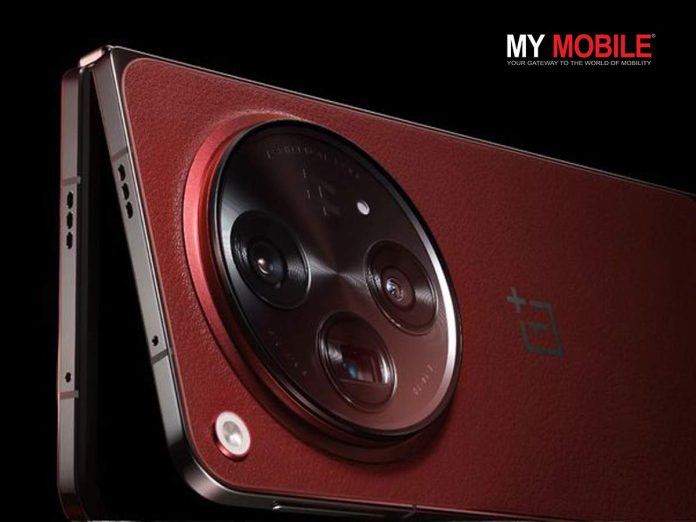
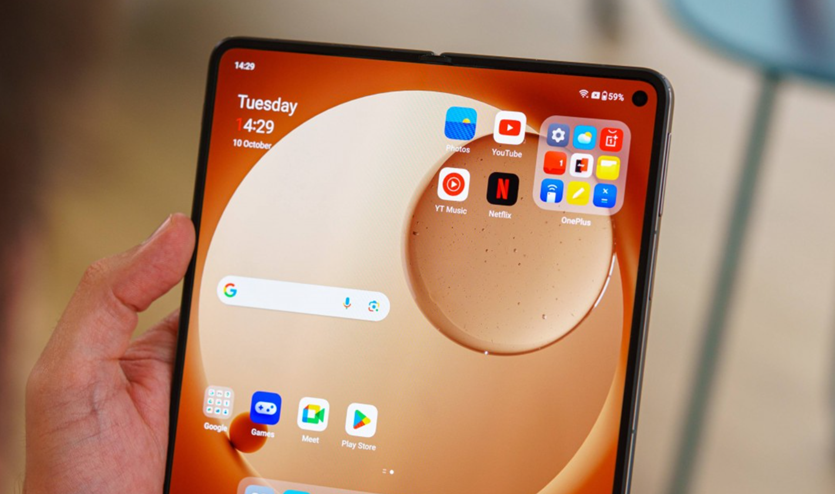
Recent leaks suggest upcoming OnePlus Open 2 and Oppo Find N5 will be larger and slimmer. (Image credit – GSMArena.com)
The OnePlus Open is one of the best foldable phones on the market. Recent reports suggest its successor OnePlus Open 2 is expected to push the envelope even further by packing everything that was missing earlier.
This means we can finally expect to get wireless charging, a thinner design and a significantly larger battery.
And just as how Oppo Find N3 and the original OnePlus Open were similar, tech enthusiasts expect both the upcoming Oppo Find N5 and OnePlus Open 2 to be nearly identical as well.
This means every new leak about OnePlus Open 2 applies to the Oppo Find N5.
One of the main drawbacks of the original OnePlus Open was the lack of wireless charging, which was unusual for such a high-end device. However, the Open 2 is expected to fix this issue.
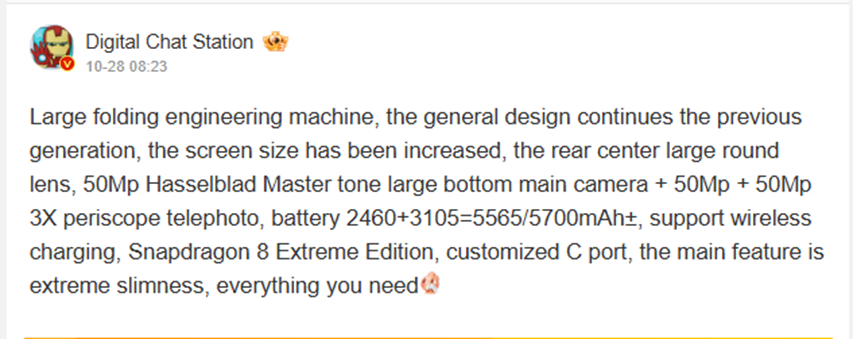
A recent tip from trusted leaker Digital Chat Station on Weibo suggests that the new model will include wireless charging support while maintaining an impressively slim form.
Tipster Digital Chat Station’s recent post on Weibo. (Translated from Chinese via Google Translate)
A recent 9to5Google report suggests that it could be slimmer than the Pixel 9 Pro Fold and even close to the sleek Honor Magic V3.
This is a noteworthy addition, given OnePlus’s previous stance on the limitations of wireless charging.
Moreover, the OnePlus Open 2 is rumoured to come with a much larger battery, jumping from the 4,805 mAh capacity of the original to a massive 5,700 mAh.
This battery size beats most foldables on the market including the Galaxy Z Fold 6 and Pixel 9 Pro Fold.
This larger battery could be thanks to new battery technology advances, such as silicon-carbon batteries used by Honor, which enable a 5,150 mAh battery in the ultra-thin Magic V3.
The leaks also indicate that the OnePlus Open 2 will be equipped with a Snapdragon 8 Elite processor, three 50MP cameras and a unique customised USB-C port.
According to rumours circulating earlier, the Find N5 will be released sometime between January and March of next year.
The release timeline for the Open 2 could also be the same.
Oppo and OnePlus will launch the Oppo Find N5 in China first and the OnePlus Open 2 globally.
FAQs
Q1. What is one of the new features expected in the OnePlus Open 2?
Answer. One of the main drawbacks of the original OnePlus Open was the lack of wireless charging, which was unusual for such a high-end device. However, the Open 2 is expected to fix this issue.
Q2. How is the battery of the OnePlus Open 2 expected to compare to its predecessor?
Answer. The OnePlus Open 2 is rumoured to come with a much larger battery, jumping from the 4,805 mAh capacity of the original to a massive 5,700 mAh.
Q3. What processor is the OnePlus Open 2 expected to be equipped with?
Answer. The leaks also indicate that the OnePlus Open 2 will be equipped with a Snapdragon 8 Elite processor.
Mobile users in India may face issues with receiving OTPs due to new TRAI spam policy regulations.
It could impact transactions and deliveries starting November 1.
Telecom providers must register companies sending OTPs.
The transition to new regulations could take until early 2025.
The latest deadline to comply with the new SMS rules ends on October 31. (Image credit – Unknown)
OTPs have become the backbone of online transactions in recent years. However, Mobile users in India might soon face issues with receiving crucial OTPs for bank transactions and online deliveries starting November 1.
Without OTPs, payments can’t be authorised and online orders can’t be picked up, creating a chaotic situation.
According to recent media reports, mobile operators may struggle to authorize these third-party messages after October 31 if the revised spam policy from the Telecom Regulatory Authority of India (TRAI) isn’t in place.
A recent Economic Times report suggests that the new TRAI regulations require telecom providers to register companies that send OTPs and other essential information.
The rules also mandate blocking SMS messages containing URLs or Android APK files that could contain malware, as such links have previously enabled hackers to steal personal data and money from unsuspecting users.
To comply, telecom providers must assign each message a new template format to pass strict spam checks.
These templates need to include any URLs and phone numbers that are frequently used by services like banks, food delivery platforms and ride-share apps.
Messages that don’t meet these criteria or aren’t whitelisted could be blocked entirely.
The policy affects headers in SMS messages,which function like subject lines for banks, payment operators and other services like Zomato or Uber. The messages will be scanned to ensure no harmful commercial messages get through.
Although TRAI has granted multiple extensions to telecom companies to comply with these new rules, recent reports suggest some companies still haven’t fully adopted the regulations.
The transition reportedly could take until early 2025 to avoid disruptions for millions of mobile users if the rollout is delayed after November.
FAQs
Q1. What issues might mobile users in India face starting November 1?
Answer. Mobile users in India might soon face issues with receiving crucial OTPs for bank transactions and online deliveries starting November 1.
Q2. What new regulations do the TRAI rules require from telecom providers?
Answer. The new TRAI regulations require telecom providers to register companies that send OTPs and other essential information and mandate blocking SMS messages containing URLs or Android APK files that could contain malware.
Q3. What challenges do telecom providers face with the new TRAI policy?
Answer. Telecom providers must assign each message a new template format to pass strict spam checks, which include URLs and phone numbers frequently used by services like banks, food delivery platforms, and ride-share apps.
YouTube Music has introduced the ‘Speed dial’ feature replacing ‘Listen again.’
It now has a 3×3 grid layout displaying 27 items available on Android and iOS.
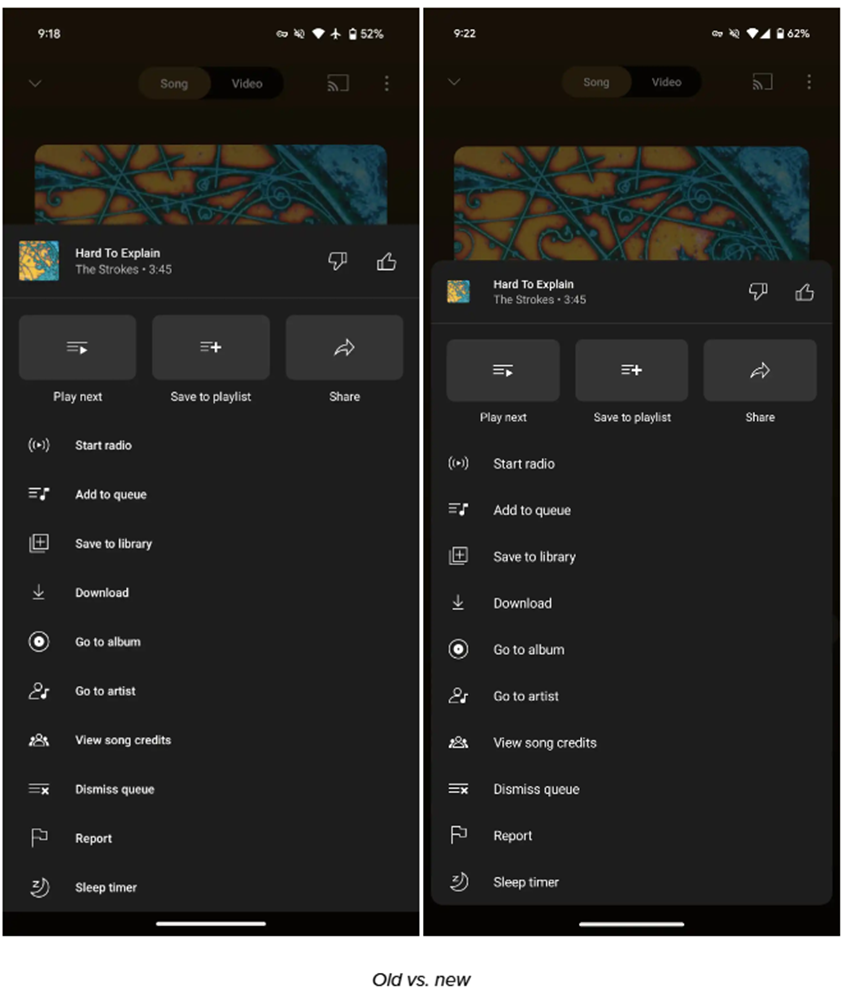
Updated menus now feature a floating panel.
Minor updates have been made to the Now Playing screen.
YouTube Music Rolls out ‘Speed dial’ feature, also updates Menus. (Image credit – 9to5Google)
YouTube Music has finally introduced the long-awaited ‘Speed dial’ feature replacing the old ‘Listen again’ section after testing it for over a year. The new feature will be available on both Android and iOS versions of the app. Apart from this, YouTube Music now also has an updated menu for a convenient user experience. Here’s everything you need to know about the new updates.
Speed Dial Replaces Listen Again on YouTube Music
The new Speed dial layout offers a 3×3 grid across three pages, displaying a total of 27 items like songs, albums, artists and playlists. This replaces the old 10×2 carousel, which only showed six items per screen.
Now, users can tap to play a track without leaving the Home feed, as the Now Playing screen doesn’t pop up automatically. Long-pressing brings up the overflow menu, while active tracks are highlighted by a white outline.
The new Speed dial feature shows a 3×3 grid across three pages, displaying a total of 27 items. (Image credit – 9to5Google)
Items with an arrow at the bottom edge don’t start playing immediately but take you to their respective pages.
This updated Speed dial format was expanded from showing nine items to 27 to make it easier for users to quickly find their favourite repeated songs and artists.
The Speed dial feature currently is widely available on Android and iOS. In case it is not visible even after updating the app, users can try refreshing the Home tab or force-stopping the app to see the feature.
The update hasn’t yet rolled out to the web or Android tablets, both still show the old “Listen again” section for now.
Updated Menus on YouTube Music
Apart from the Speed Dial rollout, YouTube Music has also updated its three-dot overflow menus on Android and iOS.
YouTube Music now has updated the menu into a floating panel with rounded corners, matching the style of the main YouTube app. The changes are subtle and almost not noticeable due to YouTube Music’s dark background.
No changes can be noticed in how the overflow menu is organised. (Image credit – 9to5Google)
Also, unlike iOS, the sharing option still uses the old design on Android.
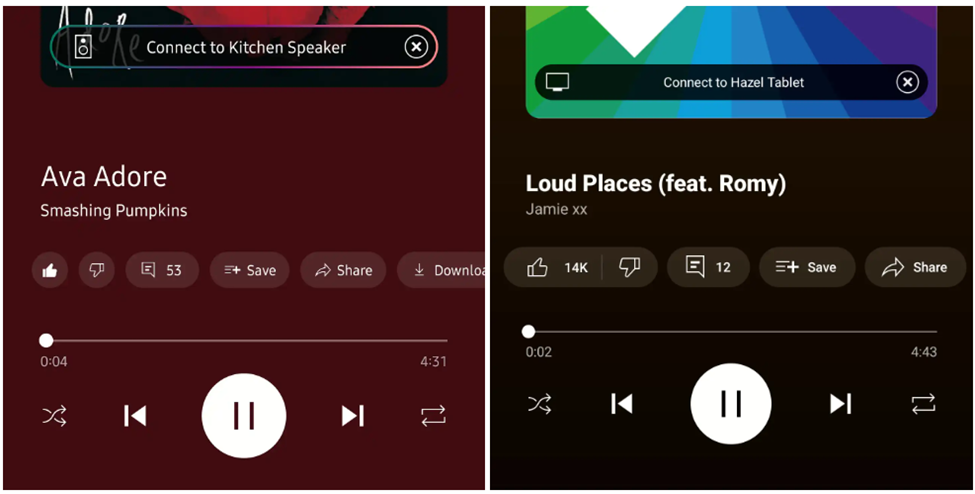
With version 7.24 of YouTube Music, the Now Playing screen has also received a minor update, removing the colourful glow around the “Connect to [Cast device]” button in favour of a simpler black-and-white look.
“Connect to [Cast device]” button now overlays on cover art. (Image credit – 9to5Google)Earlier this month, YouTube introduced design updates for the main app, including a frosted glass effect and a new bottom bar with revised icons. It’s unclear if or when these changes will come to YouTube Music, as features like the mini player would need an update to support a translucent bar.
However, YouTube Music’s web app was the first to feature the pink/magenta progress bar, a design element seen in recent updates.
FAQs
Q1. What new feature has YouTube Music introduced recently?
Answer. YouTube Music has finally introduced the long-awaited ‘Speed dial’ feature, replacing the old ‘Listen again’ section after testing it for over a year.
Q2. How does the Speed dial feature work on YouTube Music?
Answer. The new Speed dial layout offers a 3×3 grid across three pages, displaying a total of 27 items like songs, albums, artists and playlists. Users can tap to play a track without leaving the Home feed.
Q3. What updates have been made to the YouTube Music menus?
Answer. YouTube Music has updated its three-dot overflow menus on Android and iOS into a floating panel with rounded corners, matching the style of the main YouTube app.
HMD is reportedly working on a new mid-range phone called “Sage.”
Expected features include a 6.55-inch OLED screen, Unisoc’s T760 processor, dual 50-megapixel rear cameras, 33W wired charging and an IP52 rating.
Launch date, pricing and availability are still unknown.
HMD, the company known for Nokia smartphones, is steadily working to set its feet on the ground and establish itself as a reliable smartphone manufacturer.
The brand’s last release was just a few months ago and we are hearing hints of another mid-range handset already.
According to a recent leak shared by reliable source @smashx_60 HMD Meme’s on X (previously Twitter), HMD is working on a new mid-range phone called the “Sage.”
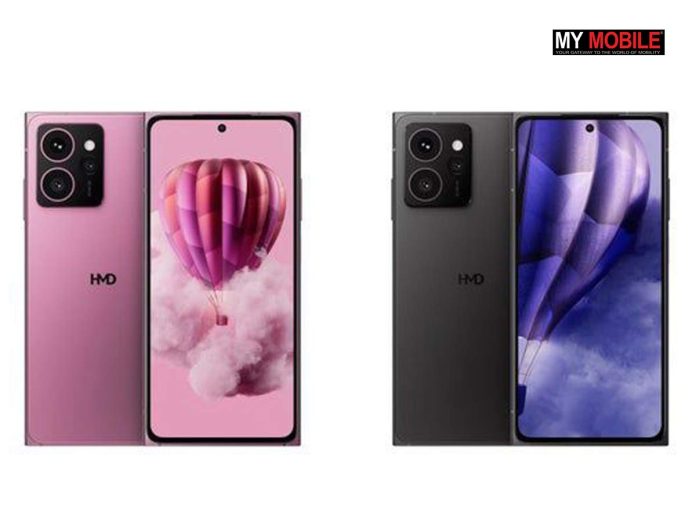
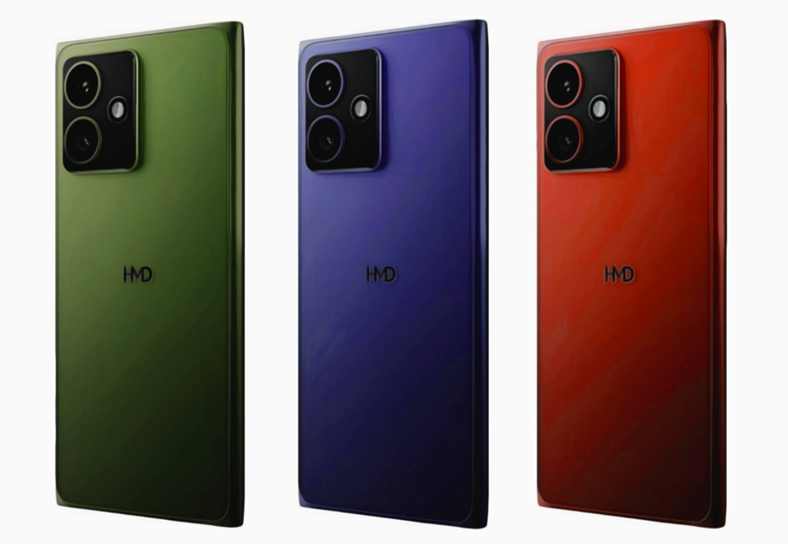
The leak includes some key specs of the upcoming smartphone along with renders that reminded us of the HMD Skyline released this year.
“SAGE”
– 6.55″ OLED FHD+, 90Hz
– 50MP / 50MP
– Unisoc T760 5G
– 33W fast charging, USB-C 2.0
– PC Frame, Matte back, Glass front
– IP52, 3.5mm. jack, NFC, etc.
— HMD_MEME’S (@smashx_60) October 26, 2024
Here’s everything we know about the HMD Sage based on the recent leak.
Design-wise, the Sage resembles the HMD Skyline, which itself draws inspiration from Nokia Lumia phones.
While similar overall, the Sage has a dual-camera layout on the back, unlike the Skyline’s triple-camera setup, and features HMD branding in the centre.
Renders reveal a polycarbonate frame with a matte finish in rumoured colour options of green, blue and red.
HMD Sage – Specs (Expected)
The HMD Sage is expected to sport a 6.55-inch OLED screen with Full HD+ resolution and a 90Hz refresh rate for smoother visuals
It will most likely powered by Unisoc’s T760 processor, the same chipset used in HMD’s recent Crest Max model. Details on the device’s RAM and storage are still unknown.
For cameras, leaks suggest a straightforward setup with dual 50-megapixel sensors on the back.
While battery capacity remains a mystery, the Sage is expected to support 33W wired charging through a USB-C port.
Additional features reportedly include an IP52 rating for dust and water resistance, a headphone jack, and NFC for contactless payments.
HMD Sage – Launch Date
HMD has yet to officially announce the Sage. This means the launch date, pricing and availability are still unknown.
However, the recent leak comes from a reliable source, so we can expect more details to emerge soon.
FAQs
Q1. What is the expected screen size and resolution of the HMD Sage?
Answer. The HMD Sage is expected to sport a 6.55-inch OLED screen with Full HD+ resolution and a 90Hz refresh rate.
Q2. What are the anticipated camera specifications for the HMD Sage?
Answer. Leaks suggest a straightforward setup with dual 50-megapixel sensors on the back.
Q3. When will the HMD Sage be officially announced?
Answer. HMD has yet to officially announce the Sage, so the launch date, pricing, and availability are still unknown.