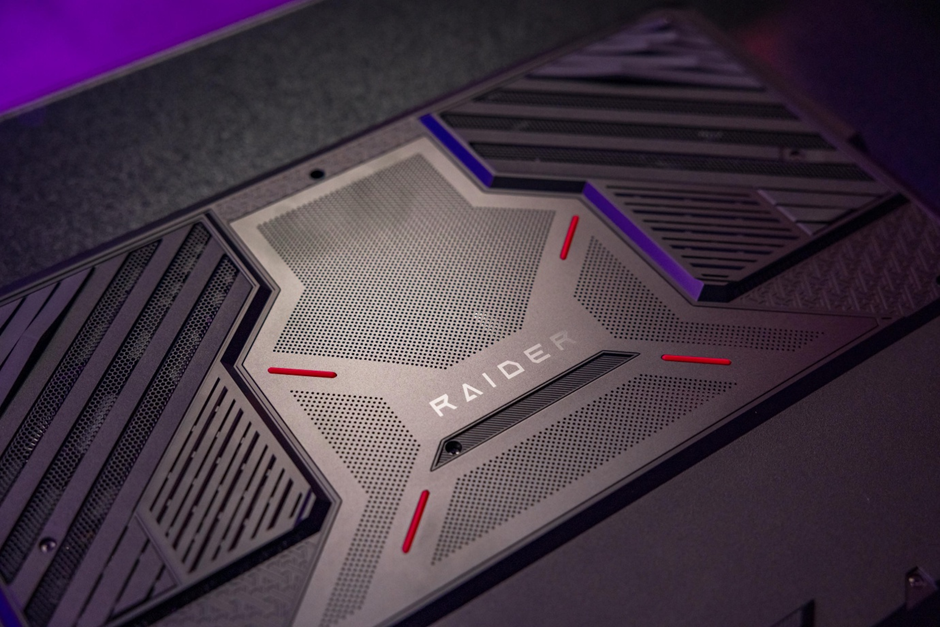
Equipped with high-end Intel Core Ultra processors and NVIDIA RTX 50-series GPUs, the MSI Raider 18 HX AI is a strong performer for gaming and intensive tasks.
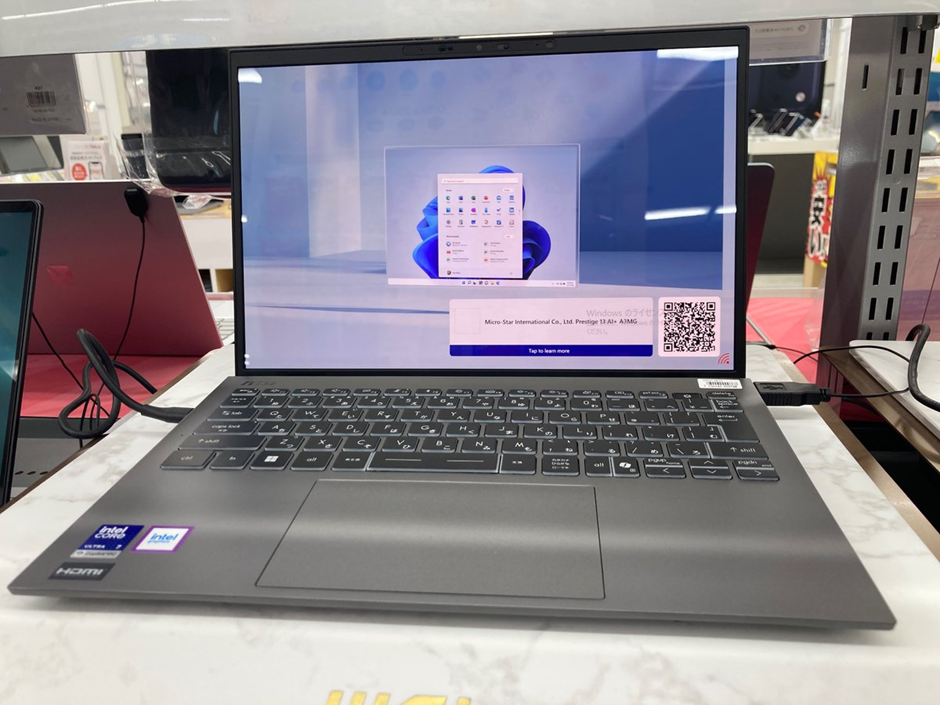
With a lightweight design and AI-powered performance, the MSI Prestige 13 AI+ is ideal for professionals and creators on the go.
Both laptops come with built-in AI capabilities, Wi-Fi 7 support, and high-end cooling systems for efficient and seamless performance.
MSI Raider 18 HX, Prestige 13 AI+ Launched in India; Check Price, Features & Specifications (Pic Credit: X (Twitter))
Expanding its premium laptop lineup in India, MSI has launched Raider 18 HX AI and Prestige 13 AI+ in the country. These devices have been launched to attract gamers, creators, and professionals seeking top-tier performance and AI-powered computing.
The newly launched devices come with cutting-edge hardware, powerful GPUs, and next-gen AI capabilities, positioning them among the most advanced machines in the market.
Price in India
The MSI Raider 18 HX AI costs between Rs. 4.3 lakh and Rs. 4.8 lakh, depending on the configuration, establishing it as one of the most premium gaming laptops in the market.
Conversely, the MSI Prestige 13 AI+ is designed as a more portable, high-end ultrabook and is anticipated to have a substantially lower price point, starting at around Rs. 1 lakh in India, aimed at professionals and business users.
MSI Raider 18 HX AI: Ultimate Gaming Powerhouse
The Raider 18 HX AI is built as a desktop replacement laptop, providing exceptional performance for gaming and demanding tasks. It features an Intel Core Ultra 9 285HX processor paired with NVIDIA’s latest GeForce RTX 5080/5090 GPUs, delivering premium graphics and AI performance.
MSI Raider 18 HX AI is built as a desktop replacement laptop (Pic Credit: MSI Middle East)
Key Features
Advanced AI-powered performance with Intel Core Ultra processors
High-end NVIDIA RTX 50-series GPU support
MSI OverBoost technology for enhanced power delivery
Premium RGB keyboard and gaming-centric design
Specifications
Display: 18-inch Mini LED display with up to 4K resolution and 120Hz refresh rate
Processor: Up to Intel Core Ultra 9 285HX
GPU: Up to NVIDIA GeForce RTX 5090 GPU
RAM: Up to 64GB DDR5
Storage: Up to 4TB SSD
Battery: Large 99.9Wh battery
Connectivity: Wi-Fi 7, Thunderbolt 5
MSI Prestige 13 AI+: Lightweight AI Ultrabook
The Prestige 13 AI+ is ideal for users who prioritise portability, with a slim, lightweight design and AI-powered performance. It runs on Intel’s latest Core Ultra processors with built-in NPUs for AI tasks, making it well-suited for productivity, content creation, and business use.
MSI Prestige 13 AI+ is ideal for professionals and business users who prioritise portability (Pic Credit: X (Twitter))
Key Features
Ultra-lightweight and premium design
AI acceleration for productivity tasks
Long battery life for all-day usage
Focus on business and creative workflows
Specifications
Display: 13-inch OLED display with high resolution
Processor: Intel Core Ultra series processor with AI NPU
Graphics: Integrated Intel Arc graphics
RAM: Up to 32GB
Storage: Up to 1TB SSD
Battery: Long-lasting battery backup
Weight: Extremely lightweight (around 1kg class)
The laptop also supports AI features such as intelligent performance optimisation and enhanced video conferencing tools.
Since both laptops prioritise AI integration, they offer features such as smart performance tuning, improved video conferencing, and greater power efficiency. They also feature modern connectivity options, including Wi-Fi 7, Thunderbolt ports, and advanced cooling systems to maintain consistent performance.
MSI introduced the Raider 18 HX AI and Prestige 13 AI+ to target two different groups: hardcore gamers and mobile professionals. The Raider 18 HX AI offers exceptional raw power and high-end features, whereas the Prestige 13 AI+ focuses on combining good performance with portability and AI-enhanced efficiency.
These launches underscore MSI’s emphasis on AI-driven computing and top-tier hardware, establishing a new standard in India’s high-end laptop market.
FAQs
Q 1 What are the newly launched MSI laptops in India?
MSI has launched two new laptops in India—the MSI Raider 18 Max HX and the MSI Prestige 13 AI+, targeting gamers and professionals, respectively.
Q 2 What is the price of the MSI Raider 18 Max HX in India?
The MSI Raider 18 Max HX is a premium gaming laptop priced from around ₹4.5 lakh, with prices higher depending on the configuration.
Q 3 What makes the MSI Prestige 13 AI+ suitable for professionals?
The MSI Prestige 13 AI+ is lightweight, offers long battery life, and features AI-powered Intel Core Ultra processors, making it ideal for productivity and business use.
Q 4 What are the key specifications of the MSI Raider 18 Max HX?
It features an 18-inch Mini LED display, Intel Core Ultra 9 processor, NVIDIA RTX 50-series GPU, up to 64GB RAM, and up to 4TB storage.
Q 5 Do both laptops support AI features?
Yes, both the MSI Raider 18 Max HX and MSI Prestige 13 AI+ come with AI capabilities powered by Intel Core Ultra processors, enhancing performance and efficiency.
Oppo will unveil the Find X9s Pro and Find X9 Ultra on April 21 featuring Hasselblad-branded cameras and large batteries.
The Enco Clip 2 earbuds bring a clip-on earring-style design, Dynaudio tuning, AI noise cancellation, and up to 40 hours battery life.
The Pad Mini offers an OLED display, Snapdragon 8 Gen 5, 8,000mAh battery, and slim 5.39mm design.
Oppo Watch X3 Mini includes sapphire glass, health tracking, exercise guidance, WeChat replies and up to 7 days battery life.
Oppo is gearing up for a major launch event in China on April 21 to unveil the Oppo Find X9s Pro, Oppo Find X9 Ultra, Oppo Enco Clip 2, Oppo Pad Mini and Oppo Watch X3 Mini. While the Ultra smartphone is expected to arrive in global markets, the Find X9s Pro may remain limited to China initially. Ahead of the launch, several leaks and teasers have revealed key details about the upcoming devices.
Oppo Find X9s Pro Design, Colours and Specifications (Leaked)
Leaked renders shared by tipster Evan Blass reveal that the Oppo Find X9s Pro will be available in cyan, orange, titanium and white colour options. These align with earlier reports suggesting finishes like Natural White, Native Titanium, Vibrant Orange and Wind Chaser Green.
The smartphone is expected to feature a compact 6.32-inch display making it the smallest model in the X9 series lineup. The rear panel houses a square-shaped camera module with rounded edges featuring three lenses arranged in a triangular layout. Two sensors are placed vertically on the left, while a periscope lens sits on the right. On the front, the phone appears to have slim, uniform bezels and a centrally placed hole-punch cutout with volume and power buttons located on the right edge.
Under the hood, the Oppo Find X9s Pro is expected to be powered by the MediaTek Dimensity 9500 chipset paired with up to 16GB of RAM. It is likely to run on Android 16-based ColorOS 16 out of the box.
For photography, the device is tipped to feature a Hasselblad-branded triple camera setup including a 200-megapixel primary sensor, a 200-megapixel periscope telephoto lens and a 50-megapixel ultra-wide camera.
The handset is expected to pack a large battery of around 7,025mAh capacity with support for 80W wired charging and 50W wireless charging. It may also include an ultrasonic fingerprint sensor, a metal build and IP68 and IP69 ratings for dust and water resistance. The device is tipped to weigh around 198 grams.
Oppo Enco Clip 2 Features and Design (Leaked)
Oppo will also launch the Enco Clip 2 earbuds with a unique design focused on both style and comfort. The earbuds feature a gold-toned finish and a clip-on form factor that resembles earrings rather than traditional earbuds. Each unit weighs around 5.2 grams and uses an ultra-thin titanium plate to improve flexibility and fit.
On the audio front, Oppo has partnered with Dynaudio for sound tuning. The Enco Clip 2 is said to feature dual DACs and dual drivers to deliver better audio clarity and separation.
The earbuds support voice commands that work with Apple devices allowing users to control playback, adjust volume, and manage calls without using their phone. They are powered by a 6nm chipset, which is claimed to enhance noise reduction performance. Additional features include AI-based call noise cancellation and real-time translation support.
Battery life is rated at up to 40 hours in total with around 9.5 hours per charge. The earbuds support Bluetooth 6.1 and are claimed to offer a connection range of up to 400 meters.
Oppo Pad Mini Design and Specifications (Leaked)
Oppo has also confirmed the launch of the Oppo Pad Mini, which will debut alongside the Oppo Pad 5 Pro. The tablet features a smartphone-like design with a hole-punch front camera and slim, symmetrical bezels.
The device is expected to come with an OLED display and an 8,000mAh battery. It has a flat rear panel with a single camera. Previous leaks suggest that the tablet may feature an 8.8-inch display with a 144Hz refresh rate, up to 1,800 nits peak brightness and a 3:2 aspect ratio.
Under the hood, the Oppo Pad Mini is likely to be powered by the Snapdragon 8 Gen 5 chipset. It is also expected to feature a 13-megapixel rear camera and support 67W fast charging. The tablet could measure just 5.39mm in thickness and weigh around 279 grams. It may be available in dark cyan, grey, and purple colour options.
Oppo Watch X3 Mini Features and Battery (Leaked)
The Oppo Watch X3 Mini will also debut at the same event with pre-reservations already live in China. The smartwatch will be available in High Gloss Gold, Mocha Brown, and Starlight Silver colour options.
The wearable will feature a sapphire crystal glass display along with an 18K gold and stainless-steel case. It will include health tracking features such as menstrual cycle monitoring, stress tracking, sleep analysis, and hypertension risk assessment. It also offers exercise guidance, physical and mental status insights, and sun exposure reminders.
In addition to health features, the smartwatch supports calling directly from the wrist and allows users to reply to WeChat messages. It can also function as a remote control for smartphones including controlling the camera shutter.
The Oppo Watch X3 Mini is compatible with over 100 apps and is claimed to deliver up to seven days of battery life under normal usage and up to 2.5 days with heavy usage.
FAQs
Q1. What devices will Oppo launch on April 21?
Answer. Oppo will unveil the Find X9s Pro, Find X9 Ultra, Enco Clip 2 earbuds, Pad Mini tablet, and Watch X3 Mini smartwatch.
Q2. What are the key highlights of the Oppo Find X9s Pro?
Answer. It is expected to feature a 6.32-inch display, Dimensity 9500 chipset, Hasselblad triple cameras (200MP + 200MP periscope + 50MP ultra-wide), 7,025mAh battery, and IP68/IP69 ratings.
Q3. What unique features does the Oppo Watch X3 Mini offer?
Answer. It includes health tracking (menstrual cycle, stress, sleep, hypertension risk), exercise guidance, WeChat replies, remote smartphone control, and up to 7 days battery life.
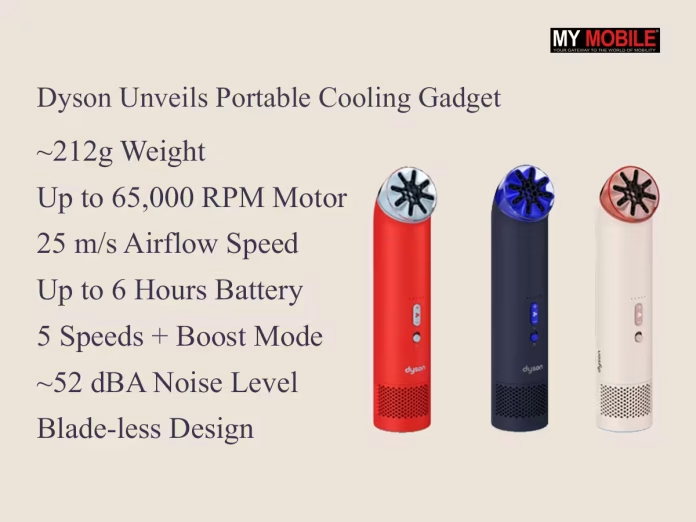
The Dyson HushJet Mini Cool delivers high-speed airflow of up to 25 m/s despite its lightweight, handheld design.
Equipped with 5 speed settings and a Boost mode, the device offers customizable cooling for different environments and needs.
Features a bladeless design with reduced noise output, ensuring a safer and more comfortable user experience.
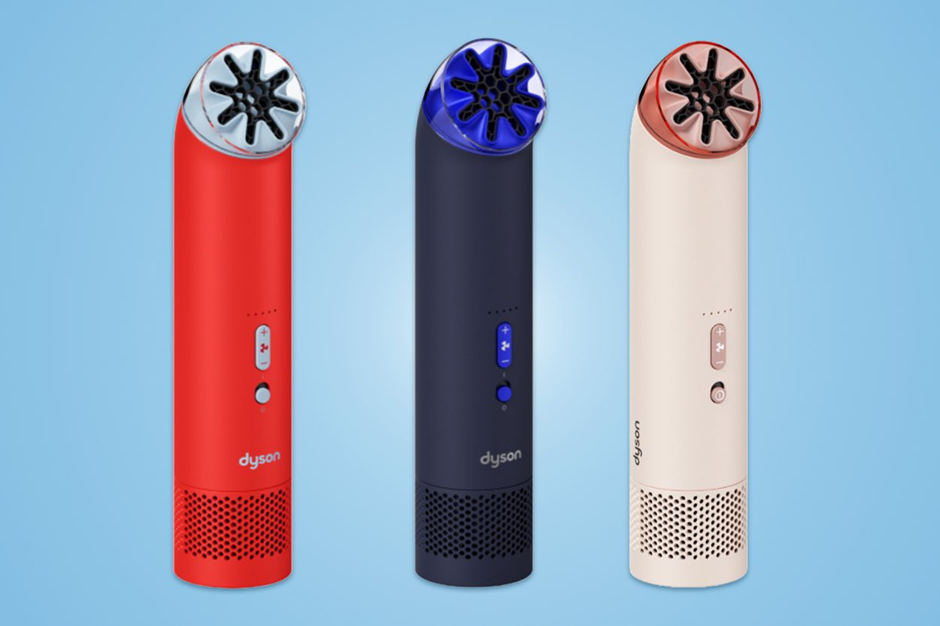
Dyson Adds Handheld Cooling Device to Its Portfolio With Launch of HushJet Mini Cool Fan (Pic Credit: Dyson)
Dyson, a technology company based in Singapore, has expanded its product lineup by introducing the HushJet Mini Cool fan, a handheld cooling device designed for personal comfort on the move. This new product signifies Dyson’s venture into the small, portable personal cooling market, blending ease of transport with powerful performance.
Compact Design Meets Powerful Airflow
The HushJet Mini Cool is notable for its extremely lightweight and compact design, weighing only about 212 grams. This ensures it is easy to carry. It can be used in various ways, including as a handheld fan, a desk accessory, or a wearable cooling device, making it suitable for a range of daily situations.
The device is small, yet Dyson has integrated advanced engineering. It features a high-speed brushless DC motor that reaches up to 65,000 RPM, producing airflow speeds of approximately 25 metres per second (about 55 mph).
Lightweight & Compact Design of Dyson HushJet Mini Cool Fan Can Makes It Suitable for Range of Daily Situations (Pic Credit: X (Twitter))
Advanced Engineering and Quiet Operation
Dyson’s hallmark airflow technology shines in the HushJet Mini Cool. The fan includes a specially designed nozzle that directs air effectively and diminishes high-frequency noise, providing a quieter and more comfortable cooling experience compared to traditional handheld fans.
The device features enclosed internal parts, eliminating exposed blades for improved safety and durability. Moreover, the rotatable nozzle enables users to direct the airflow as required.
Battery and Usage
The HushJet Mini Cool includes a rechargeable battery that lasts up to 6 hours per charge, depending on usage. It supports USB-C charging and is built for easy portability in daily use.
Accessories such as a charging stand and a wearable lanyard are included, with additional mounts and clips expected to be added later to improve usability.
Caption: Dyson HushJet Mini Cool Comes With Rechargable Battery That Lasts Up To 6 Hours (Pic Credit: X (Twitter))
Specifications at a Glance
Weight: ~212 grams
Motor Speed: Up to 65,000 RPM
Airflow Speed: Up to 25 m/s (≈55 mph)
Battery Life: Up to 6 hours
Airflow Modes: 5 speeds + Boost mode
Noise Levels: As low as ~52 dBA (varies by mode)
Design: Blade-less, enclosed motor system
Price and Availability
The Dyson HushJet Mini Cool is expected to cost about $99 (roughly ₹8,000–₹9,000), making it a premium personal cooling option. It will come in various colours and will be sold through Dyson’s official outlets and select retail stores.
The HushJet Mini Cool by Dyson redefines portable cooling with its compact size, strong airflow, and high-quality engineering. While it costs more than typical handheld fans, its innovative features and durable build make it an attractive option for users wanting effective, stylish personal cooling.
FAQs
Q 1 What is the Dyson HushJet Mini Cool?
The Dyson HushJet Mini Cool is Dyson’s first handheld, portable cooling device designed to deliver powerful airflow in a compact and lightweight form.
Q 2 How powerful is the airflow of the device?
Despite its compact size, the fan can produce airflow speeds reaching up to 25 metres per second, making it much more powerful than standard handheld fans.
Q 3 How long does the battery last on a single charge?
The device provides up to 6 hours of battery life, depending on the chosen airflow setting.
Q 4 What airflow modes are available?
It features five adjustable airflow speeds and a Boost mode for maximum cooling when required.
Q 5 Is the Dyson HushJet Mini Cool safe to use?
Yes, it has a bladeless design with enclosed parts, enhancing safety and lowering noise.
Sony’s Playerbase program lets gamers be scanned and showcased as in-game characters in PS5 games like Gran Turismo 7, providing a unique and immersive experience.
Players undergo a multi-step selection process, which includes submitting applications and attending interviews. The ultimate winner will be awarded a professional 3D scan in Los Angeles.
The initiative collects sensitive personal and biometric data, which raises significant concerns regarding data security, consent, and potential misuse of digital identities.
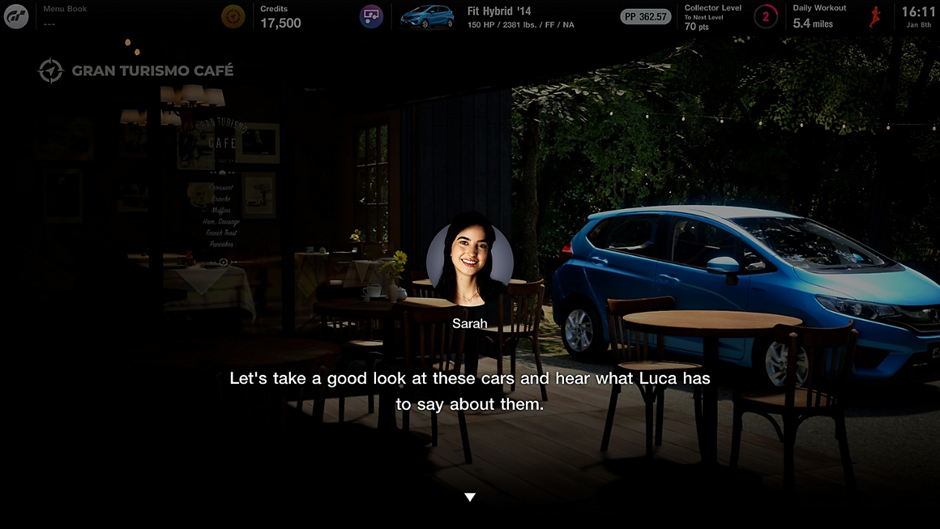
Caption: PlayStation Fans Now Can Enter Directly Into PS5 Games, Privacy Concerns Remain (Pic Credit: PlayStation Europe)
Sony’s new bold project, The Playerbase, will now allow PlayStation fans to enter directly into their favourite PS5 games. The program is extremely exciting and thrilling, as it gives players the opportunity to become part of the game world, but it has also sparked debates about data privacy and digital identity.
Sony’s program enables selected players to have their likeness scanned and incorporated into PlayStation games, beginning with Gran Turismo 7.
How the Playerbase Program Works
Sony’s new program is a global competition open to PlayStation users worldwide, including in Asia. To be part of this program, players must log in with their PlayStation account, share personal experiences, and complete a multi-step selection process.
Candidates who make the shortlist will be invited to video interviews, and one winner will be chosen from these. The winning candidate will then travel to a professional studio in Los Angeles, where cutting-edge scanning technologies will record their physical appearance.
The chosen player will appear as an in-game character in Gran Turismo 7 for a limited period and will work with designers to develop a custom logo and vehicle livery that will remain in the game permanently.
Sony has further announced its intention to extend this initiative to other major franchises, establishing Playerbase as a strategy for sustained engagement.
The Playerbase Program will scan players’ facial, body, and movement data.
Technology Behind the Experience
The program employs advanced methods like photogrammetry and performance capture to generate highly realistic 3D models of players. These scans capture facial features, body proportions, and movement data, enabling an almost lifelike in-game representation.
Privacy Concerns Take Centre Stage
Although the initiative is innovative, it has generated considerable privacy concerns. Participants must disclose personal information, including PlayStation activity, gameplay history, and possibly biometric data from body scans.
This raises critical questions:
How securely will this sensitive data be stored?
Will scanned likenesses be reused beyond the original agreement?
Could such data be vulnerable to misuse or breaches?
Experts have flagged that biometric data, such as facial scans, is much more sensitive than regular personal information. Once stolen, it can’t be “reset” like a password.
Furthermore, requiring users to link their PlayStation accounts could enable Sony to collect more detailed data on user behaviour, preferences, and gaming habits, raising concerns about data tracking and user consent.
Despite being innovative idea, the new iniative has raised privacy concerns
A Bold Step With Caution Required
Sony’s Playerbase program represents a new milestone in gaming, merging real-world identity with digital experiences. It enhances fan engagement and provides gamers with a unique, once-in-a-lifetime opportunity.
As gaming becomes increasingly immersive and data-driven, privacy protections need to keep pace with technological advancements. While the prospect of starring in a PS5 game is exciting, users should carefully consider the trade-off between gaining fame and protecting their personal information.
FAQs
Q 1 What is Sony’s Playerbase program?
Sony’s Playerbase is a new initiative that allows PlayStation users to be scanned and featured as characters in PS5 games, starting with Gran Turismo 7.
Q 2 How can players participate in the Playerbase program?
Players need to apply through the official platform using their PlayStation account, share their gaming experiences, and go through a selection process that may include interviews.
Q 3 What does the selected participant receive?
The winner gets the opportunity to travel to a professional studio for a full-body scan, appear as a character in the game, and collaborate on custom in-game elements like logos or vehicle designs.
Q 4 What kind of data does Sony collect in this program?
Sony may collect personal information, gameplay data, and biometric data such as facial and body scans to create realistic in-game representations.
Q 5 Are there any privacy concerns with the Playerbase program?
Yes, experts have raised concerns about how sensitive data—especially biometric information—will be stored, used, and protected, as well as the potential risks of misuse or data breaches.
Vivo will reportedly launch the X300 FE in India with support for the ZEISS Telephoto Extender Kit.
It will enable up to 200mm optical zoom and 1600mm focal length.
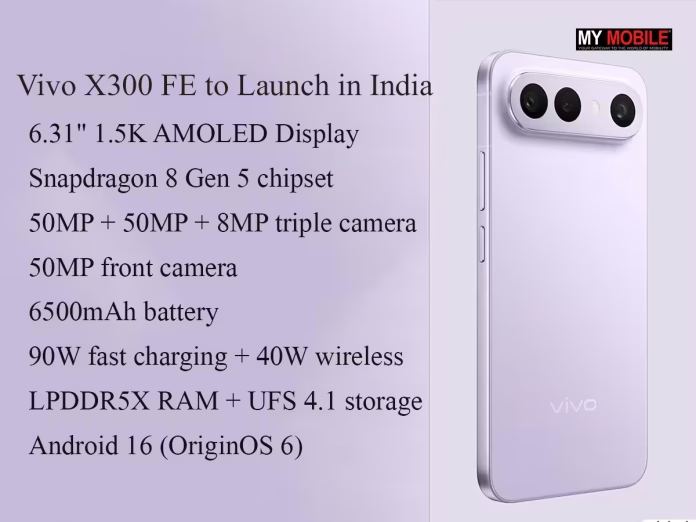
The device may feature a 6.31-inch 1.5K LTPO AMOLED 120Hz display, Snapdragon 8 Elite Gen 5 chipset, ZEISS-backed triple camera setup and a 6,500mAh battery with 90W wired and 40W wireless charging.
Vivo X300 FE. (Image credit – Vivo)
Vivo is preparing to launch Vivo X300 FE in India soon and new details reveal a strong focus on photography. According to a latest exclusive report from 91Mobiles, the upcoming model will ship with support for the ZEISS Telephoto Extender Kit and will bring advanced long-range imaging capabilities. Here are more details.
Vivo X300 FE ZEISS Extender Kit and Camera Details
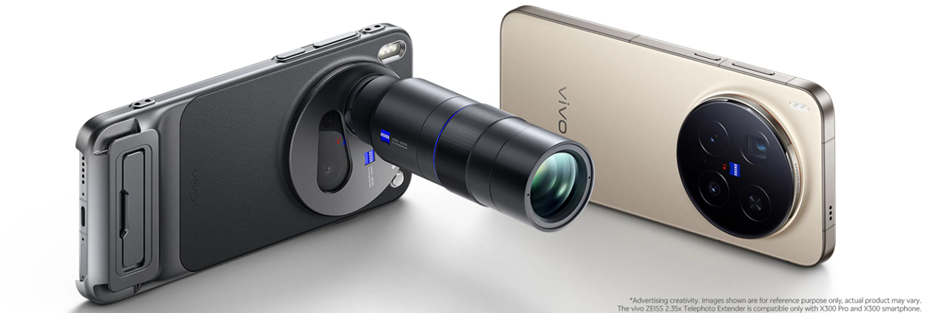
91Mobiles have cited industry sources to confirm that the ZEISS Telephoto Extender Kit for the Vivo X300 FE will be sold separately. The accessory attaches to the phone’s telephoto lens using a dedicated case and can extend zoom capabilities by 2.35x. This enables up to 200mm of optical zoom and an impressive focal length of up to 1600mm.
200mm ZEISS Telephoto Extender Kit for Vivo X300 Series. (Image credit – Vivo)
The smartphone is also confirmed to feature a 50MP ZEISS telephoto camera. In addition, it is expected to include a range of AI-powered portrait modes that can be paired with the extender kit to enhance portrait photography significantly.
Just to recall, Vivo has previously launched Vivo X300 and Vivo X300 Pro in India with a 200mm ZEISS Telephoto Extender Kit. Meanwhile, the Vivo X300 Ultra was showcased at MWC Barcelona with an even more powerful 400mm extender.
Vivo X300 FE – Expected Specifications
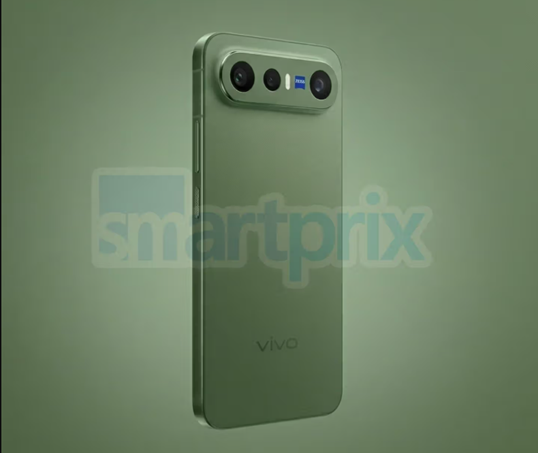
Recently leaked Vivo X300 FE image in Green colour. (Image credit – Vivo)
The Vivo X300 FE has been recently spotted in a green colour variant, which is expected to be an India-exclusive option.
The phone is expected to debut as a compact flagship featuring a 6.31-inch 1.5K LTPO AMOLED display with a 120Hz refresh rate. The phone is likely to be powered by Qualcomm’s Snapdragon 8 Elite Gen 5 chipset in India.
In terms of cameras, the device is tipped to feature a ZEISS-backed triple camera setup including a 50MP telephoto lens, a 50MP primary sensor and an 8MP ultra-wide camera.
The Vivo X300 FE is also expected to pack a 6,500mAh battery with support for 90W fast charging and 40W wireless charging ensuring strong battery life and quick top-ups.
Vivo X300 FE Launch Timeline and Pricing (Expected)
The Vivo X300 FE is expected to launch in India in early May even though the company has not officially confirmed the date yet. While pricing details are still under wraps, the smartphone is expected to be positioned below the Vivo X300 that is currently available at around Rs 75,000.
FAQs
Q1. What special accessory will the Vivo X300 FE support?
Answer. The smartphone will support the ZEISS Telephoto Extender Kit, sold separately, enabling up to 200mm optical zoom and 1600mm focal length.
Q2. What are the expected specifications of the Vivo X300 FE?
Answer. It is tipped to feature a 6.31-inch 1.5K LTPO AMOLED 120Hz display, Snapdragon 8 Elite Gen 5 chipset, ZEISS-backed triple camera setup, and a 6,500mAh battery with 90W wired and 40W wireless charging.
Q3. When is the Vivo X300 FE expected to launch in India?
Answer. The Vivo X300 FE is expected to debut in early May 2026, priced below the Vivo X300 (~₹75,000), with a green color variant exclusive to India.
Huawei has unveiled the Enjoy 90m Plus on its official website.
It sports a 6.67-inch LCD 120Hz display, Kirin 8000 chipset, HarmonyOS 6.0, 50MP rear camera, 8MP front camera and 6,620mAh battery with 40W fast charging support.
Pricing and availability remain undisclosed.
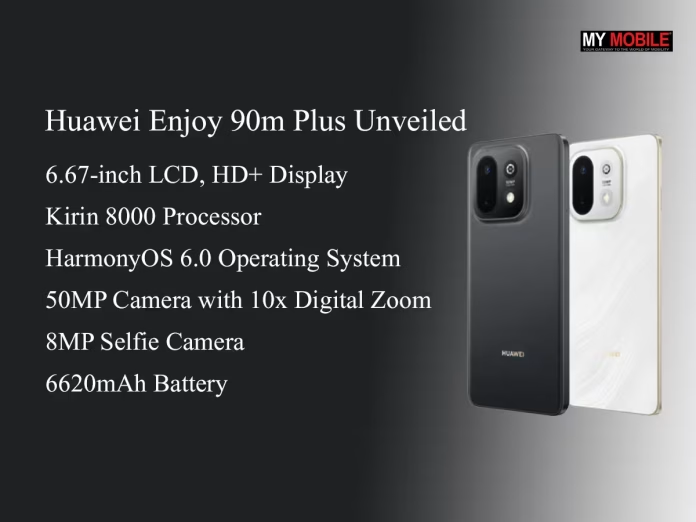
Huawei Enjoy 90m Plus officially unveiled. (Image credit – Huawei)
Huawei has silently expanded its Enjoy 90 lineup with the launch of the Huawei Enjoy 90m Plus. The smartphone has been listed on the company’s official website without any announcement. Here’s everything you need to know about the new device.
Huawei Enjoy 90m Plus – Design and Colours
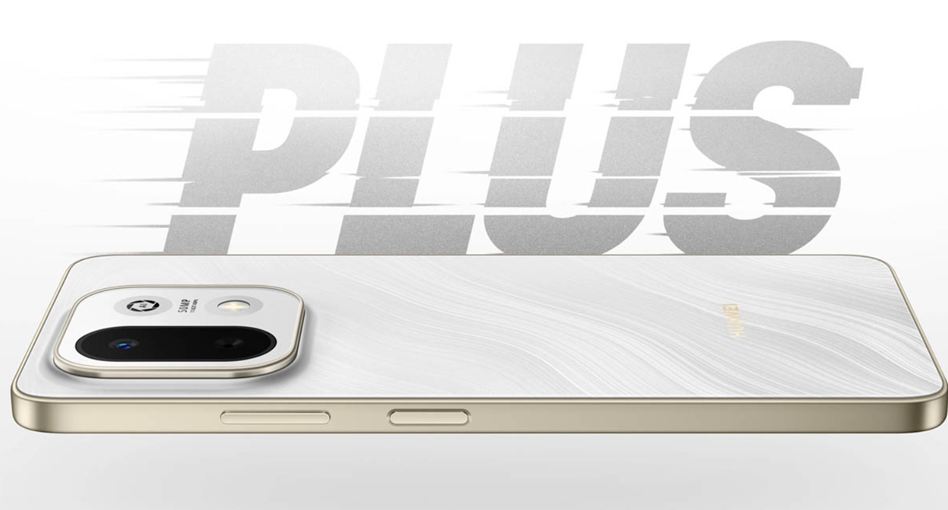
The Huawei Enjoy 90m Plus introduces a refreshed rear design as the new model adopts a unified oval-shaped black capsule module. This design approach gives it a look more in line with devices like the OnePlus 15 rather than other models in the Enjoy 90 series.
The smartphone is offered in multiple colour options, including a new Coral Orange variant, Classic White and Black finishes.
Huawei Enjoy 90m Plus colour options. (Image credit – Huawei)
Huawei Enjoy 90m Plus – Key Features
In terms of performance, the Huawei Enjoy 90m Plus sports a 6.67-inch LCD display with an HD+ resolution of 1604 × 720 pixels and a 120Hz refresh rate. While the resolution may not be the highest in its segment, the higher refresh rate is expected to provide smoother scrolling and animations.
The phone is powered by the Kirin 8000 chipset. It runs on HarmonyOS 6.0 out of the box and includes Huawei’s AI-driven security features designed to help prevent fraud and safeguard user data.
The device is available in 128GB and 256GB storage options. For photography, it features a 50-megapixel rear camera with support for up to 10x digital zoom. On the front, the phone houses an 8-megapixel camera for selfies and video calls.
Battery life is another key highlight with the Huawei Enjoy 90m Plus packing a large 6,620mAh battery. It supports up to 40W fast charging and is also compatible with 9V/2A charging standards.
In terms of connectivity, the device includes support for StarFlash E1.0 and Bluetooth 6.0.
Huawei Enjoy 90m Plus – Price and Availability
As of now, Huawei has not yet revealed the pricing or availability details for the Enjoy 90m Plus. More information regarding its sale and market rollout is expected to be announced soon.
FAQs
Q1. How was the Huawei Enjoy 90m Plus launched?
Answer. Huawei quietly listed the Enjoy 90m Plus on its official website without a formal announcement.
Q2. What design changes does the Enjoy 90m Plus feature?
Answer. It adopts a unified oval-shaped capsule camera module, giving it a refreshed look compared to earlier Enjoy 90 models.
Q3. What are the key display and performance specs of Huawei Enjoy 90m Plus?
Answer. The phone has a 6.67-inch LCD HD+ display with 120Hz refresh rate, powered by the Kirin 8000 chipset, running HarmonyOS 6.0.
Q4. What are the camera details of Huawei Enjoy 90m Plus?
Answer. It features a 50MP rear camera with 10x digital zoom and an 8MP front camera for selfies and video calls.
Q5. What is the battery capacity and charging support of Huawei Enjoy 90m Plus?
Answer. The Enjoy 90m Plus packs a 6,620mAh battery with 40W fast charging and compatibility with 9V/2A charging standards.
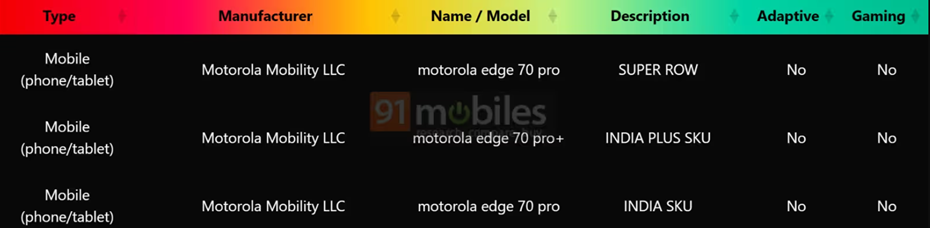
The Motorola Edge 70 Pro and Edge 70 Pro+ have been spotted on the HDR10+ certification platform.
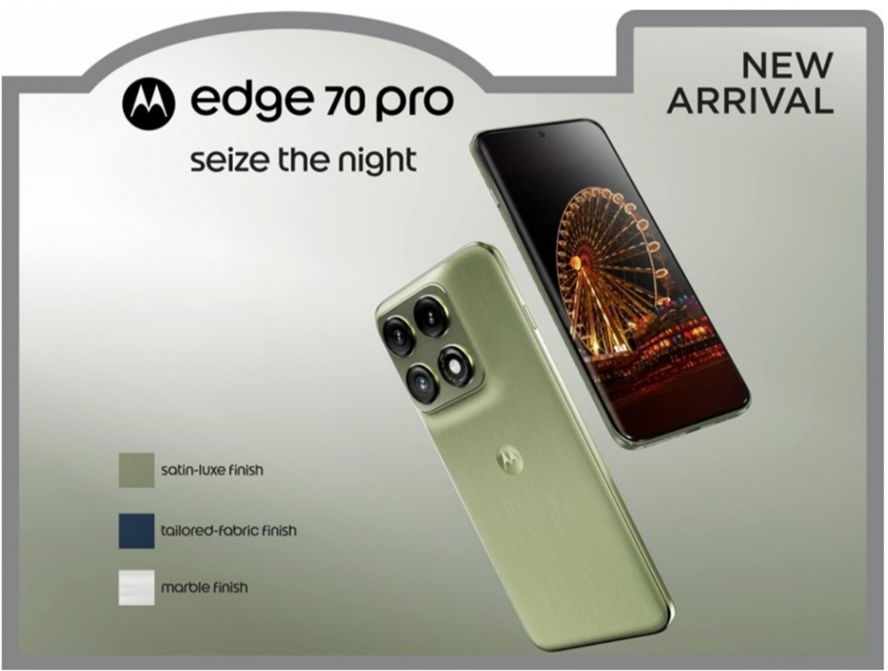
Leaked marketing materials show the Edge 70 Pro in three color options.
The Edge 70 Pro may feature a 6,500mAh battery, 90W fast charging, quad-curved display, Super Zoom camera capabilities and a dedicated AI key.
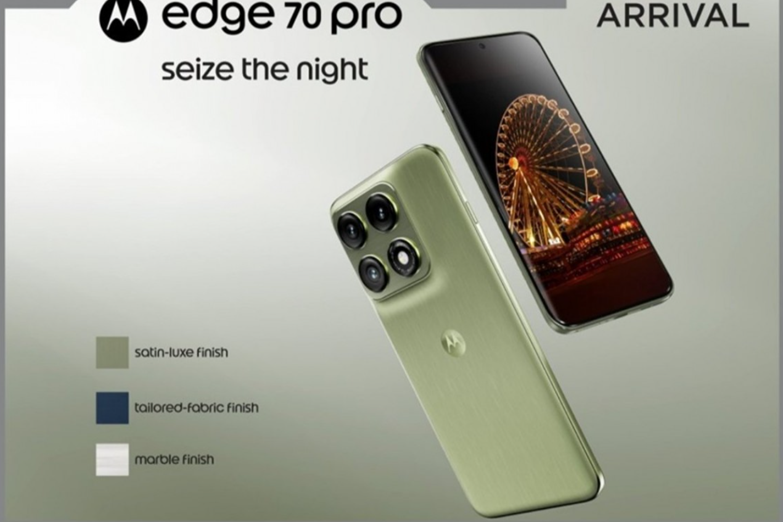
Leaked Motorola Edge 70 Pro marketing material.
Motorola appears to be expanding its Edge 70 series lineup significantly. Recent leaks reveals that the Motorola Edge 70 Pro and Motorola Edge 70 Pro+ have now been HDR10+ certified. While this indicates that their launch could be around the corner, leaked marketing materials also share quick glimpse of the Edge 70 Pro. Here’s more on this.
The appearance of the Motorola Edge 70 Pro and Edge 70 Pro+ on the HDR10+ certification platform confirms their existence. With HDR10+ support, both smartphones are expected to deliver improved visual quality offering richer colours, better contrast and enhanced detail in both bright and dark scenes during content playback.
Motorola Edge 70 Pro Design and Marketing Details
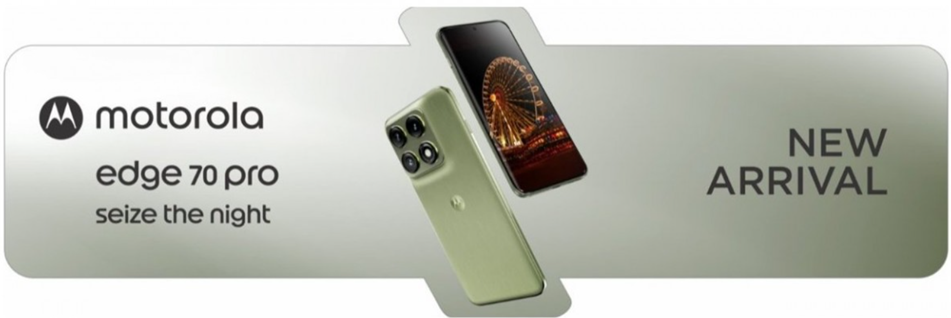
Leaked marketing images of the Motorola Edge 70 Pro have also surfaced online and shared a glimpse of the device. The smartphone is expected to carry the tagline “seize the night” suggesting that Motorola may heavily focus on promoting its camera capabilities particularly for low-light and nighttime photography.
Leaked marketing materials of Motorola Edge 70 Pro.
The handset is revealed to have three colour options in the leaked images, although these shades differ from earlier leaks. As with most early reports, these details should be treated cautiously until official confirmation.
In terms of design, the Edge 70 Pro appears to follow a familiar Motorola aesthetic and maintains a look consistent with recent models to ensure brand recognition.
Motorola Edge 70 Pro – Expected Specifications
Based on current leaks, the Motorola Edge 70 Pro is expected to feature a 6,500mAh battery with support for 90W wired fast charging.
The smartphone is also tipped to sport a quad-curved display and a refined rear design similar to what is seen on the Edge 70 Fusion. Additionally, the device may include “Super Zoom” capabilities indicating improvements in telephoto hardware or AI-based zoom processing.
Another notable feature could be a dedicated AI key located on the left side of the device. This suggests Motorola may introduce quick-access AI functionalities that aligns with the growing trend of AI integration in modern smartphones.
With certifications and leaks surfacing rapidly, more details about the Motorola Edge 70 Pro and Edge 70 Pro+ including their full specifications and launch timeline are expected to be revealed soon.
Earlier reports hinted that Motorola may introduce multiple devices under the Edge 70 series including the Edge 70, Edge 70 Fusion, Edge 70 Fusion+, Edge 70 Pro, Edge 70 Pro+ and even an Edge 70 Pro Lite. We will have to wait and see what materialises.
FAQs
Q1. What recent certification confirms the existence of the Motorola Edge 70 Pro and Edge 70 Pro+?
Answer. Both devices have appeared on the HDR10+ certification platform, confirming their existence and hinting at an upcoming launch.
Q2. What marketing tagline is associated with the Motorola Edge 70 Pro?
Answer. The leaked materials show the tagline “seize the night”, suggesting a strong focus on low-light and nighttime photography.
Q3. What key specifications are expected for the Motorola Edge 70 Pro?
Answer. It may feature a 6,500mAh battery with 90W fast charging, a quad-curved display, “Super Zoom” camera capabilities and a dedicated AI key for quick-access functions.
Nova 2 Ultra packs a 6.78-inch AMOLED 120Hz display, Dimensity 7400 chipset, 50MP dual cameras, 6,000mAh battery with 40W charging.
Nova 2 5G offers a 6.745-inch HD+ LCD 120Hz display, Unisoc T8200 chipset, 50MP camera, 6,000mAh battery with 18W charging and IP64 rating.
Nova Flip 5G is a clamshell foldable design with slim 7.2mm profile, 6.78-inch AMOLED 120Hz display, Dimensity 7300X chipset, dual 50MP + 2MP cameras, 13MP front camera and a 4,325mAh battery.
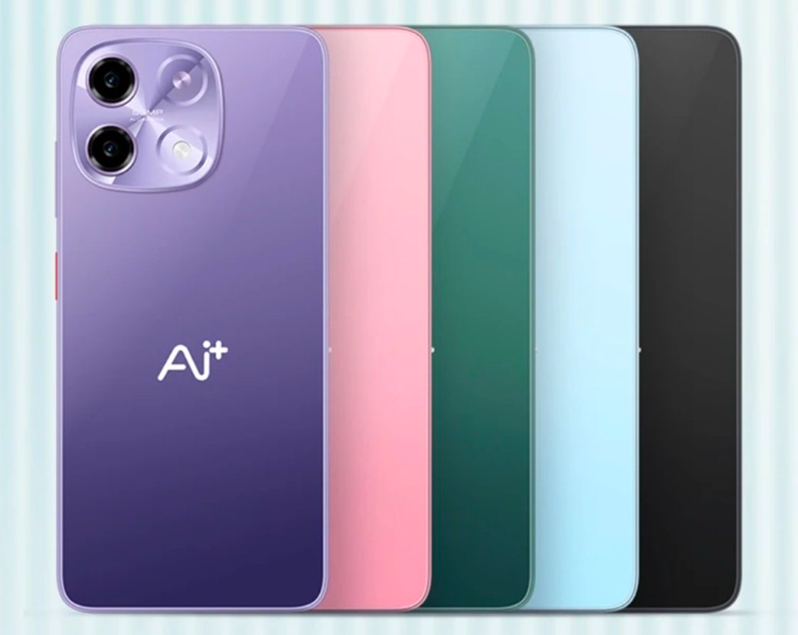
Ai+ has expanded its smartphone portfolio with the launch of the Ai+ Nova 2 Ultra and Ai+ Nova 2 5G in India. But that’s not all. The company has also introduced its first flip phone with the launch of Ai+ Nova Flip 5G. While there’s a lot to talk about the company’s entry into the clamshell foldable segment, the new Nova 2 series focuses on offering large batteries, high refresh rate displays and practical features aimed at everyday users. Here’s everything you need to know about the new devices.
“We built Ai+ on a simple conviction that great technology should not come with trade-offs. Pulse 1 and Nova 5G proved that users value trust, simplicity, and consistency. With over one million users in under a year, the response has been clear. The Nova Series, and everything we are launching alongside it, is our strongest expression yet of that belief,” said Madhav Sheth, CEO, Ai+ Smartphone & Founder, NxtQuantum Shift Technologies.
Ai+ Nova 2 Series and Ai+ Nova Flip 5G – Price and Availability in India
Ai+ Nova 2 Ultra will be available for purchase in India starting April 17 at 12 pm IST via Flipkart. On the other hand, Ai+ Nova 2 5G will go on sale in India on April 14 at 12 pm IST, via Flipkart
As for Ai+ Nova Flip 5G, it comes in a Glacier White colour and will be available for purchase in the country via Flipkart. The brand has not announced a sale date for the flip phone yet but reports indicates that it may be available in May.
As for pricing, here’s the detailed pricing of all three newly launched devices and their variant models –
Model
Price
Ai+ Nova 2 5G 4GB RAM + 64GB
₹8,999
Ai+ Nova 2 5G 6GB RAM + 128GB
Yet to be announced
Ai+ Nova 2 Ultra
₹14,999*
Ai+ Nova Flip
₹29,999*
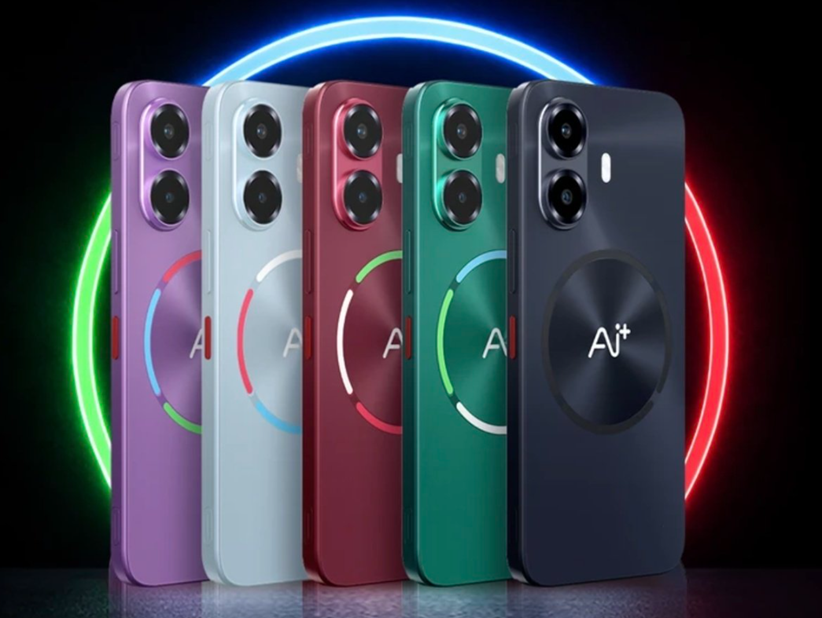
The Ai+ Nova 2 Ultra is available in Black, Red, Blue, Purple and Green colour options. And Ai+ Nova 2 comes in Black, Blue, Green, Pink and Purple colour options.
Ai+ Nova Flip 5G – Key Features
Ai+ Nova Flip 5G.
The Ai+ Nova Flip 5G adopts a clamshell-style folding design and is claimed to feature a slim 7.2mm profile, making it compact and easy to carry. It sports a 6.78-inch AMOLED main display with a 120Hz refresh rate ensuring smooth navigation and an enhanced viewing experience.
Powering the smartphone is the MediaTek Dimensity 7300X chipset, which is commonly used in modern flip-style foldables. The device supports dual SA/NSA 5G connectivity and runs on nxtQ OS, which is an Android-based custom interface that focuses on user privacy and smart features.
In terms of optics, the Ai+ Nova Flip 5G features a dual-camera setup on the outer panel comprising a 50MP primary sensor and a 2MP secondary camera. For selfies and video calls, it includes a 13MP front camera positioned on the inner display.
The foldable is backed by a 4,325mAh battery, which the company claims is designed to deliver all-day usage on a single charge.
Ai+ Nova 2 Ultra – Key Features
Ai+ Nova 2 Ultra.
The Ai+ Nova 2 Ultra features a 6.78-inch AMOLED display with a 120Hz refresh rate ensuring smooth visuals and vibrant colours. Powering the device is the MediaTek Dimensity 7400 chipset built on a 4nm process paired with an octa-core processor clocked up to 2.6GHz offering reliable performance for daily usage and gaming.
In terms of optics, the Nova 2 Ultra is equipped with a dual rear camera setup featuring a 50MP Sony IMX72 primary sensor with OIS and an 8MP ultra-wide lens. For selfies, the device includes a 13MP front camera.
The smartphone houses a large 6,000mAh battery designed for extended usage and supports 40W fast charging although a 33W charger is included in the box.
The smartphone comes with dedicated customisable action keys designed specifically for gaming. These allow users to assign controls for faster response times, providing a competitive edge during gameplay. Additionally, the device carries an IP68 rating for water and dust resistance that makes it suitable for everyday use in different conditions.
Ai+ has introduced its NXT Privacy Dashboard on the Nova 2 Ultra that offers users detailed control over app permissions and data usage with live tracking features. Another standout feature is the customizable back light panel to personalise lighting effects for notifications, incoming calls and visual alerts.
Ai+ Nova 2 5G – Key Features
Ai+ Nova 2 5G.
The Ai+ Nova 2 5G sports a 6.745-inch HD+ LCD display with a resolution of 720 x 1600 pixels, a 20:9 aspect ratio and a pixel density of 260ppi. The panel supports a 120Hz refresh rate and offers brightness levels of 450 nits minimum, 500 nits typical and up to 600 nits in high brightness mode. It also supports polarised sunglasses visibility and features an oleophobic coating for reduced fingerprints.
The device runs on Android 16 and is powered by the Unisoc T8200 chipset. It features an octa-core CPU configuration with two Cortex-A76 cores clocked at 2.3GHz and six Cortex-A55 cores at 2.1GHz alongwith an Arm Mali G57 MC2 GPU running at 850MHz.
The smartphone is available in 4GB RAM + 64GB storage and 6GB RAM + 128GB storage variants, with support for microSD expansion up to 1TB.
For photography, it includes a 50MP autofocus main camera along with a CIF sensor and a single-tone LED flash. The camera supports video recording and playback at up to 4K 30fps and 1080p 30fps along with HDR support. On the front, the Nova 2 5G features an 8MP fixed-focus camera without a flash.
The device is backed by a 6,000mAh Li-Polymer battery and supports 18W fast charging. However, the phone ships with a 10W charger in the box. It features a side-mounted fingerprint sensor for security and includes a 3.5mm headphone jack, a USB Type-C port and IP64 rating for dust and water resistance.
Connectivity options include dual-band Wi-Fi (2.4GHz and 5GHz), Bluetooth 5.0, VoLTE, VoWiFi, USB OTG and FM radio support. It also includes standard sensors such as GPS with A-GPS (supporting BDS, GLONASS, and Galileo), accelerometer, proximity sensor and ambient light sensor.
The smartphone measures 168.04 x 77.7 x 8.7mm and weighs approximately 205 grams.
Q1. What smartphones did Ai+ recently launch in India?
Answer. Ai+ introduced the Nova 2 Ultra, Nova 2 5G and its first clamshell foldable, the Nova Flip 5G.
Q2. What are the standout features of the Ai+ Nova 2 Ultra?
Answer. It offers a 6.78-inch AMOLED 120Hz display, Dimensity 7400 chipset, 50MP dual cameras, 6,000mAh battery with 40W charging, gaming action keys, IP68 rating, and a customizable back light panel.
Q3. What makes the Ai+ Nova 2 5G different from the Ultra?
Answer. The Nova 2 5G features a 6.745-inch HD+ LCD 120Hz display, Unisoc T8200 chipset, 50MP camera, 6,000mAh battery with 18W charging, IP64 rating, and comes in 4GB+64GB and 6GB+128GB variants.
Q4. What are the key highlights of the Ai+ Nova Flip 5G?
Answer. It has a clamshell foldable design, slim 7.2mm profile, 6.78-inch AMOLED 120Hz display, Dimensity 7300X chipset, dual 50MP + 2MP cameras, 13MP front camera and a 4,325mAh battery.
Q5. What software do the newly launched Ai+ devices run on?
Answer. The Nova 2 Ultra runs on nxtQ OS with privacy features, while the Nova 2 5G runs on Android 16. Both offer modern interfaces with enhanced user controls.
Q6. Has Ai+ Smartphone Launched Nova Series With Customisable Technology & Expanded Into Tablets and Wearables?
Answer. Nova 2, Nova 2 Ultra and Nova Flip anchor Ai+ Smartphones’ is the most aggressive expansion yet from a smartphone brand to a full connected ecosystem player.
Ai+ Smartphone today has launched the Nova Series, marking its most ambitious launch yet, alongside its first tablet, new audio products, and expanded wearables lineup bringing together a fully connected ecosystem built around simplicity, privacy, and everyday usability.
At the centre are three distinct 5G smartphones Nova 2, Nova 2 Ultra, and Nova Flip each designed for a different user, but united by a single belief: premium technology should be accessible, reliable, and worth carrying every day.
Q7. What are the Nova Series: Three Devices with Three Distinct Expressions?
Answer. The Nova Series places camera and design at the centre of the experience, not as features, but as fundamentals.
● Nova 2 is built for everyday reliability featuring a 50MP camera for natural, sharp images, a 6000mAh battery for all-day use, and full dual-mode 5G support. Available in five colours – Purple, Green, Pink, Blue, and Black, each designed to reflect a distinct mood.
● Nova 2 Ultra is the most complete expression of the lineup featuring a Sony IMX752 50MP camera with OIS, MediaTek Dimensity 7400 chipset, VC cooling, and design-led customisation, including dynamic lighting that responds to calls, messages, and more.
● Nova Flip brings back personality into smartphones with a nostalgic flip form factor, a 6.9-inch AMOLED display, 32MP front camera, and Glacier White finish inspired by Pantone’s Cloud Dancer.
All three devices run on Android 16 with NxtQuantum OS, offering a clean, consistent experience and real-time transparency through the NxtPrivacy Dashboard.
● Nova 2: Sale starts April 14, from ₹8,999
● Nova 2 Ultra: Sale starts April 17, from ₹14,999*
● Nova Flip: Launching May, priced at ₹29,999*
(All products to be available on Flipkart and select retail outlets)
Q8. What do we know about PulseTab: Entering the Tablet Segment?
Answer. Ai+ also introduced PulseTab, its first tablet and a new pillar in the connected ecosystem.
Built for everyday use, PulseTab features a 10.95-inch FHD 90Hz display, quad speakers, dual SIM + Wi-Fi support, and a design that is clean, portable, and practical. PulseTab goes on sale in May on Flipkart and select retail outlets, priced at ₹9,999.
Q9. How is Ai+ Smartphone Expanding into the Ai+ Ecosystem?
Answer. The launch also strengthens Ai+’s ecosystem across audio and wearables:
● NovaPod Beats – performance-focused audio with ANC, 13mm drivers, and health tracking
● NovaPods Air – everyday TWS with 22-hour playback and clear calling
● RotateCam 4G – a smartwatch with a rotating camera, standalone calling, GPS, and app ecosystem
NovaPod Beats: ₹1,599 | NovaPods Air: ₹899 | RotateCam 4G: ₹4,999 and will go on sale in May on Flipkart and select retail outlets.
Everything launched today from Nova Series to PulseTab and beyond reflects a single idea: Technology should not complicate life. It should fit into it. With a growing ecosystem, Ai+ is moving from individual products to a connected experience, one that is accessible, expressive, and built for real everyday use.
Honor X5d and Honor X5d Plus have been introduced in Malaysia.
the Honor X5d is priced at MYR 369 for 4GB+64GB, while the X5d Plus costs MYR 459 for 4GB+128GB.
Availability in other regions is yet to be announced.
Honor X5d and Honor X5d Plus. (Image credit – Honor)
Honor has introduced two new smartphones named the Honor X5d and Honor X5d Plus. However, what we have to point out about the launch is that both these devices are not entirely new.
According to reports, the latest models are essentially rebranded versions of the Honor X5c and Honor X5c Plus. The phones with X5c series moniker were originally launched in 2025. Honor has decided to keep the hardware and design unchanged but the only difference is that the new X5d lineup adds a fresh Tidal Blue colour option to set them apart. Here’s more on the newly launched Honor smartphones.
Honor X5d and Honor X5d Plus – Price and Availability
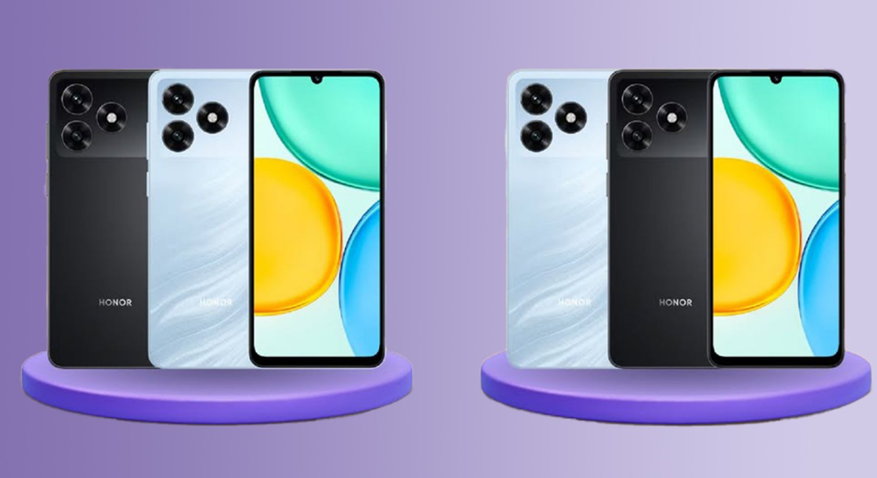
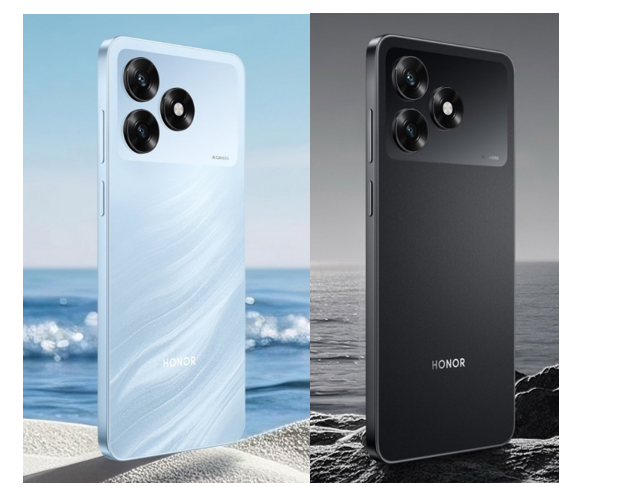
The Honor X5d and Honor X5d Plus are available in Tidal Blue and Midnight Black colour options.
Honor X5d and Honor X5d Plus colour options. (Image credit – Honor)
The smartphones are currently listed in Malaysia and the Honor X5d is priced at MYR 369 (approximately $93) for the 4GB RAM + 64GB storage variant. The Honor X5d Plus, on the other hand, is priced at MYR 459 (around $115) for the 4GB RAM + 128GB model.
As of now, there is no update on availability in other regions.
Honor X5d and Honor X5d Plus – Key Features
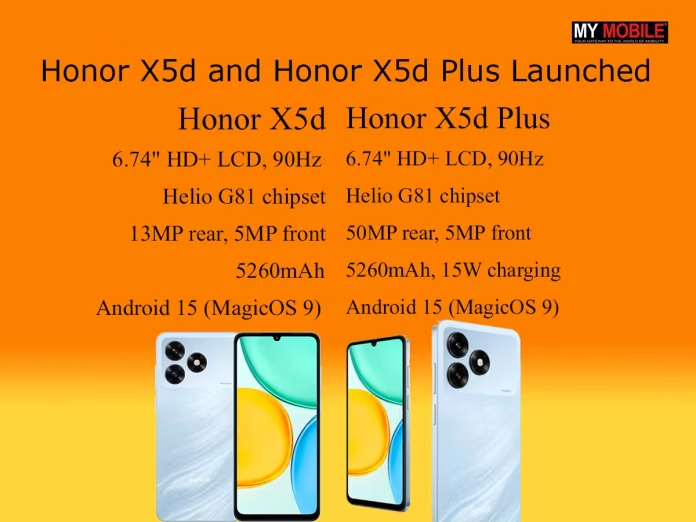
Both the Honor X5d and X5d Plus feature a 6.74-inch IPS LCD display with HD+ resolution and a 90Hz refresh rate. The phones include a waterdrop notch that houses a 5MP front-facing camera.
Speaking of camera, the Honor X5d Plus features a 50MP primary camera with an f/1.8 aperture, whereas the standard Honor X5d is equipped with a 13MP main camera with an f/2.2 aperture. Both smartphones also include an auxiliary QVGA 0.08MP sensor.
Under the hood, the two smartphones are powered by MediaTek’s Helio G81 chipset paired with 4GB of RAM. The standard Honor X5d comes with 64GB of internal storage, while the Honor X5d Plus offers 128GB of storage.
On the software side, both devices run MagicOS 9.0 based on Android 15 providing a modern software experience. For security, both devices are equipped with a side-mounted fingerprint scanner.
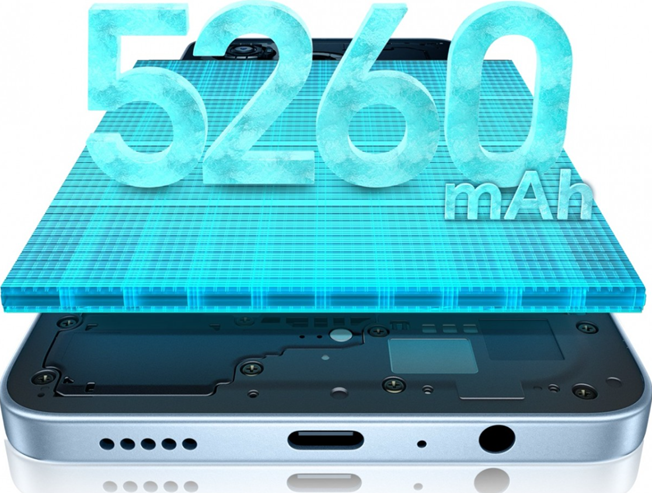
The devices are backed by a 5,260mAh battery with support for 15W wired charging. Both devices also come with IP54 rating for dust and splash resistance.
FAQs
Q1. Are the Honor X5d and X5d Plus brand-new smartphones?
Answer. No, they are essentially rebranded versions of the Honor X5c series launched in 2025, with the main change being a new Tidal Blue colour option.
Q2. What are the prices of the Honor X5d and X5d Plus?
Answer. In Malaysia, the Honor X5d is priced at MYR 369 (~$93) for 4GB+64GB, while the Honor X5d Plus costs MYR 459 (~$115) for 4GB+128GB.
Q3. What display features do new Honor X5d series smartphones offer?
Answer. Both models feature a 6.74-inch IPS LCD HD+ display with a 90Hz refresh rate and a waterdrop notch housing a 5MP front camera.
Q4. How do the cameras differ between the two models of Honor X5d series?
Answer. The Honor X5d Plus has a 50MP primary camera, while the standard Honor X5d comes with a 13MP main camera. Both include a QVGA 0.08MP sensor.
Q5. What are the battery and durability highlights of Honor X5d series phones?
Answer. Both smartphones pack a 5,260mAh battery with 15W wired charging and come with an IP54 rating for dust and splash resistance.
The price for the smartphone starts at ₹38,999 for 8GB+256GB with launch discounts reducing effective prices to ₹35,999.
Key Specs – 6.78-inch 1.5K AMOLED 165Hz display, Snapdragon 8s Gen 4, up to 12GB RAM, 256GB storage, OxygenOS 16, 50MP + 8MP rear camera setup, 32MP front camera and a massive 9,000mAh Silicon Carbon battery supporting 80W fast charging.
OnePlus Nord 6 sale in India starts today. (Image credit – OnePlus)
The OnePlus Nord 6 was launched in India earlier this week and the smartphone finally goes on sale today i.e. April 9 starting at 12pm (noon). The latest Nord series smartphone brings flagship-grade hardware, a massive battery and long-term software support in the premium mid-range segment. Here are all the details you should know.
OnePlus Nord 6 – Price, Offers and Availability in India
The OnePlus Nord 6 is priced at Rs. 38,999 for the 8GB RAM + 256GB storage variant, while the 12GB RAM + 256GB model is available at Rs. 41,999.
As part of launch offers, customers can get an instant discount of Rs. 2,000 on Axis Bank credit cards with full swipe transactions. Additionally, a Rs. 3,000 discount is available on Axis Bank and HDFCBank credit cards for EMI transactions. With these offers, the effective price drops to Rs. 35,999 for the base variant and Rs. 38,999 for the 12GB variant.
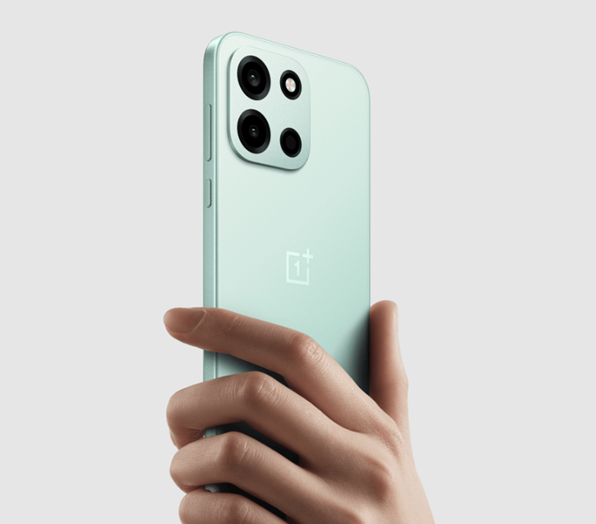
The smartphone comes in three colour options, which are Fresh Mint, Pitch Black and Quick Silver.
OnePlus Nord 6.
OnePlus Nord 6 – Key Features
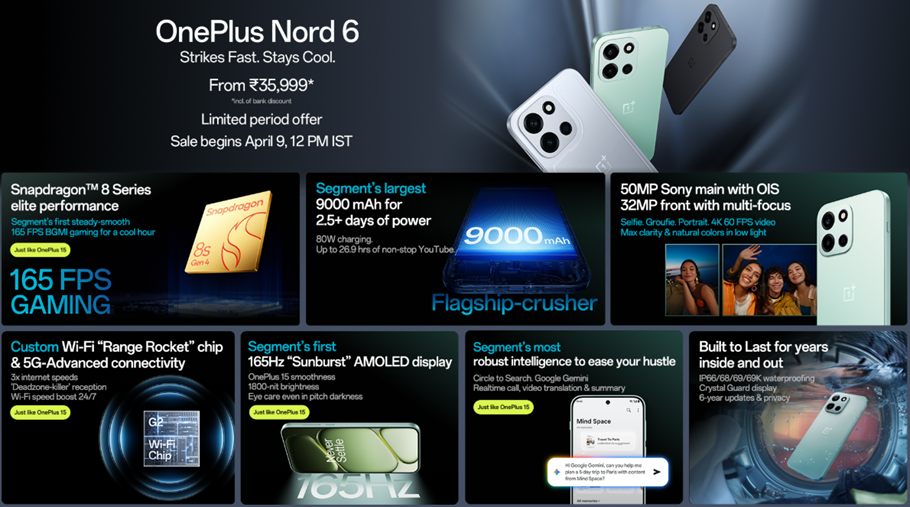
The OnePlus Nord 6 features a 6.78-inch AMOLED display with a 1.5K resolution (1,272 x 2,772 pixels), a 165Hz refresh rate and a pixel density of 450ppi. The panel offers a 93.5 percent screen-to-body ratio and is protected by Crystal Guard. It also supports 3840Hz PWM dimming and delivers a peak brightness of up to 3600 nits.
Powering the device is the Snapdragon 8s Gen 4 chipset paired with an Adreno 825 GPU. The smartphone comes with up to 12GB LPDDR5X RAM and up to 256GB UFS 4.1 storage. For thermal management, the device includes a large 33,147mm² heat dissipation area.
OnePlus Nord 6 key features.
On the software front, the smartphone runs OxygenOS 16 based on Android 16. OnePlus has confirmed that the device will receive up to four major Android updates and up to six years of security patches.
The OnePlus Nord 6 sports a dual rear camera setup led by a 50-megapixel Sony LYT-600 primary sensor with OIS and EIS, f/1.8 aperture, and PDAF. It is accompanied by an 8-megapixel ultra-wide camera using the OmniVision OV08F sensor with a 112-degree field of view.
For selfies and video calls, the smartphone features a 32-megapixel front camera. It also comes with dual stereo speakers enhanced with OReality Audio for an immersive sound experience.
One of the standout features of the OnePlus Nord 6 is its massive 9,000mAh Silicon Carbon battery. It supports 80W SuperVOOC fast charging, 27W wired reverse charging and bypass charging.
The device offers high durability with MIL-STD-810H certification and multiple dust and water resistance ratings ncluding IP66, IP68, IP69, and IP69K.
For security, the device features an in-display fingerprint sensor. It also includes a Plus Key that allows users to quickly add on-screen content to Mind Space.
FAQs
Q1. When does the OnePlus Nord 6 go on sale in India?
Answer. The smartphone sale starts on April 9 at 12pm (noon), following its launch earlier in the week.
Q2. What is the price of the OnePlus Nord 6 in India?
Answer. It is priced at ₹38,999 for the 8GB+256GB variant and ₹41,999 for the 12GB+256GB model. With bank offers, effective prices drop to ₹35,999 and ₹38,999.
Q3. What are the key features of the OnePlus Nord 6?
Answer. It sports a 6.78-inch 1.5K AMOLED display with 165Hz refresh rate, Snapdragon 8s Gen 4 chipset, up to 12GB RAM, dual rear cameras (50MP + 8MP), and a 32MP front camera.
Q4. What makes the OnePlus Nord 6 stand out?
Answer. Its highlight is a 9,000mAh Silicon Carbon battery with 80W fast charging, MIL-STD-810H durability, multiple IP ratings, and long-term software support (4 major Android updates, 6 years of security patches).