
Home Blog Page 477

Increase in Android Users Switching to iPhone Amid Decline in iPhone 15 Sales

0

Highlights

  • Android switchers to iPhone reach a five-year high at 17% for the June quarter.
  • Surge in new users coincides with a dip in iPhone 15 sales.
  • New converts opt for older or more affordable iPhone models.
  • Decrease in existing iPhone users upgrading their devices.

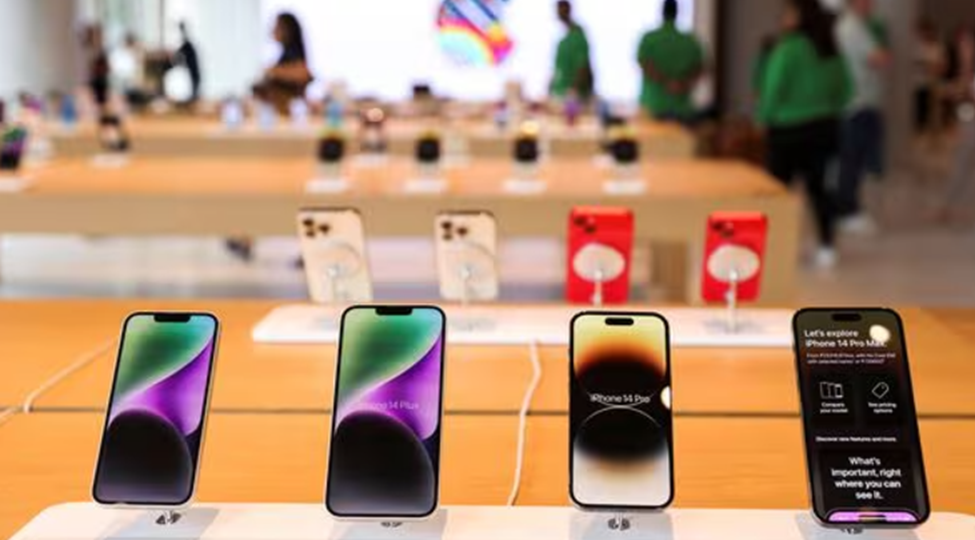
Apple’s iPhone lineup is experiencing an intriguing phenomenon: a surge in Android users switching to iOS, coupled with a reported dip in iPhone 15 sales compared to its predecessor.

More People Prefer Android to iOS

Android switchers to iPhone reach a five-year high at 17% for the June quarter

Recent data from Consumer Intelligence Research Partners (CIRP) reveals that the percentage of new iPhone buyers migrating from Android has reached a five-year high for the June quarter, jumping to 17% from 10% in the previous year.

While this influx of new customers might seem like a cause for celebration, it potentially masks a more complex reality for Apple.

The increase in Android switchers could be a double-edged sword.

On one hand, it represents a successful expansion of Apple’s user base, potentially opening up new revenue streams through services and ecosystem lock-in.

On the other hand, CIRP suggests that this trend might be contributing to weaker overall iPhone sales, particularly for the latest iPhone 15 series.

People Avoiding old Android Phones

Increase in Android Users Switching to iPhone Amid Decline in iPhone 15 Sales

As a result, these new converts may be more inclined to opt for older or more affordable iPhone models, potentially impacting the sales of Apple’s flagship devices.

Moreover, the surge in Android switchers coincides with a potential decrease in existing iPhone users upgrading their devices.

This shift could be concerning for Apple, as the company has historically relied on its loyal customer base for consistent upgrades and sustained revenue.

New converts opt for older or more affordable iPhone models

This situation presents Apple with a strategic conundrum.

While expanding its user base is crucial for long-term growth, the company must also ensure that its latest offerings continue to appeal to both new and existing customers alike.

Striking this balance may require a reevaluation of product positioning, pricing strategies, and marketing approaches.

FAQs

What is the recent trend in new iPhone buyers from Android?

According to CIRP, the percentage of new iPhone buyers migrating from Android has reached a five-year high, increasing to 17% for the June quarter.

How is the surge in Android switchers impacting iPhone sales?

The influx of new customers from Android may be contributing to weaker overall iPhone sales, particularly affecting the latest iPhone 15 series.

Why are new Android switchers opting for older iPhone models?

New converts from Android might be more inclined to choose older or more affordable iPhone models, potentially impacting the sales of Apple’s flagship devices.

What challenge does this trend present for Apple?

Apple faces a strategic challenge in balancing the expansion of its user base with ensuring that its latest offerings continue to appeal to both new and existing customers.

What might Apple need to reconsider to address this trend?

Apple may need to reevaluate its product positioning, pricing strategies, and marketing approaches to strike a balance between attracting new users and retaining its loyal customer base.

Also Read: iPhone 15 Pro Max Predicted to Lead Sales, Despite Production Challenges

Also Read: Apple’s iPhone 15 Pro Max Leads 2024 Sales, Major Price Cuts in China Signal Strategic Shift

Also Read: iPhone 15 Sales Struggle in China: What’s Behind Apple’s Market Woes?

Apple to Launch In-House 5G Chips in Select 2025 iPhone Models

0

Highlights

  • Apple to introduce in-house 5G chips in iPhone SE 4 and ultra-slim iPhone 17 in 2025.
  • Phased rollout allows Apple to test and refine its technology.
  • Standard and Pro models will continue using Qualcomm 5G chips.
  • Potential full adoption of Apple 5G chips across all iPhone models by 2026.

Apple is poised to take a significant step towards reducing its reliance on Qualcomm by introducing its own 5G chips in select 2025 iPhone models.

According to renowned analyst Ming-Chi Kuo, this move marks a crucial milestone in Apple’s long-standing efforts to develop in-house cellular modems.

Ming-Chi Kuo, in an article on X, writes: “Apple is accelerating its move away from reliance on Qualcomm. In 2025, two new iPhone models will ditch Qualcomm’s 5G chips and adopt Apple’s in-house 5G chips: the iPhone SE4 (1Q25) and the ultra-slim iPhone 17 (3Q25).”

This phased adoption strategy will see Apple’s proprietary 5G chips debut in two specific models: the iPhone SE 4, expected in spring 2025, and a new ultra-slim iPhone 17 variant slated for autumn 2025.

The selective implementation suggests a cautious approach, allowing Apple to test and refine its technology before a wider rollout.

Aperture Explained

Shallow-depth-of-field-macro-example
Screenshot-2024-07-24-at-12.09.58
Narrow-aperture
IMG_7462
IMG_5603
Mid-aperture
IMG_5313
IMG_5372
Shallow-depth-of-field-macro-example Screenshot-2024-07-24-at-12.09.58 Narrow-aperture IMG_7462 IMG_5603 Mid-aperture IMG_5313 IMG_5372

Aperture refers to the opening in a camera lens that controls how much light reaches the sensor.

It affects both exposure and depth of field.

A wider aperture (smaller f-number) allows more light and creates a shallower depth of field, while a narrower aperture (larger f-number) lets in less light but keeps more of the image in focus.

iPhone 17’s Potential Innovation

Apple to Launch In-House 5G Chips in Select 2025 iPhone Models

According to reports, at least one iPhone 17 model may feature a variable aperture camera.

This would be a first for iPhones, potentially allowing users to mechanically control the aperture size.

This could significantly enhance depth of field control and low-light performance, giving users more creative options in their photography.

Implications and Future Outlook

Apple to introduce in-house 5G chips in iPhone SE 4 and ultra-slim iPhone 17 in 2025

While this move signifies a major shift, it’s worth noting that other 2025 iPhone models, including the standard iPhone 17, iPhone 17 Pro, and iPhone 17 Pro Max, will continue to use Qualcomm’s 5G chips.

It’s interesting that the specialized, very thin iPhone 17 and the more affordable iPhone SE 4 both include the new processors.

It may be a sign of Apple’s faith in the capabilities of its own CPUs at various price ranges and form sizes.

Looking ahead, assuming the initial deployment goes well, we should anticipate Apple utilizing its 5G CPUs in all of the iPhone models starting in 2026 and on forward.

This action not only showcases Apple’s technological capability but also puts the corporation in a better position to govern its supply chain and perhaps improve hardware and software integration in future products.

FAQs

Which 2025 iPhone models will feature Apple’s in-house 5G chips?

Apple’s in-house 5G chips will debut in the iPhone SE 4 and the ultra-slim iPhone 17, expected in spring and autumn 2025, respectively.

Why is Apple introducing its 5G chips in a phased rollout?

The phased rollout allows Apple to test and refine its 5G technology in select models before potentially expanding to all iPhone models in the future.

Will all 2025 iPhone models use Apple’s in-house 5G chips?

No, other 2025 iPhone models, including the standard iPhone 17, iPhone 17 Pro, and iPhone 17 Pro Max, will continue to use Qualcomm’s 5G chips.

What are the implications of Apple’s move to in-house 5G chips?

This move showcases Apple’s technological advancements, enhances control over its supply chain, and could improve hardware and software integration in future products.

When can we expect Apple to use its 5G chips across all iPhone models?

If the initial deployment in 2025 goes well, Apple is expected to use its 5G chips in all iPhone models starting from 2026 onwards.

Also Read: iPhone 17 Battery: Apple To Reportedly Explore Space-Saving Innovations

Also Read: Apple’s 2025 iPhone Slim Rumoured to Feature Radical Redesign; Could Finally See an iPhone Ultra

iPhone 17 Slim Rumoured to Feature Ultra-Thin Design with Single Camera Setup

0

Highlights

  • iPhone 17 Slim rumoured to feature a 6.6-inch display and A19 chip.
  • Crafted from titanium-aluminium alloy for a sleek and lightweight design.
  • Single rear wide camera marks a return to simplicity in smartphone design.
  • Targets style-conscious consumers prioritizing aesthetics over features.

Apple’s 2025 iPhone lineup is already generating buzz, with rumors suggesting a radical new addition to the family.

According to renowned analyst Ming-Chi Kuo, the iPhone 17 series may introduce an ultra-thin model that prioritises sleekness over features.

This new device, potentially dubbed the iPhone 17 Slim, is set to challenge our expectations of what constitutes a flagship smartphone.

Slimming Down: Design and Specs

iPhone 17 Slim Rumoured to Feature Ultra-Thin Design with Single Camera Setup

The iPhone 17 Slim is rumoured to sport a 6.6-inch display, positioning it between the standard and Plus models in size.

Under the bonnet, it’s expected to house the A19 chip, a step below the A19 Pro destined for the higher-end models.

The frame is said to be crafted from a titanium-aluminium alloy, albeit with a lower titanium content than current Pro models.

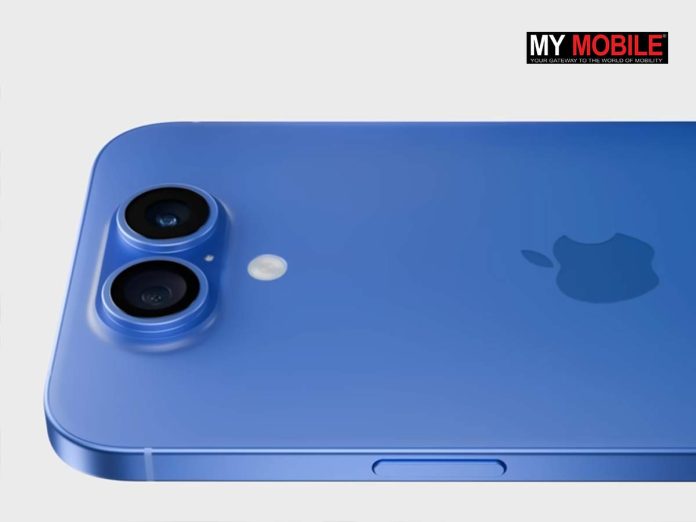
Most strikingly, this ultra-thin iPhone is reported to feature just a single rear wide camera.

This design choice harks back to earlier iPhone models and budget offerings like the iPhone SE, marking a significant departure from the multi-camera setups we’ve grown accustomed to in flagship devices.

A Fashion-Forward Philosophy?

iPhone 17 Slim rumoured to feature a 6.6-inch display and A19 chip

Apple’s strategy with the iPhone 17 Slim appears to target style-conscious consumers who prioritise aesthetics over cutting-edge technology.

By focusing on a sleek, ultra-thin design, Apple may be aiming to create a fashion statement piece that stands out in a market saturated with feature-packed devices.

This approach raises questions about the device’s positioning within Apple’s lineup.

While it may not satisfy tech enthusiasts seeking the latest innovations, it could appeal to those who view their smartphone as an accessory first and a gadget second.

The rumoured single-camera setup, while potentially limiting from a photography standpoint, could be marketed as a return to simplicity in smartphone design.

Apple’s challenge will be to convince consumers that this streamlined approach doesn’t compromise on the essentials of a modern smartphone experience.

It’s clear that the iPhone 17 Slim represents a bold experiment in smartphone design.

Whether this gamble pays off will depend on how well Apple can balance style and substance in this intriguing new offering.

Apple iPhone 17 Specs

GENERAL

Sim Type Dual Sim, GSM+GSM
Dual Sim Yes
Sim Size Nano + eSIM
Device Type Smartphone
Release Date September 07, 2025 (Expected)

DISPLAY

Type Color OLED Screen (1B Colors)
Touch Yes
Size 6.3 inches, 1200 x 2600 pixels, 120 Hz
Aspect Ratio 20:9
PPI ~ 441 PPI
Features Super Retina XDR Display, HDR Display, True Tone, Wide Color (P3), Haptic Touch, 2000 Nits Max Brightness (HDR), Support for Display of Multiple Languages and Characters Simultaneously
Notch Yes, Small Notch

MEMORY

RAM 12 GB
Storage 128 GB
Card Slot No

CONNECTIVITY

GPRS Yes
EDGE Yes
3G Yes
4G Yes
5G Yes
5G Bands 5G NR (Bands n1, n2, n3, n5, n7, n8, n12, n20, n25, n26, n28, n30, n38, n40, n41, n48, n53, n66, n70, n77, n78, n79)
VoLTE Yes
Wifi Yes, with wifi-hotspot
Wifi Version Wi-Fi 8
Bluetooth Yes, v5.5, A2DP, LE
USB Yes, USB-C
USB Features USB on-the-go, USB Charging

EXTRA

GPS yes with A-GPS, Glonass
Fingerprint Sensor No
Face Unlock Yes
Sensors Barometer, Three‑axis Gyro, Accelerometer, Proximity Sensor, Ambient Light Sensor
3.5mm Headphone Jack Lightning
NFC Yes
Water Resistance Yes, 6 m upto 30 min
Dust Resistant Yes
Extra Features Satellite Connectivity, Crash Detection

CAMERA

Rear Camera 50 MP f/1.5 (Main)
12 MP f/2.4 (Ultra Wide) with autofocus
Features Panorama, Night Mode, Deep Fusion, Smart HDR 4, Photographic Styles, Burst Mode, Photo Geotagging
Video Recording 4K @ 24/25/30/60 fps UHD, 1080p @ 25/30/60 fps FHD
Flash Yes, Dual LED
Front Camera 12 MP f/1.9 (TrueDepth) with Retina Flash
Front Video Recording 4K @ 60 fps UHD, 1080p @ 60 fps FHD

TECHNICAL

OS iOS v19
Chipset Apple Bionic A18
CPU Octa Core Processor
GPU Apple 4 Core GPU
Java No
Browser Yes

MULTIMEDIA

Email Yes
Music AAC‑LC, HE‑AAC, HE‑AAC v2, Protected AAC, MP3, Linear PCM, Apple Lossless, FLAC, Dolby Digital (AC‑3), Dolby Digital Plus (E‑AC‑3), Dolby Atmos and Audible (formats 2, 3, 4, Audible Enhanced Audio, AAX and AAX+)
Video HEVC, H.264, MPEG‑4 Part 2 and Motion JPEG, HDR with Dolby Vision, HDR10 and HLG
FM Radio No
Document Reader Yes

BATTERY

Type Non-Removable Battery
Size 4190 mAh, Li-ion Battery
Fast Charging Yes
Wireless Charging Yes, 45W MagSafe
Music Playback Time 100 hours

FAQs

What is the iPhone 17 Slim rumoured to feature?

The iPhone 17 Slim is expected to feature a 6.6-inch display, A19 chip, and a single rear wide camera, prioritizing a sleek and ultra-thin design.

What material is the iPhone 17 Slim expected to be made from?

The device is rumoured to be crafted from a titanium-aluminum alloy, making it both lightweight and durable, though with a lower titanium content than current Pro models.

How does the iPhone 17 Slim differ from other models in the lineup?

Unlike other models that focus on multi-camera setups and cutting-edge features, the iPhone 17 Slim is designed to be ultra-thin and stylish, targeting consumers who prioritize aesthetics.

Who is the target audience for the iPhone 17 Slim?

Apple appears to be targeting style-conscious consumers who view their smartphone as an accessory first and a gadget second, valuing design and sleekness over the latest technological advancements.

What challenges might Apple face with the iPhone 17 Slim?

Apple will need to balance style and functionality, ensuring that the single-camera setup and streamlined design do not compromise the essential features and user experience expected from a modern smartphone.

Also Read: iPhone 17 Rumoured to Feature Advanced Display Glass Similar to Galaxy S24 Ultra

Also Read: iPhone 17 Battery: Apple To Reportedly Explore Space-Saving Innovations

Google Pixel 9 Series to Feature Samsung M14 OLED Displays with Exceptional Brightness

0

Highlights

  • Pixel 9 series to use Samsung’s M14 OLED technology for improved brightness and longevity.
  • Base Pixel 9 will have a 1,800-nit display, while Pro models feature 2,050-nit brightness.
  • Pixel 9 Pro Fold to offer an 8-inch inner display with 1,600 nits peak brightness.
  • All models maintain 120Hz refresh rates for smooth visual performance.

Google’s upcoming Pixel 9 series is poised to make a significant leap in display technology, potentially rivalling the best smartphones on the market.

Recent leaks and insider information from Android Authority suggest that the new Pixel lineup will feature cutting-edge displays based on Samsung’s M14 OLED technology, promising substantial improvements in brightness and longevity.

Pixel 9 Series: Major Display Improvements Expected

Google Pixel 9 series is set to bring some great upgrades; there’s new camera hardware, an ultrasonic fingerprint reader, and a lot more.

The base Pixel 9 is rumoured to boast a 1,800-nit display, surpassing even Google’s previous flagship models.

More impressively, both non-folding Pro models are set to feature displays with a staggering 2,050-nit brightness capability.

These figures represent full-screen HDR brightness, with localised peak brightness expected to be even higher.

Interestingly, the regular Pro Pixel is said to sport a more compact 6.34-inch display

Interestingly, the regular Pro Pixel is said to sport a more compact 6.34-inch display, bridging the gap between the standard Pixel 9 and the larger Pro XL model.

Despite these changes, other display specifications remain largely consistent with previous generations, including support for 120Hz refresh rates and similar pixel densities.

Parameters Pixel 8 Pixel 9 Pixel 9 Pro Pixel 9 Pro XL Pixel 8 Pro
Size 6.2-inch (64x143mm) 6.24-inch (64x145mm) 6.34-inch (66x147mm) 6.73-inch (70x155mm) 6.71-inch (70x155mm)
Resolution 1,080 x 2,400 1,080 x 2,424 1,280 x 2,856 1,344 x 2,992 1,344 x 2,992
Refresh rate 120 Hz 120 Hz 120 Hz 120 Hz 120 Hz
PPI 428 425 494 487 489
HDR brightness (declared) 1,400 nits 1,800 nits 2,050 nits 2,050 nits 1,600 nits
Software corner radius 102 px 132 px 157 px 153 px 115 px

Pixel 9 Pro Fold: Improved Display

The base Pixel 9 is receiving a new 1,800-nit display, besting Google’s previous-generation flagship

Perhaps the most intriguing development is the introduction of the Pixel 9 Pro Fold.

According to leaked specs, this foldable device will feature an expansive 8-inch inner display, surpassing both its predecessor and competitors like the OnePlus Open.

The inner screen is expected to offer a resolution of 2152 x 2076, peak brightness of 1,600 nits (a significant improvement from the previous model’s 1,000 nits), and support for a 120Hz refresh rate.

Factors such as colour accuracy, contrast ratios, and outdoor visibility will also play crucial roles in determining the overall user experience of the Pixel 9 series

The Pixel 9 Pro Fold’s outer display is also receiving an upgrade, measuring 6.24 inches with a resolution of 1080 x 2424 and an impressive 1,800 nits peak brightness.

While these advancements are certainly exciting, it’s worth noting that display quality involves more than just brightness.

Factors such as colour accuracy, contrast ratios, and outdoor visibility will also play crucial roles in determining the overall user experience.

Additionally, for the foldable model, the visibility of the display crease remains an important consideration that has yet to be addressed in the leaks.

Samsung Panels All the Way for Pixel Phones

Rumor has it that the new Pixel 9 series will include a display based on the Samsung M14 material

The adoption of Samsung’s M14 OLED technology across the Pixel 9 series is particularly noteworthy.

This latest iteration of OLED is expected to offer improvements not only in brightness but also in longevity, potentially extending the lifespan of the displays.

Interestingly, this technology is reported to be coming to the Pixel 9 series and the iPhone 16 Pro, while the current Samsung Galaxy S24 uses the previous M13 generation.

Google’s display upgrades could significantly enhance the appeal of the Pixel 9 series.

With brighter, more advanced screens across the lineup, Google seems poised to challenge industry leaders and provide users with a premium visual experience.

However, as with all pre-release information, it’s important to approach these details with cautious optimism until official announcements are made.

FAQs

What display technology will the Pixel 9 series use?

The Pixel 9 series will feature Samsung’s M14 OLED technology, offering significant improvements in brightness and longevity.

How bright will the displays on the Pixel 9 series be?

The base Pixel 9 will have a 1,800-nit display, while the Pro models will feature a brightness capability of 2,050 nits.

What is unique about the Pixel 9 Pro Fold’s display?

The Pixel 9 Pro Fold will have an 8-inch inner display with a resolution of 2152 x 2076 and peak brightness of 1,600 nits, alongside a 6.24-inch outer display with 1,800 nits peak brightness.

Will the Pixel 9 series maintain a high refresh rate?

Yes, all models in the Pixel 9 series will support a 120Hz refresh rate, ensuring smooth visual performance.

What benefits does Samsung’s M14 OLED technology provide?

Samsung’s M14 OLED technology is expected to improve both the brightness and longevity of the displays, enhancing the overall user experience.

Also Read: Google Pixel 9 Series Leak Reveals Stunning Swirling Petal Wallpapers and Colour Variations

Also Read: Google To Reportedly Bring Gemini Nano AI Assistance Called Pixie to Upcoming Pixel 9 Series

Also Read: Google Pixel 9 To Reportedly Get Only A Modest Chipset Upgrade Next Year

iPhone 18 to Feature New Camera Sensor, Ending Sony’s Exclusive Reign

0
iPhone 18 to Feature New Camera Sensor, Ending Sony's Exclusive Reign

Highlights

  • Samsung to supply 48MP ultra-wide CMOS image sensors for iPhone 18
  • Move ends Sony’s exclusive reign as Apple’s sole image sensor supplier
  • Apple’s strategy aims to diversify suppliers and enhance bargaining power
  • Potential for improved camera performance and features due to competition

In a surprising turn of events, the upcoming iPhone 18 is set to receive a significant camera upgrade, with Samsung poised to break Sony’s longstanding monopoly on supplying image sensors to Apple.

Change in Camera Sensors for iPhones

iPhone 18 to Feature New Camera Sensor, Ending Sony's Exclusive Reign
iPhone 18 to Feature New Camera Sensor, Ending Sony’s Exclusive Reign

According to Kuo’s report, Samsung is gearing up to provide Apple with 1/2.6-inch 48MP ultra-wide CMOS image sensors (CIS) as early as 2026.

iPhone Pro:

  • 2024: Pill shape
  • 2025: Pill shape
  • 2026: Under panel Face ID: + hole
  • 2027: Under panel face ID + under panel camera

Regular iPhone:

  • 2024: Pill shape without AOD and ProMotion
  • 2025: Pill shape with AOD and ProMotion
  • 2026: Pill shape with AOD and ProMotion
  • 2027: Under panel Face ID + hole with AOD and ProMotion

To support this new venture, Samsung has reportedly established a dedicated team to cater to Apple’s needs.

Samsung likely to be Apple's new CIS supplier / Samsung - Ming Chi Kuo
Samsung likely to be Apple’s new CIS supplier / Samsung – Ming Chi Kuo

While details remain scarce, the report suggests that this change may initially affect only the ultra-wide camera sensor.

“Samsung is expected to begin shipping 1/2.6-inch 48MP ultra-wide CMOS image sensors (CIS) to Apple for iPhones as early as 2026, breaking Sony’s years-long monopoly on supplying CIS to Apple. To this end, Samsung has established a dedicated team to serve Apple,” said Ming-Chi Kuo on his Medium blogpost.

Kuo said Samsung has already dedicated a team within its ranks to work on the camera components with a view to specifically supplying Apple.

There’s no mention of alterations to the main and telephoto sensors, hinting that Sony might retain its role in supplying these components.

Why Did Apple Ditch Sony?

Apple's strategy aims to diversify suppliers and enhance bargaining power
Apple’s strategy aims to diversify suppliers and enhance bargaining power

This move by Apple could be driven by several factors.

Firstly, it aligns with the company’s preference for multiple suppliers, which helps mitigate production risks and strengthens its bargaining power in pricing negotiations.

This strategy could potentially lead to a more evenly split camera component order between Sony and Samsung in the future.

More excitingly, this development could spark increased competition between Sony and Samsung, not just in terms of pricing but also in technological advancements.

iPhone 18 (2026) will feature an Ultrawide camera made by Samsung

With two industry giants vying for Apple’s business, we may see accelerated improvements in both camera performance and features.

This news follows recent reports of Apple planning to introduce a variable aperture lens for the iPhone 17, suggesting that the tech giant is actively pursuing camera innovations.

The introduction of Samsung as a sensor supplier could further fuel this drive for improvement.

The sensor has a 48MP resolution and is in a 1/2.6-inch optical format, the same size as the current 12MP ultrawide camera used in the iPhone 15 Pro series.
The sensor has a 48MP resolution and is in a 1/2.6-inch optical format, the same size as the current 12MP ultrawide camera used in the iPhone 15 Pro series

While it’s too early to predict the exact impact on image quality and features, this shift in Apple’s supply chain dynamics is likely to benefit consumers in the long run.

iPhone users can look forward to potential leaps in camera technology in future models.

As always, it’s worth noting that plans in the tech industry can change rapidly, and we’ll need to wait for official announcements from Apple to confirm these developments.

Source

FAQs

What significant change is expected in the iPhone 18’s camera?

The iPhone 18 is set to feature a 48MP ultra-wide CMOS image sensor supplied by Samsung, ending Sony’s exclusive supply of image sensors to Apple.

Why is Apple switching to Samsung for camera sensors?

Apple is diversifying its suppliers to mitigate production risks, enhance bargaining power, and stimulate competition, which could lead to better pricing and technological advancements.

Will Samsung supply all camera sensors for the iPhone 18?

Currently, Samsung is expected to supply only the ultra-wide camera sensor, with no changes mentioned for the main and telephoto sensors, which Sony might still provide.

What are the potential benefits of Apple using Samsung sensors?

Increased competition between Sony and Samsung could drive advancements in camera technology, potentially leading to improved camera performance and new features for iPhone users.

When is Samsung expected to start supplying camera sensors to Apple?

Samsung is anticipated to begin supplying 1/2.6-inch 48MP ultra-wide CMOS image sensors to Apple as early as 2026.

Also Read: Under-Screen Face ID Delayed for iPhone, Now Expected in 2026 iPhone 18 Pro Models

YouTube’s Underwhelming Performance in Revenue Impacts Alphabet’s Q2 Results

0

Highlights

  • Alphabet reports Q2 revenue of $84.74 billion, up 13.6% year-over-year.
  • YouTube ad revenue grows 13% to $8.66 billion but falls short of expectations.
  • Google Cloud revenue surpasses $10 billion with $1 billion in operating profit.
  • Alphabet’s stock drops 2.18% in after-hours trading due to YouTube’s performance.

Alphabet, Google’s parent company, reported its second-quarter results for 2024, showcasing overall growth but with YouTube’s performance falling short of expectations.

Despite a 13% year-over-year increase in YouTube ad revenue, the video platform’s performance disappointed investors, leading to a sell-off in Alphabet’s stock during after-hours trading.

Google’s Advertising Revenue Shows Strong Growth

YouTube's Underwhelming Performance in Revenue Impacts Alphabet's Q2 Results
YouTube’s Underwhelming Performance in Revenue Impacts Alphabet’s Q2 Results

Google’s advertising business demonstrated robust growth, with total advertising revenue reaching $64.62 billion, an 11% increase from the same period last year.

Google Search ad revenue rose 13.8% to $48.51 billion, while YouTube ad revenue grew 13% to $8.66 billion.

Sundar Pichai, CEO of Alphabet and Google, commented on the results: “Our strong performance this quarter highlights ongoing strength in Search and momentum in Cloud. We are innovating at every layer of the AI stack. Our longstanding infrastructure leadership and in-house research teams position us well as technology evolves and as we pursue the many opportunities ahead.”

Other Business Segments Show Promise

YouTube ad revenue grows 13% to $8.66 billion but falls short of expectations

Google’s Cloud business saw significant growth, with revenue increasing 28.8% to $10.35 billion, marking the first time it surpassed $10 billion in quarterly revenue and $1 billion in operating profit.

The segment including Pixel devices and Google subscriptions also showed strong performance, with revenue growing 14.4% to $9.31 billion.

Alphabet’s Financial Performance

Alphabet's stock drops 2.18% in after-hours trading due to YouTube's performance
Alphabet’s stock drops 2.18% in after-hours trading due to YouTube’s performance

Alphabet’s total revenue for Q2 2024 reached $84.74 billion, a 13.6% increase from the previous year.

Net income grew by 28.6% to $23.62 billion, with diluted earnings per share rising 31.3% to $1.89.

Ruth Porat, Alphabet’s president and chief investment officer, stated: “We delivered revenues of $85 billion, up 14% year-on-year driven by Search as well as Cloud, which for the first time exceeded $10 billion in quarterly revenues and $1 billion in operating profit. As we invest to support our highest growth opportunities, we remain committed to creating investment capacity with our ongoing work to durably re-engineer our cost base.”

Market Reaction

YouTube's growth within Alphabet's diverse portfolio of services.
YouTube’s growth within Alphabet’s diverse portfolio of services.

Despite beating overall earnings and revenue expectations, Alphabet’s stock price fell 2.18% in after-hours trading, primarily due to YouTube’s weaker-than-expected performance.

This reaction highlights the importance investors place on YouTube’s growth within Alphabet’s diverse portfolio of services.

FAQs

How did Alphabet perform overall in Q2 2024?

Alphabet reported total revenue of $84.74 billion, a 13.6% increase from the previous year, with net income growing 28.6% to $23.62 billion.

What was the performance of YouTube in Q2 2024?

YouTube ad revenue grew 13% to $8.66 billion, which was below investor expectations, contributing to a drop in Alphabet’s stock price in after-hours trading.

How did Google Cloud perform in Q2 2024?

Google Cloud saw significant growth, with revenue increasing 28.8% to $10.35 billion and operating profit exceeding $1 billion for the first time.

What was the market reaction to Alphabet’s Q2 results?

Despite strong overall earnings and revenue, Alphabet’s stock fell by 2.18% in after-hours trading, mainly due to YouTube’s underperformance.

What did Alphabet’s executives say about the Q2 performance?

CEO Sundar Pichai highlighted strong performance in Search and Cloud, while President Ruth Porat emphasized revenue growth and cost management efforts.

Also Read: YouTube Music Introduces Activity Feed and New Creator Content Disclosure Policy

Also Read: YouTube Premium: 5 Things That Unlock Enhanced Streaming in India

Apple Music to Introduce AI-Generated Playlist Artwork with iOS 18 Update

0

Highlights

  • Apple Music to feature AI-powered artwork generation in iOS 18.
  • Image Playground to allow creation of animations, sketches, and illustrations.
  • Apple Intelligence aims to integrate AI across the Apple ecosystem.
  • Public release of iOS 18, iPadOS 18, and macOS Sequoia expected in September.

Apple is reportedly set to enhance its Apple Music service with artificial intelligence capabilities in the upcoming iOS 18 update. 

According to a recent report by 9To5Mac, the latest iOS 18 developer beta four contains code suggesting that Apple Music users will soon have the ability to generate AI-powered artworks for their playlists.

Apple Intelligence Integration in Apple Music

Apple Music to Introduce AI-Generated Playlist Artwork with iOS 18 Update

According to the source, a new line of code in the fourth iOS 18 developer beta adds a “Create Image” option to Apple Music’s playlist editing screen. 

This button is likely to take users to the recently revealed Image Playground feature, which Apple unveiled at its annual developer conference alongside the iOS 18 operating system.

Image Playground will allow iPhone users to instruct Apple Intelligence to create images in a variety of forms, such as animation, sketch, and illustration.

By incorporating this capability into Apple Music, customers will most likely be able to create personalized graphics for their playlist artworks.

Future of AI in Apple’s Ecosystem

Apple Intelligence aims to integrate AI across the Apple ecosystem

While the AI-generated playlist artwork feature is still under development and not currently available for testing in the iOS 18 Beta, Apple is expected to begin testing Apple Intelligence capabilities in subsequent iOS 18 beta upgrades.

Apple Intelligence seeks to provide system-wide AI capabilities to Apple products, such as writing help, summarization, and picture production.

Apple intends to offer some of these AI technologies in preview with the initial public release of iOS 18, iPadOS 18, and macOS Sequoia, which is scheduled in September.

This step demonstrates Apple’s commitment to integrate AI technology throughout its ecosystem, which might revolutionize user experiences in a variety of applications, including Apple Music.

FAQs

What new feature is coming to Apple Music in iOS 18?

Apple Music will introduce AI-generated playlist artworks, allowing users to create personalized images for their playlists using Apple Intelligence.

How will users create AI-generated artwork in Apple Music?

Users will access the “Create Image” option in the playlist editing screen, which will take them to the Image Playground feature to generate custom artwork.

What is the Image Playground feature in iOS 18?

Image Playground is a new tool that allows iPhone users to create images in various forms such as animations, sketches, and illustrations using AI.

When is the public release of iOS 18 expected?

The public release of iOS 18, along with iPadOS 18 and macOS Sequoia, is scheduled for September.

What other AI capabilities is Apple integrating into its ecosystem?

Apple Intelligence will provide system-wide AI features such as writing assistance, summarization, and image production across Apple products.

Also Read: PlayStation 5 Offers Free Apple Music Subscription for Owners

Also Read: Apple Music for Artists Launches New Real-Time Analytics Feature

Also Read: Apple Music Replay 2023 Offers Year-Round Insights into Your Top Songs

Qualcomm to Unveil Snapdragon X-Series Processors and India-Specific 5G Chipset at Delhi Event

0

Highlights

  • Snapdragon X-series processors for Copilot+ Windows PCs to be revealed
  • Launch includes Snapdragon X Elite and Snapdragon X Plus
  • New mobile chipset designed specifically for the Indian market
  • Event to showcase Qualcomm’s commitment to India’s 5G adoption

Qualcomm is set to host its Snapdragon For India event on July 30th in Delhi, where the company plans to unveil new products tailored for the Indian market.

The tech giant has provided teasers about two major announcements expected at the event.

Snapdragon X-series Processors for Copilot+ Windows PCs

One of the key reveals will be the Snapdragon X-series processors designed for Copilot+ Windows PCs.

Qualcomm has emphasized the speed, performance, connectivity, battery life, and AI capabilities these processors will bring to laptops and PCs.

Industry experts anticipate the launch of two processors:

Qualcomm to Unveil Snapdragon X-Series Processors and India-Specific 5G Chipset at Delhi Event
  1. Snapdragon X Elite: The flagship processor
  2. Snapdragon X Plus: A slightly less powerful variant but with comparable AI features and connectivity options

Several leading laptop manufacturers have already announced Copilot+ PCs for the Indian market, including models from ASUS, Microsoft, HP, Lenovo, Samsung, Dell, and Acer.

While some of these laptops are already available, others are expected to hit the market soon.

Current Devices with Qualcomm X Series Chipset

Snapdragon X-series processors designed for Copilot+ Windows PCs
  • Acer Swift 14 AI
  • Dell Lattitude 14 Plus
  • Dell Lattitude 7455
  • Dell XPS 13 (launched)
  • ThinkPad T14s Gen 6
  • Samsung Galaxy Book4 Edge
  • Lenovo Yoga Slim 7x
  • HP OmniBook X14 (pre-bookings open)
  • HP EliteBook Ultra G1q (pre-bookings open)
  • Microsoft Surface Pro 11th Edition (launched)
  • Microsoft Surface Laptop 7th Edition (launched)
  • Asus Vivobook S15 OLED (launched)

New Mobile Chipset Designed for India

Qualcomm has also teased the launch of a mobile chipset specifically “designed and engineered for India”.

The company describes it as “a revolutionary platform set to usher millions of Indians into the 5G era”, suggesting it could be a budget-friendly 5G mobile processor.

This announcement aligns with India’s growing 5G market and the increasing demand for affordable 5G-capable devices.

By tailoring a chipset for the Indian market, Qualcomm aims to accelerate 5G adoption in the country.

Qualcomm is set to host its Snapdragon For India event on July 30th in Delhi

As the event approaches, tech enthusiasts and industry observers are eagerly anticipating more details about these new products.

The Snapdragon For India event promises to showcase Qualcomm’s commitment to the Indian market and its efforts to provide cutting-edge technology tailored to local needs.

FAQs

What is Qualcomm planning to unveil at the Snapdragon For India event?

Qualcomm is set to unveil the Snapdragon X-series processors for Copilot+ Windows PCs and a new mobile chipset specifically designed for the Indian market.

What are the Snapdragon X-series processors?

The Snapdragon X-series processors, including the Snapdragon X Elite and Snapdragon X Plus, are designed to enhance speed, performance, connectivity, battery life, and AI capabilities in laptops and PCs.

Which companies will feature the new Snapdragon X-series processors in their laptops?

Leading laptop manufacturers such as ASUS, Microsoft, HP, Lenovo, Samsung, Dell, and Acer are expected to feature the new Snapdragon X-series processors in their Copilot+ PCs.

What is significant about the new mobile chipset Qualcomm is launching?

The new mobile chipset is described as a revolutionary platform designed to usher millions of Indians into the 5G era, indicating it could be a budget-friendly 5G mobile processor tailored for the Indian market.

How does Qualcomm’s new chipset align with India’s market needs?

By designing a chipset specifically for the Indian market, Qualcomm aims to accelerate 5G adoption and meet the increasing demand for affordable 5G-capable devices in India.

Also Read: Qualcomm Snapdragon 8 Gen 4 Could Revolutionise Flagship Smartphones with 4GHz Clockspeed

Also Read: Qualcomm Snapdragon X Elite Set to Transform PCs with Next Windows Update in Mid-2024

Also Read: Qualcomm Snapdragon 8s Gen 3 Chipset Announced: Flagship Features to More Wallet-Friendly Smartphones

Samsung Patents Expandable Display Tablet for Adjustable Screen Sizes

0
Samsung Patents Expandable Display Tablet for Adjustable Screen Sizes

Highlights

  • Samsung files patent for a tablet with an expandable display.
  • New technology offers adjustable screen sizes in two directions.
  • Aims to overcome limitations of current foldable smartphones.
  • Innovative mechanism includes a flexible display controlled by gears and a guiding unit.

Samsung has filed a patent application for a tablet featuring an expandable display, potentially revolutionizing the concept of adjustable screen sizes.

The application, submitted to the World Intellectual Property Organisation (WIPO), describes a device with a flexible display that can expand along the same plane in two different directions independently.

Addressing the Limitations of Foldable Devices

Samsung Patents Expandable Display Tablet for Adjustable Screen Sizes
According to the patent application, the guide assembly is “configured to simultaneously accommodate an additional flexible screen”

Samsung’s proposed technology aims to overcome the constraints of current foldable smartphones.

While foldable phones offer two distinct states – single-screen (folded) and dual-screen (unfolded) – the new design would allow users more freedom in choosing their preferred screen size.

This flexibility could bridge the gap between smaller and larger displays, offering a more versatile user experience.

Innovative Mechanism for Display Expansion

Samsung Patents Expandable Display Tablet for Adjustable Screen Sizes
As shown in the drawing, a diagonal mechanism is installed inside the device, which allows the display to expand in any direction.

The patent application details a tablet-shaped shell capable of expanding and shrinking in size.

The expansion is facilitated by a flexible display, controlled by a guiding unit and a driving unit.

A diagonal mechanism within the device enables the display to expand in either or both directions simultaneously.

Samsung Patents Expandable Display Tablet for Adjustable Screen Sizes
In this patent, the company proposes a novel design solution that includes a tablet-shaped shell that can expand and contract along the same plane.

The driving unit consists of a complex gear system distributed across various parts of the shell, working in concert to control the display’s expansion.

Meanwhile, the guiding unit manages the flexible screen, synchronously receiving or releasing it as the shell shrinks or expands.

Samsung Patents Expandable Display Tablet for Adjustable Screen Sizes
The patent application was published on the website of the World Intellectual Property Organization (WIPO), an affiliate of the United Nations (UN).

While this innovative design presents an exciting possibility for future tablets, it’s important to note that a patent application does not guarantee the development or release of such a device.

Samsung may or may not bring this concept to market in the coming years, even if the patent is granted.

FAQs

What is the latest patent application filed by Samsung about?

Samsung has filed a patent application for a tablet featuring an expandable display that can adjust its size in two directions independently.

How does the expandable display technology work?

The technology involves a flexible display controlled by a guiding unit and a driving unit with a complex gear system, allowing the screen to expand or shrink in size.

What advantages does the expandable display tablet offer over foldable smartphones?

Unlike foldable phones that have fixed states (folded or unfolded), the expandable display tablet offers more flexibility, allowing users to adjust the screen size according to their preference.

Is the expandable display tablet guaranteed to be developed and released by Samsung?

While the patent application indicates potential innovation, it does not guarantee that Samsung will develop or release the expandable display tablet in the market.

What potential user benefits does the expandable display tablet offer?

The expandable display tablet could provide a more versatile user experience, bridging the gap between smaller and larger displays and offering adjustable screen sizes for various uses.

Also Read: Samsung Galaxy Tab A9 Series Unveiled With 11-inch Display, Dolby Atmos: Features, Availability, and, More

Also Read: Samsung Galaxy Tab Active 4 Pro Gets a Major Upgrade with Android 14-Based One UI 6.0

iQOO 13 Rumors Reveal Snapdragon 8 Gen 4 SoC and 2K OLED Display

0

Highlights

  • iQOO 13 expected to feature Snapdragon 8 Gen 4 SoC
  • 2K OLED display by BOE with revamped screen design
  • Triple 50MP camera setup with 3x periscope zoom lens
  • IP69 dust and water resistance with metallic frame

The successor to iQOO’s flagship smartphone, the iQOO 13, is already generating buzz in the tech community, despite being months away from its expected launch.

Following the December 2023 release of the iQoo 12 in India, rumours and leaks about the next iteration are surfacing, hinting at significant upgrades.

iQOO 13: Expected Processor Details

iQOO 13 is rumoured to be powered by the yet-to-be-announced Snapdragon 8 Gen 4 SoC

According to information shared by Chinese tipster Digital Chat Station, the iQOO 13 is set to feature a flat OLED screen manufactured by BOE.

This display is expected to offer a 2K resolution, promising users a high-quality viewing experience.

The tipster also suggests that the screen design has been revamped across the iQOO 13 series, although specific details about the screen size remain undisclosed.

iQOO 13 has been leaked to harbour the Snapdragon 8 Gen 4 SoC

Under the hood, the iQOO 13 is rumoured to be powered by the yet-to-be-announced Snapdragon 8 Gen 4 SoC.

Qualcomm has confirmed its Snapdragon Summit launch event for October, where this new flagship processor is expected to be unveiled.

The device might also house a substantial 6,000 mAh battery, likely supporting fast charging capabilities.

iQOO 13: Other Specs

smartphone could boast an IP69 dust and water-resistant rating
The smartphone could boast an IP69 dust and water-resistant rating

In terms of photography, the iQOO 13 is speculated to feature a triple 50MP camera setup, including a 3x periscope zoom lens.

This configuration suggests a focus on versatile and high-quality imaging capabilities.

Adding to its premium features, rumours indicate that the smartphone could boast an IP69 dust and water-resistant rating, coupled with a metallic frame for enhanced durability and sturdiness.

While these leaks paint an exciting picture of the iQOO 13, it’s important to note that the company has not yet confirmed any of these details.

As the anticipated December launch approaches, more concrete information is likely to emerge.

The iQoo 13 appears poised to build upon its predecessor’s success, potentially offering cutting-edge technology and improved user experience.

FAQs

What processor is the iQOO 13 expected to have?

The iQOO 13 is rumored to be powered by the Snapdragon 8 Gen 4 SoC, which is set to be unveiled at Qualcomm’s Snapdragon Summit in October.

What type of display will the iQOO 13 feature?

The iQOO 13 is expected to feature a flat OLED screen manufactured by BOE, offering a 2K resolution for a high-quality viewing experience.

What are the camera specifications for the iQOO 13?

The iQOO 13 is speculated to have a triple 50MP camera setup, including a 3x periscope zoom lens, focusing on versatile and high-quality imaging capabilities.

Will the iQOO 13 have any special durability features?

Yes, the iQOO 13 is rumored to boast an IP69 dust and water-resistant rating and a metallic frame for enhanced durability and sturdiness.

When is the iQOO 13 expected to launch?

While the iQOO 13 is anticipated to launch in December, exact details are yet to be confirmed by the company.

iQOO 13 Specs

GENERAL

Sim Type Dual Sim, GSM+GSM
Dual Sim Yes
Sim Size Nano SIM
Device Type Smartphone
Release Date August 10, 2024 (Expected)

DESIGN

Dimensions 164.9 x 77.1 x 8.4 mm or 8.7 mm
Bezel less Yes

DISPLAY

Type Color E6 AMOLED (1B Colors)
Touch Yes
Size 6.8 inches, 1260 x 2880 pixels, 165 Hz
Aspect Ratio 20.5:9
PPI ~ 462 PPI
Screen to Body Ratio ~ 90.3%
Glass Type Corning Gorilla Glass Victus 2
Features HDR10+, P3 Color Gamut
Notch Yes, Punch Hole

MEMORY

RAM 12 GB
Expandable RAM Upto 8 GB Extra Virtual RAM
Storage 256 GB
Storage Type UFS 4.0
Card Slot No

CONNECTIVITY

GPRS Yes
EDGE Yes
3G Yes
4G Yes
5G Yes
5G Bands SA: n1/n3/n5/n8/n28/n40/n41/n77/n78, NSA: n28/n1/n3/n40/n41/n77/n78
VoLTE Yes, Dual Stand-By
Wifi Yes, with wifi-hotspot
Bluetooth Yes, v5.4, A2DP, LE, aptX HD
USB Yes, USB-C v3.1
USB Features USB on-the-go, USB Charging

EXTRA

GPS Yes, with dual-band A-GPS, GLONASS, BDS, GALILEO
Fingerprint Sensor Yes, In Display
Face Unlock Yes
Sensors Accelerometer, Gyro, Proximity, Compass
3.5mm Headphone Jack No
NFC Yes
Water Resistance Yes
IP Rating IP68
Dust Resistant Yes
Extra Features Vivo V2 ISP Chip

CAMERA

Rear Camera 108 MP f/1.9 (Wide Angle)
32 MP f/2.5 (Telephoto)
50 MP f/2.2 (Ultra Wide) with autofocus
Features Sports, Night, Portrait, Photo, Video, 50MP, Panorama, Slow Motion, Time Lapse, Pro, Supermoon, Ultra HD Document, Long-Exposure Mode, Dual-View Video
Video Recording 8K, 4K @ 30 fps UHD, 1080p @ 30 fps FHD
Flash Yes, Dual LED
Front Camera Punch Hole 32 MP f/2.5 (Wide Angle)
Front Video Recording 1080p @ 30 fps FHD

TECHNICAL

OS Android v14
Custom UI Funtouch OS 15
Chipset Qualcomm Snapdragon 8 Gen4
CPU Octa Core Processor
GPU Adreno GPU
Java No
Browser Yes

MULTIMEDIA

Email Yes
Music AAC, OGG, FLAC, WMA, WAV, APE, MP3, MP1
Video MP4, 3GP, AVI
FM Radio No
Document Reader Yes

BATTERY

Type Non-Removable Battery
Size 6000 mAh, Li-Po Battery
Fast Charging Yes, 120W Fast Charging


Also Read: iQOO 13 Leak Suggests Powerful Specs, No ‘Pro’ Variant for Upcoming Flagship

Also Read: iQOO 13 Leaks: Snapdragon 8 Gen 4, 2K Display, and 6000mAh Battery