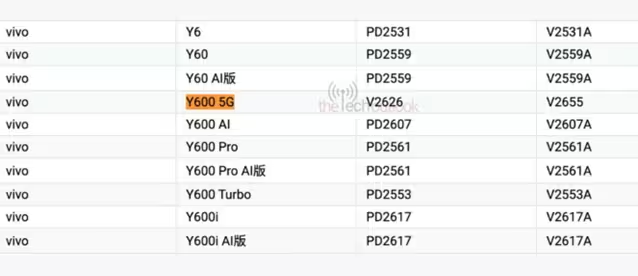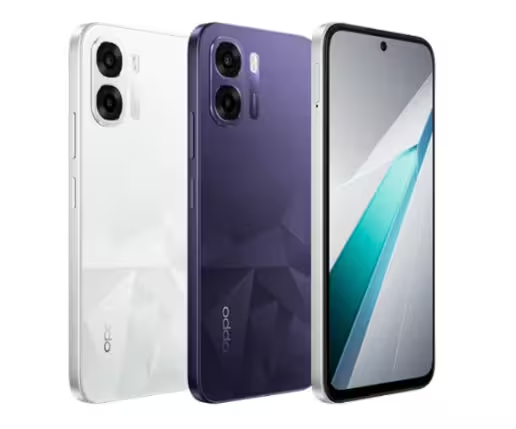
Vivo V70 Lite 5G spotted on Google Play Console suggesting imminent launch.
Key specs revealed include MediaTek Dimensity 7300 chipset, up to 12GB RAM (8GB/12GB variants), flat display and flat-edged frame design.
It is expected to be positioned as a lower mid-range device with 5G connectivity focusing on efficiency and performance.
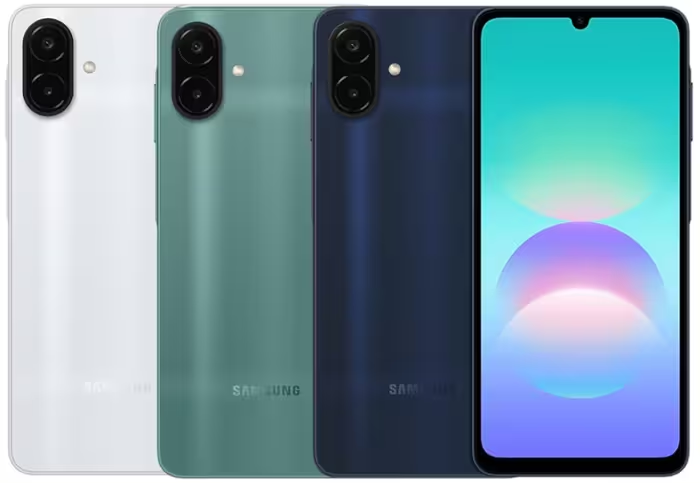
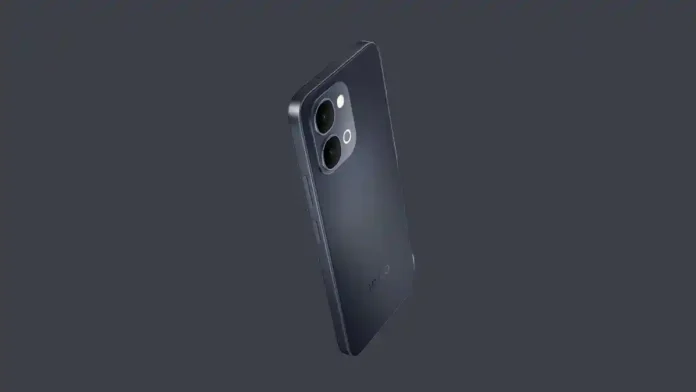
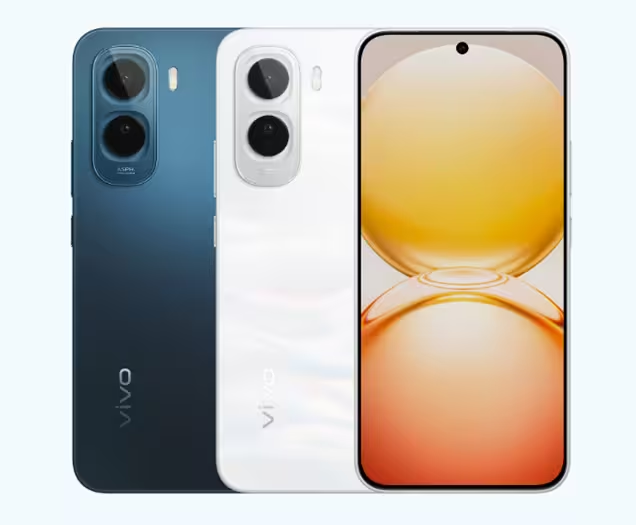
Vivo V70 Lite 5G render from Google Play Console listing. (Screenshot via 91Mobiles)
The V70 series currently has three models in the market including Vivo V70, Vivo V70 Elite and Vivo V70 FE models. Although Vivo has not released any official teaser yet, it appears Vivo may soon expandits V70 smartphone lineup with the launch of a new affordable model.
The upcoming Vivo V70 Lite 5G has now been spotted on the Google Play Console database that shows some of its key specifications. The appearance also suggests that an official announcement and launch of the device could be close. Here’s more on that.
Vivo V70 Lite 5G – Google Play Console Details
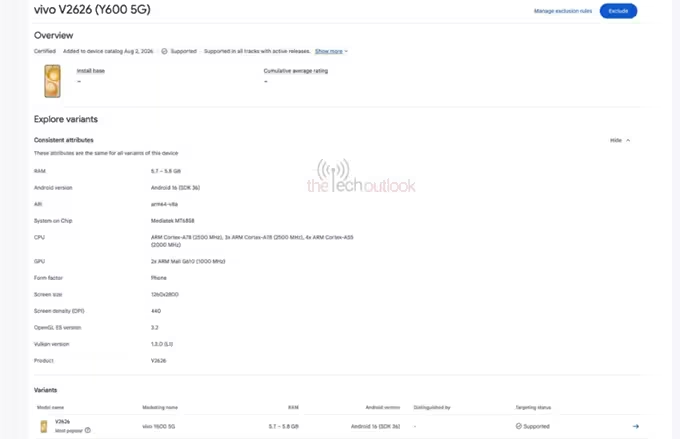
According to the Google Play Console listing, the Vivo V70 Lite 5G will be powered by the MediaTek MT6878 chipset, which corresponds to the MediaTek Dimensity 7300 processor. The listing also confirms RAM options of up to 12GB with the phone expected to arrive in both 8GB and 12GB memory variants.
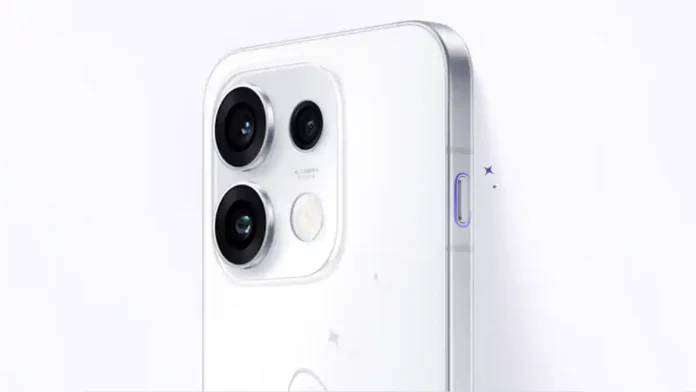
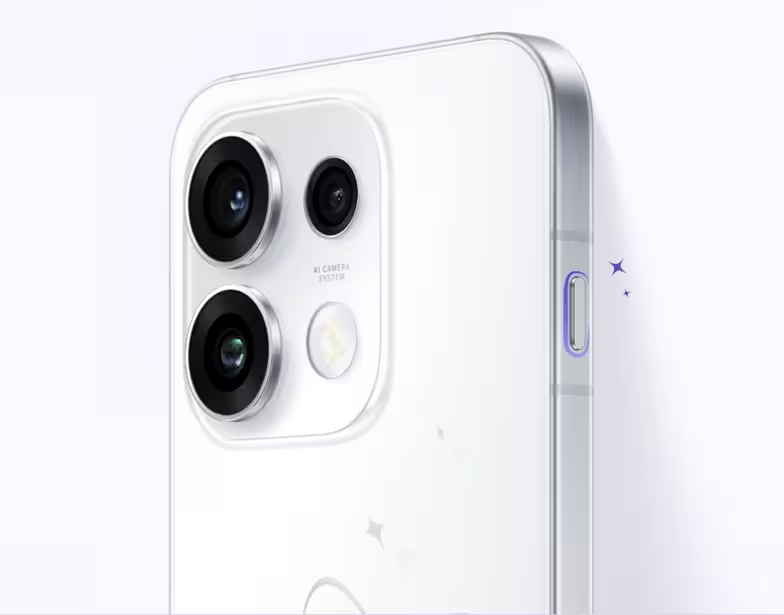
Vivo V70 Lite 5G on Google Play Console listing. (Screenshot via 91Mobiles)
The Dimensity 7300 chipset indicates that the smartphone will likely target the lower mid-range segment.
Vivo appears to be focusing on offering a balance between power efficiency and smooth everydayperformance instead of flagship-level processing power.
The listing images further suggest that the Vivo V70 Lite 5G could feature a flat display along with a flat-edged frame design matching the design language already seen in the current V70 series lineup.
The “Lite” branding in the name could mean the smartphone is expected to serve as a more affordable entry point into the V70 series while still offering modern features such as 5G connectivity and capable overall performance.
Vivo V70 Lite 5G – What Else We Know?
Vivo V70 4G model was previously surfaced on the FCC certification database as well revealing some of the key details about its connectivity. However, important details of the 5G version related to the camera setup, battery capacity, charging support, and software update policy are still under wraps.
If Vivo launches the V70 Lite 5G with aggressive pricing, the device could compete directly in the highly competitive mid-range smartphone segment.
We can expect more details to surface as launch timeline comes closer.
FAQs
Q1. What is the Vivo V70 Lite 5G and where was it spotted?
Answer. The upcoming Vivo V70 Lite 5G appeared on the Google Play Console, revealing key specifications and hinting at an imminent launch.
Q2. What specifications are confirmed for the Vivo V70 Lite 5G?
Answer. It will be powered by the MediaTek Dimensity 7300 chipset, with RAM options of 8GB and 12GB, and is expected to feature a flat display with a flat-edged frame.
Q3. What market segment will the Vivo V70 Lite 5G target?
Answer. The device is positioned as a lower mid-range smartphone, offering 5G connectivity and efficient everyday performance at a more affordable price point.
The phone is expected to target ₹25,000–₹30,000 premium segment but launch timeline not officially confirmed yet.
Lava Blaze Curve in the picture for reference only. (Image credit – Lava)
According to the latest updates, Lava seems to be preparing to expand its smartphone portfolio in India with the launch of a new Curve series device. An upcoming smartphone named Lava Aura Curve 5G has now popped up online through IMEI database listings. This hints that its official launch could take place soon. Here’s more on that.
Lava Aura Curve 5G Spotted on IMEI and Geekbench
Lava Aura Curve 5G Spotted on IMEI. (Screenshot via PassionateGeekz)
According to details shared in an exclusive PassionateGeekz report,Lava Aura Curve 5G has been spotted on the IMEI database carrying the model number “LXX529” further confirming its existence.
Lava also appears set to continue its focus on curved display smartphones with this new addition to the Curve lineup. While the database listing does not reveal any hardware details although it has already appeared on Geekbench giving an early look at some of its specifications.
Lava Aura Curve 5G Geekbench. (Screenshot via PassionateGeekz)
As per the benchmark listing, the Lava Aura Curve 5G is expected to be powered by the MediaTek Dimensity 7100 5G chipset. The listing also reveals 4GB RAM and Android 16 operating system support out of the box.
These early specifications indicate that Lava may be preparing a more performance-focused smartphone while still maintaining its value-oriented pricing strategy for Indian consumers.
Launch Timeline and Expected Pricing

Lava has recently introduced the Shark 5G and the new Bold series smartphones in India. Both these devices target the affordable smartphone market under the ₹15,000 segment. With Lava Aura Curve 5G, the company is now aiming to enter the more premium ₹25,000 to ₹30,000 smartphone category.
Lava has not officially confirmed the launch date or complete specifications yet. Early certifications and benchmark appearances suggest that more details about the smartphone could emerge in the coming weeks.
FAQs
Q1. What is the Lava Aura Curve 5G and where was it spotted?
Answer. The upcoming Lava Aura Curve 5G has appeared on the IMEI database with model number “LXX529” and Geekbench, confirming its existence ahead of launch.
Q2. What specifications are revealed for the Lava Aura Curve 5G?
Answer. Geekbench listing shows it will feature the MediaTek Dimensity 7100 5G chipset, 4GB RAM, and Android 16 OS out of the box.
Q3. What price segment will the Lava Aura Curve 5G target?
Answer. Unlike Lava’s recent budget phones under ₹15,000, the Aura Curve 5G is expected to enter the premium ₹25,000–₹30,000 category in India.
Telegram has added 11 new features focused on AI automation and improved chat management.
The update includes guest bots and allows bots to communicate directly with each other, enabling more advanced automated workflows.
Telegram has also upgraded mini apps, developer tools, and business monetisation features.
Telegram’s latest update brings 11 new features focused on AI automation, bot interactions, and smarter chat management. These changes give developers, businesses, and everyday users more options, such as guest bots, bot-to-bot communication, chat automation tools, enhanced mini apps, and advanced messaging controls.
According to the company, these features are meant to make Telegram a stronger platform for AI services and automated workflows.
Some of the major updates include Guest Mode for bots, direct bot-to-bot communication, smarter AI automation, better monetisation tools, and more ways to manage chats and channels.
These updates will keep Telegram among the most feature-rich messaging platforms globally. The updates are available on Telegram version 12.7.0 and newer for all supported platforms.
Telegram Introduces Guest Bots
Guest Bots is one of the major updates introduced by Telegram. With this update, bots can now temporarily join chats, groups, and channels as guests. This is useful for customer support, temporary AI assistants, and automated moderation.
According to Telegram, certain tasks can be performed by guest bots in a chat while adhering to the permissions set by admins. These can also be used by businesses to handle support tickets, answer FAQs, or offer temporary automated support.
Bot-to-Bot Communication Now Supported
Apart from this, another update introduced by Telegram is bot-to-bot communication. With this, systems can interact directly with each other. Earlier, bots could only talk to users, but now they can share data and coordinate workflows automatically.
This change opens up new AI-powered uses, like automated booking, smart notifications, payment confirmations, customer service routing, and workflow automation between different services.
This feature should be especially helpful for developers creating AI systems and automation tools for businesses on Telegram.
Chat Automation Gets Smarter
In this update, Telegram lets users connect a bot to their individual profile. A bot can respond to messages on behalf of the user. Users can control access to the bots by limiting them to the new conversation while excluding existing contacts.
Telegram has improved its APIs and automation tools, so bots can process commands faster and work better with third-party services. The company says this update is meant to make the app easier for developers working on AI projects and productivity tools.
Improvements to Mini Apps and Business Features
Telegram has expanded what Mini Apps can do, making interactions smoother, loading times faster, and in-app experiences better. Now, businesses can offer more advanced app-like services right inside Telegram chats.
The update also gives developers and creators better ways to make money, with improved support for paid services and premium features in bots and mini apps.
More Messaging and Chat Controls Added
Besides AI and automation tools, Telegram has added several improvements for users. The update brings better chat controls, more precise permissions, improved media handling, and easier group management.
As AI-powered services become increasingly important in messaging apps, Telegram’s latest update puts it in a strong position in the growing field of AI automation and gives developers greater freedom to build advanced tools and interactive services.
FAQs
Q1. What are Guest Bots in Telegram?
Guest Bots are temporary bots that can join chats, groups, or channels to perform specific automated tasks without becoming permanent members.
Q2. What is Telegram’s bot-to-bot communication feature?
The feature allows bots to directly interact with each other to automate workflows, share data, and manage tasks.
Q3. How does the new Telegram update improve AI automation?
Telegram has added smarter APIs and automation tools that help developers build advanced AI assistants and automated services.
Q4. What improvements were made to Telegram Mini Apps?
Telegram has enhanced Mini Apps with faster performance, smoother interactions, and better support for business services and monetisation.
OnePlus Nord CE 6 sale begins today in India via Amazon and OnePlus channels.
It is priced at ₹29,999 for 128GB and ₹32,999 for 256GB storage variant before ₹2,000 bank discount.
Key Specs – 6.78-inch 1.5K AMOLED display with 144Hz refresh rate, Snapdragon 7s Gen 4, 8GB RAM, 128/256GB storage, 8000mAh battery with 80W fast charging, 50MP rear + 32MP selfie camera, MIL-STD-810H and IP66/IP68/IP69 ratings.
OnePlus Nord CE 6 Sale Starts Today in India. (Image credit – OnePlus)
OnePlus is officially starting the sale of the newly launched OnePlus Nord CE 6 in India today i.e. May 8, 2026 at 12 PM IST. The smartphone was unveiled yesterday alongside the OnePlus Nord CE 6 Lite. Buyers can purchase the new Nord CE 6 through Amazon during the Summer Sale as well as via OnePlus’ official online and offline channels. Here are more details.
OnePlus Nord CE 6 – Price, Availability and Launch Offers
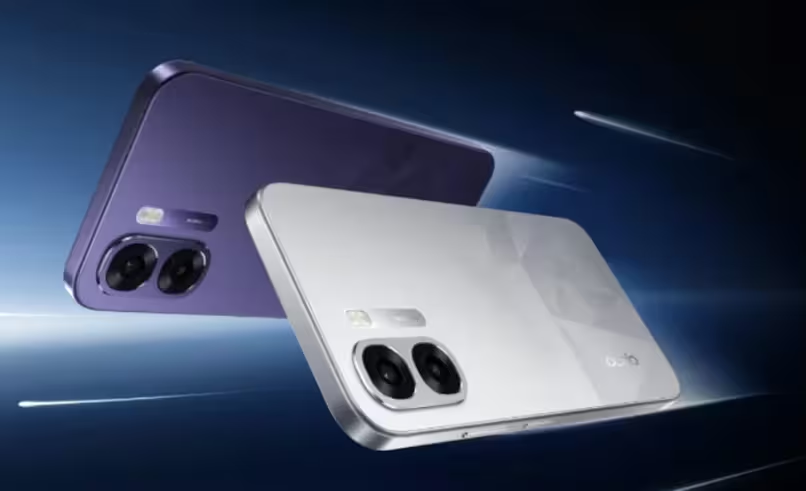
The OnePlus Nord CE 6 price starts at ₹29,999 for the 8GB RAM + 128GB storage variant. Apart from this, the higher-end 8GB RAM + 256GB storage model is priced at ₹32,999. OnePlus is also offering an instant bank discount of ₹2,000 on both the Nord CE 6 and Nord CE 6 Lite.
After the discount, the effective price of the base variant drops to ₹27,999, while the 256GB storage version can be purchased for ₹30,999.
The smartphone is available in three colour options including Fresh Blue, Lunar Pearl and Pitch Black.
OnePlus Nord CE 6 – Key Specifications
OnePlus Nord CE 6 key specs. (Image credit – OnePlus)
The OnePlus Nord CE 6 features a 6.78-inch AMOLED display with a 1.5K resolution of 2772 × 1272 pixels and a 93.5 percent screen-to-body ratio. The panel supports adaptive refresh rates up to 144Hz, including 60Hz, 90Hz, 120Hz, and 144Hz modes. It also offers a 450ppi pixel density, 19.6:9 aspect ratio, 10-bit colour depth, 100 percent DCI-P3 colour gamut, and brightness levels reaching up to 3600 nits peak brightness. The display additionally supports 3840Hz PWM dimming, Sunburst HDR technology, and Crystal Guard protection.
The device runs on OxygenOS 16.0 based on Android 16 and is powered by the Qualcomm Snapdragon 7s Gen 4 chipset paired with the Adreno 810 GPU. It comes with 8GB RAM along with OnePlus RAM-Vitalization technology and supports up to 8GB virtual RAM expansion. Storage options include 128GB and 256GB UFS 3.1 storage. OnePlus has also included a large 33147mm² cooling system for improved thermal management.
One of the biggest highlights of the smartphone is its massive 8000mAh battery. The phone supports 80W SUPERVOOC fast charging, 13.5W PD charging with 55W PPS support, 27W wired reverse charging, and bypass charging support.
For optics, the OnePlus Nord CE 6 comes with a 50-megapixel primary rear camera using the OmniVision OV50D40 sensor with a 1/2.88-inch sensor size. It is paired with a 2-megapixel secondary camera. The rear camera setup supports 4K video recording at 30fps, along with 1080p and 720p recording options.
On the front, the smartphone features a 32-megapixel selfie camera using the Galaxycore GC32E2 sensor. The front camera supports up to 4K 60fps video recording.
The OnePlus Nord CE 6 measures 0.85cm in thickness and weighs 215 grams. It also comes with MIL-STD-810H military-grade certification along with IP66, IP68, IP69, and IP69K ratings for dust and water resistance.
OnePlus Nord CE 6 VS OnePlus Nord CE 5 – A Quick Comparison
OnePlus Nord CE 6 (left) and OnePlus Nord CE 5 (right). (Image credit – OnePlus)
Compared to the OnePlus Nord CE 5, the new Nord CE 6 brings several notable upgrades. The Nord CE 5 featured a 6.77-inch Full HD+ AMOLED display with a 120Hz refresh rate, while the Nord CE 6 gets a slightly larger 6.78-inch 1.5K AMOLED panel with a smoother 144Hz refresh rate.
The processor has also changed from the MediaTek Dimensity 8350 Apex on the Nord CE 5 to the newer Qualcomm Snapdragon 7s Gen 4 chipset on the Nord CE 6.
In the camera department, the Nord CE 5 offered a 50MP main camera along with an 8MP ultra-wide lens. The Nord CE 6 instead features a 50MP primary sensor paired with a 2MP secondary camera. However, the selfie camera has received a major upgrade from 16MP on the Nord CE 5 to 32MP on the Nord CE 6 along with support for up to 4K 60fps video recording.
Battery capacity has also increased significantly from 7100mAh on the Nord CE 5 to a massive 8000mAh on the Nord CE 6. But both phones support 80W fast charging.
OnePlus Nord CE 5
OnePlus Nord CE 6
Display
6.77-inch Full HD+ AMOLED, 120Hz refresh rate
6.78-inch 1.5K AMOLED, 144Hz refresh rate
Processor
MediaTek Dimensity 8350 Apex
Qualcomm Snapdragon 7s Gen 4
Rear Camera
50MP main + 8MP ultra-wide
50MP main + 2MP secondary
Front Camera
16MP
32MP
Battery
7,100mAh with 80W fast charging
8,000mAh with 80W SUPERVOOC charging
OnePlus Nord CE 6 – Reasons To Buy
OnePlus Nord CE 6. (Image credit – OnePlus)
Large 8000mAh battery with 80W SUPERVOOC fast charging
Smooth 144Hz AMOLED display with 1.5K resolution
Snapdragon 7s Gen 4 chipset for balanced performance and efficiency
32MP selfie camera with 4K 60fps video recording support
MIL-STD-810H certification and IP66, IP68, IP69, and IP69K dust and water resistance ratings
Instant ₹2,000 bank discount offer during the sale period
FAQs
Q1. When does the OnePlus Nord CE 6 go on sale in India?
Answer. The sale starts on May 8, 2026 at 12 PM IST via Amazon and OnePlus’ official online and offline channels.
Q2. What is the price of the OnePlus Nord CE 6?
Answer. It is priced at ₹29,999 for the 8GB+128GB variant and ₹32,999 for the 8GB+256GB model, with an instant ₹2,000 bank discount on both.
Q3. What are the key specifications of the OnePlus Nord CE 6?
Answer. Key features include a 6.78-inch 1.5K AMOLED display with 144Hz refresh rate, Snapdragon 7s Gen 4 chipset, 8000mAh battery with 80W fast charging, and a 32MP selfie camera.
Q4. How does the OnePlus Nord CE 6 compare to the Nord CE 5?
Answer. Upgrades include a higher-resolution 1.5K display (vs FHD+), Snapdragon chipset (vs Dimensity), a 32MP selfie camera (vs 16MP), and a larger 8000mAh battery (vs 7100mAh).
Q5. What certifications and ratings does the OnePlus Nord CE 6 offer?
Answer. It comes with MIL-STD-810H military-grade certification and IP66, IP68, IP69, and IP69K dust and water resistance ratings.
Google Fitbit Air offers AI-powered health monitoring.
Fitibit Air Special Edition is created with NBA Star Stephen Curry.
Fitbit Air works with the newly renamed Google Health app and provides AI coaching for users with a Google Health Premium subscription.
Google has officially entered the screenless wearable segment with the launch of the new Fitbit Air, a lightweight fitness tracker designed entirely around AI-powered health monitoring and recovery insights.
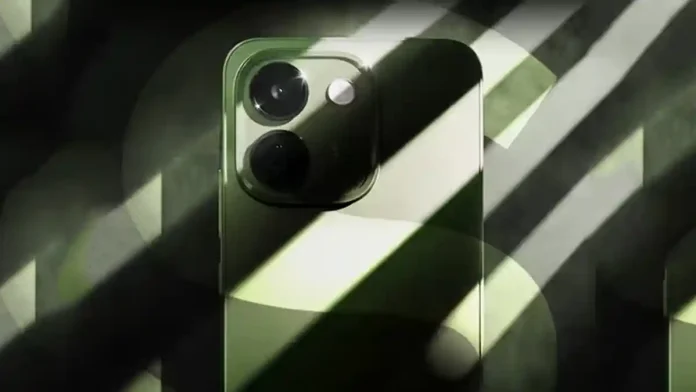
This reflects a significant shift for Fitbit, as the company moves away from traditional smartwatch-style screens toward passive health tracking powered by Google’s AI ecosystem.
Google has also introduced Fitbit Air Special Edition, developed in collaboration with NBA star Stephen Curry. It comes with exclusive styling, signature branding, and premium band materials, designed for fitness enthusiasts and basketball fans alike.
Introducing Fitbit Air. It’s lightweight, screenless and comfortable enough to wear 24/7 — with a battery life* of up to a week.
* Battery life depends upon many factors and usage and actual battery life may be lower. pic.twitter.com/ItOjT8idYr
Unlike conventional fitness trackers and smartwatches, Fitbit Air does not include a display. Google says the idea is to reduce distractions and allow users to focus more on wellness rather than notifications and apps. The tracker quietly collects biometric data throughout the day and syncs everything to the newly rebranded Google Health app.
The device tracks heart rate, sleep quality, recovery, body temperature, blood oxygen levels, workouts, stress, and overall wellness metrics. Google’s Gemini-powered Health Coach then uses this data to generate personalised recommendations, workout routines, and recovery suggestions.
Google brings AI Health Coach to India
Google is positioning Fitbit Air as a direct competitor to minimalist health-focused wearables such as Whoop.
Fitbit Air Price & Launch Date
Google has priced the standard Fitbit Air at $99.99, while the Fitbit Air Special Edition will retail for $129.99. Both models include a three-month subscription to Google Health Premium. After the trial period, the subscription will cost $9.99 per month or $99 annually.
Pre-orders for Fitbit Air have already started while it will be available on retail stores from May 26
Pre-orders for Fitbit Air have already started through the Google Store and Google website. Online sales began on May 7, while retail availability is scheduled to start from May 26.
Dimensions and Weight
Specification
Measurement
Length
34.9 mm (1.4 in)
Width
17 mm (0.7 in)
Height
8.3 mm (0.3 in)
Weight (Pebble Only)
5.2 g (0.01 lb)
Weight (With Band)
12 g (0.03 lb)
Google Health App and AI Coaching Features
The Fitbit app has now been rebranded as Google Health, bringing Fitbit services under Google’s broader AI health platform. Through Google Health Premium, users receive AI-generated coaching, readiness scores, sleep analysis, guided workouts, and recovery insights based on real-time biometric information.
Fitbit App is now Google Health App (Pic Credit: @Google on X)
Google says the AI system continuously adapts based on a user’s activity levels, sleep cycles, and overall body condition.
Fitbit Air Works on Android and iPhone
One of the biggest highlights of Fitbit Air is cross-platform compatibility. The wearable supports both Android smartphones and iPhones, allowing Google to bring its AI-powered health ecosystem to Apple users as well.
Reports suggest Google sees this as a strategic move to expand its AI services beyond the Android ecosystem.
Fitbit Air Battery, Charging and Bands
Google claims Fitbit Air can deliver up to seven days of battery life on a single charge. The wearable is designed for continuous usage, including overnight sleep tracking.
The company is also offering multiple interchangeable band options, including standard fabric bands, workout-focused active bands, and premium lifestyle bands.
Replacement bands will start at $34.99, while premium band options will cost more depending on the material and finish.
Battery and Power
Feature
Detail
Battery Life
Up to 7 days
Battery Type
Lithium-polymer
Charge Time (0-100%)
90 minutes
Quick Charge
5 minutes yields 1 day of battery life
Radio Transceiver
Bluetooth 5.0
Privacy Concerns Around AI Health Tracking
While Fitbit Air introduces advanced AI-powered health coaching, the device has also sparked fresh discussions around user privacy and health data collection. Since the wearable continuously tracks biometric information and sends it to Google’s AI systems, privacy advocates have raised concerns regarding how sensitive health data may be processed and stored.
Fitbit has previously faced criticism over data-sharing settings, and with Google now integrating AI-driven health insights into its ecosystem, experts believe transparency around data usage and privacy controls will become increasingly important for users adopting AI-powered wearables.
FAQs
Q 1. What is special about the Google Fitbit Air?
Google Fitbit Air is a screenless fitness tracker designed for continuous health monitoring, AI-powered wellness insights, sleep tracking, heart-rate monitoring, and recovery analysis with up to seven days of battery life.
Q 2. What is the difference between Fitbit Air and Fitbit Air Special Edition?
The Fitbit Air Special Edition is co-designed with NBA star Stephen Curry and features exclusive colours, signature branding, a special textured band design, and premium styling elements.
Q 3. Does Fitbit Air require a subscription?
Fitbit Air can be used without a subscription, but advanced AI coaching features are available through Google Health Premium, which costs $9.99 per month or $99 annually after the free trial period ends.
Vivo X Fold 6 leak suggests a major chipset shift to MediaTek Dimensity 9500.
It could offer a 200MP primary sensor alongside 50MP ultra-wide and 50MP periscope telephoto (3x zoom) while also retaining a circular rear module design.
Although there has been official confirmation, predecessor launch timeline suggests that it could arrive in summer 2026.
Vivo X Fold 5 in the picture for reference. (Image credit – Vivo)
It has already been reported that Vivo is expected to expand its foldable smartphone portfolio later this year. Now, a fresh leak has revealed key details about Vivo’s next-generation foldable Vivo X Fold 6 that is also expected to enter the market in the coming months. Here’s more on that.
Vivo X Fold 6 – Key Features (Tipped)
According to a latest leak by well-known tipster Digital Chat Station on Weibo, the Vivo X Fold 6 may bring a major change in terms of processing power. The upcoming foldable is tipped to feature MediaTek’s Dimensity 9500 chipset.
DCS’s post on Weibo. (Screenshot via Gizmochina)
This would mark a significant shift for Vivo as the company’s previous foldable phones have used Qualcomm Snapdragon processors. The current-generation Vivo X Fold 5 was launched with the Snapdragon 8 Gen 3 chipset.
If the leak turns out to be accurate, the Vivo X Fold 6 could also become the first foldable smartphone to debut with the MediaTek Dimensity 9500 processor.
The camera department is also expected to receive a notable upgrade. The Vivo X Fold 5 currently offers a triple 50MP rear camera setup but the new model is said to feature a 200MP primary camera sensor. Alongside it, the foldable may retain a 50MP ultra-wide camera and a 50MP periscope telephoto lens with 3x optical zoom.
The circular rear camera module design is also expected to continue and at least based on the prototype device reportedly seen by the tipster.
For security and biometrics, the Vivo X Fold 6 is tipped to include a side-mounted fingerprint scanner, which remains a common choice for slim foldable smartphones.
Vivo X Fold 5. (Image credit – Vivo)
Vivo is also likely to continue focusing on lightweight design with the new model. Just to recall, the company had promoted its last foldable as the lightest foldable phone it had ever produced. The upcoming X Fold 6 is expected to further improve upon that design philosophy.
Moreover, Vivo is expected to bring more durability improvements with the next-generation model as well.
Launch Timeline
At the moment, Vivo has not officially confirmed a launch timeline for the X Fold 6.
The previous Vivo X Fold 5 debuted in June last year with a starting price of 6,999 yuan. Based on that schedule, the new foldable could arrive sometime during the summer of 2026.
In any case, we have to wait for official announcement or further leaks to know more.
FAQs
Q1. What processor is the Vivo X Fold 6 expected to feature?
Answer. Leaks suggest the foldable will debut with MediaTek’s Dimensity 9500 chipset, marking a shift from Qualcomm Snapdragon processors used in earlier models.
Q2. How will the Vivo X Fold 6’s camera setup differ from its predecessor?
Answer. The new model is tipped to include a 200MP primary sensor, alongside a 50MP ultra-wide and a 50MP periscope telephoto lens with 3x optical zoom, upgrading from the X Fold 5’s triple 50MP setup.
Q3. When might the Vivo X Fold 6 launch?
Answer. While not officially confirmed, based on the Vivo X Fold 5’s June 2025 release, the X Fold 6 is expected to arrive in summer 2026.
Vivo X500 series confirmed via GSMA IMEI database.
The lineup will include three models named Vivo X500, X500 Pro and X500e.
Key leaked specs include compact 6.37-inch display for X500, 6.83-inch 2K LTPO OLED for X500 Pro, 144Hz refresh rate, ultrasonic fingerprint scanner, MediaTek Dimensity 9600 (2nm), LOFIC sensor tech and a 200MP periscope telephoto camera on the Pro.
Vivo X300 Pro in the picture for reference. (Image credit – Vivo)
Vivo appears to be gearing up for its next flagship smartphone lineup with the Vivo X500 series. After many leaks, fresh listings spotted in the GSMA IMEI database have now confirmed the existence of the new lineup. Here’s what we know about the upcoming smartphones so far.
Vivo X500 Series Spotted in GSMA Database
According to a recent exclusive Smartprix report citing leaked database entries, Vivo is preparing multiple models under the X500 lineup this year. The series is expected to include the standard Vivo X500, the higher-end Vivo X500 Pro and a newly introduced Vivo X500e model.
Vivo X500 series models spotted in GSMA database. (Screenshots via Smartprix)
The vanilla model is said to target the compact flagship category, while the Pro version could bring the company’s most advanced hardware and imaging capabilities. Meanwhile, the X500e is expected to offer a more balanced performance.
Vivo has reportedly skipped the “X400” branding entirely due to tetraphobia, which is a belief common in several Asian cultures especially China where the number four is often considered unlucky. As a result, the successor to the current Vivo X300 series will directly debut as the Vivo X500 lineup.
Vivo X500 Series – What We Know So Far?
The GSMA listings have now also added weight to several earlier hardware leaks surrounding the devices.
Reports suggest the standard Vivo X500 may feature a compact 6.37-inch display making it more user-friendly for one-handed usage. On the other hand, the Vivo X500 Pro is tipped to arrive with a larger 6.83-inch 2K LTPO OLED panel.
The entire lineup is expected to support a 144Hz refresh rate and a 3D ultrasonic in-display fingerprint scanner.
In terms of performance, Vivo is reportedly continuing its close partnership with MediaTek. The upcoming series is expected to be powered by the Dimensity 9600 chipset that could become one of the first processors manufactured using TSMC’s advanced 2nm process. The new chip is expected to offer better performance in speed, power efficiency and AI-driven performance.
Leaks also hint that Vivo will introduce “LOFIC” sensor technology with the X500 lineup. The technology is said to improve dynamic range significantly by preserving details even in extremely bright lighting conditions. The Vivo X500 Pro is specifically rumoured to feature a 200MP periscope telephoto camera.
Battery performance may also see a major upgrade. The upcoming phones are tipped to pack batteries as large as 7,000mAh while supporting 100W fast charging technology.
Launch Timeline
The GSMA IMEI database appearance is generally considered a strong indication that the phones are nearing launch. Reports currently suggest that the Vivo X500 series could make its official debut in China sometime between September and October 2026. A wider global rollout of lineup may be planned for later months.
We can expect more details and database spotting to appear in the coming months.
FAQs
Q1. What models are included in the Vivo X500 series?
Answer. The lineup will feature three variants namely the standard Vivo X500 (compact flagship), the high-end Vivo X500 Pro with advanced hardware and imaging and the Vivo X500e offering a balanced price-to-performance package.
Q2. What are the key hardware highlights of the Vivo X500 series?
Answer. The series is tipped to include displays up to 6.83-inch 2K LTPO OLED with 144Hz refresh rate, MediaTek Dimensity 9600 chipset built on TSMC’s 2nm process, LOFIC sensor technology for improved dynamic range, and a 200MP periscope telephoto camera on the Pro model.
Q3. When is the Vivo X500 series expected to launch?
Answer. The GSMA IMEI database listing suggests the series could debut in China between September and October 2026 with a wider global rollout planned afterward.
Huawei MatePad Pro Max launched as the world’s thinnest flagship tablet at just 4.7mm thickness.
It features a 13.2″ 3K OLED PaperMatte display, 10,400mAh battery, 50MP rear + 12MP front cameras, six-speaker setup and comes with stylus/keyboard support.
The tablet price starts at £999.99 for the base 12GB+256GB variant.
Huawei MatePad Pro Max has been officially launched. (Image credit – Huawei)
Huawei has introduced the new Huawei MatePad Pro Max at a major launch event in Bangkok, Thailand. The company is positioning the tablet as a thinner and lighter alternative to the standard 13.2-inch MatePad Pro model. Here are more details.
Huawei MatePad Pro Max – Key Features
The Huawei MatePad Pro Max comes with an ultra-thin design measuring just 4.7mm in thickness and weighs 499g. According to Huawei, this makes it the world’s thinnest and lightest flagship tablet currently available.
The tablet features a 13.2-inch flexible OLED PaperMatte display with a 3K resolution and a 144Hz refresh rate. The panel also supports up to 1600 nits peak brightness and 1440Hz PWM dimming. Huawei says the PaperMatte display technology helps reduce glare and improves screen visibility in bright environments. The tablet also features extremely slim 3.55mm bezels around the display.
For photography and video calls, the Huawei MatePad Pro Max includes a 12-megapixel front camera integrated within the display bezel. On the back, the tablet features a 50-megapixel rear camera.
The tablet offers a 20 percent performance improvement and 30 percent better heat dissipation compared to the MatePad Pro 2025. Despite its slim form factor, the Huawei MatePad Pro Max packs a large 10,400mAh battery. Huawei claims the tablet can deliver more than 14 hours of video playback on a single charge.
For audio, the device comes equipped with a six-speaker setup featuring quad-driver bass support. The tablet also includes four microphones for improved voice input and video calling.
According to the brand, the MatePad Pro Max is designed to deliver “PC-level productivity.” The tablet supports both stylus input and keyboard accessories for work-related tasks and creative use.
Huawei MatePad Pro Max – Price and Availability
The Huawei MatePad Pro Max has been launched in two storage variants that includes 12GB RAM + 256GB storage and 12GB RAM + 512GB storage. Pricing starts at £999.99 and the tablet is available in Blue and Space Grey colour options.
However, Huawei maintains that colour availability may vary depending on the region.
FAQs
Q1. How thin and light is the Huawei MatePad Pro Max?
Answer. It measures just 4.7mm in thickness and weighs 499g, making it the world’s thinnest and lightest flagship tablet.
Q2. What display does the Huawei MatePad Pro Max feature?
Answer. It has a 13.2-inch flexible OLED PaperMatte display with 3K resolution, 144Hz refresh rate, 1600 nits peak brightness, and 1440Hz PWM dimming.
Q3. What are the camera specifications of Huawei MatePad Pro Max?
Answer. The device includes a 50MP rear camera and a 12MP front camera integrated within the bezel for video calls.
Q4. How does the Huawei MatePad Pro Max perform compared to the MatePad Pro 2025?
Answer. It offers 20% better performance and 30% improved heat dissipation over the MatePad Pro 2025.
Q5. What are the storage variants and pricing of Huawei MatePad Pro Max?
Answer. It comes in 12GB+256GB and 12GB+512GB versions with pricing starting at £999.99.
Both OnePlus Nord CE 6 and Nothing Phone 4a use the Snapdragon 7s Gen 4 chipset and AMOLED displays.
Nord CE 6 offers a 144Hz refresh rate and larger 8000mAh battery, while Nothing Phone 4a has a 120Hz panel and 5400mAh battery.
As for pricing, Nord CE 6 is more affordable with price ranging between ₹29,999–₹32,999 compared to Phone 4a prices falling between ₹34,999–₹40,999.
OnePlus Nord CE 6 (left) and Nothing Phone 4a (right)
OnePlus Nord CE 6 has been officially unveiled in India in the mid-range smartphone segment. With its arrival, comparison with some of existing devices in the segment is unavoidable. One of the leading contenders to compete against Nord CE 6 in the category is Nothing Phone 4a.
Launched in March 2026, Phone 4a has a lot in common with Nord CE 6 including the same chipset. In case you are getting confused about which one to choose for your next smartphone upgrade, here’s a detailed OnePlus Nord CE 6 VS Nothing Phone 4a comparison.
OnePlus Nord CE 6 vs Nothing Phone 4a – Key Specs Comparison
When it comes to design, OnePlus Nord CE 6 and Nothing Phone 4a follow very different approaches.
OnePlus Nord CE 6.
OnePlus Nord CE 6 sticks to a more traditional smartphone look with Nord’s familiar design language and a vertical pill-shaped camera module on the back. It is available in Fresh Blue, Pitch Black and Lunar Pearl colour options and both feature a matte finish. The phone measures 16.25cm in height, 7.75cm in width, and 0.85cm in thickness, while weighing 215g.
On the other hand, Nothing Phone 4a has Nothing’s signature transparent design. The back panel shows internal components giving it a more distinctive look compared to most phones in this segment. It also features an upgraded Glyph lighting interface with six vertical lighting segments and 63 LEDs that offer finer lighting control and brighter output. The device is available in Black, White, Blue, and Pink colour options.
Nothing Phone 4a.
In terms of size, the Nothing Phone 4a measures 163.95 × 77.57 × 8.55mm and weighs 204.5g, making it slightly lighter than the Nord CE 6.
Durability is an area where the OnePlus Nord CE 6 has a clear advantage. It comes with MIL-STD-810H military-grade certification and carries IP66, IP68, IP69, and IP69K ratings for dust and water resistance. The Nothing Phone 4a only offers an IP64 rating with basic splash and dust resistance but is not as comprehensive.
The Nothing Phone 4a does include stronger focus on glass protection. It features Gorilla Glass Victus 2 on the front, Panda Glass on the back and Gorilla Glass 7i protection along with a plastic frame.
OnePlus Nord CE 6 vs Nothing Phone 4a – Camera Specs and Features
The Nothing Phone 4a comes with a more versatile triple rear camera setup. It features a 50-megapixel Samsung ISOCELL GN9 primary sensor with an f/1.88 aperture, optical image stabilisation (OIS), electronic image stabilisation (EIS), PDAF support, and a relatively large 1/1.57-inch sensor size. The phone also includes an 8-megapixel Sony IMX355 ultra-wide camera with a 120-degree field of view and a dedicated 50-megapixel Samsung ISOCELL JN5 periscope telephoto camera.
In comparison, OnePlus Nord CE 6 uses a simpler dual rear camera setup. Its main camera is a 50-megapixel OmniVision OV50D40 sensor with an f/1.8 aperture, PDAF, autofocus, dual-axis OIS, and tri-axis EIS support. The secondary rear camera on the Nord CE 6 is a basic 2-megapixel assistance sensor with an f/2.4 aperture.
Unlike the Nothing Phone 4a, there is no dedicated ultra-wide or telephoto camera here.
For selfies, both phones feature 32-megapixel front cameras with autofocus support.
Overall, the Nothing Phone 4a has the stronger and more versatile camera setup thanks to its ultra-wide and periscope zoom cameras.
OnePlus Nord CE 6 vs Nothing Phone 4a – Performance
The OnePlus Nord CE 6 and Nothing Phone 4a are powered by the same Qualcomm Snapdragon 7s Gen 4 processor built on a 4nm process. This means overall performance between the two phones is expected to be quite similar in everyday use, gaming and multitasking.
The Nothing Phone 4a uses an octa-core CPU setup consisting of one Cortex-A720 core clocked at 2.7GHz, three Cortex-A720 cores running at 2.4GHz, and four Cortex-A520 efficiency cores clocked at 1.8GHz. It also comes with the Adreno 810 GPU for graphics processing. OnePlus Nord CE 6 also features the same Adreno 810 GPU.
In terms of software, OnePlus Nord CE 6 runs OxygenOS 16 based on Android 16, while the Nothing Phone 4a ships with Nothing OS based on Android.
Both interfaces offer a relatively clean experience but OxygenOS focuses more on customisation and extra utility features whereas Nothing OS keeps a simpler and more minimal visual approach.
OnePlus Nord CE 6 vs Nothing Phone 4a – Display
The OnePlus Nord CE 6 and Nothing Phone 4a both come with large AMOLED displays but there are a few noticeable differences as well.
Nord CE 6 features a 6.78-inch Sunburst Flex AMOLED display with a resolution of 2772 × 1272 pixels and a pixel density of 450ppi. Meanwhile, the Nothing Phone 4a also gets a 6.78-inch flexible AMOLED panel but with a slightly lower 1224 × 2720 resolution and 440ppi pixel density. In day-to-day use, both screens should appear sharp, though the OnePlus phone has a small edge in clarity.
OnePlus also offers a higher refresh rate of up to 144Hz with support for 60Hz, 90Hz, 120Hz, and 144Hz modes. The Nothing Phone 4a is limited to a 120Hz refresh rate. This means animations and scrolling may feel slightly smoother on the Nord CE 6 especially during gaming.
When it comes to brightness, the Nothing Phone 4a has the advantage in peak brightness. It offers up to 4500 nits peak brightness, compared to 3600 nits on the Nord CE 6. However, the OnePlus device delivers slightly higher high brightness mode (HBM) brightness at 1800 nits versus 1600 nits on the Nothing phone. Both devices offer 800 nits typical brightness.
The OnePlus Nord CE 6 also includes support for 100 percent DCI-P3 colour gamut, Sunburst HDR technology and Crystal Guard display protection. On the other hand, the Nothing Phone 4a supports HDR10+ certification.
OnePlus Nord CE 6 vs Nothing Phone 4a – Battery
Nord CE 6 has a significant advantage over the Nothing Phone 4a when it comes to battery capacity and charging speeds.
The latest OnePlus sub-flagship phone packs a massive 8,000mAh battery, which is considerably larger than the 5,400mAh battery on the Nothing Phone 4a. In daily usage, the Nord CE 6 is expected to deliver noticeably longer battery life especially for gaming, video streaming and heavy multitasking.
Charging speeds are also faster on the OnePlus device. The Nord CE 6 supports 80W SUPERVOOC fast charging along with 13.5W PD and 55W PPS charging support. In comparison, the Nothing Phone 4a supports 50W wired charging.
Both phones support reverse wired charging but the OnePlus Nord CE 6 again offers higher output with 27W reverse charging, while the Nothing Phone 4a supports 7.5W reverse wired charging. Nord CE 6 also includes bypass charging support.
OnePlus Nord CE 6 vs Nothing Phone 4a – Price Comparison
When it comes to pricing, Nord CE 6 is noticeably more affordable than the Nothing Phone 4a across comparable storage variants.
The OnePlus Nord CE 6 starts at ₹29,999 for the 8GB + 128GB model and ₹32,999 for the 8GB + 256GB variant. On top of that, OnePlus is also offering an additional ₹2,000 bank discount as an introductory offer that effectively reduces the starting price further.
In comparison, the Nothing Phone 4a is priced at ₹34,999 for the 8GB + 128GB version, ₹37,999 for the 8GB + 256GB model and ₹40,999 for the 12GB + 256GB variant.
Verdict – OnePlus Nord CE 6 vs Nothing Phone 4a?
The OnePlus Nord CE 6 and Nothing Phone 4a are both aimed at slightly different customer bases despite using the same Snapdragon 7s Gen 4 chipset.
The OnePlus Nord CE 6 offers a larger 8,000mAh battery, faster 80W charging, higher 144Hz refresh rate, stronger durability ratings and lower pricing. It also includes features like bypass charging and better water resistance making it a better option for users who are want battery life, smoother display performance and durability.
The Nothing Phone 4a, meanwhile, stands out with unique design language and more versatile camera setup. Its triple rear camera system with a periscope telephoto lens and ultra-wide camera gives it a clear advantage for photography versatility. The phone also offers higher peak brightness and a more distinctive overall design.
So, Nord CE 6 is definitely the better choice for users looking for longer battery life, gaming, durability, and overall value. But Phone 4a does make more sense for users who care more about camera flexibility and unique design aesthetics.
FAQs
Q1. Which processor powers both the OnePlus Nord CE 6 and Nothing Phone 4a?
Answer. Both smartphones use the Qualcomm Snapdragon 7s Gen 4 chipset with Adreno 810 GPU.
Q2. How do the battery and charging differ between OnePlus Nord CE 6 and Nothing Phone 4a?
Answer. Nord CE 6 packs an 8,000mAh battery with 80W fast charging, while Phone 4a has a 5,400mAh battery with 50W charging.
Q3. What are the display specifications of OnePlus Nord CE 6 and Nothing Phone 4a?
Answer. Nord CE 6 features a 6.78″ AMOLED display with 144Hz refresh rate, while Phone 4a has a 6.78″ flexible AMOLED panel with 120Hz refresh rate.
Q4. How do the rear camera setups compare between OnePlus Nord CE 6 and Nothing Phone 4a?
Answer. Nothing Phone 4a offers a triple setup (50MP wide + 8MP ultra‑wide + 50MP telephoto), whereas Nord CE 6 has a dual setup (50MP main + 2MP sensor).
Q5. What are the durability ratings of OnePlus Nord CE 6 and Nothing Phone 4a?
Answer. Nord CE 6 has MIL‑STD‑810H certification and IP66/IP68/IP69 ratings, while Phone 4a only carries an IP64 rating with Gorilla Glass Victus 2 protection.
Huawei Nova 15 Max has been launched globally as a rebranded version of the Enjoy 90 Pro Max.
This smartphone comes with a large 8,500mAh battery and a bright 4,000-nit OLED display.
Huawei introduced the Nova 15 Max at its global launch event in Bangkok.
Huawei officially launched the Nova 15 Max at its global event in Bangkok. This phone is a rebranded version of the Huawei Enjoy 90 Pro Max, first released in China in March. With strong battery life, a high-quality display, and good multimedia features, the Nova 15 Max is aimed at users who want a mid-range smartphone with plenty of features.
The new Nova 15 Max offers features such as a large battery, a bright OLED display, fast charging, and an advanced camera system. It also includes AI-powered software and improved multimedia options.
Huawei Nova 15 Max Display and Design Features
The Nova 15 Max has a 6.78-inch OLED display with slim bezels and curved edges. Its standout feature is a peak brightness of up to 4,000 nits, making it easy to see outdoors and ensuring vibrant colours even in sunlight.
The display supports a high refresh rate for smoother animations and scrolling. Huawei has added eye comfort features and advanced colour calibration to improve the viewing experience for gaming, streaming, and everyday use.
Despite its large battery, the phone has a slim, sleek, and premium design.
Huawei Nova 15 Max will have three colour option – Blush Gold, Lake Cyan, Golden Black
Huawei Nova 15 Max Specifications and Performance
The Nova 15 Max uses a Qualcomm Snapdragon processor with plenty of RAM and storage options. It runs on Huawei’s HarmonyOS and includes AI features to help with multitasking and battery life.
The phone offers advanced connectivity and better audio for multimedia use. Huawei has also added improved cooling to help manage heat during gaming and heavy use.
Huawei Nova 15 Max Camera Details
The Nova 15 Max has two rear cameras, with a high-resolution main sensor for detailed photos and better low-light shots. It also uses AI to improve portrait and night mode photography, as well as video recording.
On the front, there is a high-resolution selfie camera made for video calls and social media. Huawei also includes several AI beauty and photography modes to improve the user experience.
Huawei Nova 15 Max Battery and Charging
The Nova 15 Max stands out for its huge 8,500 mAh battery, among the largest in mainstream smartphones. Huawei says it is built for long hours of multimedia, gaming, and work without frequent charging.
Huawei Nova 15 Max will have a huge battery of 8500 mAh (Pic Credit: @Utechcom on X)
Huawei Nova 15 Max Price and Availability
Despite the global launch, Huawei has kept prices and availability remain under wraps as of now. It may vary by region, but the phone is expected to fall in the premium mid-range. More details for specific markets will be shared soon.
FAQs
Q 1. What is the Huawei Nova 15 Max?
The Huawei Nova 15 Max is a newly launched smartphone unveiled globally in Bangkok as a rebranded version of the Huawei Enjoy 90 Pro Max.
Q 2. What are the key highlights of the Huawei Nova 15 Max?
The smartphone features a 6.78-inch OLED display with 4,000 nits brightness and a massive 8,500mAh battery.
Q 3. Which operating system does the Huawei Nova 15 Max run on?
The Huawei Nova 15 Max runs on Huawei’s HarmonyOS platform with AI-powered software features.