Home Blog Page 135

Spotify Finally Lets Free Users Play Any Song They Want, But Not Without A Catch

0

Highlights

  • Spotify’s latest update for free users allows them to search and play any song directly, ending the long-standing shuffle-only limitation.
  • After one chosen track, playback reverts to shuffle mode.
  • Users also have a daily cap on on-demand time before skip limits return.
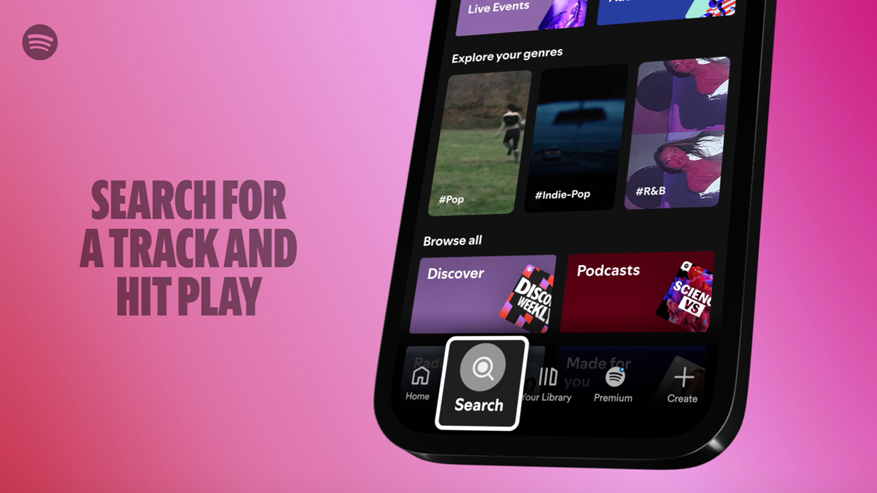
 Spotify’s latest update is ending the shuffle-only limitation for free users, allowing them to search and play songs.
Spotify’s latest update is ending the shuffle-only limitation for free users, allowing them to search and play songs. (Image credit – Spotify)

Spotify is making a major change for its free-tier listeners. Just days after rolling out lossless audio for Premium subscribers, the streaming giant has now lifted one of the biggest restrictions for free users – the inability to play specific songs on demand. Here’s more on the new update.

Free Spotify Users Can Now Search and Play Any Track

Previously, free users were forced into a shuffle-only experience. Even when selecting a specific song from an album or playlist, Spotify would shuffle tracks randomly. To make matters worse, skips were capped at six per hour, leaving many frustrated.

With the latest update, Spotify now allows free users to “pick and play any song you want”. The change is being rolled out globally, finally giving non-paying listeners more control over their music.

There Is A Catch?

While this is a big win for free-tier listeners, there are still limitations. According to CNET, users can only listen to one chosen song before playback switches back to shuffle mode.

Spotify spokesperson Luke Mackay explained the new system in a statement to The Verge, “Only Spotify Premium users have complete control to play and skip music without restrictions. Mobile listeners of the updated free experience will be able to tap on any song or search for what they’d like to play, or if they don’t like a track or simply want to hear what’s next, skip the occasional song and carry on listening. Each user has a daily allocated amount of on-demand time. Once this limit is reached, users will then be limited to six-skips per hour.”

Spotify Ads and Sharing Features Remain

The free version of Spotify will still include ads, but this update reduces one of the biggest reasons people turned to YouTube or rival platforms to hear specific tracks without restrictions.

It also helps boost Spotify’s social sharing push. In the past, non-paying users couldn’t immediately play songs shared by friends on Instagram, X (Twitter), or other platforms. Now, this update makes shared links far more seamless, encouraging engagement across social media.

FAQs

Q1. Can free Spotify users now play specific songs on demand?

Answer. Yes, free users can now search and play any song directly. However, after one chosen track, playback reverts to shuffle mode with limited skips.

Q2. Are there any limits to this new on-demand feature for free users?

Answer. Absolutely. Free users have a daily allocation of on-demand time. Once it’s used up, they’re restricted to six skips per hour and shuffle-only playback resumes.

Q3. Does this update affect Spotify’s ad-supported experience or social sharing?

Answer. Ads remain part of the free tier, but users can now instantly play songs shared via platforms like Instagram or X, making social sharing more seamless and engaging.
Also Read –

https://www.mymobileindia.com/spotify-finally-rolls-out-free-lossless-24-bit-audio-streaming-for-premium-users/

https://www.mymobileindia.com/spotify-introduces-in-app-messaging-to-share-music-podcasts-and-audiobooks-seamlessly/

iPhone 17 Series Outpaced iPhone 16 in First-Week Demand, iPhone 17 Pro Max Leading the Pack: Kuo

0

Highlights

  • Analyst Ming-Chi Kuo reports that iPhone 17 pre-orders have outpaced iPhone 16 with Apple increasing production by 25% YoY.
  • The iPhone 17 Pro Max saw a 60% production boost over its predecessor, yet shipping times remain steady.
  • The new iPhone Air shows no shipping delays, suggesting Apple may have overestimated early demand.

image

Caption – Ming-Chi Kuo shared iPhone 17 demand analysis. (Image – Apple YouTube Channel)

The iPhone 17 series is off to a stronger start than last year’s lineup, according to renowned analyst Ming-Chi Kuo. After reviewing production targets and shipping lead times from the first week of pre-orders, Kuo reports that demand for the iPhone 17 models has surpassed that of the iPhone 16 series

Kuo shared detailed posts on X (formerly Twitter) revealing some key facts about how the first week of launch has been for iPhone. Here are some key points.

iPhone 17 Off To Stronger Start Compared to iPhone 16

iPhone 17 Pro Max.
iPhone 17 Pro Max. (Image credit – Apple)

The iPhone 16 series struggled with weaker-than-expected pre-orders in its first week. In contrast, Apple’s latest iPhone 17 lineup appears to be rebounding, showing higher demand despite increased production volumes.

Kuo based his analysis on two key factors. One is Production volumes, as estimated through Apple’s supply chain sources and the other is Shipping delays, measured by how quickly delivery times extended after pre-orders opened.

Apple set its Q3 production target for the iPhone 17, 17 Pro, and 17 Pro Max 25% higher compared to the same period in 2024. Despite this increase, delivery times are now around a week longer, suggesting stronger demand for the new models.

Kuo concludes, “In terms of total production volume for the third quarter for the Pro Max, Pro, and standard models, the iPhone 17 is approximately 25% higher YoY compared to the iPhone 16, but the shipping time has only increased by about one week, indicating stronger overall pre-order demand for […] three iPhone 17 models. Conclusion: The first weekend pre-order demand for the iPhone 17 series is stronger than last year’s iPhone 16.”

Among the lineup, the iPhone 17 Pro Max stands out as the most sought-after device. Apple reportedly boosted its production by about 60% compared to the iPhone 16 Pro Max, yet shipping times remain nearly identical between the two generations, highlighting the phone’s popularity.

“The strongest demand is still for the Pro Max. The iPhone 17 Pro Max’s production volume in 3Q25 is approximately 60% higher than that of the 16 Pro Max in the same period last year, yet the shipping times remain similar,” writes Kuo.

iPhone Air’s Different Story

 iPhone Air. (Image credit - Apple)
iPhone Air. (Image credit – Apple)

The newly introduced iPhone Air presents a different picture. Apple set production for the Air at three times the volume of last year’s iPhone 16 Plus. So far, this seems to have been the right move. Pre-orders remain open with no noticeable shipping delays. Kuo writes, “The iPhone Air is available in stock at launch, which on the surface looks softer than the iPhone 16 Plus last year (2 weeks delivery time). However, the Air’s 3Q25 build plan is roughly 3x (~+200% YoY) that of the 16 Plus in 3Q24, and there’s no direct historical analog for its positioning in the lineup. A fair assessment of demand will require observing sell-through over a longer period.”

According to Kuo’s X post, you can still order an iPhone Air today and receive it on launch day.

This could mean Apple has overestimated initial demand for its ultra-slim model. Kuo cautions that the Air’s performance will need to be evaluated over the coming months before drawing conclusions about its long-term success. The analyst specifies, “Since Apple has not previously offered a product positioned like the Air, it would be more objective to observe demand trends after the initial sales period.”

The iPhone 17 series officially goes on sale this Friday. As anticipation builds, all eyes are on the Pro Max as Apple’s star performer, while the iPhone Air’s trajectory will be closely monitored to see if it can carve out a strong place in the lineup.

FAQs

Q1. How does the iPhone 17 series compare to the iPhone 16 in first-week demand?

Answer. According to Ming-Chi Kuo, the iPhone 17 series saw stronger pre-order demand than the iPhone 16, with Apple increasing production by 25% year-over-year.

Q2. Which iPhone 17 model is the most popular so far?

Answer. The iPhone 17 Pro Max leads in demand. Despite a 60% production boost over the iPhone 16 Pro Max, its shipping times remain steady, indicating high consumer interest.

Q3. What does the shipping delay suggest about iPhone 17 demand?

Answer. Shipping times are extended by about one week despite higher production volumes, which Kuo interprets as a sign of stronger overall demand for the iPhone 17 lineup.

Q4. How is the new iPhone Air performing in pre-orders?

Answer. Apple tripled production compared to the iPhone 16 Plus, but pre-orders show no shipping delays. Kuo suggests demand may be overestimated and should be monitored post-launch.

Also Read –

https://www.mymobileindia.com/apple-a19-vs-a19-pro-chip-what-are-the-main-differences-between-the-iphone-17-chips/

https://www.mymobileindia.com/samsung-trolls-apple-iphone-17-launch-with-icant-campaign-targets-camera-specs-and-lack-of-foldables/

Oppo Reno 15 Series Leak Hints at 200MP Camera and New Pro+ Version

0

Highlights

  • Oppo is expected to launch Reno 15, Reno 15 Pro, and a new top-tier Reno 15 Pro+ model by late November or December 2025.
  • Reno 15 Pro and Pro+ may feature a 200MP main sensor alongside a 50MP periscope telephoto lens across all models.
  • All phones will sport 1.5K resolution screens with varying sizes and tech (LTPS/LTPO), plus a refined metal frame and cold-carved glass back.

image

Caption – A look at Oppo Reno 14 for reference. (Image credit – Oppo)

It appears Oppo is preparing to refresh its popular Reno lineup once again. Reports suggest that the Oppo Reno 15 series is expected to launch in late November or December 2025.

The brand typically updates the Reno range twice a year with the Reno 14 series debuting in May. Now, fresh leaks from reliable tipster Digital Chat Station give us the first glimpse of what to expect from the next-generation Reno phones. Here’s what we know so far.

Oppo Reno 15 Series – New Leak

image

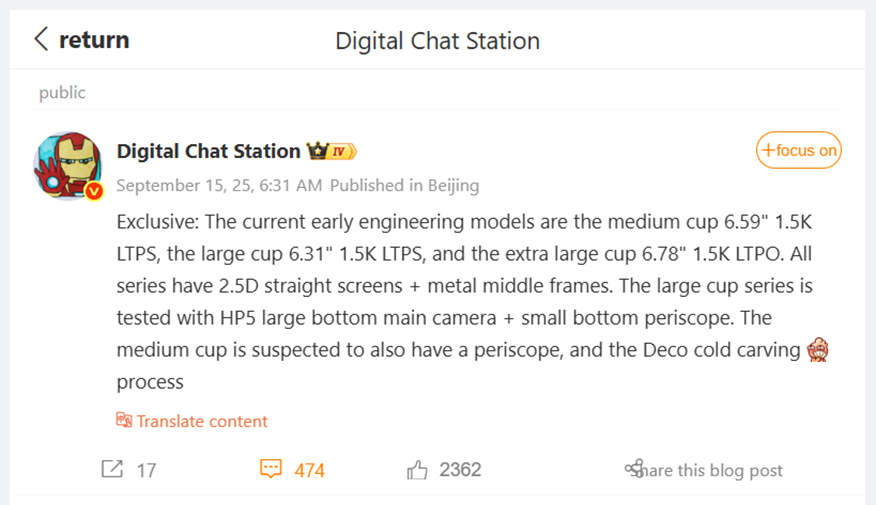
Caption – Digital Chat Station’s recent post on Weibo. (Translated via Google Translate)

According to the Digital Chat Station’s post, Oppo will continue offering three models in its Reno lineup.

While the exact names haven’t been confirmed yet, the devices are expected to be called the Reno 15, Reno 15 Pro, and for the first time we will have a Reno 15 Pro+. The Pro+ would mark the introduction of a new top-tier option in the Reno family.

Oppo Reno 15 Series – Expected Specifications

All three models will reportedly feature 1.5K resolution displays but with slight variations in size and technology. It appears Reno 15 will have a 6.59-inch LTPS display, Reno 15 Pro to feature a 6.31-inch LTPS display and Reno 15 Pro+ 6.78-inch LTPO display for smoother refresh rates and better power efficiency

Design-wise, the Reno 15 lineup is said to maintain a 2.5D straight screen, a metal frame, and the one-piece cold-carved glass back design introduced with the Reno 14 series.

Cameras are expected to be a major highlight this year. Both the Reno 15 Pro and Reno 15 Pro+ are tipped to feature a massive 200MP main sensor, which would be a first for the Reno series. Additionally, all three models are rumoured to include a 50MP periscope telephoto lens for zoom photography.

While the leak reveals display and camera details, key specs such as processors, charging speeds, and pricing remain under wraps. More information is expected to surface as the official launch approaches.

Oppo Reno 15 Series – Launch Timeline

If the leaks prove accurate, the Oppo Reno 15 series will officially debut before the end of 2025. If this timeline turns out to be accurate, fans will have a few months before seeing how many of these features make it into the final devices.

FAQs

Q1. What models are expected in the Oppo Reno 15 series?

Answer. The lineup will likely include Reno 15, Reno 15 Pro, and a new top-tier Reno 15 Pro+, marking the first time Oppo introduces a Pro+ variant in the Reno family.

Q2. Will the Reno 15 series feature a 200MP camera?

Answer. Yes. Both the Reno 15 Pro and Reno 15 Pro+ are rumoured to include a 200MP main sensor, a first for the Reno series, along with a 50MP periscope telephoto lens.

Q3. What display specifications are expected across the Reno 15 models?

Answer. All three models will feature 1.5K resolution screens: Reno 15 with a 6.59″ LTPS display, Reno 15 Pro with a 6.31″ LTPS, and Reno 15 Pro+ with a 6.78″ LTPO panel for better refresh rate and efficiency.

Also Read –

https://www.mymobileindia.com/oppo-find-x9-design-officially-revealed-showing-industrys-slimmest-bezels/

https://www.mymobileindia.com/oppo-reno-14-pro-and-oppo-reno-14f-5g-launched-in-taiwan-with-6000mah-batteries-premium-displays-and-android-15/

Apple A19 Vs A19 Pro Chip – What Are the Main Differences Between the iPhone 17 Chips?

0

Highlights

  • Both Apple A19 vs A19 Pro chips use TSMC’s 3nm process with identical 6-core CPUs.
  • The Apple A19 Pro features a 6-core GPU vs the A19’s 5-core
  • Each chip includes a 16-core Neural Engine for on-device AI tasks and A19 Pro adds vapour chamber cooling, 12GB RAM, and 6MB cache.
  • Both support Wi-Fi 7 and Bluetooth 6, but differ in 5G modems.
  • The A19 Pro also unlocks ProRes RAW, enhanced ISP, and broader 5G support.
 Apple A19 chipset. (Image credit - Apple)
Apple A19 chipset. (Image credit – Apple)

Apple has officially launched the iPhone 17 series with major performance and AI improvements. The lineup debuts with two new chipsets, one is the Apple A19 and the other is the Apple A19 Pro. While both processors share a lot in common, some notable differences set them apart. Here’s a detailed breakdown of what sets the new iPhone 17 chipsets apart, starting with the configuration.

Apple A19 & A19 Pro – Architecture and Configuration

Both chips are manufactured on TSMC’s 3nm (N3P) node, ensuring better efficiency and performance compared to earlier generations. They feature the same 6-core CPU setup with 2 performance cores and 4 efficiency cores with performance cores clocked at 4.26GHz. This makes them nearly identical in terms of CPU design and power efficiency.

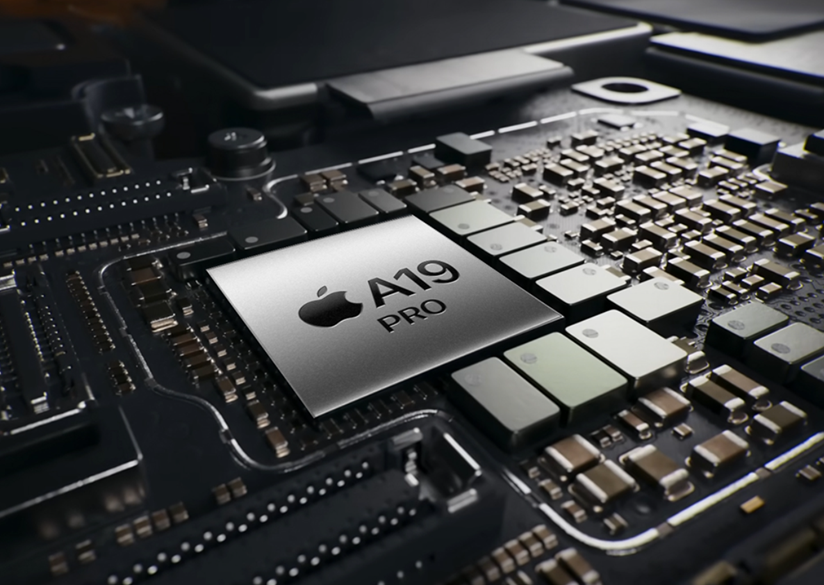
 Apple A19 Pro chipset. (Image credit - Apple)
Apple A19 Pro chipset. (Image credit – Apple)

The real difference lies in the GPU –

  • Apple A19 – 5-core GPU
  • Apple A19 Pro – 6-core GPU

iPhone 17 Air uses the A19 Pro but with a cut-down 5-core GPU, similar to the standard A19. Both chips support hardware-accelerated ray tracing, but the extra GPU core on the Pro models gives them an edge for gaming and graphics-heavy applications.

Apple A19 & A19 Pro – AI Capabilities

Both chipsets focus heavily on on-device AI performance.

Apple has equipped them with a 16-core Neural Engine, powering new iOS 26 features like real-time photo enhancements, live translation, predictive text, and more. These tasks run directly on the device, improving both speed and privacy.

Apple A19 & A19 Pro – Performance and Cooling Enhancements

Apple introduced a new vapour chamber cooling system with the iPhone 17 Pro series allowing the A19 Pro to sustain higher performance during demanding tasks like gaming or 4K video editing.

Benchmarks show only single-digit percentage gains in raw performance, but the biggest improvement is in sustained workloads, where the A19 Pro maintains peak performance longer than the A19.

Memory and cache also differ –

  • A19 – 8GB LPDDR5X RAM + 4MB L2 cache
  • A19 Pro – 12GB LPDDR5X RAM + 6MB L2 cache

The Pro models also unlock exclusive features such as ProRes RAW support and an upgraded ISP (Image Signal Processor) for improved photography and videography.

Apple A19 & A19 Pro – Connectivity Features

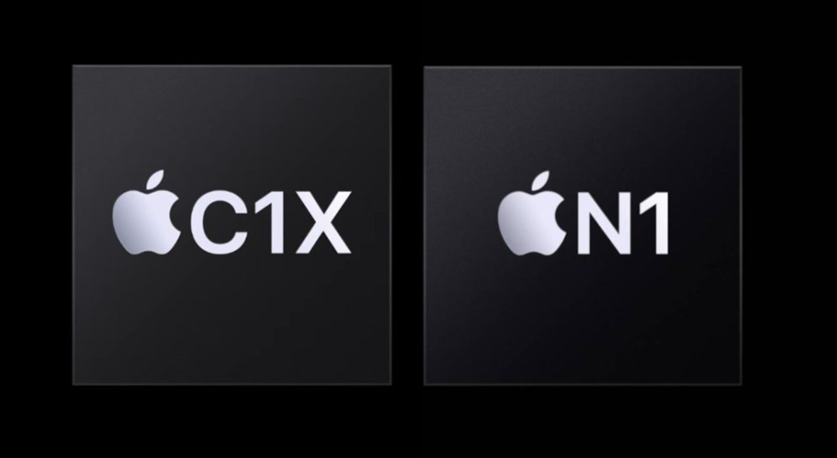
 Apple C1X and N1. (Image credit - Apple)
Caption – Apple C1X and N1. (Image credit – Apple)

The A19 series introduces Apple’s new N1 wireless networking chip, supporting Wi-Fi 7 and Bluetooth 6. For 5G, Apple takes a split approach –

  • iPhone 17 Pro & Pro Max – Qualcomm Snapdragon 5G modem
  • iPhone 17 Air – Apple’s in-house C1X 5G modem, optimised for power efficiency but limited to sub-6GHz bands

This gives Pro models broader 5G support while the Air prioritises battery efficiency.

In conclusion, both the Apple A19 and A19 Pro are powerful and efficient chips designed for the latest iPhone 17 series. The A19 Pro stands out with better GPU performance, larger RAM and cache, ProRes RAW support, and improved thermal management, making it the clear choice for power users, gamers, and professionals.

FAQs

Q1. What’s the main difference between the Apple A19 and A19 Pro chips?

Answer. The A19 Pro features a 6-core GPU, 12GB RAM, and 6MB L2 cache, compared to the A19’s 5-core GPU, 8GB RAM, and 4MB cache.

Q2. Do both chips support the same AI and connectivity features?

Answer. Yes. Both include a 16-core Neural Engine for on-device AI tasks and support Wi-Fi 7, Bluetooth 6, and Apple’s new N1 wireless chip. However, 5G modem types differ by model.

Q3. Why is the A19 Pro better for sustained performance?

Answer. Thanks to its vapour chamber cooling system, the A19 Pro maintains peak performance longer during demanding tasks like gaming and 4K video editing, unlike the standard A19.

Also Read –

https://www.mymobileindia.com/apple-introduces-iphone-airultra-thin-5-6mm-design-6-5-inch-oled-display-and-a19-pro-chip/

https://www.mymobileindia.com/apples-affordable-iphone-17e-could-get-dynamic-island-a19-chip-and-design-changes/

Samsung Galaxy S26 Series Camera Protective Films Leak Ahead of Launch

0

Highlights

  • Samsung Galaxy S26 series leak shows the protective films for Galaxy S26 Edge, Pro, and Ultra.
  • It reveals the rear camera layouts with the Ultra’s film covering only its three main sensors.
  • All models may feature anti-reflective displays; S26 Pro is tipped to include a 10MP telephoto and 50MP sensor, while S26 Ultra retains the HP2 main sensor.
  • Leaked specs suggest the S26 Pro and Ultra may see slight camera hardware downgrades compared to their predecessors.
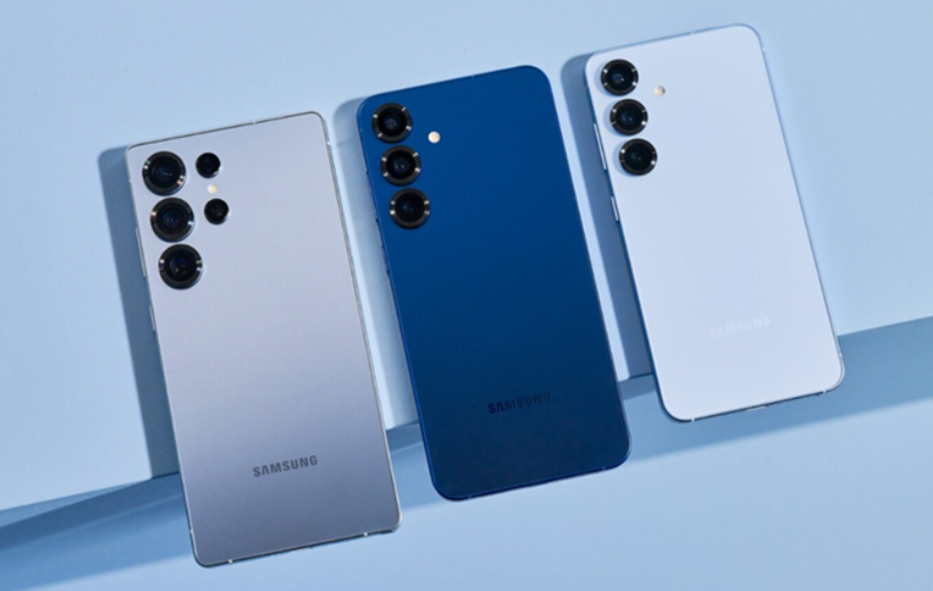
First look at the Samsung Galaxy S26 dummies. (Image credit - @SonnyDickson on X)
First look at the Samsung Galaxy S26 dummies. (Image credit – @SonnyDickson on X)

Samsung is gearing up to unveil its Galaxy S26 series in February 2025, which will include the Galaxy S26 Edge, Galaxy S26 Pro, and Galaxy S26 Ultra. Ahead of the official launch, the camera protective films for all three models have surfaced online, offering a closer look at their rear design. Here’s what we know so far.

Samsung Galaxy S26 Series Camera Protective Films Leak

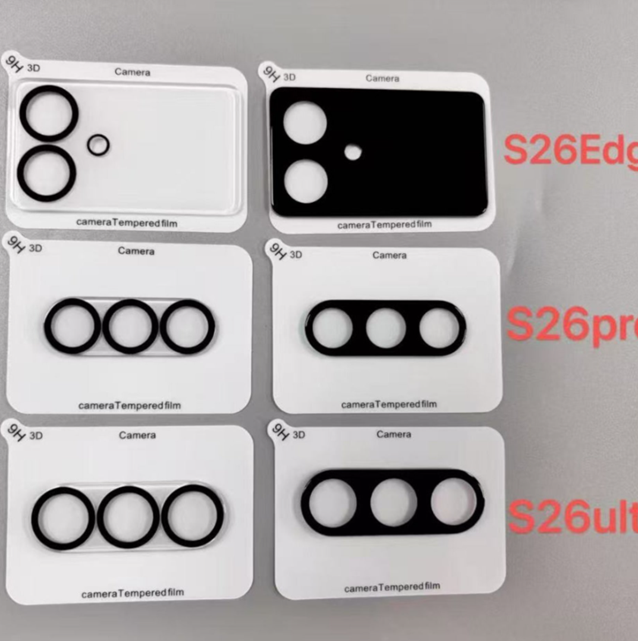
Samsung Galaxy S26 Series Camera Protective Film image.
Samsung Galaxy S26 Series Camera Protective Film image. (Image credit – @UniverseIce on X)

The latest leak comes from popular tipster Ice Universe @UniverseIce, who shared the image of protective films on X (formerly Twitter).

The images confirm the design of the camera modules across the Galaxy S26 Edge, Galaxy S26 Pro, and Galaxy S26 Ultra, matching earlier dummy unit leaks. Interestingly, the protective film for the Galaxy S26 Ultra only covers its three main sensors inside the pill-shaped camera housing.

Additional Details About the Galaxy S26 Series

Apart from the protective film leak, earlier reports also suggested that all three Galaxy S26 smartphones will feature displays with an anti-reflective coating for improved visibility.

When it comes to camera hardware, the Galaxy S26 Pro is rumoured to include –

  • The main camera of the same size as its predecessor
  • The industry’s smallest 10MP telephoto camera
  • An additional 50MP rear sensor
  • A 1080p resolution display

Meanwhile, the Galaxy S26 Ultra is tipped to feature –

  • The same ISOCELL HP2 main sensor (f/1.4)
  • A 50MP periscope telephoto camera (1/2.52″ sensor)
  • A 10MP telephoto lens (f/2.4, 1.0μm pixels, 1/3.94″, 3x zoom)

However, based on these rumoured specs, both the Galaxy S26 Pro and Galaxy S26 Ultra appear to be receiving downgrades in their camera hardware compared to previous generations.

With the official launch just months away, these leaks continue to build anticipation around Samsung’s upcoming flagship series, especially for users closely following design and camera improvements.

FAQs

Q1. What does the leaked camera protective film reveal about the Galaxy S26 Ultra?

Answer. The film shows a pill-shaped housing that covers only the Ultra’s three main sensors, confirming earlier dummy unit leaks about its rear camera layout.

Q2. Are there any display upgrades expected in the Galaxy S26 series?

Answer. Yes. All three models, Galaxy S26 Edge, Pro, and Ultra, are rumoured to feature an anti-reflective coating on their displays for improved outdoor visibility.

Q3. Is Samsung upgrading or downgrading camera hardware in the S26 Pro and Ultra?

Answer. Leaked specs suggest slight downgrades. The S26 Pro may include the industry’s smallest 10MP telephoto lens, while the Ultra retains its HP2 sensor but adds modest telephoto upgrades.

Also Read –

https://www.mymobileindia.com/samsung-galaxy-s26-series-design-leaks-via-dummy-units-revealing-camera-bar-and-possible-qi2-charging/

https://www.mymobileindia.com/samsung-galaxy-s26-series-could-go-back-to-using-exynos-chips/

Moto G 2026 and Moto G Play 2026 Leak Reveals Complete Specifications, Official Renders

0

Highlights

  • Moto G 2026 and Moto G Play 2026 feature flat 6.7″ HD+ displays with hole-punch cameras, eco-leather backs, and PANTONE colour finishes.
  • The phones are powered by MediaTek Dimensity 6300, both offer 4GB RAM with RAM Boost, 5,200mAh batteries, and Android 16.
  • Moto G gets 128GB storage and 30W charging, while Play offers 64GB and 18W.
  • Moto G 2026 sports a 50MP + Macro rear setup and 32MP front camera, while Play has a 32MP rear and 8MP front. Both include advanced camera modes, Dolby Atmos, and Motorola’s software suite.
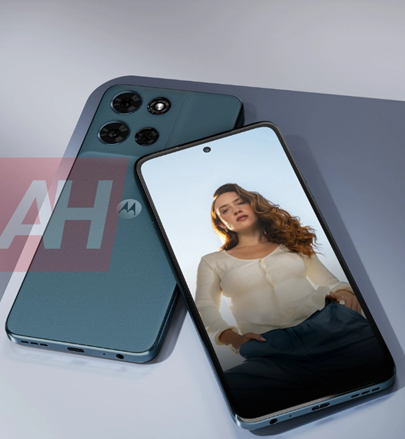
 Leaked official poster of Moto G 2026 (left) and Moto G Play 2026 (right).
Leaked official poster of Moto G 2026 (left) and Moto G Play 2026 (right). (Image credit – Android Headline)

Motorola is preparing to expand its popular G-series lineup with the upcoming Moto G 2026 and Moto G Play 2026. AndroidHeadlines has published official renders and full specifications of both models in one of its recent reports. Here’s a roundup of everything we know based on the latest reveal.

Moto G 2026 and Moto G Play 2026 – Design

Both the Moto G 2026 and Moto G Play 2026 sport an almost similar design language. They come with flat displays featuring a centred hole-punch selfie camera, paired with uneven bezels and a slightly thicker chin. The frames are flat but taper slightly toward the front and back edges.

image

image

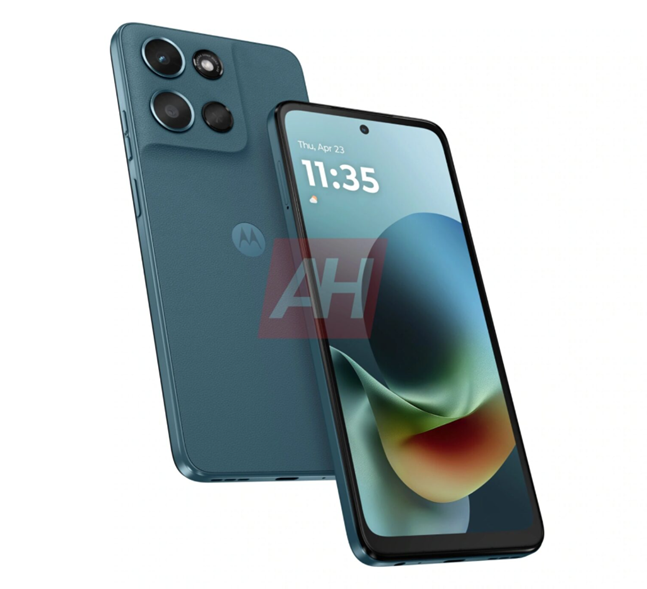
Caption – A closer look at the design of Moto G 2026 (left) and Moto G Play 2026 (right). (Image credit – Android Headline)

On the right side are all the buttons, with the power key placed beneath separated volume keys, while the SIM card tray sits on the left. At the bottom, users will find a USB Type-C port and a 3.5mm headphone jack.

On the back, both models feature a raised camera island wrapped in eco-leather material, which matches the rear panel for added grip and a premium finish. The Moto G 2026 will arrive in PANTONE Cattleya Orchid, while the Moto G Play 2026 will launch in PANTONE Tapestry.

Moto G 2026 – Key Specifications

image

Caption – Moto G 2026 render. (Image credit – Android Headline)

According to the report, the Moto G 2026 is equipped with a 6.7-inch HD+ display that supports a 120Hz adaptive refresh rate (switching between 60Hz and 120Hz) and reaches up to 1,000 nits peak brightness with protection from Gorilla Glass 3.

The rear camera setup includes a 50MP Quad Pixel main sensor paired with a dedicated Macro Vision lens, while the front features a 32MP selfie camera. Quad Pixel technology is designed to deliver sharper and brighter images in low-light conditions. Camera features include Hyperlapse, Timelapse, Slow Motion, Auto Smile Capture, Dual Capture, Night Vision, Portrait, Face Retouch, Gesture Selfie, and Photo Booth.

Under the hood, the phone runs on the MediaTek Dimensity 6300 chipset, supported by 4GB RAM with RAM Boost for virtual memory expansion. Internal storage is 128GB UFS 2.2, expandable via microSD. The device packs a 5,200mAh battery with 30W TurboPower fast charging, offering up to two days of usage on a single charge.

Additional highlights include Dolby Atmos, Hi-Res Audio, a water-repellent design, and Android 16 out of the box. Motorola’s software suite includes Google Gemini, Circle to Search, Family Space, Moto Unplugged, Moto Secure, ThinkShield, and Face Unlock.

Moto G Play 2026 – Key Specifications

image

Caption – Moto G Play 2026 leaked render. (Image credit – Android Headline)

The Moto G Play 2026 mirrors its sibling with a 6.7-inch HD+ display, 120Hz adaptive refresh rate, 1,000 nits peak brightness, and Gorilla Glass 3 protection.

It is powered by the same MediaTek Dimensity 6300 processor, coupled with 4GB RAM and RAM Boost. Storage capacity is slightly lower at 64GB UFS 2.2, but users can expand it with a microSD card.

For photography, the Moto G Play 2026 features a 32MP Quad Pixel main rear camera and an 8MP front-facing camera, along with the same suite of camera features available on the Moto G 2026.

Battery performance is also solid with a 5,200mAh unit, though charging speed is limited to 18W TurboPower. The device includes stereo speakers with Dolby Atmos, Hi-Res Audio, Bluetooth 5.3, a water-repellent design, and Android 16 with the same Motorola-exclusive features.

FAQs

Q1.  What are the display specs of Moto G 2026 and Moto G Play 2026?

Answer. Both phones feature a 6.7-inch HD+ display with 120Hz adaptive refresh rate, 1,000 nits peak brightness, and Gorilla Glass 3 protection.

Q2. How do the cameras differ between Moto G 2026 and Moto G Play 2026?

Answer. Moto G 2026 has a 50MP main + Macro rear camera and a 32MP front camera. Moto G Play 2026 offers a 32MP rear and an 8MP front camera, with similar shooting modes.

Q3. What are the battery and charging capabilities of Moto G 2026 and Moto G Play 2026?

Answer. Both pack a 5,200mAh battery. Moto G 2026 supports 30W TurboPower fast charging, while Moto G Play 2026 is limited to 18W charging.

Q4. What software and features come with the Moto G 2026 series?

Answer. They run Android 16 and include Motorola’s suite: Google Gemini, Circle to Search, Moto Secure, Moto Unplugged, Family Space, ThinkShield, and Face Unlock.

Also Read –

https://www.mymobileindia.com/motorola-moto-pad-60-neo-launch-price-specs-india/

https://www.mymobileindia.com/motorola-edge-60-neo-europe-launch/

Viral Nano-Banana AI Trend – Google Gemini Surpasses ChatGPT as Top App, Top Prompts to Generate Creative 3D Figurines, Learn To Create Instagram’s Viral Vintage Saree AI Photo

0

Highlights

  • Viral Nano-Banana AI trend is being driven by the Nano-Banana image editing tool.
  • Google Gemini has surpassed ChatGPT as the #1 app on both iOS and Android platforms.
  • The trend transforms selfies into collectible-style 3D portraits with viral offshoots like vintage saree edits dominating Instagram.
  • Users are generating figurines in styles ranging from cyberpunk to retro Bollywood, blending Gemini’s visuals with ChatGPT’s storytelling prompts.

image

Google’s Gemini app has officially overtaken ChatGPT to claim the number-one spot on both the Apple App Store and Google Play Store. This surge in popularity is largely driven by the viral success of its Nano-Banana AI image editing tool, which has taken over social media feeds worldwide. Here’s a roundup of everything that is happening in Viral Nano-Banana AI Trend.

What is Nano-Banana?

image

For those unfamiliar, Nano-Banana is an AI trend that transforms user photos into hyper-detailed 3D figurine-style portraits. These edits look like collectible toy figures, complete with acrylic bases and stylised packaging.

The trend has exploded on platforms like Instagram and X (formerly Twitter), embraced by celebrities including Sonam Bajwa and Rakesh Roshan, as well as politicians like Assam CM Himanta Biswa Sarma and Goa CM Pramod Sawant.

Google Gemini Tops App Charts

When TOI Tech checked the “Top Apps” list on both app stores, Google Gemini ranked first, followed by Threads and ChatGPT. This is a reversal from earlier months when ChatGPT held the top spot during its viral Ghibli-style image generation phase.

Google confirmed that the Nano-Banana feature is free for all users within the Gemini app. The company is also encouraging users to share their creations online with standout images being featured by Google.

Caption - Prompts. (Image credit - Google)
Caption – Prompts. (Image credit – Google)

image

Nano-Banana vs ChatGPT

While Nano-Banana dominates the spotlight with quick, playful, and viral edits, ChatGPT takes a different path. Instead of creating figurines, ChatGPT focuses on storytelling through images. For example, rather than simply generating a dragon image, it might describe “a dragon mourning in ruins lit by candlelight.”

This makes ChatGPT more appealing for writers, marketers, and storytellers, while Nano-Banana thrives on social media virality.

The rivalry is almost like comparing TikTok to Netflix. Nano-Banana is fun, fast, and shareable, the “life of the party.” ChatGPT, on the other hand, offers depth, narrative, and emotional storytelling. Many creators are now blending both – Nano-Banana for visuals, ChatGPT for context.

Viral Vintage Saree Nano-Banana AI Trend on Instagram

image

Caption – Viral Vintage Saree Nano-Banana AI Trend on Instagram.

One of the biggest offshoots of Nano-Banana is the vintage saree AI edit trend on Instagram.

These edits look like classic Bollywood posters from the 90s with chiffon sarees, retro film grain, and dramatic cinematic effects. The trend combines Google Gemini’s image generation with ChatGPT’s prompt guidance to deliver unique retro avatars.

How to Create Your Own Vintage Saree AI Photo?

  • Log in to Gemini or ChatGPT with your Google account.
  • In Gemini, tap “Try Image Editing” (banana icon).
  • Upload a clear solo picture where your face is visible.
  • Copy-paste a viral saree prompt (examples below).
  • Generate, save, and share your AI edit on Instagram.

Sample AI Saree Prompts –

Black Saree Prompt – “Convert this person into a retro vintage grainy but bright image, black party-wear saree, 90s film aesthetic. She is standing against a solid, deep wall with dramatic shadows and contrast, creating a mysterious and artistic atmosphere. Lighting is warm, with golden sunset tones evoking golden hour glow. Her expression is moody, calm, yet subtly happy and introspective.”

White Saree Prompt – “Create a 4K HD realistic portrait of a woman in a translucent white polka dot saree. Small pink flower tucked behind her ear, warm light casting cinematic shadows. Pure vintage diva energy.”

Nano-Banana Figurine Prompts for Social Media and 3D Printing

image

Caption – Nano-Banana Figurine Prompts for Social Media and 3D Printing.

Google’s Nano-Banana isn’t limited to saree edits, it can turn ordinary selfies into mini 3D collectibles.

Here are some creative prompt ideas (via Techlusive) –

  • Mini Explorer Figurine – Turn the image into a tiny explorer with a backpack, binoculars, and a campfire accessory, standing on a rocky terrain base.
  • Cyberpunk Character – Create a neon-lit cyberpunk-style figure with futuristic clothing, holographic gadgets, and a glowing cityscape base.
  • Mythical Creature Collectible – Transform the photo into a 3D dragon or unicorn figure with magical glow effects and a floating crystal base.
  • Streetwear Toy Model – Make a modern streetwear-style figurine with sneakers, hoodie, and skateboard, posed on a graffiti-decorated mini platform.
  • Mini Chef Figurine – Render the subject as a cute chef figurine, holding a frying pan and spatula, standing on a kitchen countertop base.
  • Fantasy Knight Figurine – Turn the image into a knight with shining armor, sword and shield, on a stone castle platform.
  • Retro Music Icon – Create a 3D figurine of the person as a retro rock star, holding a guitar, with a vinyl record and stage lights in the background.
  • Miniature Scientist – Render the image as a scientist figurine, holding a flask, with lab equipment and a tiny chalkboard base.
  • Futuristic Racer Toy – Turn the subject into a racing driver with helmet, racing suit, and a small hovercar base.
  • Jungle Adventurer Figurine – Make the photo into a jungle explorer toy, standing on a tree stump base with vines and miniature animals around.
  • Underwater Explorer Model – Create a scuba diver figurine, equipped with oxygen tanks and flippers, standing on a coral reef base.
  • Mini Carnival Performer – Transform the subject into a circus performer figurine, juggling colorful balls on a striped carnival platform.
  • Steampunk Character Toy – Render the image as a steampunk adventurer with goggles, gears, and a mechanical contraption base.
  • Mini Wizard Figurine – Make a magical wizard with a staff, flowing robes, and a glowing spell circle on the base.
  • Sci-Fi Pilot Collectible – Turn the photo into a space pilot figurine, seated in a futuristic cockpit with holographic displays.

image

Caption – Nano-Banana 3D Printing.

Retro & Pop Culture Nano Banana 3D Figurine Prompts –

  • 80s Arcade Gamer Figurine – Turn the image into a pixelated 1980s gamer, sitting at an arcade cabinet with neon lights and joystick in hand.
  • Vintage Rock Band Member – Create a 1970s or 1980s rock musician figurine, with big hair, electric guitar, and vinyl record stage base.
  • Classic Cartoon Toy – Render the subject as a Saturday morning cartoon-style figurine, with exaggerated expressions and colorful comic props.
  • Retro Futuristic Pilot – Make a 1960s sci-fi pilot collectible with shiny metallic suit, jetpack, and rocket-inspired display base.
  • Old-School Film Star – Transform the image into a golden-era Hollywood star, with vintage costume, retro hairstyle, and mini red carpet base.
  • Disco Dance Figurine – Create a disco-themed 3D figure with platform shoes, glittery clothes, and a mirrored disco floor.
  • Vintage Comic Hero – Render the subject as a classic comic book superhero, with bold primary colors, cape, and retro comic effects.
  • Retro Toy Robot – Make a 1950s-inspired toy robot version of the image, with metallic body, antenna, and tiny gears on the base.
  • Pop Culture Icon Collectible – Turn the photo into a figurine inspired by famous pop culture trends, complete with iconic accessories and stage setup.
  • Retro Gaming Character – Create a figurine styled after a vintage 8-bit video game hero, posed on a mini arcade platform with pixelated props.

FAQs

Q1. What is the Nano-Banana AI trend and why is it popular?

Answer. Nano-Banana is an AI image editing feature in Google Gemini that transforms selfies into hyper-detailed 3D figurine-style portraits. Its playful, collectible aesthetic has gone viral on social media, driving Gemini to the top of app charts.

Q2. How does Google Gemini compare to ChatGPT in image generation?

Answer. Gemini focuses on fast, shareable edits like Nano-Banana figurines, while ChatGPT leans into narrative-driven visuals, ideal for storytelling, marketing, and creative writing.

Q3. What is the Vintage Saree AI trend and how can I create it?

Answer. It’s a viral Instagram trend using Gemini’s image editor and ChatGPT prompts to generate retro Bollywood-style portraits. Upload a clear photo, apply a saree prompt, and share your cinematic avatar online.

Also Read –

https://www.mymobileindia.com/google-gemini-gets-ipad-app-and-expands-audio-overviews-to-over-45-languages/

https://www.mymobileindia.com/apple-to-reportedly-integrate-google-gemini-in-iphones-this-fall/

Google Pixel 10 Pro XL Teardown Highlights Major Boost in Repairability

0

Highlights

  • The Pixel 10 Pro XL features a redesigned internal layout that makes disassembly easier, especially for DIY repairs.
  • Google replaces adhesive with pull tabs for the battery, allowing tool-free removal and simplifying future replacements.
  • Google is clearly prioritising sustainability and user-friendly maintenance.
Google Pixel 10 Pro XL.
Google Pixel 10 Pro XL. (Image credit – Google)

If you thought the Google Pixel 10 Pro XL is just about powerful cameras and AI features, you are mistaken. The new flagship model is also making strides in the department of repairability. And we know that because teardown videos have started cropping up and we finally have an inside look at Google’s engineering.

Google Pixek 10 Pro XL Teardown

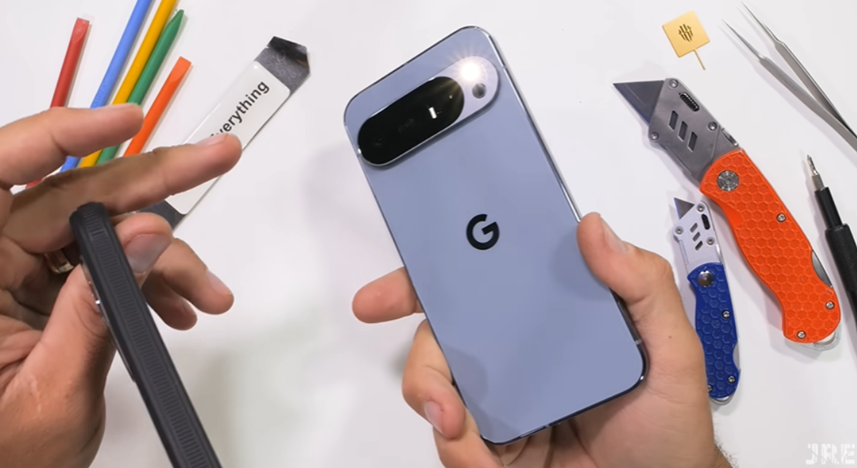
Google Pixel 10 Pro XL teardown.
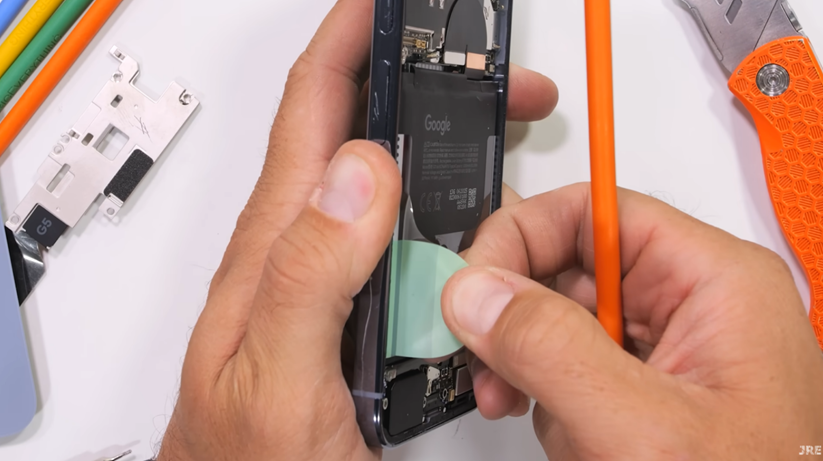
Google Pixel 10 Pro XL teardown. (Image credit – JerryRigEverything on YouTube)

A recent teardown by popular YouTuber Zack Nelson, better known as JerryRigEverything, offers the clearest look yet at how Google has redesigned the phone’s internals.

Launched alongside the Pixel 10, Pixel 10 Pro, and Pixel Watch 4, the Pixel 10 Pro XL stands out because it is much easier to disassemble compared to previous Pixel models. Nelson’s teardown video highlights several design improvements that make the device less daunting for DIY repair enthusiasts.

Google Pixel 10 Pro XL teardown.
Google Pixel 10 Pro XL teardown. (Image credit – JerryRigEverything on YouTube)

The biggest change comes with the battery setup. Instead of relying on the heavy glue found in earlier Pixels, Google now uses pull tabs that allow the battery to be removed without the need for specialised tools. This simple change can save users both time and money when it’s time for a replacement.

Nelson also noted that the phone powered back on and functioned normally after reassembly, something that’s not always guaranteed with today’s tightly packed smartphones.

Beyond the battery, the overall frame and structure of the Pixel 10 Pro XL feel sturdier. With Google now publishing official repair guides and offering genuine parts through iFixit, repairing a Pixel device is becoming far less of a challenge.

Tech reviewer iFixit has also recently shared a positive review of the Pixel 10, making it evident that Google is finally prioritising durability and sustainability in its hardware design.

Meanwhile, Nelson acknowledged that the Pixel 10 Pro XL might not be as repair-focused as brands like Fairphone but it is a clear step forward in terms of repairability.

You can check out the complete teardown video below –

FAQs

Q1. What makes the Pixel 10 Pro XL more repairable than previous models?

Answer. The Pixel 10 Pro XL features a redesigned internal layout and easier disassembly, including battery pull tabs that eliminate the need for glue or special tools.

Q2. Can users replace the Pixel 10 Pro XL battery themselves?

Answer. Yes. Thanks to the new pull-tab design, users can remove and replace the battery without professional tools, making DIY repairs more accessible and affordable.

Q3. Is Google supporting official repairs for the Pixel 10 Pro XL?

Answer. Absolutely. Google now provides repair guides and genuine parts through iFixit, signalling a stronger commitment to durability and user-friendly maintenance.

Also Read –

https://www.mymobileindia.com/google-pixel-10-pro-xl-design-fully-revealed-ahead-of-launch/

https://www.mymobileindia.com/google-pixel-10-pro-and-pro-xl-cad-renders-reveal-familiar-design/

iPhone 18 Series May Feature Smaller Dynamic Island but No Under-Display Face ID

0

Highlights

  • The iPhone 18 lineup may feature a slightly reduced Dynamic Island size, continuing Apple’s gradual design refinement.
  • Despite recurring rumours, under-screen Face ID and front cameras are unlikely to debut until the iPhone 19 series or later.
  • Tipster Instant Digital, known for some accurate Apple predictions, suggests visible front cameras will remain with more leaks expected before launch.
image
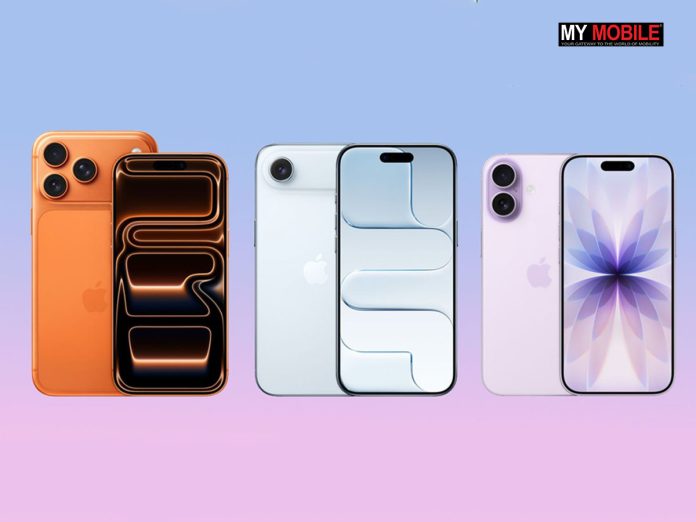
iPhone 18 Series rumours have started surfacing online. (iPhone 17 lineup in picture)

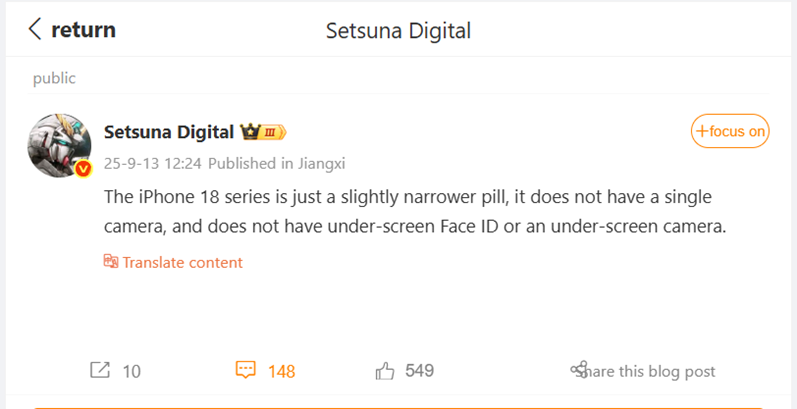
It has been just a few days since the latest iPhone lineup was unveiled and now we are getting reports of what the Cupertino giant is planning for next year. According to information shared by the popular Weibo account Instant Digital, Apple’s iPhone 18 lineup is rumoured to come with a slightly smaller Dynamic Island.

However, the models including the iPhone 18, iPhone 18 Pro, and iPhone 18 Pro Max are not expected to introduce under-display Face ID just yet.

image
Tipster Instant Digital’s recent post. (Translate via Google Translate)

Earlier, there were different reports suggesting that the iPhone 17 Pro models could feature a smaller Dynamic Island. But as we now know, that did not happen. The speculation has now returned for the iPhone 18 series and this time it may hold more weight as Apple works towards its rumoured 20th-anniversary all-glass iPhone.

As for under-screen Face ID, this has been a recurring rumour linked to the iPhone 16 Pro, iPhone 17 Pro and now the iPhone 18 Pro models. But, if the latest leak is accurate, Apple may not debut the technology until the iPhone 19 Pro series or later. In other words, under-display Face ID still appears to be a feature that remains a year or two away.

The leak also claims that none of the iPhone 18 models will include an under-display front camera. Instead, users can expect a smaller Dynamic Island paired with a visible front-facing camera.

Instant Digital, which has nearly 1.5 million followers on Weibo, has a mixed but notable track record with Apple leaks. The account correctly predicted the vapour chamber cooling system for the iPhone 17 Pro, the Yellow finish for the iPhone 14 and iPhone 14 Plus, and the Titanium Milanese Loop for the Apple Watch Ultra 2. However, not all of its iPhone 17-related leaks came true.

With the iPhone 18 series still at least a year away, it’s safe to expect plenty more rumours and reports before Apple’s official launch.

FAQs

Q1. Will the iPhone 18 series feature under-display Face ID?

Answer. No. Despite ongoing rumours, under-display Face ID is not expected in the iPhone 18 lineup. It may debut with the iPhone 19 Pro series or later.

Q2. What design change is expected in the iPhone 18’s Dynamic Island?

Answer. The iPhone 18, 18 Pro, and 18 Pro Max may feature a slightly smaller Dynamic Island, refining the notch area while keeping the front camera visible.

Q3. Is Apple planning an under-display front camera for iPhone 18?

Answer. No. According to leaks, the iPhone 18 models will retain a visible front-facing camera, with no under-display solution expected this cycle.

Also Read –

https://www.mymobileindia.com/apple-may-skip-iphone-18-in-2026-to-launch-first-foldable-iphone-report/

https://www.mymobileindia.com/iphone-18-pro-to-get-under-display-face-id-ditching-the-dynamic-island-another-leak-confirms/

Snapchat Launches Group Streaks and Infinite Retention for Chats

0

Highlights

  • Snapchat’s new Infinite Retention feature now allows users to keep chats permanently instead of relying on disappearing messages.
  • The feature is optional per conversation with both parties notified and able to toggle it.
  • Snapchat expands its Streaks feature to groups, allowing multiple members to contribute daily Snaps. If a streak breaks, users have up to 7 days to restore it.
 (Photo by Rubaitul Azad on Unsplash)
(Photo by Rubaitul Azad on Unsplash)

Snapchat is introducing two new features, Infinite Retention for chats and Group Streaks, both of which are aimed at enhancing user experience. The company says these additions are among the most “highly requested” by its community. Here’s what we know about the features at the moment.

Snapchat New Feature – Infinite Retention

The newly announced Infinite Retention feature changes the way chats work on Snapchat. Unlike the platform’s usual disappearing messages, this update allows users to keep their conversations permanently, similar to other messaging apps.

As the company explained in its announcement, “We’ve often heard from our community that Snapchatters want to save their chats forever and wish they could build streaks with their favorite groups.”

Snapchat began testing Infinite Retention back in 2024, and it is now rolling out globally. Previously, users could save messages by tapping on them inside chats, but this new feature makes the process seamless.

Infinite Retention can be turned on or off for individual conversations. When activated, the other person in the chat will receive a notification, and they also have the option to disable it. For example, you may choose to keep the feature on for close friends while leaving it off for casual contacts.

Snapchat New Feature – Group Streaks

Alongside Infinite Retention, Snapchat has also introduced Group Streaks. These bring a collective twist to the popular Streaks feature. Traditionally, maintaining a Streak required sending and receiving at least one photo or video Snap with a friend each day.

With Group Streaks, multiple people can contribute, making it easier to keep the streak alive. Even if a streak ends, users will have up to a week to restore it.

With Infinite Retention and Group Streaks, Snapchat is giving users more control over their conversations and adding a fun, collaborative element to its most beloved feature.

FAQs

Q1. What is Snapchat’s new Infinite Retention feature?

Answer. Infinite Retention allows users to keep chats permanently, unlike Snapchat’s traditional disappearing messages. It can be toggled on or off per conversation, and both participants are notified when it’s activated.

Q2. How do Group Streaks work on Snapchat?

Answer. Group Streaks let multiple users contribute to a shared streak by sending Snaps within a group. If the streak breaks, members have up to 7 days to restore it, making it easier to maintain than individual streaks.

Q3. Can users control who sees their saved chats with Infinite Retention?

Answer. Yes. Infinite Retention is customisable per chat. Users can choose to enable it for close friends and disable it for others. The recipient is notified and can opt out if they prefer disappearing messages.

Also Read –

https://www.mymobileindia.com/snapchats-new-lightweight-ar-glasses-specs-coming-in-2026-with-smarter-features/

https://www.mymobileindia.com/snapchat-app-finally-lands-on-apple-watch-with-messaging-support/