Homegrown wearable brand Fire-Boltt is aggressive with its product launches in India. The company has introduced yet another Bluetooth calling smartwatch called Ring 2, which comes with a large 1.69-inch bright HD display and offers a high 240×280 pixel resolution.
Offering a full touch screen, the Fire-Boltt Ring 2 comes in multiple strap colour options – Black, Blue, Pink and Silver – and is available exclusively on Flipkart at Rs 3,999.
In terms of features, the smartwatch comes with built-in microphone and speaker for two-way communication during a call. One can make as well as receive calls with utmost ease using this smartwatch, even while a person is on the go, as the Fire-Boltt Ring 2 offers a simple yet useful quick dial pad that can be accessed on the watch screen. With this feature, users can cut down on the hassles of taking their smartphone out of pocket every time they intend to dial a number.
Also Read: Fire-Boltt Ninja Call 2 smartwatch with in-built games launched: Know price, features and more
Aayushi and Arnav Kishore, co-founders of Fire-Boltt, said, “We have always banked upon two essential elements – innovation and affordability – as a brand, and probably that is why Fire-Boltt is now a household name in the country despite a hypercompetitive market. Ring 2 is for everyone who seeks an exquisitely-designed, sleek health coach. Besides calling, the watch enables Blood Oxygen Monitoring, Blood Pressure Monitoring and Heart Rate Tracking.”
The all-new Fire-Boltt Ring 2 has IP-67 water resistant rating that allows you to play and control your music without accessing any attached tool or device. The smartwatch offers a 7-day-long battery life, which helps you to track your progress and escort you on your journeys without the need to worry about carrying a charger everywhere.
Among the other features, it includes alarm, stopwatch, weather updates, sedentary and drink water reminders. It has more than 200 watch faces and comes with smart notifications for across platforms such as Instagram, Facebook, WhatsApp, YouTube etc.
Also Read: Best Smartwatches for Women under Rs 5000: Here’s the list
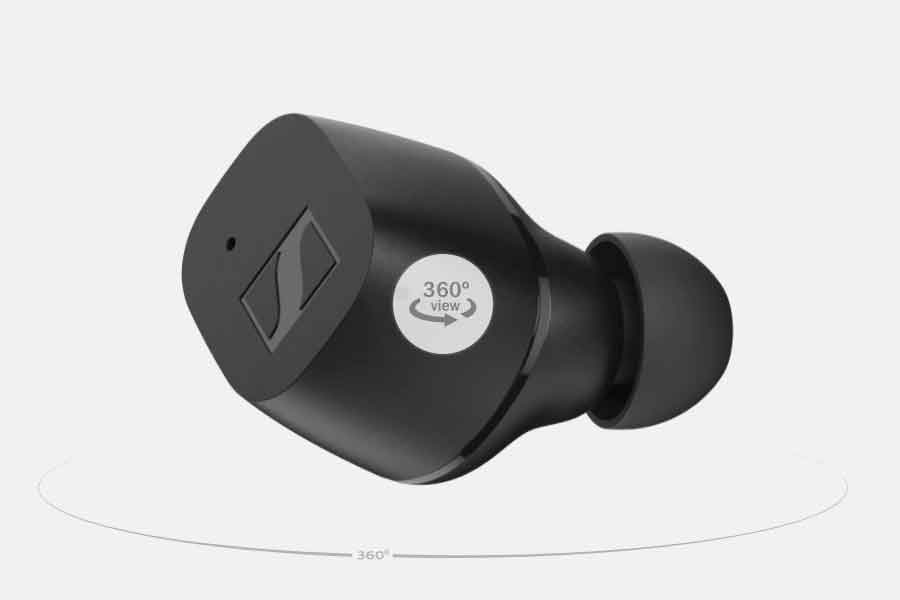
Sennheiser has rolled out CX Plus True Wireless and CX True Wireless earphones in the Indian market. The earphones promise to extend wireless freedom with superior sound quality and great wearing comfort. These are built to offer a thrilling, high-quality listening experience with effortless ease of use. CX Plus True Wireless flaunts a sleek design for supremely comfortable enjoyment all day long.
With audiophile-grade technology and added features like Active Noise Cancellation and transparent hearing, the stellar sound of the new CX Plus True Wireless earphones makes them a perfect wireless companion for everyday listening. Also, the sound quality on CX wireless stands out as it features the proprietary True Response transducer, developed for Sennheiser’s range of premium earphones. It is the bespoke acoustic system that delivers high-fidelity stereo sound with deep basses, natural mids, and clear, detailed treble.
Senheiser Smart Control App
Along with the amazing earphones, you also get its perfect companion- Smart Control App with built-in EQ on both earphones. It allows the users to tailor their listening experience as per their wants. With CX Wireless Earphones, you can easily notch up the intensity of the music with the Bass Boost pre-set, relax with a podcast, or enhance audio for a phone call. Furthermore, the Smart Control App comes with an intuitive and new user experience to give headphone and Soundbar users effortless sound control and personalization. The all-new app elegantly merges modern aesthetics with a more personal, relevant, and rewarding intuitive user experience. On top of that, Smart Control offers users exciting new features to improve the functionality of their Sennheiser headphones, including Sound Check and Sound Zones.
Sound Check guides users through three easy steps to find the perfect EQ preset according to their tastes. Sound Zones let True Wireless users tailor EQ settings, Noise Cancellation, and Transparent Hearing to defined places – whether home, the office or on the go – and dynamically adjust audio settings according to the user’s location. Smart Control also offers users a higher level of personalization. User accounts make it even easier to transfer settings and customizations between Sennheiser devices. The in-app Discovery area provides relevant product news and updates from the Sennheiser world.
Sharing his excitement about the launch, Mr Kapil Gulati, Director, Consumer Segment, Sennheiser India, said, “We are excited to expand our armour of high-end audio products with the launch of CX Plus and CX True wireless earphones. Featuring state-of-the-art technology and offering proven ergonomics, the earbuds have been developed according to user comfort studies. They also offer an outstanding personal audio experience that anyone can enjoy anywhere and every day. Taking forward Sennheiser’s audio legacy, the newest addition to our CX range of earphones will offer users a premium audio experience along with a sleeker, smarter, and more connected experience.”
Active Noise Cancellation on the CX Plus True Wireless Earphones
The Active Noise Cancellation function on the CX Plus True Wireless earphones ensures that listeners do not miss a note, allowing them to experience all the clarity, detail, and thrilling bass without distractions – even in noisier environments. Meanwhile, the Transparent Hearing feature makes it easy to focus on external sounds when desired without the need to remove the earbuds. This feature is particularly useful in letting outside sound in, so users are more aware of their surroundings.
Experience all-day entertainment in total comfort
The range is ready to keep pace with its long-lasting battery and portable charging case, providing an impressive 24 hours of playback time for CX Plus True Wireless, and 27 hours for the CX True Wireless – and comes with all-day comfort to match.
Stylish, minimalist, and perfectly balanced, the proven ergonomics of the earbuds were developed according to user comfort studies. For a perfect fit in the ear canal that keeps the earbuds securely in place and effectively attenuates outside noise, ear adapters are provided in four sizes. The ranges’ IPX4-rated splash resistance offers additional peace of mind.
Effortless ease of use with intuitive, customizable touch controls
Thanks to the customizable touch controls, every interaction, touch, and moment shared with the CX Plus True Wireless and CX True Wireless can be conducted effortlessly. Users can even tailor bespoke commands to ensure that controlling audio, calls, and accessing voice assistants are both convenient and intuitive.
Both the earbuds are also equipped with a pair of dual mics that optimizes speech for calls and voice assistant access to ensure crystal clear voice pick-up, even when using a single earbud. The independent earbud use allows the right and left earbuds to be used individually or as a pair.
Enjoy a personalized audio experience
The range also offers the latest connectivity options for a high-tech listening experience: Bluetooth 5.2 compatibility and SBC, AAC, aptX, and aptX Adaptive codec support ensure brilliant wireless sound and effortless management of Bluetooth connections via the Smart Control app. The App and built-in EQ allows for custom tailoring of the listening experience, whether notching up the intensity of the music with the Bass Boost preset, relaxing with a podcast, or enhancing audio for a phone call.
Price and availability
The CX Plus True Wireless is priced at INR 14,990 and CX True Wireless at INR 10,990 in two colour variants – Black and White. These products will be available on online platforms such as www.sennheiser-hearing.com & Amazon, and other leading electronic outlets in India.
Boult Audio today announced the launch of the all-new ‘Xpods Pro’ power-packed with Environmental Noise Cancellation and offers Pro+ calling experience using Quad Mic setup.
‘XPods Pro’ features Type-C fast charging and offers a total playback of up to 24 hours. The Xpods Pro is armed with the latest Bluetooth 5.1 wireless connectivity ensuring the fastest pairing and strong signals over a longer operation range from the source. The Xpods Pro offers a total of 100 minutes of playback time in just 15 minutes of charge without compromising on performance. The AirBass Xpods Pro will be available for a limited time offer price of just Rs 1,199 on Flipkart and www.boultaudio.com.
The new ‘Xpods Pro’ are IPX5 resistant to sweat and water and features a touch sensor for easy and intuitive control of music and phone calls. The extended battery life enables up to six hours of listening time in a single charge and up to 24 hours of total listening time with the convenient charging case. These earbuds can be used separately as a monopod or else in stereo mode using both the earbuds after successful pairing. The AirBass ‘Xpods Pro’ has a uniquely built design that’s crafted for high ergonomics. It features an angled bud with extra-soft silicone tips for added comfort during long use. The body is built with a high-quality and premium-finish ABS shell which also protects it from water and sweat. So don’t let the rain or sweat cease your outdoor activities.
The earbuds are touch-sensitive and can be conveniently used at your fingertips to adjust the volume, change tracks, attend calls or command your voice assistant. The Boult Audio AirBass Xpods Pro’s latest Bluetooth technology not only helps in faster pairing and stable connectivity over longer distances but also saves on power. And don’t you worry about charging the Xpods Pro – the equipped USB-C port will ensure that the buds are fully charged in no time so you can be on the go when you are ready.
The Boult Audio AirBass Xpods Pro TWS Earbuds will be featured in black & white colours and will be available for a price of just Rs 1,199 for a very limited time on Flipkart and Boult Audio’s website with a standard industry warranty of 1 year.
After launching in August 2021, Samsung is reportedly updating its Galaxy Buds 2 earbuds with a new audio feature. According to report, Galaxy Buds 2 earbuds will get a 360-degree audio. Earlier available with the Samsung Galaxy Buds Pro, three-dimensional, 360 Audio provides 360-degree surround sound for an immersive environment while enjoying media content.
It follows your head movements to make it feel like the sound is coming from the screen by changing the left and right sound volumes of the earbuds. While, spatial audio with dynamic head tracking brings theater-like sound from the movie or video you’re watching, so that sound seems like it’s coming from all around you.
With this software update, Galaxy Buds 2 will offer almost same feature as Galaxy Buds Pro at comparatively lower price.
However, experts reportedly claim that despite the addition of 360 Audio, Galaxy Buds 2 earbuds will not be able to beat Apple’s spatial audio. Citing the reason, they believe that 360 Audio is nowhere around the perfect, and lacks the more full-bodied spatial audio experience.
Comparison between 360 Audio and Spatial audio
It might not be fair to compare 360 Audio offered by Samsung with Spatial Audio by Apple. Despite similarly priced, the AirPods Pro is considered the best as compared to the Galaxy Buds Pro. The 360 Audio is not quite up to at par with Apple’s (or even Sony’s) spatial audio features.
Despite an incremental improvement to sound quality, it is believed that Samsung Galaxy Buds 2 will not be able to offer any substantial benefits over the Buds Pro, aside from being cheaper.
Specifications of Galaxy Buds2
The Galaxy Buds2 offers deep bass to clear treble through two-way dynamic speakers. It gives you well-balanced sound quality that enriches every moment of your audio journey.
With three microphones and a built-in voice pickup unit help you make clearer calls, while a machine-learning based solution filters unwanted sound so you can better share your world with family and friends. To minimise wind disruption and make your outdoors calls come in clear, Galaxy Buds2 offers low protrusion design.
ANC blocks unwanted sound
Featuring two microphones, Galaxy Buds2 detects ambient noise while Active Noise Canceling blocks unwanted sound. Background noise can be reduced up to 98% to keep you fully immersed in your music, games, audio books, and your favorite podcasts. Active Noise Canceling (ANC) On Galaxy Buds2 cuts external background noise by up to 98%, backed by UL Verification.
Also Read Here: Apple to host four-day Worldwide Developers Conference 2022 in June, here is what to expect
The latest gadget from the the Chinese smartphone brand’s Realme is finally unveiled. Realme has rolled out its Pad Mini tablet in the Philippines. It features a sleek design, an octa-core Unisoc T616 SoC paired with twin speakers. The tablet has an 8.7-inch display with a massive battery of 6,400mAh. It also flaunts with 18W fast charging capabilities. Furthermore, it flaunts an 8MP camera on the back and a 5MP selfie camera on the front. However, it has much more to offer.
Realme Pad Mini price, availability
Since the tablet has launched in Philippines, we have the price details for the same. The lowest 3GB + 32GB storage edition of the new Realme Pad Mini costs PHP 9,990 (approximately Rs. 14,700). Furthermore, the top-of-the-line model, with 4GB of RAM and 64GB of storage, costs PHP 11,990 (roughly Rs. 17,700).
ALL EYES HERE! ?
You might take home the all-new realme Pad Mini when you catch the live later at 6PM! Check the full mechanics here ? #MiniIsPowerful #realmePH pic.twitter.com/xqyz5CJ5mG
— realme Philippines (@Realme_PH) April 4, 2022
Additionally, the tablet is available in pretty pastel and ashy colors like Blue and Grey. The tablet is up for sale in Philippines and users can pre-book it using Lazada. There are no details on its availability or price in India but we can expect a global launch anytime soon now.
To add to this above information, we can also teel you that the latest model does have some similarities in the price range as the previous one. Realme Pad the Realme Pad was released in India in September of last year for Rs. 17,999 for the top-of-the-line 4GB + 64GB storage variant with Wi-Fi + 4G connection. It costs Rs. 13,999 for the Wi-Fi-only model, which comes with 3GB of RAM and 32GB of storage. The Wi-Fi + 4G model of the tablet also comes with a 3GB + 32GB option, which costs Rs. 15,999.
Realme Pad Mini specifications
The new Realme Pad Mini is powered by Android 11 and comes with the Realme UI for Pad skin on top. As previously stated, the tablet features a good 8.7-inch LCD (1,340×800 pixels) display for bright and clear colors. Sunlight Mode is also available on the display, which provides maximum brightness when used outside.
Furthermore, the Realme Pad Mini is powered by an octa-core Unisoc T616 SoC with Mali-G57 MP1 GPU paired with up to 4GB RAM and 64GB of internal storage. Also, the processor on this one runs at a maximum of 2.0GHz.
The new Realme Pad Mini has an 8MP camera on the back for optics. Realme has also included a 5MP front-facing camera for selfies and video conferencing. Realme Pad Mini has a UFS 2.1 storage capacity of up to 64GB, which is further expandable up to 1TB using a microSD card.
For online learning and video conversations, the Realme Pad Mini has dual stereo speakers and a single microphone. GSM, Bluetooth v5, and WLAN are among the device’s connectivity choices. The battery of the Realme Pad Mini is 6,400mAh with 18W fast charging support. Reverse charging is also possible with this tablet. Also, it is made of aluminium and is 7.59 mm thick. The Realme Pad Mini is 372 grammes and is 211.8×124.5×7.6mm, which is fairly light and compact to handle as well.
Also Read: Apple to host four-day Worldwide Developers Conference 2022 in June, here is what to expect
World Health Day is here! Let’s talk about something that we always overlook and fail to give due recognition. Yes, inclusion of mindful financial proficiency at the early stage of life. This can not only help kids to learn the basics of money management but also help them manage their ‘snacks money’ and spend it wisely. The burning question of the hour – Is Your Kid Financially Healthy? Are you taking care of your Kid’s Financial Health? Let’s agree that the Kids’ Financial Health is equally pivotal as much as mental and physical health.
So, here is the list of top 5 smart cards that you can gift to your kids that impart financial health and teach money management to them:
Junio
Junio is a kid-focused smart card and app that lets children below 18 years to make online and offline purchases. Co-founded by former Paytm Senior Vice President Shankar Nath and Ankit Gera, it is based on the concept of pocket money. For using this card, a child does not need a bank account and parents can set online expenditure and cash withdrawal limits from the ATM, so that kids can only spend the amount loaded on the card. The card has a limit of Rs 10,000 per month with a minimum KYC, while Rs 5,000 is the daily limit on the Junio card. A full KYC enables one to transfer up to Rs 1 lakh a month. The app also gives real-time notifications when the child uses the card and you can keep track of the spending.
Slonkit
It is the first company to launch prepaid cards for kids in India in 2010. You can link it to the mobile app, which allows parents to give a monthly allowance to kids. Co-founded by Javed Tapia and Murad Naithani, this smart card aims to reinvent how parents and children manage pocket money.
FYP
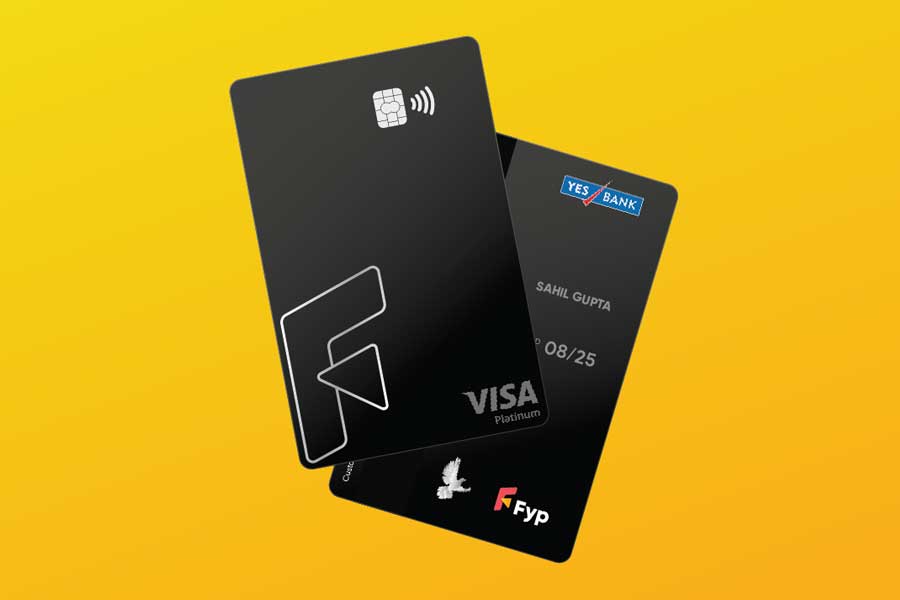
FYP is a payment app for teenagers that comes with numberless prepaid that allows them to make online and offline payments without setting up a bank account. It’s India’s first holographic card with one tap block feature. Founded by Kapil Banwari, it works in association with YES Bank and Visa and aims to help teenagers learn financial management and concepts.
Pencilton
This offers virtual and physical RuPay debit cards, PencilCard, to teenagers and students to help them to learn the art of money management and the skill of managing their expenses smartly. The app gives sheer authority to the parents to keep track of their expenses and teach real-life money skills. You can manage and activate the card via the Pencilton app.
Fampay
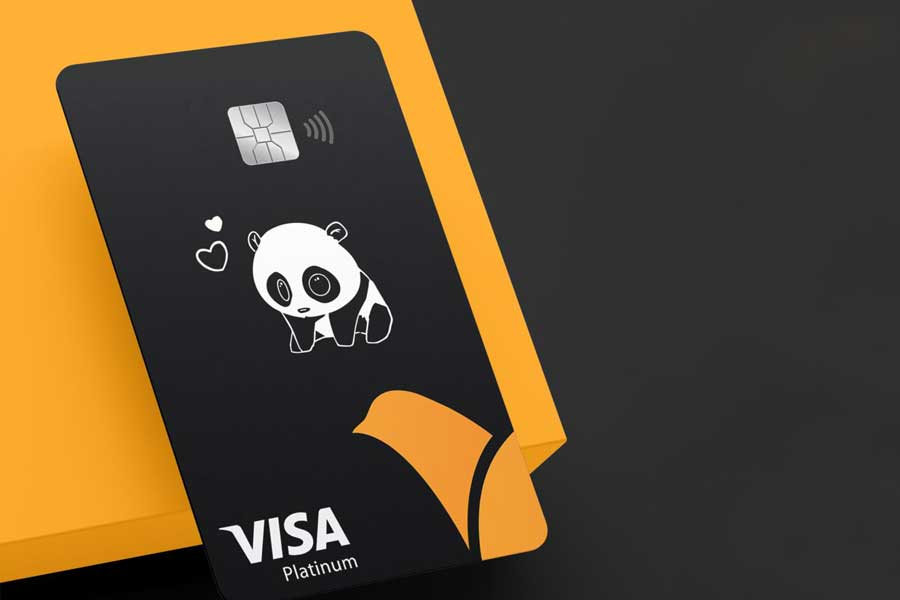
Co-founded in 2019 by IIT Roorkee graduates, this smart card, your kid can go cashless and can make online (UPI & P2P) and offline payments without a bank account. This debit card comes with amazing features that ensure safety and offer a seamless payment experience.
Also Read: Tech NewsWrap: Apple WWDC 2022 date announced… and more
The dates for the WWDC 2022 (Worldwide Developers Conference) have been confirmed by Apple. The company will host its annual developer event on June 6, which will last through June 10. The upcoming Apple developer event will be streamed live online, and we’ll get a sneak peek at the new iOS 16 features coming later this year for the iPhone 14 series and other models. The Cupertino-based tech giant will demonstrate the updated iOS 16, iPadOS 16, watchOS 9, macOS 13, tvOS 16, and other products at WWDC 2022.
Spotify testing a new feature called ‘Featured Curators’
Spotify has stated that it is now testing a feature called “Featured Curators,” which will highlight successful user playlists alongside Spotify playlists on the site. The functionality is now in beta testing and will allow users to expand their self-curated playlists and allow listeners to discover new music. Spotify has chosen a few curators with large followings and popular Spotify playlists. For selected users in select markets, these Featured Curated playlists are now available on the homepage. During the testing phase, this feature will be tweaked.
Govt bans 22 YouTube channels for spreading fake news
For spreading fake news and coordinated disinformation on social media in areas of national security, the Ministry of Information and Broadcasting has blacklisted 22 YouTube channels, three Twitter accounts, one Facebook account, and one news website. According to a ministry press statement, the 22 YouTube channels had a combined audience of 260 crore people and that this is the first time that Indian YouTube channels have been blocked as a part of the new IT Rules, 2021.
Google Maps adds new iPhone features
Google Maps is the best mapping service available, and the company is always introducing new features. The company has recently announced a few modifications to how maps are displayed on mobile devices, as well as a few new capabilities that are only available on Apple devices and take advantage of latest iOS technology. For years, Google Maps has been able to alert you of toll roads, and you can even avoid toll routes when planning trips or using turn-by-turn navigation. Google, on the other hand, is now going a step further by presenting predicted toll prices for a whole route, which was tried last year.
Also Read: RAEGR RapidLink 200, a Made in India 20W PD adapter for smartphones launched: Know key features
US-based tech giant Apple has announced schedule for its annual Worldwide Developers Conference (WWDC). Free for all developers to attend, Apple will organise the four-day virtual event from June 6-10.
Building on the success of the past two years of virtual events, WWDC22 will showcase the latest innovations in iOS, iPadOS, macOS, watchOS, and tvOS, while giving developers access to Apple engineers and technologies to learn how to create ground-breaking apps and interactive experiences, Apple will showcase all latest innovations in iOS, iPadOS, macOS, watchOS, and tvOS during the online event.
Worldwide Developers Conference 2022
To make WWDC22 a truly global event, it will have information sessions, more cutting-edge learning labs, more digital lounges to engage with attendees, and more localised content.
A special day for developers and students
A special day for developers and students will be hosted at Apple Park on June 6. Details will soon be made available on the Apple Developer site and app soon.
Swift Student Challenge
Apple has invited students from around the world to create a Swift Playgrounds app project on a topic of their choice and they can submit their work through April 25. Details can be found at Swift Student Challenge website,
Swift Playgrounds is as app for iPad and Mac that makes learning the Swift programming language interactive and fun.
“At its heart, WWDC has always been a forum to create connection and build community,” said Susan Prescott, Apple’s vice president of Worldwide Developer Relations and Enterprise and Education Marketing. “In that spirit, WWDC22 invites developers from around the world to come together to explore how to bring their best ideas to life and push the envelope of what’s possible. We love connecting with our developers, and we hope all of our participants come away feeling energised by their experience.”
Also, Read Here: Apple will no longer repair iPhones marked as stolen, missing
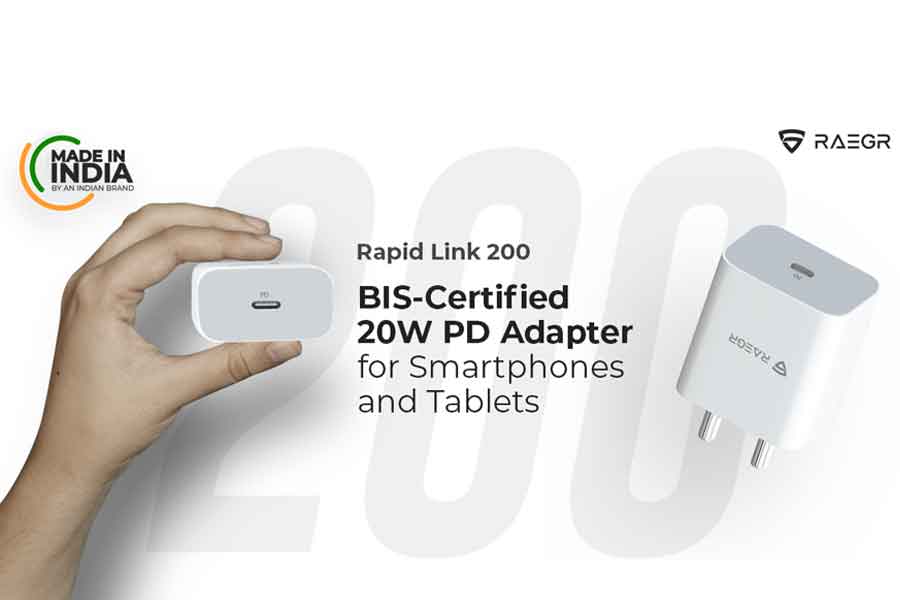
Taking your smartphone charging a step ahead, homegrown consumer tech brand RAEGR has introduced a new Made in India 20W PD adapter called RapidLink 200, which claims to top up your smart devices faster, almost three times faster than the original stock charger can.
The RAEGR RapidLink 200 delivers up to 20W of pure power with Quick Charge technology. It comes with a single Power Delivery port (USB Type-C) so that you can easily take advantage of the adapter for your recent flagship devices. Get almost 50% of your battery recharged within just 30 minutes, RAEGR said in a press note.
Also Read: RAEGR launches ‘RapidLink 1150’ GaN charger in India
The all-new 20W PD adapter is BIS-certified which guarantees quality, safety, and reliability. Since it’s a Made in India product, the charging device meets the Indian Standards for power sockets (Type C) ensuring there is a snug fit with no room for loose connections that cause sparking and other hazards.
The adapter is said to be suitable for today’s power-hungry Android and iOS devices, and has built-in safeguards that support multiple charging protocols which protect your devices against overcharging, overheating, overcurrent and overvoltage. Besides, it is also designed with a compact and lightweight body, making it highly portable and convenient for frequent travellers.
Also Read: RAEGR launches Portable 6-Port USB Type-C Hub ‘Arc 2100’ with thunderbolt, wireless charging
“The race for longer battery life on smartphones and tablets with larger capacity batteries only opened up a new necessity – faster charging. Who wants to wait for hours to get your smartphone charged? With RapidLink 200’s Power Delivery system, your smartphones can rejuvenate almost three times faster so you can get mobile quicker,” said Ajesh George, MD, RAEGR.
“While RAEGR not only ensures your device’s safety and protection against power hazards, it also makes sure it’s light on your pocket. Now you can pick a bunch of RapidLink 200’s and have one plugged in every room at home or office,” he added.
As for prices, the RAEGR RapidLink 200 20W PD will be available on Amazon for Rs 699. It also comes with a 1-year standard industry warranty.
Also Read: RAEGR Arc 1500 Review: Worth buying sterilizer-cum-wireless charger
Motorola India is set to unveil Moto G22 in India on April 8. The Moto G22, powered by the Helio G37 SoC is expected to be available in 4/64 GB and 4/128 GB variants. Moto G22 was first released on March 3. Crafted from durable materials, Moto G22 offers slim design with a premium finish.
Moto G22 has a 6.5 inch 90Hz HD+ LCD and water-repellent design. It comes with a 16MP selfie camera and features a quad camera setup on the rear comprising 50MP primary, 8MP ultrawide, 2MP macro, and 2MP depth units. The Motorola Moto G22 has face unlock system.
Motorola India in a tweet has revealed the arrival of Moto G22 in India.
“The #MasterOfAll is all set to come your way soon! Drop your favorite emoji to show how excited are you to meet the new #motog22! Stay tuned (sic),” reads a tweet by the Motorola India.
Earlier, a promo page was set up by the e-retailer Flipkart revealing the upcoming s Moto G22 ‘s specifications and color options for India. Based on revelations, it is speculated that Moto G22 will be initially available in Cosmic Black, and Iceberg Blue. The Pearl White version might not be available on launch day on April 8.
With a side-mounted fingerprint scanner for biometric authentication, Moto G22 will be powered by a 5,000 mAh battery supported by 20W charging.
Equipped with MediaTek Helio G37 and octa-core CPU and 680MHz IMG GE8230 GPU, Moto G22 offers single speaker and 3.5mm headset jack.
In addition to Moto G22, Motorola is likely to launch four phones in Edge series this year.
Also, Read Here: iQOO 9 gets new Phoenix Orange variant with colour changing technology: Price, specs and more