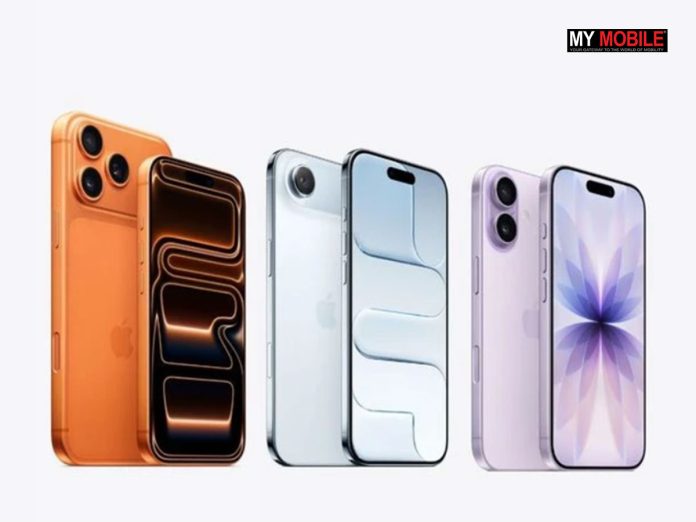
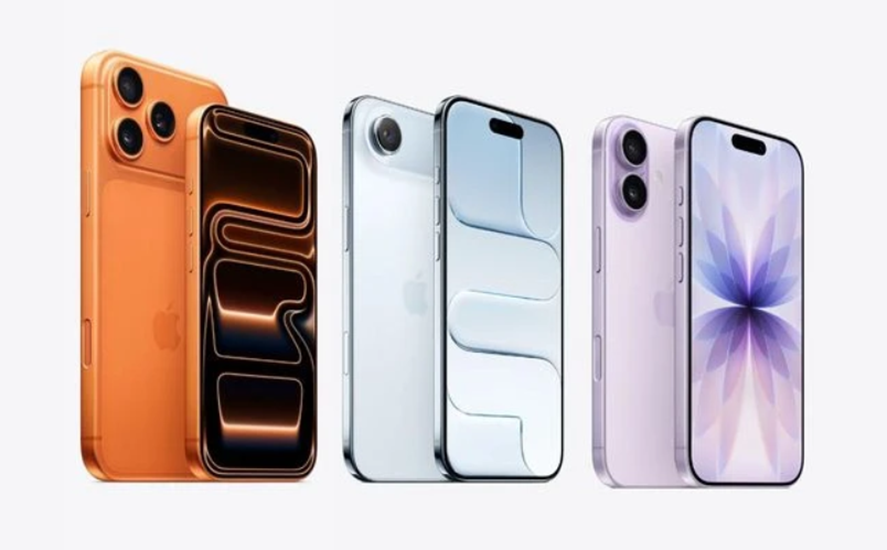
According to a new report, the company plans to launch the iPhone 20 in the first half of 2027, alongside a new model called the iPhone 18e. The move will coincide with two decades since the original iPhone was introduced in 2007.
Later in the year, Apple is also expected to release the rest of the iPhone 20 series and the second-generation iPhone Fold.
As per Omdia analyst Heo Moo-yeol, Apple is likely to skip its usual naming pattern to commemorate this milestone year. Instead of following up with the iPhone 19, the company will reportedly jump straight to the iPhone 20 to symbolise 20 years of its iconic smartphone lineup.
The device is said to debut in early 2027, marking exactly two decades since Steve Jobs unveiled the first iPhone on January 9, 2007.
This strategy mirrors Apple’s move in 2017, when it launched the iPhone X to mark the 10th anniversary of the iPhone.
Interestingly, the iPhone 20 series will reportedly break away from Apple’s traditional September launch window, a timeline the company has consistently followed since the iPhone 5 in 2012. Instead, the iPhone 20 will make its debut in the first half of 2027. Alongside it, Apple is expected to unveil the iPhone 18e, which will not be part of the flagship lineup but will accompany the main launch.
Second Half 2027 Lineup – iPhone 20 Series and Foldable Model
Later in 2027, Apple is expected to introduce the remaining models of the iPhone 20 series including the iPhone 20 Air, iPhone 20 Pro, and iPhone 20 Pro Max. The same report also claims that the company will launch the iPhone Fold 2, a second-generation foldable iPhone that will succeed the original iPhone Fold.
The first-generation iPhone Fold is rumoured to arrive in 2026, marking Apple’s entry into the foldable smartphone market. However, the 2026 iPhone lineup might be slightly different from what users are accustomed to.
According to the report, Apple plans to discontinue the standard iPhone 18 next year. Instead, the 2026 lineup will likely include the iPhone 18 Pro, iPhone 18 Pro Max, and the successor to the iPhone Air, along with the first-generation iPhone Fold.
Market research firm Omdia predicts that this strategic shift will reduce iPhone panel demand by approximately 20 million units. Panel shipments for 2025 are expected to reach around 245 million units, marking an increase compared to last year. Meanwhile, Apple is also expected to ship over 8 million iPhone Fold units in its first year of availability.
FAQs
Q1. Why is Apple skipping the iPhone 19 and launching iPhone 20 in 2027?
Answer. To commemorate the 20th anniversary of the original iPhone, Apple plans to jump directly to the iPhone 20 in early 2027, bypassing the iPhone 19. This mirrors its 2017 strategy when it launched the iPhone X for the 10-year milestone.
Q2. What models will Apple release in 2027?
Answer. In early 2027, Apple is expected to launch the iPhone 20 and a new iPhone 18e. Later that year, the company will unveil the rest of the iPhone 20 series including the iPhone 20 Air, Pro, and Pro Max, alongside the second-generation iPhone Fold.
Q3. What changes are expected in Apple’s 2026 iPhone lineup?
Answer. Apple is reportedly planning to discontinue the standard iPhone 18 in 2026. Instead, the lineup may include the iPhone 18 Pro, iPhone 18 Pro Max, a successor to the iPhone Air, and the first-generation iPhone Fold, marking Apple’s entry into the foldable phone market.
YouTube has launched an AI-powered likeness detection tool to help creators identify and manage videos that misuse their face or voice.
Eligible creators must verify their identity with a government ID and video selfie to access a dashboard showing flagged deepfake content.
Creators can request removal or archiving of deepfakes, and disable the tool anytime as YouTube stops scanning within 24 hours of deactivation.
(Photo by NordWood Themes on Unsplash)
YouTube has officially begun rolling out its AI-powered likeness detection tool to help creators protect themselves against deepfakes and synthetic impersonations. The tool is designed to identify videos where a creator’s face or voice is being used artificially, allowing them to take appropriate action.
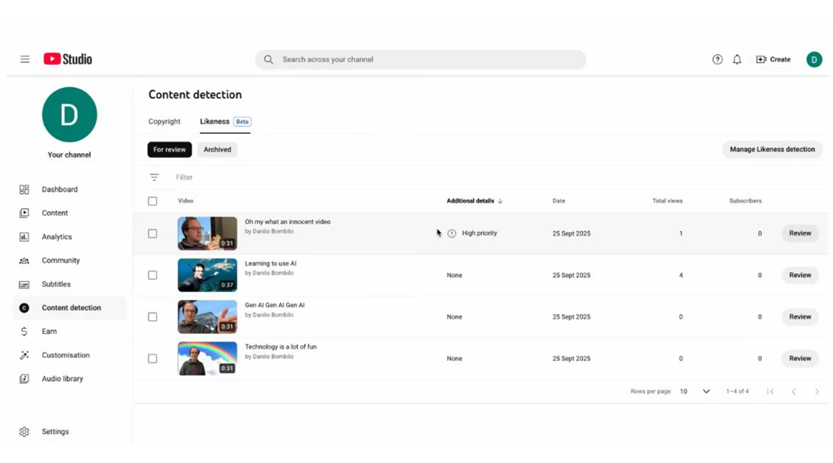
To access the feature, eligible creators must complete an onboarding process. This includes submitting a government-issued ID and a video selfie for identity verification. Once verified, creators can view all AI-generated deepfake videos featuring their likeness through a dedicated dashboard.
In a detailed announcement on its Creator Insider channel, YouTube explained how the likeness detection tool works. Initially, it will be available only to YouTube Partner Programme (YPP) members, with plans to expand access to more creators in the coming months.
The new feature will appear under the Content ID menu, where creators already track copyright claims. This integration allows them to monitor deepfake content in the same place they manage copyrighted videos.
To prevent misuse, YouTube has implemented a thorough verification process. Creators must –
Consent to data processing
Submit a government-approved ID card
Upload a short video selfie for facial verification
All identity data will be securely stored on Google servers, and once verified, YouTube will begin showing creators’ videos suspected to be AI-generated using their likeness or voice. These flagged videos will be categorised by priority, helping creators focus on potentially harmful or misleading content first.
Early Testing and Current Limitations
YouTube acknowledged that since the feature is still in its early rollout phase, it may occasionally display a creator’s own videos alongside deepfakes. The platform first piloted the likeness detection tool in December 2024, and has been refining its accuracy and detection speed since then.
Creators using the tool will have the ability to request the removal of a deepfake or ask YouTube to archive it. After a report is submitted, the company will review the flagged content and take action in line with its policies on synthetic and manipulated media.
Privacy and User Control
YouTube emphasises that creators remain in full control of their data. Users can disable the likeness detection tool at any time through the dashboard’s manage tool option. Once turned off, YouTube will stop scanning for deepfakes using that creator’s likeness within 24 hours.
FAQs
Q1. What is YouTube’s AI likeness detection tool?
Answer. It’s a new feature that helps creators identify videos using their face or voice artificially, allowing them to manage deepfakes and synthetic impersonations.
Q2. Who can access YouTube likeness detection tool and how?
Answer. Initially available to YouTube Partner Programme members, creators must verify their identity with a government ID and video selfie to activate the tool.
Q3. Can creators control or disable YouTube’s AI likeness detection?
Answer. Yes, creators can turn off the likeness detection feature anytime via the dashboard. YouTube will stop scanning for deepfakes within 24 hours of deactivation.
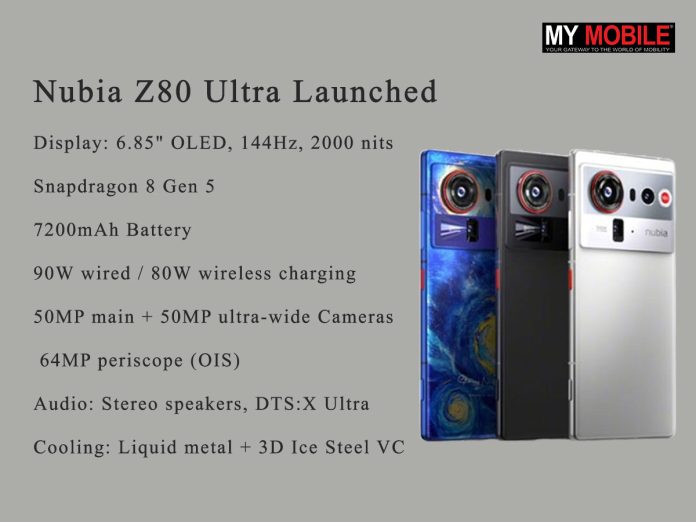
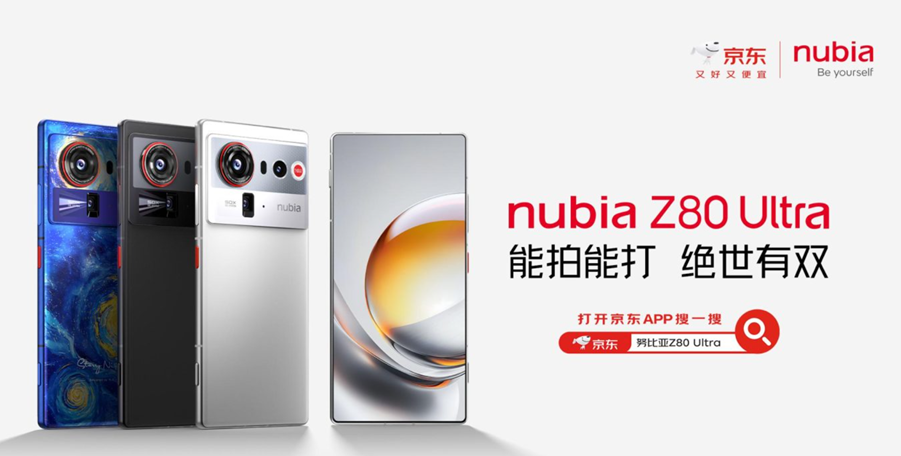
The Nubia Z80 Ultra features a 6.85″ 144Hz OLED display, Snapdragon 8 Gen 5 chip, up to 16GB RAM, 7200mAh battery, 90W wired/80W wireless charging, and advanced cooling for gaming.
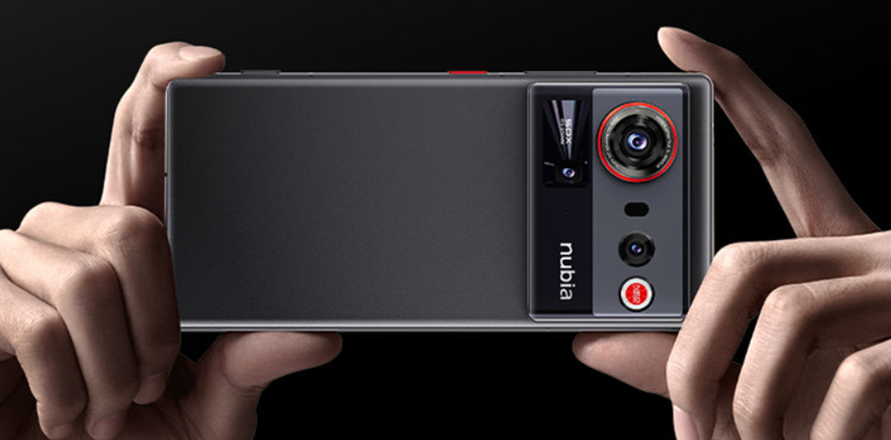
It boasts a triple-lens setup (50MP main, 50MP ultra-wide, 64MP periscope) and AI Photography Master for guided shooting and smart filters.
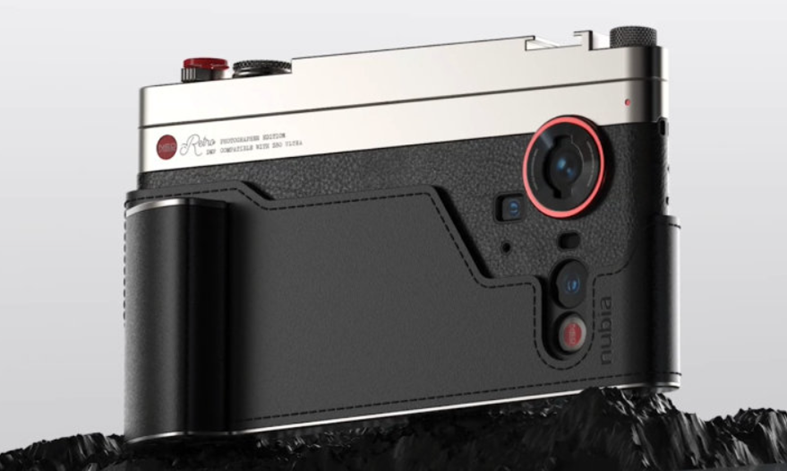
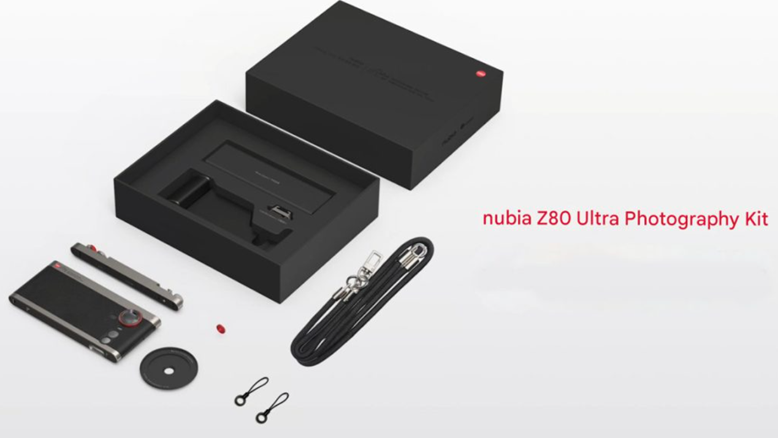
It pairs with a dedicated photography kit (sold separately) that targets power users and content creators.
Nubia has officially launched its latest flagship smartphone, the Nubia Z80 Ultra, in China. The new device comes loaded with features including Nebula AIOS 2, a 144Hz Sky Fullscreen display, a massive 7200mAh battery, and much more. Here’s everything you need to know about the phone.
Nubia Z80 Ultra – Key Features
The Nubia Z80 Ultra features a 6.85-inch BOE X10 OLED display with a 144Hz refresh rate and no notch, delivering an immersive full-screen experience. The screen supports up to 2000 nits of peak brightness, AI Twilight Eye Protection, and automatically adjusts colour temperature and display parameters based on sunrise and sunset times across regions.
It offers an instantaneous touch sampling rate of 3000Hz, improving frame response speed by 20%. The device also includes physical gaming buttons that support full-dimensional action mapping for enhanced gameplay control. To complement the visuals, the phone houses master-level 1115E stereo speakers with DTS X tuning for a rich audio experience.
Powering the Z80 Ultra is the Snapdragon 8 Elite Gen 5 SoC, paired with up to 16GB LPDDR5X RAM (10.7Gbps bandwidth) and UFS 4.1 storage, which offers 23% faster random read speeds.
For heat management, the smartphone adopts composite liquid metal cooling, similar to Nubia’s REDMAGIC gaming lineup that reduces the chipset temperature by up to 5°C. It also includes an extra-large 3D Ice Steel VC heat sink, offering 35% larger surface area for efficient thermal dissipation. The device additionally features a dedicated game space with over 140 gaming optimisation tools built in.
The Z80 Ultra houses a massive 7200mAh battery with AI power-saving features, supporting 90W wired fast charging, 80W wireless fast charging, and wireless reverse charging.
Other specs –
Dual SIM (nano + nano)
In-display fingerprint sensor, Infrared sensor
USB Type-C audio, Dual speakers, DTS:X ULTRA, three mics, dual X-axis linear motors
Dimensions:164.5×77.2×8.6mm;Weight: 227g
Dust and Water resistant (IP68 + IP69 ratings)
5G NSA /SA, Dual 4G VoLTE, Wi-Fi 7 802.11 be (2.4GHz + 5GHz + 6GHz), Bluetooth 5.4, GPS (L1/L5)+ GLONASS, USB Type-C 3.2 Gen 1, NFC
The Nubia Z80 Ultra comes equipped with a 50MP OmniVision Light Master 990 main sensor (1/1.3-inch CMOS, 1.2μm pixels), supporting DCG dual conversion gain HDR for balanced lighting and detail. It also includes a 50MP ultra-wide-angle lens (1/1.55-inch sensor, 18mm, f/1.8 aperture) and a 64MP periscope telephoto camera with a 1/2-inch sensor and OIS for sharp long-range shots.
On the software front, the device introduces the “AI Photography Master” featuring a voice-guided system that assists users with framing, poses, and camera angles, effectively teaching photography “hand in hand.” It also supports AI-based filter recommendations, allowing automatic or manual filter selection based on real-time scenes.
Nubia also launched a Professional Photography Kit designed for creators. The kit’s body is made of nano-leather material with a titanium-colored aluminium alloy frame and a cowhide-wrapped grip. It offers mechanical operation keys, a Neo Bar smart camera control bar, customisable dials, and an upgraded quick-release handle for rapid assembly.
The kit includes a “T-mount” for attaching external lenses, a filter adapter ring supporting 67mm filters, and a cold shoe mount for accessories like fill lights and microphones.
Nubia Z80 Ultra – Colour Options and Special Editions
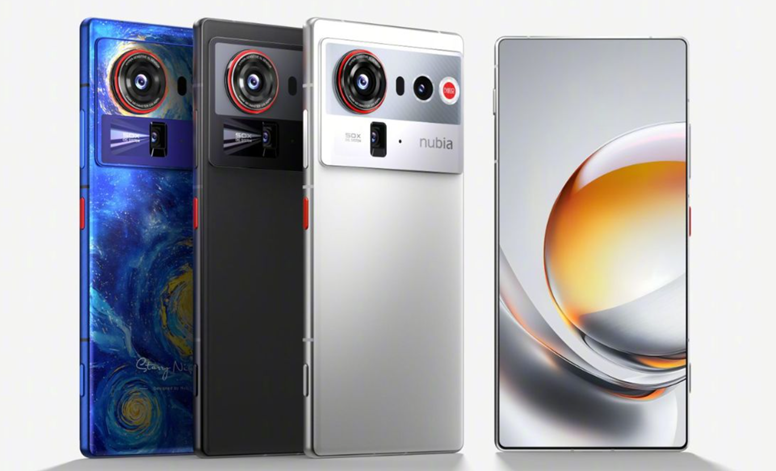
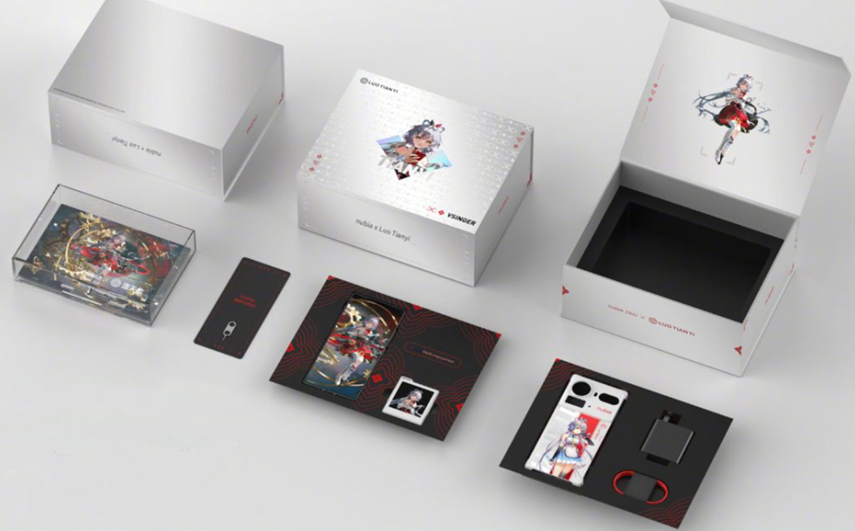
The smartphone is available in Phantom Black, Condensed Light White, and Starry Night Collector’s Edition. Nubia has also launched a Luo Tianyi Limited Edition, which features a China Red colour scheme with “Jinyiwei” character elements on the back panel.
This edition includes exclusive wallpapers, boot animations, fingerprint unlock visuals, charging effects, custom watermarks, and comes in a limited-edition collector’s box with themed merchandise.
Answer. The Nubia Z80 Ultra is equipped with the Snapdragon 8 Elite Gen 5 chipset, paired with up to 16GB LPDDR5X RAM and UFS 4.1 storage for top-tier performance.
Q2. What are the display features of the Nubia Z80 Ultra?
Answer. It sports a 6.85-inch BOE X10 OLED display with a 144Hz refresh rate, 2000 nits peak brightness, AI Twilight Eye Protection, and a 3000Hz touch sampling rate.
Q3. How is the Nubia Z80 Ultra optimised for gaming?
Answer. The phone includes physical gaming buttons, a dedicated game space with 140+ tools, and advanced cooling with liquid metal and a 3D Ice Steel VC heat sink.
Q4. What camera setup does the Z80 Ultra offer?
Answer. It features a triple rear camera system: 50MP main sensor, 50MP ultra-wide lens, and a 64MP periscope telephoto camera with 5x optical zoom and OIS.
Q5. What is the battery capacity and charging support of the Redmi Z80 Ultra?
Answer. The device packs a 7200mAh battery with 90W wired charging, 80W wireless charging, and wireless reverse charging for extended and flexible use.
The OnePlus 15 will debut in China on October 27 with a global rollout expected soon after.
It’s reportedly priced lower than the OnePlus 13, aiming for competitive value and gaming appeal.
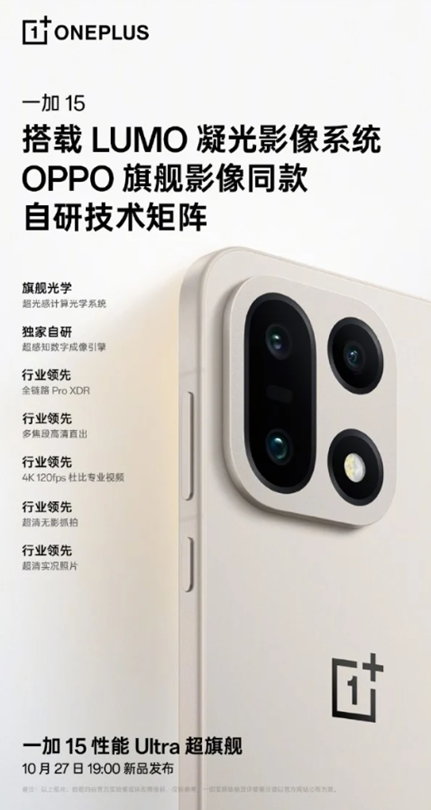
It introduces Oppo’s LUMO imaging system, featuring a triple 50MP setup with advanced sensors and capabilities like 4K 120fps Dolby Vision and Pro XDR.
Powered by Snapdragon 8 Gen 5, the phone includes a 7,300mAh battery, 165Hz display, and a redesigned Glacier Cooling System with aerogel insulation for sustained gaming.
OnePlus 15 is scheduled to launch in China on October 27. (Image credit – OnePlus)
The OnePlus 15 is all set to debut in China on October 27 with its India launch expected to follow soon after. Ahead of the official unveiling, several details regarding its design, pricing, camera, and hardware features have surfaced online. Here’s everything we know so far about the upcoming OnePlus flagship.
OnePlus 15 Price Details (Leaked)
Recent leaks indicate that the OnePlus 15 will be slightly cheaper than its predecessor, the OnePlus 13. According to well-known tipster Arsène Lupin on X, the device is expected to launch in the UK for £949 for the 16GB RAM + 512GB storage variant.
For comparison, the same configuration of the OnePlus 13 was priced at £999, marking a price drop of around £50 (approximately $67). While pricing for the base 256GB model remains undisclosed, reports suggest that the flagship will retail in China at around 3,999 Yuan (roughly $560), making it approximately 500 Yuan ($70) cheaper than the OnePlus 13.
This pricing move appears to be part of OnePlus’ new strategy to offer more competitive pricing while strengthening its focus on gaming performance, reportedly inspired by the success of iQOO 13 in China.
OnePlus 15 To Debut Oppo’s LUMO Imaging System (Revealed)
Caption – OnePlus 15 camera specs teaser released on Weibo. (Image credit – OnePlus)
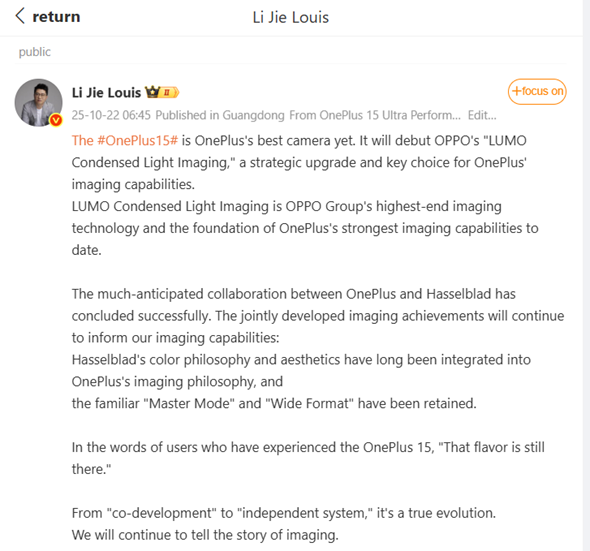
OnePlus China President Li Jie has officially confirmed that the OnePlus 15 will introduce Oppo’s LUMO imaging system, representing a major leap in the brand’s photography technology. Li described it as “a new chapter in the brand’s camera journey,” stating that the LUMO system embodies the highest imaging standards within the Oppo Group.
Caption – OnePlus China President Li Jie’s official post on Weibo. (Translated via Google Translate)
According to Li, the OnePlus 15 will deliver the best photographic performance in OnePlus’ history, emphasising depth, light accuracy, and colour authenticity. While the long-standing Hasselblad partnership has ended, OnePlus will retain Hasselblad-inspired colour science, Master Mode, and the brand’s aesthetic tone, ensuring its signature camera experience remains familiar.
The smartphone features a triple 50MP camera setup, including a 3.5x periscope telephoto lens with an 85mm portrait focal length. Camera capabilities include Pro XDR, 4K 120fps Dolby Vision video recording, ultra-clear live photos, and full focal-range high-definition imaging.
Leaked details suggest the setup includes a 50MP Sony LYT-700 primary sensor with OIS, a 50MP OmniVision OV50D ultra-wide lens, and a 50MP Samsung JN5 periscope telephoto camera, making it one of the most advanced camera systems ever on a OnePlus phone.
OnePlus 15 Cooling System and Performance (Revealed)
Caption – OnePlus 15 cooling system teasers recently released on Weibo. (Image credit – OnePlus)
Ahead of launch, OnePlus has teased major upgrades to the phone’s cooling system and gaming capabilities. The device introduces a redesigned Glacier Cooling System that includes a larger vapour chamber with tearable steel walls for enhanced heat dissipation and a slimmer internal structure, allowing for more internal space.
Additionally, OnePlus has developed a Glacier Supercritical Aerogel for thermal insulation, which helps keep the phone’s exterior cooler during extended gaming sessions.
The OnePlus 15 will also feature improved bypass charging, a new network optimisation chip for better cellular and Wi-Fi connectivity, and an enhanced display chip to deliver smoother touch synchronisation.
Caption – OnePlus China President Li Jie’s official post on Weibo. (Translated via Google Translate)
OnePlus 15 – Other Specifications (Revealed)
The OnePlus 15 sports a 6.78-inch BOE X3 display with 1.5K resolution and a 165Hz adaptive refresh rate. Under the hood, it is powered by the Snapdragon 8 Elite Gen 5 processor, paired with a dual capillary Glacier cooling system for better thermal management.
Fueling the device is a massive 7,300mAh battery with support for 120W wired fast charging and 50W wireless charging, ensuring long-lasting performance and rapid top-ups.
FAQs
Q1. When is the OnePlus 15 launching and what’s its expected price?
Answer. The OnePlus 15 is set to launch in China on October 27, with a UK price leak suggesting £949 for the 16GB + 512GB variant, £50 less than the OnePlus 13.
Q2. What camera system does the OnePlus 15 feature?
Answer. It introduces Oppo’s LUMO imaging system with a triple 50MP setup, including a periscope telephoto lens, 4K 120fps Dolby Vision video, and Pro XDR support.
Q3. What are the cooling and performance upgrades in the OnePlus 15?
Answer. The phone features a redesigned Glacier Cooling System, Glacier Supercritical Aerogel insulation, Snapdragon 8 Gen 5 chip, and a 7,300mAh battery with 120W fast charging.
OpenAI has officially confirmed that ChatGPT will no longer be available on WhatsApp starting January 15, 2026. This announcement comes after Meta updated its policy restricting third-party AI chatbots on the platform. The company shared the announcement in an X post and also updated the FAQ section on its website, marking the end of ChatGPT’s integration with WhatsApp.
OpenAI stated, “On Jan 15, 2026, ChatGPT will no longer be available on WhatsApp. ChatGPT remains available on iOS, Android, and the web.”
Users Advised to Link Accounts Before Discontinuation
Caption – ChatGPT on WhatsApp. (Image credit – OpenAI)
OpenAI is urging current WhatsApp users to link their accounts to preserve their chat history, since WhatsApp does not support chat export functionality.
The company added, “We recommend linking your account soon to maintain your history. Your WhatsApp conversations won’t transfer automatically after January 15, 2026. WhatsApp does not support chat exports.”
Users who have already linked their phone numbers will also have the option to unlink them after integration with ChatGPT if they choose.
To keep chatting with ChatGPT—
1. Download the ChatGPT app on Android or iOS, web, or ChatGPT Atlas on macOS.
2. Save your chats by linking your account through 1-800-ChatGPT’s contact profile in WhatsApp.
Until now, WhatsApp users could interact with ChatGPT by messaging the chatbot on 1-800-242-8478, allowing them to ask questions, search the web, generate images, or chat with the AI assistant. Similar services have also been offered by other AI bots such as Perplexity, Luzia, and Poke.
Why ChatGPT Is Leaving WhatsApp?
The exit follows Meta’s quiet update to its WhatsApp Business API policy, which effectively bans general-purpose AI chatbots from operating on the platform.
The updated policy states, “Providers and developers of artificial intelligence or machine learning technologies, including but not limited to large language models, generative artificial intelligence platforms, general-purpose artificial intelligence assistants, or similar technologies as determined by Meta in its sole discretion (‘AI Providers’), are strictly prohibited from accessing or using the WhatsApp Business Solution, whether directly or indirectly.”
Meta claims the move is aimed at reducing server load caused by third-party AI integrations. However, industry analysts suggest the deeper motive is to make Meta AI the sole chatbot available across its ecosystem.
As a result, popular third-party AI assistants including ChatGPT, Perplexity, Luzia, and Poke will be forced to shut down their WhatsApp chatbots.
Meta AI Tightens Its Grip Across Platforms
The decision highlights Meta’s increasing focus on integrating its own AI assistant throughout its apps like WhatsApp, Facebook, Instagram, and its standalone AI app. Users currently have no option to fully disable AI features within these platforms.
Adding to privacy concerns, Meta recently announced that it would personalise ads and content based on users’ interactions with Meta AI across its services.
FAQs
Q1. When will ChatGPT stop working on WhatsApp?
Answer. ChatGPT will no longer be available on WhatsApp starting January 15, 2026, due to Meta’s updated policy banning third-party AI chatbots from the platform.
Q2. What should users do to preserve their ChatGPT chat history on WhatsApp?
Answer. OpenAI recommends linking your account before January 15, 2026, as WhatsApp does not support chat exports and conversations won’t transfer automatically.
Q3. Why is Meta banning third-party AI chatbots like ChatGPT from WhatsApp?
Answer. Meta updated its WhatsApp Business API policy to prohibit general-purpose AI assistants, citing server load concerns and aiming to prioritise its own Meta AI assistant.
OpenAI has launched ChatGPT Atlas, a Chromium-based web browser with built-in ChatGPT integration.
It is now available globally for macOS users.
The browser offers AI-driven browsing with features like inline editing, summarisation, automated actions, and optional “Browser Memories” for tailored assistance.
OpenAI is developing versions for Windows, iOS, and Android, aiming to redefine web interaction across devices.
OpenAI has officially introduced ChatGPT Atlas, an AI-first web browser designed to seamlessly integrate the company’s flagship chatbot directly into the browsing experience. The new browser, now available globally for macOS users, represents OpenAI’s first major step into the web browsing market. Versions for Windows, iOS, and Android are also in development and expected to arrive soon. Here’s everything you need to know about ChatGPT Atlas.
Describing the launch during the livestream, Altman said, “We think AI represents a rare, once-a-decade opportunity to rethink what a browser can be. In the same way that, for the previous way people used the internet, the URL bar and the search box were a great analogue, what we’re starting to see is that the chat experience and the web browser can be a quick analogue.”
Altman emphasised that ChatGPT Atlas is not just another browsing tool. Instead, it reimagines how users interact with the web by embedding ChatGPT throughout the browser, enabling users to ask questions, summarise content, or perform tasks directly without switching tabs or copying text between applications.
Check out the full live stream below –
ChatGPT Atlas – All About OpenAI’s Web Browser
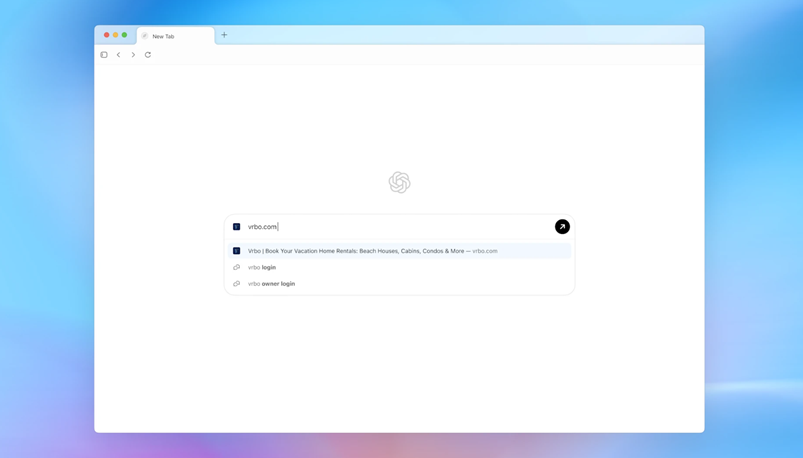
The ChatGPT Atlas browser is built on Chromium just like Google Chrome and Perplexity’s Comet, but it redefines the browsing experience with AI at its core. Instead of a traditional address bar, Atlas offers a search bar where users can either enter a website URL or directly ask questions to ChatGPT.
Each tab also includes a side panel for accessing the chatbot instantly, allowing users to engage with ChatGPT alongside their current page. All search queries are routed through ChatGPT and the new tab interface presents categorised links for web, image, and video results, among others.
One of Atlas’s standout features is context-aware assistance, where ChatGPT understands what users are viewing or doing within the browser. This enables tasks such as summarising articles, drafting emails, or researching topics simply by asking the AI. OpenAI highlights that context-awareness allows users can ask ChatGPT questions like, “Find all the job postings I was looking at last week and create a summary of industry trends so I can prepare for interviews.”
Subscribers to ChatGPT Plus, Pro, or Business plans can unlock more advanced capabilities including multi-step and automated actions, performed directly by ChatGPT on their behalf.
The browser also includes an optional “Browser Memories” feature, giving users the choice to allow ChatGPT to remember key information and provide personalised, smarter suggestions over time. Importantly, this feature is fully controllable, allowing users to decide what the AI can or cannot retain.
ChatGPT Atlas supports inline text editing, letting users highlight any portion of a web page and interact with or modify it using ChatGPT. In addition, robust privacy controls allow users to manage exactly what the AI can access or remember, ensuring a transparent and secure browsing experience.
However, one limitation noted by early reviewers is that ChatGPT Atlas cannot automate in-browser testing on localhost, which some developers see as a missed opportunity for a truly comprehensive AI development tool.
Availability and Future Plans
Currently, ChatGPT Atlas is exclusive to macOS. Atlas is also available in beta for Business and if enabled by their plan administrator, for Enterprise and Edu users.
Meanwhile, OpenAI has begun collecting user feedback to refine the experience before expanding to other platforms. The company has confirmed that Windows, iOS, and Android versions are already in the works and will be released in the coming months.
FAQs
Q1. What is ChatGPT Atlas and how is it different from traditional browsers?
Answer. ChatGPT Atlas is an AI-powered web browser for macOS that integrates ChatGPT directly into the browsing experience. Unlike traditional browsers, it replaces the address bar with a search/chat interface and offers context-aware assistance, inline editing, and real-time AI support.
Q2. What features does ChatGPT Atlas offer to enhance productivity?
Answer. Atlas includes a side panel for instant ChatGPT access, inline text editing, summarisation tools, automated multi-step actions (for paid subscribers), and optional “Browser Memories” for personalised suggestions.
Q3. Is ChatGPT Atlas available on platforms other than macOS?
Answer. Currently, ChatGPT Atlas is exclusive to macOS. However, OpenAI has confirmed that versions for Windows, iOS, and Android are in development and will launch soon.
Apple’s new Vision Pro with M5 chip is now assembled in Vietnam, signalling a key move to diversify its supply chain beyond China.
While the headset is labelled “Product of Vietnam,” accessories like the Dual Knit Band are still made in China.
Apple is gradually shifting production to countries like India, Thailand, and Malaysia.
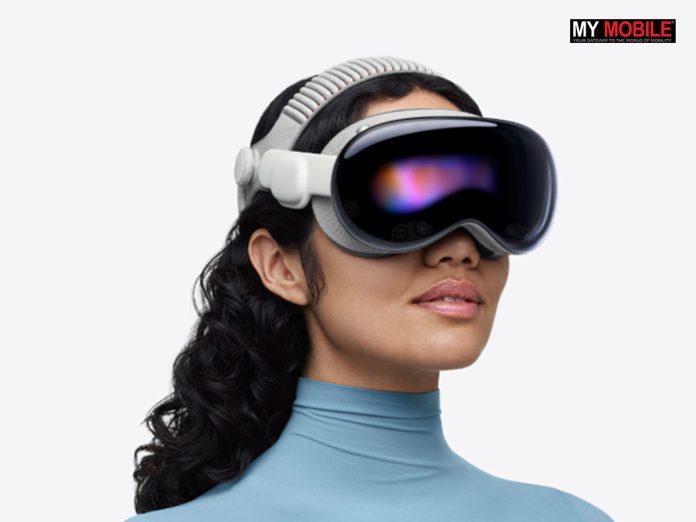
Caption – New Apple Vision Pro. (Image credit – Apple)
Apple’s latest Vision Pro headset with the new M5 chip and a Dual Knit Band will officially hit stores this week. However, the updated model brings a major change related to Apple’s broader strategy to spread its supply chain across multiple regions, reducing its heavy reliance on Chinese production. Here’s the latest update on Apple’s manufacturing strategy.
Apple’s Manufacturing Strategy
According to a report by Bloomberg, while the first-generation Apple Vision Pro was assembled in China, the new M5-powered model will be manufactured in Vietnam. Yes, the box label of the device now reads “Product of Vietnam”, signalling a key milestone in Apple’s ongoing effort to diversify its production network away from China.
Caption – Apple Vision Pro processors. (Image credit – Apple)
However, Bloomberg also noted that the Dual Knit Band, which is sold separately, continues to be produced in China.
The report reads, “While packaging for full Vision Pro units shows a “Product of Vietnam” label, customers who purchased the new Dual Knit headband as a standalone item have noticed that the accessory is made in China. The original Vision Pro was manufactured by China-based Luxshare Precision Industry Co., which also makes some AirPods.”
The timing of this shift is particularly significant as Apple continues to balance complex geopolitical and commercial pressures between the United States and China. Washington has been urging U.S. companies to move more manufacturing back home, while Apple simultaneously maintains strong ties with Chinese suppliers and government officials.
Earlier this year, Apple CEO Tim Cook visited China and reportedly reassured local leaders that the company would continue investing in the region, even as it diversifies production elsewhere.
Production Expands to New Regions
Thanks to the trade tensions between the U.S. and China, Apple has been gradually moving portions of its manufacturing to other Asian countries including Vietnam, India, Thailand, and Malaysia. Despite these efforts, China still handles the majority of Apple’s global production, especially for high-demand devices such as iPhones and Macs.
The decision to assemble the Apple Vision Pro (M5) in Vietnam likely reflects a combination of factors. One of the primary reasons could be the headset’s relatively low production volume and the minor hardware updates it introduces compared to the original model. These smaller changes make it easier to transition manufacturing to a new site without disrupting Apple’s broader supply chain.
Meanwhile, the company is expected to grow its lineup of wearables and head-mounted devices in the coming years. Considering this, diversifying production early will help in reducing future risks related to trade restrictions or political instability.
FAQs
Q1. Where is the new Apple Vision Pro (M5) headset assembled?
Answer. The updated Vision Pro with the M5 chip is now assembled in Vietnam, marking Apple’s strategic shift to diversify its supply chain beyond China.
Q2. Is China still involved in producing parts of the new Vision Pro?
Answer. Yes, while the headset is labelled “Product of Vietnam,” accessories like the Dual Knit Band are still manufactured in China, showing partial reliance on Chinese suppliers.
Q3. Why is Apple moving new Vision Pro production to countries like Vietnam?
Answer. Apple is expanding manufacturing to regions like Vietnam, India, and Malaysia to reduce geopolitical risks, respond to U.S. trade pressures, and prepare for future wearable growth.
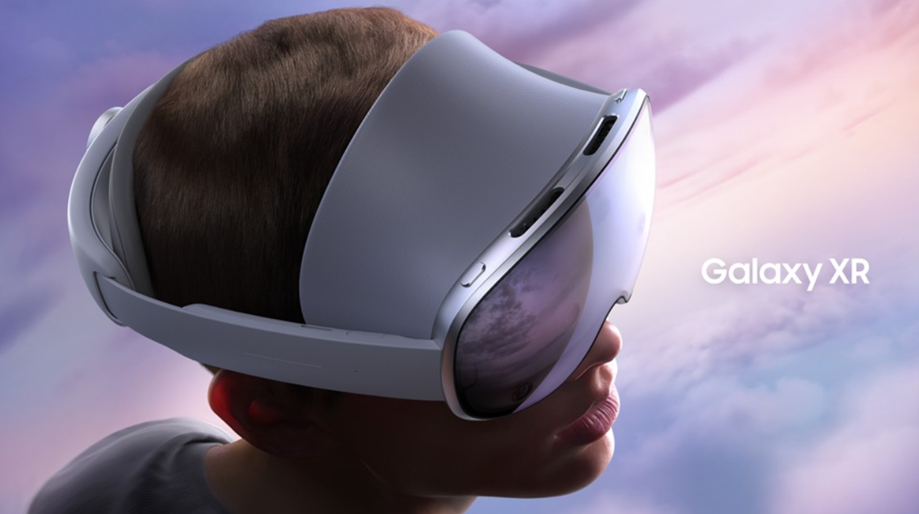
Samsung unveiled the Galaxy XR headset, its first mixed reality device developed in collaboration with Google and Qualcomm.
Priced at $1,800, the headset features dual 27MP micro-OLED 8K displays, Snapdragon XR2+ Gen 2 chip, 16GB RAM, 256GB storage, 6.5MP passthrough cameras, eye and hand tracking, iris recognition, and Dolby Atmos audio for a premium XR experience.
It is available in the US and South Korea with optional accessories, discounts, and an “Explorer Pack” offering Google AI Pro and YouTube Premium.
Samsung has officially launched its much-anticipated Samsung Galaxy XR headset, marking a major step in its collaboration with Google and Qualcomm. The trio aims to deliver a new generation of Android-powered XR (Extended Reality) devices spanning “the full spectrum of XR form factors,” including upcoming AI-powered smart glasses.
Originally teased during the Galaxy Unpacked event in January, the Samsung Galaxy XR was unveiled at a live Galaxy event on October 21. Known earlier by its codename Project Moohan, the device now makes its official debut as Samsung’s flagship entry into the mixed reality space.
Announcing the launch, Won-Joon Choi, Chief Operating Officer of Mobile eXperience (MX) Business at Samsung Electronics said, “With Galaxy XR, Samsung is introducing a brand-new ecosystem of mobile devices. Built on Android XR, Galaxy XR expands the vision for mobile AI into a new frontier of immersive and meaningful possibilities, allowing XR to move from concept to everyday reality, for both the industry and users.”
“Android XR is the first Android platform built entirely for the Gemini era, and we are incredibly excited to take a significant leap forward today with the launch of Galaxy XR,” said Sameer Samat, President of Android Ecosystem at Google. “Through our partnership with Samsung, Android XR will unlock entirely new ways to explore, connect and create, building an open, unified platform for the next evolution of computing.”
“Galaxy XR embodies our vision for the future, where the synergy of AI and XR transforms the possibilities of personal computing,” said Alex Katouzian, Group GM of Mobile, Compute & XR at Qualcomm Technologies, Inc.“We’re thrilled to be collaborating on this initiative, as Galaxy XR will help to bring new use cases across various industries and pave the way for exciting multi-device experiences, all enabled by our work with Samsung and Google.
Here’s more about the newly launched device.
Samsung Galaxy XR Headset – Features, Functions, and Specs
The headset features dual micro-OLED displays boasting a 3,552 x 3,840-pixel resolution per eye, totalling 27 megapixels, nearly equivalent to 8K resolution. It supports refresh rates of 60Hz, 72Hz (default), and 90Hz with a 109° horizontal and 100° vertical field of view for an expansive visual experience.
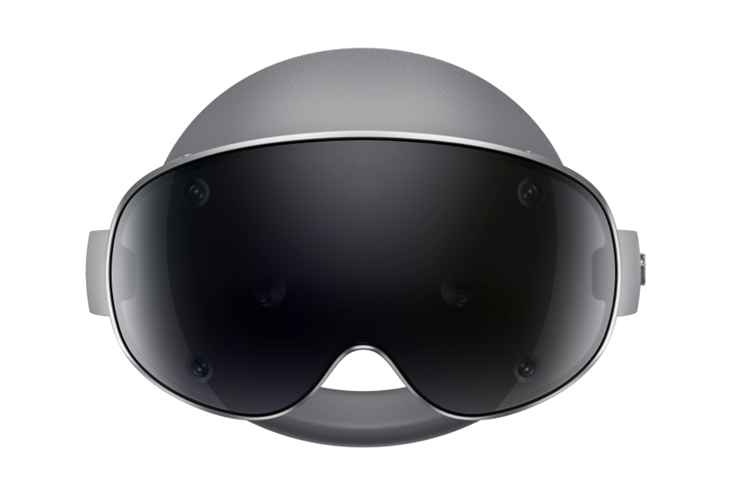
For an immersive XR experience, the Galaxy XR includes dual 6.5MP cameras with 18mm f/2.0 wide-angle lenses that support video passthrough, enabling users to see their surroundings. These cameras can also capture 3D photos and videos. Six additional world-facing cameras enable inside-out tracking, meaning users don’t need external sensors. These also support hand tracking, the headset’s primary method of control.
It further includes a depth sensor, five IMUs (accelerometer + gyroscope), and a flicker sensor for consistent performance under artificial lighting.
Inside the headset, four eye-tracking cameras detect where users are looking and power iris recognition, which handles unlocking and secure app authentication. Users can adjust the interpupillary distance (54–70mm) and even add optical inserts for vision correction. The removable light shield enhances immersion during VR sessions or can be detached for greater comfort.
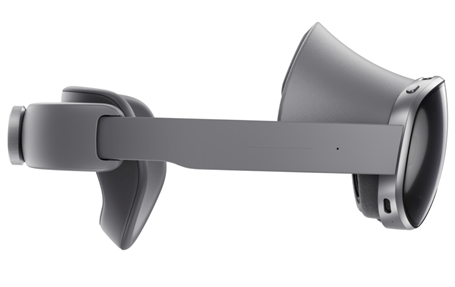
Weighing 545 grams with its forehead cushion (and 302 grams for the separate battery), Samsung has engineered the headset’s frame to distribute weight evenly across the head for comfort during extended use. The separate battery reduces strain on the neck and face. However, it’s not meant for outdoor use, Samsung rates the battery life at up to 2.5 hours for basic video playback and around 2 hours for mixed-reality applications.
Under the hood, the Galaxy XR is powered by Qualcomm’s Snapdragon XR2+ Gen 2 chip, offering a 20% faster CPU and 15% faster GPU than the previous XR2 Gen 2, alongside 12ms full-colour video passthrough. It’s paired with 16GB of RAM and 256GB of storage.
Running on Android XR, the platform supports all Android apps natively and allows developers to create new XR experiences using OpenXR, WebXR, and Unity.
A highlight of the Galaxy XR ecosystem is Google’s Gemini AI integration. The AI assistant can see and hear through the headset, allowing users to interact naturally with their surroundings. For instance, you can plan trips with Google Maps, discover places to visit, or ask Gemini questions while watching YouTube videos. In video passthrough mode, simply circle an object with your finger to trigger an instant search.
The headset isn’t just about productivity and Samsung has included powerful entertainment capabilities too. Users can stream TV shows in a theatre-like view, watch multiple sports feeds simultaneously, or play XR-optimised games with real-time assistance from Gemini. Adobe’s Project Pulsar brings XR-based video editing, while built-in AI tools can even convert 2D content into 3D.
Connectivity options include Wi-Fi 7 (802.11be) and Bluetooth 5.4 for low-latency performance. The headset is equipped with six microphones to capture ambient and voice audio, and dual two-way speakers (woofer + tweeter) supporting Dolby Atmos, HDR10, and HLG video playback for an immersive audiovisual experience.
Samsung Galaxy XR Headset – Key Specifications At a Glance –
Displays: Micro-OLED (27MP total, 3,552 x 3,840 per eye)
Refresh Rate: Up to 90Hz
Field of View: 109° horizontal, 100° vertical
Processor: Snapdragon XR2+ Gen 2
RAM: 16GB
Storage: 256GB
Camera: 6.5MP (dual)
Weight: 545g (headset), 302g (battery)
Special Features: Iris recognition, Dolby Atmos, HDR10, HLG support
Video Playback: 8K UHD (7680 x 4320) at 60fps
Samsung Galaxy XR Headset – Price and Availability
The Samsung Galaxy XR is now available in the US and South Korea for $1,800, while the optional Galaxy XR Controller costs $249.99. Samsung is also offering 24-month financing plans and an exclusive “Explorer Pack” for 2025 buyers, which includes a one-year Google AI Pro subscription, YouTube Premium, and access to special XR content.
In the US, customers can get 30% off accessories such as cases, controllers, and Galaxy Buds3 Pro, plus a 10% student discount on the headset itself. The package also includes free access to premium XR apps, gaming experiences, and NBA content.
Meanwhile, Samsung and Google is further partnering with Warby Parker and Gentle Monster to create stylish eyewear options for future XR devices, blending fashion with cutting-edge technology.
FAQs
Q1. What is the Samsung Galaxy XR headset and who collaborated on it?
Answer. The Galaxy XR is Samsung’s flagship mixed reality headset, developed in partnership with Google and Qualcomm. It runs on Android XR and integrates Gemini AI for immersive, AI-powered experiences.
Q2. What are the key display and camera features of the Galaxy XR?
Answer. It features dual micro-OLED displays with 27MP total resolution (3,552 x 3,840 per eye), supporting up to 90Hz refresh rate. For passthrough and 3D capture, it includes dual 6.5MP wide-angle cameras and six world-facing cameras for hand tracking and inside-out spatial awareness.
Q3. Which processor powers the Galaxy XR and how much memory does it have?
Answer. The headset is powered by Qualcomm’s Snapdragon XR2+ Gen 2 chip, offering improved CPU and GPU performance. It comes with 16GB of RAM and 256GB of internal storage.
Q4. What AI features are included in the Galaxy XR experience?
Answer. Gemini AI enables natural interaction with the environment, users can ask questions, plan trips, or trigger searches by pointing at objects. It also supports real-time assistance in games and XR-based video editing via Adobe’s Project Pulsar.
Q5. How much does the Galaxy XR cost and what’s included in the launch offer?
Answer. The headset is priced at $1,800 in the US and South Korea. Buyers can opt for a $249.99 controller and receive an “Explorer Pack” with Google AI Pro, YouTube Premium, and exclusive XR content. Discounts on accessories and student pricing are also available.
The Poco F8 Ultra has appeared on Thailand’s NBTC certification site.
It is suggested to be the upcoming global release likely as a rebranded Redmi K90 Pro Max.
It may feature a 6.9″ 2K OLED display, Snapdragon 8 Gen 5 chip, up to 16GB RAM, 1TB storage, and a 7,650mAh battery with 100W wired and 50W wireless charging.
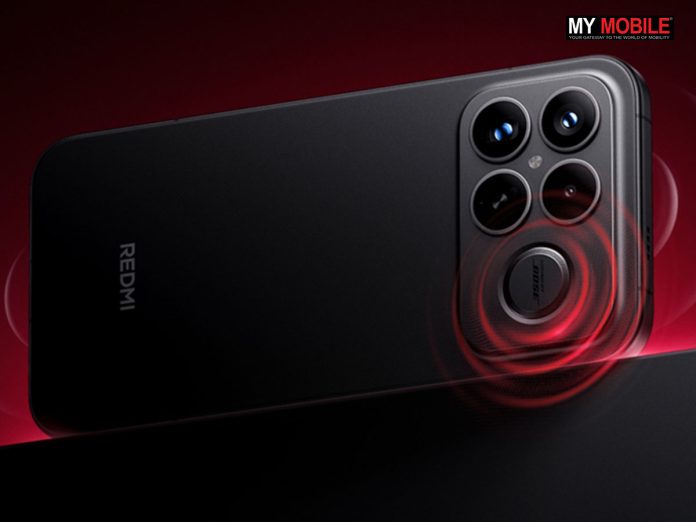
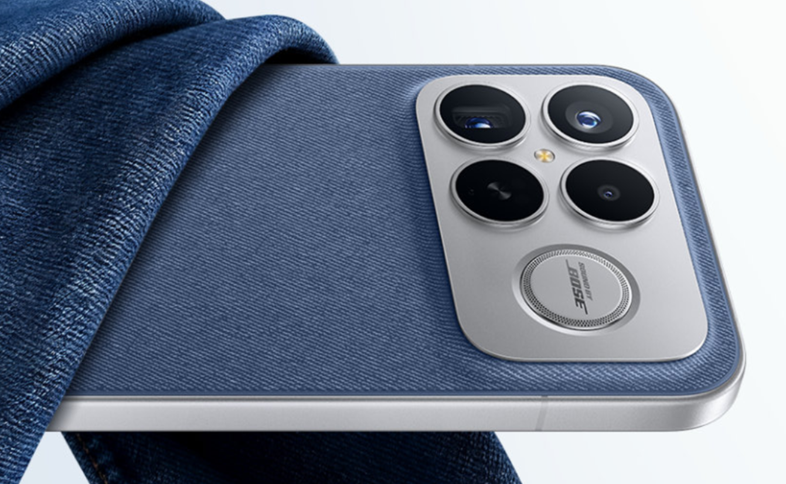
Caption – Poco F8 Ultra could launch a global variant of the China-released Redmi K90 Pro Max (in picture). (Image credit – Redmi)
The new listing leak suggests that Poco’s next flagship in the F-series is on its way and will likely be the global variant of the Redmi K90 Pro Max. While the company has not yet confirmed the existence of this device in question, all speculations hint that it is the upcoming Poco F8 Ultra. Here’s what we know so far.
Poco F8 Ultra NBTC Certification
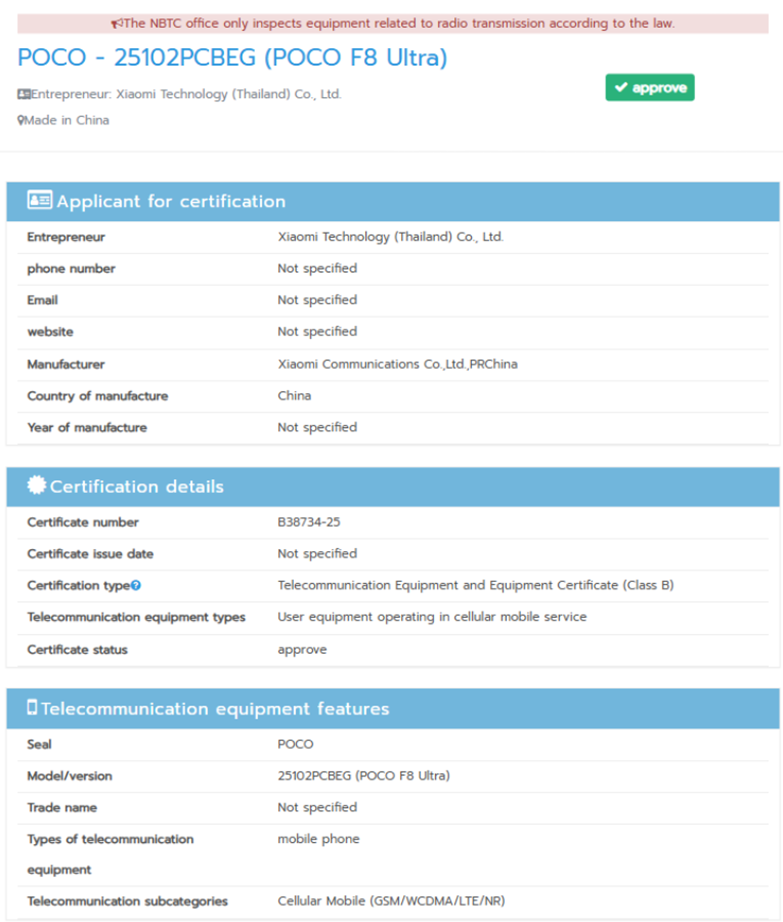
Caption – Poco F8 Ultra on Thailand’s NBTC certification database. (Screenshot by @ZionsAnvin on X)
The likely Poco F8 Ultra has surfaced on Thailand’s NBTC (National Broadcasting and Telecommunications Commission) certification database, hinting at its imminent global debut. This follows the launch of the Poco F7 Ultra, which was approved by the same authority and officially unveiled in March earlier this year.
The details were first shared by tipster Anvin @ZionsAnvin on X (formerly Twitter).
According to the NBTC certification, the unannounced Poco F8 Ultra carries the model number 25102PCBEG. The listing reveals that the smartphone supports GSM, WCDMA, LTE, and NR networks, confirming 5G connectivity. It also mentions that the device is manufactured in China, further solidifying its link to Xiaomi’s production base.
Interestingly, the model number resembles that of the Redmi K90 Pro Max (25102RKBEC), where “RK” seemingly represents Redmi K-series, while “PC” in the Poco device’s model number signifies Poco branding. This pattern strongly indicates that the Poco F8 Ultra could be a rebranded version of the Redmi K90 Pro Max for international markets.
Given its appearance on the certification platform, the Poco F8 Ultra is expected to launch later this year or by early 2026.
Poco F8 Ultra – Key Specifications (Expected)
Caption – Recently launched Redmi K90 Pro Max in the picture for reference. (Image credit – Redmi)
If the Poco F8 Ultra indeed mirrors the Redmi K90 Pro Max, it may feature a 6.9-inch OLED display with 2K resolution and a 120Hz refresh rate. The device is likely to run on HyperOS 3 based on Android 16 and include an ultrasonic in-display fingerprint sensor for secure biometric authentication.
Under the hood, the smartphone could be powered by Qualcomm’s Snapdragon 8 Elite Gen 5 chipset, paired with up to 16GB of LPDDR5x RAM and 1TB of UFS 4.0 storage. Powering the device might be a 7,650mAh battery supporting 100W wired charging and 50W wireless charging, though the Poco F8 Ultra might feature a slightly smaller battery capacity than its Redmi counterpart.
For optics, the handset is rumoured to sport a triple 50MP rear camera setup, consisting of a 50MP OmniVision OV50 sensor as the primary lens, a 50MP ultra-wide lens, and a 50MP periscope telephoto camera with 5x optical zoom and OIS (Optical Image Stabilisation). On the front, it may house a 20MP selfie camera.
Other expected features include a 2.1 speaker system for enhanced audio quality and an IP68/IP69-certified body for water and dust resistance.
FAQs
Q1. What is the Poco F8 Ultra and how is it related to the Redmi K90 Pro Max?
Answer. The Poco F8 Ultra is expected to be a rebranded global variant of the Redmi K90 Pro Max. Both devices share similar model numbers, suggesting they are essentially the same phone tailored for different markets.
Q2. What are the expected specifications of the Poco F8 Ultra?
Answer. It may feature a 6.9-inch 2K OLED display with 120Hz refresh rate, Snapdragon 8 Gen 5 chip, up to 16GB RAM, 1TB storage, and a 7,650mAh battery with 100W wired and 50W wireless charging.
Q3. What camera setup is rumoured for the Poco F8 Ultra?
Answer. The device is expected to include a triple 50MP rear camera system, main, ultra-wide, and periscope telephoto with 5x optical zoom and OIS, plus a 20MP front camera.
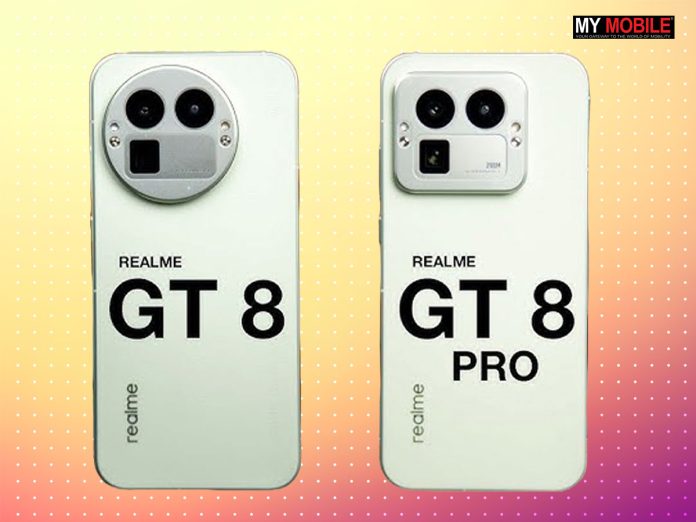
Realme GT8 and GT8 Pro launched in China featuring a 6.79″ 2K 144Hz OLED display, Snapdragon 8 Elite Gen 5 chip, R1 graphics engine, and a 7000mAh battery with up to 120W fast charging.
GT8 Pro boasts a 200MP Ricoh-engineered periscope lens with GR modes, 8K imaging, and custom tones; GT8 offers a 50MP periscope and 16MP front camera.
Prices start at ¥2899 ($561) for the base Realme GT8 model in China.
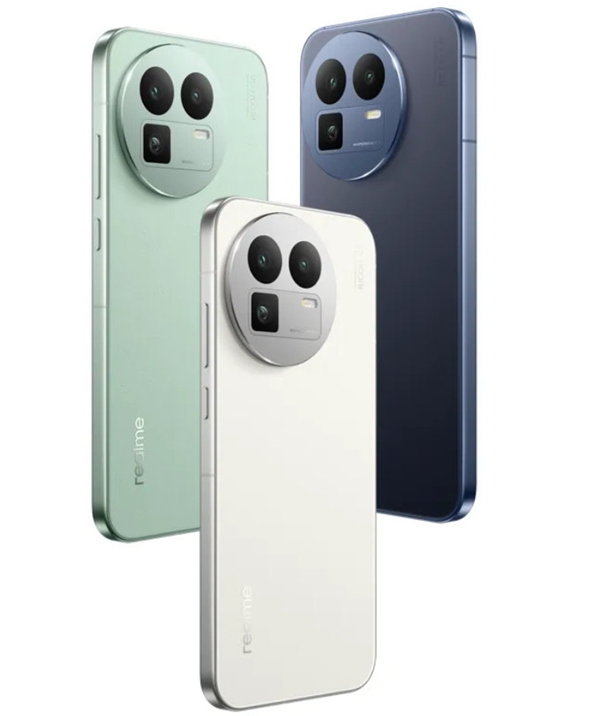
Caption – Realme GT8 and Realme GT8 Pro launched in China. (Image credit – Realme)
Realme has officially unveiled Realme GT8 and Realme GT8 Pro flagship smartphones in China. The smartphone lineup marks a major leap forward in design, display, performance, and camera technology. Both phones feature cutting-edge specifications and will soon make their way to global markets. Here’s more about both model.
Realme GT8 and Realme GT8 Pro – Display, Processor, Battery and More
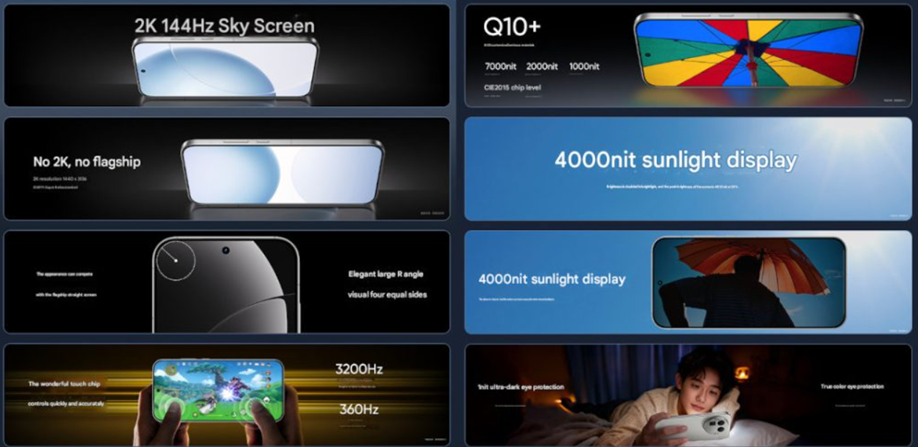
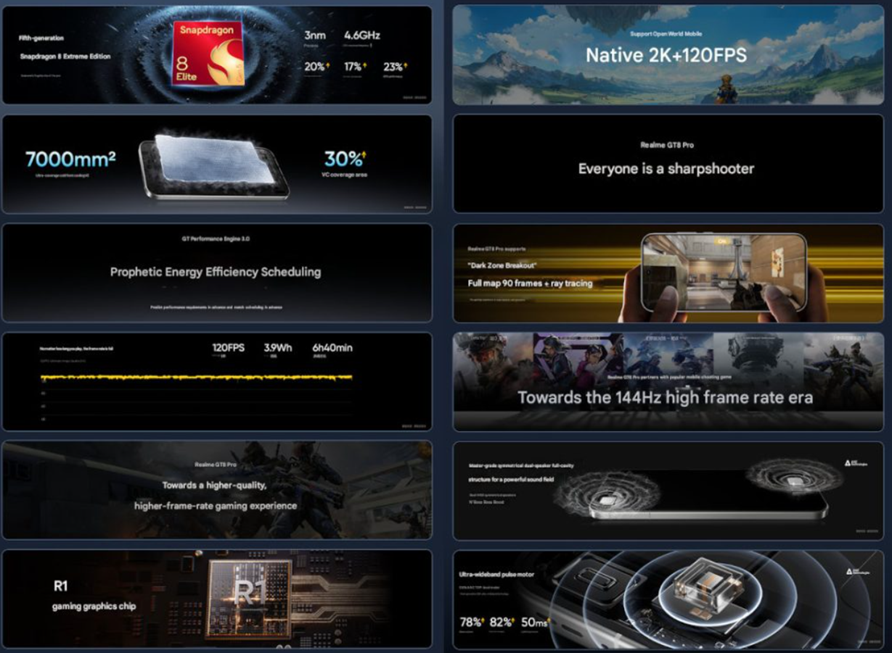
The realme GT8 series boasts a 6.79-inch 2K 144Hz Sky Dome OLED flat display with an impressive 3200Hz instantaneous touch sampling rate and 360Hz four-finger sampling rate. Built using Q10 + BOE custom luminous materials, the screen offers up to 7000 nits peak brightness, 2000 nits global brightness, and 4000 nits Sunlight Display, delivering twice the brightness for clearer outdoor visibility.
It also supports hardware-level DC dimming, 1-nit ultra-dark mode, and True Color eye protection with a dedicated eye comfort mode.
Both devices are powered by the Snapdragon 8 Elite Gen 5 chipset, paired with up to 16GB LPDDR5X RAM and up to 1TB UFS 4.1 storage. To keep performance stable, realme has equipped the phones with a massive 7000mm² Ultra-Coverage Cold Front Cooling VC system, its largest ever that offers 30% more coverage than its predecessor.
The phones also integrate a dedicated R1 graphics chip, enabling super-resolution and super-frame modes for over 100 mobile games. The GT Performance Engine supports 2K+120FPS gameplay and 144Hz high-frame modes in select popular shooting titles.
For audio, the devices feature Dual 1115E symmetrical speakers with N’Bass bass enhancement, a full-cavity design, and an immersive surround sound field.
In terms of haptics, they include an 0816 AAC top-level ultra-wideband pulse motor based on third-generation ESA technology, offering precise and powerful 4D vibration feedback for gaming.
The GT8 series houses a 7000mAh second-gen Titan battery. As for charging, here’s what both models offer –
GT8: 100W wired fast charging
GT8 Pro: 120W wired + 50W wireless flash charging (50% charge in just 15 minutes
Both phones fully charge in under 45 minutes and feature the Sky Communication System with Sky Signal Chip S1, improving cellular gaming performance by 25% even under weak signal conditions. They support N79 and 21 global 5G bands.
The phones run Android 16 with realme UI 7.0 on top and come with IP66, IP68, and IP69 dust and water resistance ratings, a first for the GT lineup.
Realme GT8 and Realme GT8 Pro – Camera System
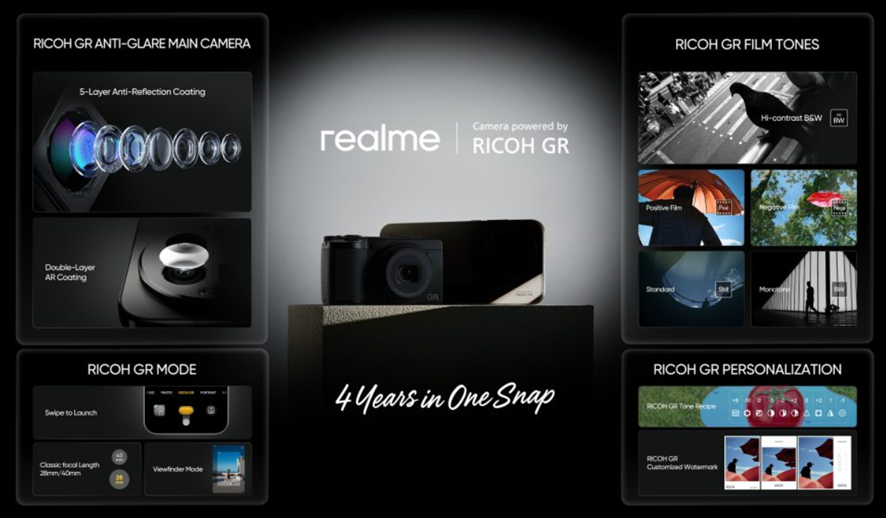
Realme has partnered with Ricoh Imaging Company to co-engineer the GT8 Pro’s camera system, drawing inspiration from Ricoh’s GR series. The phone features a 200MP Ultra-Light and Shadow Periscope Telephoto lens, meeting official Ricoh GR optical standards. The co-developed ultra-high transparency lens group ensures low glare, high clarity, and minimal distortion.
A special “Ricoh GR Mode” is included, featuring –
Fast Operation – Mimics Ricoh GR IV’s quick shutter response and signature sound.
Viewfinder Mode – Offers an unobstructed, minimalist view for composing shots.
The GT8 Pro also supports two Ricoh-style focal lengths, 28mm for wide shots and 40mm for tighter compositions, alongside five exclusive GR tones. These tones include Standard, Positive Film, Negative Film, Monotone, and High-Contrast B&W. Users can also create custom tones via the “Customised Tone” feature.
Camera Specs
Realme GT8 Pro –
200MP periscope telephoto lens
50MP 1/1.56″ main camera
50MP ultra-wide sensor
32MP front camera
Realme GT8 –
50MP 1/1.56″ main camera
50MP 3.5X periscope telephoto
8MP ultra-wide sensor
16MP front camera
The 200MP lens supports –
True 200MP Mode with multi-frame fusion
8K Ultra-HD imaging with 4x resolution
3x Optical Zoom and 6x Lossless Zoom
25cm Telephoto Close-ups for capturing intricate details
Realme GT8 Pro Design Elements
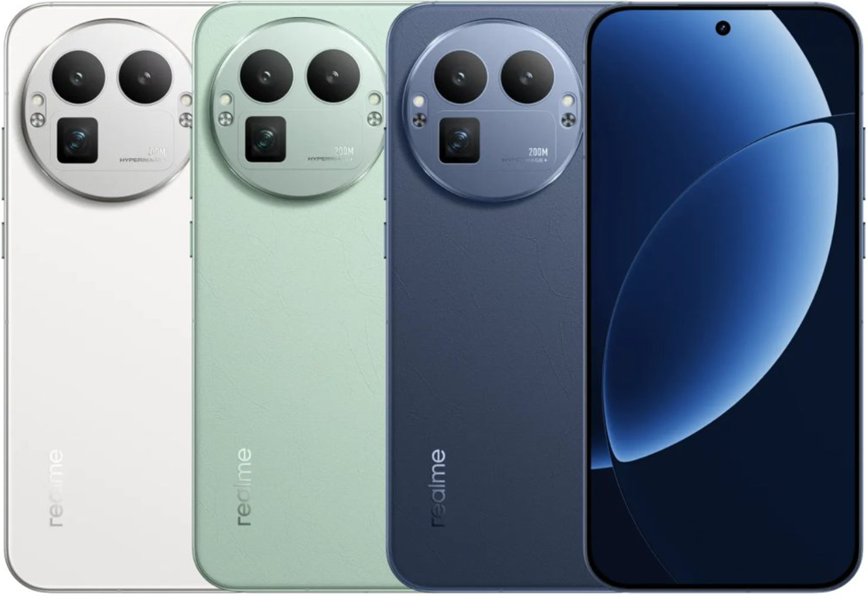
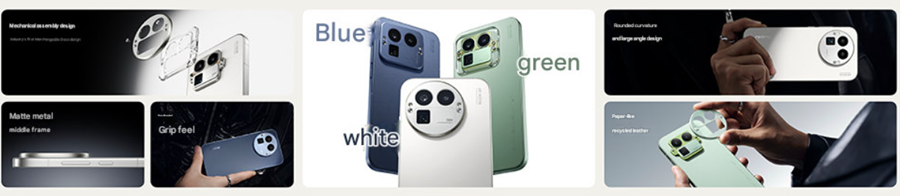
The realme GT8 Pro introduces a “new mechanical assembly design”, making it the first smartphone in the industry with a detachable and replaceable Deco system. Users can switch between various lens module designs –
Functional Robot – The default module combines the flash, colour temperature sensor, and screws into a robotic shape.
Classic Round Deco – Offers a balanced, timeless aesthetic.
Square Deco – Features a metal porthole design with bold lines for a performance-oriented look.
Transparent Rubik’s Cube – Adds a futuristic touch, resembling a robot with a space helmet.
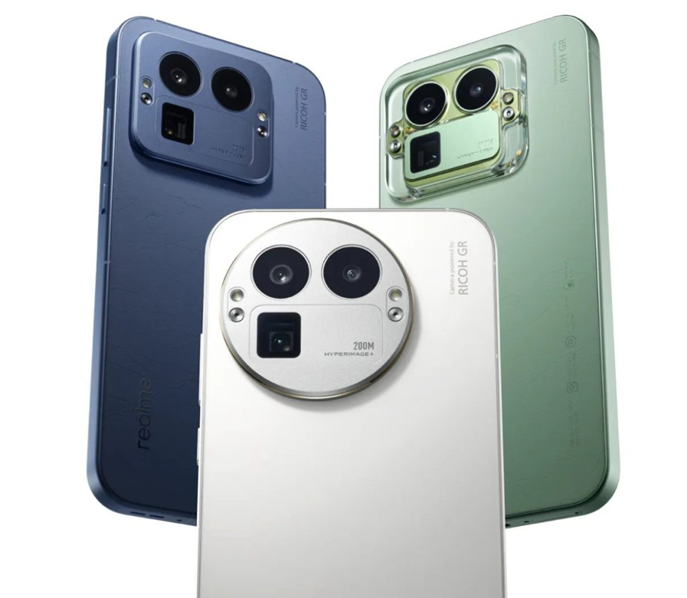
Colour options are as follows –
White – AG frosted glass finish, smooth and fingerprint-resistant.
Blue – Recycled paper-like leather texture, elegant yet durable.
Green – Refreshing tone with a unique paper texture that stands out.
Meanwhile, the GT8 carries a non-replaceable circular camera design and comes in similar shades.
Realme GT8 and Realme GT8 Pro – Price and Availability
The Realme GT8 and GT8 Pro are now available in China with global launches confirmed soon.
Q1. What processors power the Realme GT8 and GT8 Pro?
Answer. Both phones are powered by the Snapdragon 8 Elite Gen 5 chipset, paired with up to 16GB LPDDR5X RAM and up to 1TB UFS 4.1 storage for flagship-level performance.
Q2. What are the camera specs of the Realme GT8 Pro?
Answer. The GT8 Pro features a 200MP periscope telephoto lens, 50MP main sensor, 50MP ultra-wide camera, and a 32MP front camera, co-developed with Ricoh Imaging.
Q3. What’s unique about the Realme GT8 Pro’s design?
Answer. It introduces a modular Deco system with swappable lens modules like Functional Robot, Classic Round, and Transparent Rubik’s Cube, offering customizable aesthetics.
Q4. How fast do the Realme GT8 and GT8 Pro charge?
Answer. The GT8 supports 100W wired charging, while the GT8 Pro offers 120W wired and 50W wireless charging, reaching 50% in just 15 minutes and full charge in under 45 minutes.
Q5. What is the price range for the Realme GT8 series in China?
Answer. The GT8 starts at ¥2,899 ($561), with multiple configurations up to 16GB RAM and 1TB storage.