Developers can use all of SAM 2’s features to make new apps or improve existing ones.
The AI was trained on a huge set of videos.
This training data helps SAM 2 recognize objects and people in videos more accurately.
Meta is sharing this training data too, which can help other developers make their own AI tools better.
Meta hasn’t said when SAM 2 will be available in its AI chatbot.
But we might see it in Instagram and Facebook’s video tools soon.
This new AI shows how technology is making complex tasks like video editing much easier for everyone to do.
FAQs
What is Meta’s SAM 2 AI tool?
SAM 2, or Segment Anything Model 2, is an AI tool by Meta that tracks objects or people in videos and adds special effects to them, separating them from the background.
How does SAM 2 make video editing easier?
SAM 2 simplifies video editing by automatically finding the edges of objects or people in a video, allowing for easy addition of effects without altering the background, similar to background removal tools in photos.
Will SAM 2 be available in Meta’s apps?
Meta plans to integrate SAM 2 into apps like Instagram, enabling users to edit videos directly within the app using this AI technology.
Is SAM 2 available for developers to use?
Yes, SAM 2 is open source, meaning developers can use its features to create new video editing tools or enhance existing ones.
Meta is also sharing the training data used for SAM 2.
What other potential uses does SAM 2 have?
Beyond video editing, SAM 2 could be useful in fields like medicine, potentially helping doctors identify bacteria or viruses in medical images, though Meta has not provided detailed information on this application yet.
Barbie-branded flip phone launch delayed to August 28
Expected to run on S30+ or KaiOS, not Android
Designed as a “digital detox” device with limited social media access
Features a bold pink color, continuing HMD’s trend of vibrant designs
HMD Global, the company behindNokia-branded phones, is gearing up for an exciting launch.
The much-anticipated Barbie-branded phone is officially set to be unveiled on August 28, a month later than initially planned.
A Fashionable Delay
Hi Barbie! 💓
Coming 28 August 👀. Be the First to Get It! 🎉
Sign up now: pic.twitter.com/Zp0XedBXwC
— HMD (@HMDdevices) July 29, 2024
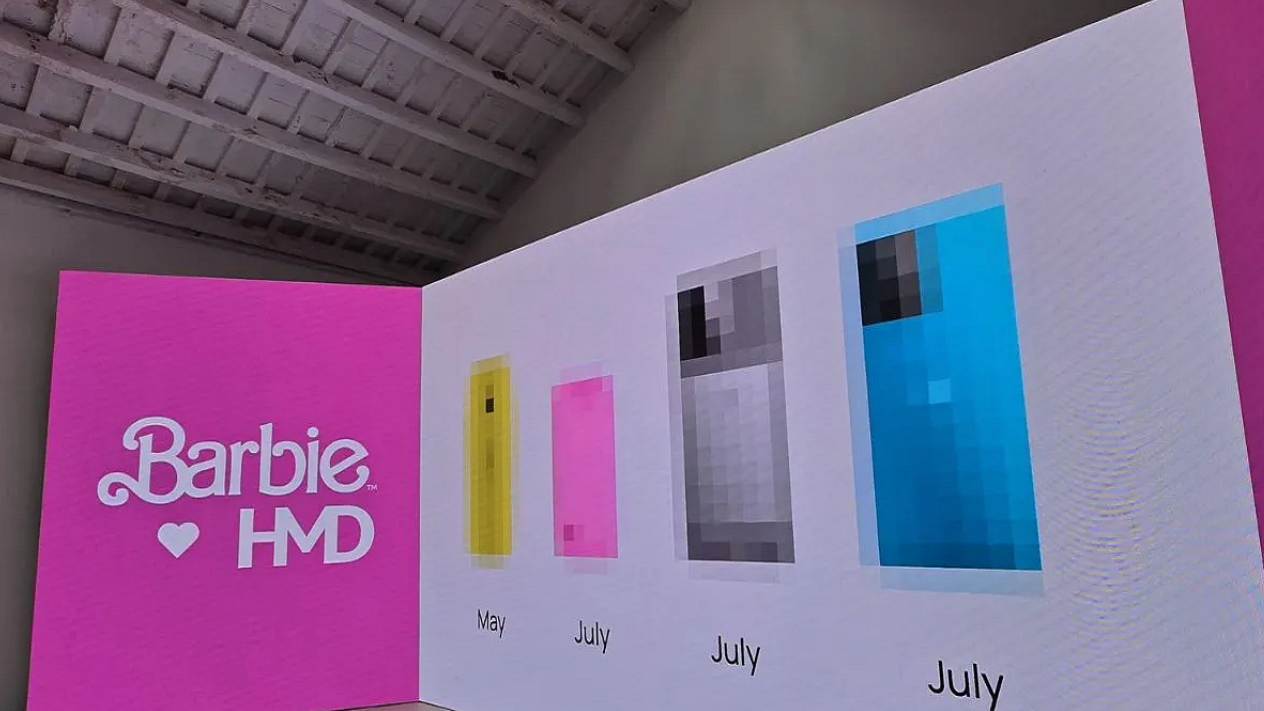
Earlier this year, HMD teased a lineup of new phones, including a mysterious pink device scheduled for July.
While some models like the Skyline and Crestmade their debut as planned, the Barbie phone is fashionably late to the party.
Details about the Barbie phone are still under wraps, but here’s what we can gather:
it expected to run on S30+ or KaiOS, not Android
Design: It will be a flip phone, embracing a classic form factor.
Operating System: Likely to run on S30+ or KaiOS, rather than Android.
Purpose: Positioned as a “digital detox” device, aimed at reducing social media scrolling.
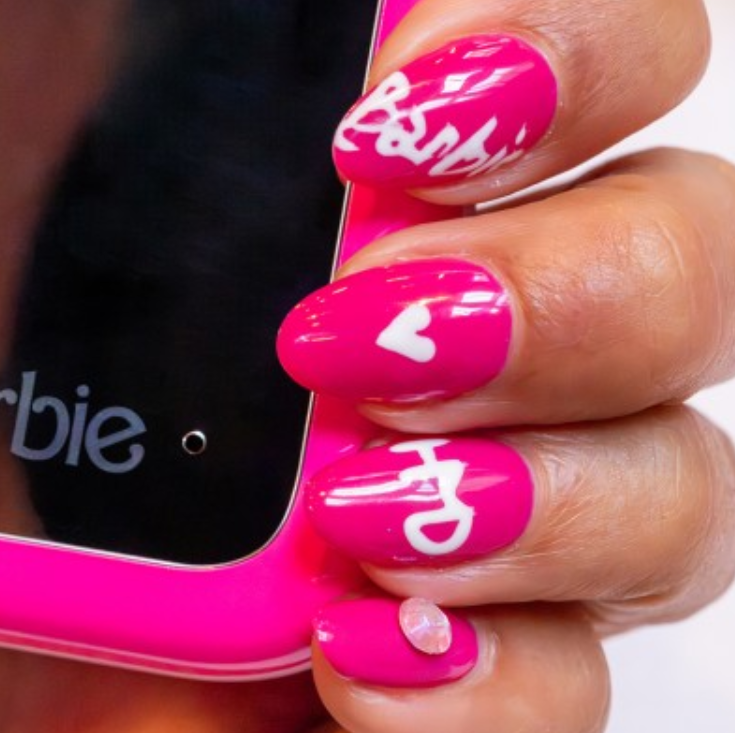
Color: As expected, it’s very, very pink – continuing HMD’s recent trend of bold color choices.
A Nod to Nostalgia and Simplicity
HMD Global Set to Launch Barbie-Branded Flip Phone on August 28
The choice of a flip phone design for the Barbie collaboration is intriguing.
It aligns with HMD’s focus on creating phones that encourage users to disconnect from the constant barrage of notifications and social media updates.
While the Barbie branding might suggest a novelty item, HMD seems to be positioning this phone as a functional device for those seeking a simpler mobile experience.
It could appeal to both Barbie enthusiasts and users looking to scale back their smartphone use.
The Big Reveal
It features a bold pink color, continuing HMD’s trend of vibrant designs
With the launch date now set, fans and curious onlookers alike will soon get a full look at what HMD and Mattel have created.
Whether it’s a collector’s item or a practical “digital detox” tool remains to be seen, but one thing’s for certain – it’s going to be very pink.
FAQs
When is the Barbie-branded flip phone launching?
The Barbie-branded flip phone is set to launch on August 28, a month later than initially planned.
What operating system will the Barbie flip phone use?
The phone is likely to run on S30+ or KaiOS, rather than Android, to support its “digital detox” purpose.
What is the design of the Barbie phone?
The Barbie phone will be a flip phone, embracing a classic form factor with a bold pink color.
What is the purpose of the Barbie-branded flip phone?
The phone is designed as a “digital detox” device, aimed at reducing social media scrolling and encouraging users to disconnect from constant notifications.
Who might be interested in the Barbie flip phone?
The phone could appeal to Barbie enthusiasts as a collector’s item and to users looking for a simpler mobile experience with limited smartphone functionality.
Apple Intelligence uses AFM-on-device and AFM-server language models
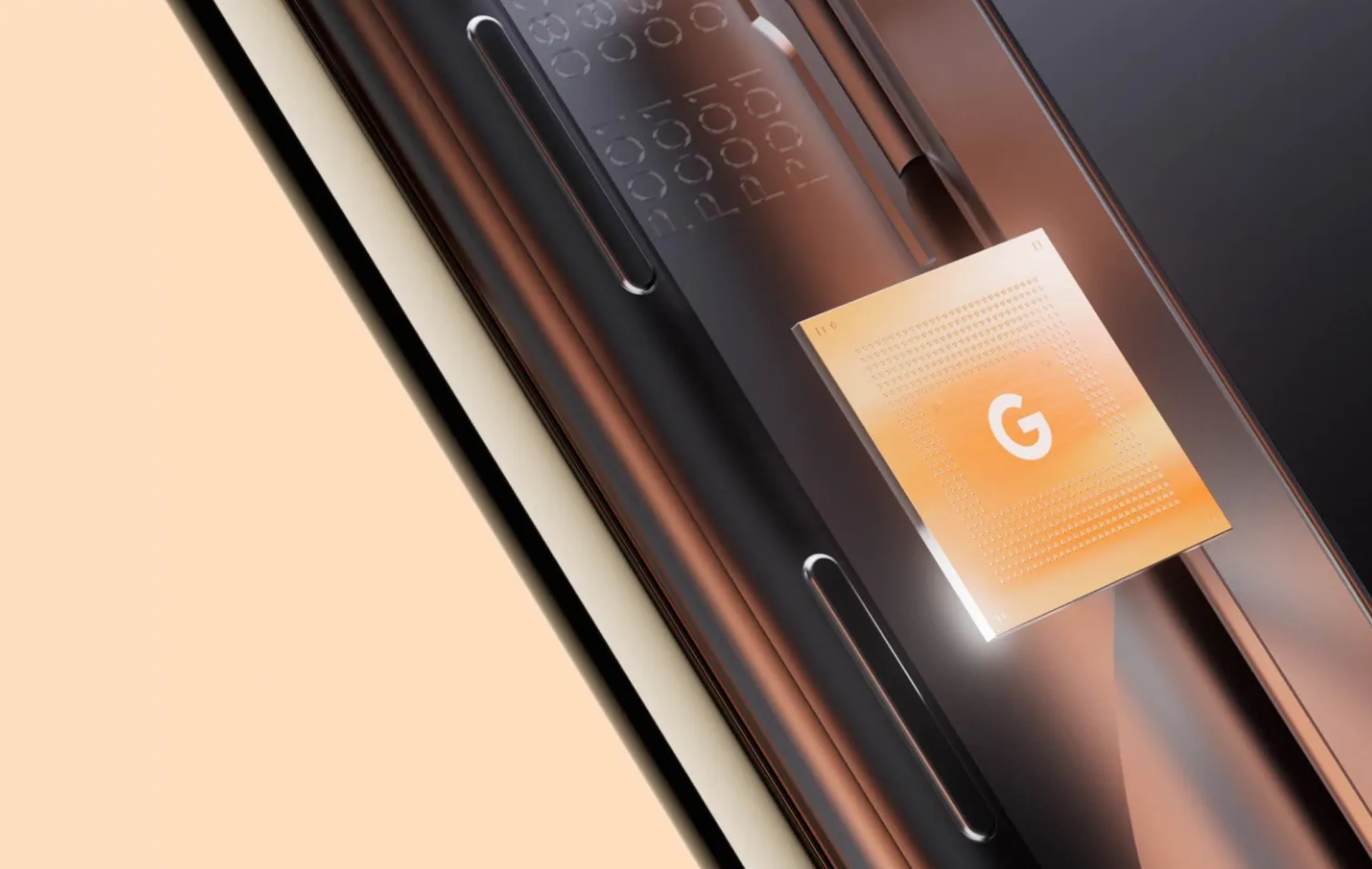
Google’s Tensor Processing Units (TPUs) were crucial for training Apple’s AI models
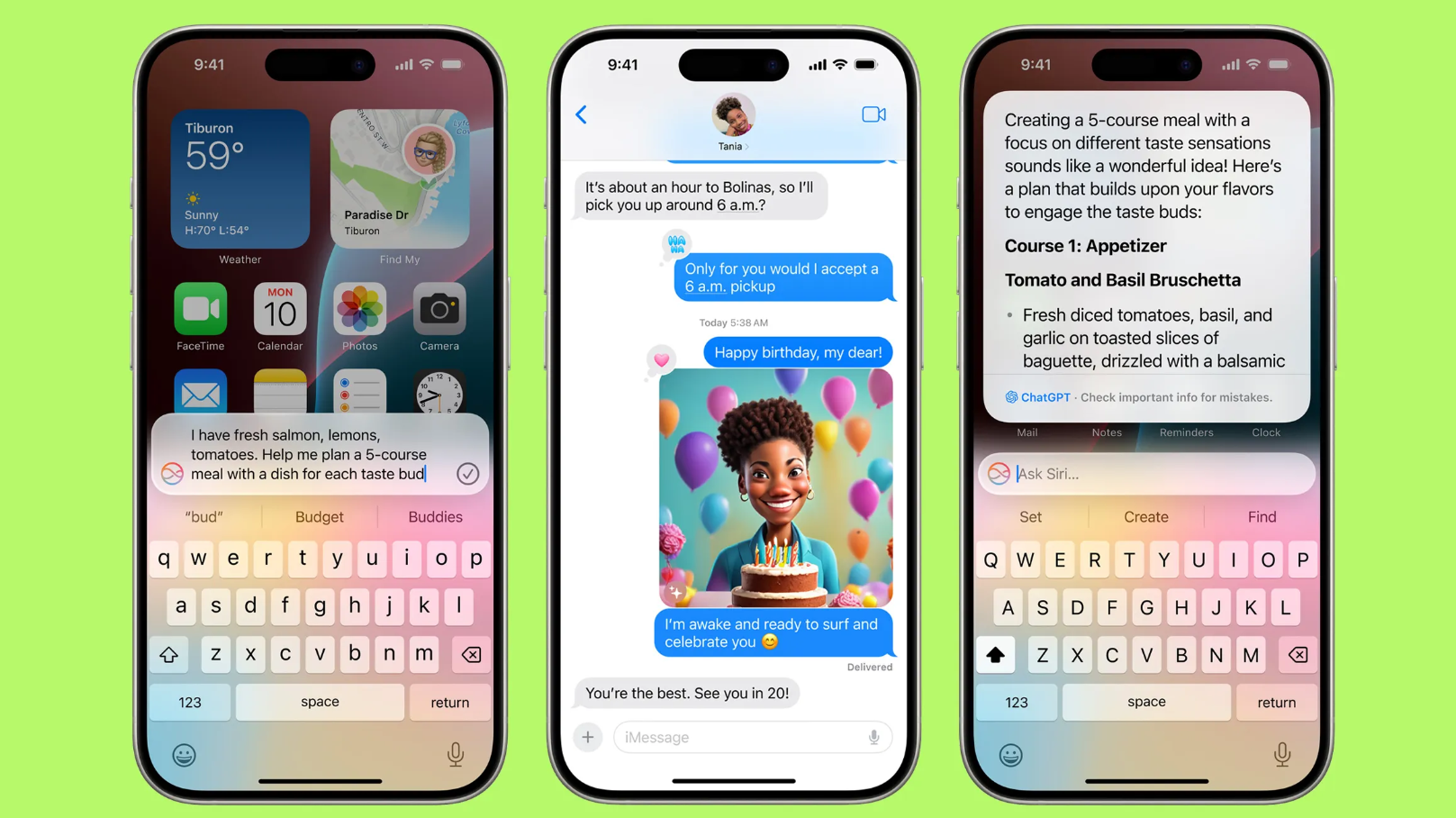
iPhone users will see smarter Siri, enhanced photo search, and improved auto-correct
AI models trained on Google’s chips but run on Apple’s hardware
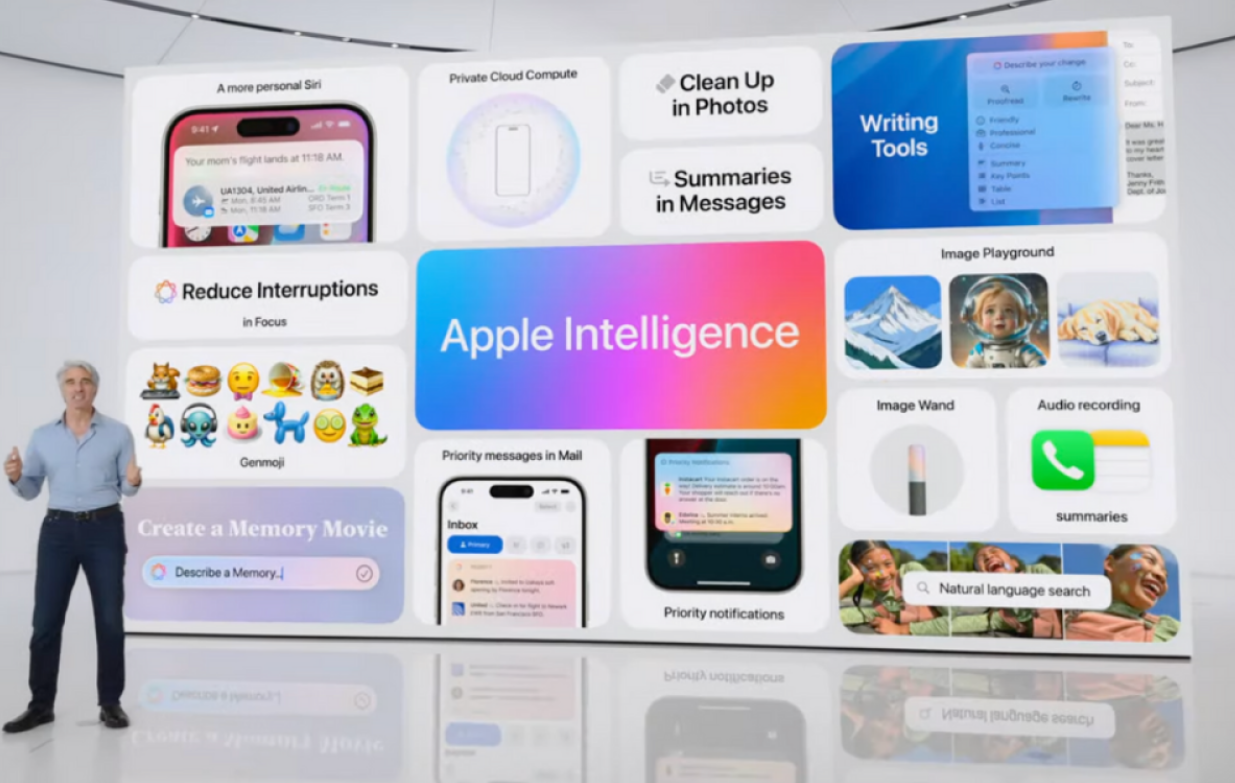
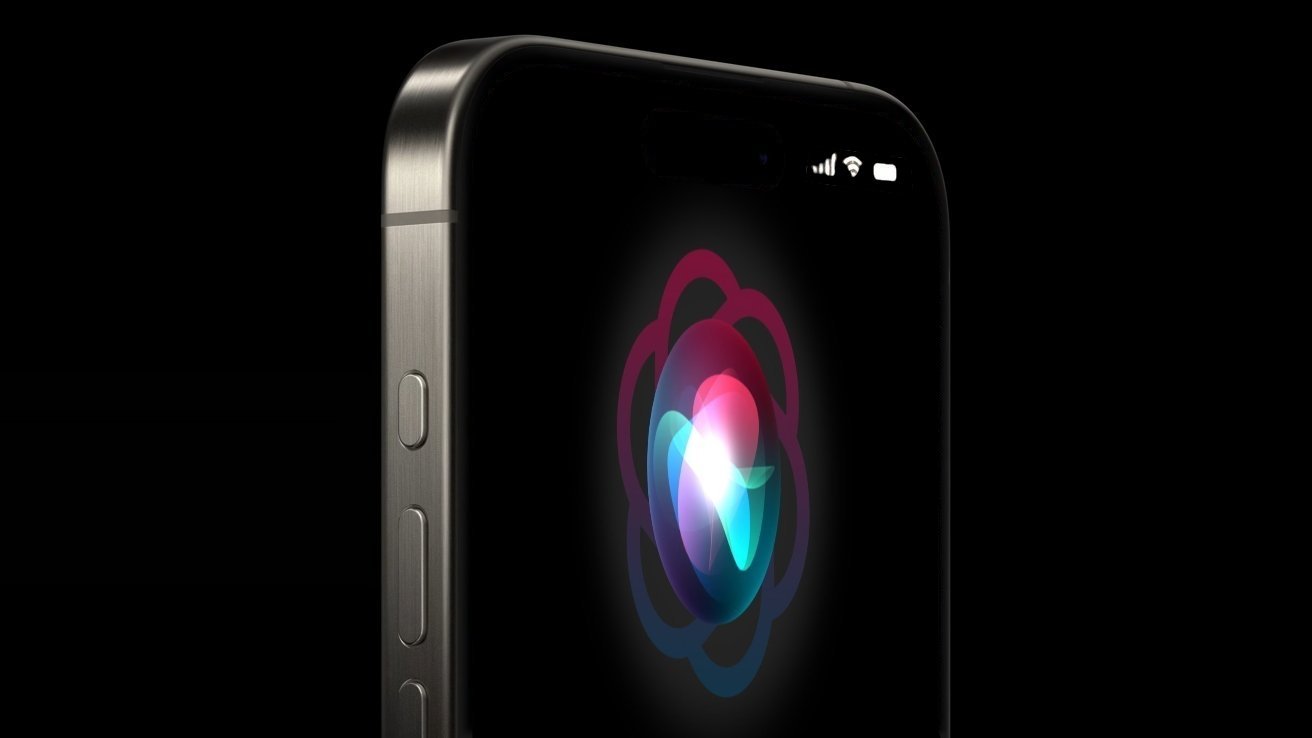
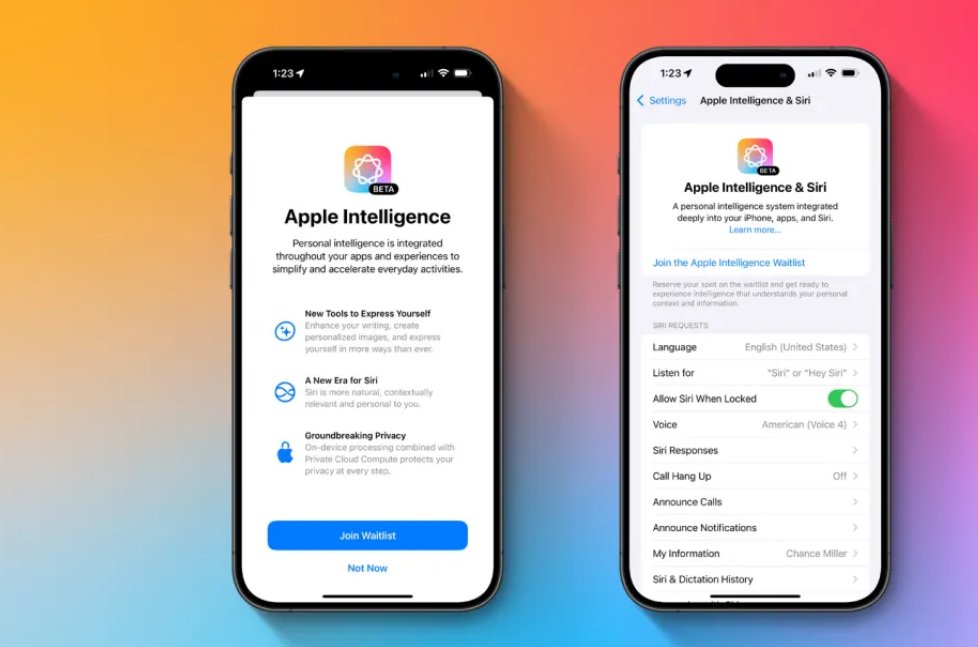
Apple’s latest venture into artificial intelligence, known as Apple Intelligence, is set to make iPhones smarter than ever before.
In an unexpected twist, it turns out that Google, Apple’s longtime rival in the smartphone market, has played an indirect role in this development.
Let’s dive into this fascinating revelation and what it means for iPhone users.
Apple’s AI Development: A Peek Behind the Curtain
Apple Intelligence uses AFM-on-device and AFM-server language models
Apple recently released a detailed paper titled ‘Apple Intelligence Foundation Language Models,’ offering a rare glimpse into the company’s AI development process.
This report focuses on two key language models that form the backbone of Apple Intelligence:
AFM-on-device: A 3 billion parameter model designed to run directly on iPhones and other Apple devices.
AFM-server: A larger, more powerful model that operates on Apple’s servers.
These models are crucial for various AI features, including improvements to Siri, smart replies in Mail, and even coding assistance in Xcode.
Tensor Chips Power Apple’s AI Training
Google’s Tensor Processing Units (TPUs) were crucial for training Apple’s AI models
In a surprising revelation, Apple disclosed that it used Google’s Tensor Processing Units (TPUs) to train these AI models:
The AFM-on-device model required 2,048 TPUv5p chips for training.
The larger AFM-server model needed a whopping 8,192 TPUv4 chips.
This choice of using Google’s chipsinstead of other popular options like NVIDIA’s is intriguing.
Apple, known for its preference for in-house solutions, turned to a competitor’s technology for this crucial development phase.
What This Means for iPhone Users
iPhone users will see smarter Siri, enhanced photo search, and improved auto-correct
While the technical details might seem complex, the outcome for iPhone users is simple and exciting: smarter devices.
The Apple Intelligence features, partially developed using Google’s chip technology, will bring a range of improvements to iPhones:
More natural and context-aware interactions with Siri
Enhanced photo search capabilities using natural language
Improved auto-correct and predictive text
Smarter email management with summaries and intelligent replies
It’s important to note that while Google’s chips were used in the training process, the final AI models will run on Apple’s own hardware in devices and servers.
This means iPhone users will enjoy these new features without any direct interaction with Google’s technology.
This collaboration, albeit indirect, between tech giants Apple and Googleshowcases how complex and interconnected the world of AI development truly is.
FAQs
What are the key AI models used in Apple Intelligence?
Apple Intelligence uses two main models: AFM-on-device, a 3 billion parameter model running on iPhones, and AFM-server, a more powerful model operating on Apple’s servers.
How did Google contribute to Apple’s AI development?
Apple used Google’s Tensor Processing Units (TPUs) for training its AI models, employing 2,048 TPUv5p chips for the AFM-on-device model and 8,192 TPUv4 chips for the AFM-server model.
What improvements will iPhone users experience with Apple Intelligence?
iPhone users can expect smarter Siri interactions, enhanced photo search capabilities, improved auto-correct and predictive text, and smarter email management with summaries and intelligent replies.
Will iPhone users interact directly with Google’s technology?
No, while Google’s chips were used in the training process, the final AI models will run on Apple’s hardware, ensuring users enjoy the new features without direct interaction with Google’s technology.
Why did Apple choose Google’s chips for AI training?
The choice to use Google’s TPUs for training highlights the complex and interconnected nature of AI development, allowing Apple to leverage powerful chip technology to enhance its AI capabilities.
The Nothing Phone 2a Plus launch event is scheduled for today, 31 July, at 2:30 PM IST (Indian Standard Time).
For those eager to catch all the action live, there are two easy ways to tune in:
Nothing’s official YouTube channel
The Nothing events page on their website
Simply visit either of these platforms at the appointed time to watch the unveiling of the new smartphone in real-time.
Design and Features: What We Know So Far
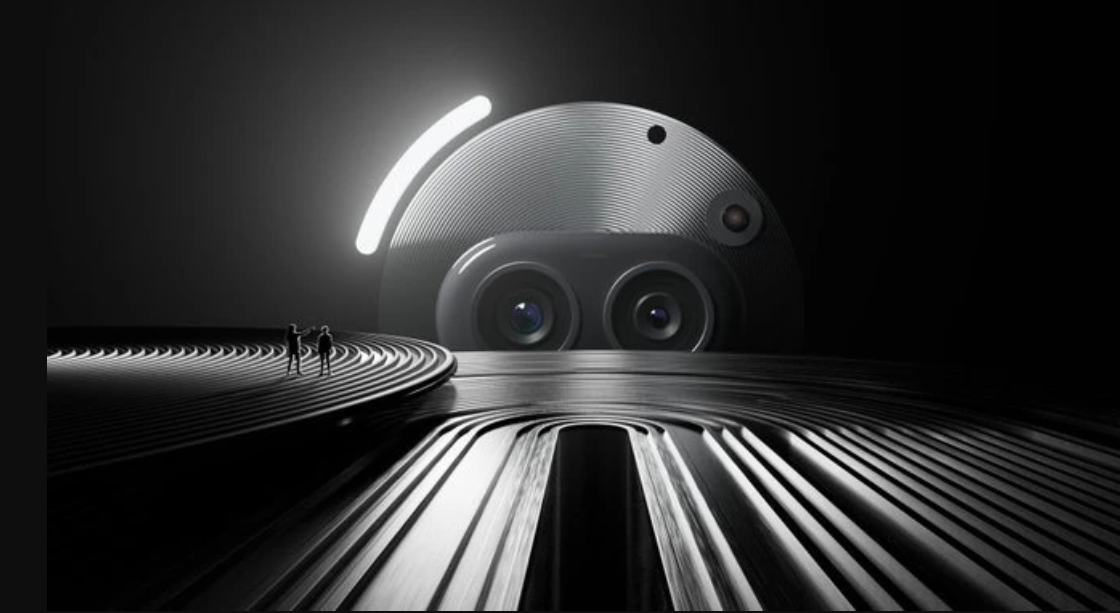
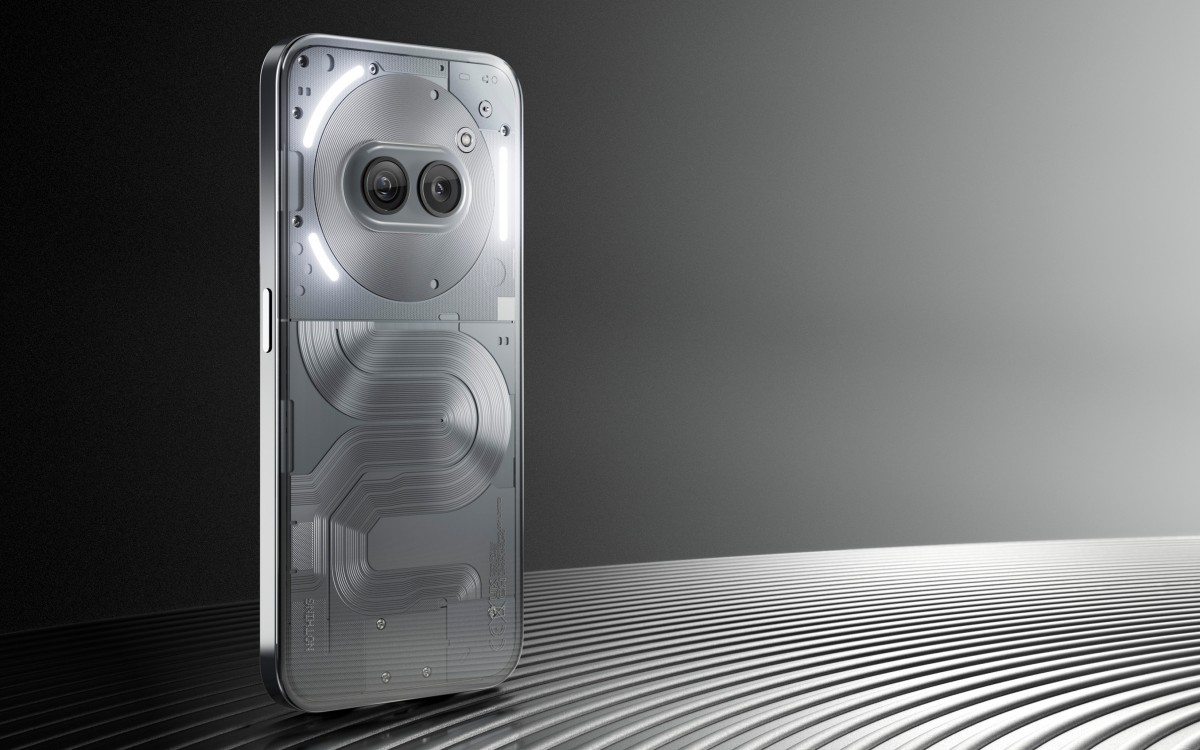
Distinctive boxy design with three LED lights around the rear camera module
Nothing has already teased a few key details about the Phone 2a Plus including an official design image:
Design: The new model retains the distinctive Nothing look, featuring a boxy design with three LED lights arranged around the rear camera module. Images show a sleek grey colour option with a metallic appearance.
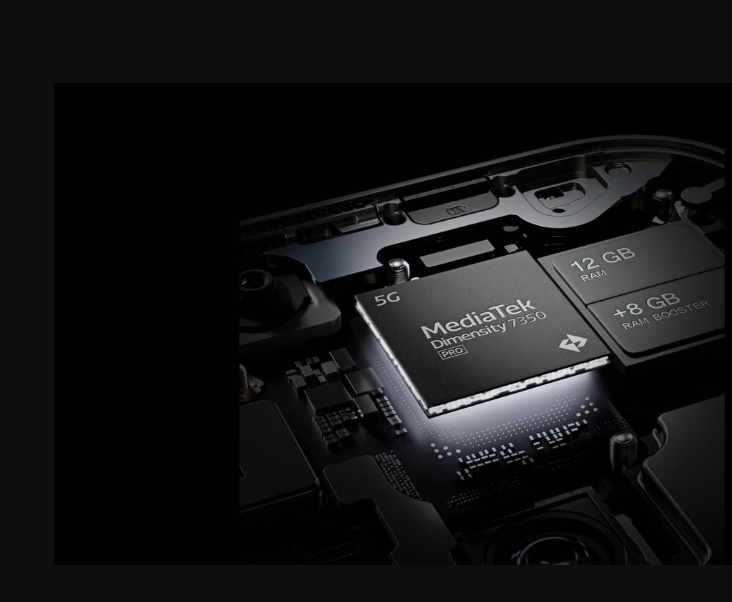
Processor: Under the hood, the Phone 2a Plus will be powered by the MediaTek Dimensity 7350 SoC, promising improved performance over its predecessor.
Camera: While the rear camera setup remains unchanged, the front-facing camera has been upgraded to a 50-megapixel sensor.
Battery: Rumours suggest a 5,000mAh battery with 50W fast charging support.
Expected Price and Positioning
Expected price in the sub-Rs 30,000 segment
While exact pricing details will be revealed at the launch event, industry insiders expect the Nothing Phone 2a Plus to be positioned in the sub Rs 30,000 price segment in India.
This would place it slightly higher than the original Phone 2a, reflecting its status as an advanced version with improved specs.
The Nothing Phone 2a Plus appears to be aimed at offering consumers more choice within the mid-range smartphone market.
Nothing Phone 2a Plus powered by MediaTek Dimensity 7350 SoC with a 50MP front-facing camera
By providing enhanced performance and features while maintaining the brand’s signature design language, Nothing hopes to attract buyers looking for a balance of style and substance.
As always with smartphone launches, there’s sure to be some surprises in store.
Tech enthusiasts and Nothing fans alike will be eagerly tuning in to see what other features and innovations the company has packed into its latest offering.
With the launch just hours away, we won’t have long to wait to get the full picture of what the Nothing Phone 2a Plus brings to the table.
Nothing 2a Plus Specs
RAM
12 GB
Processor
MediaTek Dimensity 7350 Pro
Rear Camera
50 MP + 50 MP
Front Camera
50 MP
Display
6.7 inches (17.02 cm)
Operating System
Android v14
Chipset
MediaTek Dimensity 7350 Pro
CPU
3 GHz
Graphics
Mali-G610 MC4
RAM
12 GB
Screen Size
6.7 inches (17.02 cm)
Bezel-less display
Yes with punch-hole display
Touch Screen
Yes, Capacitive Touchscreen, Multi-touch
Camera Setup
Dual
Resolution
50 MP, Primary Camera
50 MP
Flash
Yes, LED Flash
Camera Setup
Single
Resolution
50 MP, Primary Camera
SIM Slot(s)
Single SIM
Network Support
5G Supported in India, 4G Supported in India, 3G, 2G
VoLTE
Yes
SIM 1
5G Bands:
FDD N3
TDD N40
4G Bands:
TD-LTE 2300(band 40)
FD-LTE 1800(band 3)
3G Bands:
UMTS 2100 / 900 MHz
2G Bands:
GSM 1800 / 900 MHz
GPRS:
Available
EDGE:
Available
FAQs
When is the Nothing Phone 2a Plus launch event?
The launch event is scheduled for today, 31 July, at 2:30 PM IST.
How can I watch the Nothing Phone 2a Plus launch event?
You can watch the live event on Nothing’s official YouTube channel or the events page on their website.
What are the key features of the Nothing Phone 2a Plus?
The Nothing Phone 2a Plus features a distinctive boxy design, three LED lights around the rear camera, MediaTek Dimensity 7350 SoC, a 50MP front camera, and a 5,000mAh battery with 50W fast charging support.
What is the expected price range for the Nothing Phone 2a Plus in India?
The Nothing Phone 2a Plus is expected to be positioned in the sub-Rs 30,000 price segment.
What improvements does the Nothing Phone 2a Plus have over its predecessor?
The Phone 2a Plus offers an upgraded processor (MediaTek Dimensity 7350 SoC), an improved 50MP front-facing camera, and a larger 5,000mAh battery with 50W fast charging support.
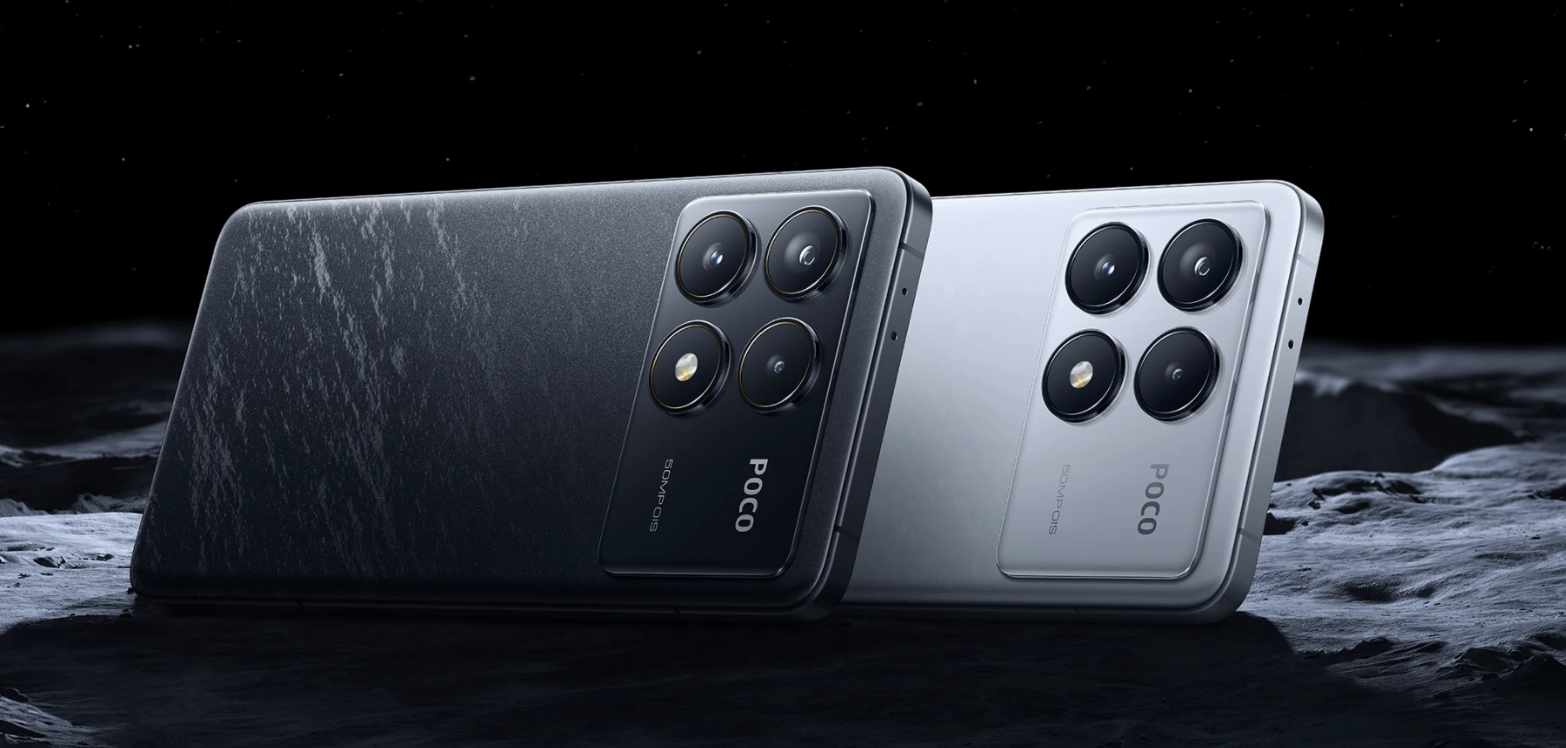
POCO F7 series spotted in IMEI database and HyperOS source code
POCO F7 Pro likely to feature Snapdragon 8 Gen 3 chipset
Global model expected around May 2025, China launch as early as November 2024
Codename “miro” inspired by Spanish painter Joan Miro
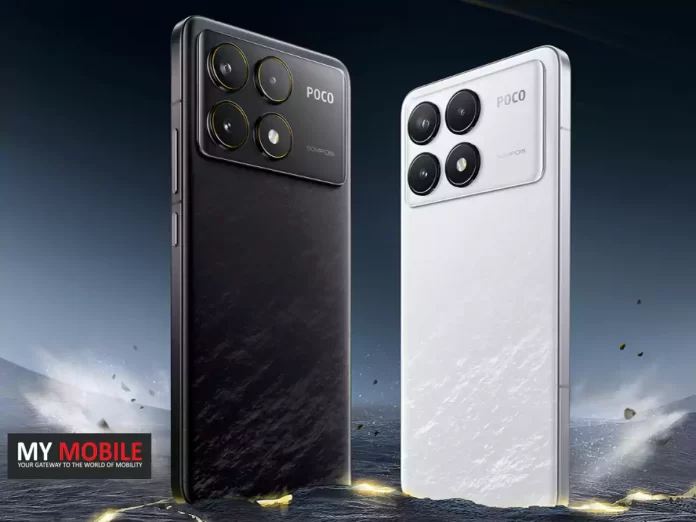
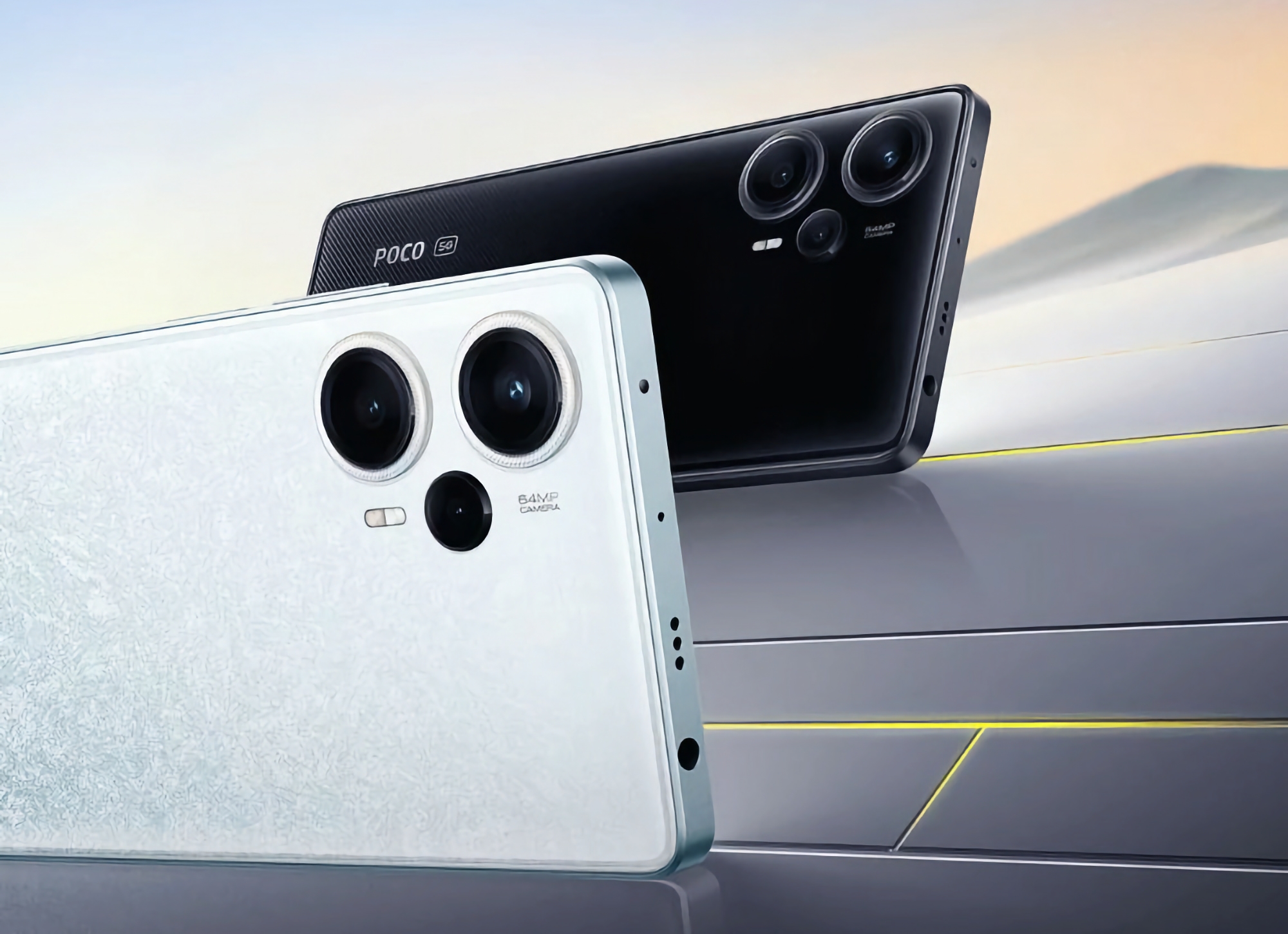
In an exciting development for smartphone enthusiasts, POCOhas reportedly started work on its next flagship series, the POCO F7, as per a report by Gizmochina.
This news comes hot on the heels of the recent POCO F6 series launch, showcasing the company’s commitment to rapid innovation in the competitive mobile market.
Early Glimpses and Expectations
POCO F7 series spotted in IMEI database and HyperOS source code
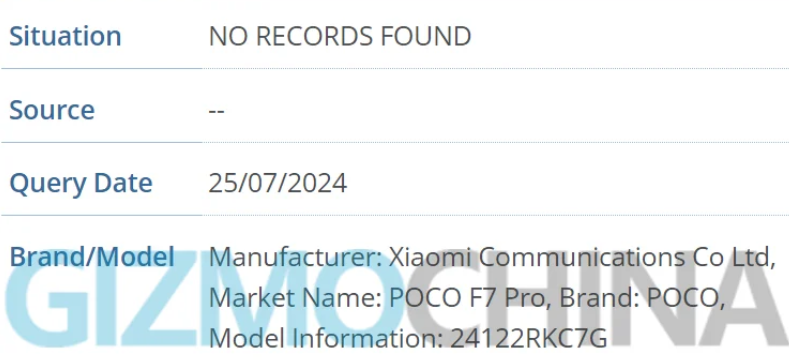
While details are still scarce, early signs of the POCO F7 series have been spotted in the IMEI database and HyperOS source code.
These early sightings give us a tantalizing glimpse into what’s coming next from the popular brand.
The star of the upcoming lineup is expected to be the POCO F7 Pro.
Here’s what we know so far:
Model number: 24122RKC7G (The ‘G’ indicates it’s a global model)
Chinese variant: Will be known as the Redmi K80 (model number 24122RKC7C)
Codename: “miro” (inspired by the Spanish painter Joan Miro)
Potential Specifications and Launch
POCO F7 Pro likely to feature Snapdragon 8 Gen 3 chipset
While POCO is keeping most details under wraps, rumors suggest the F7 Pro could feature:
Processor: Likely the Snapdragon 8 Gen 3 chipset, a step up from the F6 Pro’s Gen 2
Other specs: Remain a mystery, but expect improvements across the board
POCO F7 Pro (Global): Expected around May 2025
Redmi K80 (China): Possibly as early as November 2024
What This Means for Consumers
The POCO F7 Pro will be codenamed “miro“
The early development of the POCO F7 series signals the brand’s commitment to pushing boundaries in the smartphone market.
POCO has built a reputation for offering flagship-level features at competitive prices, and the F7 series is likely to continue this trend.
While this news is exciting, it’s important to remember that the POCO F7 series is still in its early stages of development.
Specifications and release dates could change as we get closer to launch.
POCO’s quick move to start work on the F7 series demonstrates the fast-paced nature of the smartphone industry.
For consumers, this means more choices and potentially better value in the coming year.
As always, we’ll keep you updated with the latest information as it becomes available.
Stay tuned for more details on the POCO F7 series as development progresses!
The POCO F7 series is the next flagship smartphone lineup from POCO, following the recent launch of the POCO F6 series.
When is the POCO F7 Pro expected to launch?
The POCO F7 Pro is expected to launch globally around May 2025, with the Chinese variant (Redmi K80) possibly launching as early as November 2024.
What processor will the POCO F7 Pro feature?
The POCO F7 Pro is rumored to feature the Snapdragon 8 Gen 3 chipset, an upgrade from the Snapdragon 8 Gen 2 used in the POCO F6 Pro.
What are the early signs of the POCO F7 series development?
Early signs of the POCO F7 series have been spotted in the IMEI database and HyperOS source code, indicating the company’s commitment to rapid innovation.
What can consumers expect from the POCO F7 series?
Consumers can expect flagship-level features at competitive prices, with significant improvements in performance and specifications compared to previous models.
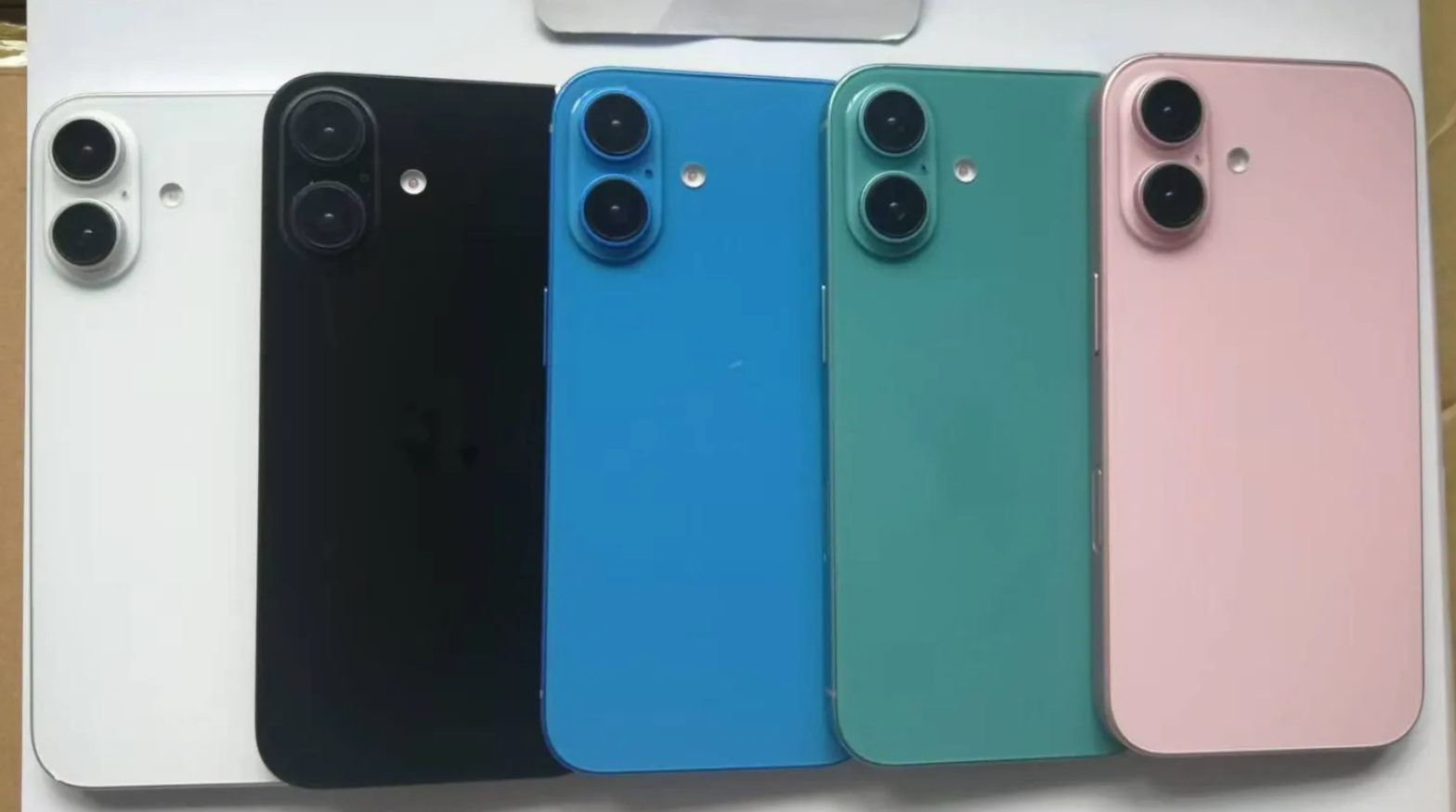
iPhone 16 features redesigned vertically-aligned camera bump for spatial video recording
New color options include blue, pink, white, black, and green
Gradual rollout of “Apple Intelligence” AI features starting with iOS 18.1 developer beta
Limited AI feature availability on iPhone 16 at launch, with major Siri upgrades expected in 2025
Apple’s upcoming iPhone 16 is generating buzz, but recent leaks and reports suggest a mix of exciting changes and potential disappointments for buyers.
Let’s explore what we know so far about the design updates and the rollout of AI features.
New Look and Colors
iPhone 16 Leaks Reveal New Design and Colors But AI Features May Disappoint
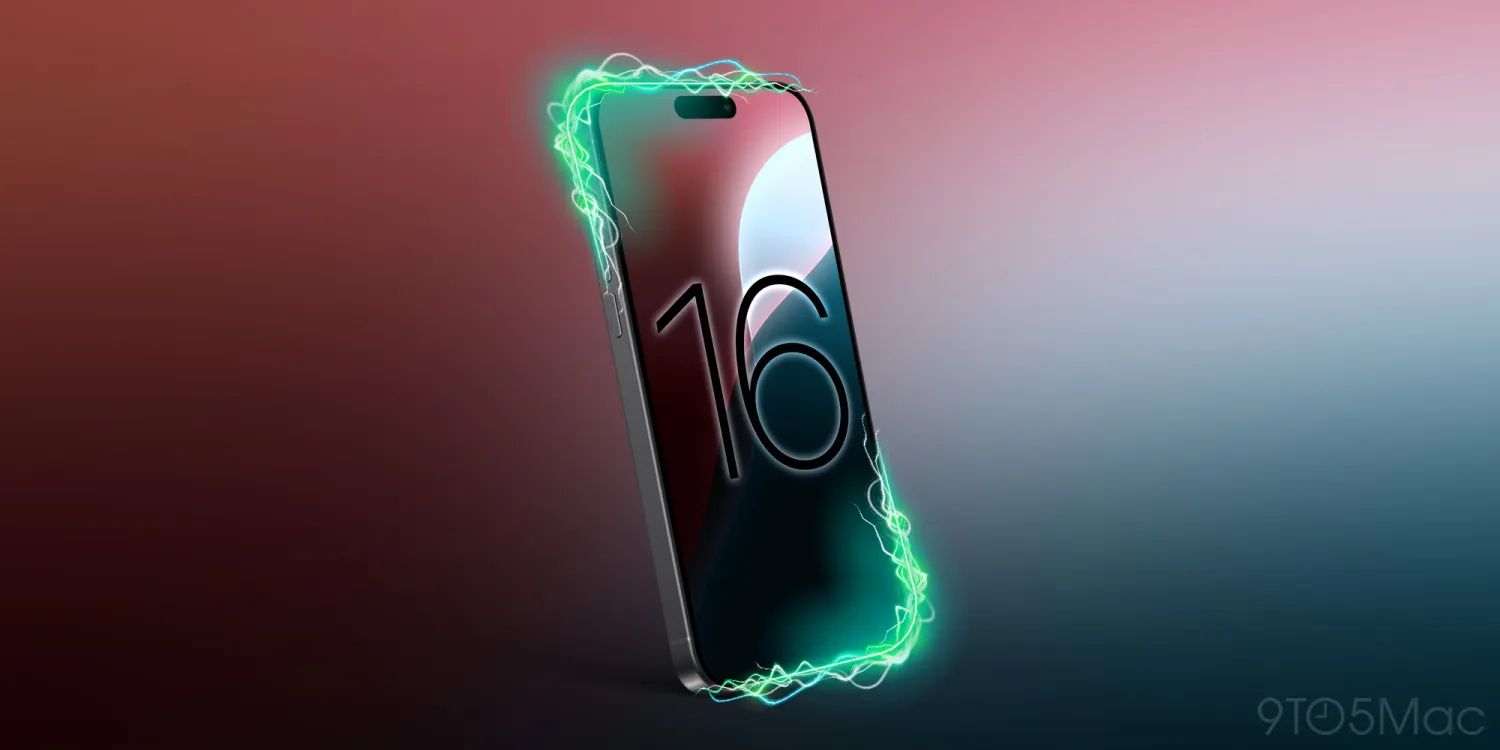
Leaked images of iPhone 16 dummy units reveal a redesigned camera bump.
Instead of the diagonal layout seen on recent models, the new design features vertically-aligned lenses.
This change is believed to enable spatial video recording on the standard iPhone 16 and 16 Plus, a feature currently exclusive to the Pro models.
The dummy units also showcase potential new color options:
Blue
Pink
White
Black
Green
This color palette differs slightly from the current iPhone 15 lineup, with yellow being replaced by white.
AI Features: A Slow Rollout
iPhone 16 features redesigned vertically-aligned camera bump for spatial video recording
While the iPhone 16’s hardware changes are exciting, the implementation of Apple’s new AI features, collectively called “Apple Intelligence,” might disappoint some buyers.
Here’s why:
Gradual Release: Apple is taking a cautious approach to rolling out AI features. The first set, including writing tools and some Siri improvements, is only available in the iOS 18.1 developer beta.
Uncertainty: There’s no clear timeline for when all promised AI features will be available to the public. Apple has only stated a vague “fall” release window.
Limited Availability: Only the iPhone 15 Pro, Pro Max, and newer models will support all upcoming AI features. This means even iPhone 16 buyers might not have access to everything at launch.
Siri Upgrades: The major Siri overhaul, including ChatGPT integration, might not arrive until 2025 according to some reports. Others suggest it could come sooner, but there’s no official confirmation.
Potential for Confusion
Gradual rollout of “Apple Intelligence” AI features starting with iOS 18.1 developer beta
Apple faces a challenge in marketing the iPhone 16.
Many consumers may expect the new phone to have significantly enhanced AI capabilities right out of the box.
However, the reality is that these features will likely roll out gradually over time.
This situation mirrors past iPhone launches where headline features weren’t immediately available.
For example, the iPhone 7 Plus’s Portrait mode and the iPhone 14’s Emergency SOS via Satellite both came weeks or months after the initial release.
The difference this time is that AI capabilities are a major selling point for the new iPhones.
If buyers feel misled about what features are available at launch, it could damage Apple’s reputation.
What it Means for the iPhone 16
Limited AI feature availability on iPhone 16 at launch, with major Siri upgrades expected in 2025
The iPhone 16 promises an attractive redesign and new color options.
However, potential buyers should temper their expectations regarding AI features.
Apple will need to carefully communicate which capabilities will be available at launch and provide a clear roadmap for future updates to avoid disappointing customers.
As we approach the expected September announcement, more details about the iPhone 16’s features and Apple’s AI rollout plans are likely to emerge.
Consumers interested in the latest AI capabilities may want to closely follow these developments before making a purchase decision.
Apple iPhone 16 Specs
Sim Type
Dual Sim, GSM+GSM
Dual Sim
Yes
Sim Size
Nano + eSIM
Device Type
Smartphone
Release Date
September 07, 2024 (Expected)
Type
Color OLED Screen (1B Colors)
Touch
Yes
Size
6.12 inches, 1200 x 2600 pixels, 120 Hz
Aspect Ratio
20:09
Features
Super Retina XDR Display, HDR Display, True Tone, Wide Color (P3), Haptic Touch, 1200 Nits Max Brightness (HDR), Support for Display of Multiple Languages and Characters Simultaneously
The iPhone 16 will feature a redesigned camera bump with vertically-aligned lenses and new color options, including blue, pink, white, black, and green.
What AI features are expected in the iPhone 16?
The iPhone 16 will include “Apple Intelligence” AI features such as writing tools and Siri improvements, although these will roll out gradually starting with the iOS 18.1 developer beta.
When will all AI features be available for the iPhone 16?
There is no clear timeline for when all AI features will be available.
Apple has only mentioned a vague “fall” release window, with some major Siri upgrades potentially not arriving until 2025.
Will all AI features be available on the iPhone 16 at launch?
No, not all AI features will be available at launch. Only the iPhone 15 Pro, Pro Max, and newer models will support all upcoming AI features initially.
How might the delayed rollout of AI features impact iPhone 16 buyers?
The delayed rollout of AI features may lead to consumer disappointment if expectations are not managed properly.
Apple needs to communicate clearly about which features will be available at launch and provide a roadmap for future updates.
Pixel Watch 3 to offer larger 41mm and 45mm sizes with thinner bezels
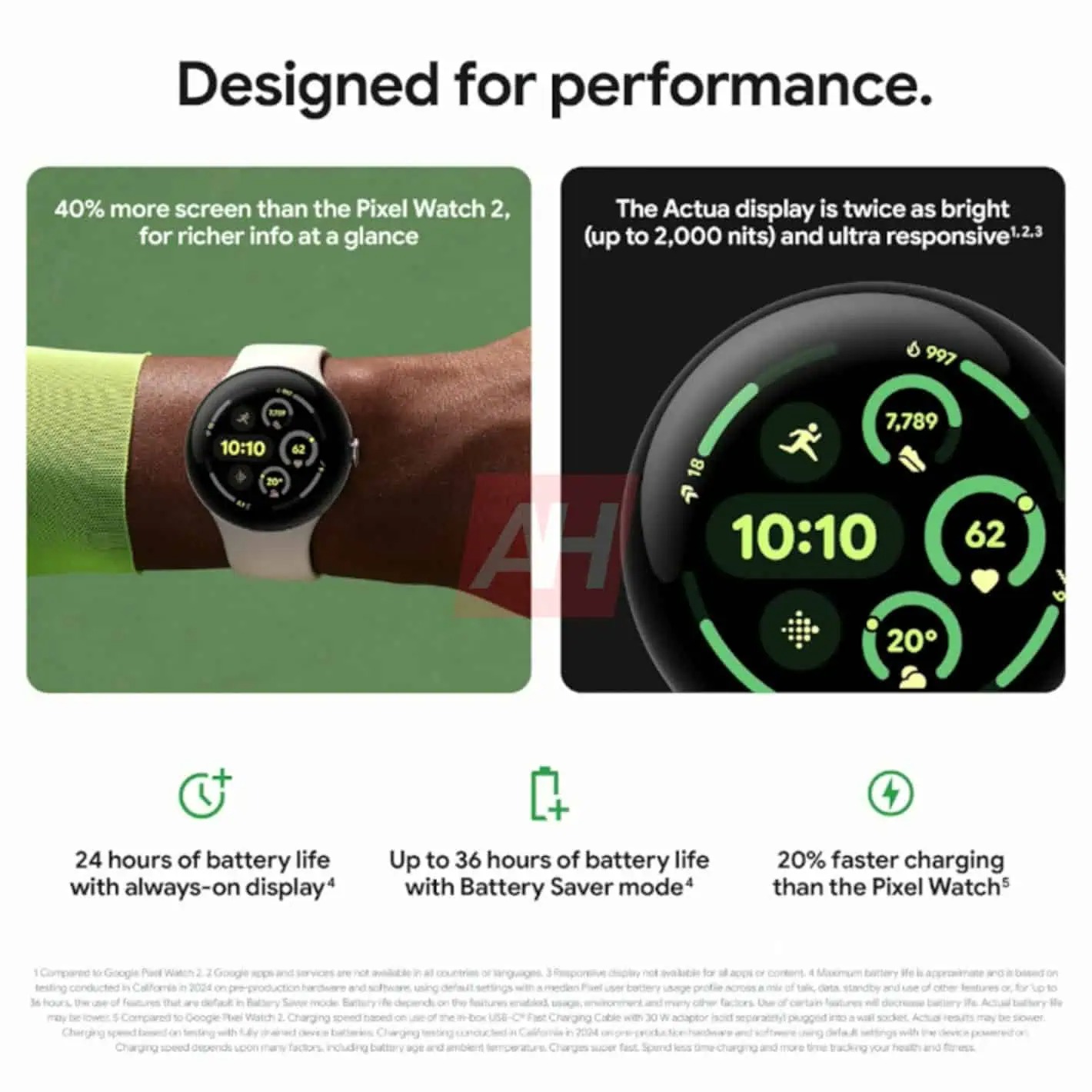
“Actua” display reaching peak brightness of 2,000 nits for better visibility
New software updates including app grid layout and offline maps support
Faster charging with 20% quicker charging times compared to Pixel Watch 2
As anticipation builds for Google’s next smartwatch, a flurry of leaks has given us a tantalizing glimpse into what the Pixel Watch 3 might offer.
From bigger displays to enhanced features, let’s explore the exciting developments that could make this device a game-changer in the wearable tech market.
Bigger and Brighter: Display Improvements
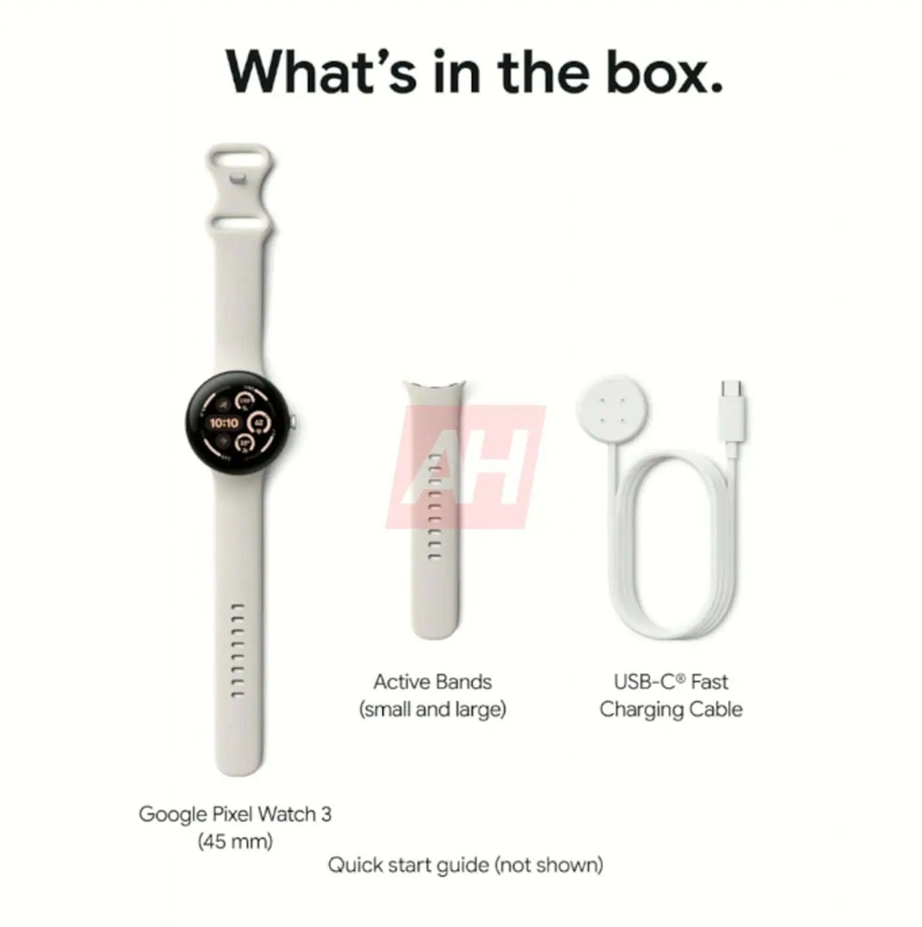
The Pixel Watch 3 is set to come in two sizes: 41mm and 45mm. This marks the first time Google has offered a larger option for its smartwatch line.
The Pixel Watch 3 is set to come in two sizes: 41mm and 45mm.
This marks the first time Google has offered a larger option for its smartwatch line, catering to users who prefer a more substantial wrist presence.
Here’s what we know about the display:
The 41mm model will have 10% more screen space than the Pixel Watch 2
The 45mm version boasts an impressive 40% increase in screen real estate
Both sizes feature thinner bezels, addressing a common complaint about previous models
The new “Actua” display can reach a peak brightness of 2,000 nits, double that of its predecessor
Despite the larger display and increased brightness, it seems the Pixel Watch 3’s battery life will remain similar to its predecessor.
These improvements suggest that the Pixel Watch 3 will be easier to read in various lighting conditions, from bright sunlight to dimly lit rooms.
The larger display and thinner bezels also mean more room for complications and information at a glance, potentially improving the overall user experience.
The increased screen size could be particularly beneficial for fitness tracking, allowing for more detailed workout stats to be displayed simultaneously.
It might also enhance the visibility of notifications and make text easier to read, especially for users with visual impairments.
Software Enhancements and App Updates
The new app grid layout, in particular, could make navigating the watch’s interface more intuitive
Google isn’t just focusing on hardware.
The Pixel Watch 3 is set to introduce several software improvements and app updates to take advantage of the larger display:
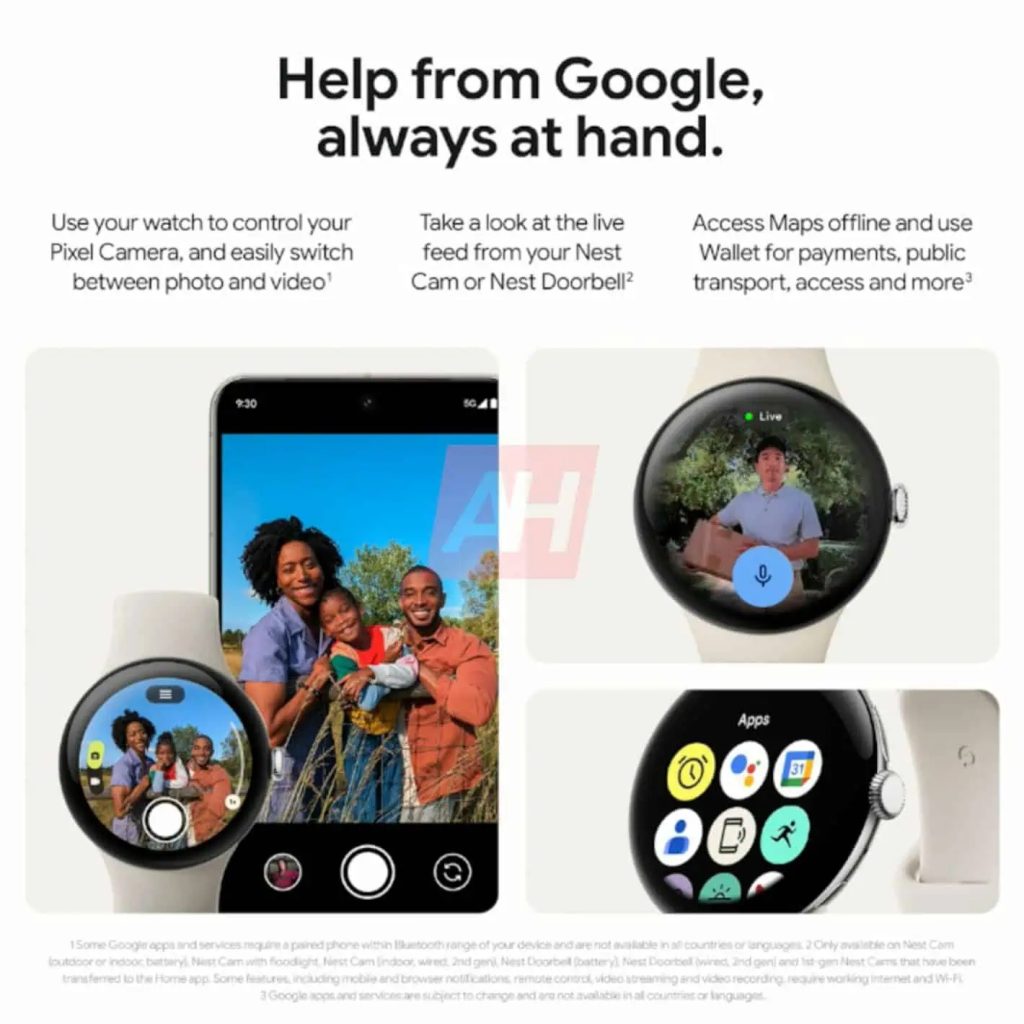
The option for an app grid layout in Wear OS, offering a more intuitive way to navigate apps
Offline maps support in Google Maps, a boon for hikers and travelers
Enhanced Google Wallet features, including public transit and access support, making the watch more useful for daily commutes
Live feed and two-way conversation capabilities for Nest cameras in the Google Home app, boosting home security integration
The ability to switch between photo and video modes in the Pixel Camera app, improving its utility as a remote control for your phone’s camera
Google isn’t just focusing on hardware. The Pixel Watch 3 is set to introduce several software improvements and app updates to take advantage of the larger display
These updates aim to make the Pixel Watch 3 more versatile and user-friendly, potentially competing more directly with other high-end smartwatches on the market.
The improved integration with Google’s ecosystem of apps and services could be a significant selling point for Android users, offering a more seamless experience across devices.
The new app grid layout, in particular, could make navigating the watch’s interface more intuitive, especially for new users.
Meanwhile, the offline maps feature could be a game-changer for outdoor enthusiasts who often find themselves in areas with poor cellular coverage.
Battery Life and Charging
Faster charging with 20% quicker charging times compared to Pixel Watch 2
Despite the larger display and increased brightness, it seems the Pixel Watch 3’s battery life will remain similar to its predecessor. Google claims:
24 hours of battery life with the always-on display enabled
Up to 36 hours in Battery Saver mode
While some users might have hoped for more significant improvements in this area, it’s worth noting that maintaining the same battery life with a larger, brighter display is an achievement in itself.
The introduction of a Battery Saver mode that can extend usage to 36 hours is a welcome addition for those who might forget to charge their device overnight.
Google has also introduced faster charging, with the new model boasting 20% quicker charging times compared to the Pixel Watch 2.
This improvement could be particularly useful for users who rely on sleep tracking features and prefer to charge their watch during short periods throughout the day rather than overnight.
It’s also worth considering that the Pixel Watch 3 is expected to use the same Qualcomm Snapdragon W5 chipset as its predecessor.
This chip, combined with Wear OS 5’s power optimizations, could contribute to more efficient power management, potentially leading to better real-world battery performance than the stated figures suggest.
The Pixel Watch 3 appears to be shaping up as a solid upgrade from its predecessors.
With a larger display option, improved brightness, and several software enhancements, it’s clear that Google is listening to user feedback and working to refine its smartwatch offering.
The introduction of the 45mm size option alone could attract users who found previous models too small for their liking.
While battery life remains a potential area for improvement, the faster charging and addition of a more robust Battery Saver mode could help offset this concern for many users.
The enhanced integration with Google’s suite of apps and services, particularly the improvements to Maps, Wallet, and Home, suggest that the Pixel Watch 3 could offer a more comprehensive and seamless experience for users deeply invested in the Google ecosystem.
FAQs
What sizes will the Google Pixel Watch 3 come in?
The Google Pixel Watch 3 will be available in two sizes: 41mm and 45mm, catering to users who prefer a larger wrist presence.
What improvements can we expect in the display of the Pixel Watch 3?
The Pixel Watch 3 features an “Actua” display with thinner bezels, 10% more screen space for the 41mm model, and 40% more for the 45mm version, along with a peak brightness of 2,000 nits.
What new software features will the Pixel Watch 3 include?
The Pixel Watch 3 will introduce an app grid layout in Wear OS, offline maps support in Google Maps, enhanced Google Wallet features, live feed and two-way conversation for Nest cameras, and improved Pixel Camera app functionality.
How does the battery life of the Pixel Watch 3 compare to its predecessor?
The Pixel Watch 3 offers a similar battery life to its predecessor, with 24 hours of usage with the always-on display enabled and up to 36 hours in Battery Saver mode.
It also features 20% faster charging.
What are the key enhancements in the Google Pixel Watch 3’s ecosystem integration?
The Pixel Watch 3 enhances integration with Google’s ecosystem, including support for offline maps, improved Google Wallet functionality, live feed capabilities for Nest cameras, and advanced remote control options for the Pixel Camera app.
Google app beta version suggests a new universal search feature
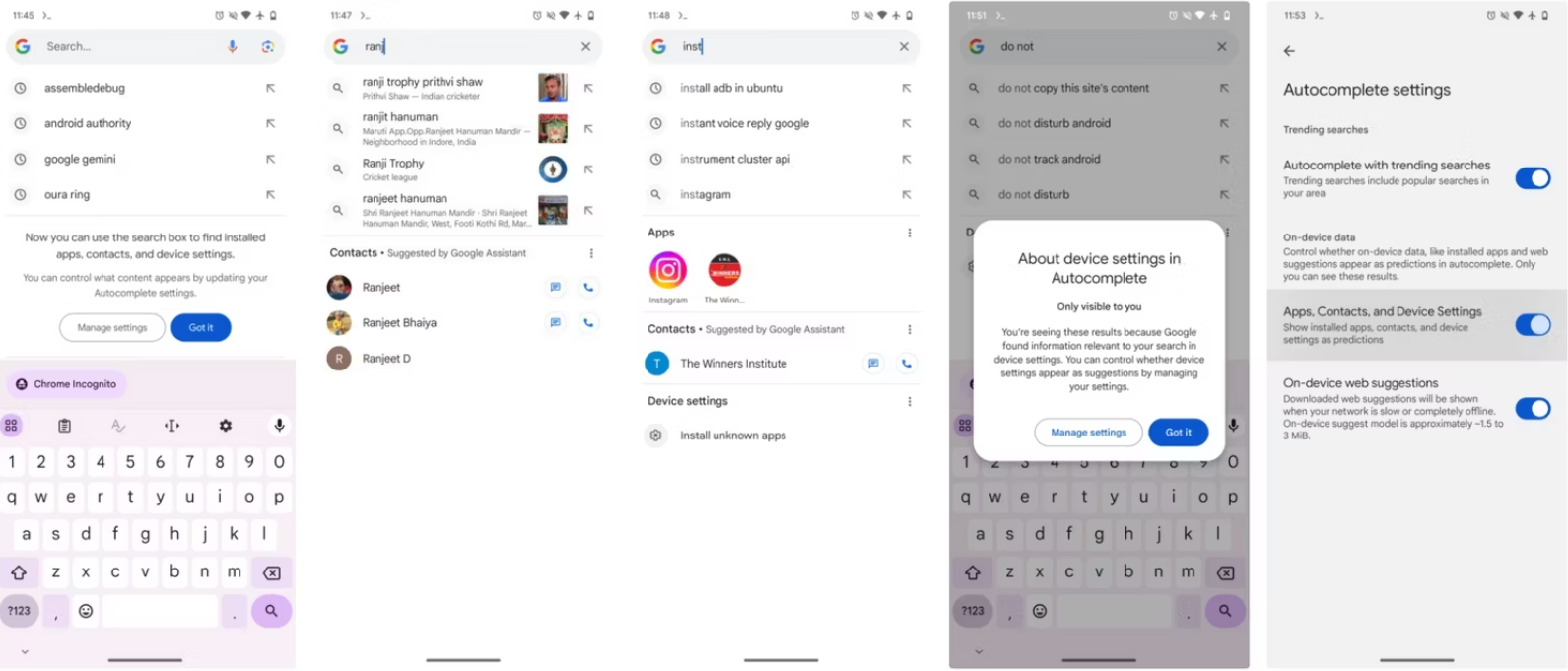
Users may search for contacts, apps, images, and device settings
Customisable privacy settings for user data access
Potential for a standardised search experience across Android devices
Google’s Android appmay soon receive a significant upgrade, bringing it closer to becoming a one-stop solution for all your search needs.
While the app currently offers features like Google Lens and song identification, a recent beta version hints at an exciting new addition.
Uncovering the Hidden Feature
Google App Beta Hints at Spotlight-Like Universal Search Feature for Android Users
The team at Android Authority made an interesting discovery while analysing the APK of the Google app beta version 15.30.27.29.
They found evidence suggesting that Google might introduce a universal search feature, similar to Apple’s Spotlight Search.
What This Means for Users
Google app beta version suggests a new universal search feature
This potential new feature could allow users to search for a wide range of content directly from their device, including:
Contacts
Apps
Images
Device settings
And more
The significance of this update lies in its ability to centralise search functions within the Google app, potentially making it the go-to tool for finding anything on your Android device.
A Familiar Yet New Approach
Users may search for contacts, apps, images, and device settings
While the concept of universal search isn’t new to Android users – many launchers have offered similar functionality – Google’s implementation could be game-changing.
By integrating this feature into its own app, Google could provide a more standardised and seamless experience across different Android devices.
Customisation and Privacy
Google’s Android app may soon receive a significant upgrade
Understanding the importance of user privacy, it appears that Google will allow users to customise which data types the app can access.
This flexibility should help alleviate concerns about the app having too much access to personal information.
Potential Impact on Android Ecosystem
This feature is currently just a developer flag within the beta version of the Google app
If widely adopted, this feature could become the default method for universal search on Android devices.
This standardisation could lead to a more consistent user experience when switching between different Android phones.
It’s important to note that this feature is currently just a developer flag within the beta version of the Google app.
While promising, there’s no guarantee of when or if it will make it to a public release.
However, if development progresses smoothly, Android users might soon enjoy this enhanced search capability.
FAQs
What is the new feature hinted at in the Google app beta?
The Google app beta version suggests a universal search feature that allows users to search for a wide range of content directly from their device, such as contacts, apps, images, and device settings.
How does the universal search feature benefit Android users?
This feature centralises search functions within the Google app, potentially making it the go-to tool for finding anything on your Android device, thereby improving user experience and convenience.
Will users have control over what data the universal search feature can access?
Yes, Google plans to allow users to customise which data types the app can access, ensuring user privacy and control over personal information.
Is universal search a new concept for Android devices?
While many launchers have offered similar functionality, Google’s implementation within its own app could provide a more standardised and seamless experience across different Android devices.
When will the universal search feature be available to the public?
Currently, the feature is a developer flag within the beta version of the Google app. There’s no guarantee of when or if it will be publicly released, but it shows promising development.
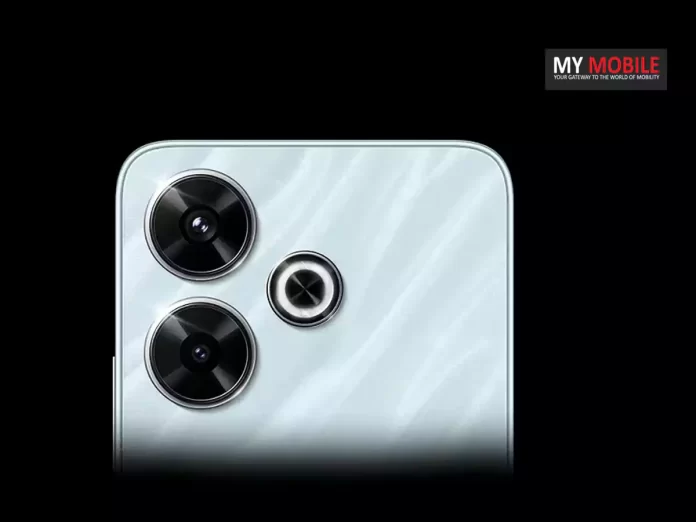
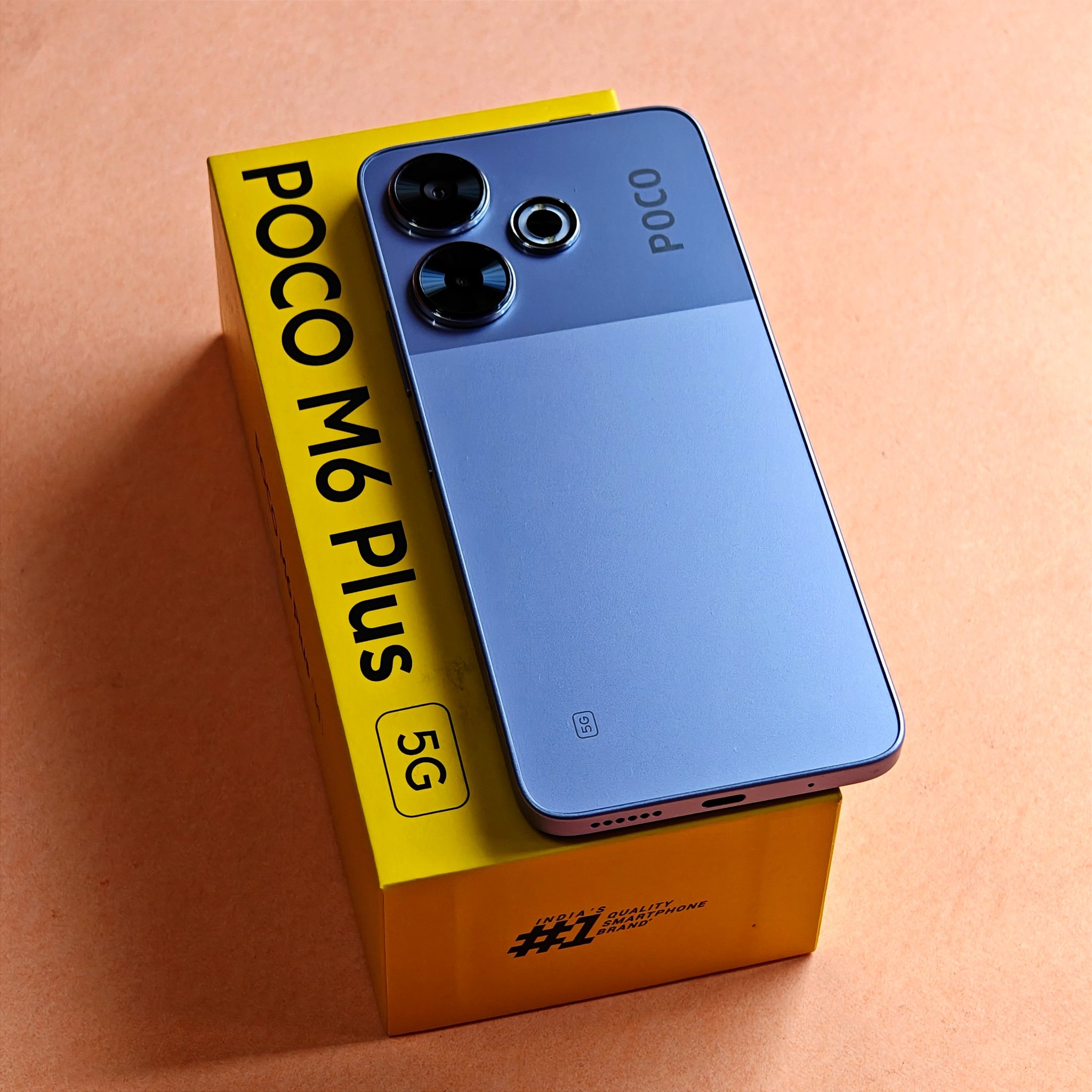
Dual-tone rear design with an expected price range of Rs 13,000 to Rs 15,000
POCO is gearing up for an exciting launch in India on August 1st, with its new M6 Plus 5G smartphonetaking centre stage.
While the company has already teased some impressive camera features, recent leaks have unveiled more details about this upcoming device.
Additionally, whispers of new POCO Buds X1 have started circulating, hinting at a possible dual product launch.
The POCO M6 Plus 5G is shaping up to be a significant upgrade from its predecessors.
POCO M6 Plus 5G: Leaked Specs and Upcoming Launch
POCO is coming up with two new products POCO M6 Plus 5G & the POCO Buds X1
POCO M6 Plus 5G gets:
– 6.8″ LCD panel
– Snapdragon 4 Gen 2 AE
– 108MP camera
– 5,030mAh battery
Got any thoughts or questions? pic.twitter.com/N65LvucknA
— Yogesh Brar (@heyitsyogesh) July 29, 2024
POCO is set to launch its new M6 Plus 5G smartphone in India on August 1st.
While the company has already revealed some camera details, a recent leak by Yogesh Brar has shed light on more key features.
Additionally, there are hints about the launch of new POCO Buds X1.
What We Know About the POCO M6 Plus 5G
POCO M6 Plus 5G might be a rebranded version of the recently launched Redmi 13 5G
Display and Chipset:
6.8-inch LCD panel, slightly larger than its predecessors
Powered by Qualcomm Snapdragon 4 Gen 2 AE (Accelerated Edition) chipset
Camera and Battery:
108MP primary camera with 3x in-sensor zoom and auto night mode
Ring LED flash for improved low-light photography
5,030mAh battery, similar to the Redmi 13 5G
Design and Pricing:
Dual-tone rear design
Expected price range: Rs 13,000 to Rs 15,000 (unconfirmed)
Interestingly, some reports suggest that the POCO M6 Plus 5G might be a rebranded version of the recently launched Redmi 13 5G.
However, this information, along with the pricing details, should be taken with a grain of salt until officially confirmed by POCO.
POCO Buds X1 Leaks
POCO might be planning to expand its audio accessory lineup
In an unexpected twist, the tipster also hinted at the imminent launch of POCO Buds X1.
While details about these earbuds are scarce, their mention suggests that POCO might be planning to expand its audio accessory lineup.
There’s speculation that these new earbuds could debut alongside the M6 Plus 5G, potentially offering consumers a complete mobile and audio package.
For now, these leaks and rumours paint a picture of an exciting mid-range smartphone with capable cameras and potentially new audio accessories.
POCO fans and tech enthusiasts alike will be eagerly awaiting the official unveiling to see how these devices perform in the competitive Indian market.
The POCO M6 Plus 5G is set to launch in India on August 1st, alongside potential new audio accessories, the POCO Buds X1.
What are the key features of the POCO M6 Plus 5G?
The POCO M6 Plus 5G boasts a 6.8-inch LCD display, Snapdragon 4 Gen 2 AE chipset, 108MP primary camera with 3x in-sensor zoom, and a 5,030mAh battery.
What is the expected price range for the POCO M6 Plus 5G?
The POCO M6 Plus 5G is expected to be priced between Rs 13,000 and Rs 15,000, though official pricing will be confirmed at the launch.
Are there any new audio accessories launching with the POCO M6 Plus 5G?
Yes, there are hints about the launch of the POCO Buds X1, suggesting a dual product launch alongside the POCO M6 Plus 5G.
Is the POCO M6 Plus 5G a rebranded version of another smartphone?
Some reports suggest that the POCO M6 Plus 5G might be a rebranded version of the recently launched Redmi 13 5G, but this information is not officially confirmed by POCO.
Live Translate uses Automatic Speech Recognition, Neural Machine Translation, and Text-to-Speech
Models developed for complex languages like Vietnamese, Arabic, and Hindi
Real-world data collection improves translation accuracy
Samsung R&D teams tackle language-specific challenges
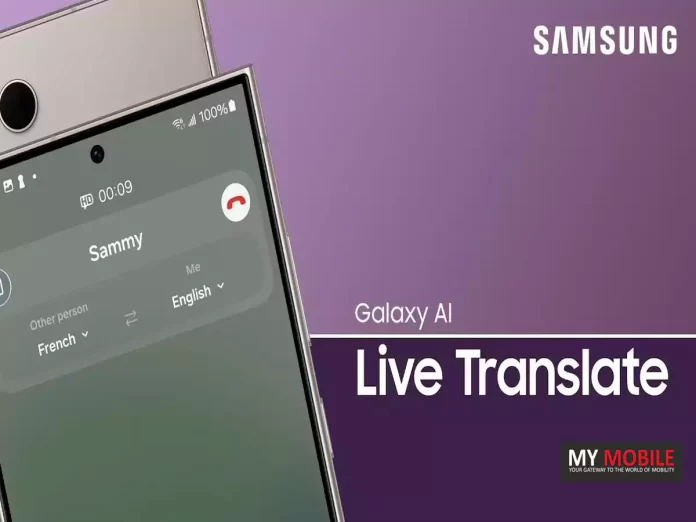
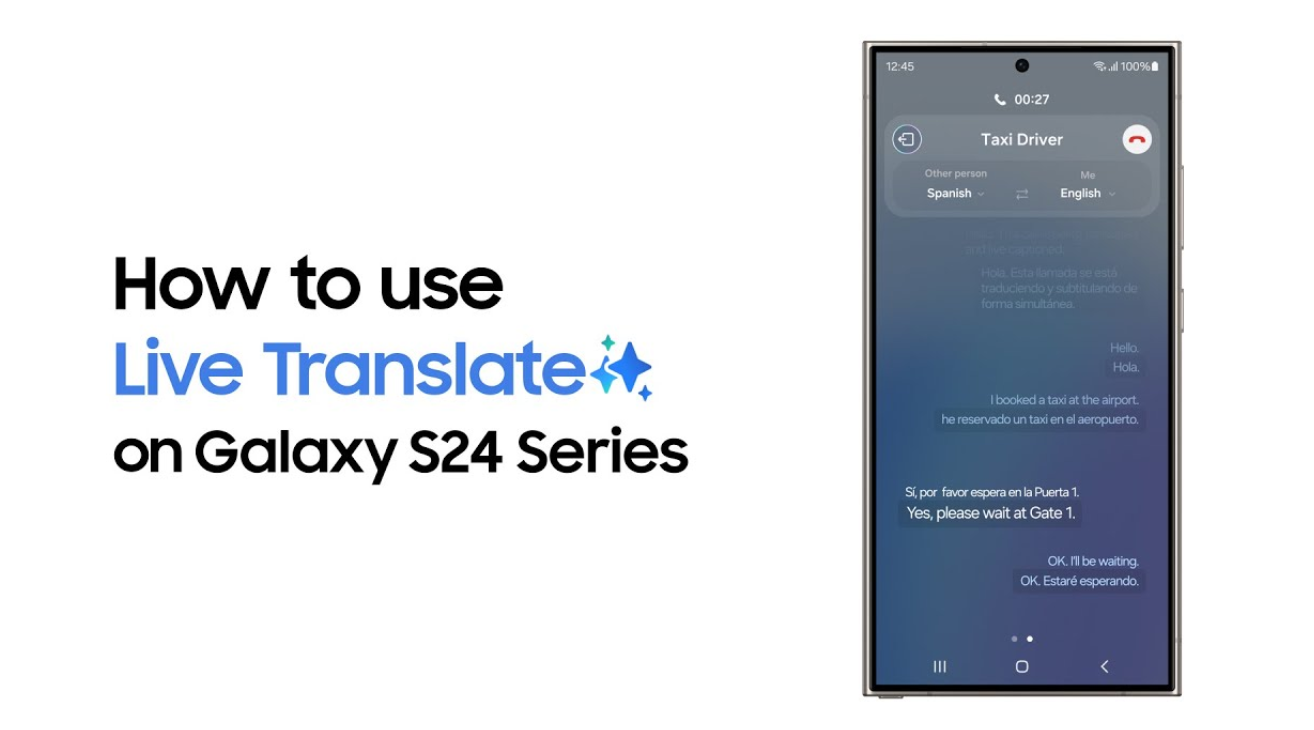
Samsung’s Galaxy AI, introduced with the S24 line, has impressed users with features like Live Translate.
This innovative tool can hear spoken words and translate them into your chosen language in real-time.
But how does this complex feature actually work?
The Three-Step Process
Samsung Galaxy AI’s Live Translate: Behind the Scenes of Real-Time Language Translation
Live Translate performs three core processes to deliver its seamless translation:
Automatic Speech Recognition (ASR): This step converts spoken words into text.
Neural Machine Translation (NMT): The text is then translated into the target language.
Text-to-Speech (TTS): Finally, the translated text is converted back into spoken words.
Each of these steps requires distinct sets of information for training the AI models.
Overcoming Language Challenges
Live Translate uses Automatic Speech Recognition, Neural Machine Translation, and Text-to-Speech
Creating accurate models for various languages posed unique challenges:
Vietnamese: With six distinct tones, the Samsung R&D Institute Vietnam developed a model that analyses short audio frames of about 20 milliseconds to differentiate between tones.
European Languages: The Polish R&D team tackled the diversity of European languages, focusing on untranslatable phrases and idiomatic expressions.
Arabic: The Jordanian team created a model capable of understanding various dialects and responding in standard Arabic, despite the complexities of written diacritics.
Hindi: The Indian R&D team collected nearly a million lines of audio data, covering over 20 regional dialects with their unique inflections and colloquialisms.
Real-World Data Collection
Samsung’s Galaxy AI, introduced with the S24 line, has impressed users with features like Live Translate
To improve accuracy, Samsung’s teams went beyond basic language data:
Indonesian researchers recorded conversations in coffee shops and work environments to capture authentic ambient noise.
For Japanese, with its many homonyms, the team used Samsung’s internal large language model to create contextual sentences for better distinction between similar-sounding words.
As AI technology continues to evolve, we can expect even more sophisticated language processing capabilities in future smartphone models.
FAQs
What is Samsung Galaxy AI’s Live Translate feature?
Live Translate is a real-time translation tool that converts spoken words into your chosen language using Automatic Speech Recognition, Neural Machine Translation, and Text-to-Speech.
How does Live Translate handle different languages?
Samsung’s R&D teams developed specific models for various languages, addressing unique challenges such as Vietnamese tones, European idioms, Arabic dialects, and Hindi regional inflections.
What are the three core processes of Live Translate?
The three core processes are Automatic Speech Recognition (ASR) to convert spoken words into text, Neural Machine Translation (NMT) to translate the text into the target language, and Text-to-Speech (TTS) to convert the translated text back into spoken words.
How does Samsung collect data for improving Live Translate?
Samsung collects real-world data by recording conversations in authentic environments, such as coffee shops and workspaces, and uses contextual sentences to distinguish between similar-sounding words.