Meta tests user-created AI characters on Instagram in the U.S.
AI characters will appear primarily in messaging and be clearly labeled.
Collaboration with creators like Wasted and Don Allen Stevenson III.
Gradual rollout expected to reach full launch by August.
Meta is introducing AI characters created by users through Meta AI studio on Instagram.The test will initially be limited to the U.S.
Mark Zuckerberg, Meta’s CEO, announced this development on his broadcast channel. He emphasised that these AI chatbots will be clearly labelled to avoid confusion.
“Rolling out an early test in the U.S. of our AI studio so you might start seeing AIs from your favorite creators and interest-based AIs in the coming weeks on Instagram. These will primarily show up in messaging for now, and will be clearly labeled as AI,” he said.
There’s soon going to be a brand new way to integrate with Instagram thanks to Meta AI
Creators and AI Avatars
Meta’s launching the first stage of its “AI Studio” platform
Meta has collaborated with creators like meme account Wasted and technology creator Don Allen Stevenson III for the initial launch.
The company aims to enable every creator and small business to develop their own AI for community interaction.
Zuckerberg suggested that creators might use these AI avatars to engage with fans when they can’t personally respond to all messages.
He noted that the effectiveness of these AI characters will likely evolve over time, becoming an“art form” in itself.
Future Plans and Rollout
Meta’s launching the first stage of its “AI Studio” platform
The test will begin with about 50 creators and a small percentage of users.
Meta plans to gradually expand the feature over the next few months, aiming for a full launch by August.
Zuckerberg expressed uncertainty about the most engaging and trust-building approach for these AI avatars.
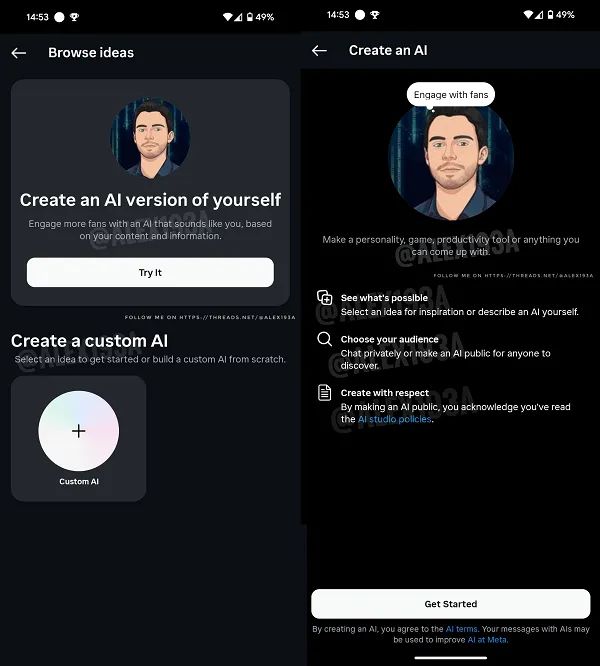
AI Studio will enable creators to build an “AI agent” version of themselves to interact with their community.
He stated that the company wants to provide tools for experimentation to see what works best.
This move by Meta coincides with Character.AI, an a16z-backed chatbot company, introducing voice calls with AI avatars.
FAQs
Q1: What is Meta testing on Instagram?
Meta is testing user-created AI characters on Instagram, starting with a limited rollout in the U.S.
Q2: How will these AI characters be used?
The AI characters will primarily appear in messaging and will be clearly labeled as AI to avoid confusion.
Q3: Who are some of the creators involved in the initial launch?
Meta has collaborated with creators such as meme account Wasted and technology creator Don Allen Stevenson III.
Q4: What is the purpose of these AI characters?
These AI characters are designed to help creators engage with their fans, especially when they cannot respond personally to all messages.
Q5: When will the feature be fully launched?
The test will start with about 50 creators and a small percentage of users, aiming for a full launch by August.
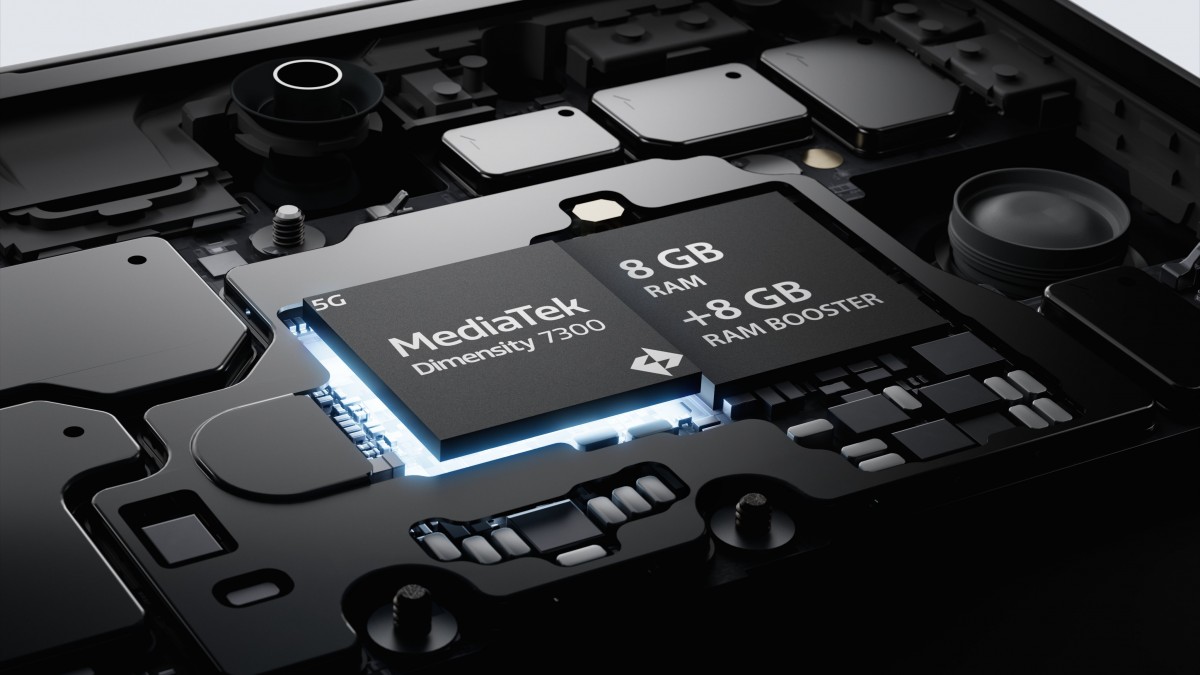
Powered by MediaTek Dimensity 7300 with 5G, Bluetooth 5.3, and Wi-Fi 6.
Up to 8GB RAM with a base model potentially offering 6GB.
Expected 6.7-inch FHD+ display with 120Hz refresh rate and 2,000-nit peak brightness.
Anticipated starting price of Rs 15,999 in India.
Nothing’s doing things a bit different with the upcoming CMF Phone 1 launch; it is peeling off a layer at a time, giving us new new glimpses every day.
Here’s what you need to know about the phone.
CMF Phone 1 Processor Reveal
The CMF Phone 1 is going to come with the DImensity 7300 SoC
Yesterday, Nothing flexed that phone’s display. Today, they’ve confirmed what’s powering this mystery machine: the MediaTek Dimensity 7300 chip.
This little powerhouse brings 5G capabilities, Bluetooth 5.3, and WiFi 6 to the table. Not bad at all for something that’s shaping up to be a mid-range contender.
“The MediaTek Dimensity 7300 5G processor, with its 8-core architecture and cutting-edge 4nm process from TSMC, makes it one of the fastest and power-efficient smartphones in the segment,” the company said.
This is the alleged display of the CMF Phone 1.
But wait, there’s more! The CMF Phone 1 will pack up to 8GB of RAM.
Though, if you are pinching pennies, the word on the street is that the base model might settle for 6GB. Still plenty for most folks, if you ask me.
So, to make things a little more exciting, Nothing released a video featuring Zack from the JerryRigEverything YouTube channel ahead of the CMF Phone 1 launch.
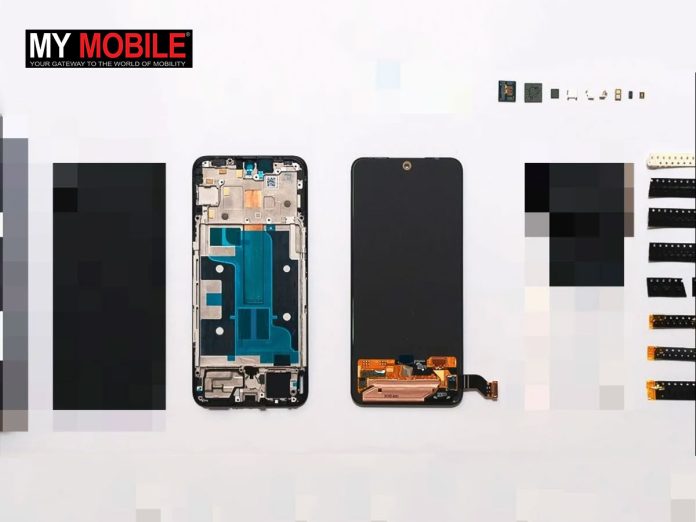
You know, the guy who loves to torture phones for our entertainment? Well, this time he’s playing nice, showing off the CMF Phone 1’s mainboard.
CMF Phone 1 will boast the new powerhouse @MediaTek Dimensity 7300 processor. Know more about it ⬇️
— CMF by Nothing (@cmfbynothing) June 28, 2024
What’s next in this slow-burn reveal? Your guess is as good as mine, but I’d bet my last charging cable we’ll see another crucial component tomorrow.
Day 1 of revealing CMF Phone 1.
Over the next 9 days we will reveal one component at a time, starting with our impressive 6.67″ Super AMOLED display: enjoy smoother scrolling with a 120Hz refresh rate, vibrant and lifelike colours with HDR10+ support, and clear visibility in any… pic.twitter.com/7EXffVEQn9
— CMF by Nothing (@cmfbynothing) June 26, 2024
Nothing’s playing a long game here, with seven more days of teasers to go. By July 8th, we might almost know this phone better than our own devices!.
Now, let’s deal with rumors. Word on the tech street is that we’re going to see a 6.7-inch FHD+ screen with refresh rates that go silky-smooth at 120 Hz.
Nothing’s already boasted about its 2,000-nit peak brightness,good enough to take on the sun itself.
Camera-wise,we might be looking at a 50 MP main shooter with a depth sensor buddy on the back, and a 16 MP selfie cam for those who can’t resist a good duck face.
A beefy 5,000 mAh battery with 33W fast charging should keep the lights on, and it’ll likely run Android 14 out of the box.
Expected Pricing
The CMF Phone 1 is going to be a budget phone.
Oh, and for those watching their wallets, the CMF Phone 1 launch is expected to start at a wallet-friendly Rs 15,999 in India.
That’s about as much as a fancy dinner date, but this phone will stick around much longer (hopefully).
So, there you have it, folks. Nothing’s making us work for it, but the CMF Phone 1 is shaping up to be an intriguing little device.
Will it live up to the hype? Only time will tell. But one thing’s for sure – Nothing knows how to keep us talking. Well played, Nothing. Well played.
FAQs
Q1: What processor does the CMF Phone 1 use?
The CMF Phone 1 is powered by the MediaTek Dimensity 7300 chip, offering 5G capabilities, Bluetooth 5.3, and Wi-Fi 6.
Q2: How much RAM does the CMF Phone 1 have?
The CMF Phone 1 will feature up to 8GB of RAM, with a base model possibly offering 6GB.
Q3: What are the display specifications of the CMF Phone 1?
The CMF Phone 1 is rumored to have a 6.7-inch FHD+ screen with a 120Hz refresh rate and a peak brightness of 2,000 nits.
Q4: What is the expected pricing of the CMF Phone 1 in India?
The CMF Phone 1 is expected to start at Rs 15,999 in India.
Q5: What camera setup is anticipated for the CMF Phone 1?
The CMF Phone 1 is rumored to feature a 50 MP main camera with a depth sensor and a 16 MP front camera.
Q5: What are the key Highlights of MediaTek Dimensity 7300 SoC in the CMF Phone 1 ?
Superior Performance: The MediaTek Dimensity 7300 5G processor ensures CMF Phone 1 is one of the fastest phones in its segment. Its 8-core design delivers top-tier speed and responsiveness, catering to all your needs seamlessly.
Enhanced Efficiency: Thanks to the innovative design and small size of the chip, CMF Phone 1 offers radically improved efficiency, significantly reducing battery drain and extending usage times.
Advanced Technology: The latest 4nm process technology from TSMC sets Phone 1 apart, enabling superior performance and efficiency while maintaining a compact form factor.
The CMF Phone 1 is set to launch on July 8 and can be live-streamed at cmf.tech.
With CMF Phone 1, the brand aims to make great design accessible to more people while delivering an uncompromised user experience through a focus on core product functionalities.
Alongside CMF Phone 1, the brand will also launch Watch Pro 2 and Buds Pro 2, further expanding its portfolio of innovative products designed to enhance everyday life.
Is CMF by Nothing Launching Phone 1 with MediaTek Dimensity 7300 SoC ?
CMF, a sub-brand of London-based technology company Nothing, today announced that CMF Phone 1 is set to debut as India’s first smartphone powered by the new MediaTek Dimensity 7300 5G SoC.
Scheduled to launch on July 8th, CMF Phone 1 promises to deliver a best-in-segment experience.
The MediaTek Dimensity 7300 5G processor, with its 8-core architecture and cutting-edge 4nm process from TSMC, makes it one of the fastest and power efficient smartphones in the segment.
This segment-leading processor integrates numerous functions into a single compact chip, ensuring both high performance and energy efficiency.
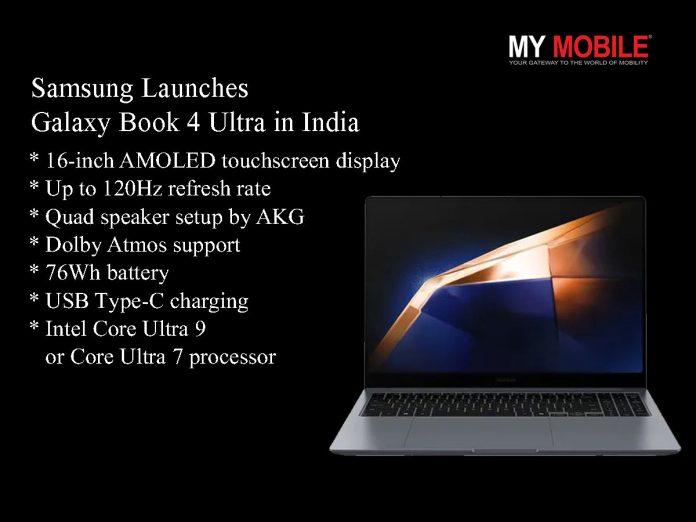
16-inch AMOLED touchscreen with 120Hz refresh rate.
Intel Core Ultra processors and NVIDIA RTX 40-series GPUs.
Up to 32GB RAM and 1TB SSD storage.
Quad speaker setup by AKG with Dolby Atmos support.
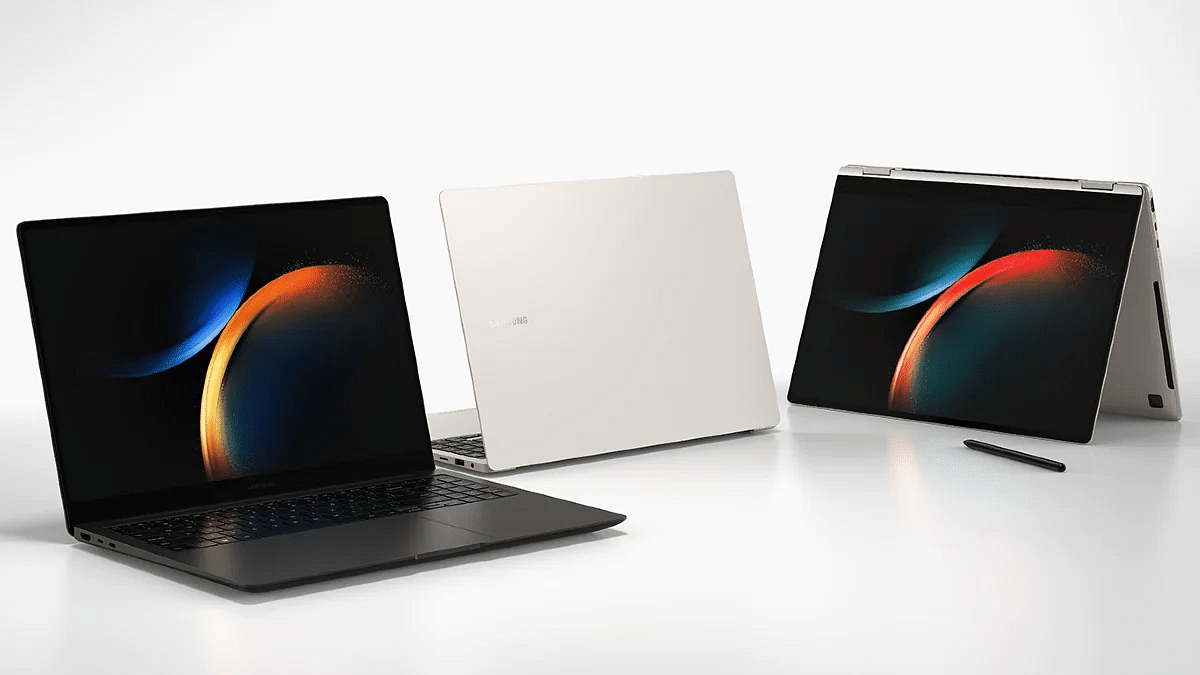
Samsung has quietly introduced the Galaxy Book 4 Ultra in India, expanding its premium laptop lineup.
This high-end model joins the Galaxy Book 4 series launched earlier in February 2024,offering top-tier specifications for power users and professionals.
Samsung Galaxy Book 4 Ultra Pricing and availability
Samsung Galaxy Book 4 Ultra is the latest latop to be announced in India
The Galaxy Book 4 Ultra starts at Rs 233,990 for the base model,while the high-end configuration is priced at Rs 281,990.
The laptop has been spotted on Croma’s website and in some offline stores,though sales have not yet commenced. An official launch announcement is expected soon.
Samsung Galaxy Book 4 Ultra Key specs
16-inch AMOLED touchscreen display (2880 x 1800 resolution)
Up to 120Hz refresh rate, 16:10 aspect ratio
Intel Core Ultra 9 or Core Ultra 7 processor options
NVIDIA RTX 4070 or RTX 4050 GPU options
Up to 32GB RAM
1TB SSD storage
Quad speaker setup by AKG with Dolby Atmos support
76Wh battery with USB Type-C charging
Samsung Galaxy Book 4 UltraFeatures
The Galaxy Book 4 Ultra’s standout feature is its 16-inch AMOLED display,offering vibrant colors and deep contrasts typical of Samsung’s screen technology.
Galaxy Book 4 Ultra keyboard
The 120Hz refresh rate ensures smooth visuals, whether for creative work or entertainment.
This large screen is housed in a surprisingly portable package, with the laptop weighing just 1.86 kilograms.
The Galaxy Book 4 Ultra happens to be a 2-in-1 laptop and has a very premium pricetag.
Under the hood, the combination of Intel’s latest Core Ultra processors and NVIDIA’s RTX 40-series GPUs provides ample power for demanding tasks like video editing, 3D rendering, and even gaming.
The option to configure up to 32GB of RAM allows for seamless multitasking and handling of large datasets.
Galaxy Booj 4 Ultra front profile
For productivity, the Galaxy Book 4 Ultra features a backlit keyboard with a numeric pad, catering to professionals who work with numbers.
Security is addressed with a built-in fingerprint scanner, while a 2MP webcam facilitates clear video calls.
The quad-speaker setup tuned by AKG and supporting Dolby Atmos promises an immersive audio experience for both work and leisure.
Vi increases prepaid and postpaid plan prices by up to 20%
New tariffs effective from July 4, 2024
Entry-level prepaid plan now costs Rs 199, up from Rs 179
Postpaid plans see price increases with added benefits
What could shake up the Indian telecom landscape is a price revision in its tariff structure, announced by Vodafone Idea.
Prices of prepaid and postpaid plans will be increased beginning on July 4, 2024; some as high as 20% increase.
This makes it similar moves to those of industry giants Jio and Airtel, which herald changing times in the competitive dynamics of India’s mobile market.
Vi plans have been made more expensive after Airtel and Jio did the same earlier
Key Changes to Watch:
There’s a 10-21 percent price hike on the plans.
Entry-level prepaid plans now start at Rs 199, up from Rs 179
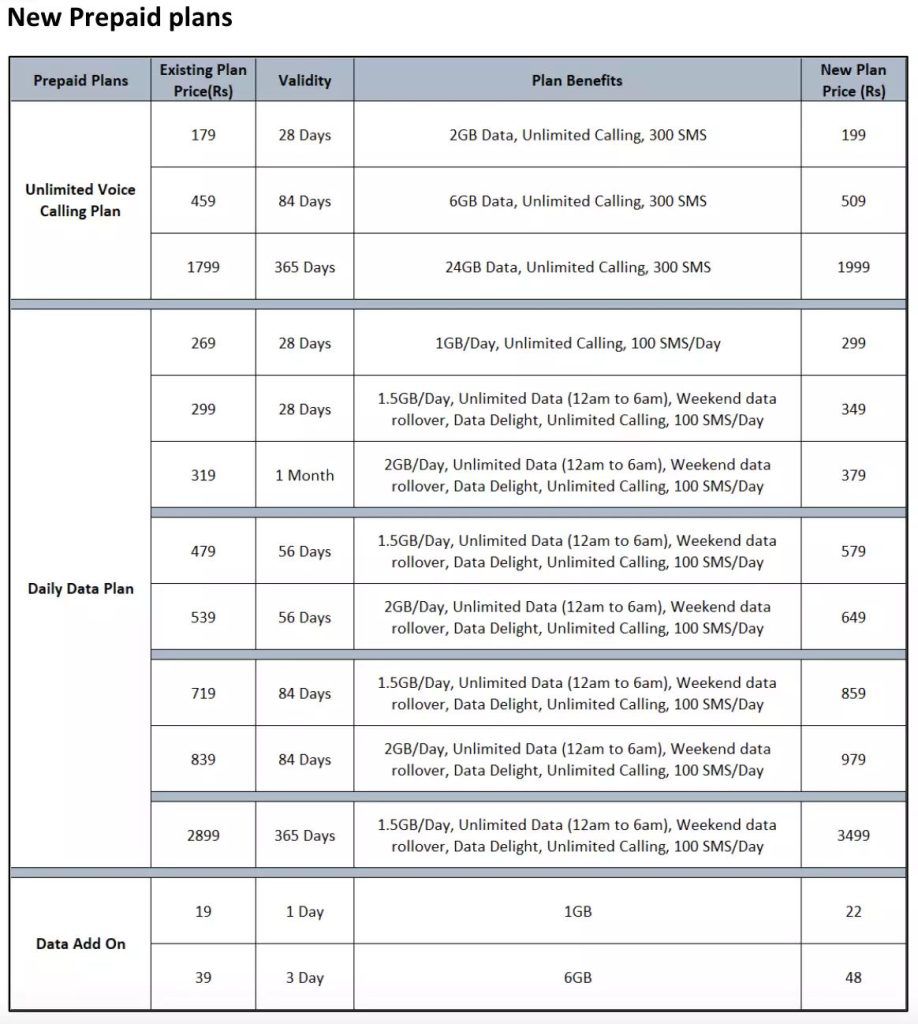
Popular 28-day, 1.5GB/day plan jumps from Rs 299 to Rs 349
Annual plans see notable increases, with the 1.5GB/day option now at Rs 3499
Postpaid plans offer enhanced benefits to justify higher price points
“In line with its commitment to provide its consumers with simple and comprehensive plans, Vi has curated an optimum range of feature-rich plans to meet the diverse needs of its consumers. Staying true to its philosophy of supporting entry-level users and progressively linking higher prices to increased usage, changes in entry-level plans are nominal,” stated Vodafone Idea in a statement.
Vi’s strategy appears twofold: align with competitors’pricing while bolstering its financial position for future investments.
With 5G rollout on the horizon, the company needs resources to upgrade its network infrastructure.
Vi Still offers unlimited night data, and data rollover in its daily data plans.
“This price revision is a necessary step to ensure Vi’s long-term sustainability and our ability to deliver high-quality services,” a company spokesperson stated. “We’re committed to providing value to our customers, even as we adapt to market realities.”
For consumers, the changes mean digging a bit deeper into their pockets. However, Vi aims to sweeten the deal, particularly for postpaid customers.
Higher-tier plans now include additional OTT subscriptions and perks like travel discounts.
Vi’s hike in price in the latest trend in the telecom industry of rising prices.
How Industry Analysts View This
Existing Price
Validity (Days)
Benefits (Unlimited Calling)
New Price
Rs 179
28
2GB total
Rs 199
Rs 459
84
6GB total
Rs 509
Rs 1799
365
24GB total
Rs 1999
Rs 269
28
1GB/day
Rs 299
Rs 299
28
1.5GB/day
Rs 349
Rs 319
30
2GB/day
Rs 379
Rs 479
56
1.5GB/day
Rs 579
Rs 539
56
2GB/day
Rs 649
Rs 719
84
1.5GB/day
Rs 859
Rs 839
84
2GB/day
Rs 979
Rs 2899
365
1.5GB/day
Rs 3499
Rs 19
1
1GB total
Rs 22
Rs 39
3
6GB total
Rs 48
Industry analysts view this move as inevitable. “The era of rock-bottom prices in Indian telecom is ending,” notes telecom expert Rajiv Sharma. “Operators need sustainable revenue streams to invest in next-generation technologies.”
Complete table for the Vi Plan hike
As Vi implements these changes, all eyes will be on customer retention rates and market share shifts.
The coming months will reveal whether this bold move pays off or pushes subscribers towards competitors.
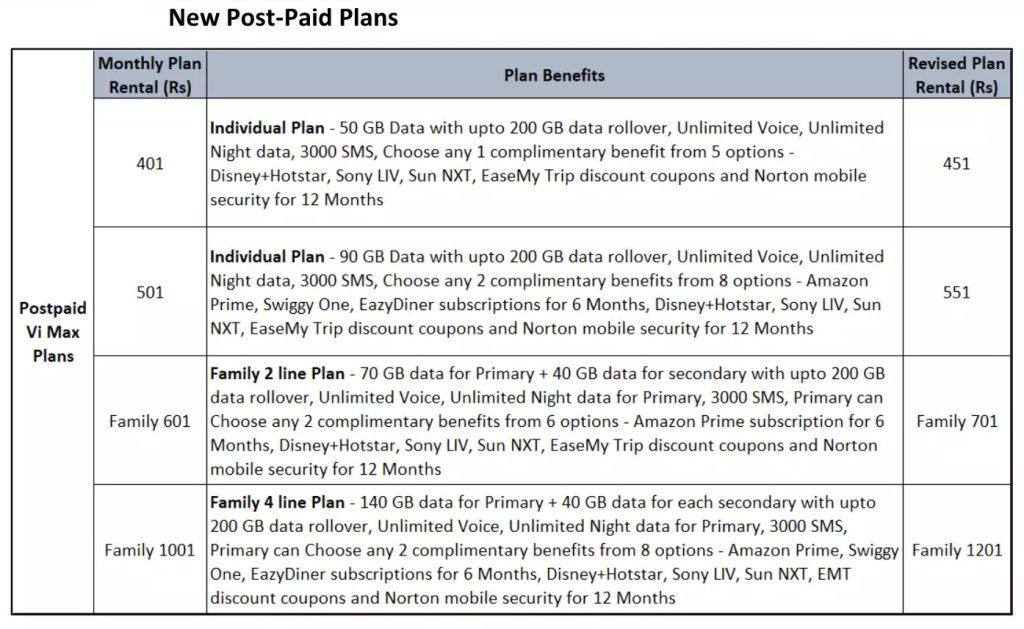
Post paid plan hike by Vi
“Vi is the only operator offering a range of unmatched benefits to its pre-paid customers by Offering Night Free Data and Weekend Data Roll Over with its ‘Hero Unlimited’ plans and a unique ‘Choose Your Benefit’ option to its Post-Paid customers under its Vi Max Plans,” said Vi.
For now, Vi usersshould review their current plans and consider their options.
With careful selection, it’s still possible to find a balance between cost and features in this new pricing landscape.
FAQs
Why has Vi increased its plan prices?
Vi has raised its prices to align with recent hikes by competitors Jio and Airtel. This increase will help the company sustain its operations, prepare for the upcoming 5G rollout, and invest in network improvements.
How much has Vi increased its plan prices?
Vi has increased its plan prices by up to 20% across various prepaid and postpaid offerings. The exact increase varies depending on the specific plan and its duration.
When will the new Vi prices take effect?
The new tariffs for Vi’s prepaid and postpaid plans will come into effect on July 4, 2024. Customers will be charged the new rates for any plans purchased or renewed after this date.
Are there any changes to the benefits offered in Vi’s plans?
While the prices have increased, the benefits for most plans remain largely the same. However, some postpaid plans now include additional OTT subscriptions and other perks to justify the higher costs.
How do Vi’s new prices compare to Jio and Airtel?
Vi’s revised prepaid plans are now priced similarly to Airtel’s new rates and slightly higher than Jio’s offerings. For postpaid plans, Vi has attempted to maintain competitiveness by including various add-on benefits with its higher-priced options.
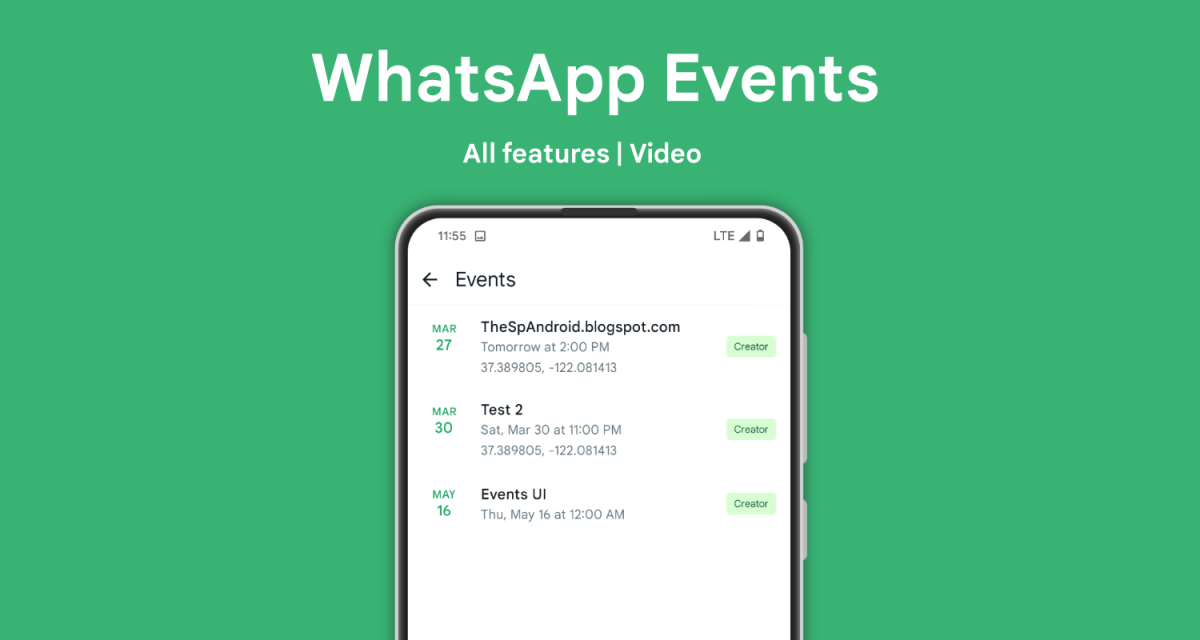
By simplifying event planning,WhatsApp is tackling a common pain point for group chats.
This feature keeps all the important information in one place,reducing confusion and endless scrolling through messages.
It’s a smart move that enhances WhatsApp’s value as a communication tool, especially for larger groups or organizations.
As more people rely on messaging apps for both personal and professional use, features like this event tool could give WhatsApp an edge in the competitive messaging landscape.
For users, it means less hassle and more time to focus on what really matters – the events themselves and the connections they foster.
FAQs
How do I create an event in a WhatsApp group?
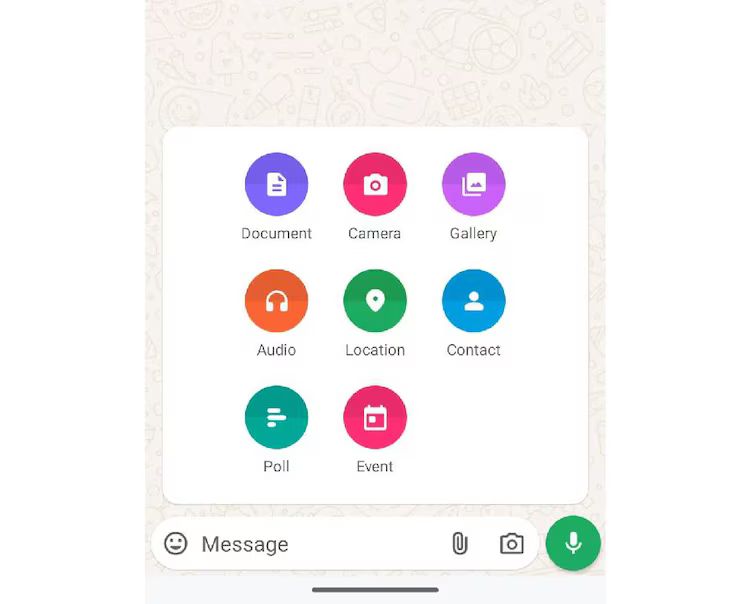
To create an event, open your group chat, tap the paperclip icon, and select “Event” from the menu. You can then add details like title, description, date, time, and location.
Can I use this feature in any WhatsApp group?
Yes, the event planning tool is now available for all WhatsApp groups, regardless of size or purpose. It’s not limited to WhatsApp Communities anymore.
Is it possible to add a video call link to my WhatsApp event?
Absolutely! When creating your event, you have the option to include a video call link. This is particularly useful for virtual meetings or hybrid events.
How can I see who’s attending my WhatsApp event?
As the event creator, you’ll be able to track responses within the group chat. WhatsApp will show you who has confirmed their attendance, making it easier to plan accordingly.
Will this feature work on both Android and iPhone?
Yes, WhatsApp has rolled out this event planning tool globally for both Android and iPhone users. As long as you have the latest version of WhatsApp, you should be able to access this feature.
Affordable smartwatch with 4G connectivity and GPS.
1.96-inch touchscreen display with bright colors.
Comprehensive health tracking, including heart rate and SpO2.
Compatible with Android and iOS devices.
As someone who’s always on the lookout for affordable yet feature-packed smartwatches, I was intrigued when I came across the Fire-Boltt 4G Pro.
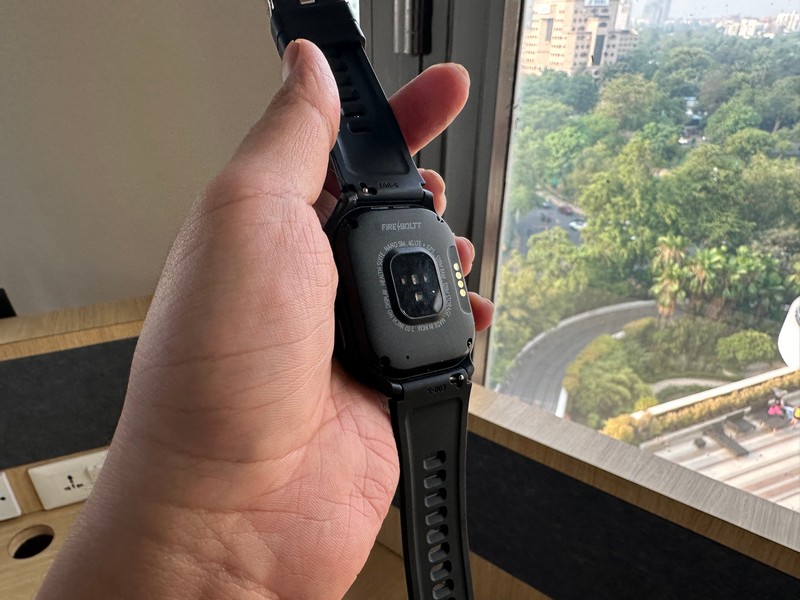
Fireboltt 4G Pro comes with a 4G LTE sim card slot.
It promises 4G connectivity, GPS, and a host of health-tracking features, so I decided to give it a try.
Here’s my experience with this budget-friendly smartwatch in this detailed review.
Fire-Boltt 4G Pro Unboxing
Fireboltt 4G Pro unboxing
When the Fire-Boltt 4G Pro finally arrived, I was pleasantly surprised by the packaging itself.
The box had a premium feel, setting positive expectations right from the start.
You’ll find a smartwatch, charging cable,user manual, and warranty card insidethe box.
I opted for the grey version with a silver frame; it looks quite stylish.
Well, first it took me an hour to charge it before I could use it—this was according to the manual.
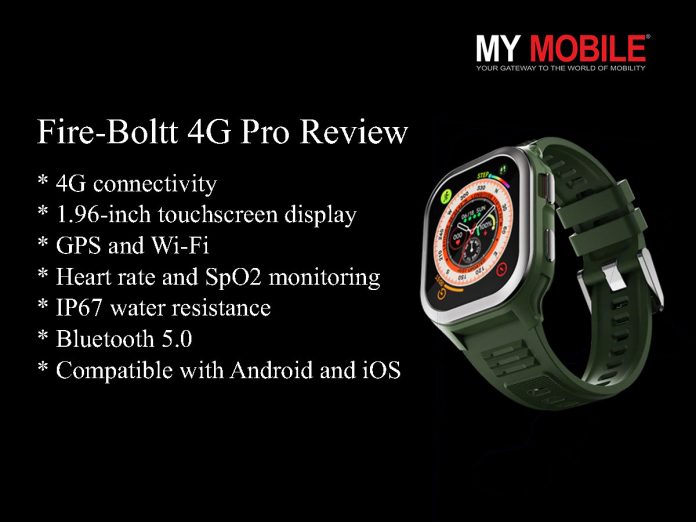
Fire-Boltt 4G Pro Key Specs
4G connectivity
1.96-inch touchscreen display
GPS and Wi-Fi
Heart rate and SpO2 monitoring
IP67 water resistance
Bluetooth 5.0
Compatible with Android and iOS
Fire-Boltt 4G Pro Pros and Cons
Pros
Cons
4G connectivity
Battery life
Built-in GPS
Plastic body
Affordable price
Poor iPhone Compatibility
Comprehensive health tracking
Fire-Boltt 4G Pro Design and Build
Fireboltt 4G Pro has a light build
Once I got the watch on my wrist, I was impressed by its build quality.
The 1.96-inch square display is housed in a metal frame, giving it a robust feel.
The body is made of hard plastic, which keeps it lightweight while still feeling durable.
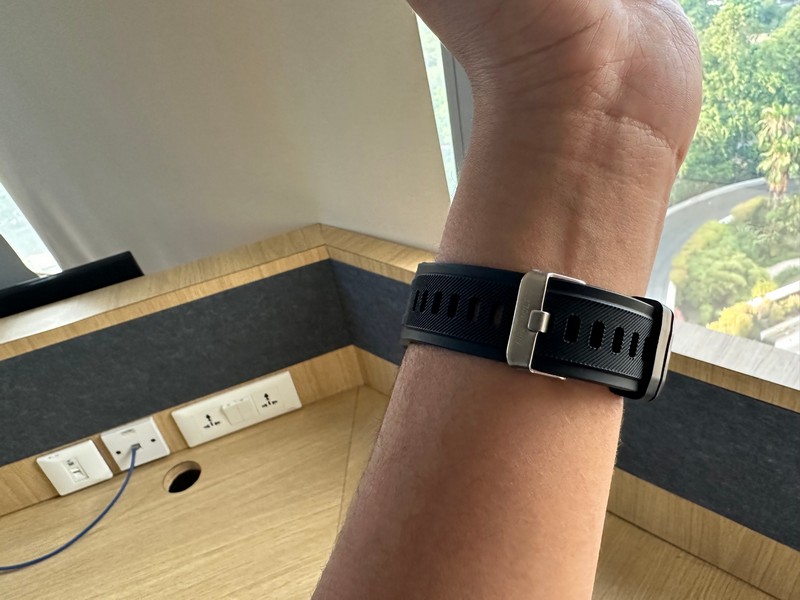
The rubber straps are comfortable, and I found them suitable for all-day wear, evenduring workouts. With its IP67 rating,I didn’t have to worry about sweat or light rain.
Fireboltt 4G Pro strap is non abresive
Fire-Boltt 4G Pro Features and App
Setting up theFire-Boltt 4G Pro was not a hassle. The device is compatible with Android and iOS.
Thus, I did not face much of an issue in pairing the thing with my phone although let me tell you the watch works very sparingly with an iPhone.
Fireboltt 4G Pro app UI and software elements
The most obvious thing that I liked about this watch at first glance was the 4G with the SIM slot in the device, letting me make calls directly from the wrist.
That’s a high-end feature that is being provided on a highly budget device, so kudos to the Fireboltt team for that.
It has a 1.96-inch clear touchscreen display that features bright colors and is responsive for easy navigation.
With a 246 PPI density, the text and icons will be clearly visible.
There are two physical buttons on the left side that enable you to quickly reach the menu and shortcuts.
I was pleased to see that it comes with Wi-Fi, Bluetooth 5.0, GPS, and even NFC. The built-in GPS was particularly useful for tracking my outdoor runs without needing to carry my phone.
Fireboltt 4G Pro display is pretty bright
The companion app is intuitive and provides a comprehensive overview of my health and fitness data.
It syncs seamlessly with the watch, allowing me to customize watch faces and adjust settings easily.
Fire-Boltt 4G Pro Performance and Health Tracking
Not at all does the Fire-Boltt 4G Pro disappoint in health tracking.
The heart rate monitor seemed to be very consistent when compared with my previous fitness tracker.
The addition of a SpO2 monitor was nice, especially given the climate.
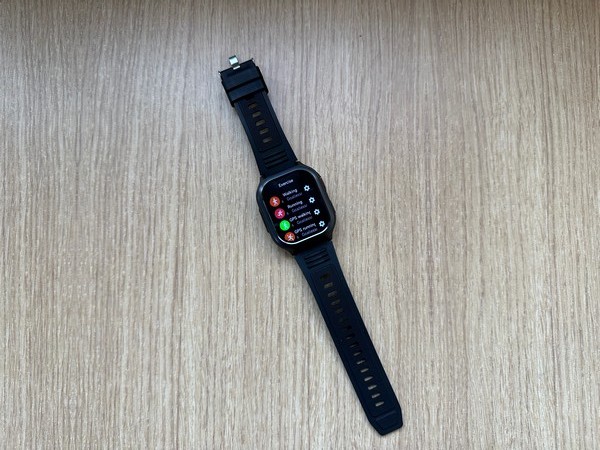
Fireboltt 4G Pro excercise modes
One element was outstanding: the sleep tracking—extremely detailed.
The step counter and calorie tracker were decently accurate,always acting as a fine line of encouragement throughout one’s day.
I could think of one more: the different types of workout modes it offered.
Be it running, cycling, or yoga, it had a mode for the said activity to be tracked with reasonable precision.
Fireboltt 4G Pro apps and UI
The built-in speaker and microphone worked well for calls, though I found myself using this feature more for quick check-ins rather than long conversations.
Fire-Boltt 4G Pro Battery Life
For me, the battery life on the Fire-Boltt 4G Pro was quite okay but not excellent.
I normally made a full day with regular use, including using GPS for workouts and some calls.
Fireboltt 4G Pro side buttons for control
On days of heavier use of the 4G features, it varied, but sometimes I would need to top up in the evening. Still, charging up quickened, so that wasn’t a major inconvenience.
Fire-Boltt 4G Pro Final Verdict
Keeping in mind the value and based on the time spent I with the Fire-Boltt 4G Pro, I believe it offers good value for money.
Obviously, it does not have that sheen of more expensive brands, but still packs an amazing array of features that do very well in everyday use.
Fireboltt 4G Pro is also quite water resistant
It comes with 4G connectivity, an inbuilt GPS system, and comprehensive health tracking to become the perfect buddy for fitness enthusiasts and people who want to stay connected while on-the-move.
If you’re in the market for a budget-friendly smartwatch that doesn’t skimp on features, theFire-Boltt 4G Pro is definitely worth considering.
It’s not perfect – the battery life could be better, and the plastic body might not appeal to everyone – but at this price point, it’s a solid choice that delivers on its promises.
This builds on Google Translate’sexisting support for Hindi, Sanskrit, Assamese, Bhojpuri, Dogri, Konkani, Maithili, Mizo, and Meiteilon (Manipuri).
The update isn’t just about India. Google is casting a wide net, adding support for:
Afar: A tonal language from East Africa
Cantonese: Long-requested due to its complexity
Manx: A revived Celtic language from the Isle of Man
NKo: A standardized West African script
Tok Pisin: An English-based creole from Papua New Guinea
“Some are major world languages with over 100 million speakers. Others are spoken by small communities of indigenous people, and a few have almost no native speakers, but active revitalisation efforts are underway. For example, Romani is a language that has many dialects throughout Europe. Our models produce text that is closest to Southern Vlax Romani, a commonly used variety online. But it also mixes in elements from others, like Northern Vlax and Balkan Romani,” said Google in its blog.
AI’s Role in Language Learning
AI is playing a big role in making sure Google Translate does a good job
Google’s PaLM 2 model has been crucial in this expansion.
It’s particularly effective at learning closely related languages, like Awadhi and Marwadi (similar to Hindi), or various French Creoles.
This AI-driven approach allows Google to add new languages at a much faster pace than traditional methods.
Google acknowledges the complexity of language, with its regional varieties, dialects, and spelling differences.
The company plans to continue partnering with linguists and native speakers to refine and expand its language offerings.
This expansion isn’t just about text. Google Translate’s features like voice input,handwriting recognition, and offline translation will now be available across a broader range of languages.
What the Future Holds
For users in India and around the world, this update means improved accessibility, cultural preservation, and communication across linguistic barriers.
As our world becomes increasingly connected, Google Translate’s AI-powered expansion represents a significant step towards breaking down language barriers on a global scale.
FAQs
What is the latest update to Google Translate?
Google Translate has added 110 new languages, expanding its capabilities to support an additional 614 million speakers worldwide.
How is AI used in Google Translate’s expansion?
Google’s PaLM 2 large language model powers the new update, enabling faster and more efficient addition of new languages, particularly those closely related to existing ones.
Which Indian languages are now supported by Google Translate?
The update includes Indian languages such as Awadhi, Punjabi, and Marwadi, in addition to the already supported Hindi, Sanskrit, Assamese, Bhojpuri, and others.
What are some unique languages added in this update?
Google Translate now supports languages like Afar from East Africa, Cantonese, Manx from the Isle of Man, NKo from West Africa, and Tok Pisin from Papua New Guinea.
What features are available for the new languages in Google Translate?
The new languages will have access to Google Translate’s full range of features, including voice input, handwriting recognition, and offline translation.
Airtel and Jio announce price hikes effective from July 3, 2024.
Jio offers unlimited 5G data benefits on selected plans.
Airtel and Jio plans now include 28, 56, 84, and 365 days validity options.
Jio generally offers more competitive pricing and data benefits.
In a move that’s sure to have mobile users across India reaching for their calculators,telecom giantsBharti Airtel and Reliance Jioprepaid plans are seeing significant changes.
The new pricing structure, which came into effect on July 3rd, 2024, marks a shift in the competitive landscape of India’s mobile market.
Reliance Jio and Airtel Price Hike
Airtel and Jio are both increasing and revising their prepaid plans
Reliance Jio, known for its disruptive entry into the telecom sector, was the first to announce the price adjustments.
In a surprising twist, the company has decided to limit its much-touted unlimited 5G data benefit to plans offering 2GB or more data per day.
This move has left many wondering if the era ofunrestricted 5G access is coming to an end.
Airtel Prepaid: New Plans vs Old Plan
Validity
Old Plan Price
Revised Plan Price
Benefits
28 Days
Rs. 179
Rs. 199
2GB total, UL Calling, 100 SMS/day
Rs. 265
Rs. 299
1GB/day, UL Calling, 100 SMS/day
Rs. 299
Rs. 349
1.5GB/day, UL Calling, 100 SMS/day
Rs. 359
Rs. 409
2.5GB/day, UL Calling, 100 SMS/day
Rs. 399
Rs. 449
3GB/day, UL Calling, 100 SMS/day
56 Days
Rs. 479
Rs. 579
1.5GB/day, UL Calling, 100 SMS/day
Rs. 549
Rs. 649
2GB/day, UL Calling, 100 SMS/day
84 Days
Rs. 455
Rs. 509
6GB total, UL Calling, 100 SMS/day
Rs. 719
Rs. 859
1.5GB/day, UL Calling, 100 SMS/day
Rs. 839
Rs. 979
2GB/day, UL Calling, 100 SMS/day
365 Days
Rs. 1799
Rs. 1999
24GB total, UL Calling, 100 SMS/day
Rs. 2999
Rs. 3599
2GB/day, UL Calling, 100 SMS/day
Not to be left behind, Bharti Airtel quickly followed with its own revised pricing structure.
However, as of this writing, Airtel has kept mum on whether it will follow Jio’s lead in restricting unlimited 5G data.
This silence has left consumers and industry watchers alike speculating about the future of 5G offerings from India’s second-largest telecom provider.
Jio Prepaid: New Plan vs Old Plan
Validity
Old Plan Price
Revised Plan Price
Benefits
28 Days
Rs. 155
Rs. 189
2GB total, UL Calling, 100 SMS/day
Rs. 209
Rs. 249
1GB/day, UL Calling, 100 SMS/day
Rs. 239
Rs. 299
1.5GB/day, UL Calling, 100 SMS/day
Rs. 299
Rs. 349
2GB/day, UL Calling, 100 SMS/day
Rs. 349
Rs. 399
2.5GB/day, UL Calling, 100 SMS/day
Rs. 399
Rs. 449
3GB/day, UL Calling, 100 SMS/day
56 Days
Rs. 479
Rs. 579
1.5GB/day, UL Calling, 100 SMS/day
Rs. 533
Rs. 629
2GB/day, UL Calling, 100 SMS/day
84 Days
Rs. 395
Rs. 479
6GB total, UL Calling, 100 SMS/day
Rs. 666
Rs. 799
1.5GB/day, UL Calling, 100 SMS/day
Rs. 719
Rs. 859
2GB/day, UL Calling, 100 SMS/day
Rs. 999
Rs. 1199
3GB/day, UL Calling, 100 SMS/day
365 Days
Rs. 1559
Rs. 1899
24GB total, UL Calling, 100 SMS/day
Rs. 2999
Rs. 3599
2.5GB/day, UL Calling, 100 SMS/day
Let’s dive into the nitty-gritty of these new plans, shall we?
Airtel vs Jio Prepaid Plans at a Glance
Validity
Airtel Plan Price
Jio Plan Price
Benefits
Comments
28 Days
Rs. 199
Rs. 189
2GB total
Jio offers a slightly lower price
Rs. 299
Rs. 249
1GB per day
Jio offers a better price
Rs. 349
Rs. 299
1.5GB per day
Jio offers a better price
N/A
Rs. 349
2GB per day
Only Jio offers this plan
Rs. 409
Rs. 399
2.5GB per day
Jio offers a slightly lower price
Rs. 449
Rs. 449
3GB per day
Both offer the same price
56 Days
Rs. 579
Rs. 579
1.5GB per day, unlimited calls
Both offer the same benefits
Rs. 649
Rs. 629
2GB per day, unlimited calls
Jio offers a slightly lower price with 5G data
84 Days
Rs. 509
Rs. 479
6GB total
Jio offers a better price
Rs. 859
Rs. 799
1.5GB per day
Jio offers a better price
Rs. 979
Rs. 859
2GB per day
Jio offers a better price
N/A
Rs. 1199
3GB per day
Only Jio offers this plan
365 Days
Rs. 1999
Rs. 1999
24GB total, 365 days (Airtel), 336 days (Jio)
Airtel offers longer validity
Rs. 3599
Rs. 3599
2GB per day (Airtel), 2.5GB per day with 5G (Jio)
Jio offers more data and 5G benefits
Airtel vs Jio Prepaid Plan: 28-Day
Jio has been the disruptor in the telecom space in India
For those who prefer to keep their options open, bothAirtel and Jio have shuffled their 28-day validity plans.
At first glance, Jio seems to be offering slightly better value, with their entry-level 2GB plan priced at Rs. 189 compared to Airtel’s Rs. 199.
However, the difference narrows as we move up the ladder, with both providers offering a 3GB per day plan at Rs. 449.
Airtel vs Jio Prepaid Plan: 56-Day
Airtel has also consolidated its pricing for its prepaid plans
When it comes to plans with 56 days of validity, Jio appears to have the upper hand.
Their 2GB per day plan, priced at Rs. 629, not only undercuts Airtel’s Rs. 649 offering but also throws in unlimited 5G data.
It’s a move that’s sure to catch the eye of data-hungry consumers.
Airtel vs Jio Prepaid Plan: 84-Day
Unlimited 5G data may not just be ending on Airtel
Not only are their plans generally priced lower, but they also offer a high-end 3GB per day option that Airtel currently lacks.
It’s a clear play for power users who demand more from their mobile plans.
Airtel vs Jio Prepaid Plan: Annual Plans
Jio annual plans remain largely unchanged except for the data caps per day
When it comes to annual plans, things get interesting. Both providers now offer a Rs. 1,999 plan, but with a twist.
Jio’s version comes with a slightly shorter 336-day validity, while Airtel sticks to the full 365 days.
It’s a trade-off that consumers will need to weigh carefully.
At the top end, both companies have a Rs. 3,599 plan with 365-day validity.
However, Jio sweetens the pot with 2.5GB of daily data and unlimited 5G, compared to Airtel’s 2GB per day offering.
It’s a difference that could sway heavy data users towards the Reliance-owned network.
What Does This Mean for Consumers?
These price hikes and plan adjustments signal a shifting strategy in India’s telecom sector.
As 5G infrastructure continues to expand, providers are looking for ways to monetize these investments while still offering competitive packages.
For consumers, the choice between Airtel and Jio now comes down to more than just price.
Factors like network coverage, 5G availability, and additional perks will play a crucial role in decision-making.
Those who rely heavily on5G might find Jio’s offerings more appealing, while others may prefer Airtel’s established network and customer service.
As the dust settles on these new pricing structures, all eyes will be on how consumers respond.
Will Airtel clarify its stance on unlimited 5G data? Could we see further adjustments from either provider in the coming months?
One thing’s for certain – the battle for India’s mobile market is far from over.
As 5G technologybecomes more widespread and data consumption continues to rise, we can expect to see more innovation and competition in the plans offered by these telecom giants.
FAQs
What changes have been made to Airtel and Jio’s prepaid plans?
Both Airtel and Jio have increased the prices of their prepaid plans as of July 3, 2024. Jio has also included unlimited 5G data benefits for plans with 2GB of data per day or more.
How do Airtel and Jio compare in terms of prepaid plan pricing?
Jio generally offers more competitive pricing compared to Airtel across various plan durations, including 28, 56, 84, and 365 days of validity.
What are the data benefits offered by Jio and Airtel’s 56-day prepaid plans?
For 56 days of validity, both Airtel and Jio offer a plan with 1.5GB of data per day at Rs. 579. Jio also offers a 2GB per day plan at Rs. 629, which includes unlimited 5G data.
Which operator provides better annual prepaid plans, Airtel or Jio?
Both Airtel and Jio offer a Rs. 3,599 annual plan with 365 days validity. Jio’s plan provides 2.5GB of data per day along with unlimited 5G data, while Airtel’s plan offers 2GB of data per day.
What is the benefit of Jio’s unlimited 5G data offer?
Jio includes unlimited 5G data with its plans that offer 2GB of data per day or more, providing users with significant data benefits and faster internet speeds.
Dell emphasizes innovation and customer-centric approach to maintain market share.
Expansion of Gaming Experience Stores to engage gaming enthusiasts.
Focused e-learning solutions to support students and educational institutions.
Strategic expansion into tier 2 and tier 3 cities in India.
In an exclusive interview with Raj Kumar Rishi, Vice President and Managing Director of Consumer and Small Business at Dell Technologies India, we delve intoDell’s innovations and strategies to enhance its market share in the competitive Indian PC and laptop segment.
Rishi elaborates on the company’s customer-centric approach, innovative product development, and robust retail presence, including the expansion of Gaming Experience Stores.
Additionally, he explains Dell’s initiatives for supporting e-learning, its strategic expansion into tier 2 and 3 cities, and the distinct features of the Dell XPS and Inspiron lineups, including advancements in thermal management, battery life, and customization options.
Given the competitive landscape with home-grown and international brands, how does Dell plan to maintain and enhance its market share in the Indian PC and laptop segment?
Dell is one of India’s biggest laptop OEM and has a large market share in India
Our dedication to the Indian consumer PC segment and competitive advantage in the Indian market stems from the trust of our customers.
We design devices that redefine innovation and deliver a distinct PC experience supported by cutting-edge technology.
Whether it’s product development, enhancing customer experience, or ensuring a seamless PC journey, Dell consistently adopts a customer-centric approach.
This strategy has positioned Dell at the forefront of pioneering PC innovations and crafting solutions tailored to diverse user needs at every stage of development.
In line with this ethos, we have harnessedAI capabilities across our 2024 lineup of XPS, Inspiron, and Alienware machines, seamlessly integrating them to revolutionize the PC experience.
With a thorough understanding of AI and how AI-enabled PCs would make everyday computing distinctly efficient, we have incorporated noteworthy features such as the Neural Processing Unit (NPU), Copilot in Windows 11, and other advancements to herald a new era of computing for users.
In addition to this, Dell’s omnichannel retail strategy plays a pivotal role in maintaining and enhancing our presence in the Indian PC segment.
Our online presence is robust, offering comprehensive product information, customization options, and efficient delivery services to cater to the needs of tech-savvy consumers who prefer the digital shopping experience.
Additionally, our exclusive Gaming Experience Stores in Delhi, Kolkata, and Hyderabad further solidify our presence in key markets across India.
These state-of- the-art stores are designed to immerse gamers, providing them with an unparalleled opportunity to test, experience, and purchase our latest PCs.
This not only enhances our visibility but also reinforces our commitment to our larger community by creating dedicated spaces where enthusiasts can connect, learn, and explore the latest innovations.
Through a holistic combination of constant product innovation and a customer-first retail strategy, Dell is well-positioned to maintain and enhance its position in the Indian PC market.
With the rise of e-learning in India, what specific solutions and products is Dell offering to support students and educational institutions?
Dell has been very proactive with its e-learning initiatives.
With the exponential growth of e-learning in India, Dell Technologies is offering innovative solutions and products to empower students and educational institutions.
For instance, as part of our recent Back to School and College campaign, we underscored the transformative power of PCs, enabling students to bring their ideas to life.
This campaign featured inspiring brand films that highlighted how technology could foster positive change and community upliftment.
Continuing the legacy of the “Doing is the New Learning” the series is integral to Dell’s #PC4Education initiative, reflecting the company’s mission to use technology to advance human progress.
This way, Dell is committed to bridging the gap for underrepresented groups by providing essential skills and resources, ensuring the benefits of technology are accessible to all.
Furthermore, anticipating peak demand for laptops during the school and college buying seasons from April to September each year, Dell offers a diverse range of laptops and digital solutions specifically designed for students.
These offerings cater to the surge in need as new classes commence and exams conclude, enhancing the e-learning experience.
Dell’s strategic initiatives, offers, and solutions are designed to engage students throughout India, enabling them to leverage technology for social innovation and positive societal impact, whilst equipping students with the appropriate devices to enhance their academic and creative potential.
Dell has been focusing on expanding its footprint in tier 2 and tier 3 cities in India. What strategies are being employed to reach these markets effectively?
Dell has spread its footprint wide across Tier 2 and Tier 3 cities in India
Dell Technologies is deeply committed to broadening its presence across the country, especially in tier 2 and tier 3 cities.
Driven by our unwavering focus on customer satisfaction, our approach encompasses several strategic initiatives aimed at enhancing accessibility and engagement in these regions.
We’ve established an extensive network of 632 Dell Exclusive Stores, major Large Format Retail outlets, and over 5000 Multi-Brand Outlets spanning 400 cities, ensuring easy access to our products and services.
Additionally, we provide segment-focused promotions and affordability options, empowering customers to make purchases conveniently.
Through these concerted efforts, we have redefined our market reach and customer engagement, effectively catering to the needs of consumers across a variety of locations in the country.
What are the key differences between the Dell XPS and Inspiron lineups in terms of target audience and primary use cases? Can you elaborate on the differences in display quality and their options, the build, and the material choices available across both? Additionally, what advancements in thermal management and battery life have been implemented in the latest models of the XPS and Inspiron series?
The Dell XPS is a highly productivity focused ultrabook lineup from Dell
First and foremost, the most prominent inclusion across the 2024 lineup of XPS and Inspiron devices, is the NPU, marking a significant departure from the conventional reliance on CPU or GPU for processing performance.
Coupled with this is the Copilot in Windows 11, further complemented by the Copilot Key, facilitating its role as a personal AI assistant. This integration enhances productivity by streamlining tasks with a simple push of a button.
The XPS products are designed to be the best, with cutting-edge technologies, exceptional build quality, unique materials, and powerful features – perfect for CXOs to complement their personalities as well as for content creators for creative pursuits.
They bring together a combination of Design, Innovation and Performance that results in a beautifully crafted product that epitomises an all-round customer experience.
In terms of build, the 2024 XPS series stands out with a complete aluminium body and innovative, easy-to-use interiors that deliver a clean, harmonious look.
Crafted to meet environmental goals, the combination of recycled and low-emission aluminium reduces the carbon footprint of XPS by up to 88%, alongside packaging made from 100% recycled or renewable material, thereby contributing to waste minimisation and the circular economy.
As for the display, the latest XPS lineup features OLED InfinityEdge displays that go up to UHD+ resolution, offering incredible immersive customer screen experience both in terms of colour and detail with Dolby Vision.
Alongside, they come with an Eyesafe technology that reduces harmful blue light without distorting colours, all of which are of paramount importance for people who spend long hours on their screens.
In essence, a visual marvel with various features for stunning colours, accuracy, and detail.
On the other hand, the Inspiron lineup is designed for students, creators, lifestyle, and everyday users.
It is perfect for tasks such as web browsing, office work, streaming, and light creative projects. They feature a 16:10 aspect ratio and 2.2K resolution, making everything look sharp and vivid.
Additionally, the Dolby Vision HDR in the latest portfolio adds great contrast and depth, while the ComfortView Plus feature ensures a comfortable viewing experience, which is great for long study sessions or movie marathons.
Alongside similar packaging as the XPS lineup, the Inspiron portfolio is designed with post-industrial recycled aluminium, recycled steel, and post-consumer recycled plastic, whilst also featuring an etched logo design to reduce manufacturing waste.
When it comes to thermal management, both lineups offer impressive advancements.
The XPS models feature personalised thermal performance depending on specific usage through different thermal modes: optimized for a balance of performance and temperature, ultra-performance for maximum power, and cool, and quiet modes to keep things quieter and cooler.
Alternatively, the Inspirons have been traditionally known to breeze through workflows thanks to the remarkable synergy between their systems and batteries.
Finally, as for their battery life, both the XPS and Inspiron devices have the ExpressCharge feature for quick charging and use AI-based optimization through the My Dell software to enhance audio, video, and battery performance.
Interestingly, the variable refresh rate of up to 120Hz on the XPS portfolio helps improve battery life by adjusting based on the content one is viewing, which helps conserve power when they’re simply browsing or looking at static images.
What are the upgrade and customization options available for each of the XPS and Inspiron models and how do they cater to different user needs?
For more corportate needs while also staying on a budget, Dell offers its Inspiron lineup.
Dell offers extensive product offerings both with XPS and Inspiron for users to choose the exact device depending on the users needs. The form factor varies from 13 inches, for customers looking for a device to be used on the go, to up to 16 inches, for customers looking for a larger screen to create content.
To further enhance customer experience, Dell laptops across all portfolios offer an extensive range of upgrade and customization options, catering to diverse user needs with precision and sophistication.
Within the XPS series, users have the luxury of personalized performance, seamlessly adjusting their laptop’s settings across four distinct modes- optimized, performance, cool, and quiet.
This nuanced control ensures they can tailor their device to their exact specifications, whether engaging in intensive tasks or a simple browsing experience.
Furthermore, both the XPS and Inspiron series offer the option to elevate the support experience with Premium Support Plus, a comprehensive package that transcends conventional assistance.
From proactive AI-driven support to robust virus and malware protection, users benefit from a heightened level of assurance, safeguarding their devices against potential threats and ensuring optimal performance.
Through these options, they can unlock the full potential of their XPS or Inspiron laptop, enriching their computing endeavours with both reliability and efficiency.
These upgrades and customization features are not isolated innovations but are inspired by a host of advancements across Dell’s consumer portfolio, encompassing XPS, Inspiron, and Alienware machines.
Such is the philosophy across the gaming lineup of Alienware and G-Series machines as well, as capabilities constantly trickle across the armada.
This integration ensures users across Dell’s product lines are empowered with both the autonomy and AI capabilities to finely tune their device performance according to their unique usage and requirements.
FAQs
Q1: How does Dell plan to maintain its market share in the Indian PC segment?
Dell leverages a customer-centric approach, innovative product development, and robust retail presence, including exclusive Gaming Experience Stores and an omnichannel retail strategy.
Q2: What solutions does Dell offer for e-learning in India?
Dell offers a diverse range of laptops and digital solutions, highlighted by the “Back to School and College” campaign and the #PC4Education initiative, to support students and educational institutions.
Q3: What strategies is Dell employing to expand in tier 2 and tier 3 cities?
Dell has established an extensive network of Exclusive Stores, Large Format Retail outlets, and Multi-Brand Outlets, coupled with segment-focused promotions and affordability options.
Q4: What distinguishes the Dell XPS and Inspiron lineups?
The XPS series targets premium users like CXOs and content creators with high-end features, while the Inspiron series caters to students and everyday users with practical features and affordable options.
Q5: What customization options are available for Dell XPS and Inspiron models?
Both lineups offer extensive upgrade and customization options, including personalized performance modes and Premium Support Plus, ensuring tailored user experiences.
Control your exposure to sensitive content on Instagram.
Customize settings for Explore feed, Search results, and Reels.
Available options vary for users 18 and older.
Adjust settings in the “Sensitive content control” section.
With over a billion users sharing content daily, some posts on Instagram may be outrageous, really sniffing out the envelope of one’s comfort zone.
This brings out the use of the Instagram Sensitive Content Control feature that leads users to the driver’s seat in management of their personal browsing experience.
What is Sensitive Content Control?
There’s a big problem of sensitive content being published on Instagram
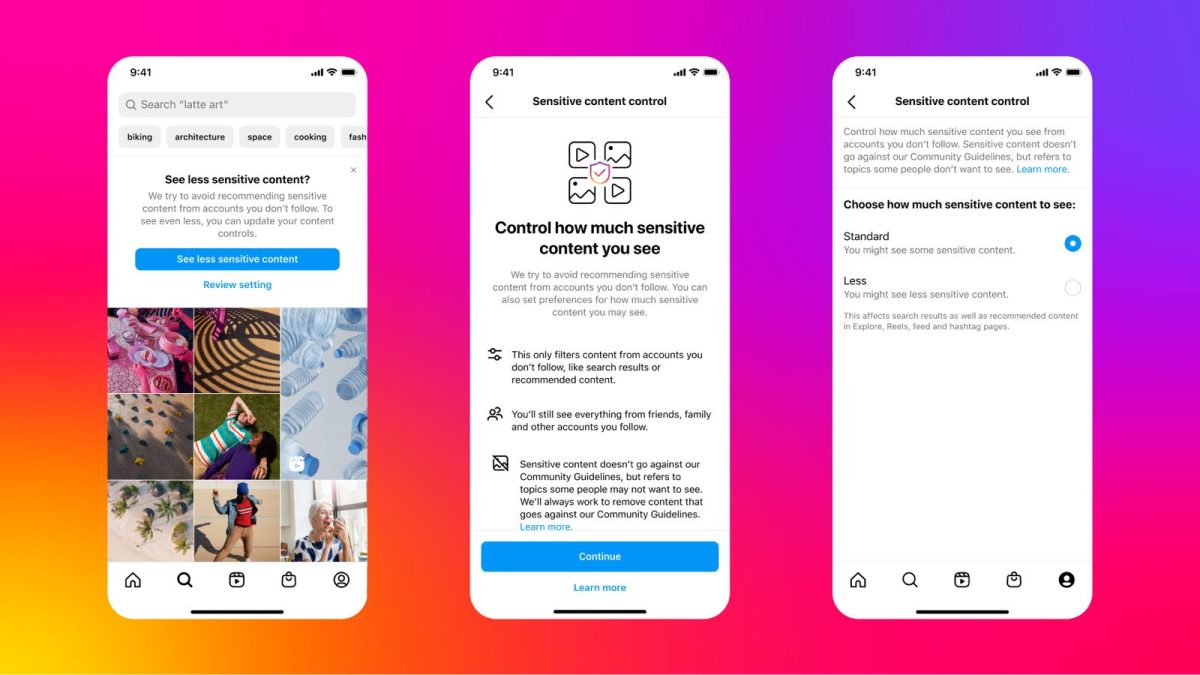
This feature will let you control how much of the possibly sensitive content comes into your Explore feed,Search results, Reels, and other areas where Instagram recommends content.
It’s important to note that this doesn’t include the posts that are flat-out offensive or rule breaking; those are already covered byInstagram’s Community Guidelines.
Instead, it’s about fine-tuning your exposure to content that treads a fine line between acceptable and potentially upsetting.
Who Can Use It?
Instagram has always offered a high level of control to its users regarding their privacy
If you are younger than 18 years old, though, it has a bit more of a protective attitude when it comes to increasing your exposure to sensitive content.
This age-based approach shows that the platform is devoted to a safer space for young users.
What’s Considered “Sensitive”?
Instagram has strict definitions of what it considers sensitive content
Instagram classifies several types of content as potentially sensitive:
Depictions of violence (think intense fictional scenes or reportage, not graphic real-world violence)
Sexually suggestive material (revealing clothing or suggestive poses, but not explicit nudity)
Promotion of regulated products (tobacco, vaping products, some pharmaceuticals)
It’s a nuanced approach that recognizes these topics may have a place on the platform, but not everyone wants them front and center in their feed.
How to Adjust Your Settings
You can adjust the amount of sensitive content you want on your Instagram feed
Ready to take control? Here’s a step-by-step guide:
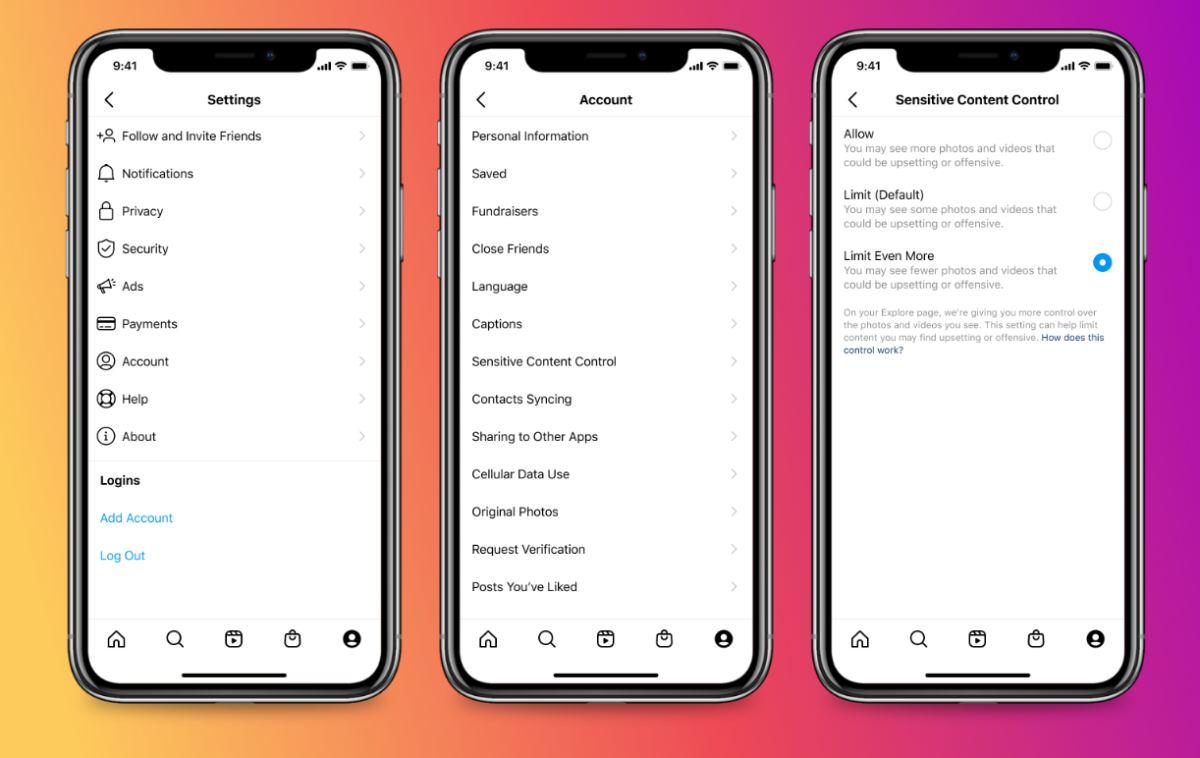
Open your Instagram app and tap your profile picture in the bottom right.
Tap the menu icon (three lines) in the top right.
Go to “Settings and privacy” > “Suggested content” > “Sensitive content control”
Choose your comfort level:
– “More”: Increases your likelihood of seeing sensitive content (18+ only)
– “Standard”: The default setting
– “Less”: Further reduces potentially sensitive content
Remember, this setting doesn’t affect content from accounts you follow – it’s all about those algorithmic recommendations.
The Bigger Picture
If you are above 18, you do get the option to change how your Instagram feed appears
The Sensitive Content Control by Instagram falls within the larger scheme to give users a further personalized and comfortable social media experience.
It acknowledges the reality that what is perfectly okay for one user might be jarring for another. With those tools in your hands, it essentially means that Instagram is letting you tailor a feed reflecting your personal boundaries.
That said, no system is perfect. If you see something that may go against the Instagram Community Guidelines, don’t hesitate to report the post.
Your feedback helps keep the platform healthy for all.
FAQs
Q1: What is the Sensitive Content Control feature on Instagram?
The Sensitive Content Control feature allows users to manage the amount of potentially sensitive content they see in their Explore feed, Search results, Reels, and other recommended areas.
Q2: Who can use the Sensitive Content Control settings on Instagram?
The feature is available to all users, but those under 18 have more restrictive options compared to those who are 18 and older.
Q3: How do I access the Sensitive Content Control settings?
To access the settings, go to your profile, tap the menu icon, select “Settings and privacy,” then “Suggested content,” and finally “Sensitive content control.”
Q4: What types of content are considered sensitive on Instagram?
Sensitive content includes depictions of violence, sexually suggestive material, and the promotion of regulated products like tobacco and vaping products.
Q5: What are the available settings for controlling sensitive content?
Users can choose from “More” (18+ only), “Standard” (default), and “Less” to adjust the amount of sensitive content they see.