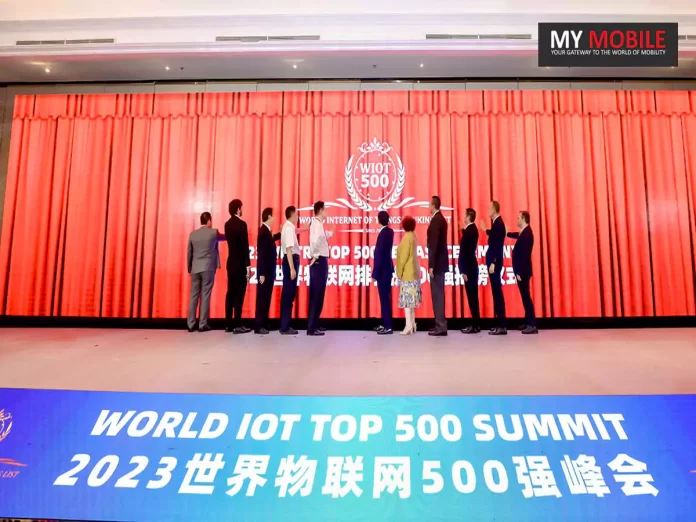
Huawei leads the World IoT Top 500 list, showcasing its industry dominance.
Over 150 Chinese firms, including Lenovo and Baidu, made the list.
The Top 500 companies account for a combined GDP of over $30 trillion.
Innovations in 5G, 6G, Starlink, and quantum technology are highlighted as key advancements.
The 9th World Internet of Things Top 500 Summit, held recently in Beijing, has revealed its latest ranking of top IoT companies.
Huawei has returned to the number one position on this prestigious list, showcasing its continued dominance in the IoT sector.
Global IoT Leaders
Huawei Tops World IoT Top 500 List at Beijing Summit
The World Internet of Things Top 500 list features major tech players from around the globe.
Alongside Huawei, companies like Qualcomm, Microsoft, and SpaceX have secured spots on the list.
From China, telecom giants China Unicom, China Telecom, and China Mobile are also represented.
Over 150 Chinese firms made it to the Top 500, including well-known names such as Gree, Haier, Lenovo, and Baidu.
The Top 500 companies account for a combined GDP of over $30 trillion
This strong showing highlights China’s growing influence in the global IoT landscape.
The economic impact of these top 500 companies is significant.
Together, they account for a combined GDP of more than 30 trillion US dollars, representing about half of the global IoT digital economy.
Huawei’s Triumph
Huawei leads the World IoT Top 500 list, showcasing its industry dominance
Huawei’s return to the top spot is a testament to its innovation and resilience in the face of challenges.
Known for its cutting-edge technology and forward-thinking approach, Huawei continues to be a driving force in IoT development.
He Xuming, the leader of the World IoT Conference, spoke about rapid technological advancements.
He highlighted the progression from 5G to 6G, as well as developments in Starlink and quantum technology.
These innovations are paving the way for smarter connections and new forms of networks and economic models.
The future of IoT looks promising, with smart connectivity and new operational models at its core.
As IoT technology continues to evolve, it’s expected to create new markets and significantly boost the global digital economy.
FAQs
What is the World IoT Top 500 list?
The World IoT Top 500 list ranks the top 500 companies in the Internet of Things sector based on their contributions and impact on the global IoT economy.
Which companies are in the top spots of the IoT Top 500 list?
Huawei is at the top, followed by major tech players like Qualcomm, Microsoft, and SpaceX. Chinese telecom giants such as China Unicom, China Telecom, and China Mobile are also featured.
How significant is the economic impact of the top IoT companies?
The top 500 IoT companies together account for a combined GDP of over $30 trillion, representing approximately half of the global IoT digital economy.
What advancements did He Xuming highlight in his speech?
He Xuming discussed advancements from 5G to 6G, as well as developments in Starlink and quantum technology, which are expected to lead to smarter connectivity and new economic models.
Why is Huawei’s top position noteworthy?
Huawei’s top position highlights its resilience and innovation in the IoT sector, reaffirming its leadership amidst global challenges and competition.
Samsung to address CVE-2024-32896 vulnerability affecting all Android devices.
Update available for Galaxy phones and tablets starting August 2024.
Additional features may include camera improvements and new Galaxy AI features.
Samsung’s proactive security approach aligns with US government directives.
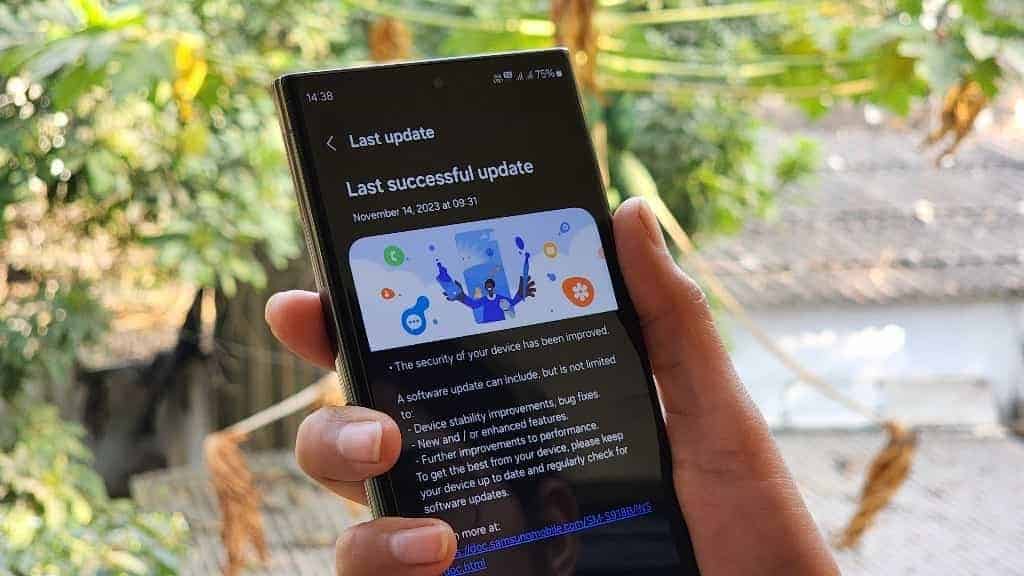
Samsung, a leader in the Android smartphone market, is set to release a crucial security update in August 2024.
This update aims to fix a dangerous vulnerability that affects all Android devices, not just Samsung’s Galaxy lineup.
The Importance of the August 2024 Update
Samsung to Release Critical Security Update for All Android Devices in August 2024
The update addresses a critical security flaw known as CVE-2024-32896.
This vulnerability was first discovered in June 2024 and initially thought to affect only Google Pixel devices.
However, it’s now clear that all Android phones and tablets are at risk.
Samsung has decided to act quickly, not waiting for the Android 15 release to patch this issue.
The company told Forbes that the security update will be available for Galaxy phones and tablets next month.
While the exact release date may vary depending on the device, country, and network provider, Samsung’s proactive approach is reassuring for users.
The urgency of this update is highlighted by the US government’s recent directive.
Federal employees were instructed to update their Pixel devices by July 4, 2024, or stop using them altogether.
This shows how serious the security threat is.
What to Expect in the Update
Samsung’s proactive security approach aligns with US government directives
Besides the critical security patch, Samsung might include other features in the August 2024 update.
There’s talk of major camera improvements for the Galaxy S24 series.
The company might also introduce new Galaxy AI features from One UI 6.1.1.
Looking ahead, Samsung is expected to release the first Android 15-based One UI 7.0 Beta update for high-end devices in the coming months.
The stable version of One UI 7.0 could reach most compatible Galaxy phones and tablets before the end of the year.
Samsung’s commitment to regular and timely updates sets it apart in the Android world.
By addressing this critical vulnerability quickly, the company is demonstrating its dedication to user security.
Android users, especially those with Samsung devices, should keep an eye out for this important update in August.
FAQs
What is the CVE-2024-32896 vulnerability?
CVE-2024-32896 is a critical security flaw initially discovered in June 2024, affecting all Android devices, not just Google Pixel phones.
When will the Samsung security update be available?
The update will be rolled out in August 2024, though the exact release date may vary by device, country, and network provider.
Will the update include other features besides the security patch?
Yes, there are rumors of significant camera improvements for the Galaxy S24 series and new Galaxy AI features from One UI 6.1.1.
How serious is the CVE-2024-32896 vulnerability?
The vulnerability is severe enough for the US government to direct federal employees to update their devices by early July 2024 or stop using them, underscoring the critical nature of the threat.
What should Samsung users do to prepare for the update?
Users should keep an eye out for update notifications in August and ensure their devices are set to receive updates automatically to benefit from the security patch promptly.
Apple claims Safari offers better privacy than Android browsers
The ad is part of Apple’s marketing campaign.
Safari comes pre-installed on all Apple devices at no extra cost.
Key Points
Safari uses Intelligent Tracking Prevention and sandboxing
Apple claims Safari is more secure than Android browsers
EU pressure on Apple to open its ecosystem
Safari holds 49% market share in US mobile browsers
European browsers saw user increases after EU regulation
Safari offers privacy features like tracking prevention
Both iOS and Android provide privacy controls
App permissions matter for overall device privacy
How Does Apple’s Safari Work?
Both iOS and Android have robust privacy controls for apps and browsing
Apple’s Safari browser uses Intelligent Tracking Prevention to limit advertiser tracking across websites.
It also employs sandboxing, and isolating websites to prevent malware spread.
Apple collects less user data than some competitors, and Safari offers a privacy report that shows blocked trackers.
However, Safari is one of many secure options.
Android allows users to control tracking preferences, including resetting the Advertising ID used for targeted ads.
Both iOS and Androidlet users manage app permissions for data like location and camera access.
The timing of Apple’s ad coincides with pressure from the European Union to open its ecosystem.
The Digital Markets Act now requires Apple to allow third-party default browsers on iPhones in the EU.
This has led to increased adoption of alternative browsers like Aloha, DuckDuckGo, and Firefox in Europe.
Safari and its Privacy Features
EU regulations push Apple to open its ecosystem to third-party browsers
Apple’s focus on Safari’s privacy features may be a strategy to maintain user loyalty, especially in North America where it holds the largest smartphone market share.
By comparing Safari to Android browsers, Apple aims to reinforce the perception of iOS as a more secure platform.
While Safari offers strong privacy features, it’s not a complete solution.
Downloaded apps and extensions can still collect user data on both iOS and Android devices.
Users on both platforms need to be aware of app permissions and data collection practices.
Privacy remains a major concern for mobile users.
Some report experiences that make them wonder if their devices are always listening, such as seeing ads related to recent conversations.
This highlights the ongoing challenge of balancing convenience with data protection.
FAQs
What privacy features does Safari offer?
Safari uses Intelligent Tracking Prevention to limit advertiser tracking and employs sandboxing to isolate websites and prevent malware spread.
How does Android handle browser privacy?
Android allows users to control tracking preferences and reset their Advertising ID, offering robust privacy controls similar to iOS.
Why is Apple emphasizing Safari’s privacy now?
Apple’s ad campaign coincides with EU regulations requiring more openness in its ecosystem, aiming to reinforce the perception of iOS as a more secure platform.
Are there other secure browsers besides Safari?
Yes, alternative browsers like Aloha, DuckDuckGo, and Firefox offer strong privacy features and have seen increased adoption, especially in Europe.
What can users do to enhance their privacy on mobile devices?
Users should manage app permissions carefully, be aware of data collection practices, and choose browsers with robust privacy features on both iOS and Android.
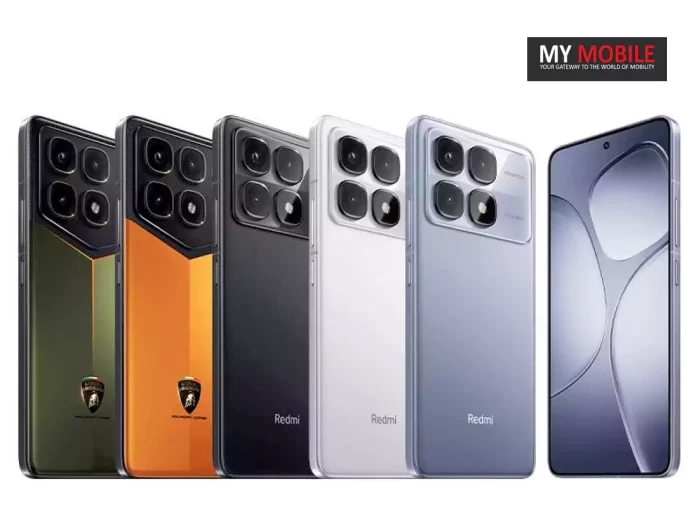
What is the price of the Redmi K70 Extreme Edition?
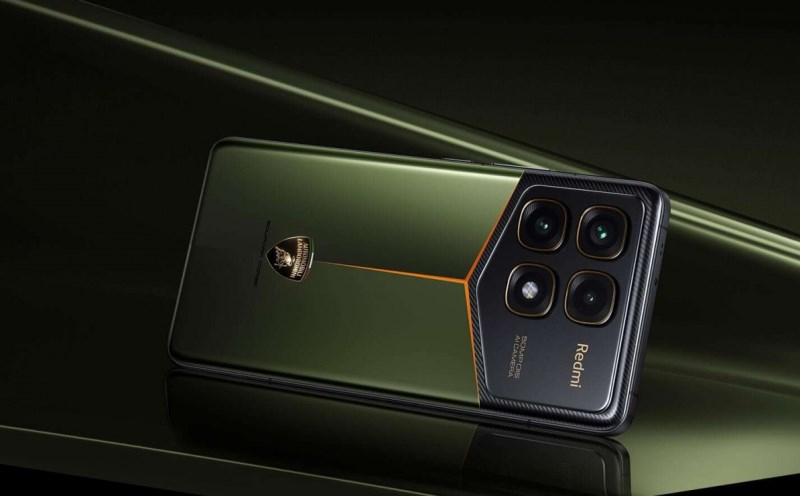
The base model starts at CNY 2,599, with a special Lamborghini-branded Champion Edition priced at CNY 3,999.
What are the color options for the Redmi K70 Extreme Edition?
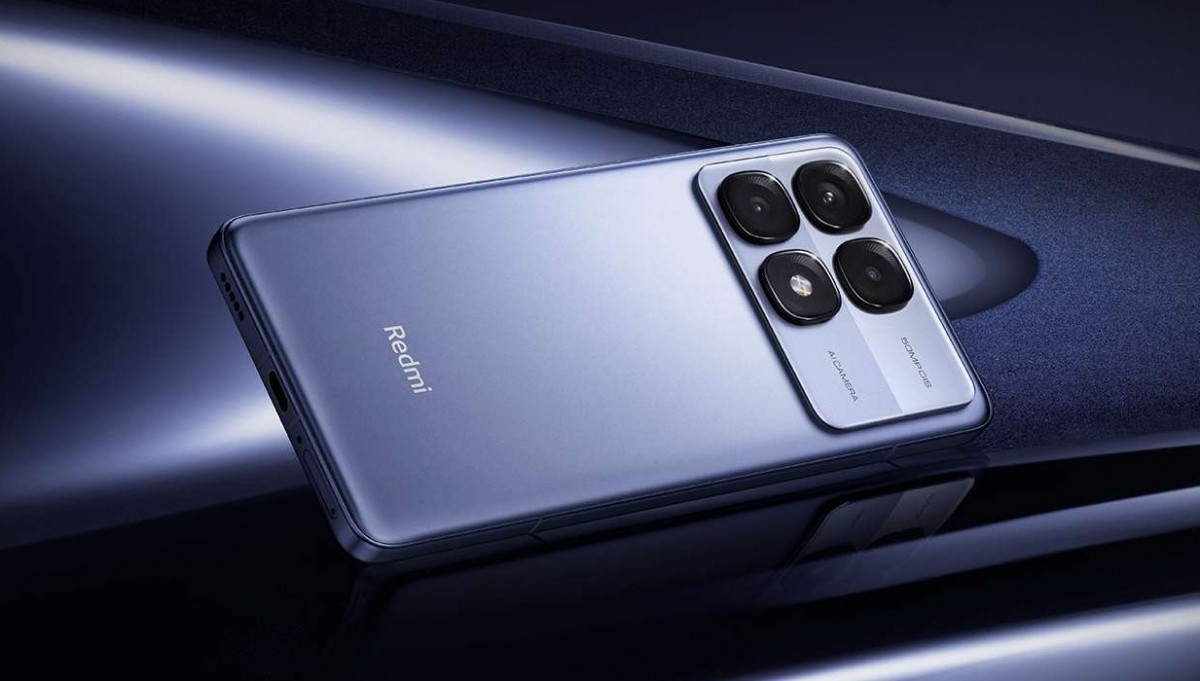
It is available in Black, White, and Blue colors.
What is the display specification of the Redmi K70 Extreme Edition?
The device features a 6.67-inch OLED display with a 2712×1220 pixel resolution, a 144Hz refresh rate, and 1,600 nits brightness, peaking at 4,000 nits.
Does the Redmi K70 Extreme Edition support fast charging?
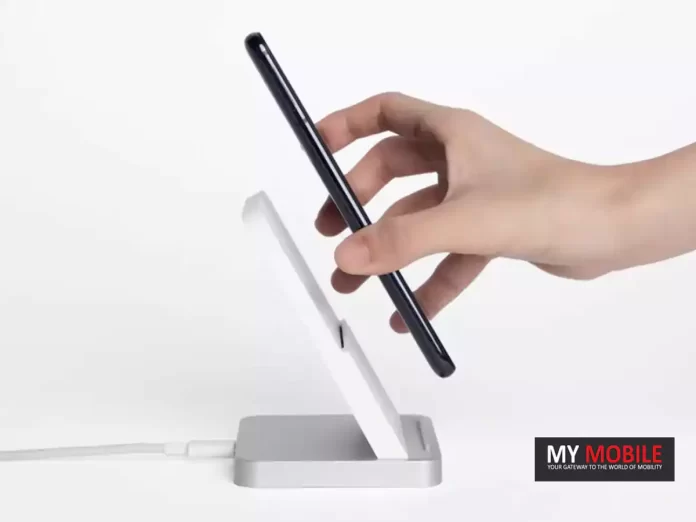
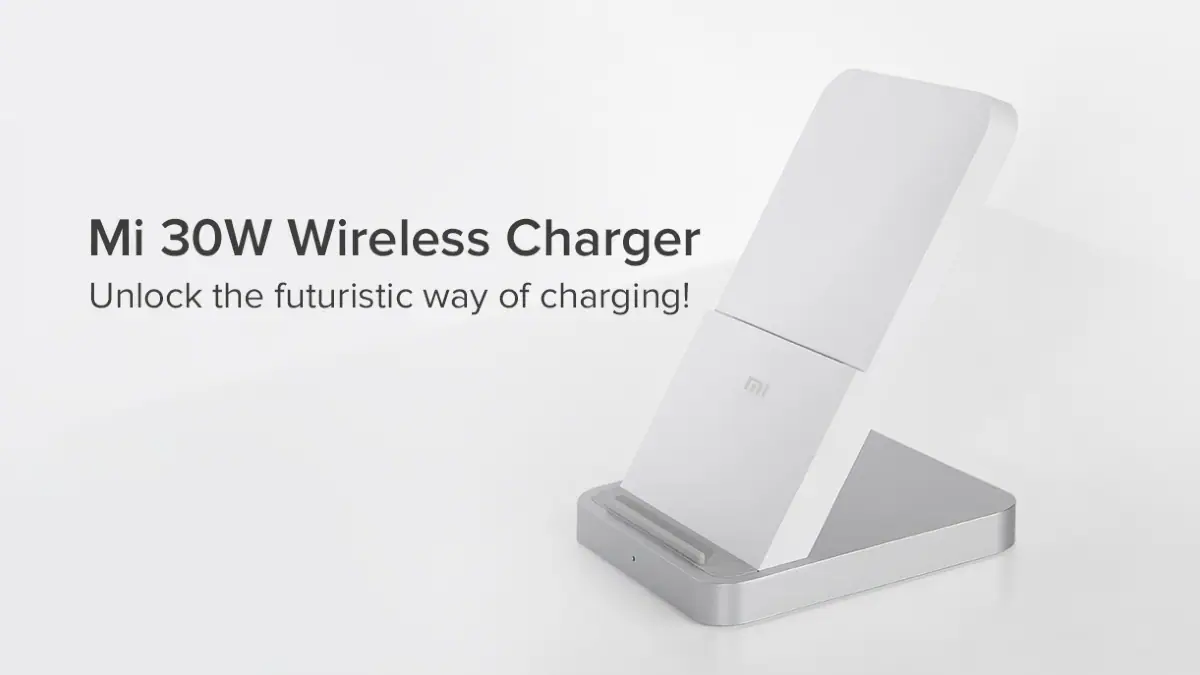
Yes, it supports 120W fast charging, allowing for quick battery replenishment.
What special features does the Redmi K70 Extreme Edition offer for gaming?
It includes a discrete D1 graphics chip for frame interpolation up to 144Hz and a 3D cooling chamber to manage heat and enhance gaming performance.
Google seeks collaboration with EssilorLuxottica for smart glasses with Gemini AI.
Plans to integrate Gemini AI into future Ray-Ban models.
Partners with Magic Leap for an Android XR developer headset.
Google aims to enter the XR market through partnerships rather than proprietary hardware.
Google has reportedly approached EssilorLuxottica, the company behind Ray-Ban, to discuss integrating its Gemini AI assistant into future smart glasses.
This move aligns with Google’s strategy of partnering with hardware manufacturers rather than developing its own XR headsets or glasses.
EssilorLuxottica is already collaborating with Meta on the Ray-Ban Meta Smart Glasses.
Recently, Meta has expressed interest in taking a minority stake in the company, which could be seen as a defensive measure against potential competitors like Google.
“Today people’s expectations are clearer.. hence the success of the second generation,” Milleri said on the sidelines of an event in Milan. “In Europe we are waiting for the decision of the new Artificial Intelligence Act, which we hope will arrive soon”, Milleri added.
EssilorLuxottica’s CEO added that Meta was a “key partner” for the company and that his group’s brands can be “a cultural intermediary to bring technology to people”.
Google Glasses with Gemini
Google Explores Partnerships for Smart Glasses and XR Devices
The proposed Google smart glasses would likely focus on multimodal Gemini capabilities, featuring a microphone, speaker, and camera.
This approach is similar to what Google demonstrated with its Project Astra prototypes at I/O 2024.
The device could potentially include music playback and photo/video capture capabilities, leveraging Google’s experience with Pixel Buds and Google Photos.
Google Partners with Magic Leap for Android XR Developer Headset
Google aims to enter the XR market through partnerships rather than proprietary hardware
In addition to exploring smart glasses, Google is collaborating with Magic Leap to create a developer headset running Android XR.
This device is expected to be based on the Magic Leap 2 and will focus on AR optics and manufacturing.
This partnership comes amid rumors that Google is planning to release a developer headset with Samsung in October, ahead of a consumer launch in 2025.
These developments show Google’s multi-faceted approach to entering the XR market, focusing on partnerships and software integration rather than producing its own hardware.
By leveraging its AI capabilities and Android platform, Google aims to establish a presence in the growing XR ecosystem without the risks associated with manufacturing custom devices.
FAQs
What companies is Google partnering with for its smart glasses?
Google is exploring partnerships with EssilorLuxottica, the parent company of Ray-Ban, to integrate its Gemini AI assistant into future smart glasses.
What features are expected in the Google smart glasses?
The smart glasses may include multimodal Gemini capabilities, such as a microphone, speaker, and camera, similar to the Project Astra prototypes.
How is Google approaching the XR market?
Google is focusing on partnerships with hardware manufacturers like EssilorLuxottica and Magic Leap to integrate its software and AI capabilities, rather than developing its own XR hardware.
What is Google’s partnership with Magic Leap about?
Google is collaborating with Magic Leap to create a developer headset running Android XR, based on the Magic Leap 2, focusing on AR optics and manufacturing.
When is Google expected to launch its XR devices?
Rumors suggest Google may release a developer headset with Samsung in October 2024, with a potential consumer launch in 2025.
Display Excellence: Both phones offer high-resolution AMOLED displays with 120Hz refresh rates.
Camera Capabilities: Honor 200 5G features a versatile triple camera setup, while Realme GT 6T focuses on a dual-camera system.
Performance: Realme GT 6T has a slight edge with a more powerful Snapdragon 7+ Gen 3 chipset.
Battery and Charging: Realme GT 6T offers faster 120W charging and includes a charger in the box.
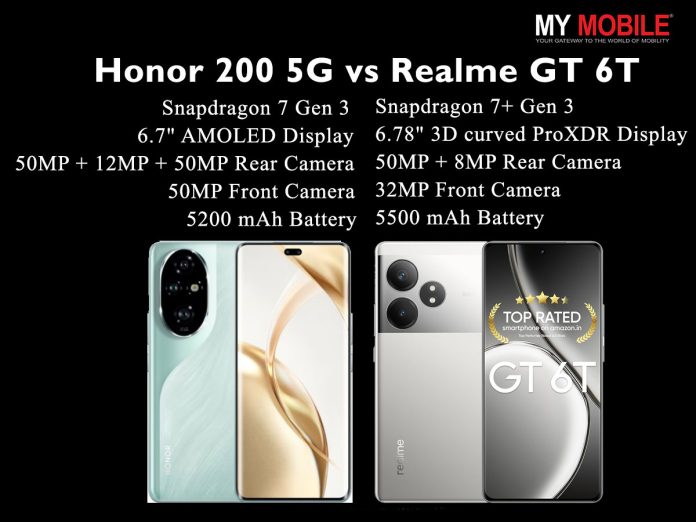
In the competitive mid-range smartphone market, two new contenders have emerged: the Honor 200 5G and the Realme GT 6T.
Both devices offer impressive features at attractive price points, making them appealing options for consumers who want high-end features without breaking the bank.
Let’s dive into a detailed comparison to see how these phones stack up against each other.
Honor 200 5G vs Realme GT 6T: Specs at a Glance
Feature
Honor 200 5G
Realme GT 6T
Processor
Snapdragon 7 Gen 3
Snapdragon 7+ Gen 3
Display
6.7″ AMOLED, 120Hz
6.78″ 3D curved ProXDR AMOLED, 120Hz
Rear Camera
50MP + 12MP + 50MP
50MP + 8MP
Front Camera
50MP
32MP
RAM & Storage
8GB/12GB + 256GB/512GB
8GB/12GB + 128GB/256GB/512GB
Battery
5200 mAh, 100W charging
5500 mAh, 120W charging
OS
Android 14 (Magic OS 8.0)
Android 14 (Realme UI 5.0)
Water Resistance
None
IP65
Price in India
₹34,999 (8GB + 256GB), ₹39,999 (12GB + 512GB)
₹30,999 (8GB + 128GB), ₹39,999 (12GB + 512GB)
Honor 200 5G vs Realme GT 6T: Price in India
Honor 200 5G starts at ₹34,999 for the 8GB + 256GB variant
TheHonor 200 5Gstarts at ₹34,999 for the 8GB + 256GB variant, with the 12GB + 512GB model priced at ₹39,999.
Honor offers additional discounts and bundle options to sweeten the deal.
The Realme GT 6T is more competitively priced, starting at ₹30,999 for the 8GB + 128GB variant.
Realme GT 6T starting at ₹30,999 for the 8GB + 128GB variant.
The top-end 12GB + 512GB model is priced at ₹39,999, matching Honor’s highest configuration.
Realme also provides attractive bank discounts, making it a compelling option for budget-conscious buyers.
Honor 200 5G vs Realme GT 6T: Design and Build
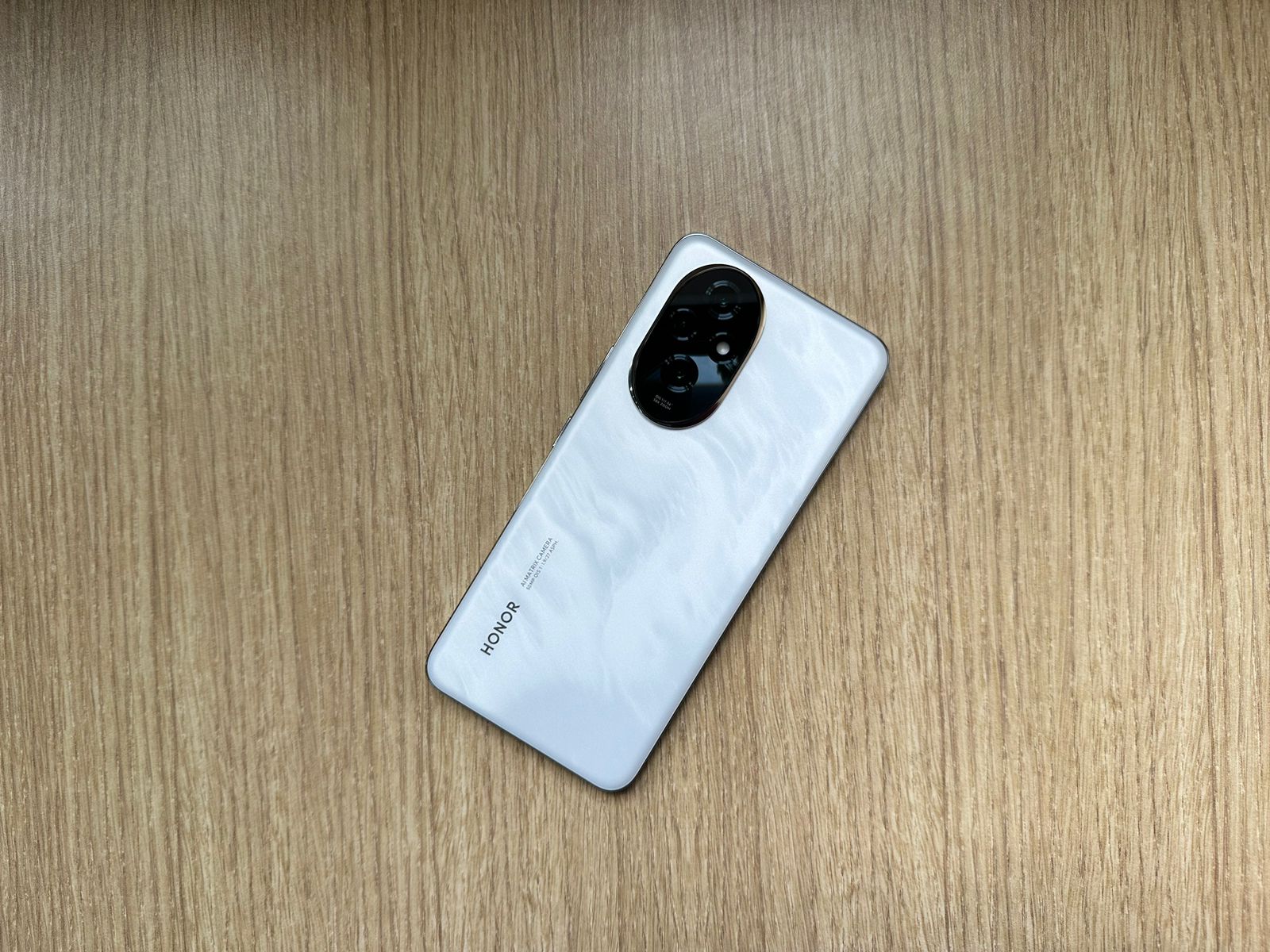
Honor 200 5G: Design and Build
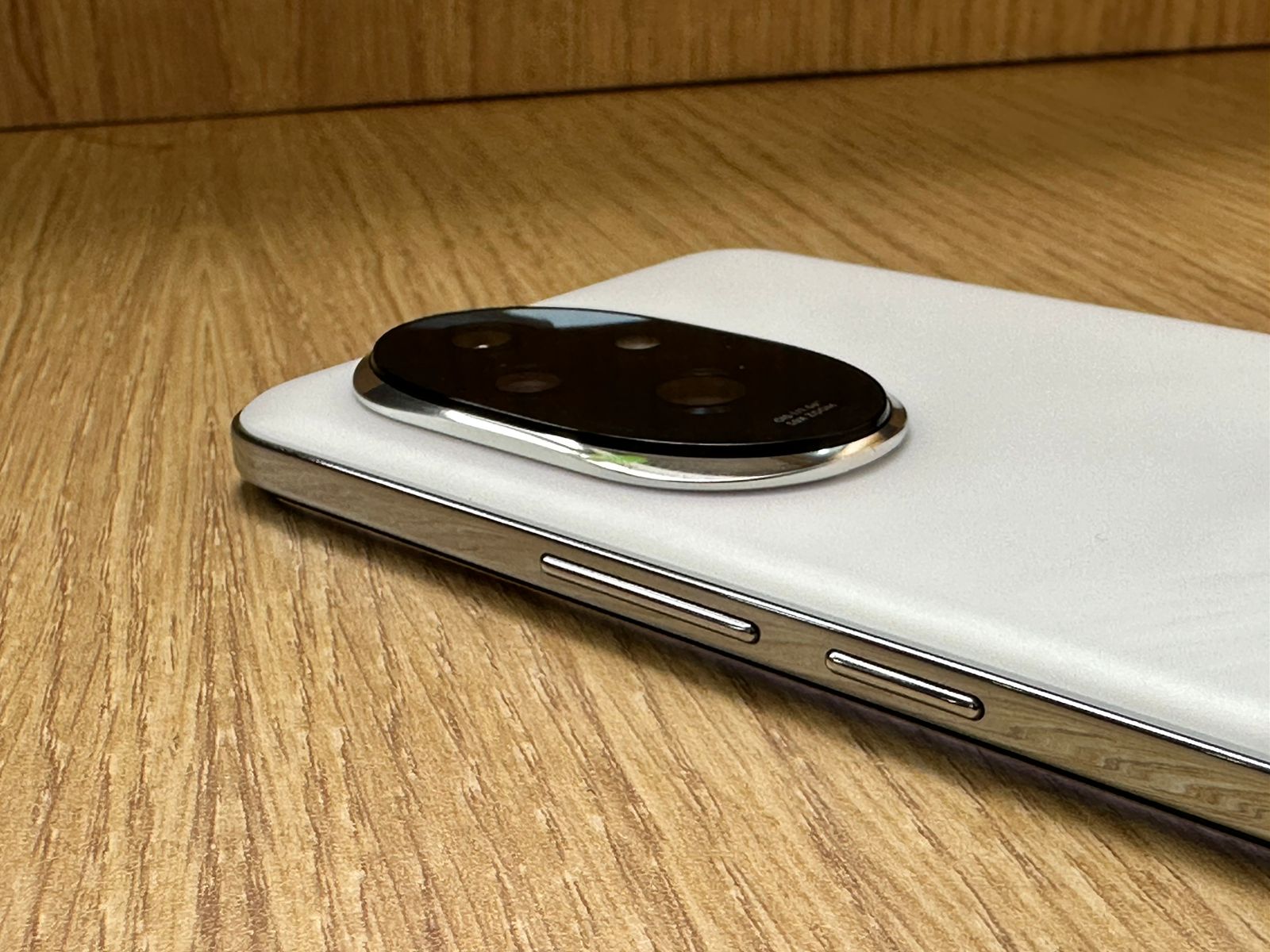
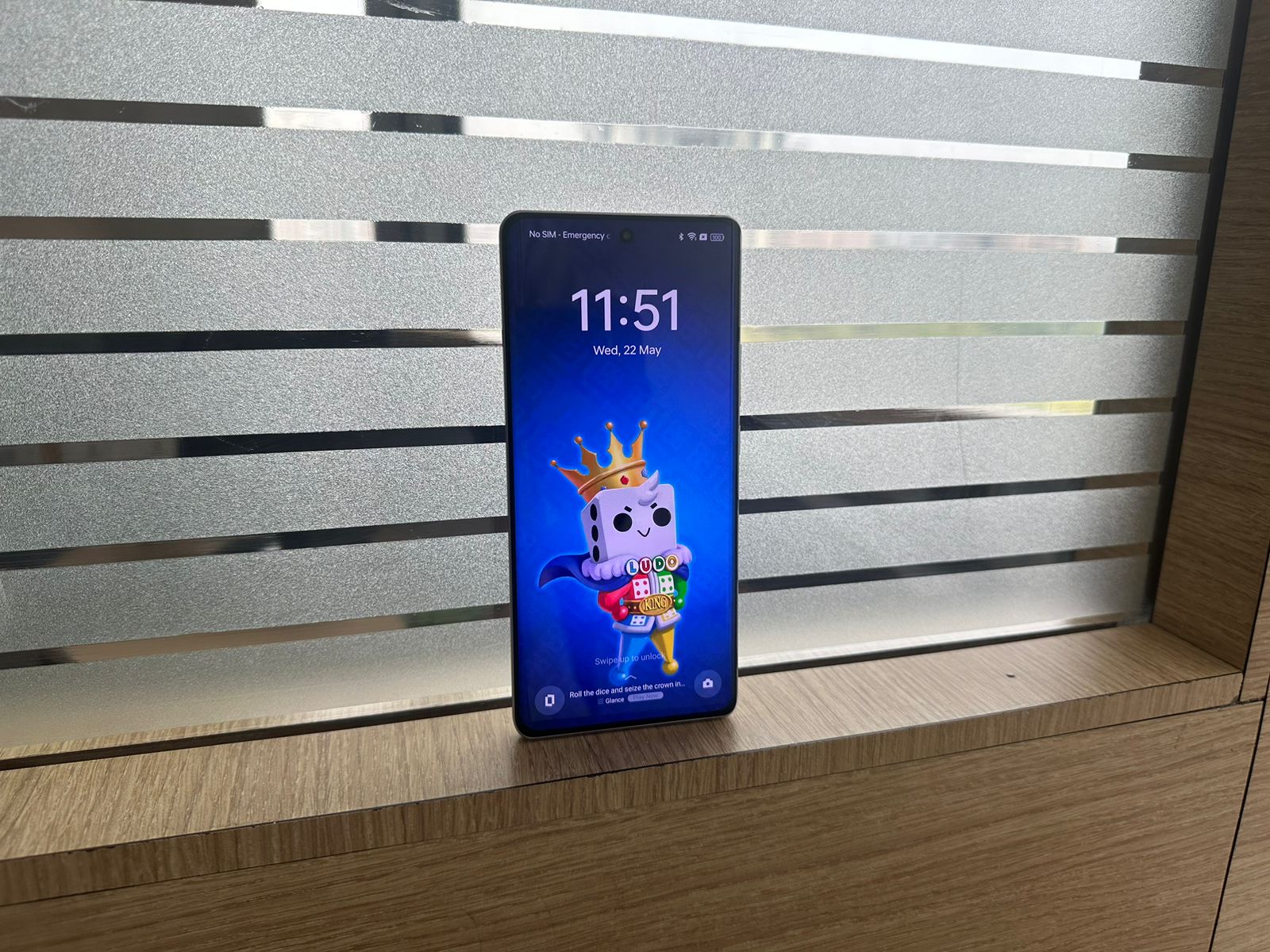
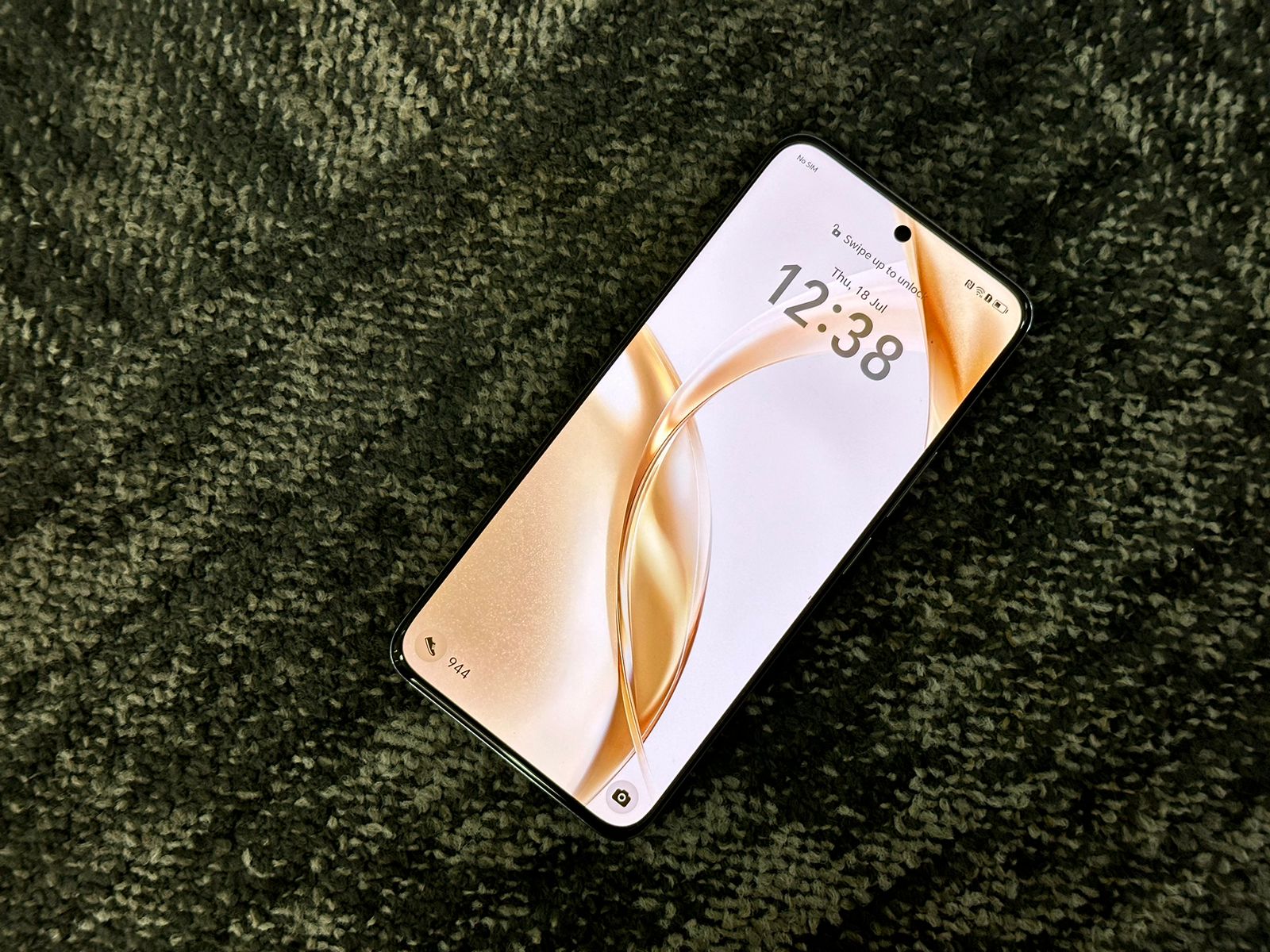
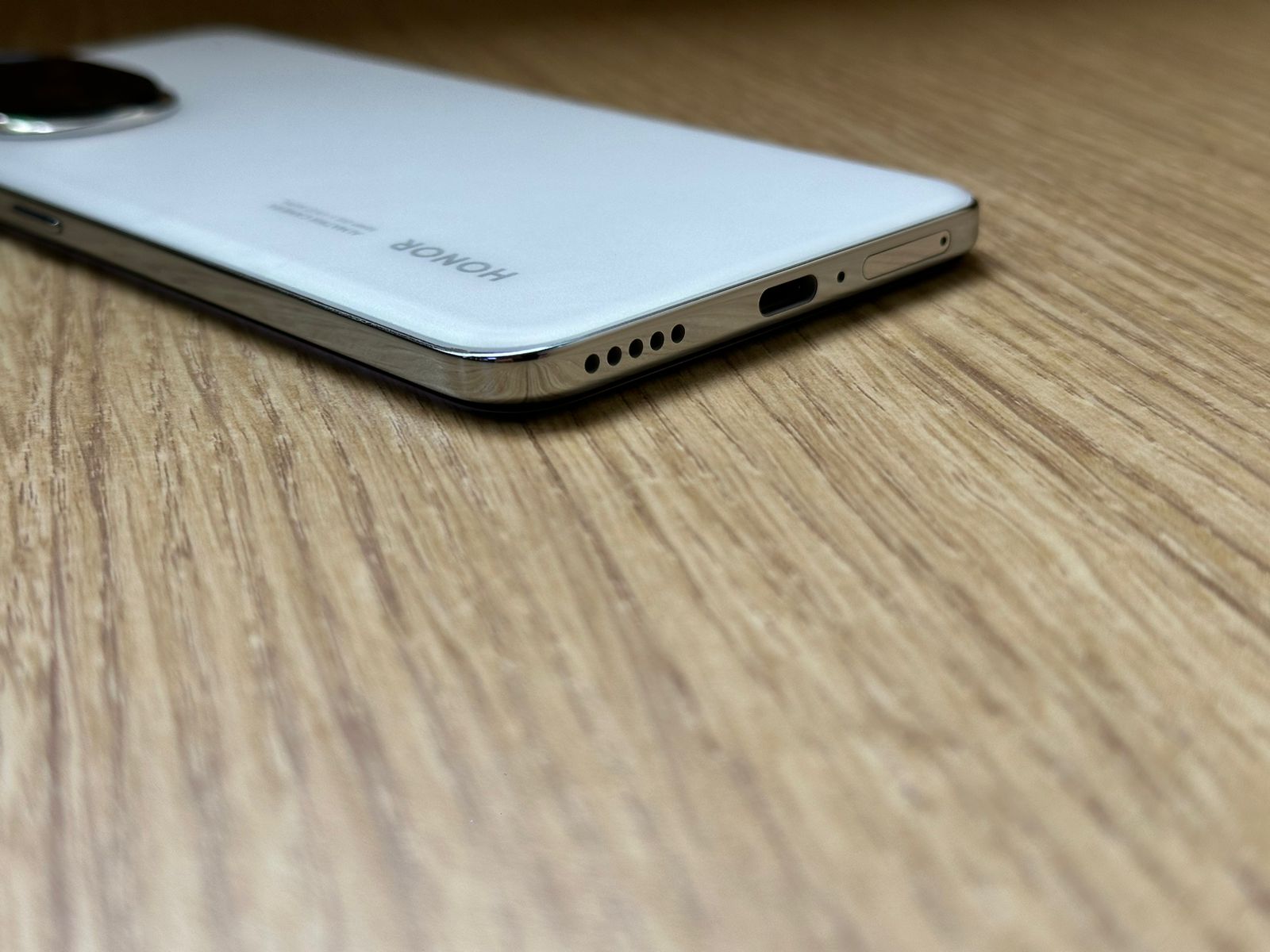
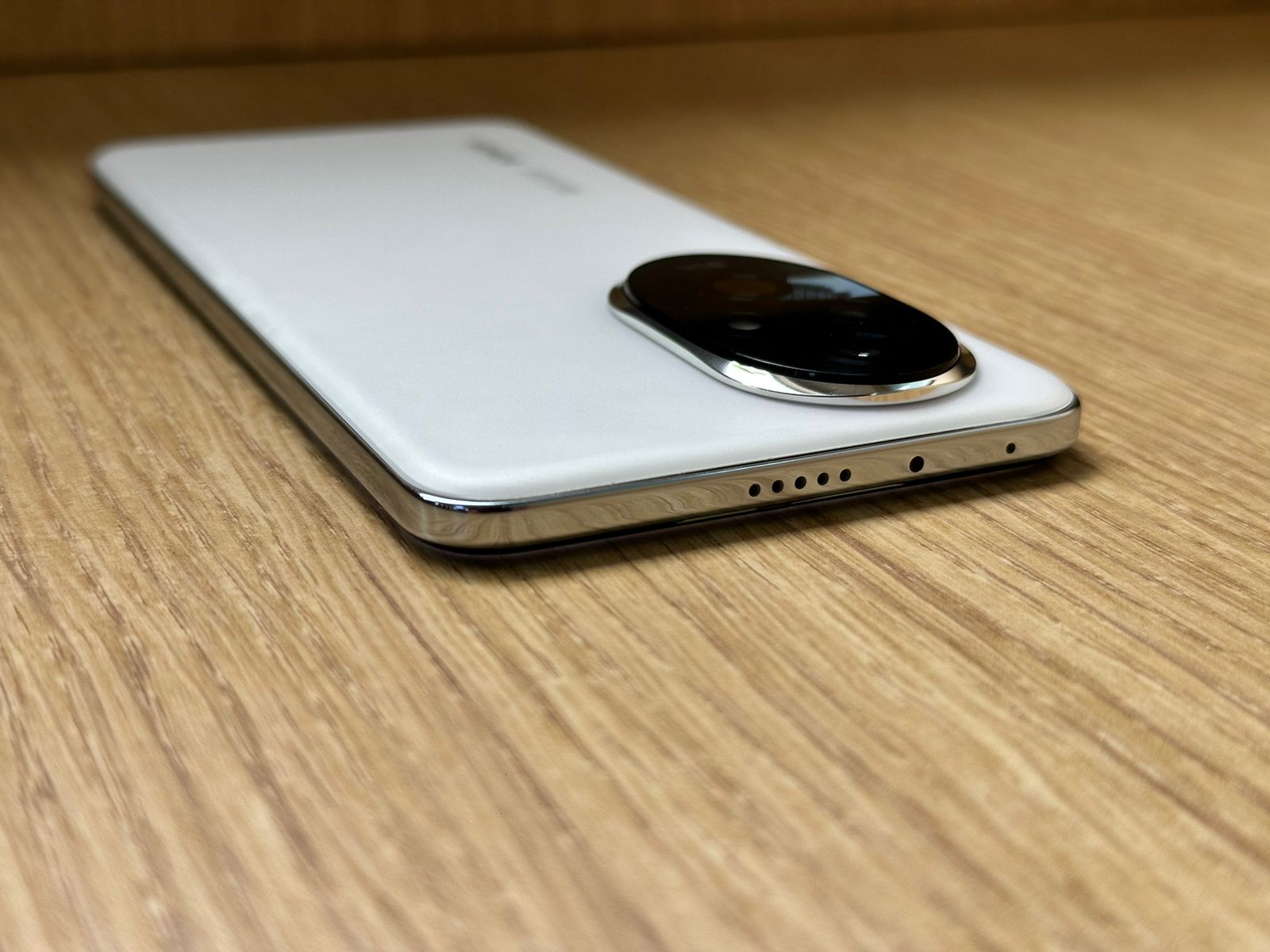
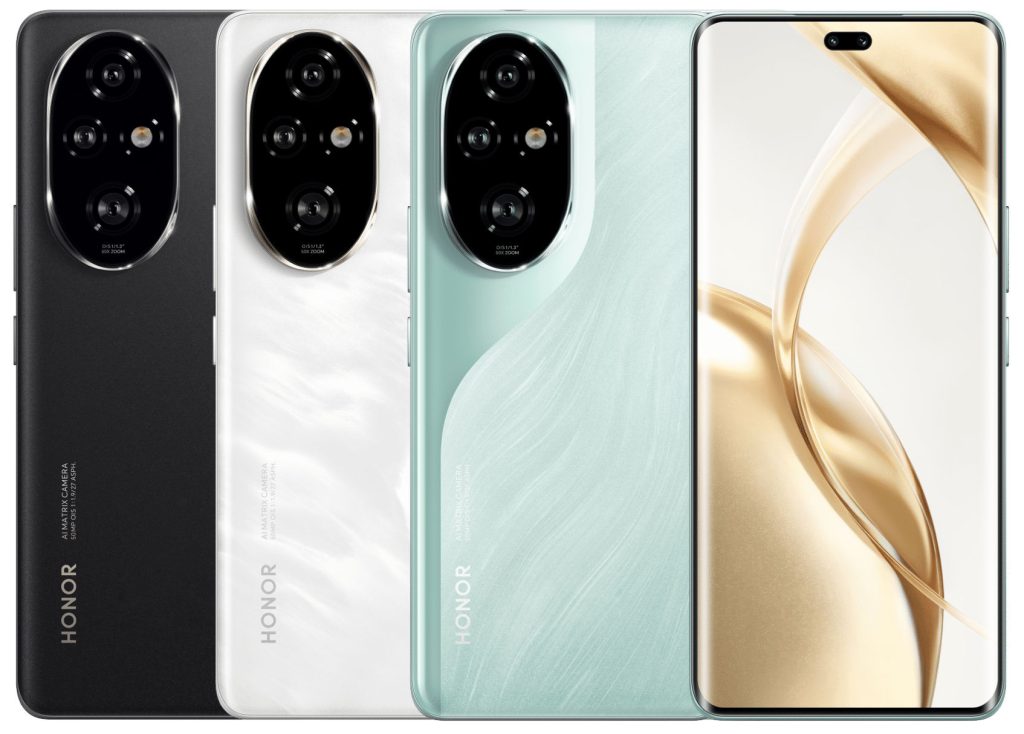
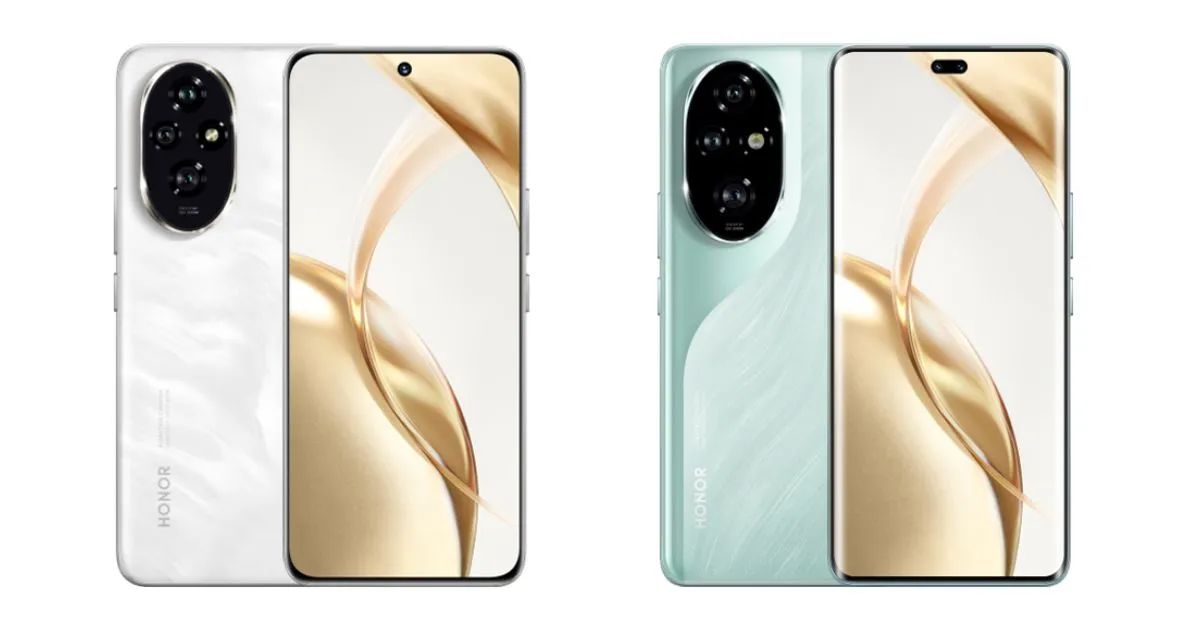
The Honor 200 5G boasts an ultra-slim, quad-curved design, measuring just 7.7mm thick and weighing 187 grams.
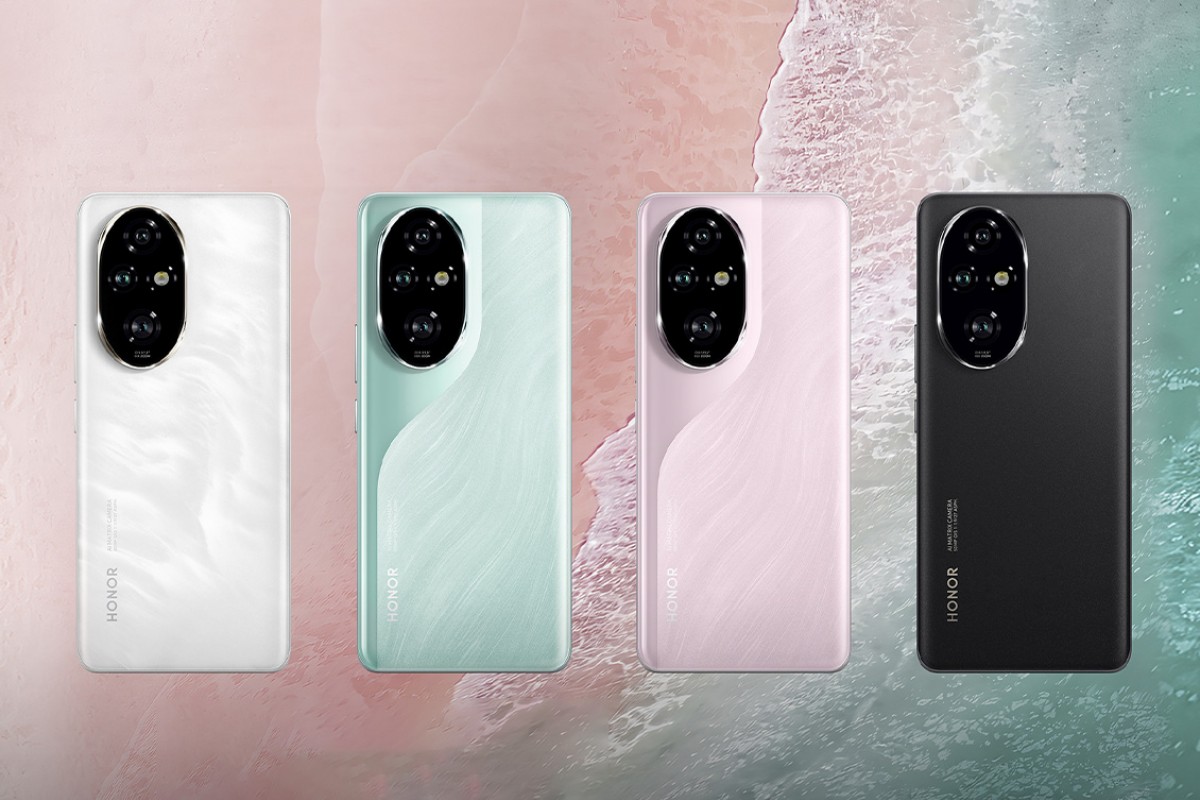
It’s available in Black and Moonlight White colors, offering a premium look and feel.
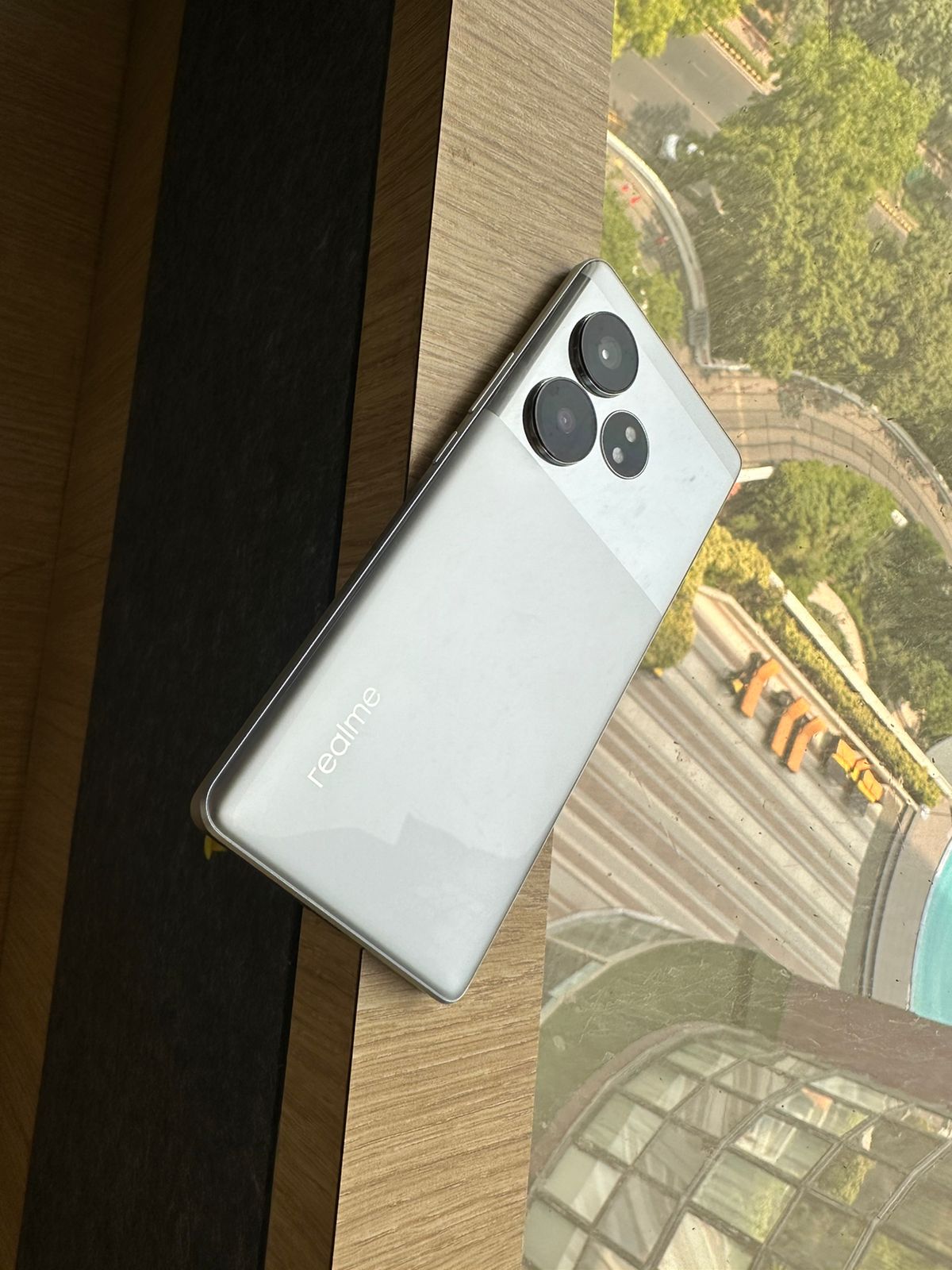
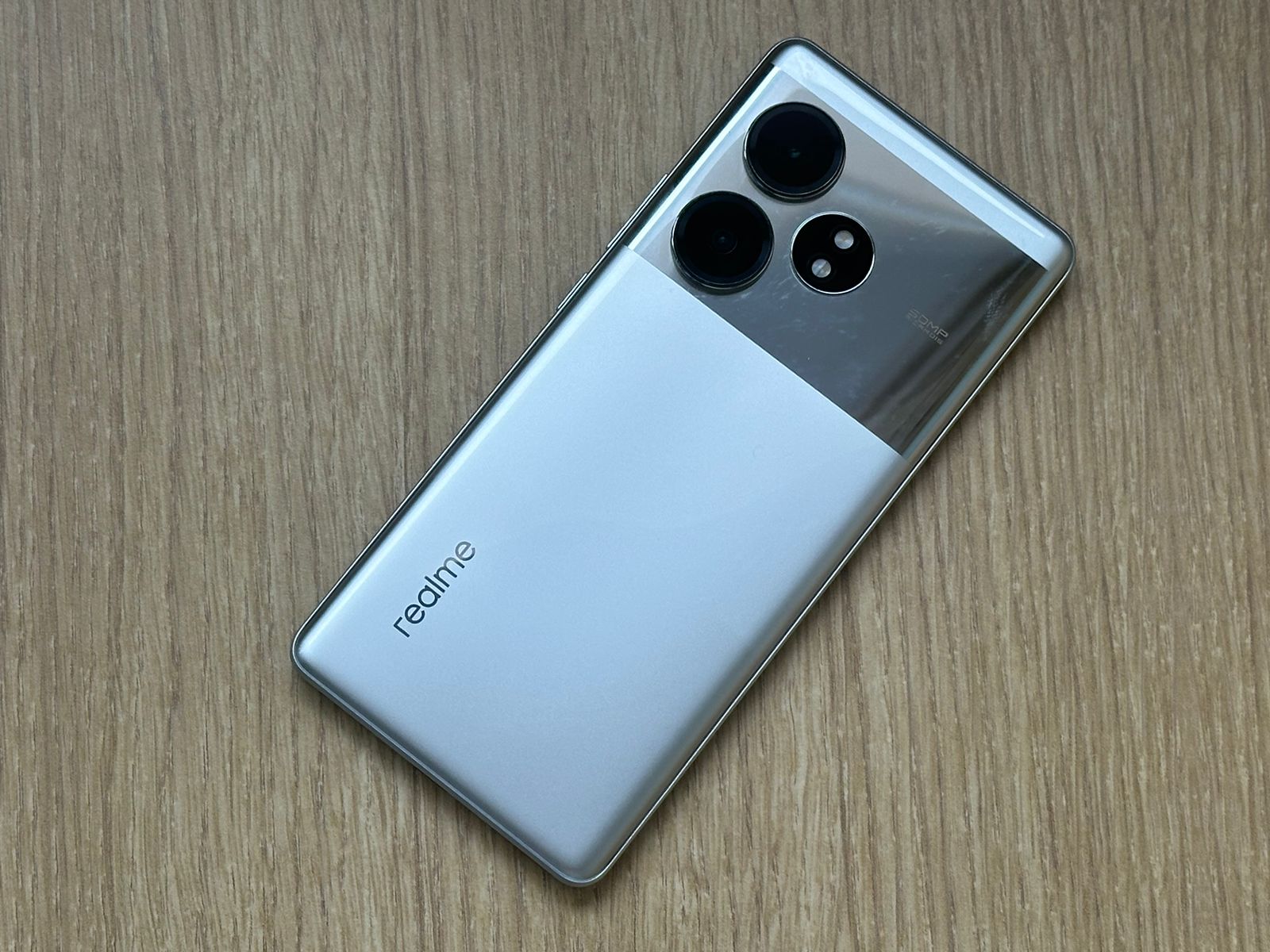
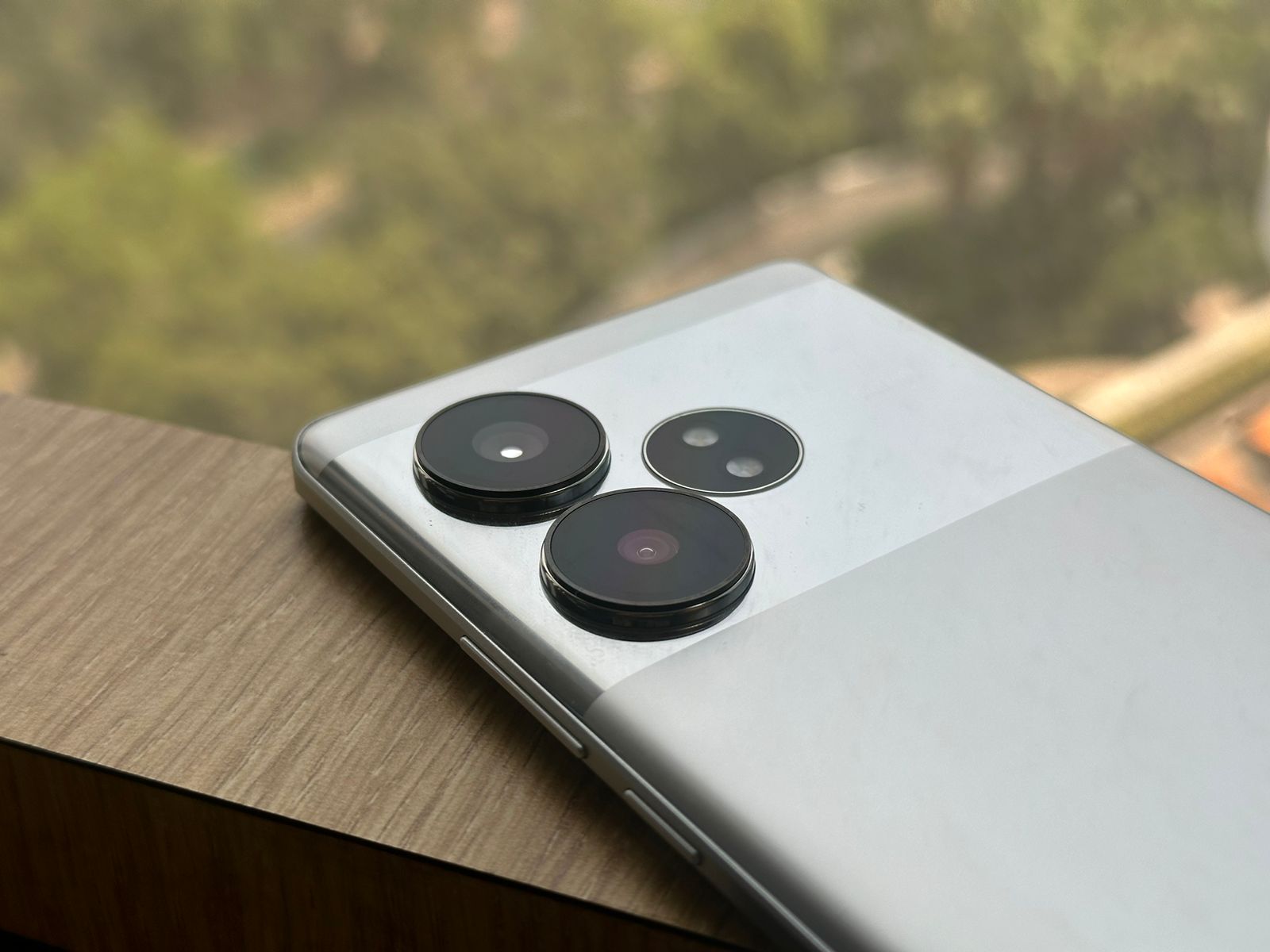
The Realme GT 6T features a nano-mirror design with a slightly thicker 8.65mm profile and weighs 191 grams.
Realme GT 6T: Design
It comes in Fluid Silver, Razor Green, and Miracle Purple colors. While slightly bulkier, the Realme GT 6T has an IP65 rating for water resistance, giving it an edge in durability.
Both phones offer attractive designs, but the Honor 200 5G takes the lead in sleekness, while the Realme GT 6T wins points for its water resistance.
Honor 200 5G vs Realme GT 6T: Display
Realme GT 6T: Display
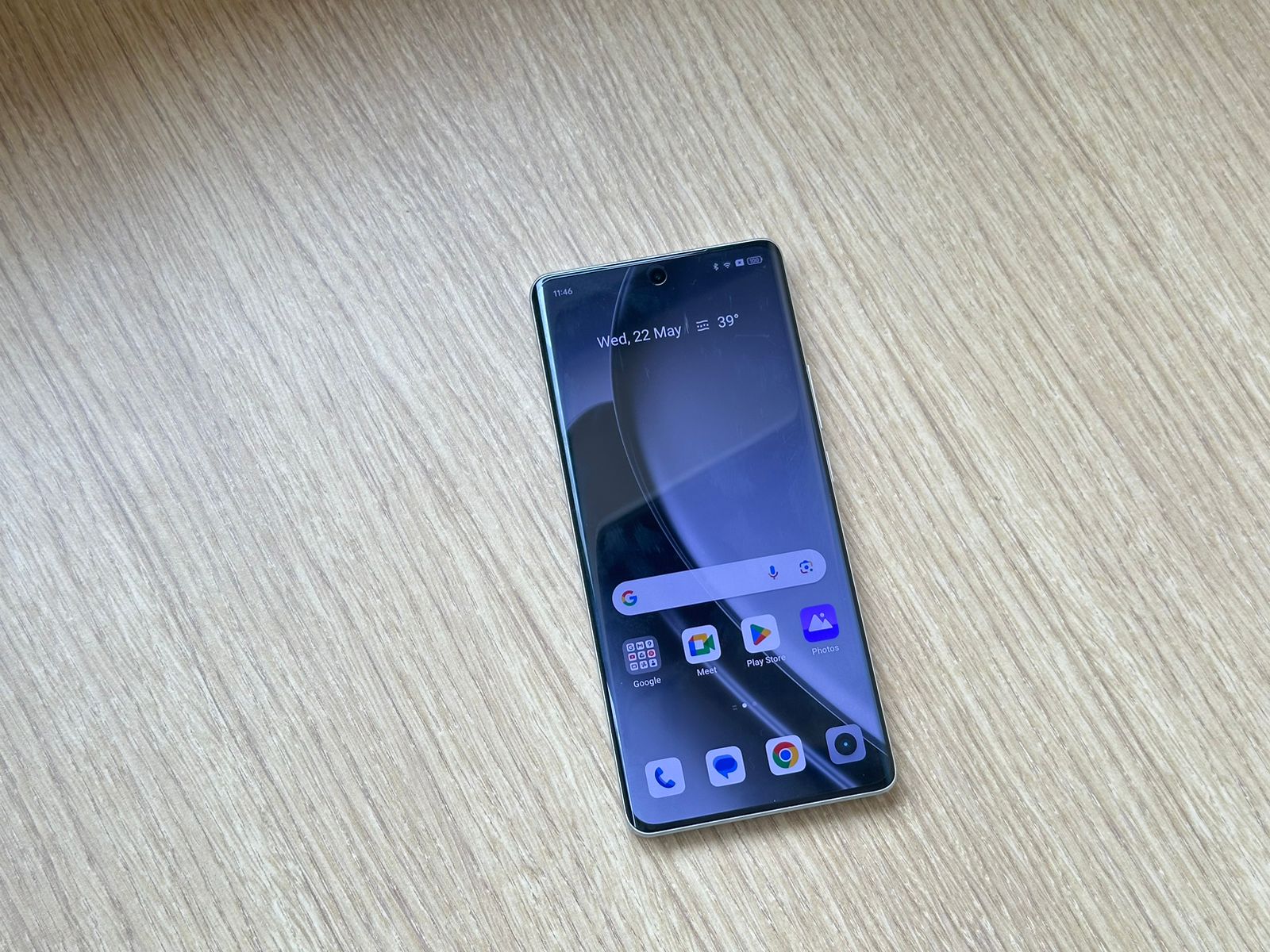
The Honor 200 5G sports a 6.7-inch quad-curved AMOLED display with FHD+ resolution and a 120Hz refresh rate.
It boasts impressive features like 100% DCI-P3 color gamut, 4000 nits peak brightness, and 3840Hz PWM dimming.
The Realme GT 6T slightly edges out with a 6.78-inch 3D curved ProXDR AMOLED display, offering a higher 1.5K resolution and an 8T LTPO 120Hz refresh rate.
Immersive Viewing with Honor 200’s 6.7-Inch AMOLED Display
It claims a remarkable 6000 nits peak brightness and features 2160Hz PWM dimming and Corning Gorilla Glass Victus 2 protection.
While both displays are excellent, the Realme GT 6T has a slight advantage with its higher resolution, brighter panel, and superior protection.
Honor 200 5G vs Realme GT 6T: Performance
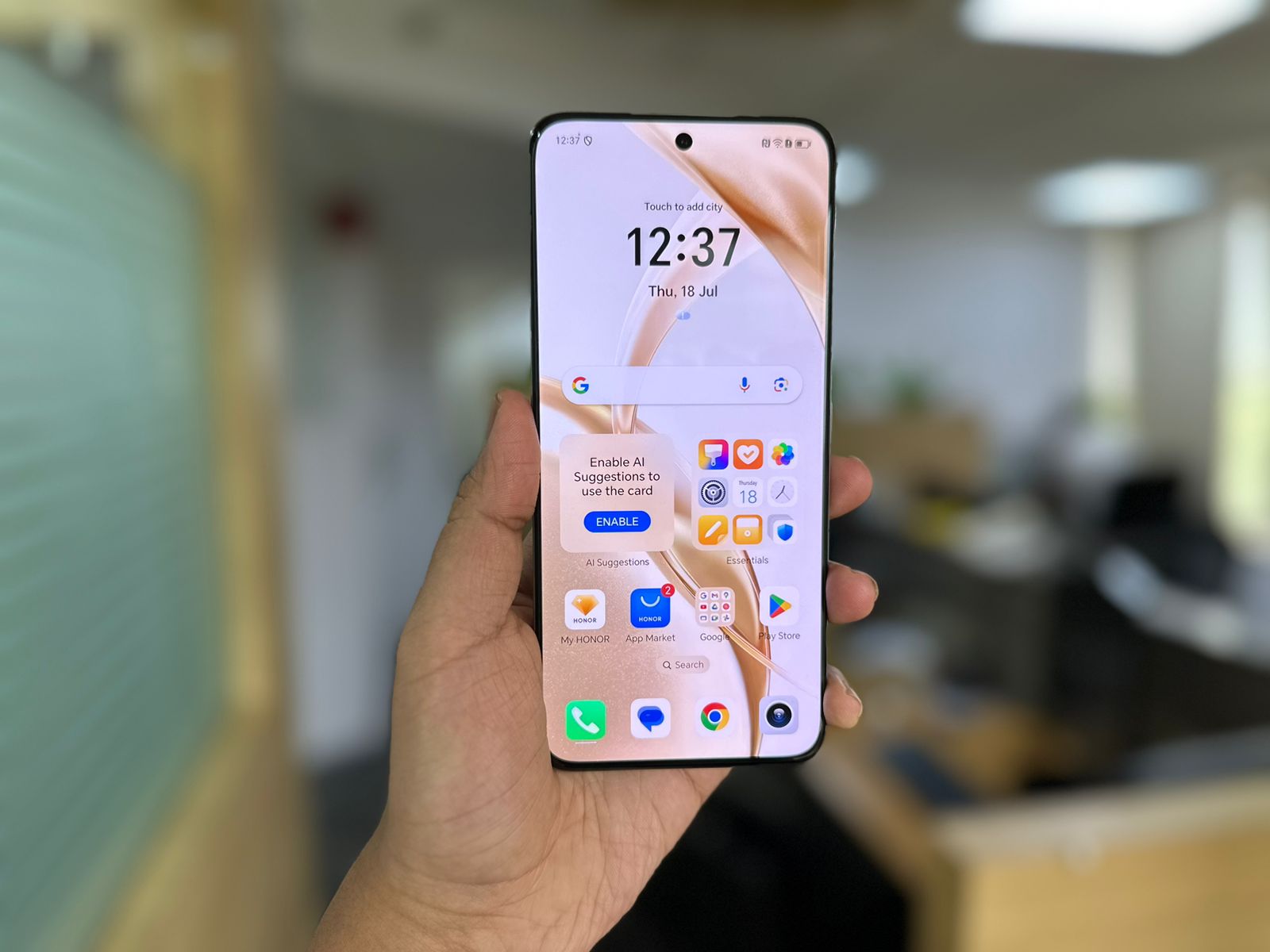
Seamless Multitasking with MagicOS 8.0 on the Honor 200
The Honor 200 5G is powered by the Snapdragon 7 Gen 3 chipset, paired with up to 12GB of LPDDR4x RAM and 512GB of UFS 3.1 storage.
It features an advanced cooling system for sustained performance.
The Realme GT 6T steps up with the slightly more powerful Snapdragon 7+ Gen 3 processor, offering up to 12GB of faster LPDDR5X RAM and 512GB of UFS 4.0 storage.
Realme GT 6T Review: Performance
It also includes a sophisticated cooling system for better thermal management.
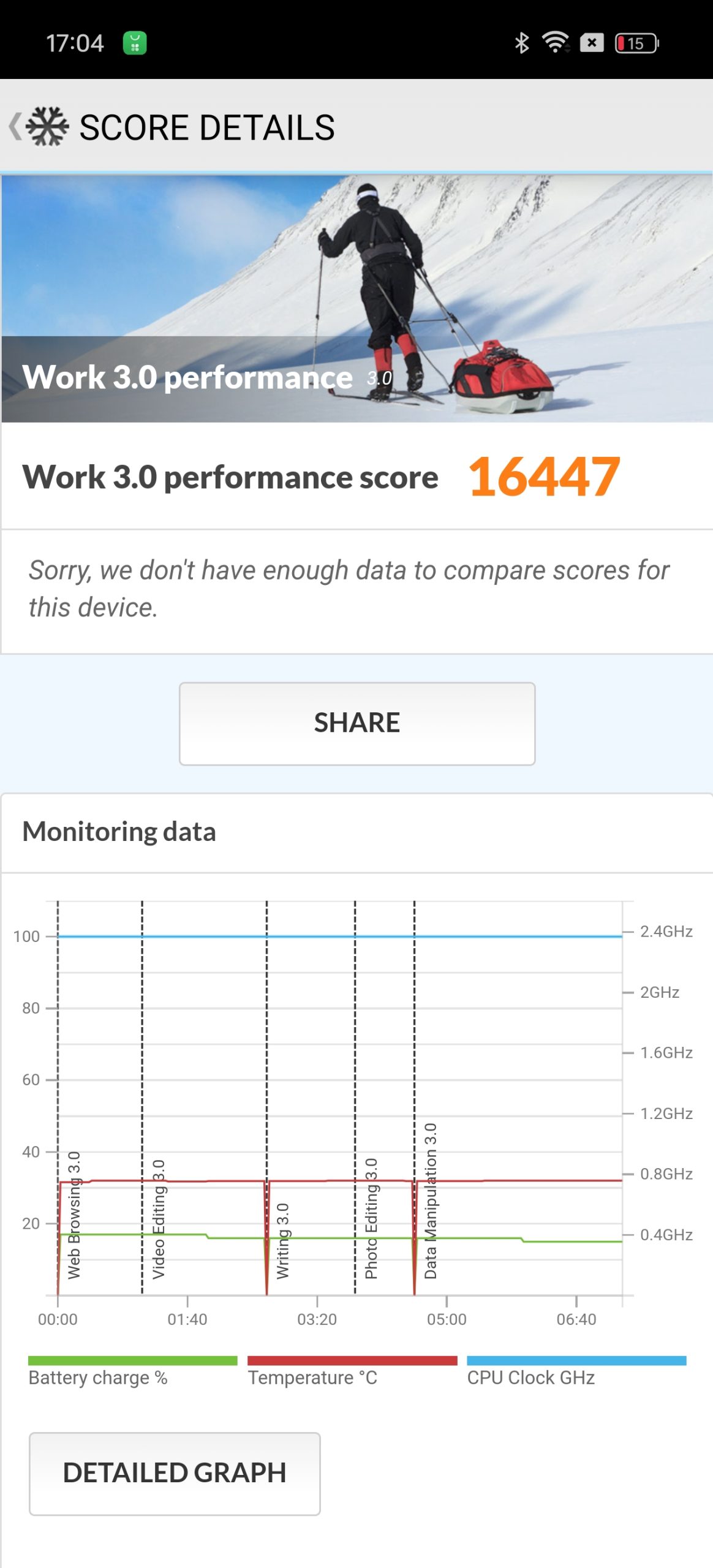
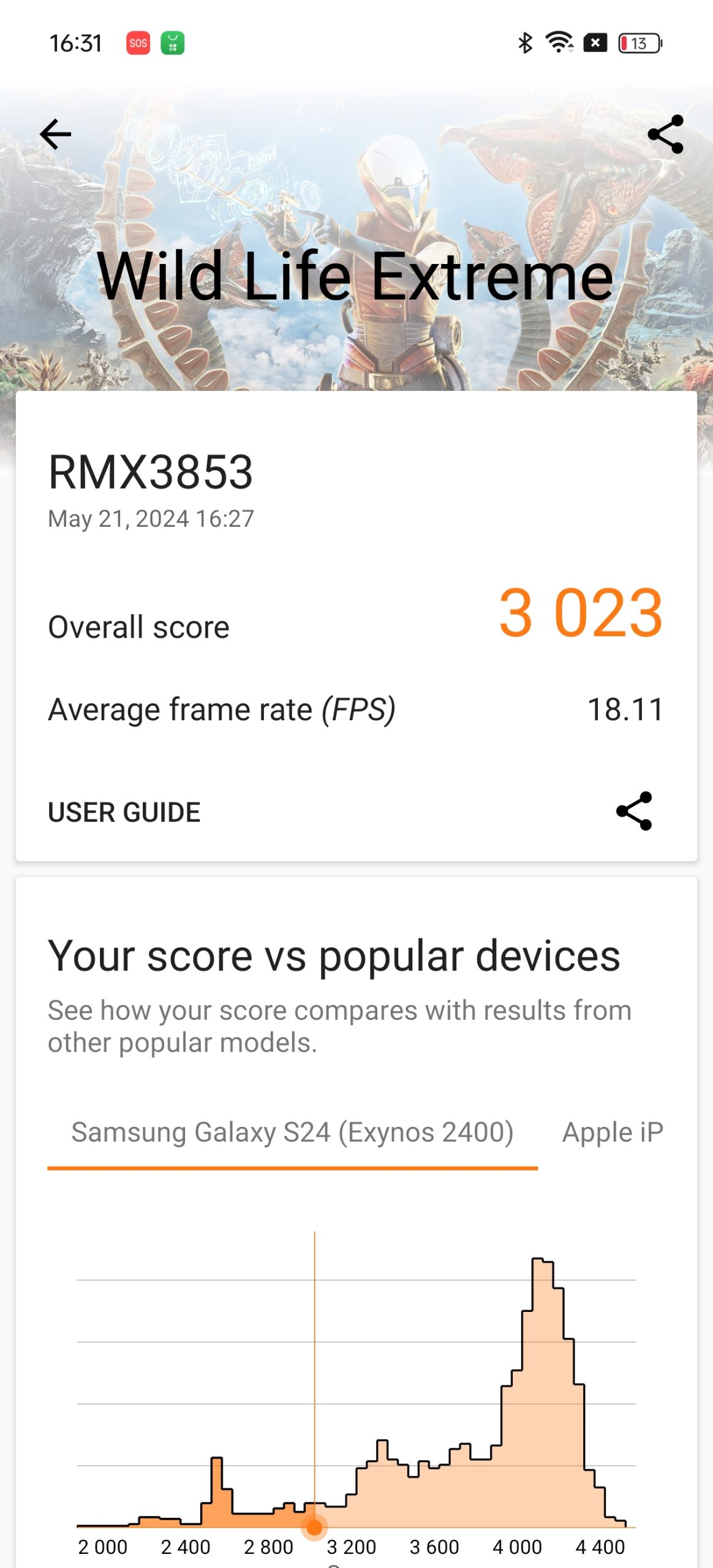
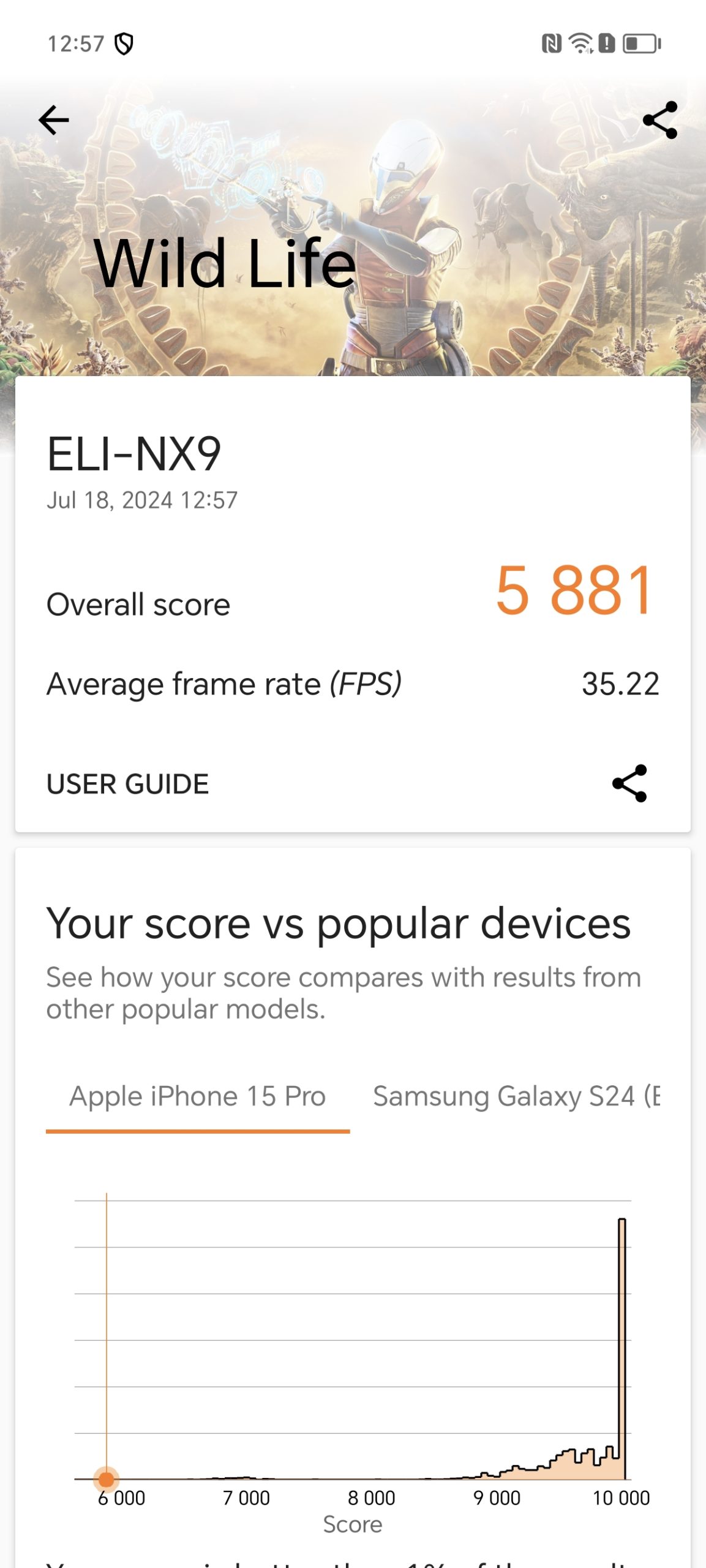
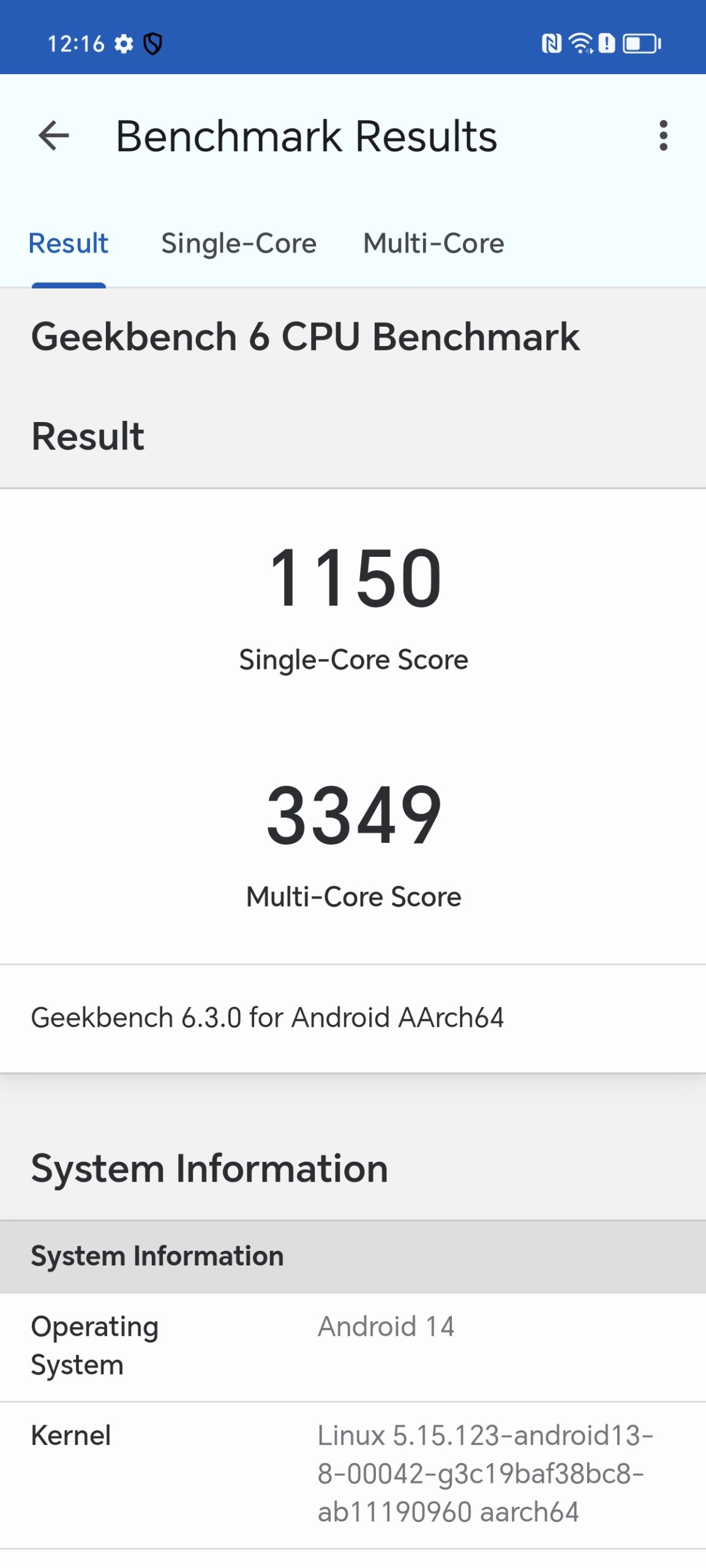
While both phones offer excellent performance for everyday tasks and gaming, the Realme GT 6T has a slight edge with its more advanced chipset and faster memory technologies.
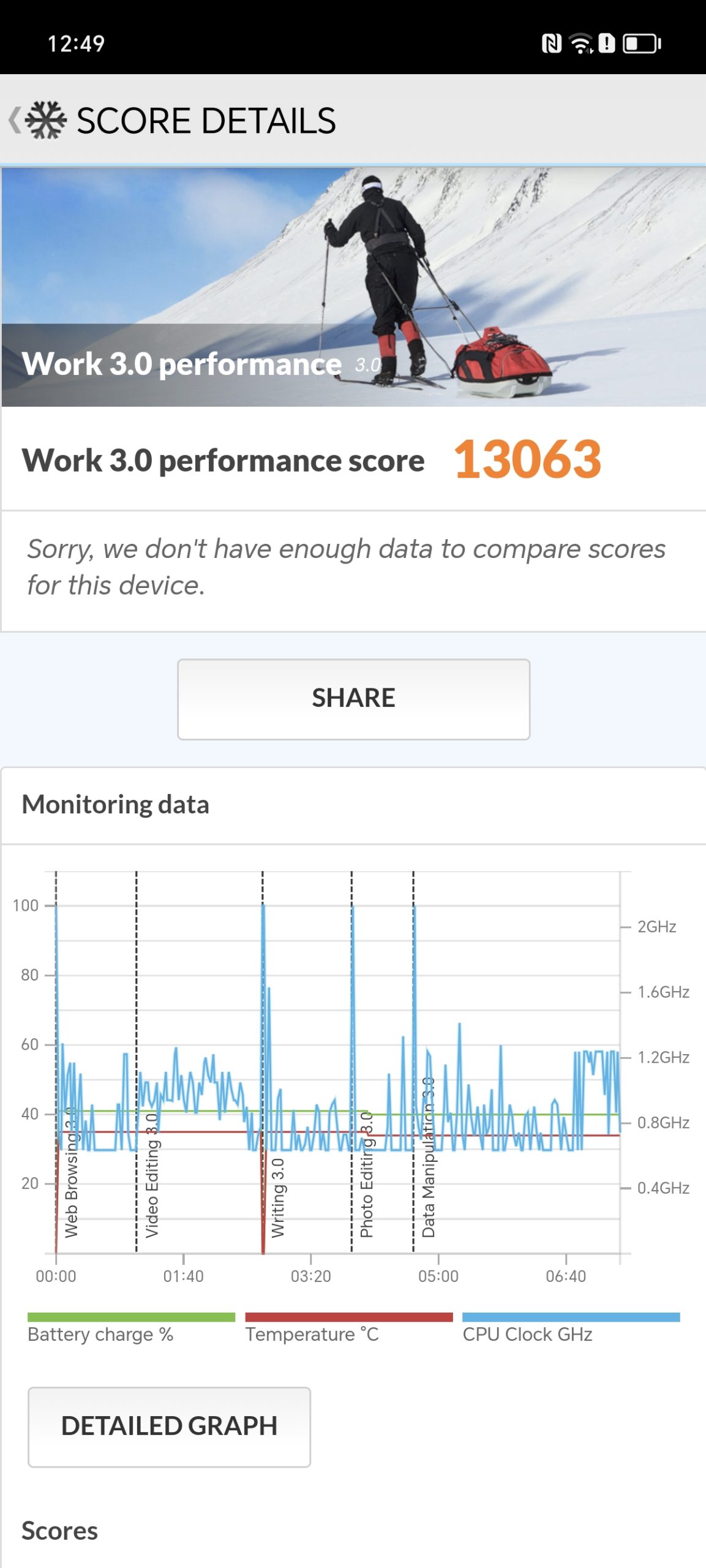
Realme GT 6T: Scores
Honor 200 5G: Scores
Honor 200 5G vs Realme GT 6T: Software
Realme GT 6T Review: Software
The Honor 200 5G runs on Magic OS 8.0 based on Android 14, promising three major Android updates and four years of security patches.
It includes features like Magic Portal, Magic Capsule, and Air Gestures.
The Realme GT 6T operates on Realme UI 5.0, also based on Android 14, with a similar update promise.
Realme GT 6T operates on Realme UI 5.0, also based on Android 14
It offers unique features like Air Gestures and various AI enhancements.
Both interfaces offer a rich feature set and long-term support, making this category a tie based on personal preference for UI design and features.
Honor 200 5G vs Realme GT 6T: Cameras
Honor 200 has a revolutionary AI-Powered Camera System for Stunning Photos
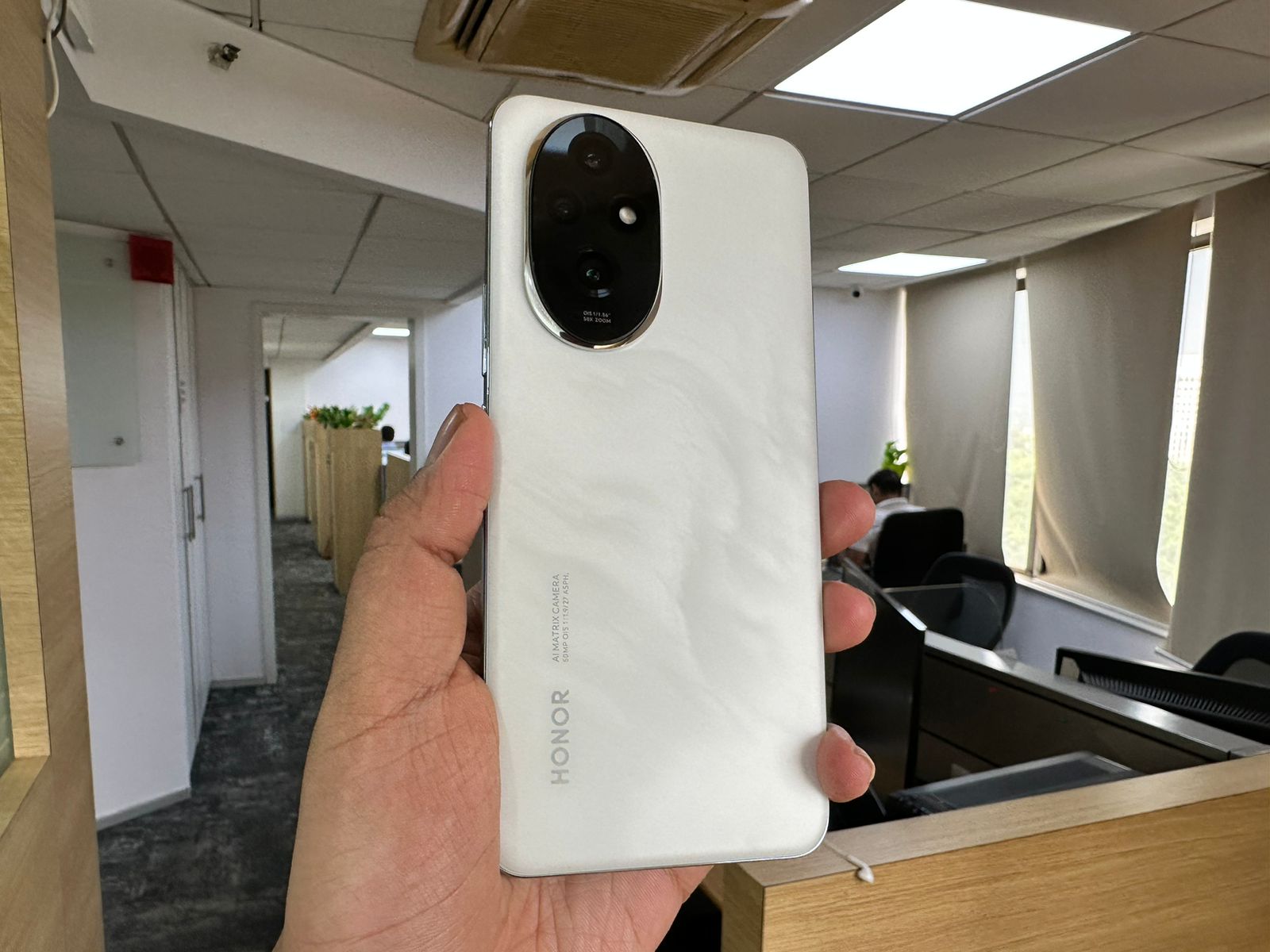
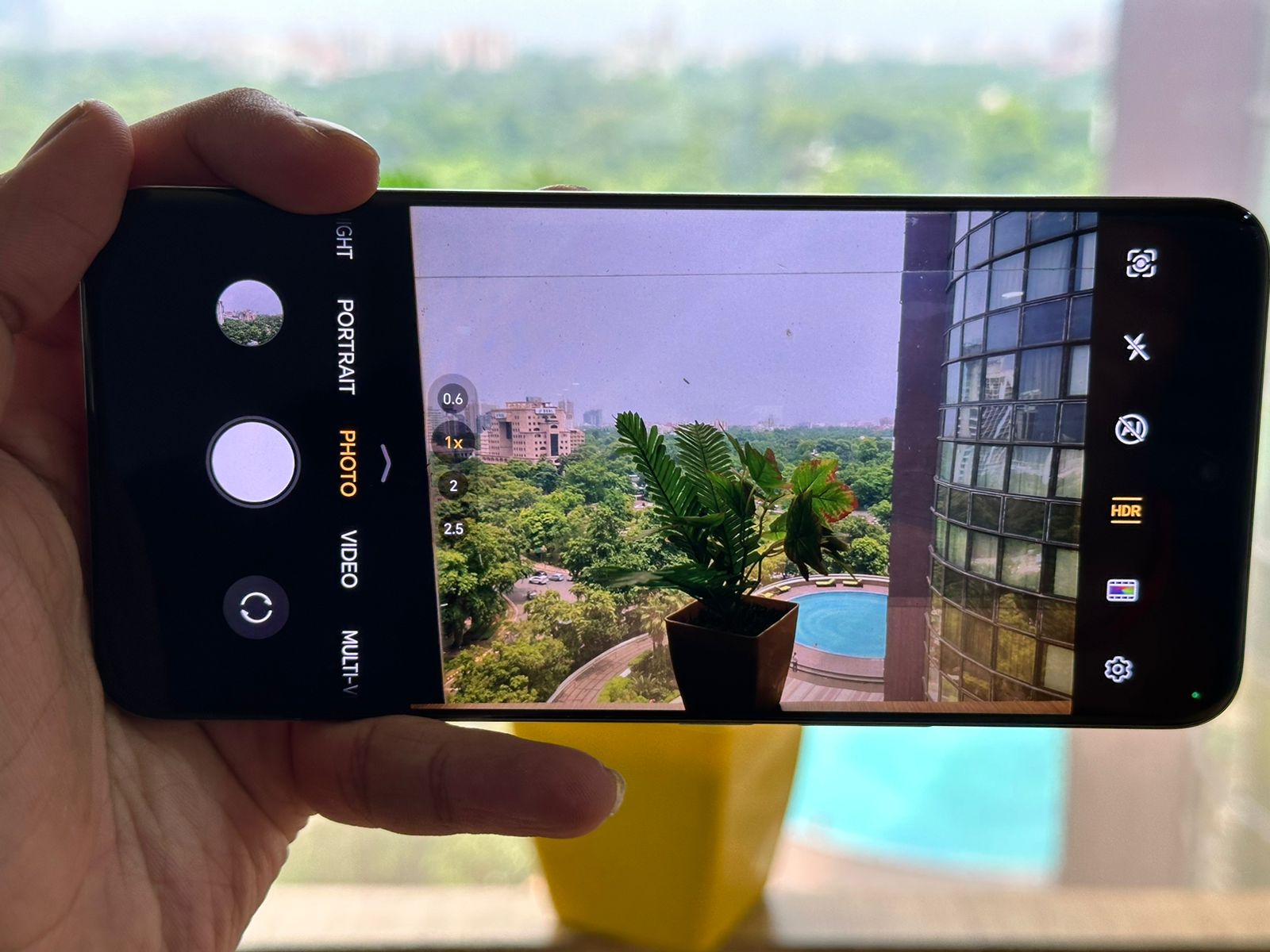
The Honor 200 5G boasts a versatile triple camera setup: a 50MP main sensor with OIS, a 12MP ultrawide camera, and a 50MP telephoto lens with 2.5x optical zoom. The front camera is an impressive 50MP sensor.
The Realme GT 6T opts for a simpler dual-camera system with a 50MP main sensor (OIS-enabled) and an 8MP ultrawide lens. Its front camera is a 32MP sensor.
Realme GT 6T Review: Cameras
While both phones can capture great photos, the Honor 200 5G offers more versatility with its telephoto lens and higher-resolution sensors across the board.
Realme GT 6T Day Camera Samples
Honor 200: Day Camera Samples
Realme GT 6T Day Video
Honor 200: Day Video
Honor 200 5G vs Realme GT 6T: Battery and Charging
Realme GT 6T Battery and Charging
The Honor 200 5G packs a 5,200mAh battery supporting 100W fast charging, capable of reaching 49% charge in 15 minutes.
However, the charger is not included in the box.
The Realme GT 6T edges ahead with a larger 5,500mAh battery and faster 120W charging support, claiming a 0-50% charge in just 10 minutes.
Honor 200 is Power-Packed with a 5200mAh Silicon-Carbon Battery
Importantly, Realme includes the 120W charger in the box.
While both phones offer excellent battery life and fast charging, the Realme GT 6T takes the lead with its larger battery, faster charging, and included charger.
Honor 200 5G vs Realme GT 6T: Verdict
Honor 200 5G : Verdict
Both the Honor 200 5G and Realme GT 6T are impressive mid-range devices that offer flagship-like features at competitive prices.
The Honor 200 5G stands out with its sleeker design, versatile camera system, and balanced overall package.
It’s an excellent choice for users who prioritize aesthetics and photography capabilities.
The Realme GT 6T, on the other hand, offers slightly better performance, a more advanced display, faster charging with an included charger, and water resistance.
Realme GT 6T, on the other hand, offers slightly better performance
It’s ideal for power users and those who want the most bang for their buck.
Ultimately, both phones represent excellent value propositions.
The Honor 200 5G is better suited for those who want a premium feel and advanced camera capabilities, while the Realme GT 6T is the go-to option for performance enthusiasts and those who prioritize fast charging and display quality.
Your choice will depend on which features matter most to you and your budget constraints.
FAQs
Which phone has a better display?
The Realme GT 6T has a slight edge with its 6.78-inch 3D curved ProXDR AMOLED display, offering a higher 1.5K resolution and superior peak brightness.
What are the camera capabilities of the Honor 200 5G?
The Honor 200 5G features a 50MP main sensor with OIS, a 12MP ultrawide camera, and a 50MP telephoto lens with 2.5x optical zoom.
Does the Realme GT 6T support water resistance?
Yes, the Realme GT 6T comes with an IP65 rating for water resistance, making it more durable against splashes.
Which phone has better battery life and charging capabilities?
The Realme GT 6T has a larger 5500mAh battery and supports faster 120W charging, with the charger included in the box.
What are the price points for these phones in India?
The Honor 200 5G starts at ₹34,999 for the 8GB + 256GB variant, while the Realme GT 6T starts at ₹30,999 for the 8GB + 128GB variant.
Honor 200 series launched with cutting-edge technology and government compliance.
Partnership with Studio Harcourt enhances portrait photography with unique filters.
Introduction of silicon carbon batteries for longer battery life and improved efficiency.
Focus on local manufacturing and customization for the Indian market.
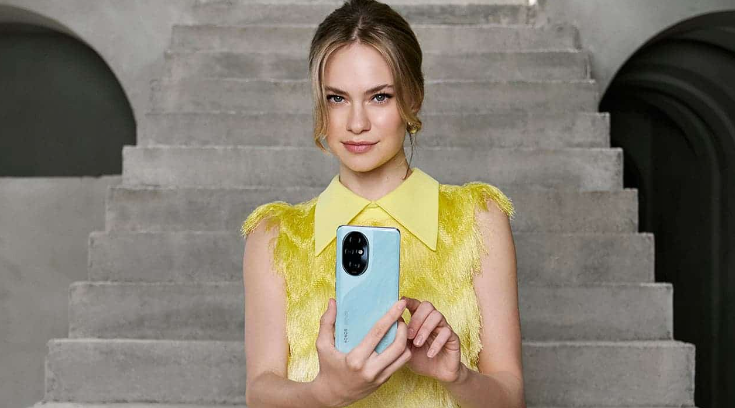
HTech is making significant strides with the launch of the Honor 200 series in India.
This new release marks a pivotal moment for the company as it seeks to establish itself as a major player in a market dominated by Chinese brands.
HTech aims to differentiate itself through innovative technology and a strong focus on compliance with government initiatives.
In an exclusive interview, HTech CEO Madhav Sheth shares his insights on the Honor 200 series, the strategic partnership with Studio Harcourt, and the company’s future plans.
Sheth emphasizes the importance of breaking the oligopolistic nature of the current market by offering truly unique products.
He also discusses the role of AI in enhancing user experience and the groundbreaking introduction of silicon carbon batteries.
Join us as we delve into HTech’s vision for transforming the smartphone landscape in India.
What are your views on the Honor 200 Series launch and what it means for HTech in general in India?
Honor 200 series launched with cutting-edge technology and government compliance
Madhav Sheth: The Honor 200 is trying to break the clutter in the Chinese smartphone industry, especially considering that many view Honor as a Chinese smartphone brand.
At HTech, our goal is to bring cutting-edge technology through a 100% Indian company.
Right now, a significant portion of the market, around 80%, is managed by Chinese brands.
Our aim is to disrupt this oligopolistic approach, where multiple brands offer essentially the same product under different sub-names, what I refer to as salubriate products.
Honor is seeking to disrupt this space by focusing on two main aspects.
Firstly, we are bringing truly differentiated products to the market.
We recognize that while there are numerous products, they are often variations of the same model.
We aim to offer something genuinely different.
Secondly, we are ensuring that we are fully compliant with the government’s vision.
We want to bring technology transfer to India, with Indian people having control over it in the long term.
The Honor 200 series embodies this approach by focusing on crucial aspects such as display quality, durability, and battery efficiency.
What was Honor’s vision in partnering with Studio Harcourt, especially when others are partnering with well-known camera makers like Leica?
Partnership with Studio Harcourt enhances portrait photography with unique filters
Mdhav Sheth:There are two distinct reasons for partnering with Studio Harcourt.
First, Studio Harcourt brings a unique approach to portrait photography, offering different types of portrait lenses and photography techniques.
This partnership goes beyond mere marketing association; it brings a new perspective to our imaging capabilities.
We wanted to provide consumers with a unique portrait photography experience that stands out in the market.
Is there any inbuilt technology that Studio Harcourt is providing to make the photos better?
Madhav Sheth:Yes, Studio Harcourt provides specific filters that enhance the portrait photography experience.
These filters are designed to deliver studio-quality portrait images, making our cameras stand out in terms of photo quality.
This is the third launch for HTech in India, following the Honor 90and X9B in different price brackets.
The Honor 200 seems to be a flagship offering. How do you position the Honor 200 in the Indian market against competitors?
Introduction of silicon carbon batteries for longer battery life and improved efficiency.
Madhav Sheth: Studio Harcourt focuses on integrating AI into camera photography, particularly for studio-level portrait photography.
This means our smartphones can offer a unique, high-quality portrait photography experience.
On the OS side, our Magic OS 8.0 features a four-layer architecture that addresses common issues users face with AI.
This architecture ensures that AI is used effectively across the app, platform, and cross-device levels, providing a seamless user experience.
Features like Magic Window and others are designed to enhance this experience.
AI is clearly a big part of Magic OS. Could you tell me more about the future AI features HTech is planning to bring to Magic OS?
Focus on local manufacturing and customization for the Indian market
Madhav Sheth: I appreciate how technology can simplify life, often in ways that go beyond marketing.
One significant advancement we are introducing is the silicon carbon battery, a first in India.
Unlike standard lithium-ion batteries, silicon carbon batteries offer longer battery life, better resale value, and the possibility of slimmer phones with larger batteries.
This technology leverages graphite anodes, which have a capacity of around 350-400 milliampere-hours per gram, whereas silicon carbon anodes can hold up to 9.5 times more, translating to approximately 3400-3500 milliampere-hours per gram.
This means our phones will have longer-lasting batteries, higher resale value, and slimmer designs.
Could you shed some light on what kind of future smartphones HTech is planning, perhaps in the foldable segment?
HTech is making significant strides with the launch of the Honor 200 series in India.
Madhav Sheth: Honor has a vast portfolio of smartphones globally.
Our initial focus is to bring these advanced technologies to India, allowing Indian consumers to experience what the world is currently enjoying.
Additionally, we are working towards local manufacturing, which will enable us to offer products that are customized to local preferences.
We are in discussions with several EMS partners to make this a reality.
Once local manufacturing is established, our next step will be to focus on local customization and product development to better meet the needs of the Indian market.
FAQs
What makes the Honor 200 series unique?
The Honor 200 series features advanced display quality, durability, and innovative silicon carbon batteries, setting it apart from other smartphones.
Why did HTech partner with Studio Harcourt?
The partnership with Studio Harcourt brings unique portrait photography techniques and filters, offering superior camera capabilities.
What are the AI features in Magic OS 8.0?
Magic OS 8.0 includes a four-layer AI architecture that enhances app, platform, and cross-device functionalities for a seamless user experience.
What benefits do silicon carbon batteries offer?
Silicon carbon batteries provide longer battery life, higher resale value, and slimmer phone designs compared to traditional lithium-ion batteries.
What are HTech’s plans for the Indian market?
HTech aims to focus on local manufacturing and customization, introducing advanced global technologies and developing products tailored to local preferences.
Huawei files lawsuit against MediaTek for patent infringement
MediaTek holds 40% of the global smartphone processor market
Huawei aims to generate revenue from its 5G patent portfolio
Legal action follows US sanctions impacting Huawei’s smartphone business
Huawei has initiated legal action against MediaTek, the global leader in smartphone processors, alleging patent infringement.
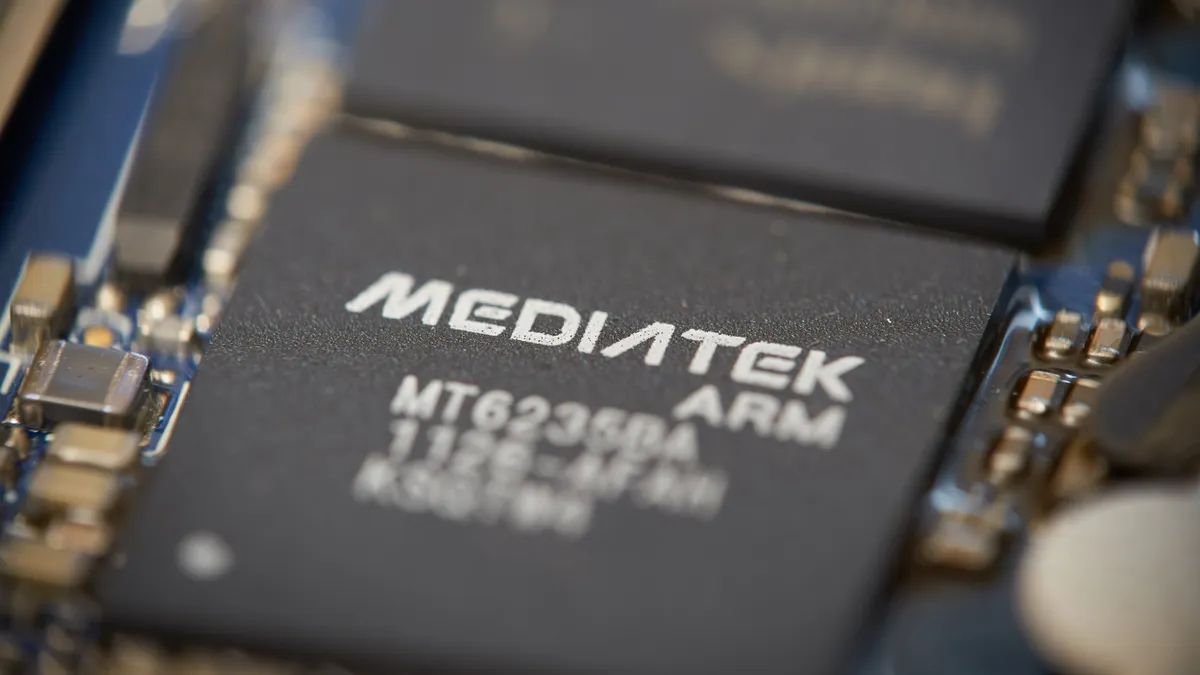
The lawsuit, filed in a Chinese district court, targets MediaTek, which commands approximately 40% of the global smartphone processor market as of Q1 2024.
This move is part of Huawei’s strategy to generate revenue from its extensive patent portfolio, which includes about 20% of global 5G patents.
The company aims to collect royalties to fund research and development efforts and showcase its technological prowess.
Huawei Fighting Sanctions
Huawei Sues MediaTek for Patent Infringement Amid US Sanctions
Huawei’s legal action comes in the wake of U.S. sanctions that severely impacted its smartphone business.
The company has been actively pursuing royalty payments since being placed on the U.S. Entity List in 2019 and facing additional restrictions in 2020.
In 2022, Huawei reported $560 million in patent-related revenue.
The company has established cross-licensing agreements with major tech firms and automakers, including Oppo, Samsung, Volkswagen, and Mercedes Benz.
Sources familiar with the matter indicate that Huawei has filed similar lawsuits against multiple companies to diversify its income sources.
Huawei aims to generate revenue from its 5G patent portfolio
Approximately 200 firms currently pay royalties to Huawei for using its patented technologies.
This legal battle between two major players in the mobile technology sector highlights the increasing importance of intellectual property in the industry.
It also shows Huawei’s efforts to maintain its position in the tech world despite facing significant challenges in its core smartphone business.
As the case unfolds, it may have implications for the broader smartphone industry and the complex web of patent licensing agreements that underpin modern mobile technologies.
FAQs
Why is Huawei suing MediaTek?
Huawei alleges that MediaTek has infringed on its patents, particularly those related to 5G technology.
What is the significance of this lawsuit for Huawei?
This lawsuit is part of Huawei’s strategy to generate revenue from its extensive patent portfolio and offset the financial impact of US sanctions.
How large is MediaTek’s market share in the smartphone processor industry?
MediaTek commands approximately 40% of the global smartphone processor market as of Q1 2024.
What other companies are involved in similar lawsuits with Huawei?
Huawei has filed similar lawsuits against multiple companies to diversify its income sources, with approximately 200 firms currently paying royalties to Huawei.
Features: Face ID, OLED display, USB-C port, upgraded chip
Expected release in spring 2025
Apple’s upcoming iPhone SE 4, expected in spring 2025, may share design elements with the iPhone 16, according to a new rumor.
A Weibo post from Fixed Focus Digital suggests the back cover process for the new iPhone SE will be identical to the iPhone 16.
This implies the devices may look similar from behind.
Previous CAD renders indicated the iPhone SE 4 would be the largest SE model to date, resembling the iPhone 14’s form factor.
Apple has maintained a consistent exterior design from the iPhone 14 to 15, with minimal changes expected for the 16.
iPhone SE 4 to Feature iPhone 16 Design Elements
The rumored similarities between the iPhone SE 4 and iPhone 16 align with Apple’s design strategyof using established form factors for its budget models.
Other rumored features for the iPhone SE 4 include:
– Face ID support
– OLED display
– USB-C port
– Upgraded chip
These features would position the iPhone SE 4 as a competitive alternative to the iPhone 16, particularly for budget-conscious consumers.
However, the SE 4 is not expected to support Apple Intelligence features, maintaining some differentiation from higher-end models.
Apple’s upcoming iPhone SE 4, expected in spring 2025
Apple has not officially confirmed any details about the iPhone SE 4.
The company typically does not comment on unreleased products.
The iPhone SE line has historically offered users access to newer Apple technologies at a lower price point.
This rumored update would continue that trend, potentially narrowing the gap between budget and flagship models.
Apple iPhone SE 4 Specs
GENERAL
Sim Type
Dual Sim, GSM+GSM
Dual Sim
Yes
Sim Size
Nano+eSIM
Device Type
Smartphone
Release Date
March 8, 2024 (Expected)
DISPLAY
Type
Color OLED Screen (16M Colors)
Touch
Yes
Size
6.1 inches, 750 x 1580 pixels
Aspect Ratio
16:9
PPI
~ 441 PPI
Screen to Body Ratio
~ 65.4%
Features
1,400:1 Contrast Ratio (typical), True Tone Display, Wide Colour Display (P3), Haptic Touch, 625 nits Max Brightness
MEMORY
Storage
64 GB
Card Slot
No
CONNECTIVITY
GPRS
Yes
EDGE
Yes
3G
Yes
4G
Yes
5G
Yes
VoLTE
Yes
Wifi
Yes, with wifi-hotspot
Bluetooth
Yes, v5.3, A2DP, LE
USB
Yes, Lightning Port
USB Features
USB Charging
EXTRA
GPS
Yes, with A-GPS, GLONASS, GALILEO, QZSS, BEIDOU
Fingerprint Sensor
Yes, Front
Face Unlock
Yes
Sensors
Barometer, Three Axis Gyro, Accelerometer, Proximity Sensor, Ambient Light Sensor
3.5mm Headphone Jack
Lightning
NFC
Yes
Water Resistance
Yes
IP Rating
IP67
Dust Resistant
Yes
CAMERA
Rear Camera
12 MP f/1.8 with autofocus
Features
Deep Fusion, Smart HDR 4, Photographic Styles, Advanced Red-eye Correction, Auto Image Stabilisation, Burst Mode, Photo Geotagging
Video Recording
4K, 1080p
Flash
Yes, LED
Front Camera
10.8 MP f/2.2 with Retina Flash
Front Video Recording
1080p @ 30 fps FHD
TECHNICAL
OS
iOS v16
Chipset
Apple Bionic A15
CPU
3.22 GHz, Hexa Core Processor
Core Details
2×3.22 GHz Avalanche + 4xX.X GHz Blizzard
GPU
Apple GPU
Java
No
Browser
Yes
MULTIMEDIA
Email
Yes
Music
AAC, MP3, Apple Lossless, FLAC, Dolby Digital and Dolby Digital Plus
Video
HEVC, H.264 and ProRes
FM Radio
No
Document Reader
Yes
BATTERY
Type
Non-Removable Battery
Size
Li-ion Battery
Fast Charging
Yes, 18W Fast Charging
Wireless Charging
Yes, Works with Qi Chargers
Music Playback Time
50 hours
FAQs
What design elements will the iPhone SE 4 share with the iPhone 16?
The iPhone SE 4 is rumored to have a back cover process identical to the iPhone 16, implying a similar look from behind.
What size will the iPhone SE 4 be?
The iPhone SE 4 is expected to be the largest SE model to date, similar in size to the iPhone 14.
What new features are expected in the iPhone SE 4?
Rumored features include Face ID support, an OLED display, a USB-C port, and an upgraded chip.
Will the iPhone SE 4 support Apple Intelligence features?
The iPhone SE 4 is not expected to support Apple Intelligence features, maintaining differentiation from higher-end models.
When is the iPhone SE 4 expected to be released?
The iPhone SE 4 is rumored to be released in spring 2025.