Home Blog Page 370

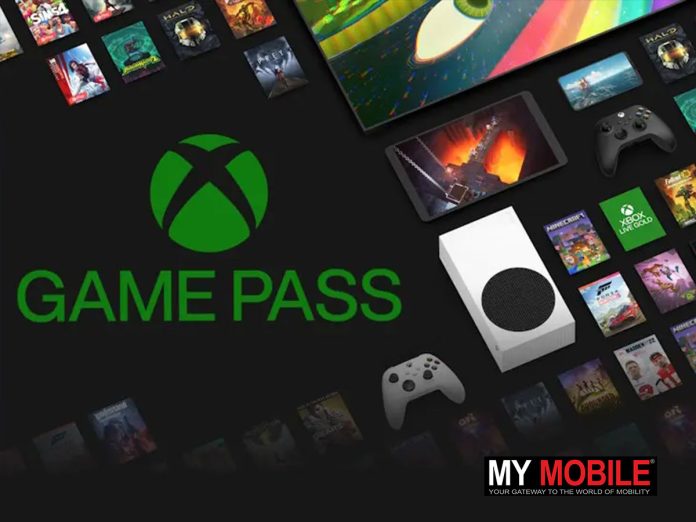
Xbox Game Pass: A Complete Guide to Subscription Tiers and Benefits

0

Highlights

  • Microsoft has replaced Xbox Live Gold and Xbox Game Pass for Console with new tiers.
  • It now has Xbox Game Pass Core and Standard, along with Xbox Game Pass PC and Ultimate.

Microsoft recently replaced Xbox Live Gold and Xbox Game Pass for Console. It also introduced new subscription tiers: Xbox Game Pass Core and Standard.

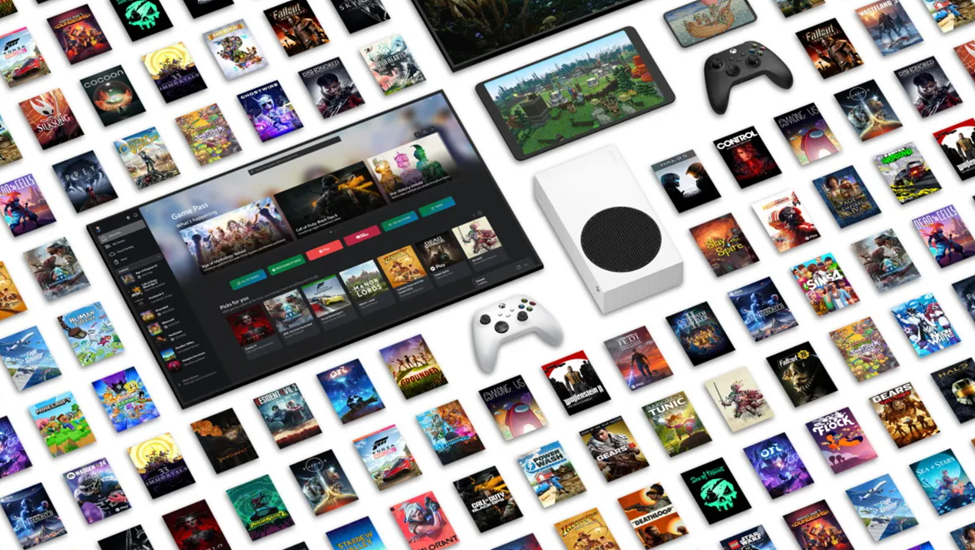
Xbox Game Pass is one of the most popular gaming subscription services. It was launched in 2017 as a service that allows users to download and play video games for Xbox video game consoles or Microsoft Windows PCs. Today, it offers gamers access to a vast library of games.

Here’s a breakdown of the different tiers, their benefits, and pricing to help you decide which one suits you best.

Let’s start by looking at the price.

Tiers Price (Monthly)
Xbox Game Pass Core Rs 349
Xbox Game Pass Standard Rs 619
Xbox Game Pass PC Rs 449
Xbox Game Pass Ultimate Rs 829

Xbox Game Pass Core

image
Xbox Game Pass Core (Image credit – Xbox)

The Xbox Game Pass Core is the entry-level option that replaces Xbox Live Gold.

It offers a curated selection of over 30 console games. Along with that, it also offers online multiplayer access and exclusive discounts for subscribers. Microsoft plans to regularly update the game selection.

Benefits –

  • Curated library of console games
  • online multiplayer
  • special deals

Price: Rs 349/month

Xbox Game Pass Standard

image
Xbox Game Pass Standard (Image credit – Xbox)

Xbox Game Pass Standard provides hundreds of downloadable console games. It includes popular titles like Forza Horizon 5 and Minecraft. While it doesn’t include day-one releases, it offers online multiplayer and special deals. It is perfect for Xbox users who want access to a larger library.

Benefits –

  • Xbox Game Pass library of console games
  • online multiplayer
  • special deals

Price: Rs 619/month

Xbox Game Pass PC

image
Xbox Game Pass PC (Image credit – Xbox)

Xbox Game Pass PC is specially designed for PC gamers. This tier gives access to a wide range of PC games, which includes day-one releases from Xbox Game Studios and Bethesda. It also includes an EA Play membership and provides additional EA titles at no extra cost.

Benefits –

  • Xbox Game Pass library of PC games
  • EA Play
  • Day one release
  • Special deals

Price: Rs 449/month

Xbox Game Pass Ultimate

image
Xbox Game Pass Ultimate (Image credit – Xbox)

Xbox Game Pass Ultimate is known for being the most comprehensive subscription.

Xbox Game Pass Ultimate offers access to both PC and console games. It includes day-one releases, EA Play membership, online multiplayer, and exclusive in-game perks. This is ideal for gamers who use both PC and Xbox.

Benefits –

  • Xbox Game Pass library of PC
  • Console games
  • EA Play
  • Day one release
  • Online multiplayer
  • Special deals and perks

Price: Rs 829/month

Which Xbox Game Pass Tier Should You Choose?

If you are primarily a PC gamer, Xbox Game Pass PC is your best option.

Meanwhile, Console-only gamers can choose between Xbox Game Pass Core for basic multiplayer and discounts. Their other option is Xbox Game Pass Standard as it provides access to hundreds of games.

However, if you are someone who is into both PC and console gamers then we suggest you check out the Xbox Game Pass Ultimate. It is perfect for both and provides the most value as well. It basically offers access to everything Xbox has to offer.

You can find the best Xbox Game Pass tier simply by considering your gaming platform. The next thing you should consider is your gaming needs and the features that you want to use while playing.

FAQs

Q1. What are the new subscription tiers introduced by Microsoft for Xbox Game Pass?

Answer. Microsoft has introduced Xbox Game Pass Core and Standard, replacing Xbox Live Gold and Xbox Game Pass for the Console. Additionally, there are Xbox Game Pass PC and Xbox Game Pass Ultimate tiers, offering various benefits and price points for gamers.

Q2. What are the benefits and pricing for Xbox Game Pass Core and Standard?

Answer. Xbox Game Pass Core: Offers a curated selection of over 30 console games, online multiplayer, and special deals for Rs 349/month. Meanwhile, the Xbox Game Pass Standard: Provides access to hundreds of console games, online multiplayer, and special deals for Rs 619/month.

Read More: Microsoft Announced Merger of Xbox Game Pass App into Main Xbox App

Read More: Microsoft Brings Xbox TV App to Amazon Fire TV Sticks for Game Pass Ultimate Subscribers

Read More: Microsoft Unveils Trio of Xbox Consoles: Digital Edition, Galaxy Black, and Robot White Series
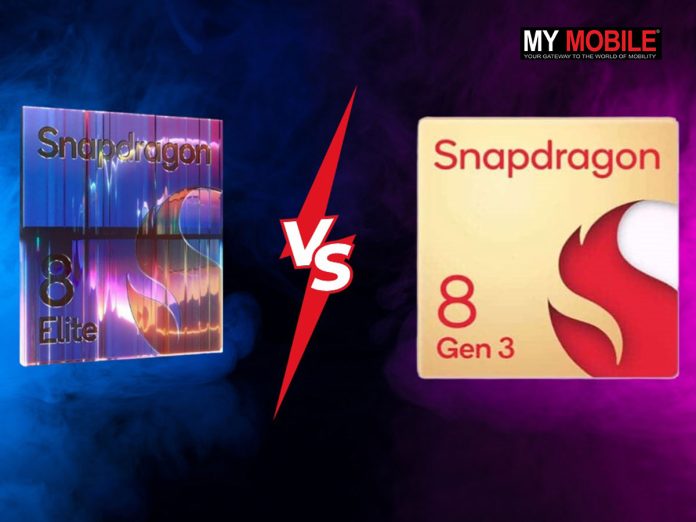

Snapdragon 8 Elite vs Snapdragon 8 Gen 3: A Quick Comparison

0

Highlights

  • The upcoming Xiaomi 15 series is expected to feature the Snapdragon 8 Elite chipset.
  • Rumours suggest the Snapdragon 8 Gen 4 rebranded as 8 Elite.
  • Early benchmarks show the Snapdragon 8 Elite outperforming the 8 Gen 3.
  • Key differences include the 8 Elite’s advanced 3nm process, new 2+6 core configuration with Oryon CPU technology, and the Adreno 830 GPU.

image

Rumours suggest the upcoming Snapdragon 8 Gen 4 has been renamed as Snapdragon 8 Elite. (Image credit – Xiaomi 15 series promotional material)

We recently reported that Xiaomi’s upcoming 15 series will be powered by Qualcomm’s latest Snapdragon 8 Elite chipset based on leaked promotional material. While we earlier thought this was a new chipset Qualcomm was going to introduce, more recent speculations suggest that it is the Snapdragon 8 Gen 4 only remanded as the Snapdragon 8 Elite. This makes Snapdragon 8 Elite a successor to the Snapdragon 8 Gen 3.

Snapdragon 8 Elite is expected to officially launch in October. Although no official details about the chipset have been out yet, we know most of the configuration and specs from the leaks.

Here’s a closer look at what makes the Snapdragon 8 Elite stand out compared to its predecessor, the Snapdragon 8 Gen 3. The comparison below is based on leaked details of the upcoming 8 Elite chipset.

Snapdragon 8 Elite vs Snapdragon 8 Gen 3: Benchmark Performance

Early leaks have revealed that the Snapdragon 8 Elite has outperformed all existing AnTuTu benchmark records for smartphone chips.

The current highest score, held by the Snapdragon 8 Gen 3 in the Red Magic 9 Pro at 2,128,819 points. This has been now defeated by the 8 Elite’s score of 3,133,570. It shows a massive 50% improvement.

Similarly, Geekbench 6 scores reveal the Snapdragon 8 Elite outperforms the 8 Gen 3. This was especially clear in multi-core tests. It shows substantial performance boosts.

AnTuTu 10 Snapdragon 8 Elite (Leaked) Snapdragon 8 Gen 3
AnTuTu score 31,33,570 21,28,819
CPU 702,689 475,525
GPU 13,30,057 896,088
Memory 616,268 416,633
UX 484,556 340,573


Snapdragon 8 Elite vs Snapdragon 8 Gen 3 – Key Differences

The Snapdragon 8 Elite is reportedly built on a more advanced 3nm process as compared to the 4nm architecture of the Snapdragon 8 Gen 3.

It is produced by TSMC and the upgrade will ensure improved efficiency and performance.

One of the most anticipated changes is the switch to a new core configuration.

The Snapdragon 8 Elite is rumoured to feature a 2+6 core setup. It is changed from the previous 1+3+4 cluster.

It is powered by Qualcomm’s new Oryon CPU technology, which is the same technology used in Snapdragon X Elite chips for PCs. This is believed to be for improved power efficiency and performance.

Leaks suggest that the Snapdragon 8 Elite’s two large cores will run at 4.09 GHz. Compared to this, there are 3.3 GHz in the 8 Gen 3 with the remaining six cores clocked at 2.78 GHz.

Moreover, leaks have also revealed that Snapdragon 8 Elite may also come with the new Adreno 830 GPU. This will offer a 43% to 56% improvement over the Adreno 750 found in the Snapdragon 8 Gen 3.

The Adreno 830 will offer better gaming and graphics performance when paired with a clock speed of 1150 MHz.

Based on leaked specifications, we can say that the Snapdragon 8 Elite promises serious CPU and GPU upgrades. The Oryon cores are expected to provide the best battery efficiency compared to any Android device.

Overall, the Snapdragon 8 Elite if goes as per the leaked details might just turn out to be a major leap for Qualcomm chips.

Snapdragon 8 Elite vs Snapdragon 8 Gen 3: Spec Sheet (8 Elite Based on Rumours)

Snapdragon 8 Elite (leaked) Snapdragon 8 Gen 3
Release Date October 2024 (expected) October 2023
Process Node 3nm 4nm
Cores 8 8
CPU Architecture 2 x 4.09 GHz – Oryon

6 x 2.78 GHz – Oryon

1 x Cortex-X4 @ 3.3 GHz

3 x Cortex-A720 @ 3.15 GHz

2 x Cortex-A720 @ 2.96 GHz

2 x Cortex-A520 @ 2.27 GHz

CPU Max Frequency 4,090 MHz 3,300 MHz
CPU Bit 64-bit 64-bit
GPU Adreno 830

1150 MHz frequency

Adreno 750

770 MHz frequency

Snapdragon Elite Gaming

Hardware Accelerated Ray Tracing

NPU Hexagon Hexagon

FAQs

Q1. What is the Snapdragon 8 Elite chipset?

Answer. The Snapdragon 8 Elite is the rebranded name for the Snapdragon 8 Gen 4. It offers significant performance improvements over the Snapdragon 8 Gen 3, including a 50% higher AnTuTu benchmark score and better multi-core performance in Geekbench 6.

Q2. What are the key differences between Snapdragon 8 Elite and Snapdragon 8 Gen 3?

Answer. The Snapdragon 8 Elite is built on a more advanced 3nm process, features a new 2+6 core configuration with Qualcomm’s Oryon CPU technology, and includes the new Adreno 830 GPU, providing improved efficiency and performance.

Q3. When is the Snapdragon 8 Elite expected to launch?

Answer. The Snapdragon 8 Elite is expected to officially launch in October and will power devices like Xiaomi’s upcoming 15 series.

Read More: Qualcomm’s Next-Gen Snapdragon Elite Chipset to Power Xiaomi 15 Series

Read More: Qualcomm Snapdragon 8s Gen 4 Spotted in Xiaomi’s HyperOS Software

Apple Not Investing in OpenAI; ChatGPT Subscription Could Cost Double in A Few Years

0

Highlights

  • Apple has reportedly opted out of investing in OpenAI.
  • Microsoft and Nvidia are set to contribute to a $6.5 billion funding round.
  • Microsoft to add another $1 billion.
  • OpenAI plans to raise the ChatGPT+ subscription from $20 to $22 per month by the end of 2024.
  • The subscription cost could reach $44 per month over the next five years.
  • OpenAI is now valued at $150 billion and expects $3.7 billion in revenue this year.
image
OpenAI’s Growing Valuation, Financials and Sam Altman’s Equity Revealed. (Image – ChatGPT)

The Wall Street Journal recently reported that Apple has decided not to invest in OpenAI. This news, if true, is coming amidst reports of the Chat-GPT creator closing a $6.5 billion funding round. Major tech giants Microsoft and Nvidia are expected to be major contributors.

The WSJ report states, “Apple is no longer in talks to participate in an OpenAI funding round expected to raise as much as $6.5 billion, an 11th-hour end to what would have been a rare investment by the iPhone maker in another major Silicon Valley company.

Apple recently fell out of the talks to join the round, which is slated to close next week, according to a knowledgeable person.”

Apple was previously rumoured to be considering an investment in OpenAI. However, the investment amount was never confirmed. Meanwhile, Microsoft is reportedly set to expand its investment with an additional $1 billion. It already is a significant stakeholder in OpenAI with a 49% share of profits.

If the reports of Apple backing out from a potential investment in OpenAI are true, this comes at an interesting time. Both Apple and OpenAI are currently in the middle of leadership change.

On one hand, former Apple design chief Jony Ive is now working with OpenAI to create an AI hardware product. On the other hand, Apple is partnering with OpenAI to integrate ChatGPT into iOS 18 later this year.

The collaboration will allow ChatGPT to assist with world knowledge requests. This will work alongside Siri. Reports also suggest there will not be any financial exchange between the companies. It was revealed in a Bloomberg report that Apple believes iOS 18 integration with OpenAI is “of equal or greater value” than monetary benefit.

OpenAI’s Growing Valuation, Financials and Sam Altman’s Equity

OpenAI is valued at $150 billion in this latest funding round. It is a huge jump from last year’s $30 billion valuation following Microsoft’s investment.

The company expects to generate $3.7 billion in revenue this year. The primary source for this is ChatGPT subscriptions and AI services, mostly provided to tech companies.

However, a whopping $5 billion in loss is expected due to the high costs of AI development even with the impressive revenue.

OpenAI expects its revenue to triple next year to $11.6 billion. The company further projects its revenue to reach $100 billion by 2029. Interestingly, it is the same time when OpenAI plans to increase ChatGPT+ cost to $44 per month.

Reports doing rounds in the media suggest CEO Sam Altman is set to gain a 7% equity stake worth $10.5 billion in the company.

Altman was briefly fired by OpenAI’s board last year. He was reinstated following protests from employees and a board reshuffle. However, after his return, several senior employees including the CTO and Chief Scientist have left the company.

Meanwhile, certain rumours have increased the buzz around OpenAI switching from a non to a for-profit company. If true, the new business model will allow for the removal of any caps on investor returns. This will also provide more room for all parties to negotiate and for new investors to possibly get higher rates.

OpenAI’s ChatGPT+ Pricing to Increase

The New York Times recently reported that OpenAI is also planning changes to its ChatGPT+ subscription costs.

The ChatGPT+ subscription is currently priced at $20 per month. Reports now suggest it will rise to $22 by the end of the year and could potentially reach close to $44 per month over the next five years.

ChatGPT+ provides users access to advanced AI models including the image generation tool, DALL-E.

OpenAI has 10 million subscribers to the service.

FAQs

Q1. Will OpenAI increase the price of ChatGPT+?

Answer. Yes, OpenAI plans to increase the price of ChatGPT+. Currently priced at $20 per month, the subscription will rise to $22 by the end of this year and eventually reach $44 per month over the next five years.

Q2.  What is OpenAI’s current valuation and revenue outlook?

Answer. OpenAI is valued at $150 billion following its latest funding round. The company expects to generate $3.7 billion in revenue this year but also anticipates a $5 billion loss due to high expenses. By 2029, OpenAI projects its revenue to reach $100 billion.

Read More: Confirmed: Jony Ive Working on AI Hardware Product with OpenAI’s Sam Altman

Read More: ChatGPT to Get Advanced Voice Mode to Initiate Conversations; OpenAI Forms Independent Safety Board to Enhance AI Safety

Flipkart Big Billion Days Vs Amazon Great Indian Festival Sales – Who Is Offering The Best iPhone Deals?

0

Highlights

  • Flipkart and Amazon are hosting their biggest sales of the year.
  • Provides attractive iPhone deals with prices compared to help you choose.
  • Flipkart offers an extra 10% discount on HDFC cards and additional exchange bonuses.
  • Amazon’s deals focus mainly on the iPhone 13, with a 10% discount on SBI cards.

It is that time of the year when two of the biggest e-commerce platforms host their festive sale at the same time. Yes, we are talking about – the Flipkart Big Billion Day sale and the Amazon Great Indian Festival sale.

While we get to see innumerable sales on different categories of products, the iPhone deals are particularly lucrative this year because of the timing of the sale. The latest iPhone 16 series has just hit the stores and it is time when great deals can be expected on the older iPhone models.
So, if you want to upgrade, we have compared the prices of different iPhone models across both platforms to help you choose.

image
image
image
image
image image image image

Effective sale price of iPhone 15 series. (Image Credit – MySmartPrice)

Here’s everything you need to know about the Flipkart and Amazon iPhone deals.

iPhones at Lowest Prices on Flipkart

To get the best iPhone deal during The Big Billion Days sale, take full advantage of card offers and exchange bonuses.

Flipkart has partnered with HDFC Bank to provide an additional 10% discount on HDFC credit cards, debit cards, and Easy EMI. However, the discount is capped at Rs 3,500 for the iPhone 15 and Rs 5,000 for the iPhone 15 Pro Max.

Additionally, Flipkart is offering an extra exchange bonus on iPhone purchases, applied as a discount on top of the exchange value of your device.

Best Flipkart iPhone deal prices after the card offers and exchange bonuses –

iPhone 15

  • Big Billion Days price – Rs 54,999
  • Price with HDFC Card Offer – Rs 51,499 (Rs 3,500 card offer)
  • Price with Card & Exchange offers – Rs 49,999 (Rs 1,500 extra exchange offer)

iPhone 15 Plus

  • Big Billion Days price – Rs 64,999
  • Price with HDFC Card Offer – Rs 59,999 (Rs 5,000 card offer)
  • Price with Card & Exchange offers – Rs 59,999 (Rs 1,500 extra exchange offer)

iPhone 15 Pro

  • Big Billion Days price – Rs 1,09,999
  • Price with HDFC Card Offer – Rs 1,04,999 (Rs 5,000 card offer)
  • Price with Card & Exchange offers – Rs 99,999 (Rs 5,000 extra exchange offer)

iPhone 15 Pro Max

  • Big Billion Days price – Rs 1,21,999
  • Price with HDFC Card Offer – Rs 1,19,999 (Rs 2,000 card offer)
  • Price with Card & Exchange offers – Rs 1,14,999 (Rs 5,000 extra exchange offer)

iPhone 14

  • Big Billion Days price – Rs 50,999
  • Price with HDFC Card Offer – Rs 48,999 (Rs 2,000 card offer)
  • Price with Card & Exchange offers – NA

iPhone 13

  • Big Billion Days price – Rs 40,999
  • Price with HDFC Card Offer – Rs 39,499 (Rs 1,500 card offer)
  • Price with Card & Exchange offers – NA

iPhone 12 Mini

Big Billion Days price – Rs 19,999

Price with HDFC Card Offer – Rs 18,999 (Rs 1,000 card offer)

Price with Card & Exchange offers –  NA

iPhones at Lowest Prices on Amazon

Amazon’s Great Indian Festival sale doesn’t feature special deals for iPhones other than the iPhone 13, the oldest model available.

The iPhone 13 is priced at Rs 41,999 on Amazon, but this can be reduced to Rs 40,749 with the card offer.

Amazon has partnered with SBI for card offers, providing an instant 10% discount on various products. For iPhones, the card offer varies from Rs 1,250 to Rs 4,500, as detailed in the table below.
Best Amazon iPhone deals after the card offers and exchange bonuses –

iPhone 15

  • GIS Price – Rs 69,900
  • Price with SBI Card Offer – Rs 65,400 (65,400 card offer)

iPhone 15 Plus

  • GIS Price – Rs 79,900
  • Price with SBI Card Offer – Rs 75,400 (Rs 4,500 card offer)

iPhone 15 Pro

  • GIS Price – Rs 1,19,900
  • Price with SBI Card Offer – Rs 1,18,650 (Rs 1,250 card offer)

iPhone 15 Pro Max

  • GIS Price – Rs 1,34,900
  • Price with SBI Card Offer – Rs 1,33,650 (Rs 1,250 card offer)

iPhone 14

GIS Price – Rs 59,900

Price with SBI Card Offer – Rs 55,400 (Rs 4,500 card offer)

iPhone 13

  • GIS Price – Rs 41,999
  • Price with SBI Card Offer – Rs 40,749 (Rs 1,250 card offer)

iPhone Deals Compared: Flipkart vs Amazon

iPhone Model MRP Flipkart’s Big Billion Days price Amazon’s Great Indian Festival price
iPhone 15 Rs 69,999 Rs 54,999 Rs 69,900
iPhone 15 Plus Rs 79,999 Rs 64,999 Rs 79,900
iPhone 15 Pro Rs 1,19,900 Rs 1,09,999 Rs 1,19,900
iPhone 15 Pro Plus Rs 1,74,900 Rs 1,19,999 Rs 1,34,900
iPhone 14 Rs 69,600 Rs 50,999 Rs 59,900
iPhone 13 Rs 49,900 Rs 40,999 Rs 41,999
iPhone 12 Mini Rs 59,900 Rs 19,999 NA

Flipkart Big Billion Days Vs Amazon Great Indian Festival Sales

The deals show how Flipkart dominates Amazon on iPhone Deals.

The iPhone 15 is be snagged from Flipkart for Rs 54,999 in the best possible deal, while Amazon can give the same phone for Rs 69,900. There is a whopping difference of Rs 15,000 between the best deals offered by both Amazon and Flipkart on the same iPhone.

A similar trend can be seen in the prices of the other iPhone models. It includes the 15 Plus, the 15 Pro, the 15 Pro Max, and the iPhone 14.

The iPhone 13 on Amazon is best priced at Rs 41,999. Whereas, Flipkart’s price of Rs 40,999.

FAQS

Q1. What discounts are available on iPhones during Flipkart’s The Big Billion Day sale?

Answer. Flipkart offers an extra 10% discount on HDFC credit cards, debit cards, and Easy EMI, with discounts capped at Rs 3,500 on the iPhone 15 and Rs 5,000 on the iPhone 15 Pro Max. They also provide an extra exchange bonus on iPhone purchases.

Q2. What deals Amazon offering on iPhones in the Great Indian Festival sale?

Answer. Amazon doesn’t have special deals for most iPhones except the iPhone 13, which is priced at Rs 41,999. With the card offer, the price can be brought down to Rs 40,749. Amazon has partnered with SBI for card offers, providing an instant discount of 10% on various products.

Q3. How can I get the best deals on iPhones during Amazon and Flipkart sales?

Answer. To get the best deals on Flipkart, use HDFC card offers and take advantage of exchange bonuses. On Amazon, the best offer is on the iPhone 13 with SBI card discounts.

Read More: iPhone 15 for free in Amazon Great Indian Festival Sale 2024: Check details here

Read More: Amazon Great Indian Festival 2024: Sale dates, bank offers, deals on mobiles, laptops, home appliances, and more

Read More: Flipkart Big Billion Days Sale 2024: Sale date, bank discounts, deals on mobiles, laptops, and more

Future AirPods To Feature Heart-Rate Monitoring, Launch Expected Next Year

0

Highlights

  • Apple is likely adding heart-rate monitoring to upcoming AirPods.
  • AirPods Pro 3 and next-gen Powerbeats Pro reportedly will have the feature.
  • A system message in the iOS 18 beta reveals details.
image
Heart-Rate Monitoring coming into AirPods. (Image credit – 9to5Mac)

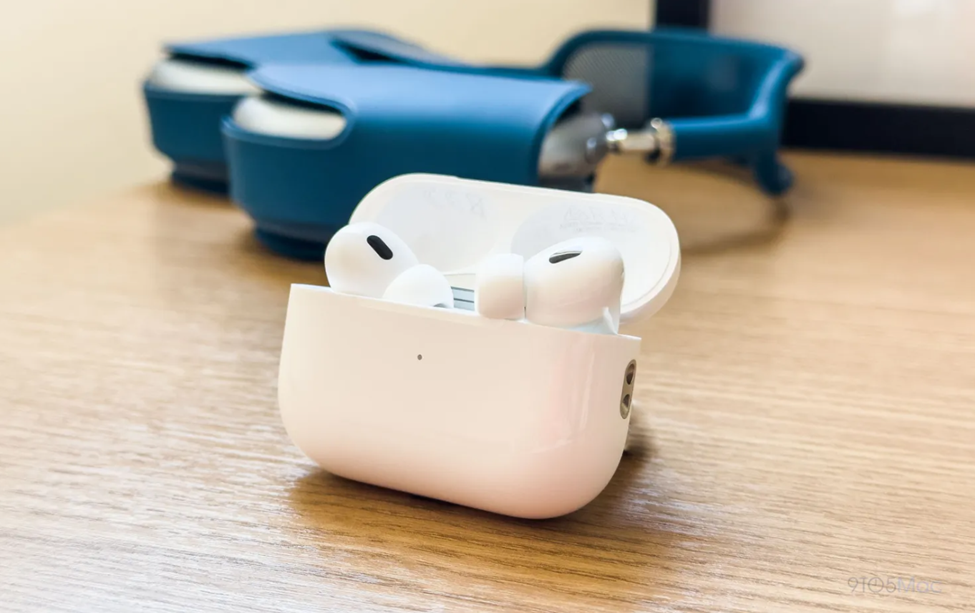
Apple is believed to be working to expand Apple’s health-tracking ecosystem even further. Cupertino giant is reportedly working to add heart rating monitoring to its future AirPods models. A recent report published on 9to5Mac mentions discovering evidence in iOS 18 about Apple testing the feature for upcoming AirPods.

As per the report, the feature will likely be introduced in the upcoming AirPods Pro 3 and the next generation of Powerbeats Pro.

This aligns with recent Apple patent details that have confirmed the use of health sensors to detect heart diseases.

Earlier this month, it was also reported that the new code in beta refers to upcoming wireless earbuds with heart-rate sensors.

The previous report reveals, “Code discovered in the latest iOS 18 beta hints at the upcoming functionality, with a system message reading: “Wear both earbuds during workouts to track and send your heart rate to Apple Health. Manage in Bluetooth settings.”

This code is part of the system setup for Apple’s wireless headphones. It includes both AirPods and Beats.

Reliable sources from 9to5Mac indicate that the new heart-rate monitoring feature is expected to launch next year.

Both the AirPods Pro 3 and the next version of Powerbeats Pro will likely include this health sensor.

In another report, Apple’s patent application was spotted by Patently Apple. It reveals details of how microphones inside the ear canal could be used to identify pointers to “heart pathology,” heart disease in common language.

“A device that includes a microphone may be worn in or on an ear of a user. A microphone signal generated by the microphone may be processed to determine the heart activity of a user. An indication of a heart pathology may be detected by applying a predictive algorithm to at least the heart activity.

Heart pathologies include a range of conditions that relate to a person’s heart, such as, for example, blood vessel disease (e.g., coronary artery disease), heart rhythm problems (e.g., arrhythmias), heart defects (e.g., congenital heart defects), heart valve disease, disease of the heart muscle, heart infection, or other heart pathologies […]

Processing the microphone signal may include applying a filter (e.g., a low-pass filter) to the microphone signal. The microphone signals may be processed to sense an infrasound signal in the microphone signal. Additionally, or alternatively, processing the microphone signal to determine the heart activity may include sensing an ultrasound signal in the microphone signal. The microphone signal may be processed to detect a signal that indicates a heartbeat or other movement of such as blood flow that gives information about the heart.”

Bradycardia (abnormally low heart rate) and tachycardia (abnormally high heart rate) could be the two most basic levels detected. However, more sophisticated detection is also possible.

“For example, the first heart activity and the second heart activity may be compared. Comparing the first heart activity and the second heart activity may include detecting a difference in strength between the first heart activity and the second heart activity. Additionally, or alternatively, comparing the first heart activity and the second heart activity may include detecting a difference in timing between the first heart activity and the second heart activity.

Detecting the blockage in the carotid artery may include using an artificial neural network to detect the blockage in the carotid artery based on the first heart activity and the second heart activity.”

Previously, Bloomberg’s Mark Gurman also hinted that AirPods Pro 3 will have health sensors.

AirPods Pro 3 is expected to launch next year.

FAQs

Q1. What new feature is Apple likely adding to future AirPods models?

Answer. Apple is expected to add heart-rate monitoring to future AirPods models, including AirPods Pro 3 and the next generation of Powerbeats Pro. This feature will use health sensors to track and send heart rate data to Apple Health during workouts.

Q2. When is the heart-rate monitoring feature coming to AirPods?

Answer. The heart-rate monitoring feature is expected to launch next year, as hinted in the iOS 18 beta and confirmed by Apple’s recent patent and reliable sources.

Q3. When is the next AirPods launching?

Answer. Although there is still official confirmation, AirPods Pro 3 is expected to launch next year.

Read More: Apple’s AirPods Pro 2 get FDA approval for new hearing aid feature, will compete with OTC dedicated devices

Read More: Apple expected to unveil new AirPods Pro with enhanced noise-canceling

Instagram Teen Accounts Announced With Auto Protections and Parental Supervision

0

Highlights

  • New Instagram Teen Accounts are announced.
  • Designed for teens aged 13-17, these accounts are private by default.
  • Accounts will have built-in protections and parental controls.
  • Available now in the US, rolling out to existing teen accounts in the US, UK, Canada, and Australia within 60 days
  • Account features are expected to be available globally by January 2025.
image
Instagram Teen Accounts Introduced (Image credit – Instagram)

Meta recently launched Instagram Teen Accounts to provide a safer experience for teens and build confidence amongst parents. It is a new feature designed to enhance the safety and privacy of users aged 13 to 17. Instagram Teen Accounts come with built-in protections and parental control features.

Instagram Teen Accounts will be rolled out gradually. Here’s everything you need to know about the new features introduced.

What Are Instagram Teen Accounts?

Instagram Teen Accounts are designed specifically for users between the ages of 13 and 17.

These accounts will be private by default. Instagram will be offering specific parental supervision features for these accounts and display content suitable for the teen’s age.

image
Instagram Teens Accounts will automatically have the most restrictive setting of sensitive content control. (Image credit – Instagram)

Yvonne Johnson President of National PTA said, in a press statement, “Given that parents today are grappling with the benefits and challenges of the internet and digital media for their teens, our association applauds Meta for launching Instagram Teen Accounts. With teens automatically placed in Teen Accounts and certain privacy settings turned on by default, this update demonstrates that Meta is taking steps to empower parents and deliver safer, more age-appropriate experiences on the platform.”

“Instagram Teen Accounts reflect the importance of tailoring teens’ online experiences to their developmental stages and implementing appropriate protections. Younger adolescents are more vulnerable as their skills are still emerging and require additional safeguards and protection. Overall, the settings are age-specific, with younger and older teens being offered different protections,” said Rachel Rodgers, PHd Associate Professor of Applied Psychology, Northeastern University.

Instagram Teen Accounts – Built-In Protections

Instagram Teen Accounts come with several protections enabled by default. It also allows parents to decide what settings can be adjusted for teens under 16.

image
Instagram Teen Accounts will be private by default. (Image Credit – Instagram)

These protections include:

  • New followers must be approved by the teen account owners.
  • Only followers can view these account’s content or interact with them.
  • Only people teens follow can send them messages, tag them, or mention them.
  • Sensitive content including cosmetic procedure promotions will be restricted.
  • Offensive words and phrases are to be automatically hidden.
  • Prompts to close the Instagram app after using it for 60 minutes a day.
  • Instagram notifications are to be muted from 10 PM to 7 AM.
  • Contacts to receive an auto-reply indicating the user is in sleep mode.

How to Get an Instagram Teen Account?

New Accounts –

  • Teens aged 13-17 who sign up for a new Instagram account will automatically be placed in a Teen Account.
  • Teens under 16 will need parental or guardian approval to switch to a public account.
  • Users aged 16-17 can make the change on their own if their account is not under parental supervision.

Existing Accounts –

  • Teens under 16 with public accounts will have their settings automatically switched to private.
  • Will need parental approval if these accounts want to go public again.
  • Teens aged 16-17 with public accounts will remain public without needing permission.

How to Verify Age on Instagram Teen Accounts?

Teens can verify their age by –

  • uploading an ID, such as a driver’s license or identity card.
  • Upload a video selfie. This will be used by Meta’s partner Yoti to estimate age using facial recognition technology.

Meta assures that this data will only be used for verification. The social media platforms claim it will be deleted once the process is complete.

Verification will also be required if a teen attempts to change their age to over 18. This process will be starting in the US in early 2025.

Parental Supervision on Instagram Teen Accounts

Parents or teens can set up parental supervision on Instagram accounts now.

Once set, parents can adjust settings for less strict supervision. This can be done with teen approval.

image

 Instagram will set total daily time limits for teens’ Instagram usage (Image Credit – Instagram)

What Parents Can Do:

  • get insights into who their teens are chatting with
  • Set total daily time limits for teens’ Instagram usage
  • Block teens from using Instagram for specific periods
  • See topics your teen is looking at

However, parents cannot see search history or chats, post on their teen’s behalf, or change the account password.

Instagram Teen Accounts – Availability

Instagram Teen Accounts are currency available in the US region only.

As per a recent announcement, existing teen accounts in the US, UK, Canada, and Australia will be switched to Teen Accounts starting next week.

The transition is expected to be complete within 60 days.

The EU will see this feature later this year.

We can expect Instagram Teen Acccounts to be active globally by January 2025. Meta also plans to expand Teen Accounts to its other social media apps by next year.

FAQs

Q1. Who can set up parental supervision on Instagram Teen Accounts?

Answer. Both parents and teens can set up parental supervision. Once it’s set, parents can adjust settings to allow less strict supervision, with the teen’s approval.

Q2. What can parents see and control in Instagram Teen Accounts?

Answer. Parents can see who their teen has messaged in the past seven days, set daily time limits on Instagram usage, prevent usage during specific times (like nighttime), and control the topics their teen can access on Instagram.

Q3. What are parents unable to do in Instagram Teen Accounts?

Answer. Parents cannot see the teen’s search history or chats, post on their behalf, or change the account password.

Q4. Is Instagram Teen Accounts available globally?

Answer. We can expect Instagram Teen Acccounts to be active globally by January 2025. Meta also plans to expand Teen Accounts to its other social media apps by next year.

Read More:Facebook and Instagram getting new AI tags for AI-generated content and media

Read More: Meta introduces cross-post from Instagram and Facebook to Threads

Read More: Instagram working on new feature named ‘Friend Map’

Meta Fined $101.5M Over Facebook and Instagram Password Breach, Involves Up to 600 Million Accounts

0

Highlights

  • Meta has been fined $101.5 million by the Irish Data Protection Commission.
  • Investigation revealed Meta stored Facebook and Instagram passwords in plain text.
  • Password breach reportedly impacted up to 600 million users.
  • Passwords have been accessible to over 20,000 Meta employees since 2012.
image
Investigation Report says, Up to 600 million Facebook and Instagram passwords were stored in plain text. (Photo by Timothy Hales Bennett on Unsplash)

Meta has been slapped with a $101.5 million (€91 million) fine by the Irish Data Protection Commission (DPC) following an investigation into a major security breach. As per a recent report in Engadget,  the breach involved Meta mistakenly storing Facebook and Instagram users’ passwords in plain text leaving them vulnerable to internal access.

This investigation first came to light in January 2019 when Meta announced that some user passwords had been stored in plain text on its servers. However, after a month, Meta admitted that millions of Instagram passwords were stored in a readable and unsecured format.

 During the previous announcement, Meta never officially confirmed how many users were impacted.

However, a senior employee told Krebs on Security that as many as 600 million passwords were involved in the breach.

Reports now claim that some of these passwords have been stored in plain text since 2012. If true, this means the passwords were accessible to over 20,000 Facebook employees.

Meanwhile, the DPC has confirmed that the passwords were not made available to outside parties.

Apart from the grave security lapse, Meta also faces criticism for failing to promptly report the breach to regulators. Companies are legally obligated under data protection laws to do so.

“It is widely accepted that user passwords should not be stored in plaintext, considering the risks of abuse that arise from persons accessing such data. It must be borne in mind, that the passwords the subject of consideration in this case, are particularly sensitive, as they would enable access to users’ social media accounts,” DPC’s Deputy Commissioner, Graham Doyle, said in a statement.

Many industry experts have been quick to argue that a $101.5 million (€91 million) fine is small in comparison to the severity of the breach. Europe’s GDPR law allows fines of up to 4% of a company’s global revenue.

The breach of this scale put email addresses and passwords at risk. Any cyber attackers could have potentially taken control of millions of Facebook and Instagram accounts.

The incident highlights ongoing privacy concerns. Critics have been suggesting that fines need to be much higher and better policy implementation for companies to take data breaches more seriously.

FAQs

Q1. Why was Meta fined by the Irish Data Protection Commission (DPC)?

Answer. Meta was fined $101.5 million for storing Facebook and Instagram users’ passwords in plain text, making them vulnerable to internal access. The investigation revealed that up to 600 million passwords were affected.

Q2. Were Facebook passwords exposed to external parties in Meta 2019 breach?

Answer. No, the DPC confirmed that the passwords were not made available to outside parties. However, they have been accessible to over 20,000 Facebook employees since 2012.

Read More: Facebook and Instagram getting new AI tags for AI-generated content and media

Read More: Meta introduces cross-post from Instagram and Facebook to Threads

Read More: Meta enhances AI content transparency on Facebook, Instagram, and Threads

Google Rolls Out Contextual Smart Replies for Gmail on Android and iOS

0

Highlights

  • Google introduces Contextual Smart Replies for Gmail on Android and iOS.
  • It will provide tailored responses using Gemini AI.
  • Currently available in English for premium tier users only.
  • To be available for all Gmail users soon.
image
Gmail to soon get Contextual Smart Replies using Gemini AI. (Photo by Solen Feyissa on Unsplash)

Google is now rolling out Contextual Smart Replies for Gmail on Android and iOS devices. This comes after the announcement at I/O 2024. At the annual event, it was announced that Google is building on the Smart Reply and Smart Compose features with Contextual Smart Replies.

Contextual Smart Replies mean Google looks at the context of an email to provide much more customized, detailed, and nuanced suggestions. The current Smart Replies feature is more of a one-line reply option.

As mentioned, this new feature will be an upgrade from the original Smart Reply launched in 2017.

Google will be utilising its Gemini AI capability and provide more detailed, tailored responses based on the context of an email.

Once the rollout is complete, Gmail users will have to enable “Smart features and personalisation” in Gmail to be able to access this feature.

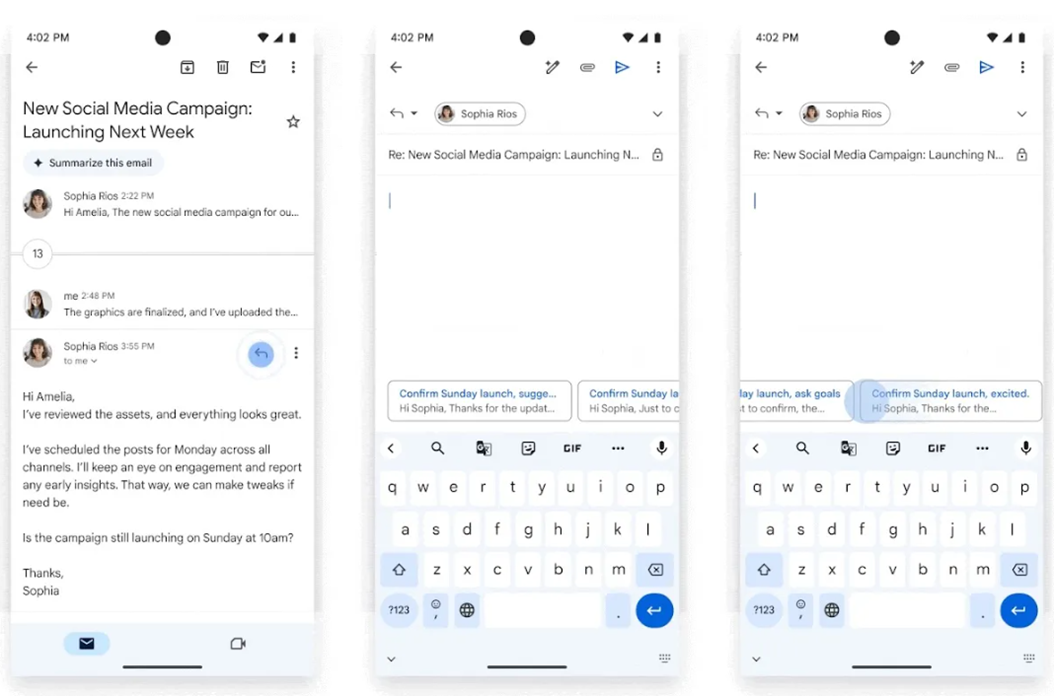
Once enabled, you will see three reply suggestions in a carousel when drafting a reply to an email. Each suggestion will summarise the tone and direction of the response.

image
Contextual Smart Replies will give three Smart Replies suggestions in a carousel when a reply is drafted. (Image – Google Blog)

Users would be able to long-press to get a preview. Whereas, tapping will insert the full reply into the email. The entire response will be completed with greetings and closings for further editing.

In a post on its official blog, Google explained the new feature in detail – “After initiating an email reply, users will see a few response options at the bottom of their screen that take the full content of the email thread into consideration. Hover over each response to get a quick preview of the text, select the one that feels right for the situation, and edit it as you see fit or send the response immediately.”

image
Gmail users can either long-press to get a preview or tap to insert the full reply into the email. (Image credit – Google Blog)

As of now, the Contextual Smart Reply feature is only supported in English. The availability of the feature is also limited to users on premium tiers such as Google One AI Premium, Gemini Business, and other enterprise or education plans.

According to Google, the feature is rolling out now and will be available to all Gmail users in the coming weeks.

Apart from this, Google has also introduced other recent features such as Summarize for individual emails and Gmail Q&A for Desktop.

FAQs

What is the new Contextual Smart Replies feature in Gmail?

The Contextual Smart Replies feature in Gmail offers detailed, tailored responses based on the context of an email, thanks to Google’s Gemini AI.

How will Contextual Smart Replies on Gmail work?

Gmail users will get three reply suggestions in a carousel, which can be previewed or inserted into the email for further editing.

Who can access the new Contextual Smart Replies in Gmail?

Currently, the feature is available only in English and is accessible to users on premium tiers such as Google One AI Premium, Gemini Business, and other enterprise and education plans. The feature is rolling out now and will be fully available in the coming weeks.

What is the difference between Contextual Smart Replies & Smart Replies ?

Contextual Smart Replies and the original Smart Replies both aim to streamline email responses, but they differ in terms of complexity and functionality.

Smart Replies offers short, pre-written, one-line suggestions like “Thanks!” or “I’ll check and get back to you,” based on the content of the email.

The feature doesn’t analyse the entire conversation deeply but provides general, quick responses to speed up communication. The feature is ideal for short or straightforward email interactions where only a brief acknowledgement or simple answer is needed.

And the new Contextual Smart Replies is designed as an advanced version of basic Smart Replies.

Powered by Google’s Gemini AI, this new feature analyses the entire conversation in-depth and offers more nuanced and context-aware responses. It generates three fully crafted email responses, each with a distinct tone or action (e.g., asking for more information, confirming details, or declining).

These suggestions include greetings, body content, and sign-offs, and users can preview and edit them before sending. Tailored to more involved conversations, the feature helps users save time with more comprehensive replies.

Contextual Smart Replies is a more advanced version, providing deeper context and longer responses, whereas Smart Replies focuses on brevity and speed.

Read More: Google Launches Free Gemini 1.5 Flash AI Globally in 230 Countries

Read More: Google’s Gemini AI Assistant Adds New Female Voice Option

Meta Launches Standalone Meta Quest 3S VR Headset

0

Highlights

  • Meta Quest 3S has been launched as a more affordable standalone VR headset
  • Meta Quest 3S price starts at $299.99 (₹24,500).
  • Shares core hardware with Quest 3.
  • Features a single LCD screen with a slightly lower resolution and older Fresnel lenses.
  • Available in 128GB and 256GB storage options.

image

Meta Introduces Its Most Affordable Mixed Reality Headset – Meta Quest 3S (Image Credit – Meta)

Meta has introduced a more affordable version of its popular mixed-reality headset – the Meta Quest 3S. It is offered as a standalone mixed-reality headset and is aimed at making virtual reality more accessible.

“The “S” represents your “start” into the Meta Quest 3 portfolio. We’re excited to be launching a device that allows more people to access high-quality mixed reality,” Meta Quest official X handled posted.

The newly launched Meta Quest 3S shares the core hardware of the non-S version – the Meta Quest 3. It is powered by the same Snapdragon XR2 Gen 2 chipset and offers 8GB of RAM. However, the Quest 3S offers the same core hardware at a lower price point.

Meta Quest 3S price starts at $299.99 (around ₹24,500).

How Is Quest 3S Different From Quest 3 and Quest 2?

Quest 3S is the best headset for those new to mixed reality and immersive experiences, or who might have been waiting for a low-cost upgrade from Quest and Quest 2.

The Quest 3S combines features of both the Quest 2 and Quest 3 but offers a standalone device with a comparatively affordable price tag.

Unlike the Quest 3’s dual LCDs, the Quest 3S has a single LCD screen with a slightly lower resolution (1,832 x 1,920px per eye). However, it still supports 90Hz and 120Hz refresh rates.

It also swaps out the Quest 3’s slim pancake lenses for the older Fresnel lenses from the Quest 2. This helps in getting a narrower field of view.

image

Display specs of Quest 3S (Image credit – Meta)

It measures 96° horizontally and 90° vertically, slightly different from the 110° and 96° offered by the Quest 3.

It is also nearly identical to Quest 3 in terms of weight. While Quest 3 weighs 515g, the newly launched Quest 3S weighs 514g.

Meta Quest 3S Joins the Meta Quest 3 Family

Moreover, the Quest 3S offers better battery life as compared to the Quest 3. The battery performance is better as it lasts up to 2 hours and 30 minutes even though the battery is smaller.

Meta Quest 3S – Unboxing and Setup

Meta Quest released a quick unboxing video with the initial setup guide.

The videos demonstrate how to turn your headset on and show the functionality of all the buttons. Users can refer to this video to get to know the Meta Quest 3S and Touch Plus controllers better.

Meta Quest 3S – Price and Availability

Quest 3S is compatible with our full library of thousands of apps and games.

The Meta Quest 3S is available in two storage options – 128 GB and 256 GB. The 12GB variant costs $299.9 (around ₹24,500), whereas the 256GB variant is available for $400 (around ₹33,000).

The Quest 3S has the same controllers as the Meta Quest 3

With this launch, Meta has also reduced the price of the 512GB Quest 3. It will now be available at a reduced price of $500 (around ₹42,500) for those seeking a higher display quality.

FAQs

Q1. What is the Meta Quest 3S?

Answer. The Meta Quest 3S is a budget-friendly VR headset, starting at $299.9, sharing the core hardware with the Quest 3 but with a single LCD screen and older Fresnel lenses to reduce costs.

Q2. What are the display specifications of the Meta Quest 3S?

Answer. The Quest 3S features a single LCD screen with a resolution of 1,832 x 1,920 pixels per eye. It supports 90Hz and 120Hz refresh rates for smooth visuals.

Q3. What is the battery life of the Meta Quest 3S?

Answer. The Meta Quest 3S offers improved battery life, lasting up to 2 hours and 30 minutes, despite being almost identical in weight to the Quest 3.

Q4. What are the storage options available for the Meta Quest 3S?

Answer. The Meta Quest 3S is available in two storage options: 128GB for $300 and 256GB for $400. The price of the 512GB Quest 3 has been reduced to $500.

Q5. What hardware powers the Meta Quest 3S?

Answer. The Meta Quest 3S is powered by the Snapdragon XR2 Gen 2 chipset and comes with 8GB of RAM, providing a strong performance for VR experiences.

Read More: Meta Quest Now Supports Six Windows, Competes with Vision Pro

Read More: Apple Vision Pro vs. Meta Quest 3

Apple Reportedly Working on Next-Gen Vision Pro Headset with M5 Chip

0

Highlights

Apple plans to release a second-generation Vision Pro headset in the second half of 2025

  • Will offer a major upgrade with the M5 chip.
  • The M5 chip will enhance performance and enable advanced Apple Intelligence features.
image
Next-gen Apple Vision Pro is on its way. (Image credit – Apple)

Apple is gearing up to release a second-generation Apple Vision Pro headset. We might see a release in the second half of 2025.

Famous Apple Analyst Ming-Chi Kuo in his recent Medium post titled “AI spatial computing to be the main selling point for new M5-powered Vision Pro; new Apple suppliers like Zhaowei in focus” revealed the details of the upcoming Apple plans.

It was also specified that the new version won’t see many changes in design or overall specs. The next-gen model will be powered by the M5 chip, which will be the major upgrade from the M2 chip found in the current model.

According to Kuo, the M5-powered Vision Pro is expected to enter mass production in 2025.

The M5 chip is expected to provide a significant boost in performance. It will be particularly designed to enable advanced Apple Intelligence features.

“The biggest design challenge for Vision Pro/head-mounted display devices is that the human-machine user interface needs to be more intuitive and efficient. Apple Intelligence/GenAI is expected to improve this significantly. Combining eye tracking, gesture control, and Apple Intelligence should provide a better user experience for spatial computing,” Kuo mentions.

As of now, it’s unclear if Apple plans to bring these features to the first-gen Vision Pro as well or not. However, certain reports and murmurs in the tech community suggest that Apple is working on integrating Apple Intelligence into the current Vision Pro model.

Analyst Ming-Chi Kuo claims that Apple Intelligence will be the chief selling point of an M5-based Apple Vision Pro

Kuo in his Medium posts also highlighted that despite the power upgrade the price for the second-gen Vision Pro is likely to remain close to the original’s $3,499 starting point.

Rumours also suggest that Apple is developing a more affordable entry-level version of the Vision Pro headset. This will be aimed at expanding the accessibility of the device to a wide consumer base.

Kuo also hinted at the supply chain of M5 Vision Pro suggesting that not much will be changing in that sphere. Kuo wrote, “The supply chain for the M5 Vision Pro will mostly stay the same. New Apple suppliers such as Zhaowei are likely to attract more investor attention. Unaffected by existing product sales, these new suppliers may be better positioned to reflect positive trends in Vision Pro.”

Kuo is an analyst at TF International Securities and is known for sharing observations and predictions of tech industry trends.

FAQs

Q1. When is the next Apple Vision Pro headset expected to be released?

Answer. The second-generation Apple Vision Pro headset is expected to be released in the second half of 2025, featuring a major upgrade to the M5 chip.

Q2. What improvements will the M5 chip bring to the new Vision Pro headset?

Answer. The M5 chip is expected to provide a significant boost in performance, enabling advanced Apple Intelligence features for a more intuitive and efficient user experience in spatial computing.

Read More: Experience House of the Dragon Season 2 on Apple Vision Pro with an Immersive Iron Throne Room

Read More: Apple Vision Pro China 3C Certification

Read More: Apple Vision Pro vs Meta Quest 3